



1/6
Make Meadows Wants To Dismantle the Tyranny of Lawns
This article discusses the environmental and social impacts of traditional lawns and introduces Make Meadows, a project by Brooklyn-based design studio Gander, aimed at promoting rewilding and native plant use. The author begins by describing personal experiences with lawn care and the emerging "No Mow May" movement, which encourages people to refrain from mowing their lawns during May to support pollinators. While this practice has critics who cite concerns about fungal diseases, invasive species, rodents, and snakes, it also highlights a broader movement towards rewilding and restoring natural landscapes.
The co-founder of Gander, Katie Levy, expresses strong opposition to perfectly manicured lawns, pointing out that the largest irrigated crop in the U.S. is not agricultural produce but rather lawns. The maintenance of these lawns consumes excessive amounts of water, gasoline, fertilizers, and chemicals, contributing significantly to environmental degradation. The article traces the historical origins of the lawn as a status symbol, noting its adoption by figures like Thomas Jefferson and George Washington after observing European landscape designs such as those at the Palace of Versailles. The widespread distribution of images of Mount Vernon further cemented the idea of the lawn as an aspirational element in American homes during the 18th and 19th centuries.
A key environmental issue highlighted is the negative impact of monoculture grass lawns and pesticide use on soil health. Such practices hinder biological carbon sequestration, the process by which plants draw carbon from the atmosphere and store it in the soil. Healthy soil is crucial for water filtration, nutrient delivery to crops, and providing habitats for countless organisms, in addition to acting as a carbon sink to mitigate global warming. This is where Make Meadows comes into play.
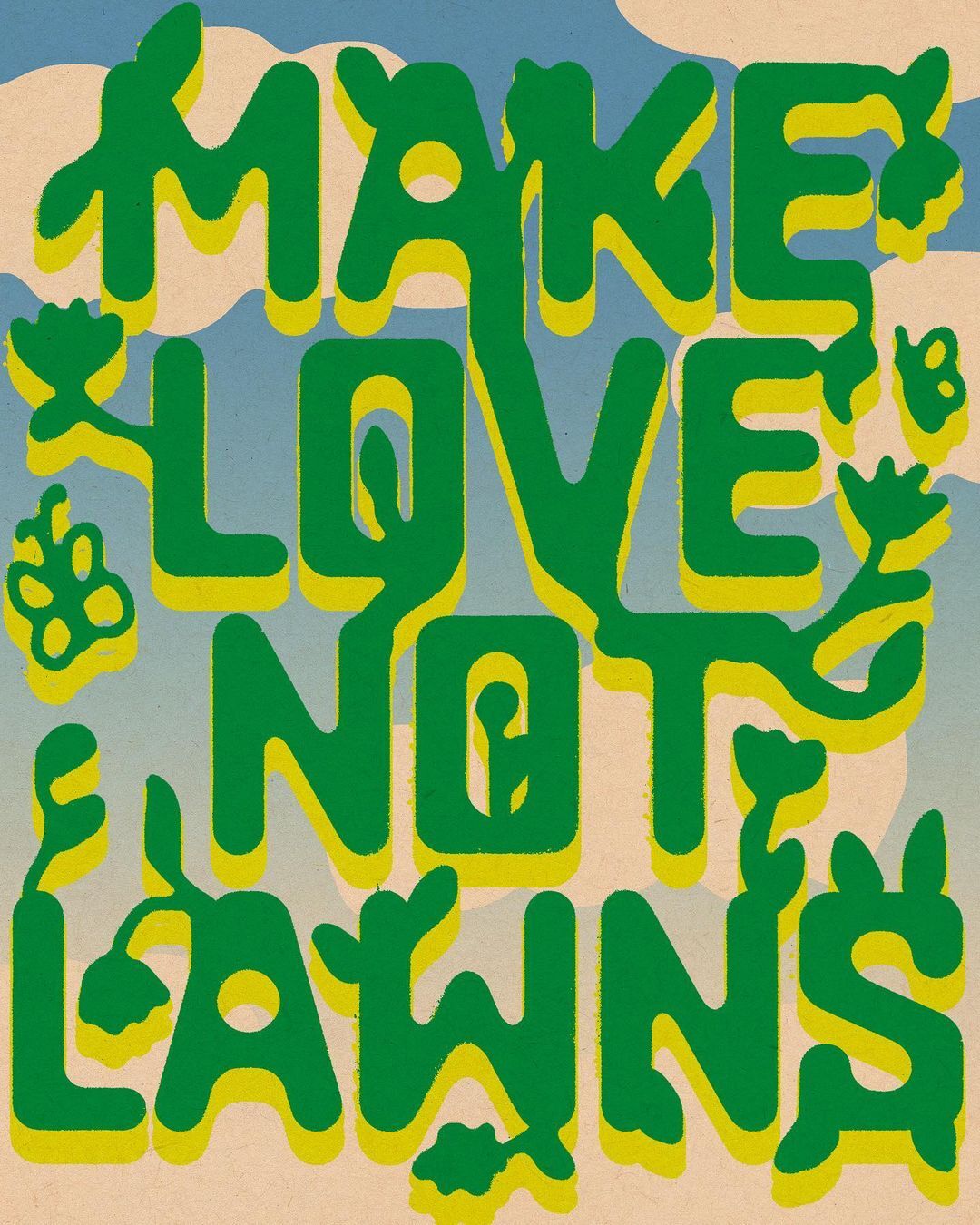
Make Meadows originated as a passion project during the pandemic for Katie Levy and Mike McVicar, inspired by the documentary "Kiss the Ground," which explores regenerative agriculture as a solution to climate change. Feeling that their existing design work for consumer packaged goods companies was not enough, they sought a project with a direct positive environmental impact. Make Meadows is Gander's first self-initiated endeavor, functioning as a free online resource dedicated to native plants and rewilding. The project aims to challenge the perception that traditional lawns are beneficial, arguing that they are environmentally detrimental. By encouraging the replacement of lawns with native plants, Make Meadows seeks to improve soil health, promote carbon drawdown, and contribute to ecological restoration.
The founders acknowledge that similar initiatives exist but identified a lack of a centralized, well-designed hub for this information. Make Meadows currently operates as an Instagram account featuring engaging visuals and factual content, with future plans to develop a comprehensive online platform. This platform would address common challenges faced by individuals starting rewilding projects, such as locating and purchasing native plants from local nurseries and connecting with experts for guidance. The emphasis on good design is crucial to inspiring broader adoption, moving away from what the founders describe as the "lackluster browns and greens" often associated with conservancy efforts. The visual content features interesting photography, vibrant colors, and electric typography, drawing on the work of designers like Matthew Miller and photographers like Regan Golden and Alana Patterson, to make rewilding feel artistic and accessible. This artistic approach aims to provide a cultural and educational hub that transcends the typical gardening book.
Levy and McVicar also apply these principles in their personal lives, transforming their Brooklyn apartment complex's limited green space into a native landscape. They view gardening and connecting with nature as a restorative and grounding experience, especially in an urban environment. The article concludes with the author's personal anecdote about participating in No Mow May, the challenges encountered with a landscaper neighbor, and the eventual decision to transform parts of their own yard into mini-meadows, reflecting a shift towards a more environmentally conscious approach to landscaping.
#MakeMeadows #Rewilding #NativePlants #SustainableLandscaping #NoMowMay #EnvironmentalDesign #SoilHealth #CarbonSequestration #GanderStudio #MakeMeadows #Rewilding #NativePlants #SustainableLandscaping #NoMowMay #EnvironmentalDesign #SoilHealth #CarbonSequestration #GanderStudio
 No comments yet