1/9
How generative design is shaping the future of architecture?
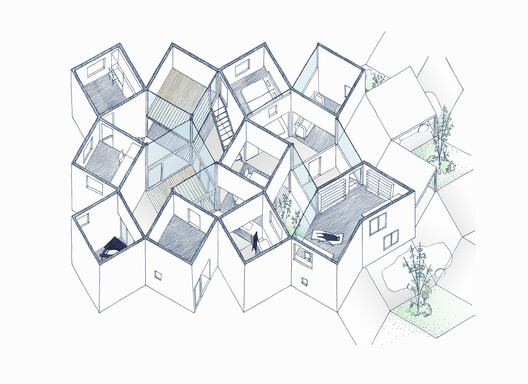
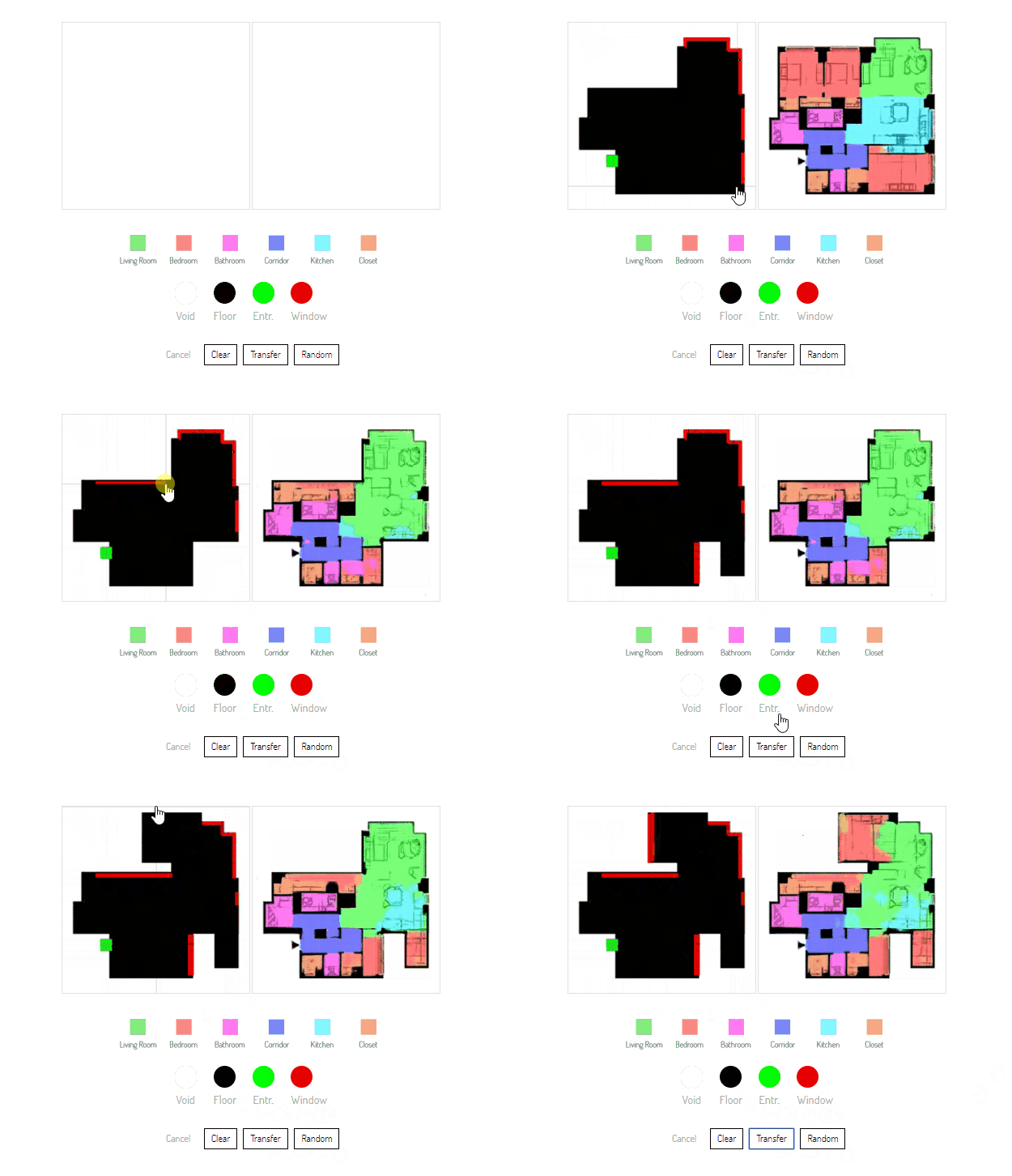
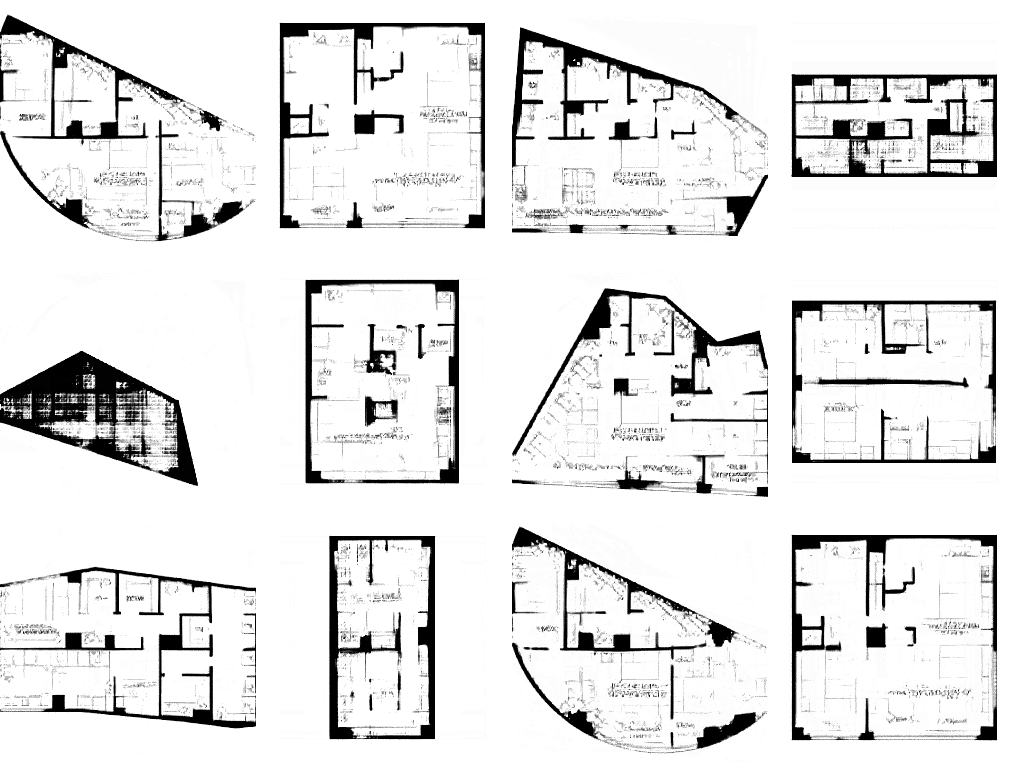
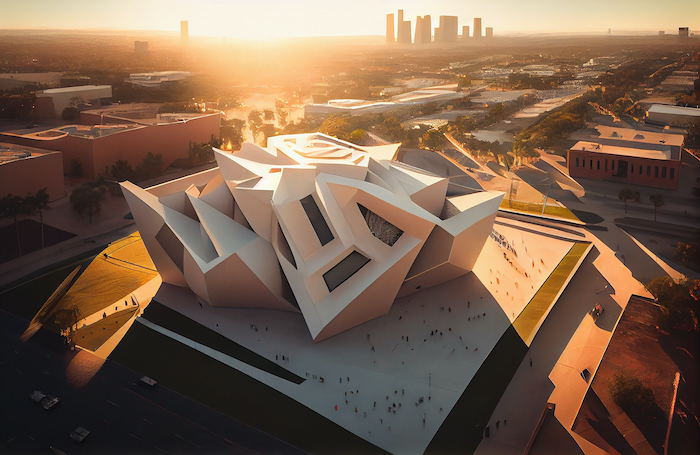
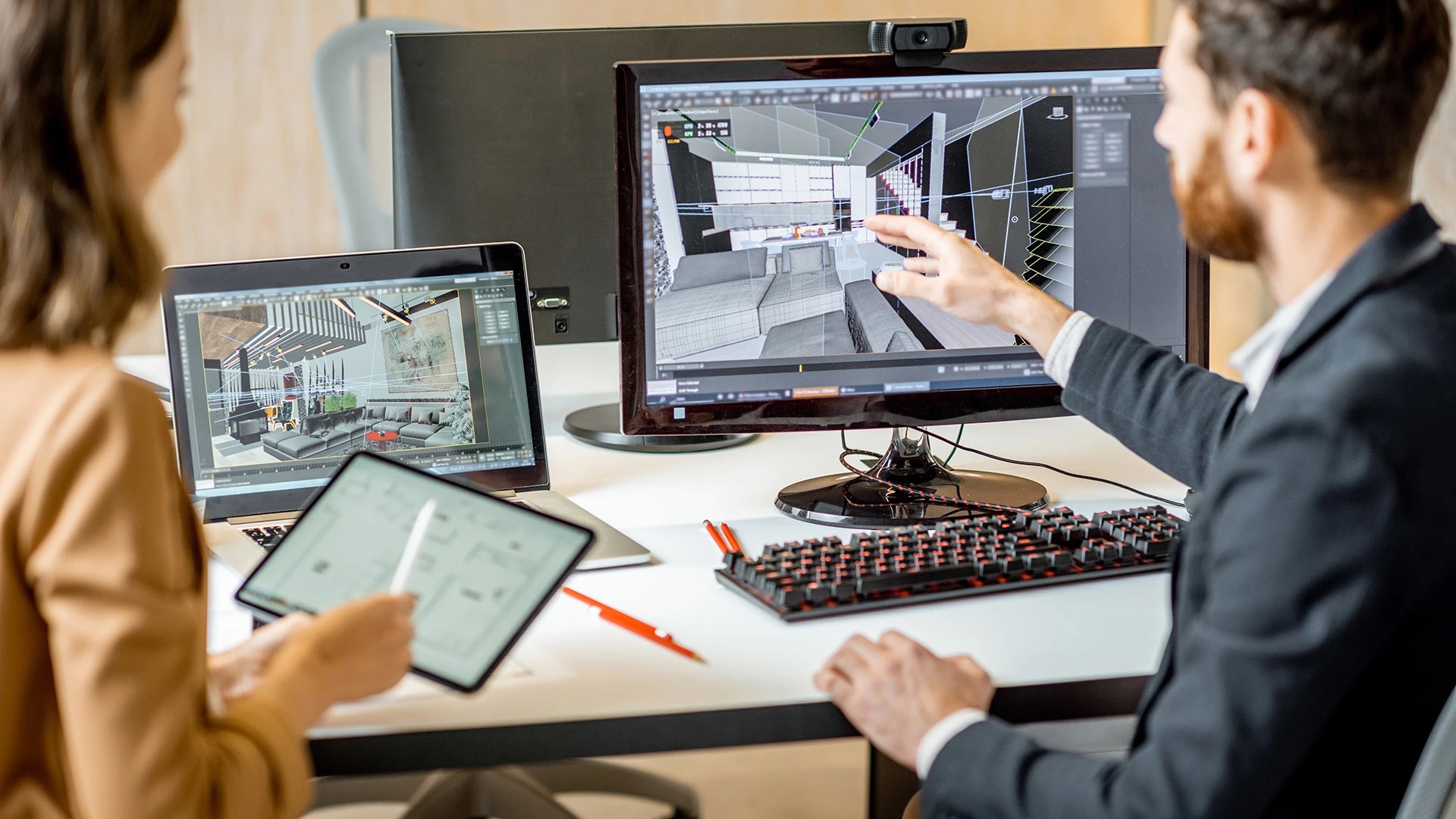
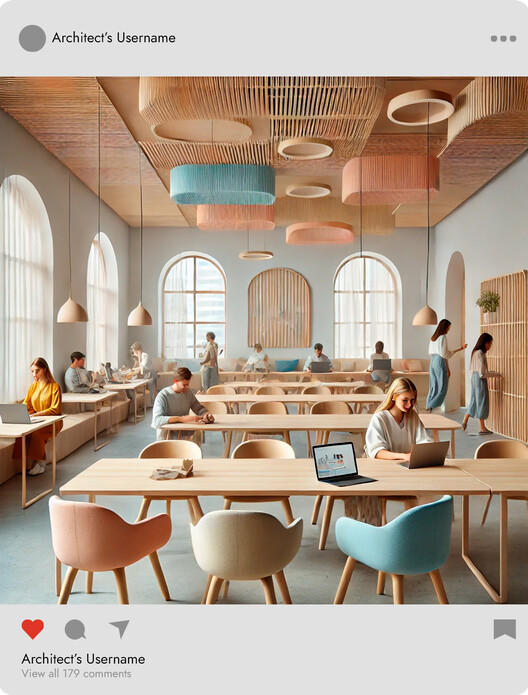
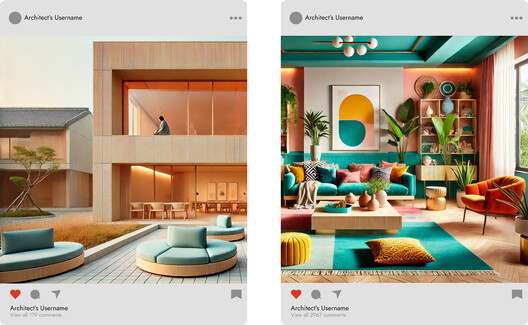
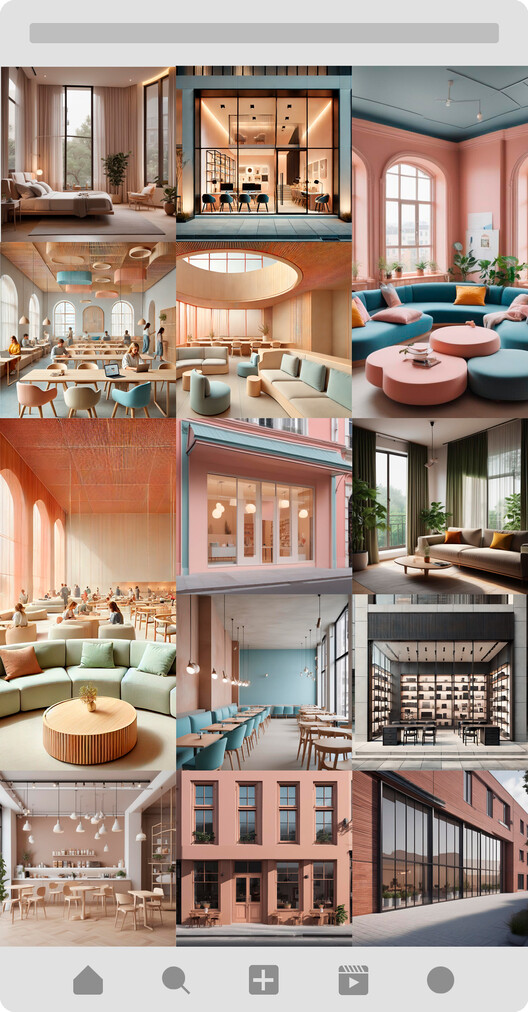
Generative design is a modern approach to critical thinking and design that leverages Artificial Intelligence (AI) and computational algorithms to automatically produce a variety of feasible ideas in architecture, engineering, and construction (AEC). This technology allows architects and engineers to generate and optimize designs based on specific criteria, constraints, and desired outcomes, facilitating the identification and implementation of optimal solutions for projects. Key software used in generative design includes Revit, Fusion360, Octopus, Archistar, and NodeBox.
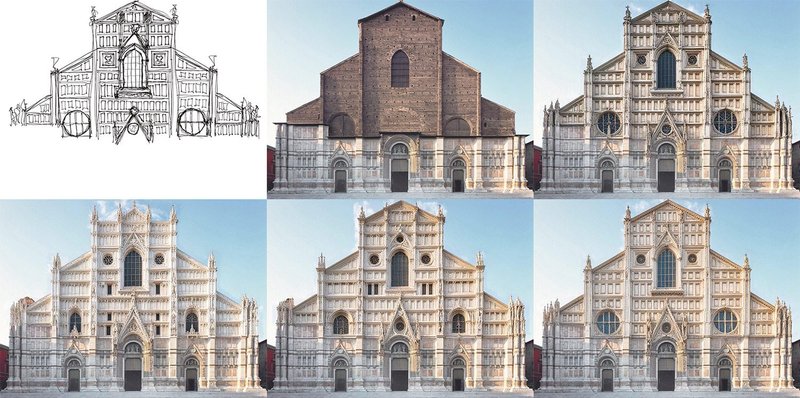
Generative design offers several benefits to architects and designers. It provides creative and technical freedom, enabling professionals to produce numerous practical design solutions that align with aesthetic requirements, thereby expanding creative possibilities. The technology allows for the evaluation of design suitability and performance against parameters such as energy efficiency, structural integrity, material usage, and occupant comfort. This data-driven analysis helps in creating efficient and environmentally friendly designs, contributing to reduced carbon footprints. Furthermore, generative design streamlines the design process by using computational methods for rapid permutation and combination of ideas, decreasing the time and effort required for design innovation. AI-backed tools automate repetitive tasks and complex calculations, freeing architects from manual labor and enhancing collaboration among project stakeholders through shared platforms.
The customization capabilities of generative design tools facilitate the creation of people-centric designs. Architects can integrate parameters related to human health and well-being, such as natural light, ventilation, thermal comfort, accessibility, and acoustic comfort, to develop interior designs tailored to user needs. For large-scale projects like urban rejuvenation and public infrastructure, generative design helps save time and costs by allowing stakeholders to evaluate ideas collaboratively on a shared platform, minimizing delays and expenses. The technology also enhances design flexibility by enabling architects to simulate future environmental impacts and adapt designs to technological advancements and urban development, ensuring long-term relevance of buildings.
Despite its advantages, generative design presents challenges. The quality of data is crucial, as flawed, biased, or outdated data can lead to erroneous design outcomes. Ensuring the use of high-quality and diverse datasets is essential for impartial and effective design generation. Over-reliance on AI-generated outputs can potentially stifle human creativity, resulting in homogenized designs. Therefore, active human intervention and creative input are necessary to guide the design evolution. Upskilling is another challenge, as generative design tools are technically complex and require architects to invest time in learning coding and computational tools. Workshops, online tutorials, and collaborations with experienced practitioners can help professionals acquire the necessary expertise.
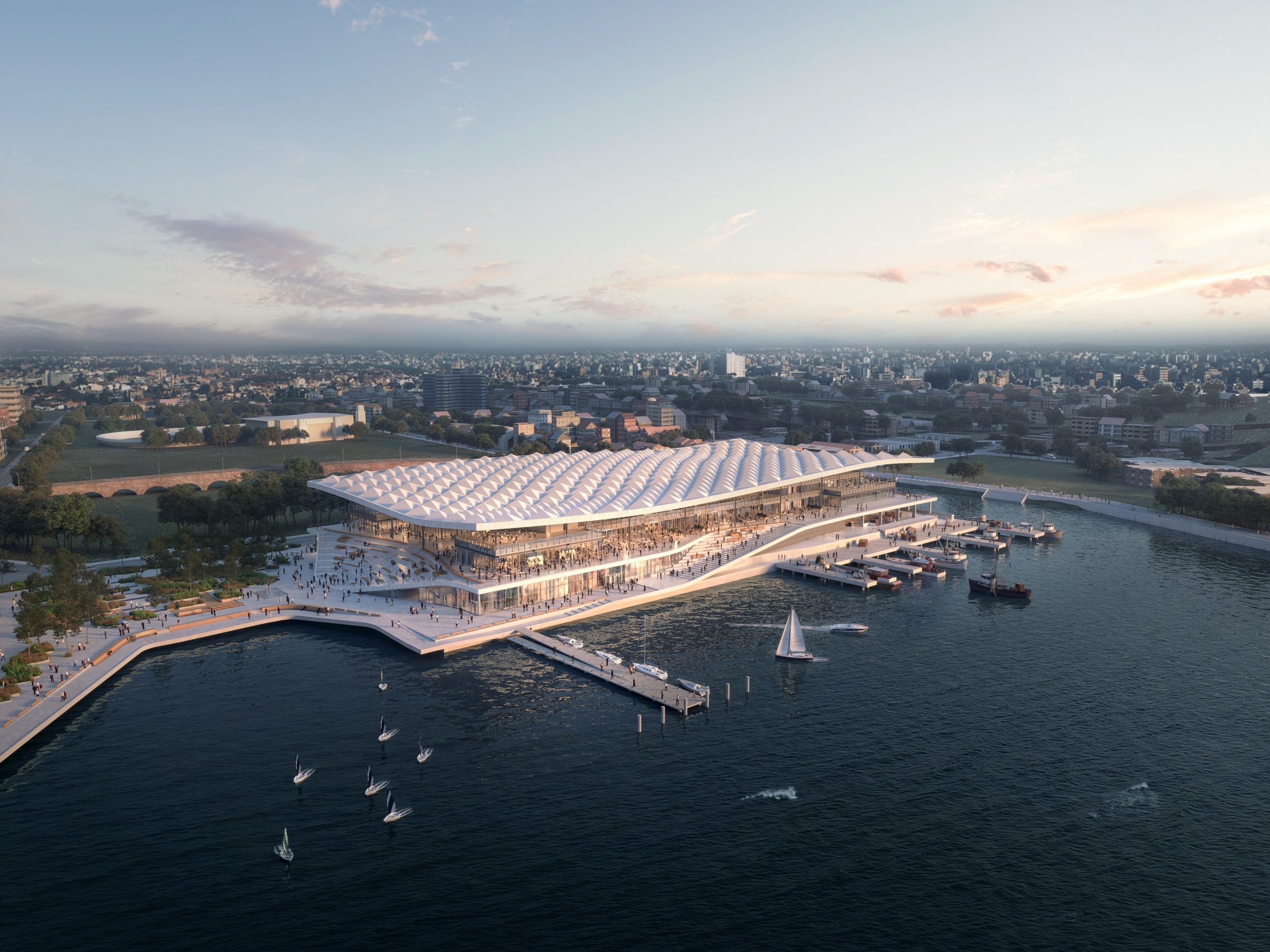
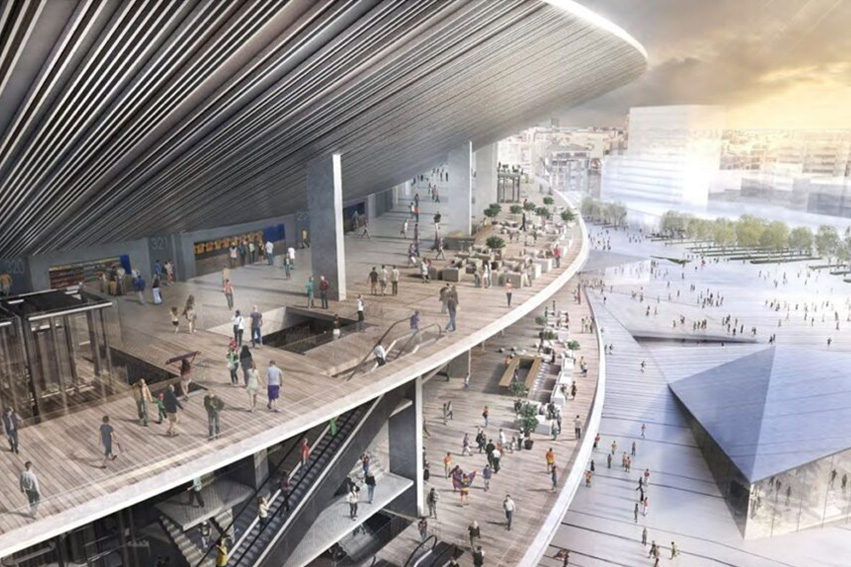
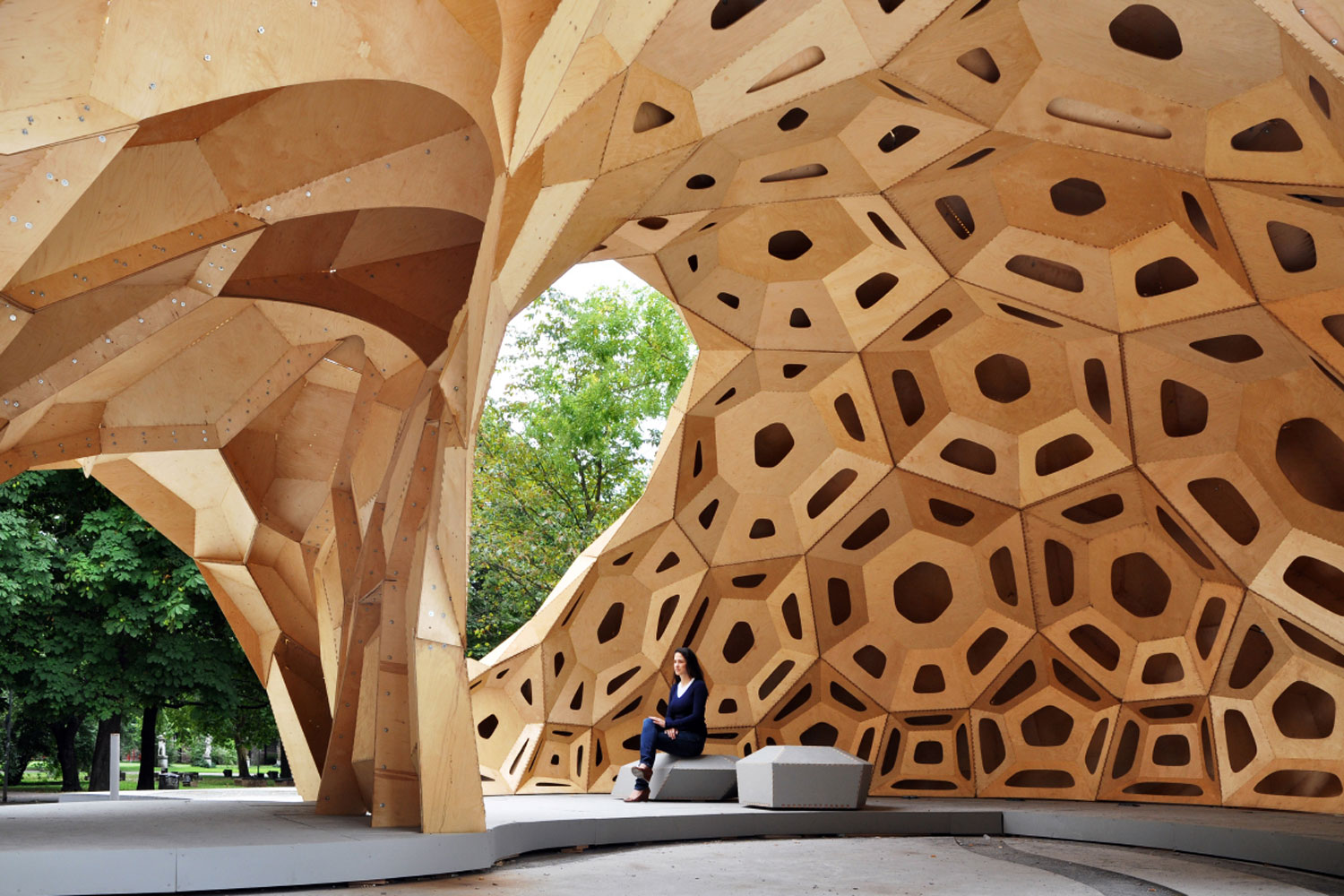
Real-world examples illustrate the application of generative design. The Shanghai Tower, one of the world's tallest skyscrapers, utilized generative design algorithms to optimize its shape for wind resistance and energy efficiency, contributing to its iconic twisting form and structural stability. The San Francisco Transbay Transit Center, a modern transportation hub, employed generative design to enhance structural efficiency and create its undulating roof and rooftop park. The ICD/ITKE Research Pavilion 2011, a temporary wooden structure at the University of Stuttgart, demonstrated generative design by integrating biological principles inspired by the sea urchin exoskeleton to create a lightweight and efficient form. Generative design is thus evolving as a tool for architectural innovation, enabling sustainable and forward-thinking approaches to create resource-efficient and resilient buildings.
#GenerativeDesign #Architecture #AECIndustry #ComputationalAlgorithms #AIDesign #BuildingPerformanceOptimization #CreativeLiberty #ShanghaiTower #SustainableDesign #GenerativeDesign #Architecture #AECIndustry #ComputationalAlgorithms #AIDesign #BuildingPerformanceOptimization #CreativeLiberty #ShanghaiTower #SustainableDesign
0 комментариев всего
 Комментариев пока нет
Вам также может понравиться

Will Artificial Intelligence Replace Designers?

The Plan and the Prompt: How AI Is Rewiring Design and Practice

Future-Proofing Design: How Interiors Will Evolve in 2023 and Beyond

Design Evolution

Generative Space Design: Exploring 8 Transformative Tools in Architecture
How AI-Powered Rendering Crushes Bottlenecks in Architecture and Interior Design
The Soul in the New Machines (Published 2008)

Why eclectic style is the design trend we’re embracing in 2025

Generating Bias in Architectural Design with Stanislas Chaillou


Dan Pink: Three Ideas Changing Design

Building Knowledge, Not Just Structures: Redefining the Architect’s Role in Times of Uncertainty

6 "Essential" Architecture Trends Design Lovers Need to Know

Innovations Driving Sustainable Building and Architecture Forward
Social Media-Friendly Design: Is Architecture Adapting to Viral Trends and Algorithms?

Architectural design to meet the needs of our time
17 Essential Architectural Styles Everyone Should Know

The Transformative Power of AI in Architecture Design
The impact of machine learning on architectural design

These are the biggest pattern trends designers are using in 2025 and beyond


2025 Design Trends We're Loving