1/18
17 Essential Architectural Styles Everyone Should Know
Architectural styles across the globe reflect local customs, art, and cultural movements, with visionary architects shaping entire building processes that often define historical periods and narrate a city’s evolution. This overview details essential architectural styles from ancient Greece to contemporary designs.
Ancient Greek architecture, encompassing monumental stone temples and timber houses, is categorized into three main orders: Doric, Ionic, and Corinthian, each with distinct details and proportions. Key features include rows of columns, stone construction, symmetry, and rectangular floor plans. Roman architecture, dating from the first century BCE to the fifth century CE, built upon Greek orders by adding Composite and Tuscan styles. Roman buildings were grander, utilizing arches, domes, columns, and concrete, evident in iconic structures like amphitheaters and aqueducts, which communicated the Roman Empire's power. Gothic architecture, prevalent in medieval European churches, is characterized by stained glass windows, flying buttresses, ribbed vaults, pointed arches, verticality, stone construction, and ornate decoration, designed to inspire spiritual transcendence.
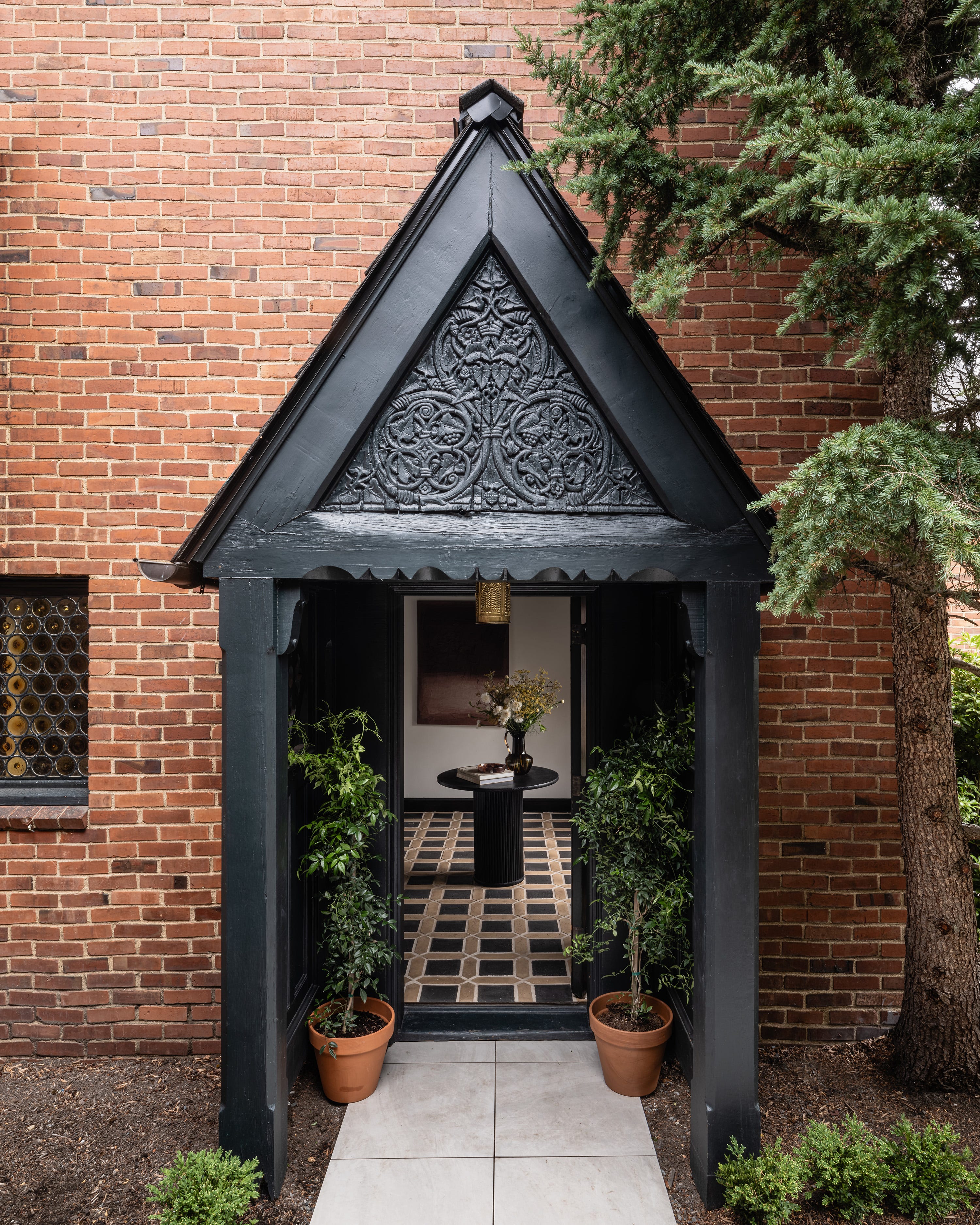
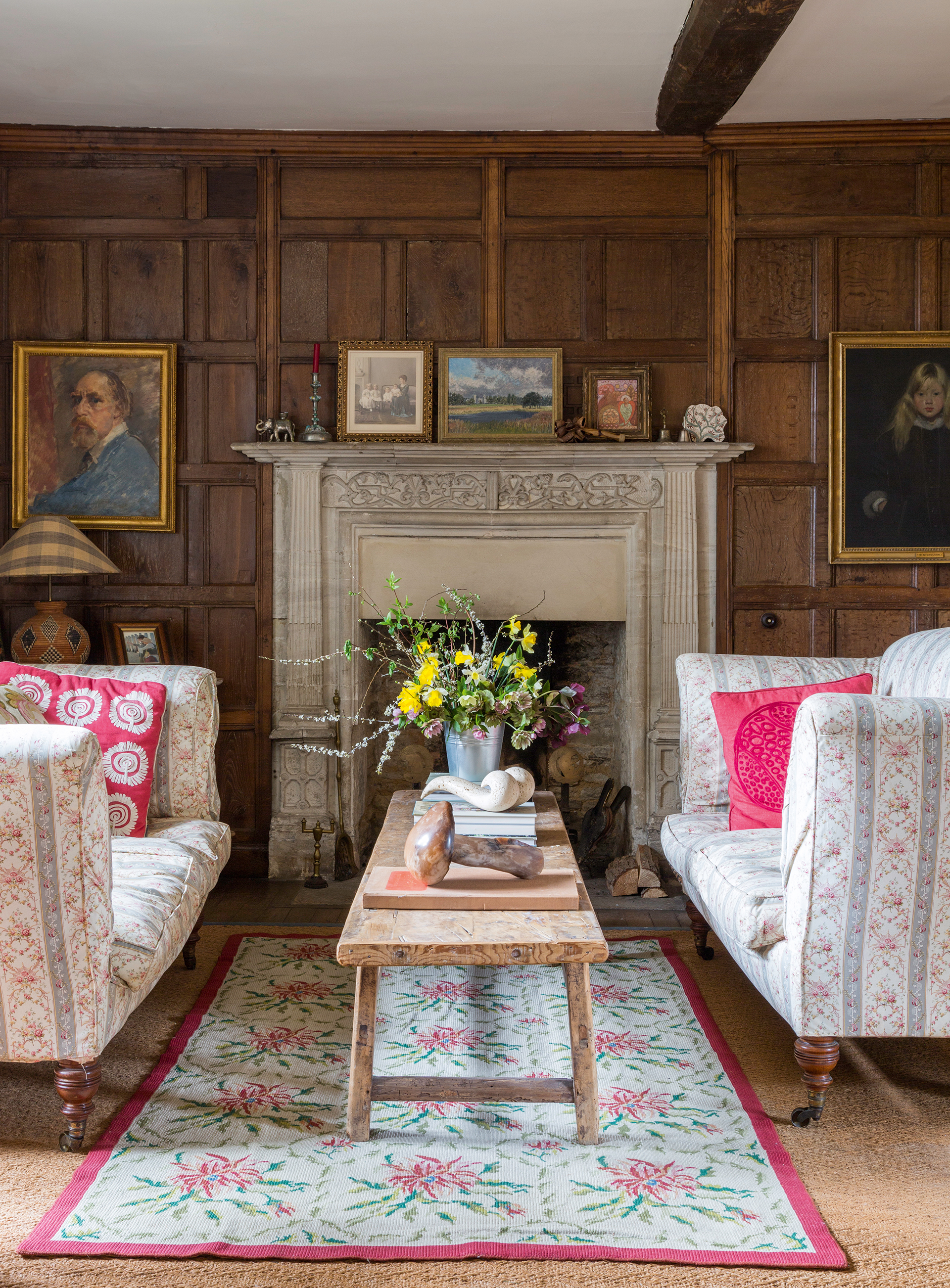
Baroque architecture, originating in Italy from the late 16th to 18th centuries, is marked by opulence, dramatic flair, and elaborate ornamentation. Common elements include vaulted cupolas, gilded sculptures, strong contrasts between light and shadow, painted ceilings, trompe l’oeil, and twisted colonnades. Tudor architecture gained popularity in England and Wales during the Tudor dynasty and later revived in the US in the late 1800s. It features steep roofs, asymmetrical facades, exposed timber beams, plaster or stucco finishes, and decorative stone and brickwork, evoking an old-world European charm. Colonial architecture, prominent in the US during the 17th and 18th centuries, is identifiable by symmetrical designs, centrally located front doors, double-sash windows, gable roofs, and porches with columns. These homes, originally simple one-story structures, evolved into multi-story dwellings with central staircases, and include subtypes like Saltbox, Cape Cod, and Spanish Colonial.
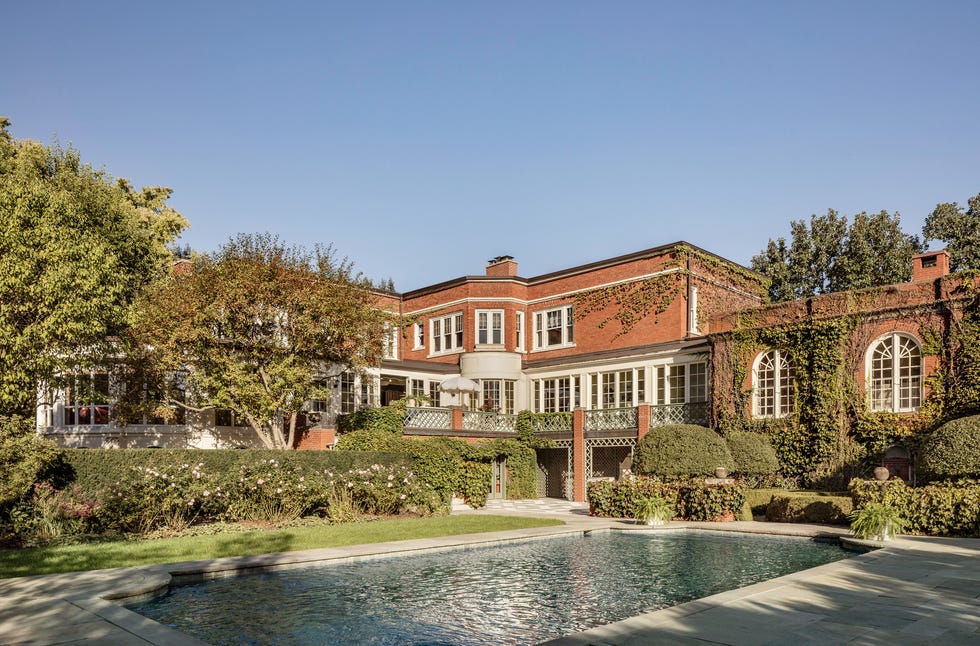
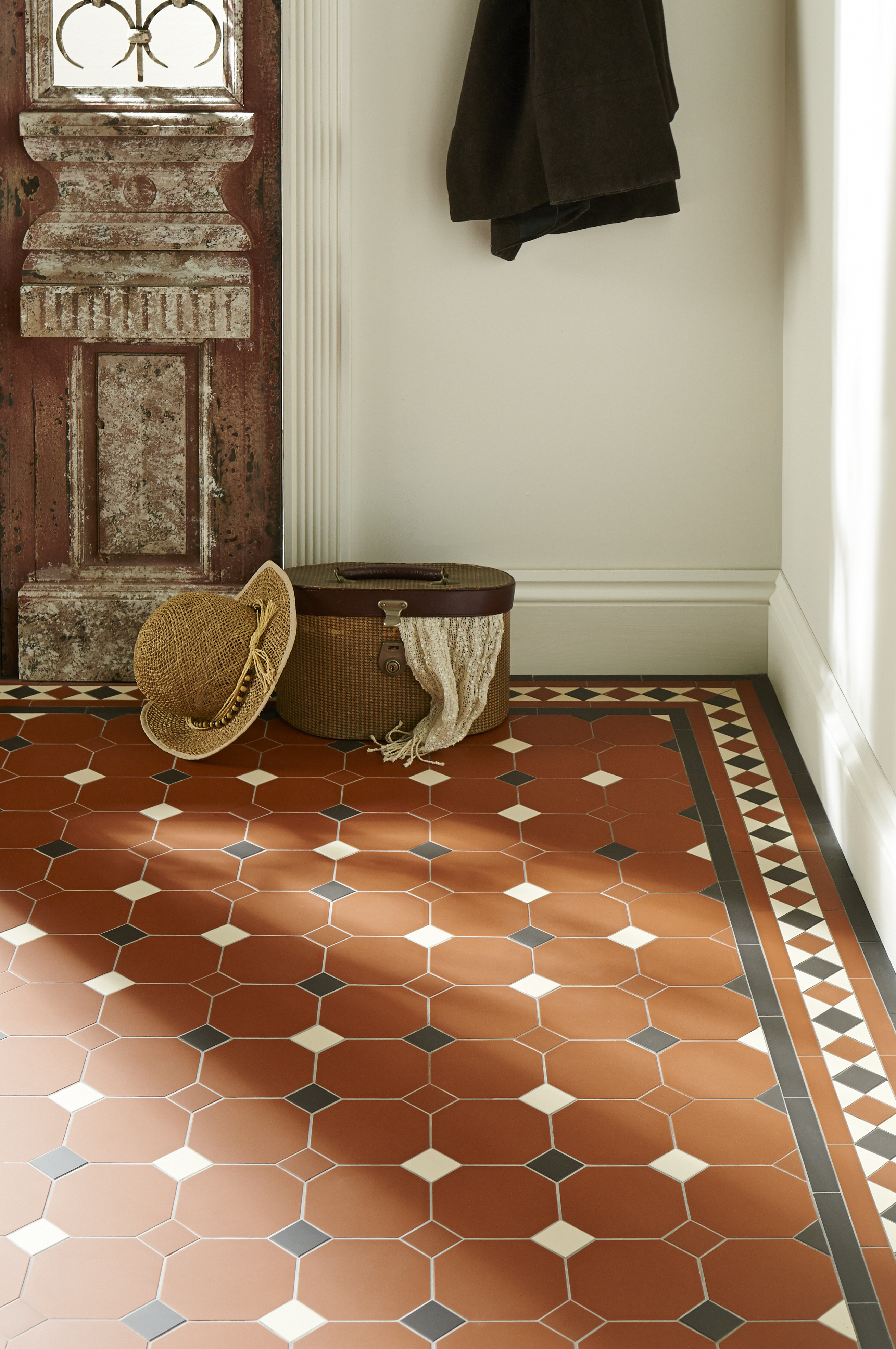
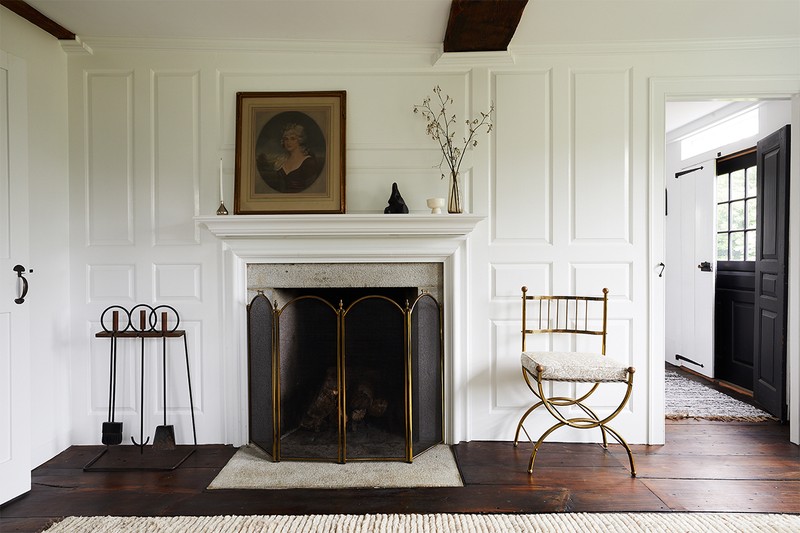
Neoclassical architecture, popular in Europe and the US during the 18th and 19th centuries, revived classical Greek and Roman aesthetics. It features grand designs, columns, rectangular floor plans, porticos, and flat or gable roofs, with prominent examples including the White House and the US Capitol Building. Victorian homes, originating in the UK during Queen Victoria’s reign and built in the US in the late 1800s, are characterized by steep, tiled roofs, painted brick, bay windows, asymmetrical designs, wooden floorboards, plaster cornicing, sweeping staircases, and tiled entrance hallways, encompassing various revival styles like Gothic Revival and Queen Anne. Beaux Arts architecture, taught at Paris’s École de Beaux-Arts from the late 1800s to the 1920s, emphasizes classical design, symmetry, hierarchy, and ornamentation, typically constructed from stone on an ambitious scale, as seen in New York’s Grand Central Terminal.
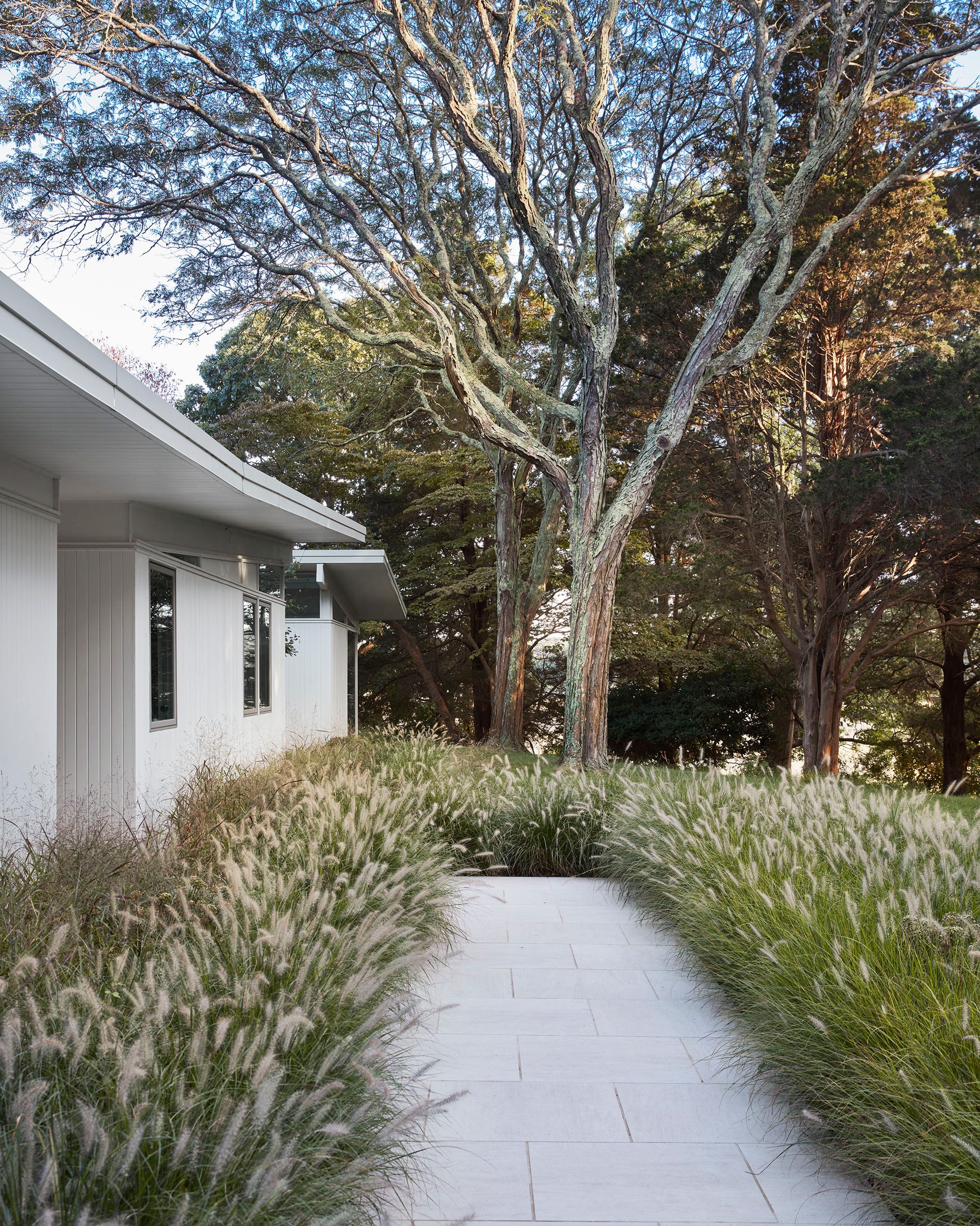
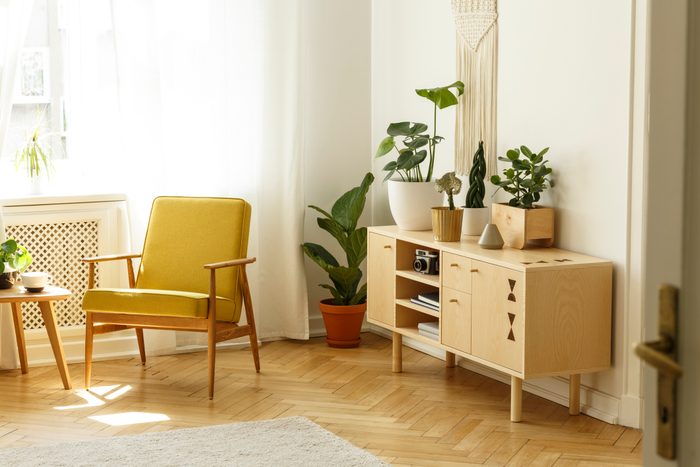
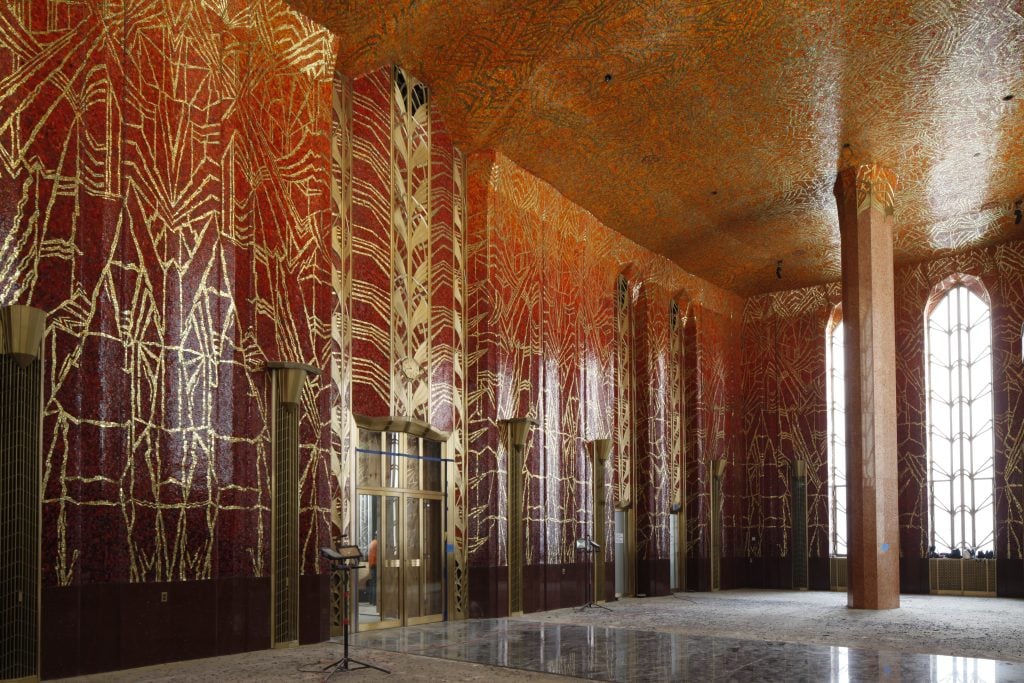
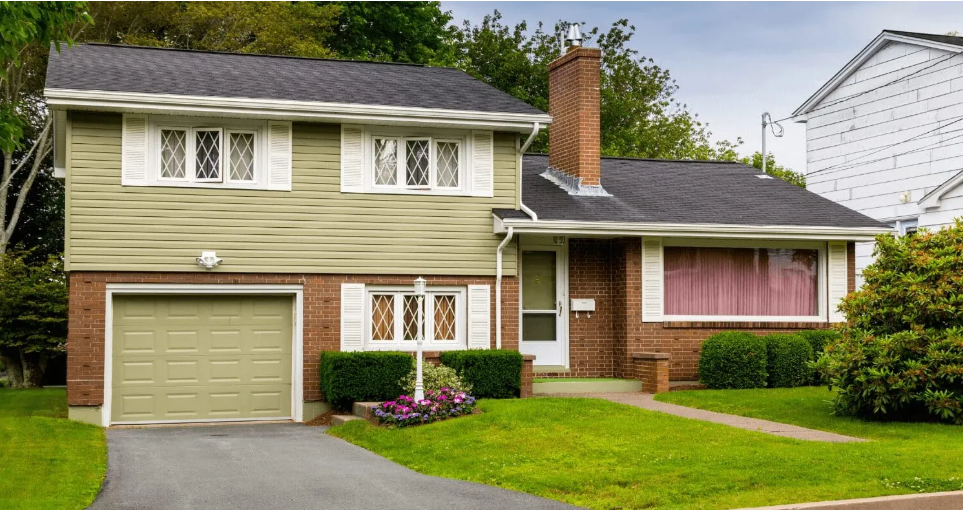
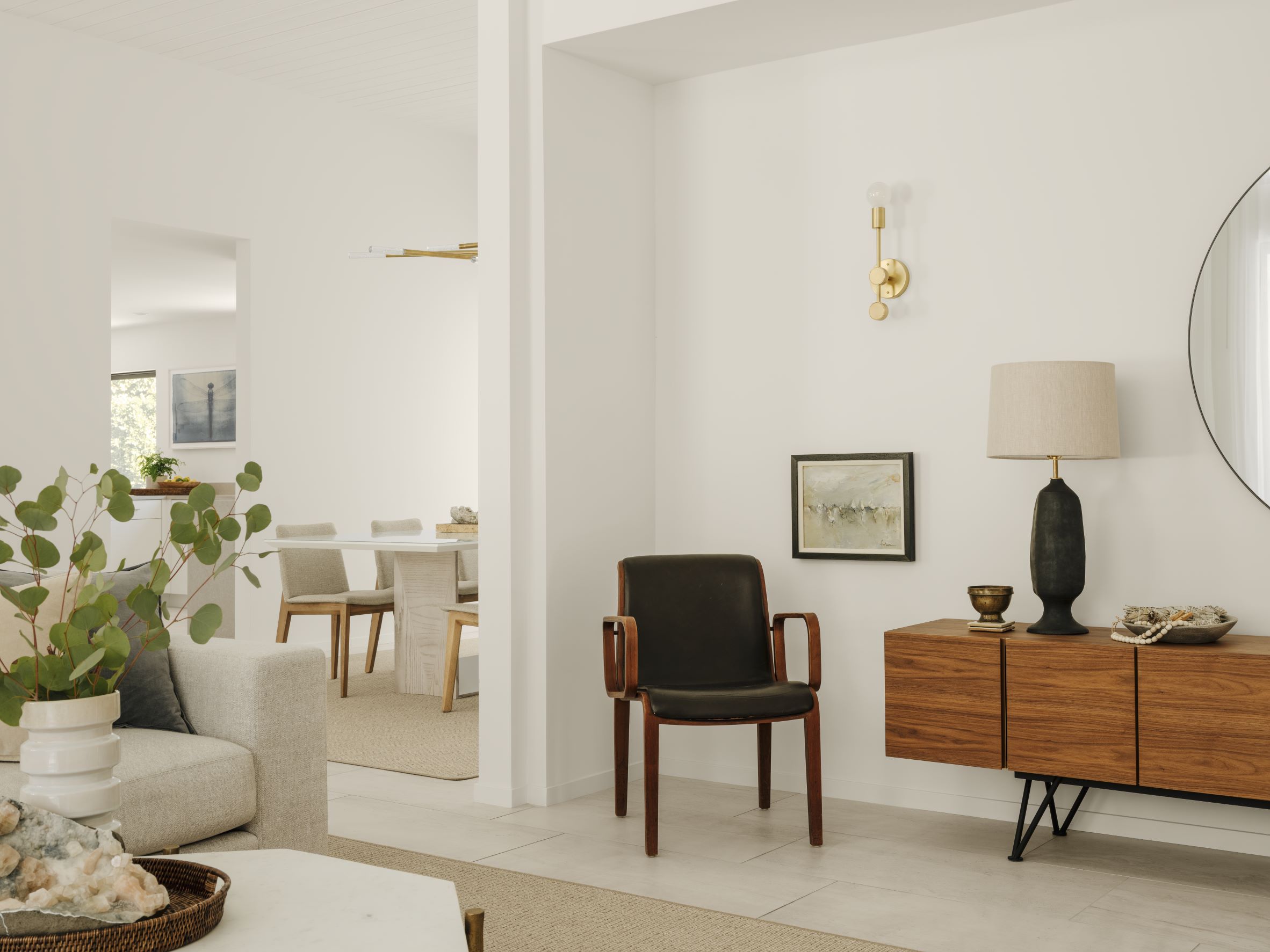
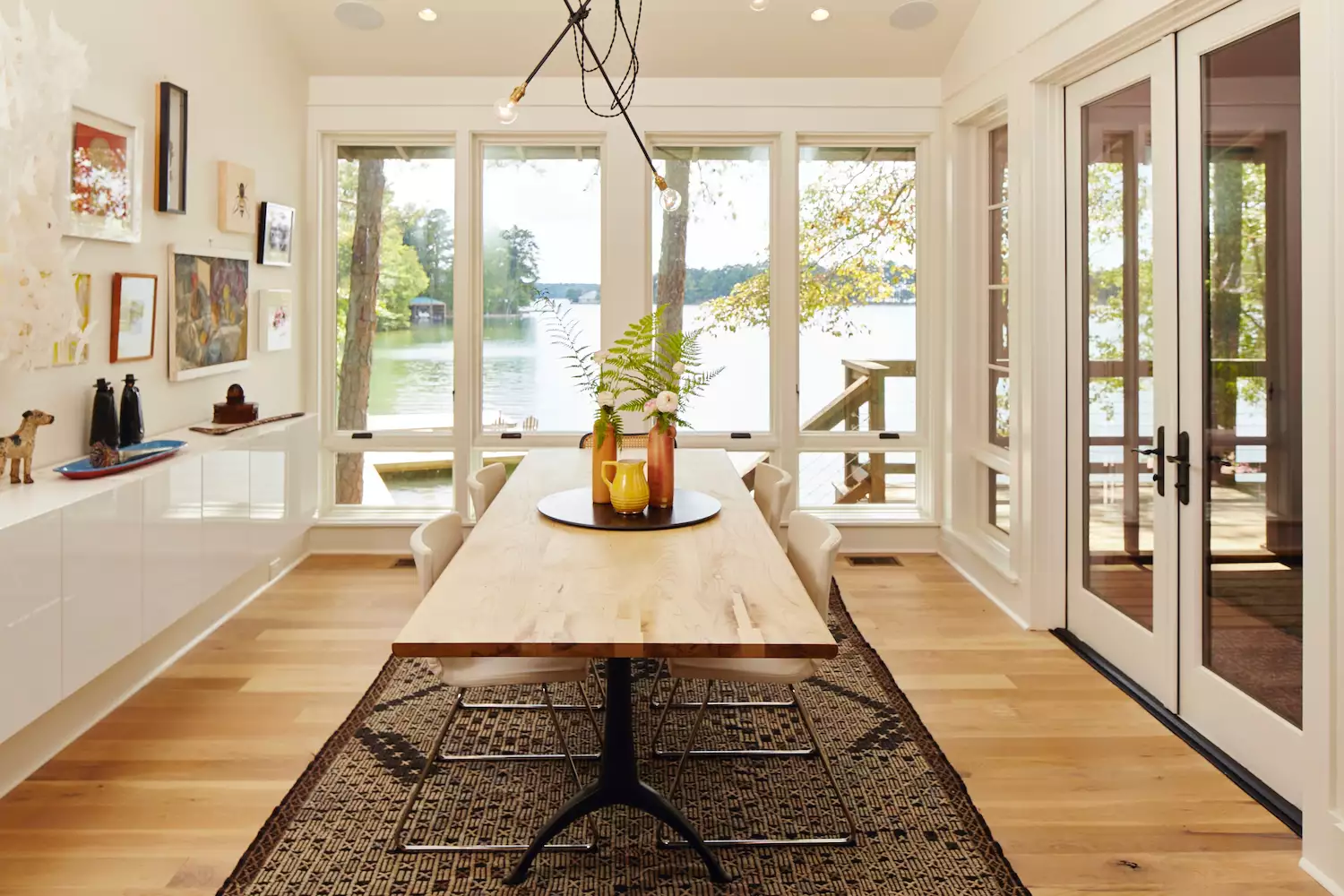
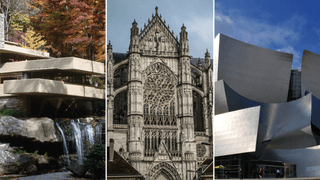
Art Deco architecture, influential in the 1920s and ’30s, originated in France and is defined by streamlined, vertical designs, geometric patterns, stylized floral motifs, and vibrant colors, exemplified by skyscrapers like the Chrysler Building. Modern architecture, popular between the 1930s and 1960s, is characterized by clean lines, open floor plans, large horizontal windows, and materials like steel, glass, and reinforced concrete, adhering to the principle of “form follows function.” Midcentury modern architecture, a subgenre of modernism from roughly 1945 to 1970, features floor-to-ceiling windows, geometric shapes, built-ins, and natural materials, emphasizing indoor-outdoor living.
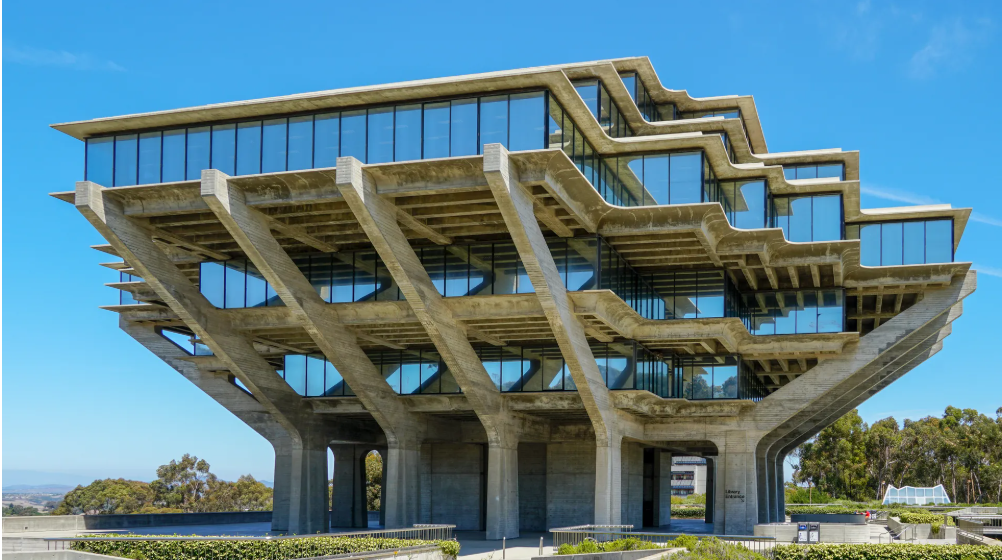
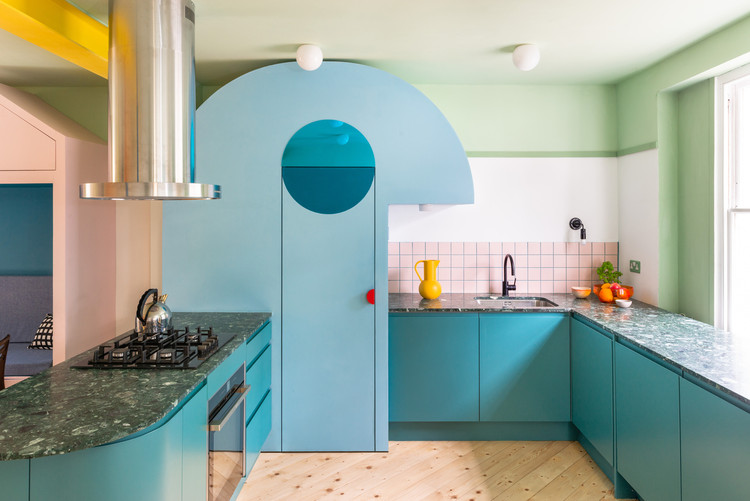
Brutalist architecture, emerging in post-World War II UK, is known for its rough, utilitarian aesthetic, raw exposed concrete, bold geometric forms, simple lines, and monochromatic palettes, found in many cultural and civic buildings from the 1950s to ’70s. Postmodern architecture, popular in the 1970s and ’80s, incorporated elements from classical and contemporary styles, using bright colors, fragmented forms, playful elements, and classical ornamentation. Deconstructivist architecture, developed concurrently with postmodernism, intentionally questions traditional architectural rules, creating expressive, sculptural forms, with notable architects including Zaha Hadid and Frank Gehry.
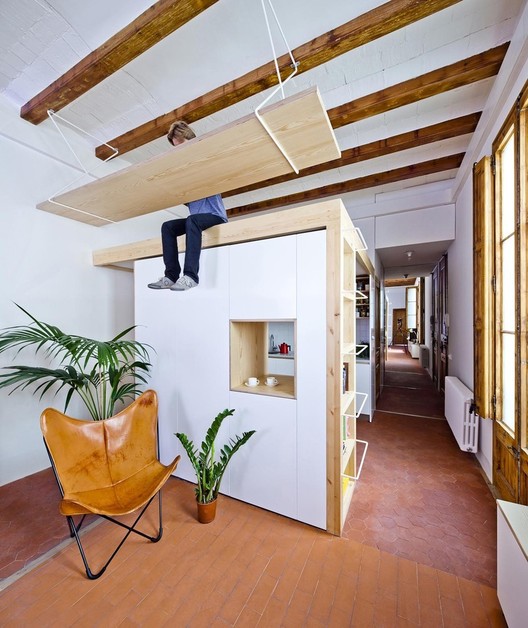
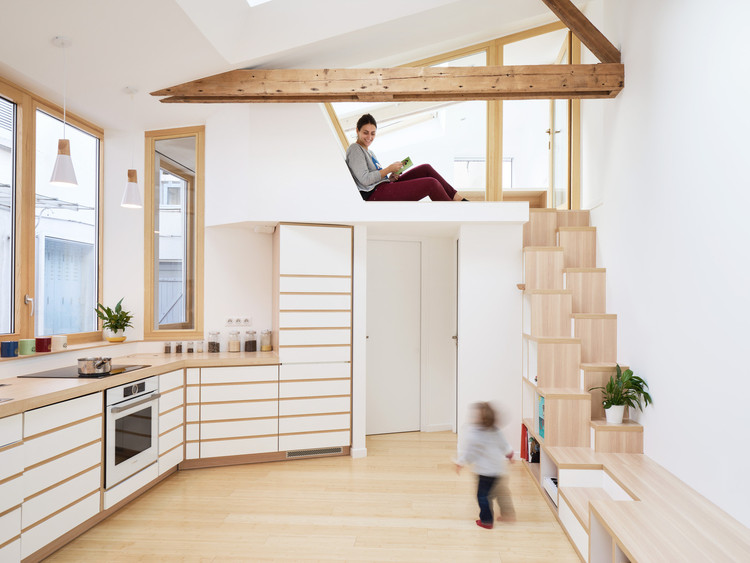
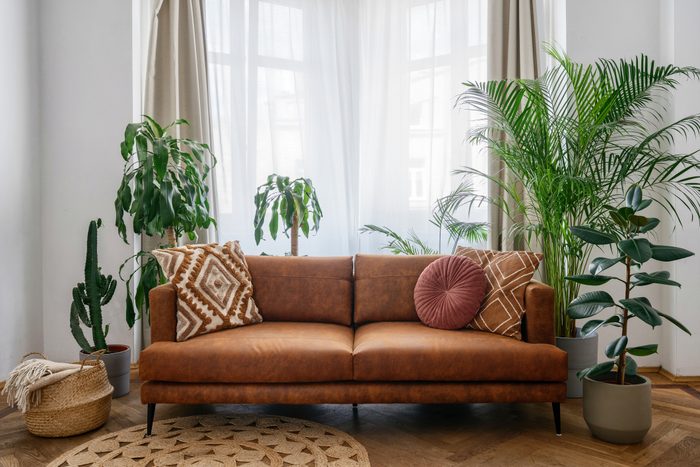
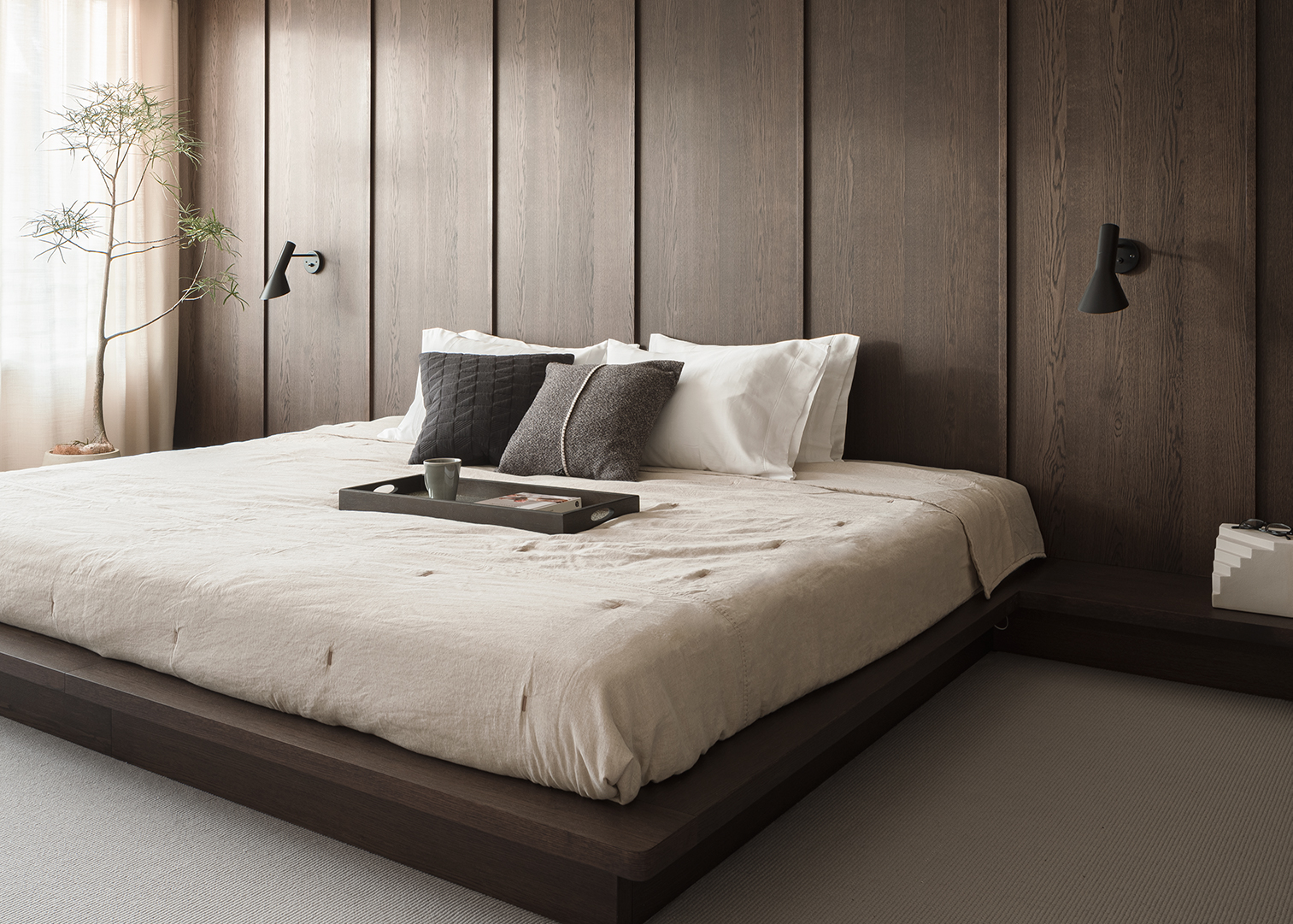
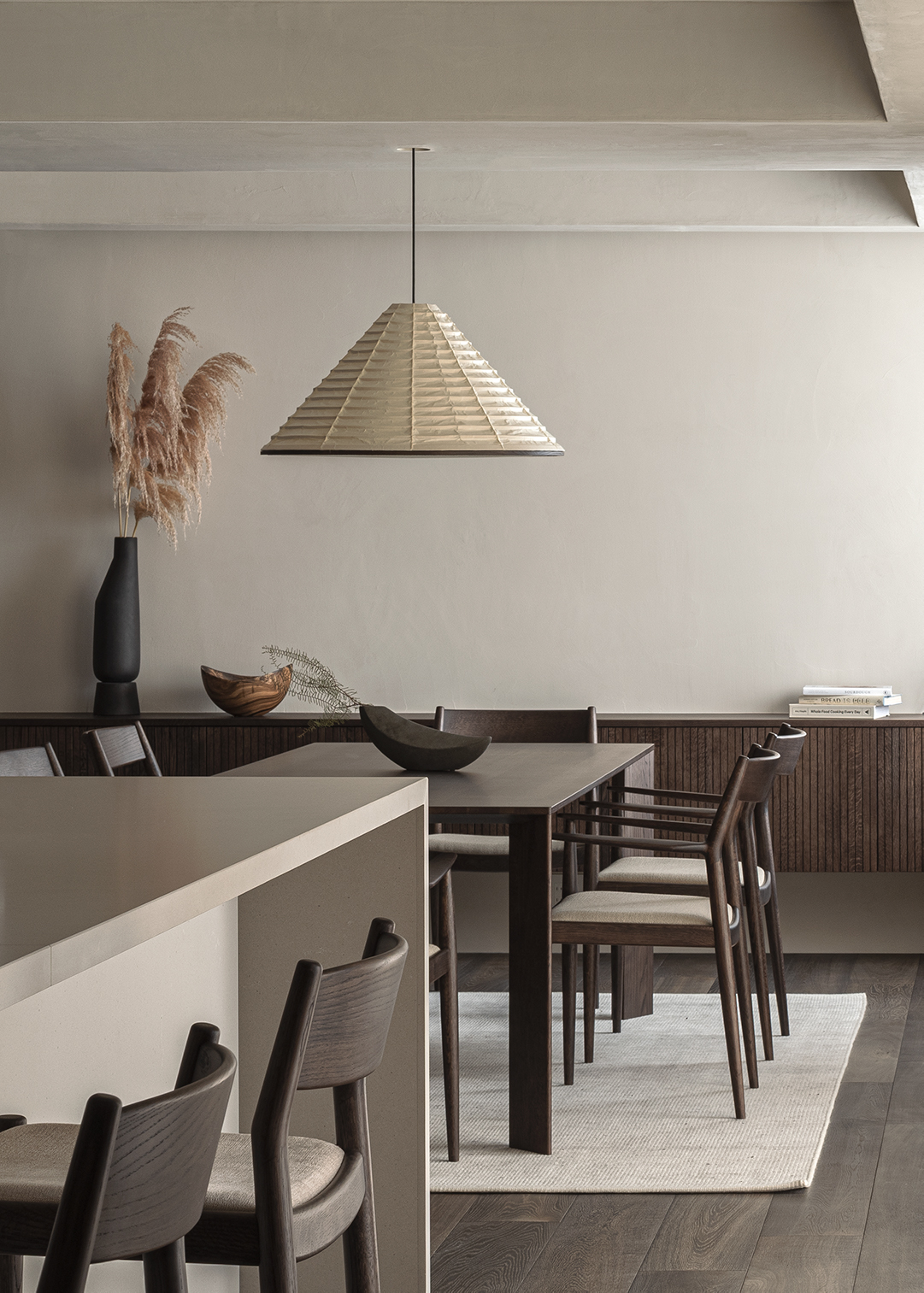
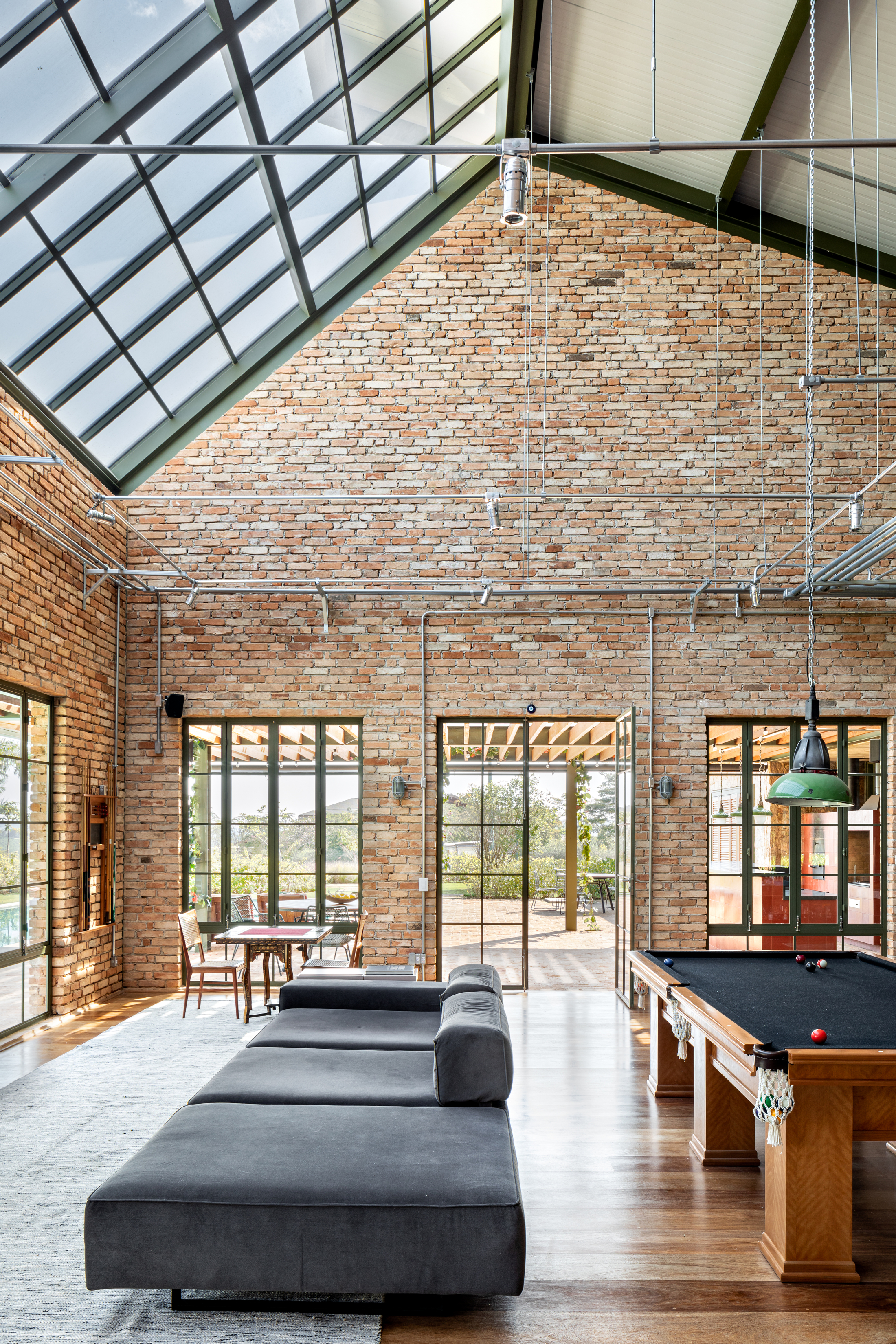
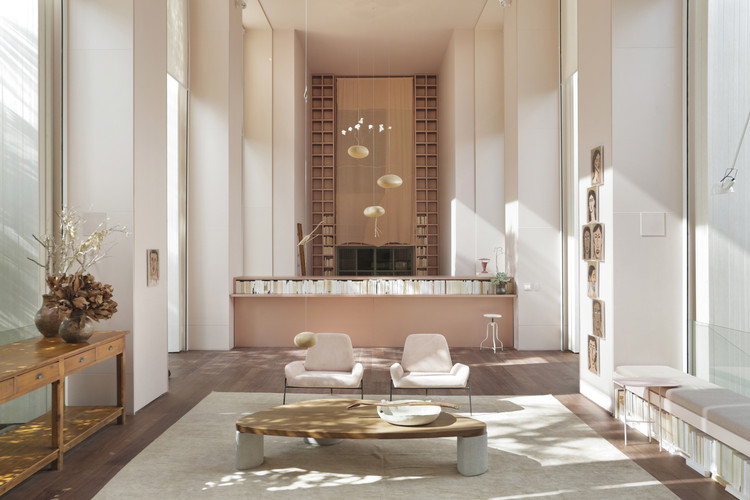
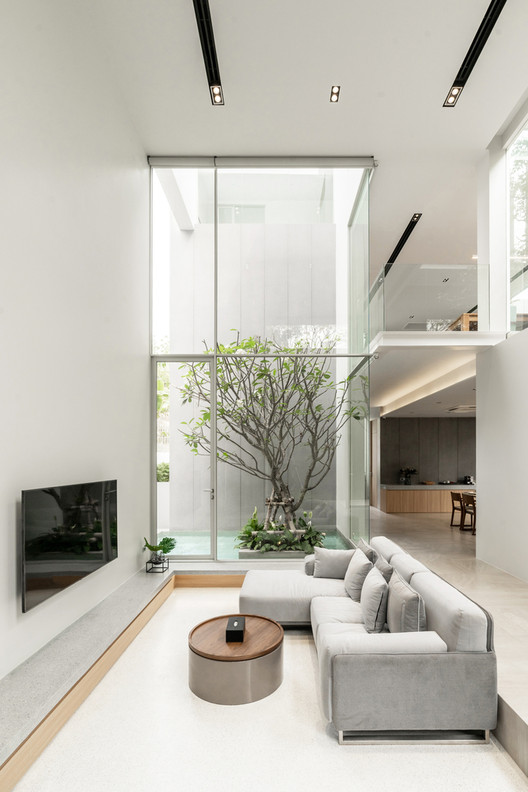
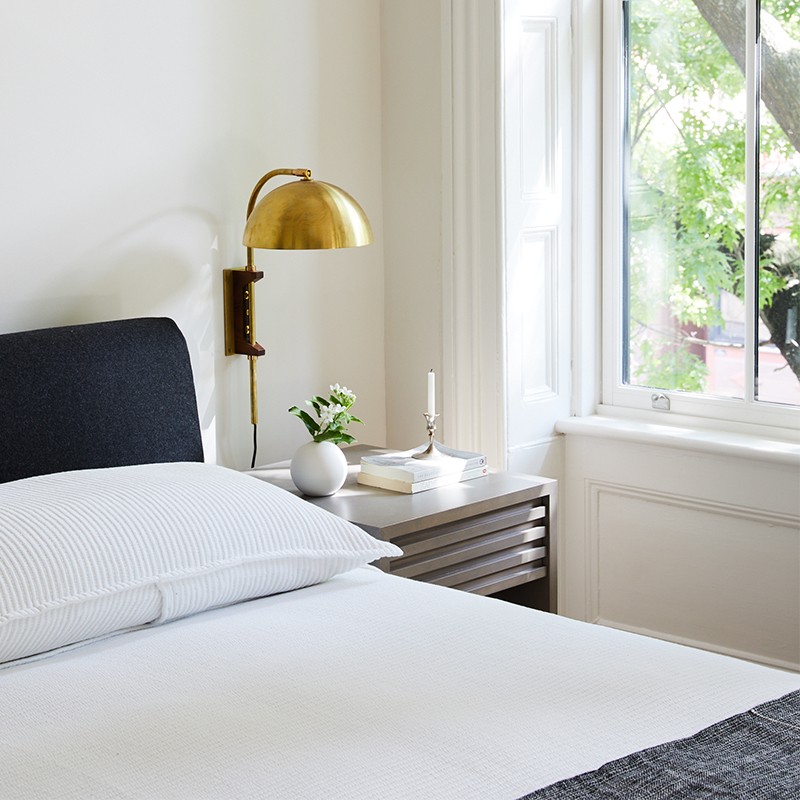
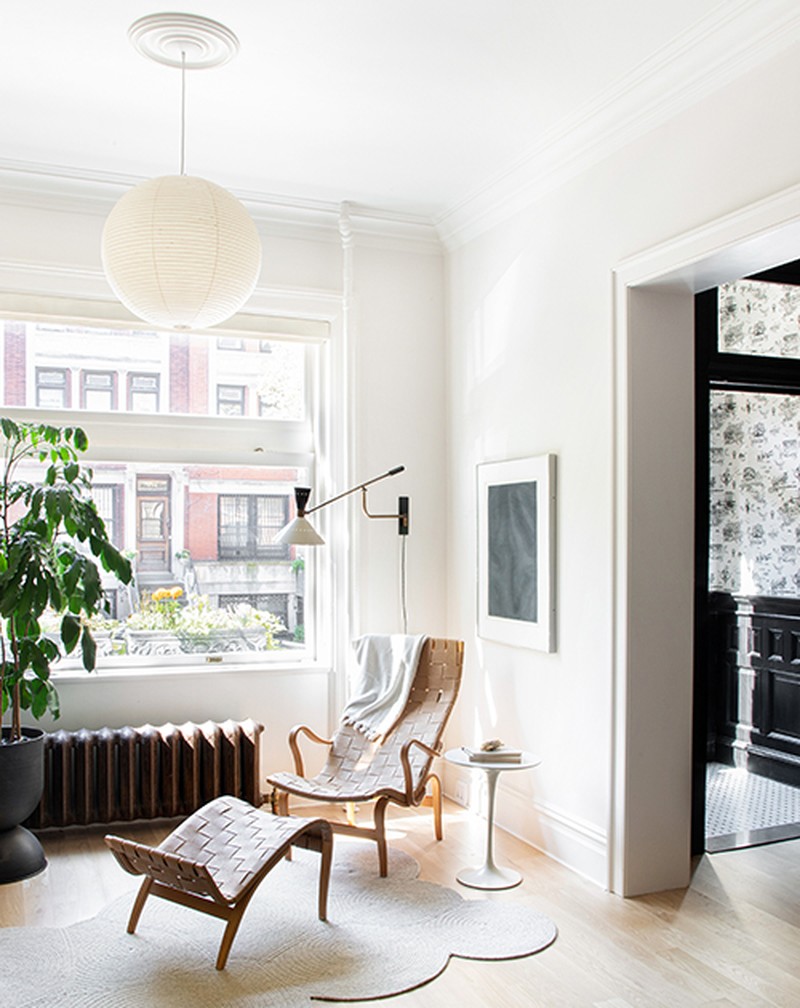
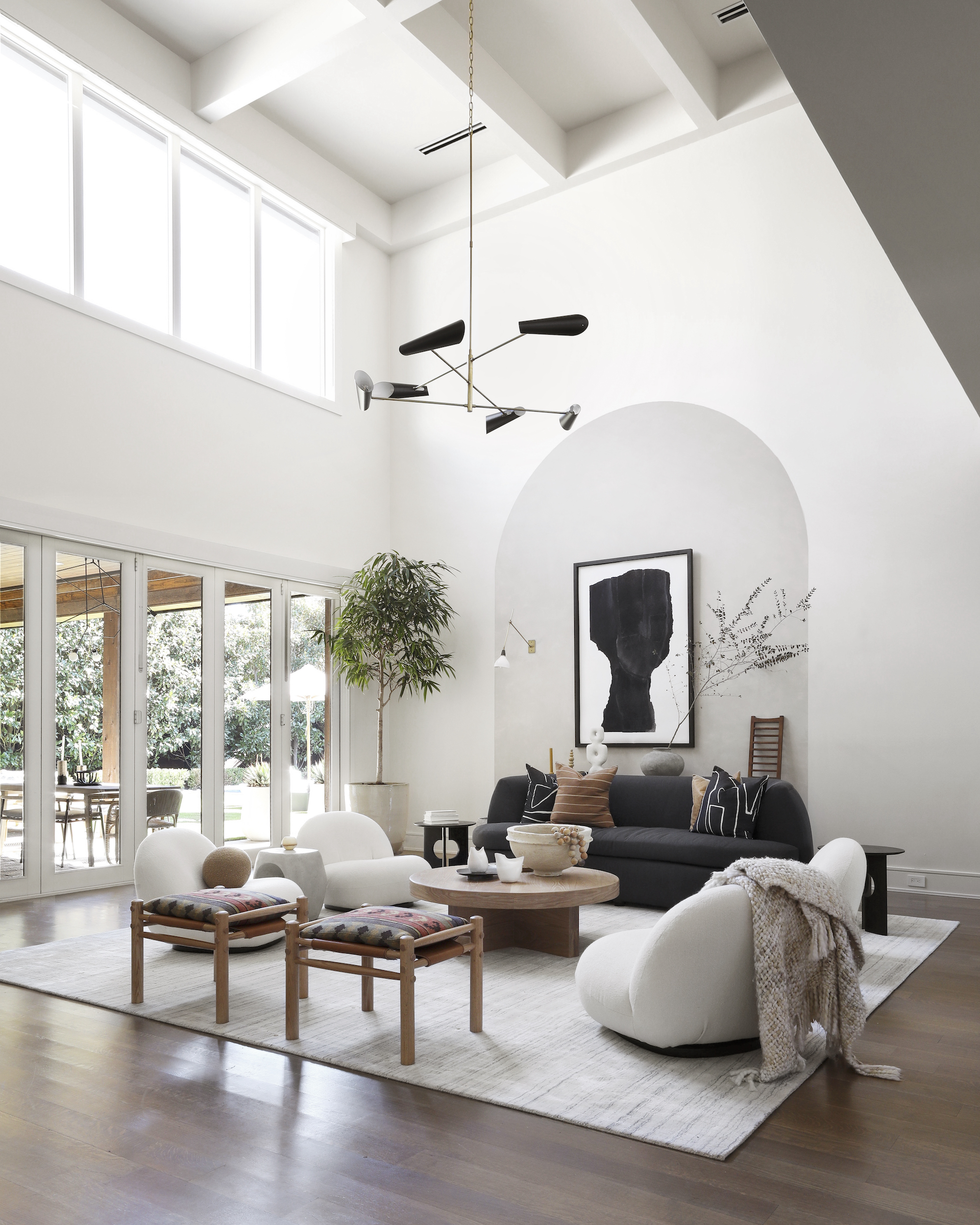
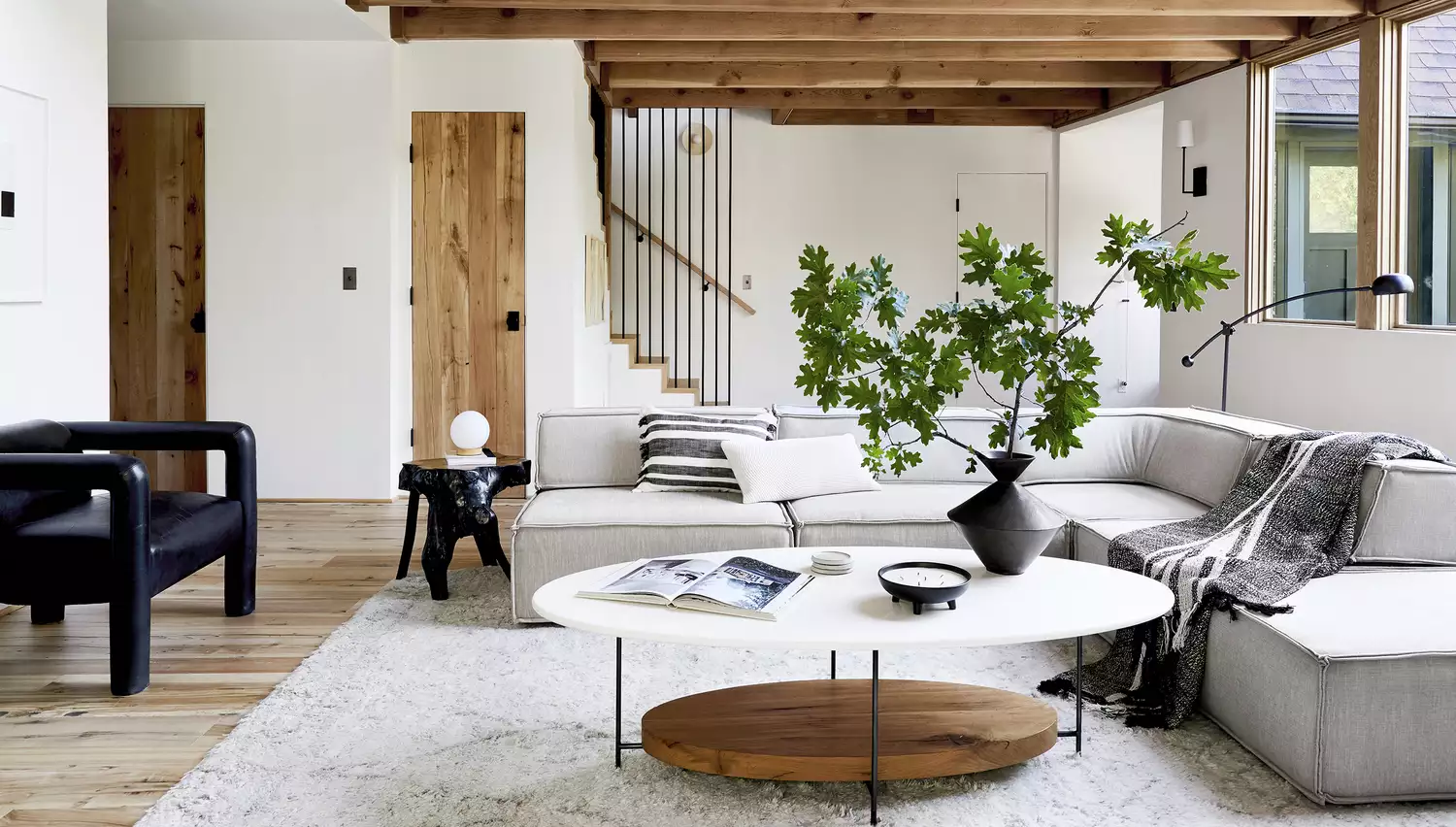
Contemporary architecture, prevalent from the 1980s to the present, is fluid and constantly evolving, featuring open floor plans, large windows, clean lines, curved surfaces, minimalist interiors, smart home technology, and increasingly, sustainable features. Vernacular architecture responds to local customs, materials, and culture, with designs unique to their locations, such as Moroccan riads and Chinese courtyard houses, or adobe architecture in the US Southwest, reflecting elegant, low-tech functional solutions.
#ArchitecturalStyles #DesignHistory #BuildingAesthetics #ClassicalArchitecture #ModernArchitecture #Postmodernism #SustainableDesign #UrbanPlanning #ArchitecturalStyles #DesignHistory #BuildingAesthetics #ClassicalArchitecture #ModernArchitecture #Postmodernism #SustainableDesign #UrbanPlanning
0 comment in total
 No comments yet
You may also like
6 "Essential" Architecture Trends Design Lovers Need to Know

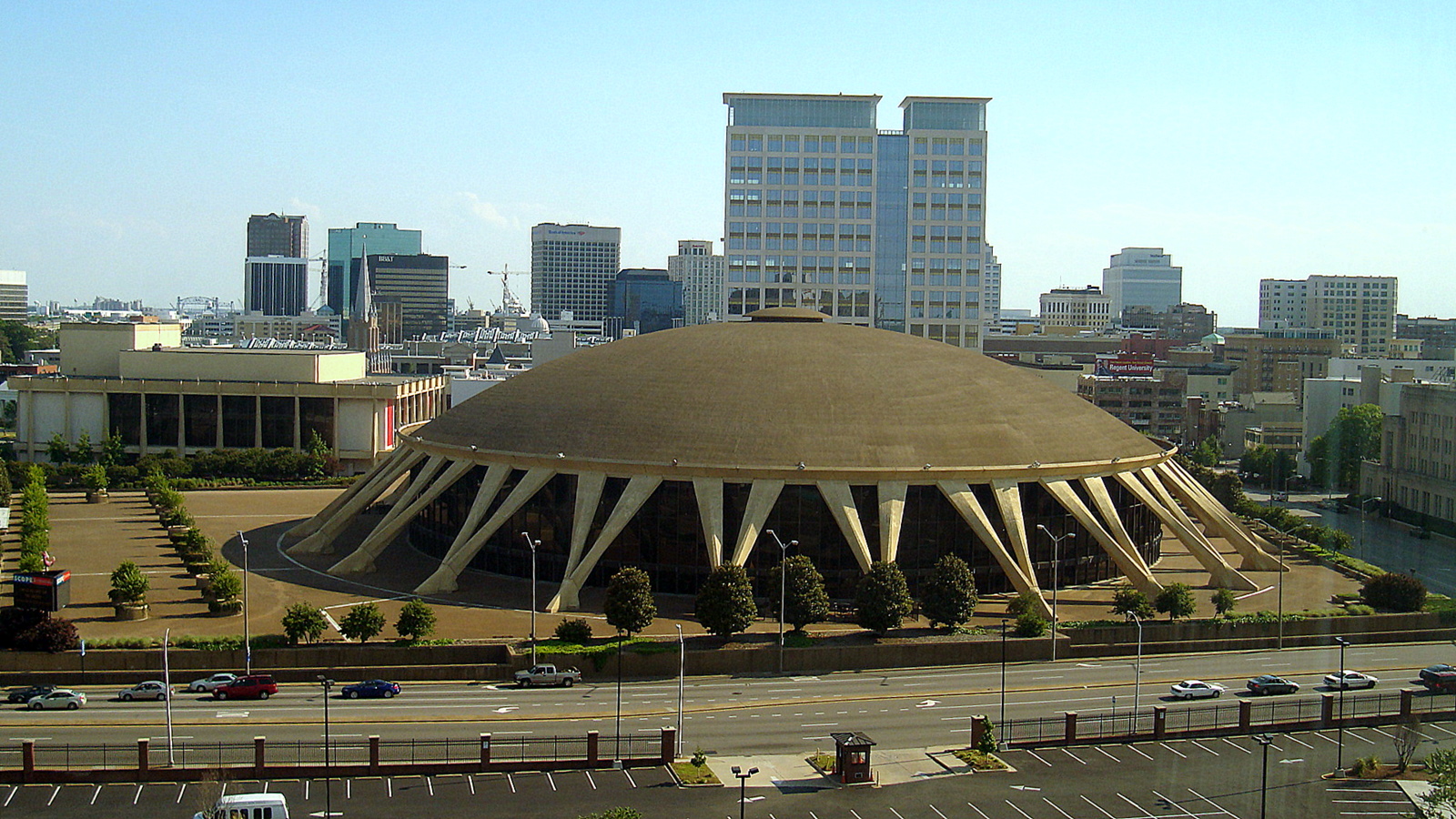
These 20 Architectural Styles Were Once Popular But Suddenly Disappeared

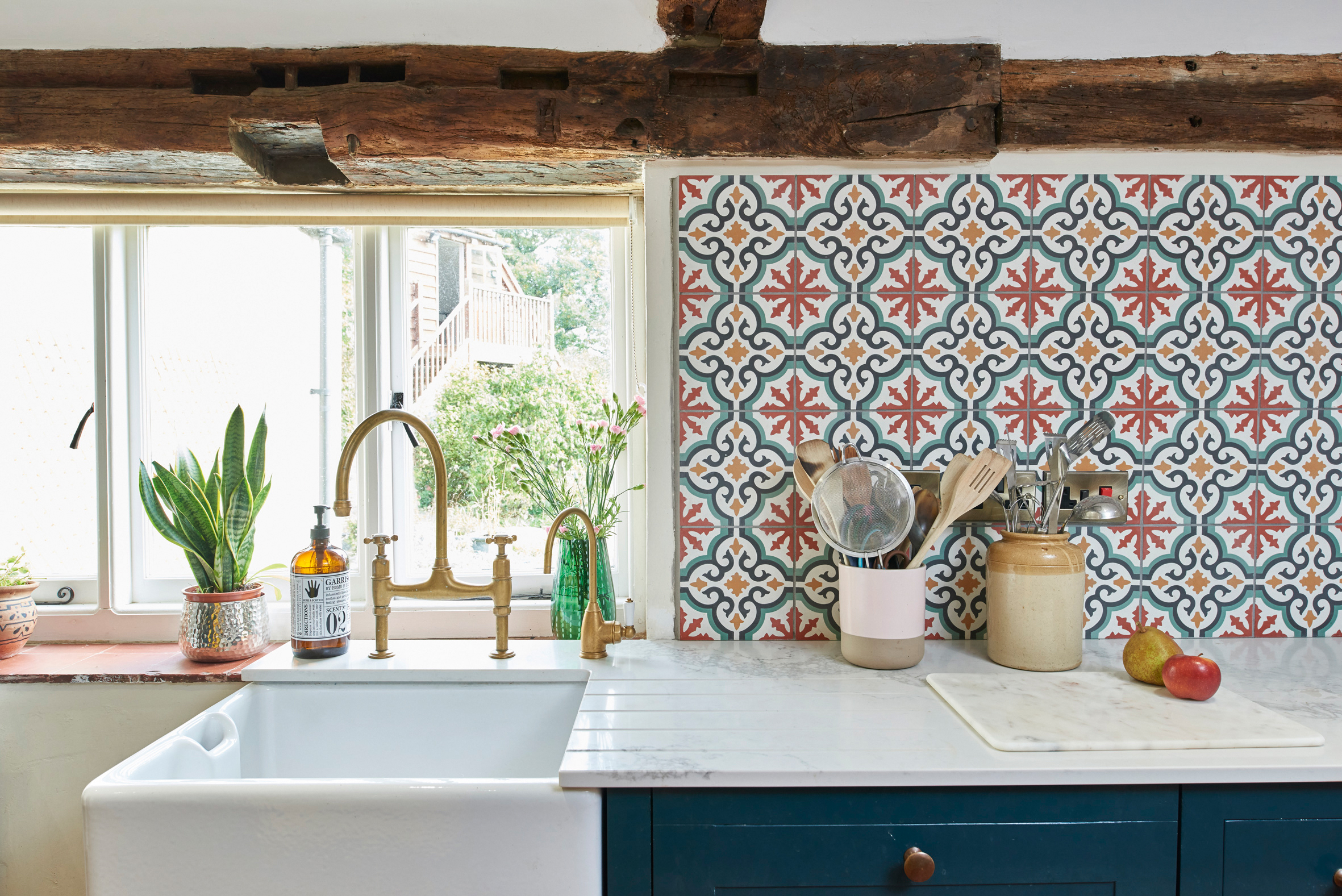
Tile patterns: 15 smart designs to add style to every room

Modern Elegance: Top Trends In Interior Design You Need to Know


20 Architecture Tips from 2021

Interior Design Styles — 9 Ways to Decorate Everyone Should Know About

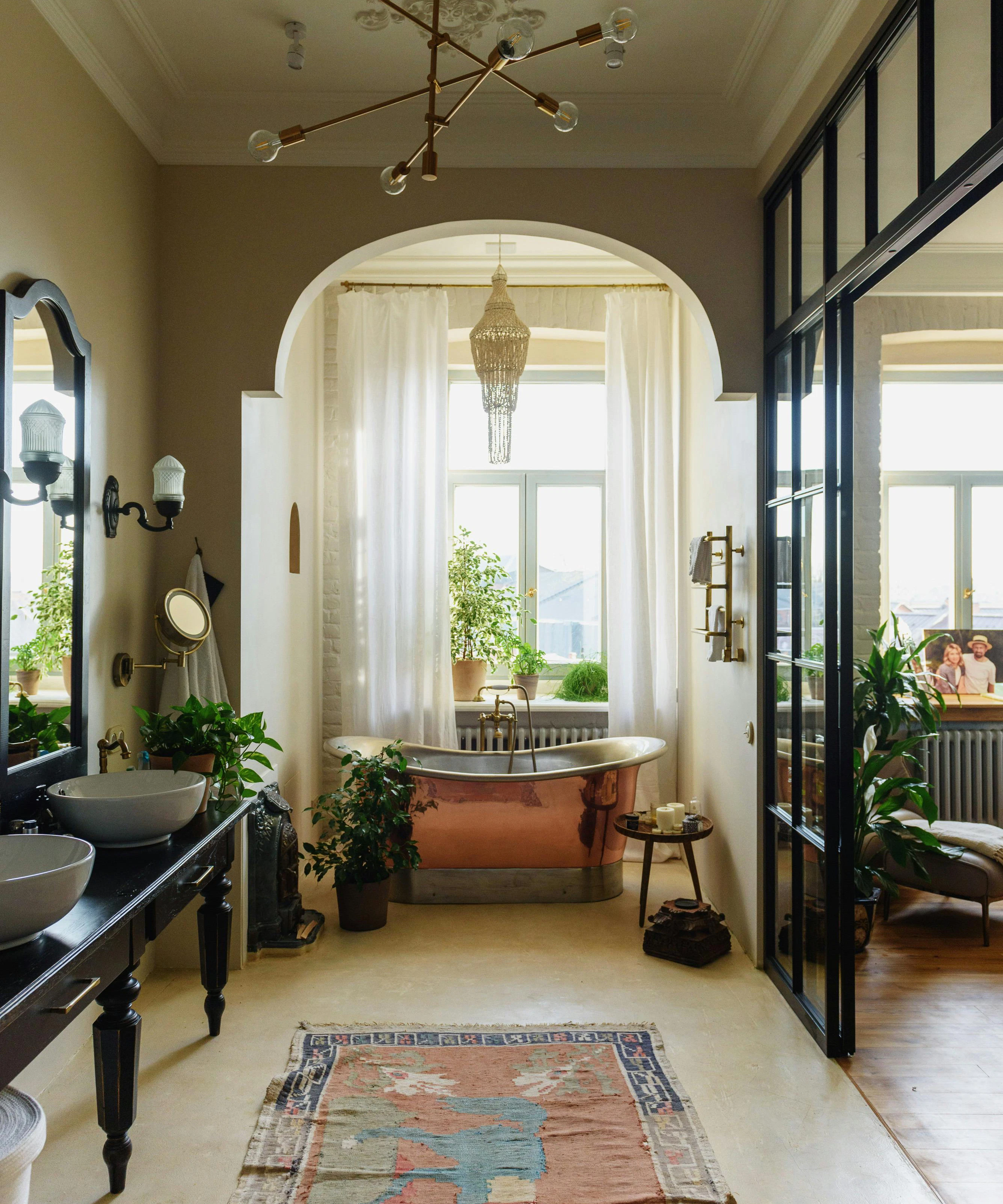
Find Your Interior Design Style: 13 Popular Styles Explained
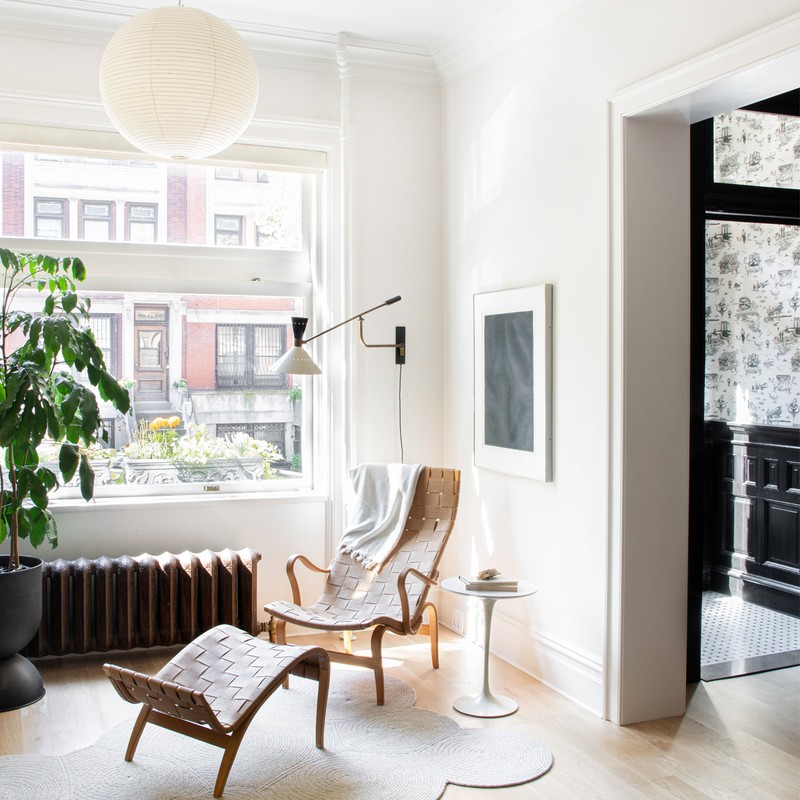
19 Tips From A Top Interior Designer

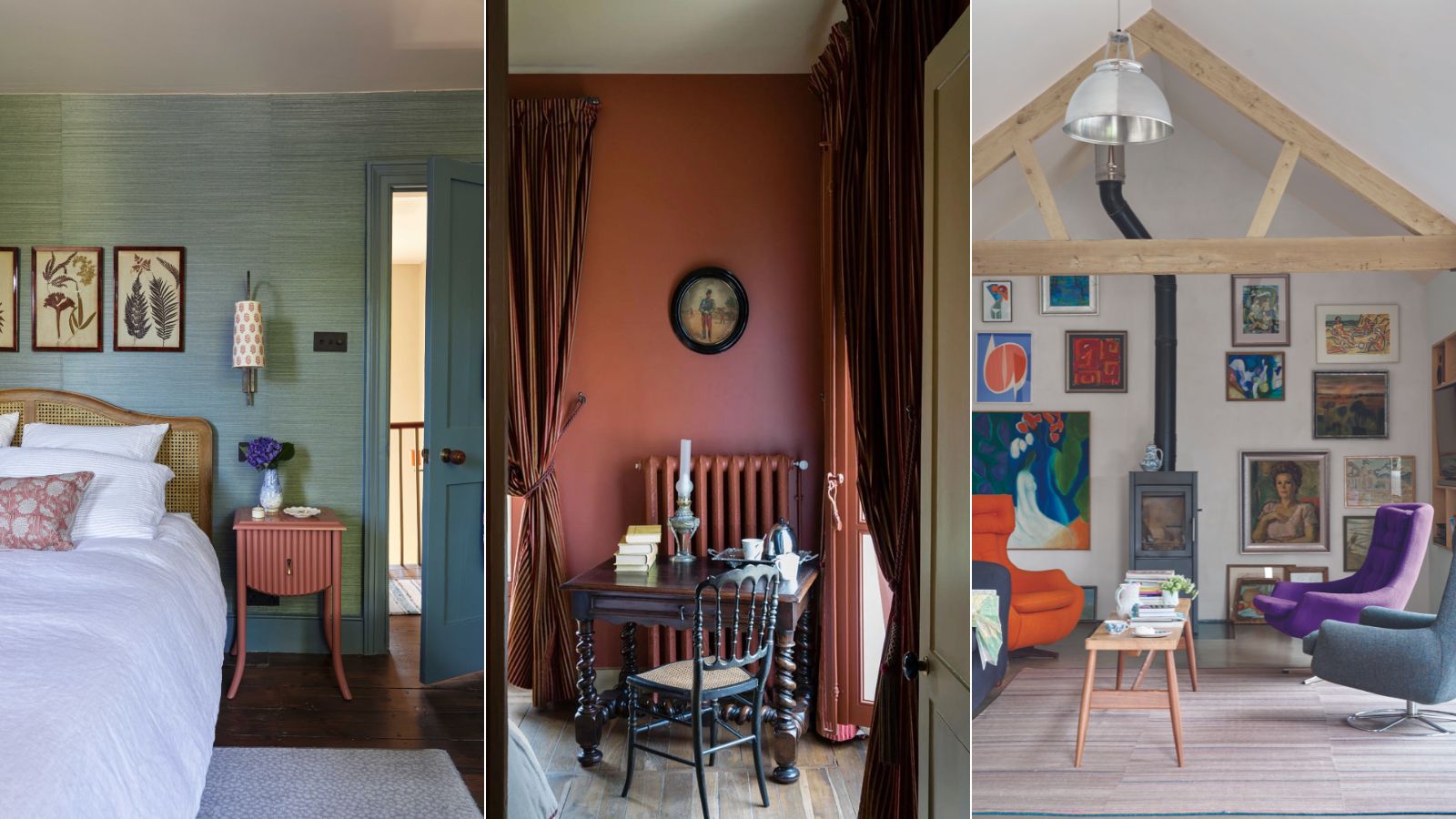
13 interior design styles that everyone needs to know about, according to designers

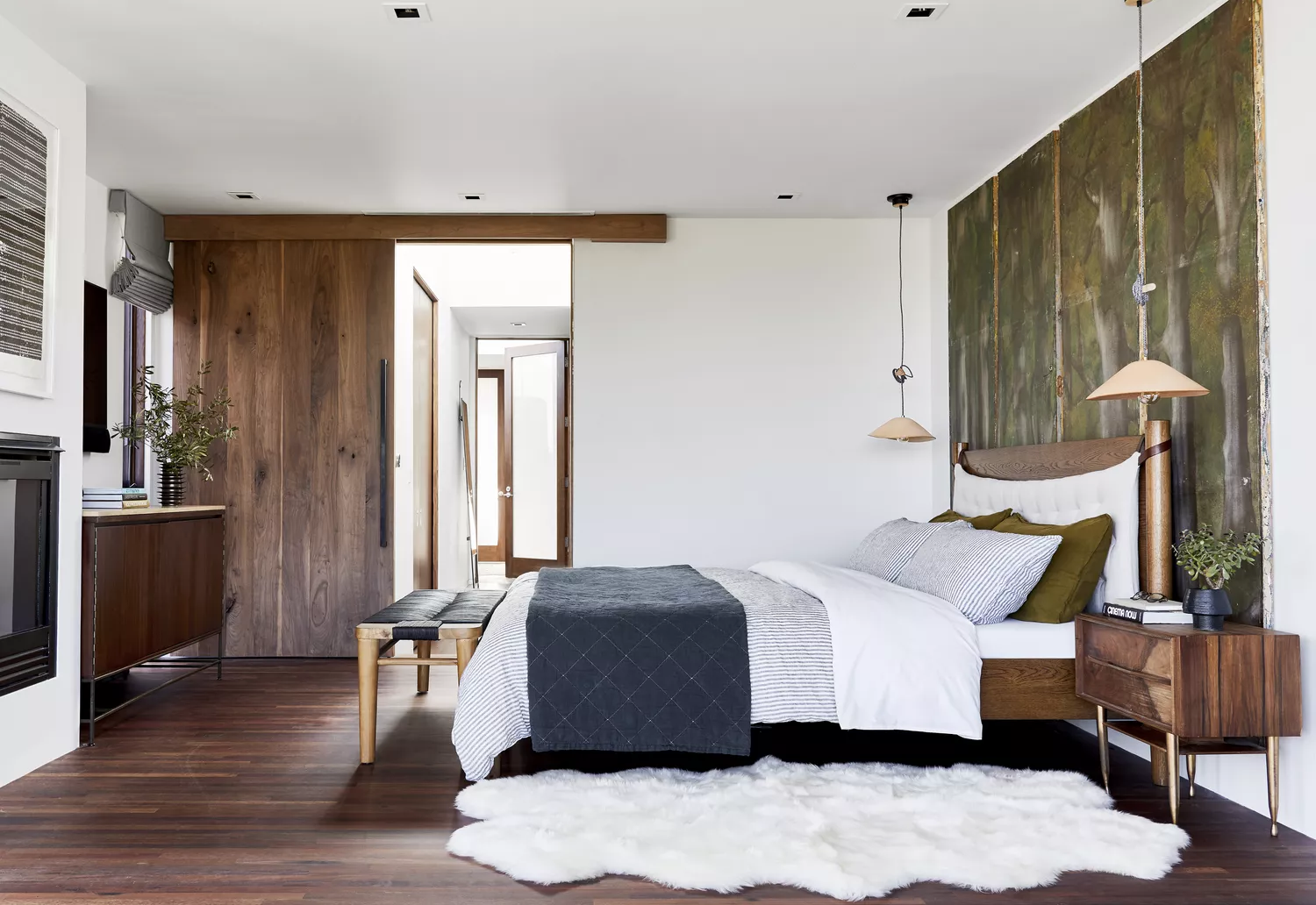
7 Home Design Styles That Will Never Go Out of Style, According to Designers

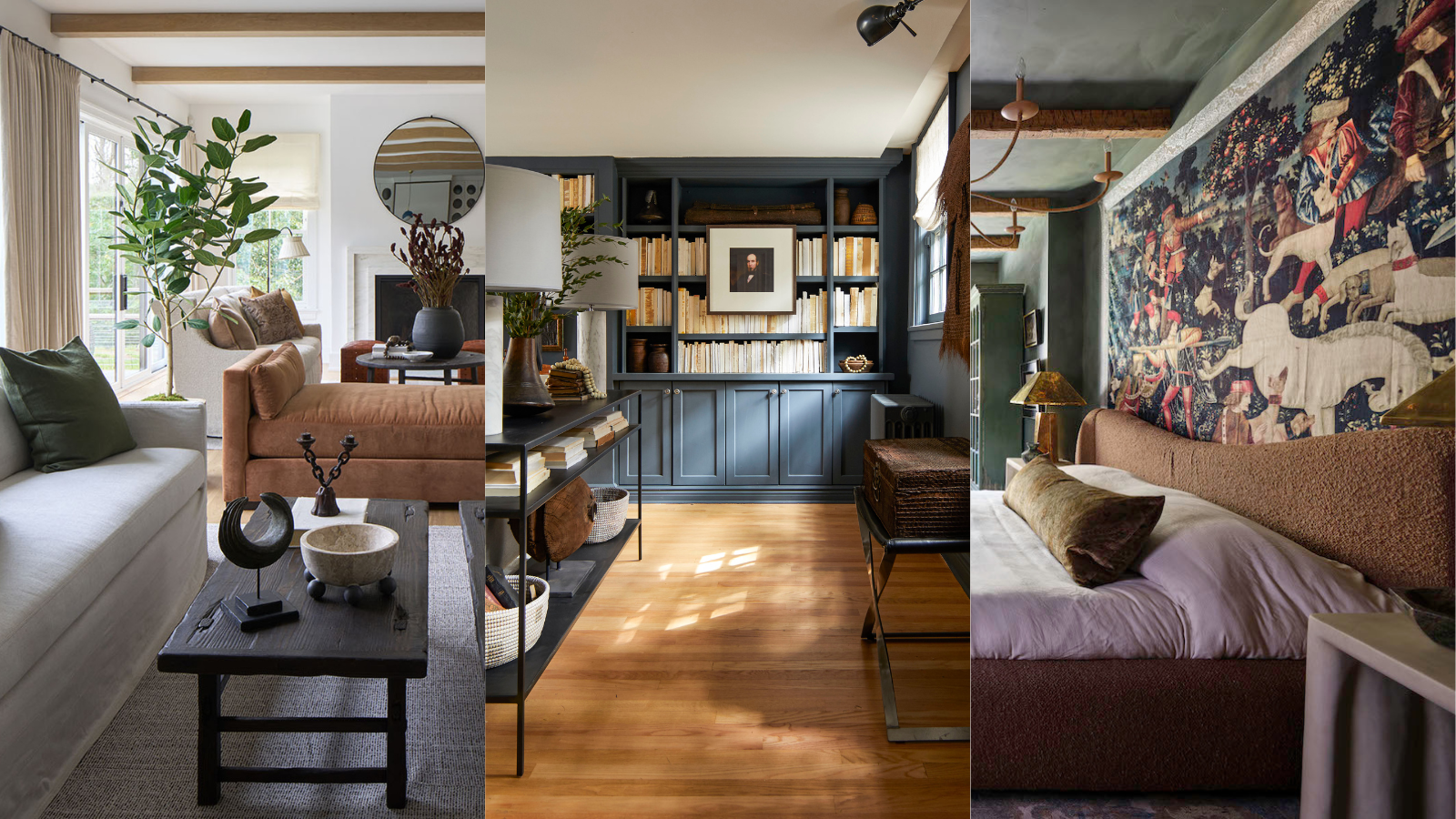
5 interior designers on the styles they will love forever
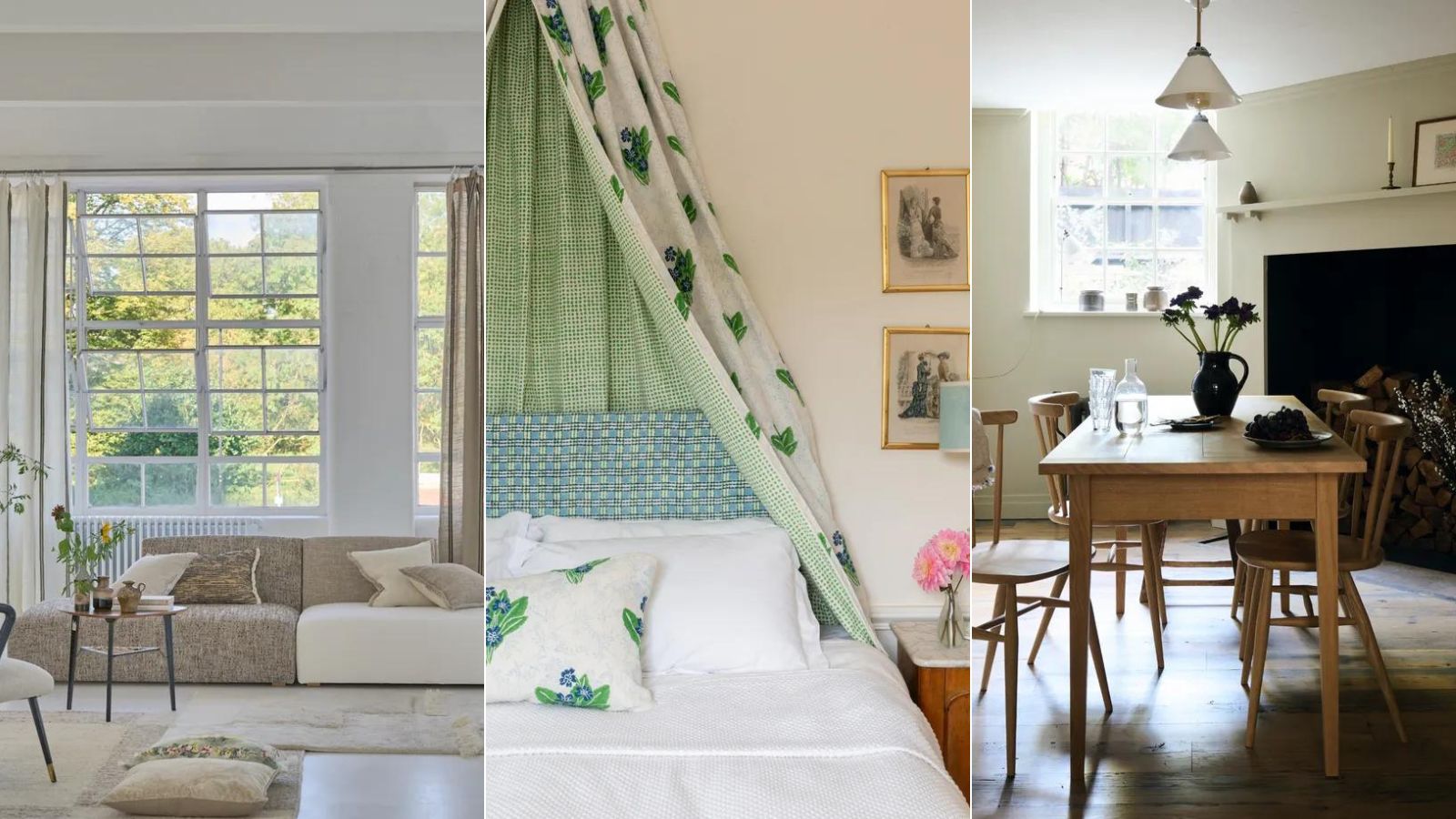
What are the most timeless interior design styles? Interior designers list their favorite classics
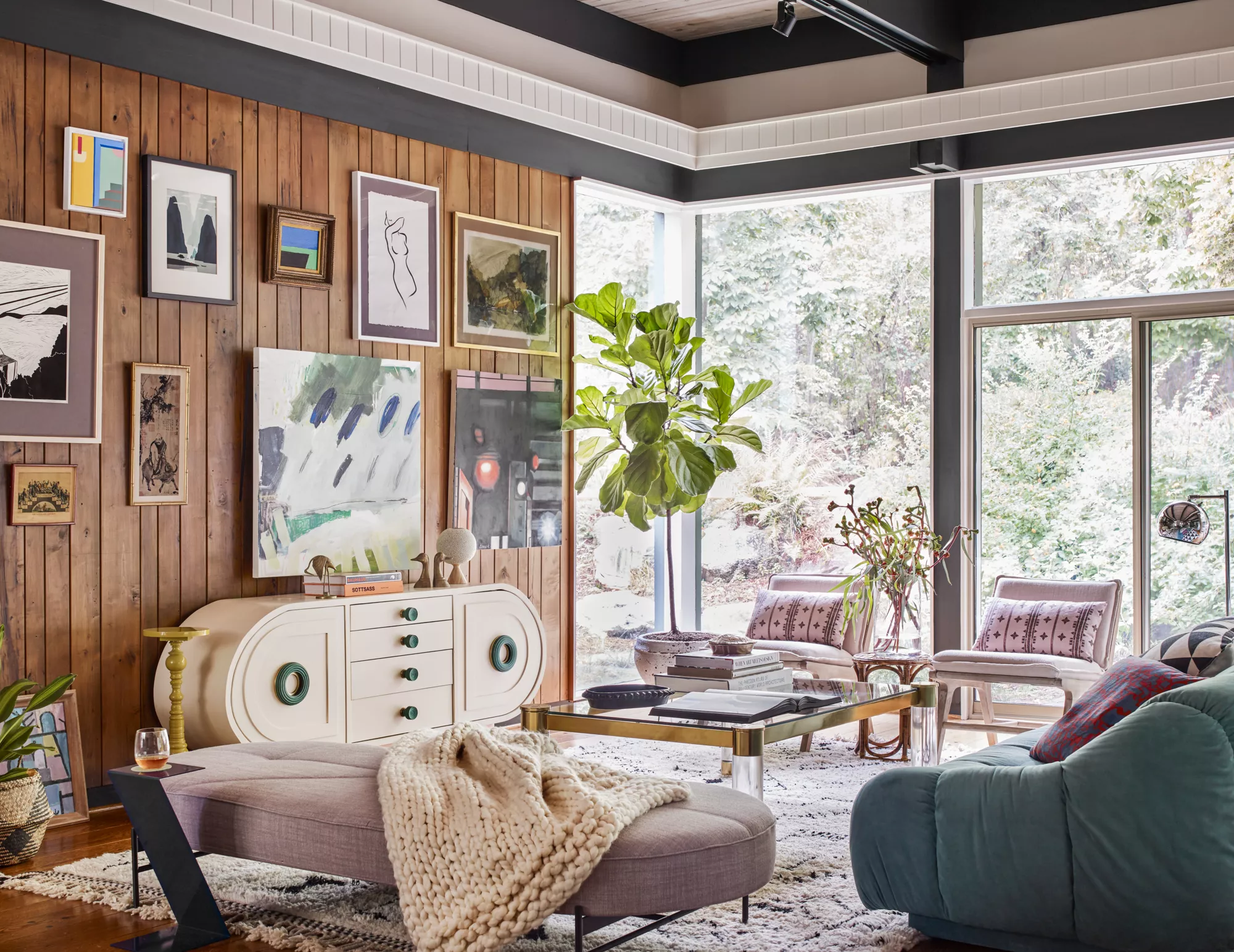
11 of the Most Iconic Interior Design Styles You Need to Know


7 innovative ideas in architectural design

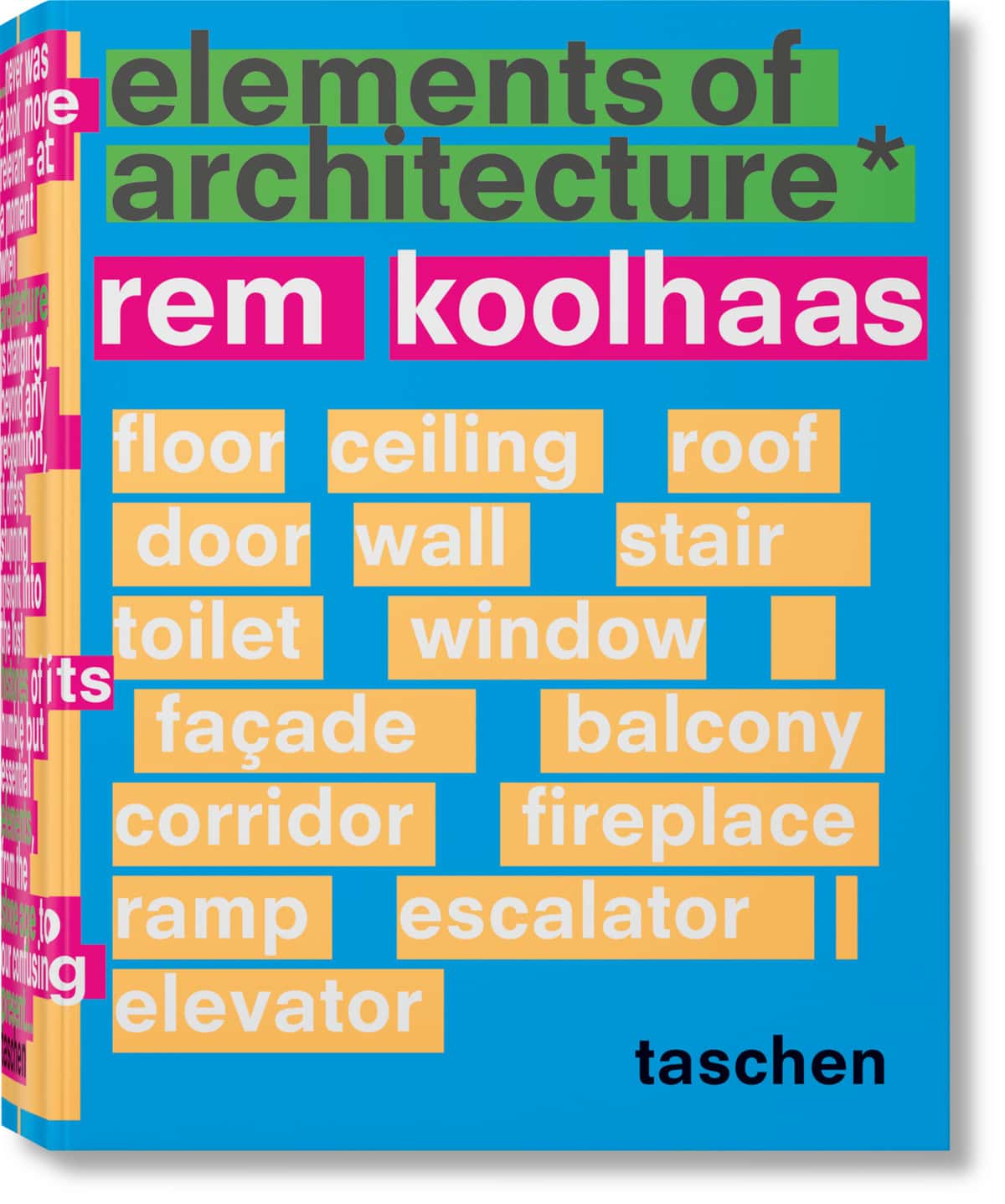
Books for Architectural Design Inspirations

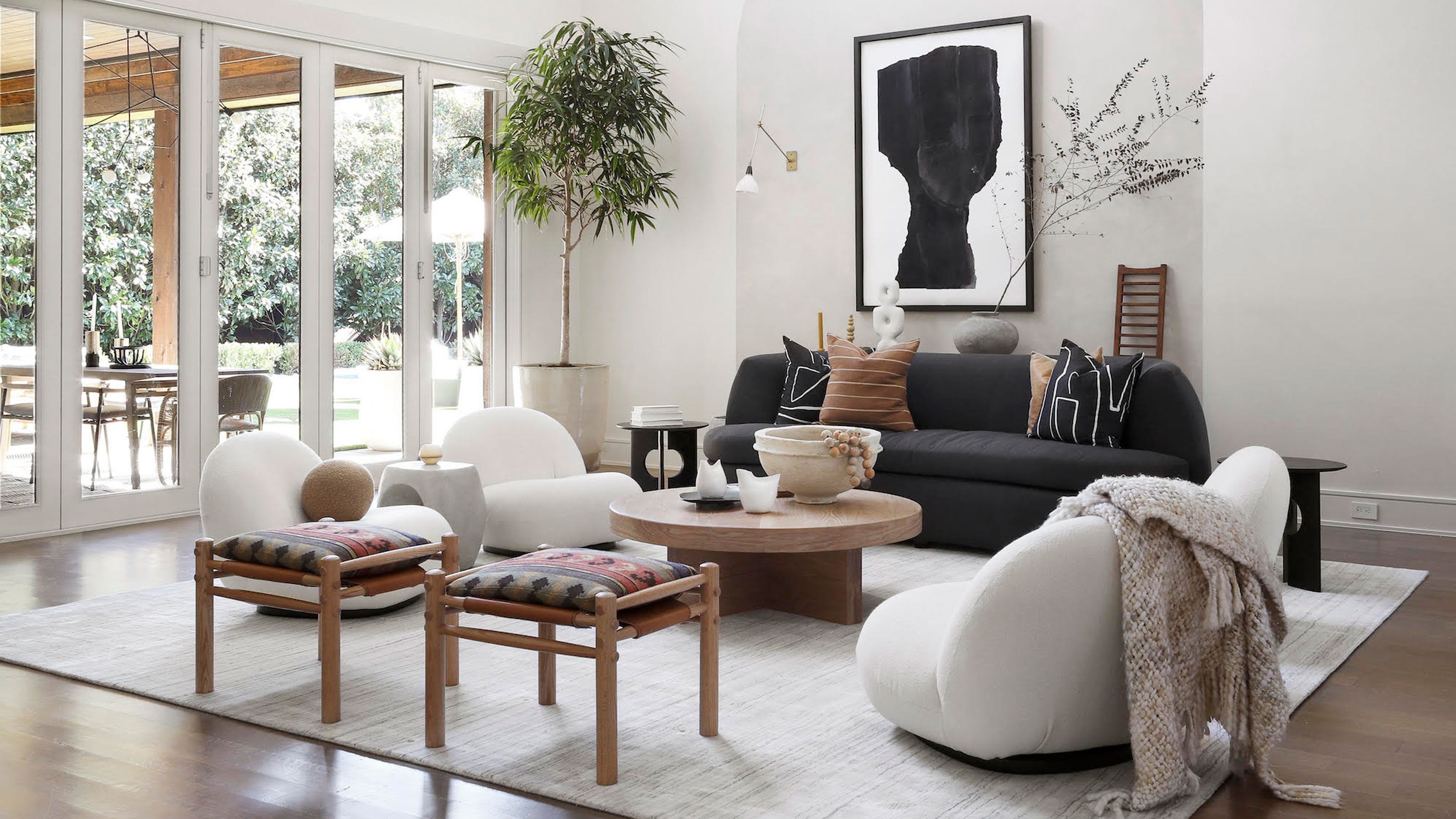
11 interior design styles that never date according to experts
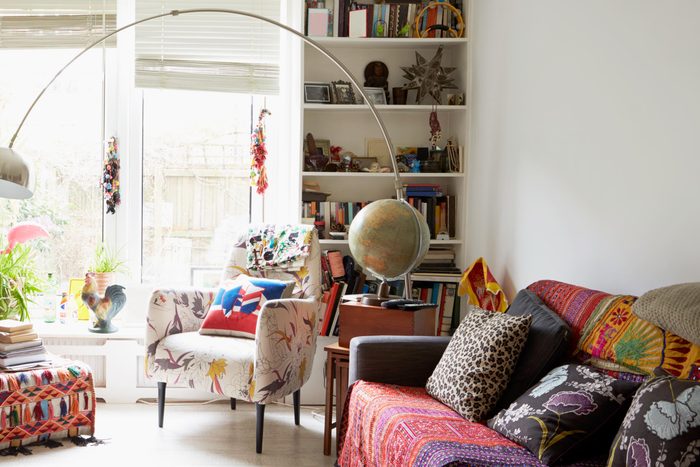
8 Most Popular Interior Design Styles You Should Know

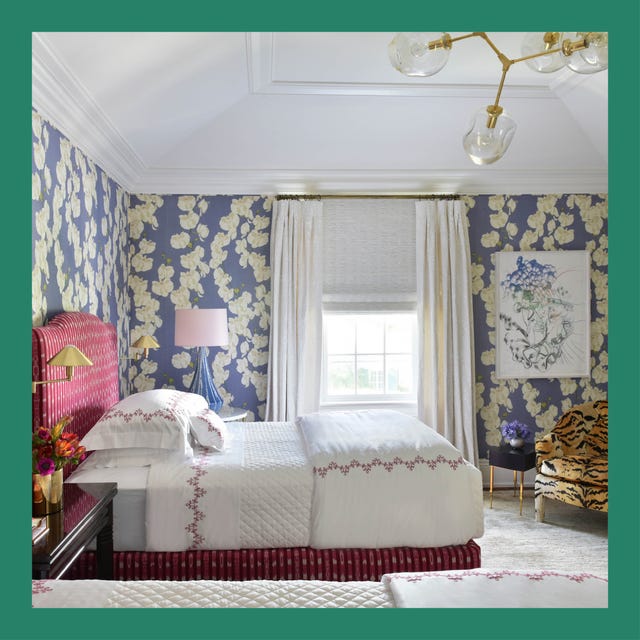
These Are The Top Design Trends Worth Trying
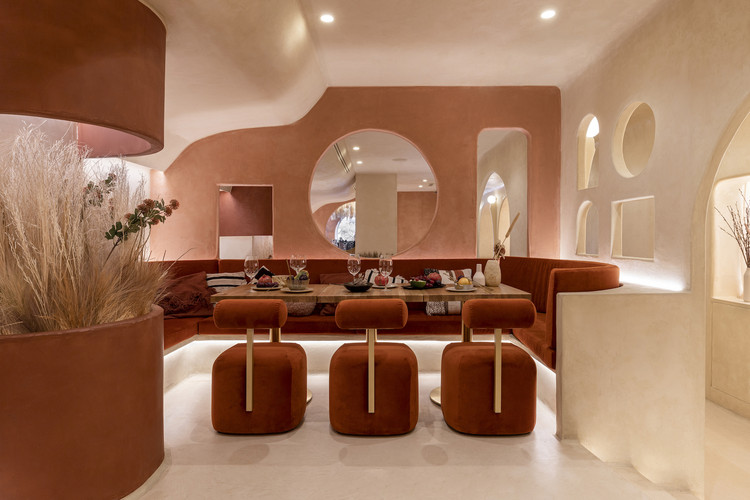
Interior Design Aesthetics: 22 Projects that Explore Trending Interior Styles
17 Design Ideas We Love That Prove Modern Style Can Still Feel Warm and Inviting