1/13
Interior Design Styles — 9 Ways to Decorate Everyone Should Know About
This comprehensive guide explores nine prominent interior design styles, offering insights into their origins, key characteristics, and practical applications for homeowners. The article highlights how modern interior design encompasses a multitude of styles, from minimalistic to opulent, all striving for a balance between luxury and approachability. Interior designer Tara Bernerd notes a prevailing desire for grandeur in spaces, alongside a need for comfort and less formal textures.
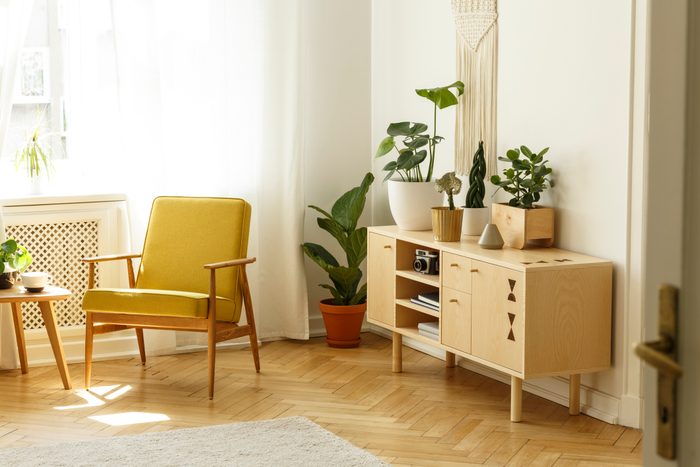
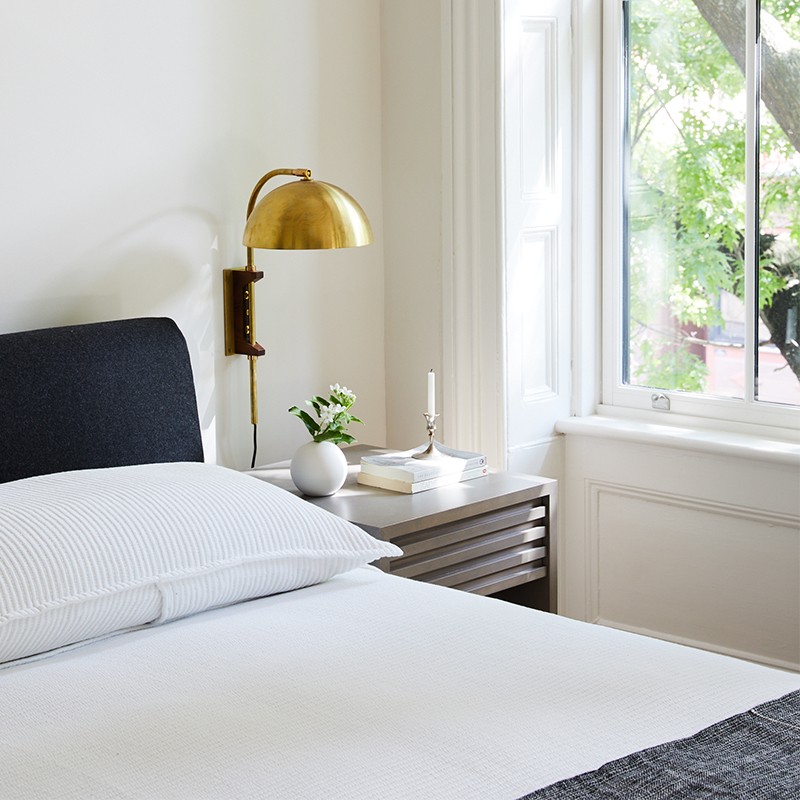
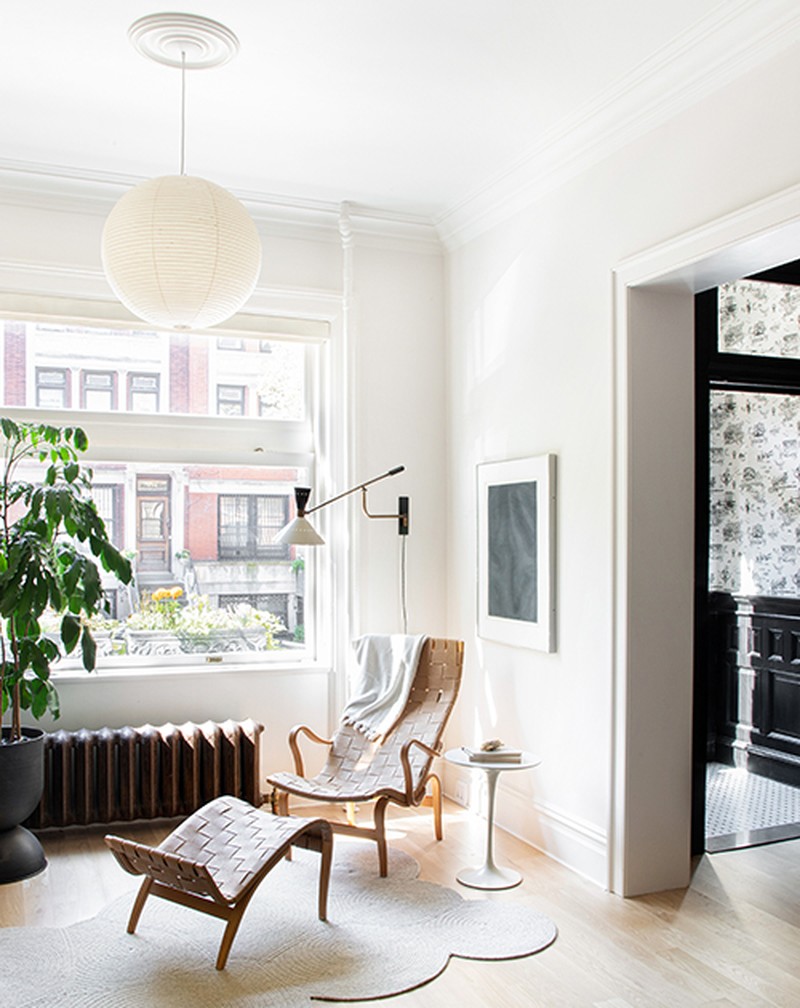
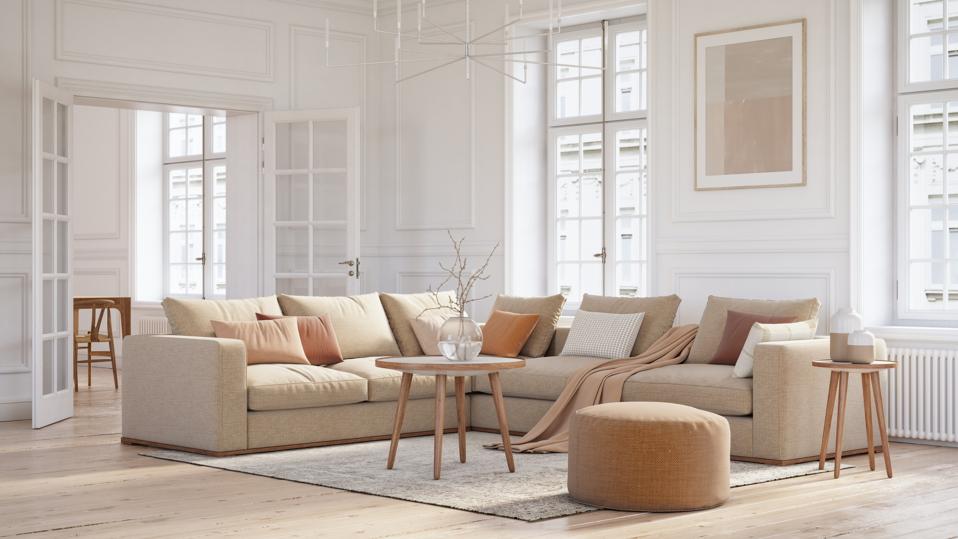
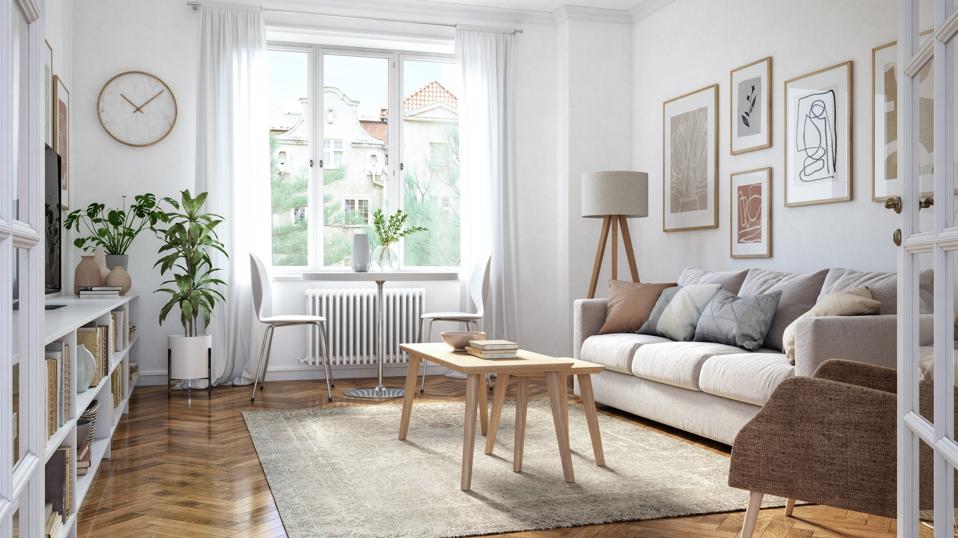
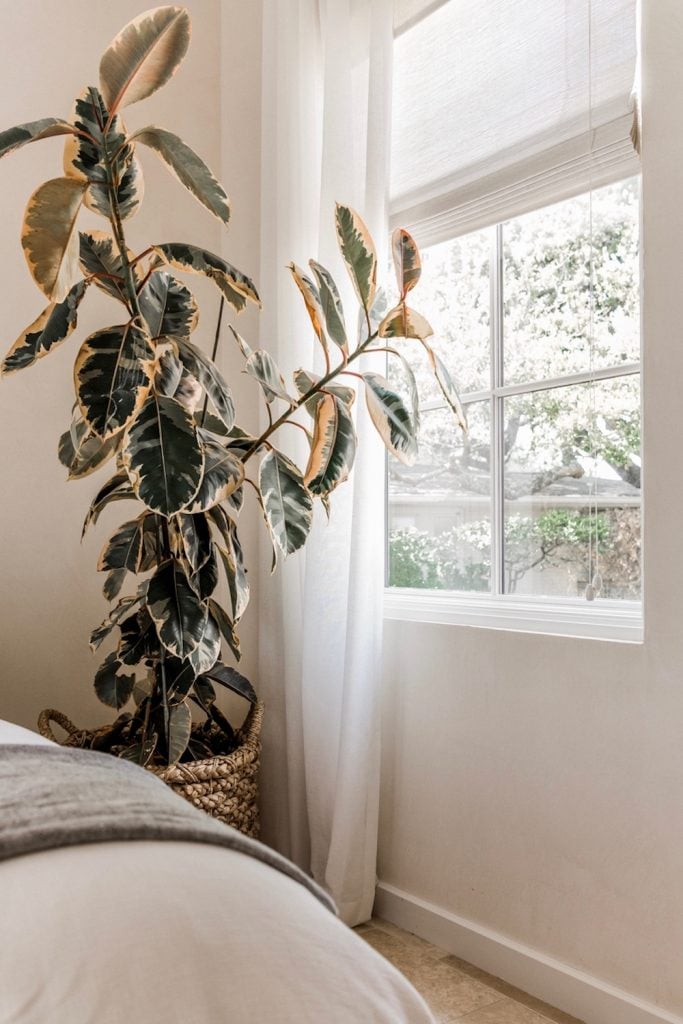
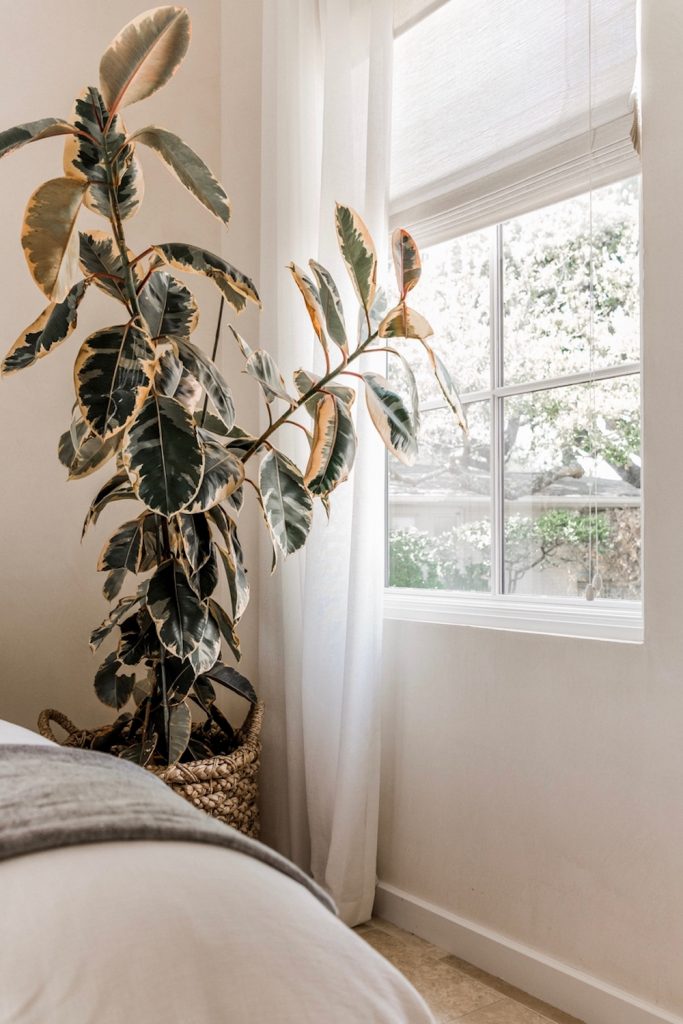
The first style discussed is Scandinavian design, rooted in Denmark, Sweden, and Norway. It emphasizes functionality and simplicity, drawing from Nordic heritage with warm, cozy elements, strong craftsmanship, and natural materials like wood, leather, wool, and stone. Clean lines, uncluttered forms, light colors, and functional furniture are central, with 'Hygge' representing coziness and contentment. This style maximizes natural light through white surfaces and neutral palettes, using organic textures to create warmth and practicality.
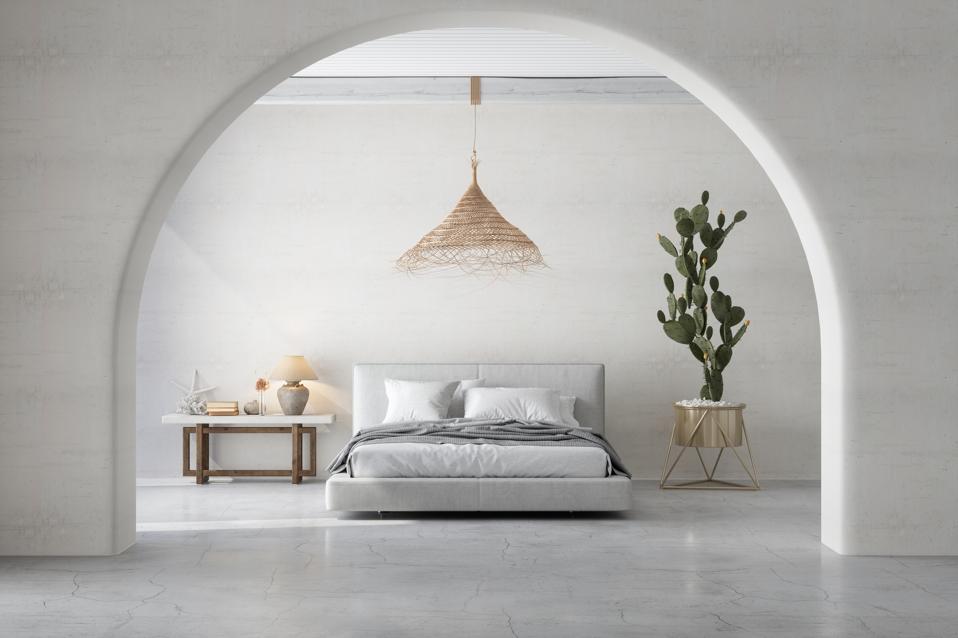
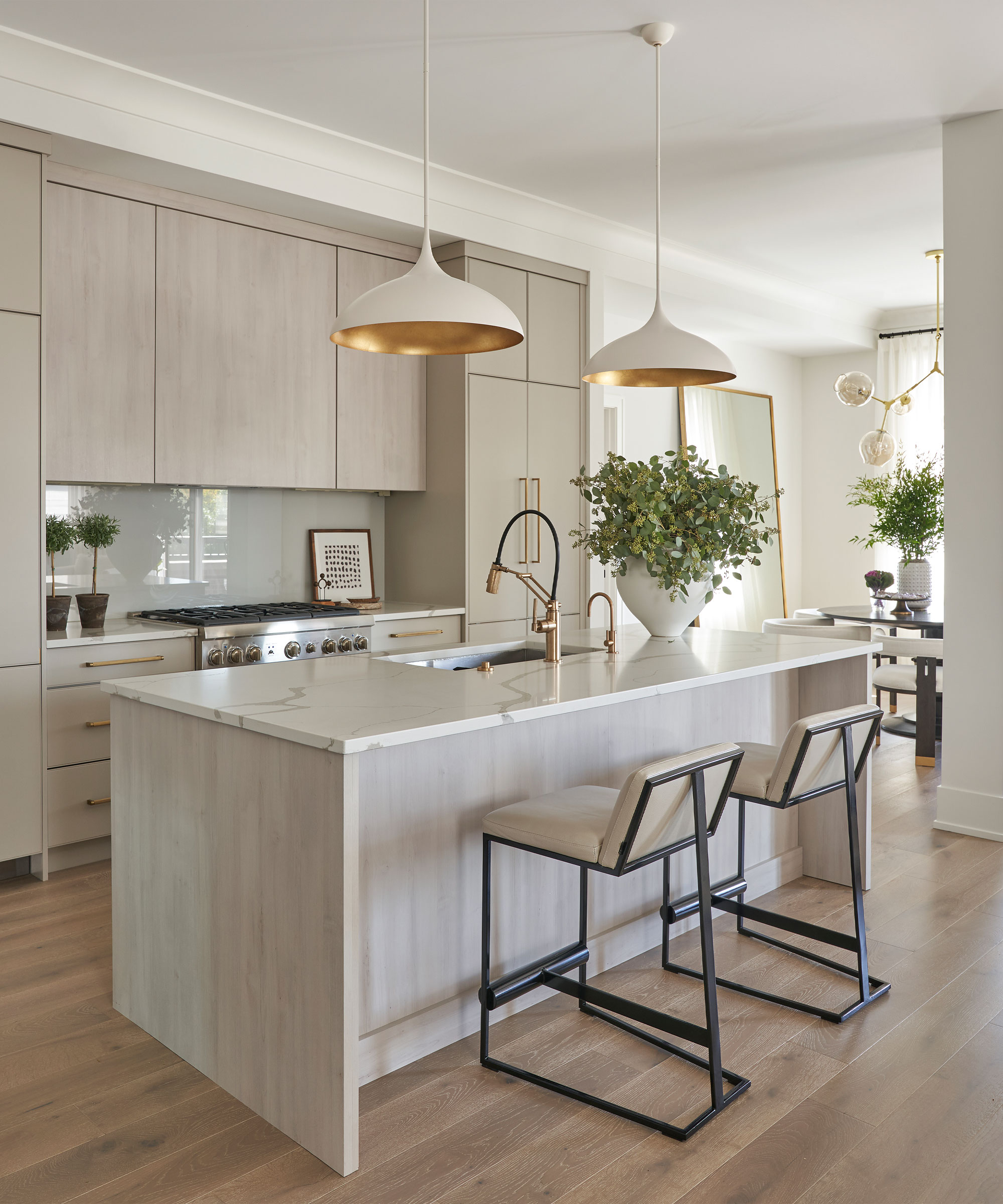
Minimalism, originating in the 1960s, advocates for a return to basics, purity, and functionality. It creates calming aesthetics where every item serves a distinct purpose, connecting interior spaces with the exterior. Guillaume Coutheillas of frenchCALIFORNIA highlights its relevance in modern homes, where spaces serve multiple functions, making minimalist design ideal for organizing and subtly integrating technology. Candace Shure of Shure Design Studio attributes its popularity to social media influence, the desire to reduce clutter in overwhelming times, and the perception of its ease of execution. Key elements include open layouts, ample light, simple yet well-constructed furniture, and monochromatic color schemes.

Industrial design draws inspiration from factories, warehouses, and manufacturing structures, celebrating raw, architectural elements. Jane Lockhart explains that this style has evolved beyond downtown lofts to embrace features like metal doors, wood beams, and natural, weathered materials. Exposed brick or stone walls, concrete floors, floor-to-ceiling windows, and large, striking furniture pieces are characteristic. Warmth is introduced through natural palettes, organic textures like wood and leather, soft furnishings, and varied lighting.
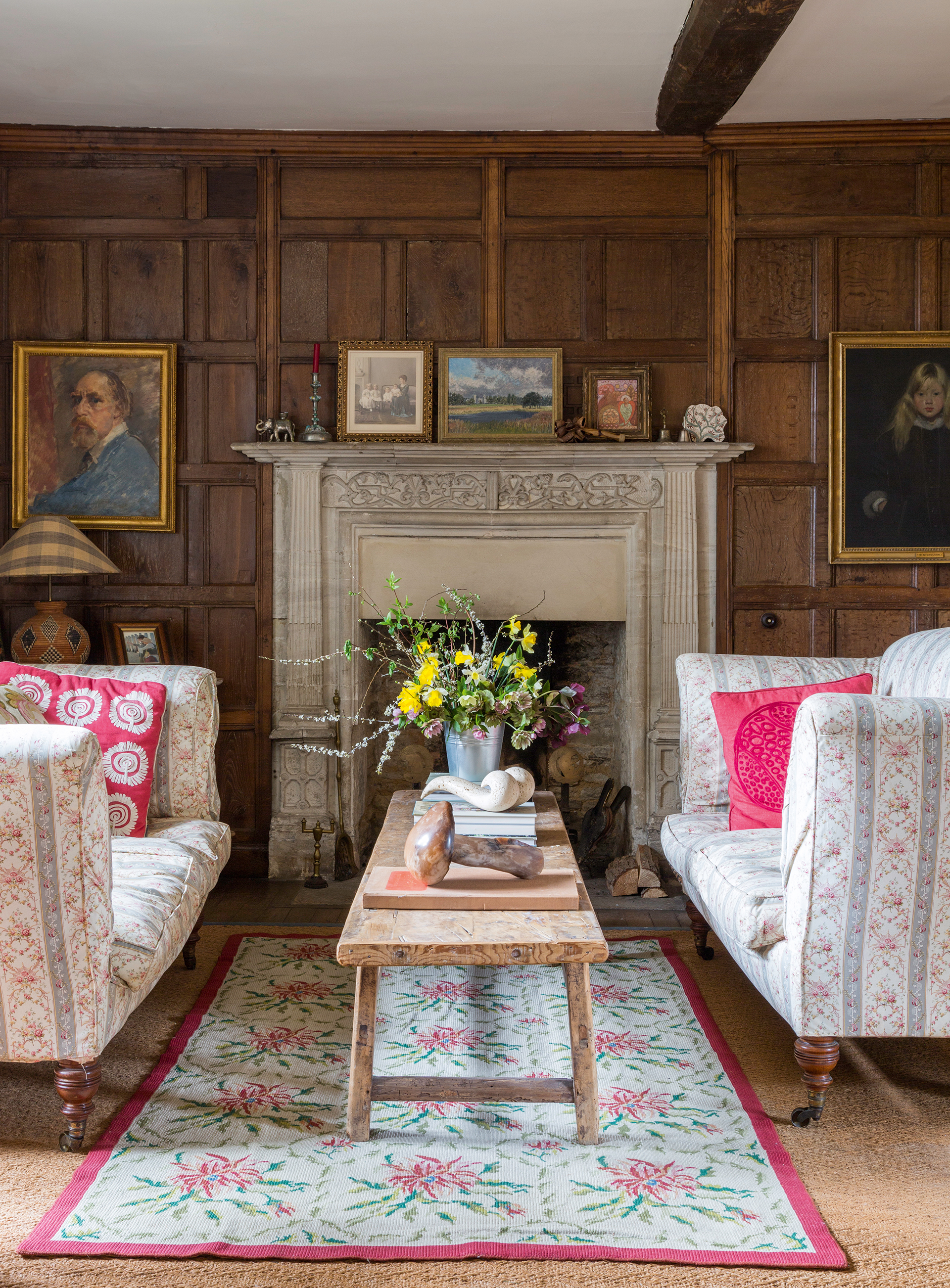
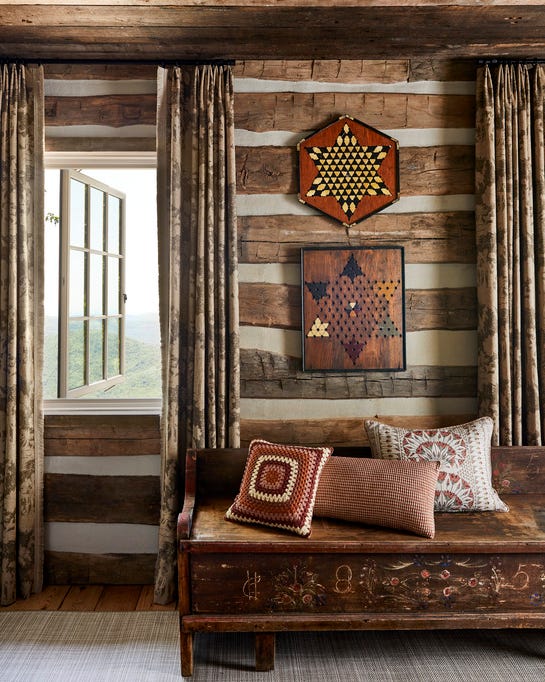
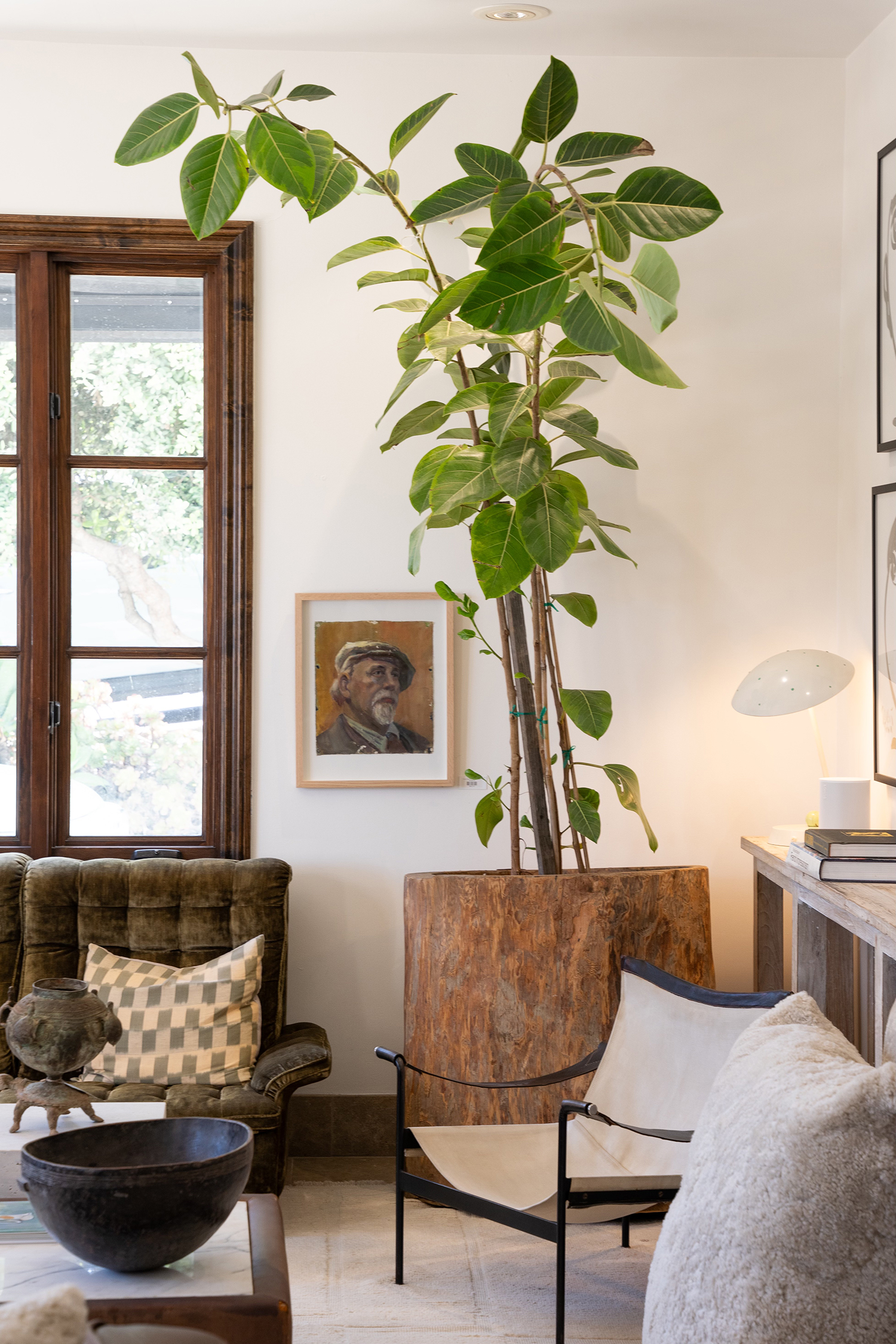
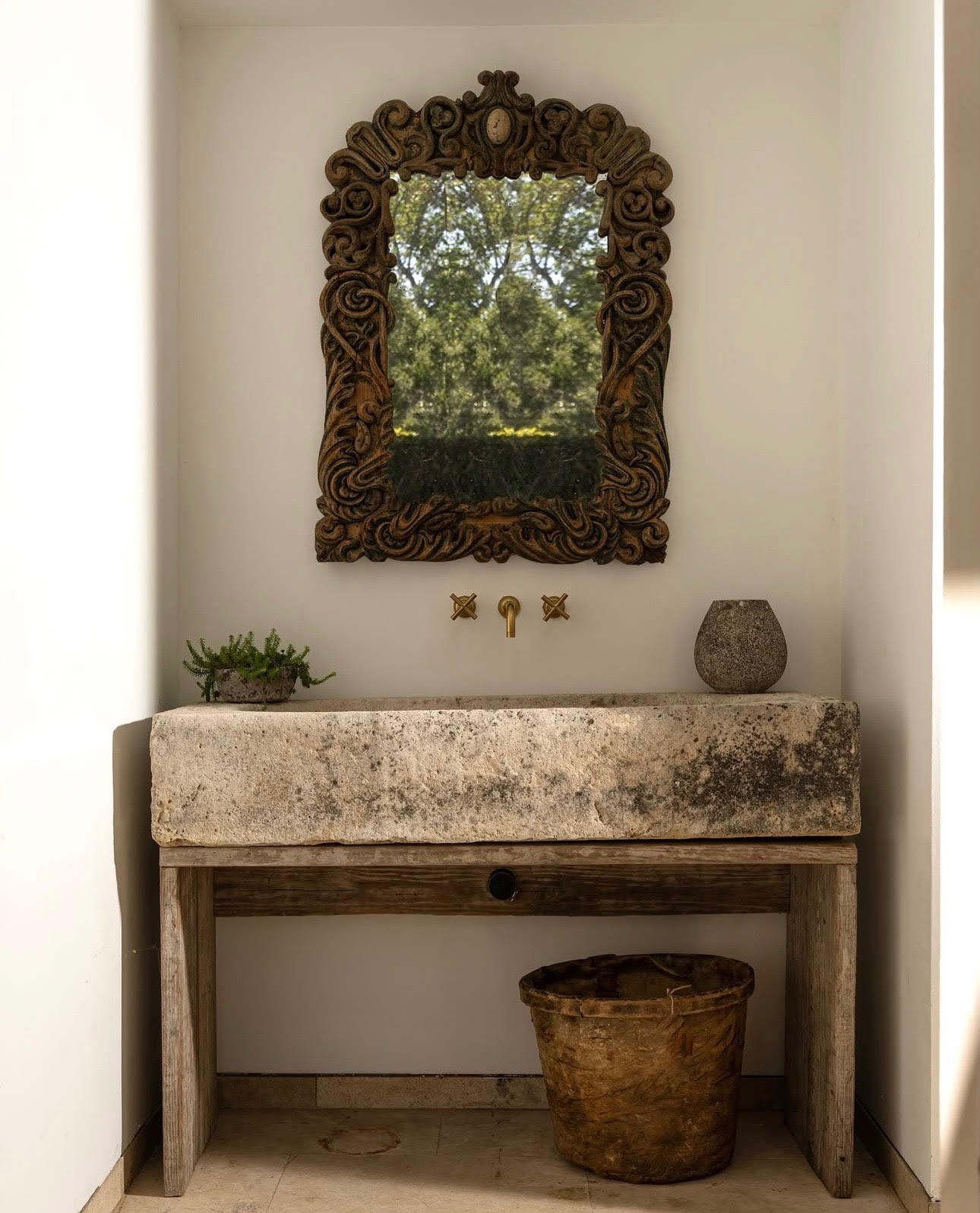
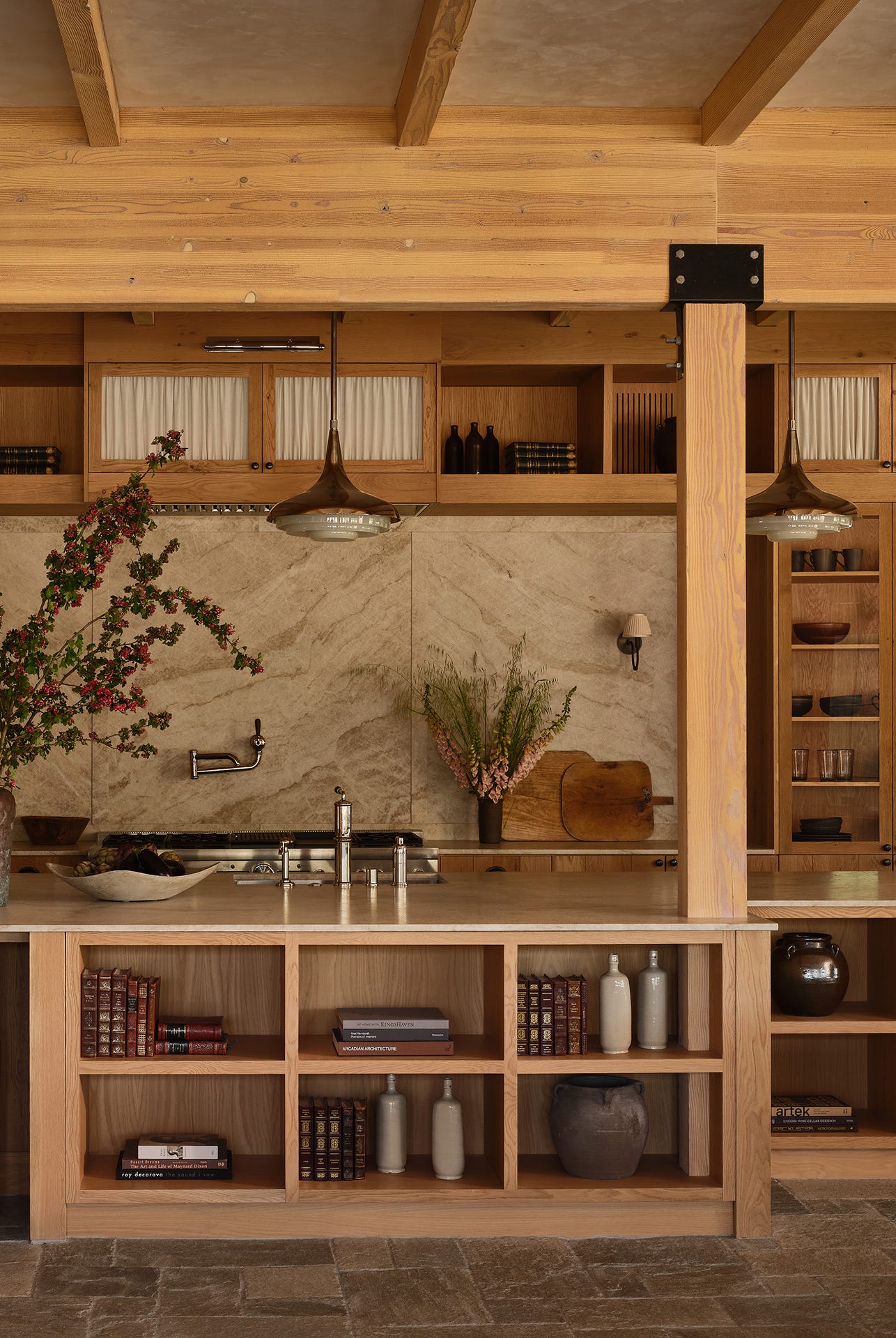
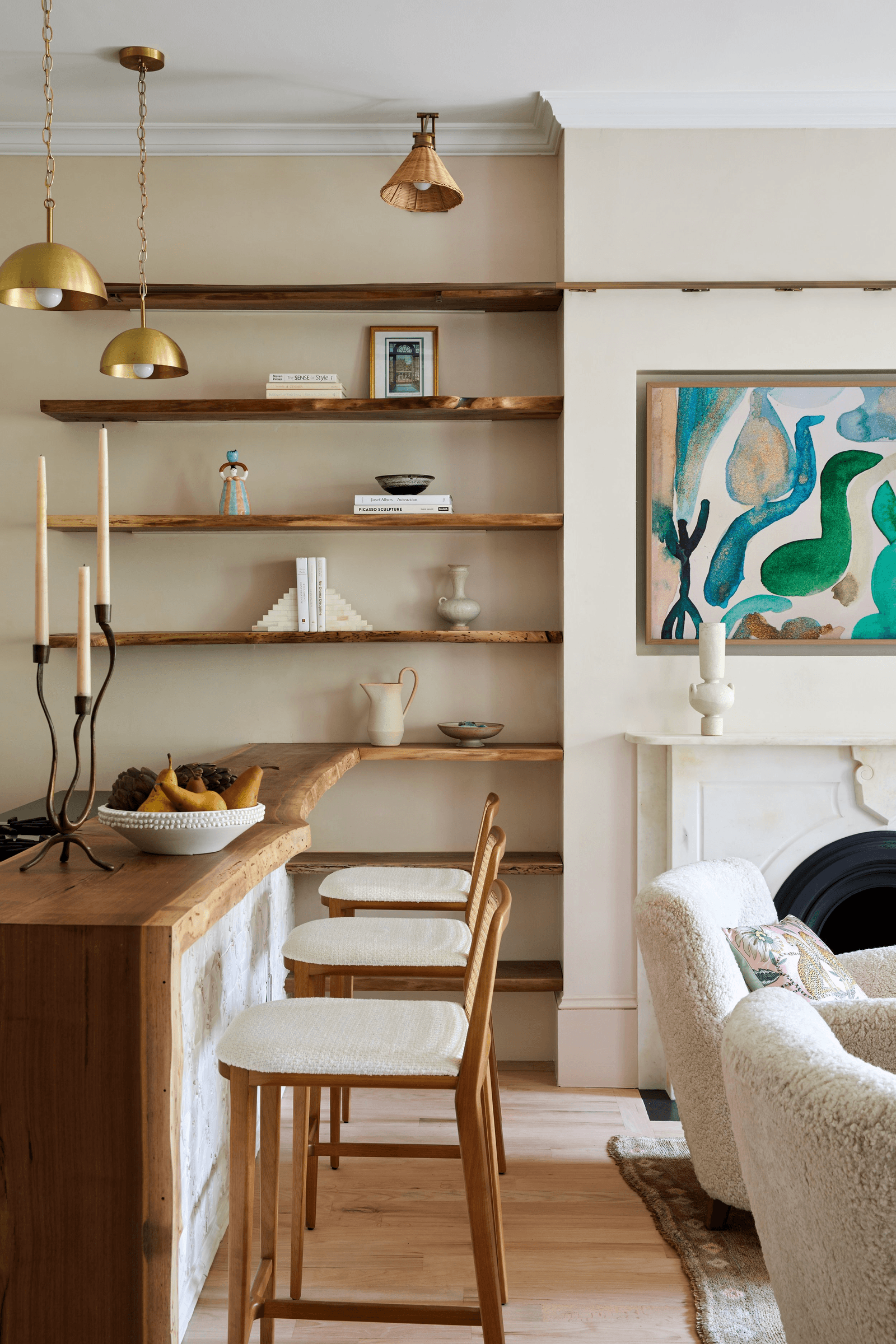
Modern rustic combines modern design principles—clean lines, practical storage—with natural textures and antique details. It harmonizes well with both old and new buildings, utilizing reclaimed wood, exposed beams, and untreated woodwork. Antiques are crucial for adding depth and character. Patrick Williams of Berdoulat notes that vintage buildings provide an elegant backdrop for this style, allowing for both simple, sparse interiors and bolder approaches with dramatic color and pattern.
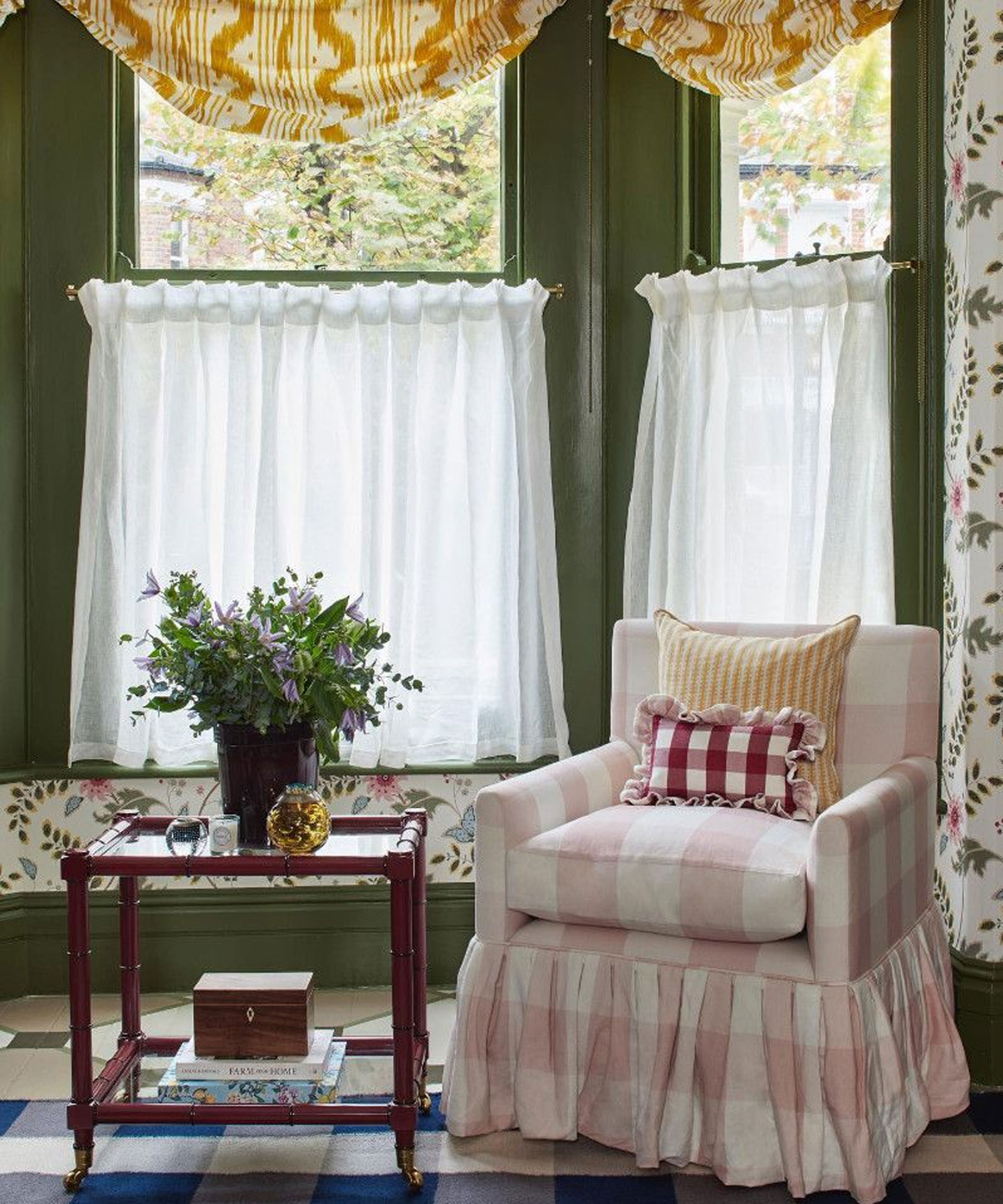
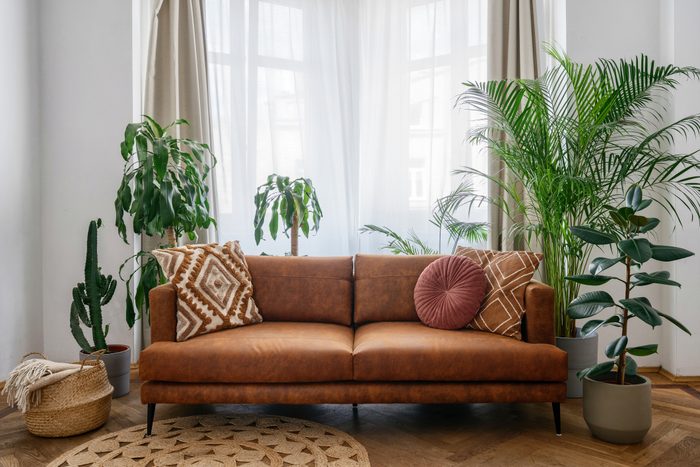
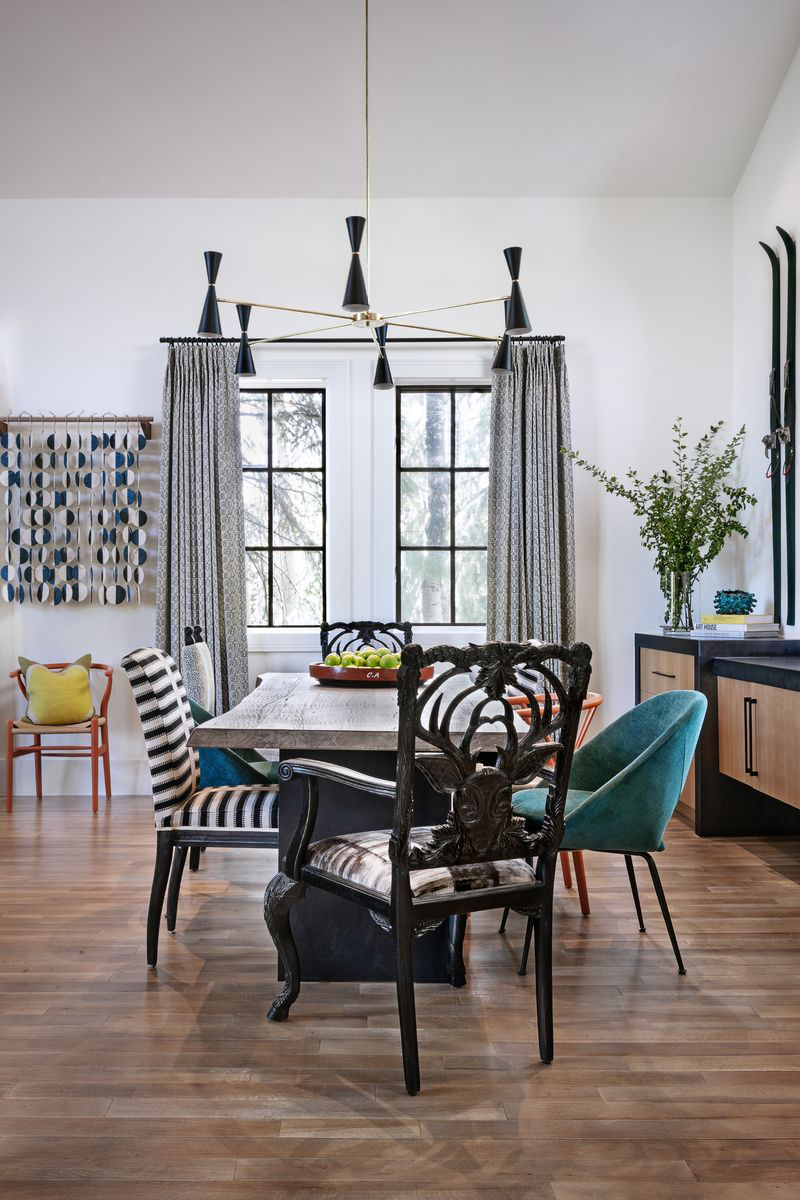
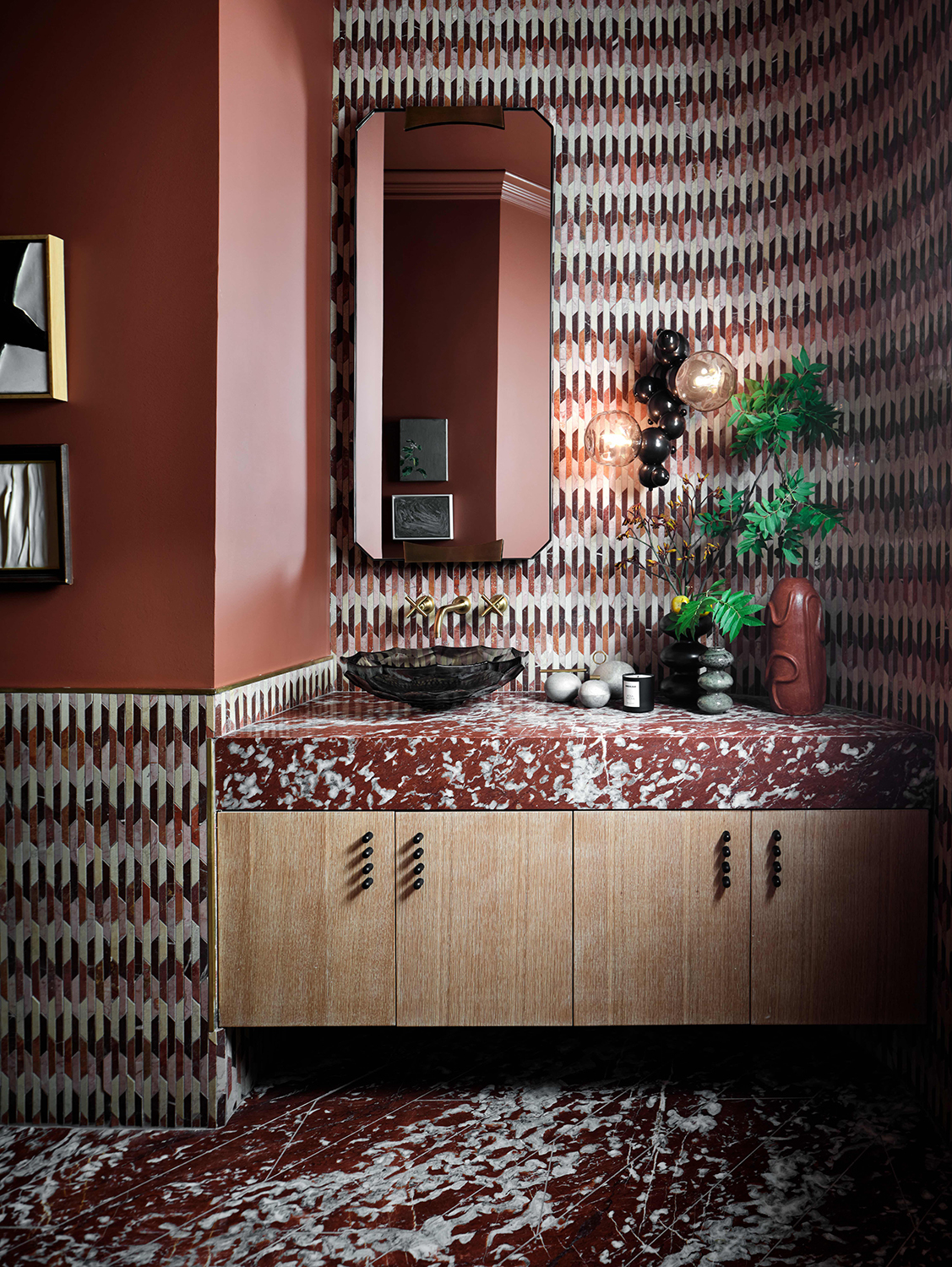
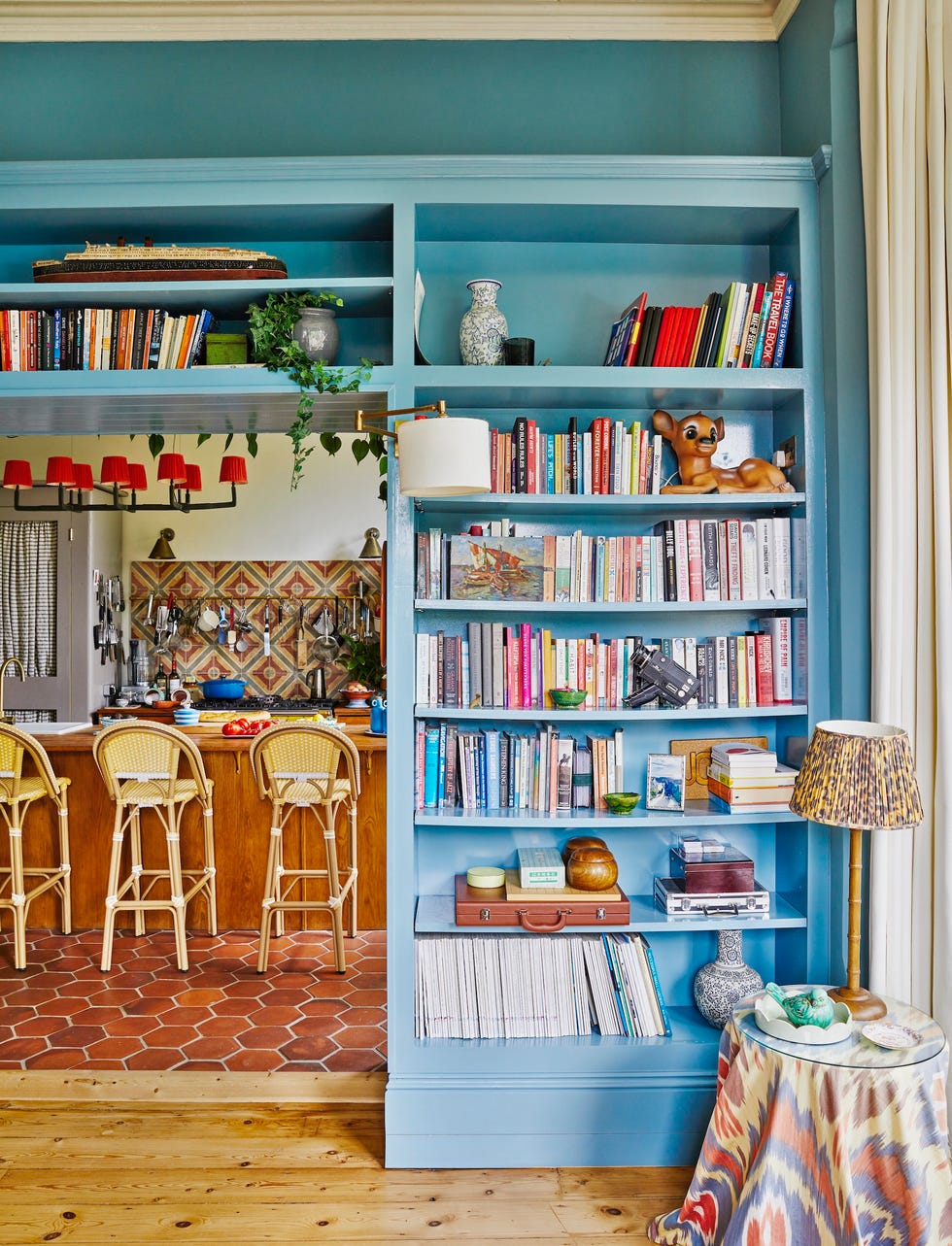
Maximalism is a curated style that builds layers over time, creating colorful comfort and curiosity. Zoe Anderson of WA Green emphasizes layering colors and patterns, encouraging natural accumulation of collections. A connecting color or tone can provide balance amidst the eclectic mix of modern, mid-century, or antique furniture.
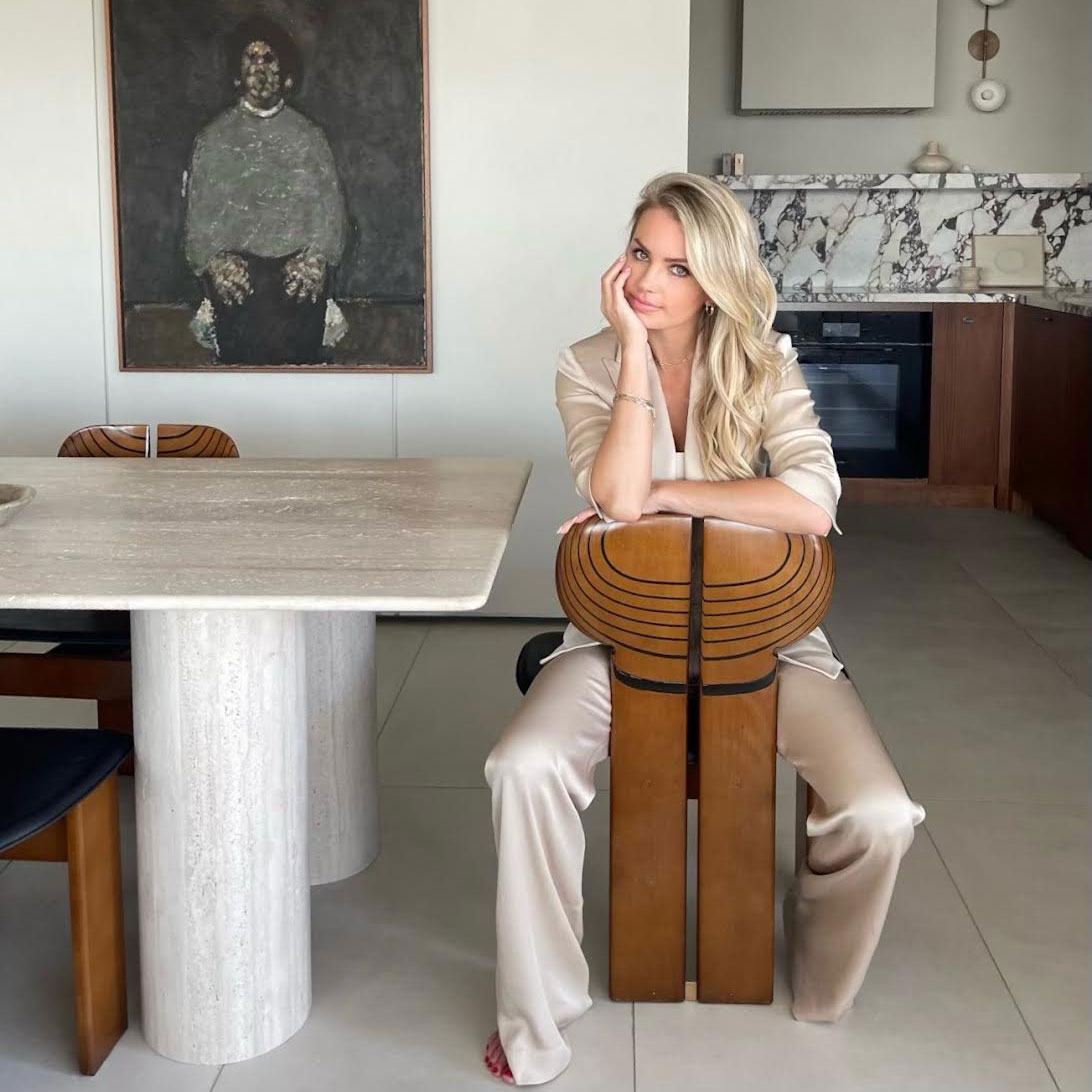
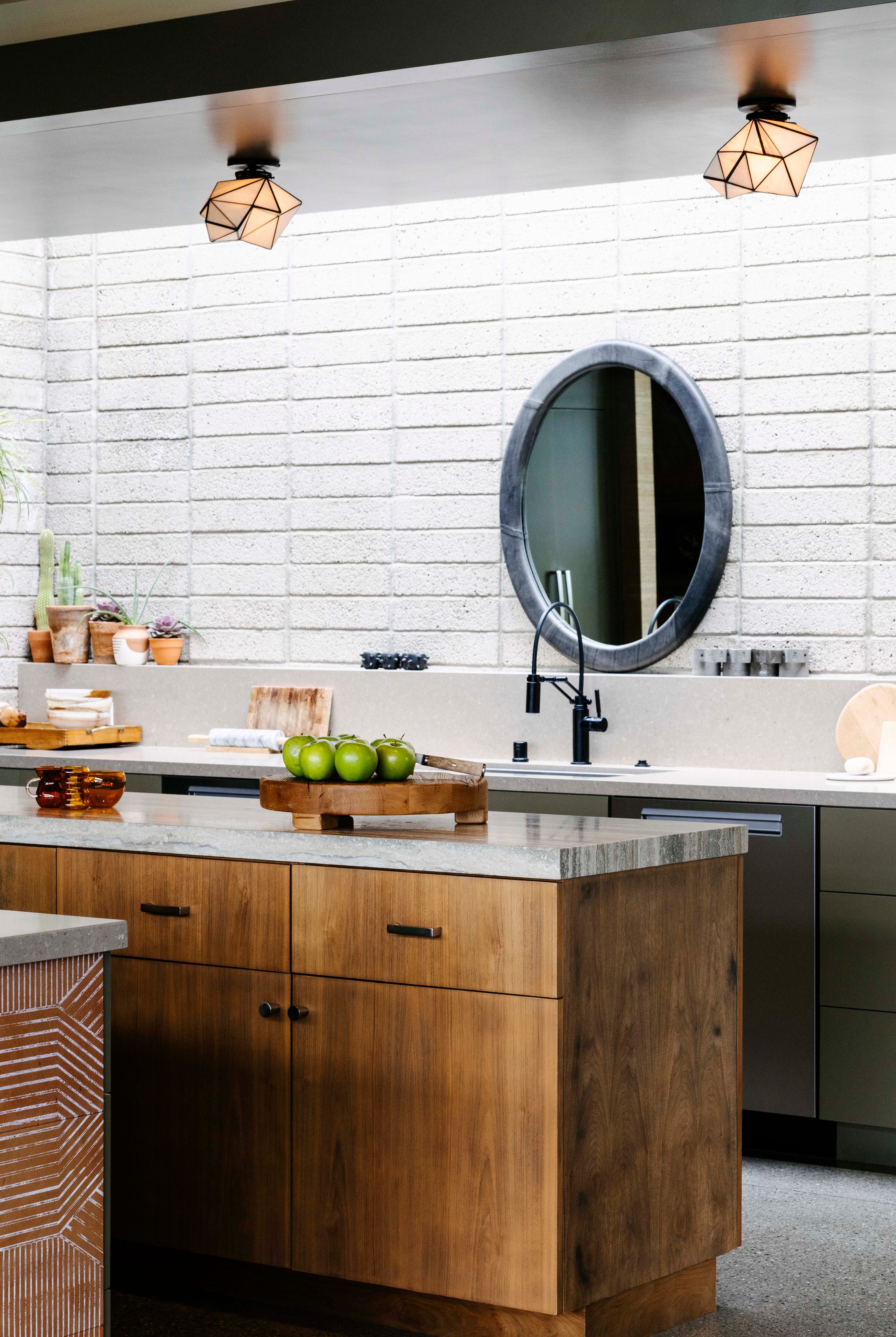
Mid-century modern, popular from the 1920s to the 1970s, focused on affordable, functional design for the masses. Iconic designers like Charles and Ray Eames shaped this look, characterized by unembellished, sleek forms, fine wooden furniture legs, and the use of materials like teak. It reflects the architecture of American suburbs, featuring low roofs and natural materials. Key elements include linear cabinets, pencil legs on furniture, and cozy spaces with attention to wood color.
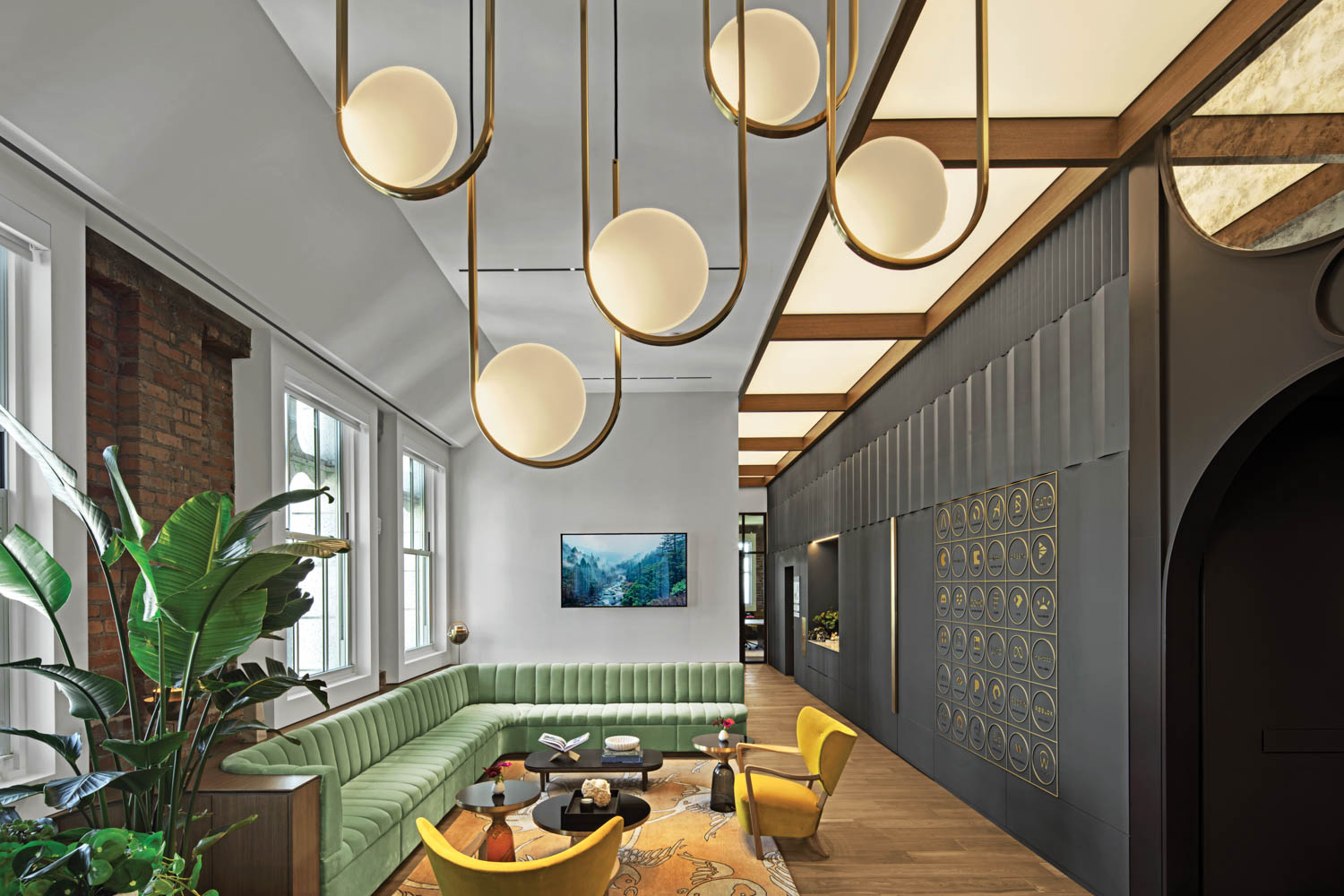
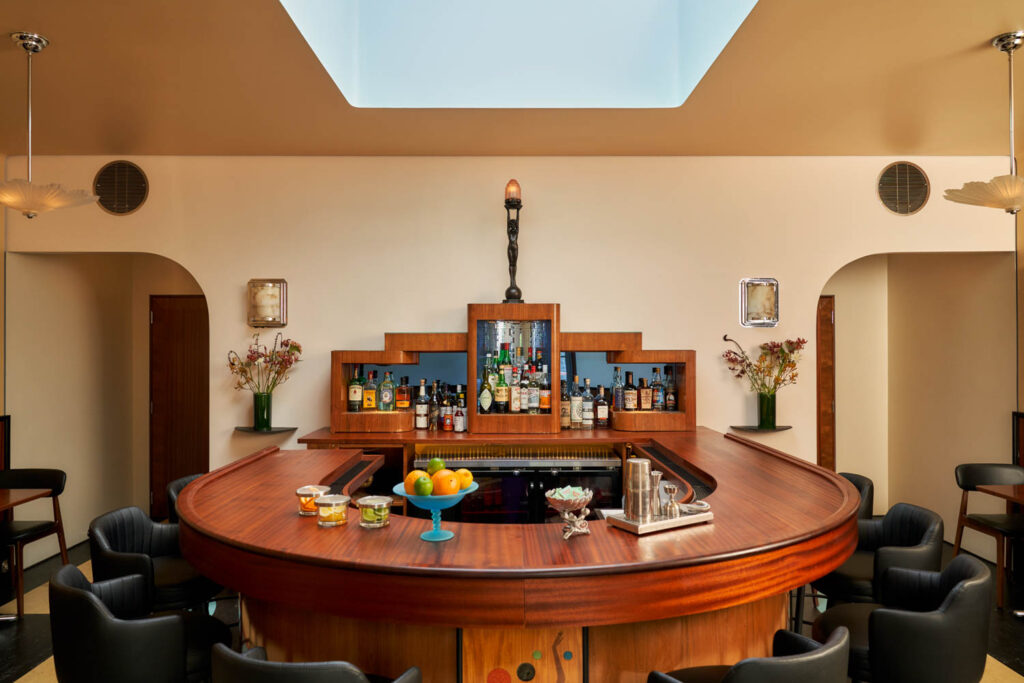
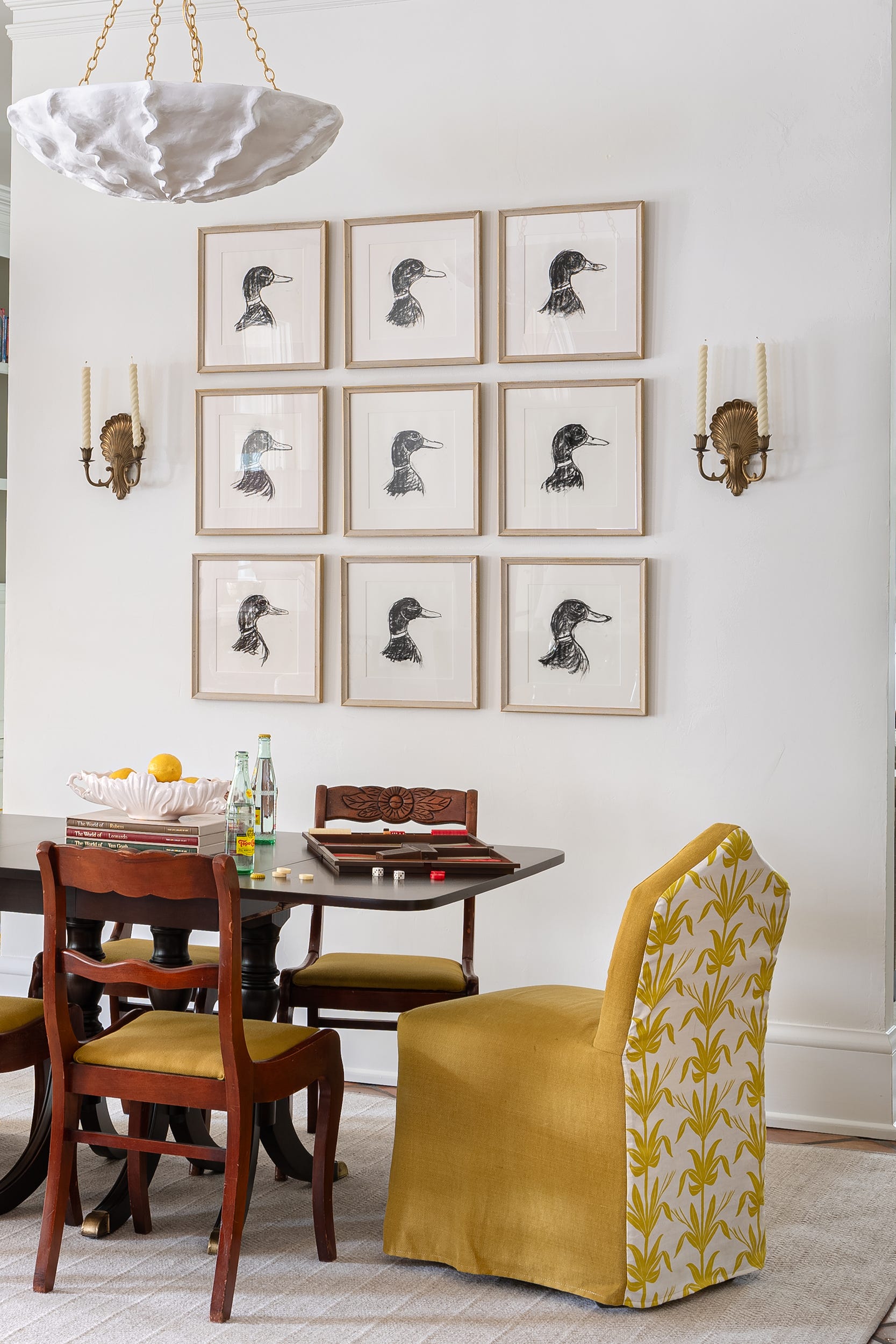
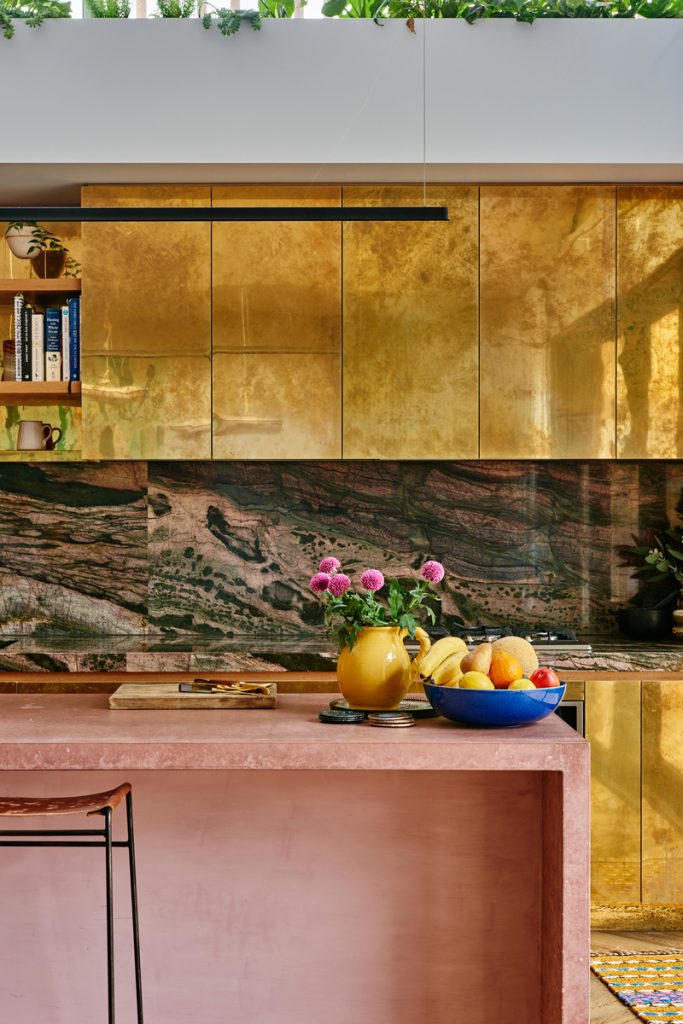
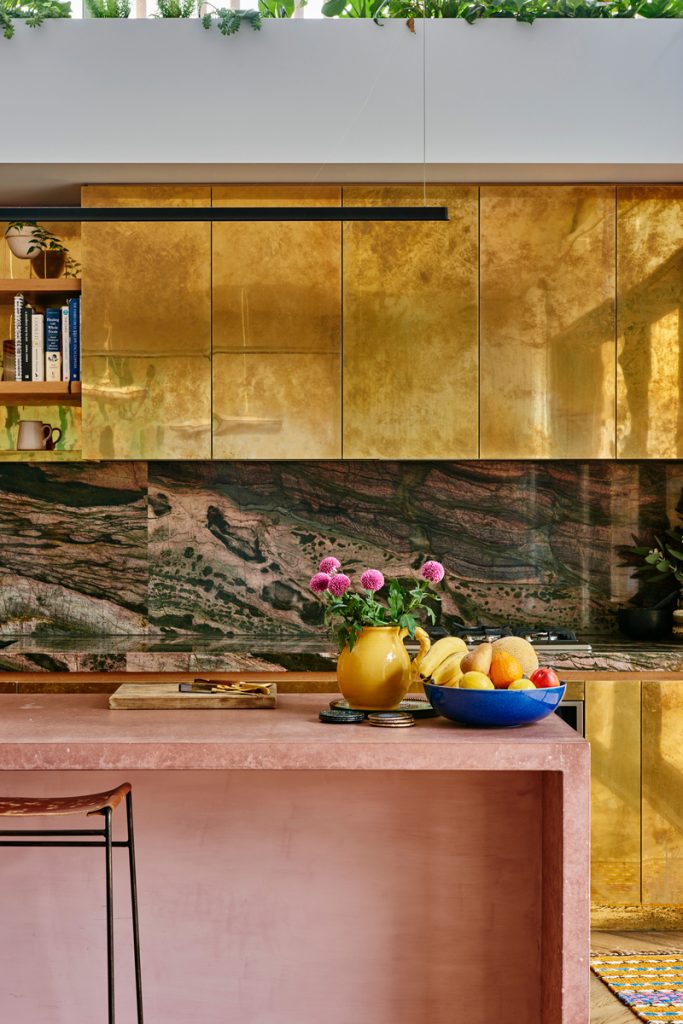
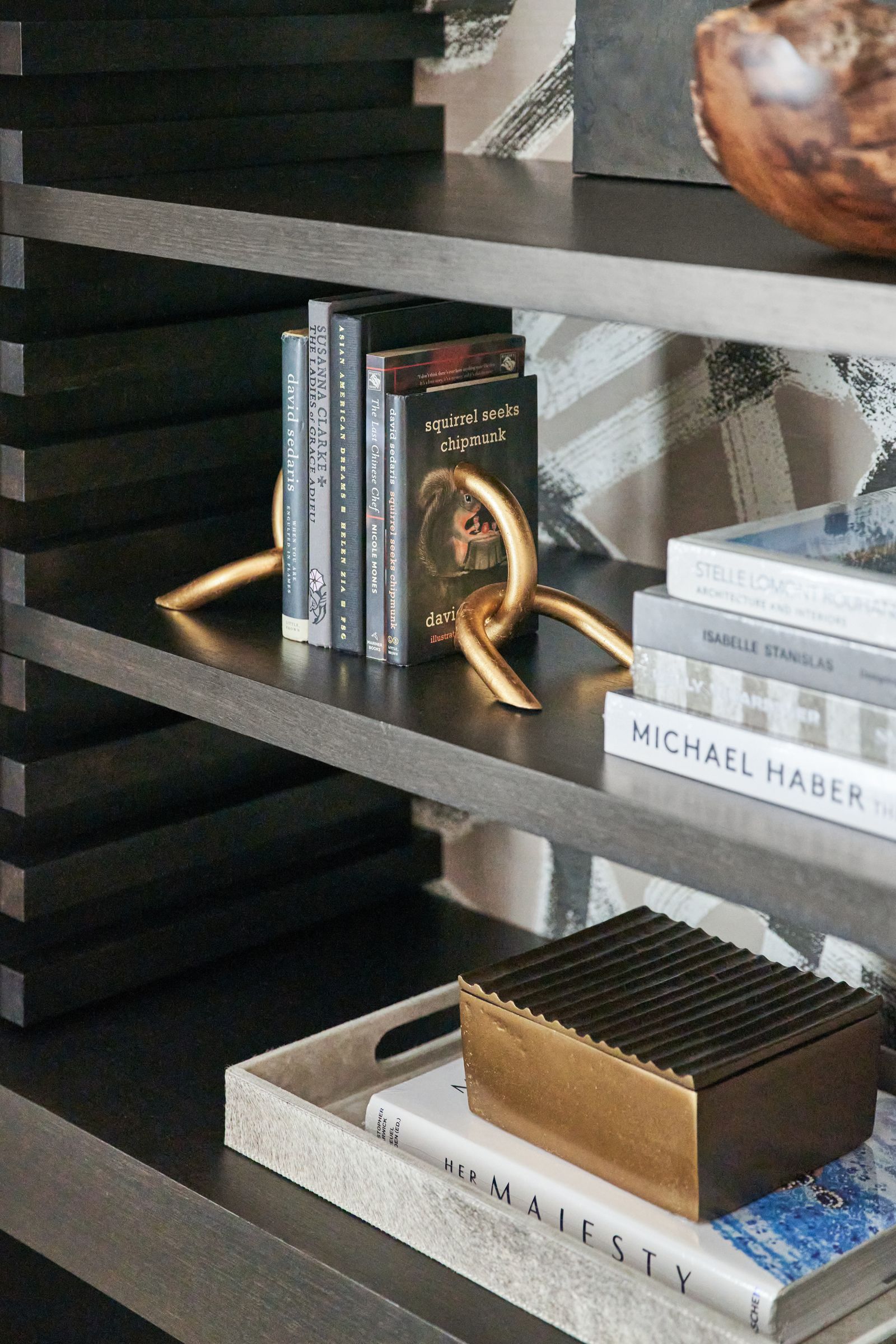
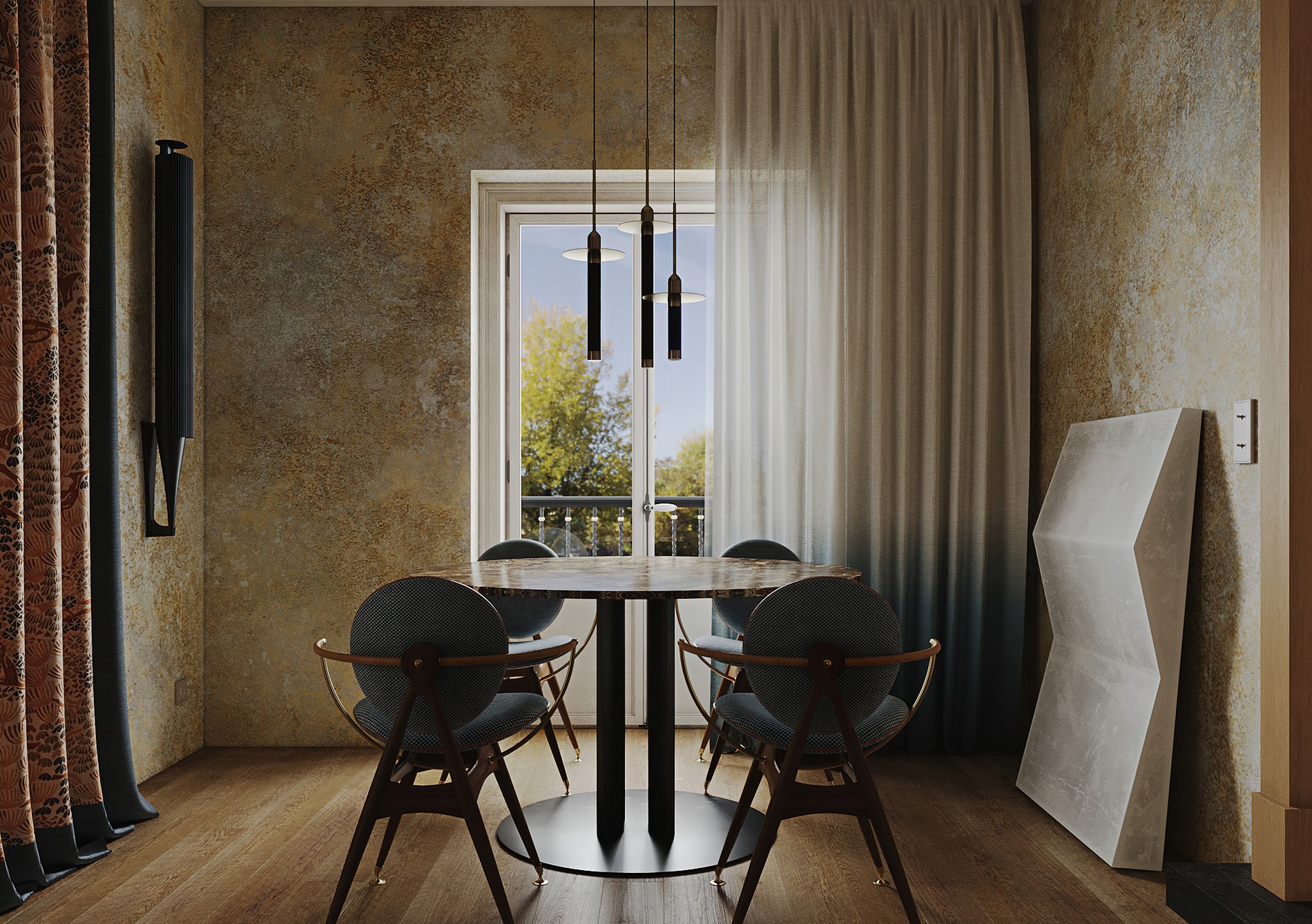
Modern glamour, with roots in Art Deco and Hollywood allure, is an expressive style characterized by rich golds, colorful infusions, sumptuous materials, and fluid lines. Designers like Jonathan Adler and Maddux Creative blend this decadence with modernism, creating visionary spaces. It incorporates curvy contemporary furniture, bold and pastel colors, and metallic accents like bronze or gold.
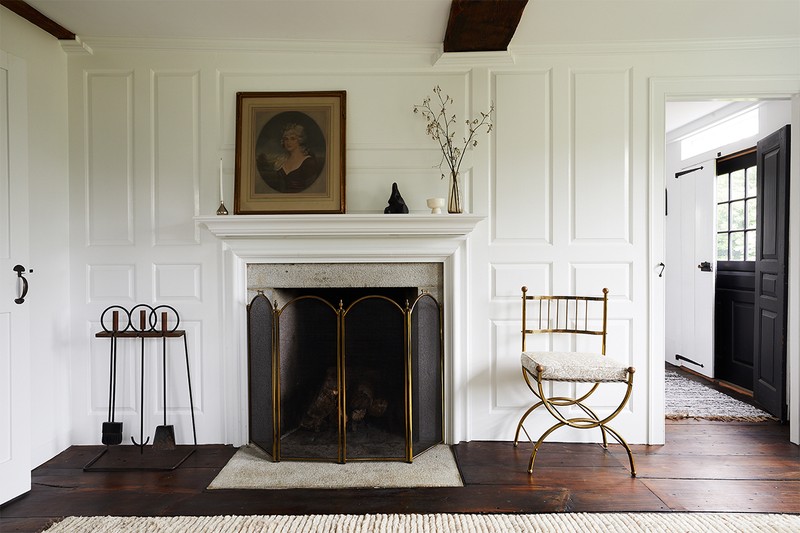
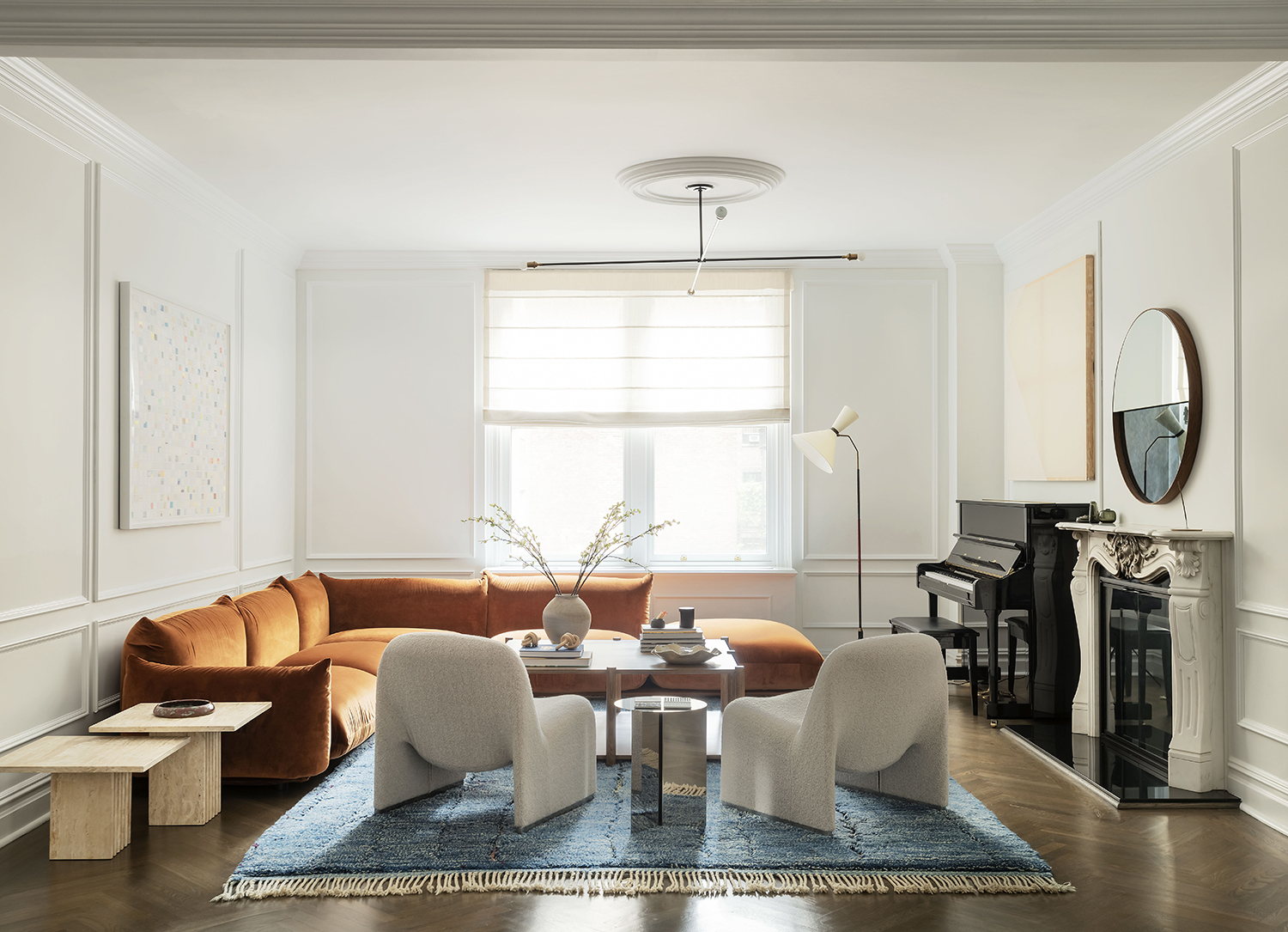
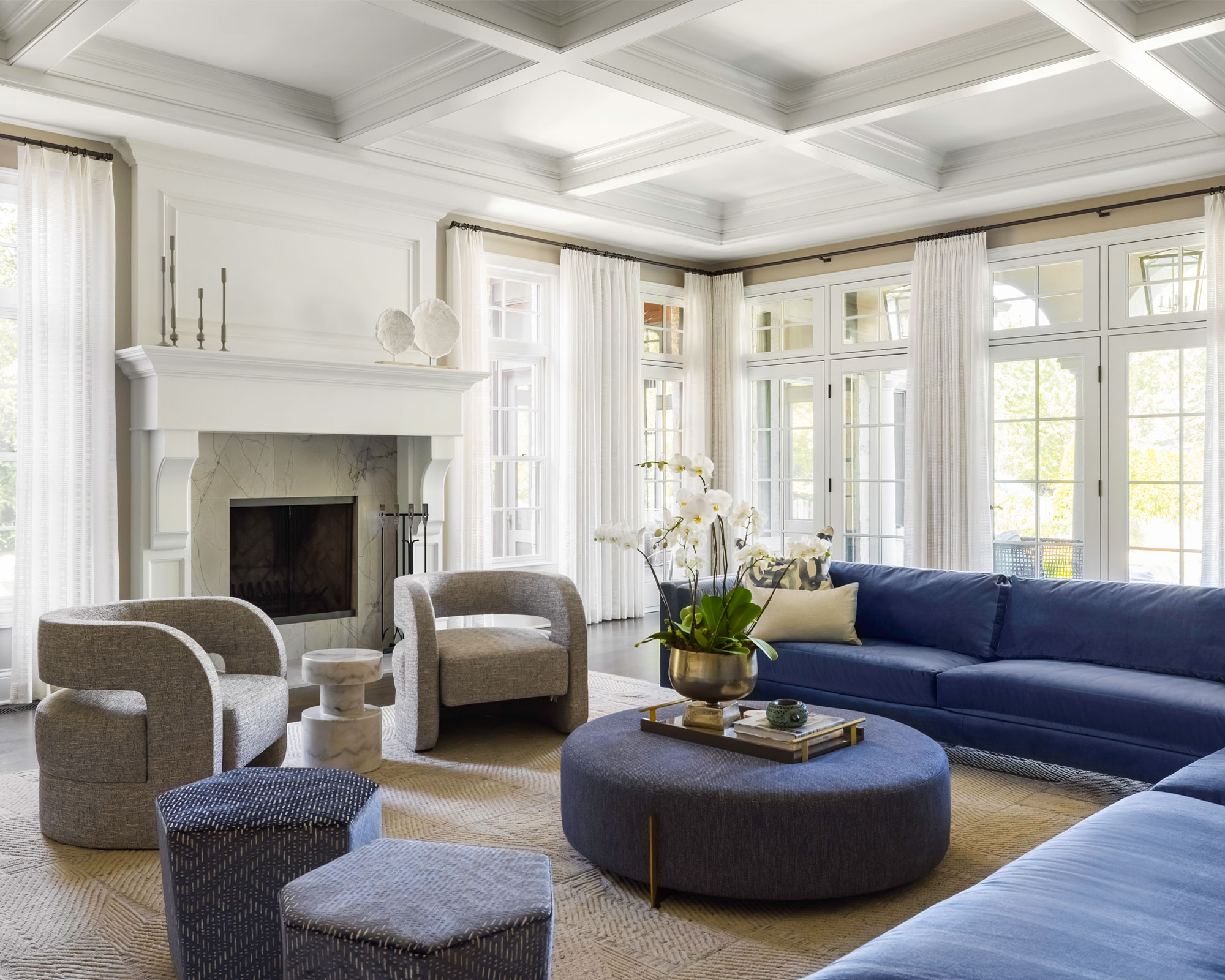
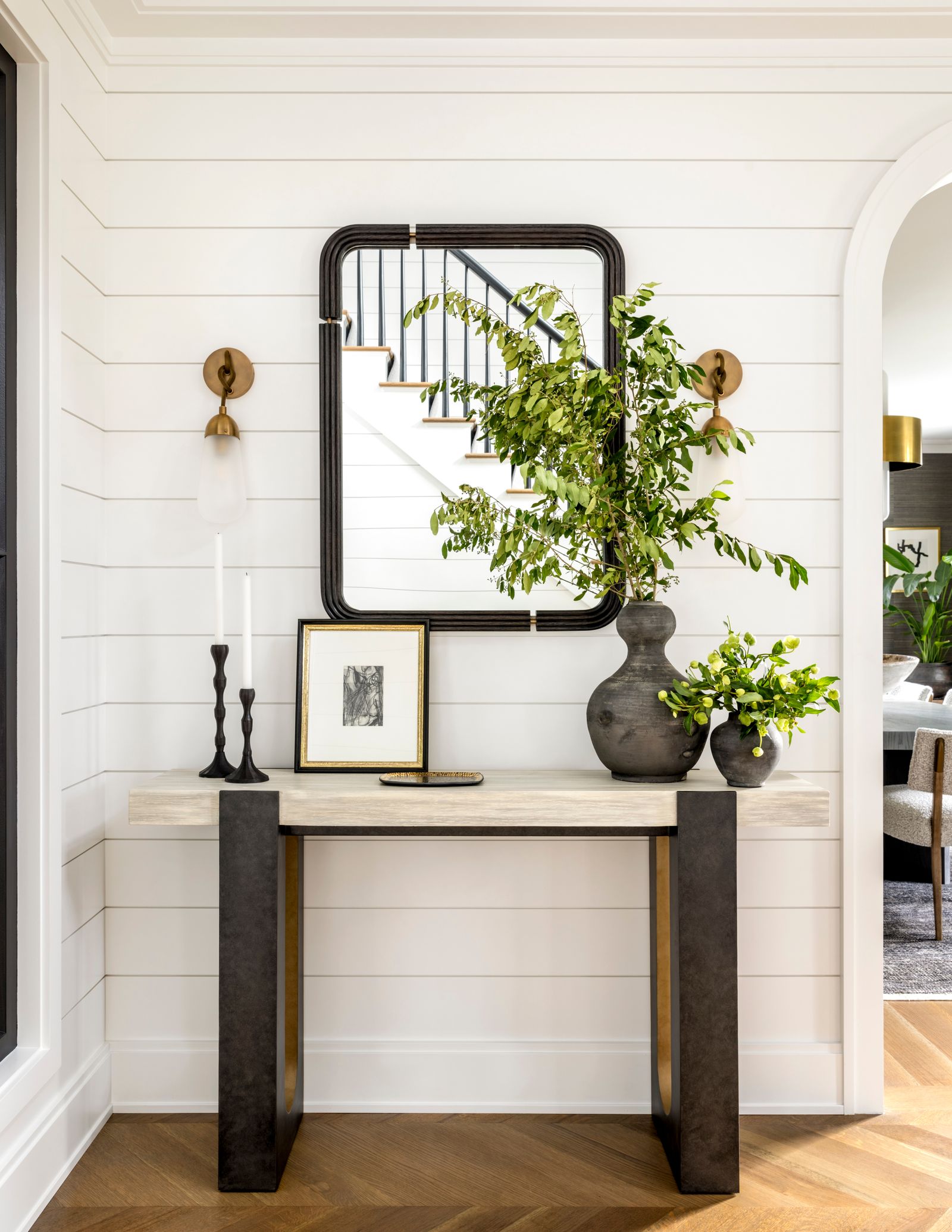
Transitional interior design blends traditional and modern styles, refreshing classics with a cohesive, contemporary feel. Reena Sotropa highlights that this style requires careful curation to balance old and new elements. Defining features include muted tones, natural materials, shaker-style storage, shiplap, sleek fixtures, large format tiles, and patina.
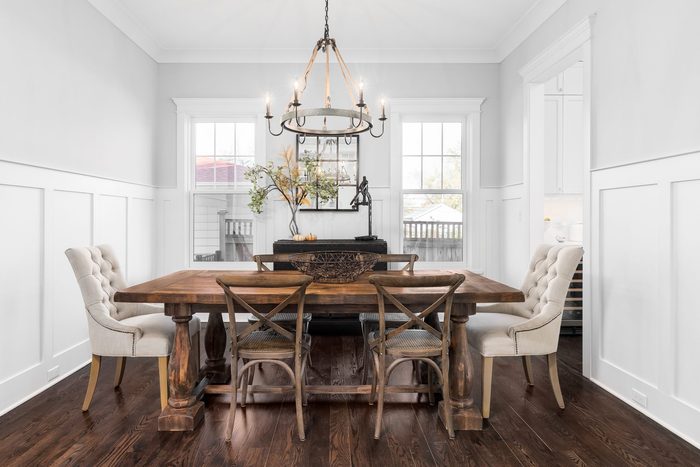
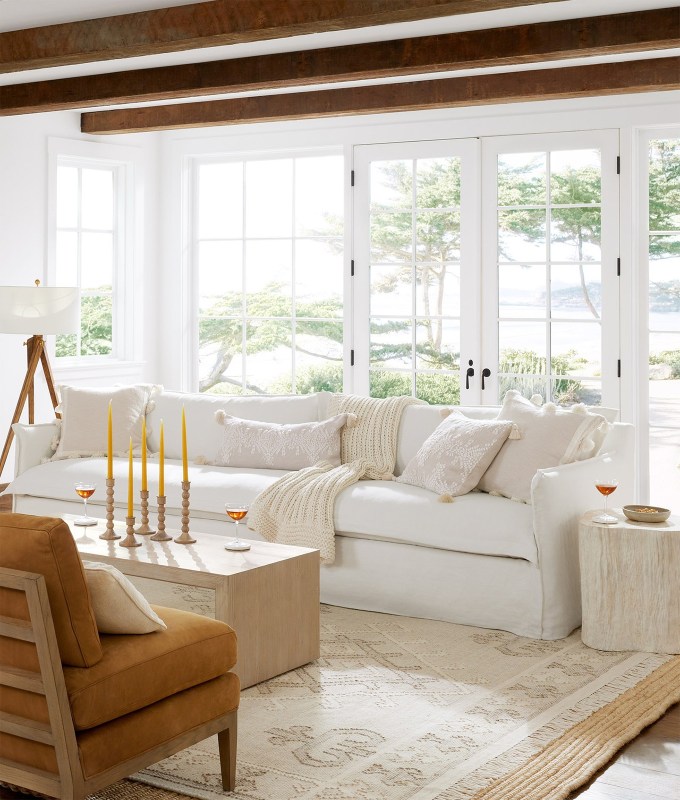
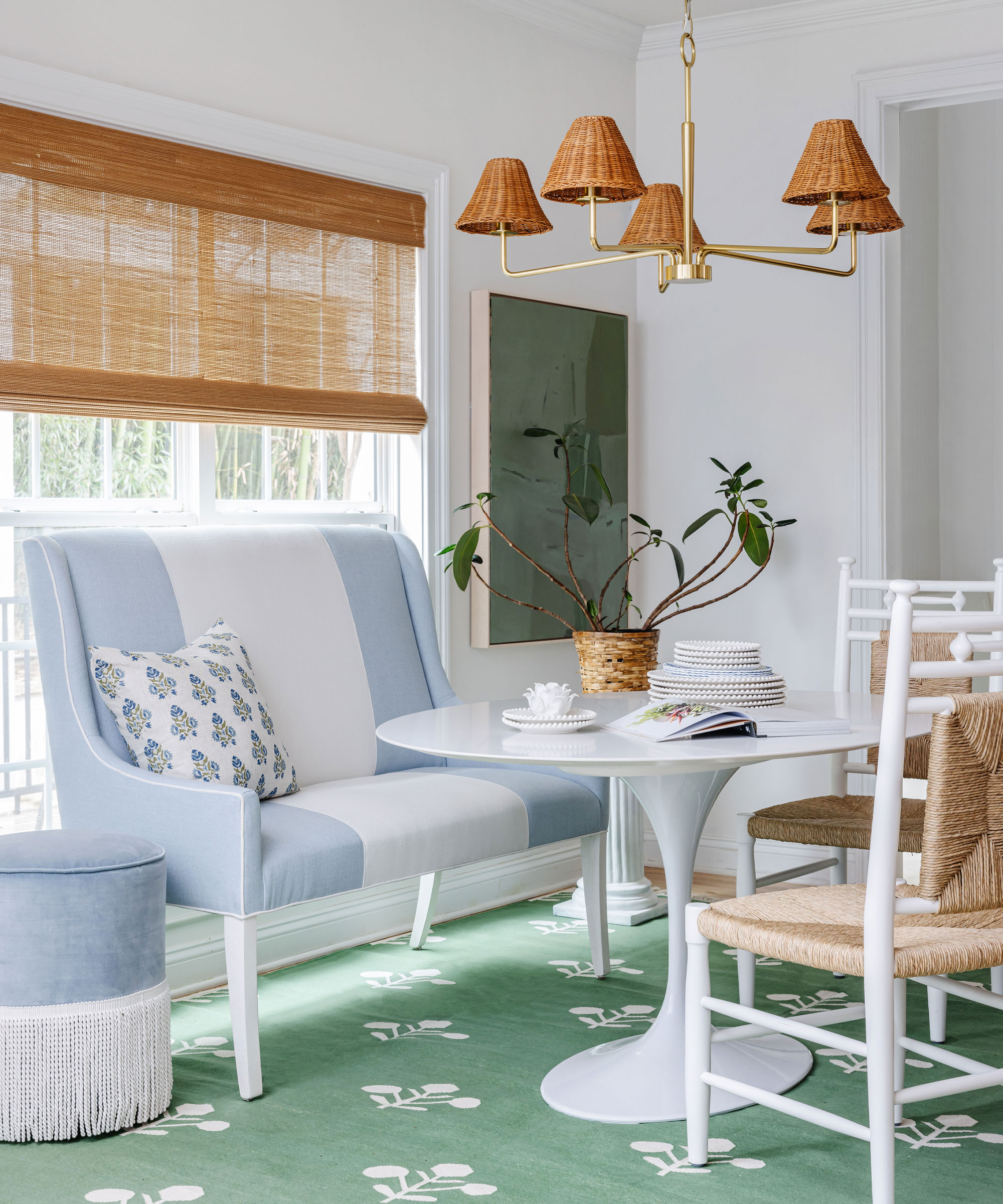
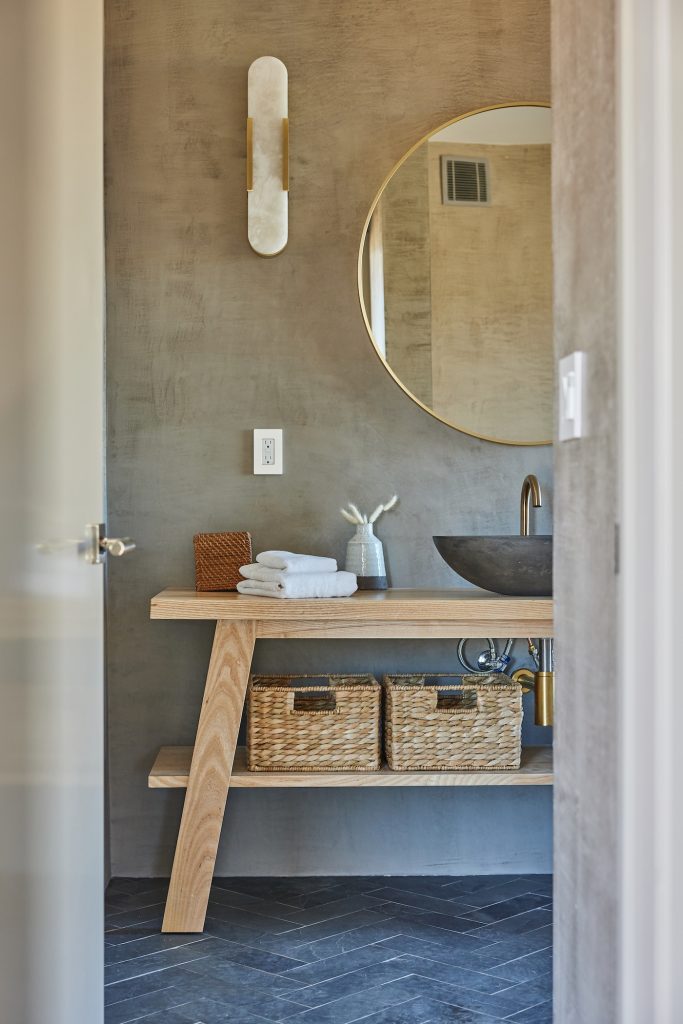
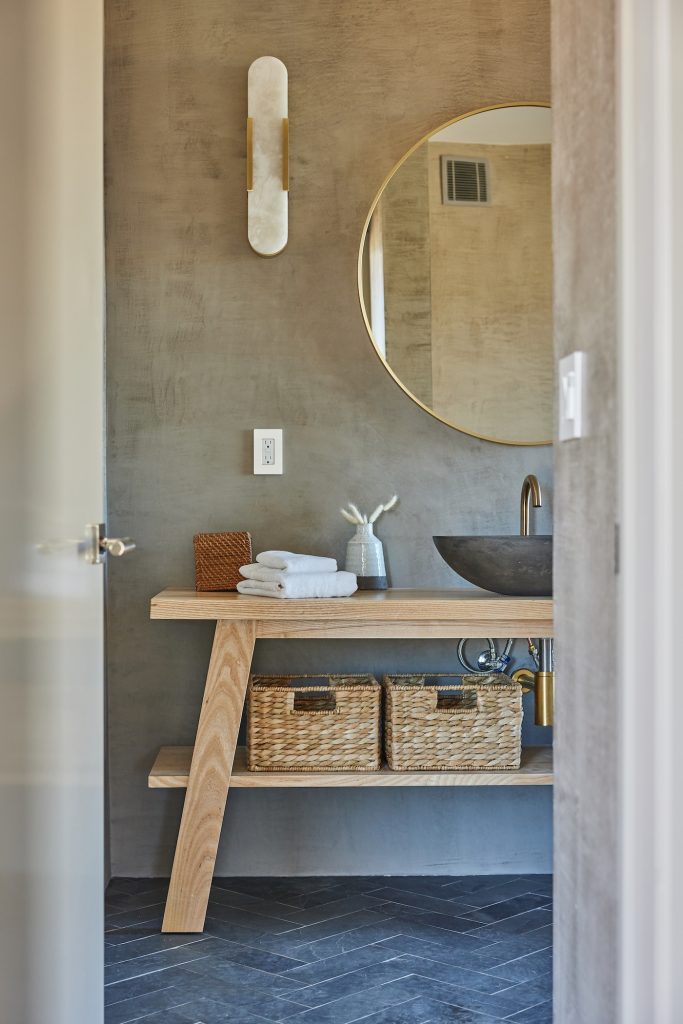
Finally, modern farmhouse combines bright, light, and airy interiors with earthy, nature-inspired tones and textures. Robert Stilin notes its humbleness and simplicity, making it relatable to many homeowners. It incorporates elements like linen, Venetian plaster, untreated wood, salvaged materials, and touches of luxury such as gold-leaf ceilings or copper taps.
#InteriorDesign #HomeDecor #DesignStyles #ScandinavianDesign #Minimalism #IndustrialDesign #ModernRustic #Maximalism #MidCenturyModern #ModernGlamour #TransitionalDesign #ModernFarmhouse #InteriorDesign #HomeDecor #DesignStyles #ScandinavianDesign #Minimalism #IndustrialDesign #ModernRustic #Maximalism #MidCenturyModern #ModernGlamour #TransitionalDesign #ModernFarmhouse
0 comment in total
 No comments yet
You may also like
13 interior design styles that everyone needs to know about, according to designers

The 5 Design Rules That Are Meant to Be Broken—and What to Do Instead
Design Insiders Reveal Their SECRETS to Decorating Your Home Like a Pro

5 Tacky Home Decor Items That Instantly Make a Home Look Bad, According to Designers

8 Most Popular Interior Design Styles You Should Know

19 Tips From A Top Interior Designer

We Asked Designers to Share Their Top Design Secrets, and We're Spilling Them All
From the Wrong Rug Size to Too-Short Curtains, Interior Designers Share Their Biggest Pet Peeves

Make Any Room Look Camera-Ready with These Easy Tricks from Stylists
11 of the Most Iconic Interior Design Styles You Need to Know

9 Contemporary Interior Design Tips You Haven’t Heard Before

The 10 Biggest Interior Design No Nos According to Decorators
10 Ways to Decorate Your Home Like an Interior Designer

9 Stunning Art Deco Interior Design Styles

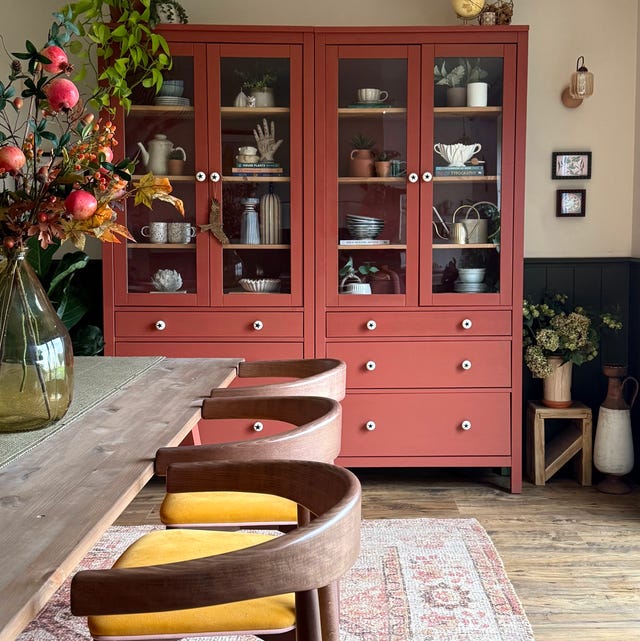
Copy-And-Paste Interiors: Repeating A Look Isn’t Lazy — It’s Clever
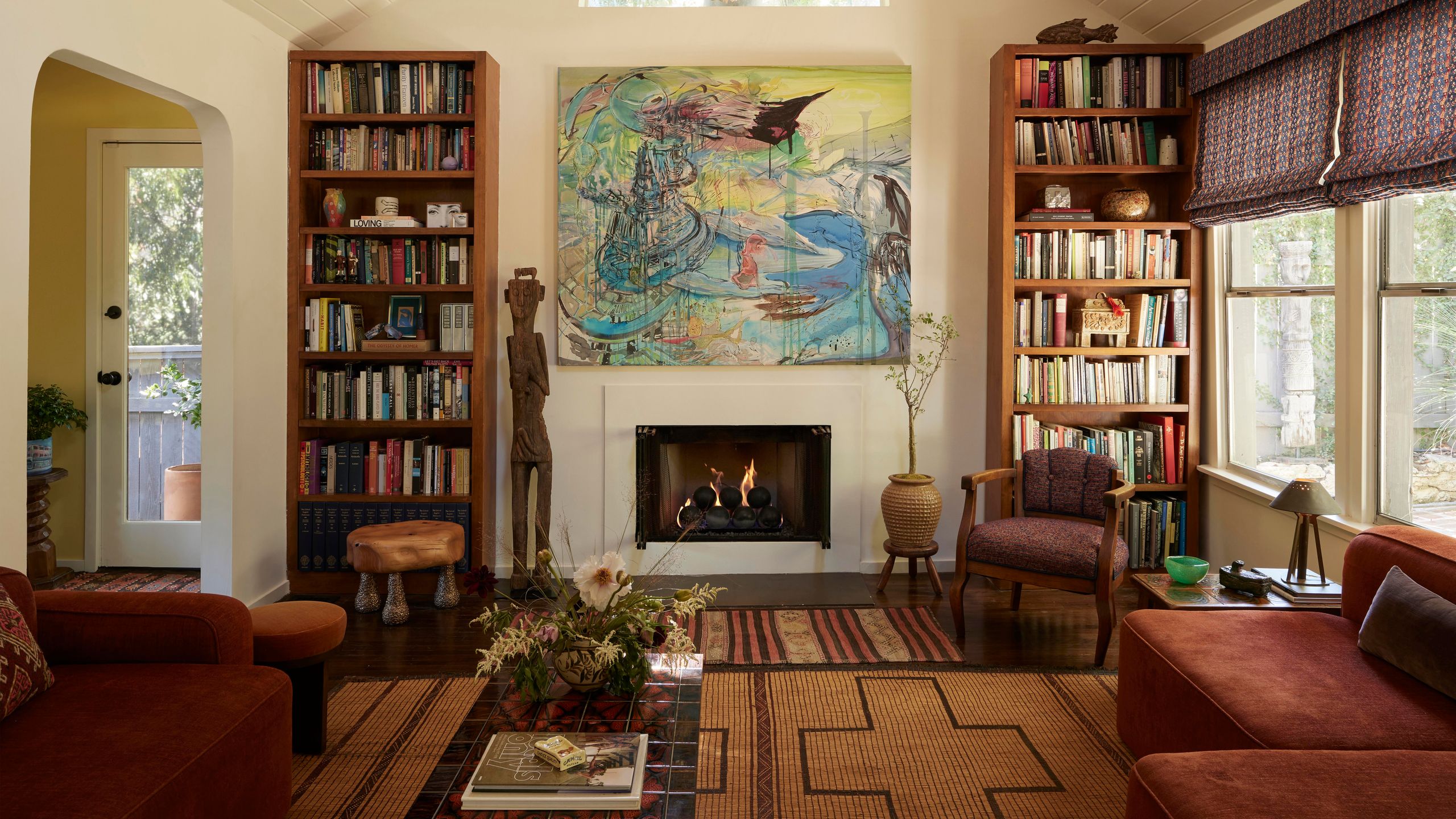
8 Expert Tips for Styling Surfaces in Every Room

The 5 Rules of Decorating a Living Room in 2025 (Don’t Worry—They’ll Still Hold Up in 2030)


13 ways repetition in interior design can be used to create calmingly sophisticated rooms
How to create repetition in interior design – 7 ideas for decorating success
Find Your Interior Design Style: 13 Popular Styles Explained