1/4
The Transformative Power of AI in Architecture Design
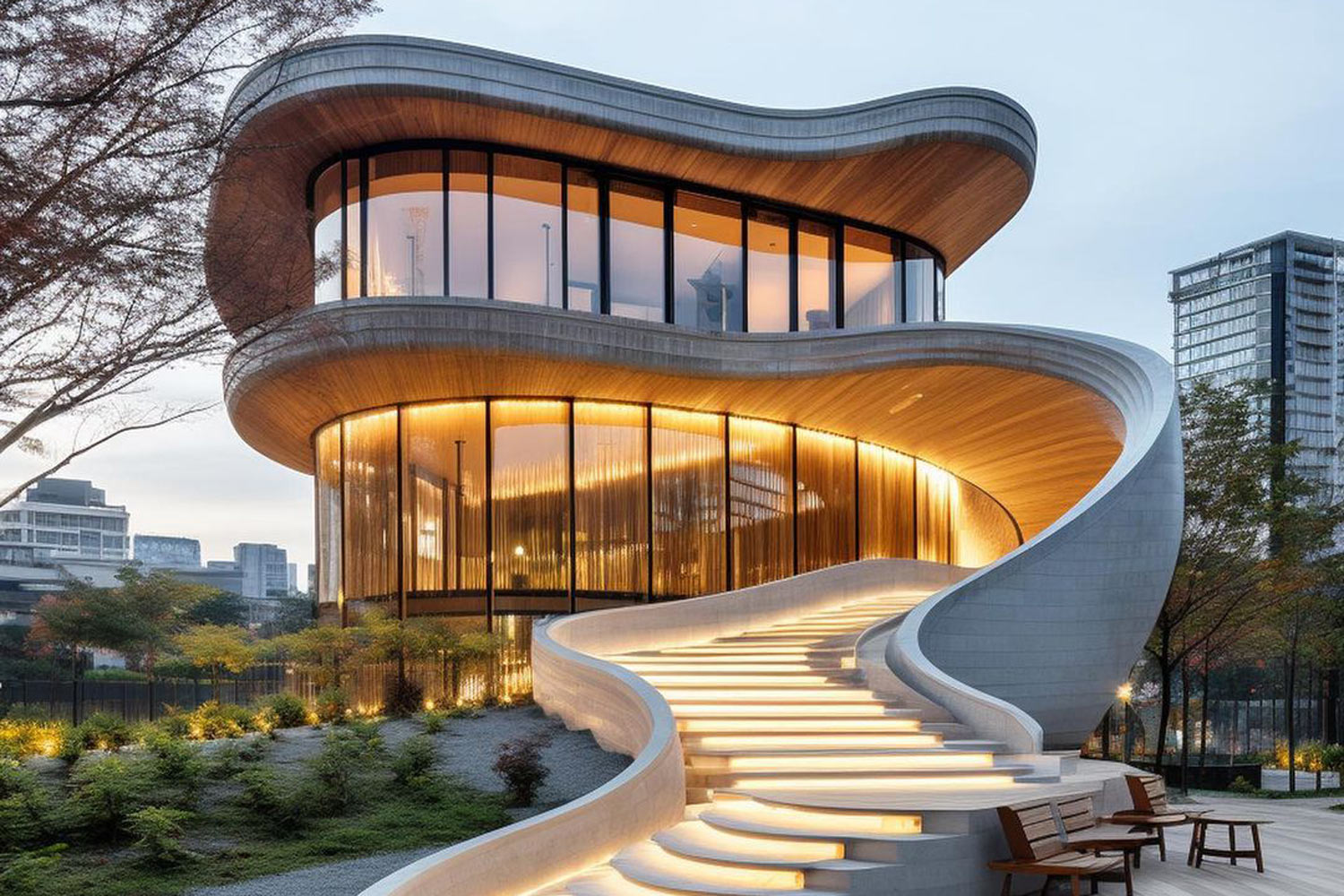
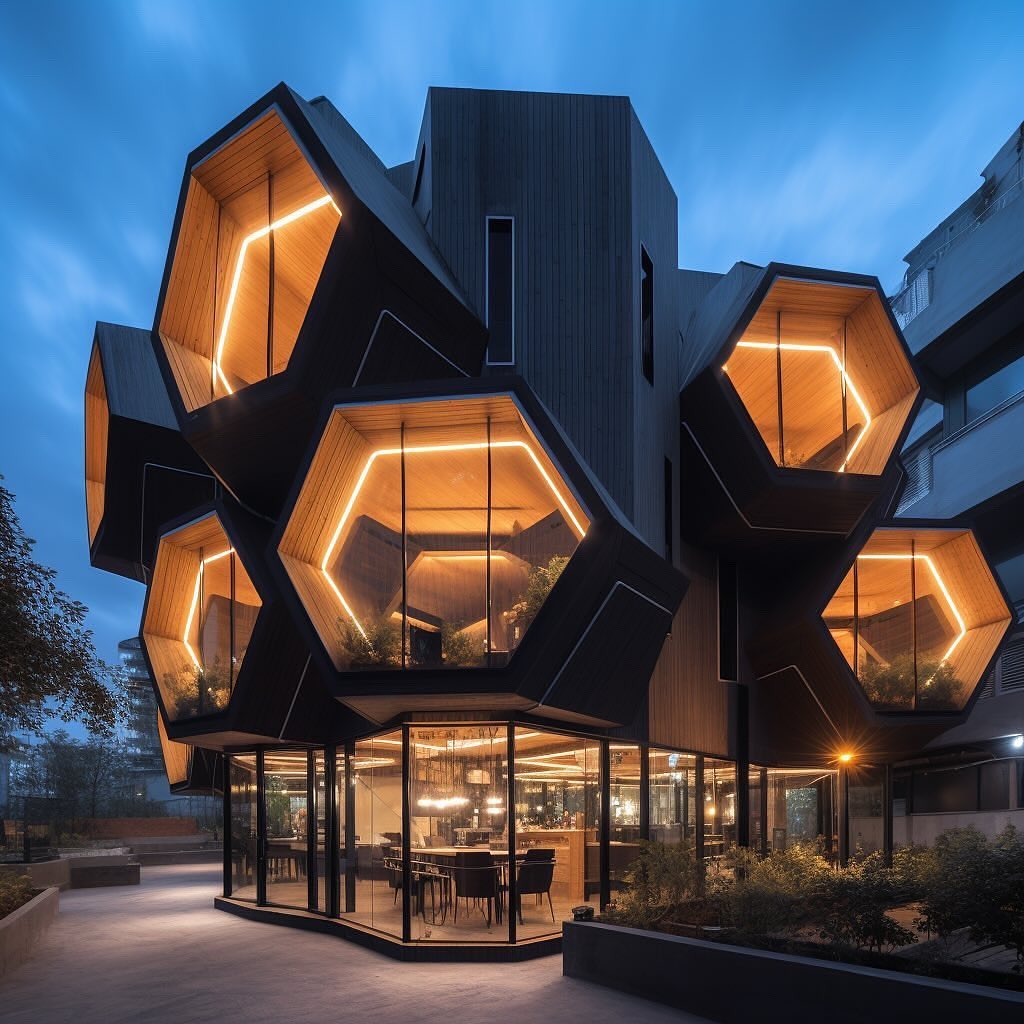
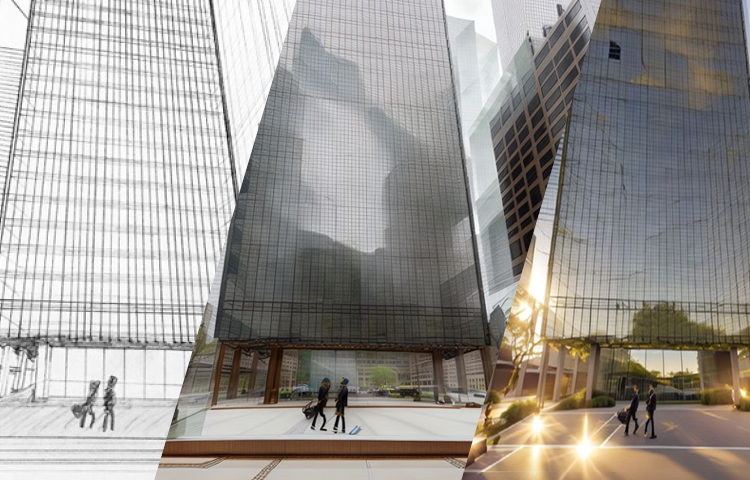
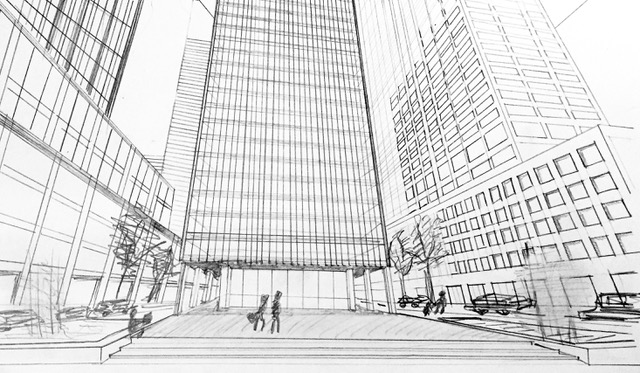
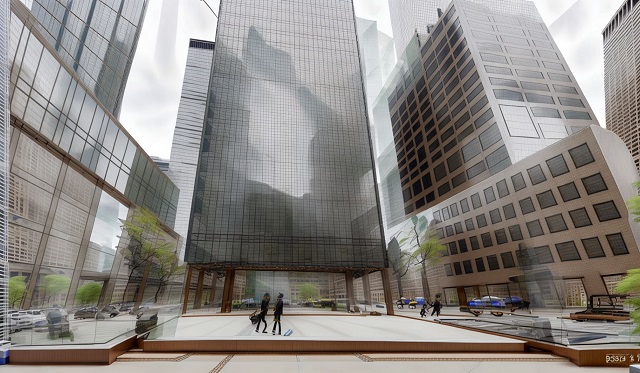
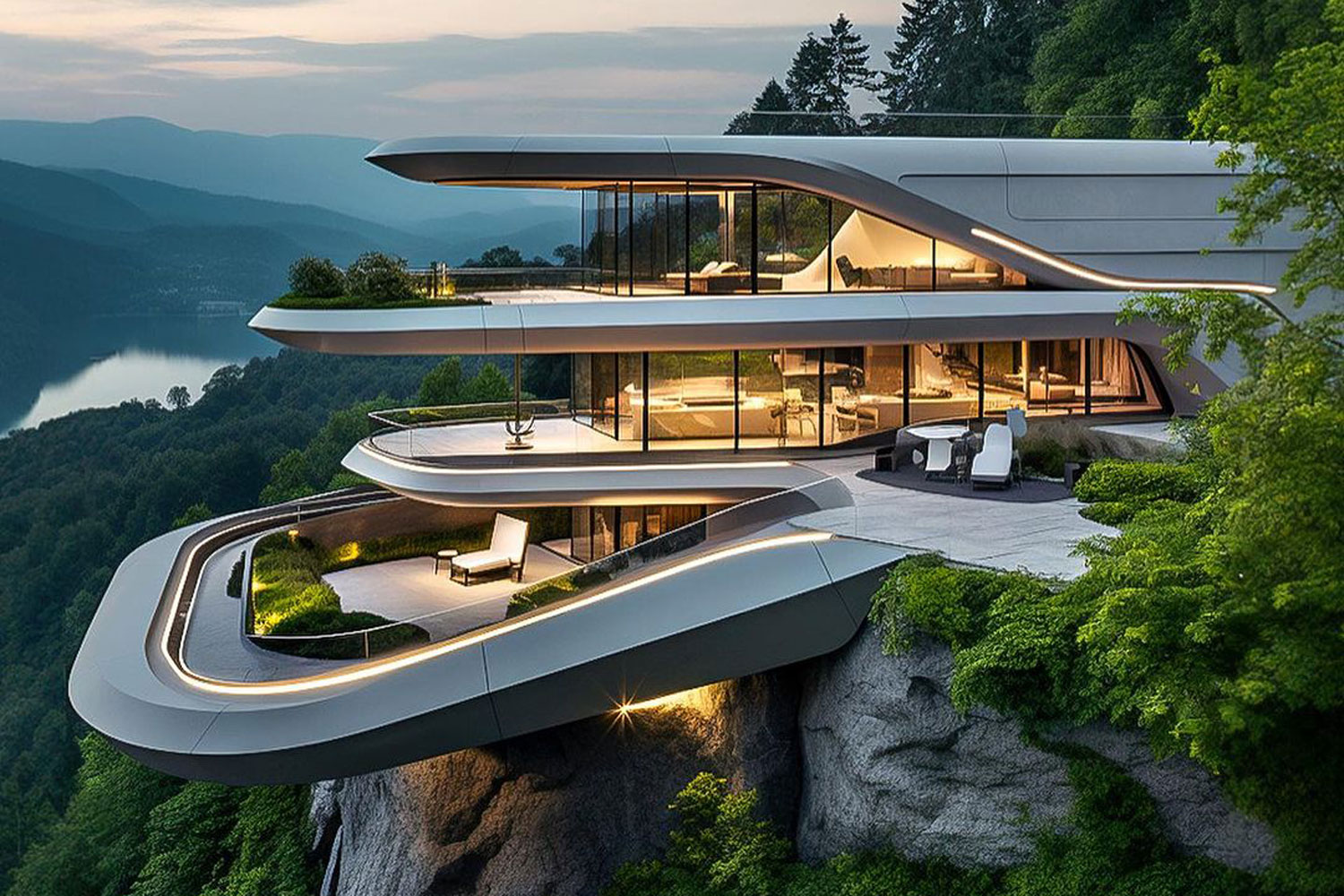
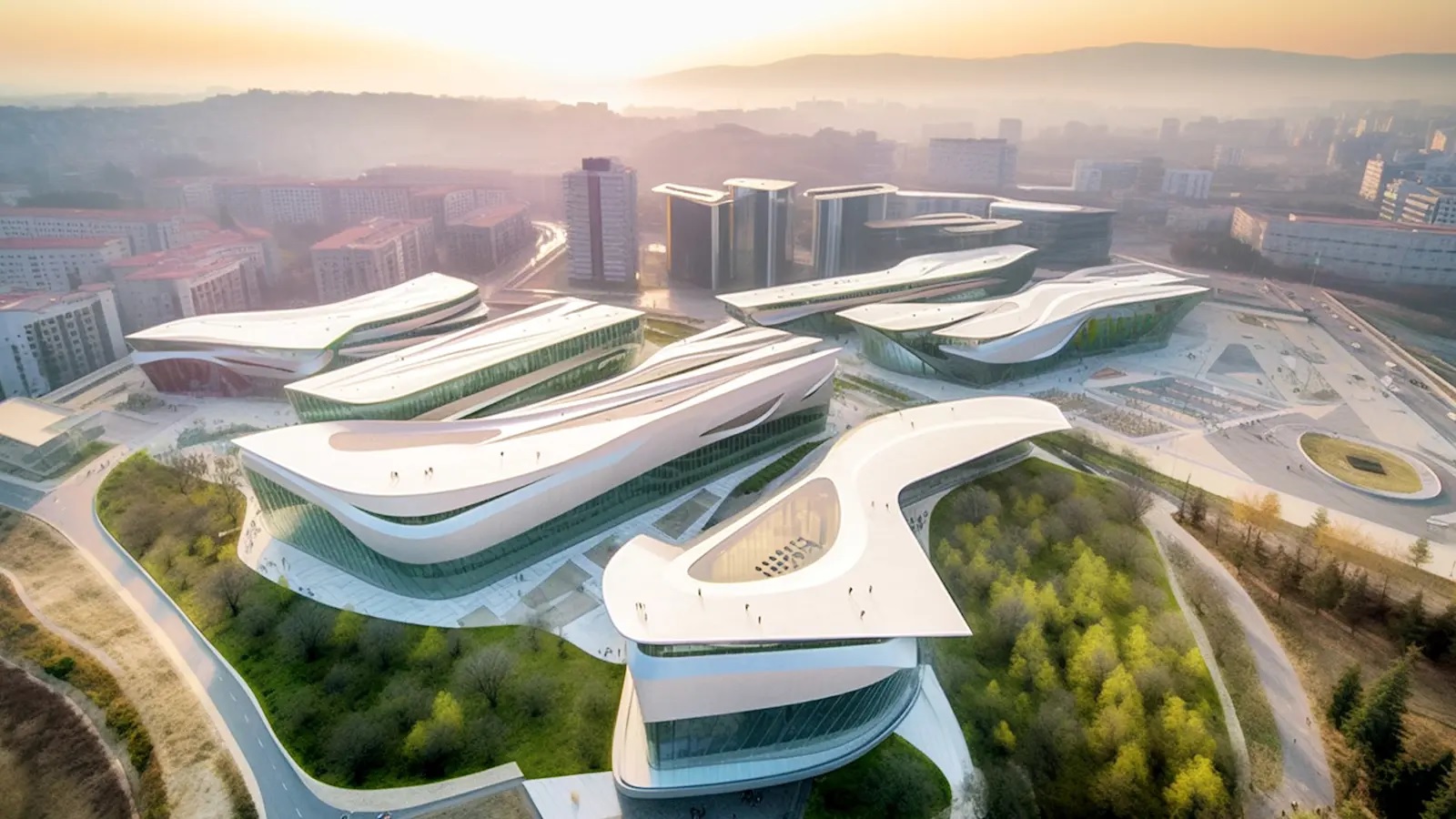
Artificial intelligence (AI) has rapidly become an influential force across various industries, including architectural design, despite its relatively recent widespread accessibility. A 2024 poll by the Royal Institute of British Architects (RIBA) indicates that 41 percent of architectural practices have already integrated AI in some capacity, highlighting its potential to significantly reshape the sector. AI is currently being utilized in four key areas within architecture: design ideation, where it generates initial design concepts that might be overlooked by traditional methods; concept development, optimizing these ideas for sustainability, aesthetics, and usability; text-to-image generation, using tools like Midjourney to convert textual descriptions into detailed graphic representations; and data analysis, leveraging extensive datasets to inform design choices, ensuring creations are innovative, practical, and contextually appropriate.
The industry, however, is still in the nascent stages of AI research and development. While significant efficiency gains are anticipated, they have not yet been fully realized, as noted by Des Fagan of Lancaster University and RIBA’s AI advisory committee. This sentiment reflects a cautious optimism, acknowledging AI's potential while emphasizing the need for further validation and research. Despite this, a strong belief in AI's future impact persists, with 54 percent of architects expecting to adopt AI in their practices within the next two years, and 57 percent believing it will enhance design process efficiency. Yet, investment levels have not kept pace, with only 41 percent of practices planning to invest in AI R&D, and 69 percent currently having no such plans.
RIBA's Horizons 2034 program provides a long-term outlook, focusing on technological innovation, with AI at the forefront of this exploration. The program anticipates AI will influence nearly every aspect of architecture, from initial design concepts to project management. The increasing adoption of AI necessitates integrating industry-specific data, which in turn raises critical questions regarding liability, intellectual property, professional standards, and the preservation of specialized knowledge. AI tools are poised to become an indispensable part of architectural practice, offering enhanced efficiency, creativity, and data-driven decision-making. Architects are well-positioned to harness AI's capabilities to shape the future of design through continued research and investment.
Two distinct future visions for AI's role in architecture are emerging. The first, industrial automation, envisages an architecture industry mirroring car manufacturing, where AI, virtual reality (VR), robotics, and digital twins converge to create highly efficient and streamlined processes. This model relies on meticulously organized data, optimized manufacturing facilities, and the reuse of standardized products. The second vision, incremental integration, proposes a more gradual adoption. Architects would begin by integrating AI tools to address specific challenges, allowing for practical testing and refinement. This approach aims to enhance efficiency and innovation without compromising the creative process, drawing lessons from past technological adoptions like Building Information Modelling (BIM), which faced implementation complexities.
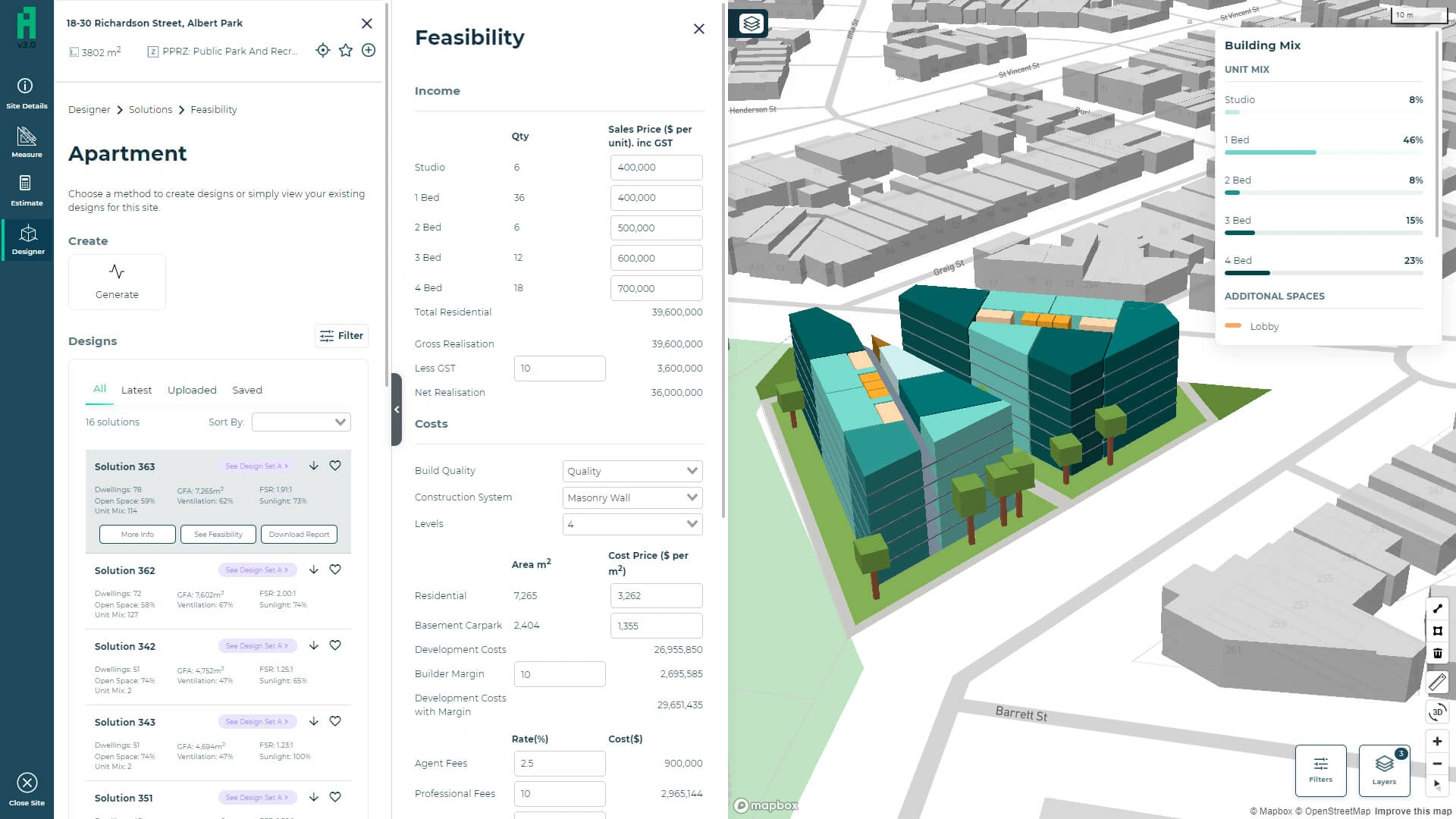
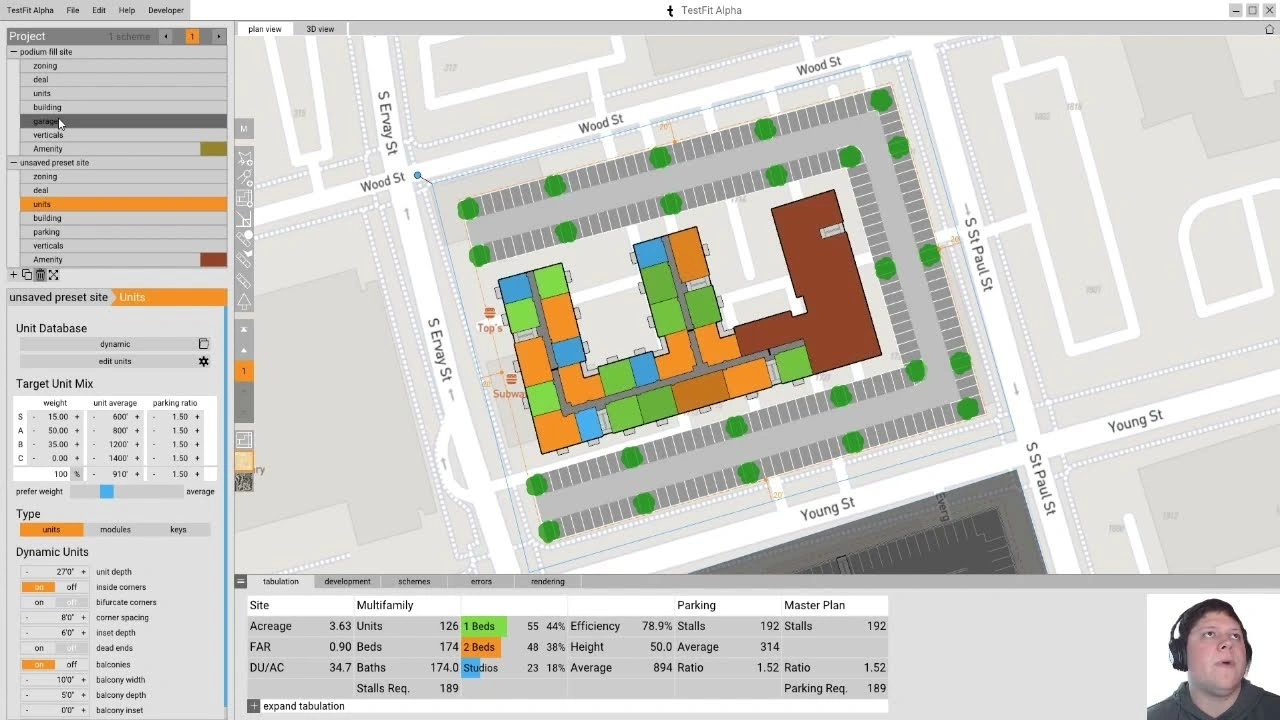
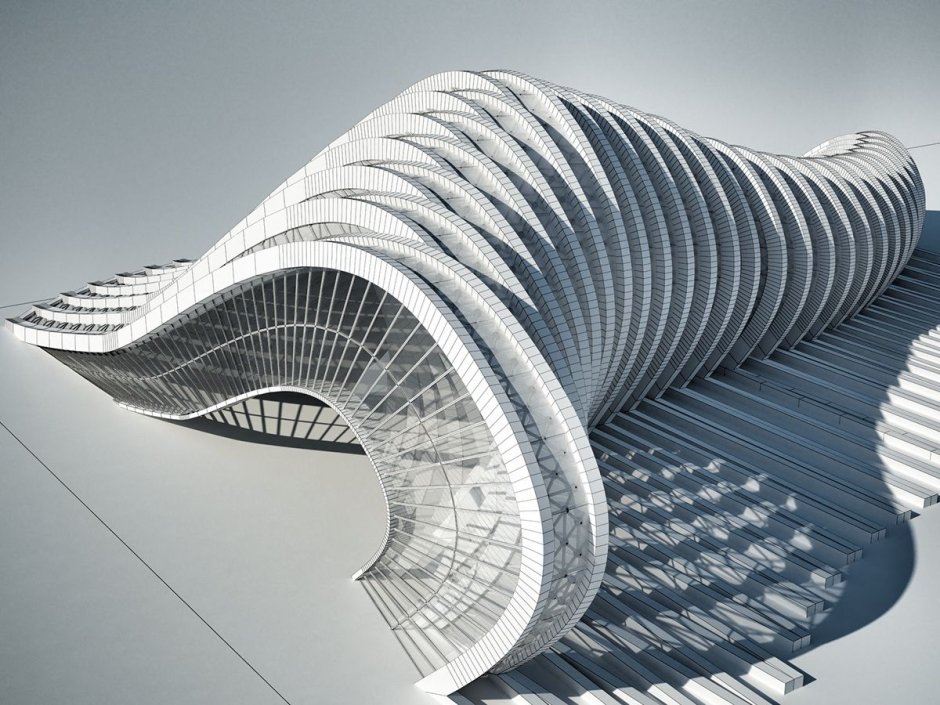
AI's contributions extend to project management, offering real-time updates and predictive maintenance insights by analyzing vast datasets to anticipate and mitigate potential issues. In terms of sustainability, AI analyzes energy consumption, material properties, and environmental impacts, guiding architects towards eco-friendly designs. This includes recommending energy-efficient modifications and sustainable materials, aligning with the industry's focus on environmental responsibility. The Horizons 2034 program also emphasizes cross-industry innovation, suggesting that architecture can benefit from advancements in computer gaming, robotics, and data analysis. Generative design, a revolutionary application of AI, allows architects to input design objectives and constraints into AI-powered tools, which then produce a wide array of design possibilities, optimizing layouts, materials, and structures to accelerate the design process and foster creativity. AI-driven visualization tools, such as VR and augmented reality (AR), are transforming client interactions by providing realistic immersive experiences of proposed designs, fostering better communication and ensuring client satisfaction. Ultimately, the effectiveness of AI in architecture remains dependent on the architect's skill, as these tools are most potent when guided by experts capable of formulating the right questions and interpreting the generated data. This collaboration between human creativity and mechanical efficiency is essential for driving innovation while maintaining the aesthetic and functional integrity of designs.
#ArtificialIntelligence #ArchitecturalDesign #DesignIdeation #DataAnalysis #Sustainability #GenerativeDesign #BIM #VR #AR #ArtificialIntelligence #ArchitecturalDesign #DesignIdeation #DataAnalysis #Sustainability #GenerativeDesign #BIM #VR #AR
0 comment in total
 No comments yet
You may also like
10 Revolutionary AI Tools Reshaping Architectural Design


Top 16 AI Tools for Interior Design
Bitable: AI in the design and build world

Can AI Save Me the Cost of an Interior Designer?

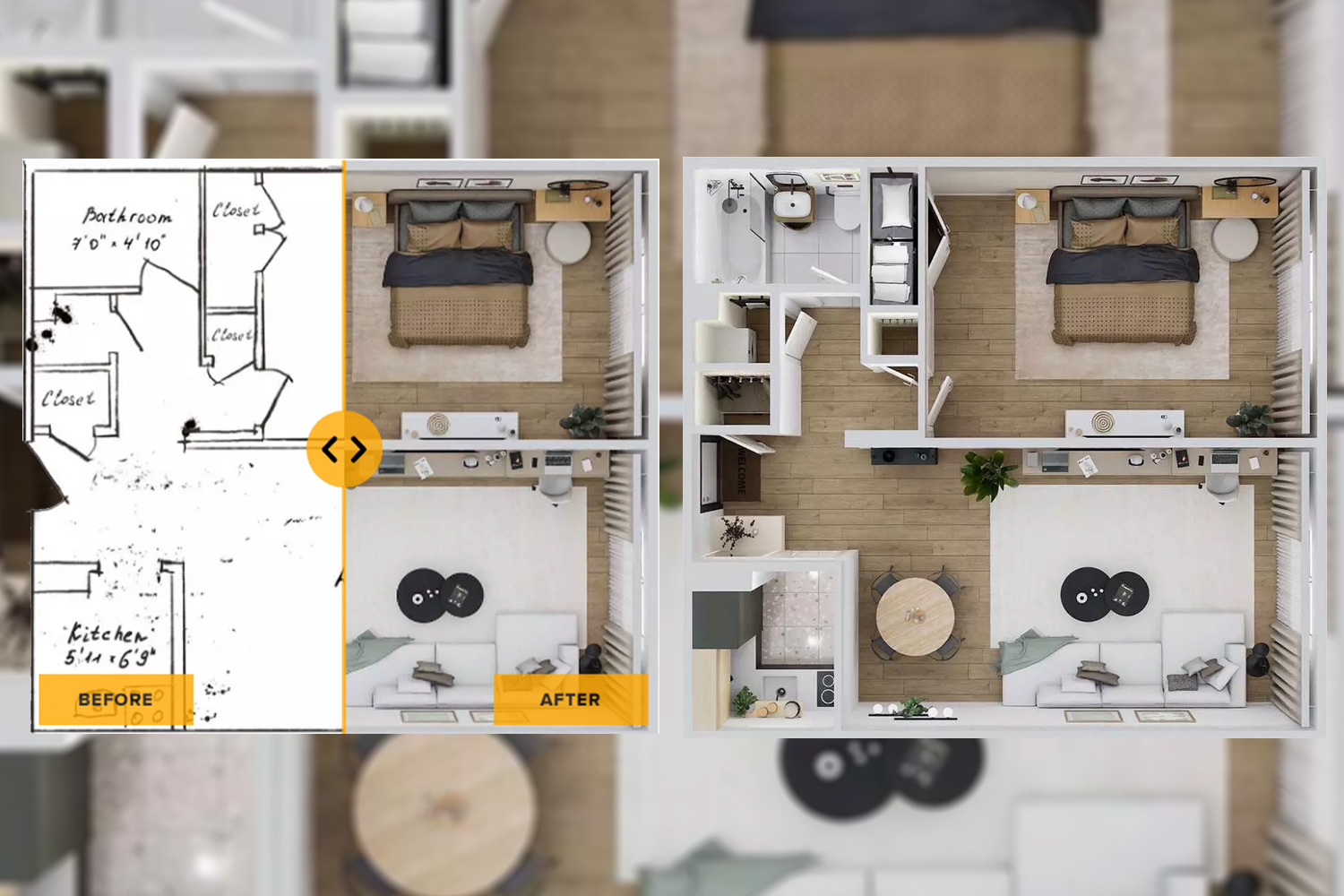
10 AI tools to generate interior and architectural images

The Influence of AI in the Interior Design Industry
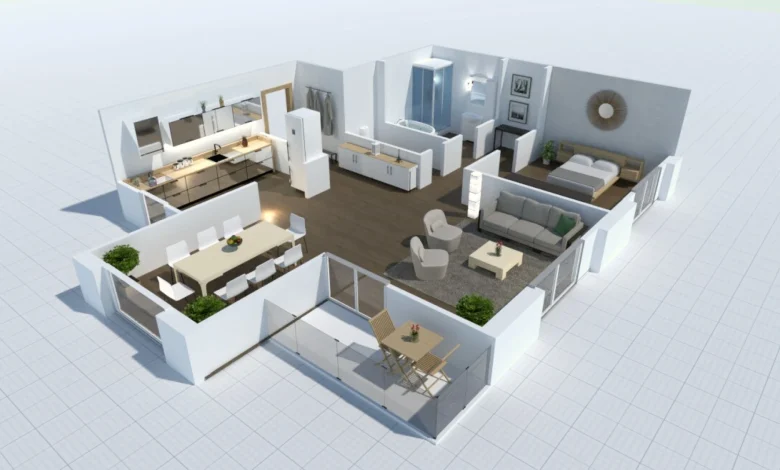
AI Floor Plan Generators: Driving the Future of Smart Architecture and Layout Design


The Plan and the Prompt: How AI Is Rewiring Design and Practice


Will Artificial Intelligence Replace Designers?

How Does Architectural Design Change When the City Becomes Equipped with the “Most Recent Advances in Artificial Intelligence”? / Alessandro Armando, Giovanni Durbiano for the Shenzhen Biennale (UABB) 2019

I Used AI Interior Designers to Reimagine My Boring Basement

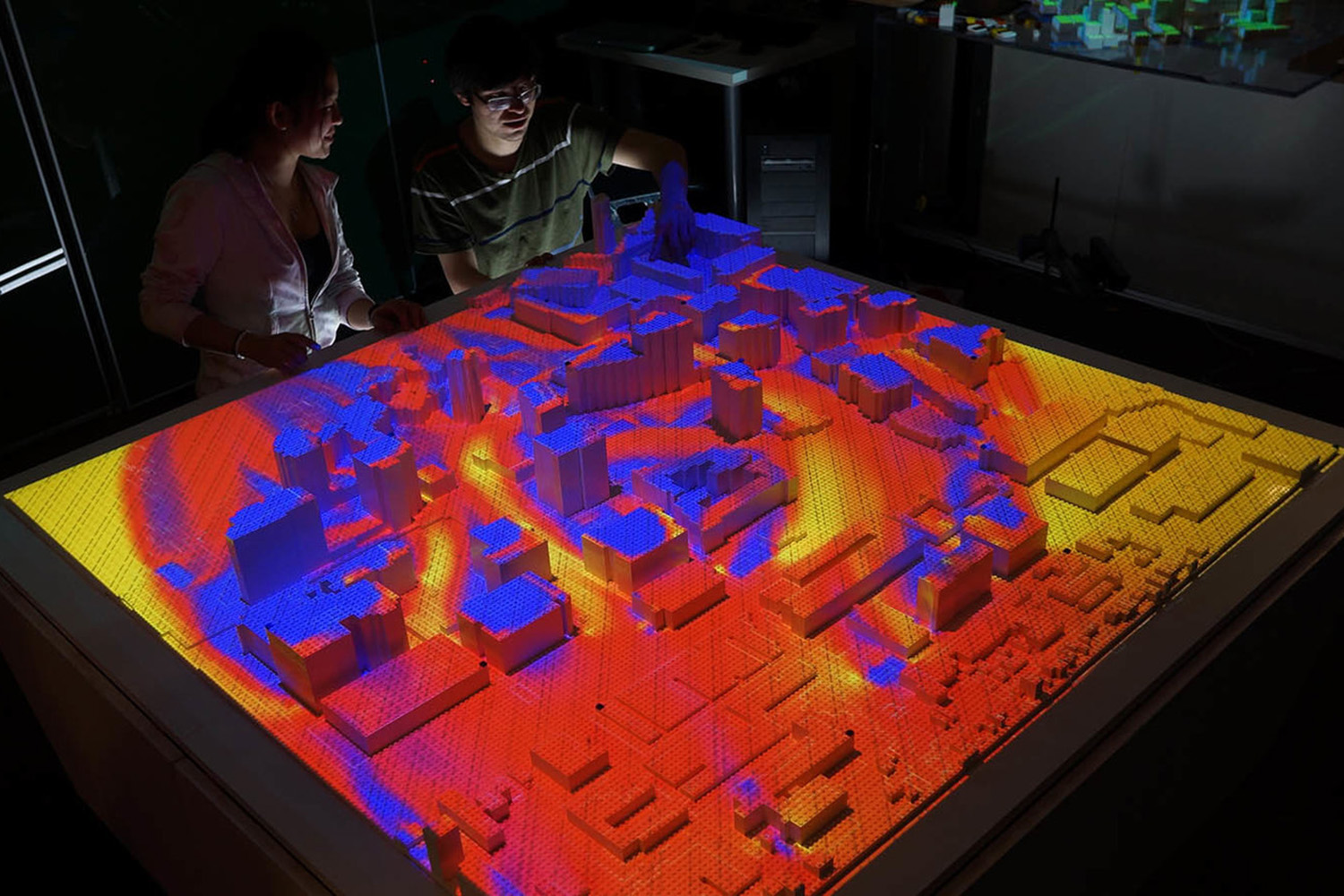
How can AI and simulation tools transform sustainable building design?

Can AI revolutionize office space design?

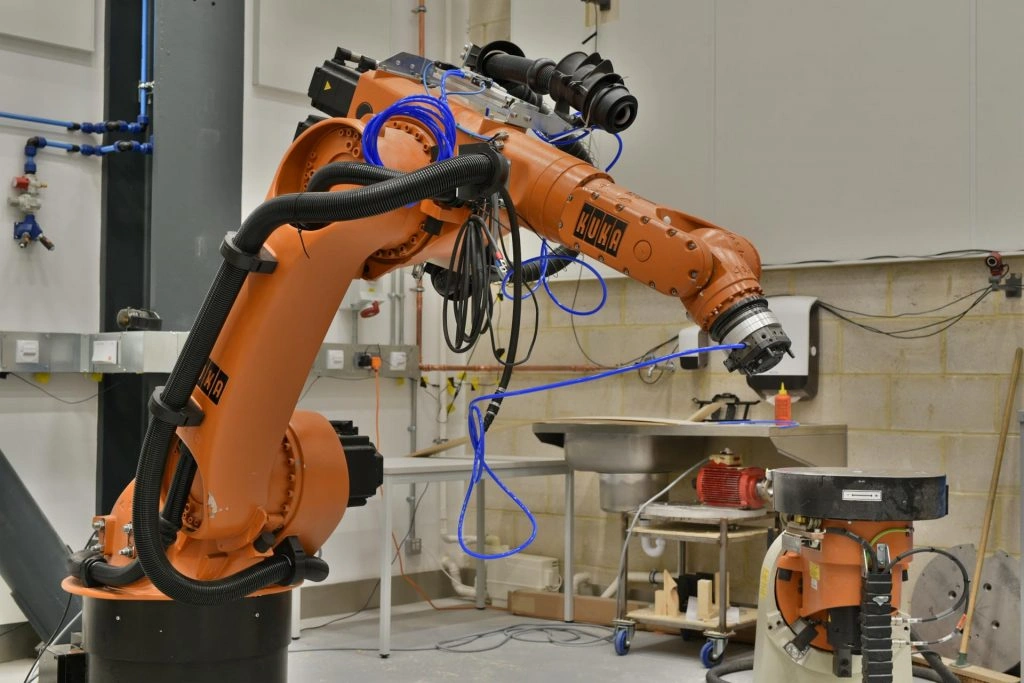
The impact of machine learning on architectural design
8 AI-powered architectural rendering programs you should try
A review of artificial intelligence methodologies in computational automated generation of high performance floorplans
Exploring the Impact of AI on Sustainable Building Design and Construction
How AI-Powered Rendering Crushes Bottlenecks in Architecture and Interior Design
How generative design is shaping the future of architecture?

5 best AI interior design apps in 2024