1/12
10 Revolutionary AI Tools Reshaping Architectural Design
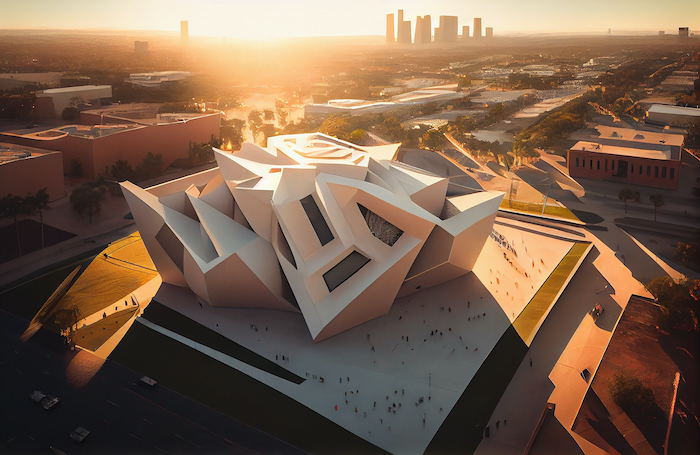
The architectural environment is being significantly transformed by artificial intelligence (AI) tools, which enhance efficiency, design quality, and promote creative and eco-friendly solutions. Tools such as Midjourney, DALL-E, Stable Diffusion, and various ChatGPT plugins have already initiated considerable changes in the field. This discussion highlights ten emerging AI tools and their influence on architectural design, spanning from initial conceptualization to final visualization.
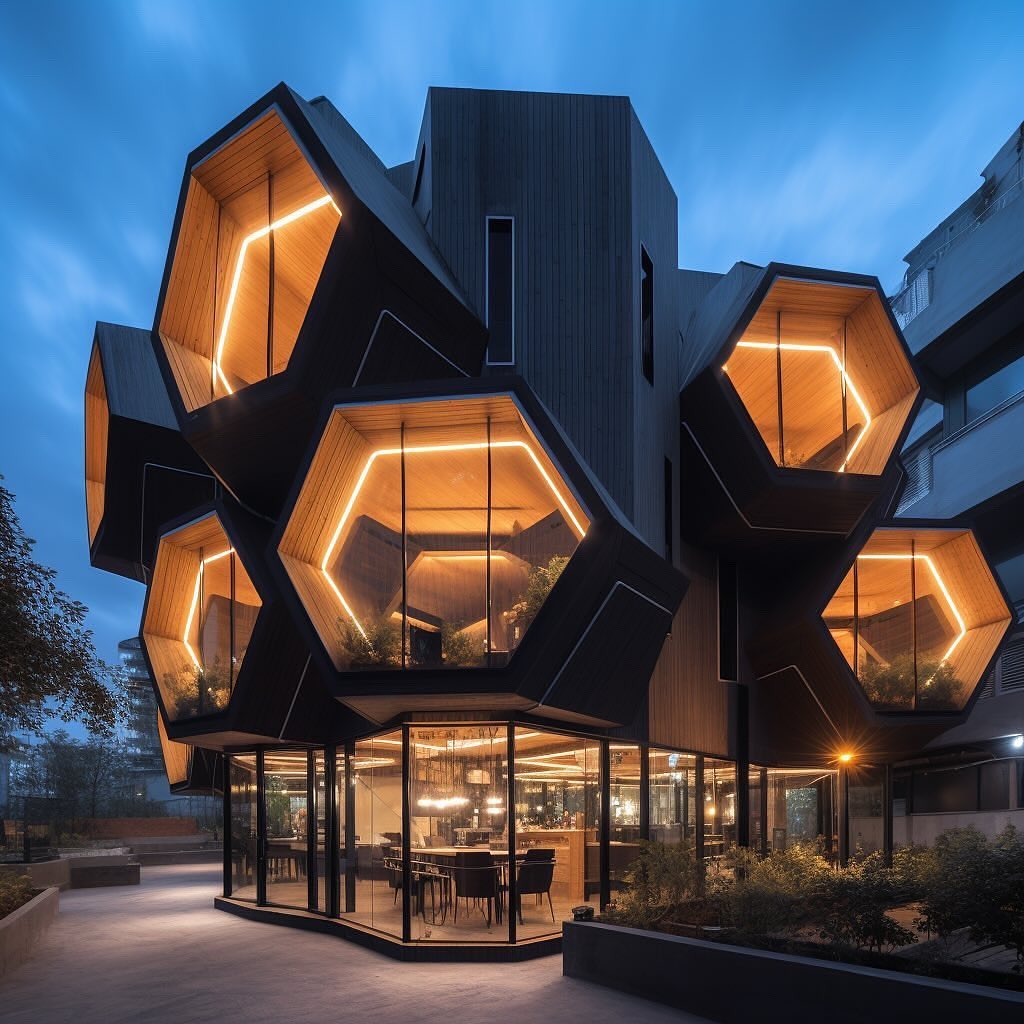
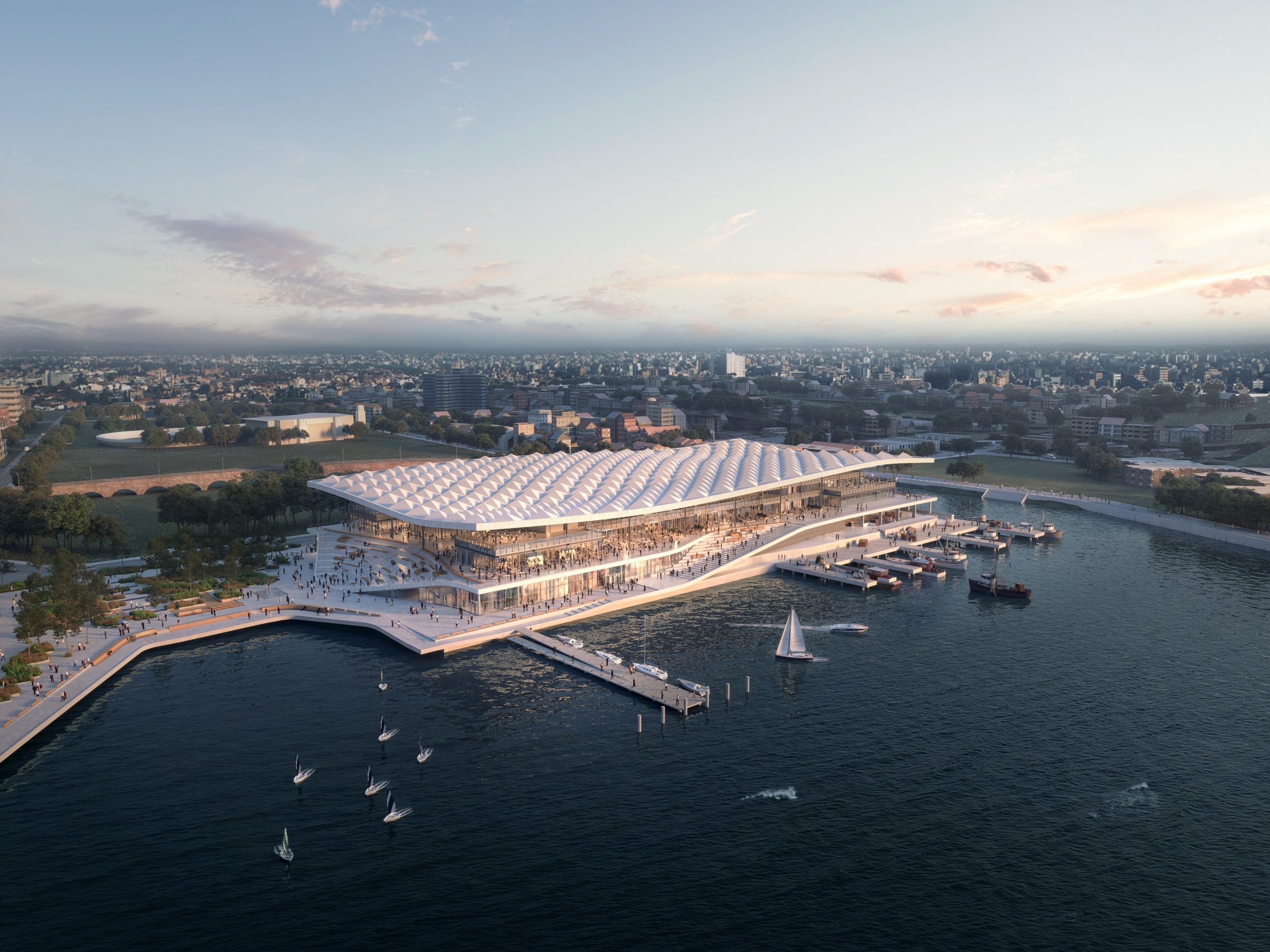
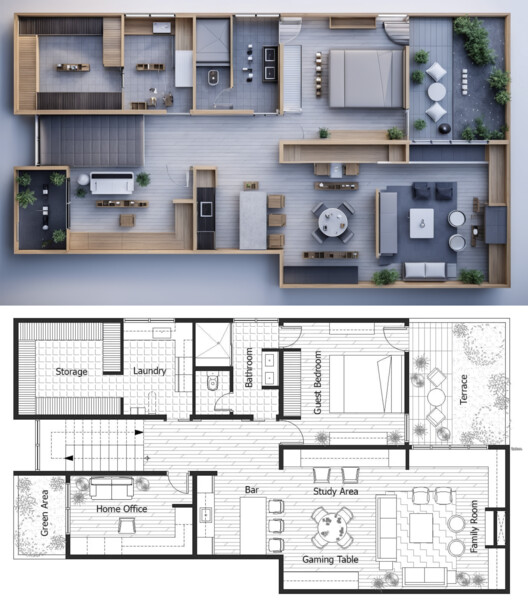
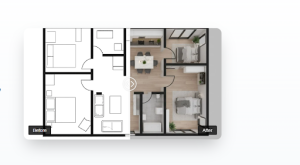
AI tools streamline the design process by automating repetitive tasks, facilitating rapid prototyping, and extracting data-driven insights to minimize errors and wasted time. For instance, architects can utilize AI for feasibility studies and site analysis, gaining real-time information crucial for informed decision-making. This capability is particularly valuable in complex projects that involve multiple factors like zoning regulations, environmental considerations, and aesthetic demands, all requiring meticulous evaluation. AI also revolutionizes project visualization by generating hyperrealistic renderings, improving how architects present their proposals. Tools like Veras and Midjourney enable the creation of highly realistic drawings that enhance client comprehension and bridge the gap between technical 2D plans and finished structures.
Despite the clear advantages, the adoption of AI tools in architecture faces challenges, including implementation costs, the need for skilled personnel, and data protection concerns. To address these, firms can implement AI tools incrementally, focusing on those that meet immediate needs. Investing in training and collaborating with AI experts can help integrate these technologies smoothly without disrupting existing workflows. Establishing robust data security protocols is also essential to safeguard sensitive project information.
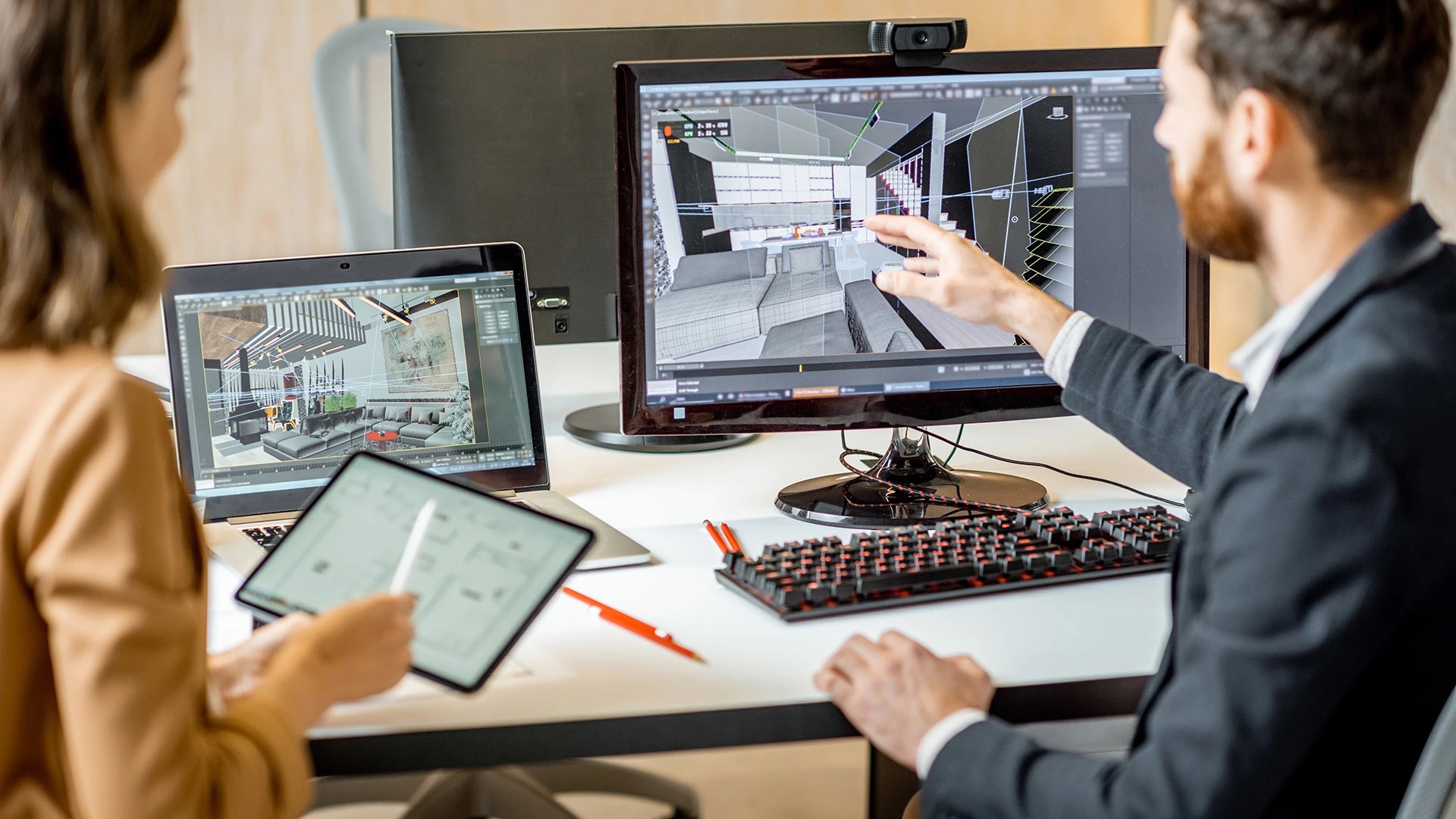
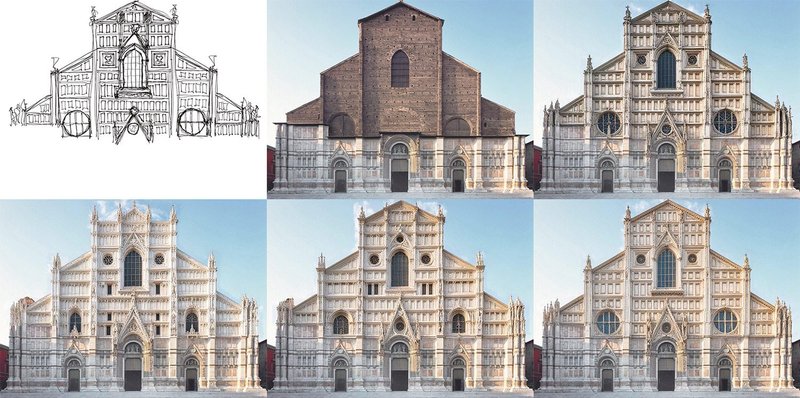
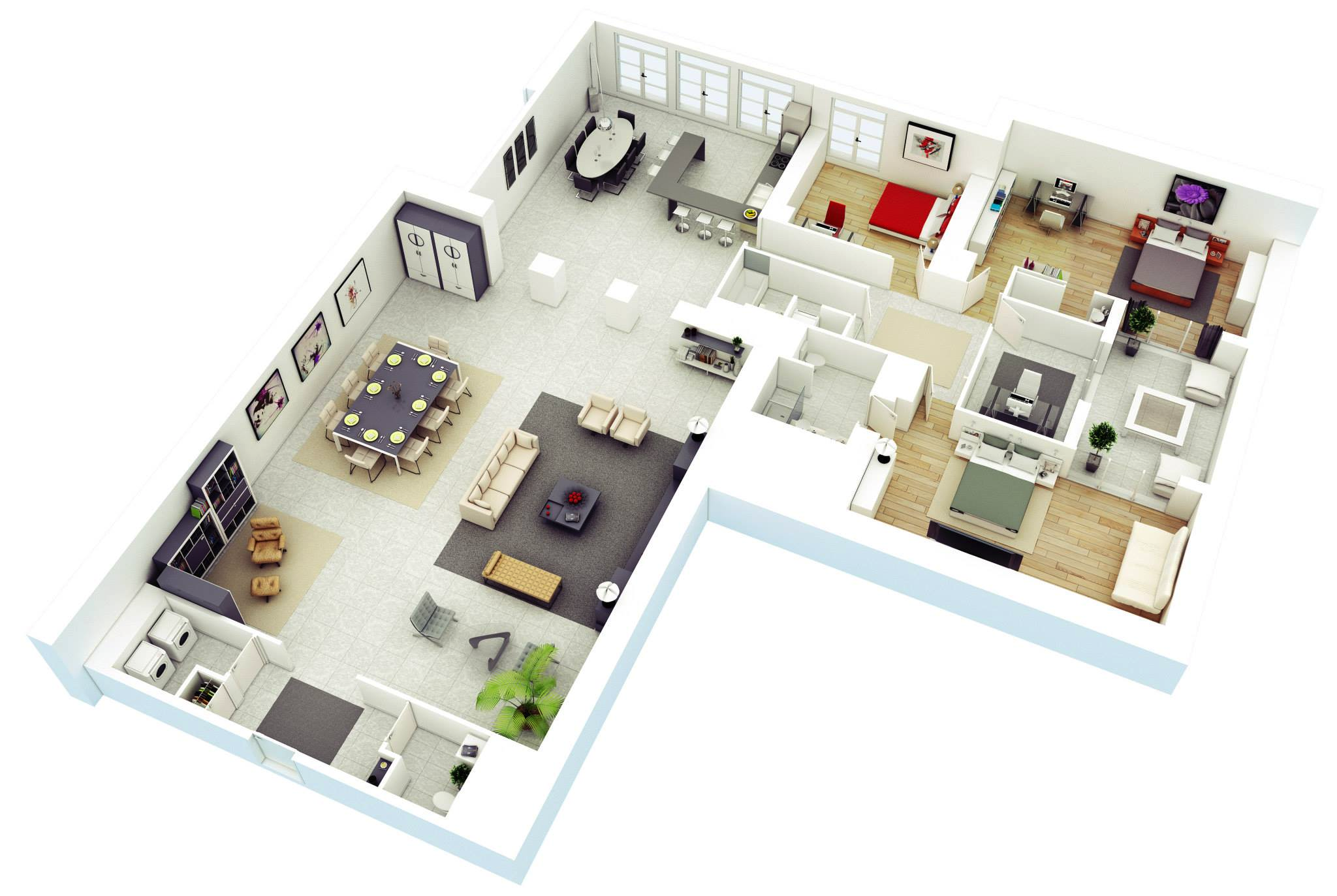
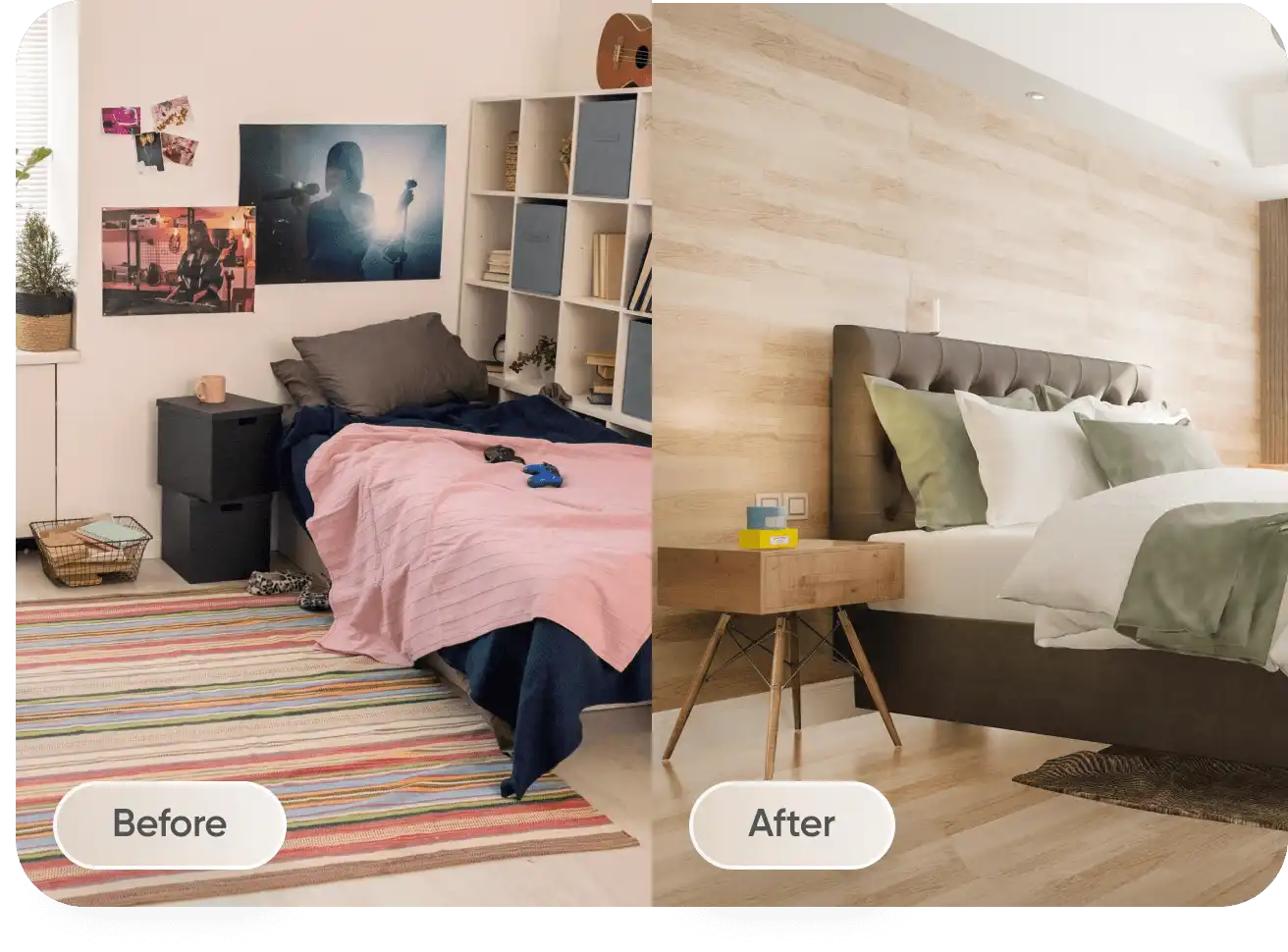
Among the ten featured tools, Archistar excels in site analysis and feasibility assessment by integrating GIS data with generative design, offering insights into site conditions, zoning, and market trends. TestFit revolutionizes building layout generation for various project types, rapidly creating and evaluating designs based on site and zoning parameters. Spacemaker AI leverages data to optimize urban and interior spaces, simulating environmental impacts like sunlight and wind. DeepBlocks assists in financial viability studies by combining real estate market data, zoning, and economic modeling. Kaedim transforms 2D sketches into 3D models, accelerating preliminary concept visualization and refinement. Archivinci aids in conceptual design and 3D visualization, generating design ideas based on project requirements. Hypar focuses on parametric modeling and generative design, automating the creation of efficient building layouts. Rendair is an online AI tool that produces high-quality renders from 2D drawings in real-time, allowing for easy manipulation of materials and lighting. ArchVizz enhances rendering speed and visualization, providing tools for realistic 3D walkthroughs and presentations. Finally, Veras improves architectural visualization by applying AI-based filters to enhance lighting, textures, and realism, significantly reducing post-production efforts.
#AIinArchitecture #ArchitecturalDesign #ArtificialIntelligence #DesignTools #SiteAnalysis #GenerativeDesign #ArchitecturalVisualization #ParametricModeling #RealTimeRendering #UrbanPlanning #AIinArchitecture #ArchitecturalDesign #ArtificialIntelligence #DesignTools #SiteAnalysis #GenerativeDesign #ArchitecturalVisualization #ParametricModeling #RealTimeRendering #UrbanPlanning
0 comment in total
 No comments yet
You may also like
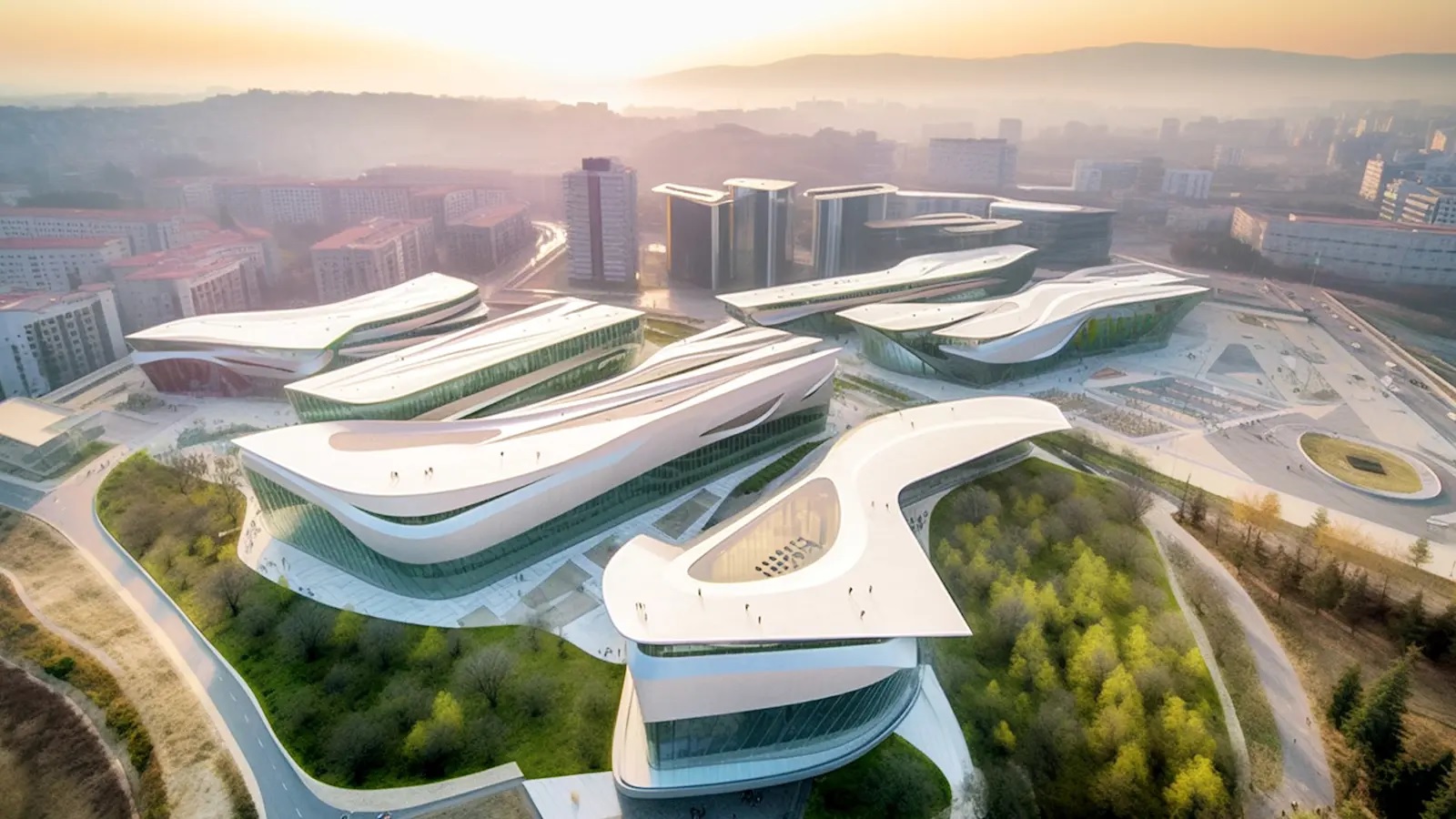
The Transformative Power of AI in Architecture Design

The Influence of AI in the Interior Design Industry
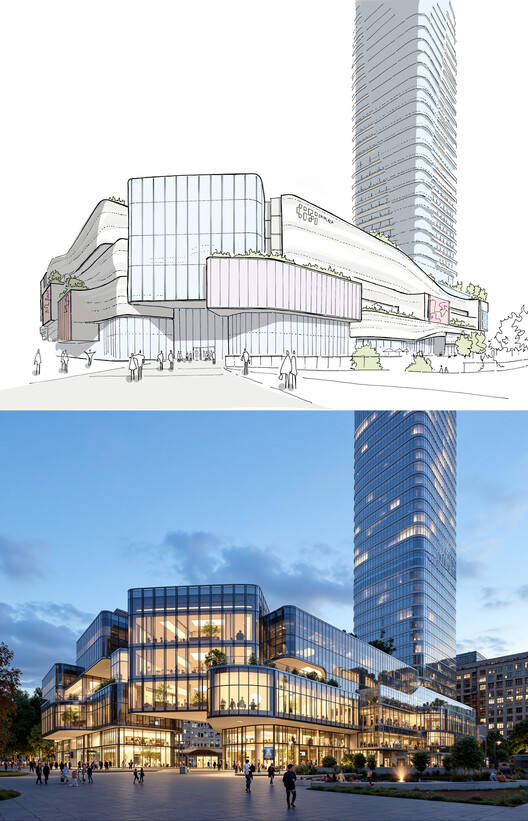
How AI-Powered Rendering Crushes Bottlenecks in Architecture and Interior Design


How Does Architectural Design Change When the City Becomes Equipped with the “Most Recent Advances in Artificial Intelligence”? / Alessandro Armando, Giovanni Durbiano for the Shenzhen Biennale (UABB) 2019
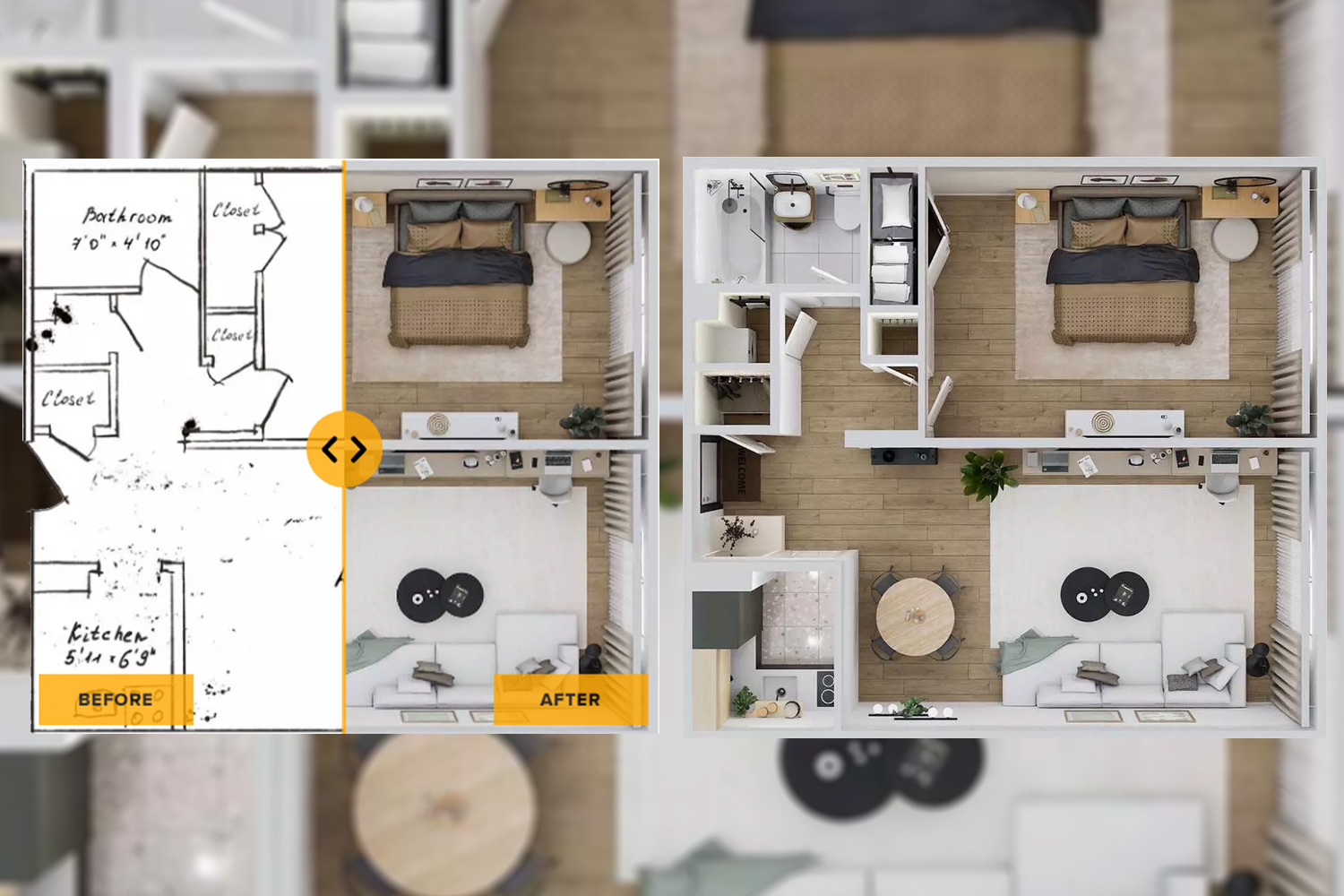
10 AI tools to generate interior and architectural images
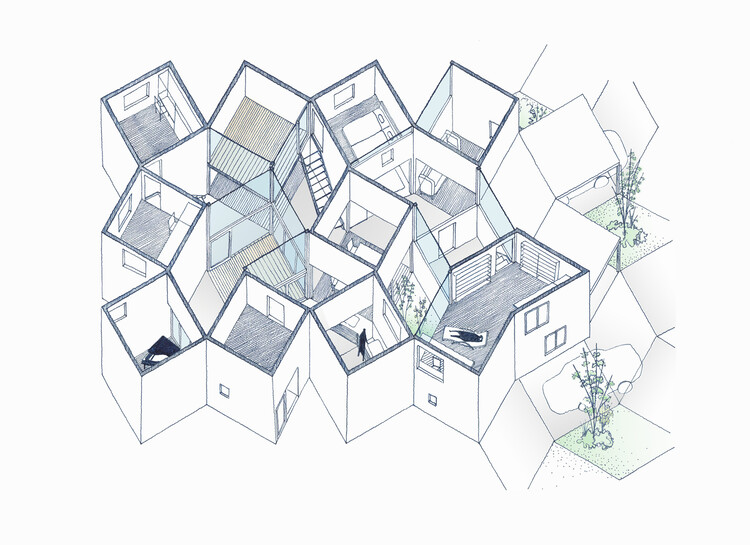
Generative Space Design: Exploring 8 Transformative Tools in Architecture
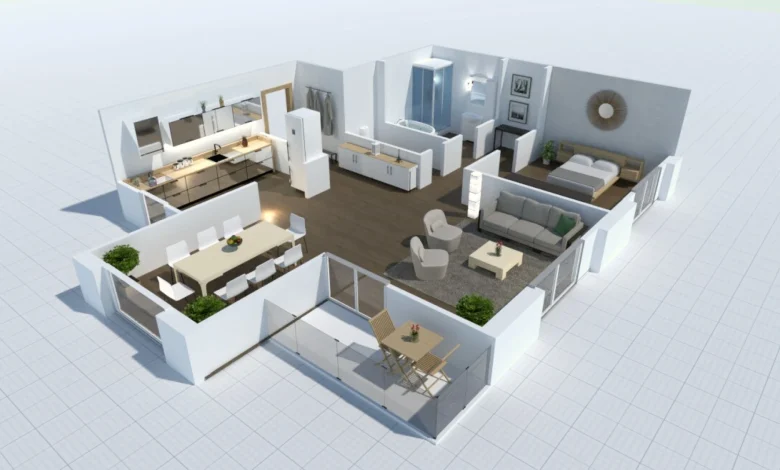
AI Floor Plan Generators: Driving the Future of Smart Architecture and Layout Design

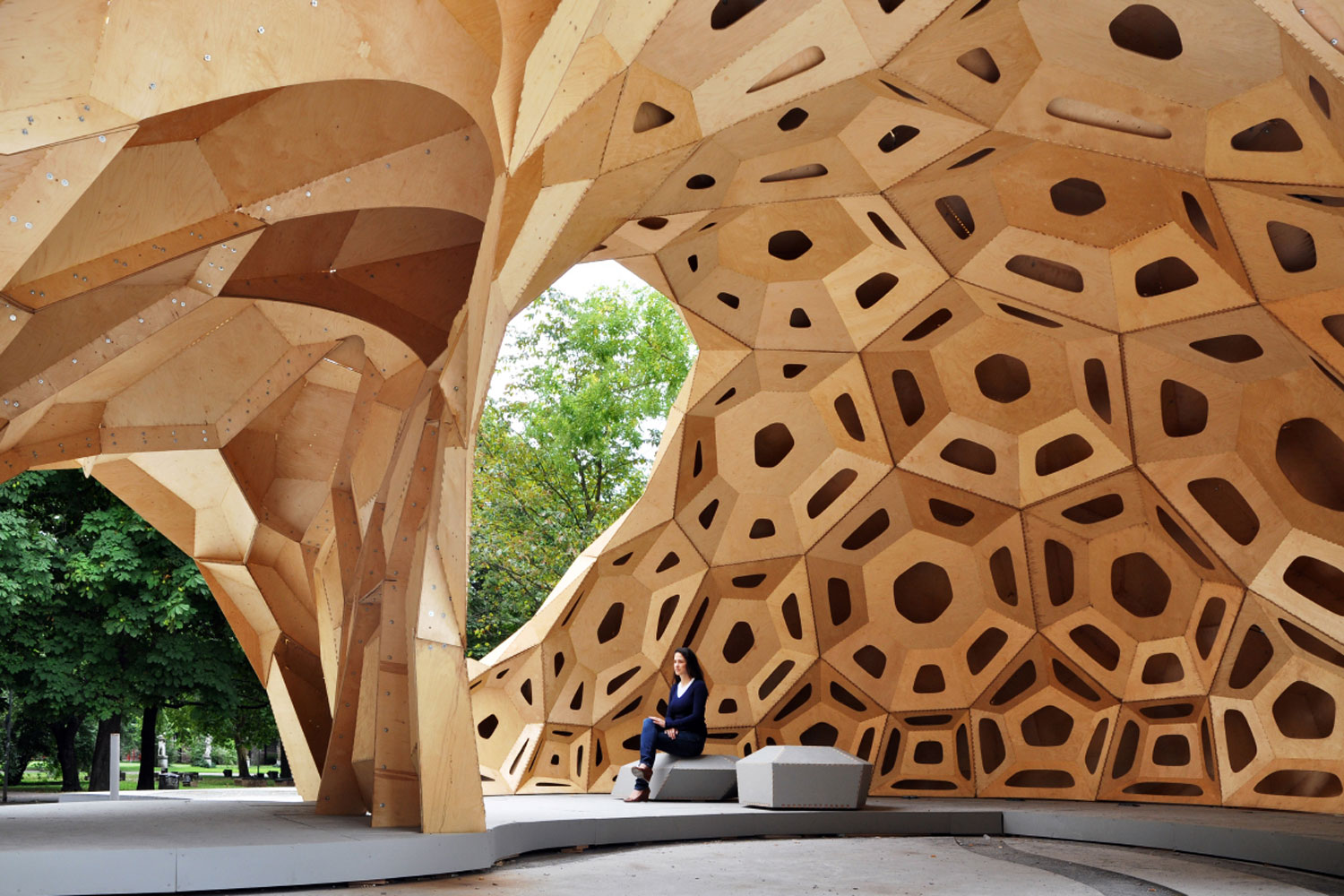
How generative design is shaping the future of architecture?
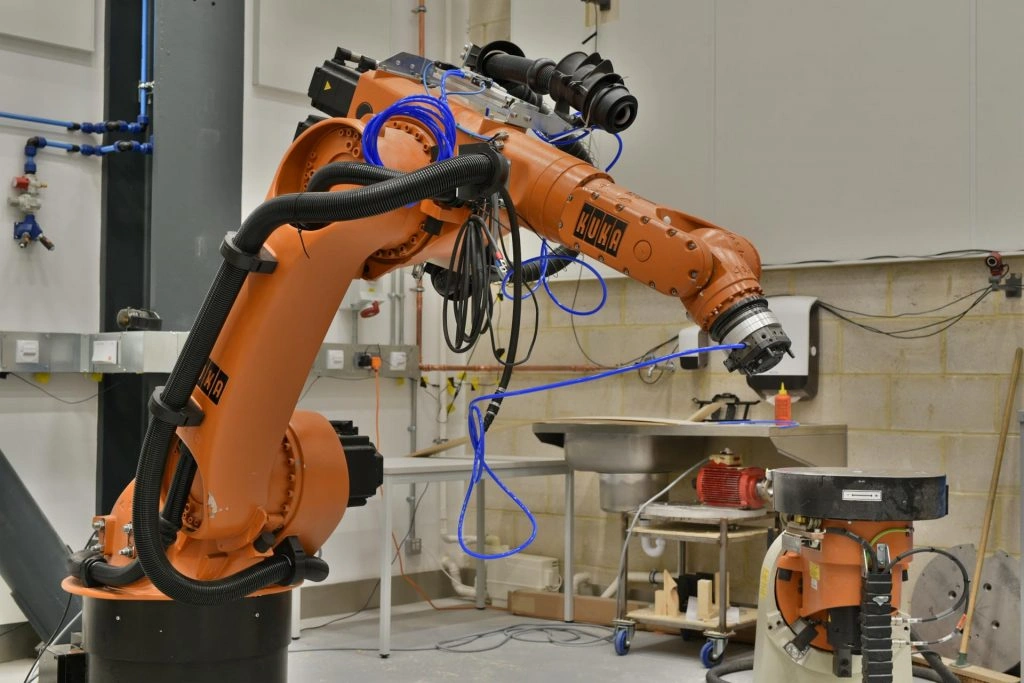
The impact of machine learning on architectural design

Can AI revolutionize office space design?


I Used AI Interior Designers to Reimagine My Boring Basement


The Plan and the Prompt: How AI Is Rewiring Design and Practice
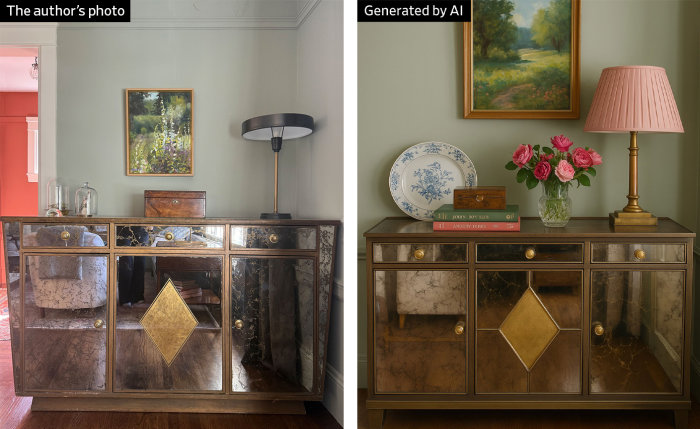
Can AI Save Me the Cost of an Interior Designer?

8 AI-powered architectural rendering programs you should try

10 free AI interior design generators
A review of artificial intelligence methodologies in computational automated generation of high performance floorplans

Will Artificial Intelligence Replace Designers?

Top 16 AI Tools for Interior Design

7 innovative ideas in architectural design


5 best AI interior design apps in 2024