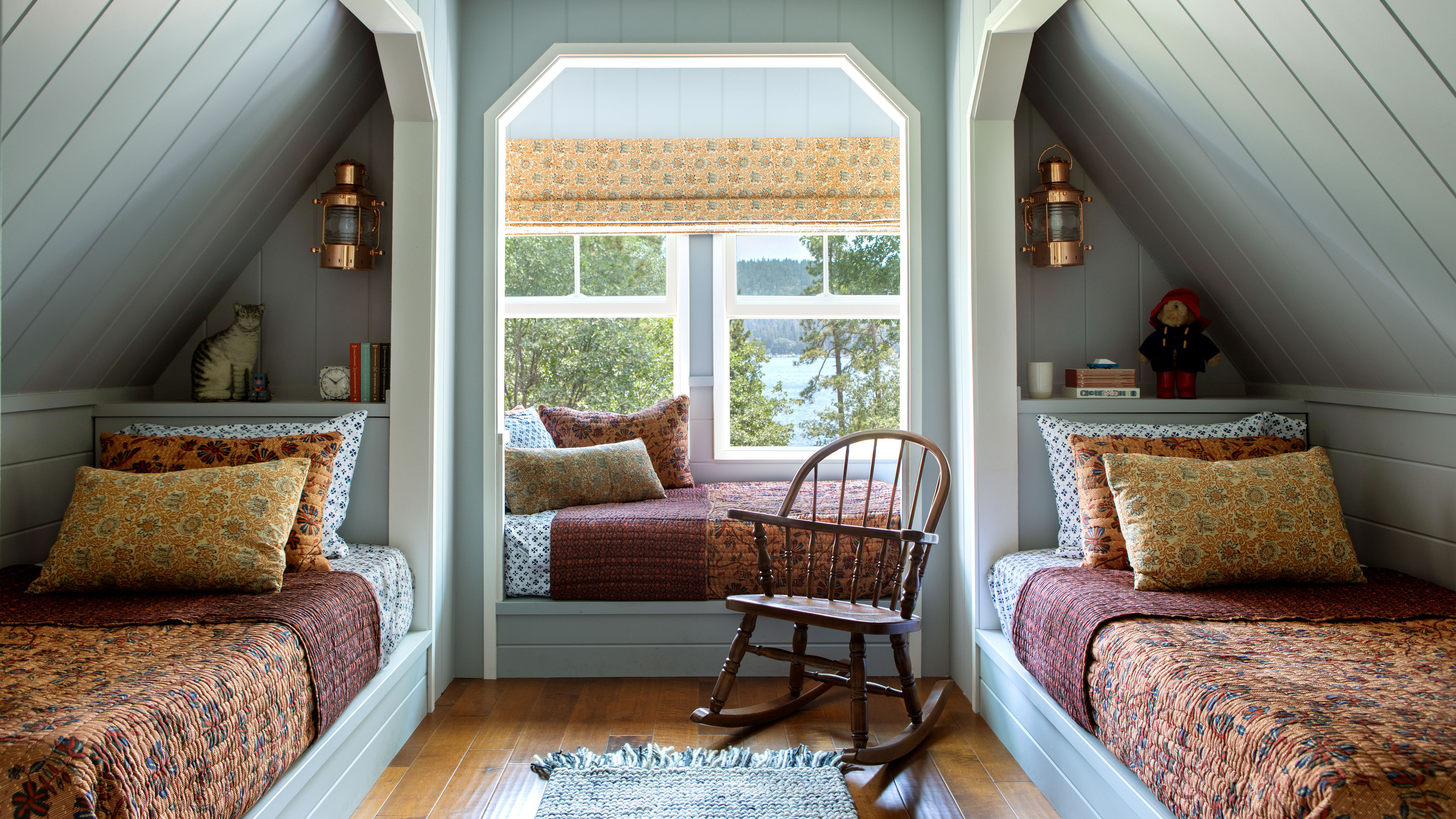
1/8
Is your room missing something? These are the 7 simple buys that designers always recommend to their clients to instantly pull a space together
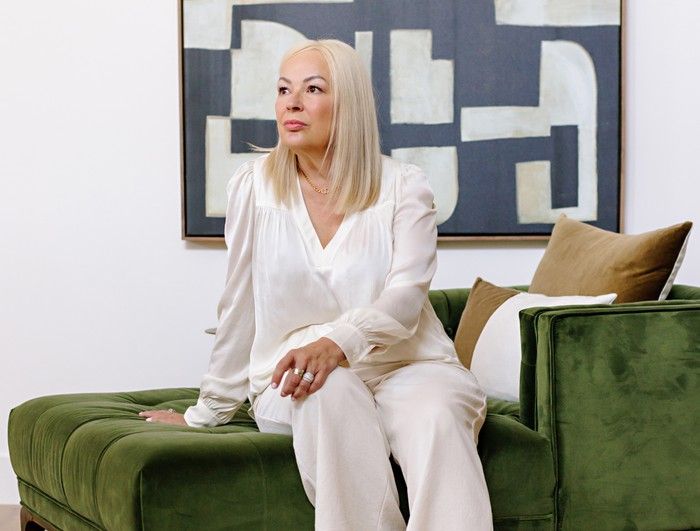
The article discusses seven key items interior designers consistently recommend to clients to create a polished and cohesive living space. It emphasizes that a well-designed home is not just about individual elements but about expert curation. The insights are drawn from designers Martha Mulholland and Nicky Mudie, who share their 'secret sauce' for achieving a harmonious and complete look.
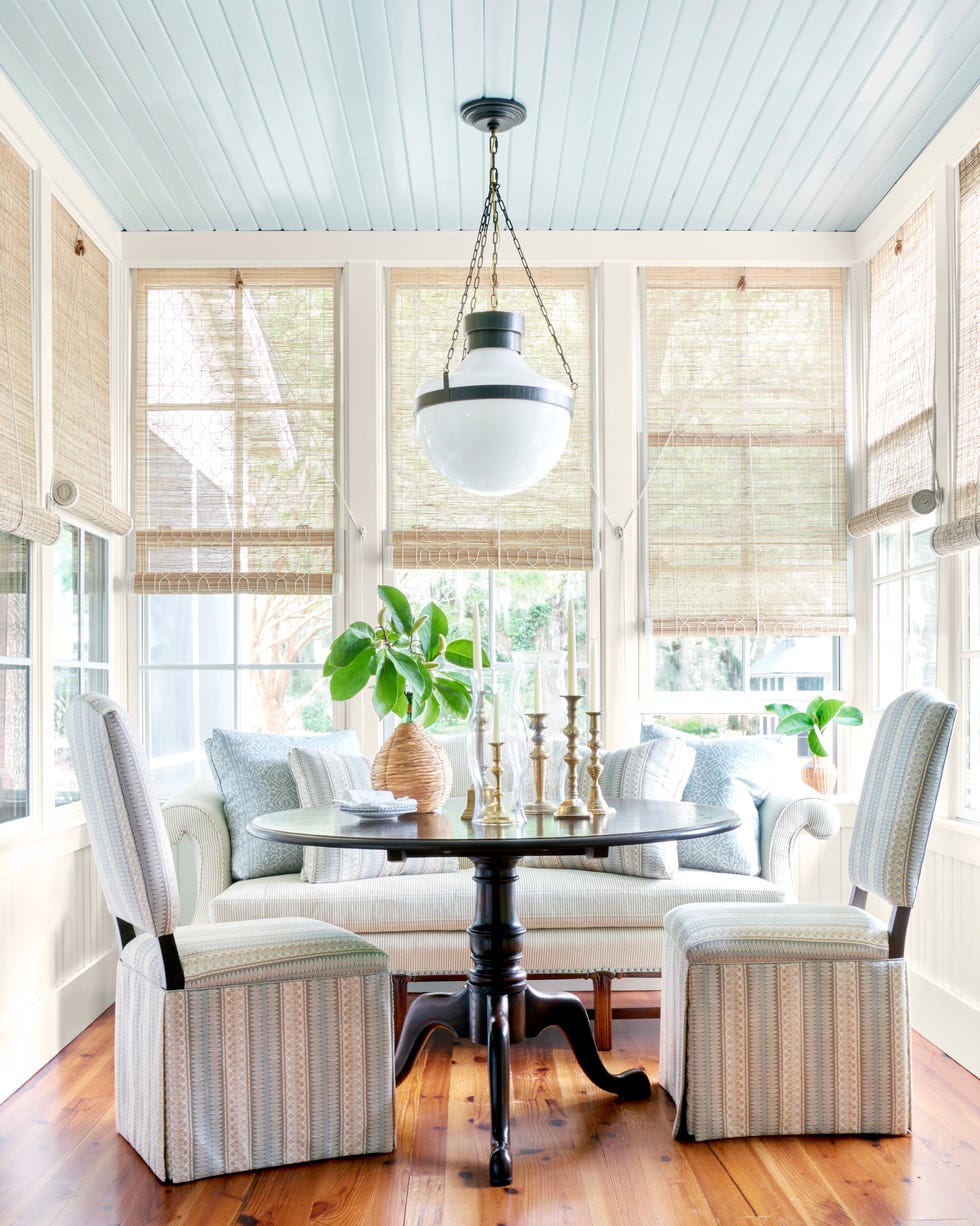
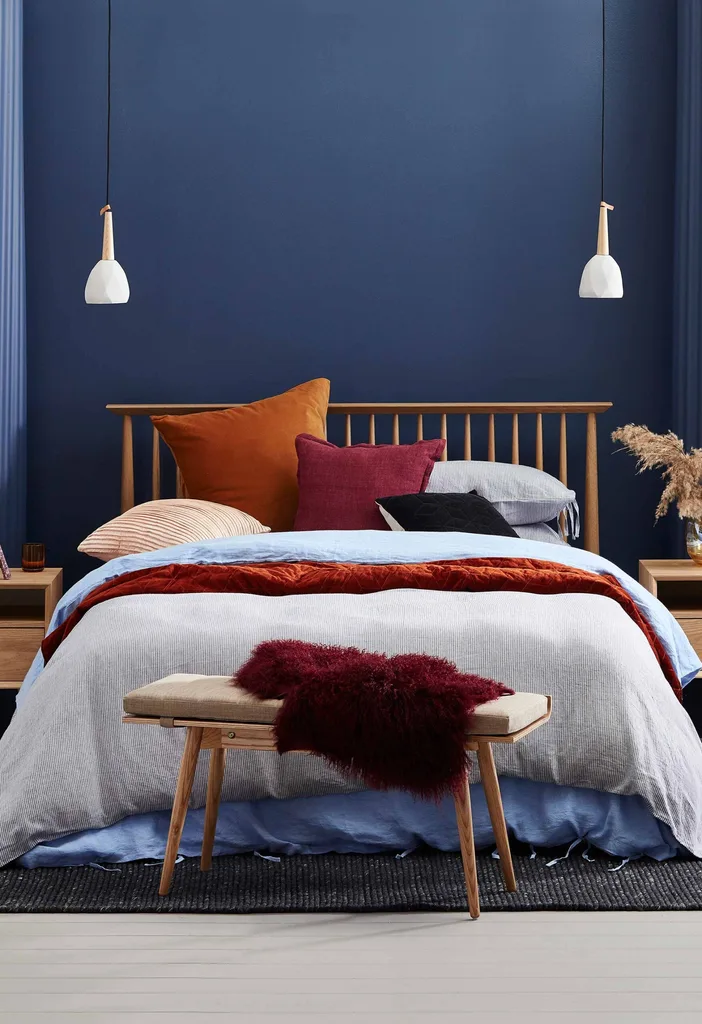
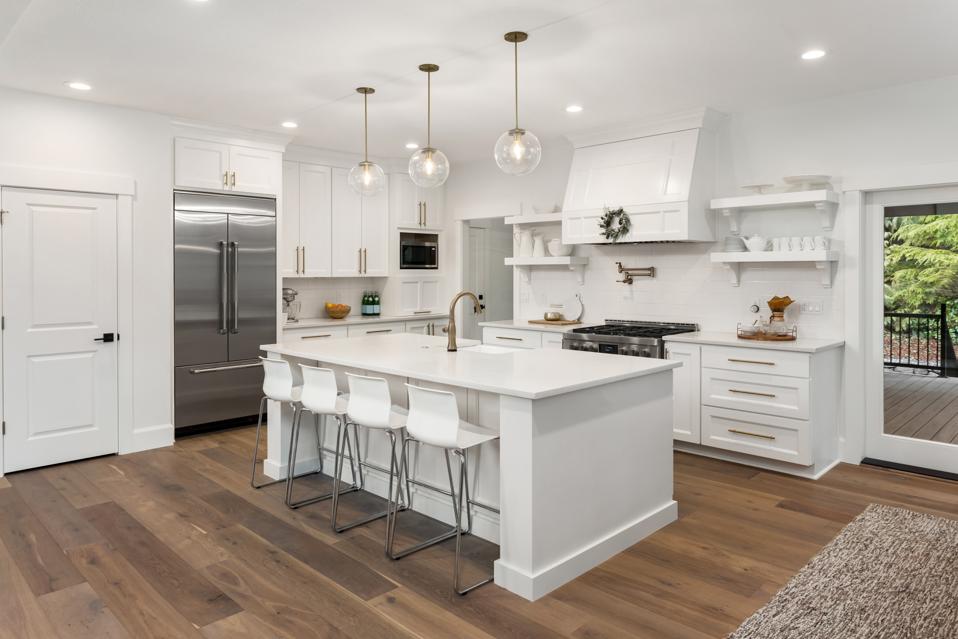
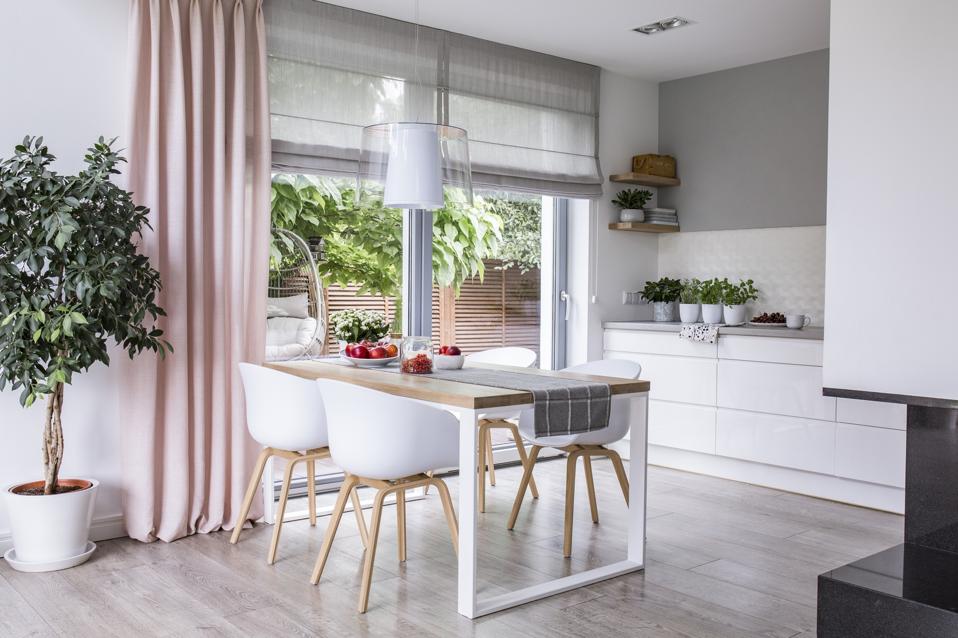
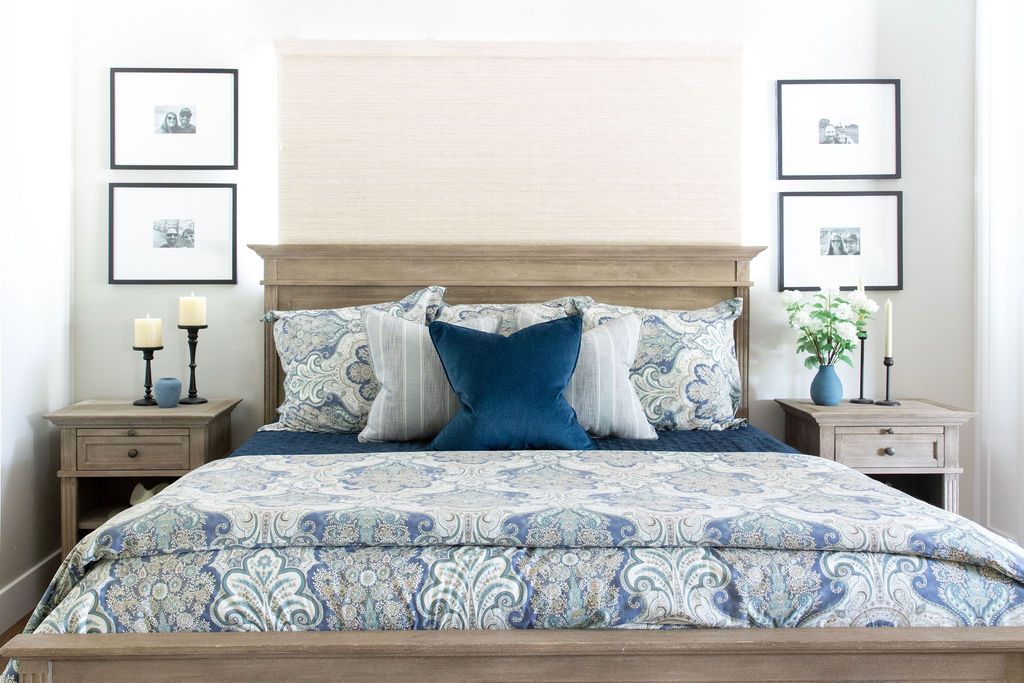
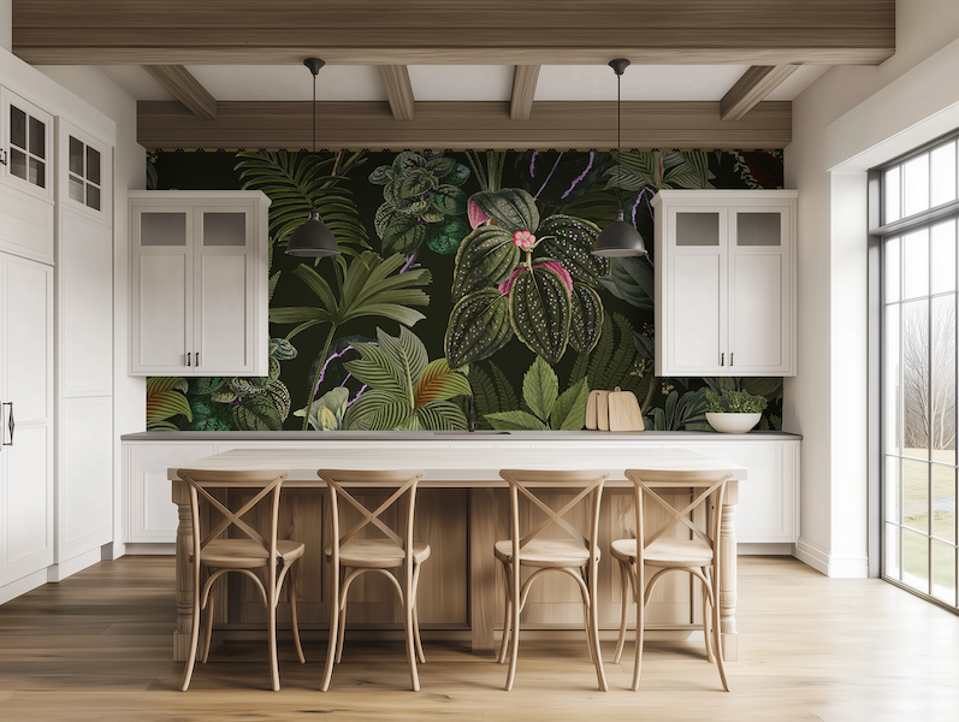
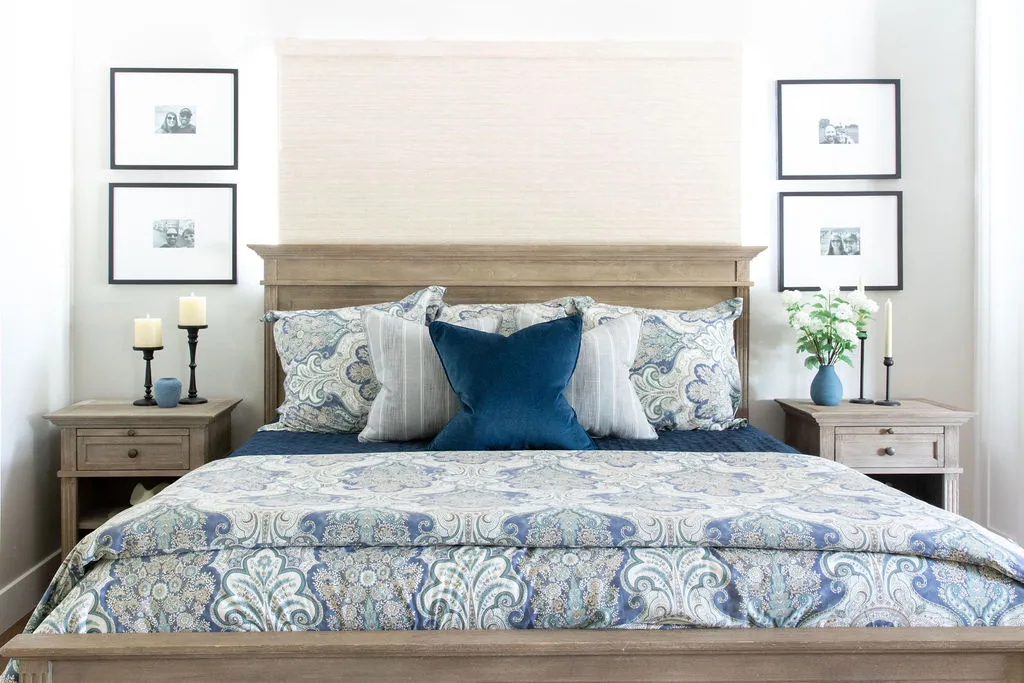
The first recommendation is the strategic use of pillows and throws. Soft textiles are essential for adding warmth, texture, and a cohesive feel to any room, including the kitchen. They offer an opportunity to introduce color and pattern, preventing spaces from appearing stark or unwelcoming. Nicky Mudie highlights their role in providing comfort and a unified aesthetic, while Martha Mulholland notes their importance in adding character and making a space feel complete. The article suggests coordinating fabrics with existing elements, such as area rugs or curtains, and mentions the flexibility of changing them with seasons or evolving styles.
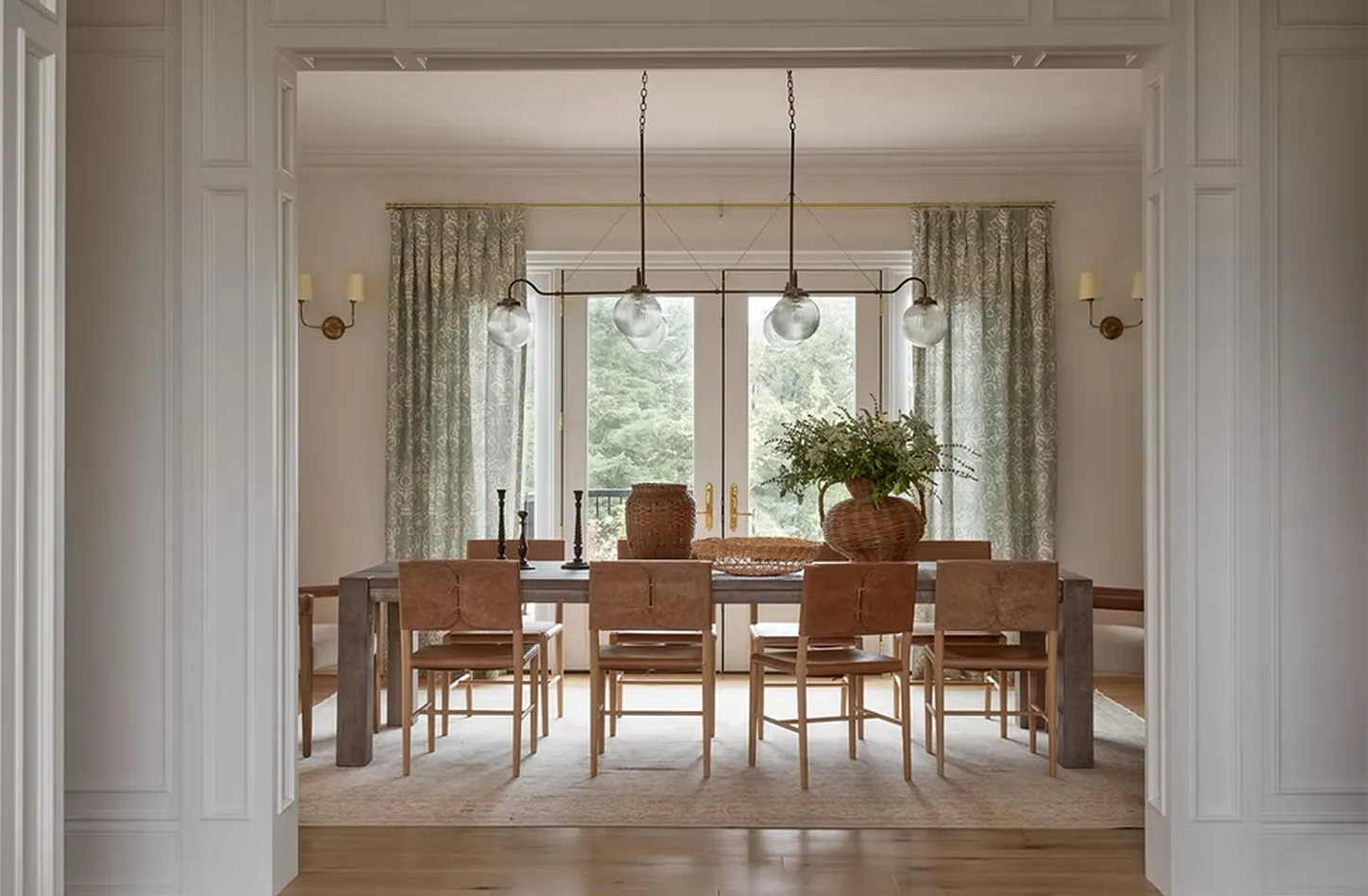
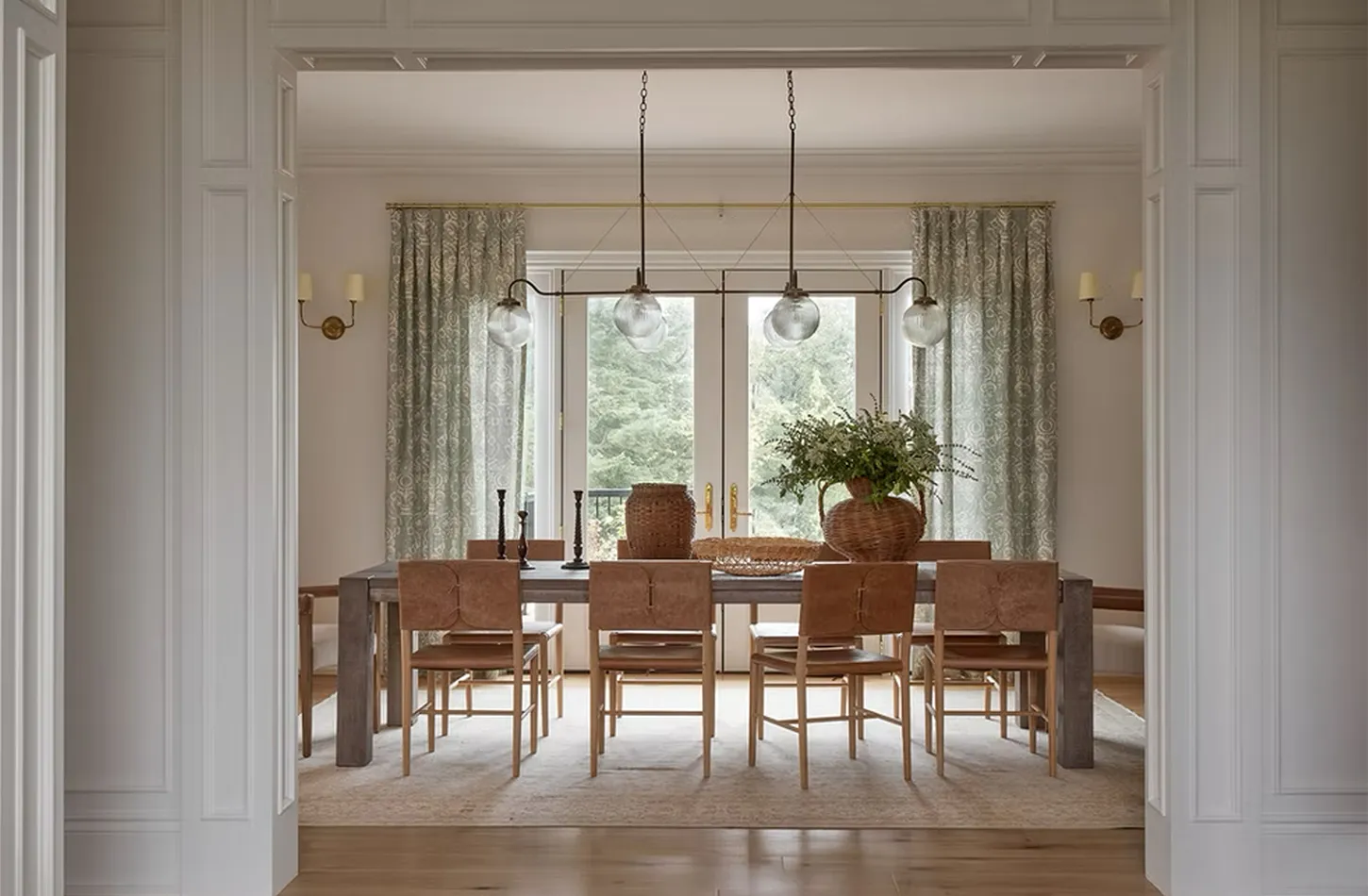
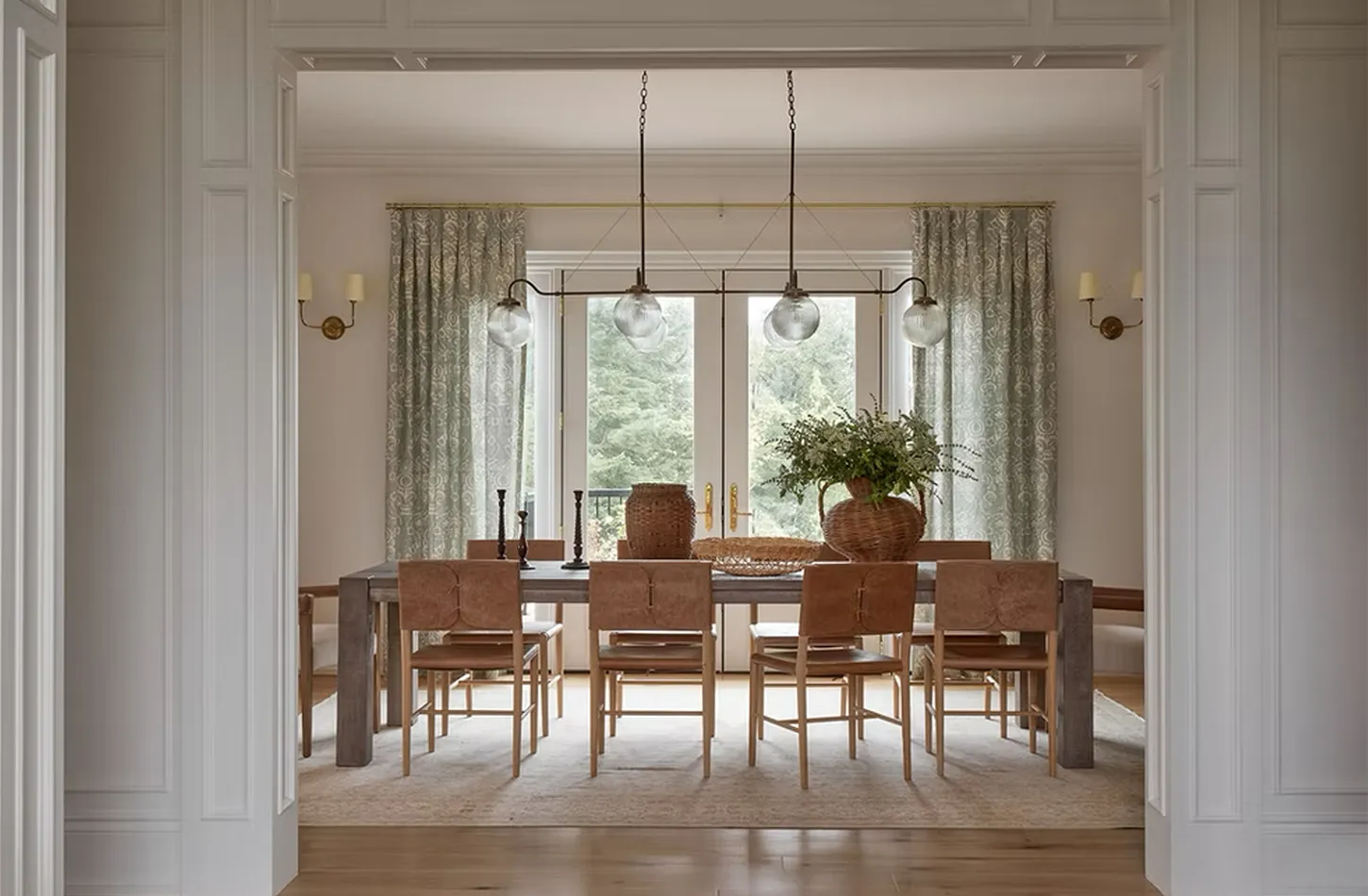
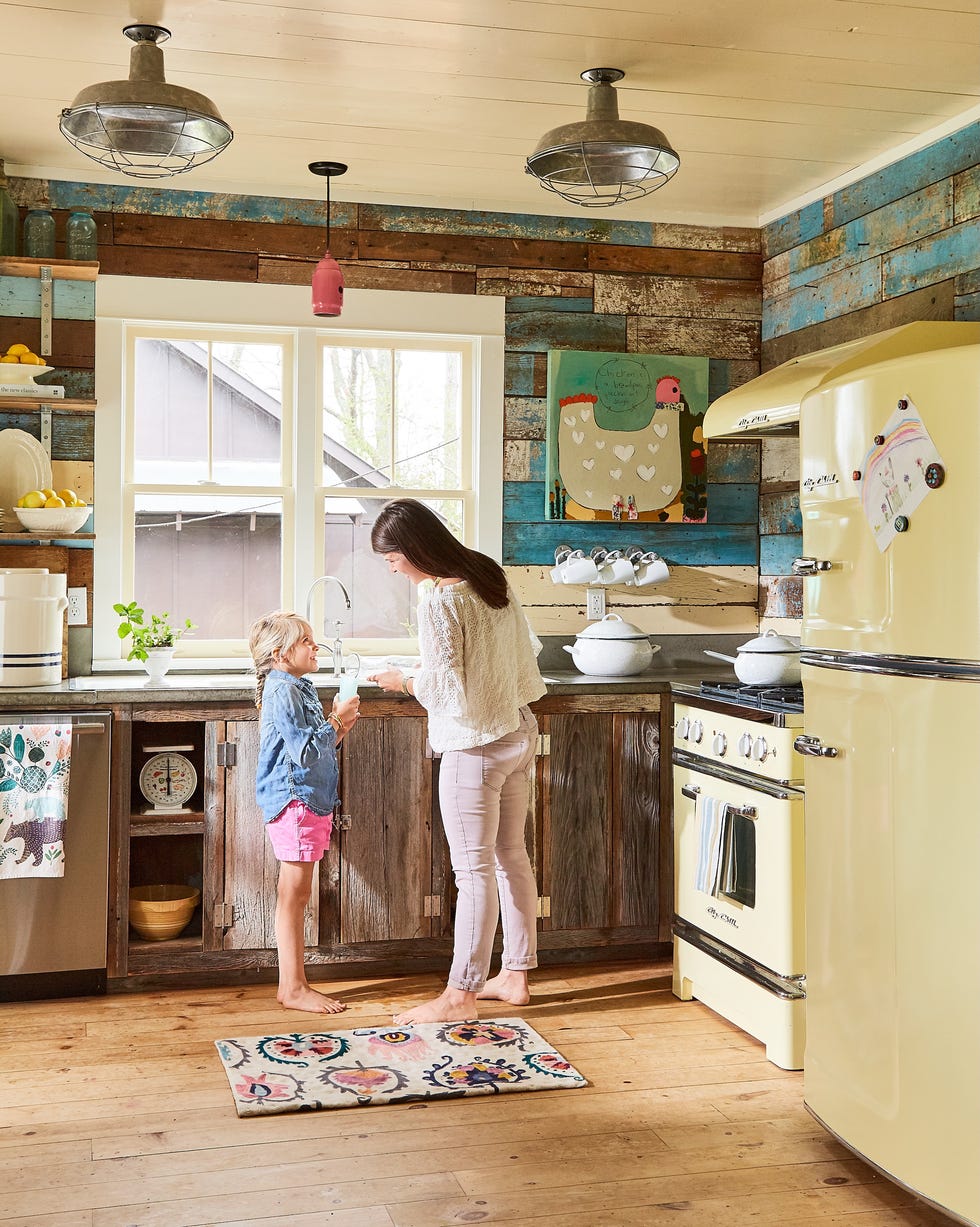
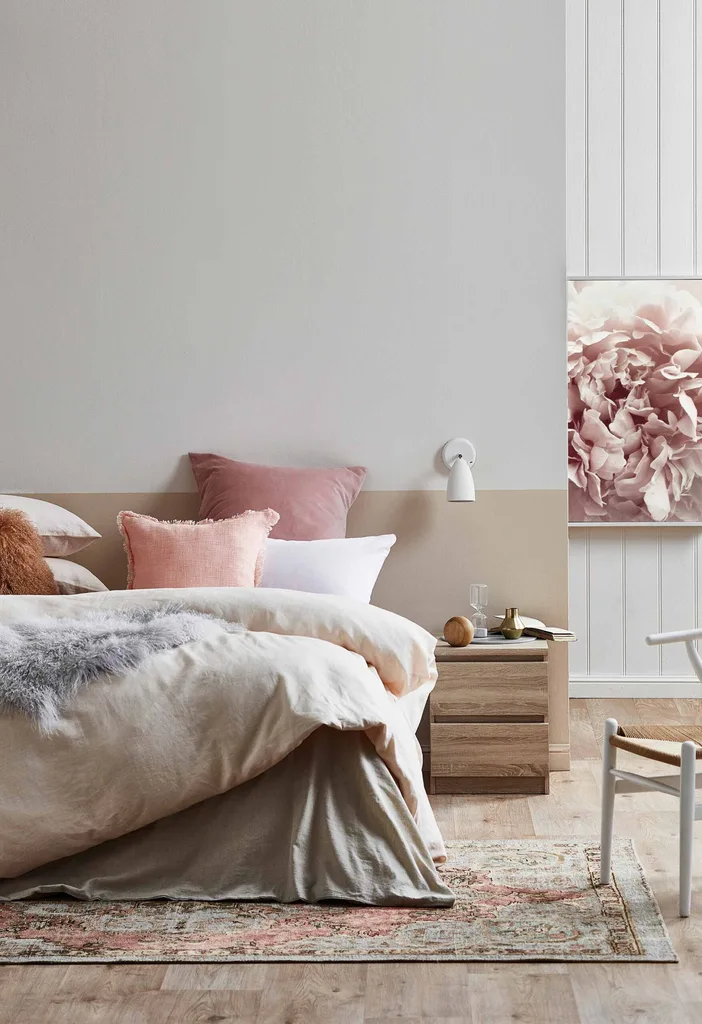
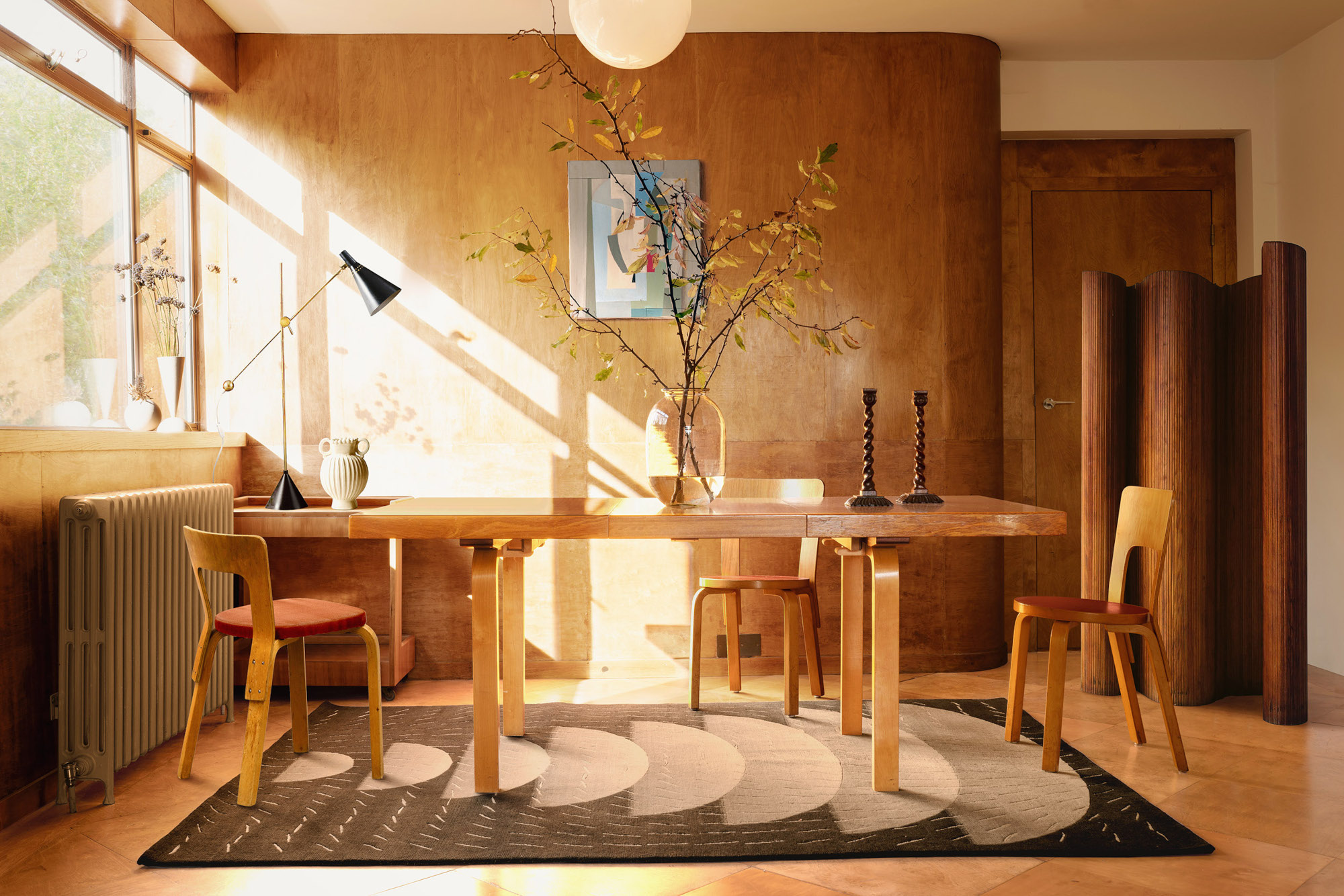
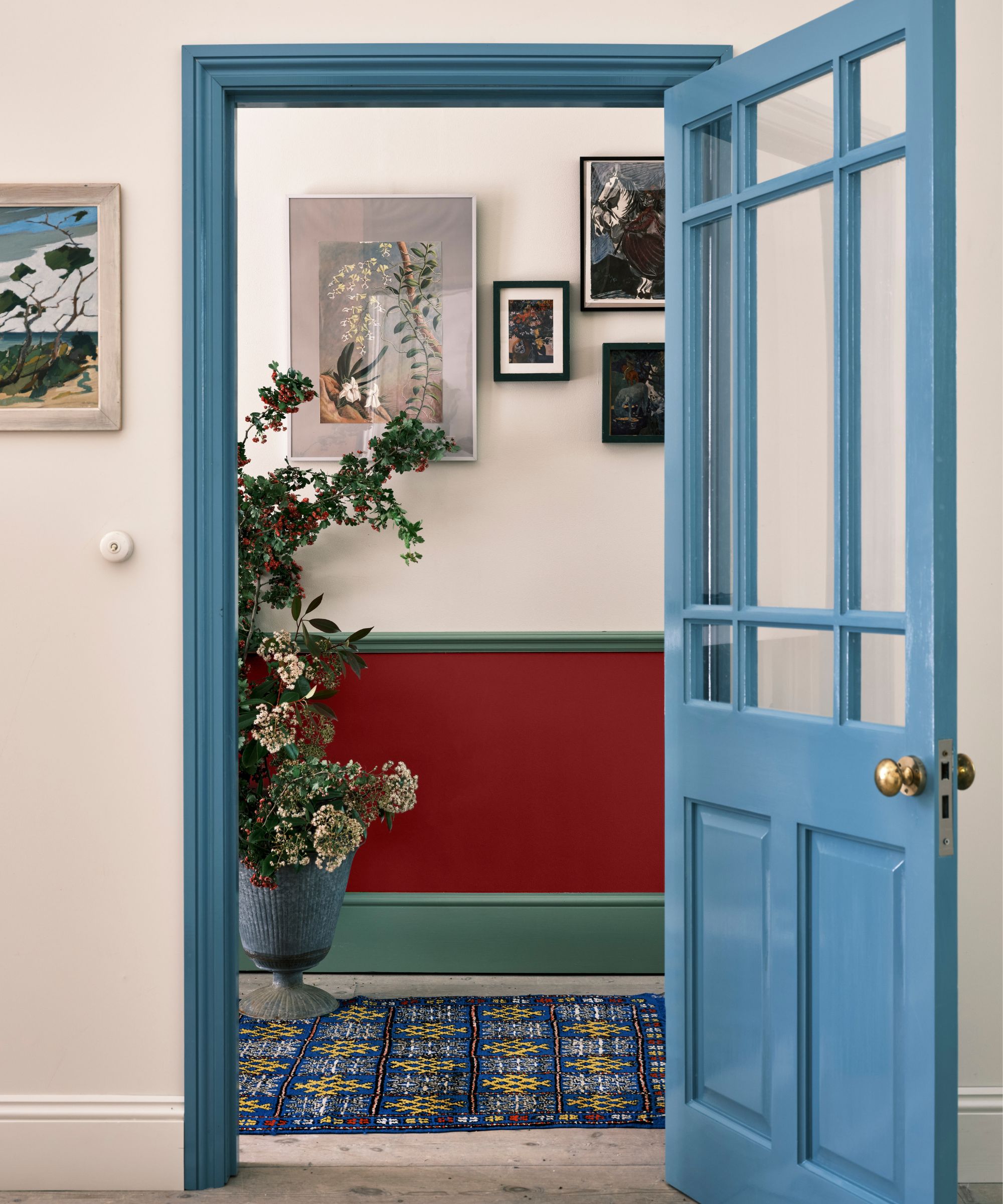
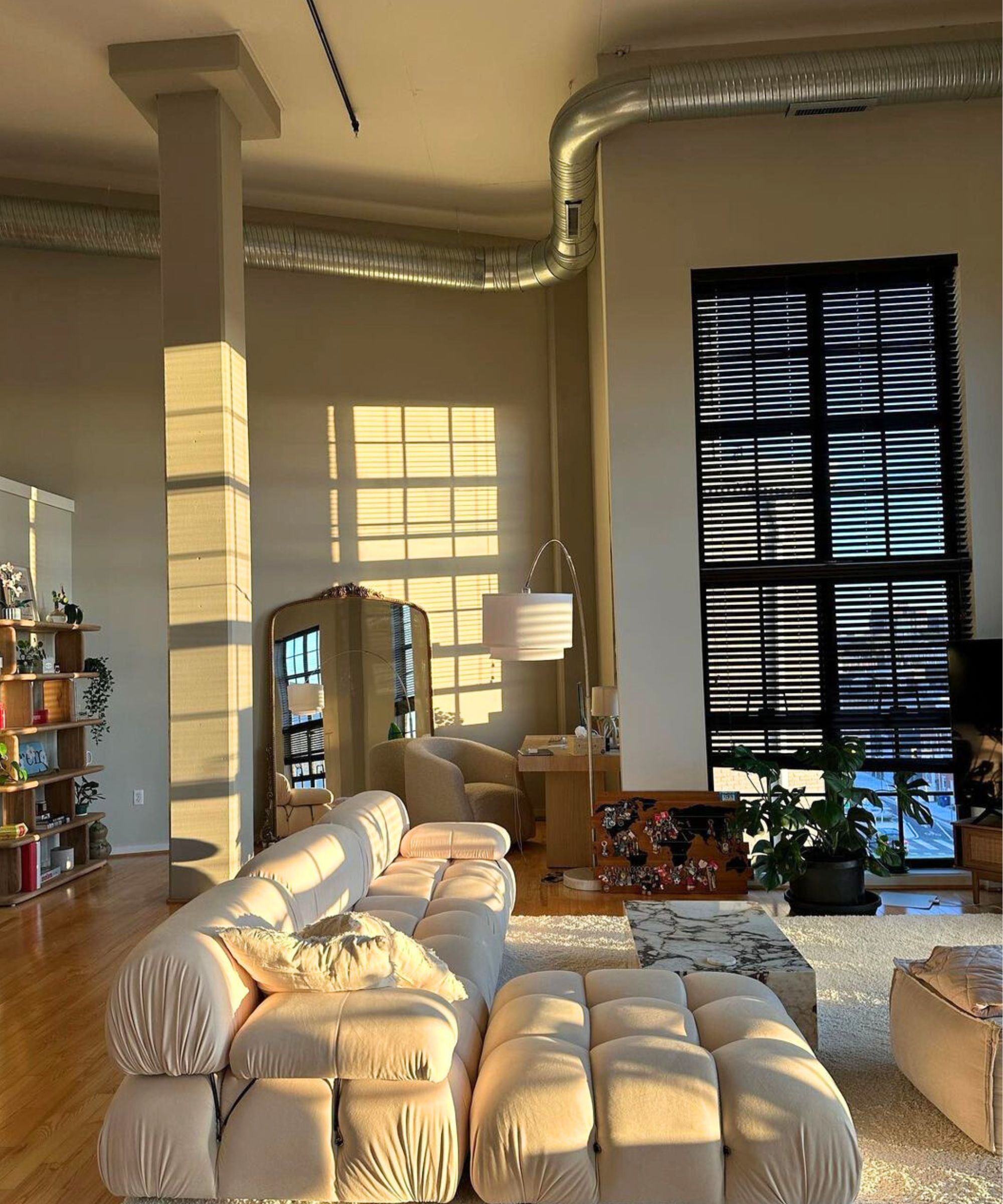
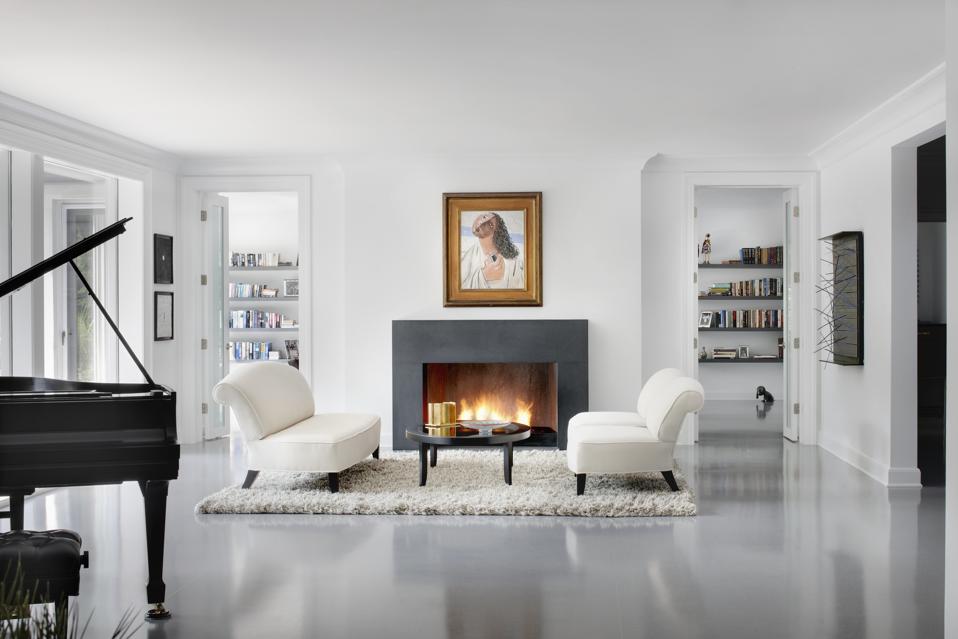
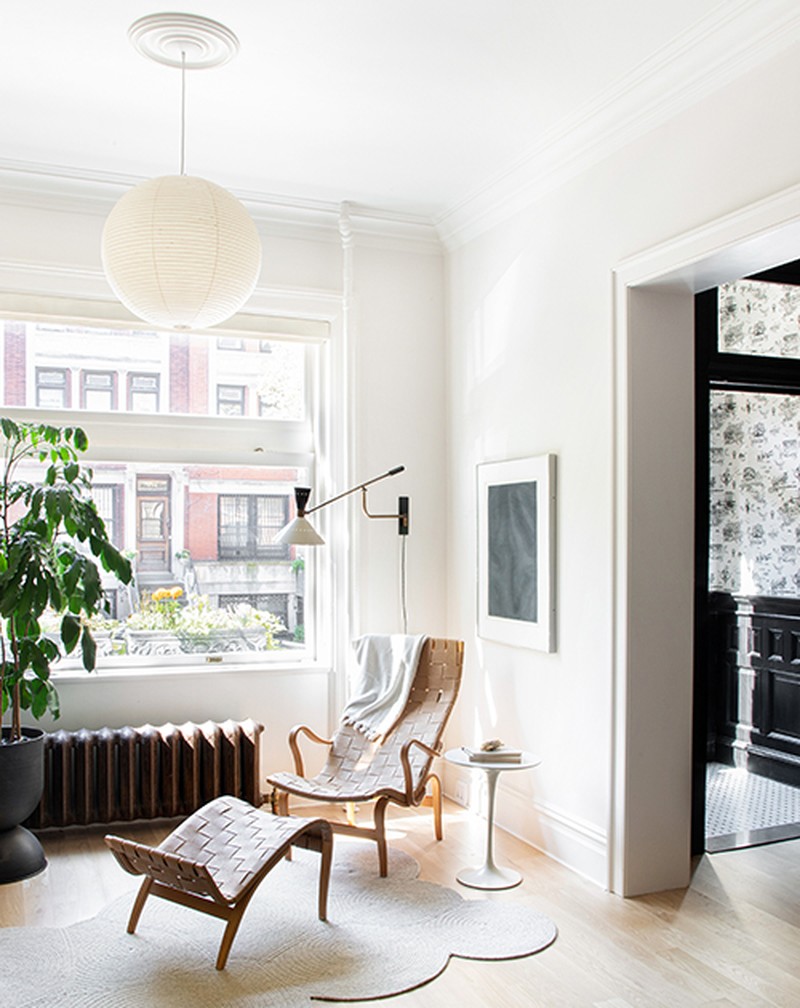
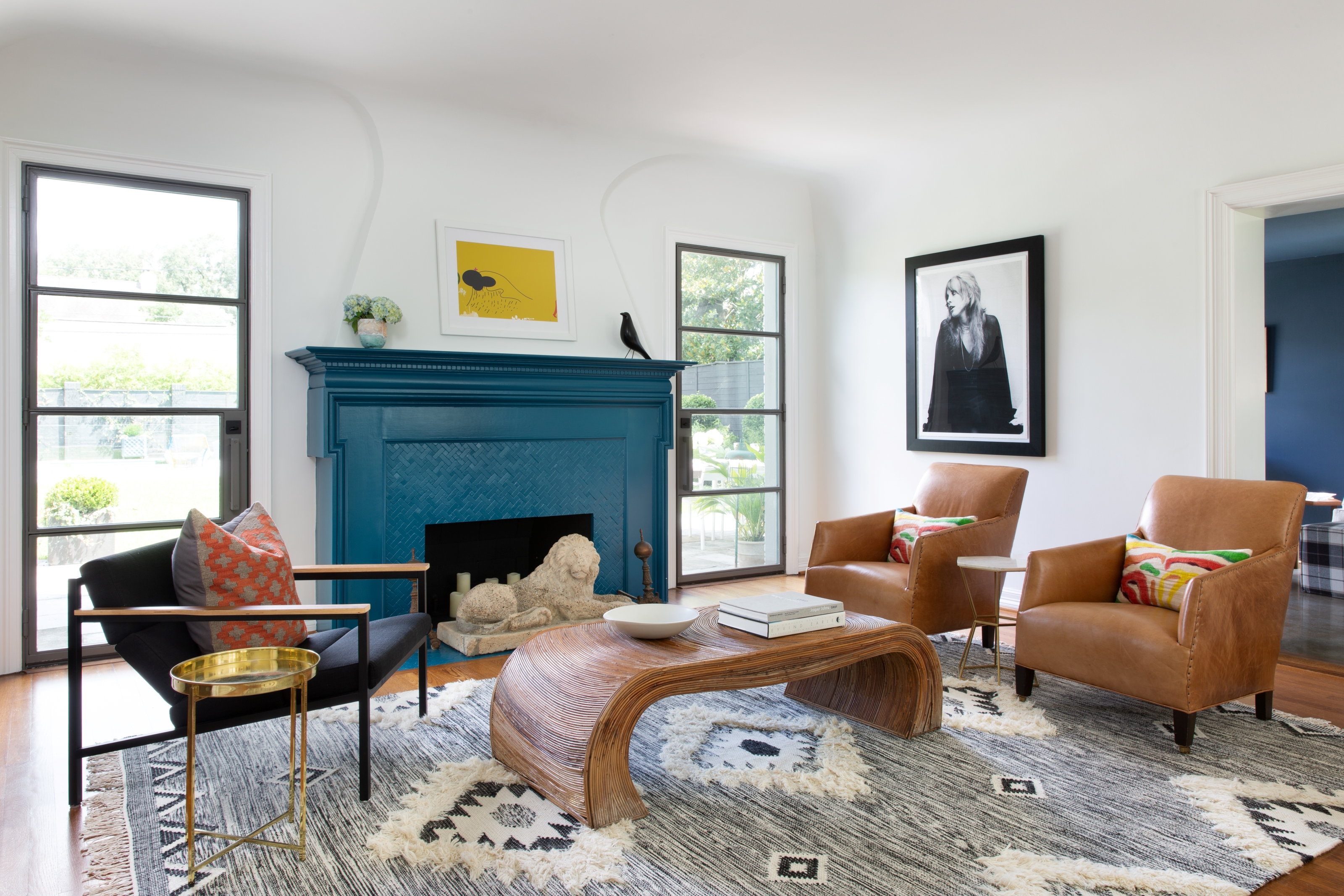
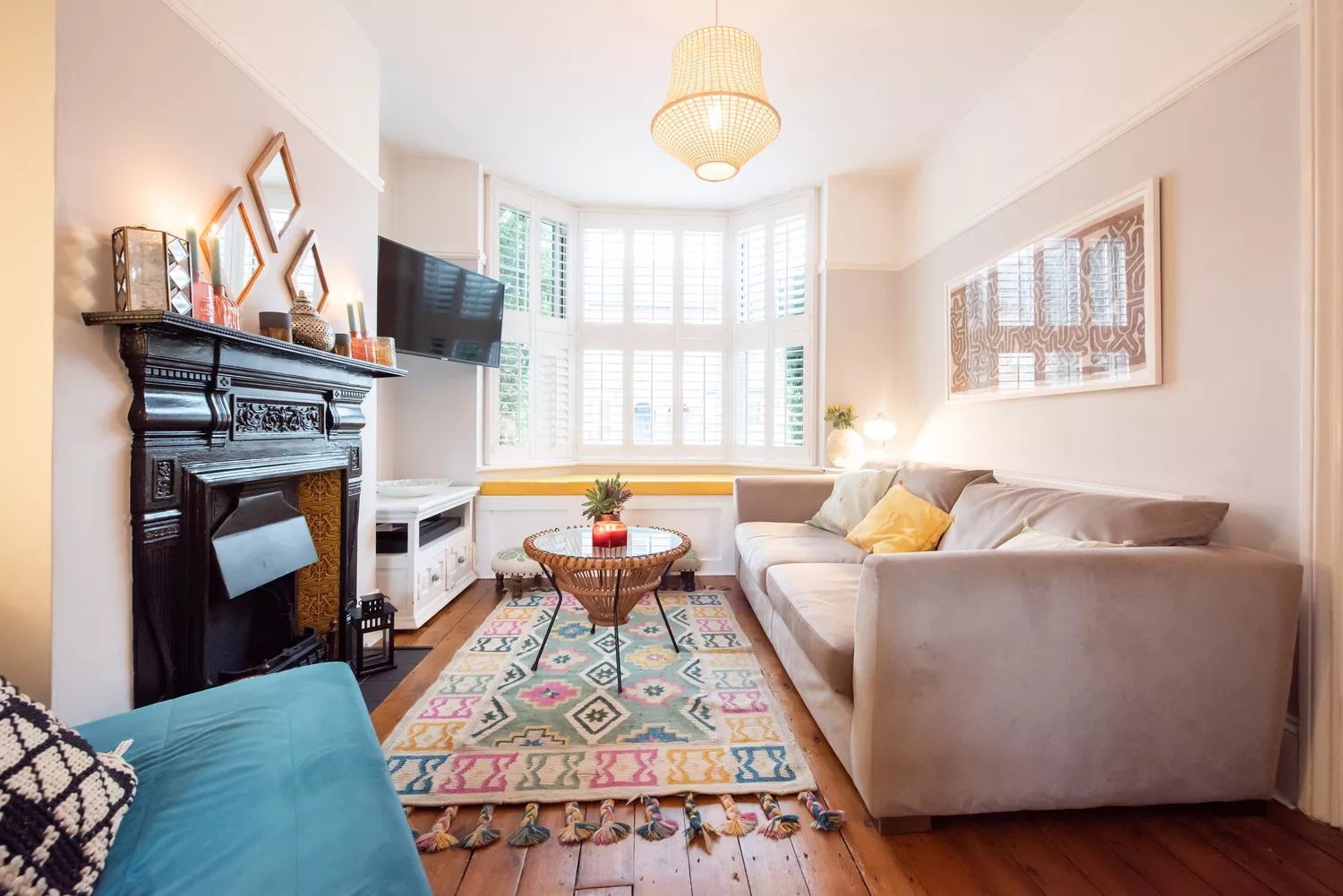
Secondly, an area rug is deemed a non-negotiable for hard floors. Designers stress that rugs anchor the space, define different zones, and introduce texture and color. The selection of a rug should be intentional, considering how it aligns with the overall decor style and whether it needs to incorporate patterns. The rug is presented as a foundational element around which the rest of the room's design, including furniture and complementary decor, can be built. Emphasis is placed on proper rug placement, ensuring it extends under major furniture pieces for a balanced and considered look, with a recommendation to choose larger sizes than initially perceived necessary.
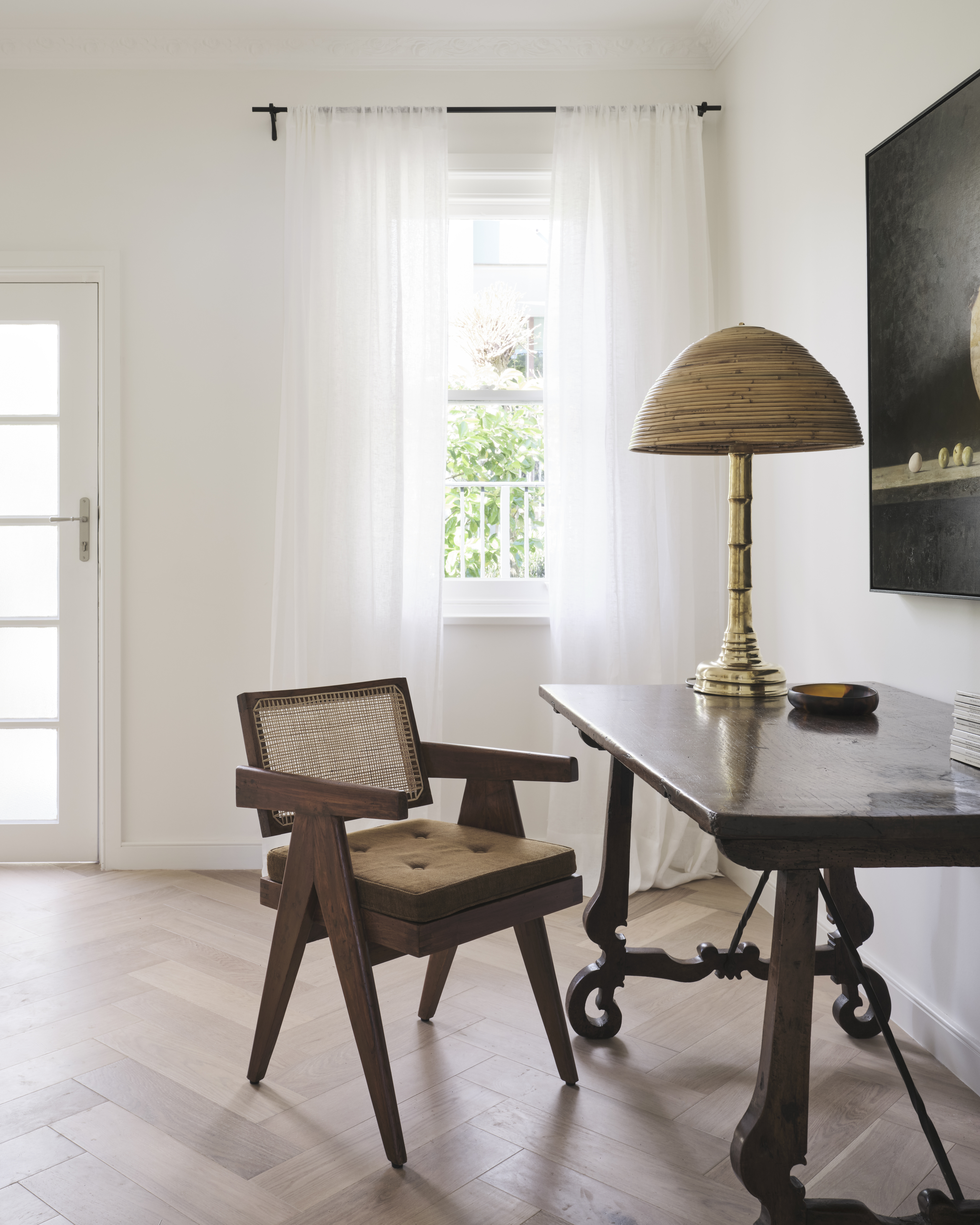
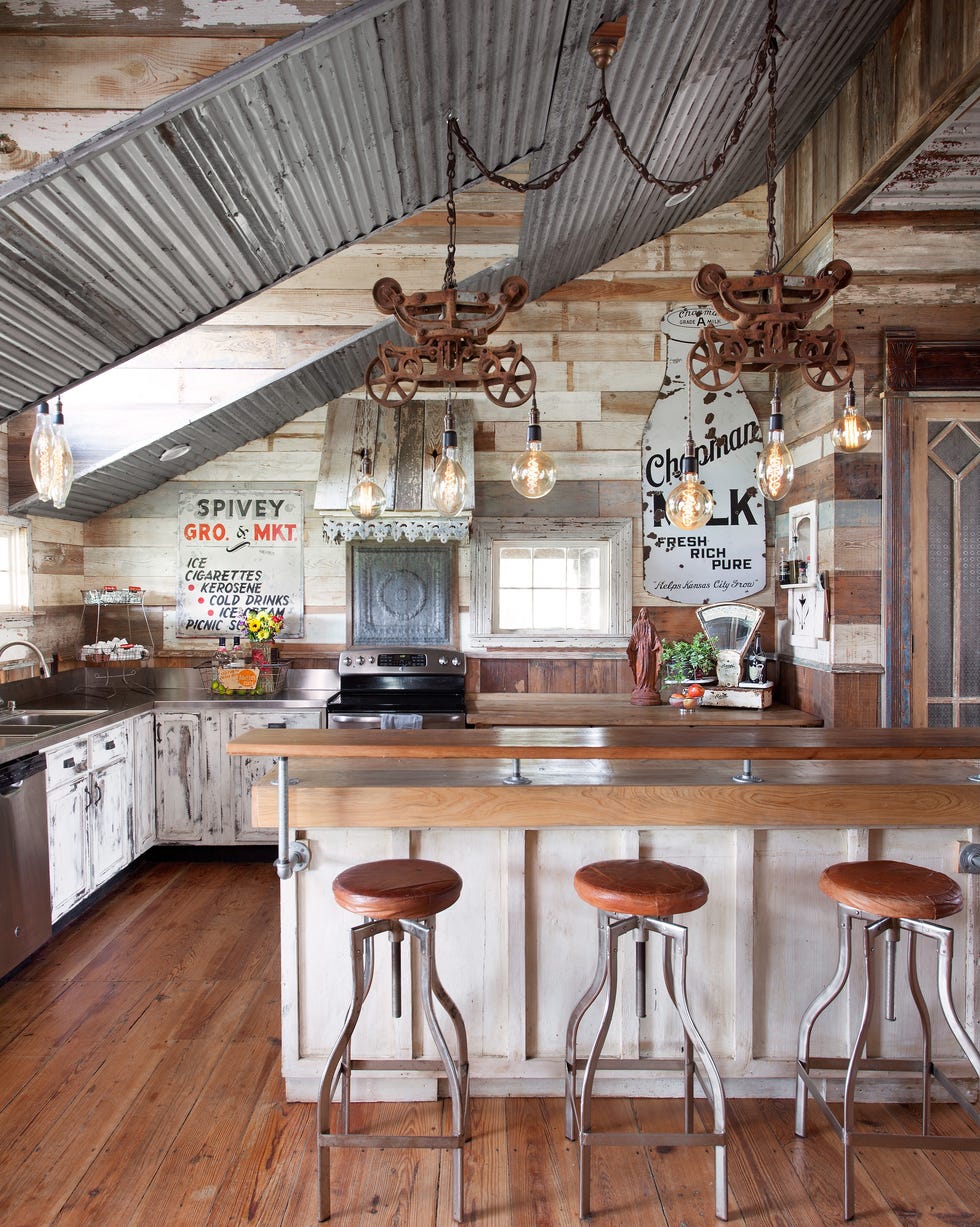
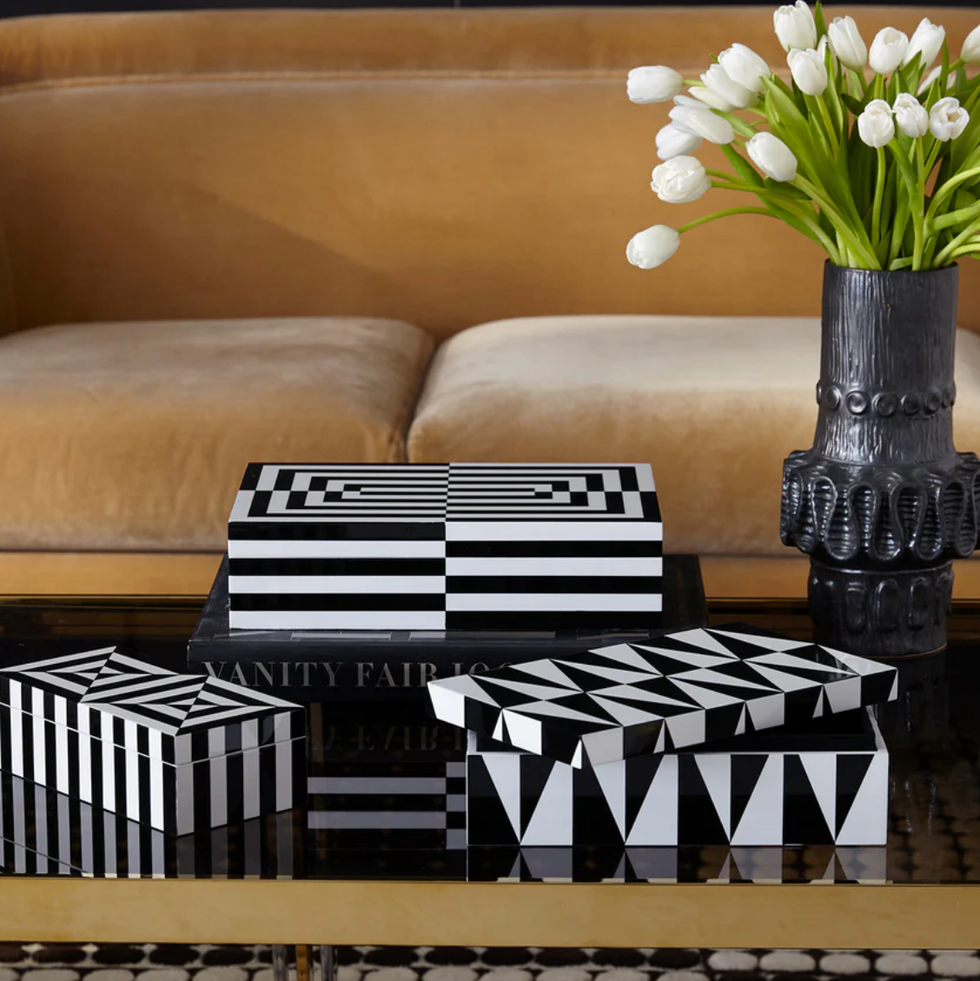
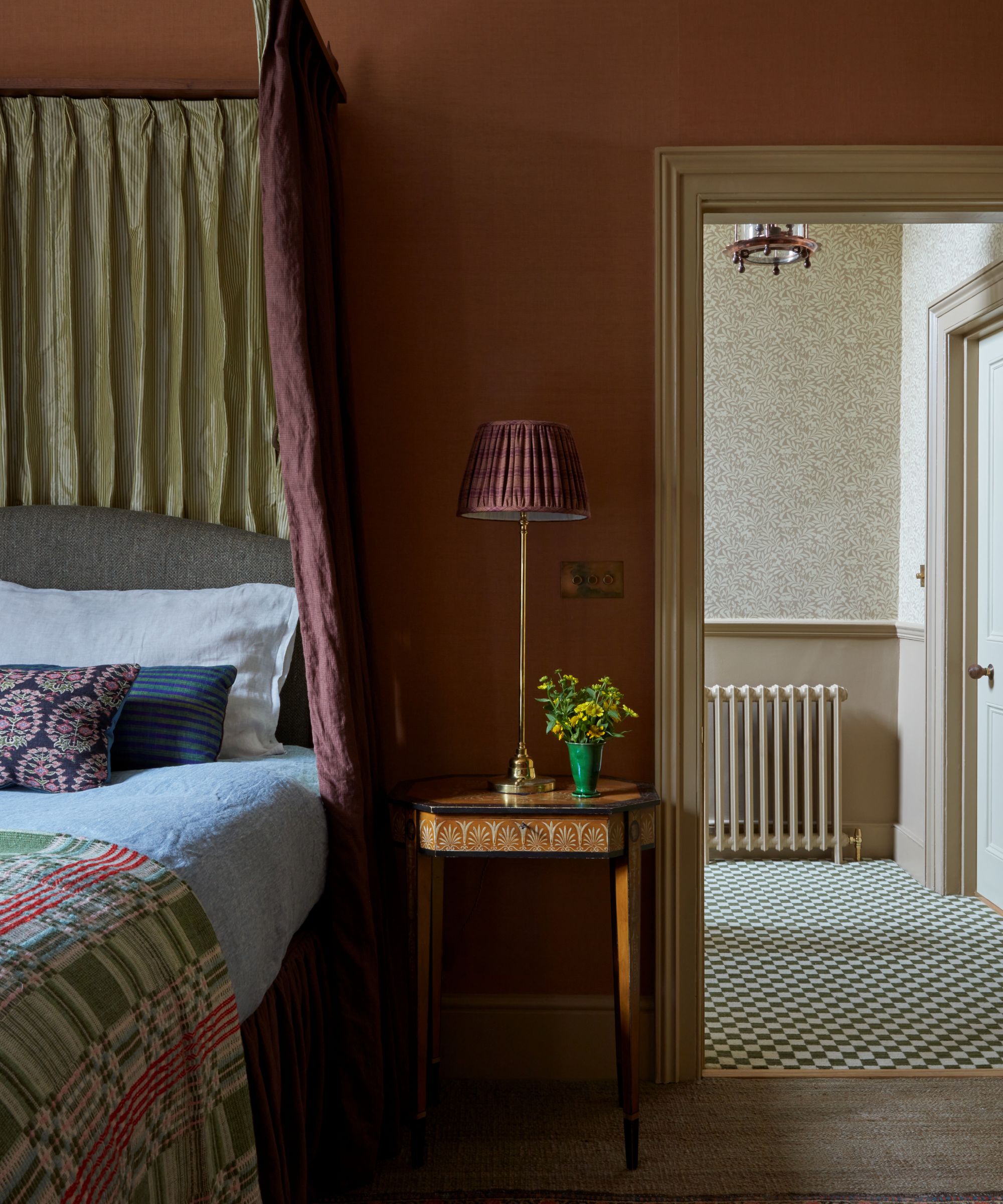
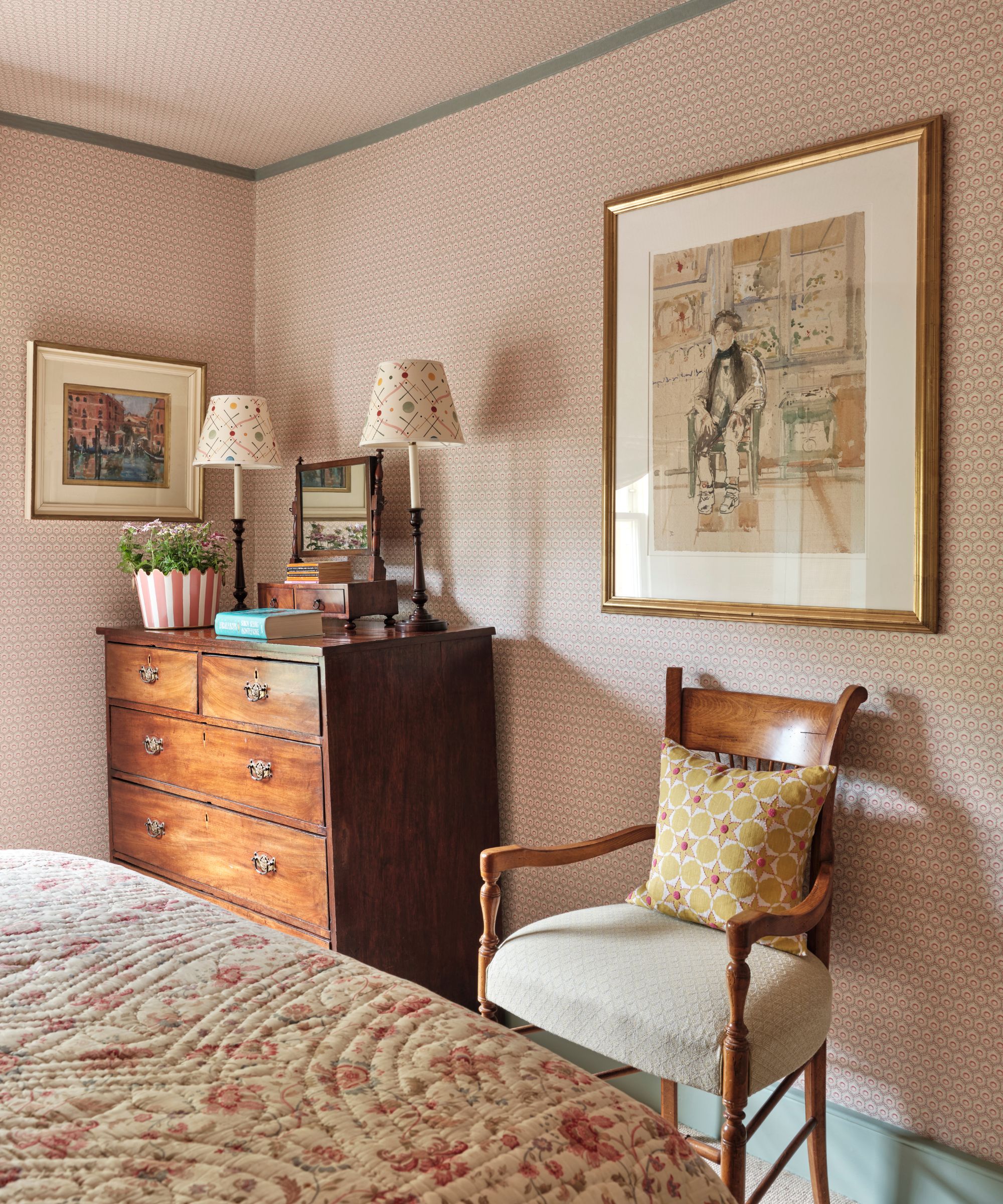
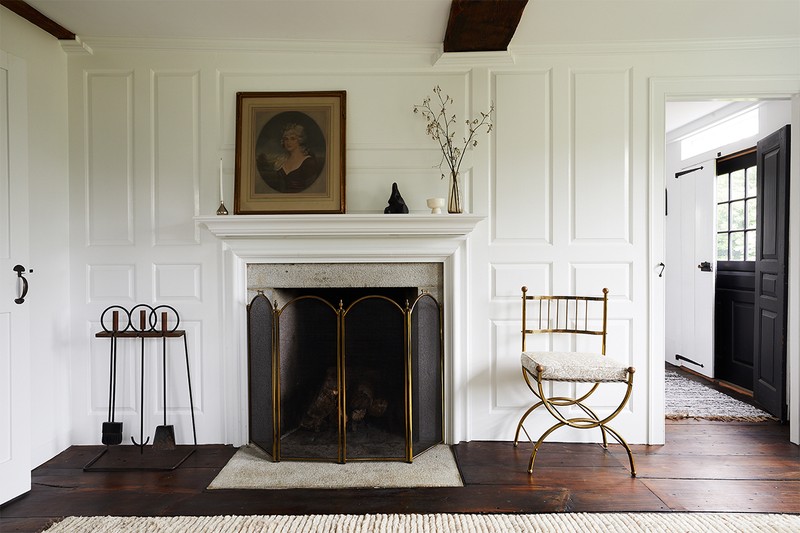
Antiques are the third item on the list, serving as a unique conversation piece that draws the eye and injects character into a room. Incorporating vintage or antique heirlooms is advised to create a more eclectic and personal interior, moving away from a homogenous, mass-produced aesthetic. Nicky Mudie explains that a carefully chosen vintage piece, whether a chest, side table, or lighting fixture, grounds the room and adds 'soul.' Even small decorative objects can complete a vignette, imbuing the space with personality and inspiring broader decorating themes.
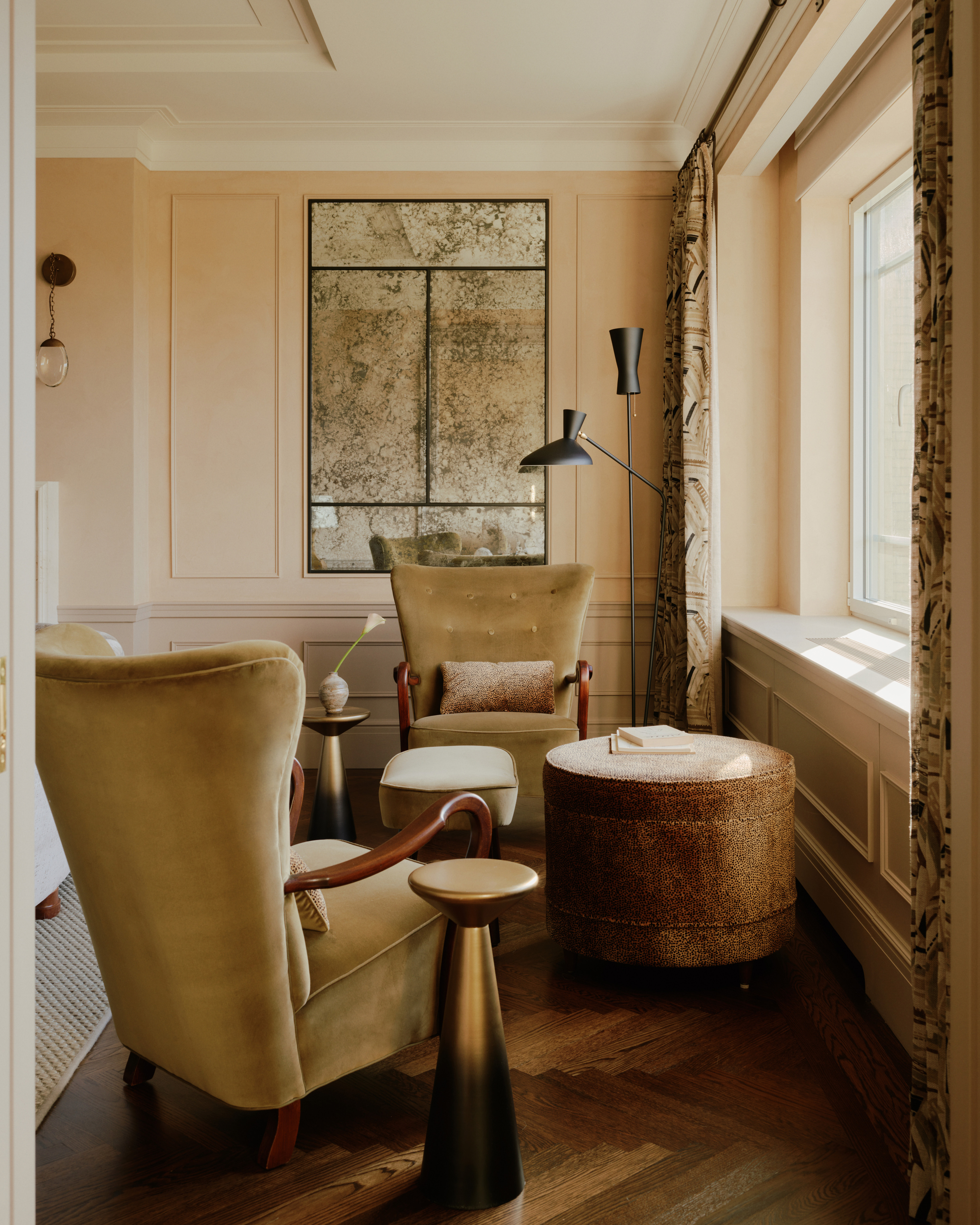
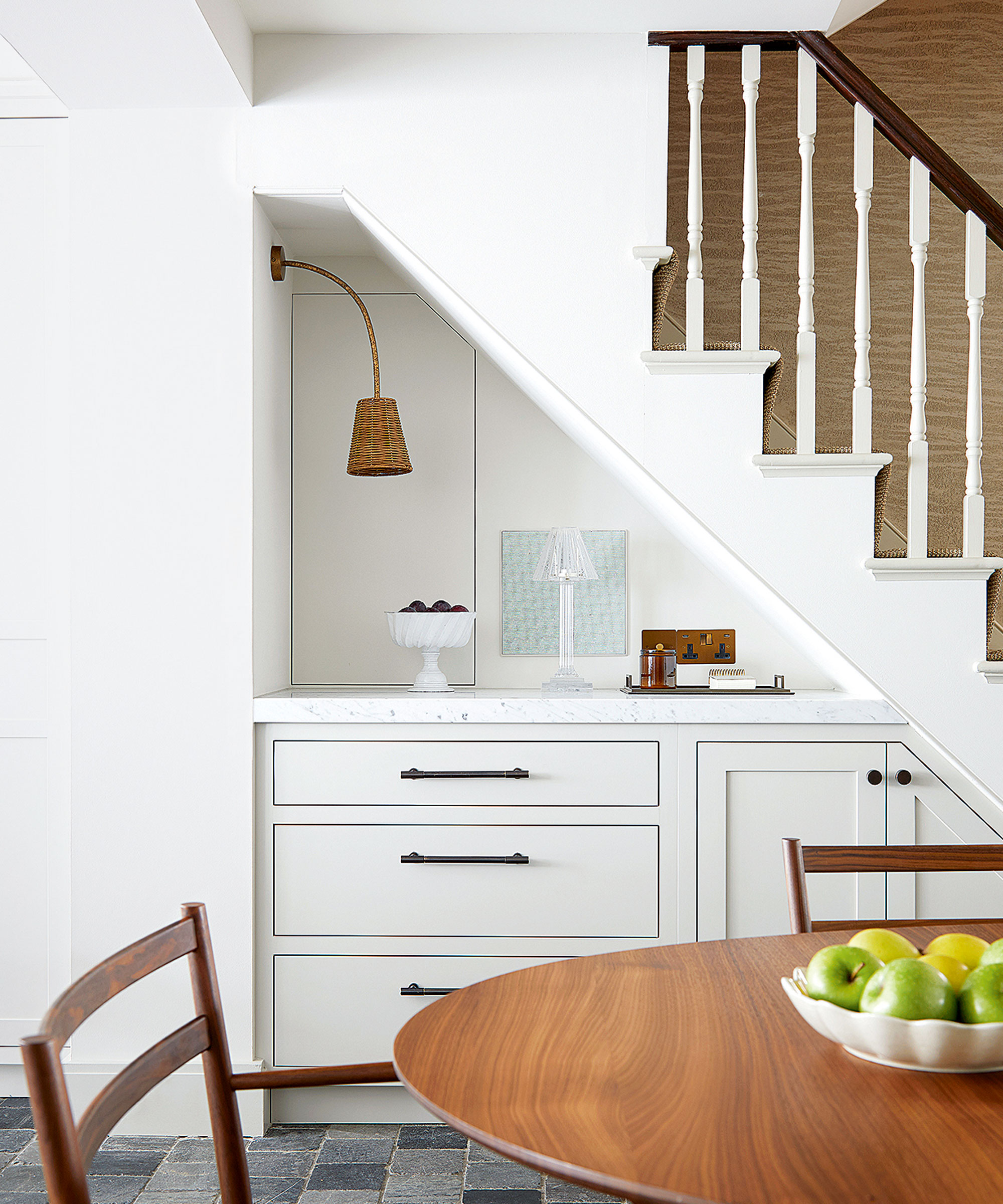
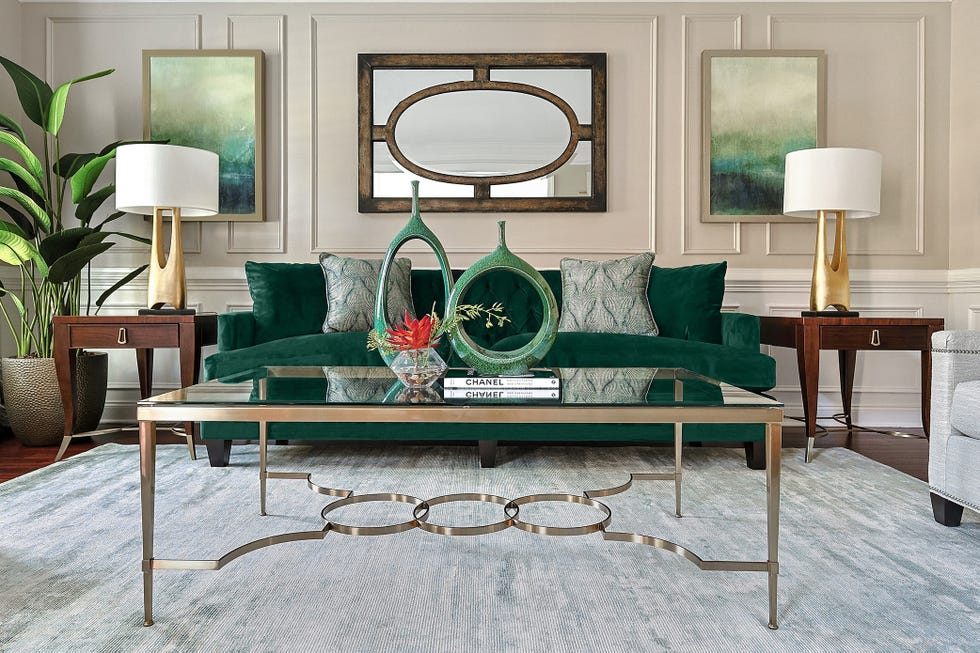
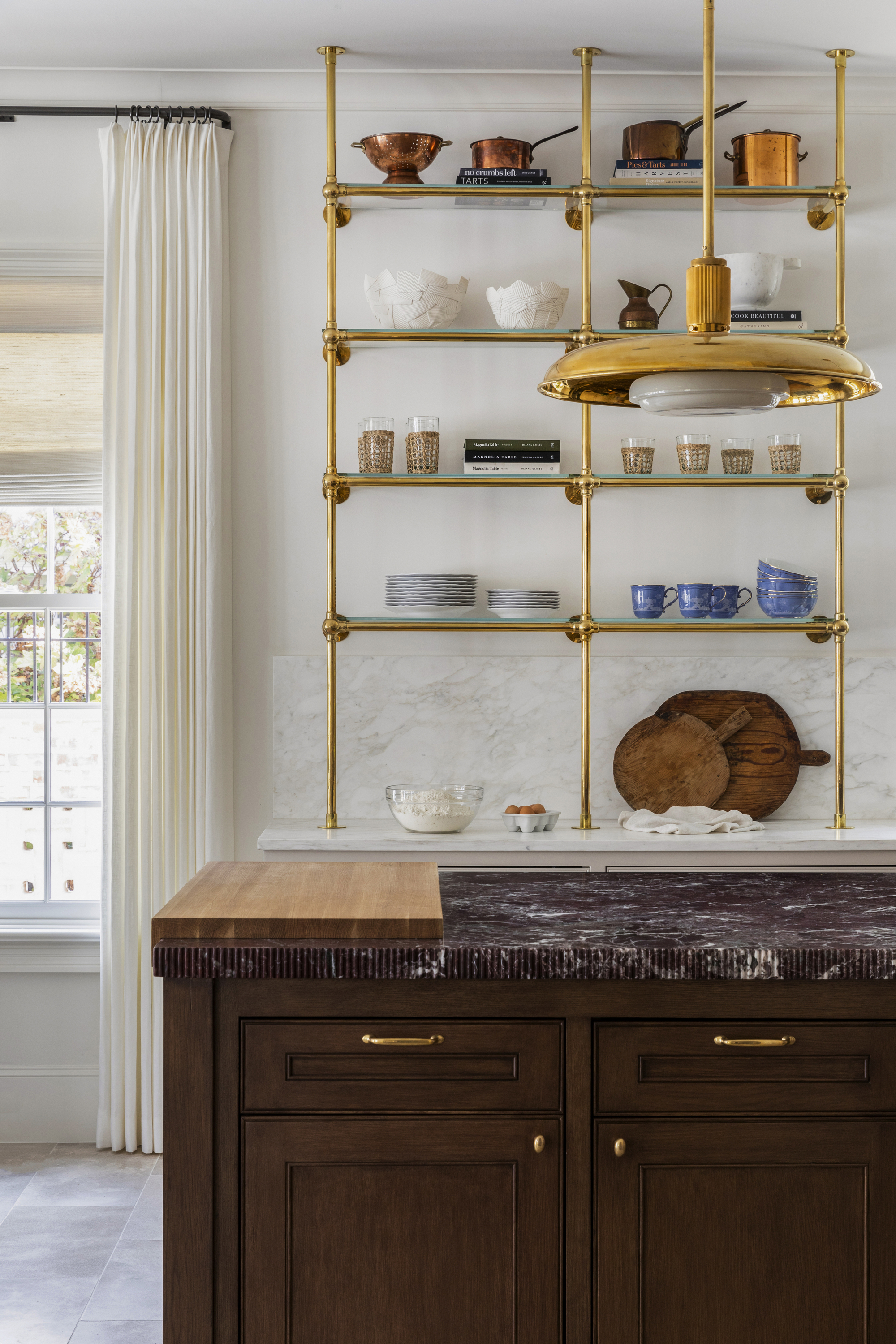
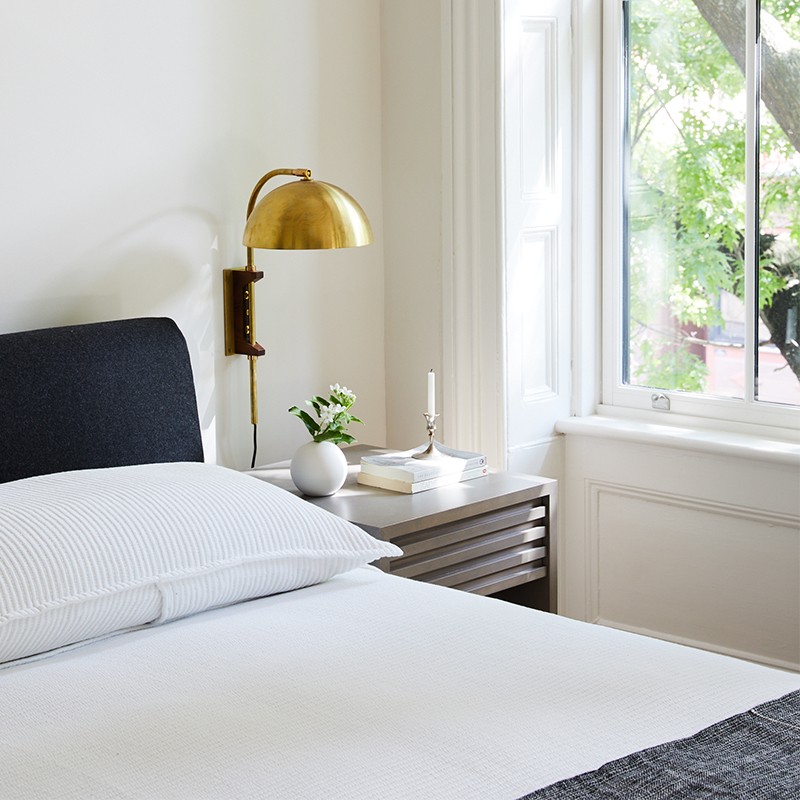
Accent lighting is highlighted as the fourth crucial element. Beyond its functional purpose, lighting is presented as a powerful tool to pull a room together. Designers consistently advocate for layered lighting, combining ambient, task, and accent lights such as ceiling lights, floor lamps, and table lamps. This approach creates a warm, inviting atmosphere with visual depth. For living rooms and bedrooms, side lighting with warmer, dimmable bulbs is preferred over harsh overhead lights, transforming a simple room into an atmospheric one. Matching finishes in lighting elements further contributes to a cohesive design.
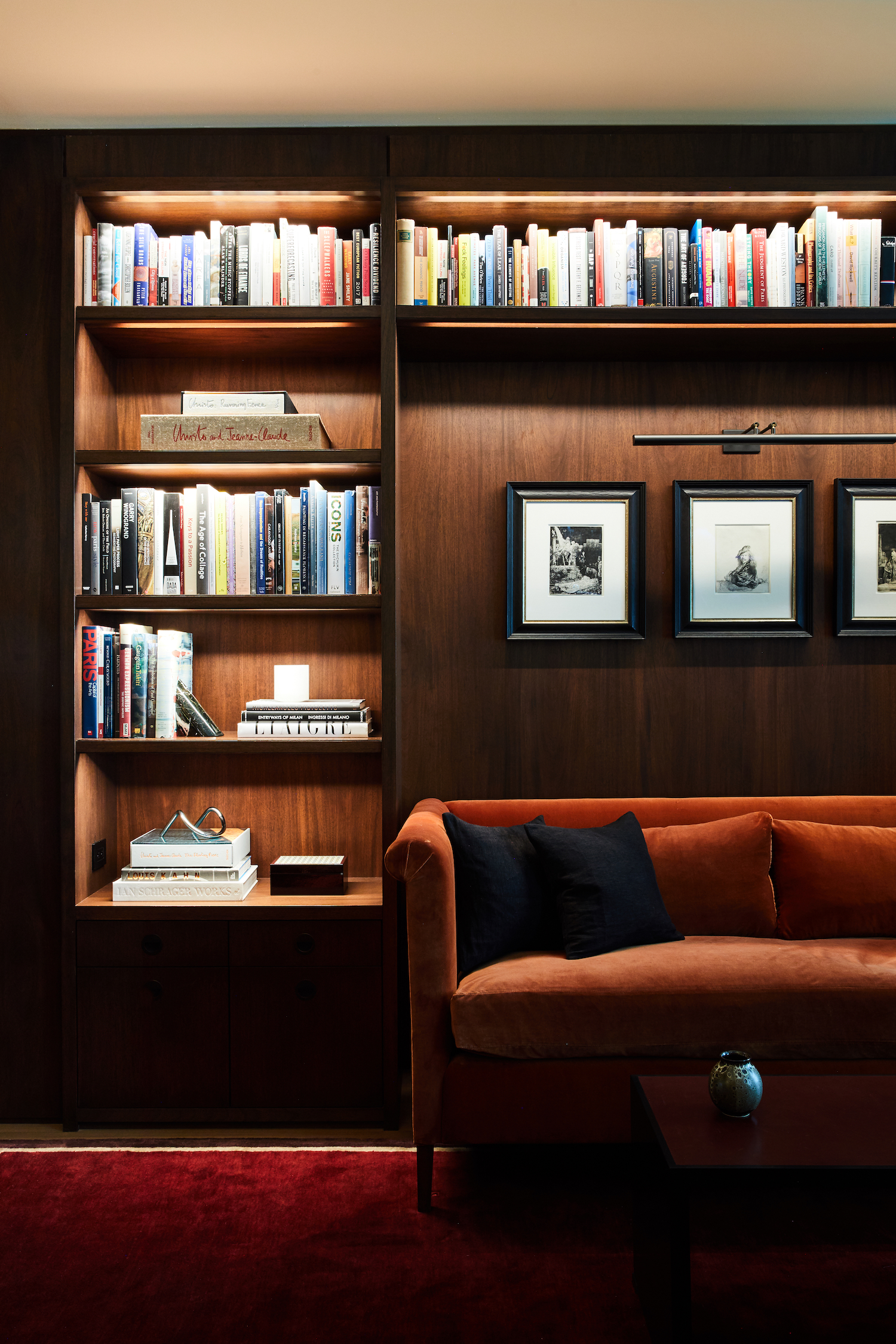
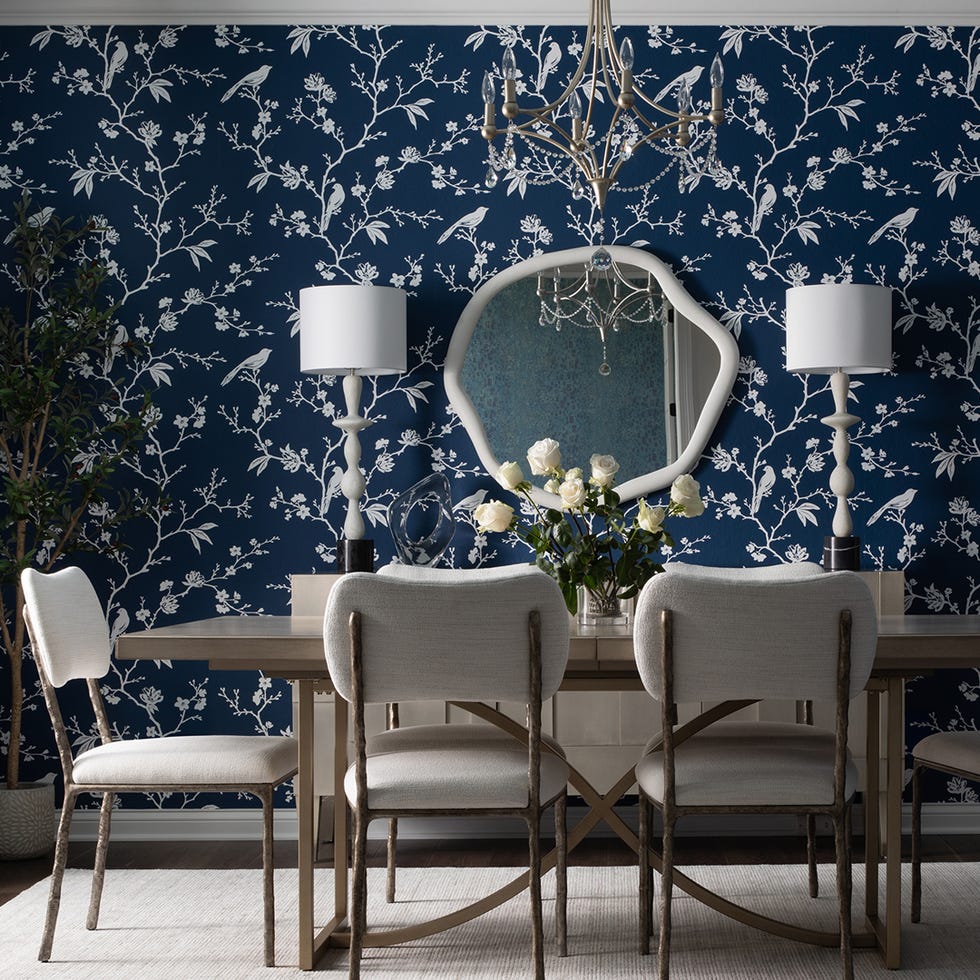
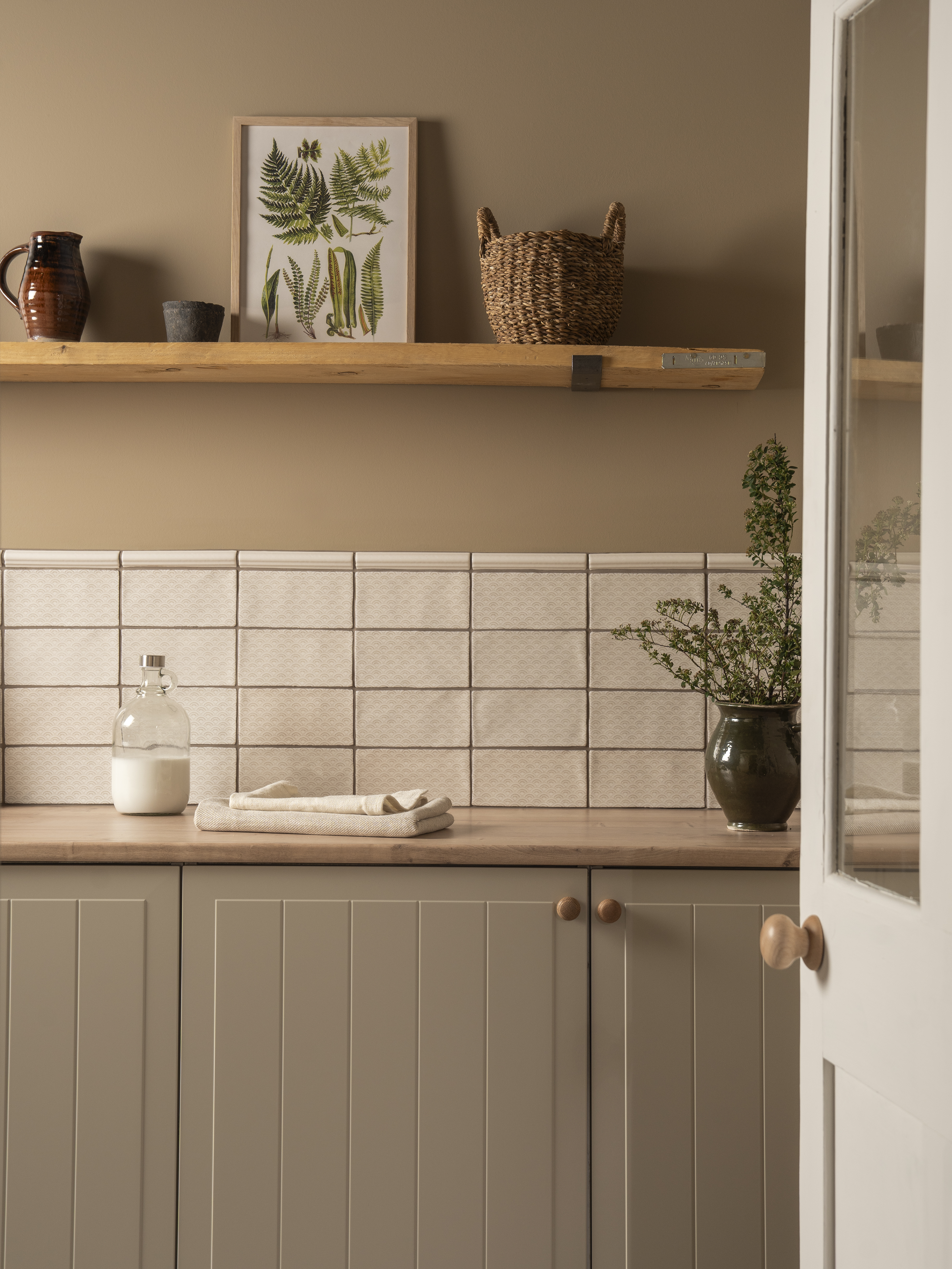
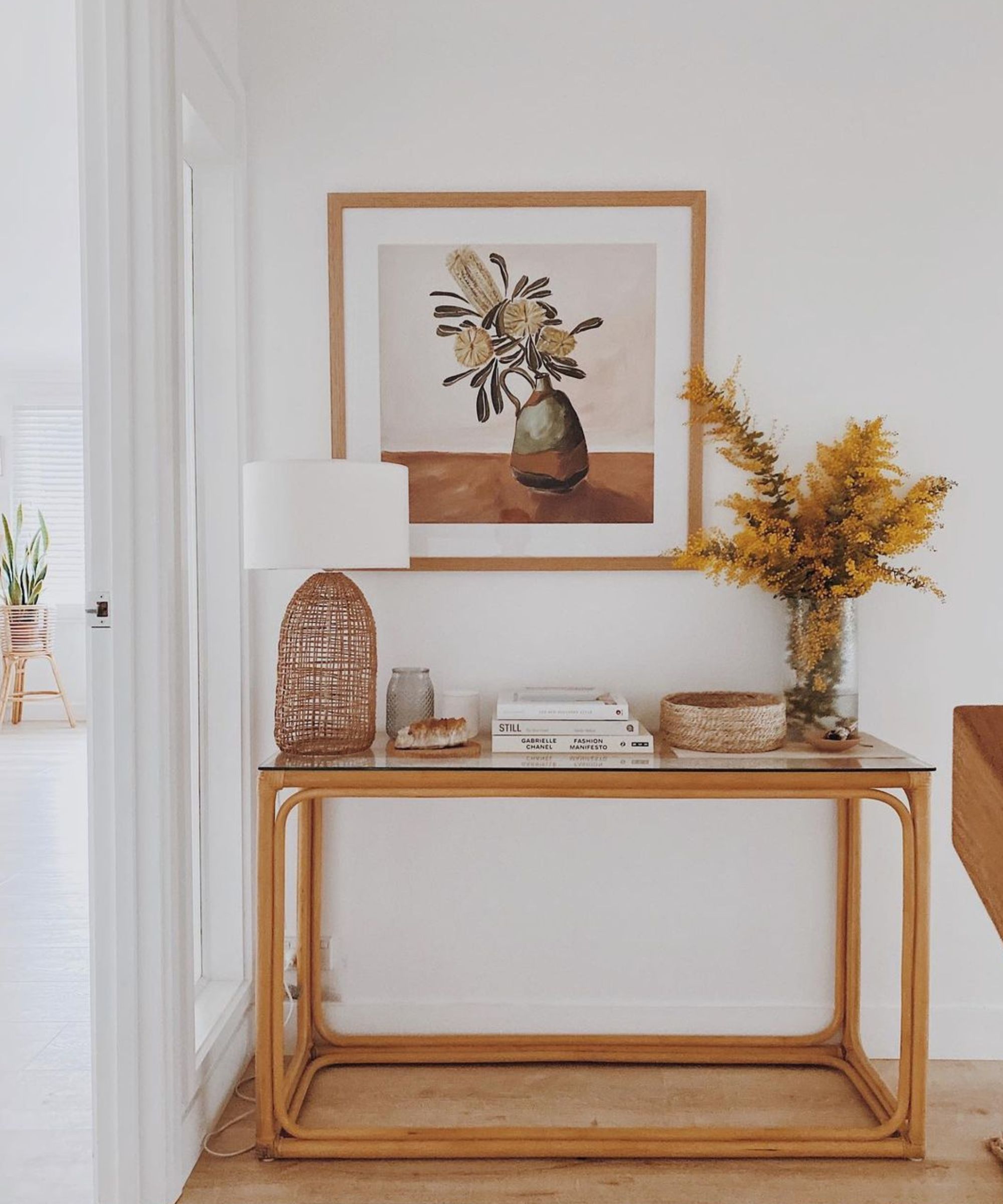
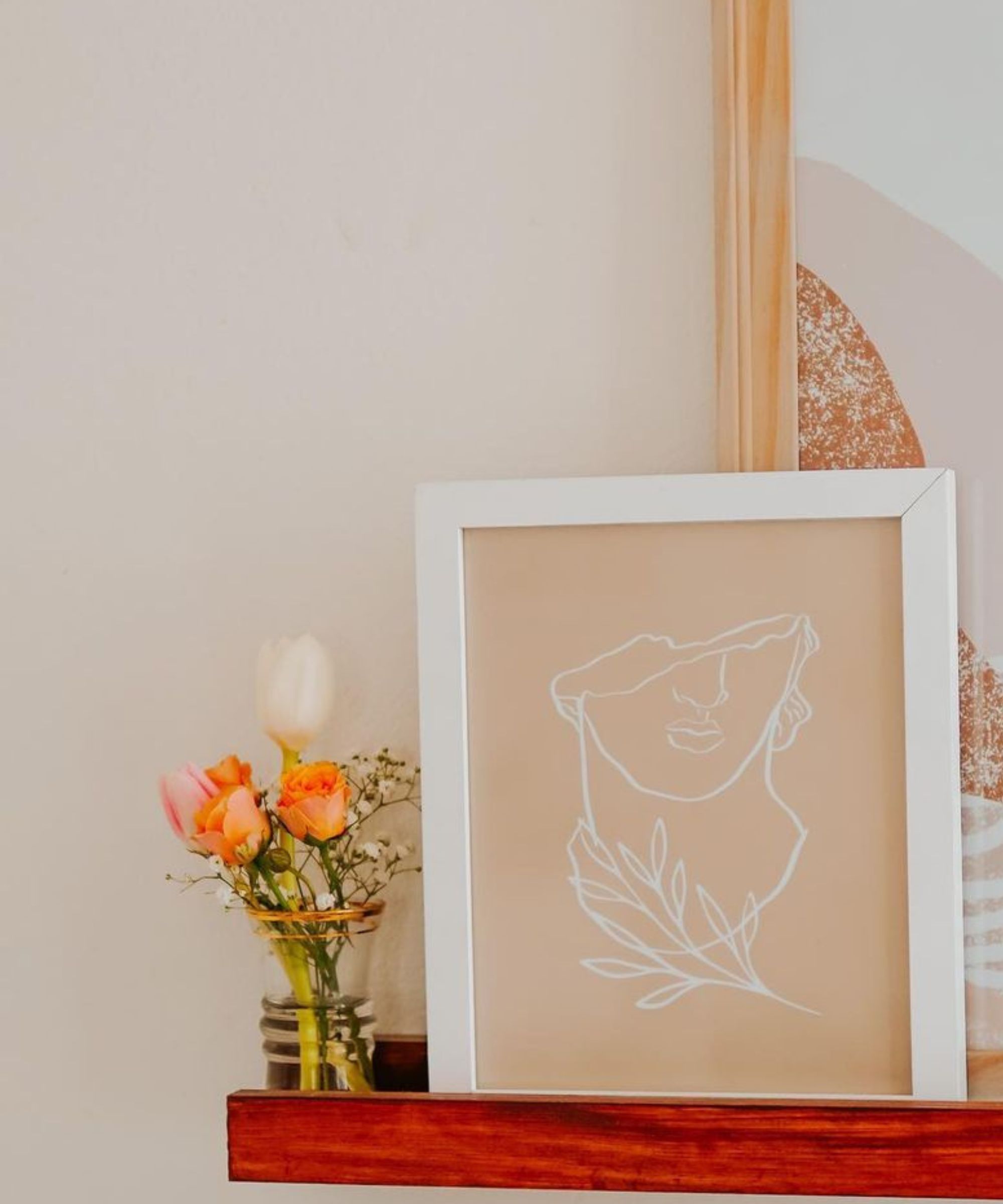
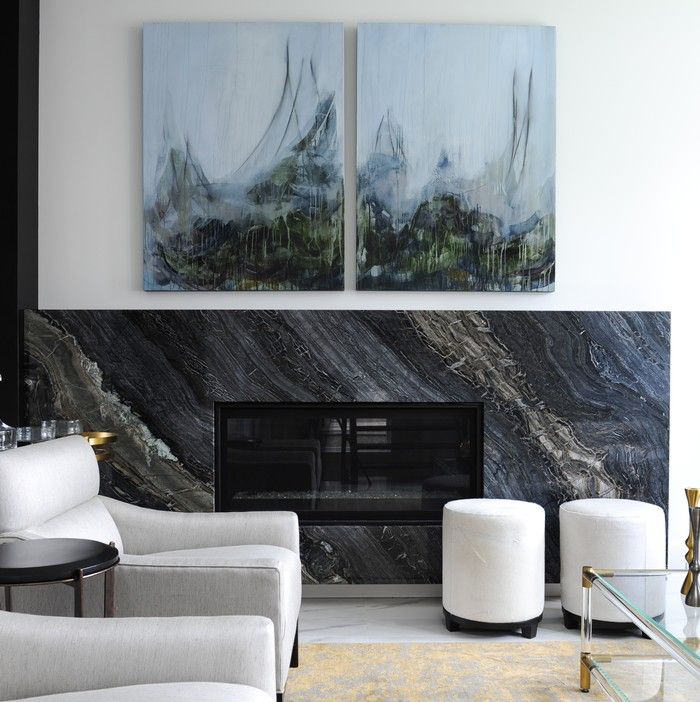
Artwork and mirrors constitute the fifth recommendation. Bare walls are noted as detrimental to a room's aesthetic, making it feel incomplete. Artwork, strategically placed where the eye naturally rests, acts as a focal point and enhances a polished appearance. Vintage paintings are often suggested to engage guests. The article advises considering the size and scale of art, whether a single large piece, a gallery wall, or a tapestry. Mirrors are presented as an alternative or complementary option, bringing in light and creating an illusion of expanded space, particularly beneficial in smaller rooms.
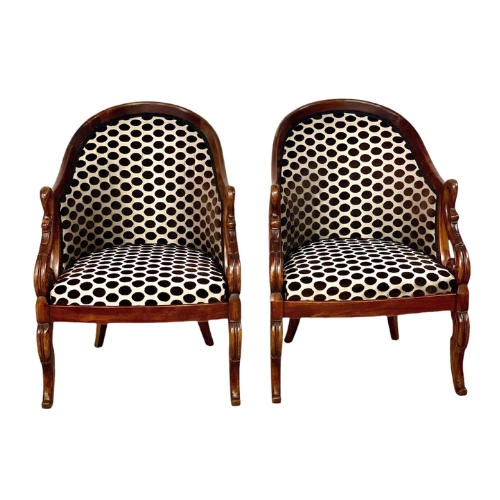
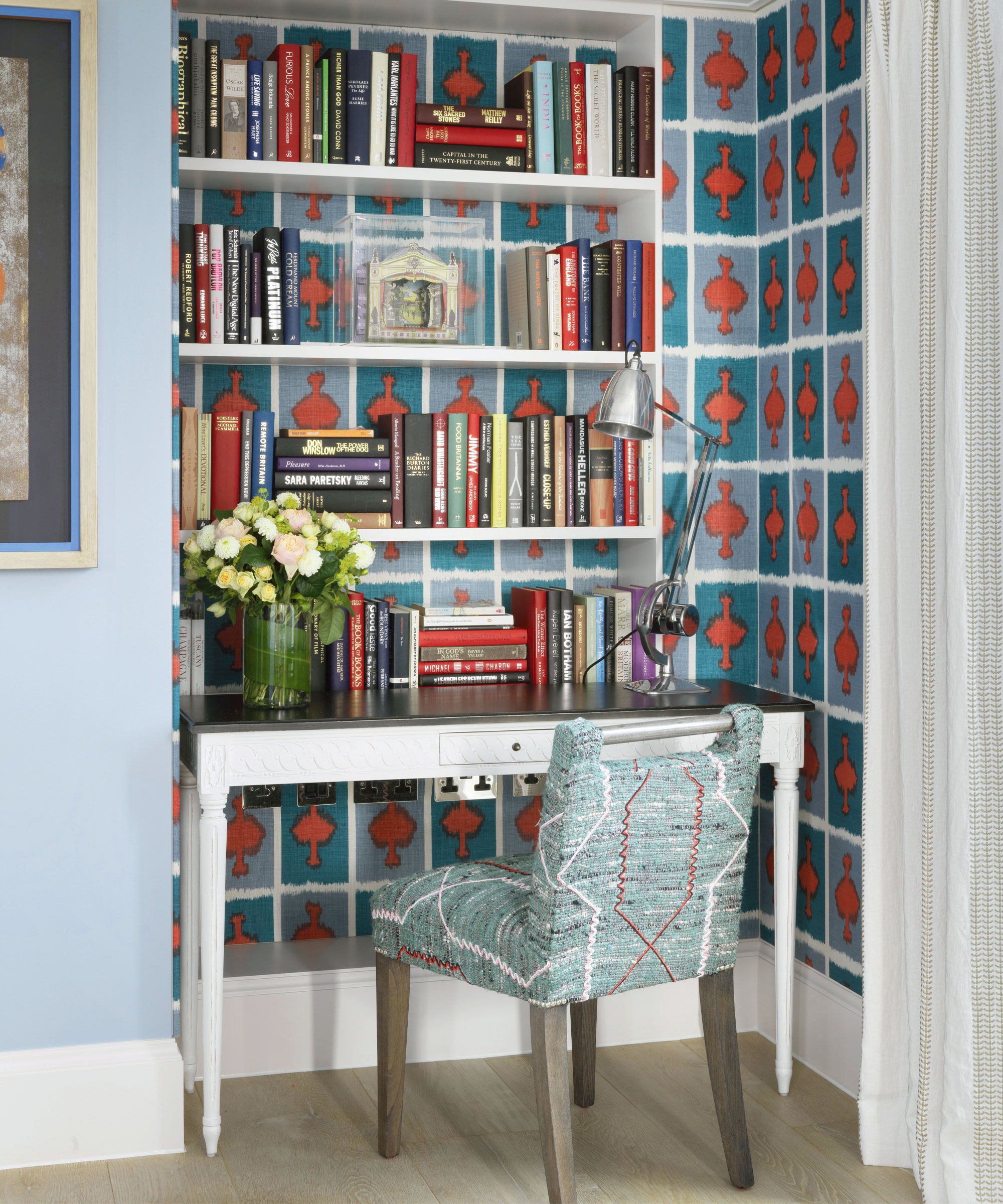
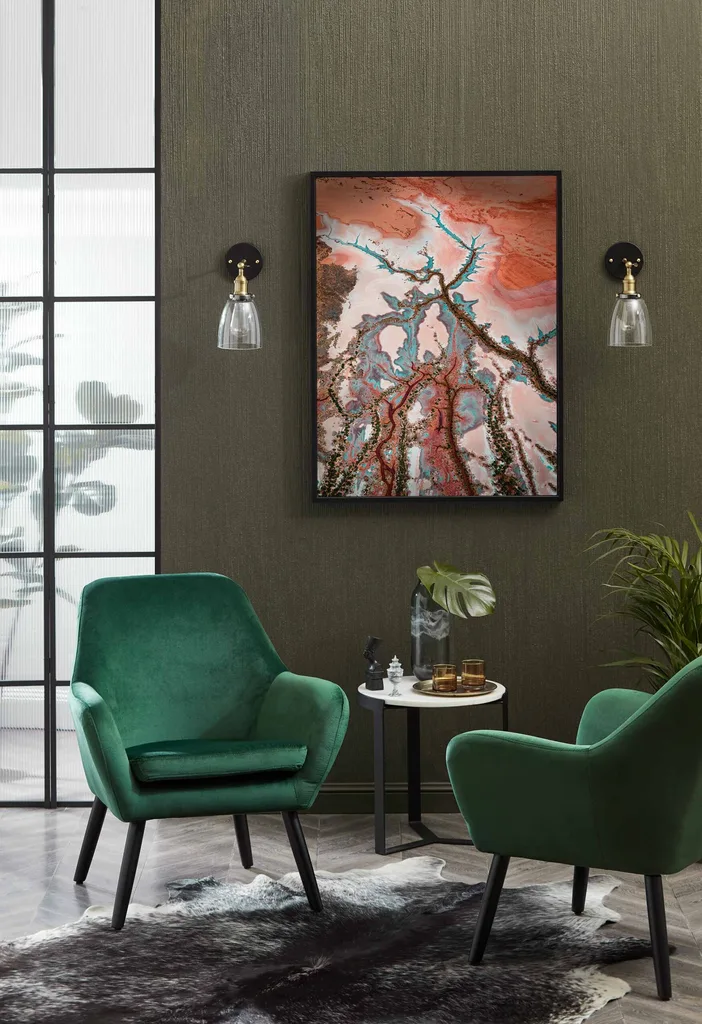
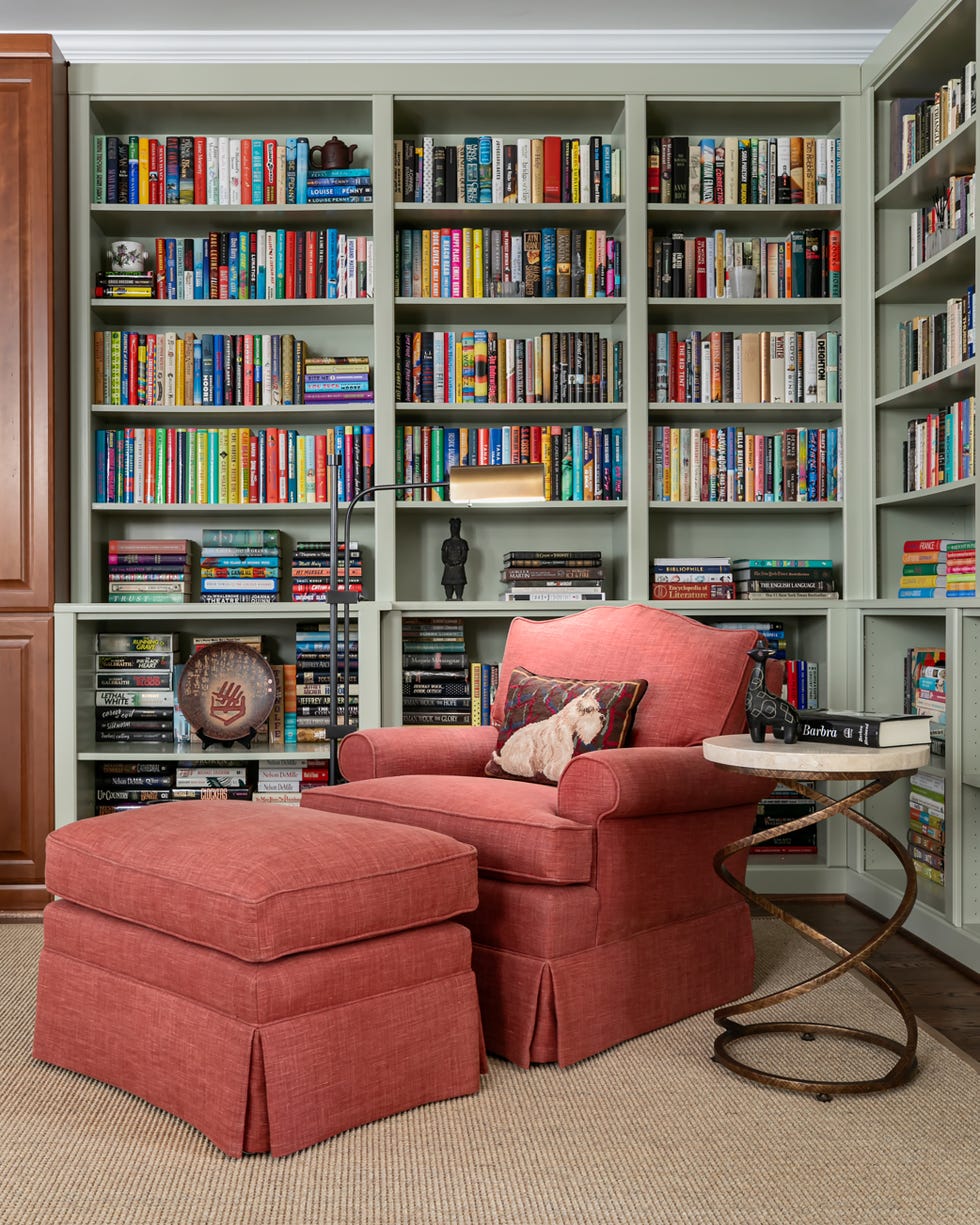
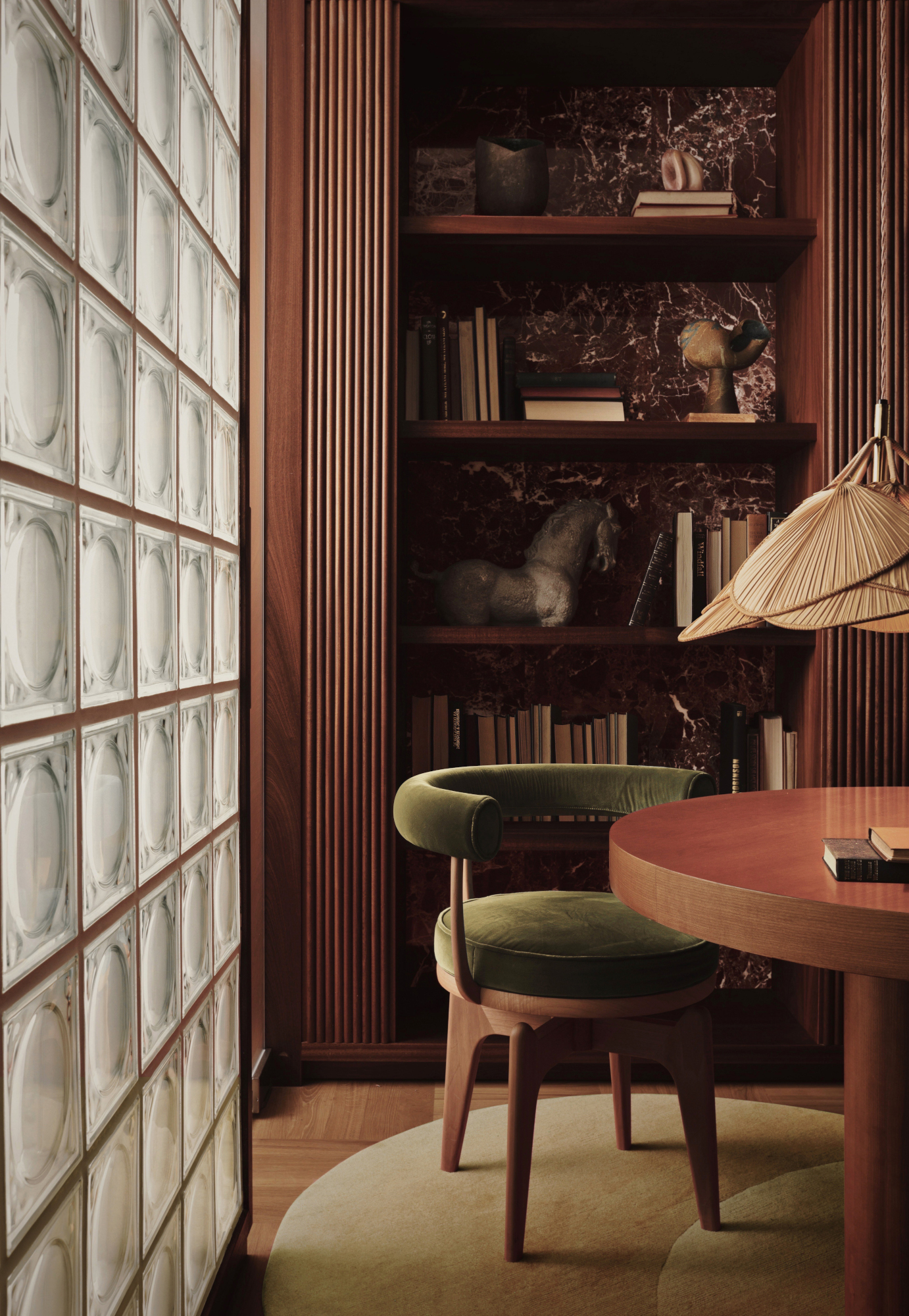
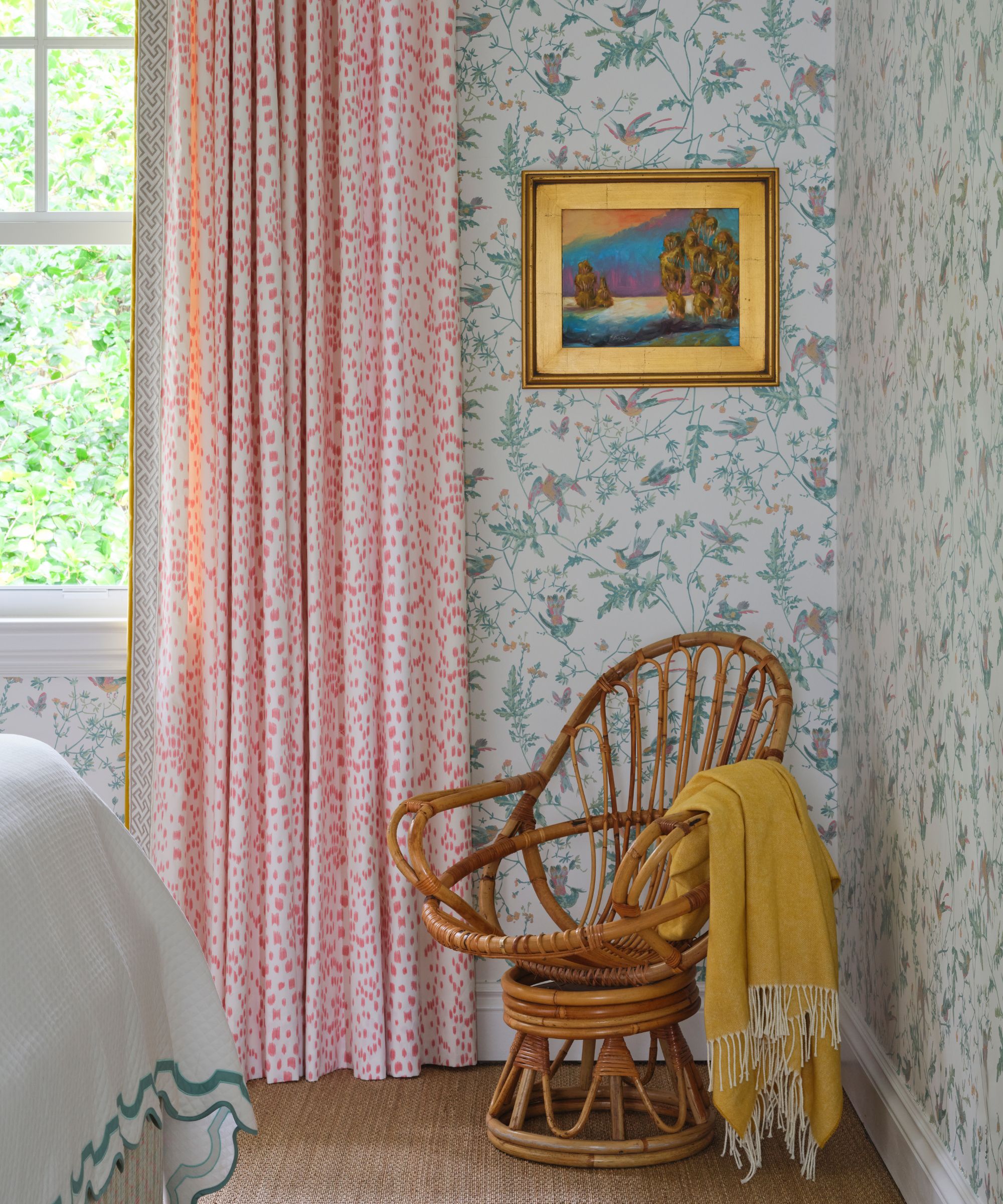
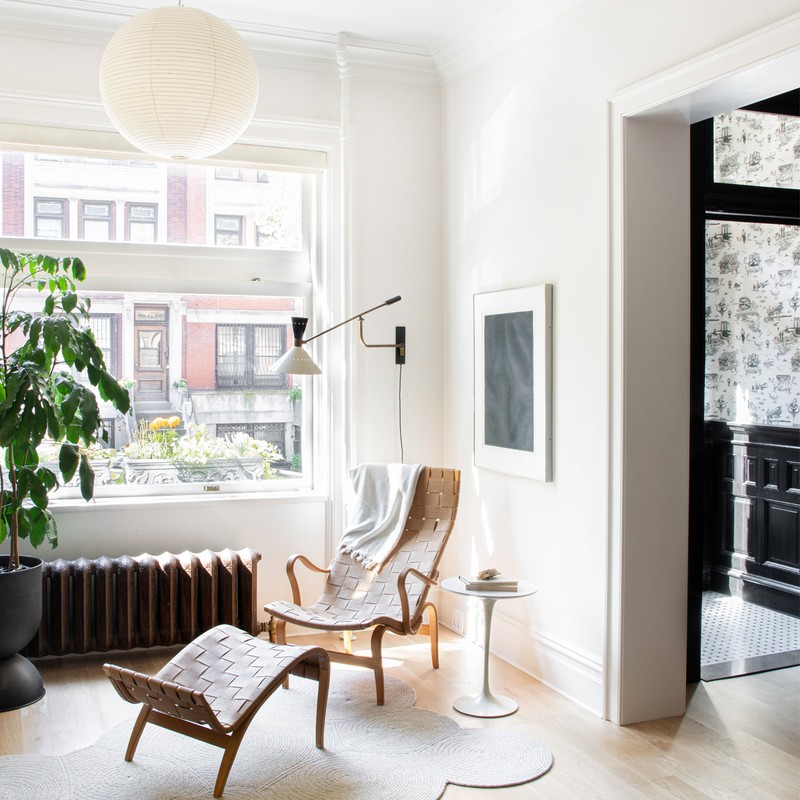
An accent chair is the sixth piece designers recommend. It offers more than just additional seating; it creates a distinctive design moment that unifies the room. The article posits that while cohesive interiors often rely on common threads, an unexpected accent chair can introduce an element of surprise and intrigue. A single, sculptural, or characterful chair can balance the room and add personality, such as a mid-century leather chair in a textile-rich bedroom or a plush, patterned armchair in a neutral living space.
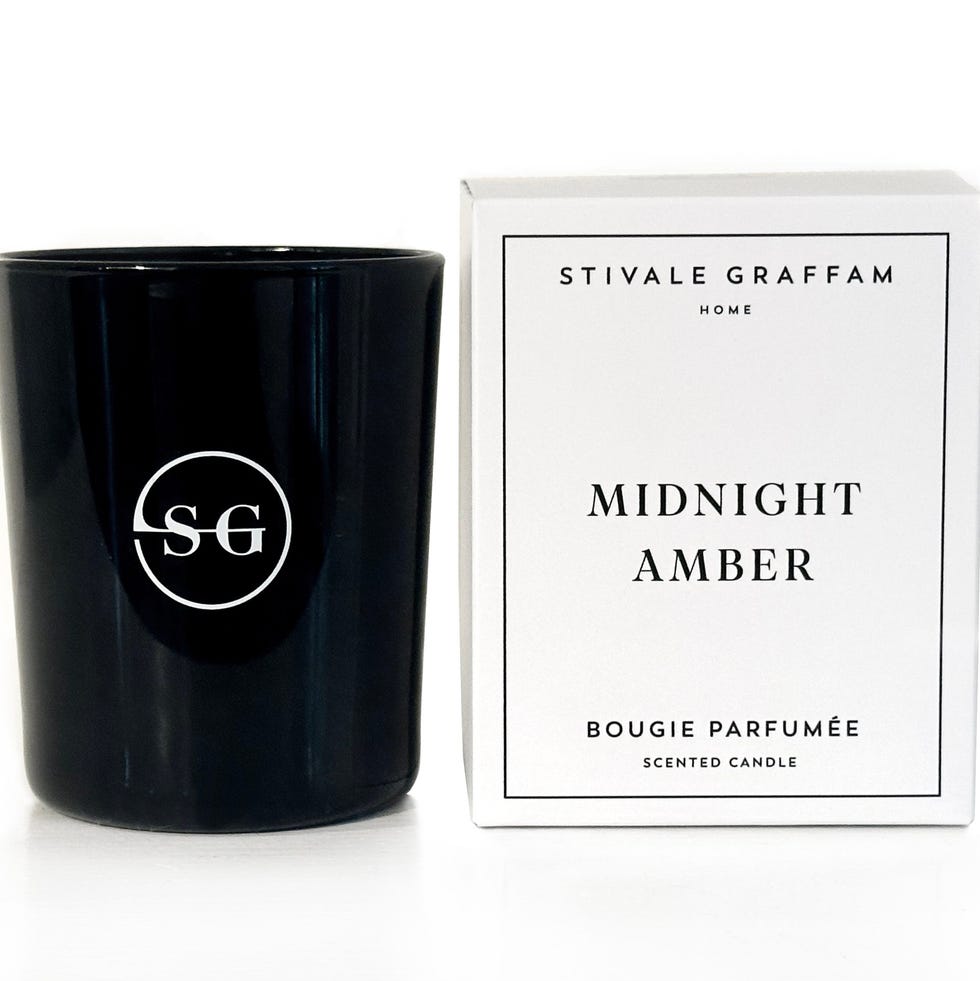
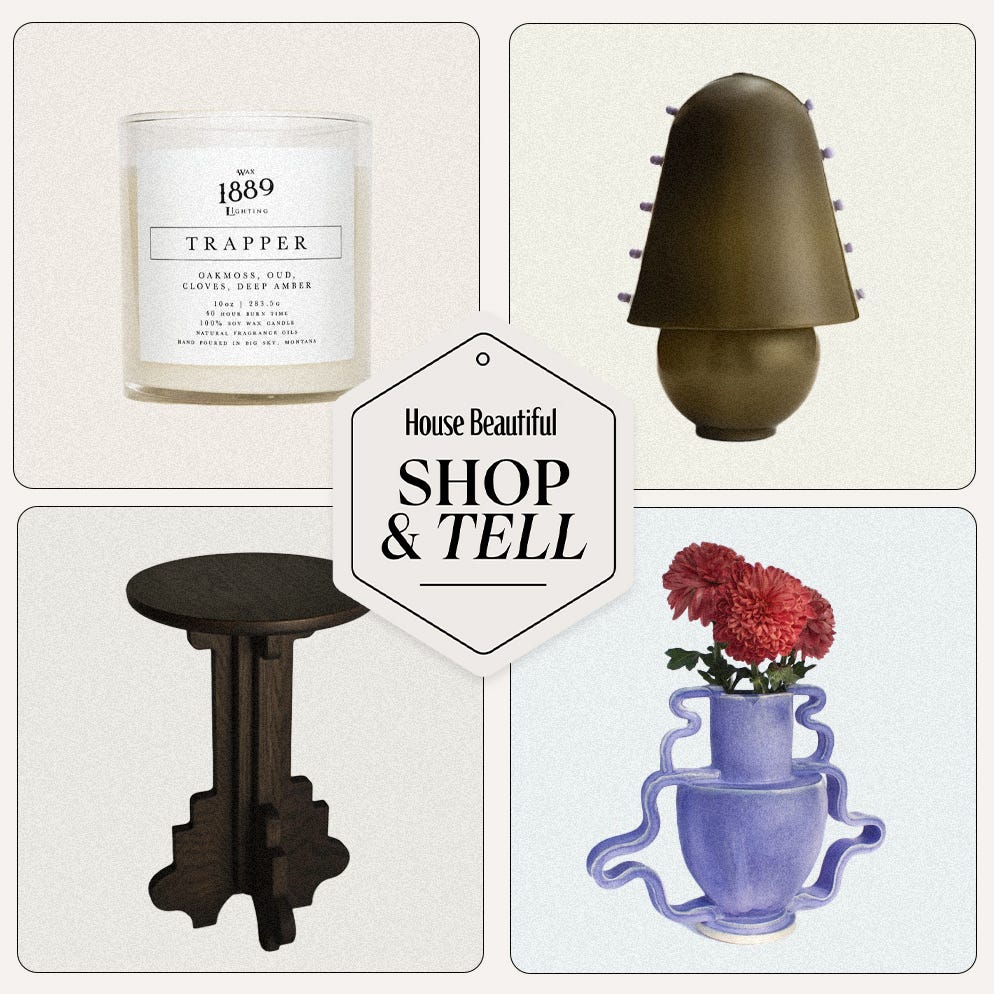
Finally, scent, though not a tangible decor item, is emphasized as the seventh and often overlooked detail that ties a room together. Designers advise clients to select a home fragrance that complements the room's mood, adding an extra layer of sensory detail. Martha Mulholland explains that a truly cohesive room is a multi-sensory experience, where fabrics feel luxurious, lighting is soft, and the air smells pleasant. Designing with all five senses in mind is presented as the ultimate art of interior design, completing the overall ambiance of the space.
#InteriorDesign #HomeDecor #DecoratingTips #AccentPieces #Textiles #AreaRugs #Antiques #LightingDesign #Artwork #HomeFragrance #InteriorDesign #HomeDecor #DecoratingTips #AccentPieces #Textiles #AreaRugs #Antiques #LightingDesign #Artwork #HomeFragrance
0 comment in total
 No comments yet
You may also like
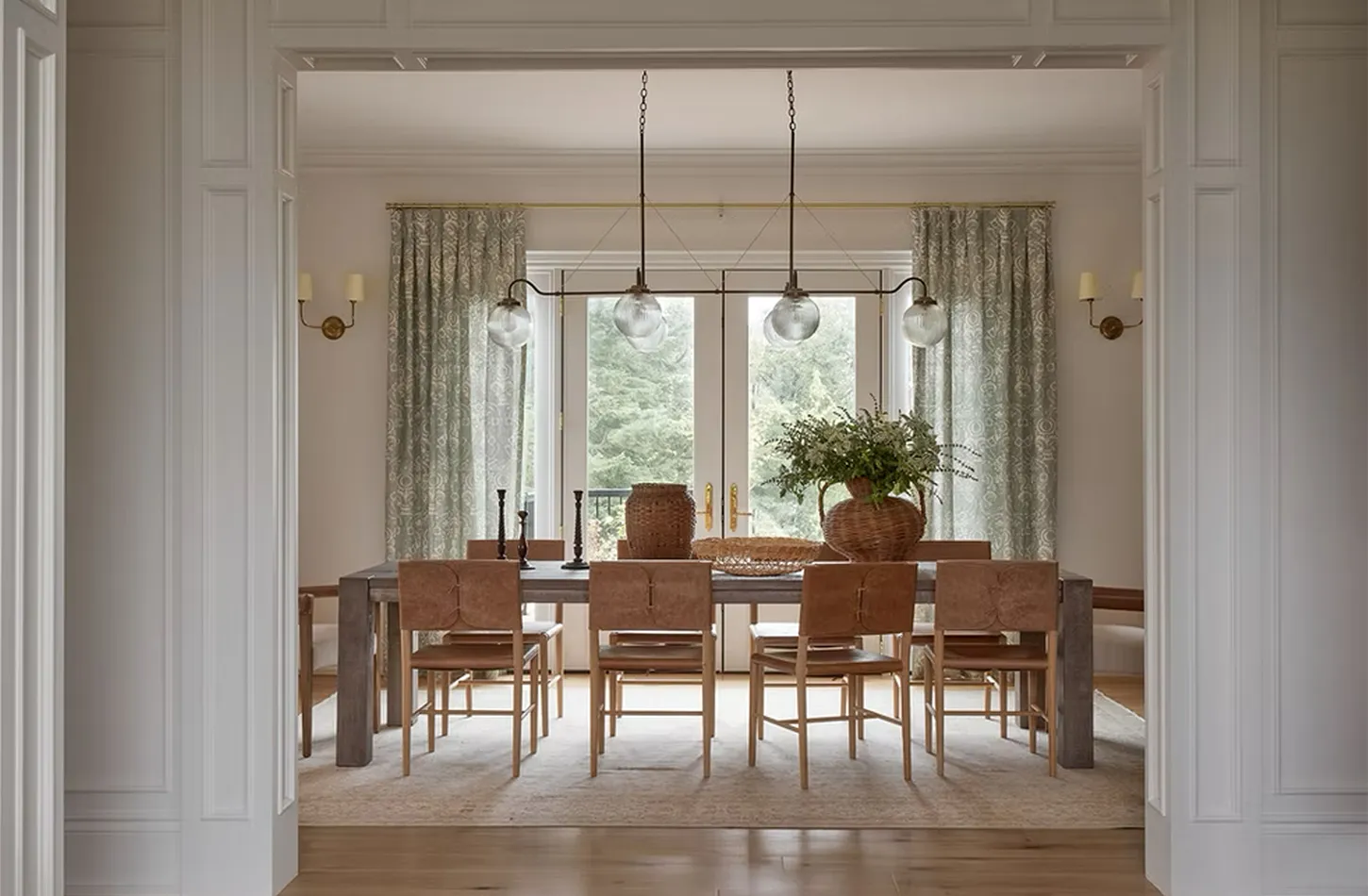
6 Underrated Designer Secrets That Instantly Make Any Room Look Better
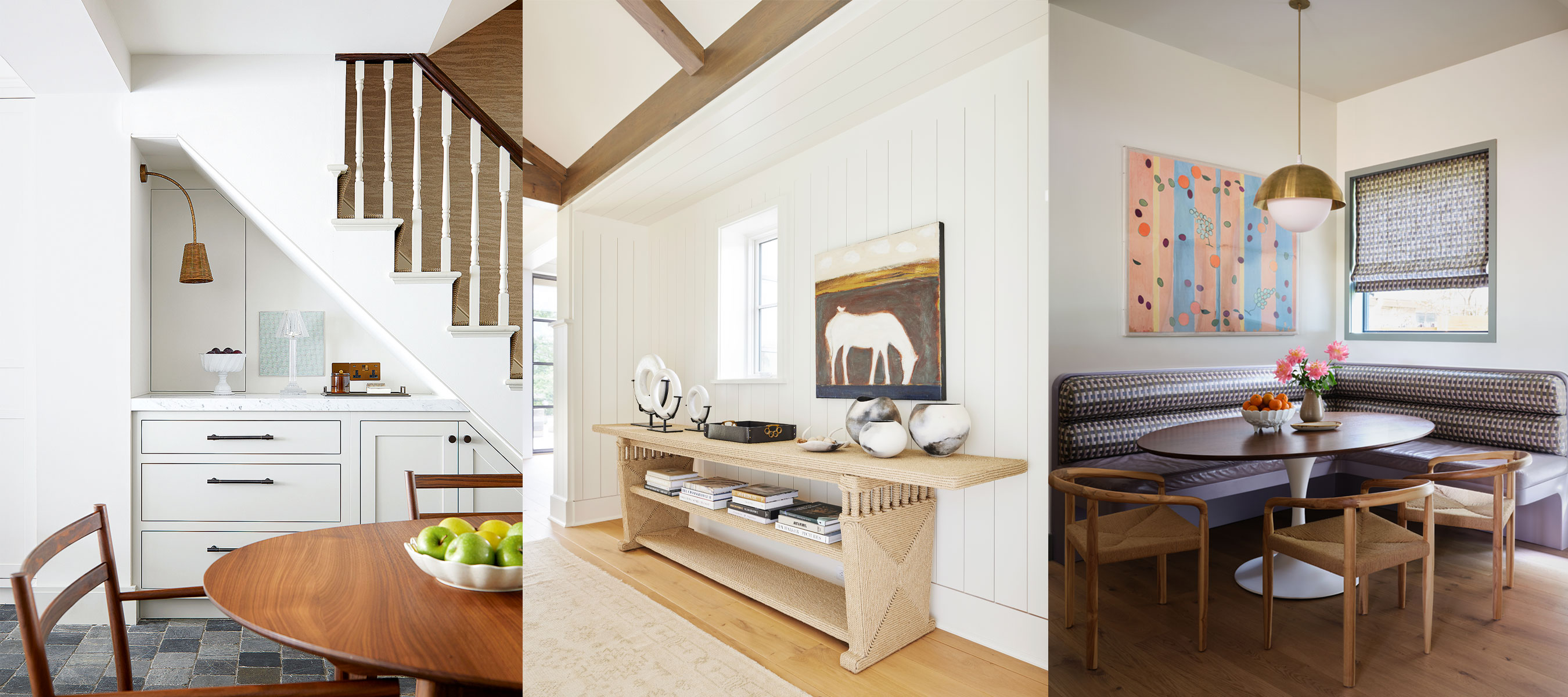
How do I fix dead space in my house? 7 transformative tips from designers

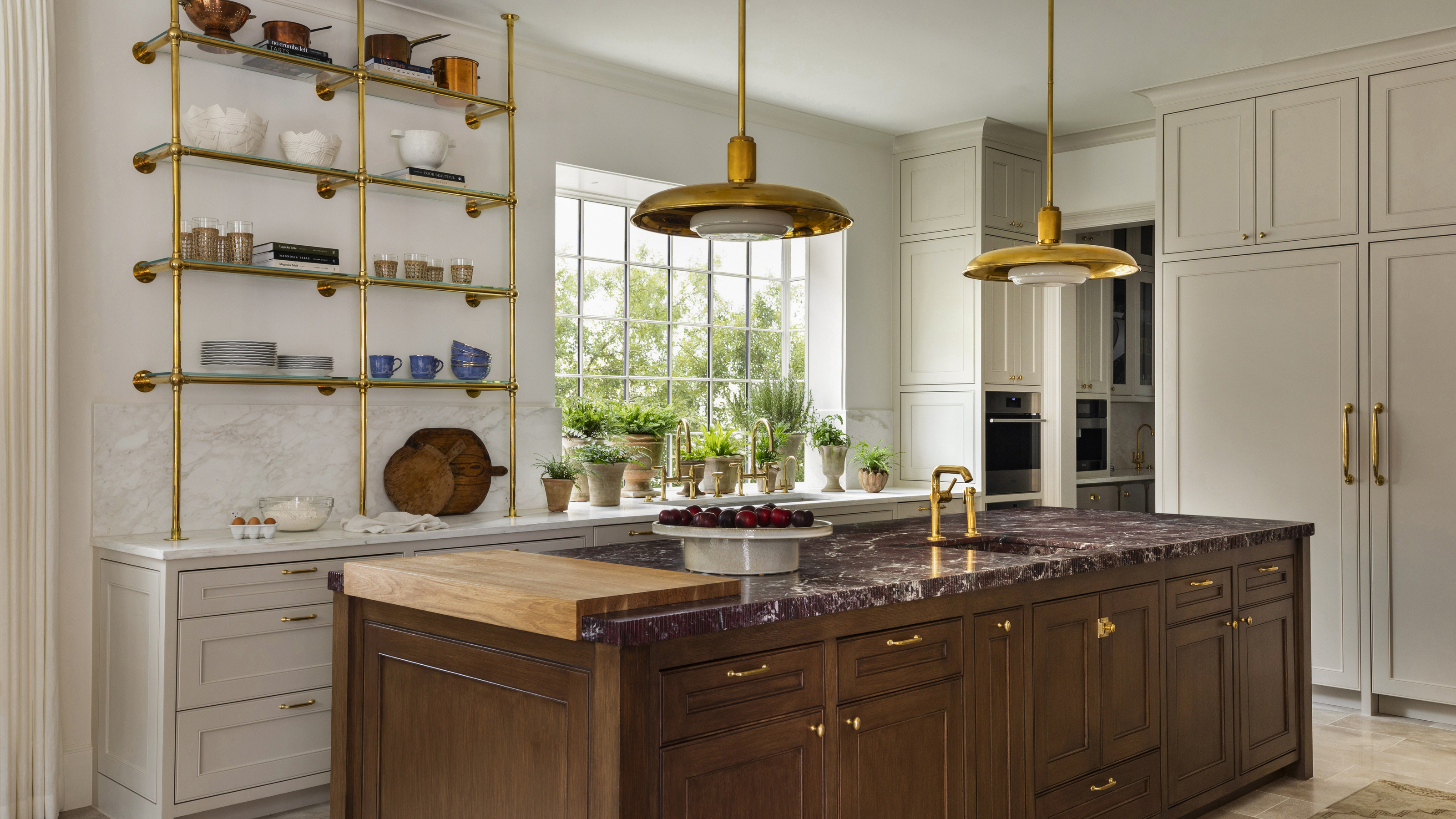
8 tiny design details you are definitely overlooking in your home that can completely elevate a space
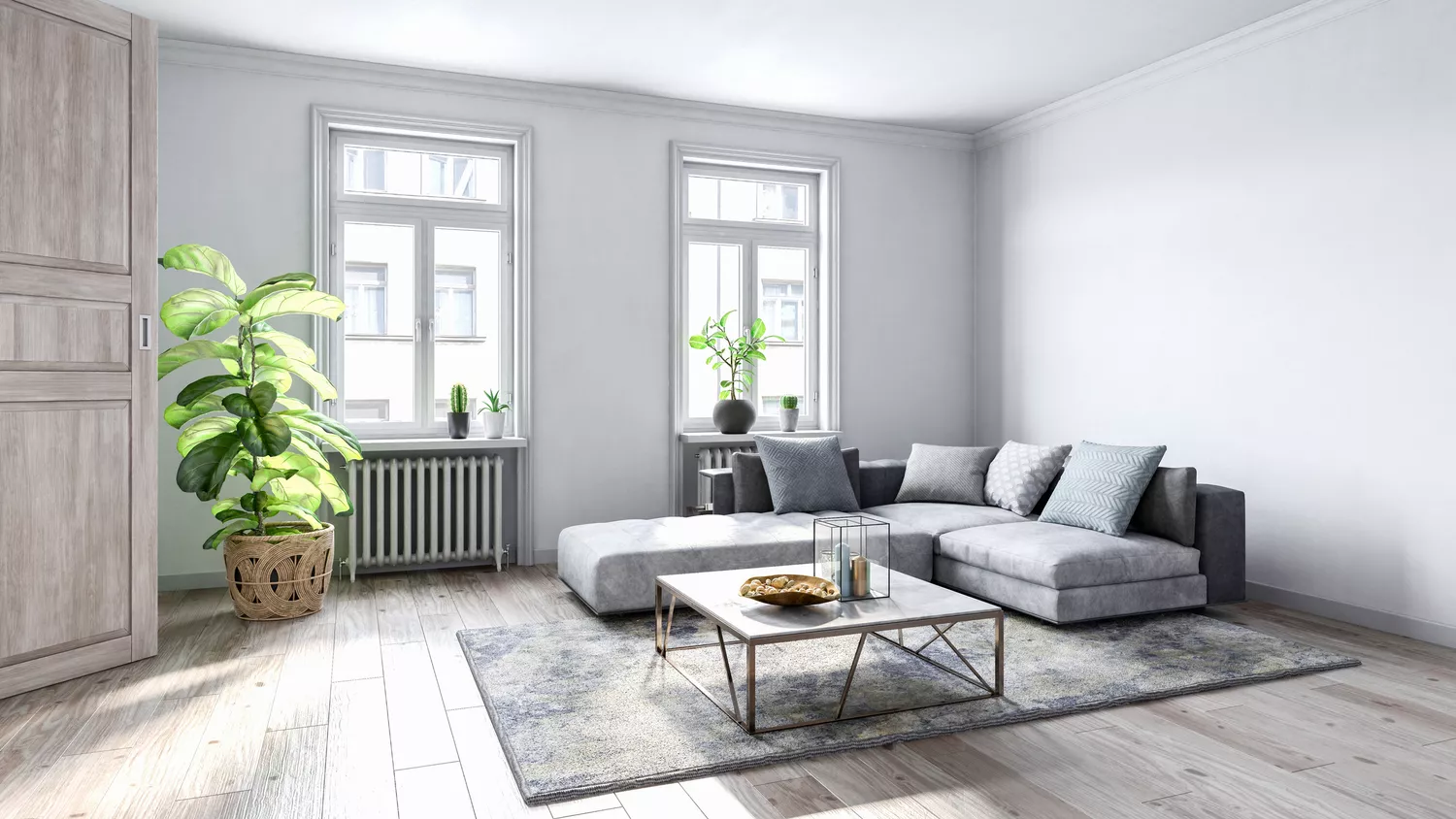
7 Things That Always Make Your Living Room Look Empty, According to Designers

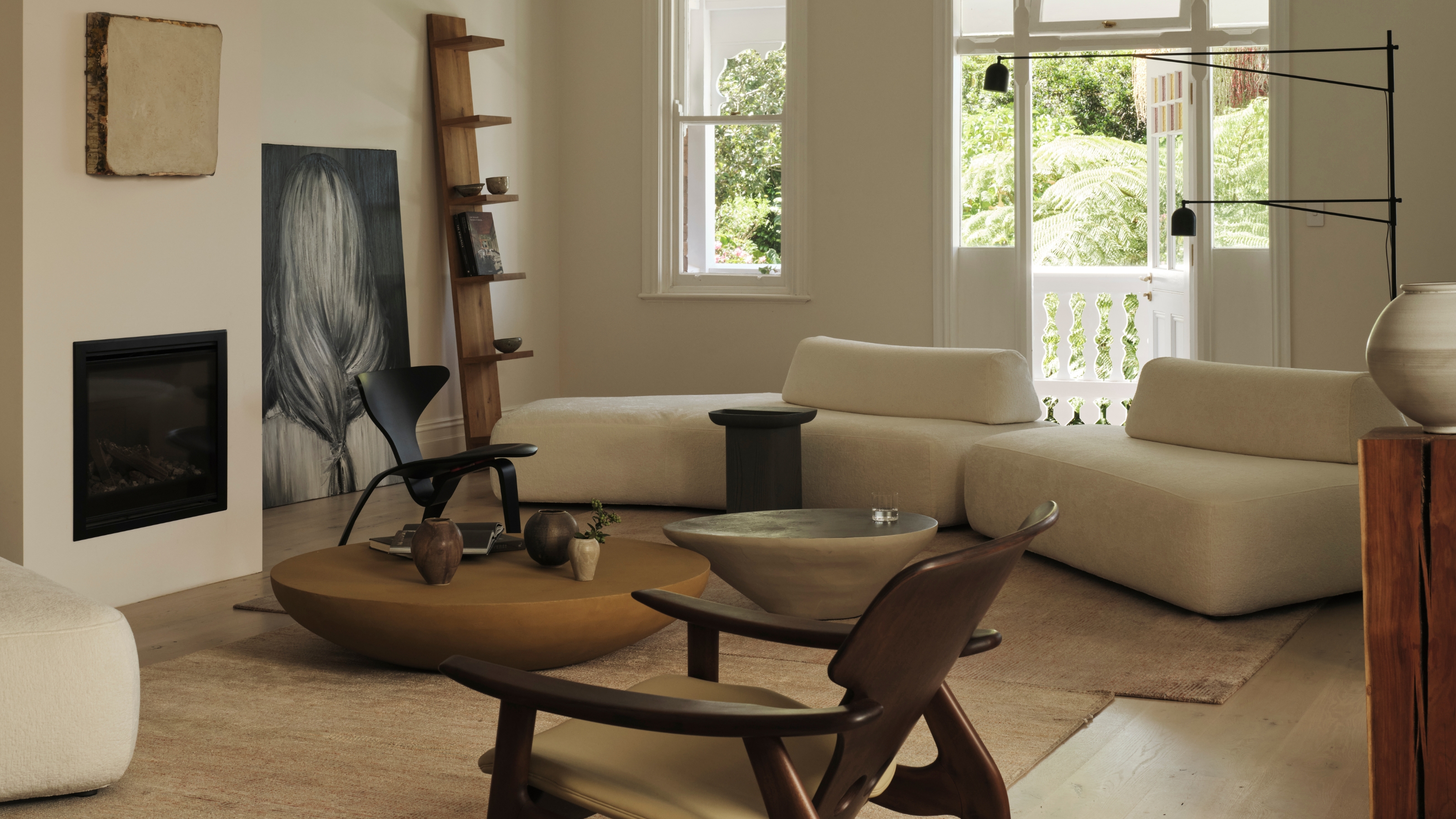
5 Things You Should Definitely Thrift for Your Living Room Styling — "A Few Pieces Add Instant Soul"

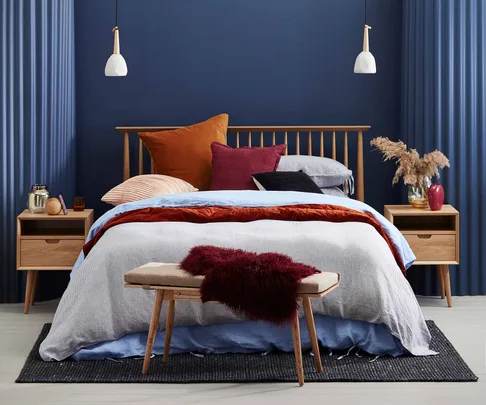
7 small space decorating ideas that make a big impact

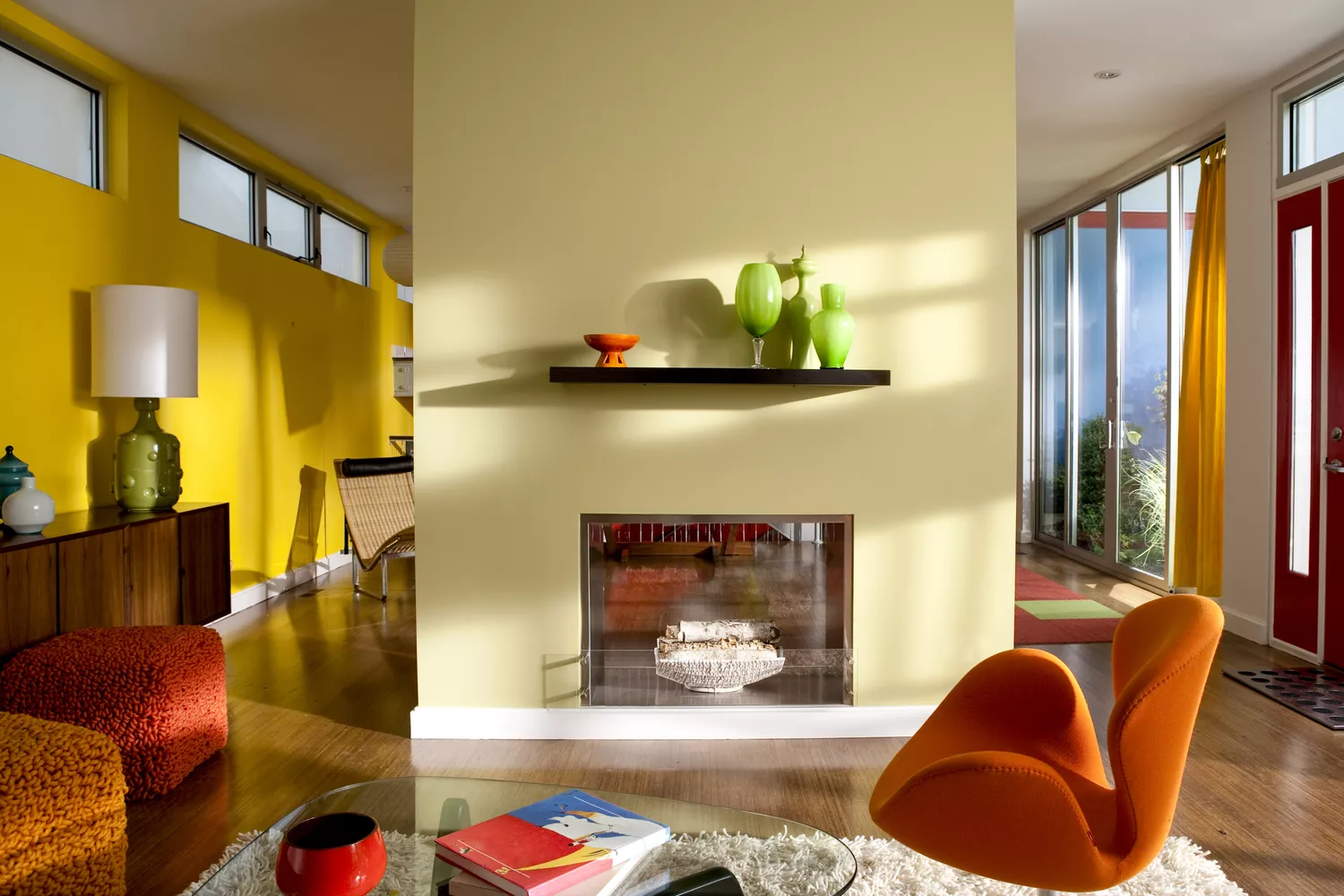
Does Your Room Feel Like It's Missing Something? Here Are 10 Designer-Approved Ways to Quickly Elevate the Space

7 Design Mistakes Interior Designers Always Notice

5 things interior designers say every living room should have in it – are you missing any?
6 Things in Your Living Room That Instantly Give Designers the Ick
23 Things Designers ALWAYS Buy for Their Homes

19 Tips From A Top Interior Designer

6 Things You Can Find in Every Stylish Room, According to Interior Designers
5 Things Interior Designers Wish You Would Do

6 thrift store finds that designers say you need to add to your bedroom
Why every room needs a statement piece — and how to choose yours

My Designer Friend Told Me This Is the Easiest Way to Make Any Room Feel Complete
Designers Have a New Clever Shortcut To Make Rooms Look More Rich — 5 Spaces That Nail the Look
7 things interior designers never have in small living rooms

Designers Agree: These Are the Finishing Touches Every Room Needs