1/5
5 Things Interior Designers Wish You Would Do
This article provides insights into interior designers' unspoken advice and expectations for their clients, aiming to foster more successful and less stressful decorating projects. The main points are derived from professionals at Decorating Den Interiors, a collective of design firms across the U.S.
The first piece of advice is to manage expectations regarding reality TV design shows. Designers note that these shows often misrepresent the timeline, effort, and true costs involved in a renovation. Camila Gusmao, a designer from Plantation, Florida, emphasizes that while transformations are achievable, the shows fail to convey the extensive design work, material procurement, delivery, fabrication, and installation costs that go beyond the on-screen price tag of items like countertops. This can lead to clients experiencing 'sticker shock' when confronted with real-world project expenses.
The second crucial tip is for clients to be upfront and honest about their budget. Donna Rich, owner of DL Rich Designs in Maryland, highlights budget transparency as the most common impediment between clients and designers. Barbara Hayman, from Barbara Hayman Designs in Orlando, Florida, reinforces this by stating that knowing the client's budget, even if unrealistic, allows the designer to explain what is feasible. Designers anticipate educating clients about current costs, especially those who haven't redecorated in years, as prices have significantly increased. Clients often keep their finances private, but designers need this information early to curate projects effectively based on vision and investment level.
Thirdly, the article advises against treating a designer as a mere personal shopper. Suzan Wemlinger of Suzan J Designs in Milwaukee explains that her role extends far beyond simply finding specific items a client might have in mind from sources like Pinterest. While client input and inspiration boards are valued, designers contribute their expertise in function, size, and scale to create cohesive and practical designs that cannot be achieved by simply replicating images. She emphasizes that designers possess a unique 'superpower' in transforming spaces comprehensively.
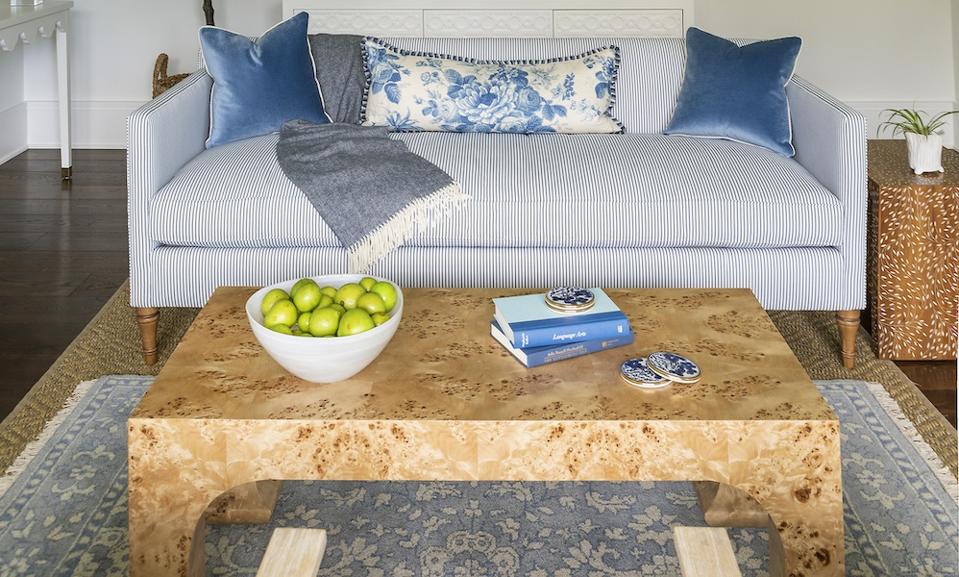
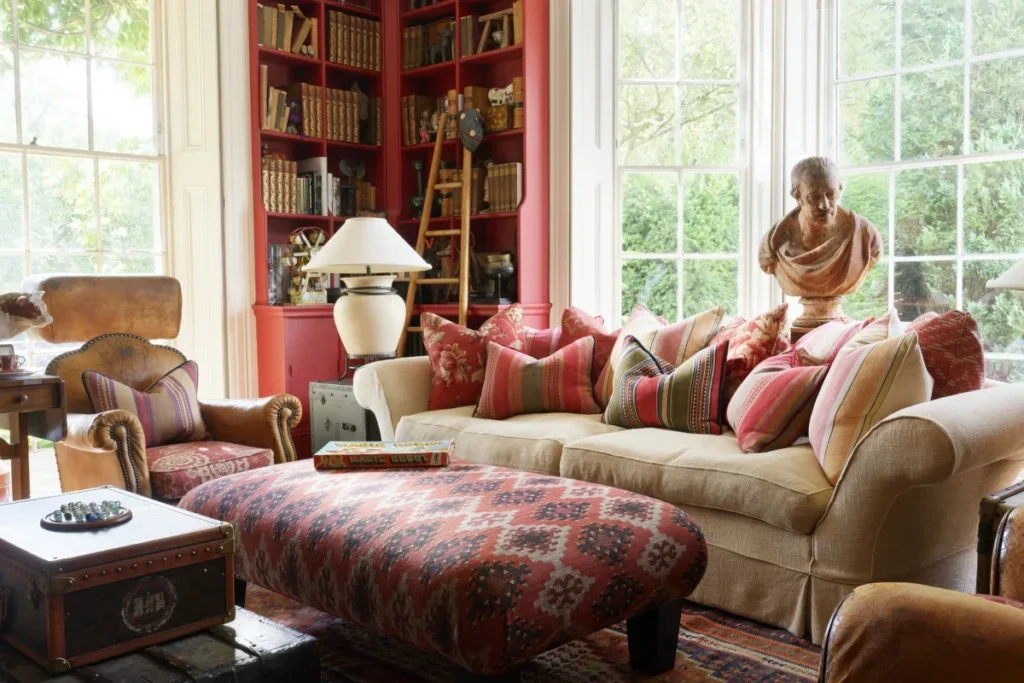
Fourth, clients are encouraged to incorporate beloved 'old' items into their new decor. Jan Bertin, owner of Bertin’s Interiors in Alexandria, Virginia, assures clients that designers are open to integrating personal pieces to make a home feel more authentic and happier for its occupants. She shares an anecdote where an old copper tray was transformed into a stunning, perfectly sized coffee table, demonstrating how a professional eye can see new potential in existing furnishings. This approach prioritizes sentimental value and personal connection over completely replacing everything.
Finally, the article underscores the importance of trust and cultivating it between clients and designers. Barbara Hayman explains that trust is fundamental to the design process, especially with clients who may be absent for extended periods. This trust extends beyond the design choices to the value the designer brings and the willingness of the client to step outside their comfort zone. Hayman believes that a deep personal understanding of a client's personality, dreams, and fears is where the 'magic happens,' leading to a home that serves as a sanctuary and source of well-being. Openness and vulnerability from the client contribute significantly to achieving truly great and personalized design outcomes.
#InteriorDesign #ClientRelationships #BudgetTransparency #DesignExpectations #DecoratingTips #DesignerClientMindMeld #HomeRenovation #InteriorDesign #ClientRelationships #BudgetTransparency #DesignExpectations #DecoratingTips #DesignerClientMindMeld #HomeRenovation
0 comment in total
 No comments yet
You may also like
19 Tips From A Top Interior Designer

5 interior designers on the styles they will love forever

I'm an interior designer – these are 5 mudroom design rules I swear by
Interior designers share the 9 trends they wish they saw more of in homes
5 things interior designers say every living room should have in it – are you missing any?

Interior Designers Share Their Best Traditional Design Tips

6 Underrated Design Ideas Interior Designers Want You to Try in Your Own Home

5 golden rules of home décor from an Irish interior designer

5 interior design regrets experts are always called in to fix
5 Decor Items Worth Reconsidering, According to Designers
I'm an Interior Designer — These Are the 5 Lessons I Learned When Designing My Own Home
"I'm an interior designer – I think these 5 millwork trends will make your home look like a million dollars"
5 Home Decorating Rules Interior Designers Think You Should Break
10 Habits Interior Designers and Architects Want You to Adopt in Your 2026 Renovations

The best interior designers
5 Kitchen Renovations Designers Wish Their Clients NEVER Asked for Again


Read This If You Want To Be an Interior Designer
10 Renovations Designers Want to See You Make in 2025

I Asked Interior Designers: 'How Do You Ensure a Room Isn't Boring?' These Are Their 5 Top Tips
Interior designers share the 6 best and 5 worst things to add to your rental space