1/15
I Asked Interior Designers: 'How Do You Ensure a Room Isn't Boring?' These Are Their 5 Top Tips
The article explores how to prevent interior design from becoming "boring" by incorporating character and personality into spaces, moving beyond transient trends. Monica Santayana, co-founder of MONIOMI Design, emphasizes that predictability is detrimental to interesting design, advocating for spaces that evoke feelings of joy, nostalgia, or curiosity. Designers are encouraged to stay true to their personal preferences rather than strictly following current trends.
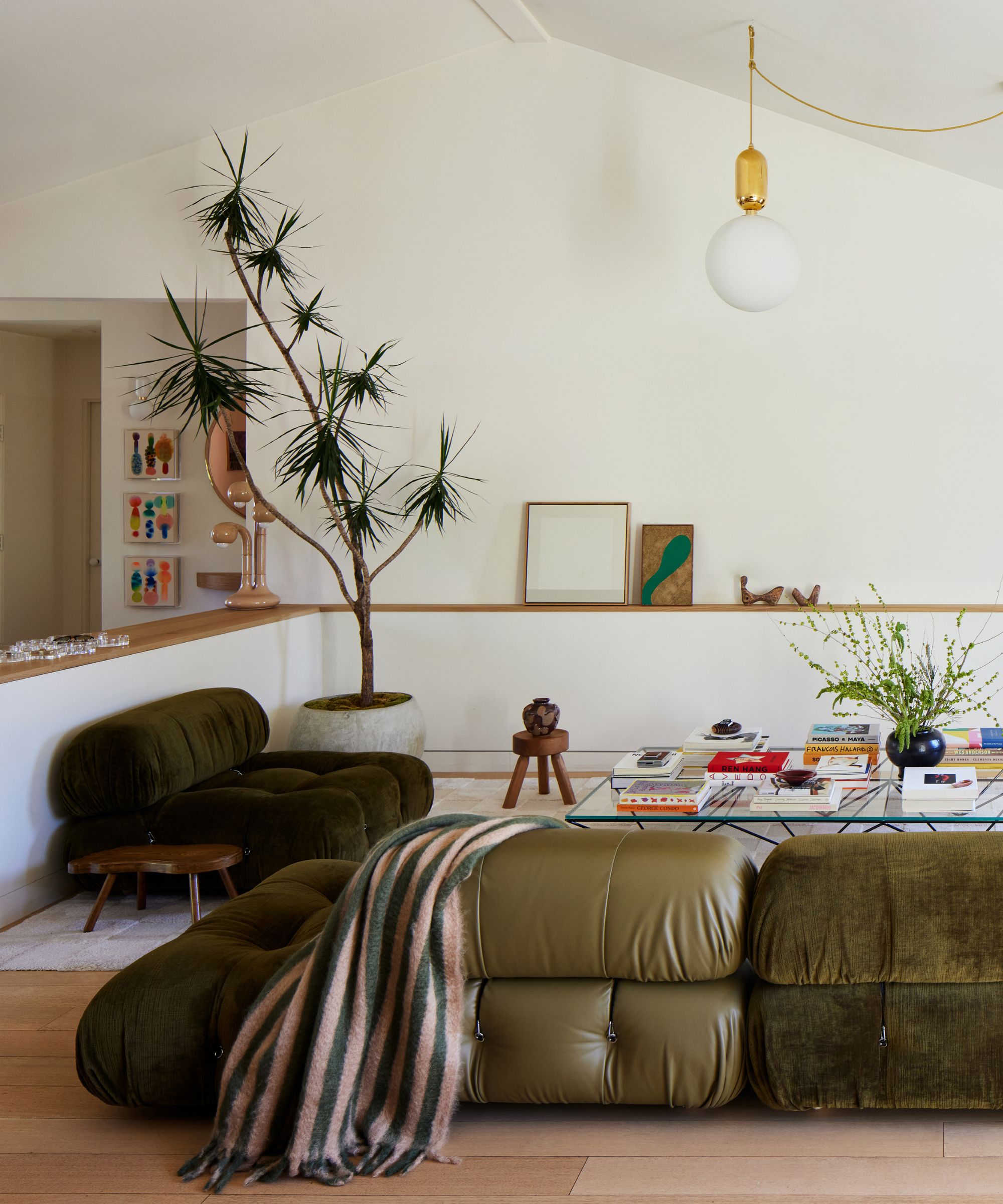
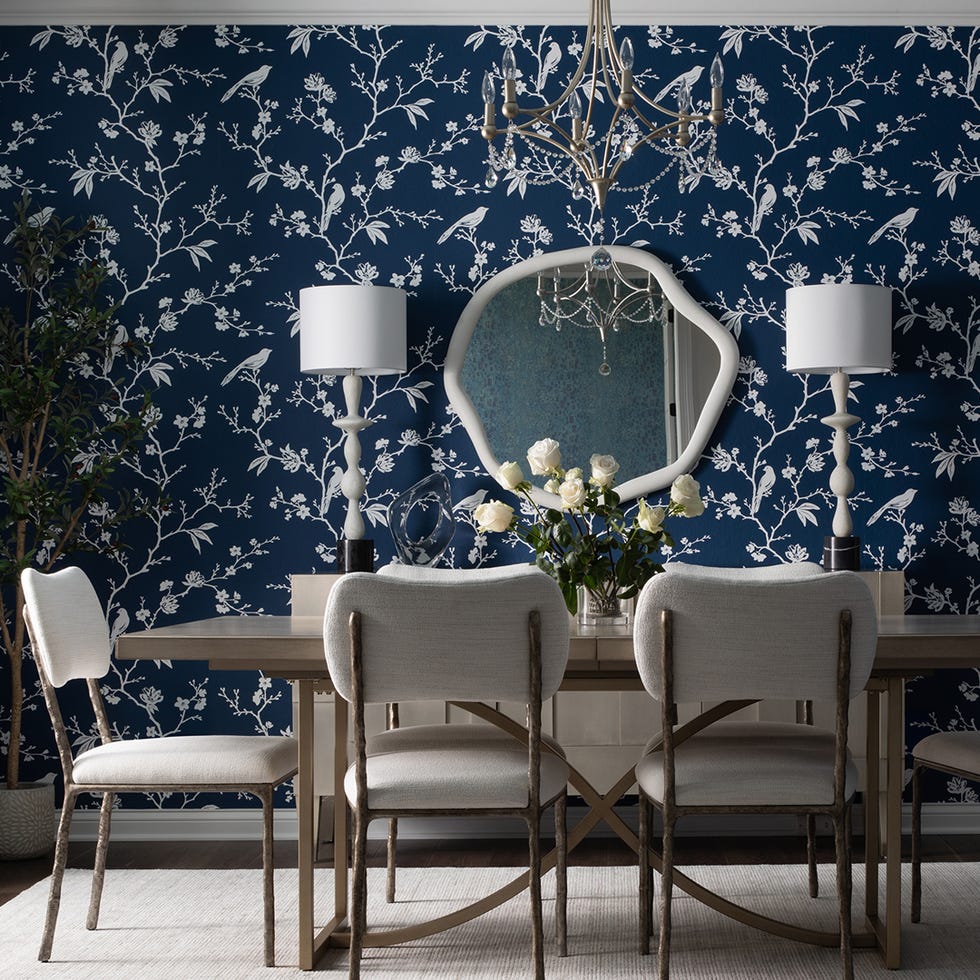
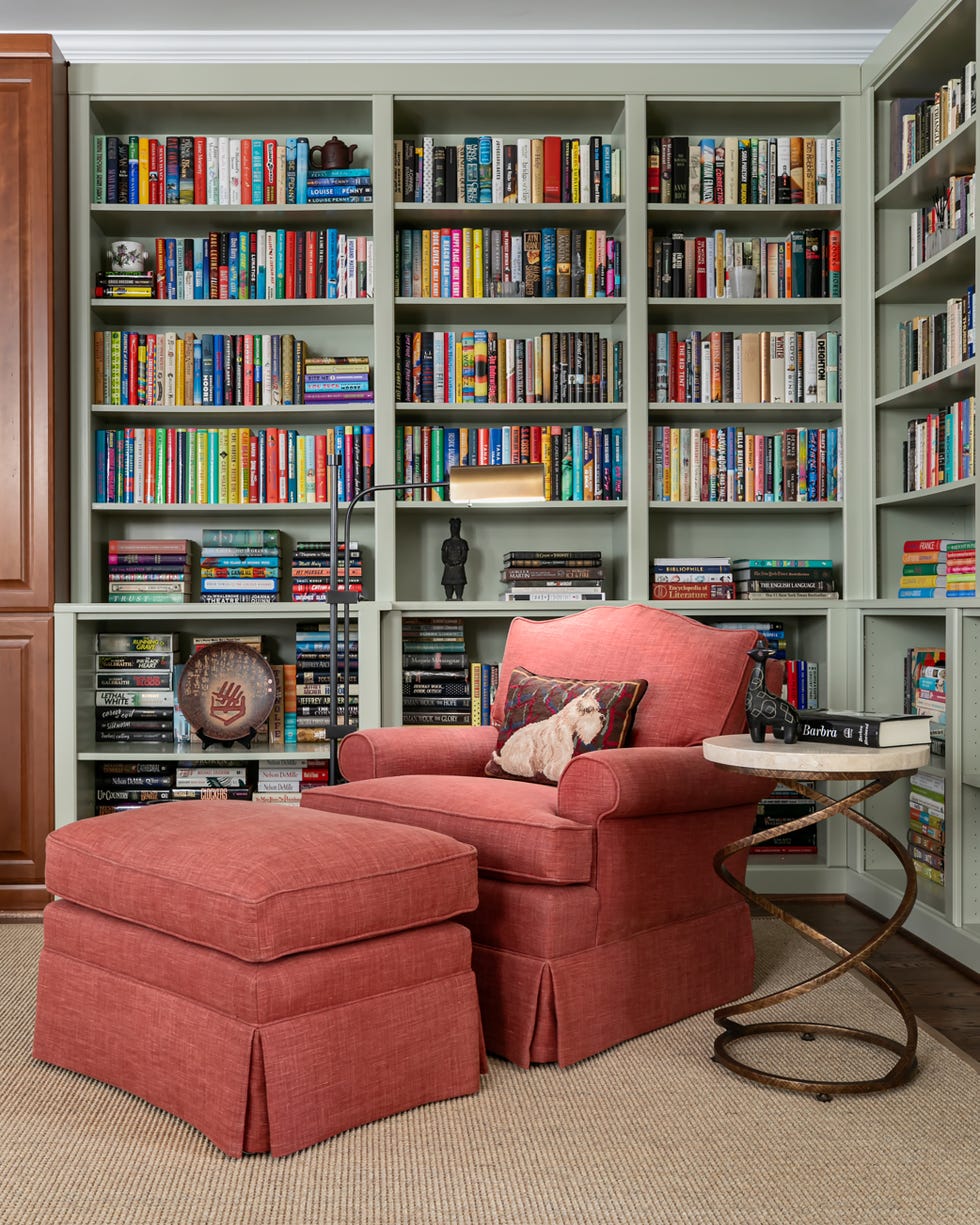
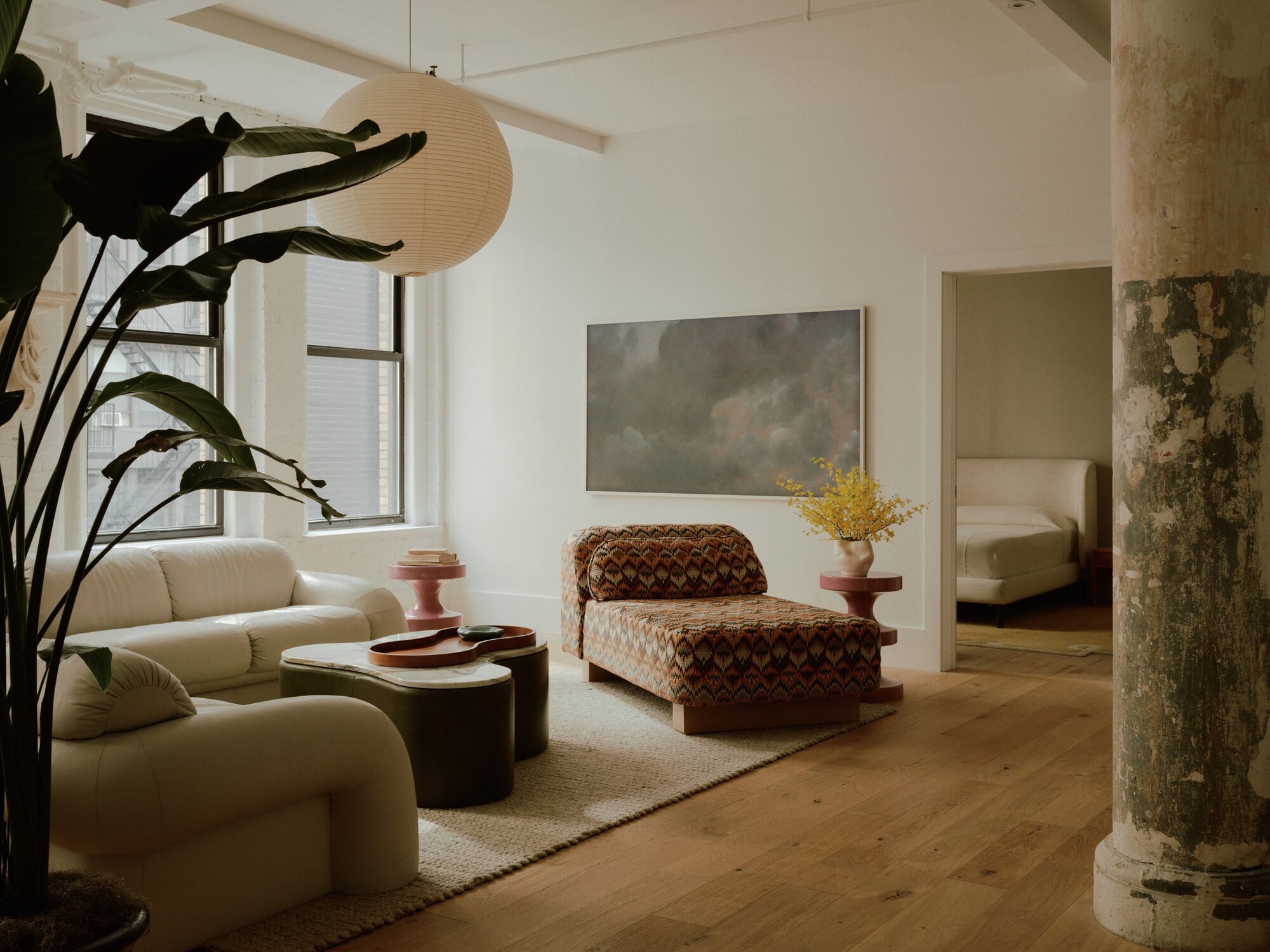
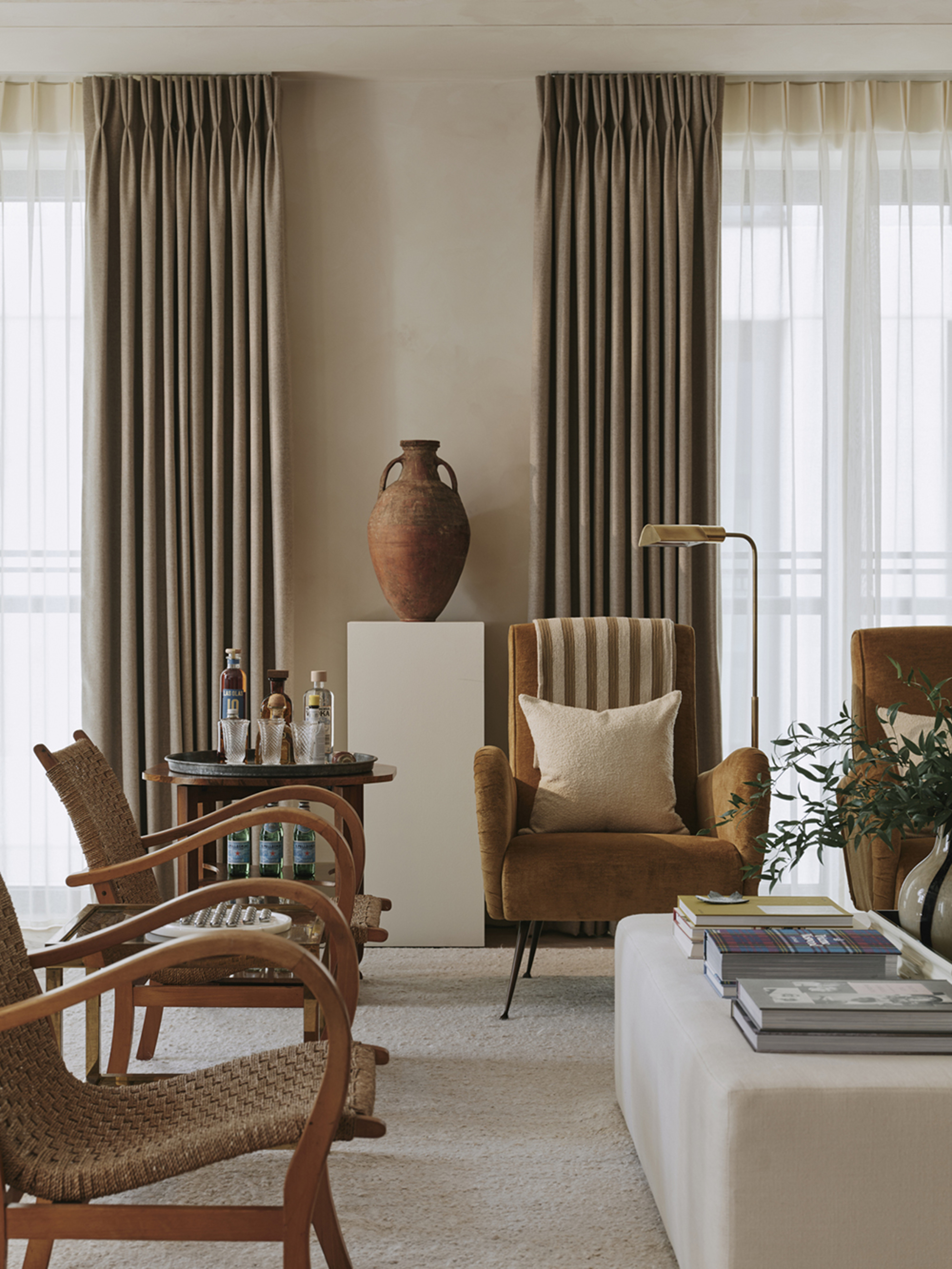
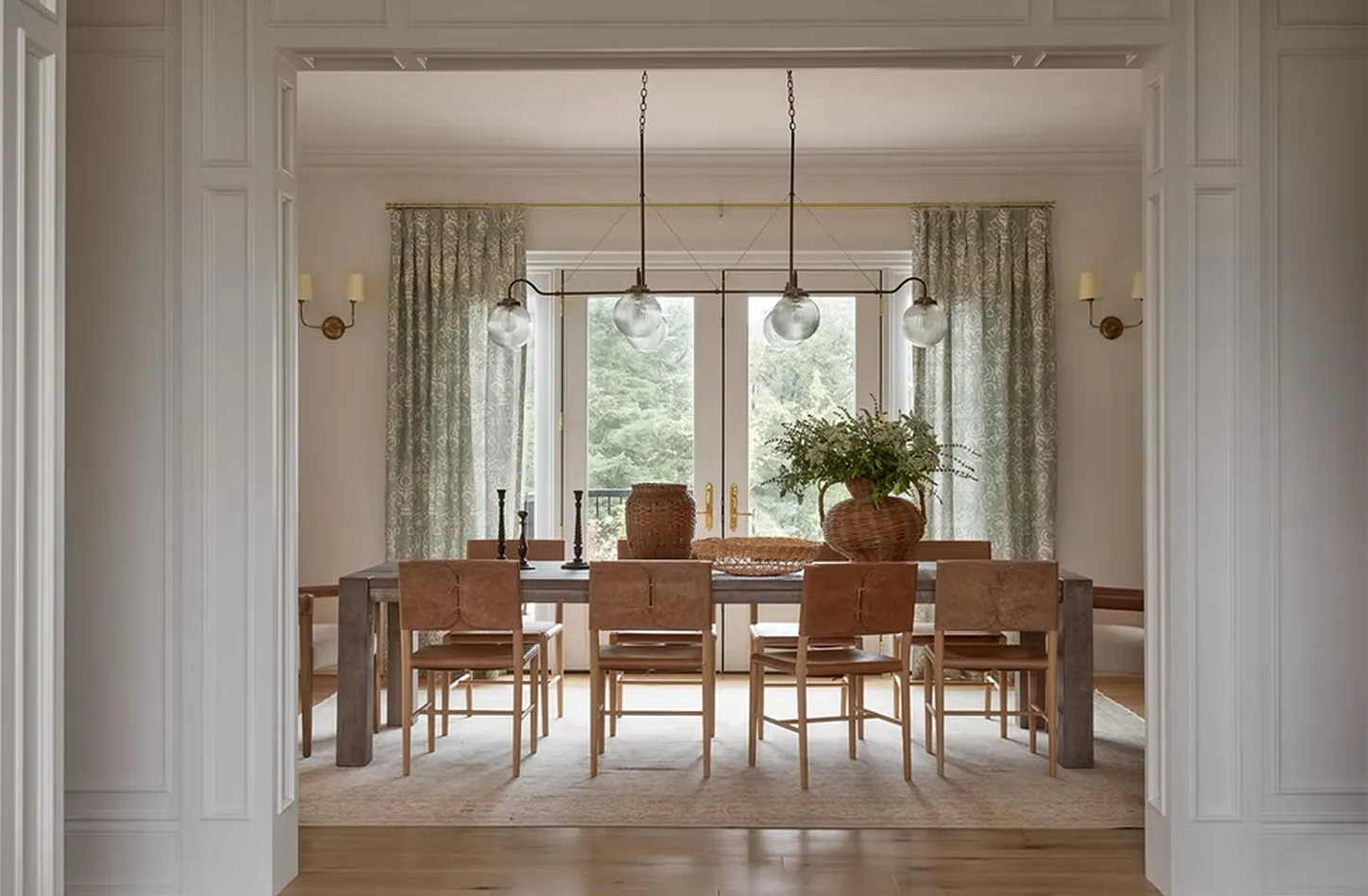
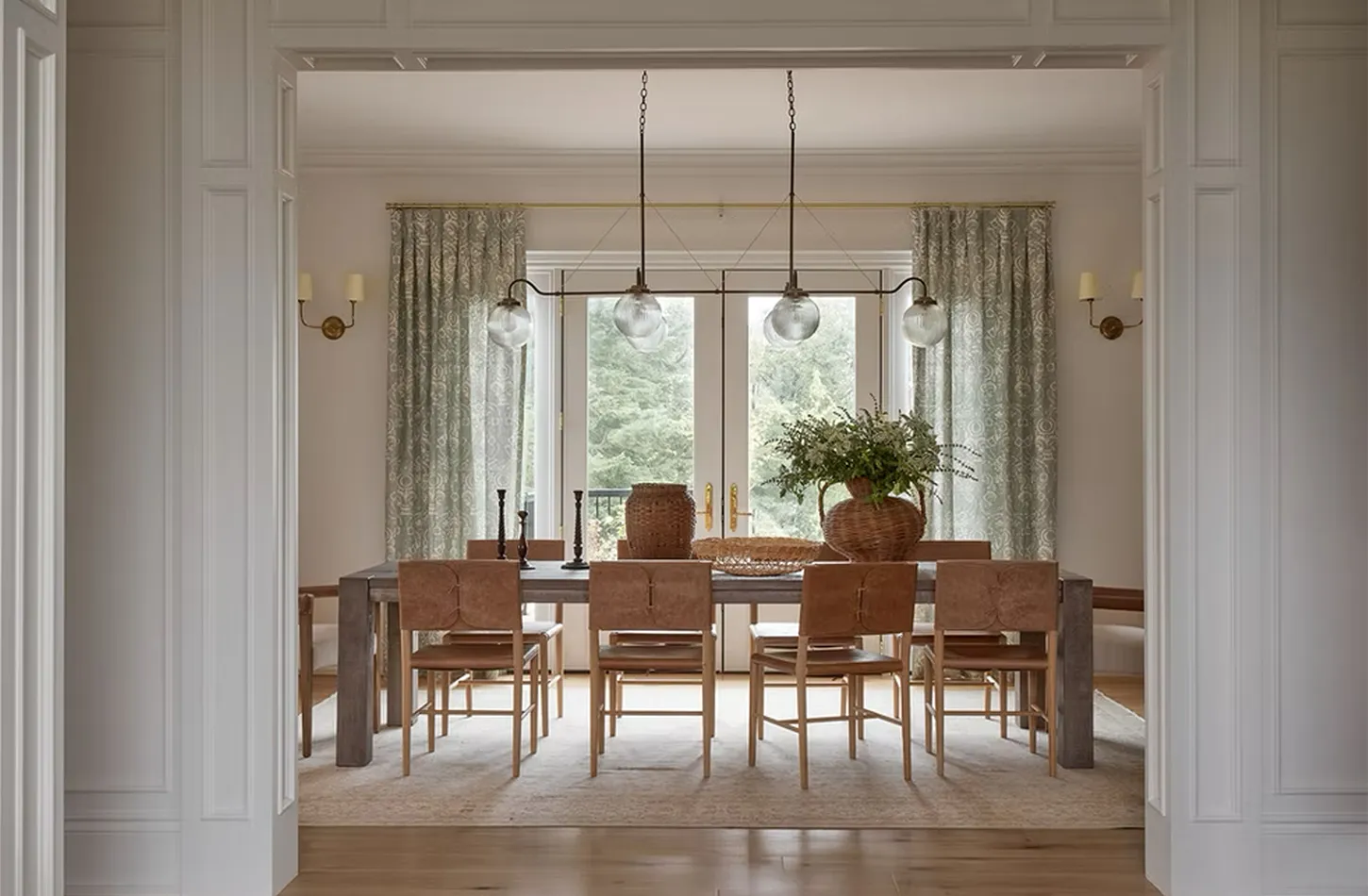
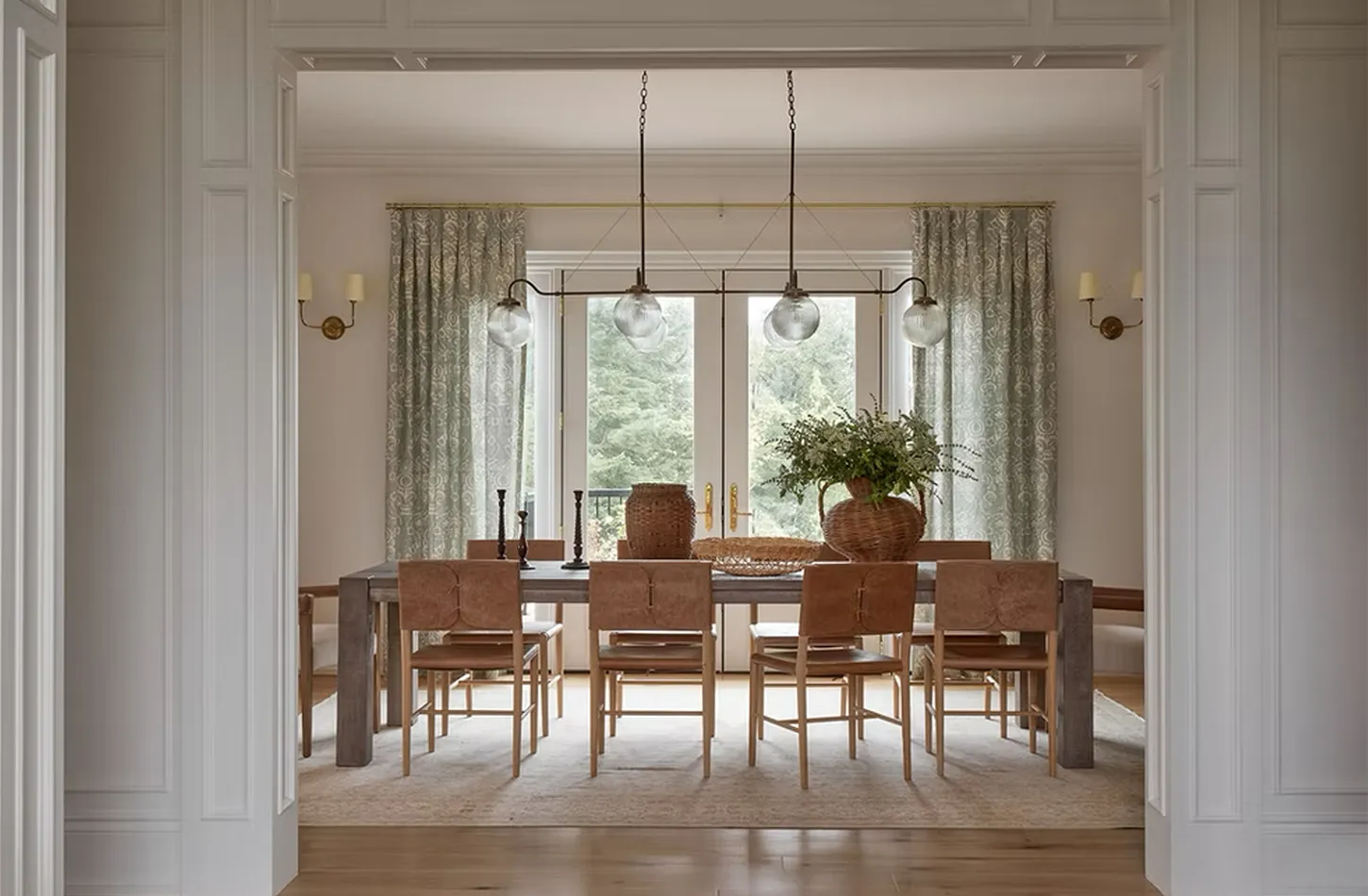
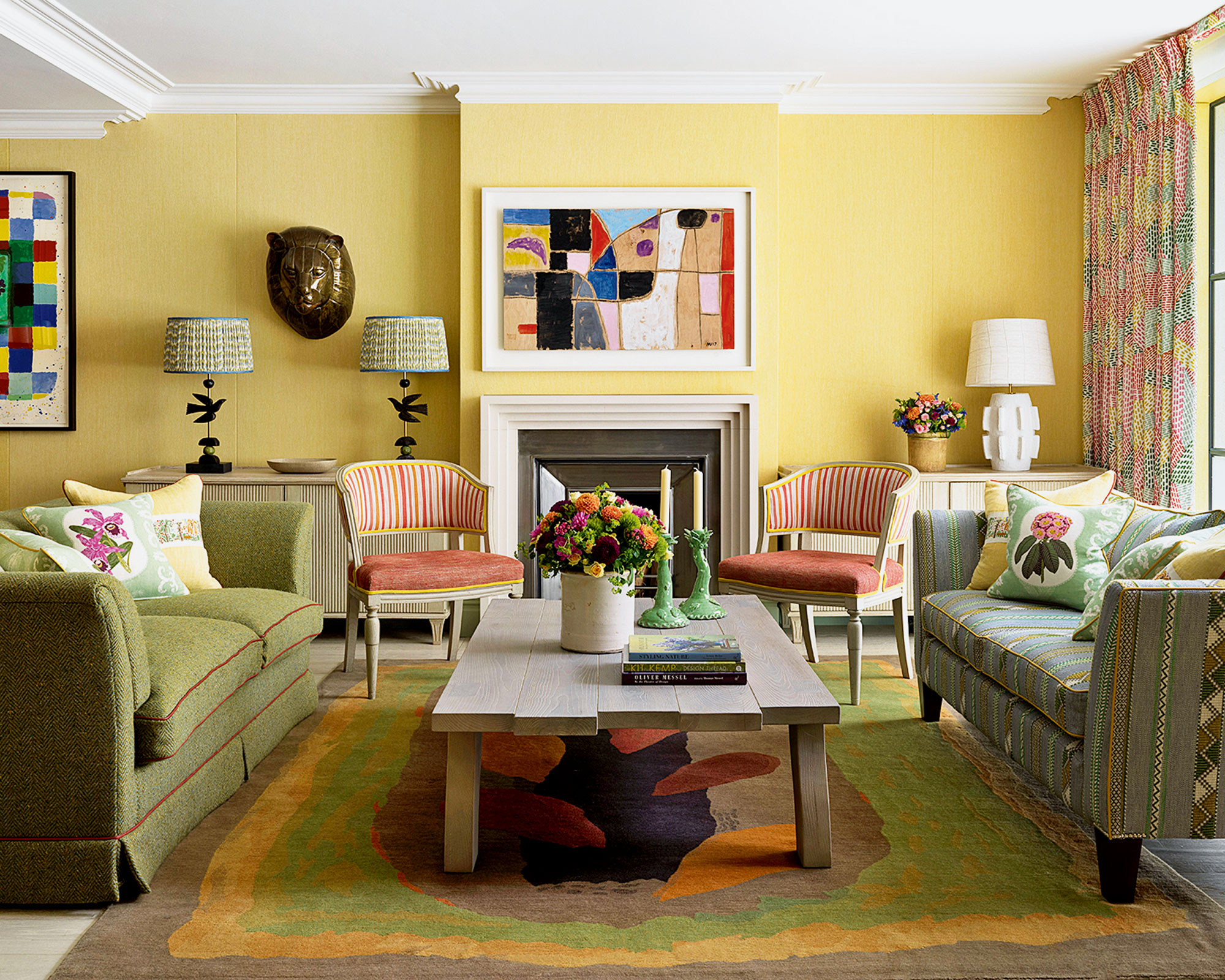
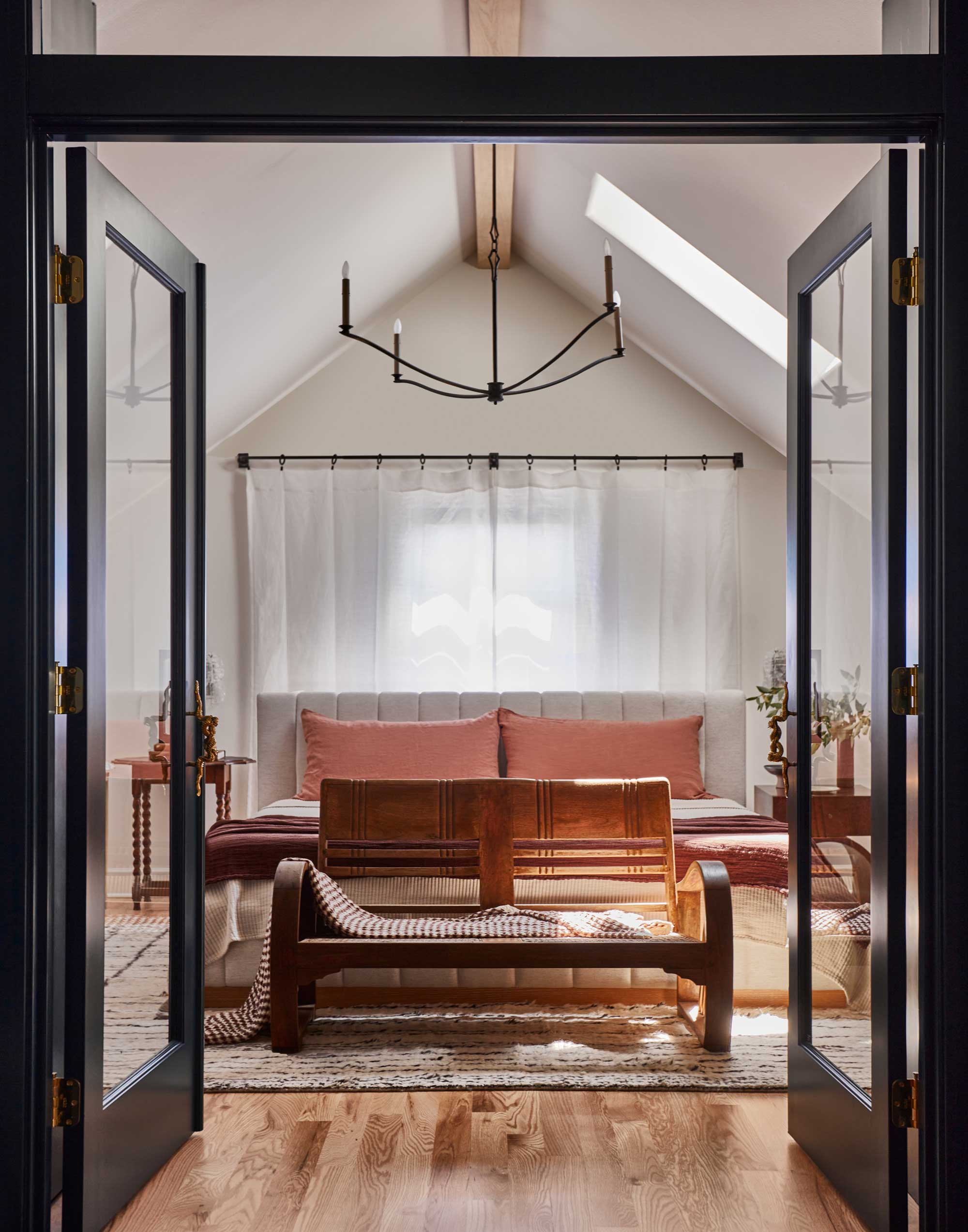
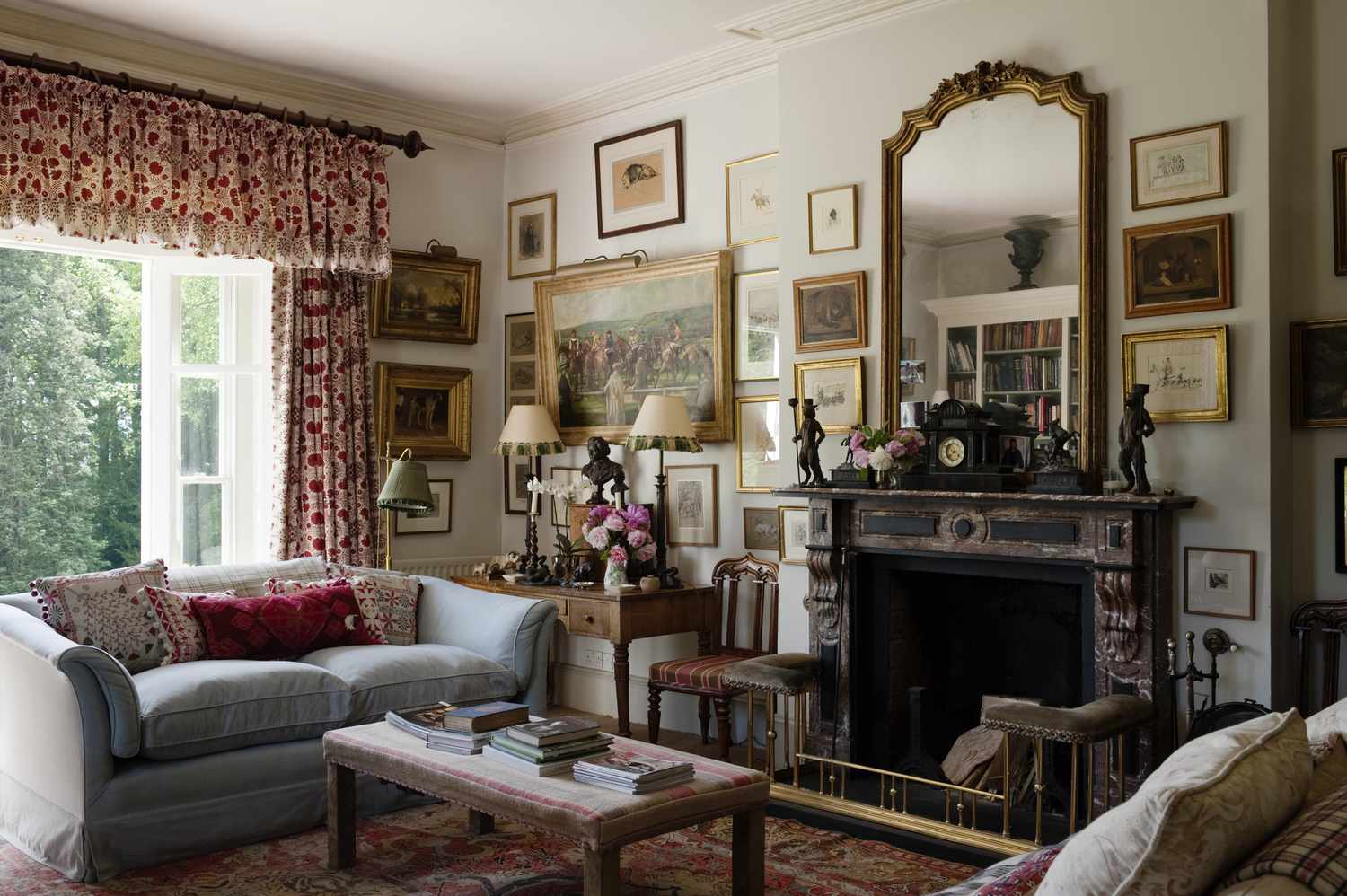
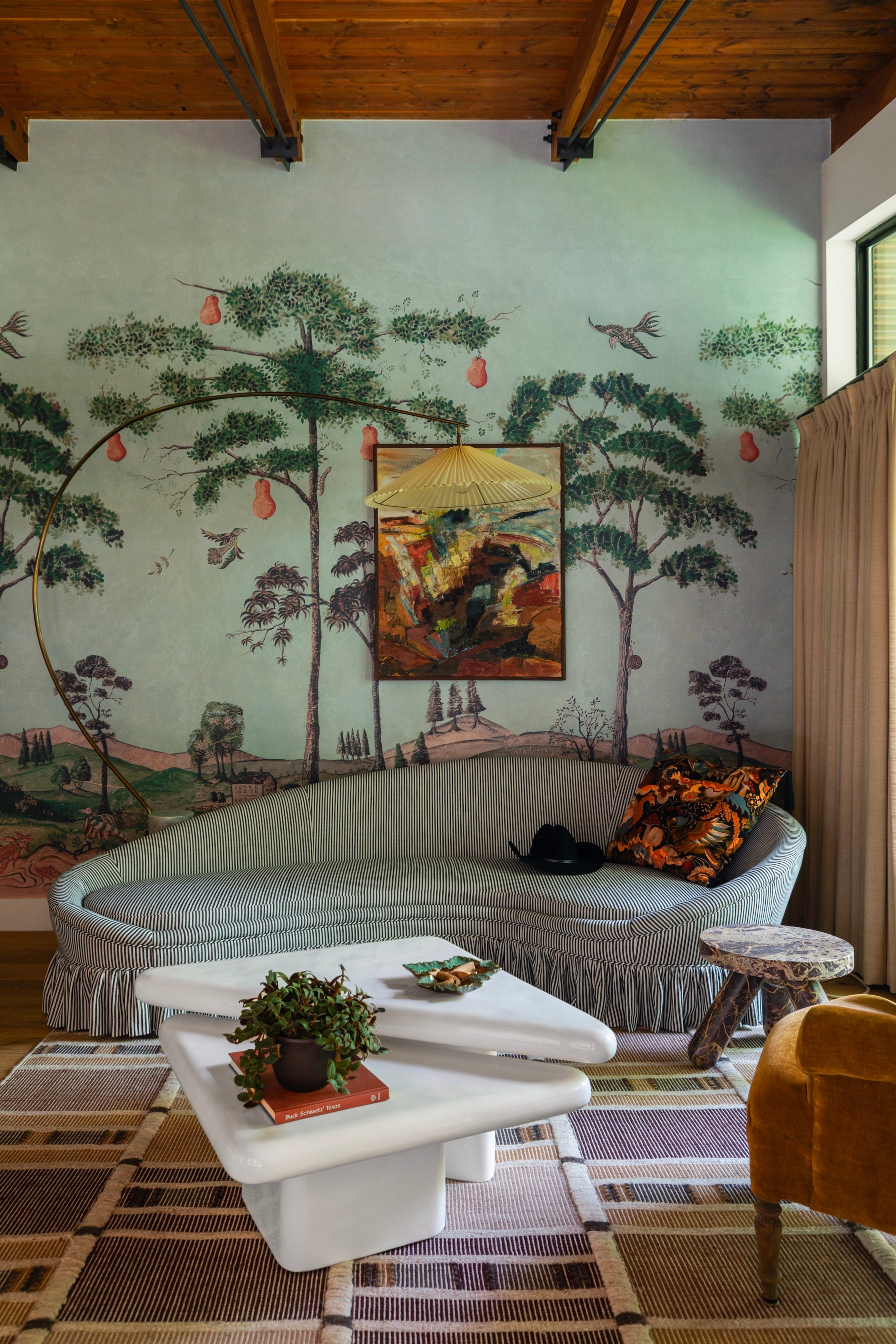
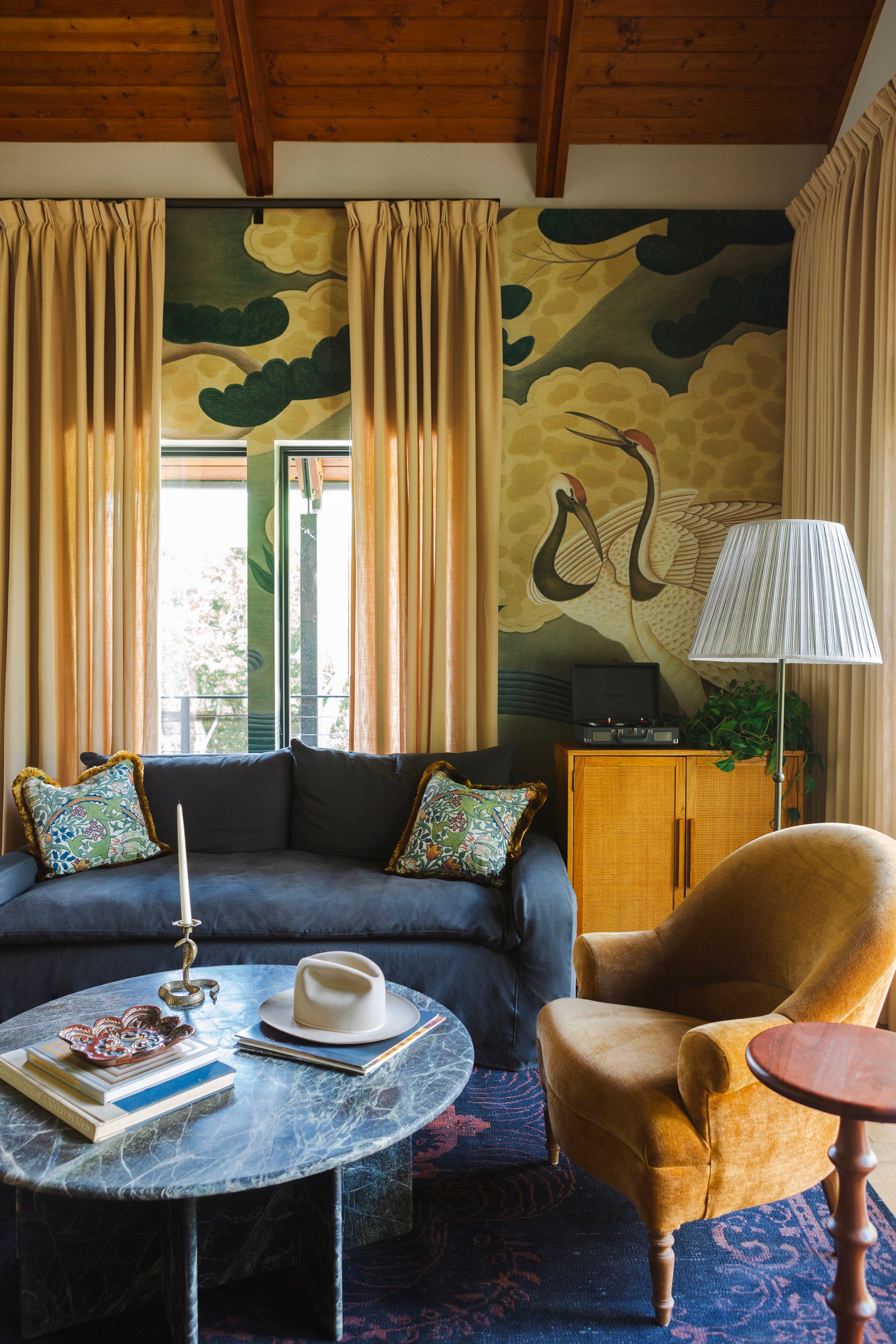
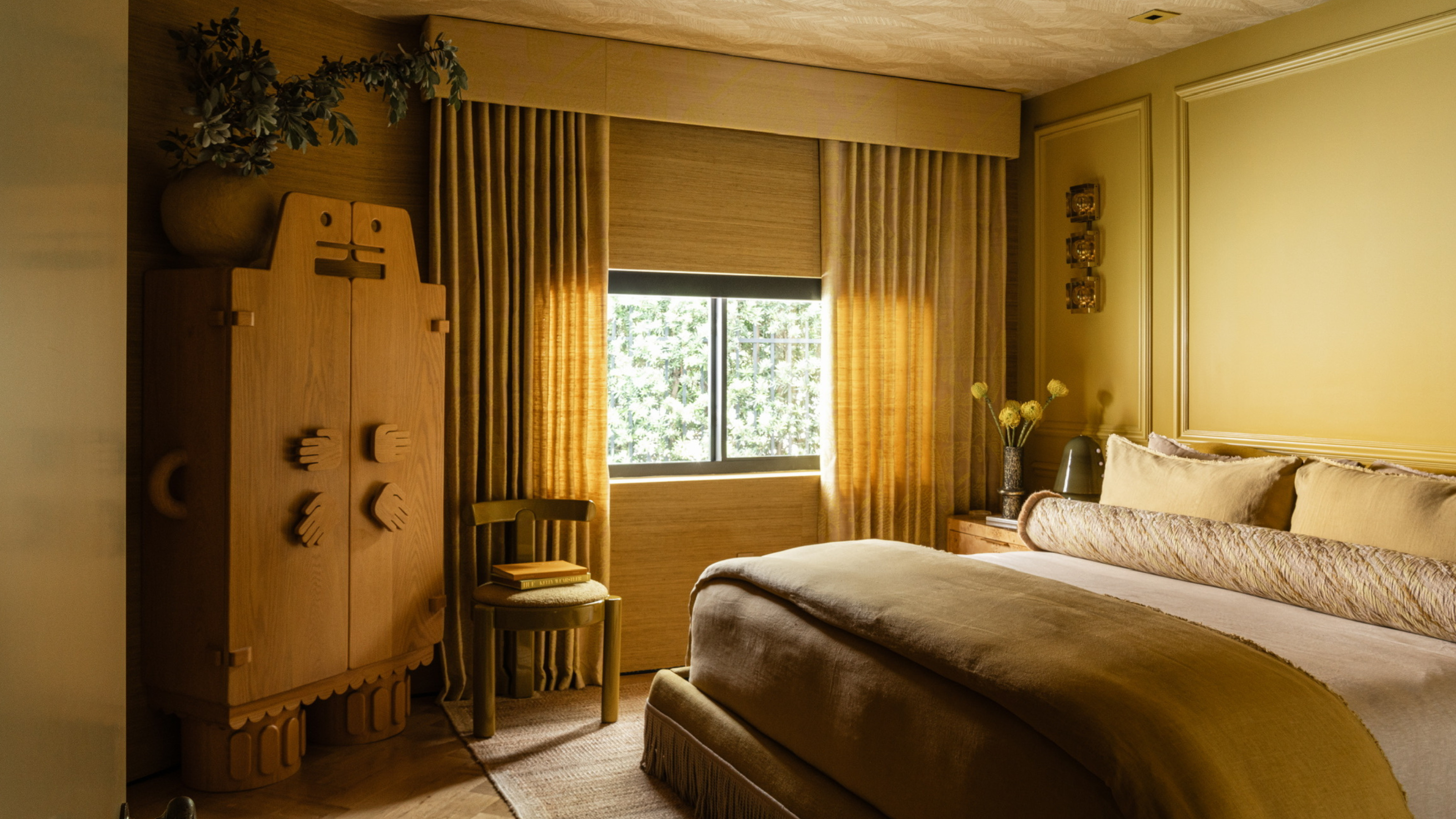
One key strategy discussed is to "disrupt harmony just enough." This involves introducing unexpected elements, such as mixing patterns, placing bold items in subtle rooms, or exaggerating proportions to maintain visual engagement. Santayana explains that each room should be treated as a unique chapter in a larger story, ensuring movement, surprise, and discovery throughout a home. Ronald Alvarez, also from MONIOMI Design, stresses that a space should never feel generic but instead possess personality and purpose, asserting that designs feel dull when everything matches perfectly.
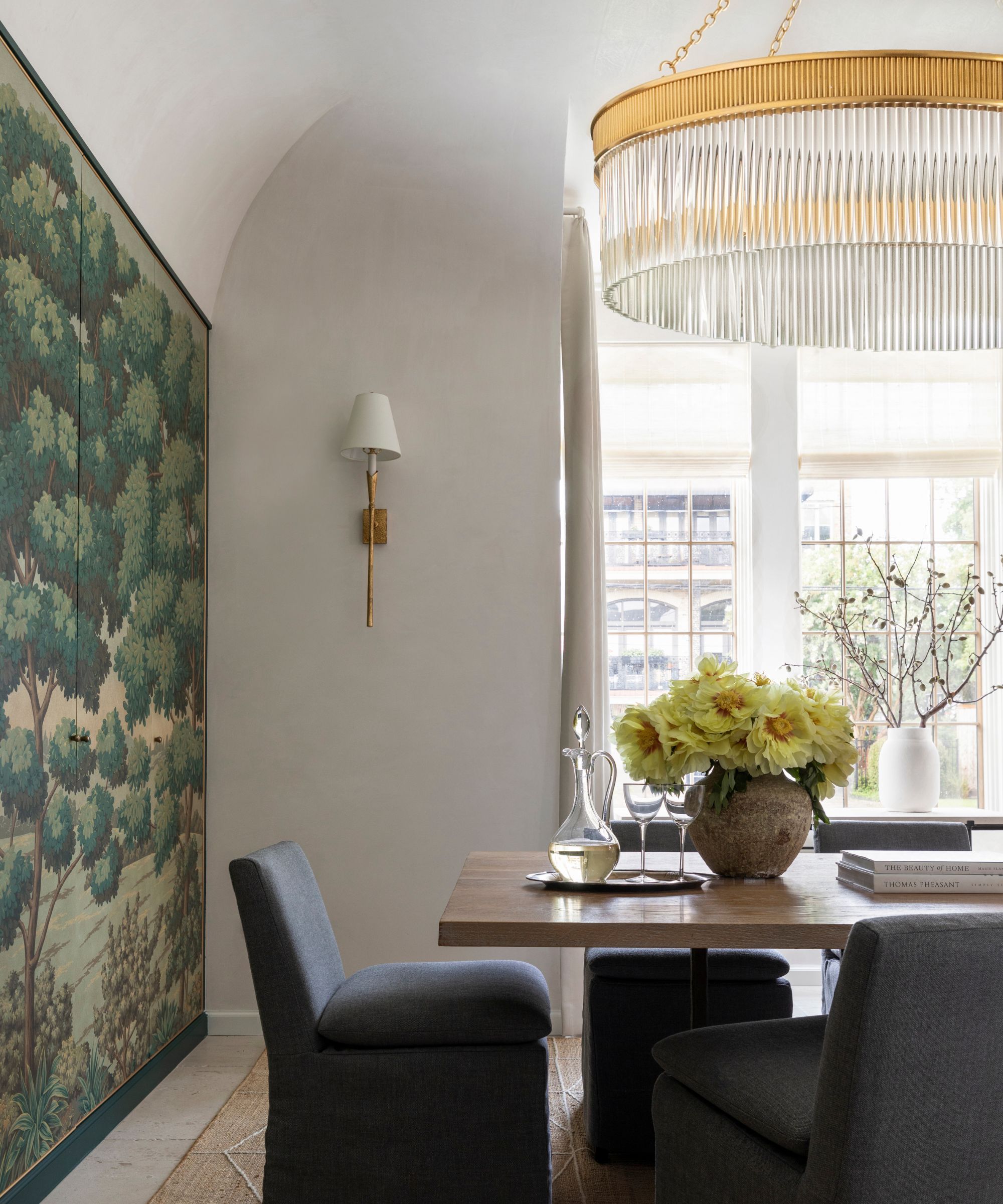
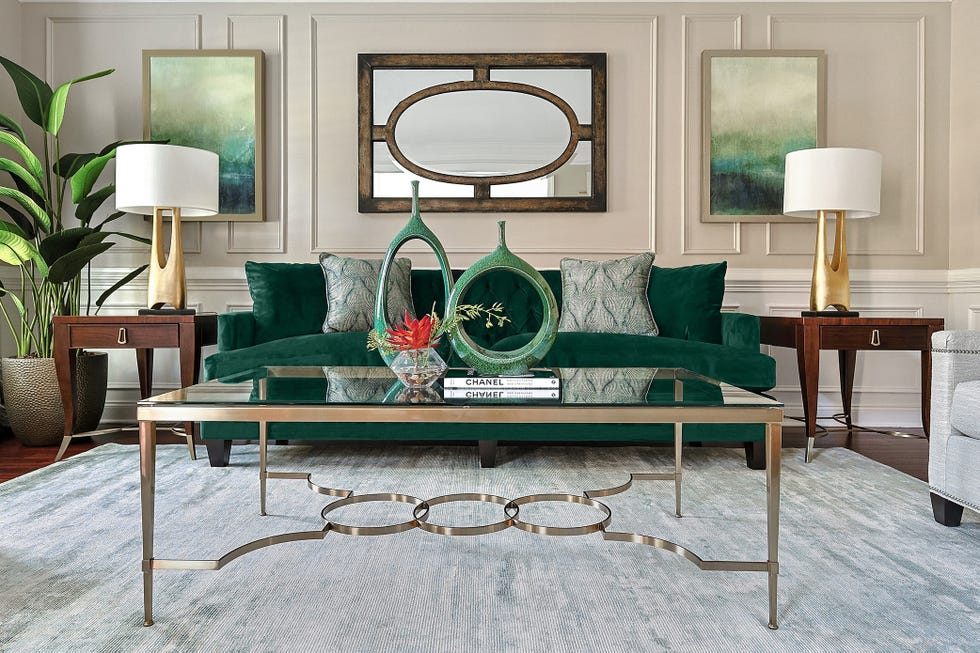
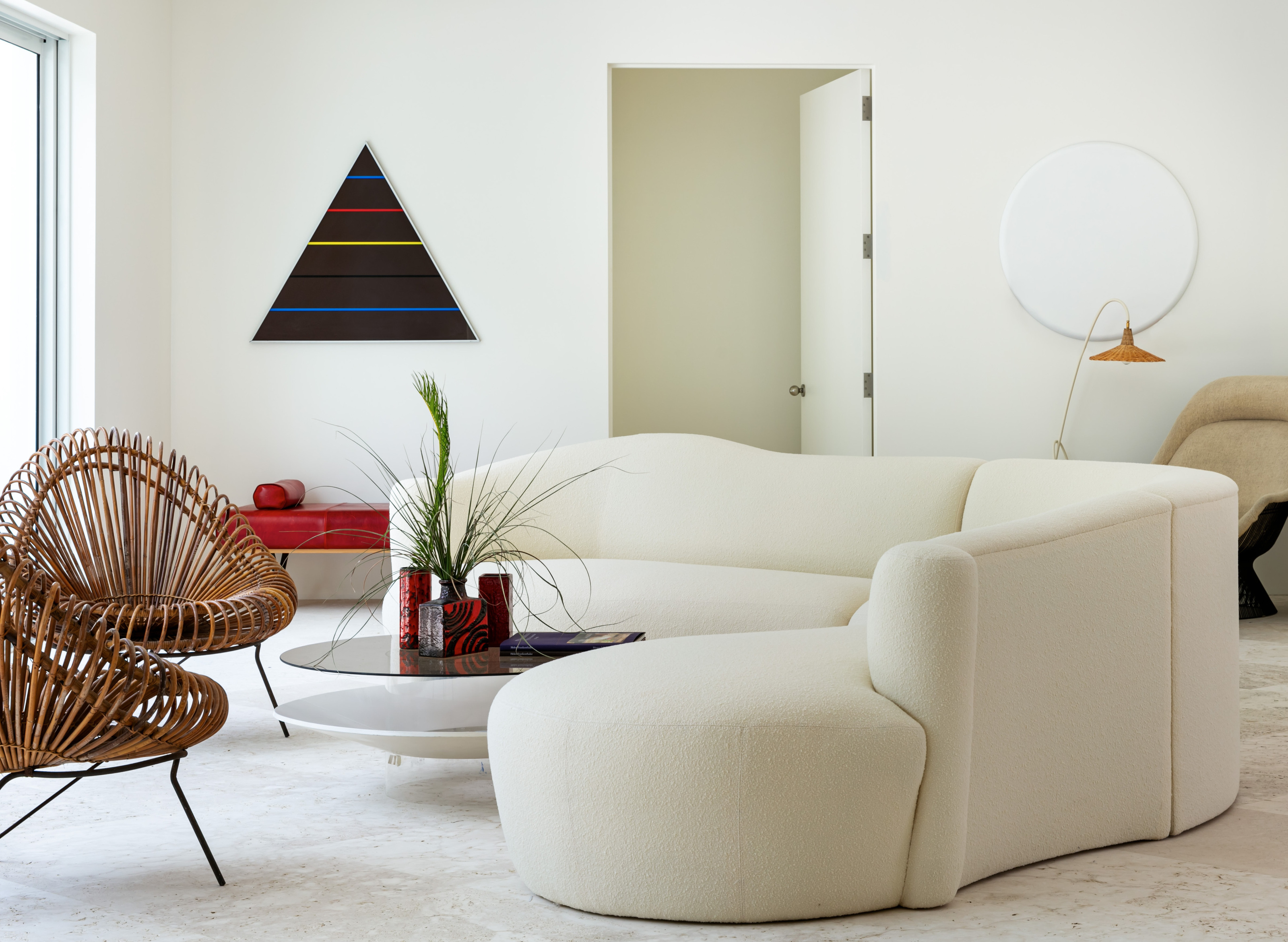
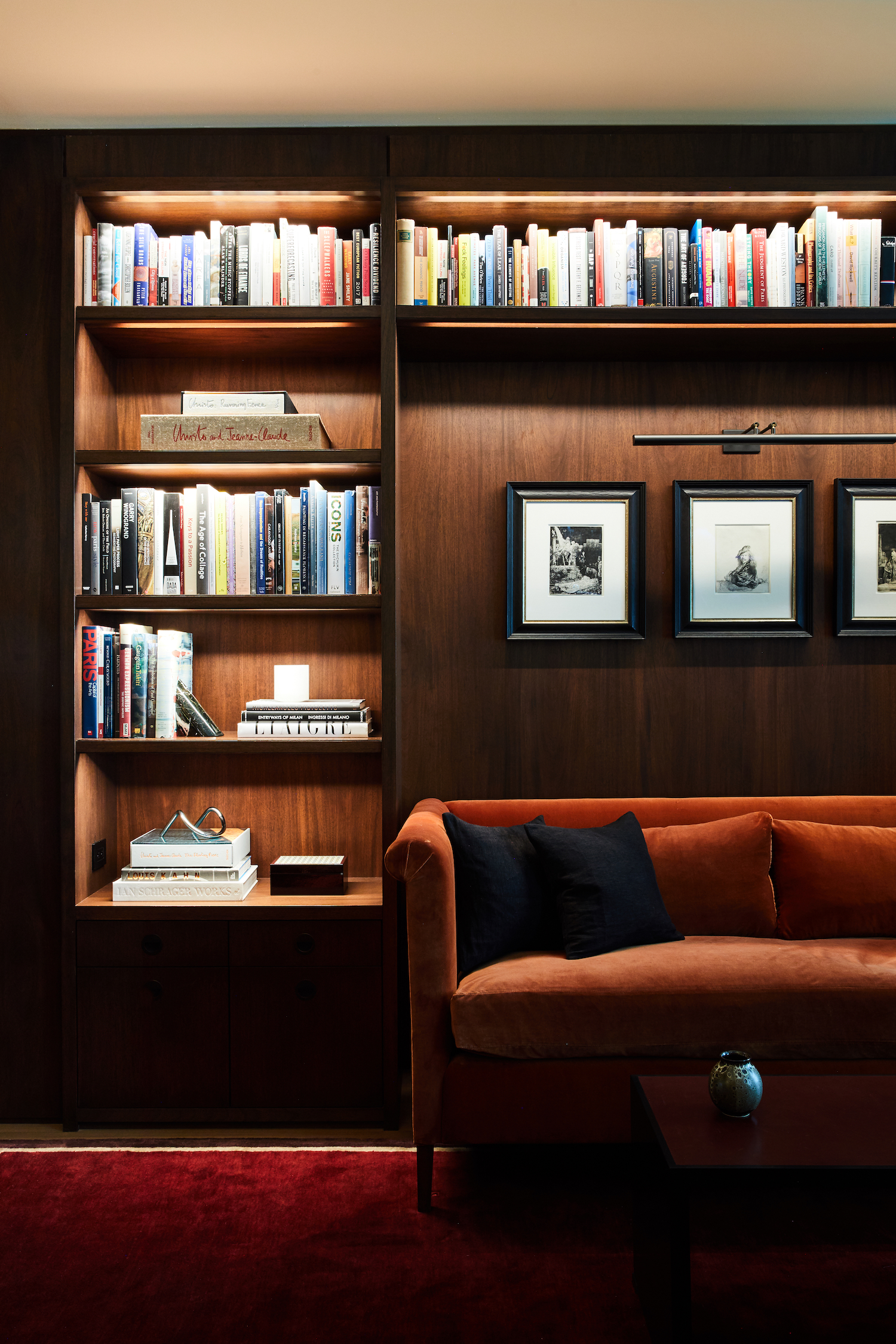
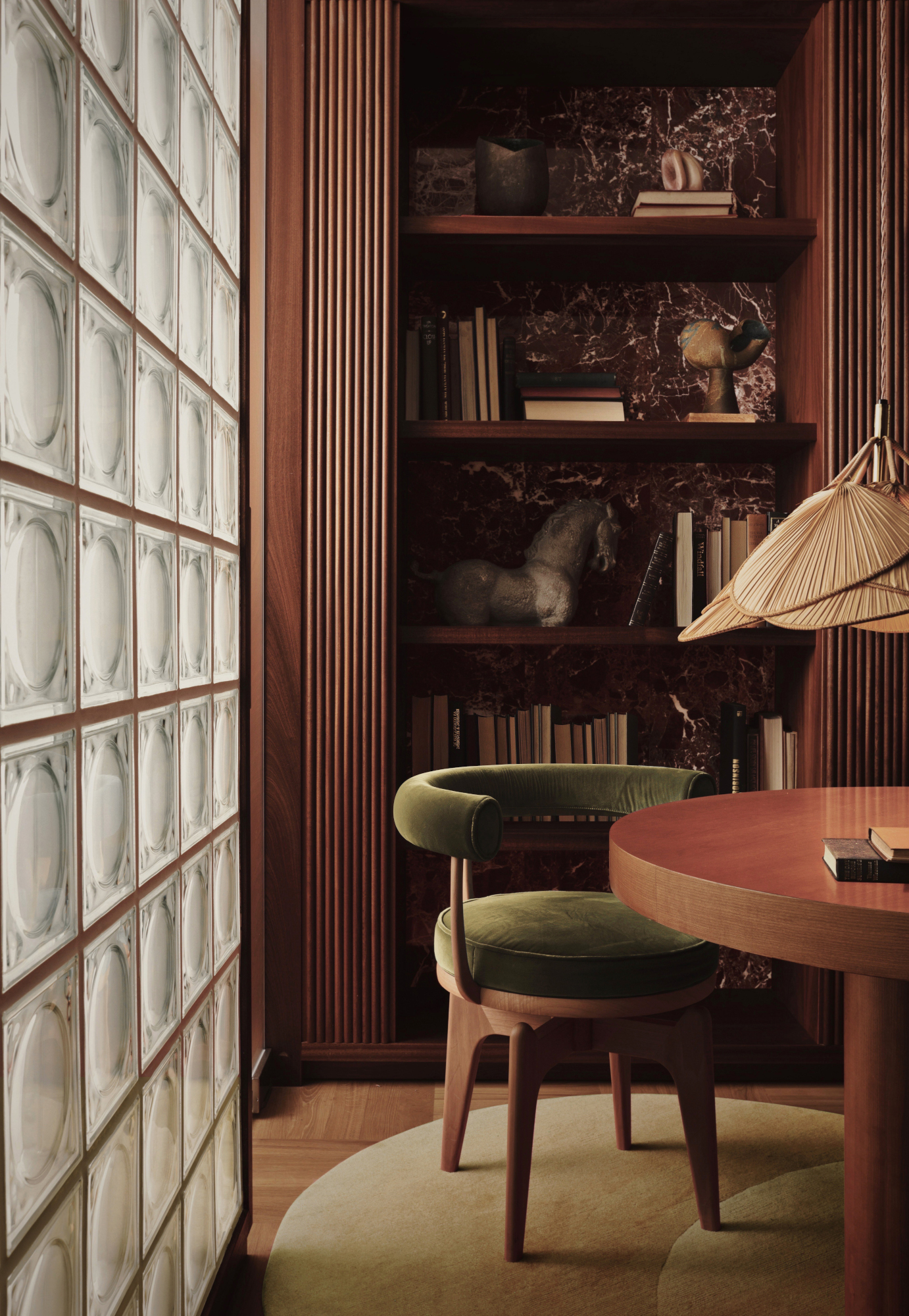
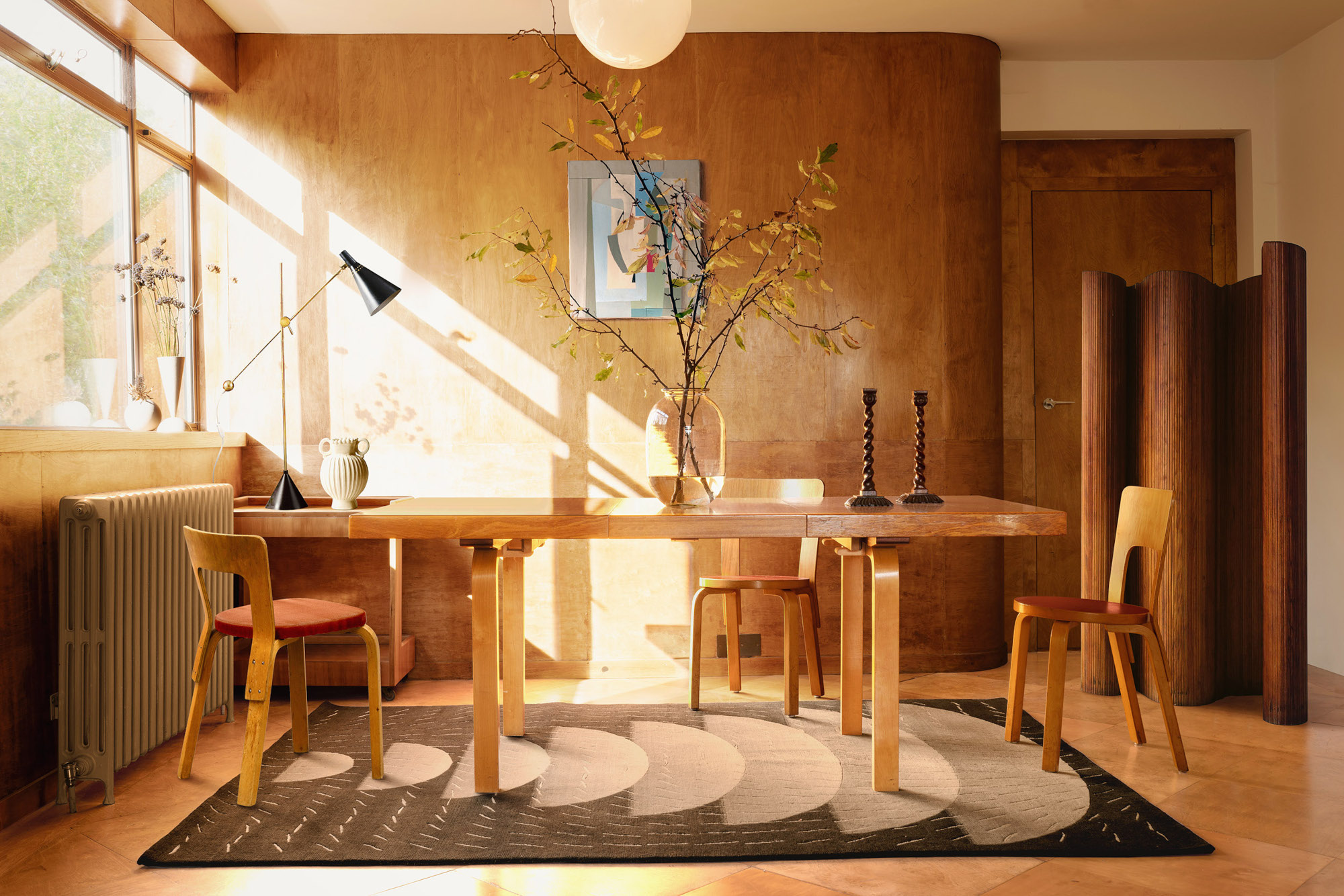
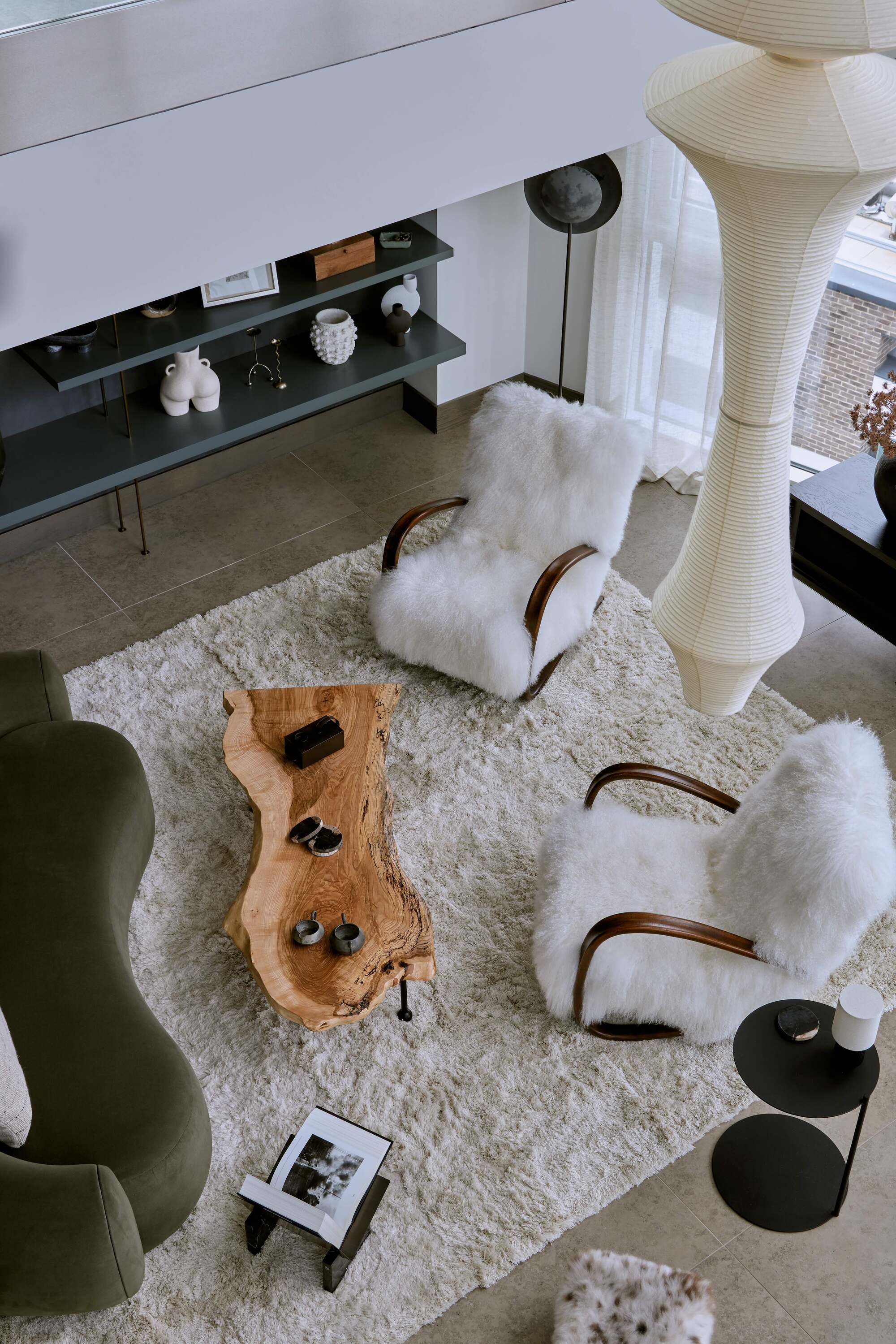
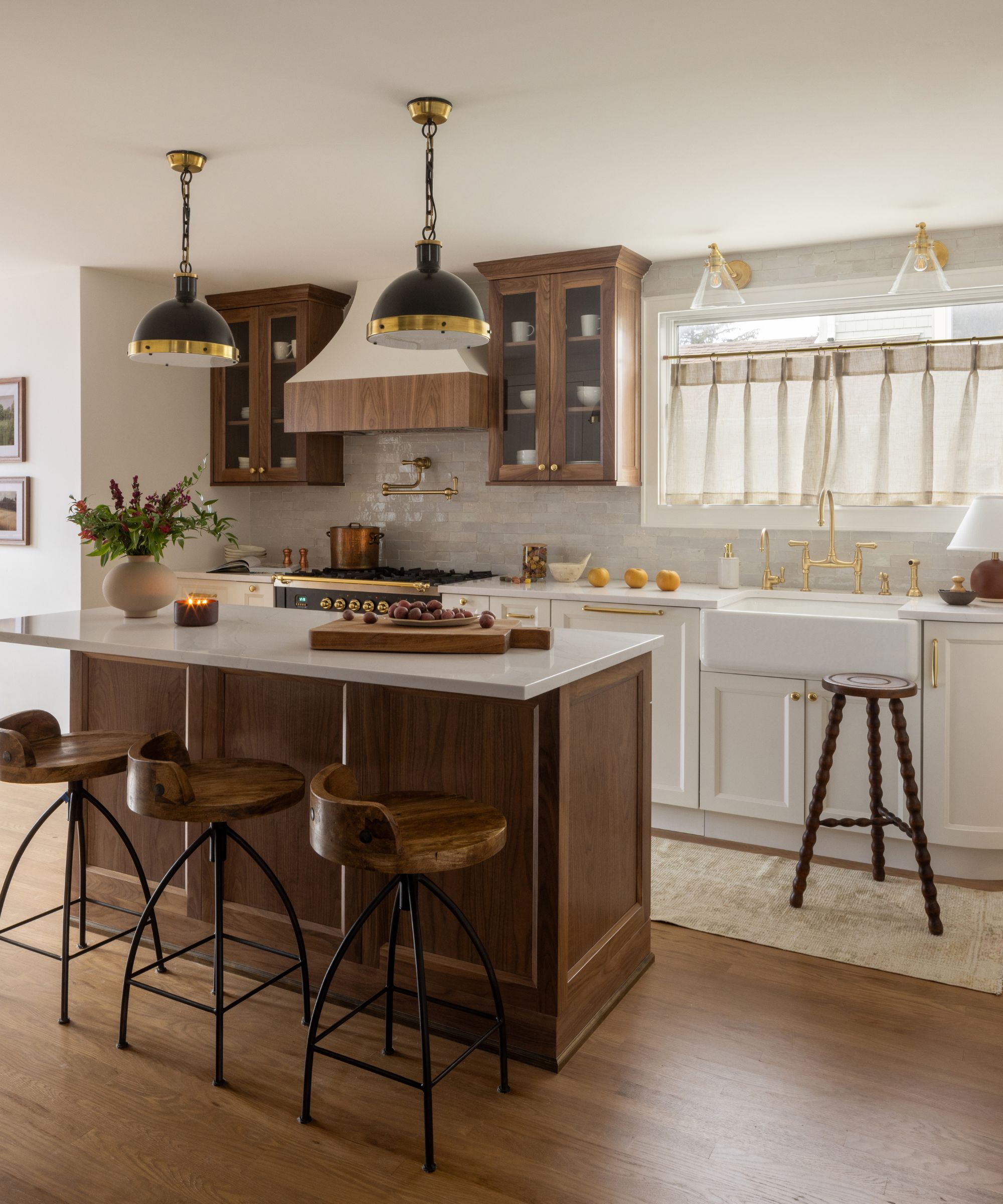
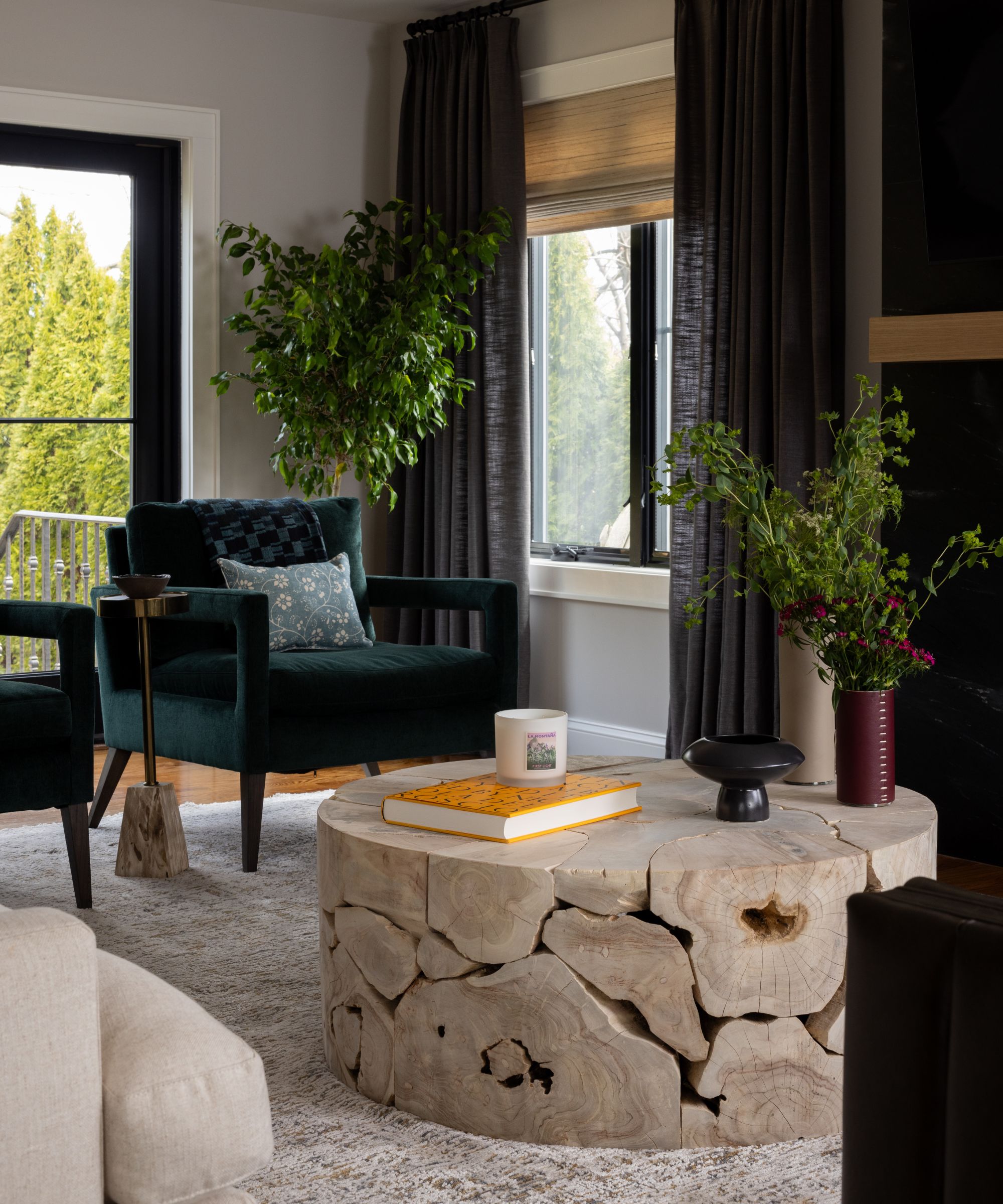
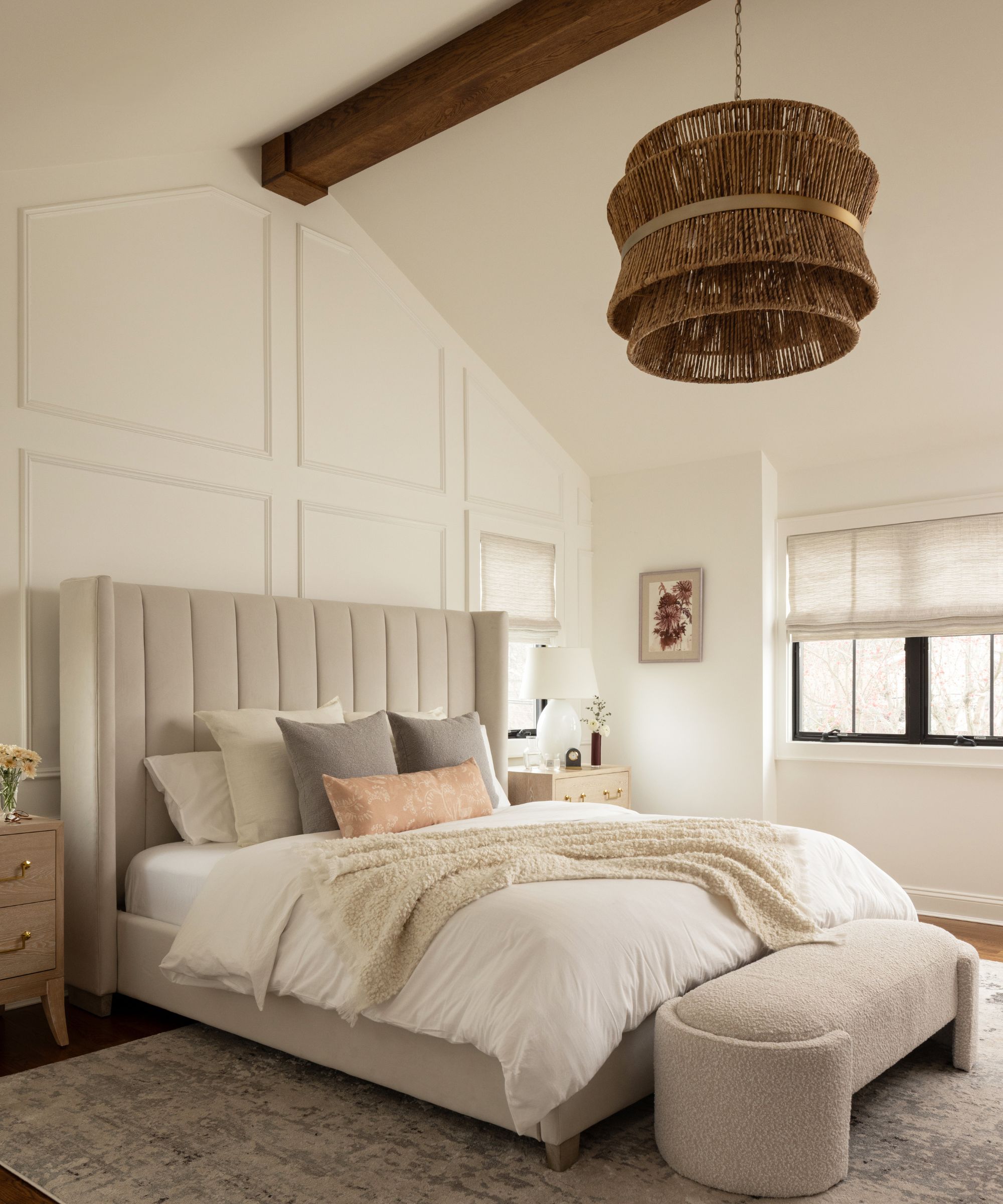
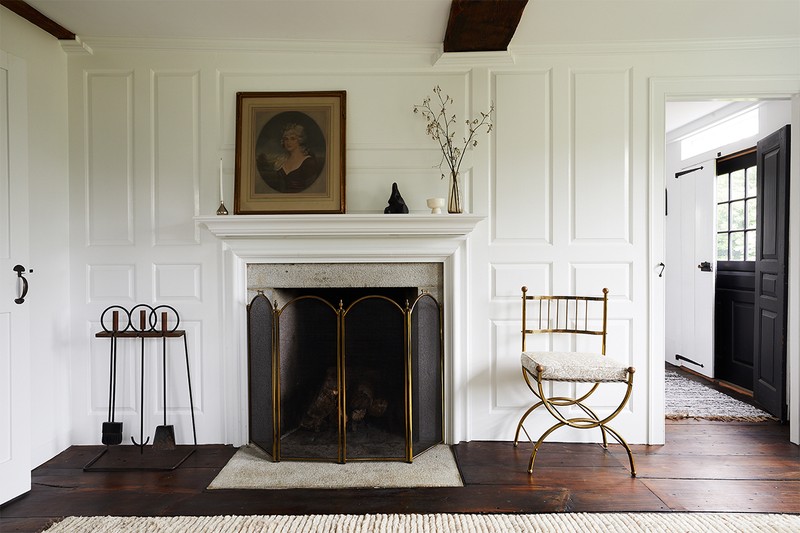
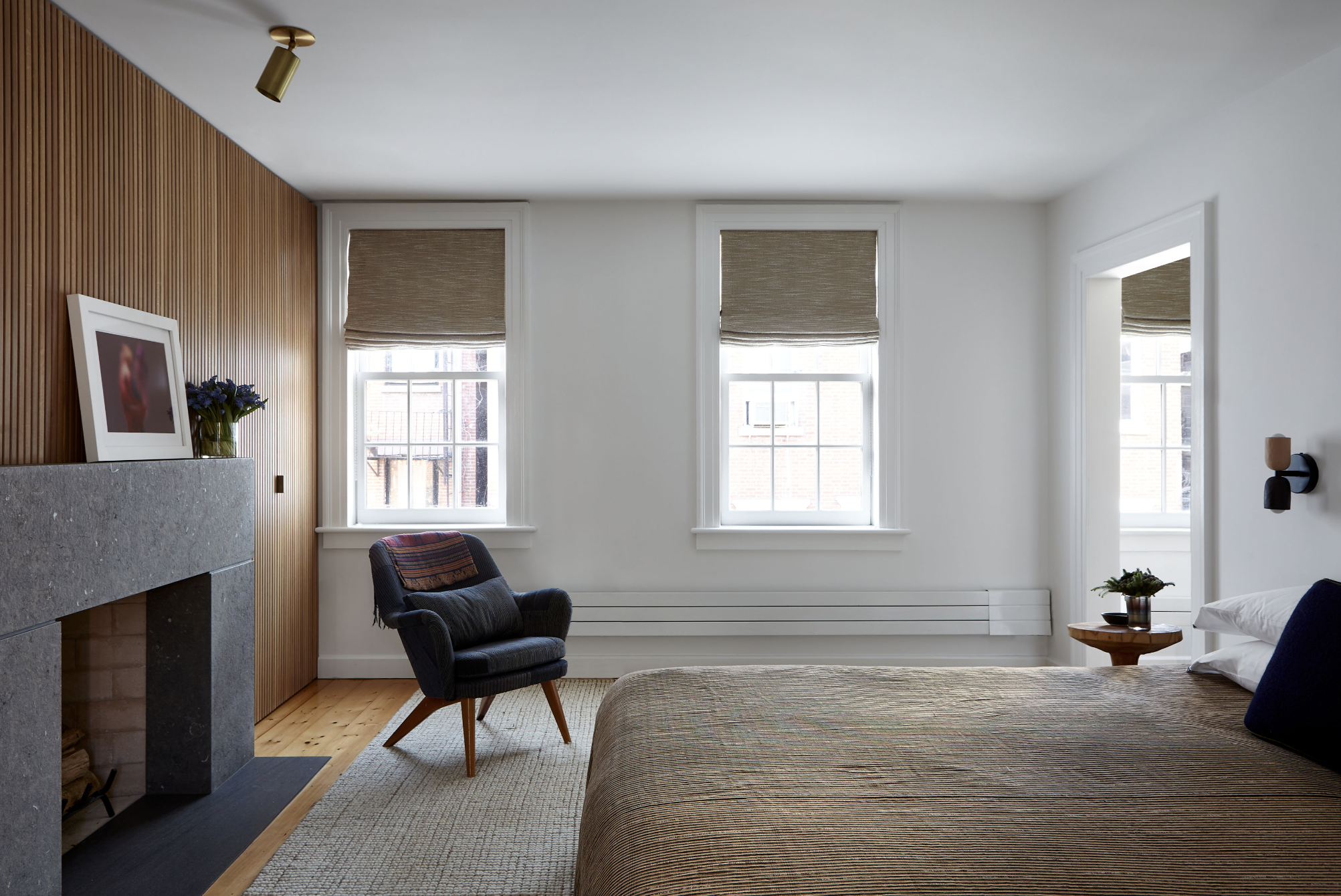
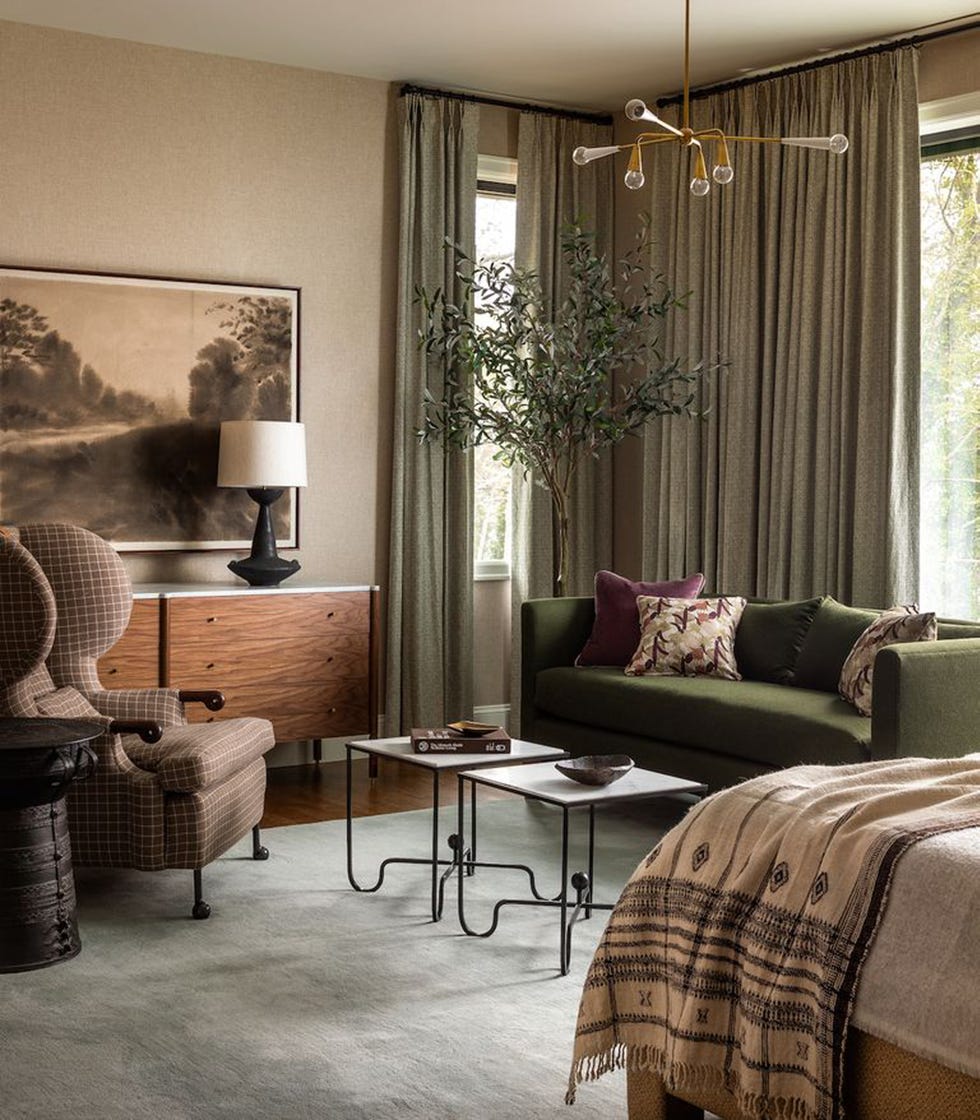
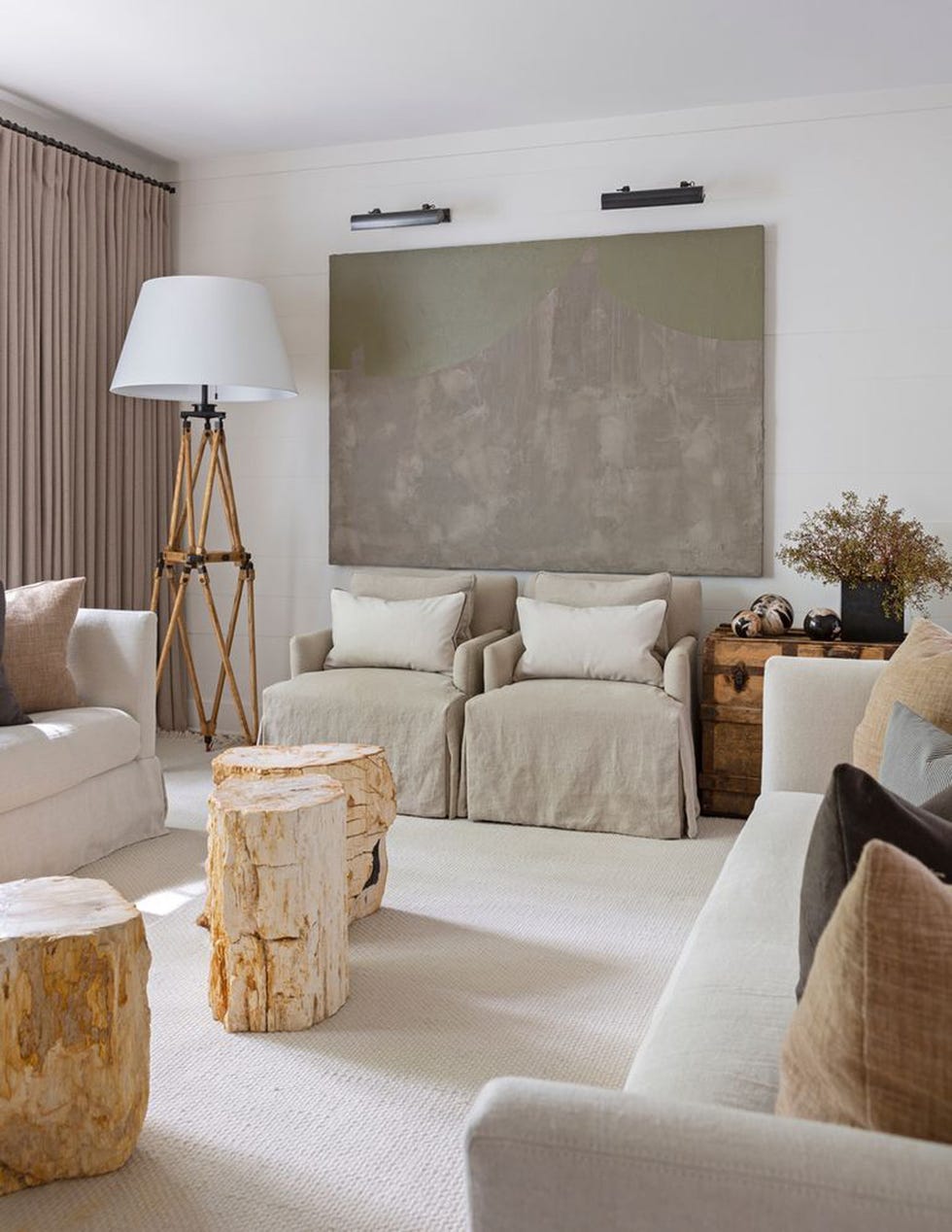
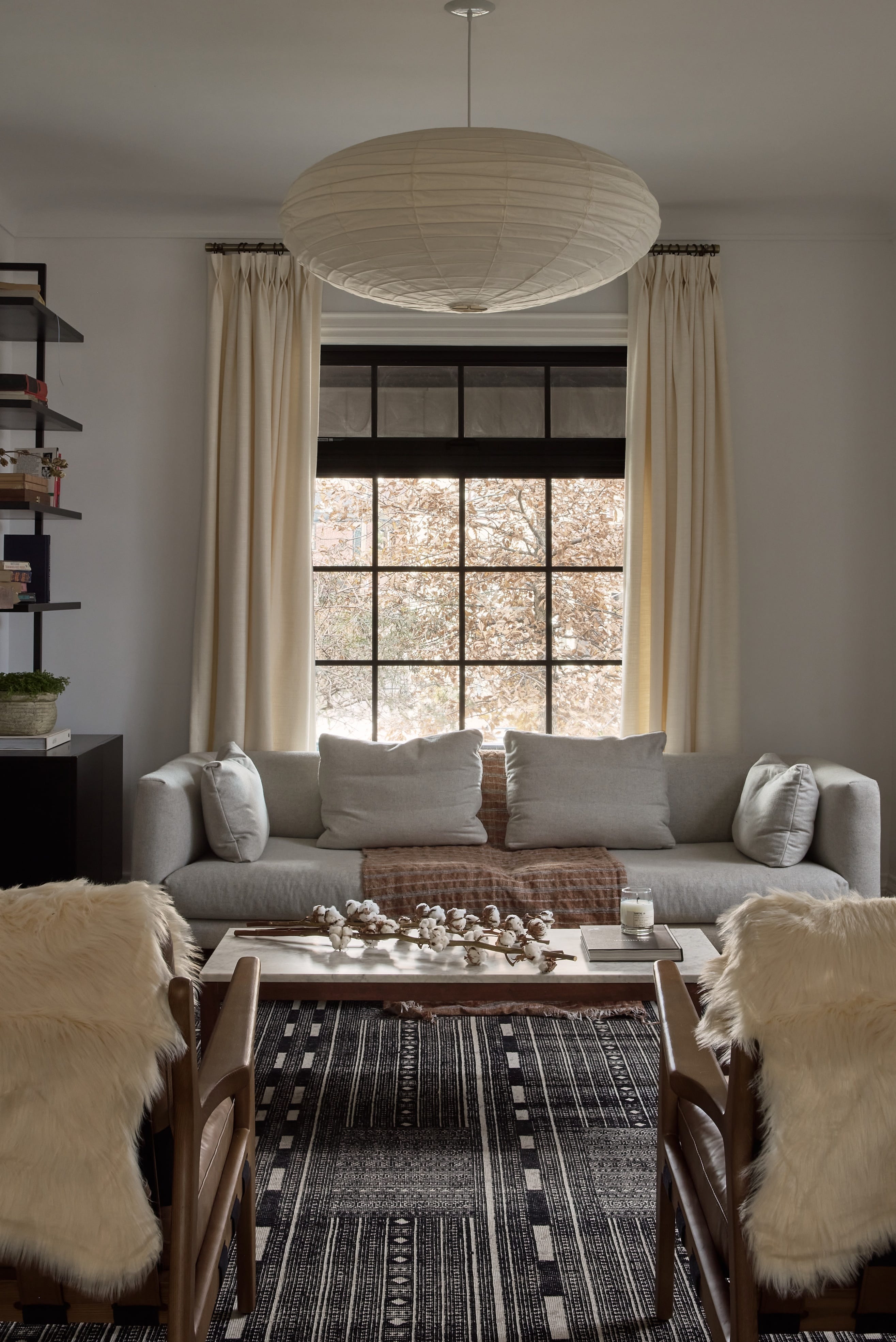
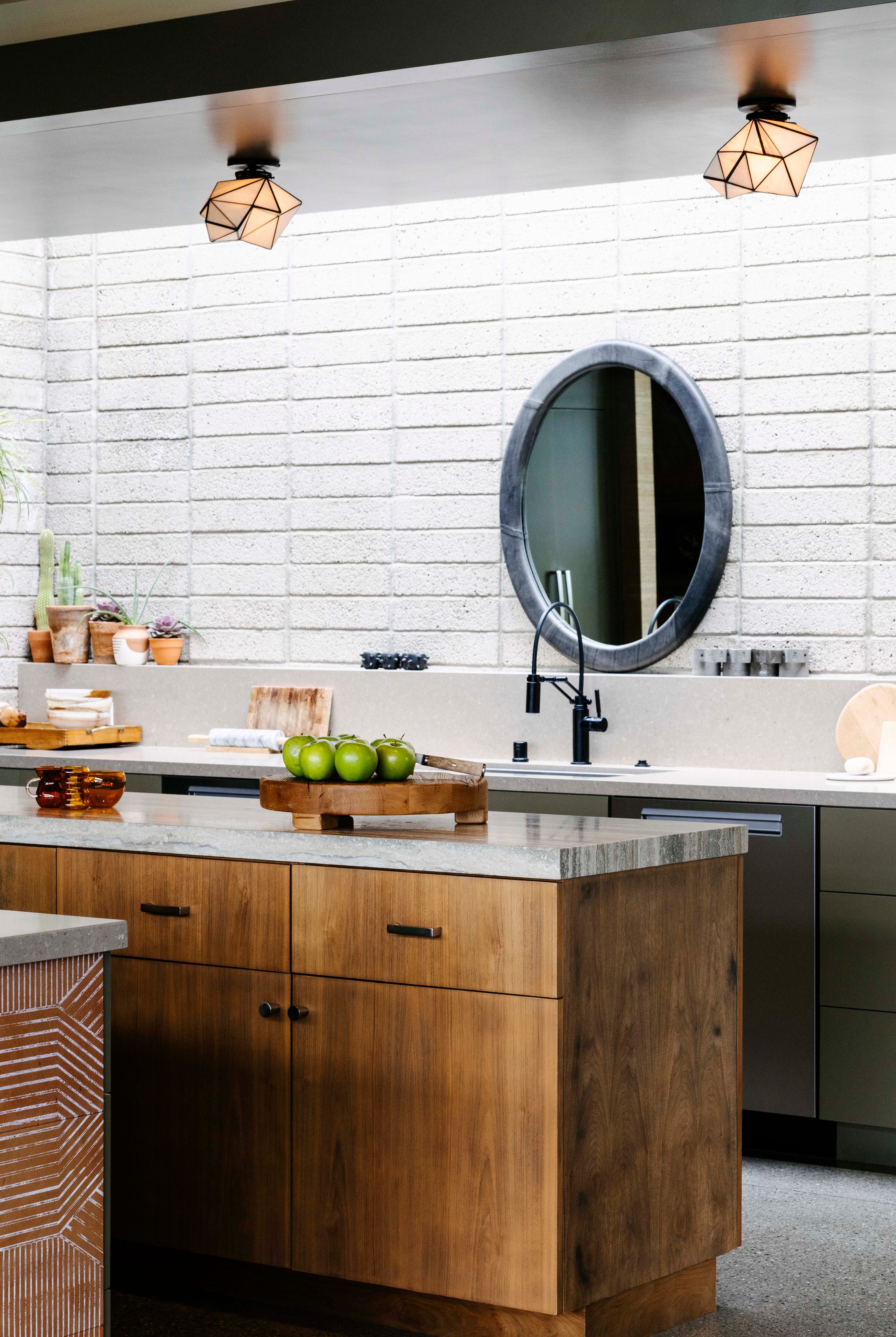
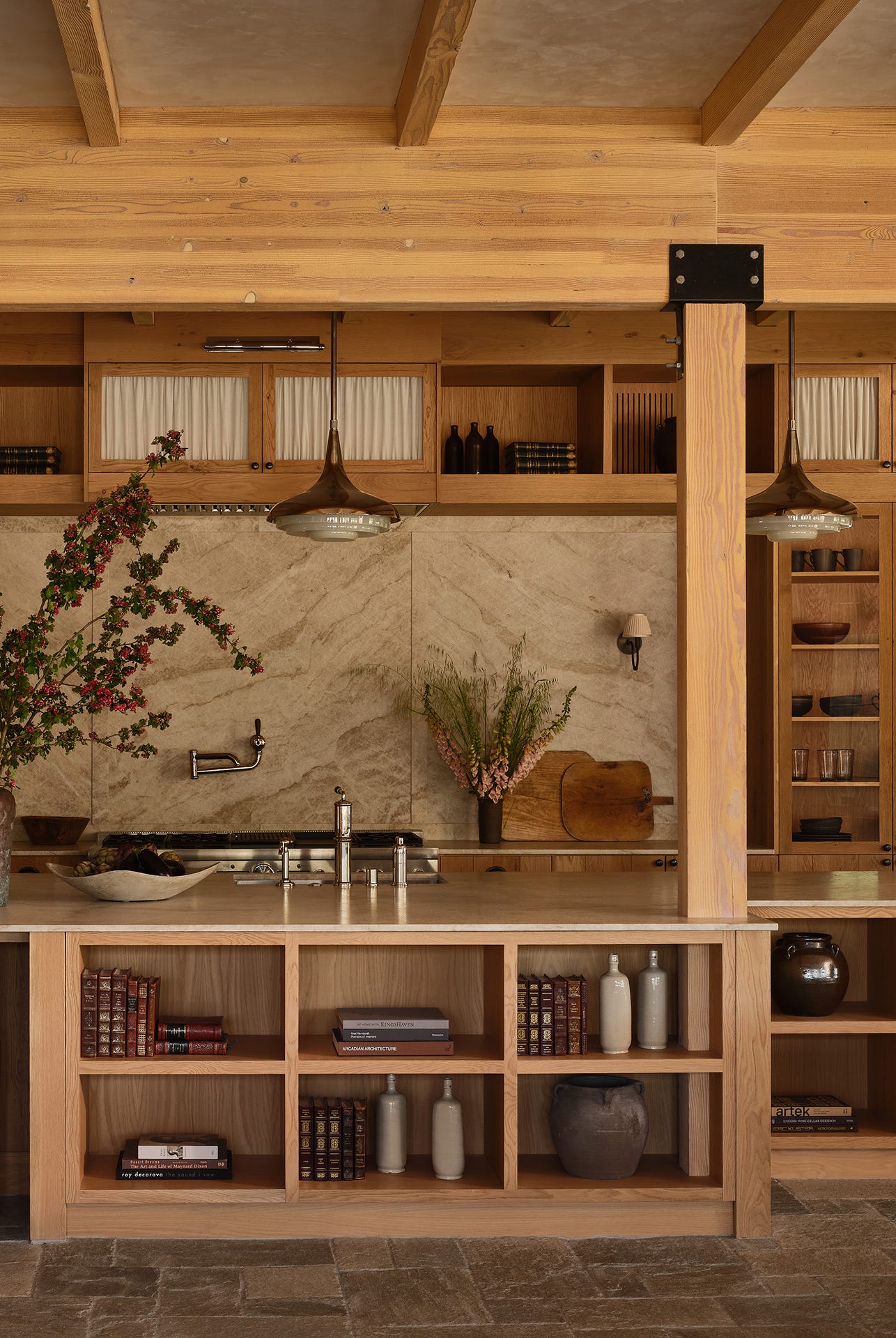
Another crucial tip is to contrast textures and tones. Camilla Masi, an interior designer at Otto Tiles & Design, suggests using a calm, neutral palette as a base and then adding unexpected pops of color, unique patterns, or richly glazed tiles. This approach prevents a space from appearing flat or predictable. Alvarez reinforces this idea, highlighting the creation of tension through contrasts such as hard and soft, organic and graphic, or vintage and new elements. He notes that even in monochromatic schemes, depth can be achieved through intentional variations in light, material, and form.
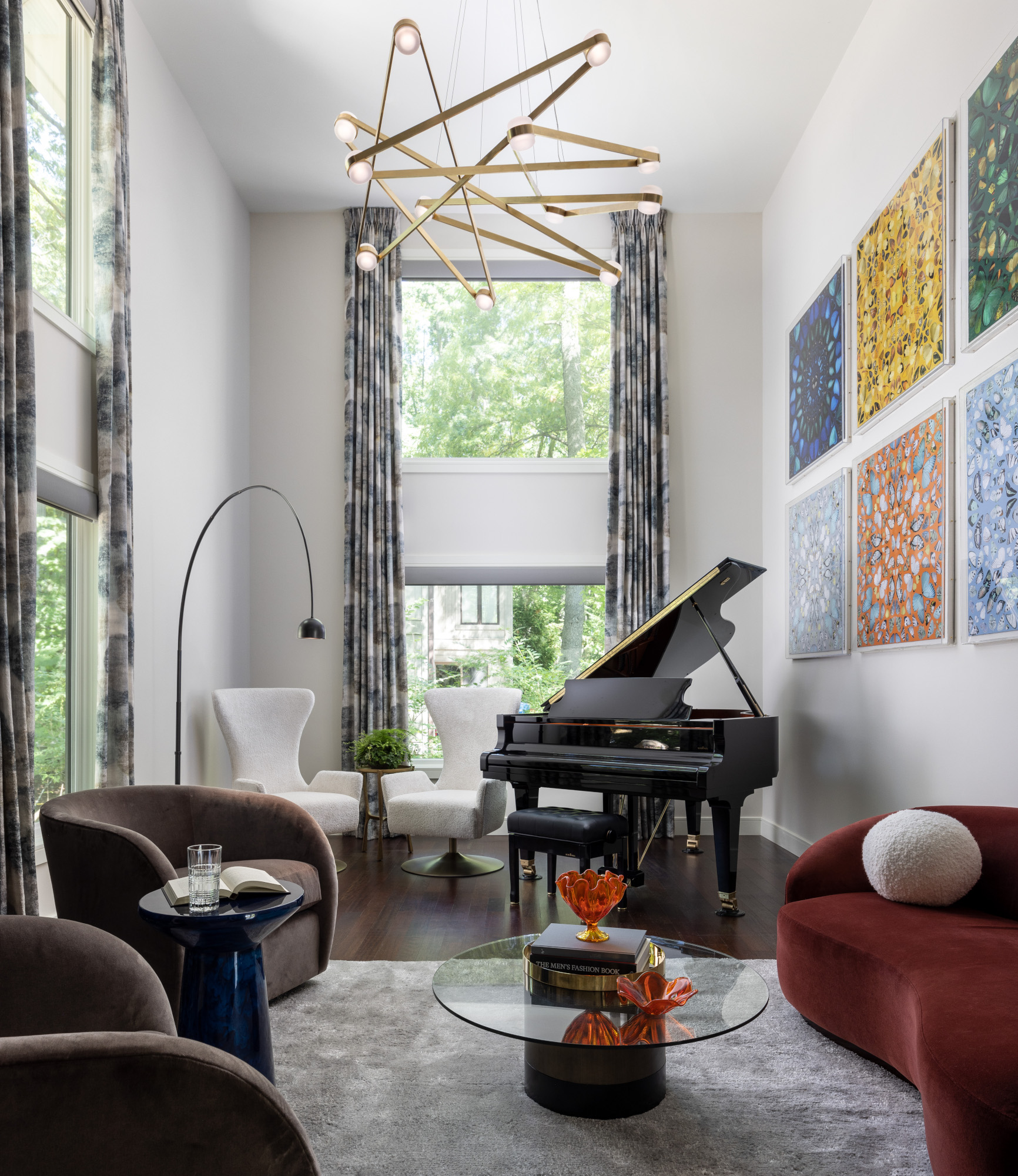
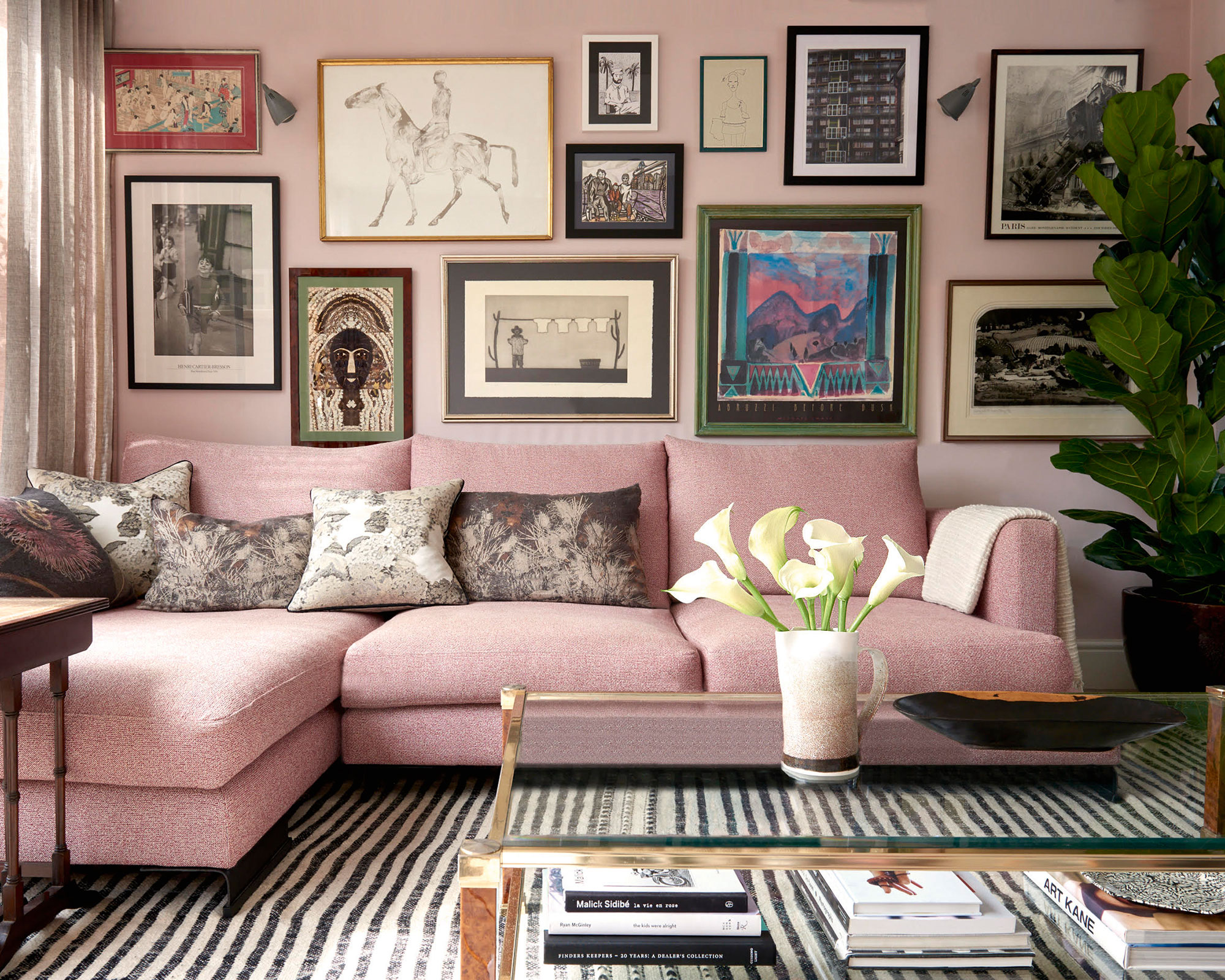
Incorporating bold art pieces is identified as a direct method to inject soul and individuality into a room. Art can set the overall tone and is often considered by designers as the most essential item to retain in a space. Manuela Hamilford, founder of Hamilford Design, explains that art elicits emotion and conversation, reflecting the inhabitants' identity. A home that authentically mirrors its occupants’ lives will inherently avoid being boring.
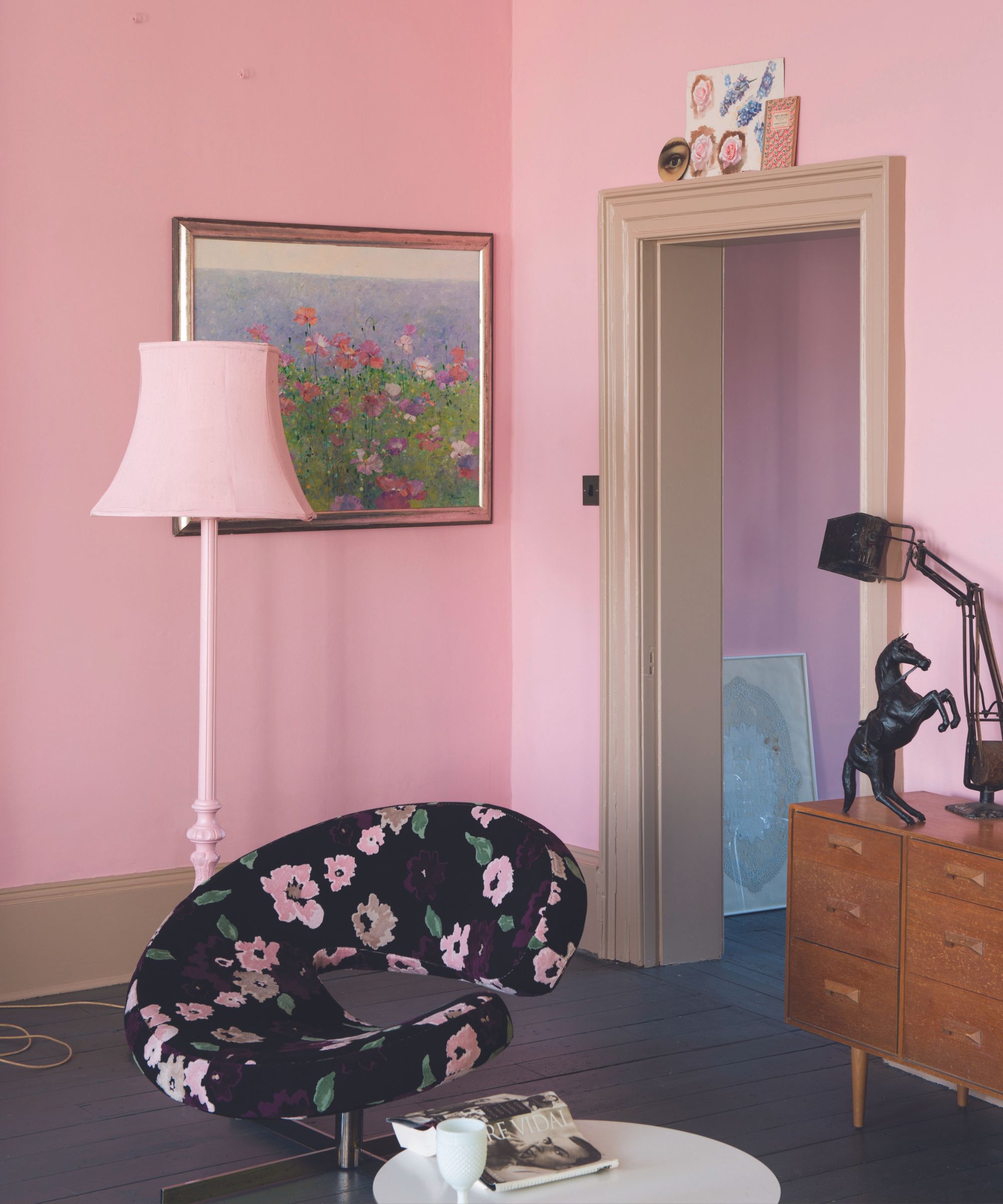
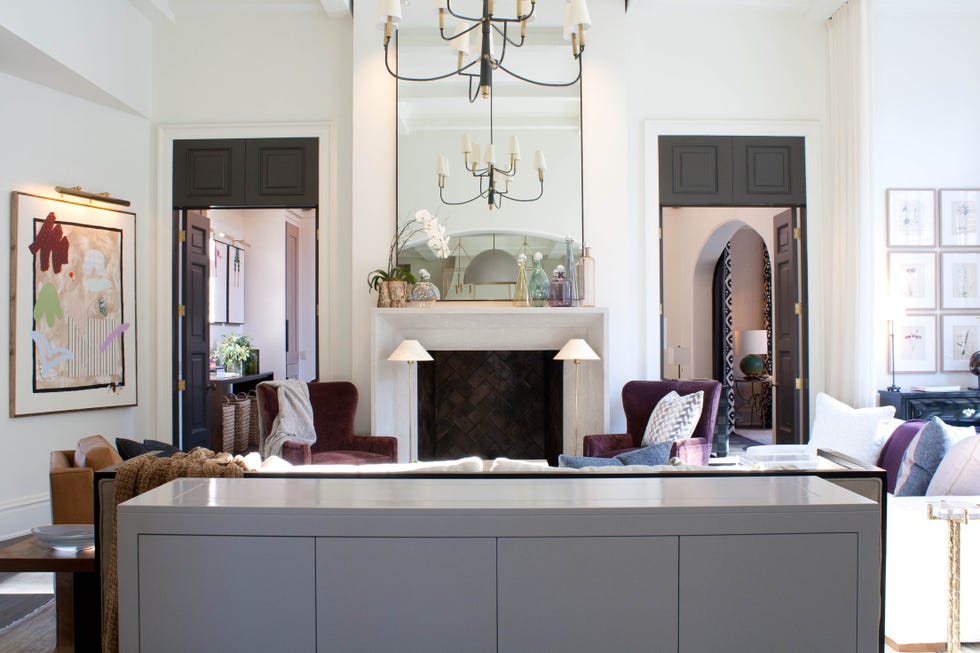
The article also advocates for playfulness in design. Overlooked transition areas, such as doorways, can be transformed into design statements. Raili Clasen of Raili CA Design suggests painting archways in vibrant colors, tiling them, or using contrasting wallpapers to create impact and a sense of fun. These playful interventions frame the room and establish memorable "moments."
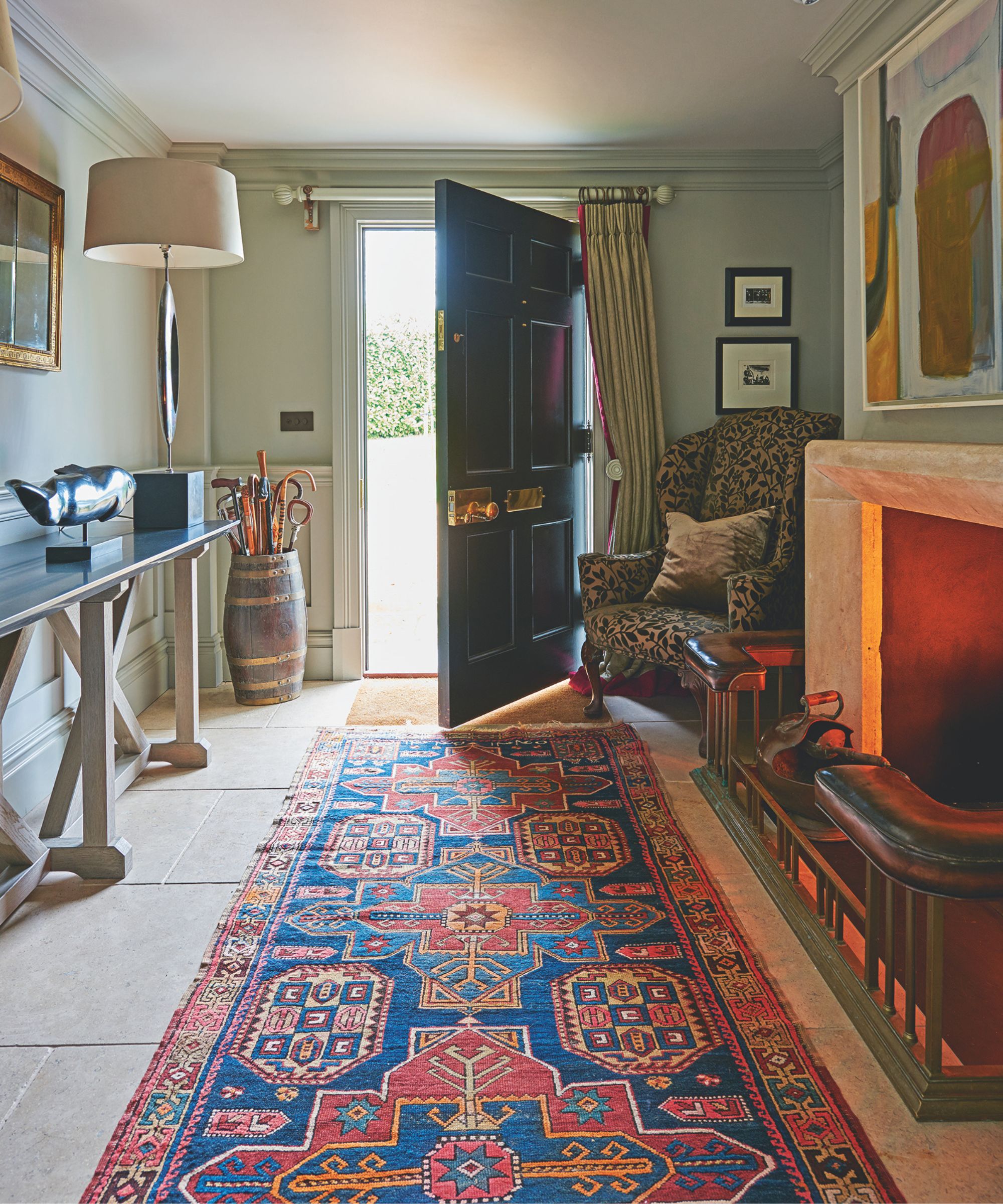
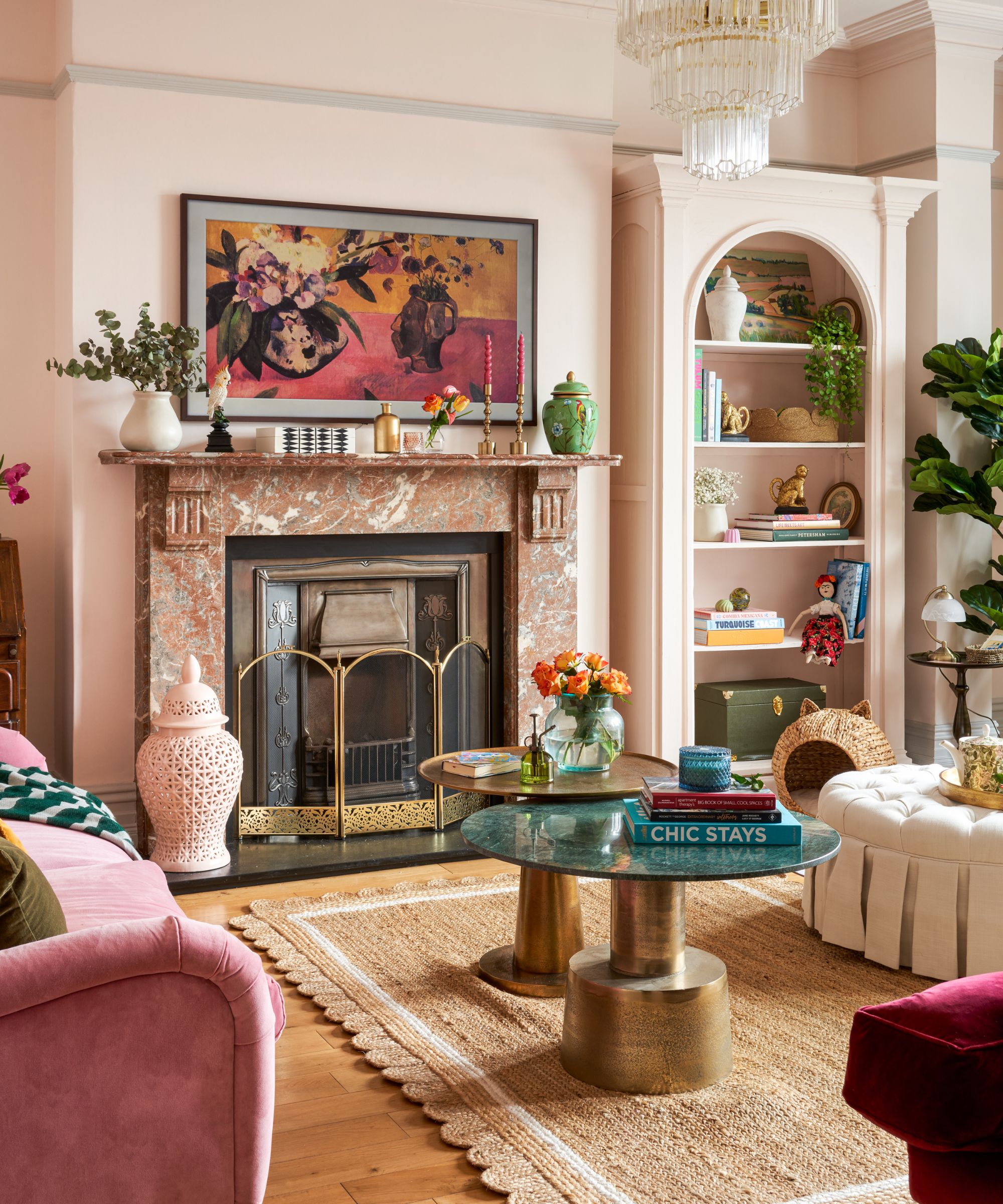
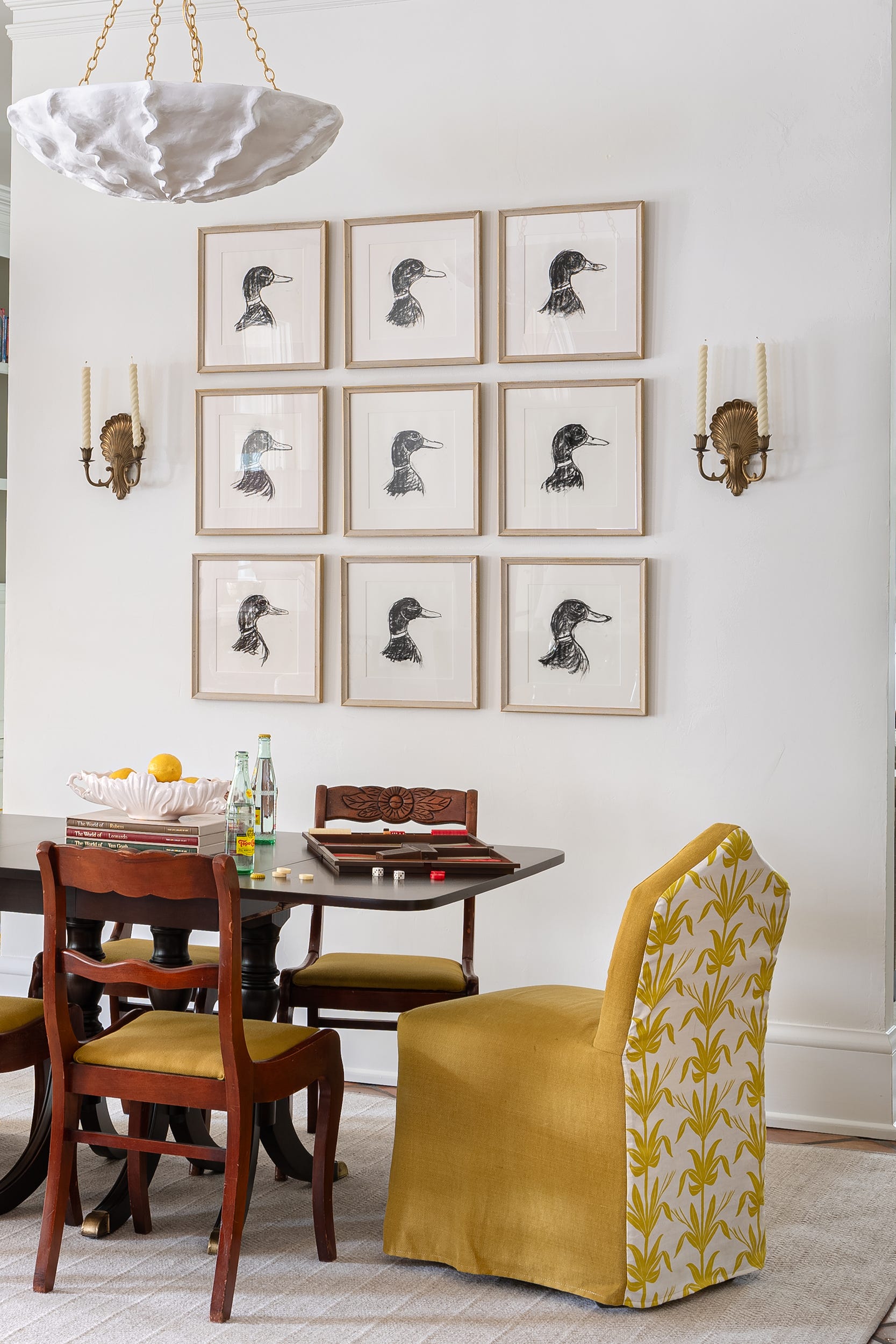
Finally, the most significant advice is to embrace experimentation and avoid "playing it safe." Genevieve Bennett, Head of Design at Liberty Interiors, encourages designers to be bold and brave, freeing themselves from concerns about external opinions. She recommends experimenting with unexpected color and pattern pairings, like juxtaposing graphic stripes with traditional florals or adding vibrant colors to minimalist spaces. Bold prints, she suggests, can introduce a sense of fun, starting with a lead textile and building the design from there. This approach of "pattern sprinkling" fosters both interest and balance, ensuring that a space designed with passion and creativity will resonate with others. #InteriorDesign #HomeDecor #DesignTips #CreativeSpaces #MoniomiDesign #ArtInDesign #TextureAndTone #PersonalizedInteriors #PlayfulDesign
0 comment in total
 No comments yet
You may also like
Does your room feel like a boring white box? This interior designer's 5 easy tips will help you transform it into a personality-packed scheme in no time
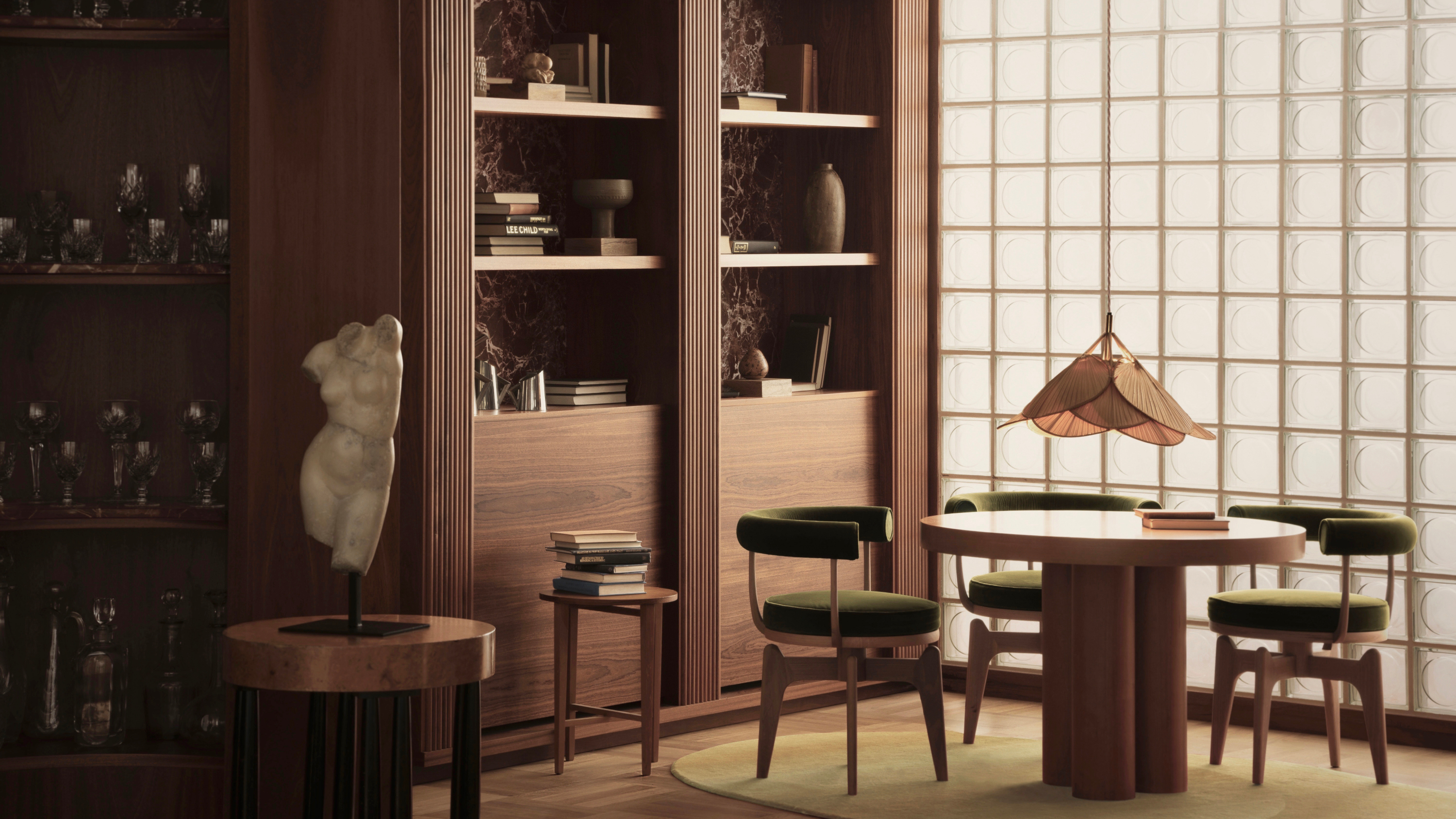
Designers Have a New Clever Shortcut To Make Rooms Look More Rich — 5 Spaces That Nail the Look
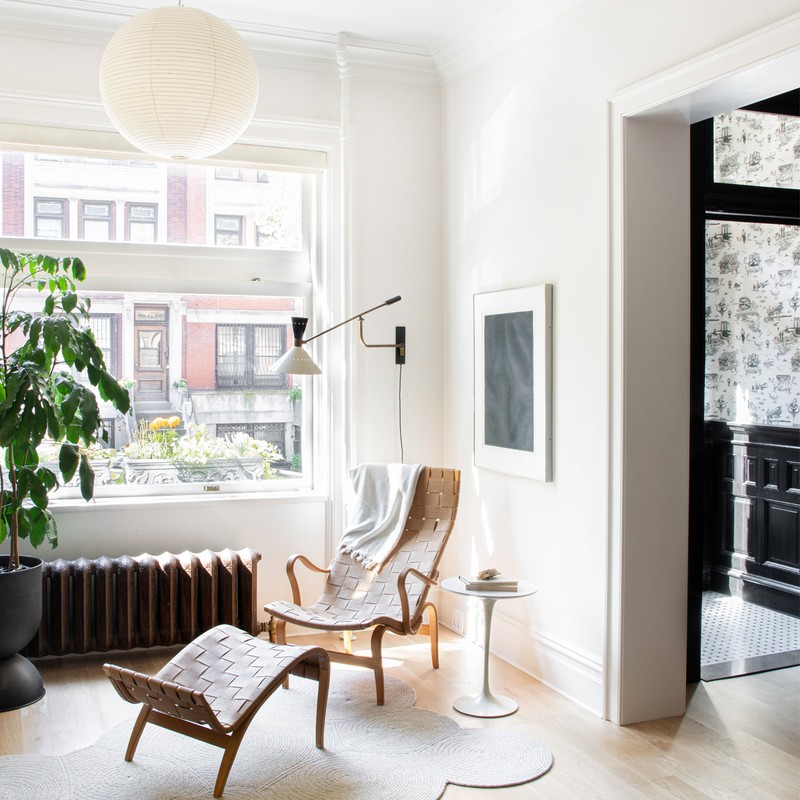
19 Tips From A Top Interior Designer

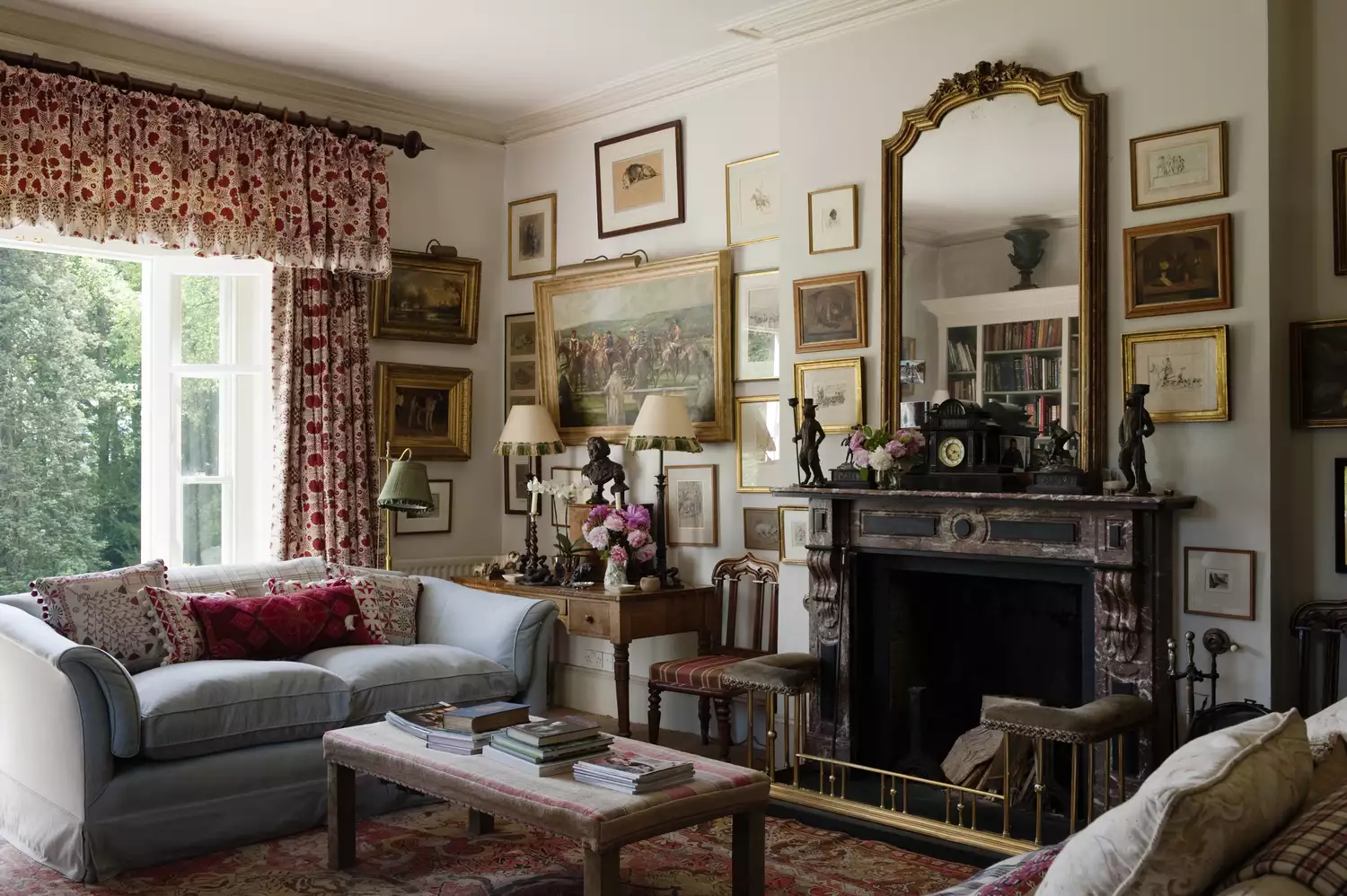
5 Stuffy Living Room Decor Choices You Need to Stop Making, According to Designers

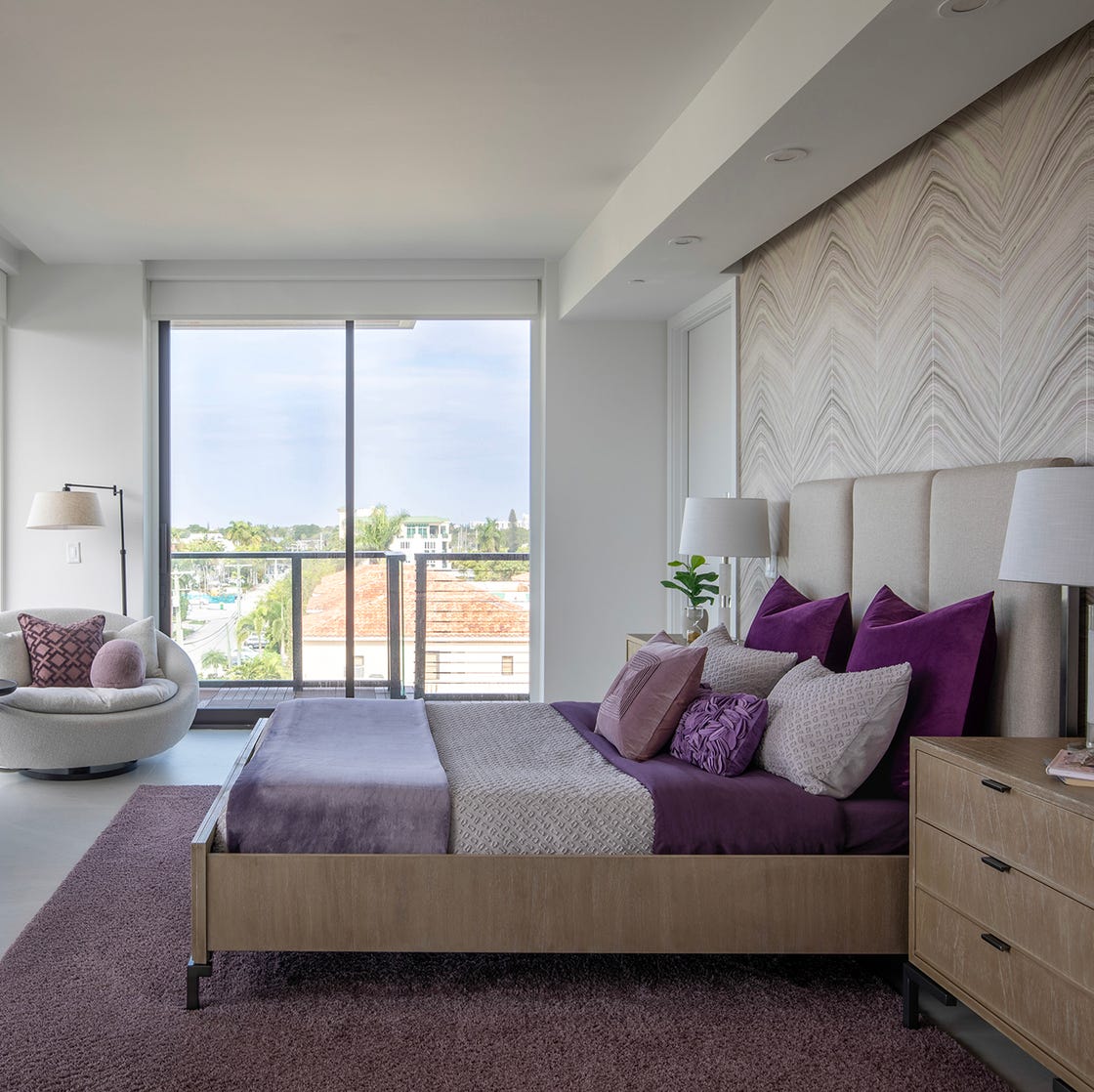
5 Things Interior Designers Wish You Would Do

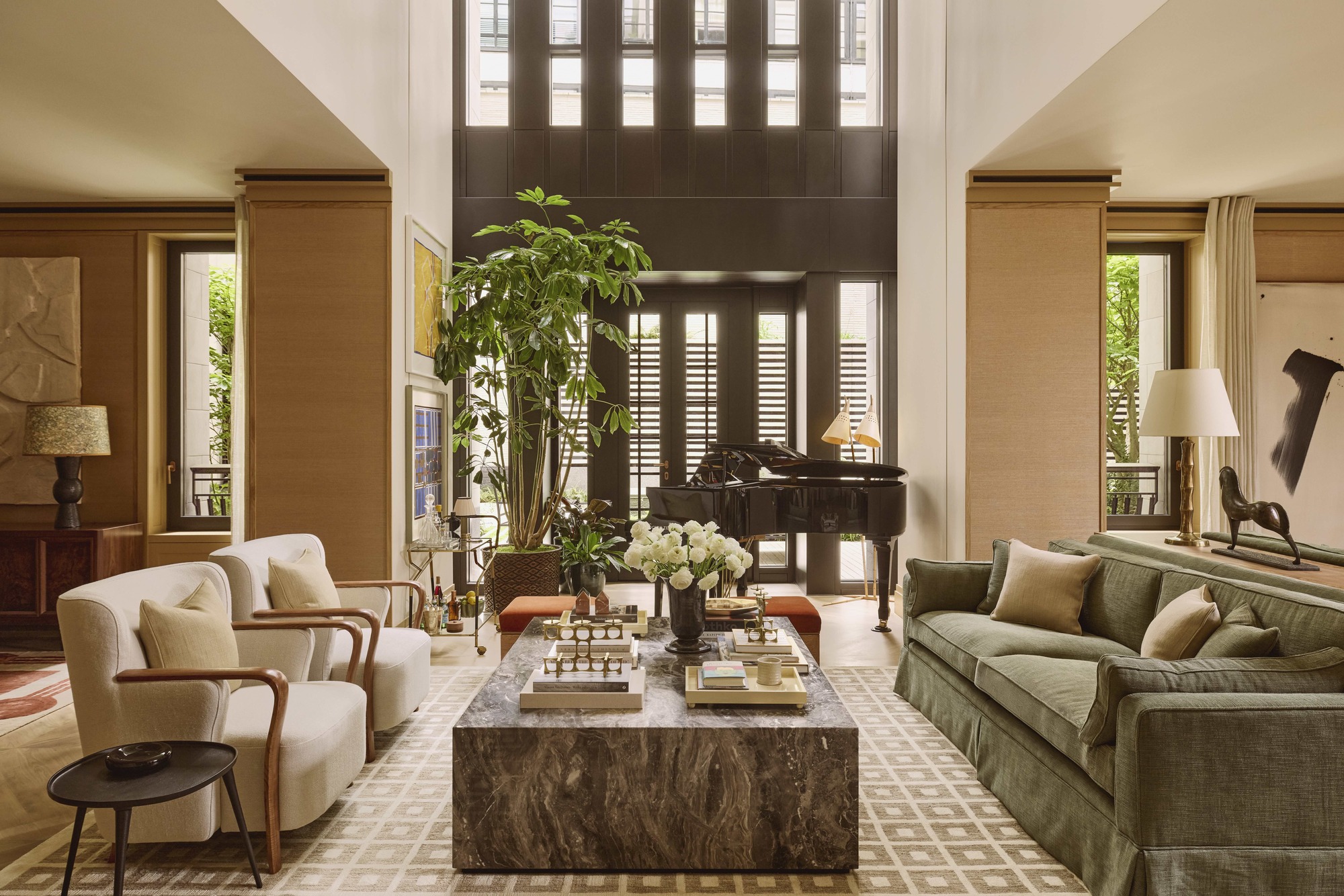
5 Genius Ways Interior Designers Know How to Adapt Your Living Room’s Layout When You’re Hosting a Lot of People

Five Things To Consider When Designing Your Living Room
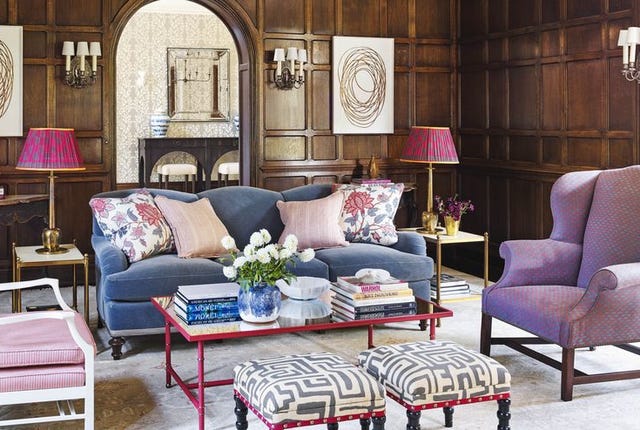
Designers Share Their Best Tips for Acing Ambience in the Living Room with Lighting
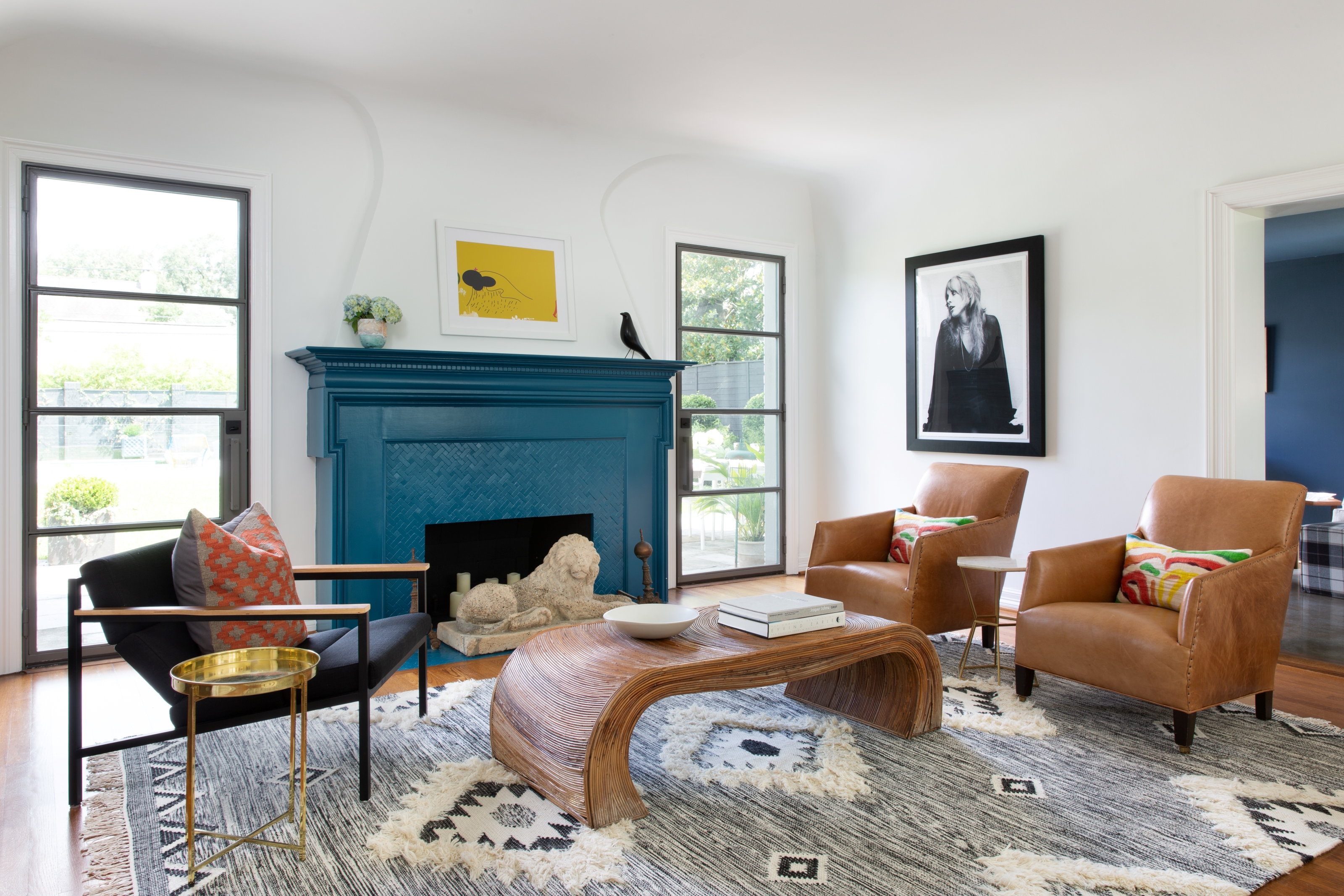
5 things interior designers say every living room should have in it – are you missing any?
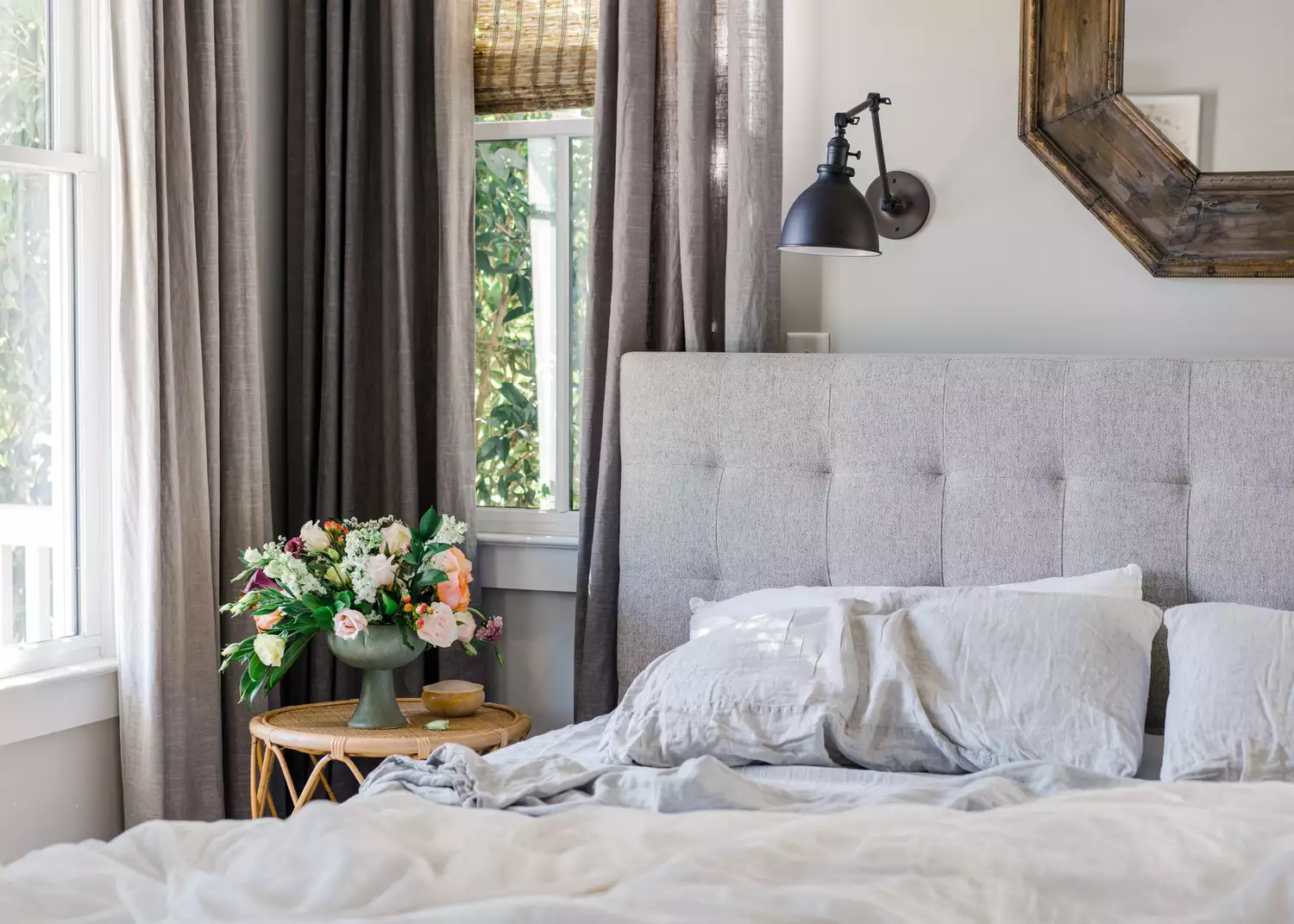
6 Tricks Designers Always Use to Create a More Relaxing Bedroom
5 colors that will make your living room feel happier, according to interior designers
Design Pros Reveal Their Secret Tricks for Maximizing Space in the Tiniest Living Rooms

5 Rules You Should Always Follow When Decorating Your Bedroom, According to Designers
5 simple tips to create eclectic interiors that still feel luxurious – from an interior designer who's perfected the balance

The smallest tweak to your bedroom makes the biggest difference - 5 designer secrets for creating restful schemes
Design Insiders Reveal Their SECRETS to Decorating Your Home Like a Pro
How to refresh a small living room — 5 easy tips designers swear by

6 Underrated Designer Secrets That Instantly Make Any Room Look Better
13 tips interior design experts want you to know about decorating your bedroom
5 Secrets That Will Make Your Living Room Look Expensive, According to Designers