6 Tricks Designers Always Use to Create a More Relaxing Bedroom
Creating a relaxing bedroom environment is crucial for unwinding at the end of a busy day. Interior designers Jennifer Jones, Christine Jahan, and Janelle Patton offer six key strategies to transform any bedroom into a serene retreat, regardless of its size. These tips focus on sensory elements, organization, and comfort, which collectively contribute to a calming atmosphere.
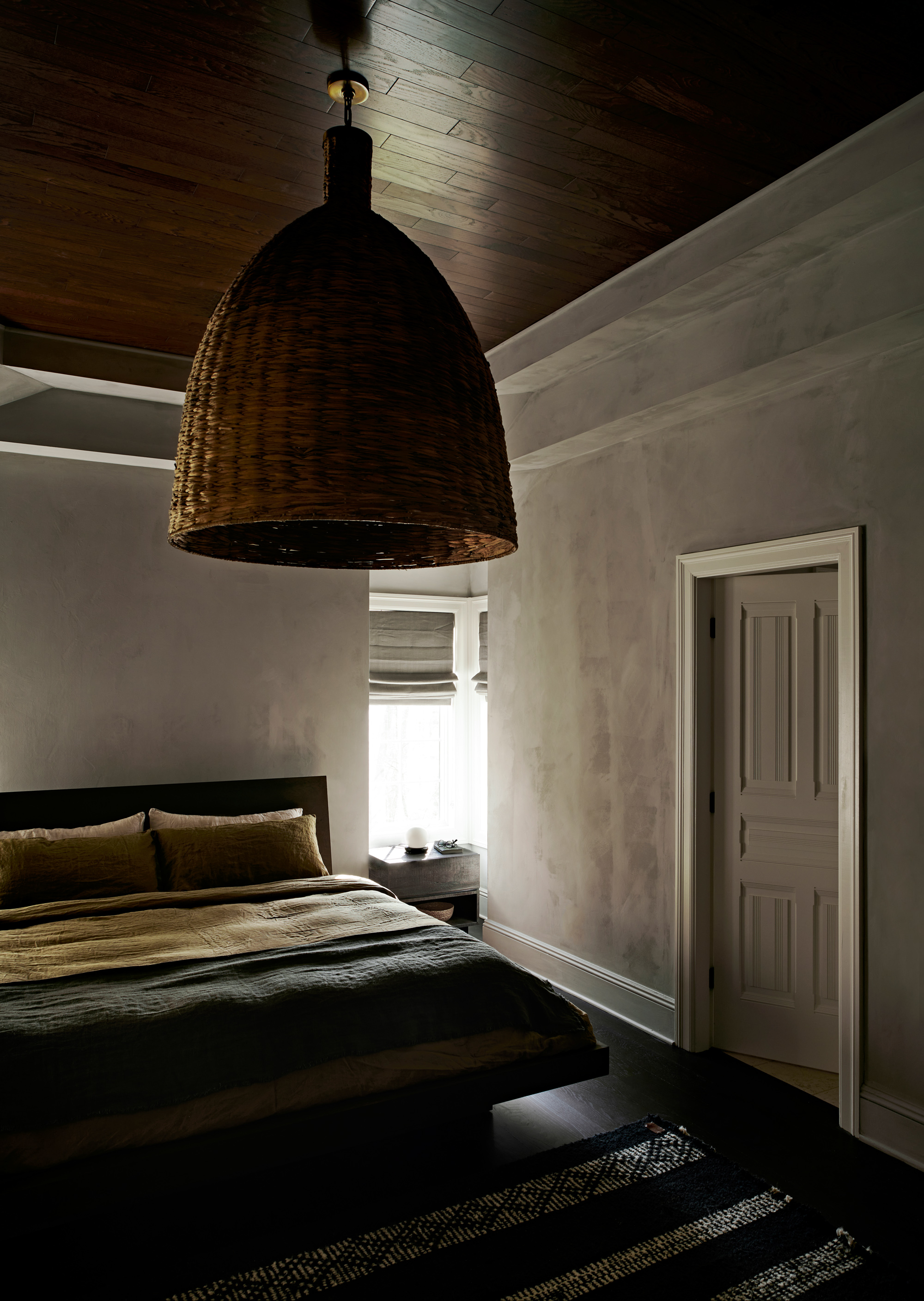
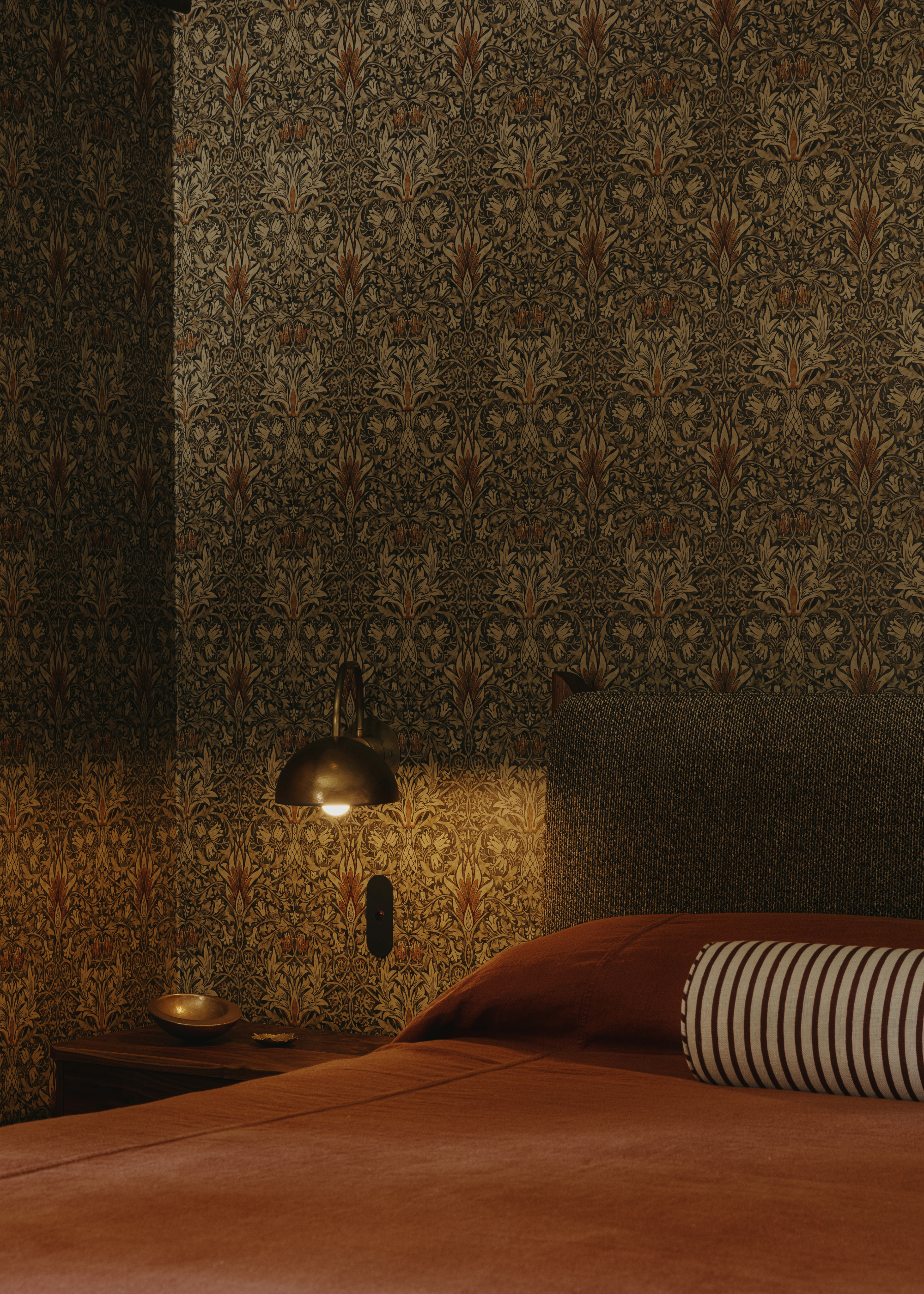
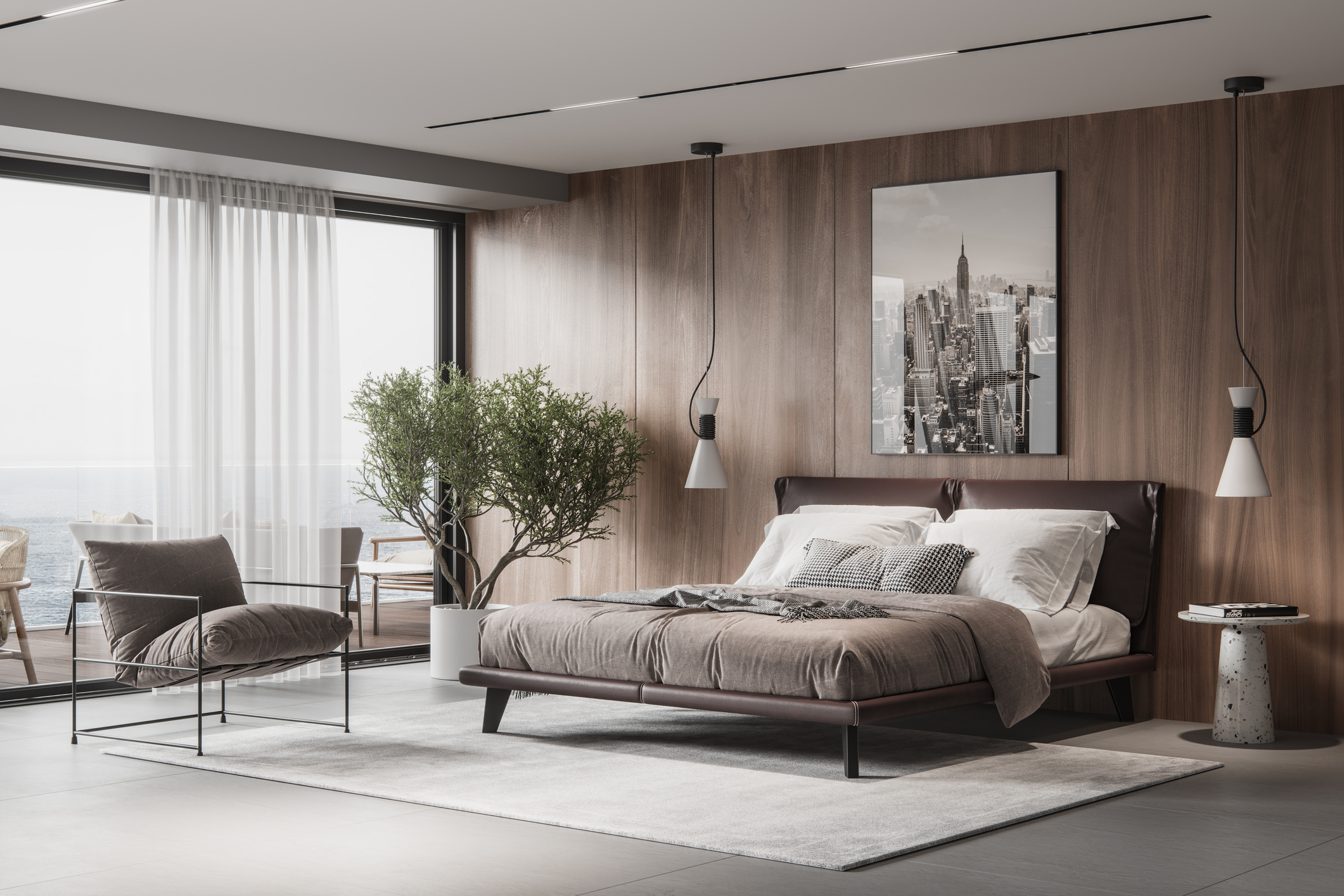
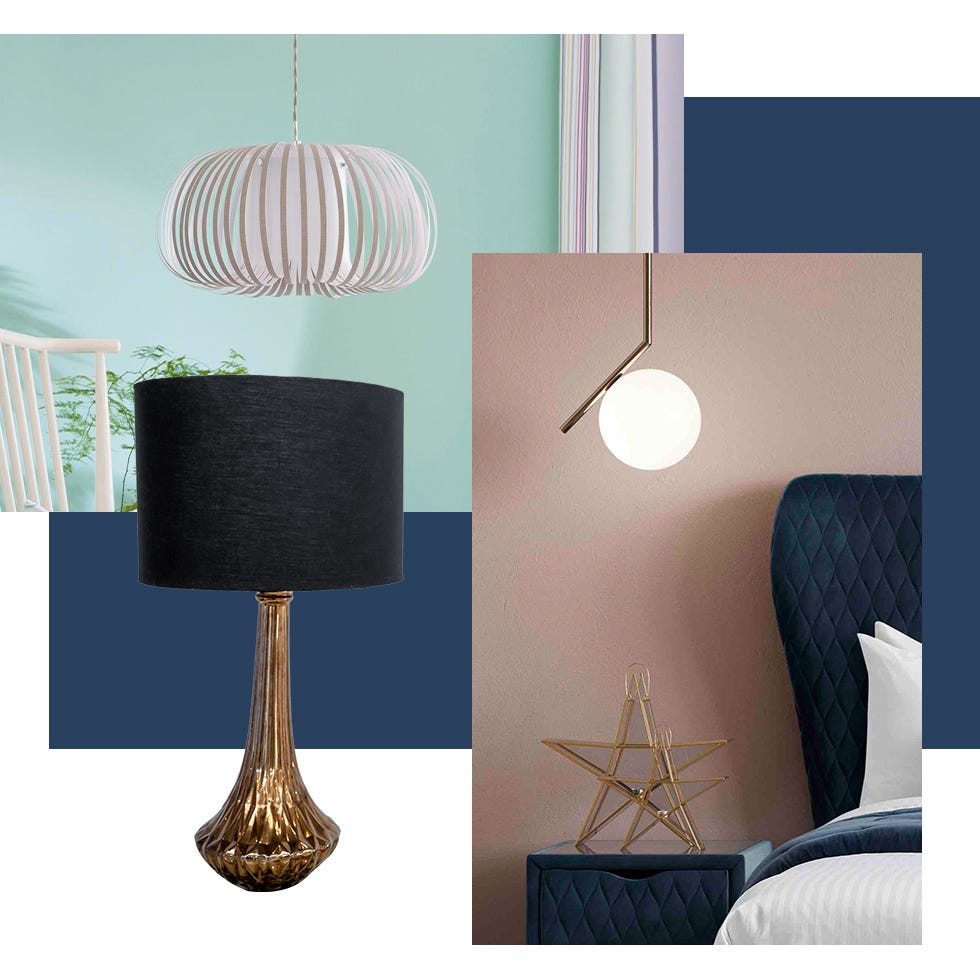
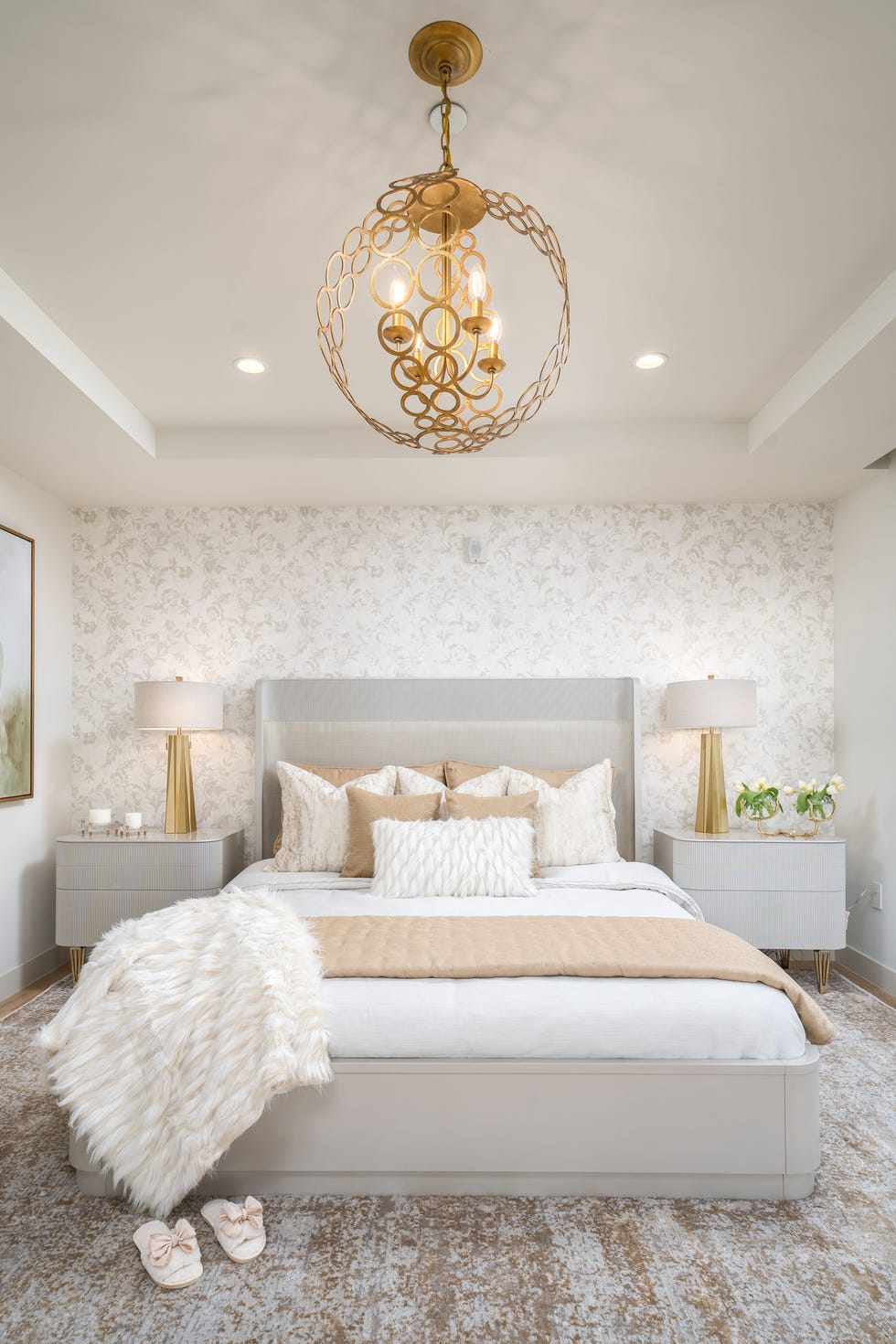
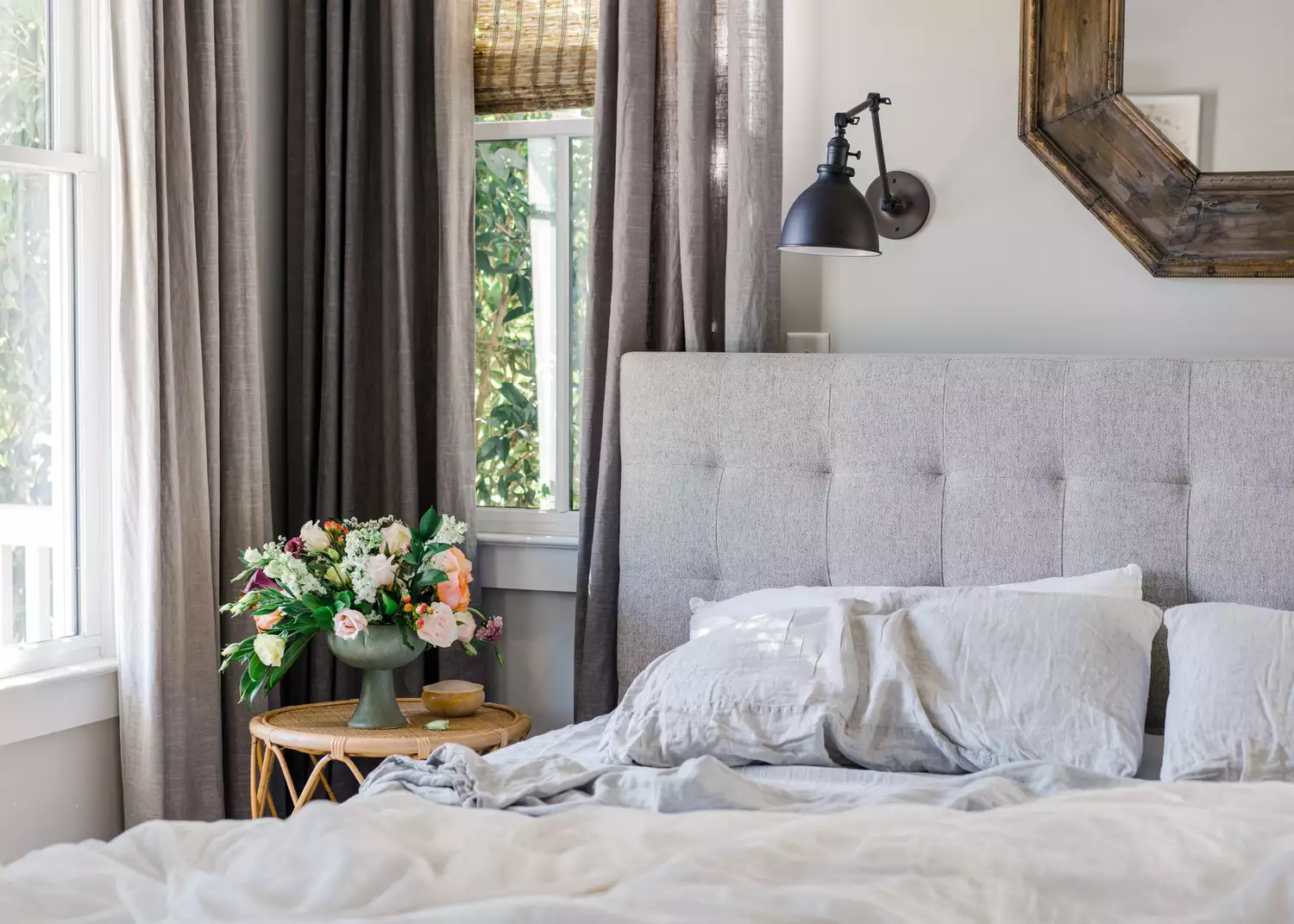
Effective lighting is identified as the primary factor in establishing a relaxing mood. Jennifer Jones emphasizes the importance of warm bulbs, particularly in table and floor lamps. She suggests using dimmable options, such as Phillips Hue LED bulbs, which are versatile enough for various lamp types. The goal is to avoid harsh, bright lighting that can disrupt the tranquil ambiance, opting instead for soft, inviting glows that promote relaxation.
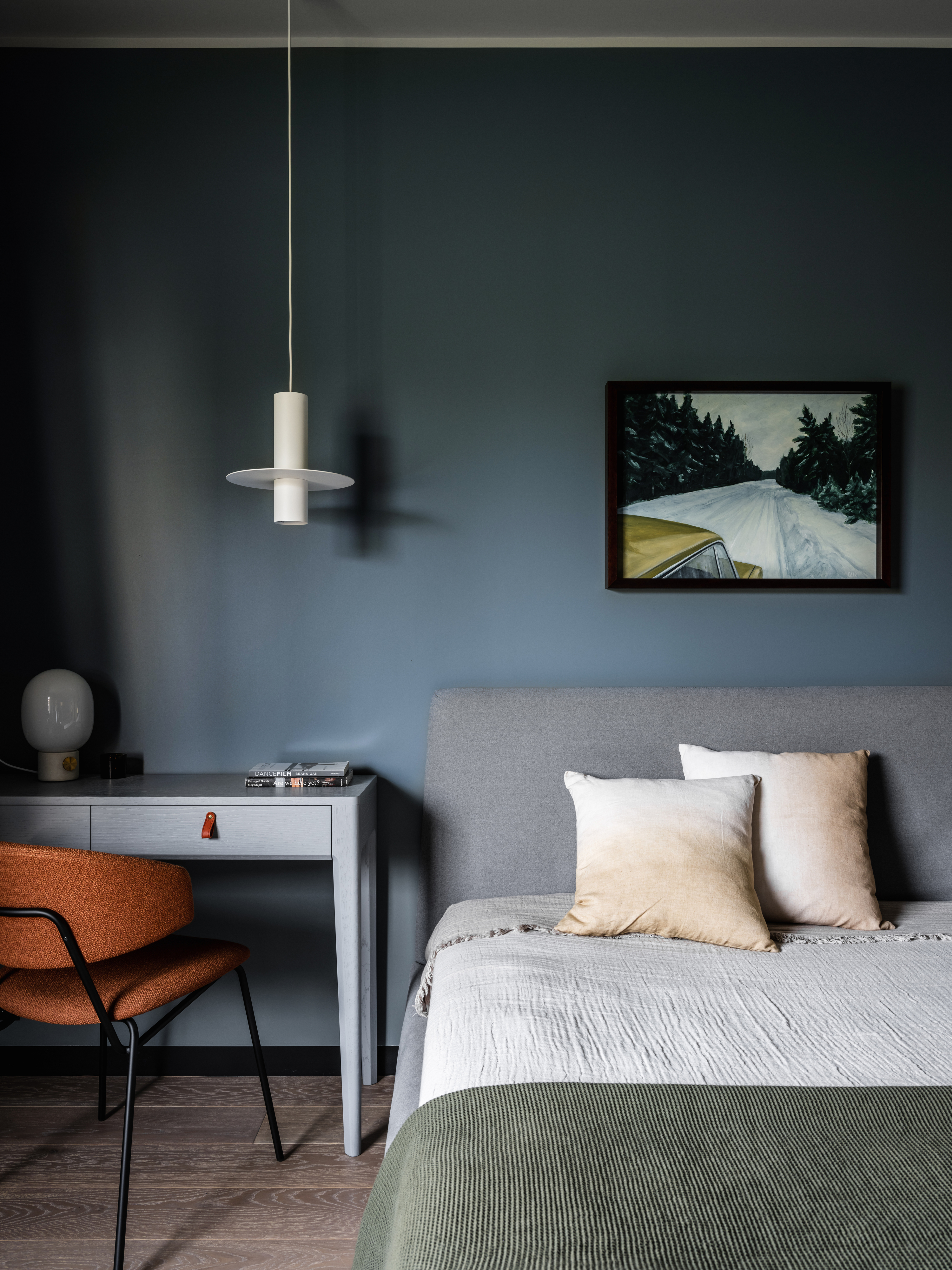
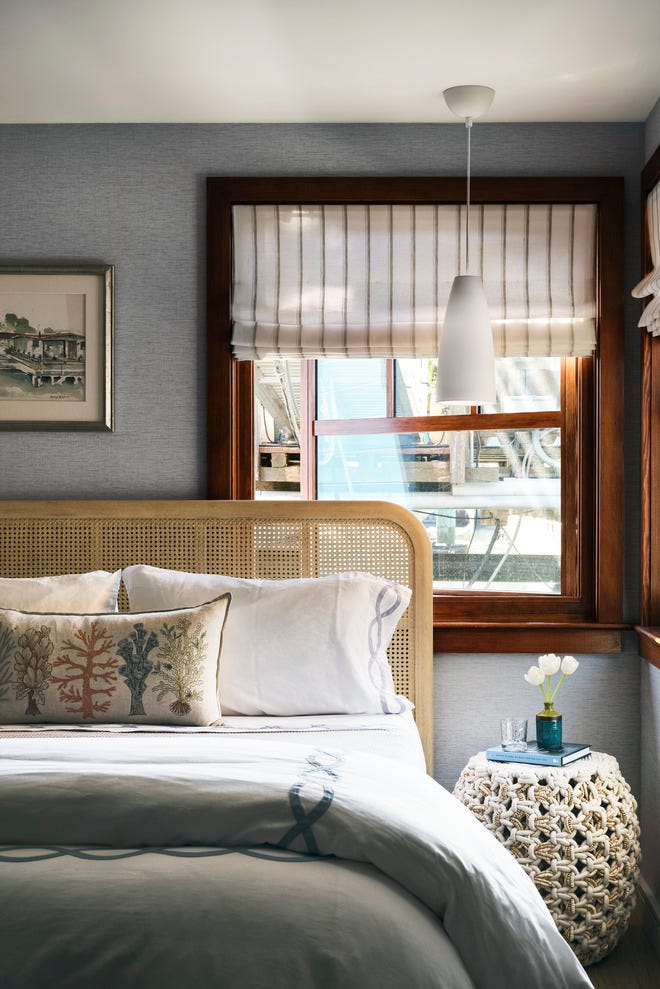
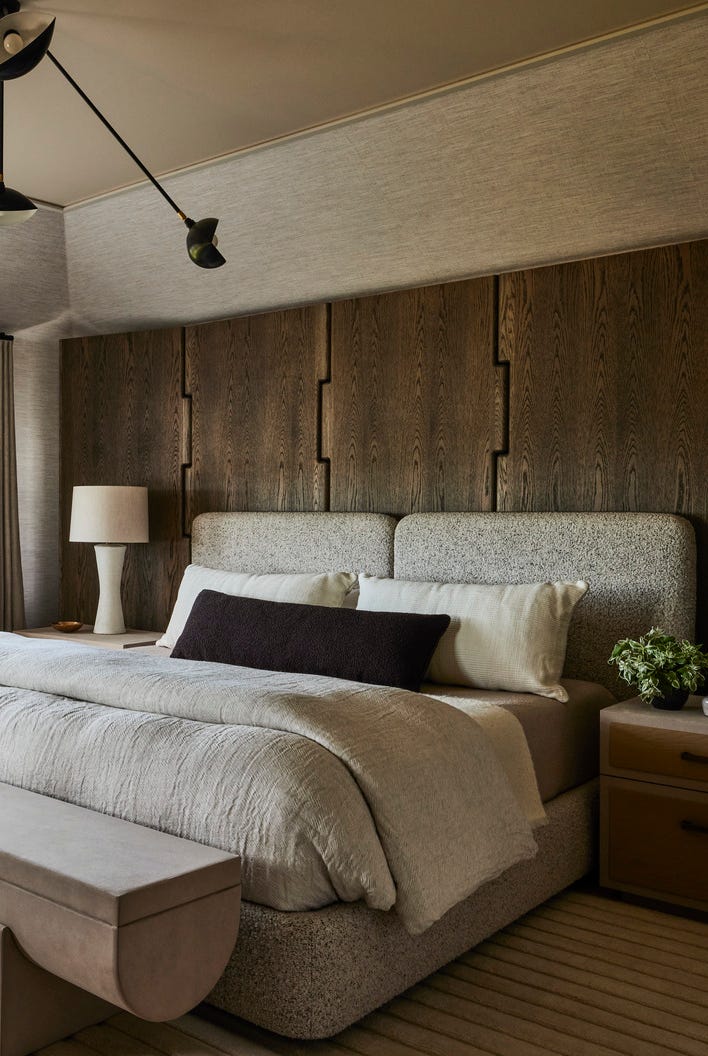
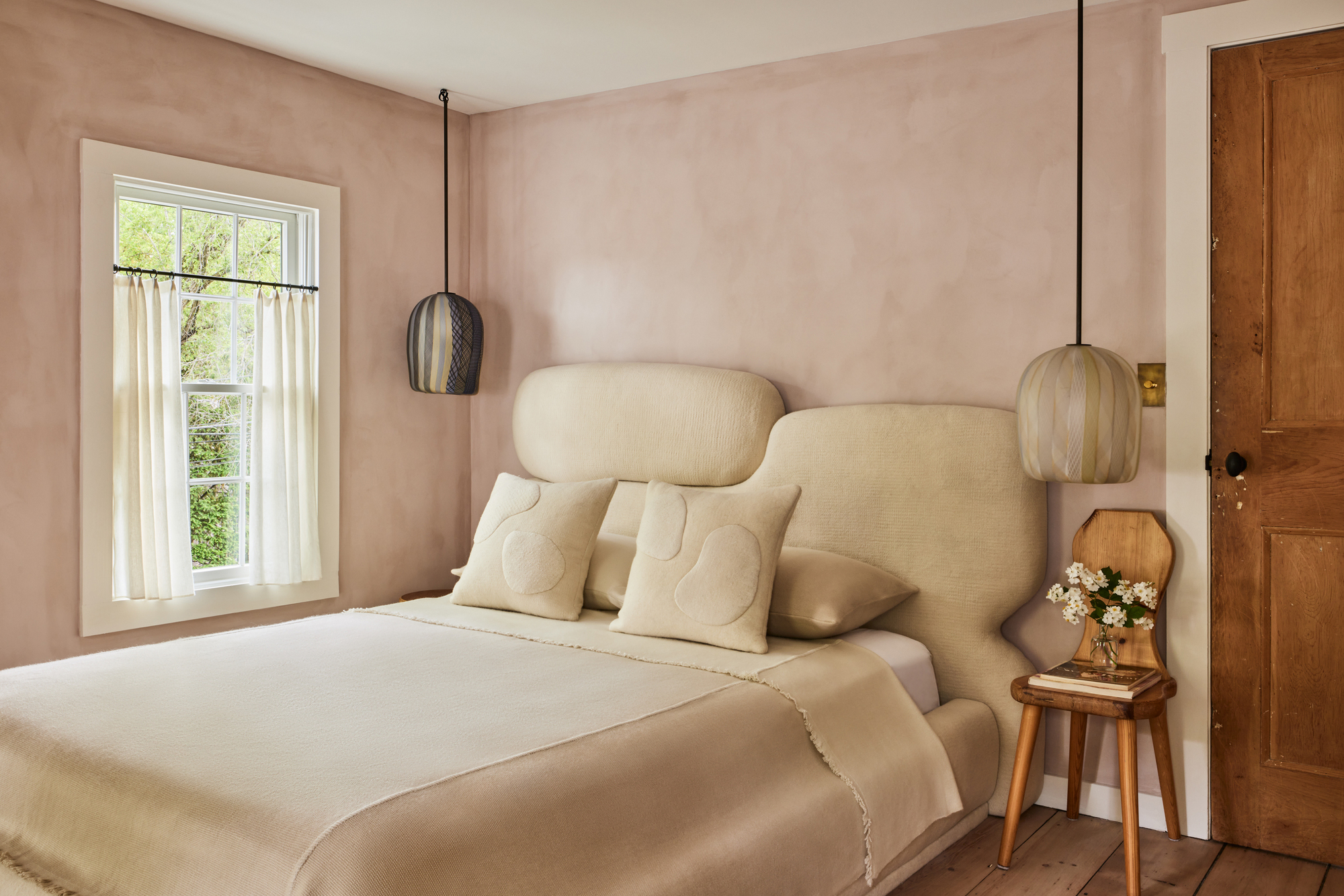
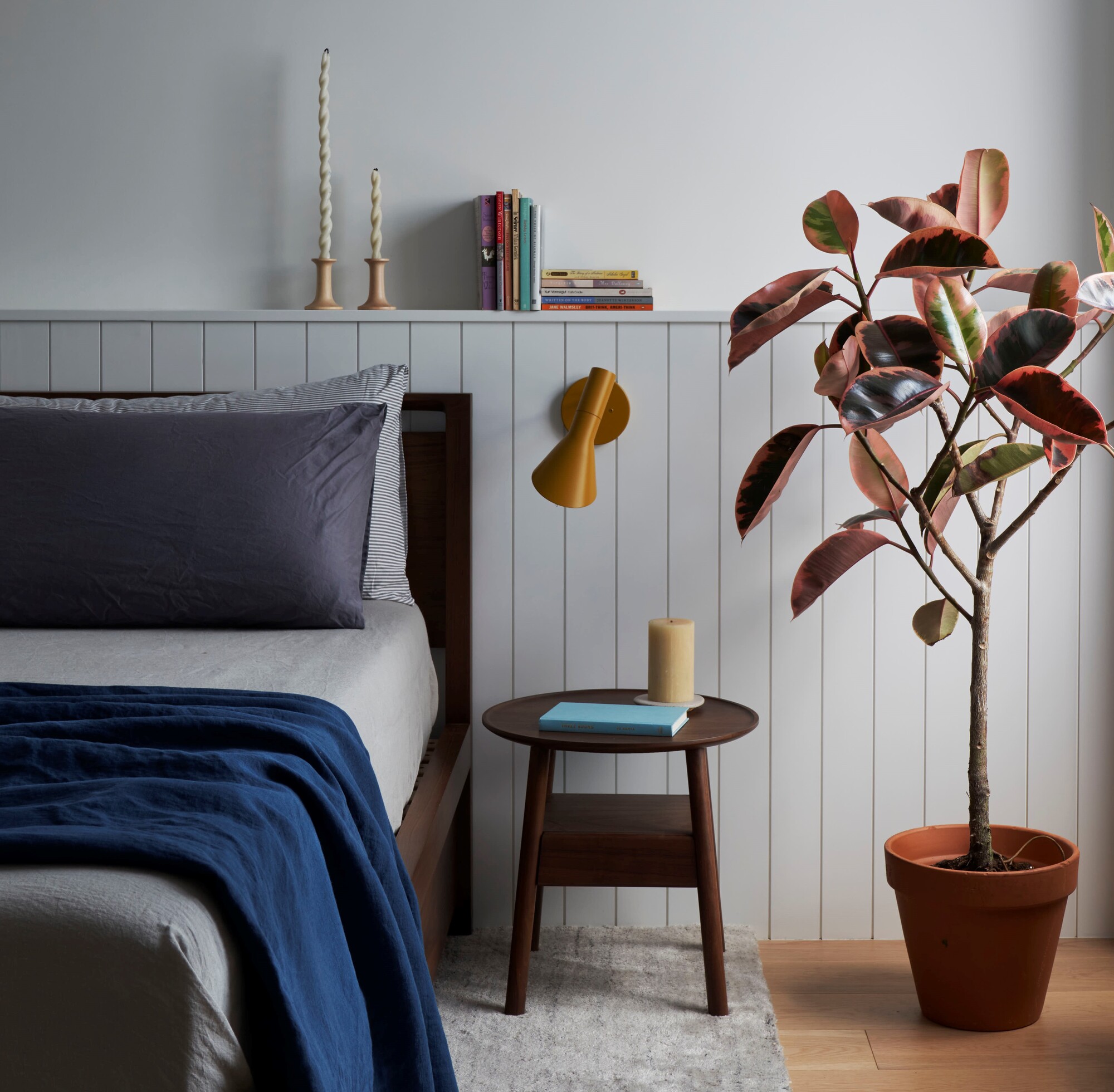
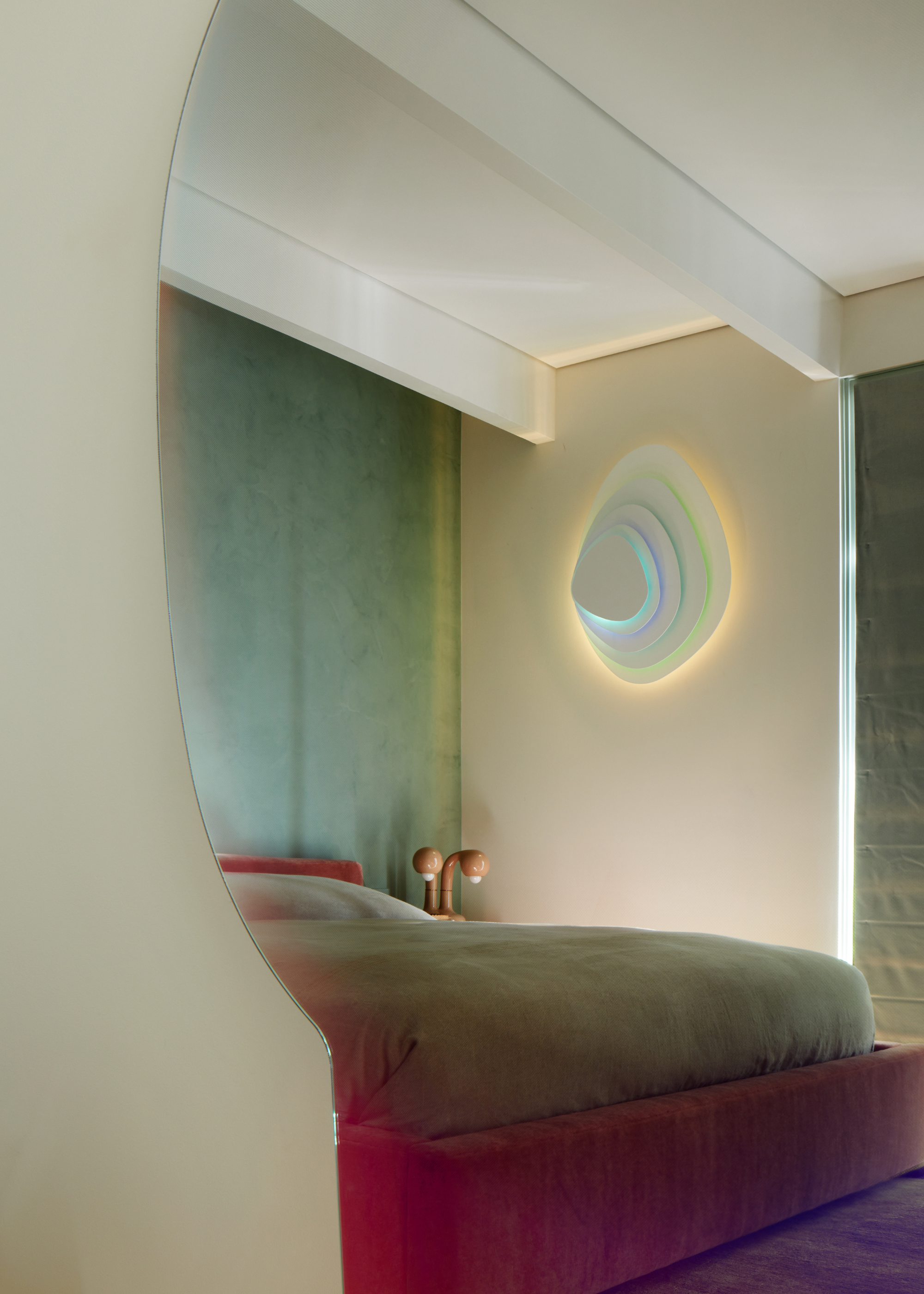
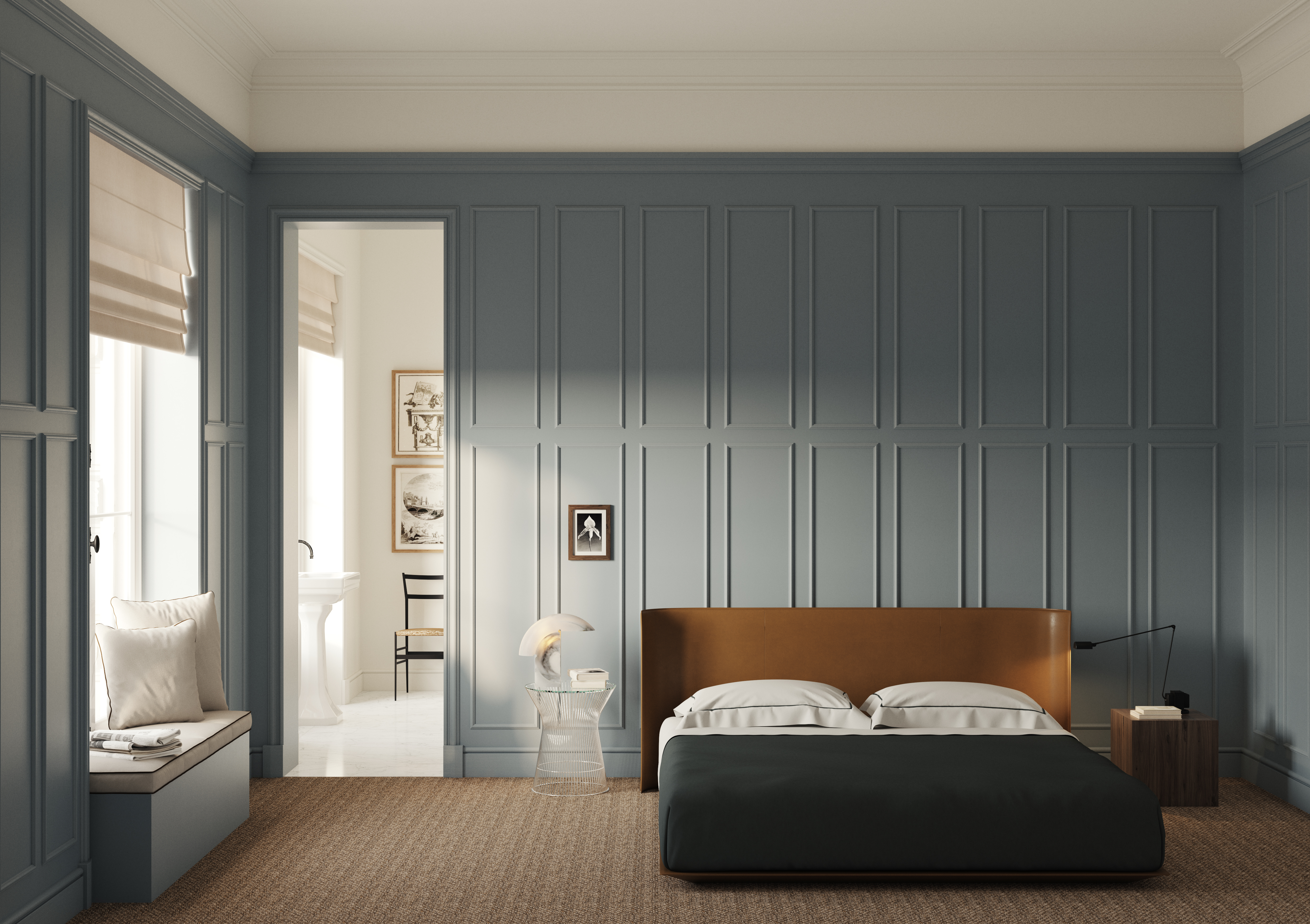
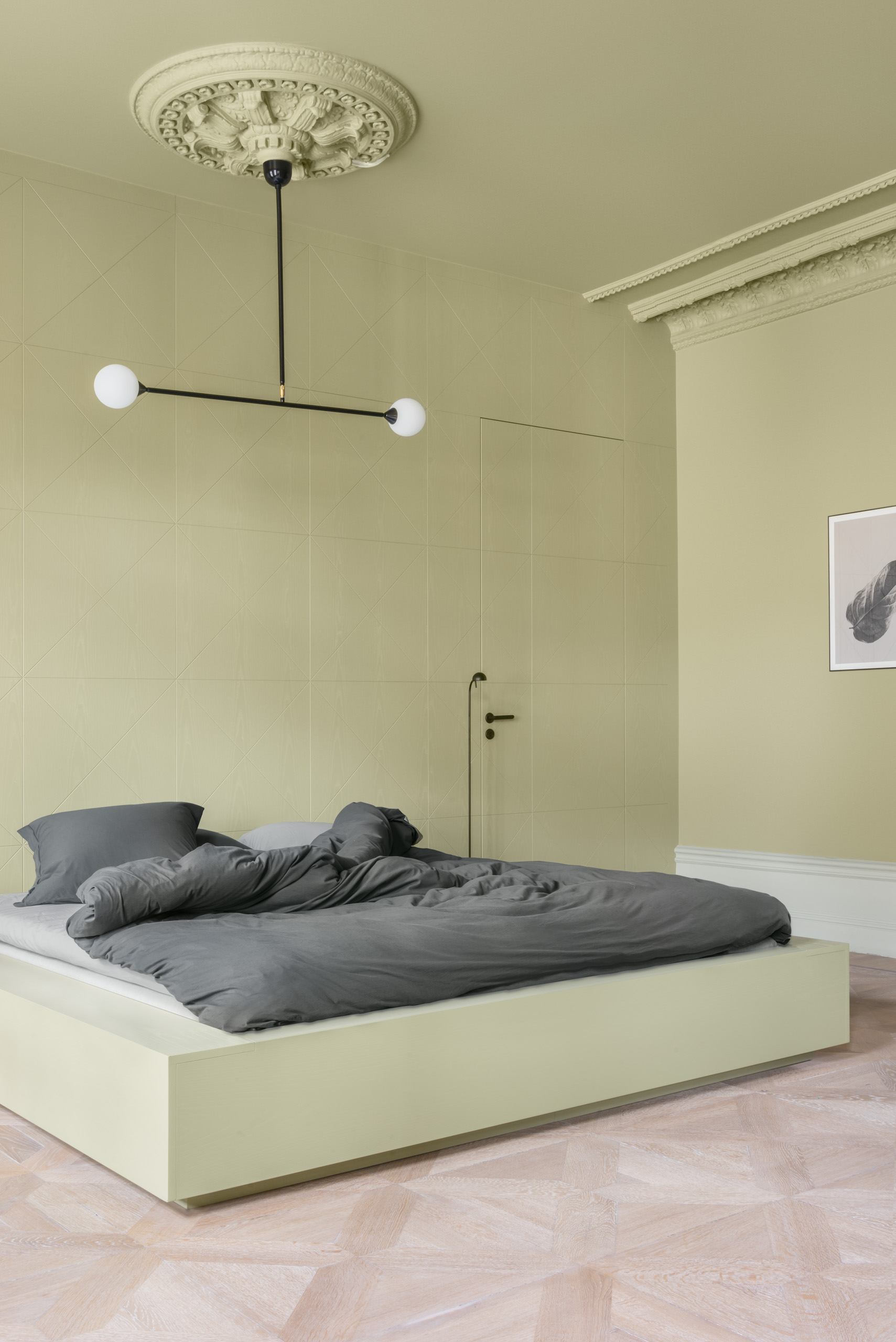
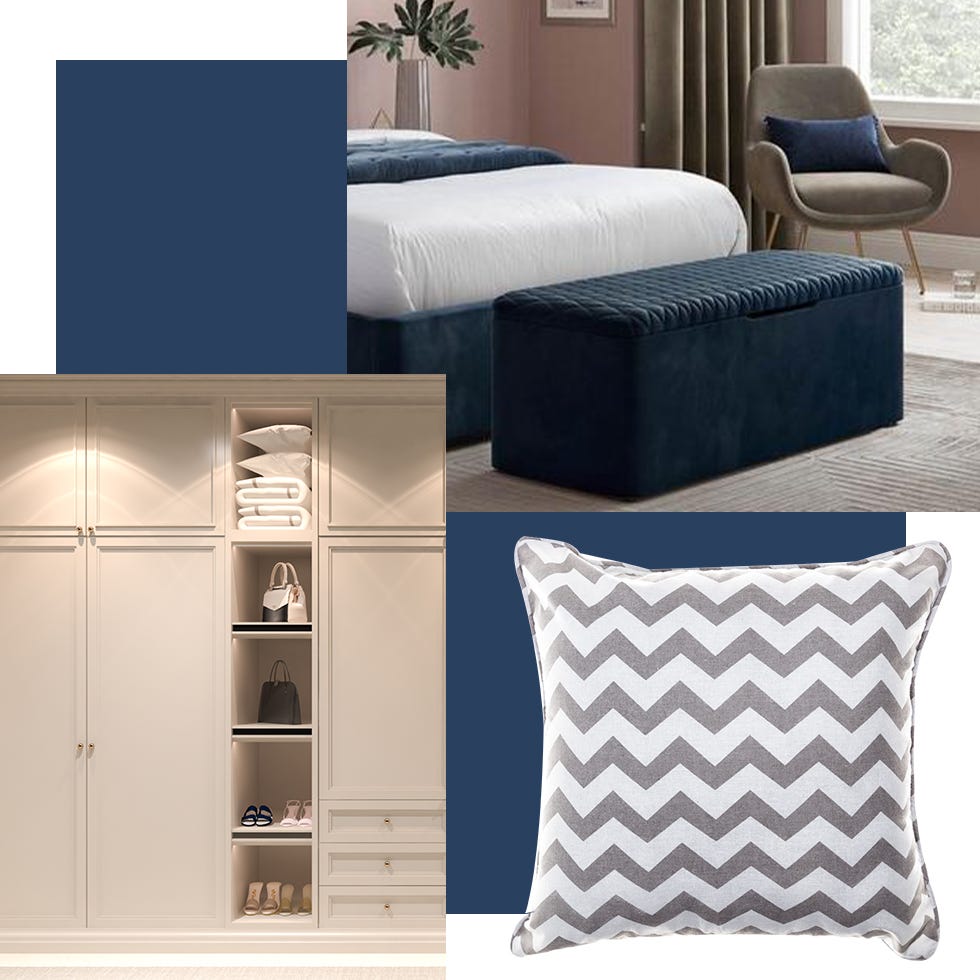
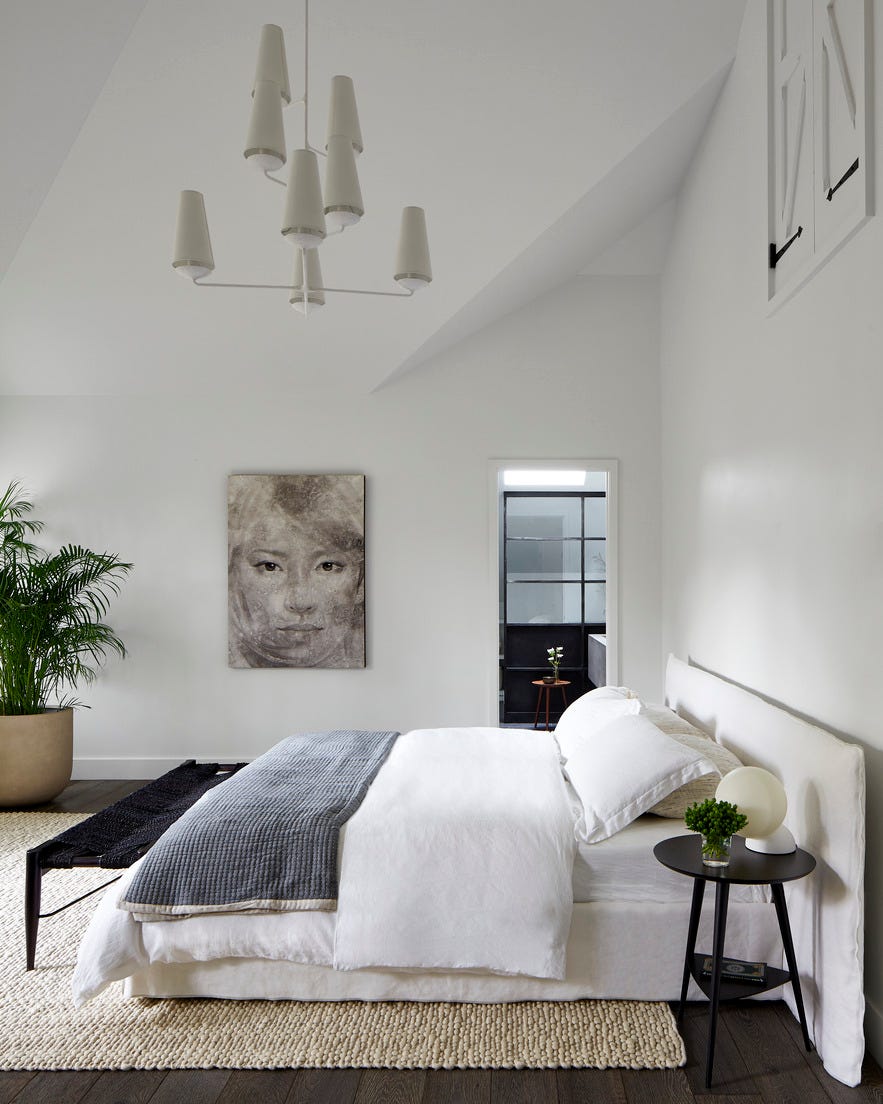
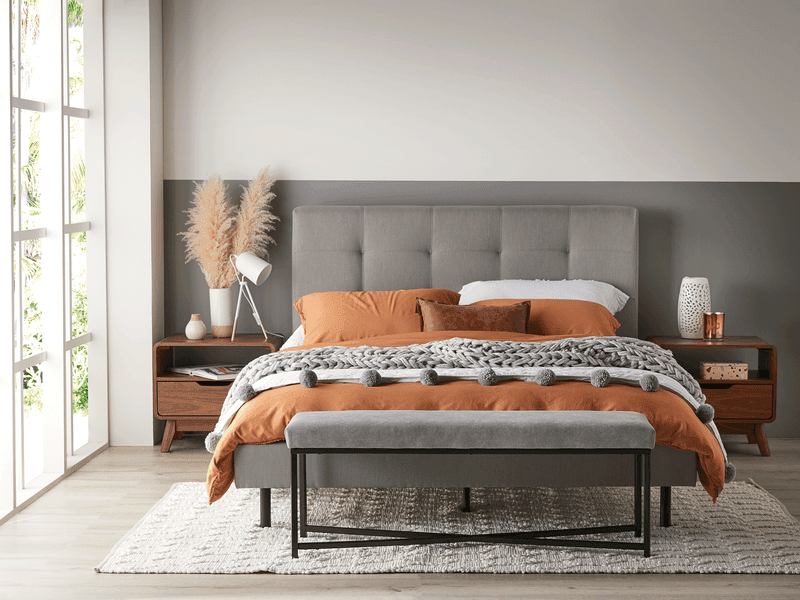
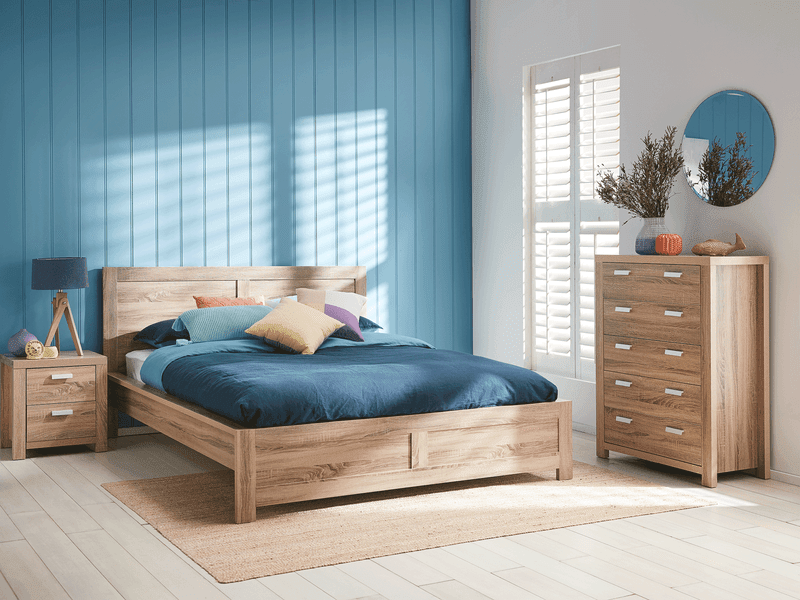
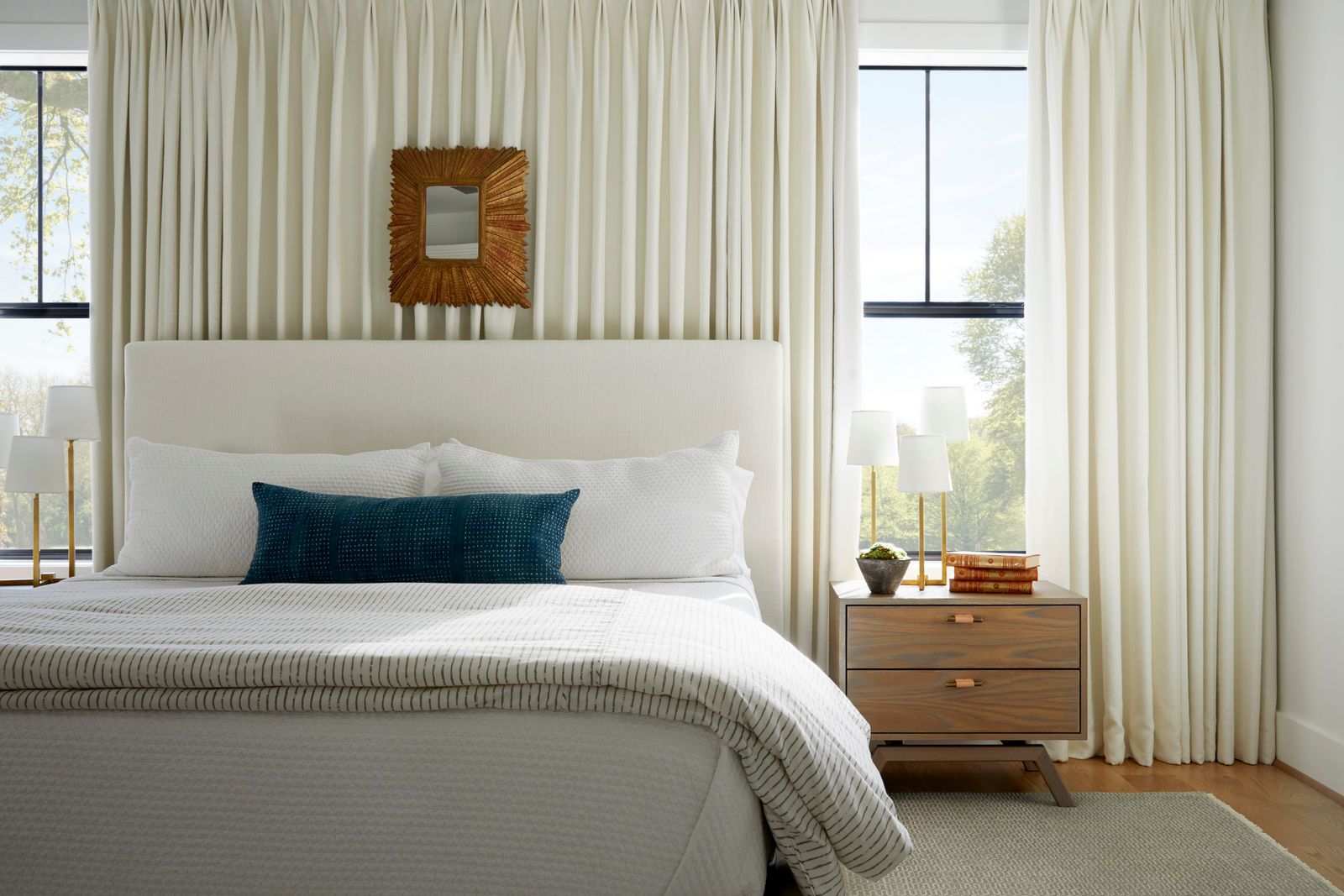
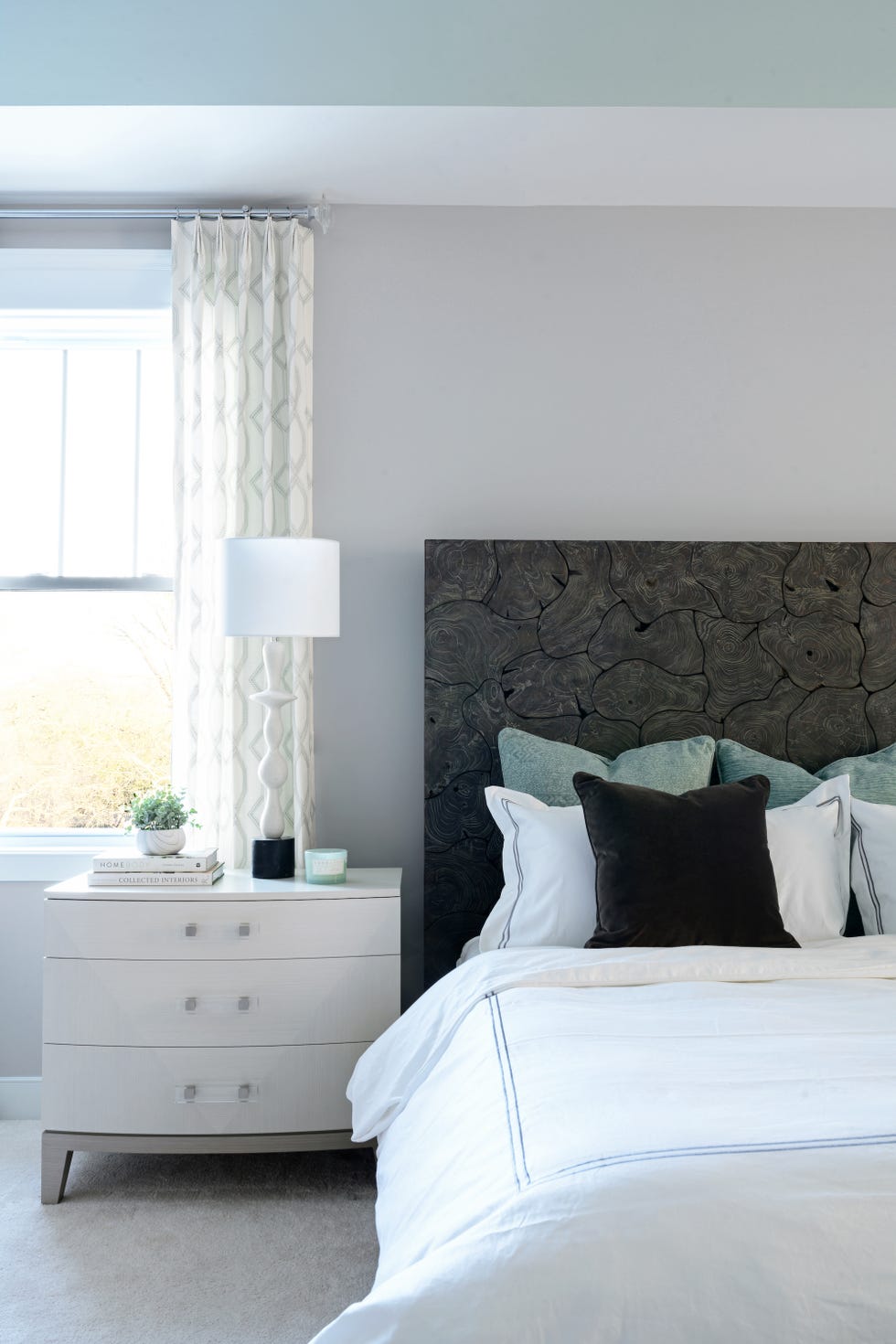
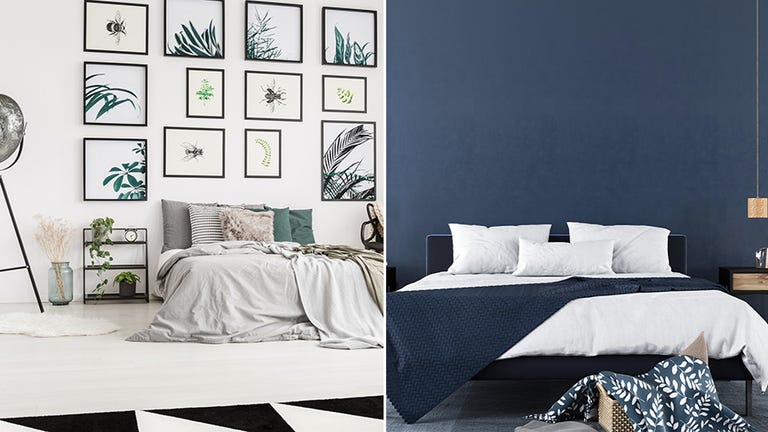
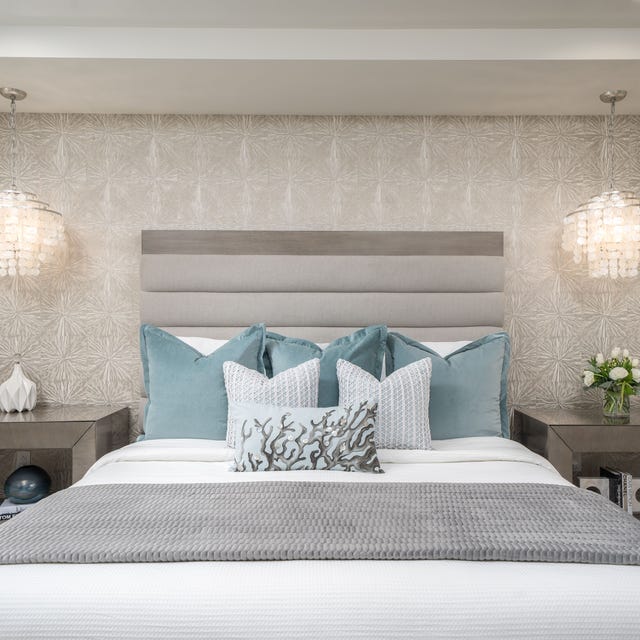
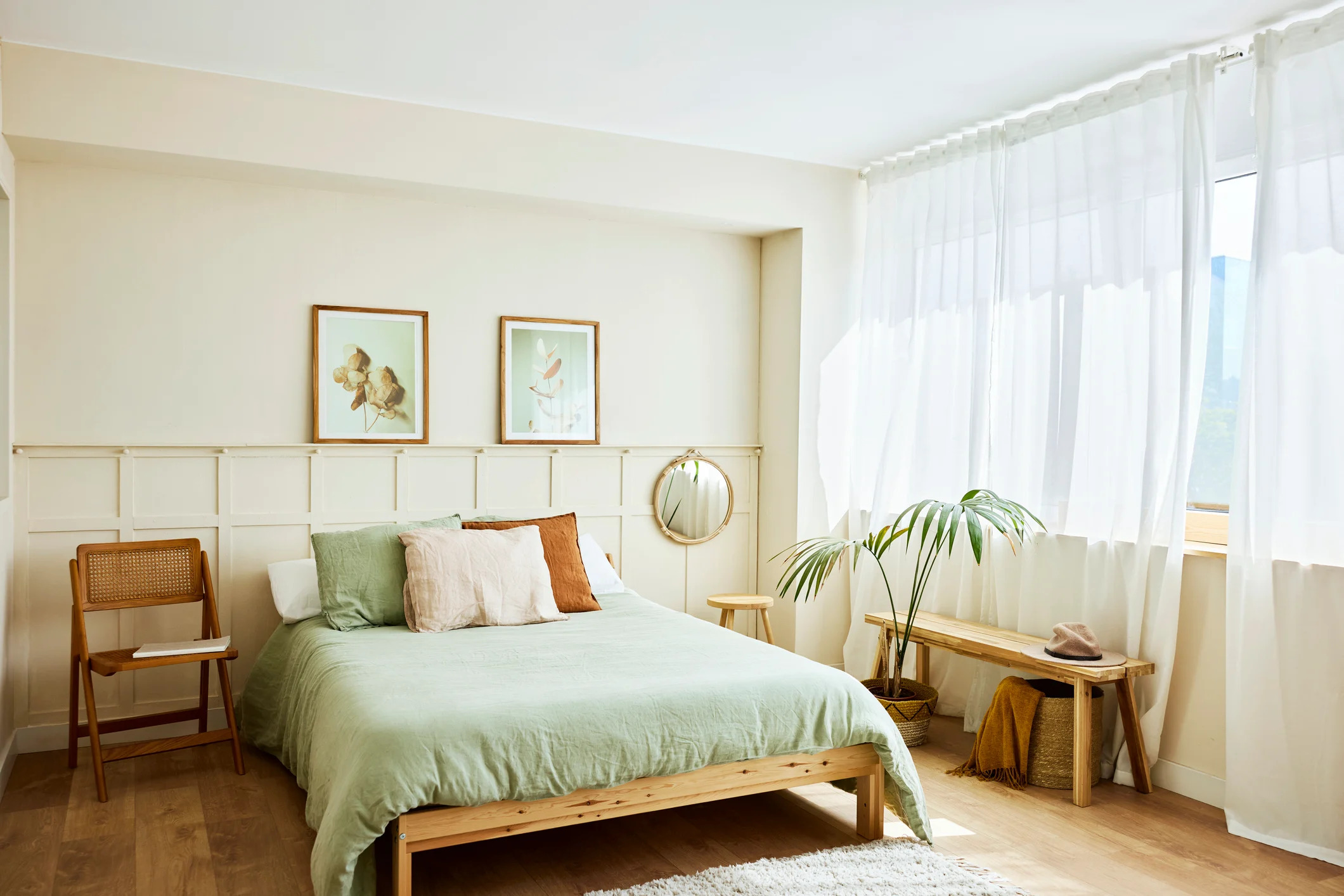
Color selection also plays a significant role in fostering a calm space. Christine Jahan advises against using bold or highly saturated hues in the bedroom, as they can subtly keep the brain alert. Instead, she recommends a palette of soft, muted tones like dusty blues, warm grays, and sage greens. These colors harmonize well with neutral shades such as whites, beiges, and soft browns, contributing to a cohesive and soothing aesthetic, especially around the sleeping area.
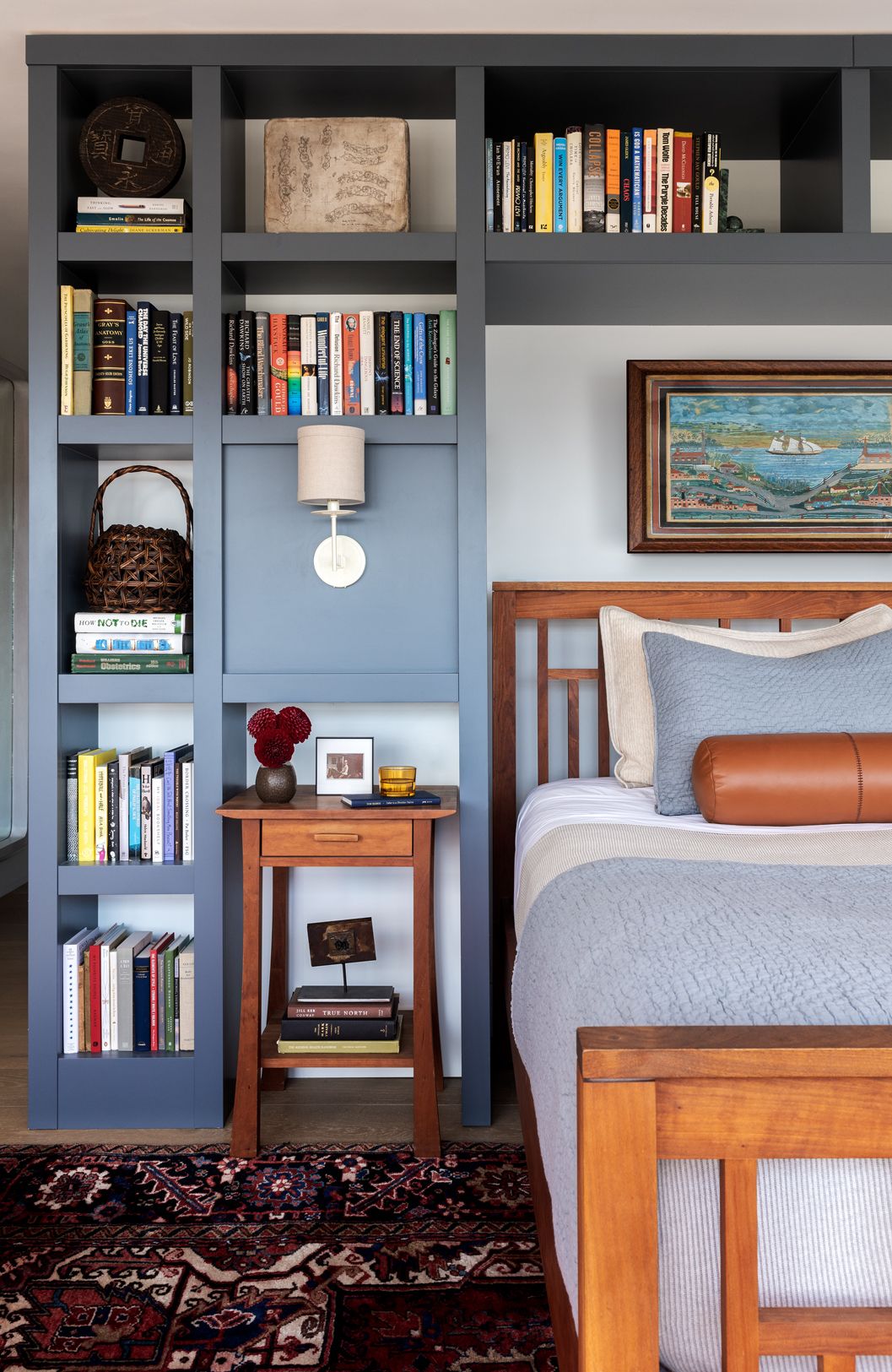
Clutter is cited as a major obstacle to relaxation. Both Jennifer Jones and Christine Jahan highlight that visual clutter can be as stimulating as vibrant colors. To counteract this, designers suggest streamlining the space by utilizing closed storage solutions, including dressers and nightstands, to keep non-essential items out of sight. For smaller bedrooms or limited storage, areas under the bed can be repurposed to store seasonal clothing or extra decor, effectively concealing items and promoting a sense of order.
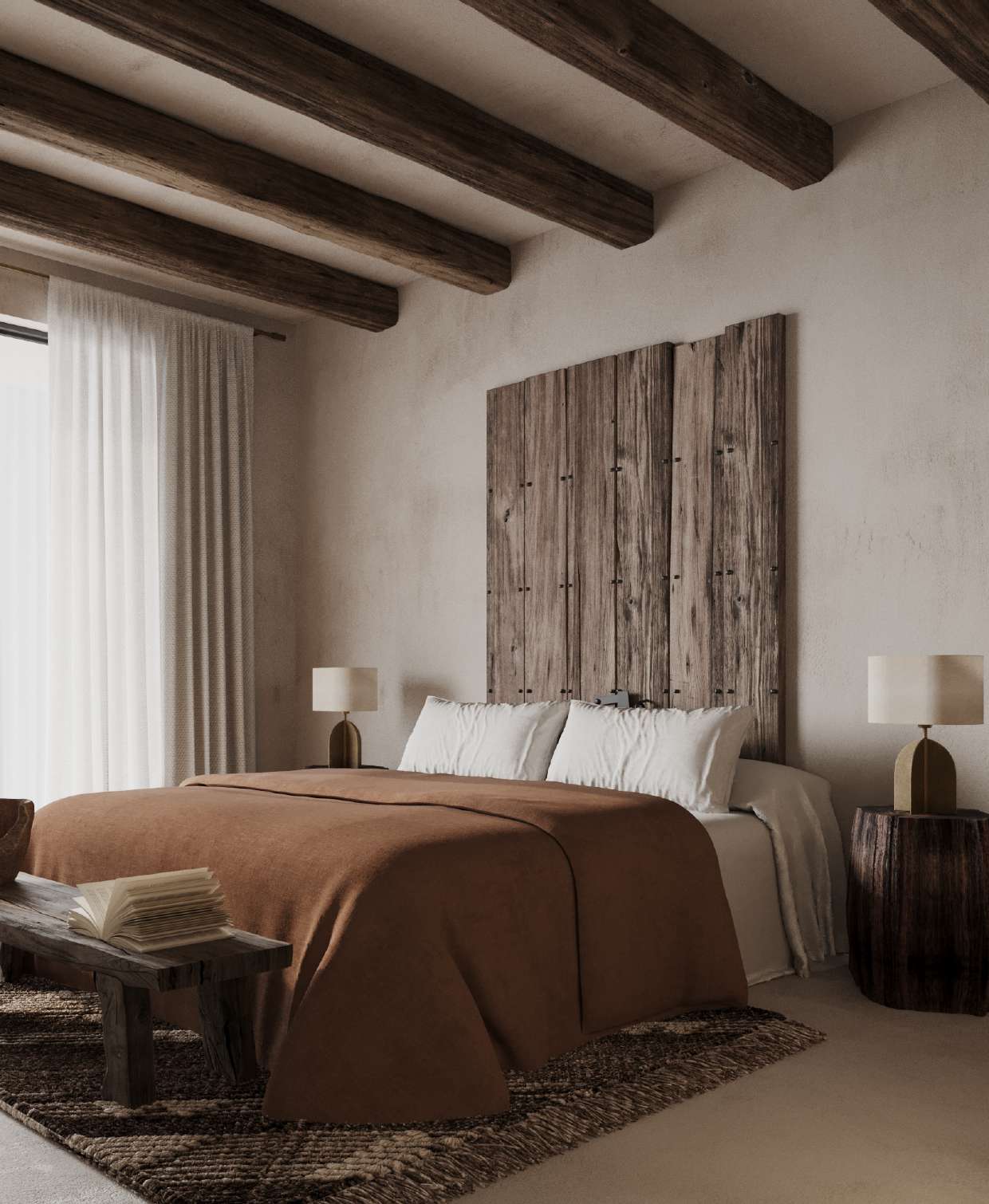
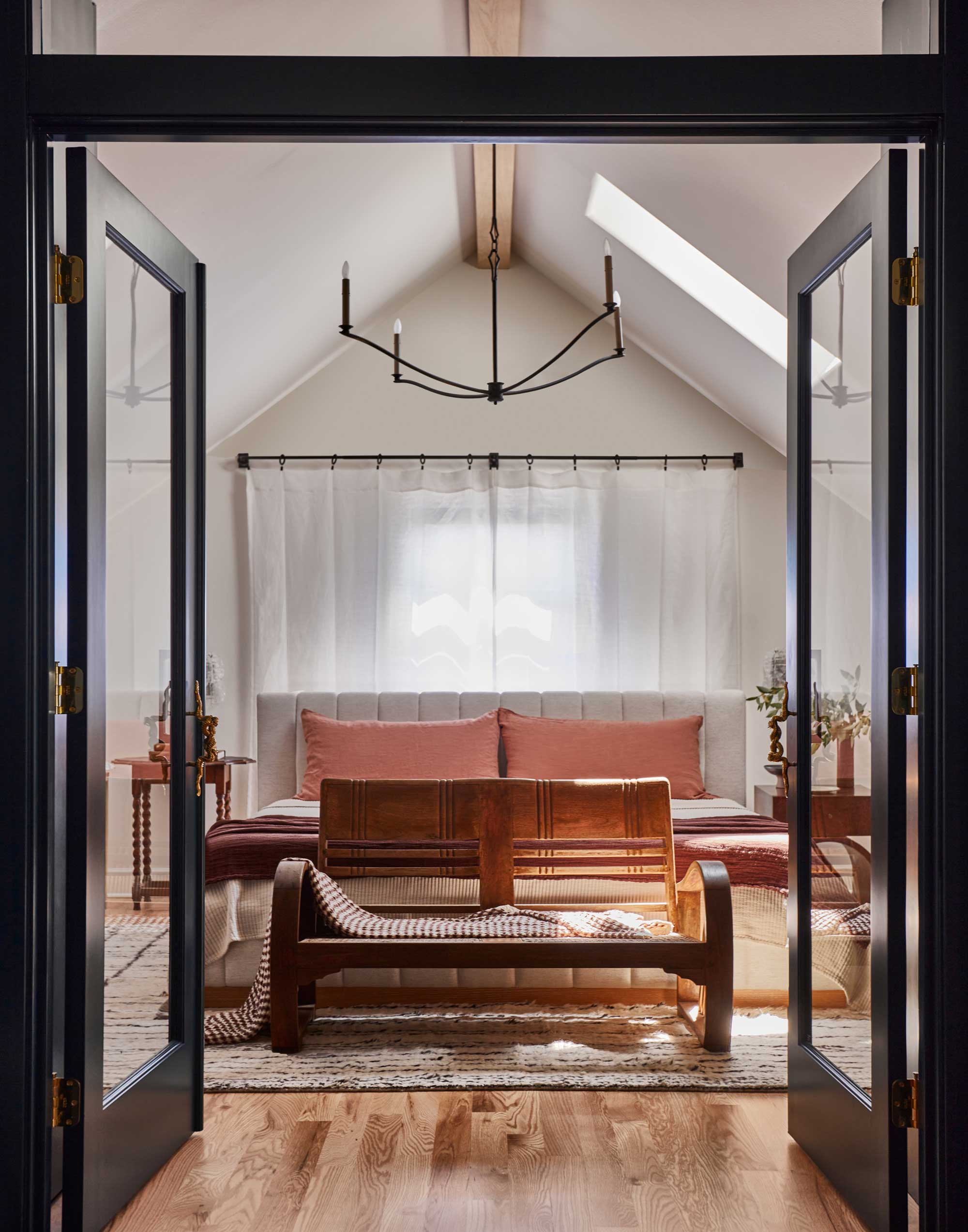
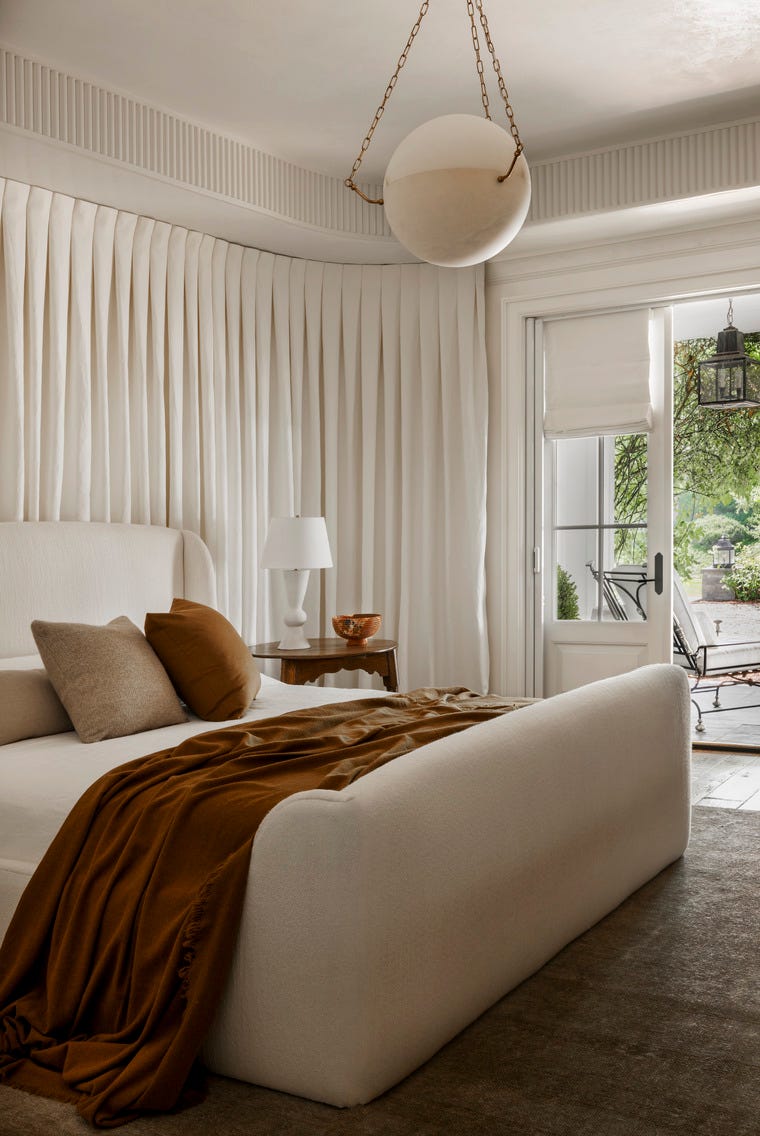
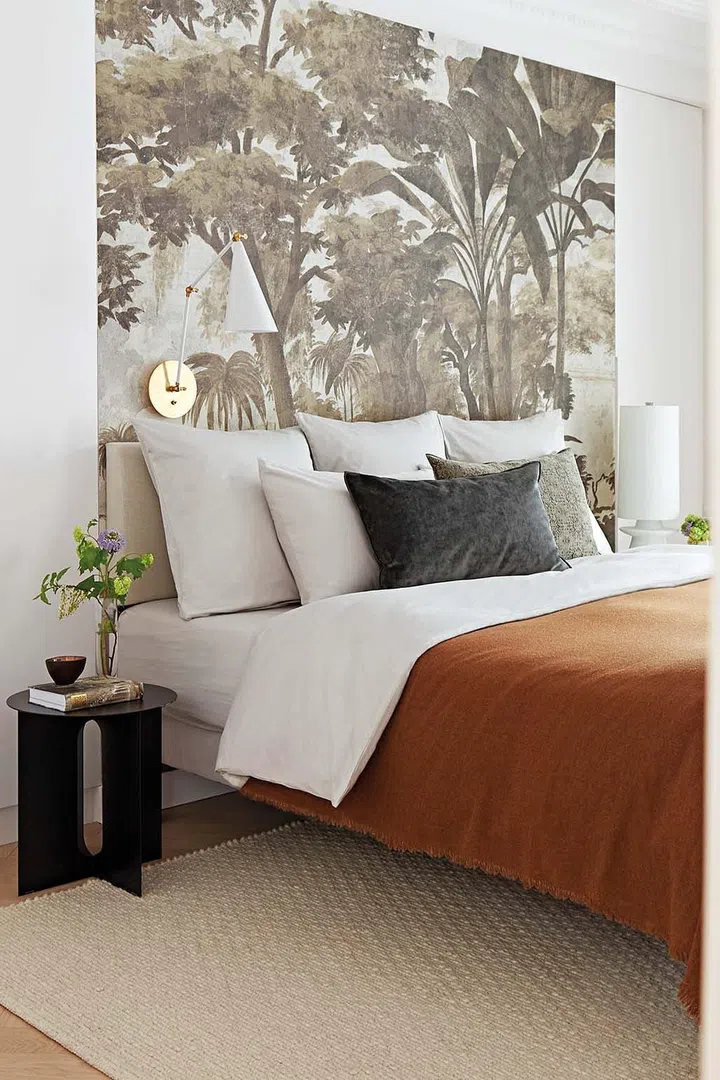
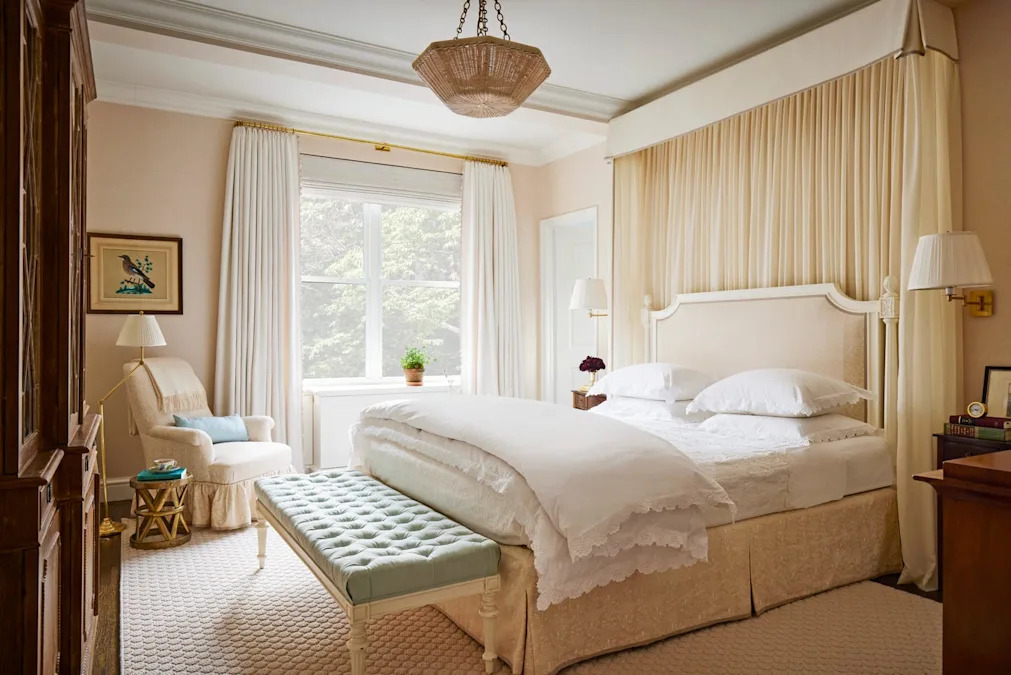
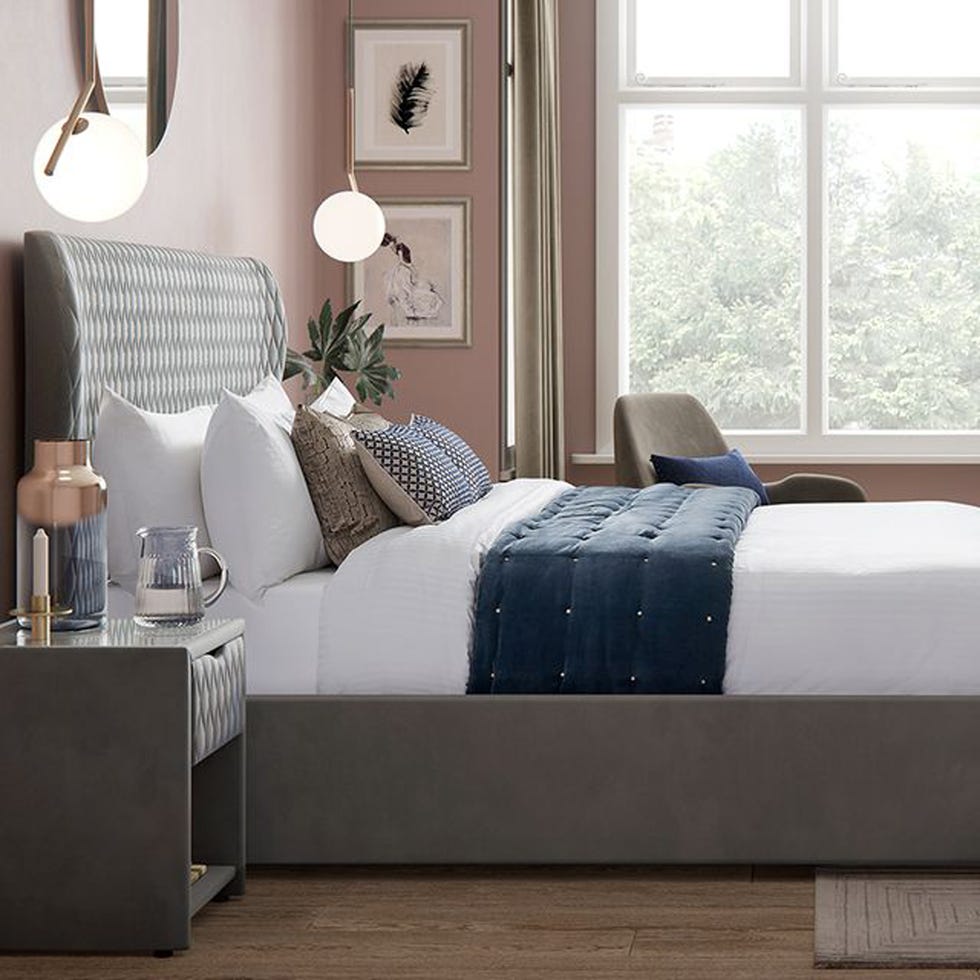
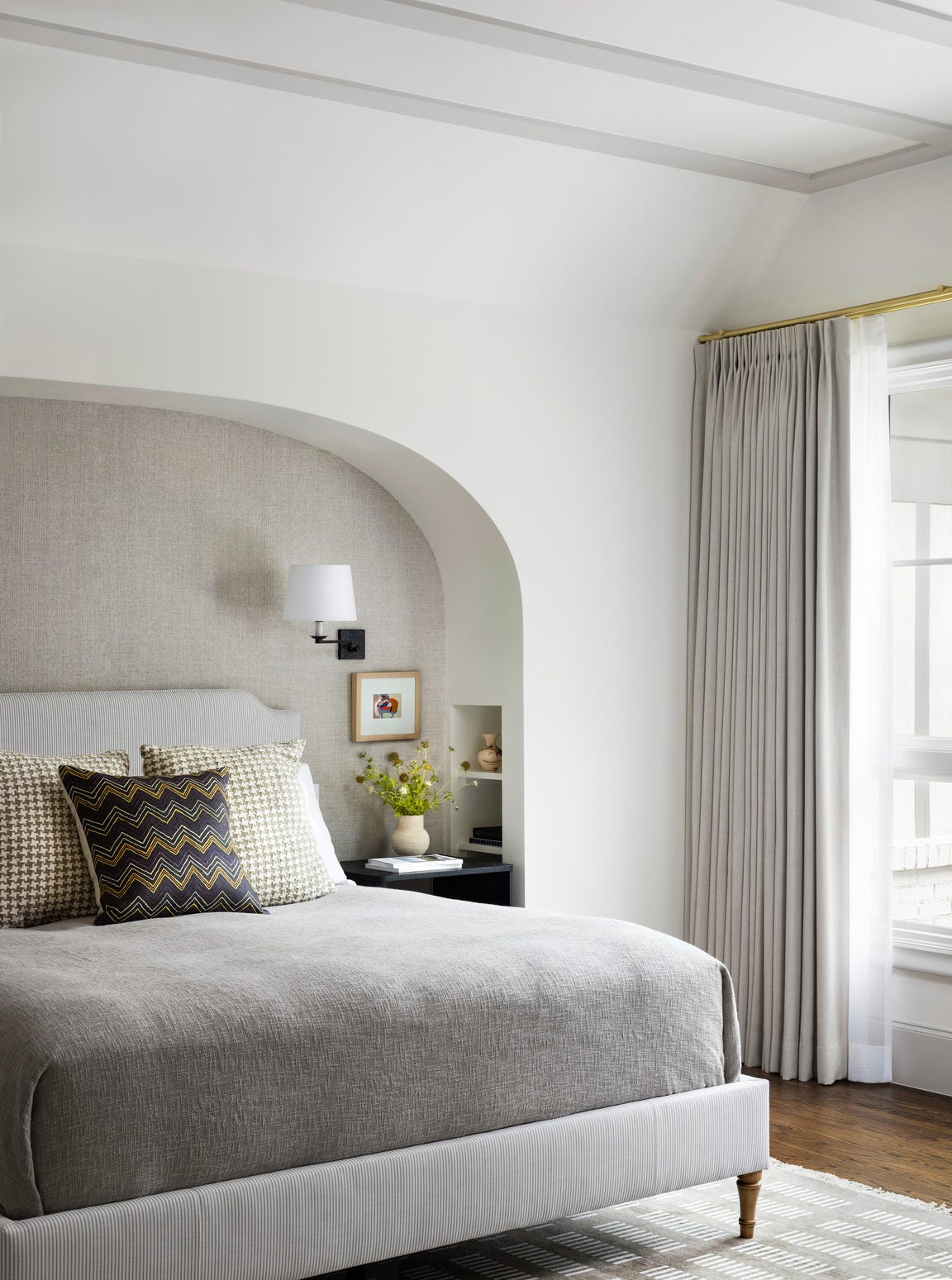
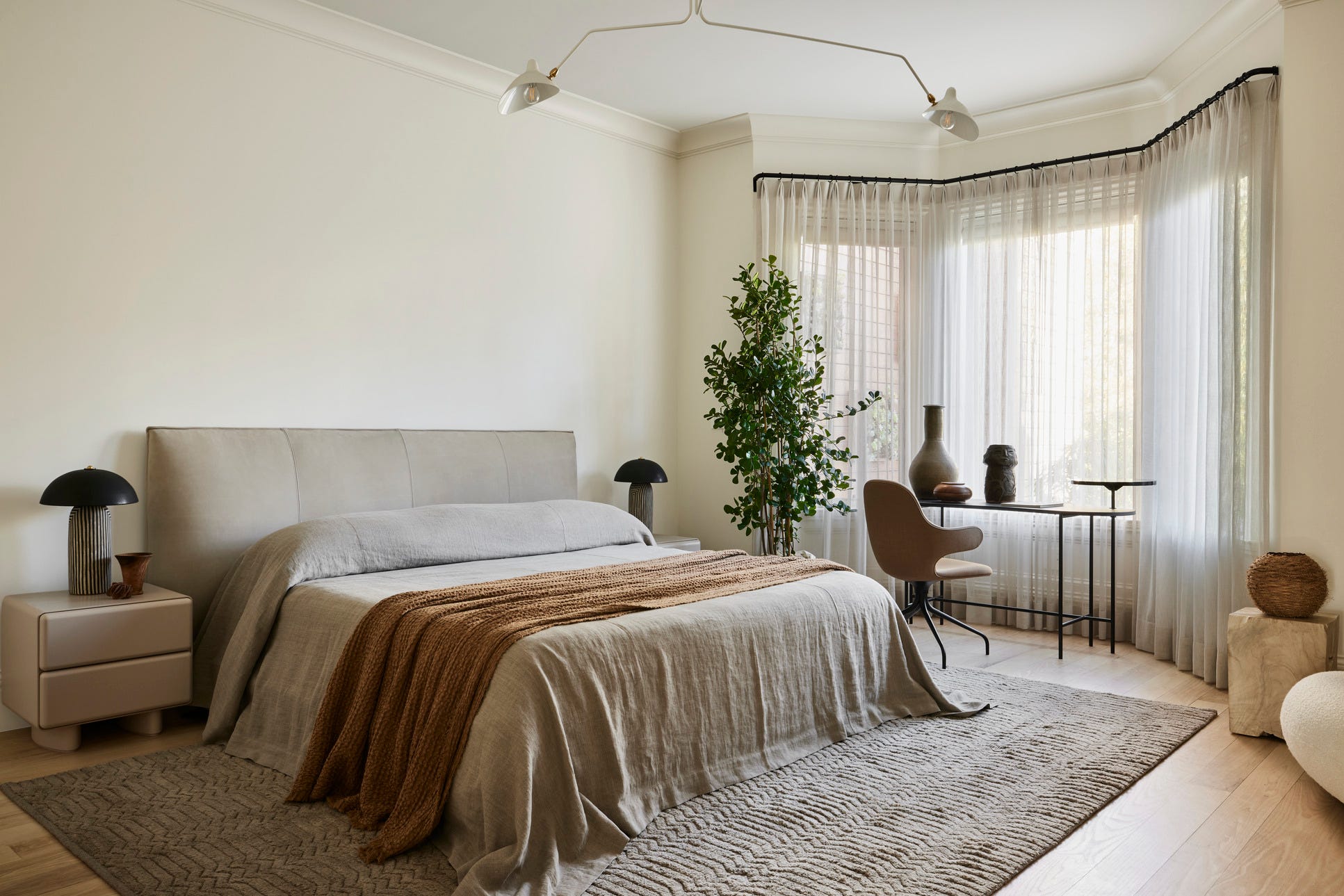
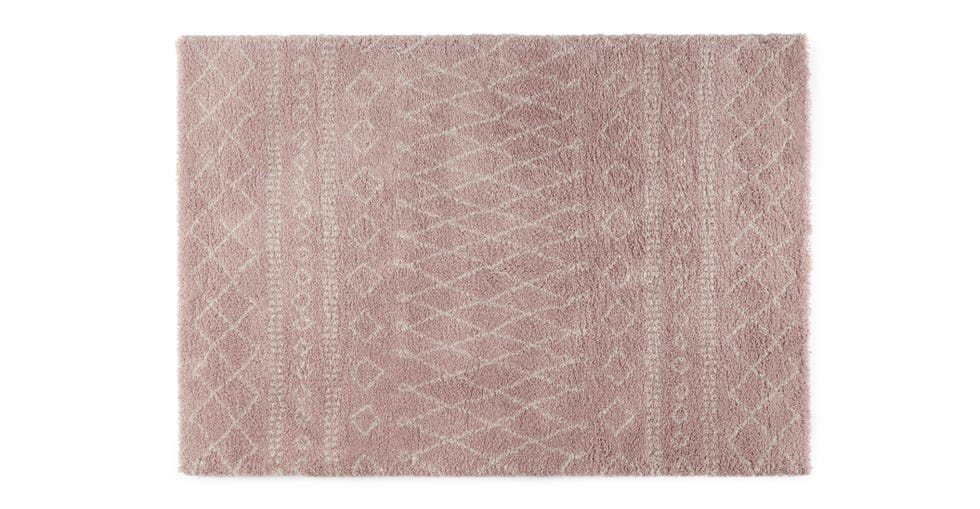
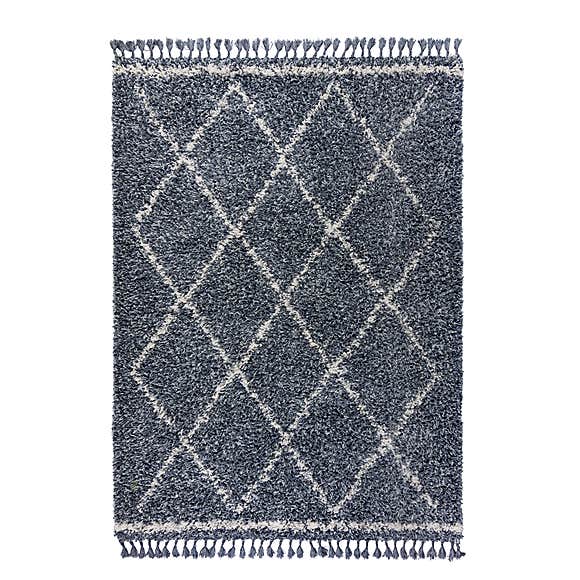
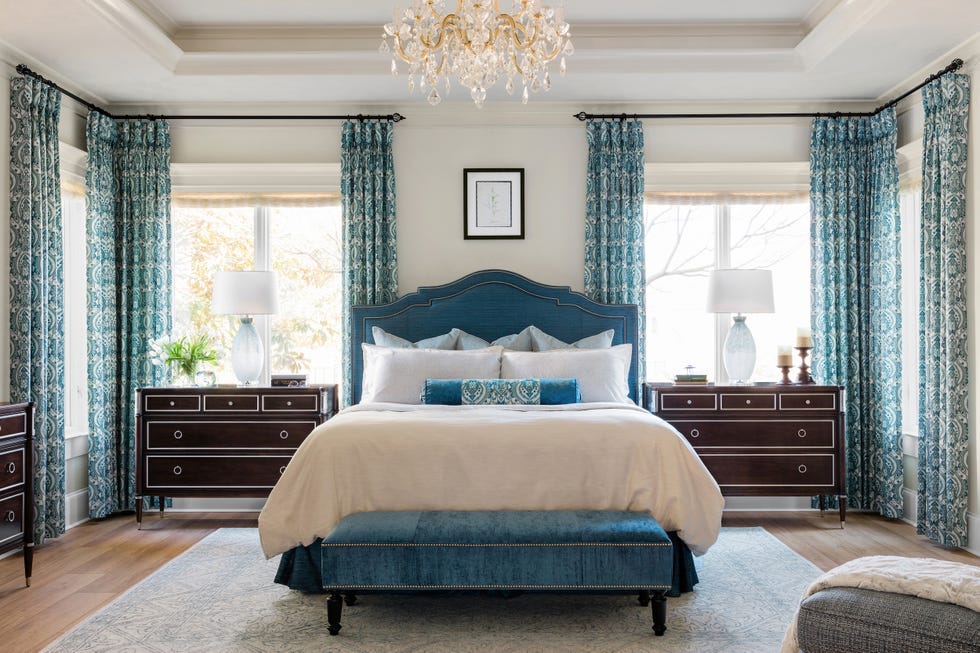
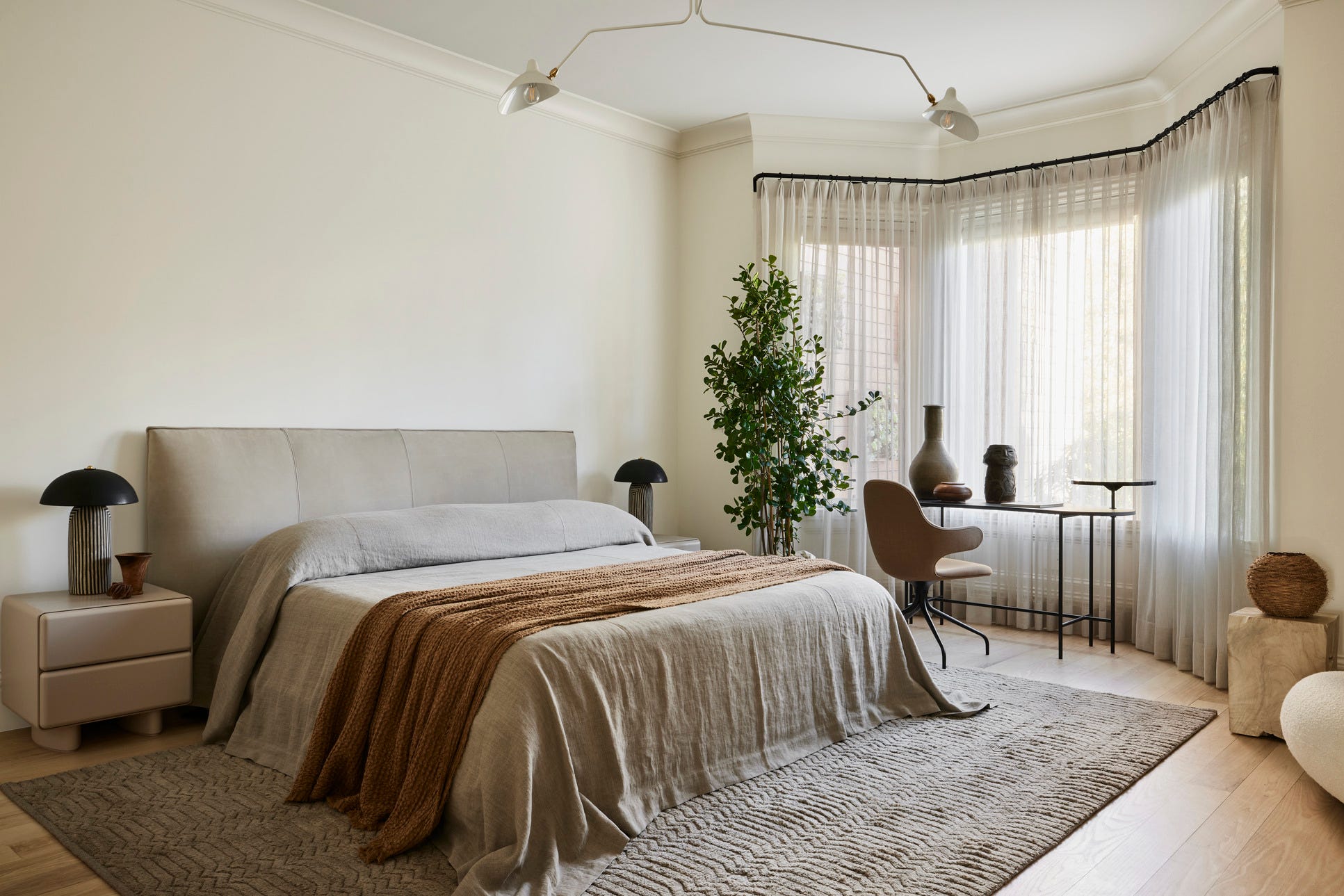
Incorporating diverse textures is another essential design element for a relaxing bedroom. Christine Jahan advocates for mixing various textiles to create a tactile calm. Natural fabrics like linen and organic cotton, combined with layered rugs and curtains, add depth and softness to the room, enhancing its cozy and inviting feel. These textures engage the sense of touch, contributing to an overall comforting experience.
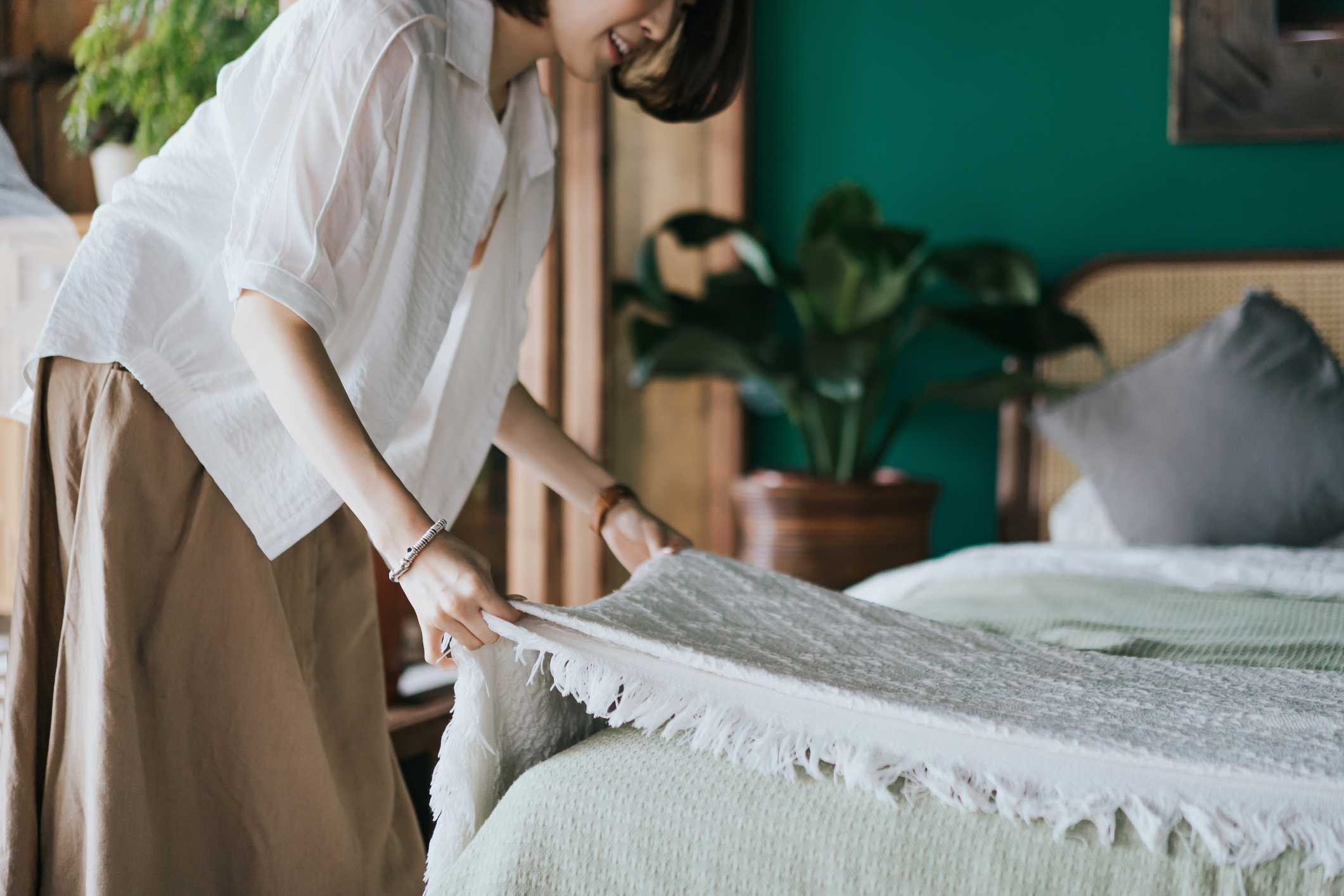
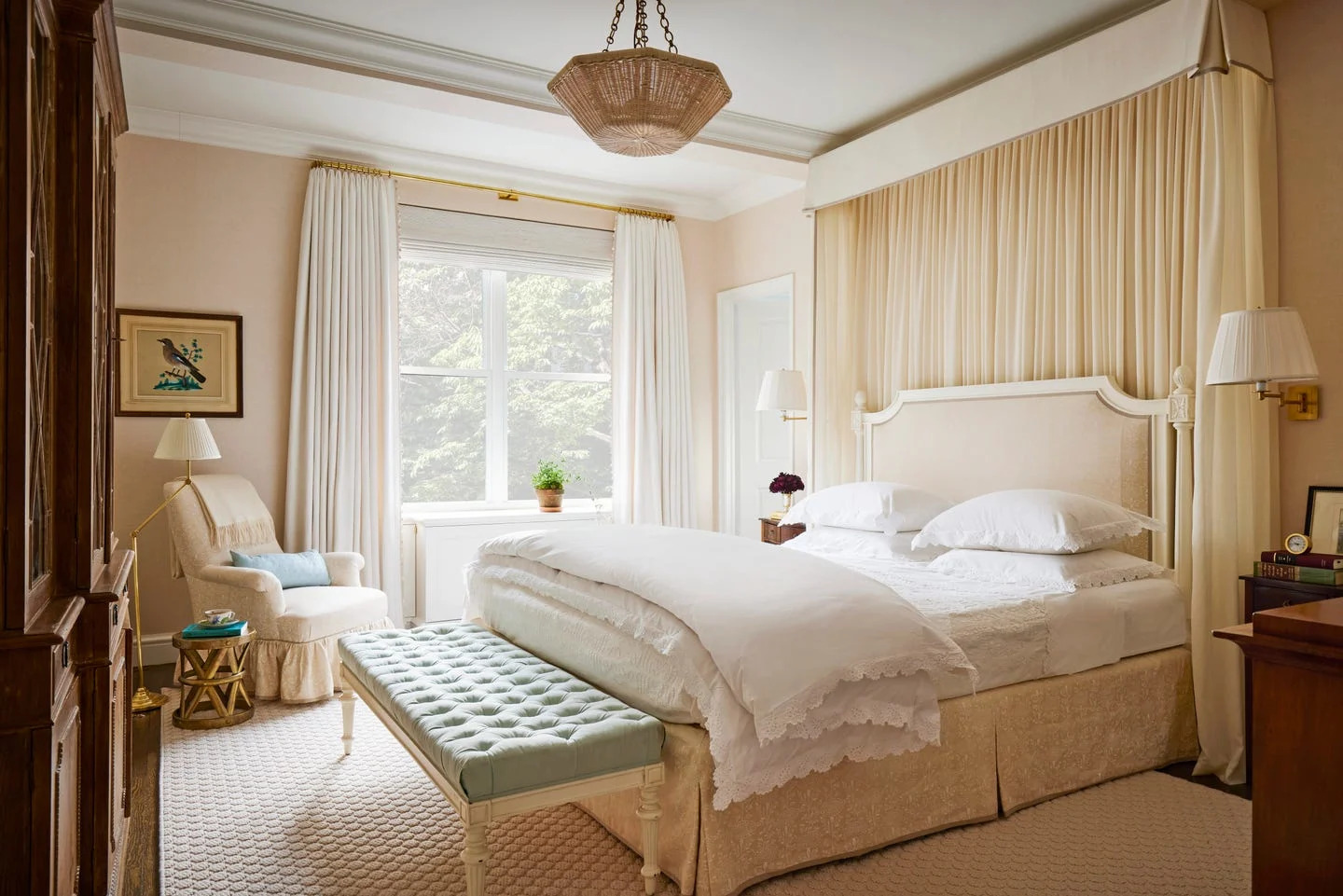
Investing in high-quality linens is also recommended to elevate the bedroom's comfort and luxury. Janelle Patton suggests upgrading bedding, towels, and window treatments to achieve a hotel-like experience. For window coverings, she advises using two layers to create a blackout effect, which is particularly beneficial for sleep and privacy, further enhancing the perception of a high-end property.
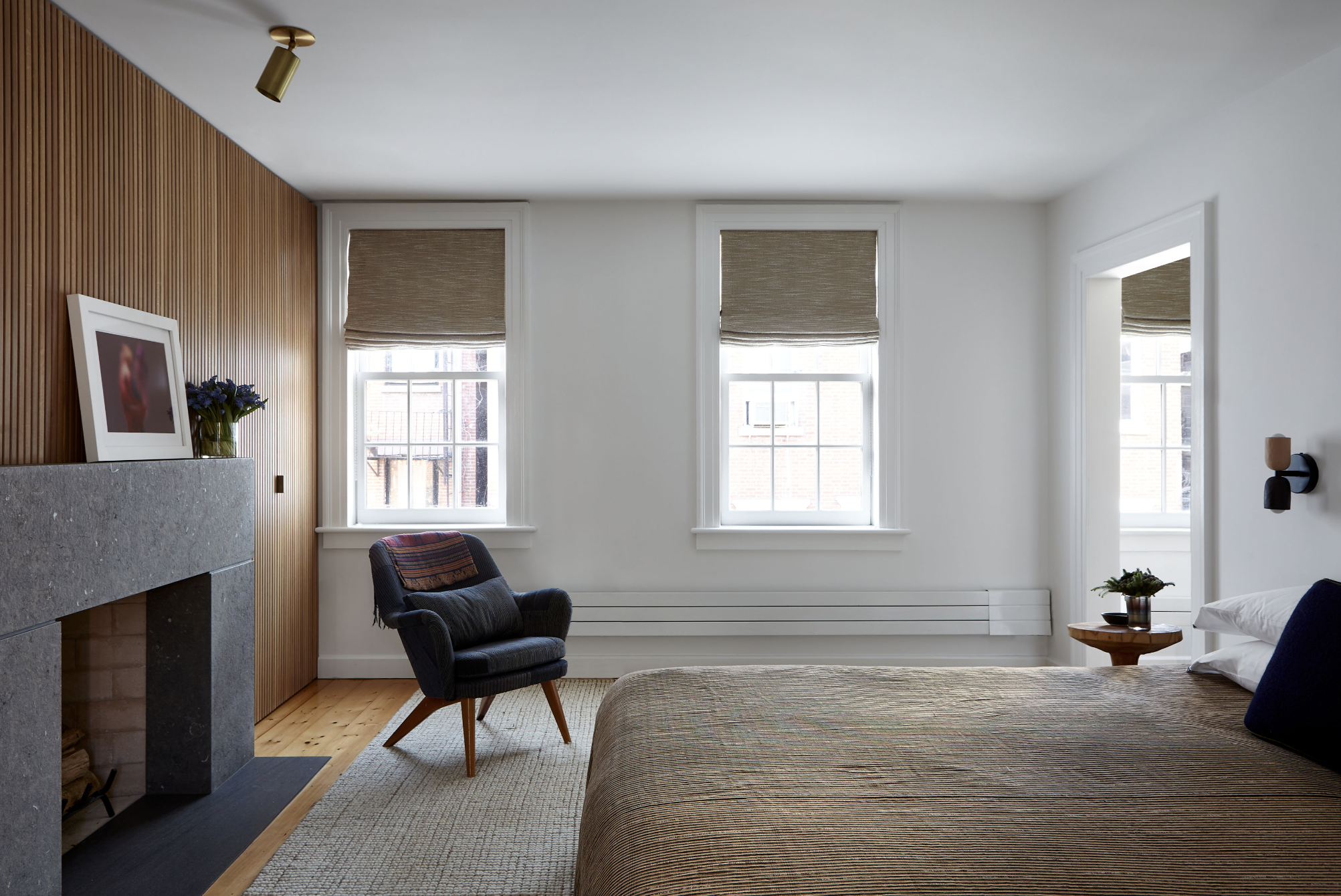
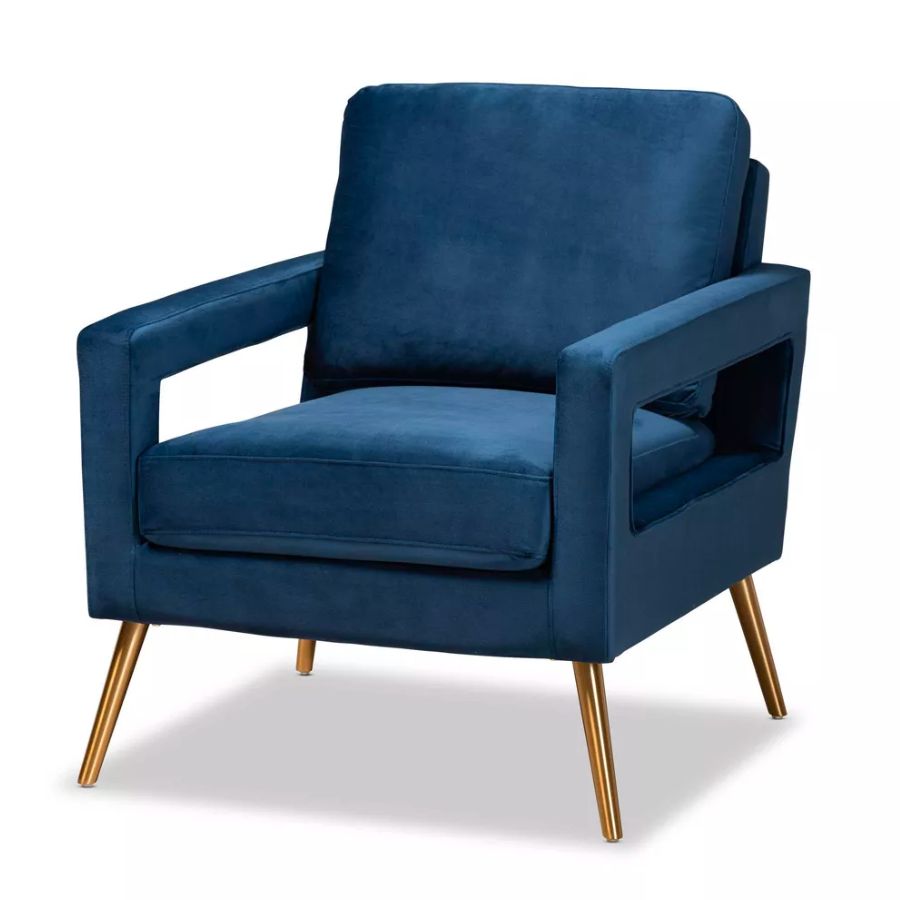
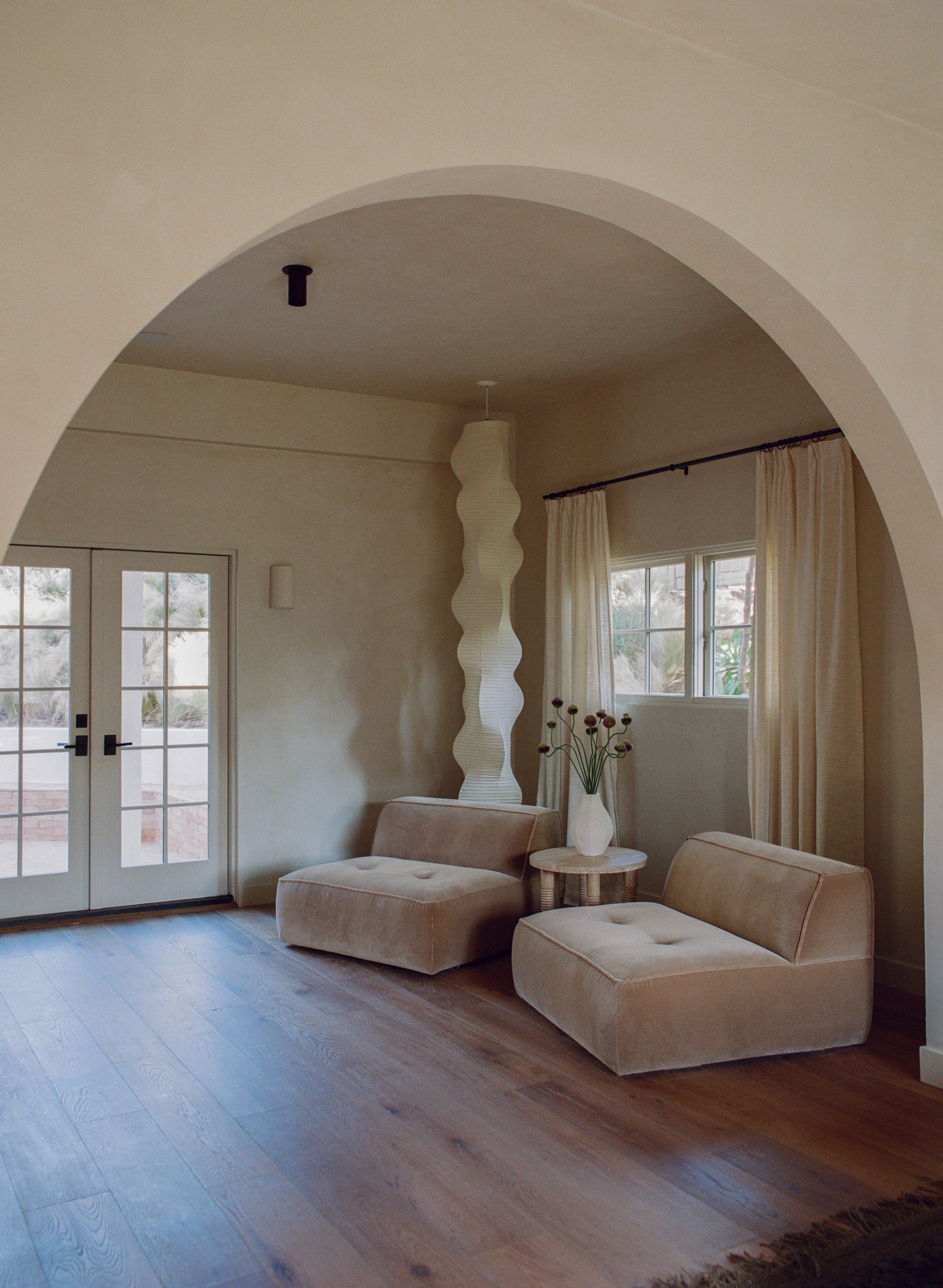
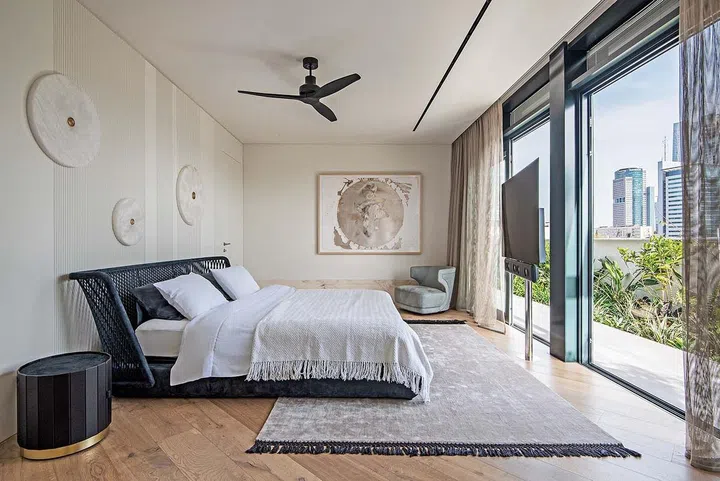
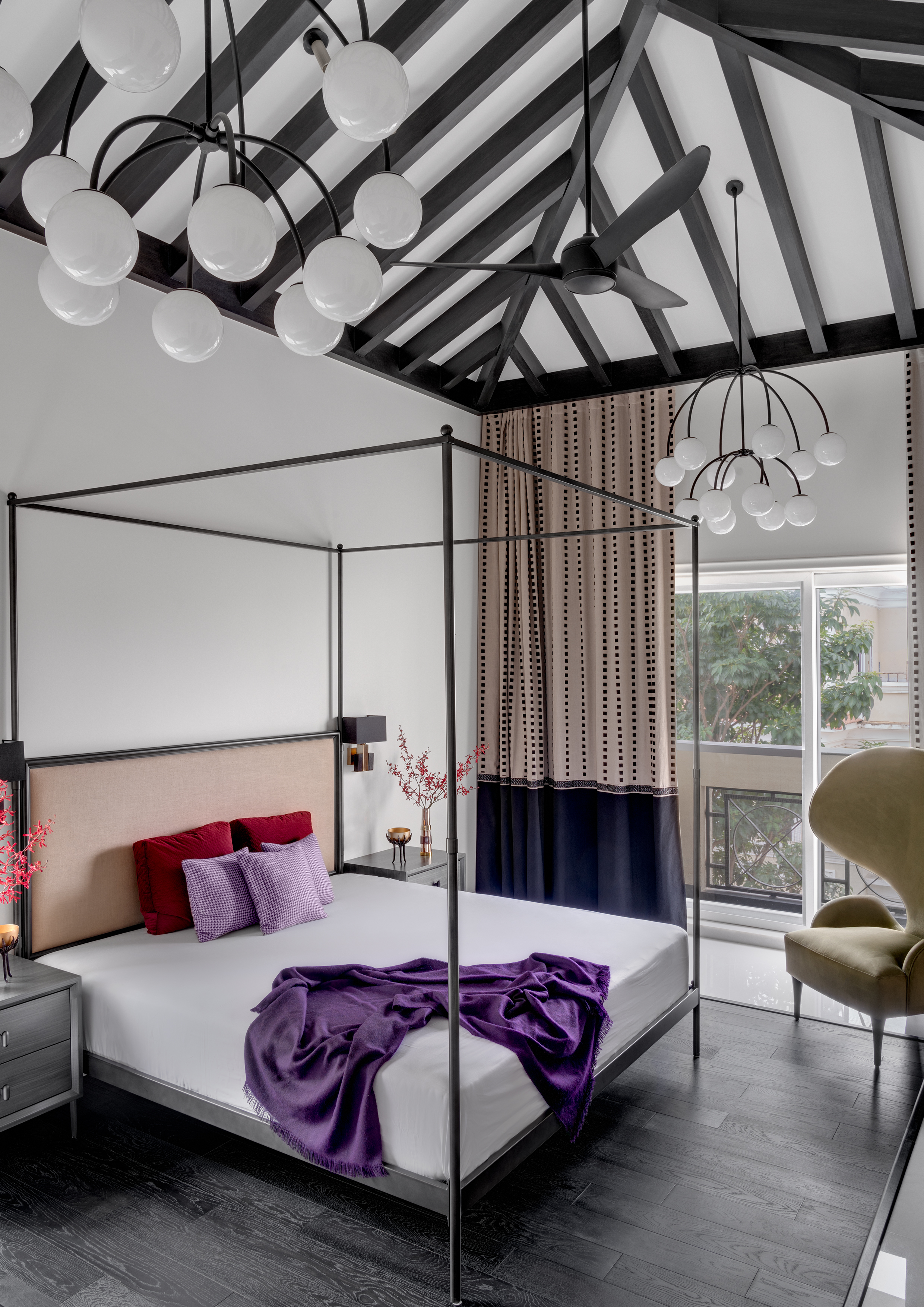
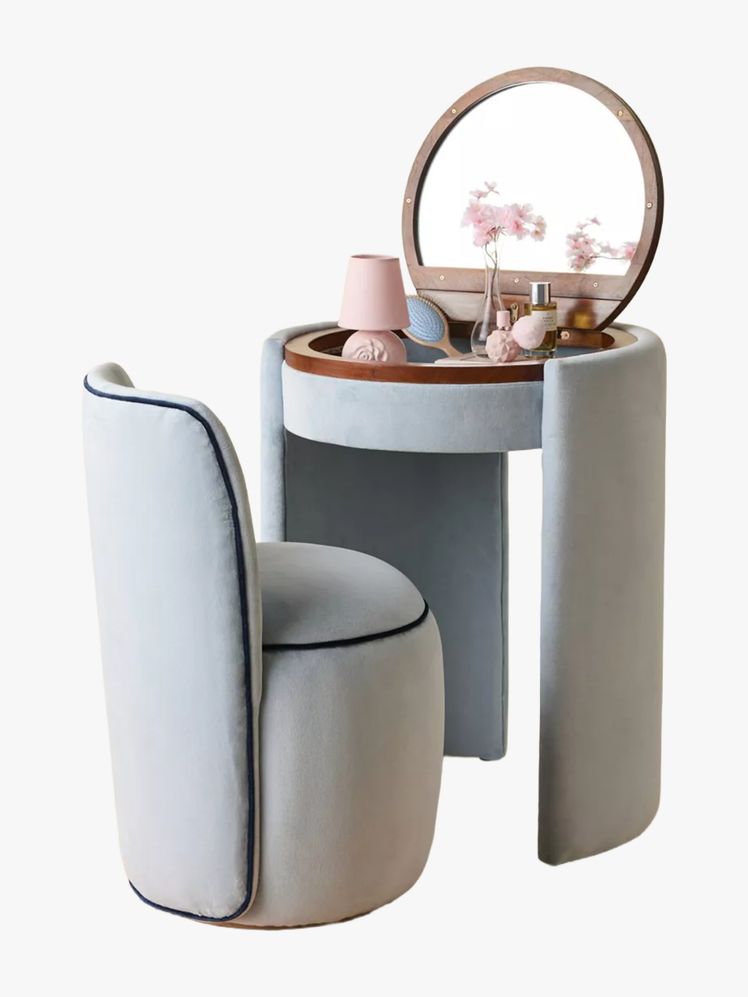
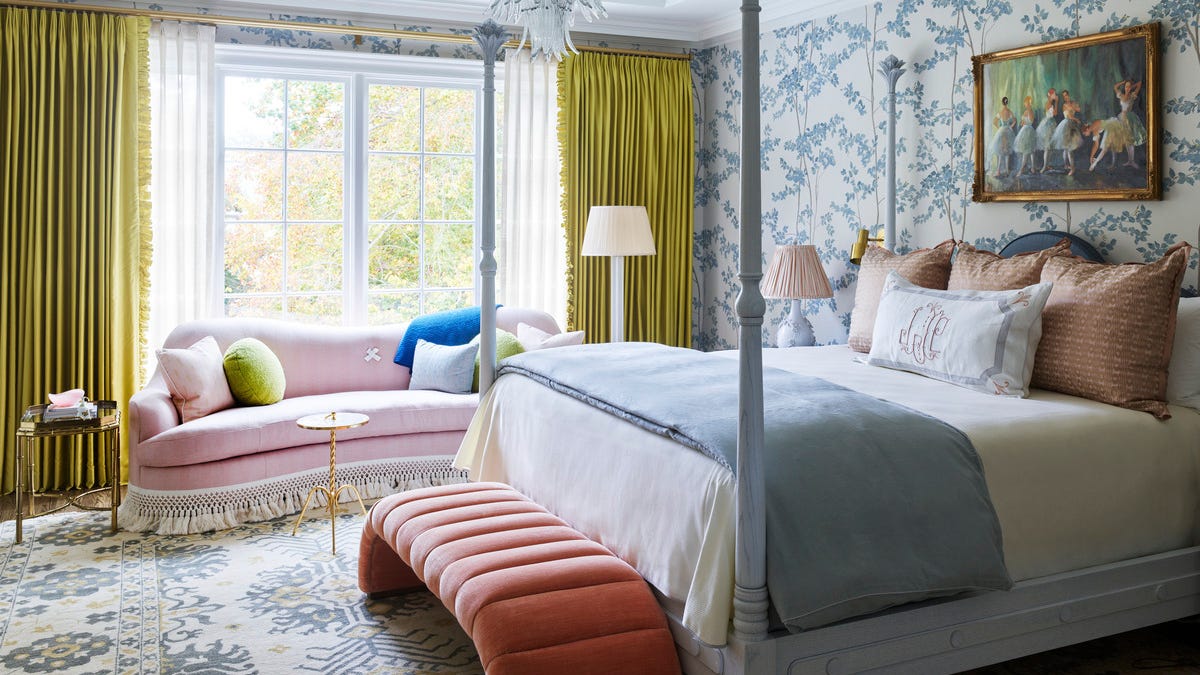
Finally, adding comfortable seating can significantly improve the functionality and relaxation potential of a bedroom. Janelle Patton points out the benefit of having a dedicated spot for activities other than sleeping, such as reading or working. She recommends incorporating a chaise lounge by a window or a bench or chairs at the foot of the bed. These seating options provide versatile spaces for relaxation, allowing individuals to enjoy their bedroom without always having to be on the bed, thus completing the design for a truly relaxing sanctuary.
#BedroomDesign #HomeDecor #InteriorDesign #RelaxingSpace #LightingScheme #ColorPalette #ClutterManagement #TextileLayering #LuxuryLinens #ComfortableSeating #BedroomDesign #HomeDecor #InteriorDesign #RelaxingSpace #LightingScheme #ColorPalette #ClutterManagement #TextileLayering #LuxuryLinens #ComfortableSeating
0 comment in total
 No comments yet
You may also like
Relaxing bedroom ideas – how to create a more serene space, according to designers

Bedroom Design Ideas: 20 Expert tips from interior designers
6 editors share their bedroom decorating hacks

Bedroom design should emphasize stress-reducing, sleep-inducing features

The smallest tweak to your bedroom makes the biggest difference - 5 designer secrets for creating restful schemes
6 Things People With Relaxing Bedrooms Always Have in Them
How Bedroom Design Is Evolving for Healthier, Deeper Rest

13 tips interior design experts want you to know about decorating your bedroom
The Best Tips From Designers on Decorating the Bedroom of Your Dreams
16 Relaxing Bedroom Decor Ideas to Make Your Sleep Space as Serene as Possible

59 Designer-Approved Minimalist Bedrooms That Always Work to Calm Their Clients
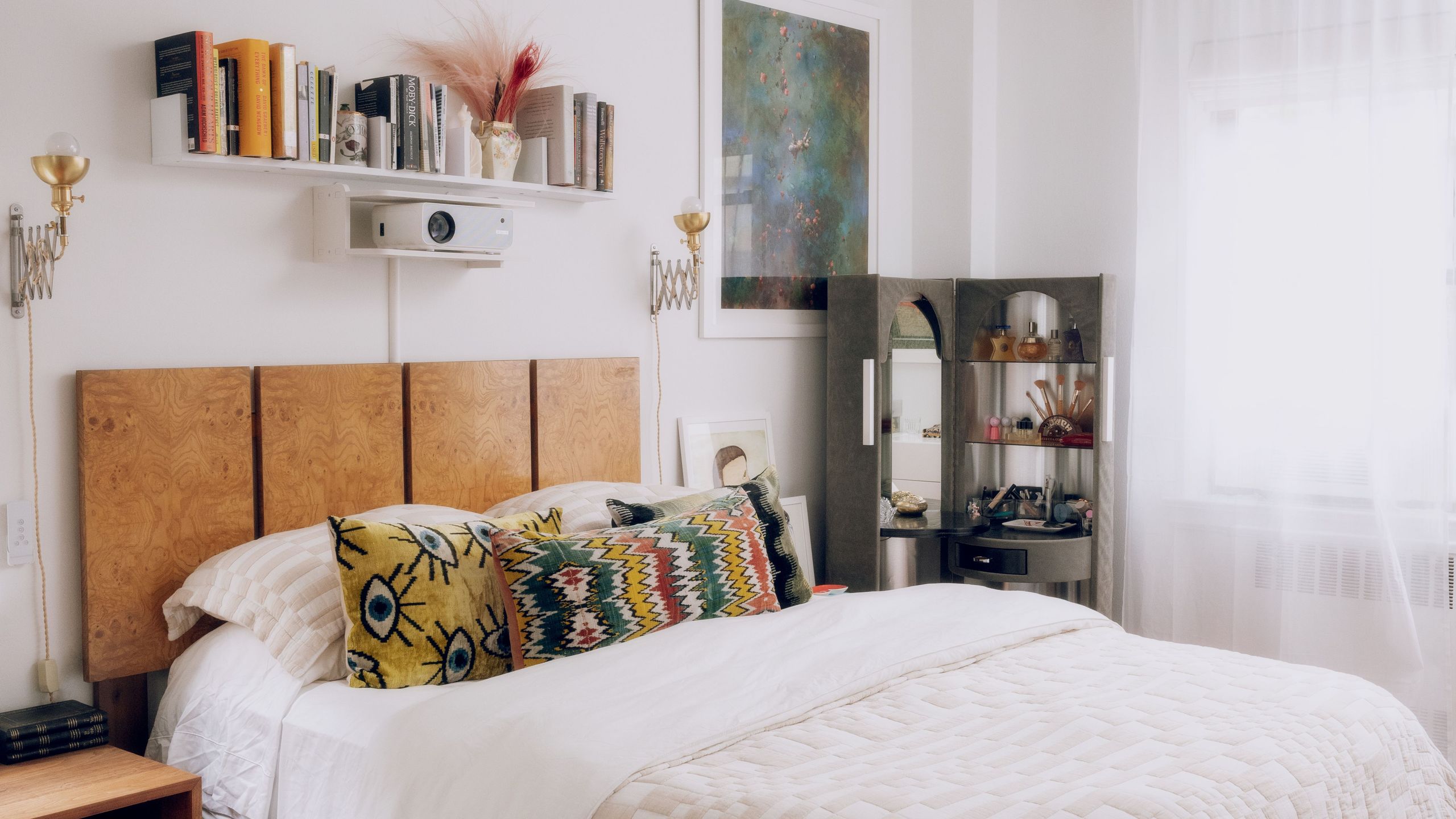
Bedroom Organization Ideas That’ll Help You Sleep Easy

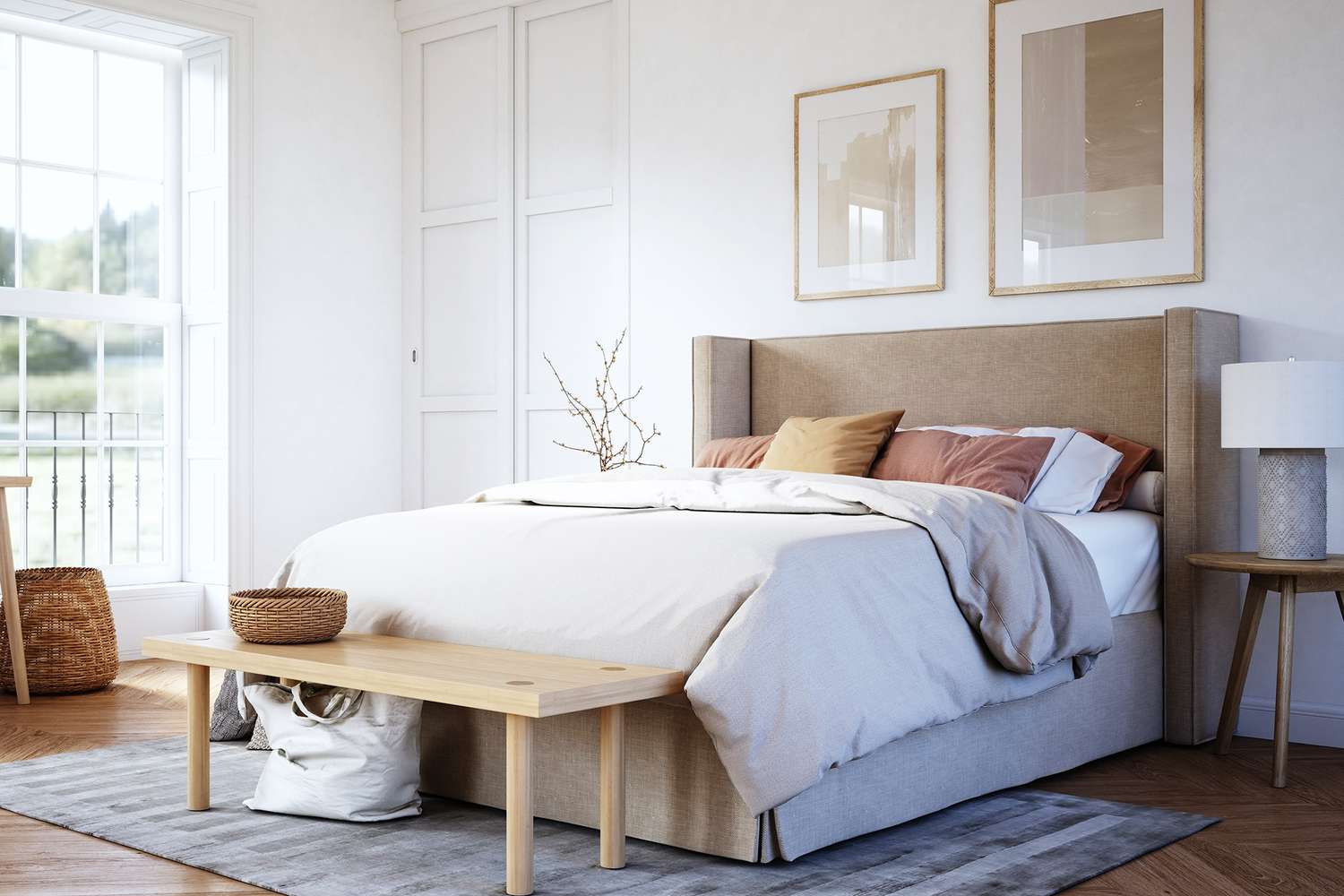
7 Bedroom Design Tips for Better Sleep, According to Experts
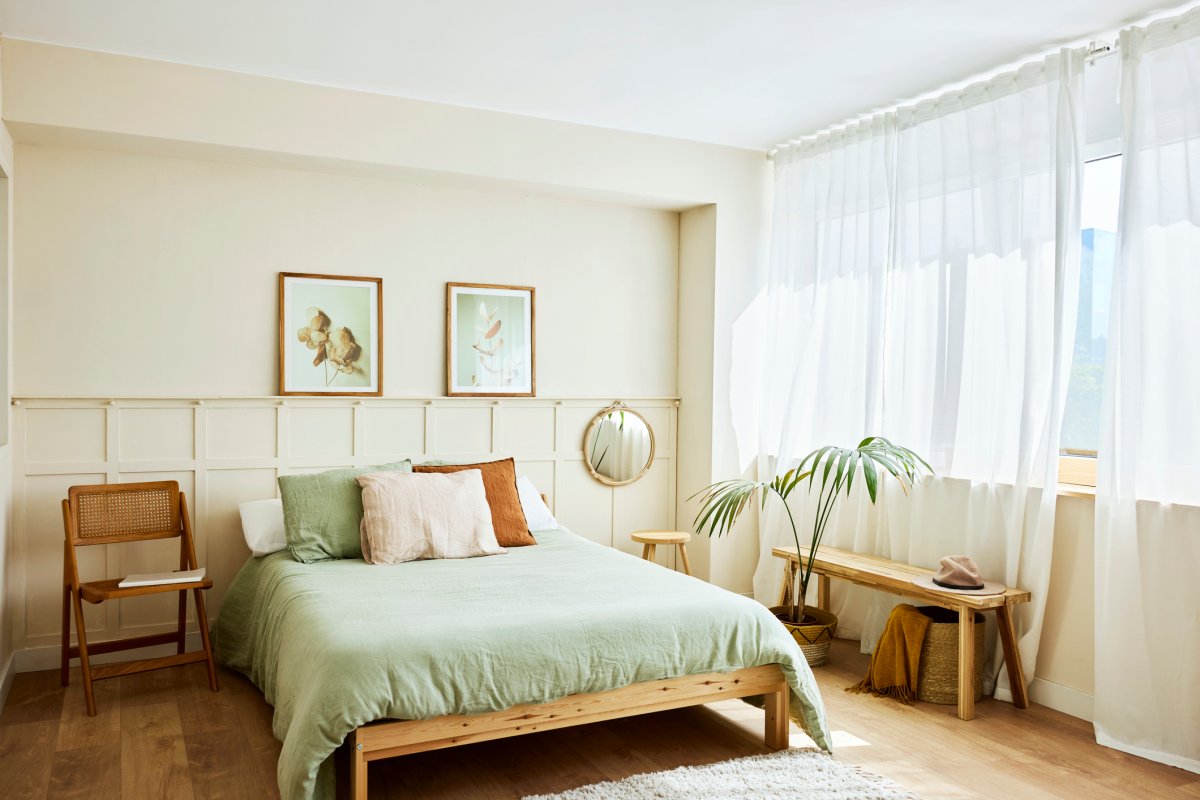
6 Minimalist Bedroom Ideas for Creating—and Maintaining—a Serene Space

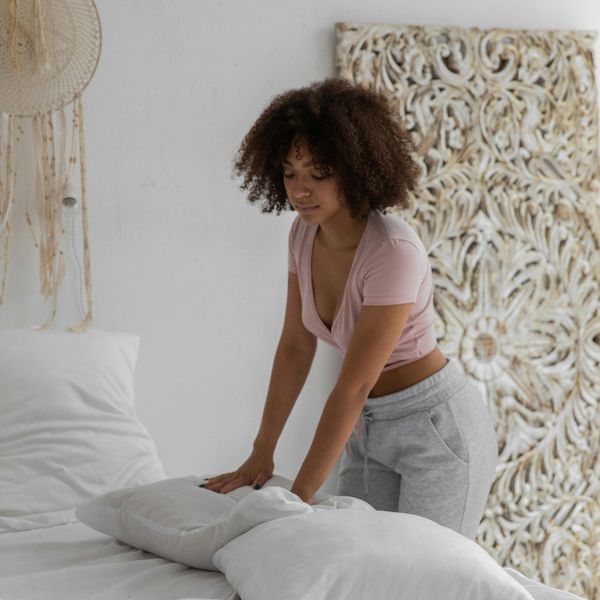
10 Bedroom Decor Mistakes Keeping You From Your Best Sleep Ever

7 Ways to Make Your Bedroom a No-Stress Zone Right This Minute

How can I make my bedroom lighting feel cozier? 8 tricks designers use that make for dreamy sleep spaces

How to make your bedroom look more luxe – 6 tips for designing the ultimate space of your dreams
How to Turn Your Bedroom Into a Cosy Retreat
6 Minimalist Bedroom Ideas for Creating—and Maintaining—a Serene Space