1/2
Five Things To Consider When Designing Your Living Room
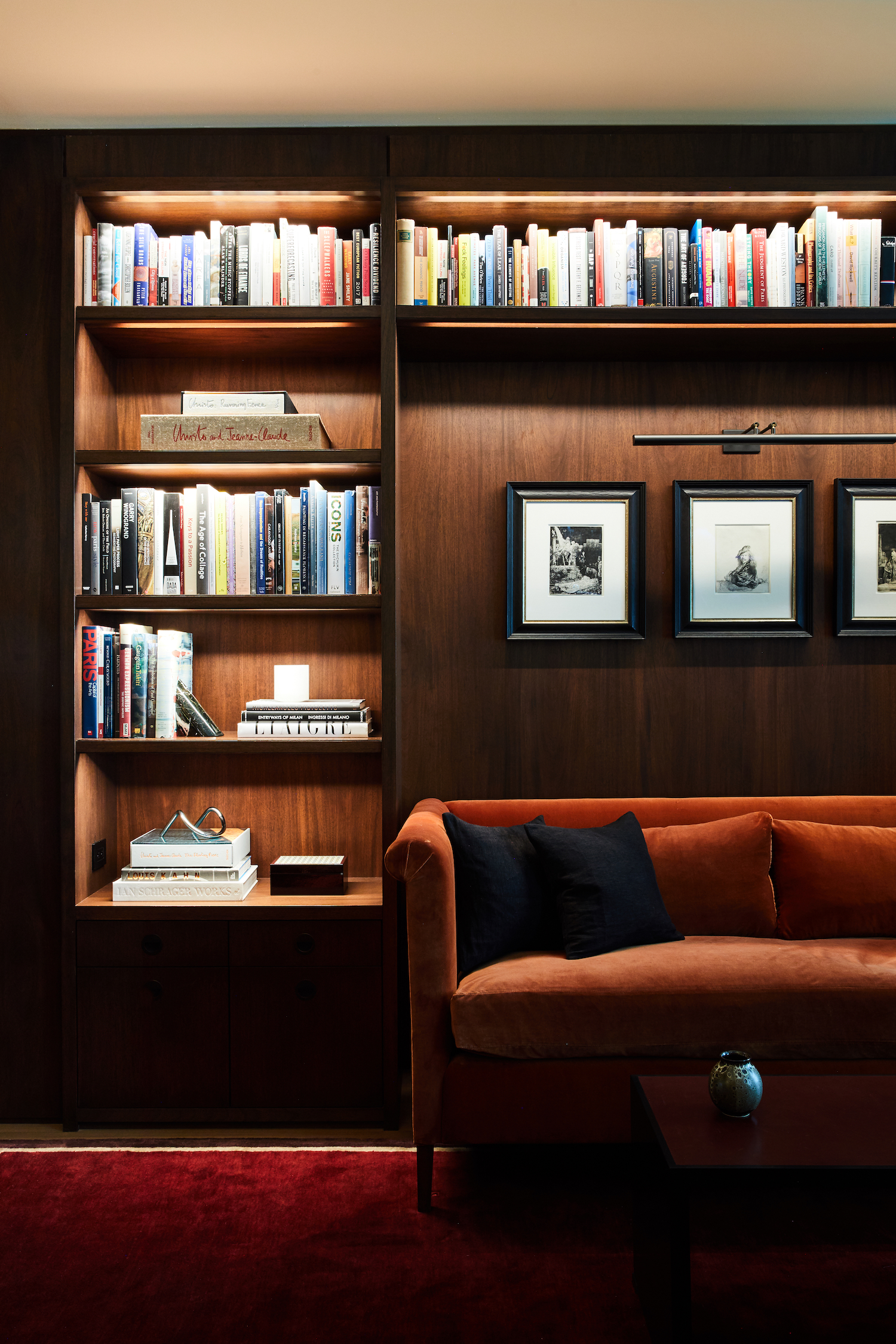
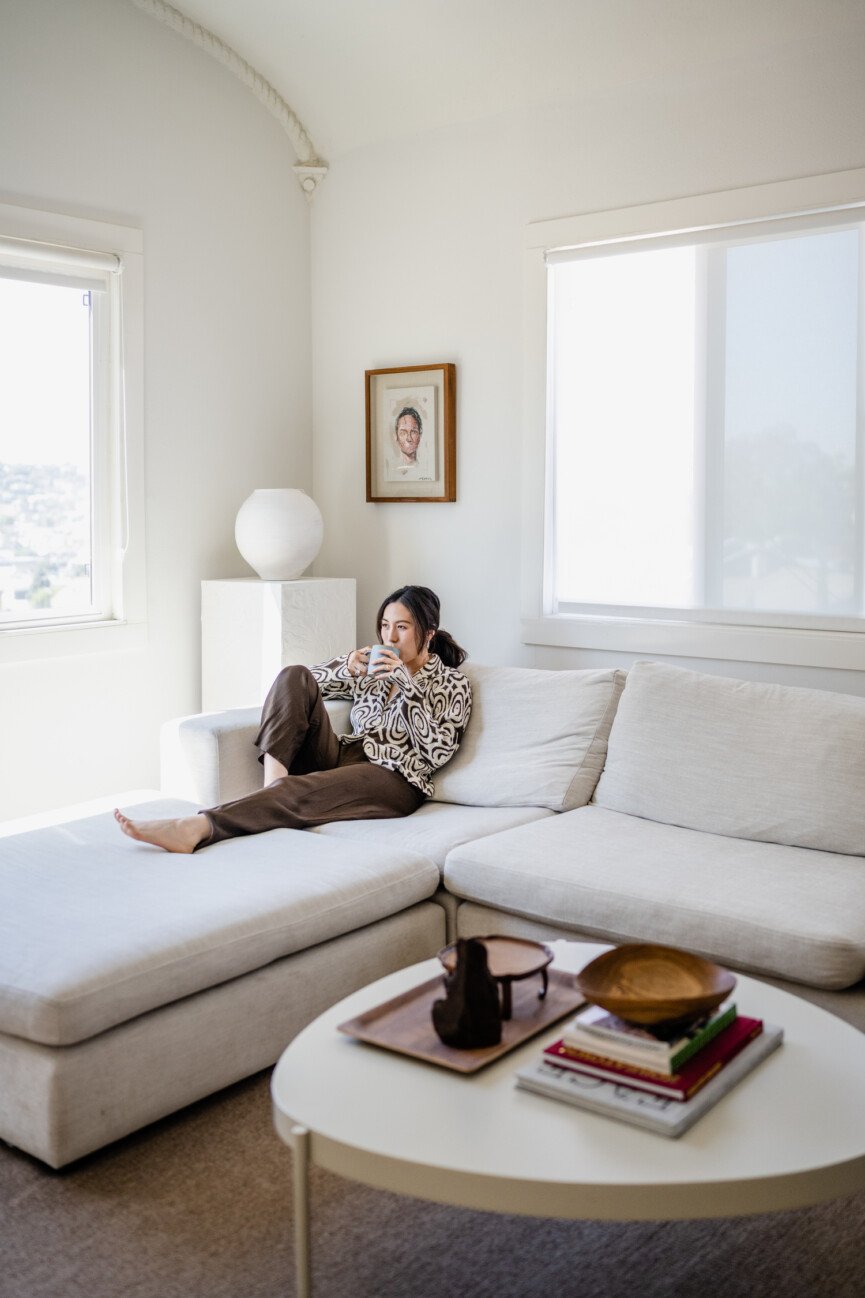
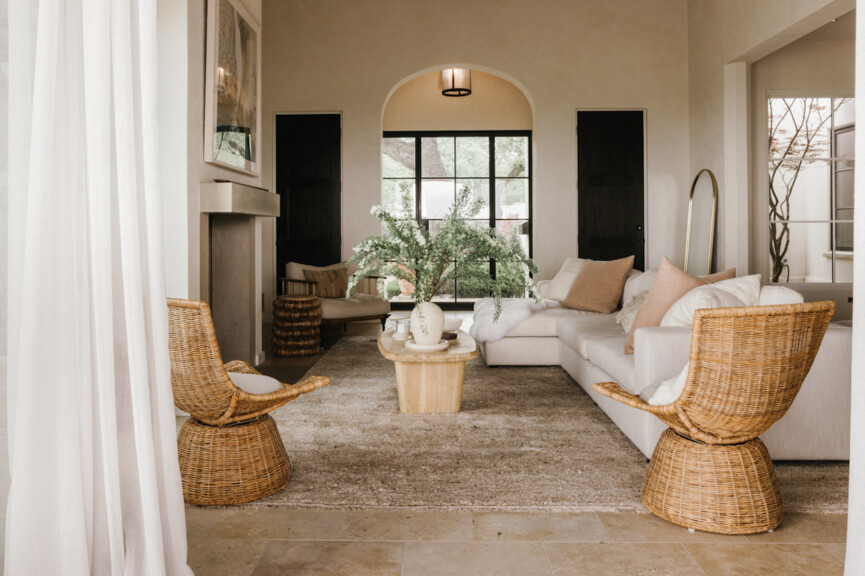
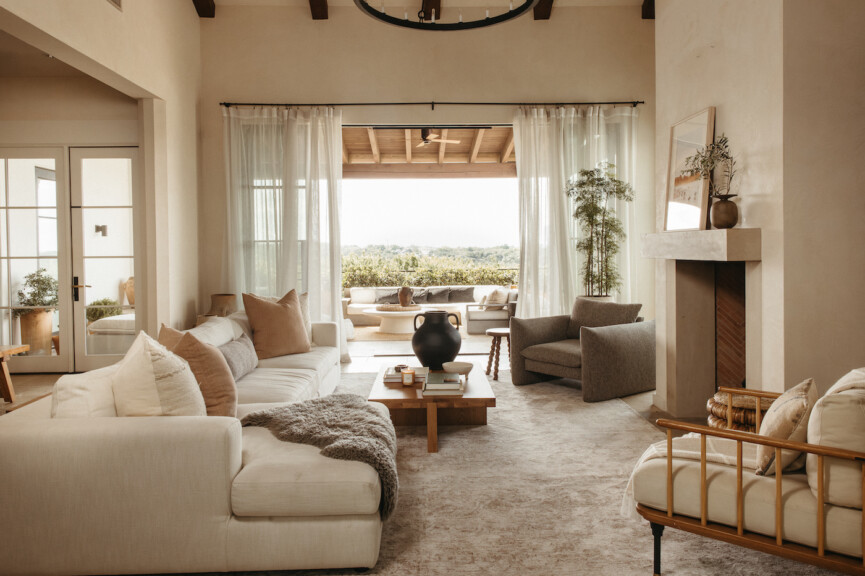
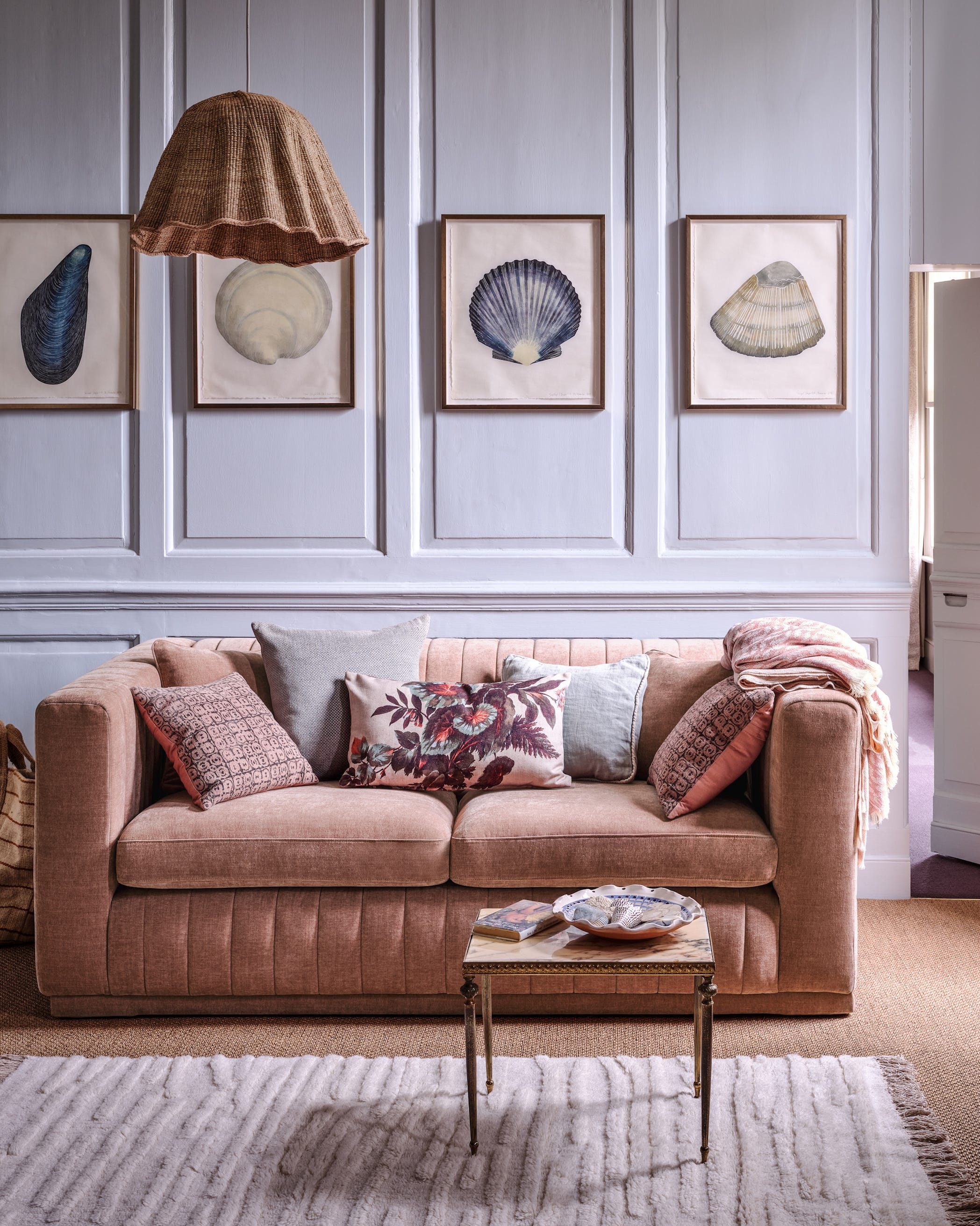
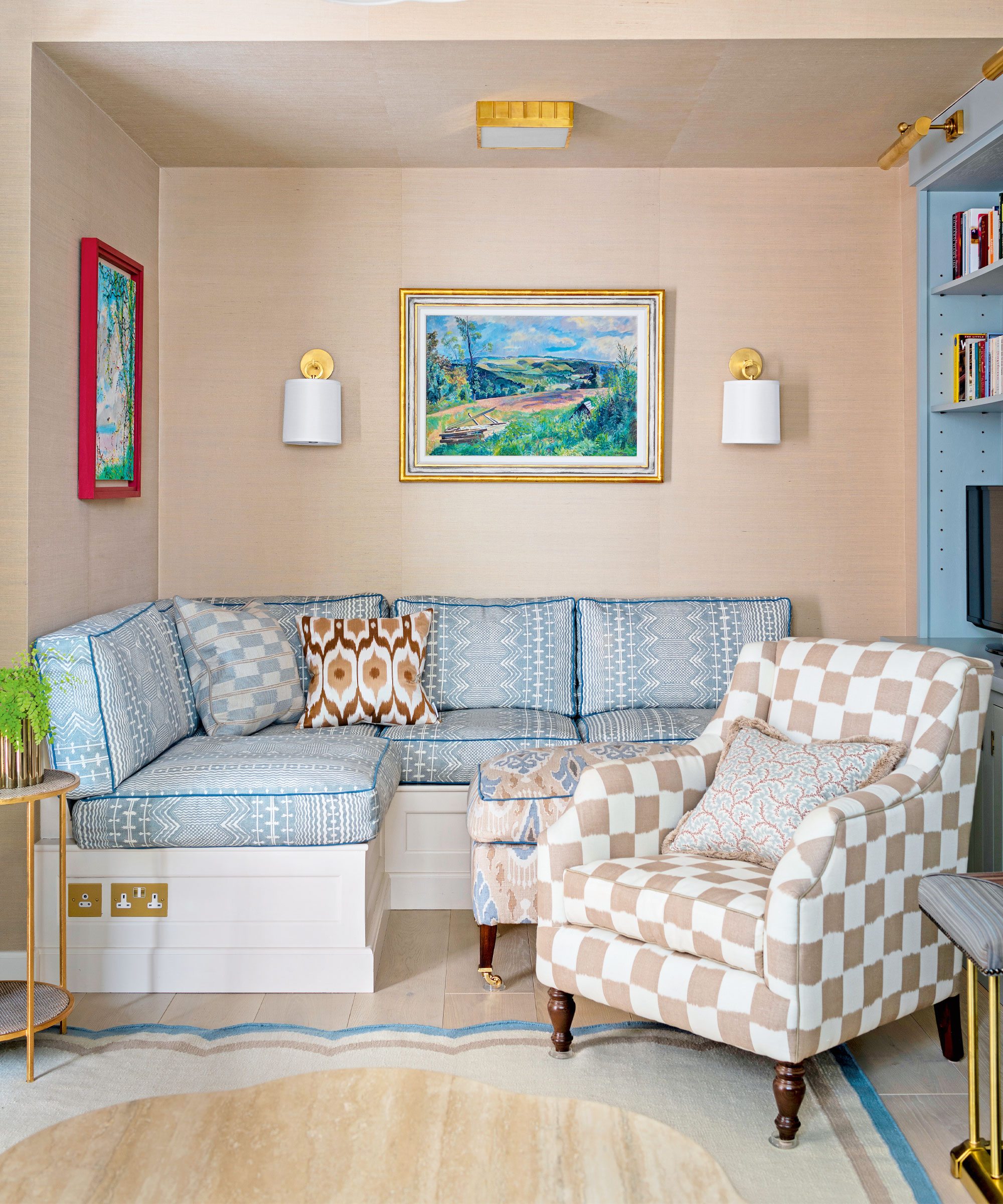
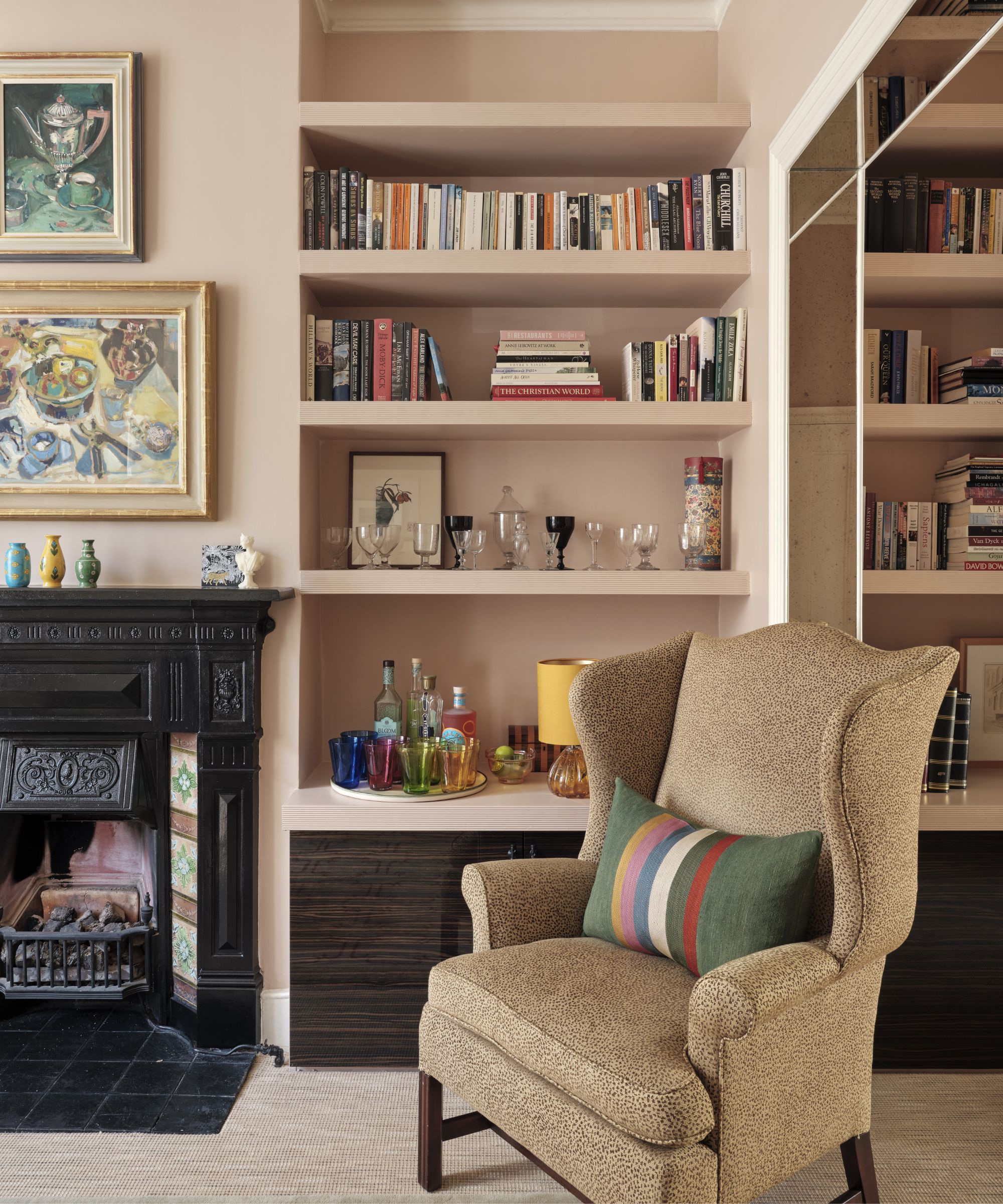
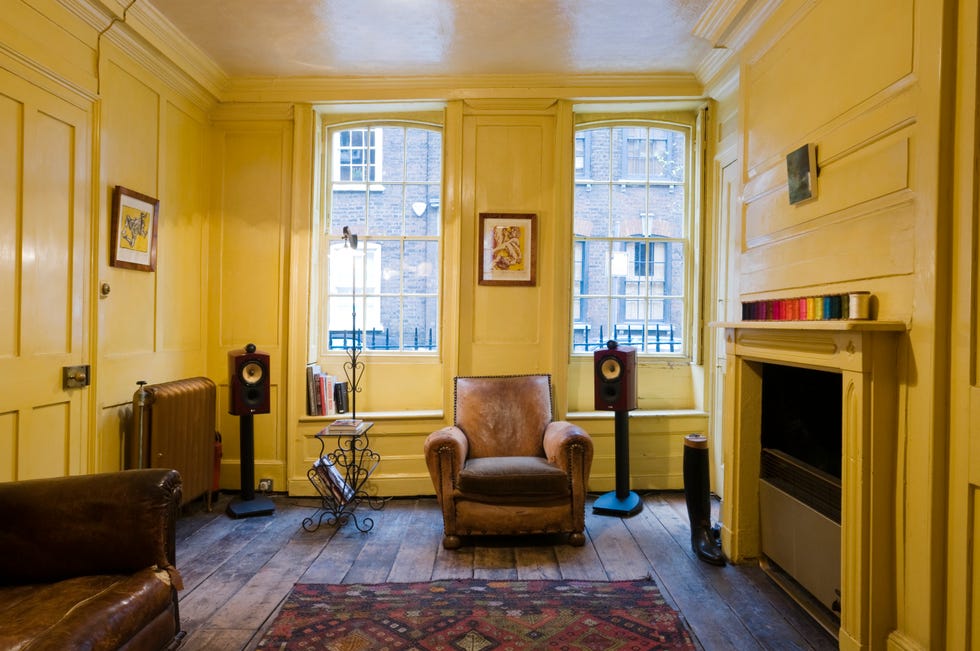
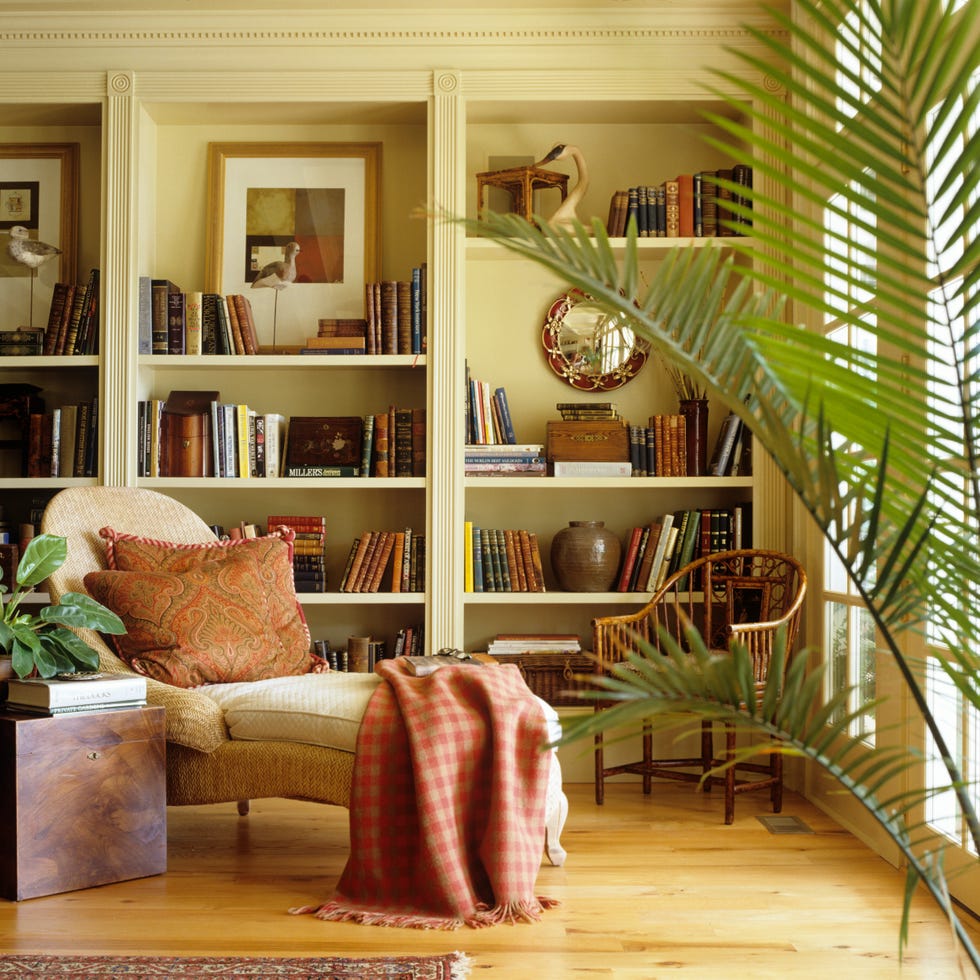
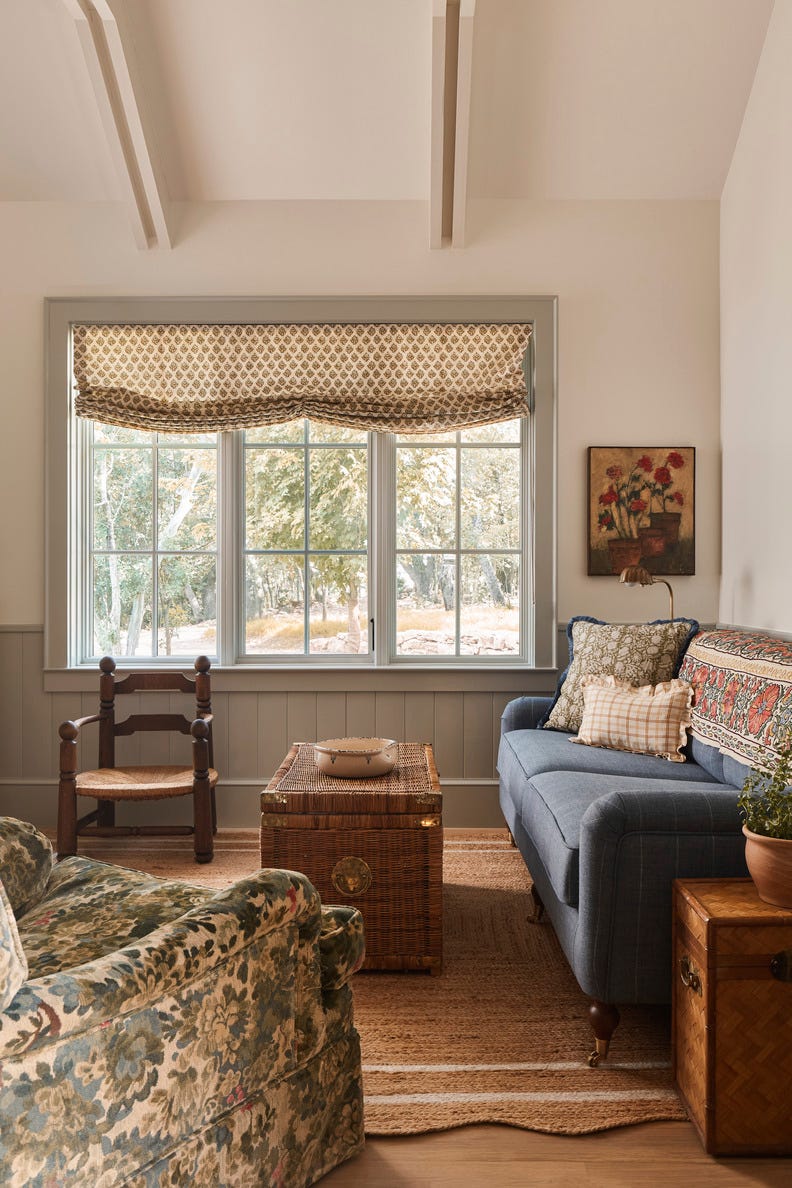
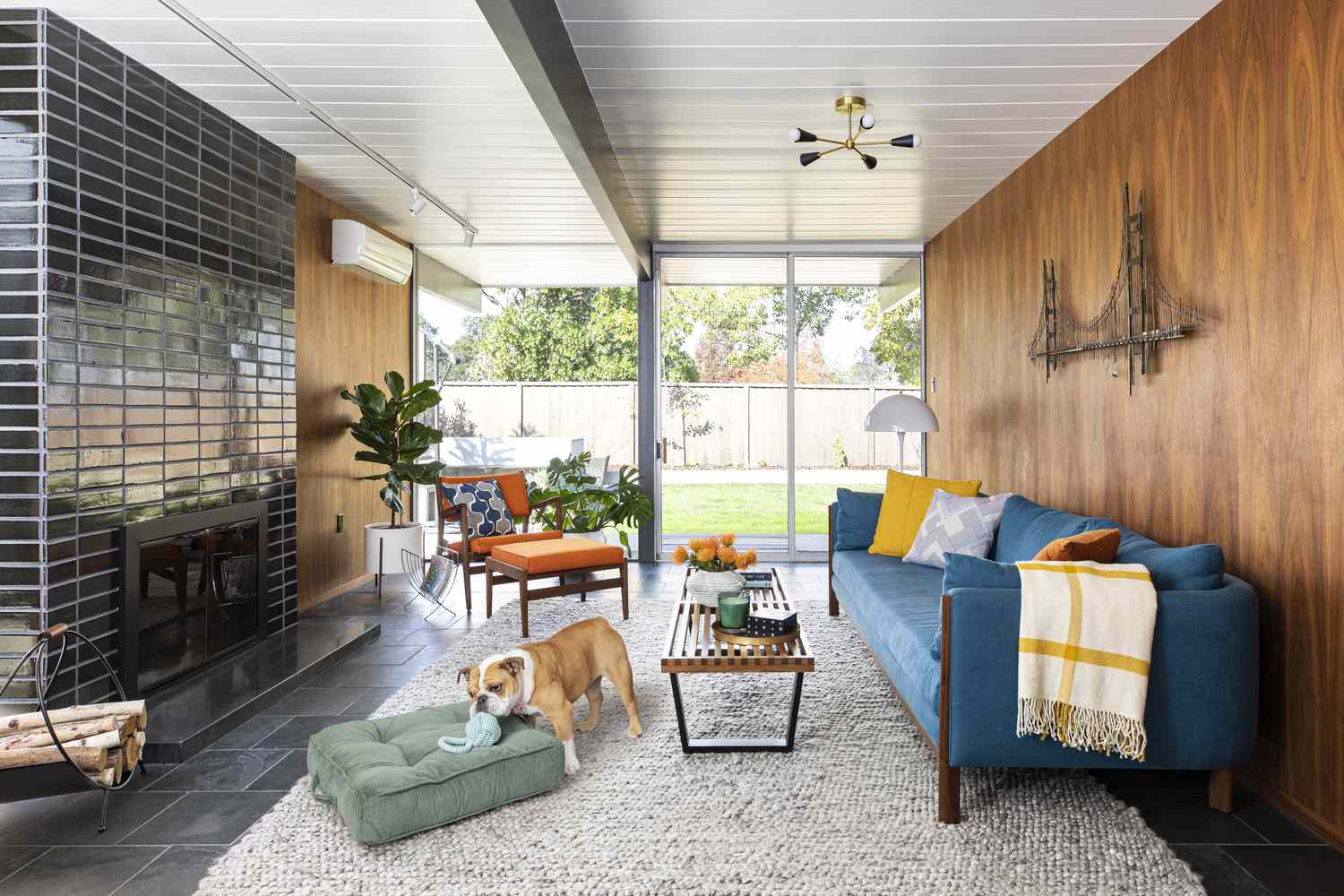
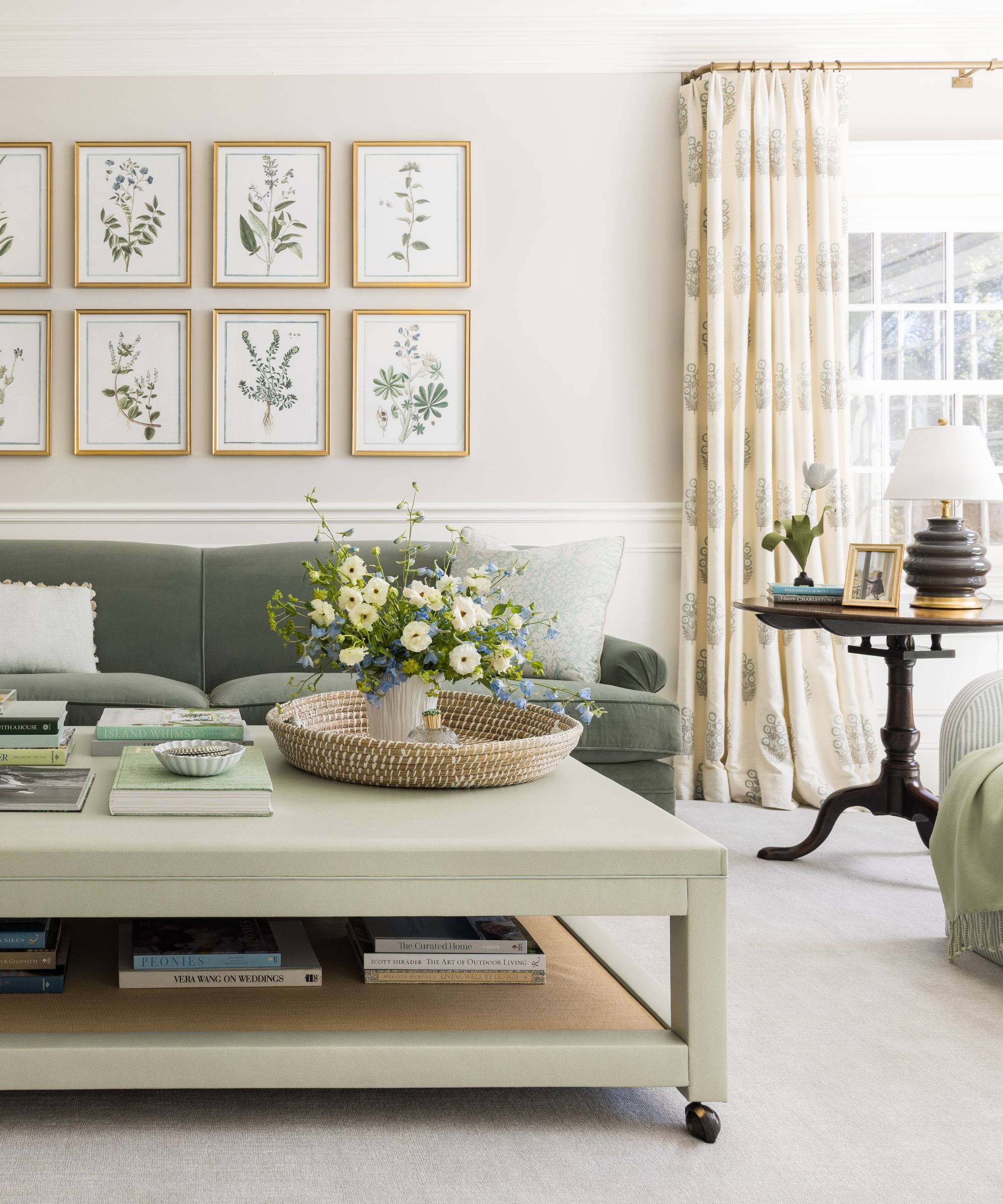
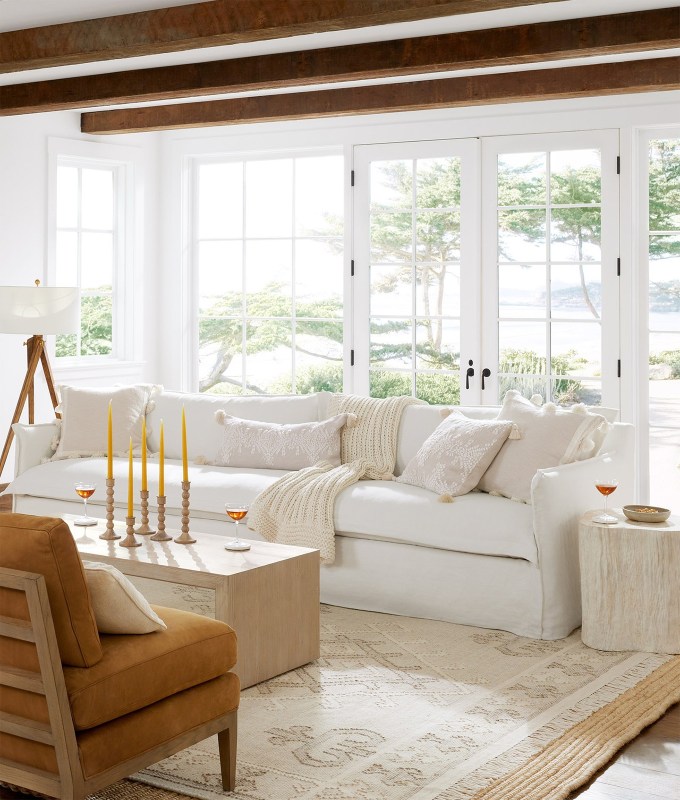
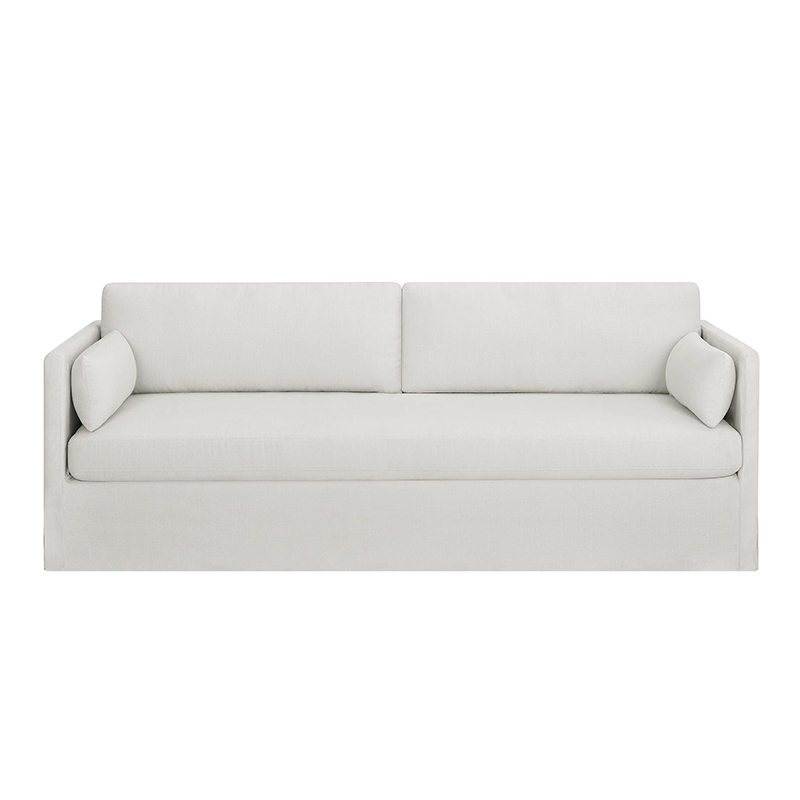
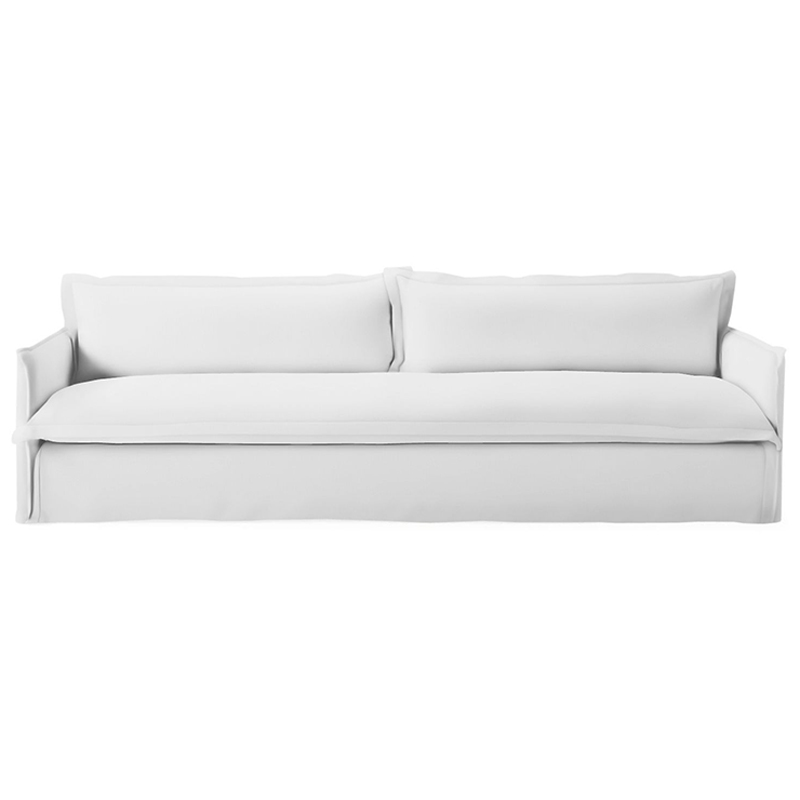
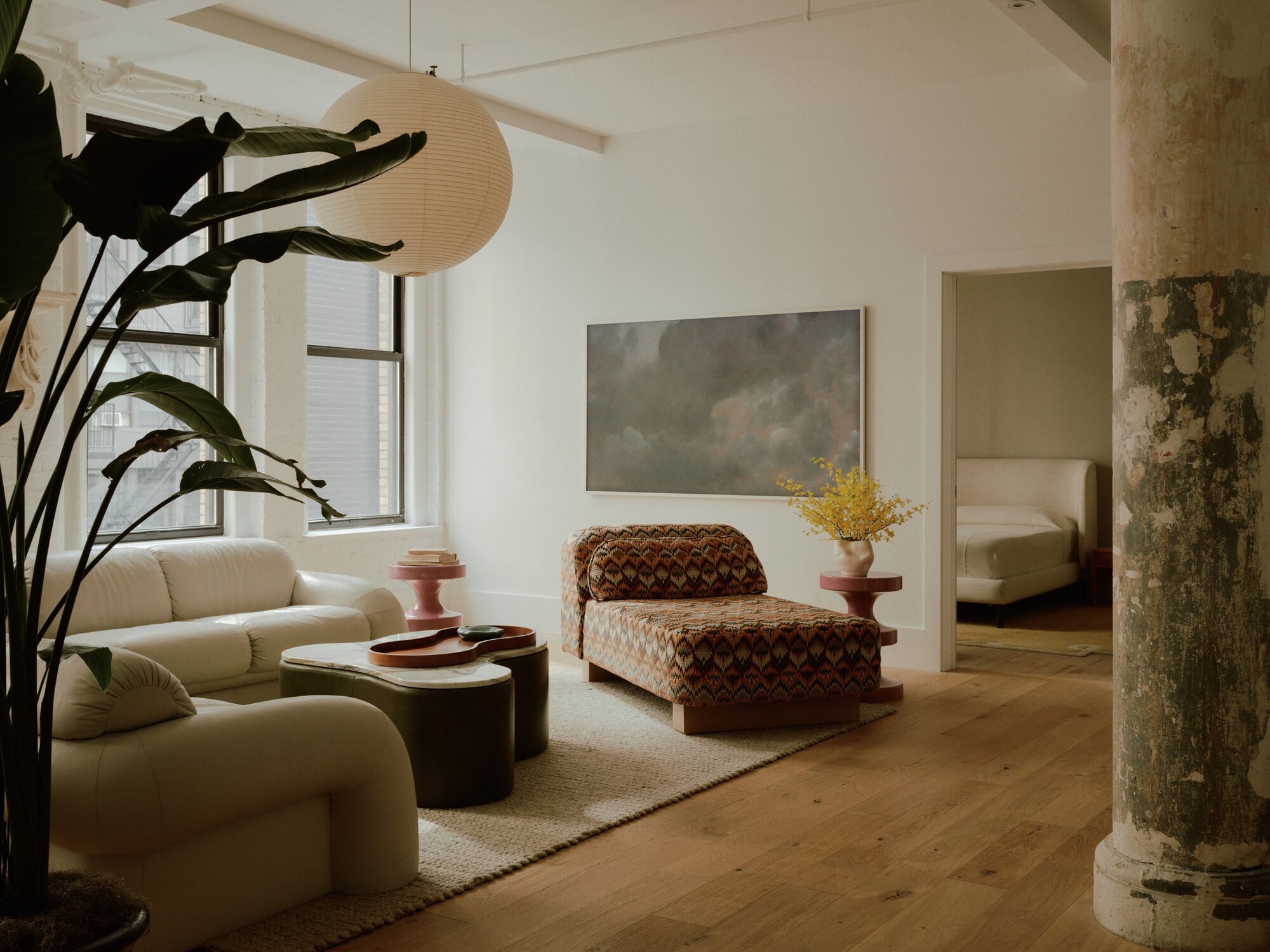
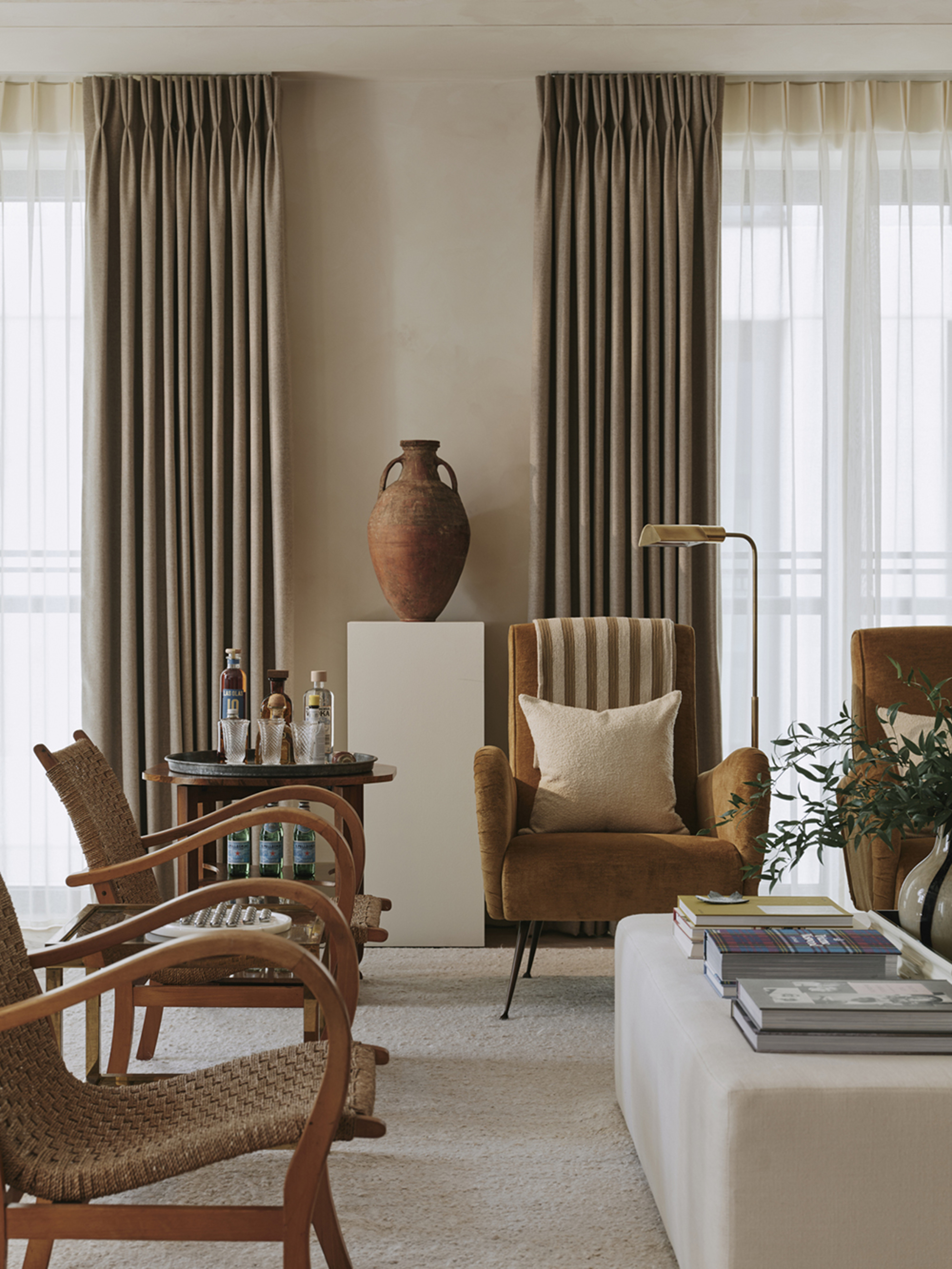
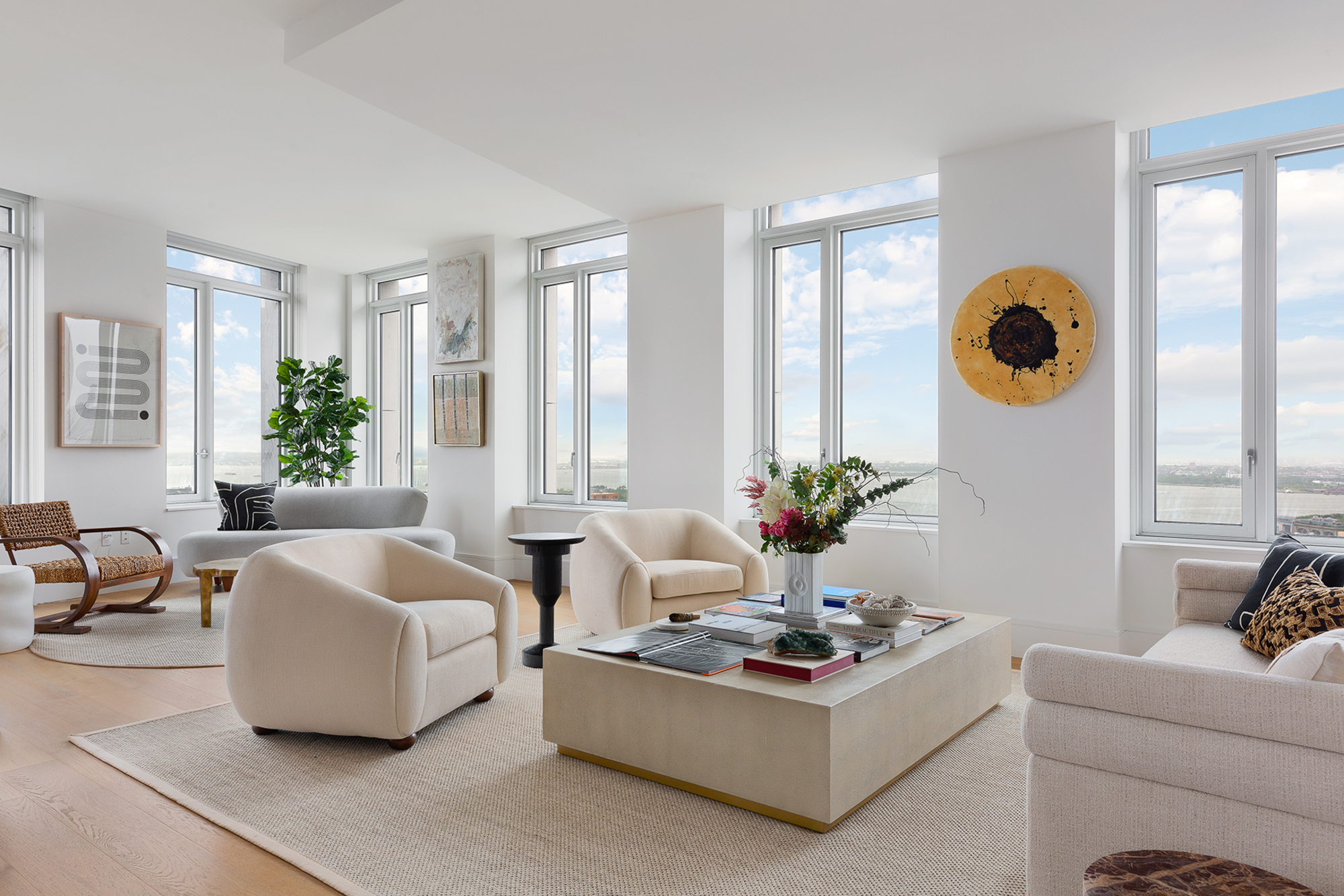
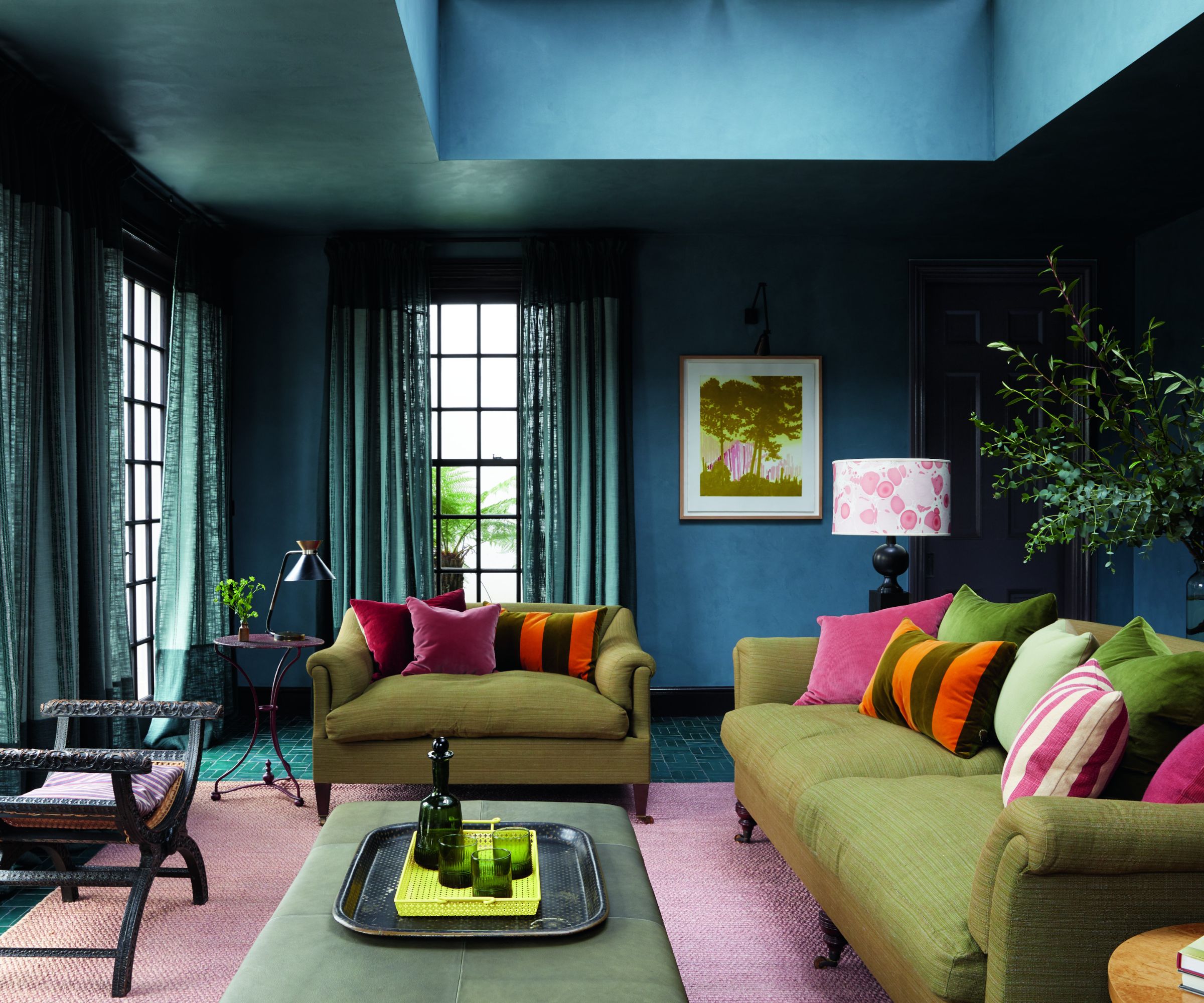
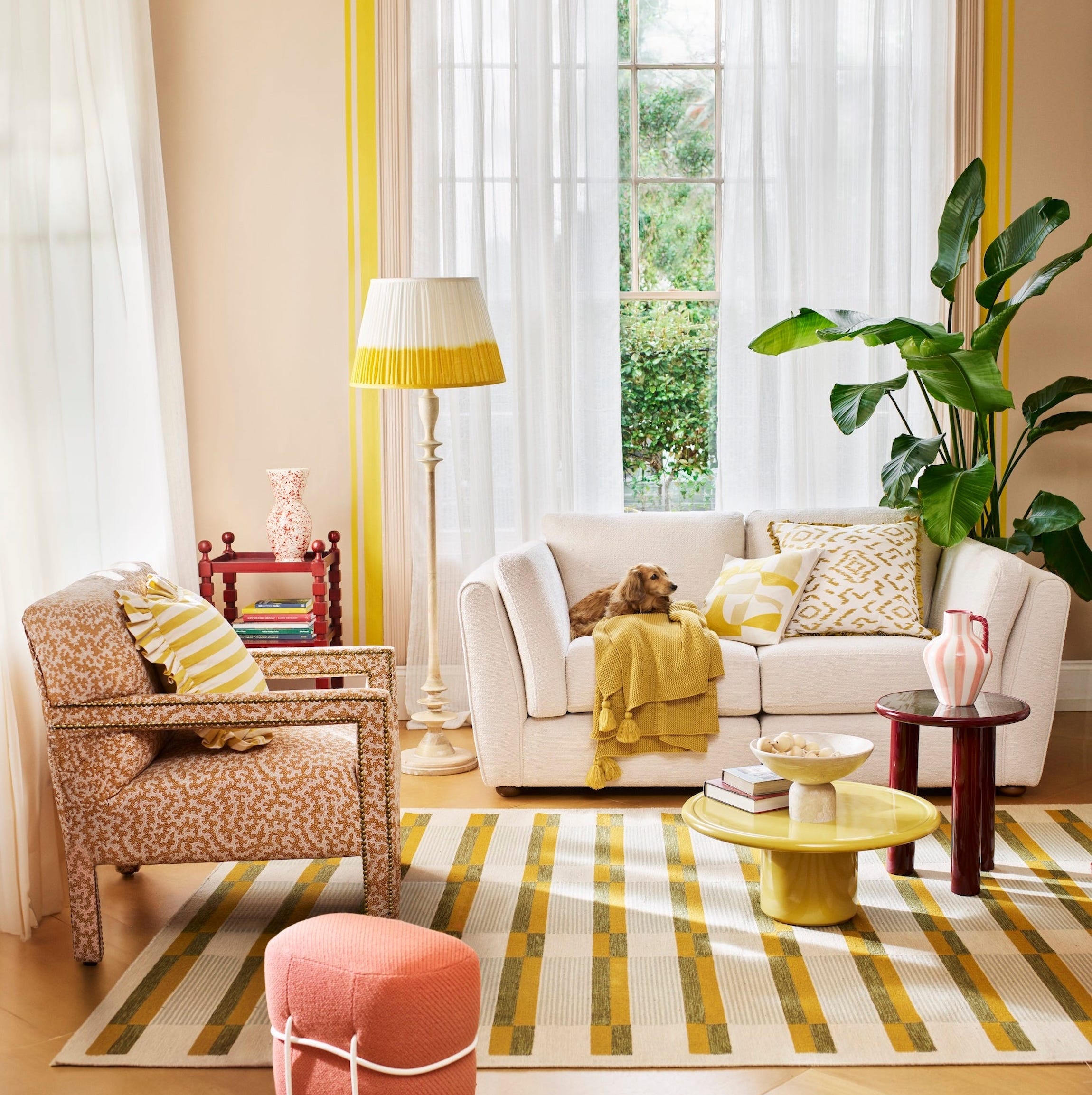
This article outlines five key considerations for designing a living room that harmonizes style with practicality, drawing from years of experience in home design. The first point emphasizes the importance of selecting the right fabric, especially for families with children or pets. While no material is entirely indestructible, options like Crypton offer durability, and full-grain leather is noted for its ability to age gracefully and resist wear. Darker fabrics are recommended for concealing marks, and velvet is surprisingly suggested as a less appealing option for cat scratching, though it will attract fur. For more elegant materials such as linen, the article advises their use in low-traffic areas like sitting rooms or primary suites, and slipcovers are highlighted for their ease of cleaning and aesthetic versatility. Bold fabric choices are encouraged for chairs, as they are often protected by pillows or blankets and are simpler to reupholster.
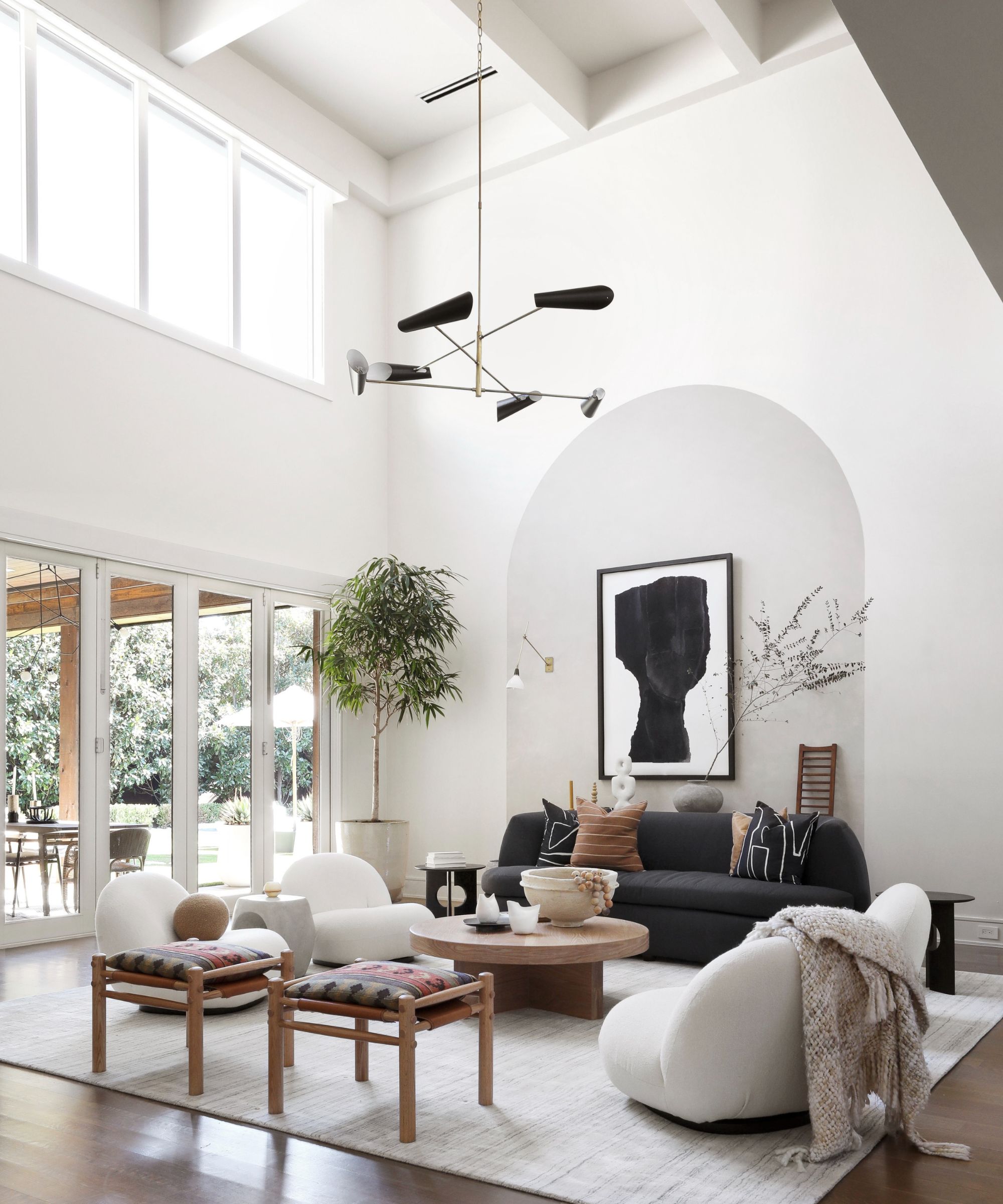
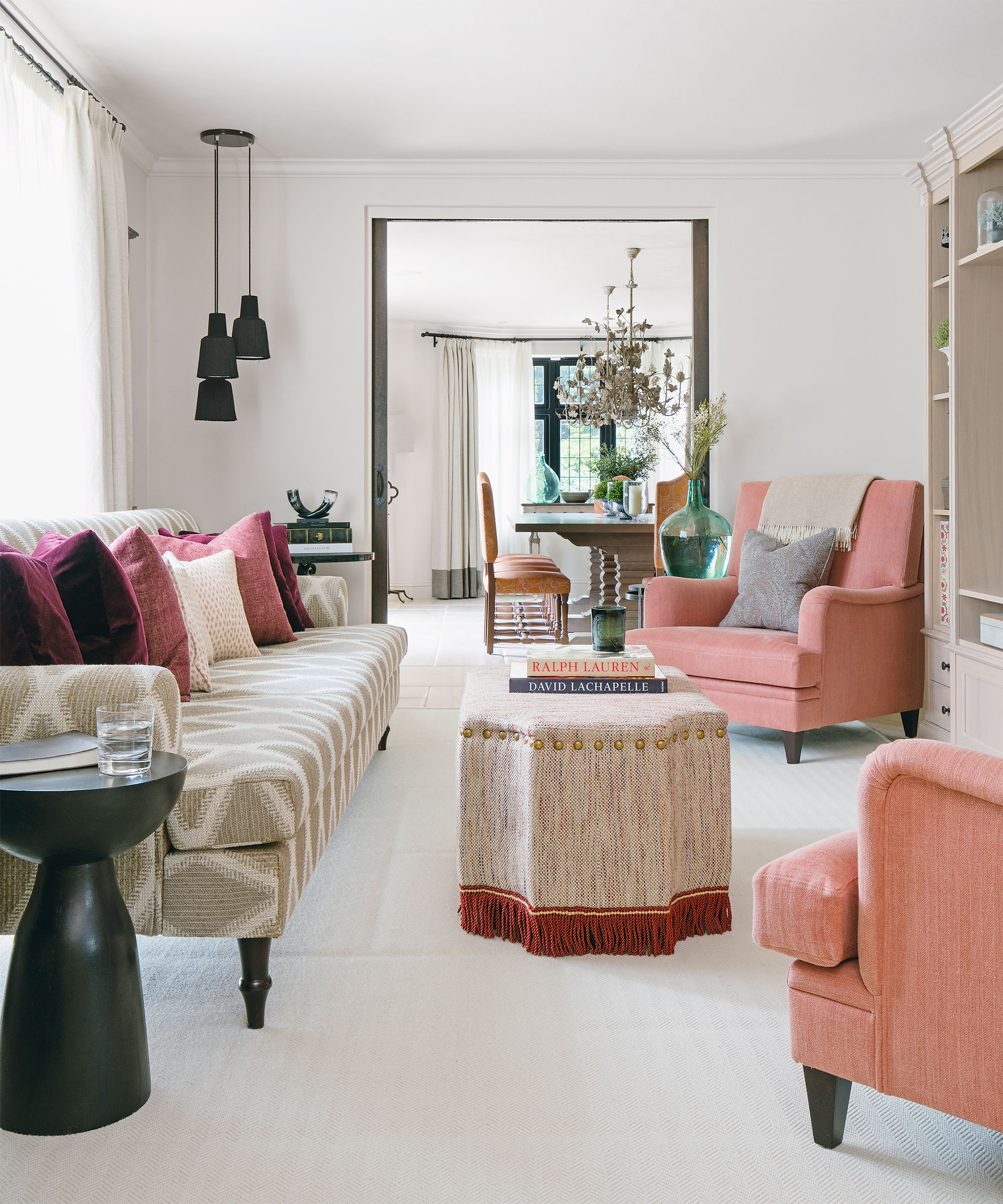
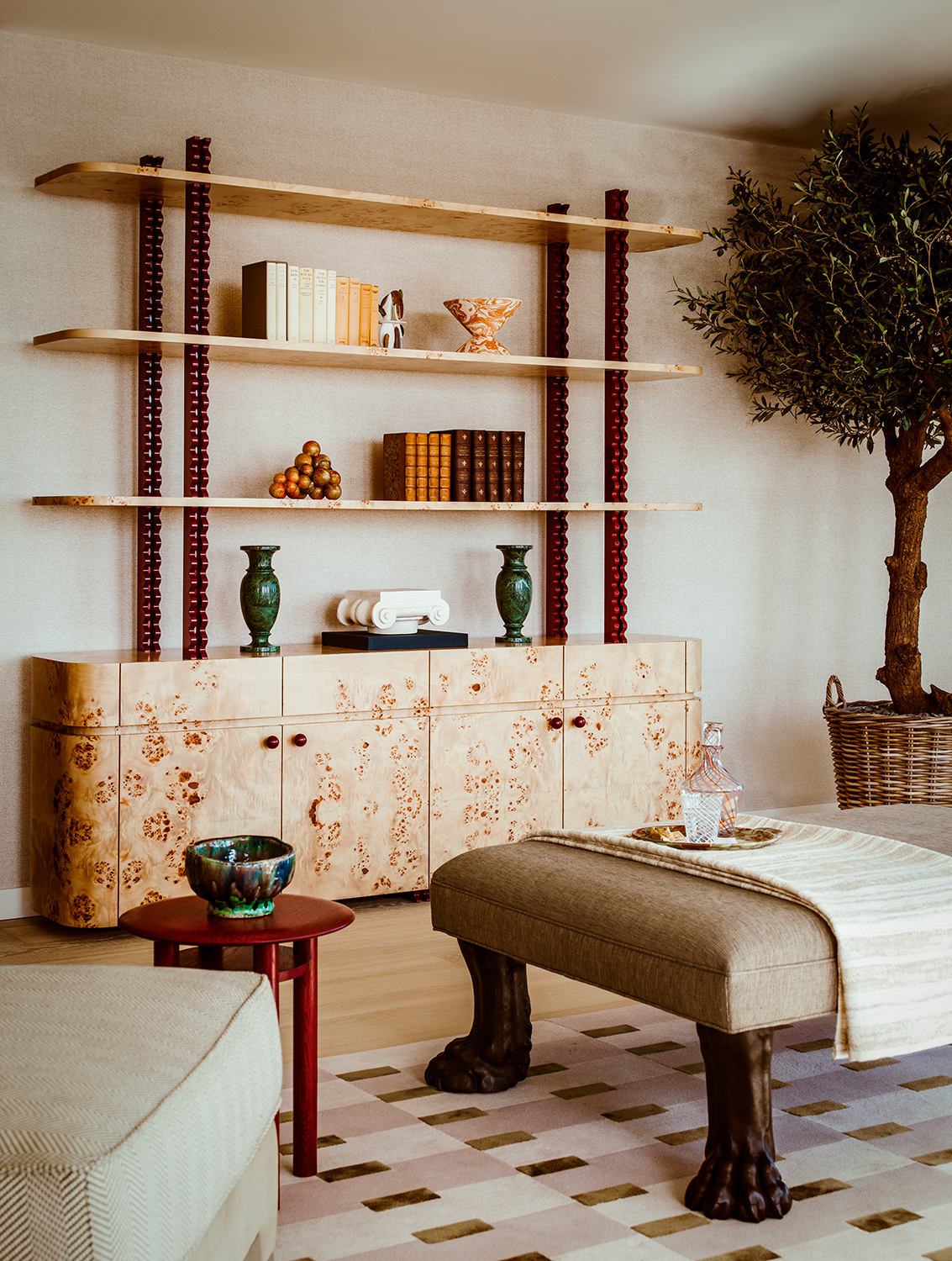
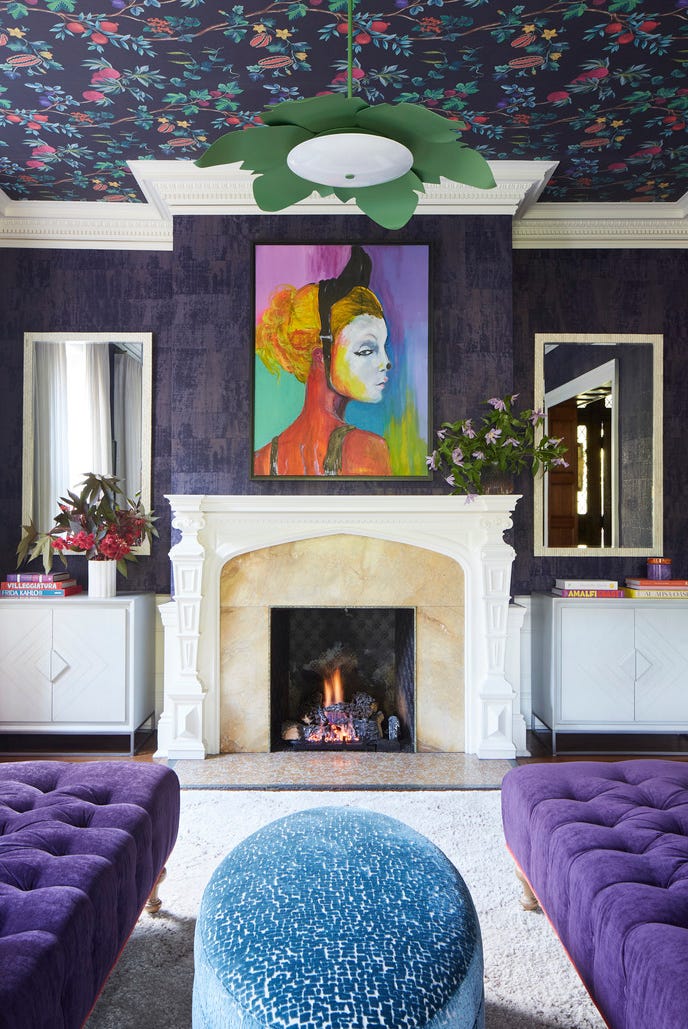
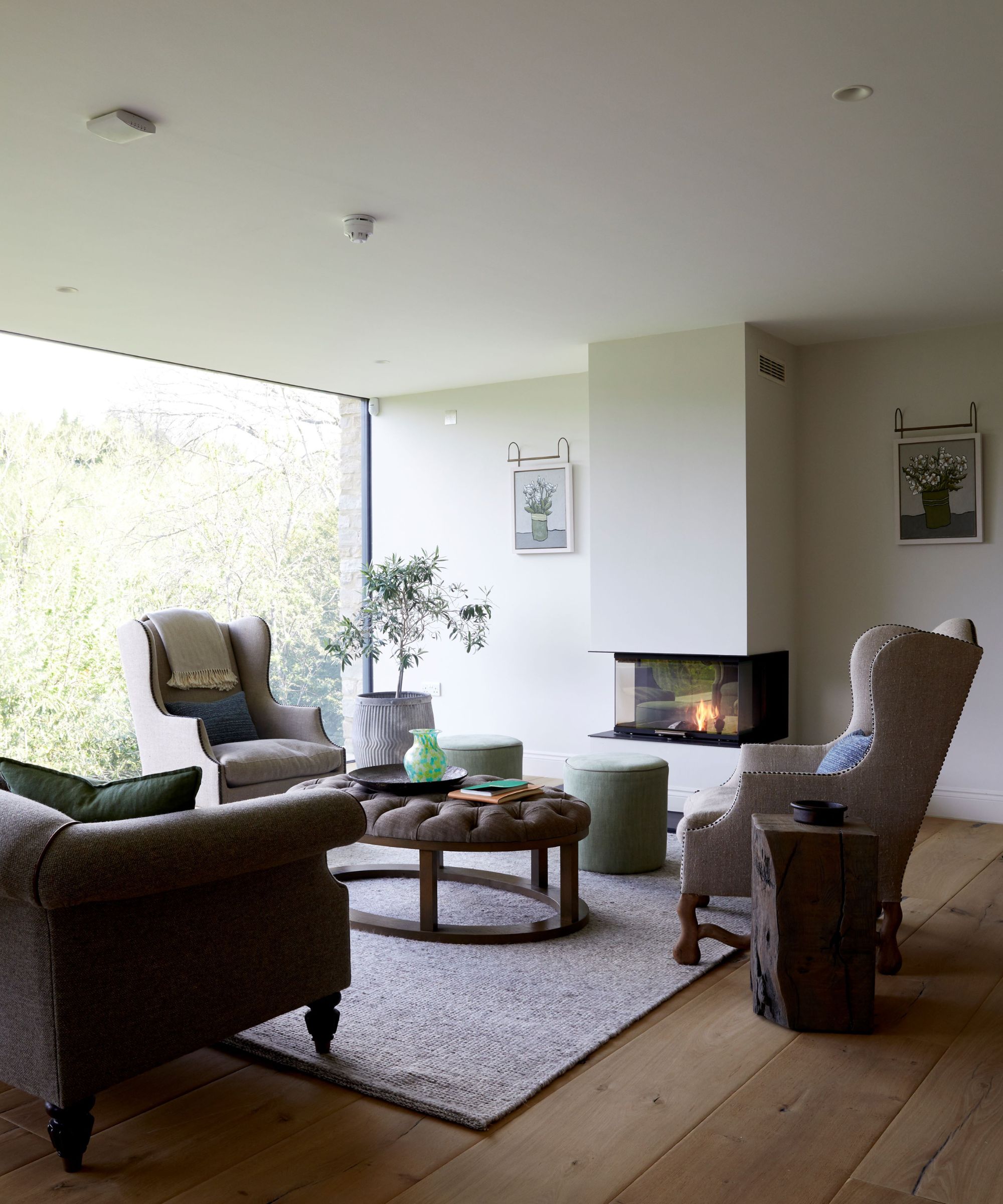
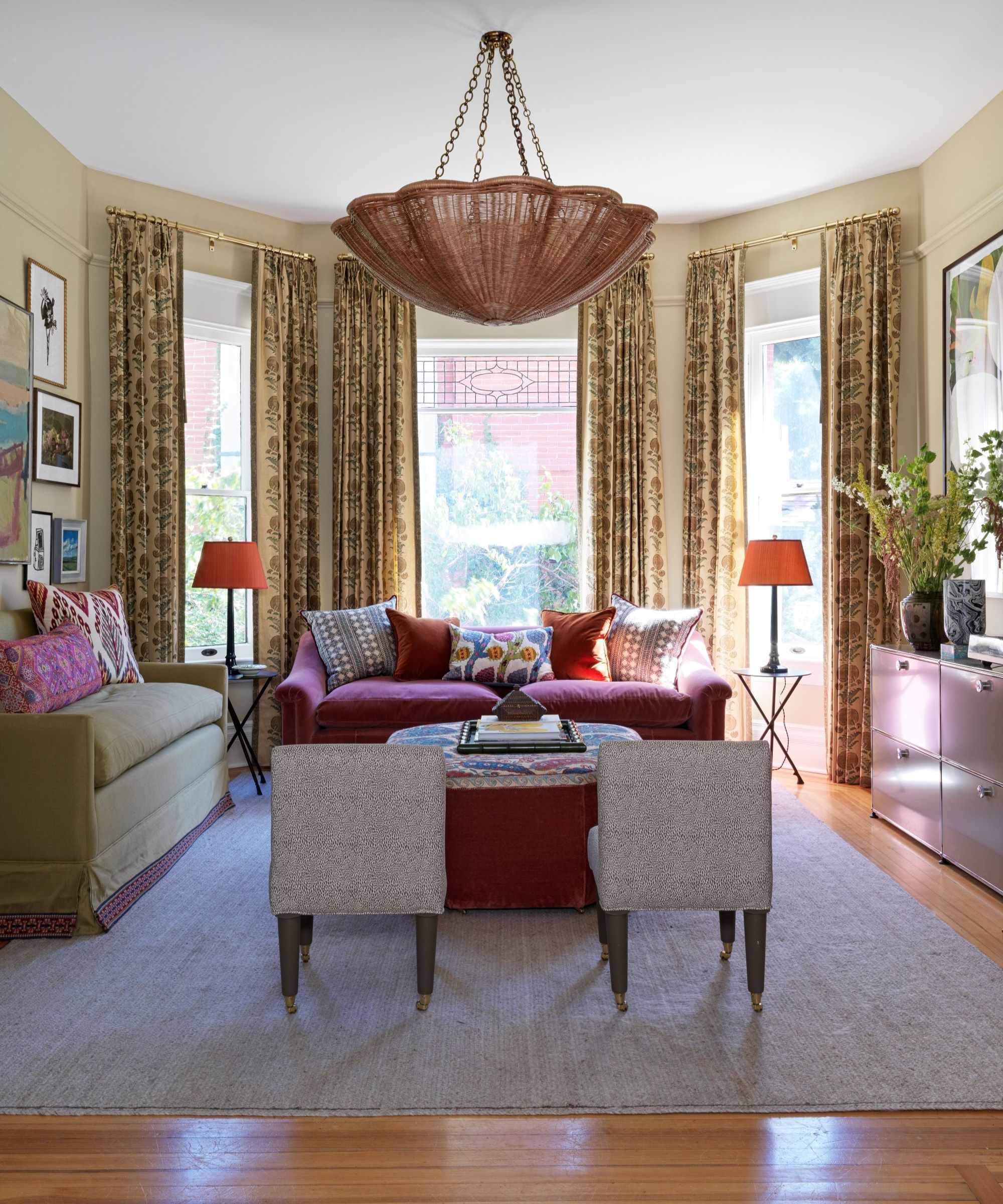
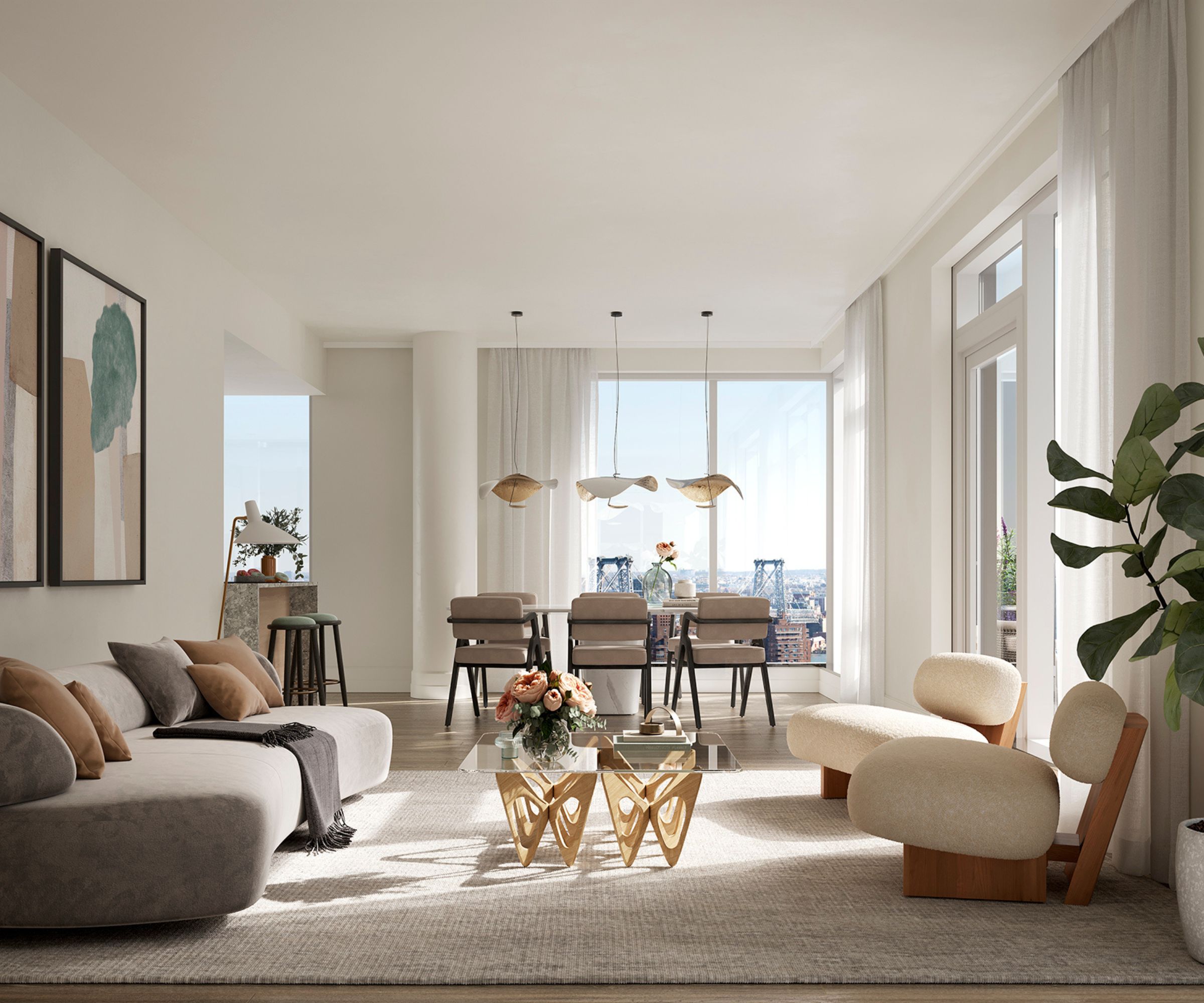
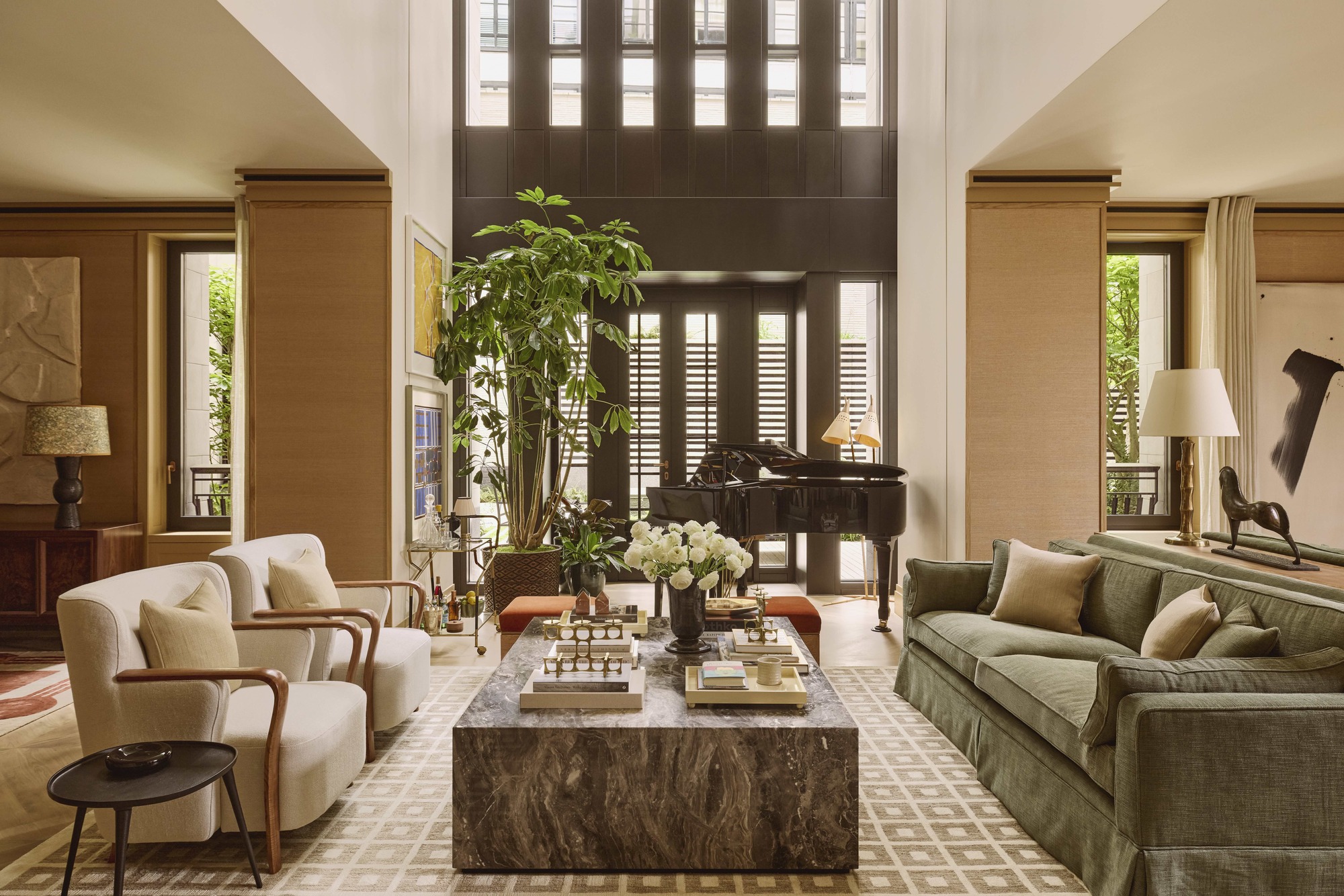
Secondly, the article challenges the common misconception that less furniture automatically makes a space appear larger. Instead, it advocates for correctly scaled pieces to effectively highlight a room’s dimensions and foster a cohesive look. Suggestions include using bench vignettes to anchor windows and layering console tables to fill a space appropriately without causing clutter. The third consideration focuses on balancing walkability with sufficient seating. Benches and stools are presented as versatile additions, offering extra seating that can be easily repositioned, making them ideal for entertaining and adaptable layouts without impeding movement.
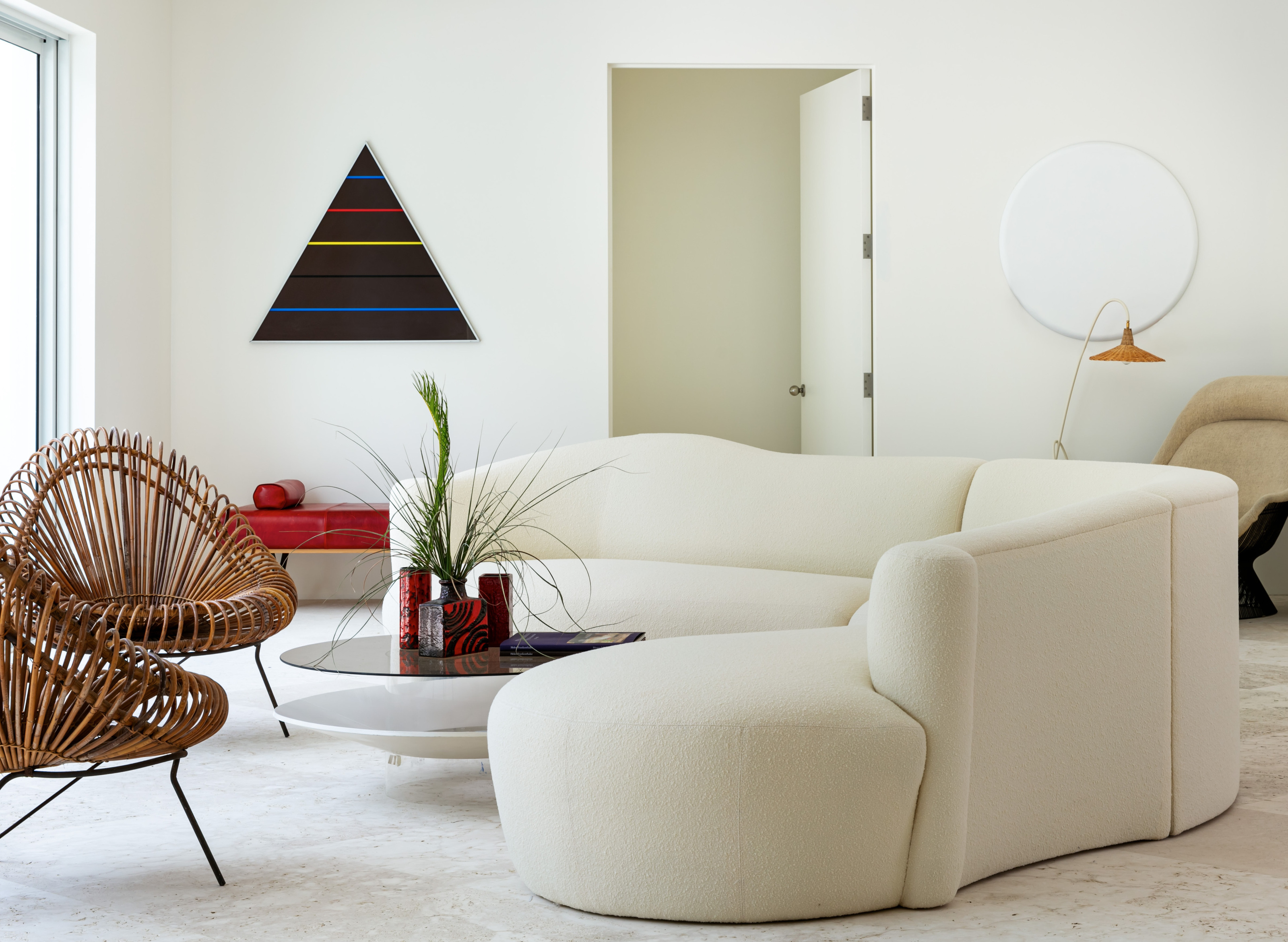
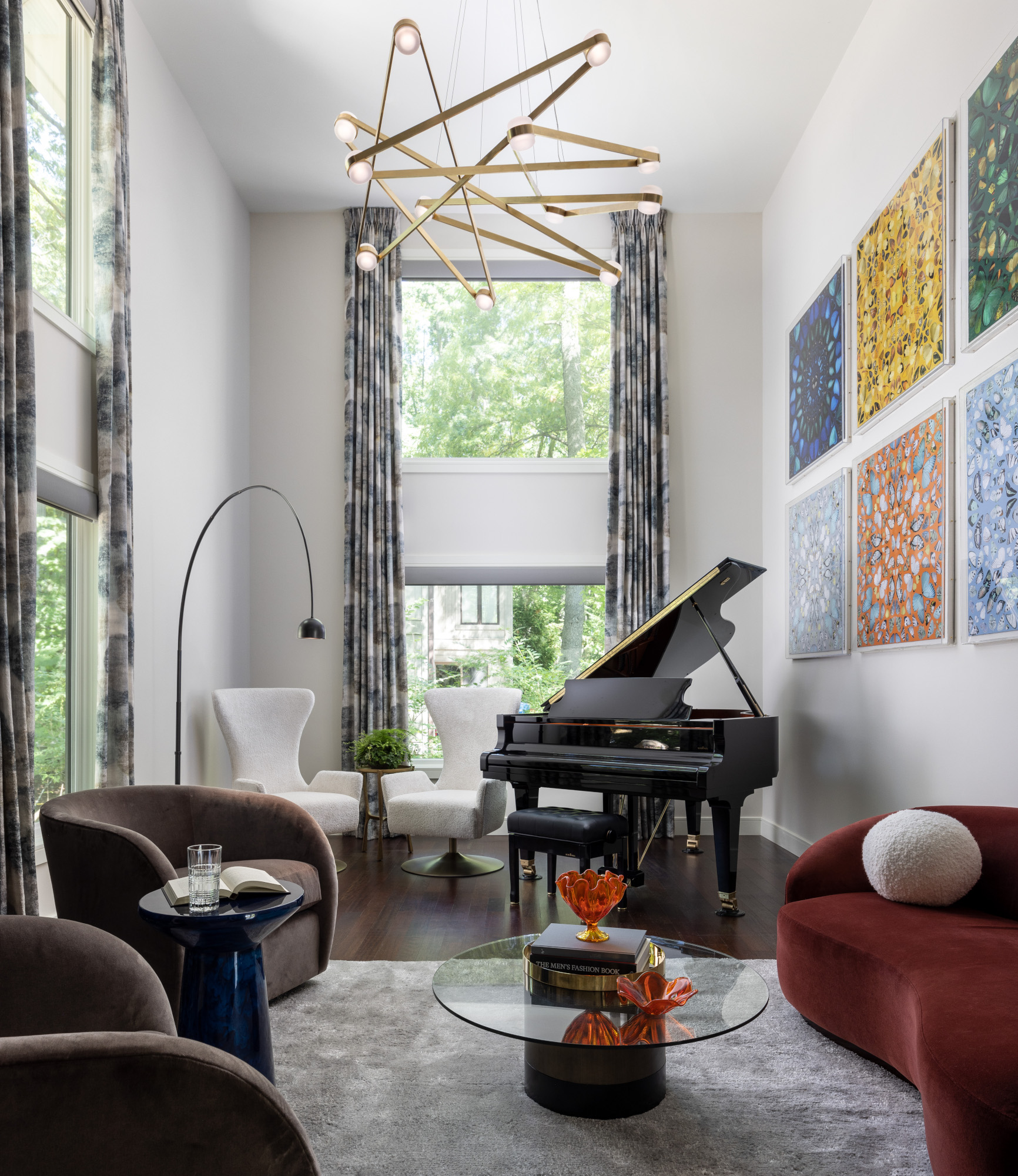
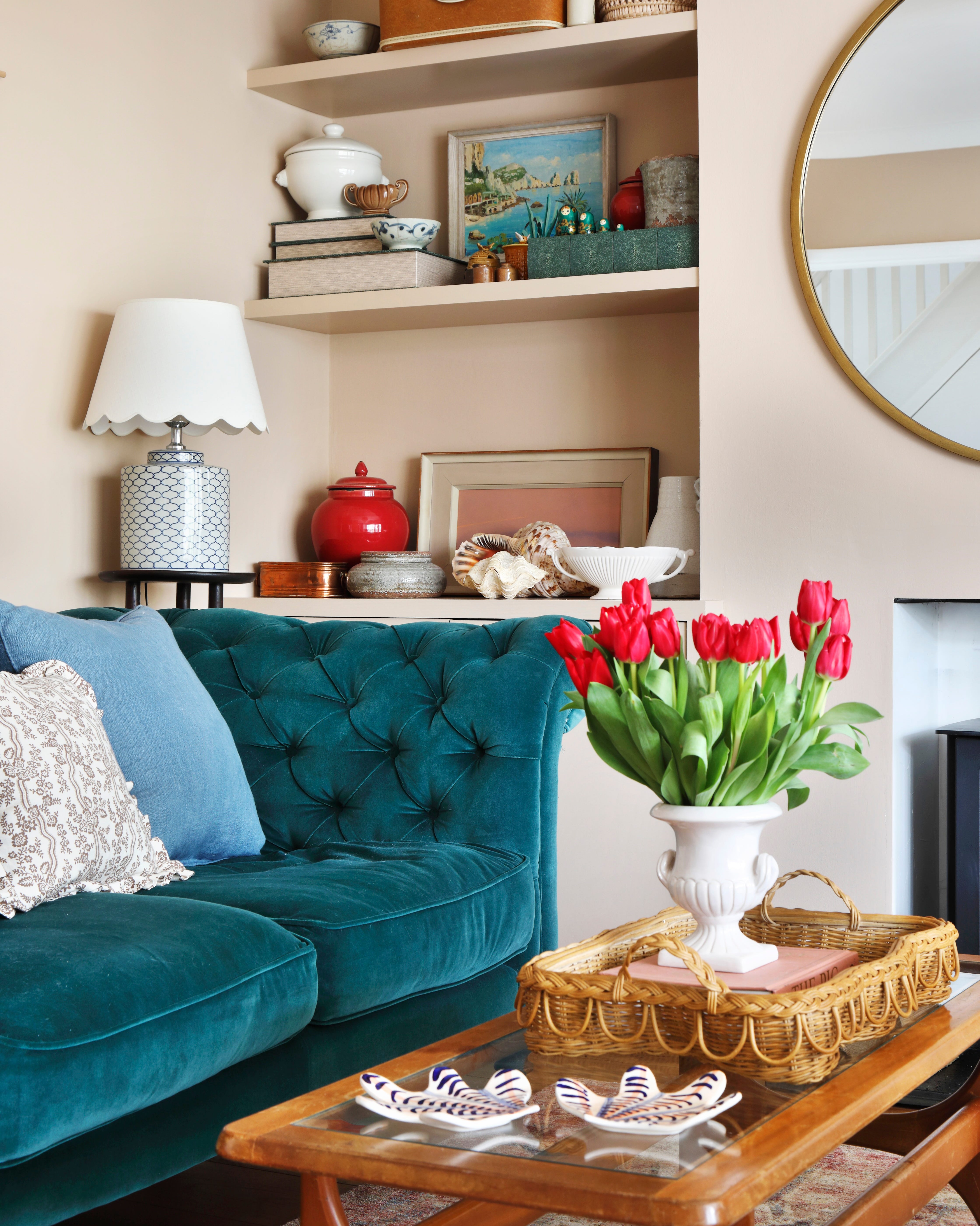
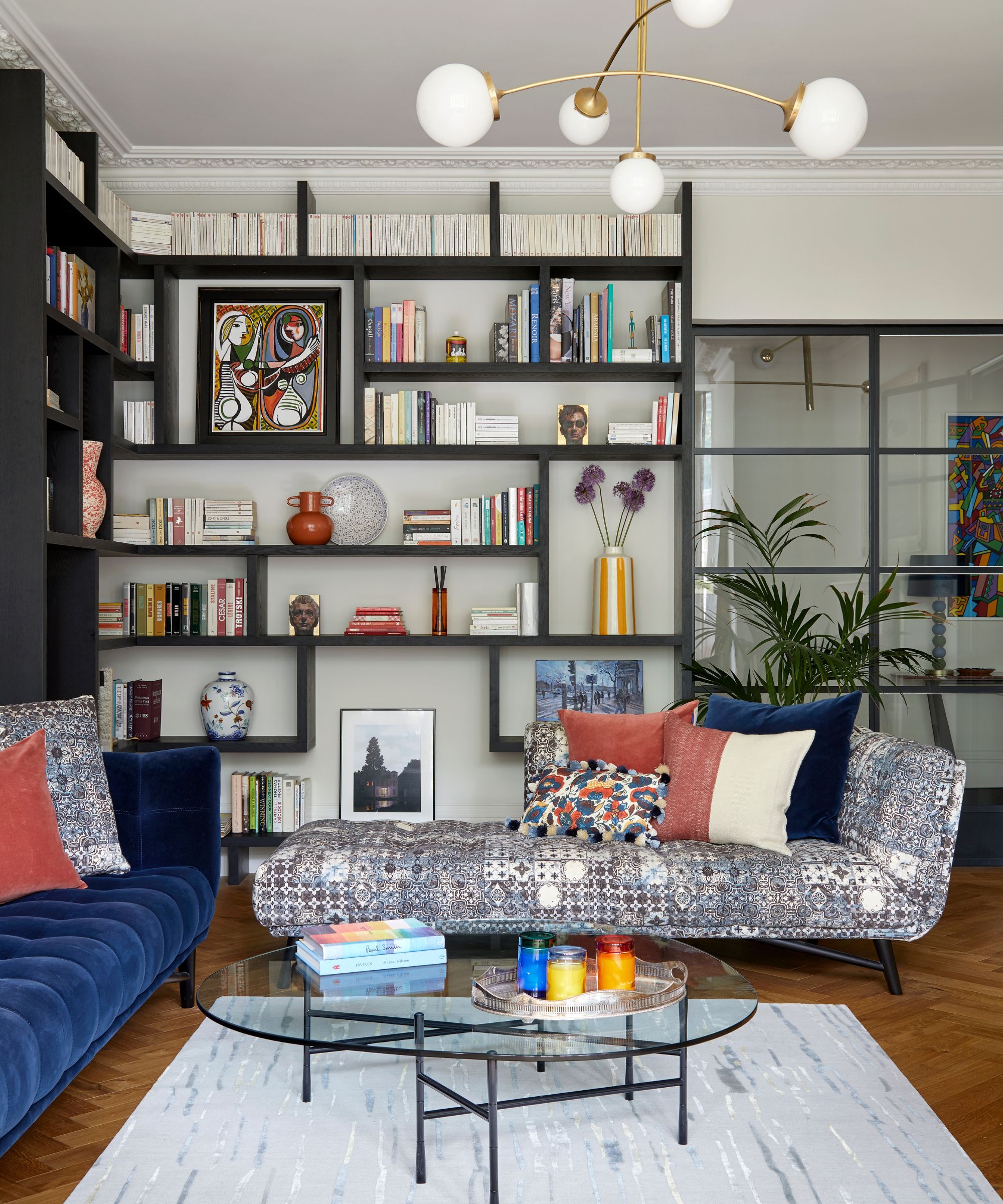
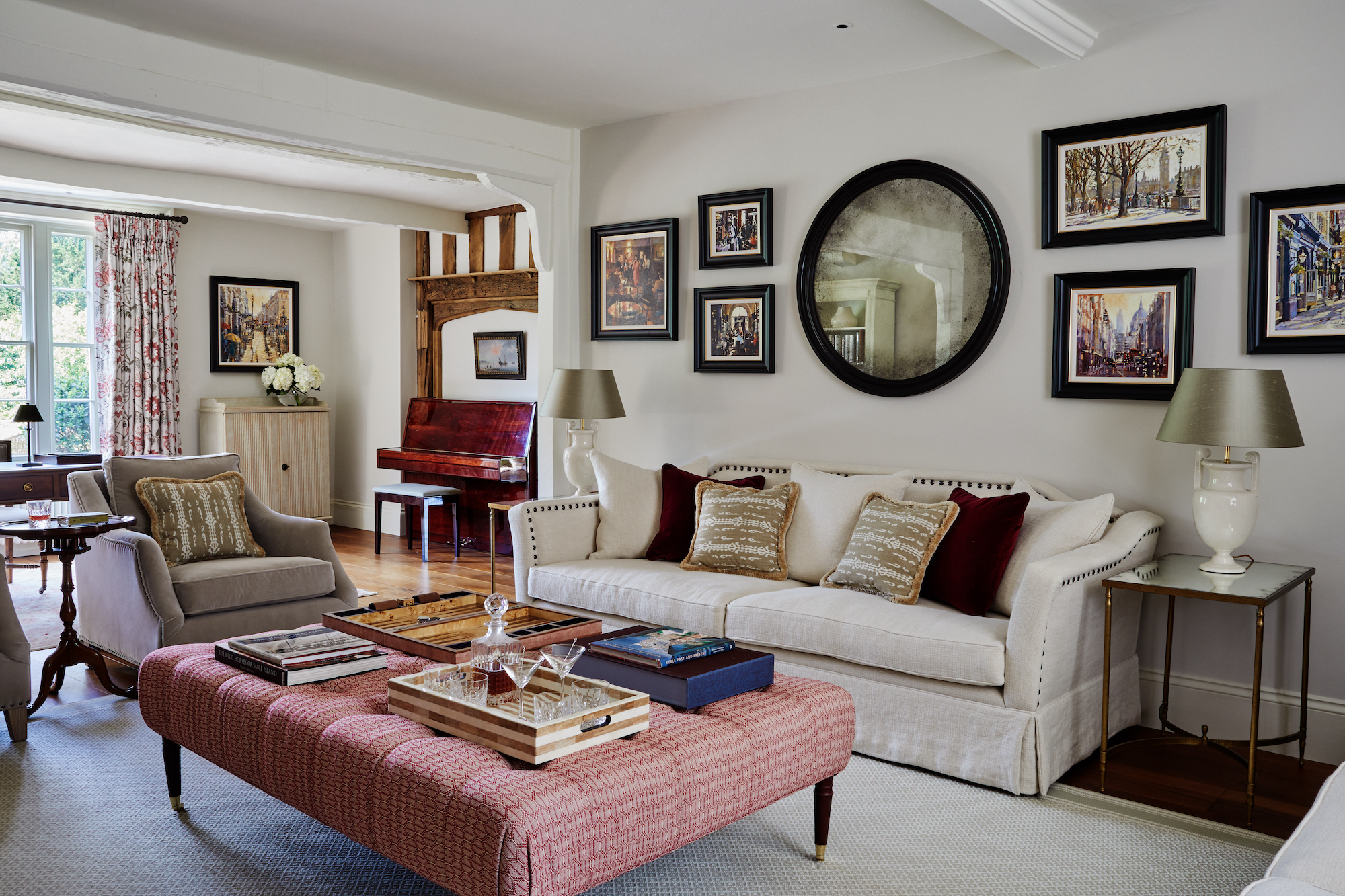
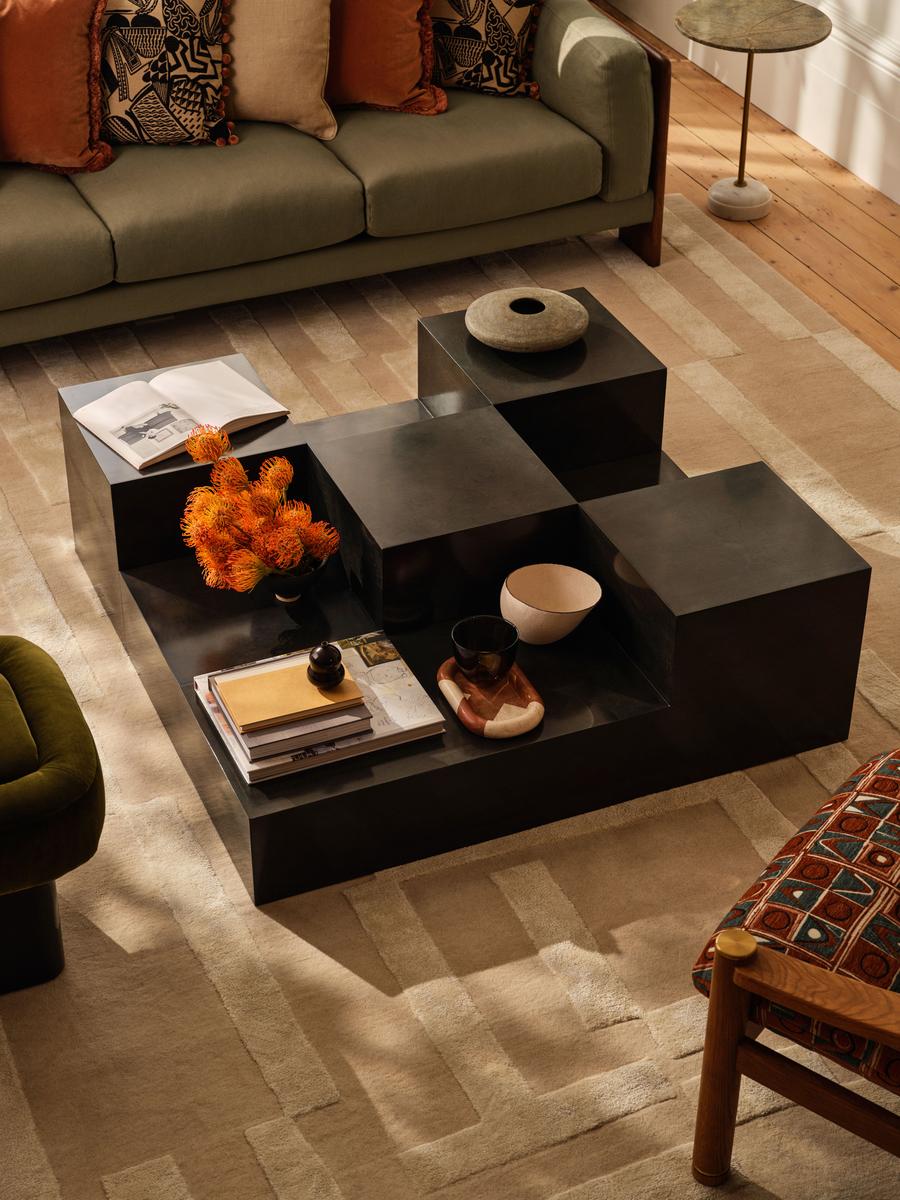
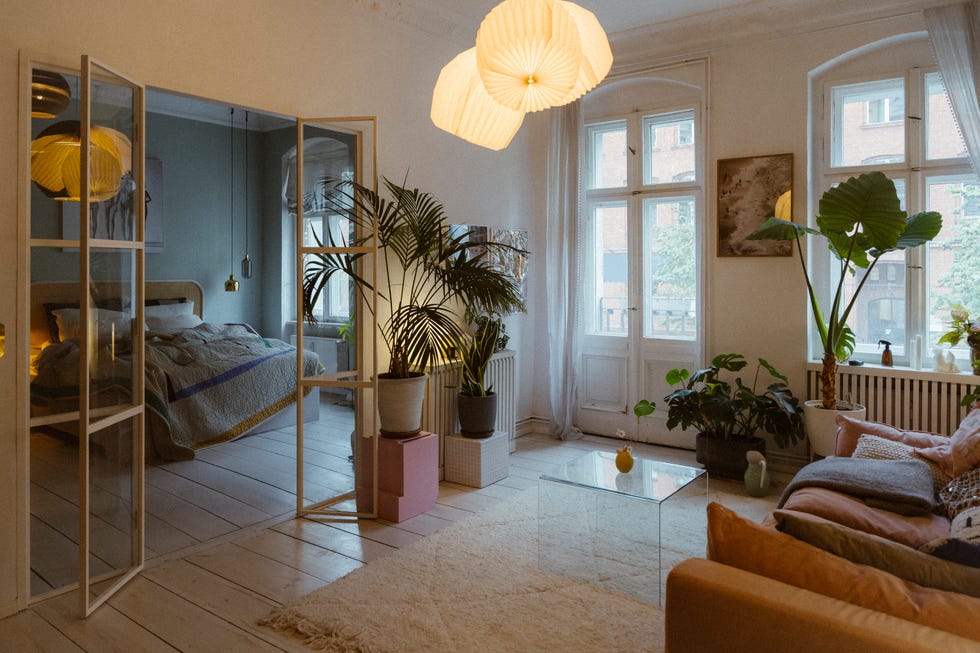
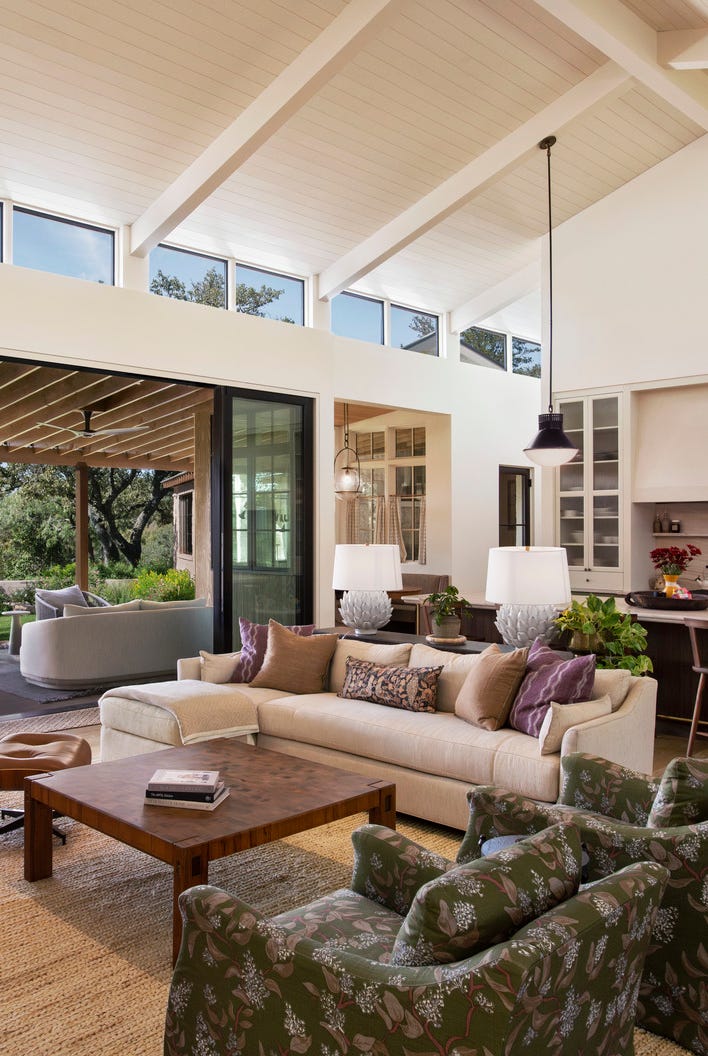
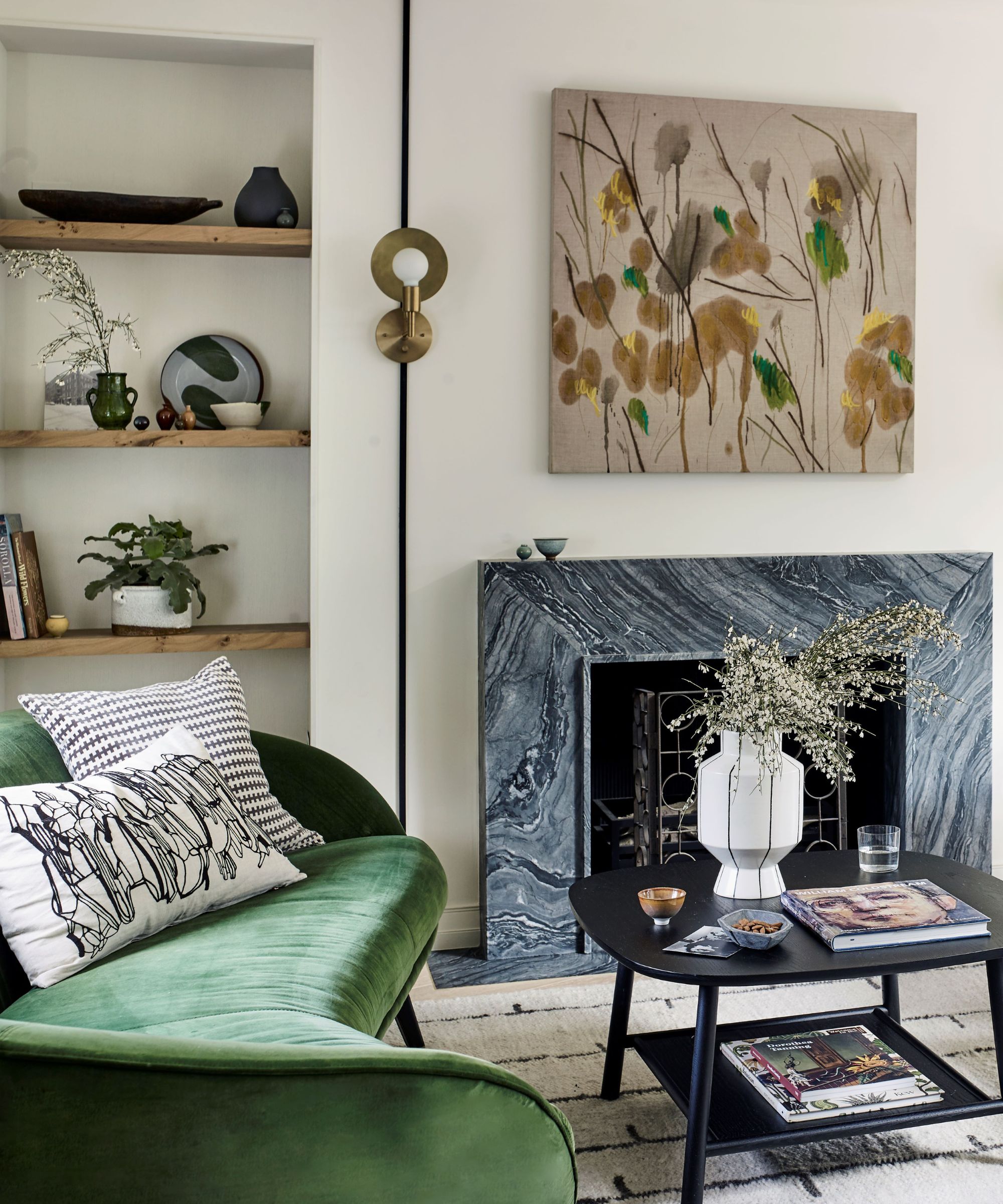
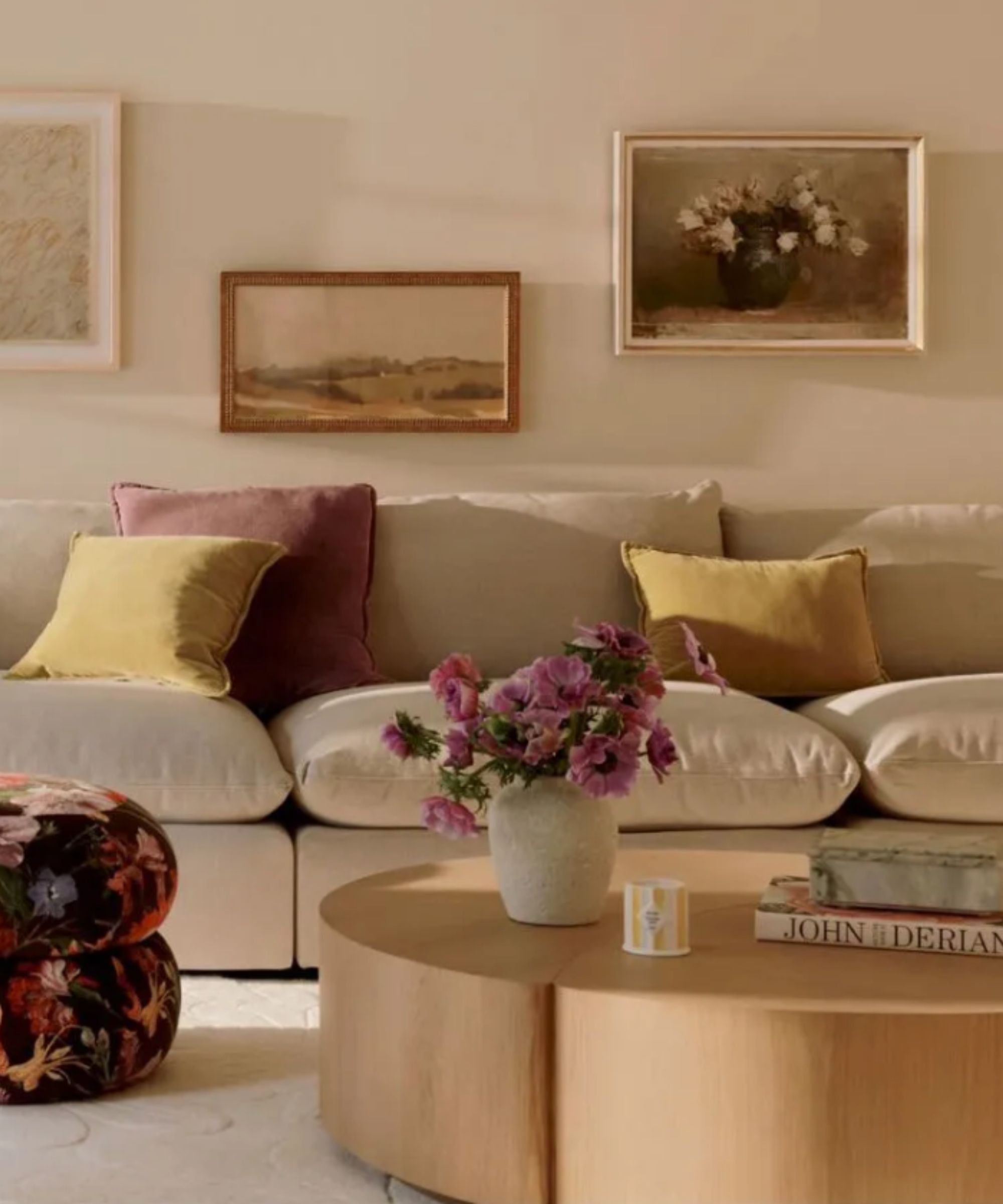
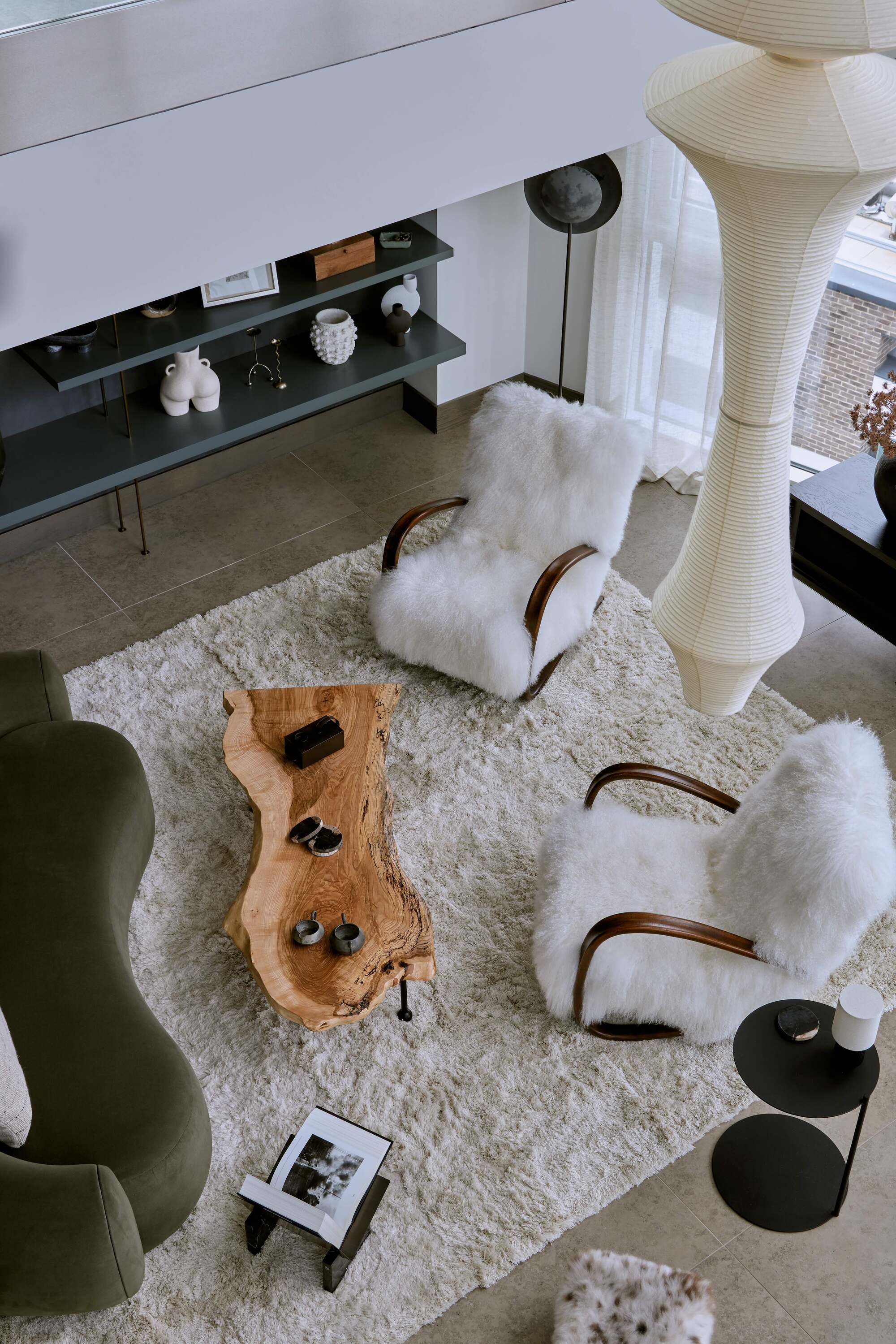
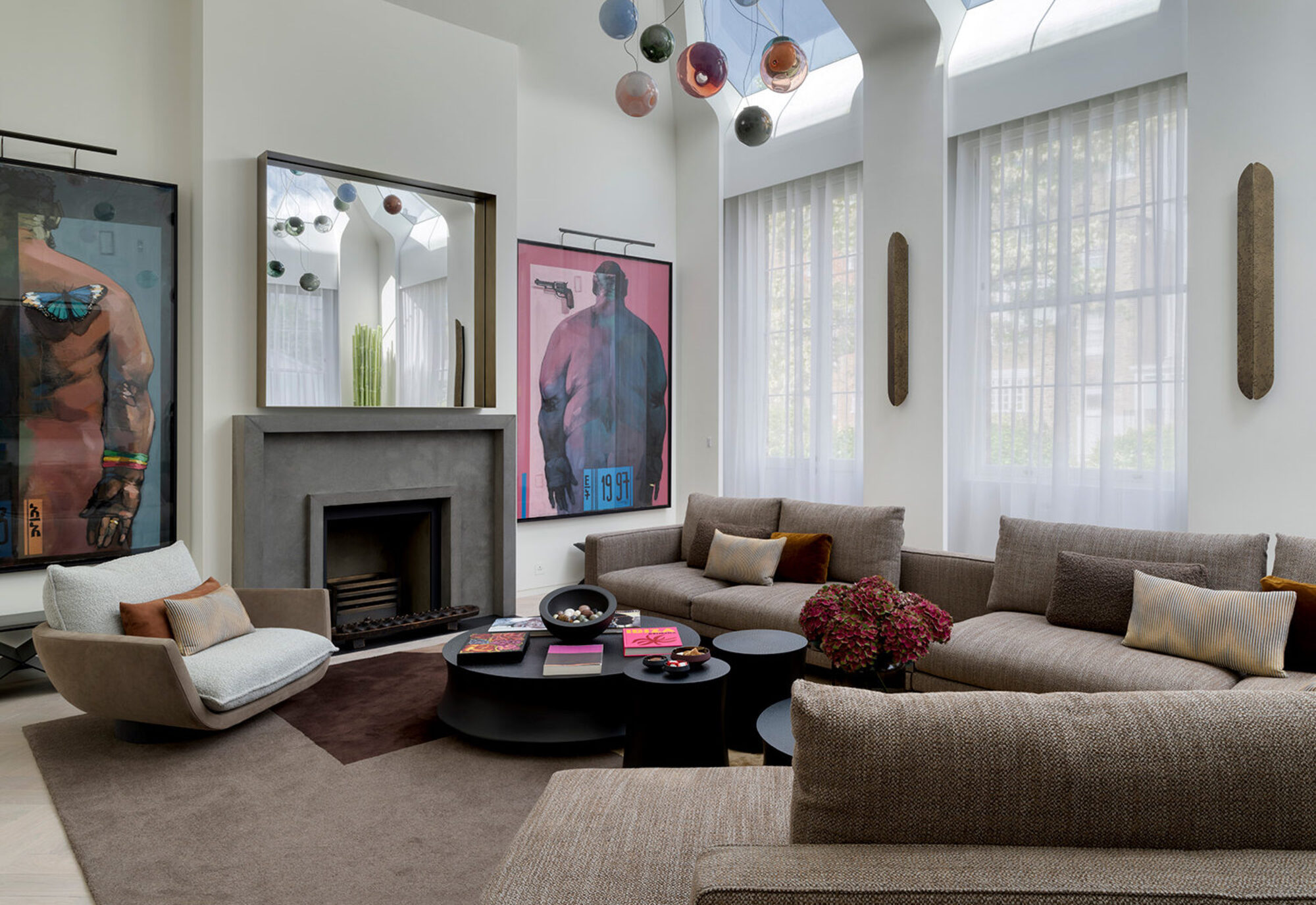
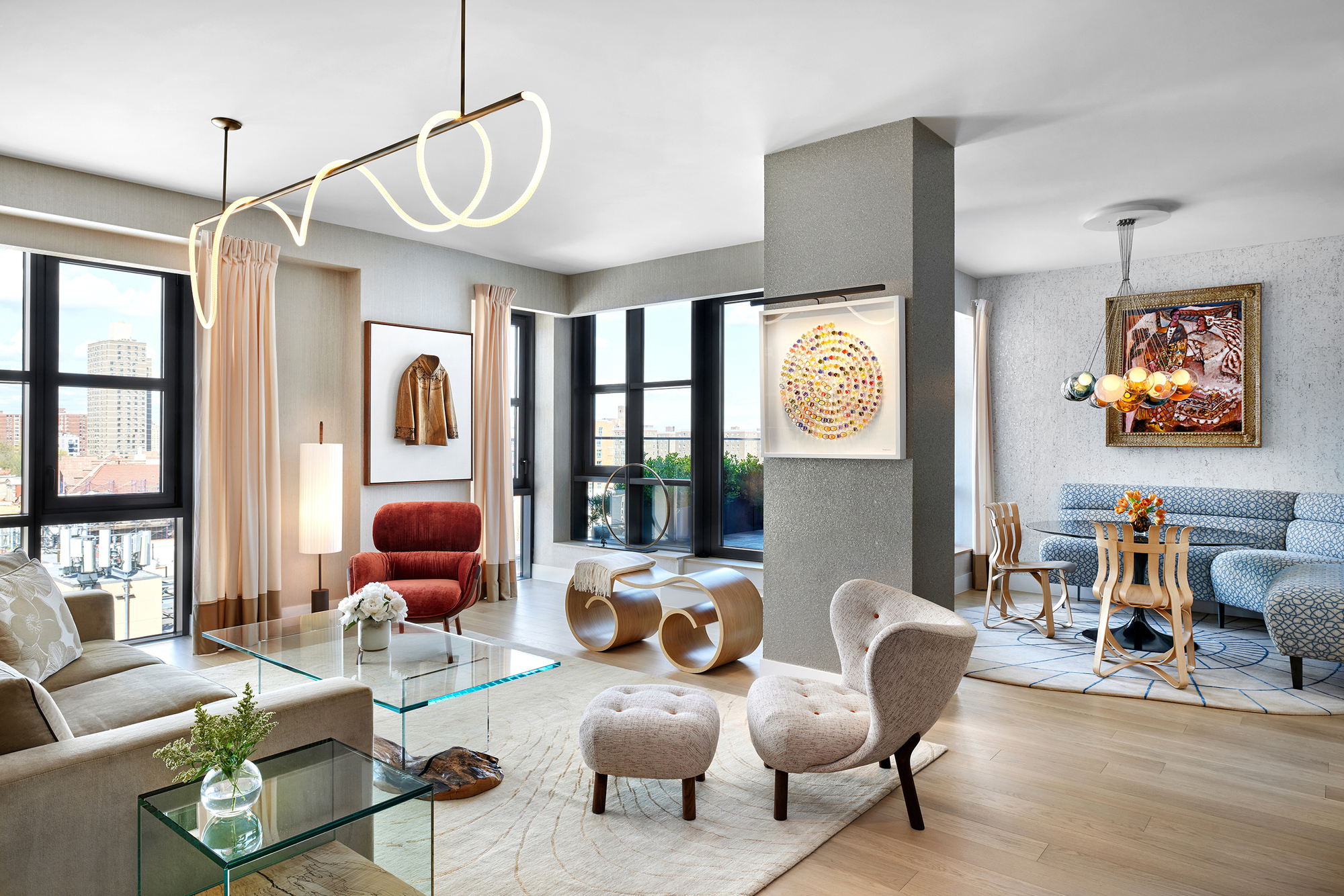
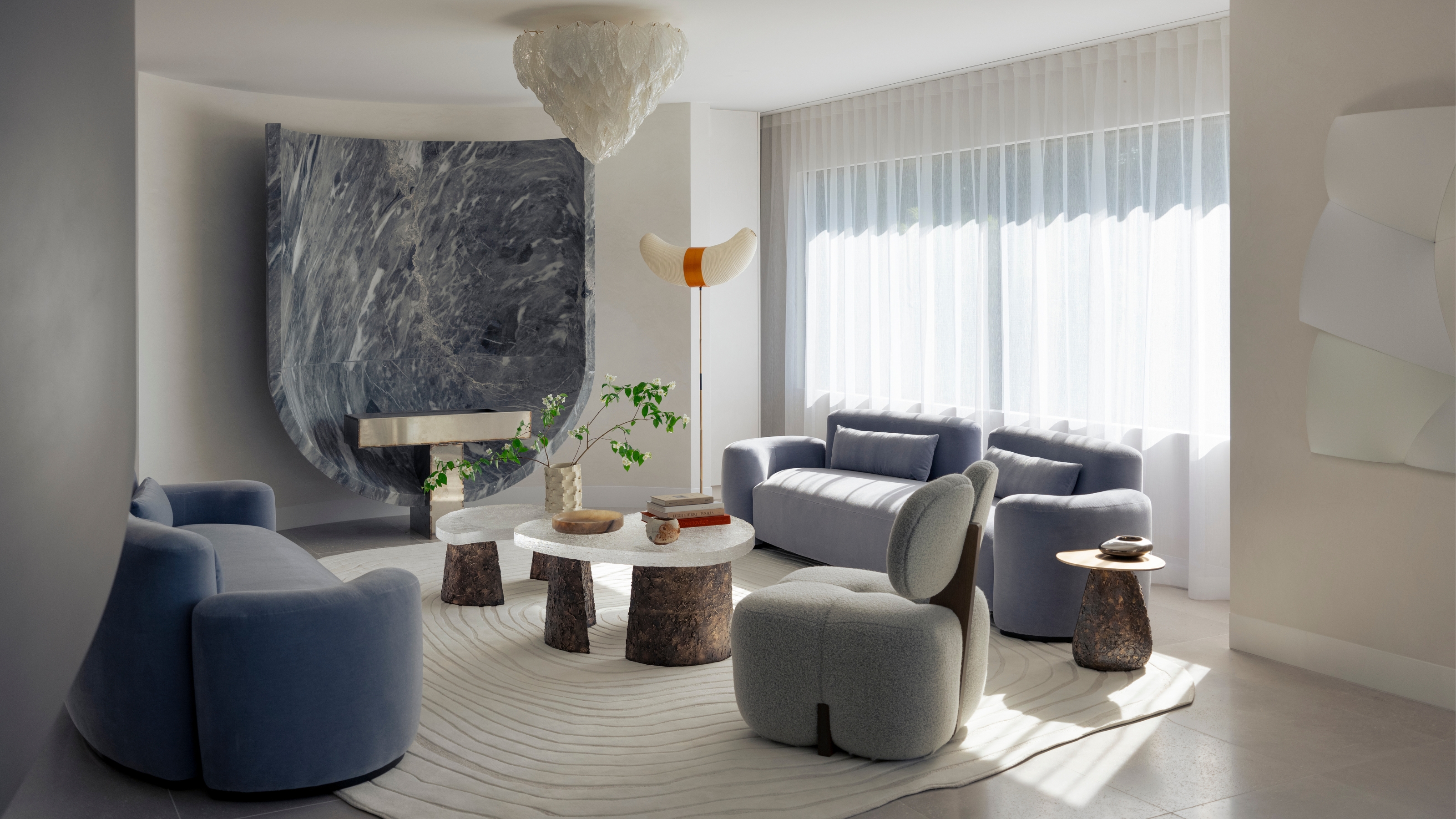
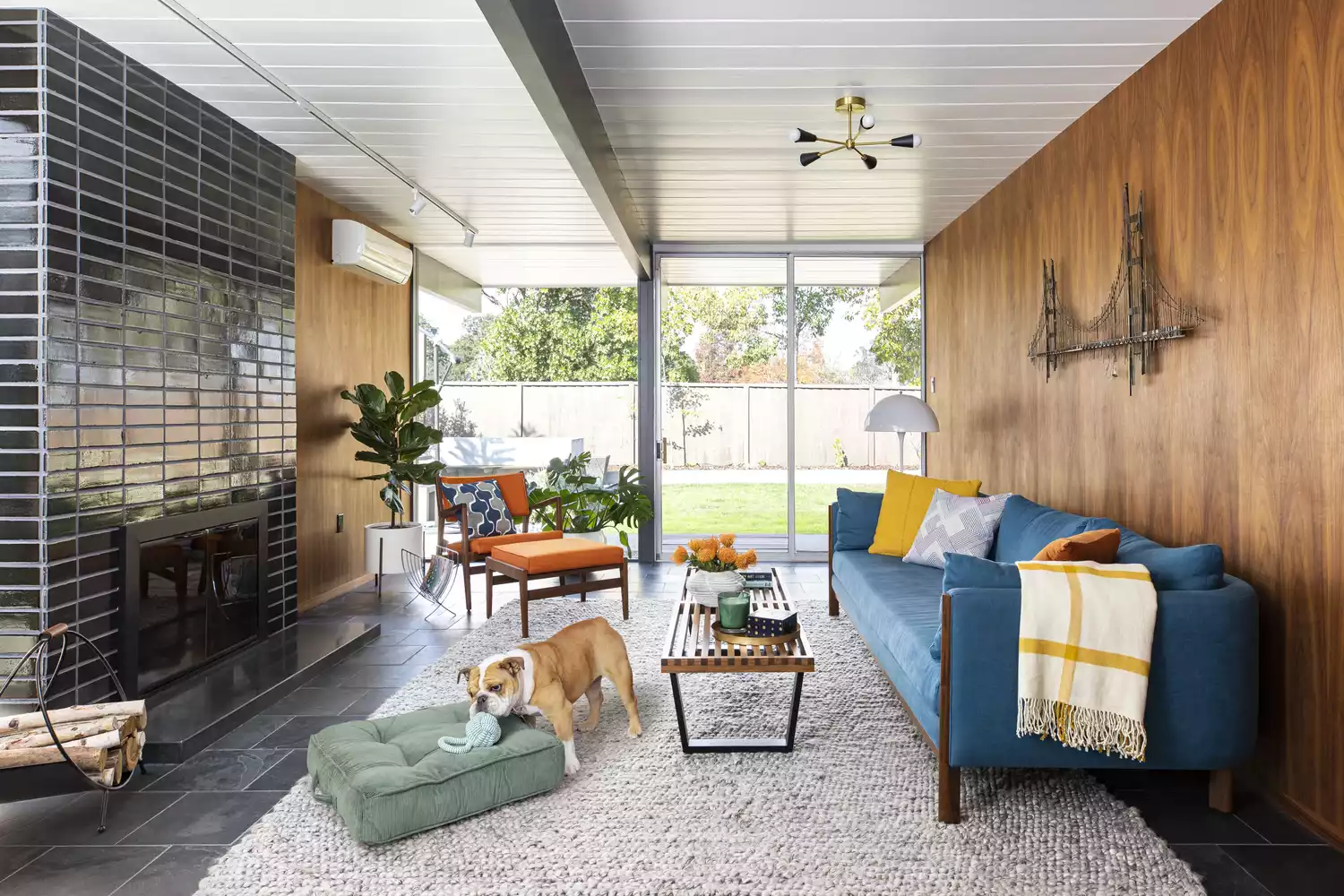
Fourthly, the article underscores the transformative power of layered lighting. It recommends combining table and floor lamps to introduce depth and create a warm, inviting atmosphere. For L-shaped room configurations, a large floor lamp or a strategically placed table lamp can effectively illuminate the area, with an emphasis on ensuring lamp sizes are proportionate to the room. Finally, the article discusses the selection of the perfect coffee table, recognizing its role as a central design element. To achieve balance, designers should consider the existing shapes within the living room. For instance, pairing an L-shaped sofa with a round coffee table can soften angular lines and enhance flow. Conversely, in a room dominated by round elements, a rectangular coffee table can introduce beneficial contrast and structure.
#LivingRoomDesign #InteriorDesign #FabricSelection #FurnitureArrangement #LightingDesign #CoffeeTable #HomeDecorTips #FamilyFriendlyDesign #SpacePlanning #LivingRoomDesign #InteriorDesign #FabricSelection #FurnitureArrangement #LightingDesign #CoffeeTable #HomeDecorTips #FamilyFriendlyDesign #SpacePlanning
0 comment in total
 No comments yet
You may also like
5 things interior designers say every living room should have in it – are you missing any?

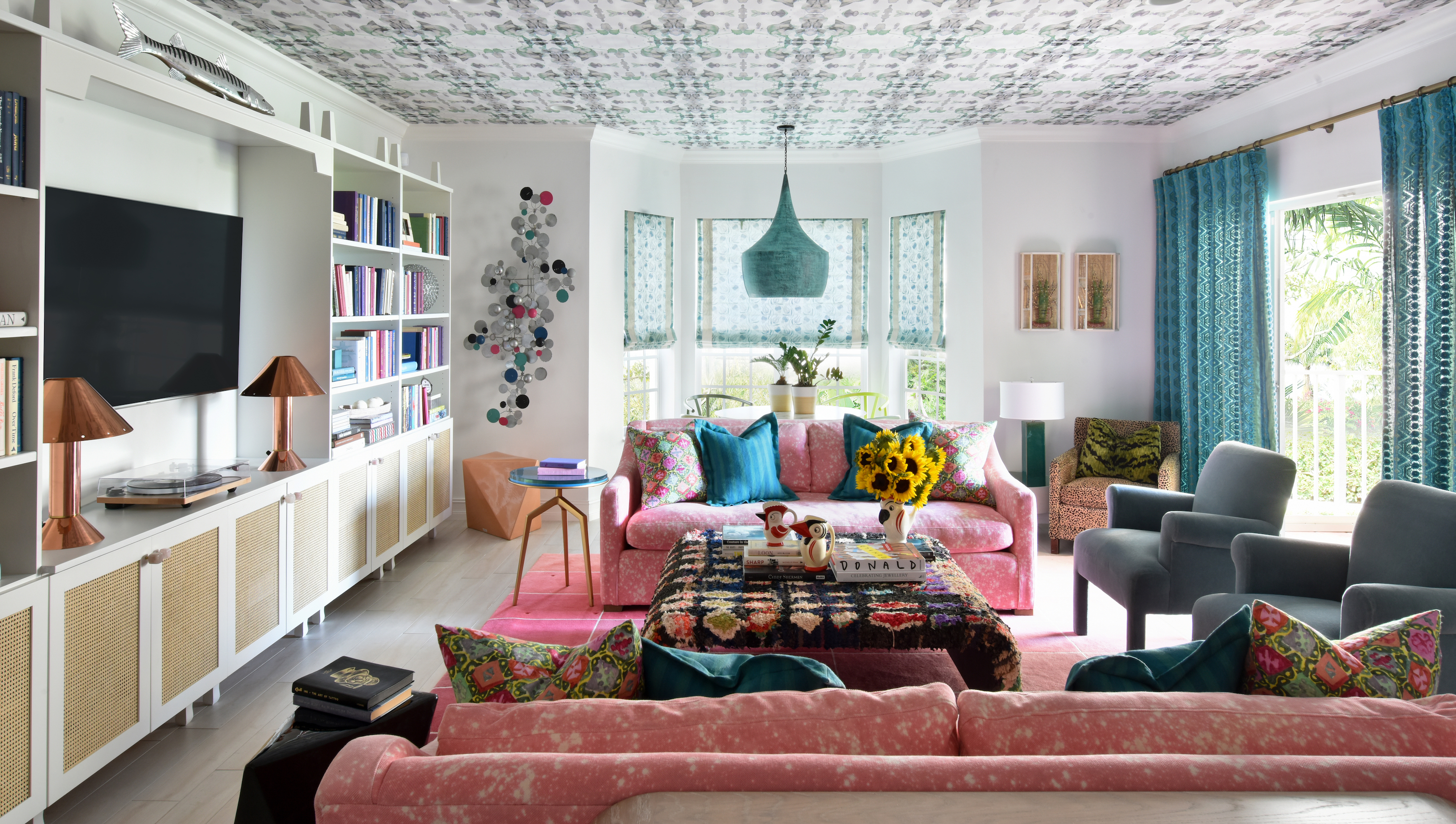
Should living room furniture be the same height? Experts give their verdict

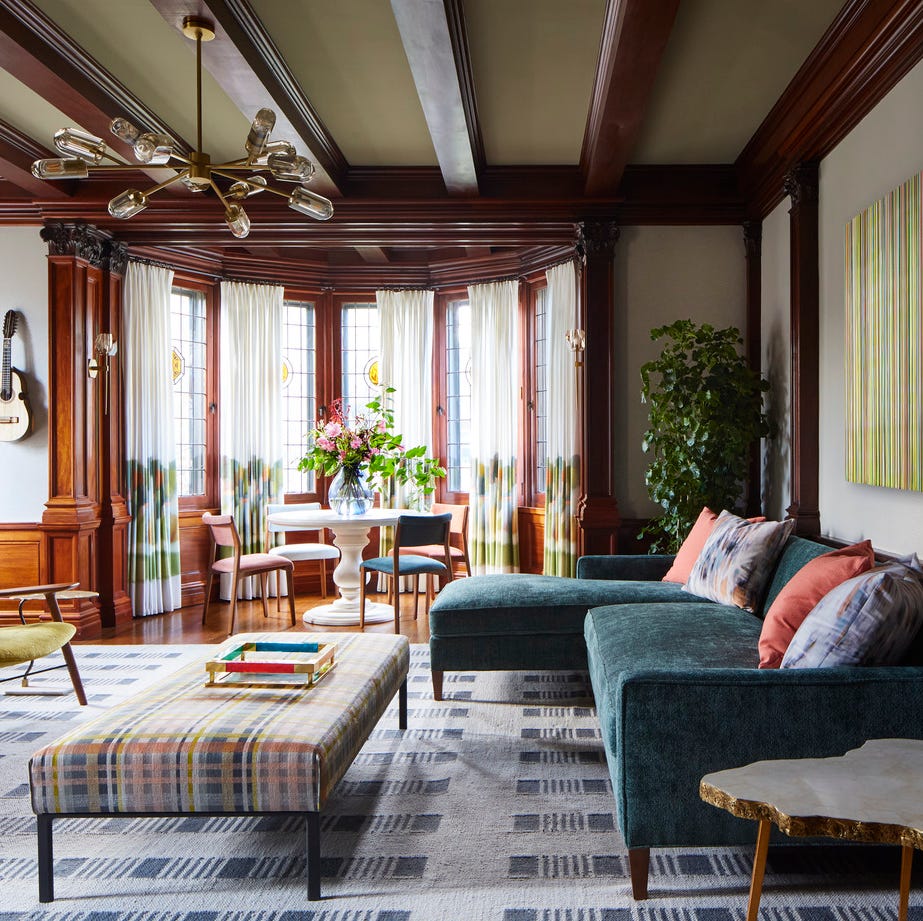
Easy Ways to Transform Your Living Room Into a Space You LOVE

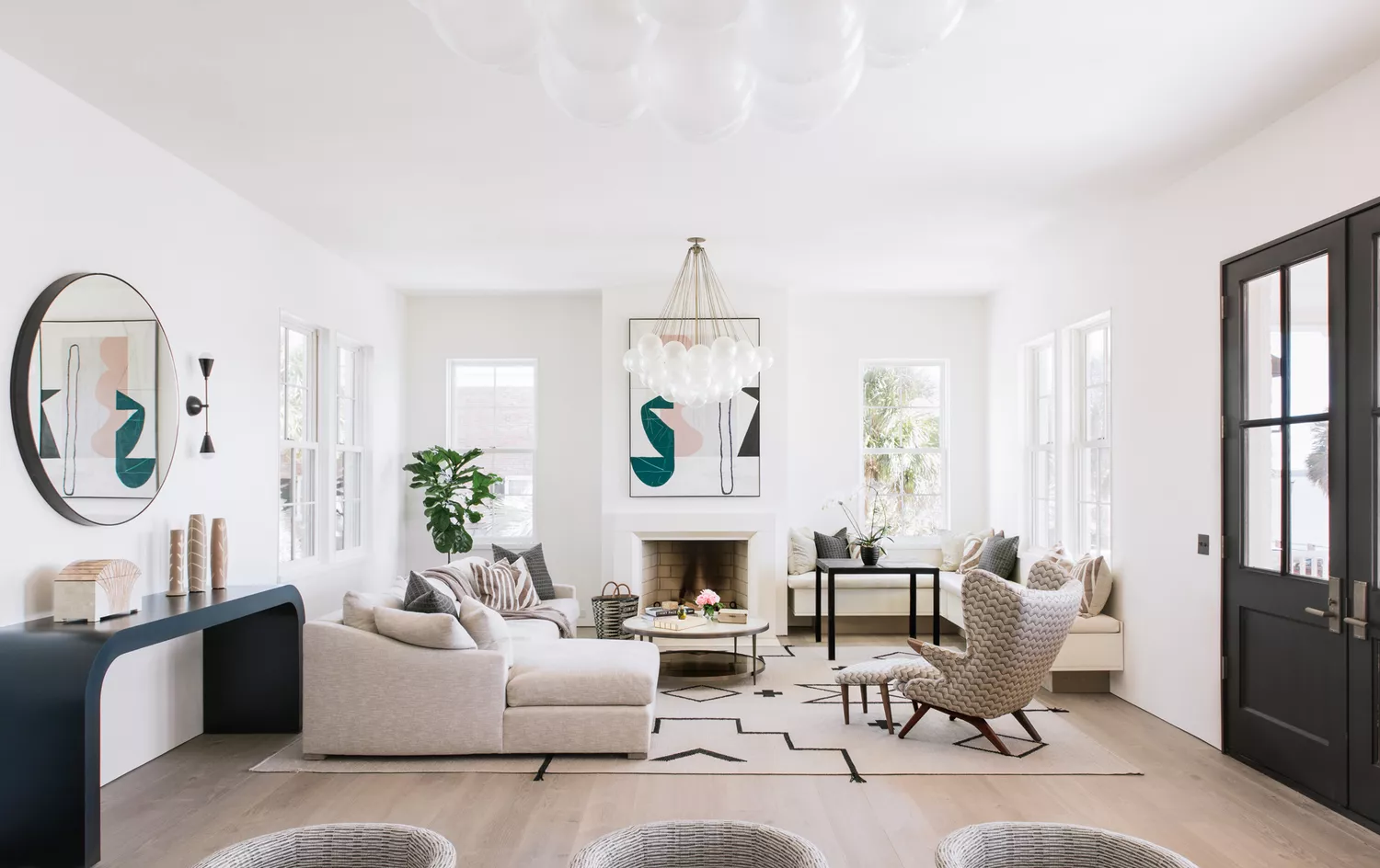
The Difference Between a Family Room and Living Room—Plus, Designer Tips for Styling Them
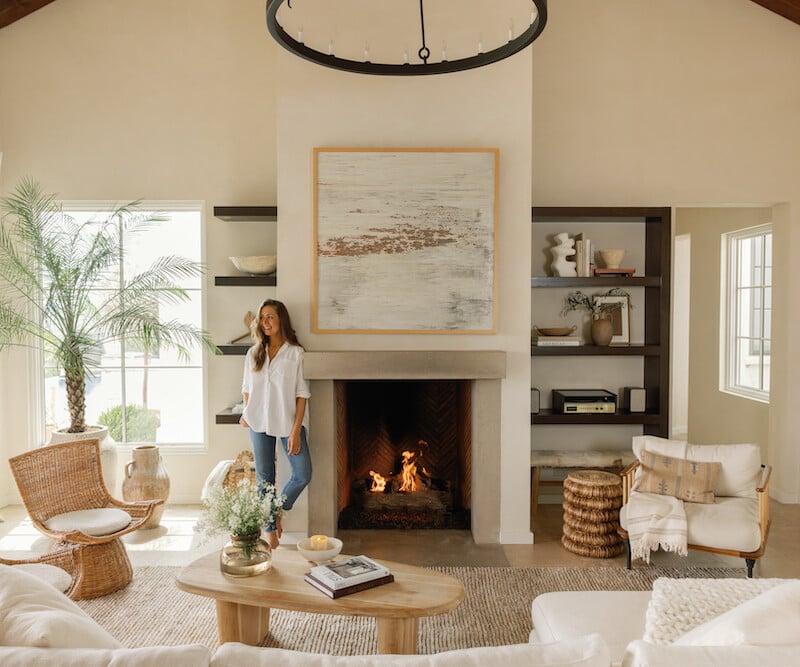
How to Fix the Most Common Living Room Layout Mistakes

If You Don't Know the '18-Inch Seating Rule', It's What Could Be Making Your Living Room Feel Cramped, Unwelcoming, and Uncomfortable
6 Genius Rules for Decorating Your Living Room That Designers Swear By

5 Genius Ways Interior Designers Know How to Adapt Your Living Room’s Layout When You’re Hosting a Lot of People
5 Living Room Design Mistakes You Didn't Know You Were Making
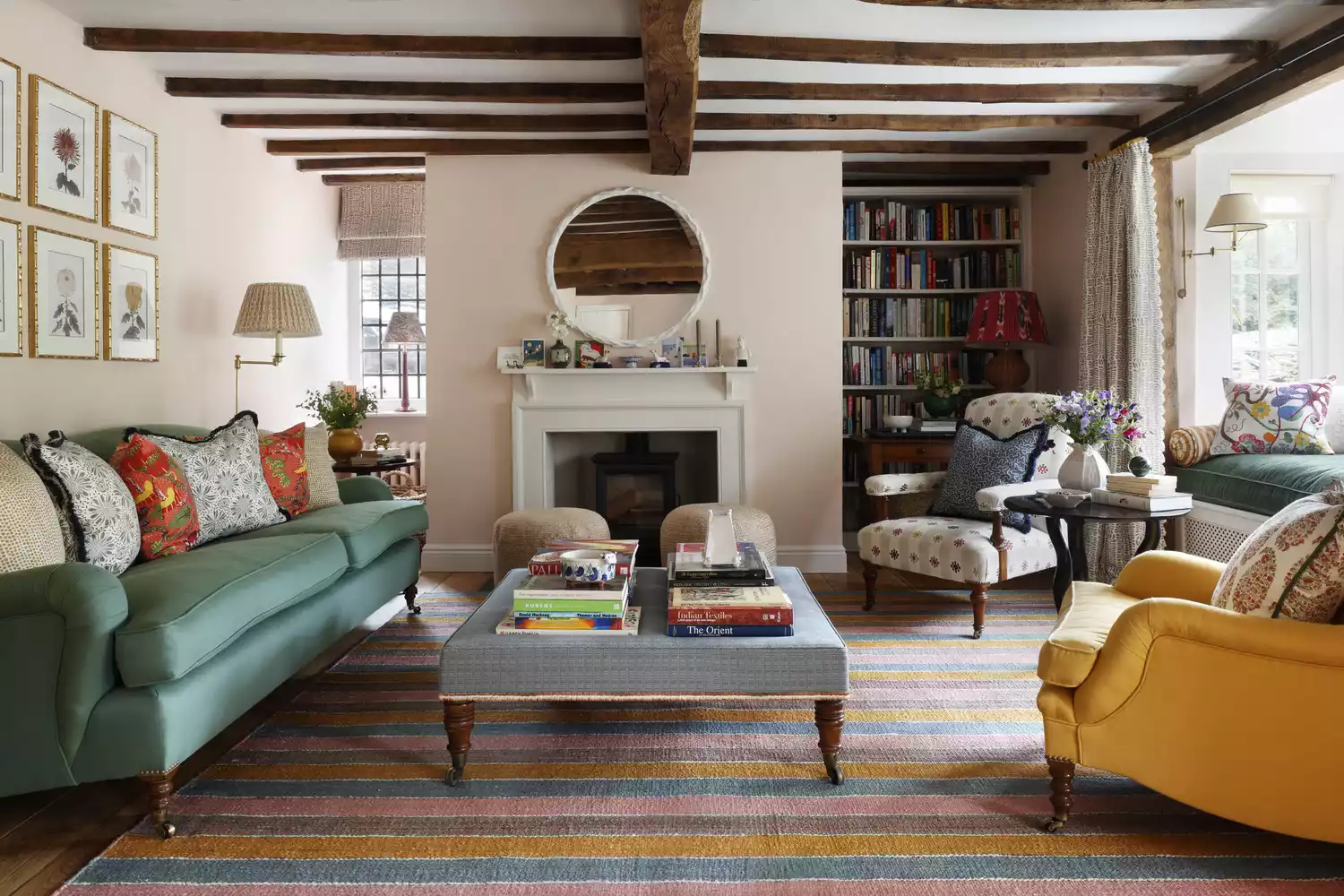
The Designer Tip That Finally Made My Wide Living Room Feel Cozy and Complete
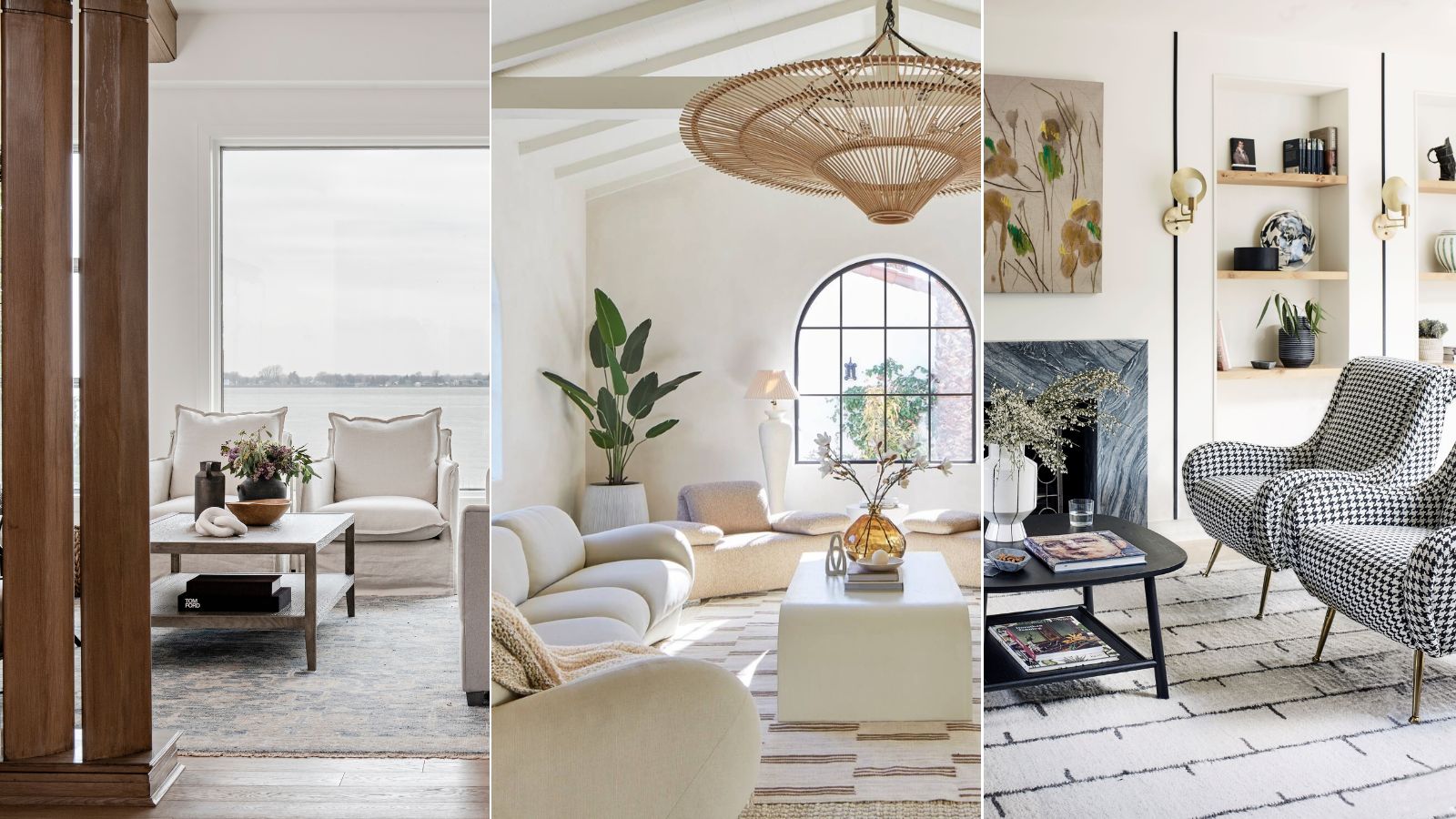
Designers swear these 8 living room layout hacks will instantly elevate your space, no matter what the size
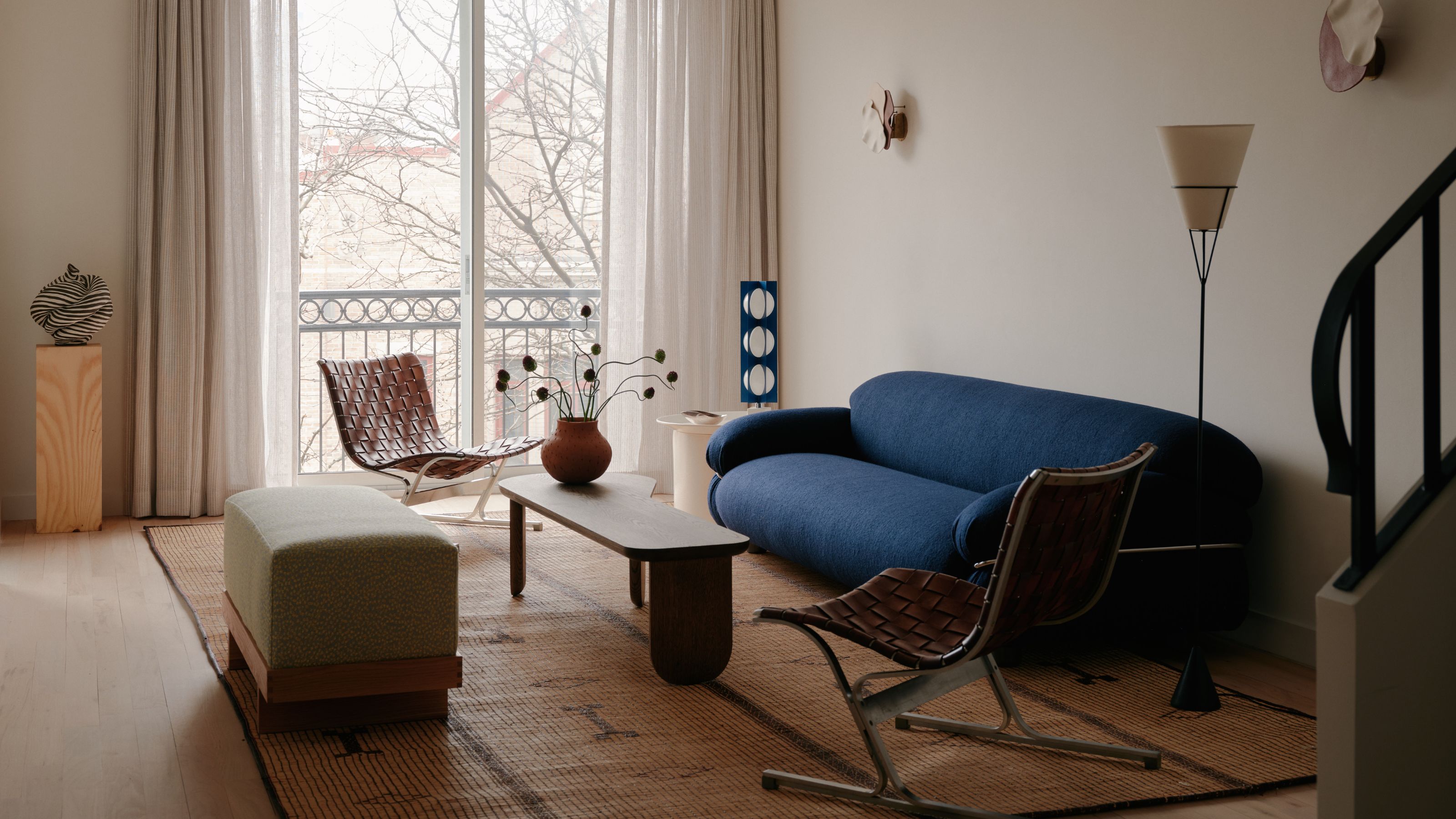
9 Times Designers Made Awkward Living Rooms Work — And the Secrets Behind How They Did It
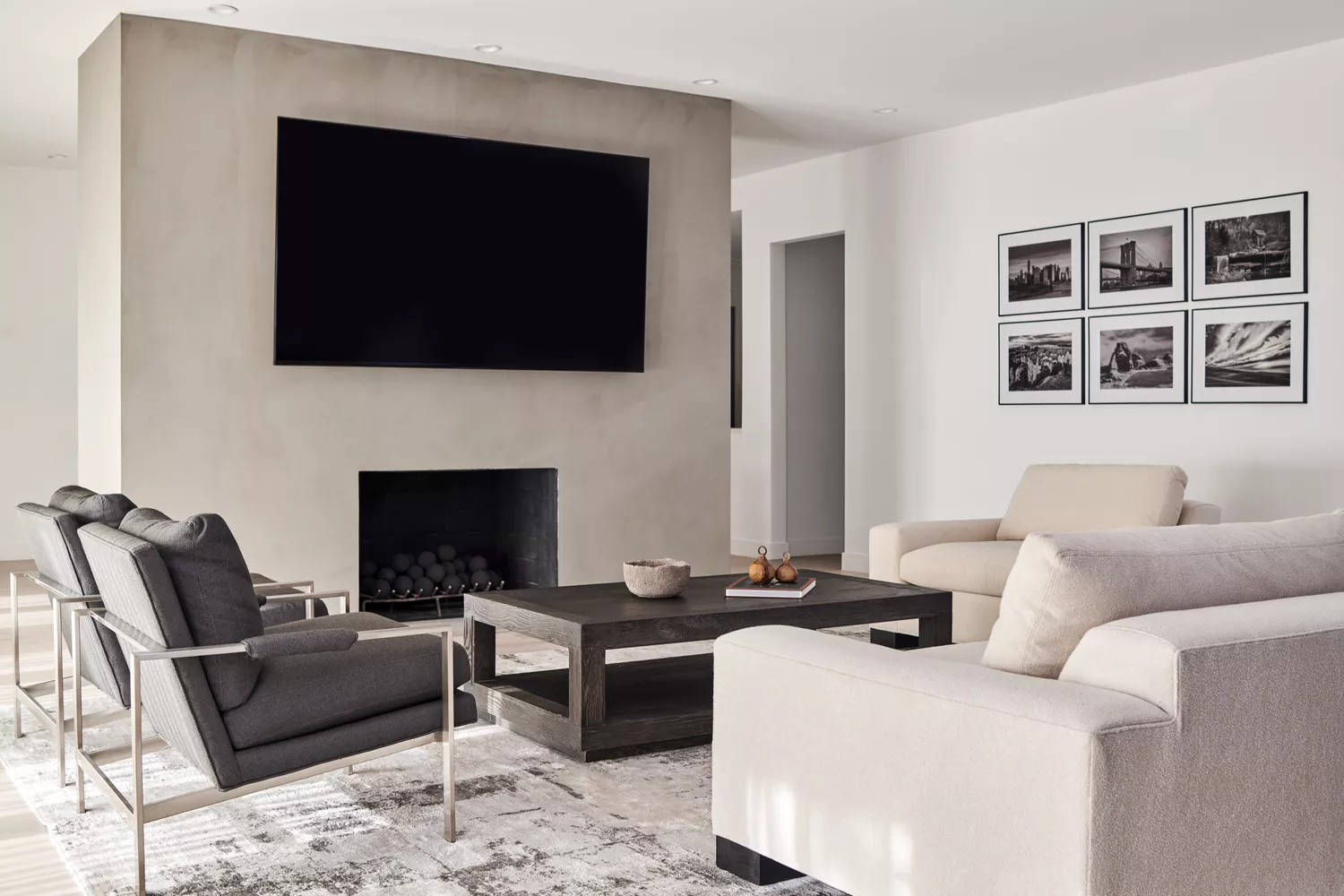
The Best Living Room Layouts Have These 5 Things in Common, Pros Say
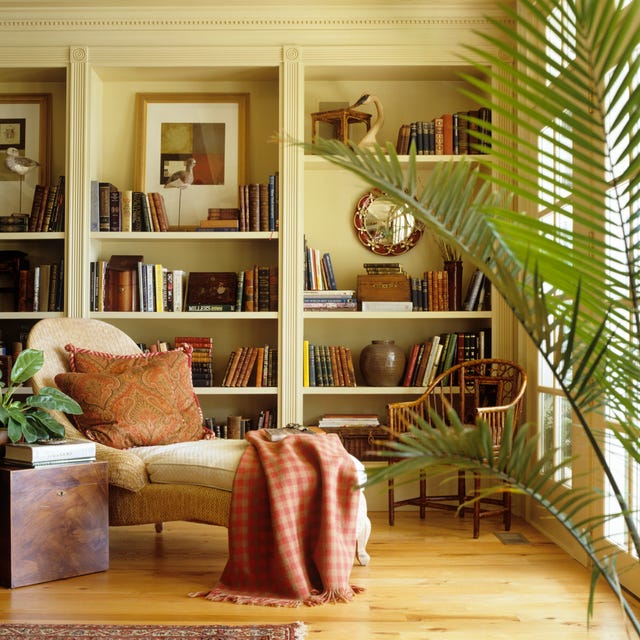
Designers Share 4 Common "Mistakes" You're Making in Your Living Room—and How to Correct Them
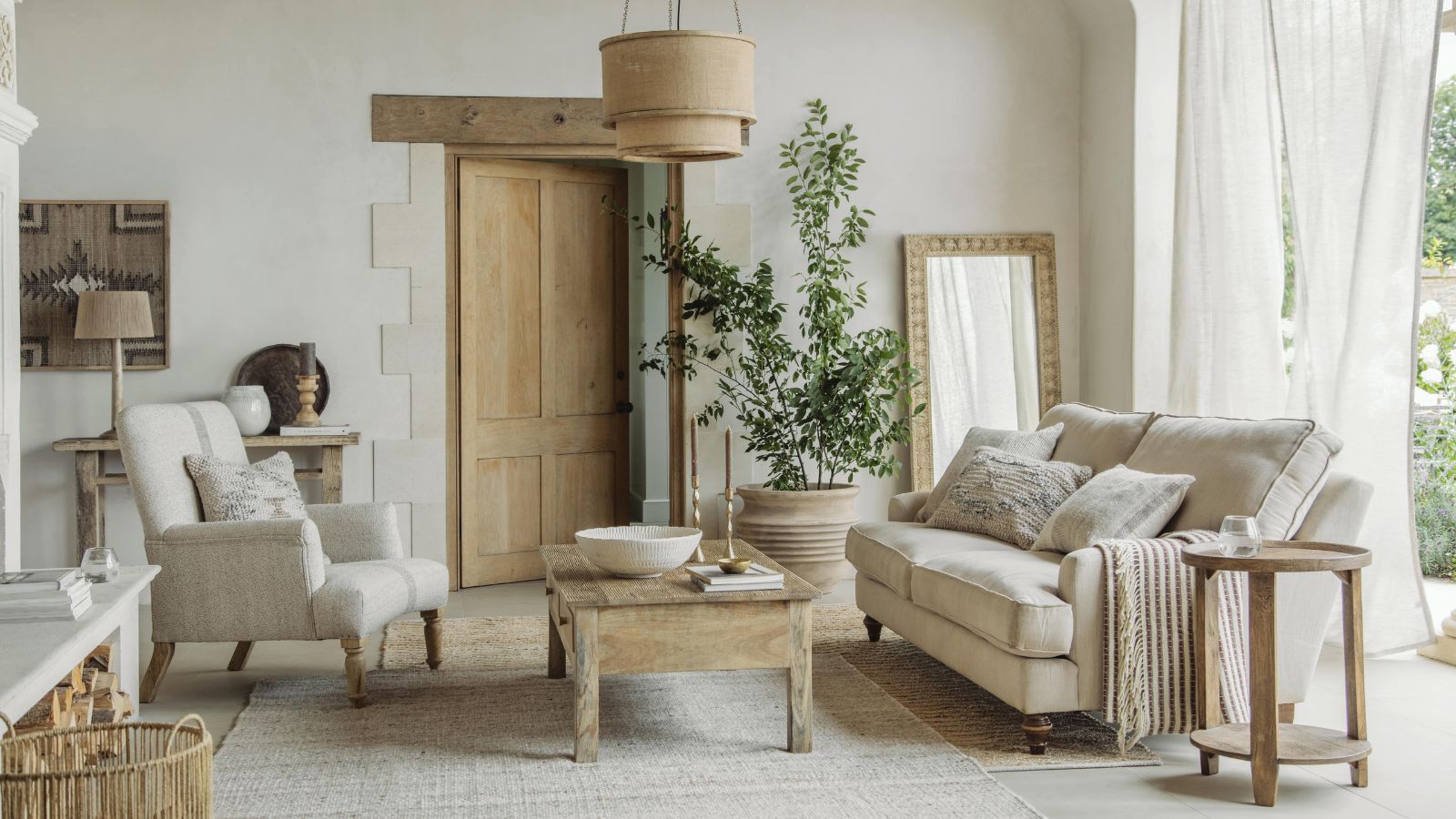
A guide to living room clearances, measurements, and spacing
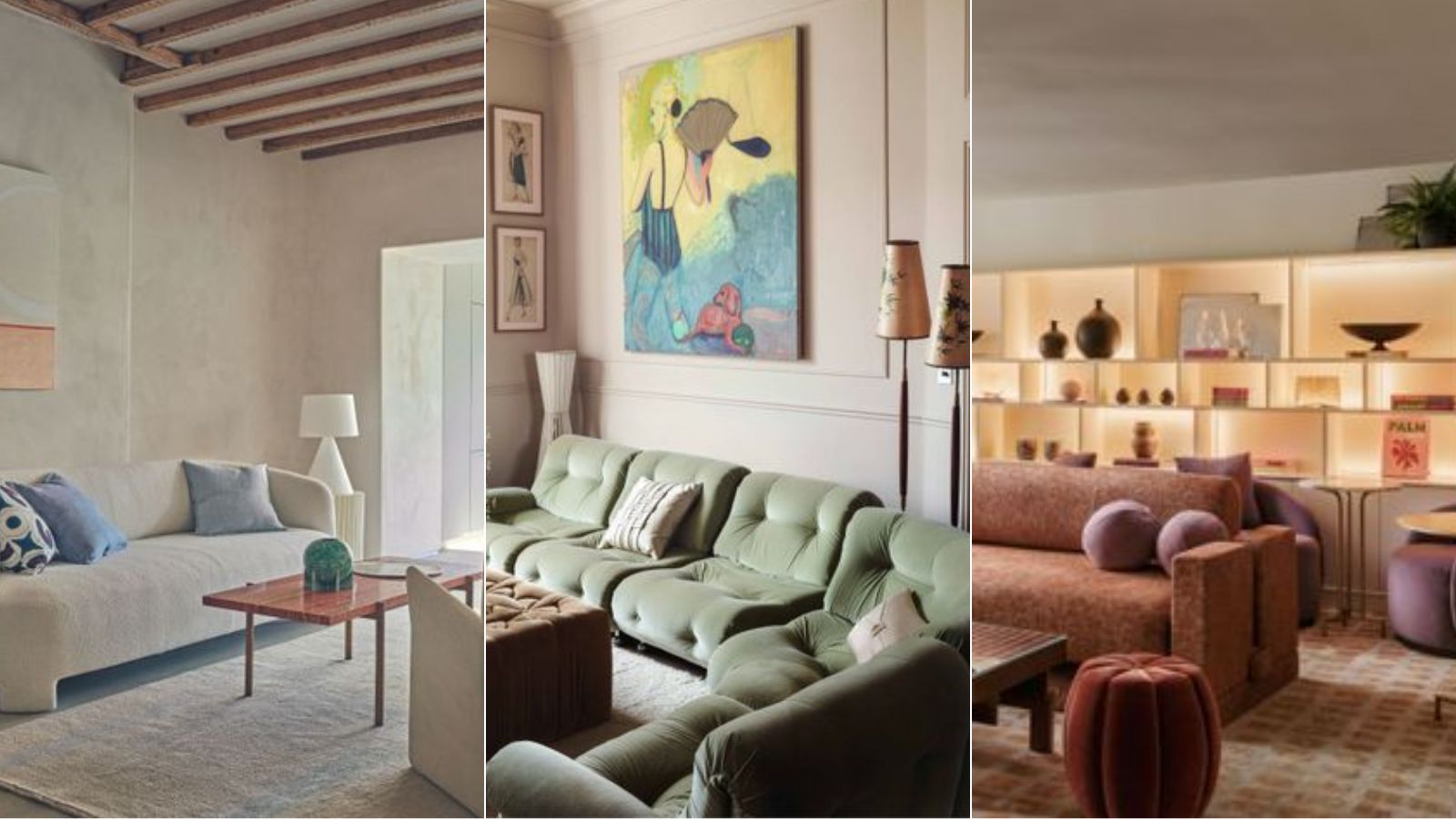
Dream living room upgrades homeowners always come to regret – according to the experts
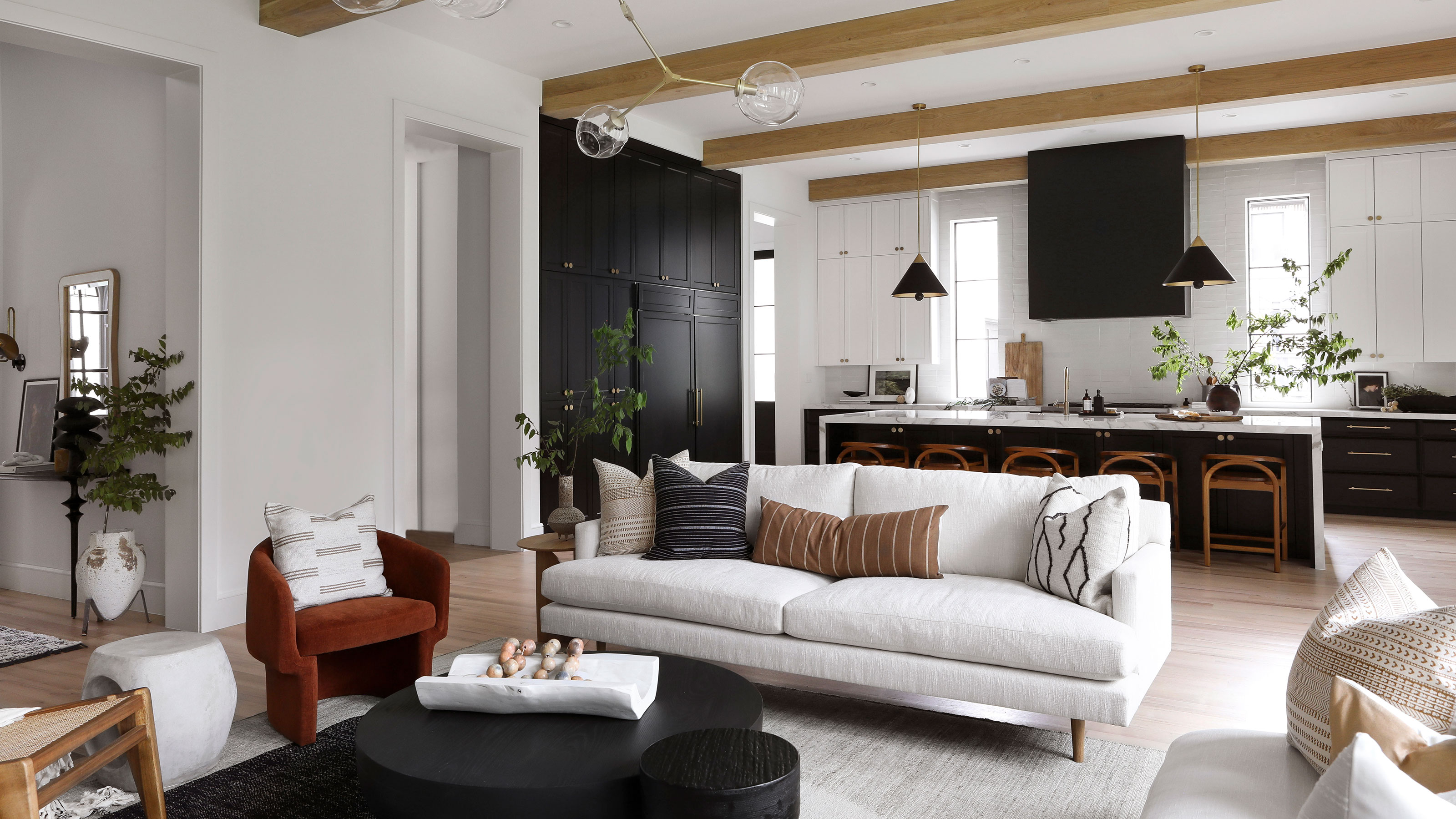
6 failsafe formulas designers always follow when planning a living room
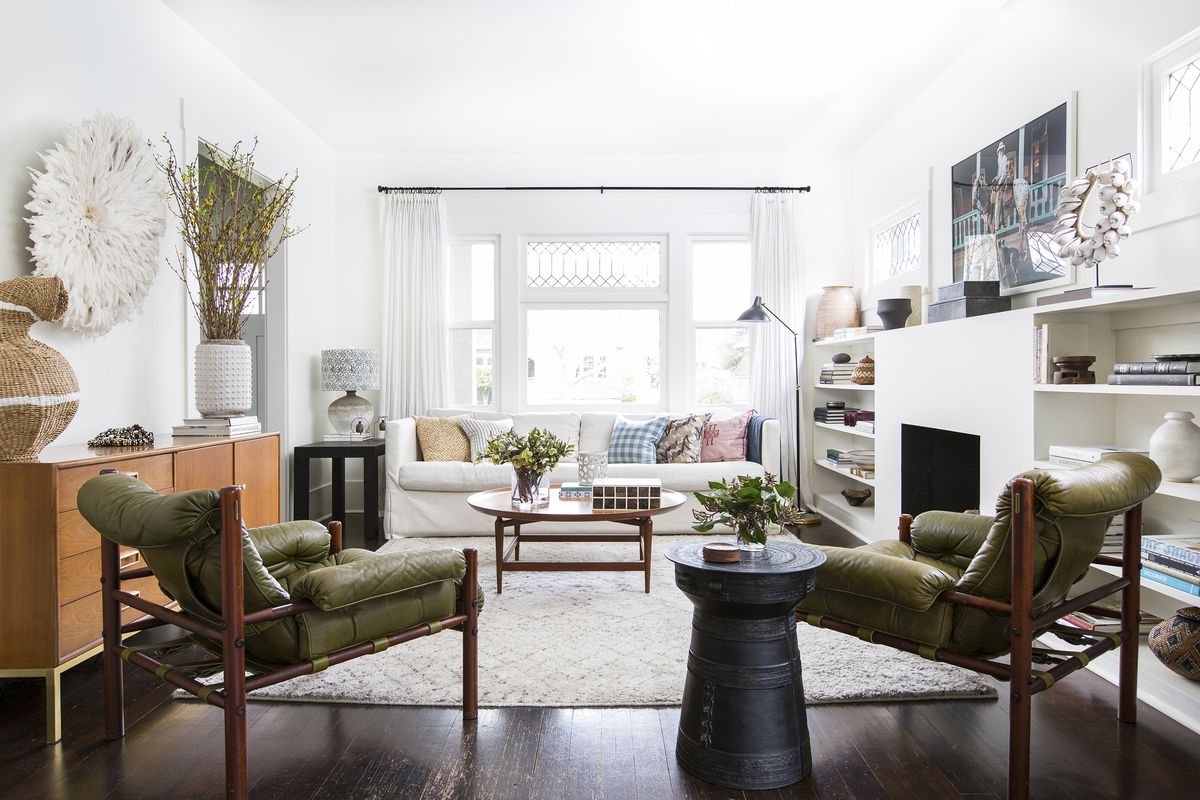
How to design the perfect living room
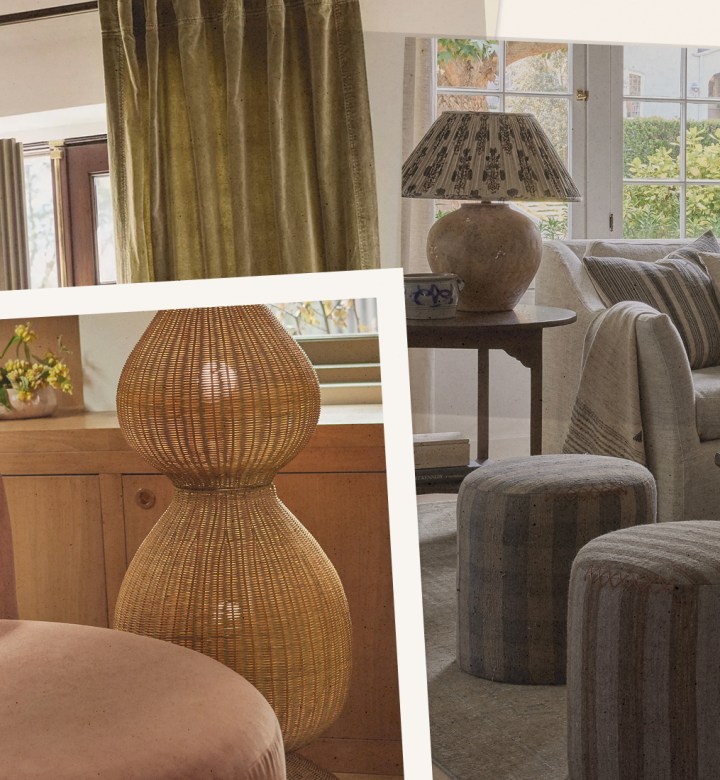
The 5 Rules of Decorating a Living Room in 2025 (Don’t Worry—They’ll Still Hold Up in 2030)

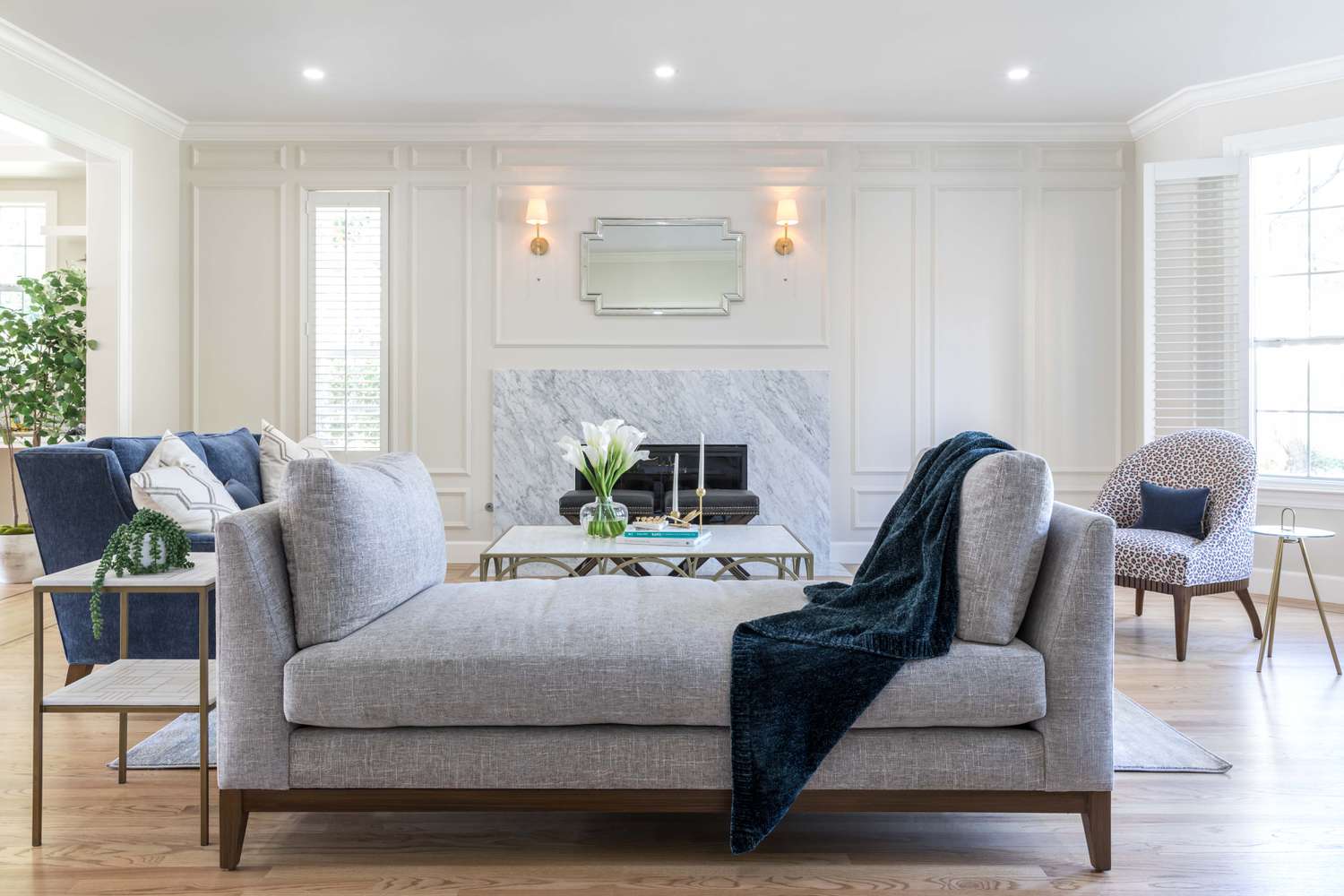
5 Secrets That Will Make Your Living Room Look Expensive, According to Designers