1/5
5 Genius Ways Interior Designers Know How to Adapt Your Living Room’s Layout When You’re Hosting a Lot of People
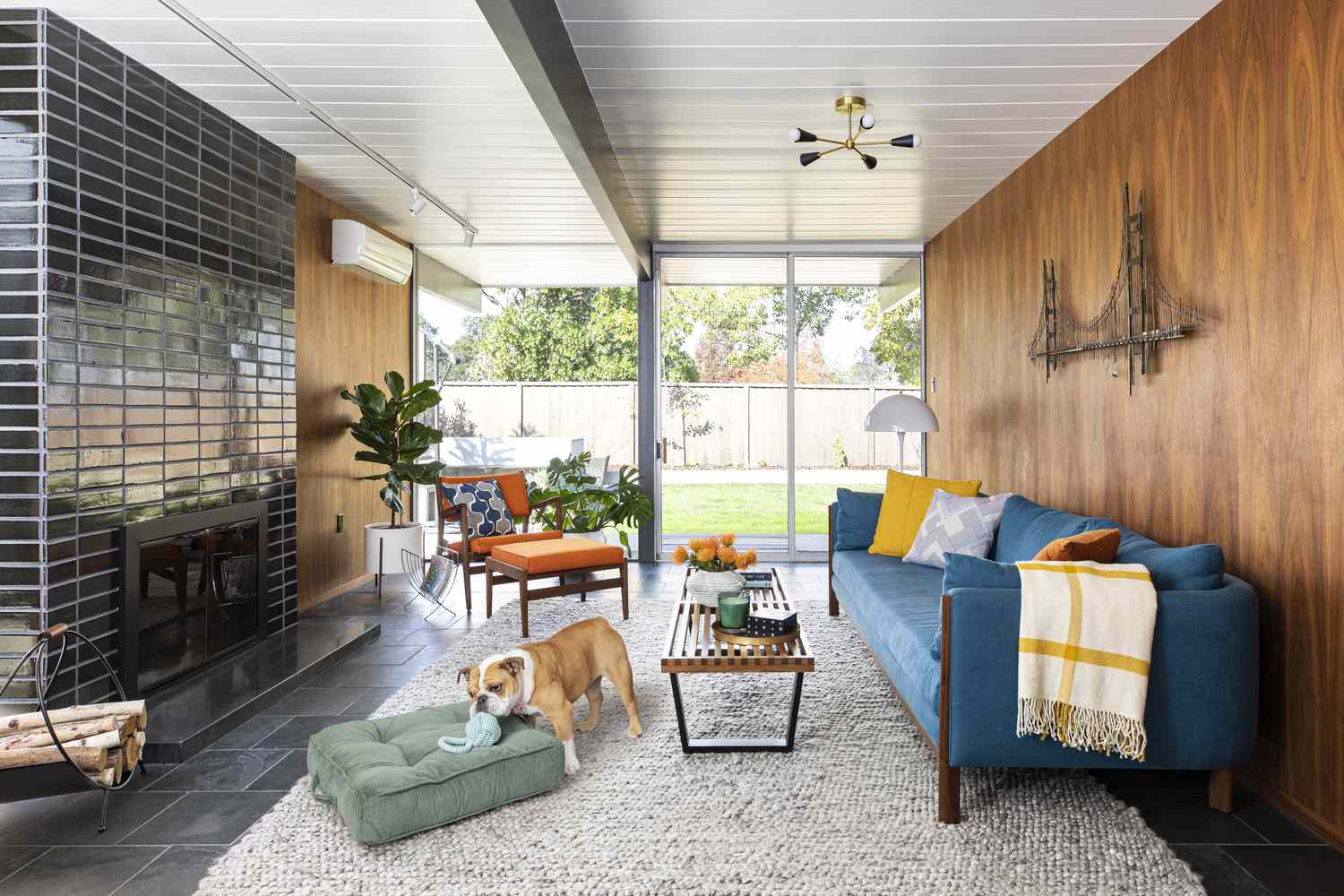
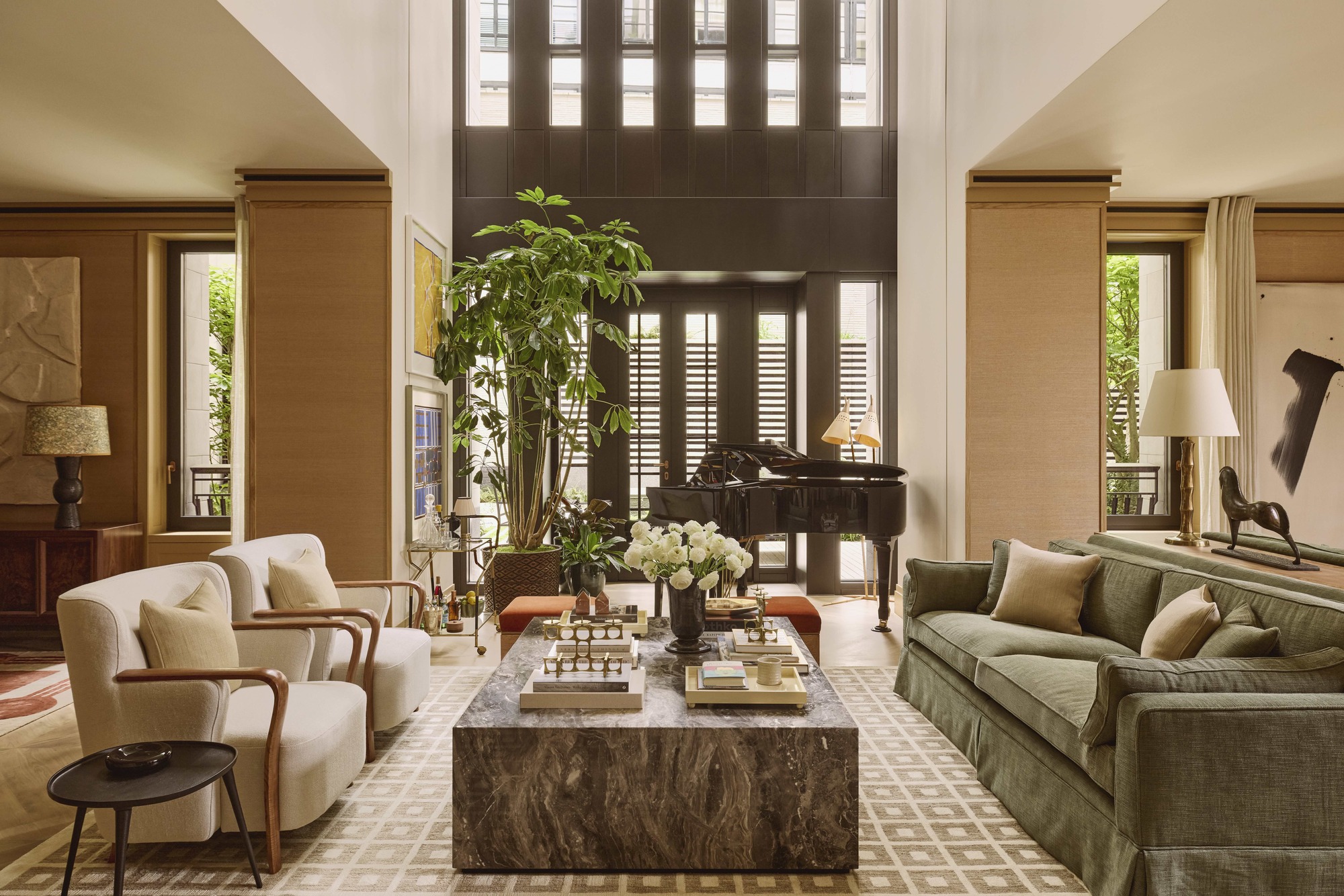
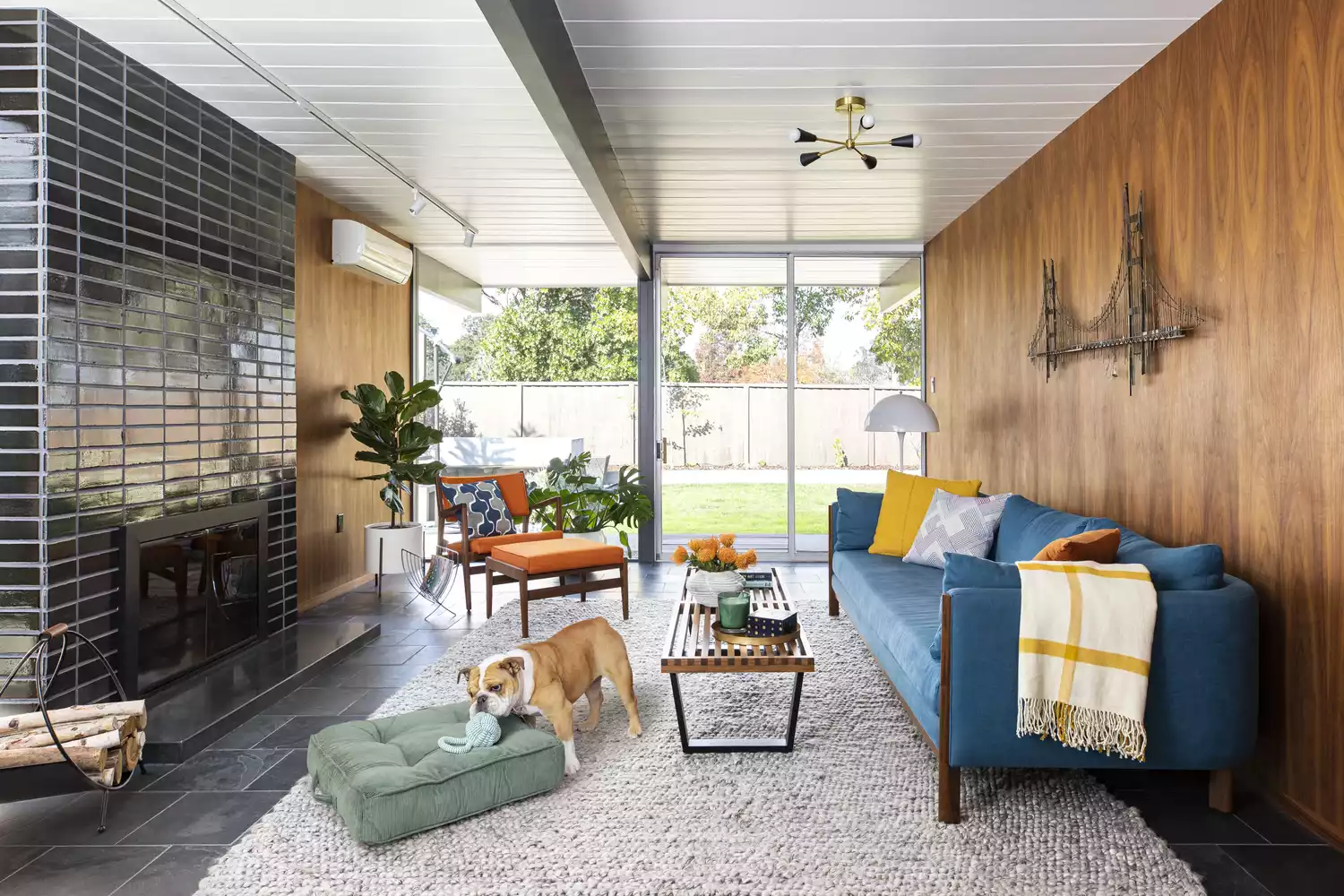
Hosting a gathering at home requires more than just invitations and refreshments; it demands adapting your living room layout to create a welcoming and functional space for guests. Interior designers emphasize that the typical, everyday furniture arrangement may not be suitable for social occasions, regardless of the room's size. The core principle revolves around enhancing circulation and promoting comfortable interaction among guests.
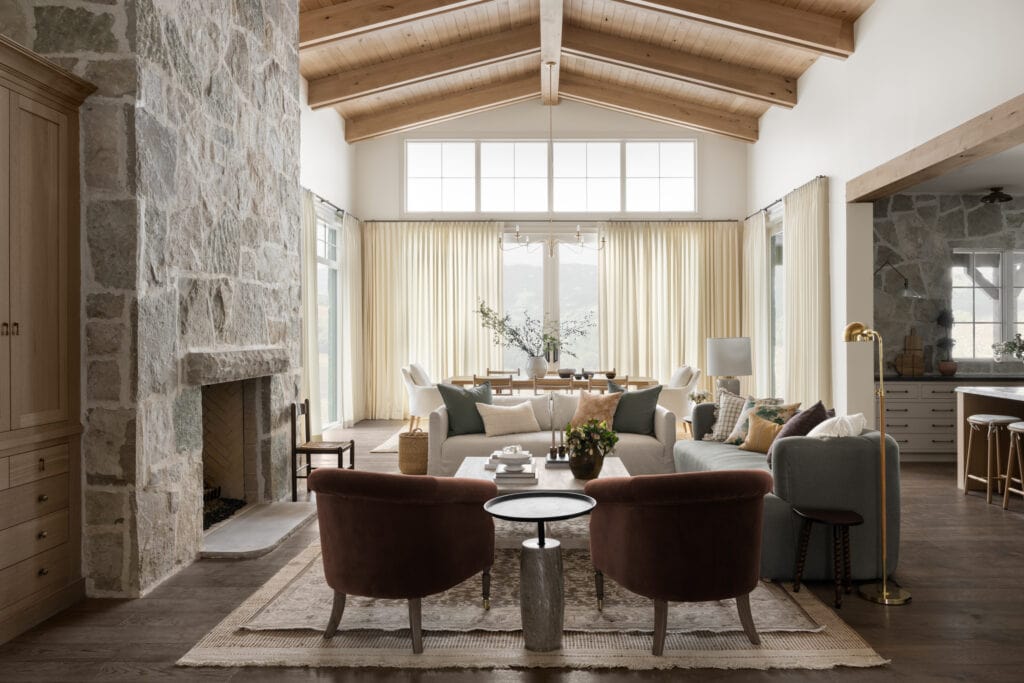
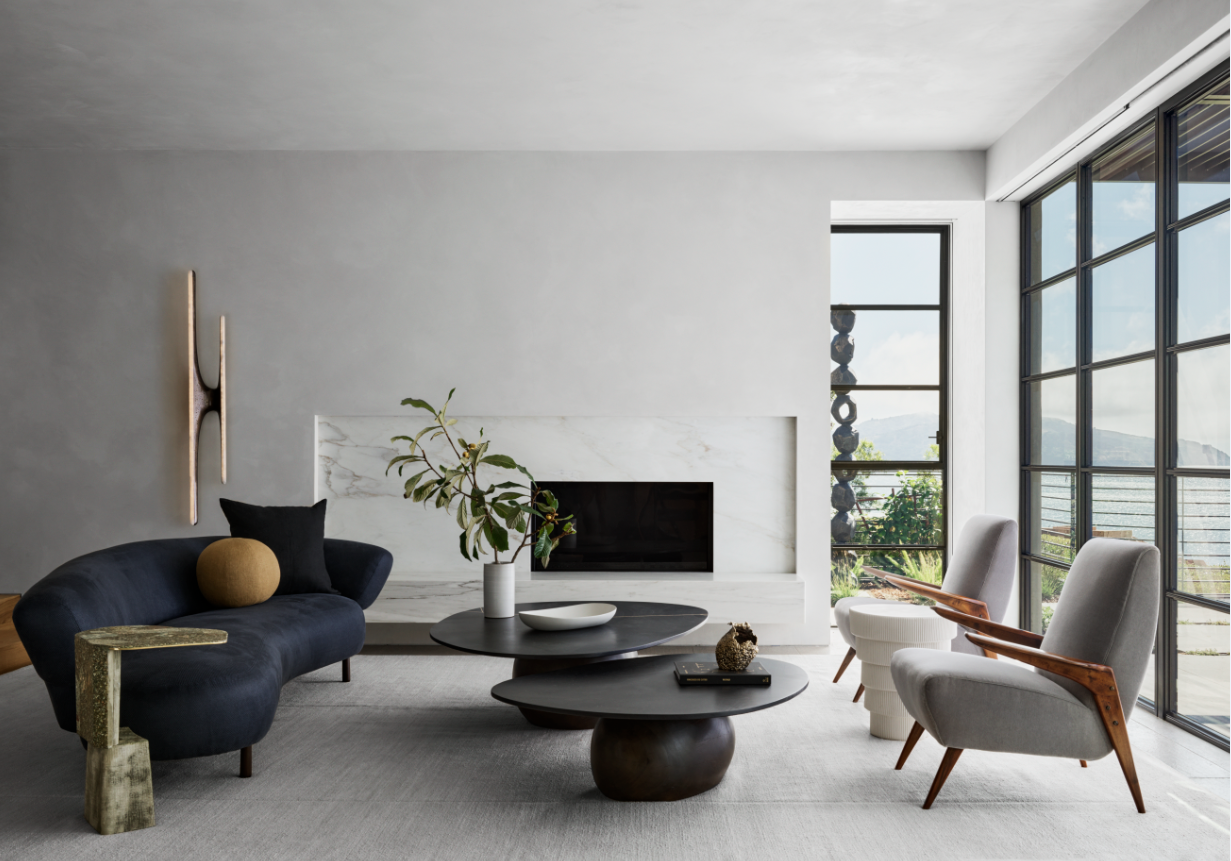
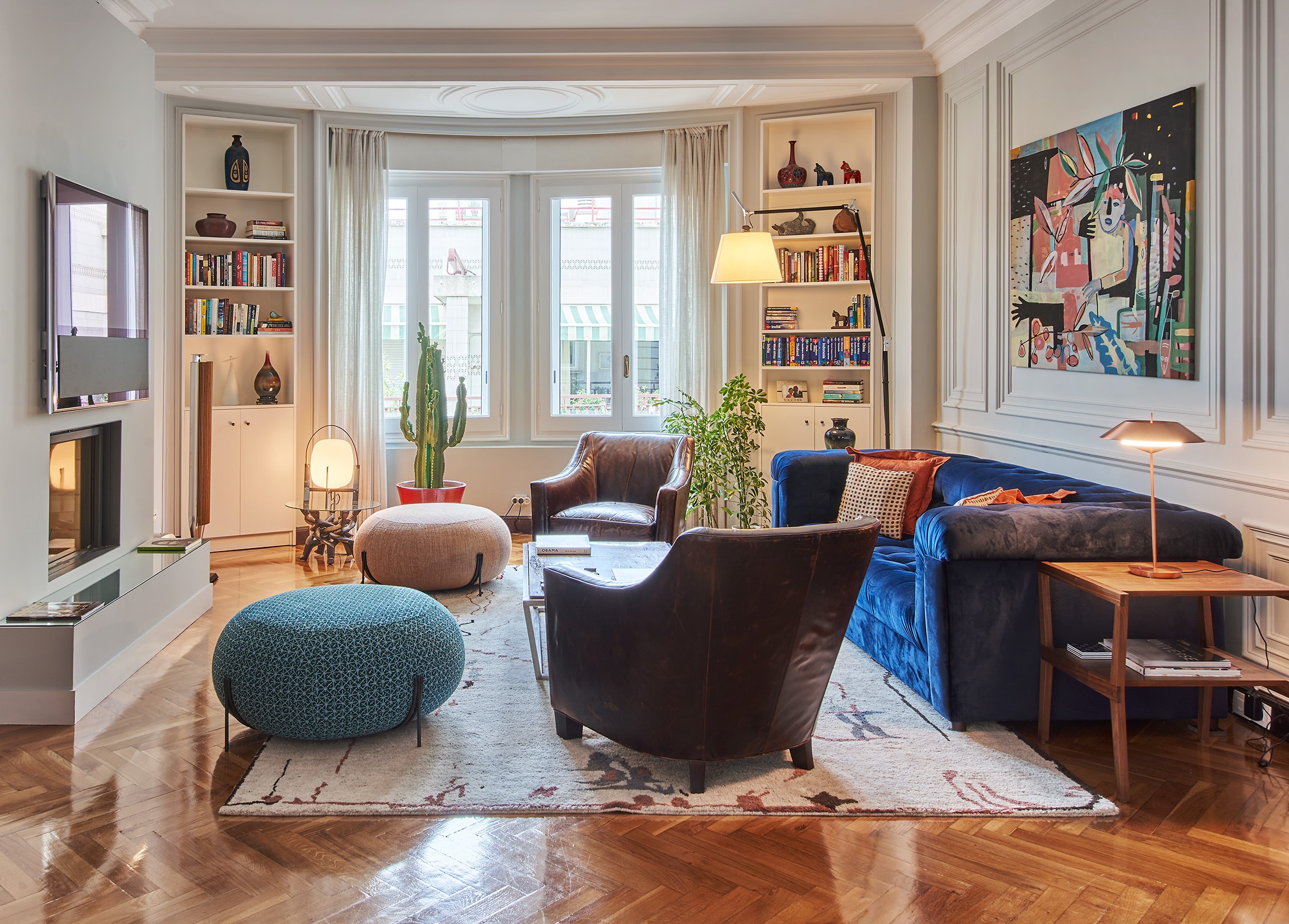
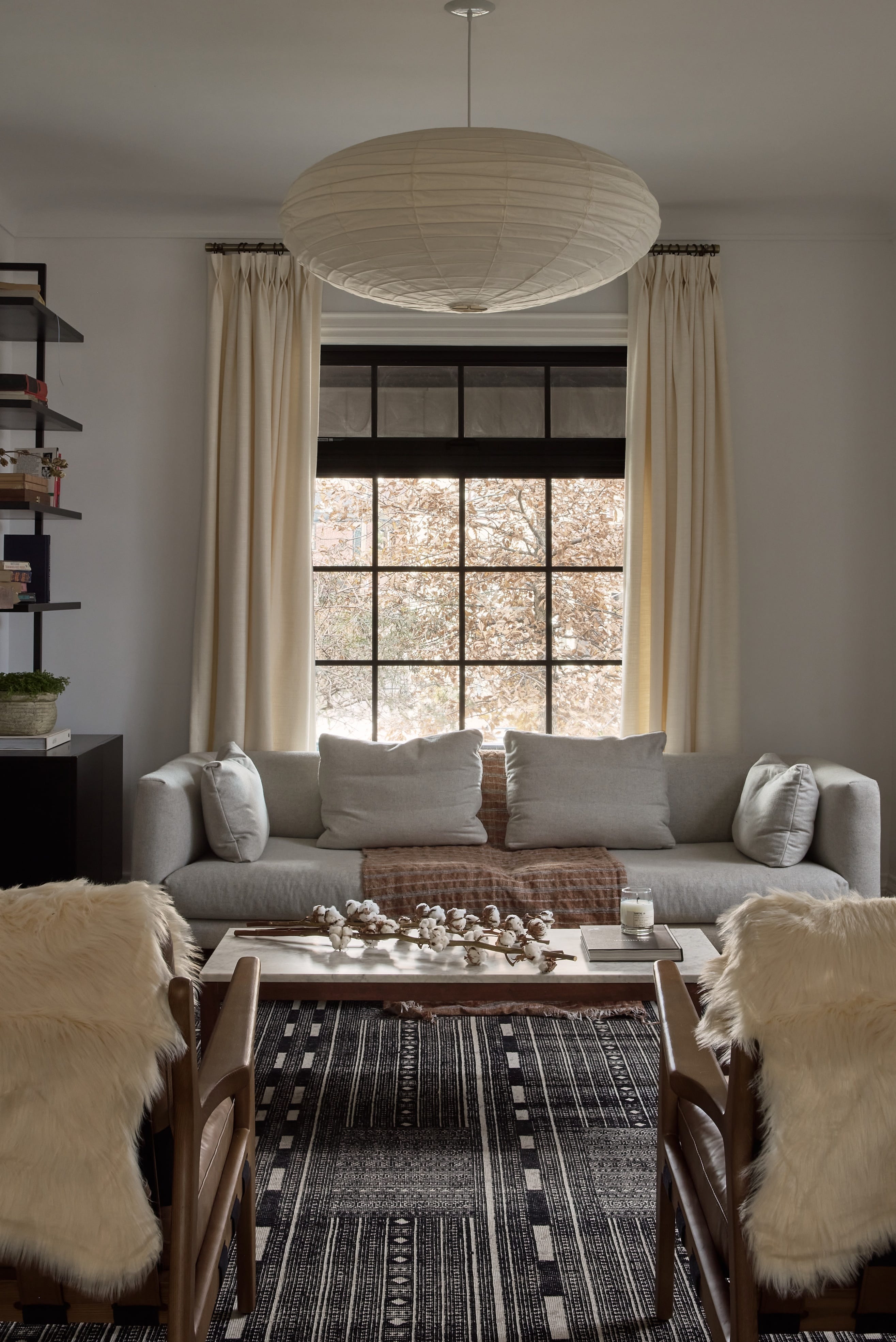
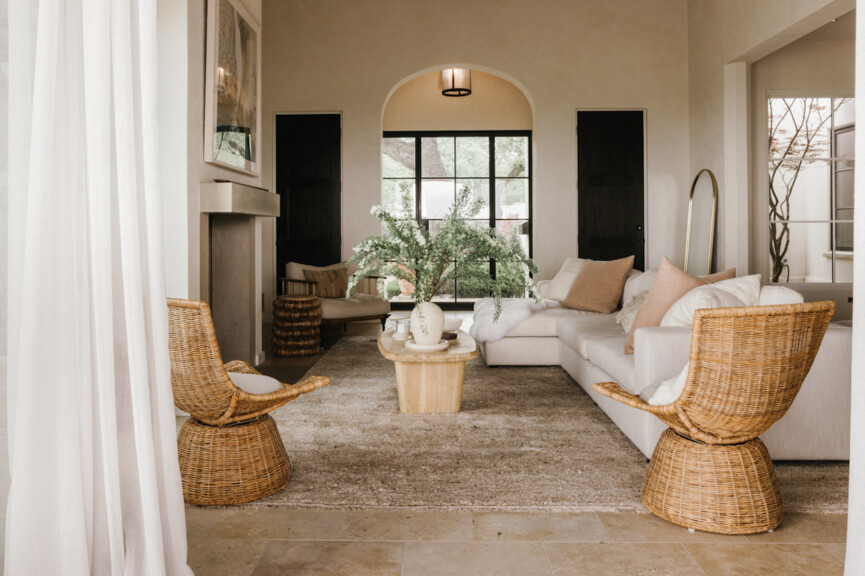
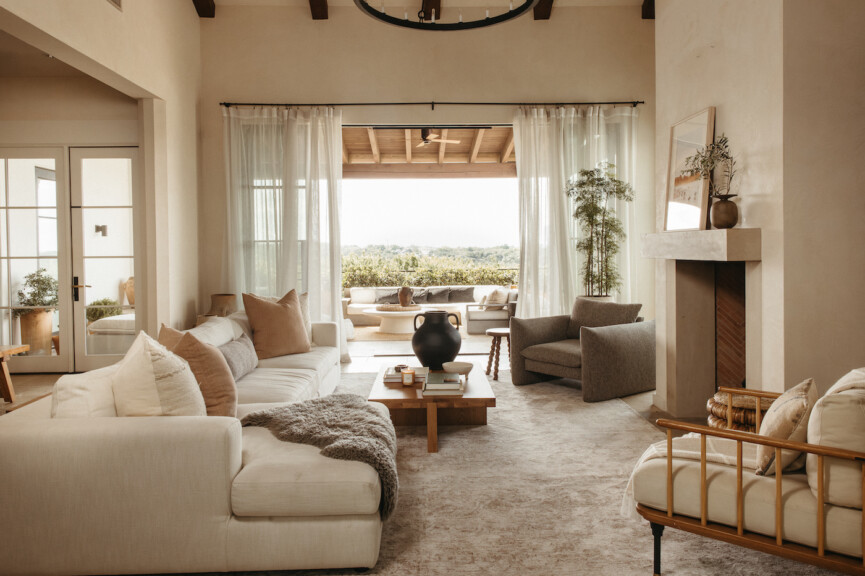
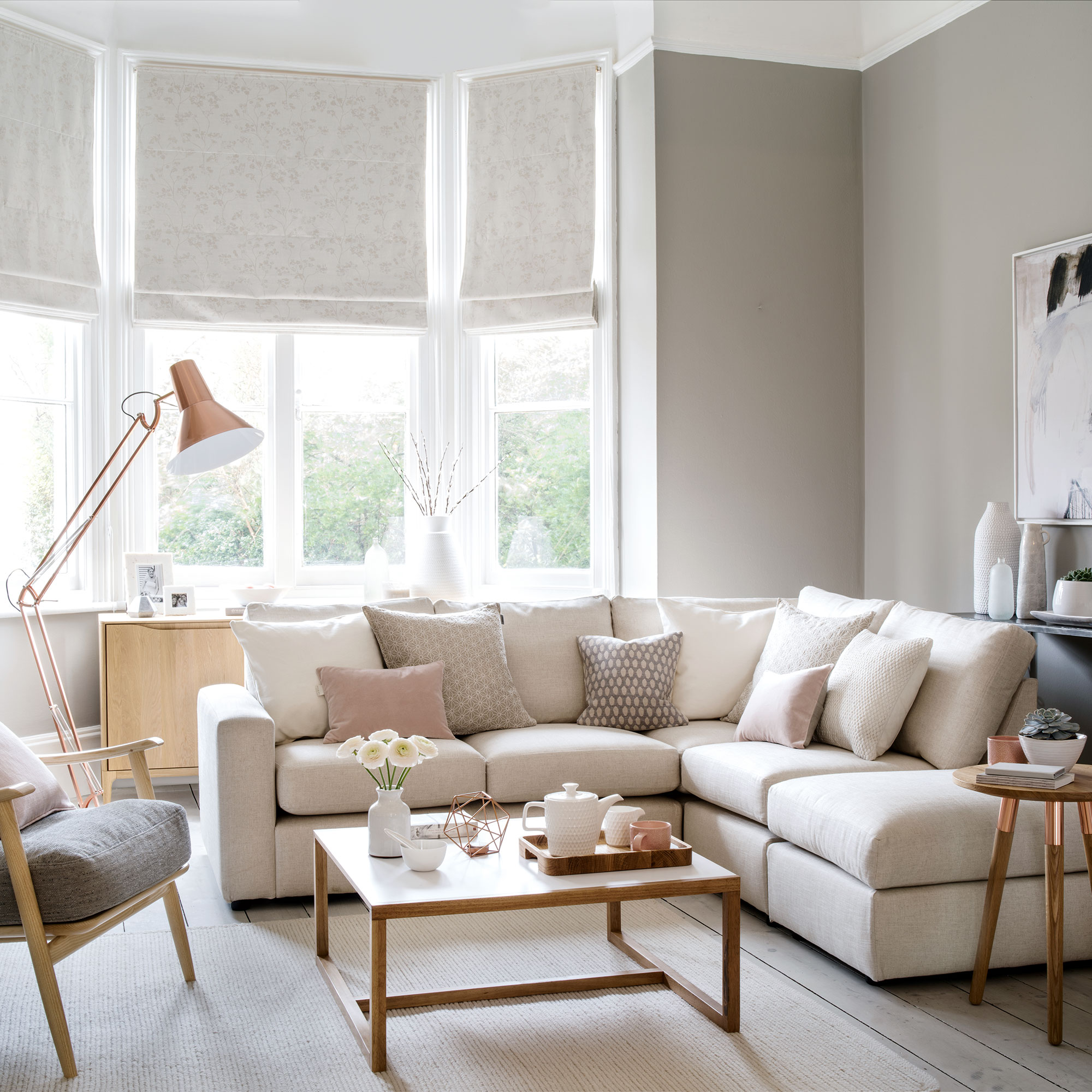
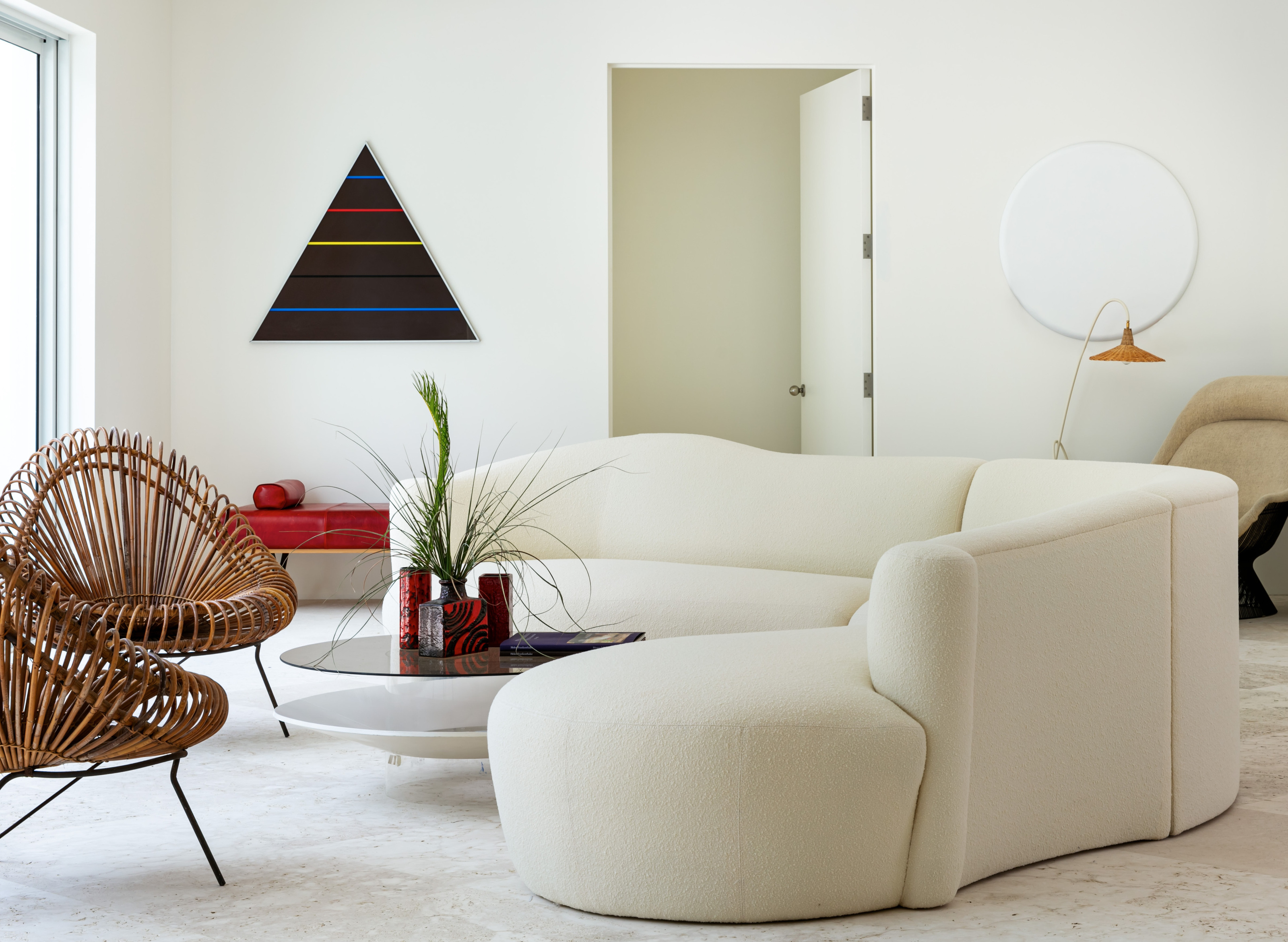
One key strategy involves 'going with the flow' by avoiding the instinct to push all furniture against the walls. While this might seem to create more open space, it often leads to guests congregating around the room's perimeter or feeling lost in the center. Instead, pulling furniture slightly away from the walls allows for natural walkways, enabling guests to move freely and circulate through the space without bottlenecks. This approach transforms the room into a more open and rhythmic environment, making it feel more intuitive and welcoming for entertaining.
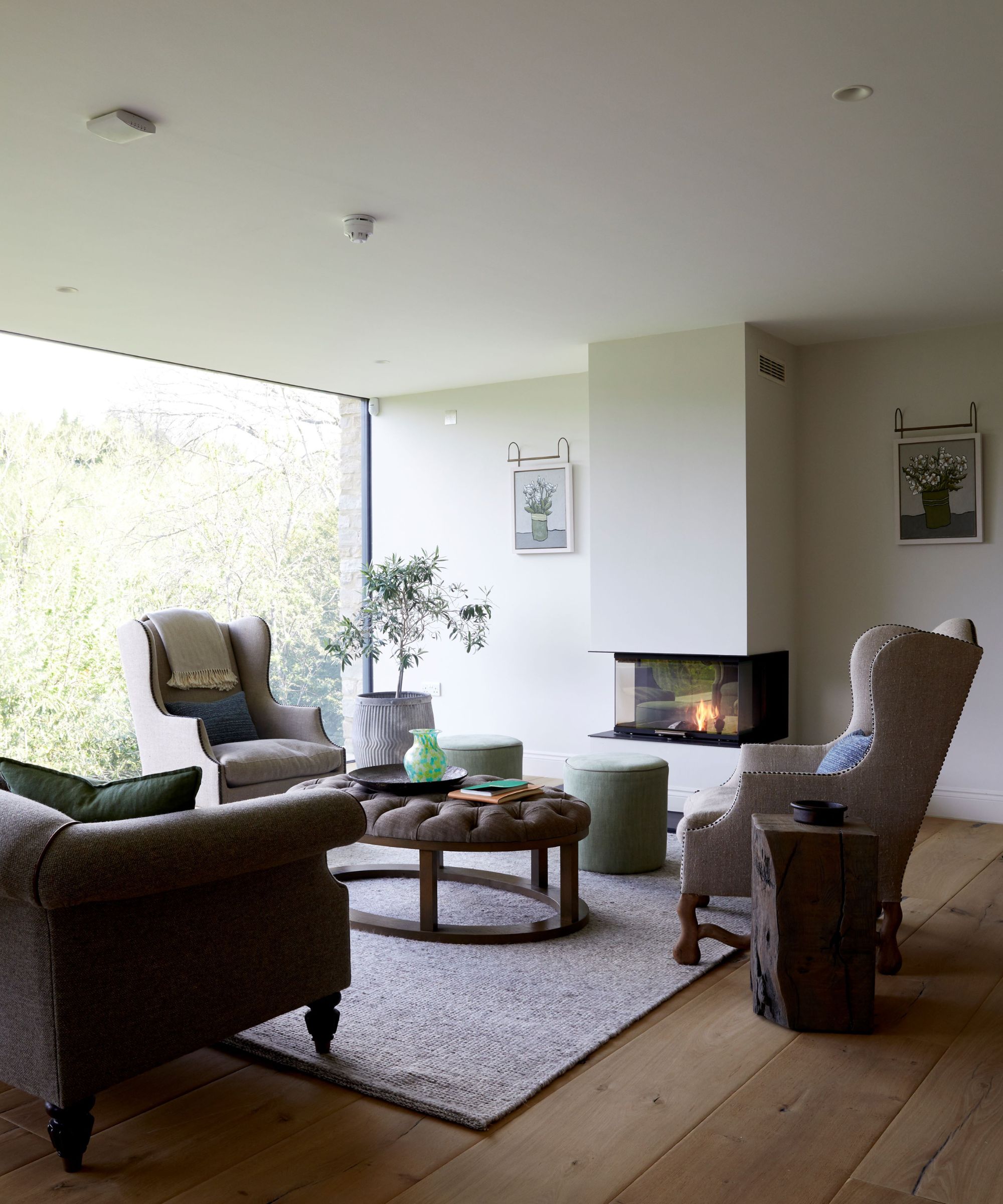
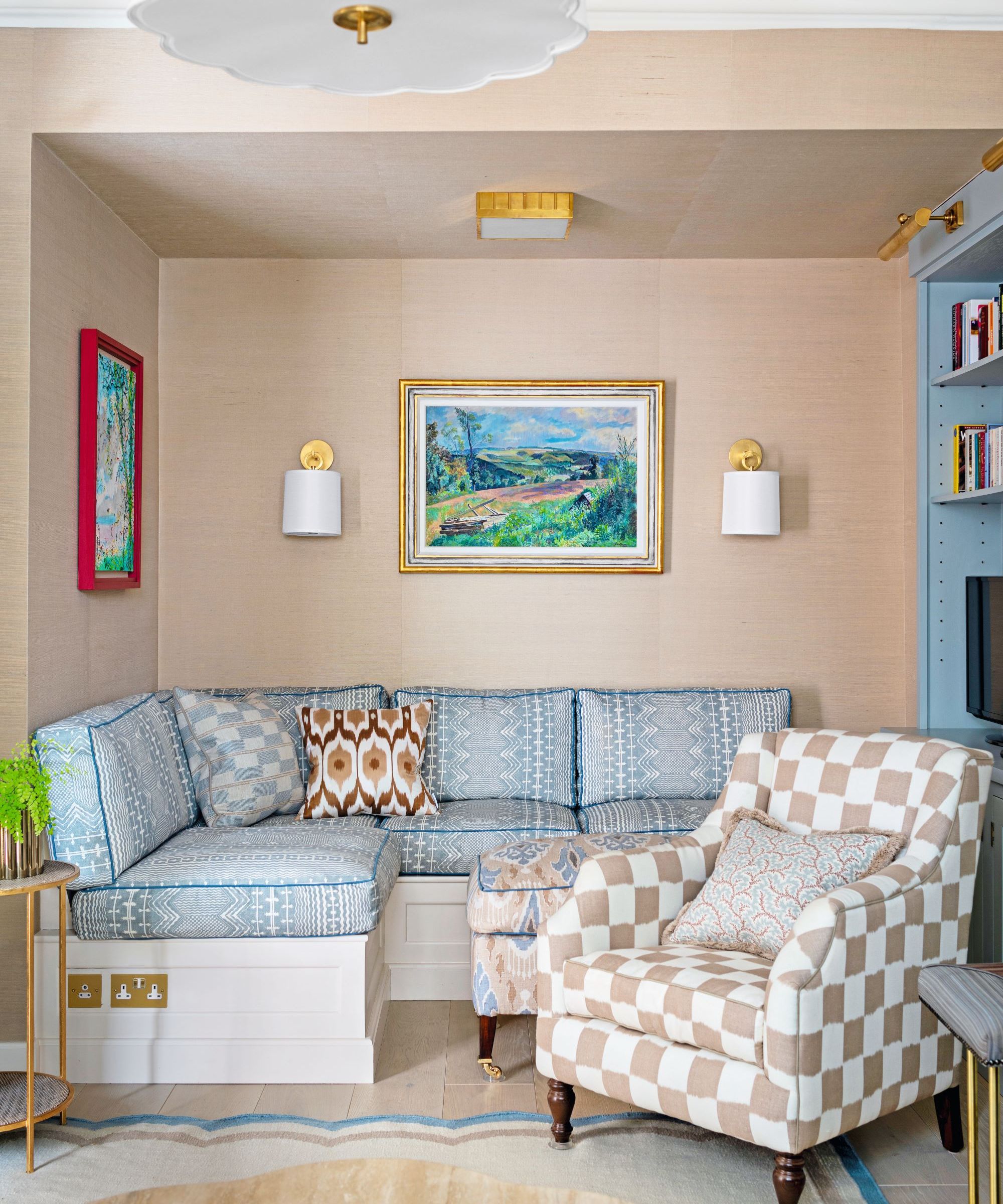
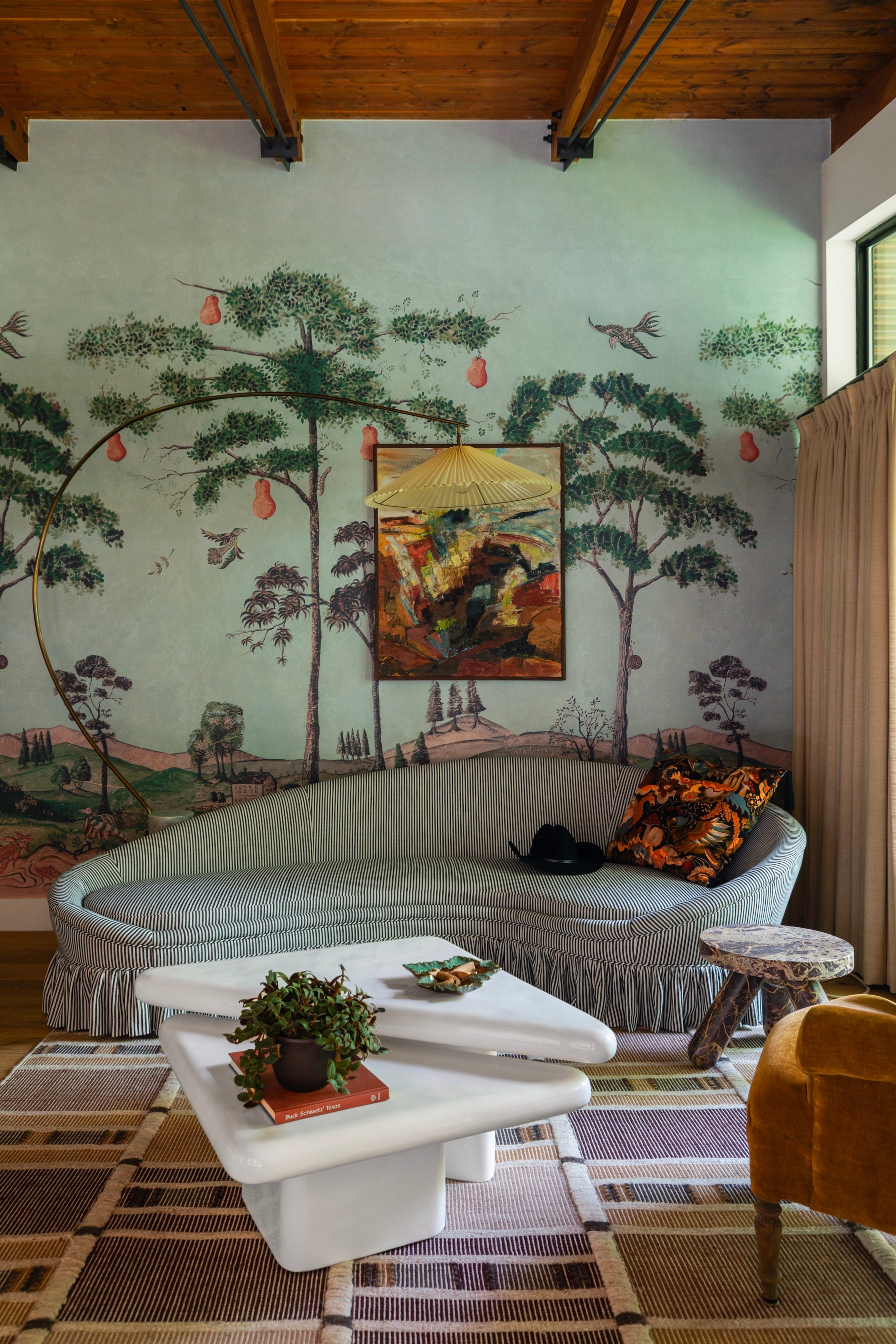
Another essential tip focuses on 'finding the right angles' for seating arrangements. Straight lines of sofas and chairs can feel formal and hinder conversation. Interior designers recommend angling seating to foster more convivial interaction. This creates intimate zones for those seated while maintaining an open and inviting atmosphere for guests moving between areas. Opening up sightlines encourages mingling and prevents the space from feeling crowded or closed off, with the center of the room ideally kept open to facilitate easy movement.
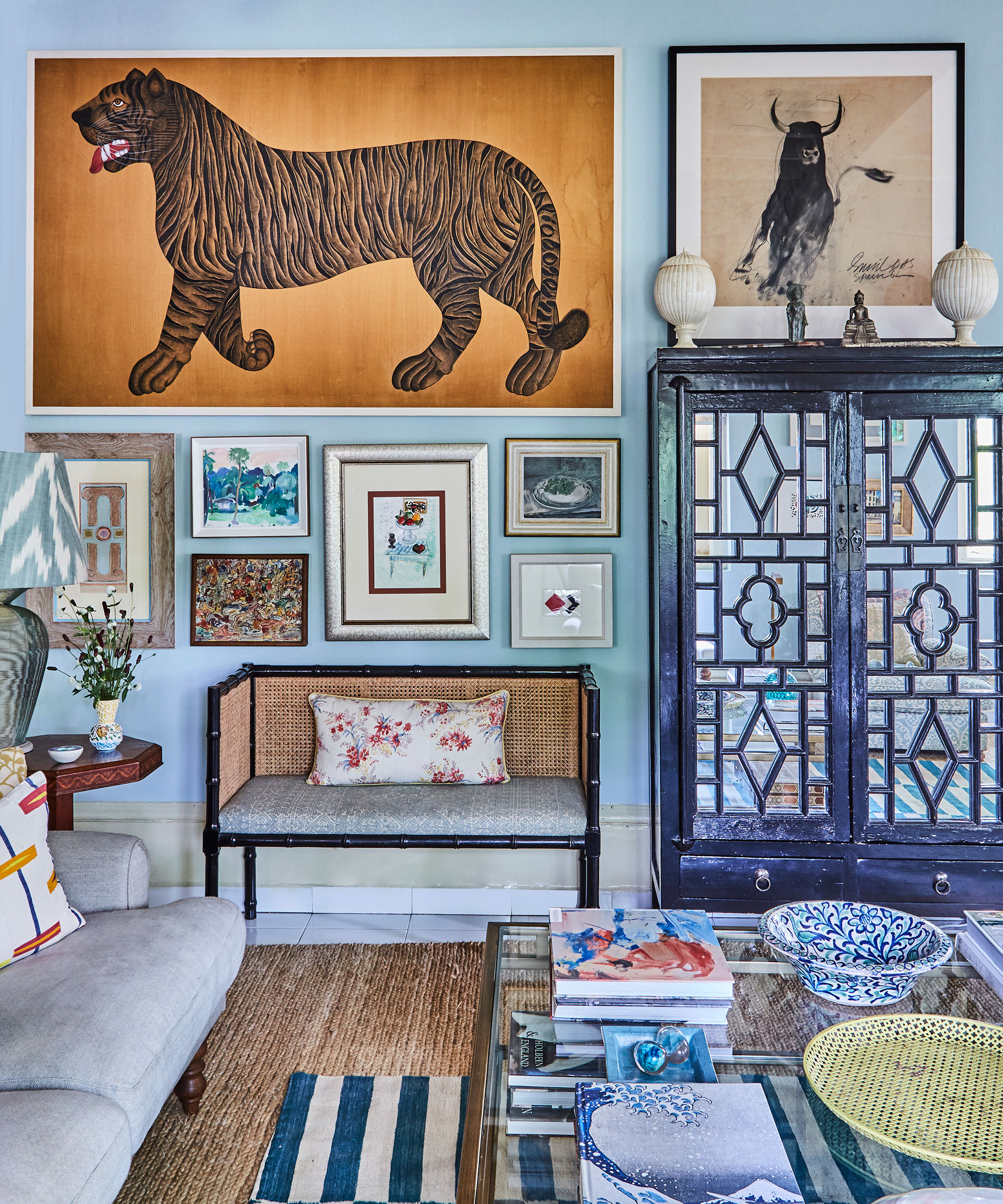
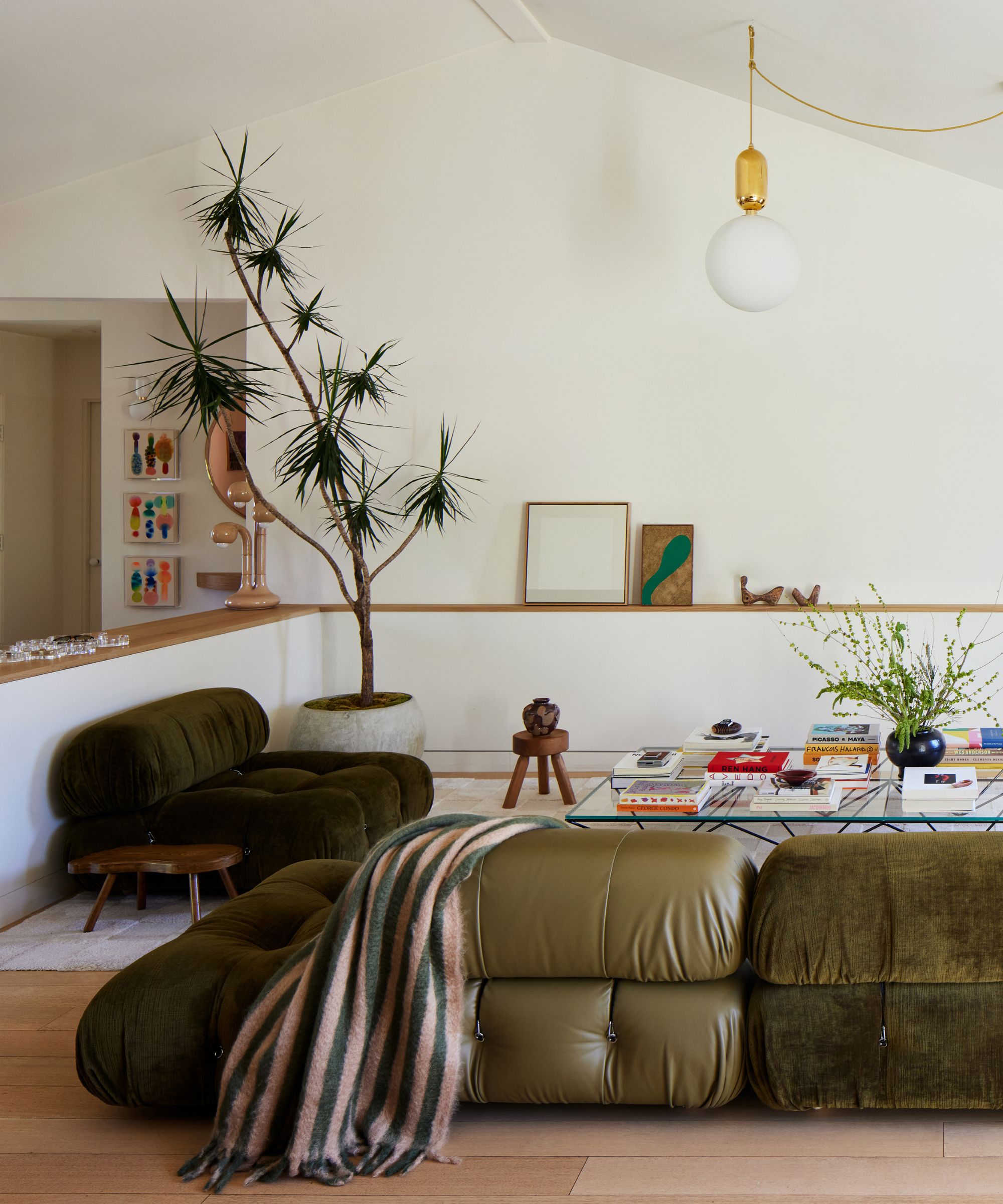
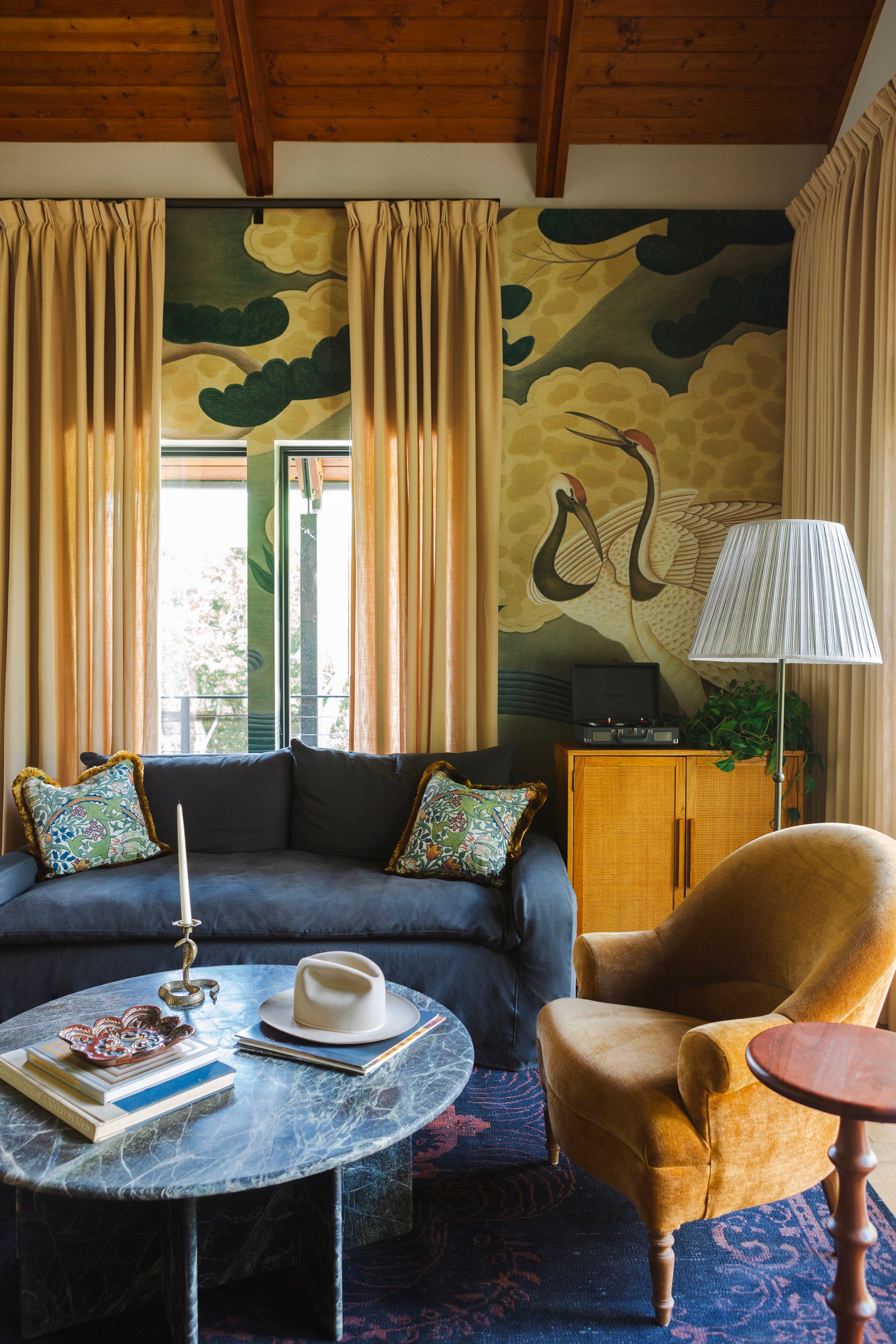
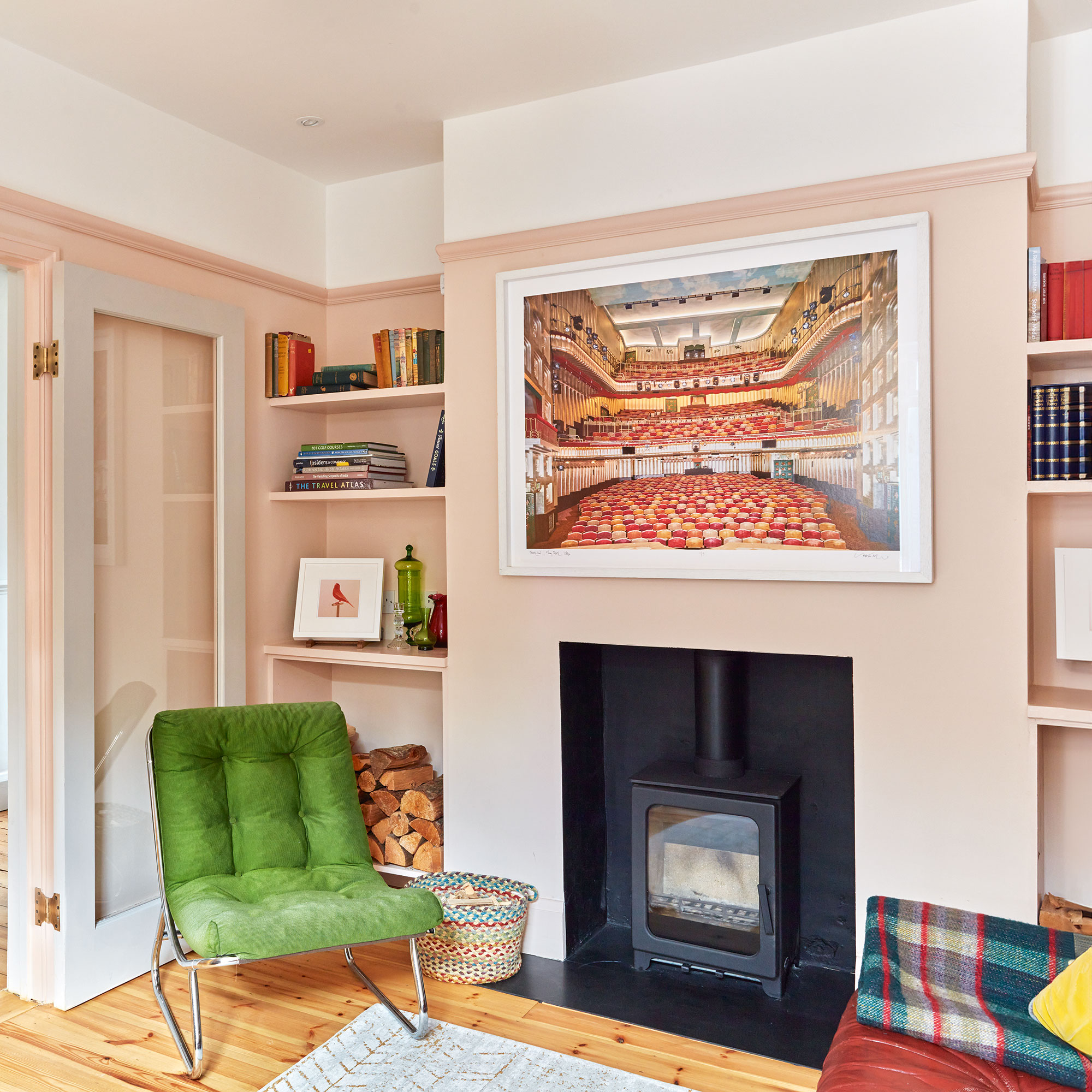
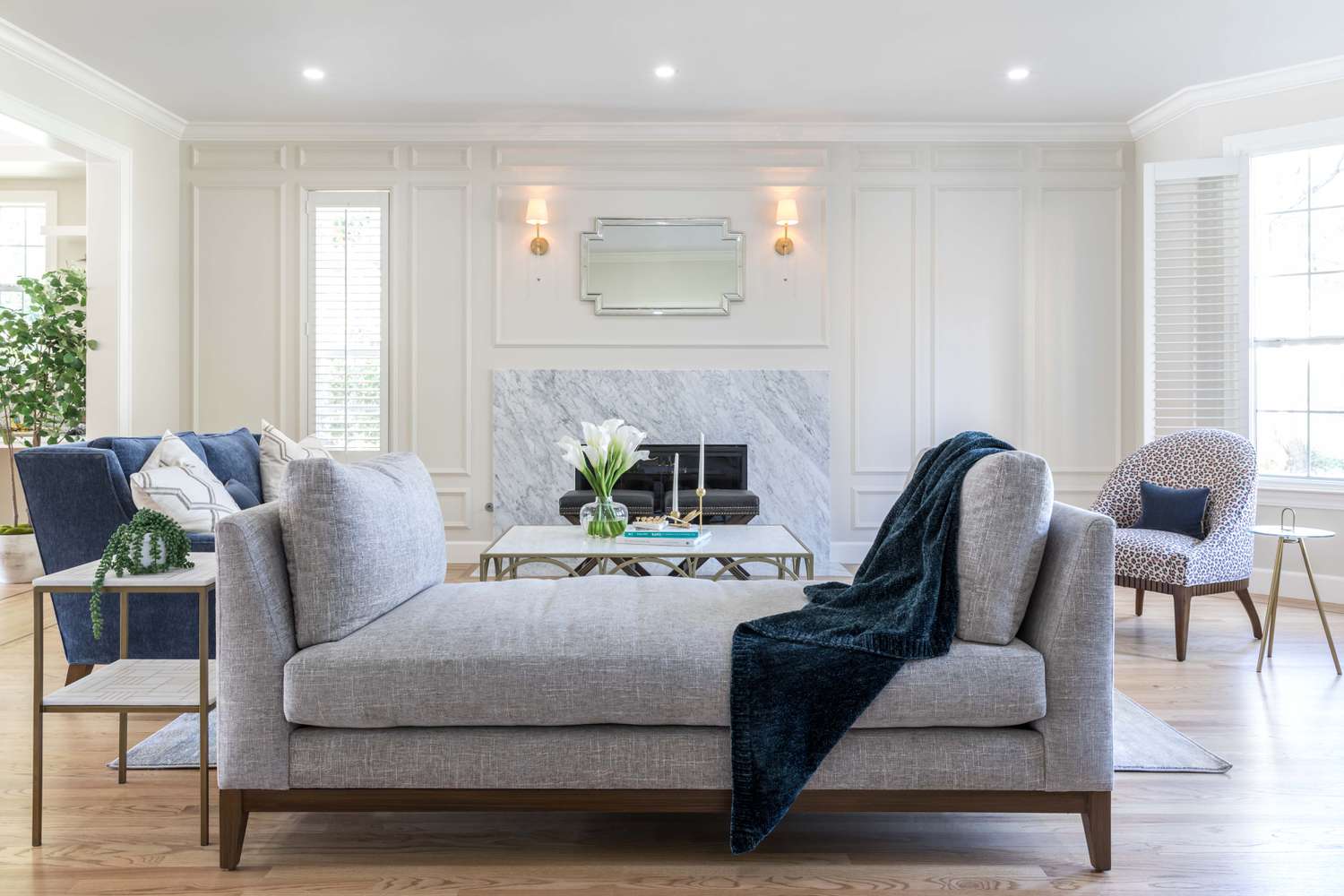
To address potential seating shortages, designers suggest 'begging, borrowing, and stealing' furniture from other rooms. This doesn't mean compromising on comfort or style; rather, incorporating pieces like a chaise from a bedroom into the living room can be a strategic move. To make these temporary arrangements feel more integrated, anchoring them with side tables for drinks and adding cushions from other sofas can create a cohesive look, making it less obvious that the seating isn't a permanent part of the living room setup.
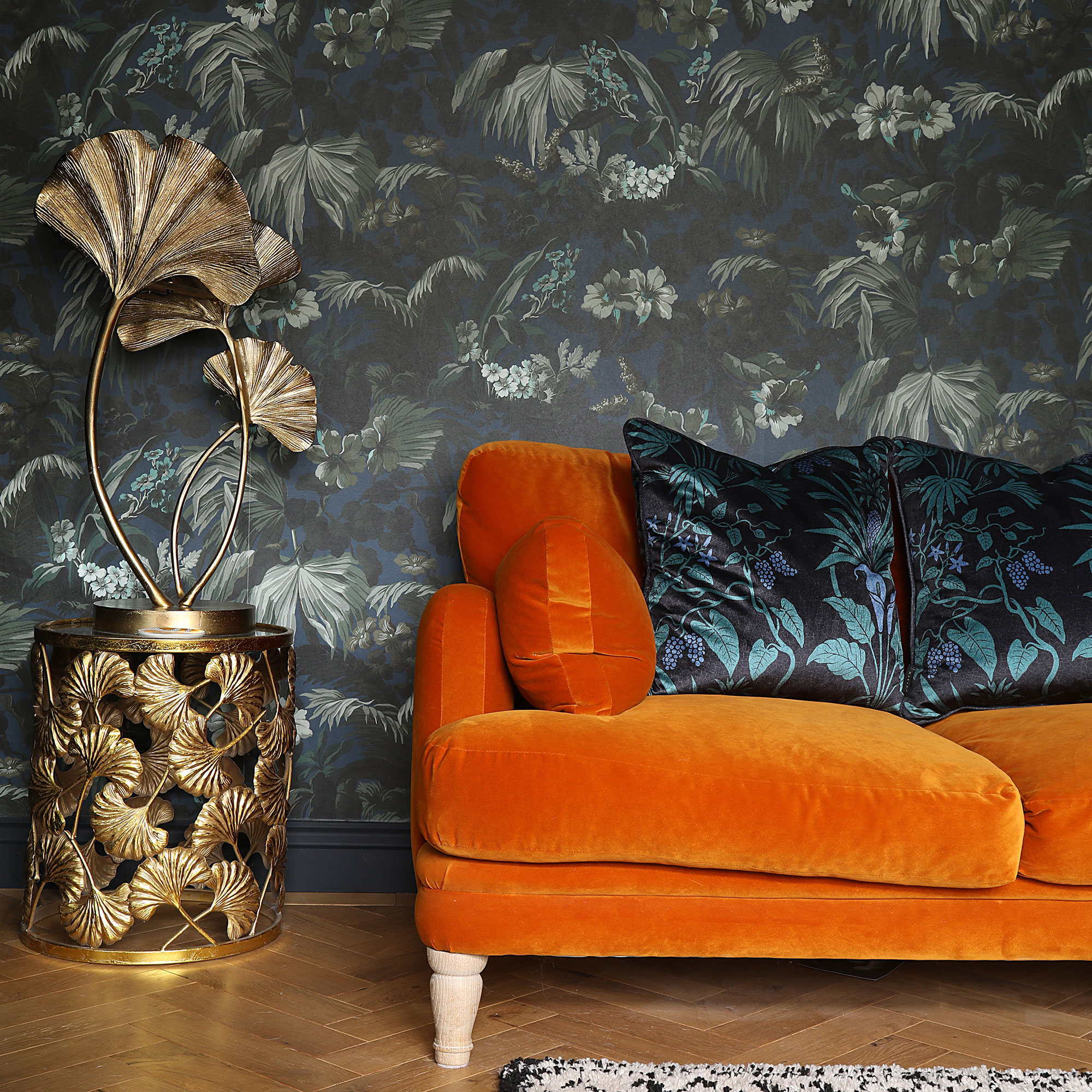
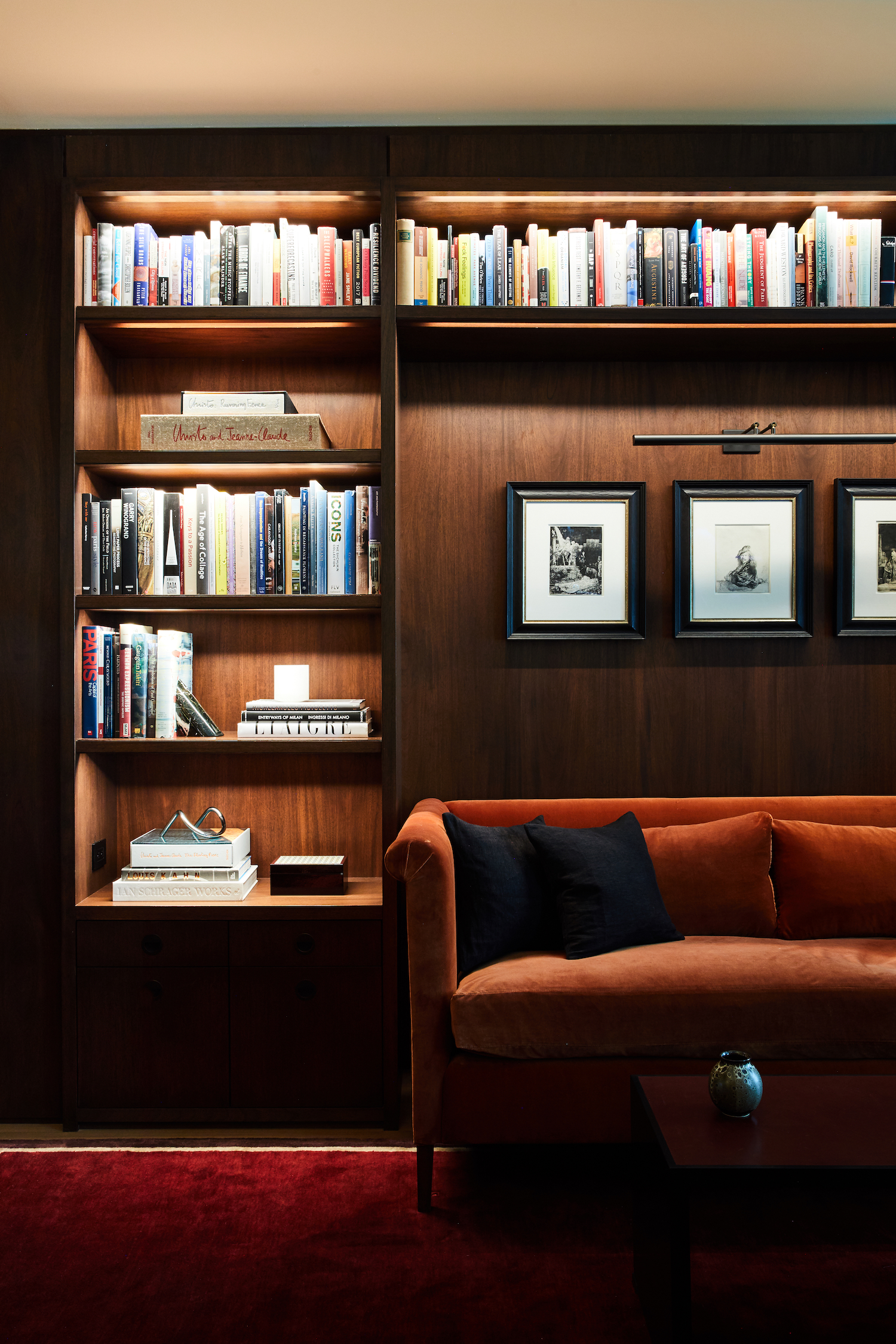
'Using your corners' is an effective way to prevent congestion and distribute guests throughout the space. By setting up drinks stations or mini-bars in underutilized corners or along the sidelines of seating areas, hosts can encourage guests to spread out. Creating multiple points for refreshments avoids a single bottleneck and allows guests to engage in conversation more comfortably without feeling confined to one area. Organizing these stations with essentials like coasters and garnishes also empowers guests to serve themselves, easing the host's duties.
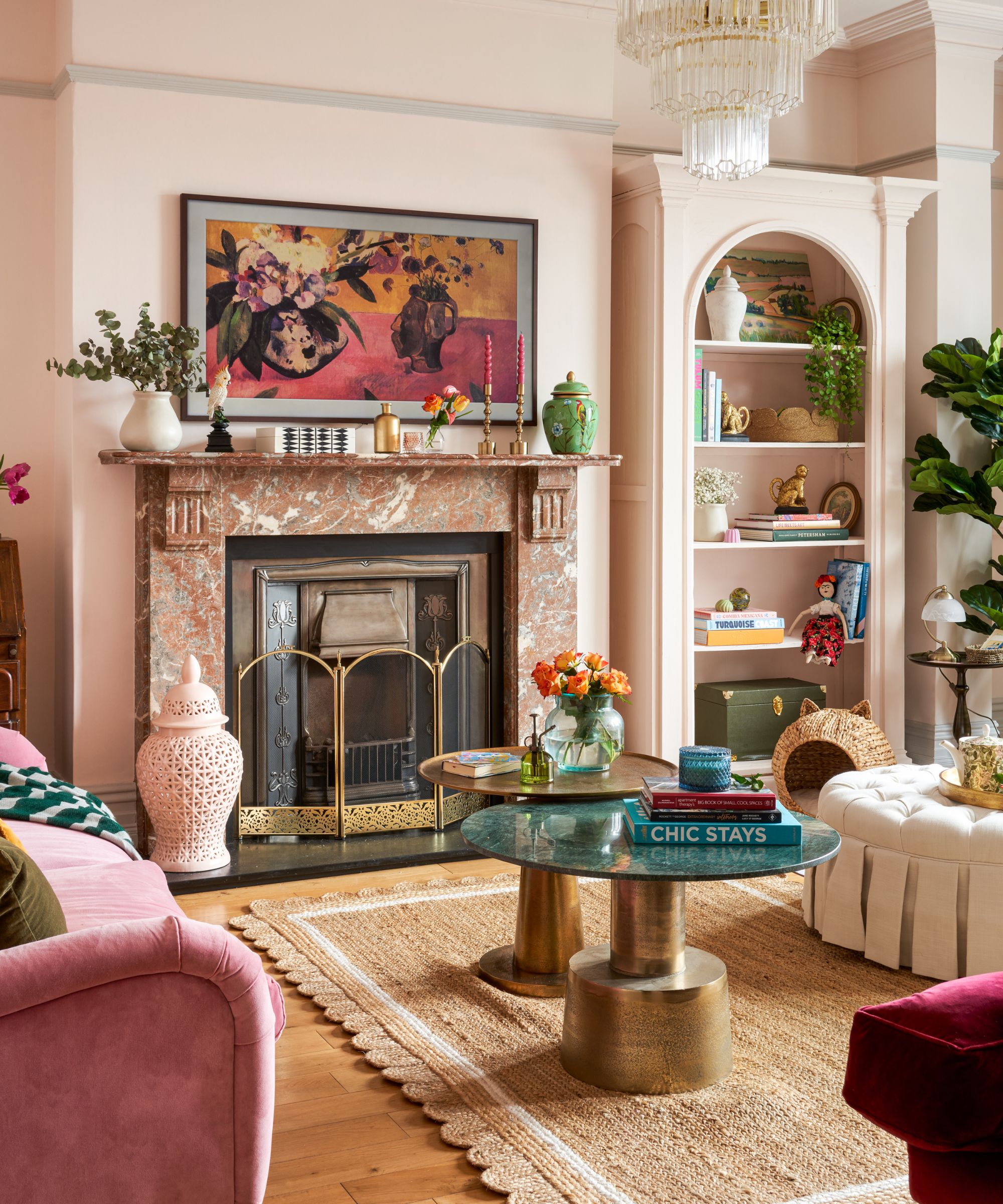
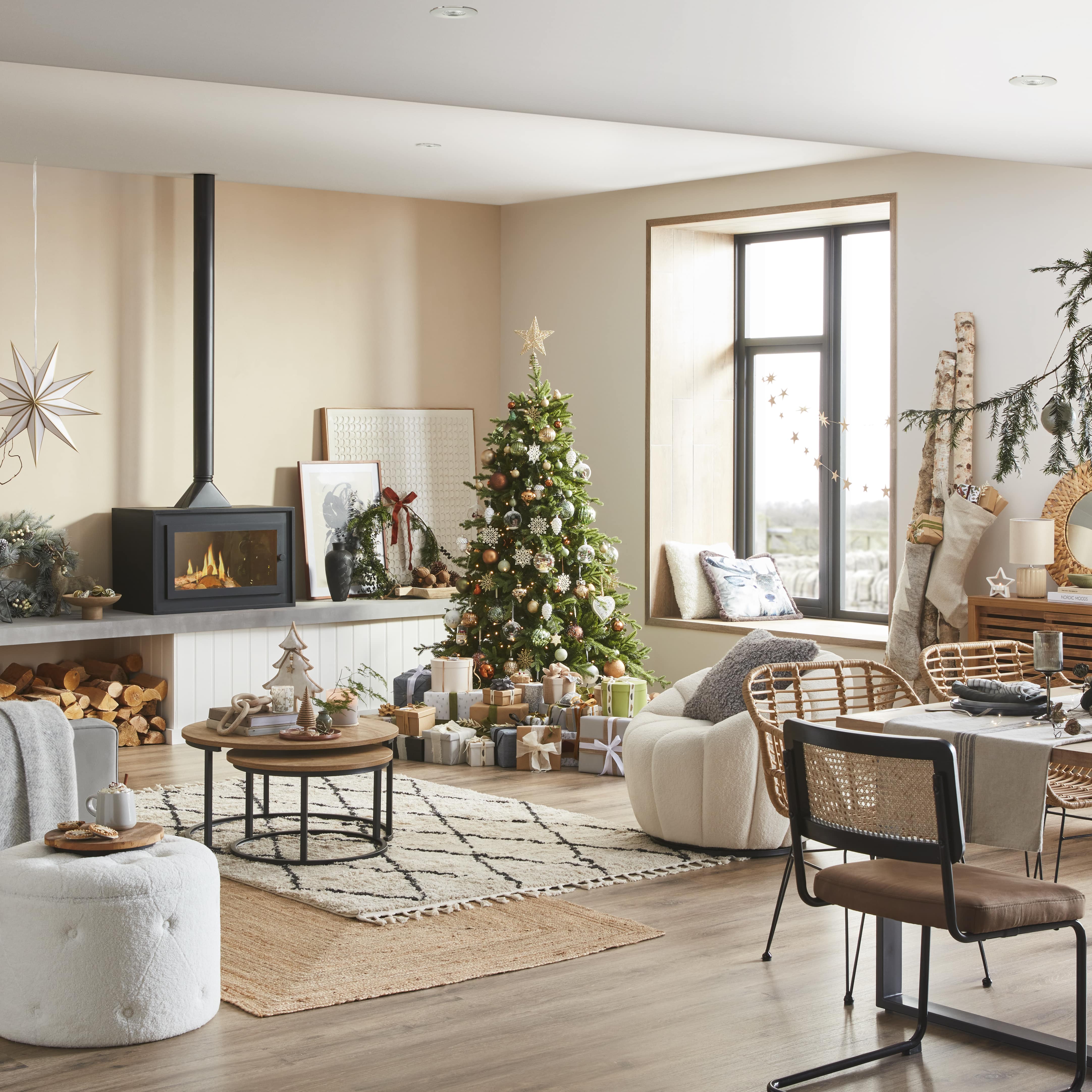
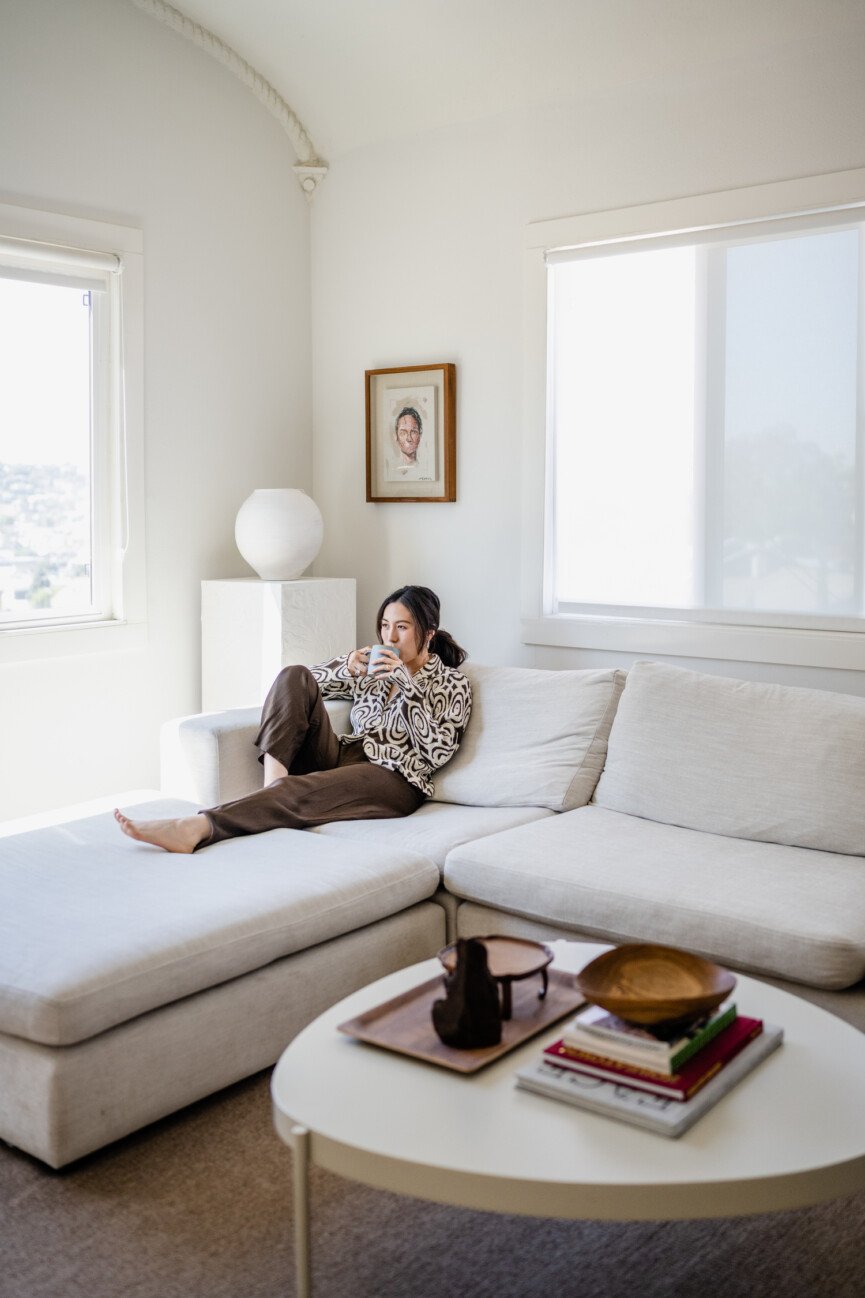
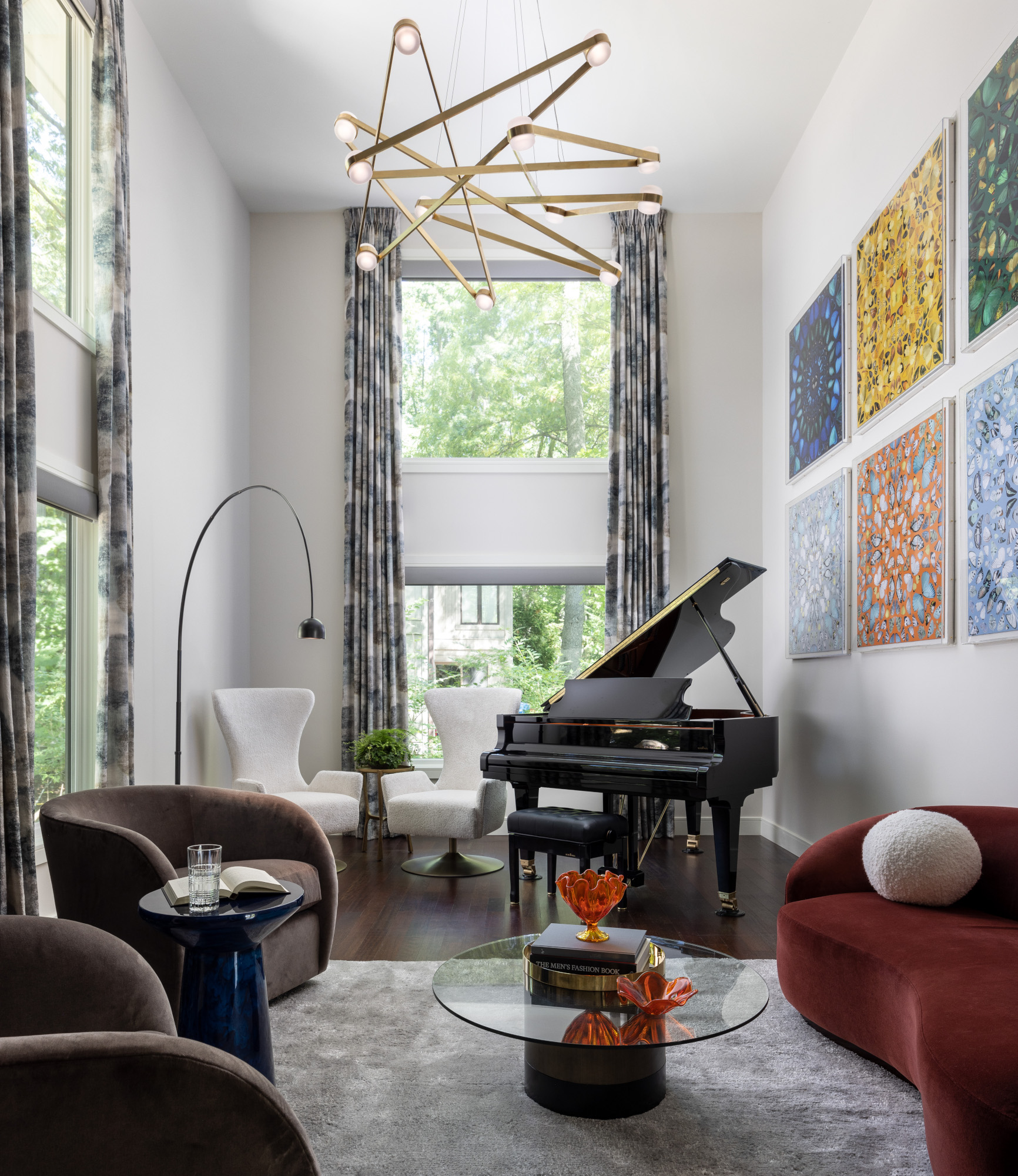
Finally, 'getting in the zone(s)' involves arranging furniture to create multiple social clusters. Instead of forcing everyone into one large gathering, establishing distinct areas for conversation allows guests to socialize more comfortably. This could mean turning an armchair to face another way or using rugs to define separate zones. Such an approach provides guests with various options, from more formal sitting areas to relaxed corners for quieter moments, ensuring the space feels inviting and adaptable rather than stiff or overly formal. These strategies collectively help transform any living room into an ideal setting for hosting, regardless of its size or existing layout.
#LivingRoomLayout #InteriorDesign #HomeEntertaining #FurnitureArrangement #SpacePlanning #SocialGatherings #HomeDecor #HostingTips #LivingRoomLayout #InteriorDesign #HomeEntertaining #FurnitureArrangement #SpacePlanning #SocialGatherings #HomeDecor #HostingTips
0 comment in total
 No comments yet
You may also like
Designers swear these 8 living room layout hacks will instantly elevate your space, no matter what the size

Design Insiders Reveal Their SECRETS to Decorating Your Home Like a Pro

Design Pros Reveal Their Secret Tricks for Maximizing Space in the Tiniest Living Rooms
The Best Living Room Layouts Have These 5 Things in Common, Pros Say

Designers Have a New Clever Shortcut To Make Rooms Look More Rich — 5 Spaces That Nail the Look

Design experts on their living room decor ideas

5 Secrets That Will Make Your Living Room Look Expensive, According to Designers
5 expert tips from local designers to maximize your closet space
10 things designers do to make rooms look bigger – strategies for success from the experts

Five Things To Consider When Designing Your Living Room
How to Fix the Most Common Living Room Layout Mistakes

Step up your home office game with these tips from an interior designer
Long Living Rooms Can Be Confusing to Style, But These 7 Tips From Designers Can Help
8 quick tips for how to rearrange a room to create a super-social space before hosting a crowd
4 rules interior designers always use to plan the perfect living room layout - these tried-and-tested tricks work every time
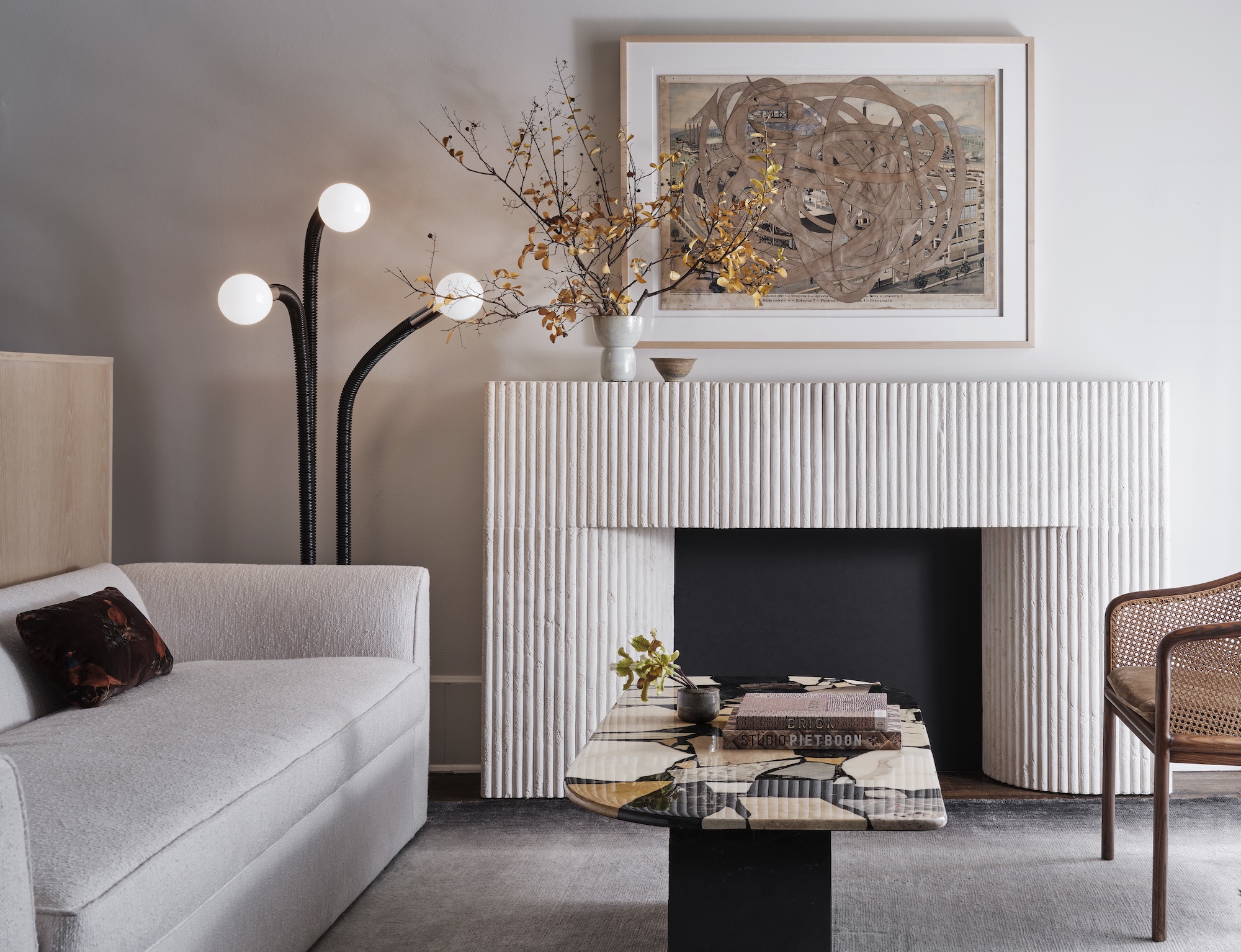
Designers are loving a new living room trend which makes even small spaces seem smart
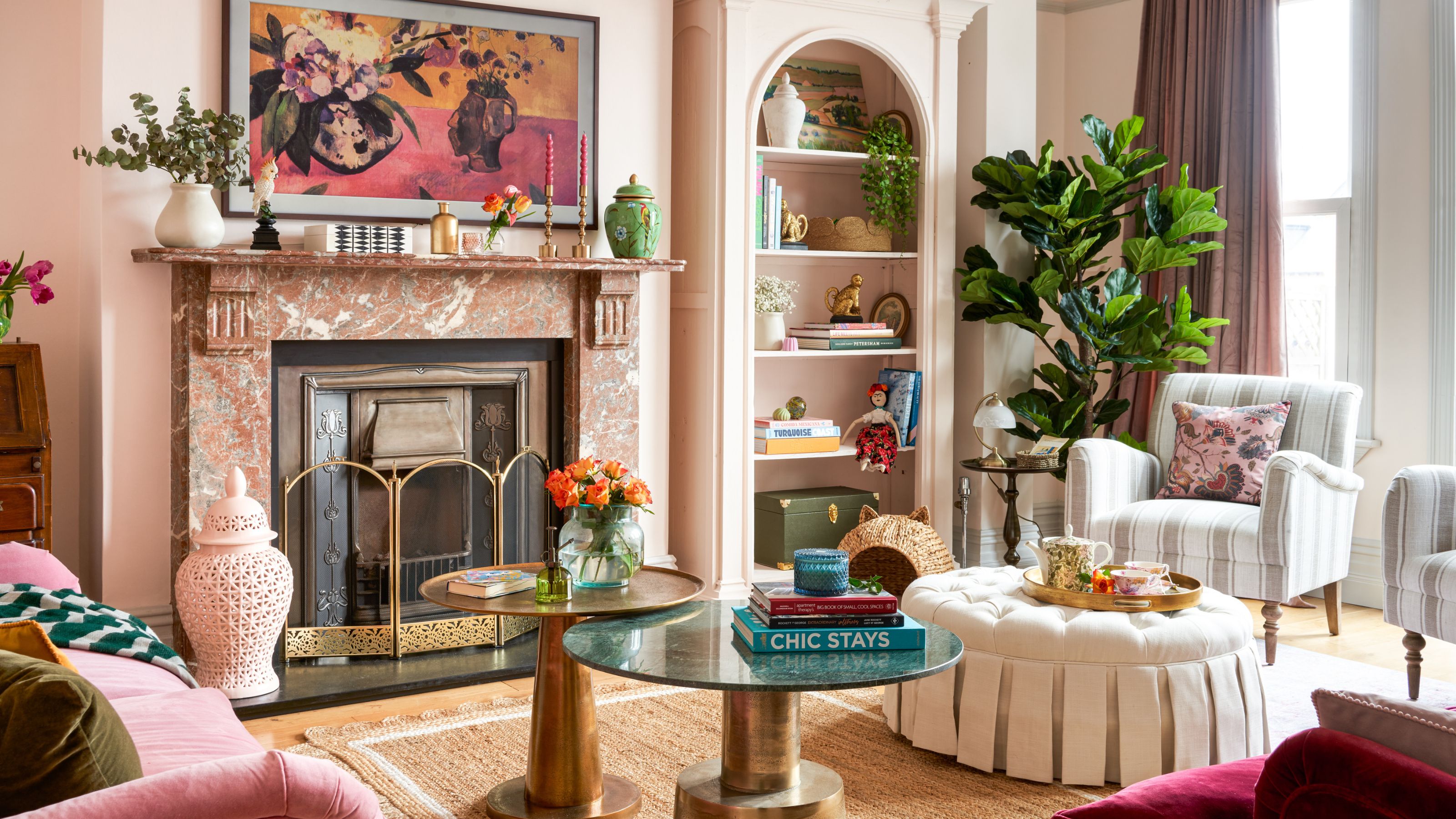
How to refresh a small living room — 5 easy tips designers swear by

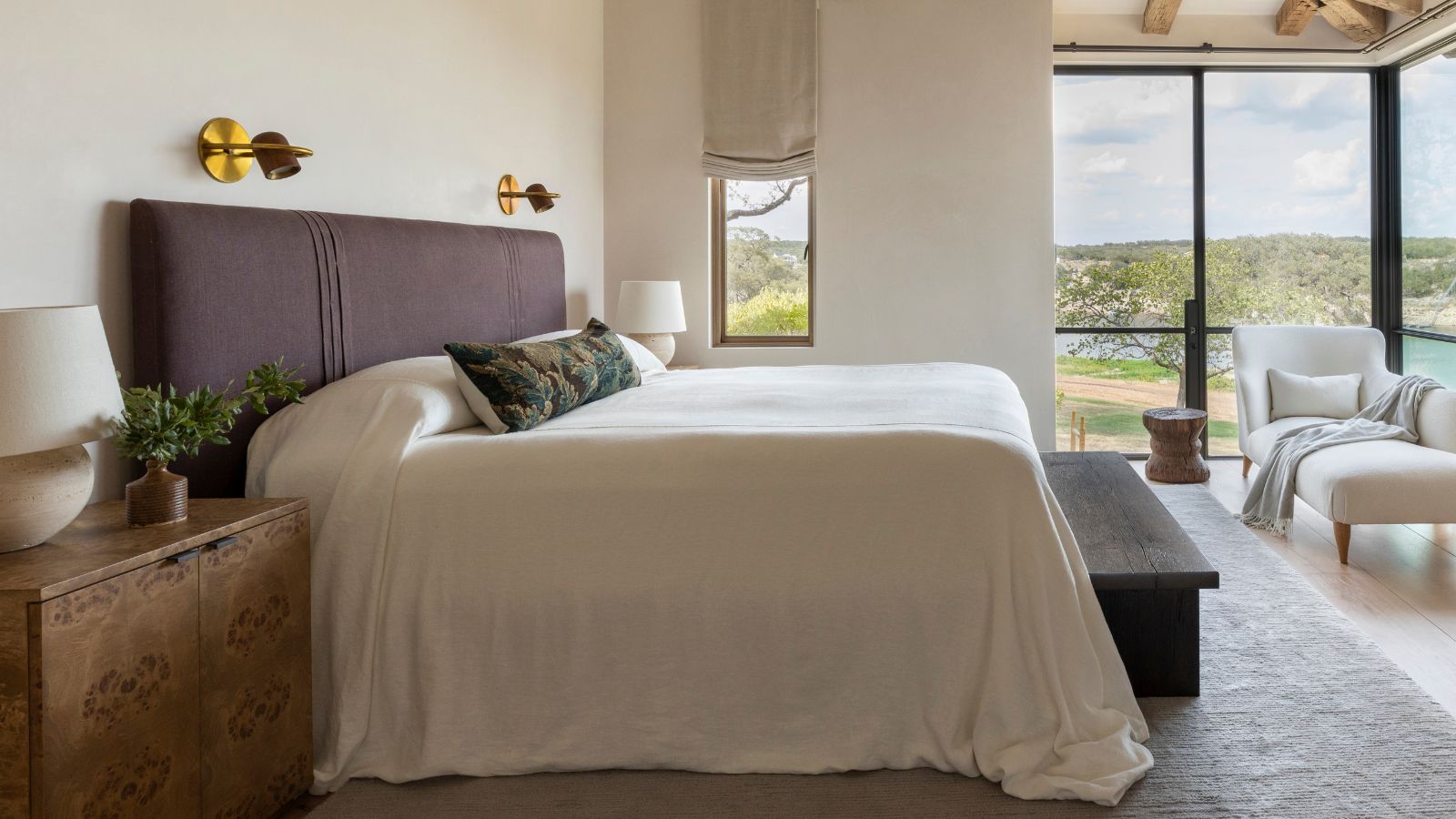
Does your room feel like a boring white box? This interior designer's 5 easy tips will help you transform it into a personality-packed scheme in no time
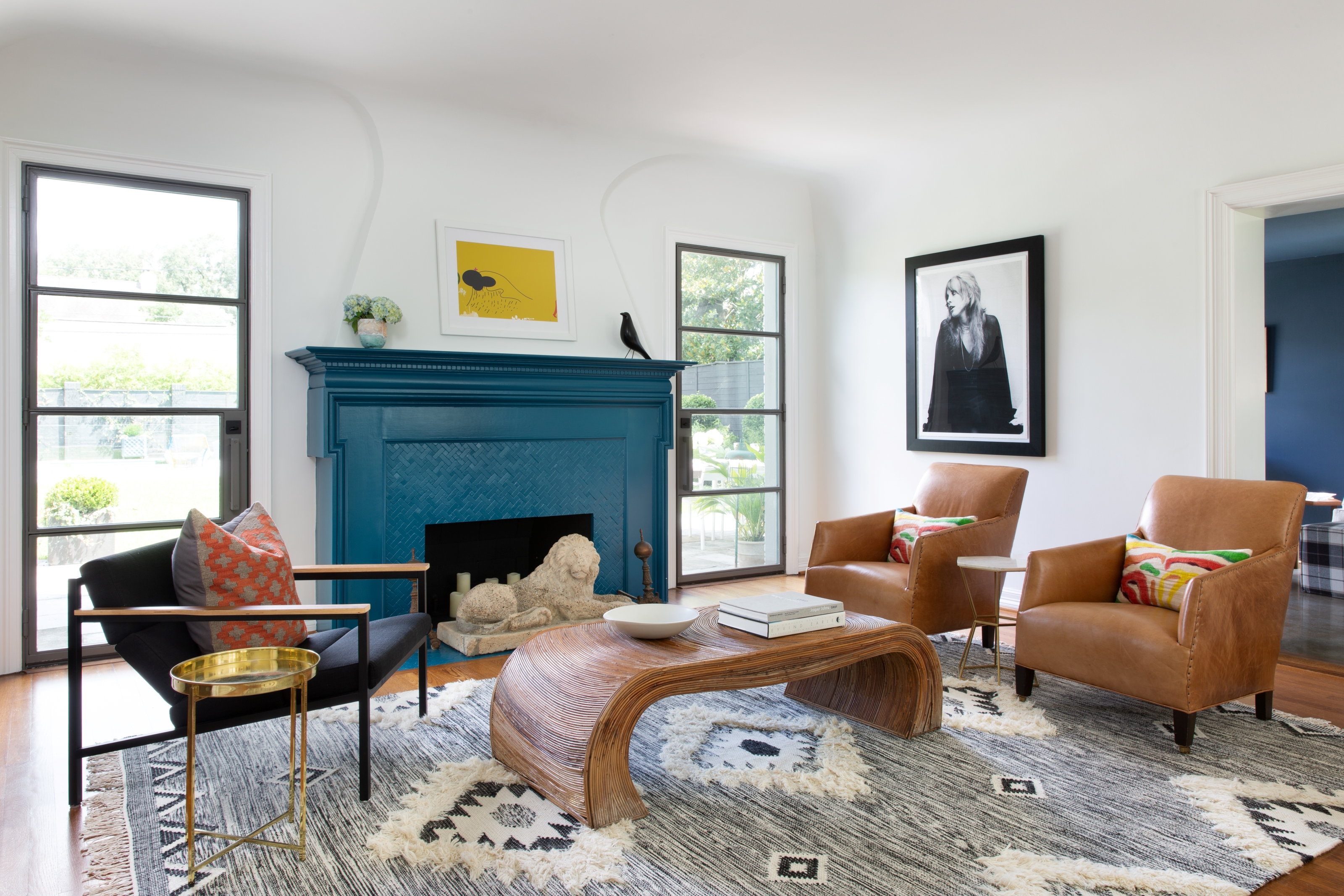
5 things interior designers say every living room should have in it – are you missing any?
6 Genius Rules for Decorating Your Living Room That Designers Swear By