1/6
Designers Have a New Clever Shortcut To Make Rooms Look More Rich — 5 Spaces That Nail the Look
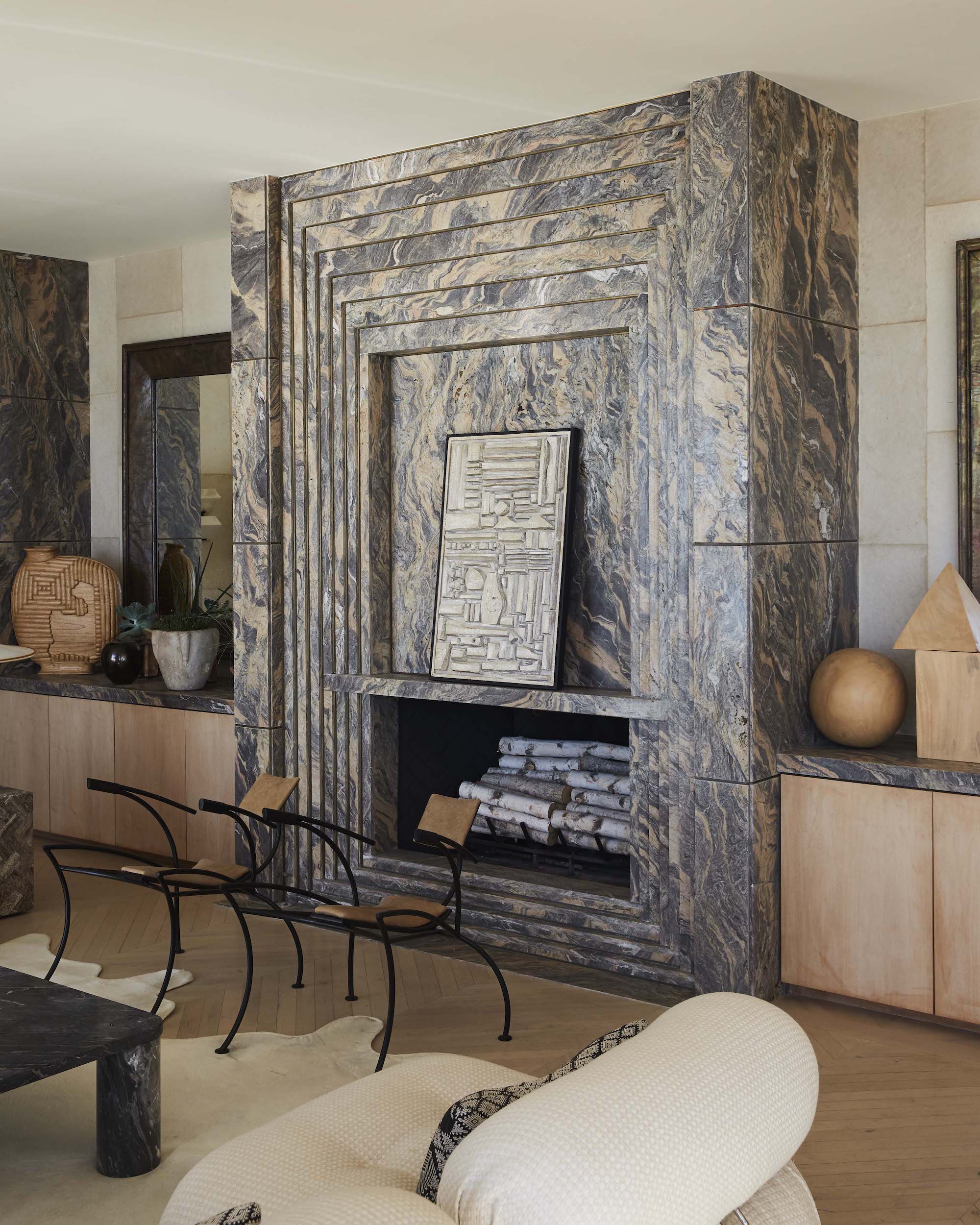
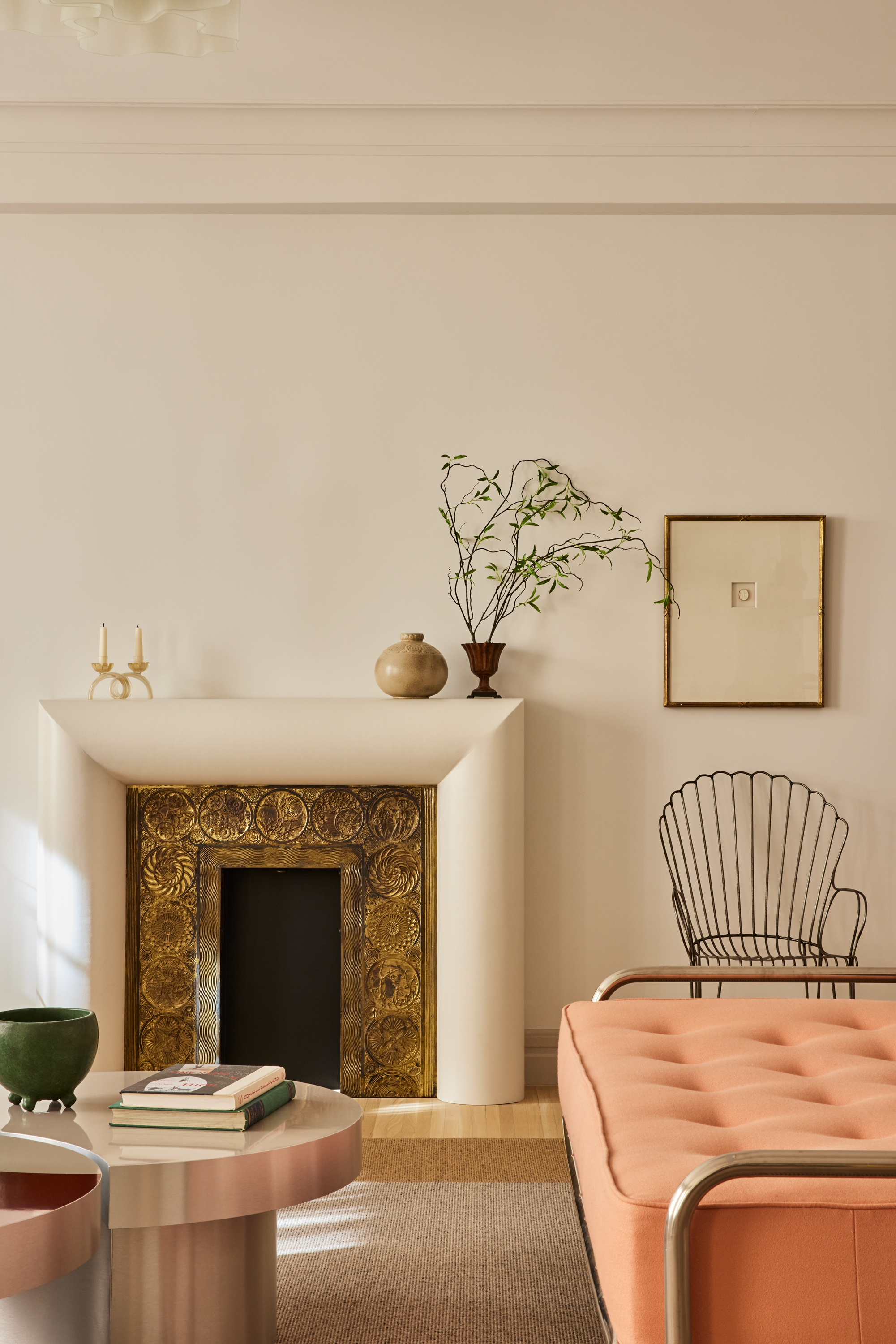
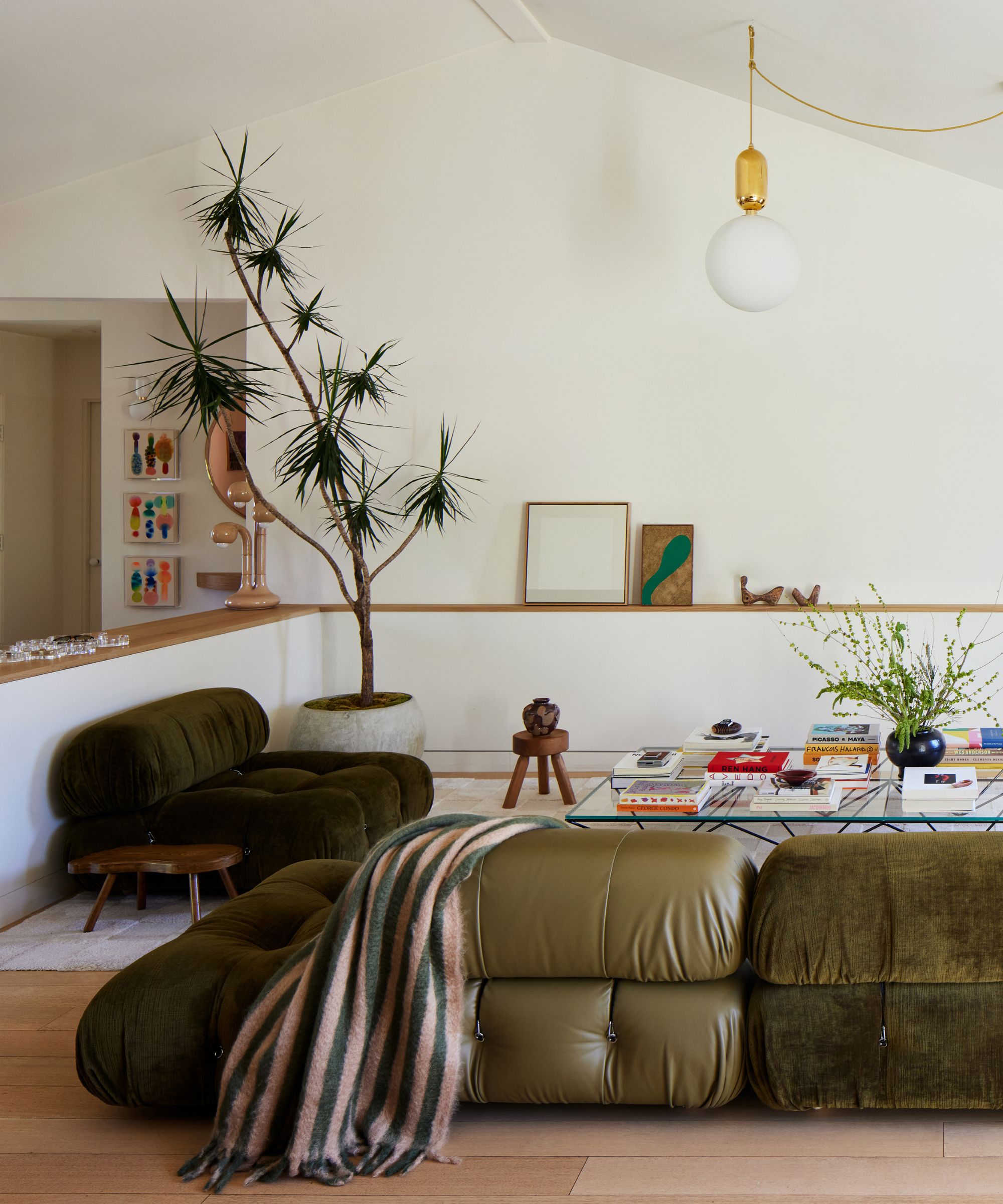
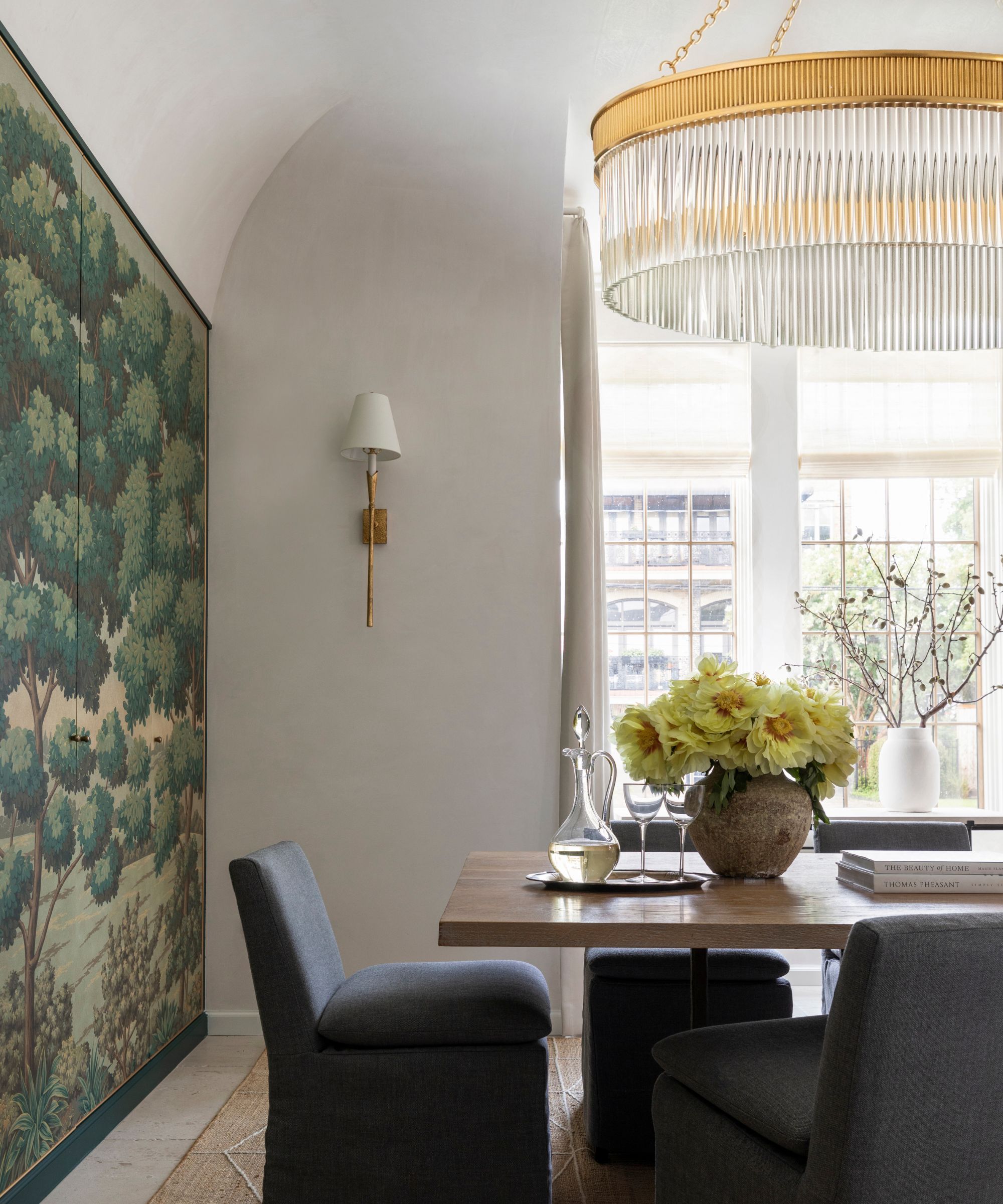
The article explores the interior design trend of layering different tones of wood to create rich, warm, and sophisticated spaces. This approach moves away from monochromatic wooden furniture and single-tone finishes, advocating for a varied wood palette in surfaces, furniture, and accessories. Key advice from designers Alexy Kos and Che Huang of Child Studio emphasizes using sustainable, indigenous wood species like pine, oak, cherry, and maple, while strictly avoiding exotic and endangered woods. The article presents five examples that showcase the effective application of this trend.
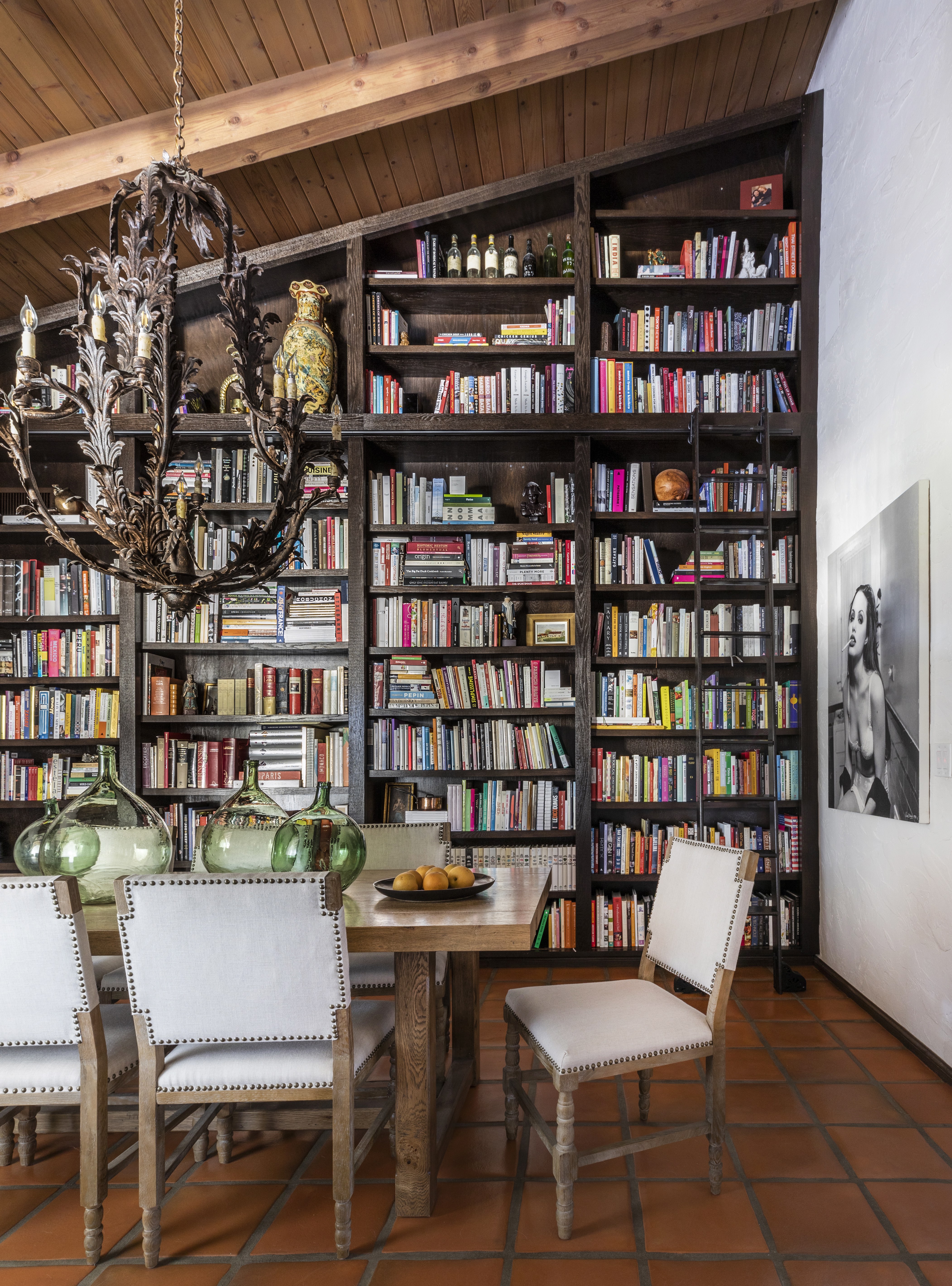
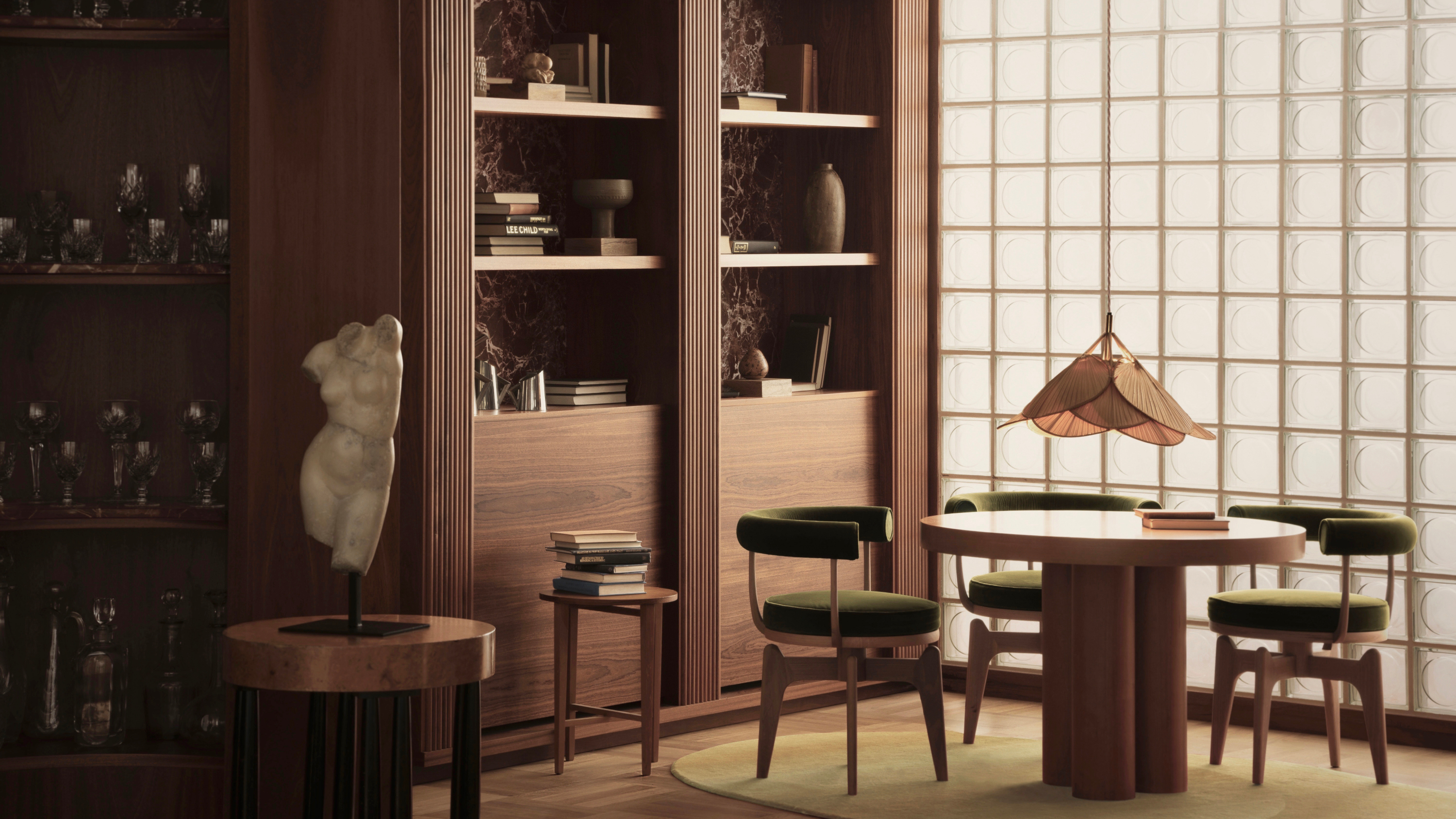
The first example features a dining room designed by Child Studio, incorporating mahogany library walls paired with Rosso Levanto marble and a round maple table. The choice of woods with slightly reddish tones contributes to a deep, opulent feel. The designers highlight that layering various wood tones and textures creates a timeless atmosphere, making a home feel warm and lived-in. They suggest that understated designs, where timber serves as a background element, age more gracefully, allowing accessories or art to update the space.
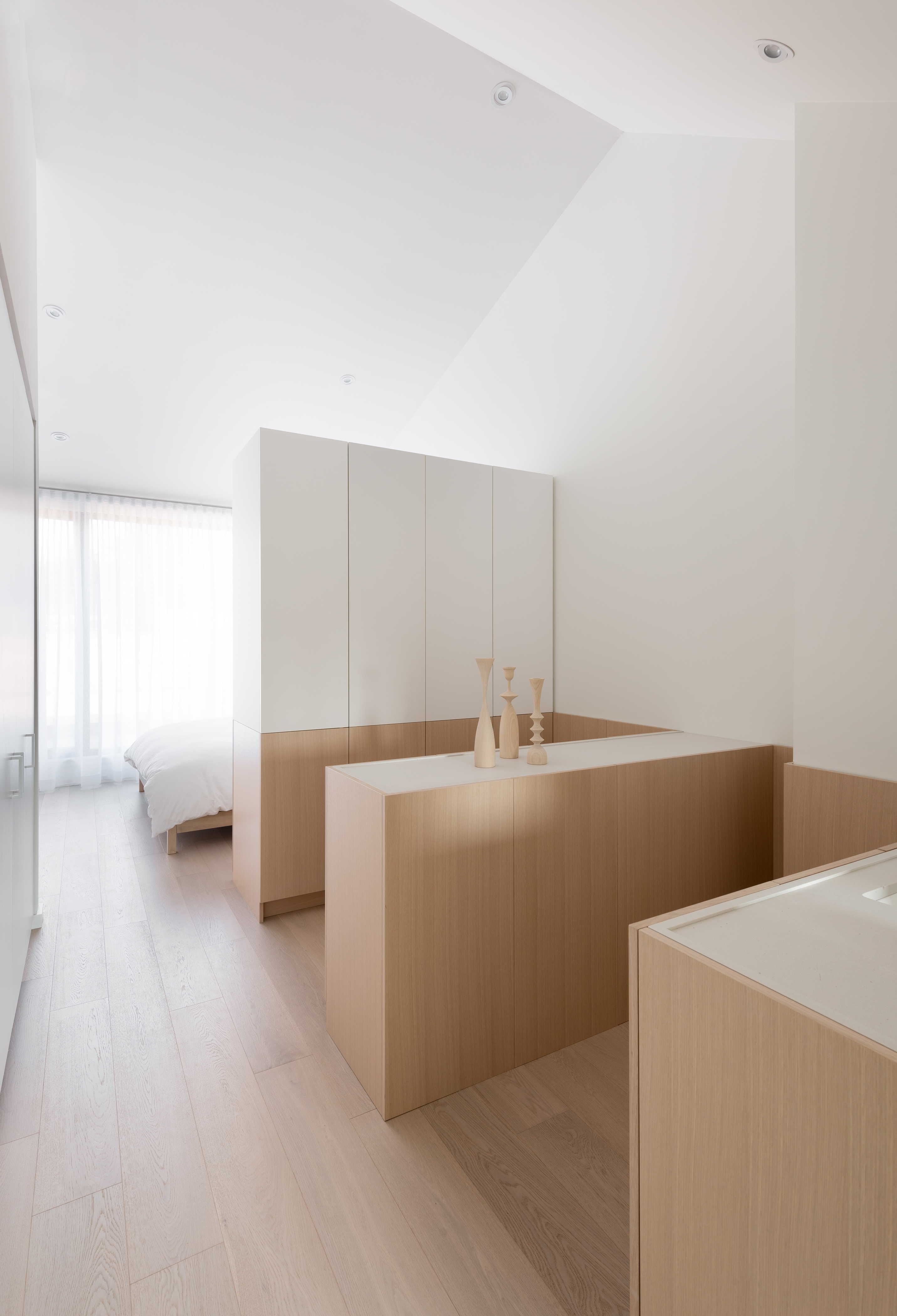
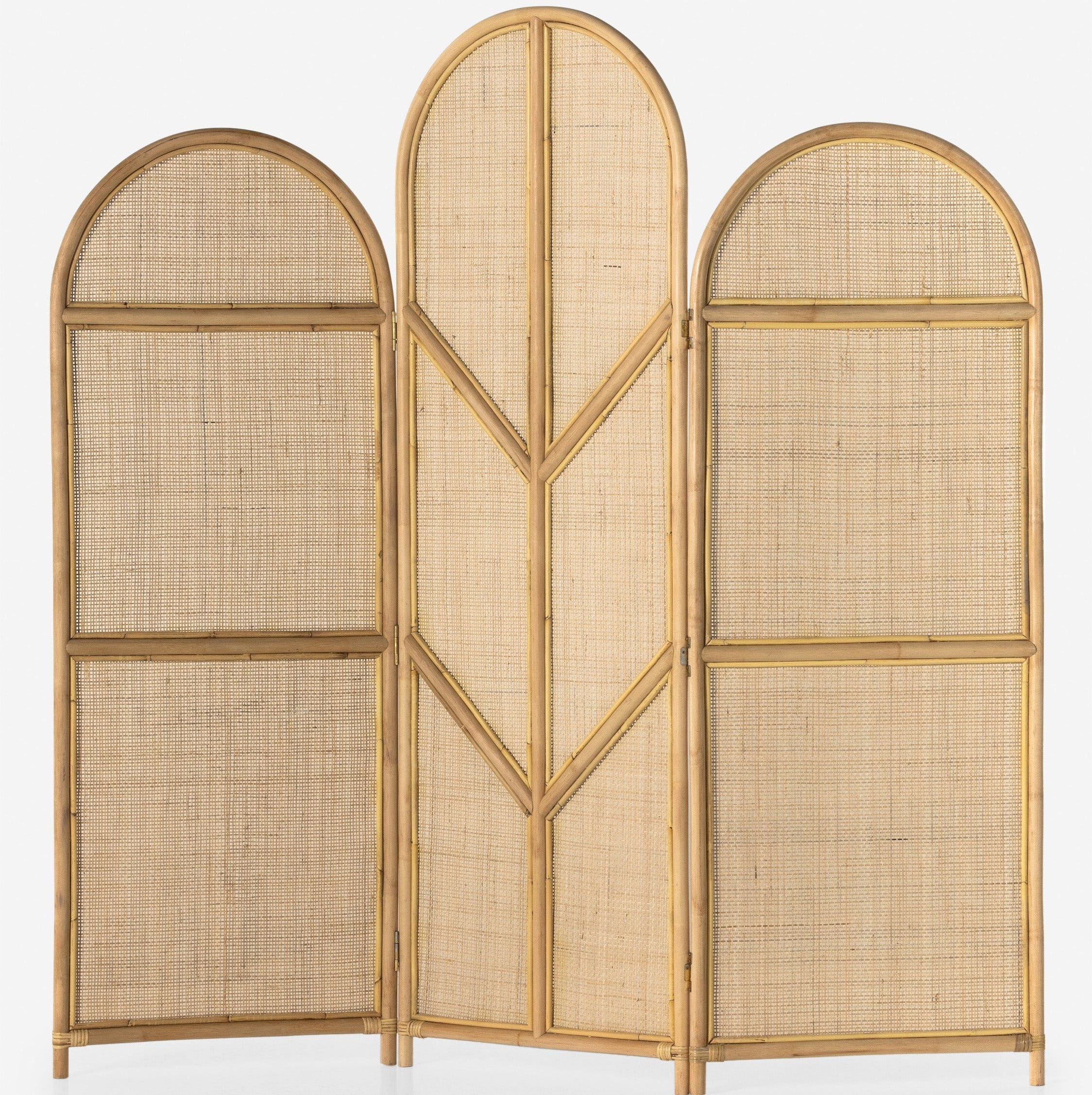
The second illustration focuses on a lighter, brighter application of layered woods within another Child Studio project. Curved walls, furniture, and screens, all made from different wood tones, demonstrate how careful selection of wood grain can unify a space dominated by timber. The designers stress the importance of choosing specific pieces of timber with attractive natural patterns and soft, natural grain patterns. They also advise against high gloss levels, recommending oils and varnishes to preserve an organic appearance, avoiding an artificial or plastic look.
A kitchen-diner designed by Melbourne architects Kennedy Nolan serves as the third example, featuring wraparound tonal wood paneling on walls and ceilings. This design prioritizes warmth, texture, and durability. Founding partner Patrick Kennedy explains that eliminating white and lining all surfaces in timber amplifies the material's warmth and softness, enhancing views. While initially hesitant to mix timber species, the studio carefully balanced tones, avoiding high contrast and selecting timbers for their inherent qualities, following a tradition seen in vernacular architecture.
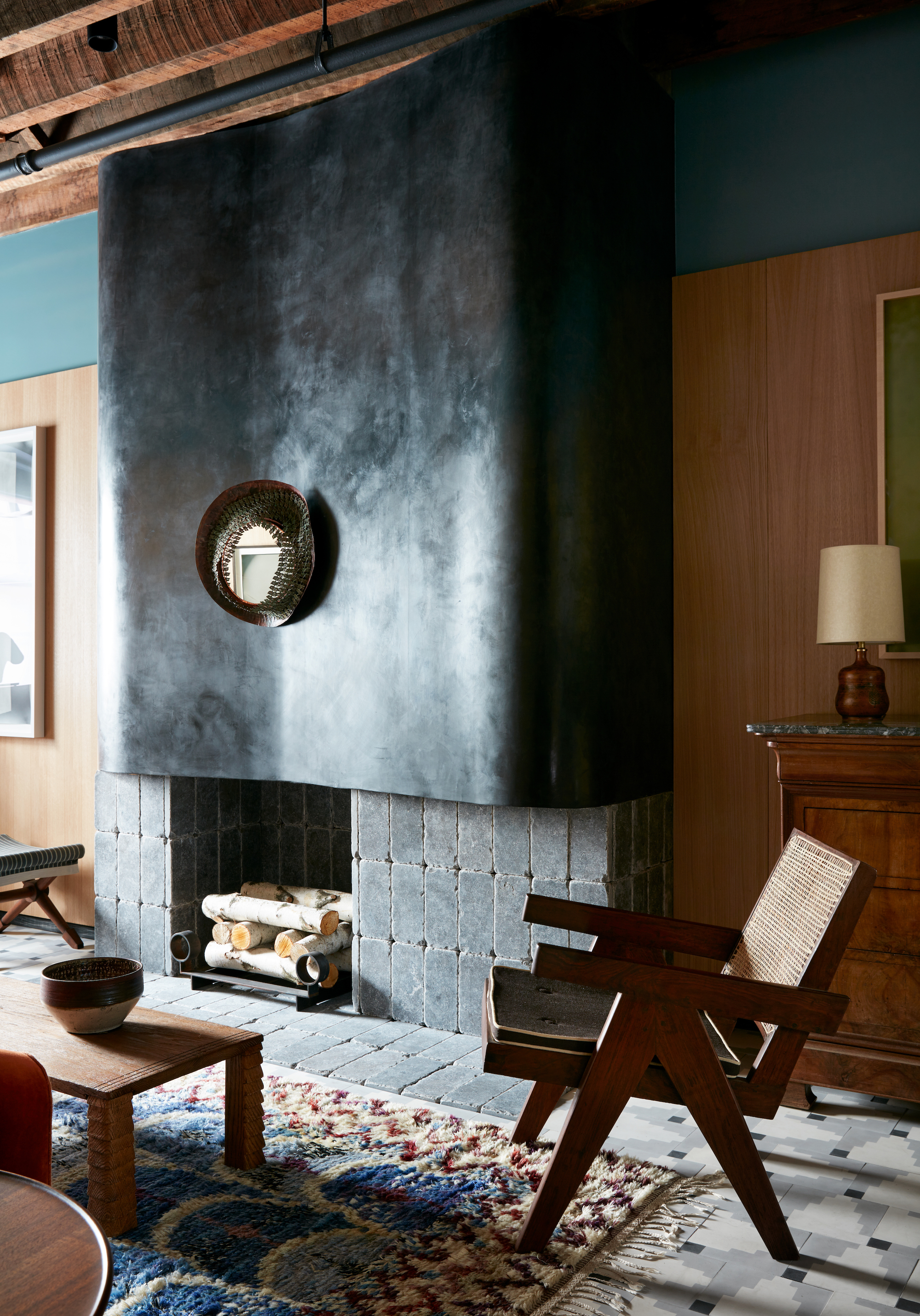
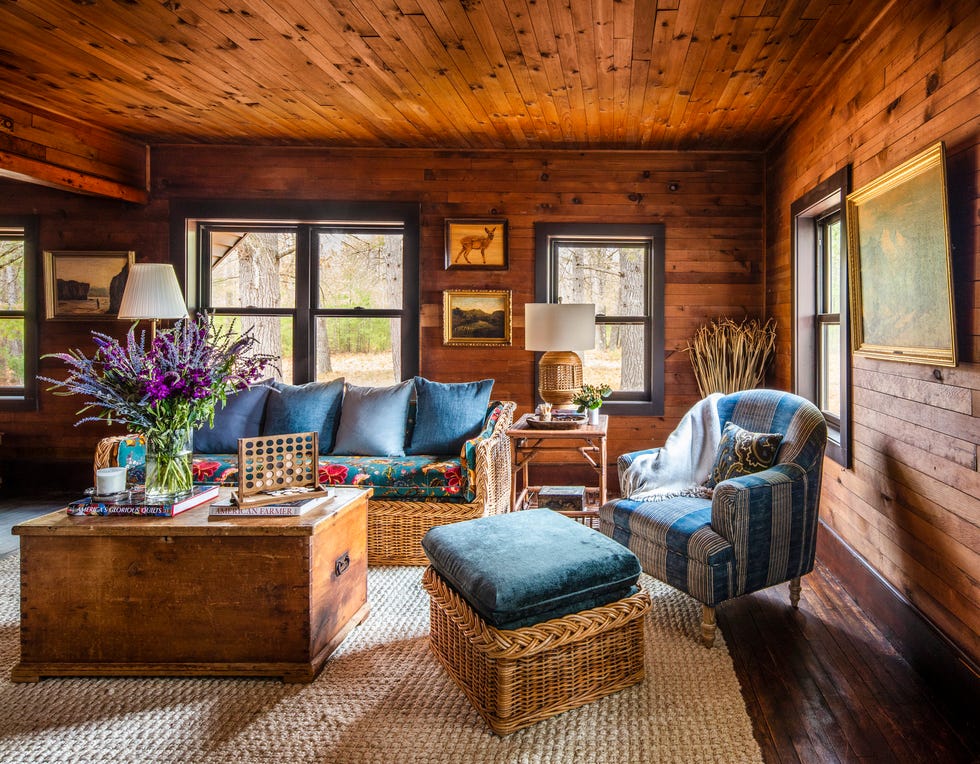
The fourth example showcases a vignette at Kona Village, A Rosewood Resort, designed by NICOLEHOLLIS. Here, Douglas Fir-clad walls and ceilings are combined with a mix of wood furniture, including a deep red-brown sideboard and a pale-framed armchair, with cane elements drawing the natural materials together. Alexy Kos and Che Huang suggest pairing light and dark timbers to create contrast and interest. They recommend using different shades of oak for lighter tones and cherry and walnut for darker ones, using one as a backdrop and highlighting with the opposing shade. This contrast can yield a smart, sharp look, while softer, subtle tones create a more casual feel.
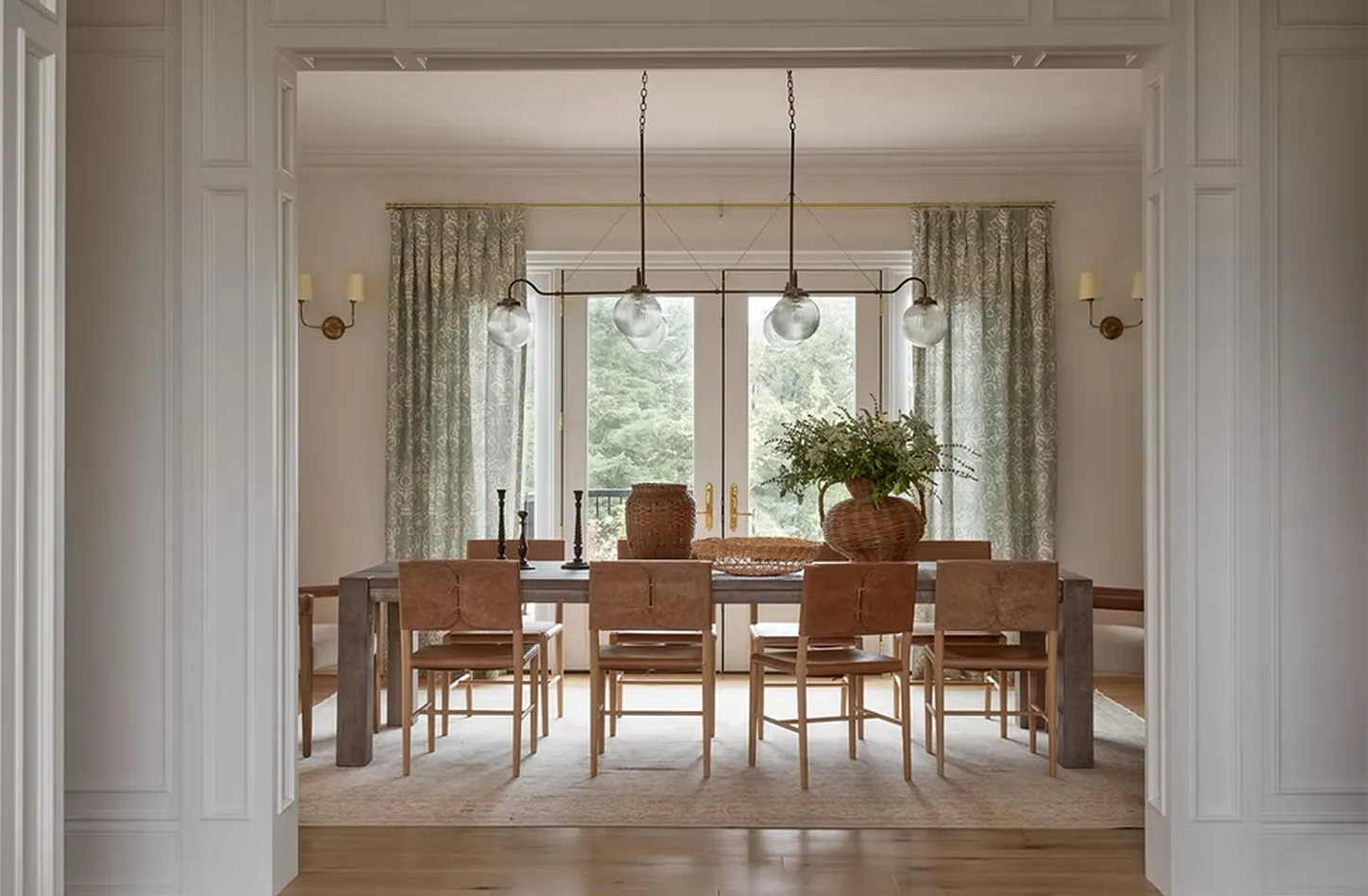
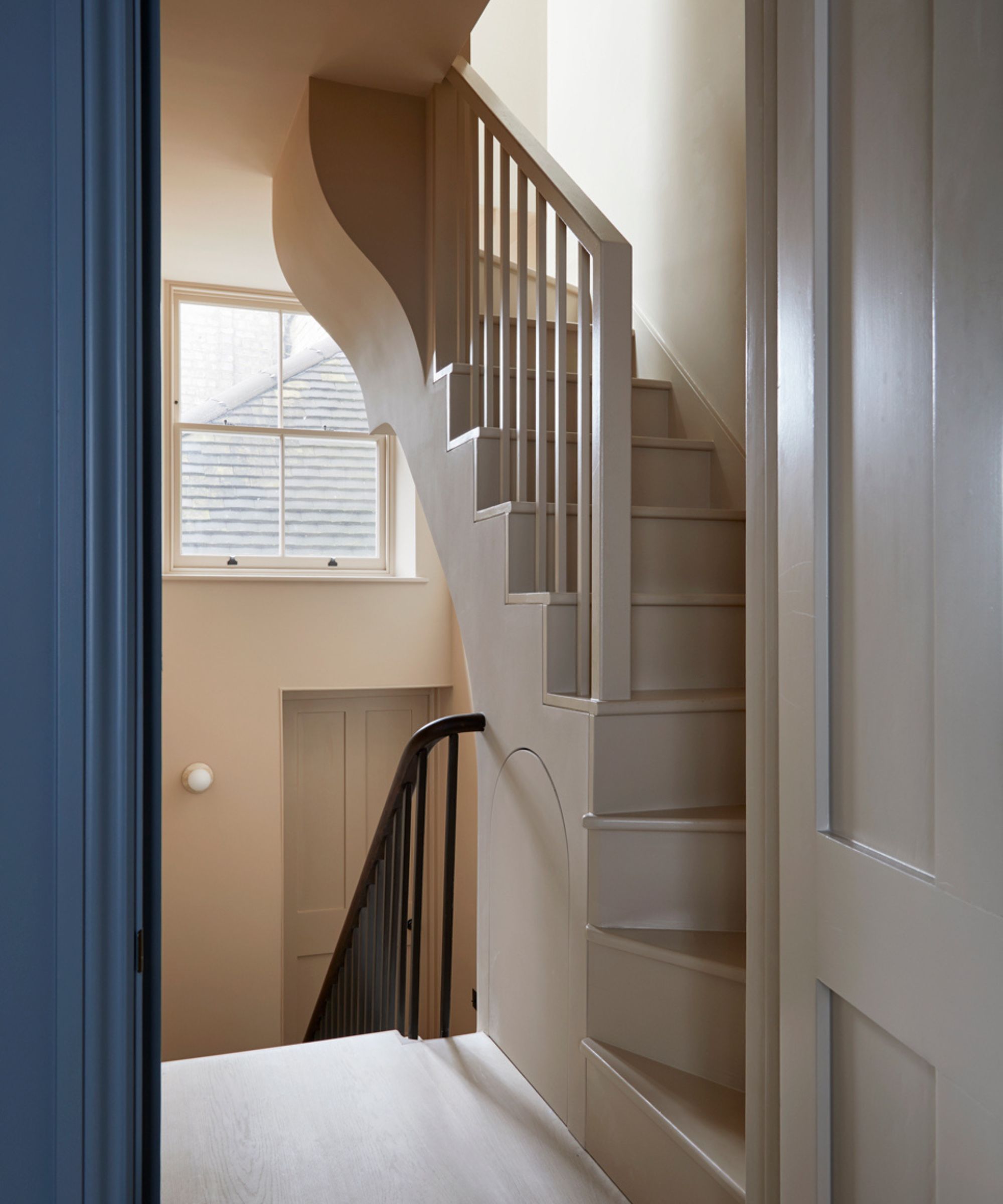
The final example is an architectural hallway by Jake Arnold Design, where a subtle difference in wood tone between the staircase and columns highlights the architectural beauty of these elements. A stone table provides a contrasting focal point against the deep woods. The designers suggest that natural elements like marble, limestone, brass, and wool textiles complement mixed woods beautifully. This overall approach of layering wood tones and textures is presented as a sophisticated and welcoming interior design trend.
#InteriorDesign #WoodLayering #DesignTrends #HomeDecor #MaterialMixing #ChildStudio #KennedyNolan #NicoleHollis #JakeArnoldDesign #InteriorDesign #WoodLayering #DesignTrends #HomeDecor #MaterialMixing #ChildStudio #KennedyNolan #NicoleHollis #JakeArnoldDesign
0 comment in total
 No comments yet
You may also like
6 Underrated Designer Secrets That Instantly Make Any Room Look Better
7 different interior designers on ingenious ways they use paint to easily elevate a room

9 rooms that prove color drenching makes small spaces look bigger
Does Your Room Feel Like It's Missing Something? Here Are 10 Designer-Approved Ways to Quickly Elevate the Space

Designers are loving a new living room trend which makes even small spaces seem smart
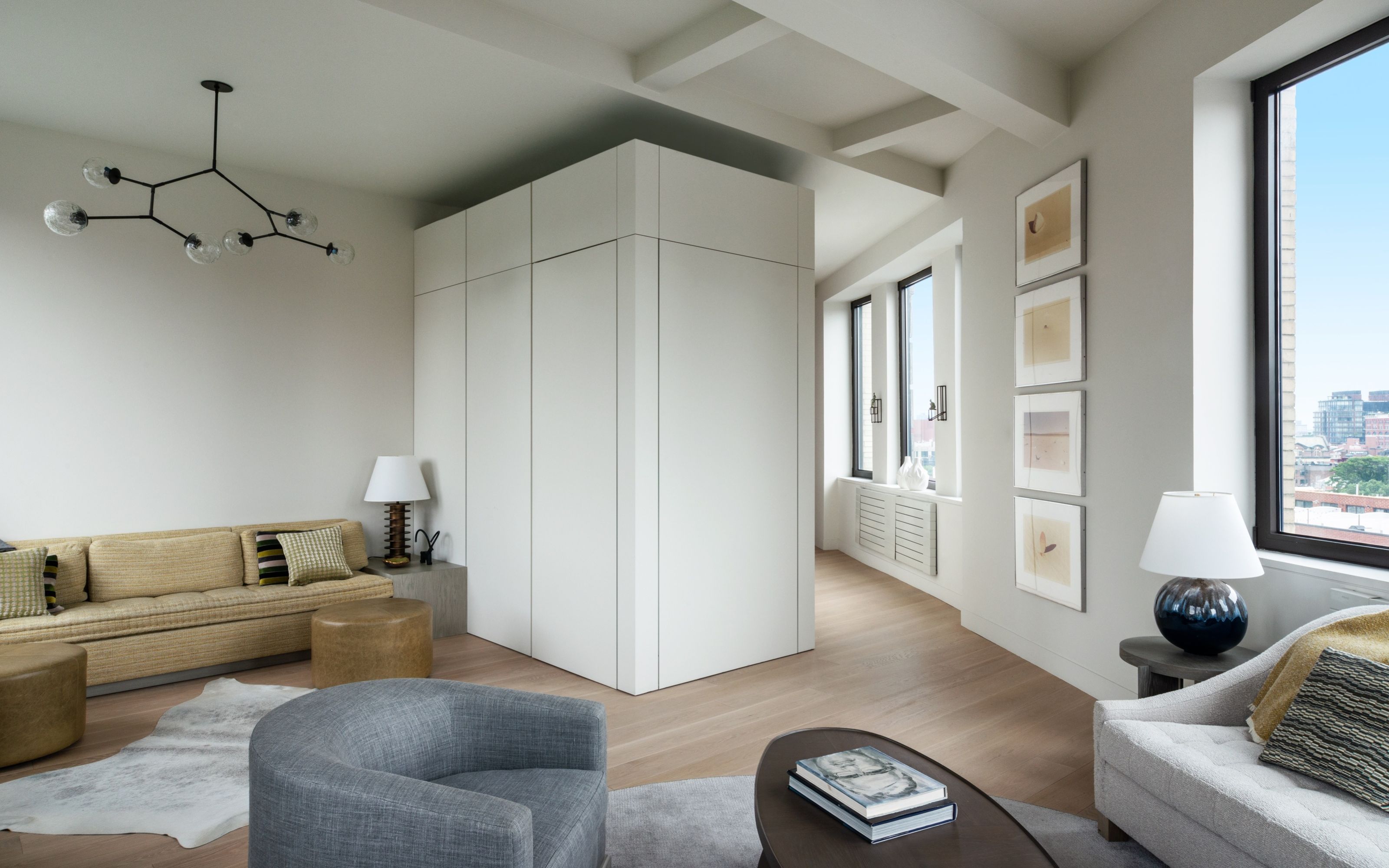
The New Trick Designers are Using To Zone Rooms and Create Privacy Is Both Beautiful and Functional

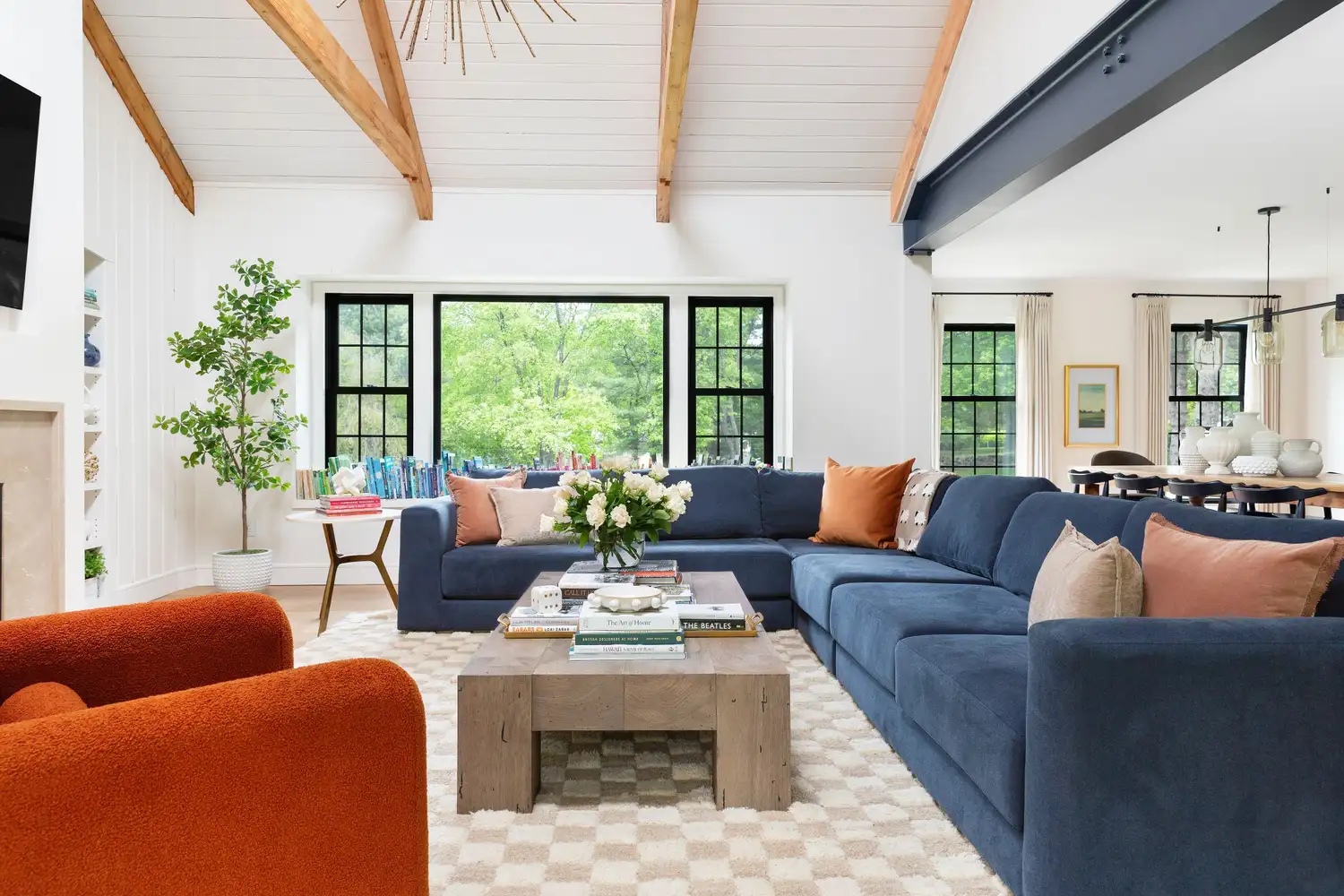
6 Easy Living Room Upgrades That Instantly Make Your Home Look Good, According to Designers

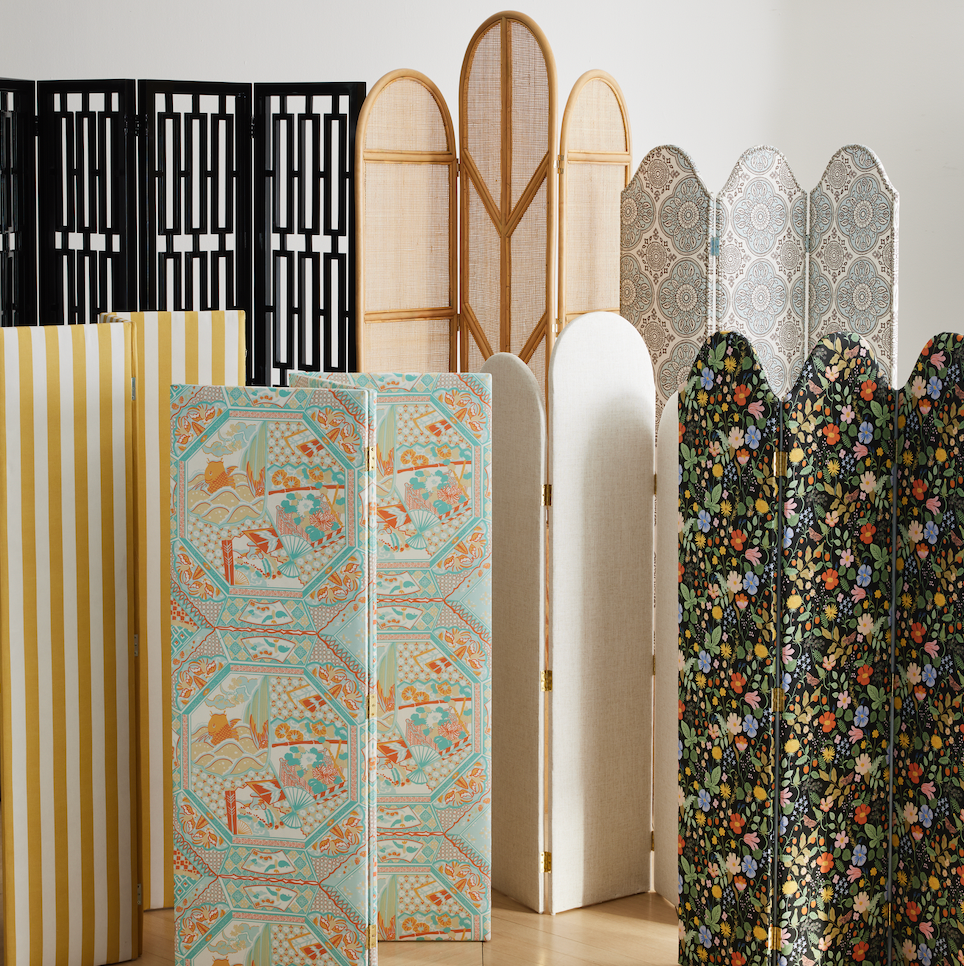
The Stylish Trick for Creating an Extra Room in Your Home

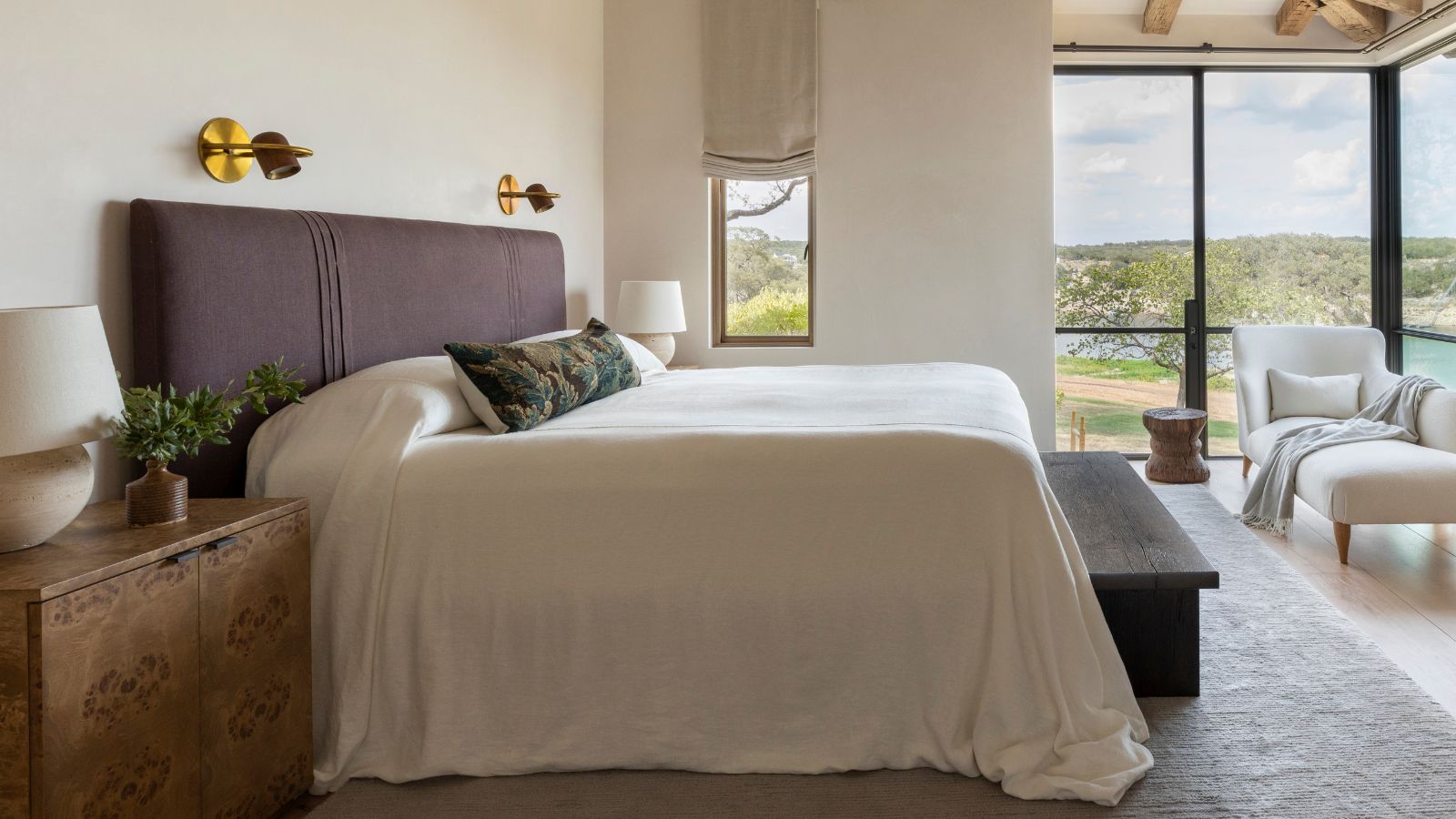
Does your room feel like a boring white box? This interior designer's 5 easy tips will help you transform it into a personality-packed scheme in no time
The Surprising Interior Design Trick That Can Make Your Floors Pop
What Colors Make a Room Look Bigger? 5 That Designers Reach for to Make Walls 'Visually Expand'
14 clever ways to make small rooms look bigger

5 Styling Tricks Designers Always Use to Make Any Room Look Instantly Finished
Designers Say This One Trick Will Make Your Living Room Look More Luxe
11 Pro Tricks to Make It Look Like You Have High Ceilings
My Designer Friend Told Me This Is the Easiest Way to Make Any Room Feel Complete
This Designer's Clever Trick Will Transform Any Open-Concept Living Space
The subtle 'vertical decorating' technique designers use to make small rooms look bigger and brighter
16 influential designers reveal their favorite small spaces and hacks for recreating the looks
Interior Designers NEVER Overlook This Surprising Space