1/10
What Colors Make a Room Look Bigger? 5 That Designers Reach for to Make Walls 'Visually Expand'
The perception of space within a room can be significantly influenced by color, offering a clever alternative to physical expansion. Interior designers leverage various shades to create the illusion of greater square footage, with certain colors proving more effective than others. This exploration delves into five specific color categories that experts frequently employ to visually enlarge a room.
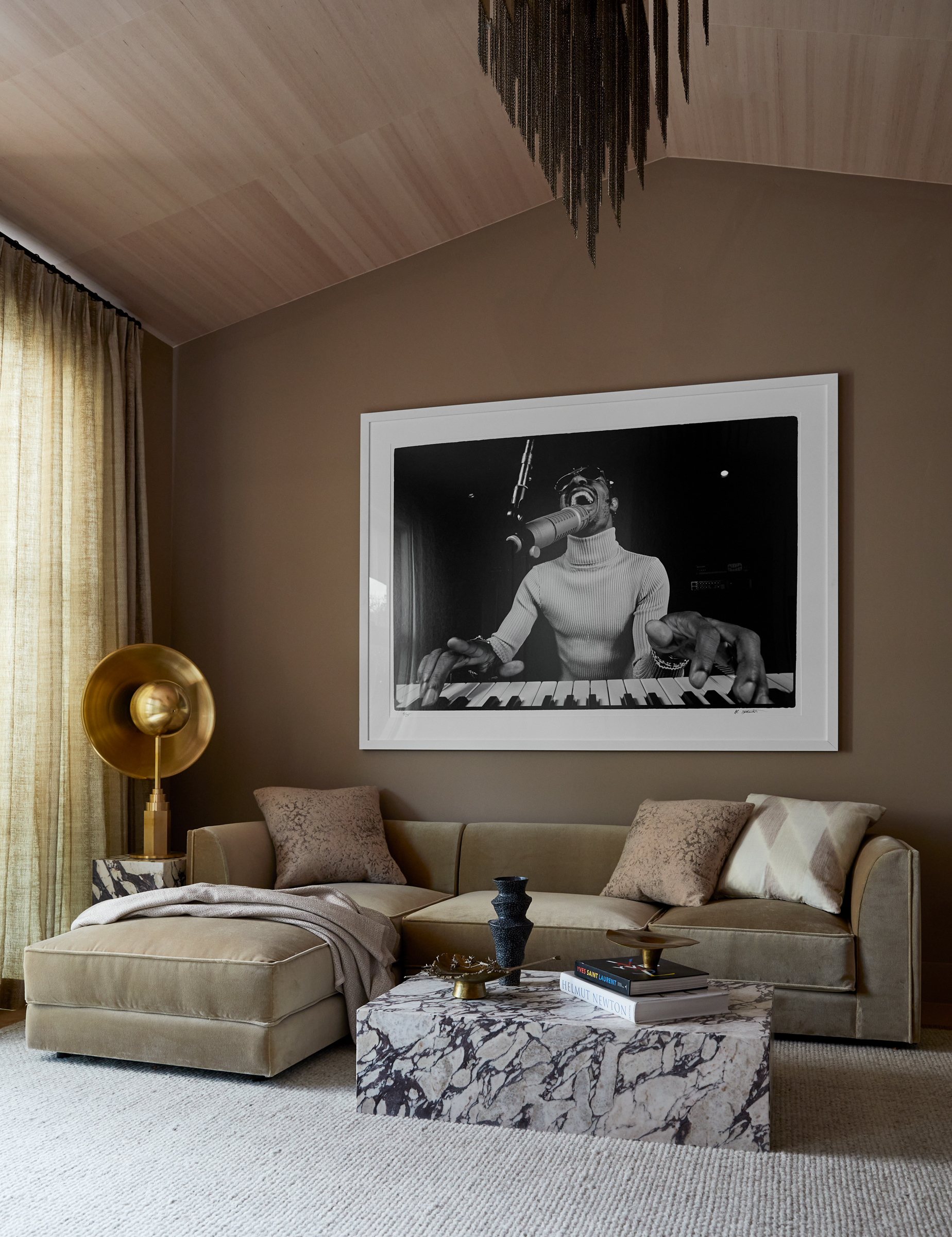
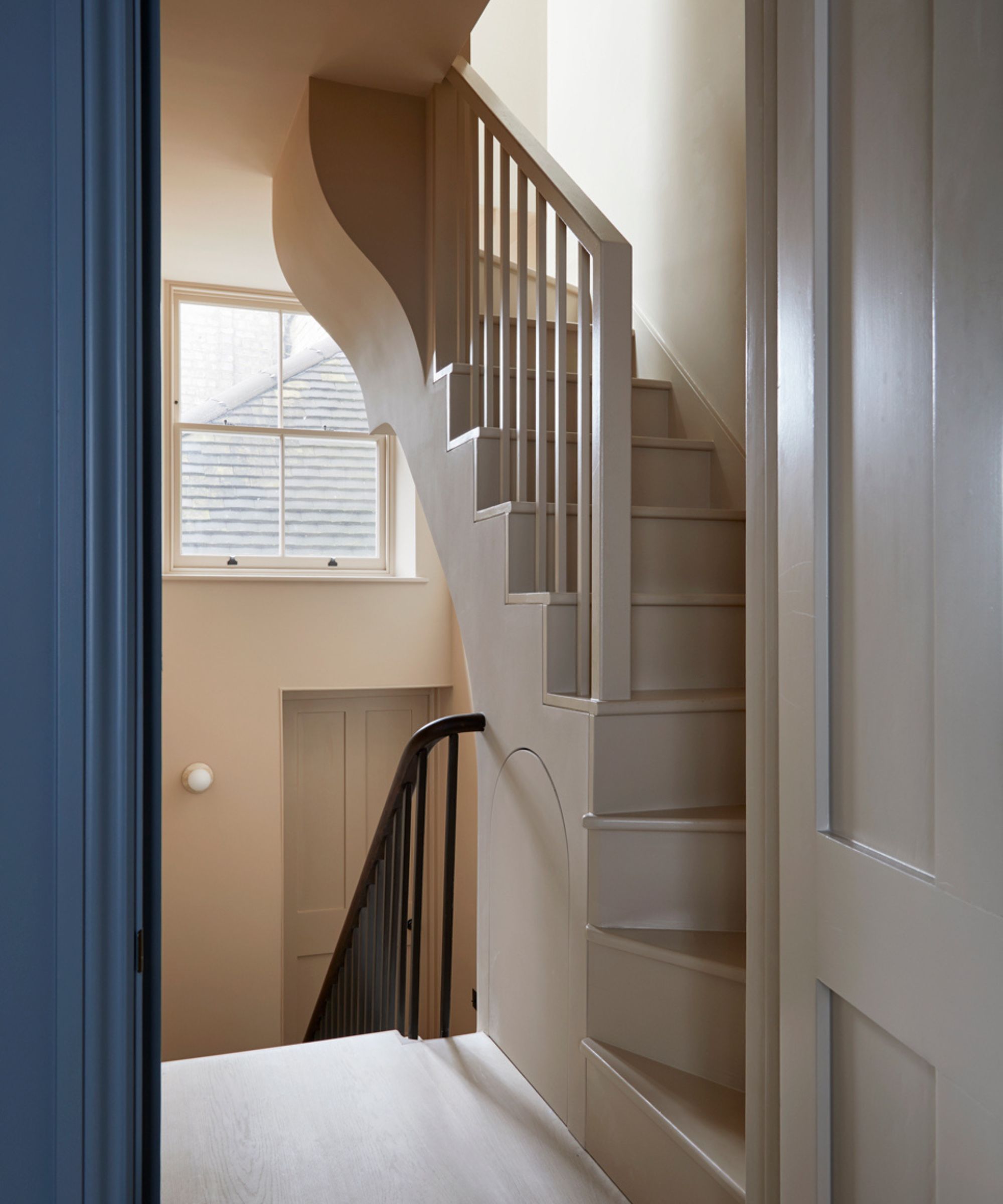
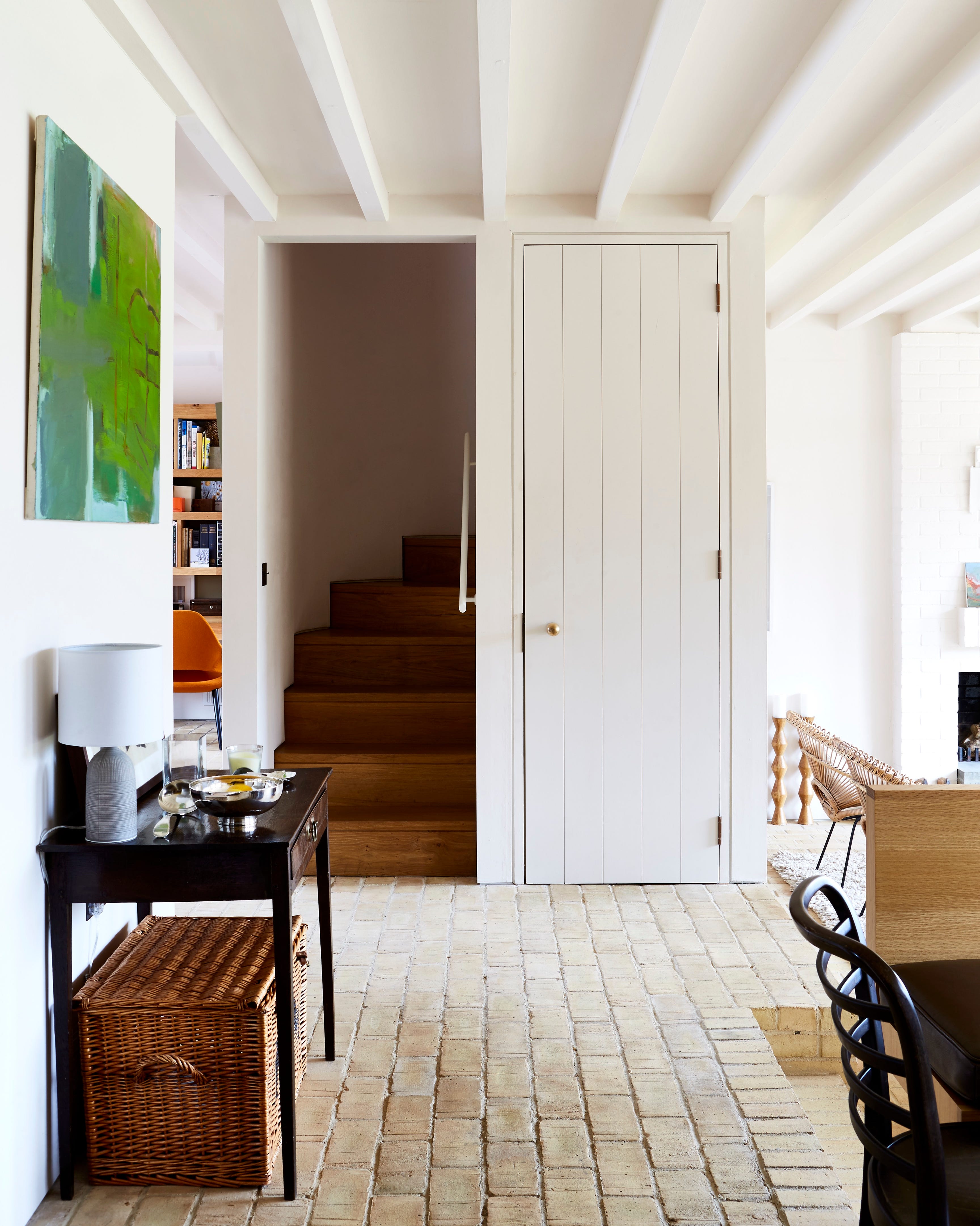
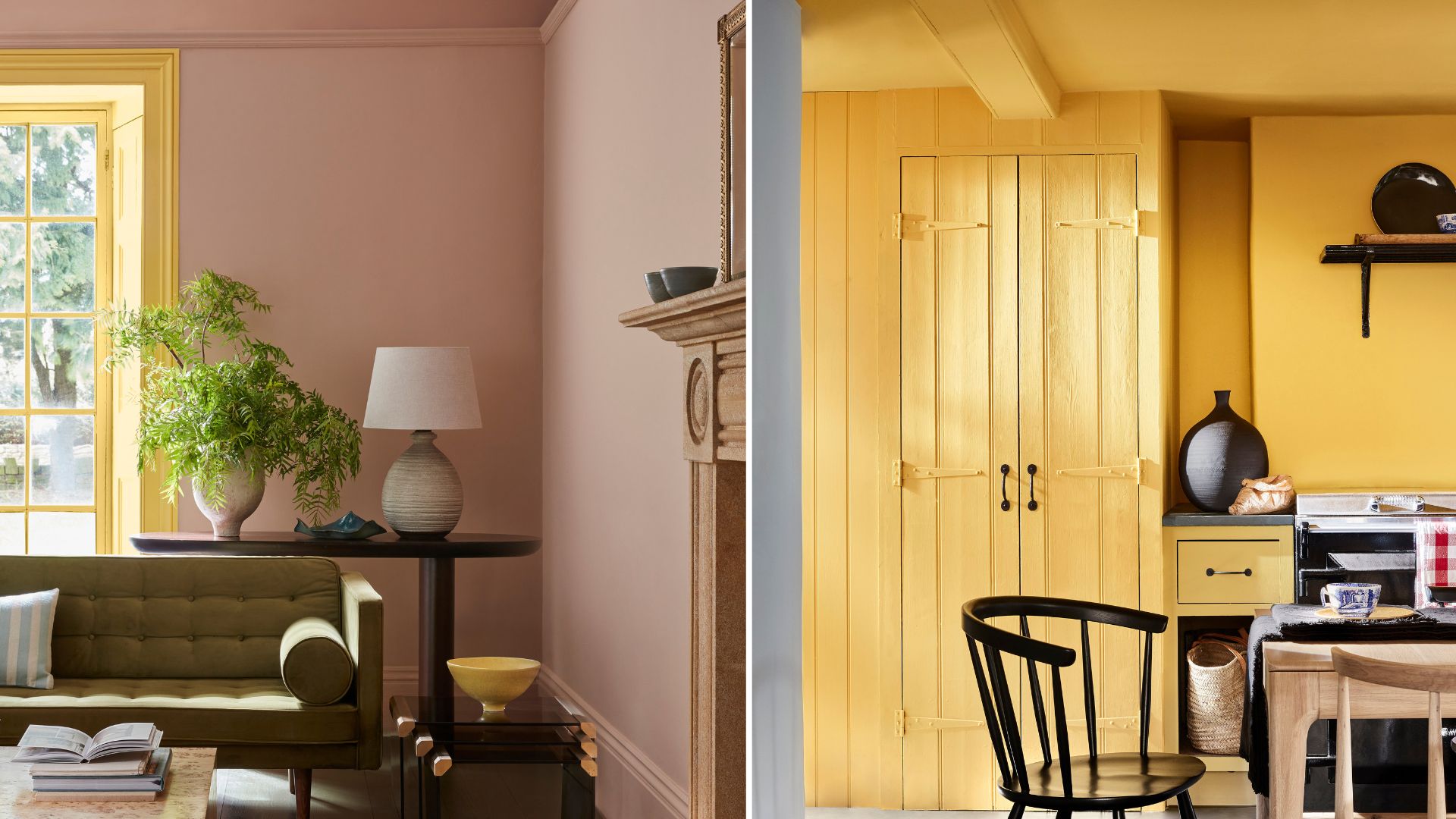
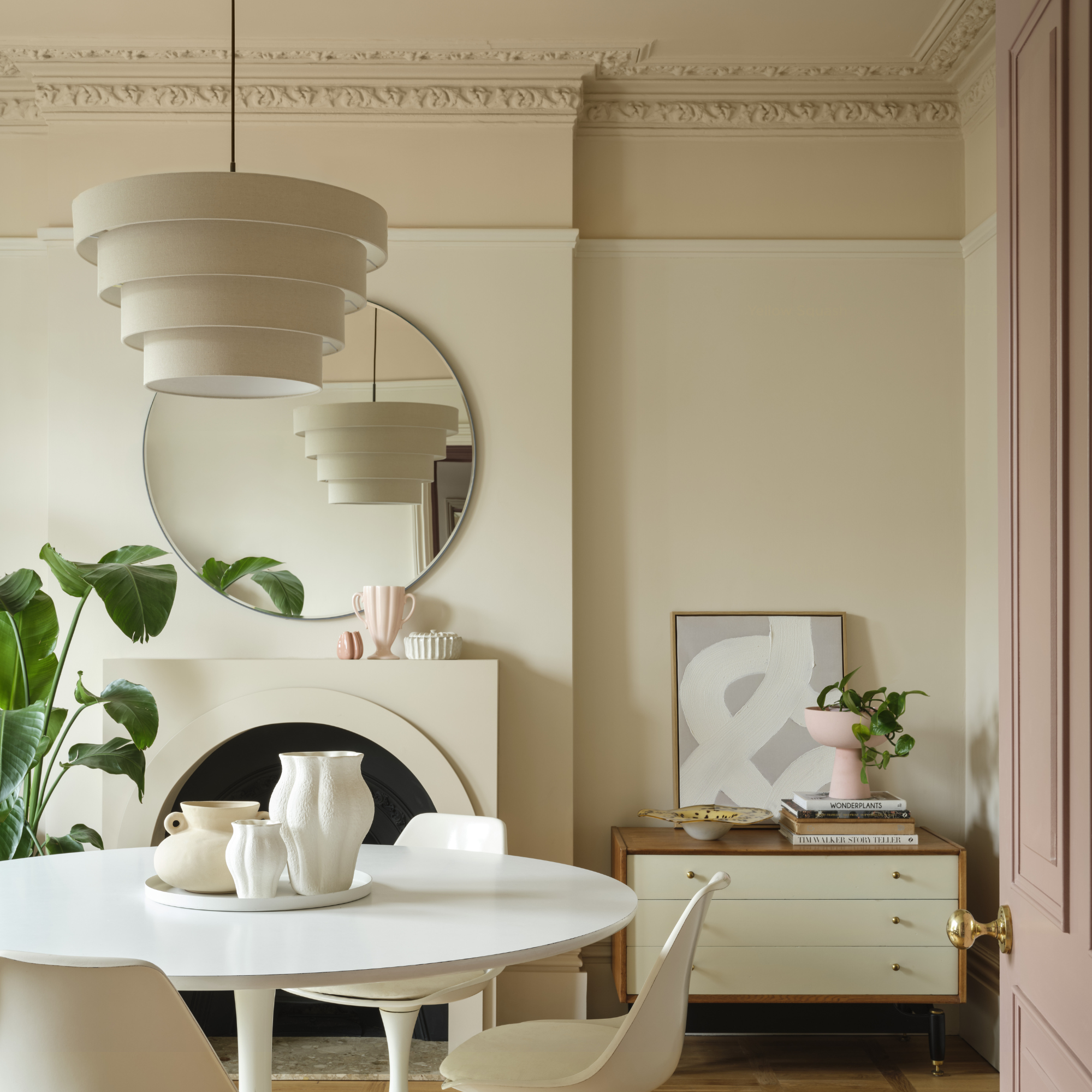
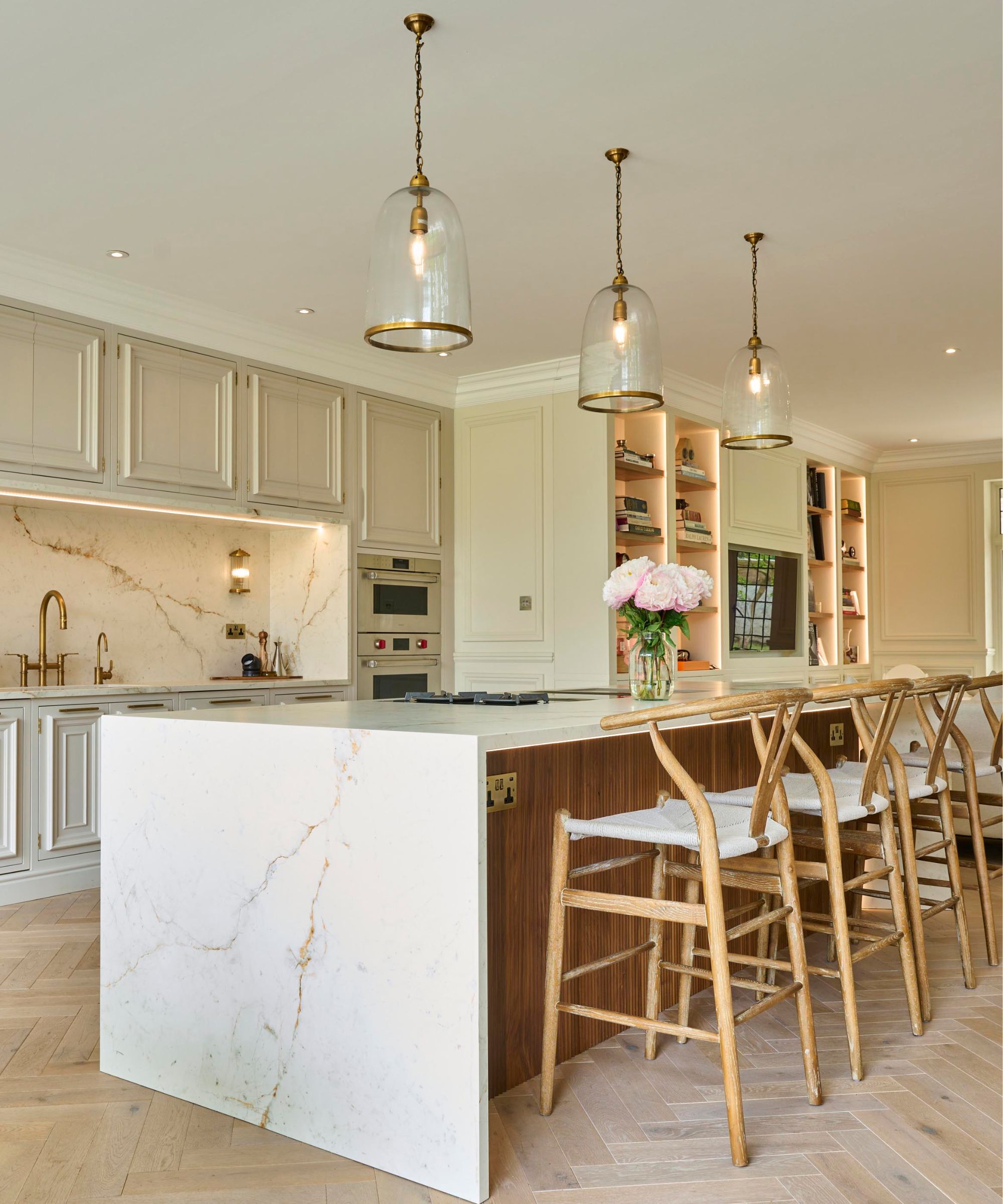
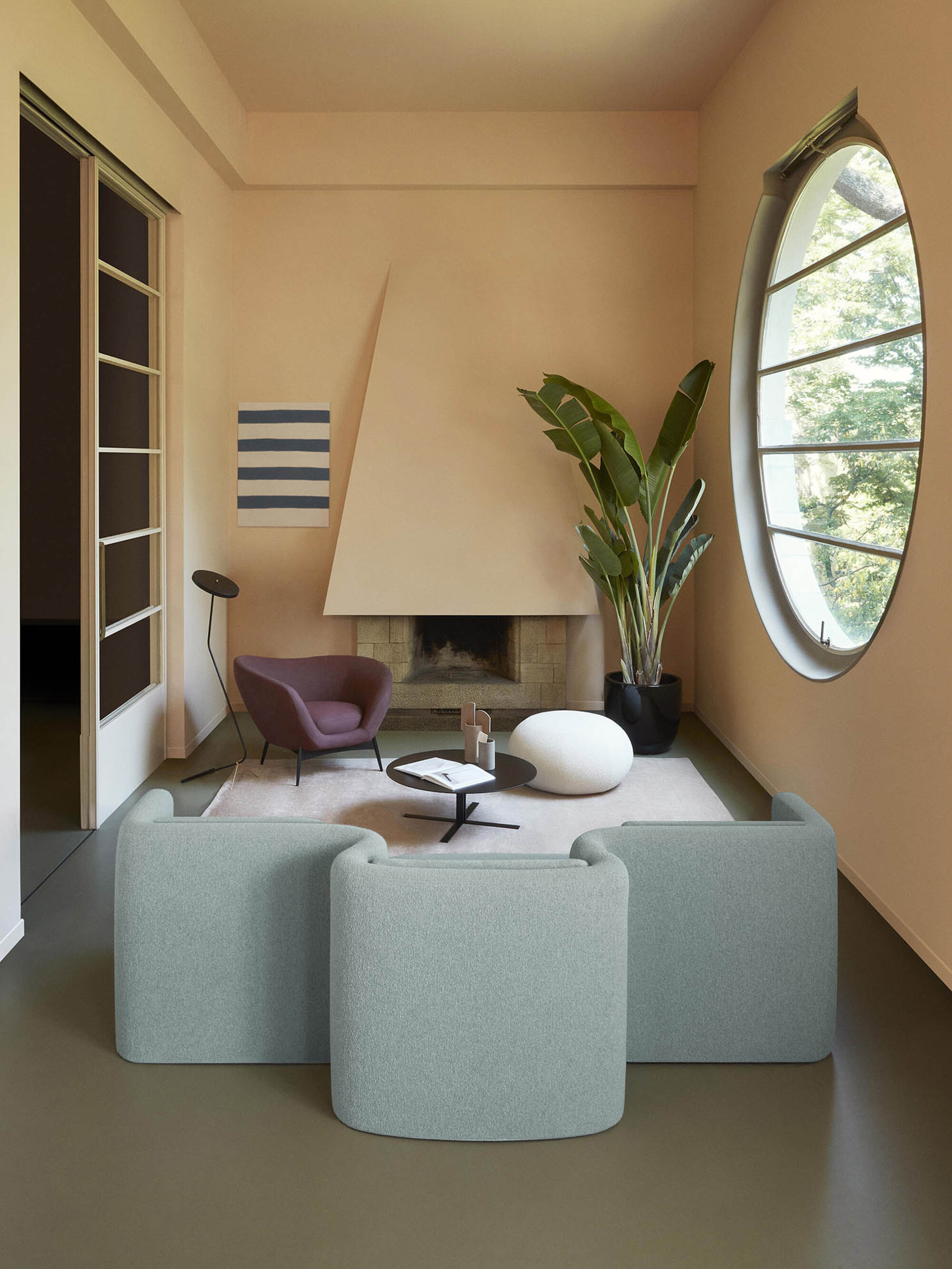
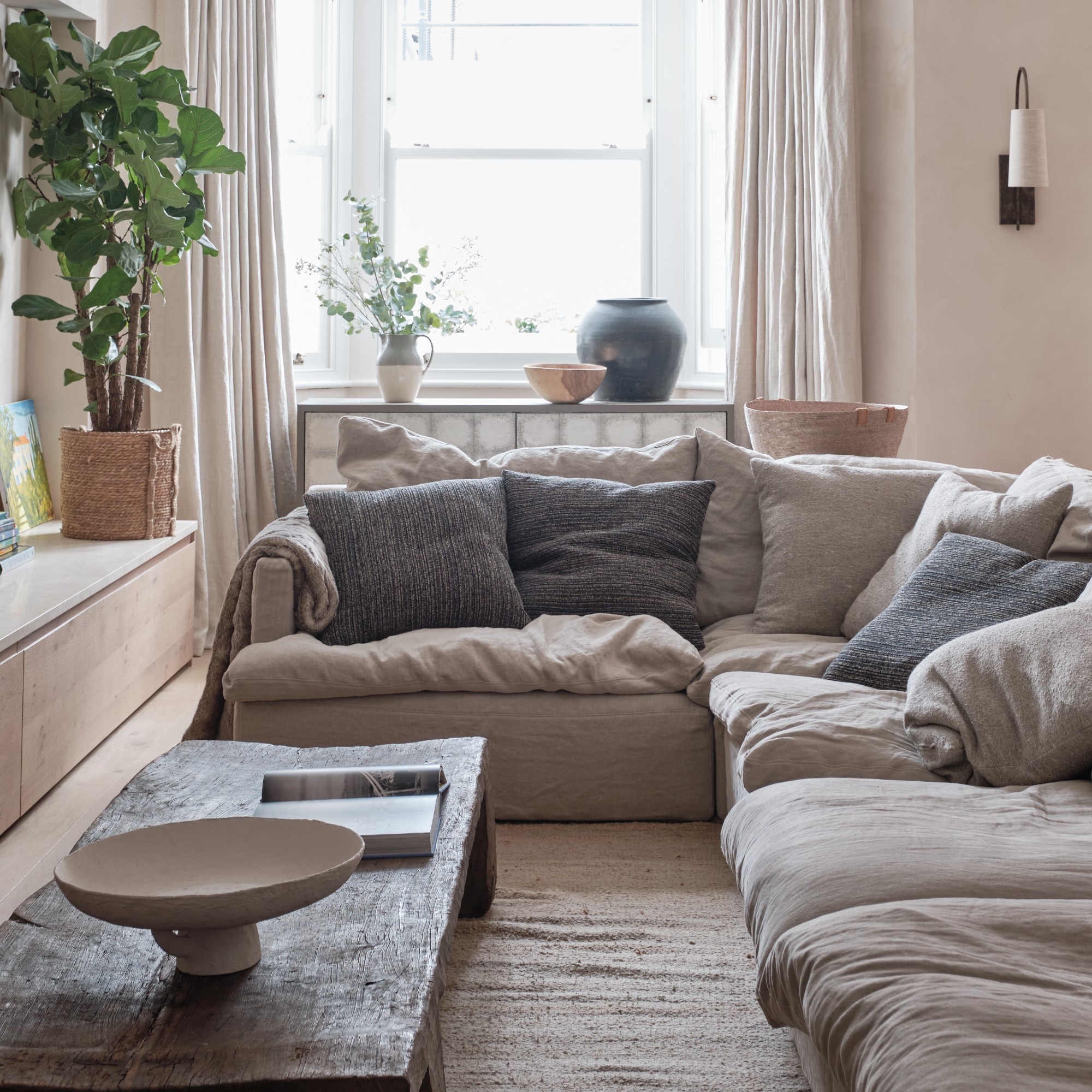
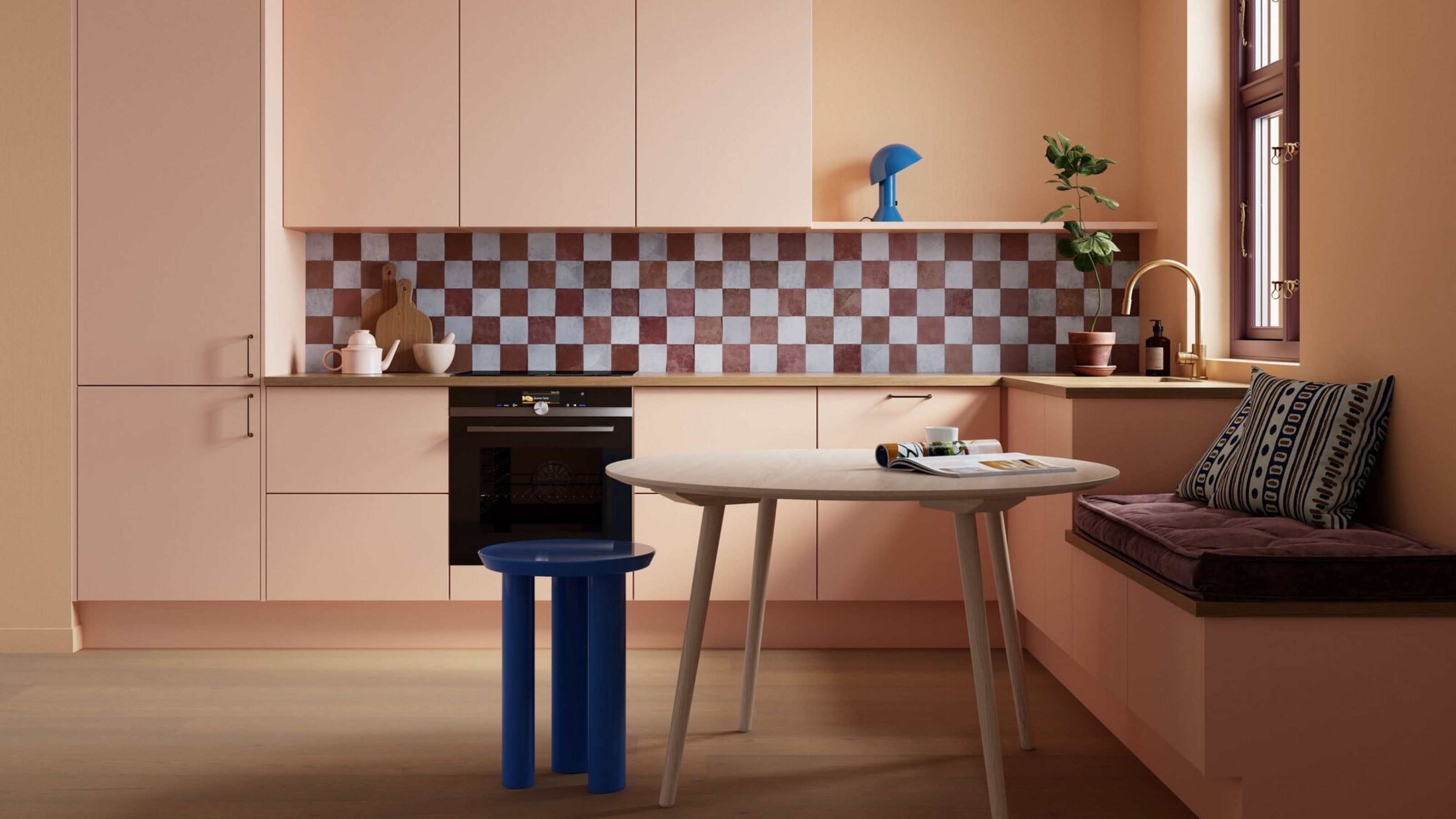
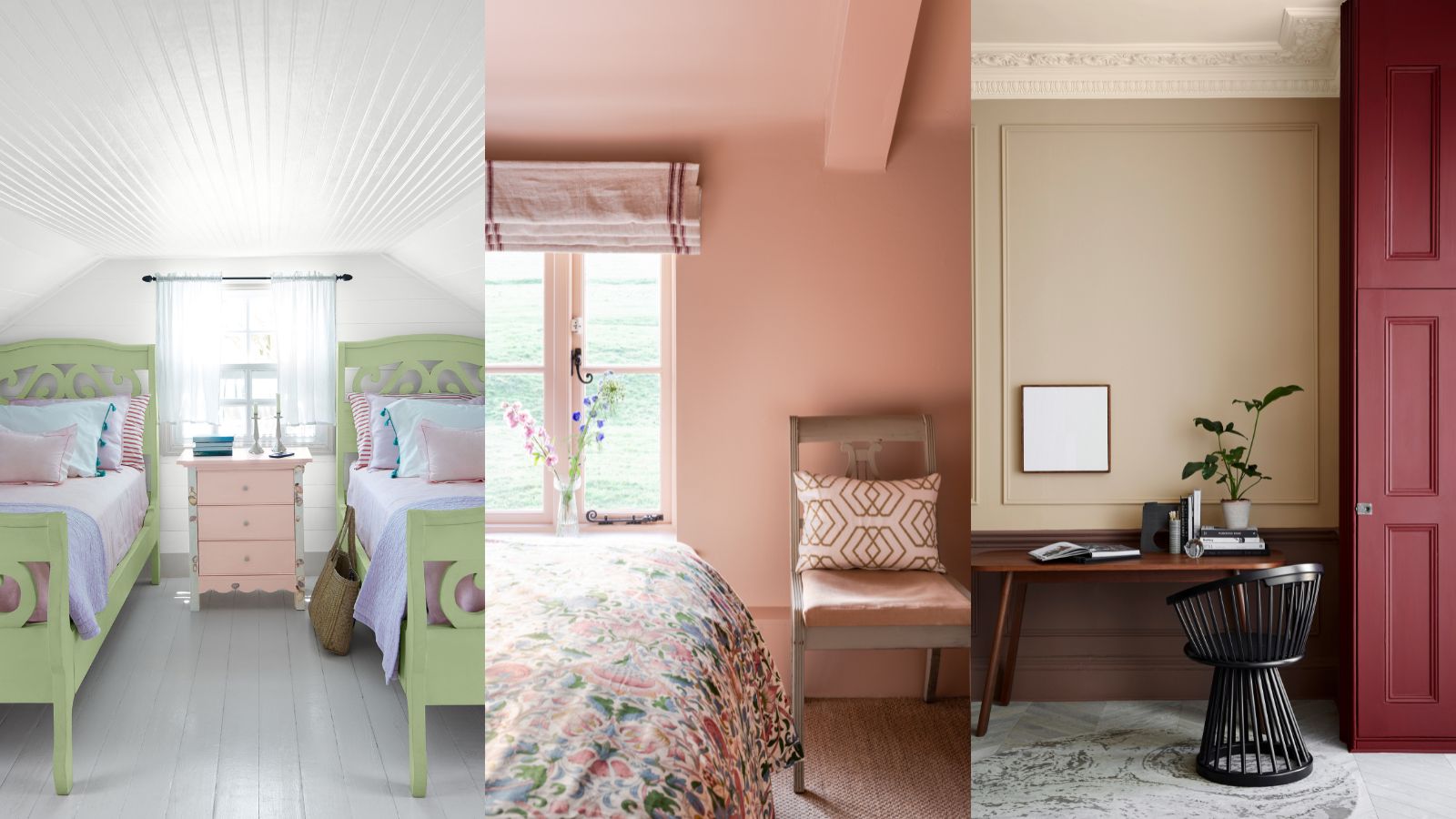
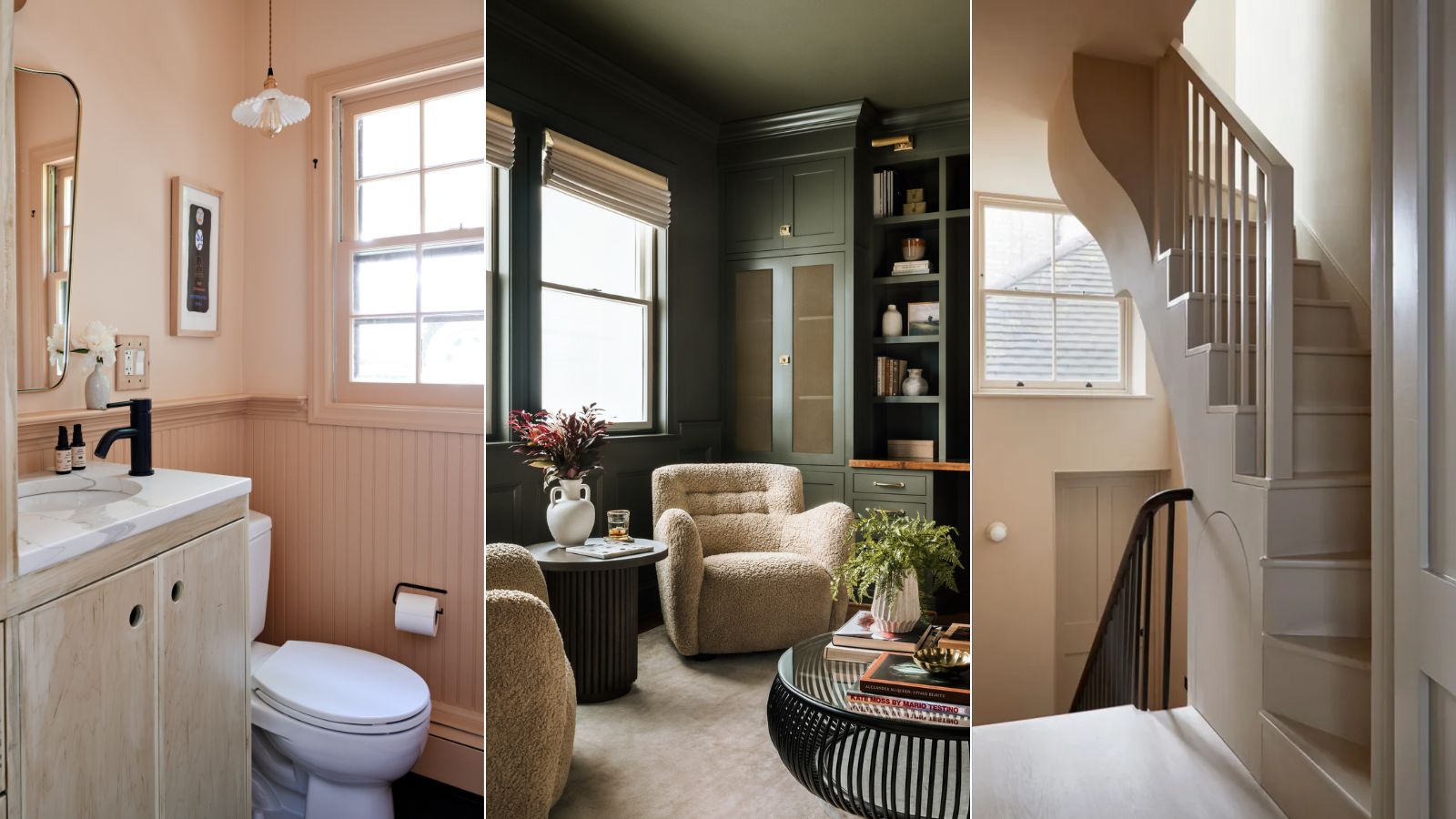
Pinks, from very pale to powdery and chalky tones, are a primary recommendation. While not traditionally associated with expanding space like white or beige, pinks provide clarity without appearing cold or flat. This nuance allows for an enhanced sense of openness while retaining warmth.
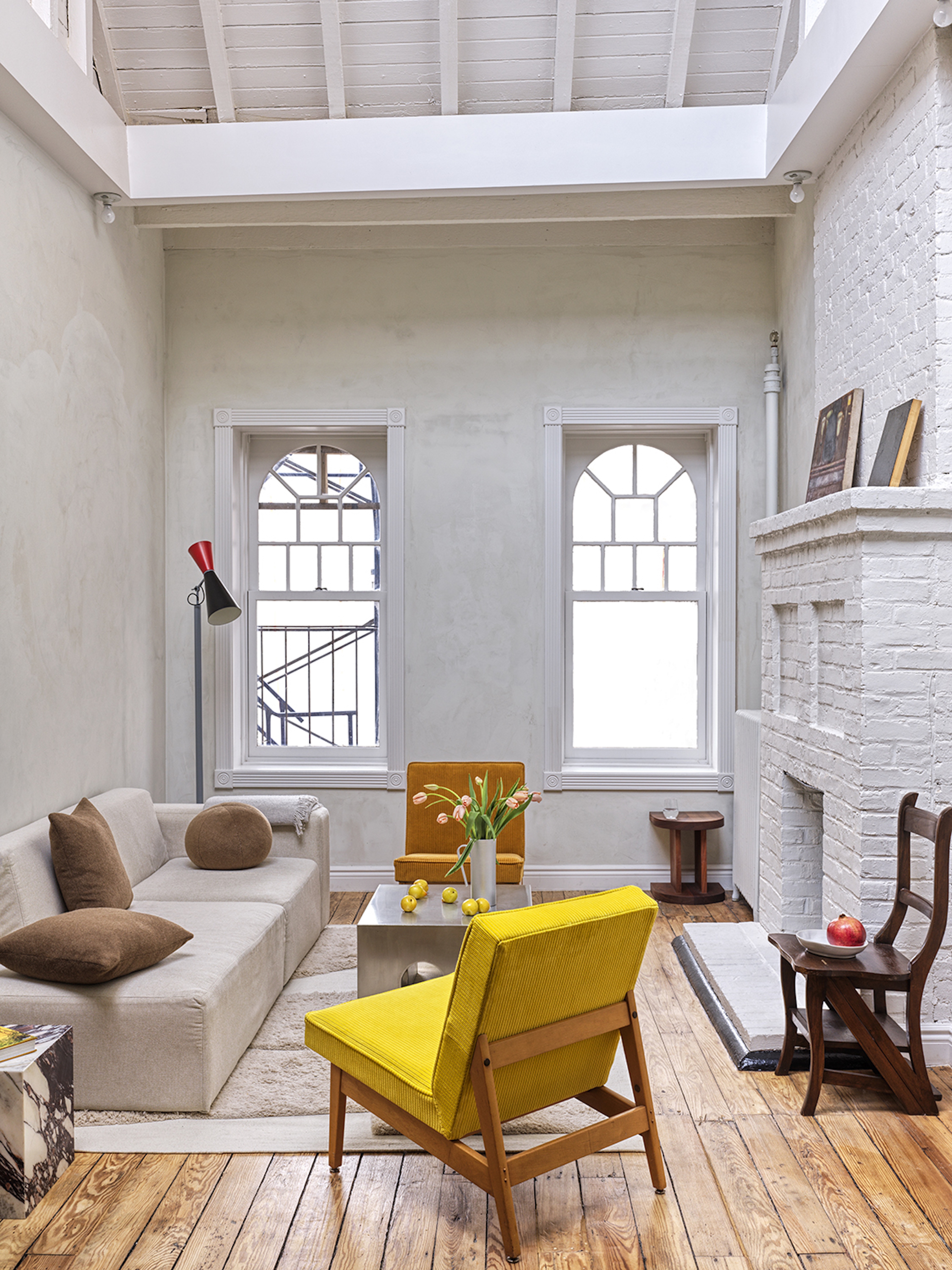
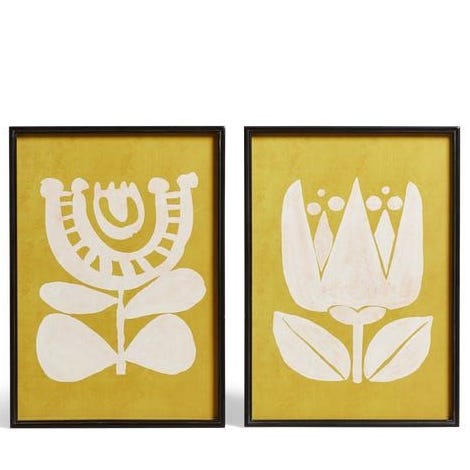
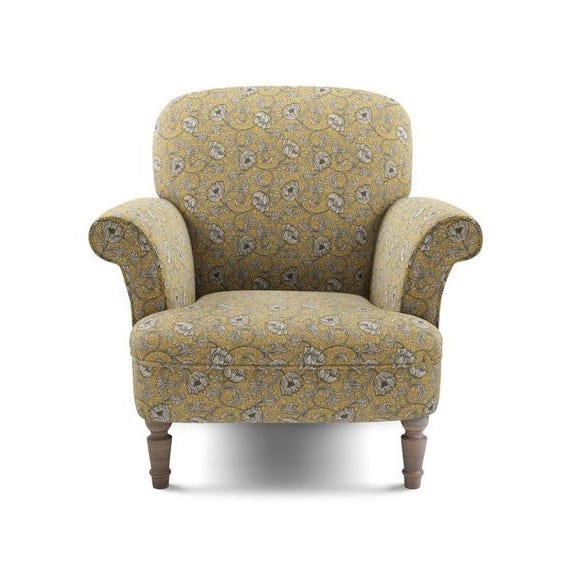
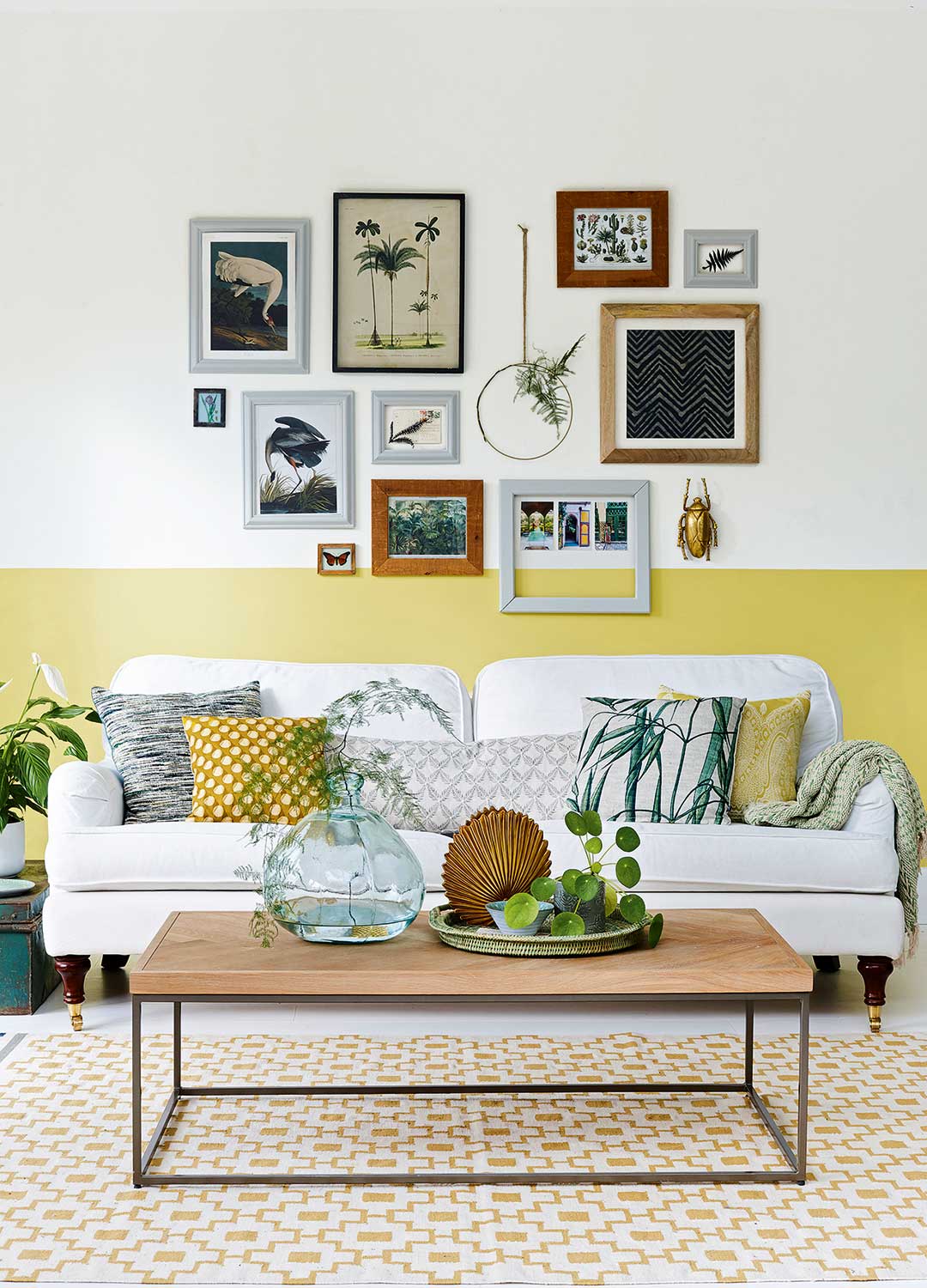
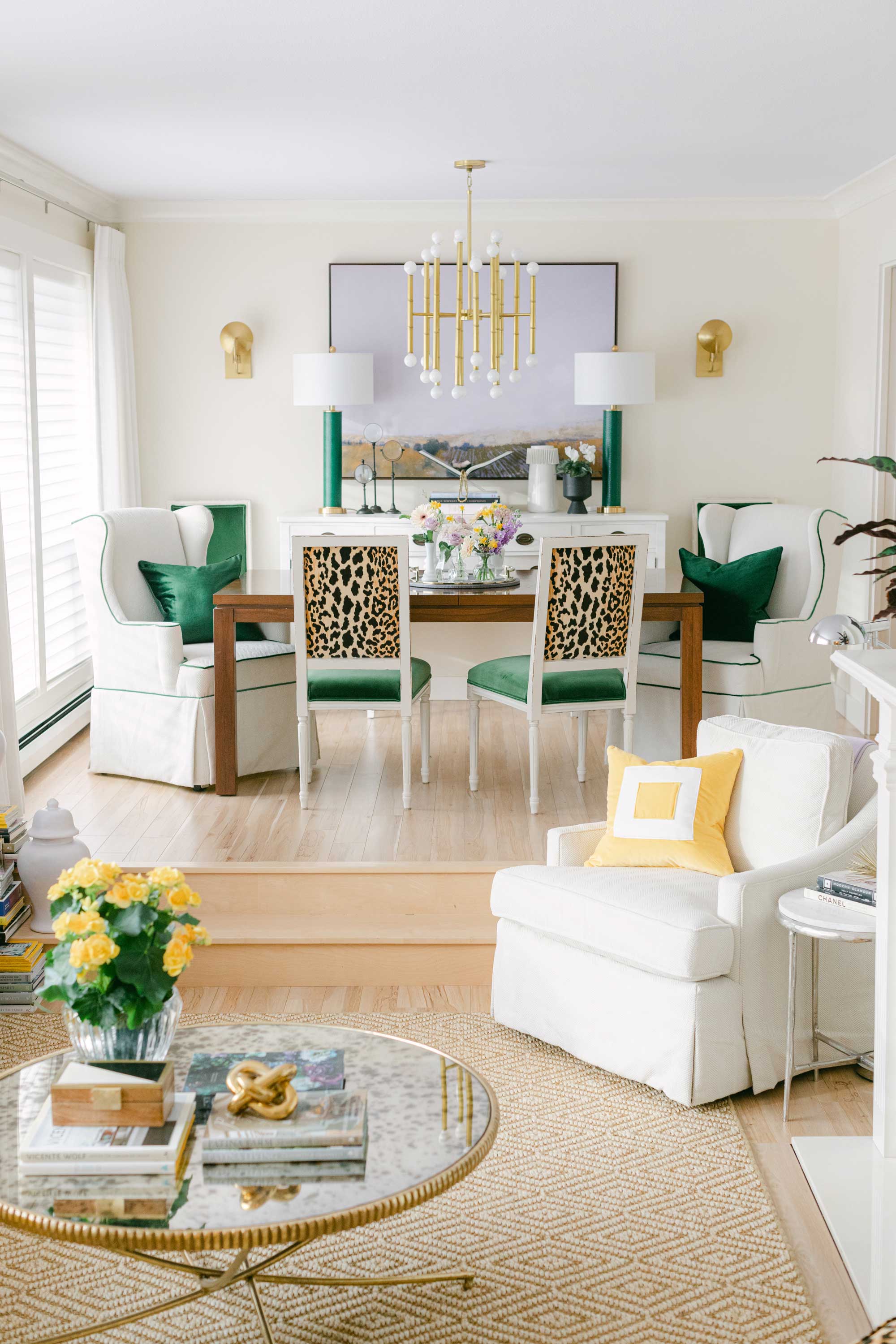
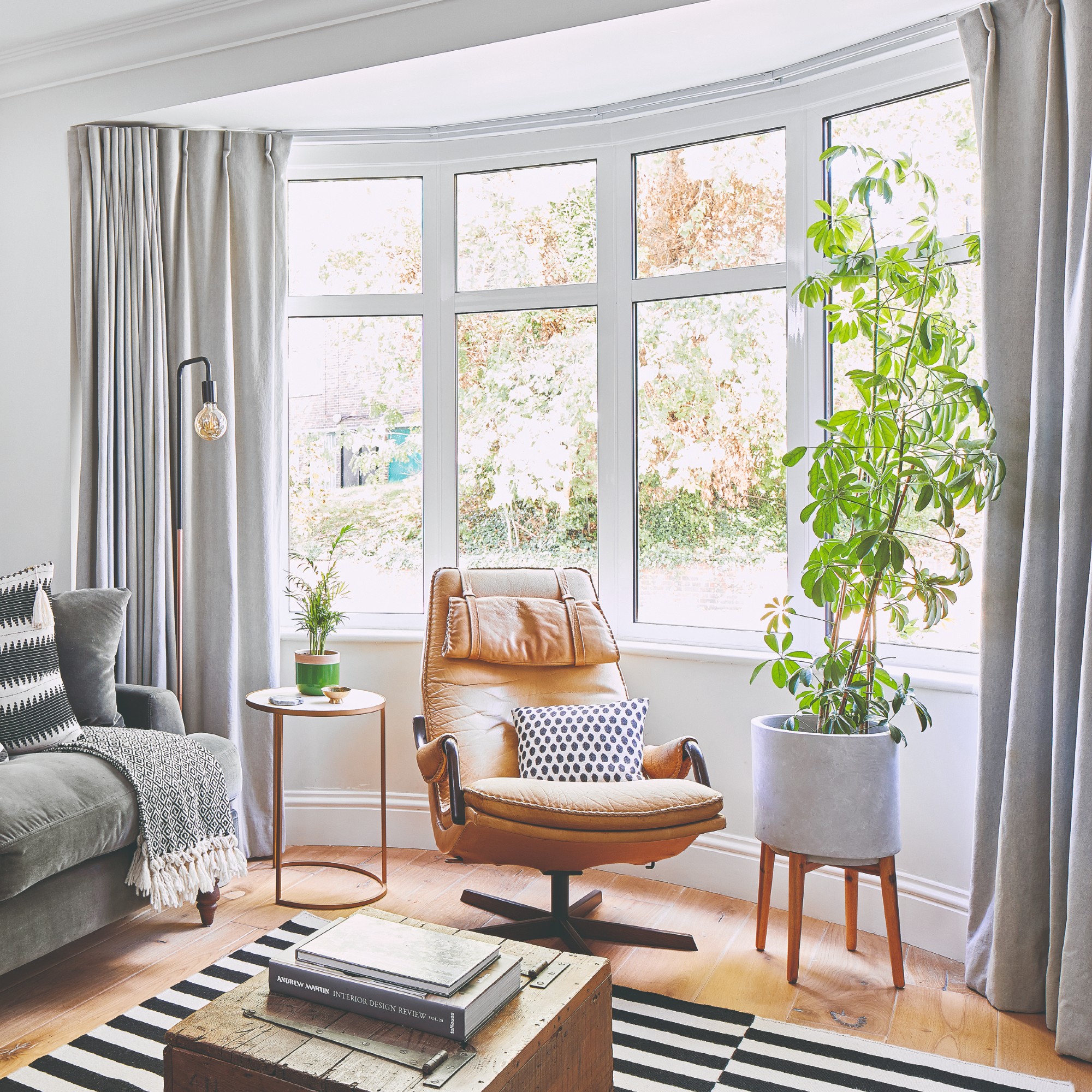
Uplifting yellows also play a crucial role in transforming small spaces. Rich yellows infuse positivity and warmth, and unlike darker shades, they do not make a compact room appear smaller. Yellows are highly effective in reflecting natural light, which is then dispersed throughout the room, creating an airy and expansive atmosphere. Bright yellow accents on walls, window frames, or furniture can further enhance a room's dimensions. When paired with white, yellow can effectively diminish the visual impact of a room's boundaries, making it feel less enclosed.
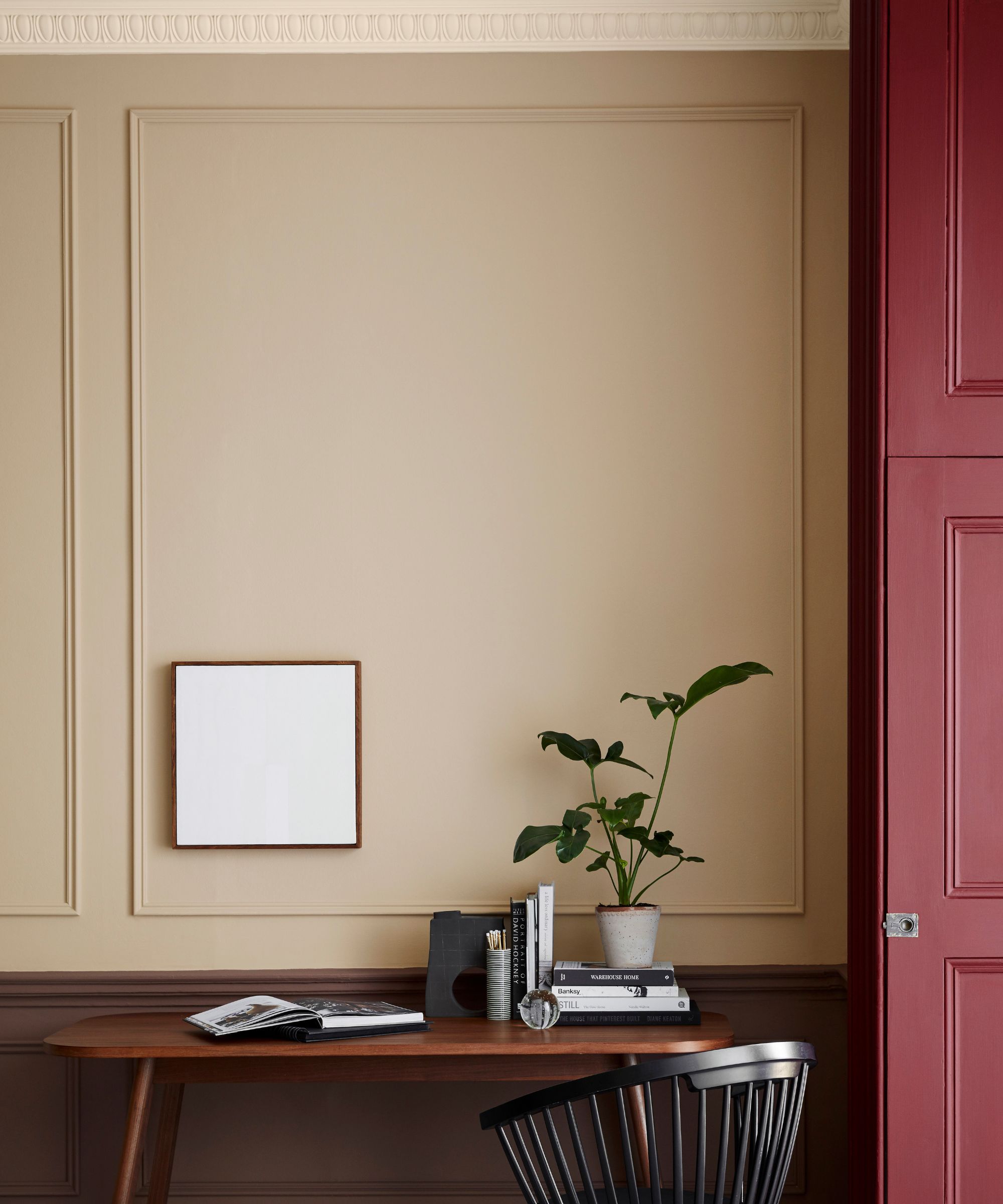
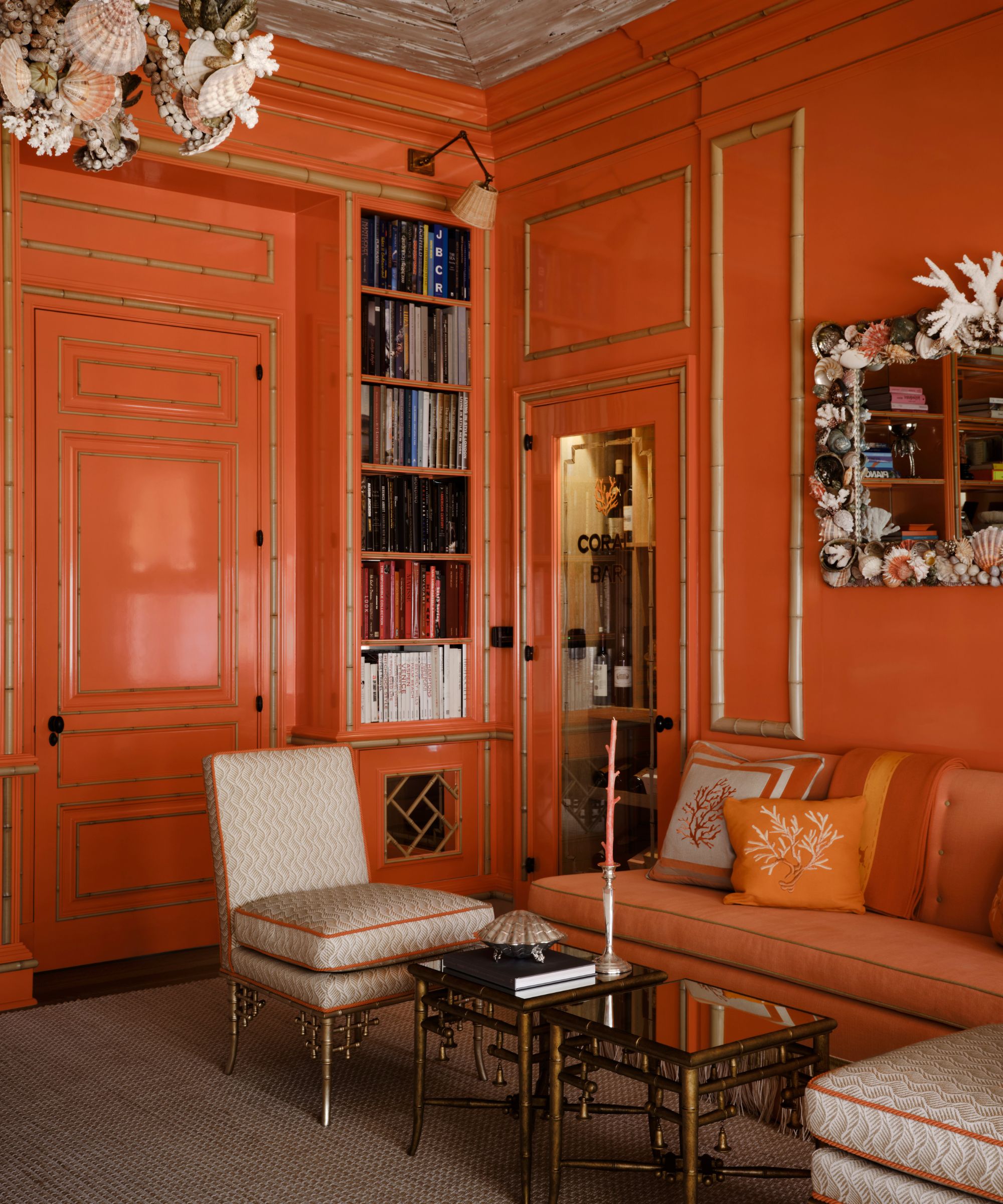
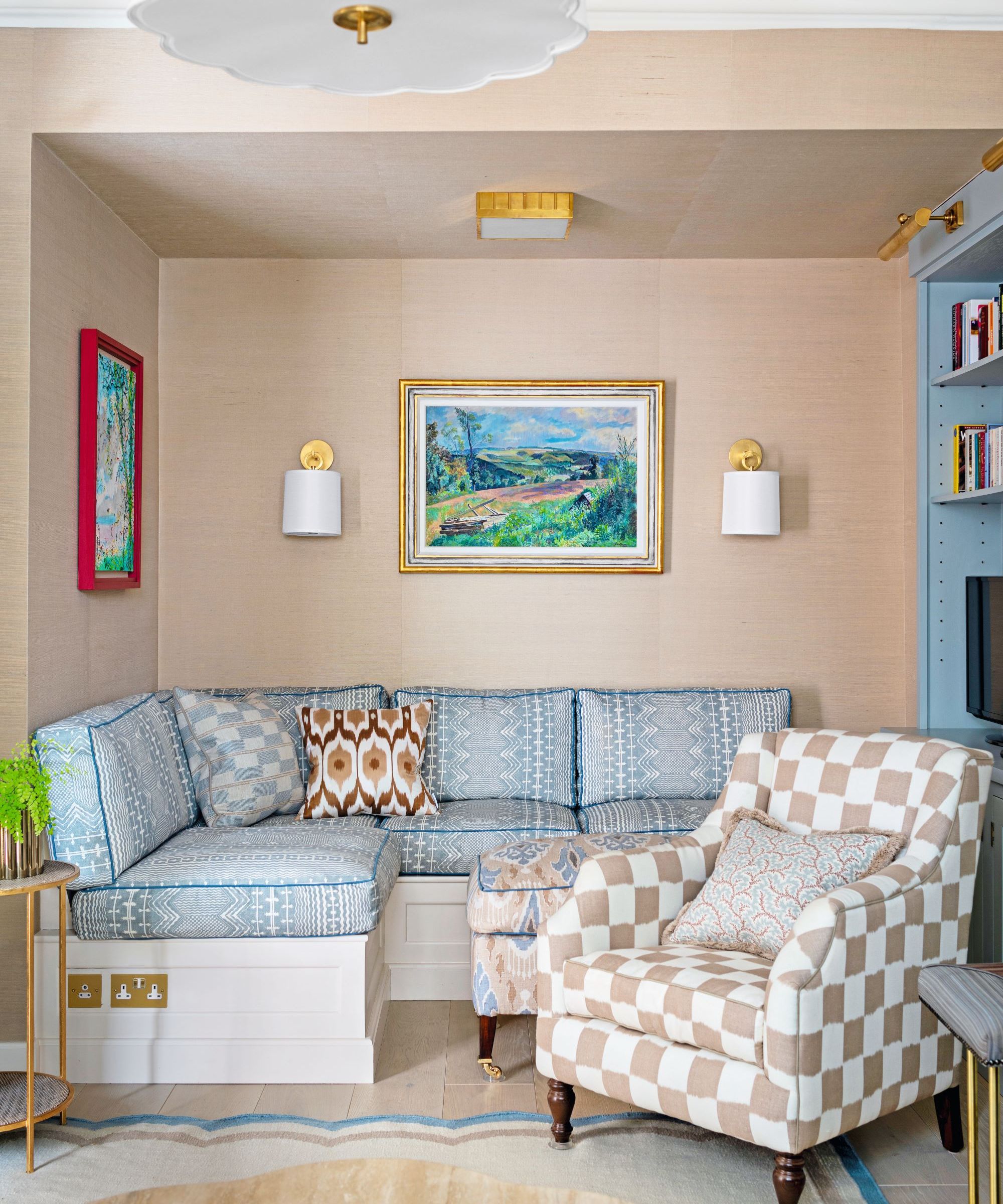
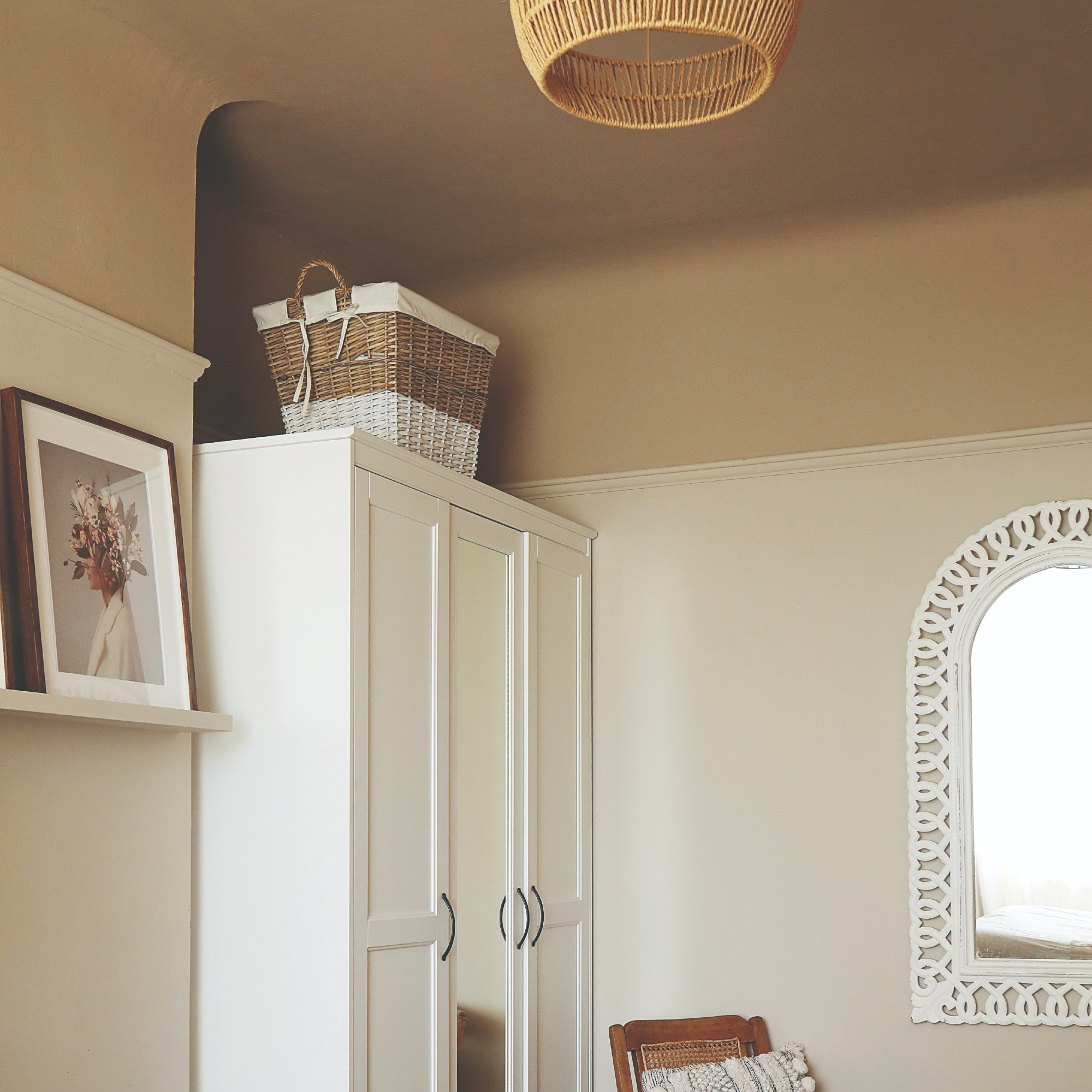
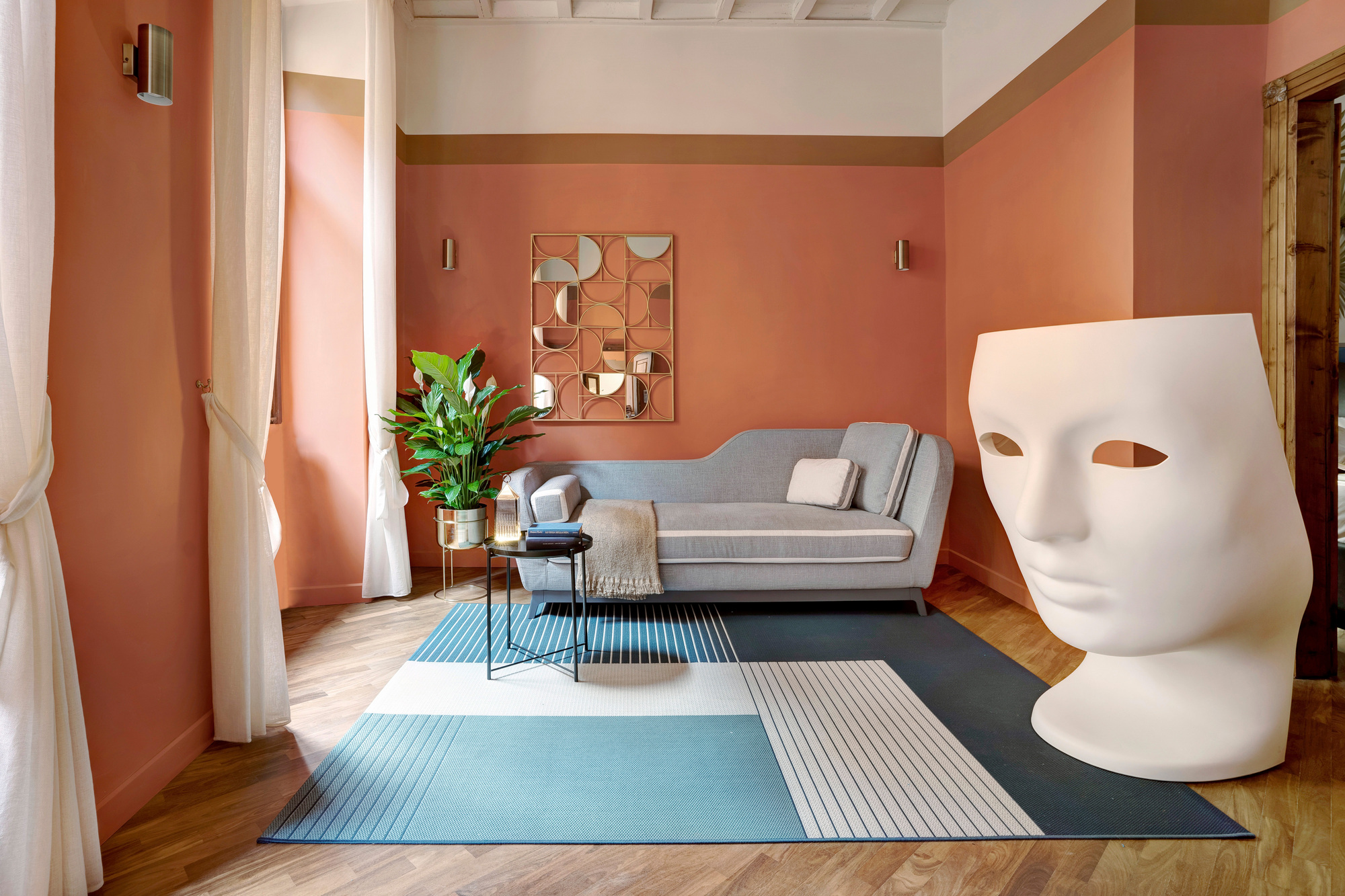
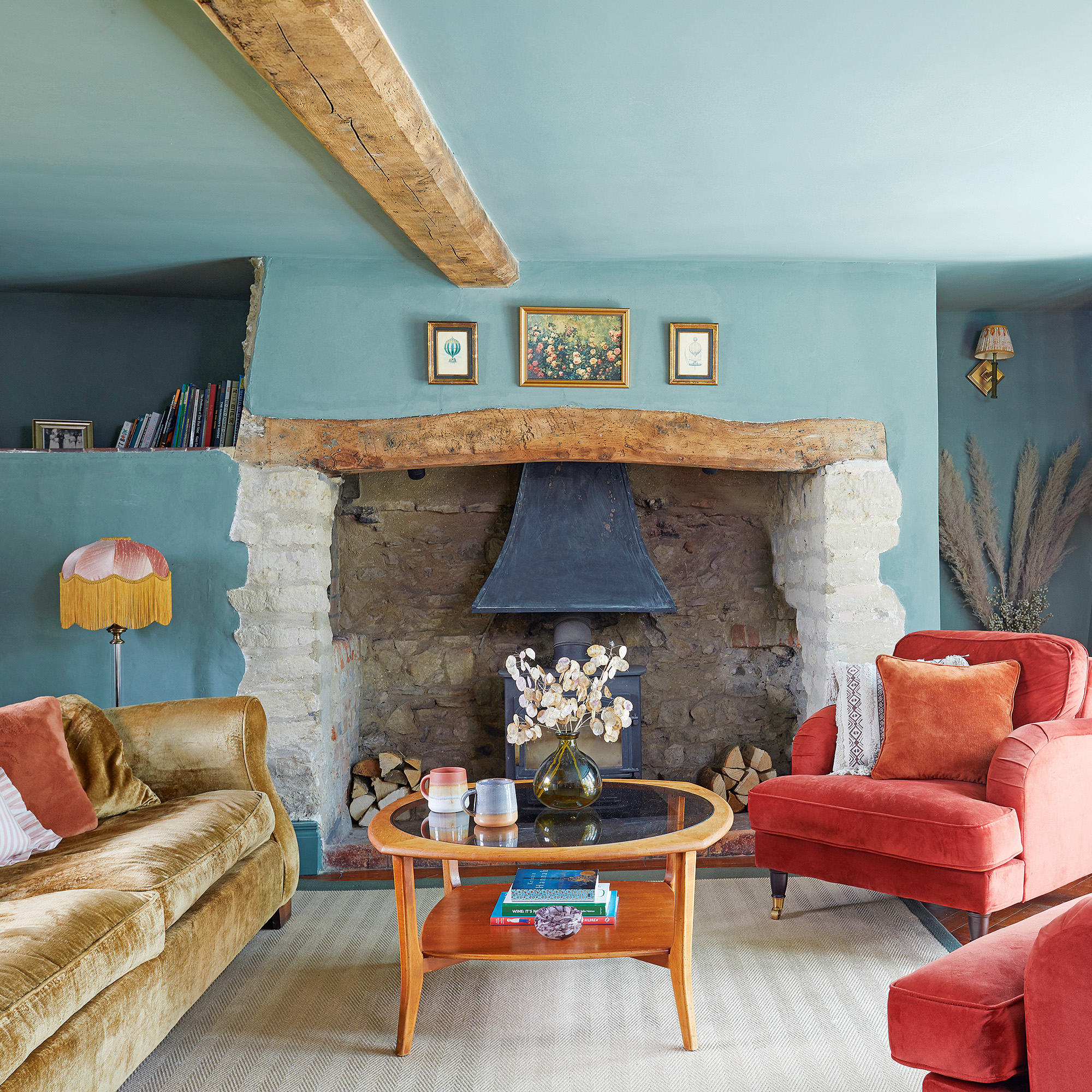
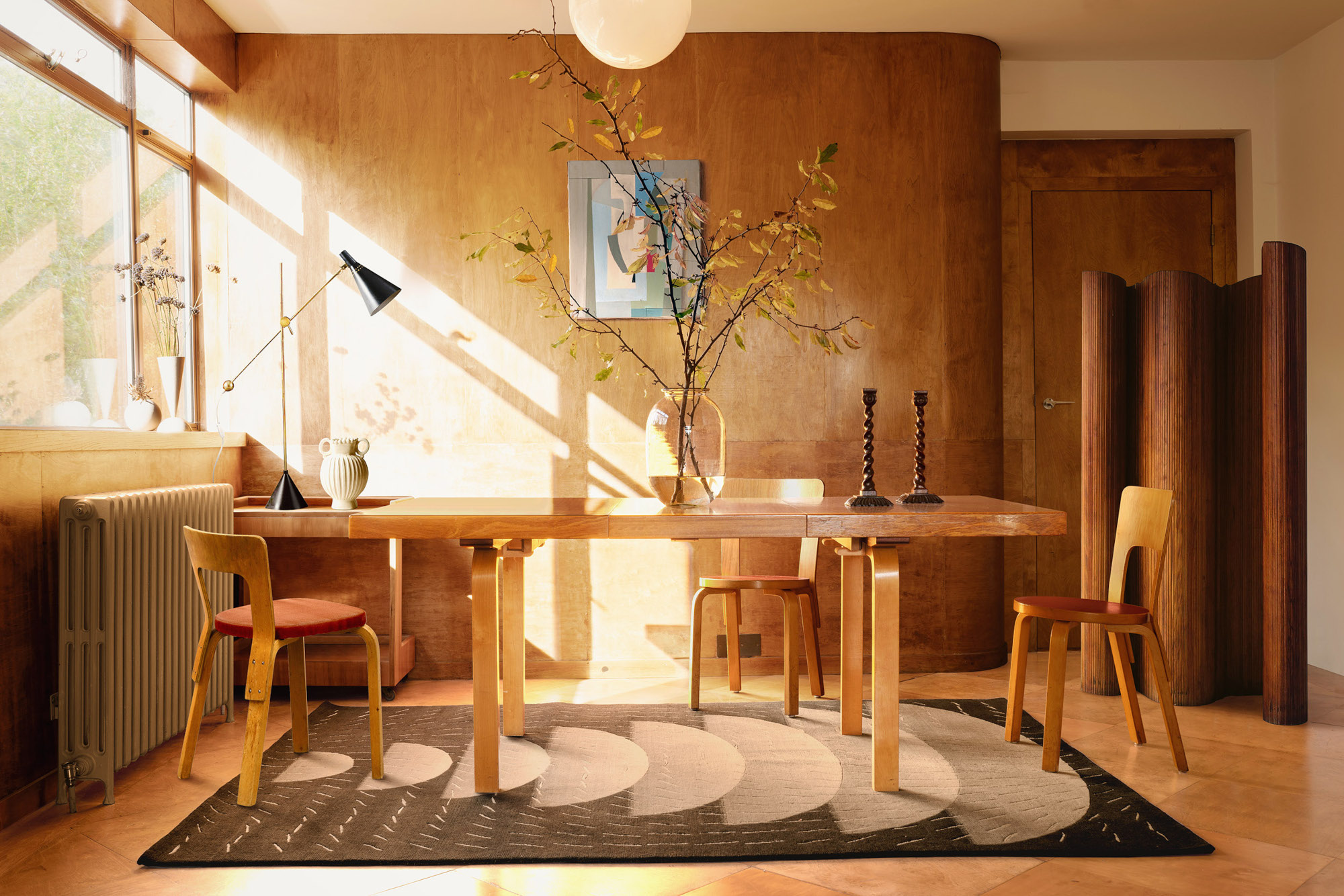
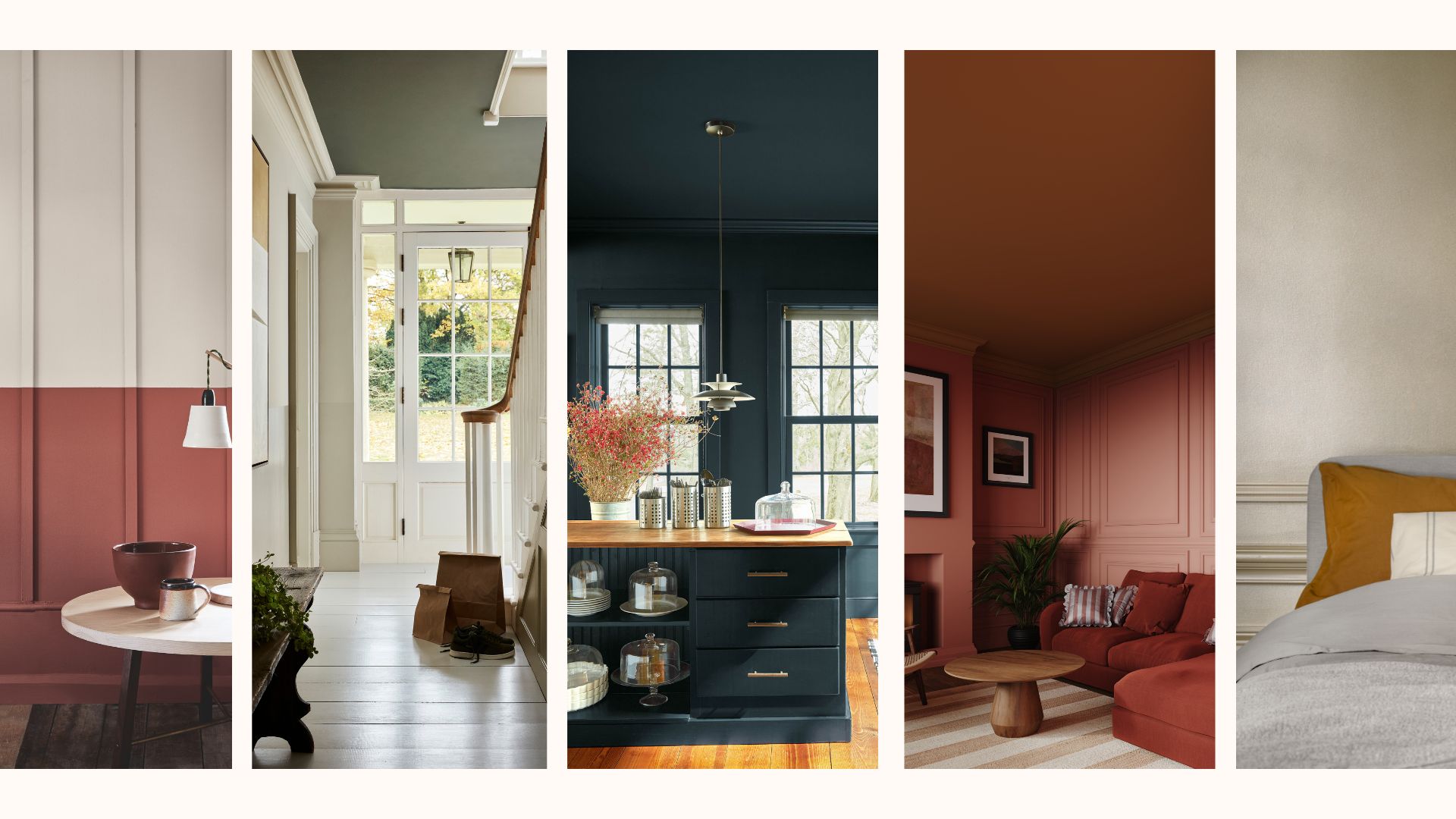
Muted terracottas offer a more interesting neutral alternative to standard beiges, grays, or whites. A pale terracotta hue introduces a grounded and comforting quality while providing character. Crucially, paler versions of this earthy shade gently reflect light without sacrificing coziness, making them ideal for compact spaces. Deeper terracottas, conversely, tend to absorb more light, which can make a small room feel even more confined. This pinky shade is also well-suited for color drenching, a technique that blurs edges and reduces visual contrast, thereby promoting a unified and expansive feel as the eye moves fluidly across surfaces.
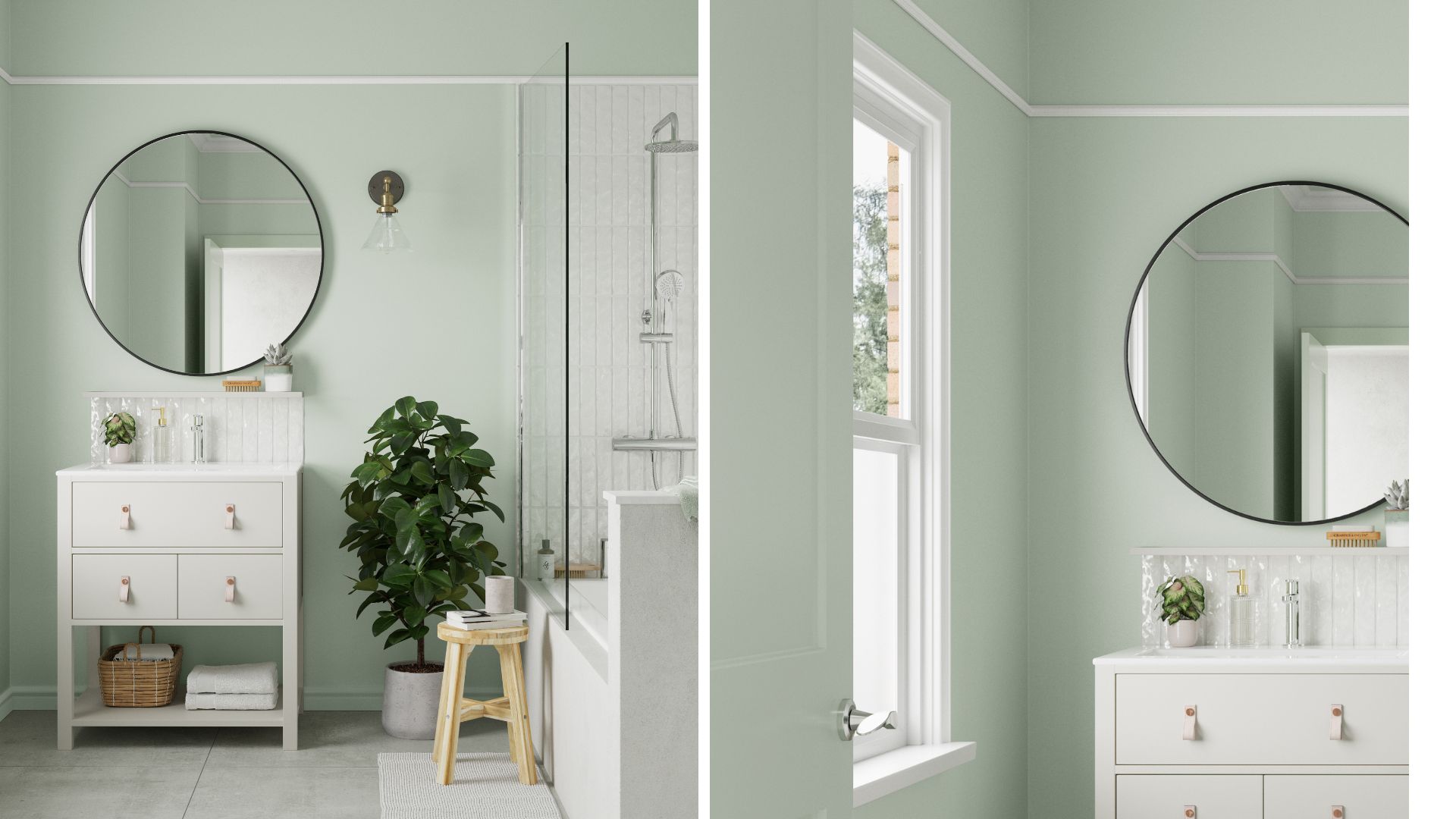
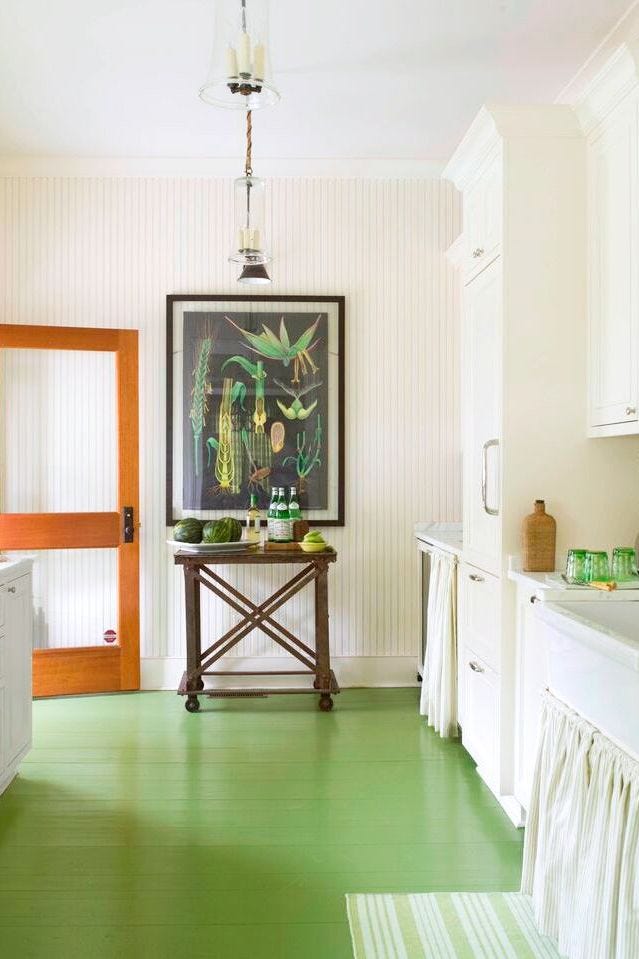
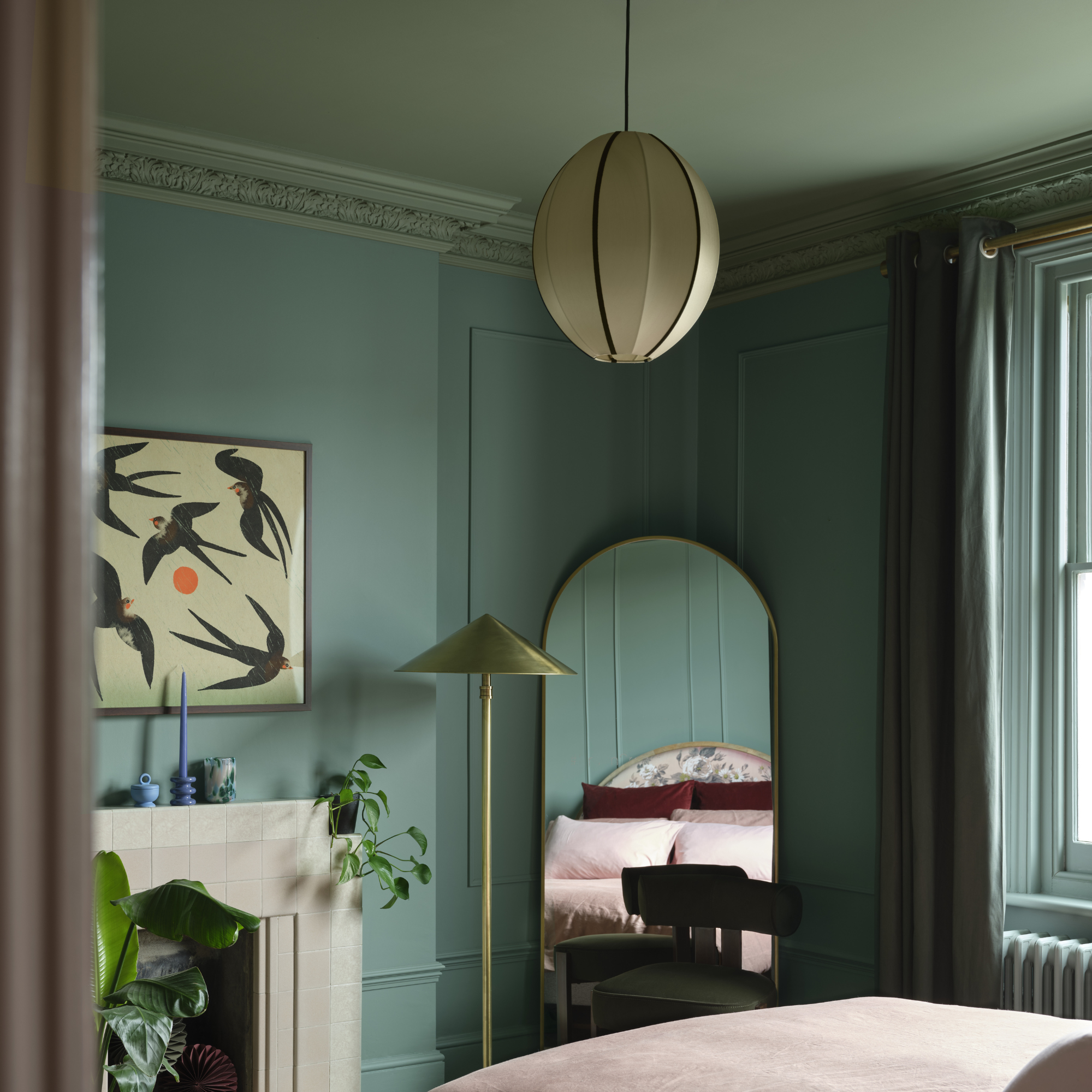
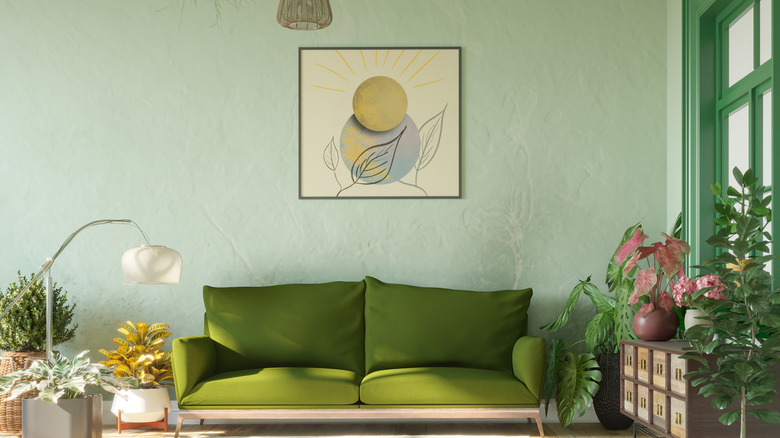
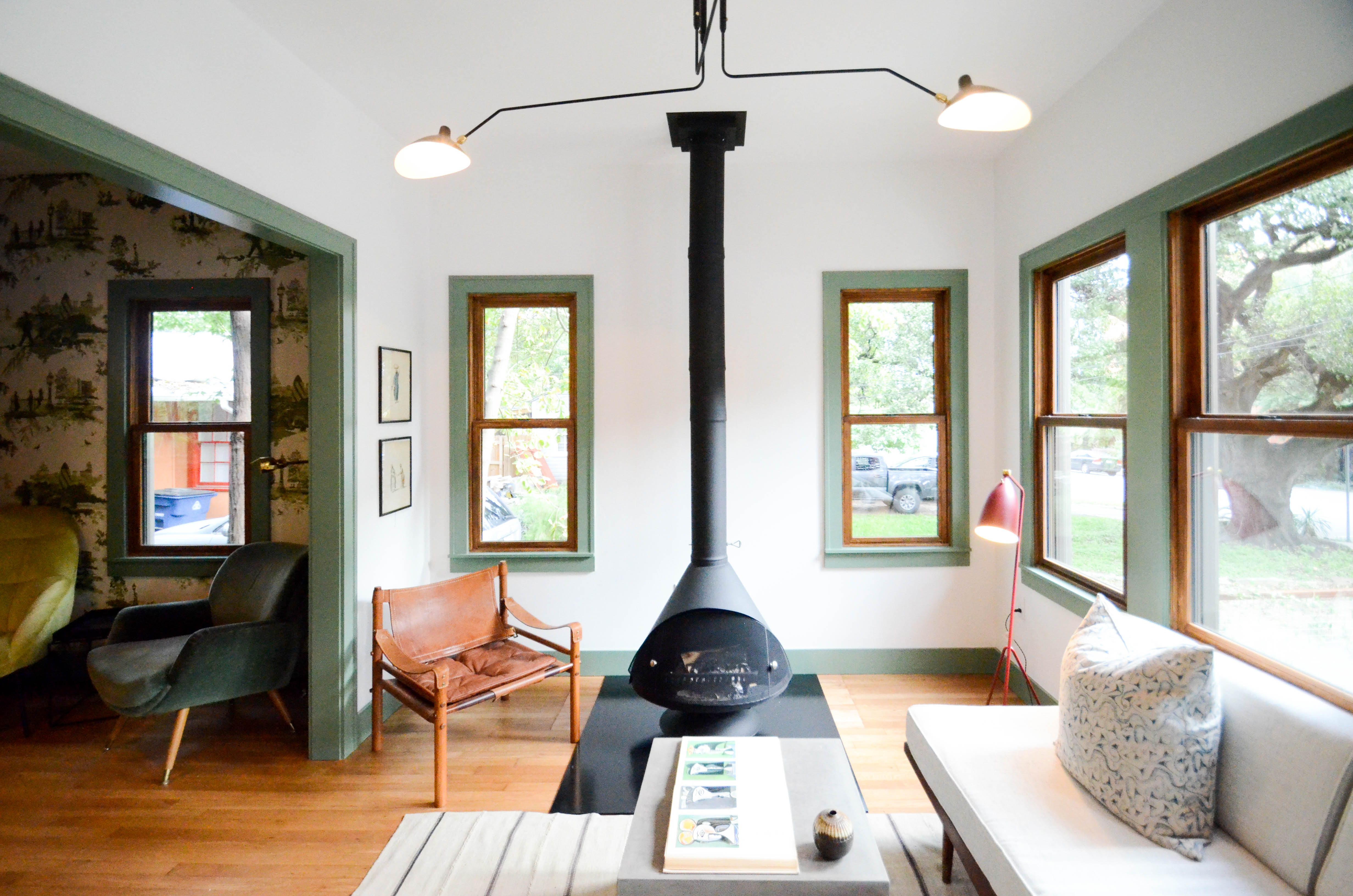
Vibrant greens, particularly in rooms with outdoor views, can surprisingly expand a space. By echoing the colors of nature seen through windows, bright greens can blur the line between interior and exterior, making the room feel like an extension of the outdoors. Techniques like 'color capping,' where the ceiling is painted in a lighter version of the wall color, further contribute to an immersive experience without creating definitive visual lines that might shrink the space.
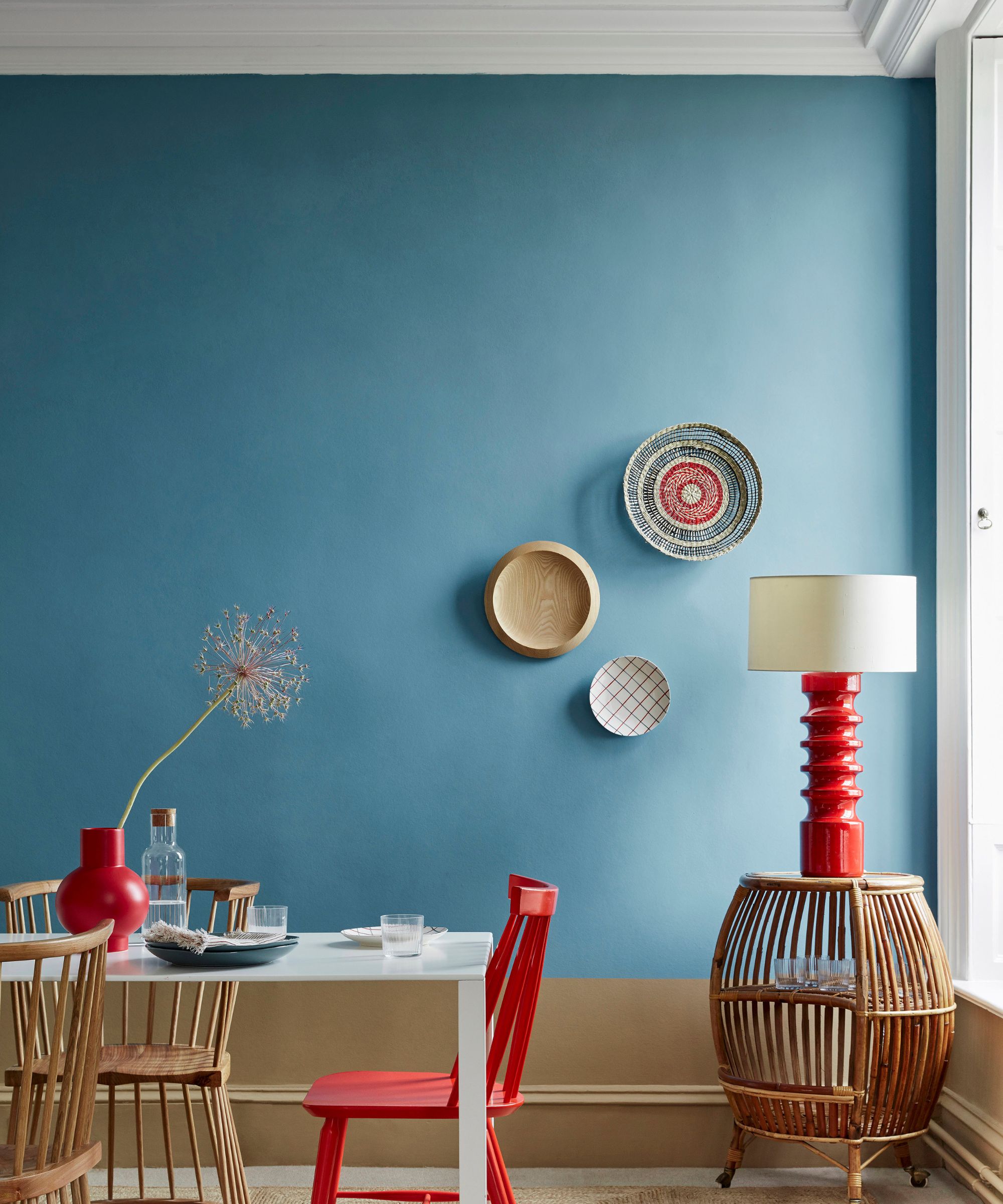
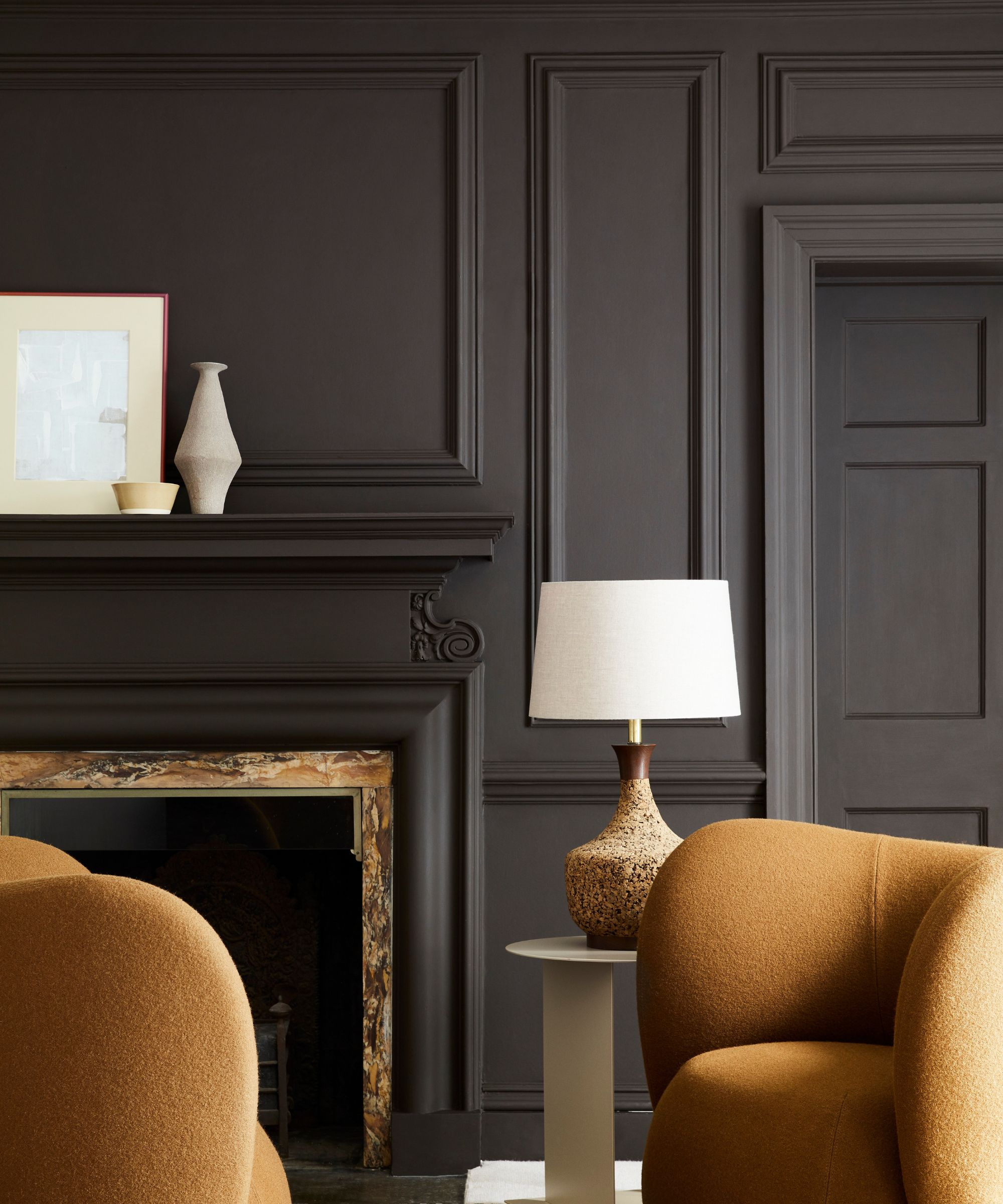
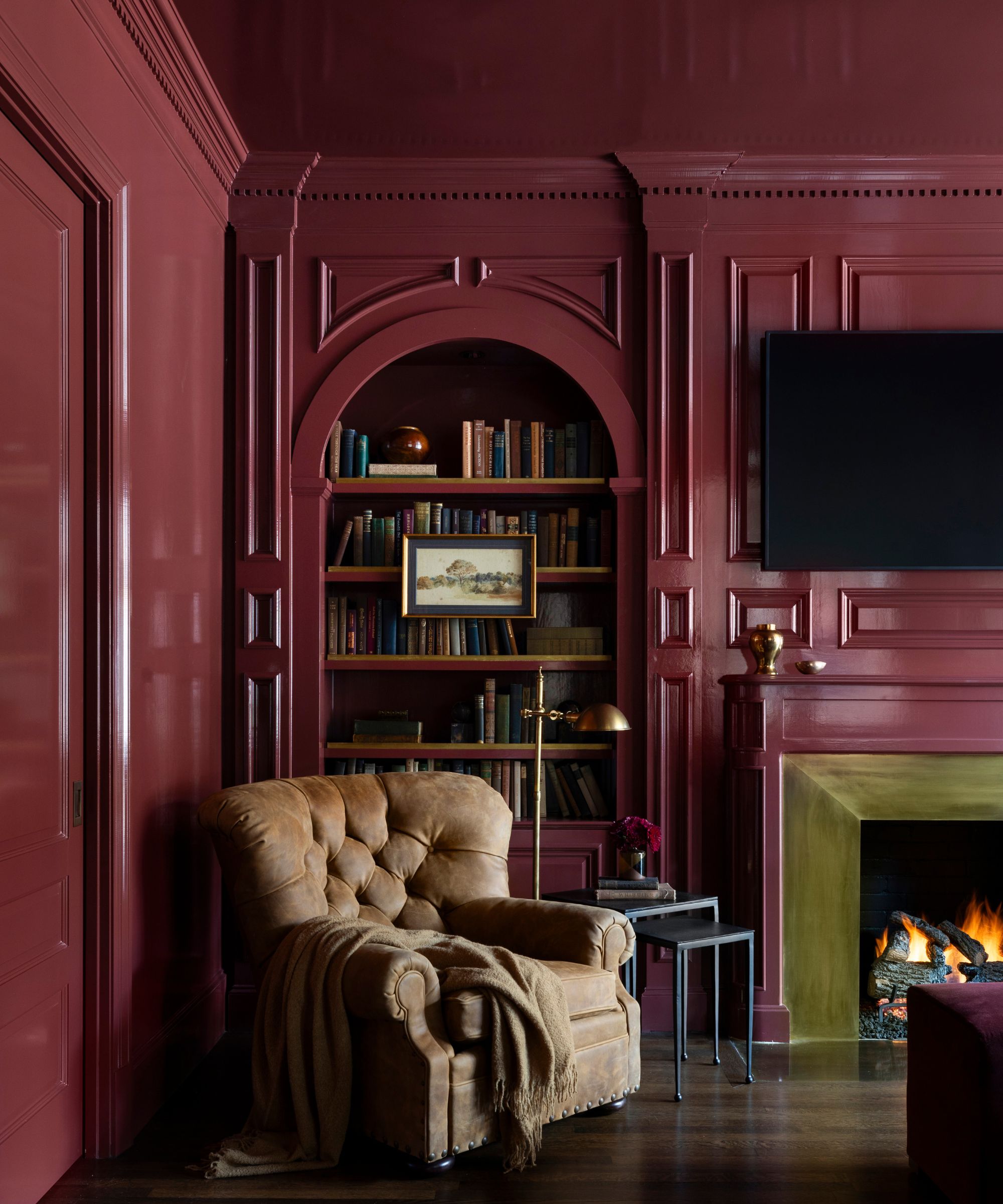
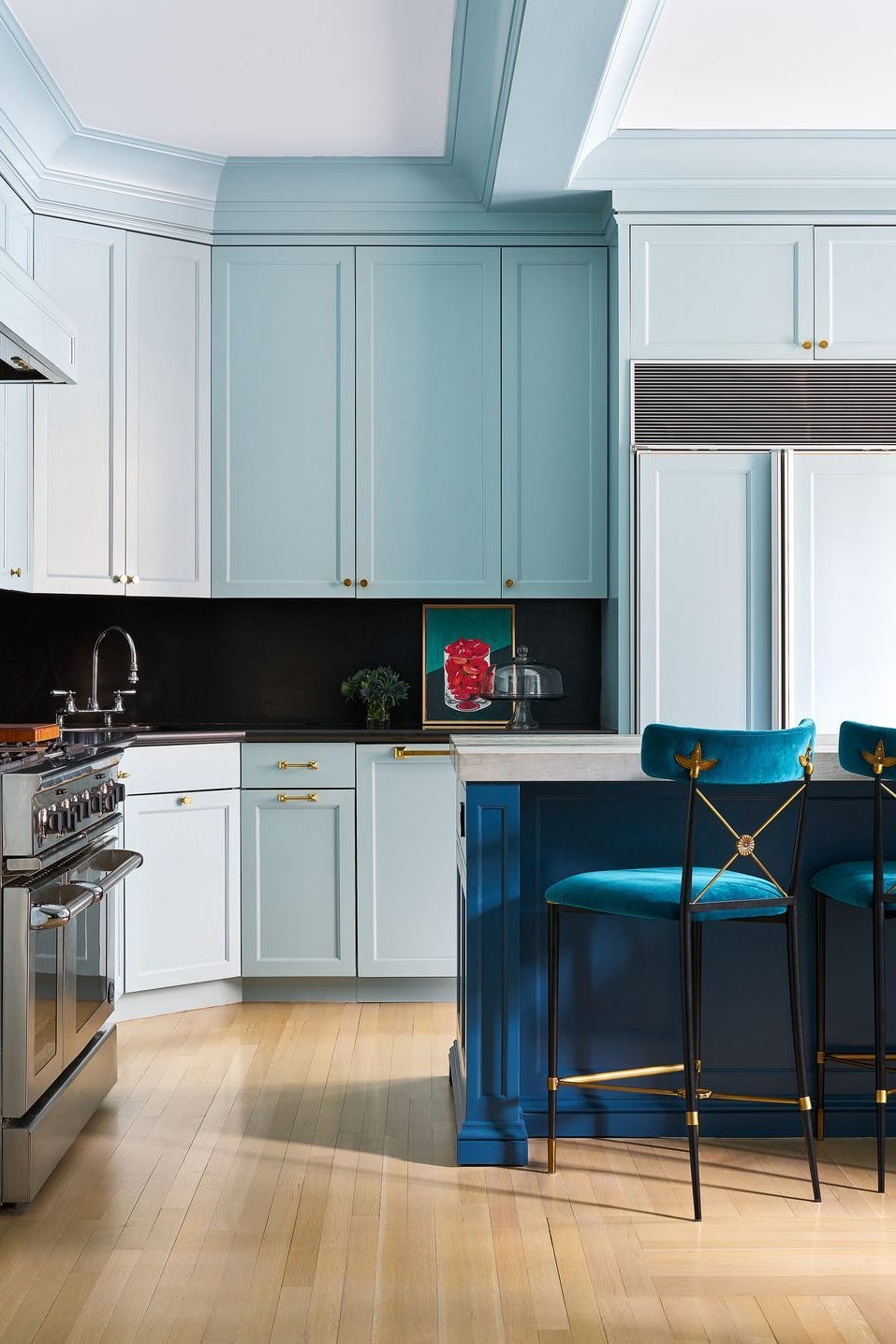
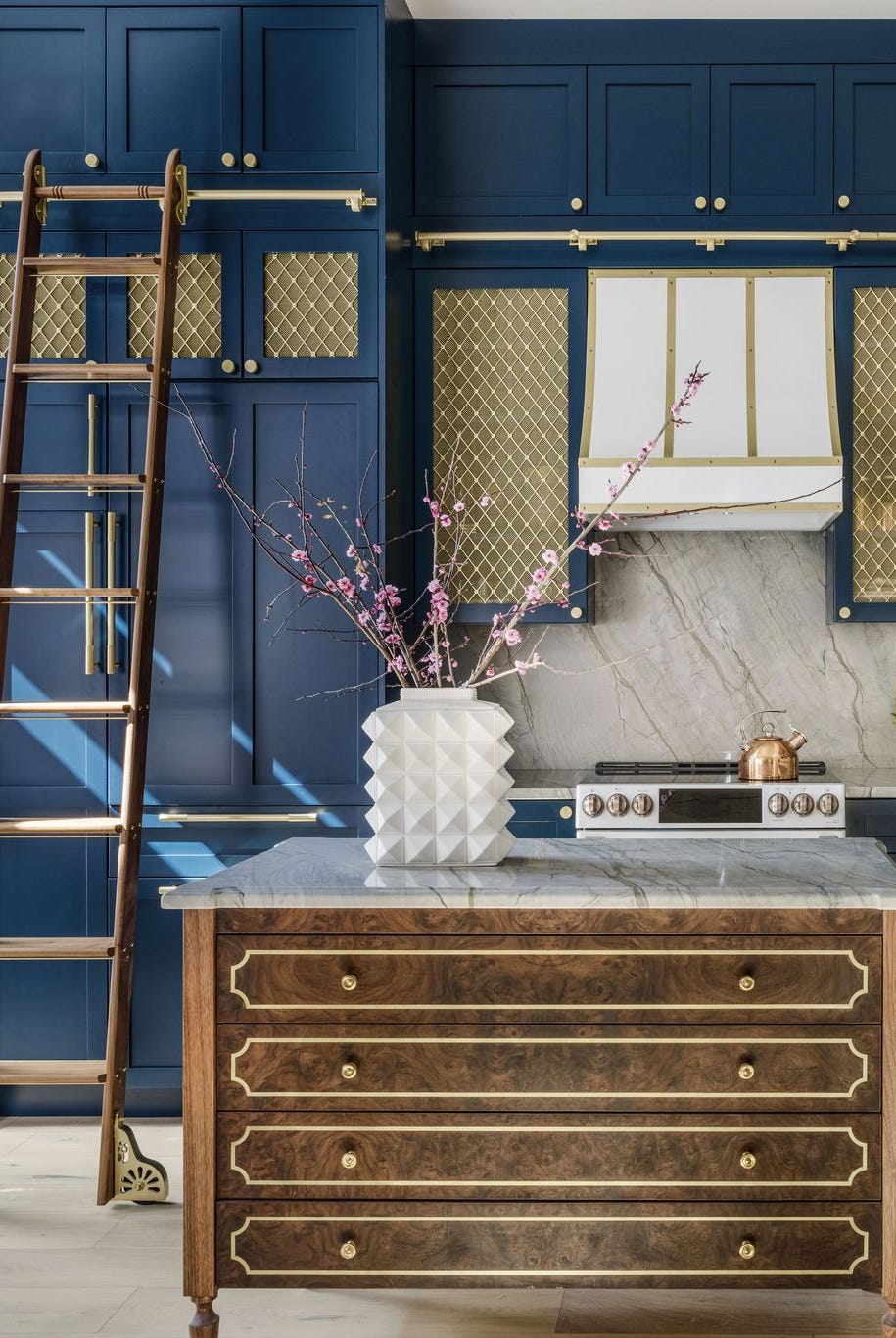
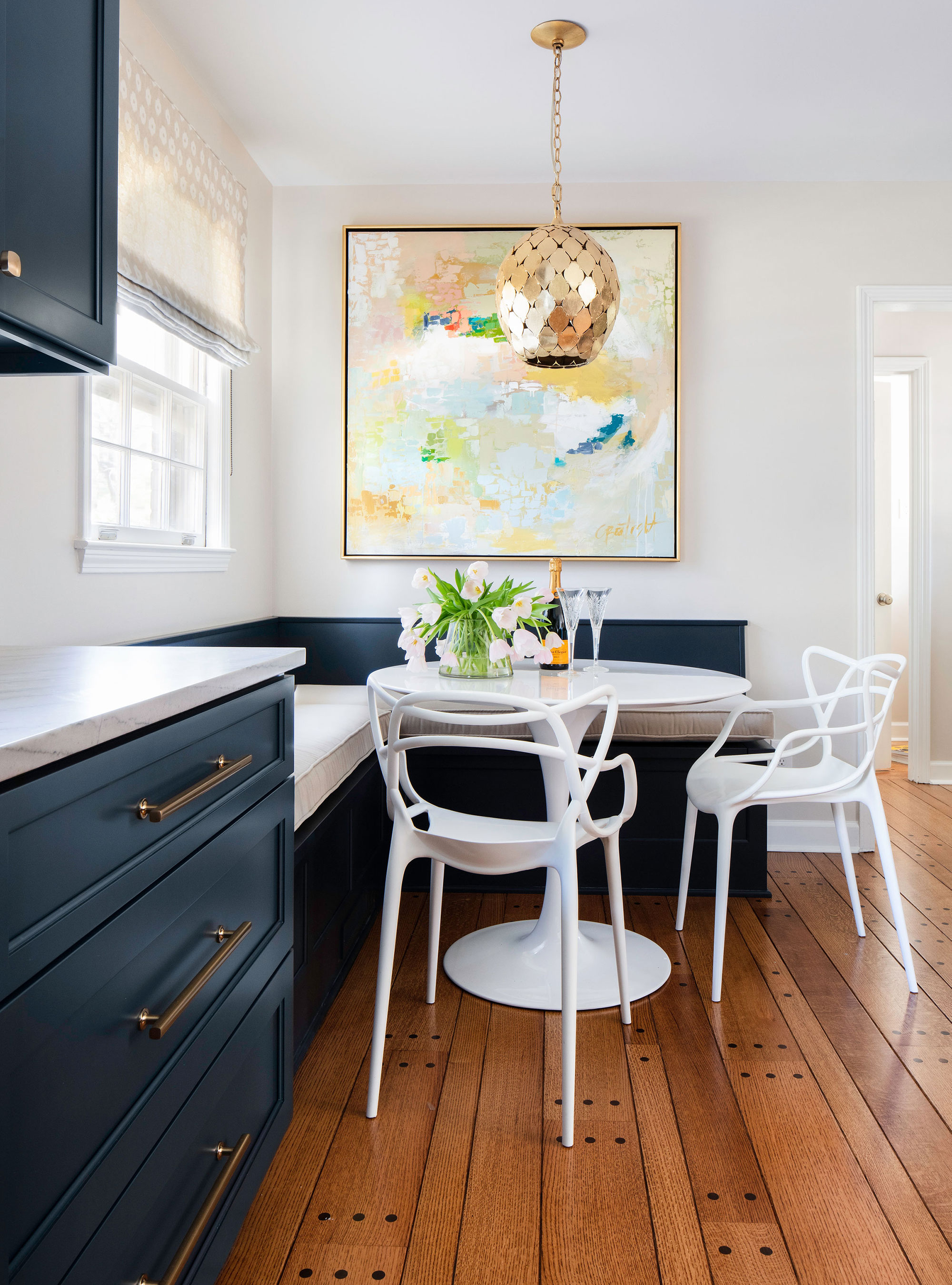
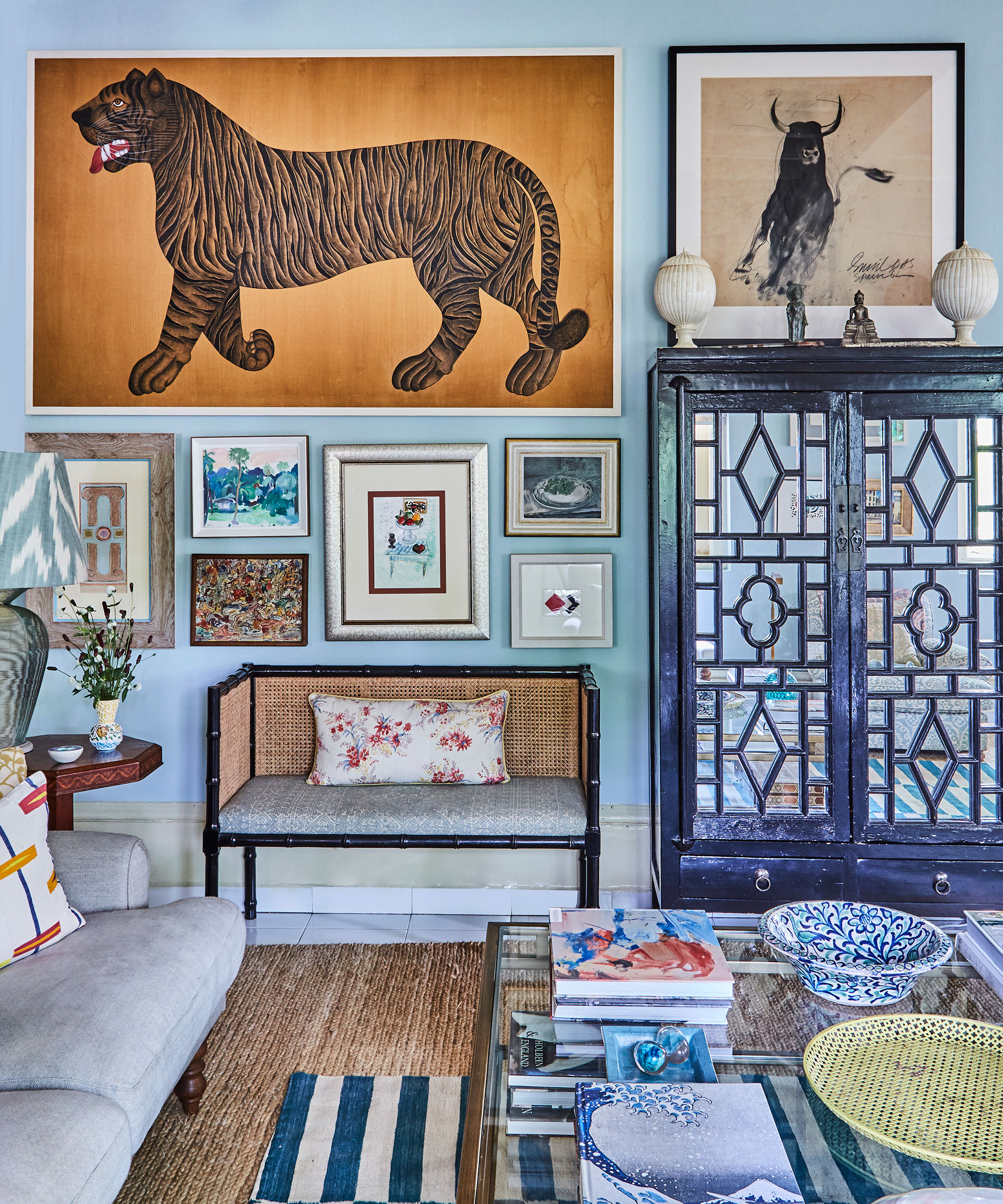
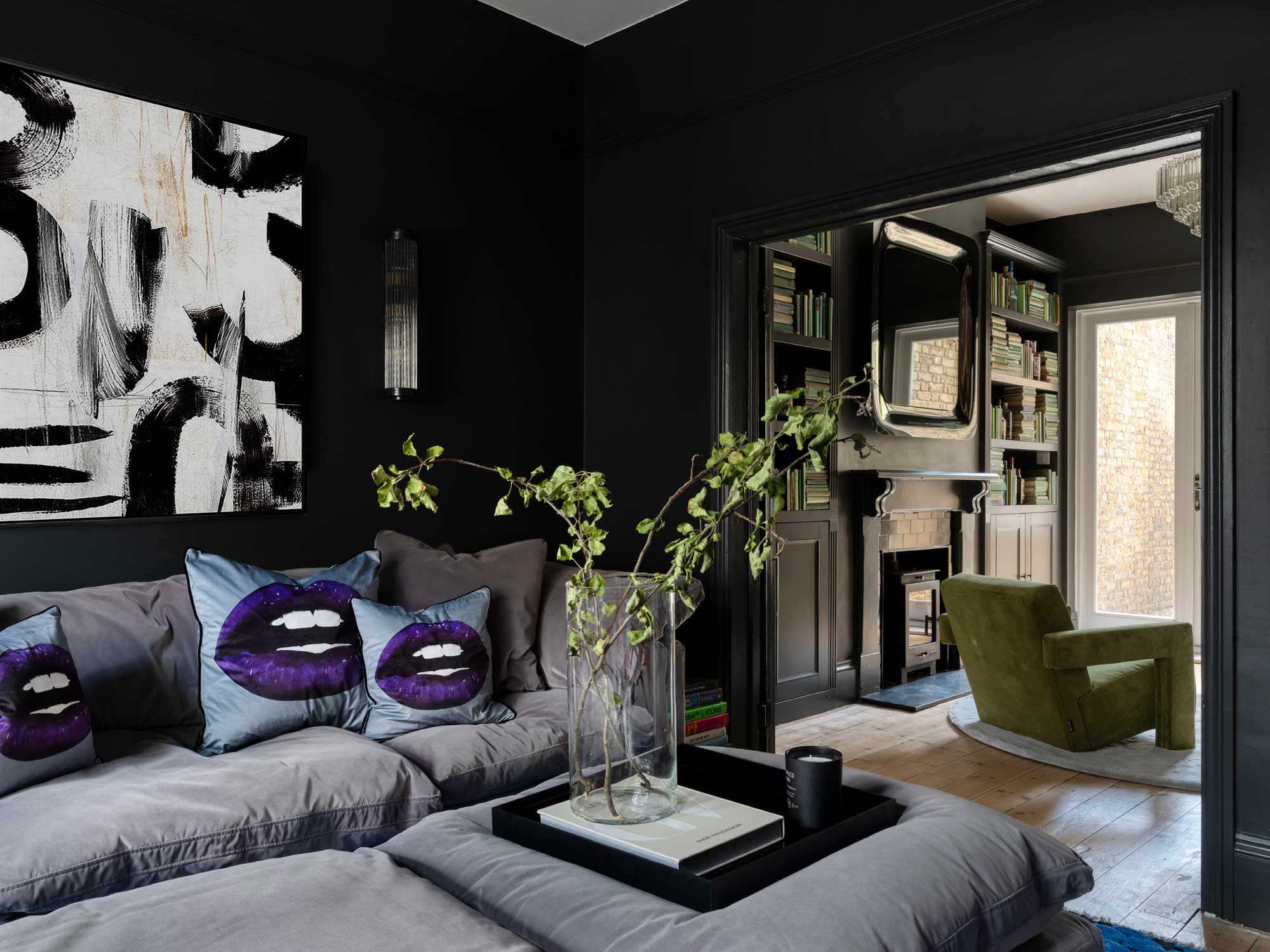
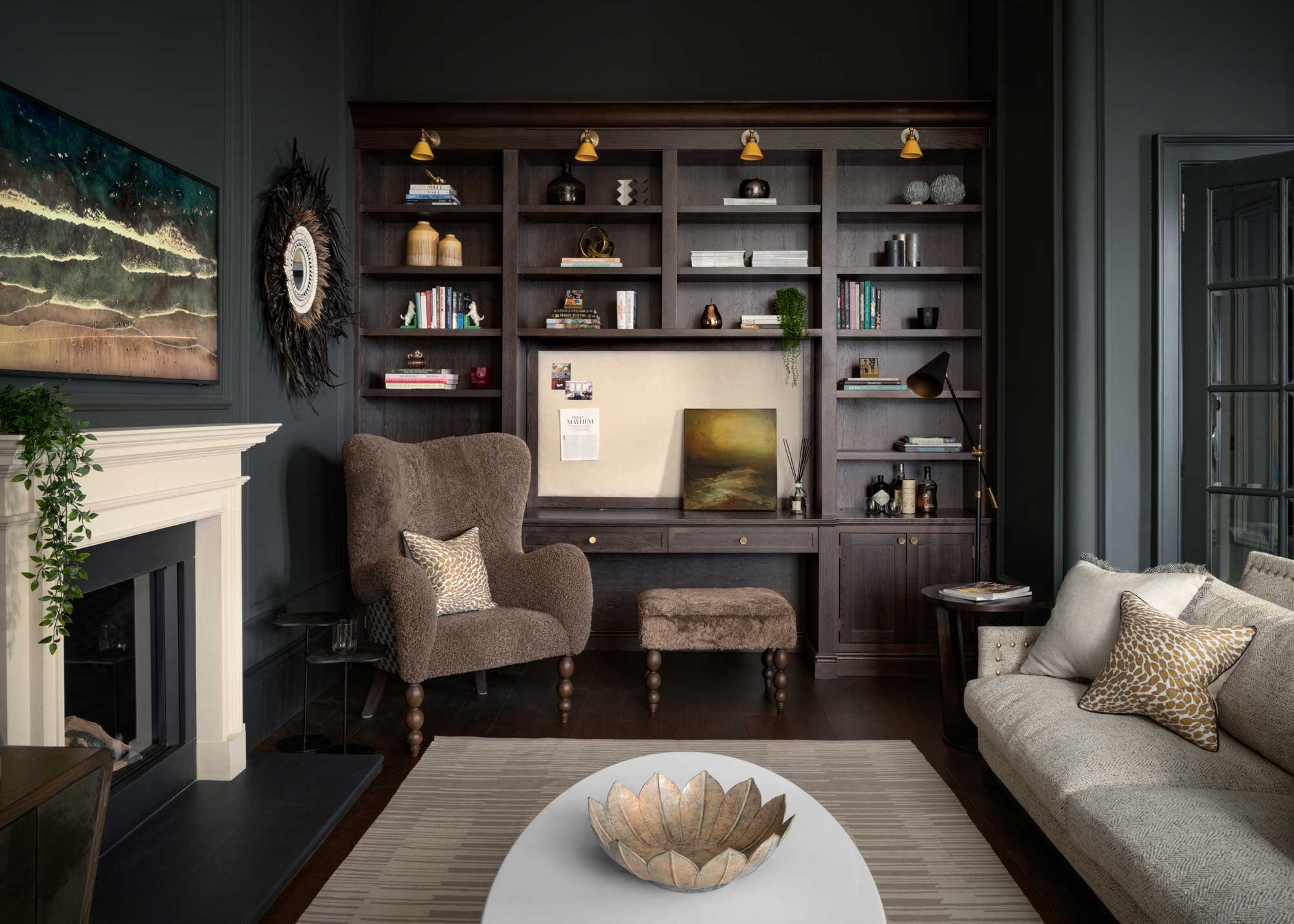
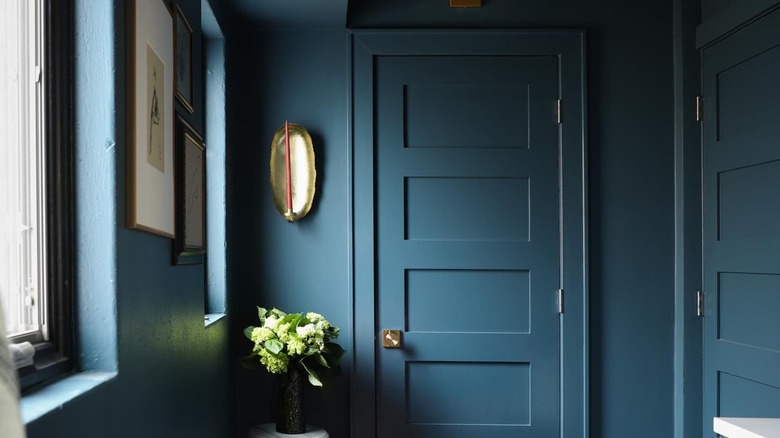
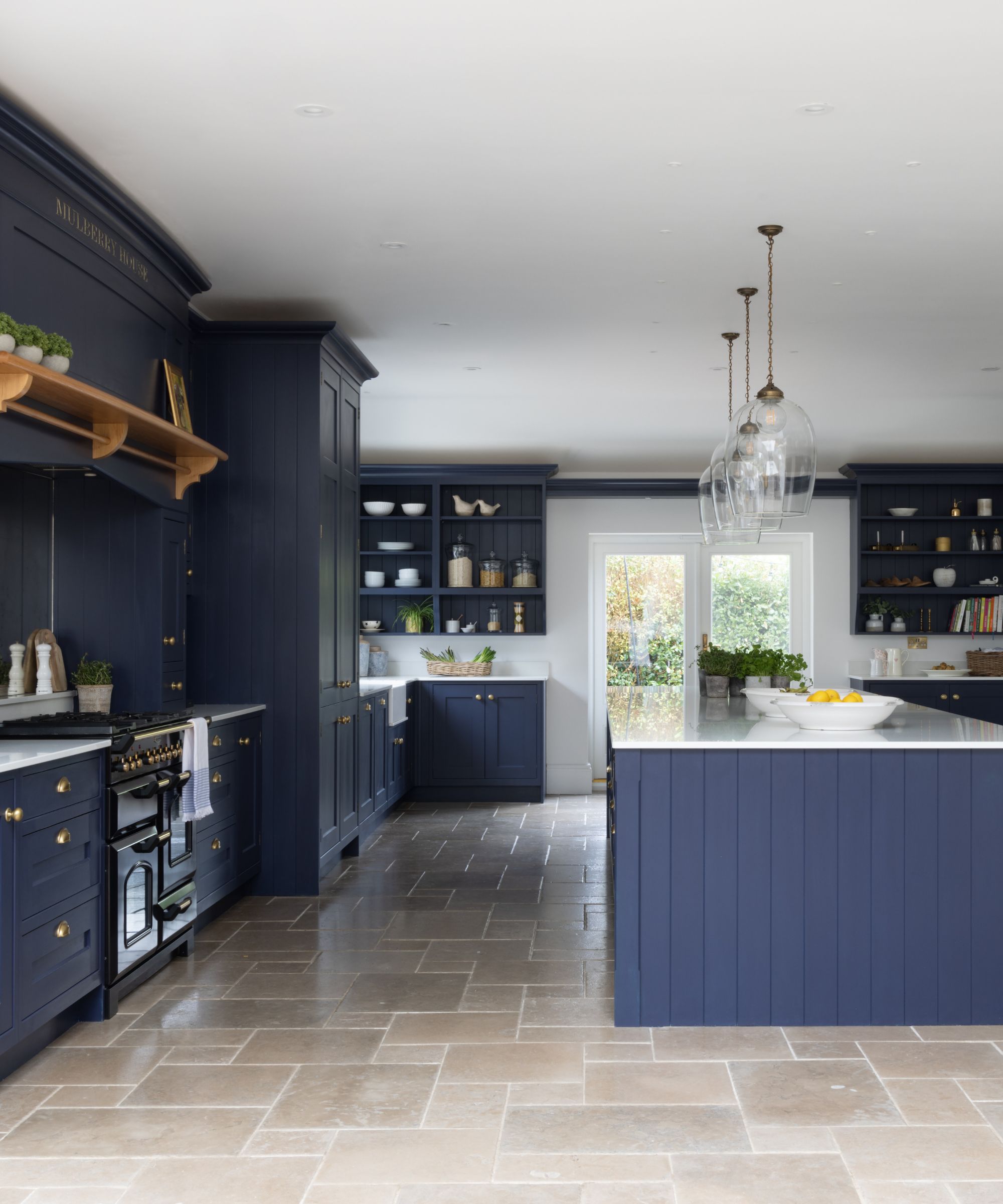
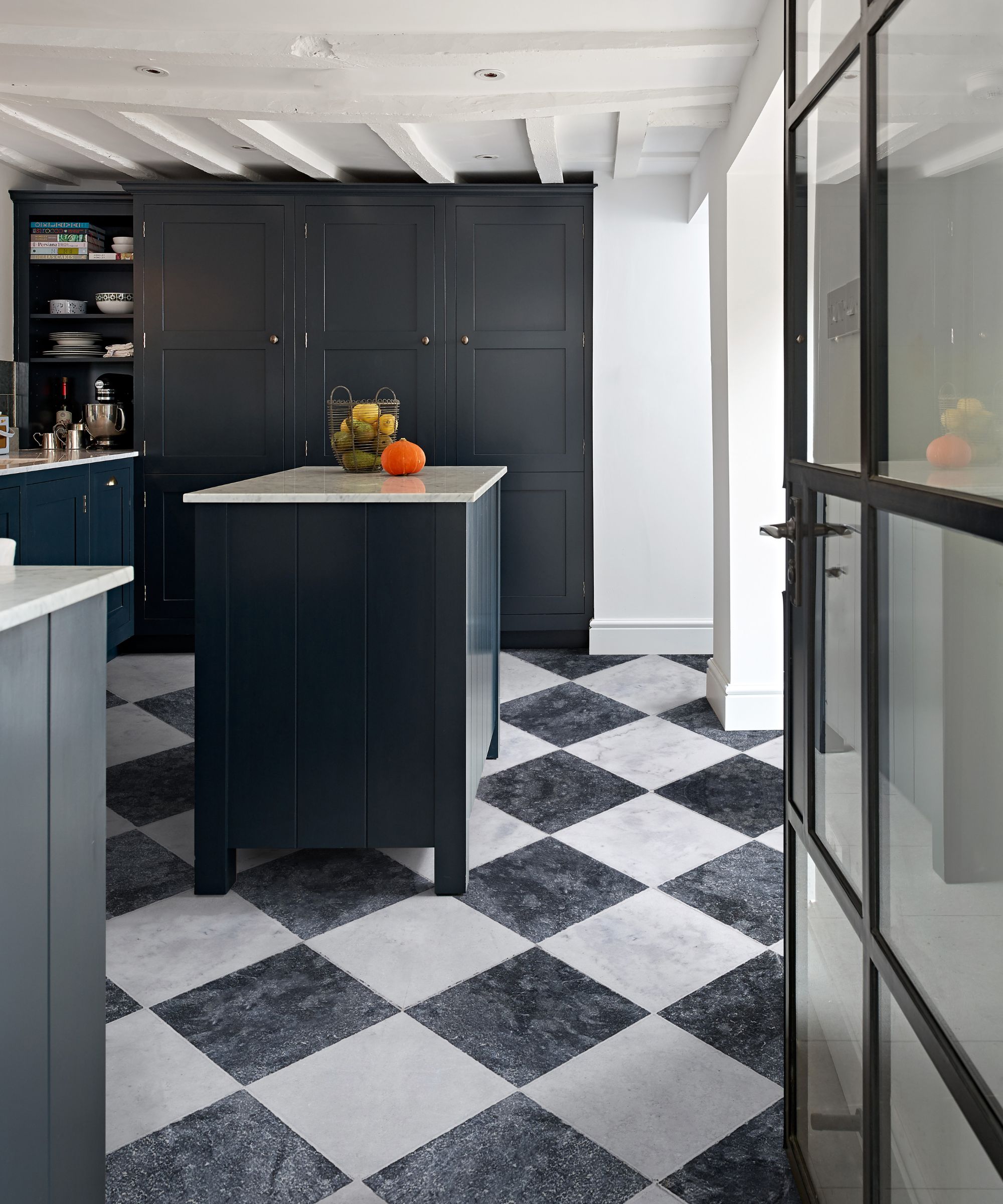
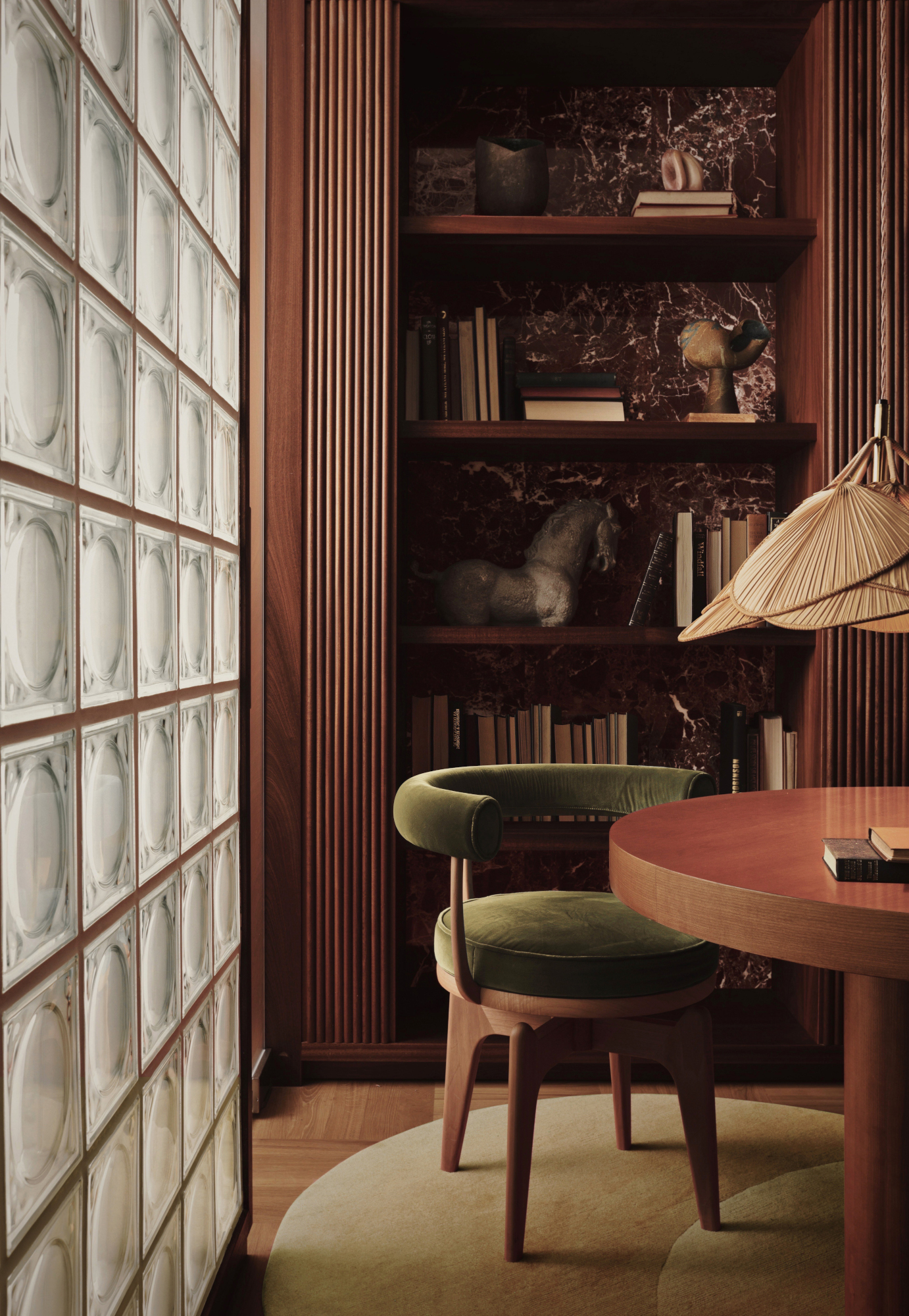
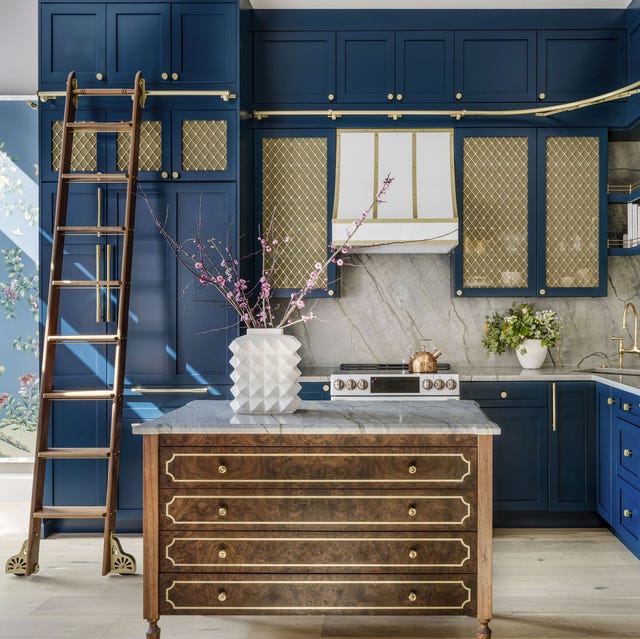
Finally, even deep blues, typically considered dark colors, can contribute to a sense of spaciousness when used judiciously. Dark blue possesses a natural receding quality, drawing the eye inward and creating an illusion of depth. To utilize darker shades effectively for spatial enlargement, it is important to incorporate elements of white and texture in a controlled manner, ensuring contrast is managed to avoid overwhelming the space. The color of walls is particularly influential due to their extensive surface area, acting as visual boundaries. Clever use of color on walls can effectively blur these boundaries, promoting a more expansive feel. Additionally, the strategic use of color on floors and furniture can also contribute to this effect, especially when highlighting specific pieces to draw the eye and amplify their visual impact. These diverse color strategies, ranging from subtle pinks to bold blues, demonstrate how paint can profoundly alter the perceived dimensions of any room.
#RoomExpansion #InteriorDesign #ColorPsychology #SmallSpaceSolutions #DecoratingWithColor #PaintTrends #HomeDecor #SpatialClarity #DesignerTips #RoomExpansion #InteriorDesign #ColorPsychology #SmallSpaceSolutions #DecoratingWithColor #PaintTrends #HomeDecor #SpatialClarity #DesignerTips
0 comment in total
 No comments yet
You may also like
What colors make a small room look bigger? These space-stretching shades are what design experts use

How to make a room look bigger with paint: 10 expert tips

How to use paint to change the size and shape of your room
14 Genius Painting Tricks to Make a Room Look Bigger
What color couch makes a room look bigger? Designers reveal their favorite space-stretching sofa shades
These Colors Will Make Your Kitchen Look Bigger, According to Designers

The Best Paint Colors to Make Small Rooms Feel Bigger (Some May Surprise You!)
How to make a small living room look bigger with mirrors - clever design tips to open up your space
9 rooms that prove color drenching makes small spaces look bigger
7 Paint Colors That Instantly Make Small Living Rooms Feel Bigger, Designers Say

12 Tips For Making Small Rooms Appear Larger Using Paint


Let the walls talk — colours that shape your space

12 Paint Colors That Will Make Any Room Look Bigger
10 things designers do to make rooms look bigger – strategies for success from the experts
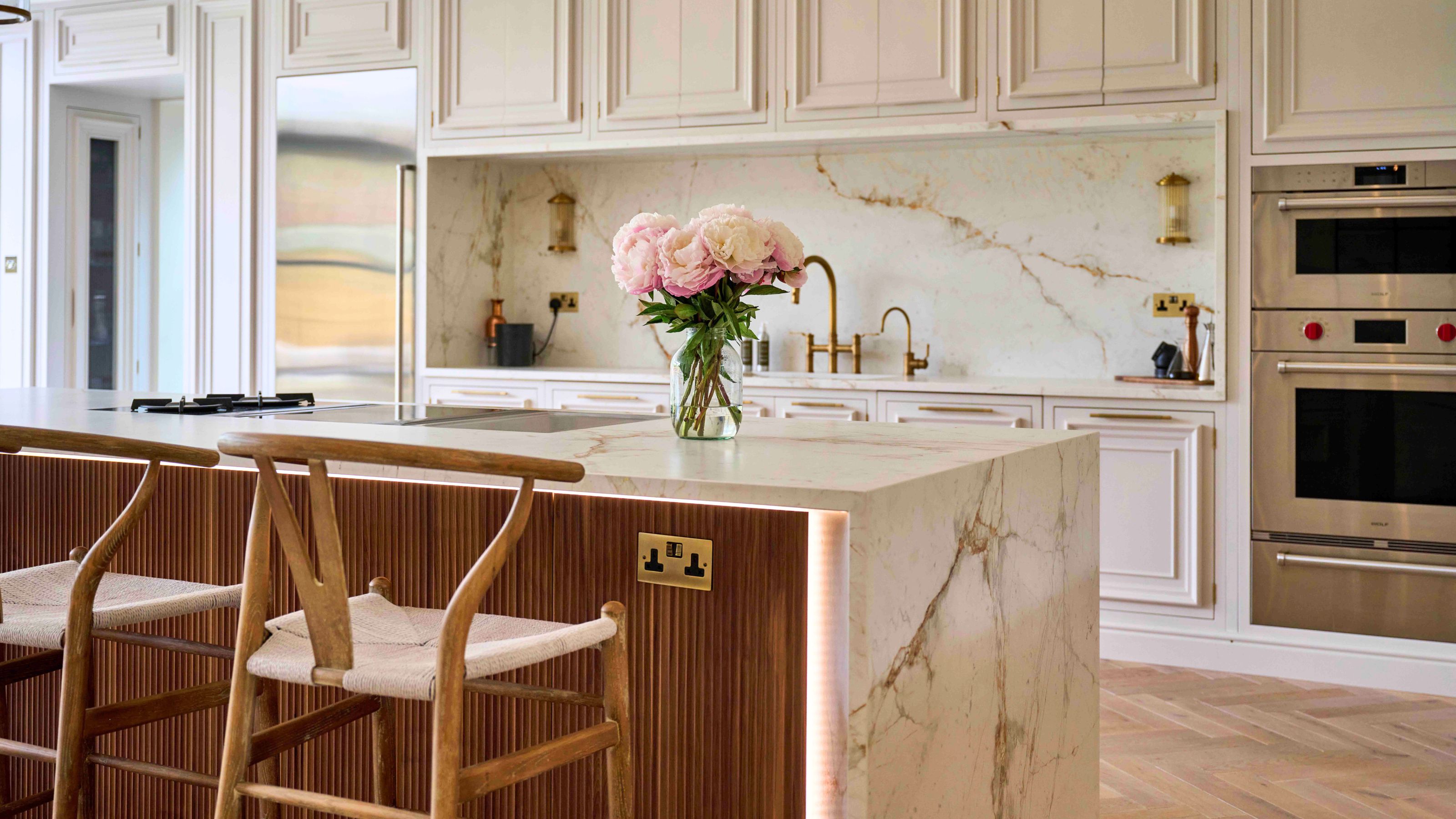
What kitchen floor colors make a small space look bigger? Interior pros spill their secrets

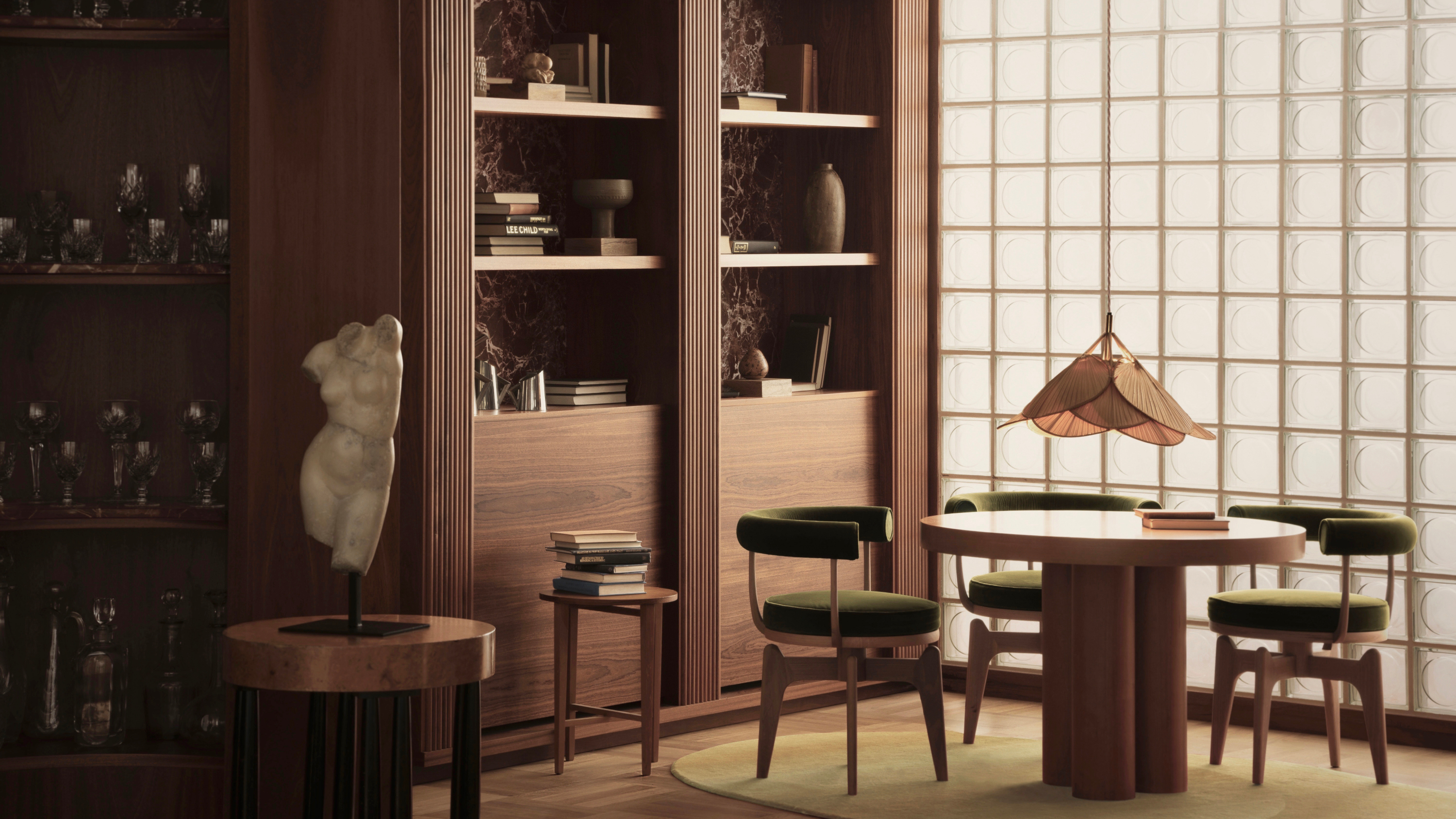
Designers Have a New Clever Shortcut To Make Rooms Look More Rich — 5 Spaces That Nail the Look
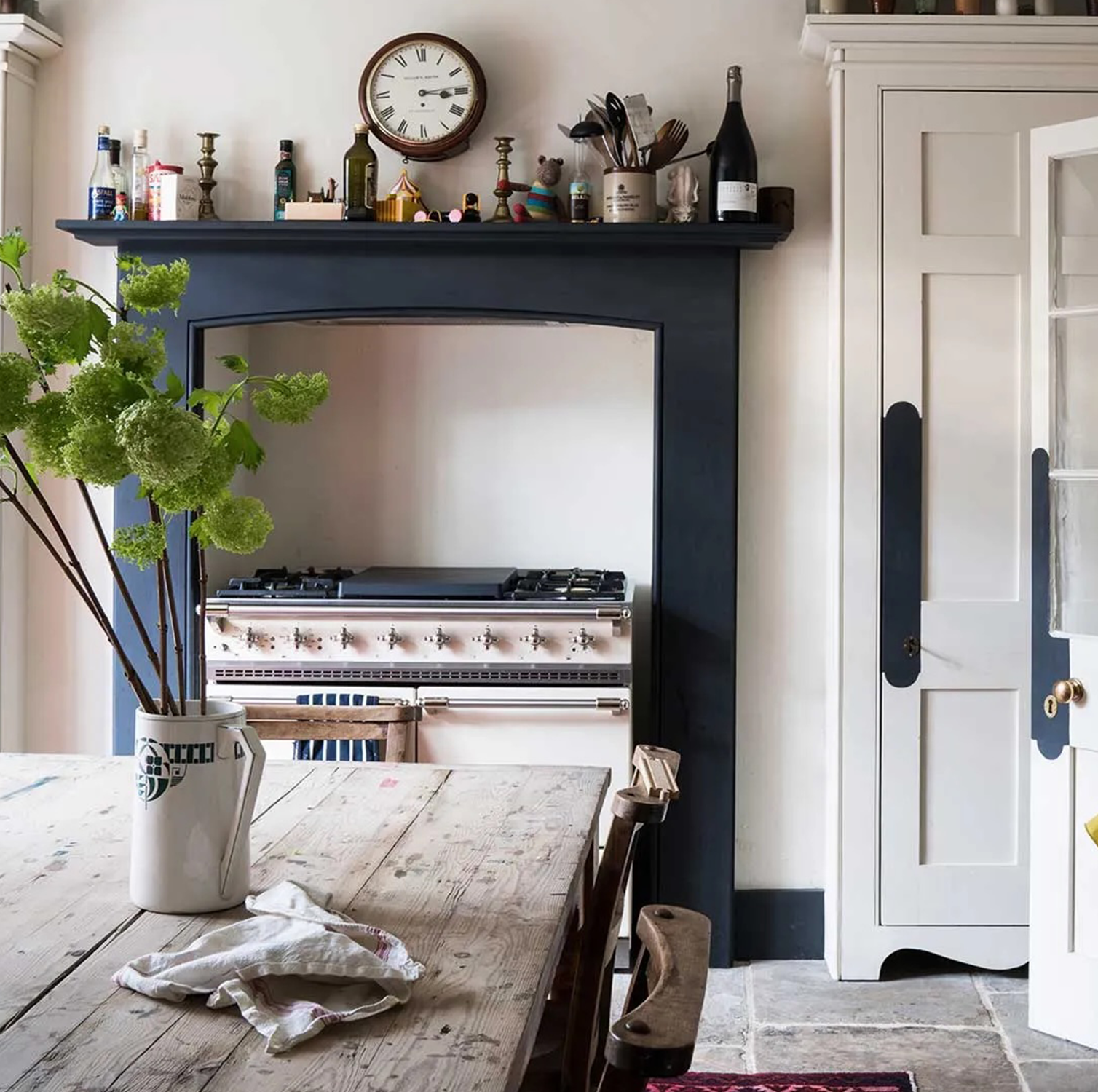
These 6 paint colours instantly make small rooms feel bigger
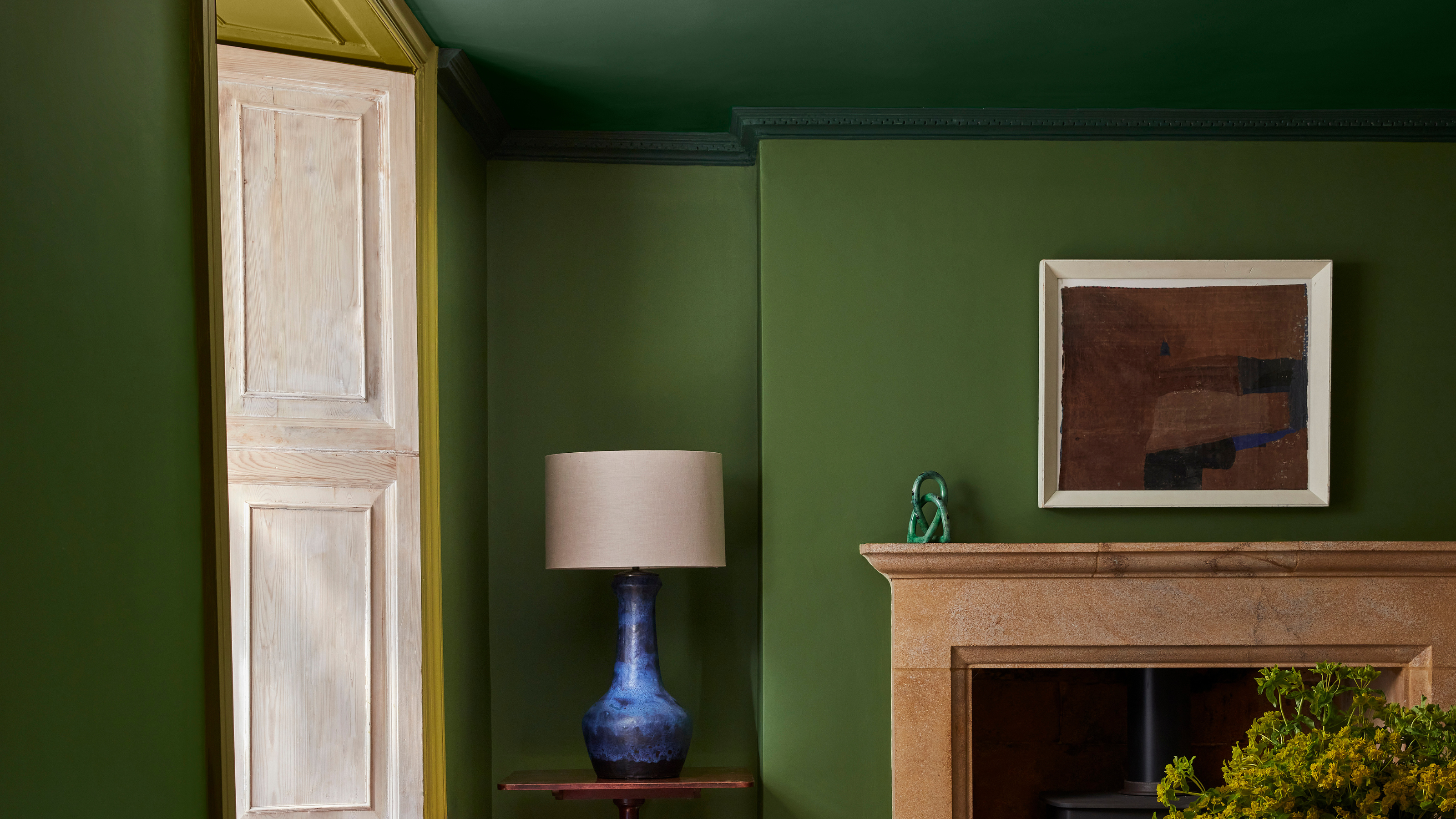
'Colour capping' is the new paint trick design experts are using to make a room feel bigger – how to make it work in your home
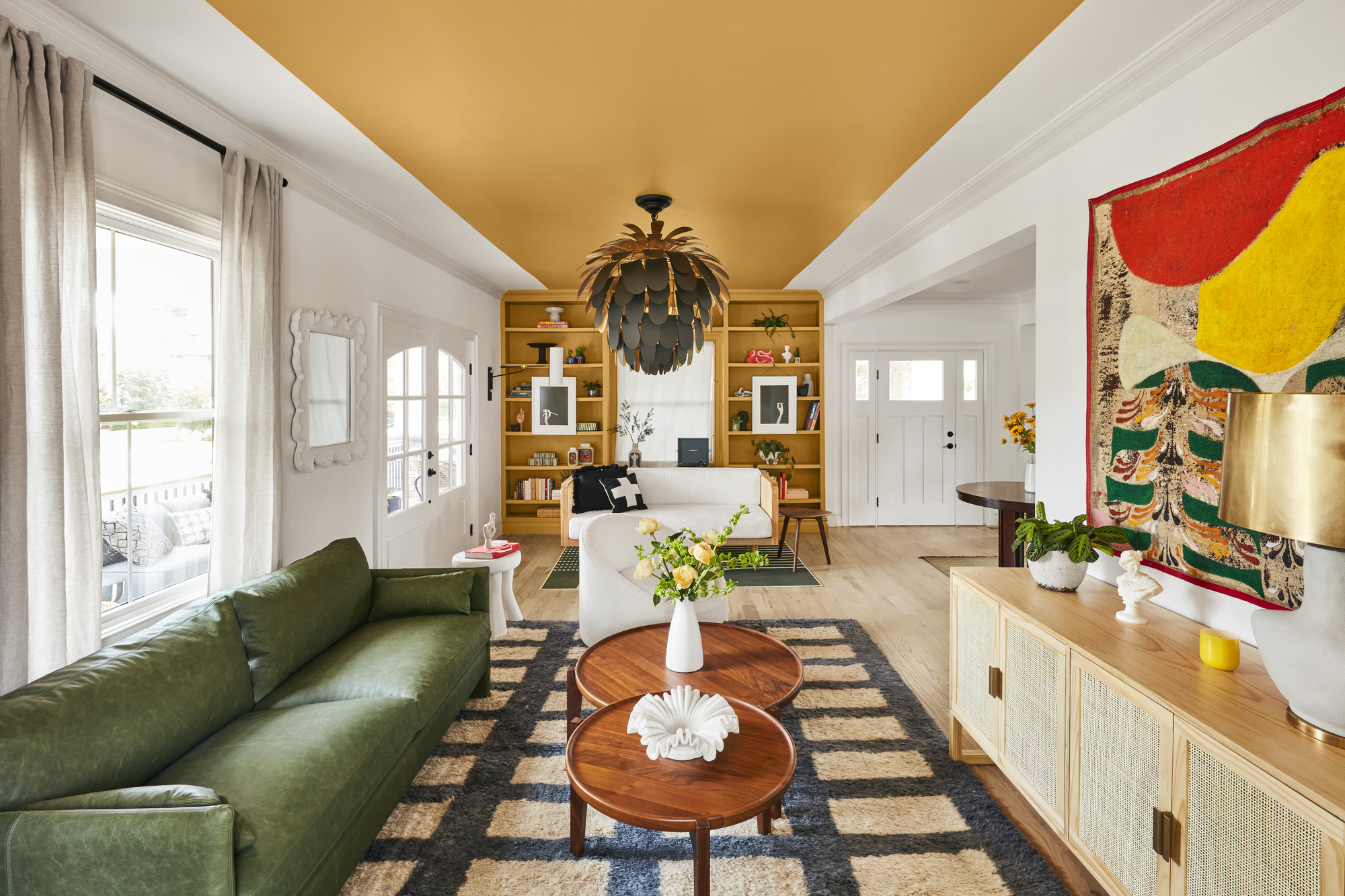
How to make a narrow room look wider with paint - expert tricks to make small spaces seem bigger
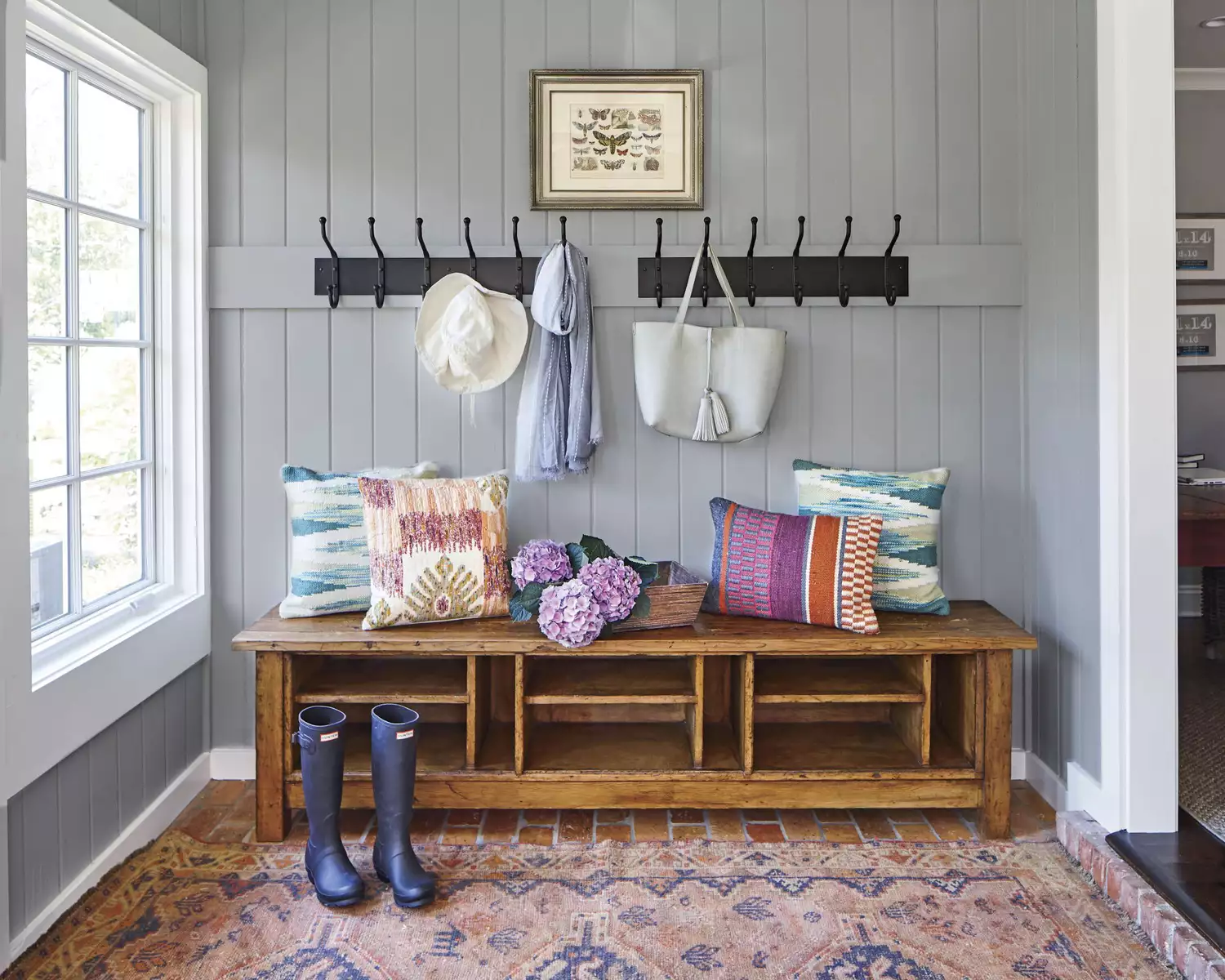
12 Paint Colors That Will Make Small Rooms Feel Bigger