1/13
12 Tips For Making Small Rooms Appear Larger Using Paint
Small rooms often feel cramped due to furniture and decor, but painting techniques can create an illusion of greater space without costly renovations. Experts suggest softening visual boundaries and clutter, often by painting furniture or architectural elements the same color as the walls. The choice of paint type, tone, finish, tints, and how colors combine significantly influence how a room is perceived. Lightening colors higher up, using glossy finishes, or incorporating vertical stripes can visually expand a space.
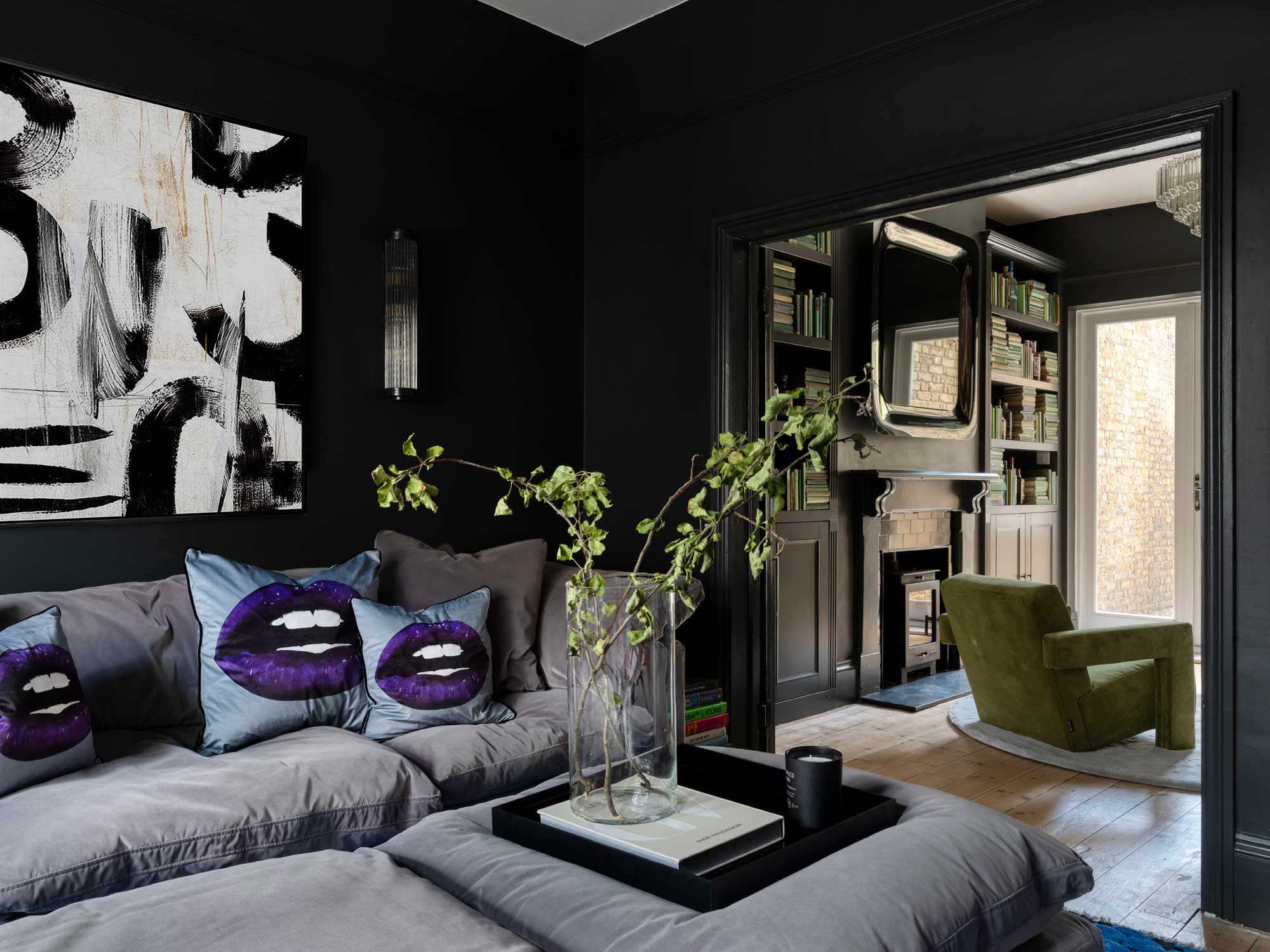
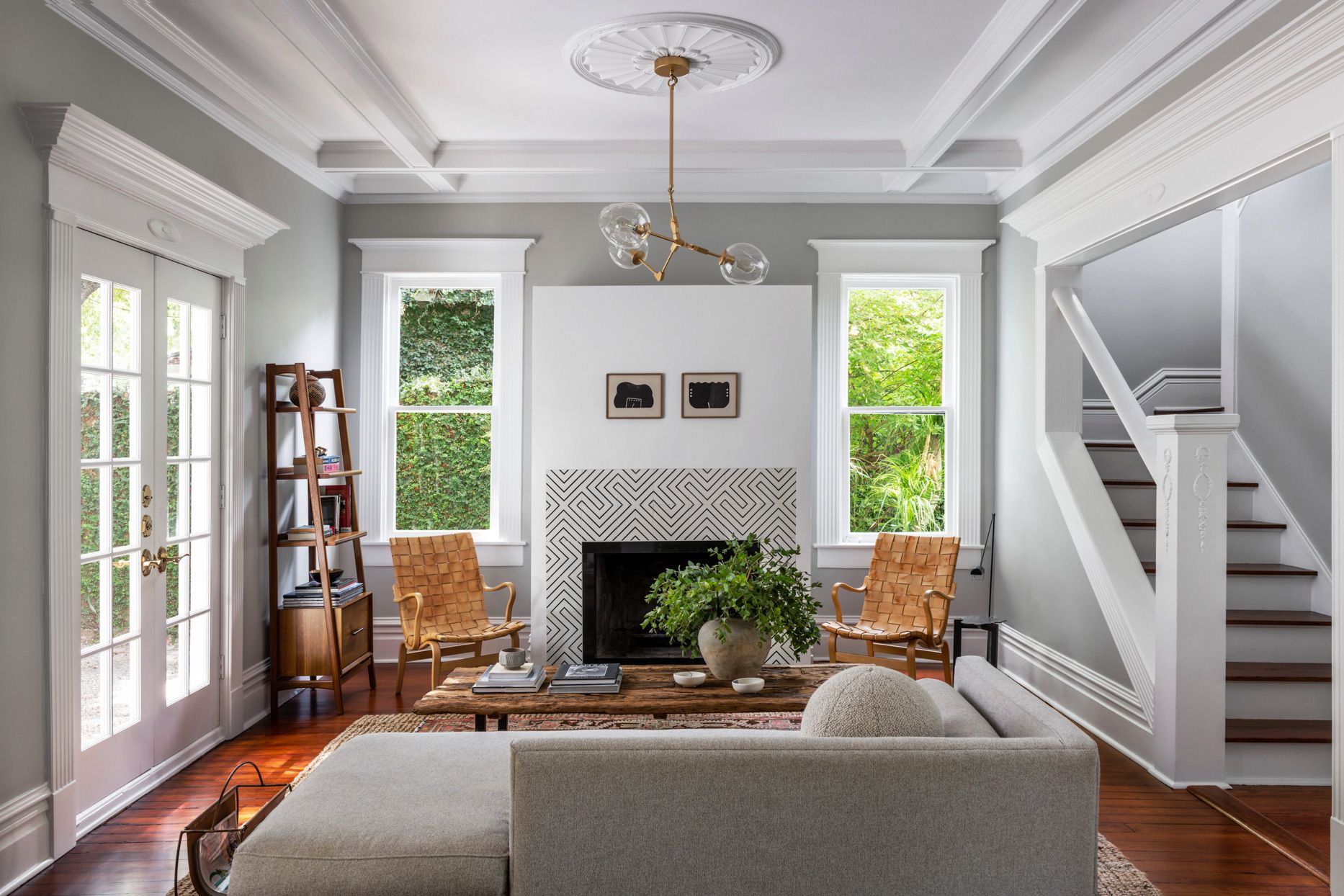
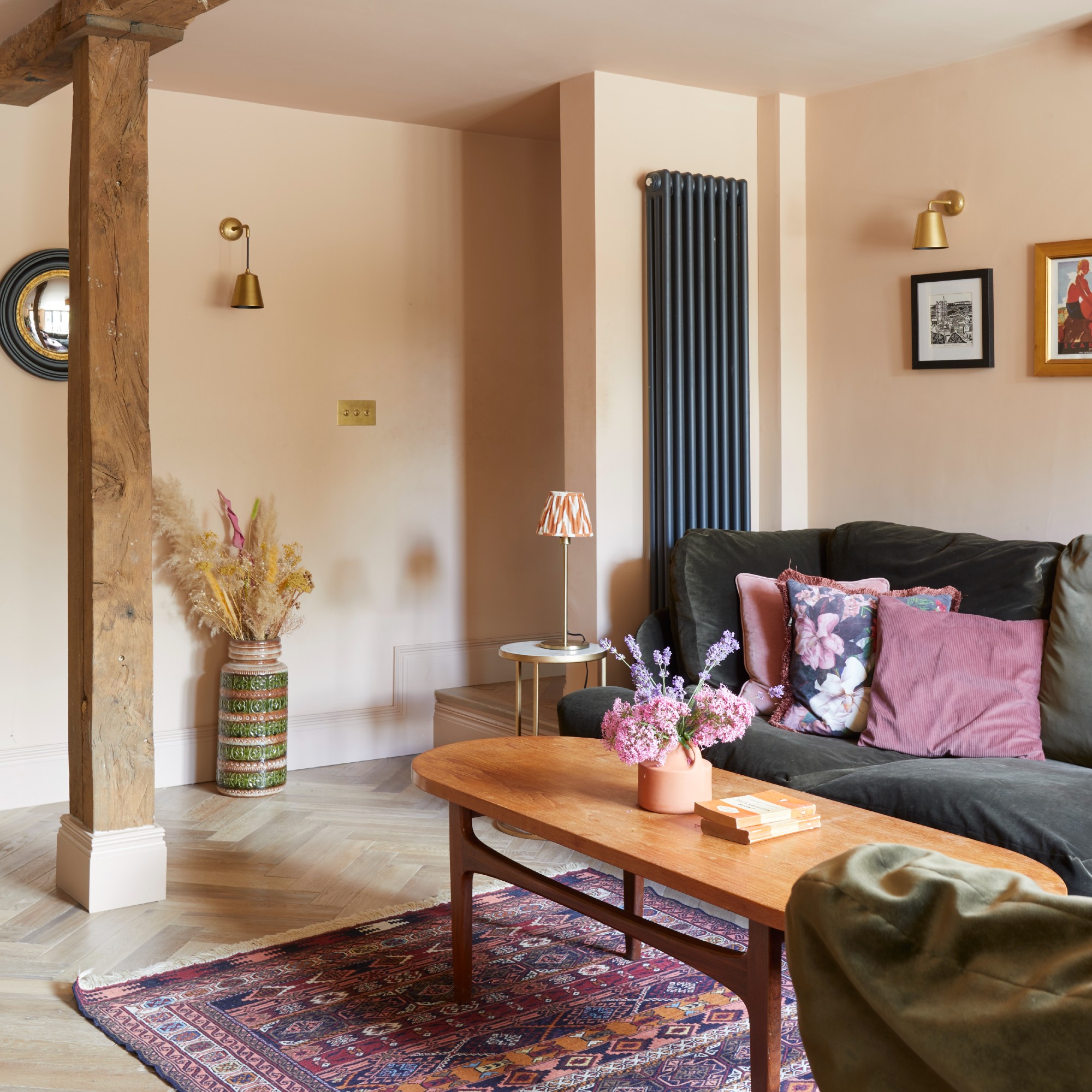
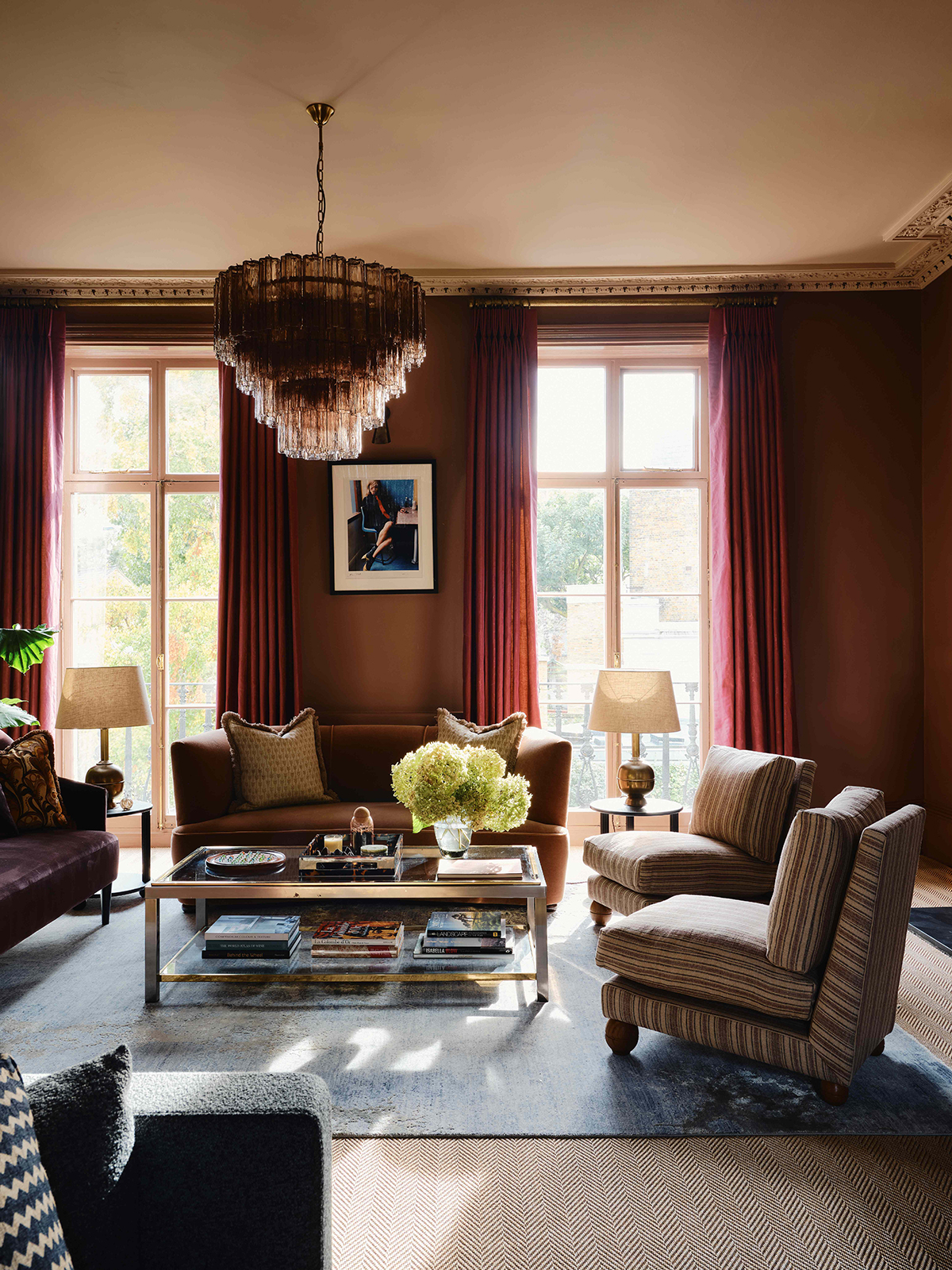
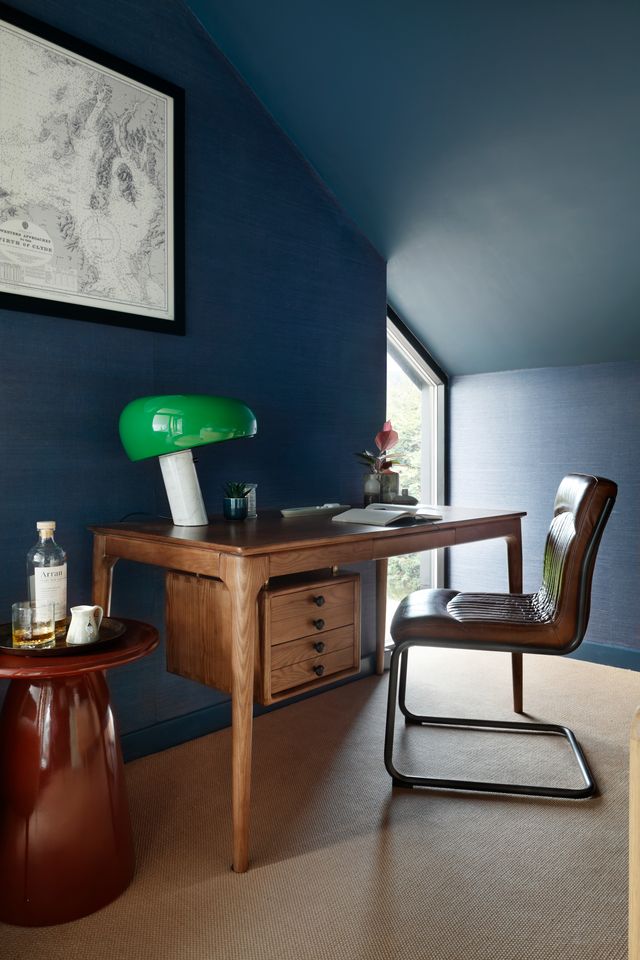
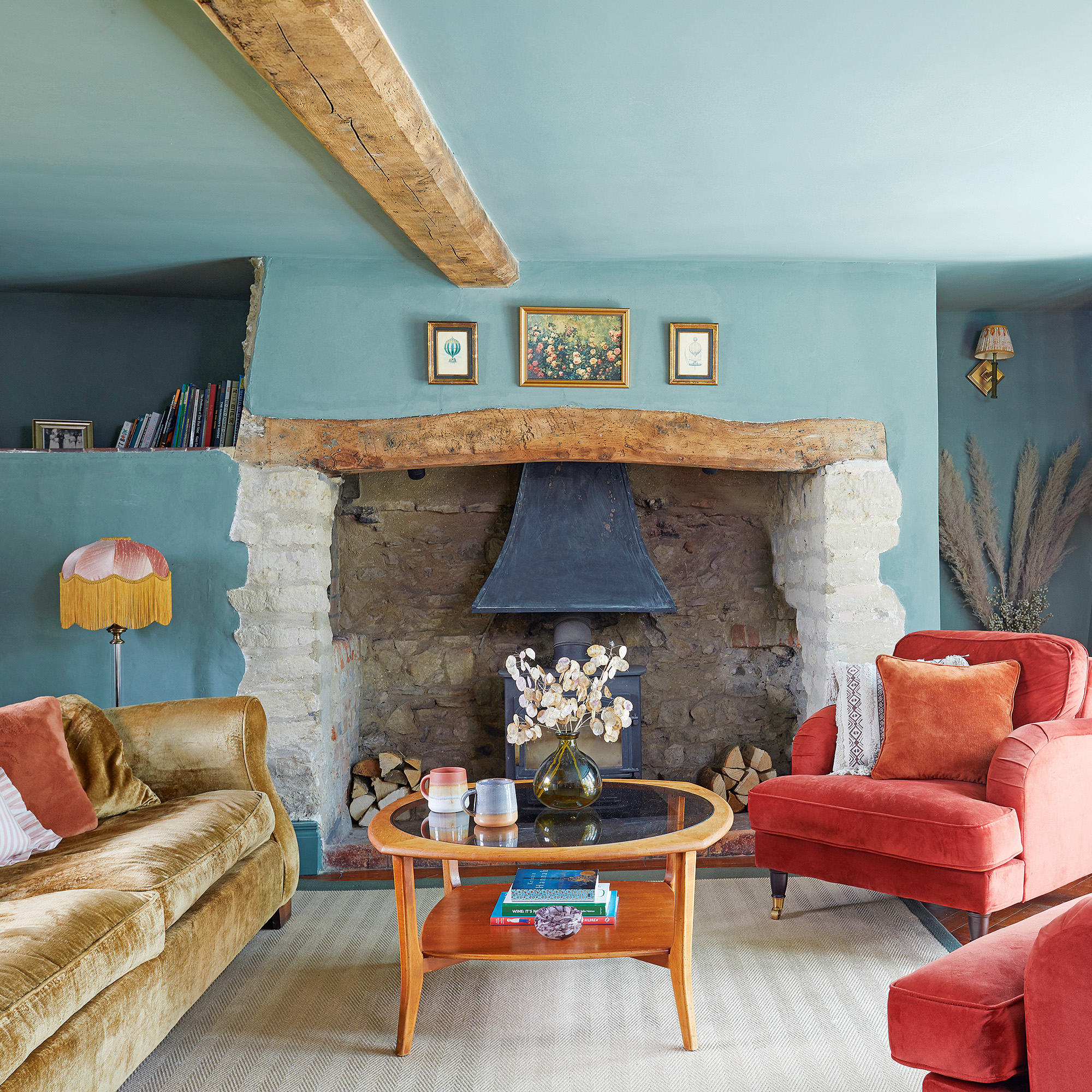
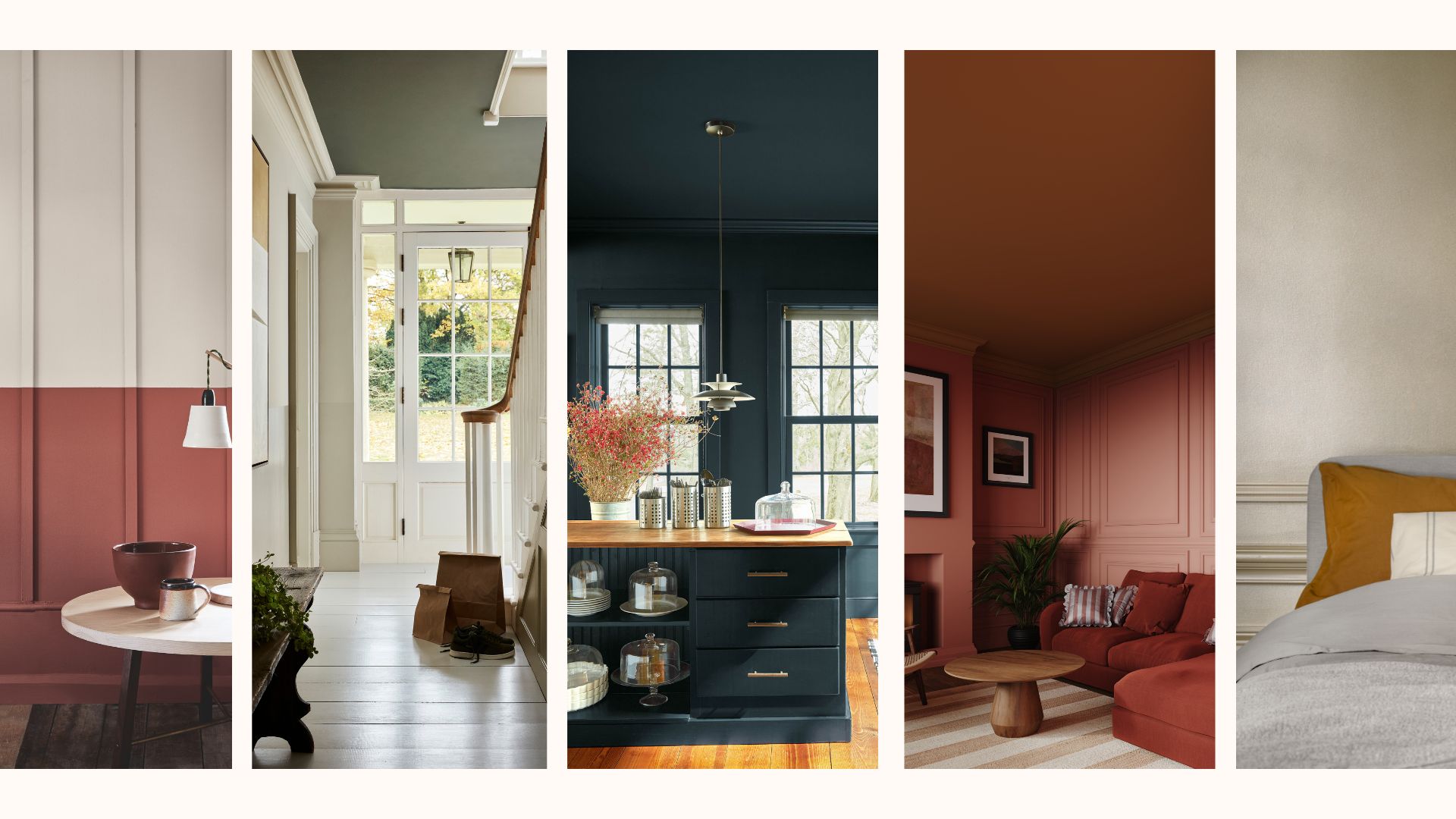
One effective tip is to paint the ceiling a paler shade than the walls. This approach, where the ceiling hue is a few shades lighter than the surrounding walls, draws the eye upward, giving the illusion of added height and making the room feel airier. This method prevents the sharp contrast of white ceilings with darker walls, which can disrupt a moody aesthetic and highlight seams, thus creating visual breaks. For maximum impact, choosing a ceiling color approximately 20% lighter than the walls is recommended, maintaining color harmony even in dark color schemes.
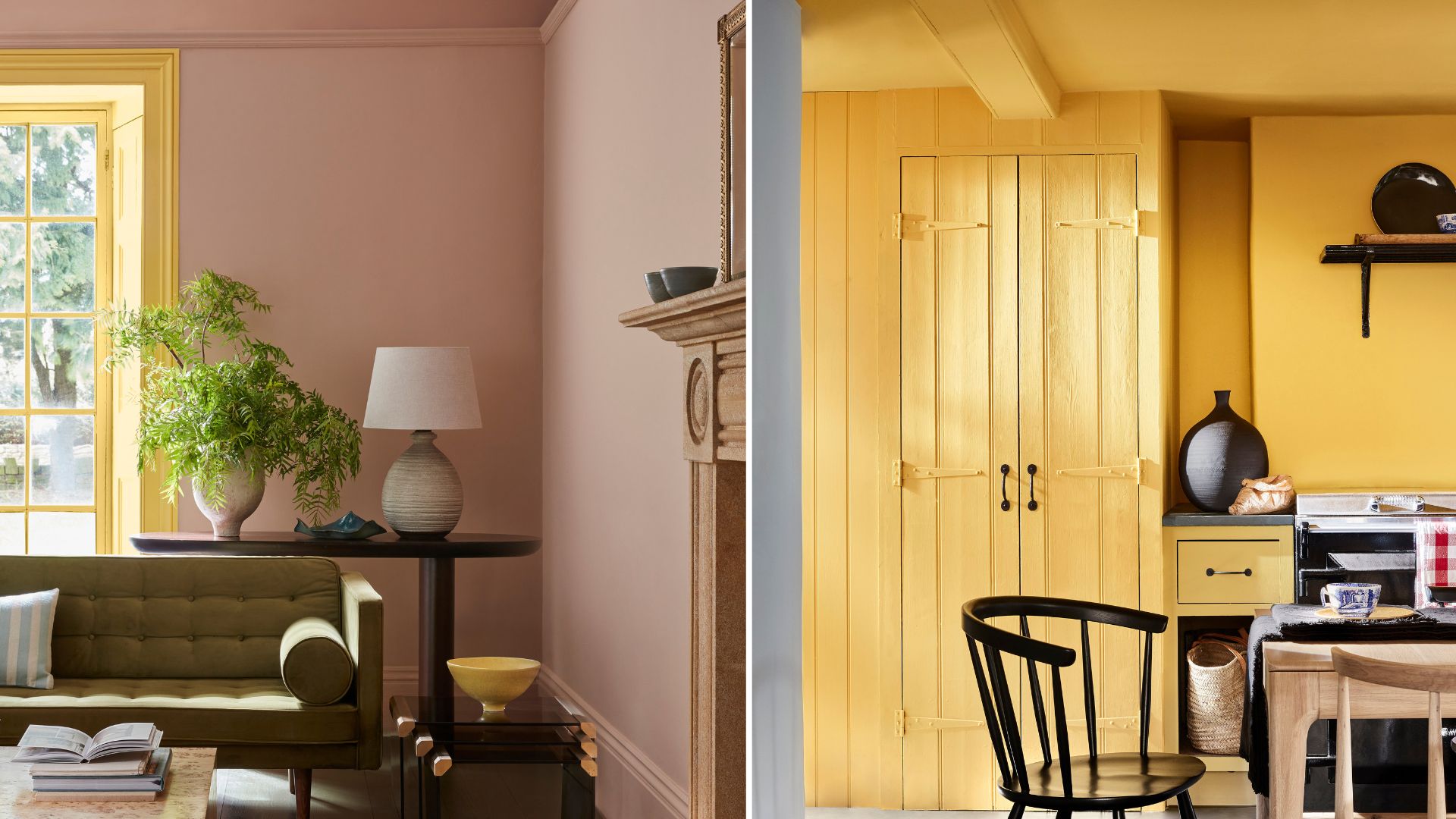
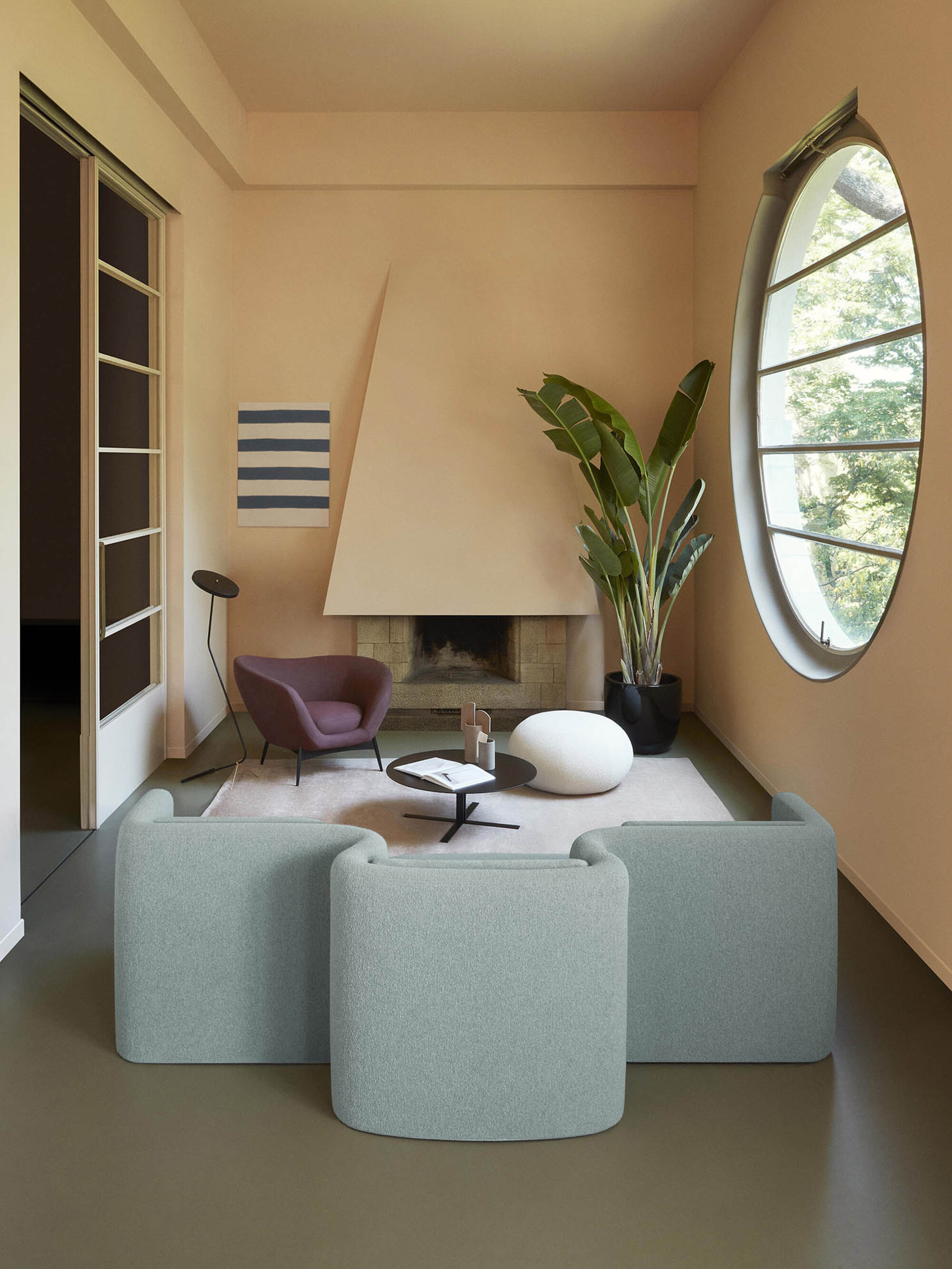
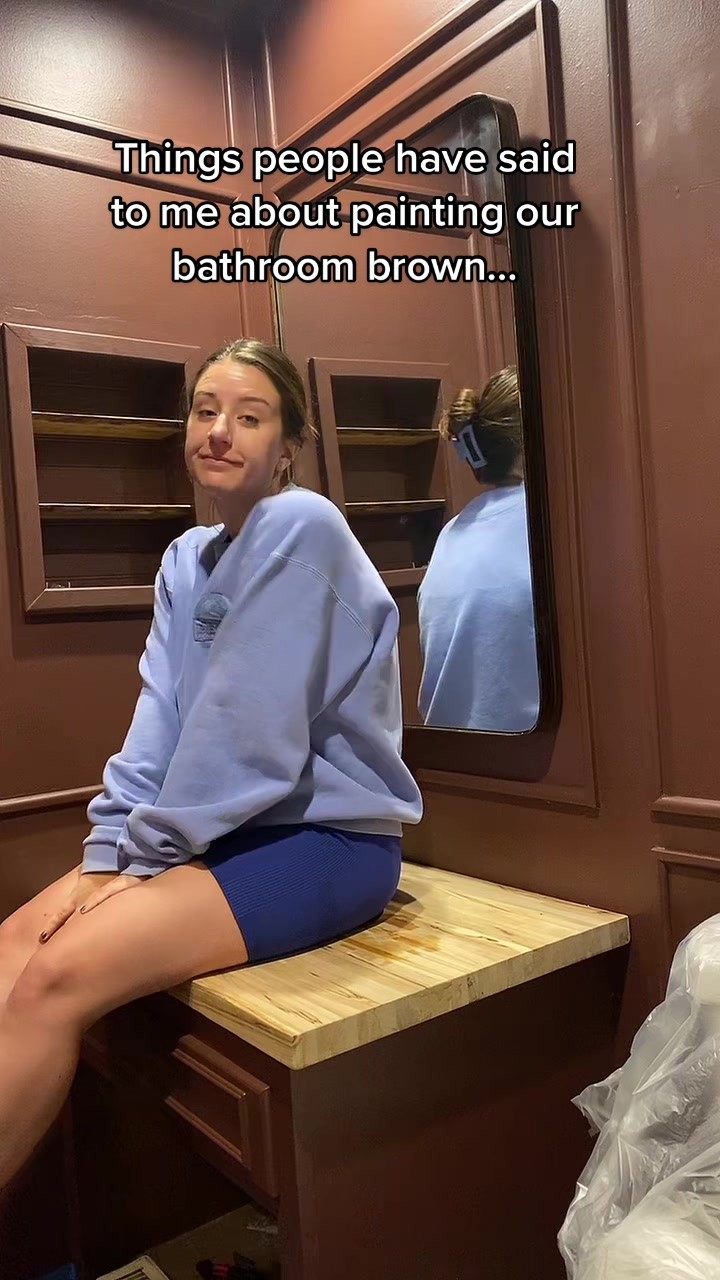
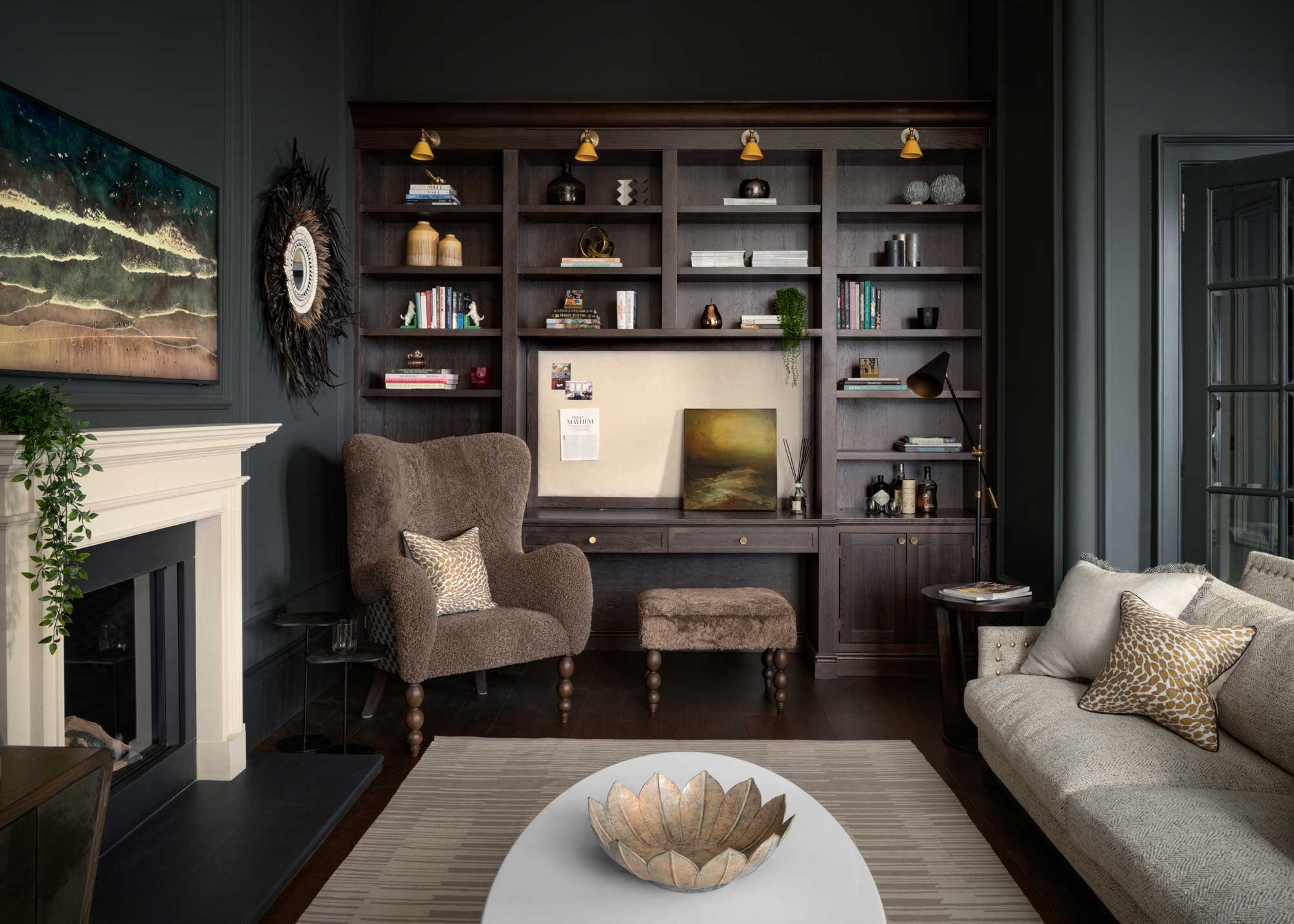
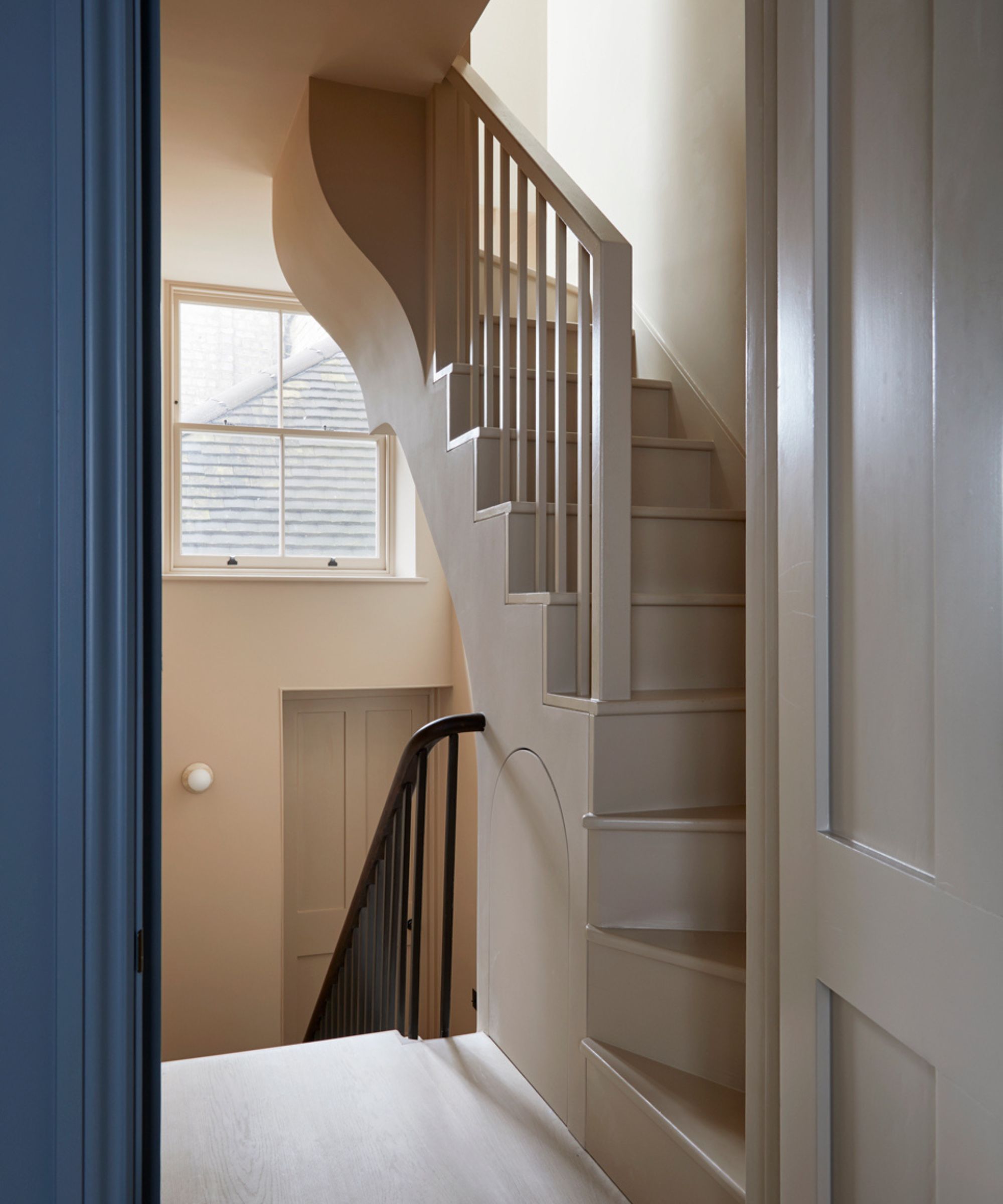
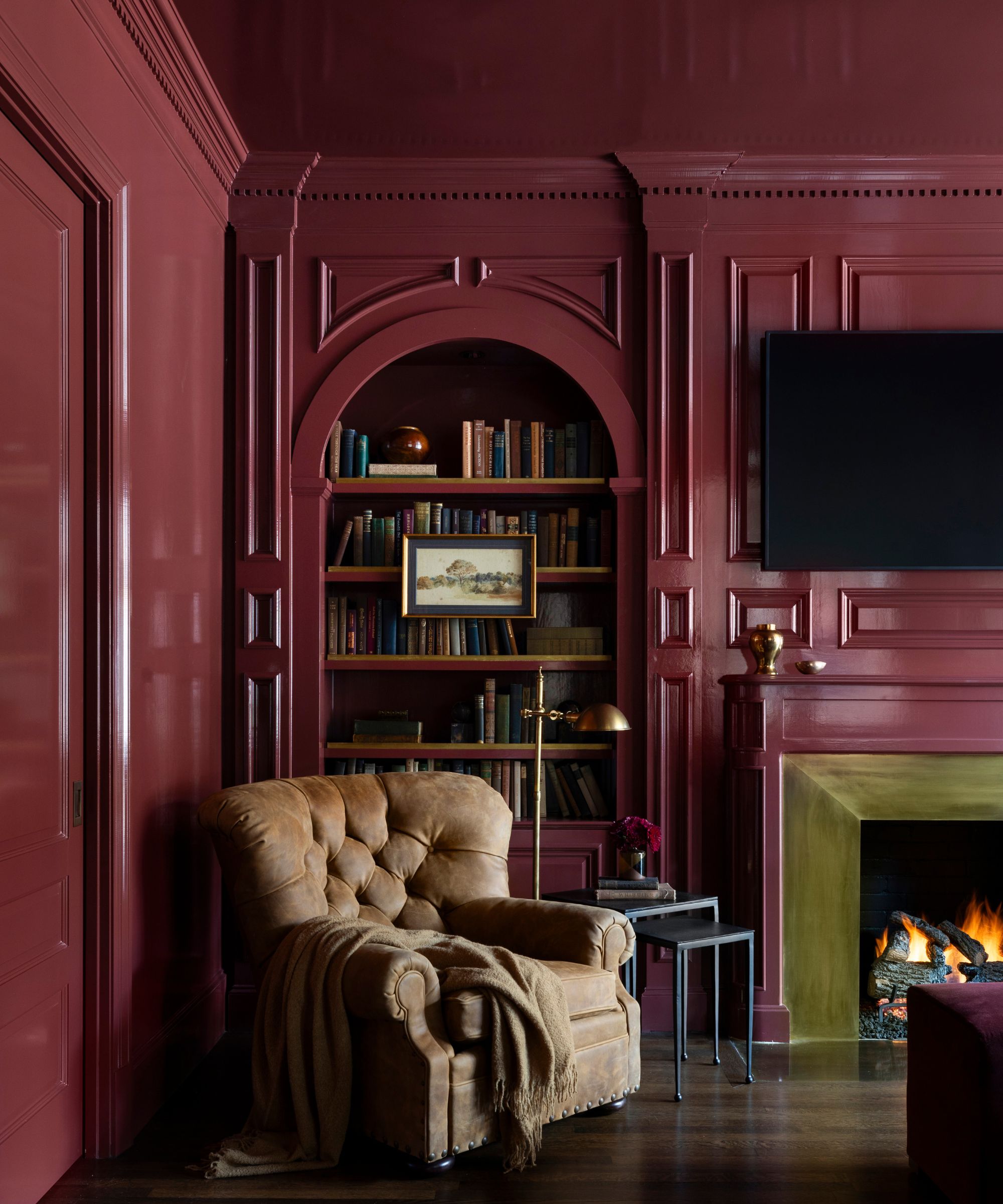
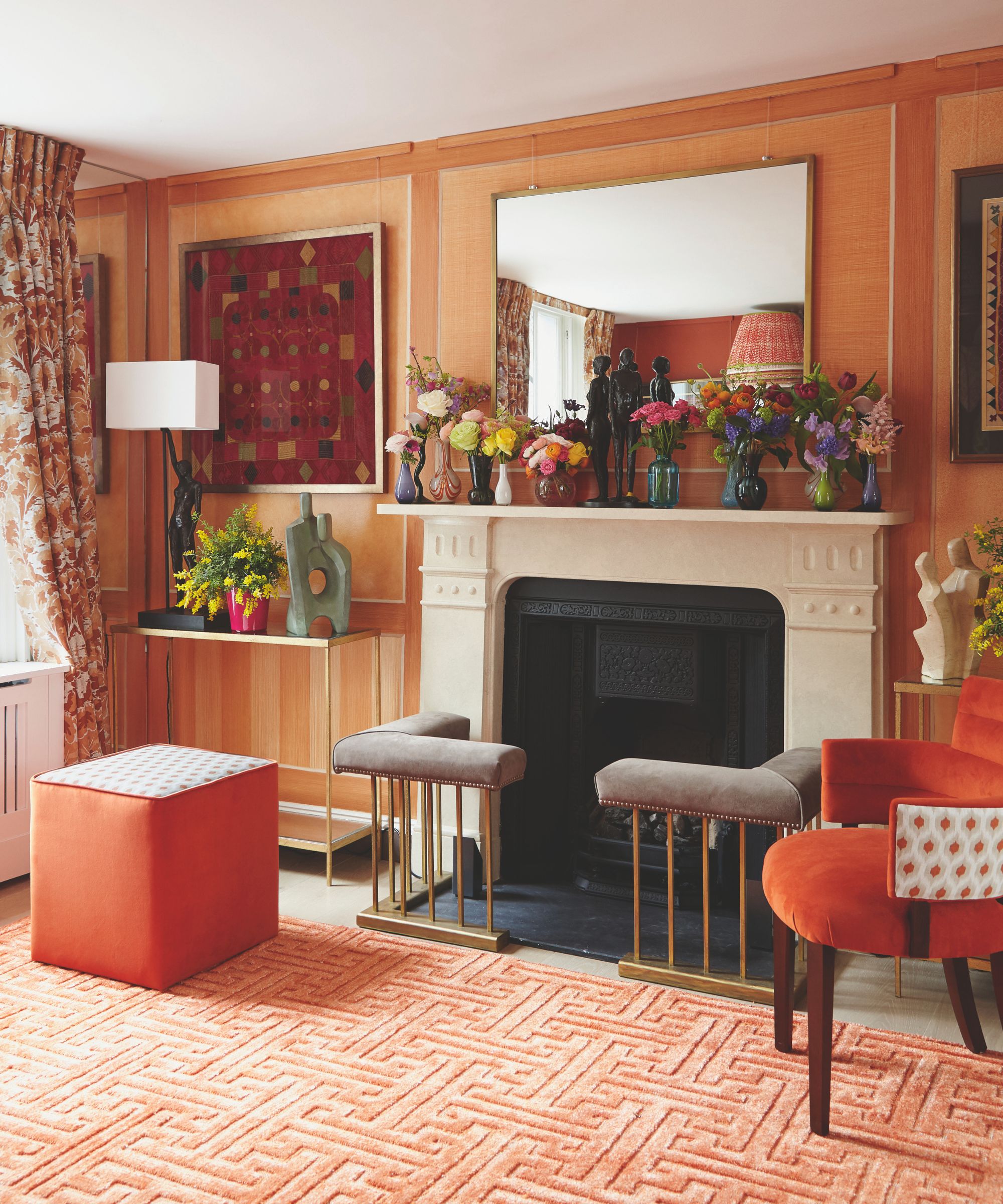
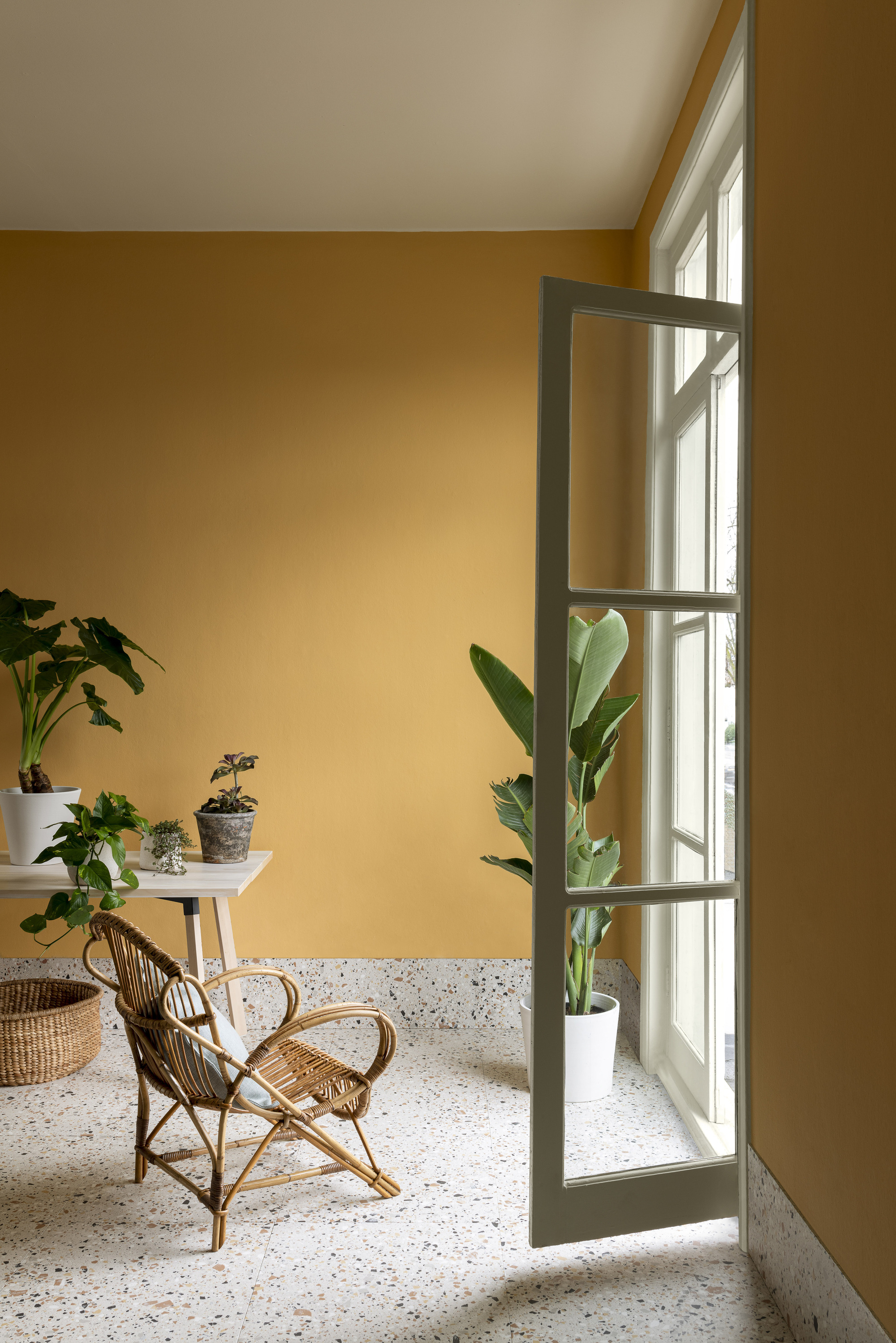
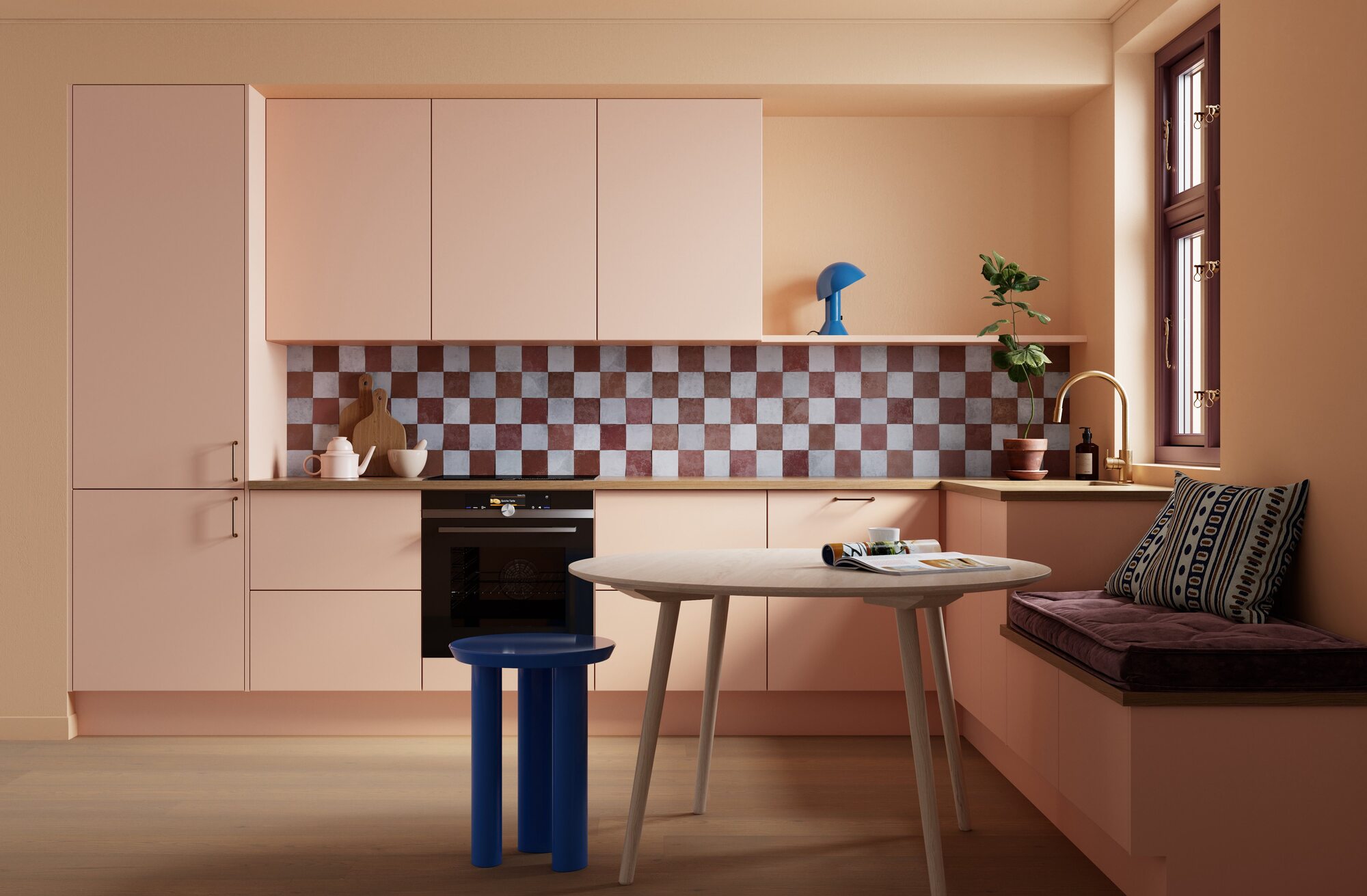
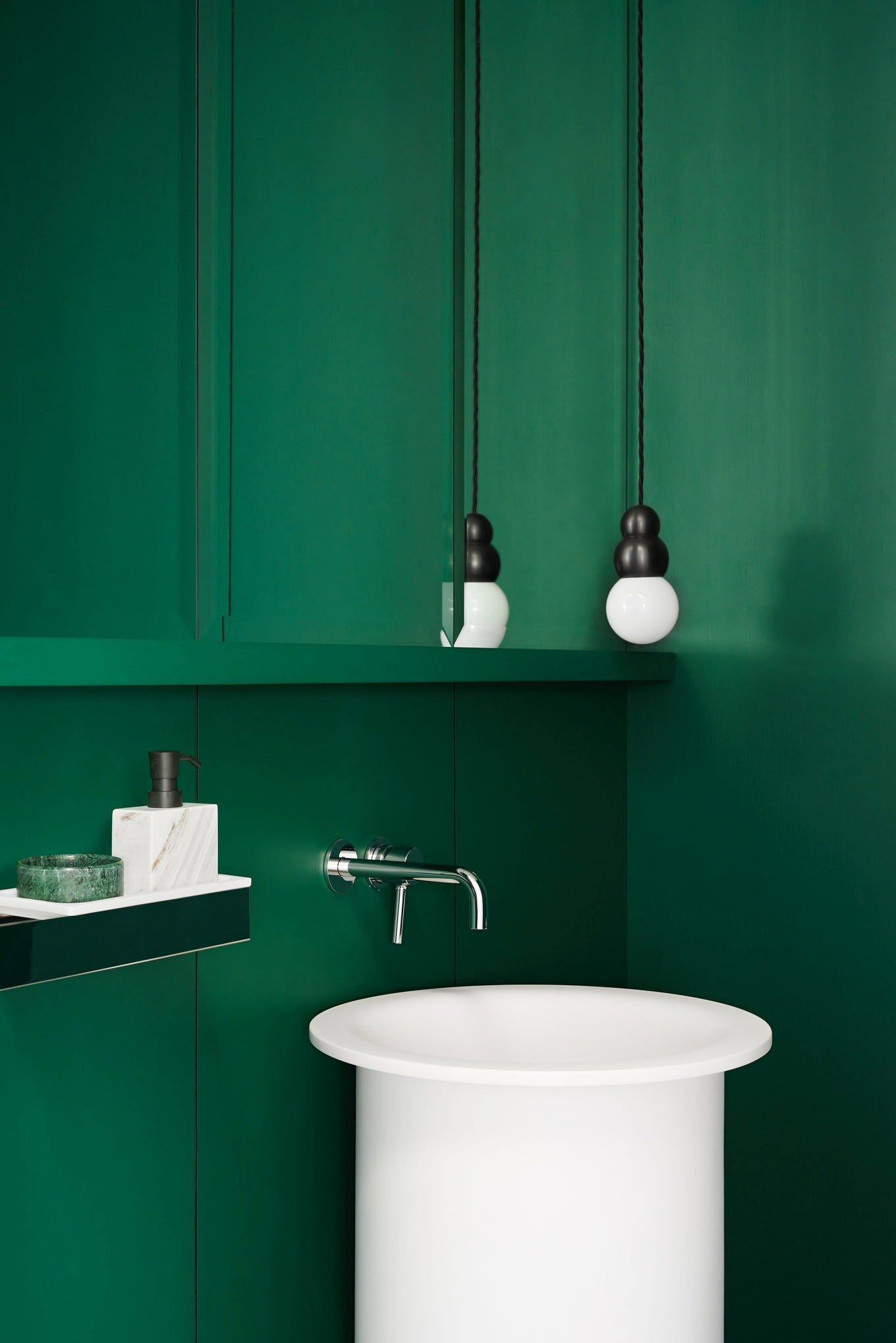
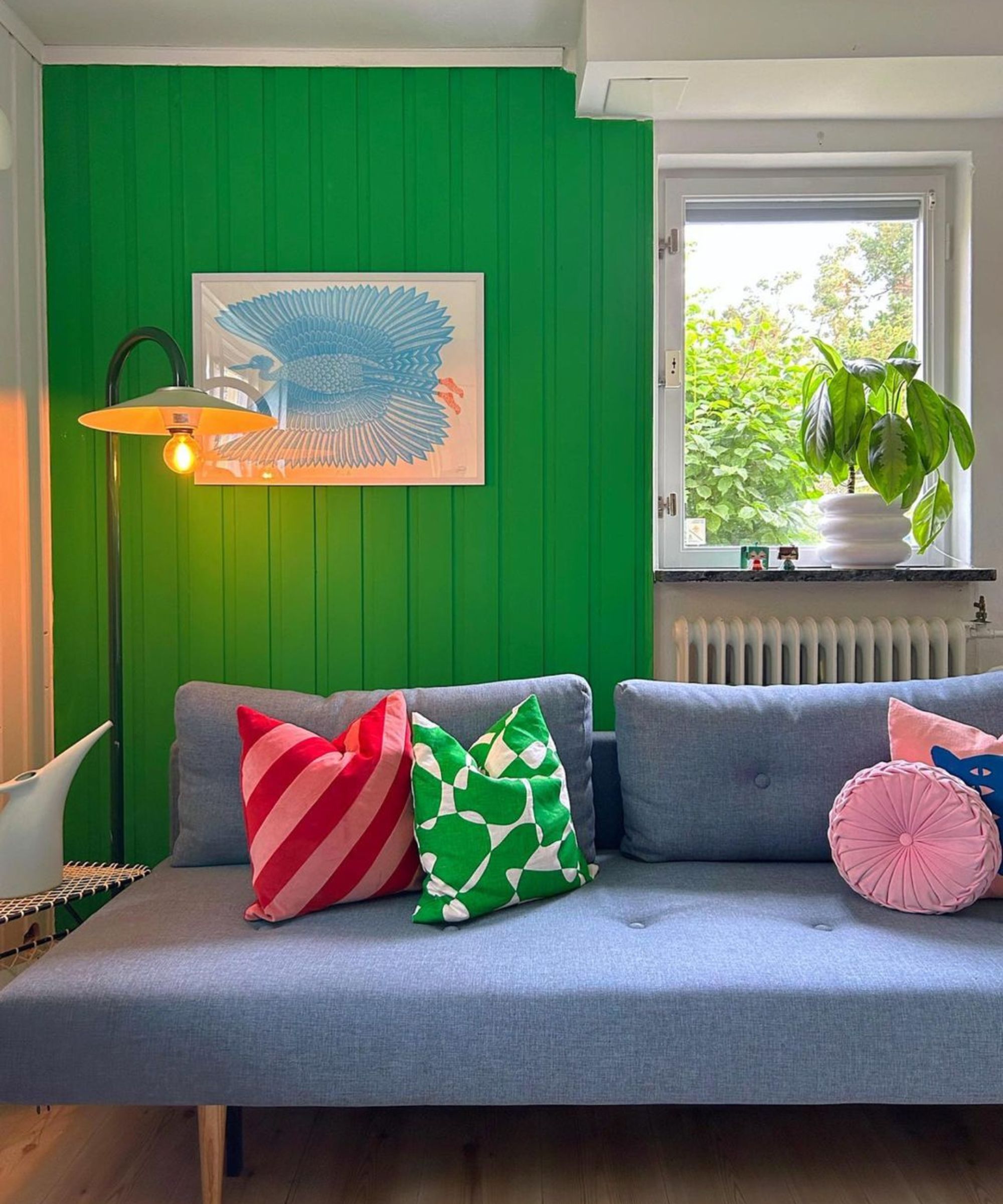
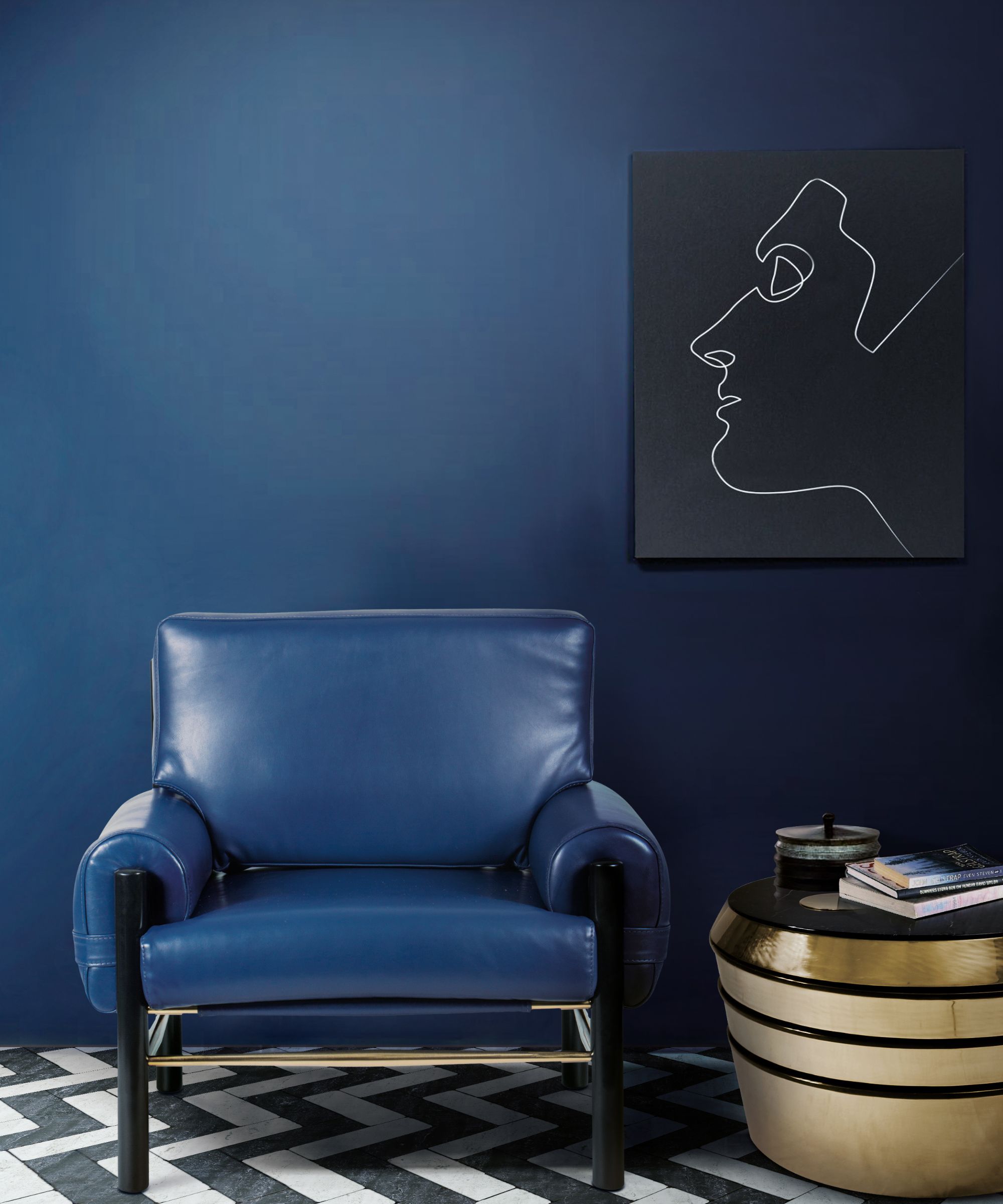
Color drenching involves painting various room elements, including walls, trim, doors, and the ceiling, in an identical hue. This technique dissolves visual boundaries, making the room feel enormous and expansive. By eliminating contrast between surfaces, edges are blurred, making walls appear to stretch beyond their actual limits. This is particularly effective in rooms with architectural details, where differing shades can cause visual interruptions. When elements merge, the eye glides continuously, making the room appear stretched and more spacious. Dark hues like navy blue or jewel green are suitable for color drenching small rooms, but neutral, earthy tones also work well, especially when relying on natural light.
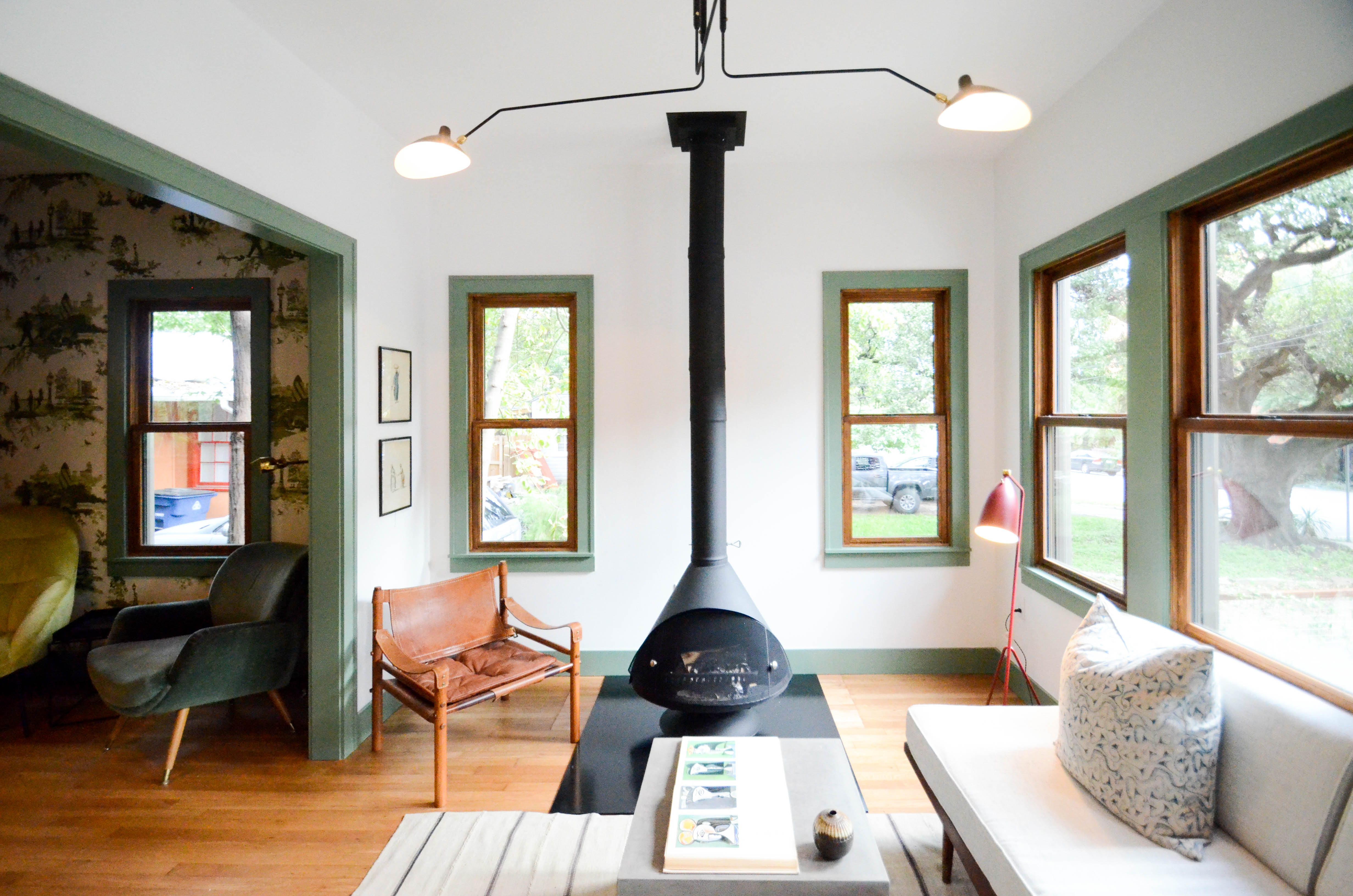
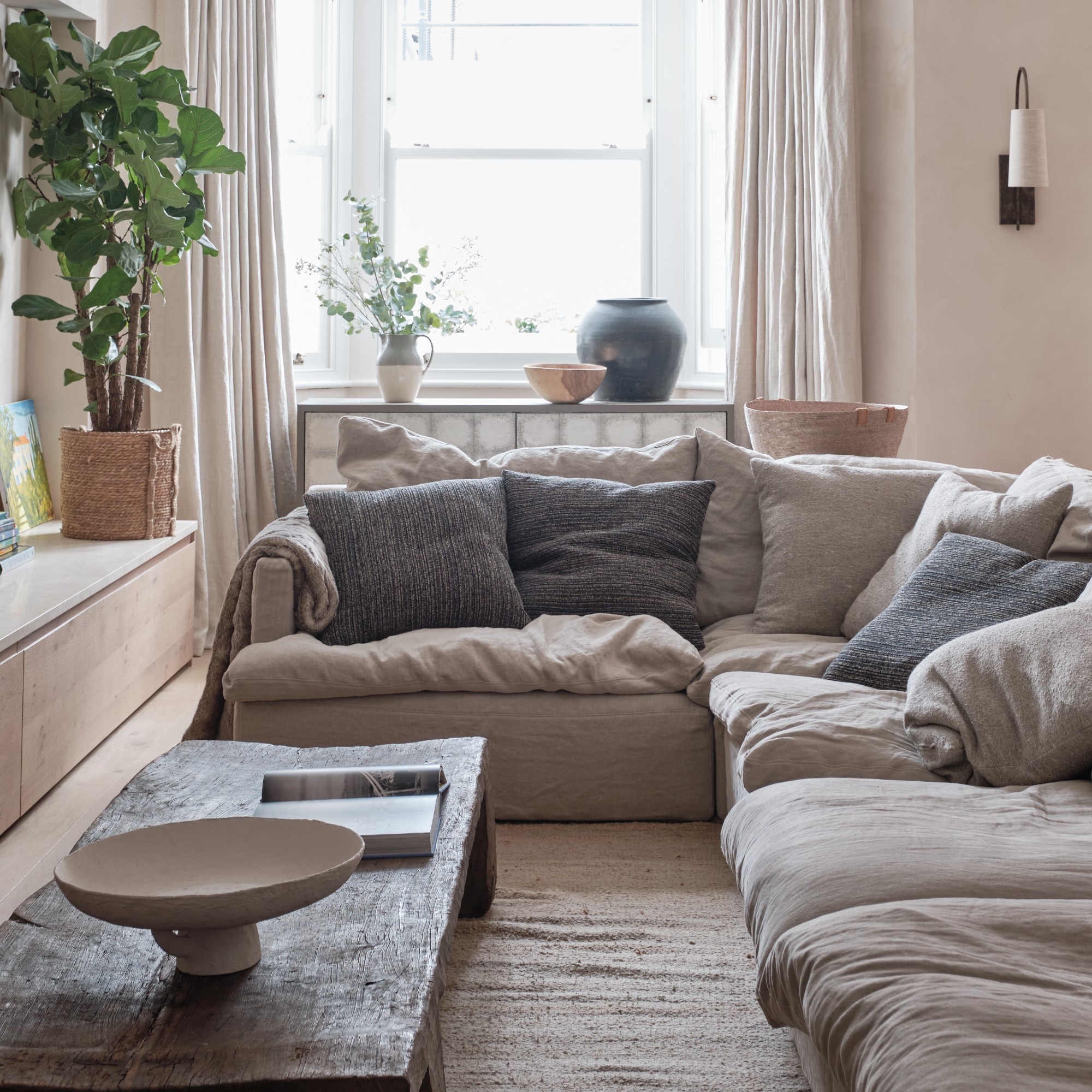
For those who find a single color monotonous, using monochromatic tints of the same color offers an alternative. This involves choosing a color in different tonal intensities (typically no more than three) and applying them across the room. This creates a layering effect and adds visual depth. When walls, trim, and built-ins are in related tones, the space reads as one uninterrupted volume, eliminating hard visual stops and starts. This method is often implemented in small apartments and townhouses for a cohesive, airy look that retains warmth and personality.
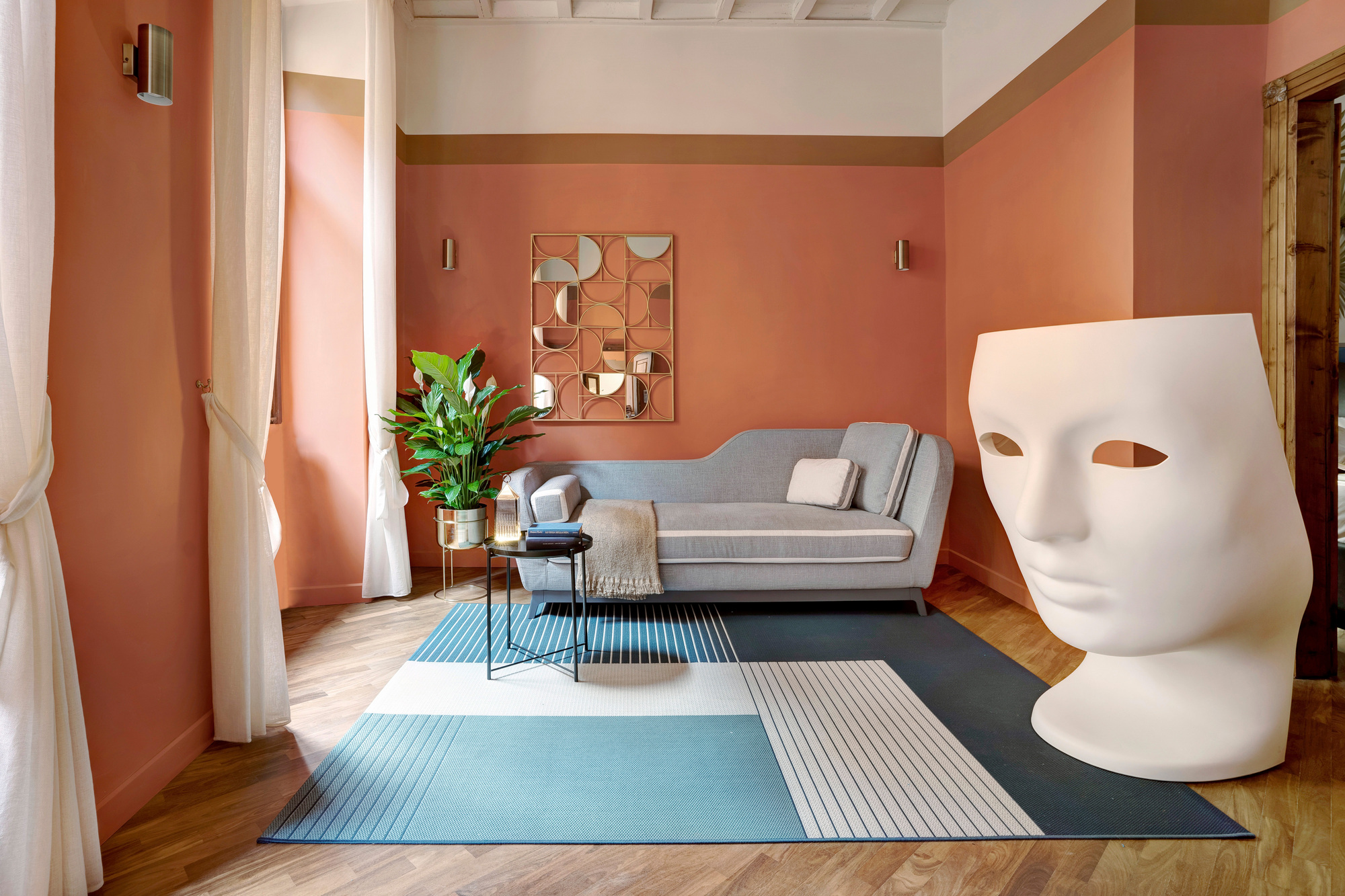
Incorporating a thin horizontal stripe just below the ceiling can widen a narrow room. Placing the strip about 10 centimeters (4 inches) from the ceiling or using wall molding as a cutoff point directs the eye laterally, giving the perception of a wider room without overpowering the space. If the ceiling is dark, coating the stripe in white or light colors can make it a focal point, bounce light, and make the space look taller.
The ombré effect, applying a soft gradient or tonal shift on one feature wall (darker at the bottom and lighter moving upward), can add depth to cramped rooms. This technique makes ceilings appear higher and adds dimension, while the darker bottom keeps the space grounded. This encourages the onlooker to look upward, following the smooth transitions of the gradient, and avoids physical architectural tricks.
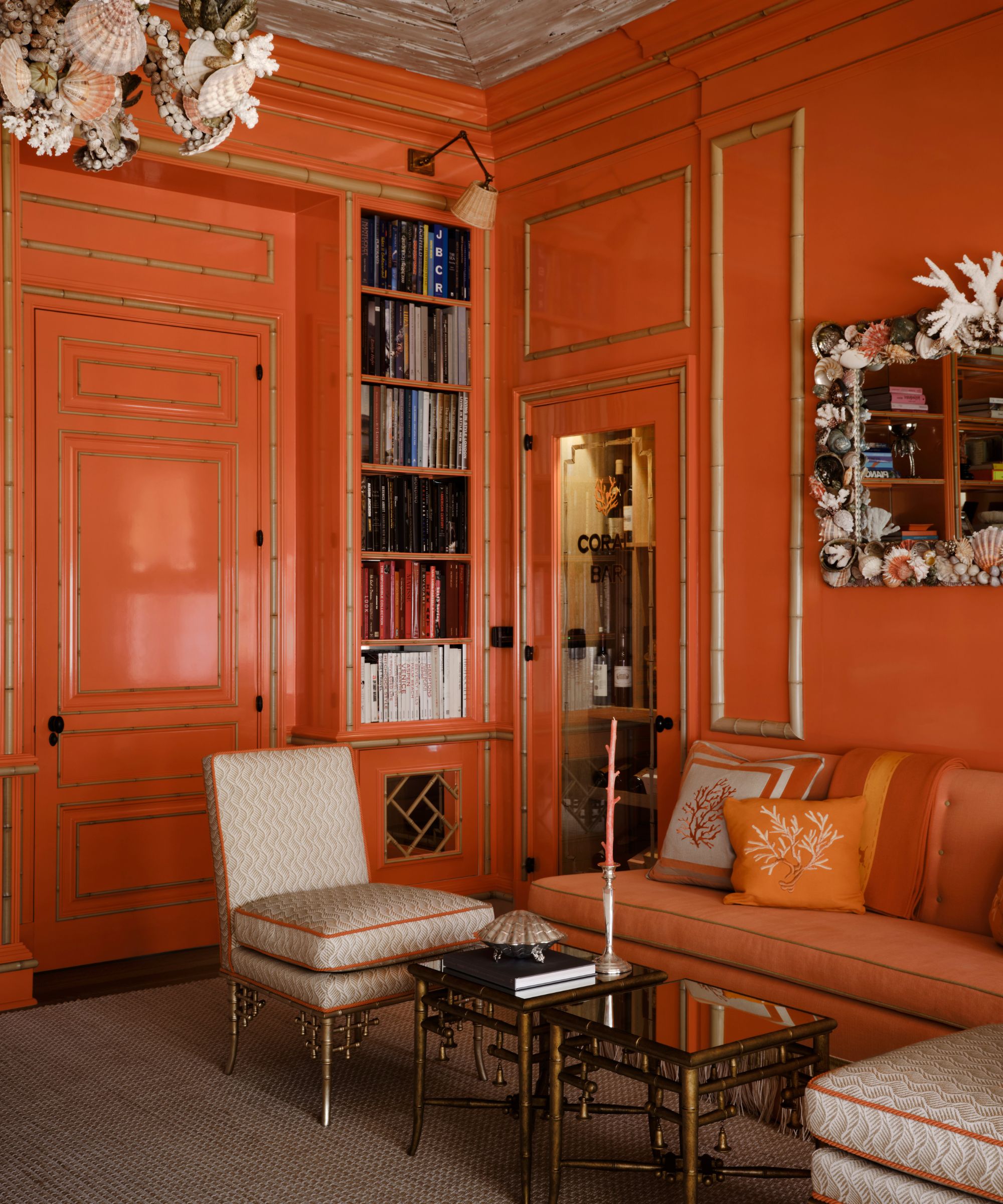
Selecting a reflective paint finish, such as eggshell or satin, is crucial because it bounces more light. Unlike matte finishes that absorb light and constrict space, glossy or reflective surfaces brighten corners and reduce visual 'dead zones,' making a room feel less cramped. The reflected light minimizes visual fragmentation, adding fluidity. While a semi-gloss or satin paint on the ceiling or accent walls can create a livelier, more dynamic environment, a high-gloss finish should be avoided on all walls due to its tendency to highlight imperfections.
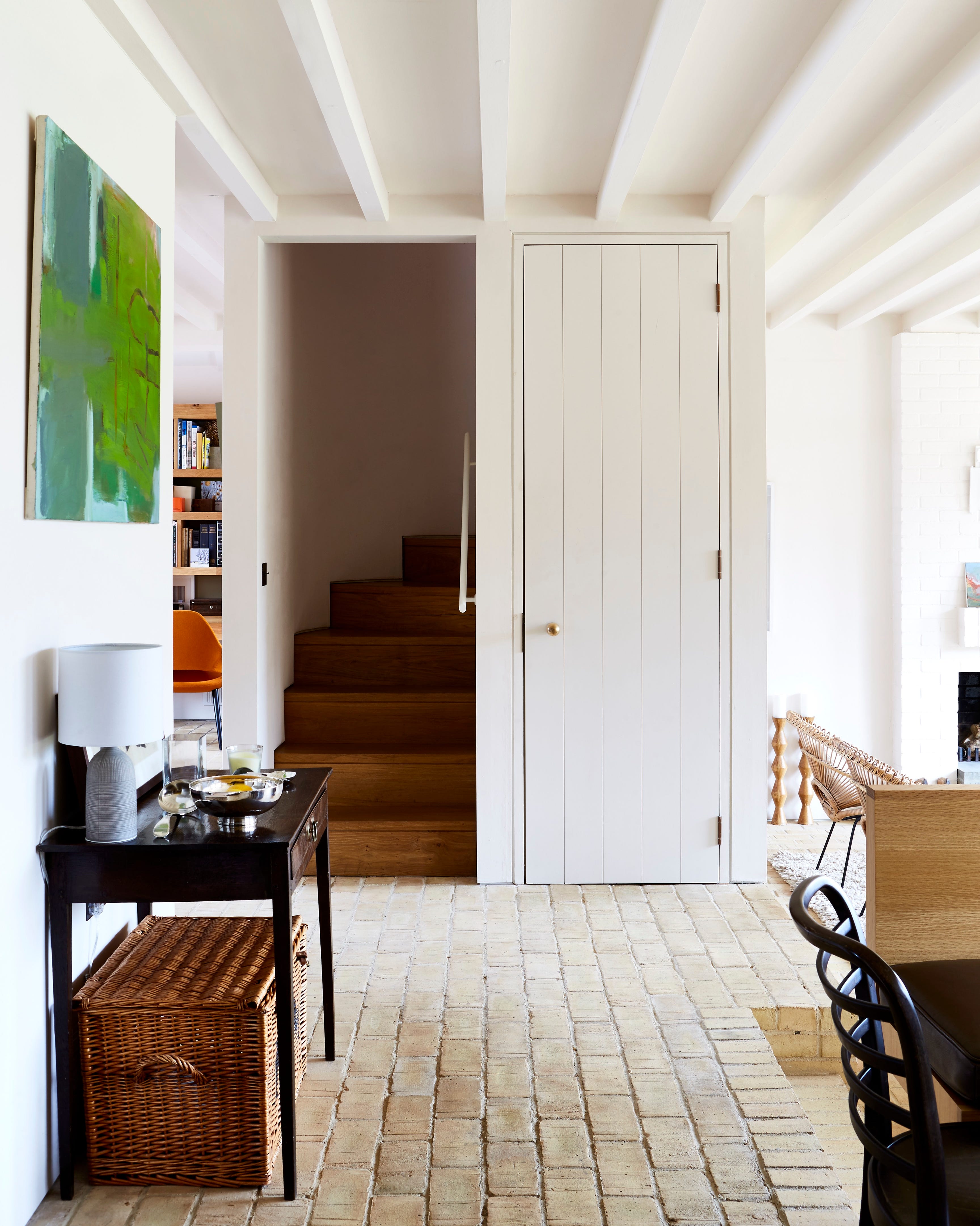
Coordinating the color of bulky furniture with the walls helps reduce its visual mass. Painting large pieces like wardrobes or cabinets the same color as the walls visually minimizes their bulk, making them 'disappear' into the background. This keeps the space feeling less cluttered and more expansive by preventing these items from popping and fragmenting the space. This tip works across various color schemes, including white, warm neutrals, and cool blues.
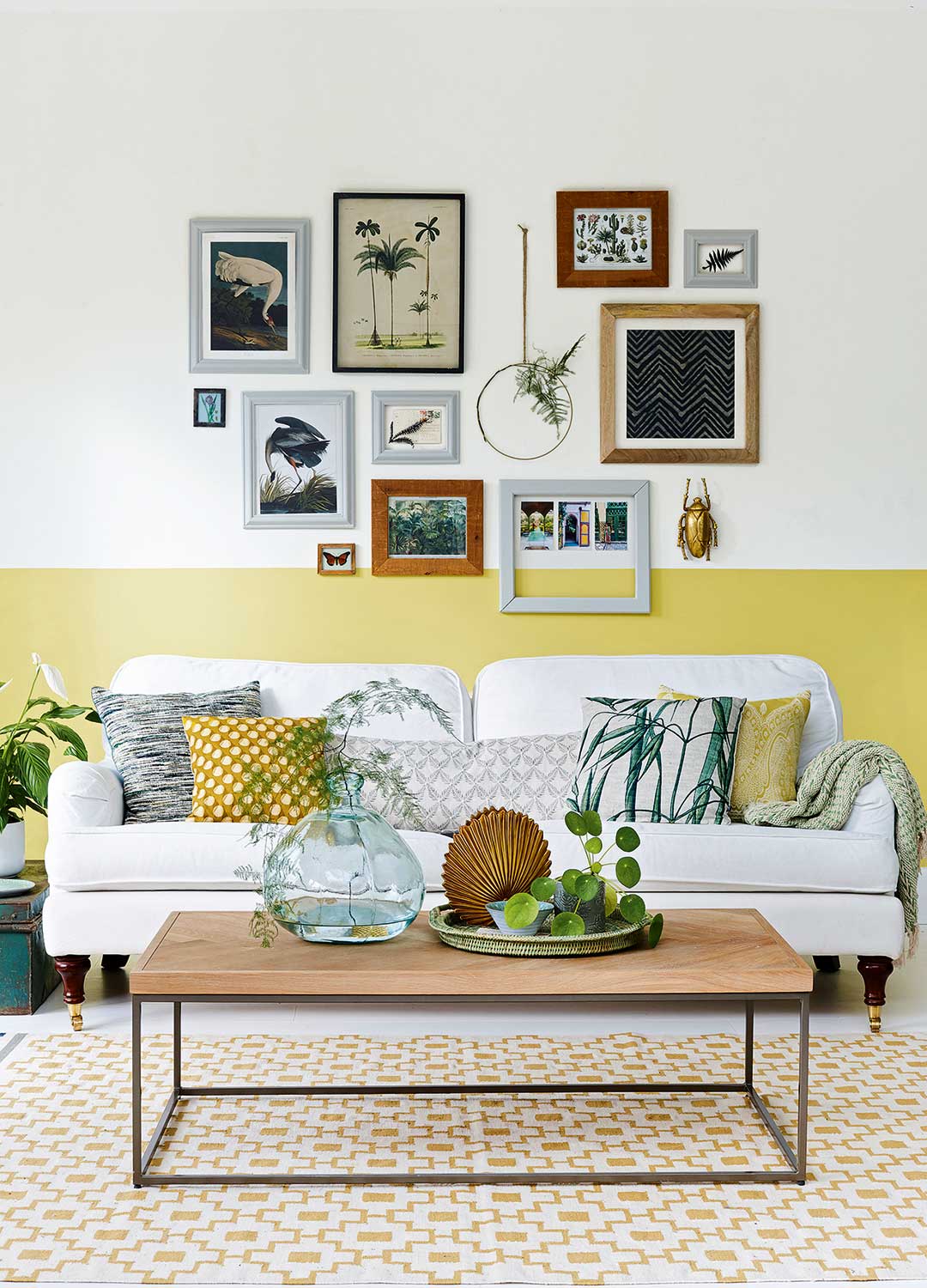
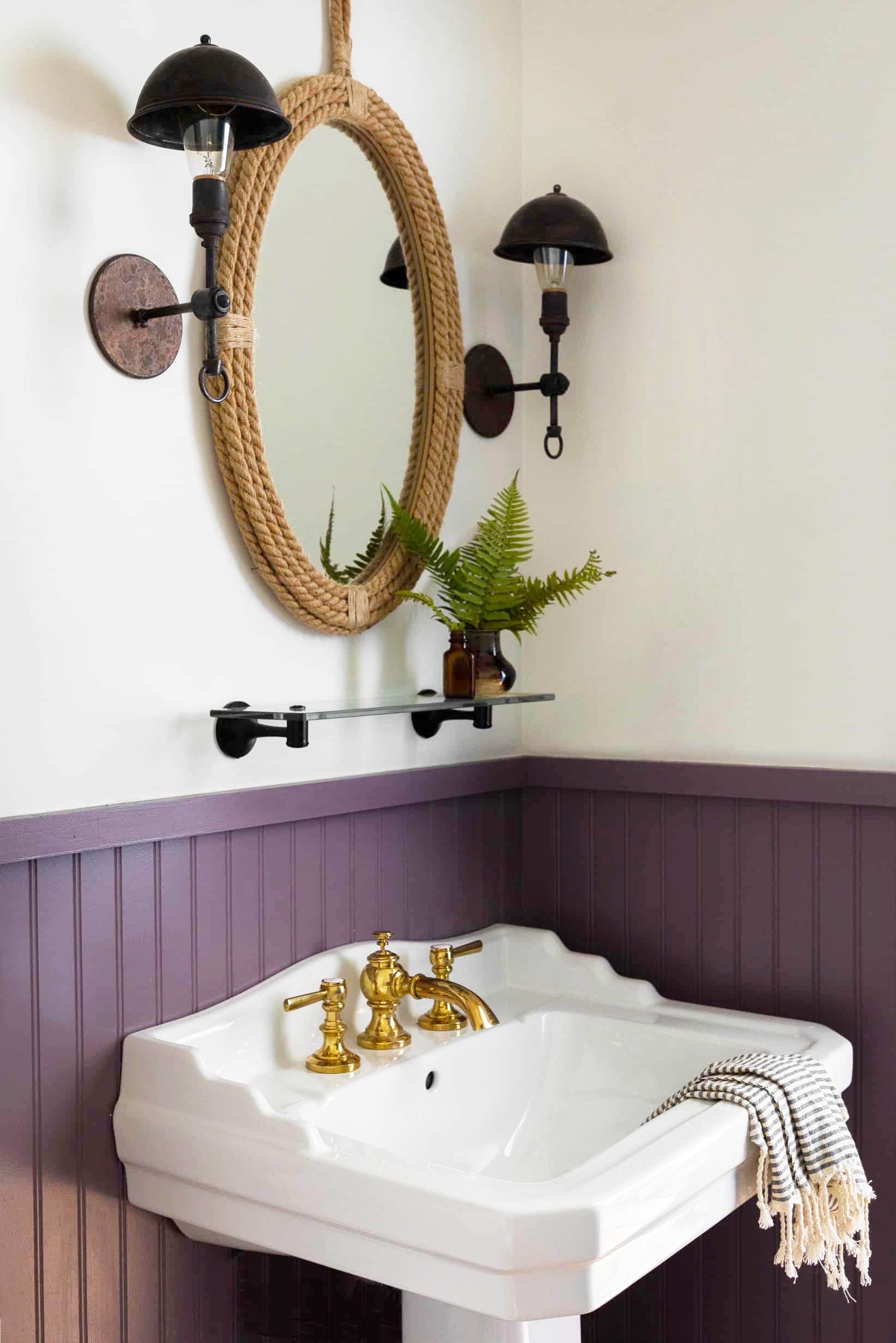
Color-blocking, carefully applied, can also create an illusion of more space. Dividing a wall horizontally with a deeper tone on the lower half and a lighter shade on the upper half can make ceilings feel higher. This effectively tricks the brain into perceiving greater vertical space. Horizontal divisions can also stretch a space wider, which is beneficial for narrow rooms and hallways. The key is to envision the desired visual effect and guide the paint strategy accordingly.
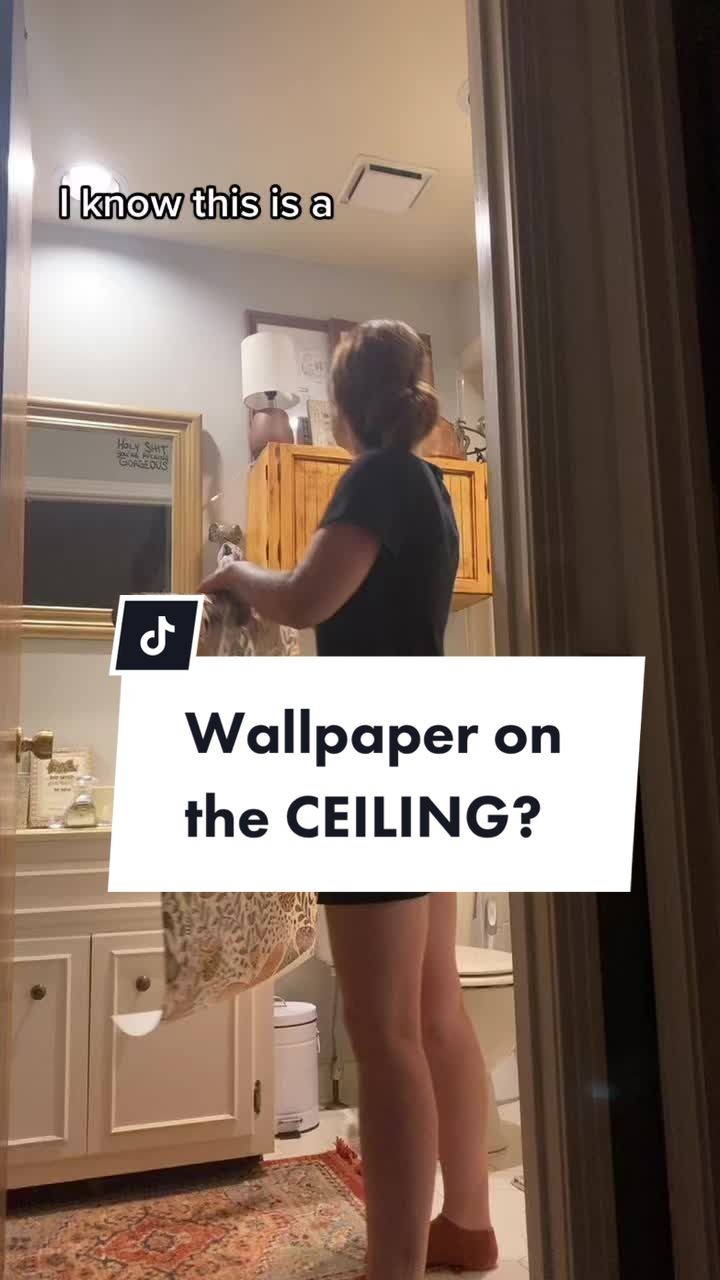
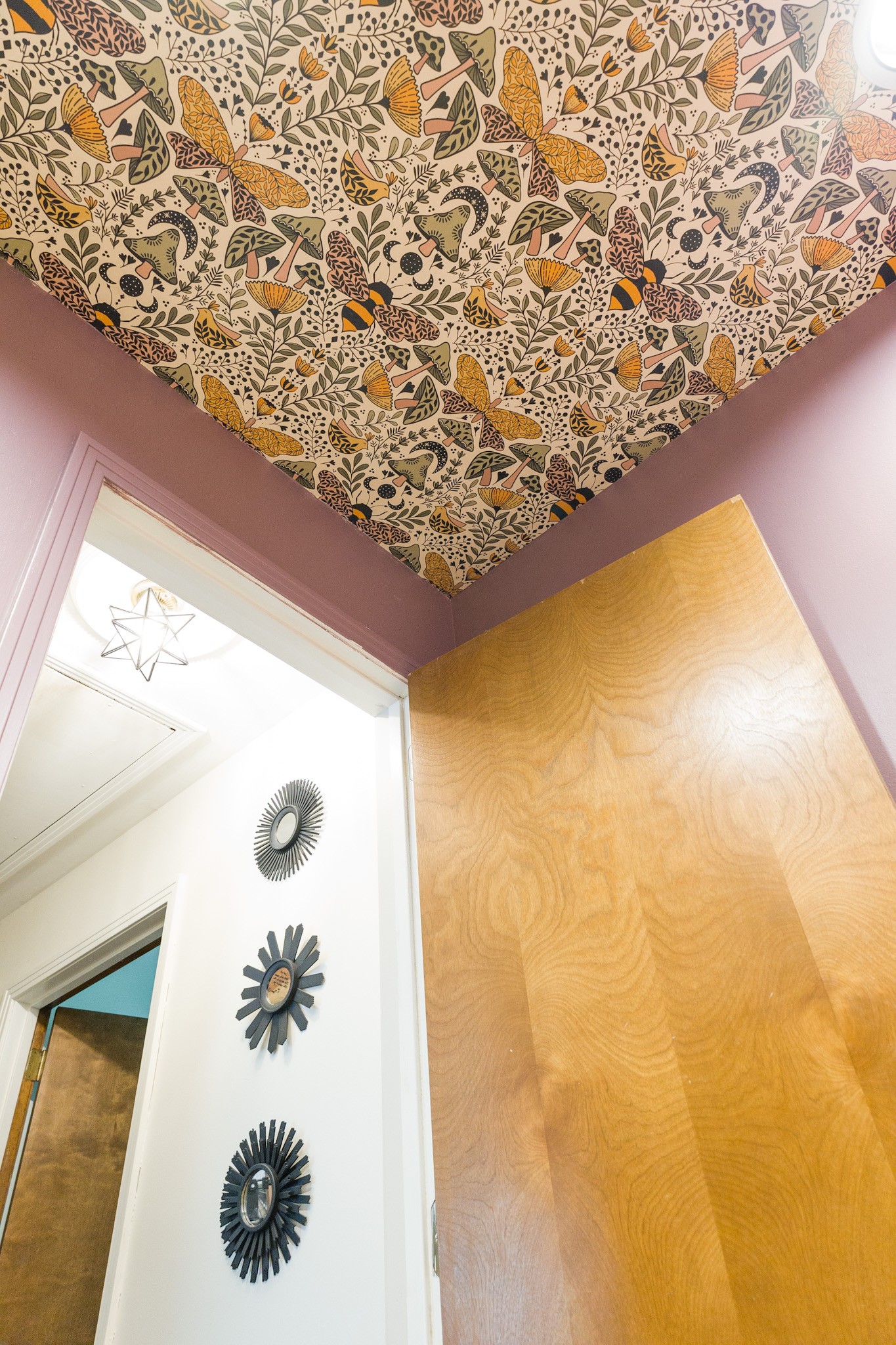
Opting for a bold paint shade for the ceiling can add a sense of vertical volume, particularly in rooms with otherwise basic hues. Painting ceilings in deep shades like velvety black or ruby red in mostly-white rooms can create drama and tension while visually raising the room's height. This technique is especially effective in transitional spaces like entryways or powder rooms, where creative liberties can be taken.
Going dark on one wall can make an area feel deeper. By painting the wall most distant from the entry a few shades deeper than the surrounding walls, the dark wall appears to retreat, giving the impression it is farther back than its actual position, thus enhancing the room's depth. This technique relies on subtlety; a wall that is too deep might appear closer. The room's shape and configuration should dictate the efficiency of this approach.
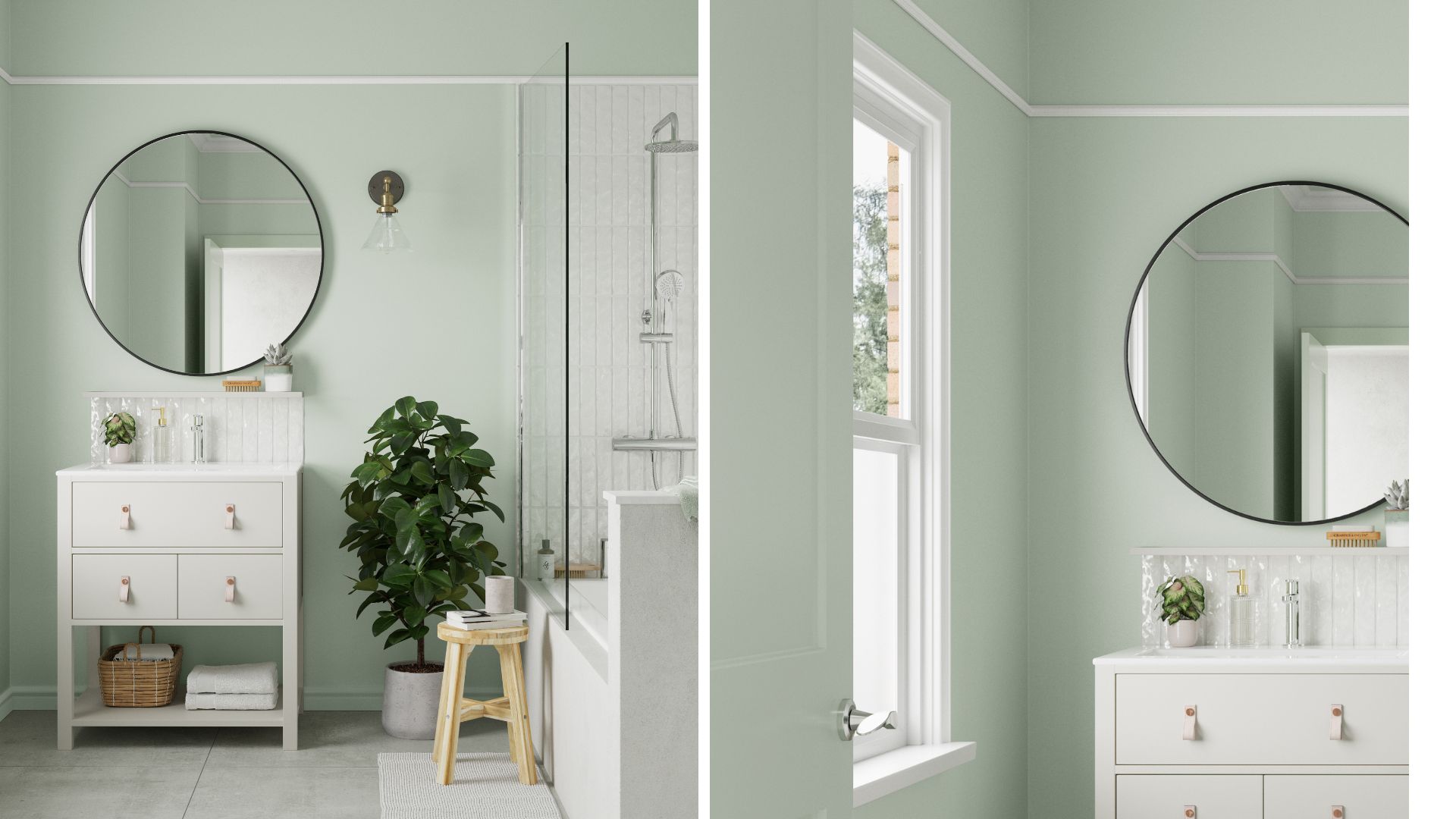
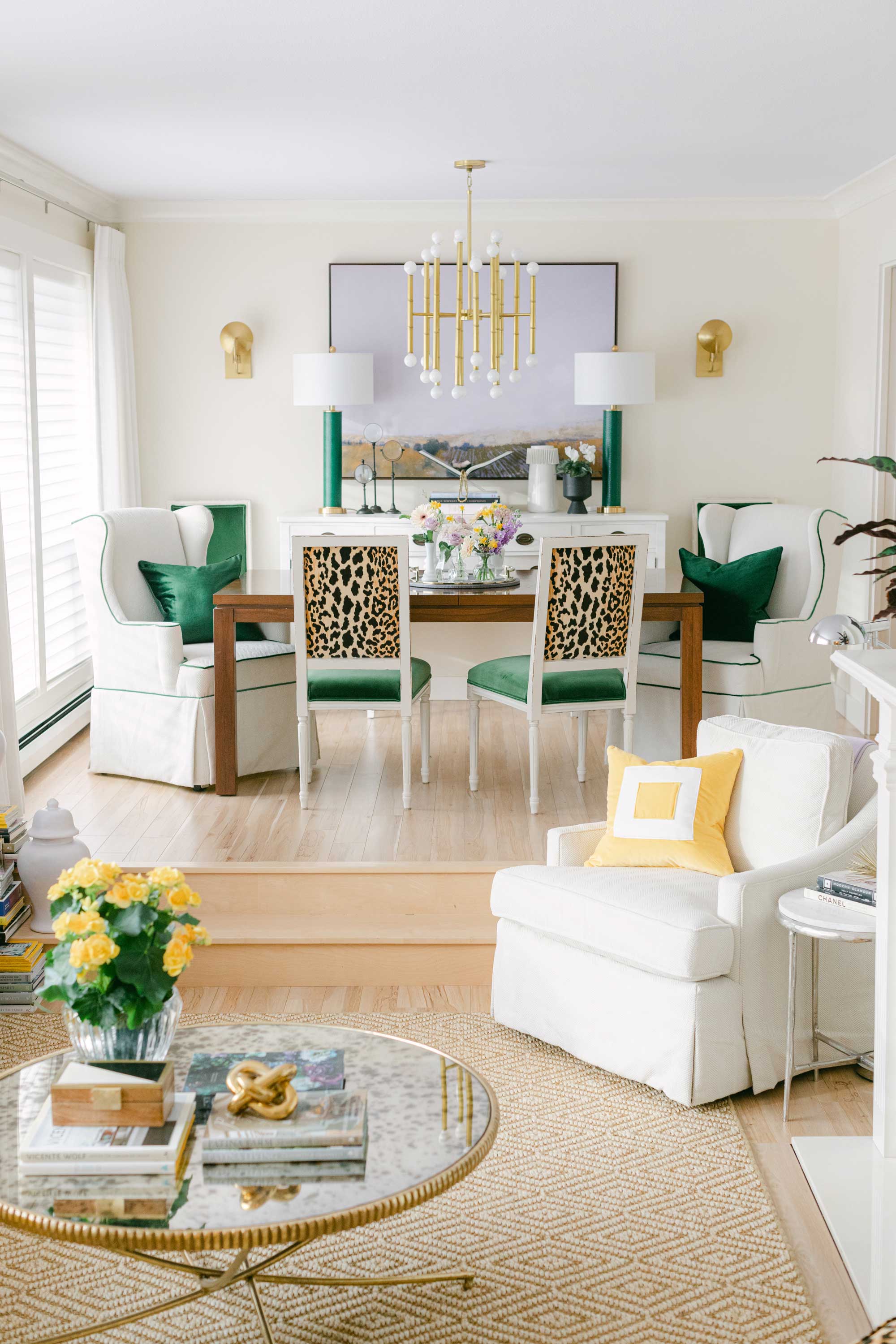
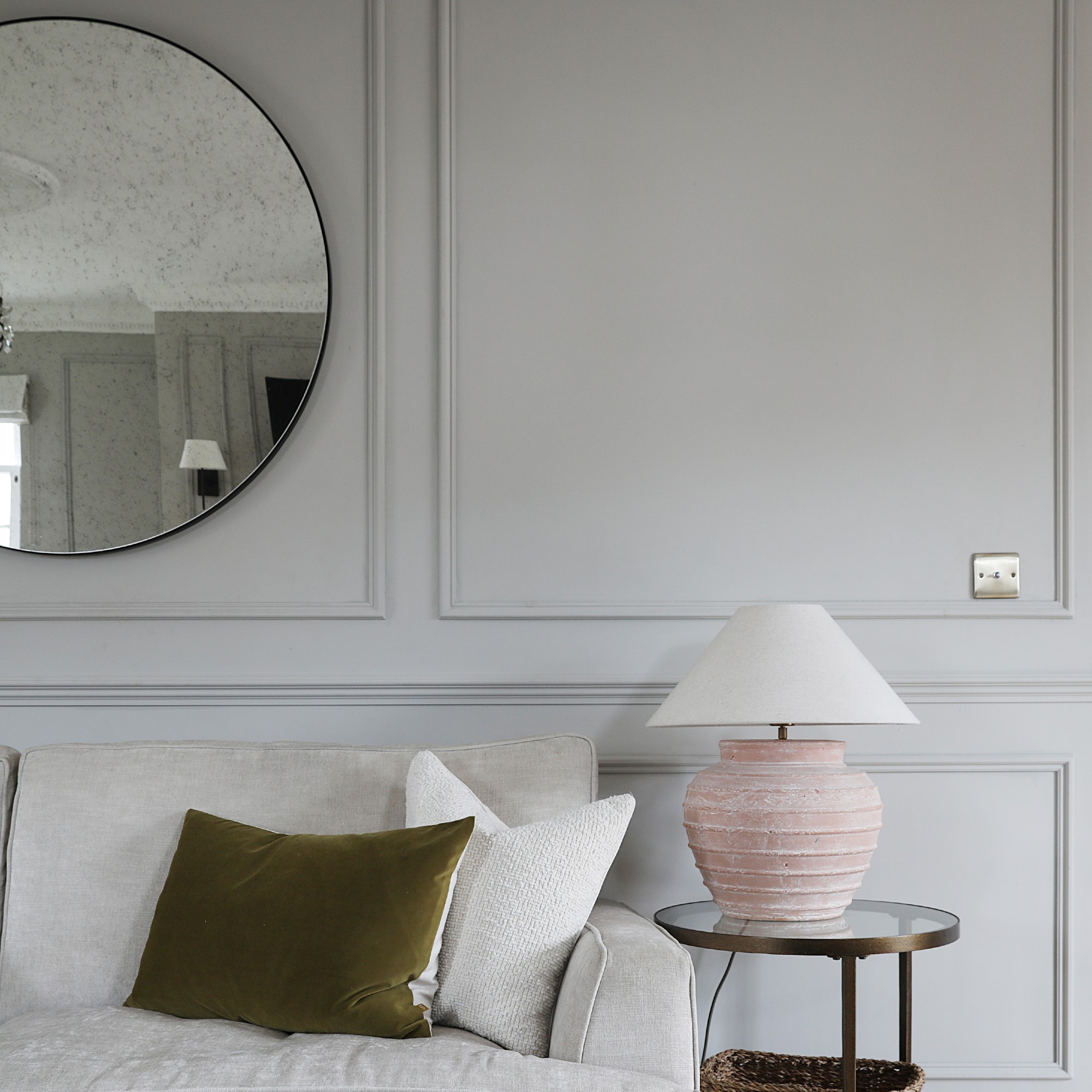
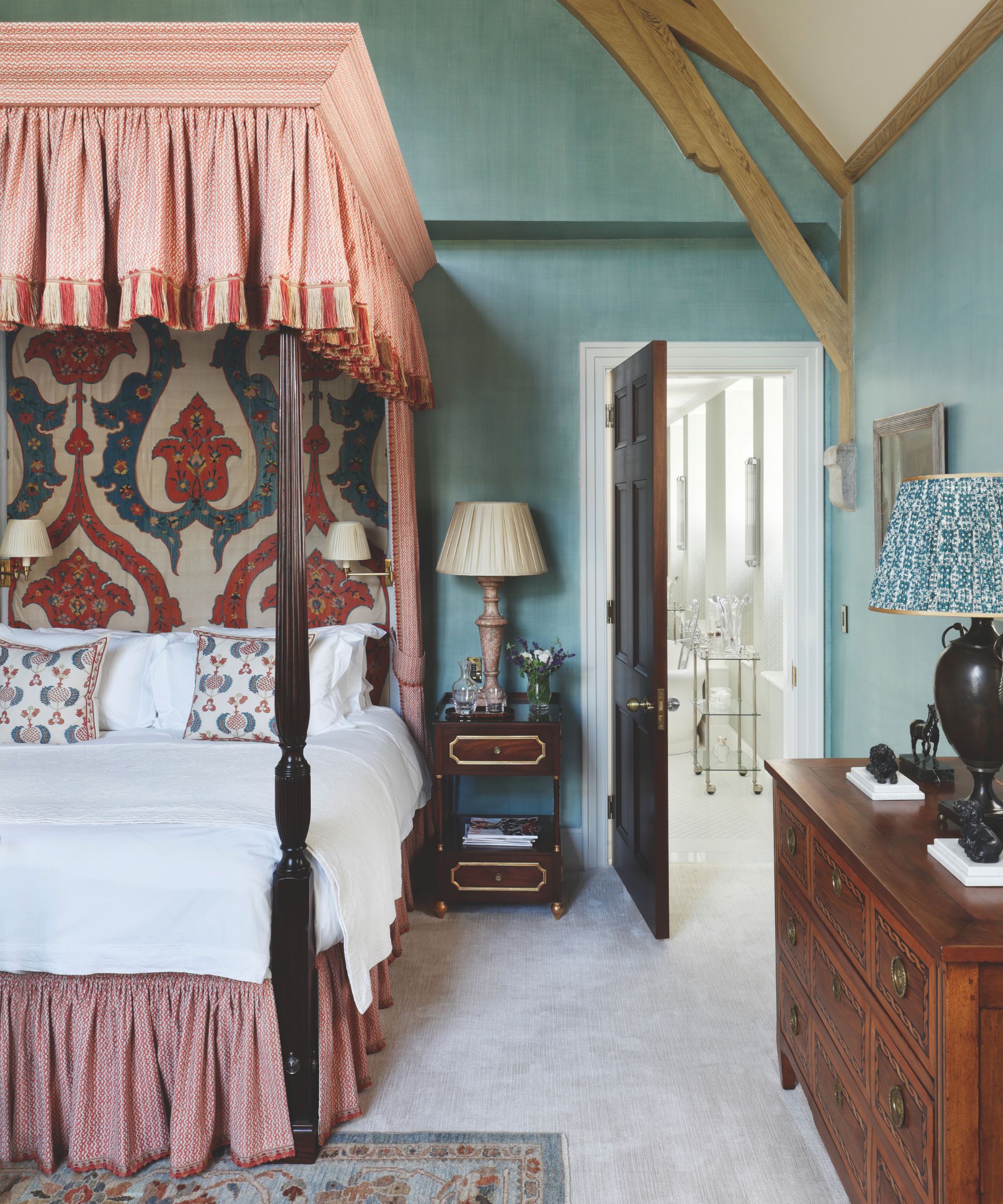
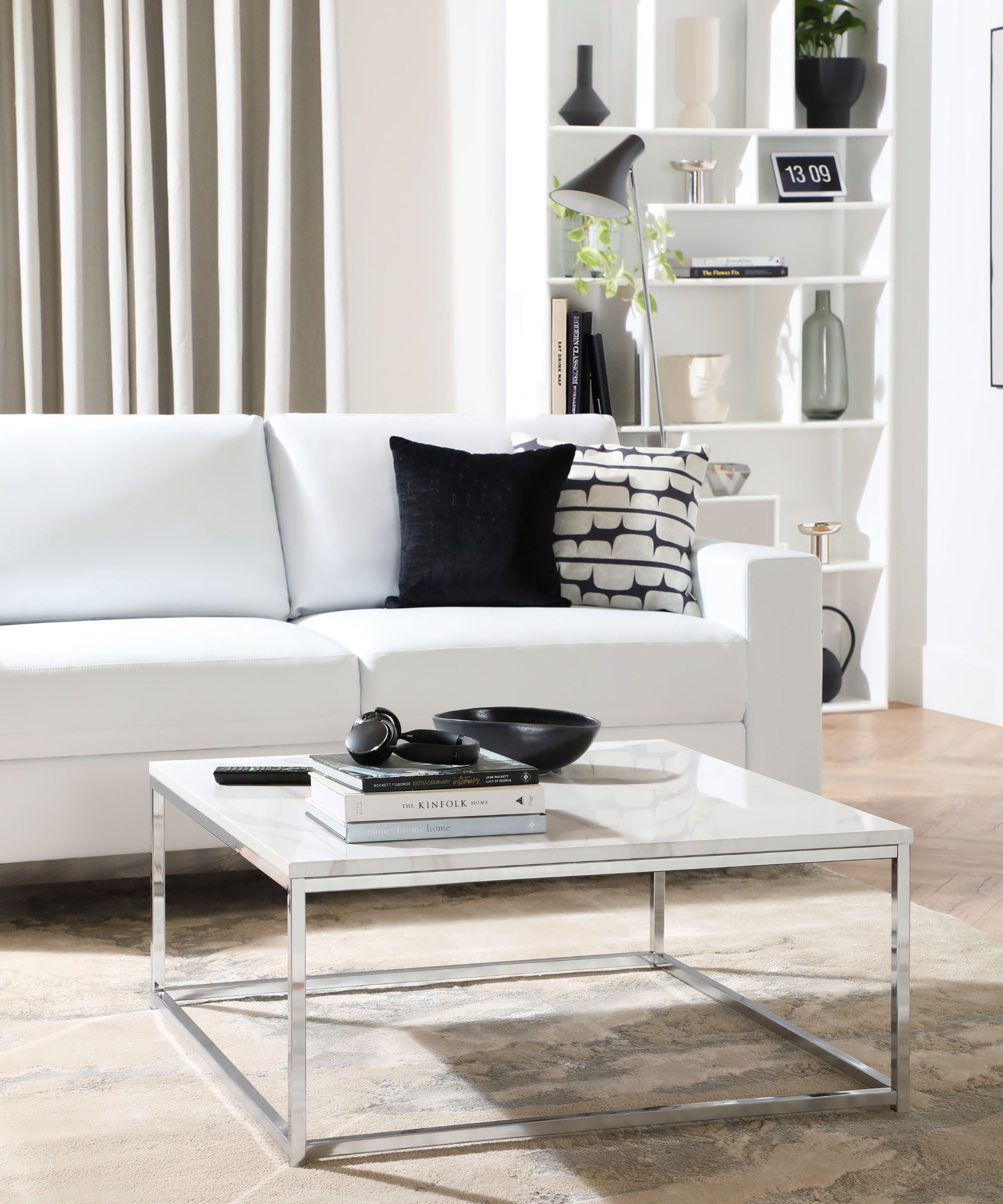
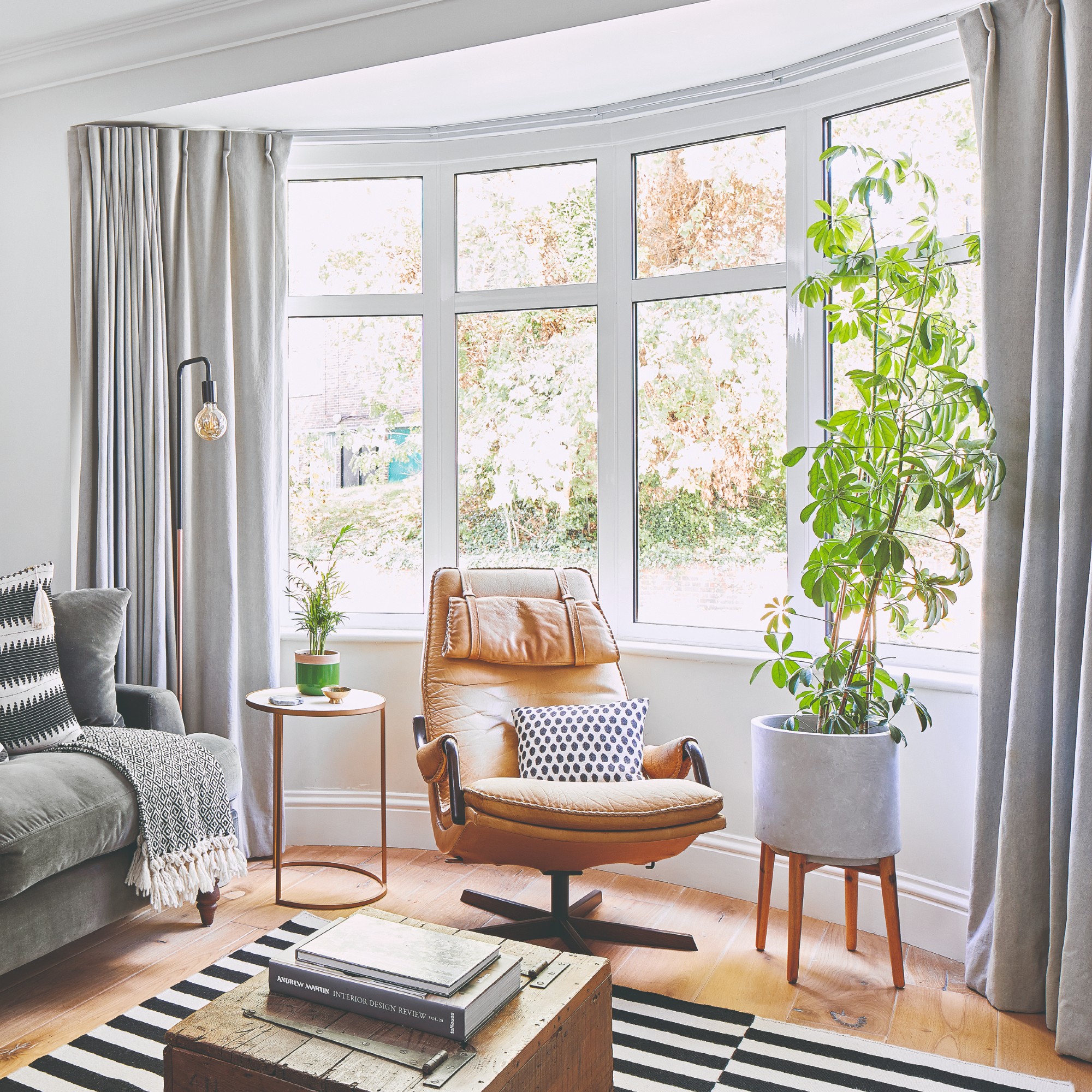
Finally, selecting light, cool-toned paints keeps the space bright. Soft blues, pale grays, and crisp whites reflect natural and artificial light, charging the room with an airy, expansive feel and adding calm. These cooler undertones visually push walls outward, making the room feel more open. It is important to watch for warm undertones in blues and grays that might counteract the desired cooling effect. This tip is ideal for small bedrooms or playrooms where breathability is paramount.
Using paint to create vertical lines, such as stripes or faux picture molding, is another effective trick for making ceilings feel taller. Vertical lines draw the eye upward, elongating the top. This is especially useful in low-ceiling rooms or those with cross beams. After preparing the area, painter's tape can be used to demarcate sections for stripes, which can vary in width or even achieve a pinstriped look. For a subtle effect, two similar colors or different sheens of the same color can be used for a tonal look, still creating that vertical lift.
#SmallRoomDesign #PaintTips #InteriorDesign #HomeImprovement #ColorDrenching #MonochromaticPalette #ReflectivePaint #VerticalLines #OmbreEffect #SmallRoomDesign #PaintTips #InteriorDesign #HomeImprovement #ColorDrenching #MonochromaticPalette #ReflectivePaint #VerticalLines #OmbreEffect
0 comment in total
 No comments yet
You may also like
How to make a room look bigger with paint: 10 expert tips

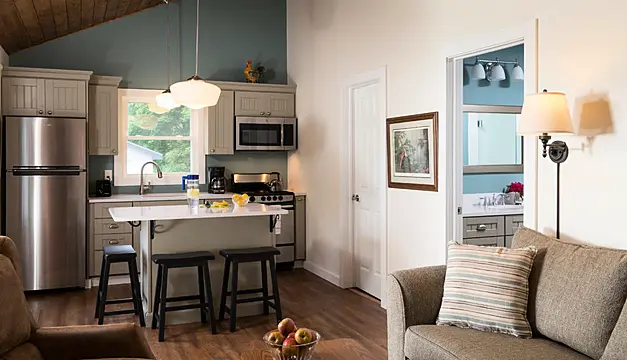
14 clever ways to make small rooms look bigger

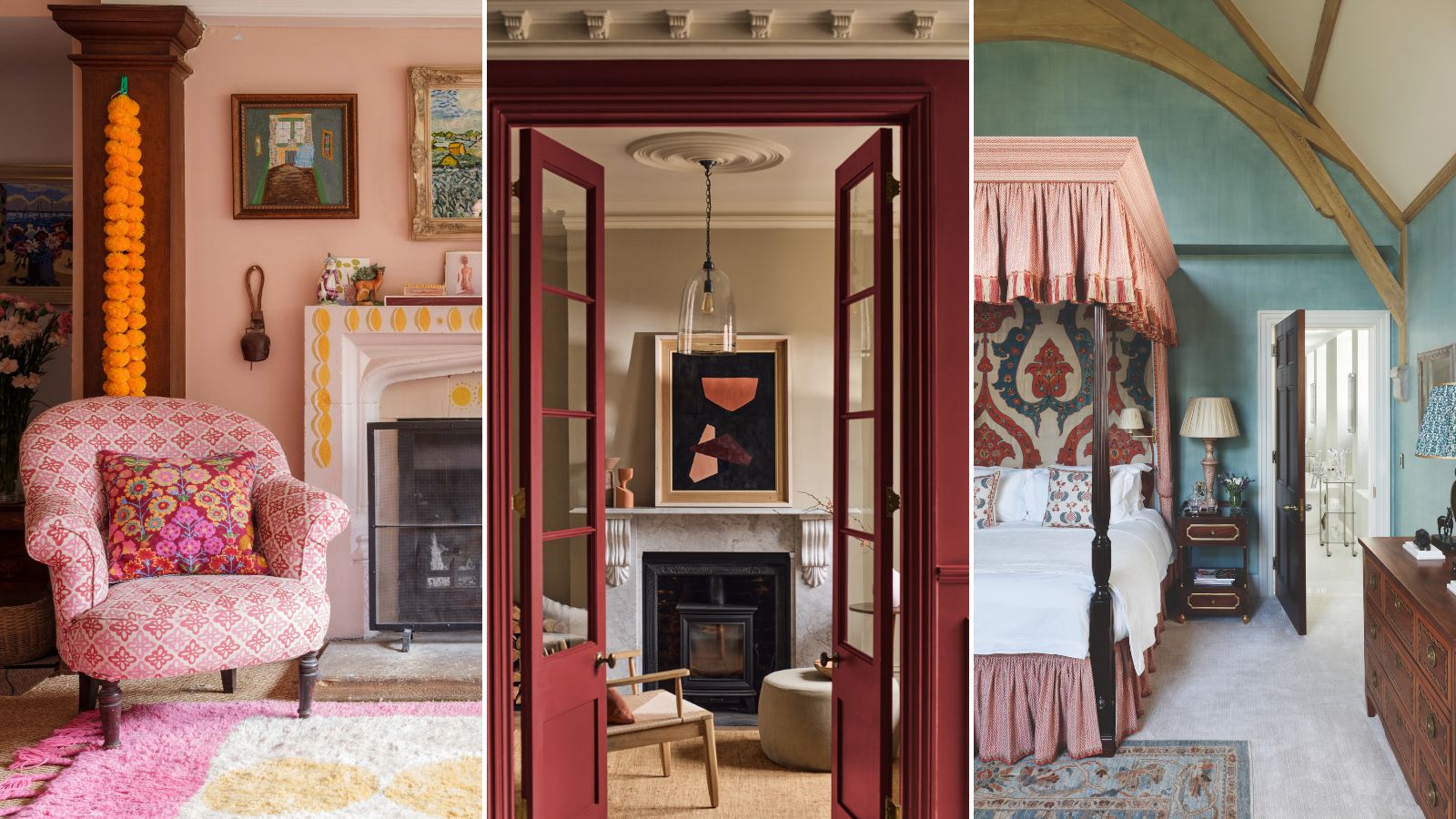
7 different interior designers on ingenious ways they use paint to easily elevate a room

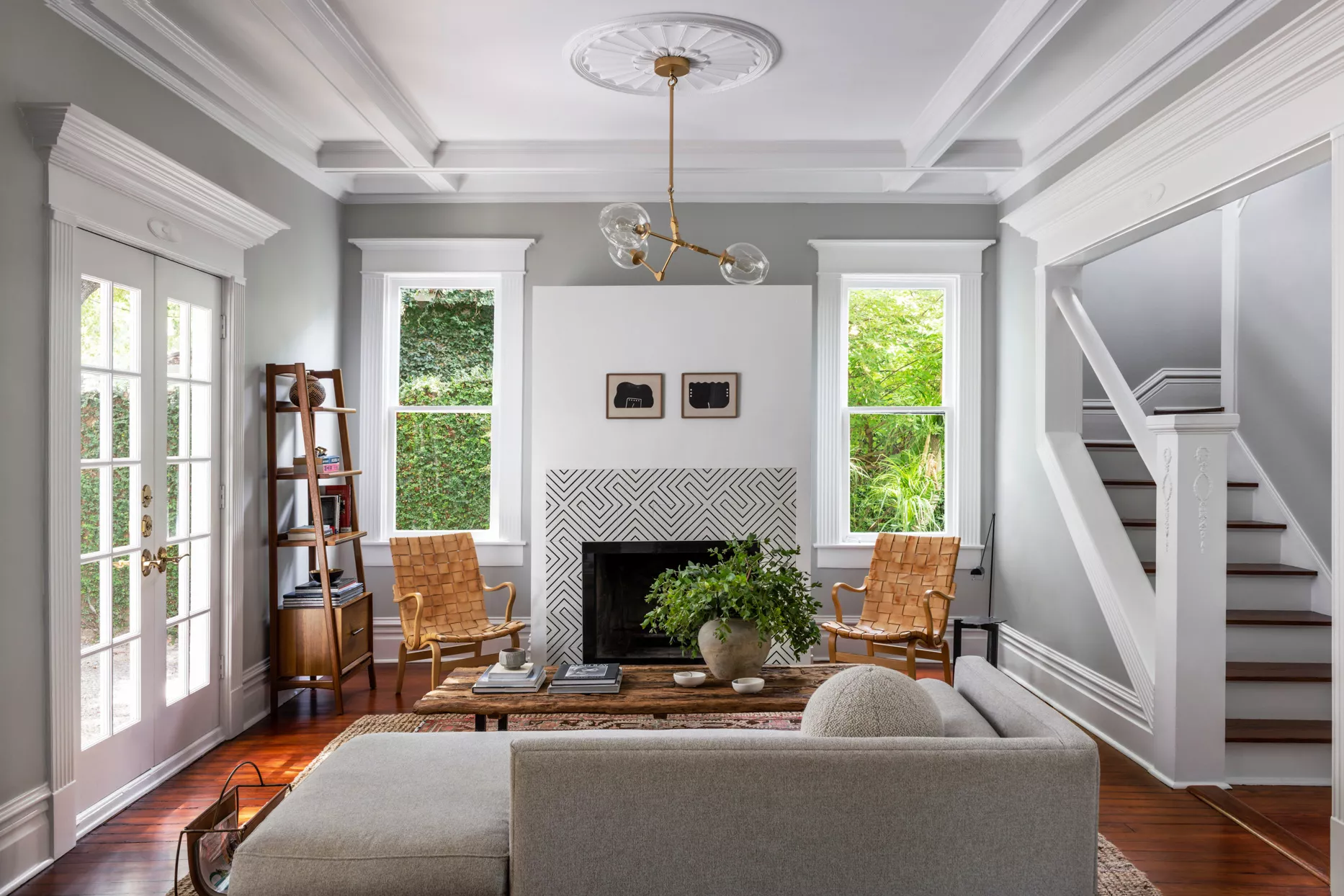
14 Genius Painting Tricks That Will Make a Room Look Bigger

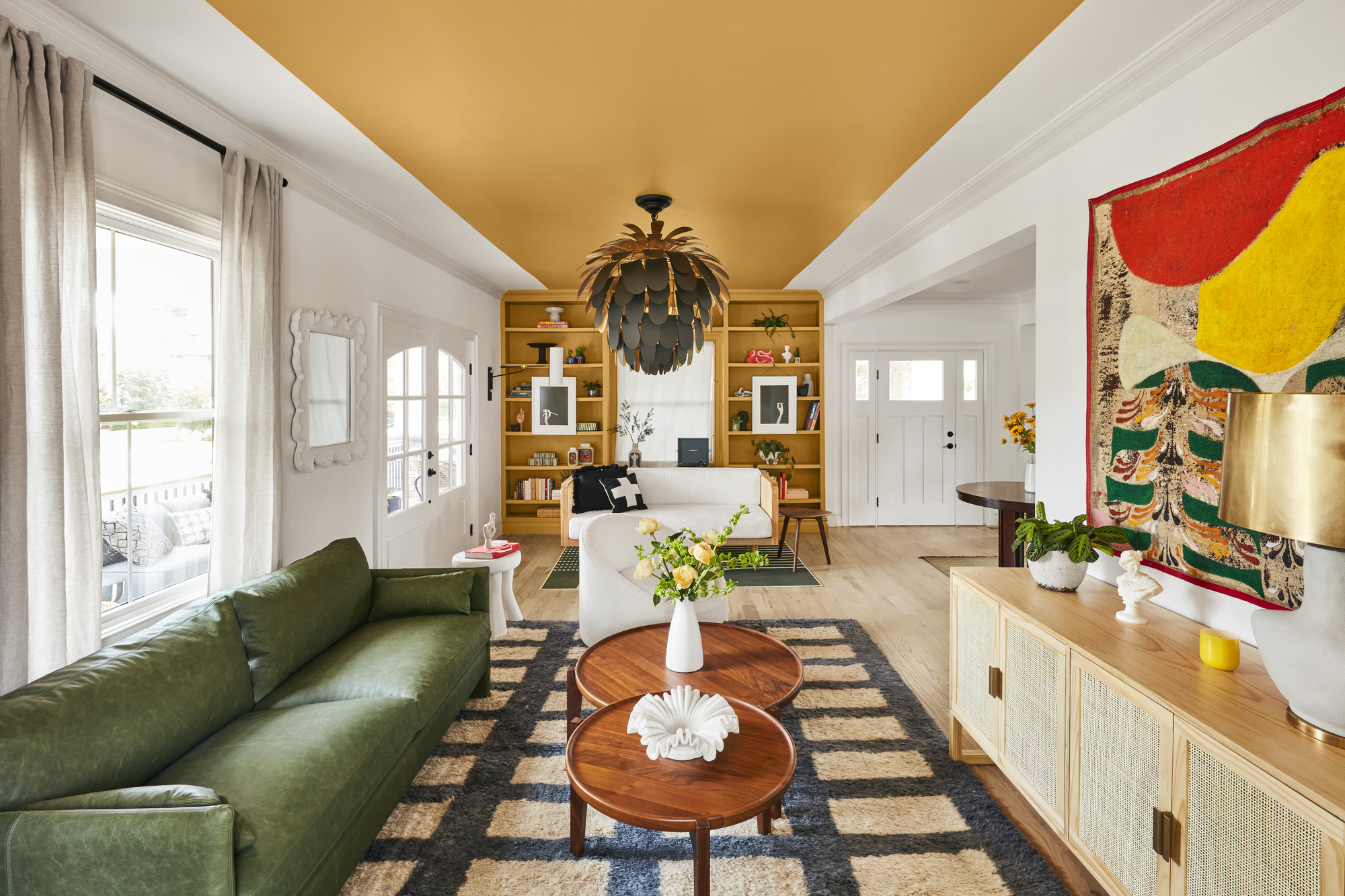
How to make a narrow room look wider with paint - expert tricks to make small spaces seem bigger

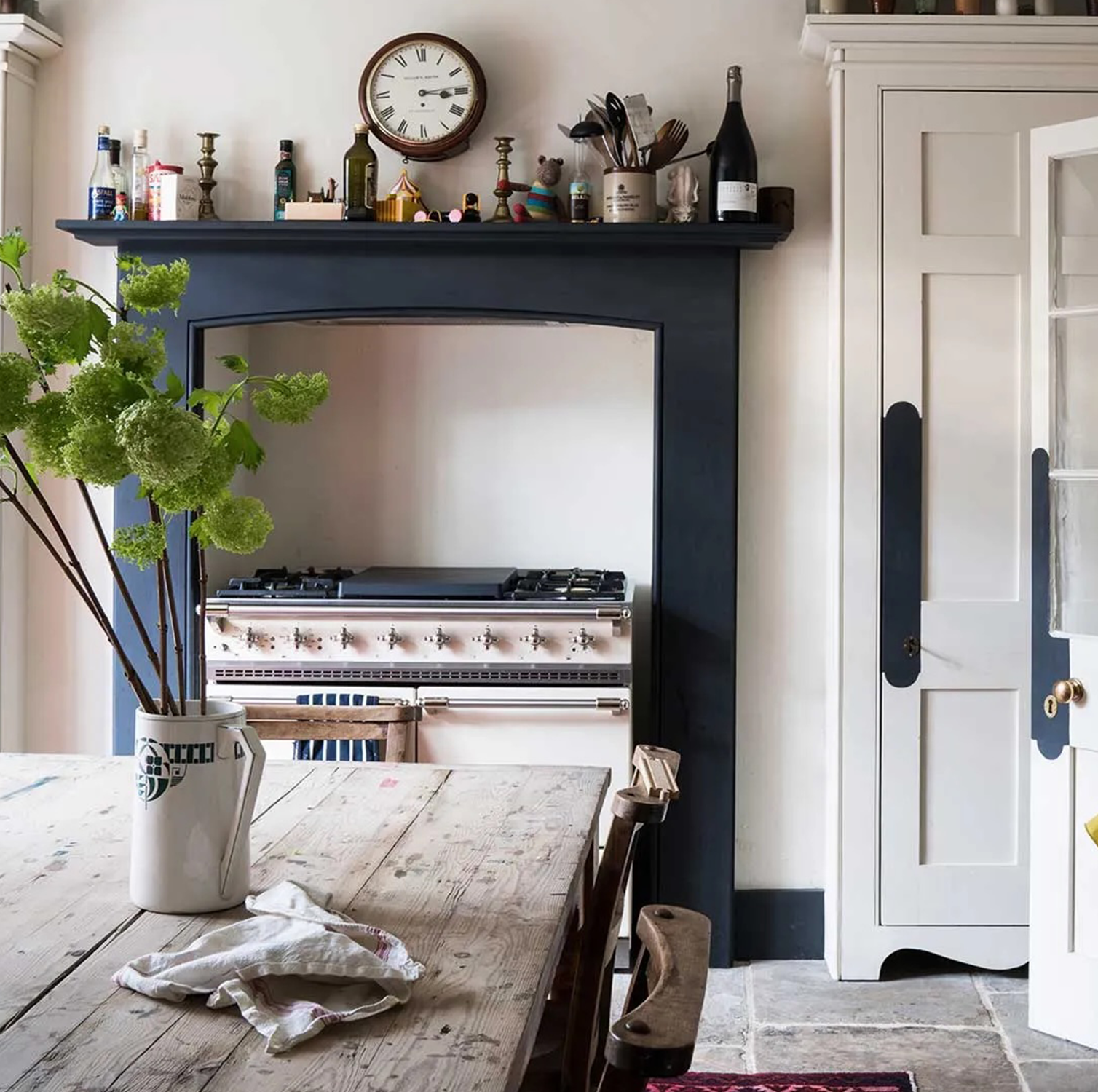
These 6 paint colours instantly make small rooms feel bigger
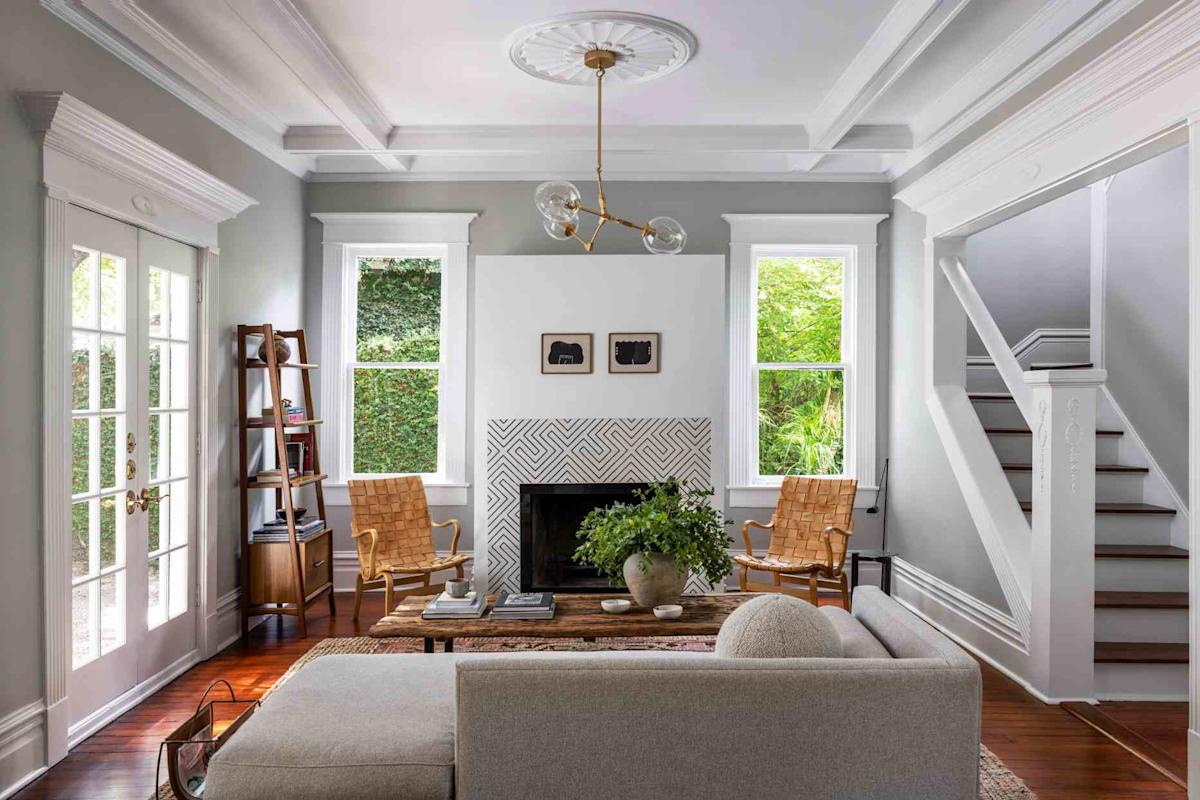
14 Genius Painting Tricks to Make a Room Look Bigger
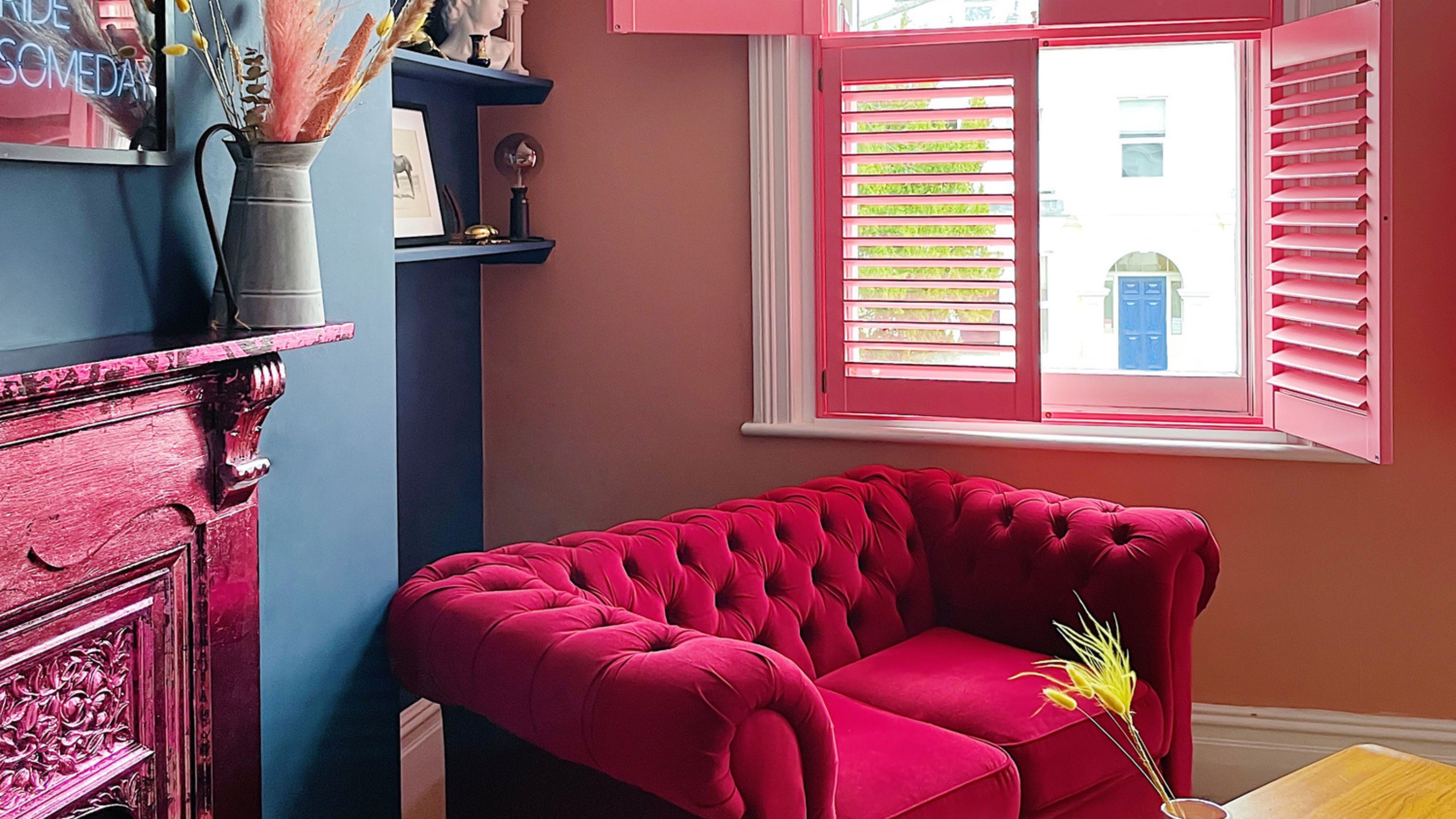
The best paint colors for small living rooms, according to design experts

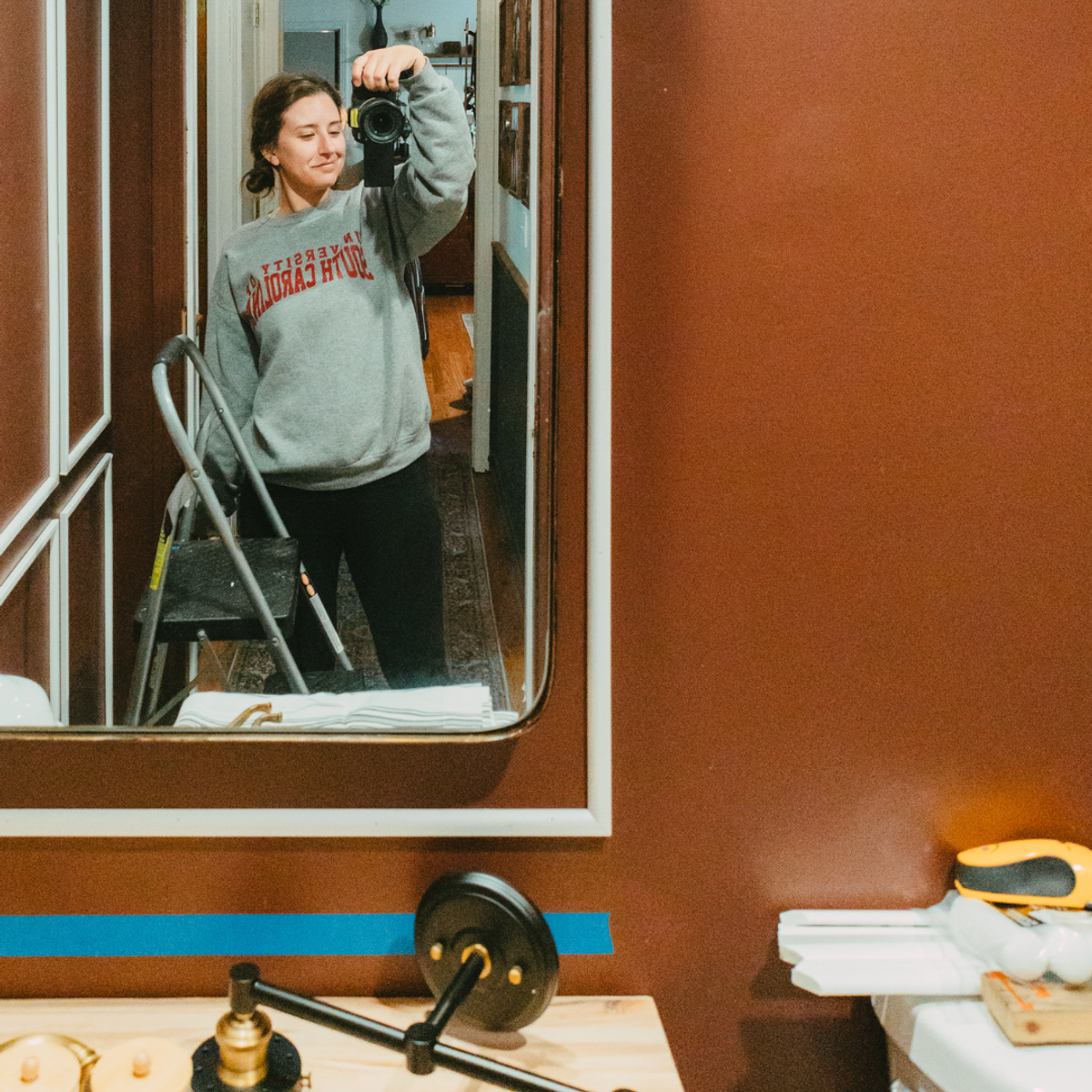
How To Successfully Paint Small Spaces Dark Colors & Actually Make Your Room Look BIGGER

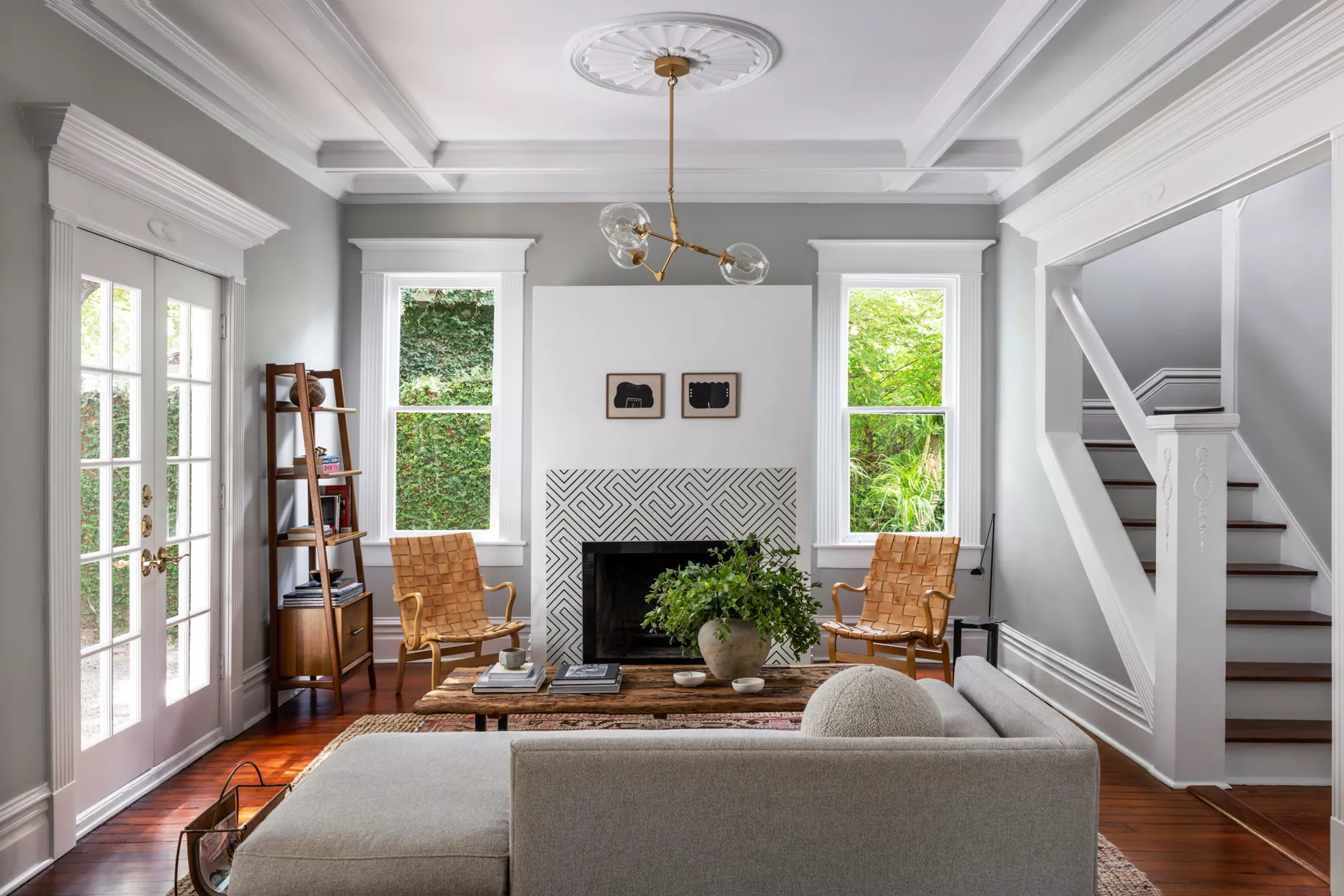
14 Genius Painting Tricks to Make a Room Look Bigger
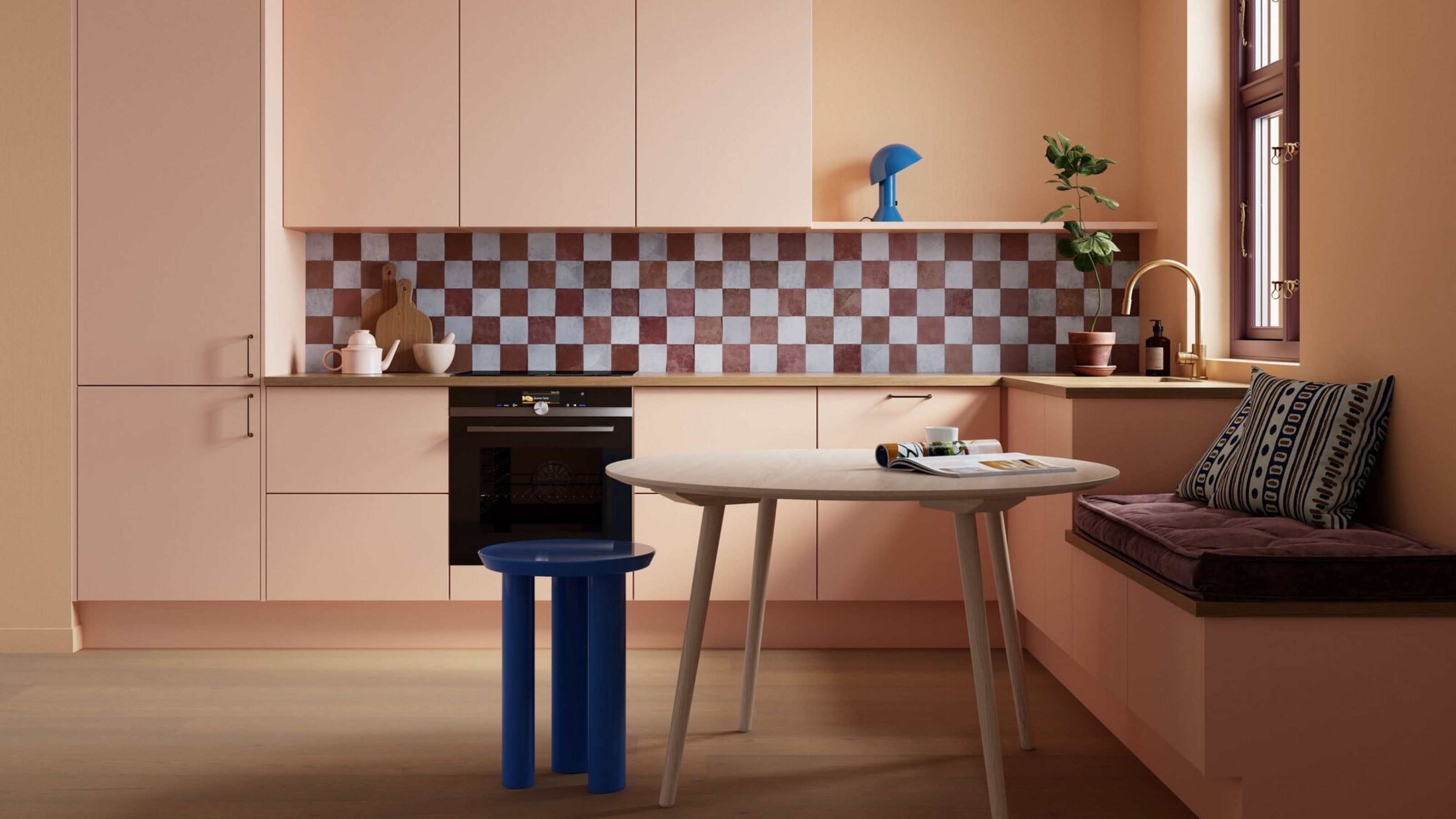
What Colors Make a Room Look Bigger? 5 That Designers Reach for to Make Walls 'Visually Expand'
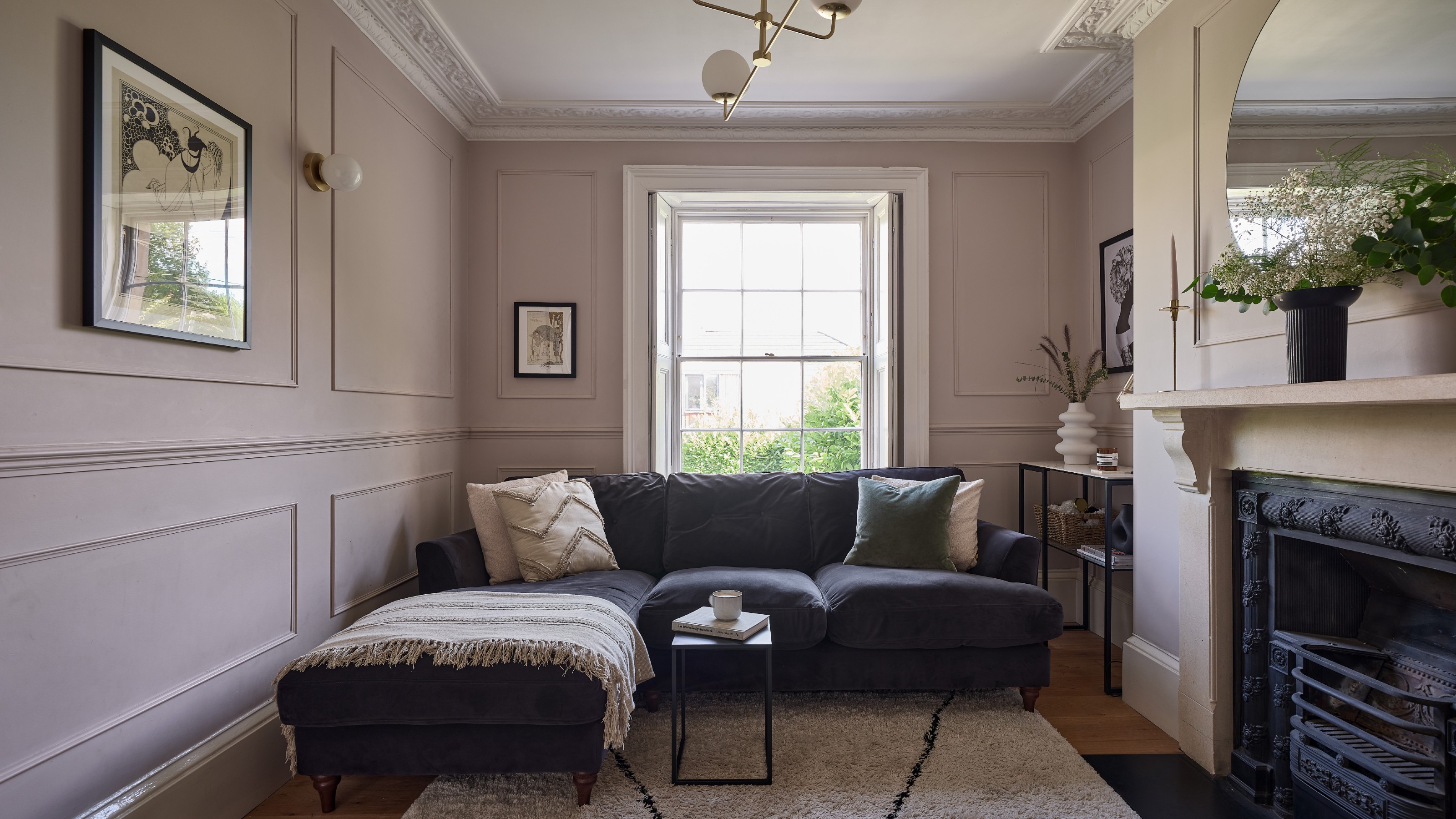
How to make a small living room look bigger with mirrors - clever design tips to open up your space
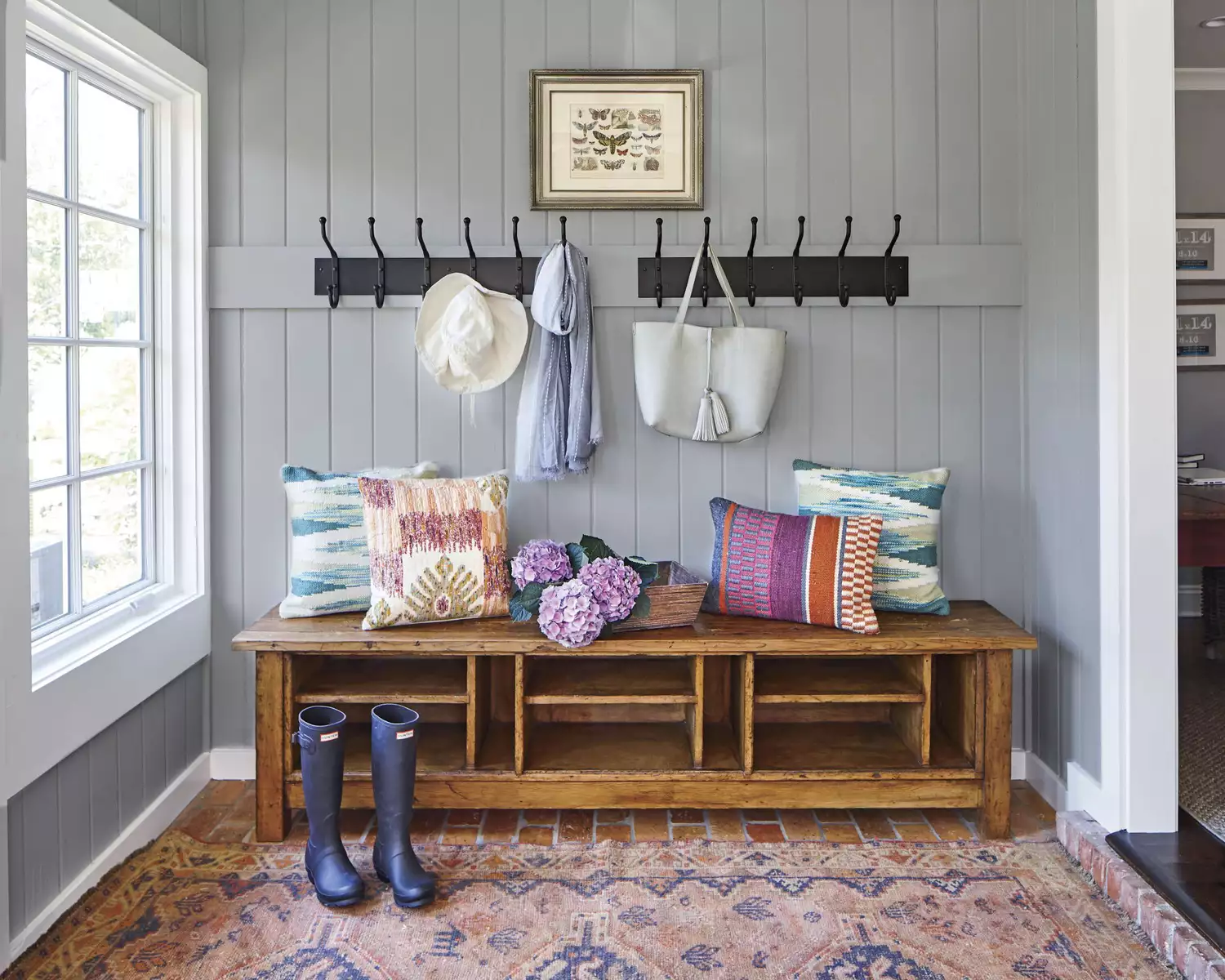
12 Paint Colors That Will Make Small Rooms Feel Bigger
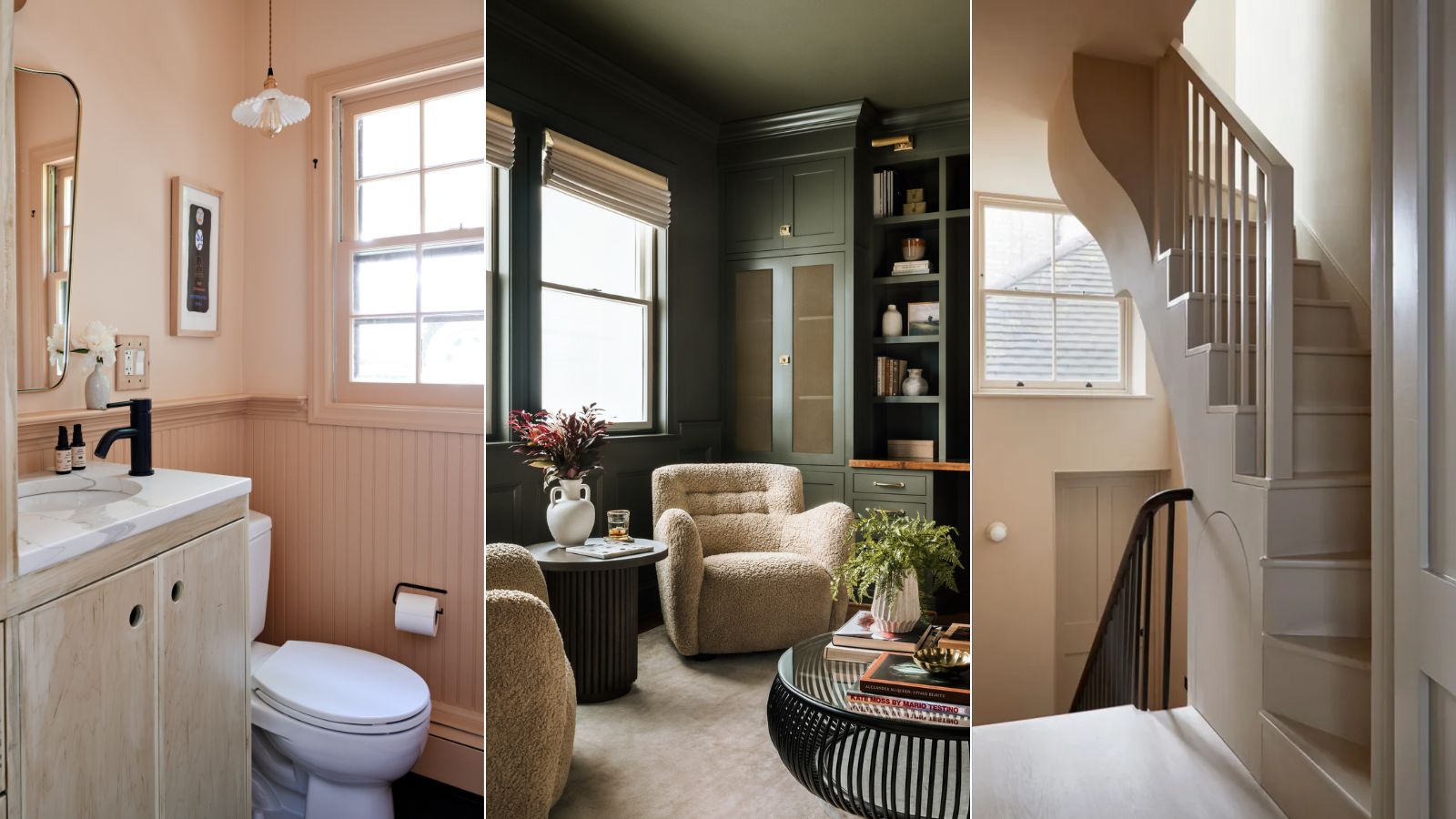
9 rooms that prove color drenching makes small spaces look bigger
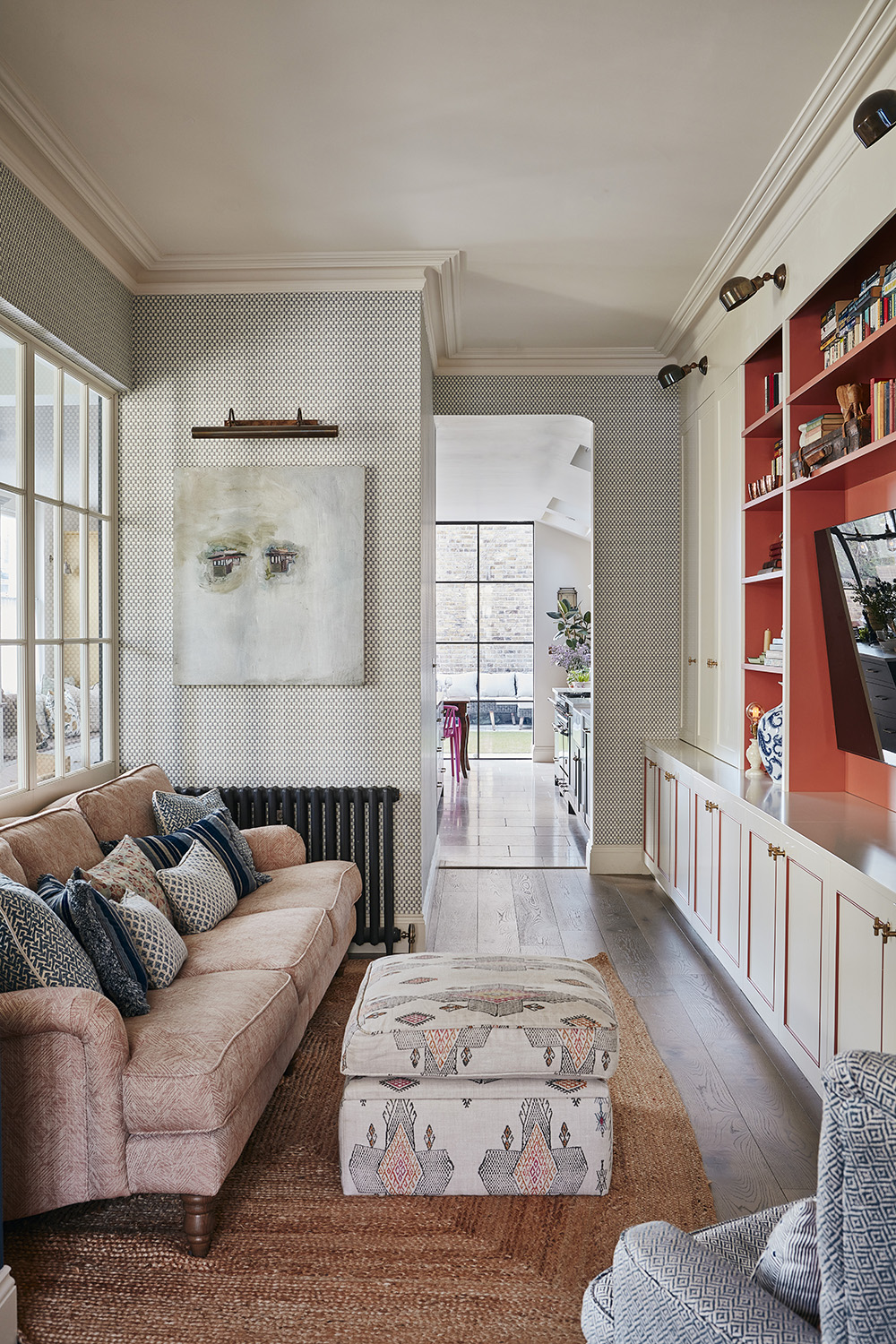
How to make small spaces look bigger
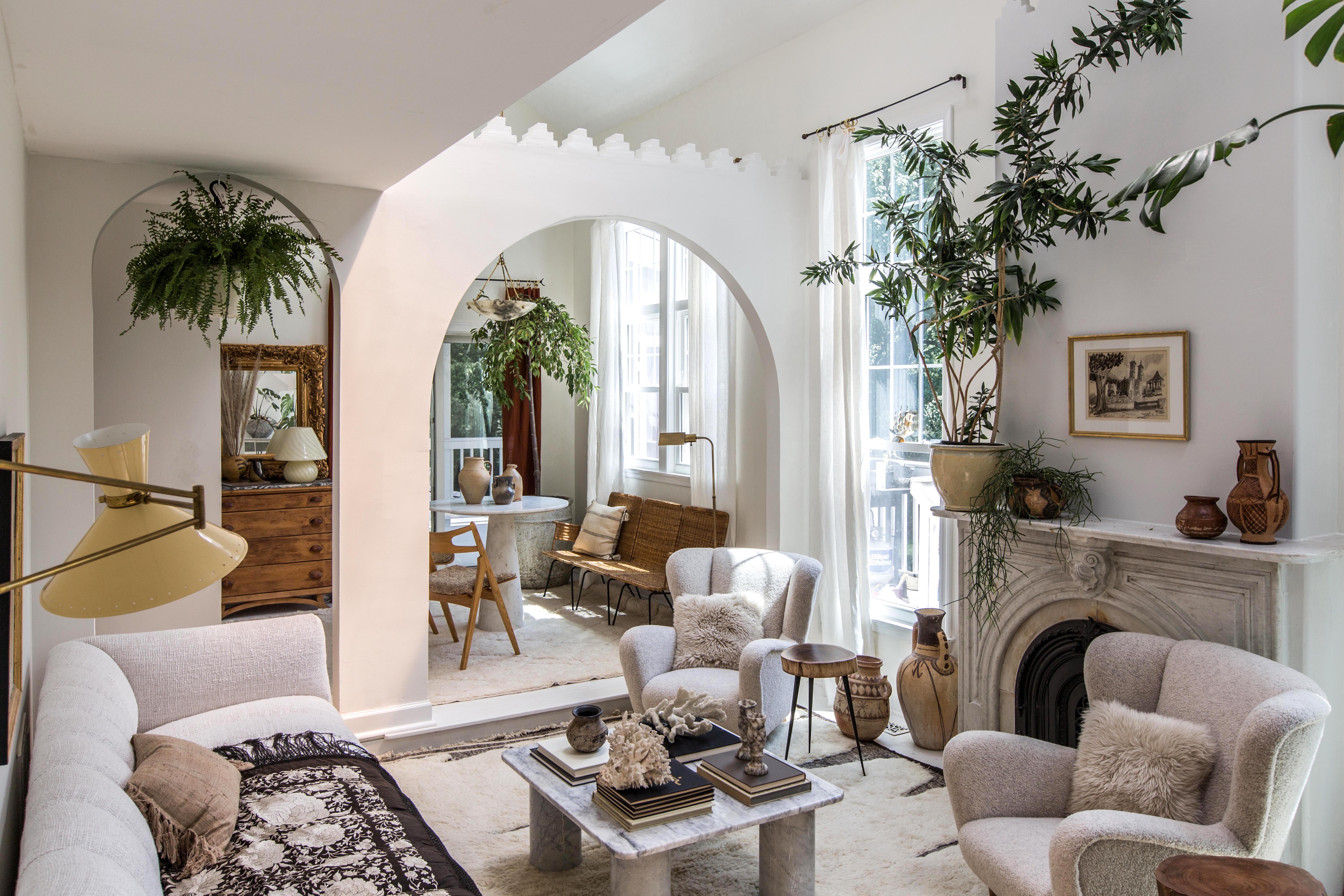
32 Styling Tricks That Will Make Your Small Living Room Feel Bigger and Better

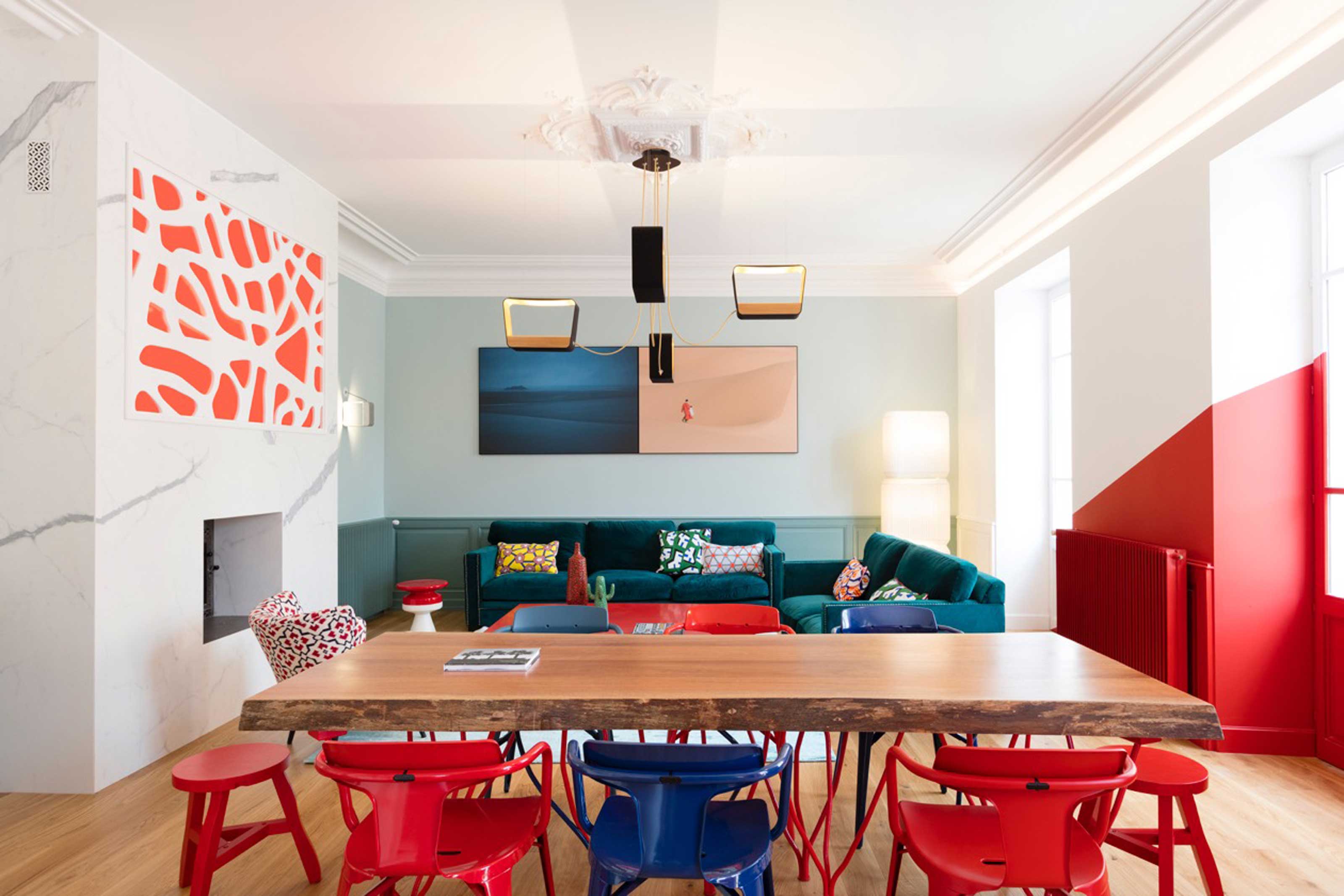
How to use paint to change the size and shape of your room
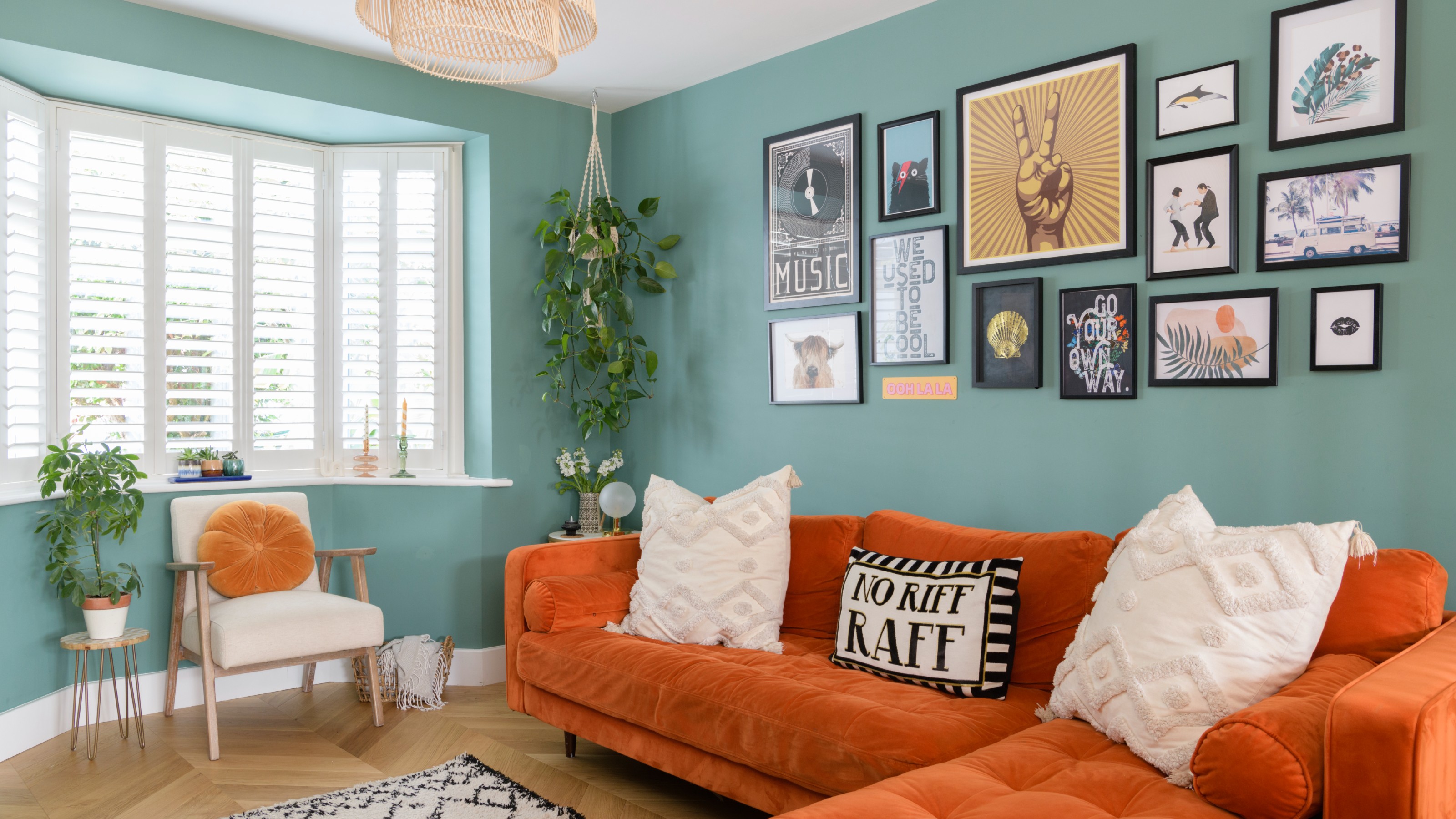
6 expert tricks for decorating small living room walls that will make your tiny lounge appear bigger
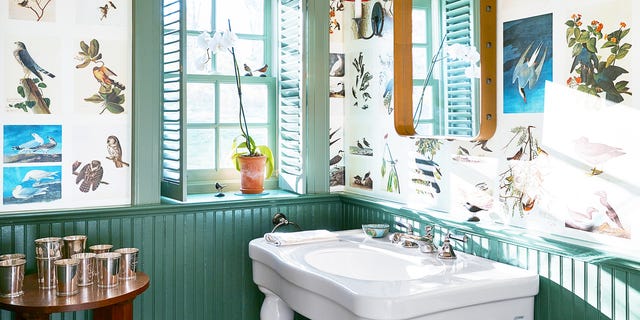
18 Best Paint Colors to Make Small Bathrooms Feel Bigger

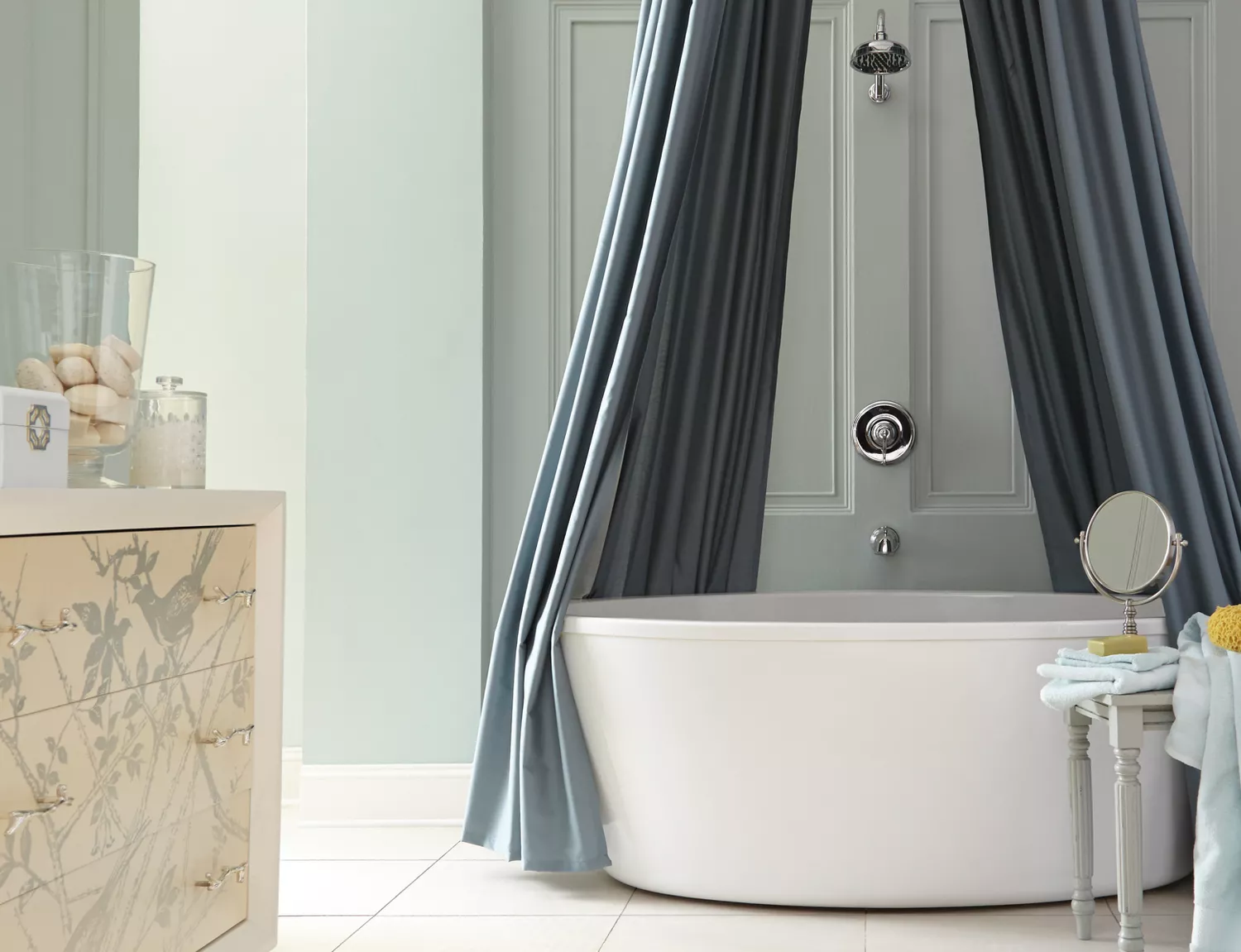
The Best Paint Colors to Make Small Rooms Feel Bigger (Some May Surprise You!)