1/6
How to make small spaces look bigger
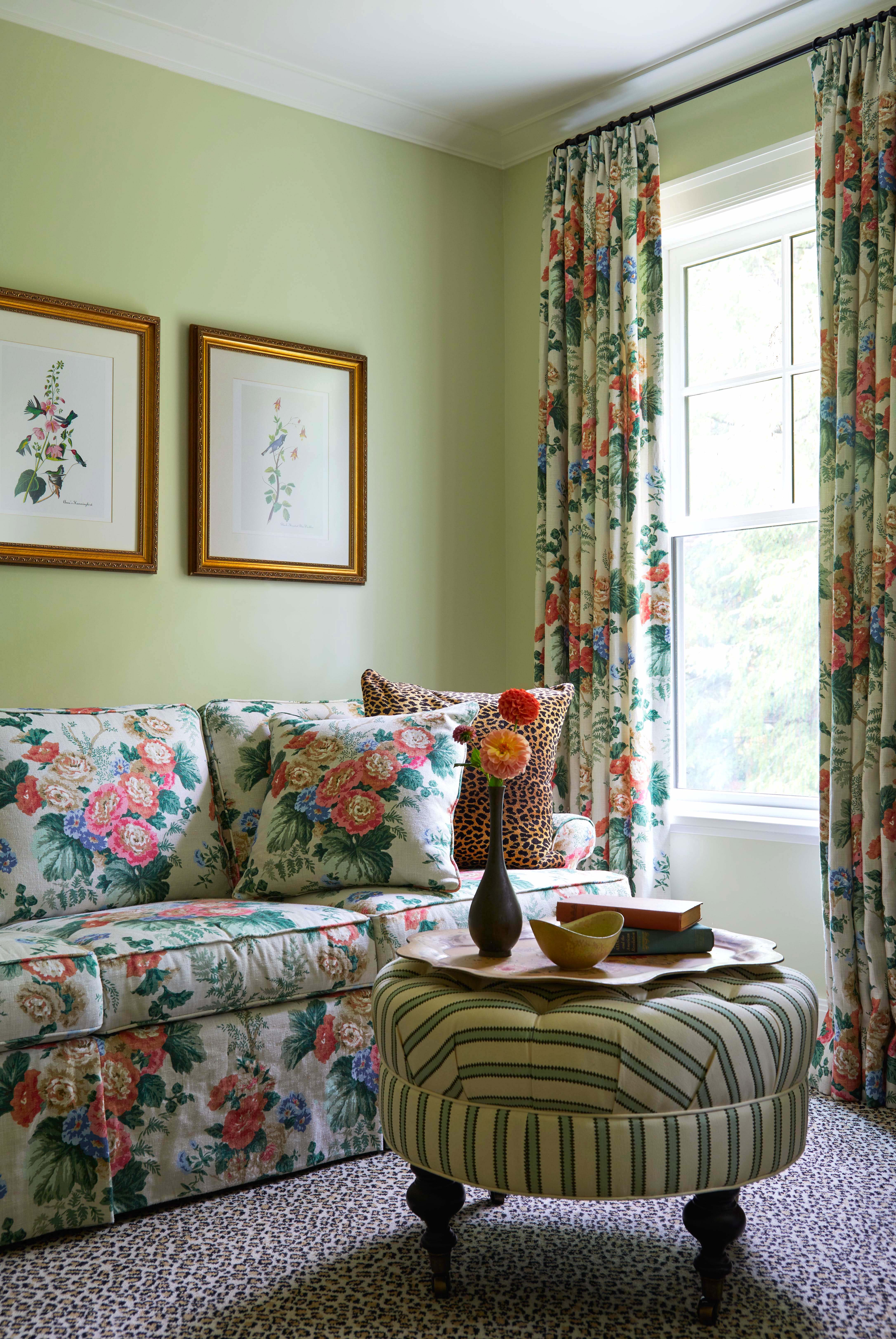
Compact living is a reality for many, especially in urban environments, but small spaces do not inherently mean a cramped feeling. Strategic design and optical illusions can expand the perceived size of any room without requiring extensive construction or remodeling. This article compiles insights from six interior designers who offer practical tips and tricks for maximizing the sense of space in smaller areas.
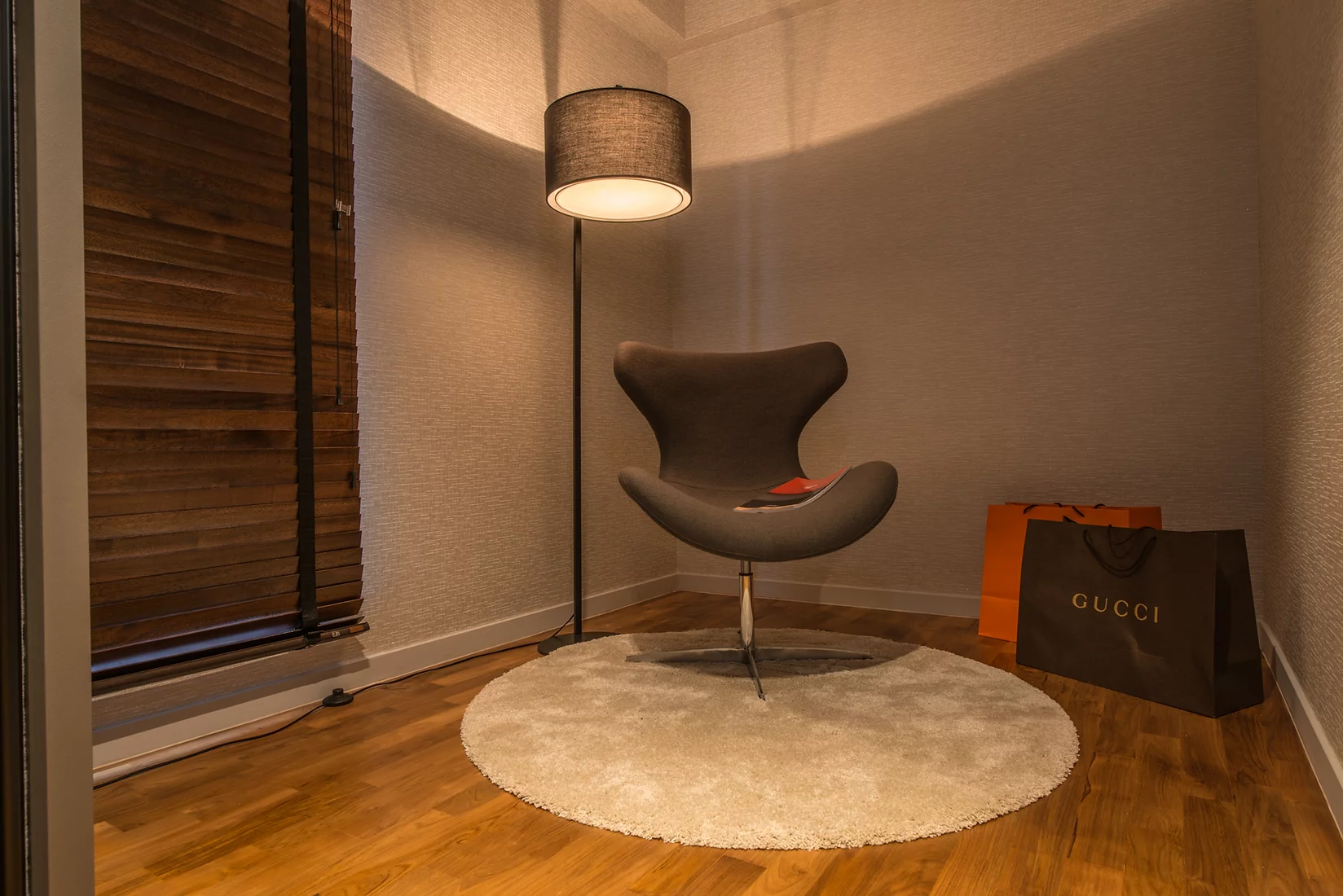
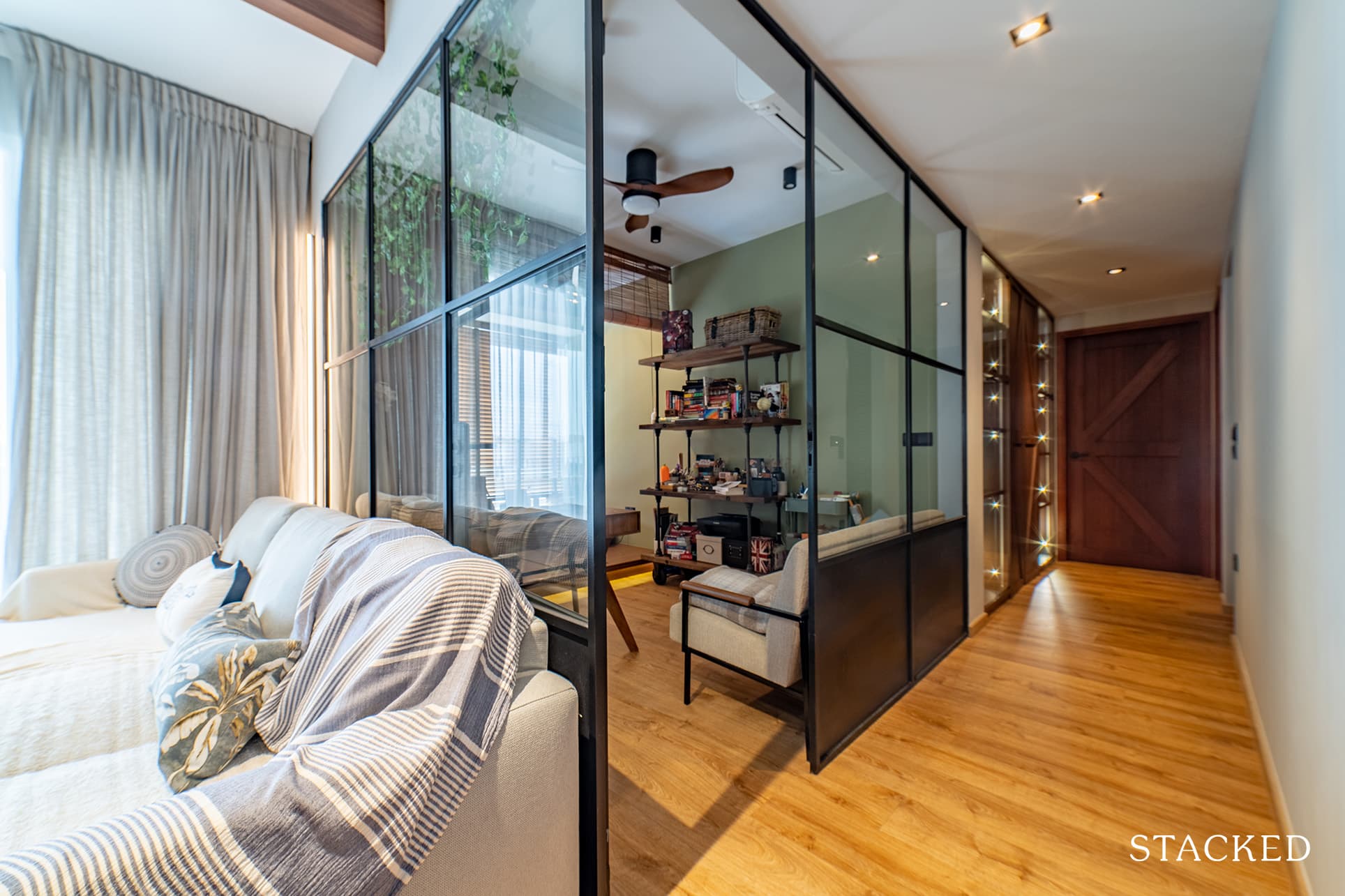
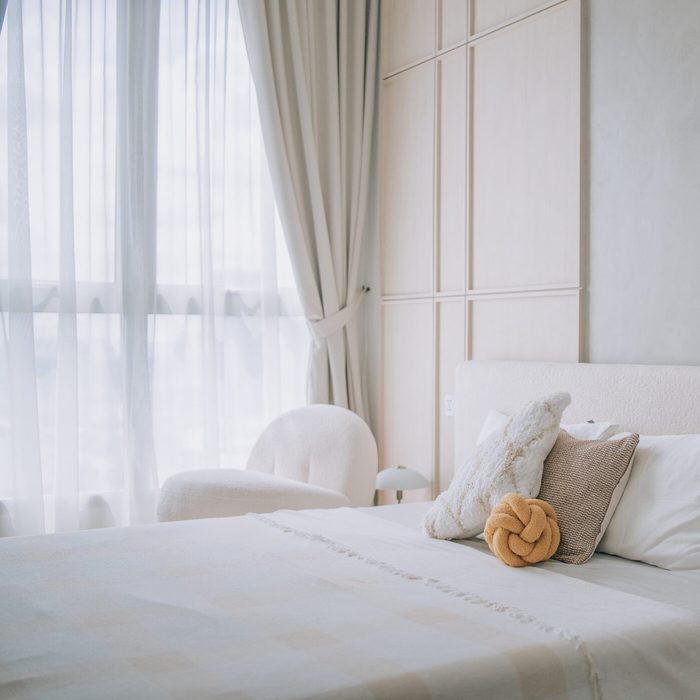
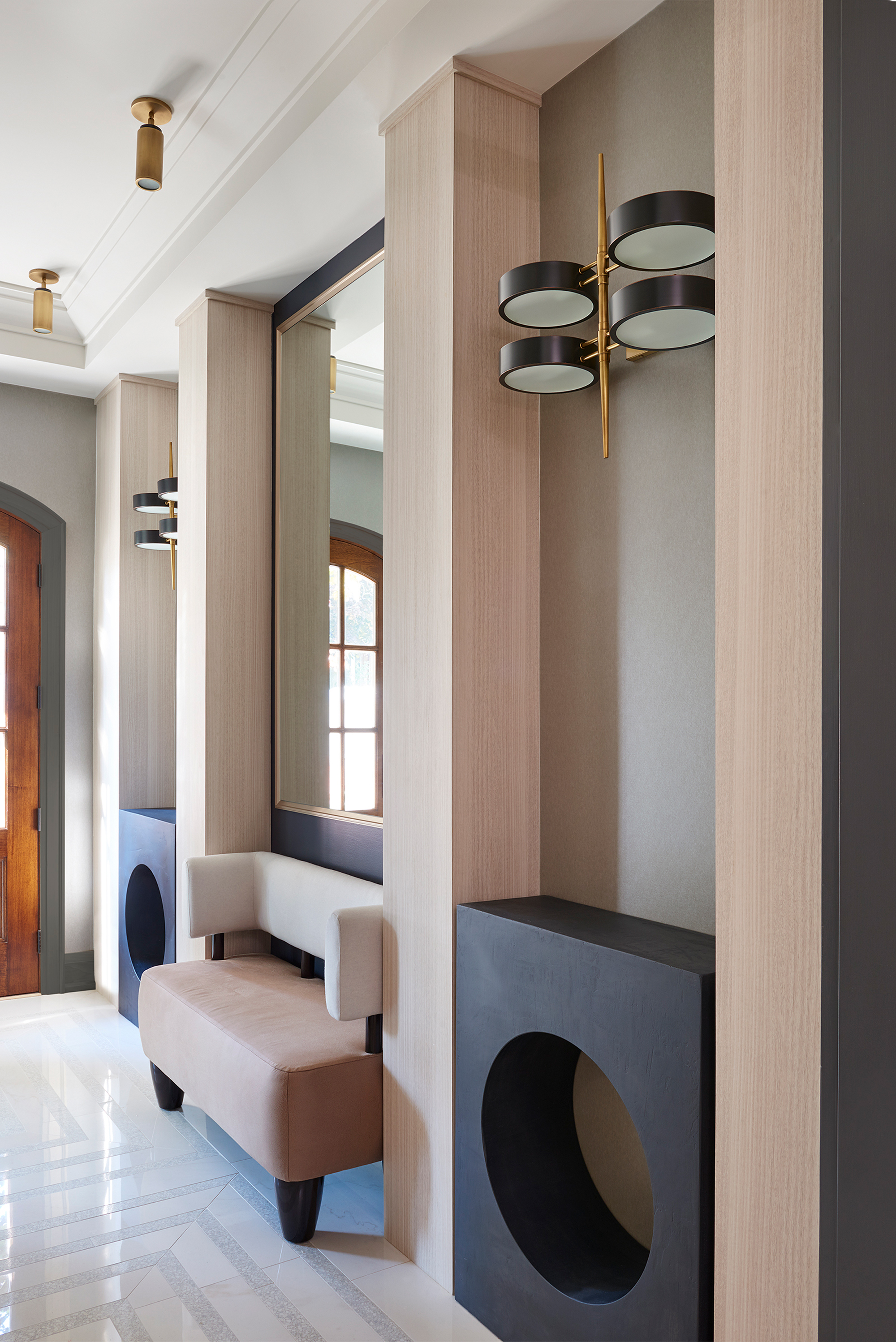
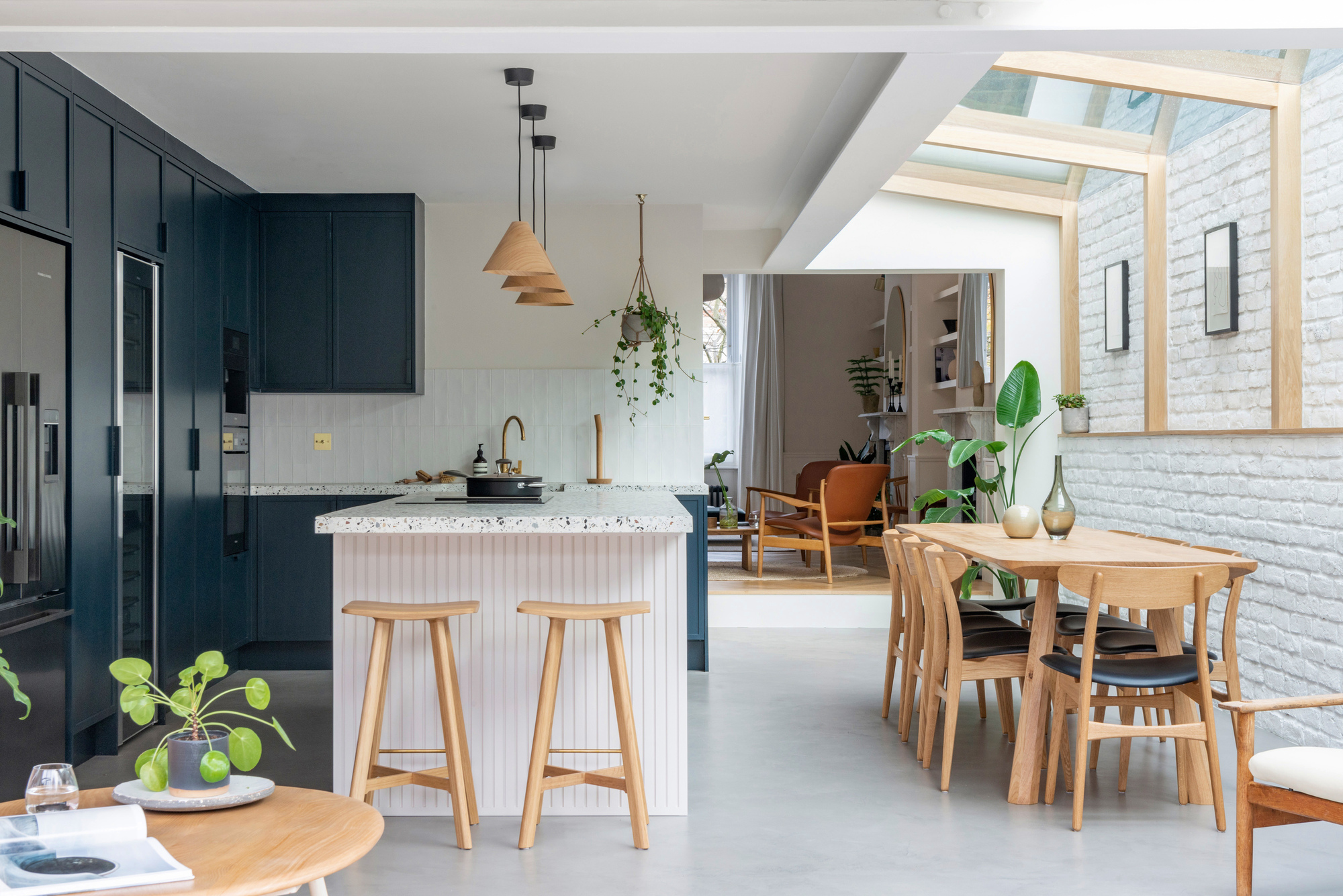
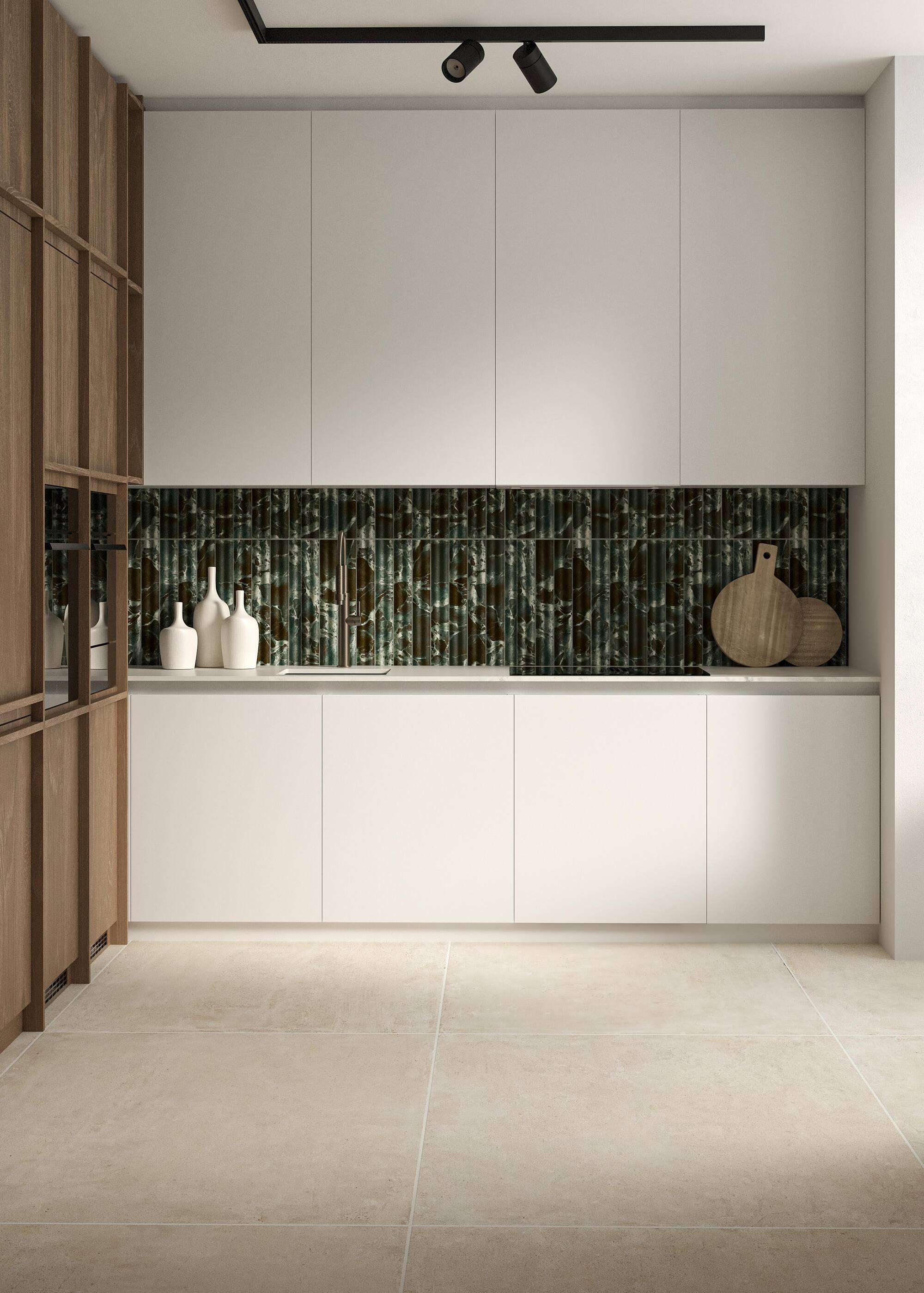
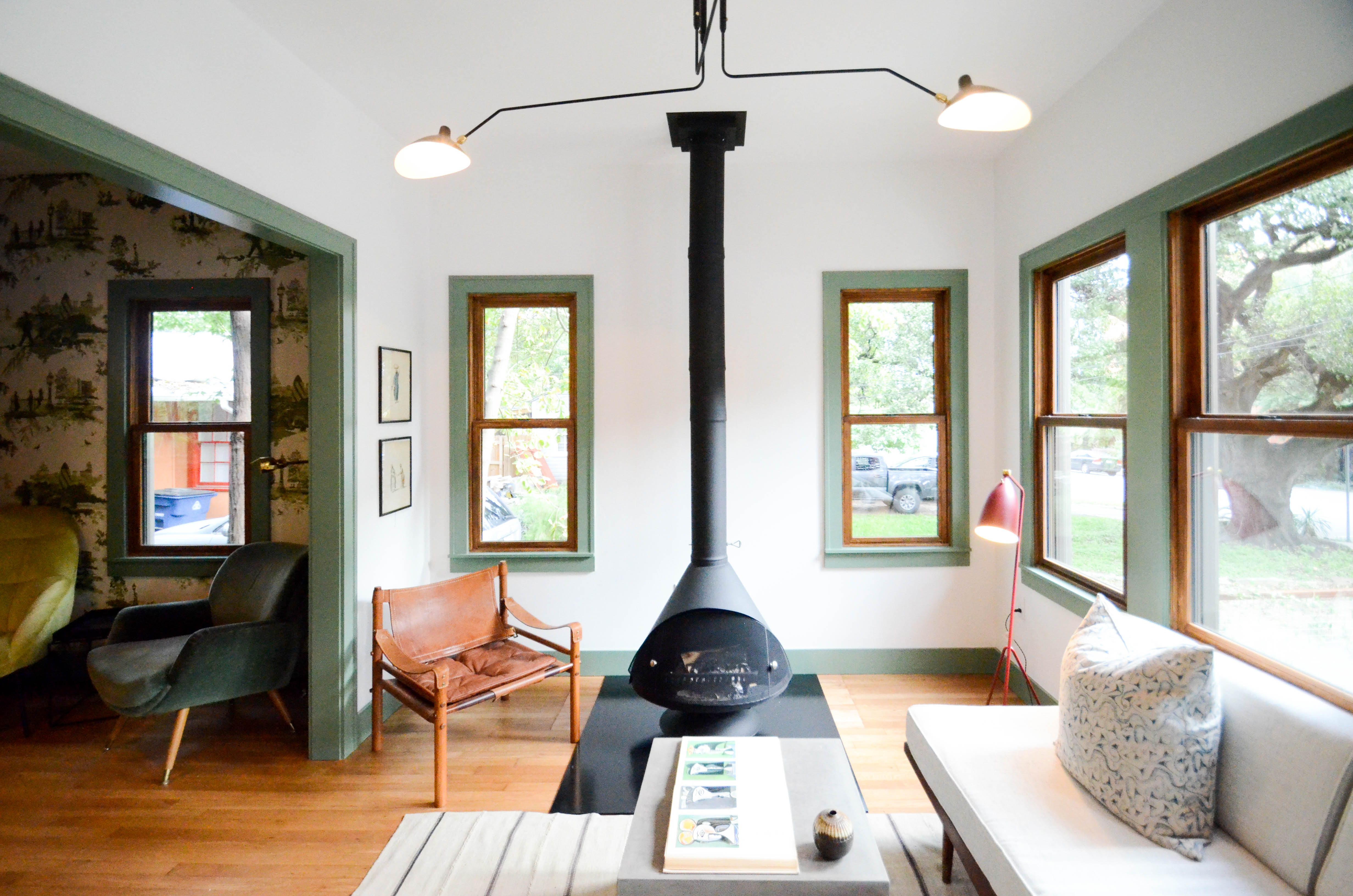
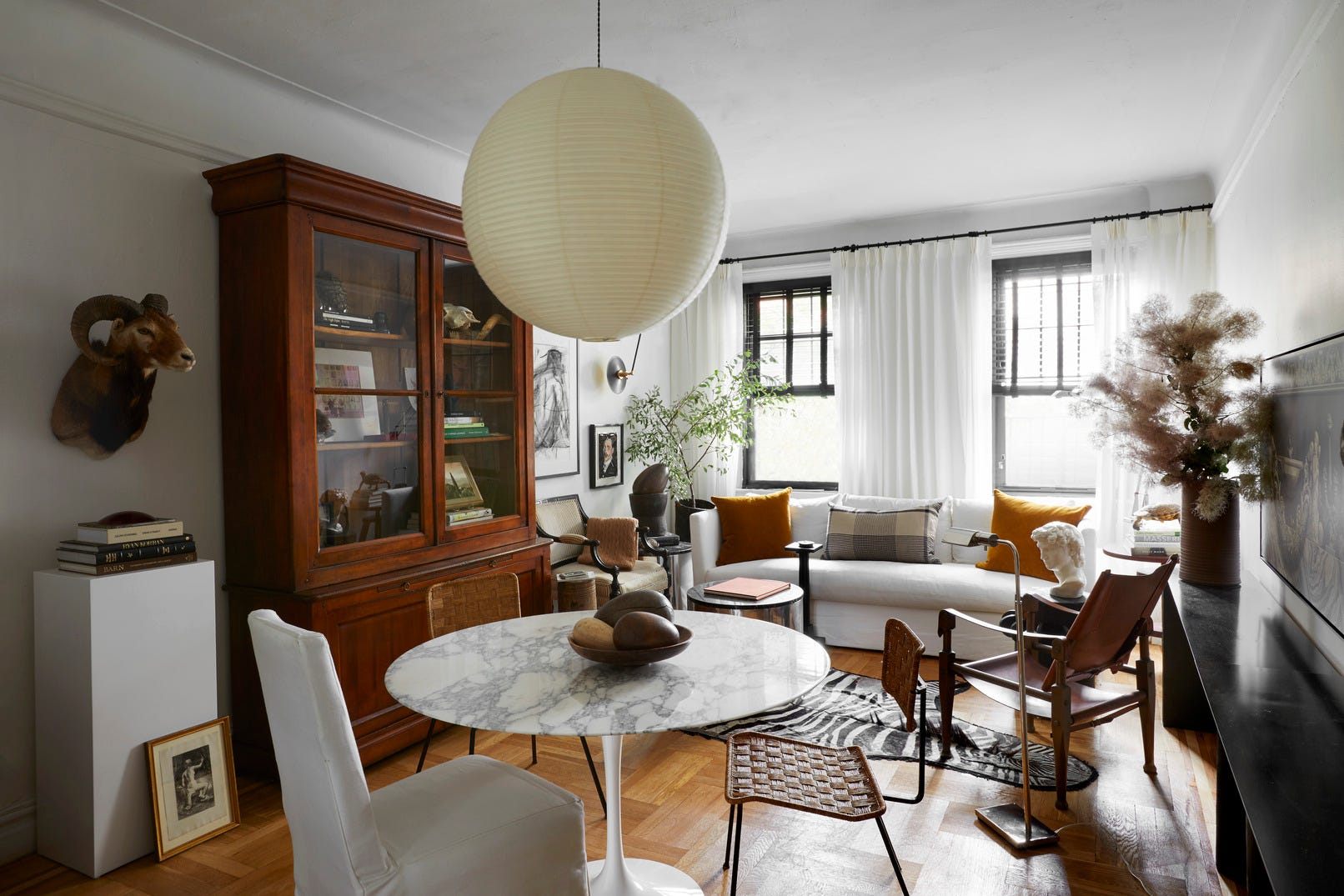
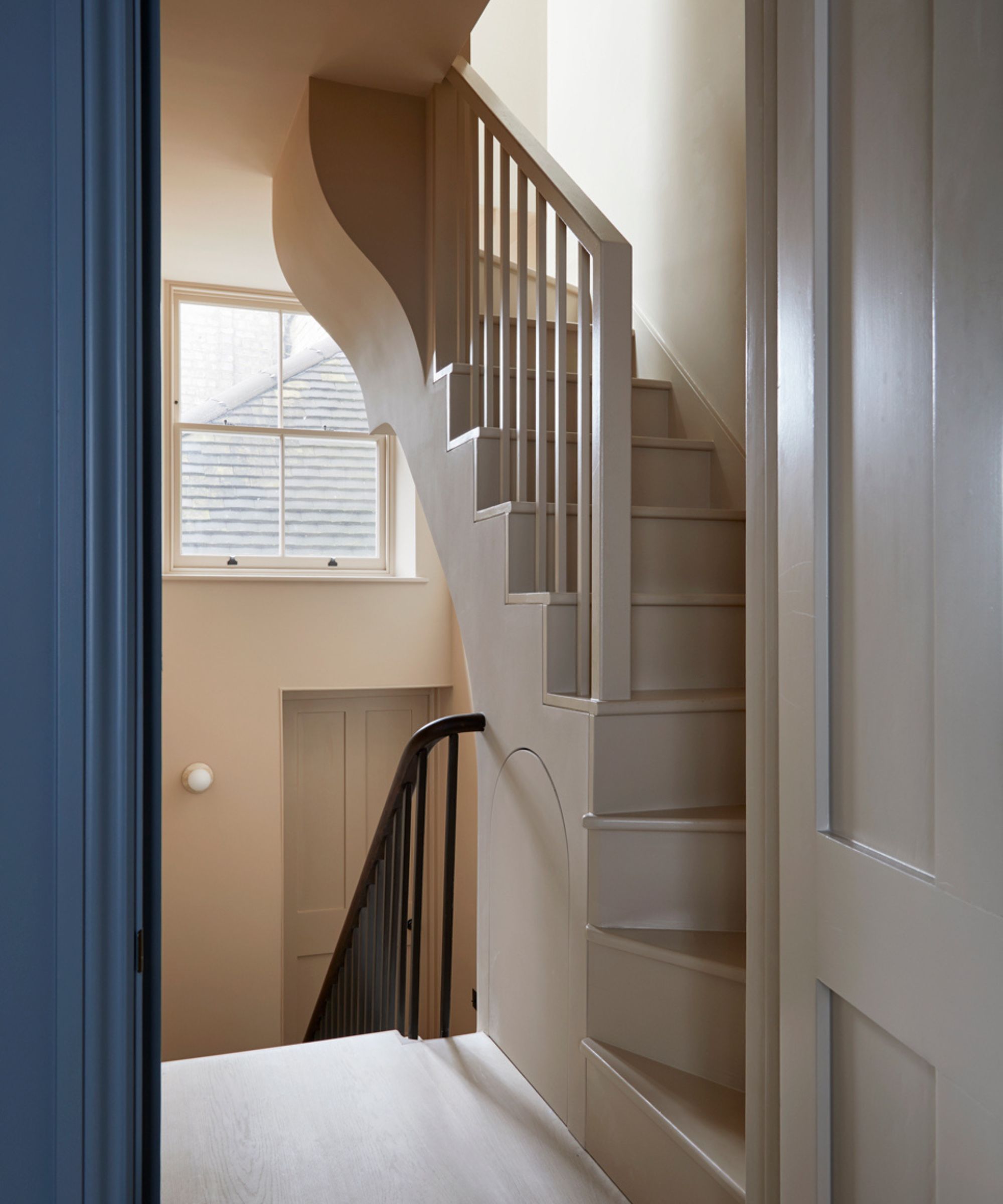
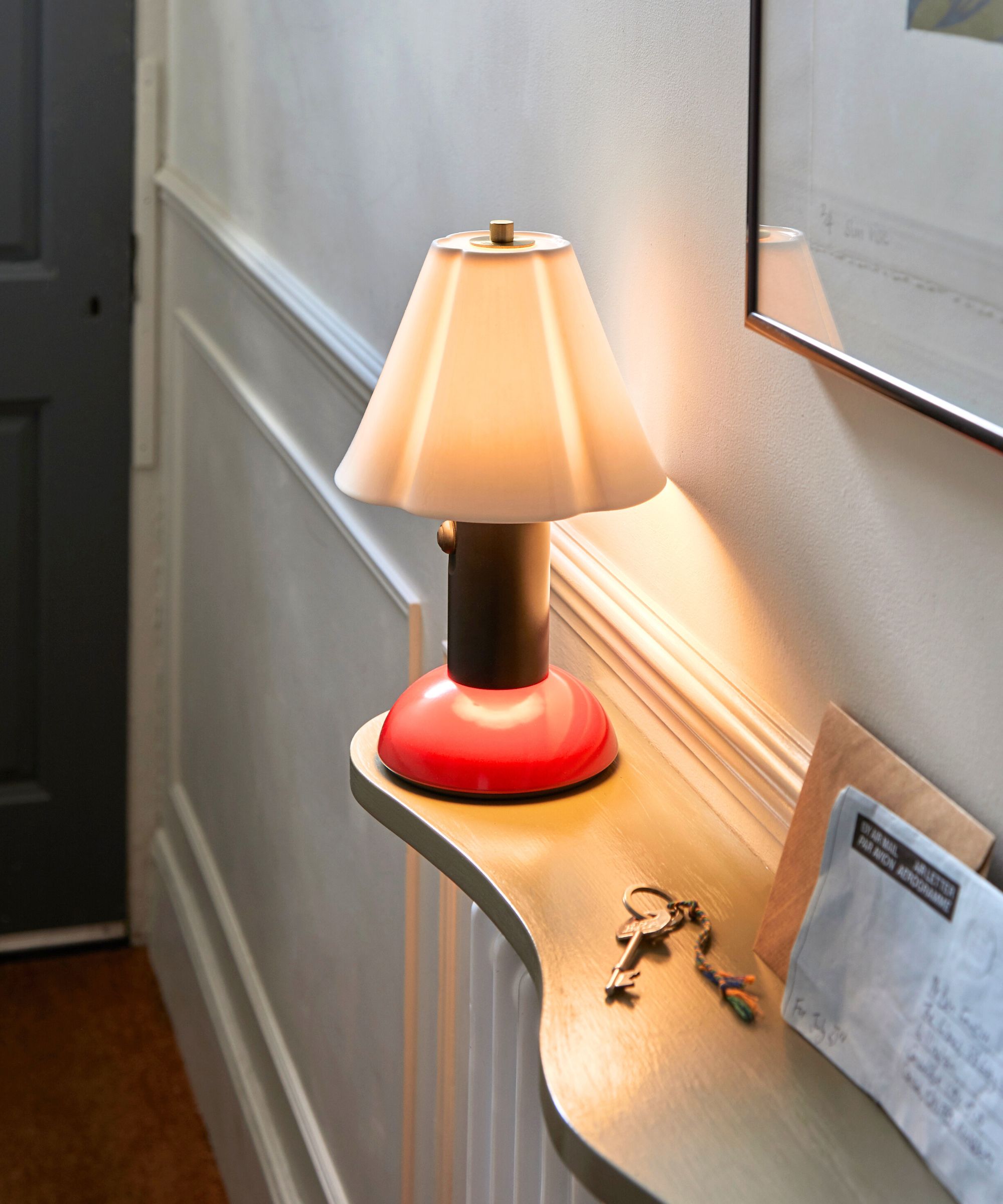
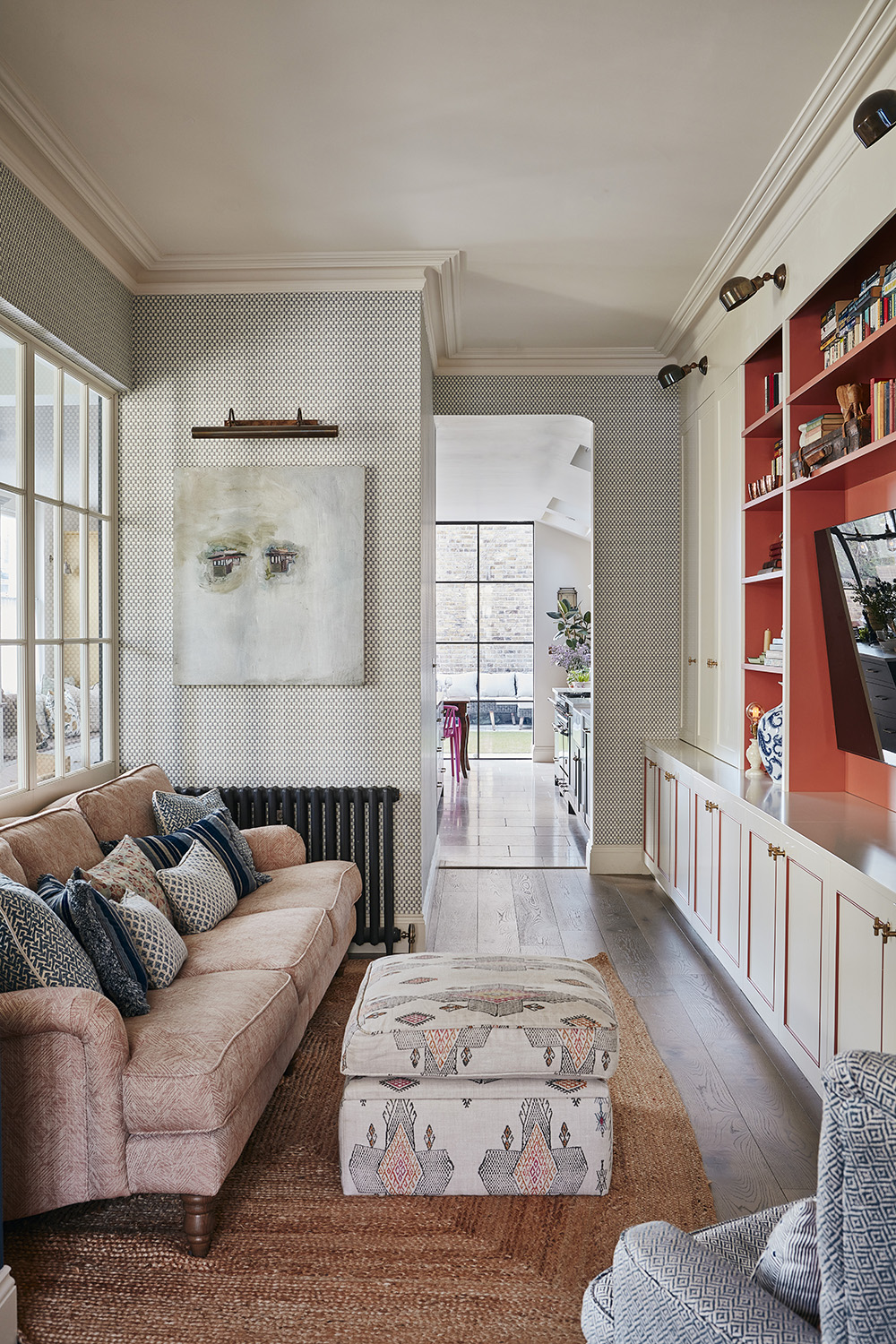
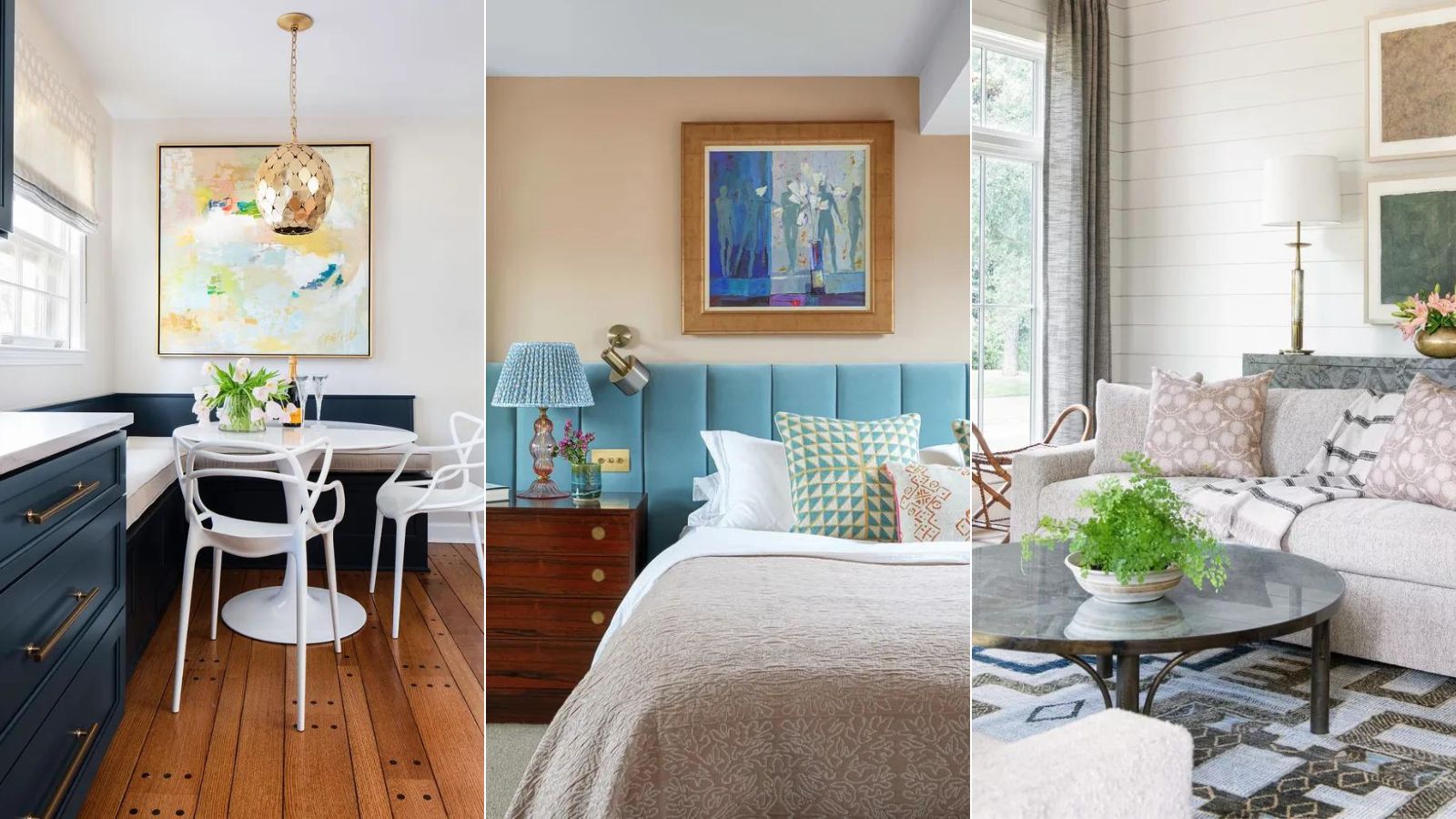
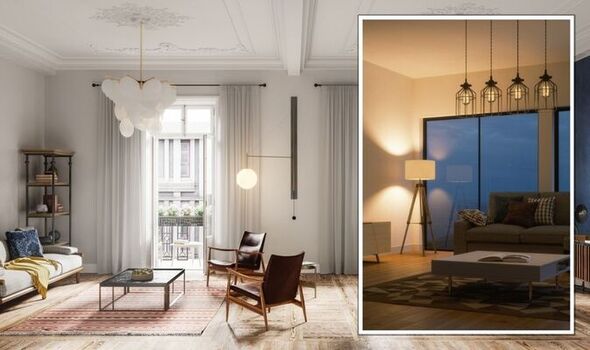
Lighting plays a crucial role in creating the illusion of space. Harsh overhead lighting, such as spotlights, is often unflattering and limits the perception of depth. Instead, designers recommend utilizing layered lighting, specifically low and mid-level directional task lighting. This approach highlights specific features, corners, and cornices, effectively pushing the visual boundaries of the room outwards. Wall lights are effective for accentuating art and joinery, guiding the eye towards the room's edges and creating a sense of expansiveness. Optimizing natural light is also vital. Incorporating internal windows, for example, can enhance natural light penetration, establish visual connections between rooms, and add depth, making a space feel larger while maintaining distinct area separation.
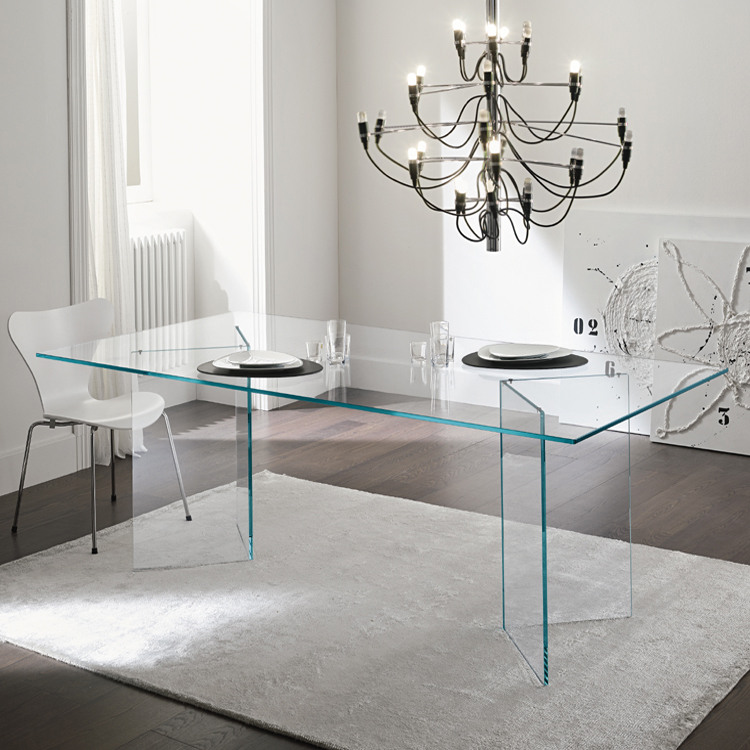
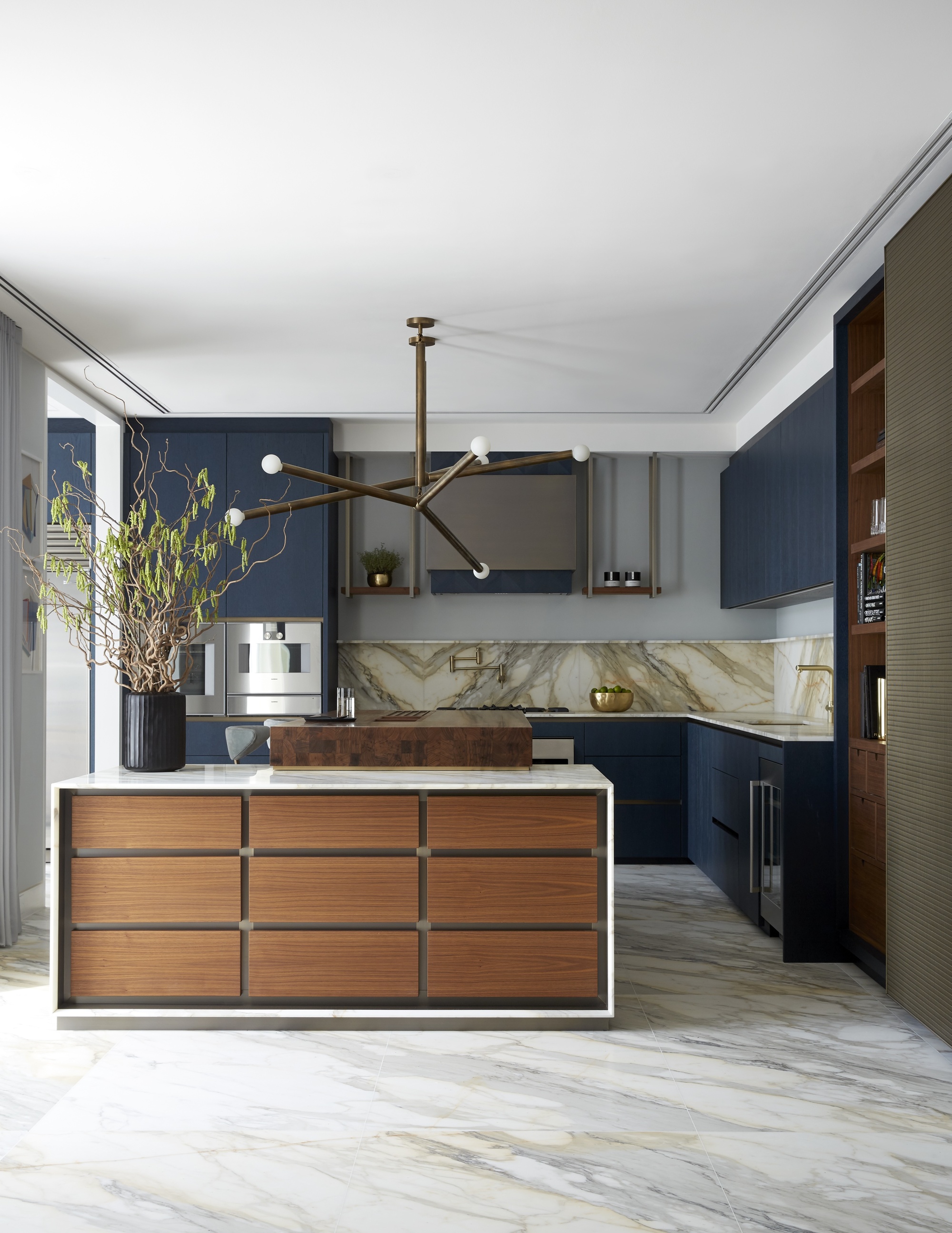
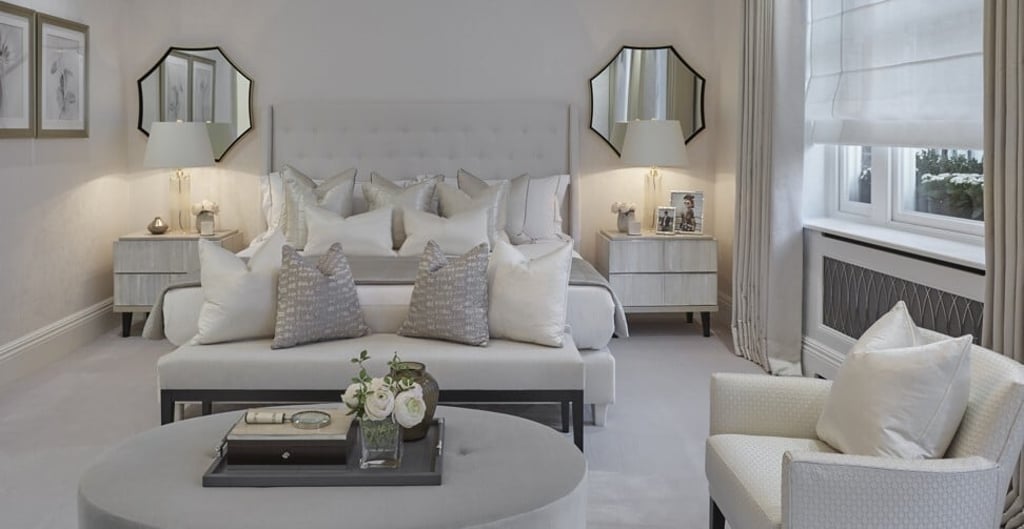
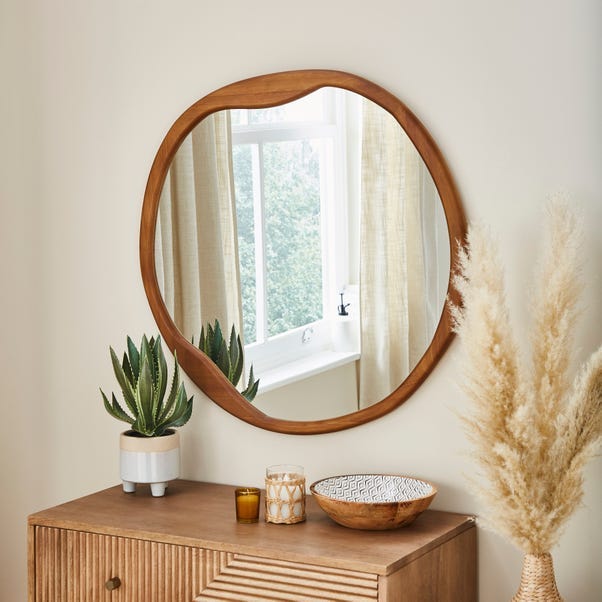
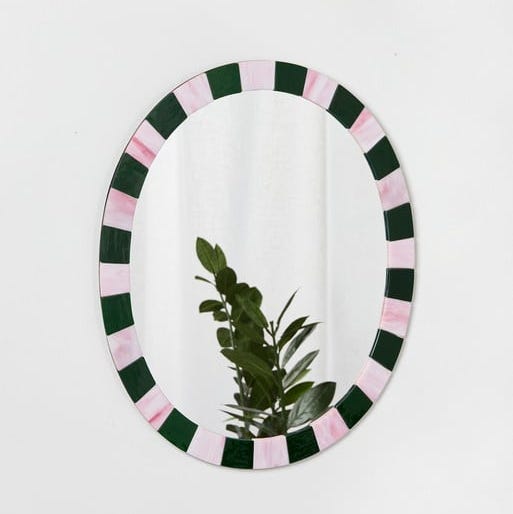
Reflective surfaces, closely linked to lighting, are another powerful tool. Furniture with mirrored or reflective surfaces, such as tables, can be strategically placed. Cleverly angled mirrors in a room can generate significant reflective optical illusions. More integrated design elements, like cladding door reveals with smoked mirror panels, can blur boundaries and add drama, making a room feel more open and less confined.
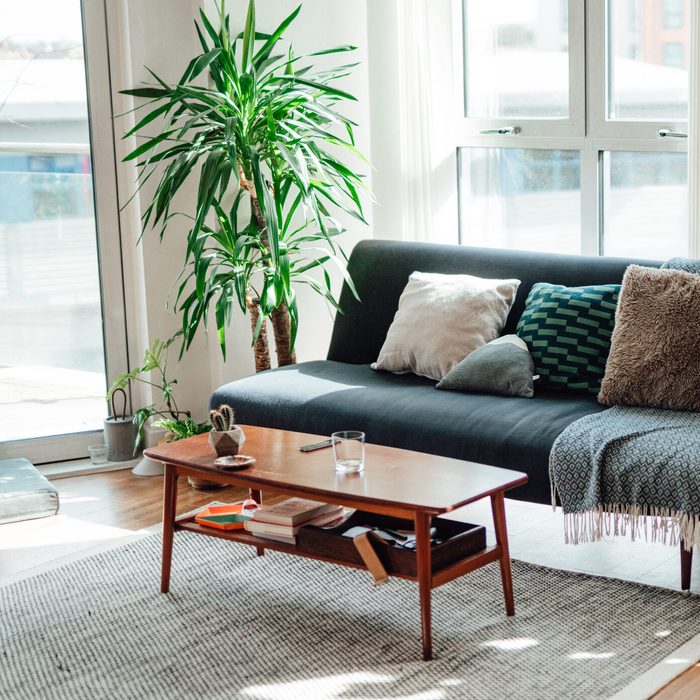
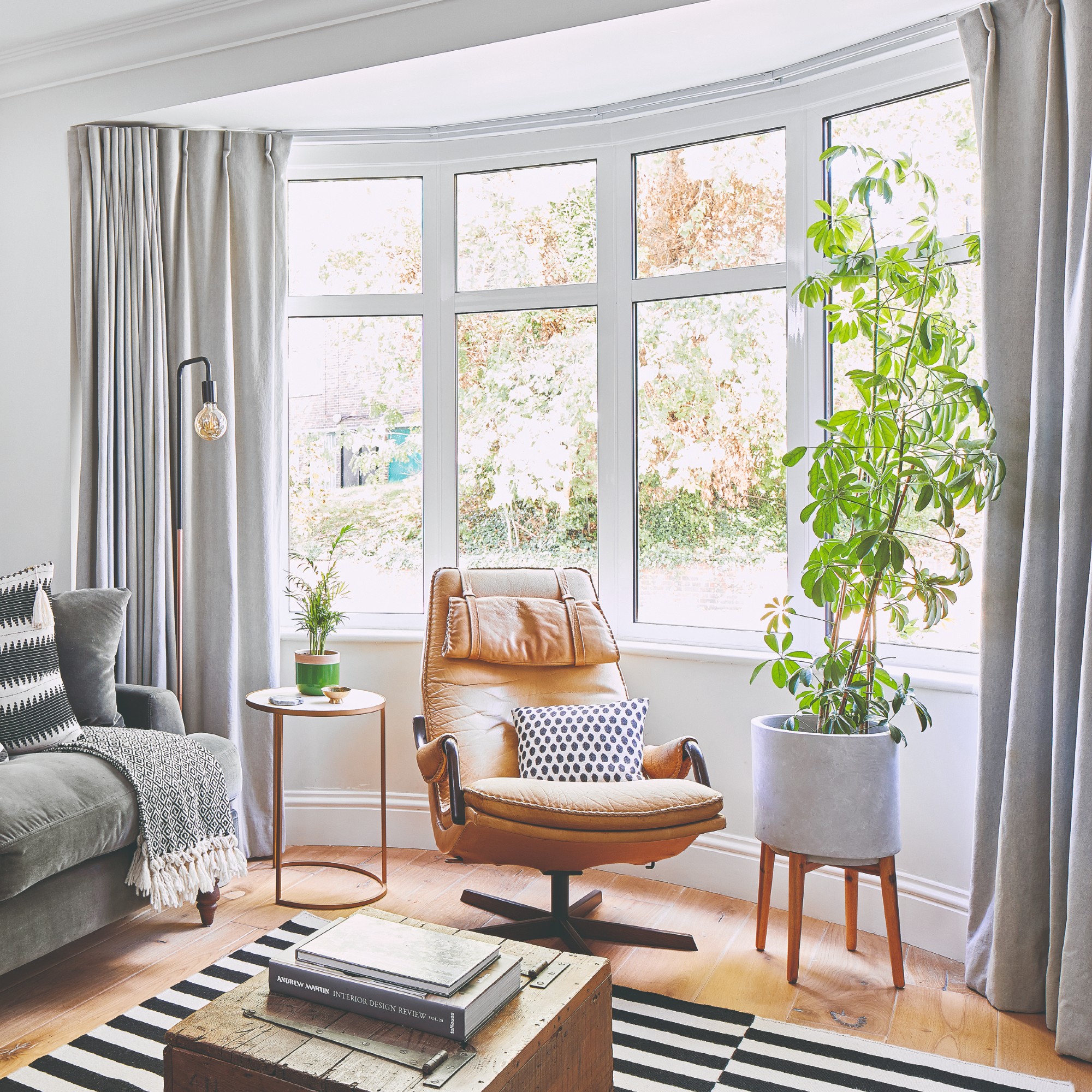
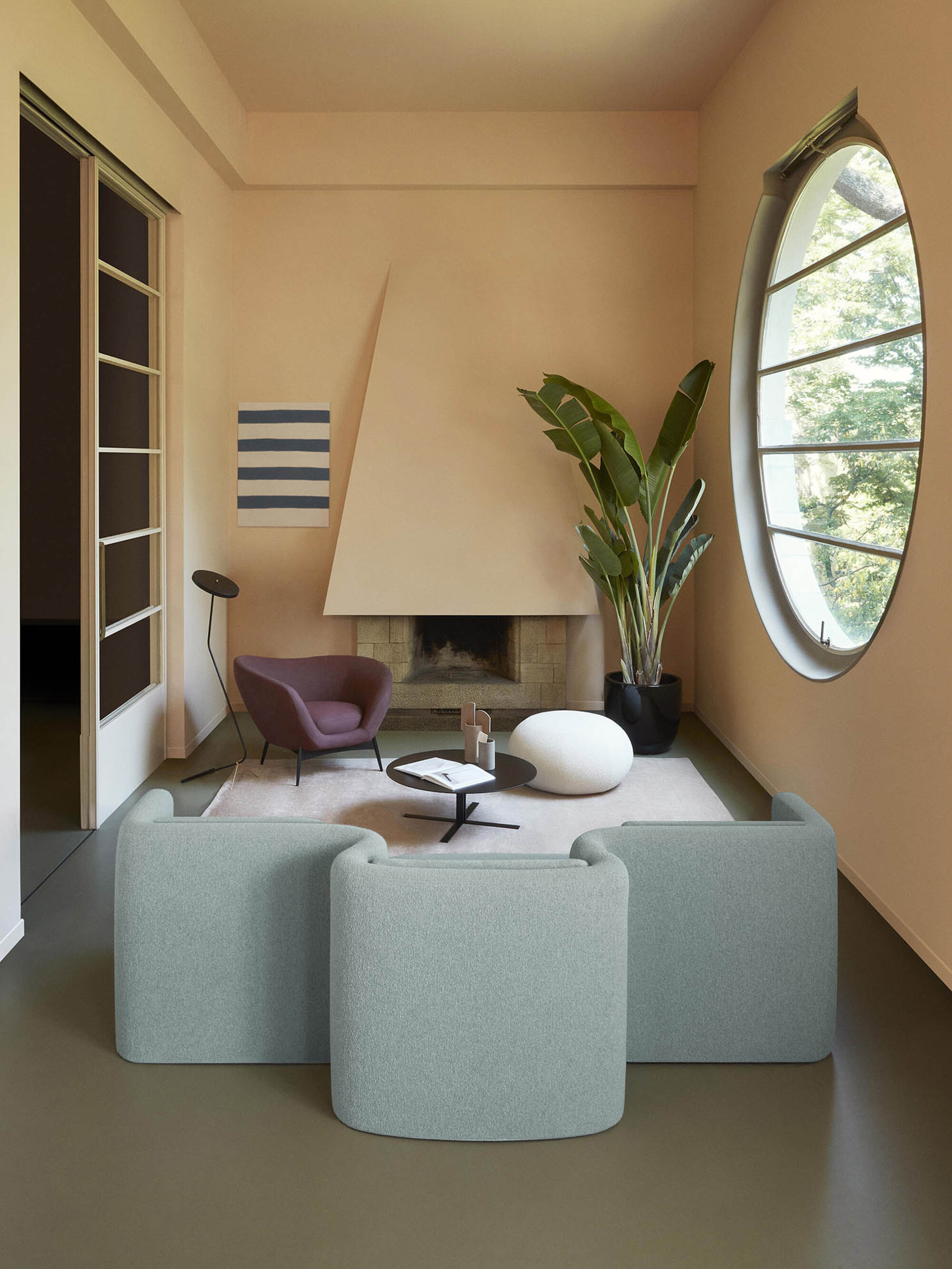
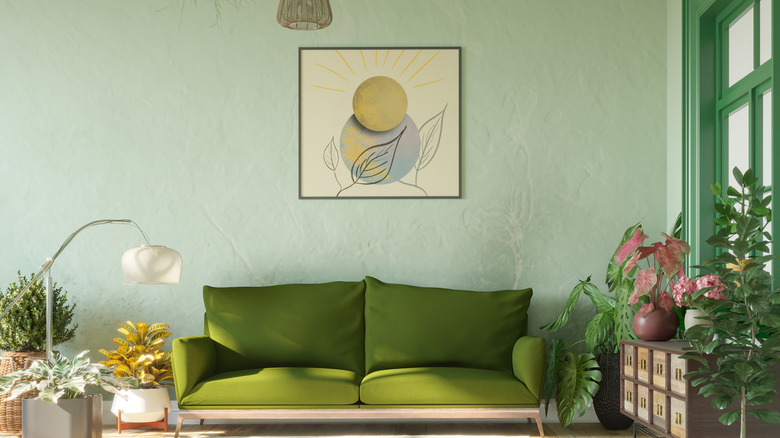
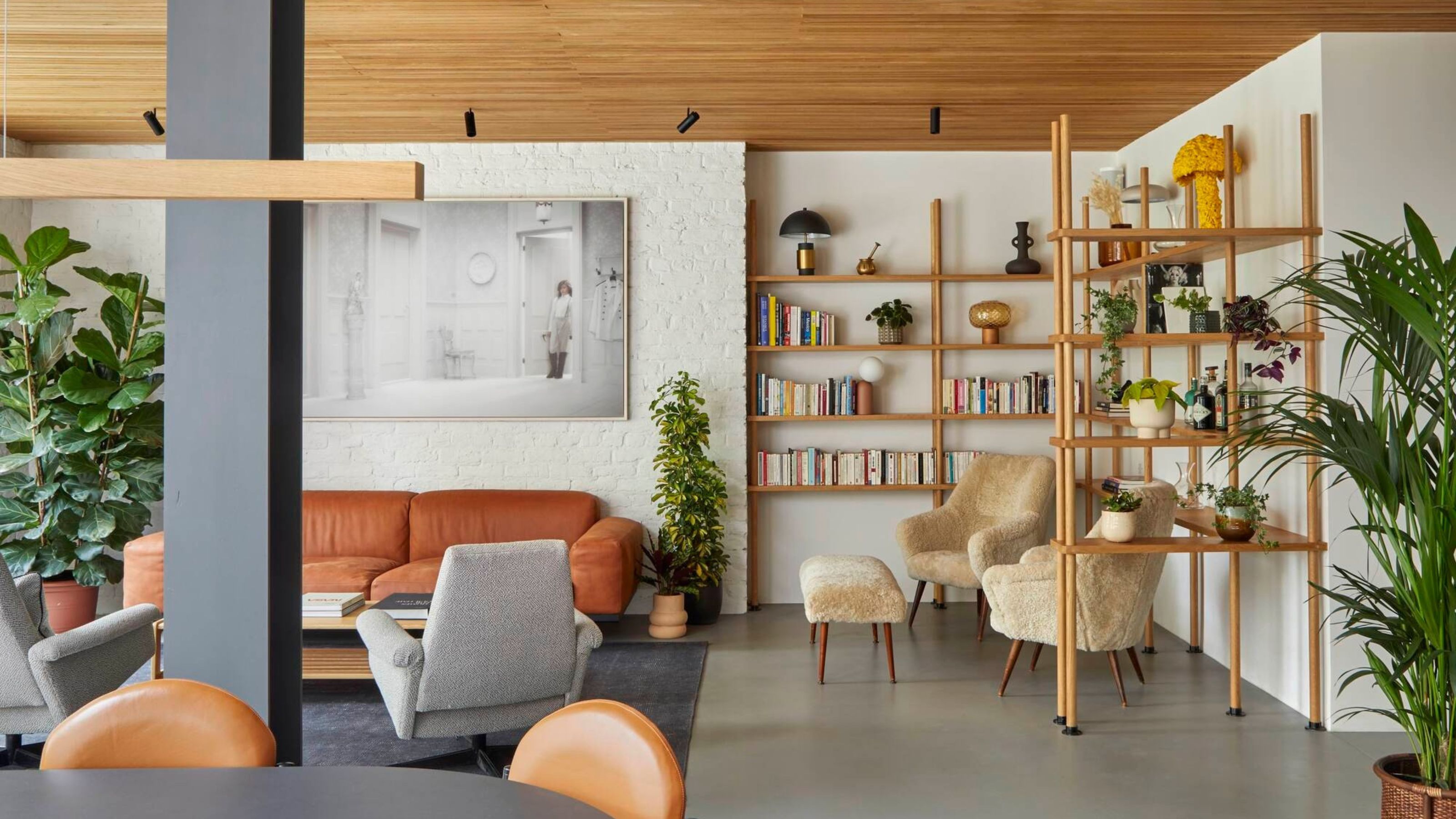
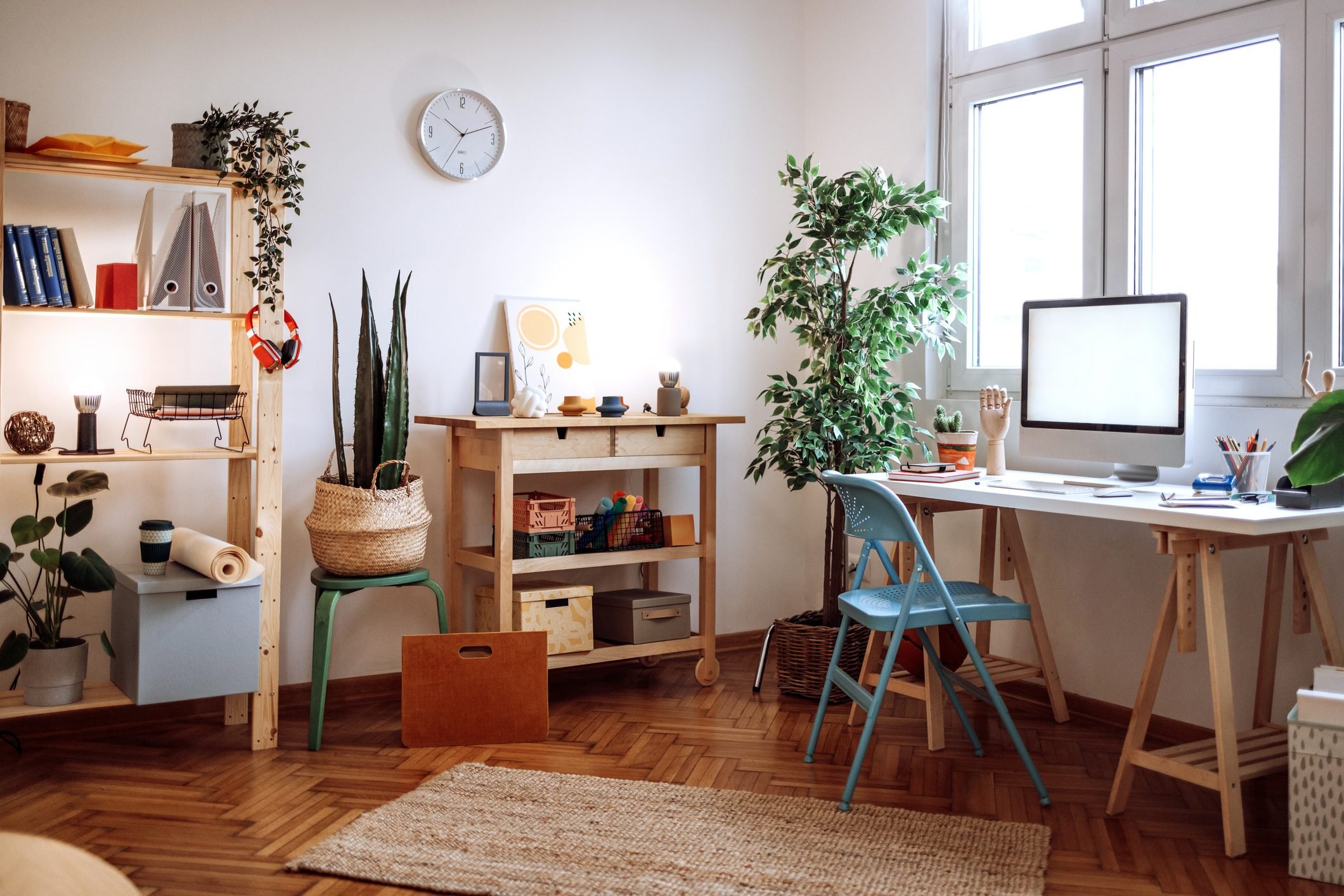
Integrating nature and biophilia can transform small living areas. Access to outdoor spaces, if available, should be maximized, such as converting unused roof terraces or lightwells into functional, inviting areas with decking, seating, and string lights. Indoors, biophilic elements can emphasize verticality and depth. Tall vertical shelving, especially when combined with plants, draws the eye upwards, creating the impression of greater height and more usable space.
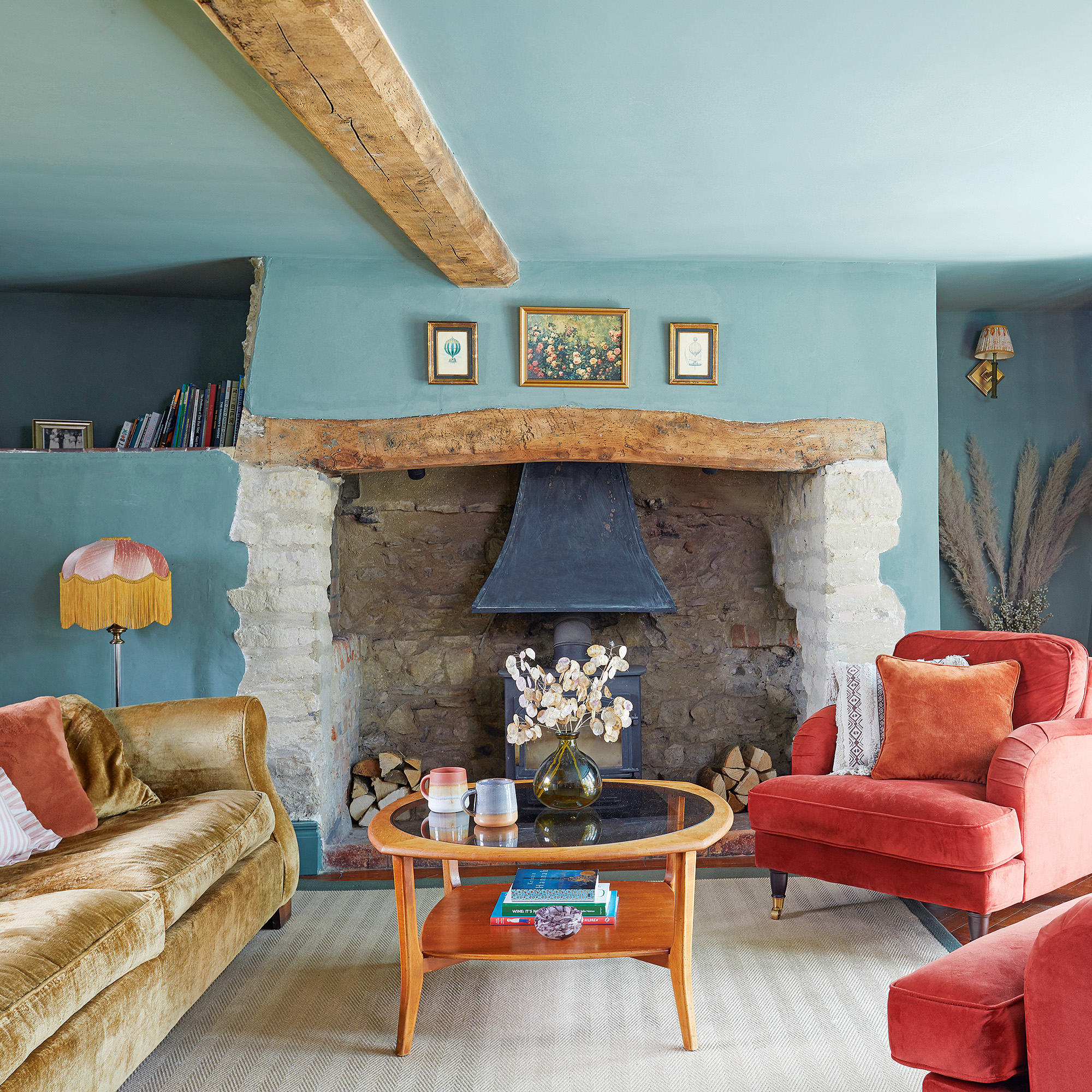
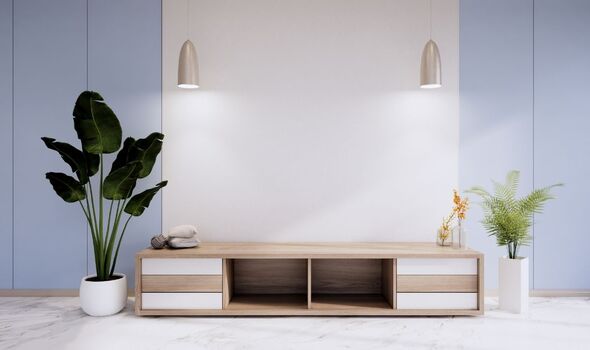
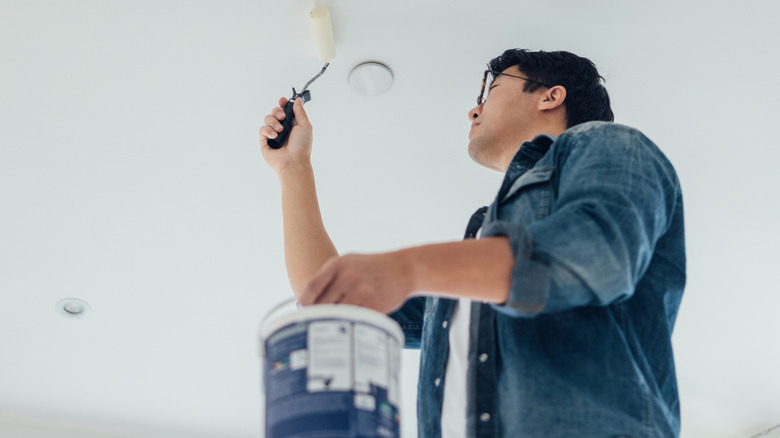
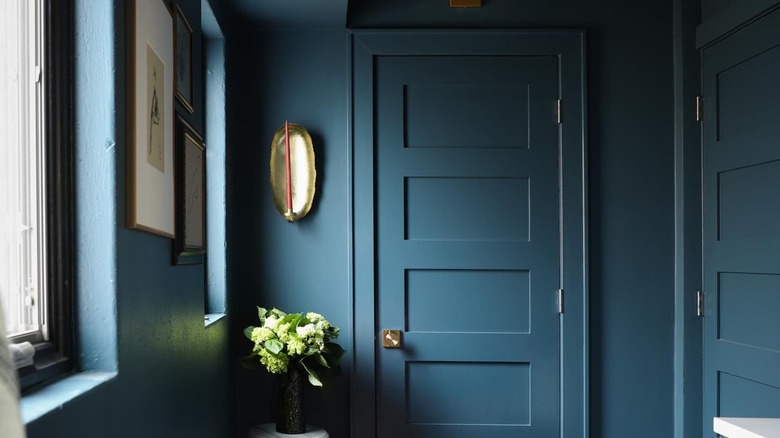
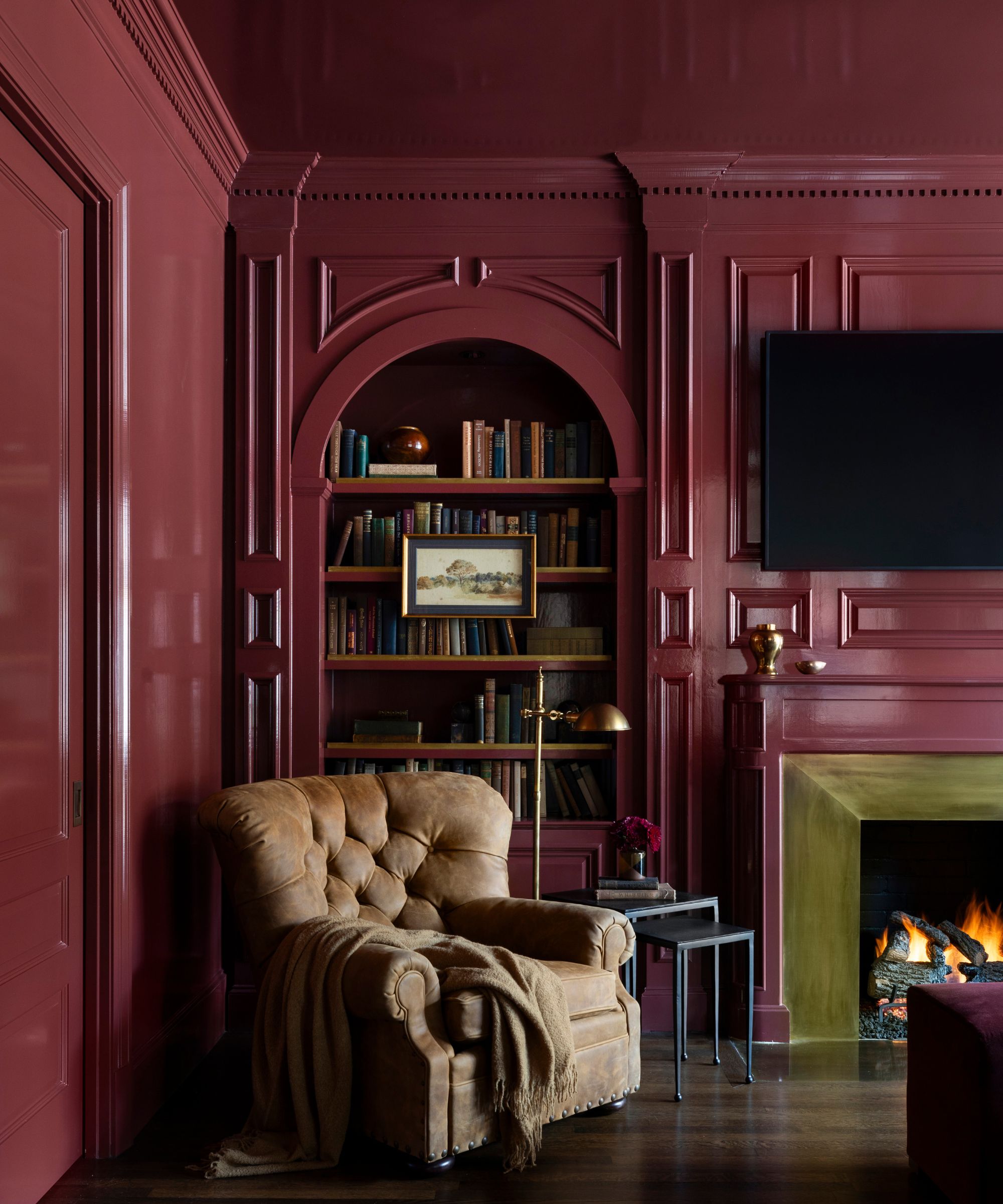
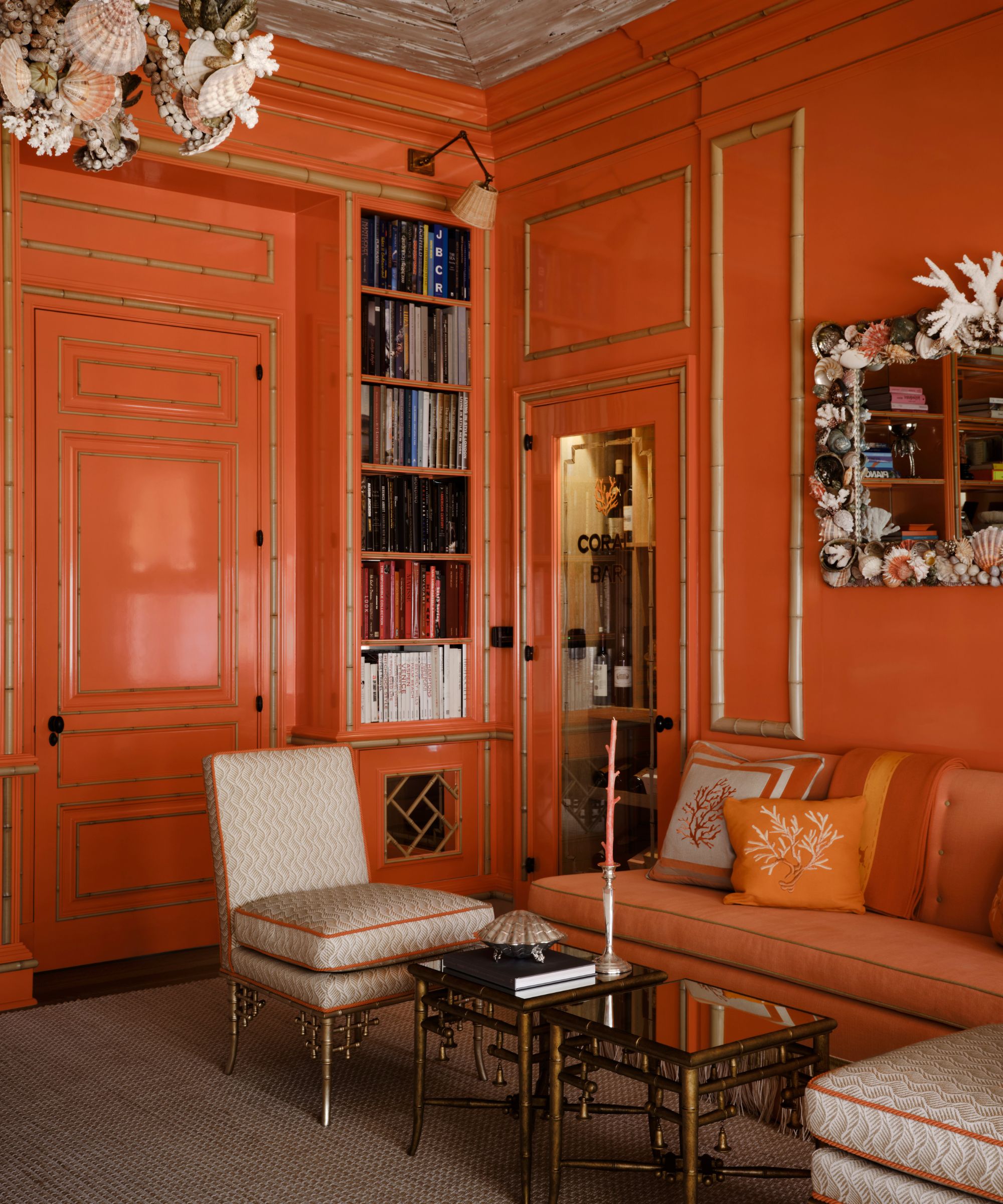
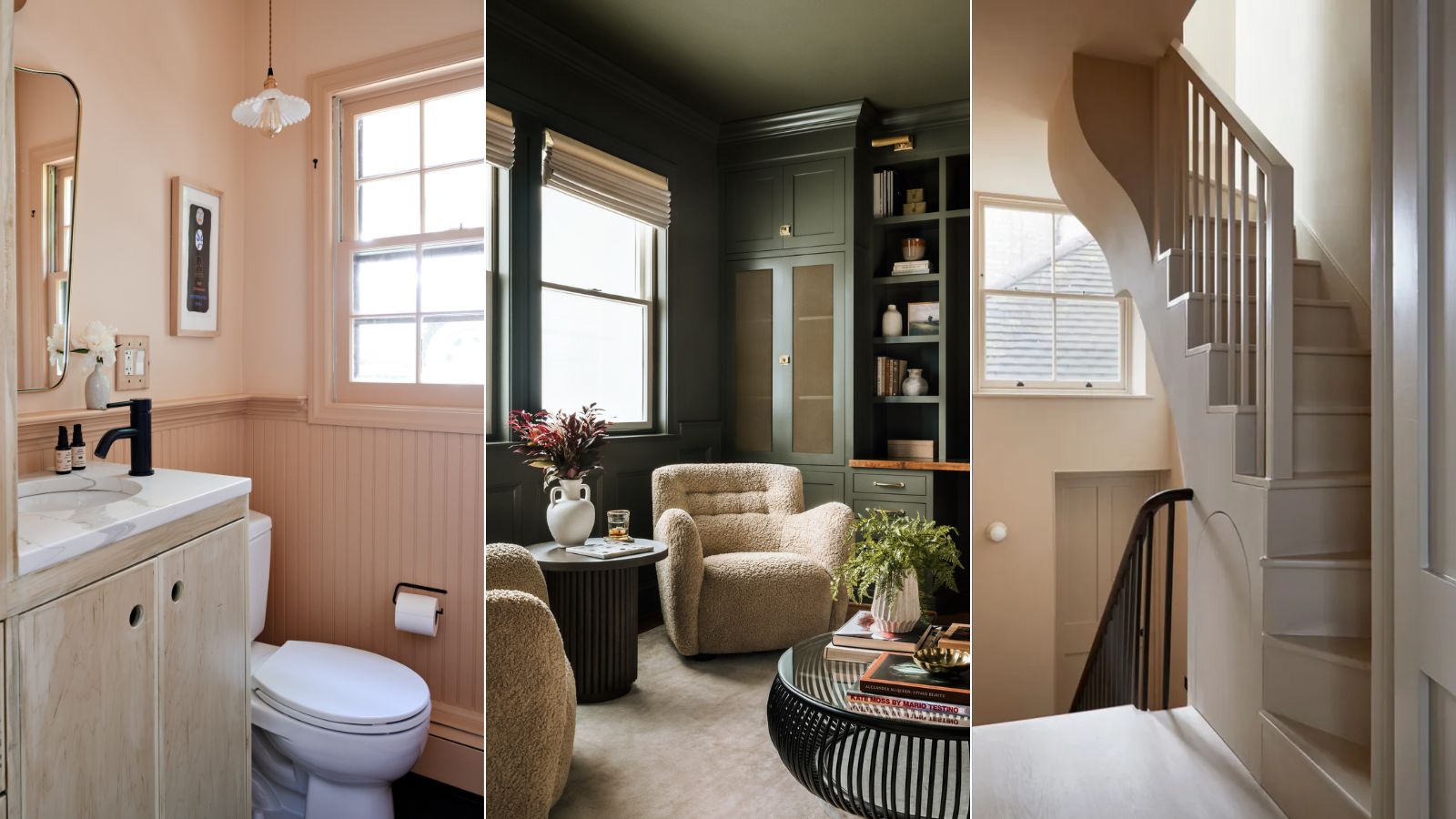
The ceiling, often overlooked, is referred to as the 'fifth wall' and can significantly impact the perceived height of a room. Playing with stripes or patterns on the ceiling can create architectural interest or optical illusions. Extending the wall color up and over the ceiling, a technique known as colour-drenching, can prevent a room from feeling segmented and effectively elongates the space. This technique can involve paint or even wallpaper that seamlessly transitions into matching paint, demonstrating that a cohesive color scheme across different textures can achieve the desired effect.
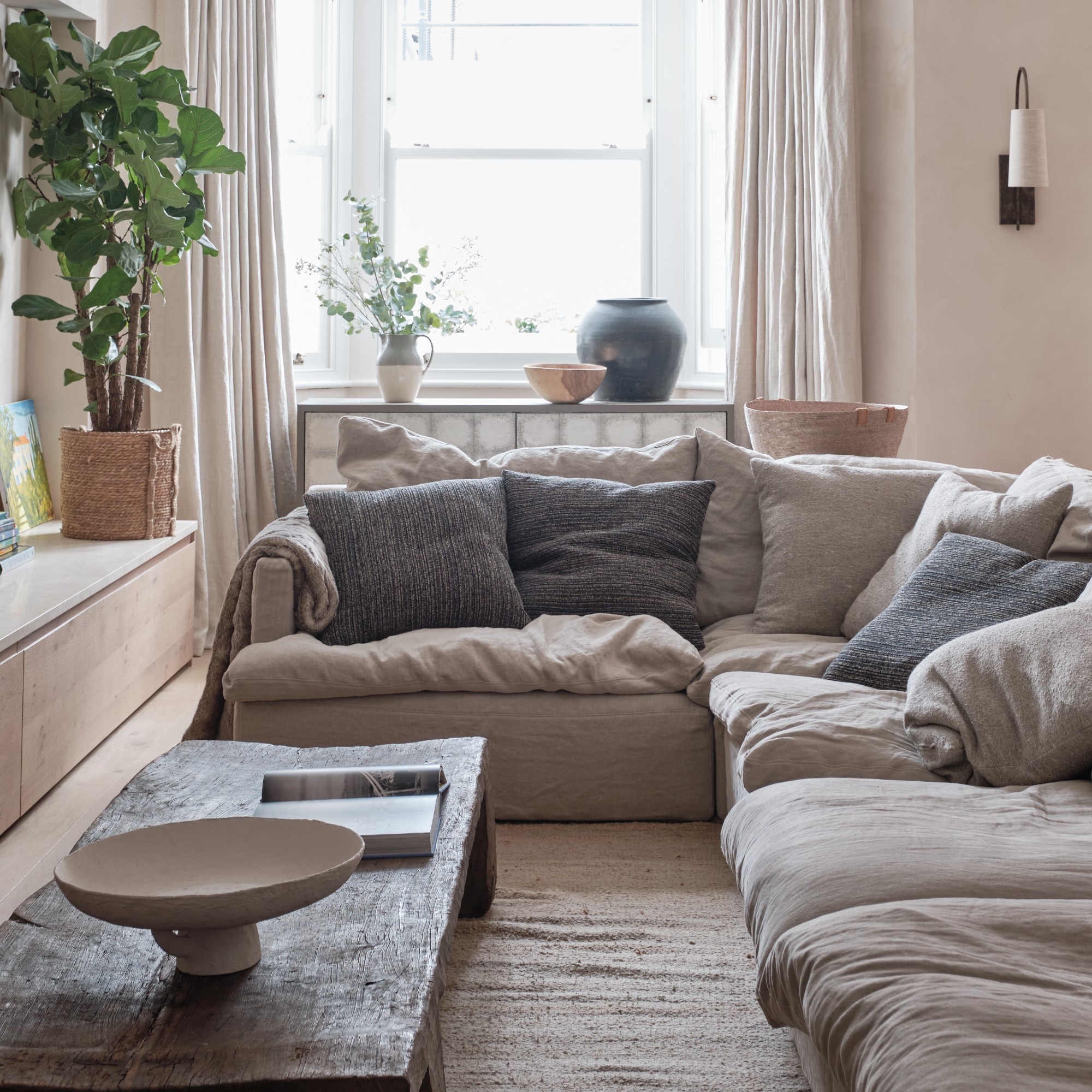
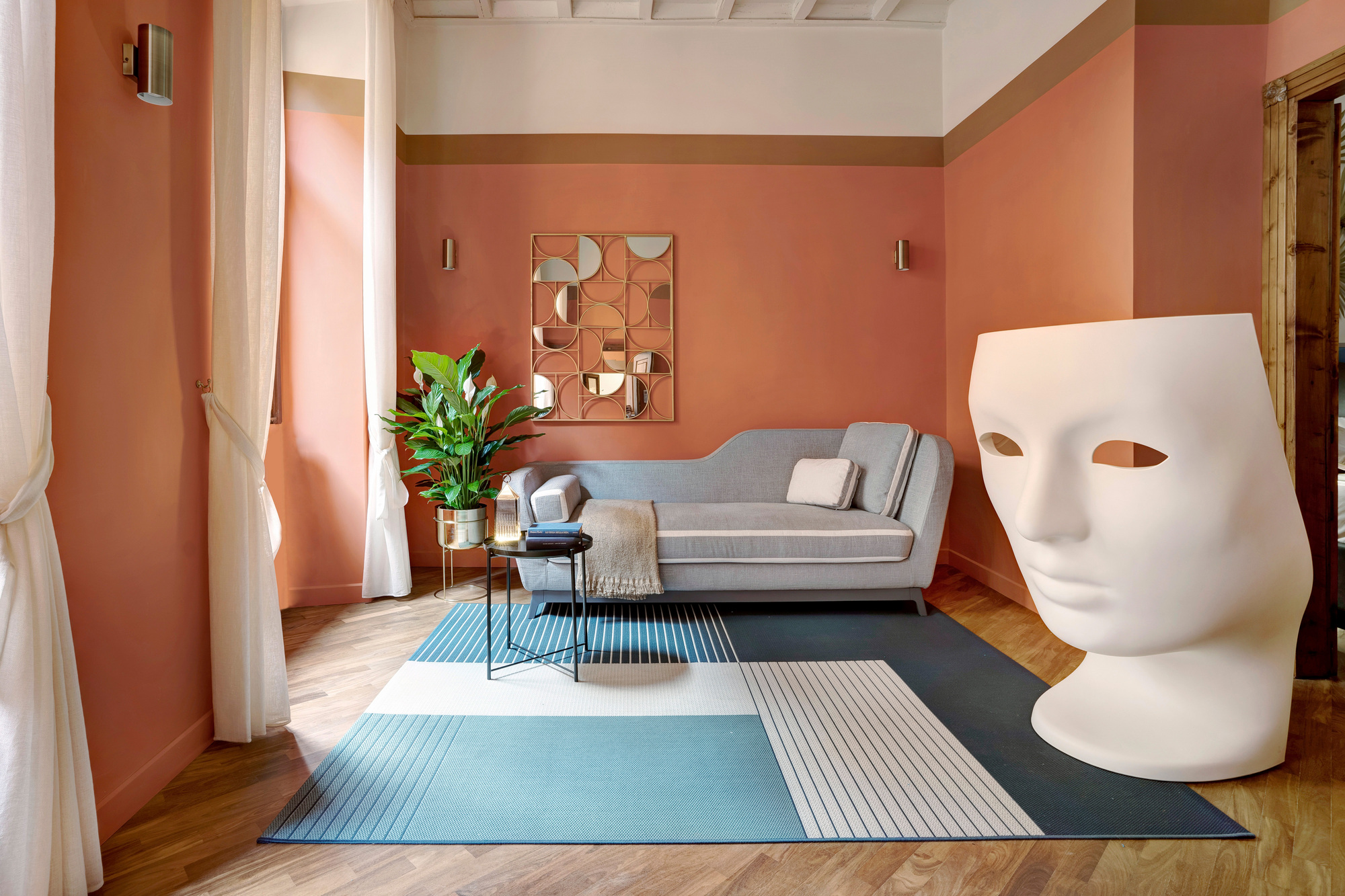
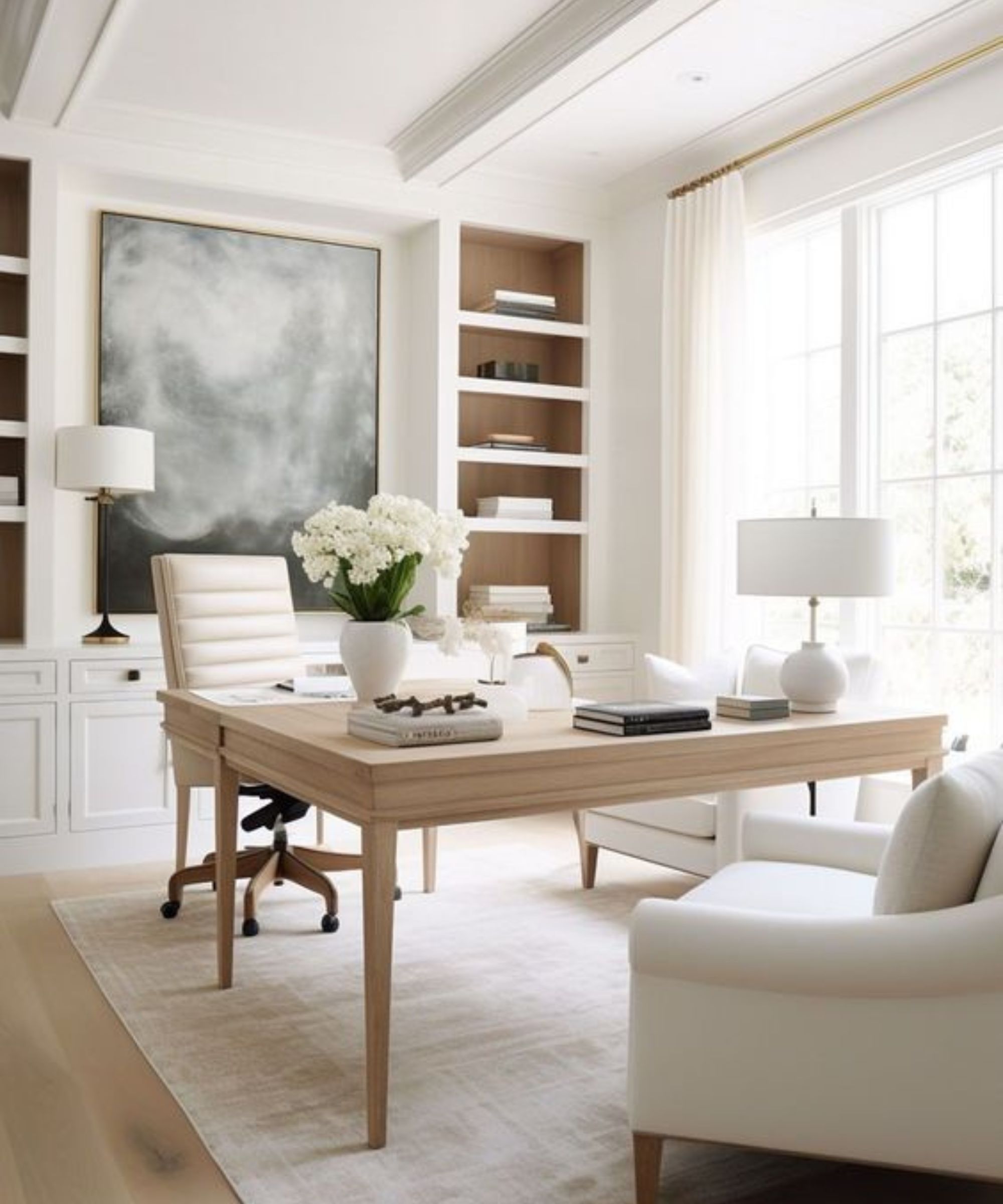
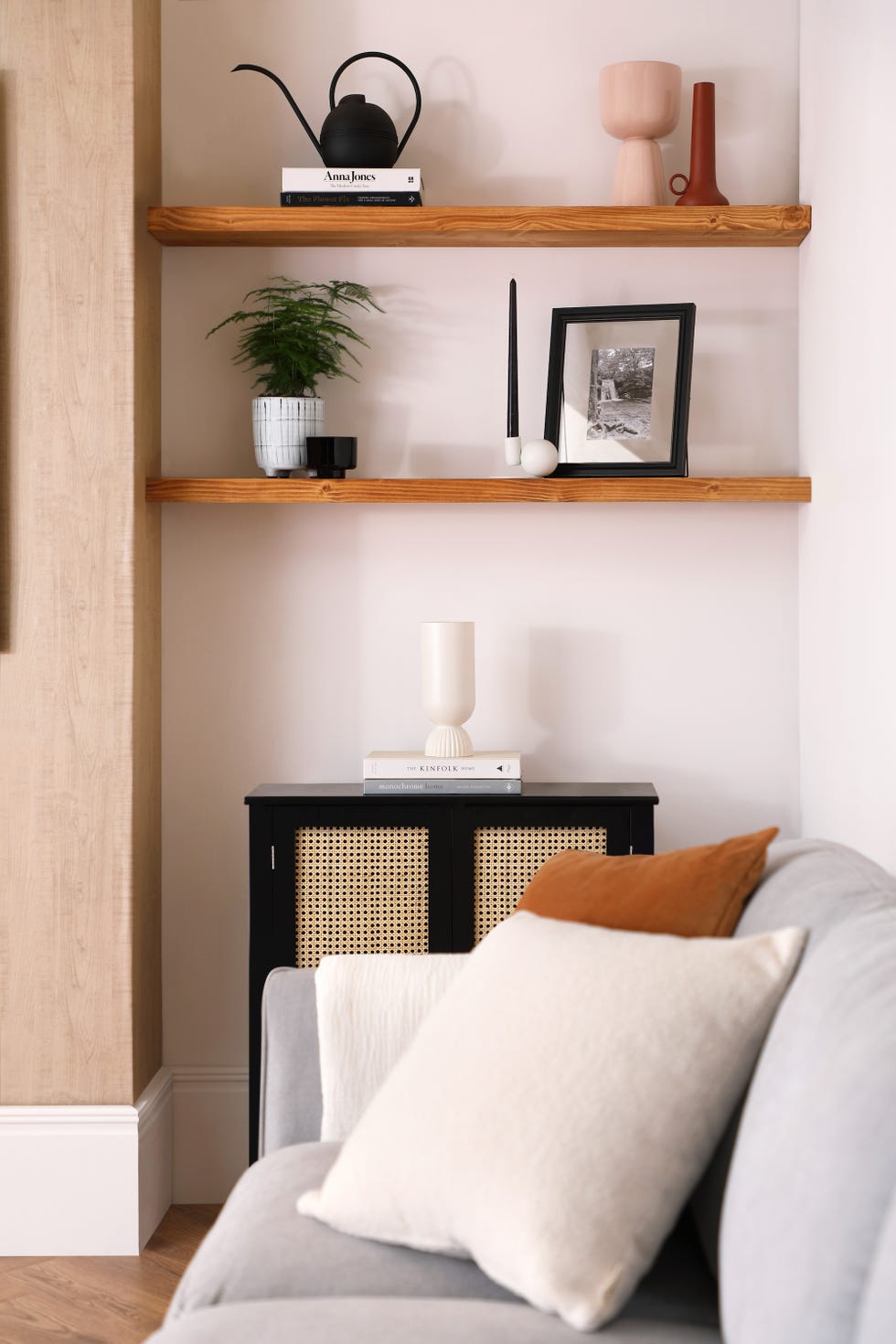
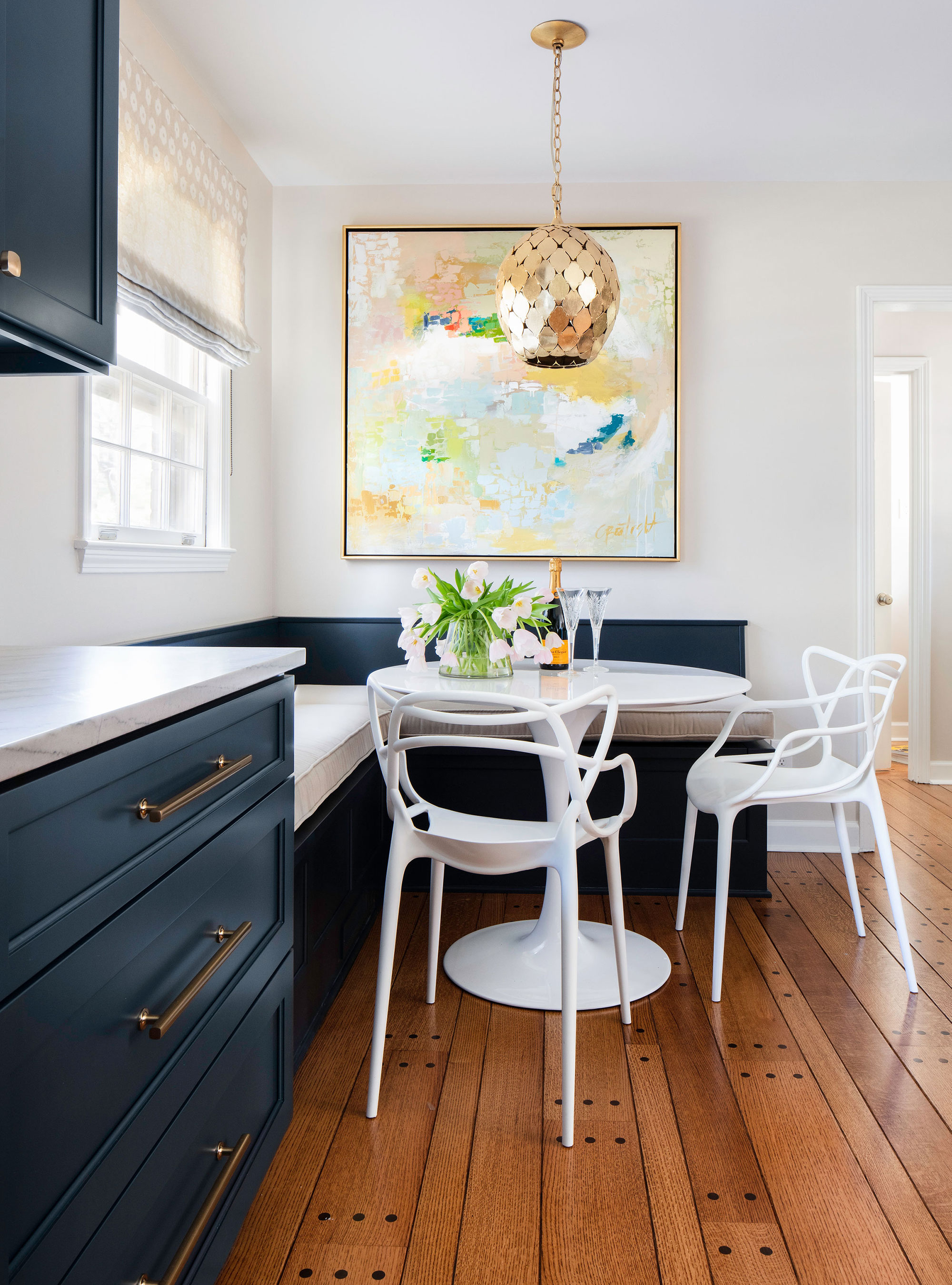
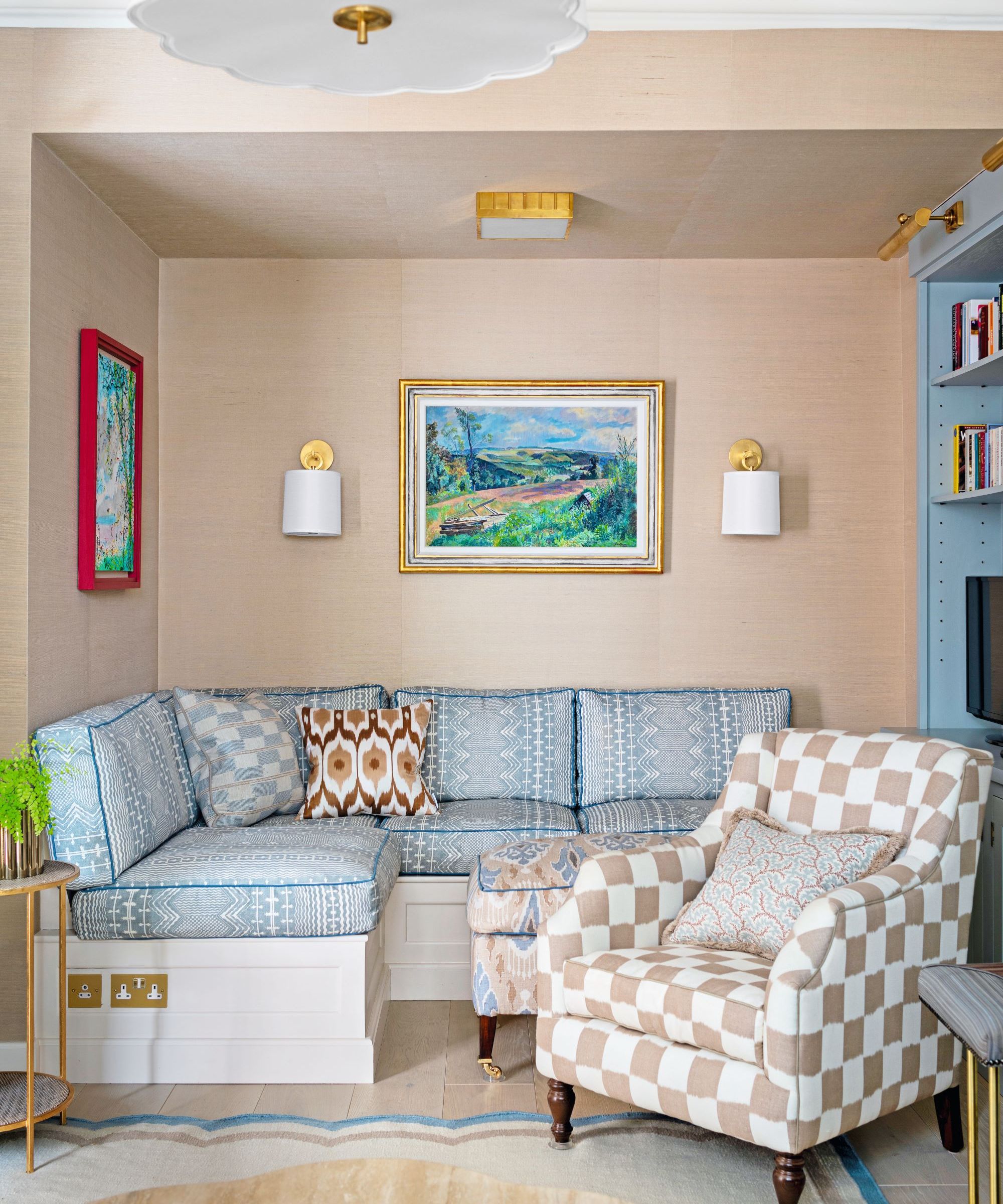
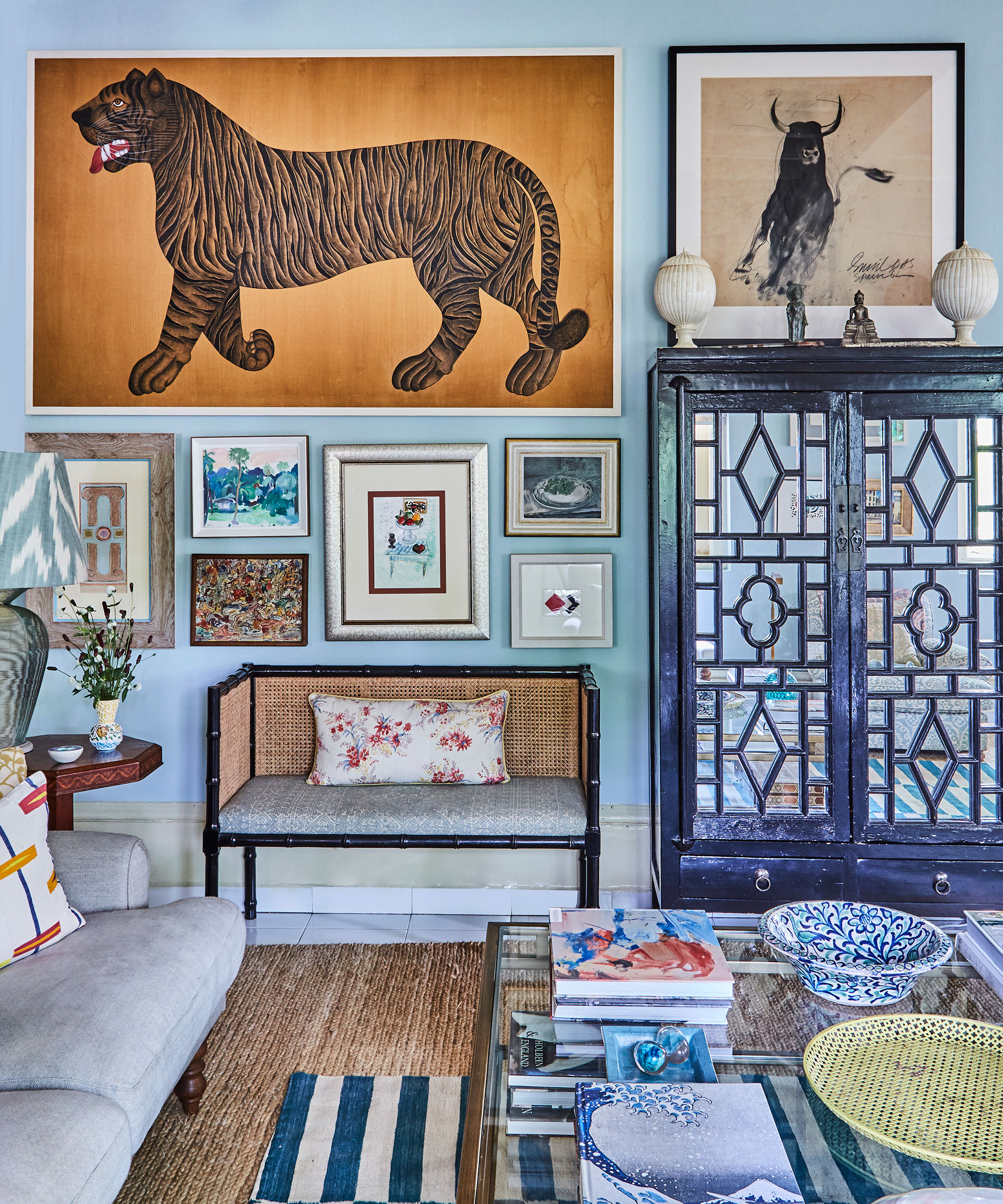
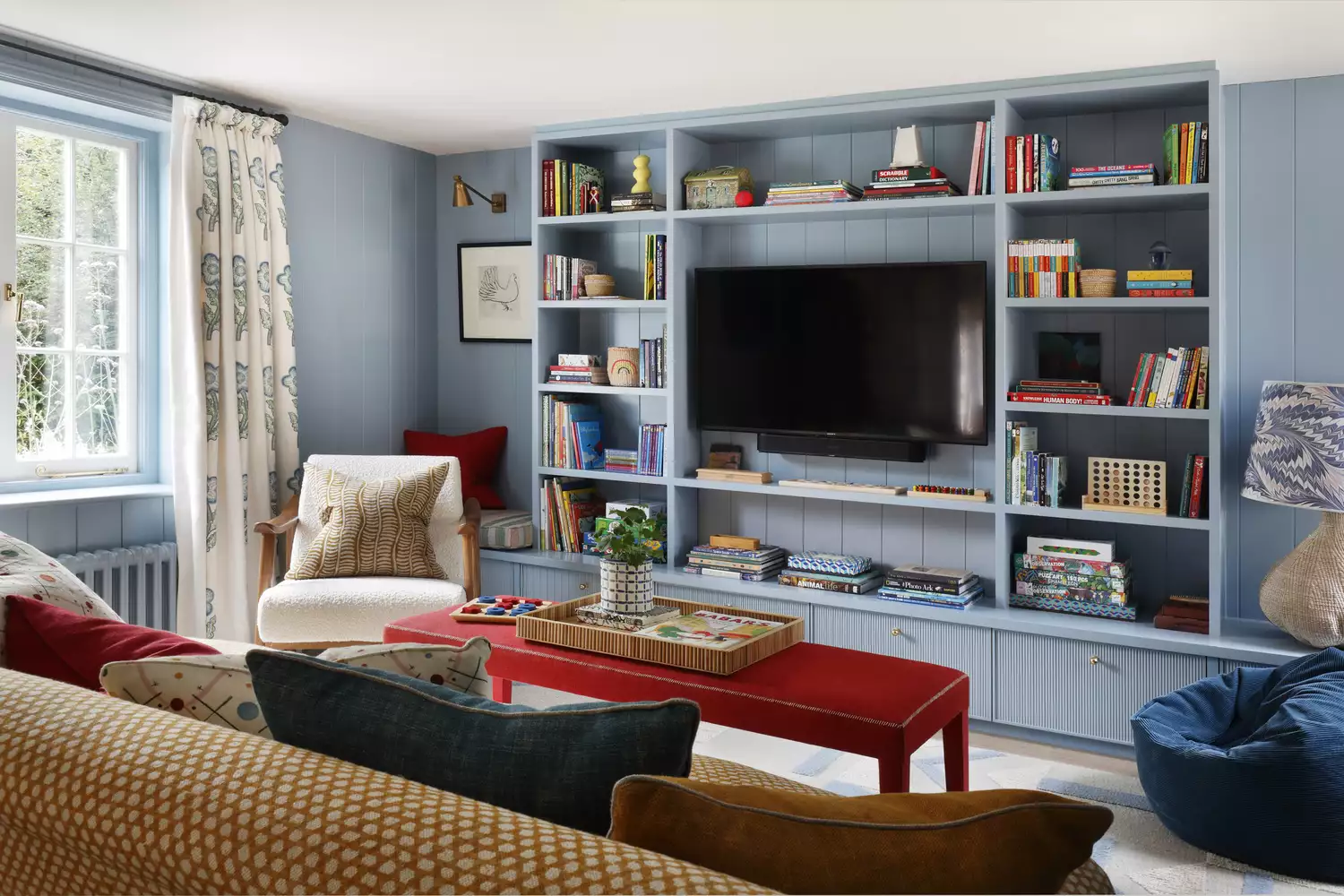
Contrary to common belief, small spaces do not necessitate small furniture. The strategic placement, usability, and visual interest of furniture are more important than their size. A neutral base, which can include dark neutrals, can soften a room's dimensions. Furniture with distinct shapes and colors can create 'visual pockets of interest' that direct the eye across the room's full length and breadth. These elements act as effective distractions in narrow spaces, making them appear larger. Built-in furniture, such as bespoke banquettes and shelving units, is also an excellent solution for optimizing space in compact areas.
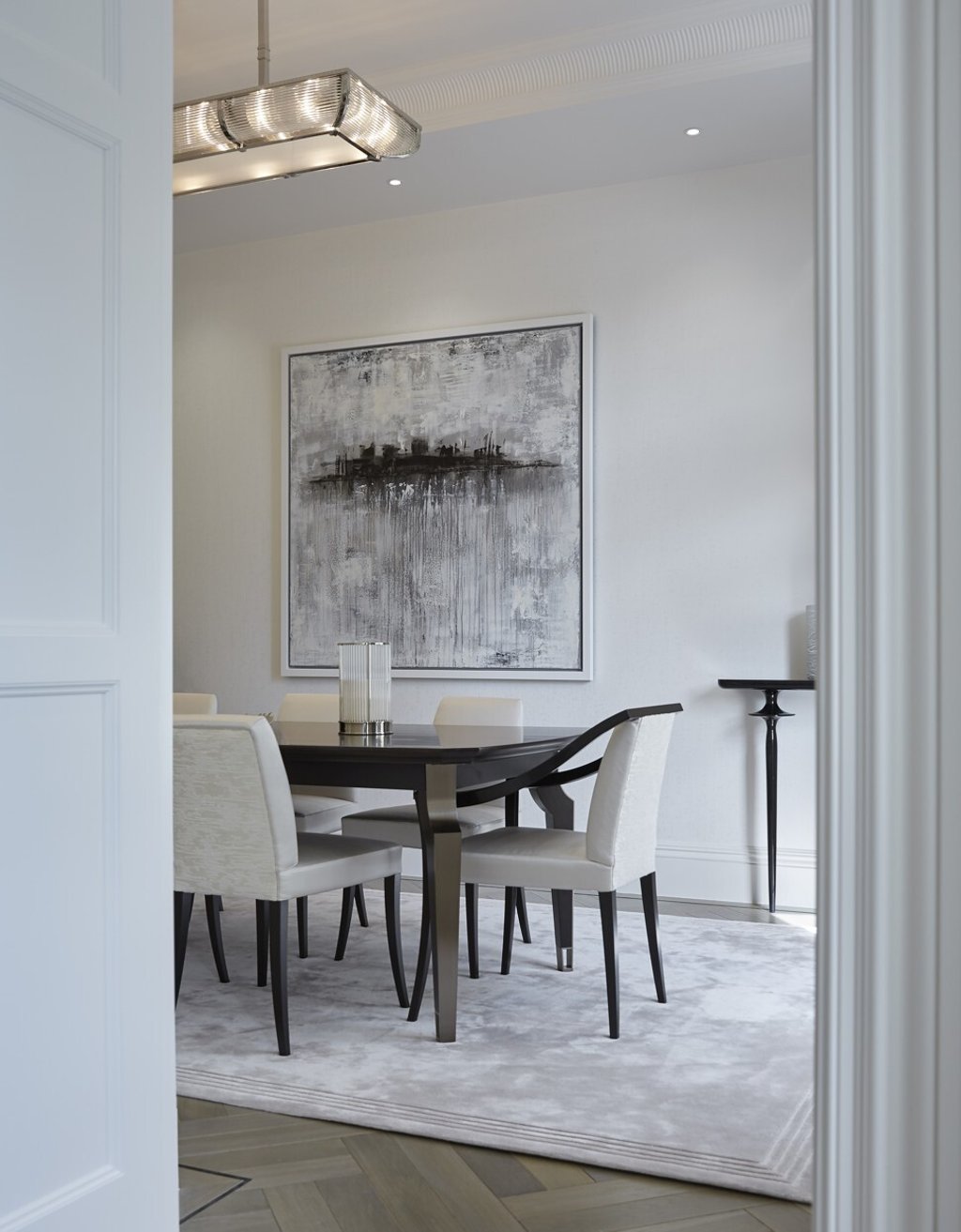
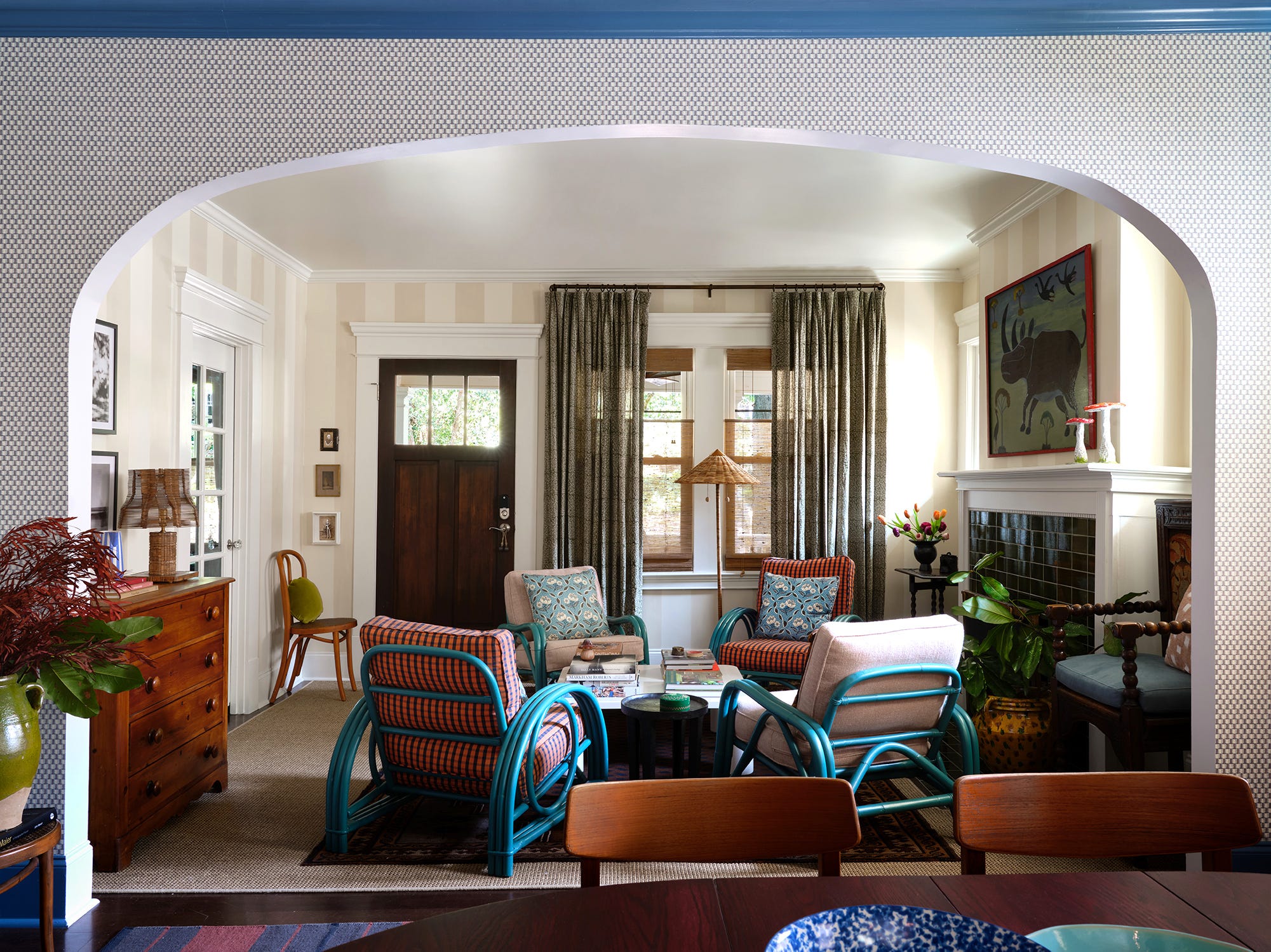
Finally, creating distinct zones within a small space can improve its perceived proportions. Area rugs are particularly effective for this purpose. By demarcating an area, a rug creates a 'smaller internal border,' which visually tricks the eye into noticing the surrounding 'white space.' This defines a new ground for furniture, contributing to a more organized and expansive feel.
#InteriorDesign #SmallSpaces #SpaceMaximization #LightingDesign #ReflectiveSurfaces #Biophilia #CeilingDesign #FurniturePlacement #ColourDrenching #InteriorDesign #SmallSpaces #SpaceMaximization #LightingDesign #ReflectiveSurfaces #Biophilia #CeilingDesign #FurniturePlacement #ColourDrenching
0 comment in total
 No comments yet
You may also like
14 clever ways to make small rooms look bigger

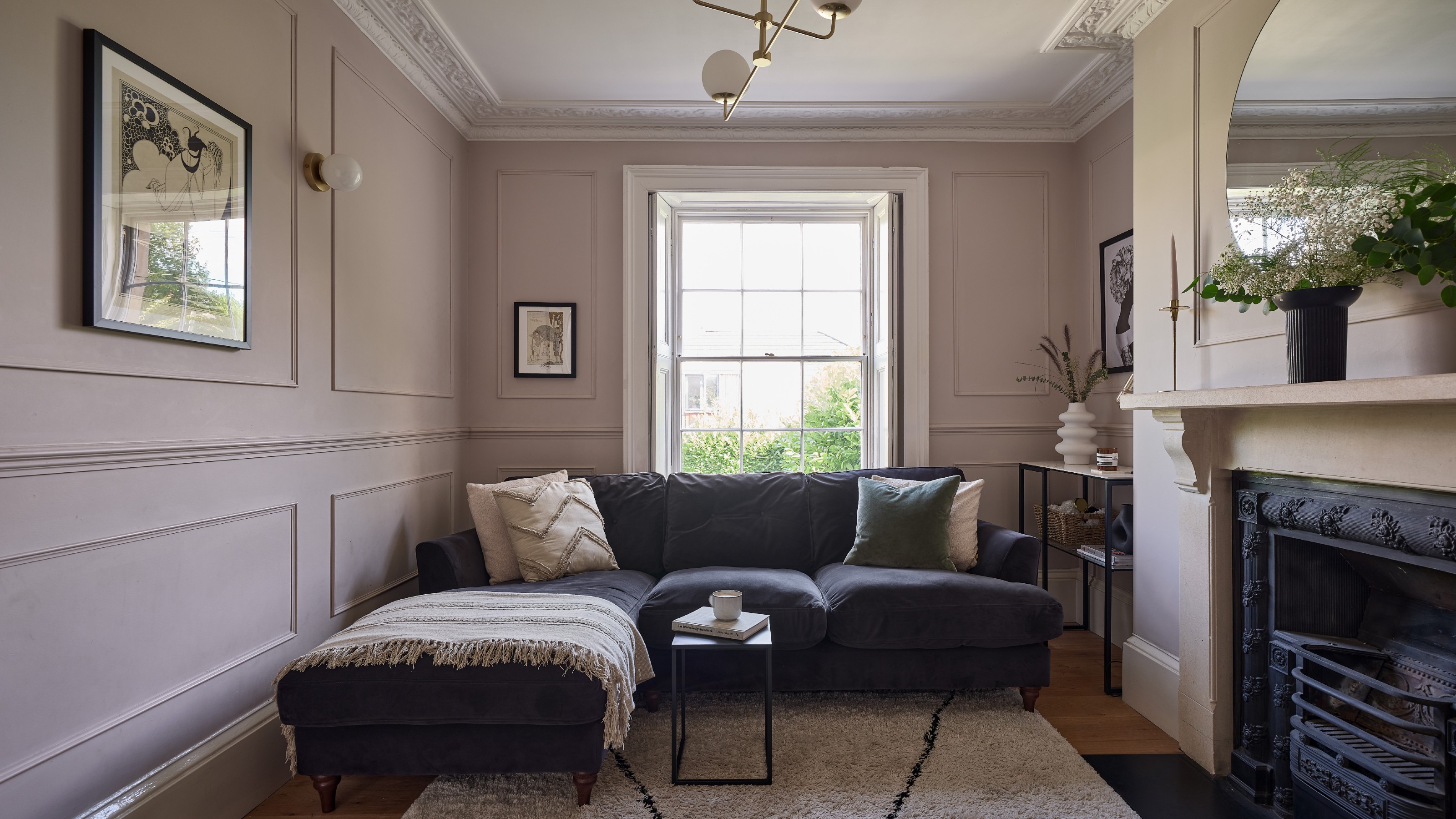
How to make a small living room look bigger with mirrors - clever design tips to open up your space
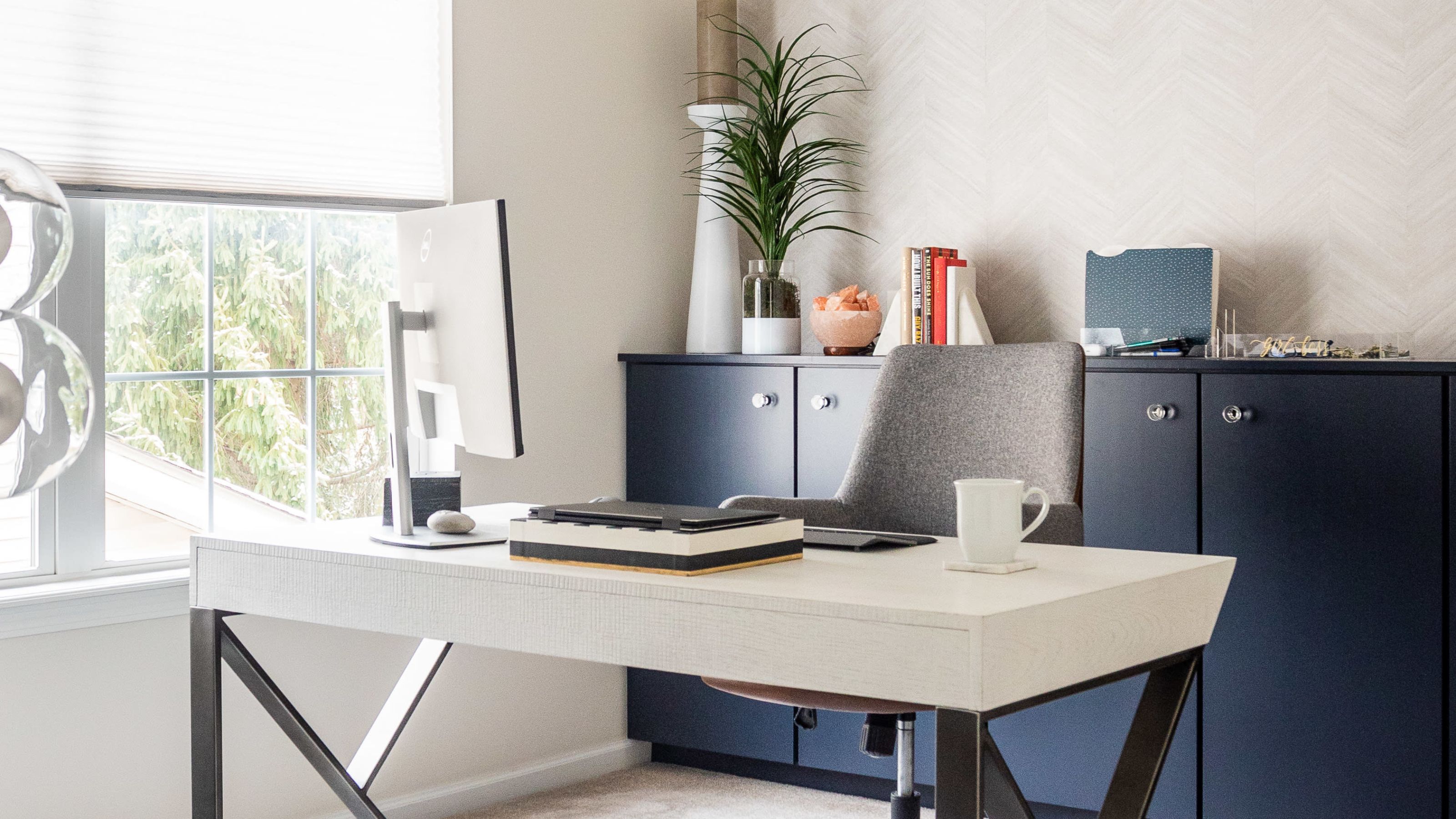
How to make a small office look bigger — 7 easy-peasy effective tips

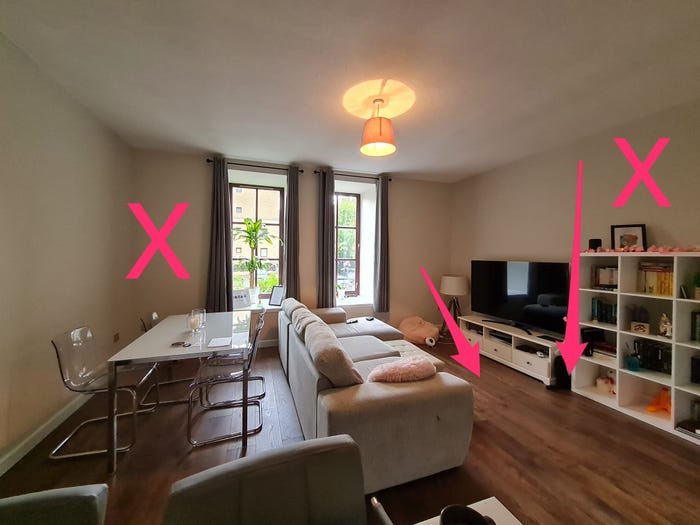
Interior Designer Shares How to Make 1-Bedroom Apartment Look Bigger
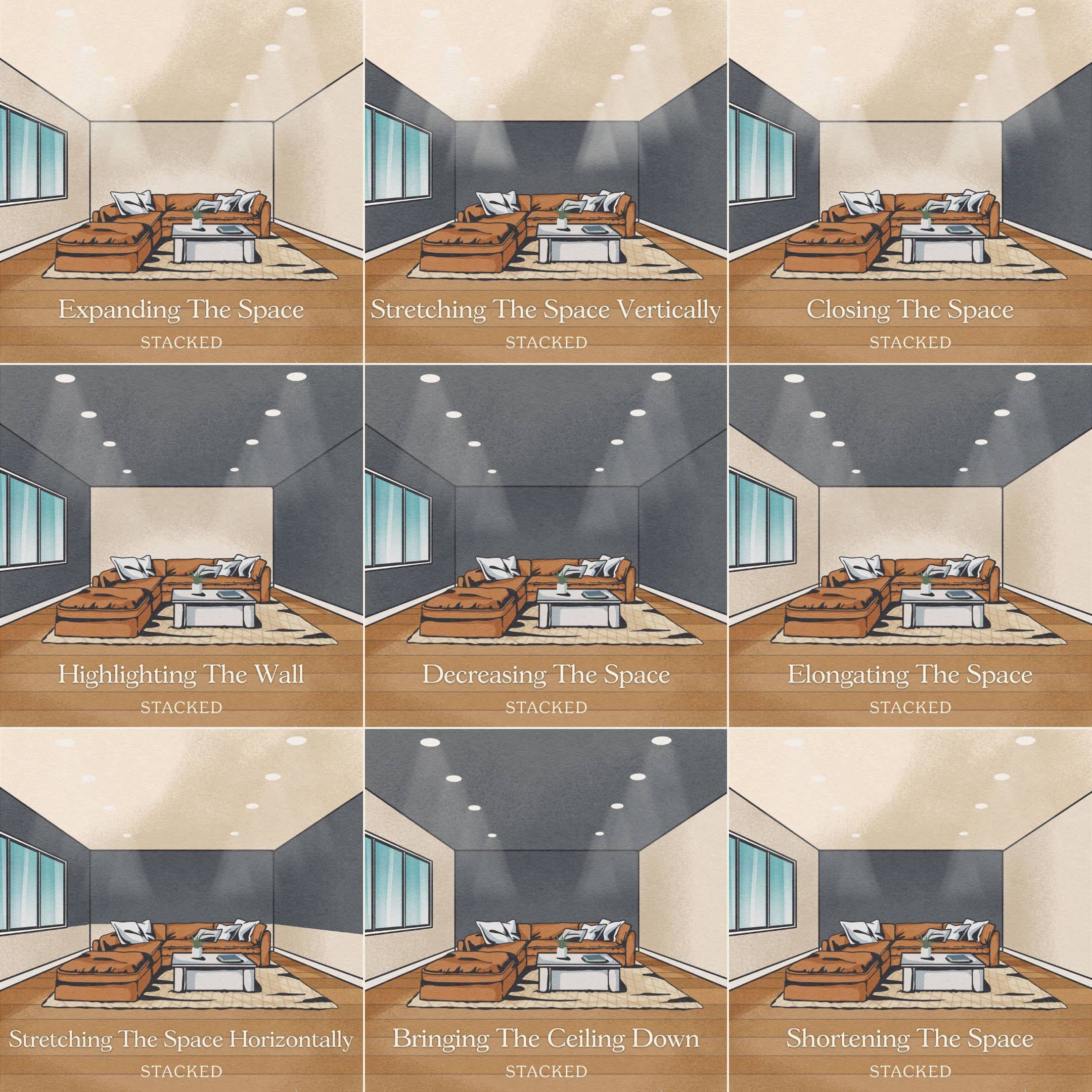
9 Amazing Illusion Tricks To Make A Small Space Look Bigger
What Flooring Makes a Room Look Bigger?

We Asked Designers How to Make a Small Living Room Look Larger Instantly—And We're Trying This ASAP

10 things designers do to make rooms look bigger – strategies for success from the experts

Maximize Your Space: 19 Tips to Make a Small Room Feel Bigger

‘Clever design tricks’ can create the illusion of space in homes - ‘feels much larger’
12 Tips For Making Small Rooms Appear Larger Using Paint

9 rooms that prove color drenching makes small spaces look bigger
8 Ways To Make A Small Living Room Appear Larger
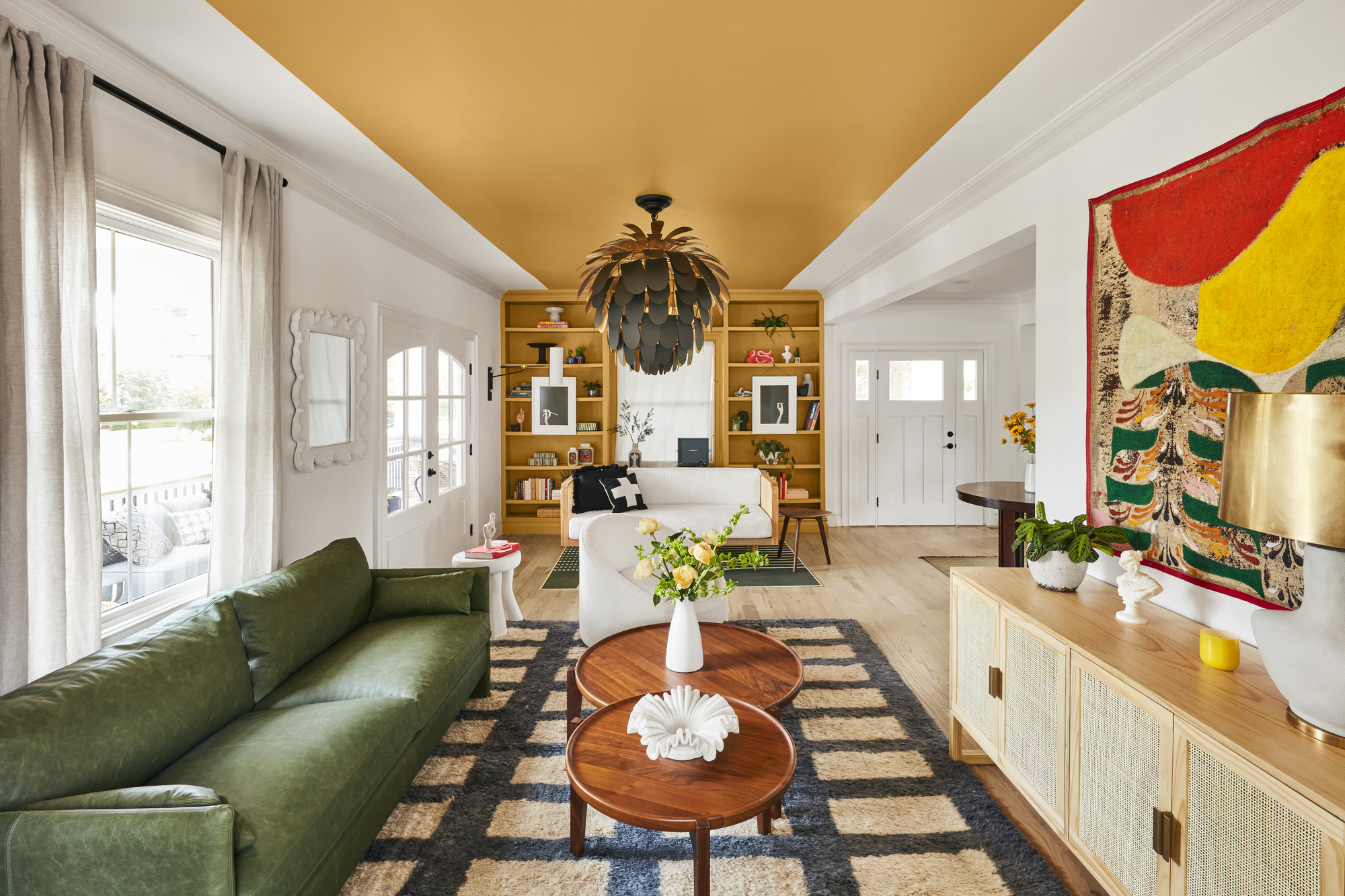
How to make a narrow room look wider with paint - expert tricks to make small spaces seem bigger

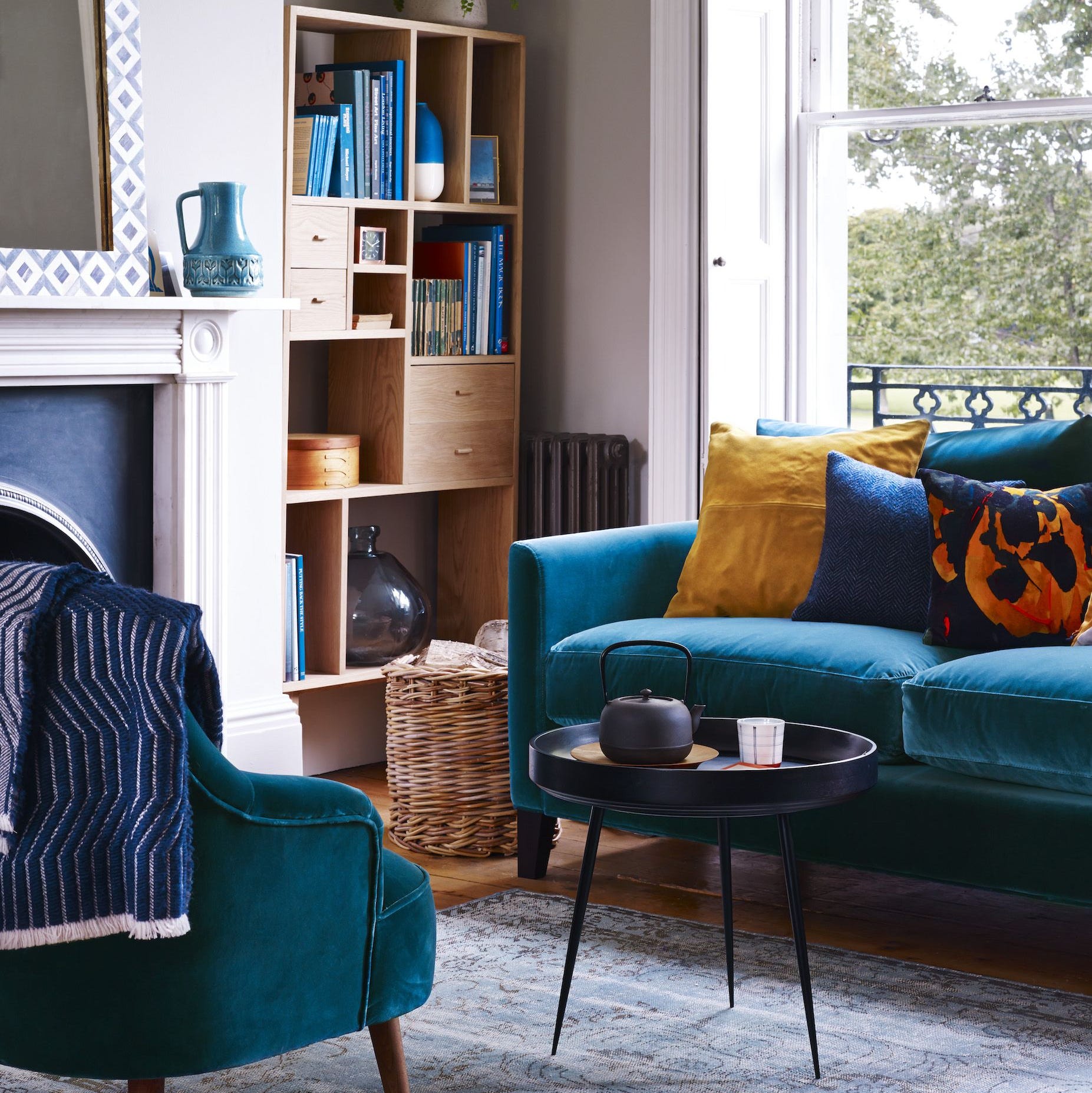
How to make your living room look bigger: 7 tips to fool the eye

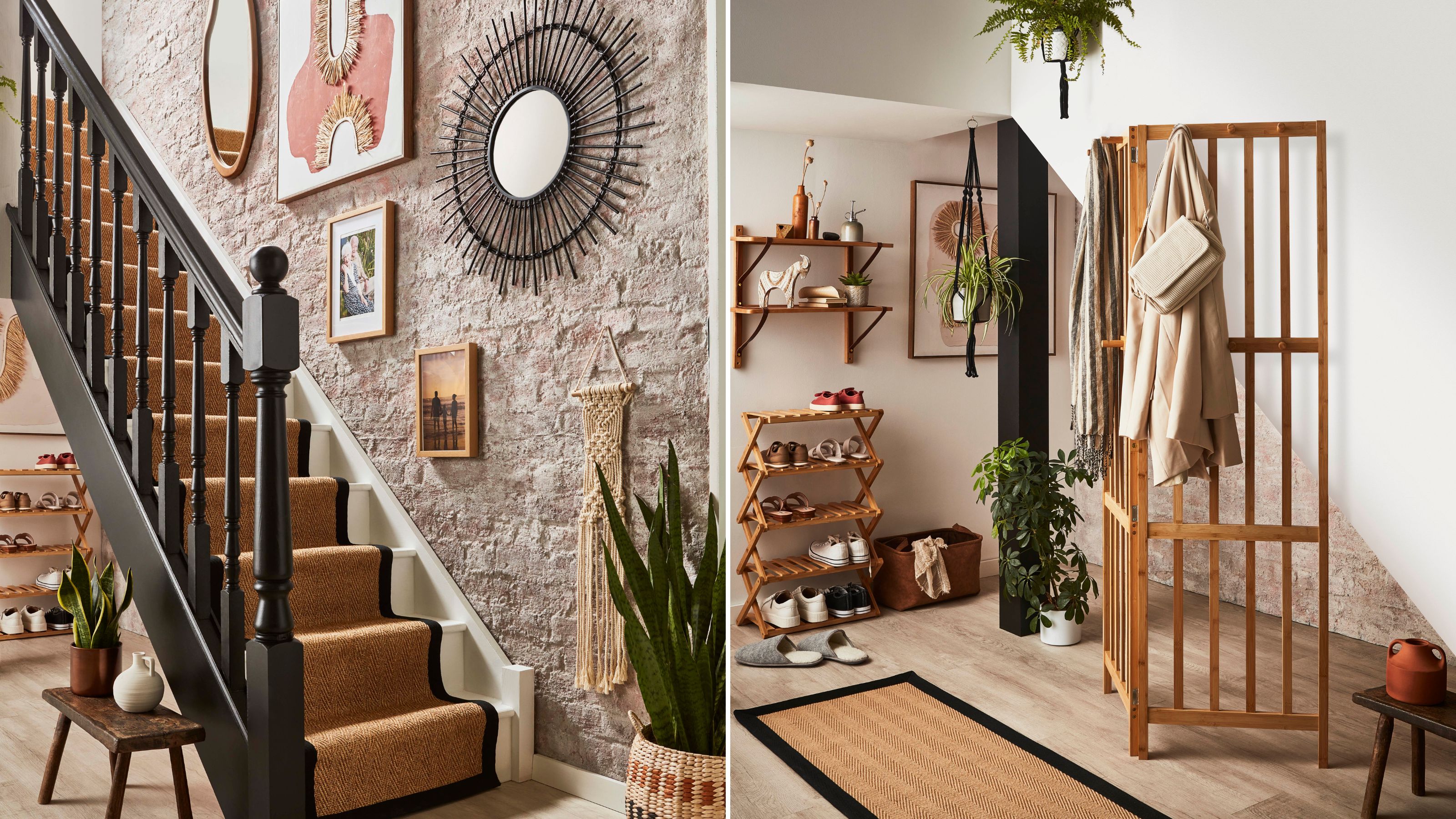
How to make a small entryway look bigger, according to interior designers

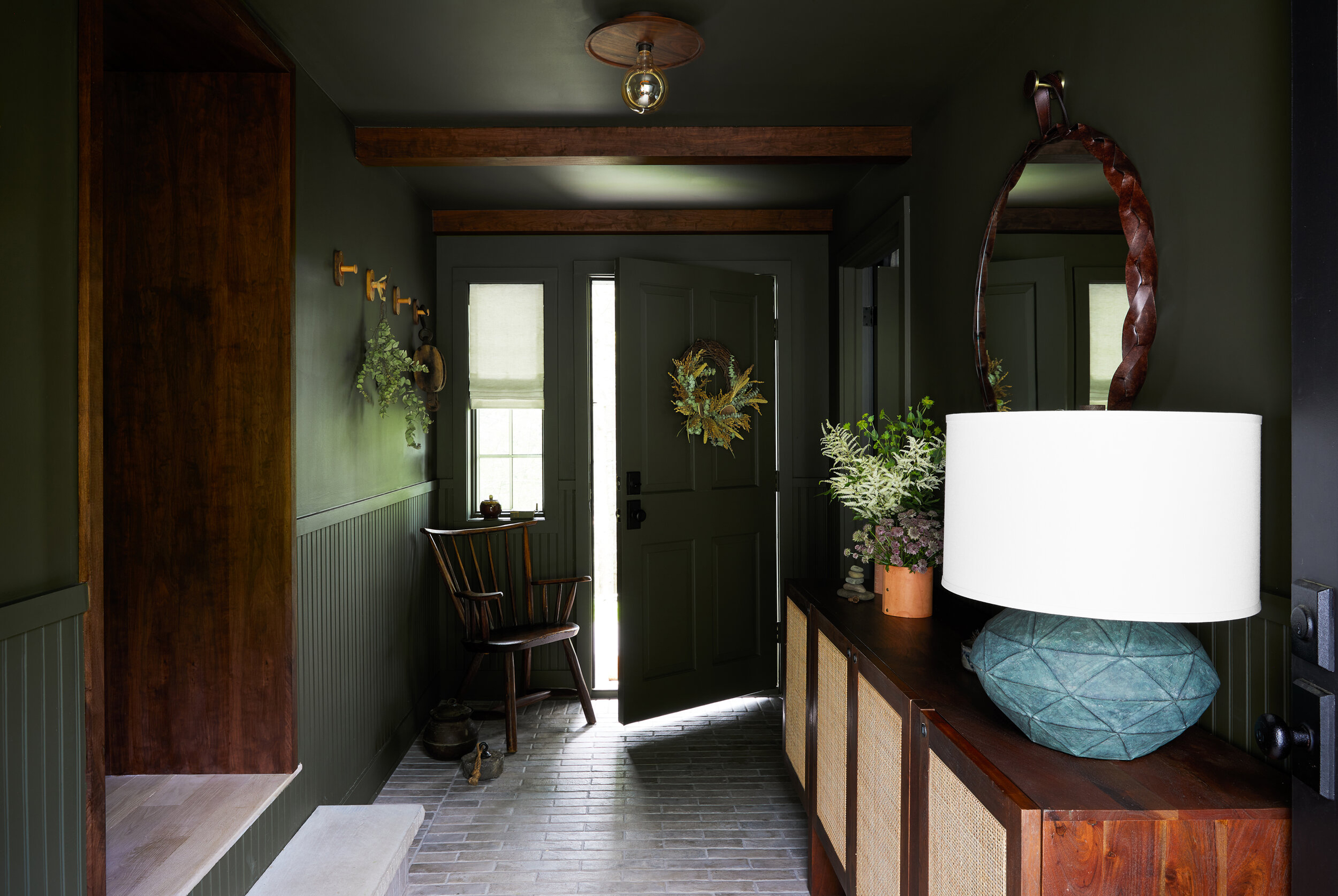
How do you make a small entryway look bigger? This is how designers tackle tiny, dark spaces
Top design tips to make your home look bigger

32 Styling Tricks That Will Make Your Small Living Room Feel Bigger and Better

6 Easy Ways to Make Any Small Dining Room Look Larger—Instantly