1/9
What Flooring Makes a Room Look Bigger?
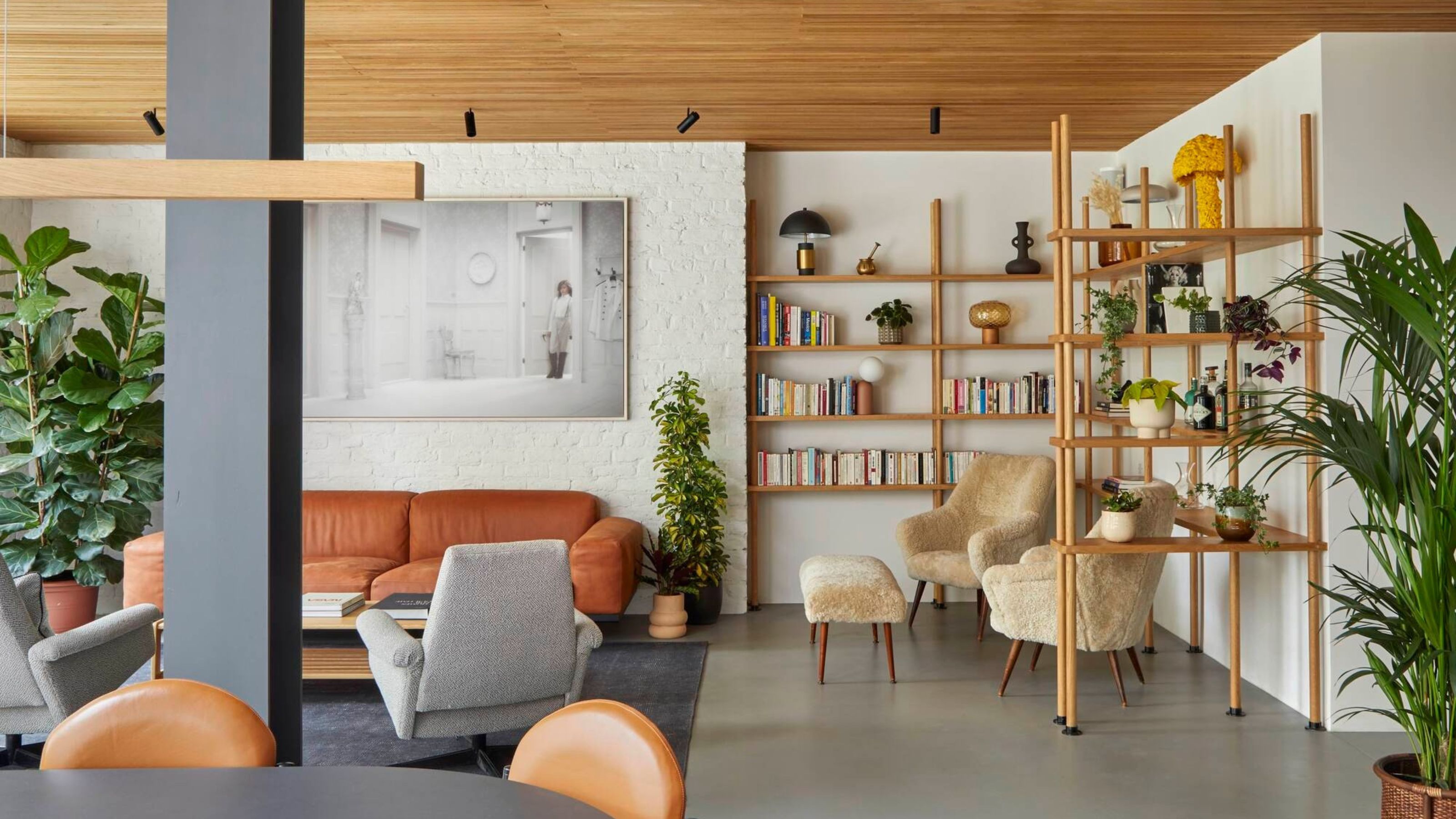
Flooring plays a fundamental role in defining the aesthetic and functional foundation of any room, and its strategic selection can significantly influence the perceived size and openness of a space. Interior designers emphasize that while wall colors contribute to a room's atmosphere, flooring does the essential, often 'quiet' work in creating the illusion of expansiveness, particularly in more compact areas. Ali Childs of Studio Alexandra notes that flooring can discreetly expand interiors, extending beyond mere trends to manipulate light, blur visual boundaries, and influence perception through color, pattern, and installation methods.
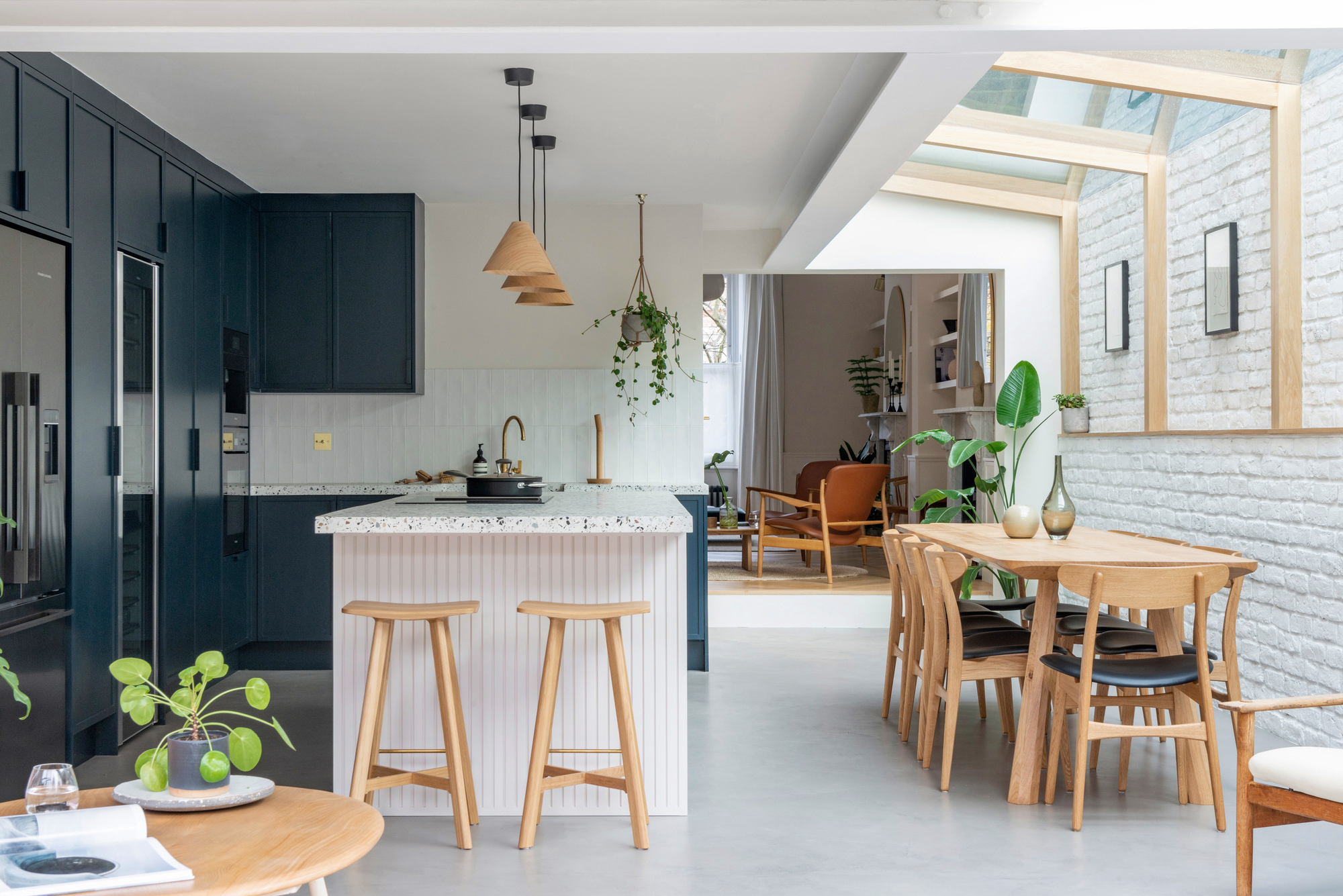
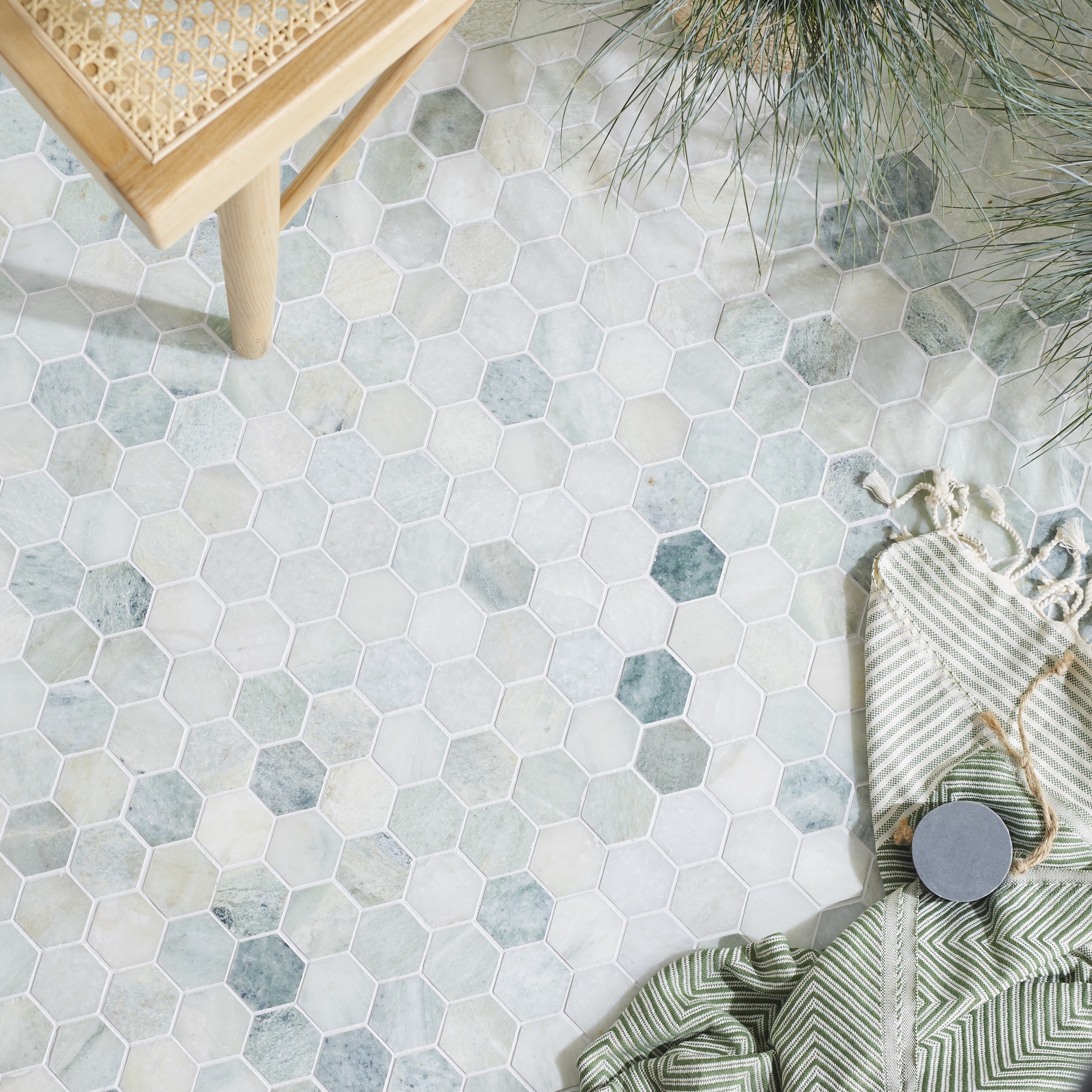
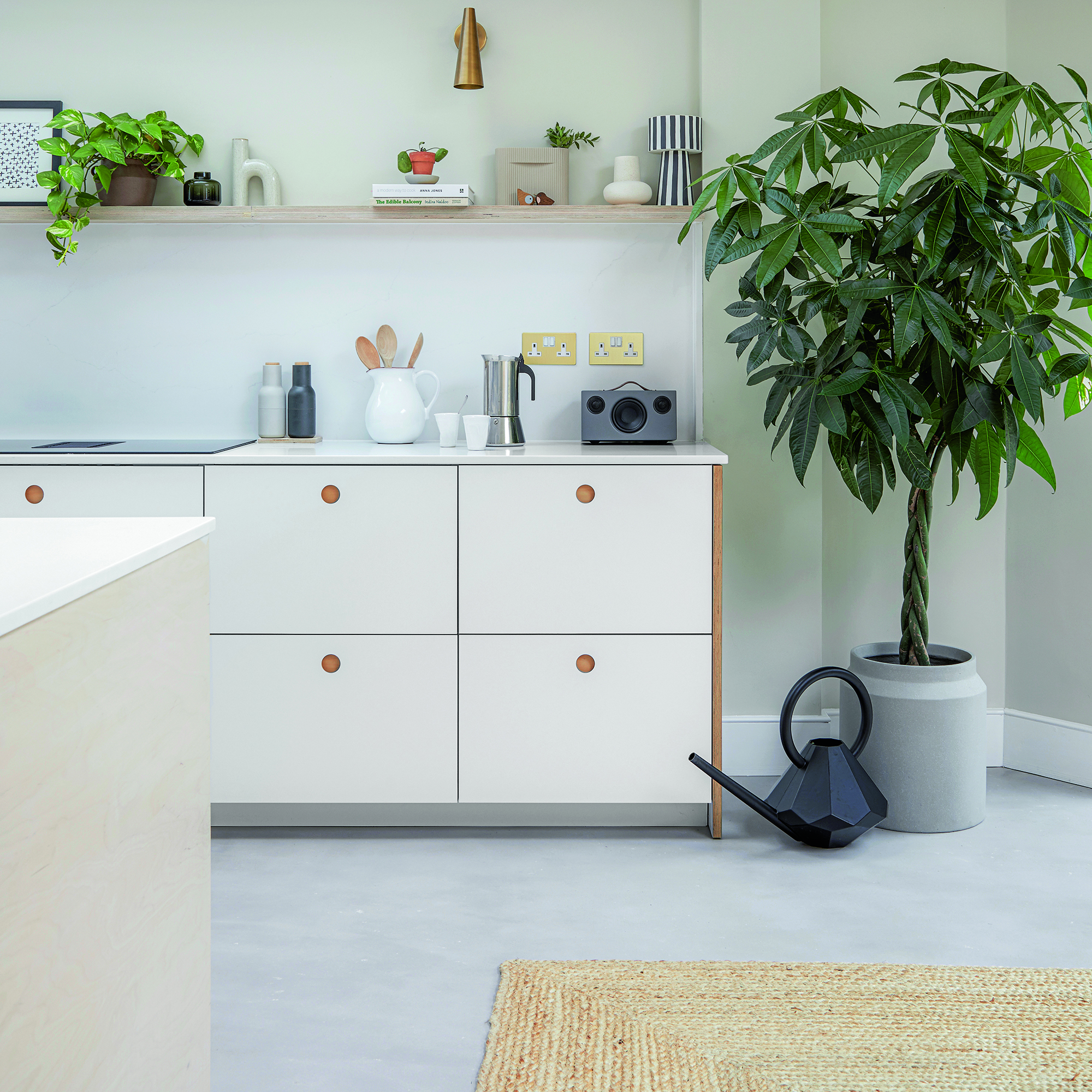
To effectively enlarge a room, visual interruptions should be minimized. Continuous, seamless flooring options are highly recommended. Stephen Nash from All&Nxthing; highlights concrete floors for their uninterrupted sweep across a space, which eliminates visual breaks and makes a room appear broader and longer. Conversely, materials with numerous joins and grout lines, such as narrow timber strips or small stone tiles, should be avoided as they introduce visual clutter. A unified, clean foundation underfoot is especially beneficial in tighter layouts, where it tricks the eye into perceiving greater space.
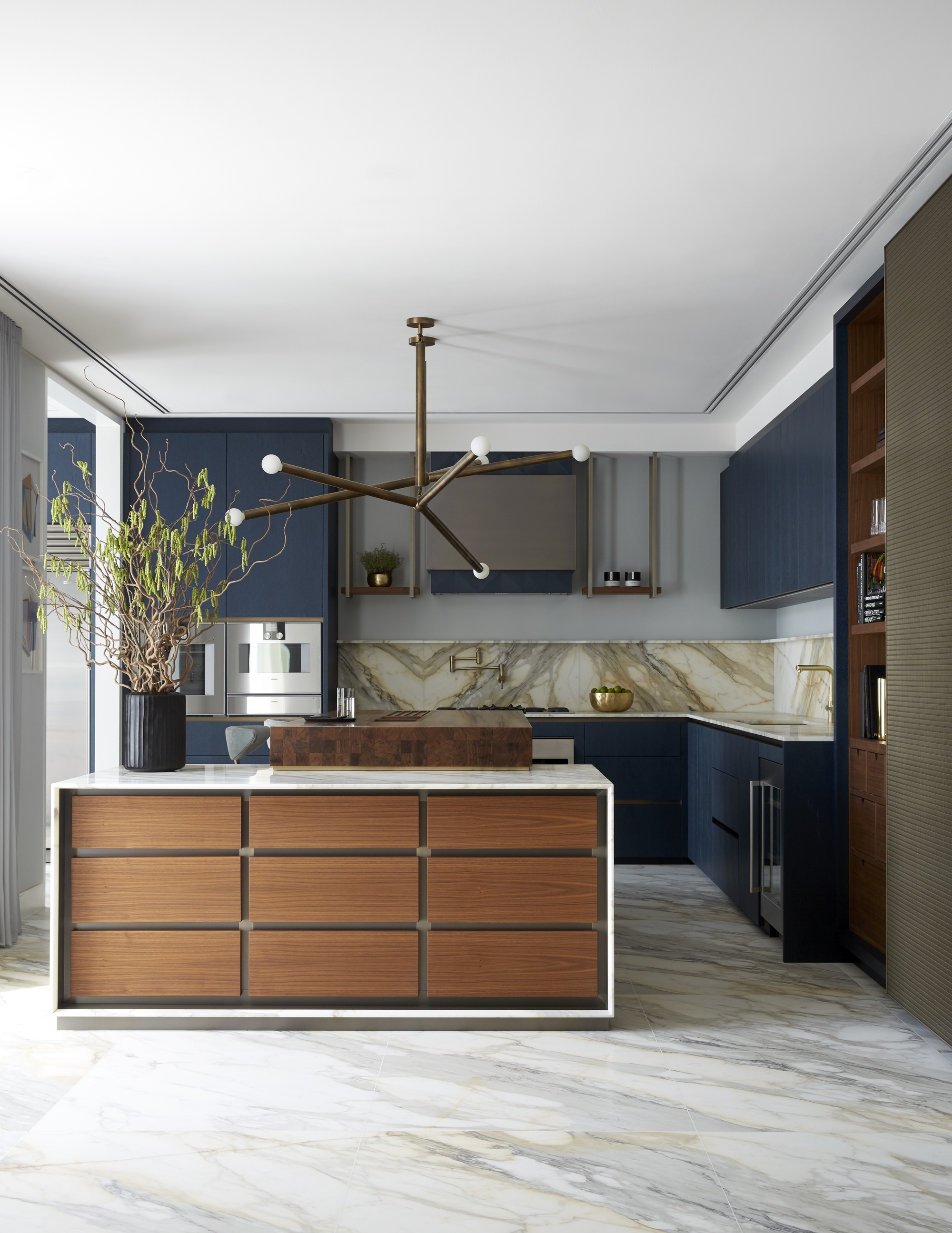
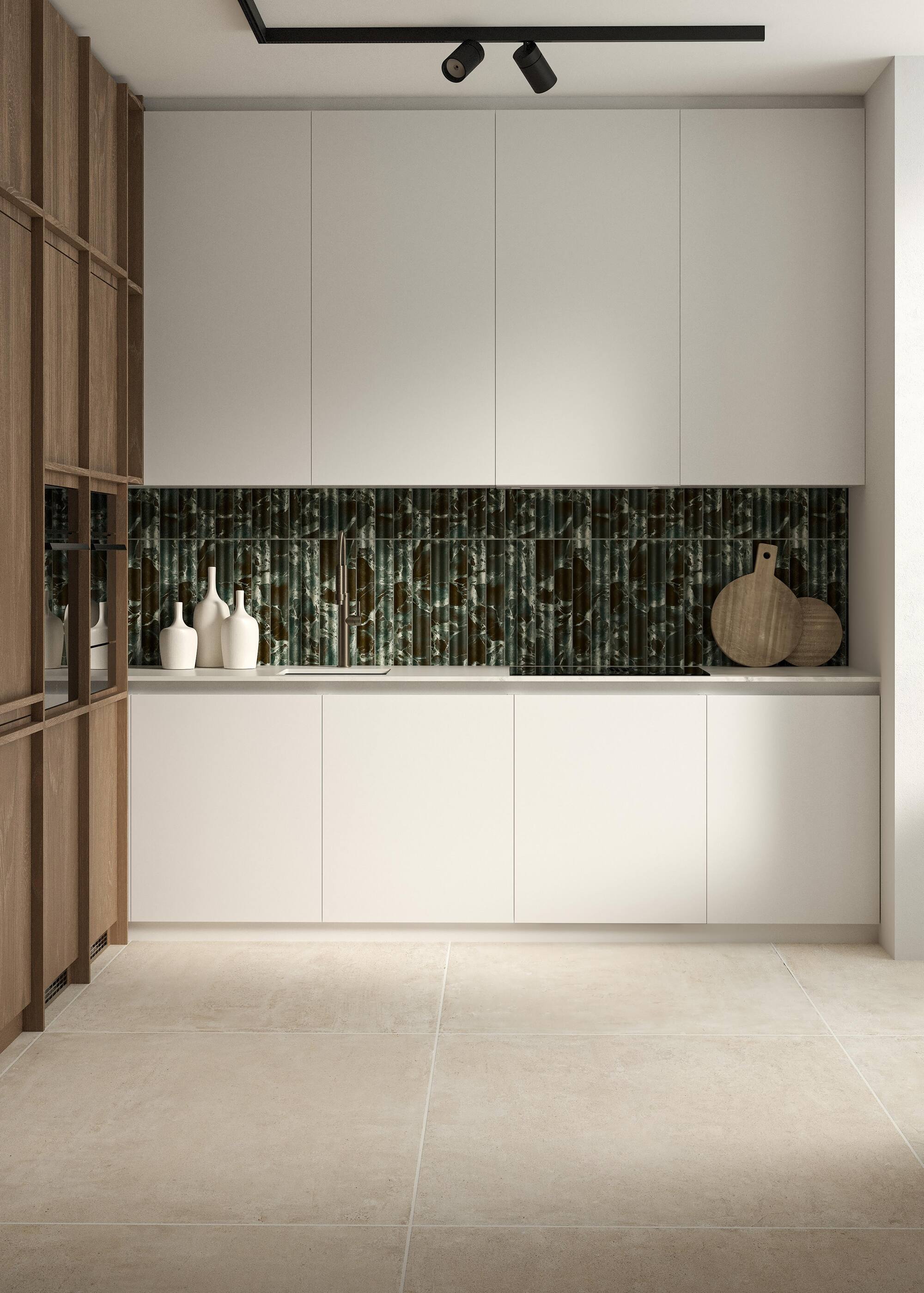
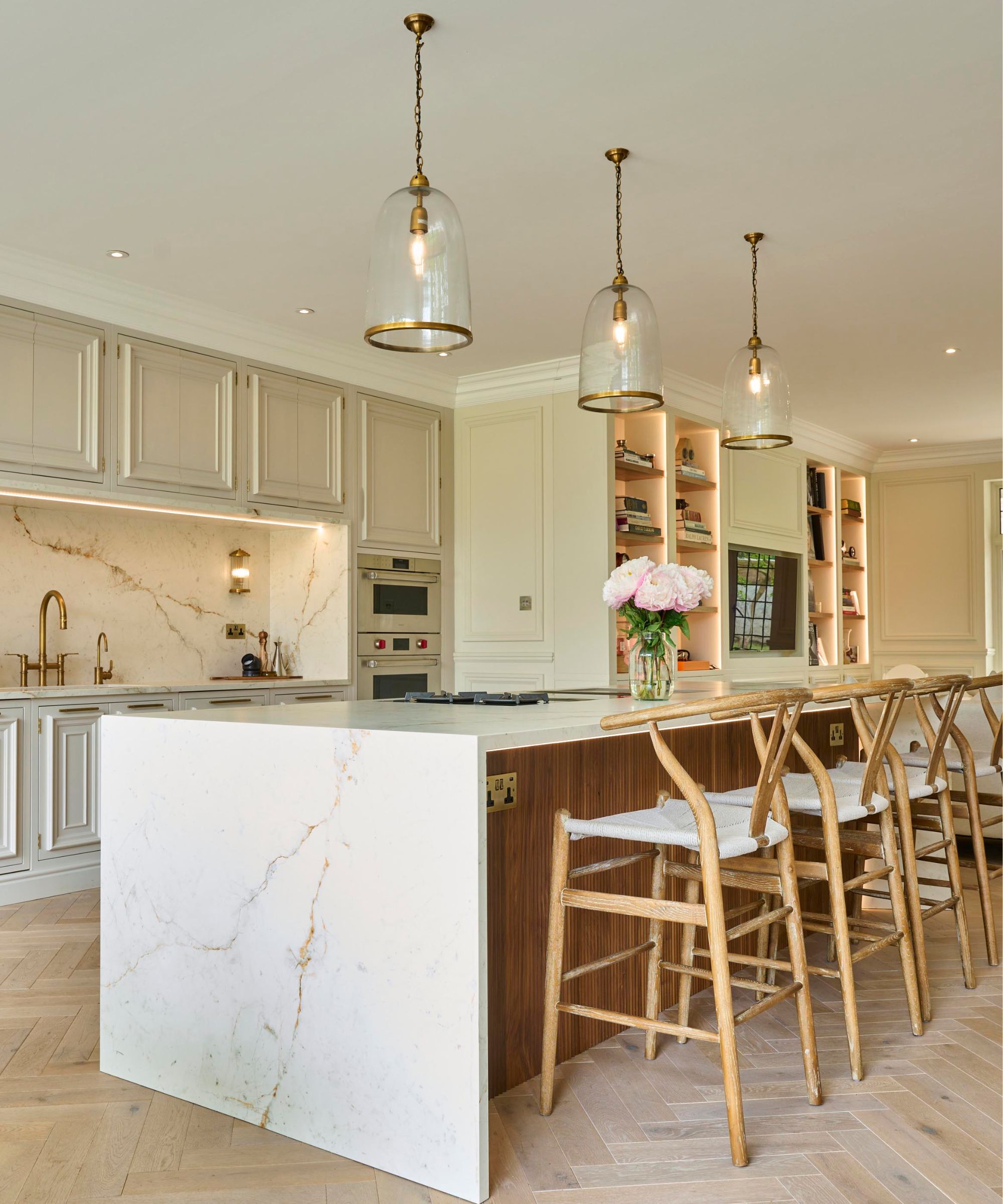
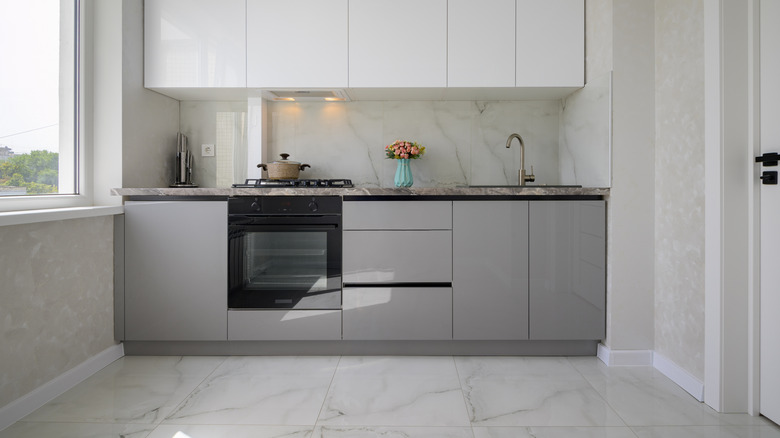
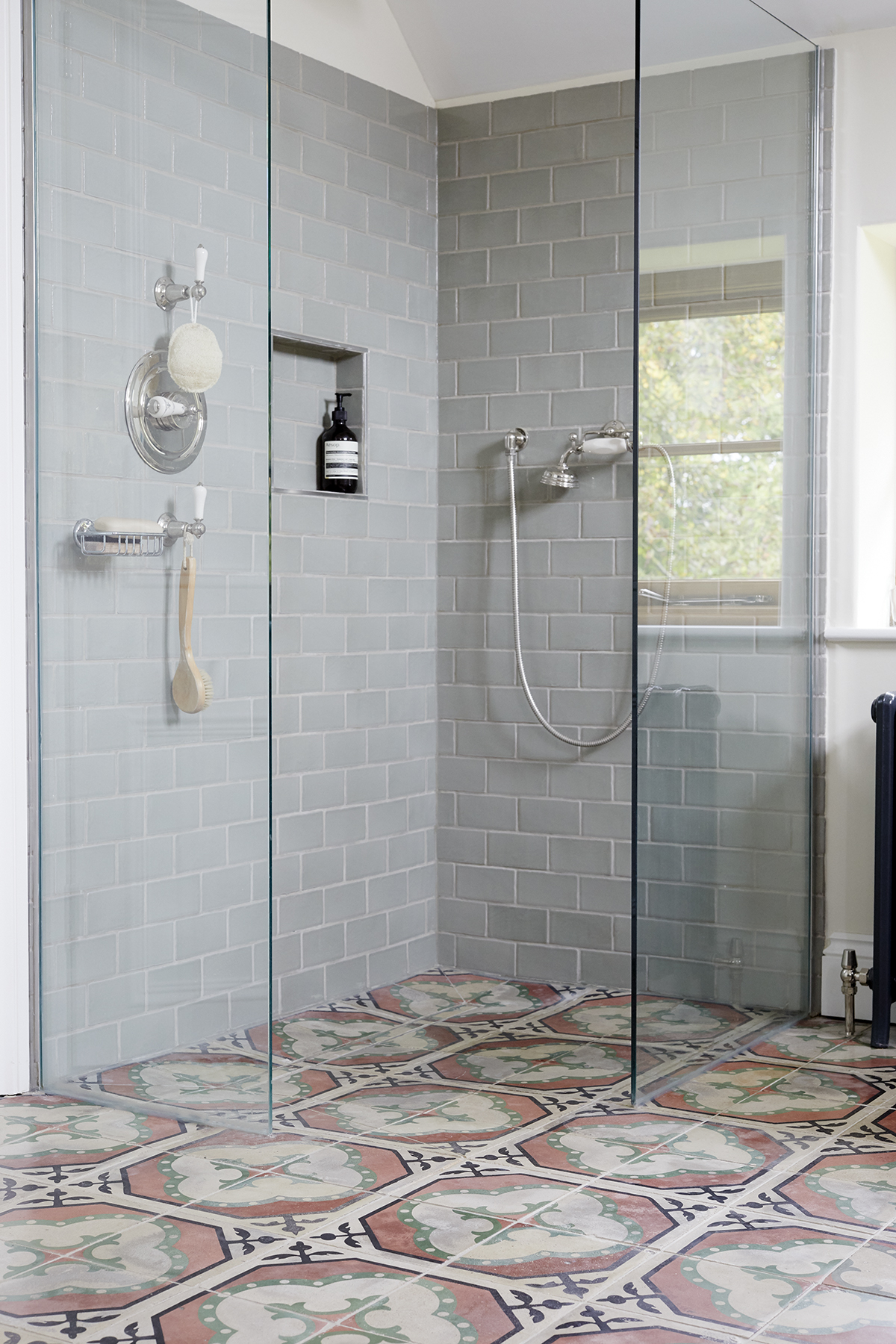
When tiles are chosen, large-format designs are preferred due to their reduced number of grout lines, which translates to fewer visual breaks. Romanos Brihi, co-founder of Studio Vero, explains that fewer grout lines offer visual continuity and allow for investment in more premium materials, such as large-format Calcutta Oro marble tiles, which seamlessly extend across floors, countertops, and backsplashes to remove barriers and enhance cohesion, particularly in open-plan spaces.
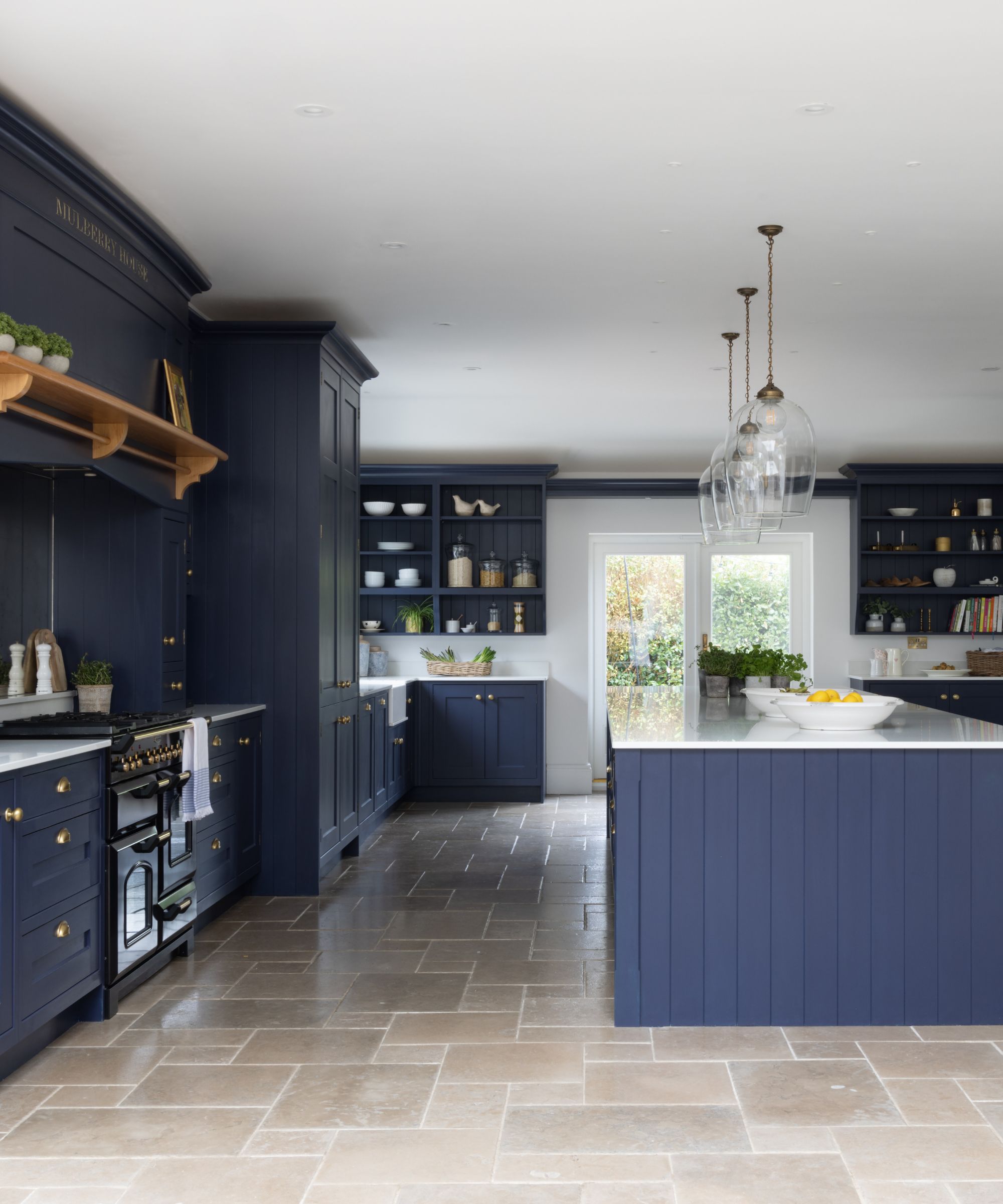
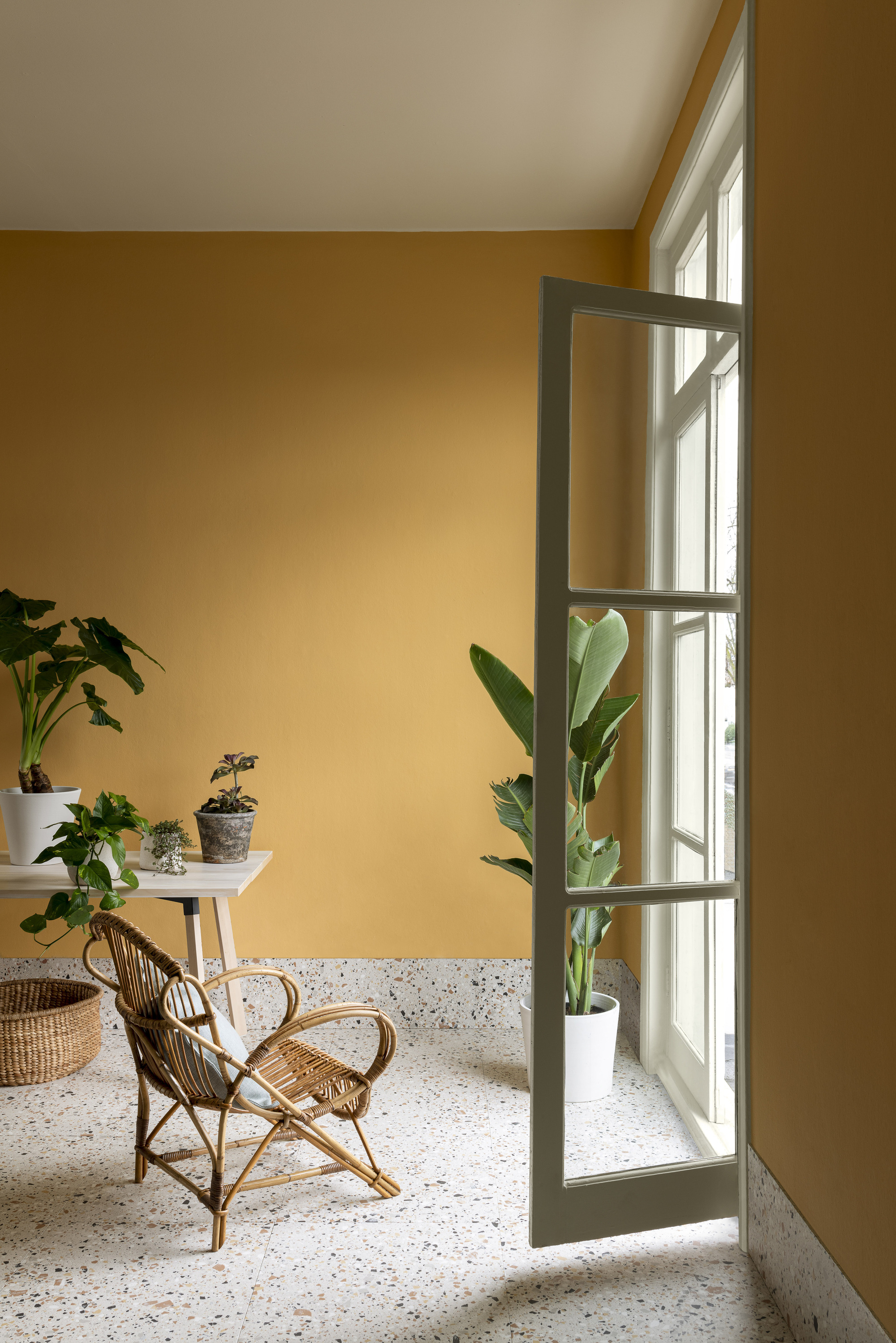
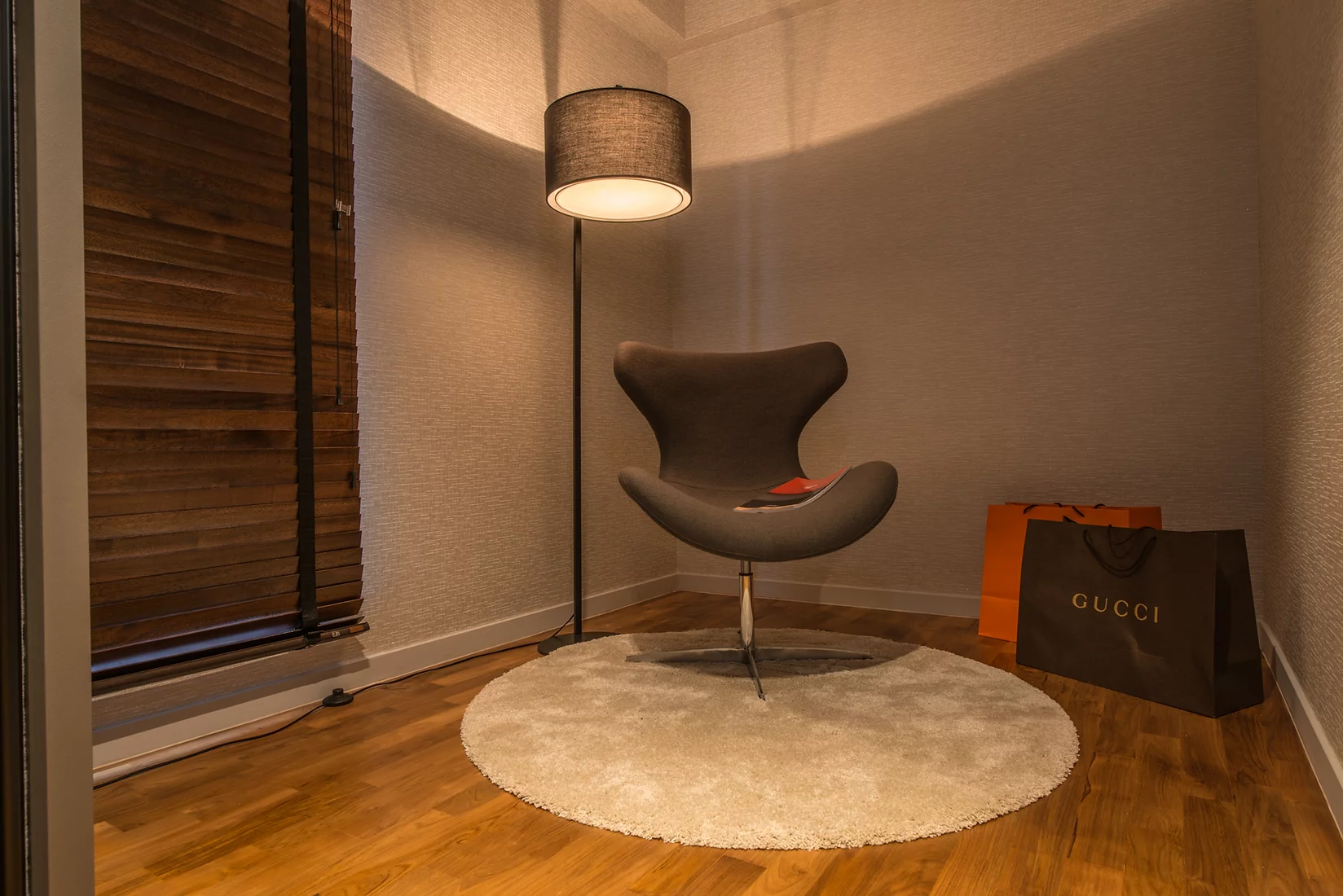
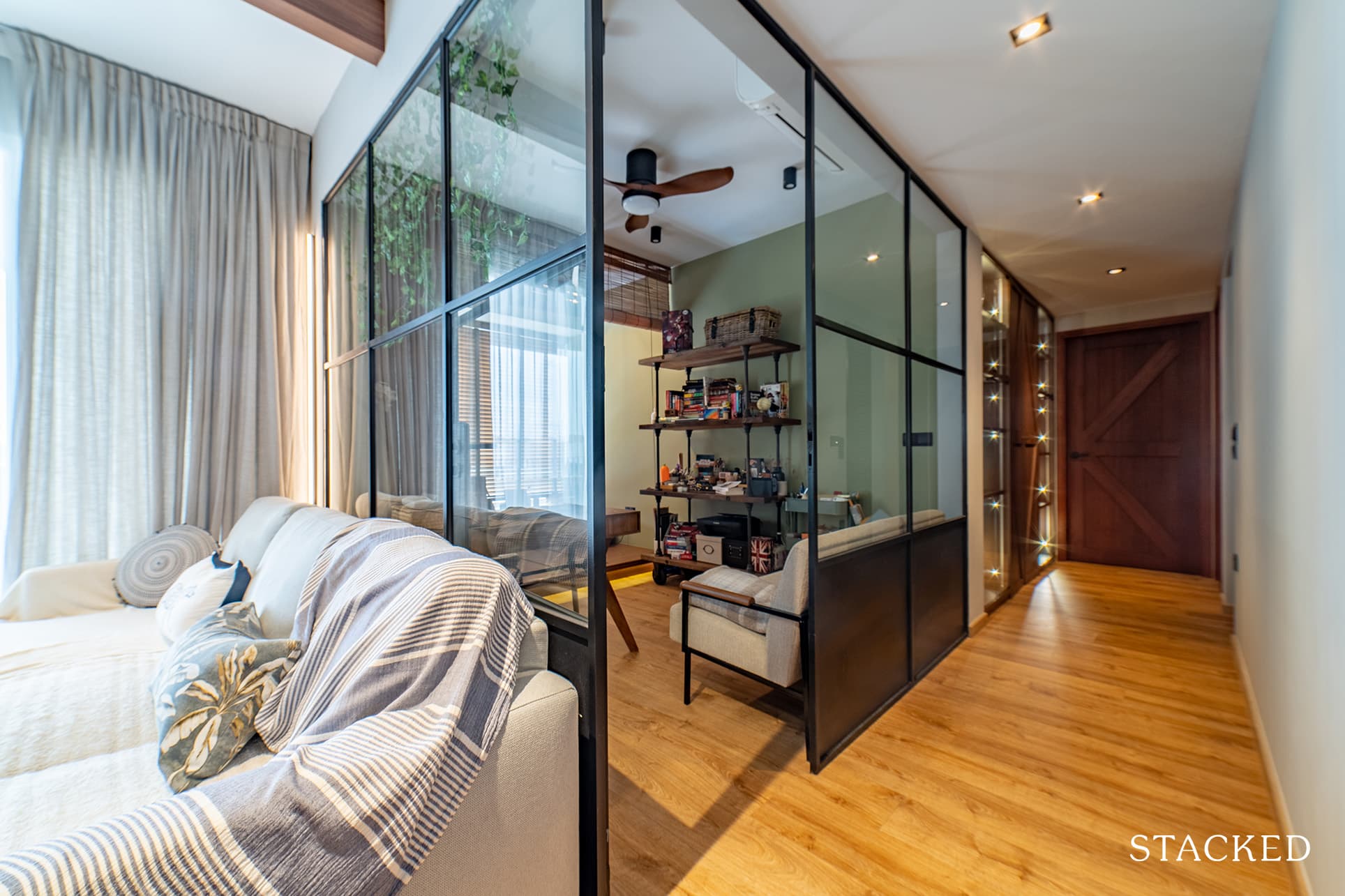
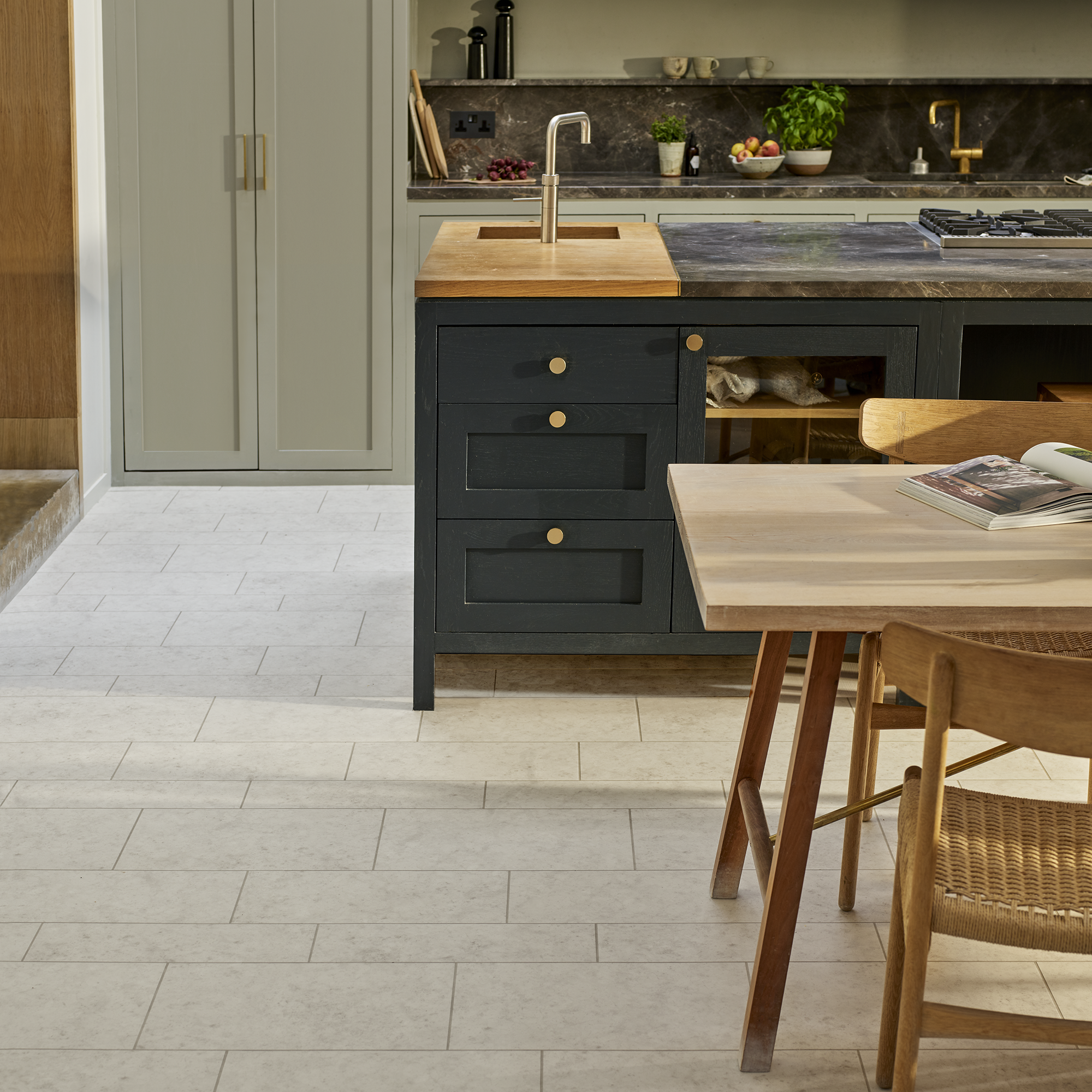
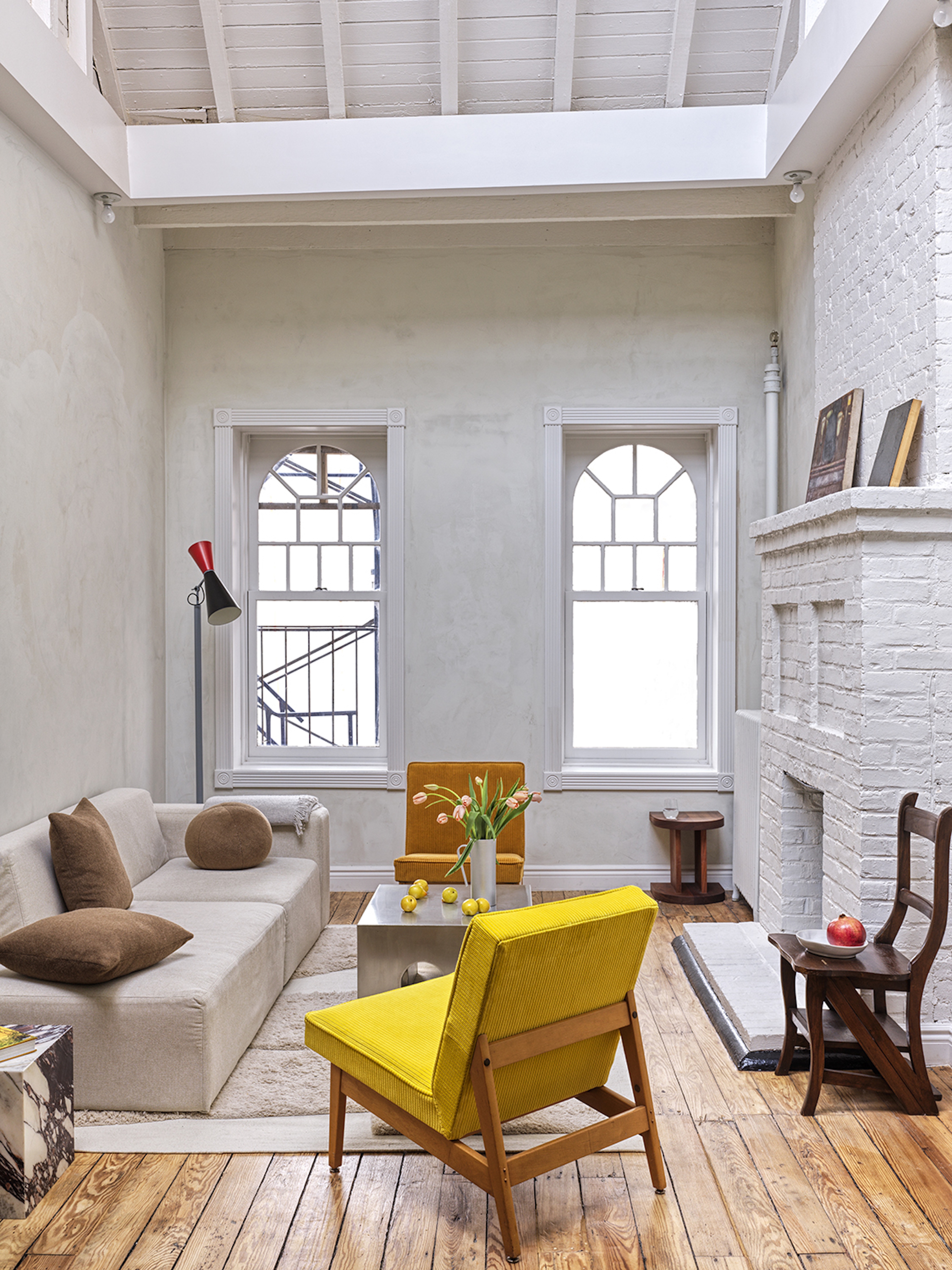
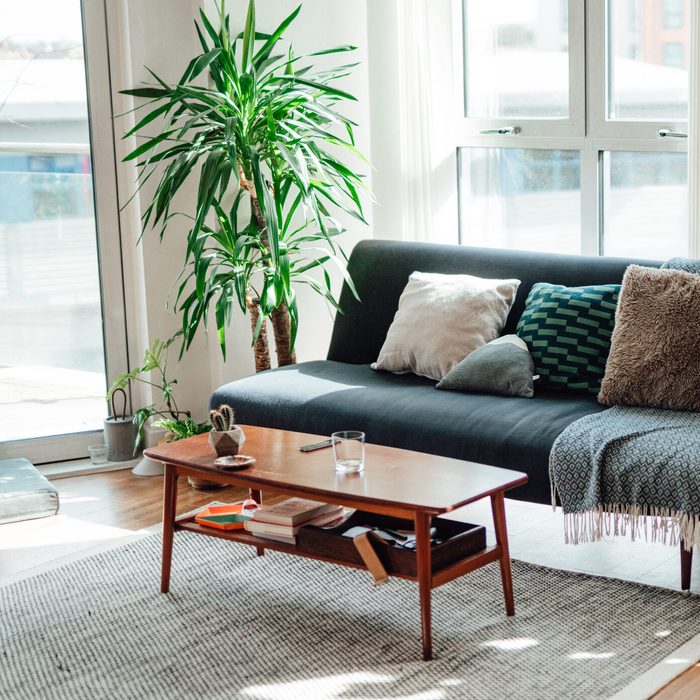
The finish of the flooring also critically impacts a room's perceived size. While glossy tiles and dark-stained wood offer a glamorous look, they are less effective at making rooms feel larger. Isabel Fernandez from Quorn Stone advocates for light, matte surfaces, as they soften and diffuse light evenly. Matte tiles, unlike high-gloss finishes, reduce glare and allow the eye to move smoothly across a space, blurring lines and fostering an open, flowing interior. For wood flooring, lighter finishes such as European oak, ash, and Douglas Fir are recommended. These woods reflect daylight, creating an airy feel, whereas darker stains absorb light, making a room feel more confined.
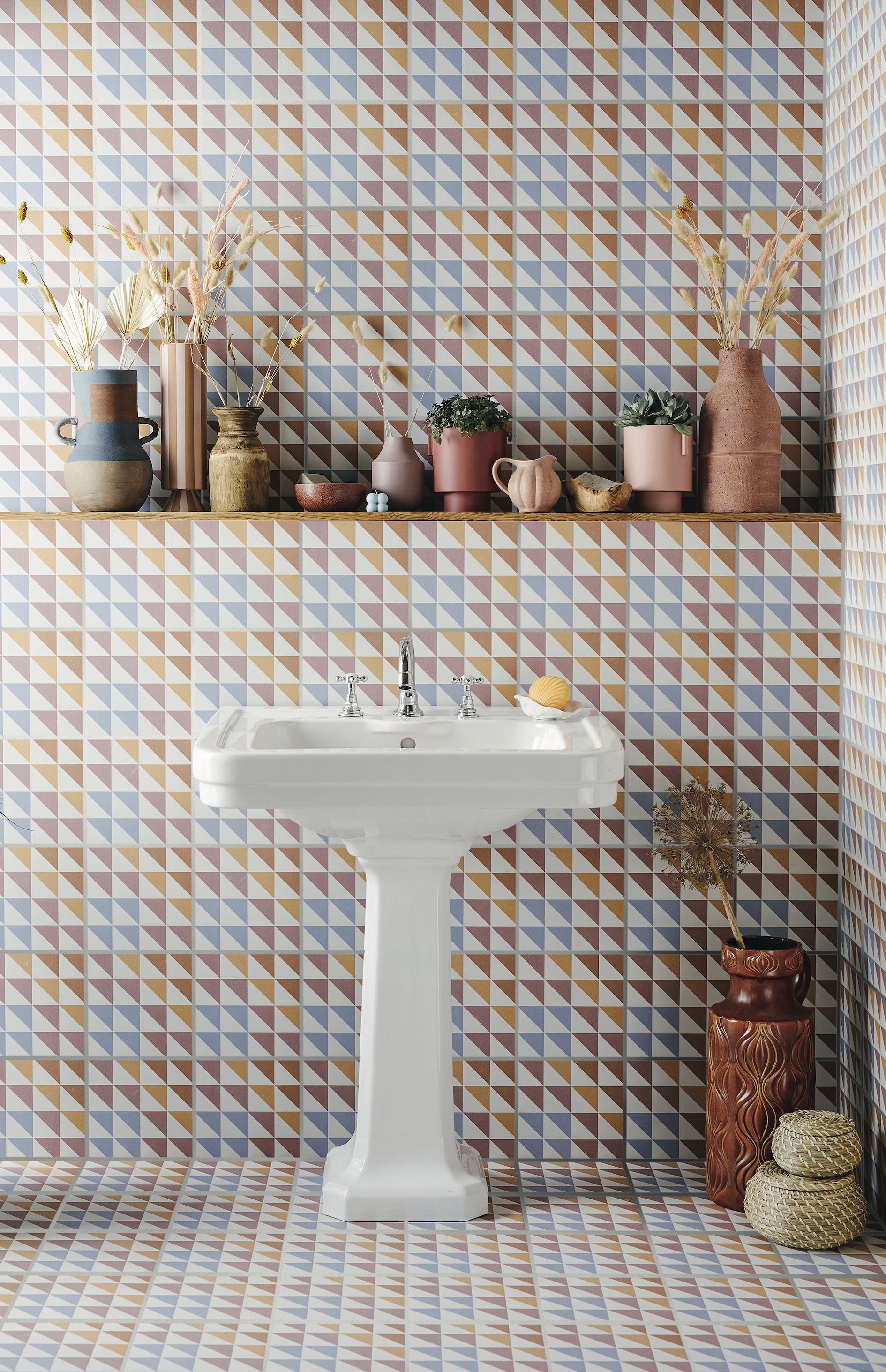
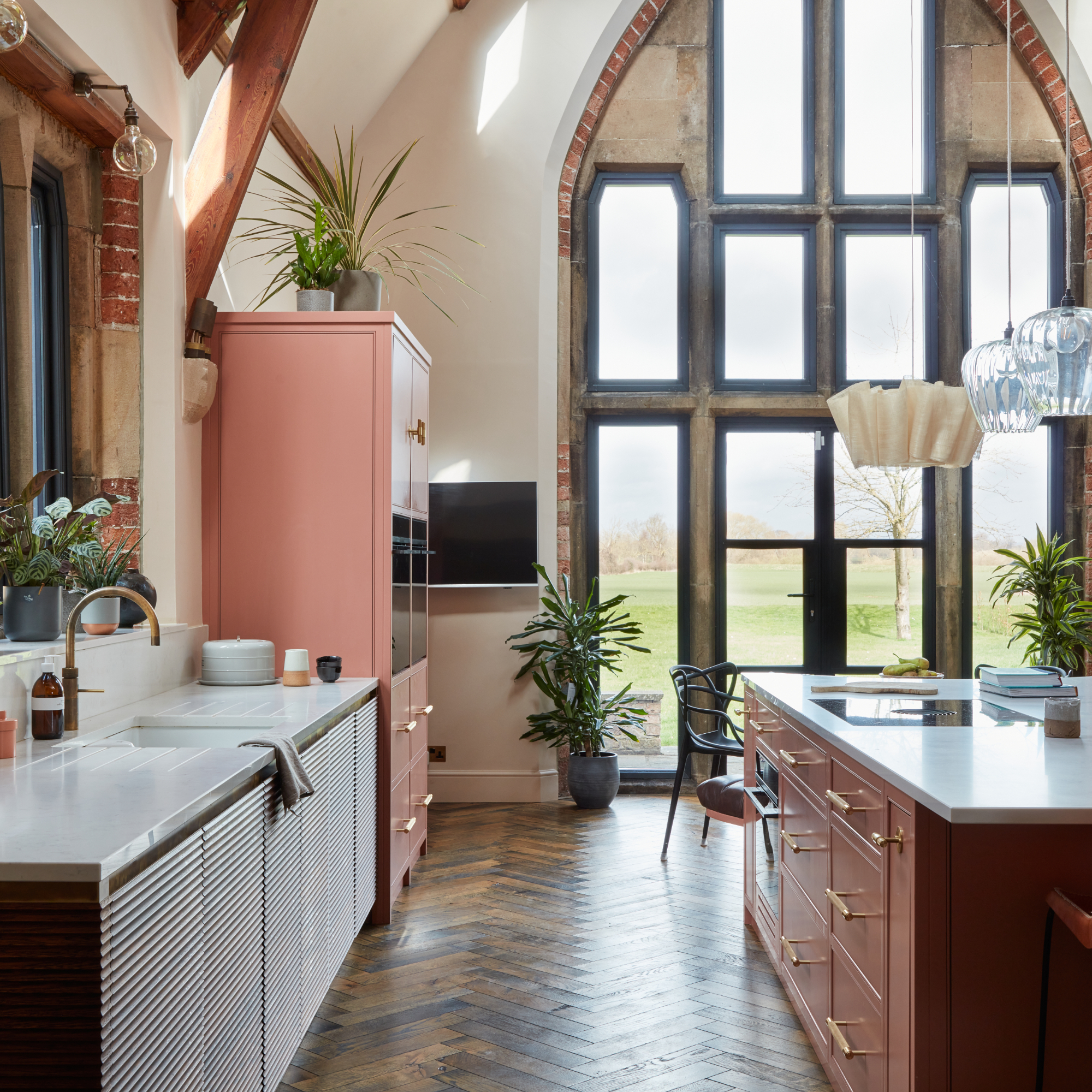
Regarding patterns, busy designs like herringbone and chevron, while aesthetically pleasing, can make a room feel smaller by drawing the eye downwards. Long, wide wooden planks are superior for creating an expansive effect. Ali Childs explains that laying floorboards vertically guides the eye forward, making rooms appear longer and more open. Longer planks also create a cleaner, more refined look by reducing contrast and promoting uninterrupted flow, especially when the same material is used consistently across an entire floor plan.
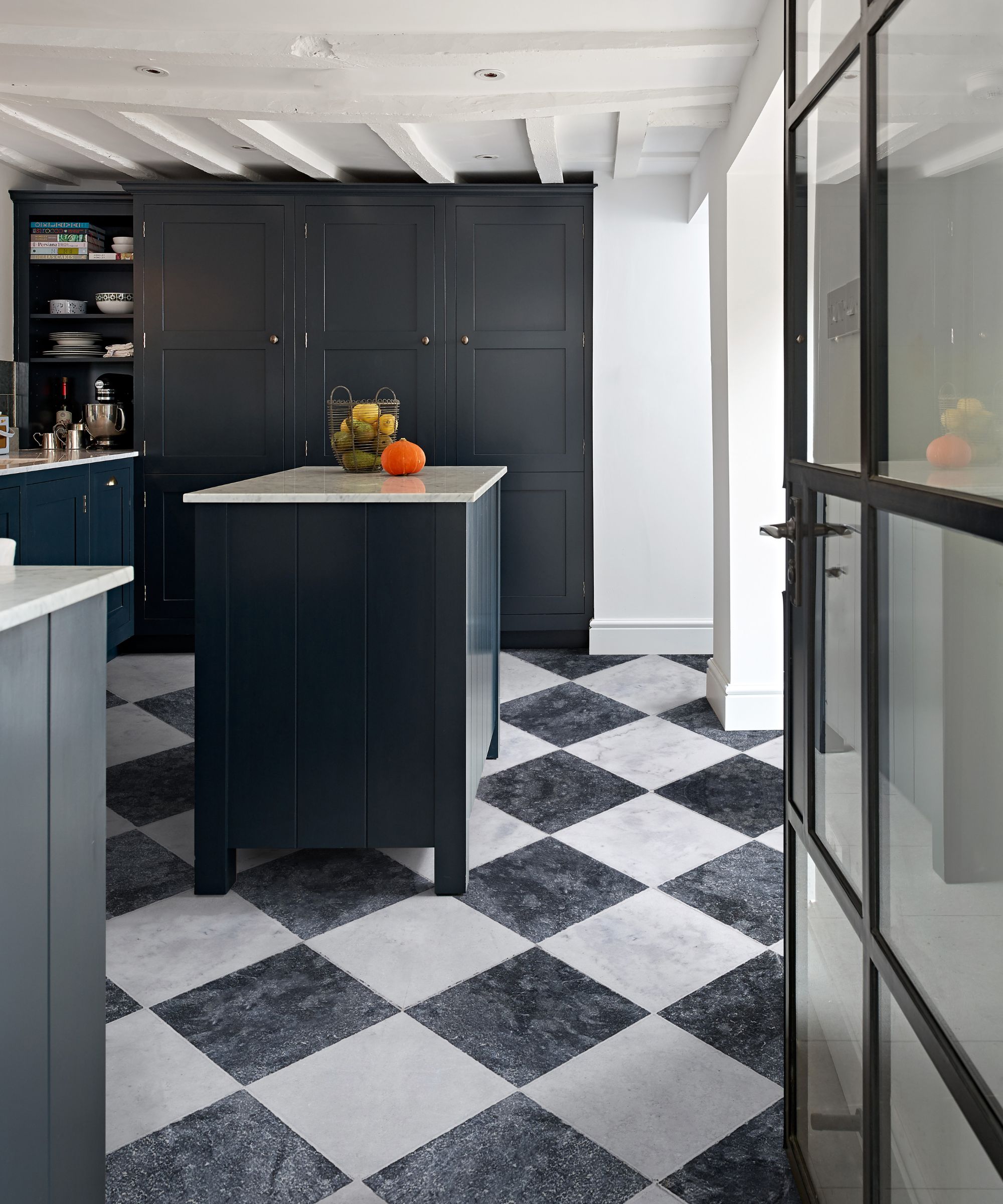
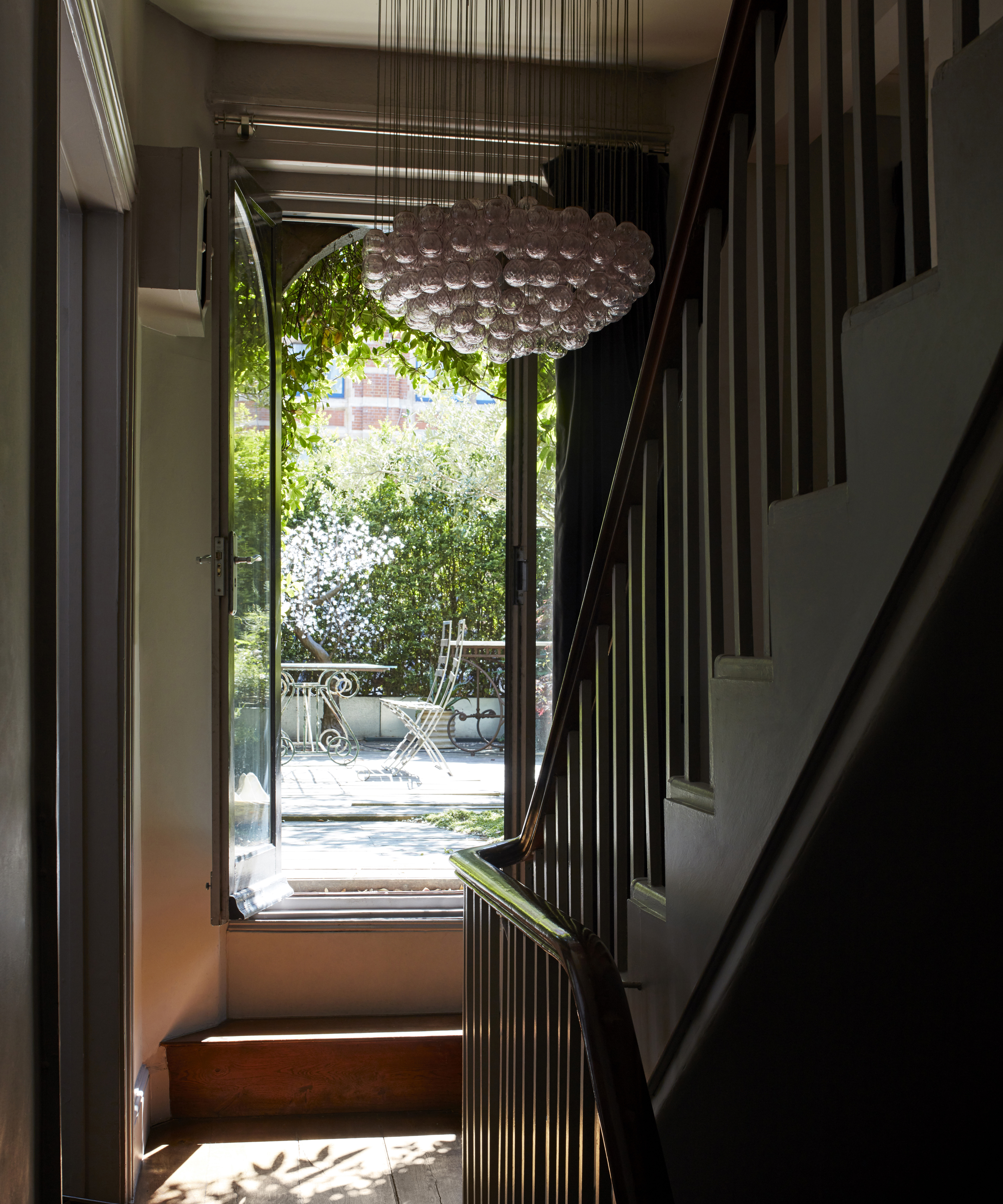
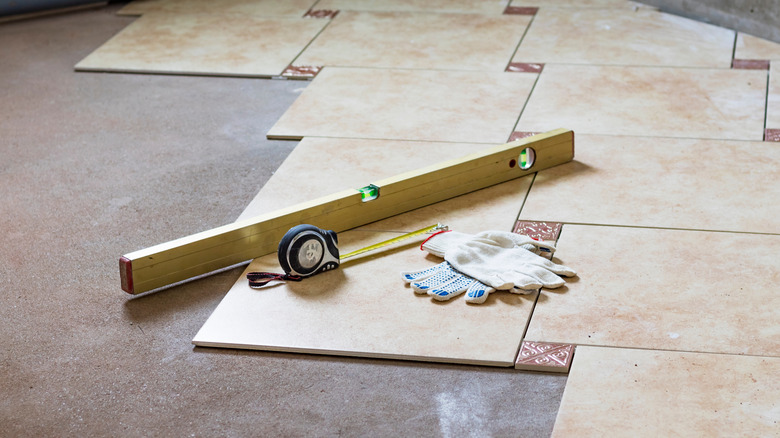
Diagonal installation of floorboards and tiles can also cleverly trick the eye, particularly in narrow spaces like entryways. Lee Thornley of Bert & May notes that diagonal patterns create an unexpected visual flow, diverting attention from fixed wall boundaries and making spaces appear wider and brighter. This method adds personality while enhancing spaciousness.
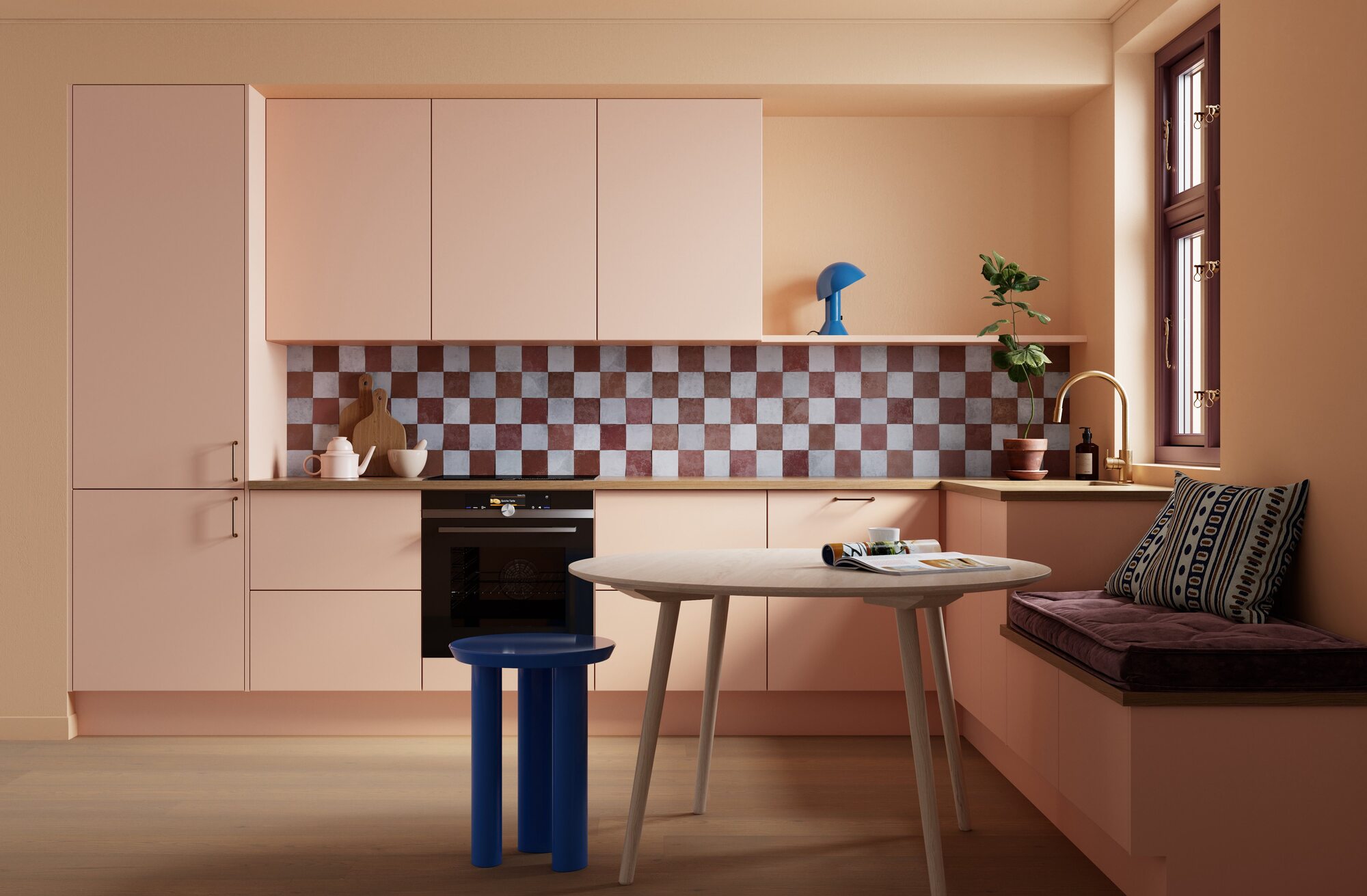
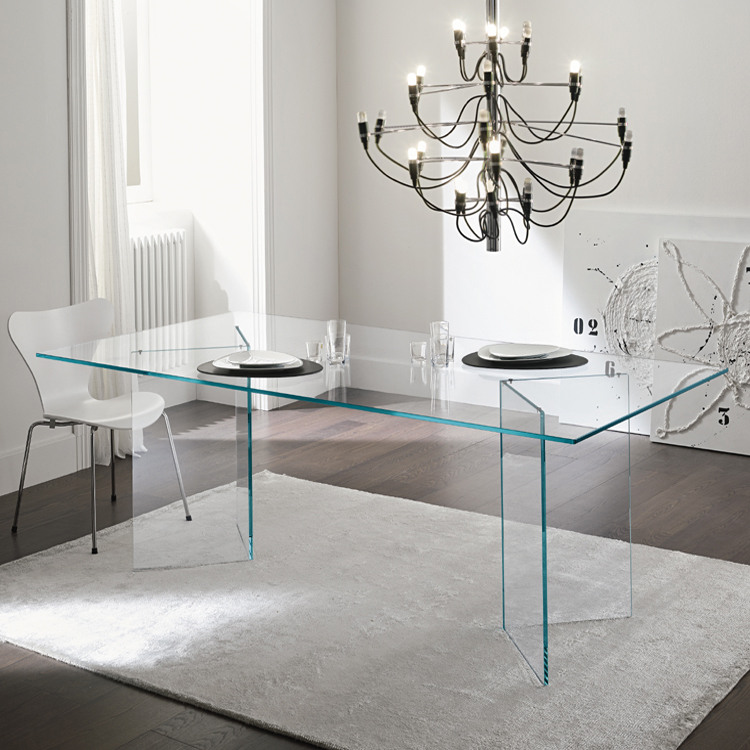
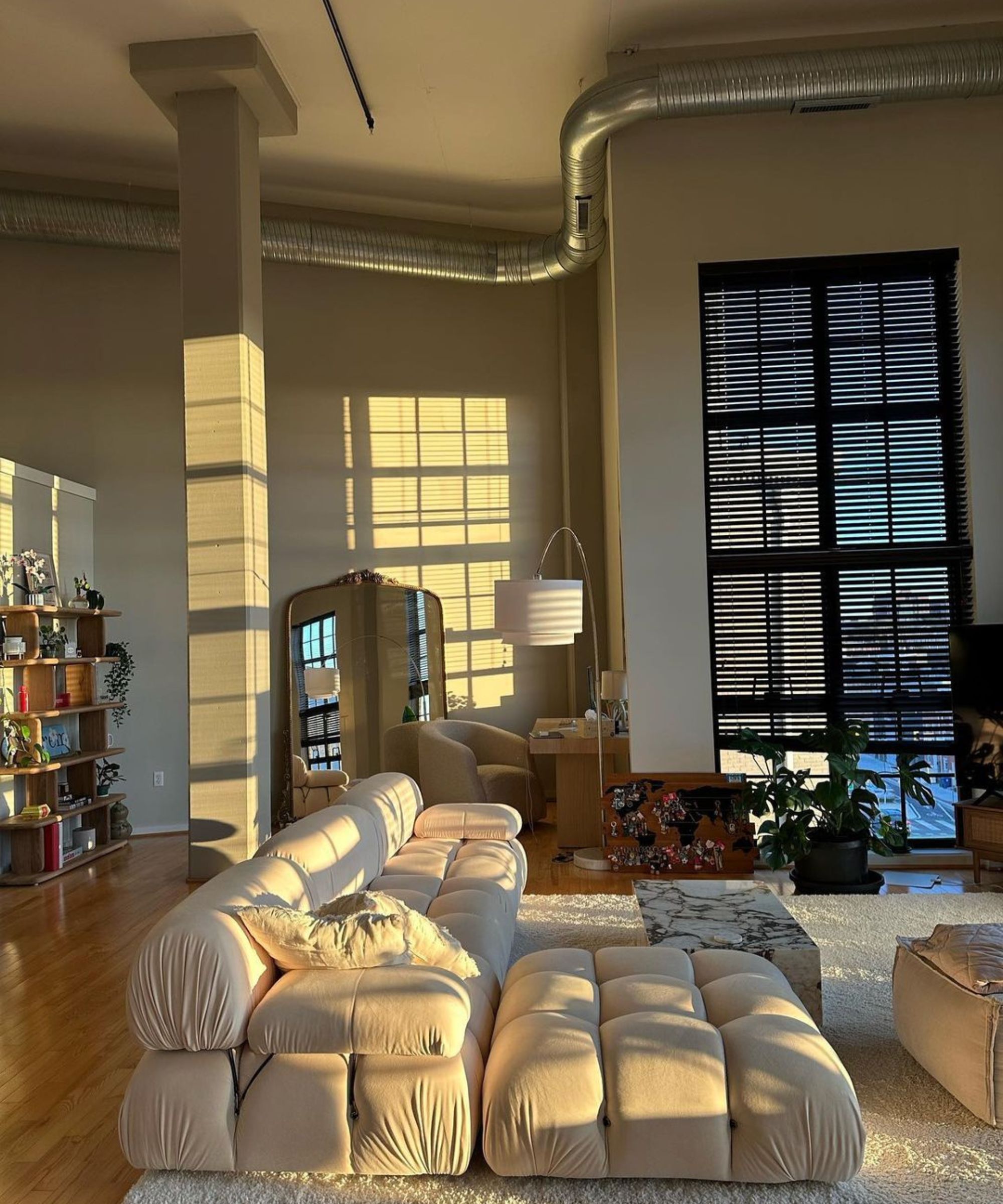
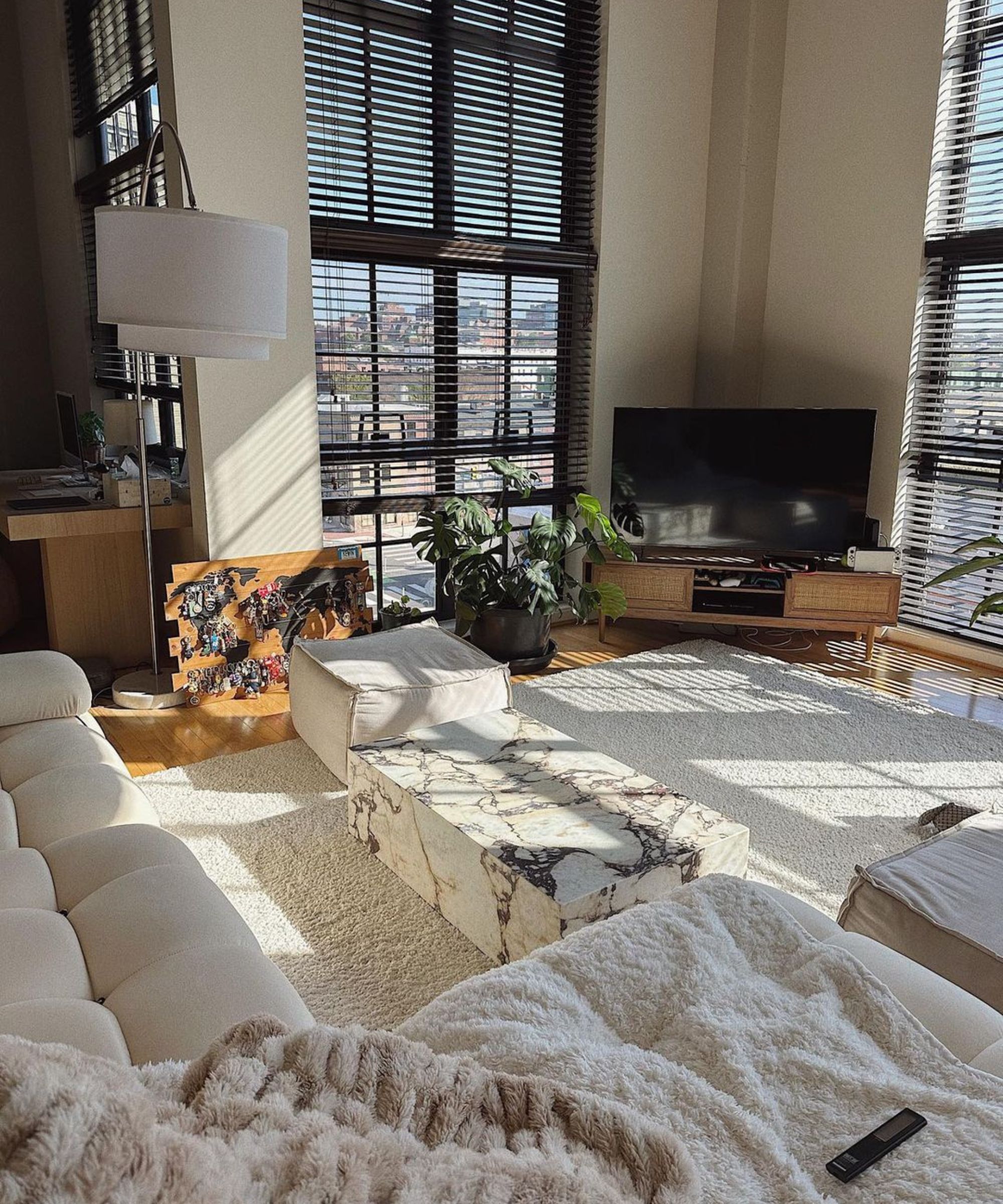
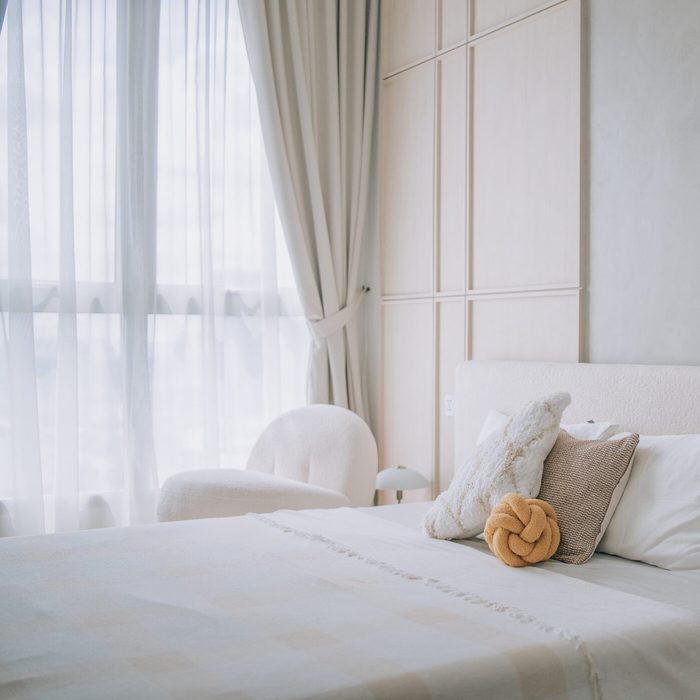
The color of the flooring is another critical factor. Light, airy shades are instrumental in making a room feel larger, while darker colors tend to make a space feel smaller and cozier. Kirsty Barton from Alternative Flooring suggests neutral colors like cream, beige, and pale gray for their uplifting quality, light-reflecting properties, and ability to create the illusion of a bigger, more open area. When using carpet, wall-to-wall installation of light shades helps to remove visual boundaries and enhance the sense of space. Romanos Brihi reinforces that lighter colors promote flow and a calmer atmosphere, as seen with crisp white tiles in a bathroom, which draw the eye upward and contribute to an airy, soft environment. Lighter hues visually stretch the floor, grounding the scheme and reflecting light to achieve balance and expansiveness. Therefore, a deliberate choice of flooring finish, pattern, and color, along with strategic installation, is essential in making a room feel larger and more open.
#Flooring #InteriorDesign #SpaceMaximization #HomeDecor #DesignTips #MatteFinishes #LightColors #SeamlessFlooring #RoomExpansion #Flooring #InteriorDesign #SpaceMaximization #HomeDecor #DesignTips #MatteFinishes #LightColors #SeamlessFlooring #RoomExpansion
0 comment in total
 No comments yet
You may also like
Forget What Color You Paint the Walls, It's the Flooring That Does the 'Quiet' Work in Making Your Room Feel Bigger — Here's How

14 clever ways to make small rooms look bigger

9 Amazing Illusion Tricks To Make A Small Space Look Bigger
12 Paint Colors That Will Make Any Room Look Bigger
How to make small spaces look bigger
Experts reveal the one furnishing that will instantly make a small hallway feel bigger
How To Configure Kitchen Tiles So The Room Seems Much Larger

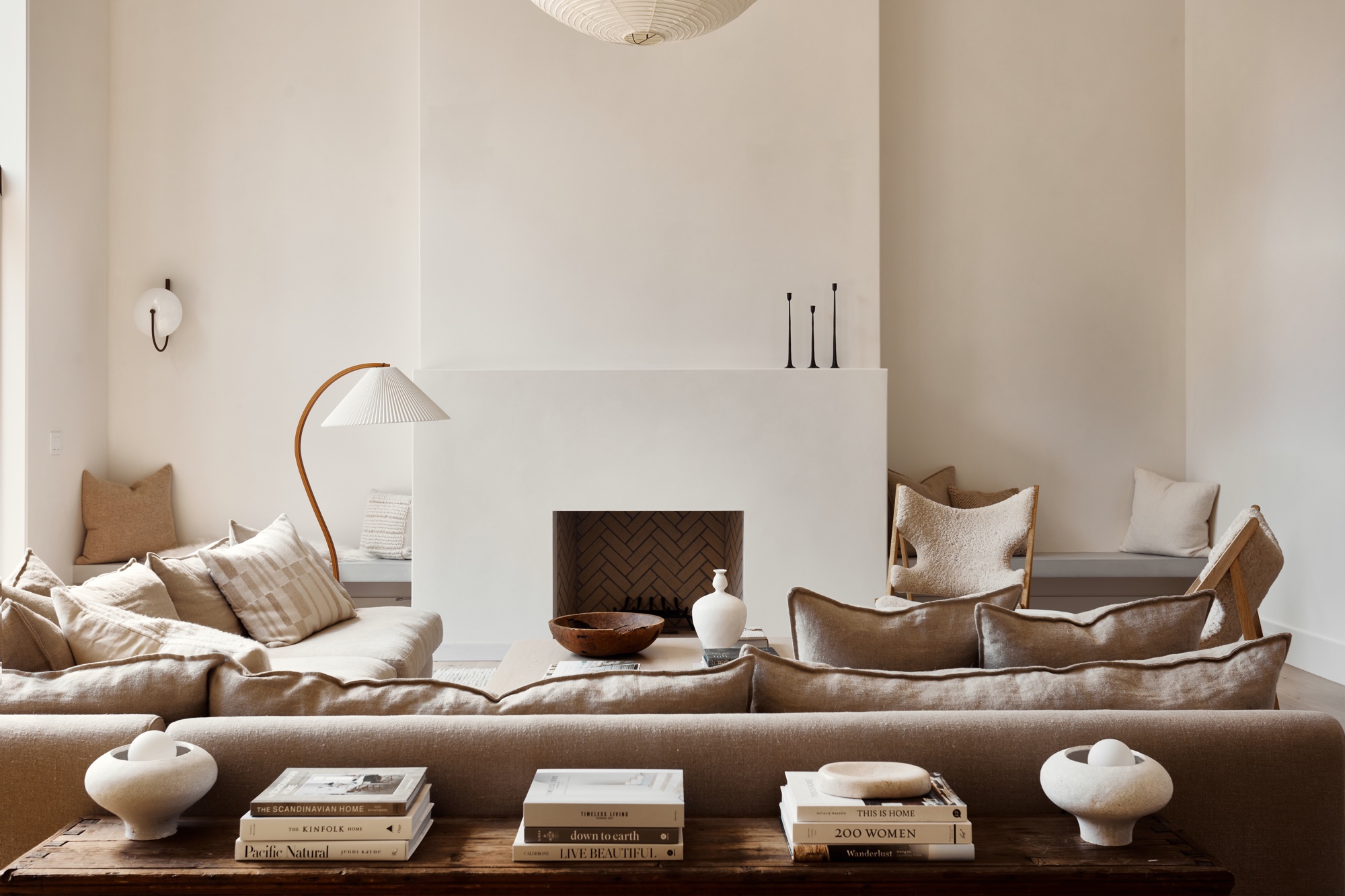
What color couch makes a room look bigger? Designers reveal their favorite space-stretching sofa shades
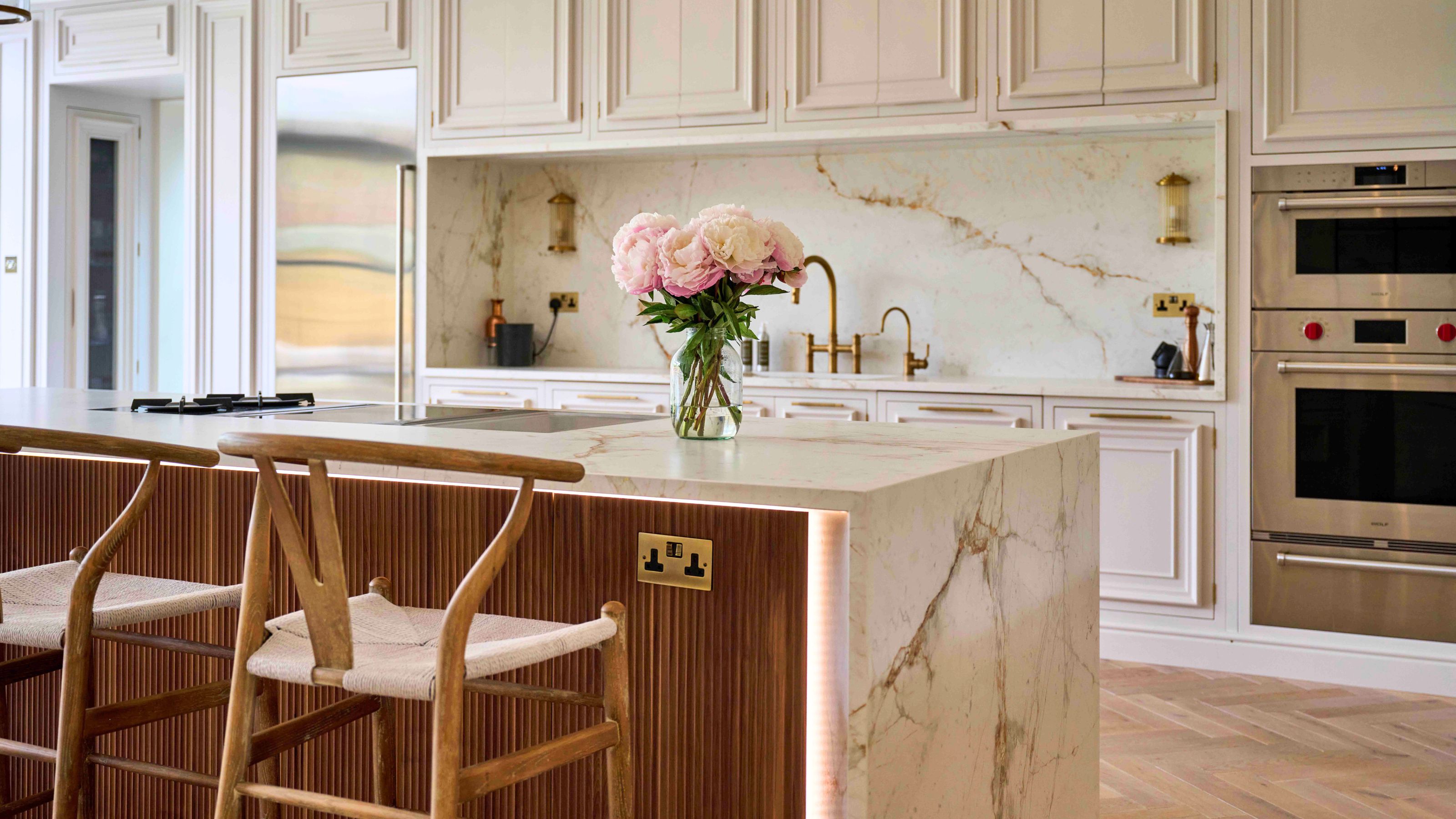
What kitchen floor colors make a small space look bigger? Interior pros spill their secrets

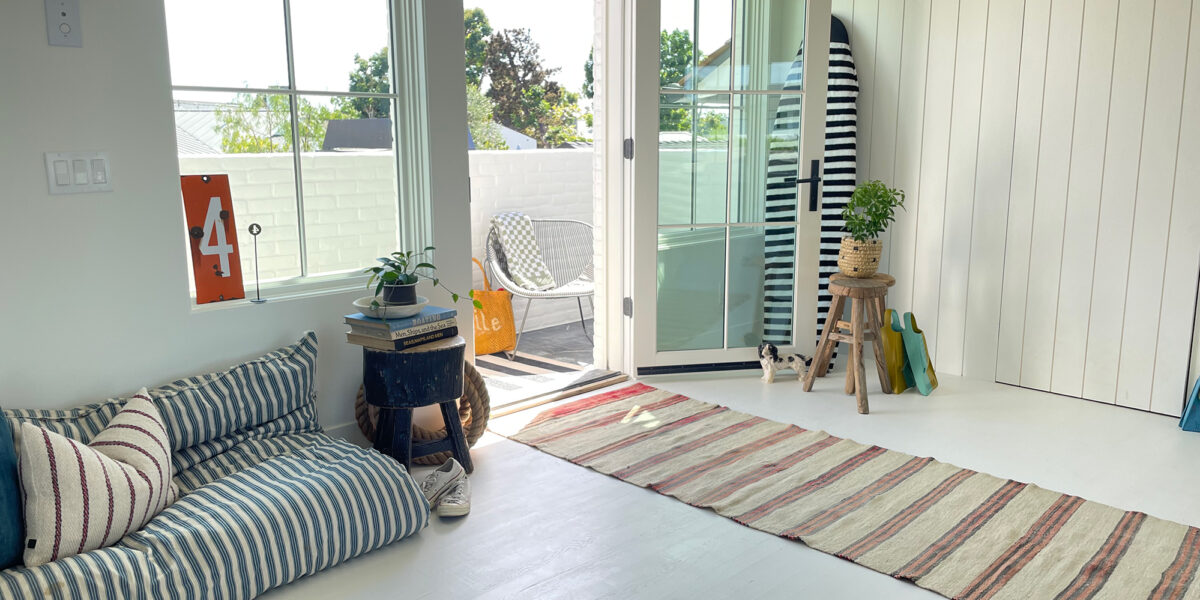
The Surprising Interior Design Trick That Can Make Your Floors Pop
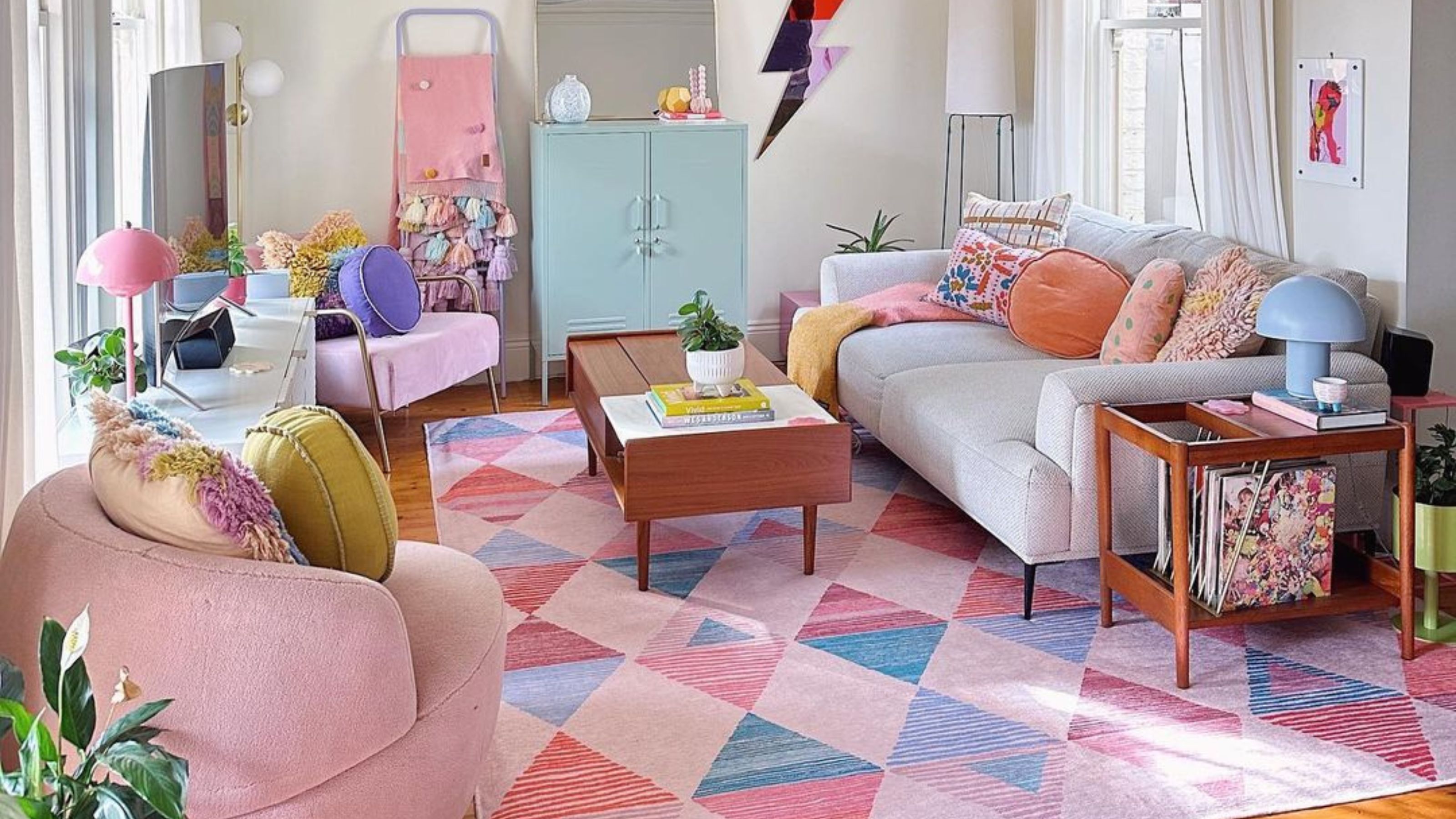
6 furniture items that will make a living room look bigger, according to design experts

Maximize Your Space: 19 Tips to Make a Small Room Feel Bigger

8 Ways To Make A Small Living Room Appear Larger
What colors make a small room look bigger? These space-stretching shades are what design experts use

Small bathroom flooring ideas – the best choices to make your space feel bigger
9 rooms that prove color drenching makes small spaces look bigger
What Colors Make a Room Look Bigger? 5 That Designers Reach for to Make Walls 'Visually Expand'
How to make your living room look bigger: 7 tips to fool the eye

The best floor colours to make a small kitchen look bigger - experts say these are the shades to go for
‘Clever design tricks’ can create the illusion of space in homes - ‘feels much larger’