1/6
What colors make a small room look bigger? These space-stretching shades are what design experts use
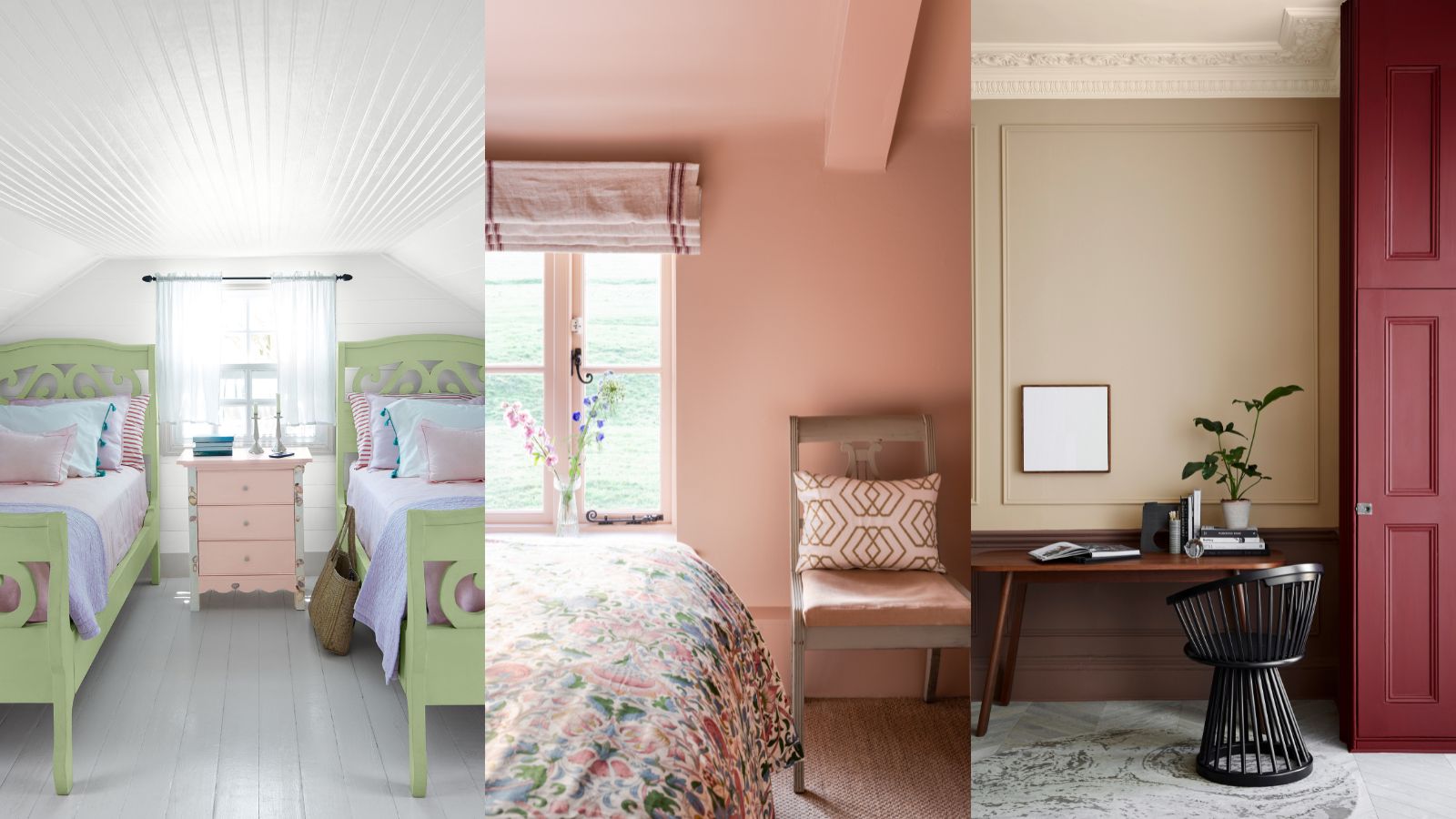
The illusion of a larger, more inviting space in a small room can be created by the strategic application of color. While many believe white is the only option, design experts reveal that a range of colors, including both neutrals and bold shades, can effectively augment a small room's appearance. The key lies in understanding how different hues and finishes interact with light and perceive spatial boundaries.
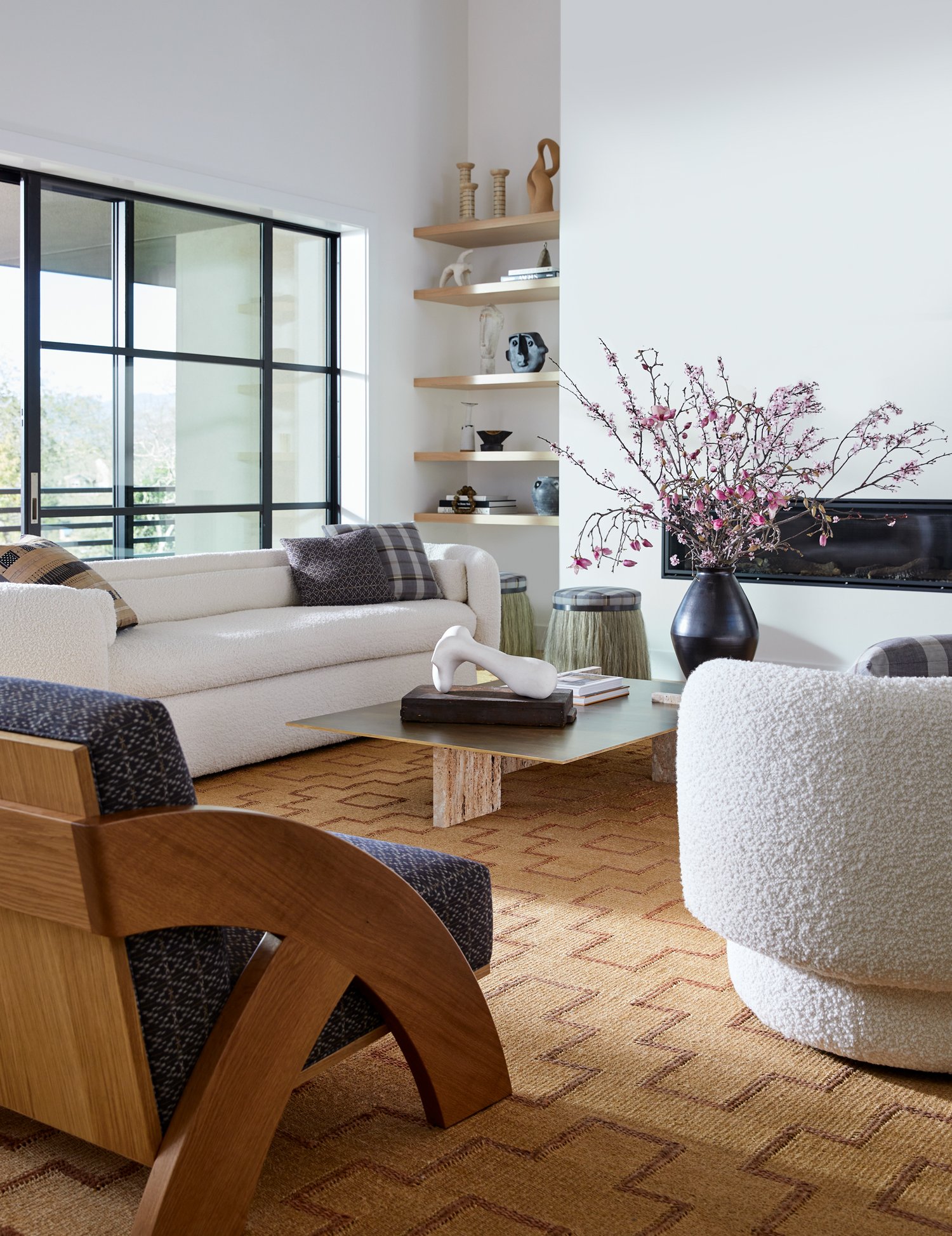
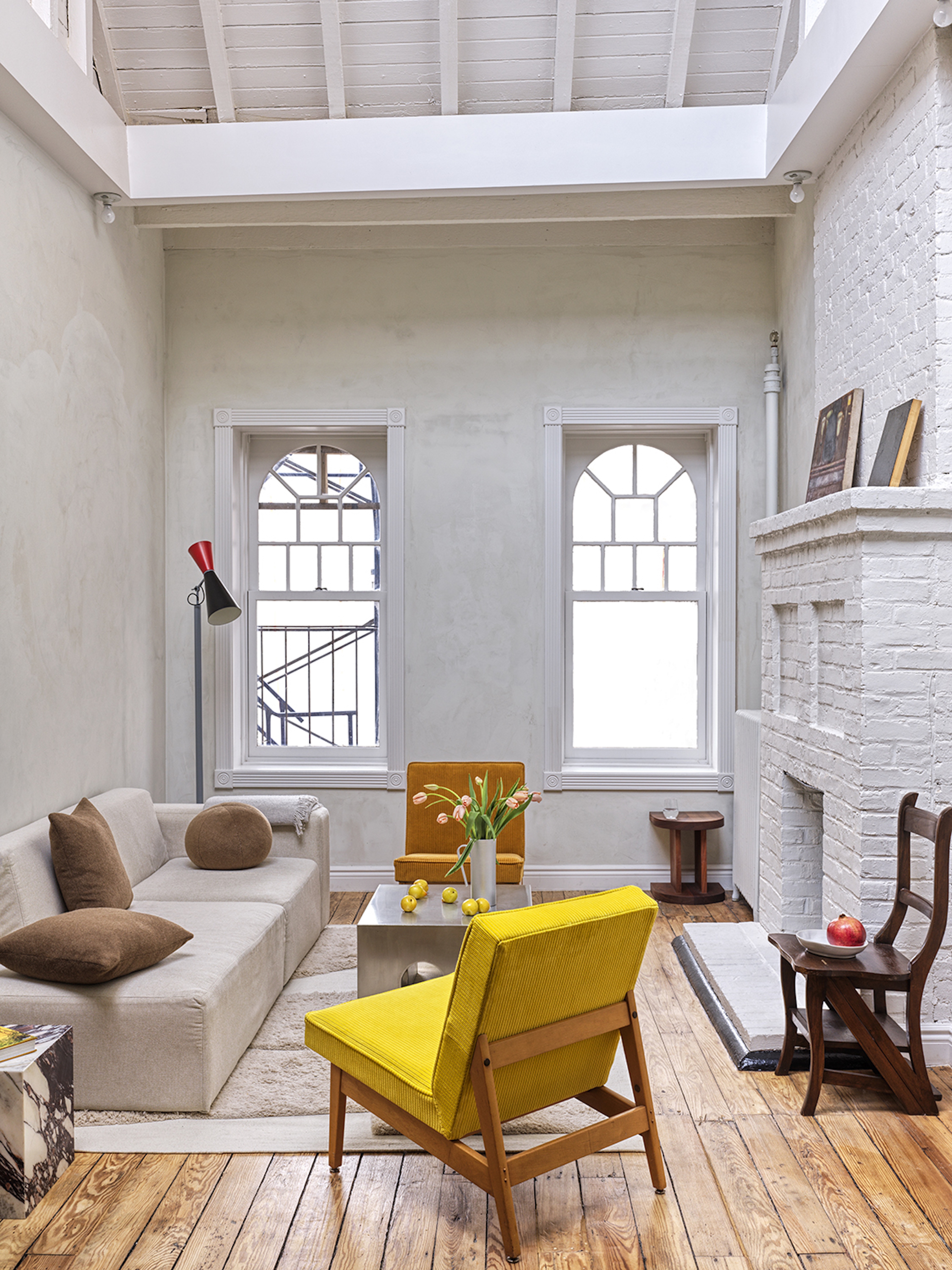
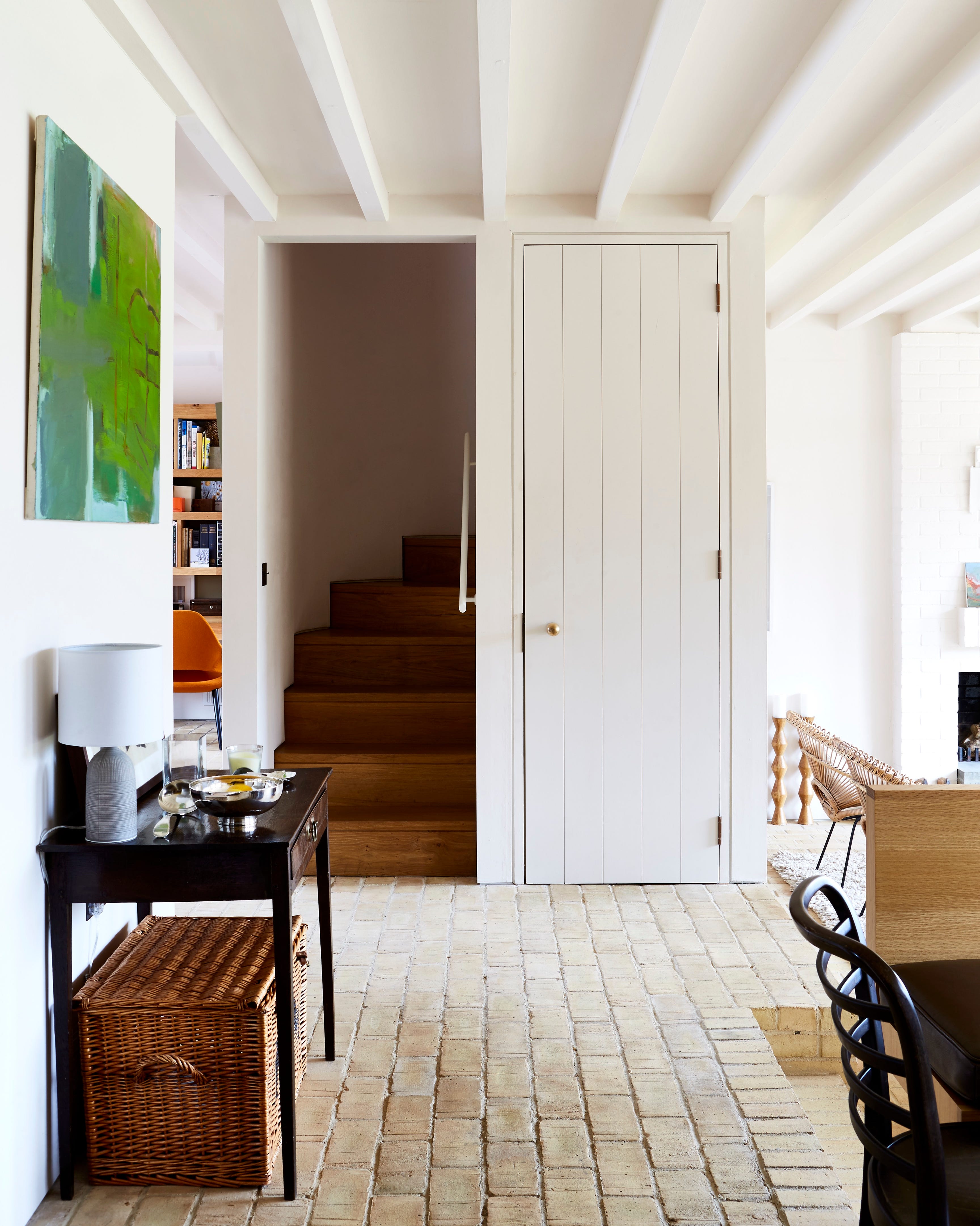
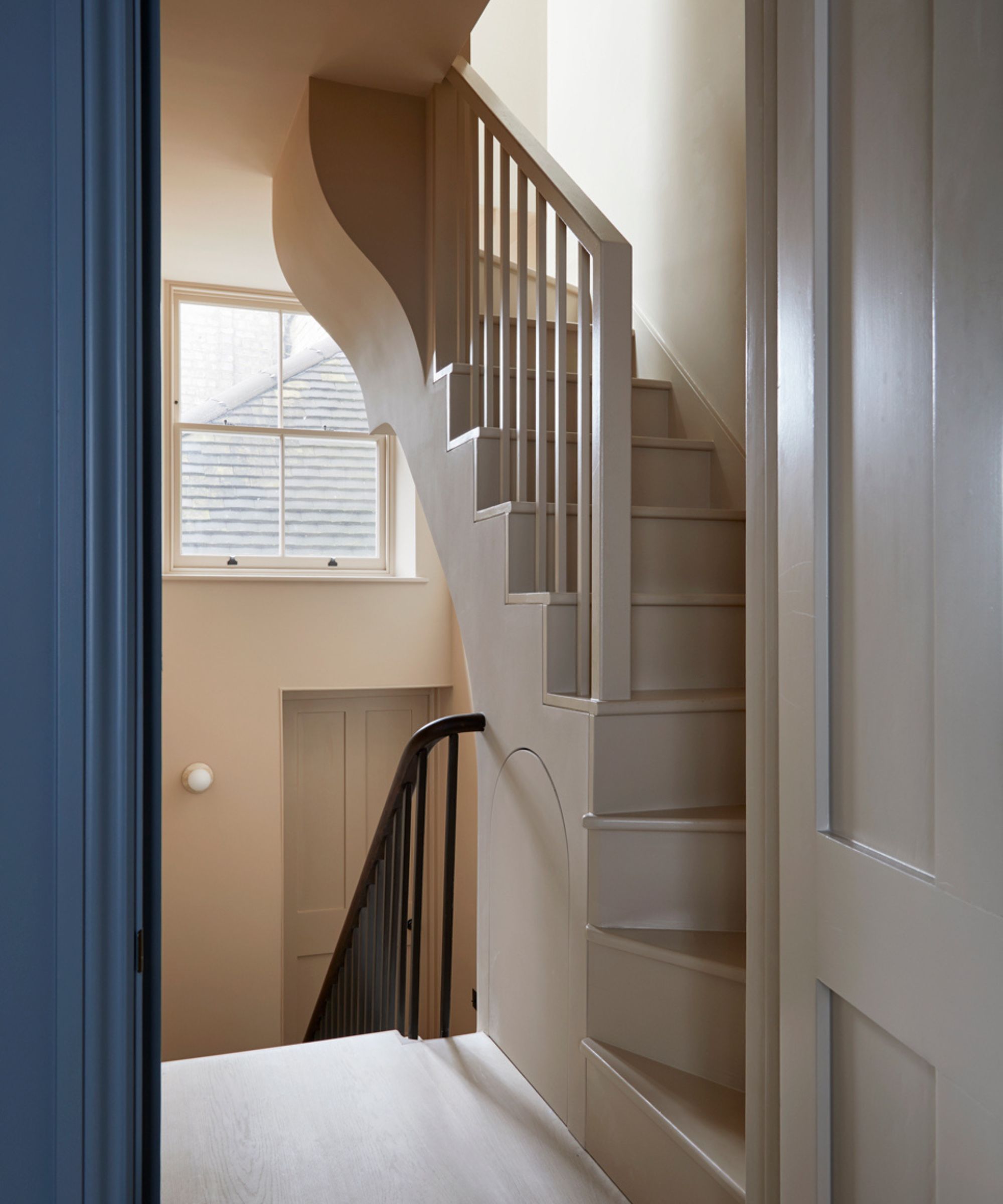
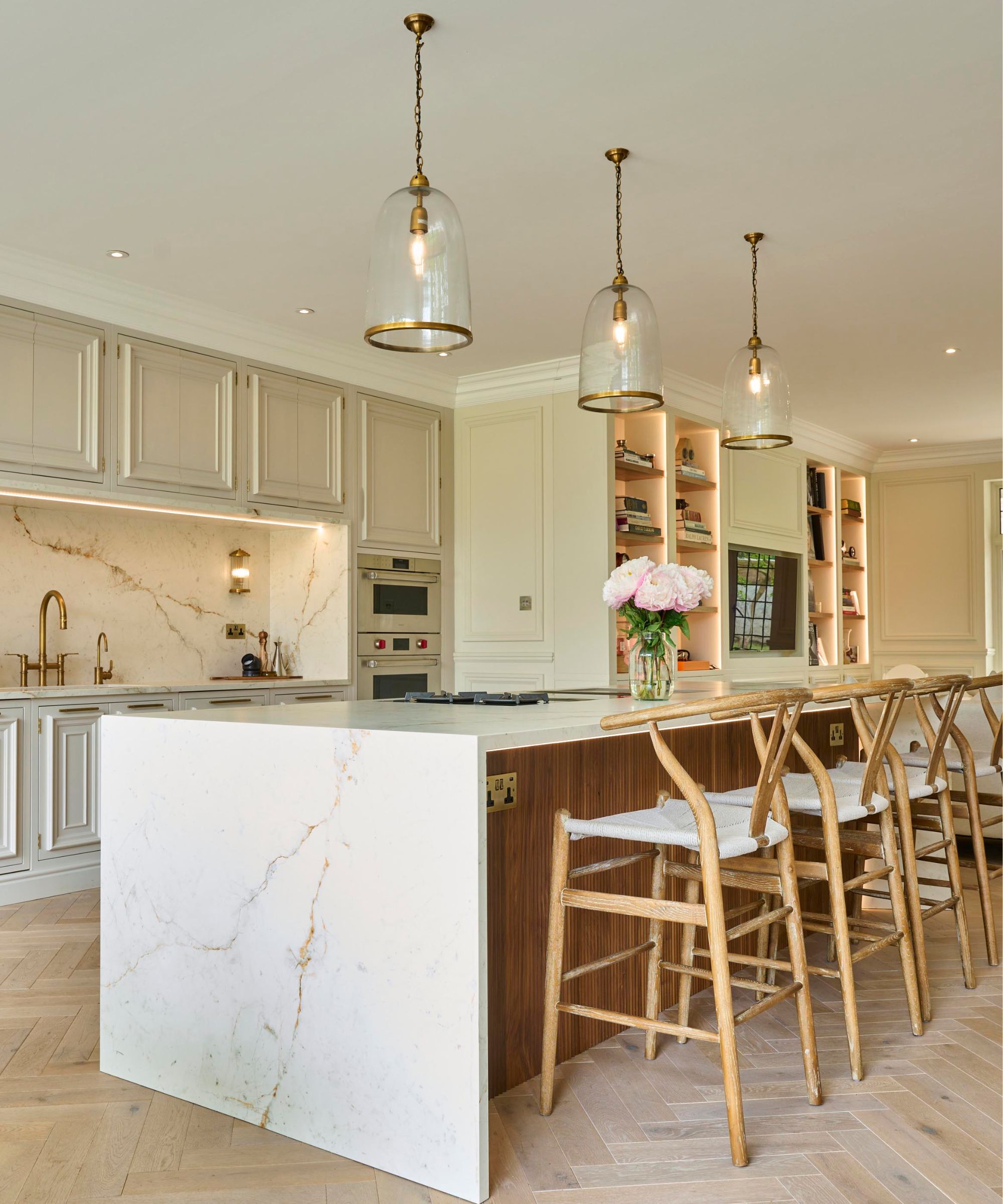
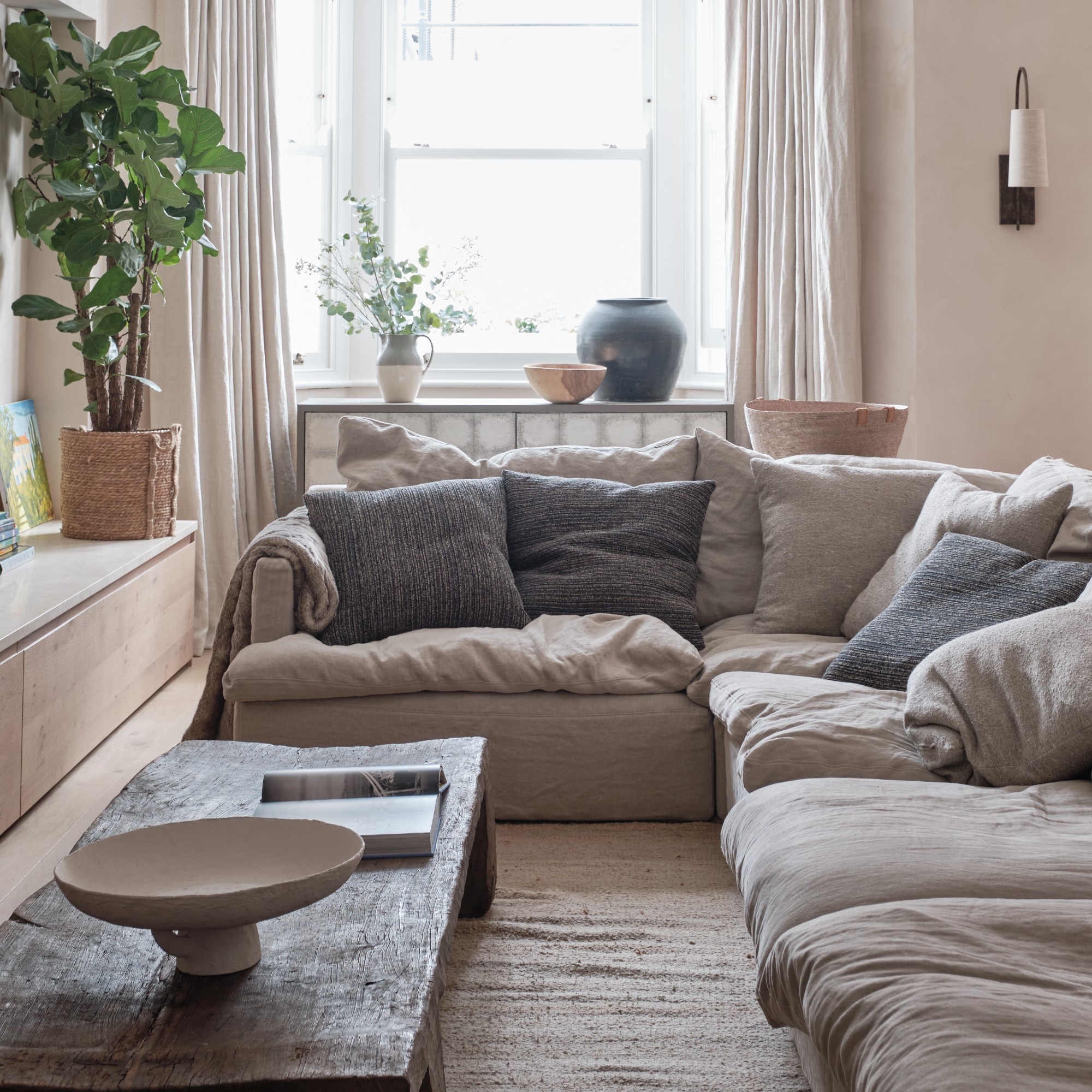
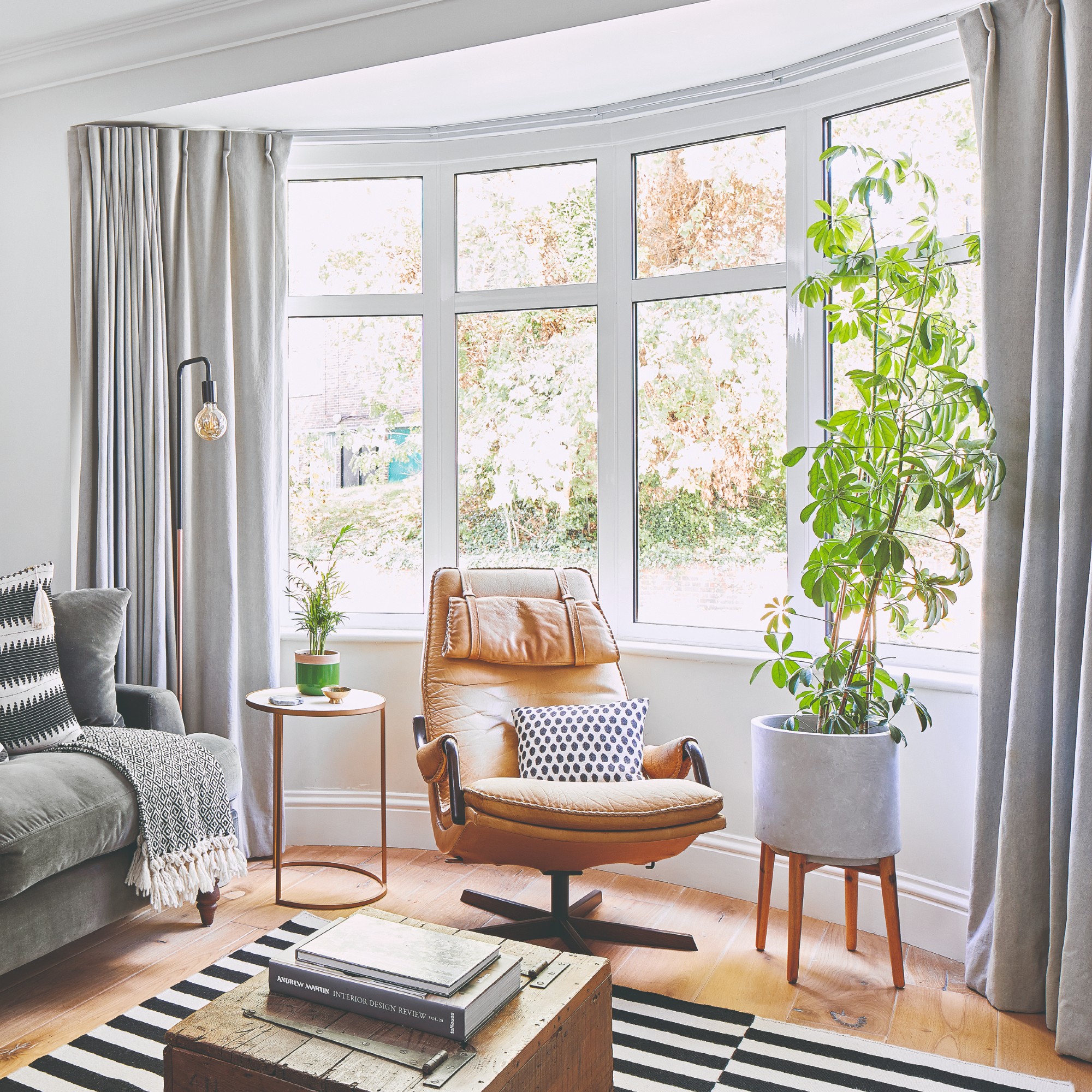
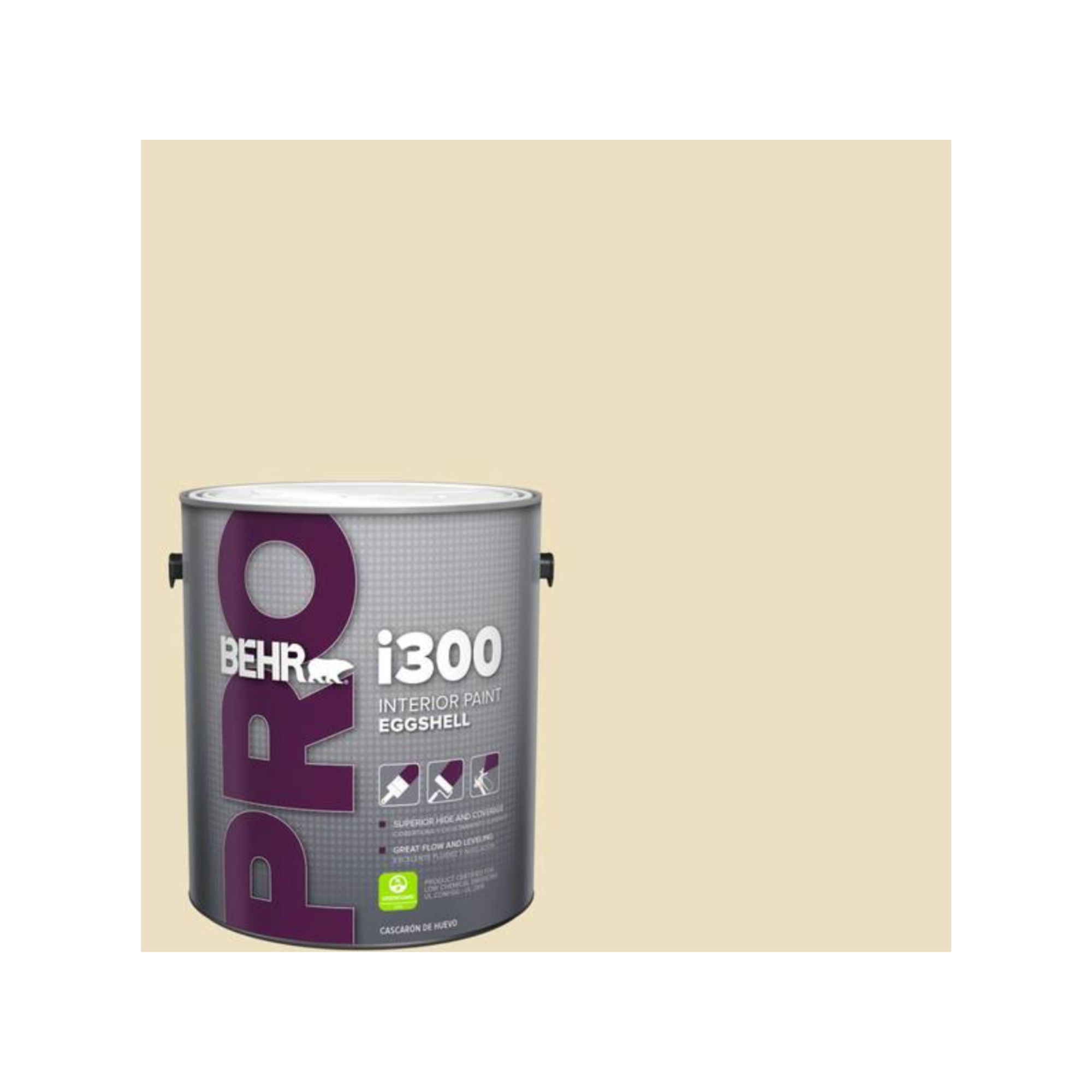
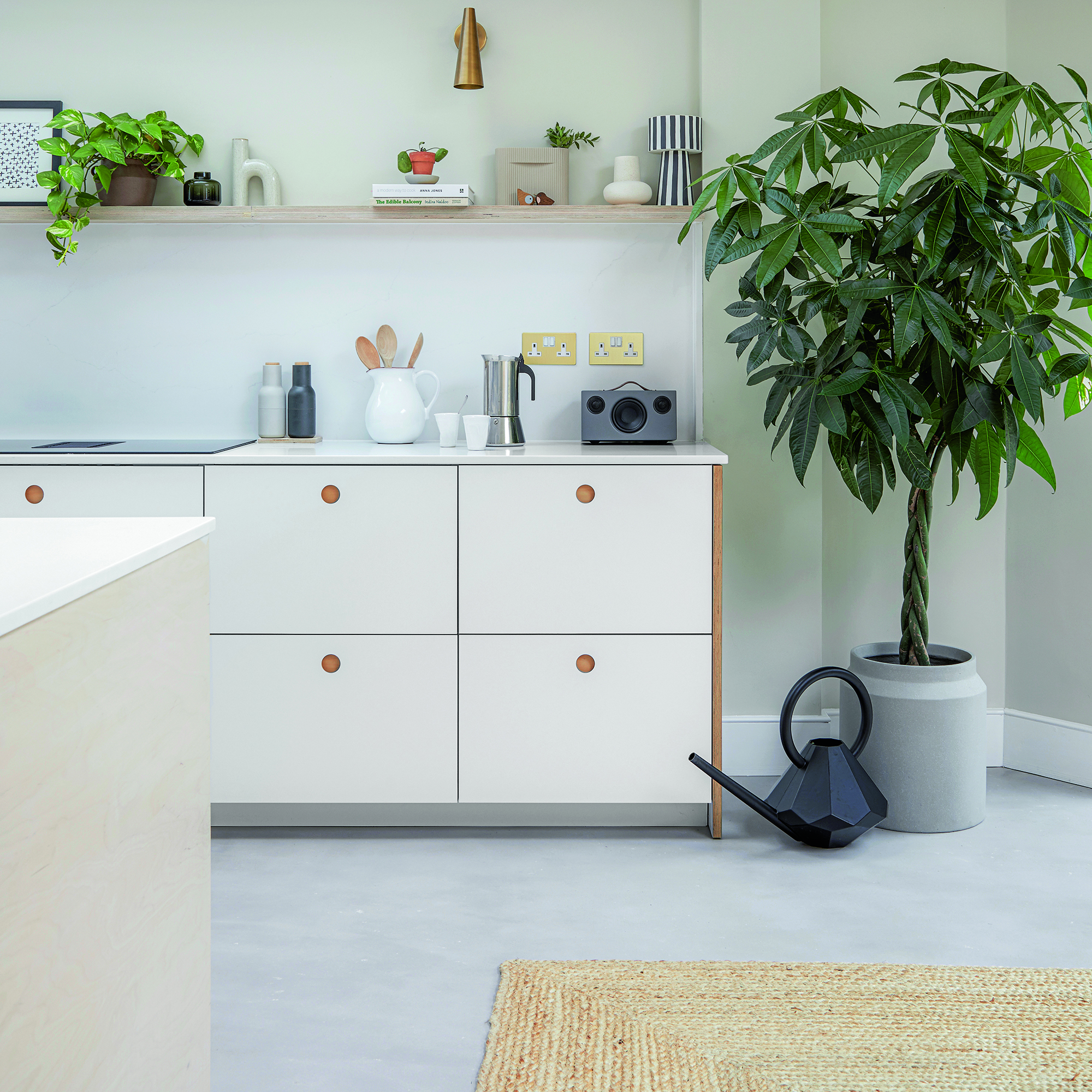
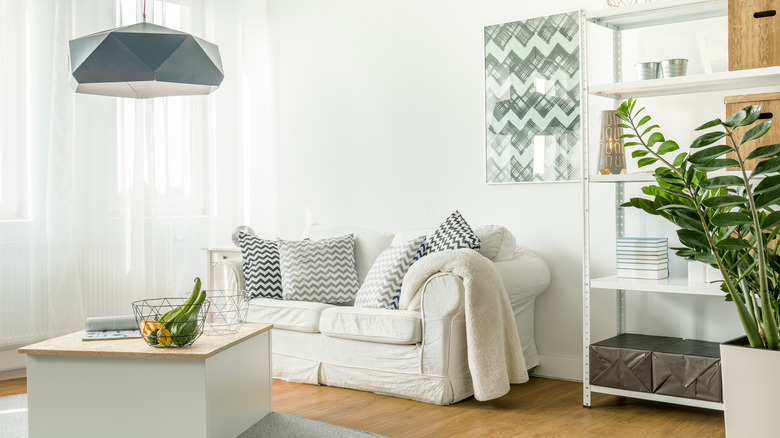
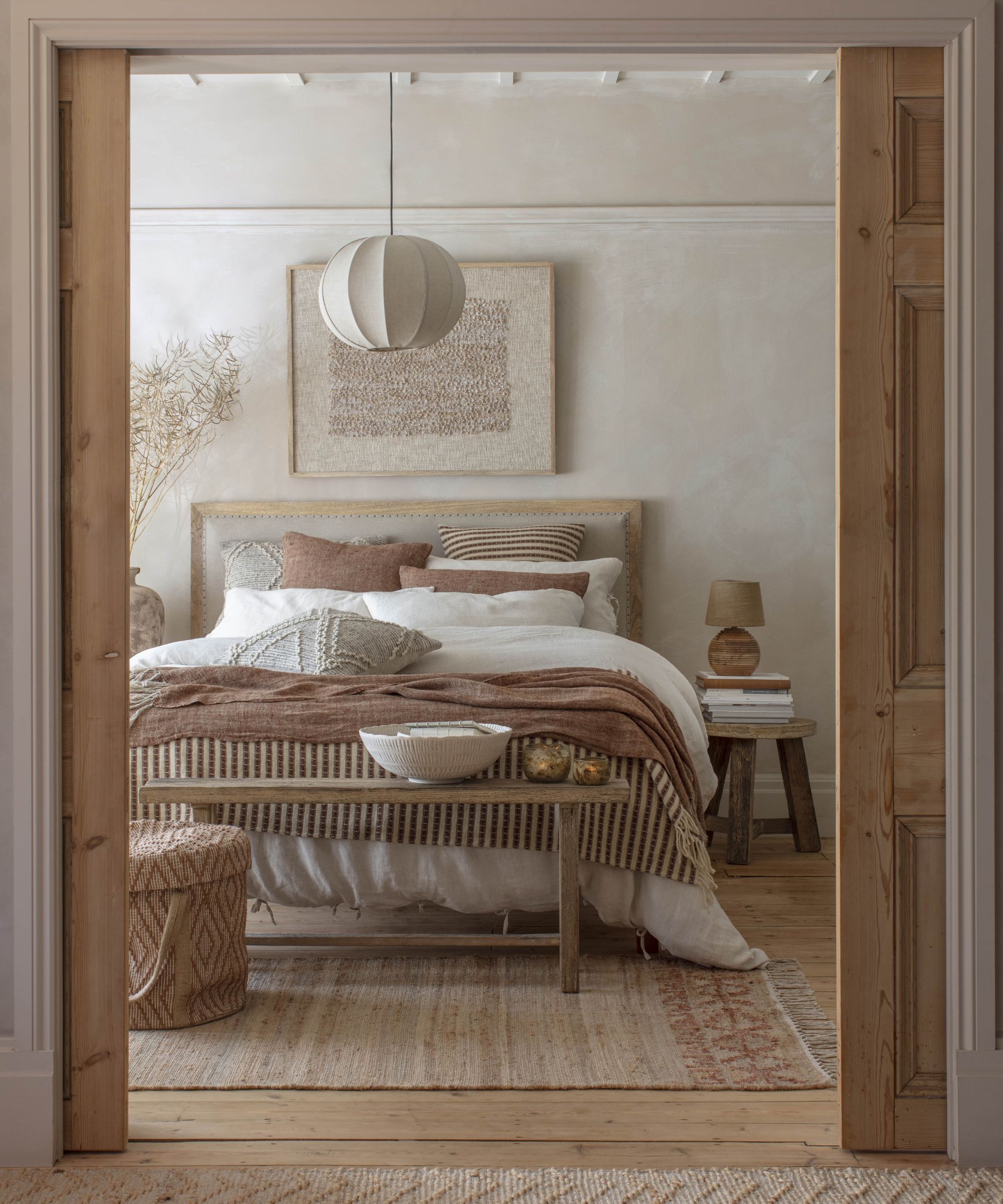
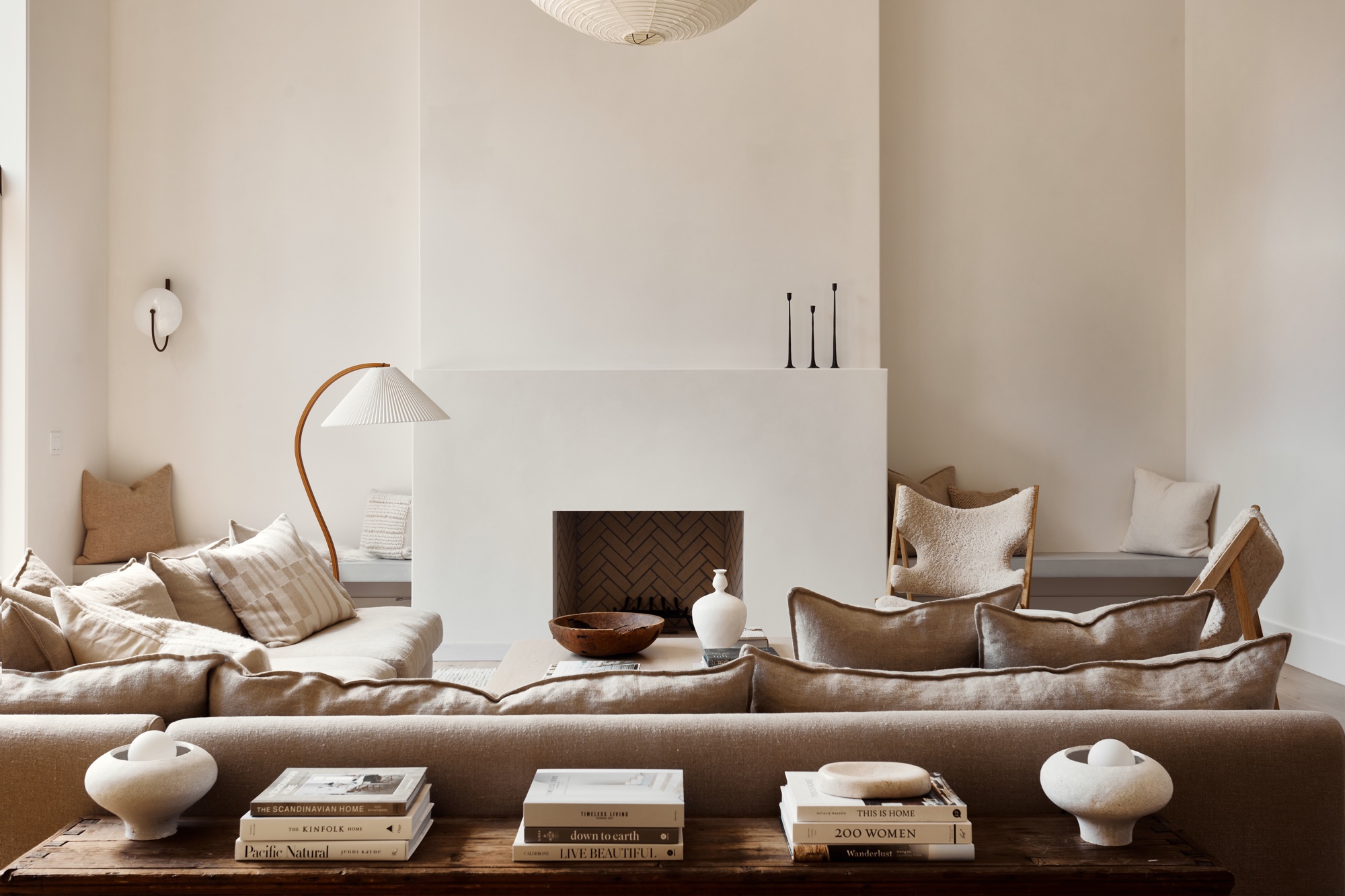
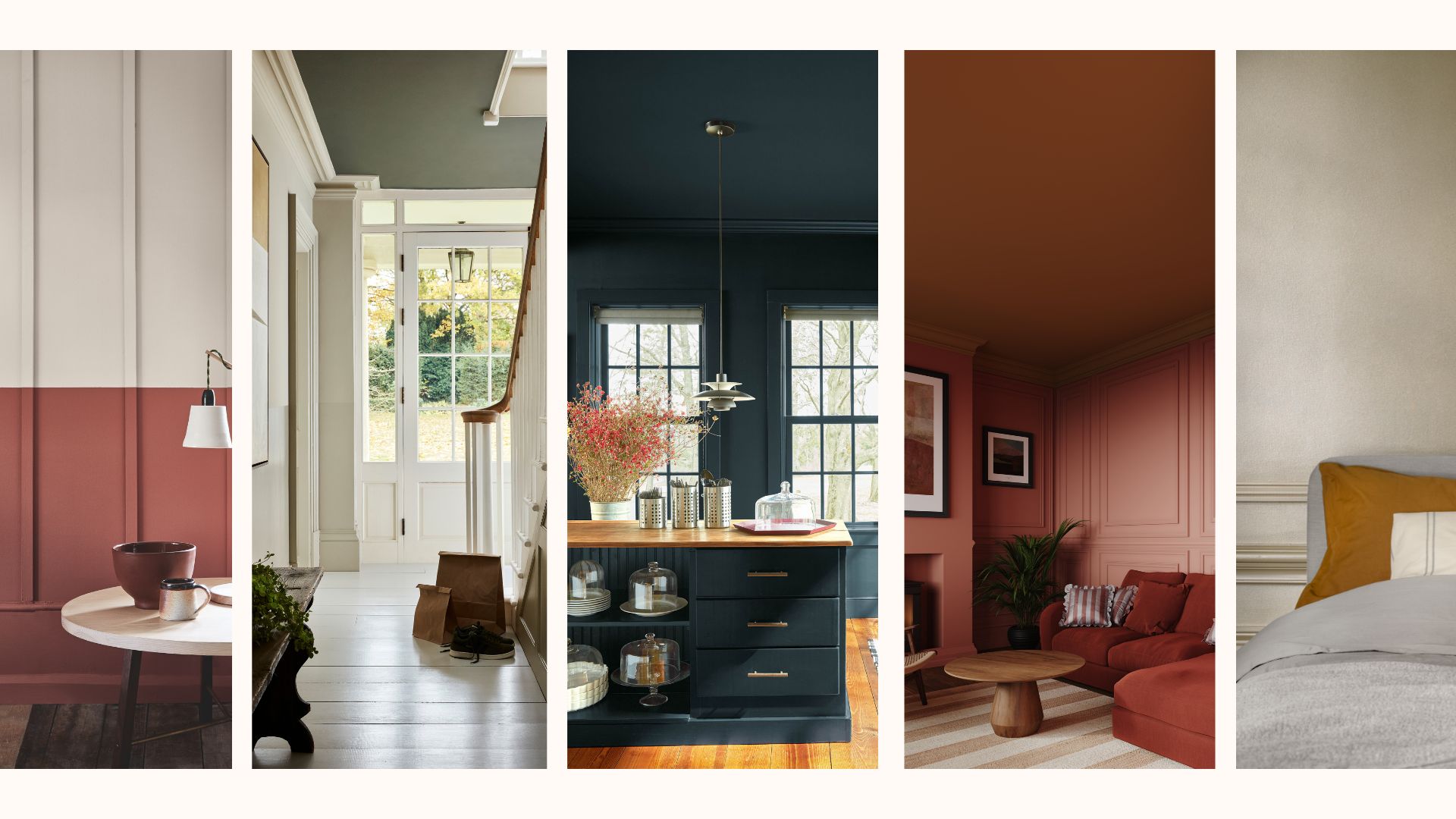
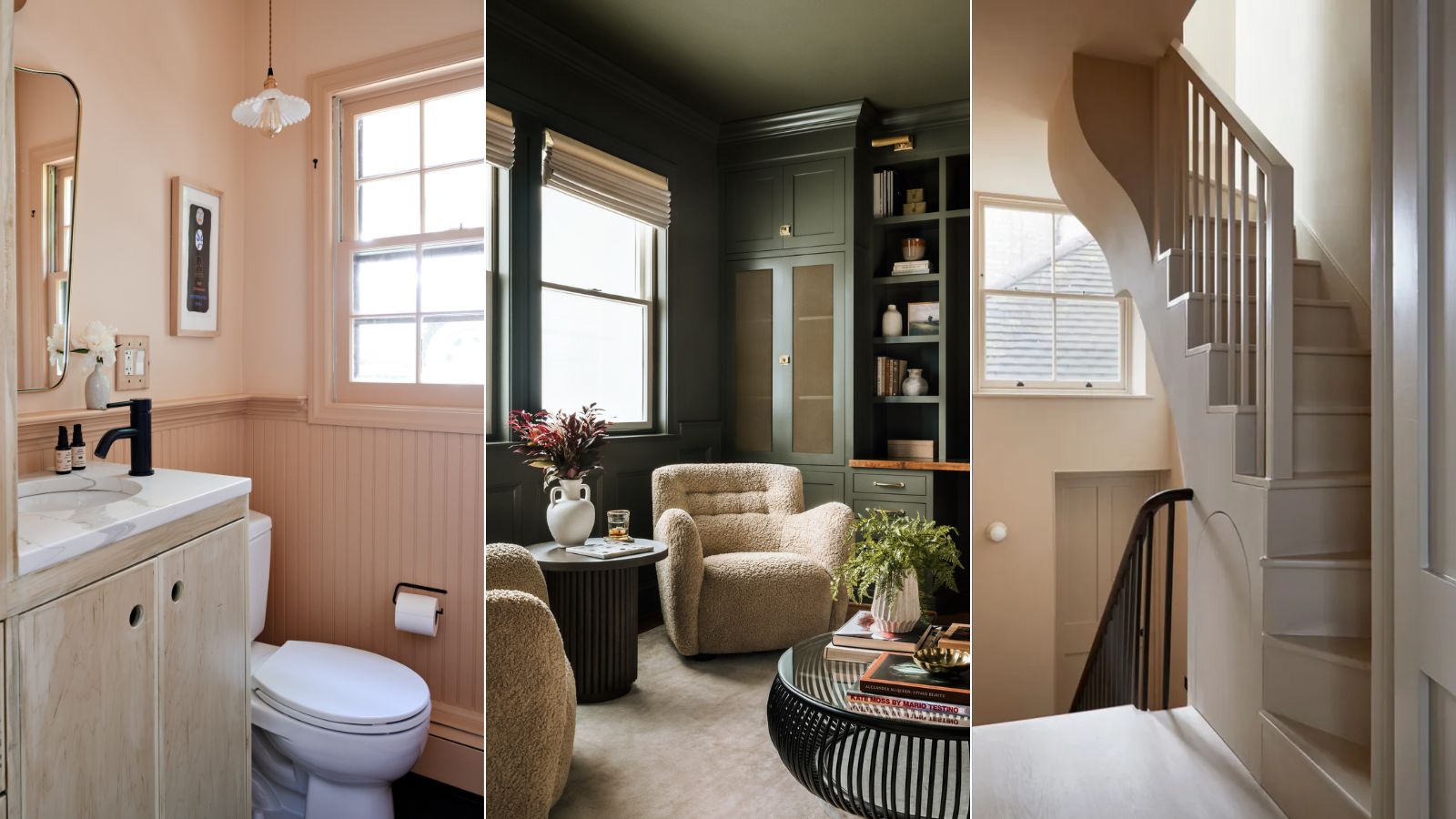
Neutral shades remain a reliable choice for enhancing brightness and airiness in compact areas. However, selecting the appropriate neutral is crucial to avoid a cold or stark atmosphere. For instance, in north-facing or poorly lit rooms, neutrals with underlying yellow or red tones, like Farrow & Ball's Wimborne White or Pointing, are recommended to maintain warmth. To maximize the expansive effect, minimizing contrasts and extending the wall color onto the ceiling, even painting woodwork in the same shade with an appropriate finish, can help blur the room's edges. Light neutrals and soft colors, when used in a tonal scheme, can achieve the same enlarging effect as white without appearing too harsh. The Little Greene Color Scales collection, for example, offers solutions like 'Masquerade' used with its lighter and deeper versions to create an elegant and welcoming scheme. When opting for white, a warm, balanced white like 'Silent White' is preferable over blue-tinged alternatives, with its lighter and deeper versions used across walls, ceilings, and trim to add subtle depth.
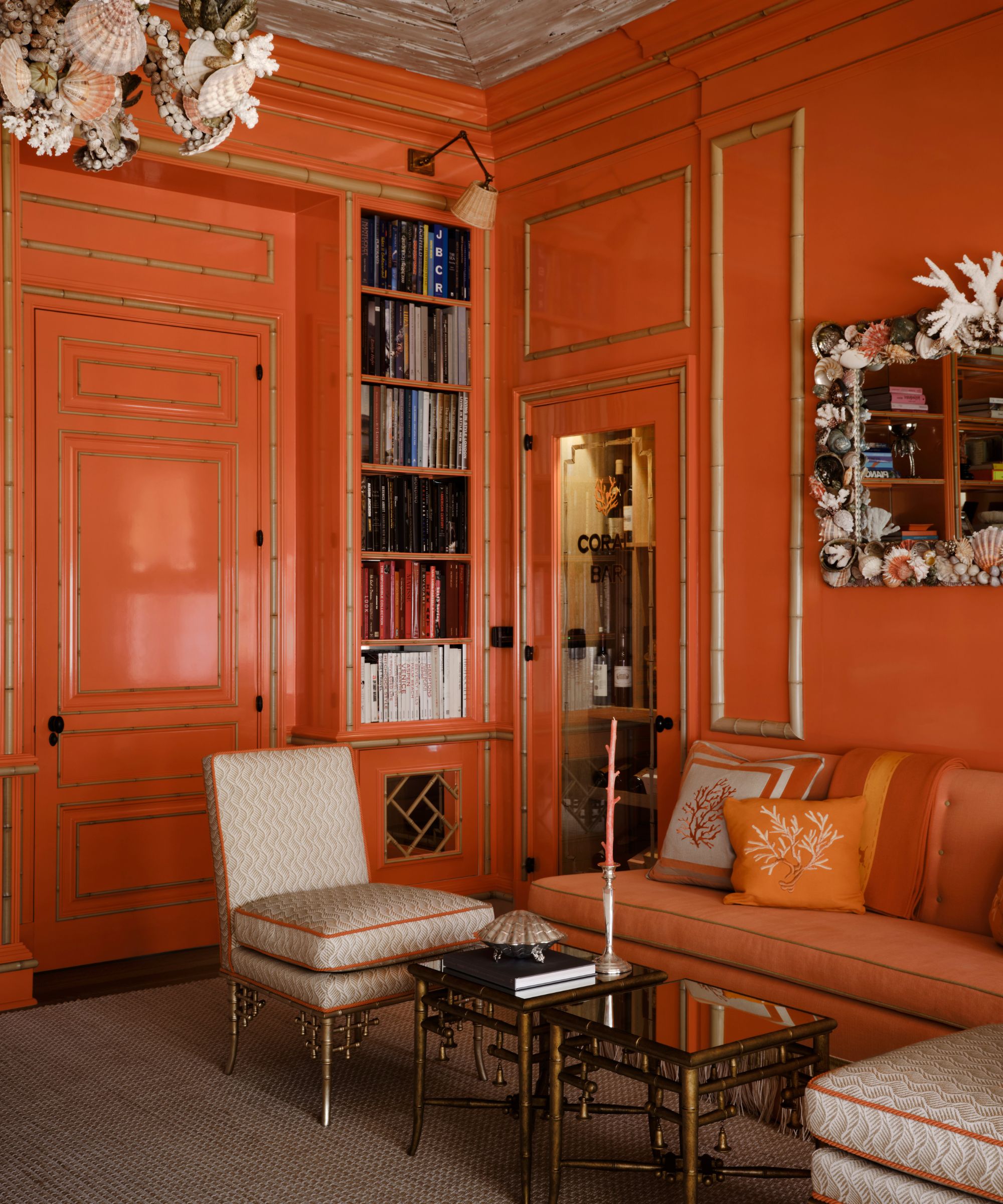
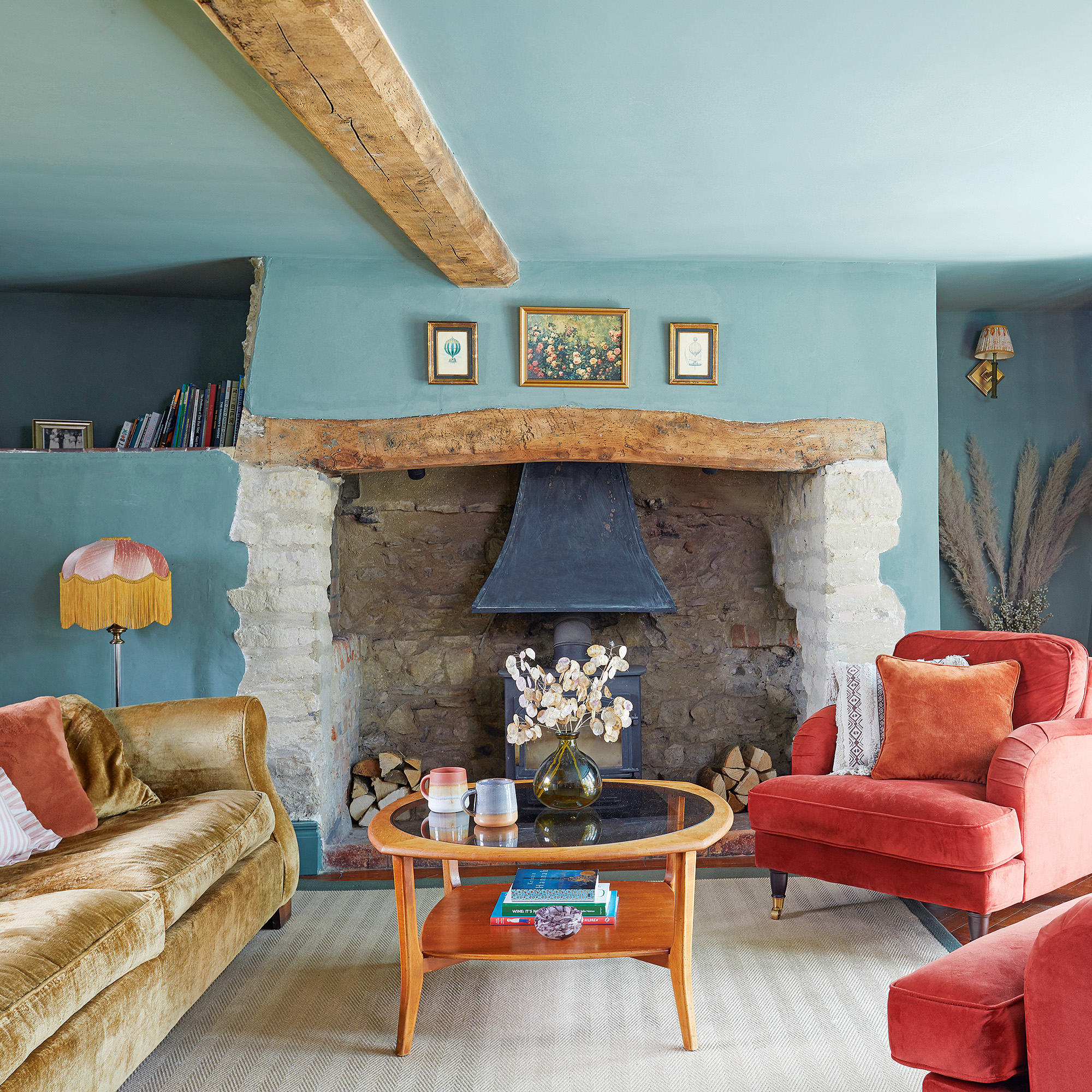
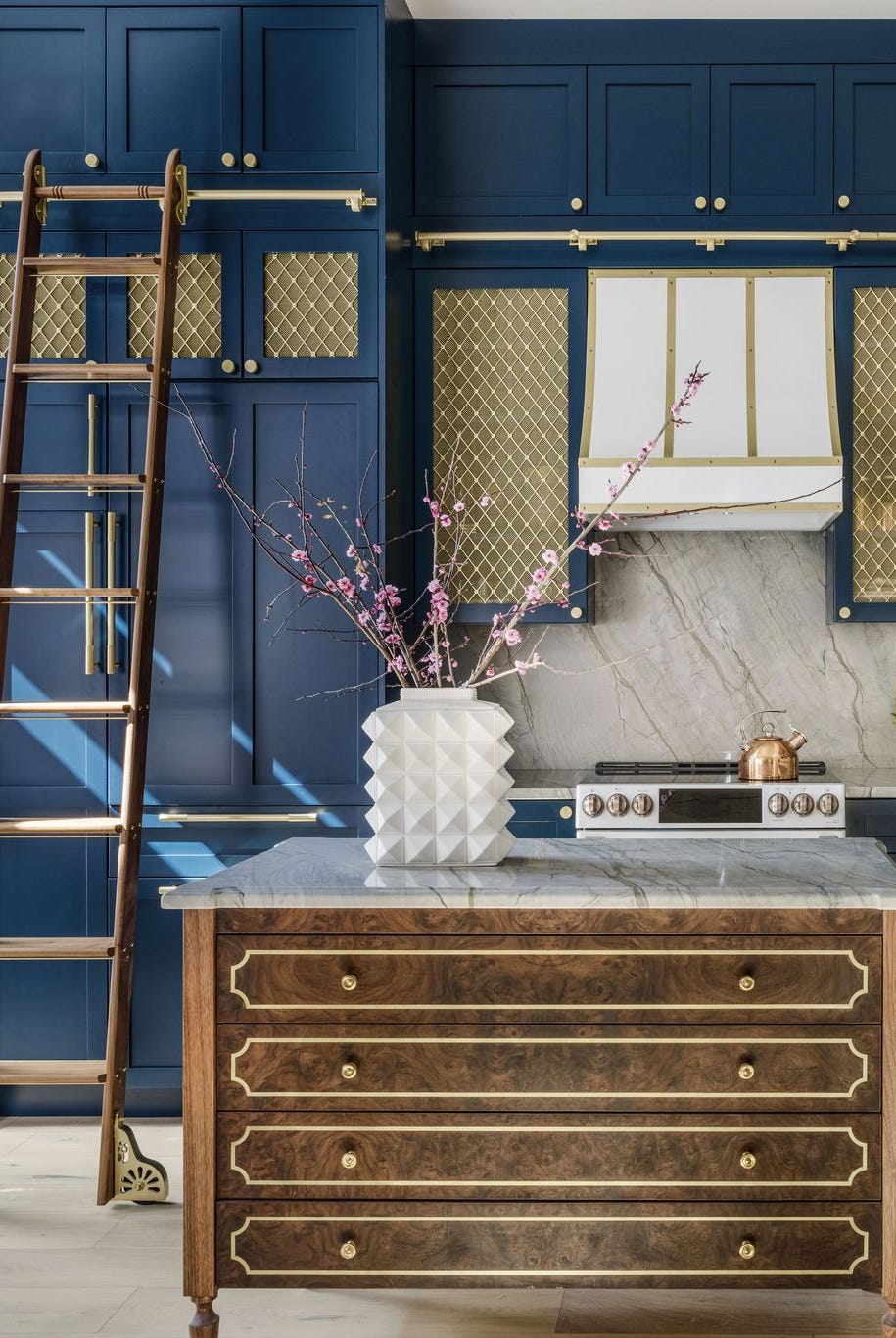
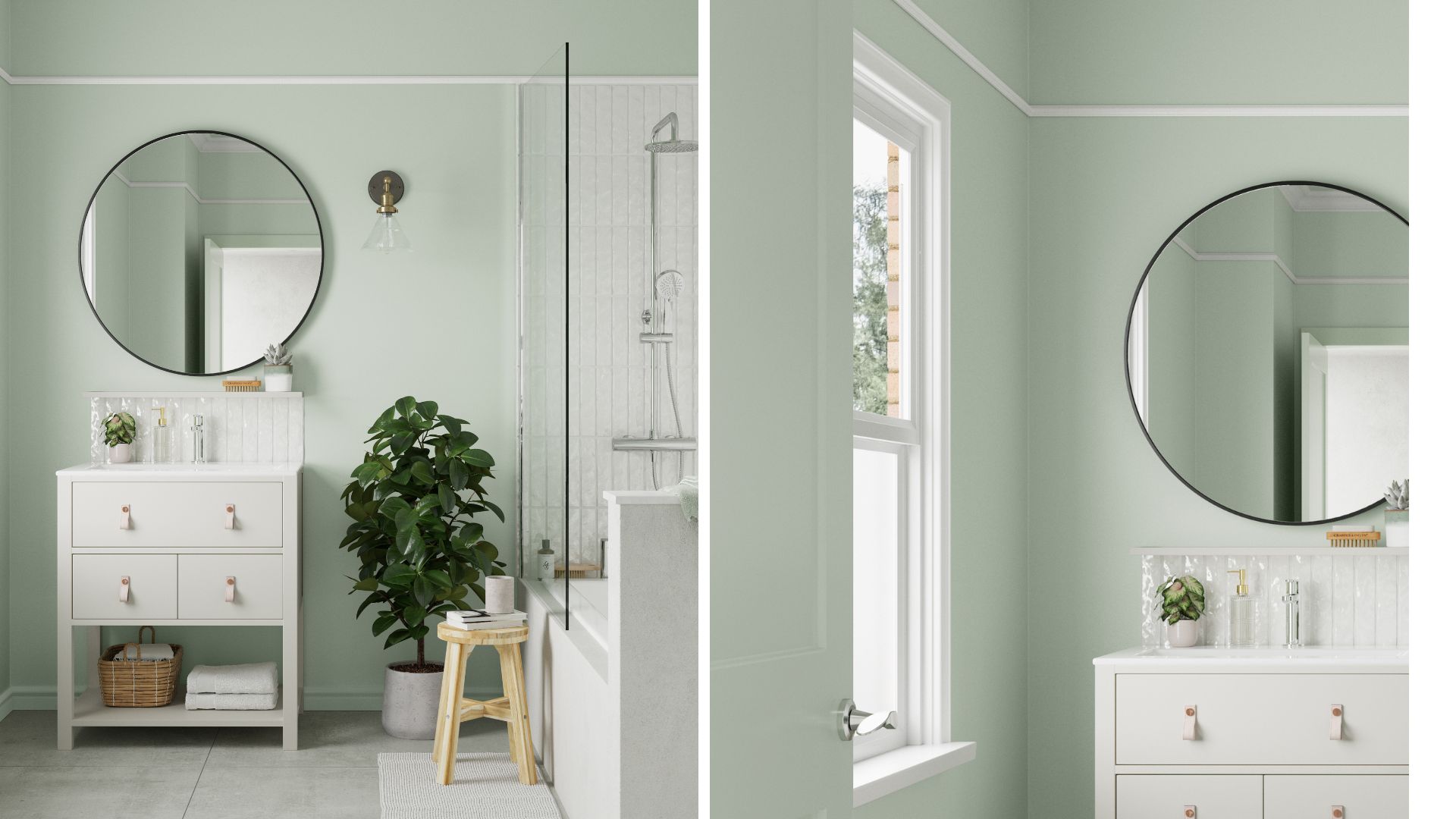
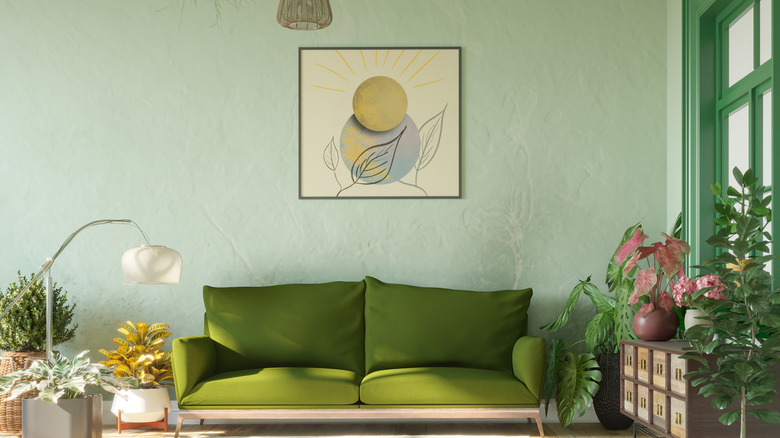
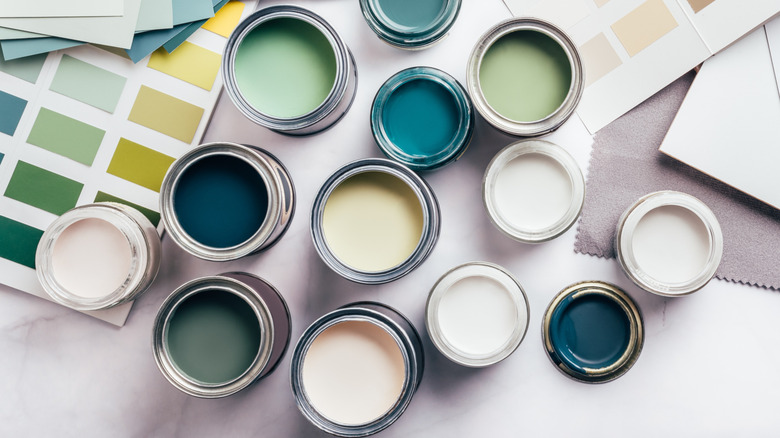
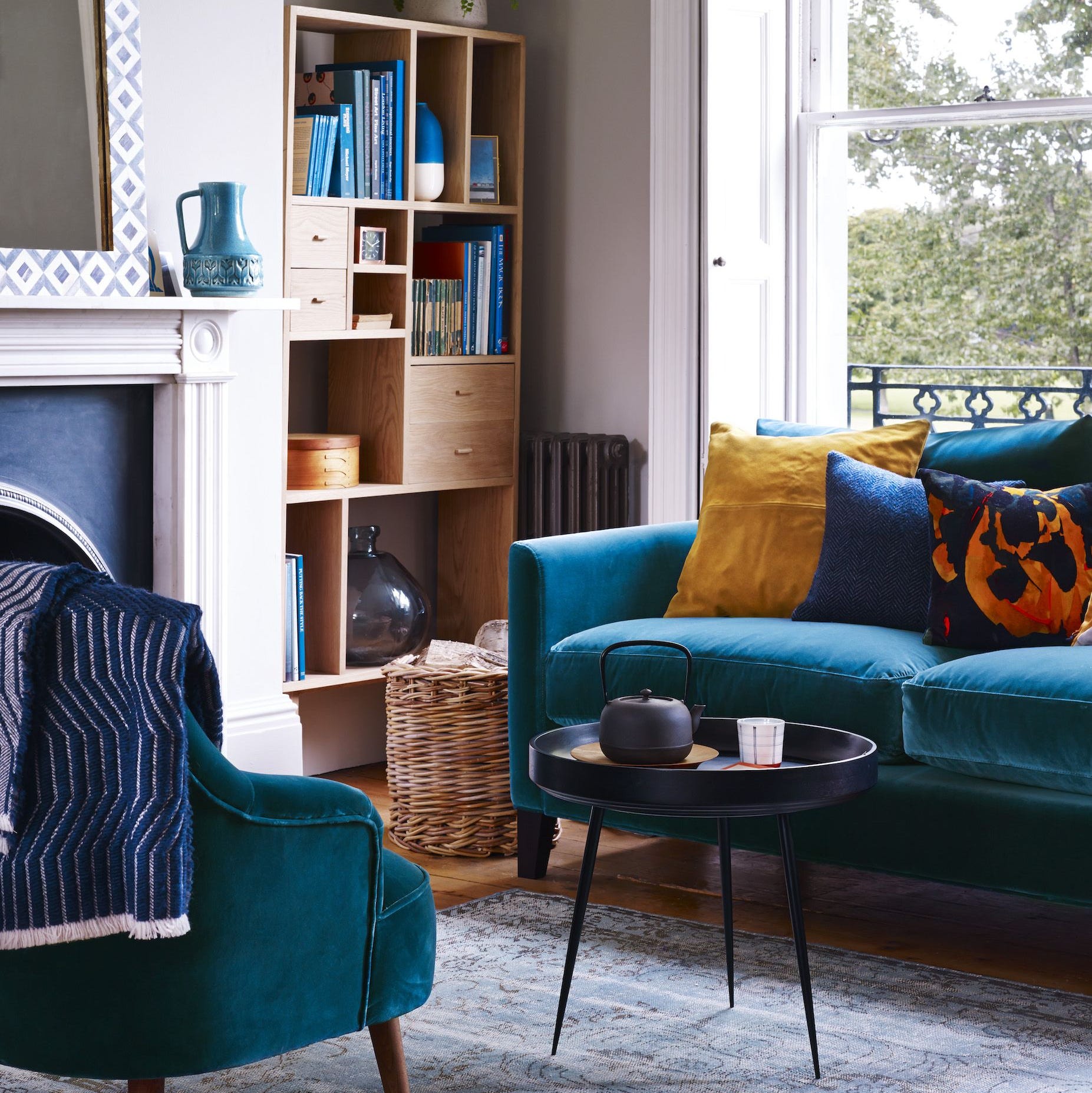
Beyond traditional neutrals, certain brighter hues can also be remarkably effective. Instead of brilliant white, which can accentuate shadows in small rooms, designers suggest mid-tone, warmer, and brighter shades that absorb shadows and impart character. Teal, with its rich green and blue pigments, is cited as a dynamic color that changes throughout the day, adding visual interest and depth. When decorating with bold shades, consulting the color wheel helps in selecting complementary accent colors to prevent an overwhelming or clashing aesthetic.
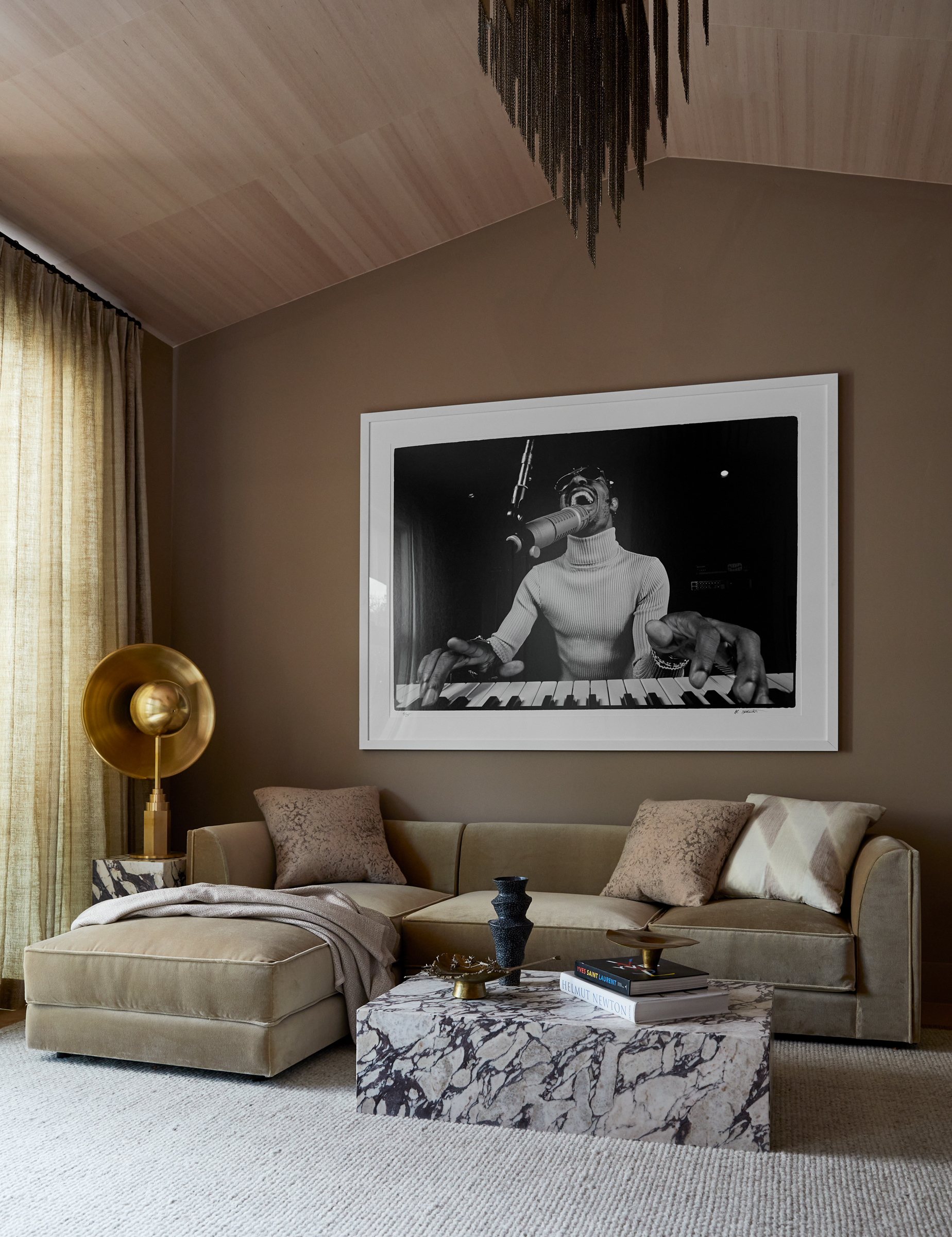
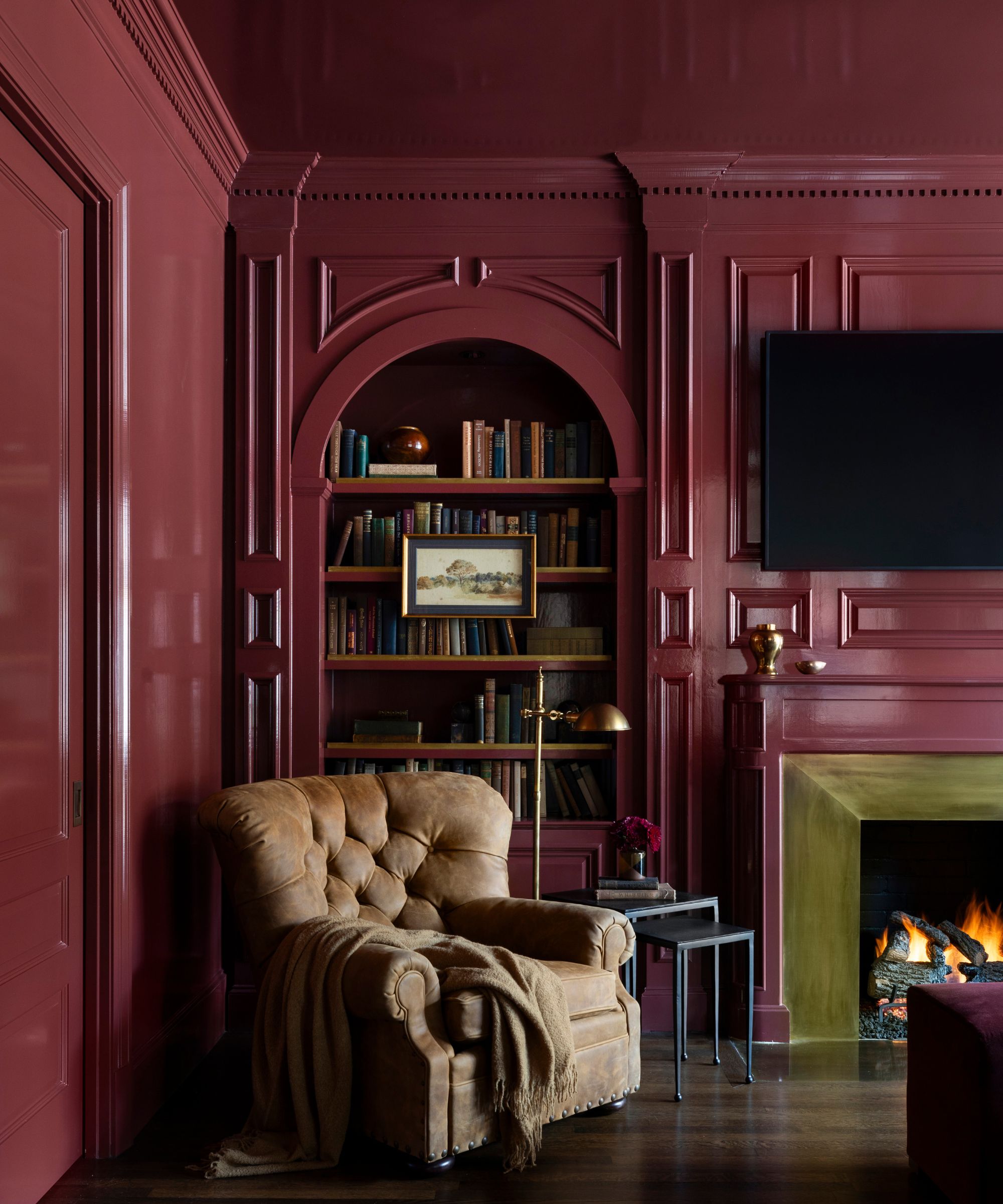
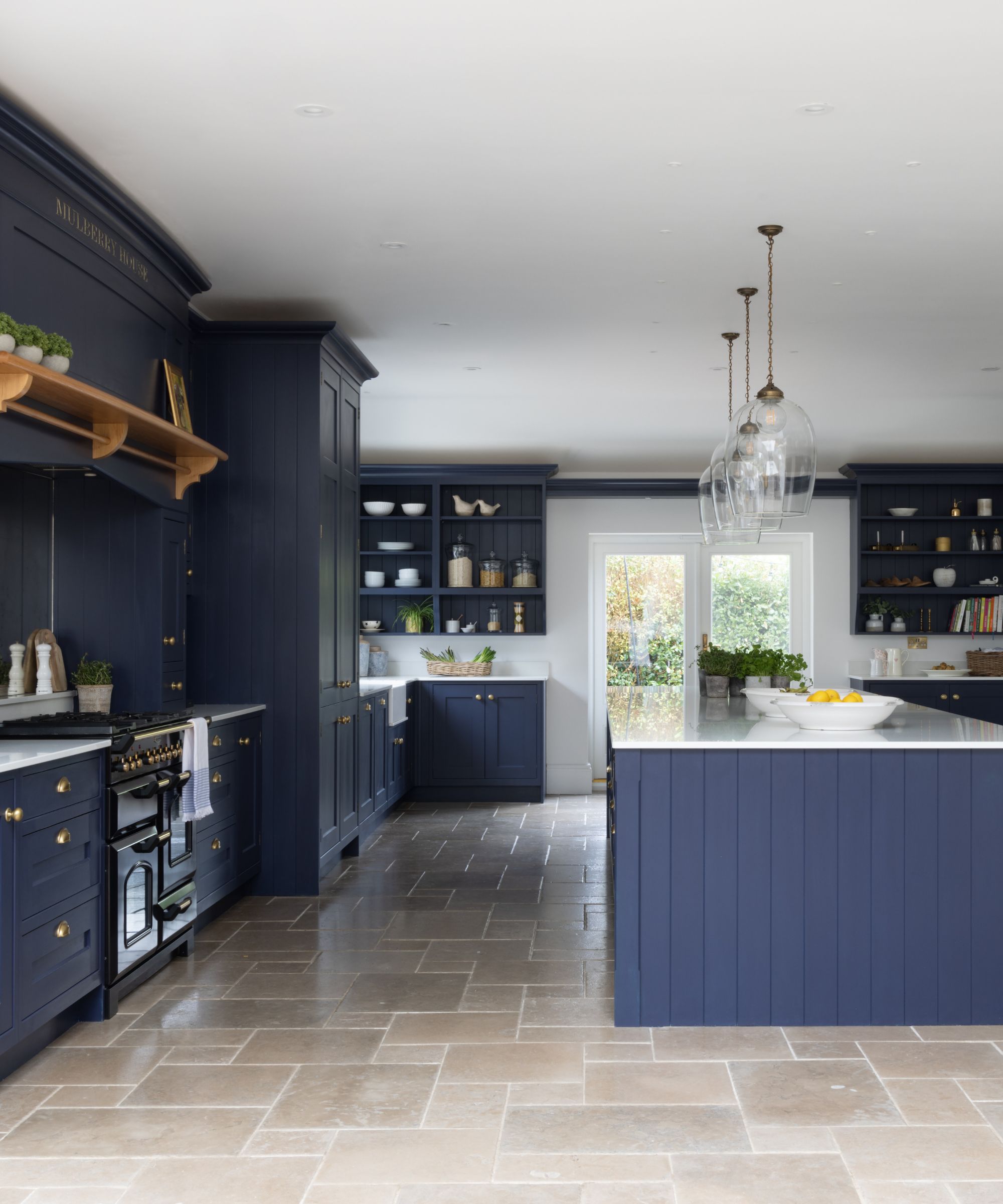
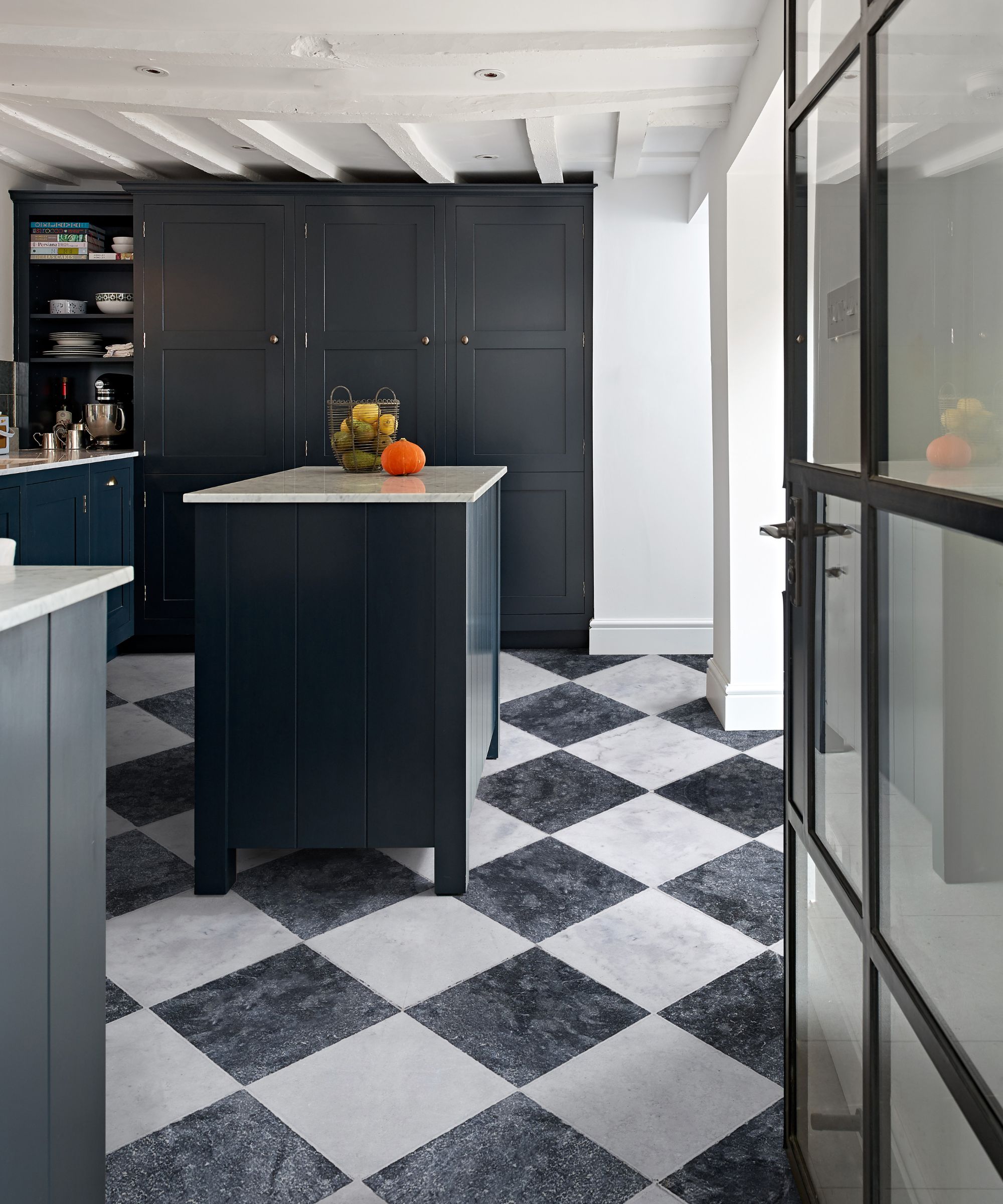
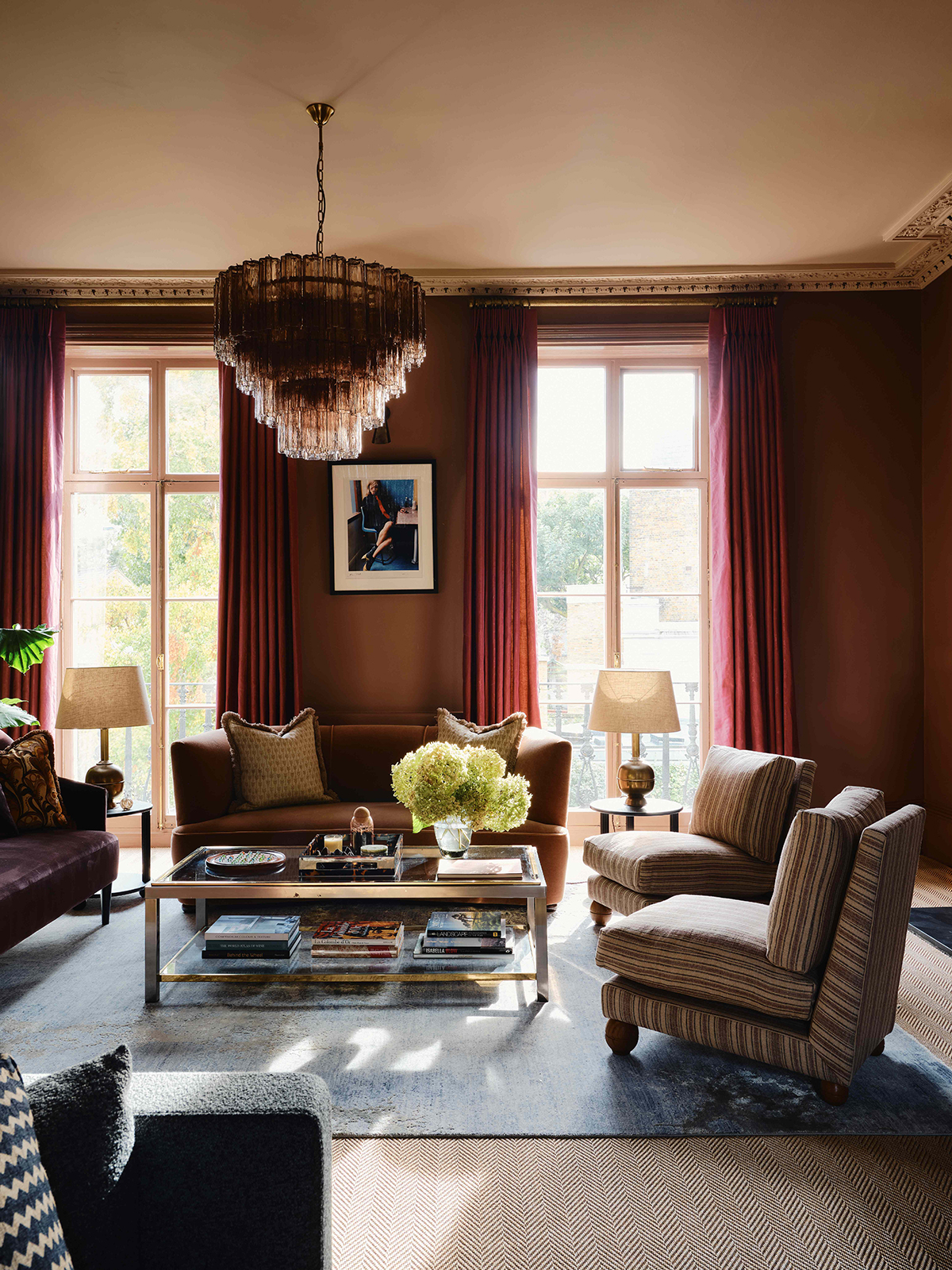
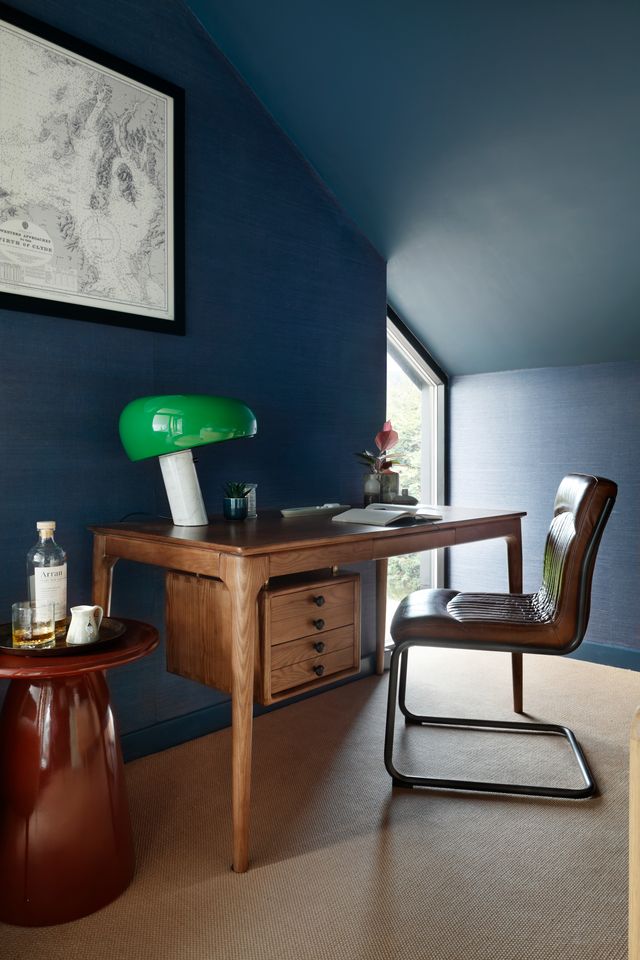
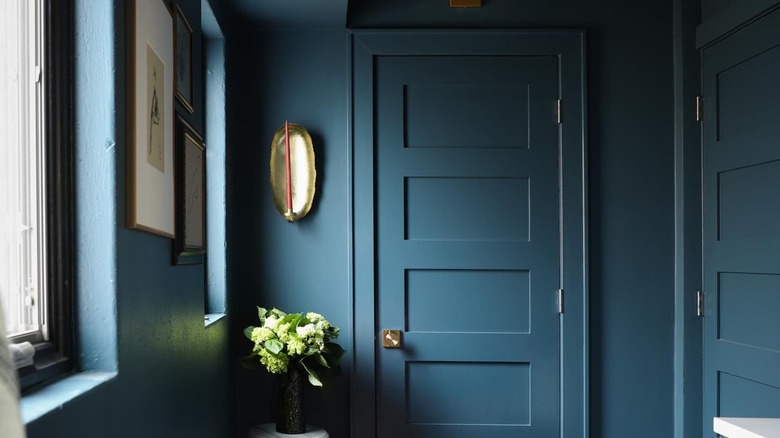
Counterintuitively, deep, dark shades can also be employed to make a small room appear larger, particularly when the goal is a moody, intimate ambiance rather than increased brightness. Applying intense, cocooning colors like Little Greene's 'Mid Azure Green' or 'Chocolate Color' across walls and even the ceiling creates a dramatic statement. This technique allows the walls to recede, blurring the room's confines and shifting focus to furniture and decor, which, if proportionally chosen, contributes to the illusion of spaciousness. This approach is especially beneficial in small bedrooms, fostering a calm environment.
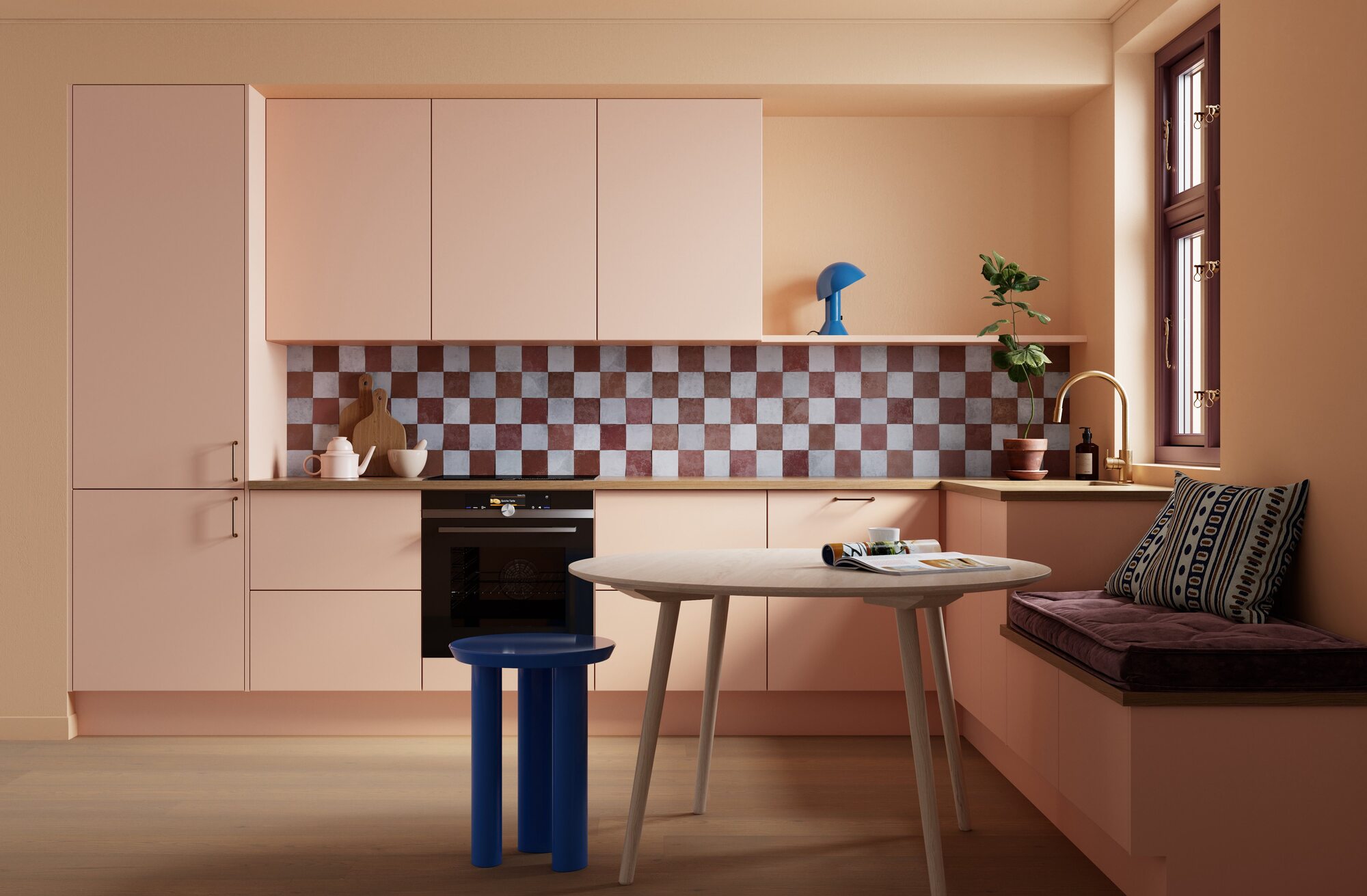
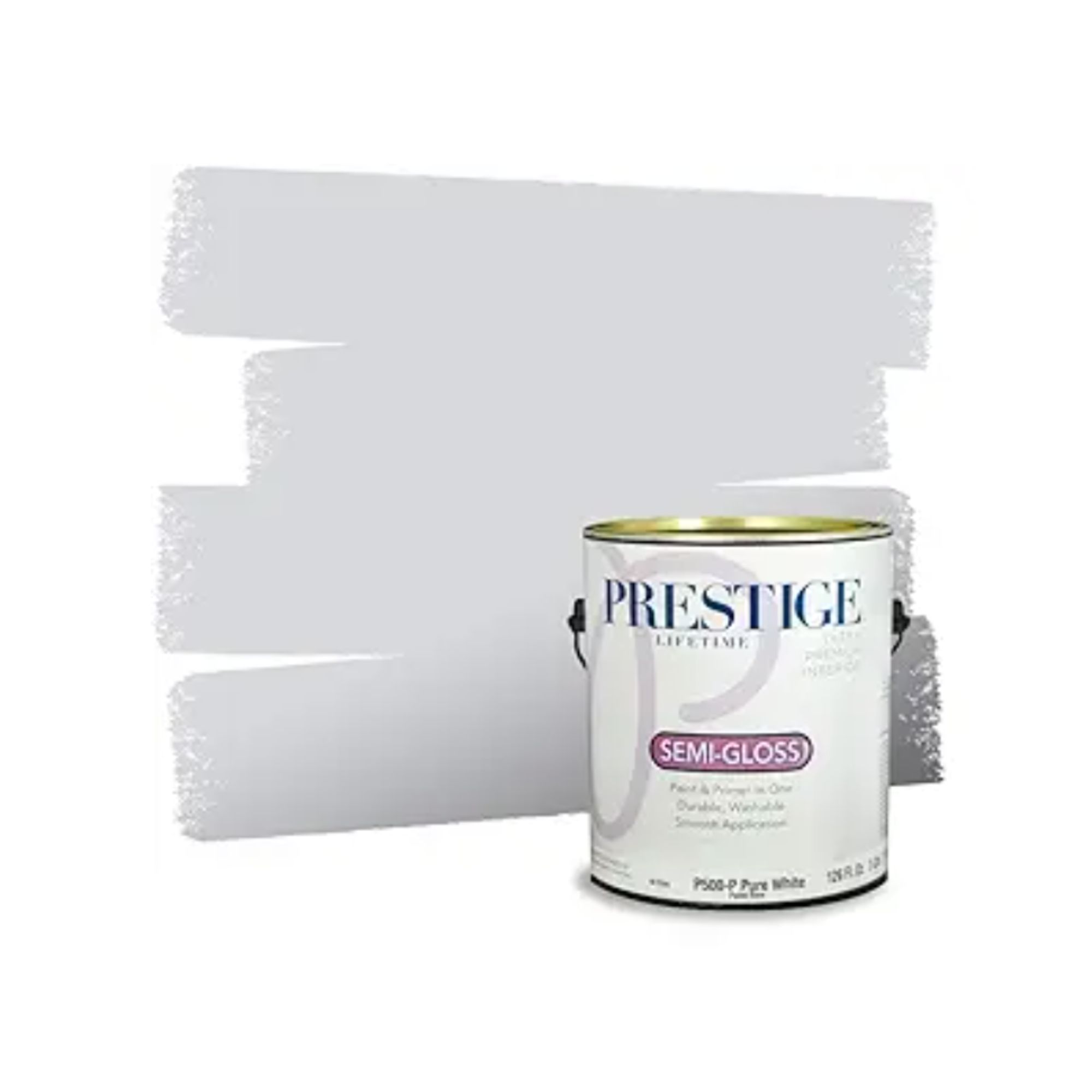
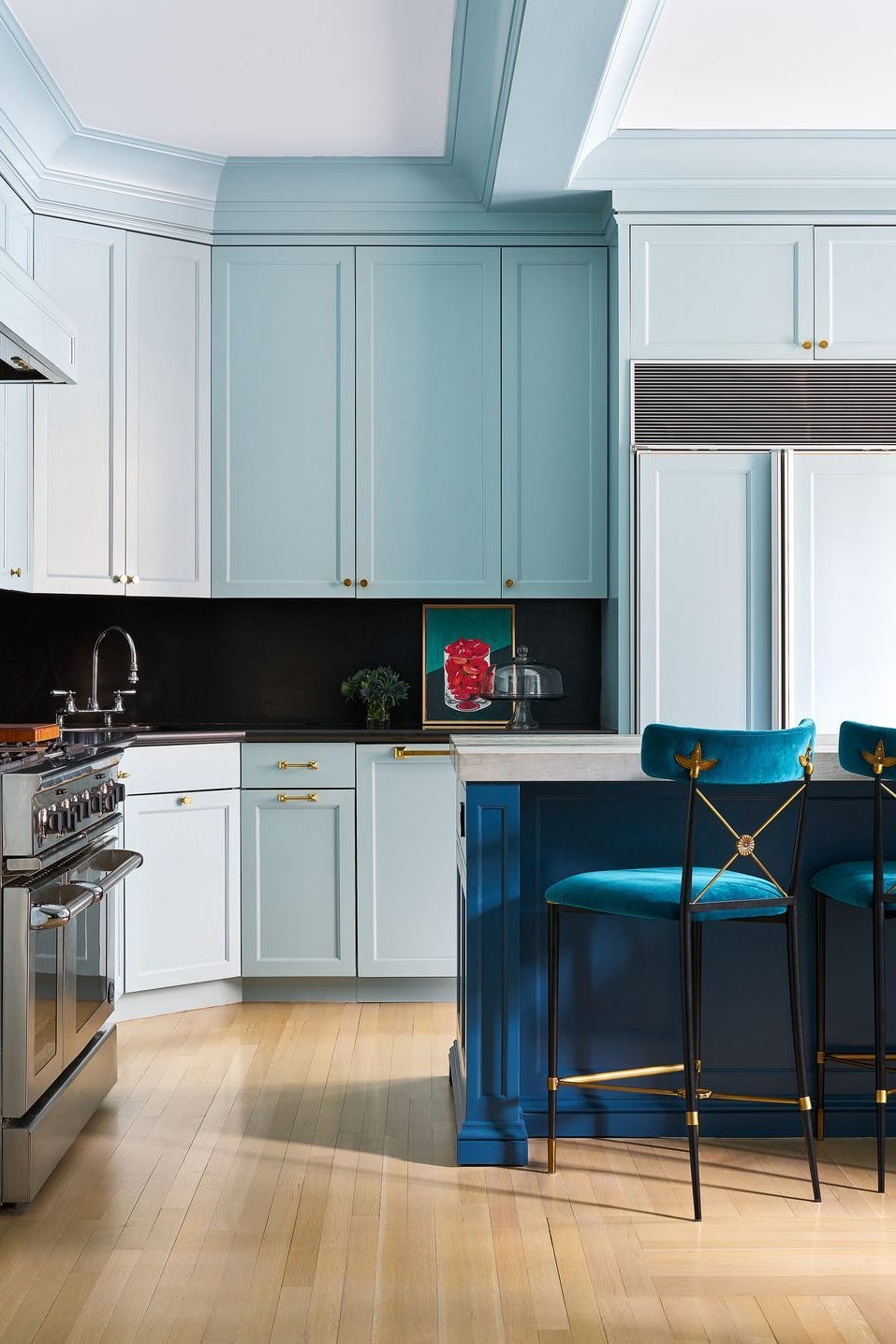
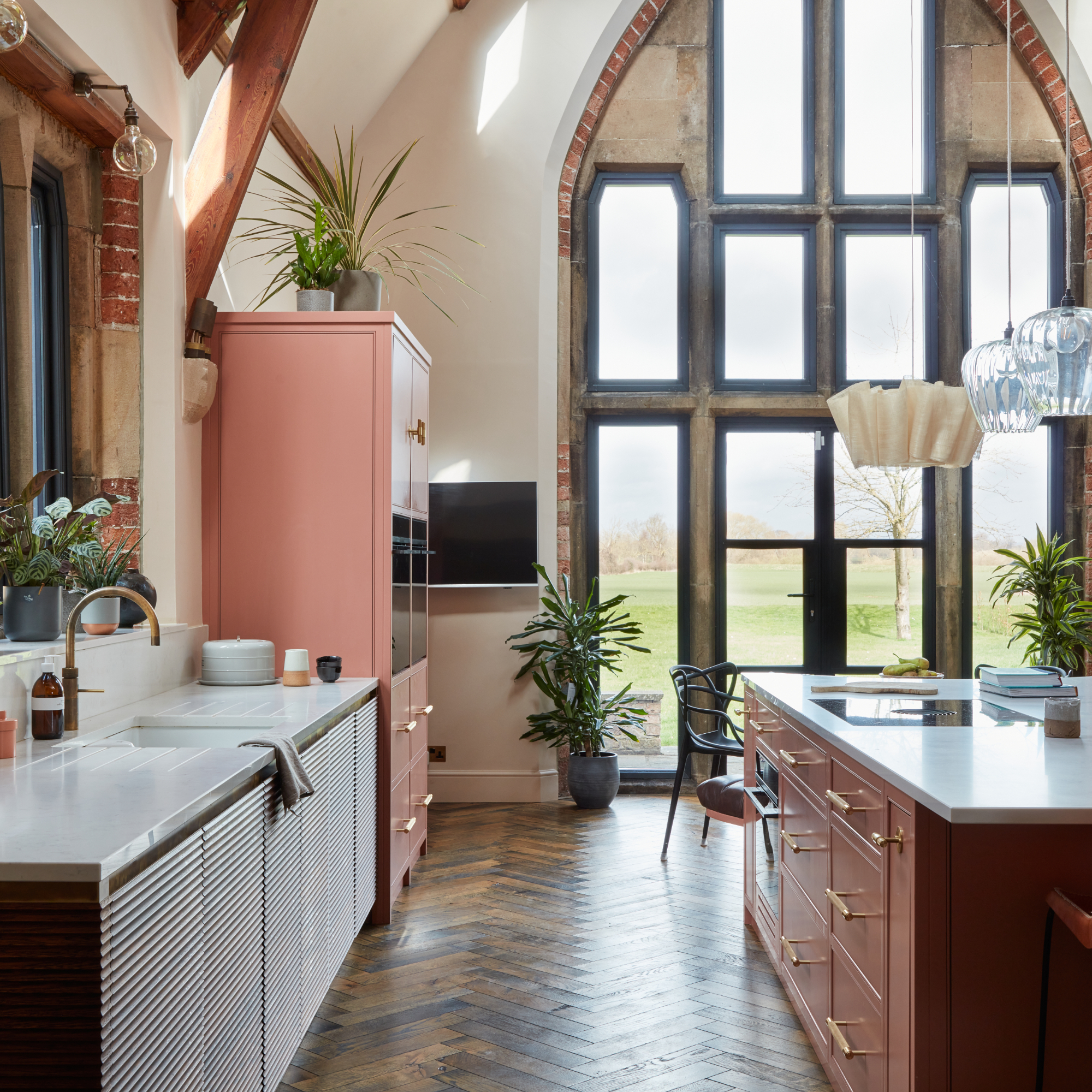
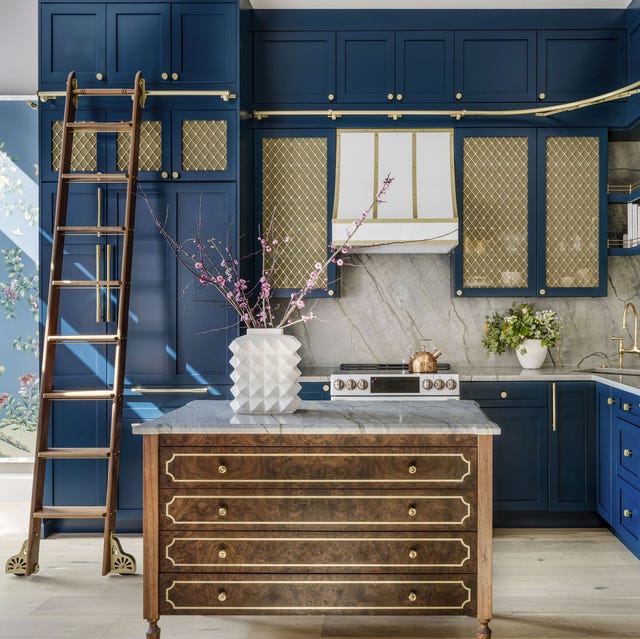
The paint finish is another critical factor. Lighter paint colors, including off-whites, pastels, and pale neutrals, inherently make rooms feel larger and brighter. However, the right sheen can amplify this effect. Semi or high-gloss finishes are more reflective than matte, enhancing light and depth within a space. This reflective quality is particularly useful in areas like small kitchens, where high-gloss finishes on painted cabinets can bounce light around, functionally and aesthetically expanding the room.
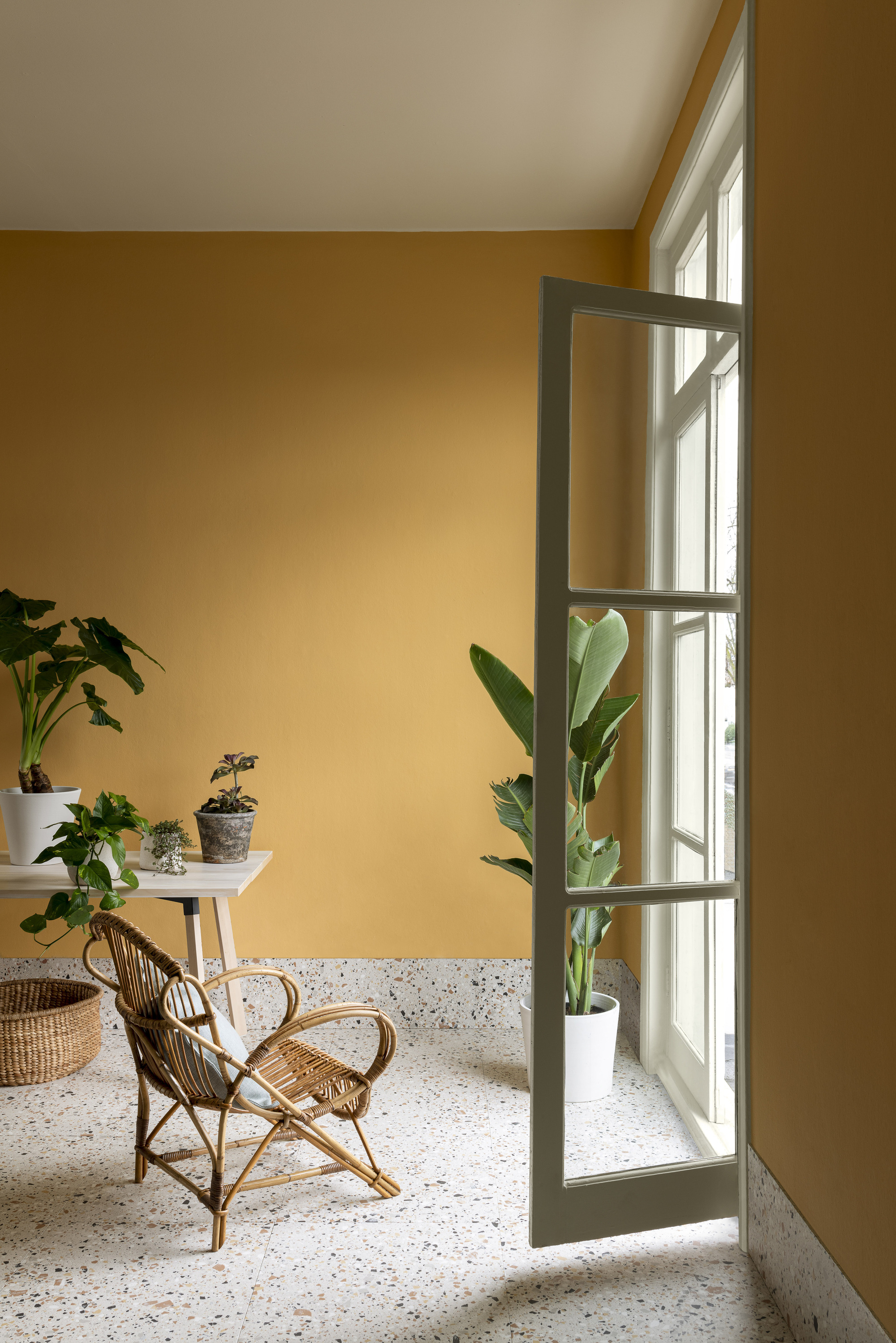
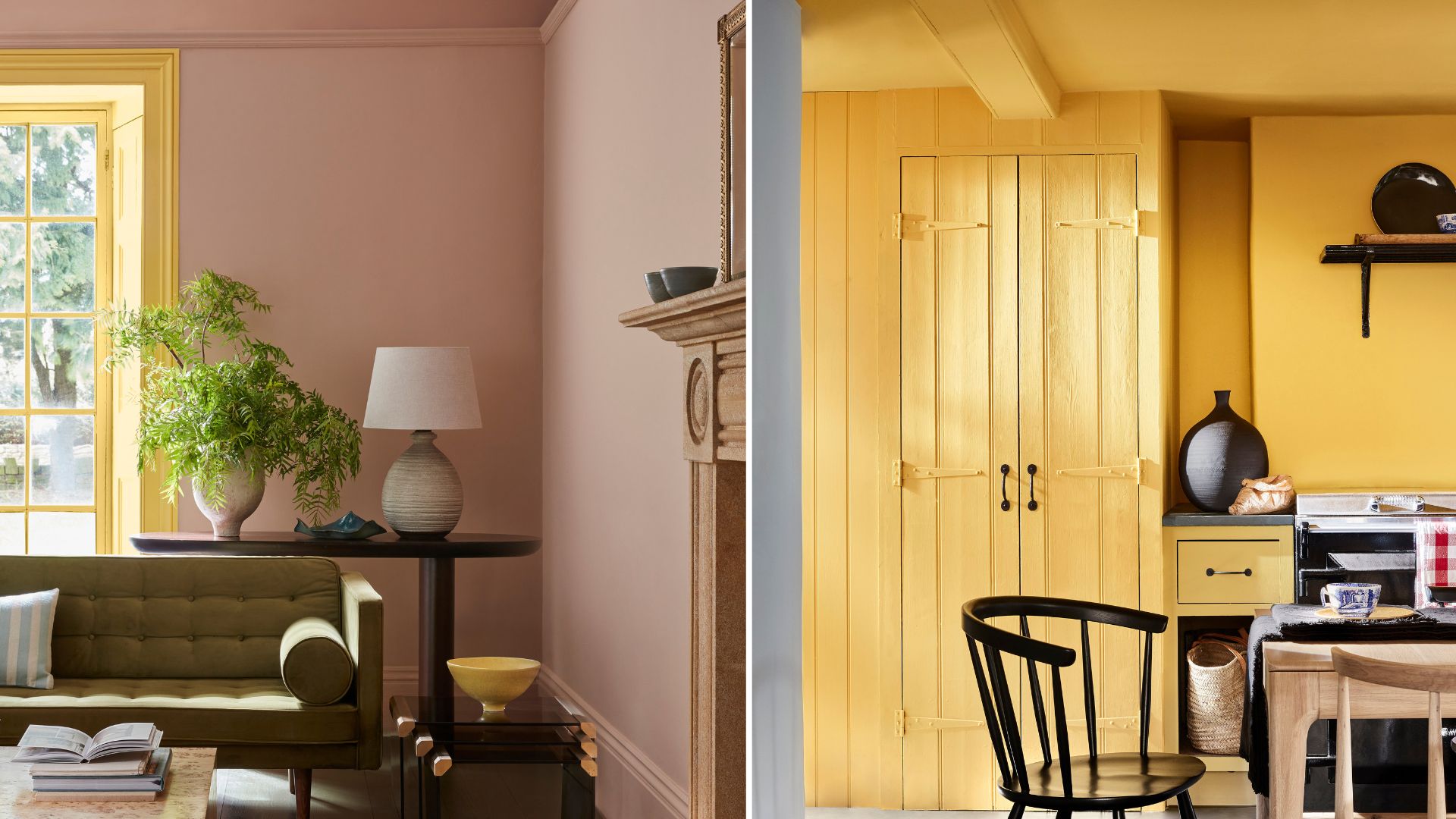
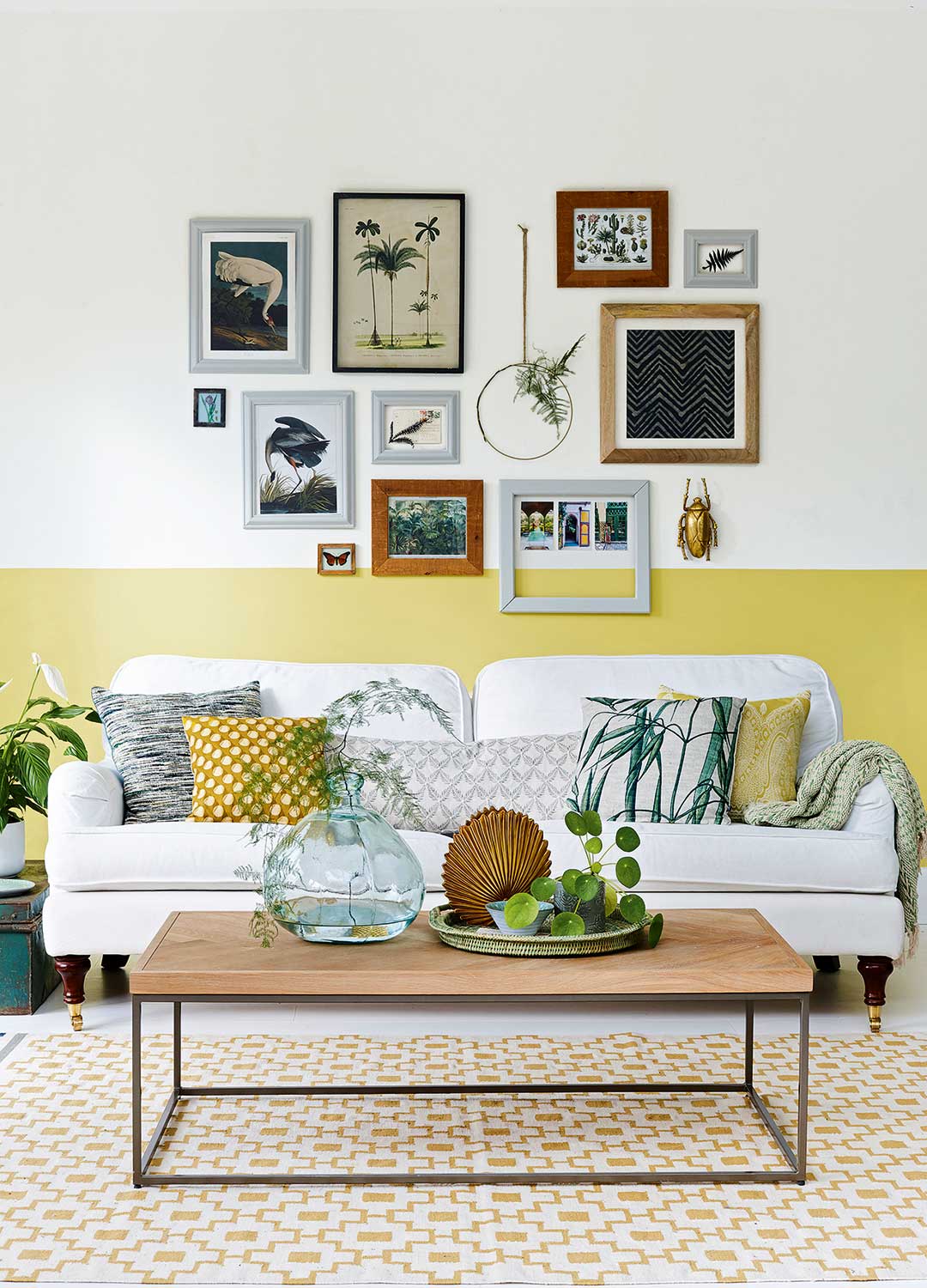
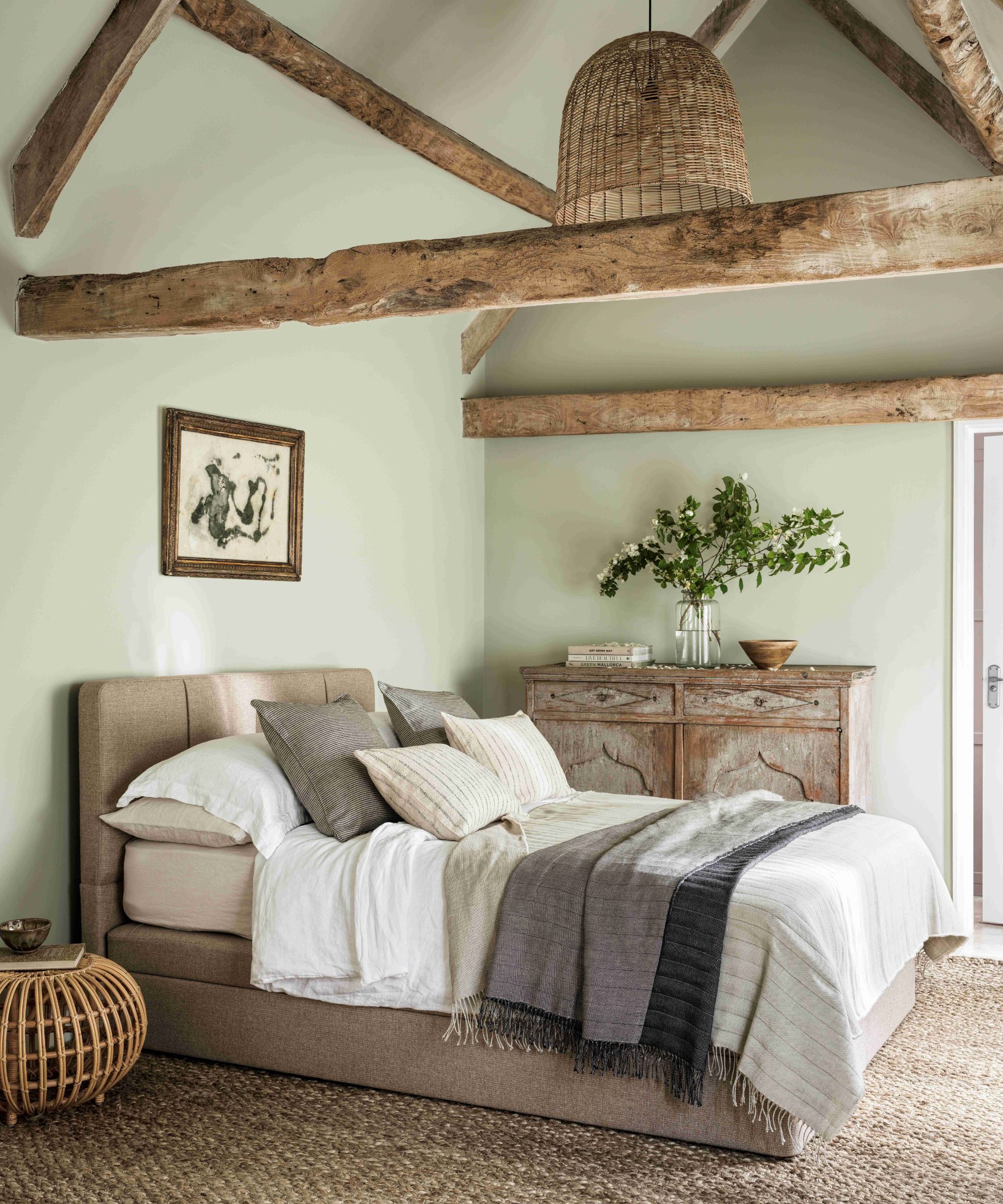
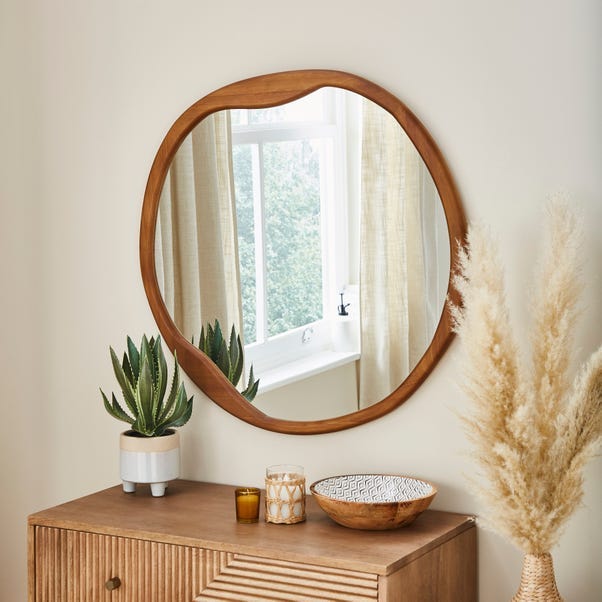
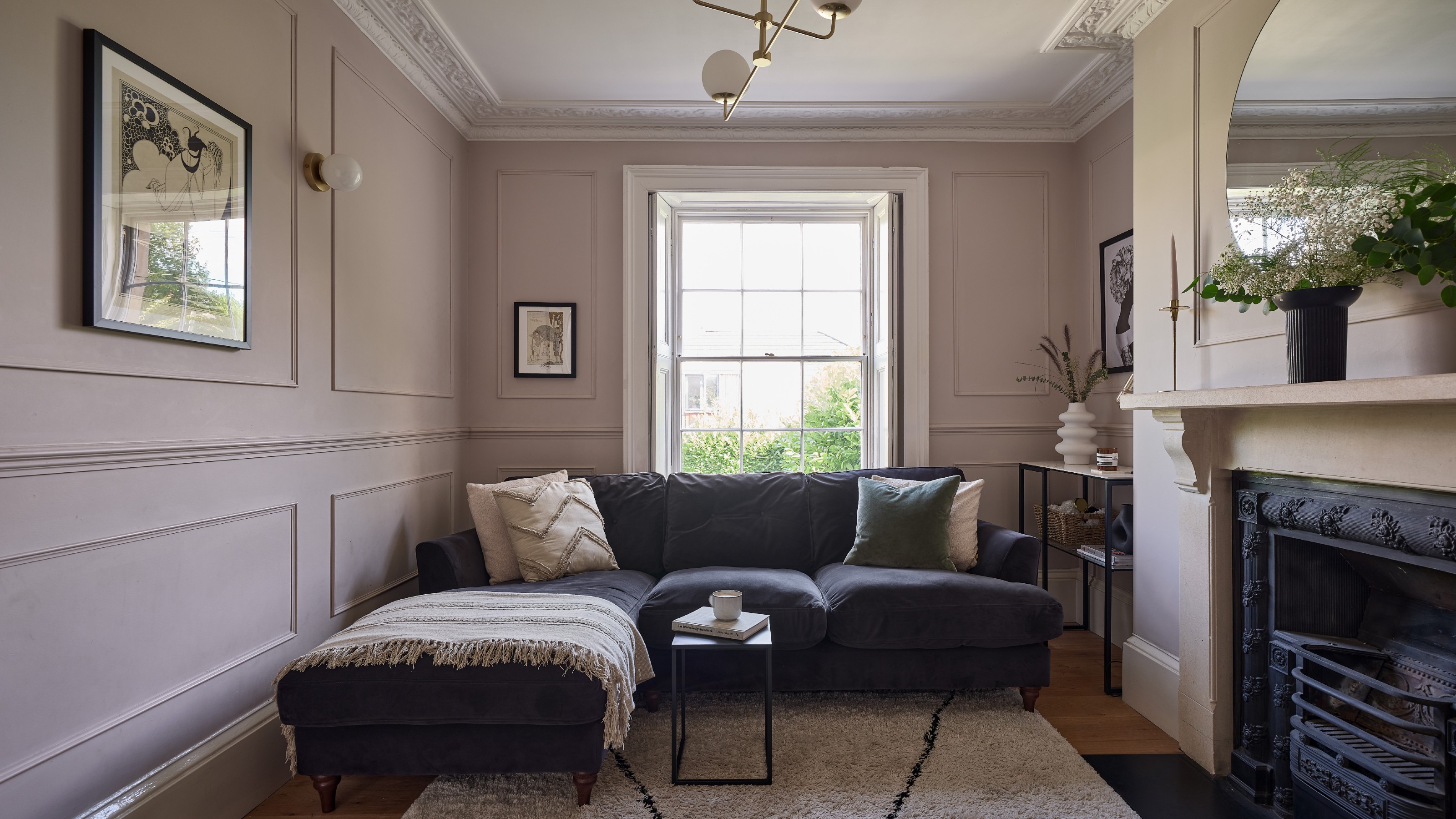
Finally, the ceiling's treatment plays a significant role. A contrasting ceiling color, often painted white by habit, can inadvertently draw attention to the room's dimensions, making it appear smaller. Instead, using a tonal color or adopting a 'color drenching' technique—applying a single shade or closely related colors across all surfaces, including skirting, walls, window frames, doors, radiators, and the ceiling—creates a cohesive, enveloping space. This softens architectural details and visually extends the room, especially when combined with elements like large mirrors to reflect light. For small bedrooms, natural shades like taupes, off-whites, and pastels are recommended for their relaxing qualities and ability to optically expand the space. For brighter rooms, lively colors such as yellows, oranges, sky blues, and greens can make rooms feel bigger and also positively influence mood.
#SmallRoomDesign #ColorPsychology #InteriorPaint #NeutralColors #BoldColors #PaintFinishes #HomeDecorTips #SpaceSavingIdeas #SmallRoomDesign #ColorPsychology #InteriorPaint #NeutralColors #BoldColors #PaintFinishes #HomeDecorTips #SpaceSavingIdeas
0 comment in total
 No comments yet
You may also like
What Colors Make a Room Look Bigger? 5 That Designers Reach for to Make Walls 'Visually Expand'

What kitchen floor colors make a small space look bigger? Interior pros spill their secrets

How to make small spaces look bigger
The Designer-Approved Paint Shade That'll Make Your Small Living Room Appear Larger

What color couch makes a room look bigger? Designers reveal their favorite space-stretching sofa shades
How to make a small living room look bigger with mirrors - clever design tips to open up your space
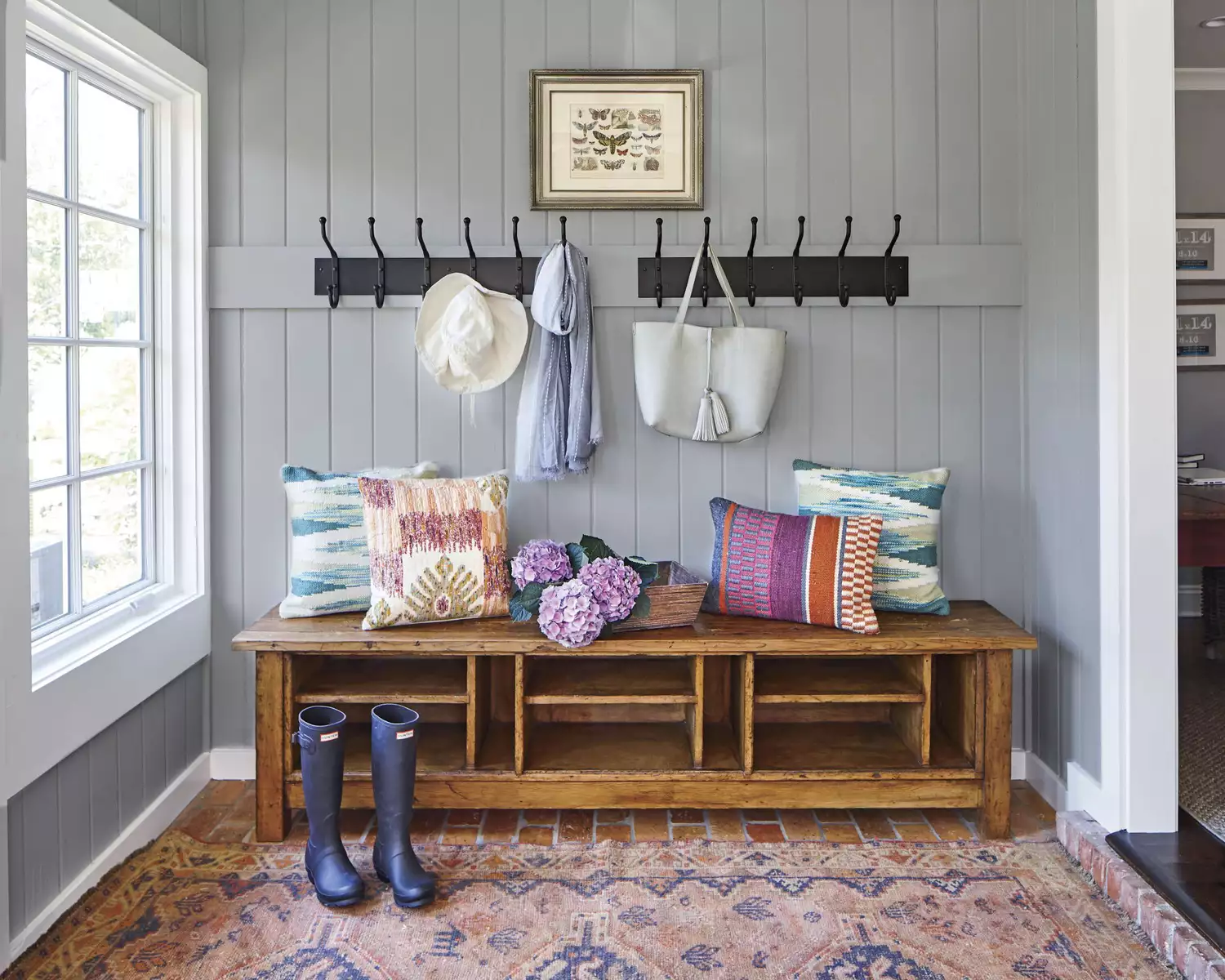
12 Paint Colors That Will Make Small Rooms Feel Bigger
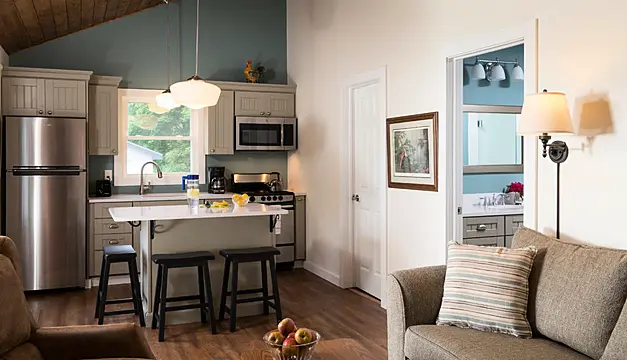
14 clever ways to make small rooms look bigger

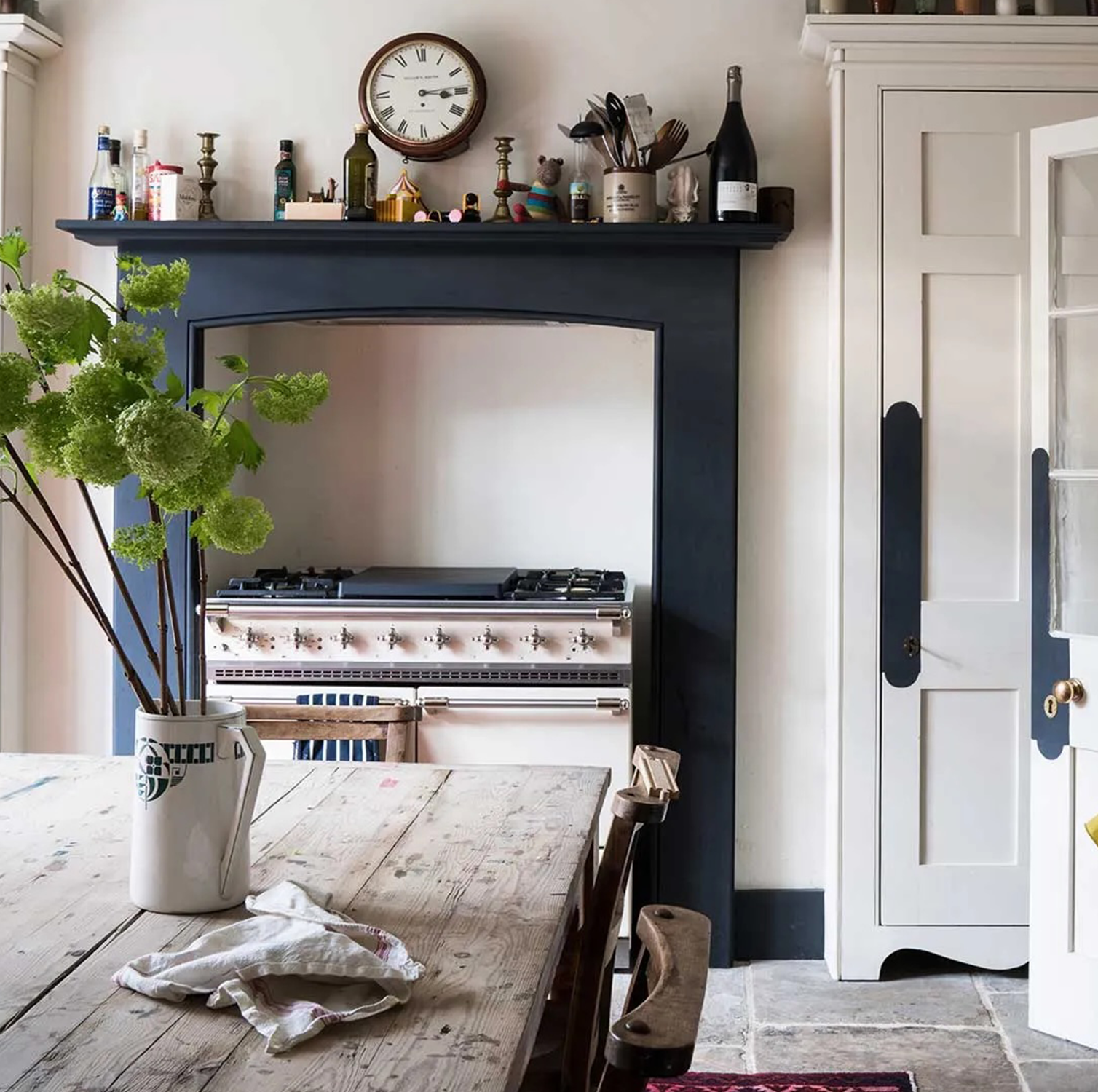
These 6 paint colours instantly make small rooms feel bigger
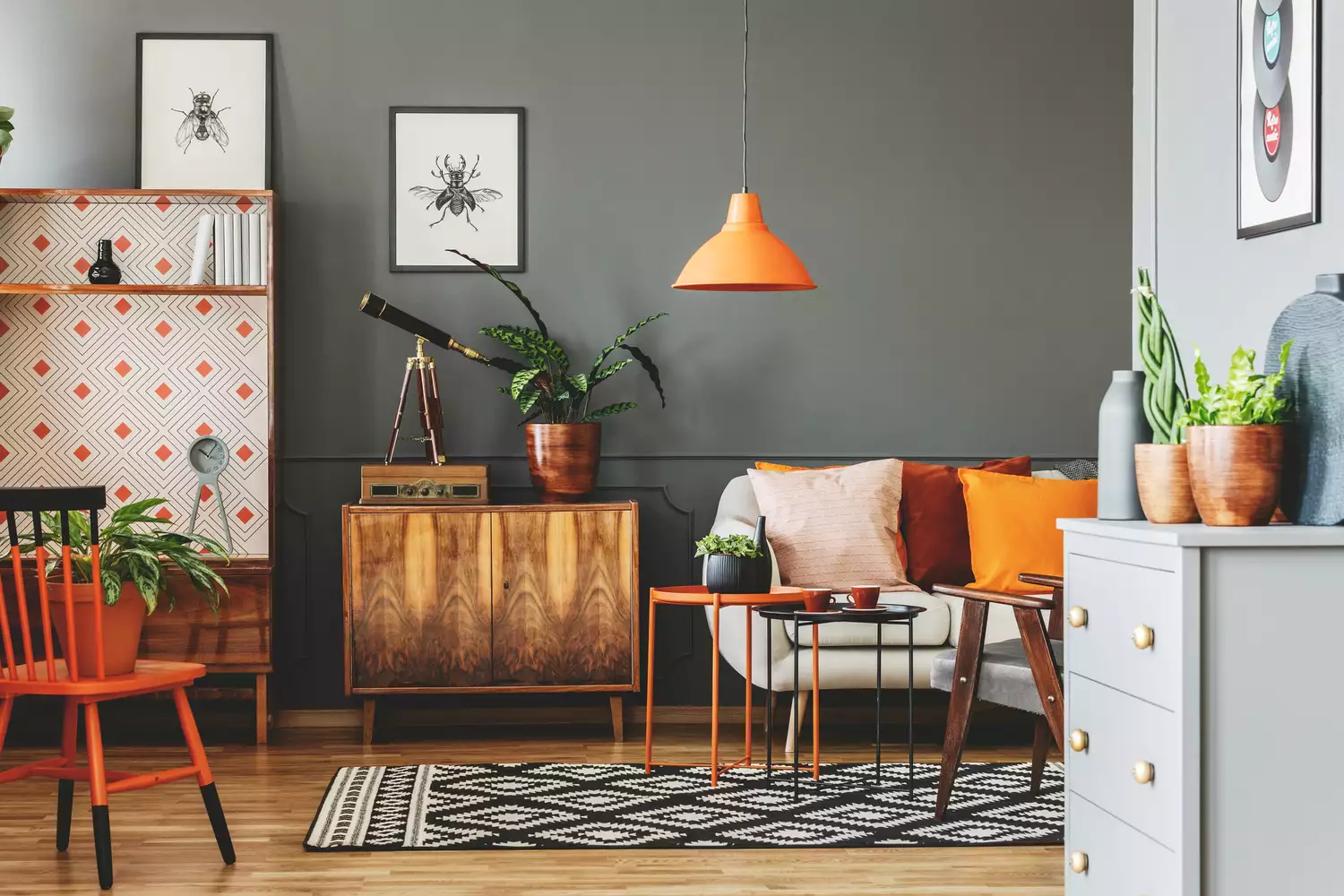
7 Paint Colors That Instantly Make Small Living Rooms Feel Bigger, Designers Say

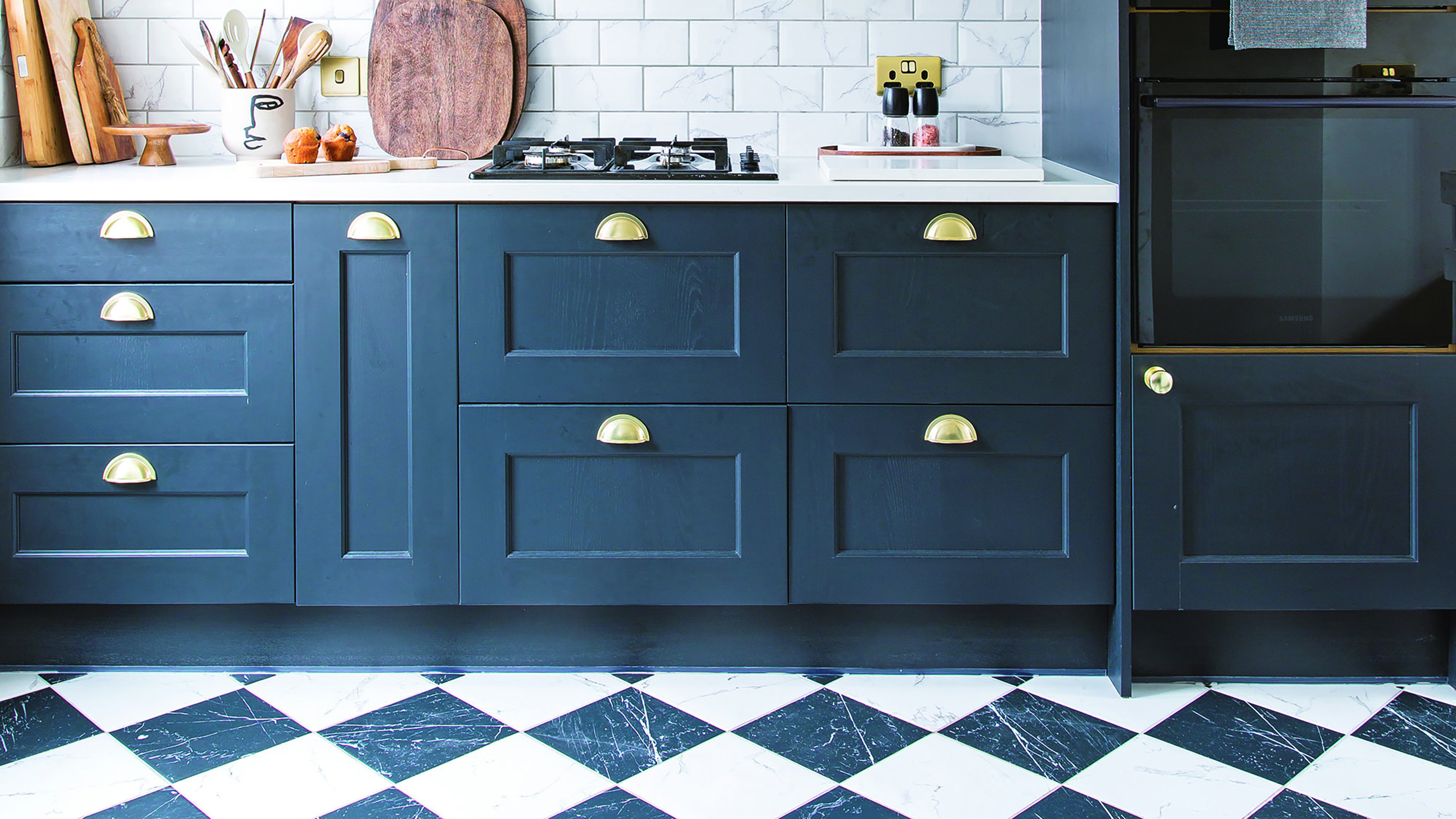
The best floor colours to make a small kitchen look bigger - experts say these are the shades to go for
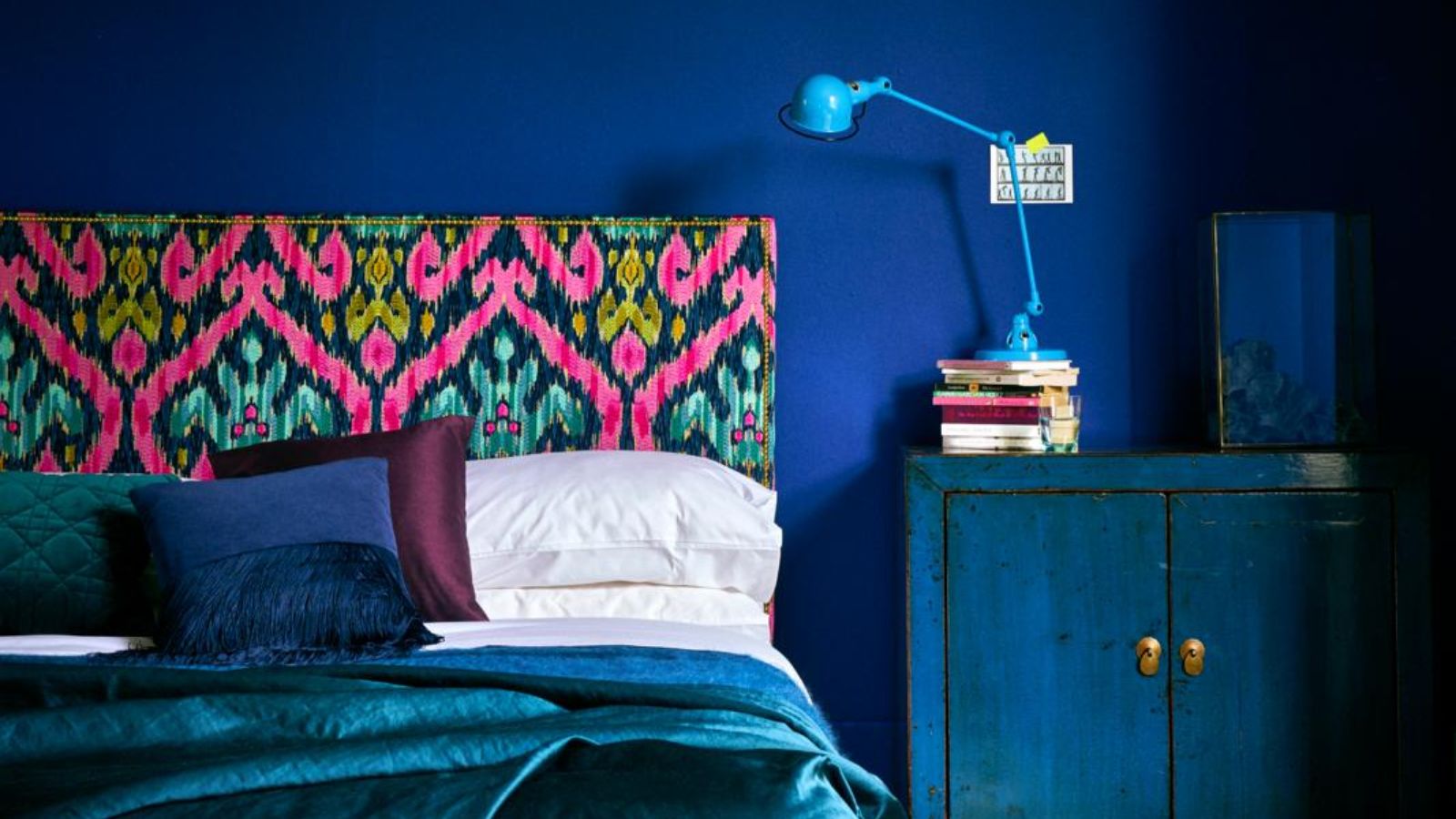
The 10 Best Colors for Small Bedrooms, According to Color Experts and Interior Designers
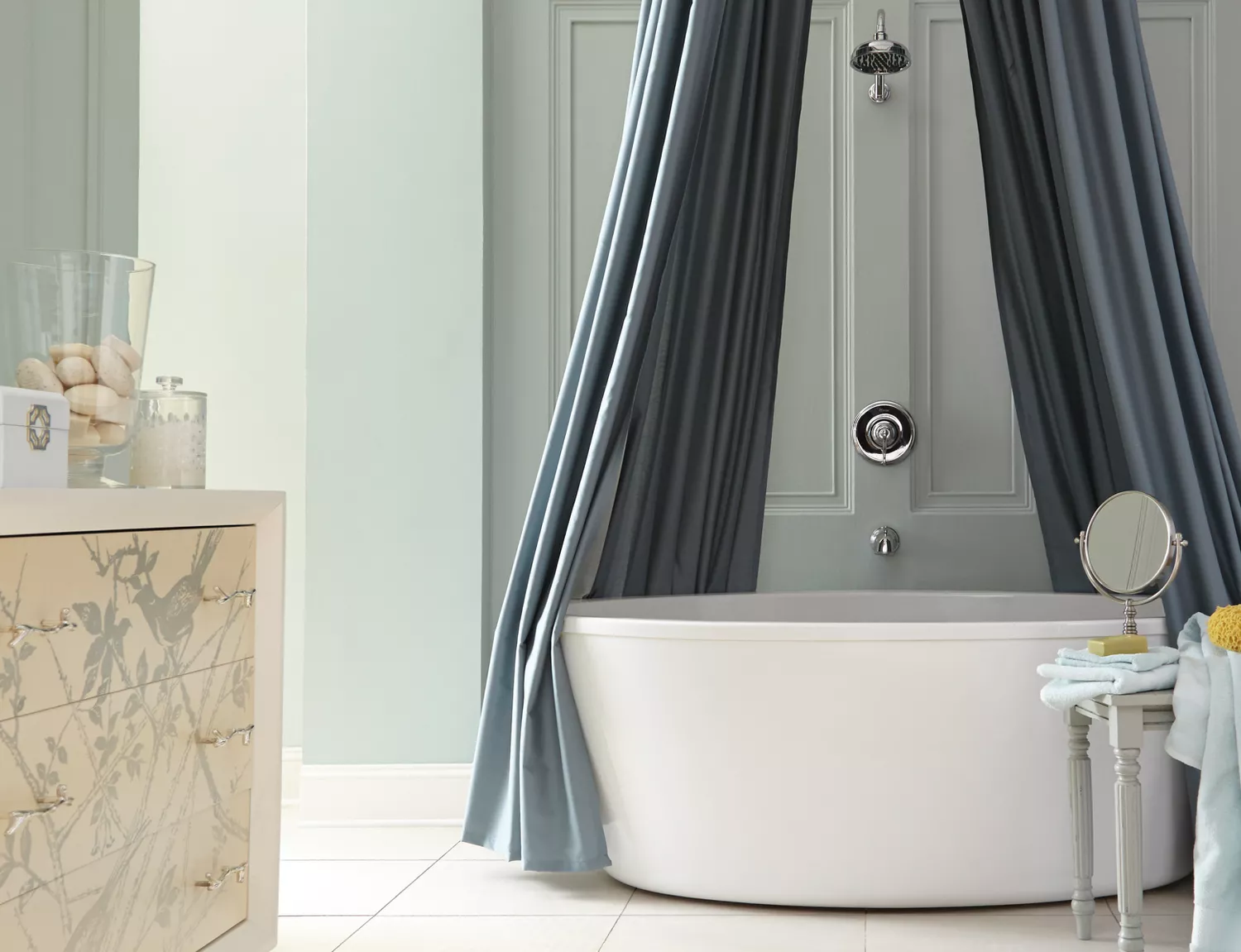
The Best Paint Colors to Make Small Rooms Feel Bigger (Some May Surprise You!)
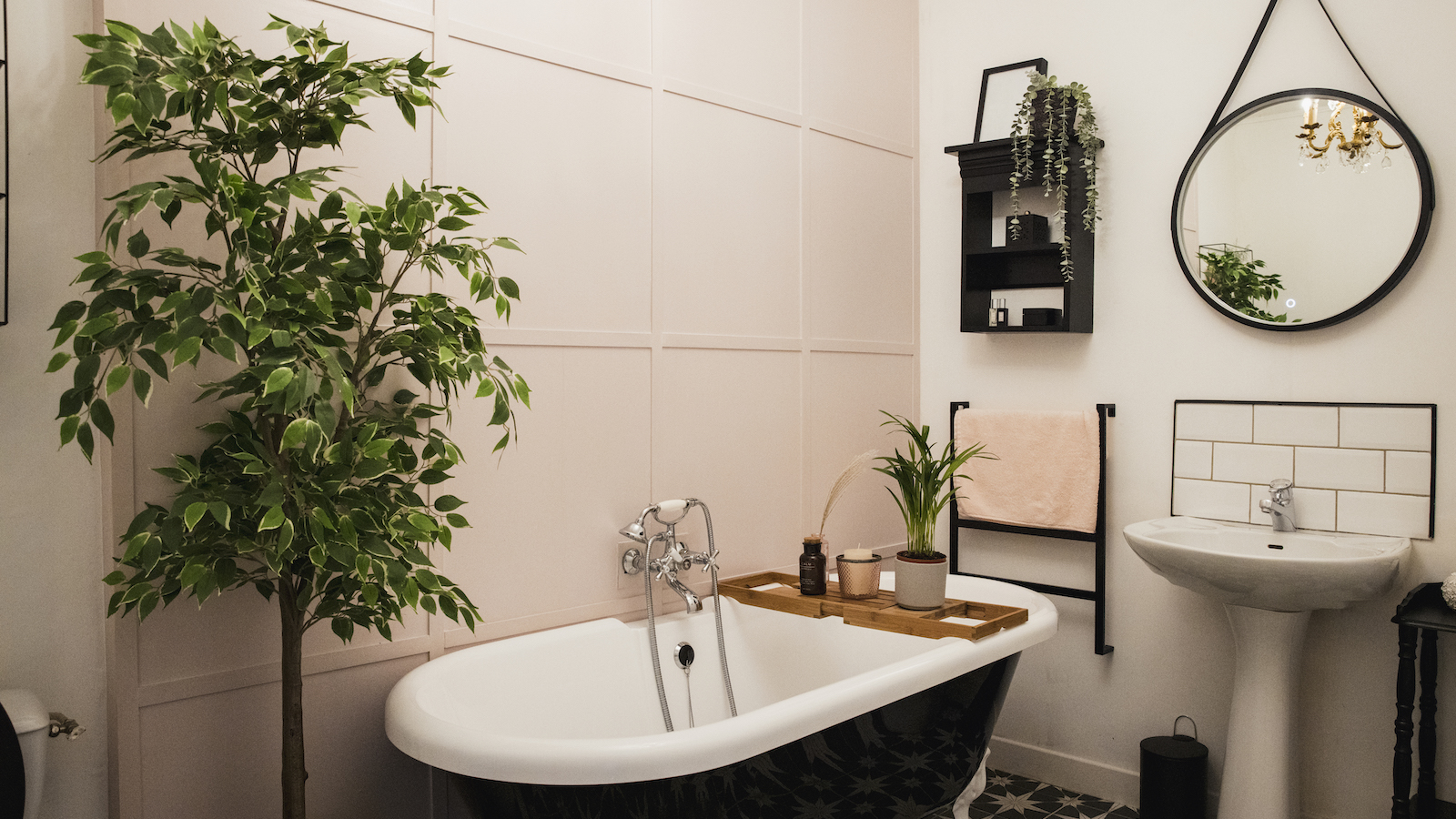
What colors make a small bathroom look bigger? Design experts shell out their picks

How to make a room look bigger with paint: 10 expert tips

How to make your living room look bigger: 7 tips to fool the eye

9 rooms that prove color drenching makes small spaces look bigger
These Colors Will Make Your Kitchen Look Bigger, According to Designers

12 Tips For Making Small Rooms Appear Larger Using Paint
12 Paint Colors That Will Make Any Room Look Bigger