1/16
These 6 paint colours instantly make small rooms feel bigger
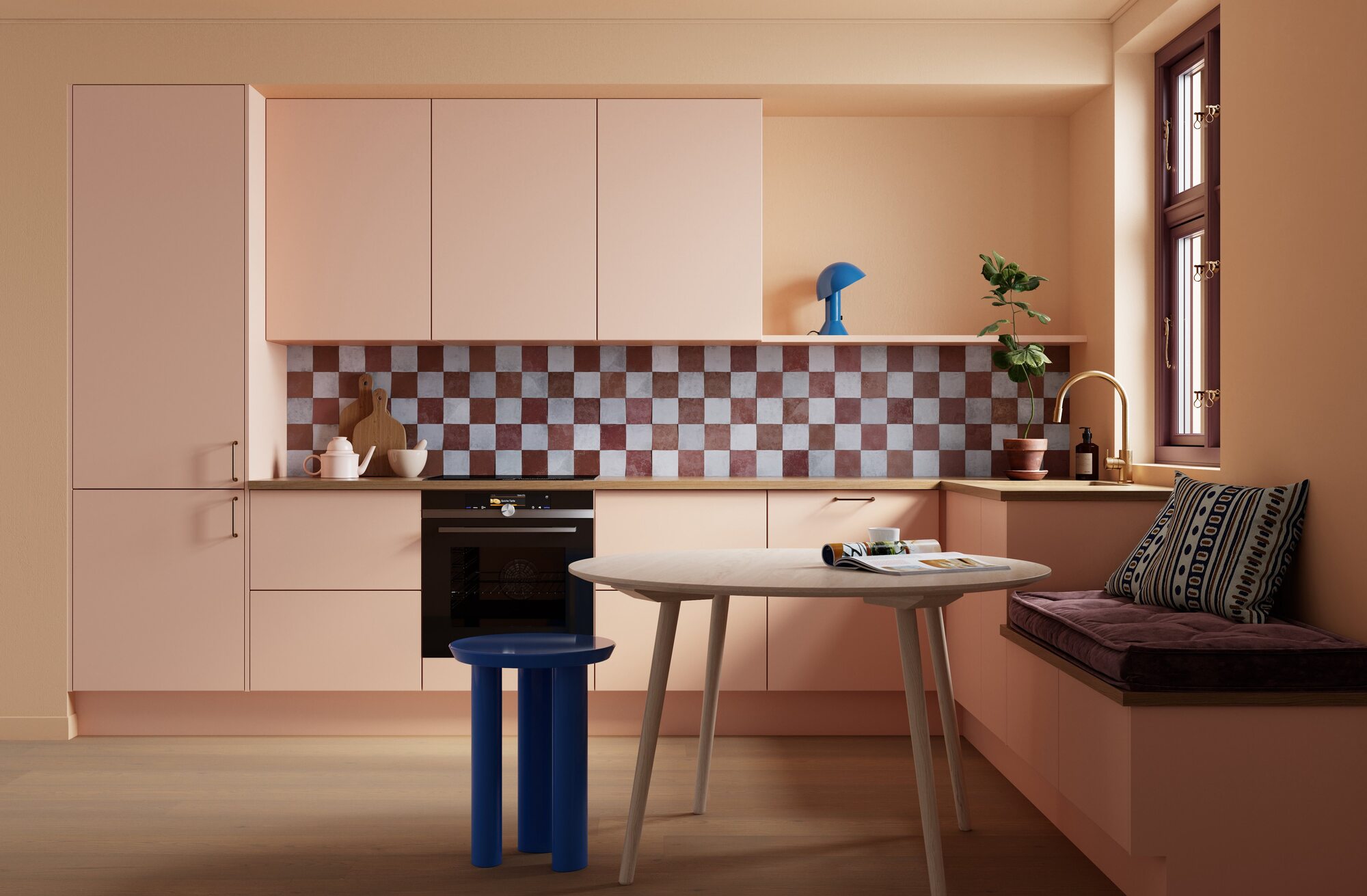
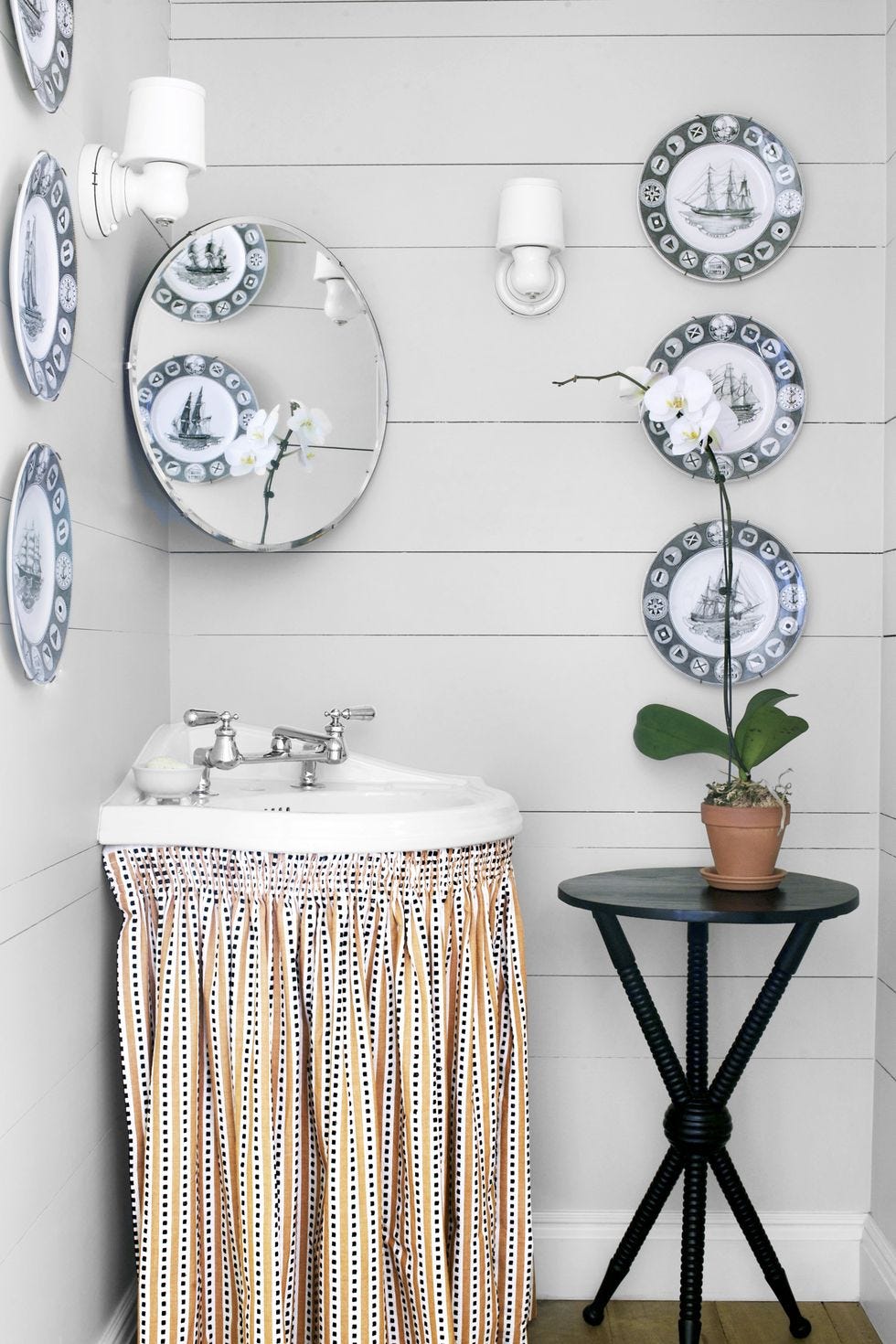
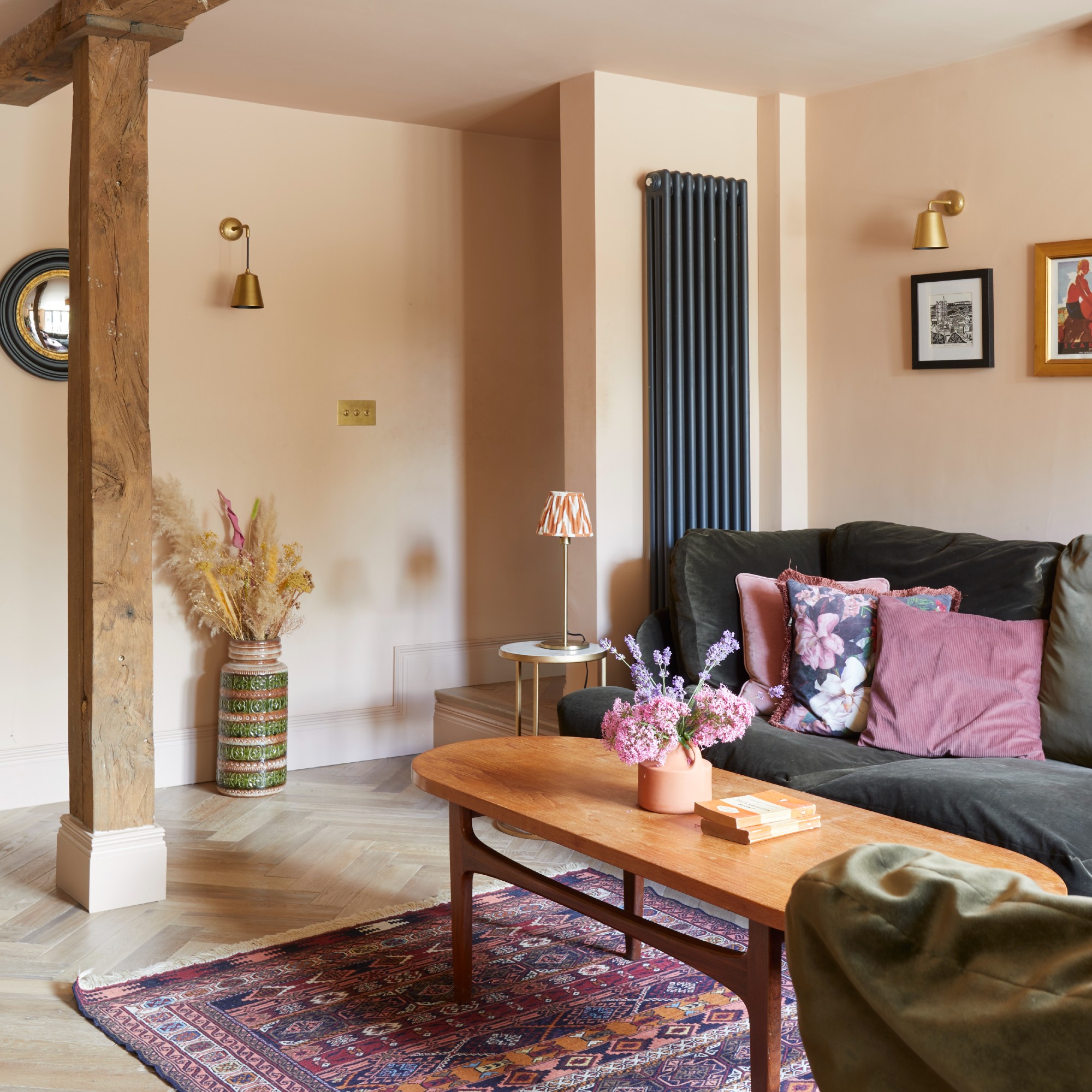
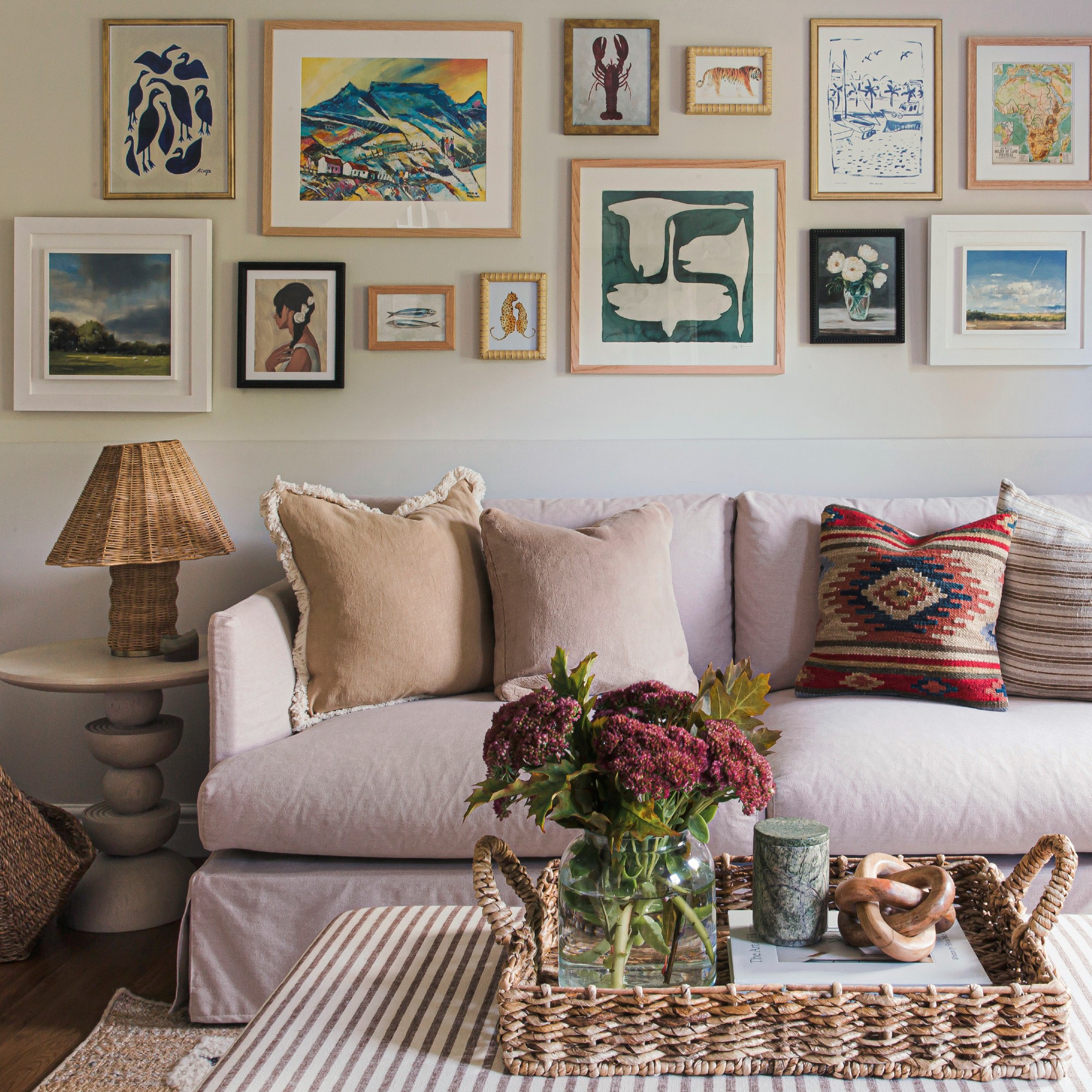
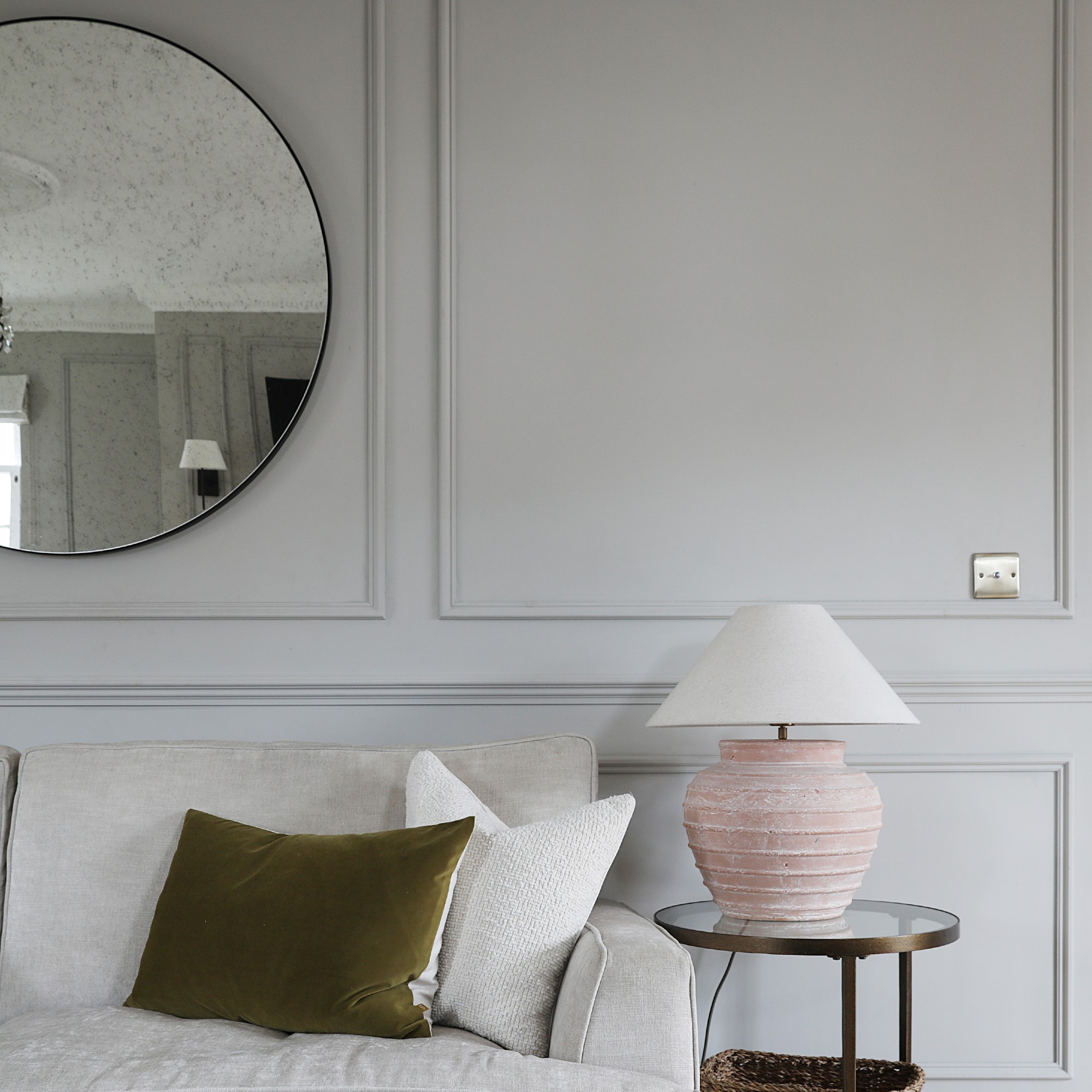
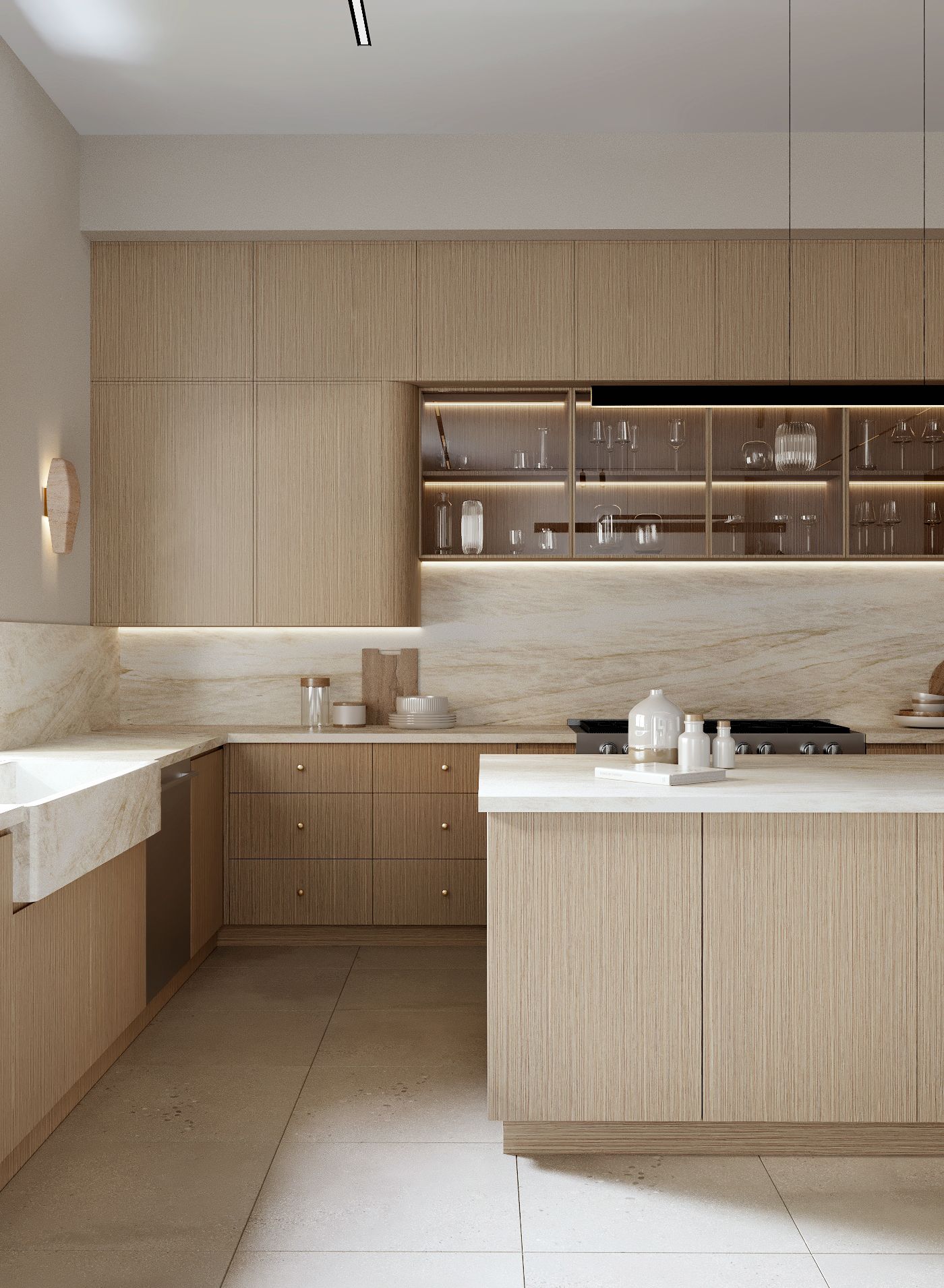
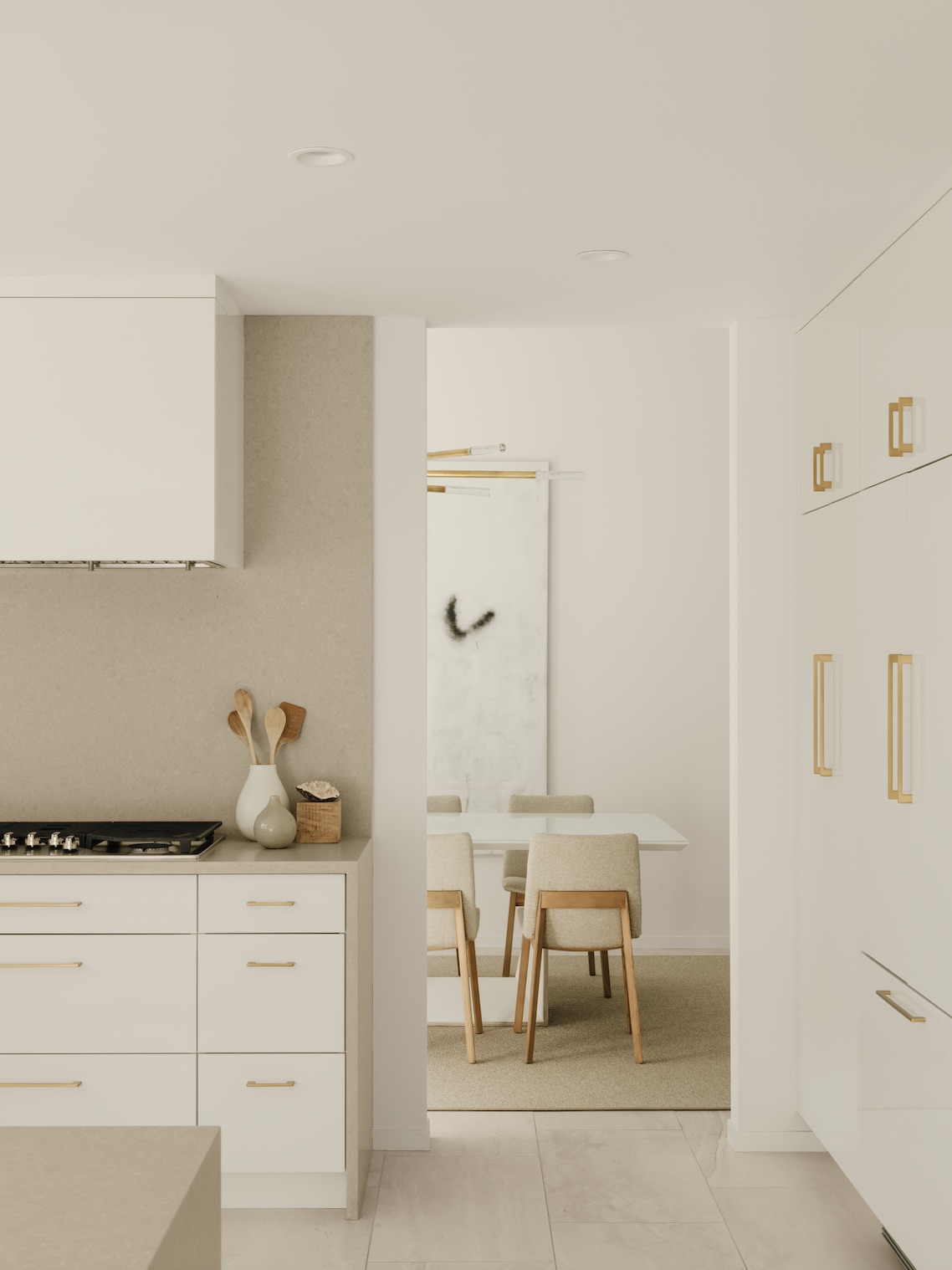
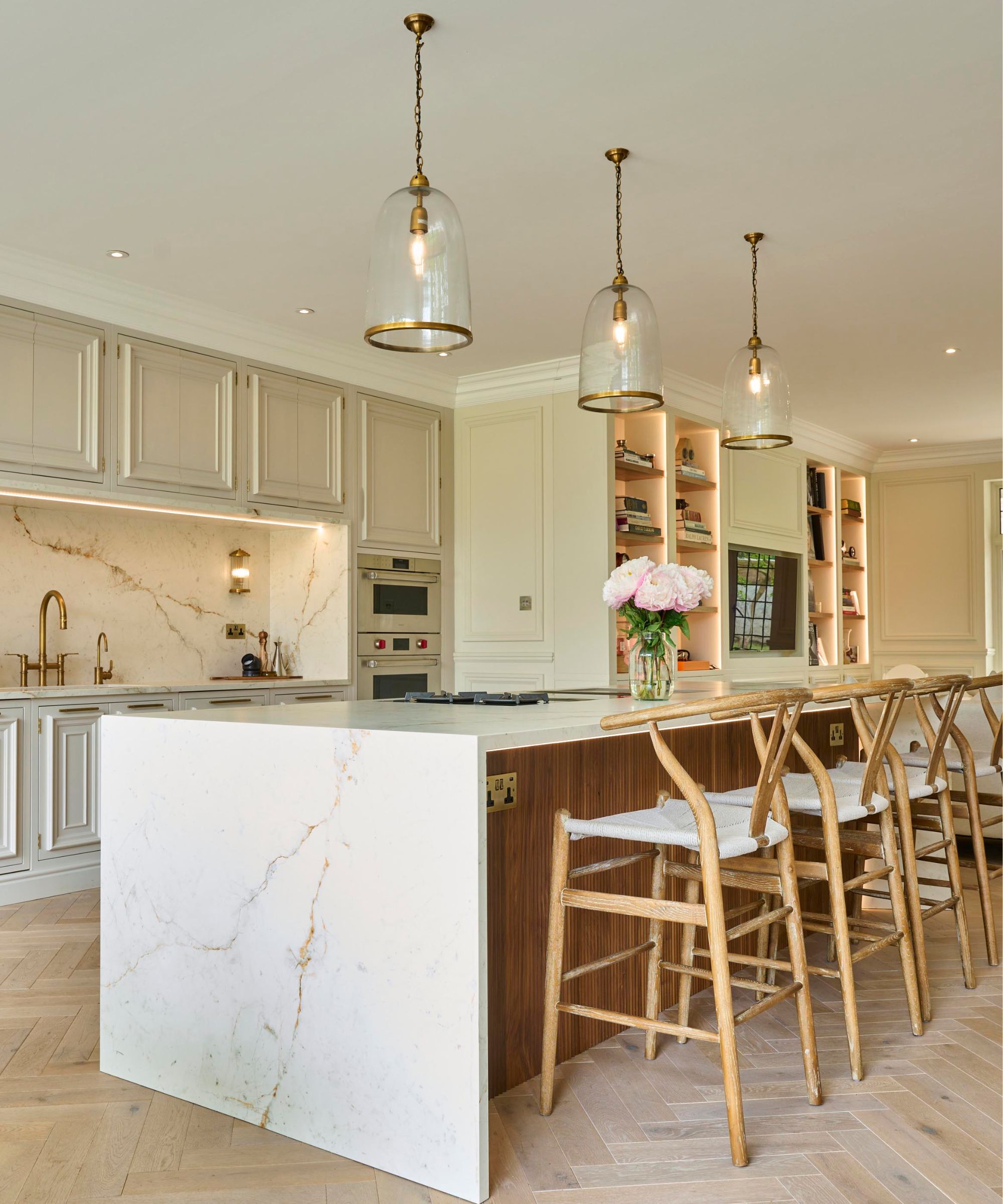
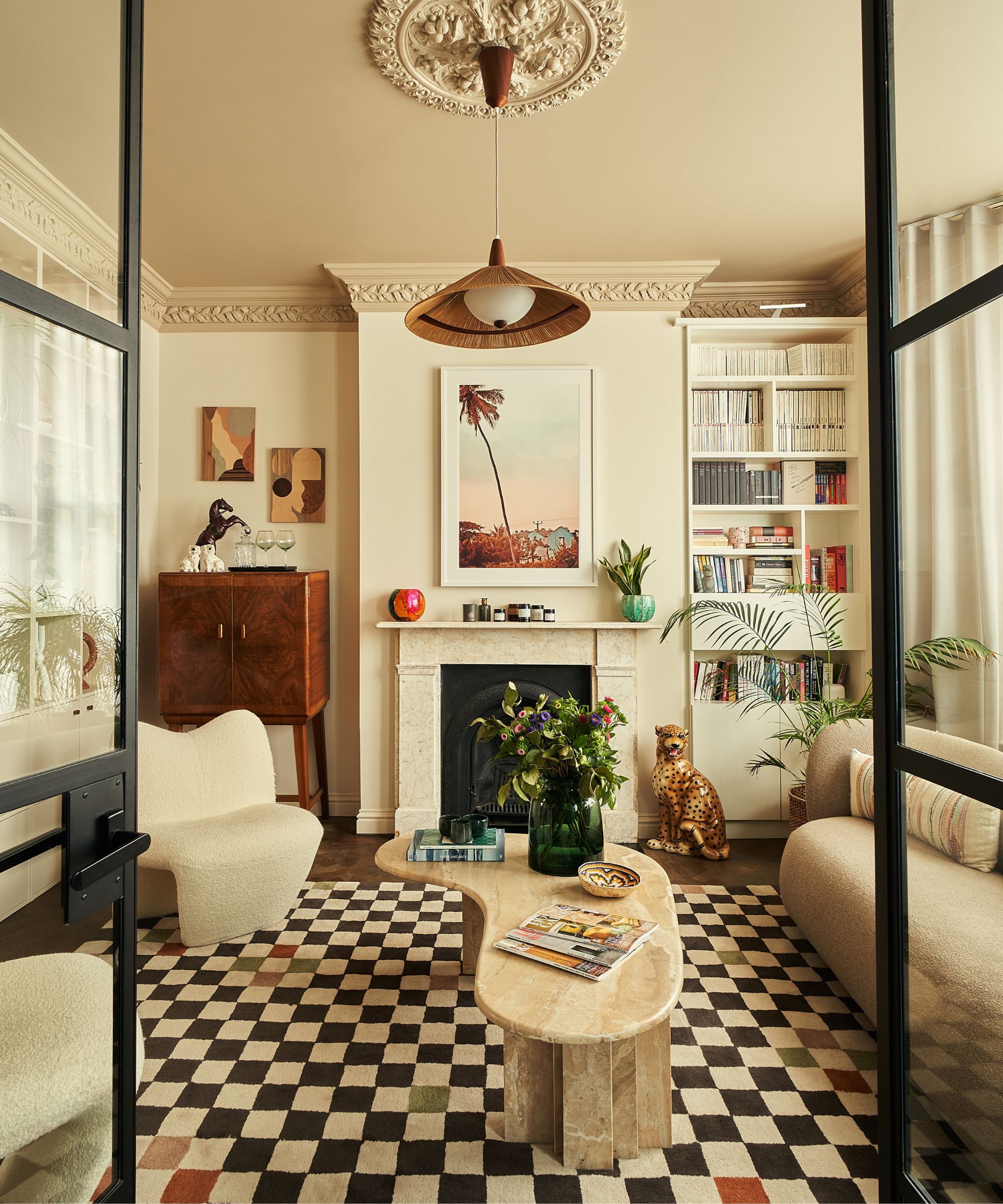
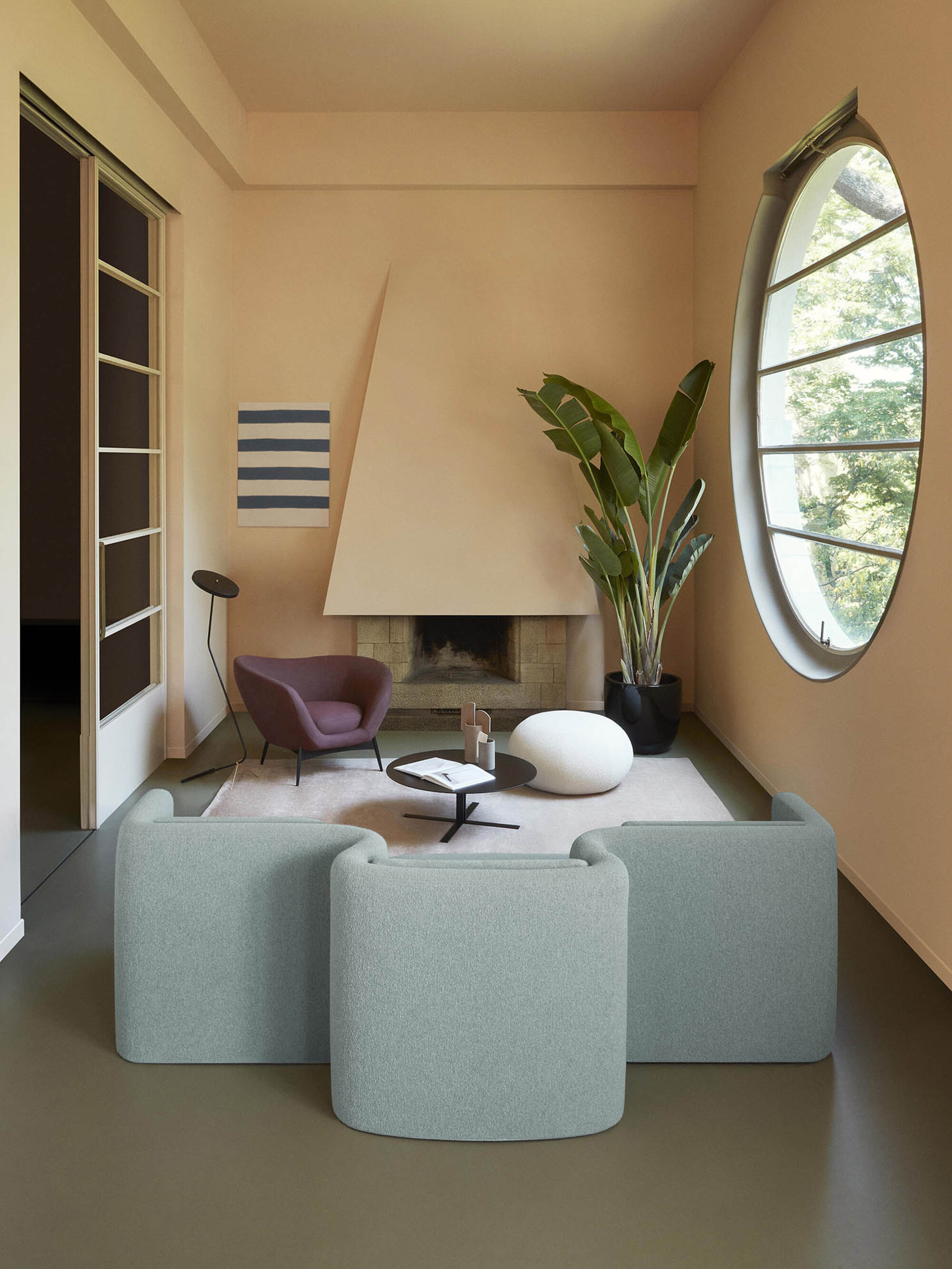
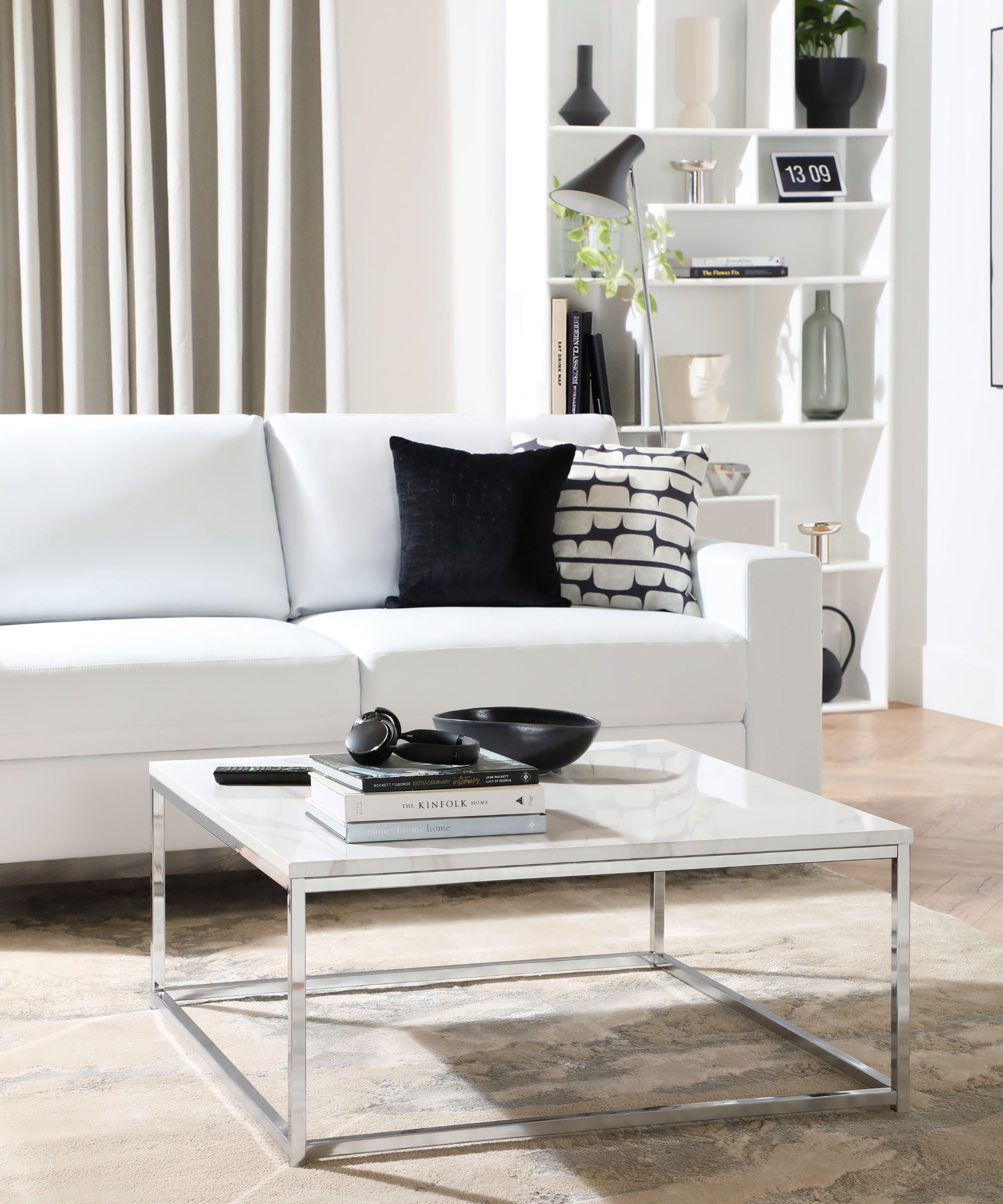
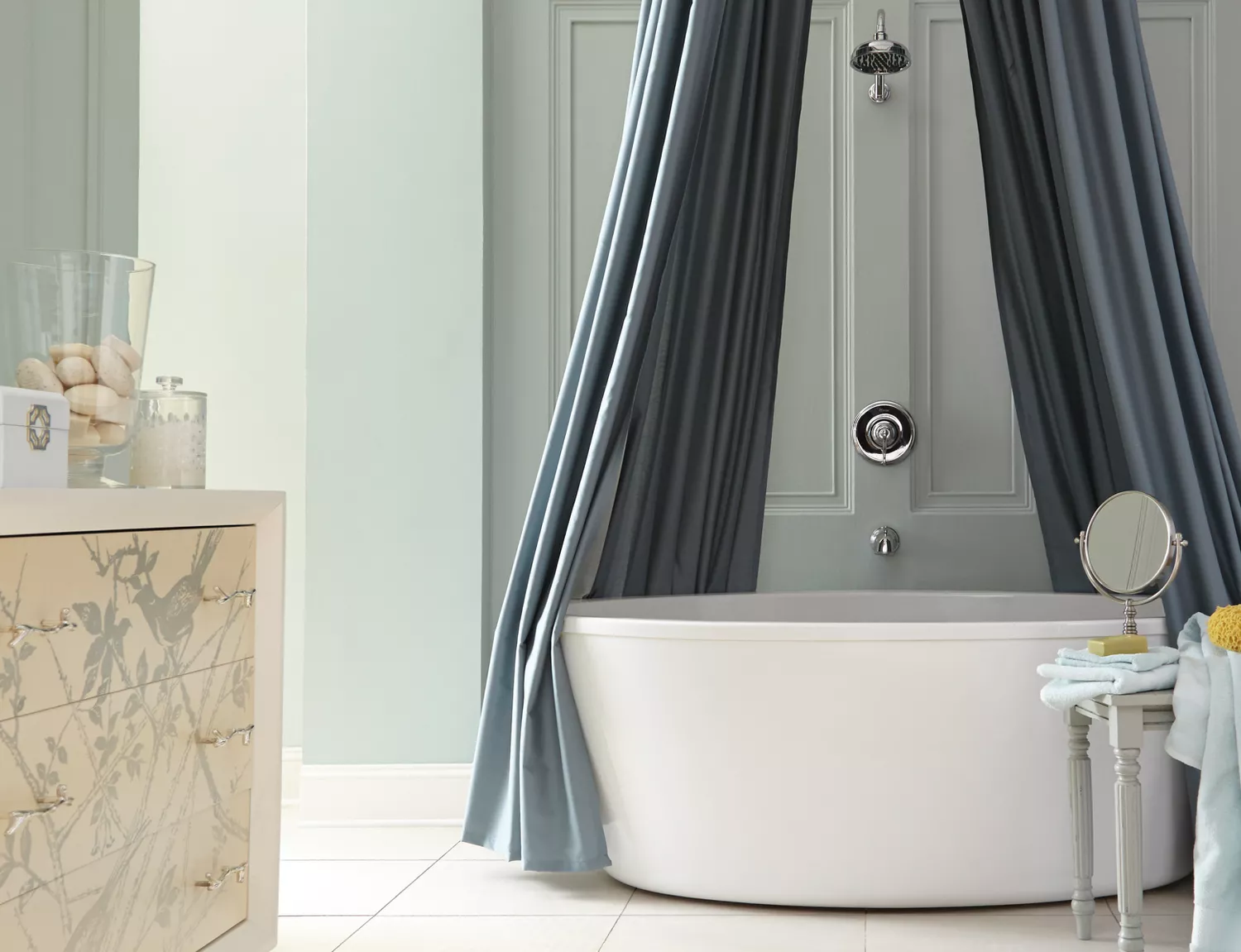
The perception of spaciousness in small rooms can be significantly altered through strategic paint choices, moving beyond the traditional reliance on white. While crisp whites remain a popular and effective choice for creating an airy and bright feel, especially in areas like kitchens and bathrooms, incorporating contrasting shades subtly is crucial to maintain this sense of openness. For instance, matching light walls with light floors and tiles helps to avoid visual breaks that can make a room appear smaller, with additional colours introduced through accessories.
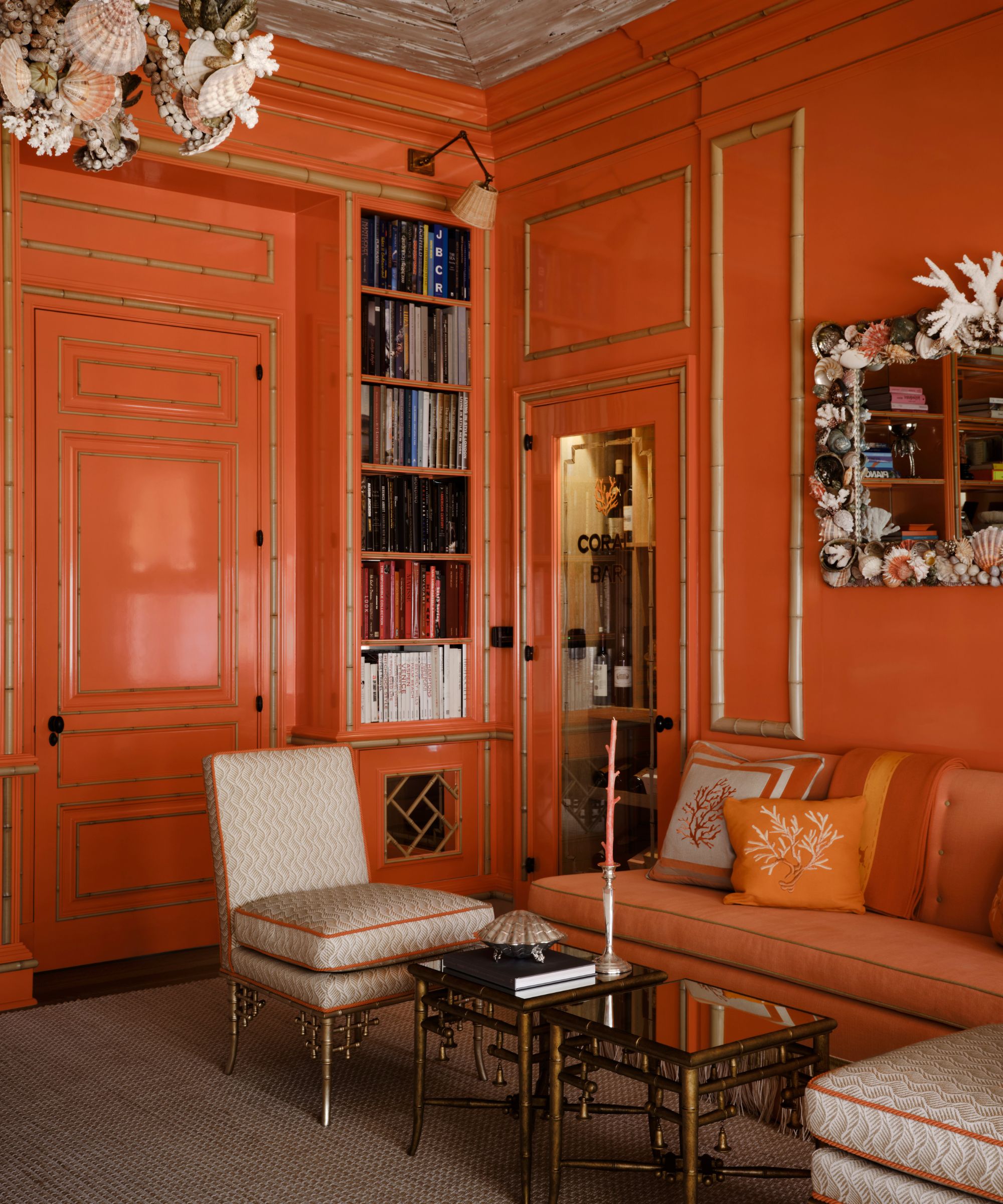
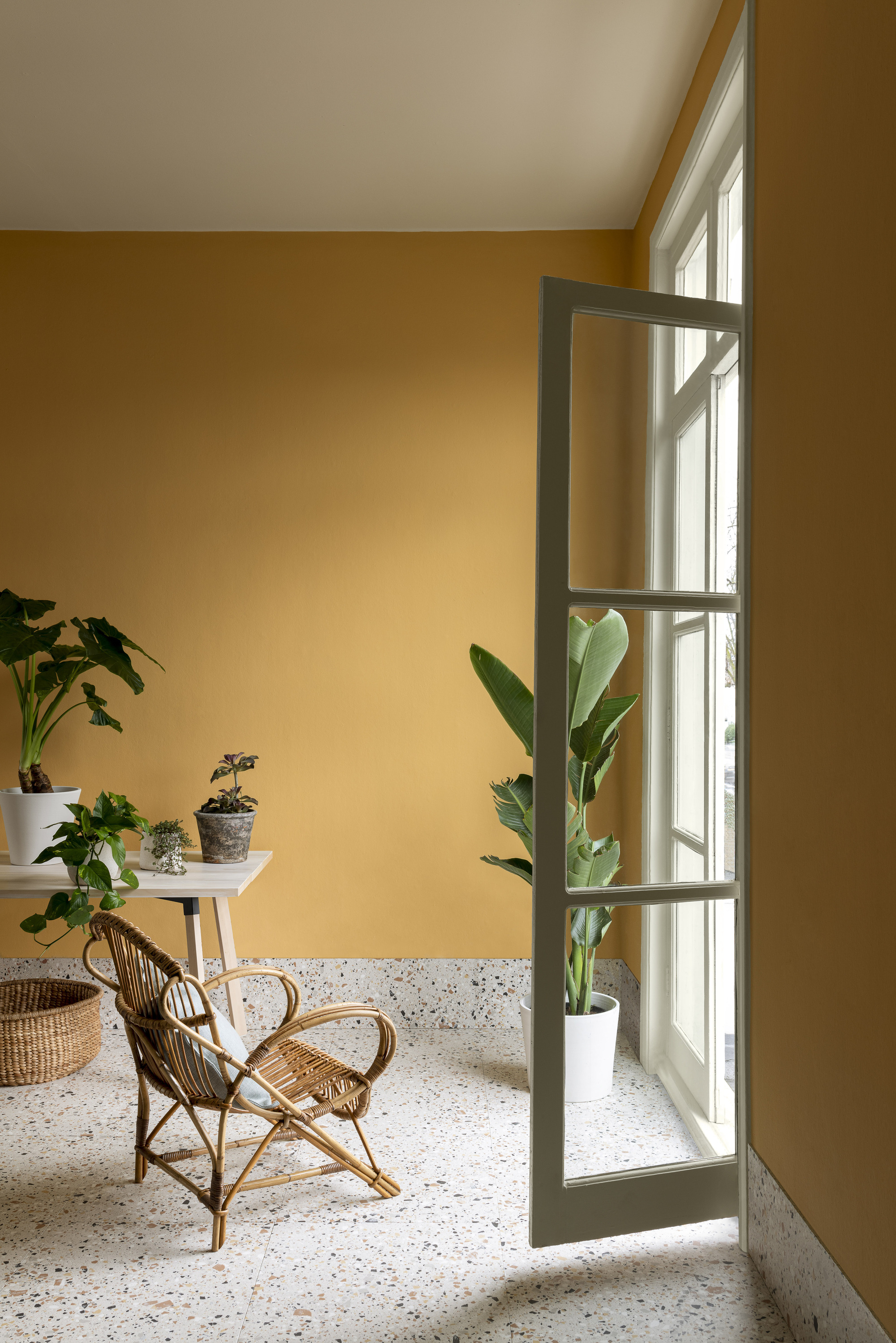
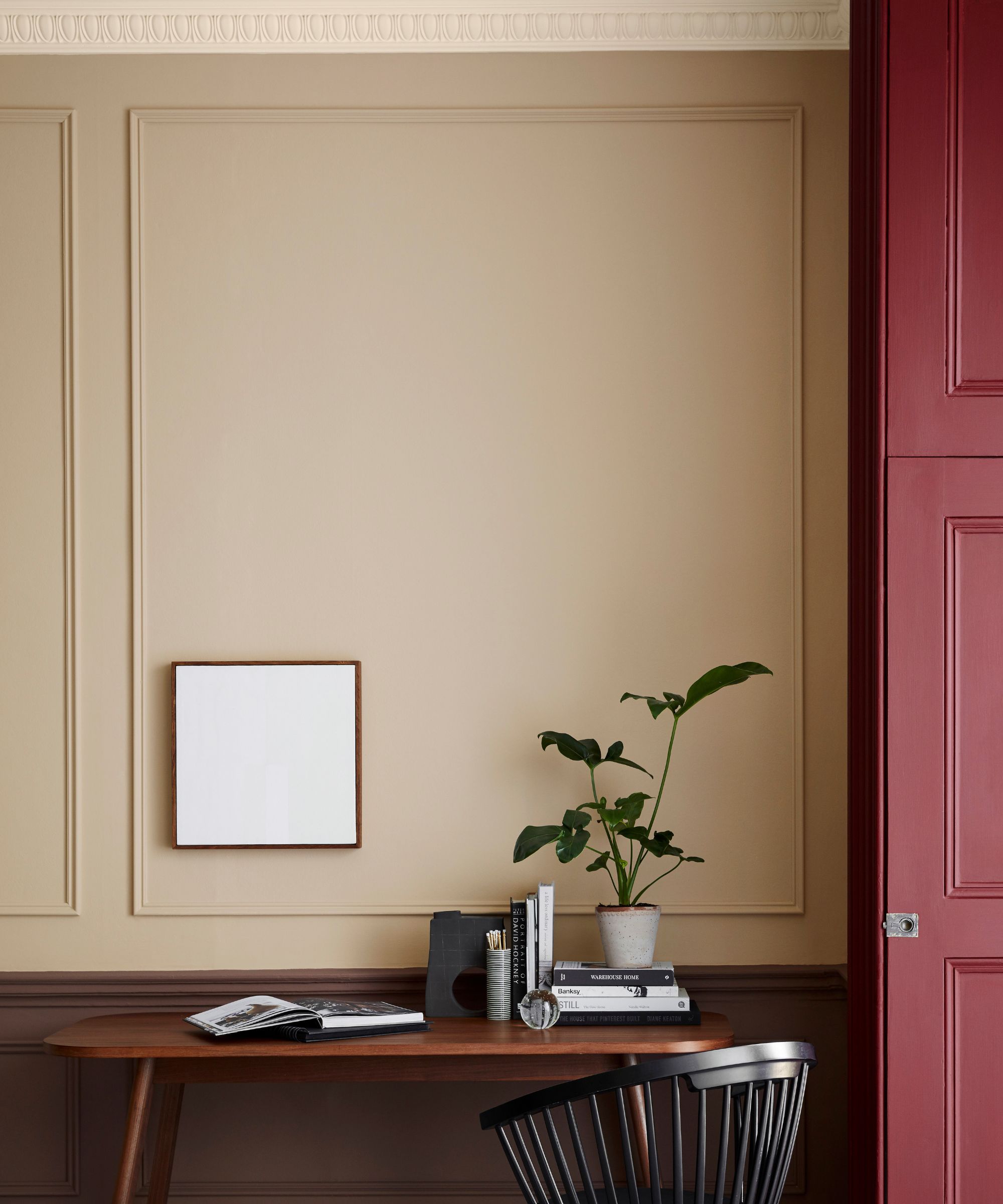
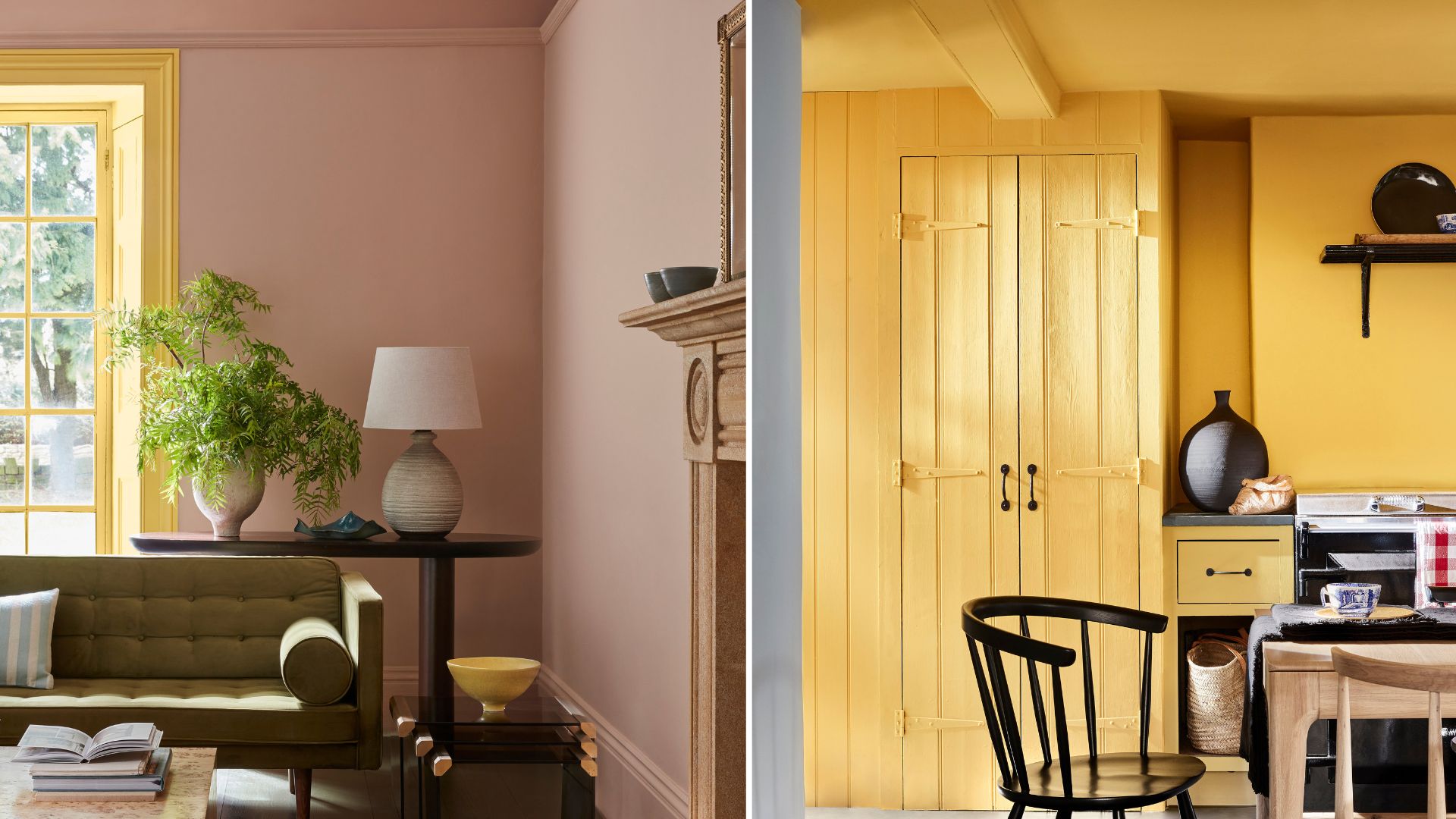
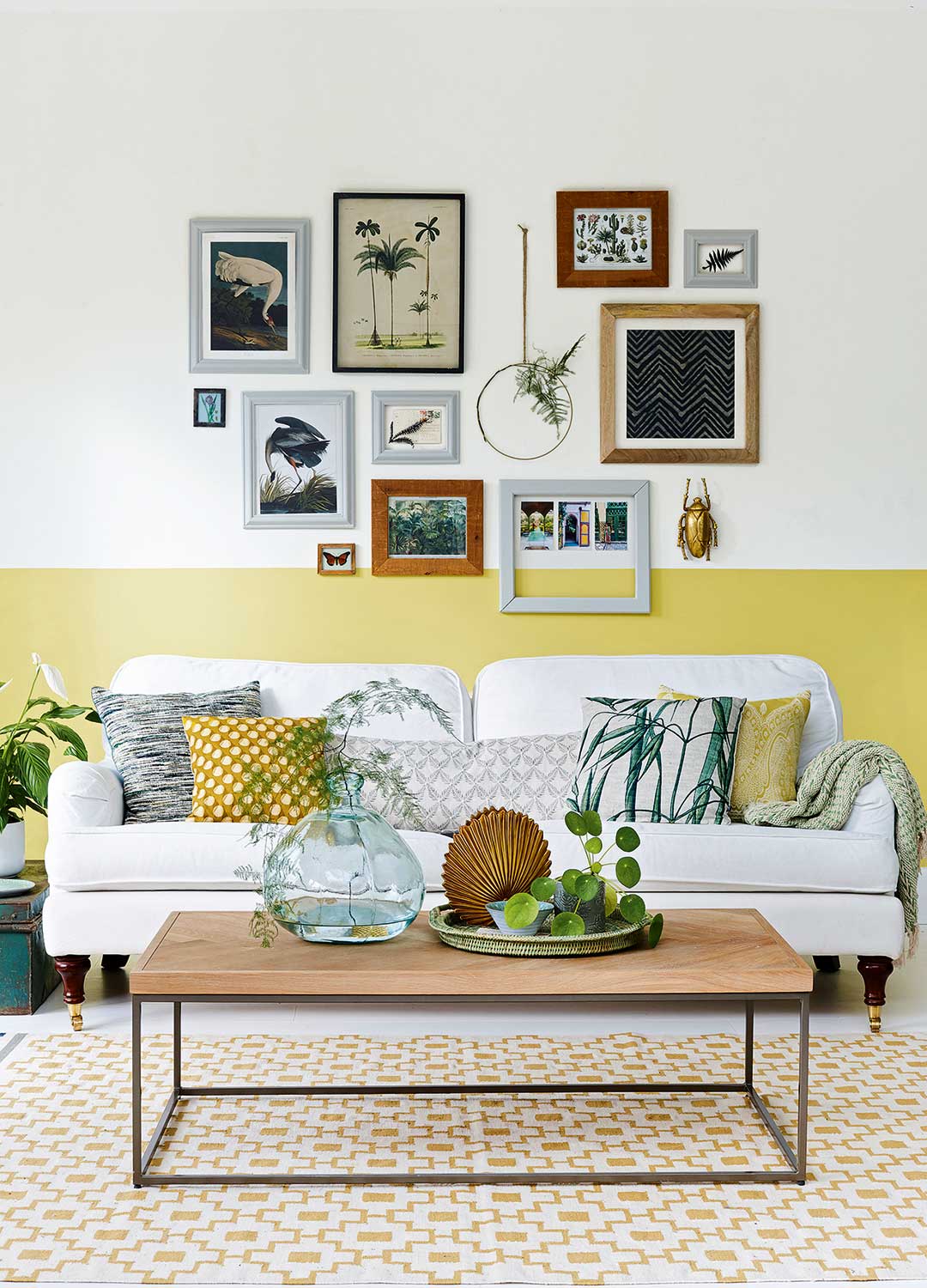
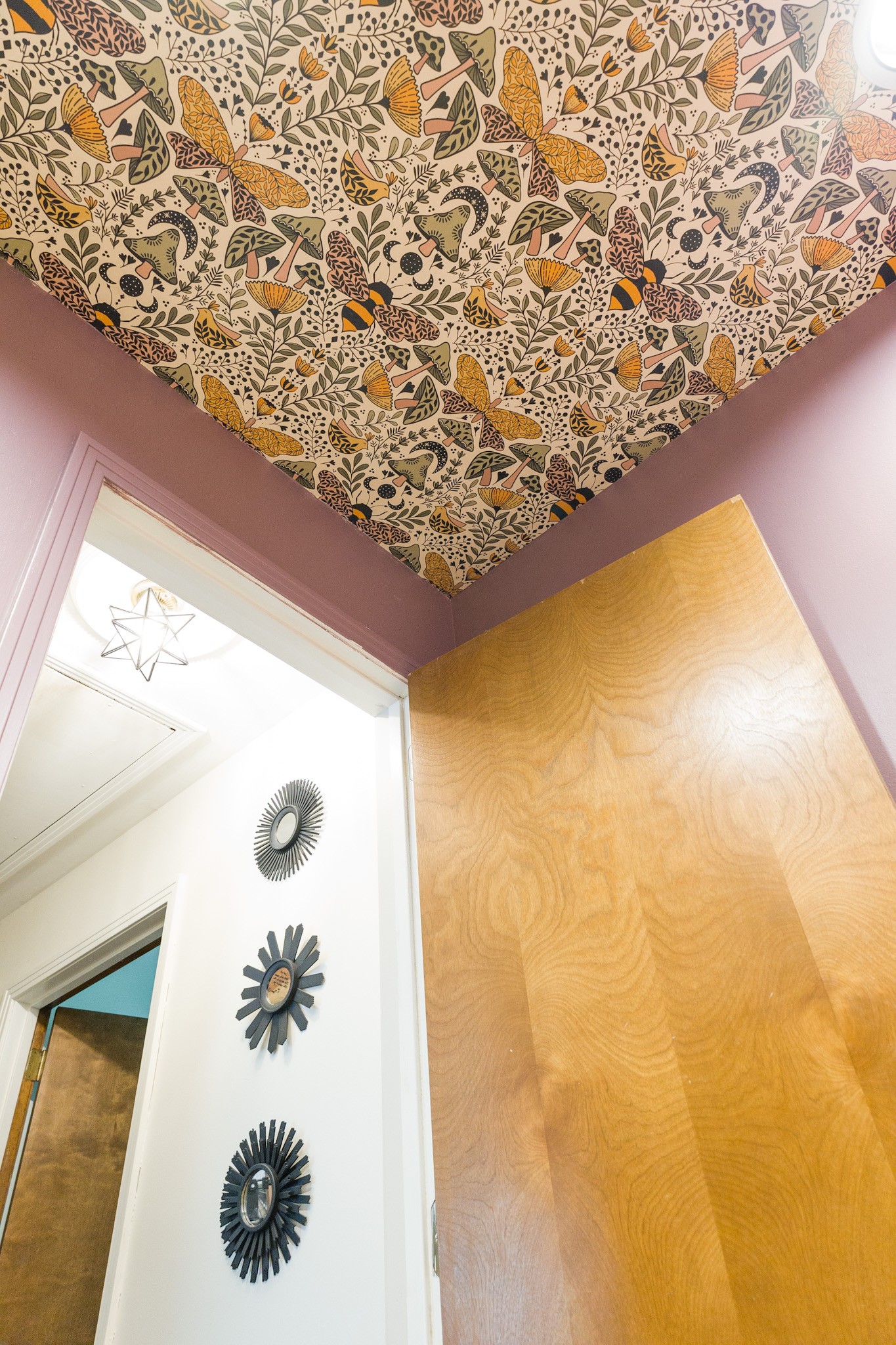
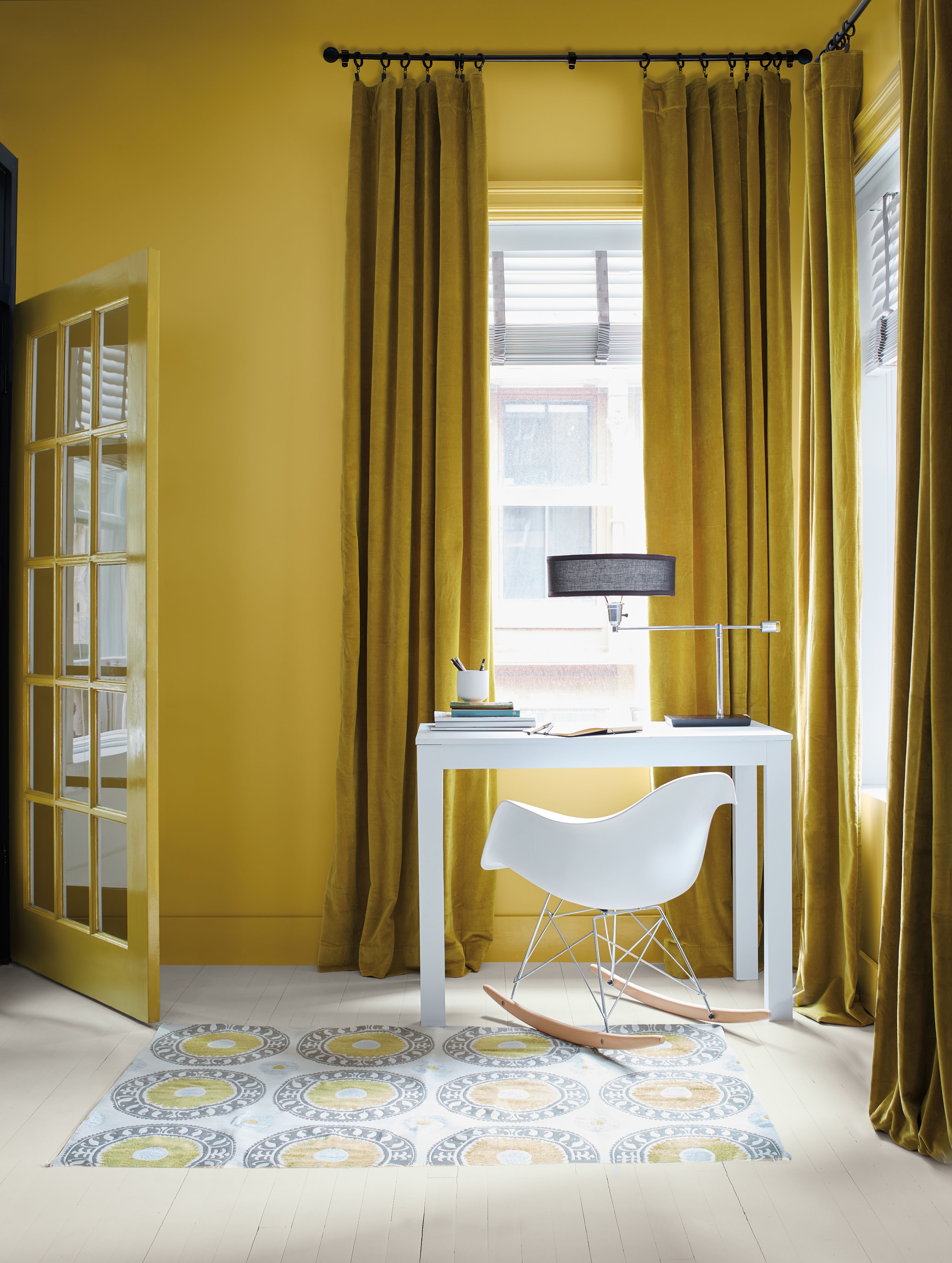
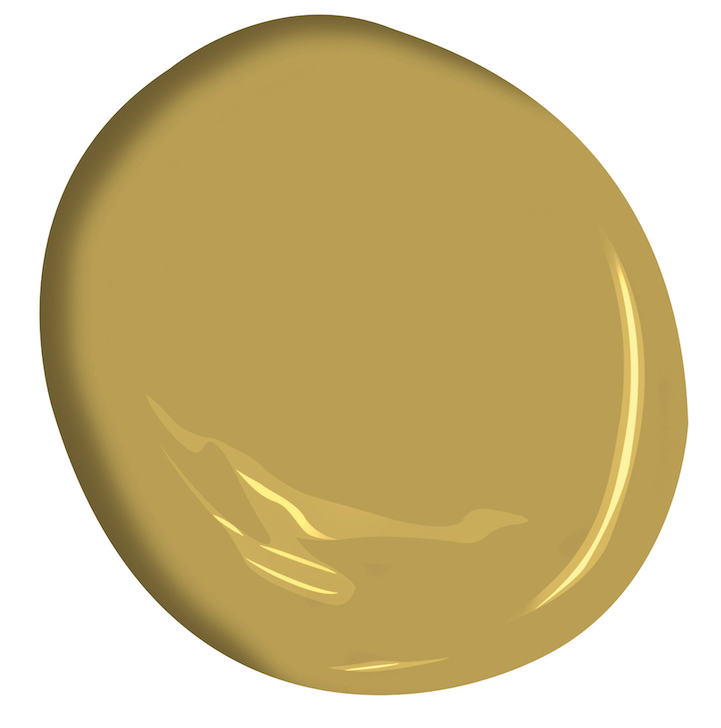
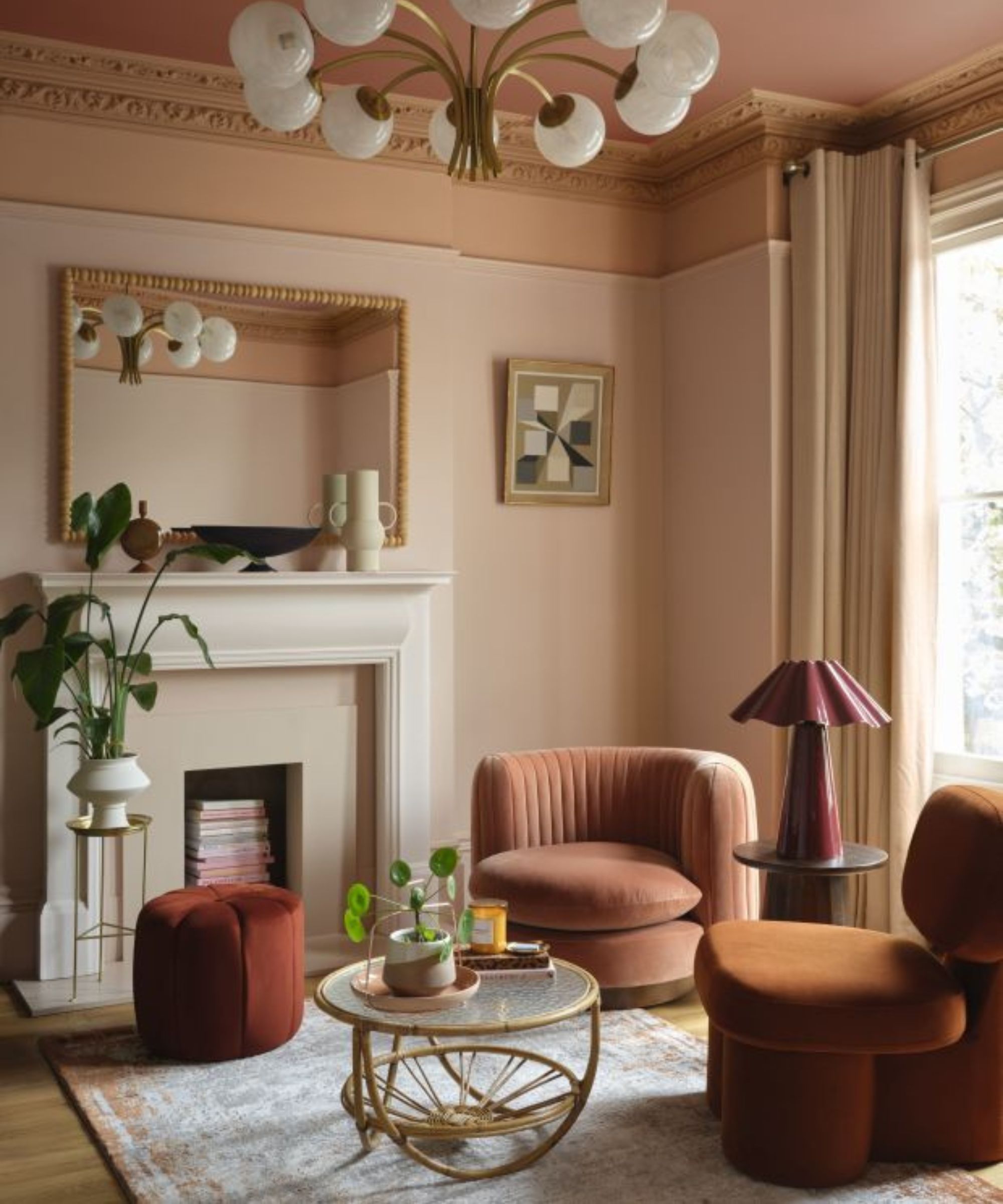
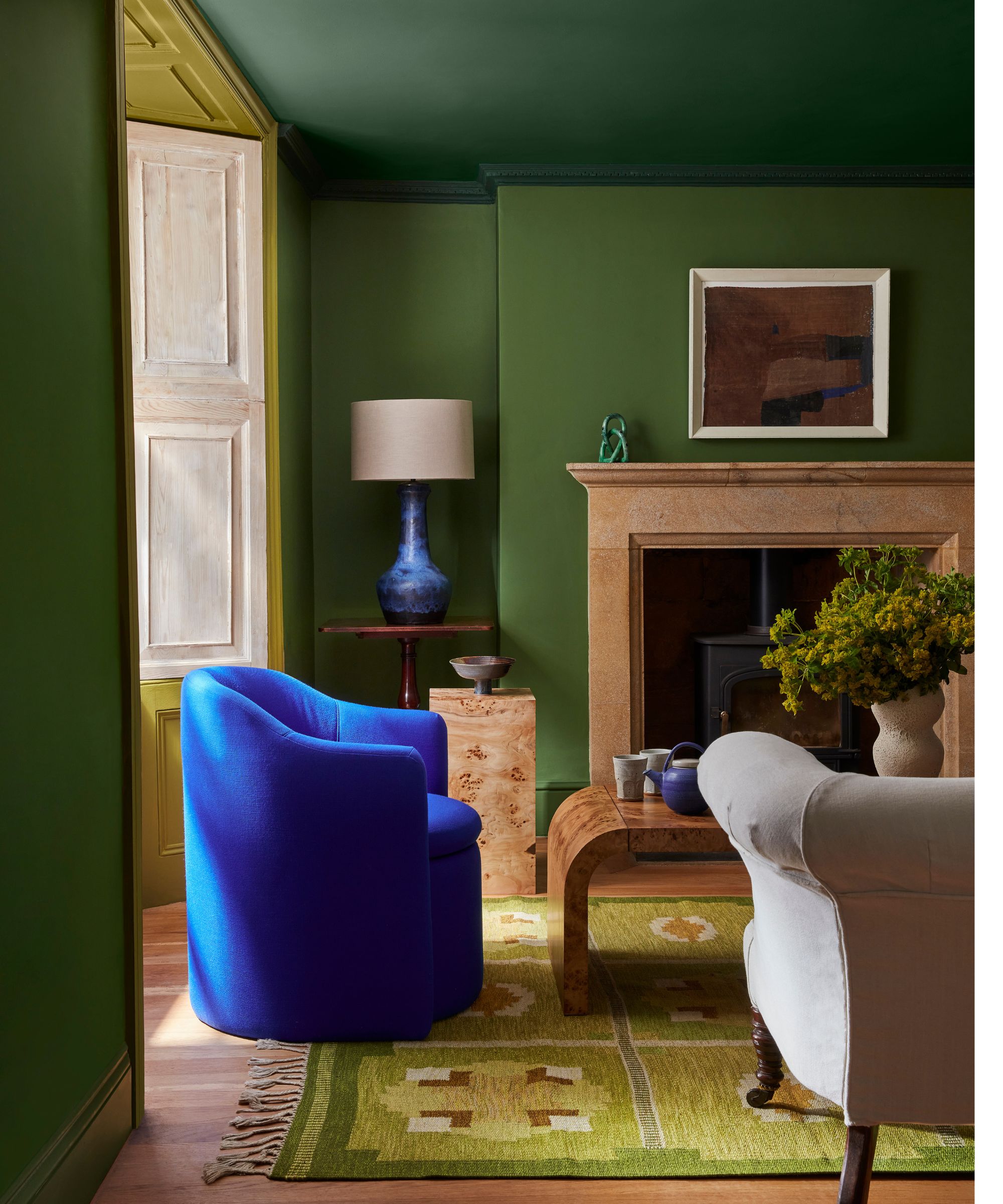
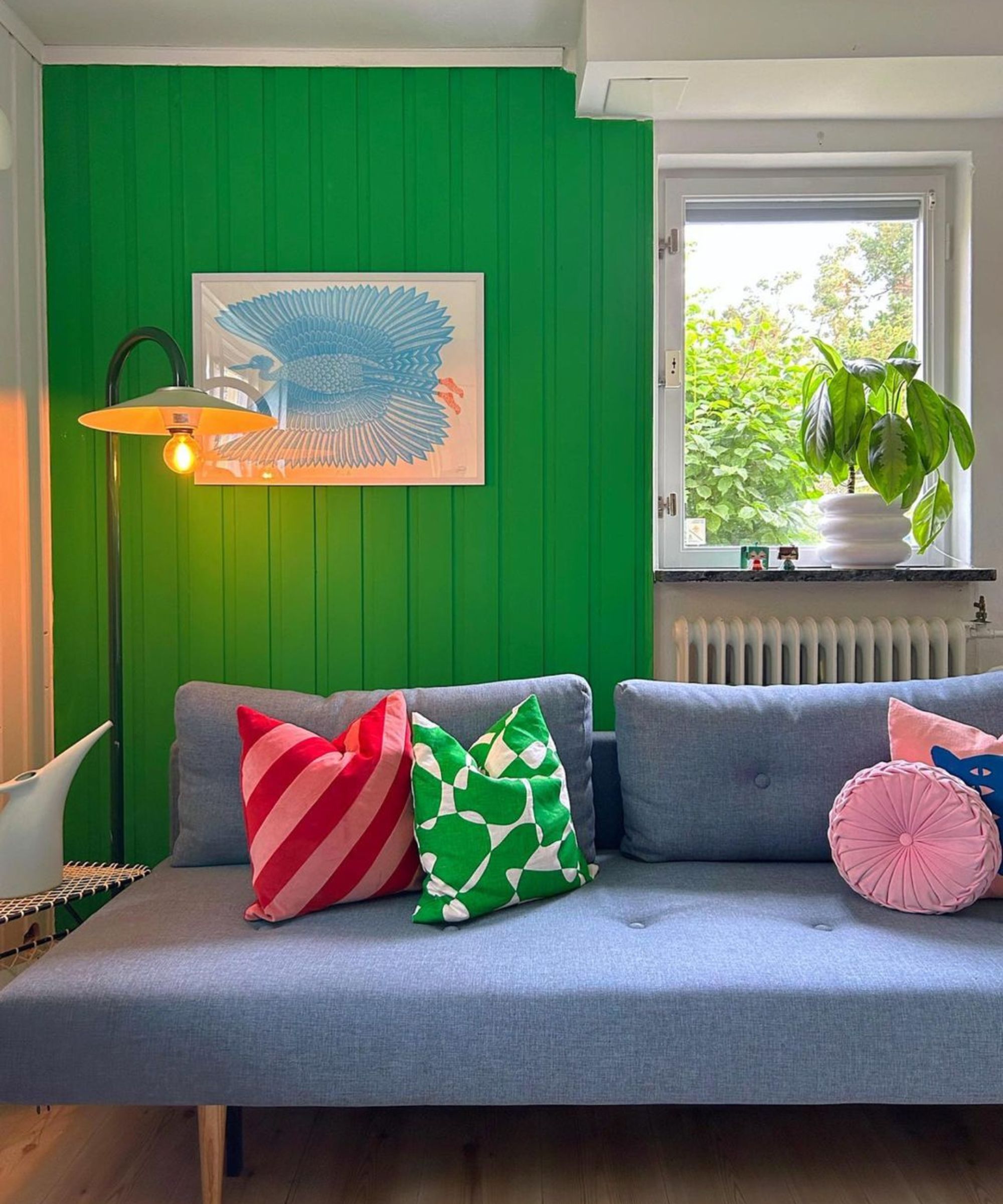
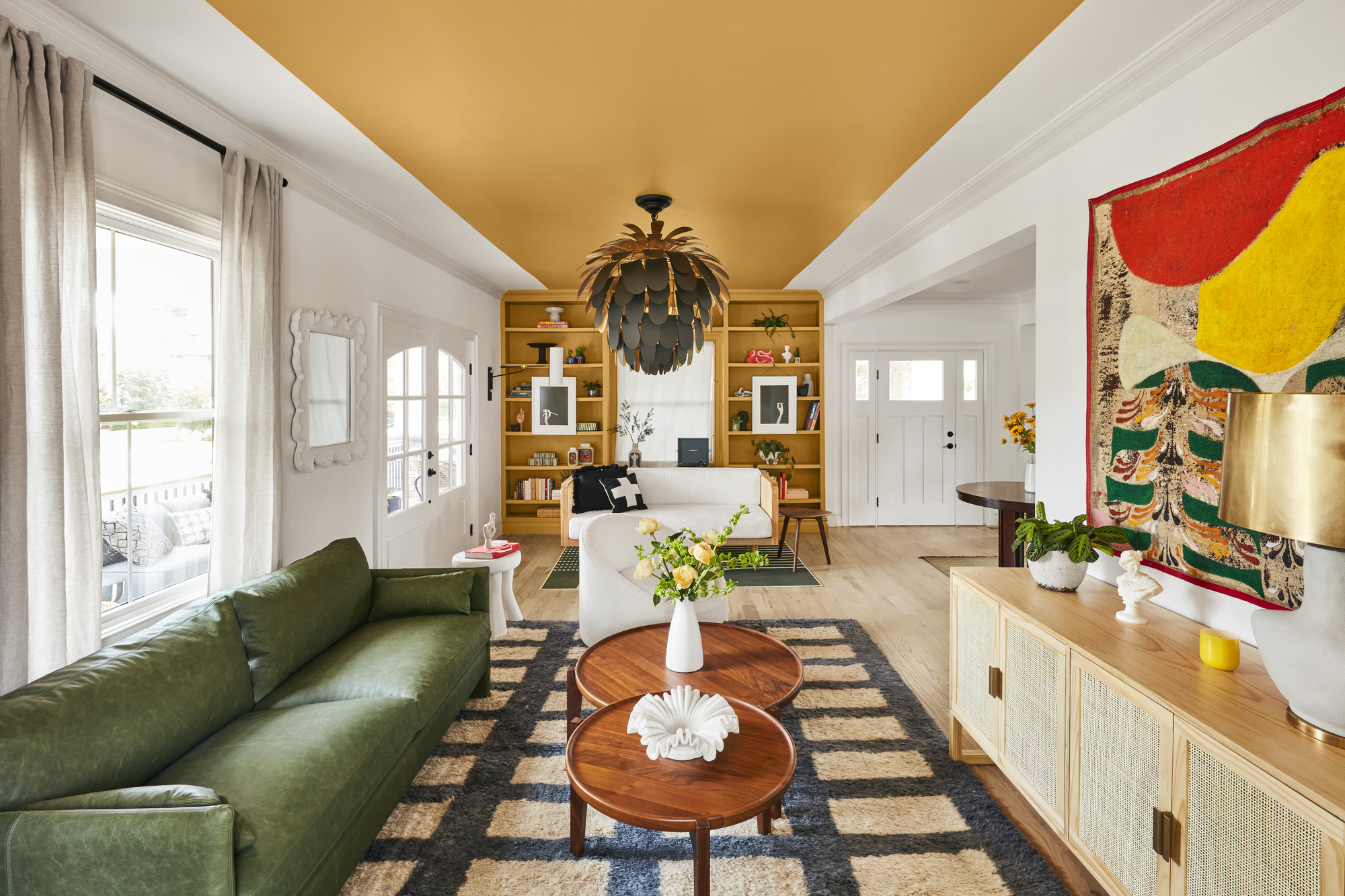
Beyond whites, certain colours and techniques can surprisingly expand small spaces. Cheerful yellows, particularly buttercup shades, can have a strong psychological impact, making a room feel uplifting and less claustrophobic. An expert tip for yellow or any chosen colour is to paint the ceiling the same shade as the walls. This technique draws the eye upwards, creating an illusion of higher ceilings and, consequently, a larger room. Furthermore, painting woodwork and mouldings a slightly darker shade than the walls can make the architectural details more prominent while causing the walls to recede, adding depth.
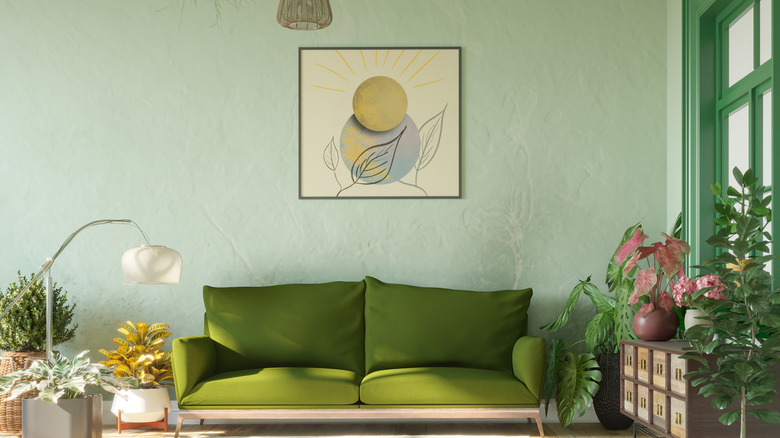
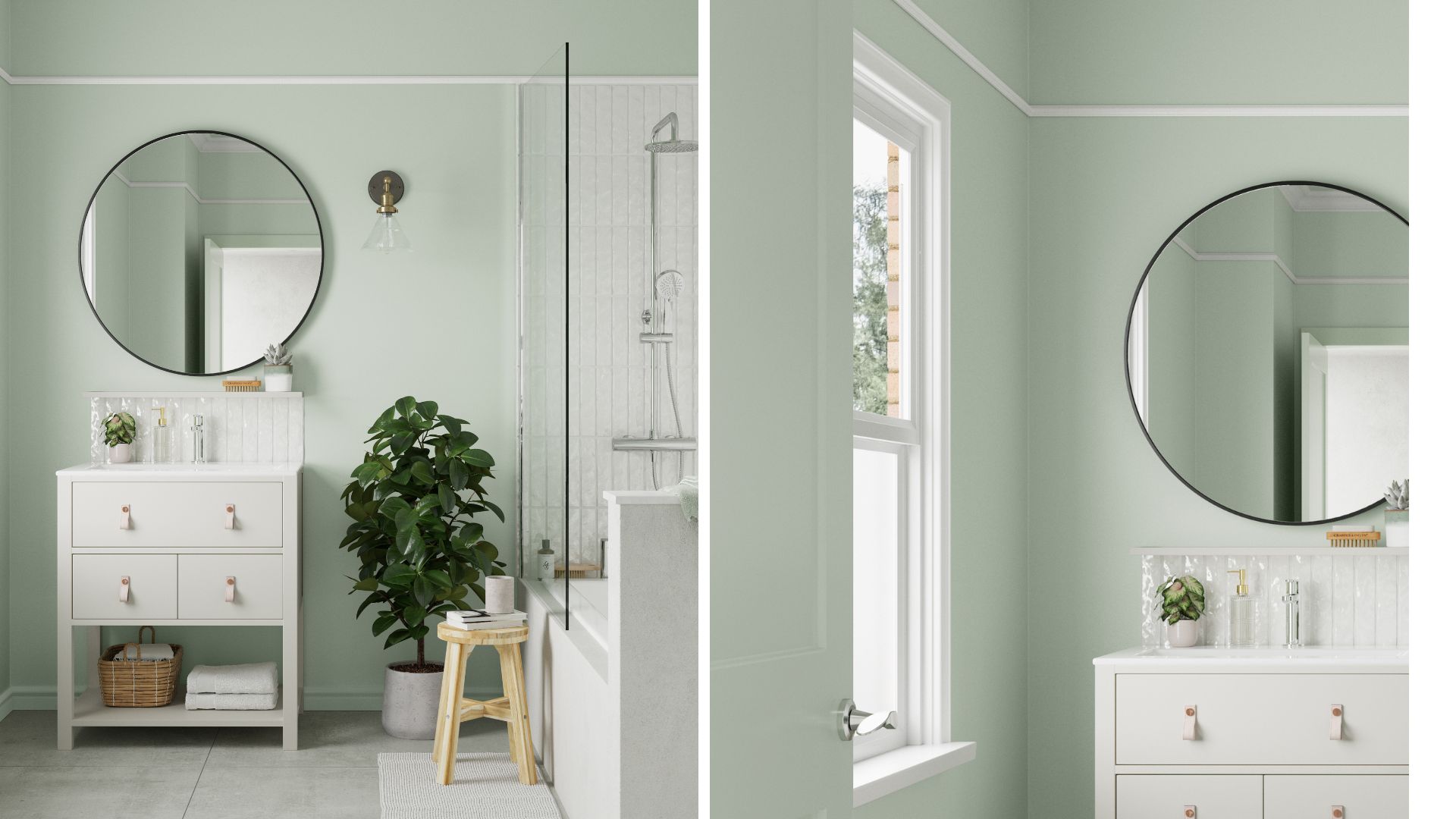
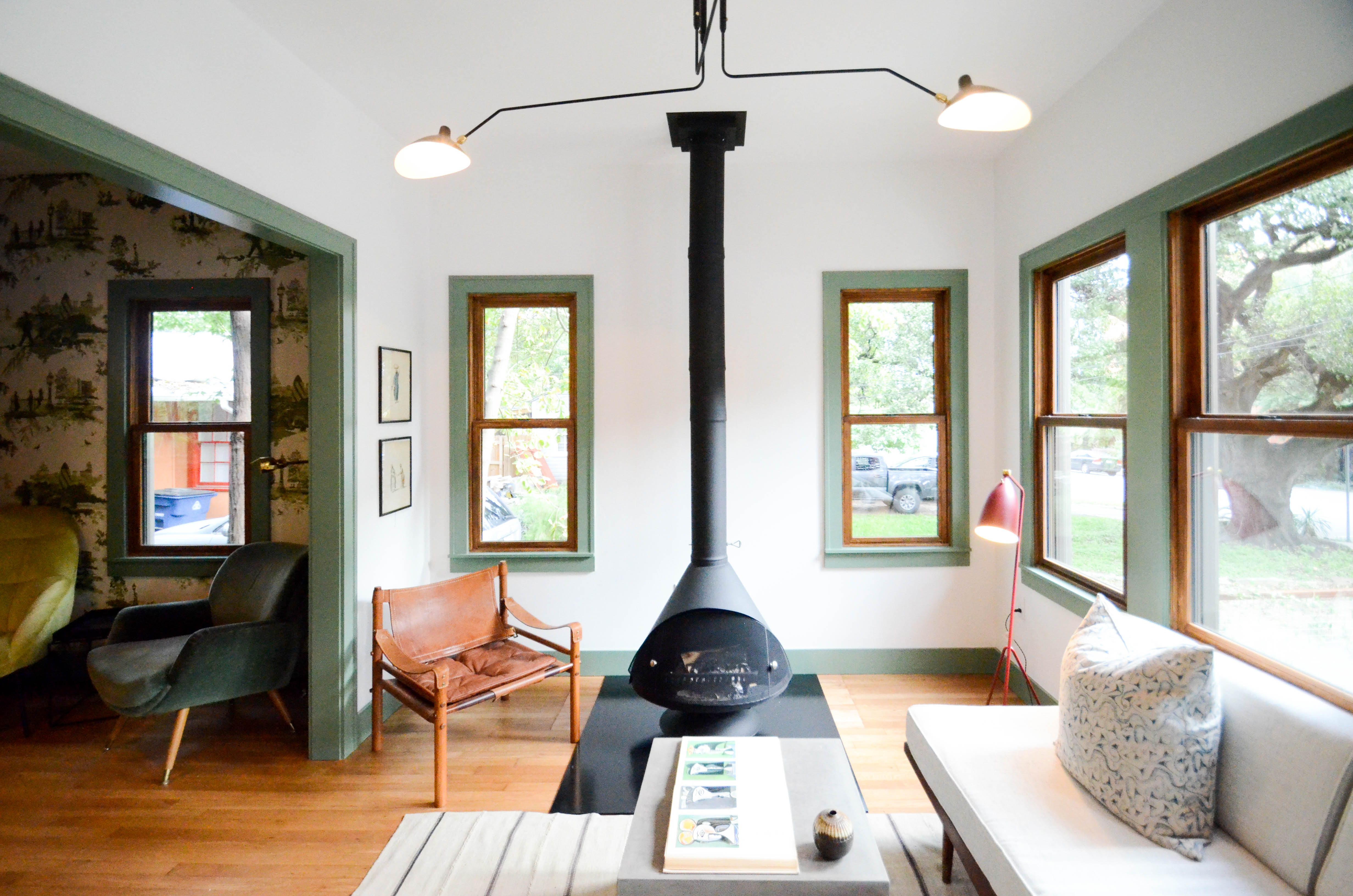
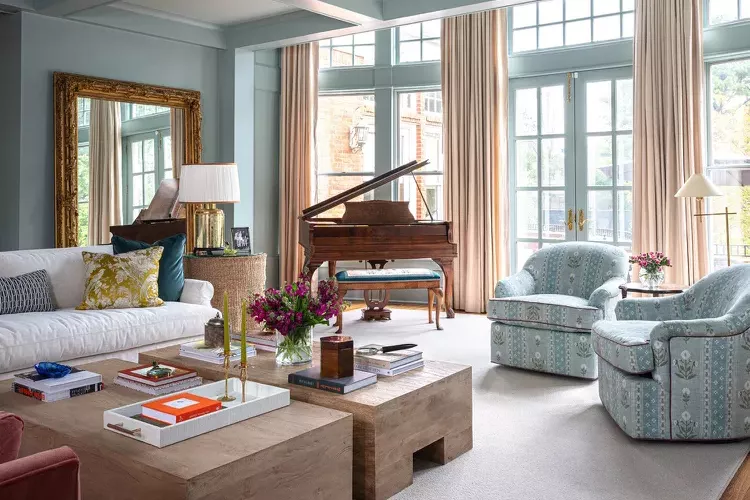
Natural greens, such as sage, are highly effective in rooms with garden views. By blurring the lines between the indoor space and the outdoor greenery, the room feels like an extension of the natural landscape, elongating and expanding its perceived size. When building a colour scheme around green, adhering to a 'three-colour' rule is beneficial: a hero colour (60-70% for walls or large furniture), a secondary colour (20-30% for soft furnishings), and an accent colour (5-10% for cushions or artwork), with neutrals acting as 'free colours' in elements like wooden flooring.
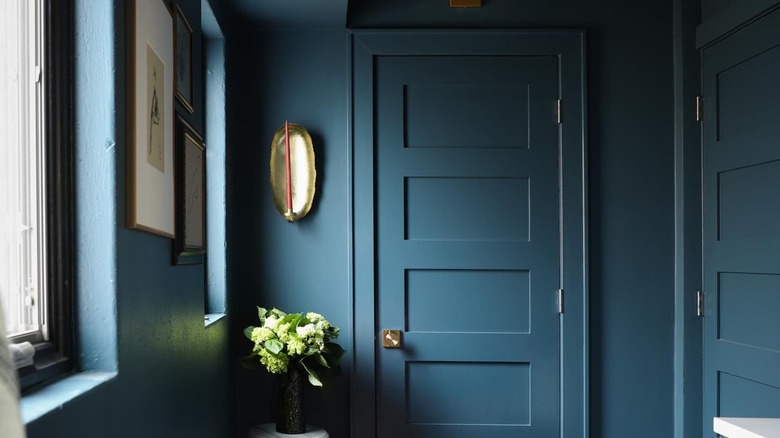
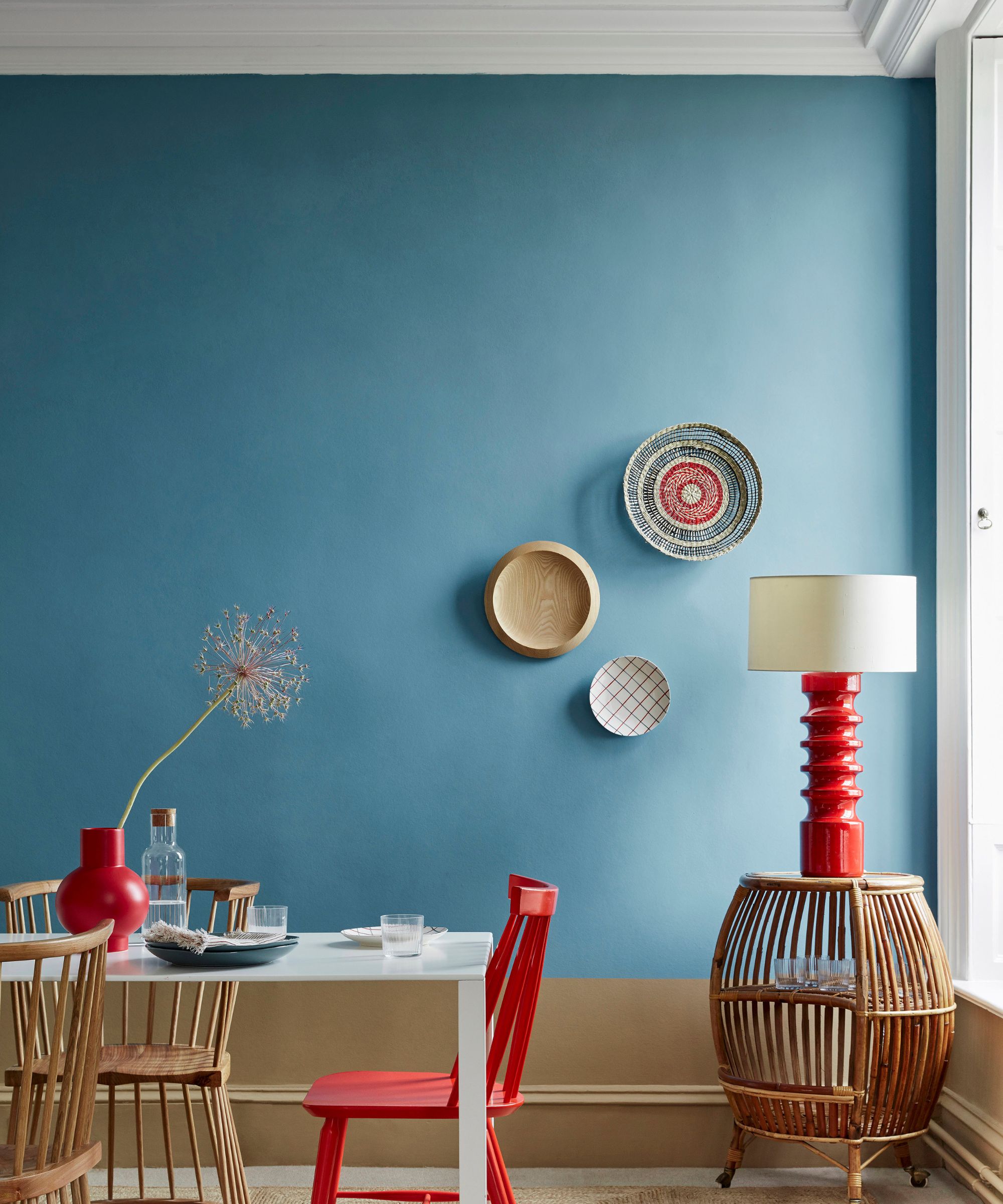
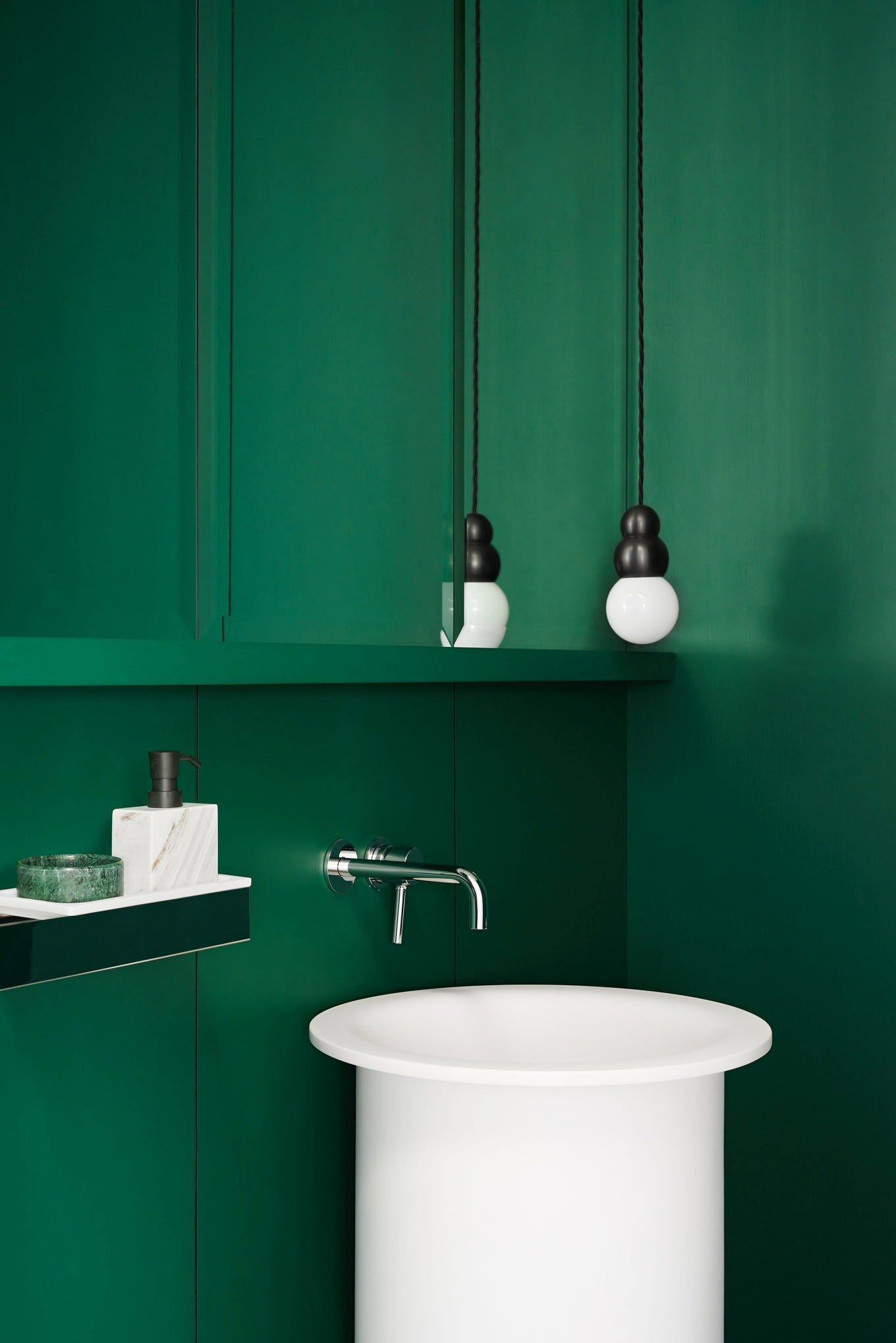
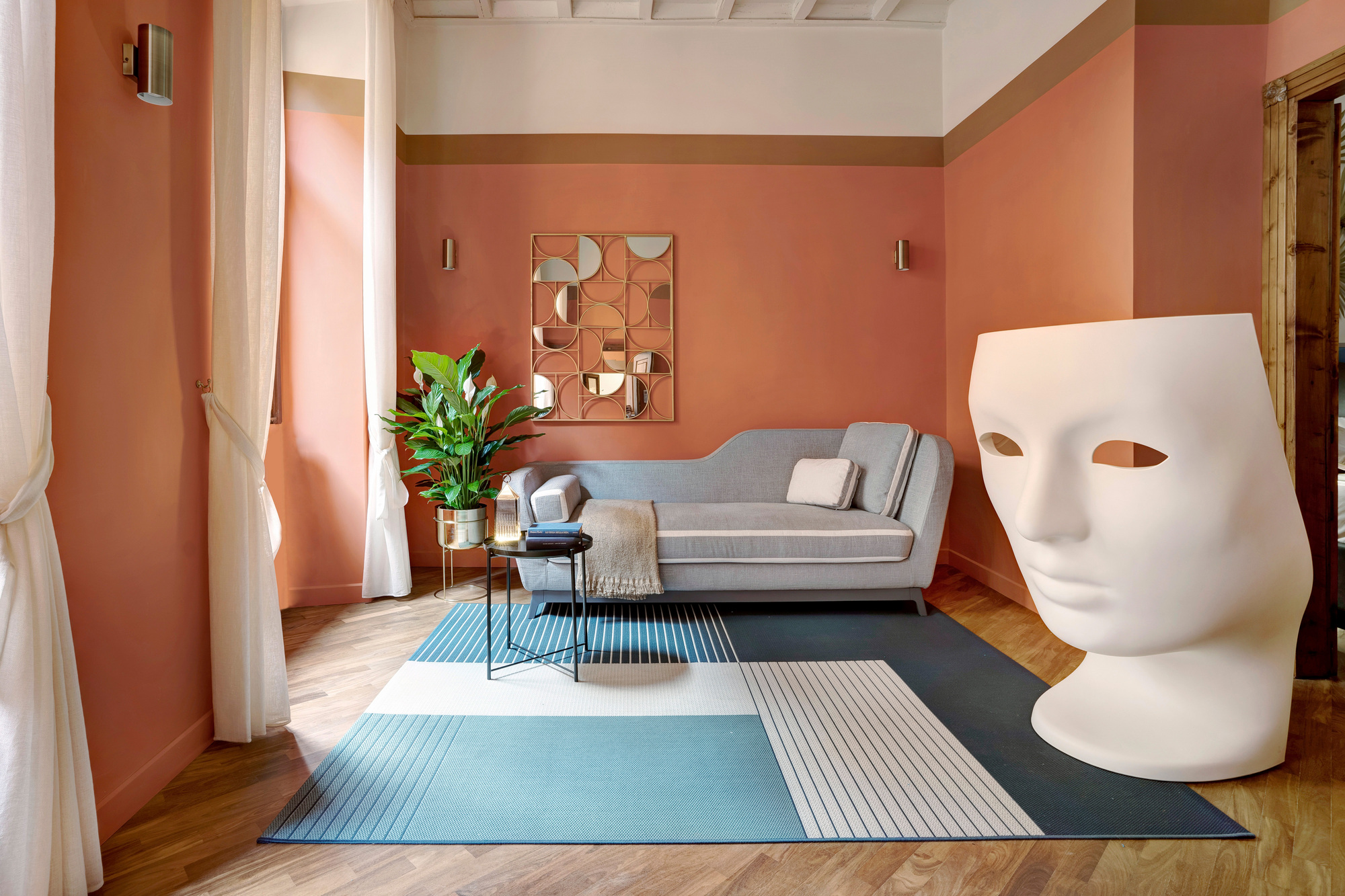
Rich teals offer another approach to making small rooms feel larger, especially in spaces like cloakrooms or spare bedrooms. Unlike flat colours, teals possess rich undertones that react dynamically to natural light, shifting in warmth and coolness throughout the day. This modulation adds vibrancy and depth, preventing the space from feeling static or cramped. Another technique to enhance height involves painting walls up to approximately 10cm below the ceiling or to the bottom of the cornice, then painting the remaining band and ceiling bright white. This additional white strip visually elevates the ceiling, making the room appear taller.
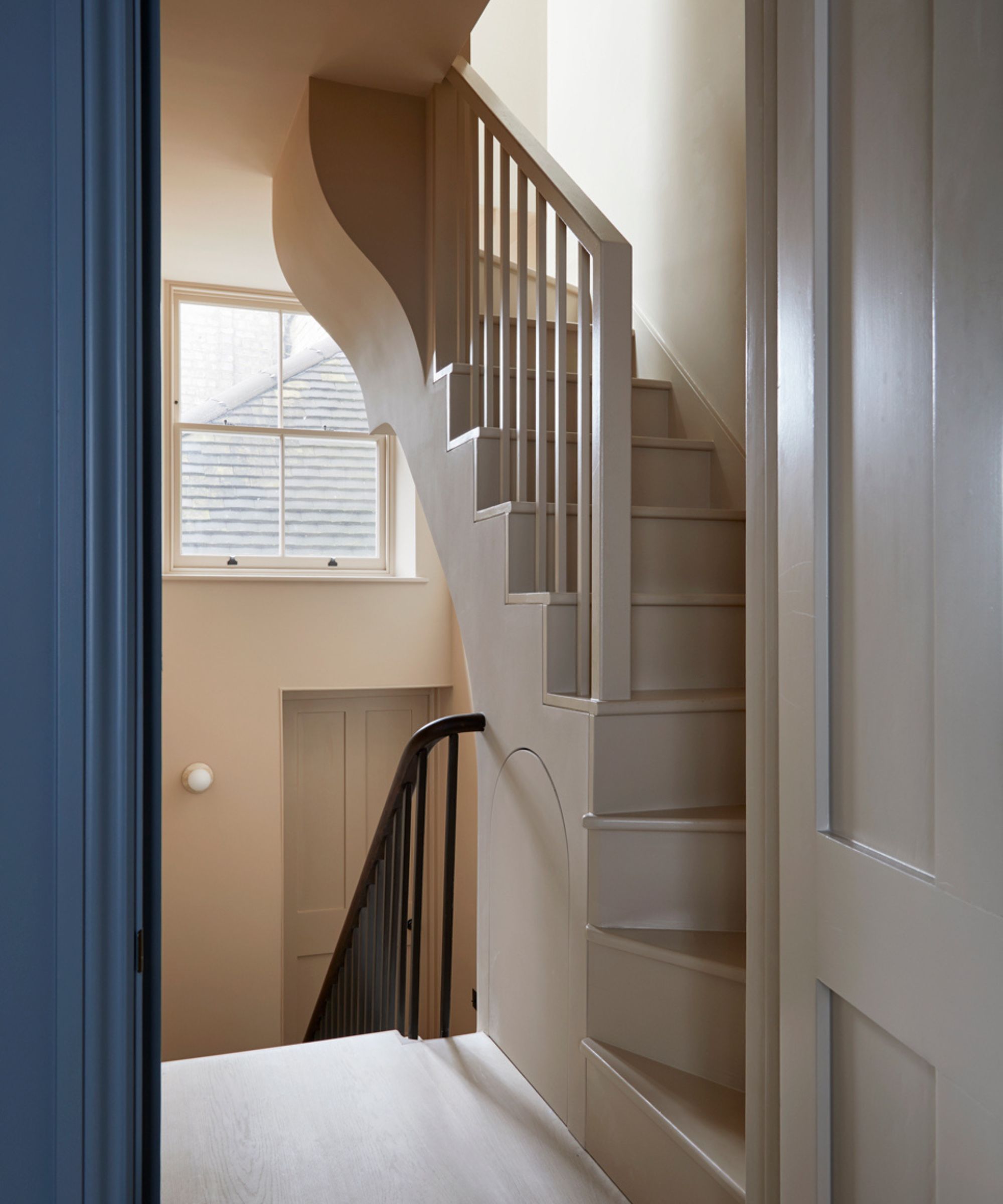
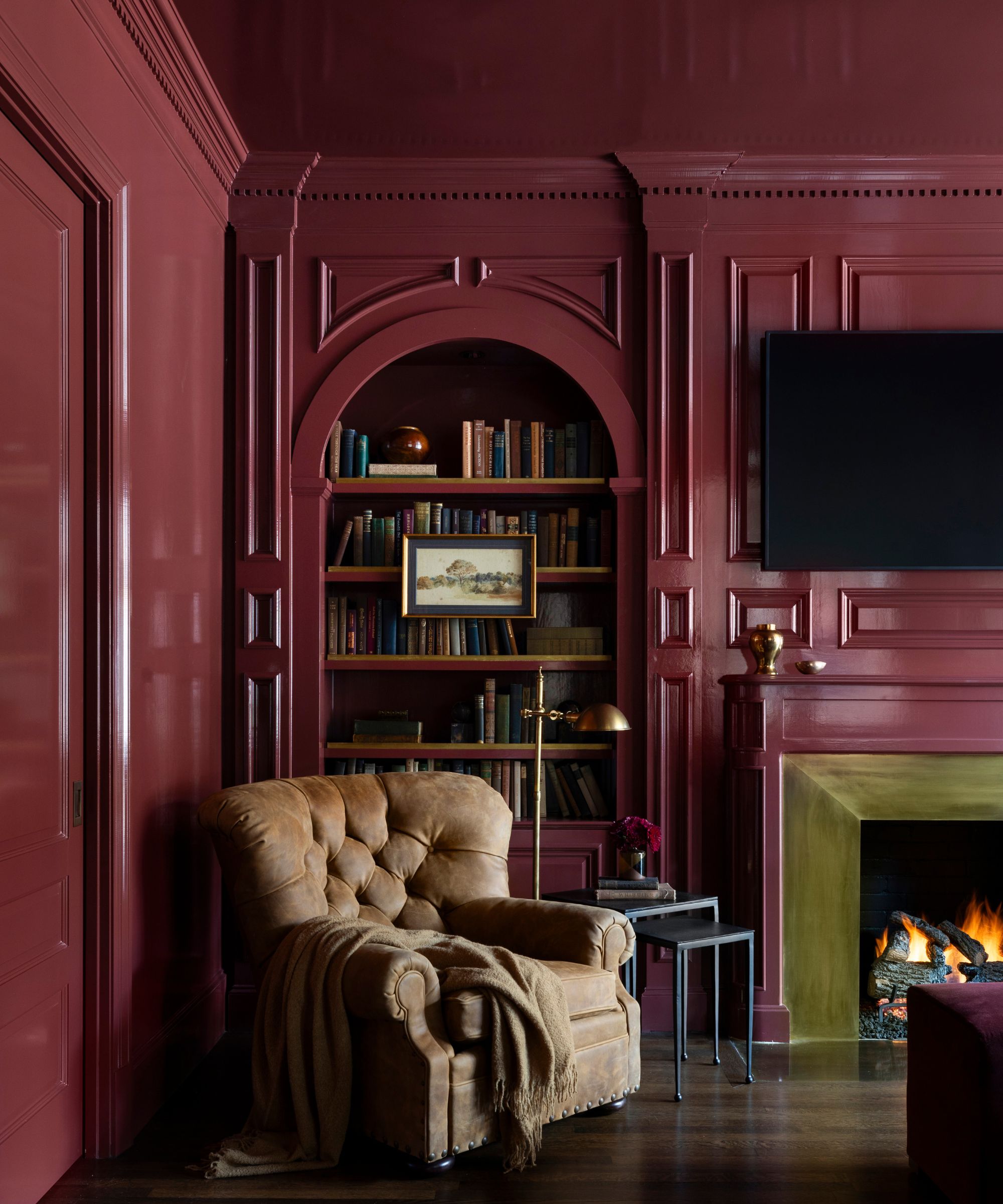
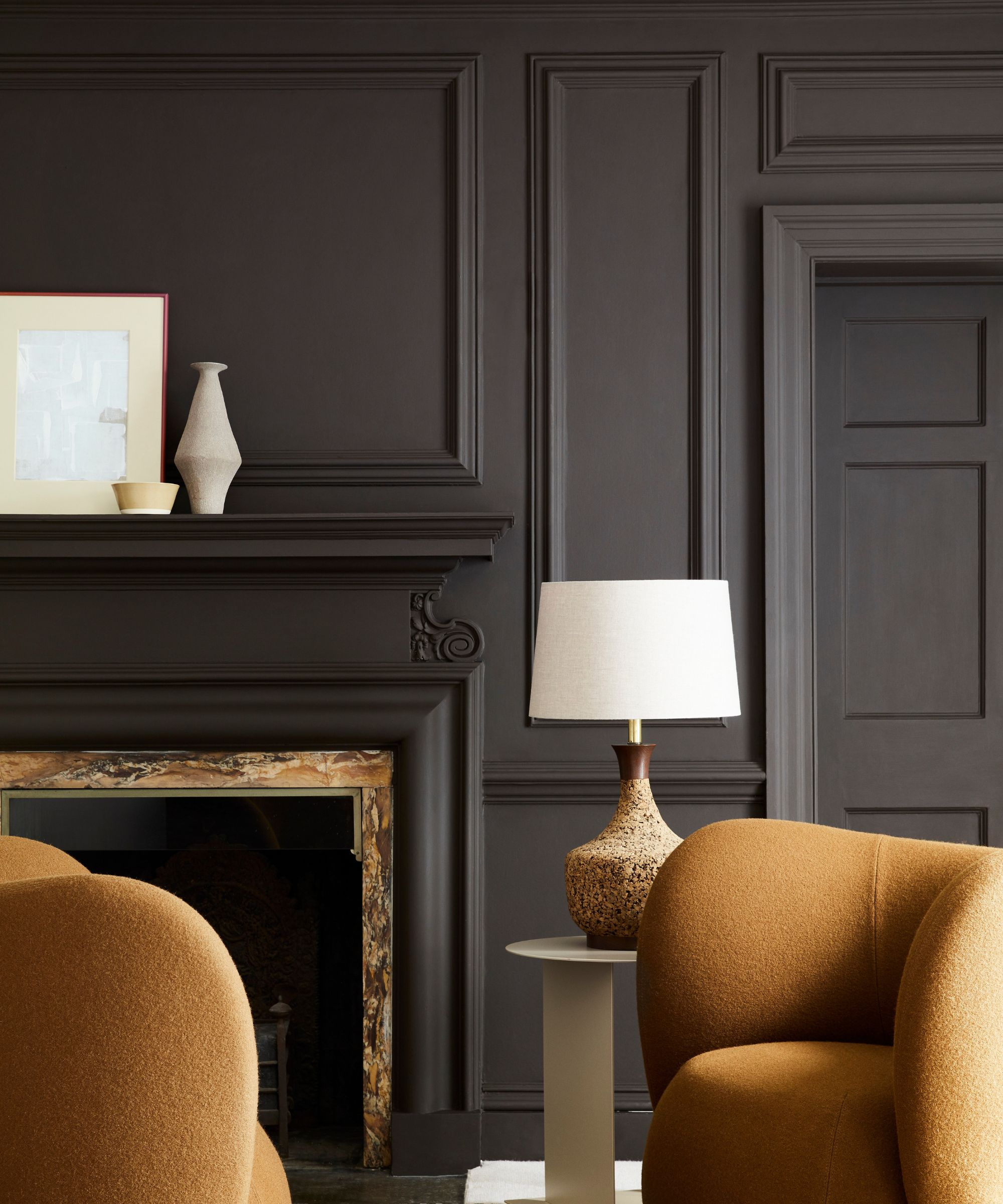
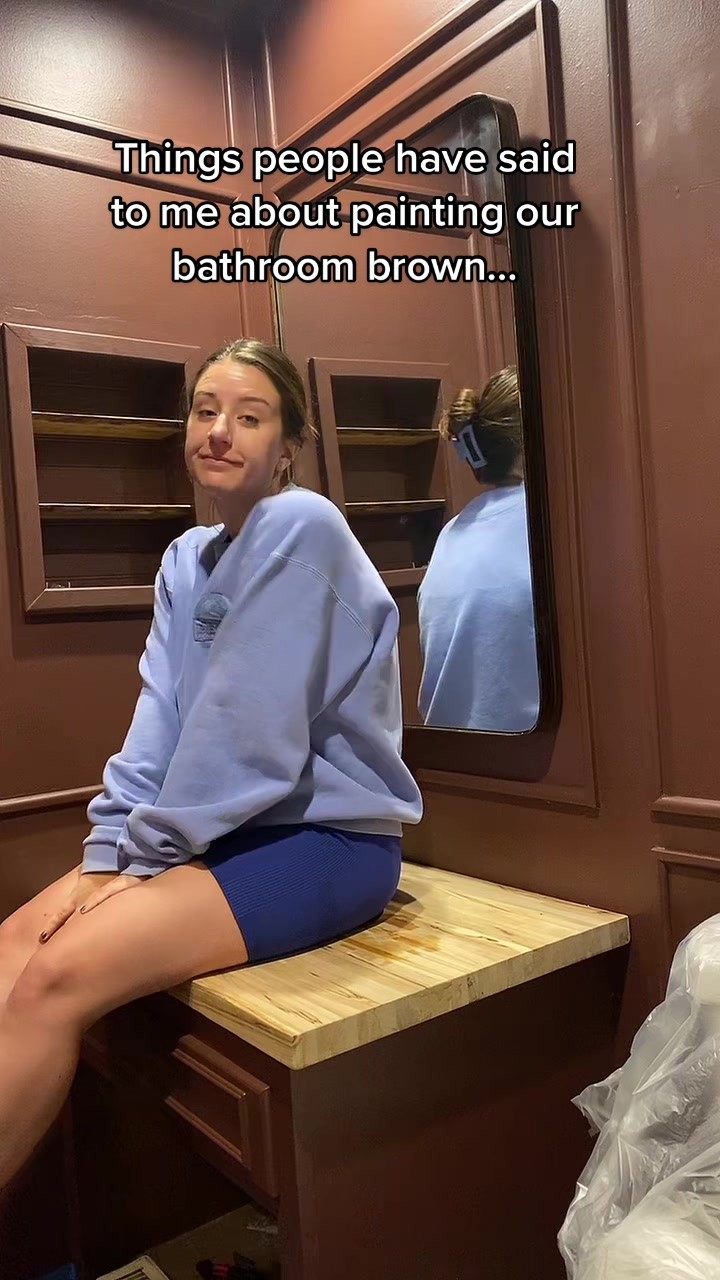
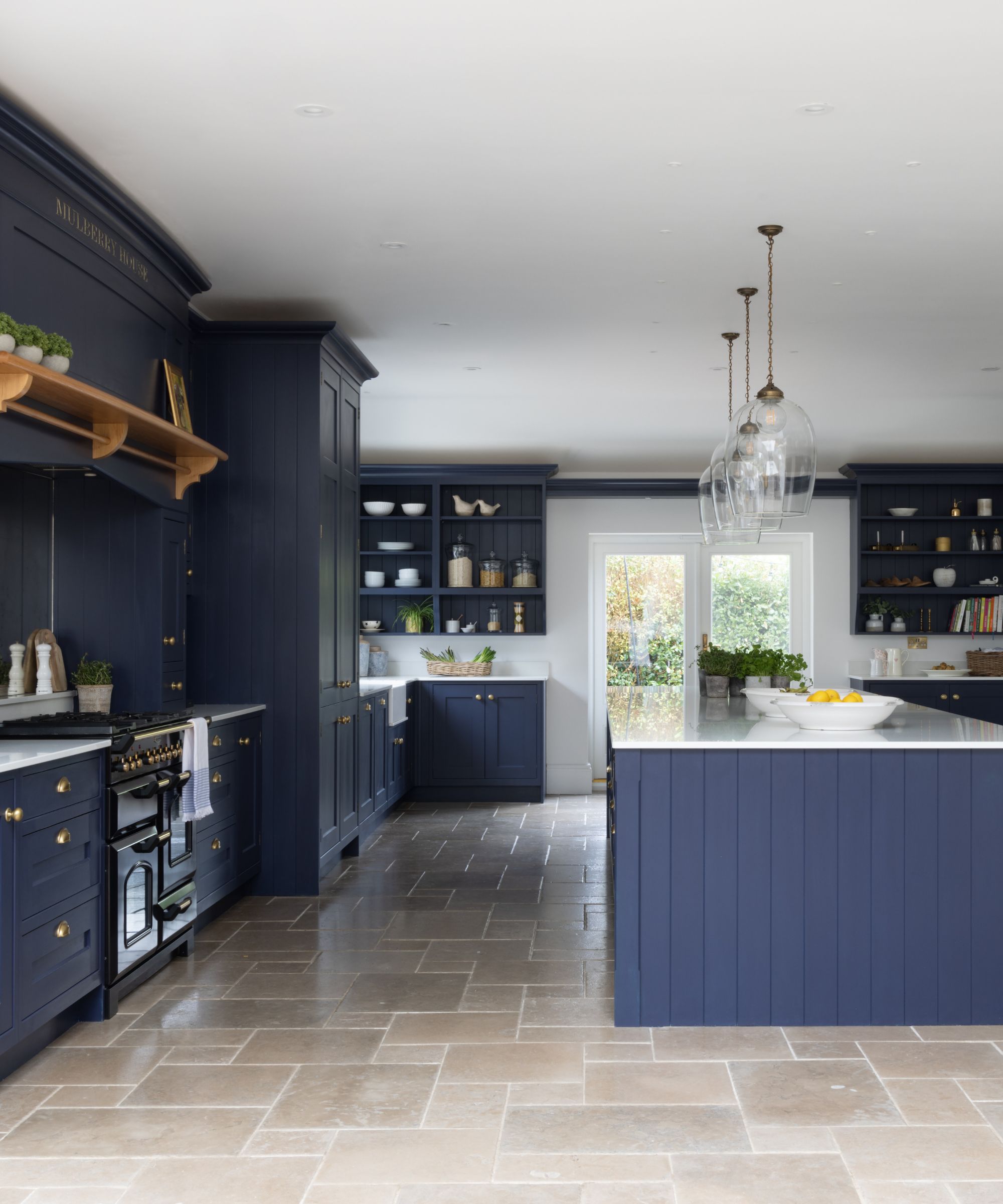
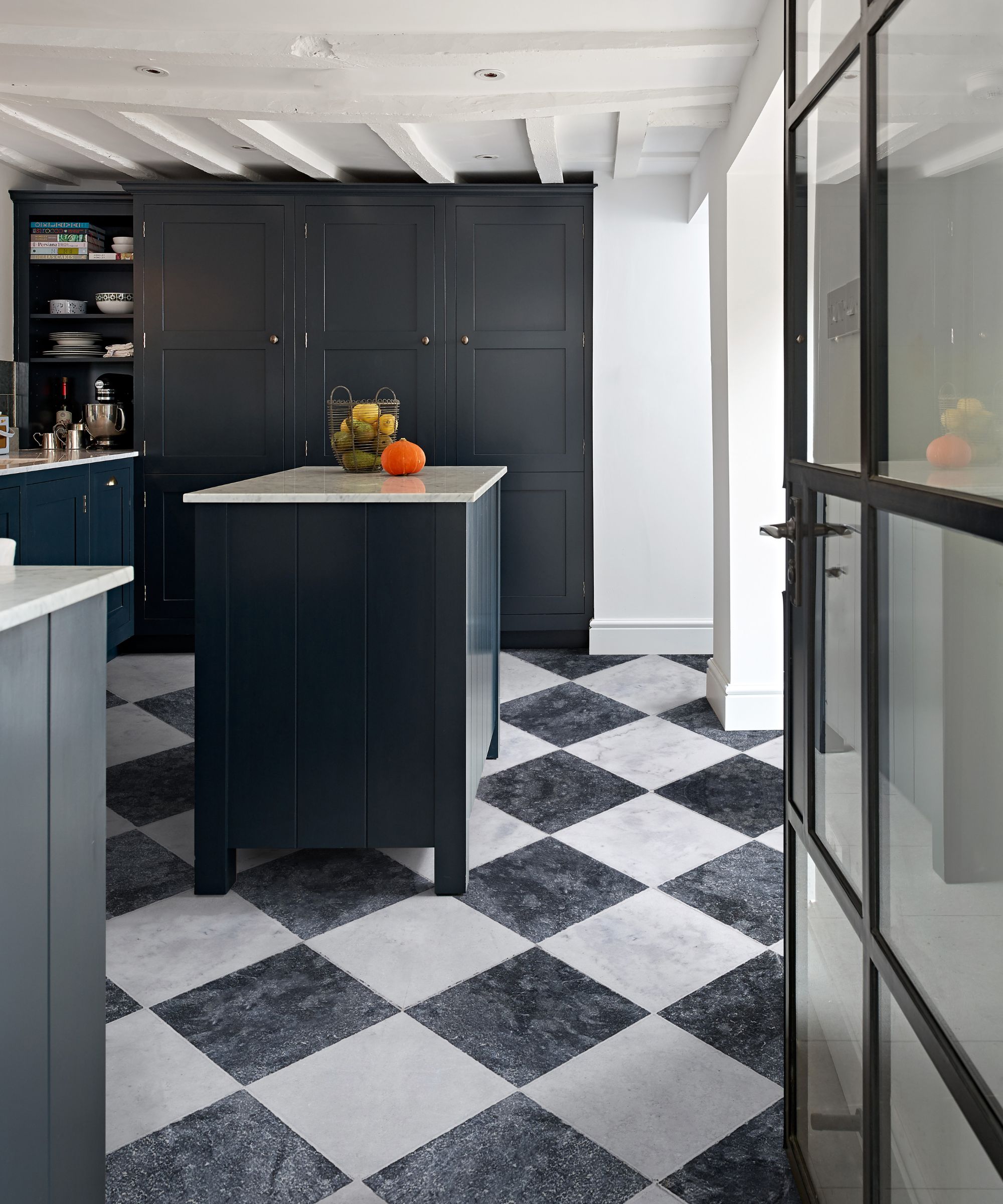
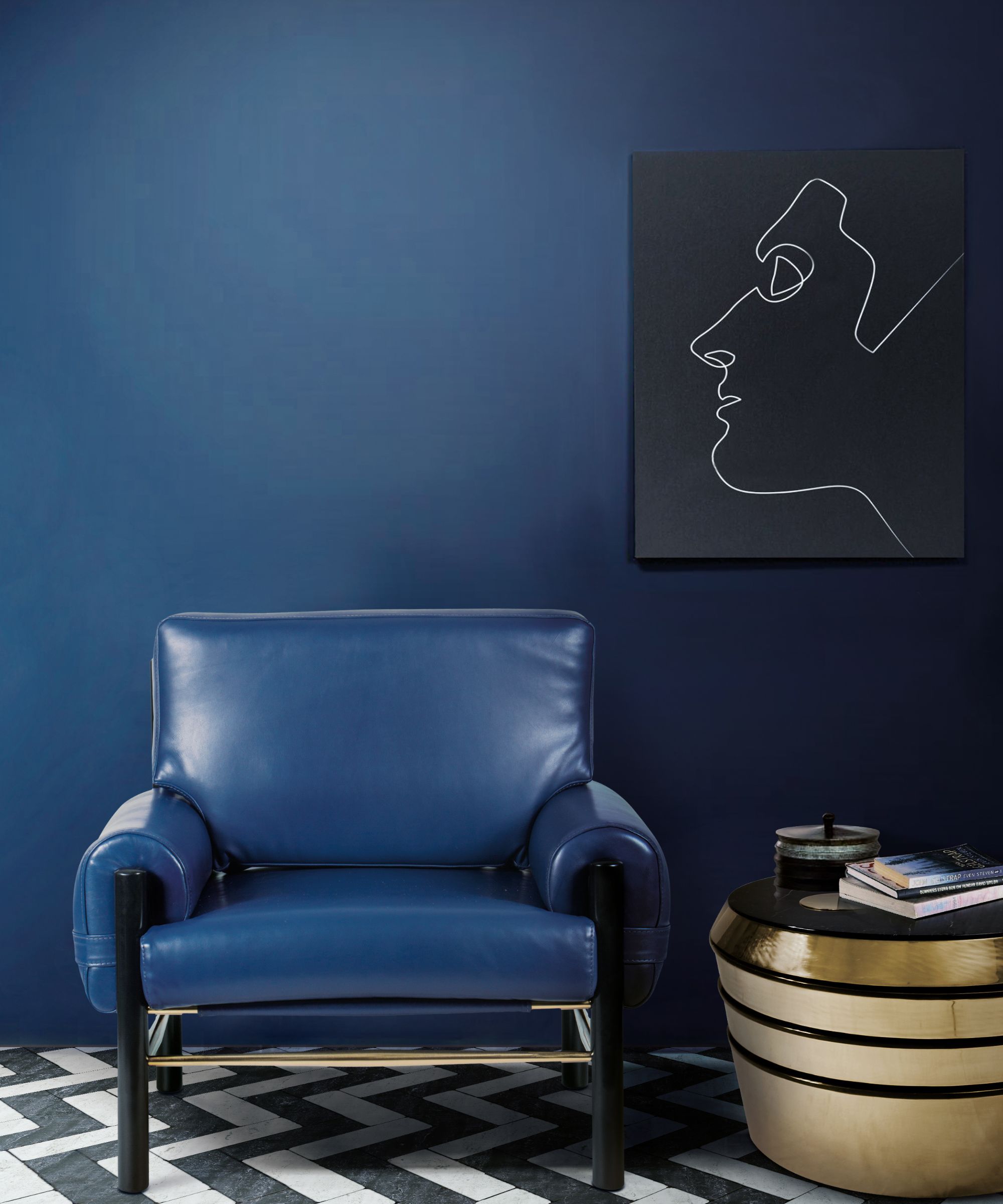
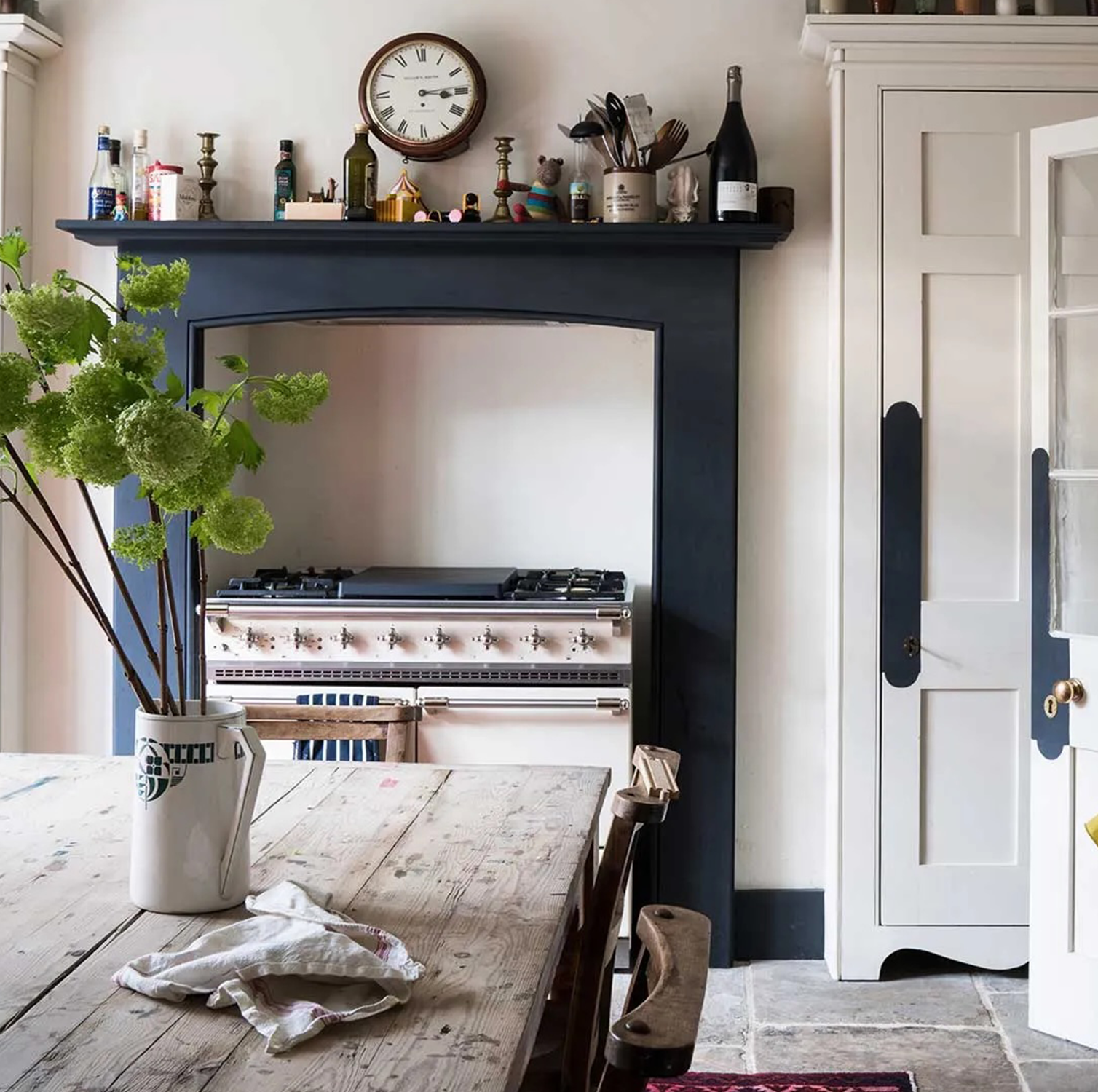
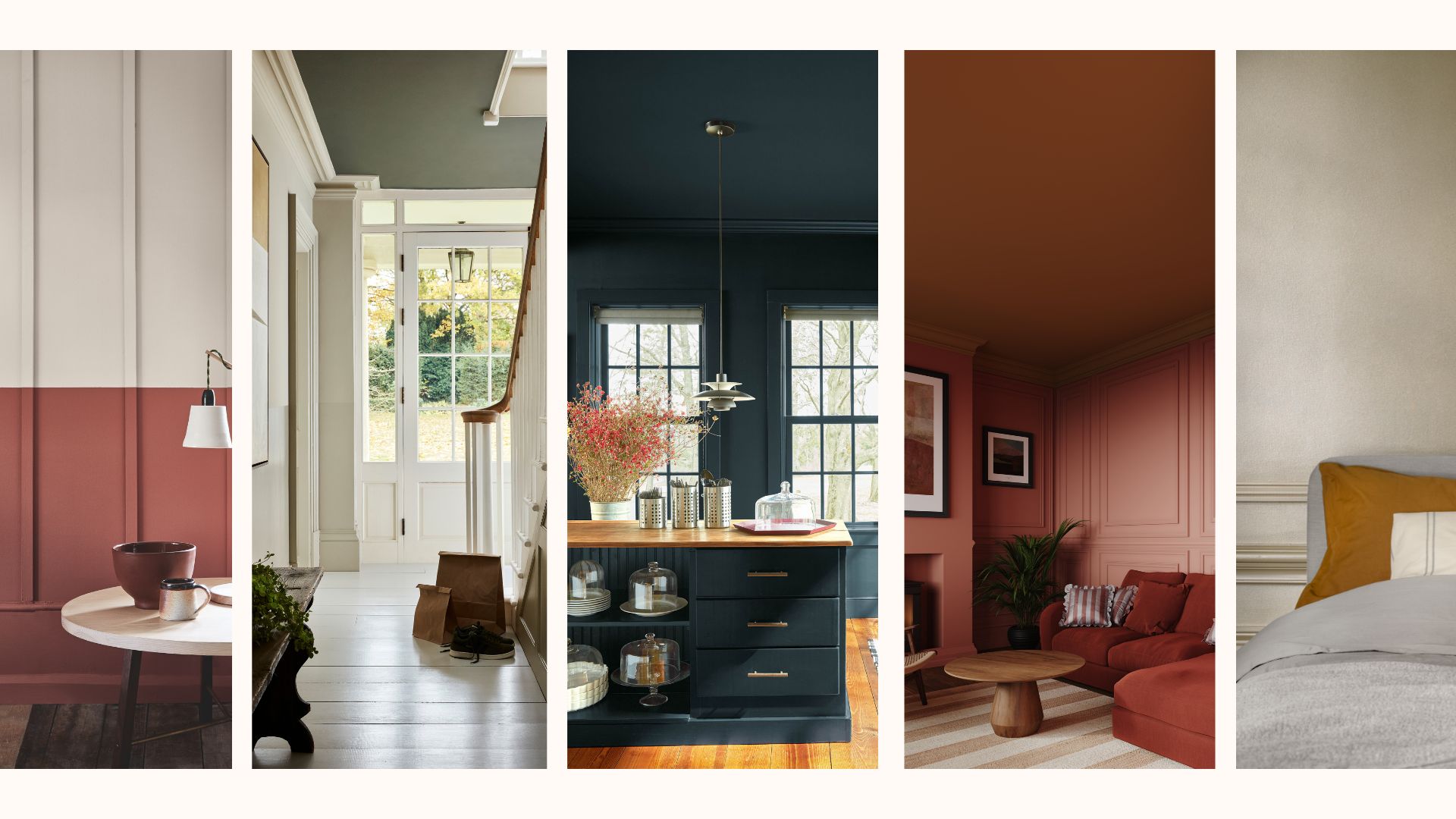
Counterintuitively, dark colours can also contribute to a sense of spaciousness when applied correctly. Rather than making a room feel smaller, dark shades like deep navies or off-blacks, especially when extended to the ceiling, absorb light and soften the room's boundaries. This blurring effect disguises the room's actual dimensions, creating a cocoon-like, enclosed feel that can be particularly conducive to relaxation, as seen in bedrooms. Finally, incorporating paint with a sheen, such as gloss or eggshell finishes, can serve as a 'cheat code' for expanding small spaces. These reflective finishes bounce natural light around the room, making it appear brighter and more expansive. While challenging for large wall areas unless clad in wood, this technique is highly effective on ceilings, staircases, floors, and wooden surfaces like doors, bannisters, or kitchen cabinets, achieving a similar light-reflecting effect.
#SmallRoomDesign #InteriorPainting #PaintColors #HomeDecor #ColorPsychology #DesignTricks #LightingEffects #InteriorDesign #SmallRoomDesign #InteriorPainting #PaintColors #HomeDecor #ColorPsychology #DesignTricks #LightingEffects #InteriorDesign
0 comment in total
 No comments yet
You may also like
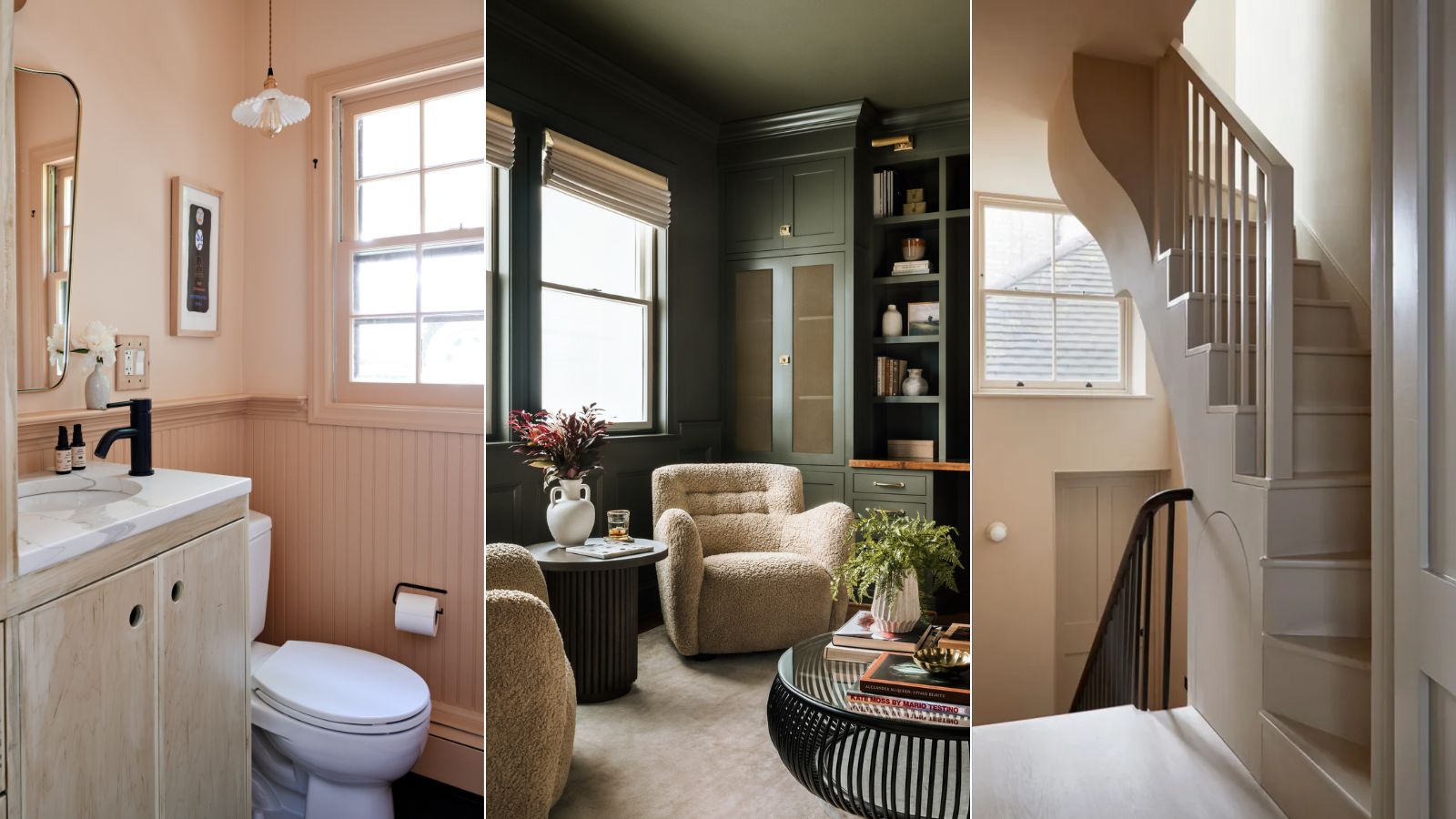
9 rooms that prove color drenching makes small spaces look bigger

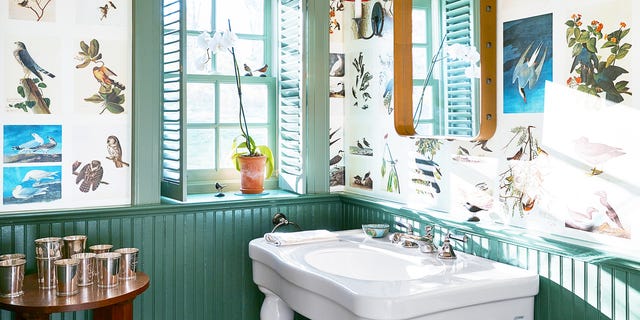
18 Best Paint Colors to Make Small Bathrooms Feel Bigger

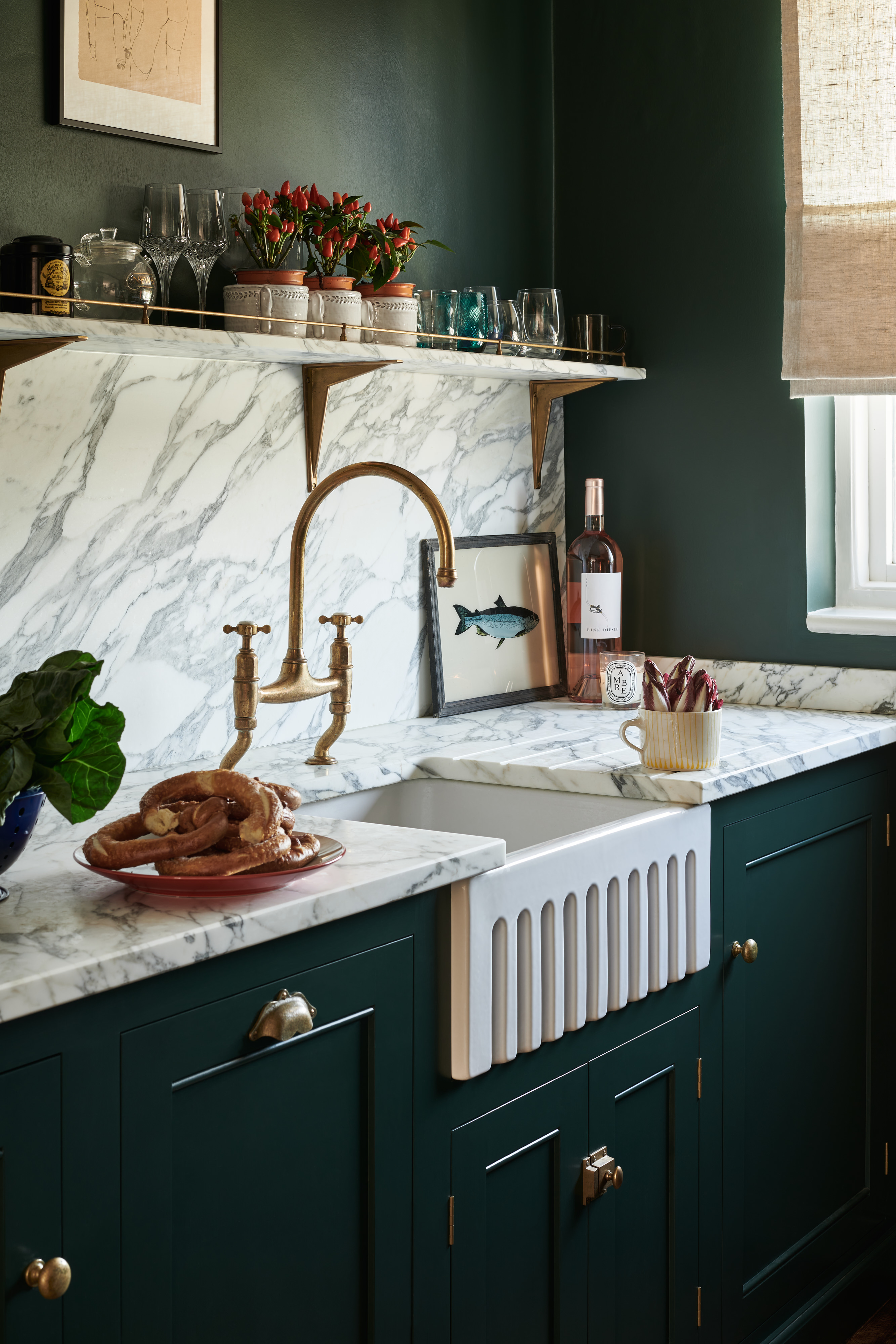
10 kitchen cabinet colors to make a small space look bigger

The Best Paint Colors to Make Small Rooms Feel Bigger (Some May Surprise You!)
12 Tips For Making Small Rooms Appear Larger Using Paint

How to make a room look bigger with paint: 10 expert tips

12 Paint Colors That Will Make Any Room Look Bigger
How to make a narrow room look wider with paint - expert tricks to make small spaces seem bigger

What Colors Make a Room Look Bigger? 5 That Designers Reach for to Make Walls 'Visually Expand'
12 Paint Colors That Will Make Small Rooms Feel Bigger
What kitchen floor colors make a small space look bigger? Interior pros spill their secrets

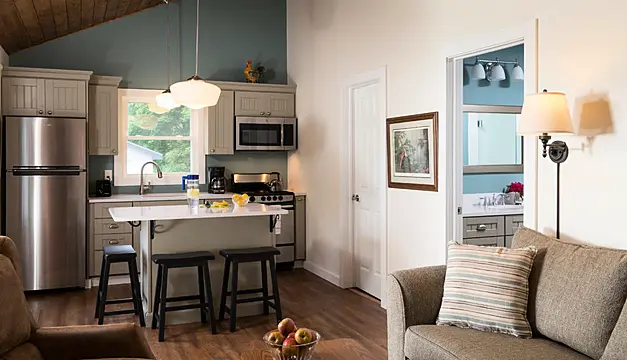
14 clever ways to make small rooms look bigger

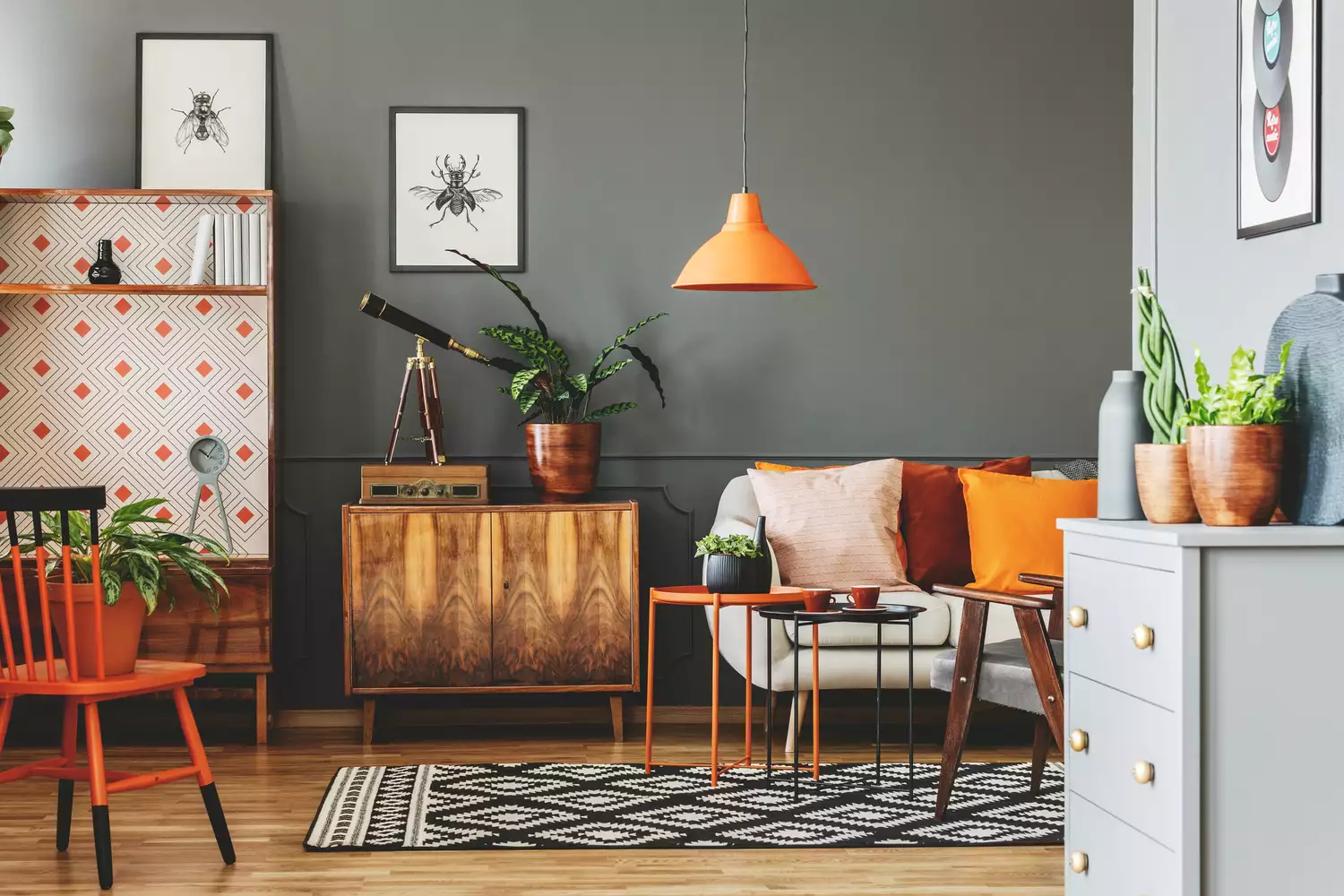
7 Paint Colors That Instantly Make Small Living Rooms Feel Bigger, Designers Say

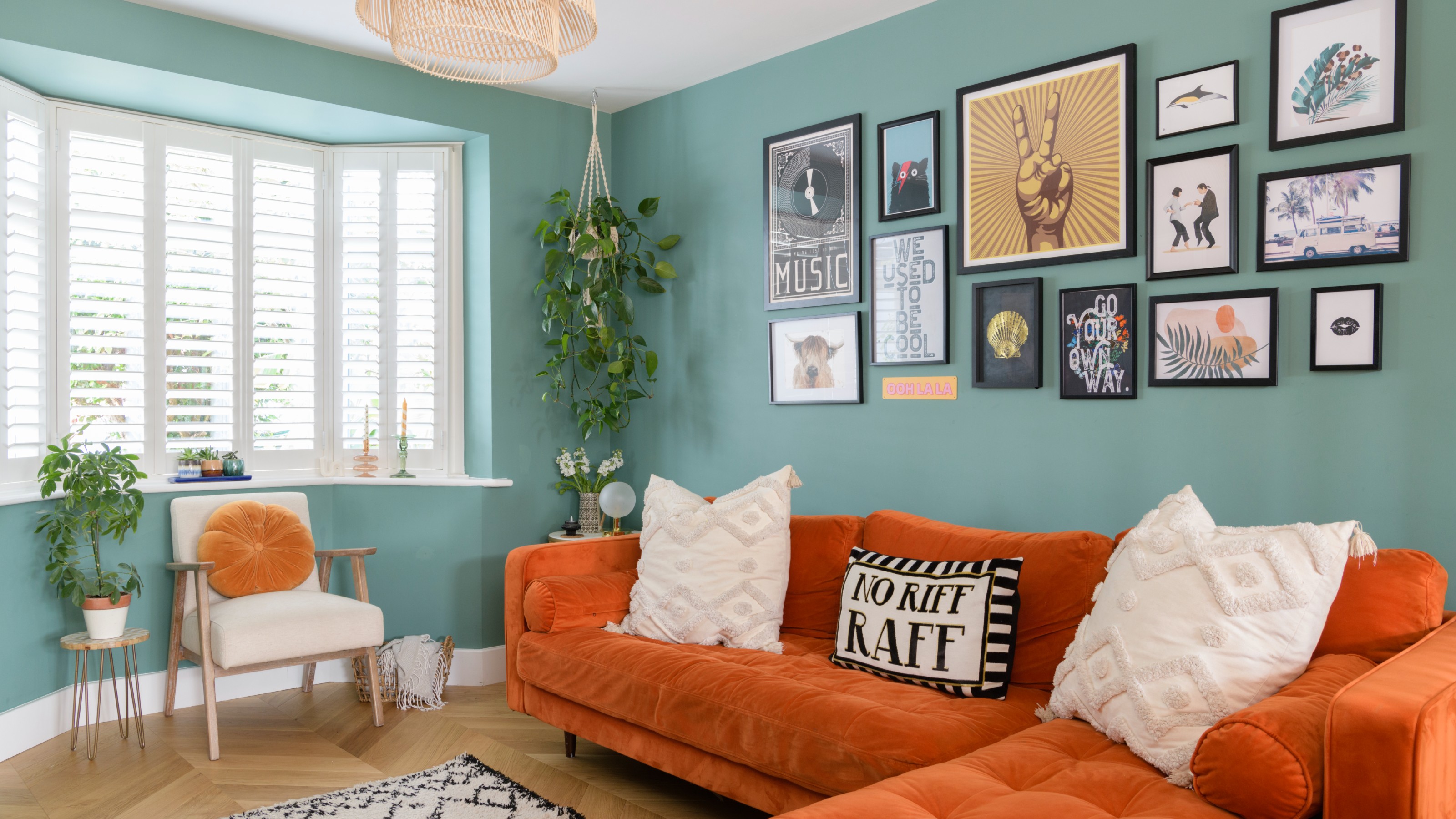
6 expert tricks for decorating small living room walls that will make your tiny lounge appear bigger
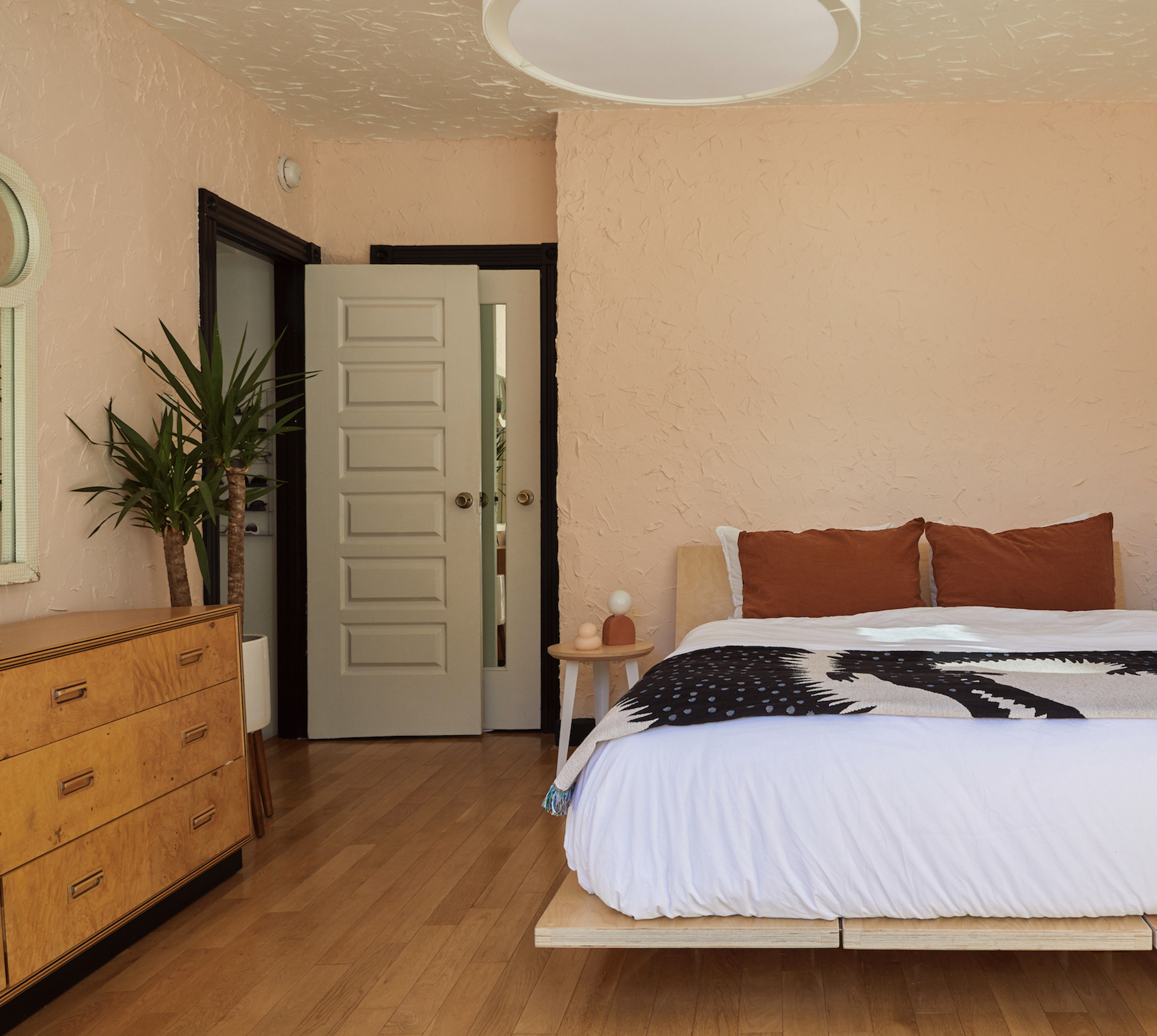
8 of the best paint colors to enhance small spaces, according to experts
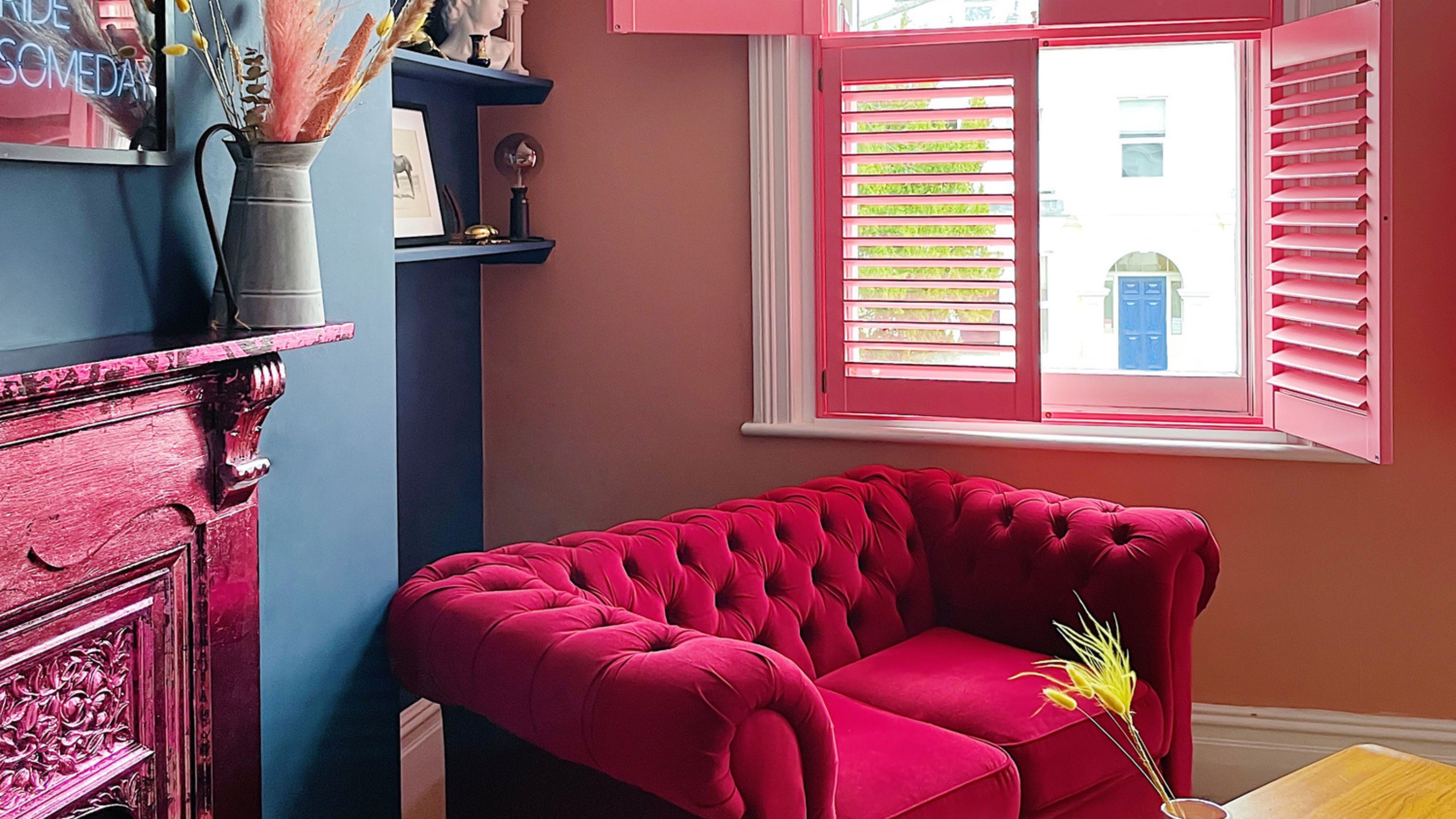
The best paint colors for small living rooms, according to design experts
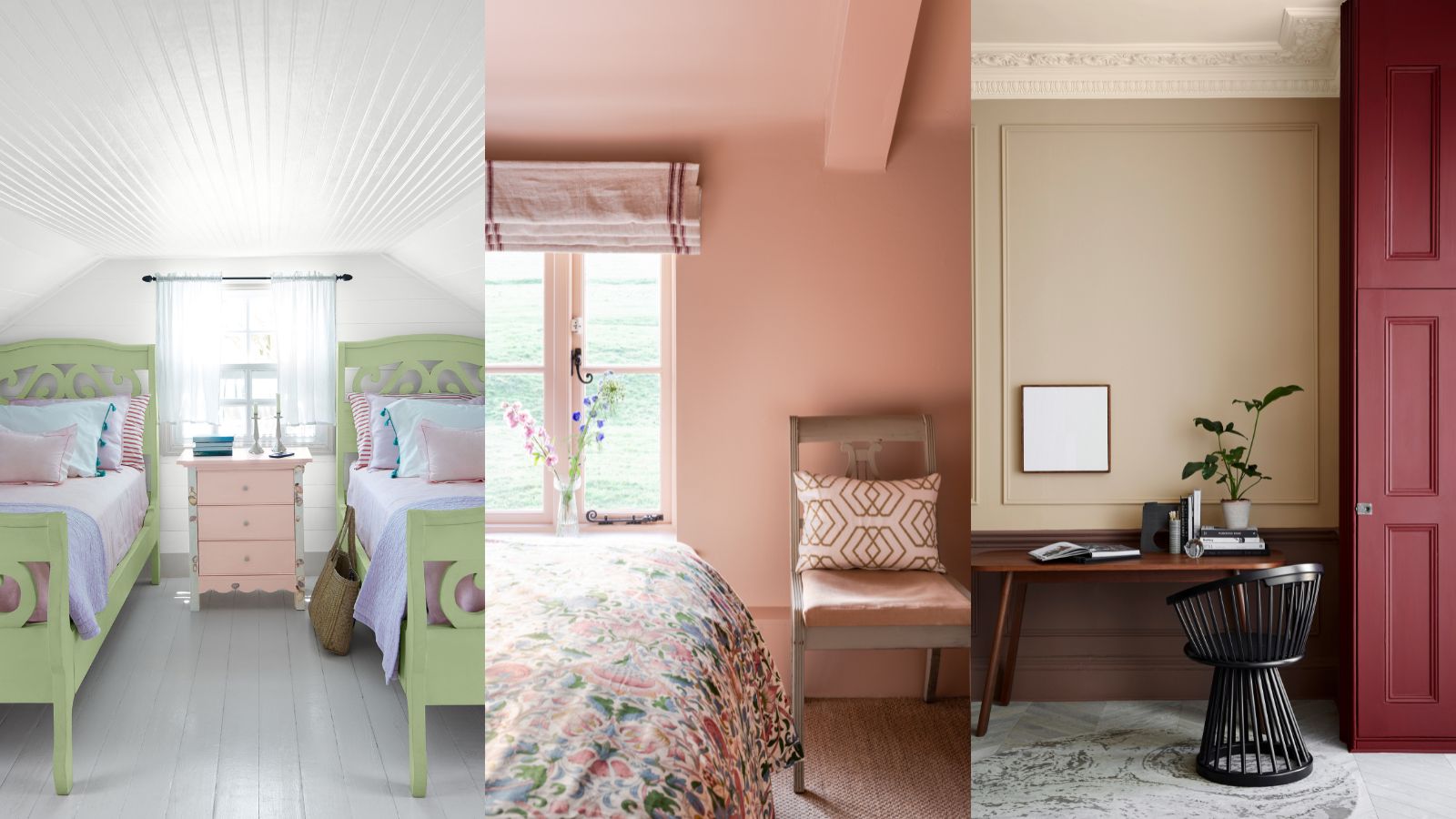
What colors make a small room look bigger? These space-stretching shades are what design experts use
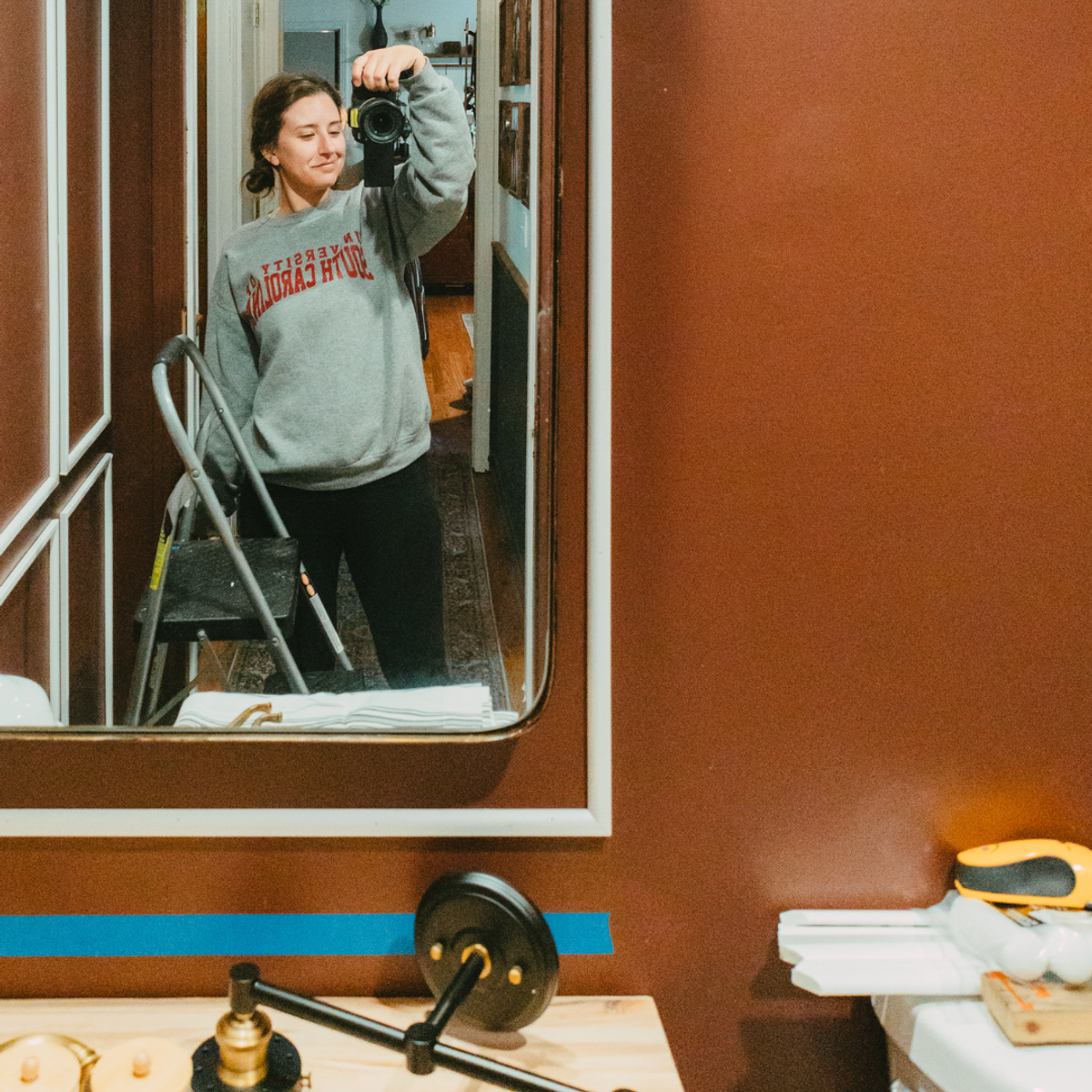
How To Successfully Paint Small Spaces Dark Colors & Actually Make Your Room Look BIGGER

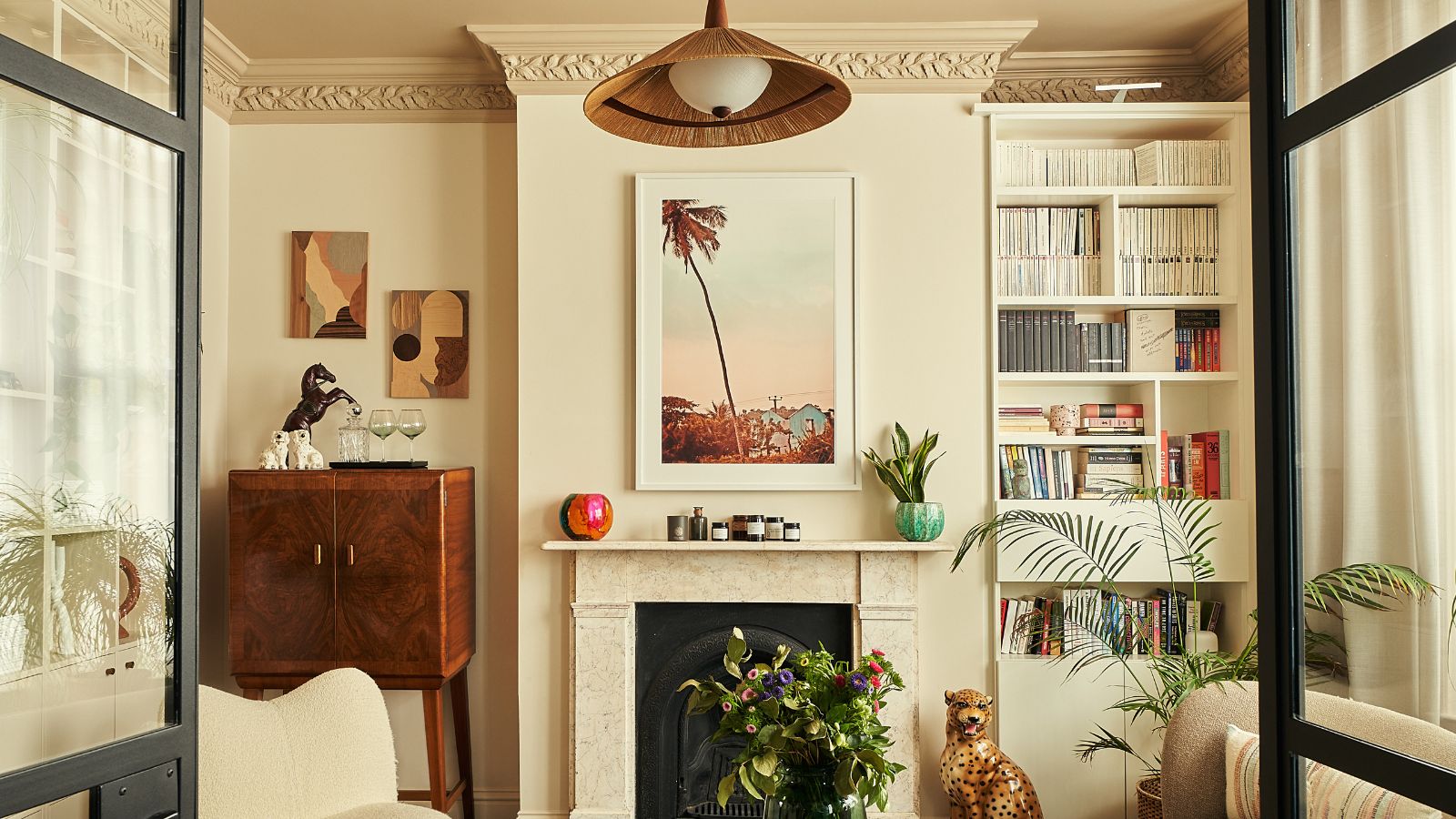
Goodbye plain white ceilings – designers say color capping is the clever paint hack that makes a small living room feel taller
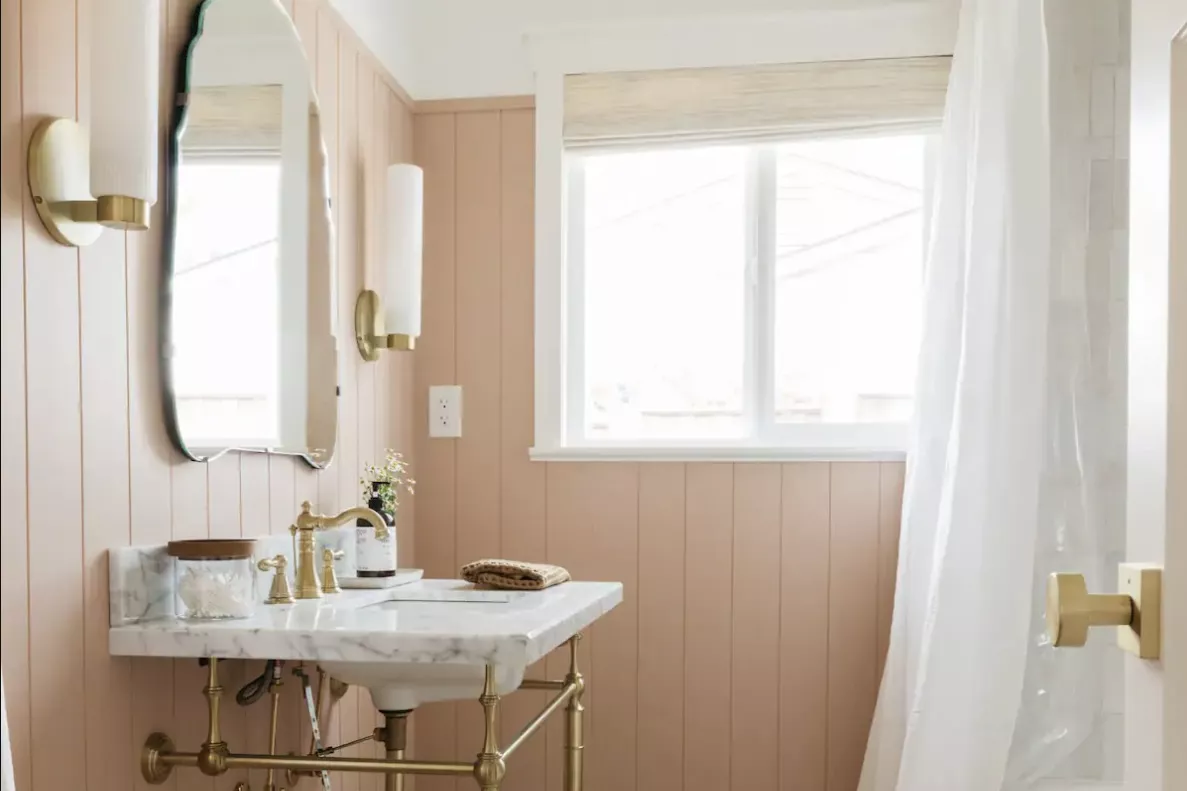
11 Paint Colors That Instantly Make a Small Bathroom Look Bigger