1/5
Goodbye plain white ceilings – designers say color capping is the clever paint hack that makes a small living room feel taller
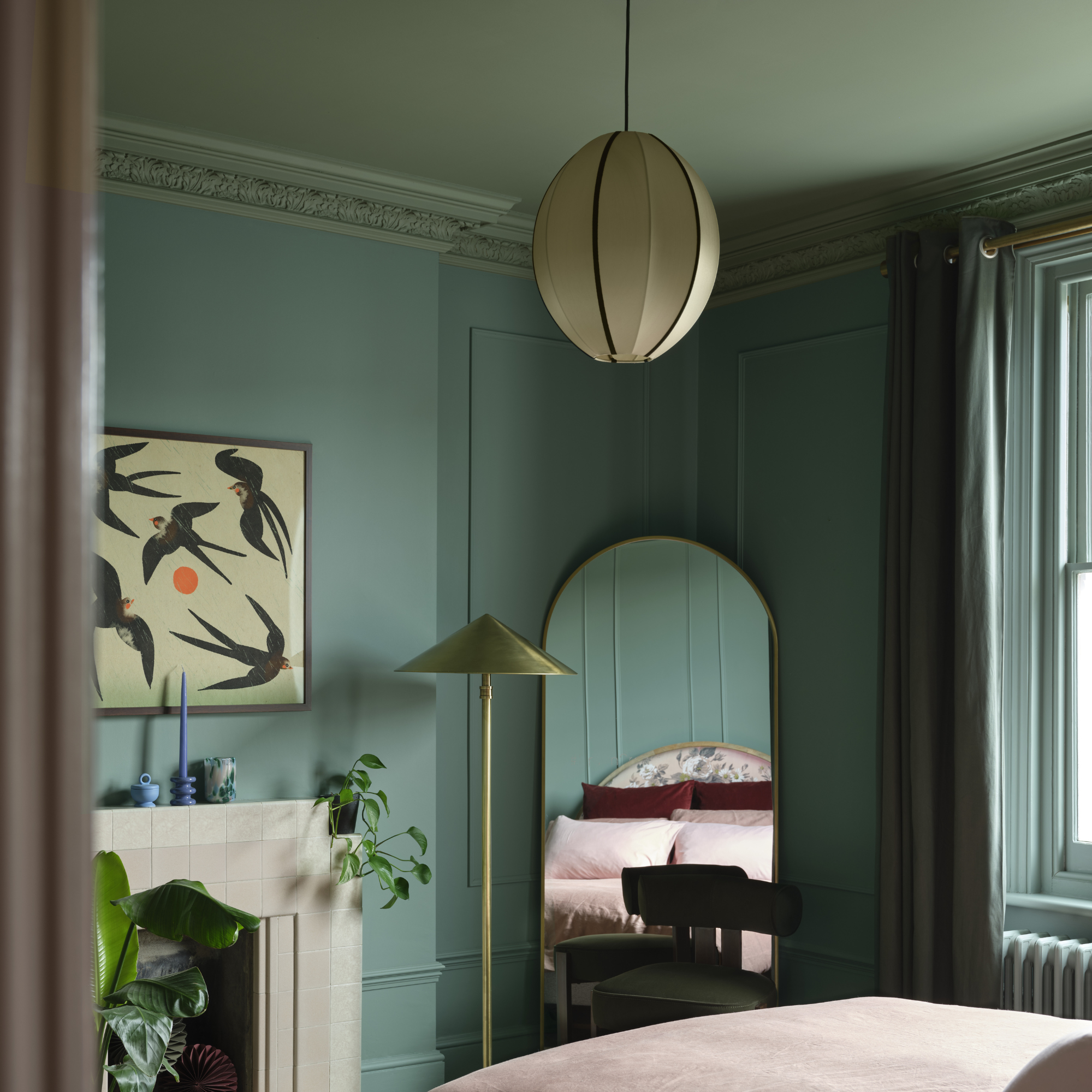
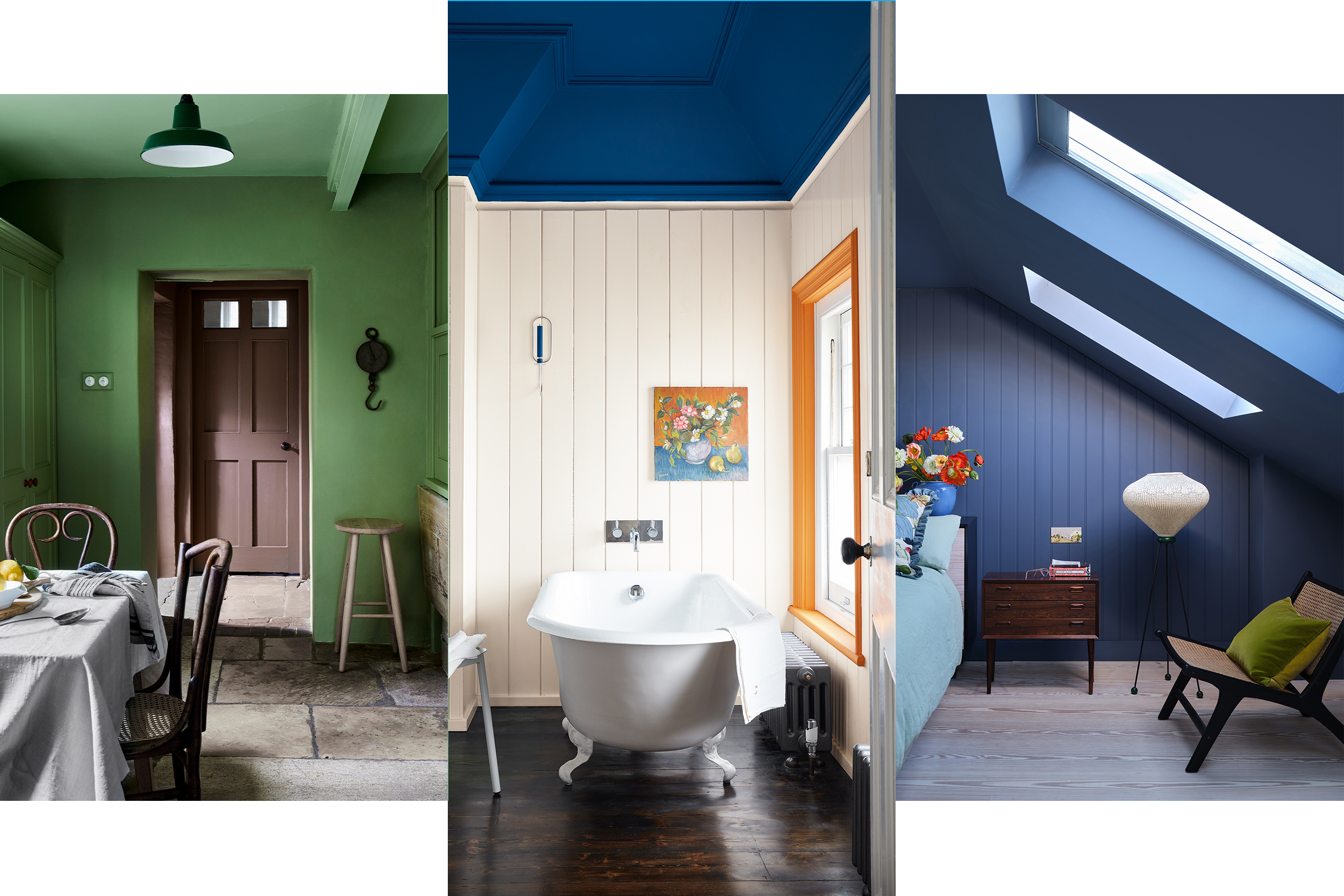
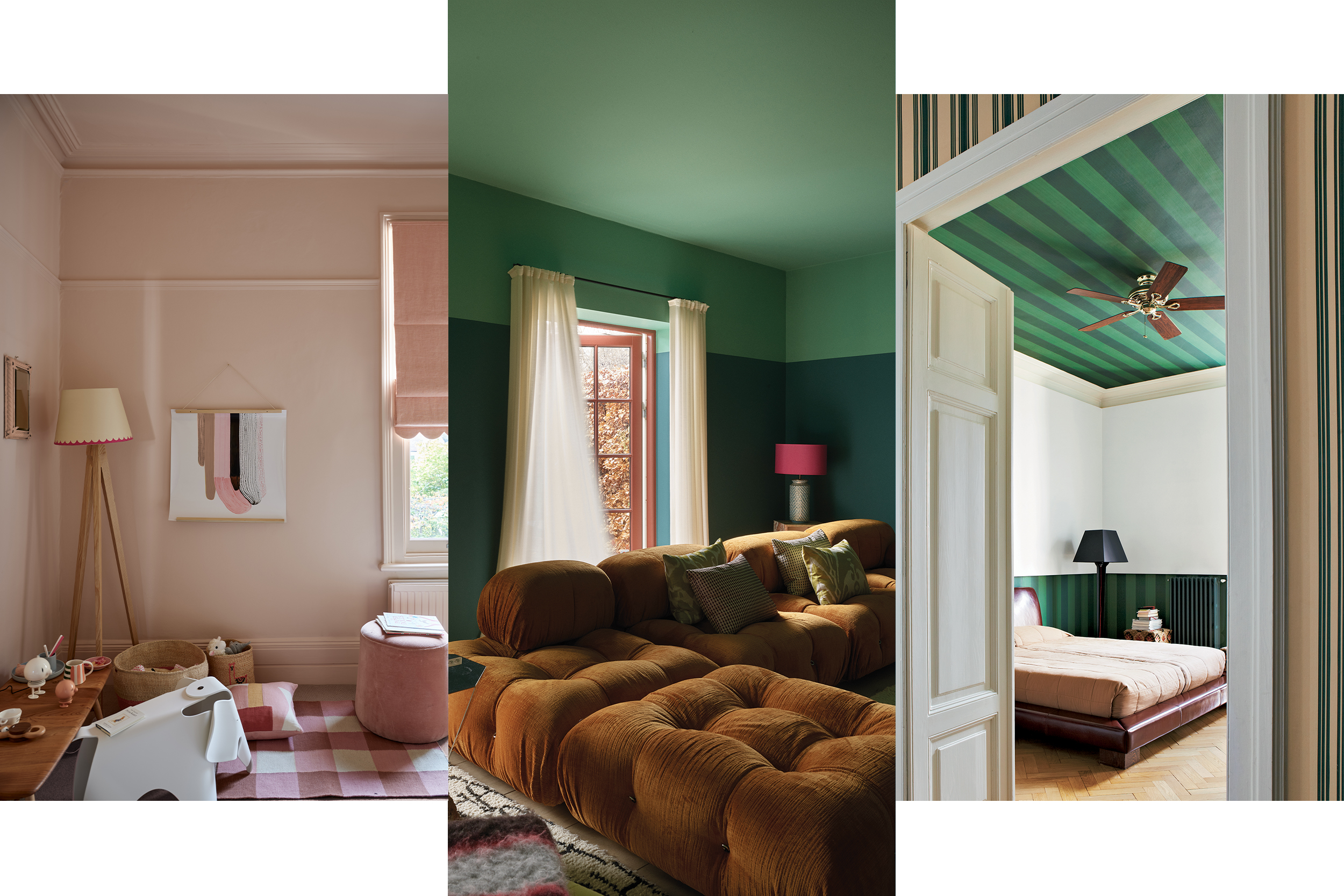
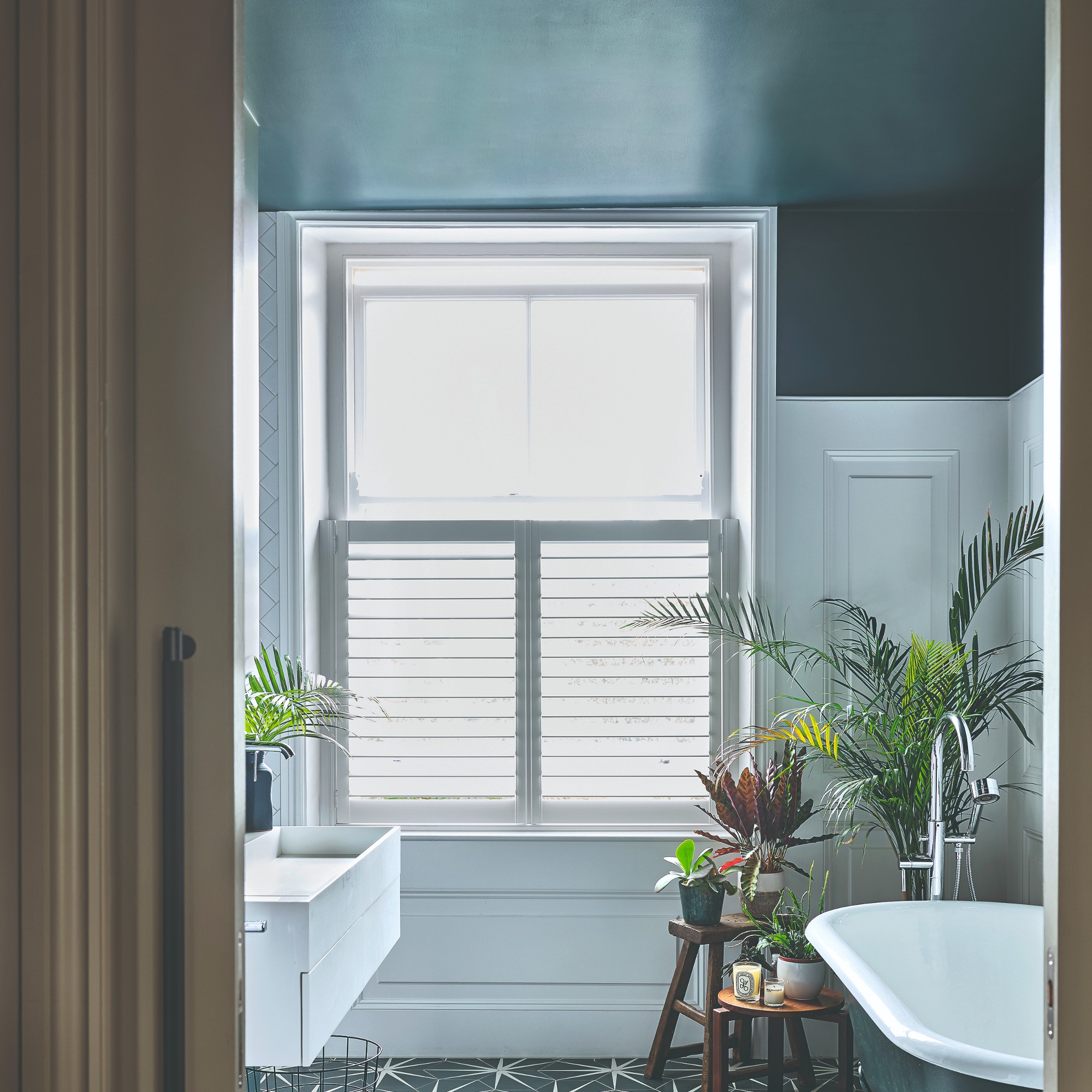
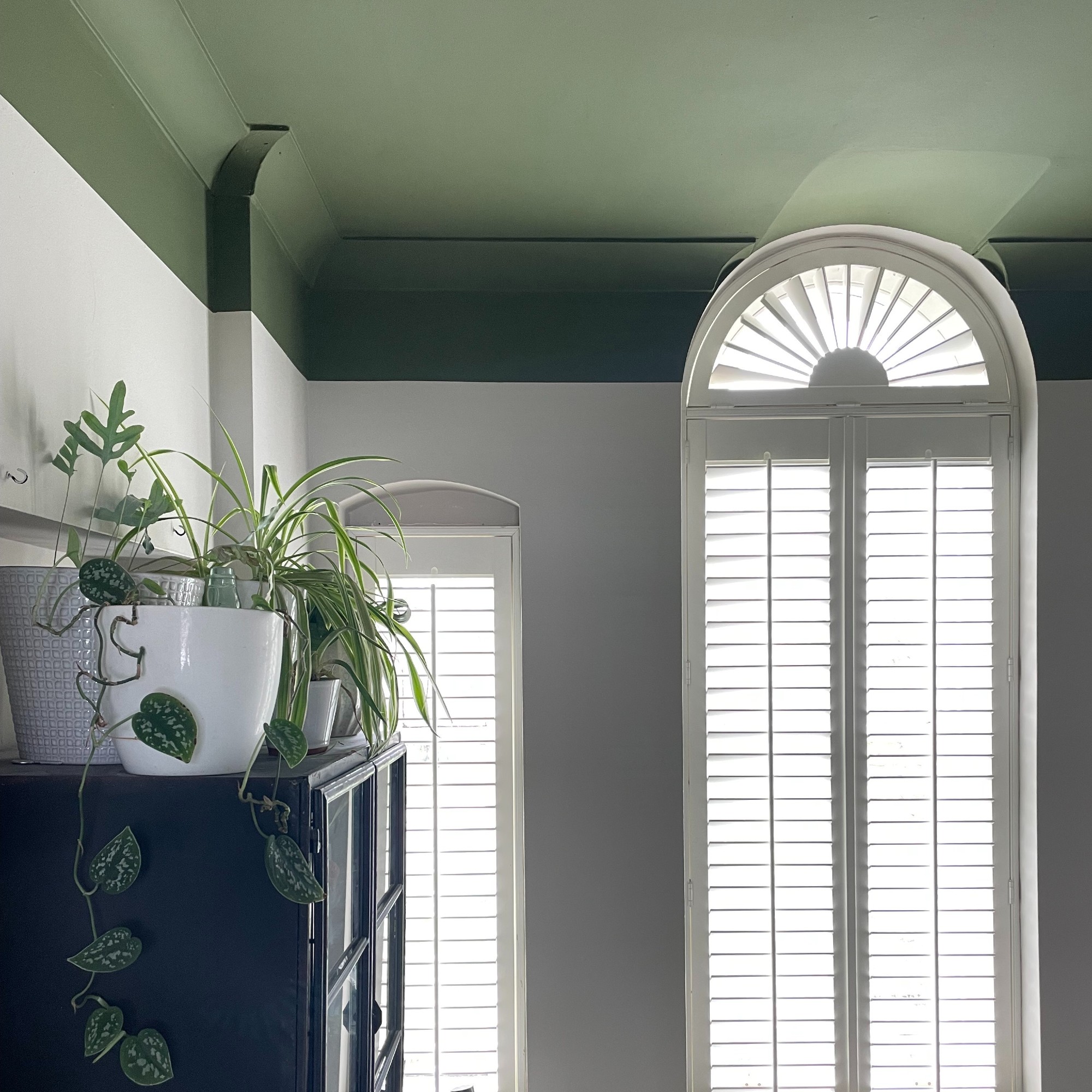
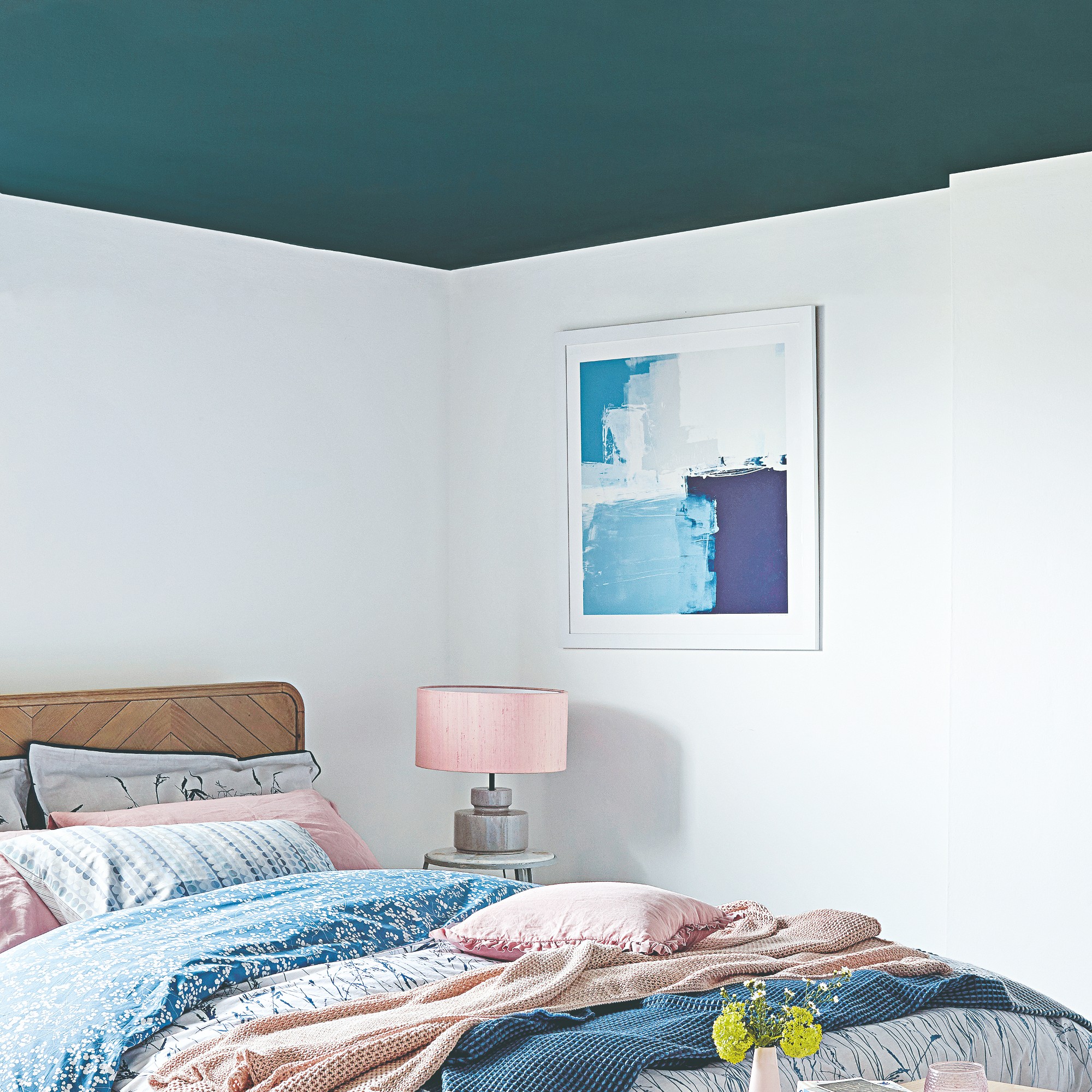
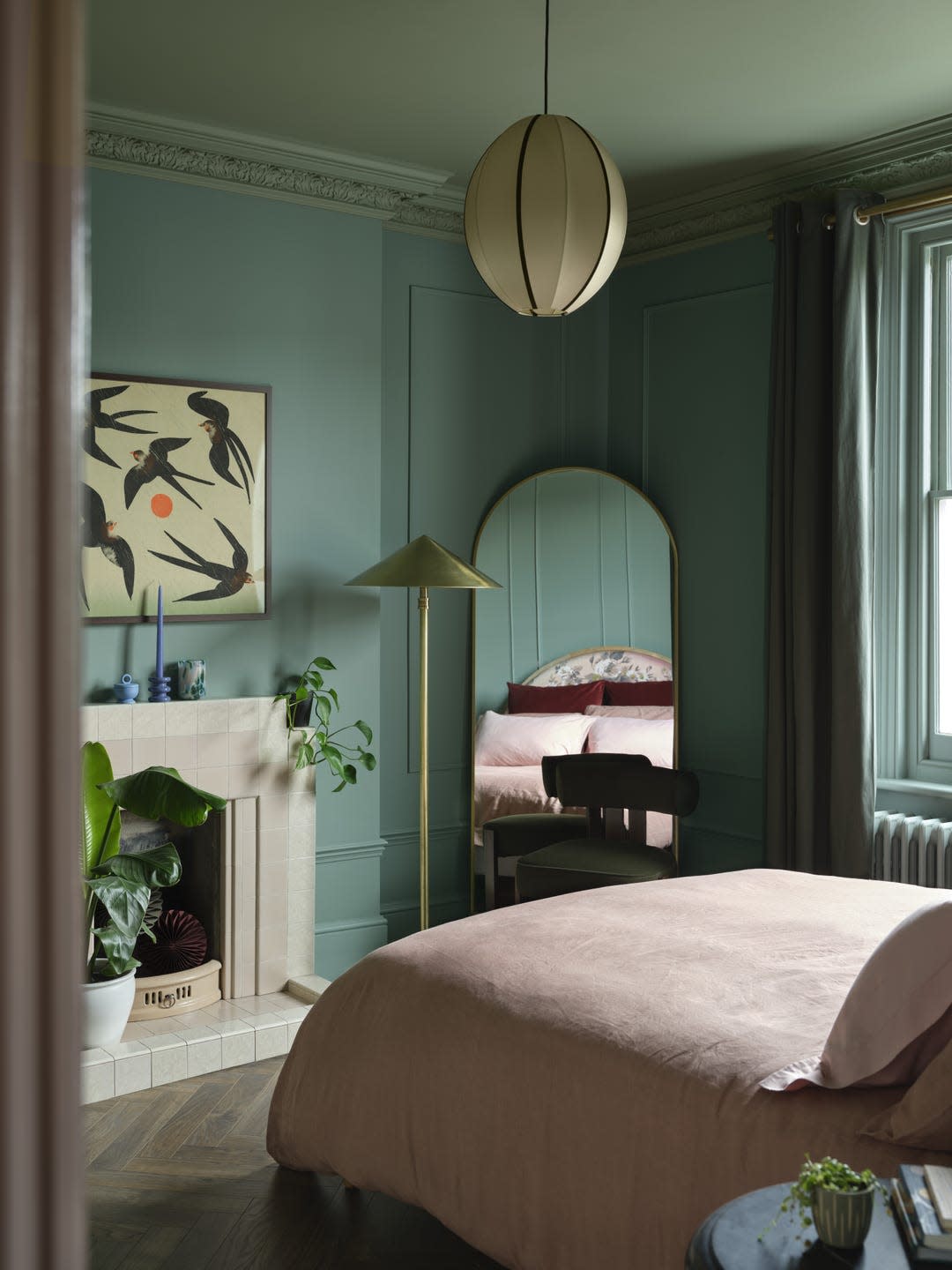
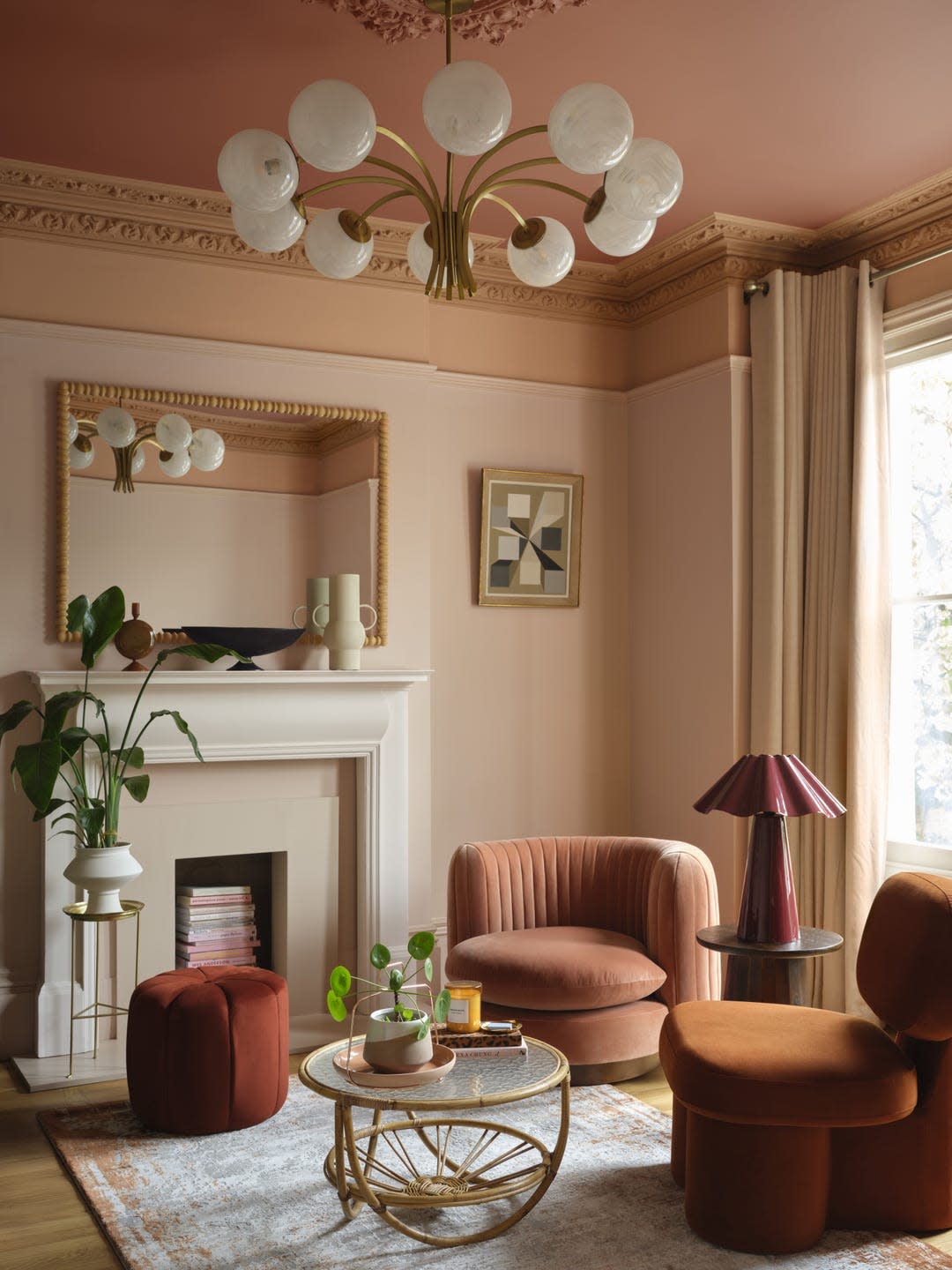
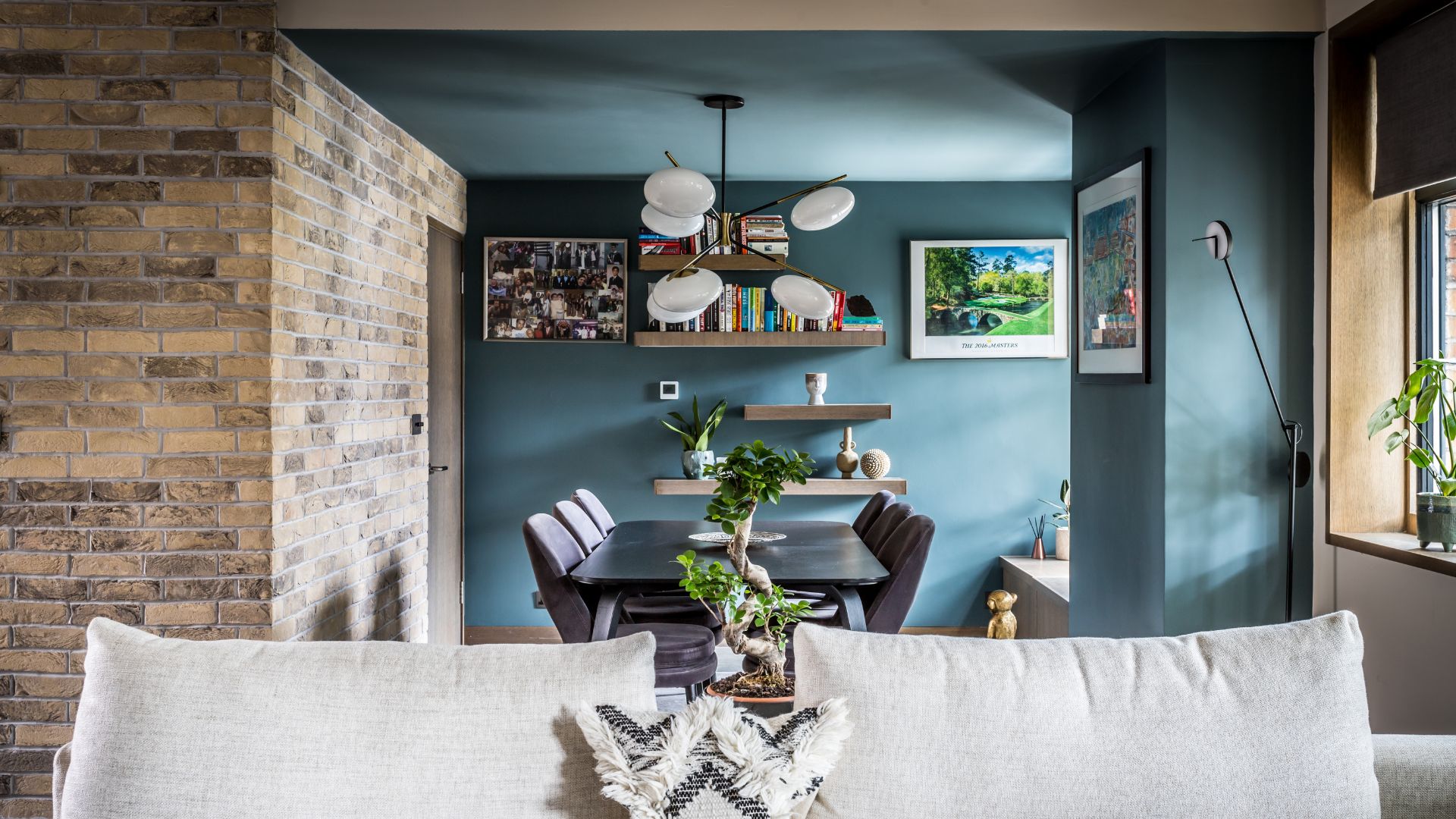
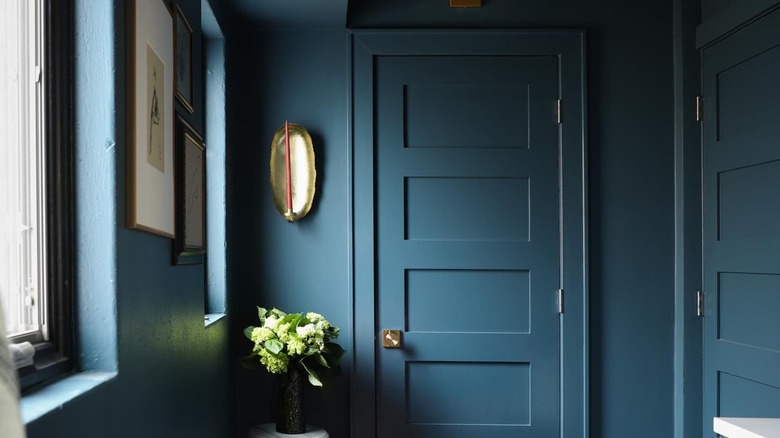
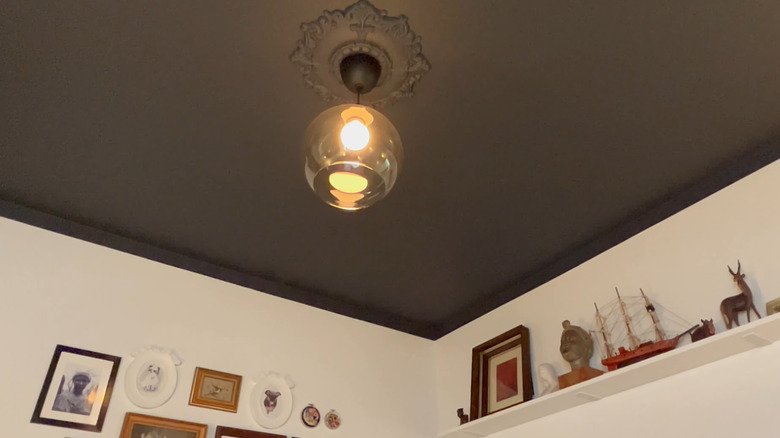
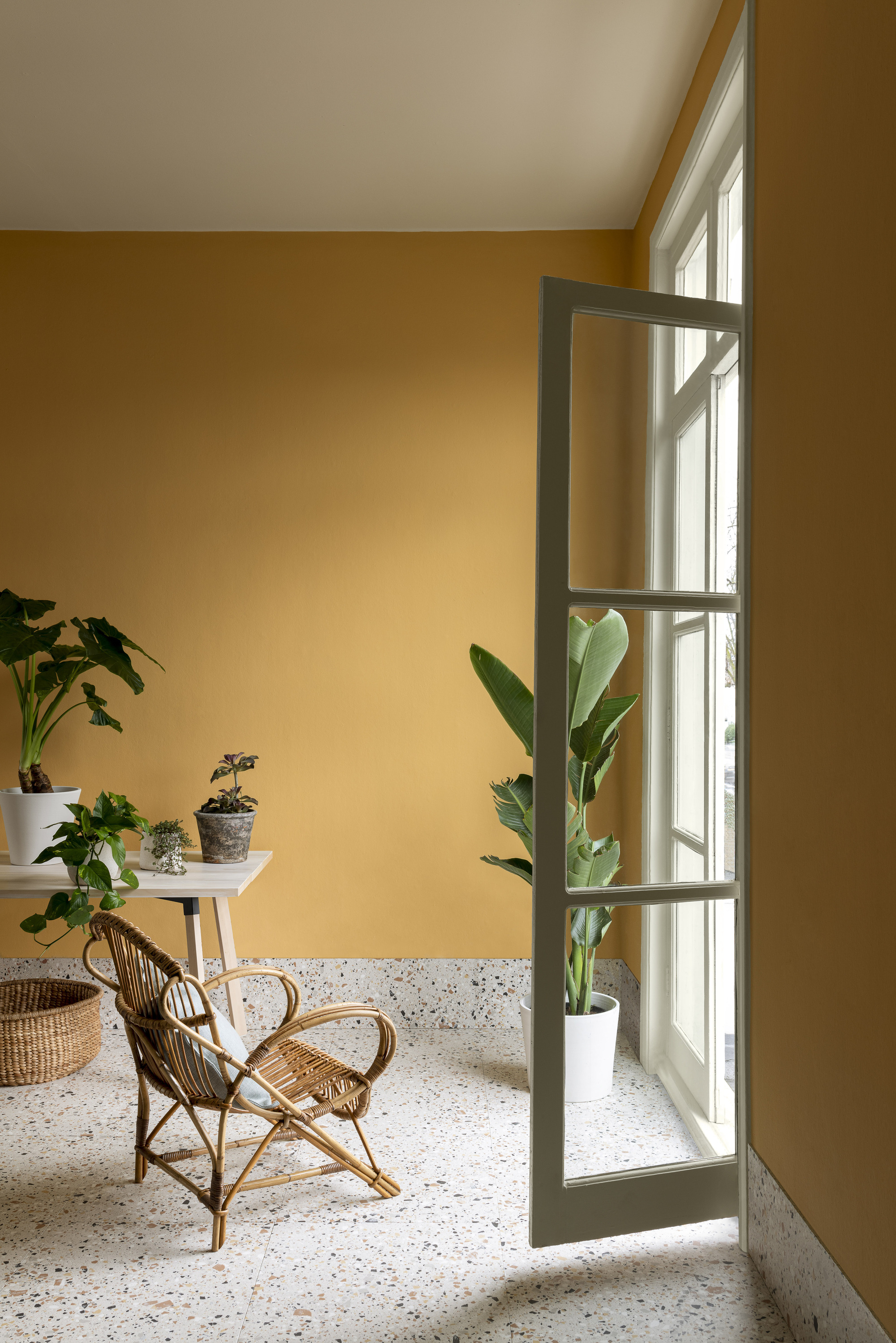
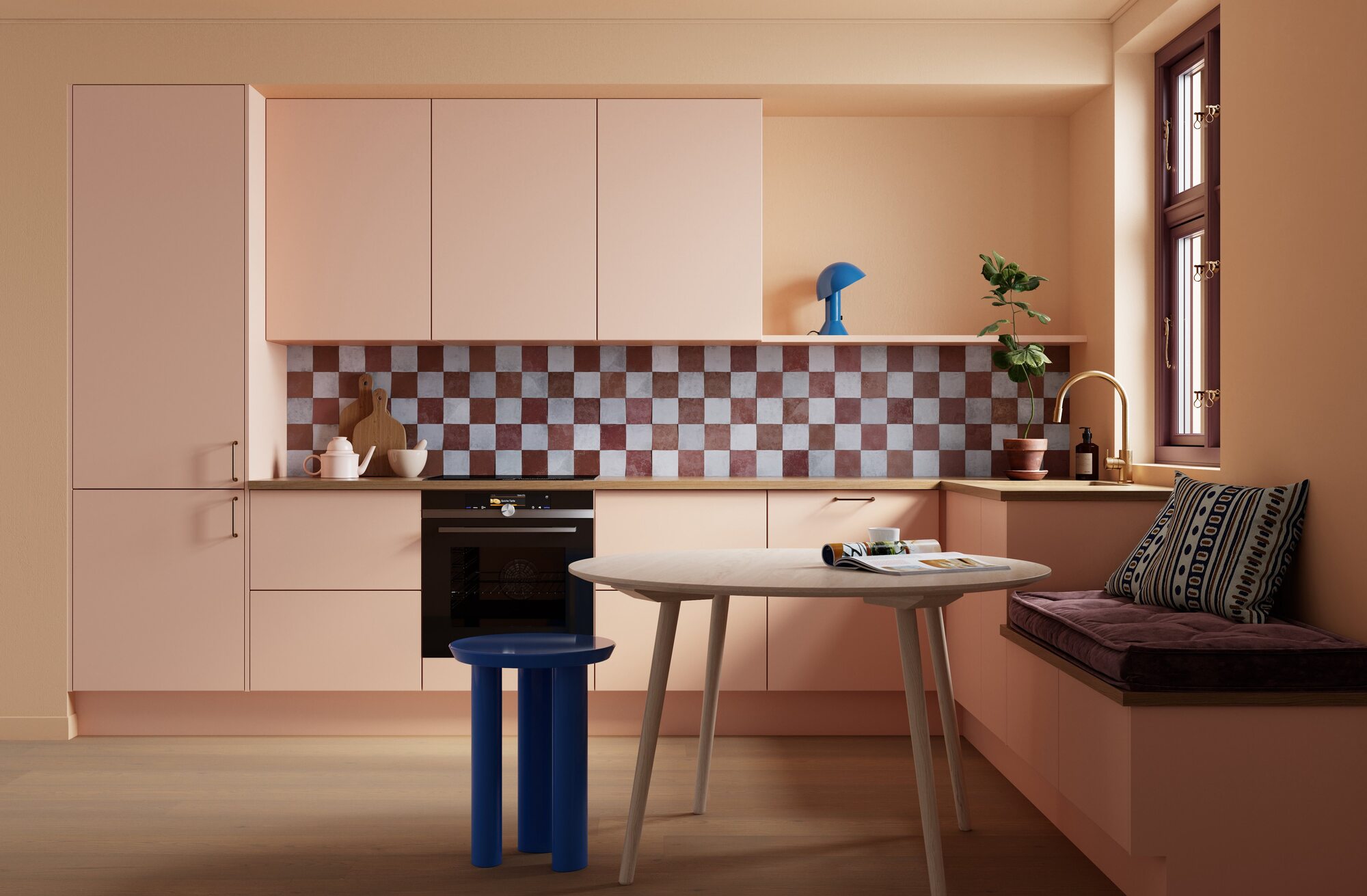
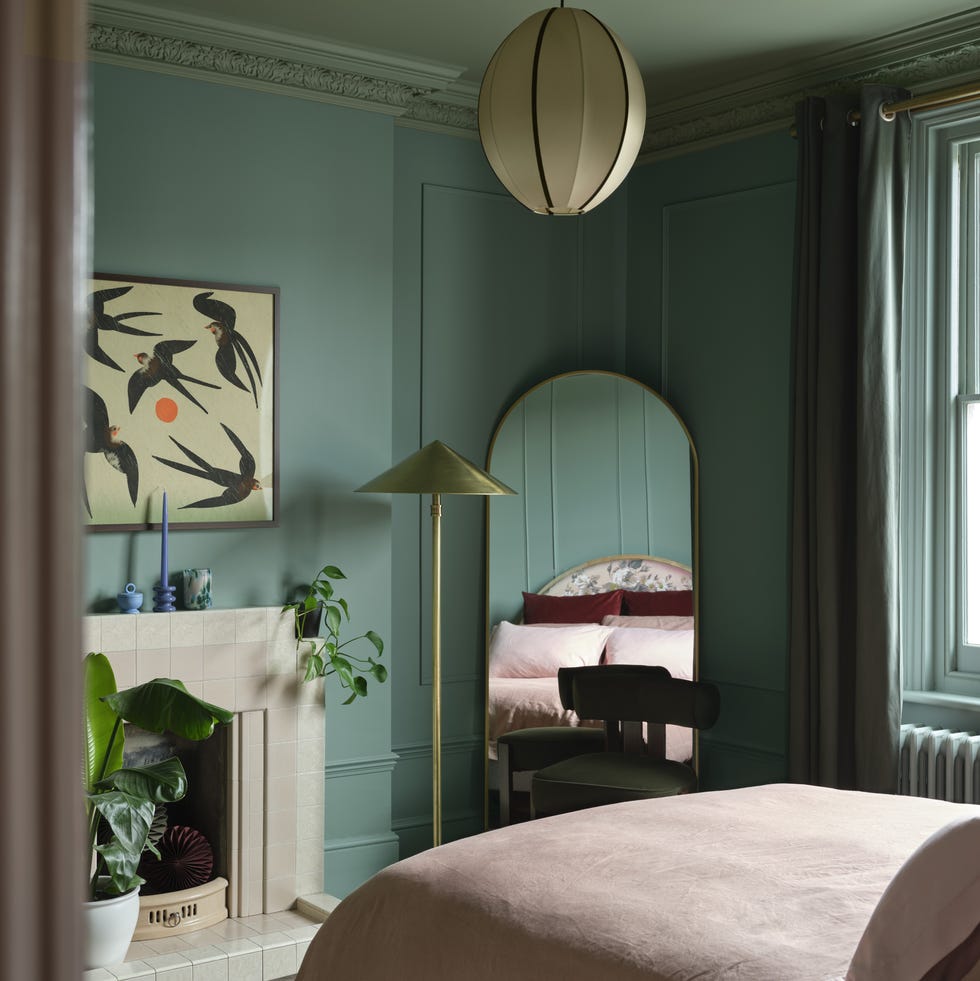
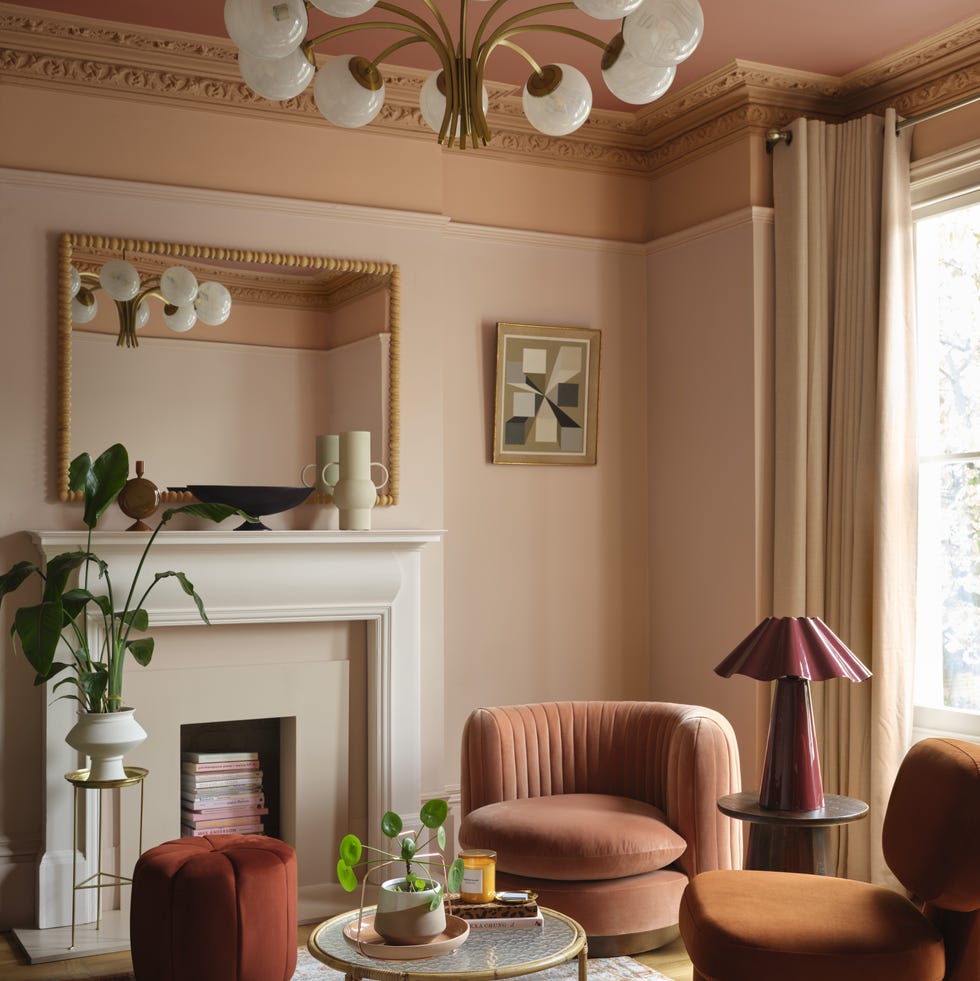
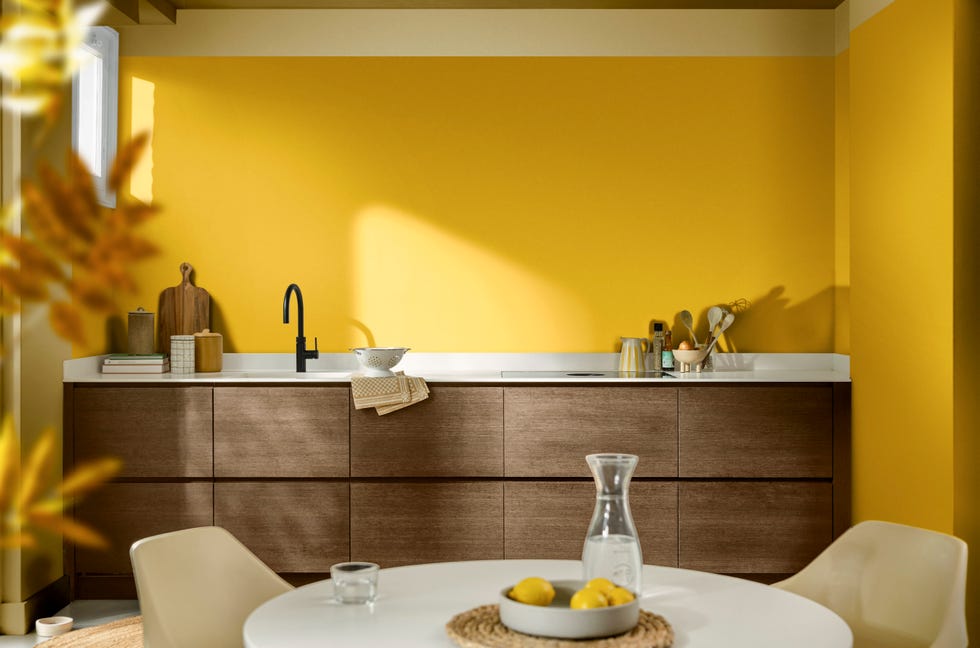
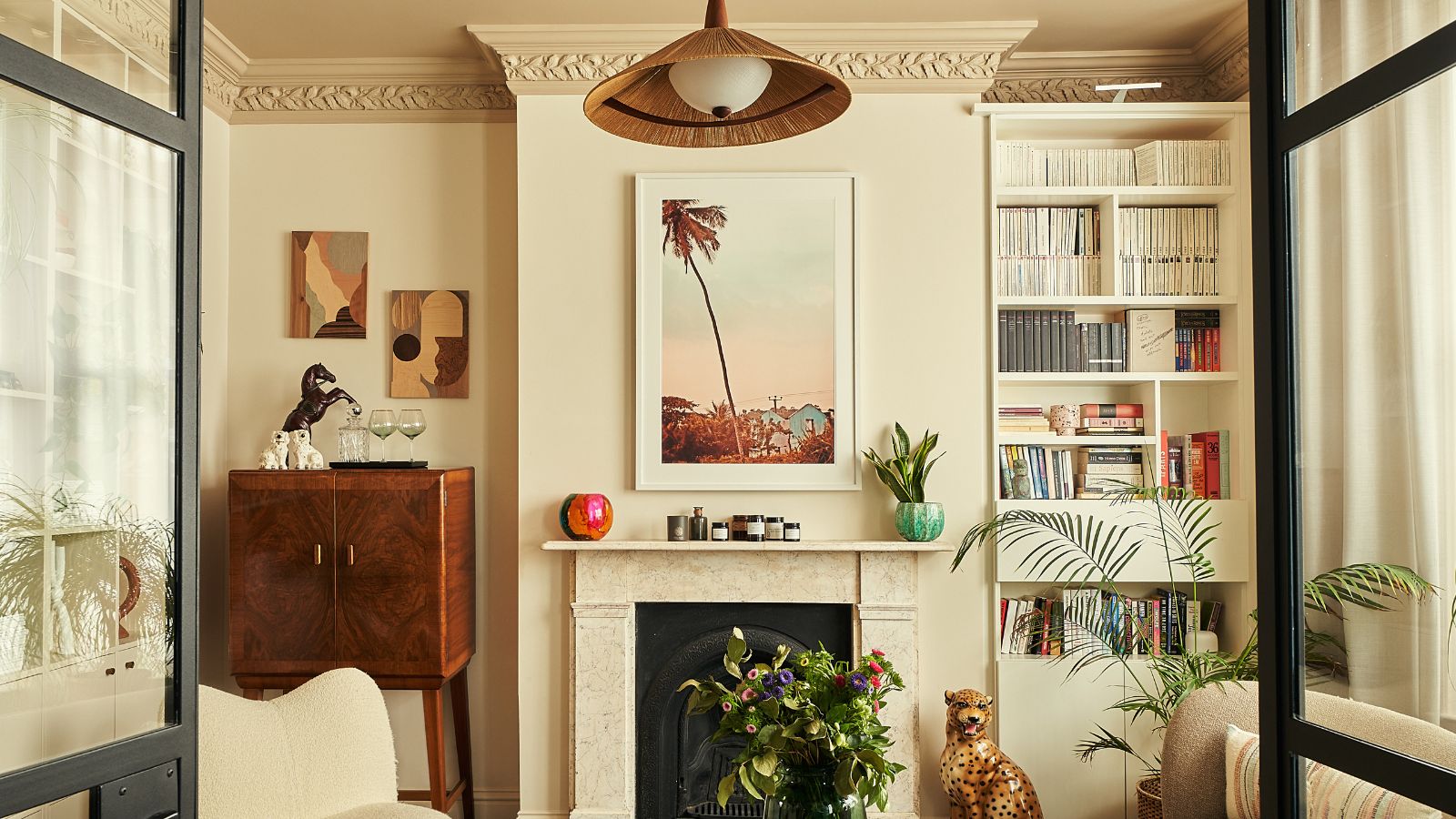
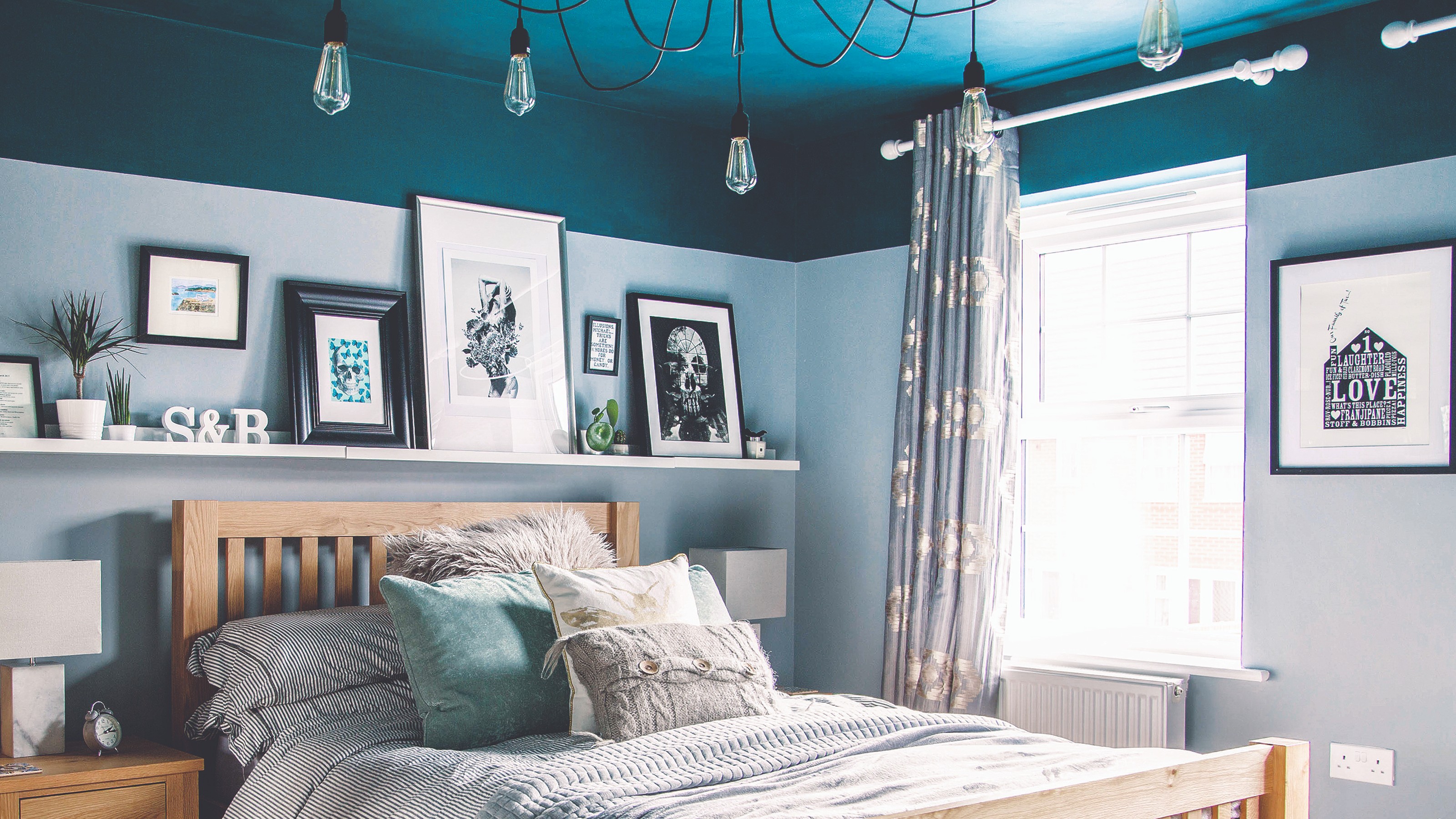
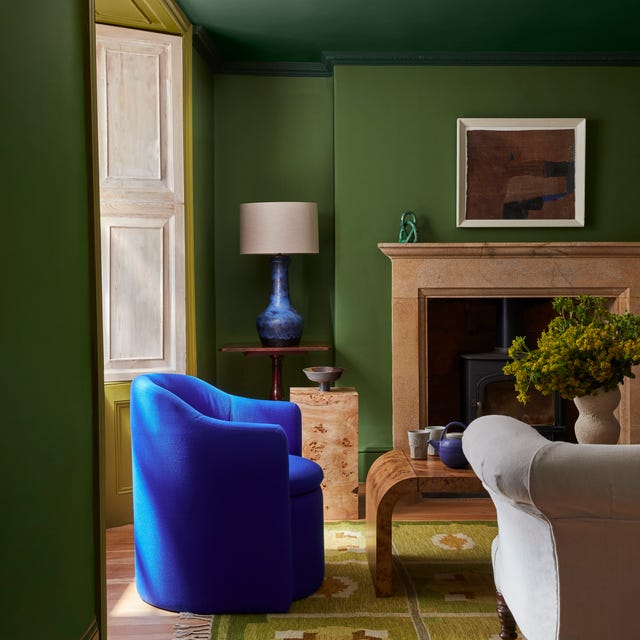
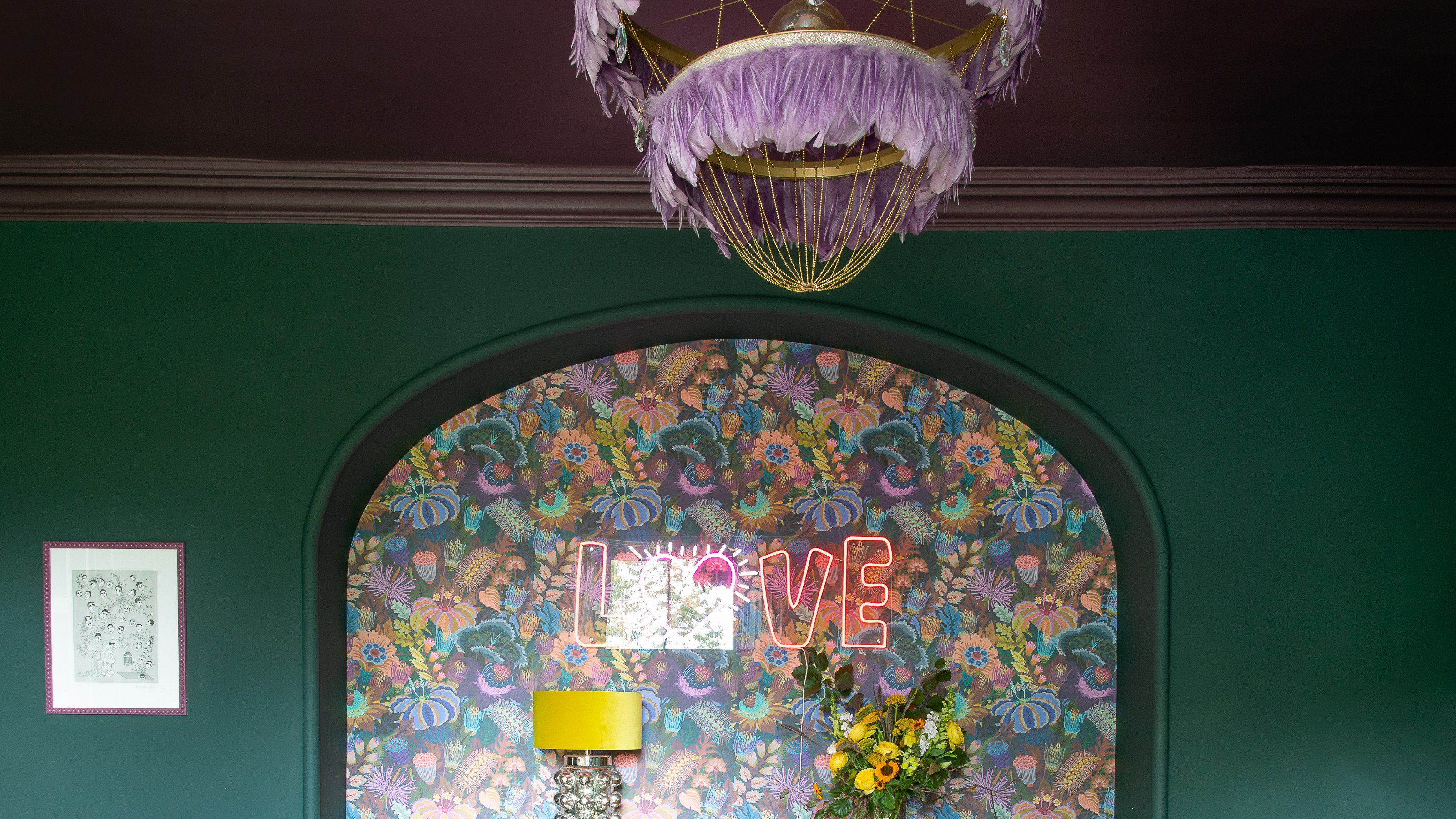
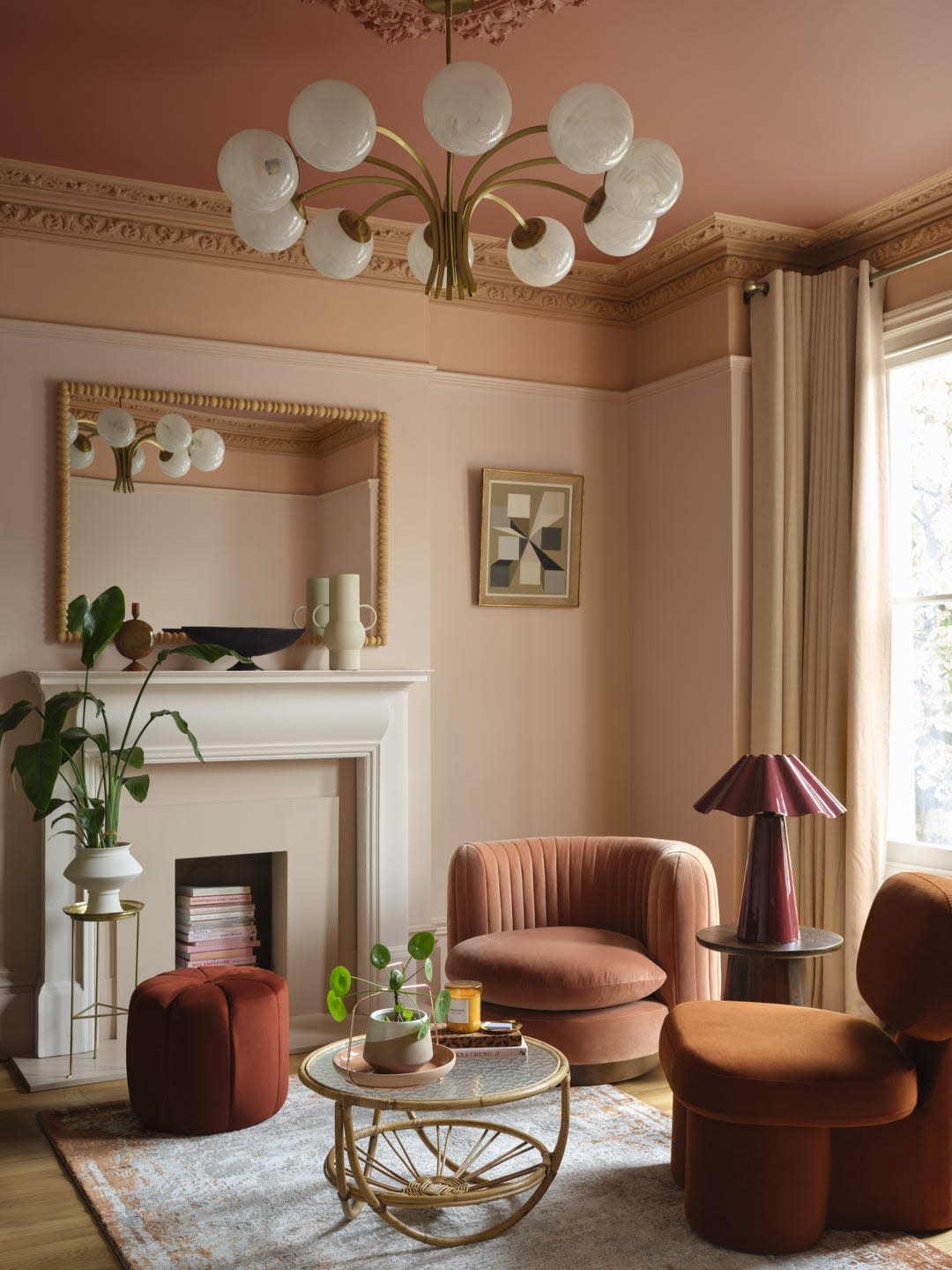
Color capping is emerging as a sophisticated paint trend for 2025, offering an ingenious method to create the illusion of increased height and space in small living rooms. Unlike color drenching, which involves covering an entire room in a single hue, color capping utilizes subtle tonal gradients from the same color family to draw the eye upwards and add a sense of polish. This technique typically involves applying the lightest shade at the baseboards, a medium wash of color on the walls, and a richer, darker shade on the ceiling.
Helen Shaw, director of marketing at Benjamin Moore, emphasizes that a soft, tonal shift between the walls and ceiling allows the eye to travel upward without interruption, visually elevating the ceiling. By avoiding stark contrasts and instead using mid-depth shades that gently graduate, the room feels more open and expansive while retaining character and warmth. For small living rooms, where maximizing perceived volume is crucial, this illusion of expanded space can be transformative. The ceiling, in this approach, becomes a natural extension of the room rather than a distinct boundary, and the darker cap overhead visually recedes, tricking the eye into perceiving greater height.
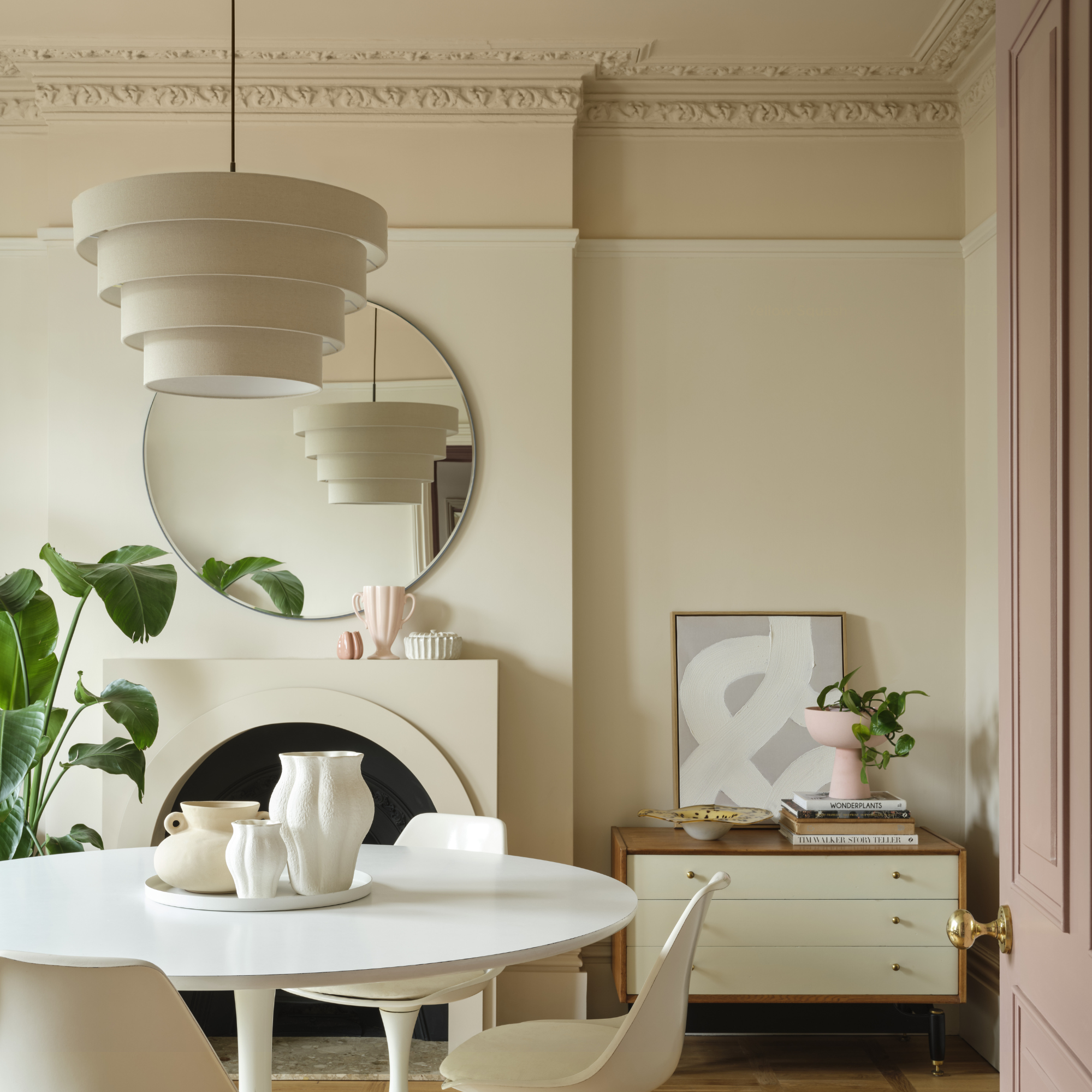
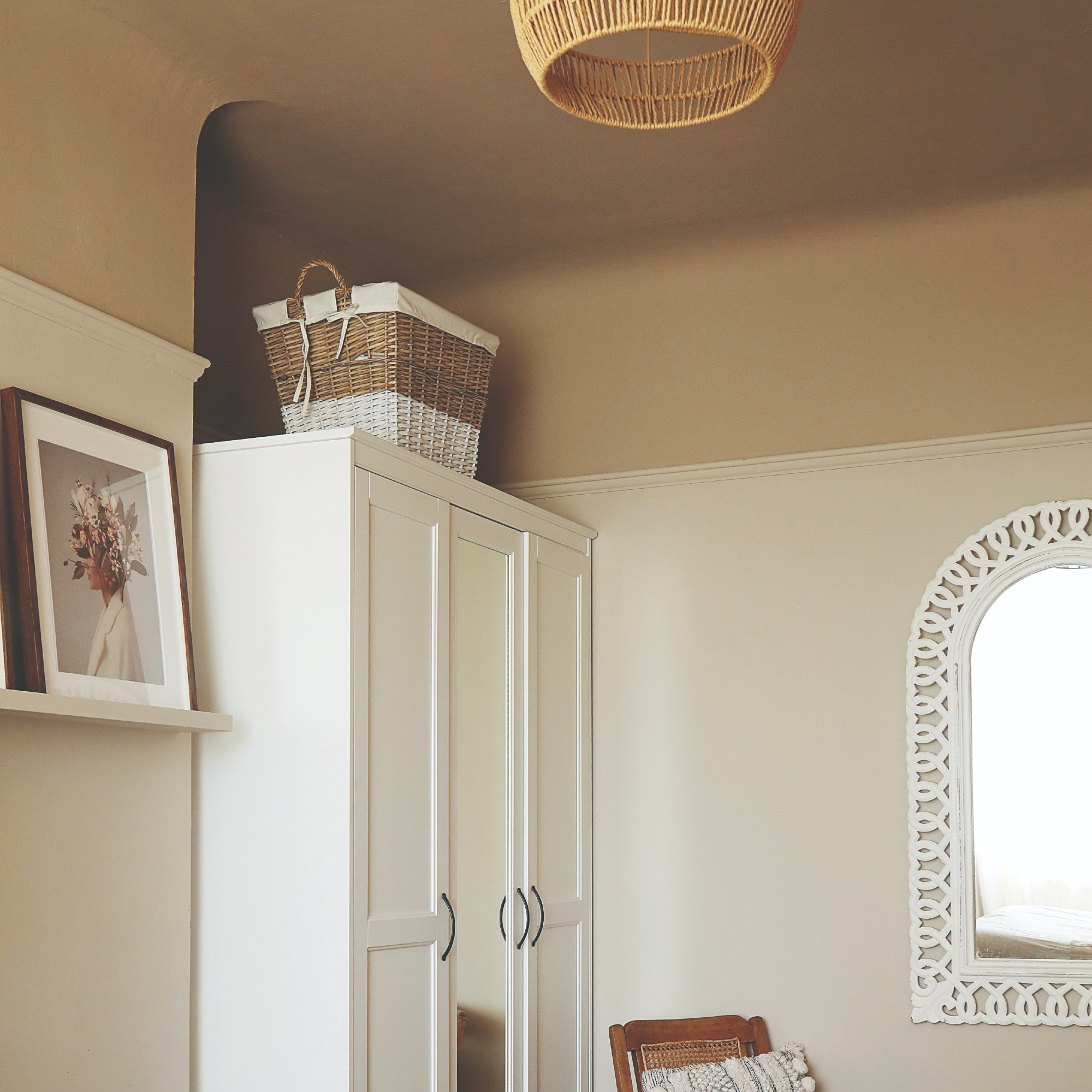
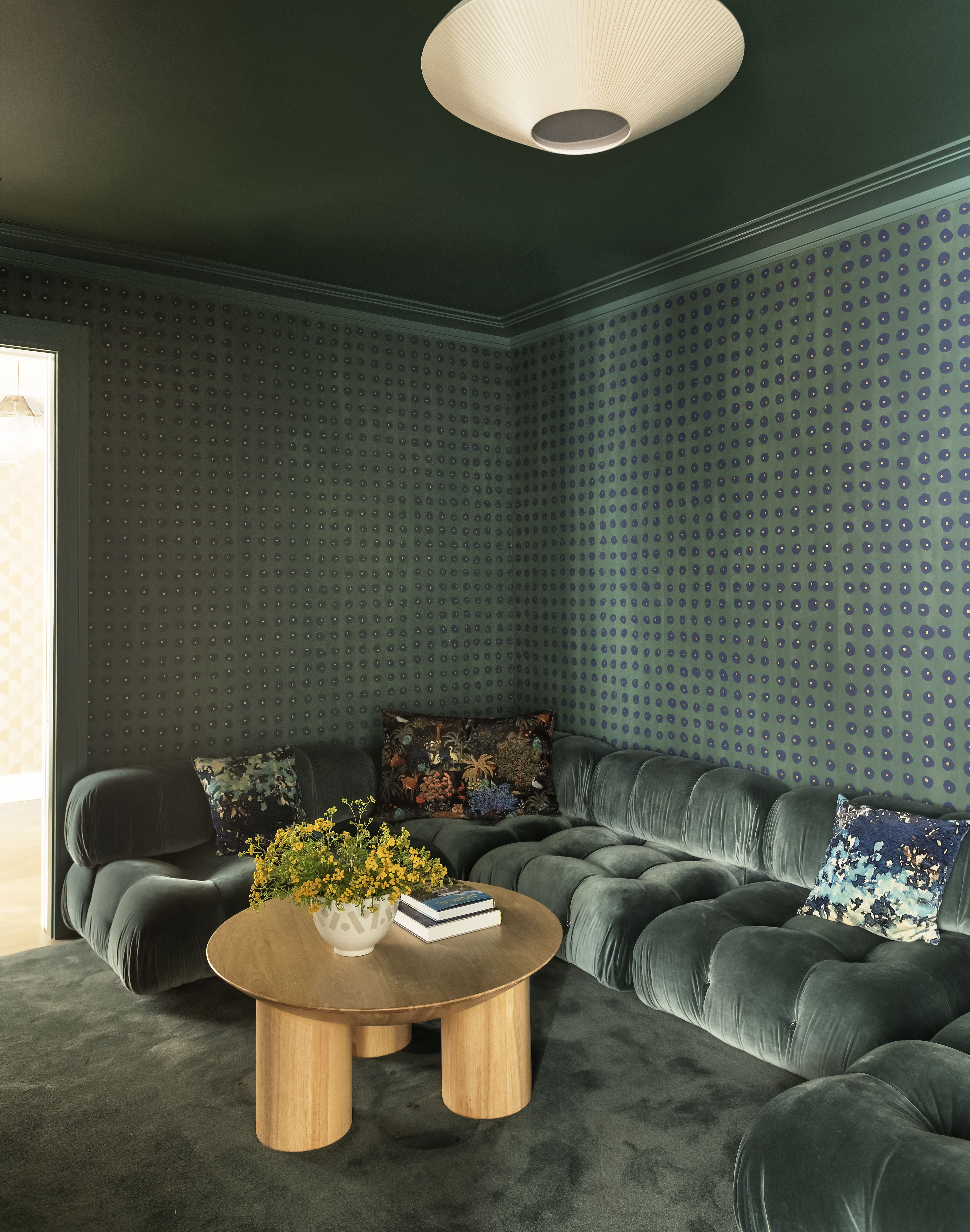
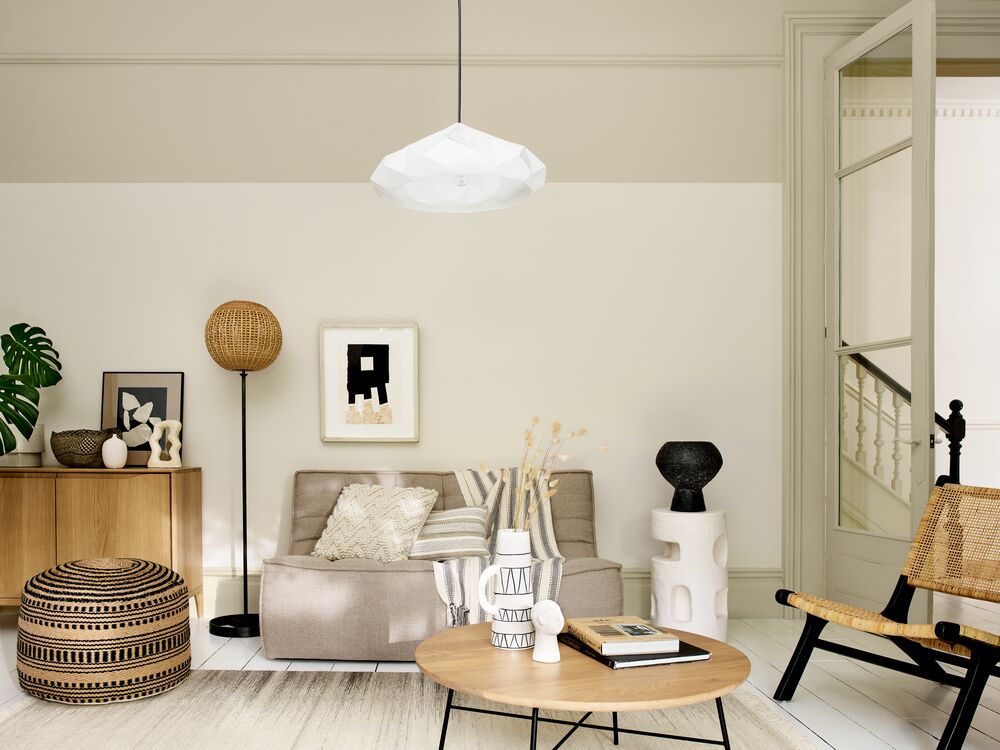
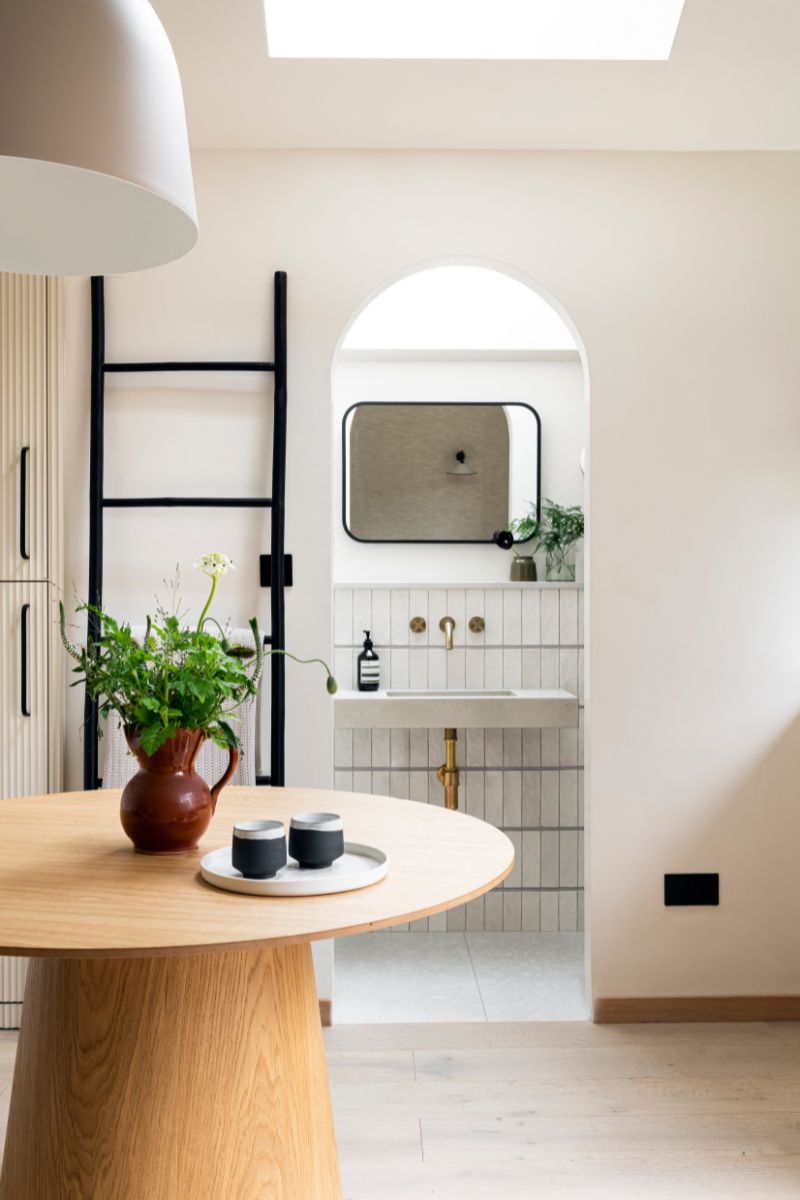
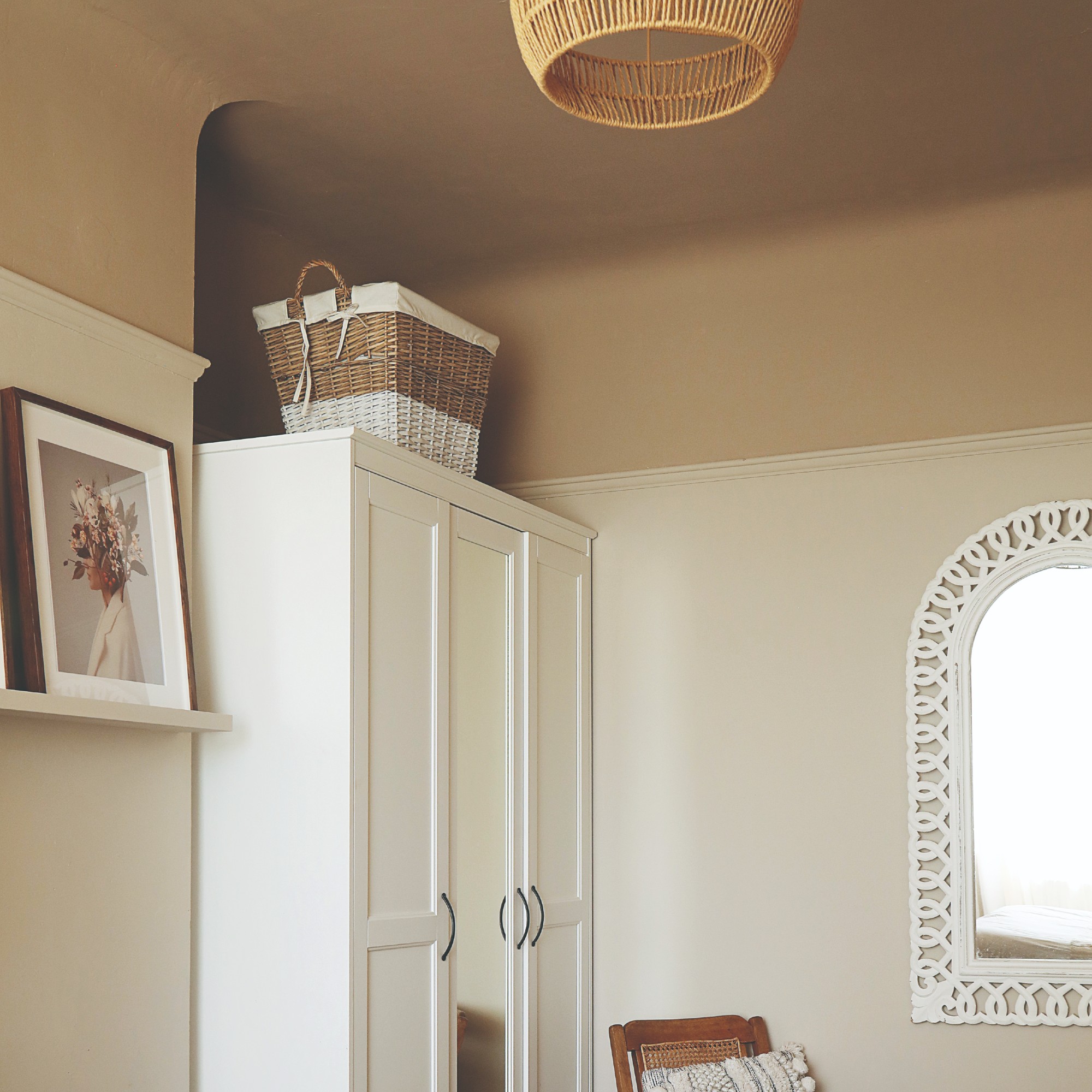
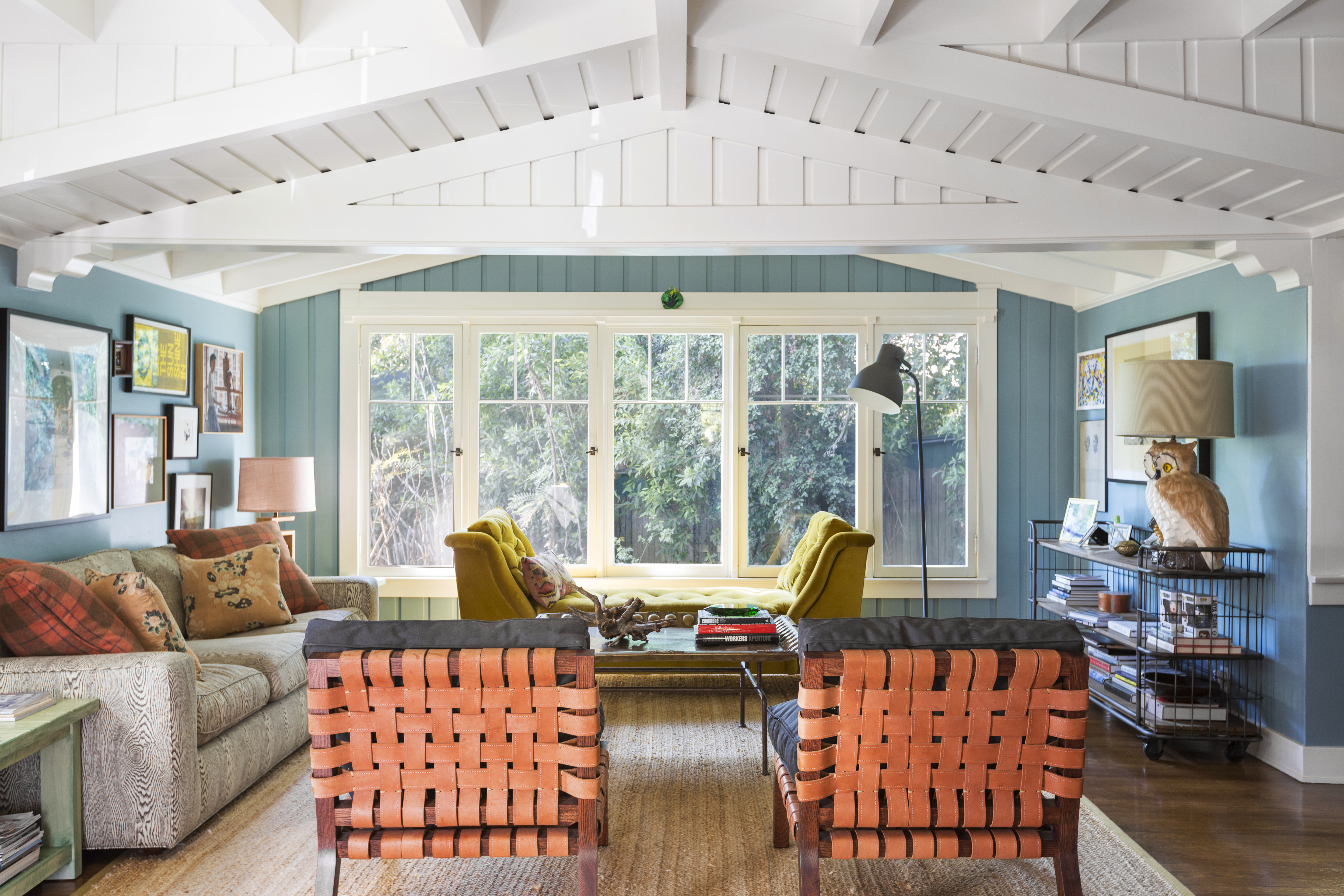
Even in neutral living rooms, a slight deepening of shades at the top can dramatically alter proportions and create a more dynamic color scheme. For instance, combining creamy stone walls with warm sand molding and a soft mushroom ceiling can make a space feel cozy and intimate yet larger. Wrapping walls and ceilings in progressively darker shades of the same hue enhances coziness and serenity, as demonstrated in a transitional living room featuring vintage pieces.
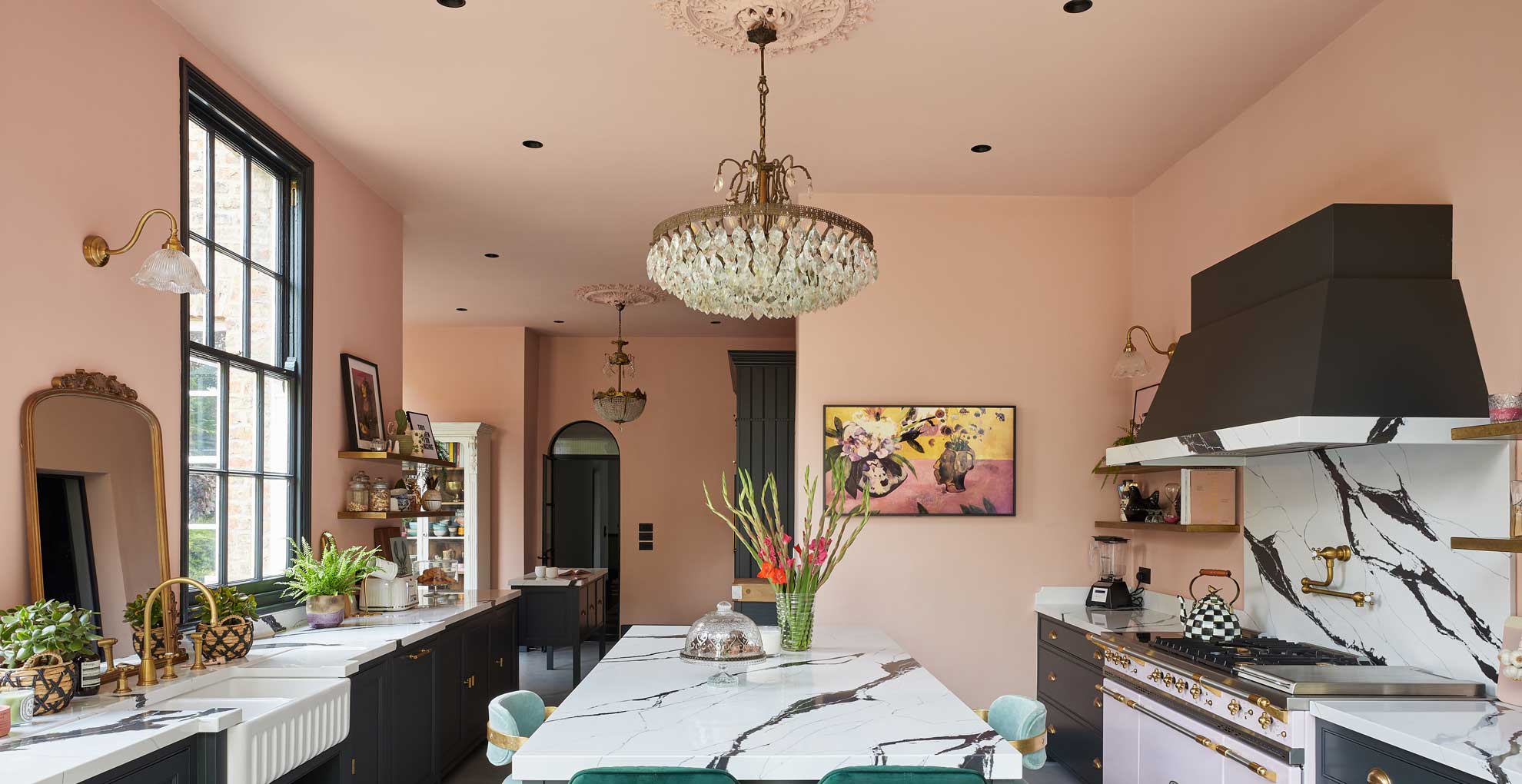
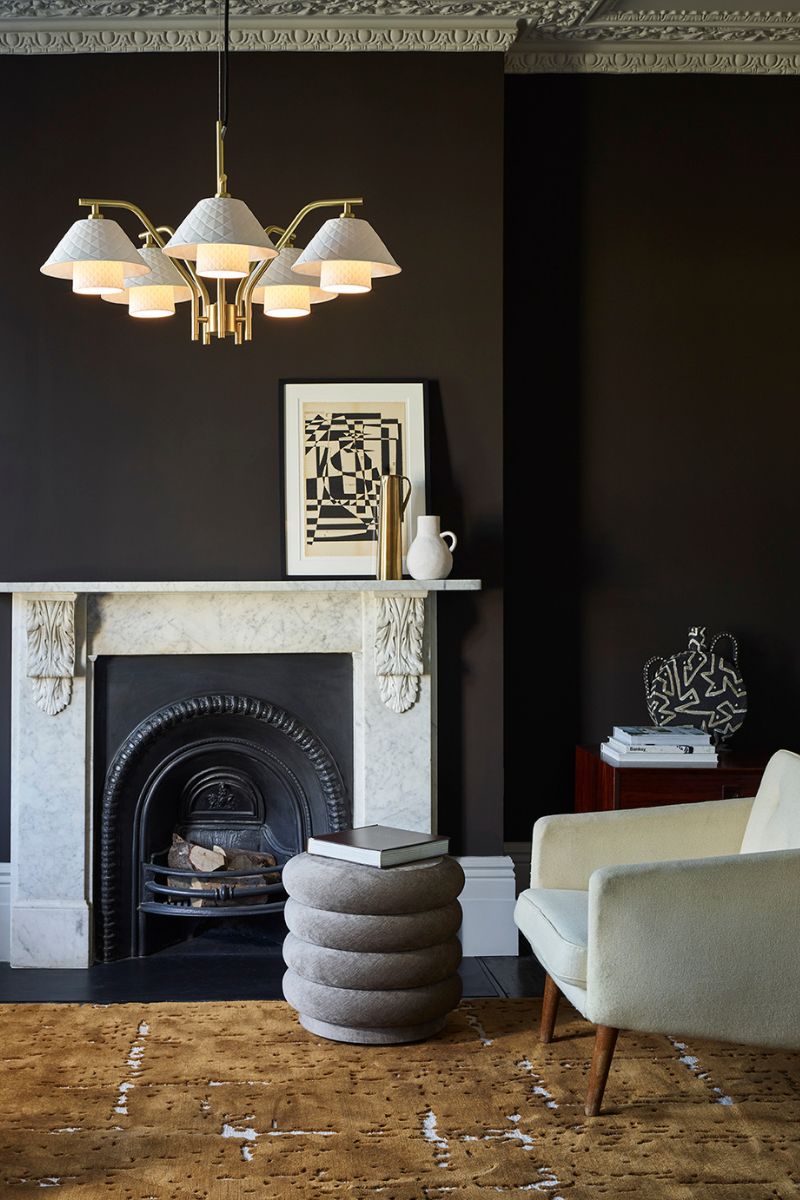
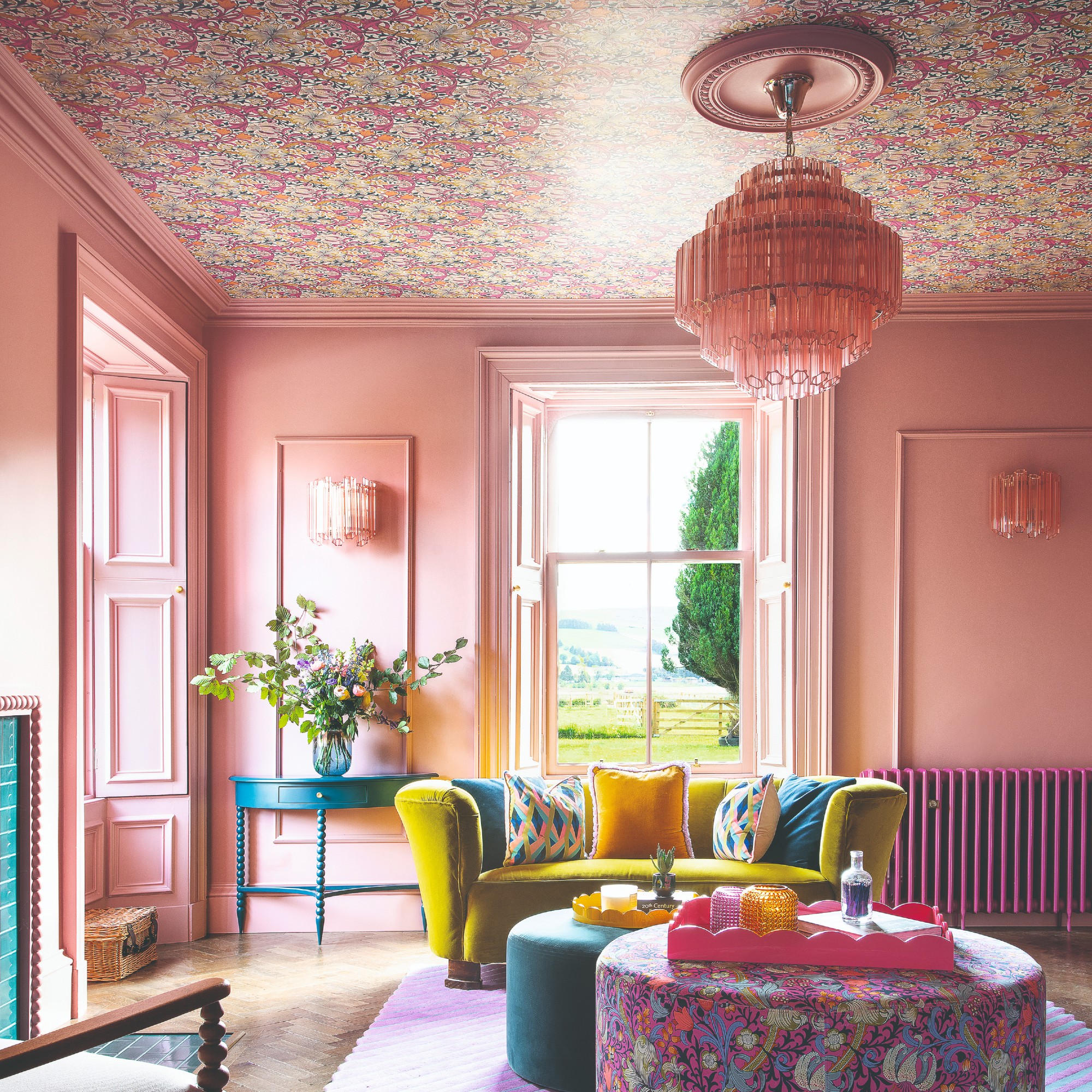
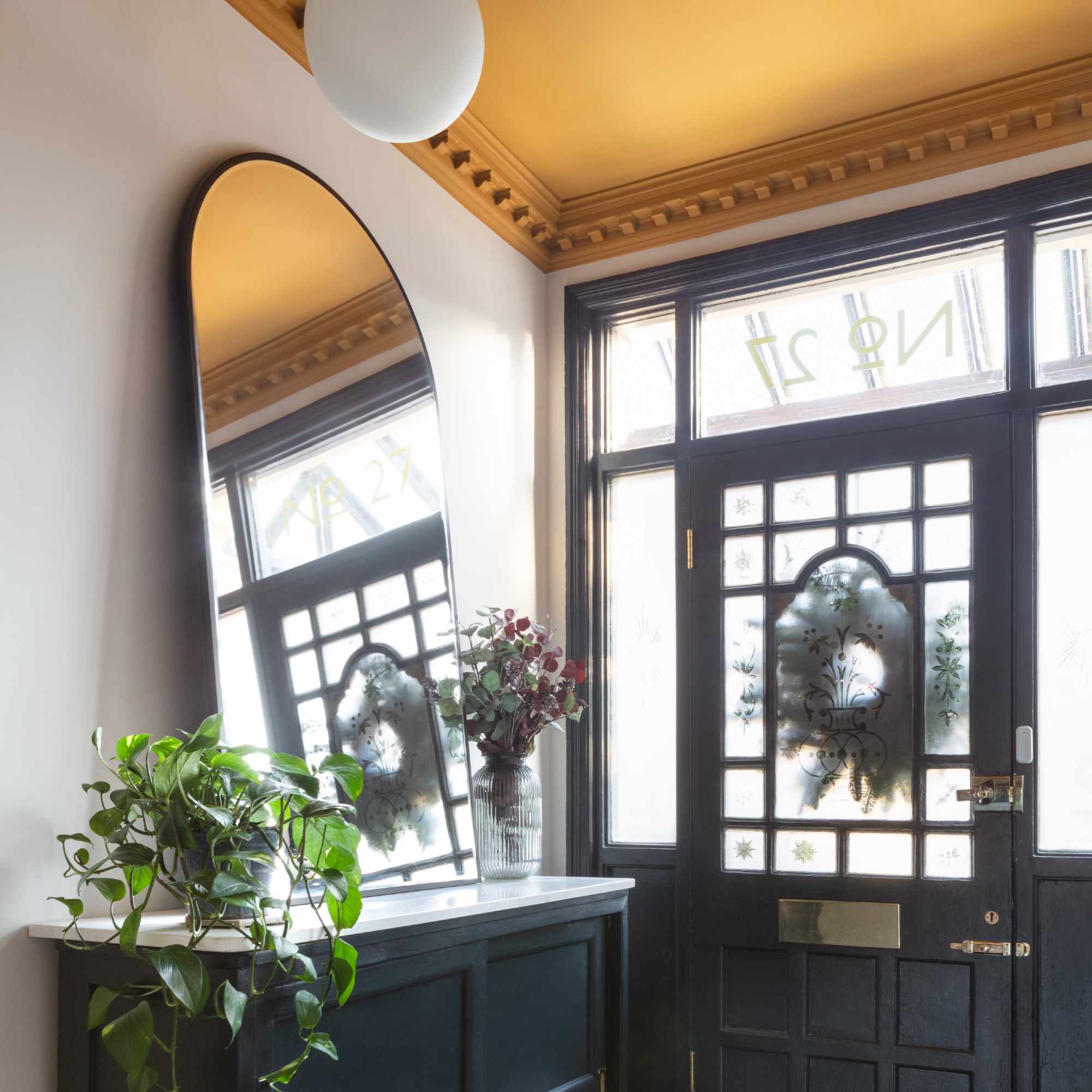
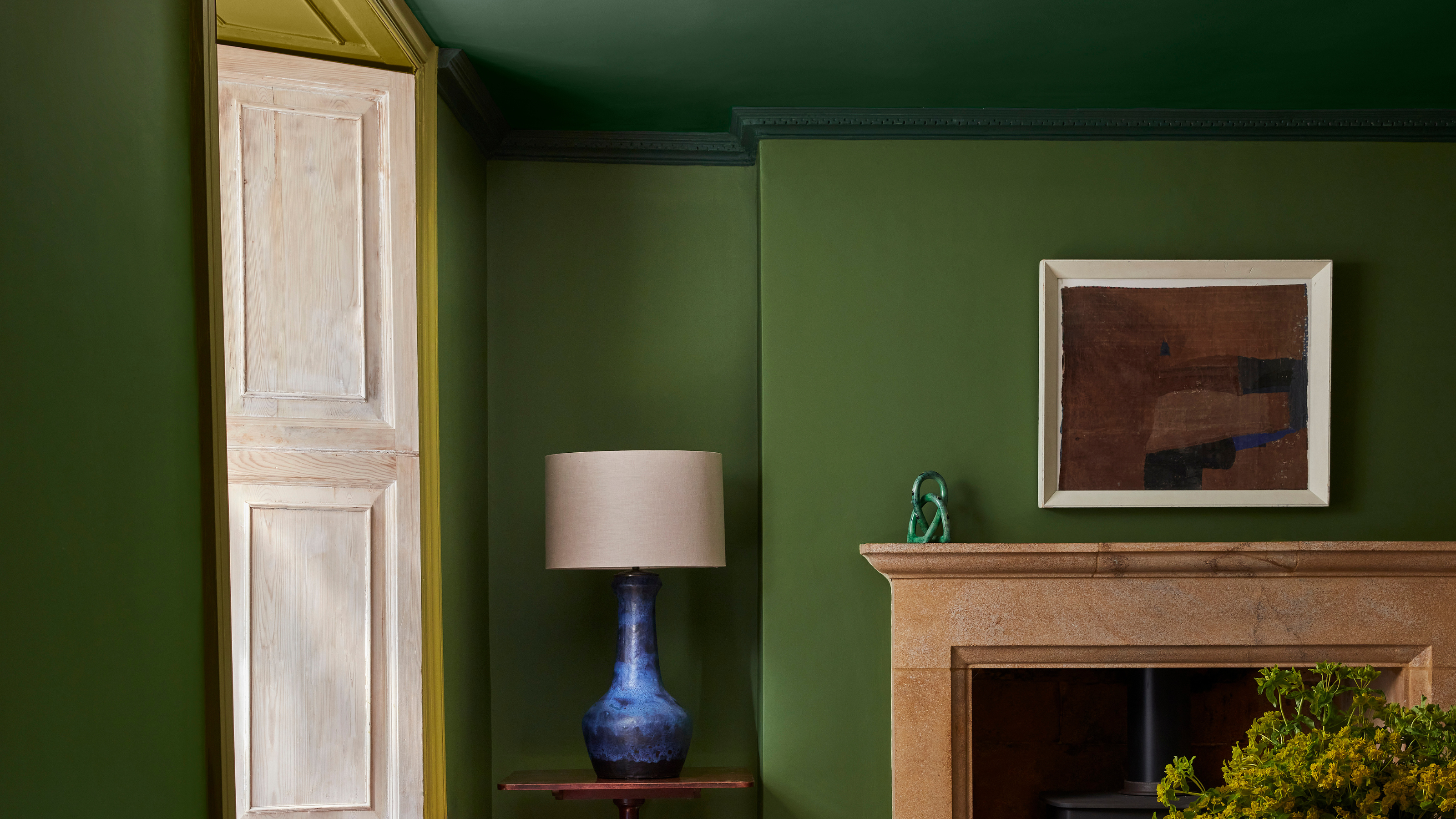
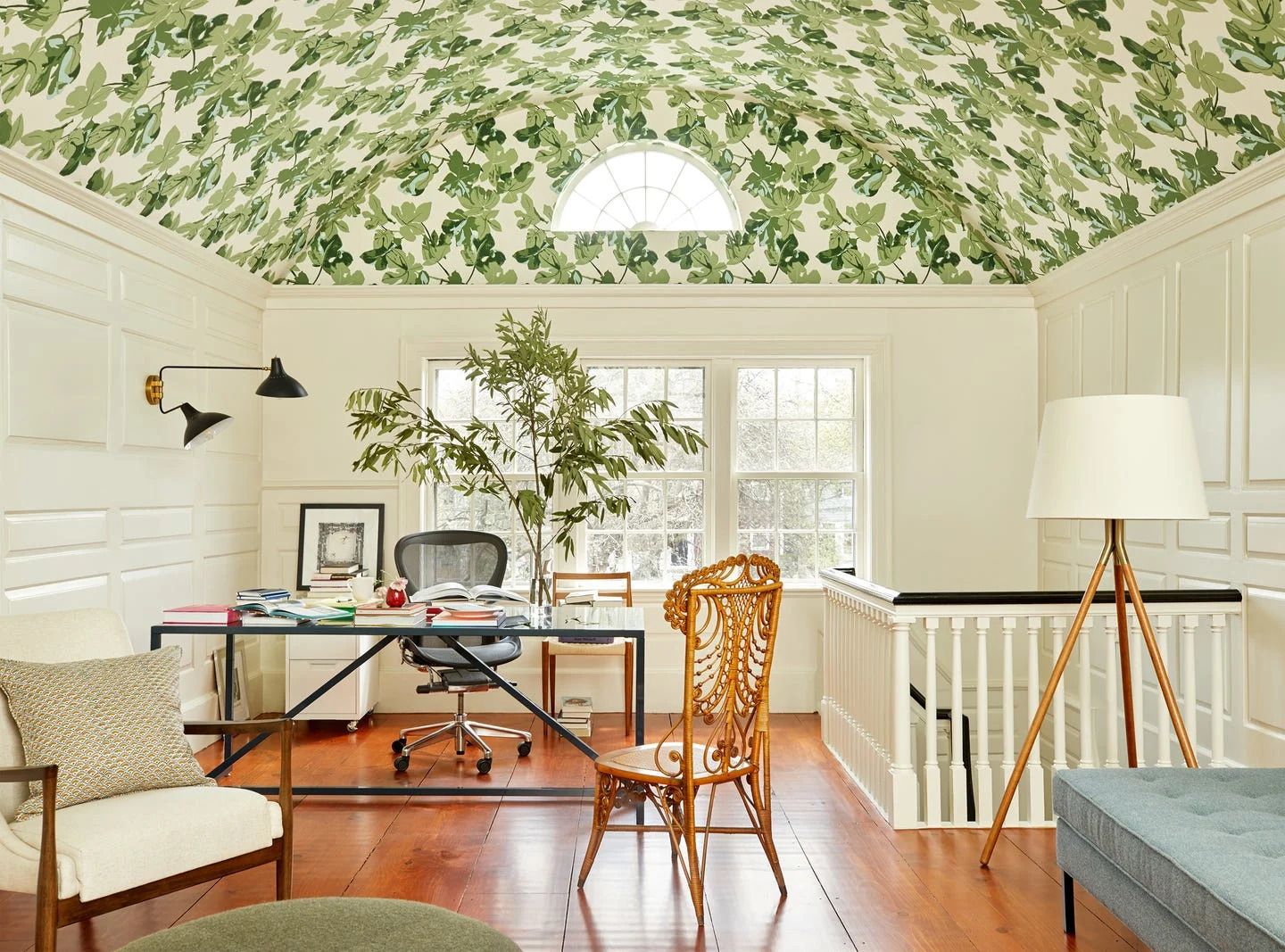
Kristina Khersonsky of STUDIO KEETA highlights that painting the ceiling a different color or allowing it to bleed 10-12 inches down the wall creates a beautiful, cocooned effect, adding depth, warmth, and visual interest, particularly in smaller areas. This technique can also accentuate existing architectural details in period homes, such as original moldings and cornices, or introduce depth and sophistication in newer spaces with minimal trim. The key is to use colors that share undertones to ensure a seamless and intentional transition.
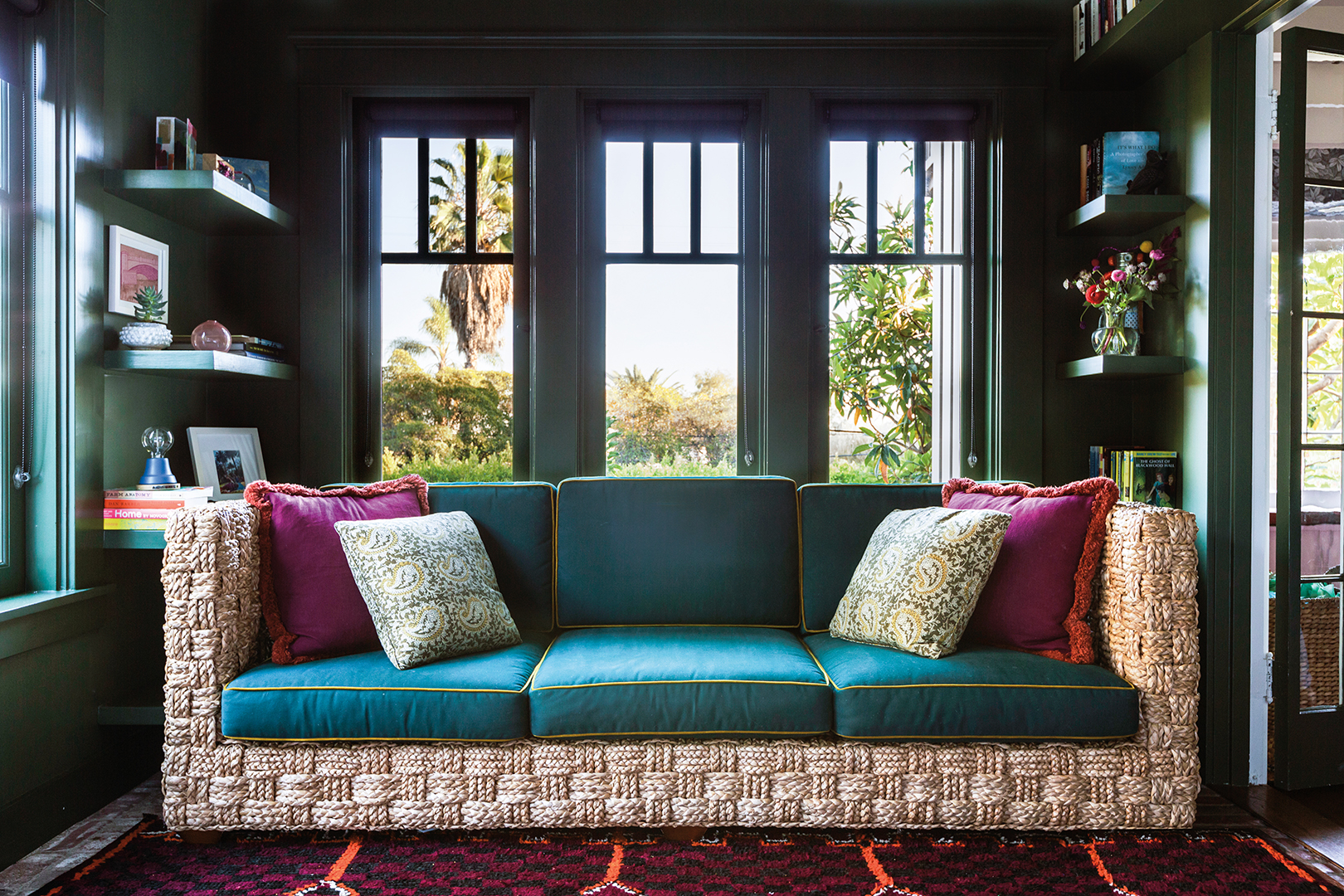
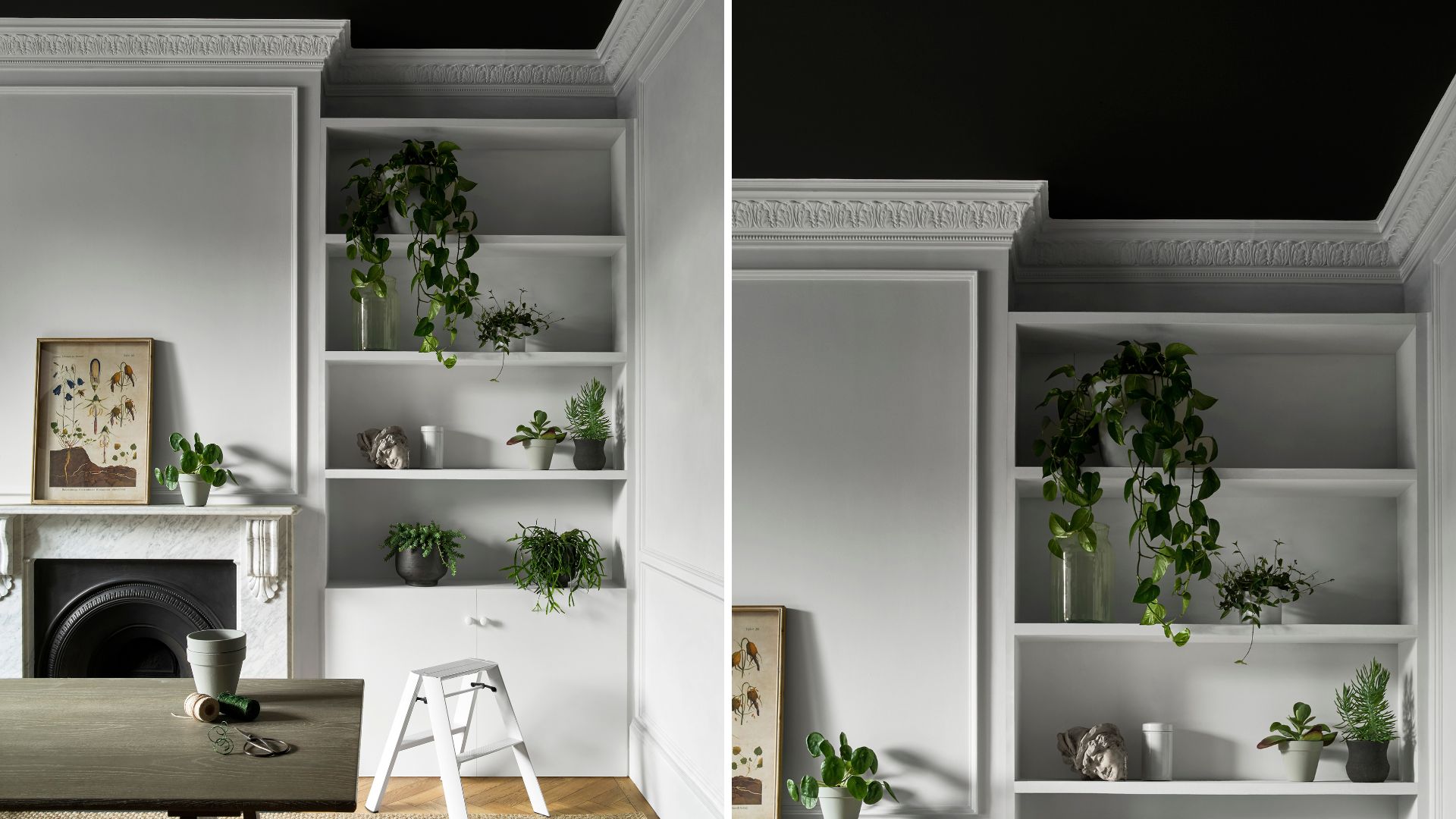
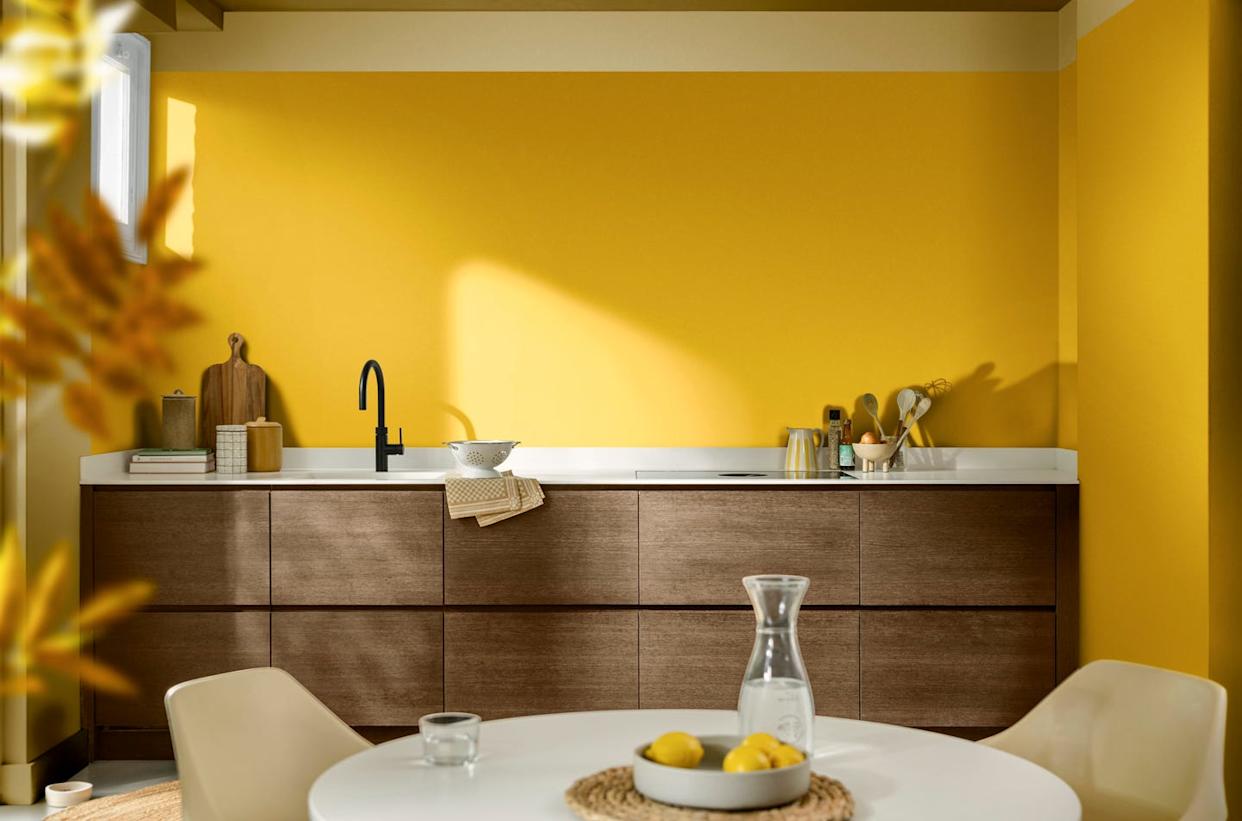
Nicole Forina suggests that color capping is especially effective when high-contrast colors are used to highlight architectural moldings on the ceiling, fostering intimacy and balance in rooms with very high ceilings. The flexibility of color capping allows for customization to achieve either a cozy, cocooned ambiance or an airy feel, manipulating scale, mood, and architectural detail simultaneously. This method is versatile and can be applied with various room colors, from understated neutrals to bold statement hues, making it a valuable tool for interior designers and homeowners alike seeking to optimize small living spaces.
#ColorCapping #InteriorDesign #SmallLivingRoom #PaintTrends #HomeDecor #SpaceOptimization #ArchitecturalDetail #BenjaminMoore #DecoratingIdeas #ColorCapping #InteriorDesign #SmallLivingRoom #PaintTrends #HomeDecor #SpaceOptimization #ArchitecturalDetail #BenjaminMoore #DecoratingIdeas
0 comment in total
 No comments yet
You may also like
'Colour capping' is the new paint trick design experts are using to make a room feel bigger – how to make it work in your home
The best colour for ceilings as recommended by interior designers and colour specialists

When you should and shouldn't paint your ceiling, according to interior designers

Why Ignoring the Ceiling Could Ruin Your Room, According to Interior Designers

This Designer Gave Low Ceilings New Life (and Light) With This Paint Trick

Should you paint your ceiling a different colour to the walls? Experts explain why everyone should consider it
The Ceiling Paint Color Trend That's Making A Splash In Interiors
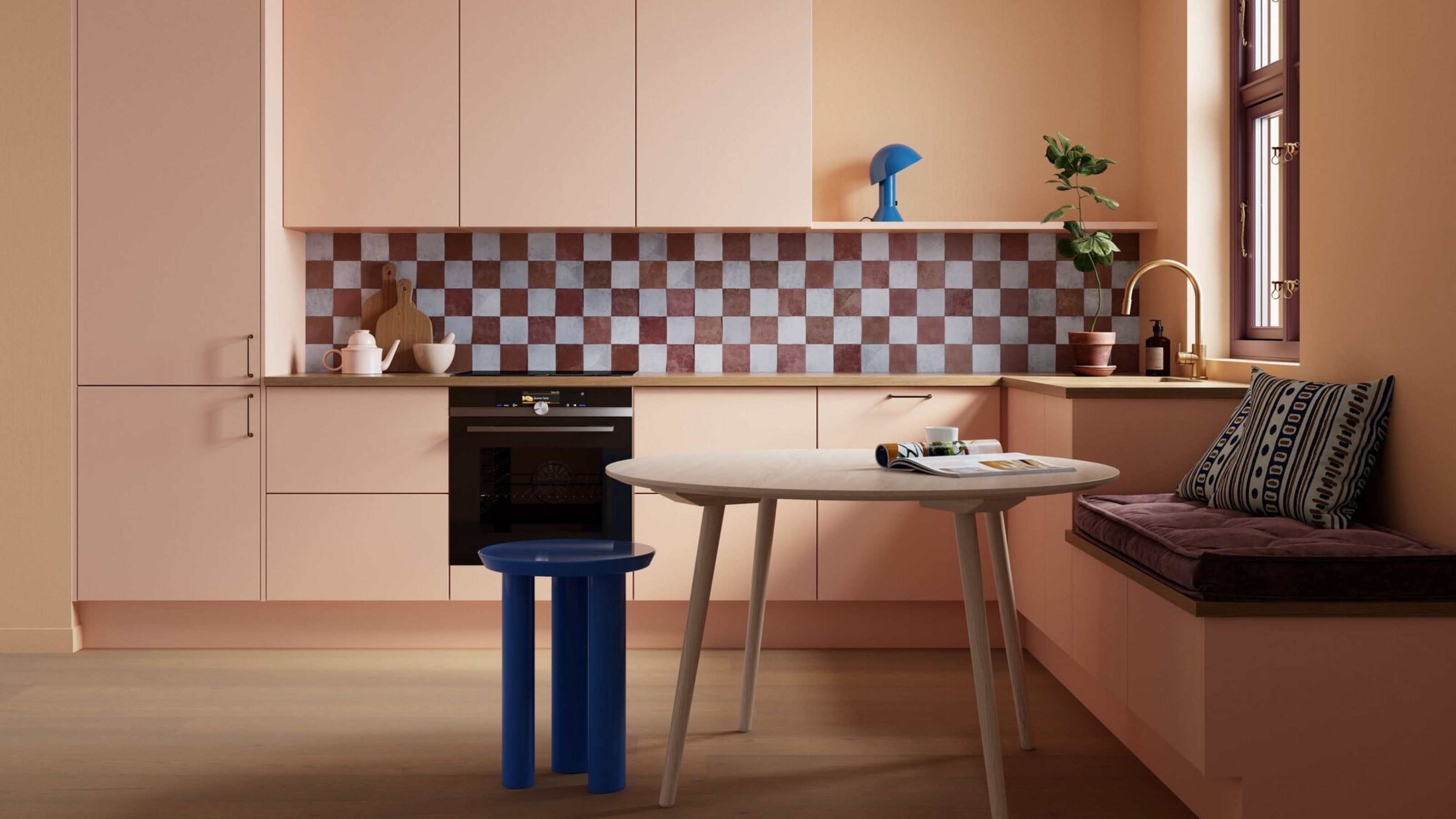
What Colors Make a Room Look Bigger? 5 That Designers Reach for to Make Walls 'Visually Expand'

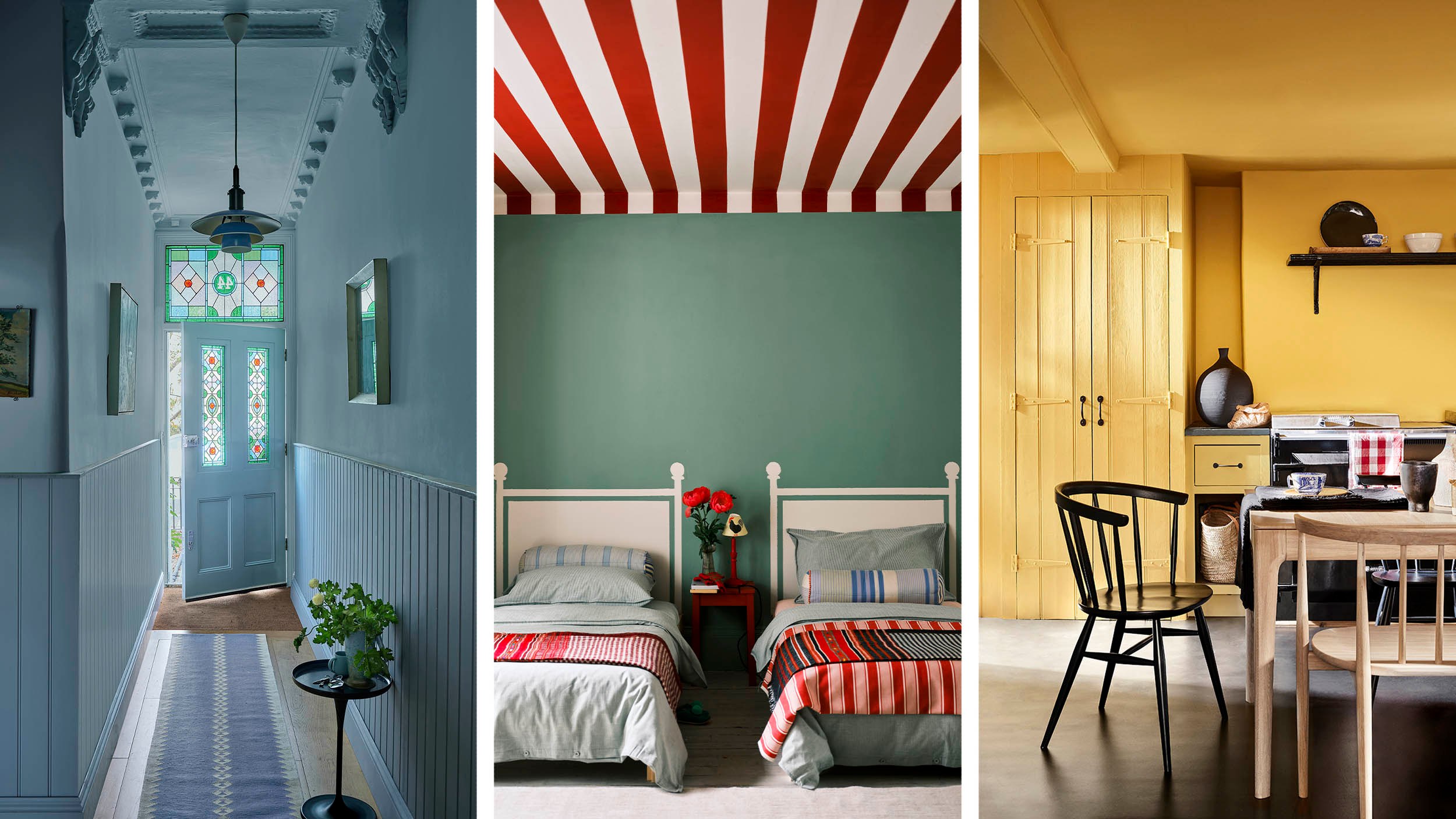
Painting the ceiling with colour is a trend that is looking up
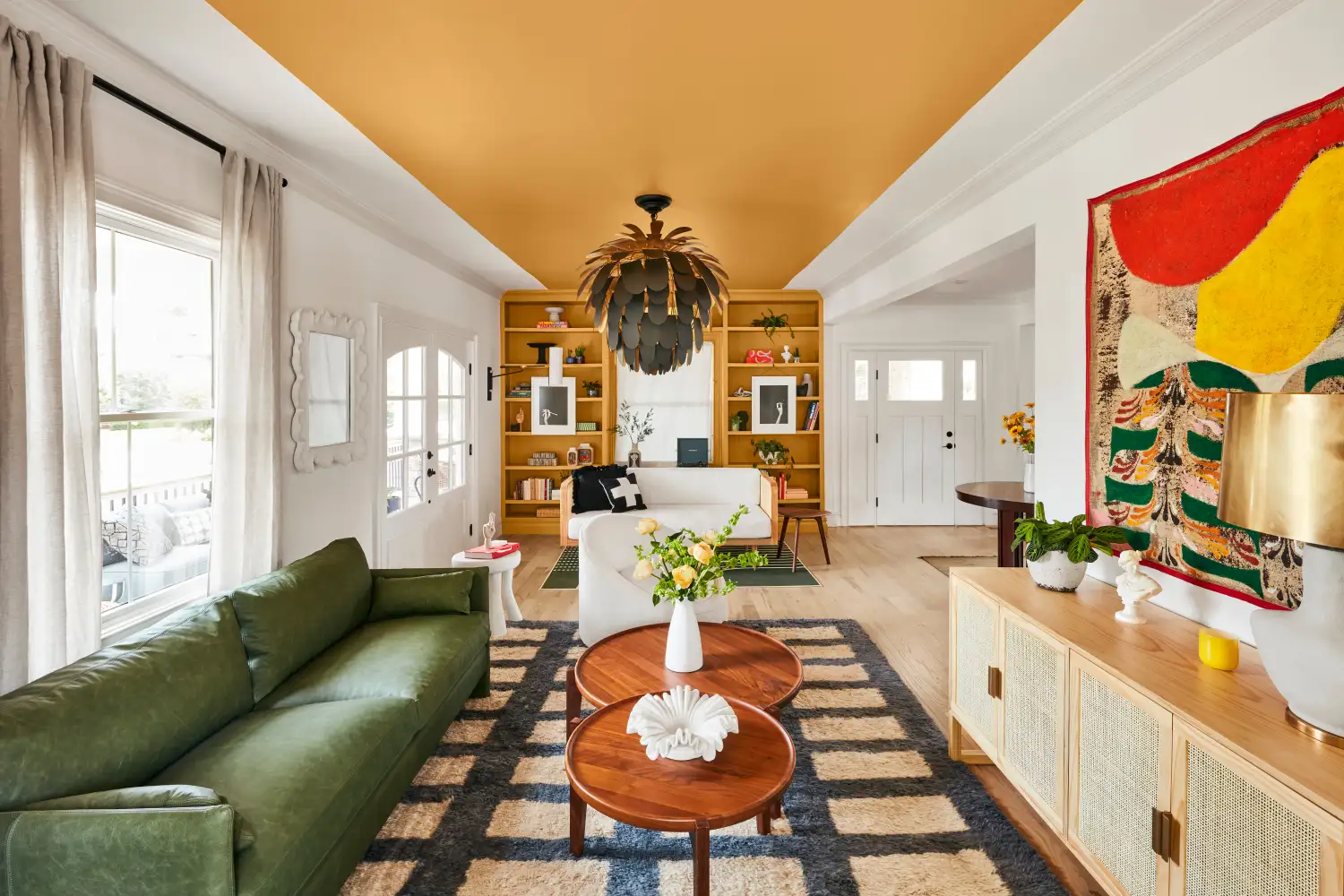
4 Paint Colors That Magically Make Low Ceilings Look Higher

12 Tips For Making Small Rooms Appear Larger Using Paint

Meet 'colour capping', the paint trend set to take over 2026
7 Paint Colors That Instantly Make Small Living Rooms Feel Bigger, Designers Say
How to Decorate a Room with a High Ceiling, According to Designers
11 Pro Tricks to Make It Look Like You Have High Ceilings
How to make your ceiling more attractive – 7 ways to turn the neglected fifth wall into a beautiful feature
The subtle 'vertical decorating' technique designers use to make small rooms look bigger and brighter
This British Paint Trend Is Set to Take Over 2026

Top Ceiling Trends You Can Expect To See More Of In 2025
How to Fake Taller Ceilings in Your Home (Even If They're Low), According to Designers