1/12
9 Amazing Illusion Tricks To Make A Small Space Look Bigger
In an era where living spaces, particularly in urban centers like Singapore, are becoming increasingly compact, understanding how to maximize the perception of space is invaluable. This article explores nine effective illusion tricks that can transform a small room into one that feels more expansive and airy, without resorting to structural renovations. The core philosophy is that if a space looks big, it feels big, regardless of its actual dimensions.
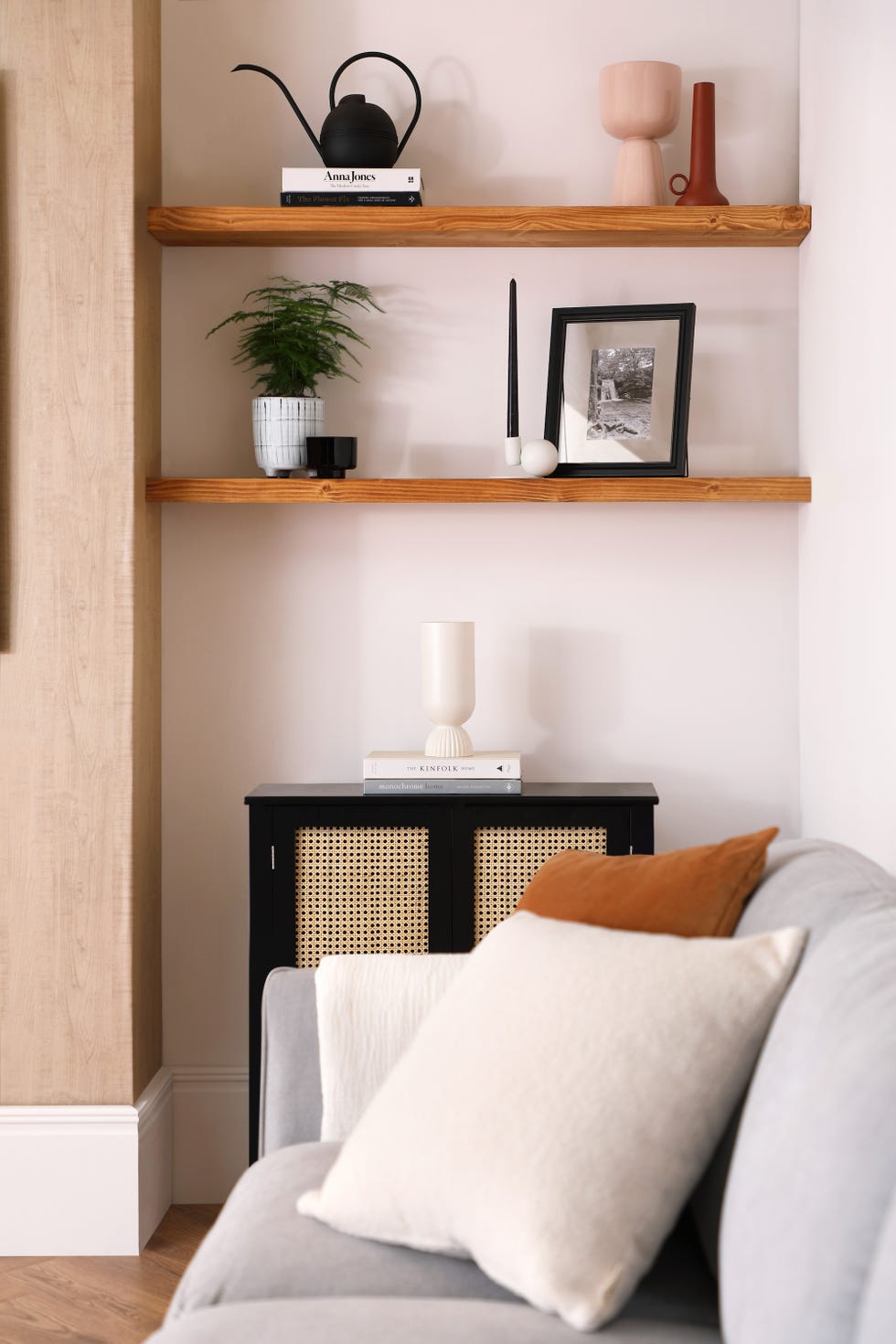
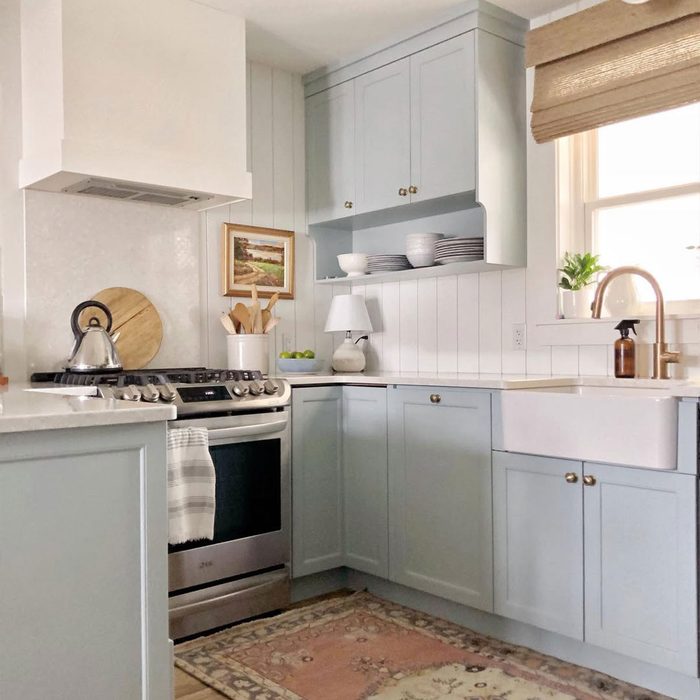
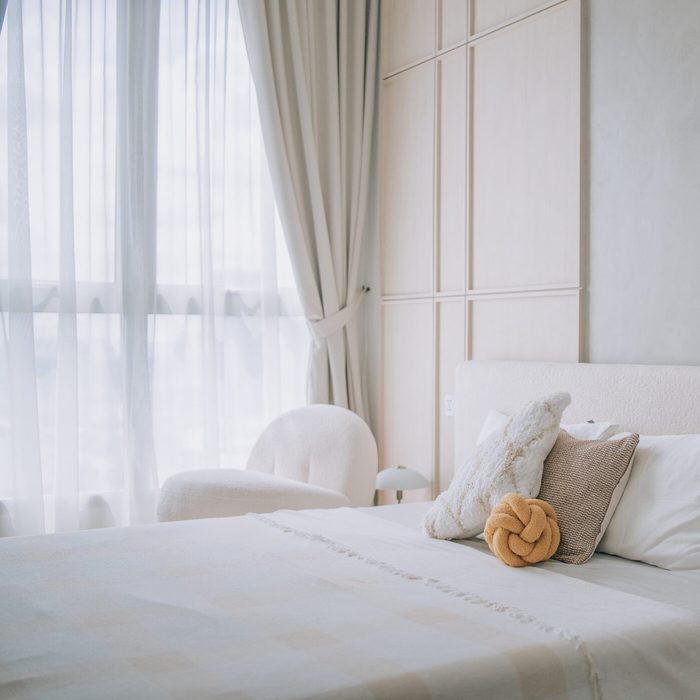
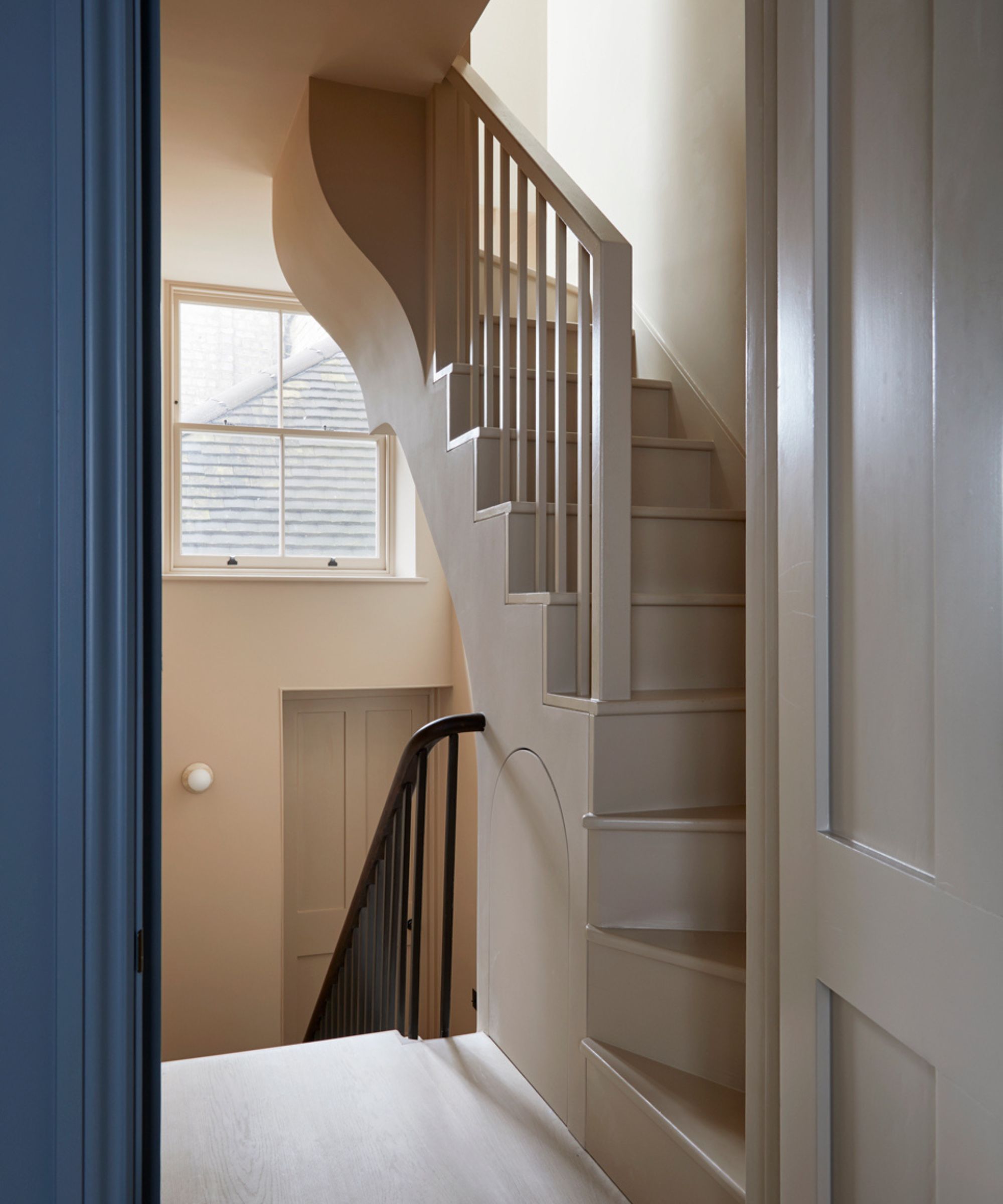
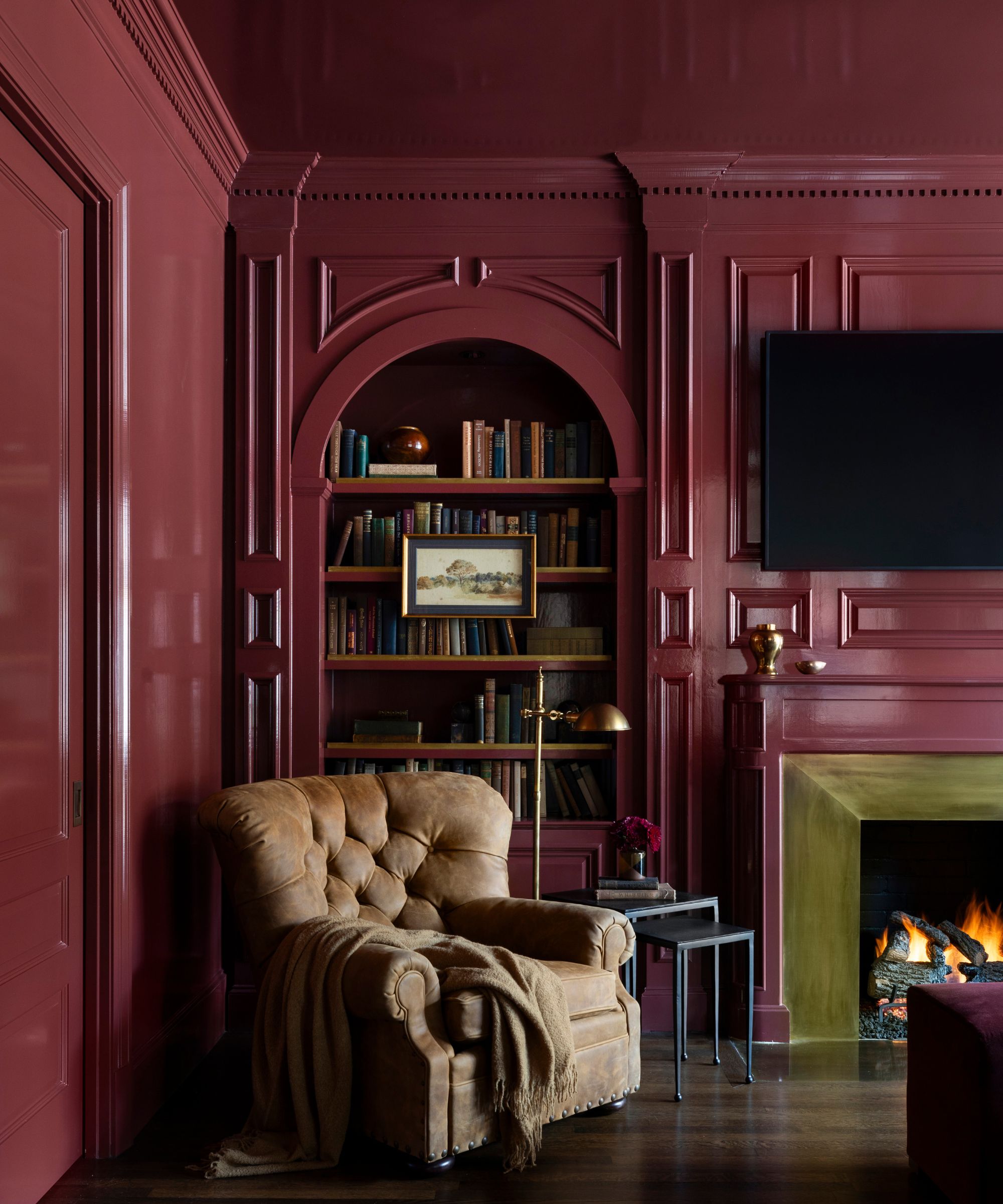
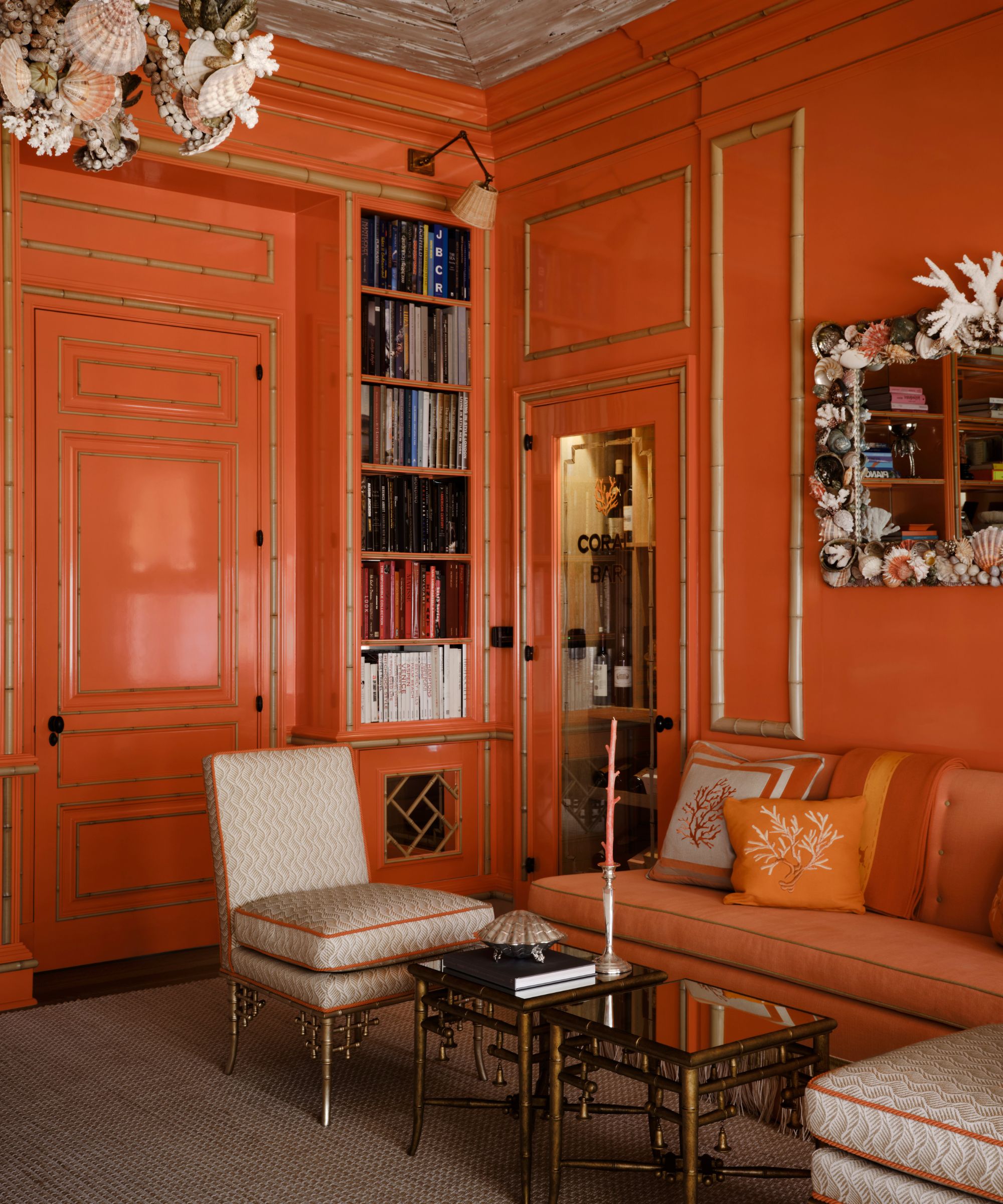
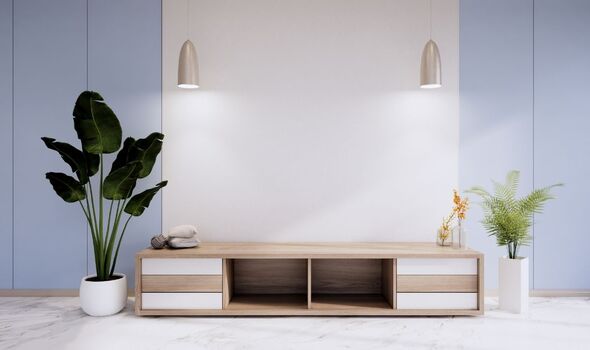
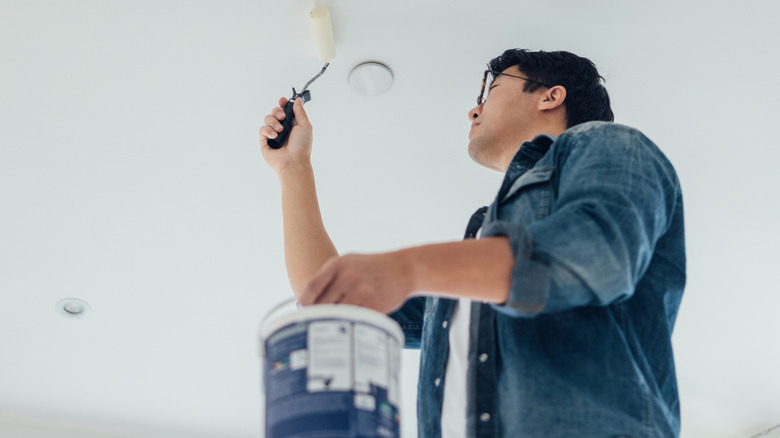
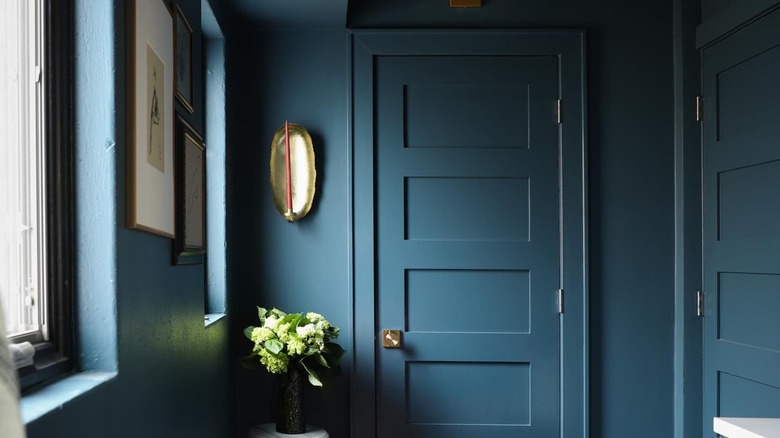
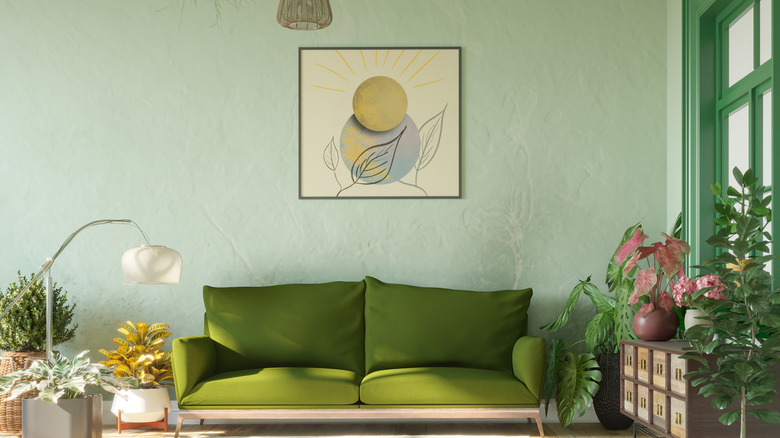
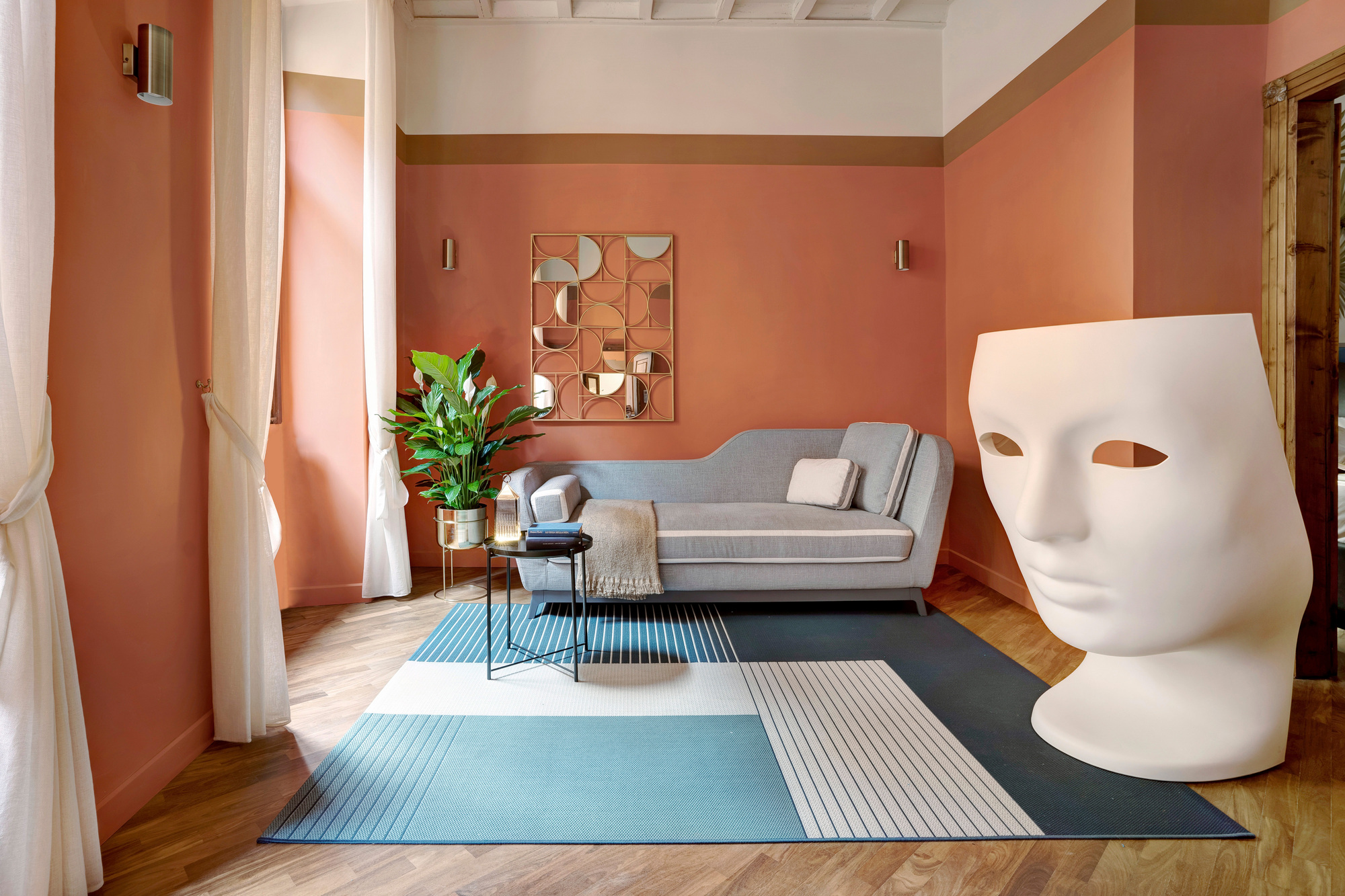
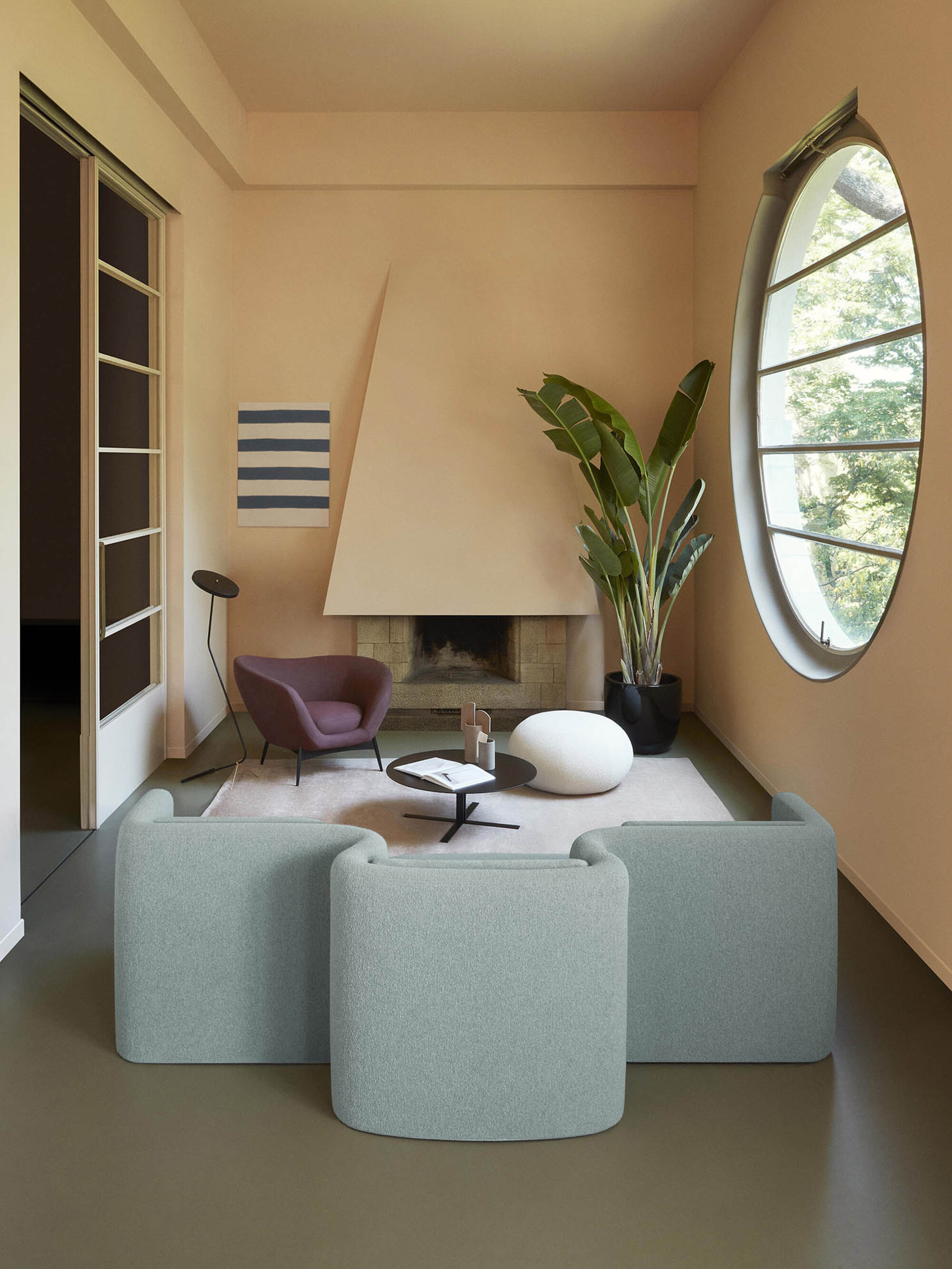
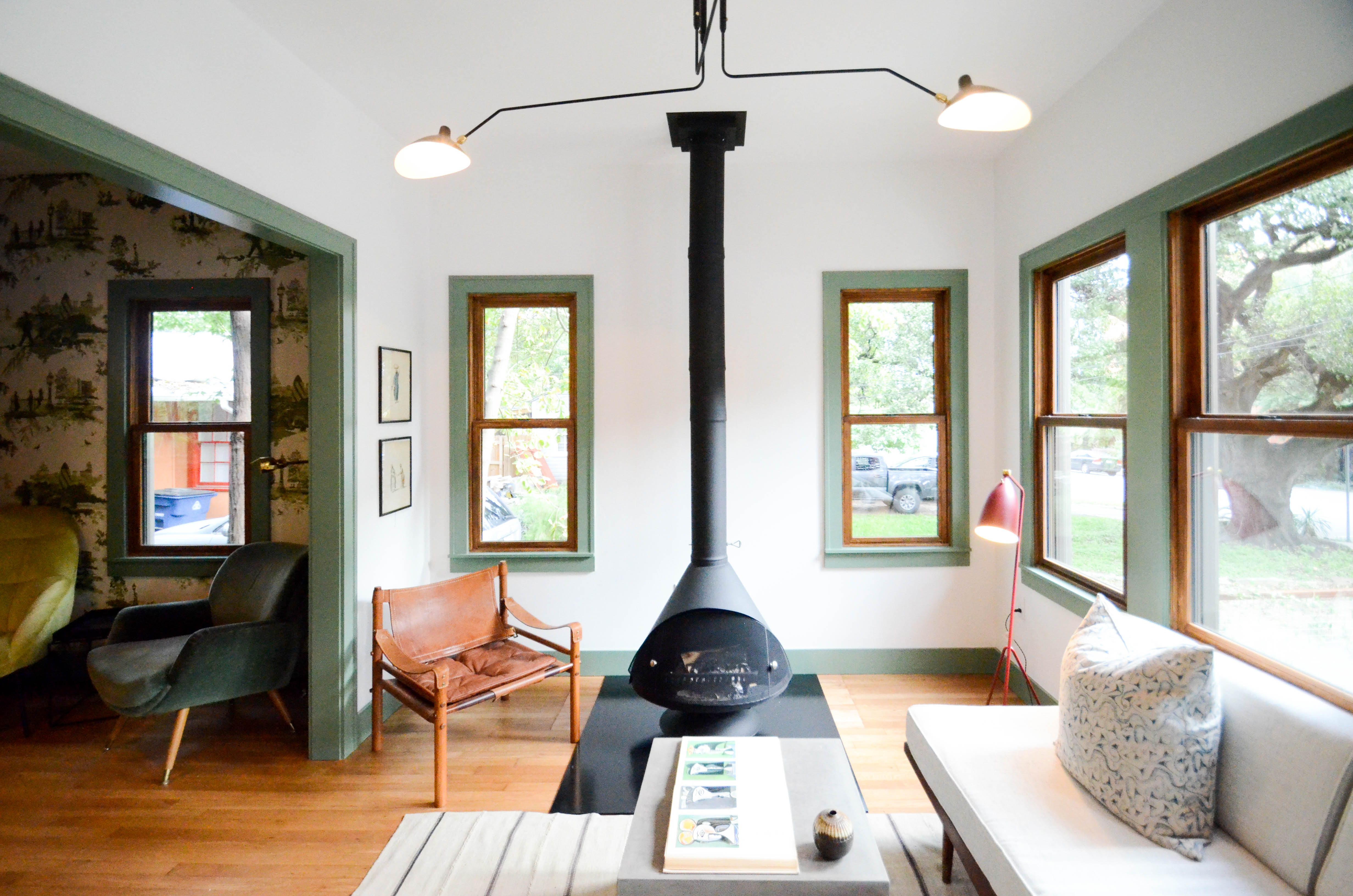
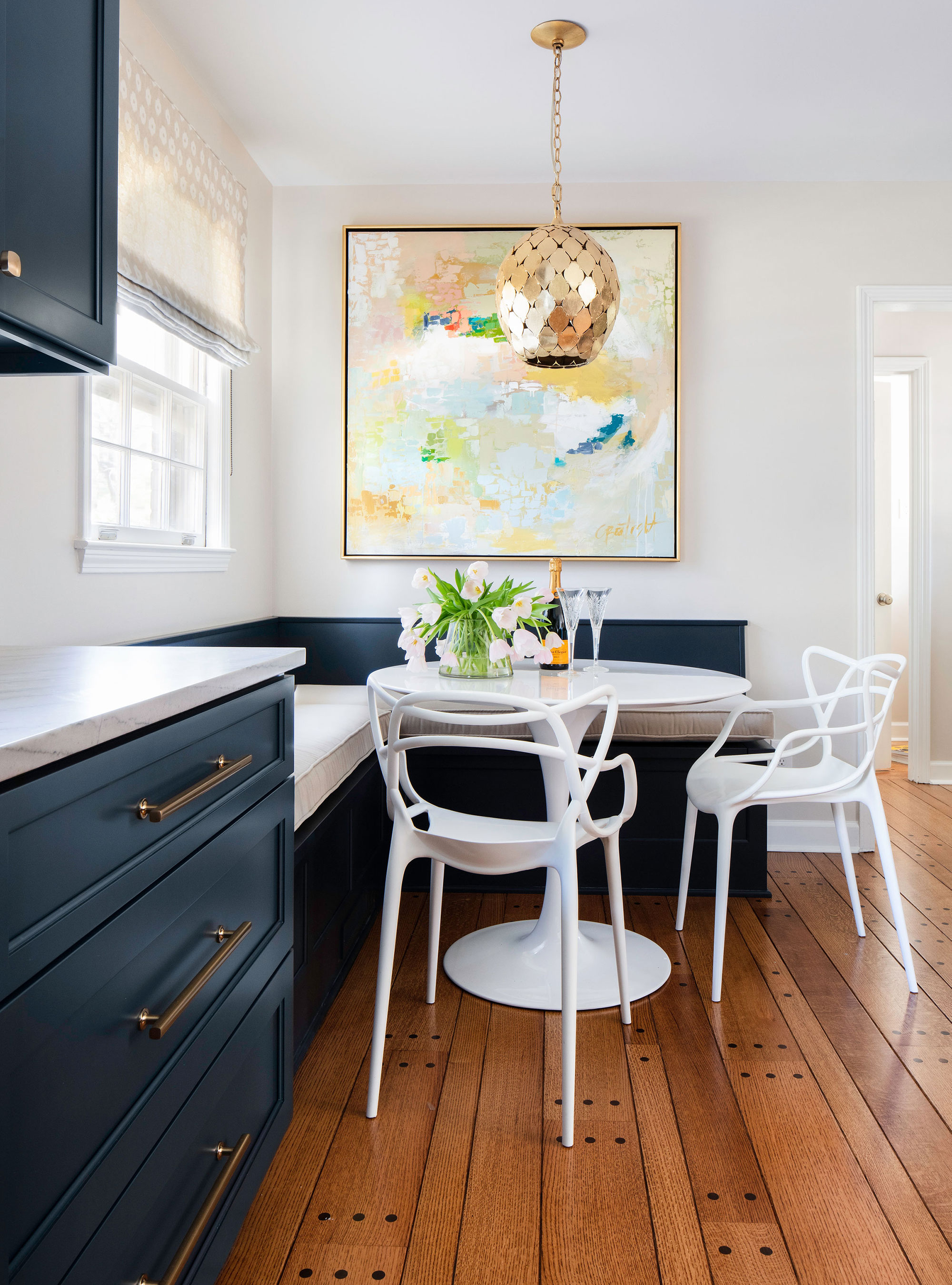
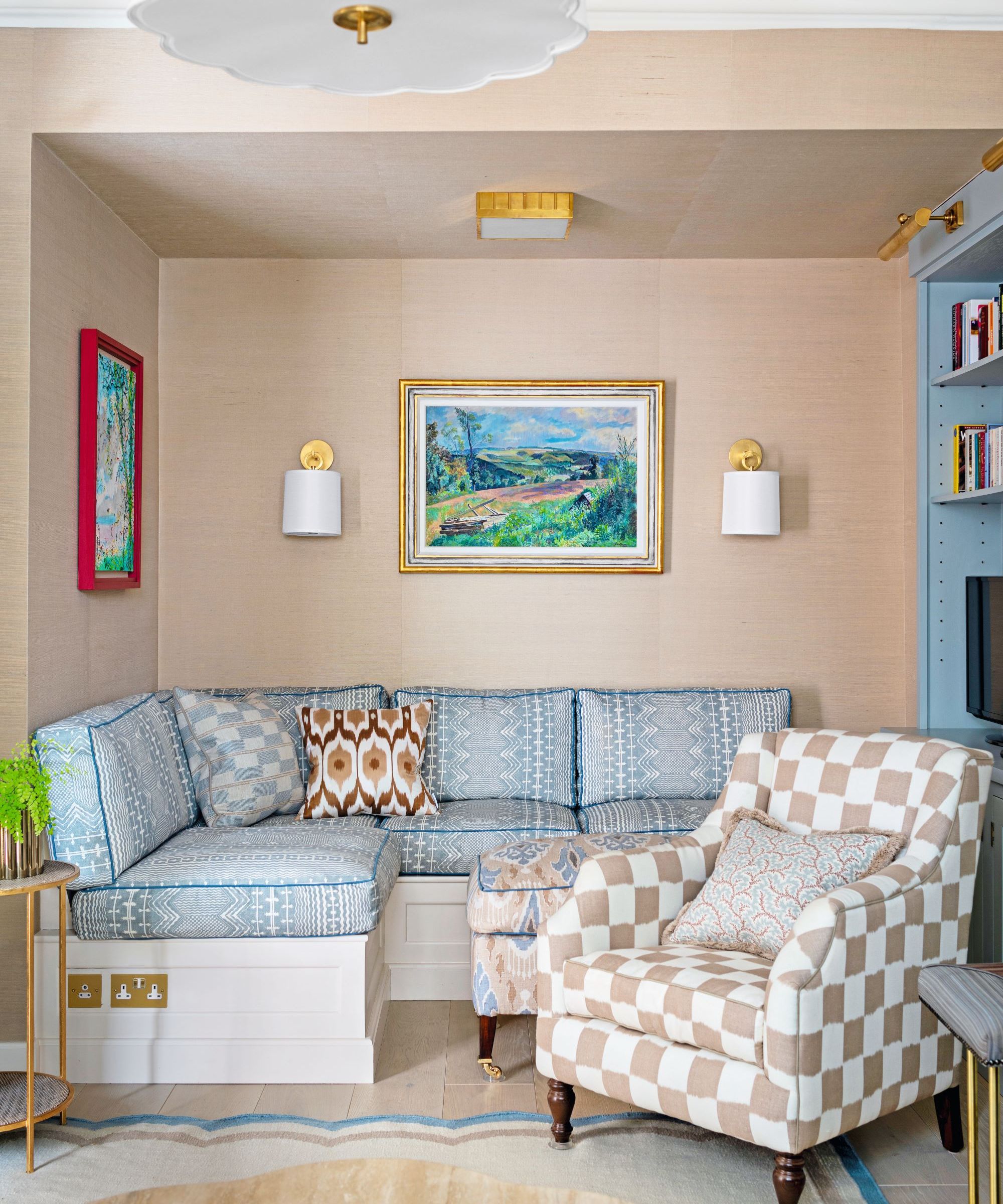
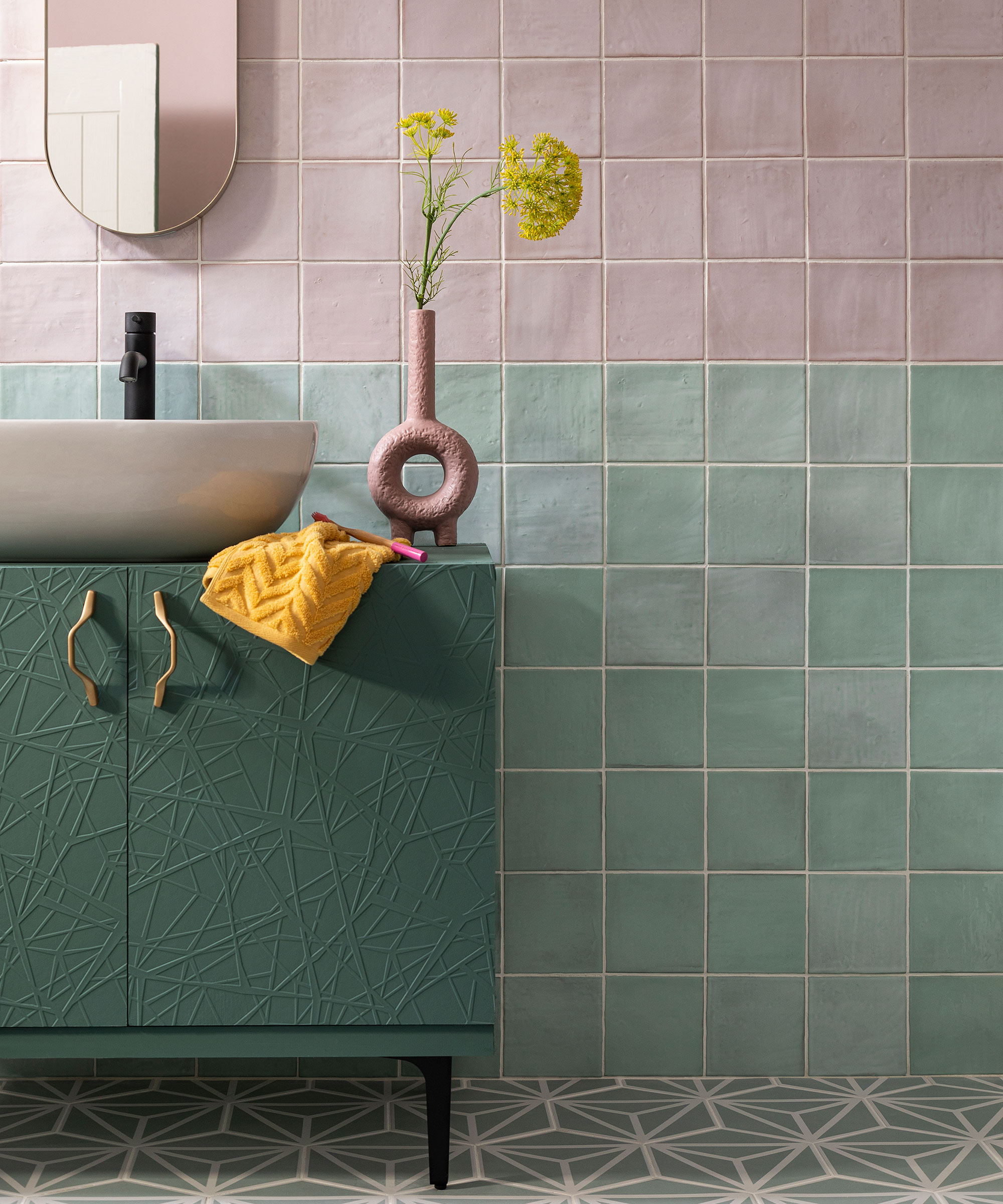
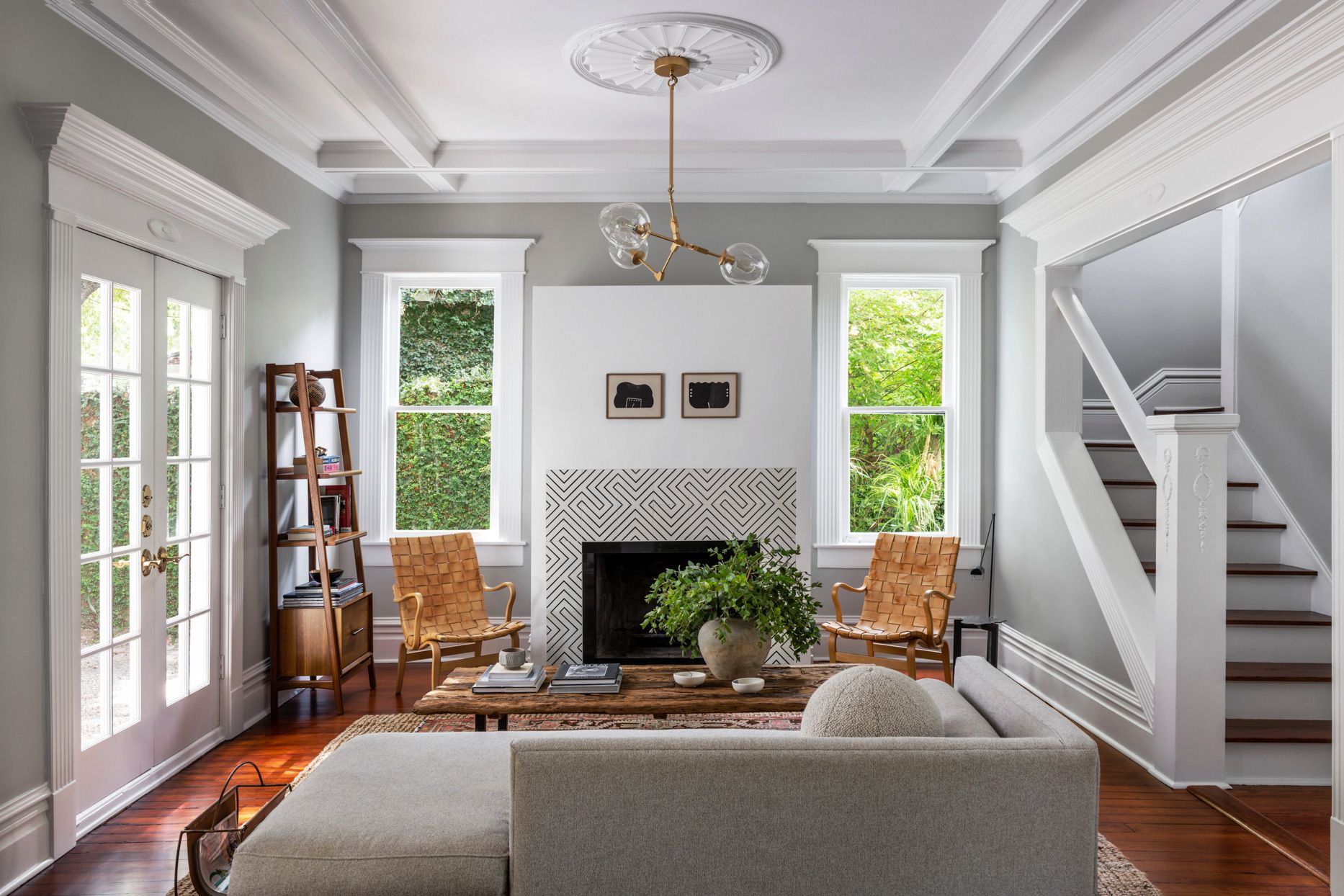
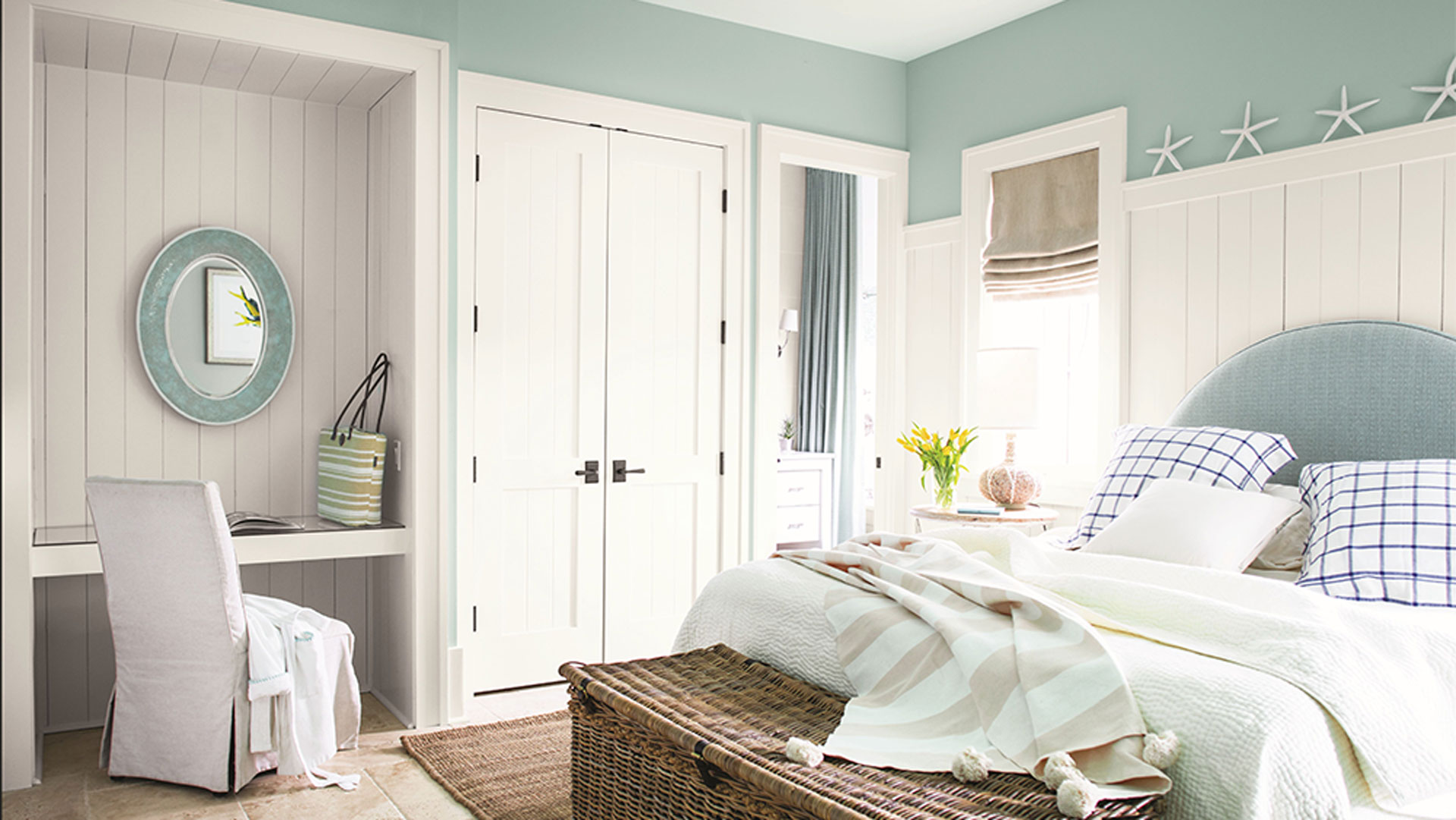
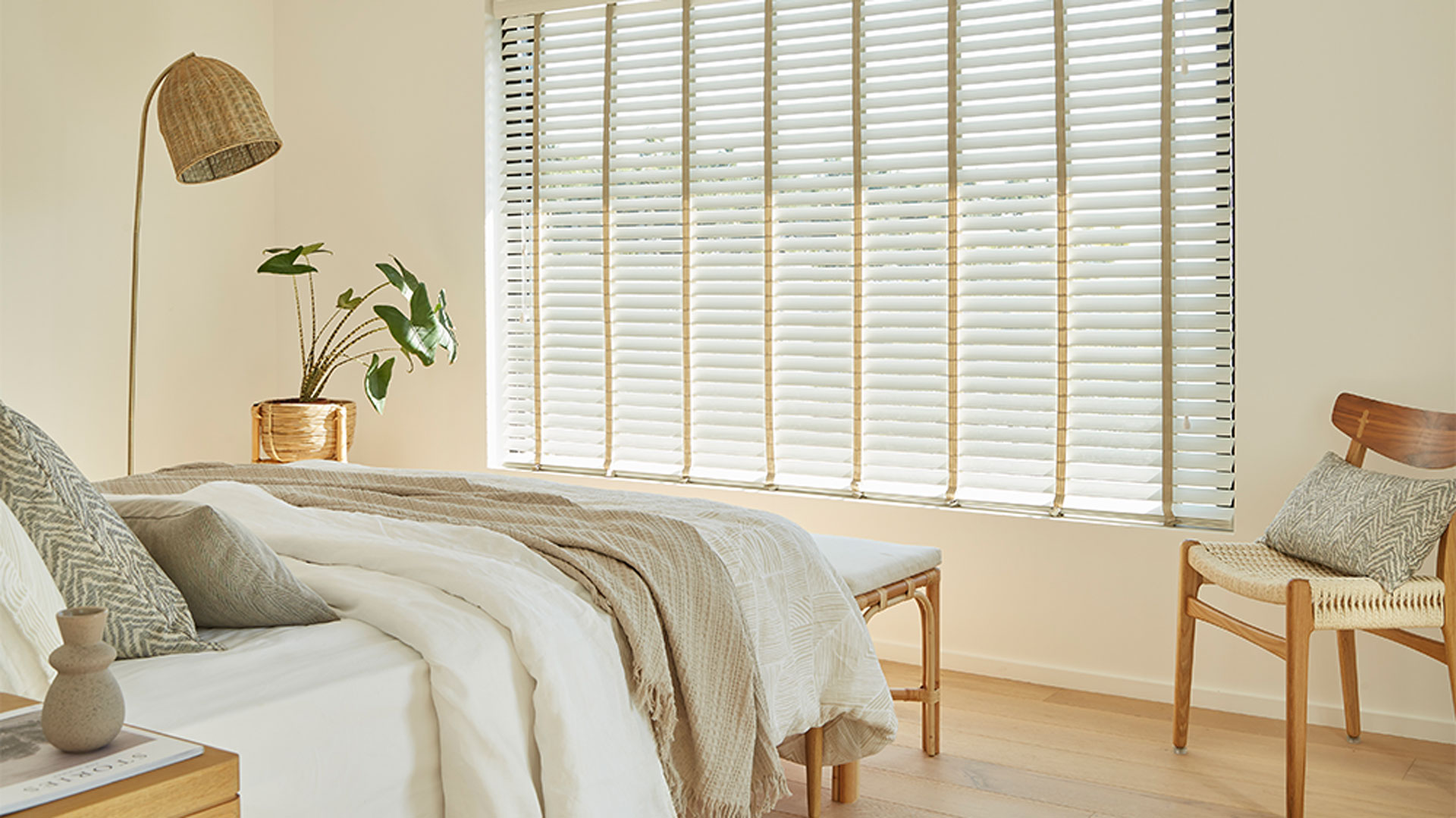
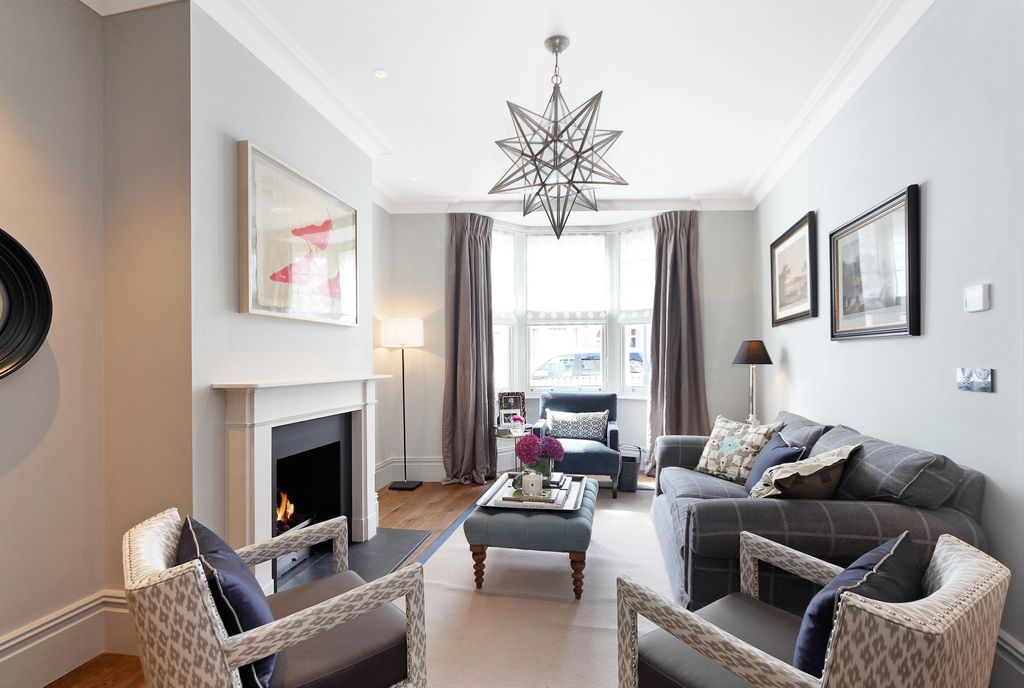
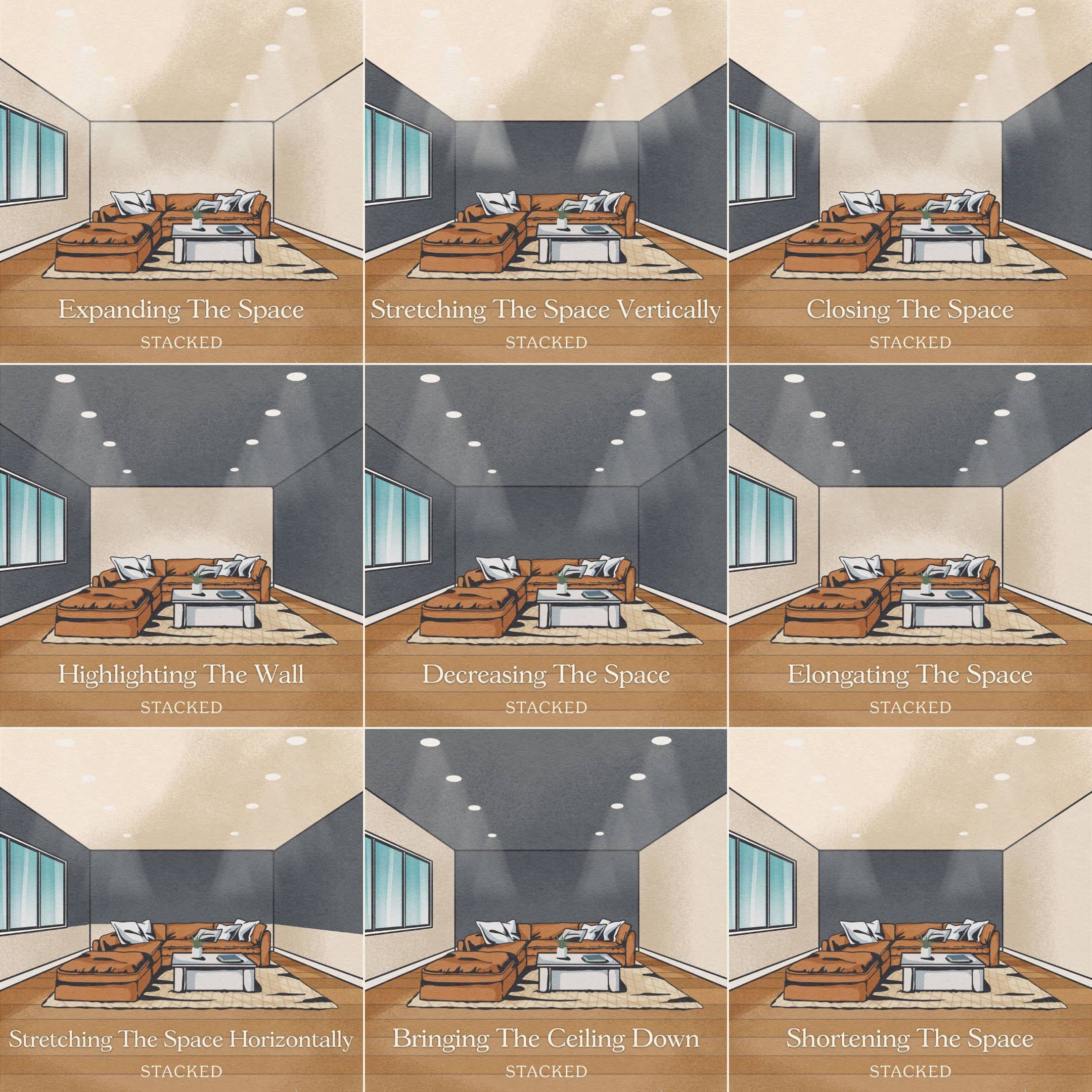
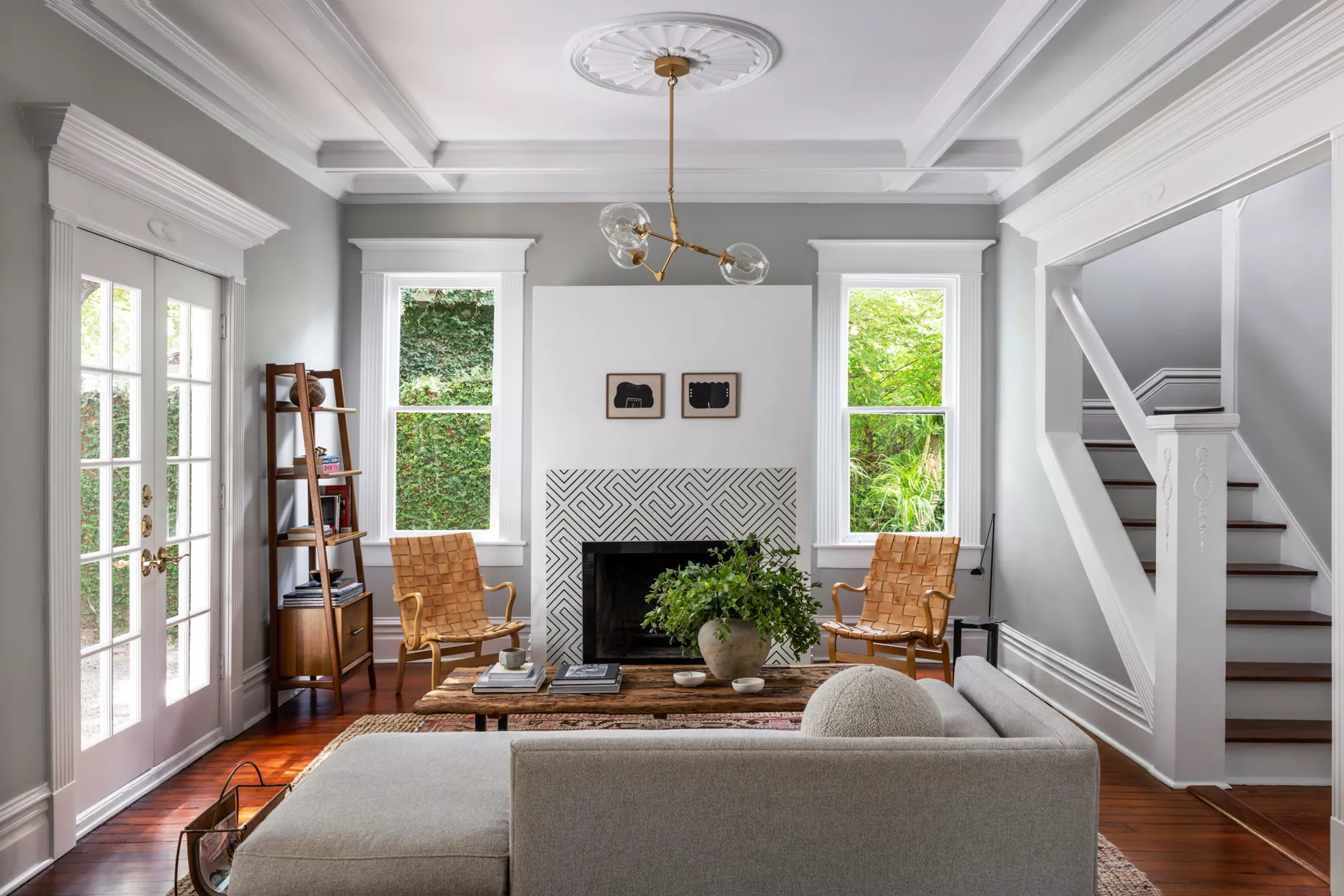
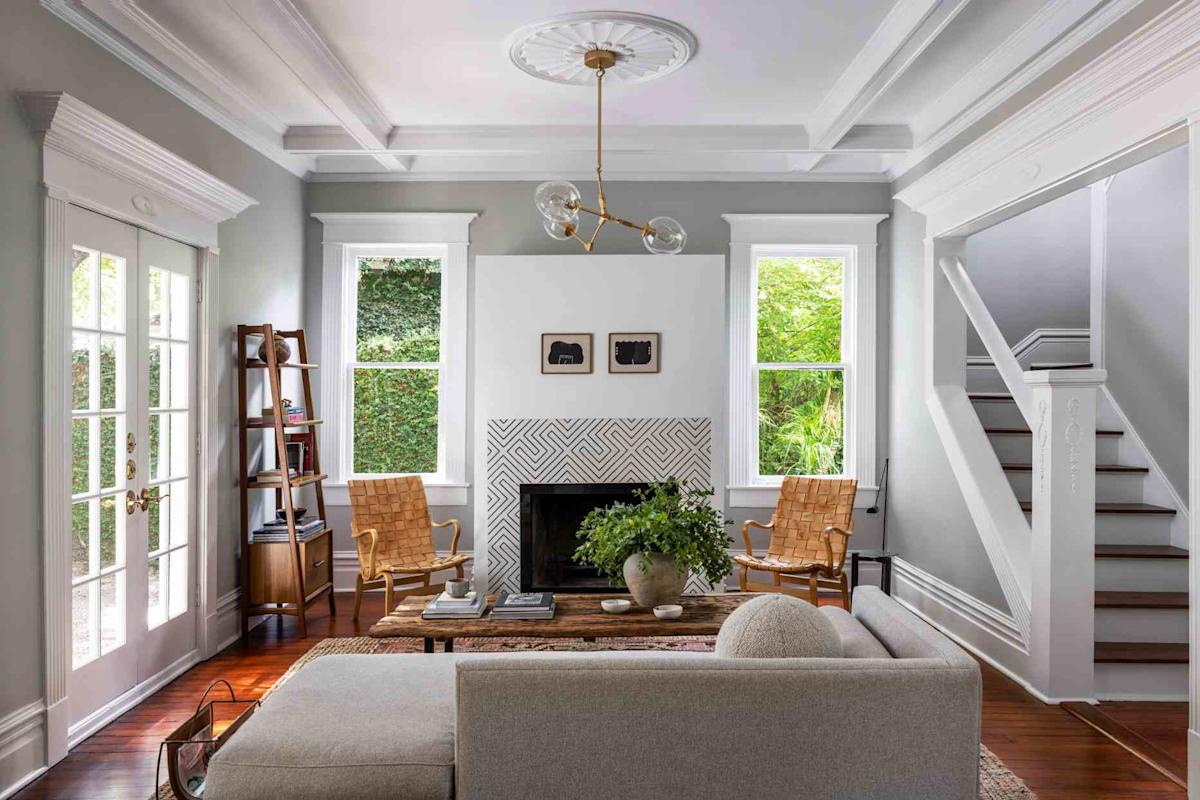
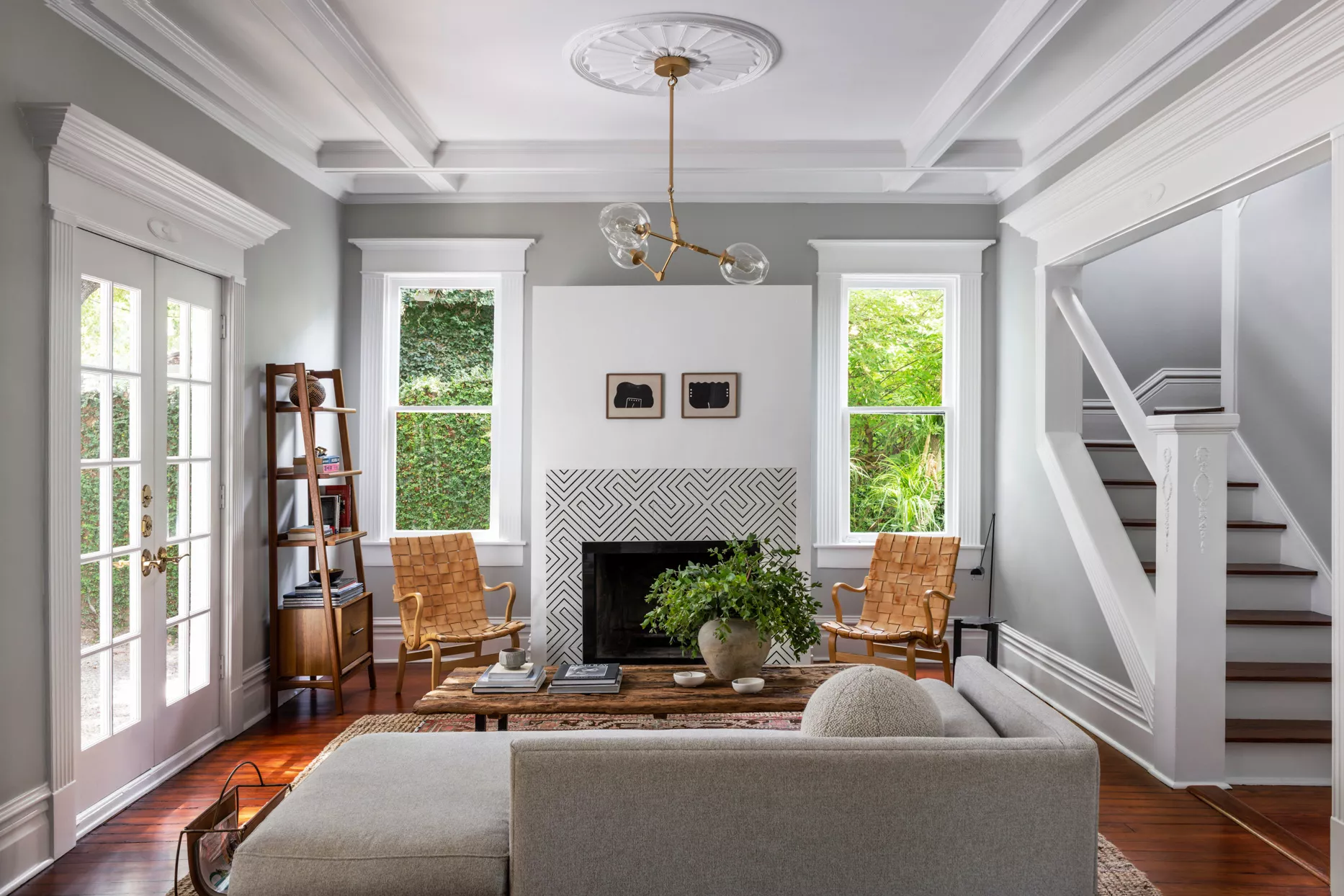
One of the most fundamental principles discussed is the strategic use of light colors. Light-colored walls and ceilings reflect light, making a room appear brighter and more open. While white is a classic choice, neutral tones like light grey, beige, bright pink, or light taupe can also achieve this effect while adding personality. The article also highlights how the placement of these colors can dramatically alter spatial perception, emphasizing the importance of considering which sections of a room to paint to frame a view or enhance specific features.
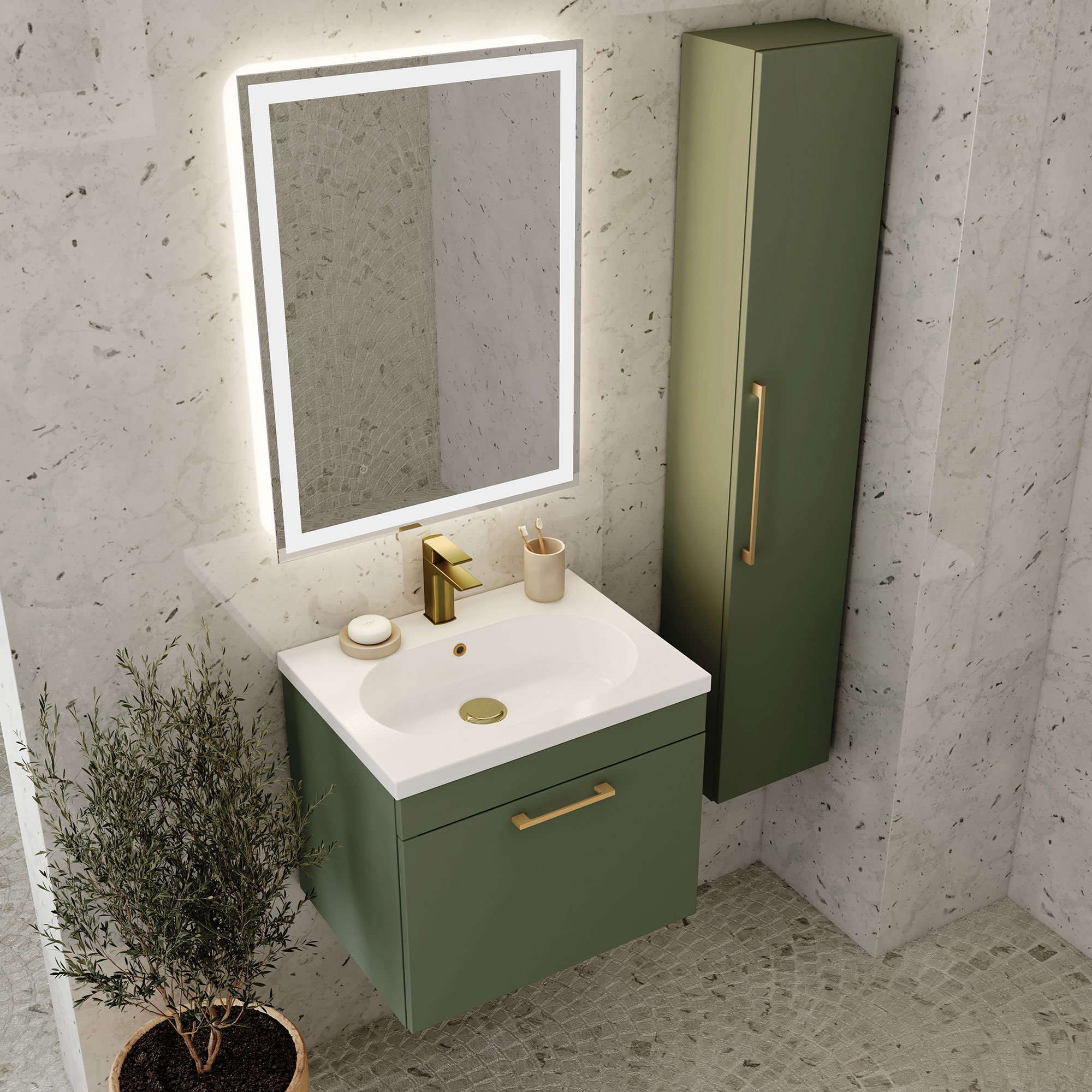
Lighting plays a crucial role in spatial illusions. Uplighting, which directs light upwards, can make low ceilings appear higher by drawing the eye vertically. This technique, commonly seen in hospitals for its alerting and hygienic associations, can be achieved with floor lamps or by placing wall sconces higher than usual. Backlighting, using LED strips behind furniture, is another trick that adds depth by making walls appear further away.
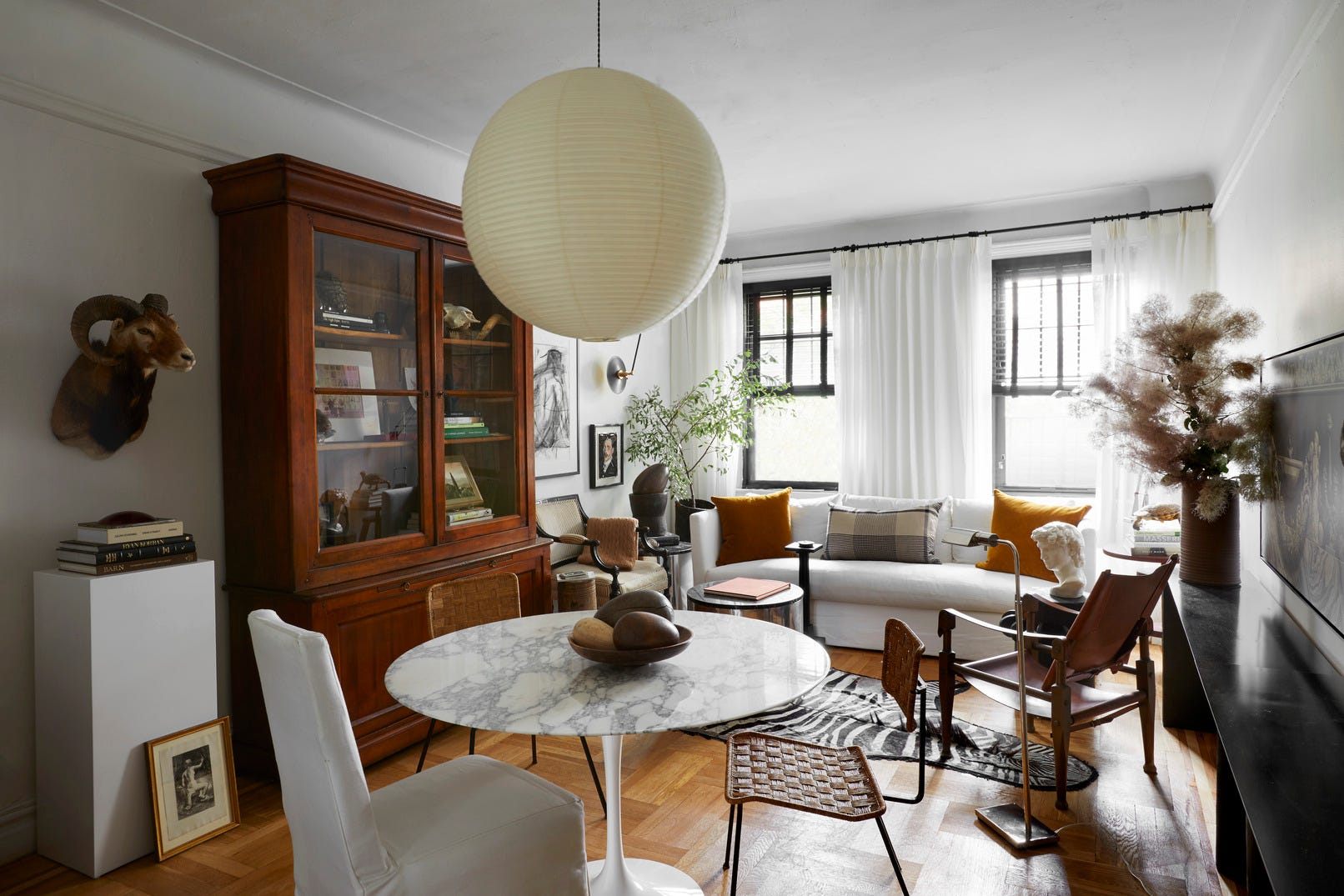
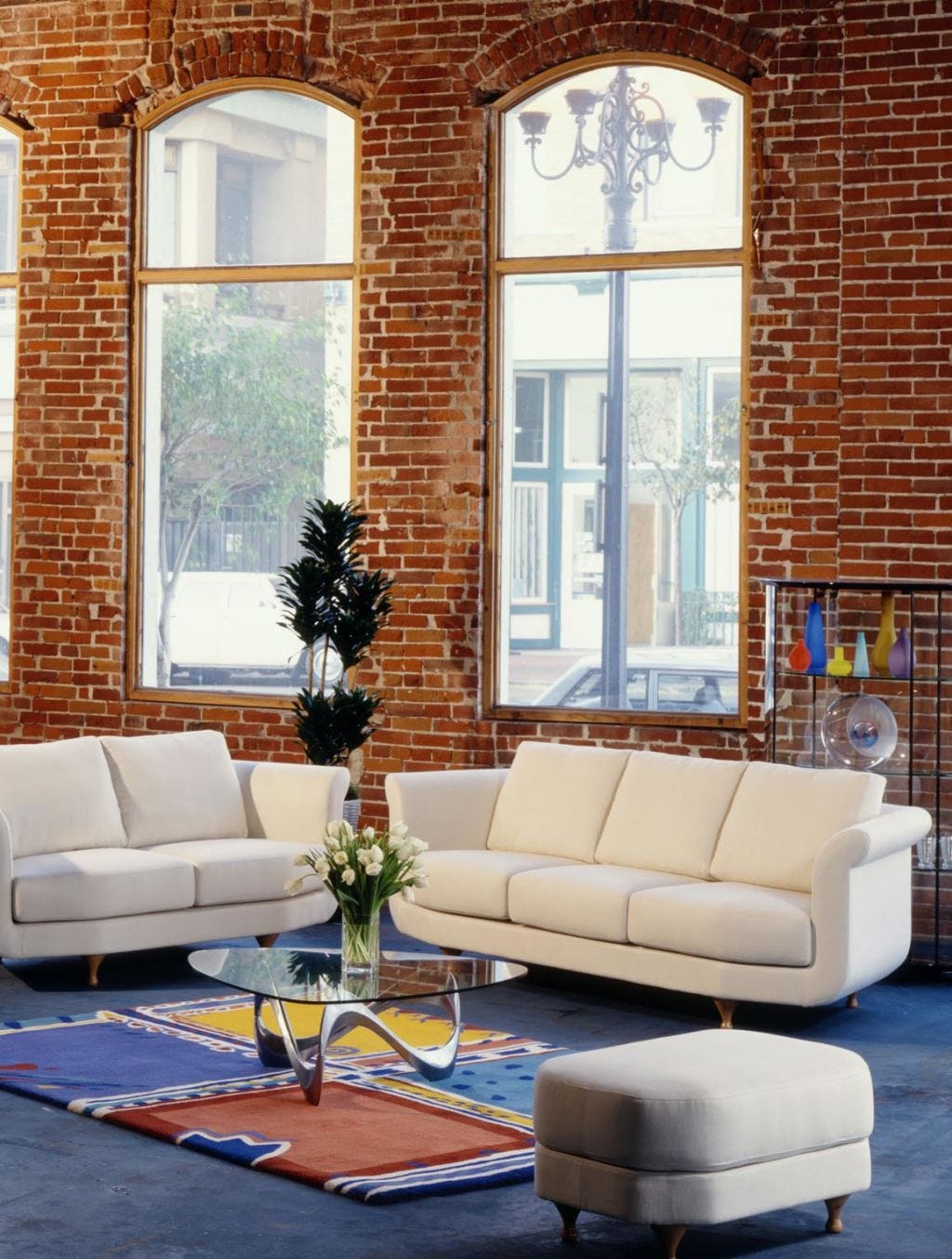
The integration of glass elements is presented as a powerful tool for visual expansion. Glass walls, as demonstrated in a featured NYC loft, can make boundaries seem invisible, allowing natural light to flow freely and visually connecting adjacent spaces. For those with less flexible layouts, especially in condominiums where load-bearing walls restrict modifications, glass or lucite furniture (like dining tables or side tables) can create a 'see-through' effect, extending the field of vision and reducing visual clutter. Glass-fronted bookcases also help to organize and lighten the appearance of stored items.
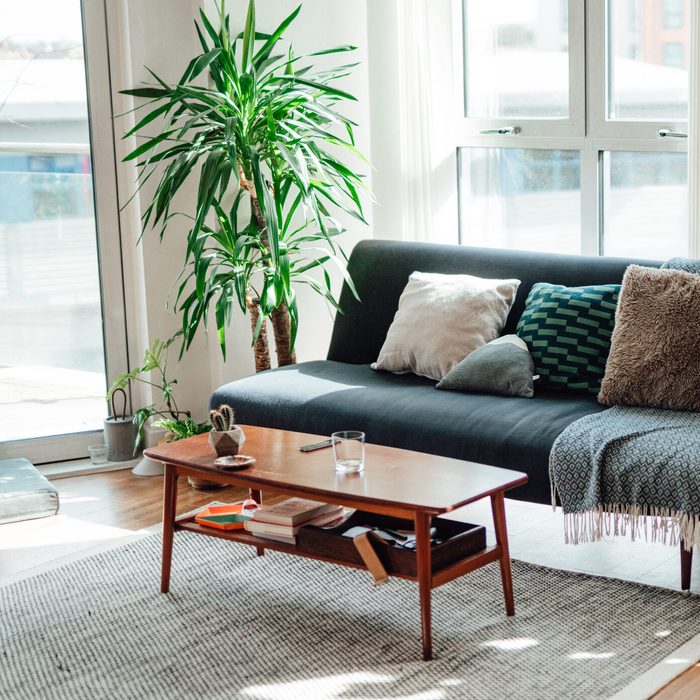
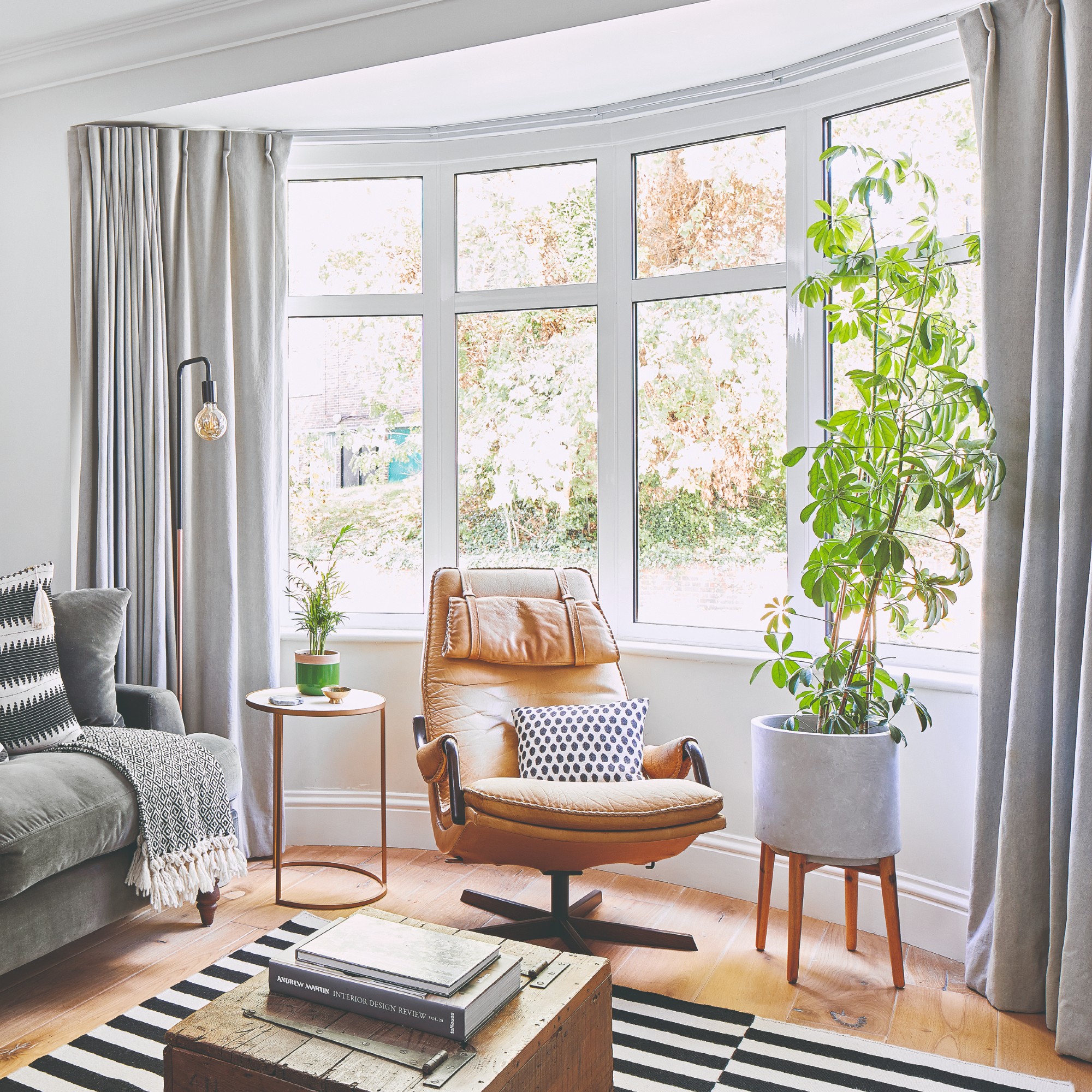
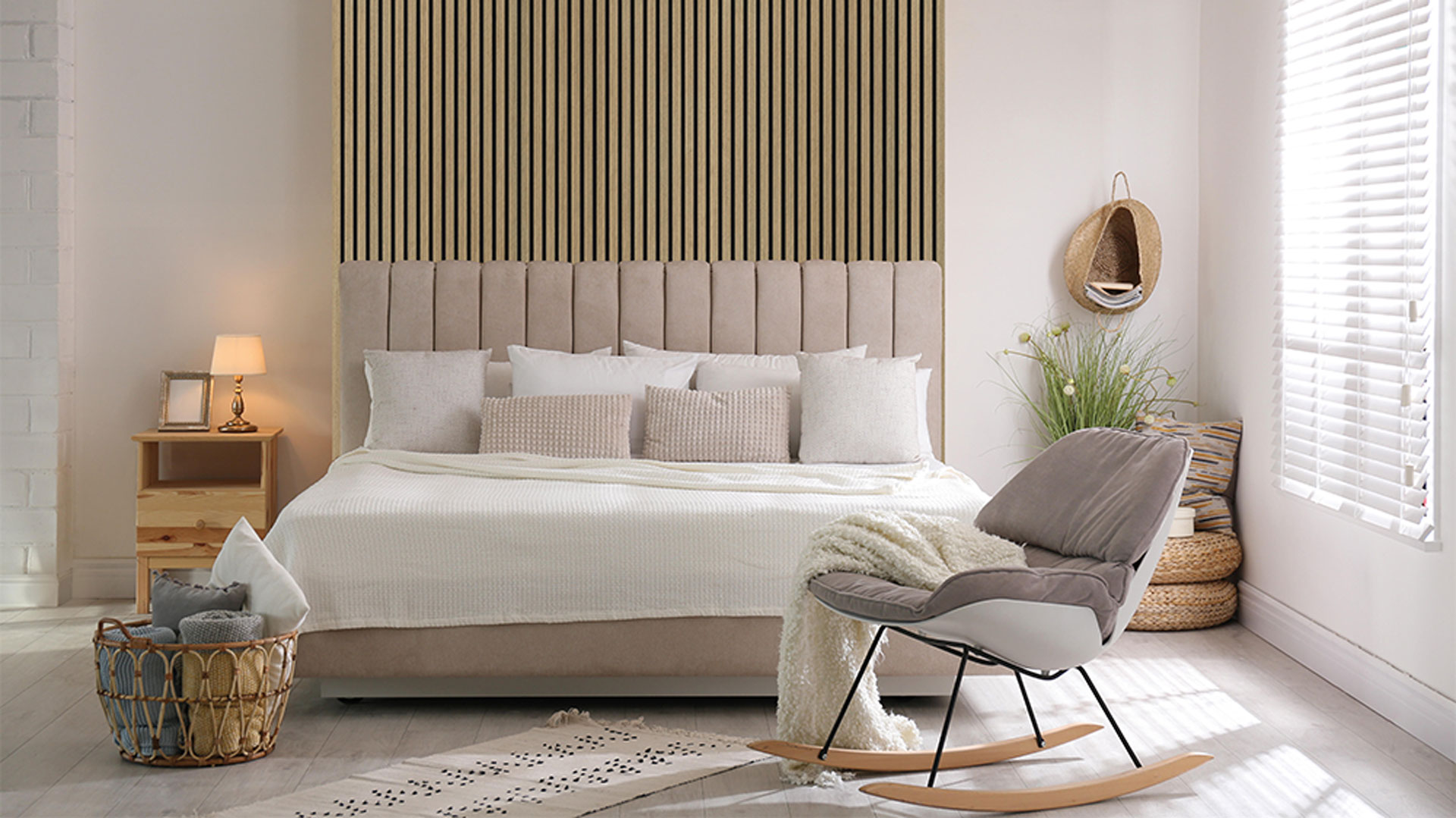
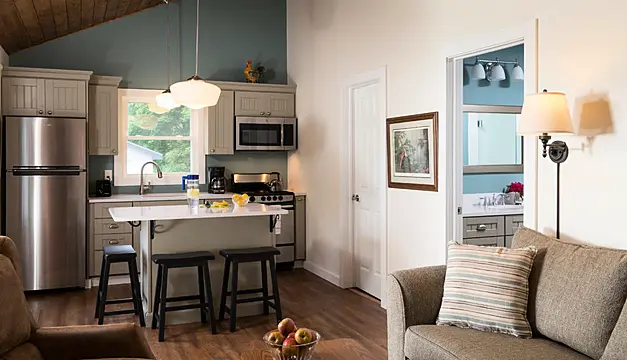
Furniture selection is critical. The article advises against oversized furniture, which can overwhelm a small room and create a claustrophobic atmosphere. Instead, opting for smaller, more svelte pieces that allow a room to 'breathe' is recommended. This approach mirrors the aesthetic often seen in show flat interiors, prioritizing a less constrained feel. Low-profile furniture, which sits closer to the floor, is another excellent strategy for increasing vertical space, especially when combined with pieces that have legs to allow light and air to flow underneath.
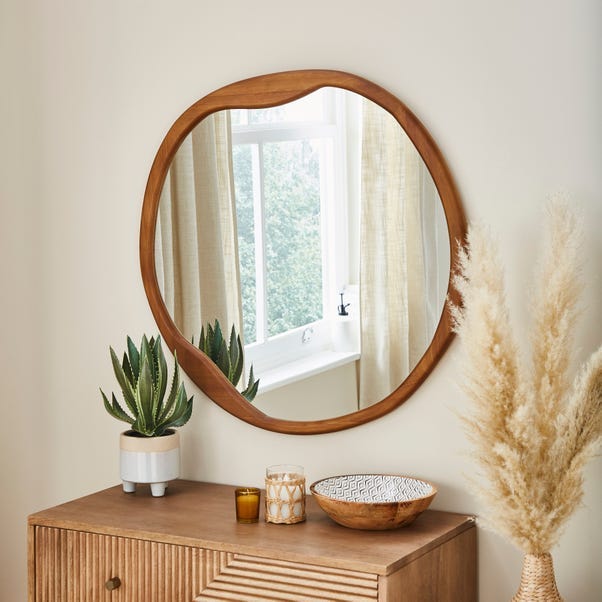
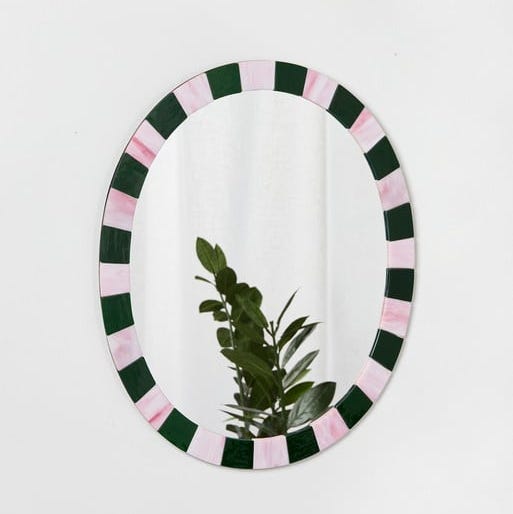
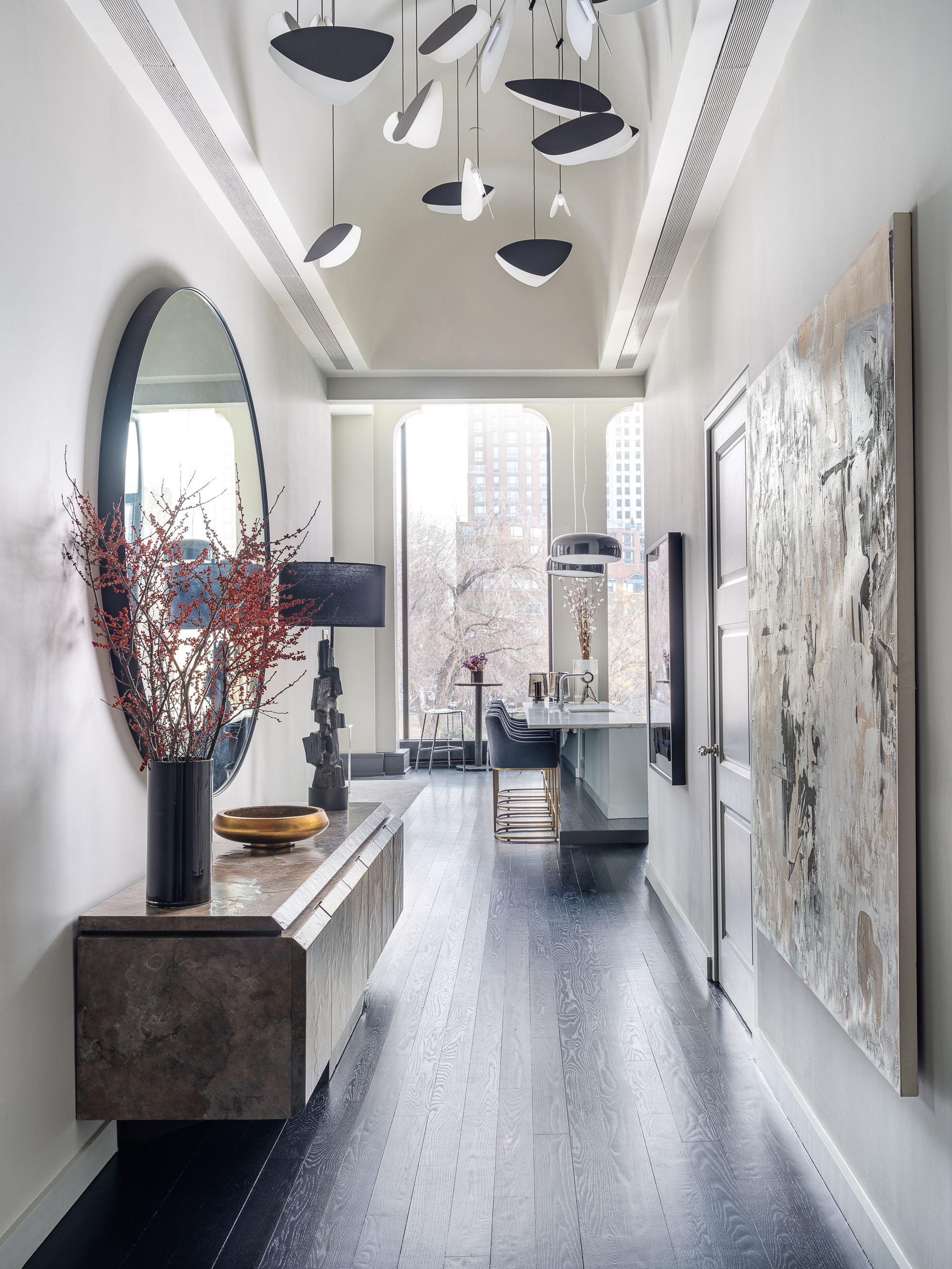
Mirrors are a well-known trick, but the article provides specific guidance for their effective use. Tall mirrors not only create an illusion of space but also draw the eye upwards, enhancing perceived height. Hanging mirrors, rather than leaning them, conserves floor space. Strategic placement to reflect light from other parts of the home can brighten dim areas, such as hallways. Reflective surfaces on furniture can further amplify this effect.
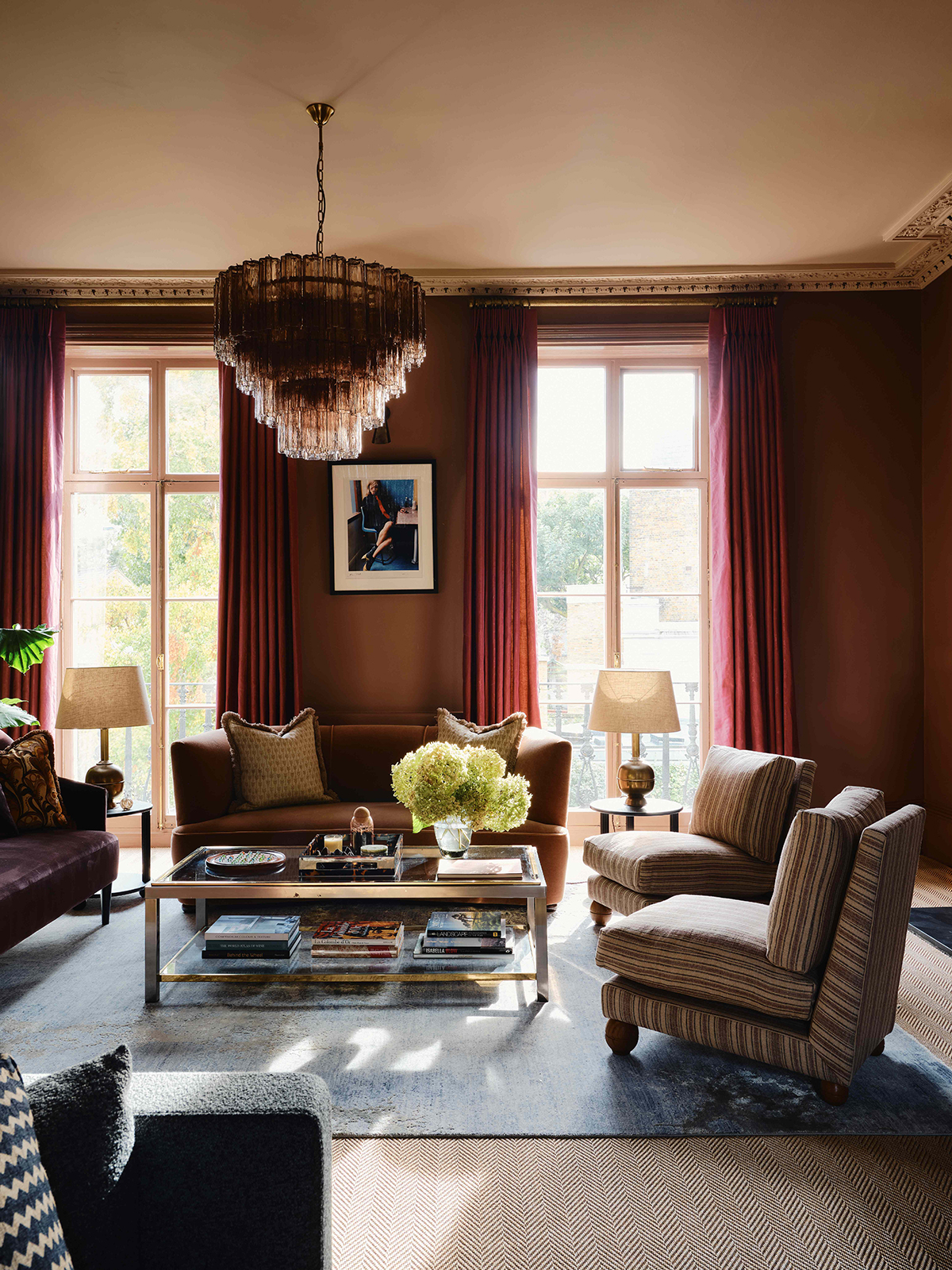
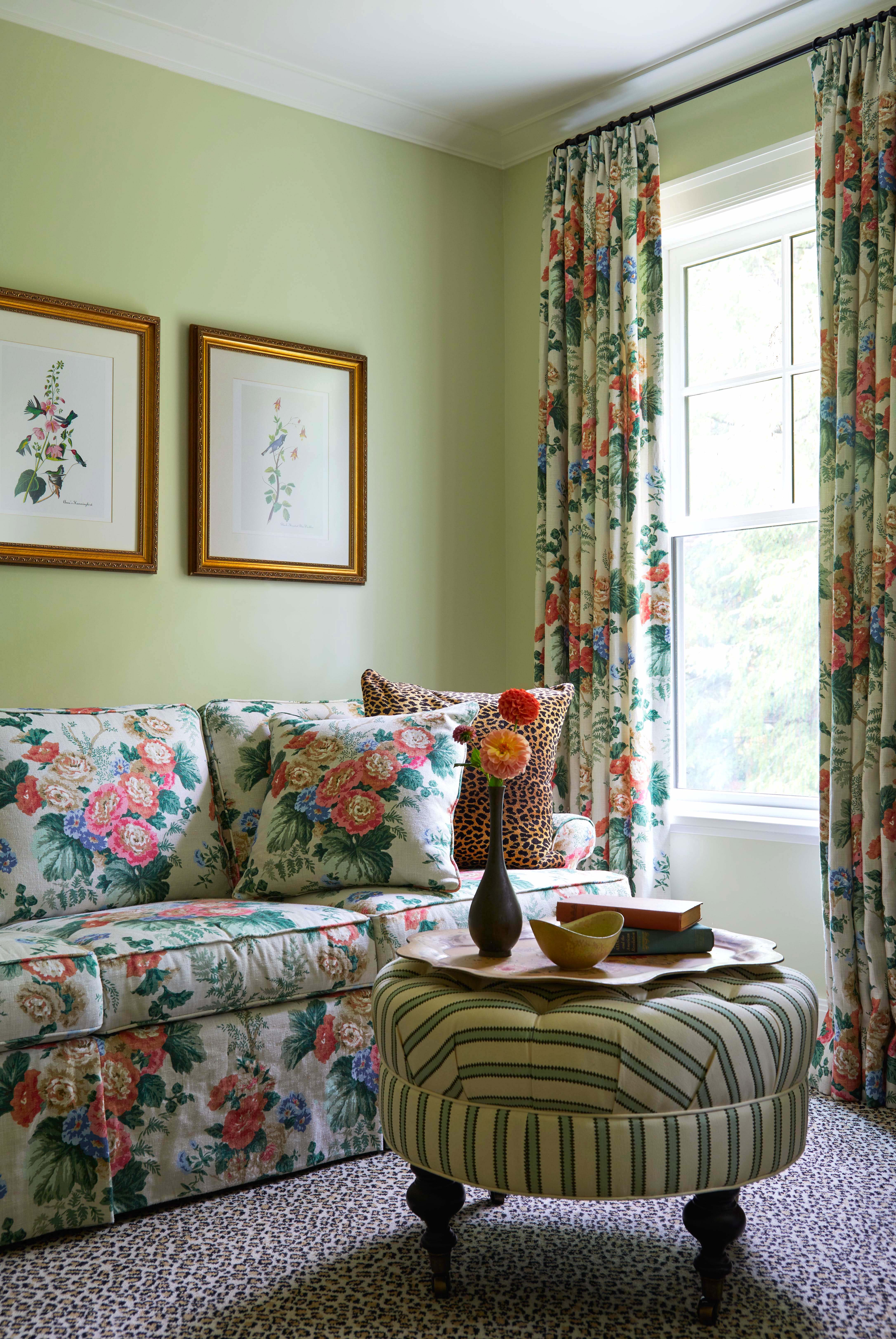
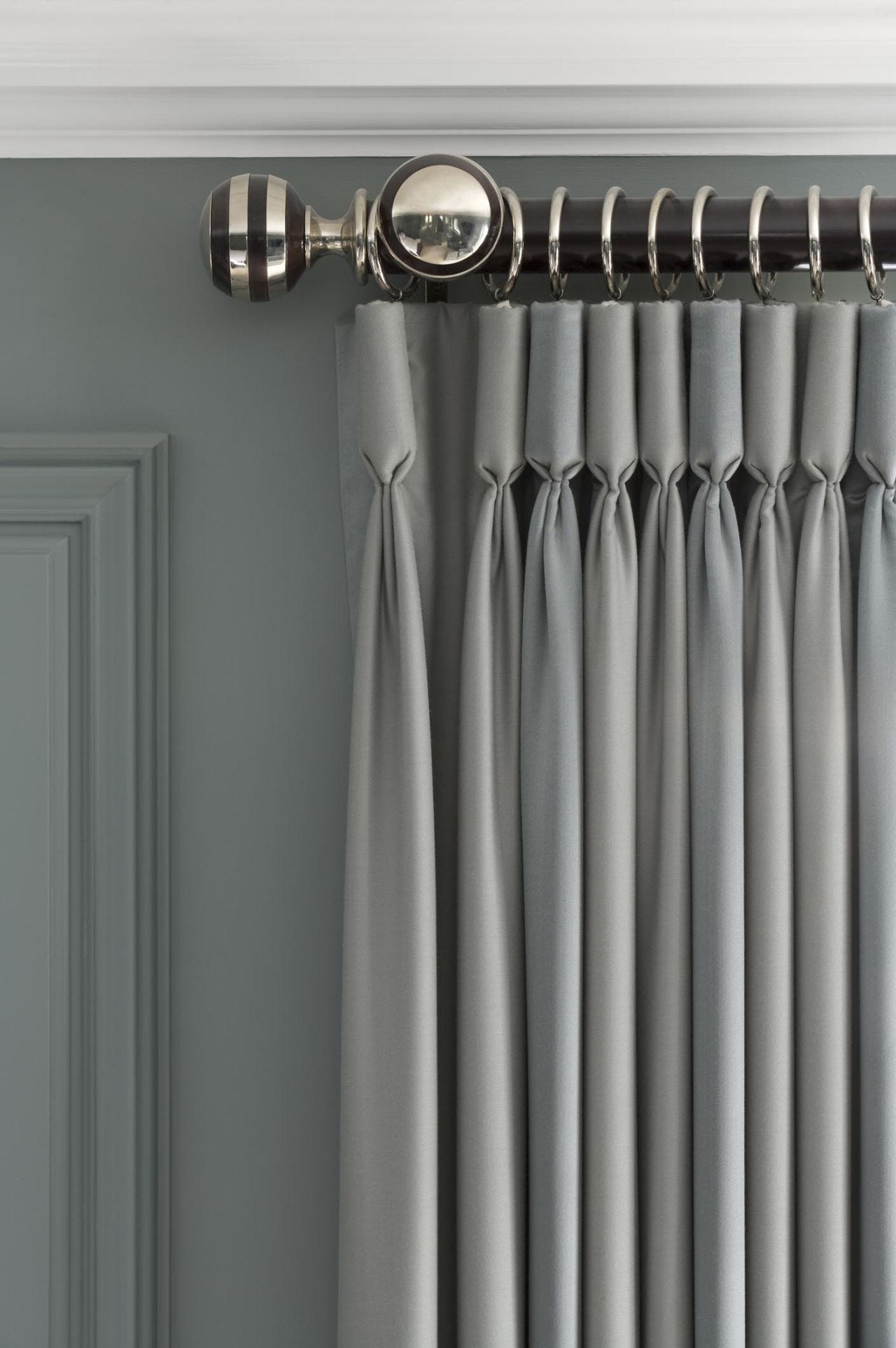
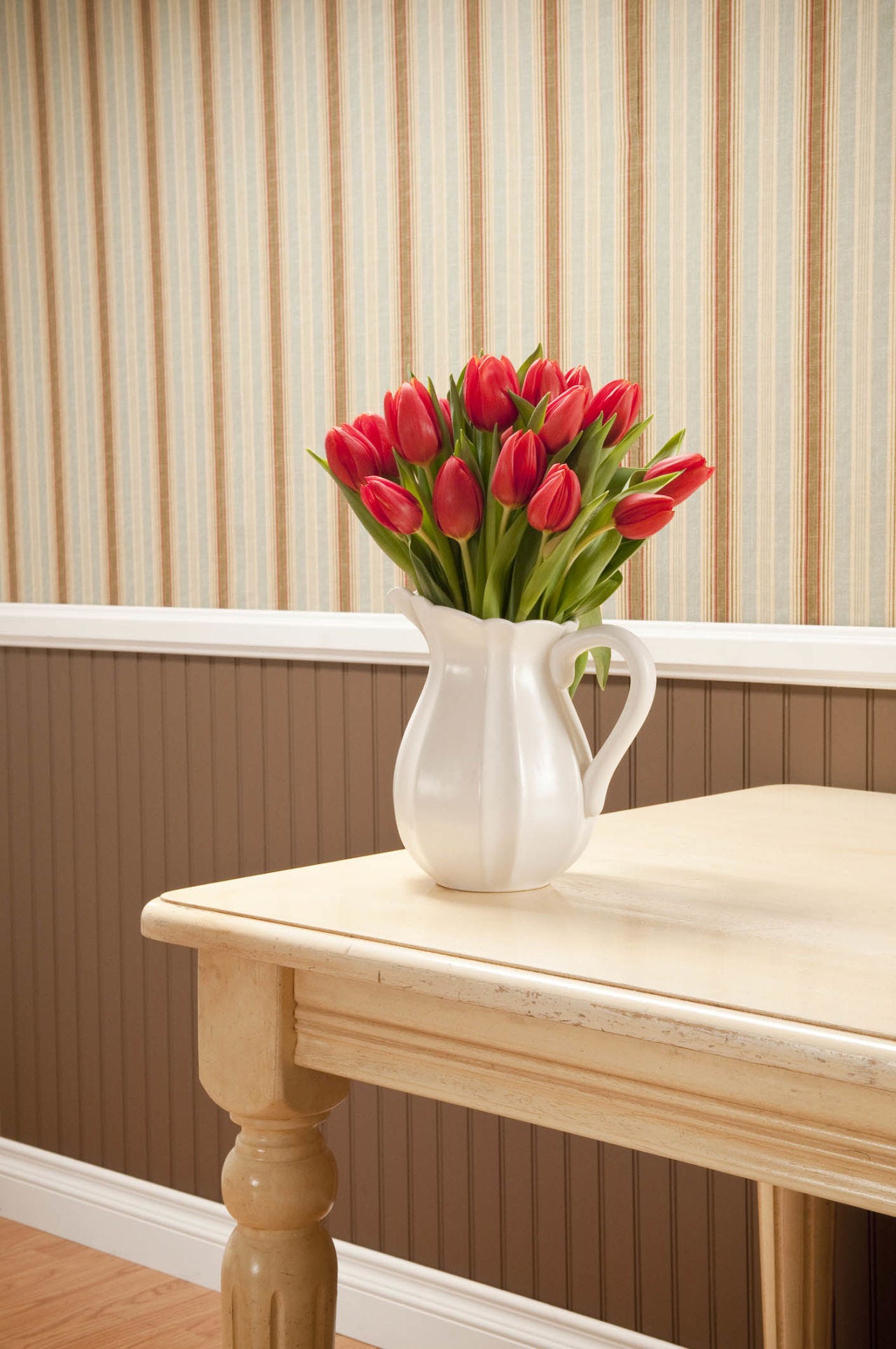
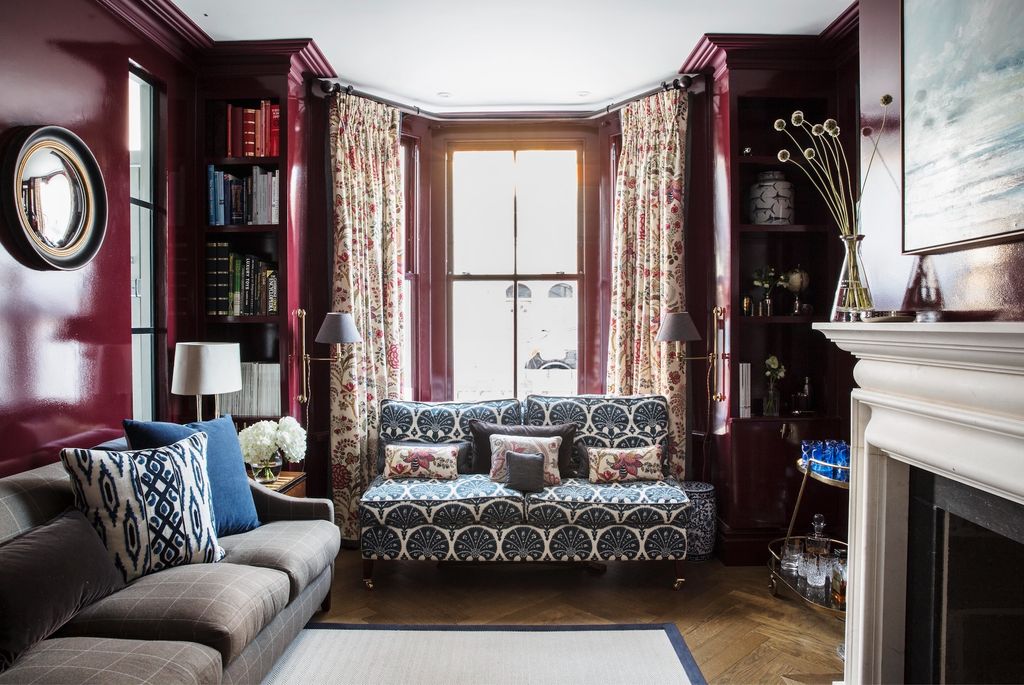
Maximizing visible floor space is another key recommendation. Pushing cabinets and furniture against walls, or incorporating built-in shelving, frees up floor area, creating a sense of more room to move. For rugs, the advice is to leave ample space around them to make the room appear larger, avoiding rugs that almost fill the entire floor. Drapes are also discussed as a tool to manipulate perceived height; floor-to-ceiling curtains, with rods placed near the ceiling, can make walls seem taller. Using light-colored or vertically striped drapes and ensuring they don't block window light further enhances this illusion.
Finally, the article touches upon multi-purpose furniture, which, while not an illusion in itself, is a practical solution for smaller homes. Items like ottomans or coffee tables with hidden storage, or beds with under-storage, help reduce clutter and optimize limited space, catering to the growing trend of compact living globally. The ultimate takeaway is that while physical space might be limited, strategic design choices can significantly alter its perceived size, making a home feel more comfortable and spacious.
#SmallSpaceDesign #InteriorDesign #HomeDecoration #IllusionTricks #LightColors #Uplighting #GlassElements #FurnitureSelection #Mirrors #FloorSpaceOptimization #MultiPurposeFurniture #SmallSpaceDesign #InteriorDesign #HomeDecoration #IllusionTricks #LightColors #Uplighting #GlassElements #FurnitureSelection #Mirrors #FloorSpaceOptimization #MultiPurposeFurniture
0 comment in total
 No comments yet
You may also like
How to make small spaces look bigger
7 Lighting Tricks That Will Make a Small Entryway Look Much Bigger Than It Actually Is

How to make a small living room look bigger with mirrors - clever design tips to open up your space
14 Genius Painting Tricks to Make a Room Look Bigger

14 clever ways to make small rooms look bigger

9 rooms that prove color drenching makes small spaces look bigger

14 Genius Painting Tricks to Make a Room Look Bigger
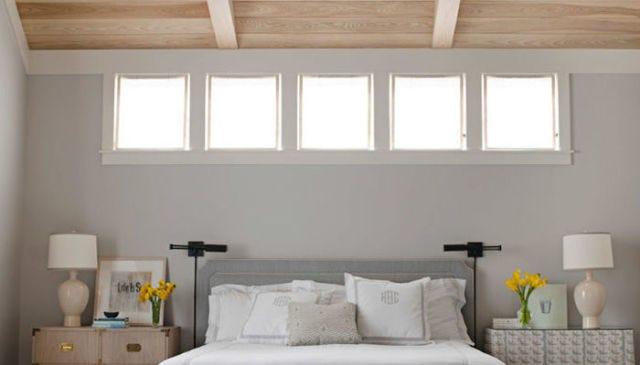
11 Pro Tricks to Make It Look Like You Have High Ceilings
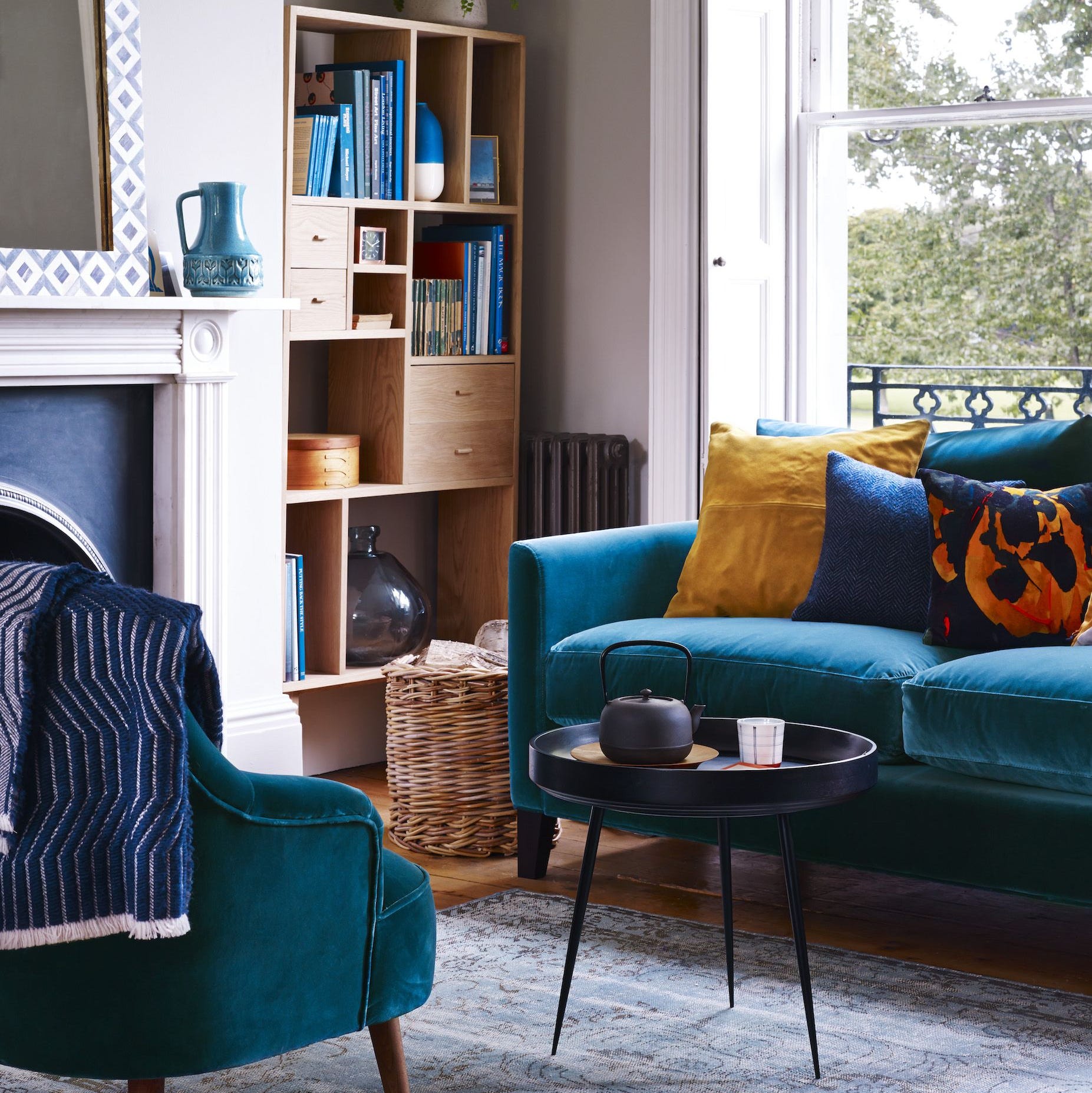
How to make your living room look bigger: 7 tips to fool the eye

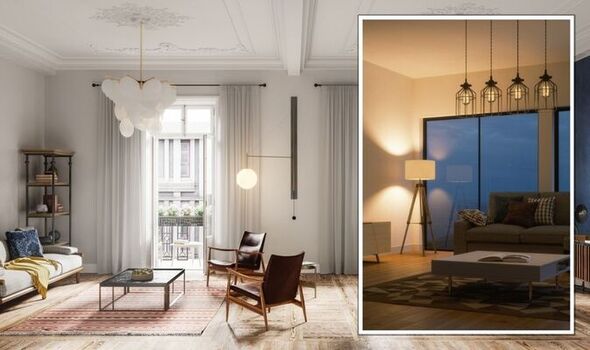
‘Clever design tricks’ can create the illusion of space in homes - ‘feels much larger’
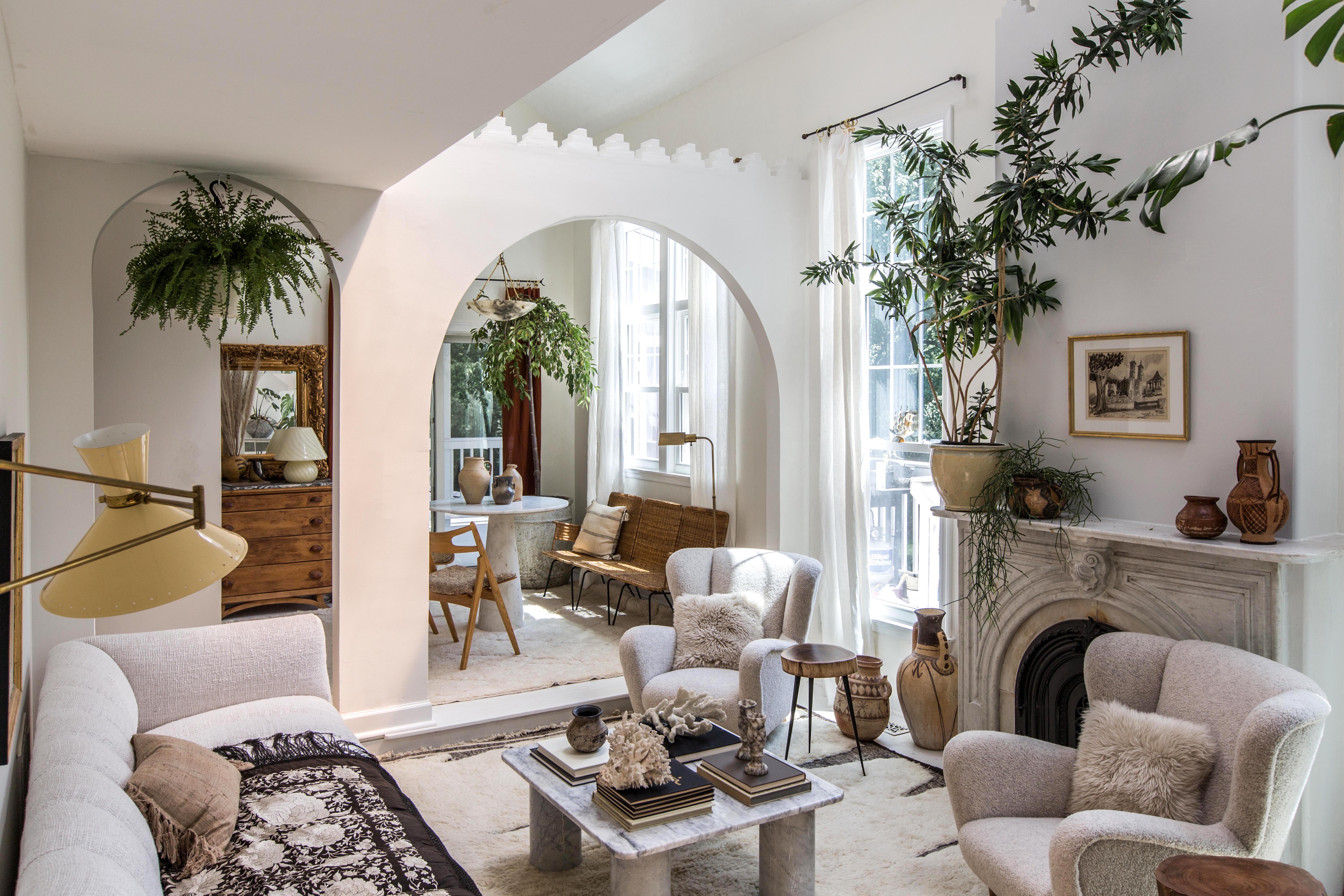
32 Styling Tricks That Will Make Your Small Living Room Feel Bigger and Better

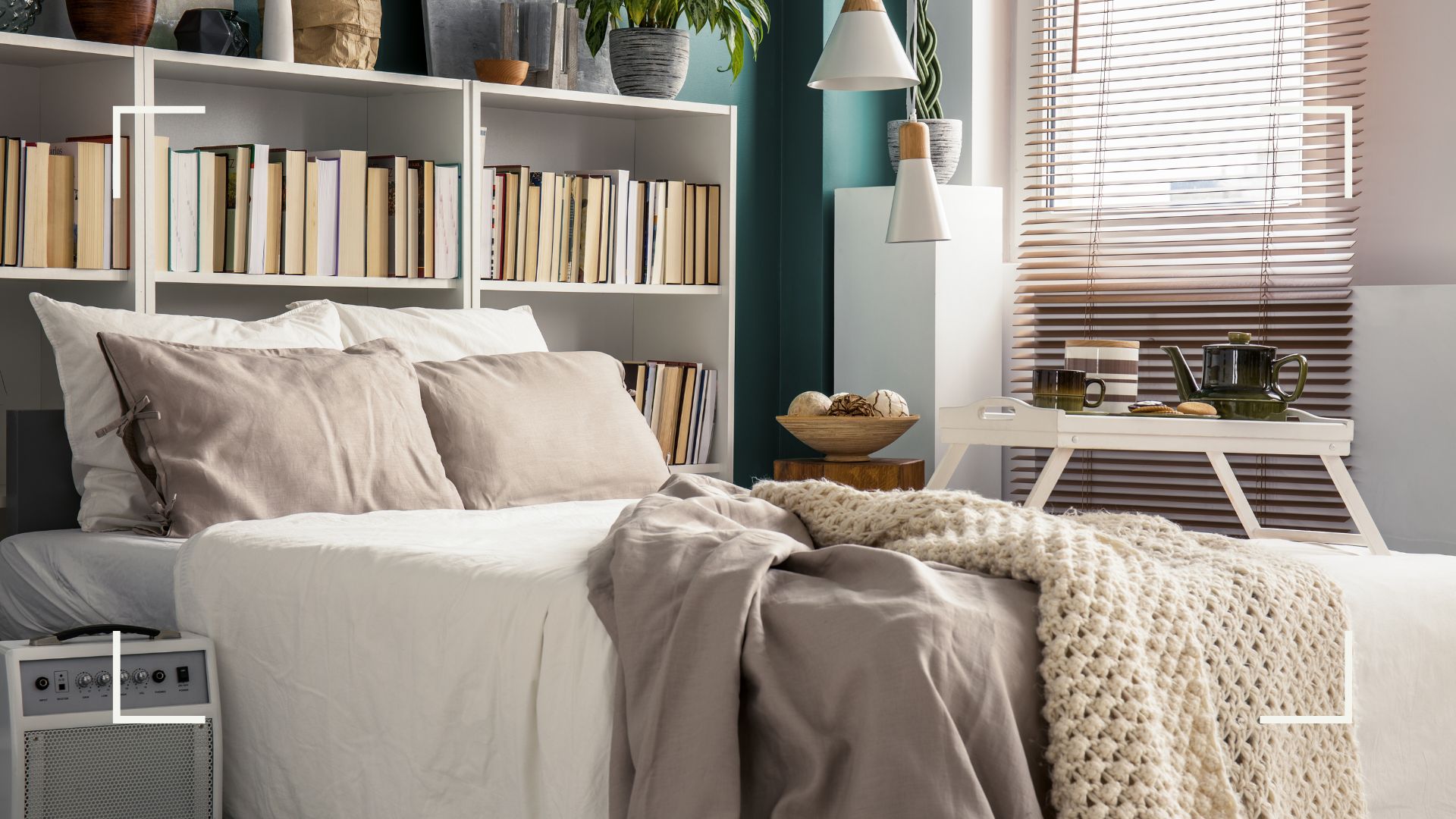
How to make a small bedroom look bigger - 12 clever tips and tricks to maximize space

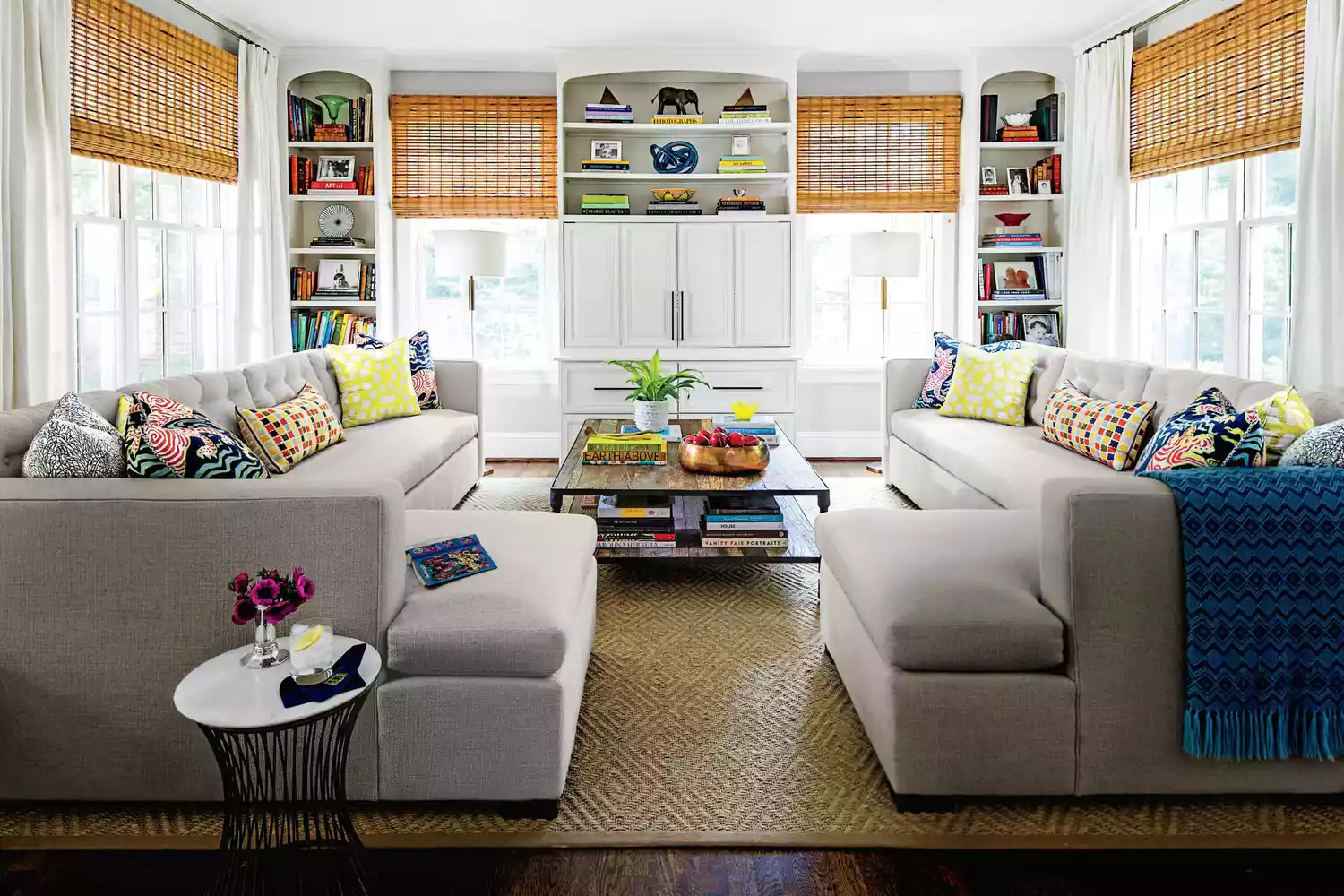
8 Ways To Make A Small Living Room Appear Larger
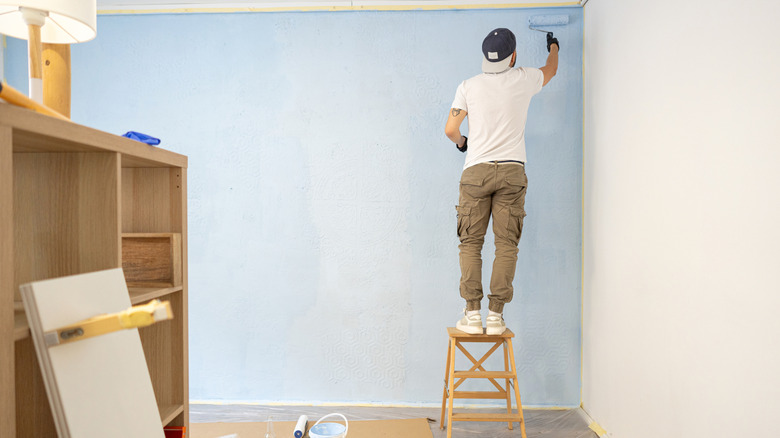
12 Tips For Making Small Rooms Appear Larger Using Paint

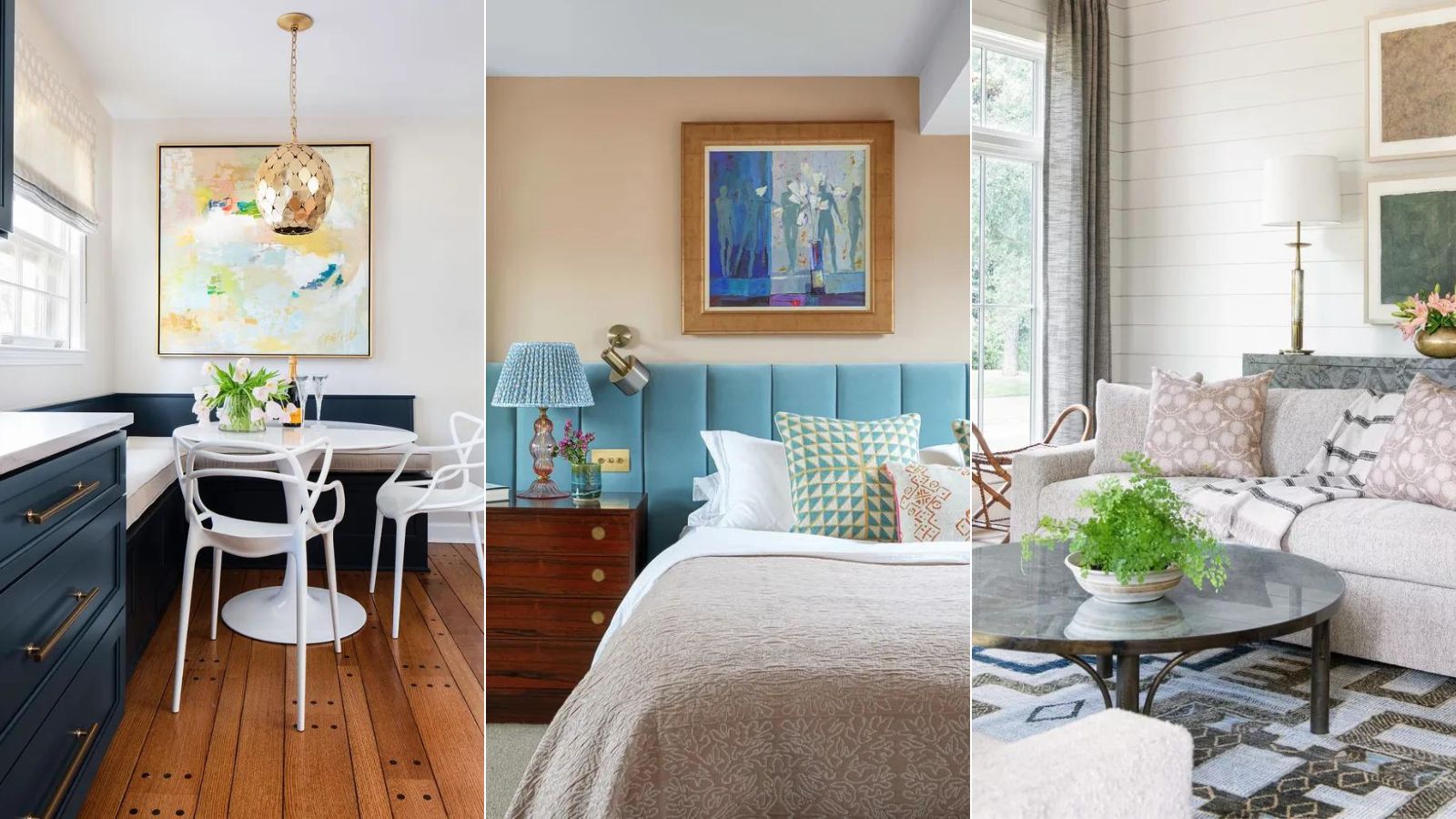
10 things designers do to make rooms look bigger – strategies for success from the experts
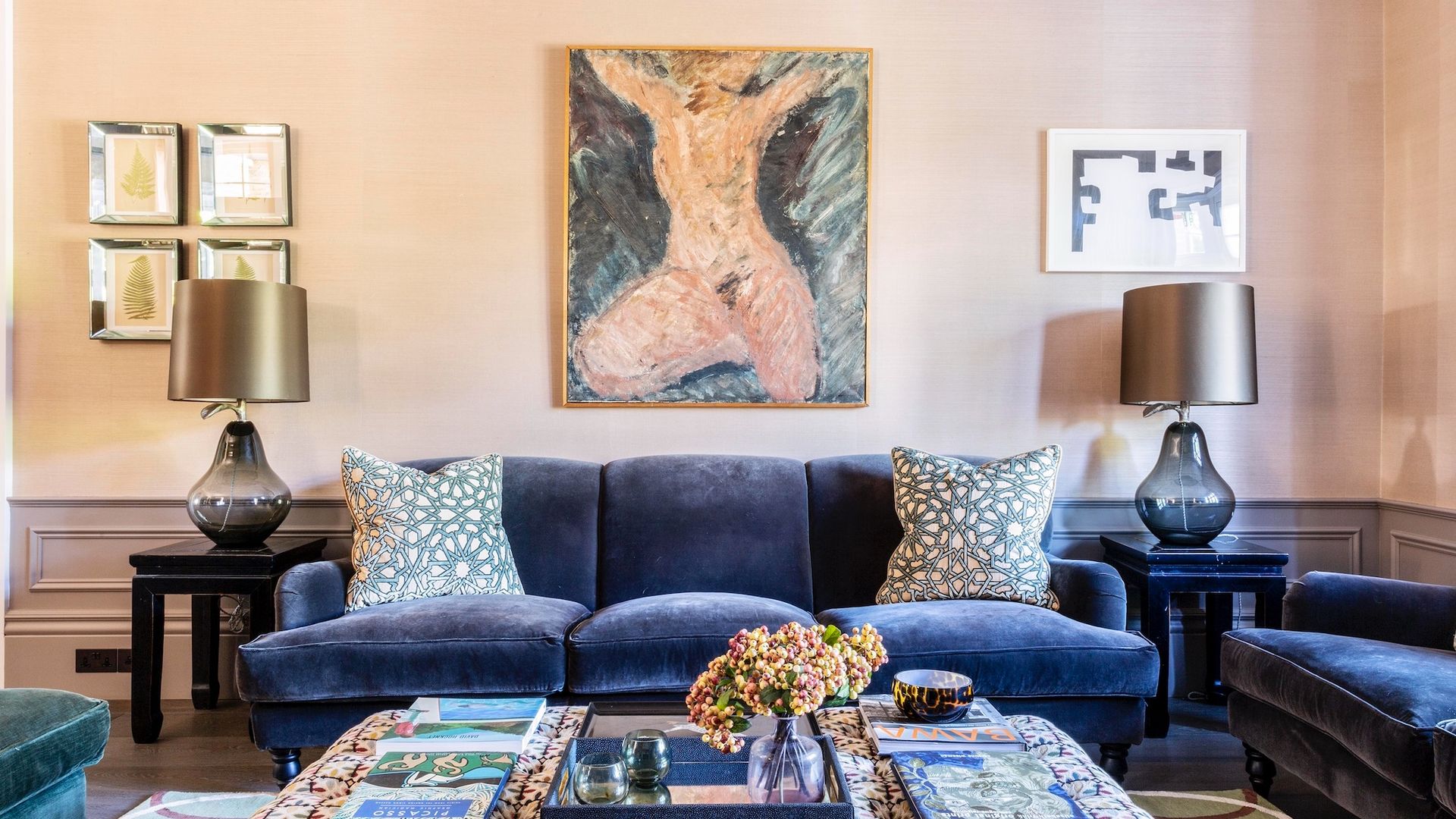
9 simple tricks to elevate your small living room according to an interior designer

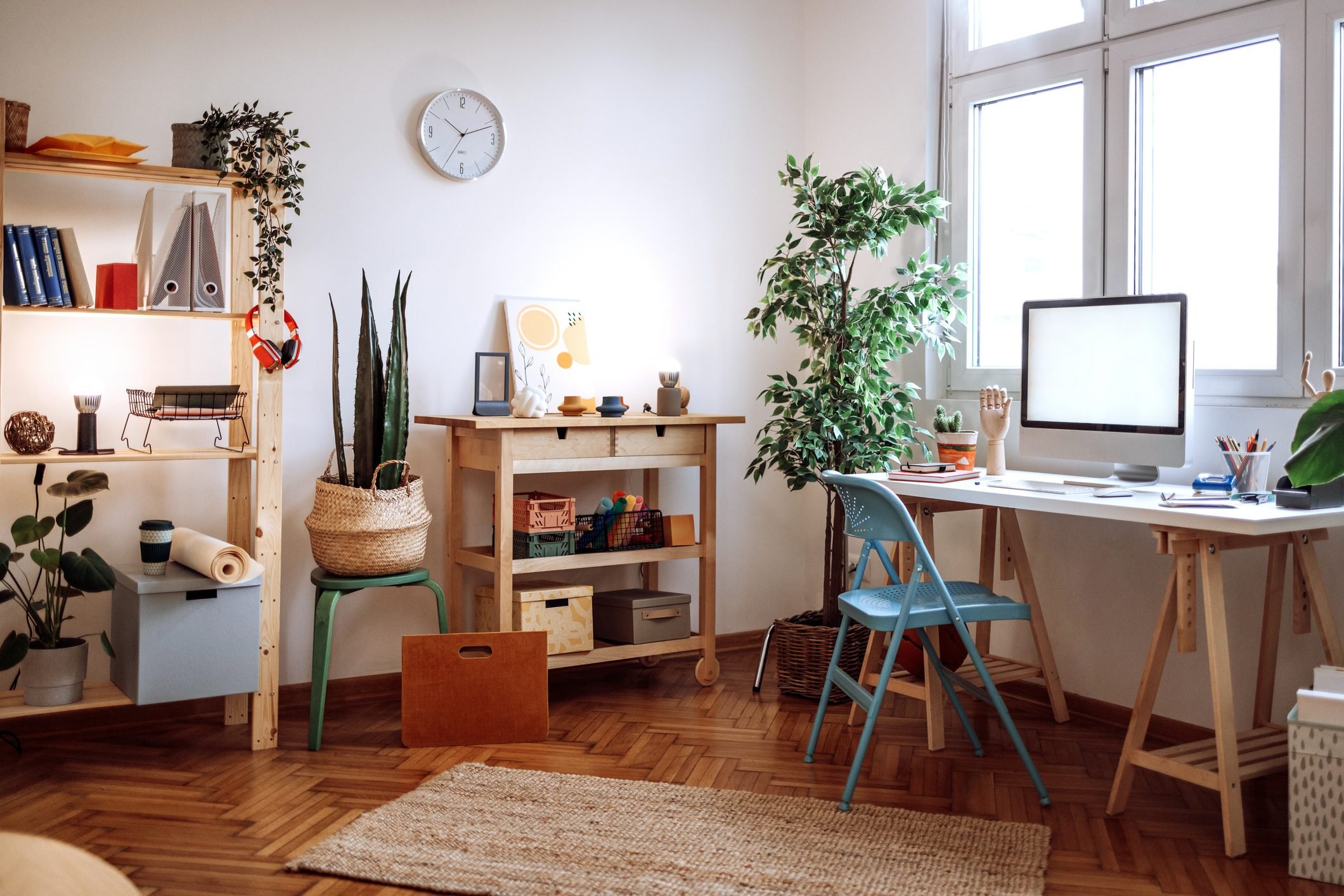
Maximize Your Space: 19 Tips to Make a Small Room Feel Bigger

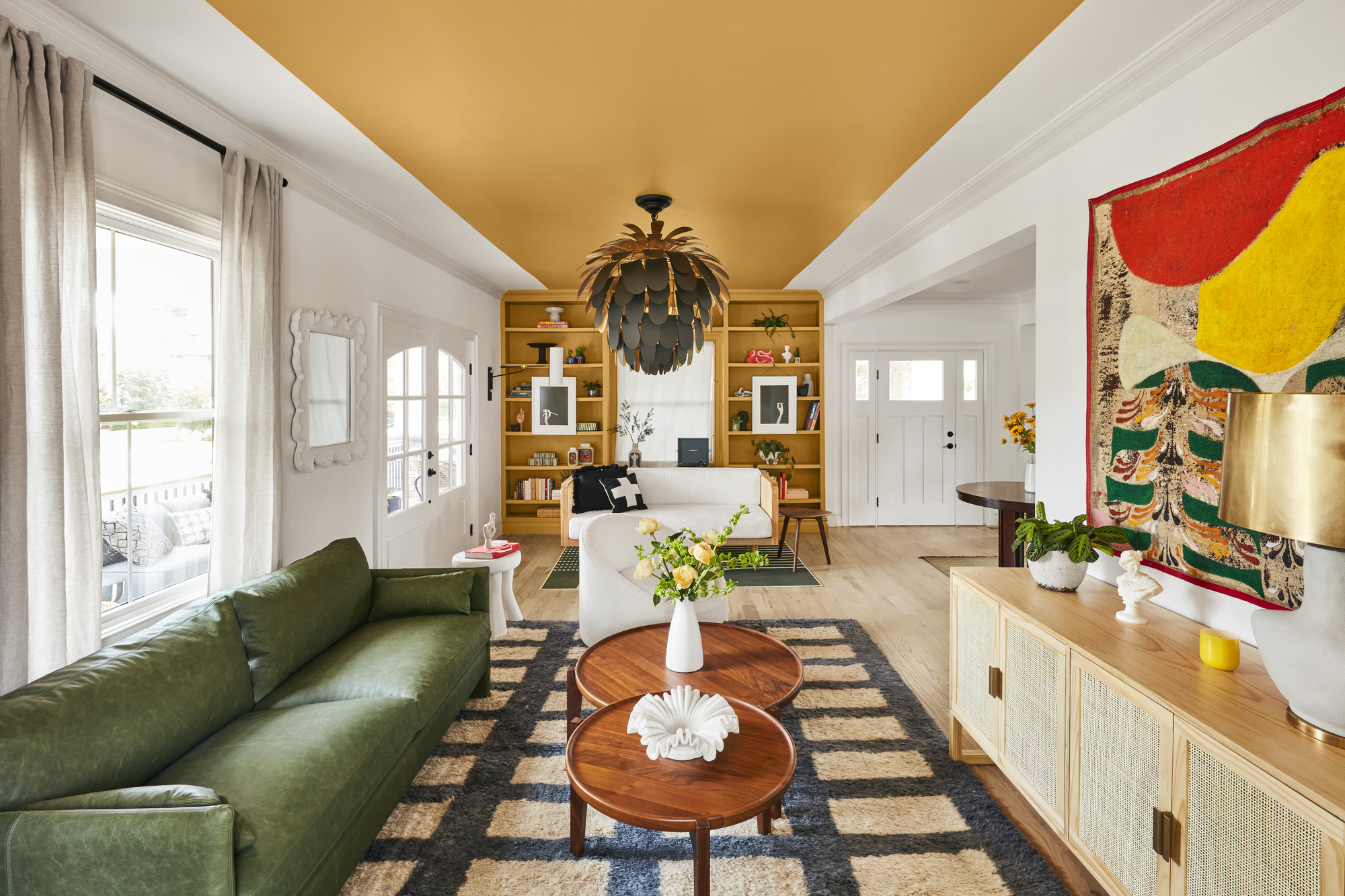
How to make a narrow room look wider with paint - expert tricks to make small spaces seem bigger
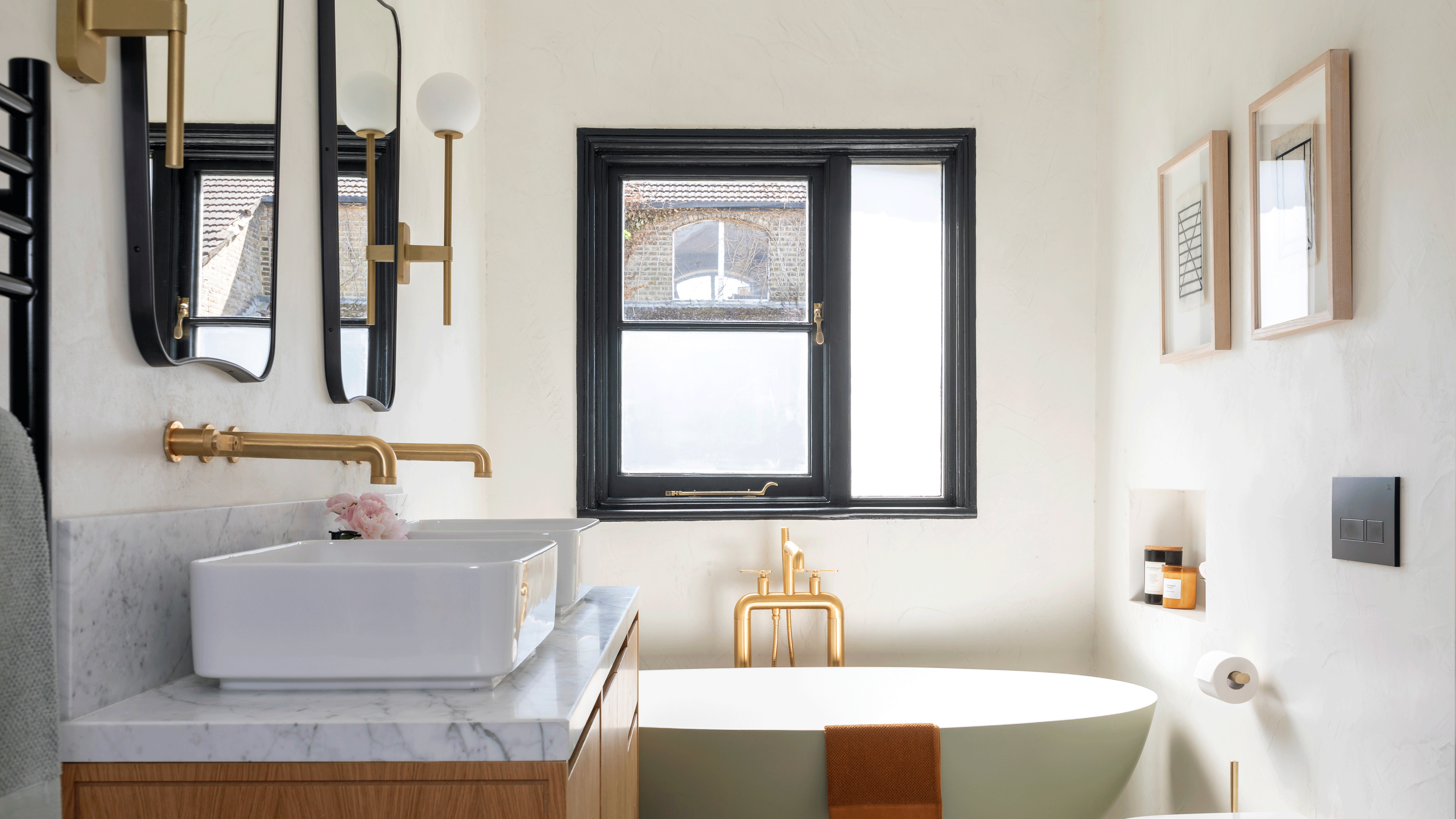
9 clever and stylish ways to make your bijou bathroom feel bigger than it is
14 Genius Painting Tricks That Will Make a Room Look Bigger