1/23
How to make a small office look bigger — 7 easy-peasy effective tips
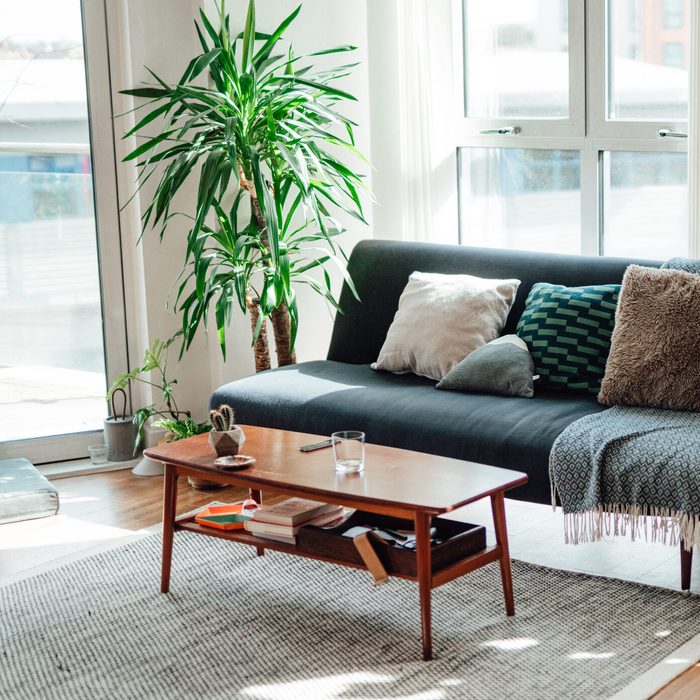
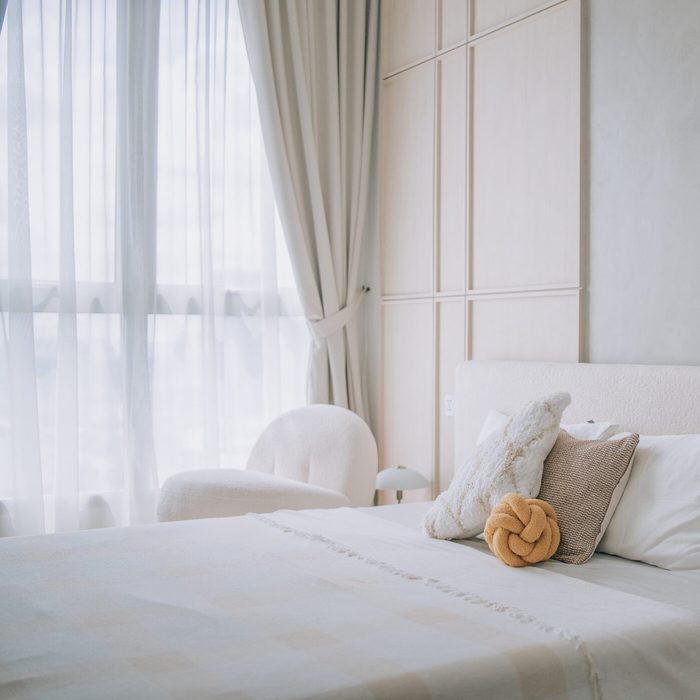
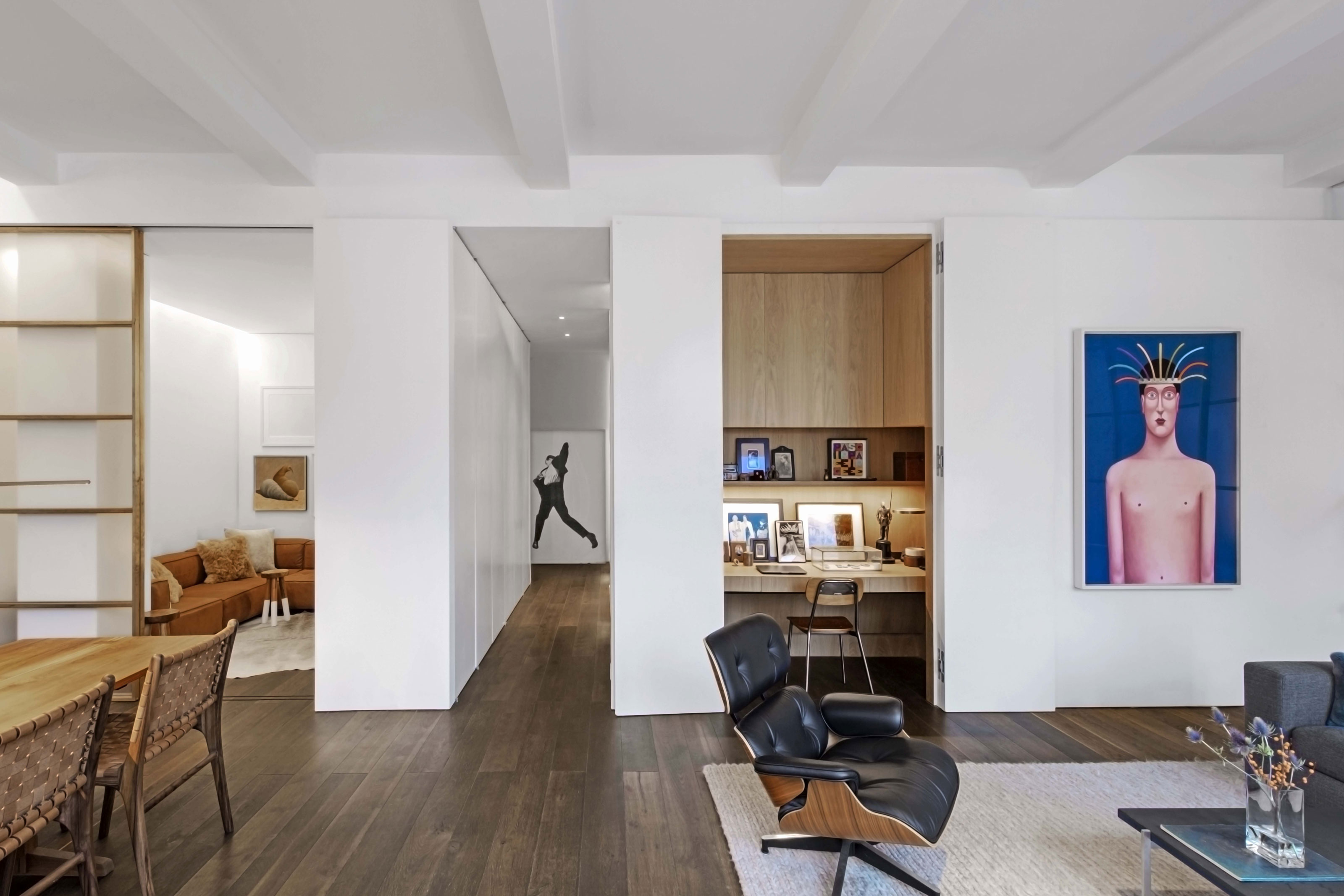
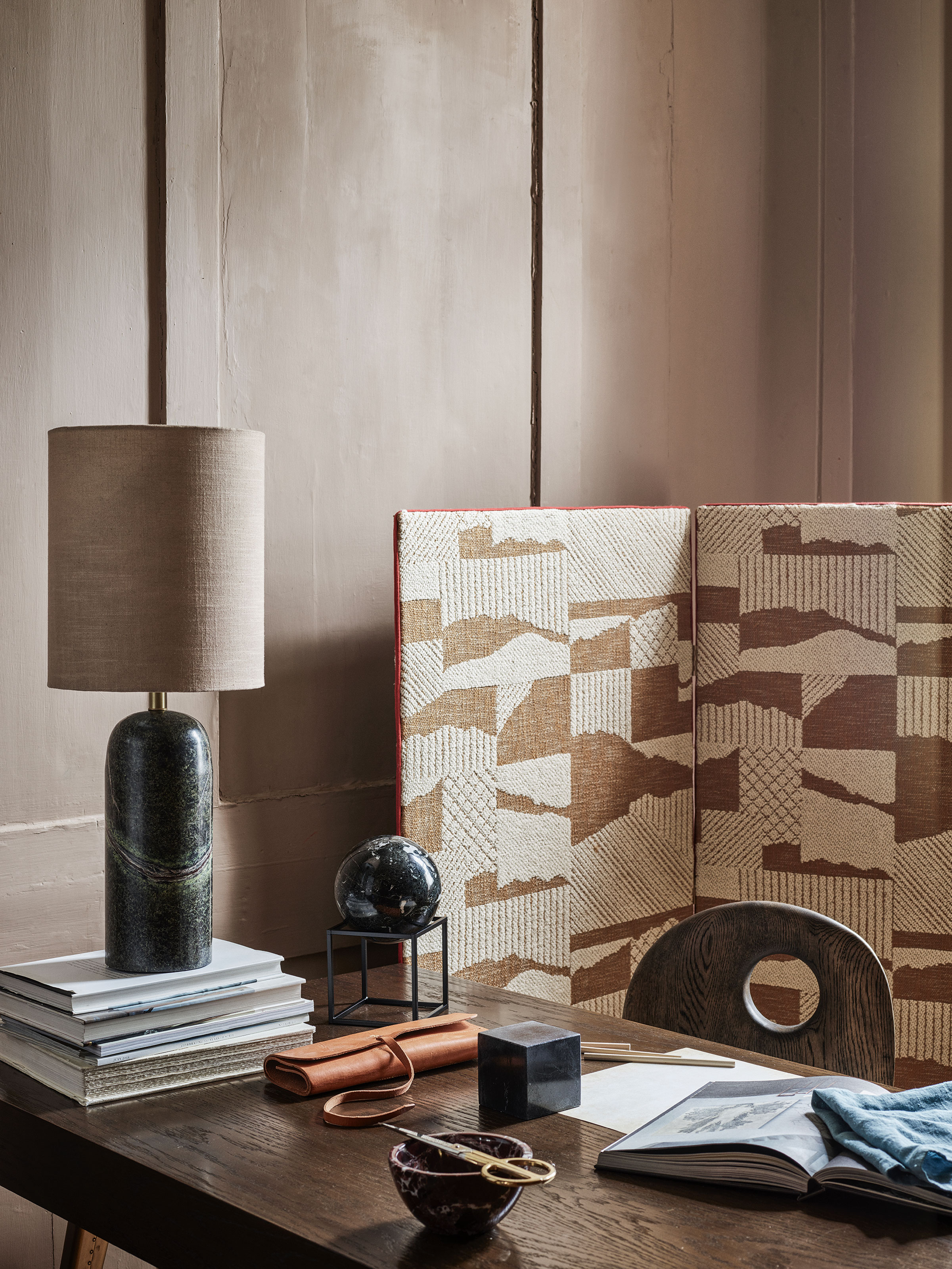
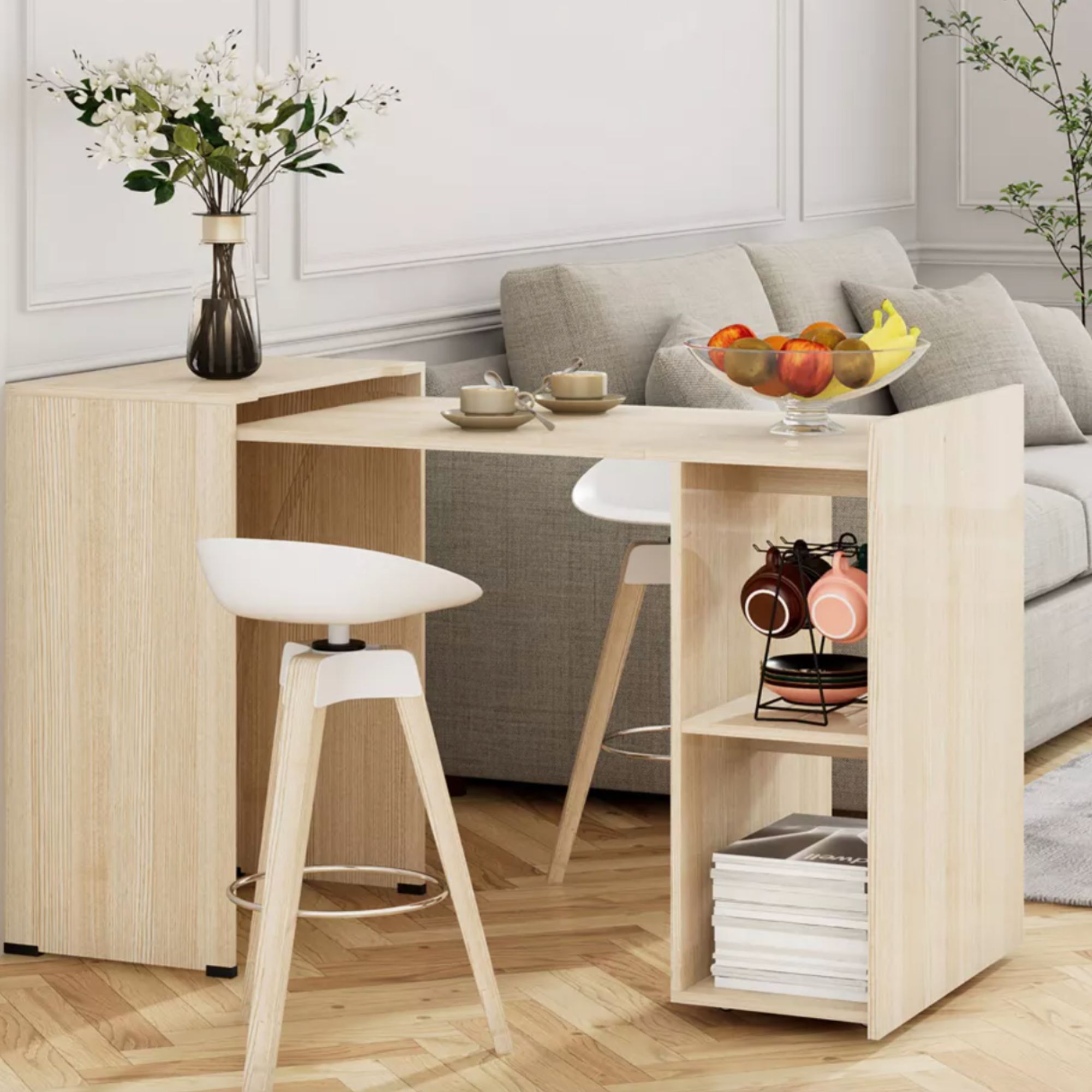
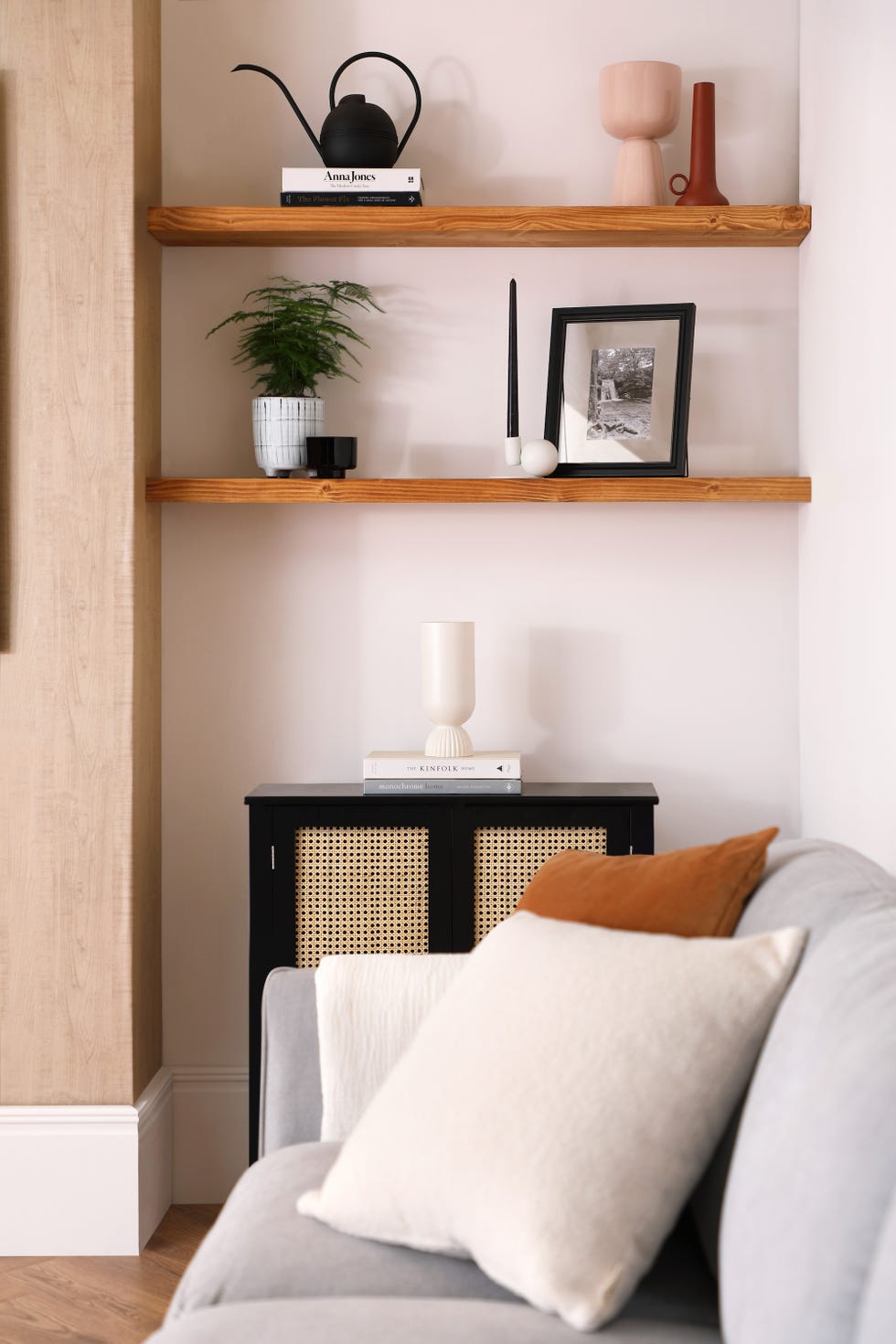
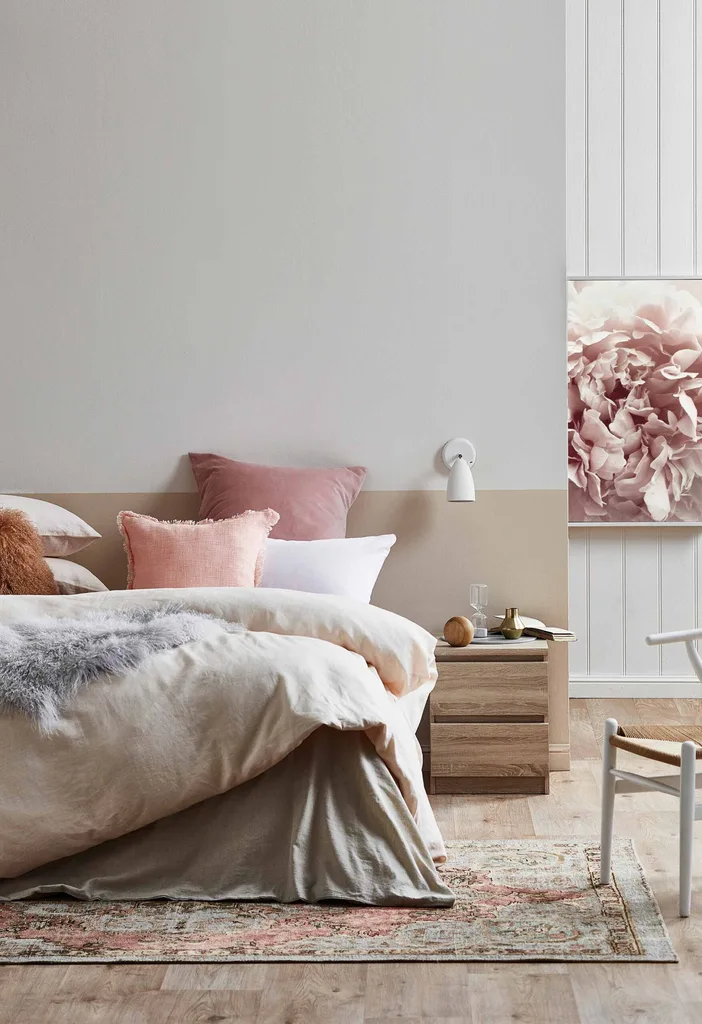
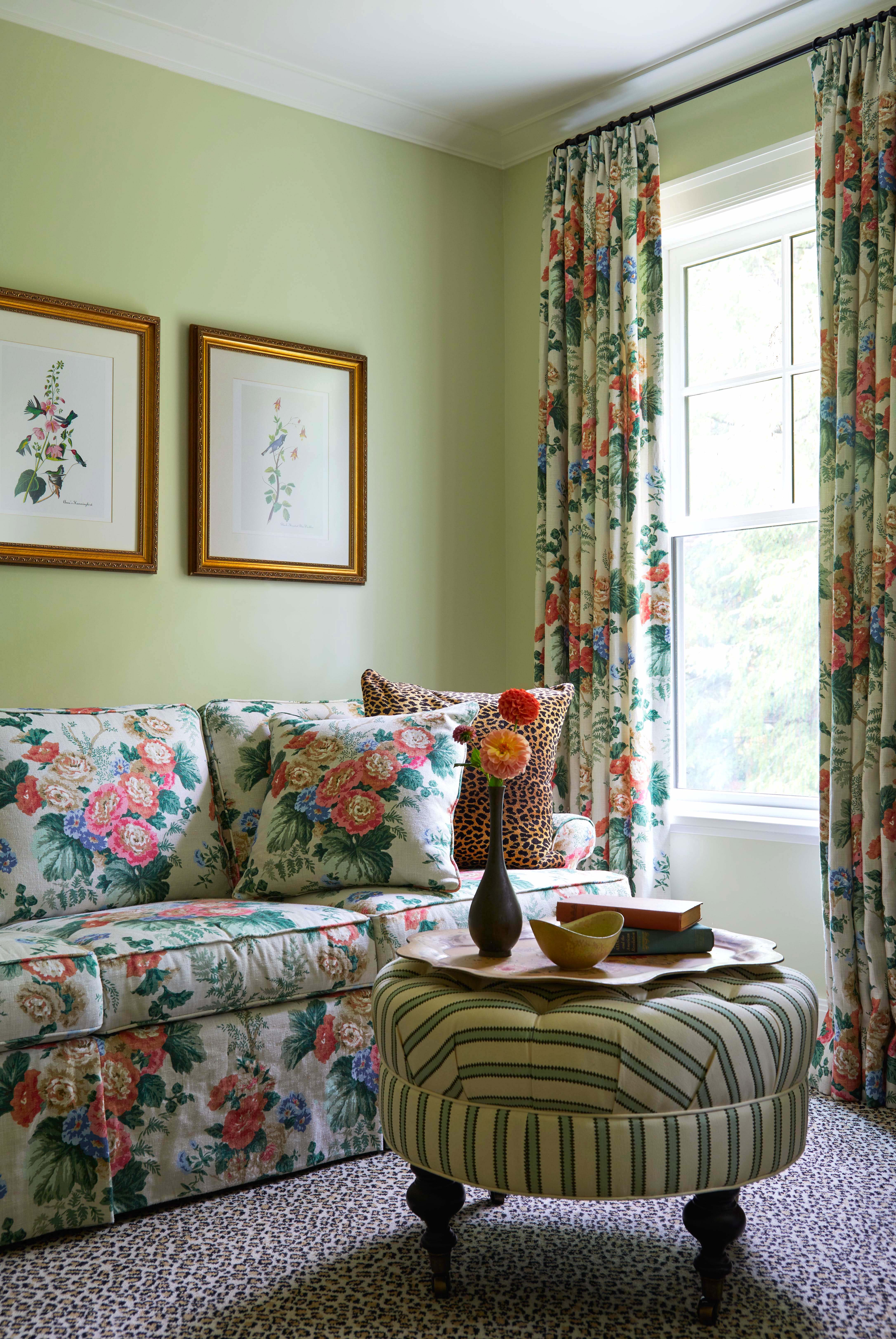
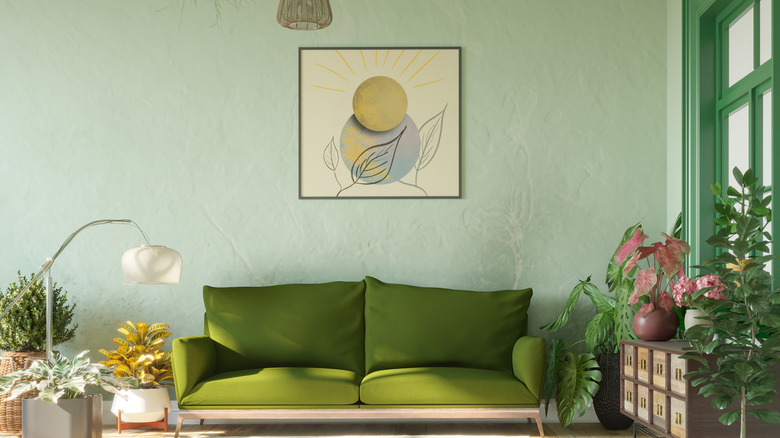
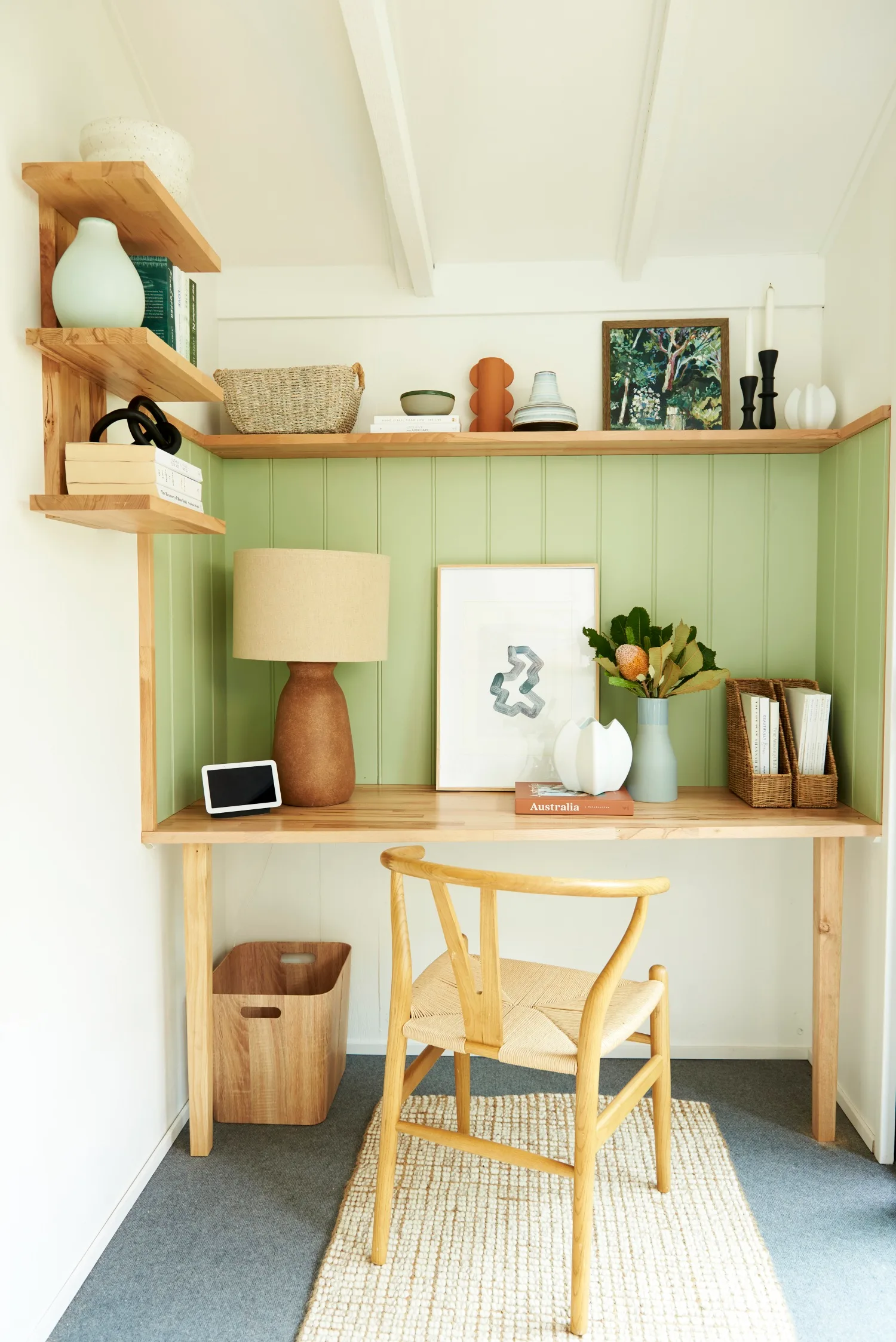
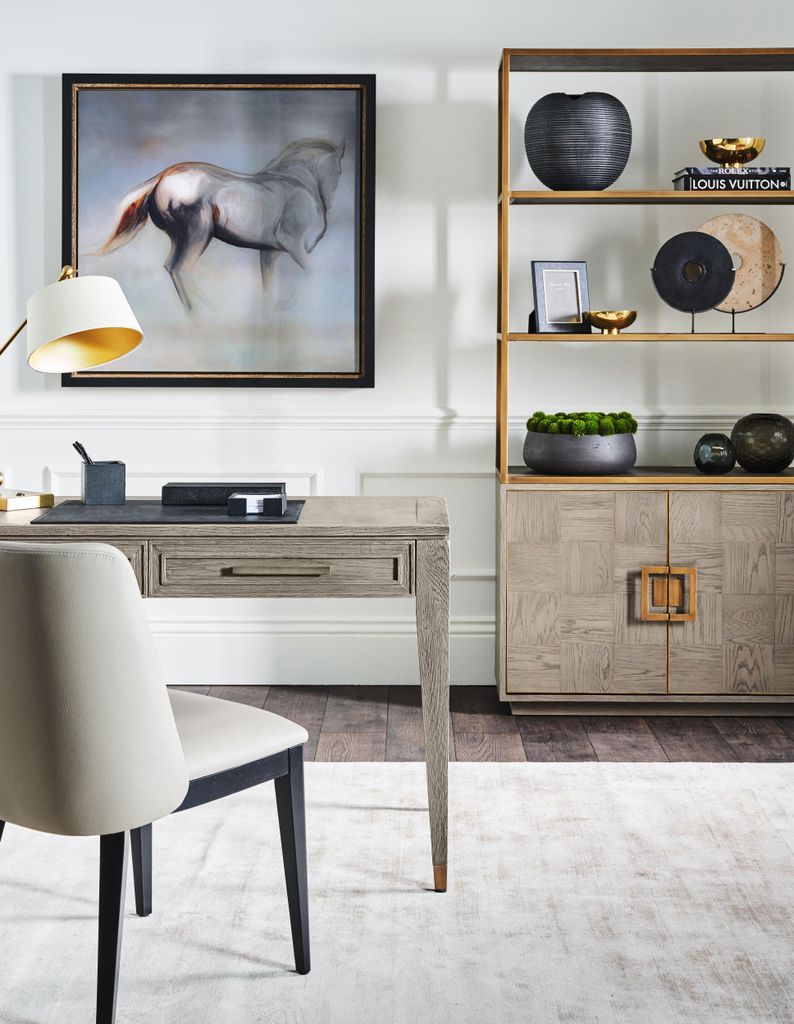
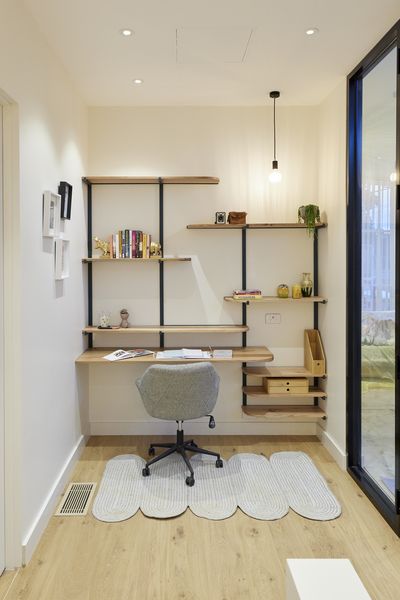
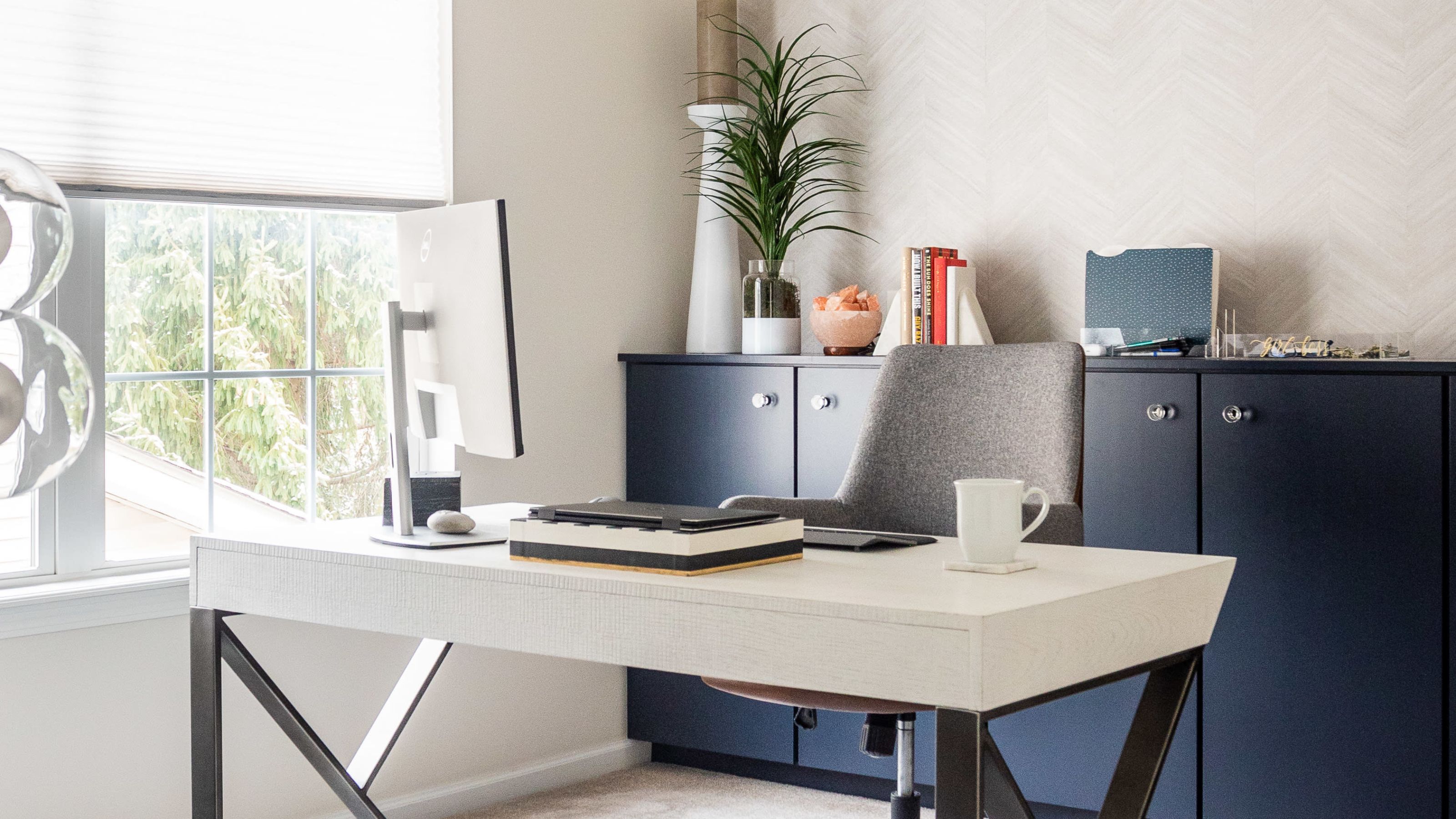
Making a small home office appear larger is crucial for creating a comfortable and productive workspace. Interior designers recommend several strategies, ranging from optical illusions to clever furniture choices. The fundamental approach involves using a light color scheme to enhance the feeling of spaciousness. Opting for neutral and soft hues on walls and furniture can visually expand the room while adding elegance. Specifically, experts suggest Scandi-style off-white and light wooden textures, with cream serving as an ideal base for its soft, light tone that creates an illusion of spaciousness and amplifies natural light. Pairing cream with light woods like birch or maple offers a harmonious balance of lightness and warmth, which is particularly effective in smaller areas.
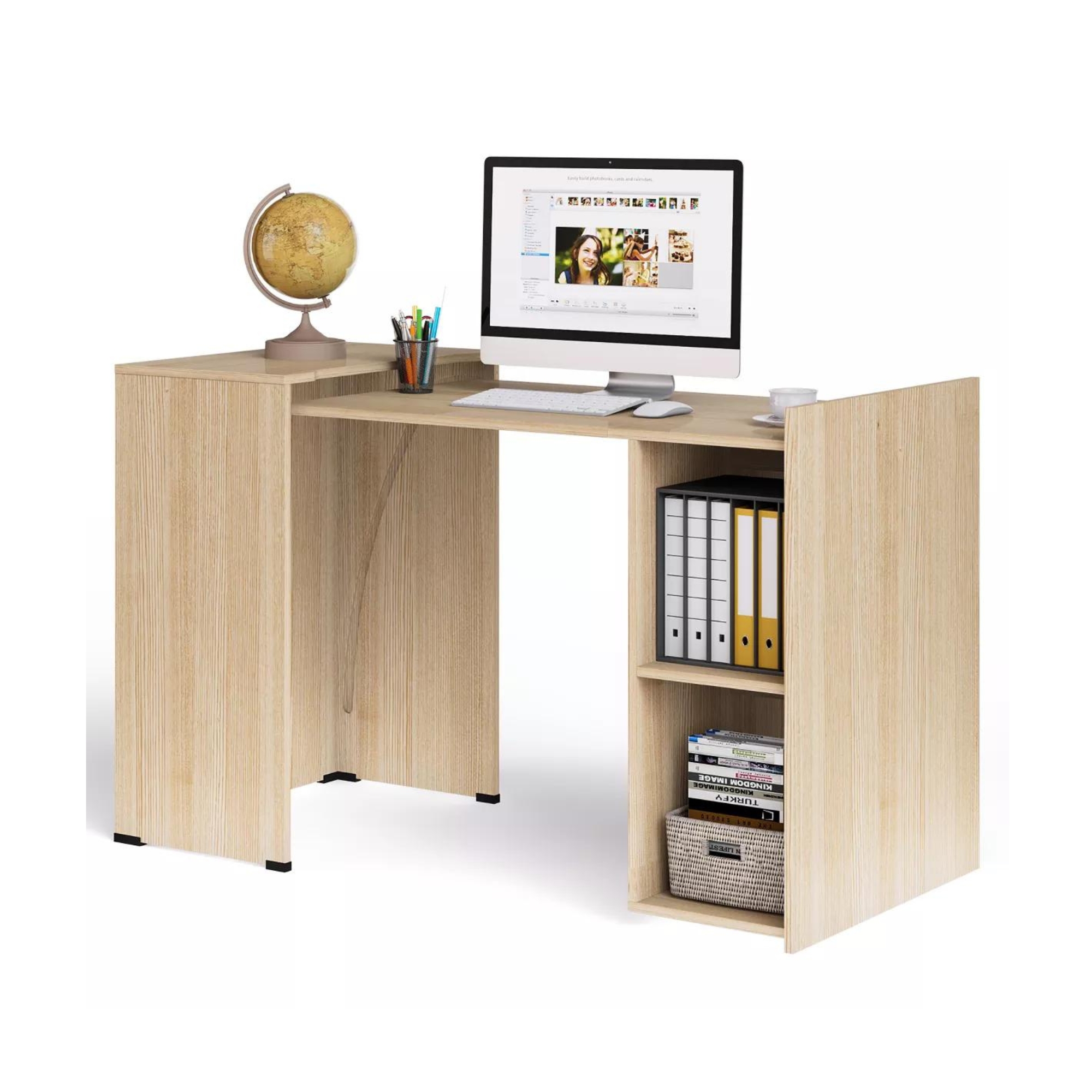
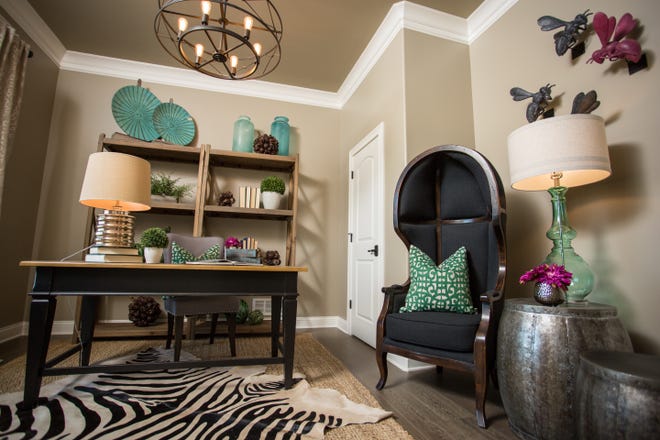
Multifunctional furniture is another key element in maximizing space. In a small office, every inch is valuable, making furniture that serves multiple purposes highly beneficial. Examples include pegboards for storage that also double as visual statements, or desks with hidden compartments. A desk with a pull-out extension can provide extra workspace, and filing cabinets can be chosen to also function as side tables. This adaptability ensures maximum utility while minimizing the physical footprint of the furniture within the room.
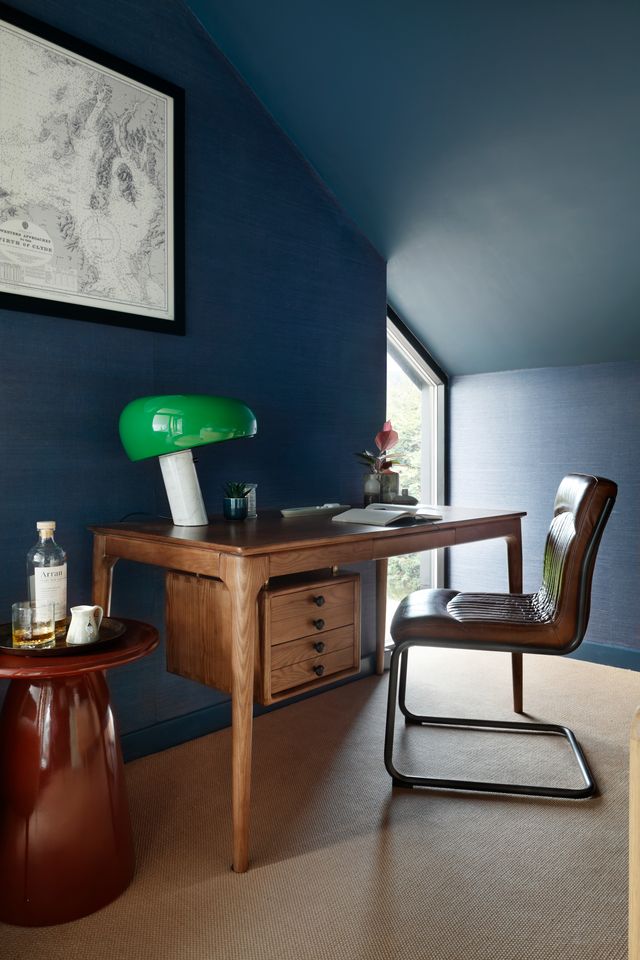
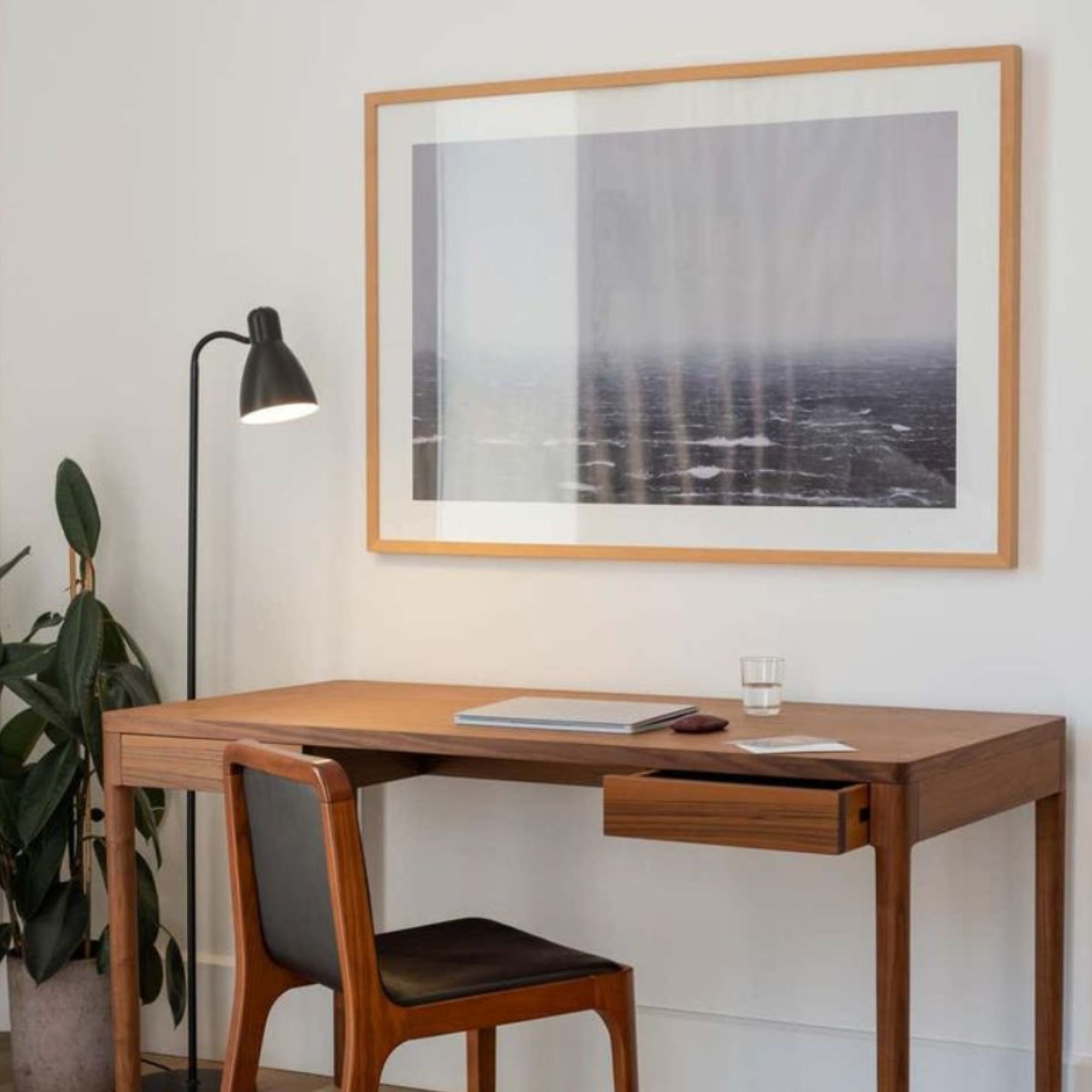
Strategic placement of the work zone can also significantly impact the perception of space. Positioning the desk to allow a view of the door without being directly in its path can make the room feel more open. Additionally, selecting a sit-stand desk can introduce versatility, changing the energy of the workspace and promoting well-being. This not only optimizes the functional layout but also contributes to a more dynamic environment.
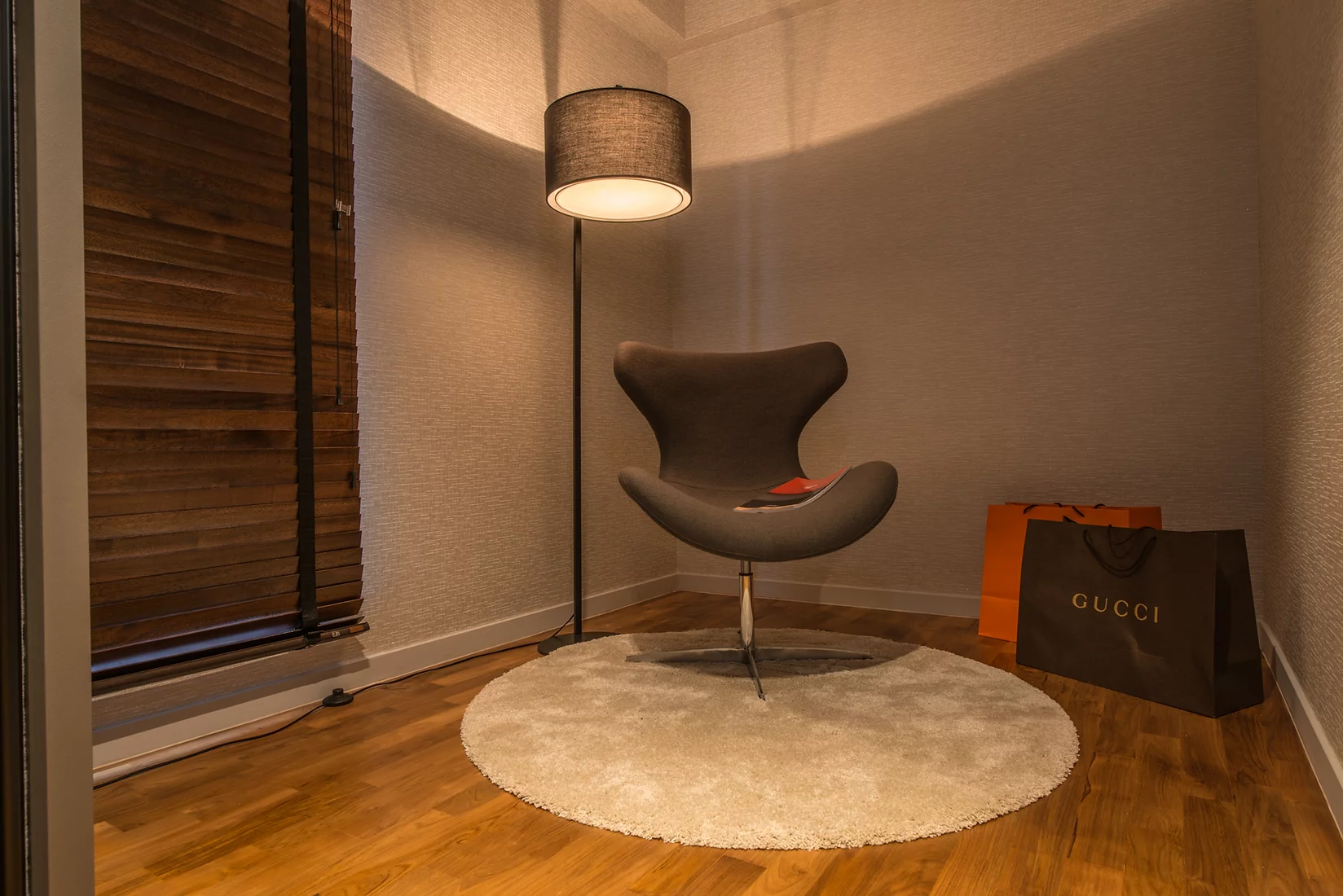
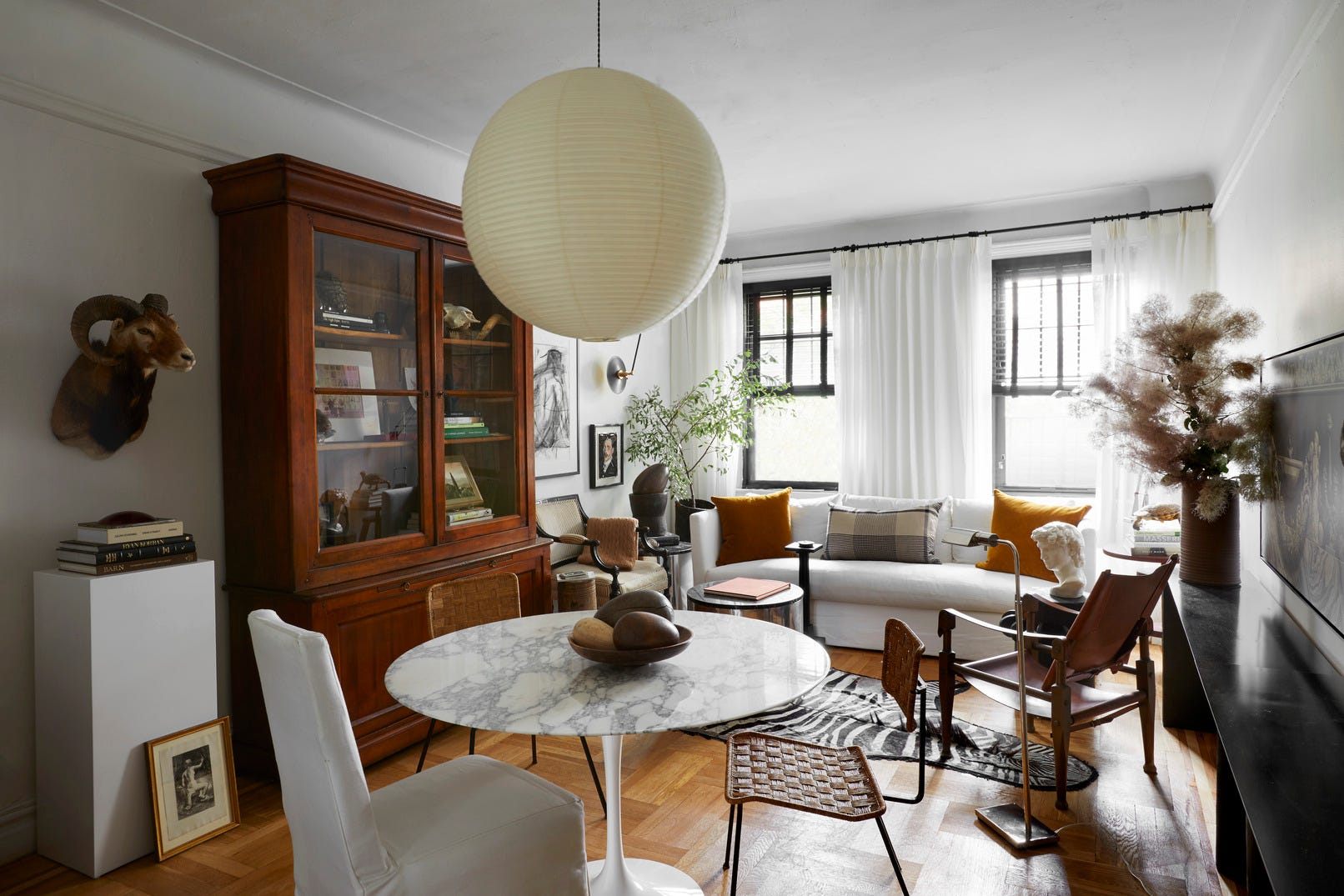
Lighting plays a vital role in making a small office feel larger. Incorporating a variety of lighting types, including ambient, task, and accent lighting, helps create a well-lit and inviting atmosphere. Dimmer switches are recommended to adjust brightness levels according to the time of day and specific tasks, allowing for flexible lighting control. The goal is to choose lighting that brightens the space in a pleasing way, making it feel warm and cozy.
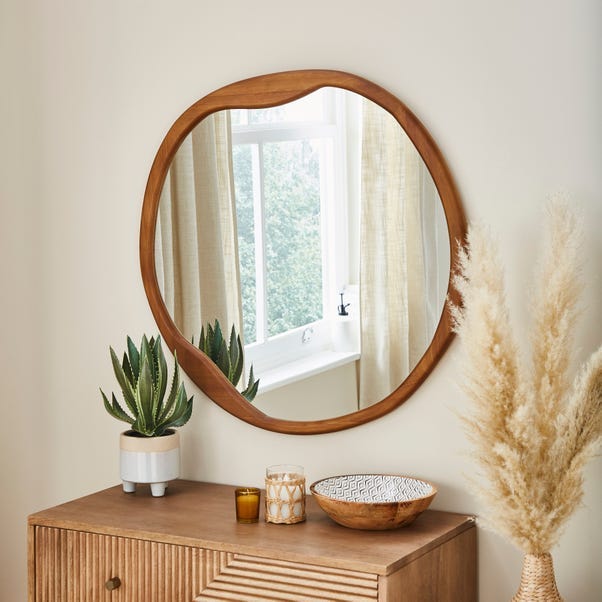
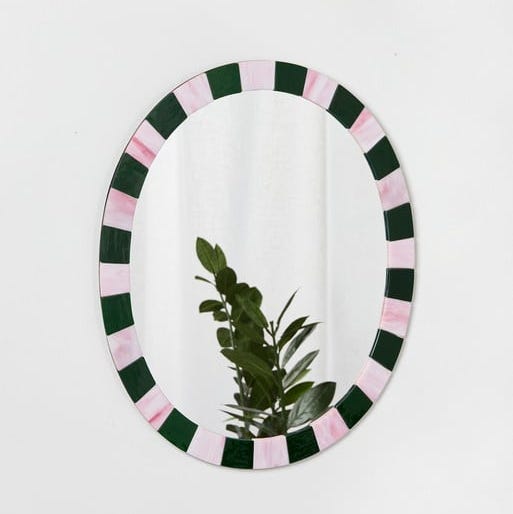
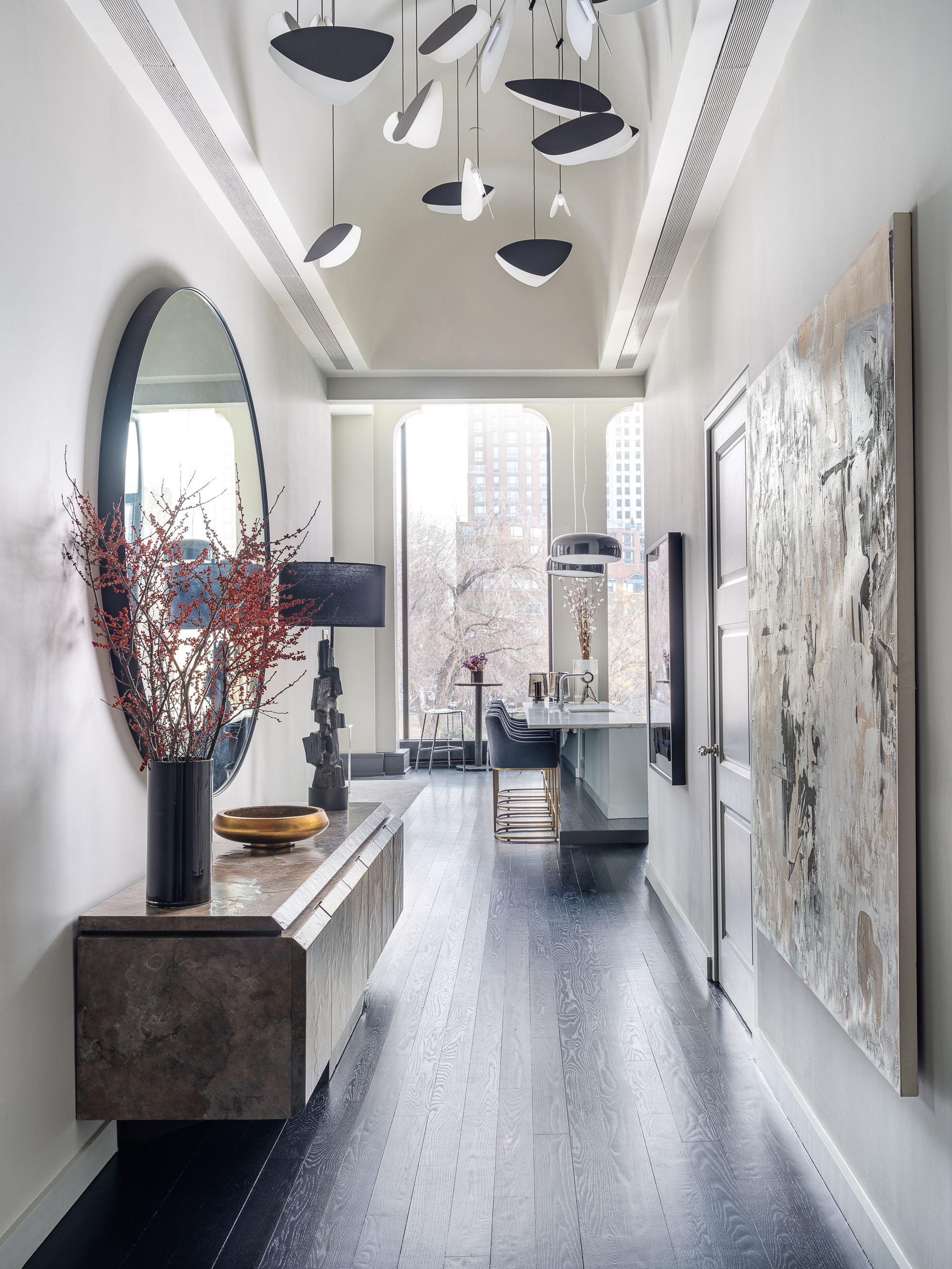
Mirrors are highly effective tools for creating the illusion of more space. They reflect light, making a room appear larger than its actual dimensions. Large mirrors with simple frames that blend seamlessly with the overall design are particularly effective. Experimenting with mirror placement, such as positioning one opposite a window, can reflect outdoor views and further enhance the sense of openness. This strategy not only expands the visual space but also brings in more natural light.
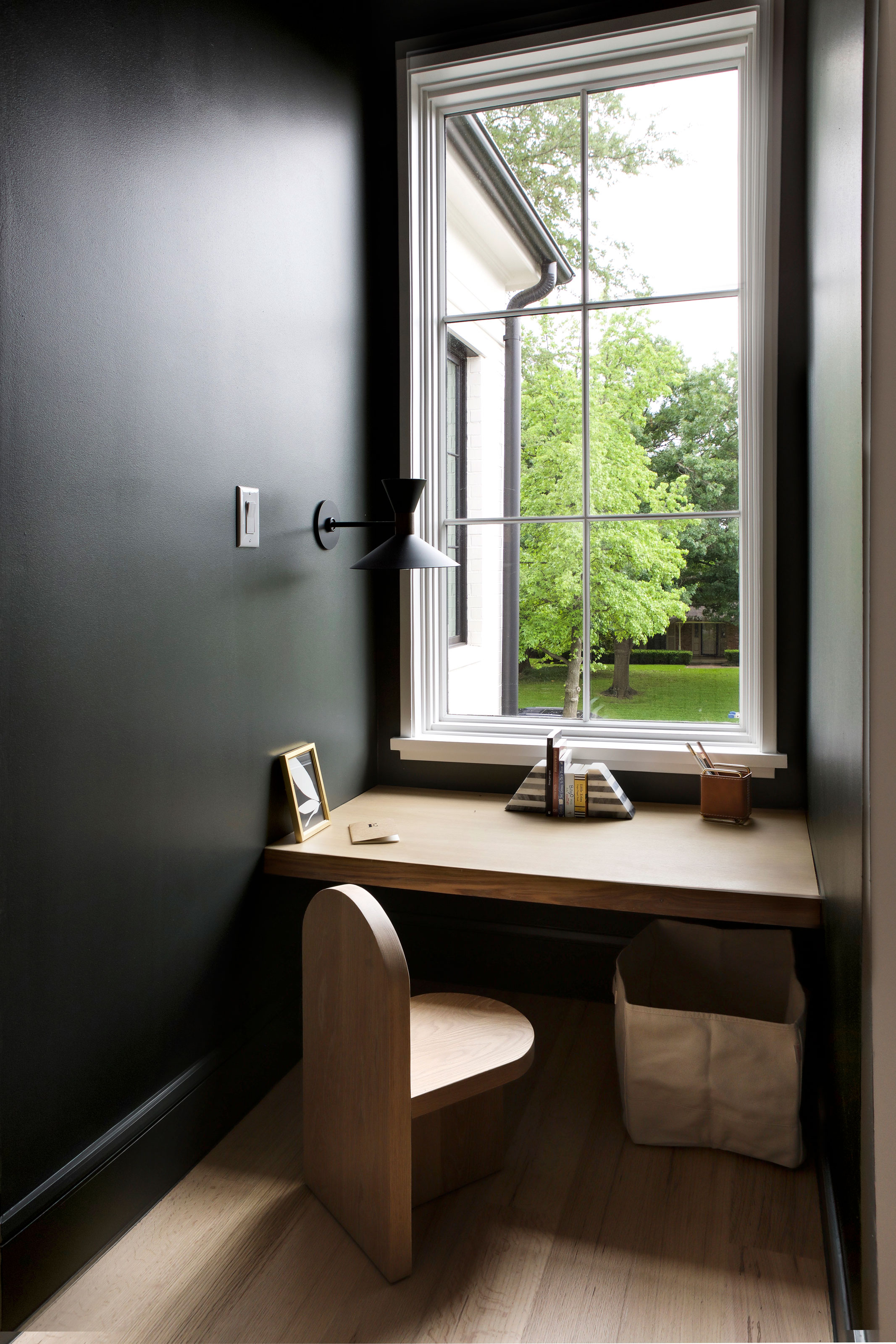
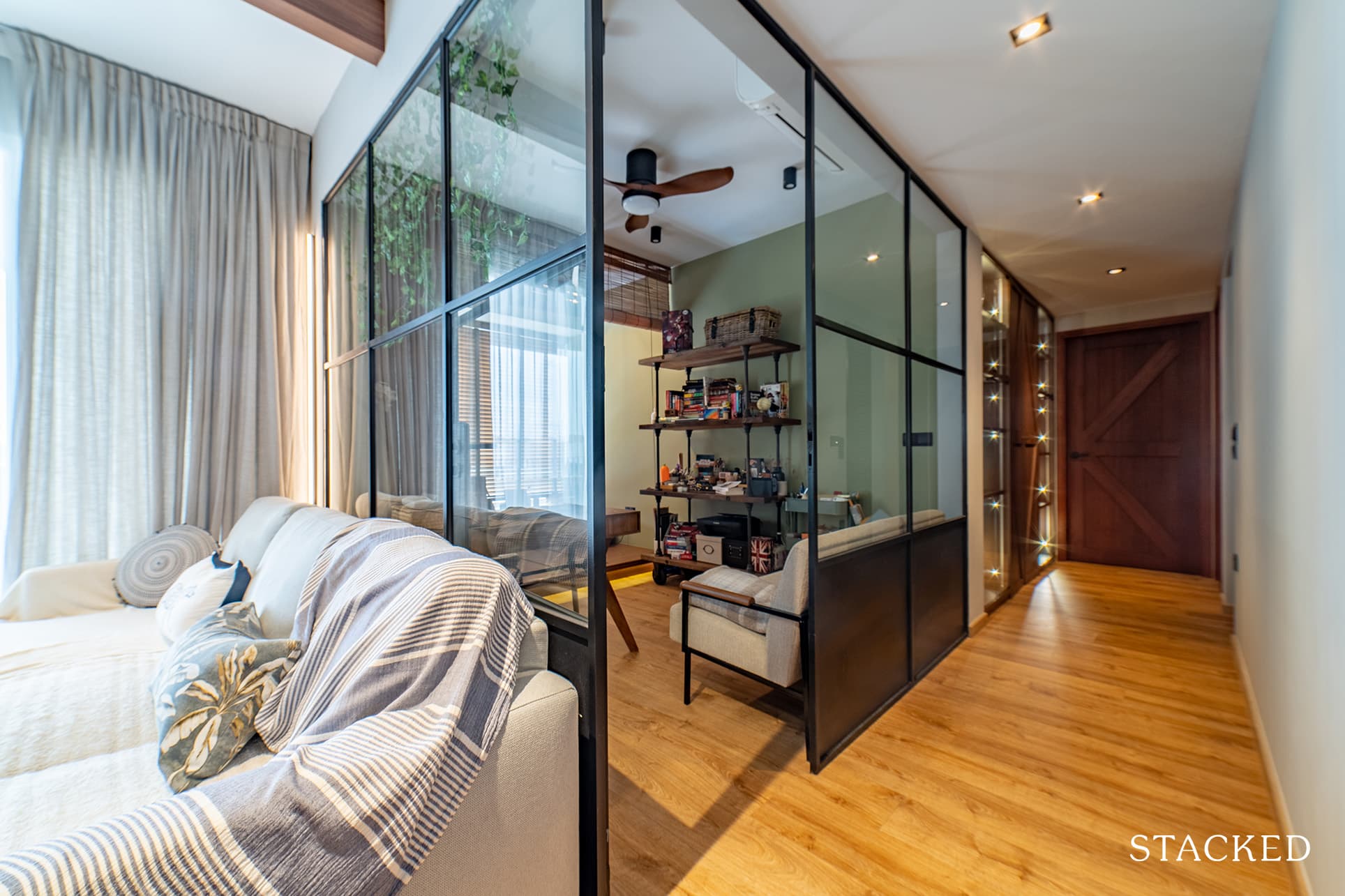
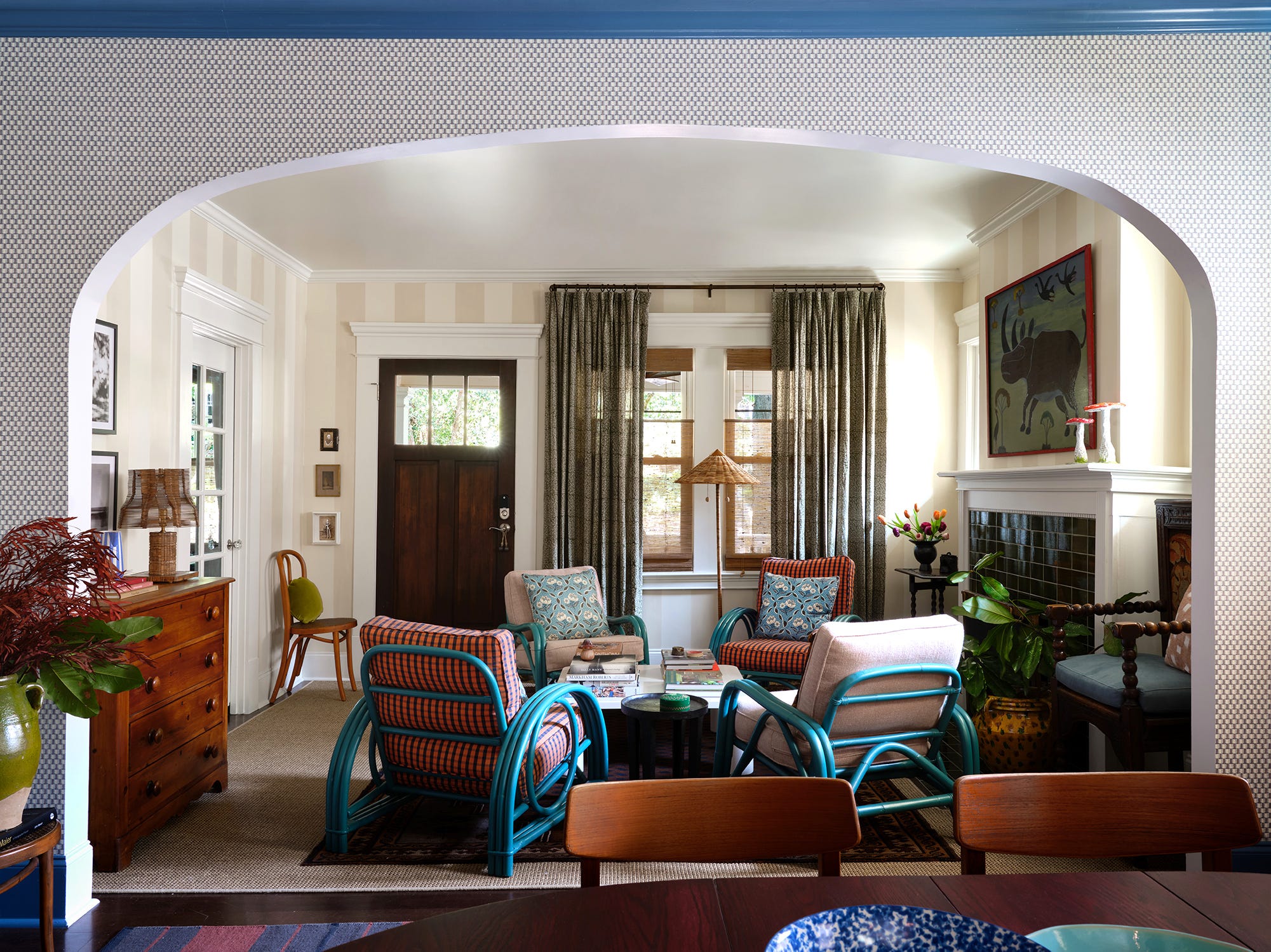
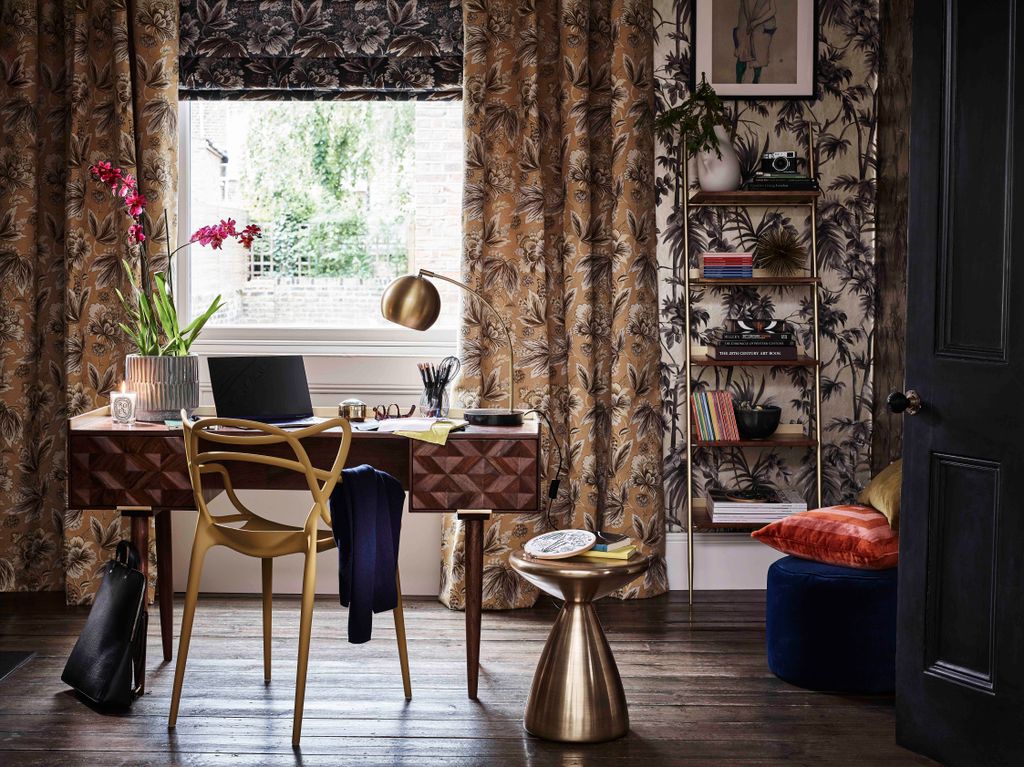
Utilizing natural light is paramount. Beyond artificial lighting, maximizing natural light can profoundly impact the perceived size of a small office. This can involve adding windows or skylights, or simply rearranging furniture to ensure unobstructed light entry. Placing a desk near a window or moving bulky items away from light sources allows natural light to flow freely, which is also associated with improved productivity and mood. Finally, incorporating natural elements like potted plants or succulents can distract from the small dimensions of the space. These elements improve air quality and add visual interest. Choosing easy-care houseplants that thrive indoors and placing them near natural light sources, with a variety of heights, can maximize their visual impact, creating a more engaging and vibrant workspace.
#SmallOfficeDesign #SpaceSavingTips #InteriorDesign #HomeOfficeIdeas #LightingSolutions #MultifunctionalFurniture #NaturalElements #HomeDecor #WorkspaceOptimization #SmallOfficeDesign #SpaceSavingTips #InteriorDesign #HomeOfficeIdeas #LightingSolutions #MultifunctionalFurniture #NaturalElements #HomeDecor #WorkspaceOptimization
0 comment in total
 No comments yet
You may also like
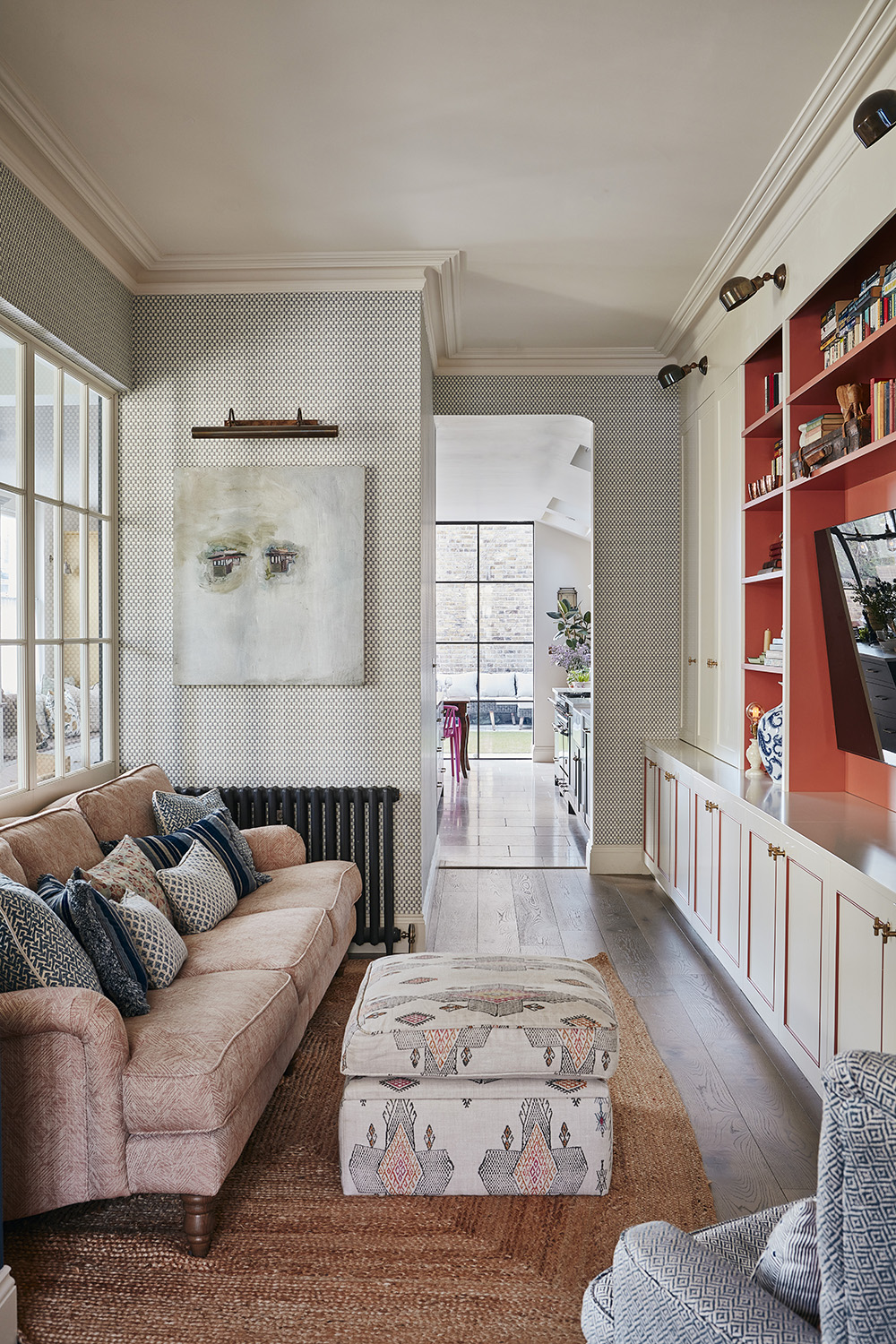
How to make small spaces look bigger
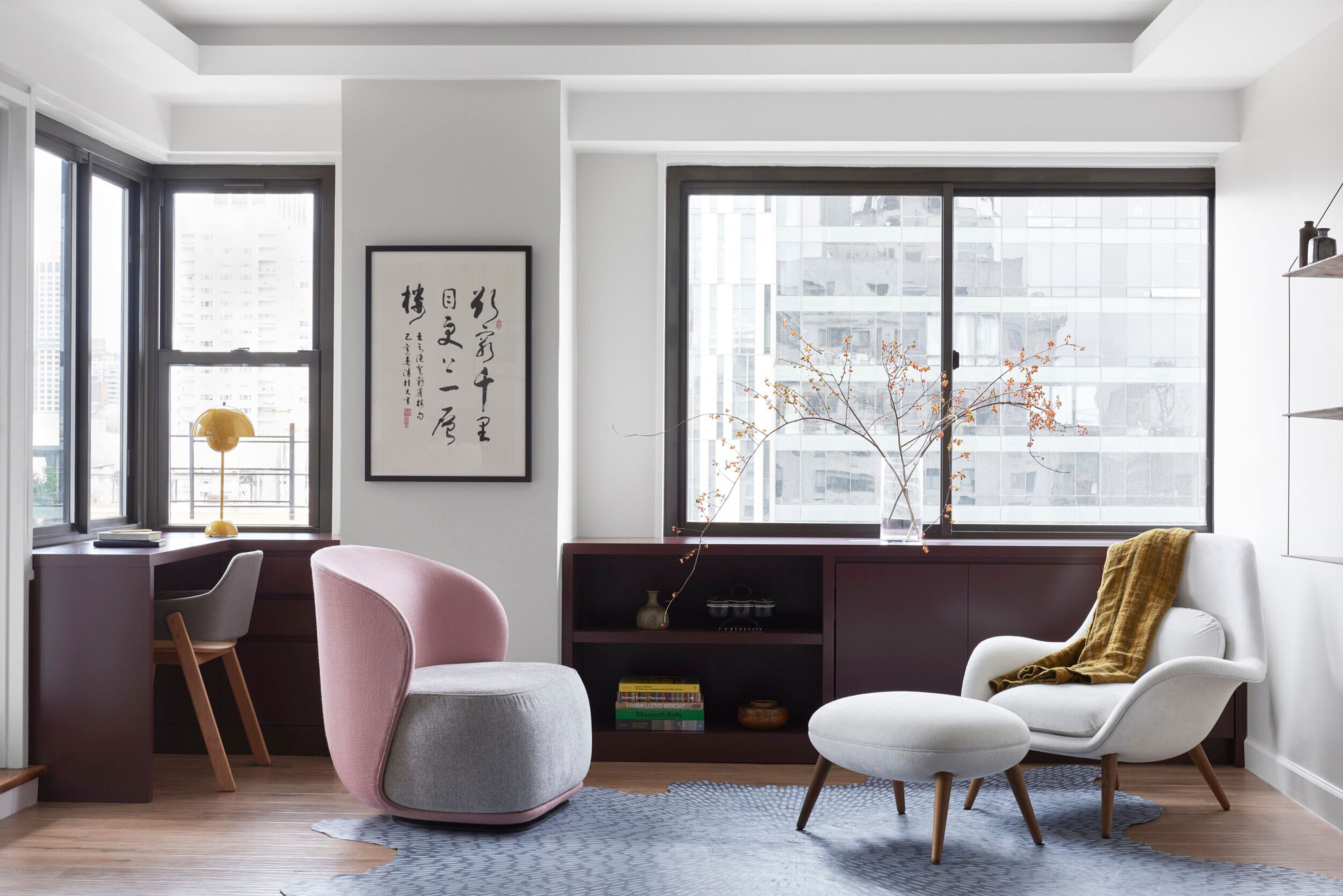
Apartment office ideas – 10 ways to make room for a desk when space is tight

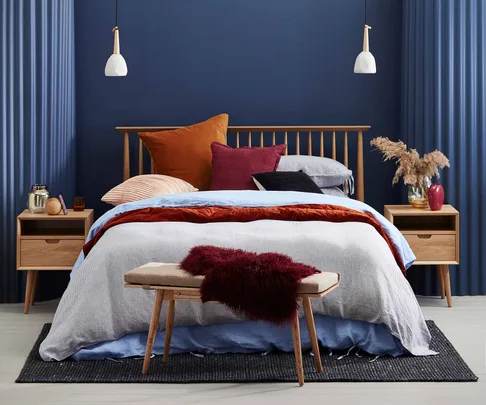
7 small space decorating ideas that make a big impact

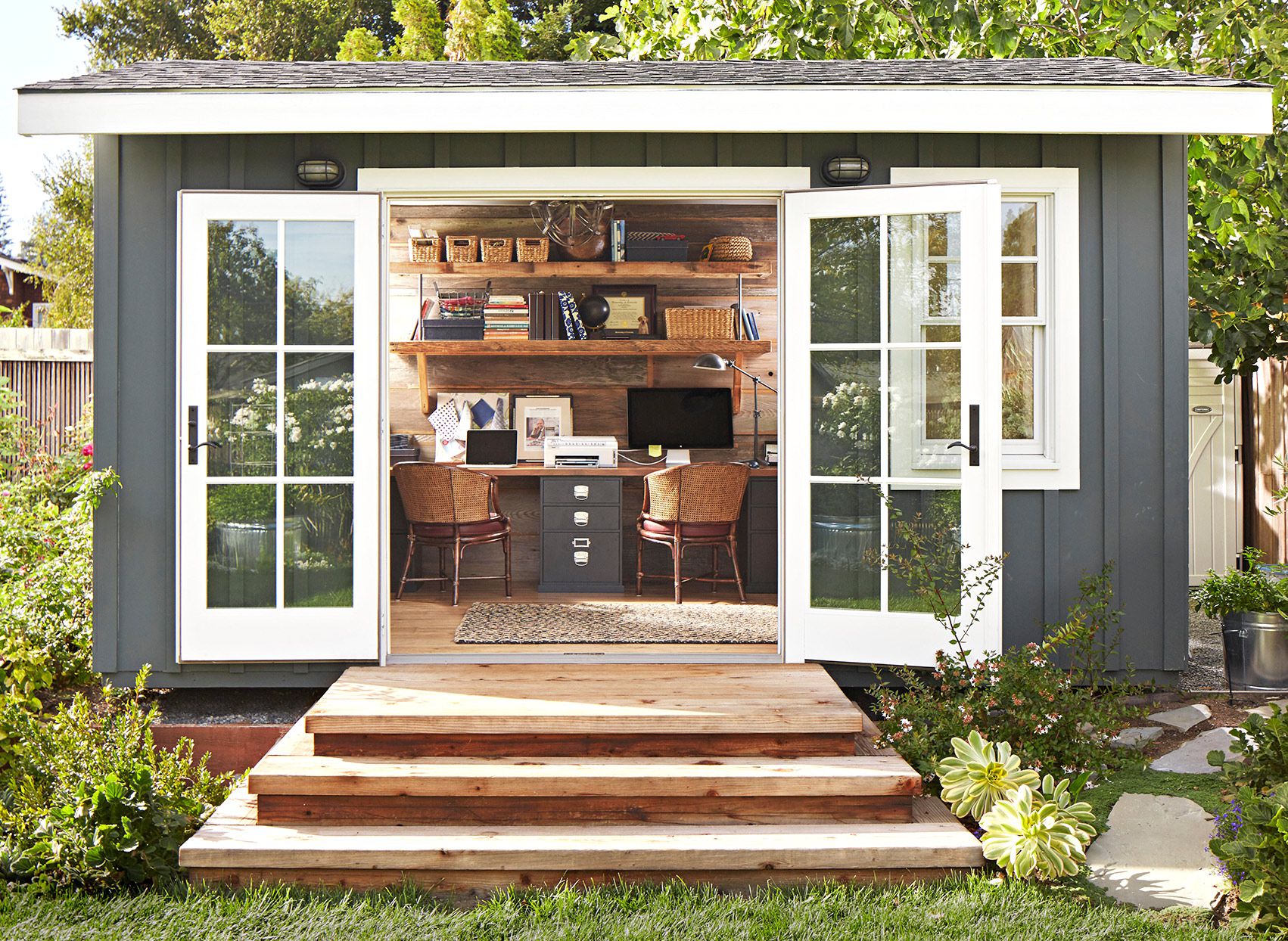
Small Office Ideas for Every Kind of Work-from-Home Setup

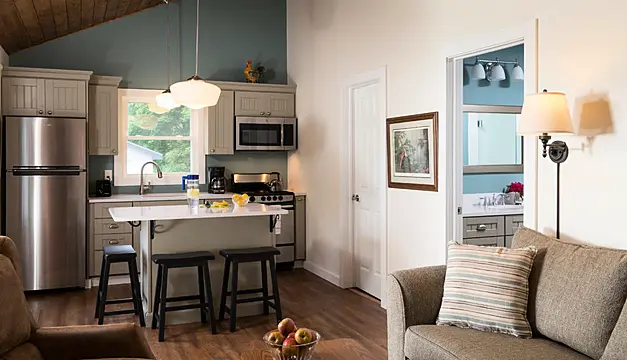
14 clever ways to make small rooms look bigger

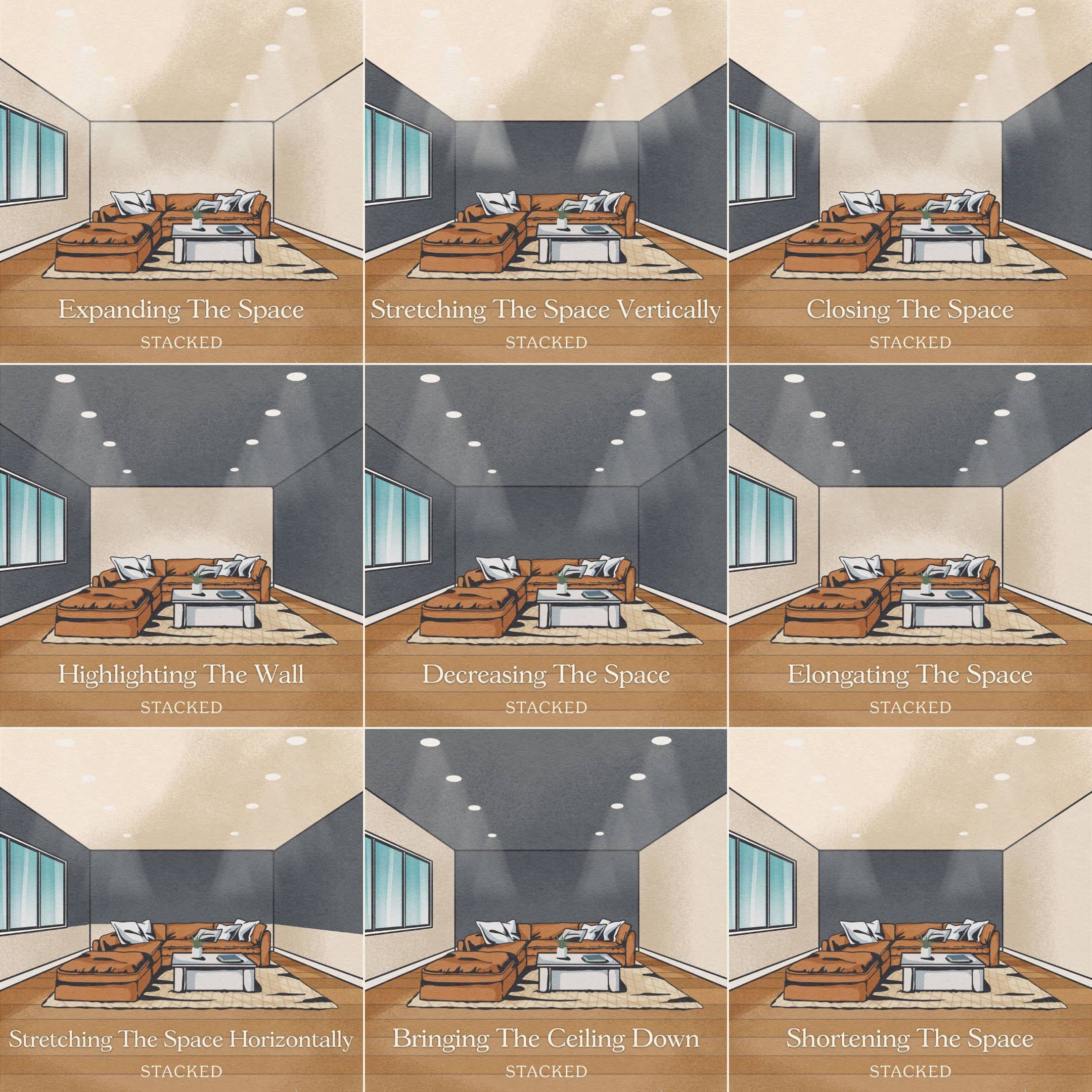
9 Amazing Illusion Tricks To Make A Small Space Look Bigger
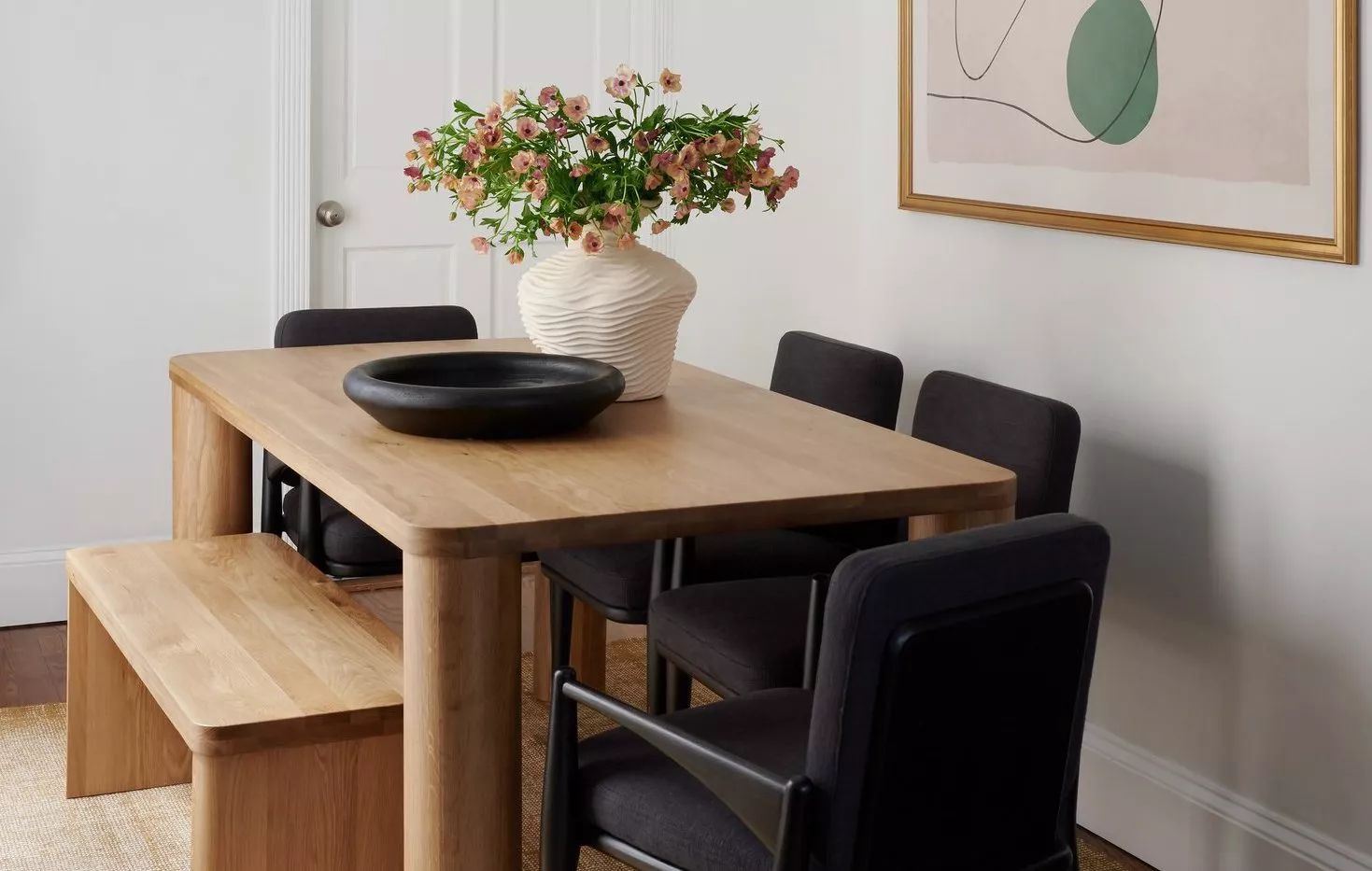
6 Easy Ways to Make Any Small Dining Room Look Larger—Instantly

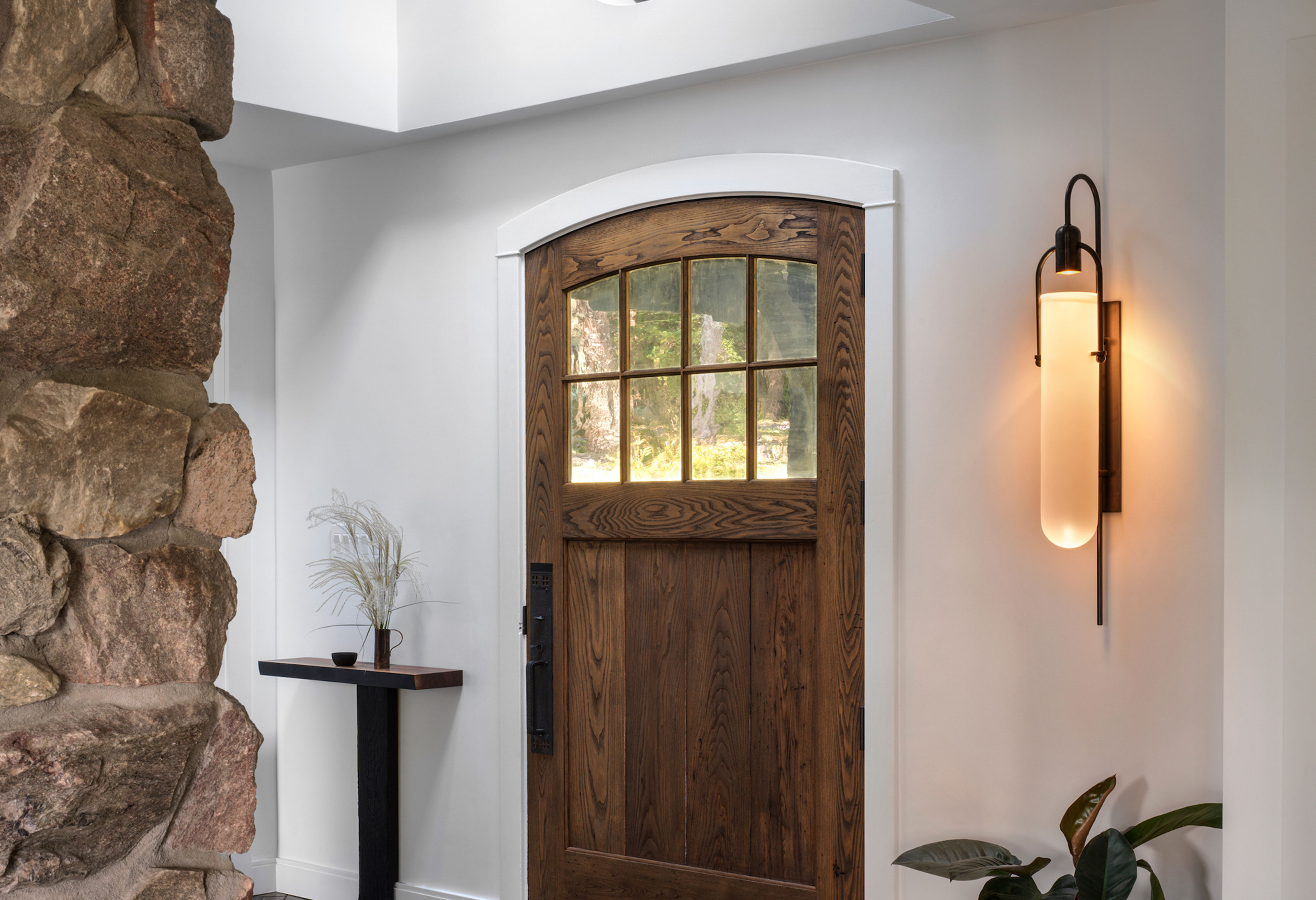
7 Lighting Tricks That Will Make a Small Entryway Look Much Bigger Than It Actually Is
Maximize Your Space: 19 Tips to Make a Small Room Feel Bigger

7 Ways To Make A Small Dining Room Feel Bigger, According To Designers
32 Styling Tricks That Will Make Your Small Living Room Feel Bigger and Better

Give your home office a much-needed update with these easy DIY projects

8 Ways To Make A Small Living Room Appear Larger
8 modern small office ideas to WFH in style

Step up your home office game with these tips from an interior designer
15 home office décor ideas for every WFH setup

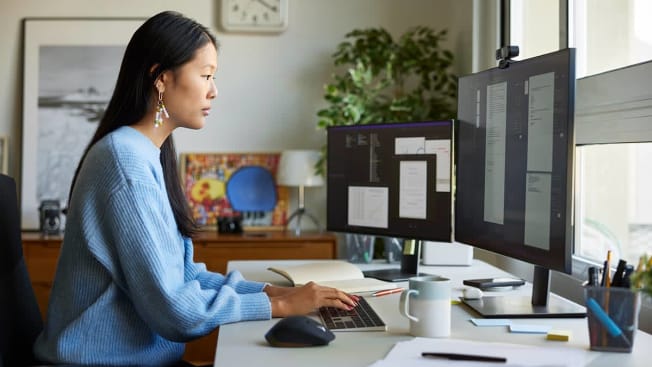
Easy Home Office Upgrades for a Productive Workspace
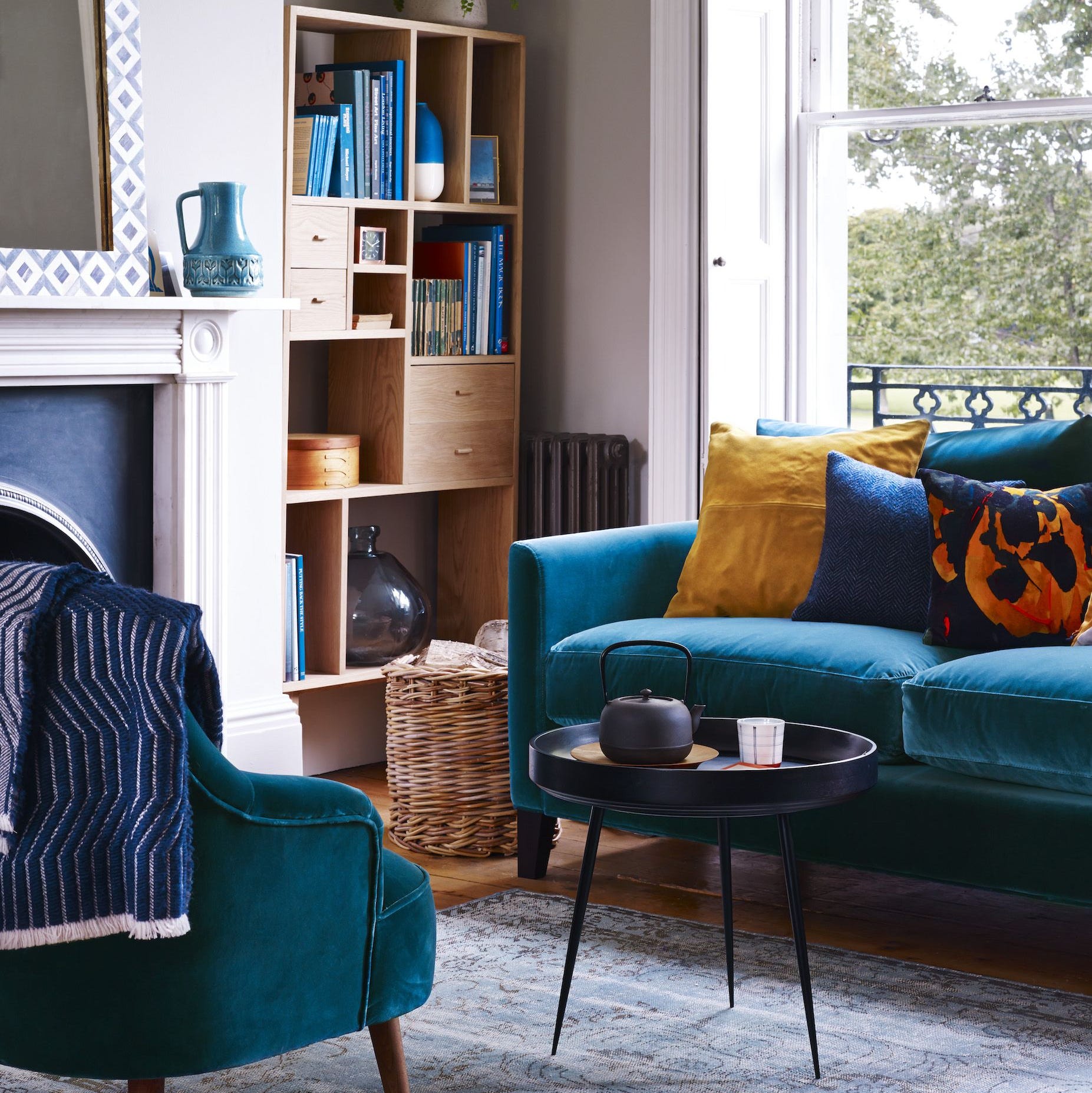
How to make your living room look bigger: 7 tips to fool the eye

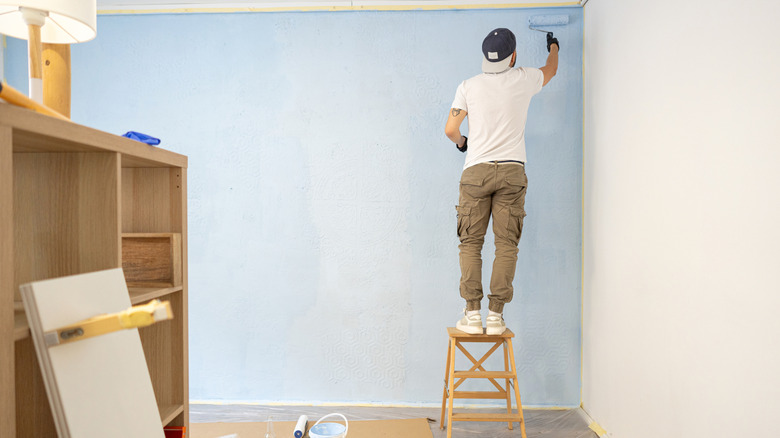
12 Tips For Making Small Rooms Appear Larger Using Paint

Home office ideas and inspiration for when you're short on space