1/20
How to make a small living room look bigger with mirrors - clever design tips to open up your space
Small living rooms, while charming, often prompt homeowners to seek ways to visually enlarge the space. Interior design experts offer numerous strategies, from color schemes to furniture placement, to create the illusion of a bigger room. Tash Bradley, director of interior design at Lick, emphasizes that clever use of color and styling tricks can make a room feel larger while maintaining personal design.
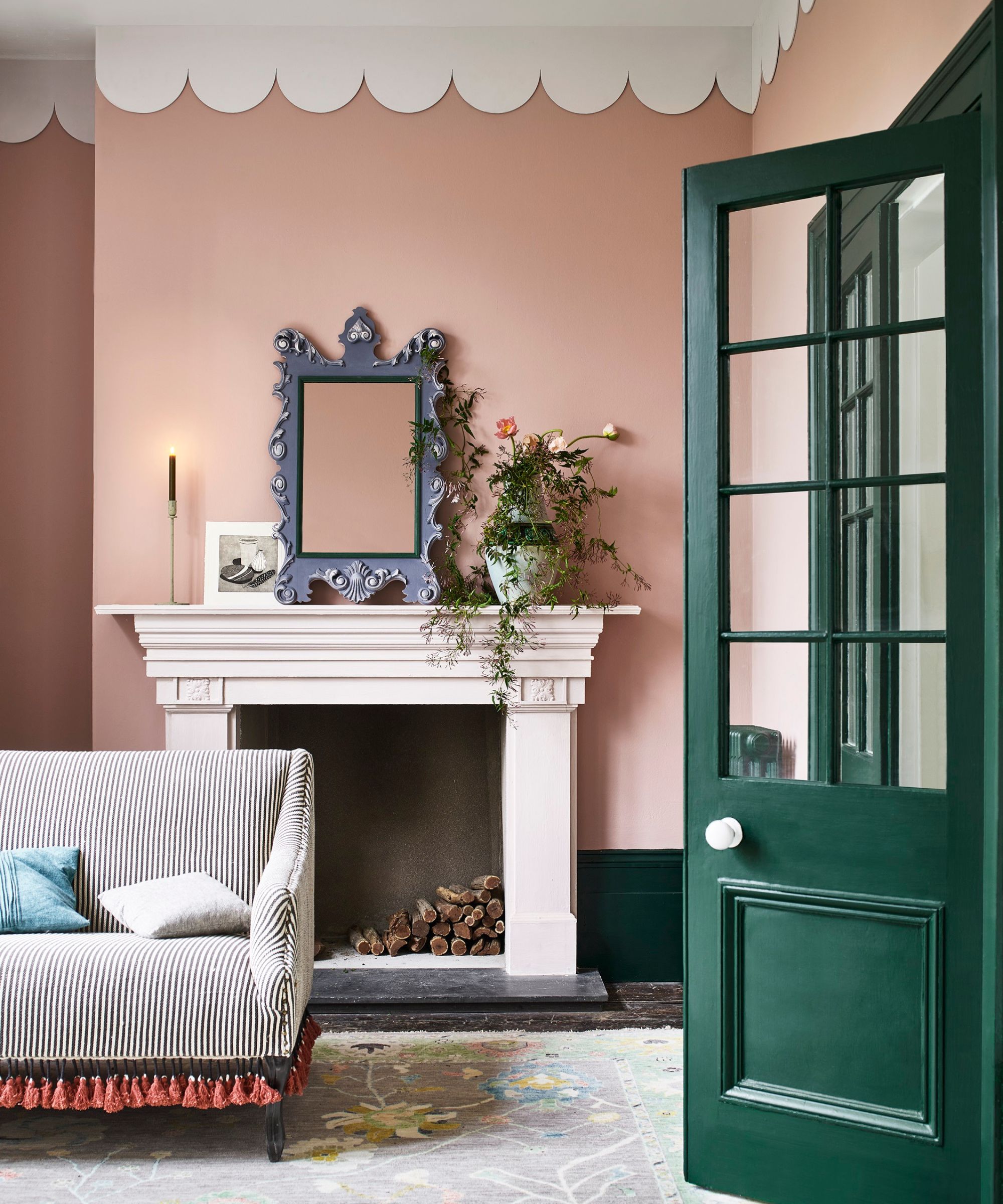
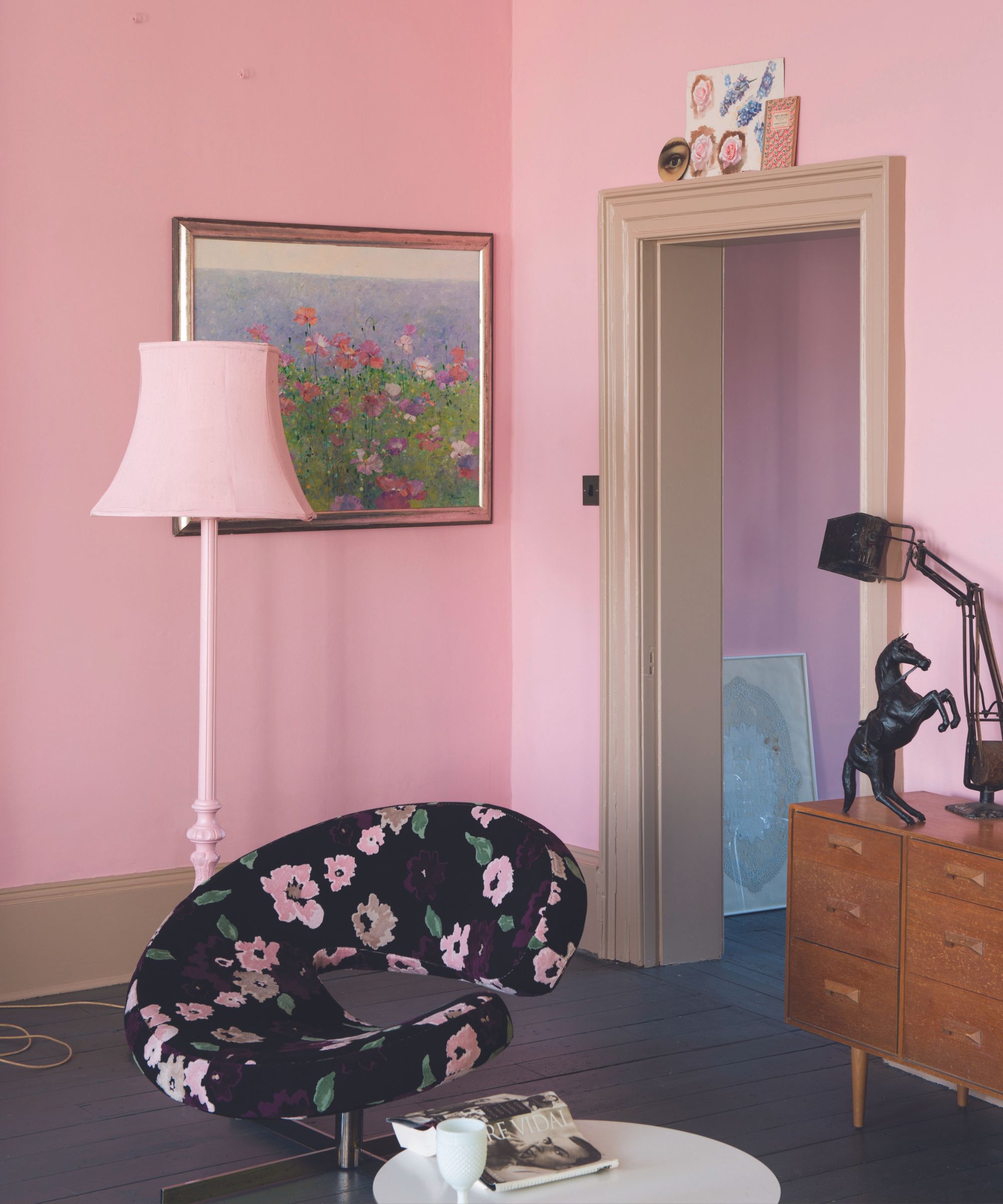
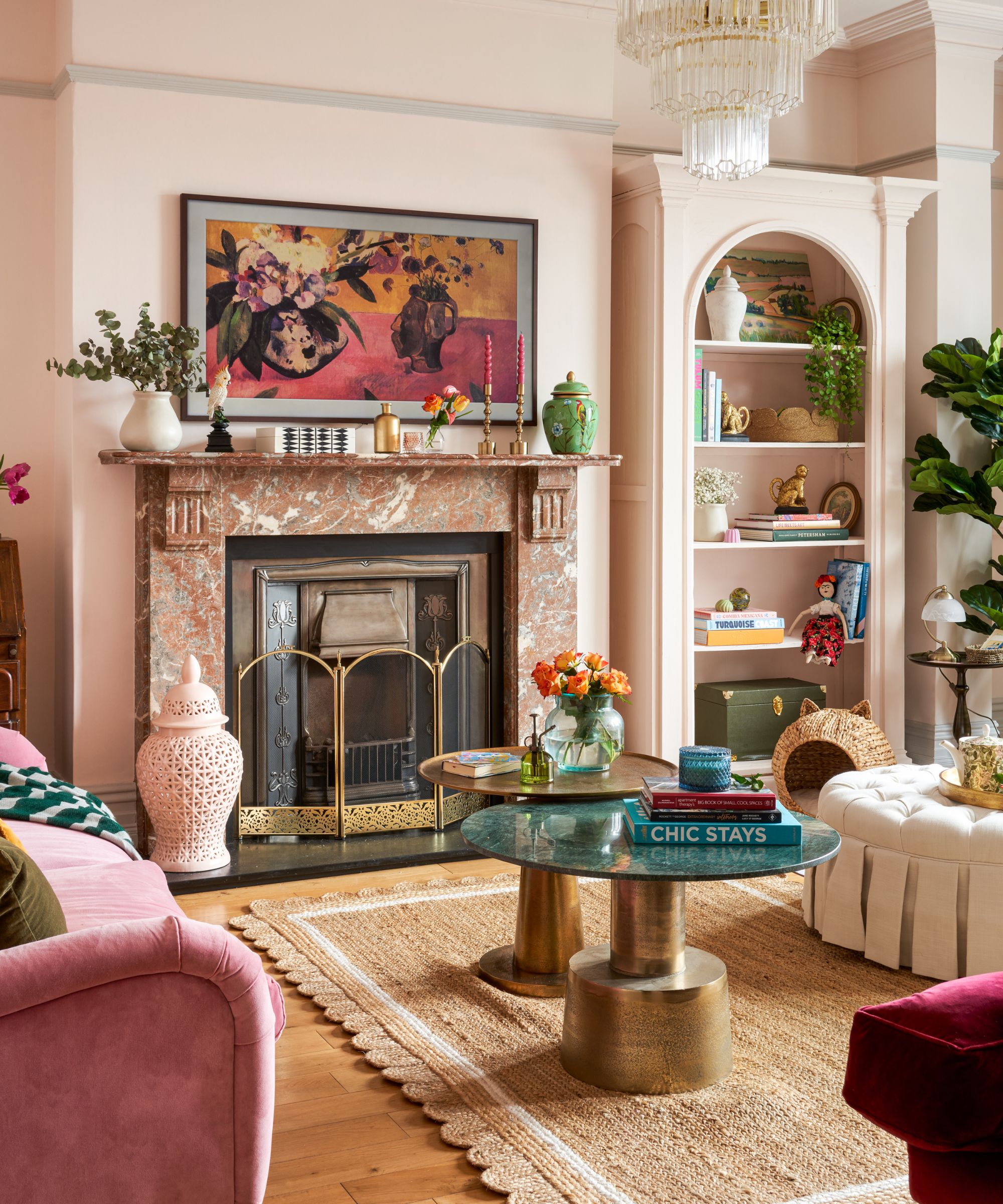
One effective technique is color drenching, which involves painting all surfaces of a room in the same color. This method, advocated by Michael Rolland of The Paint Shed and Tash Bradley, softens contrasts and blurs lines, making the space feel more open. Avoiding contrasting colors between walls and ceilings is crucial in small rooms. Additionally, opting for a light color palette, particularly neutral shades like soft warm whites, creams, taupe, or pale pastels, helps reflect light and creates a sense of spaciousness. Kelly Collins, interior designer at Swyft, notes that light colors make walls appear farther away, enhancing the feeling of openness. Gentle blues, greens, or blush tones can also achieve this effect, but deep and dark tones should be avoided as they make rooms feel smaller.
Curtains play a significant role in altering a room's perceived size. Floor-length curtains add height by creating the illusion of taller ceilings, thereby making the room appear more spacious and luxurious. Short or mid-length curtains, conversely, can visually divide a room and make it feel smaller. To maximize natural light, which contributes to a brighter and breezier feel, heavy curtains and solid blinds should be replaced with lightweight linens, voiles, or sheers. Rea Bell, design expert at Furn, advises against thick, heavy materials like velvet that can overwhelm small spaces. For color, lighter curtain shades are preferred, with neutrals, pale blues, or dusty sage greens brightening the room. When it comes to patterns, stripes are highly effective as they create an illusion of length, making the room more expansive. Floral or jungle prints can be used if balanced with a clutter-free space and neutral accessories.
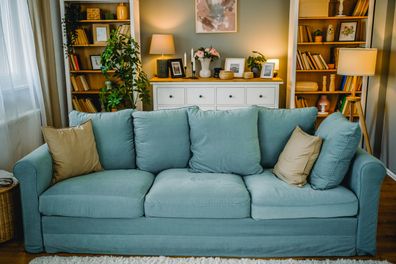
Regarding seating, choosing sofas and chairs with exposed legs creates an illusion of more floor space, making the room seem larger. Bulky furniture that sits directly on the ground should be avoided in favor of floating designs. Neutral or pastel upholstery for sofas also helps, as these shades reflect light and contribute to an open, airy, and less cramped environment. Examples include beige, cream, light grey, or sage. For injecting color, pastel shades like light blue or pale pink are suitable as they reflect light effectively. Modular sofas are also ideal for small living rooms due to their versatility and flexibility.
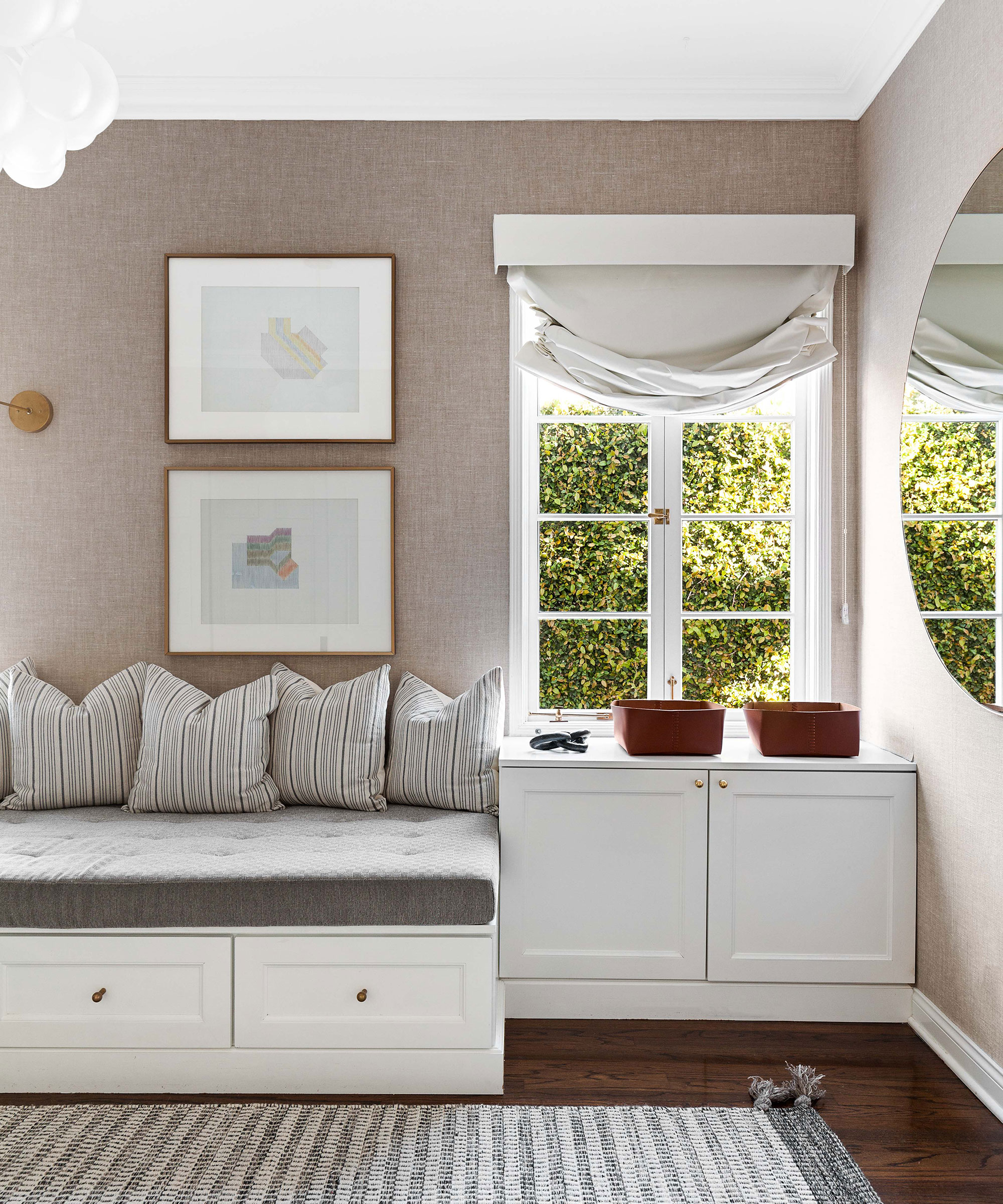
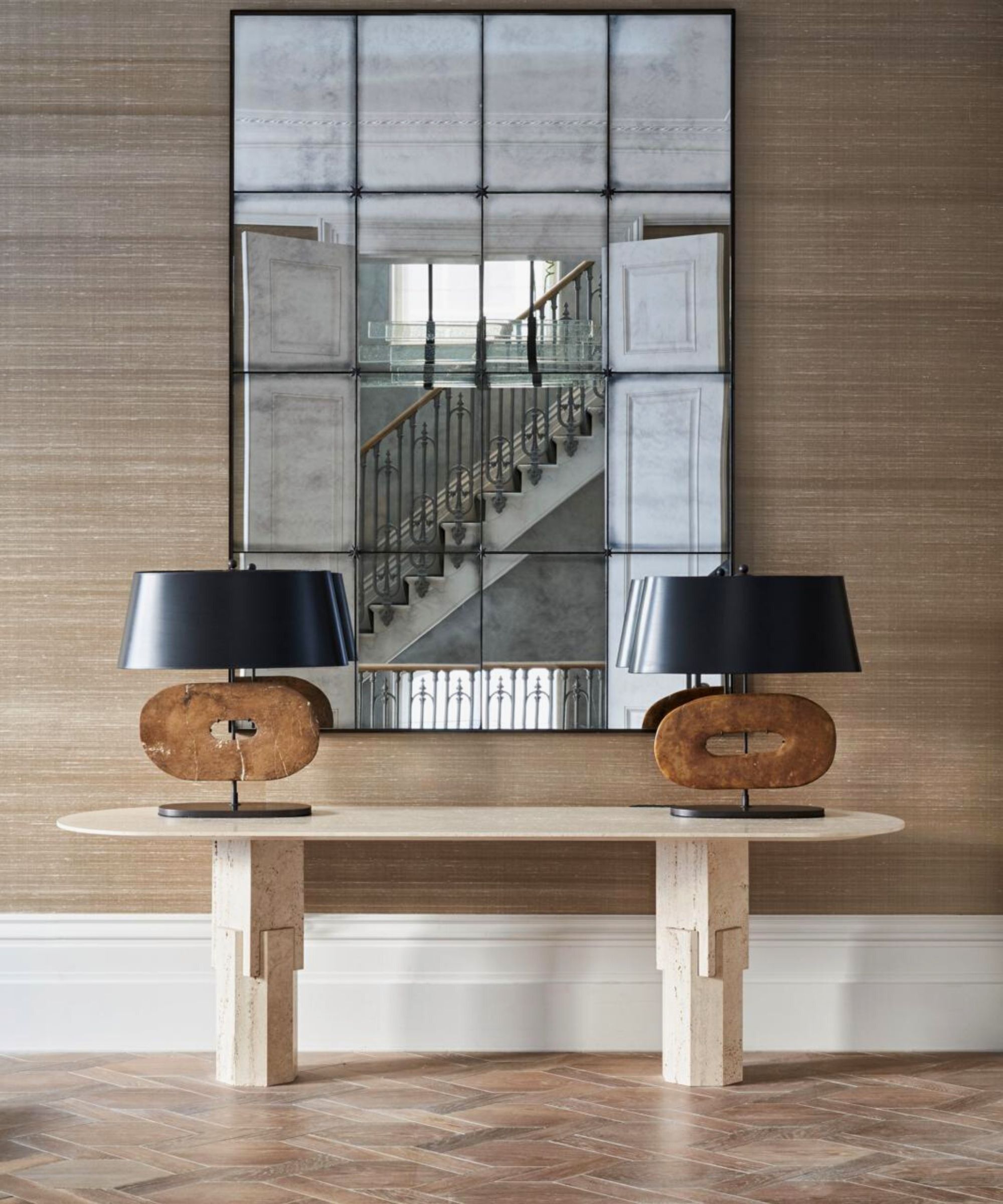
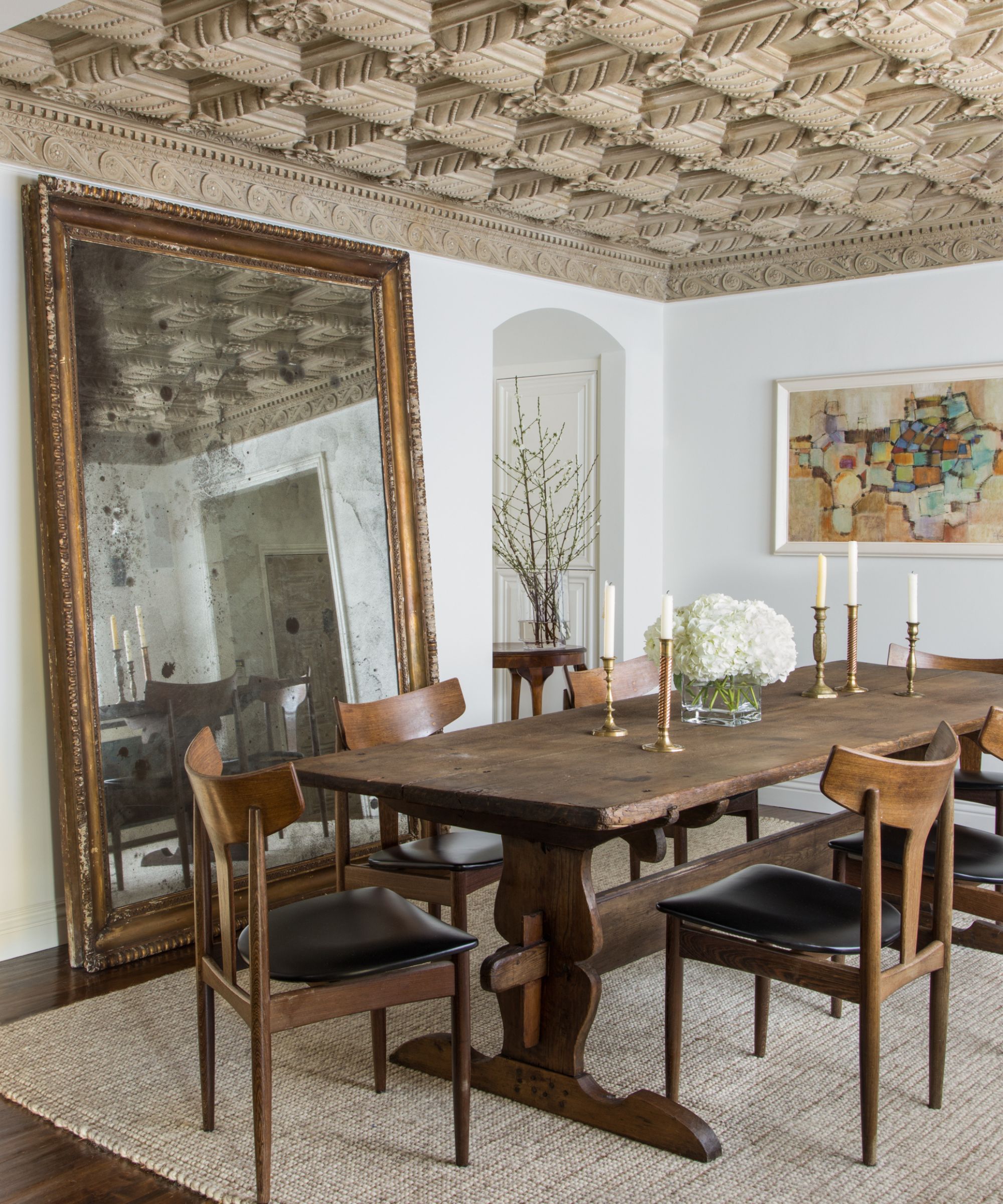
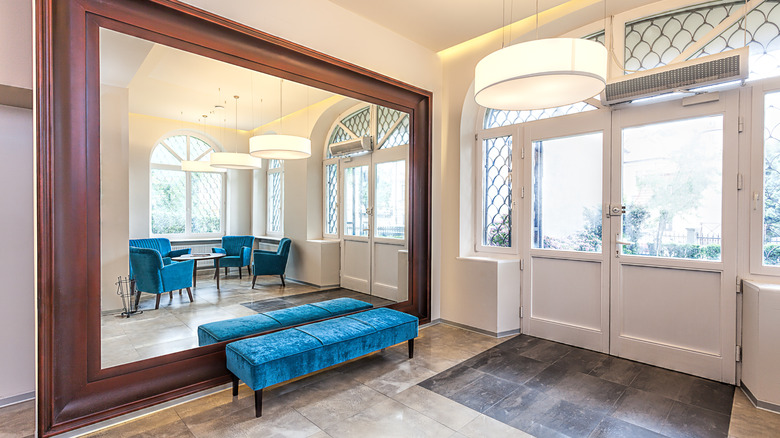
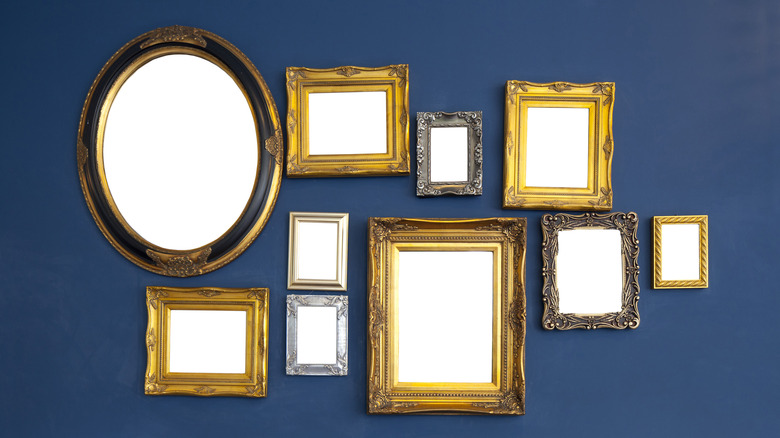
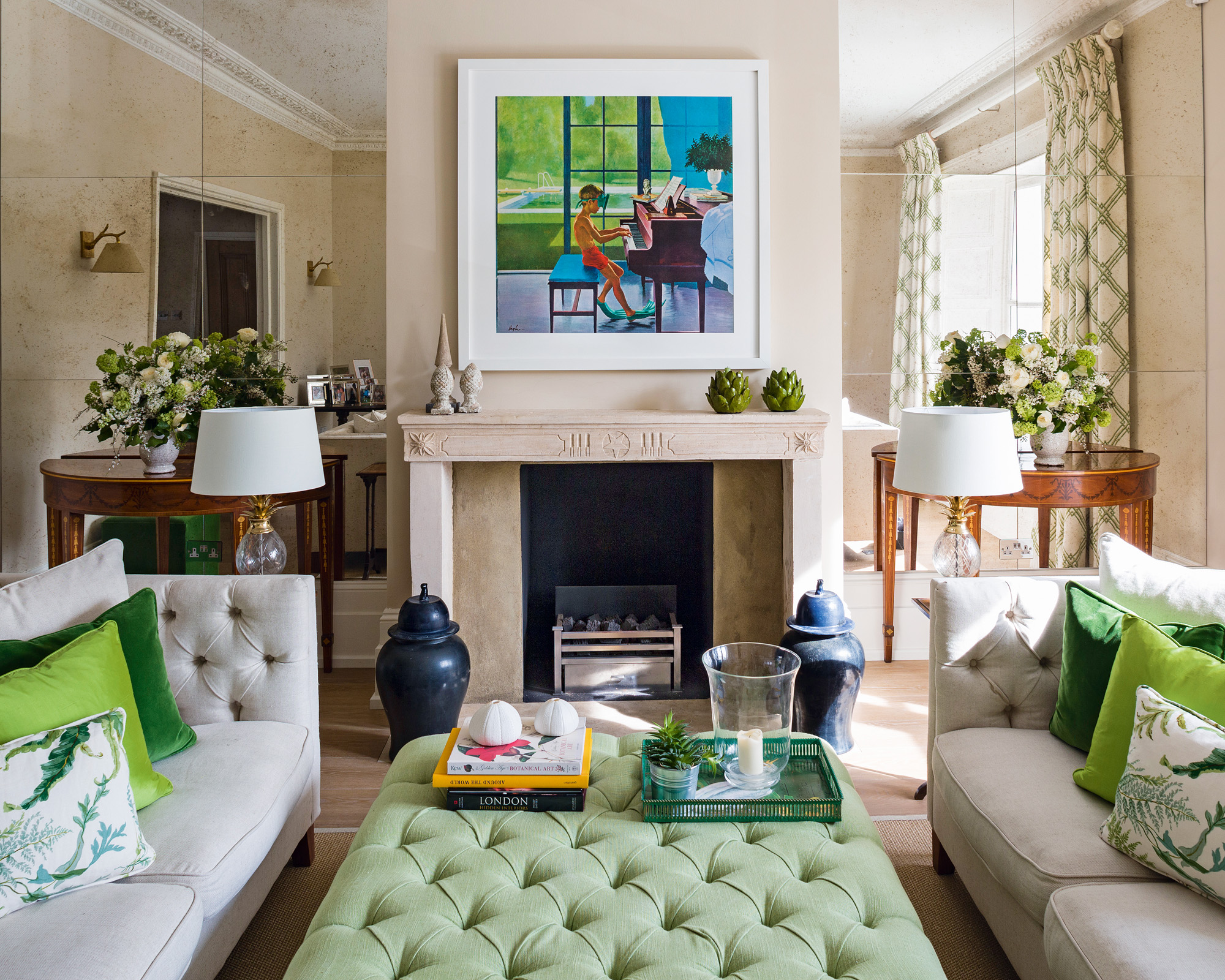
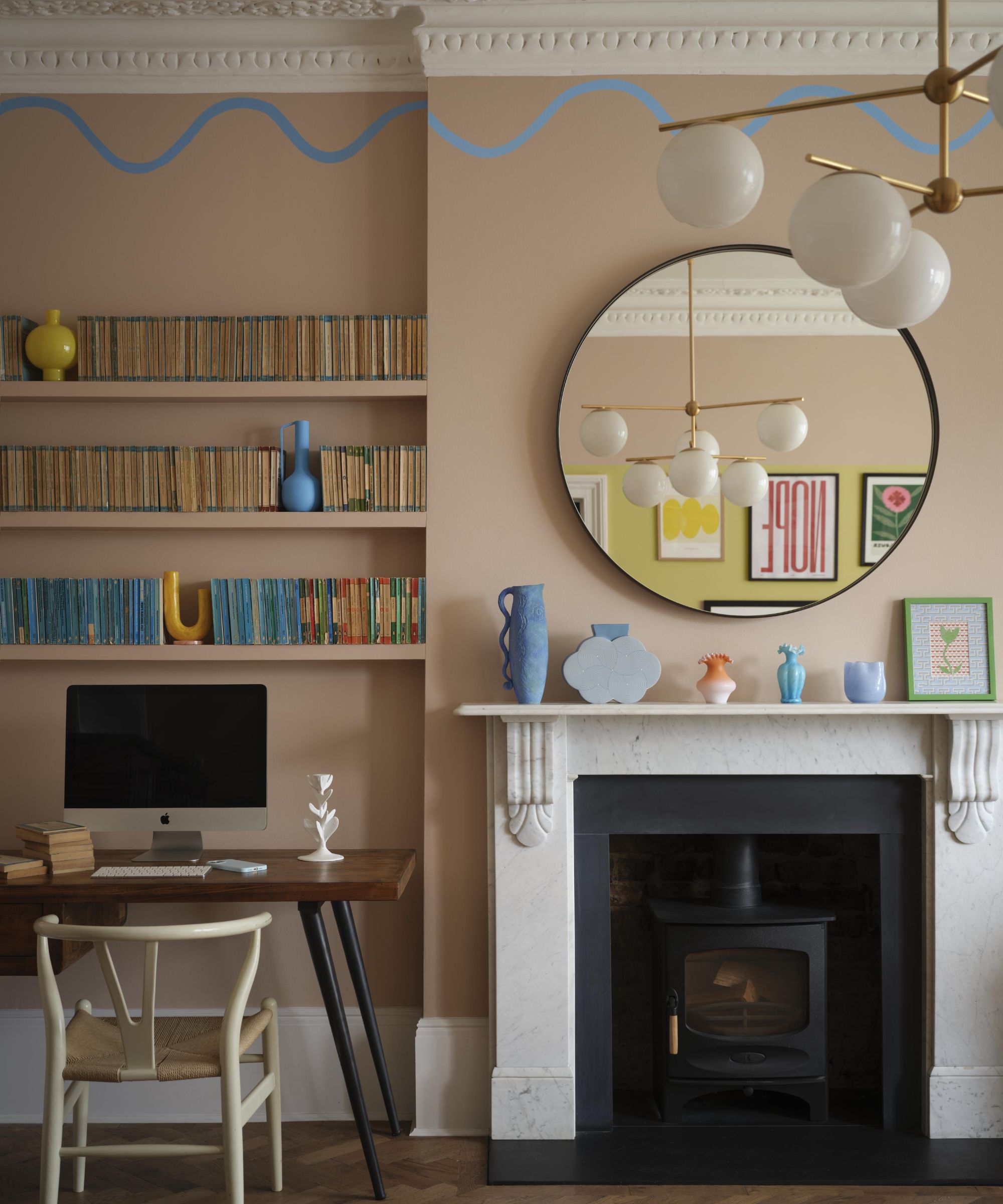
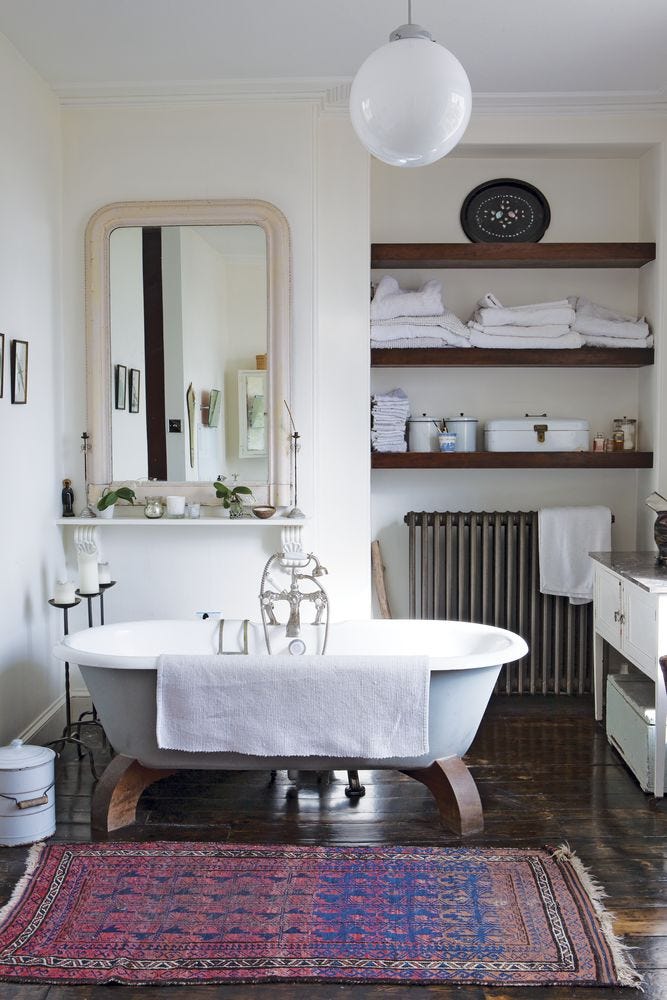
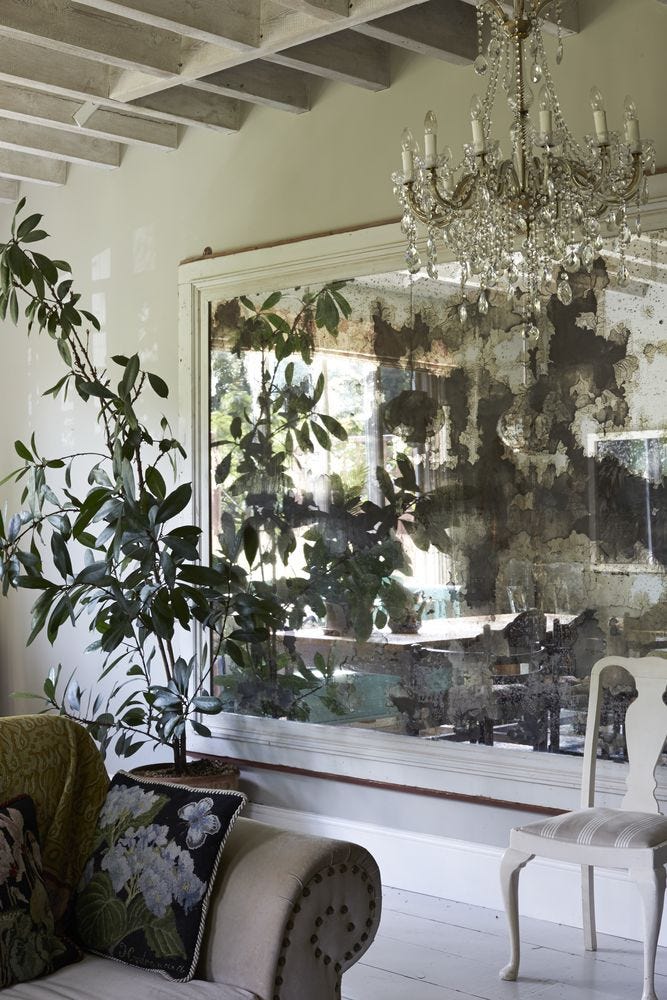
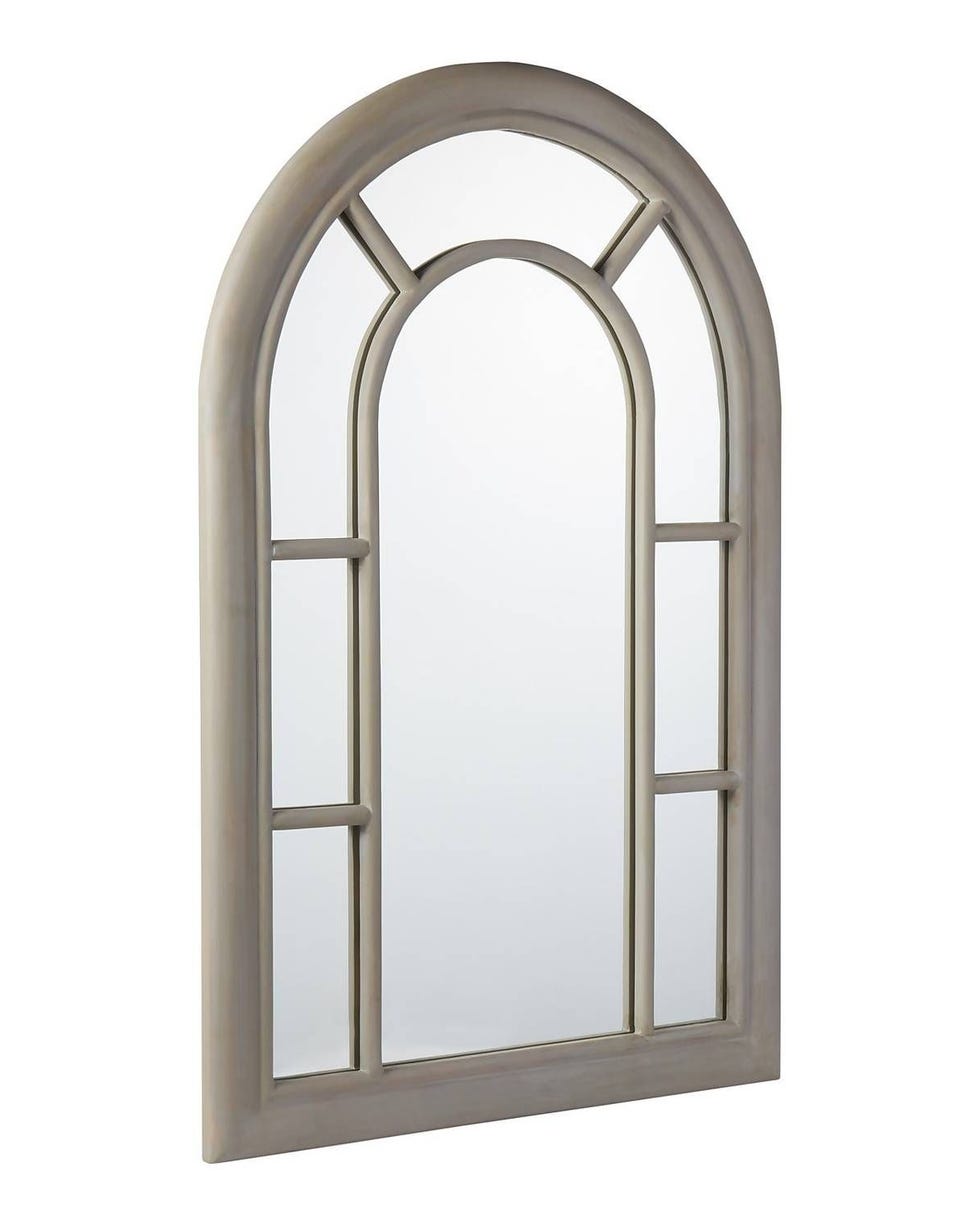
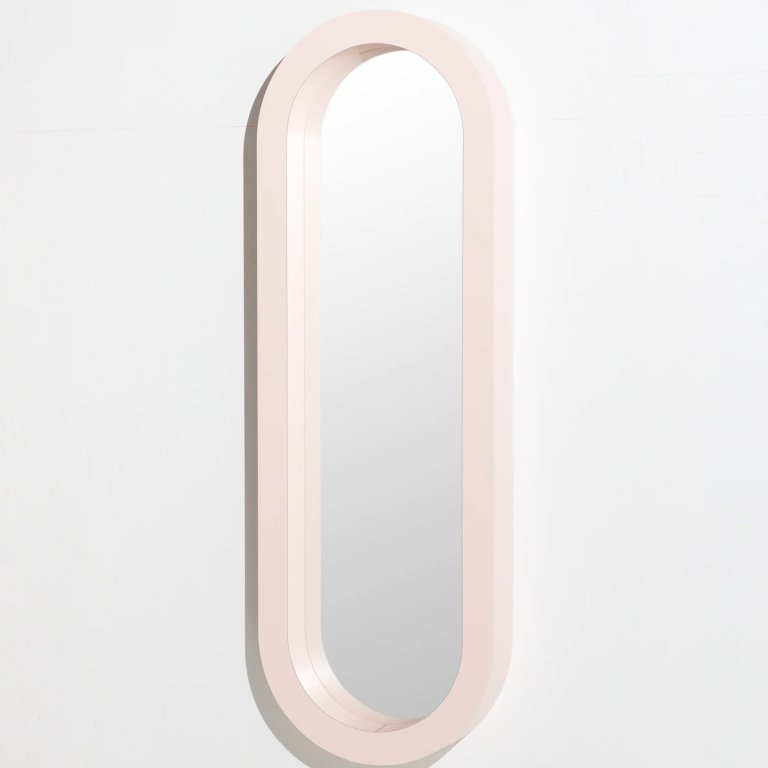
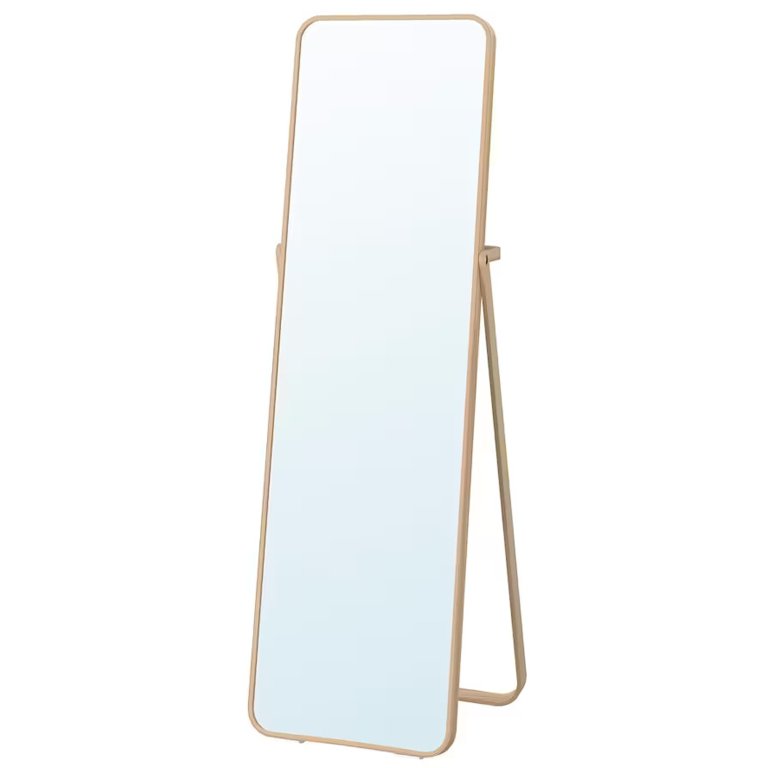
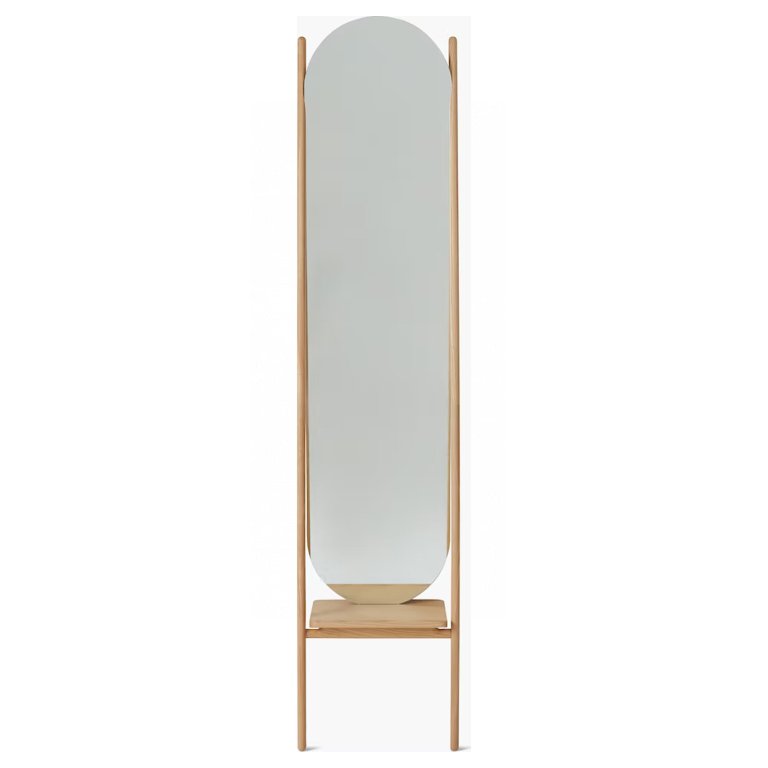
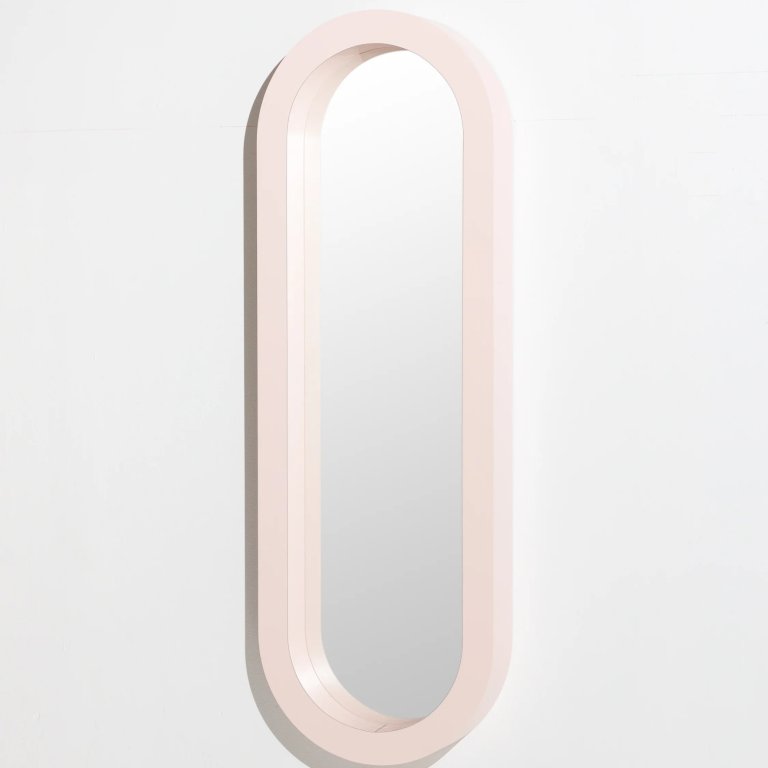
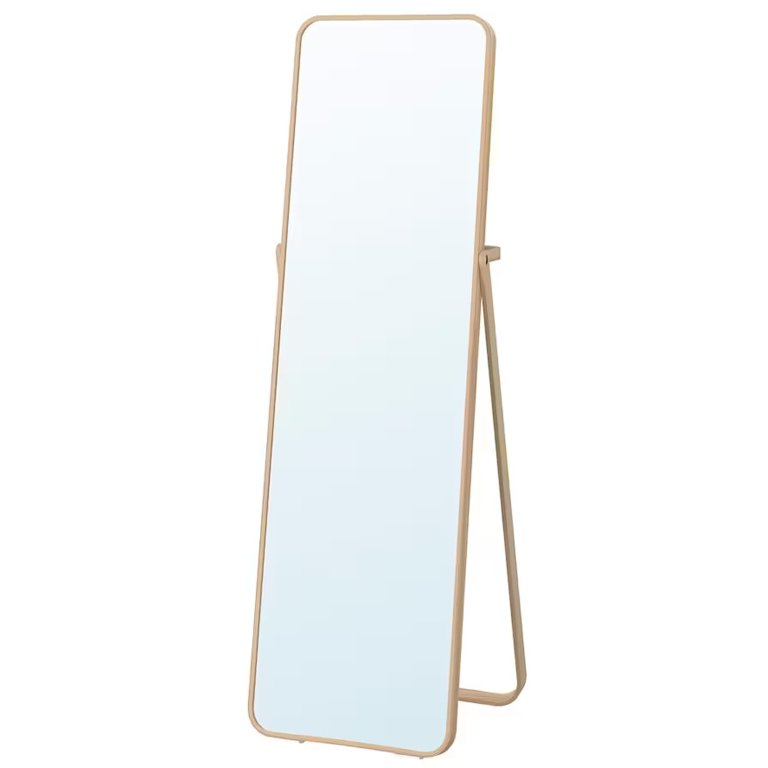
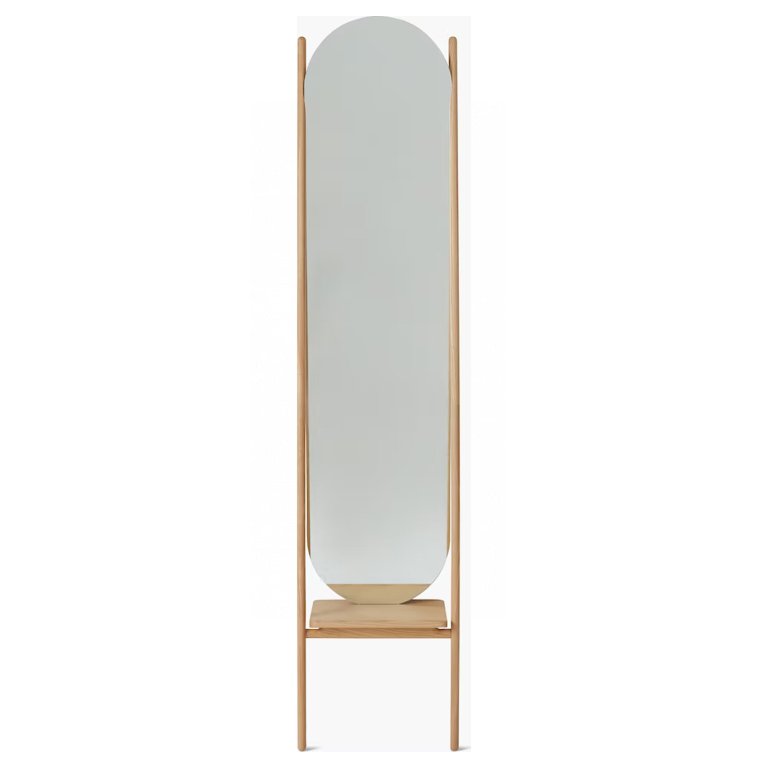
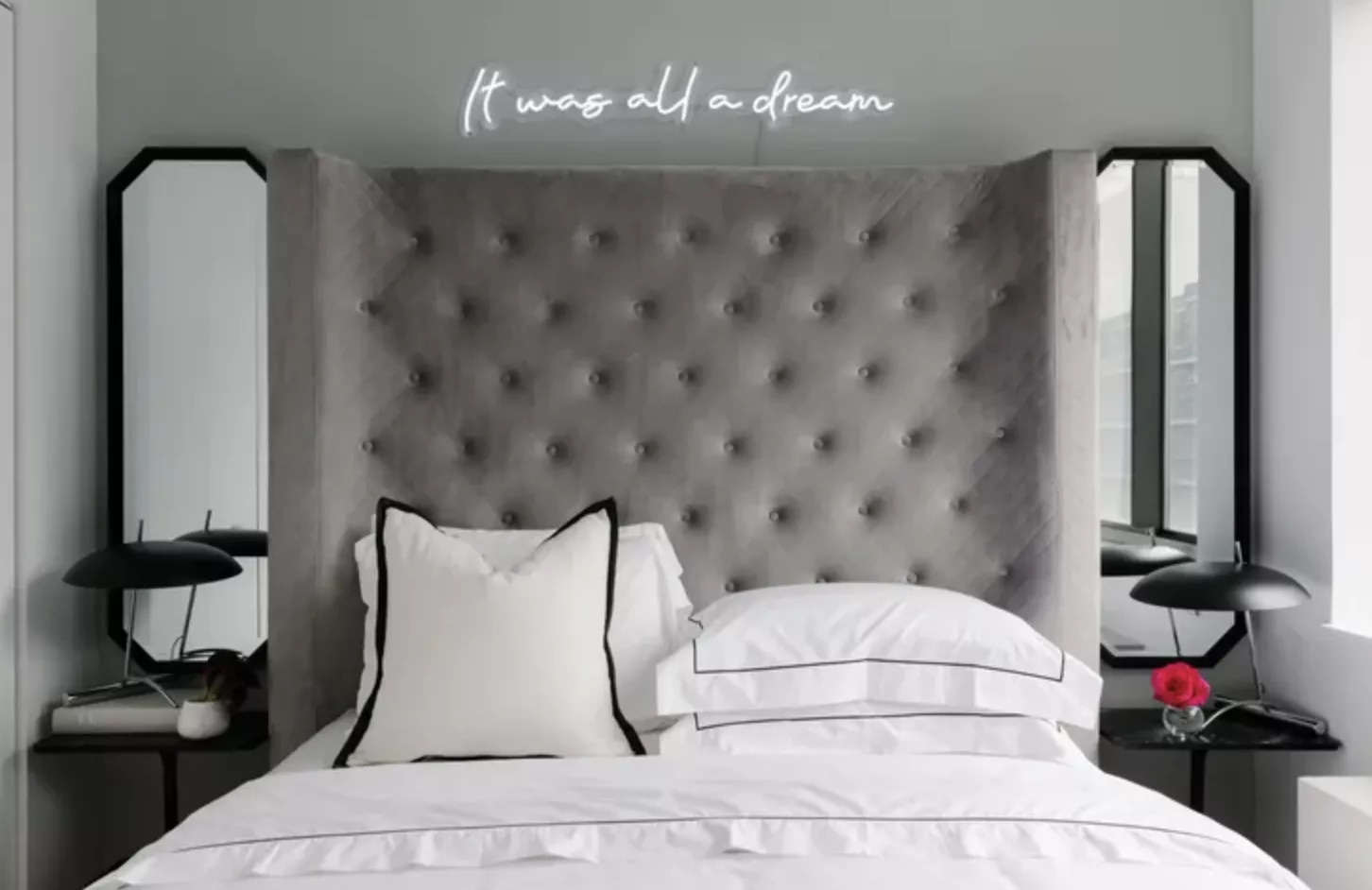
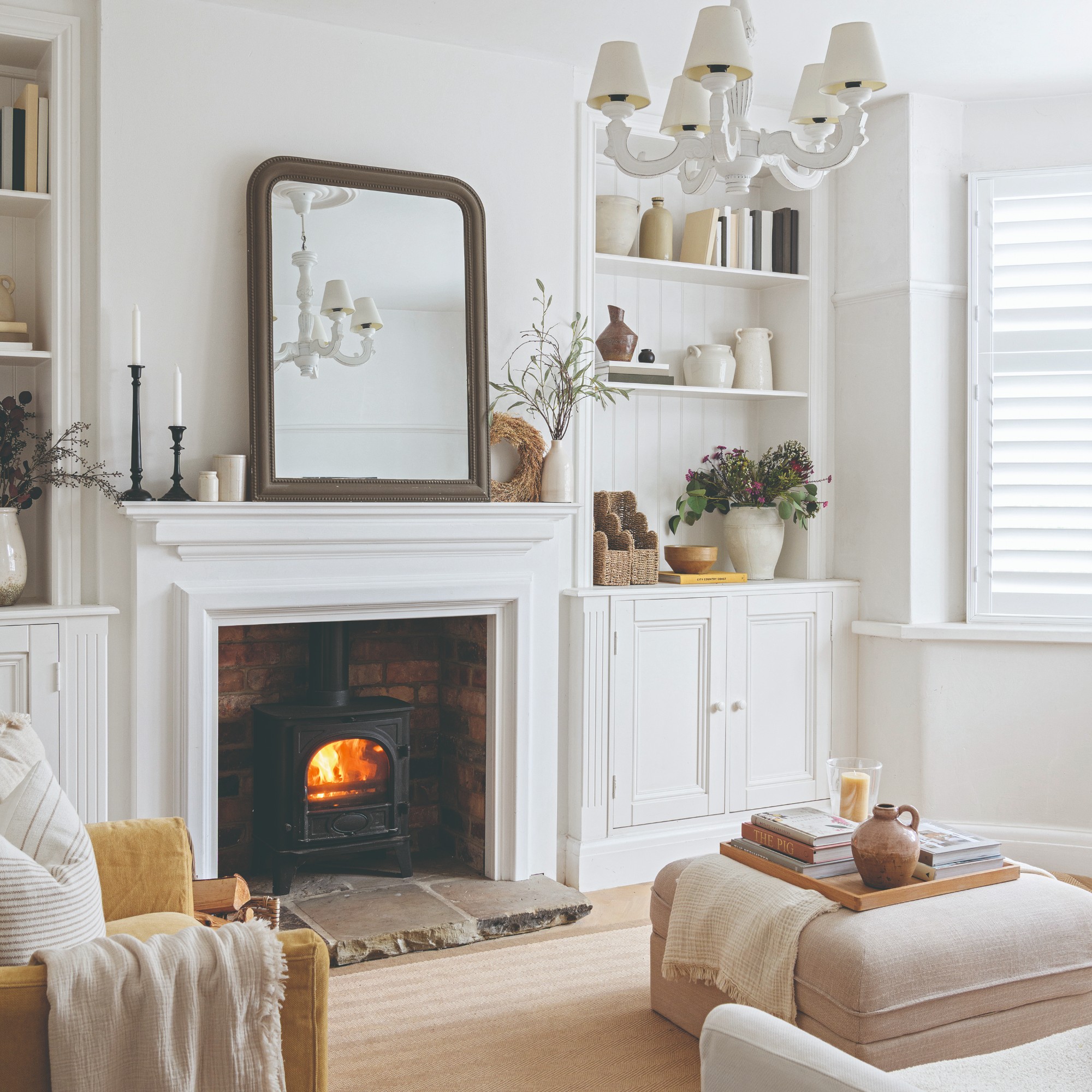
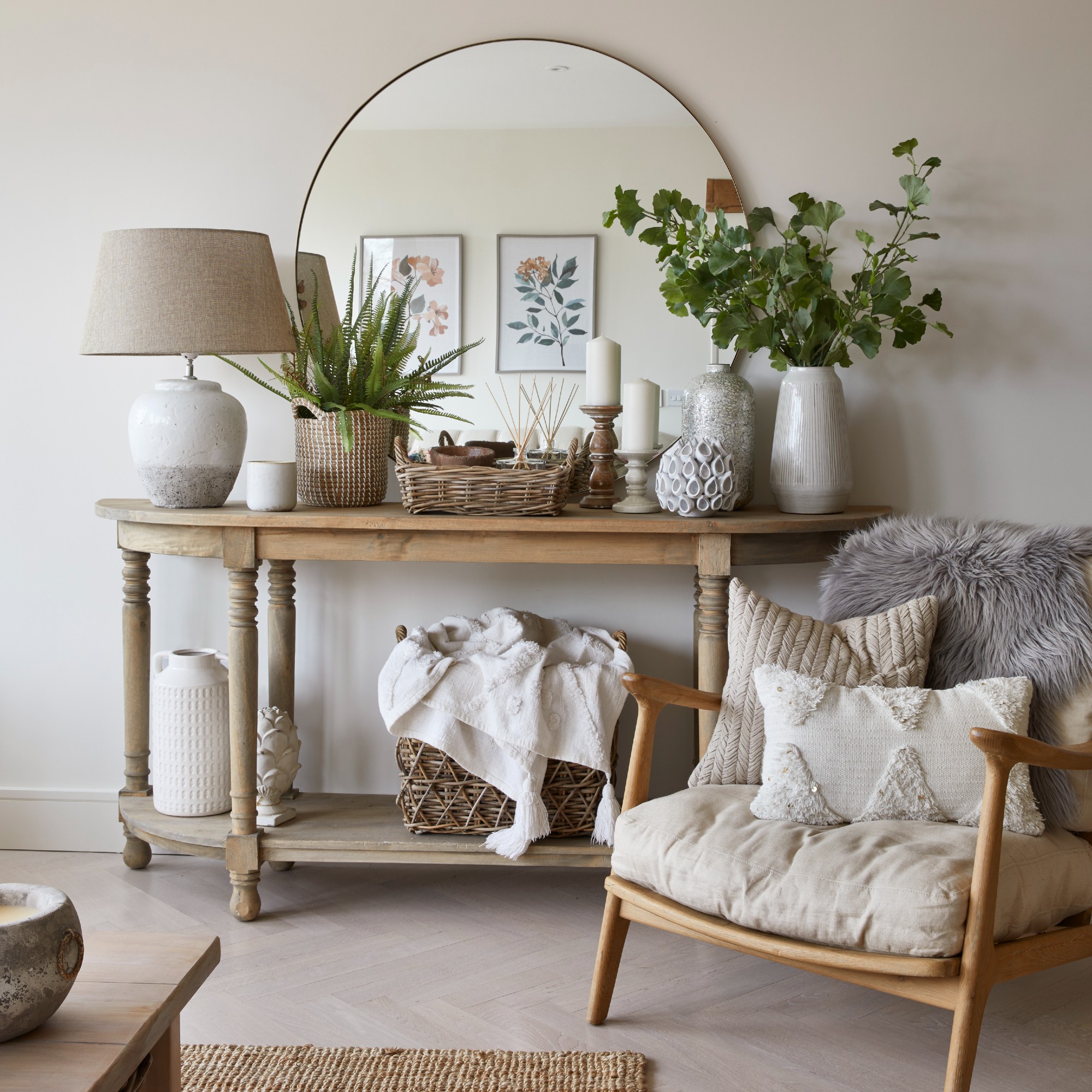
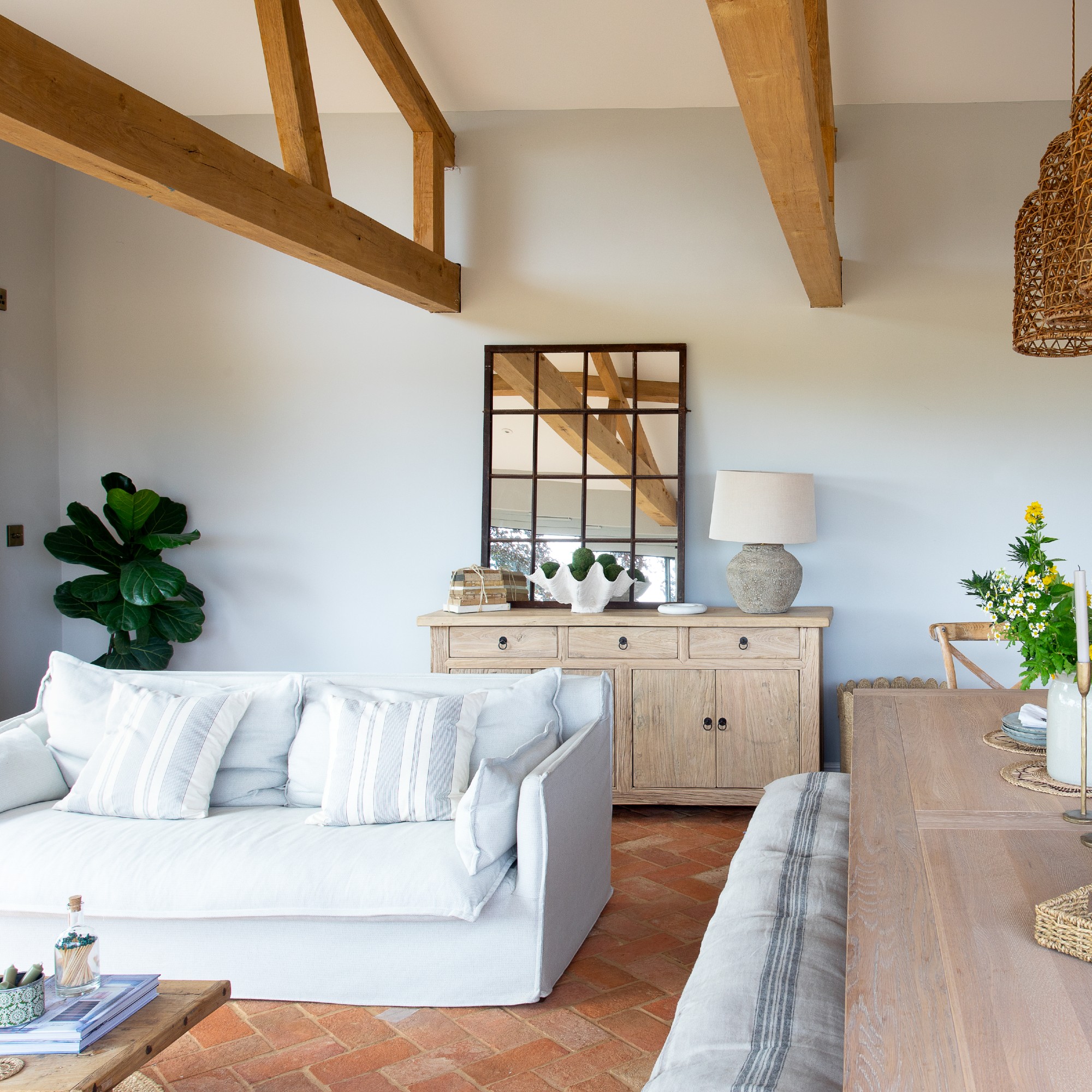
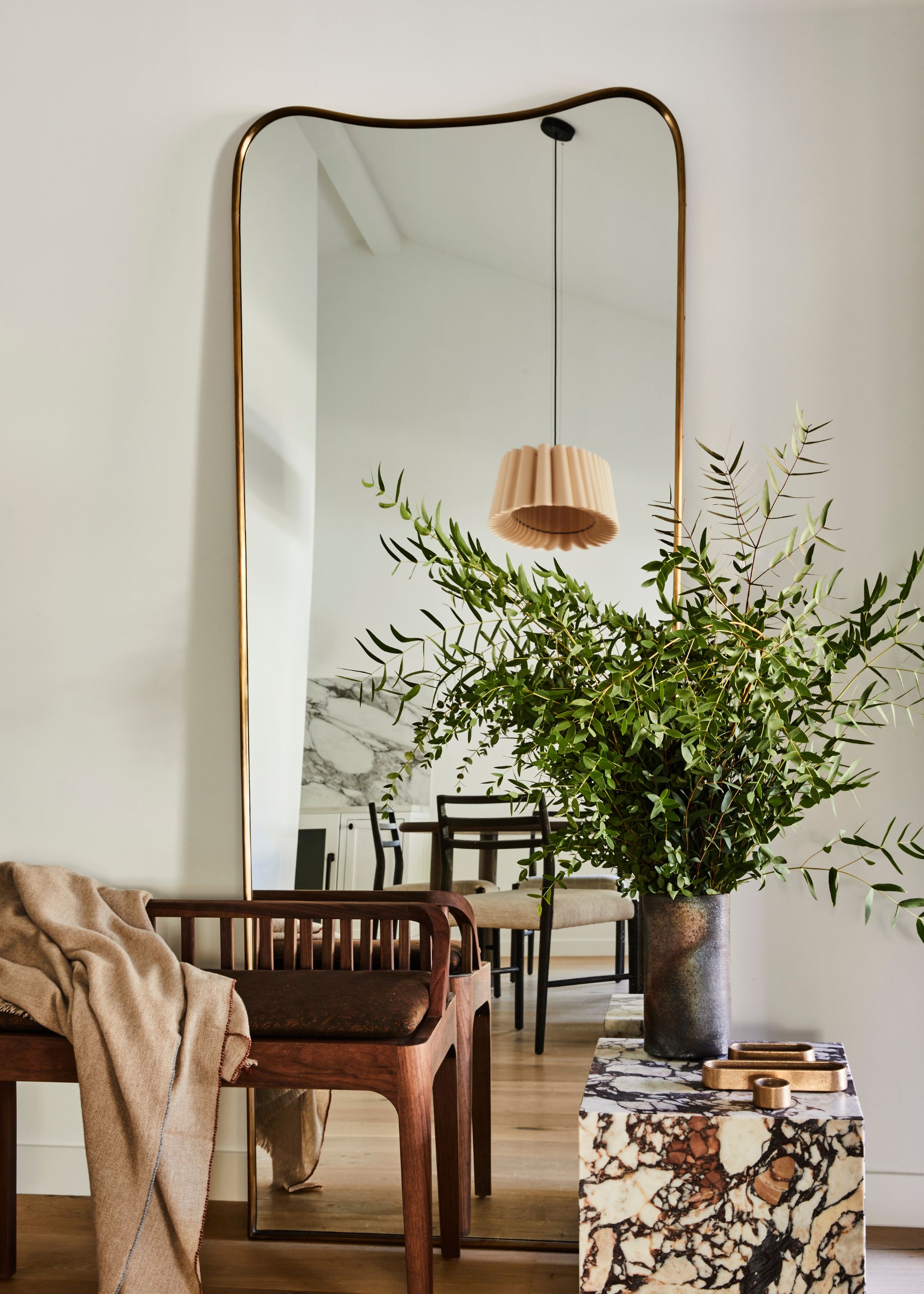
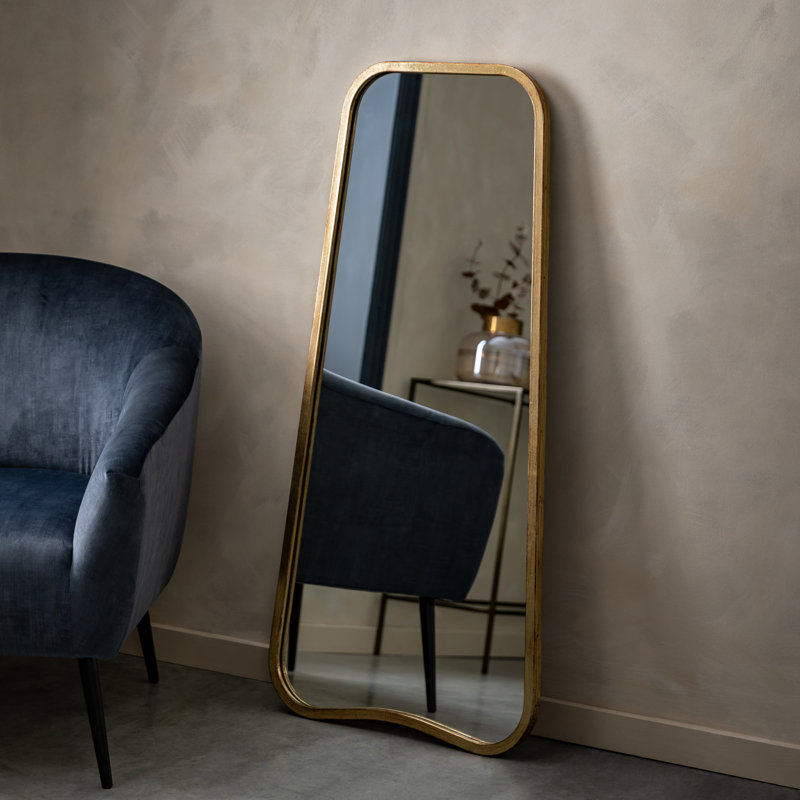
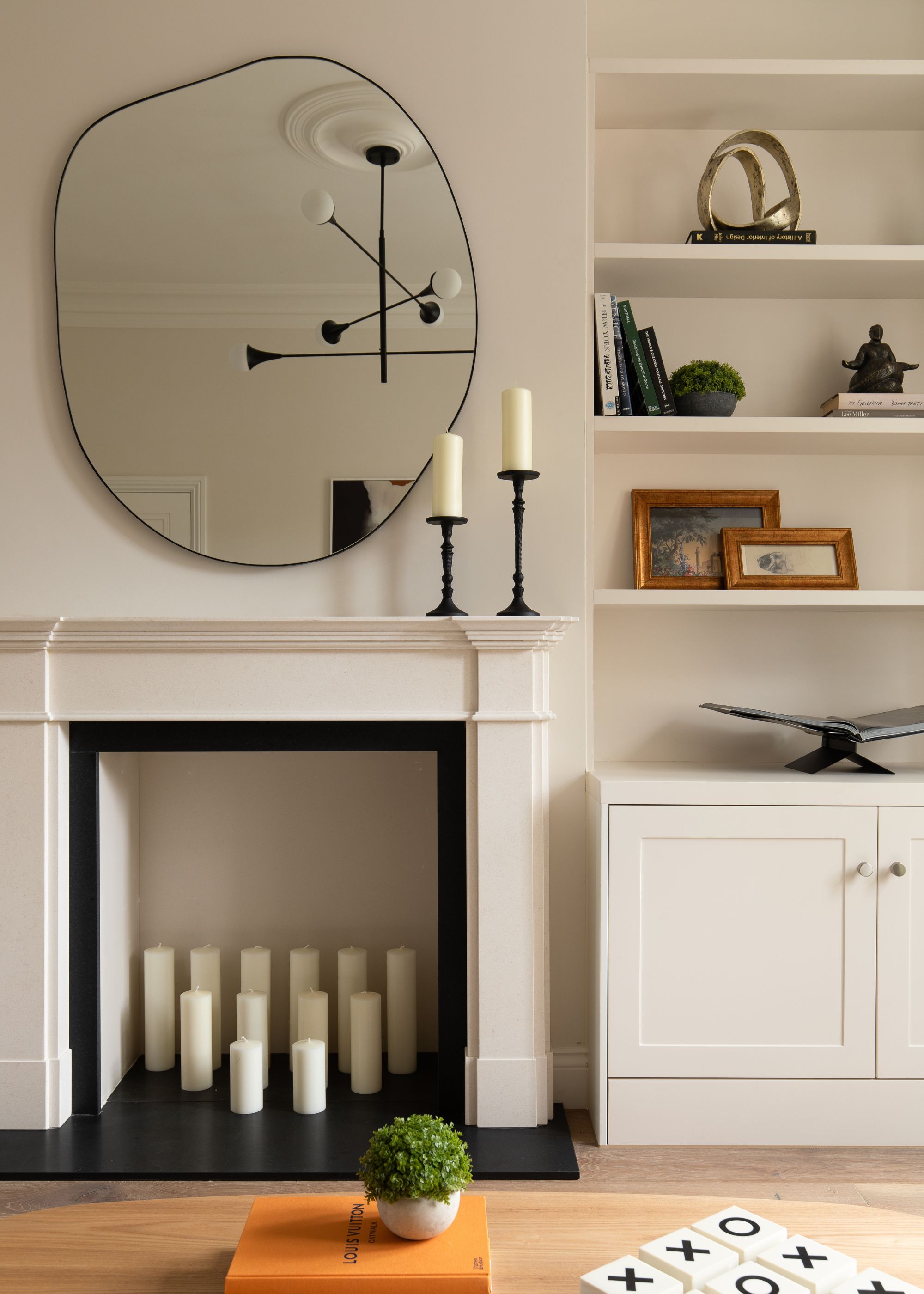
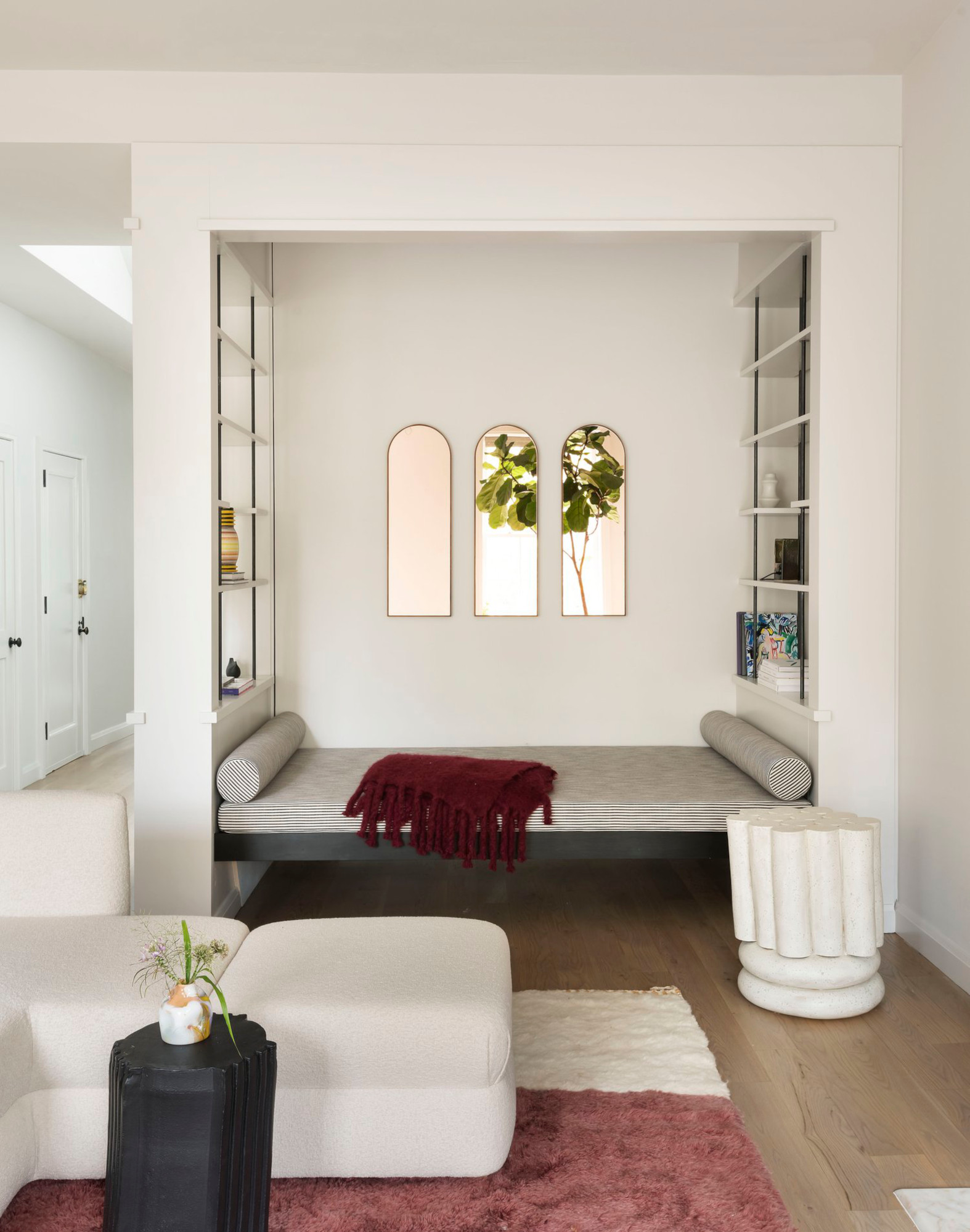
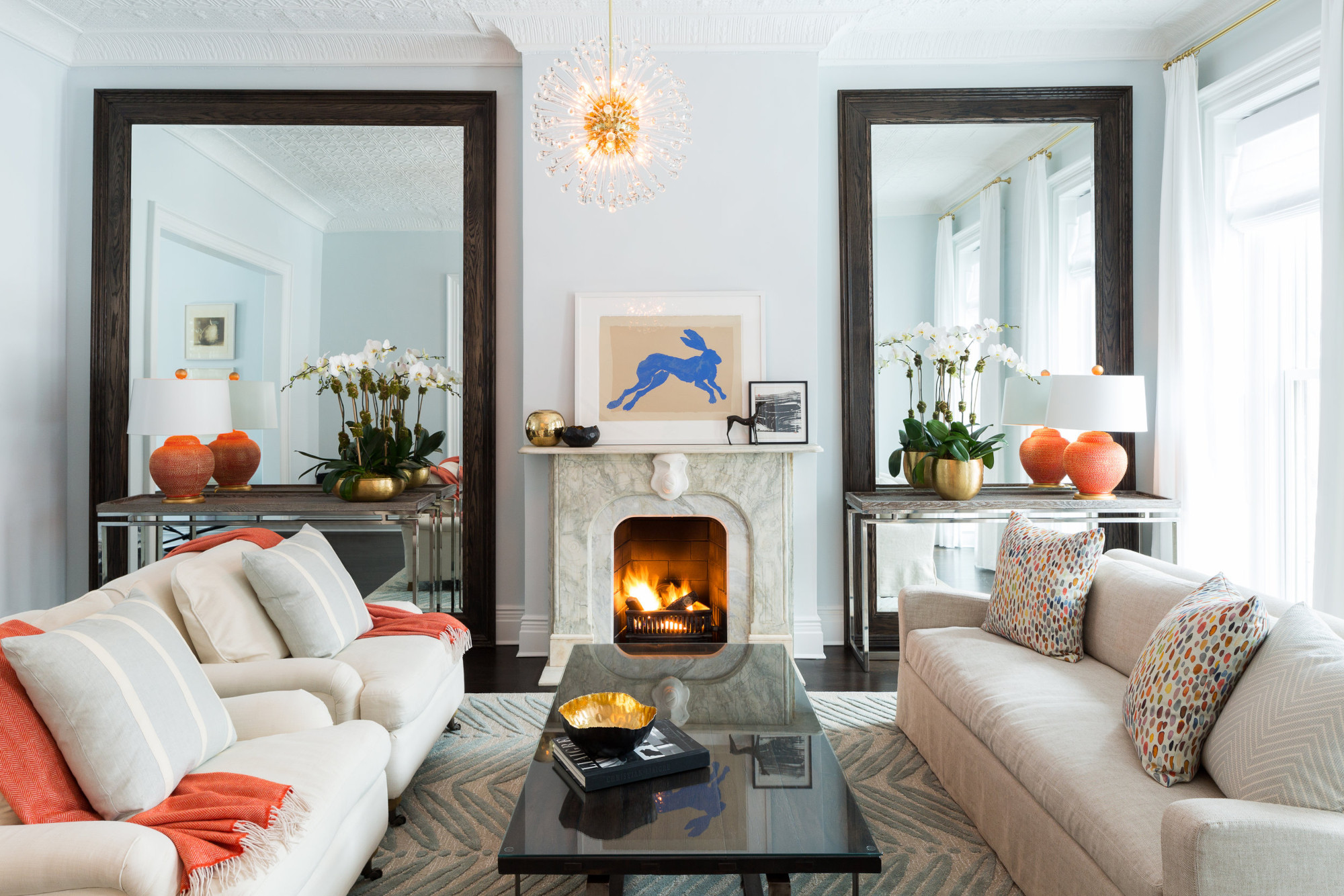
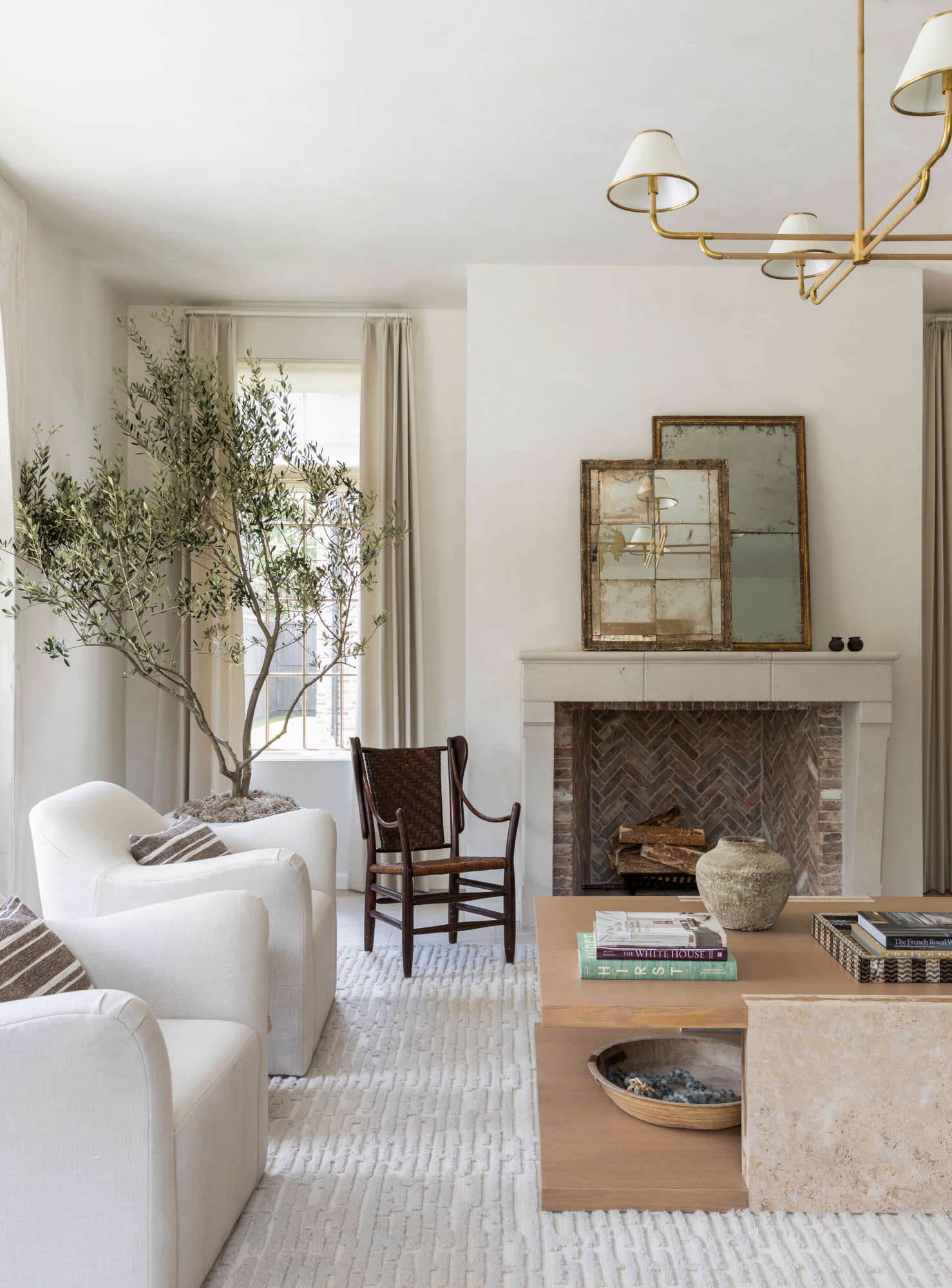
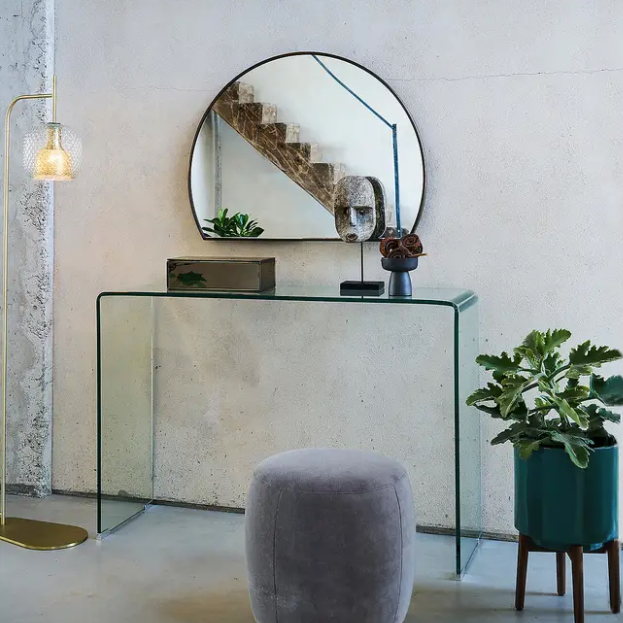
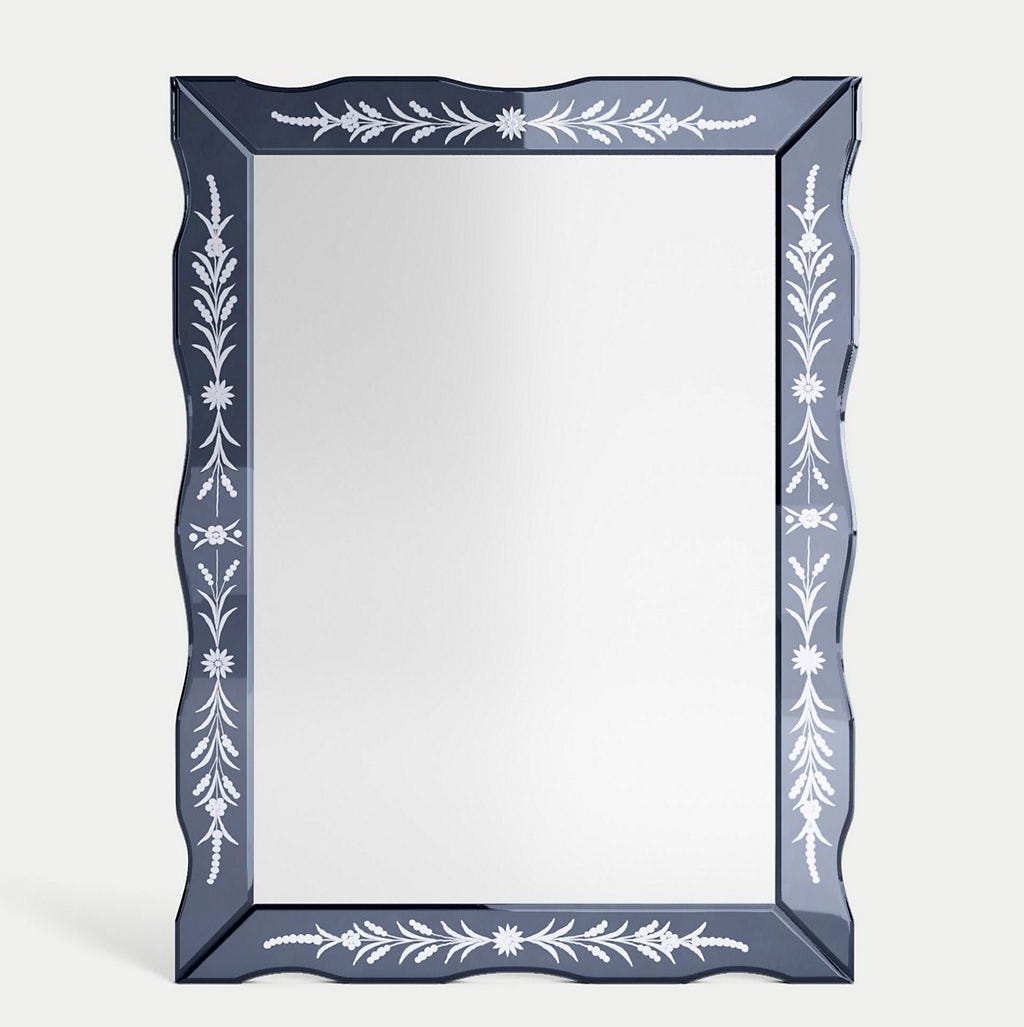
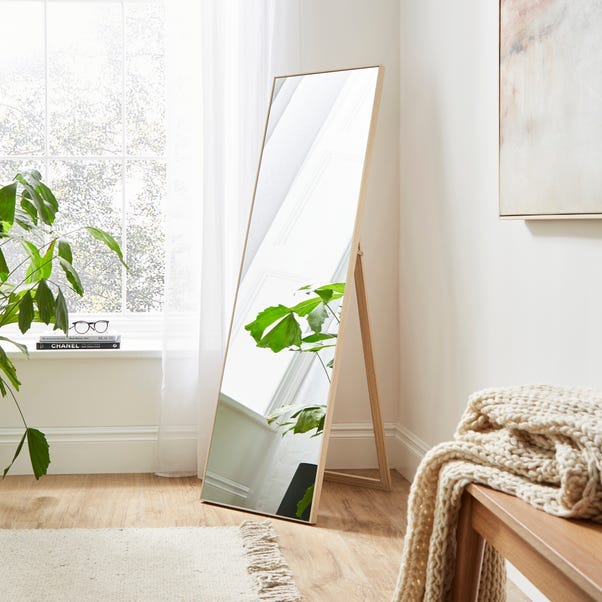
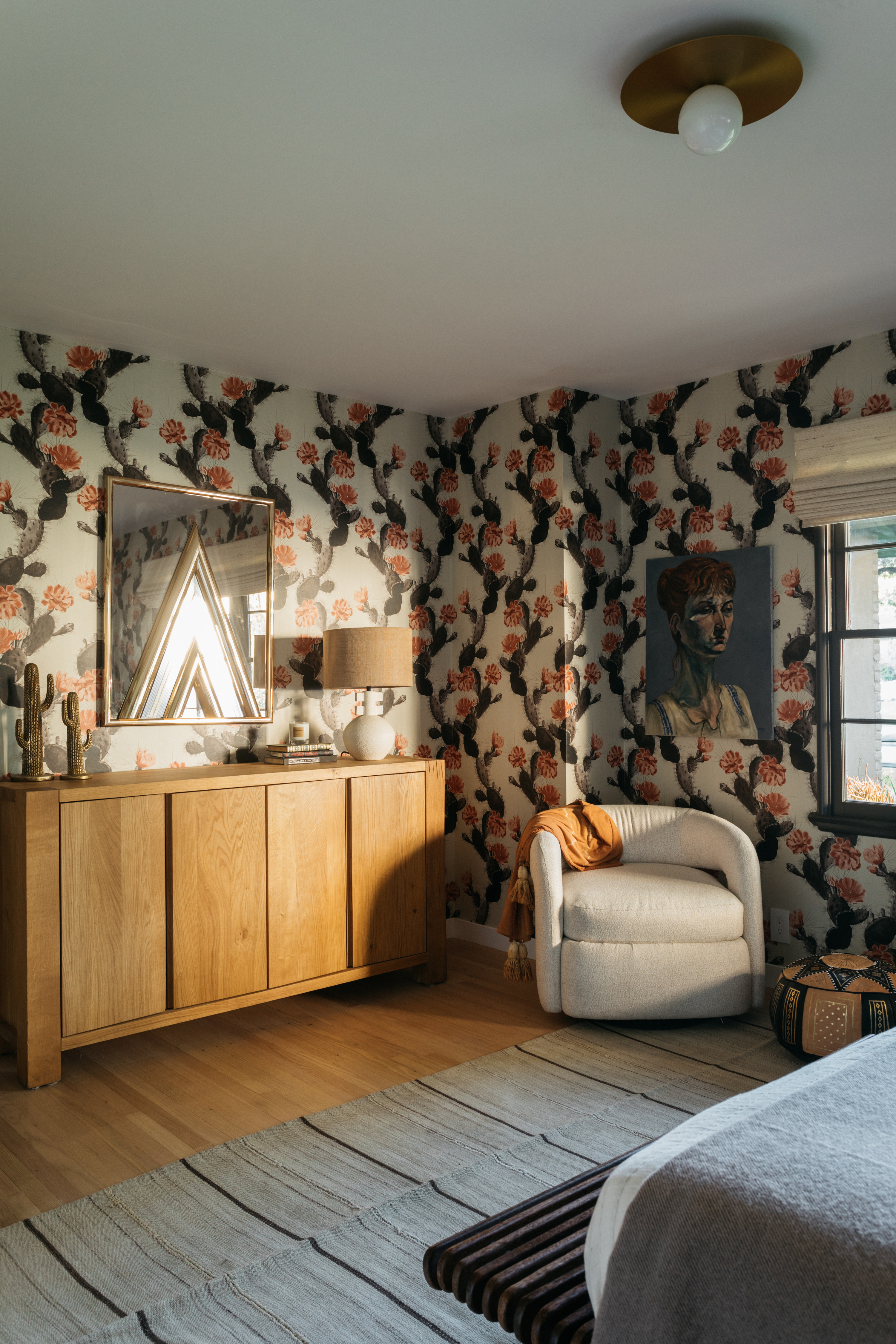
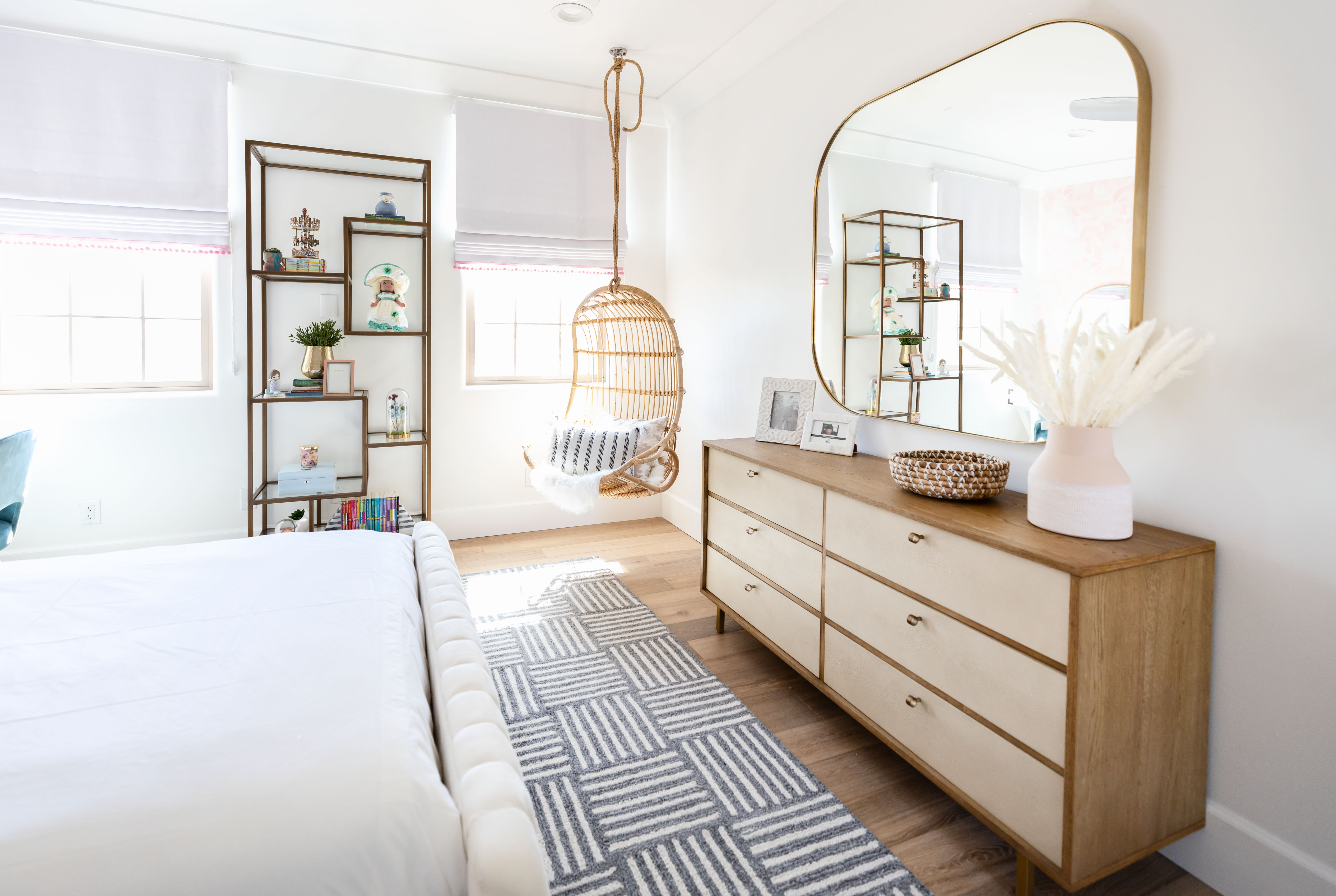
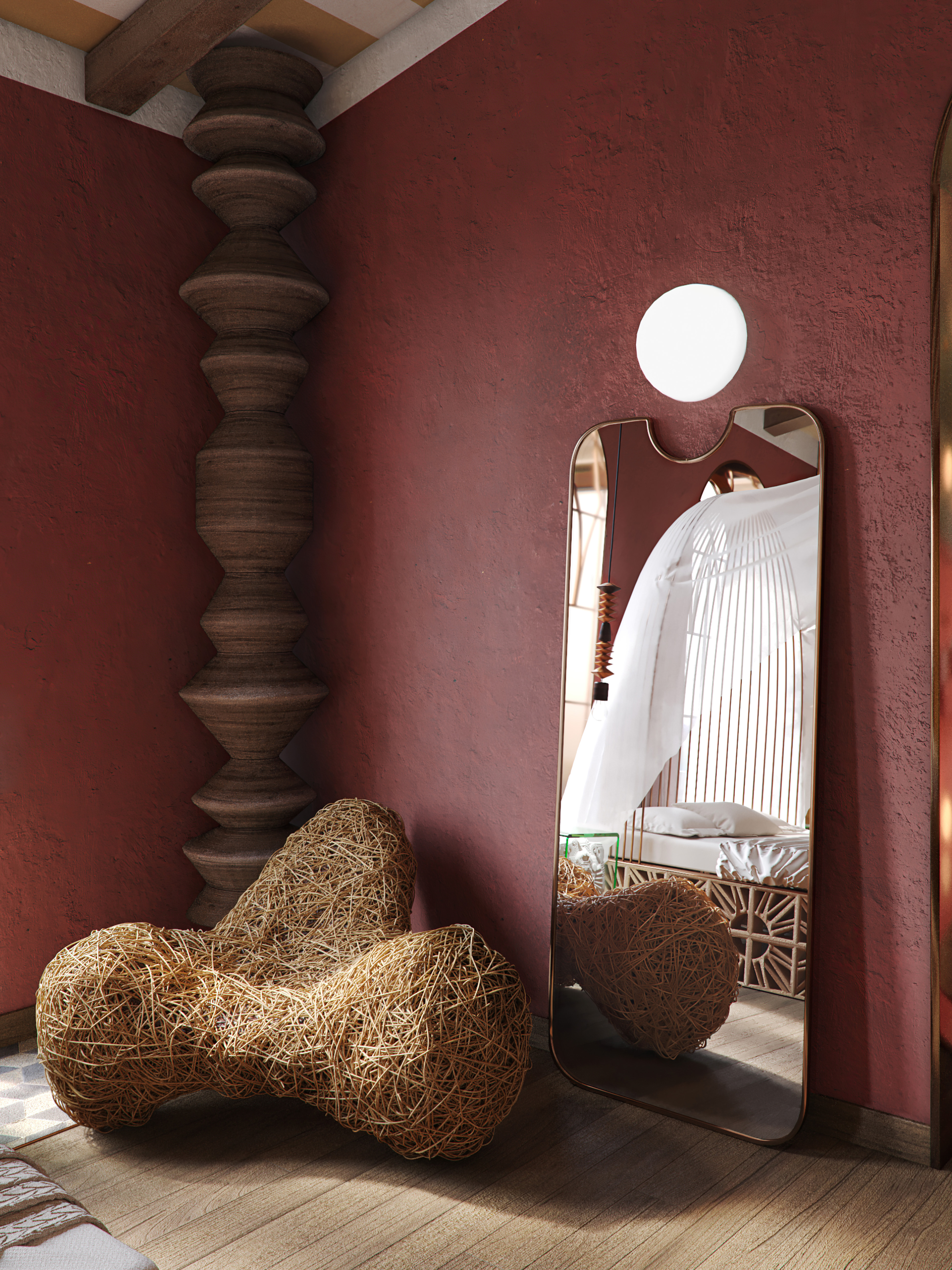
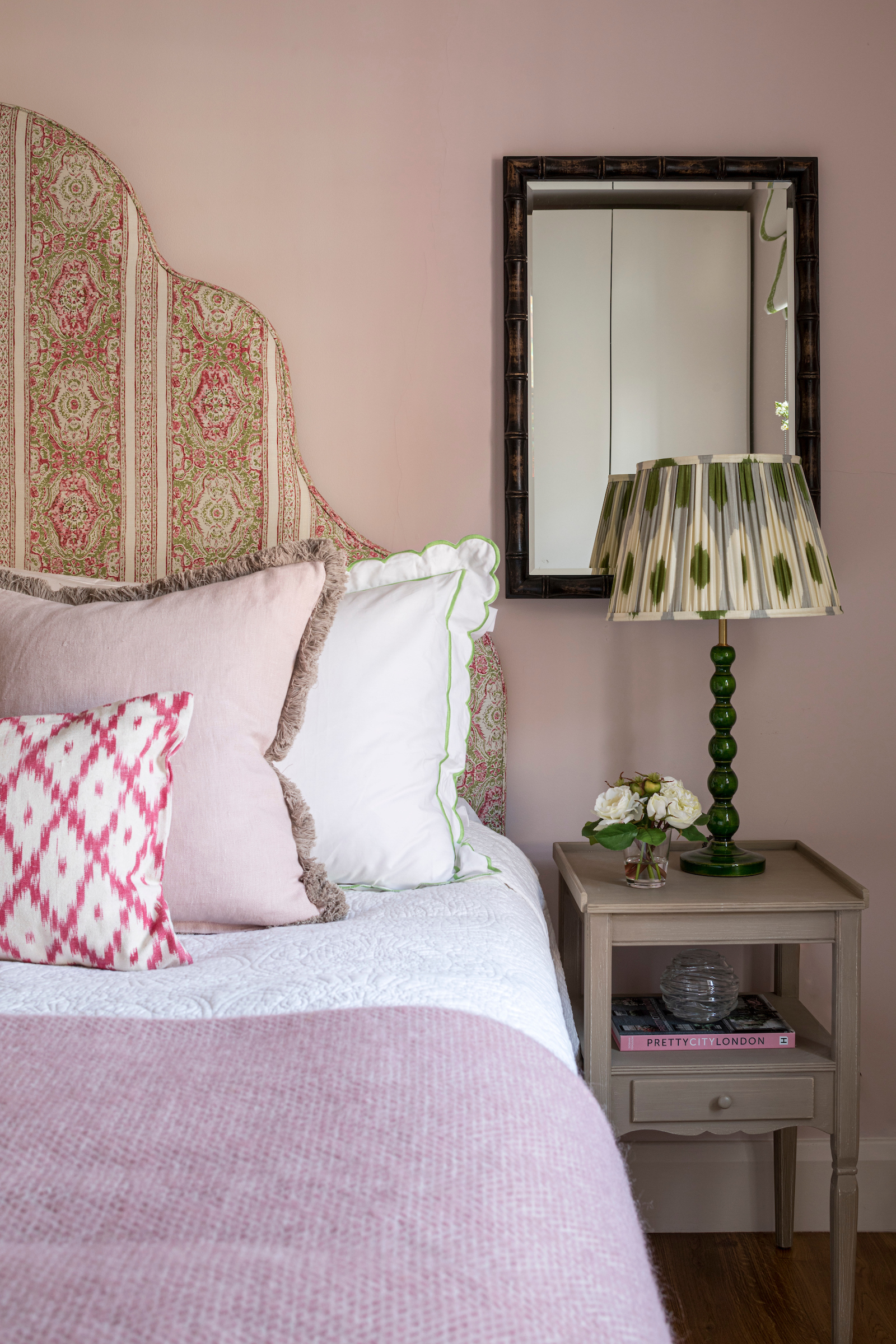
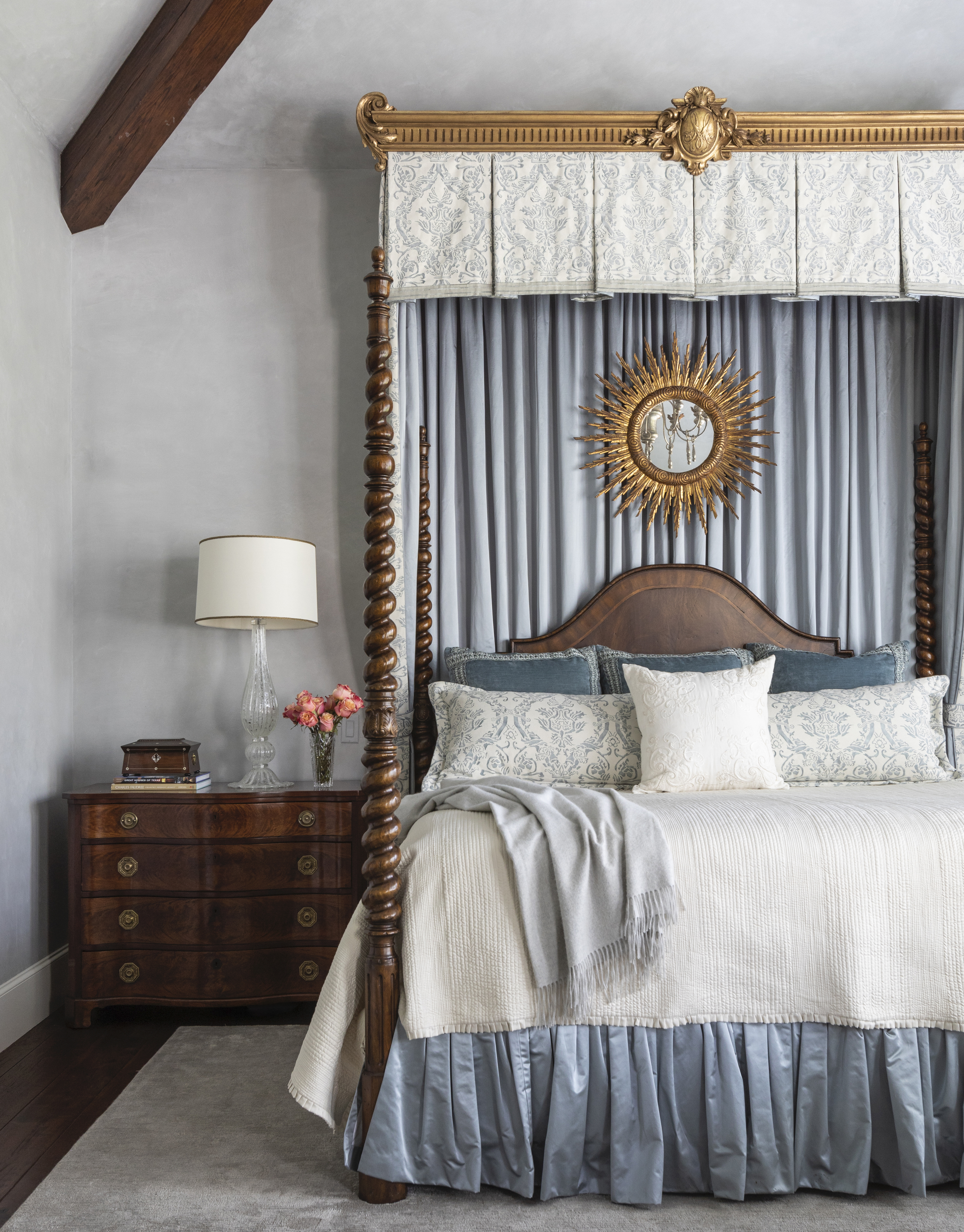
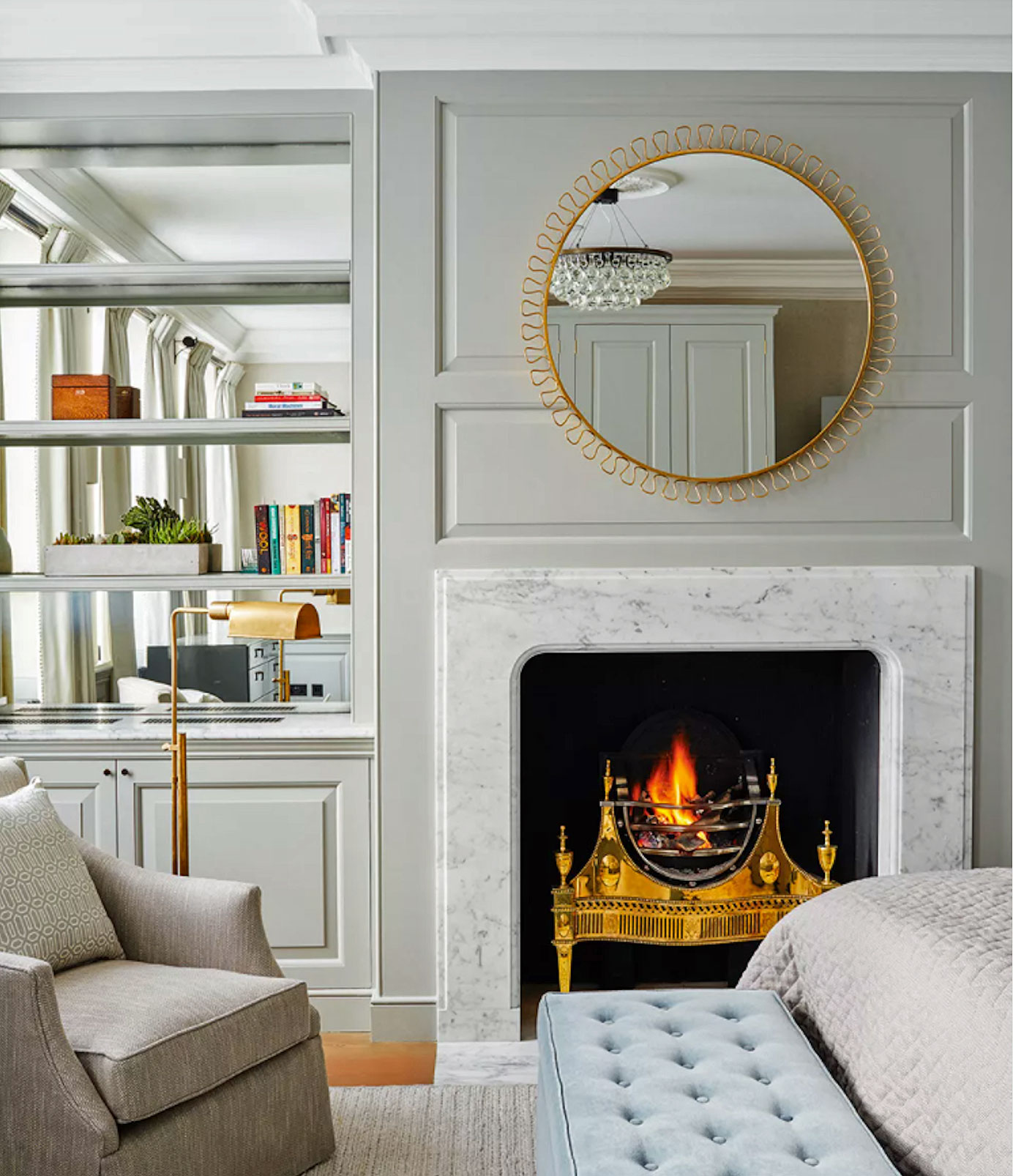
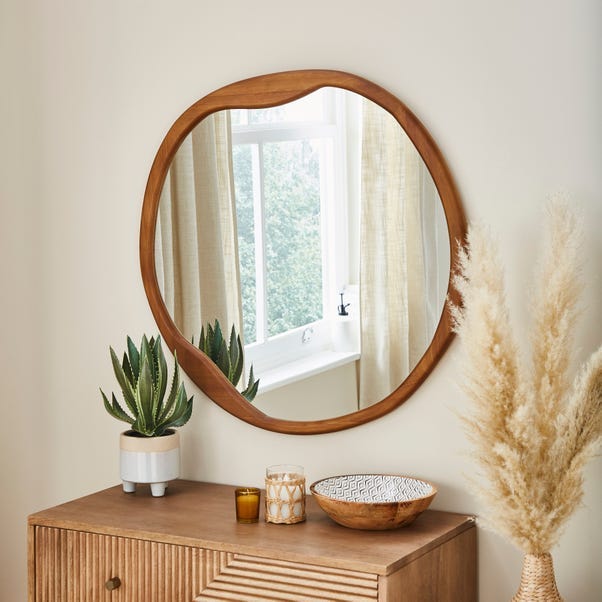
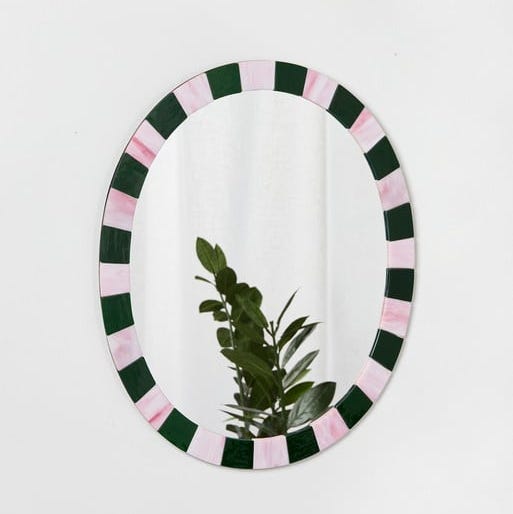
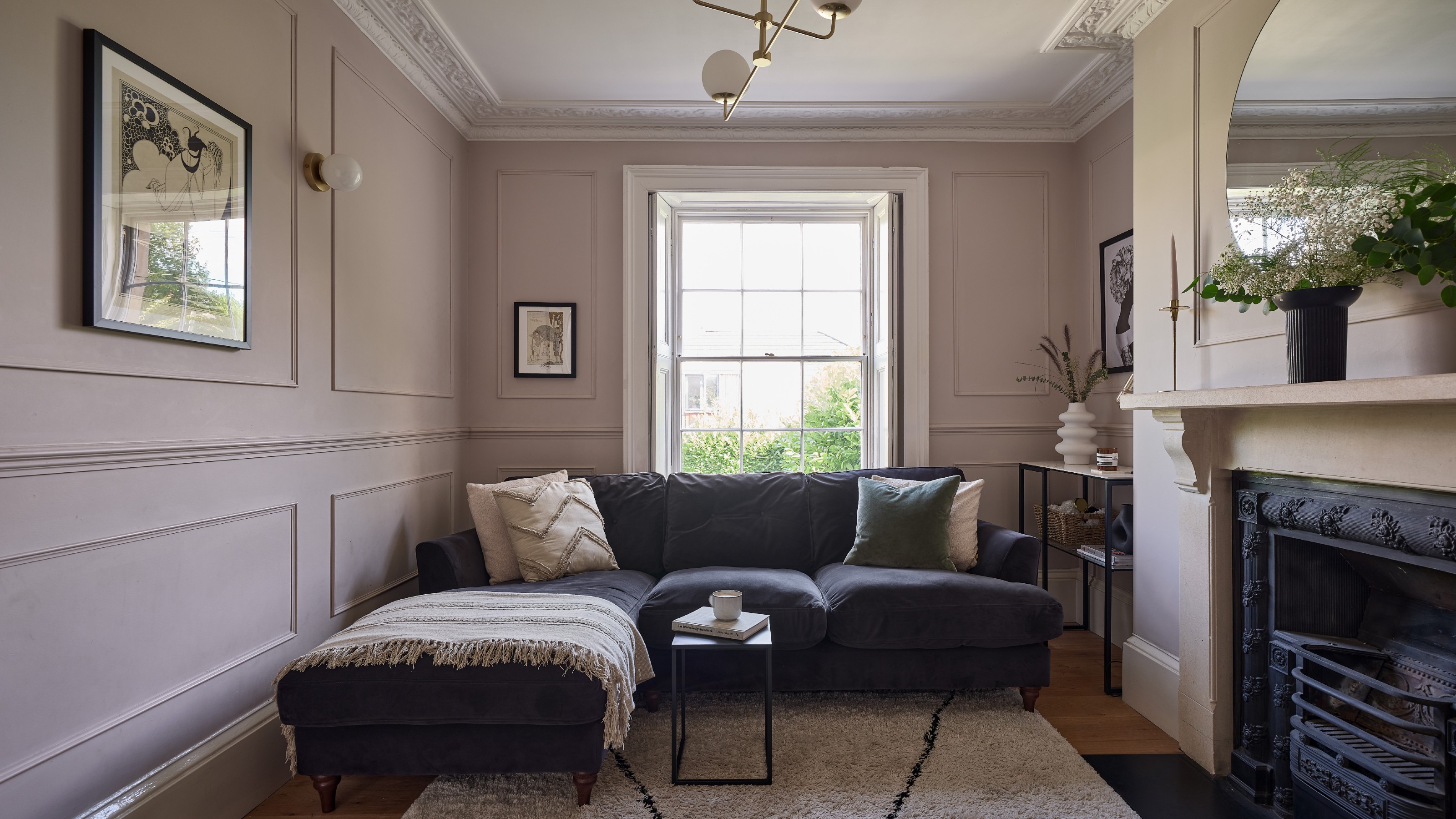
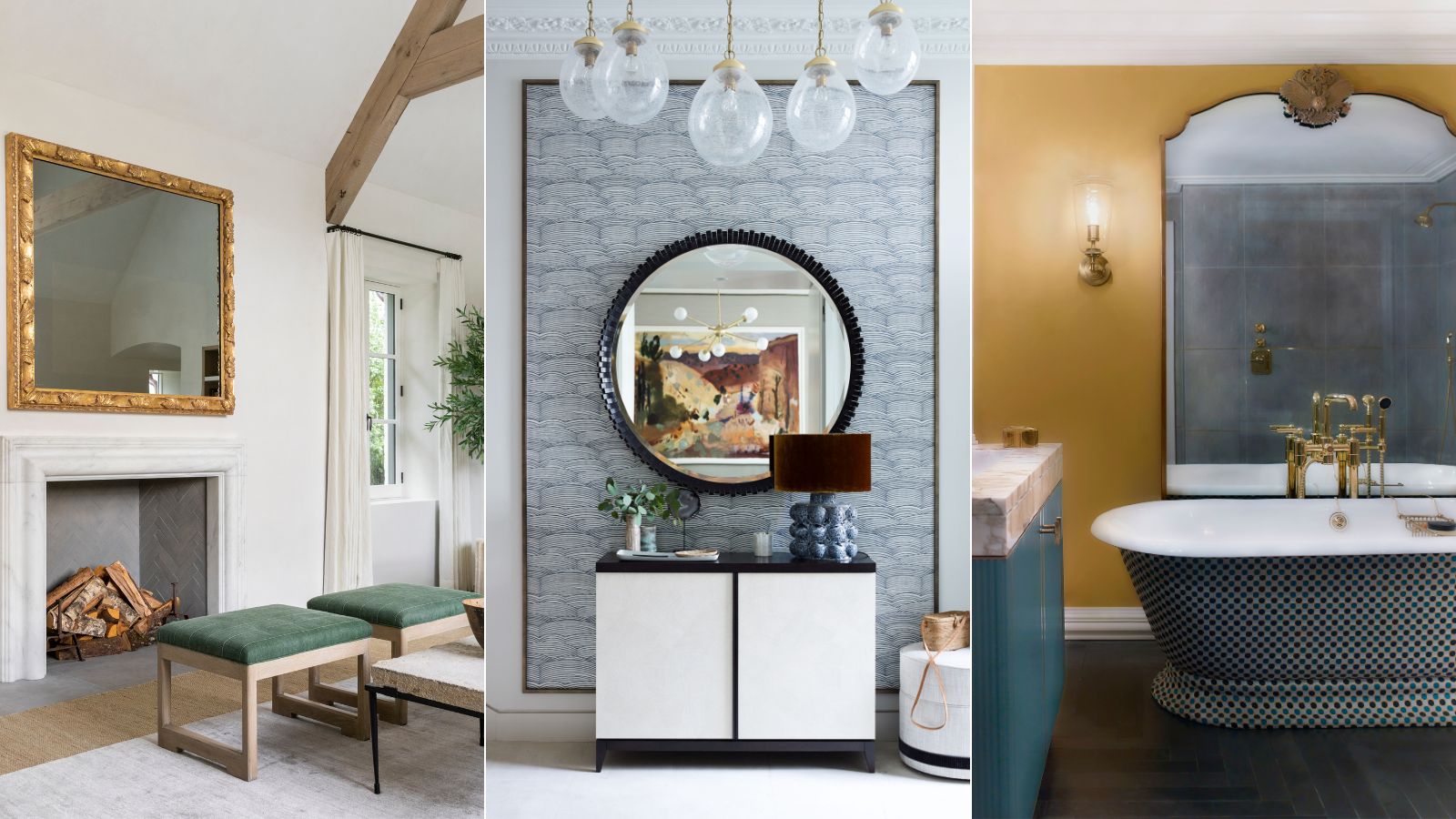
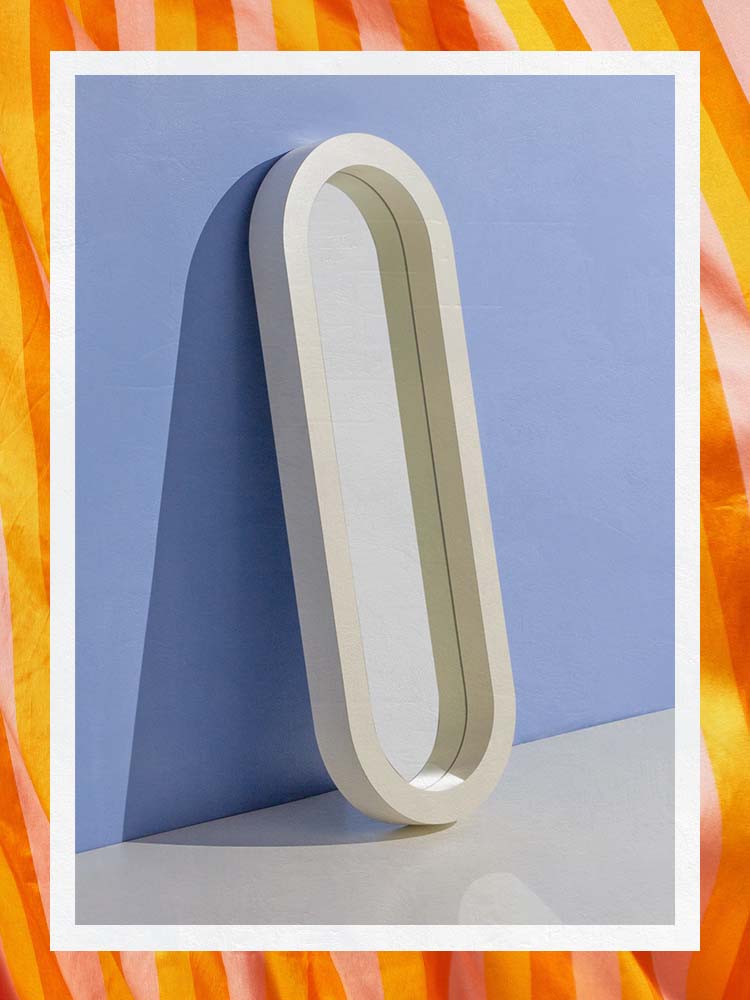
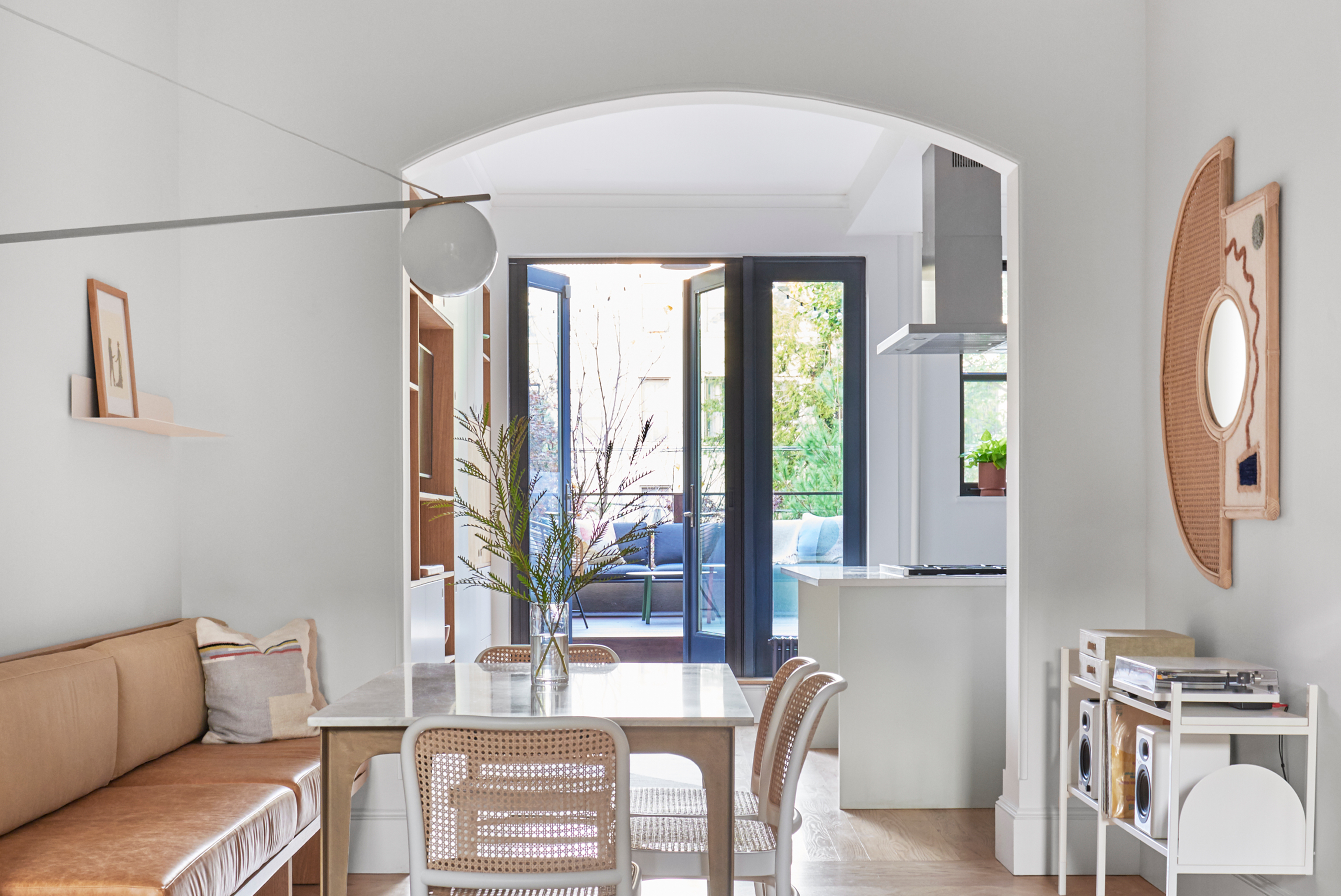
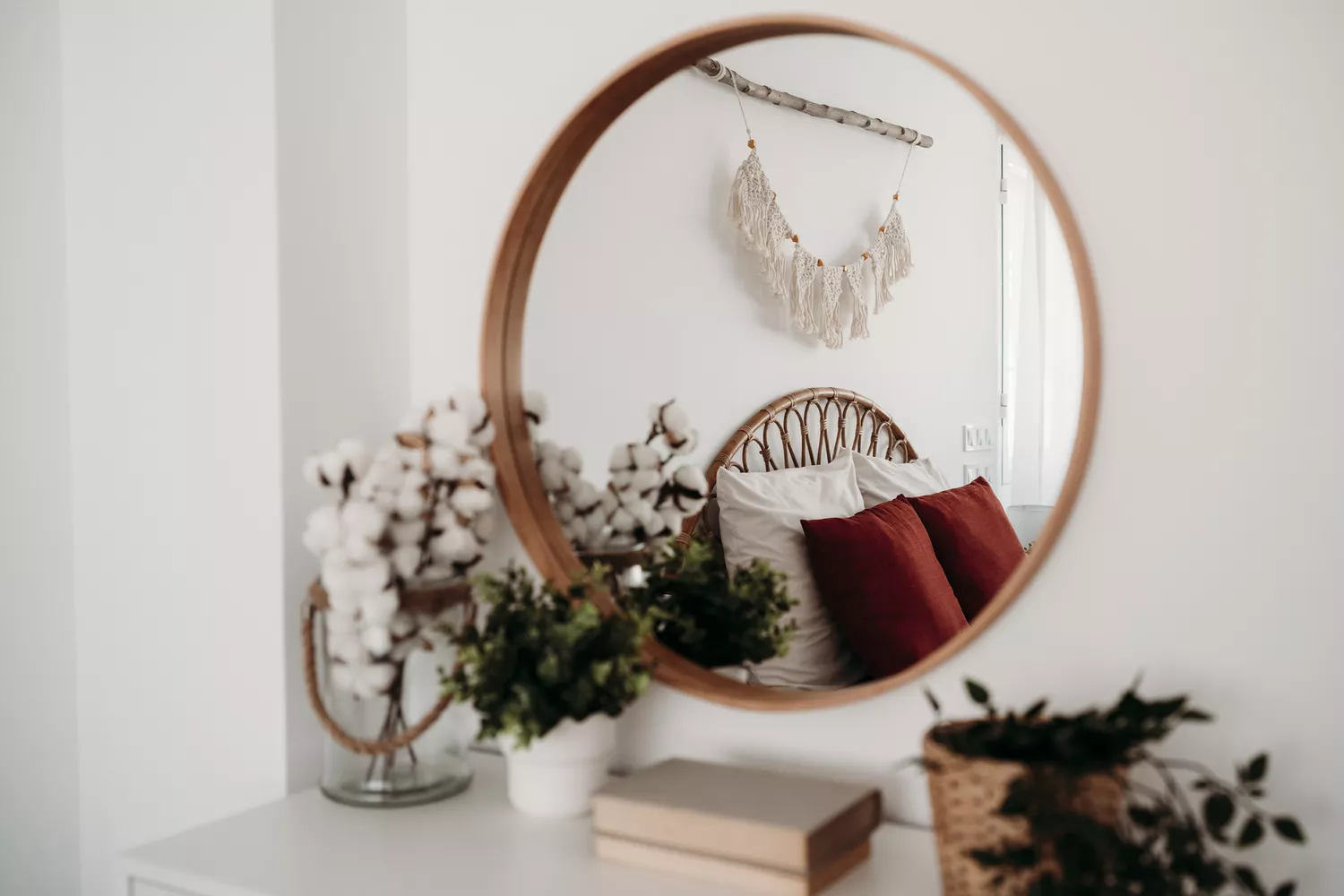
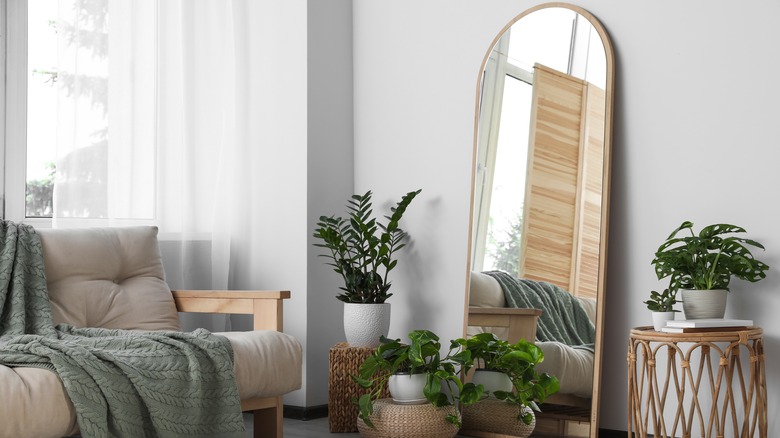
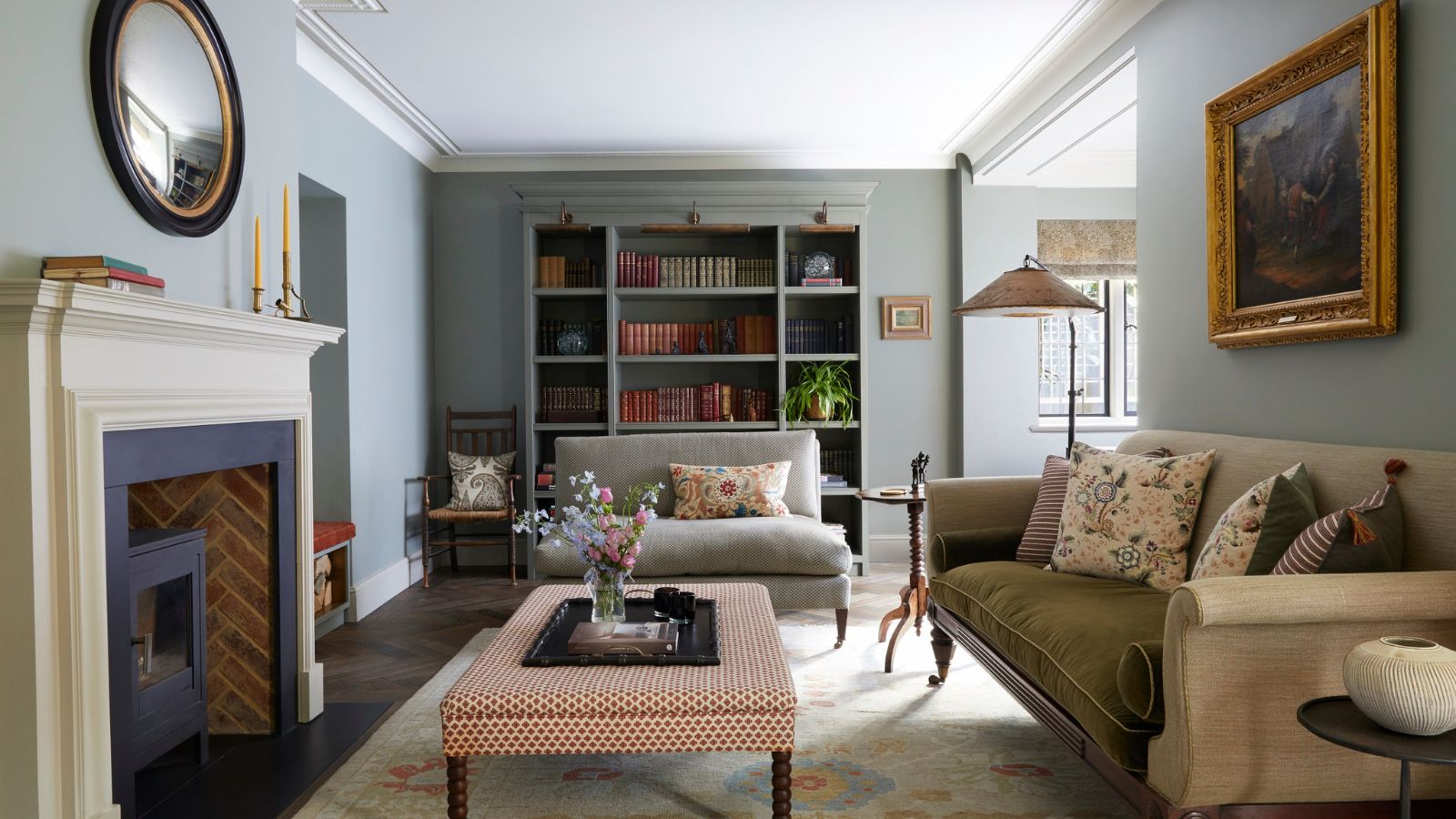
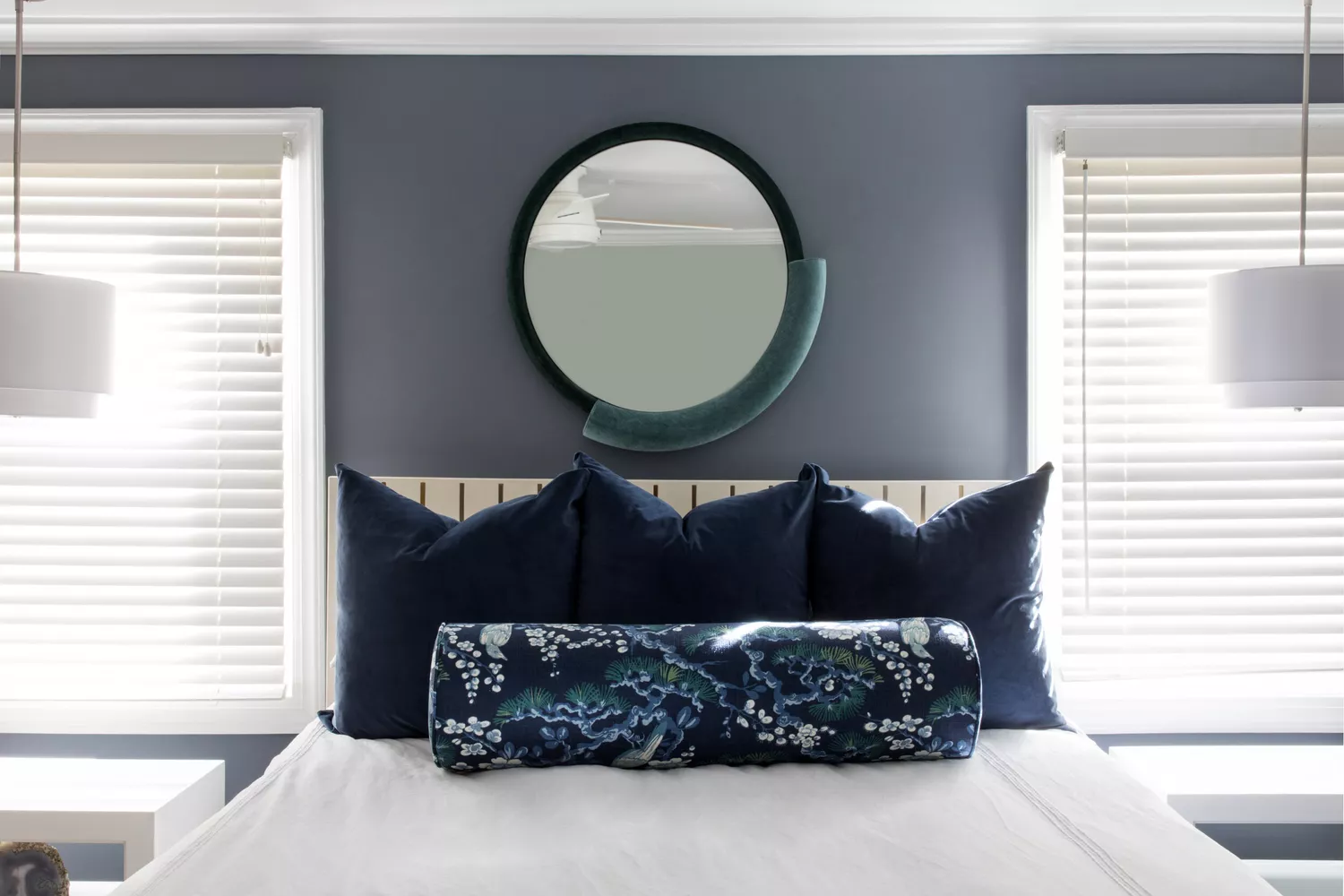
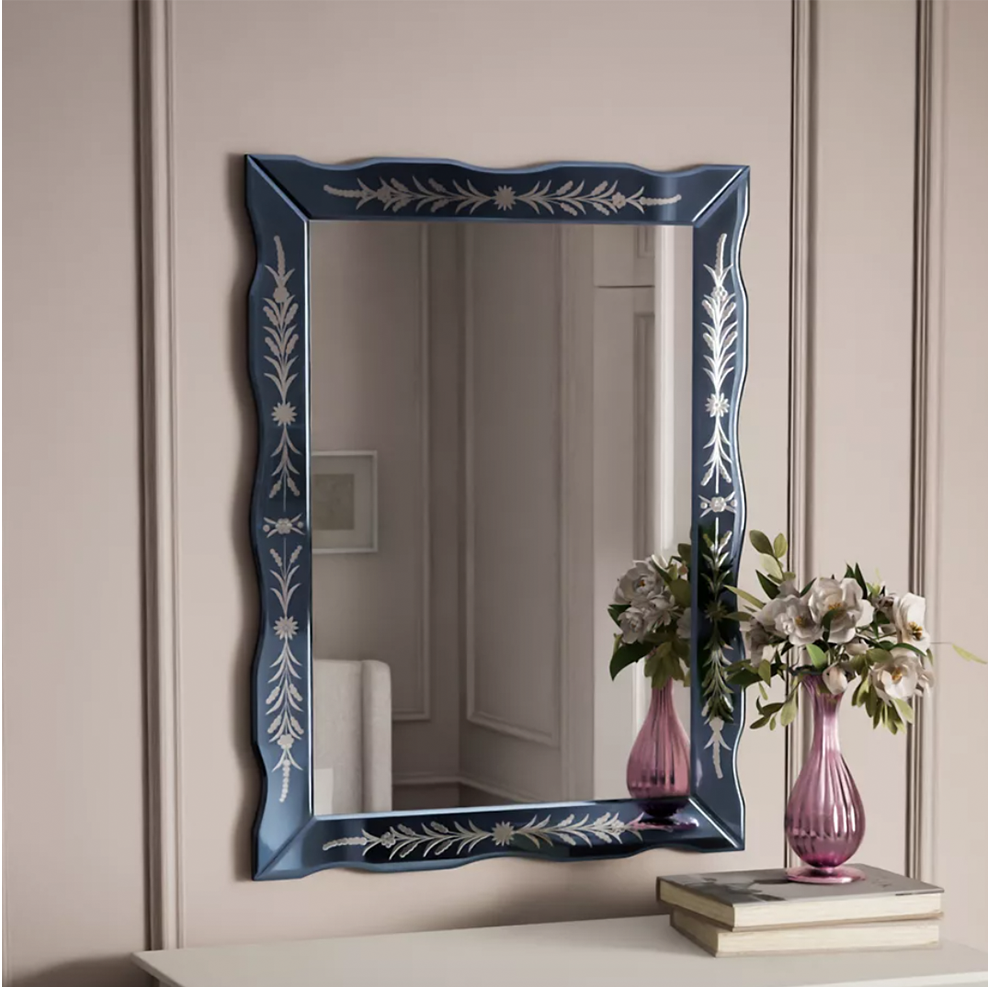
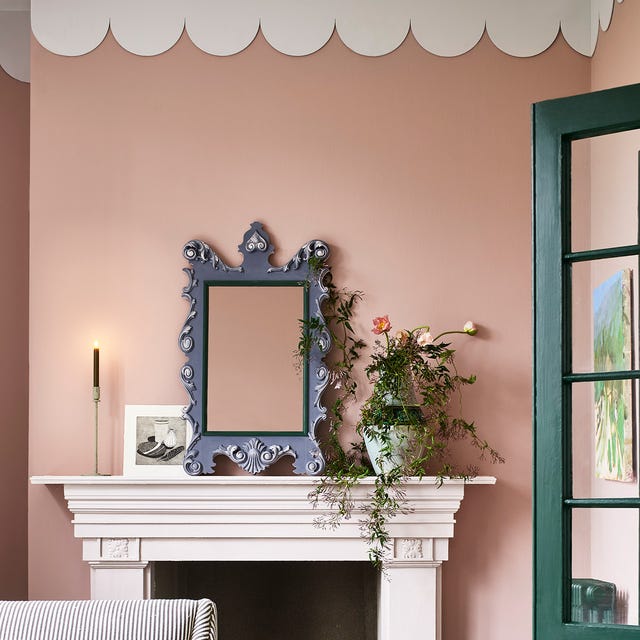
Mirrors are powerful tools for expanding small spaces. Large floor-to-ceiling mirrors can dramatically increase light and create depth. Placing a mirror opposite a window is particularly effective for reflecting natural light and expanding the field of vision, especially if it reflects greenery from outside. Hanging a mirror above a sofa or mantelpiece draws the eye upward, creating a sense of height. Incorporating multiple mirrors can amplify this effect by bouncing light around the room. Curved mirrors or those with slim frames can soften lines and add a stylish focal point without overwhelming the space. When selecting mirrors, ensuring they complement the existing decor prevents them from looking out of place.
Decorative elements like wall paneling can add character without occupying much space. Wainscoting and trim give a room a sense of height, contributing to a more luxurious and expansive feel. Layering lighting, rather than relying on a single overhead source, is essential. Multiple light sources eliminate shadows and create an appealing layered effect, making the room feel naturally bigger and more inviting. Bulky ceiling fixtures should be avoided. Investing in a large rug can also visually stretch the space, grounding the room and making the floor area feel larger. The rug should be large enough to sit under the front legs of furniture and leave some floor visible around the edges.
Finally, furniture placement is critical. Avoiding over-filling the room with bulky pieces and allowing breathing space between items prevents a crowded appearance. Pulling sofas and armchairs slightly away from walls can enhance the sense of space and make the room feel more inviting. In open-plan layouts, furniture should not obstruct views into other areas, and round coffee tables or occasional seating can improve navigation in tight spaces. Ultimately, carefully considered design choices can significantly transform the perception of a small living room, making it feel more expansive and functional.
#InteriorDesign #SmallSpaceLiving #LivingRoomIdeas #HomeDecor #ColorDrenching #CurtainDesign #FurniturePlacement #MirrorDecor #LightingTips #InteriorDesign #SmallSpaceLiving #LivingRoomIdeas #HomeDecor #ColorDrenching #CurtainDesign #FurniturePlacement #MirrorDecor #LightingTips
0 comment in total
 No comments yet
You may also like
5 simple ways designers use mirrors to make a room look bigger

The Easiest Way to Make a Room Feel Twice as Big: Add One of the Best Full-Length Mirrors

Is it okay to have more than one mirror in a room? This is the one instance designers say it's never okay

4 Mirror Mistakes That Make Rooms Look Smaller (And How to Fix Them), According to Designers
How To Use Mirrors To Make Your Small Space Look Bigger, According To An Expert
The Easiest Way to Make a Room Feel Twice as Big: Add One of the Best Full-Length Mirrors

8 Ways To Make A Small Living Room Appear Larger
14 clever ways to make small rooms look bigger

14 living room mirror ideas to enhance light, expand spade and add style
Mirrors Are the Secret to Making A Small Bedroom Feel Huge—15 Tips to Get the Look

15 living room mirrors to transform your lounging space in an instant

How to make your living room look bigger: 7 tips to fool the eye

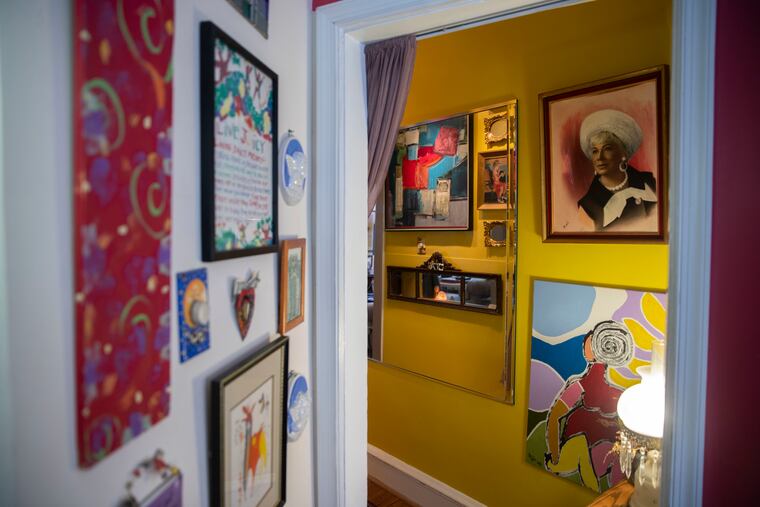
Decorate with mirrors to bring in light or make your home feel bigger
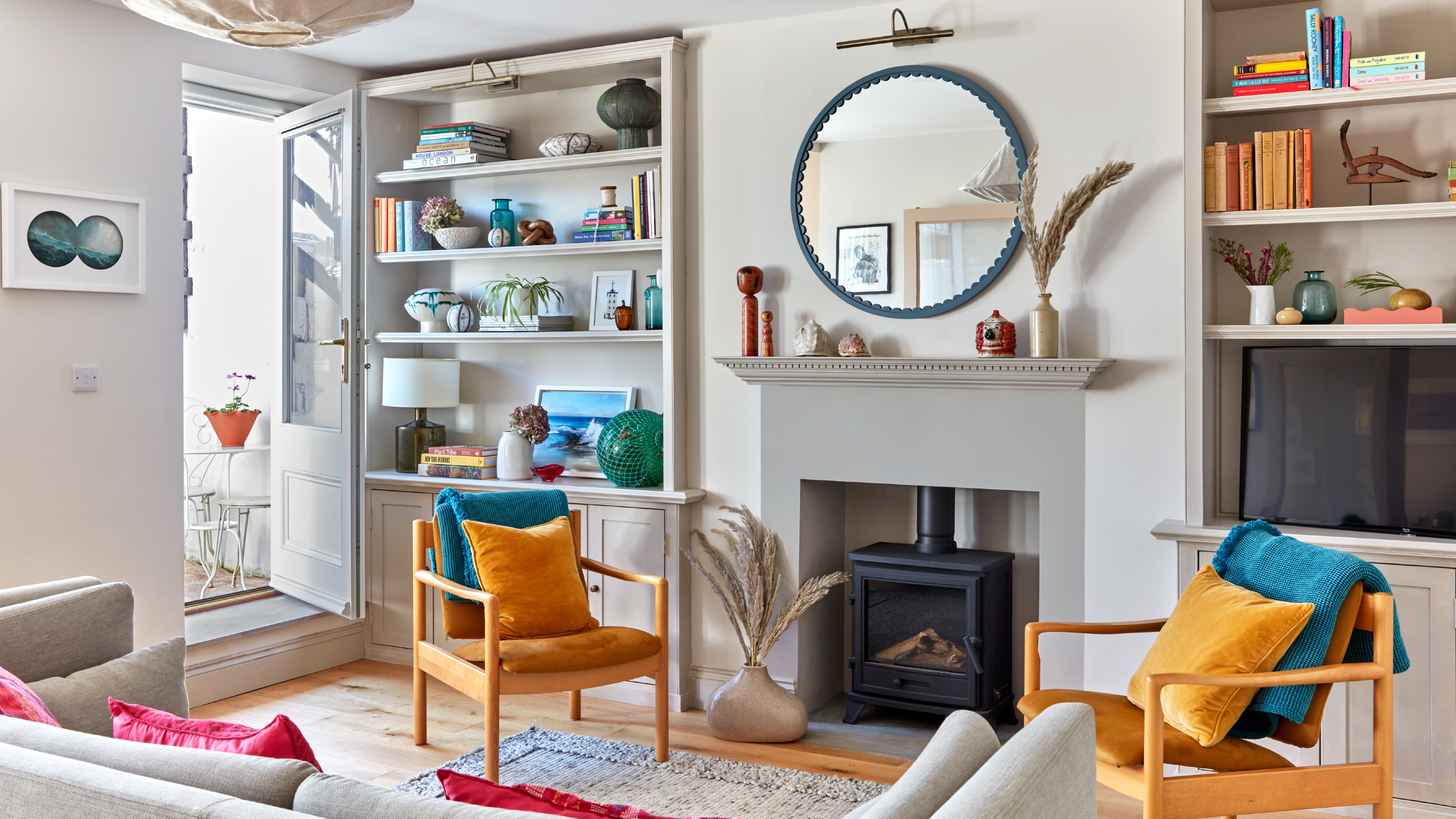
‘It will create a sense of balance and proportionality’ – if you’re buying a living room mirror, this is the sizing rule to follow
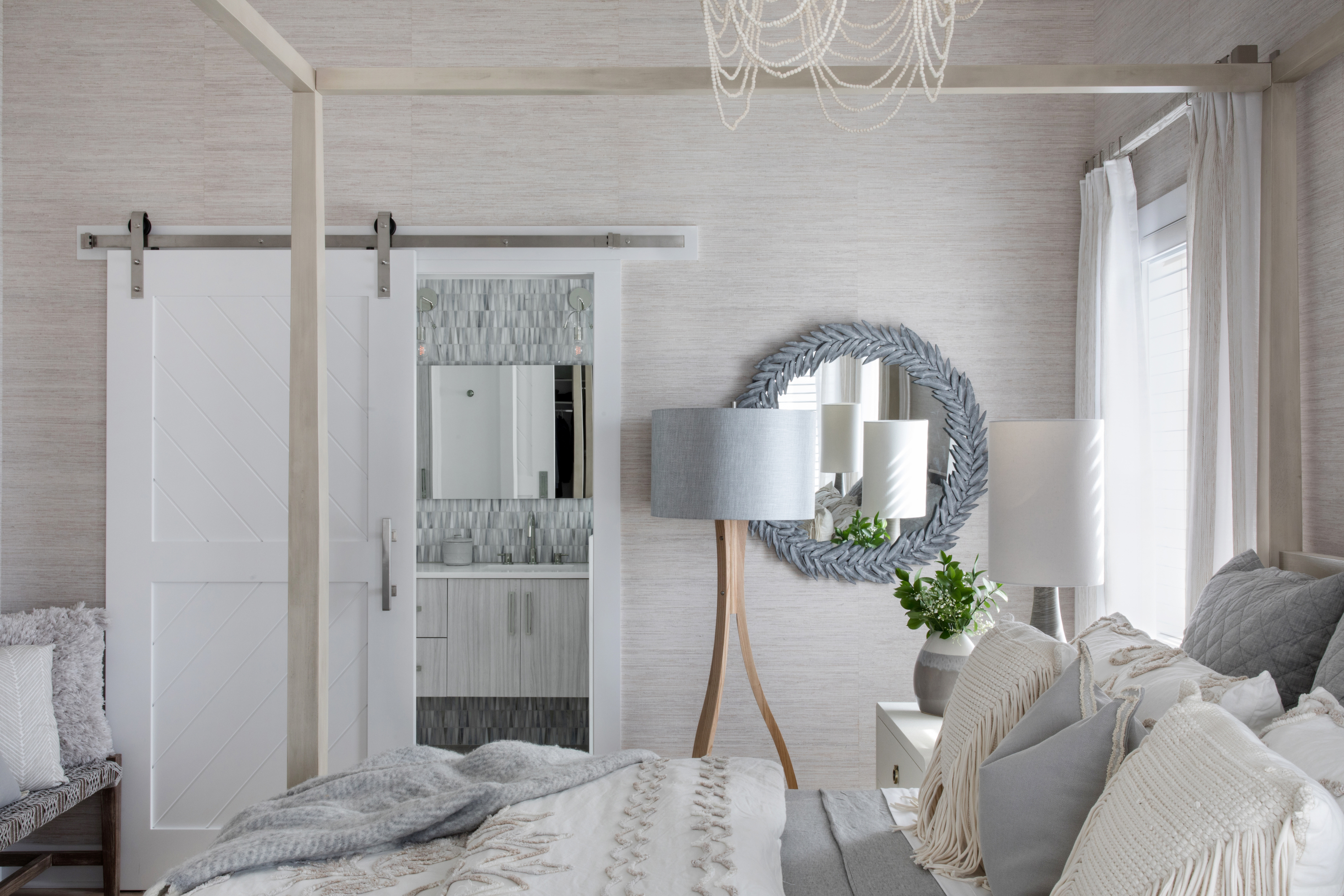
Bedroom mirror ideas – 12 ways to amplify light and space with this magic piece of decor
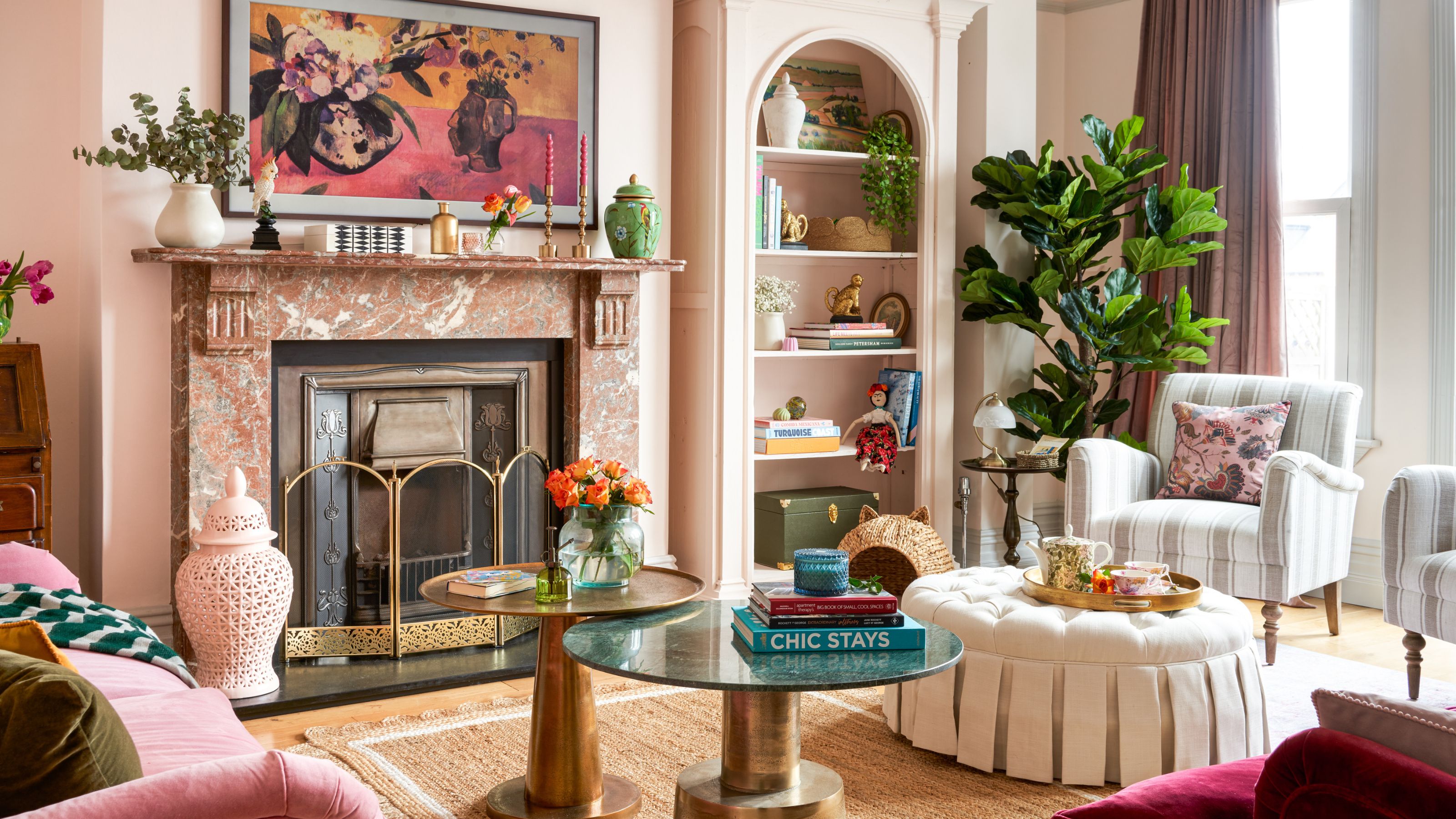
How to refresh a small living room — 5 easy tips designers swear by

6 clever ways to use mirrors to make your home feel bigger and brighter
12 Ways Decorating With Mirrors Can Take a Space From Static to Stylish, Shiny, and More Spacious
Small bedroom mirror ideas – 10 brightening, space-stretching solutions
The simple living room switch that will help make the space feel bigger