1/11
Bedroom mirror ideas – 12 ways to amplify light and space with this magic piece of decor
Mirrors in a bedroom serve both decorative and practical purposes, significantly enhancing the sense of space, boosting natural light, and highlighting desirable views within the room. Interior designers emphasize the importance of strategic placement, suggesting that mirrors can reflect artworks, bring the outdoors in when positioned opposite windows, or act as intriguing keyholes to adjacent rooms. When considering bedroom wall decor, a mirror is a versatile tool, but its exact placement requires careful thought to maximize its benefits.
Designers advise treating bedroom mirrors as decorative pieces, considering their size, style, color, shape, and placement. Before installing a mirror, one should assess the room's needs, such as a lack of light, an absence of engaging views, or the need for functional areas like a dressing space. The mirror can then be positioned as a crucial element that completes the room's aesthetic and functional puzzle.
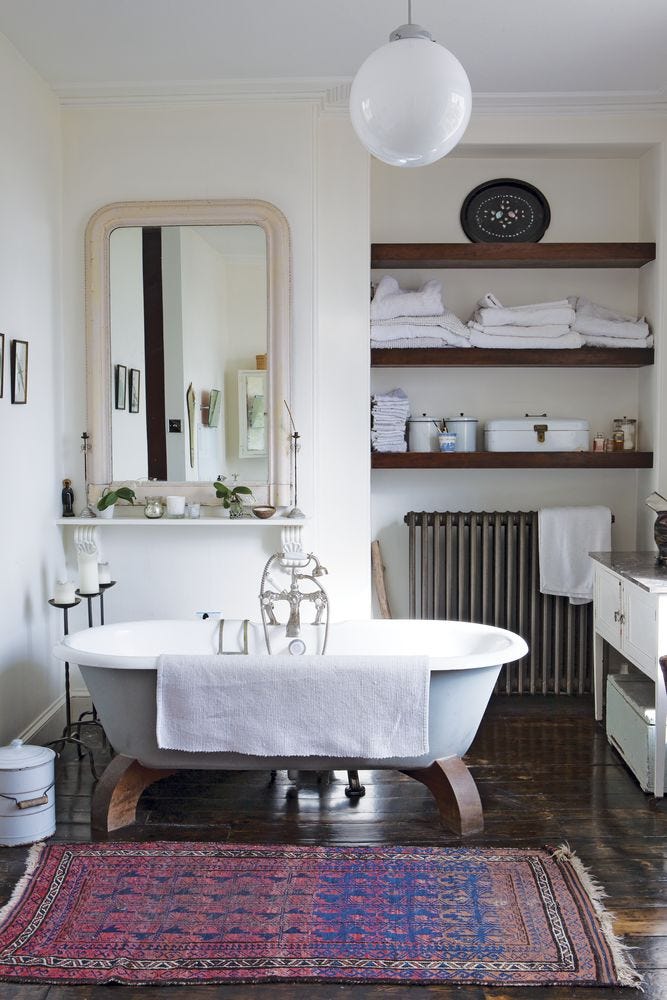
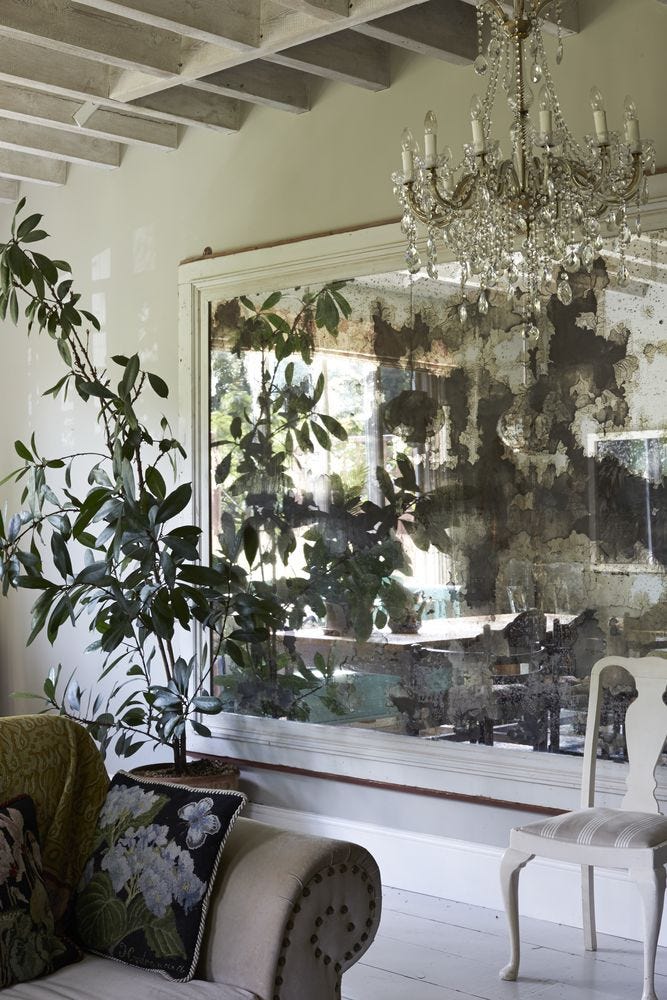
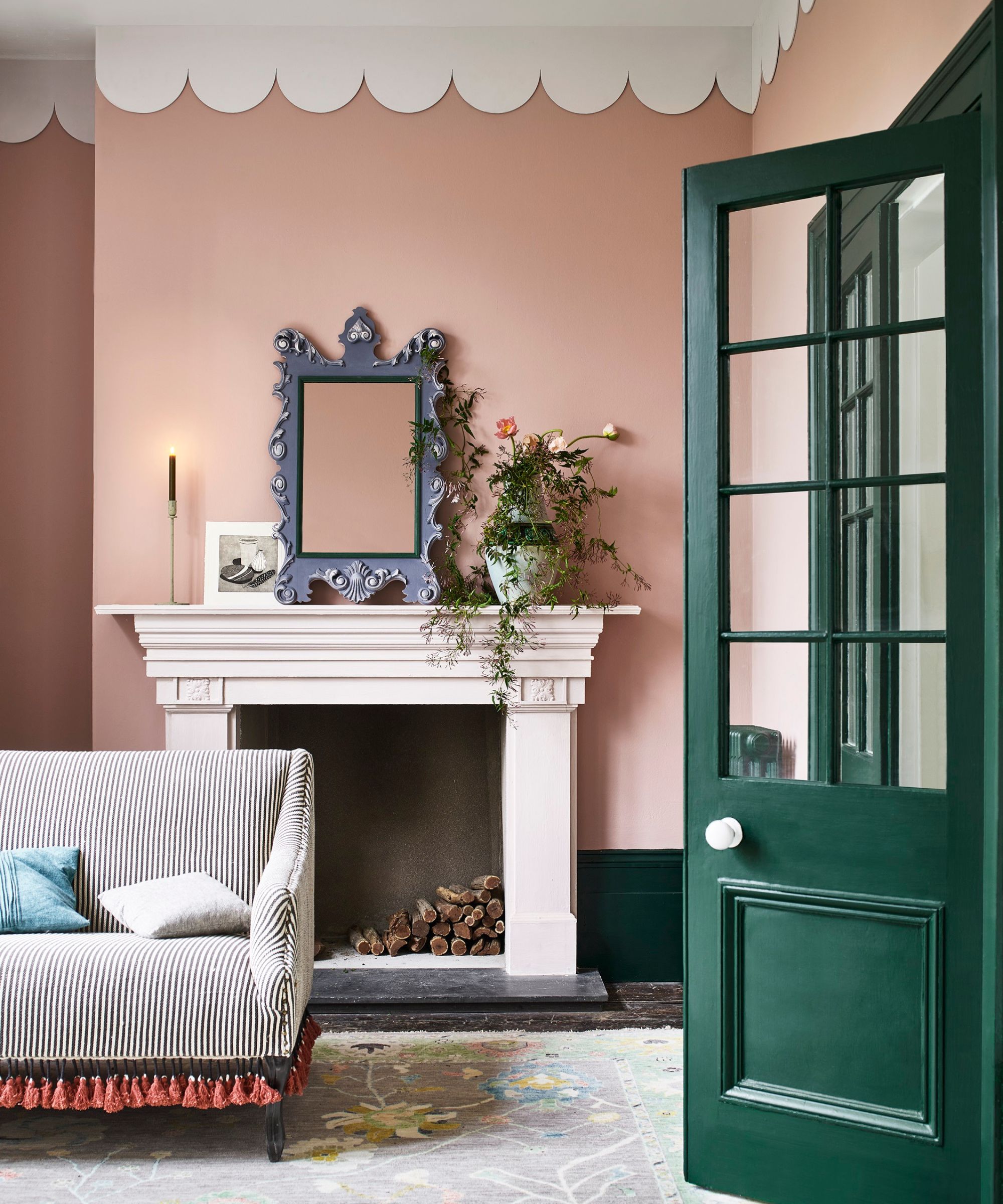
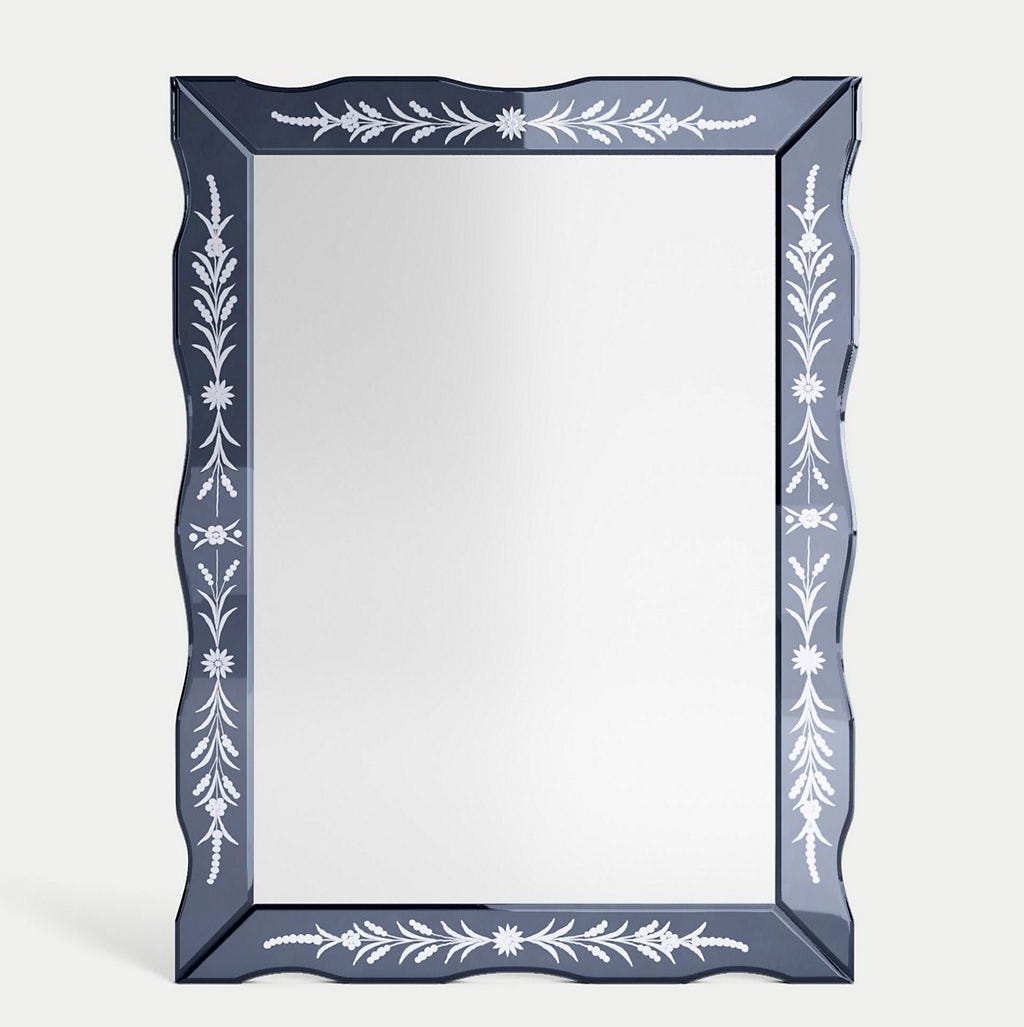
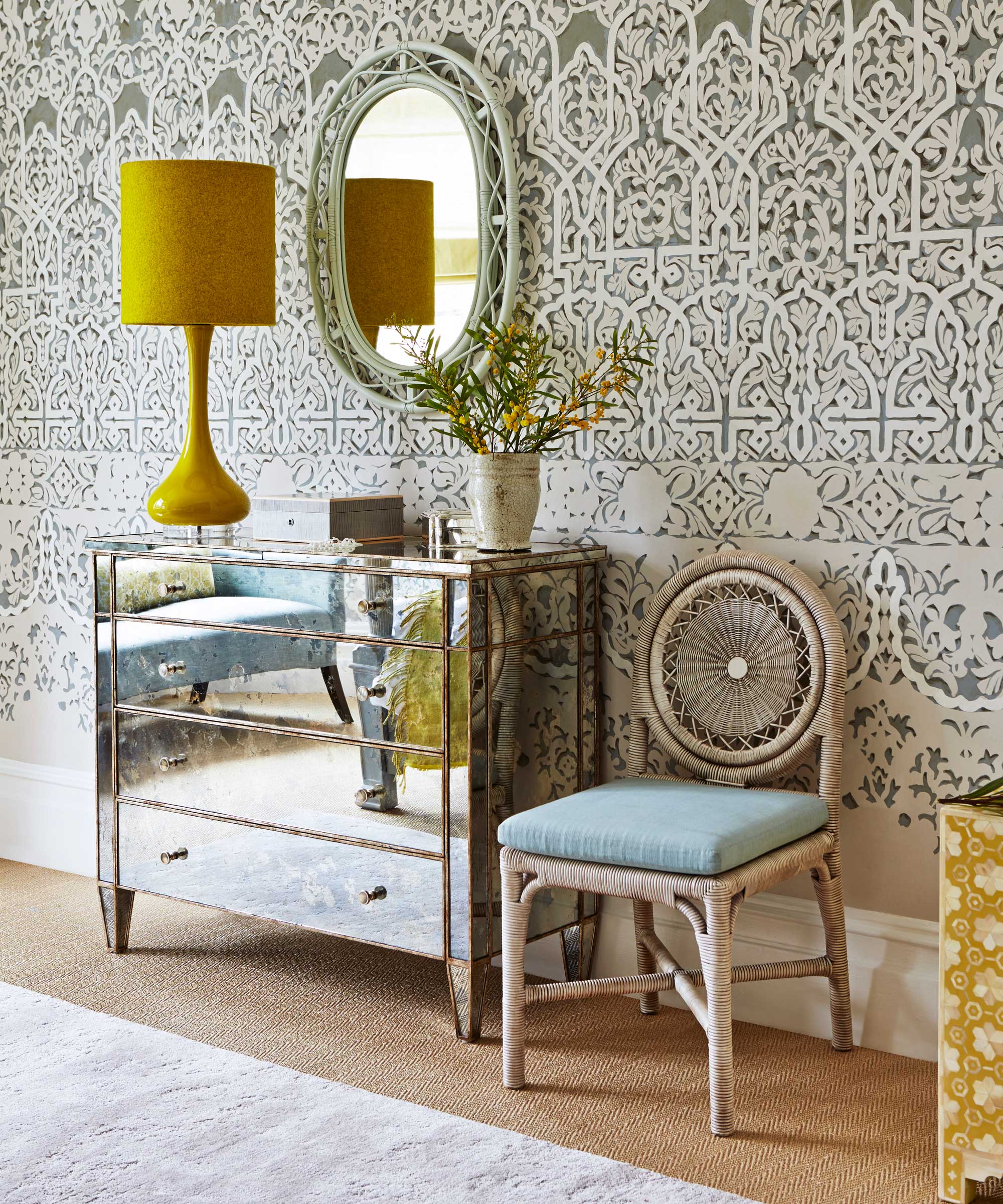
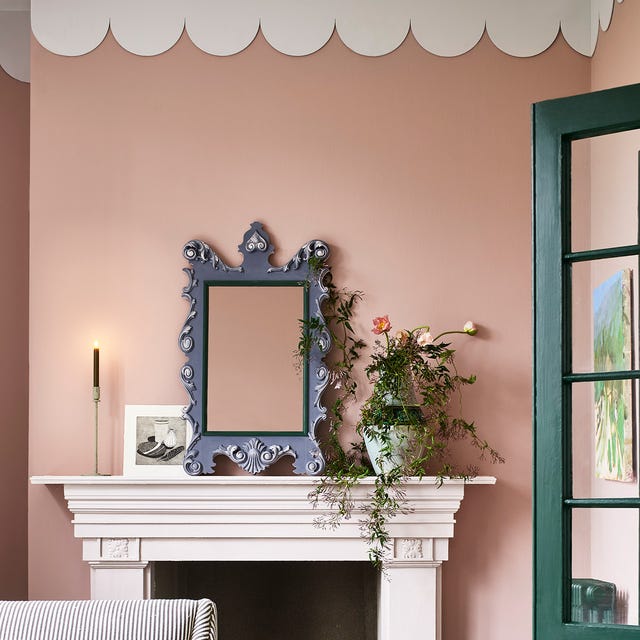
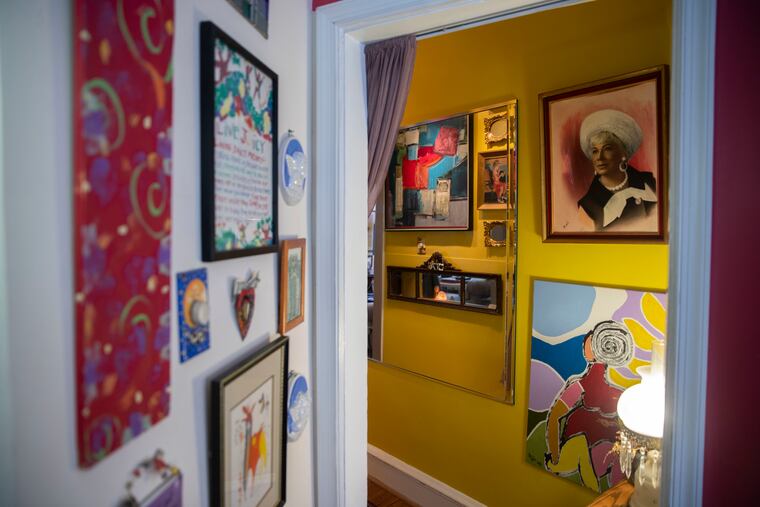
One effective approach is to use a smart mirror design to break up busy patterns, like wallpaper. An ornate, chic, or uniquely designed mirror can introduce glamour and visual relief, preventing a heavily patterned room from feeling too enclosed. Vintage mirrors are particularly recommended for adding character, with the choice of era influencing the room's overall style. These mirrors not only add visual interest but also play a role in reflecting light, making the space brighter.
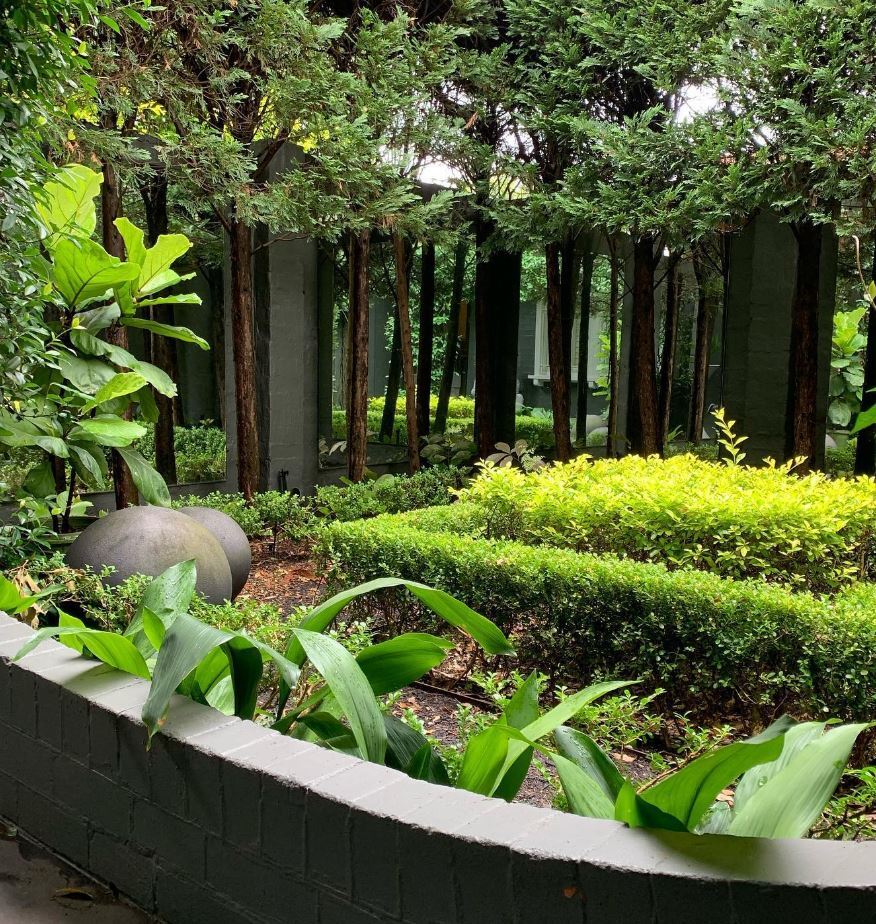
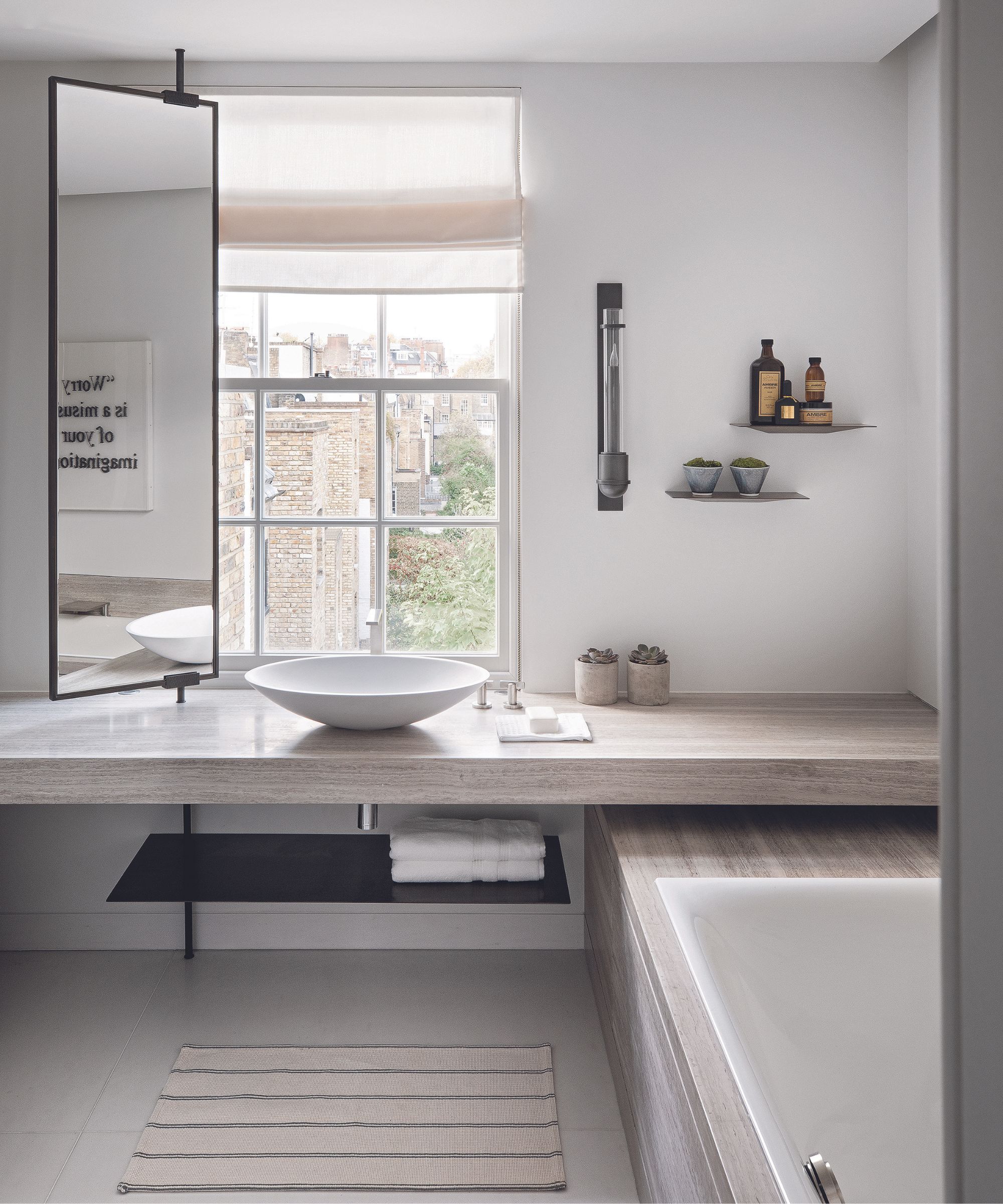
For expanding the perception of space and views, a long, horizontal mirror can be transformative. Placed near a window, it creates an illusion of depth, making the room appear larger and extending outward. If the outdoor scenery, such as a garden or lake, is appealing, a large mirror can reflect it continuously, bringing the external environment into the bedroom. In urban settings where apartments may be dark or cramped, mirrors are invaluable for reflecting views or visually expanding the space.
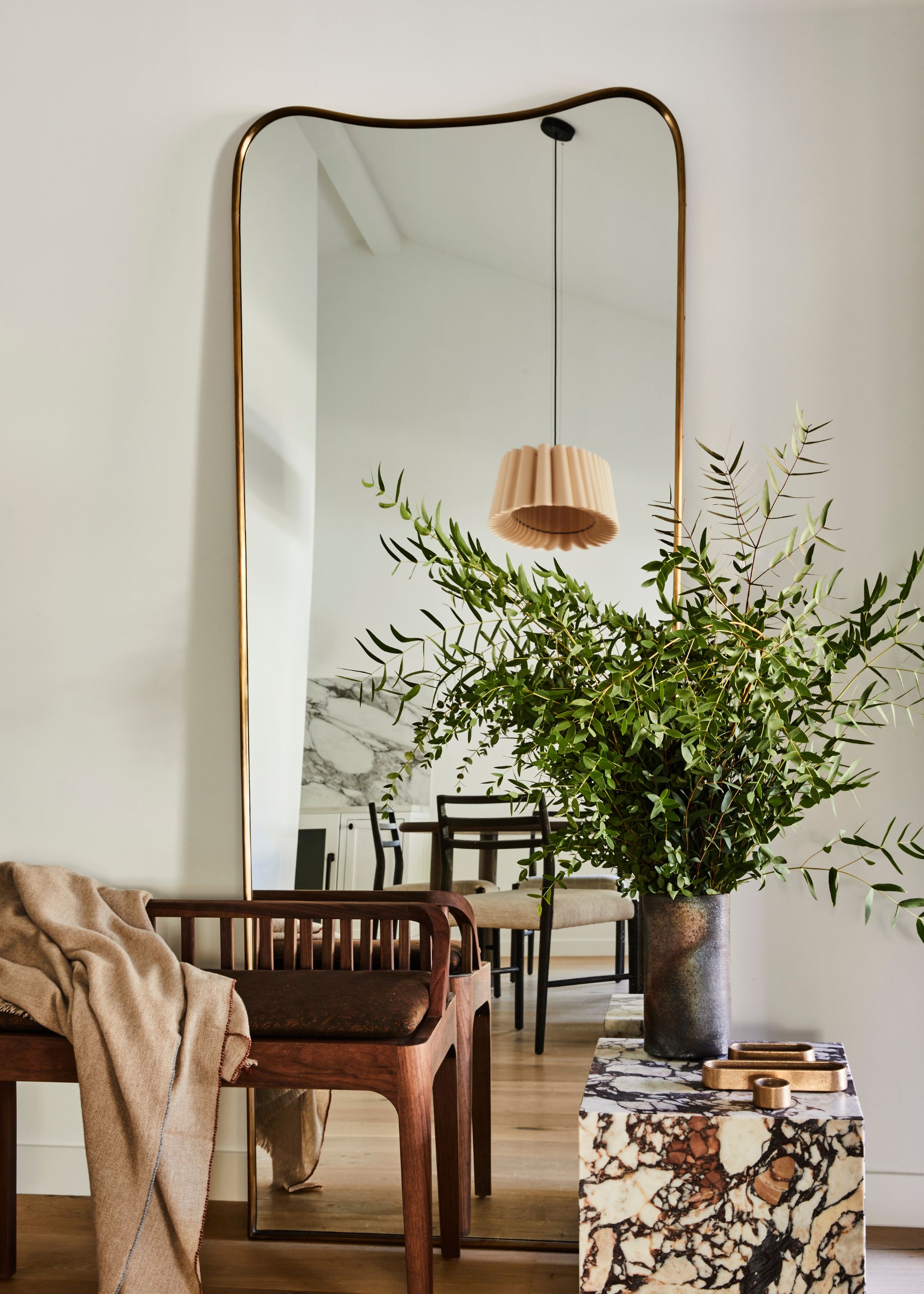
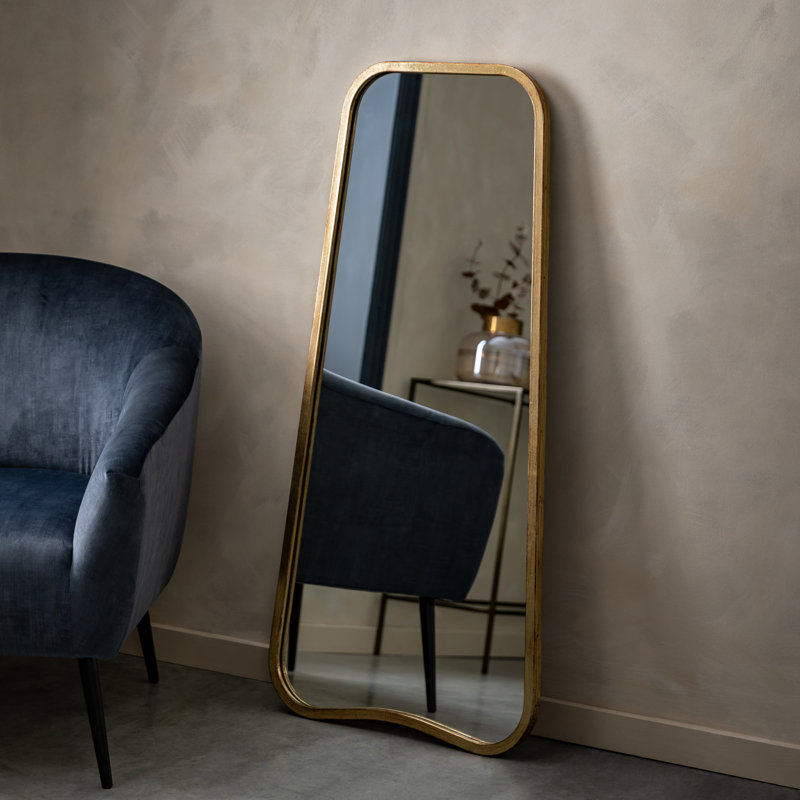
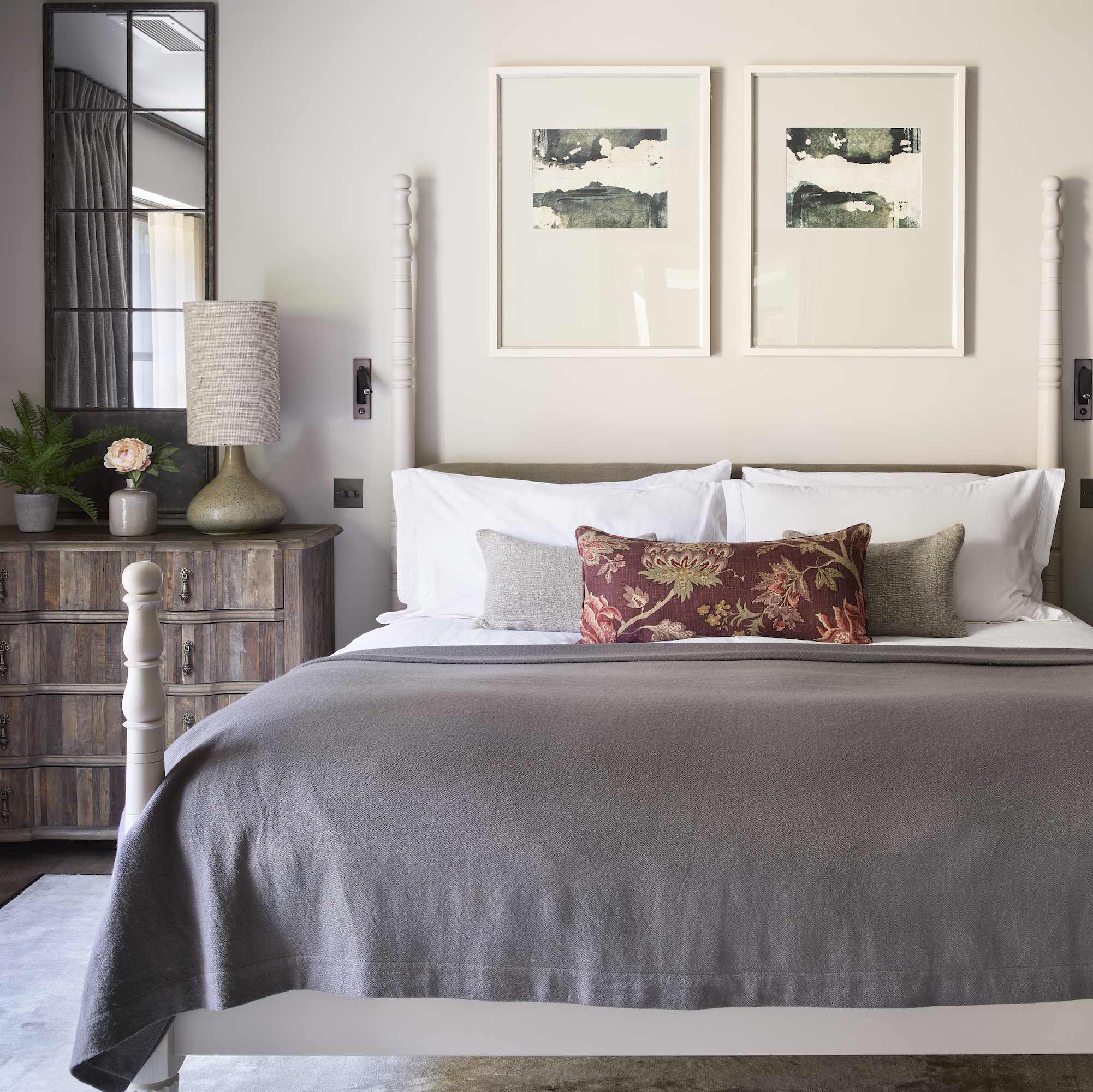
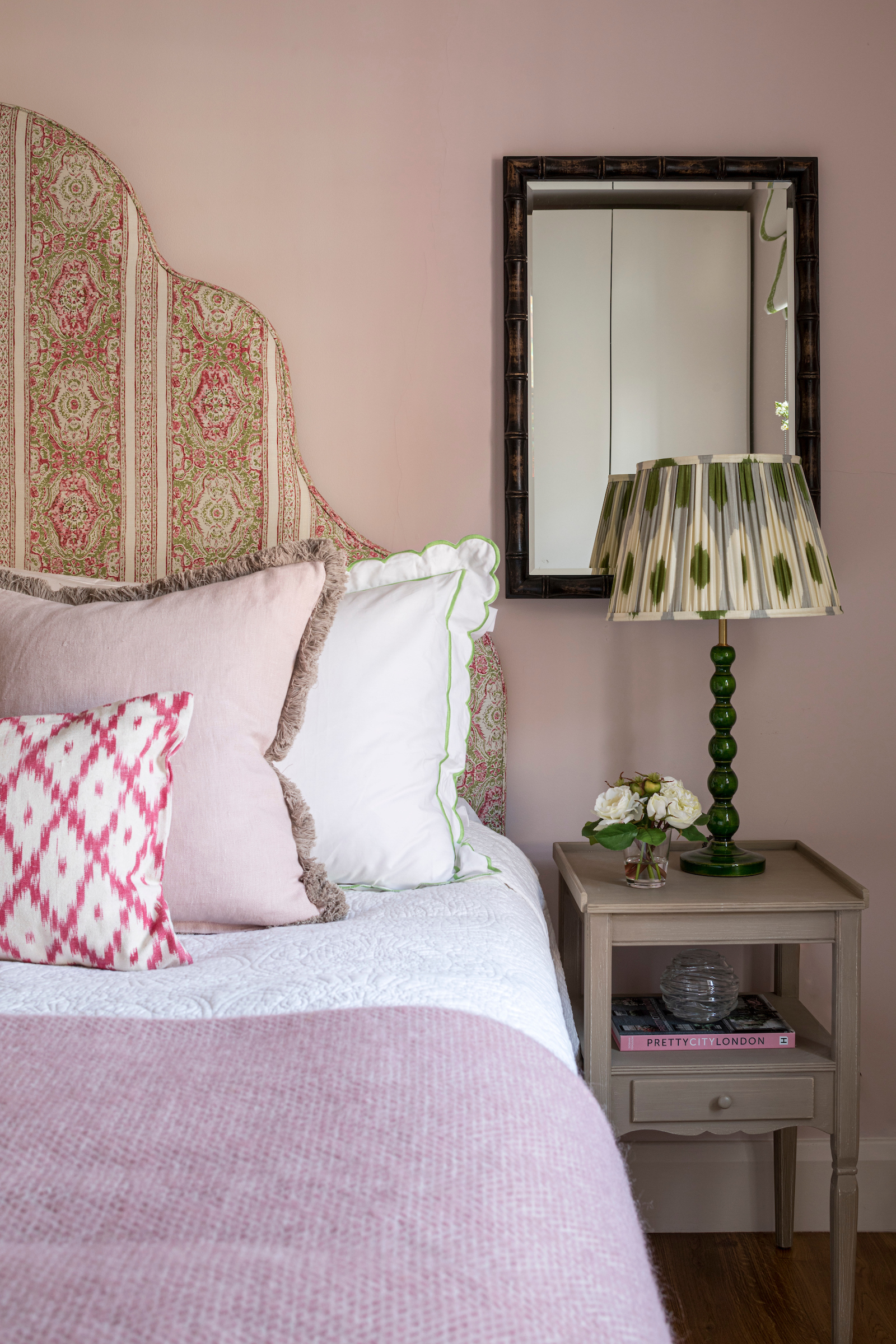
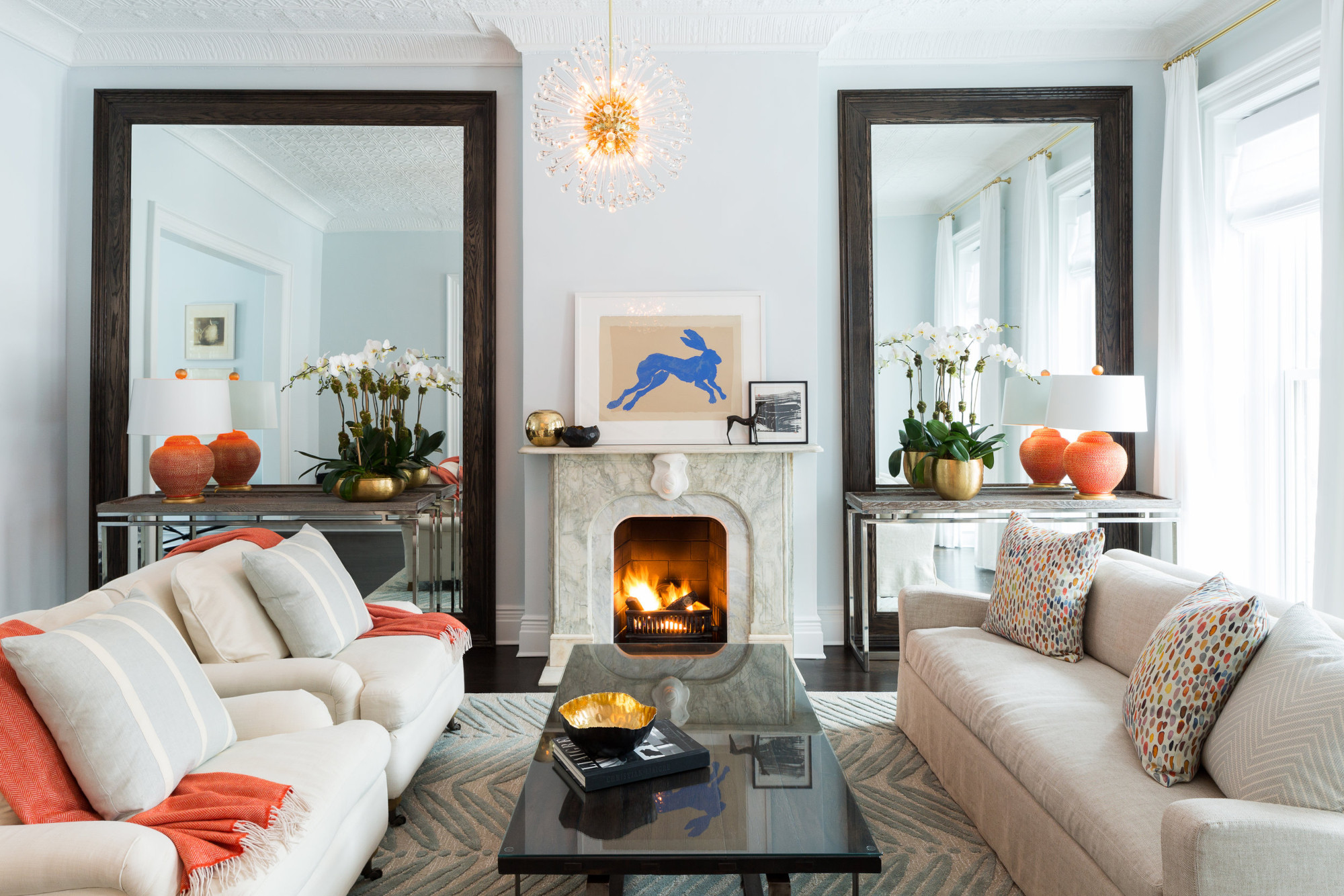
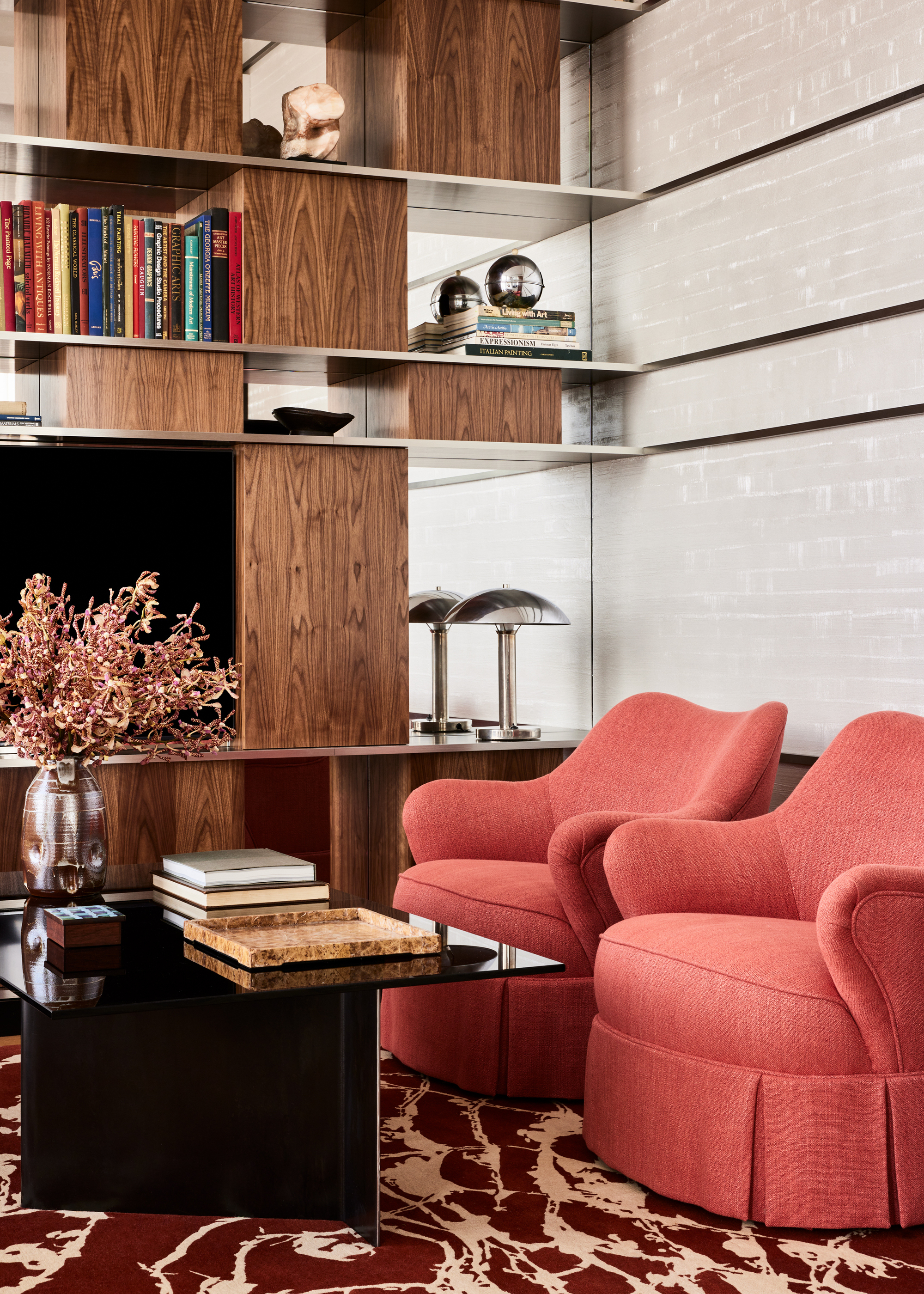
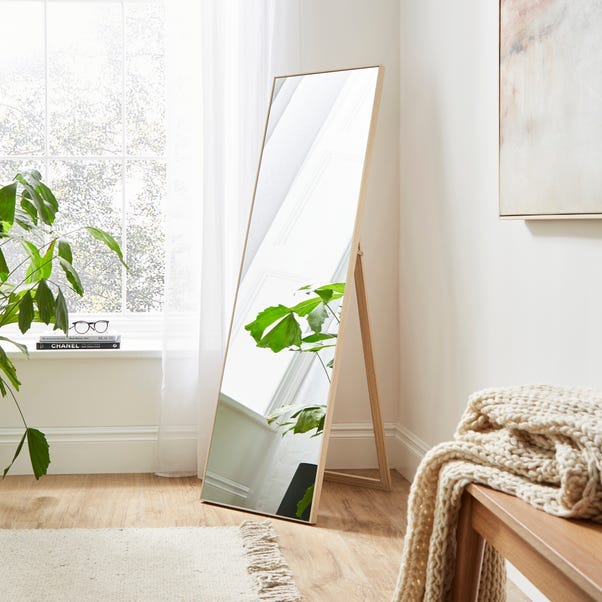
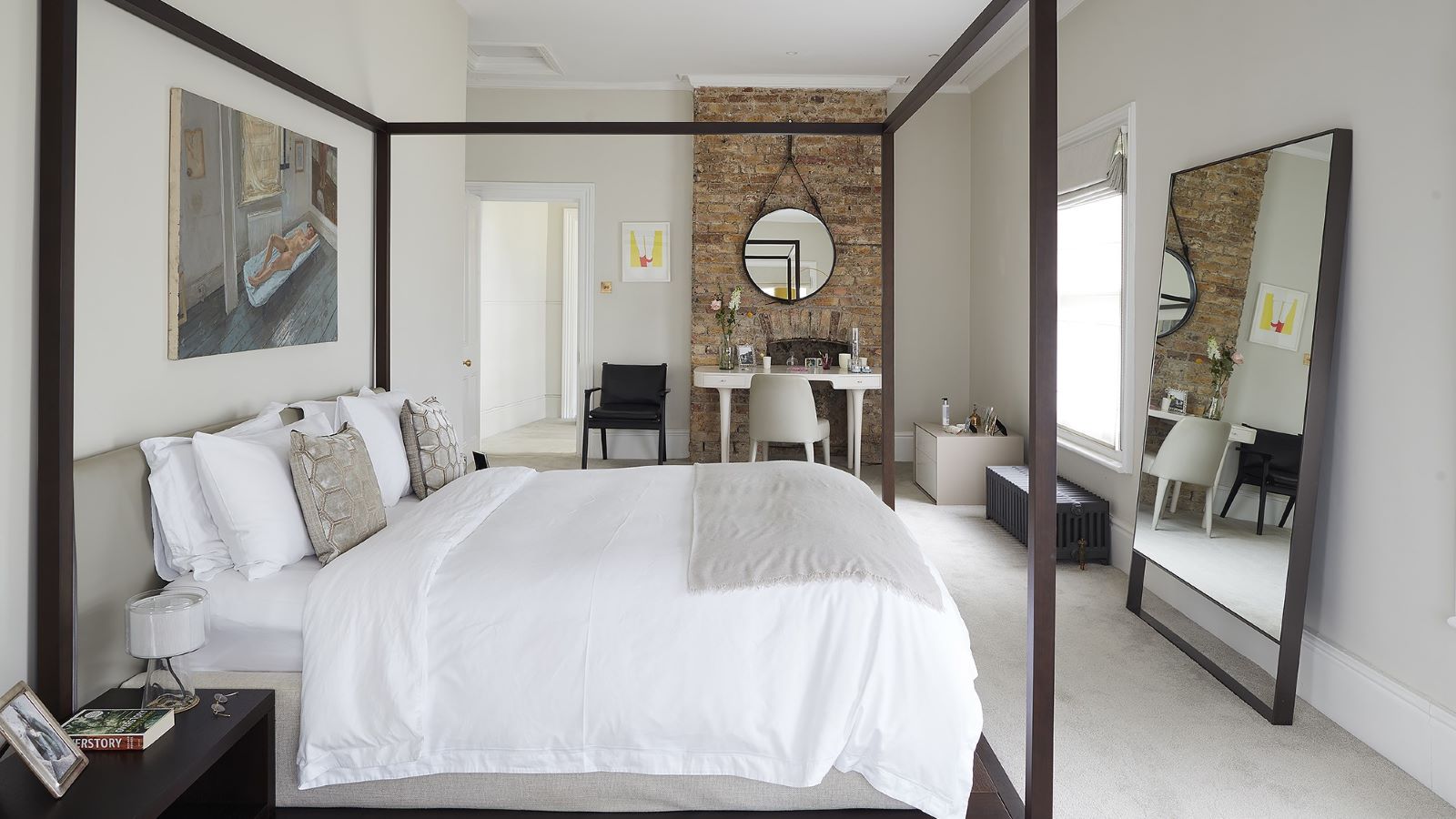
Mirrors can also be used to enhance indoor views. If the interior decor is particularly luxurious, a tall, free-standing mirror can double these pleasing visuals. Such mirrors are practical for outfit checks and can be easily repositioned or moved. Adding string lights around a full-length mirror can introduce a whimsical touch. To increase light without adding fixtures, bedside mirrors placed adjacent to a window can make a room feel sunnier and act as an attractive decorative feature. Mary Patton, founder of Mary Patton Design, highlights that mirrors create the illusion of space, and intricate frames can make a room cozier while reflecting light can reduce energy bills.
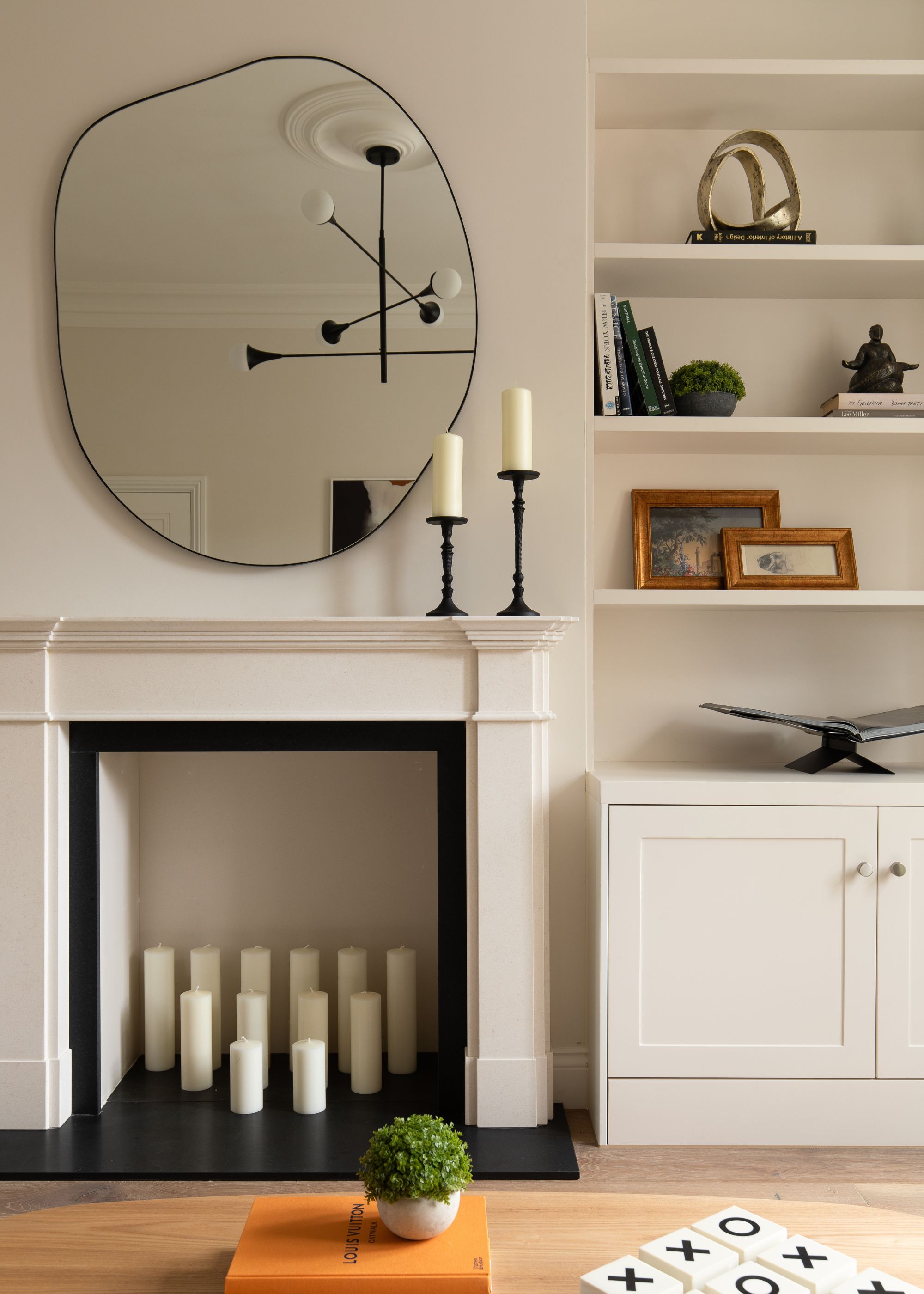
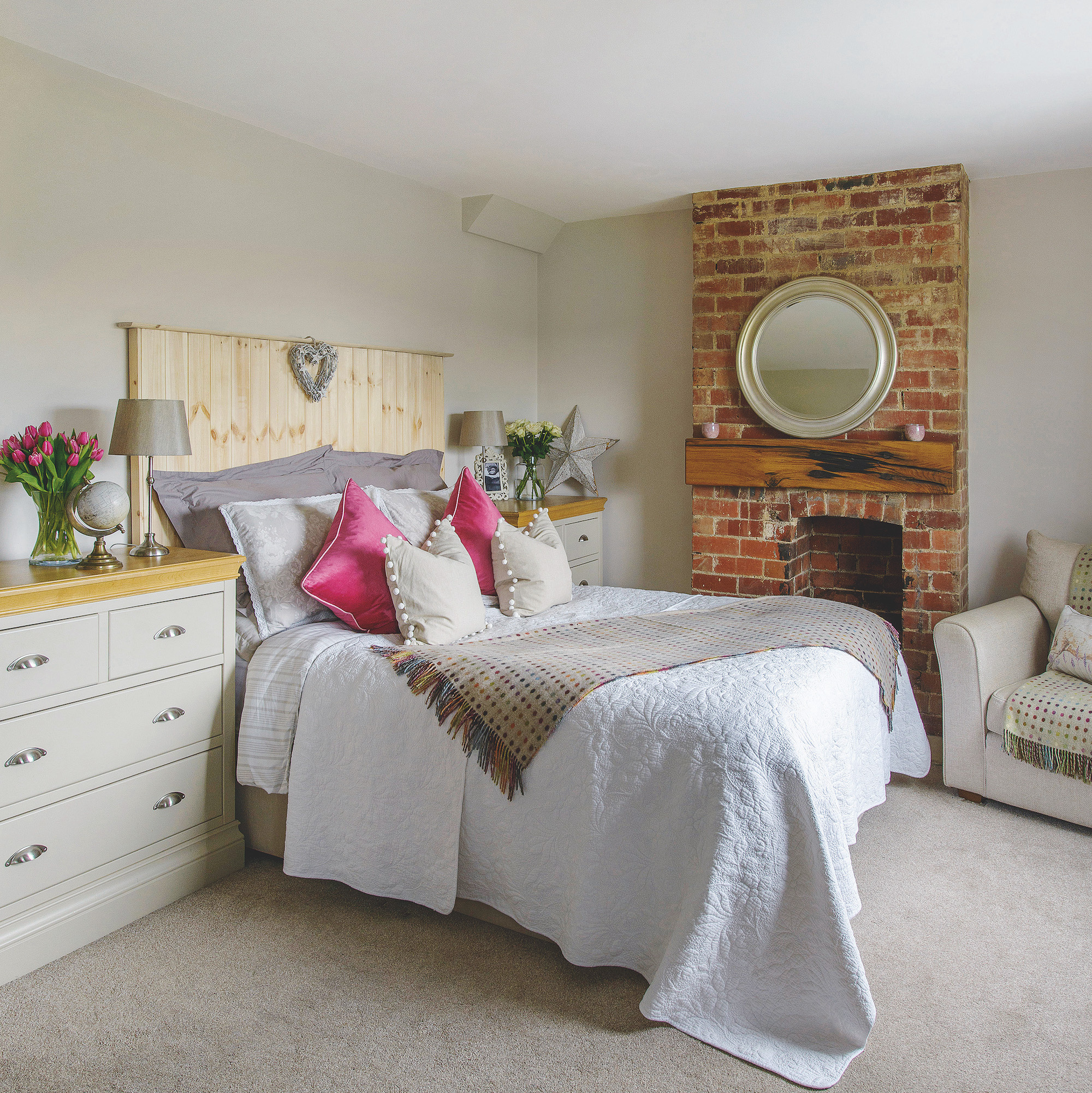
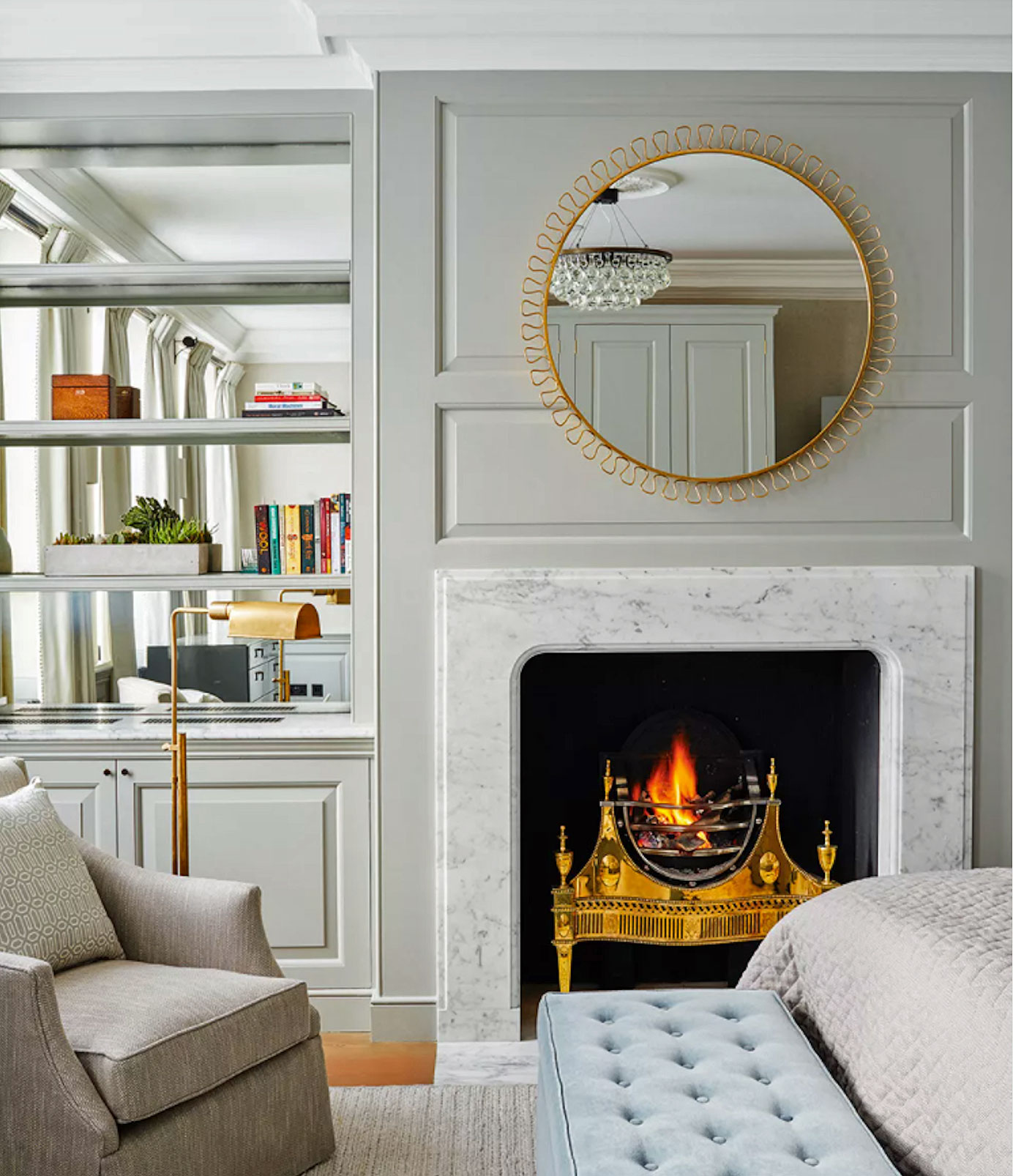
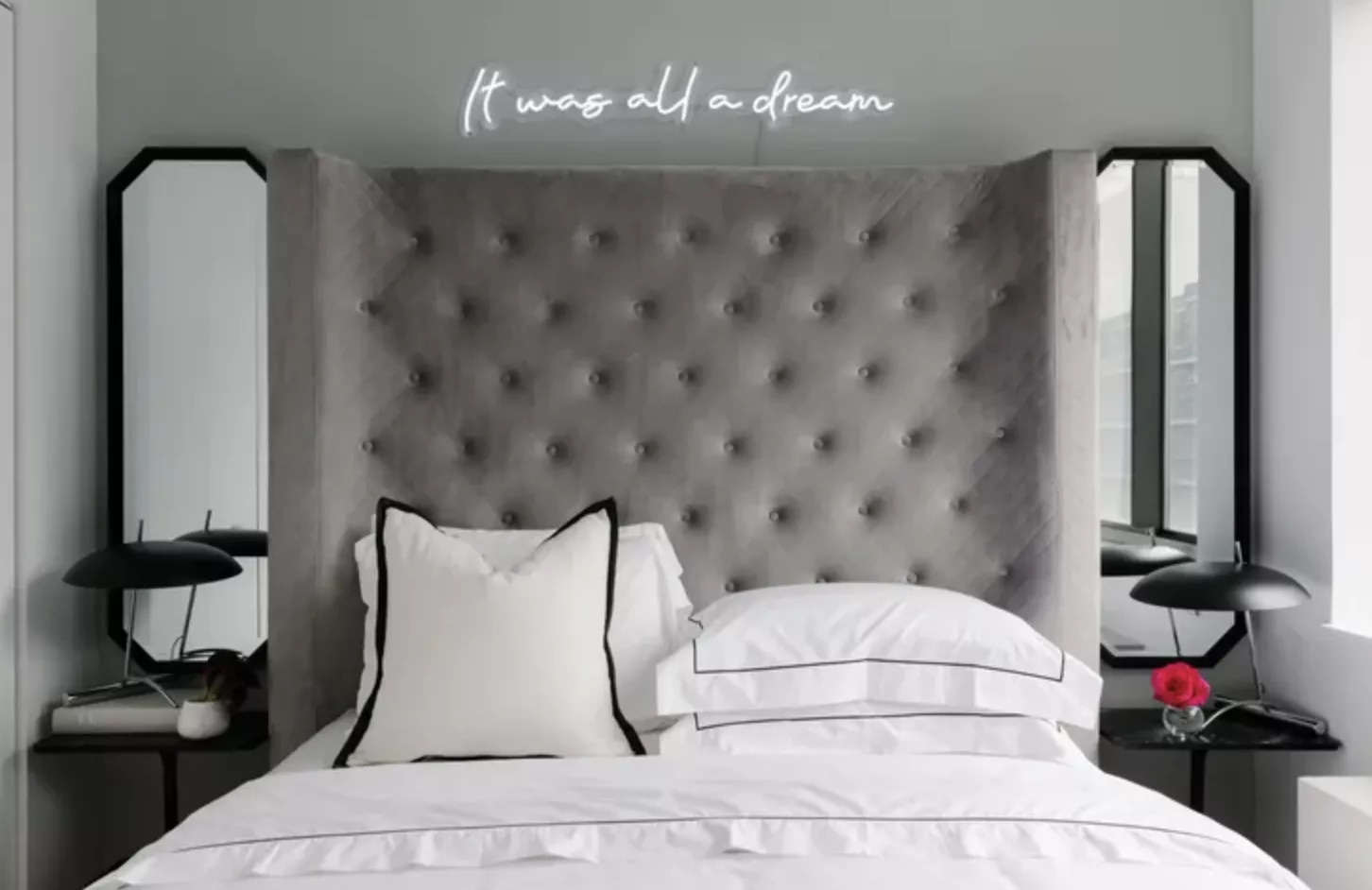
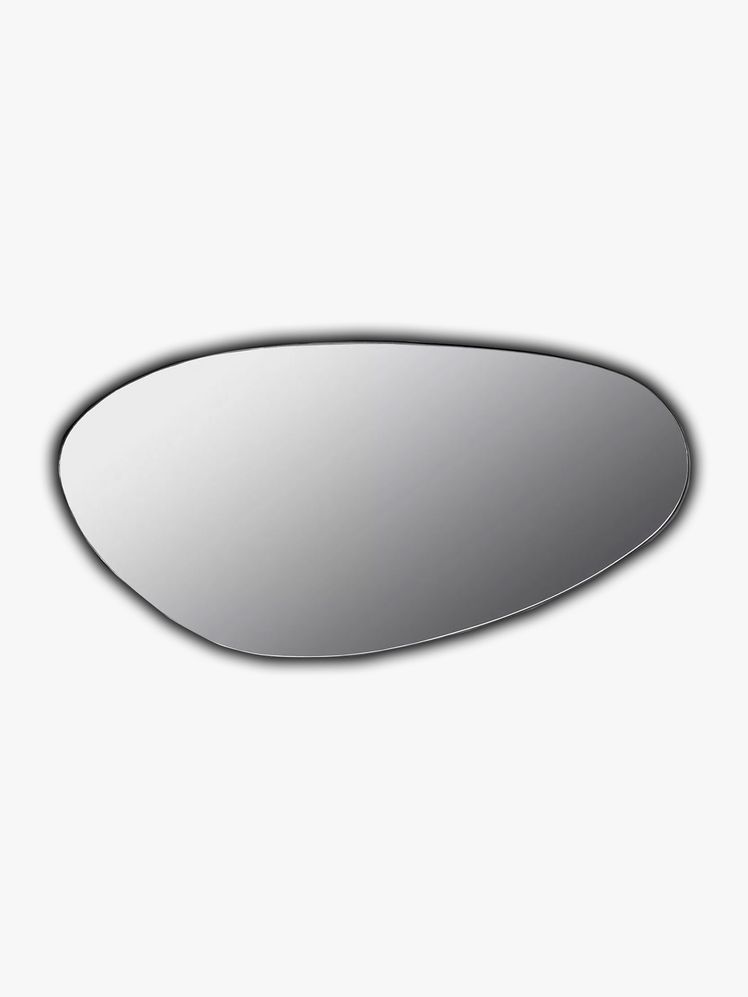
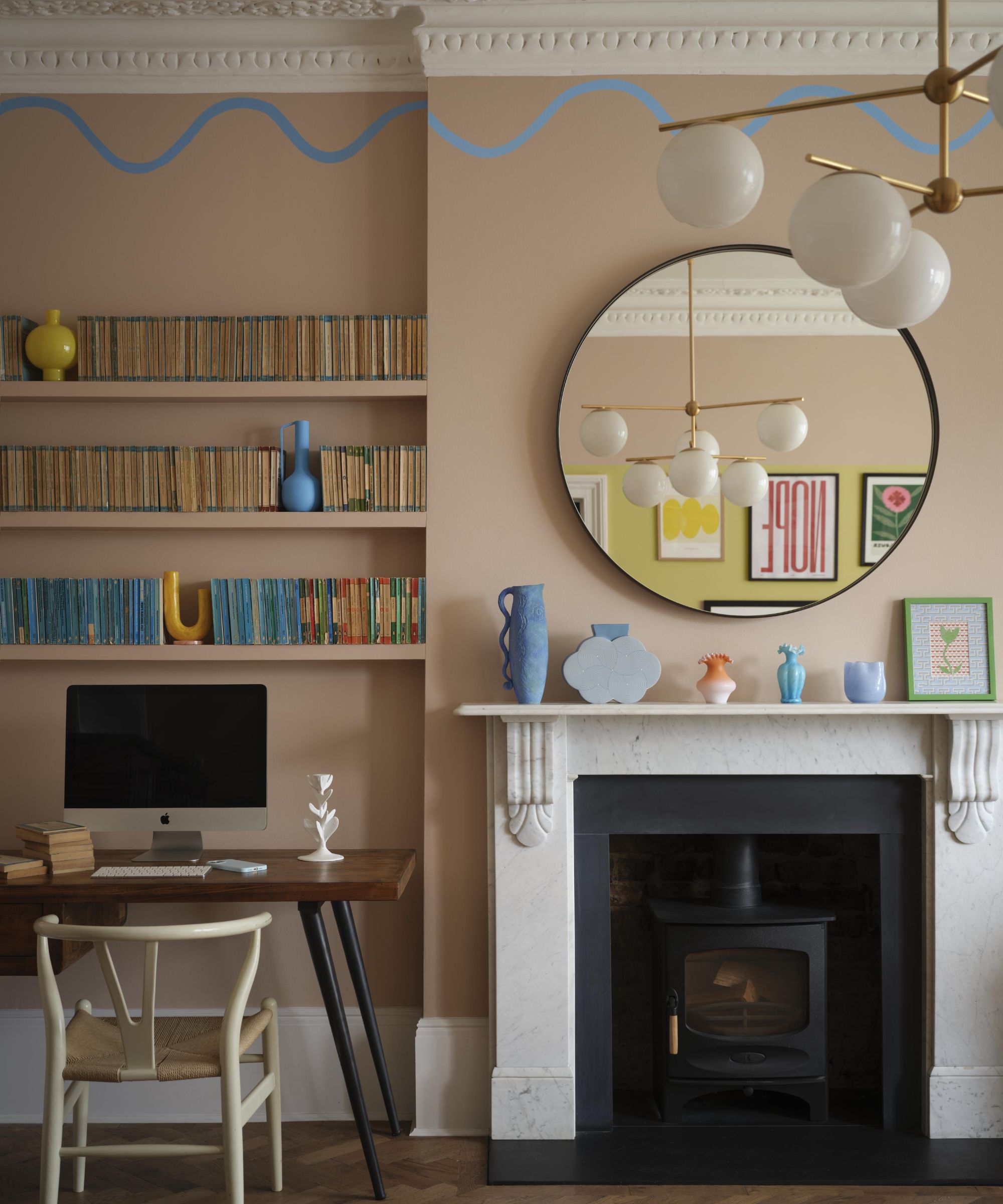
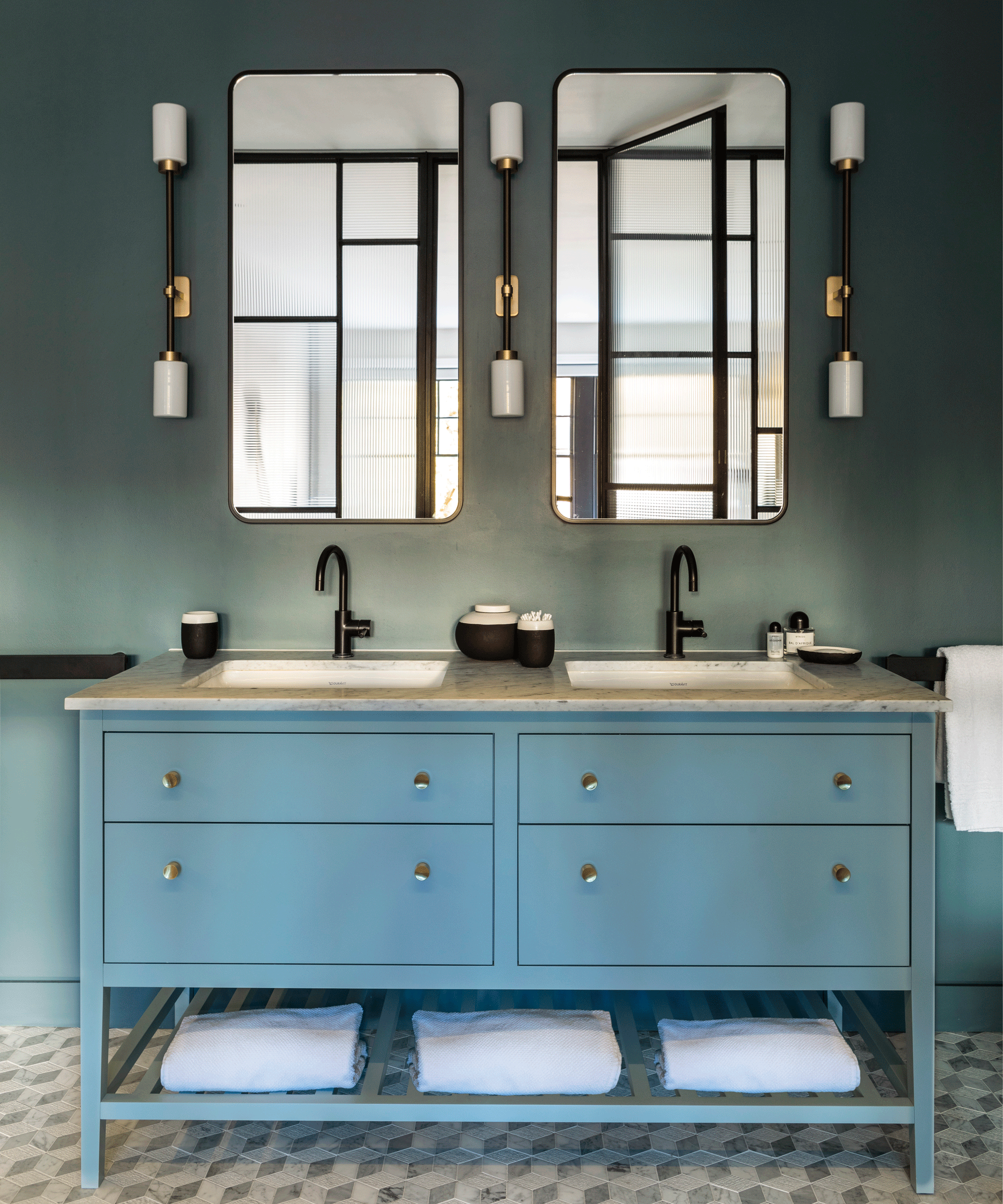
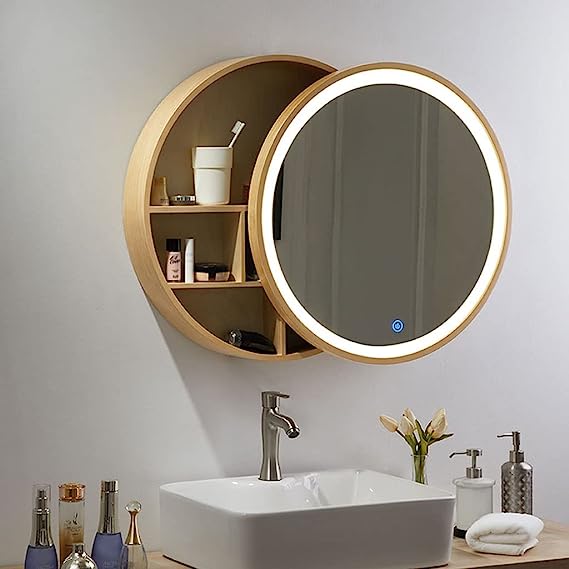
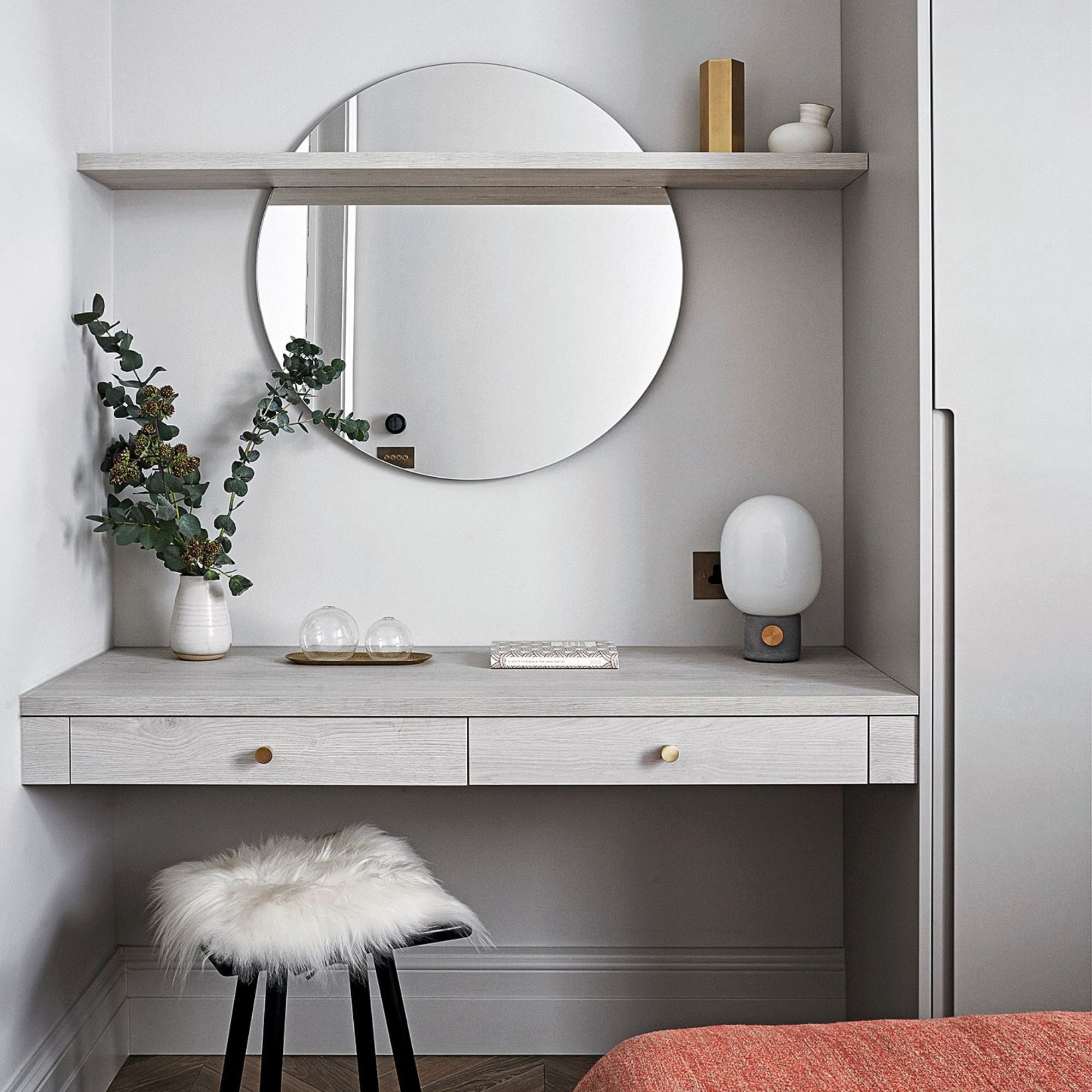
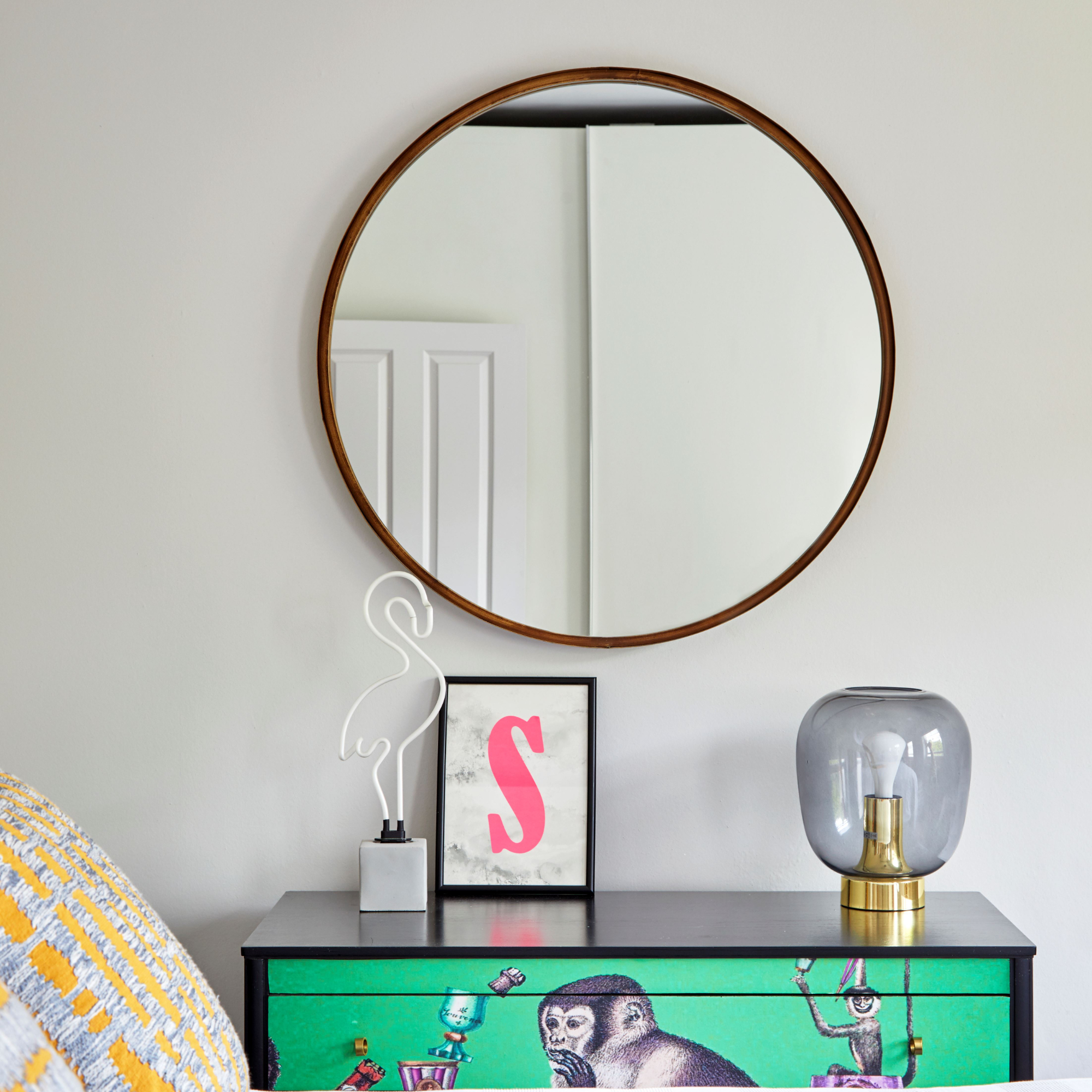

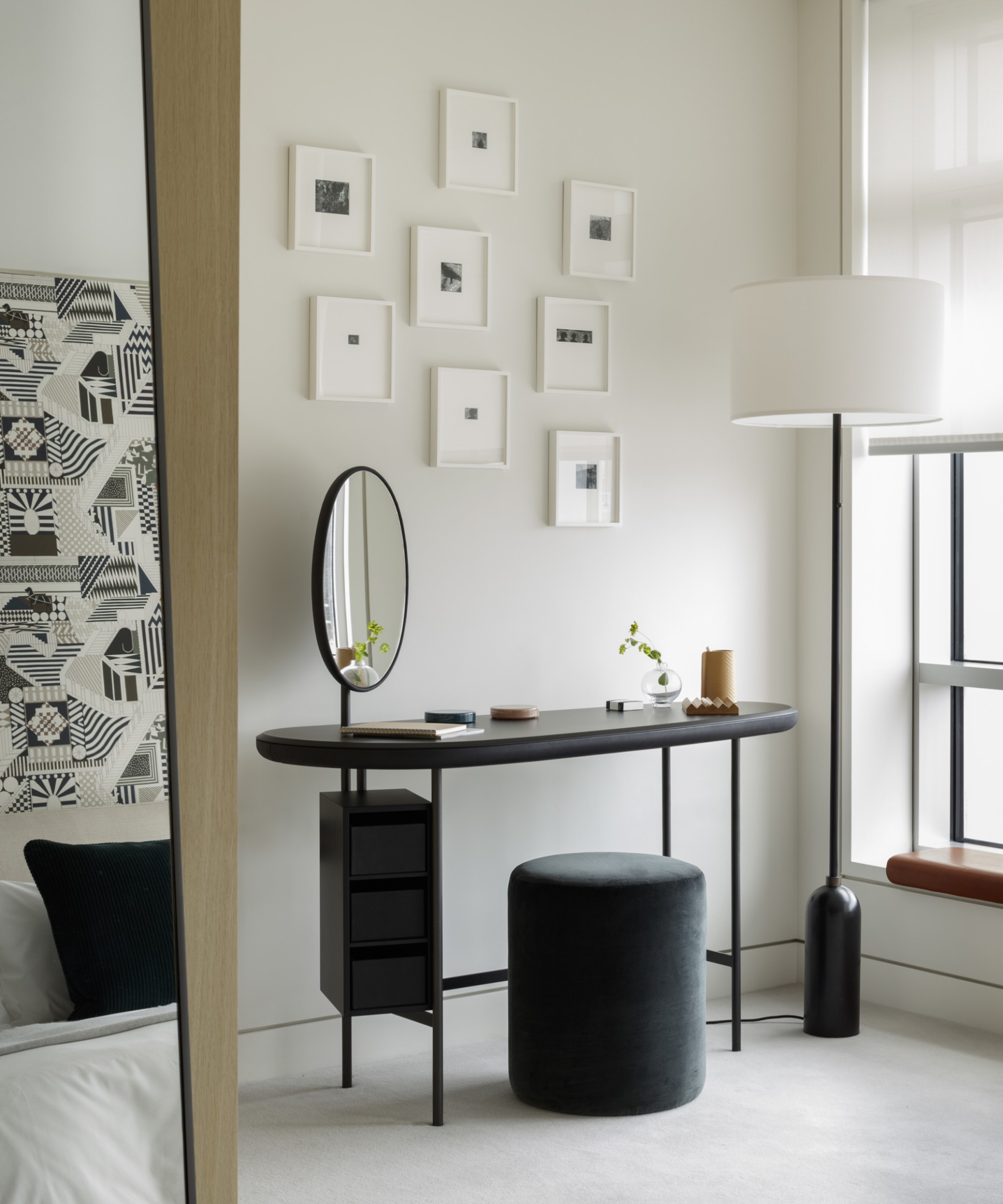
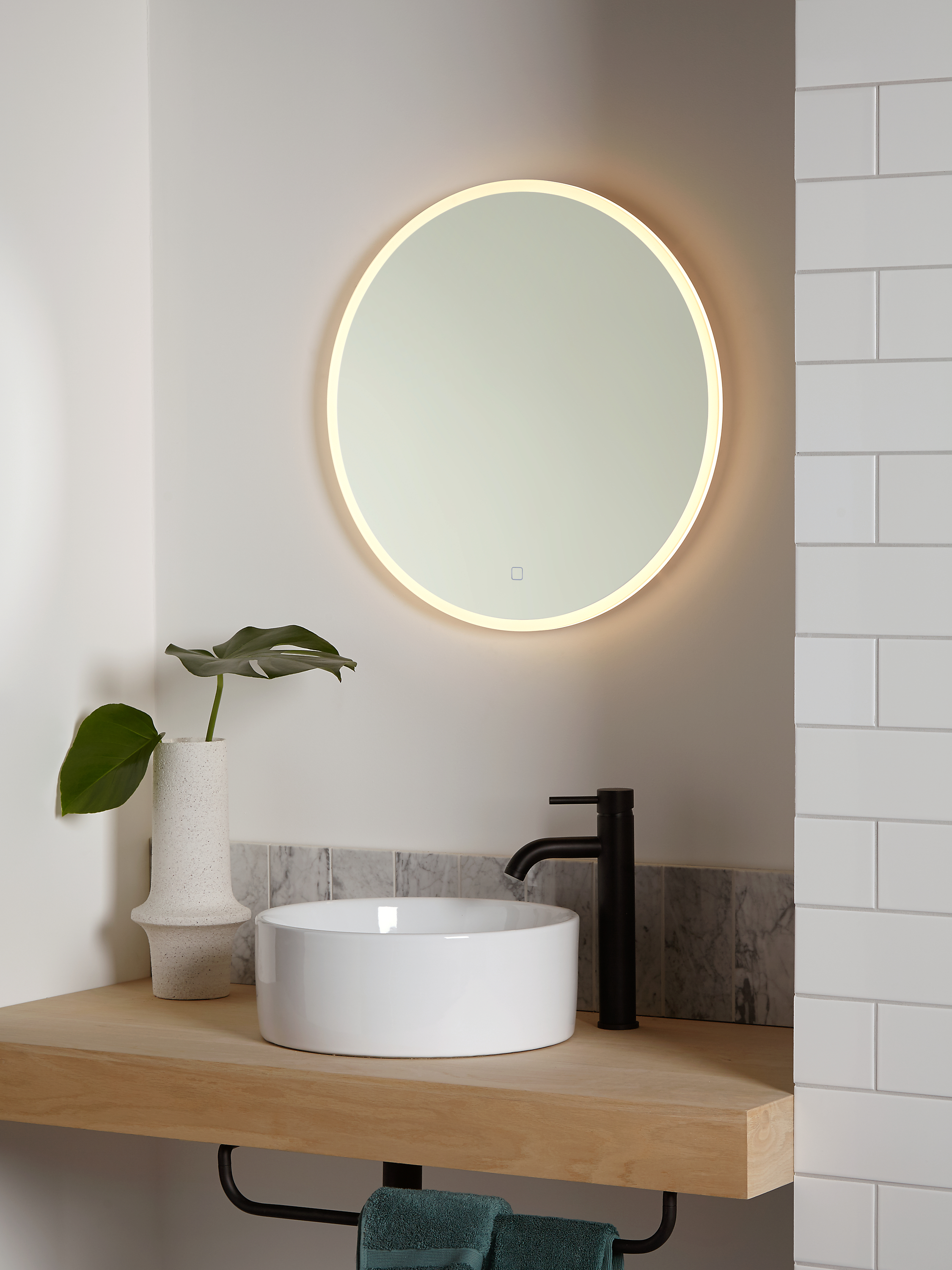
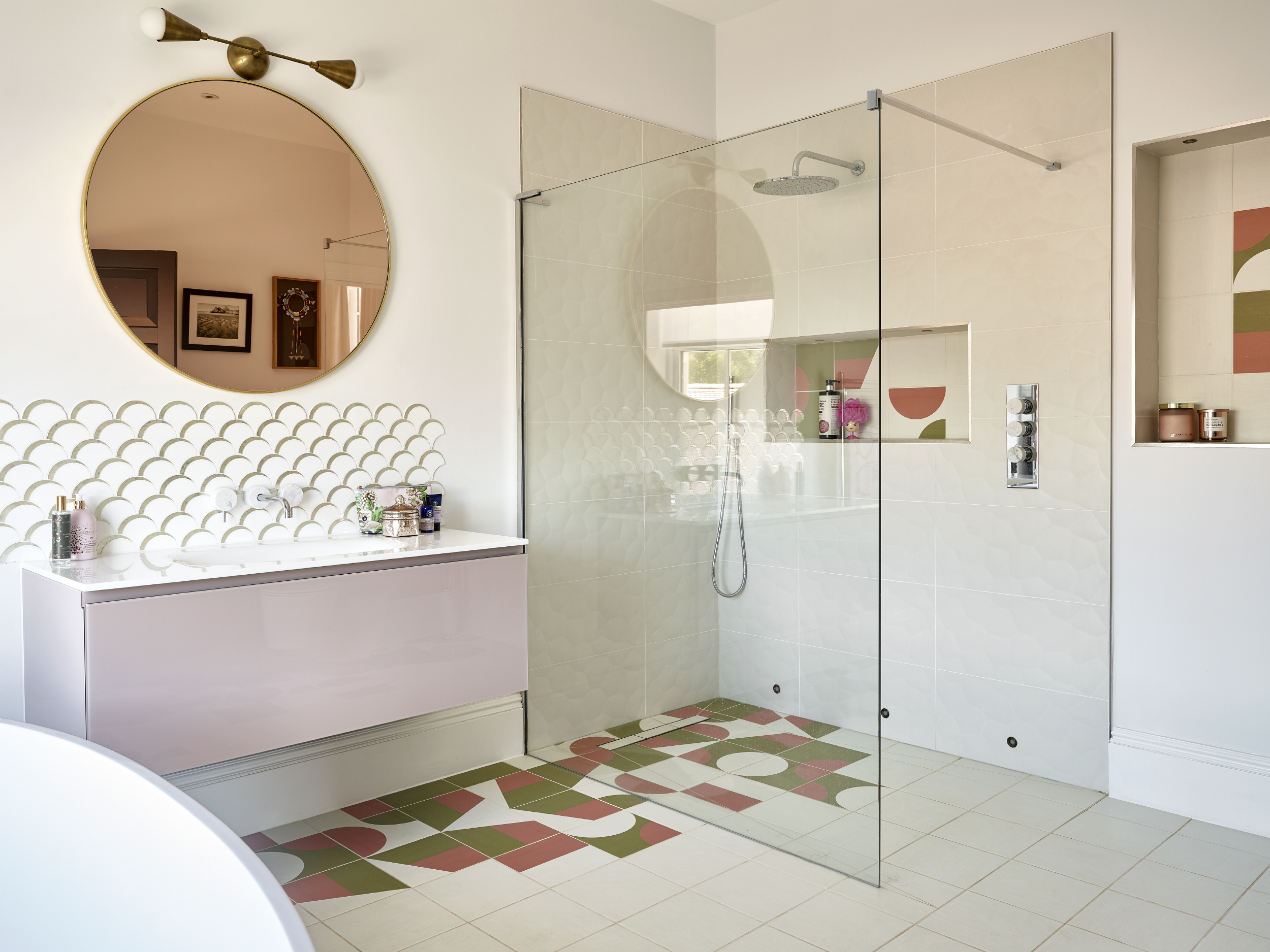
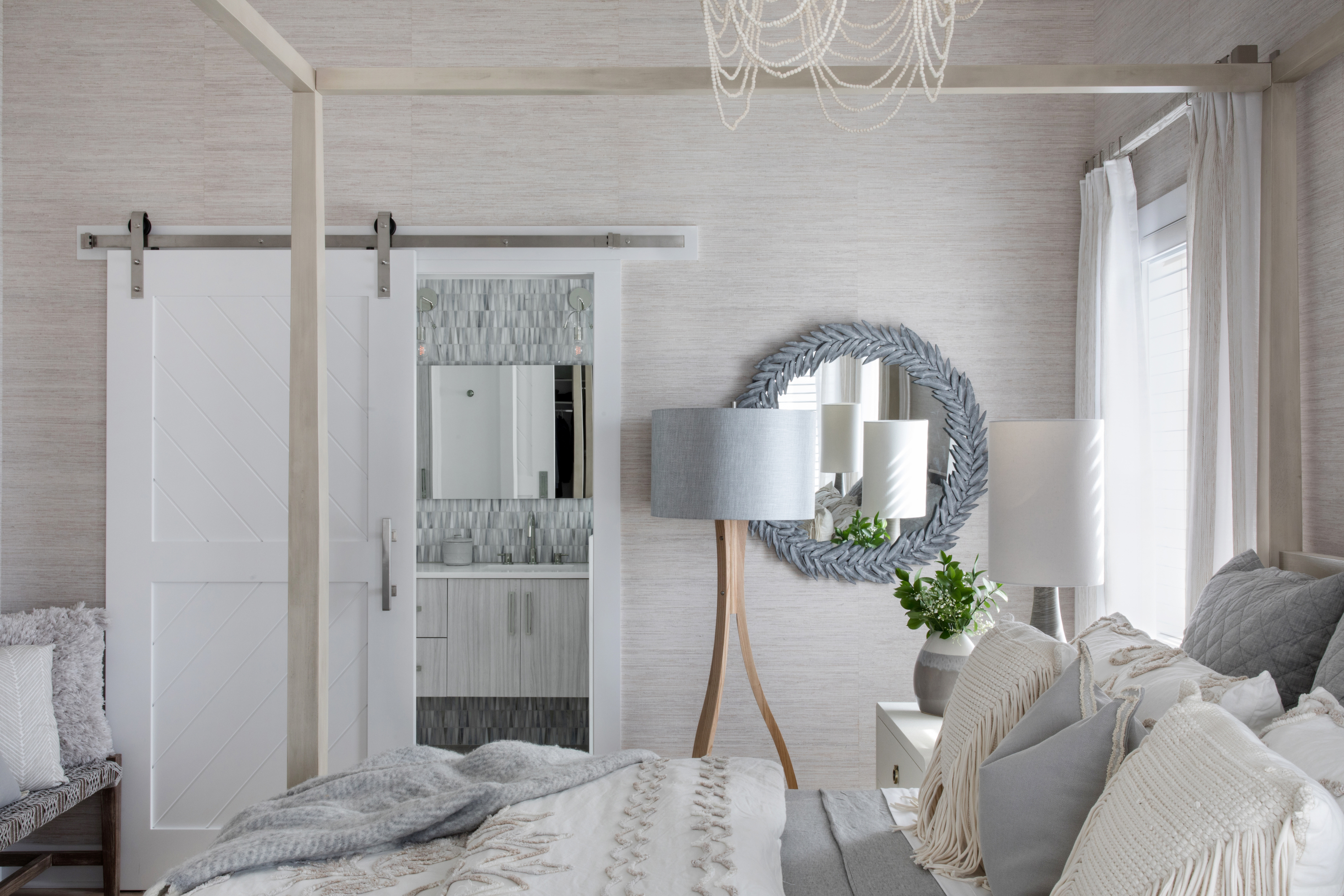
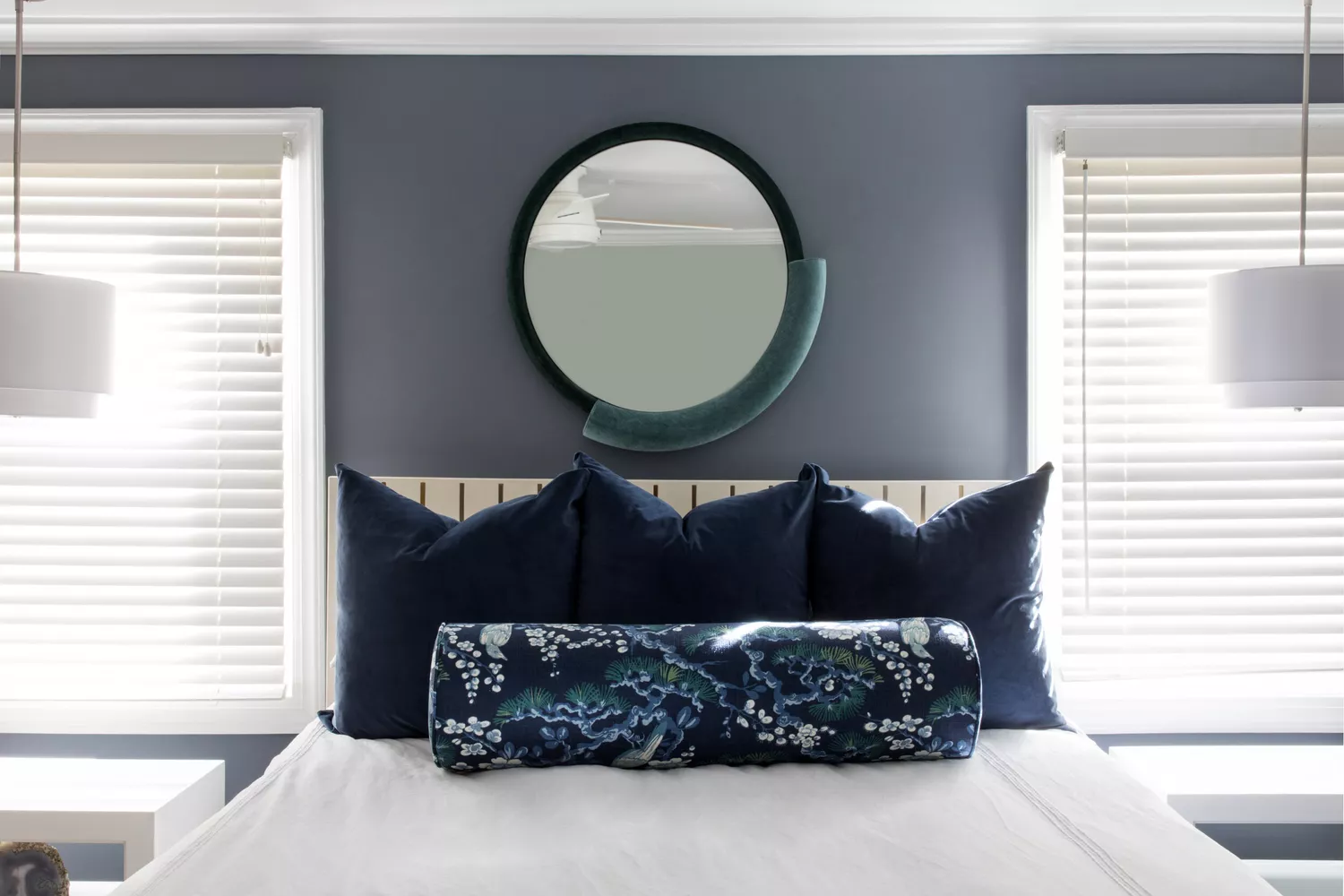
Replacing traditional artwork above a headboard with a mirror is another creative solution, especially in smaller or spare bedrooms where space and budget are limited. For this placement, curved mirror designs are preferred over angular ones to add visual interest. A mirror above a bedroom dresser can create a versatile space for working and getting ready, particularly useful in small bedrooms. Organic or unusual mirror shapes in this area can define a separate zone and reflect the user's creative personality. Round mirrors are often favored in bedrooms to counteract the prevalence of square furniture and introduce softer lines.
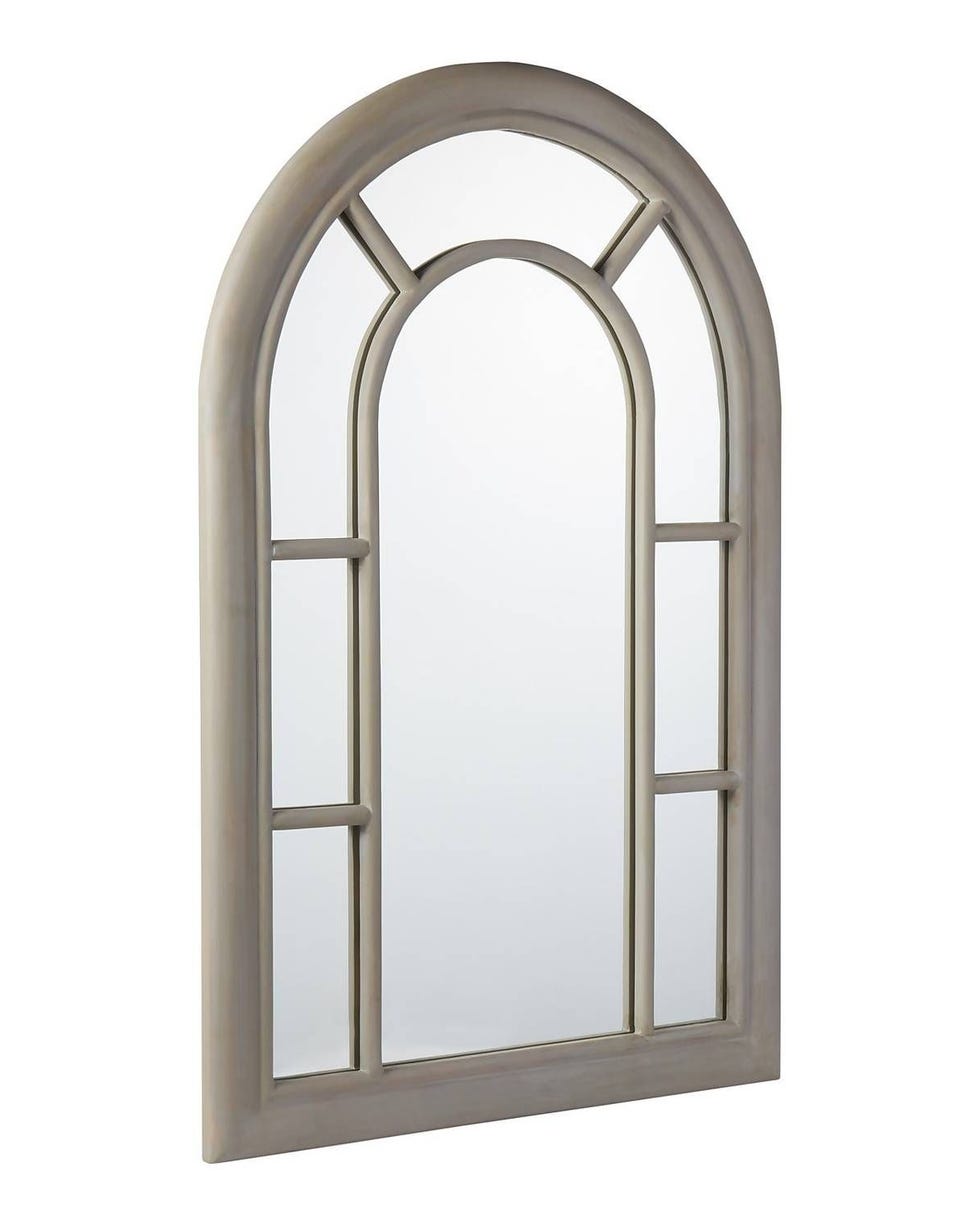
In windowless rooms, a large mirror can convincingly simulate a window, significantly enhancing luminosity and creating the illusion of more space. Frameless mirrors suit minimalist aesthetics, while mirrors designed to mimic window frames offer an authentic effect. Placing a mirror between two windows can also trick the eye into perceiving an additional window, contributing to a more open feel. Jessica Lagrange, principal designer at Jessica Lagrange Interiors, notes that mirrors placed opposite or adjacent to windows reflect light, making small bedrooms appear brighter and larger.
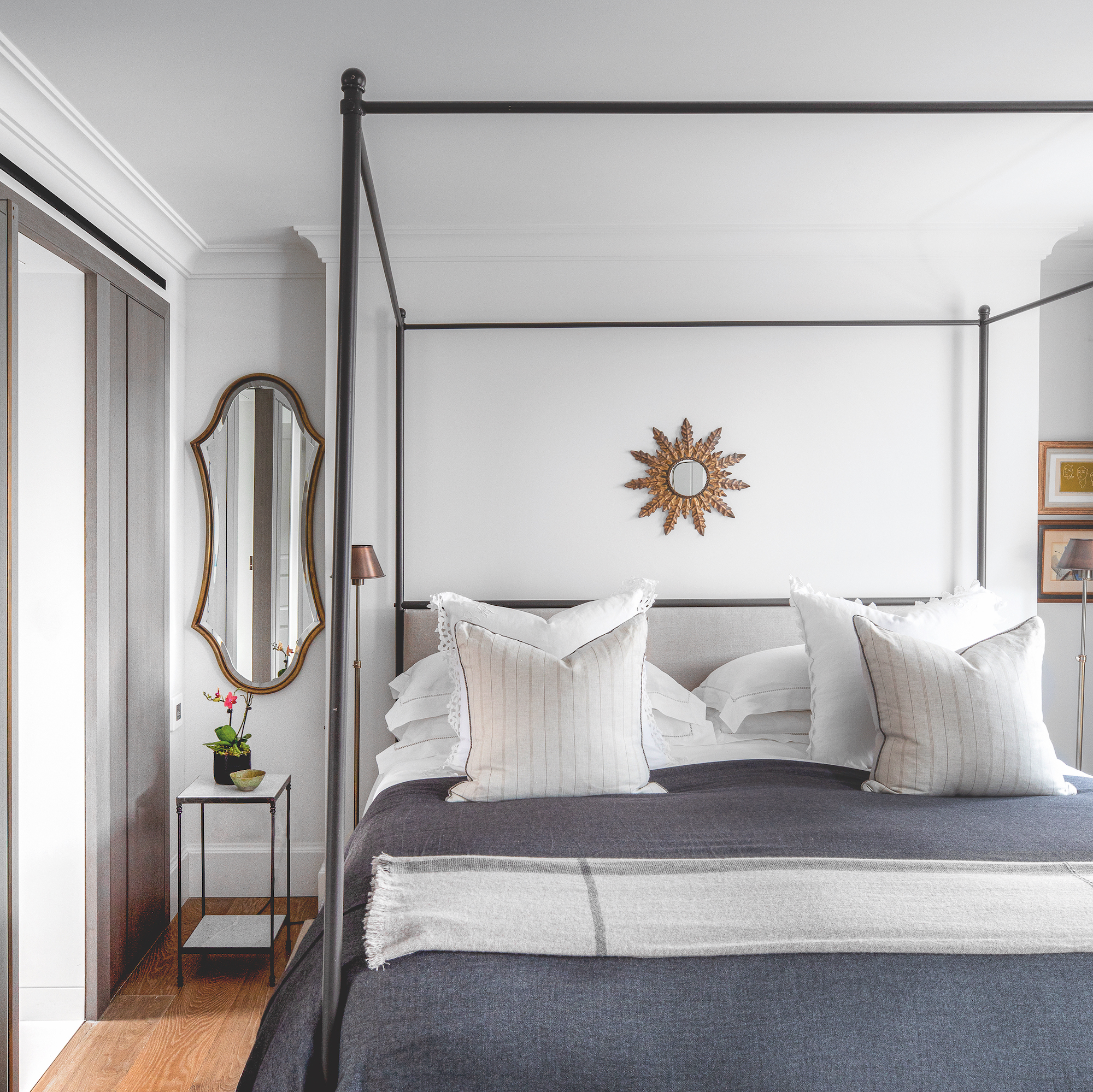
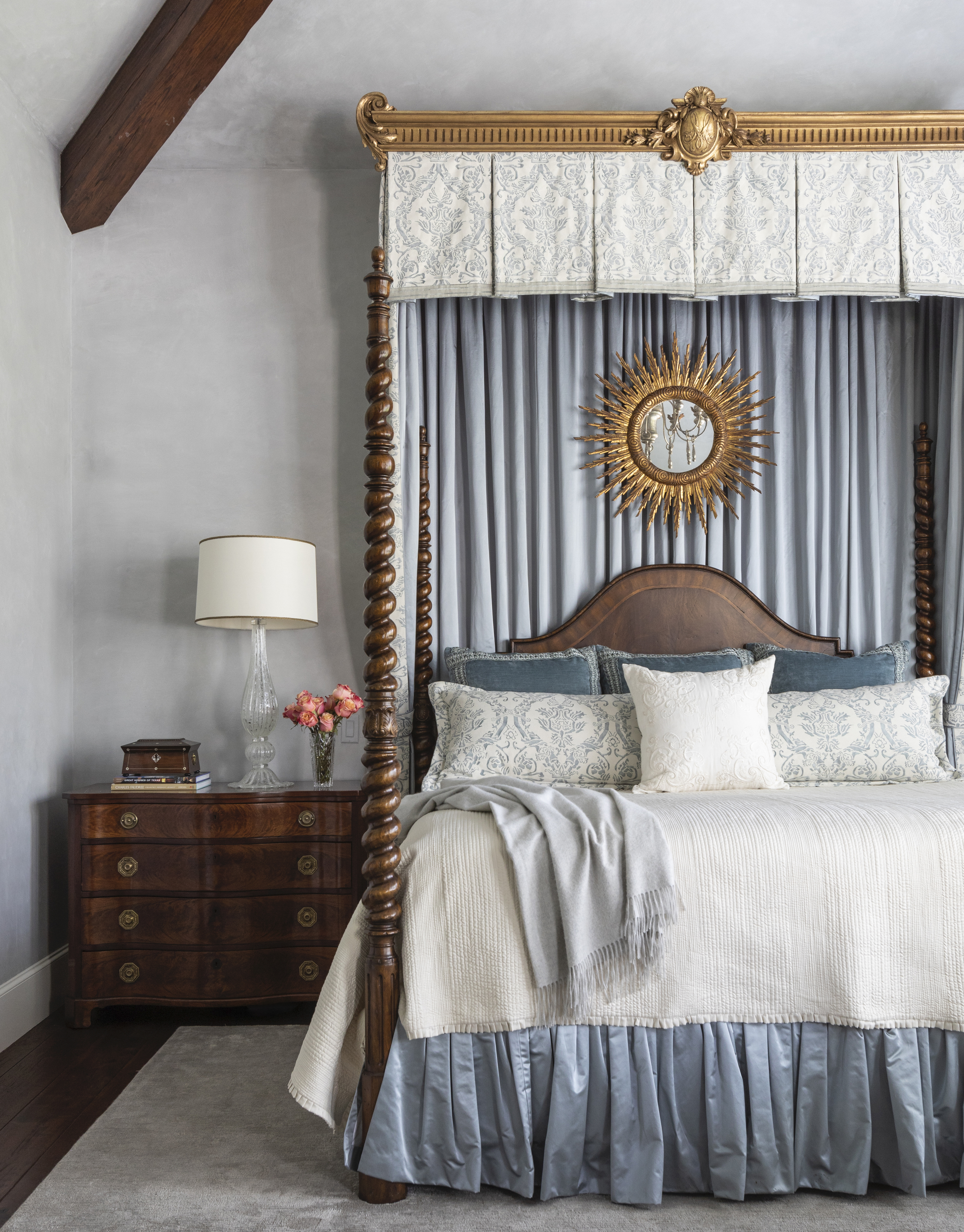
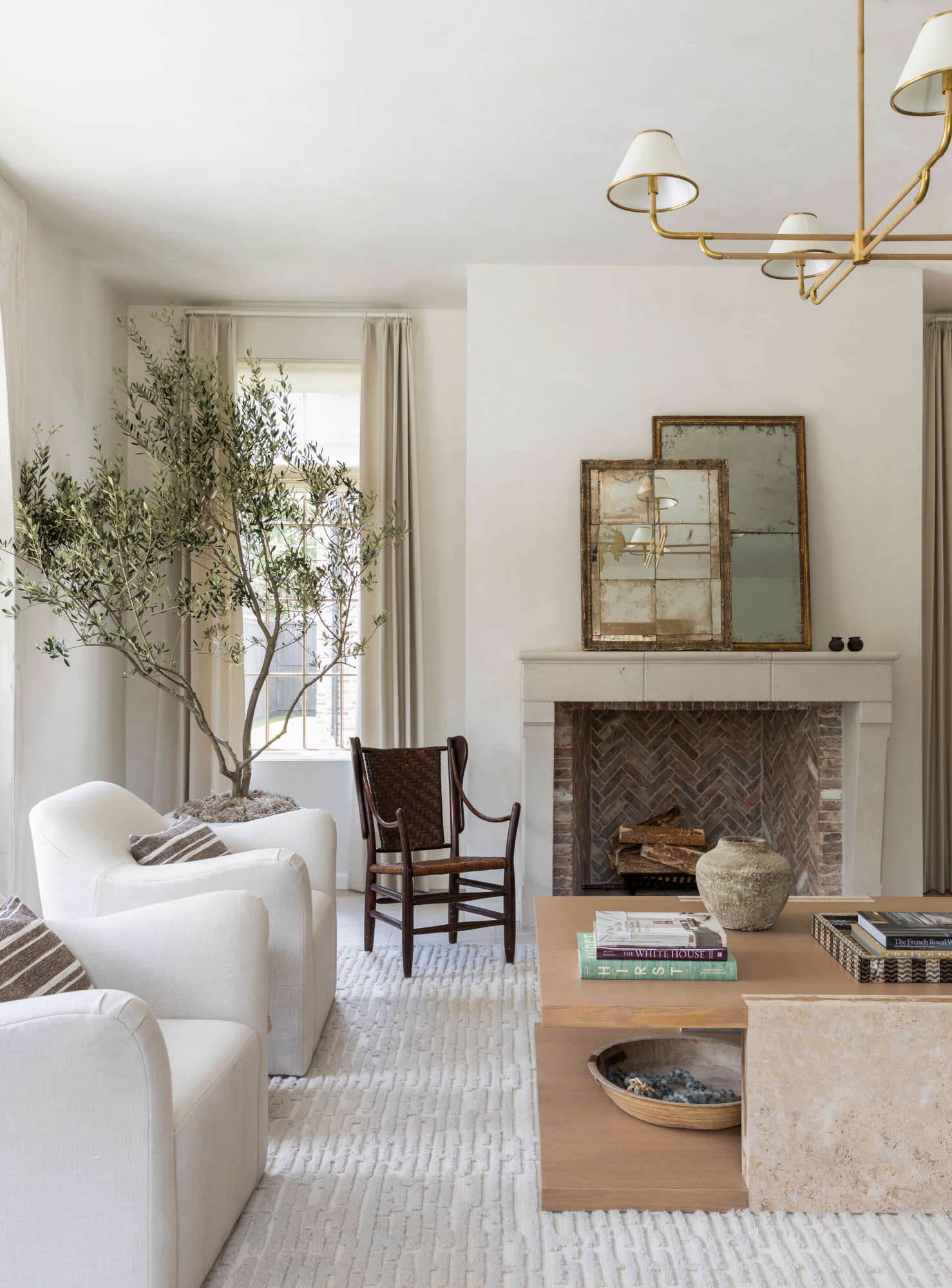
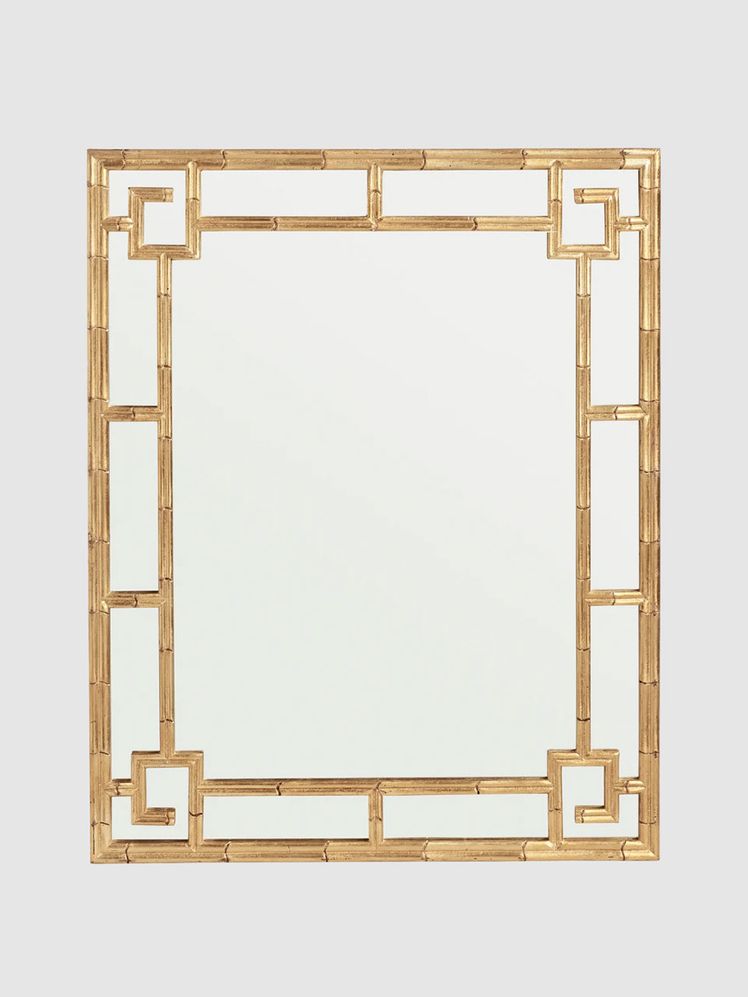
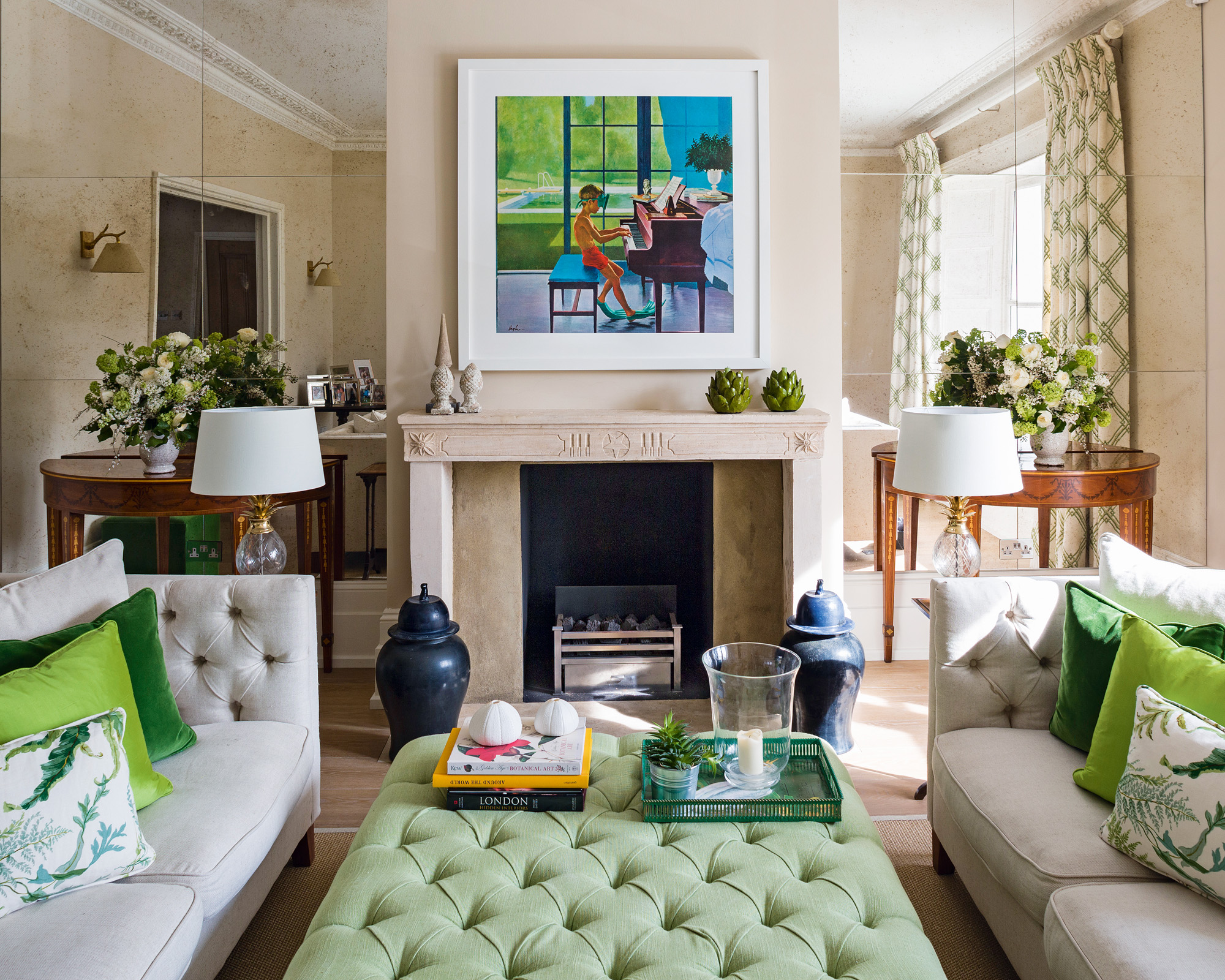
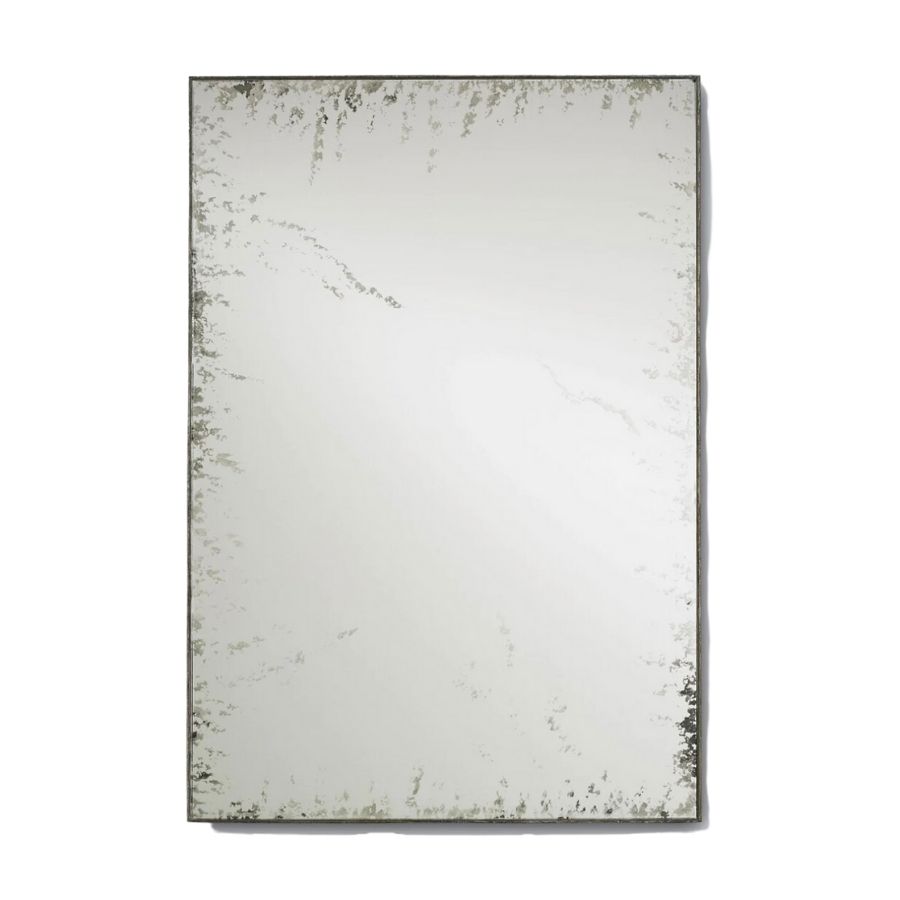
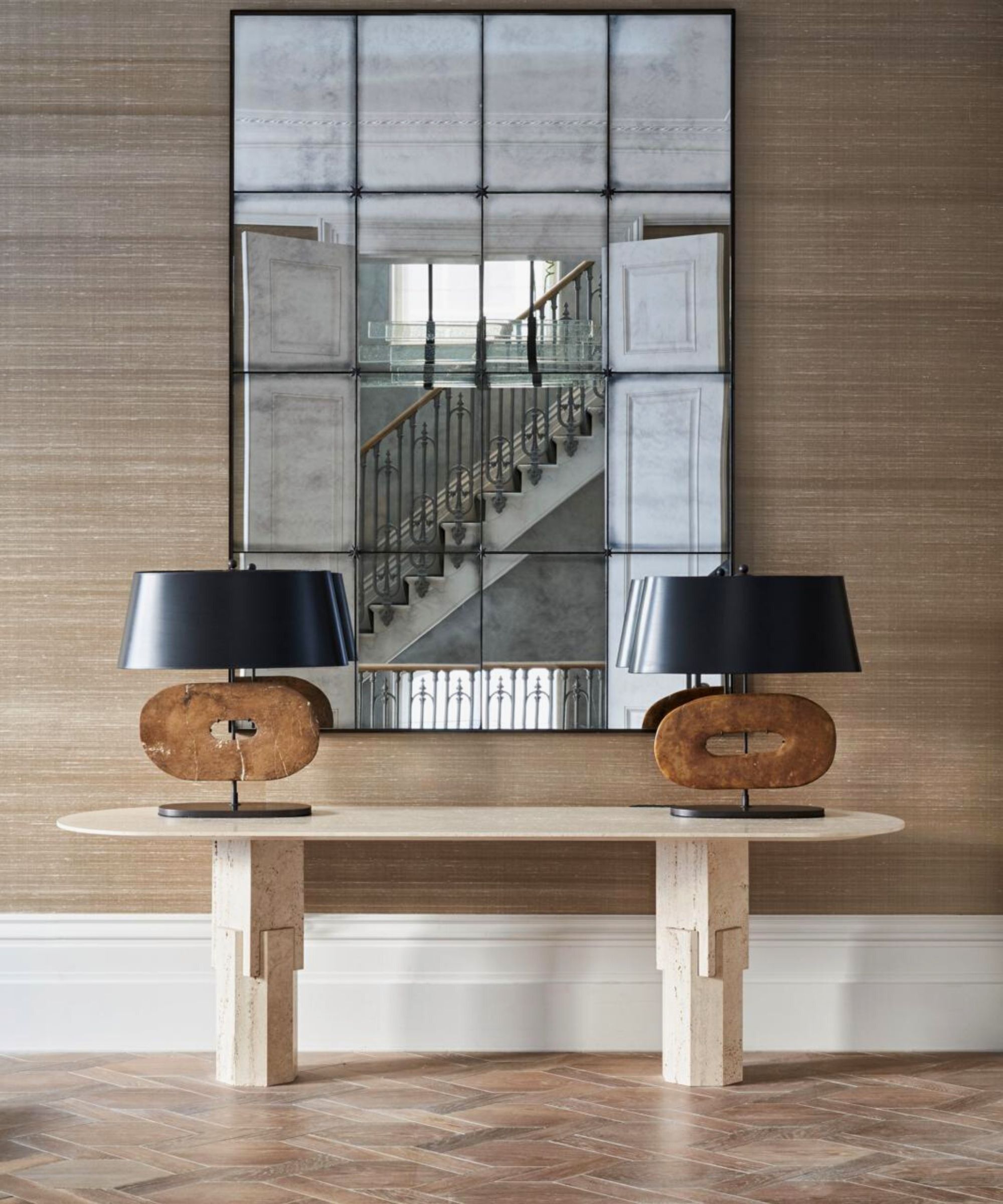
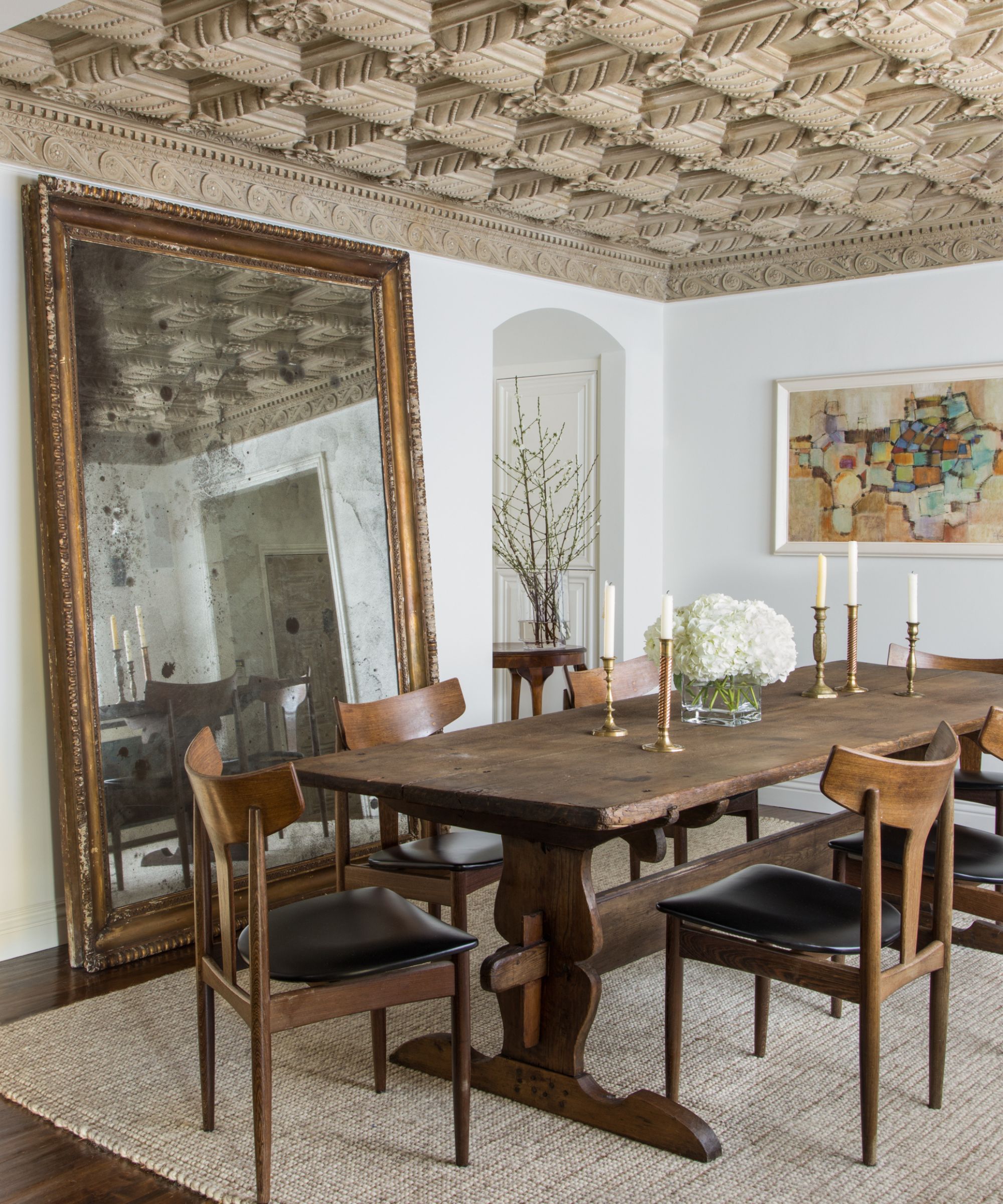
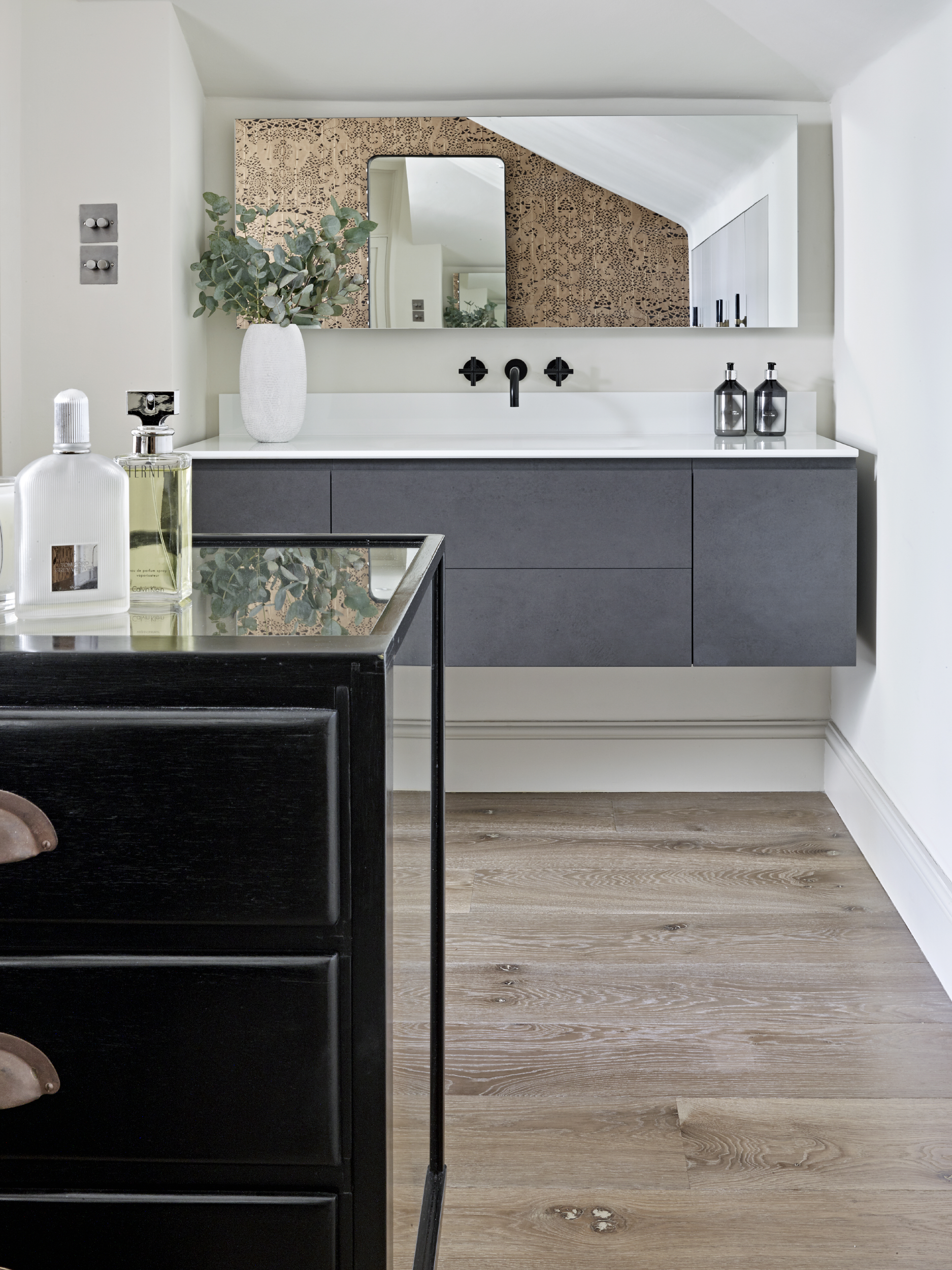
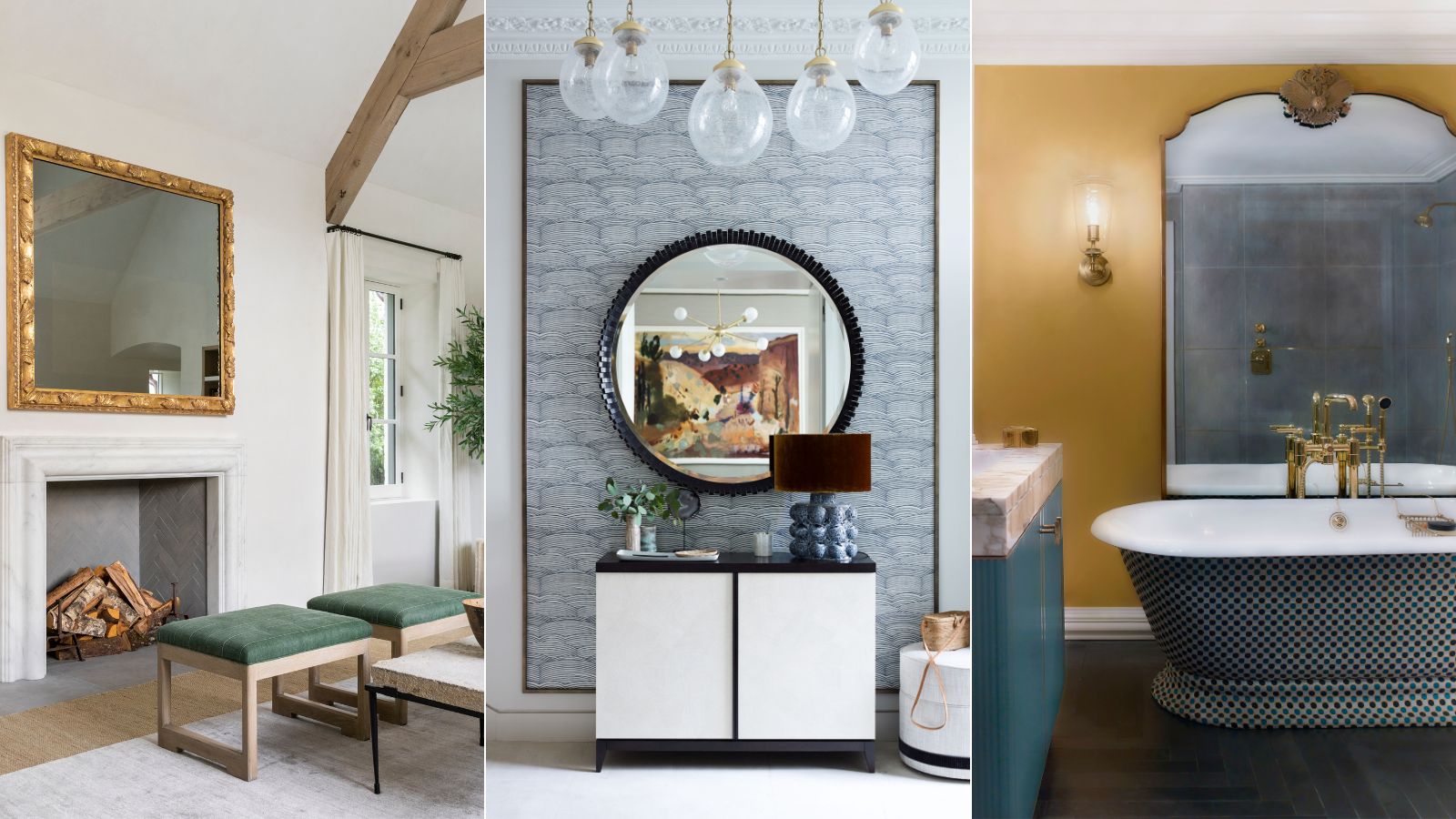
Vintage, gilded, or ornate mirrors can serve as statement pieces, elevating a bedroom to a grand and glamorous space. These mirrors become decorative focal points while still performing their space-enhancing functions, with gold frames adding a touch of richness. For small bedrooms, thin and tall mirrors are recommended to add depth and brightness without overwhelming the space. Rectangular mirrors offer maximum reflection, while circular shapes can disrupt straight lines, acting more as decor. Mirror tiles with an antique finish provide a softer alternative to single, shiny mirrors.
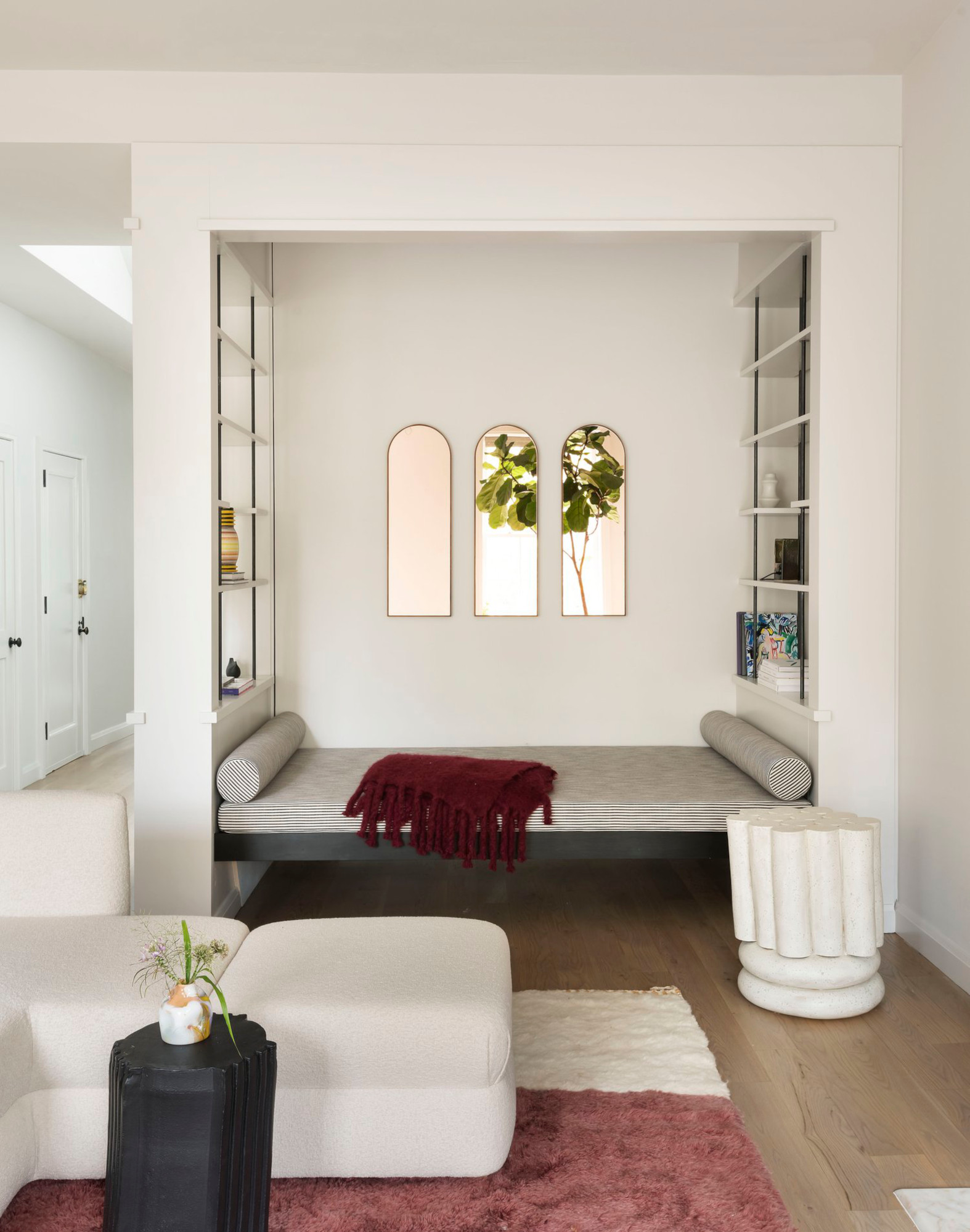
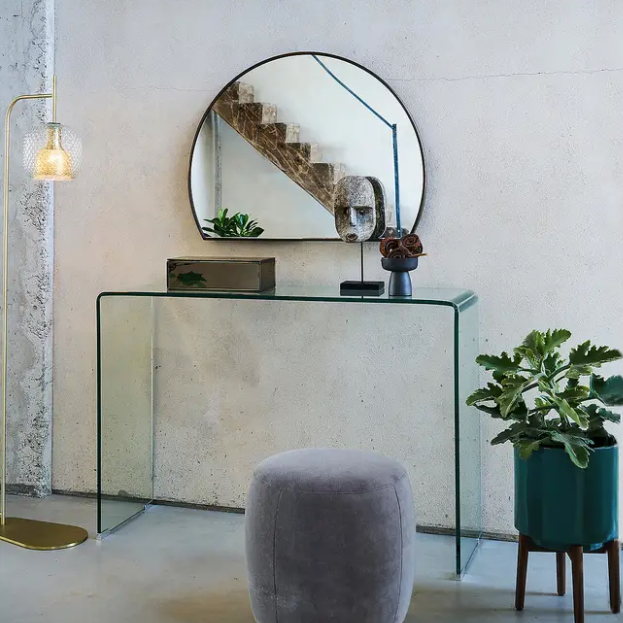
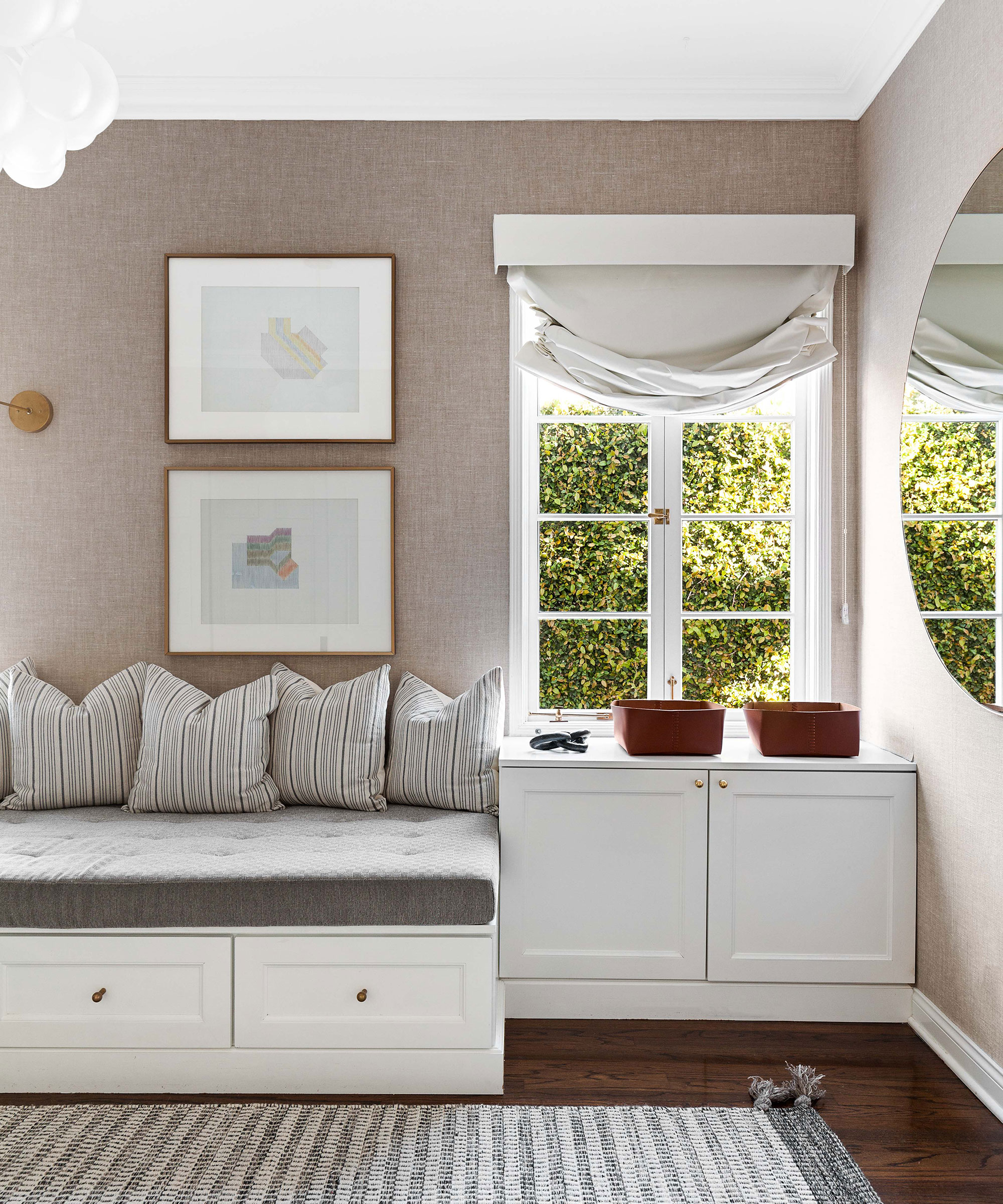
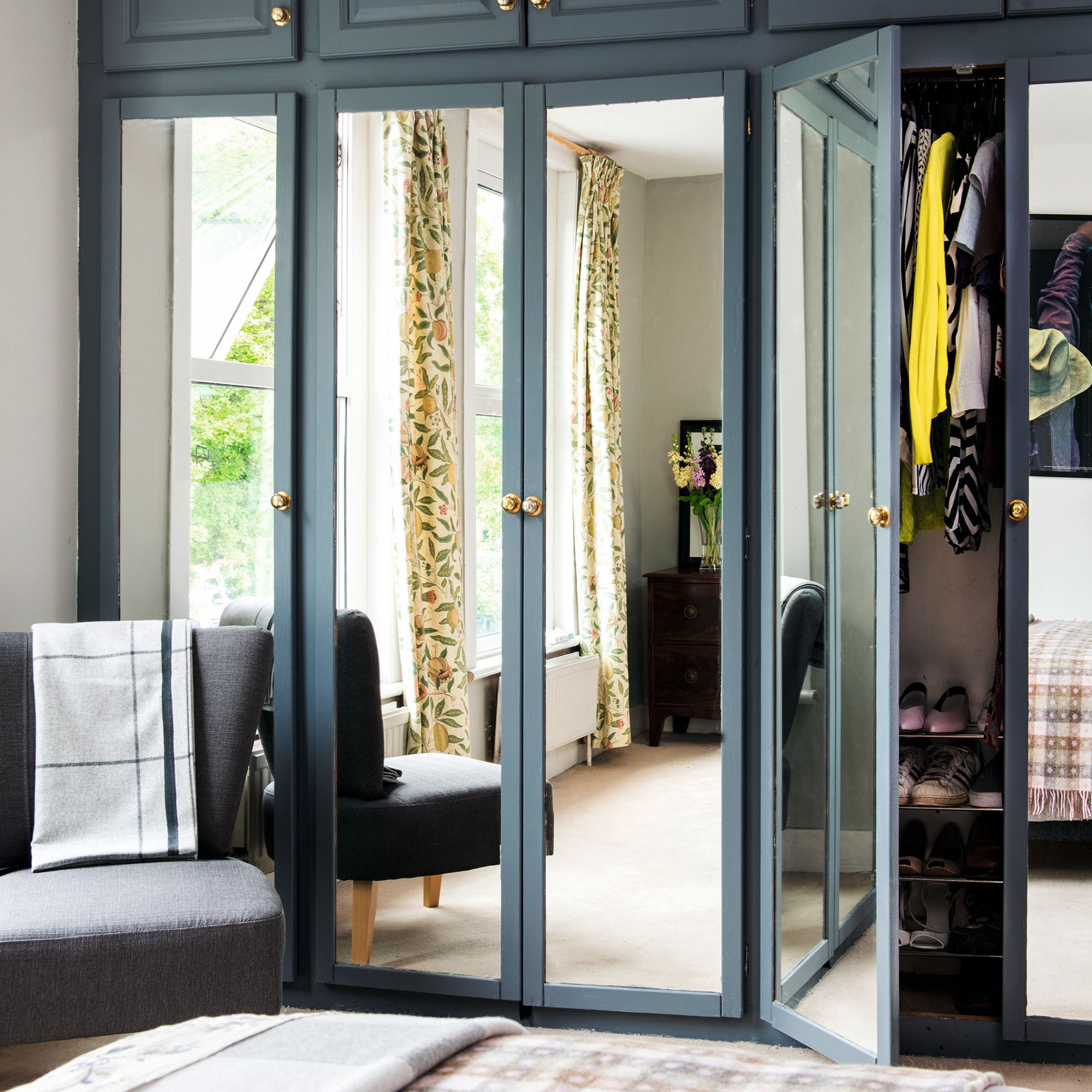
Mirrored closet doors are a practical and space-saving solution, making rooms feel more expansive and brighter while serving their functional purpose. Creating a cozy seating area in a bedroom can be enhanced by a mirror, suggesting additional space subtly and glamorously. Finally, starburst mirrors or other decorative designs with ornate frames can add drama and personality, acting as a focal point, especially in rooms lacking character. The ideal size of a bedroom mirror varies, with rounded wall mirrors ranging from 50-90 cm, square mirrors at 50x80 cm or 60x80 cm, and full-length mirrors typically 40x140 cm. Mirrors can be placed above the bed, console, next to a window, or above a study, offering versatile solutions for any bedroom style or size.
#BedroomDesign #InteriorMirrors #SpaceAmplification #LightEnhancement #HomeDecor #InteriorDesignTips #BedroomDecor #VintageMirrors #SmallSpaceSolutions #BedroomDesign #InteriorMirrors #SpaceAmplification #LightEnhancement #HomeDecor #InteriorDesignTips #BedroomDecor #VintageMirrors #SmallSpaceSolutions
0 comment in total
 No comments yet
You may also like
12 Ways Decorating With Mirrors Can Take a Space From Static to Stylish, Shiny, and More Spacious
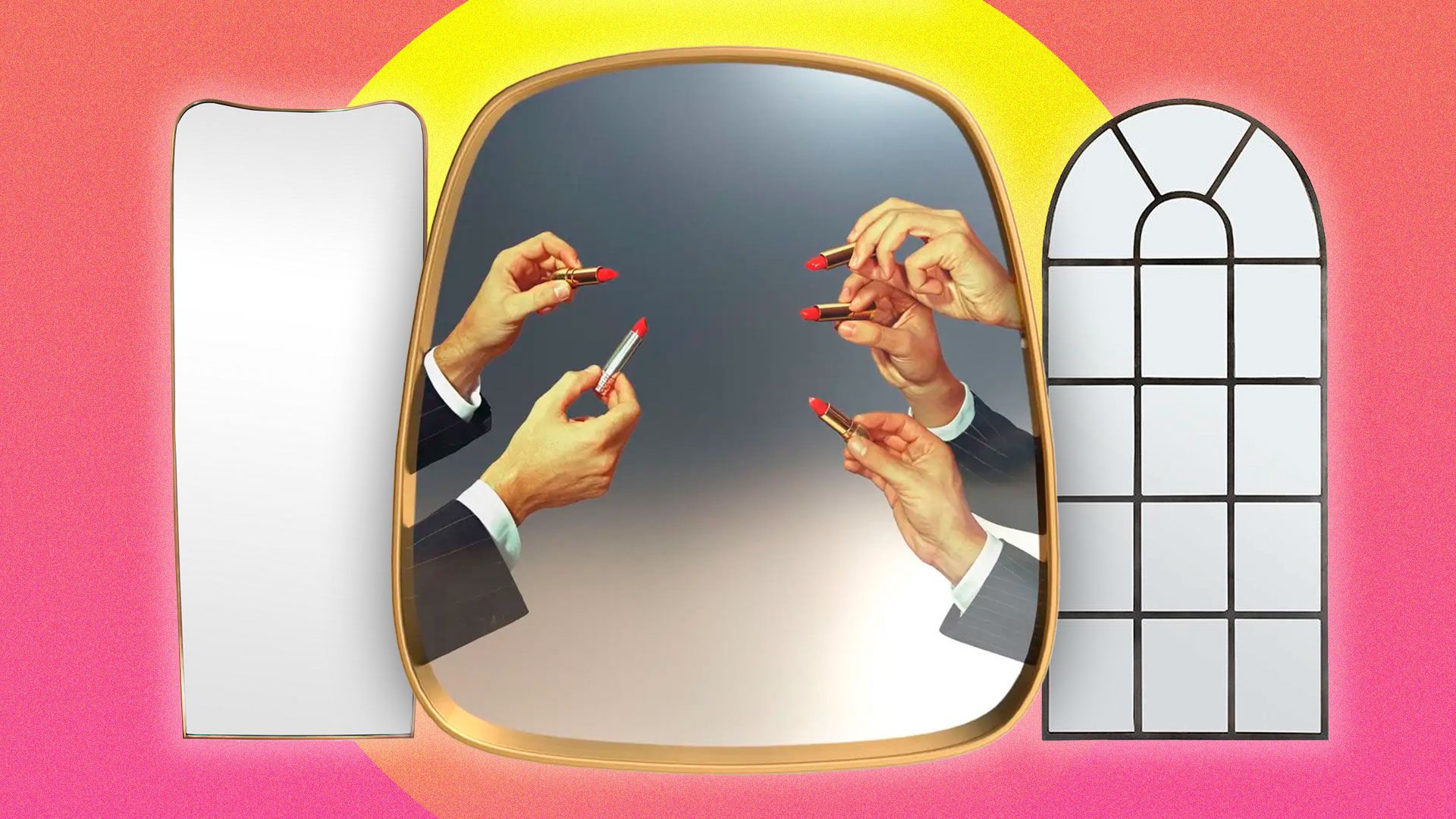
The best mirrors for a bright and roomy home
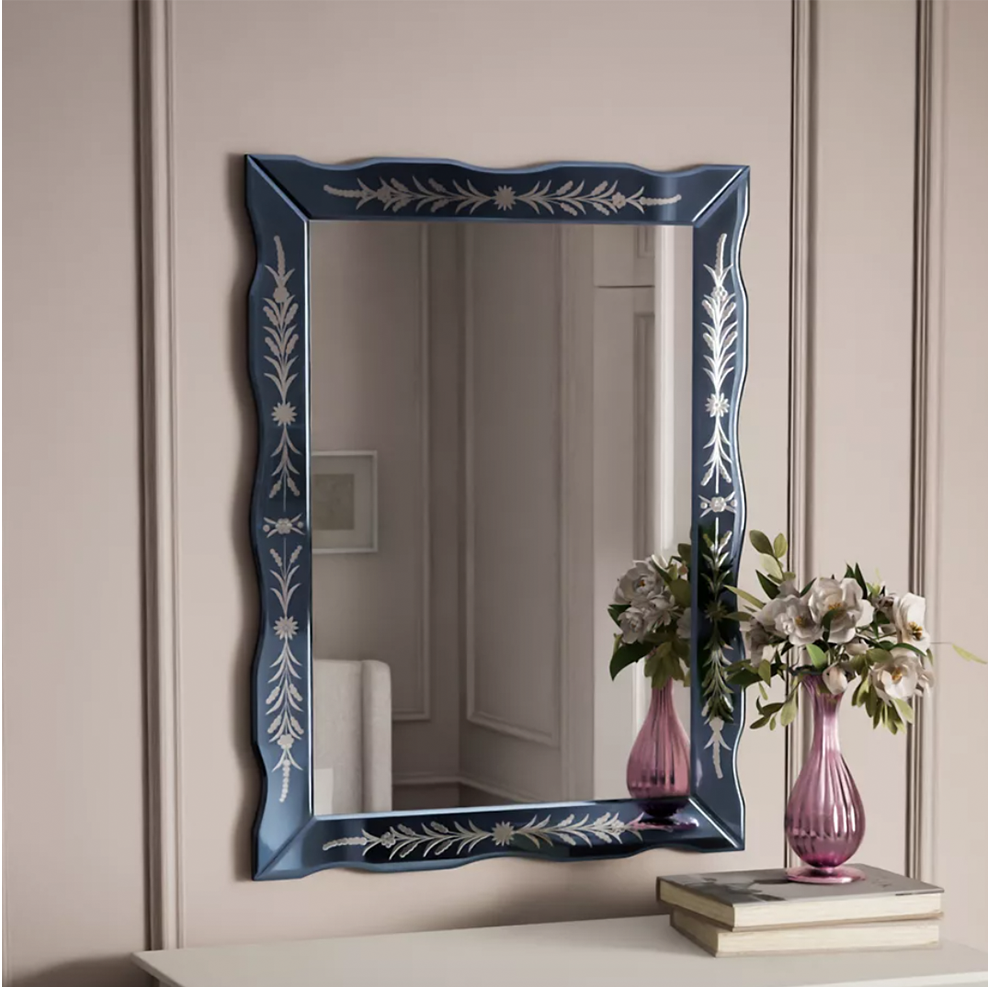
15 living room mirrors to transform your lounging space in an instant

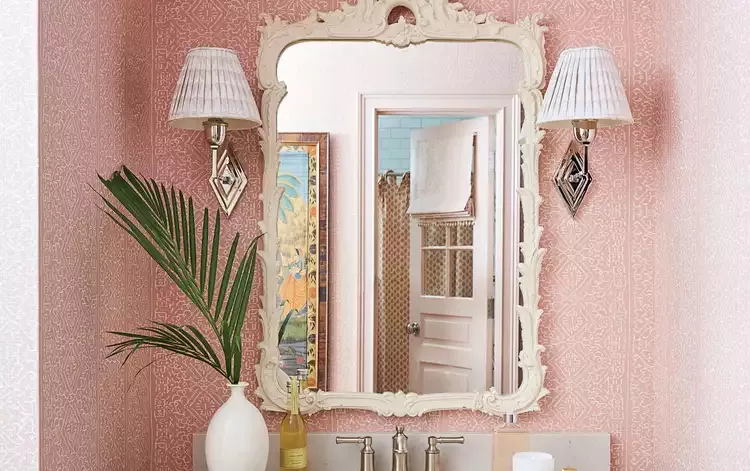
40 Bathroom Mirror Ideas To Enhance Your Space
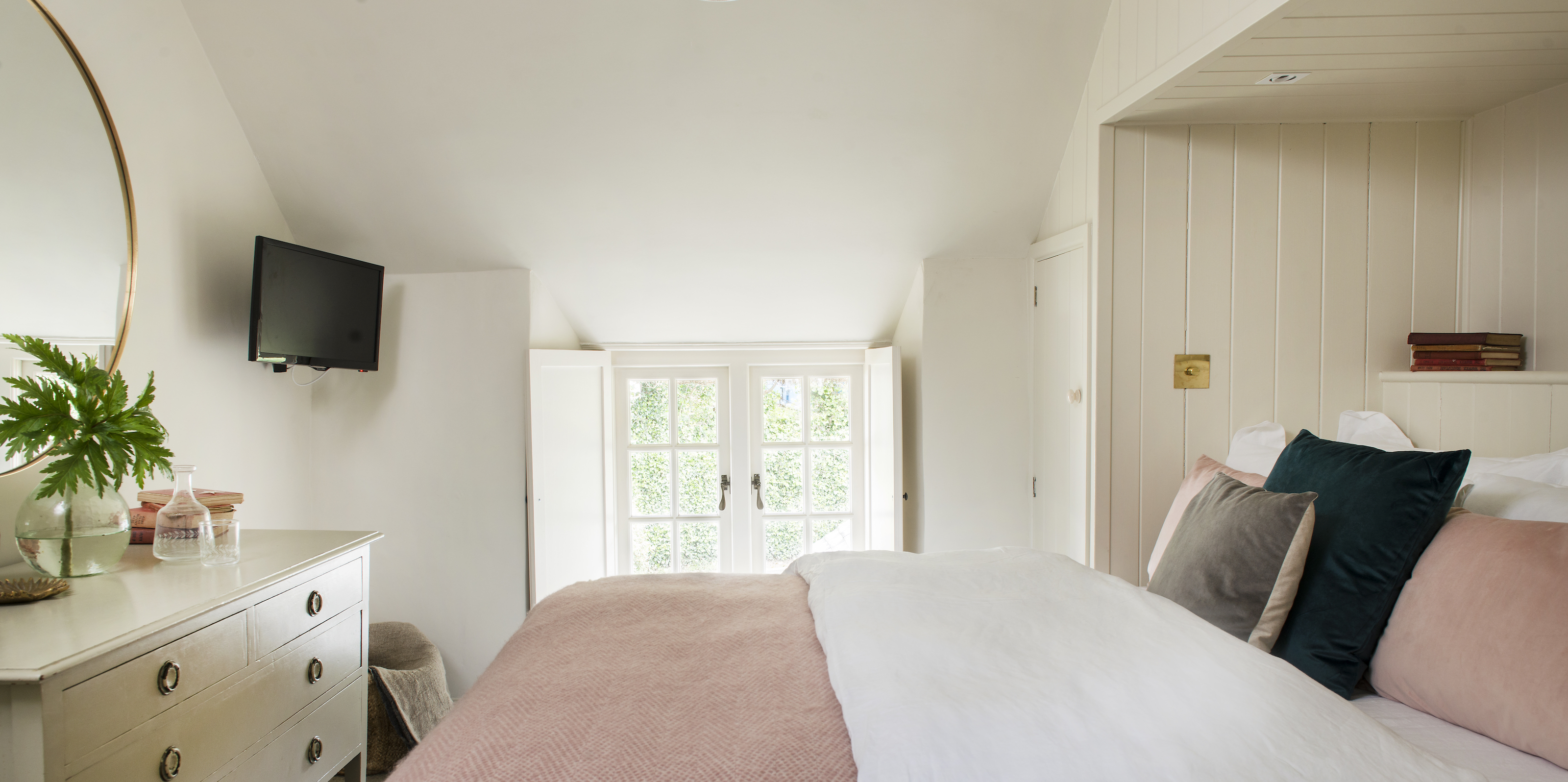
Bedroom mirror ideas - 10 fun and functional ways with mirrors
6 clever ways to use mirrors to make your home feel bigger and brighter
19 Mirror Wall Decor Ideas That Add Light, Depth, and Style
4 places you shouldn't place a mirror in a bedroom, and the 1 place you should
Small bedroom mirror ideas – 10 brightening, space-stretching solutions

Decorate with mirrors to bring in light or make your home feel bigger
5 simple ways designers use mirrors to make a room look bigger
Where to put a mirror in a small bedroom, according to designers
Mirrors Are the Secret to Making A Small Bedroom Feel Huge—15 Tips to Get the Look

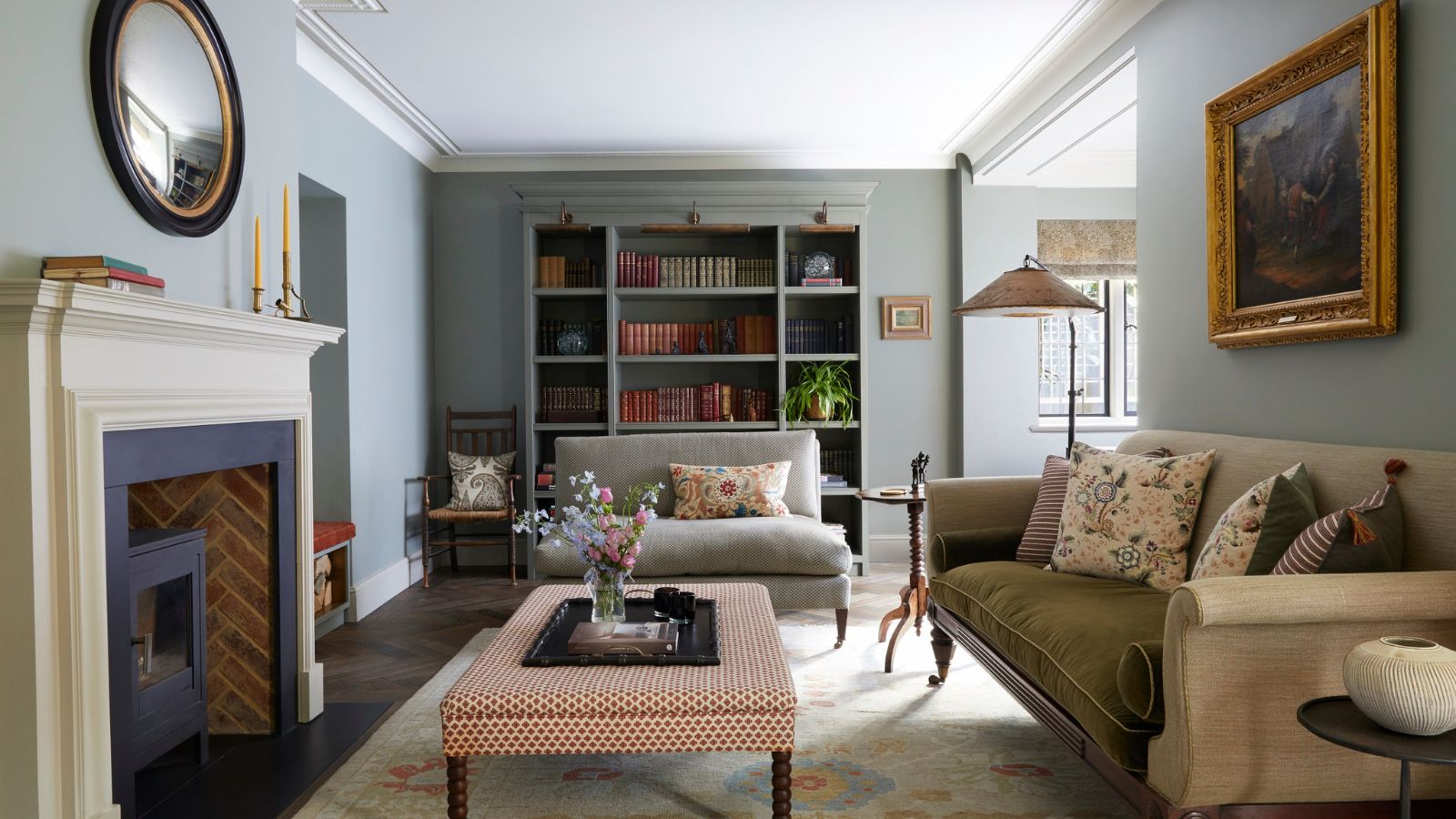
14 living room mirror ideas to enhance light, expand spade and add style
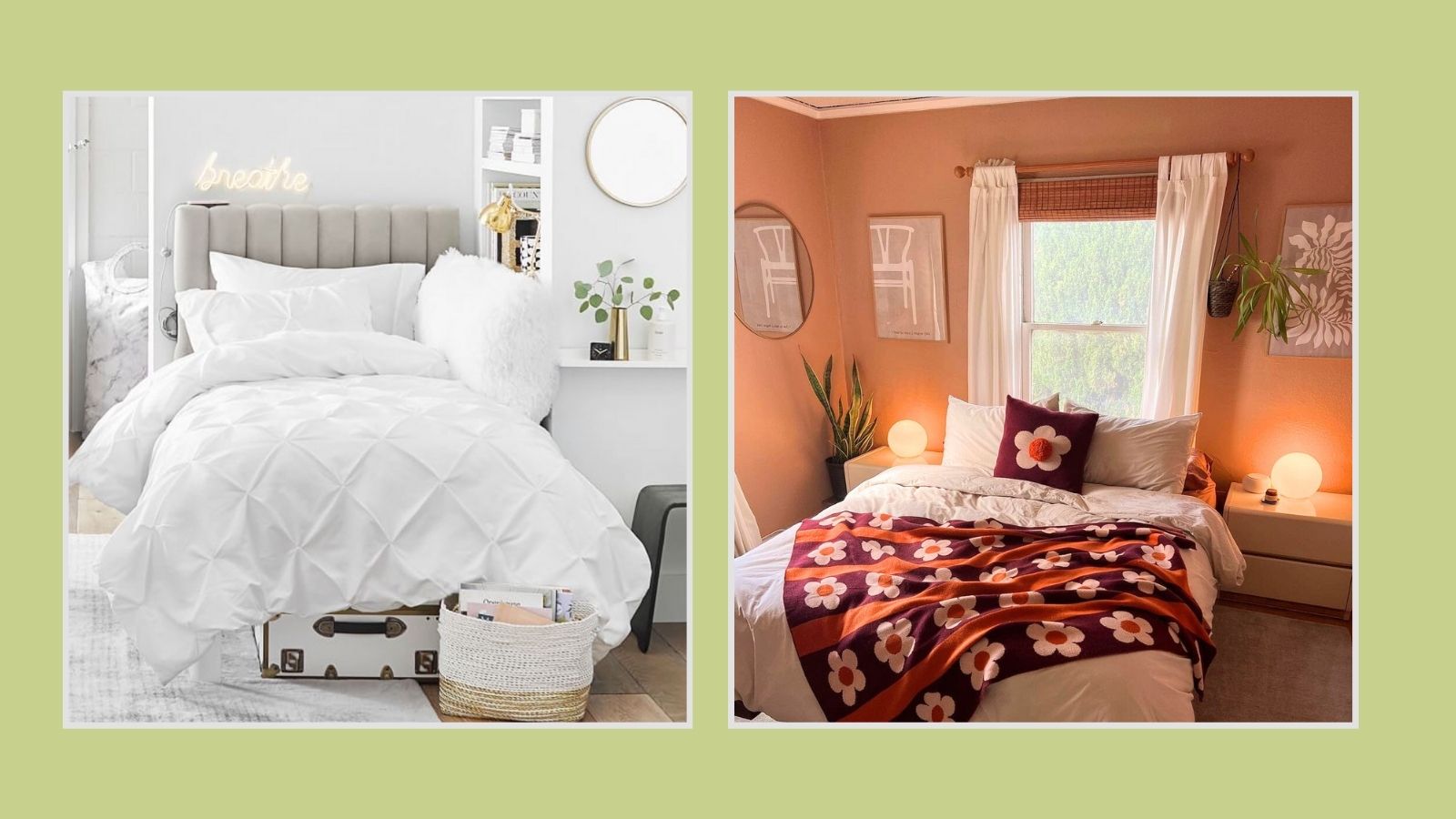
Where to put a mirror in a small bedroom — space-enhancing, designer-approved tips even if options are slim

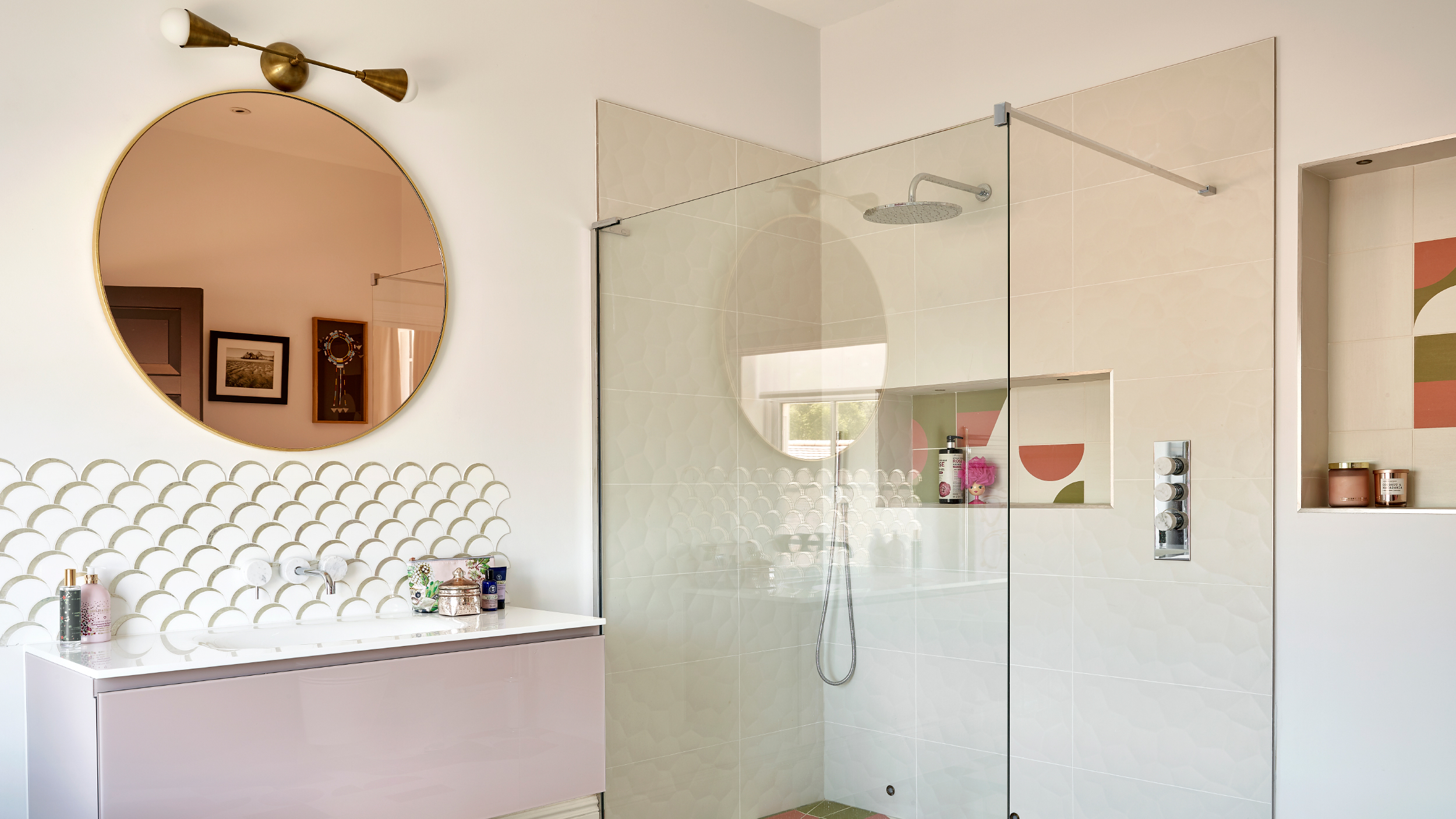
Bathroom mirror lighting ideas – how to pick the perfect flattering light for your space
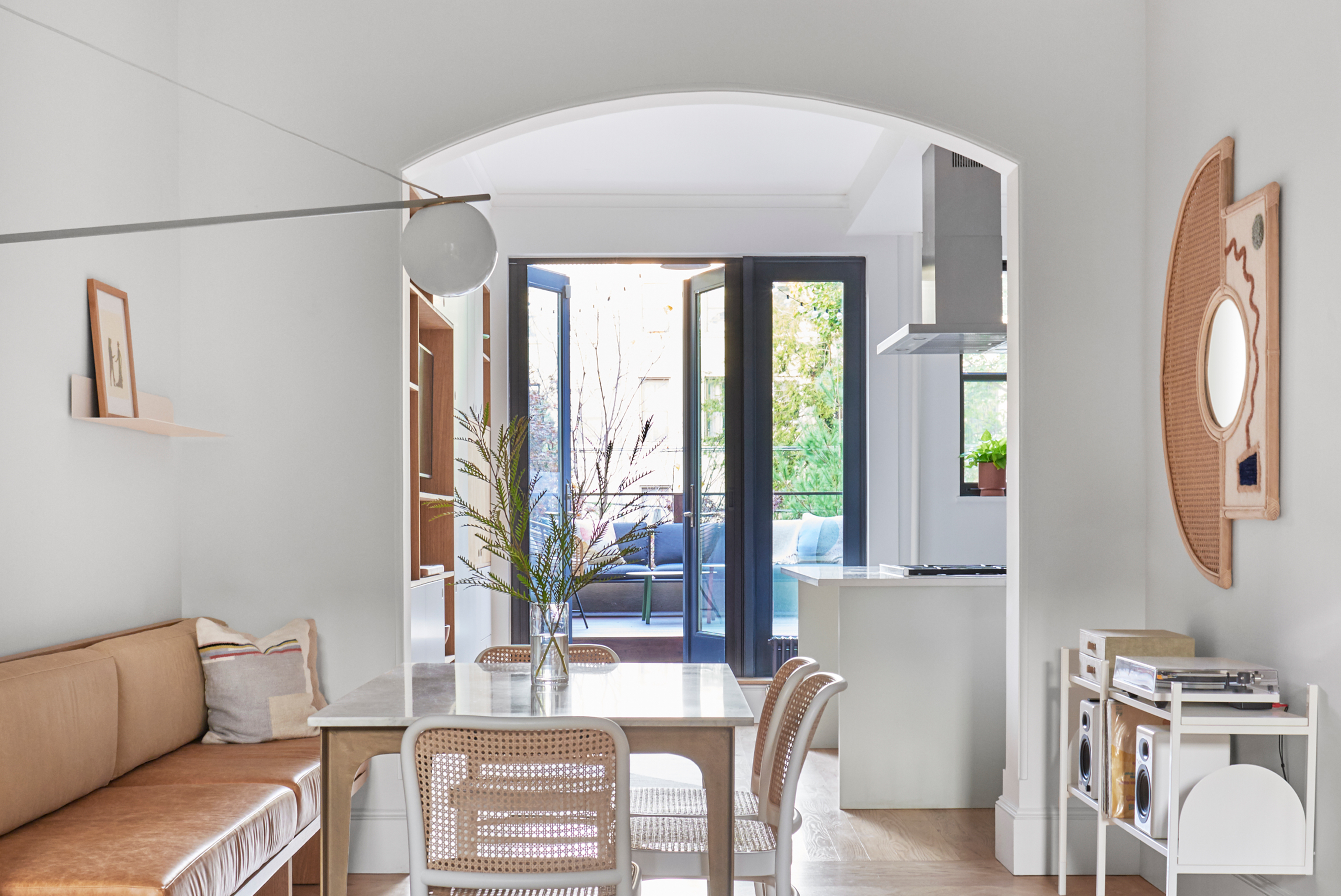
Is it okay to have more than one mirror in a room? This is the one instance designers say it's never okay
5 places you didn’t know you needed a mirror in your home, but where placing one elevates everything
Bathroom vanity mirror ideas – 10 practically perfect looks
5 Mistakes You Might Be Making When Decorating With Mirrors, According To Designers