4 Mirror Mistakes That Make Rooms Look Smaller (And How to Fix Them), According to Designers
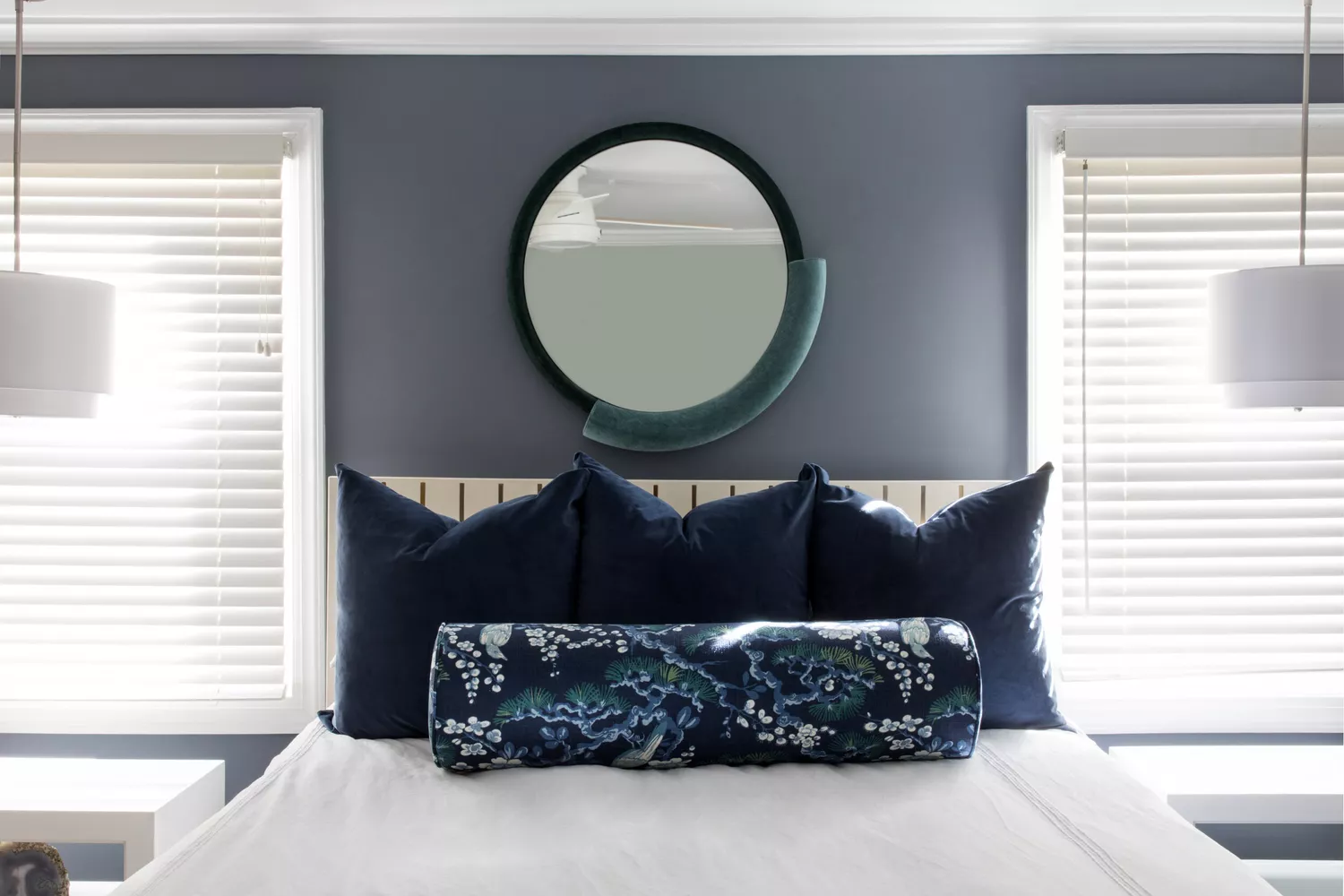
Mirrors serve a crucial role in interior design beyond simply checking one's appearance, acting as integral elements that can either enhance or detract from a room's overall aesthetic. However, improper use can lead to design missteps. Three interior design experts, Keely Smith of Home Stratosphere, Mimi Meacham of Marian Louise Design, and Molly McGinness of Molly McGinness Interior Design, offer insights into common errors made when decorating with mirrors.
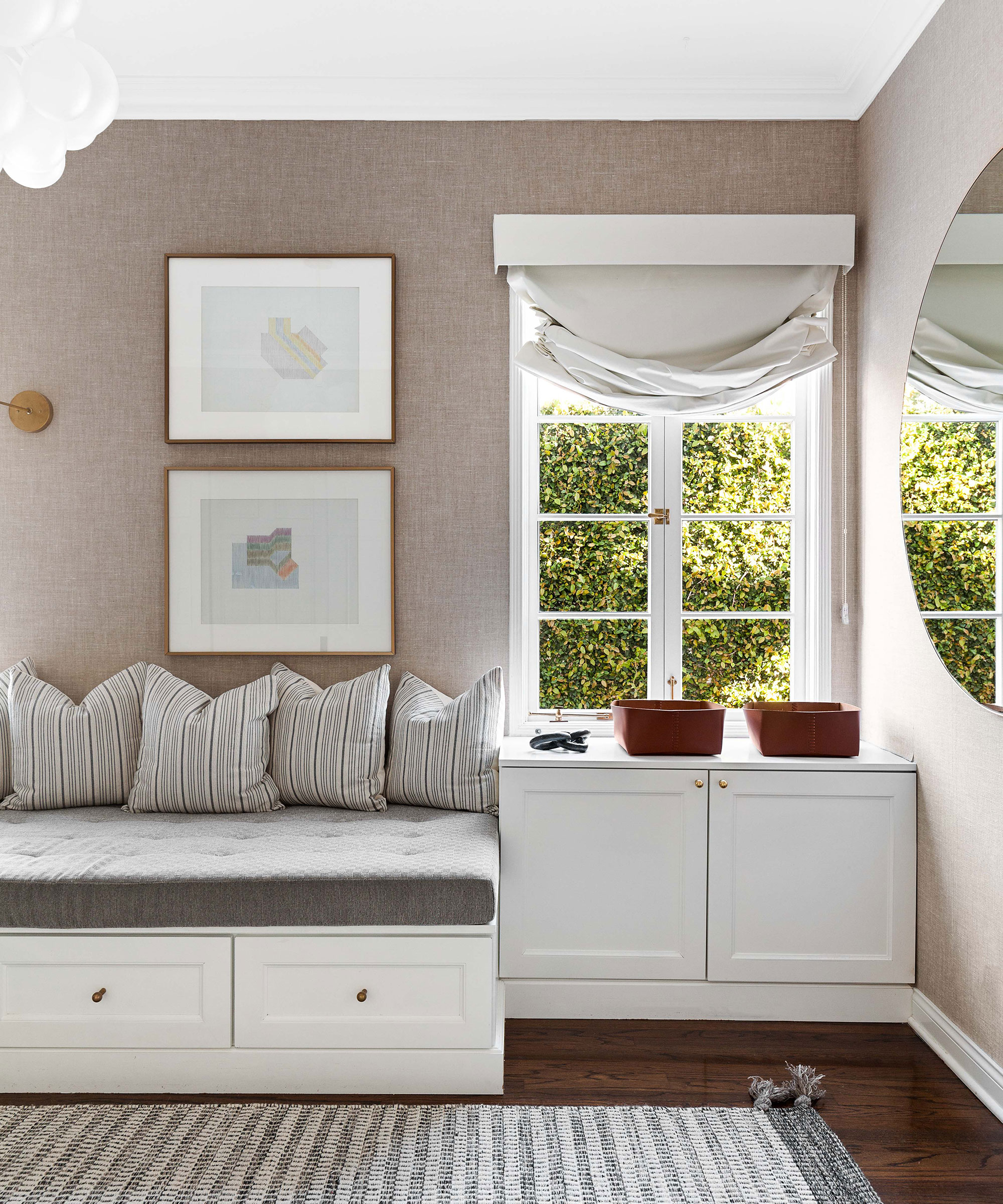
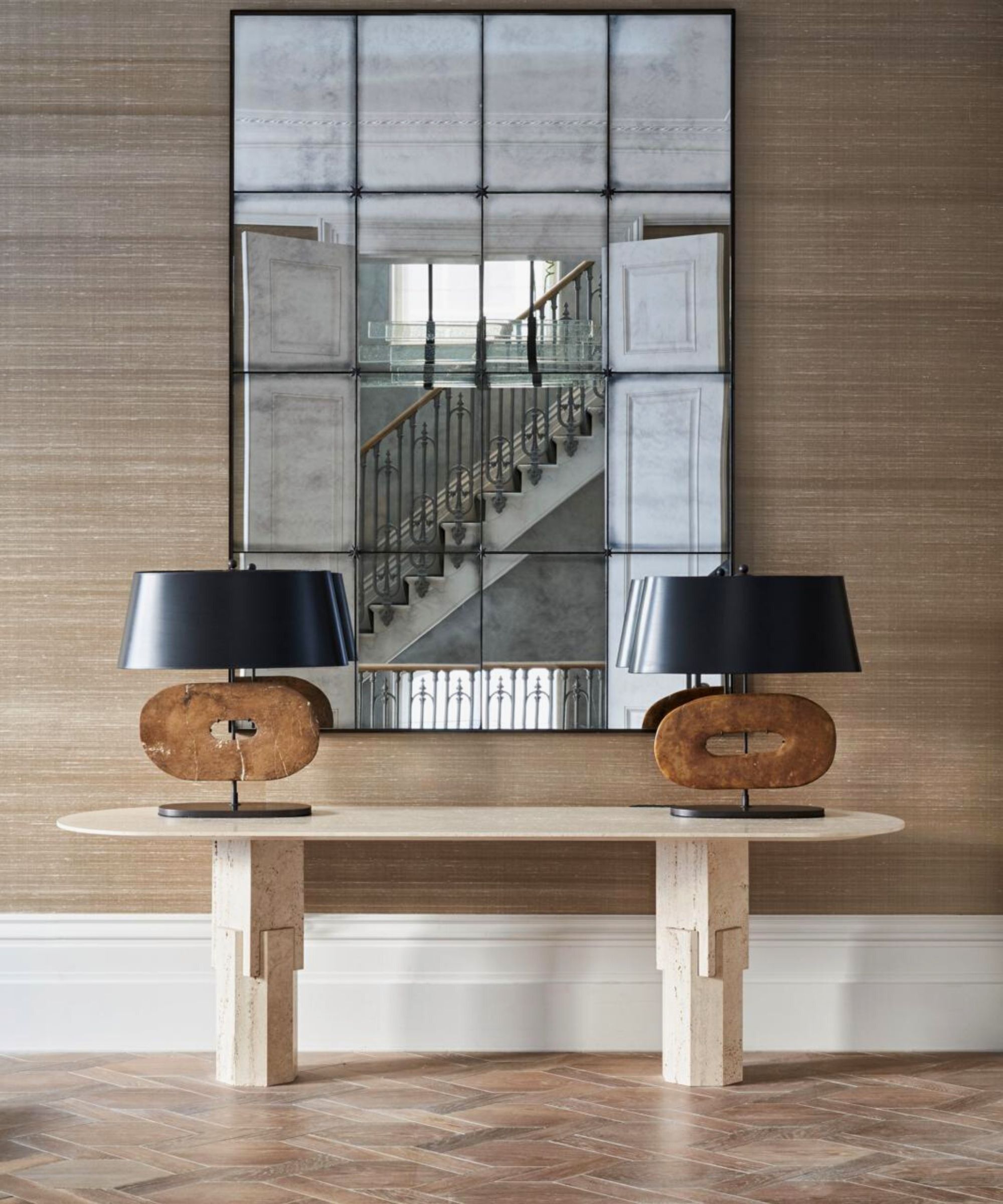
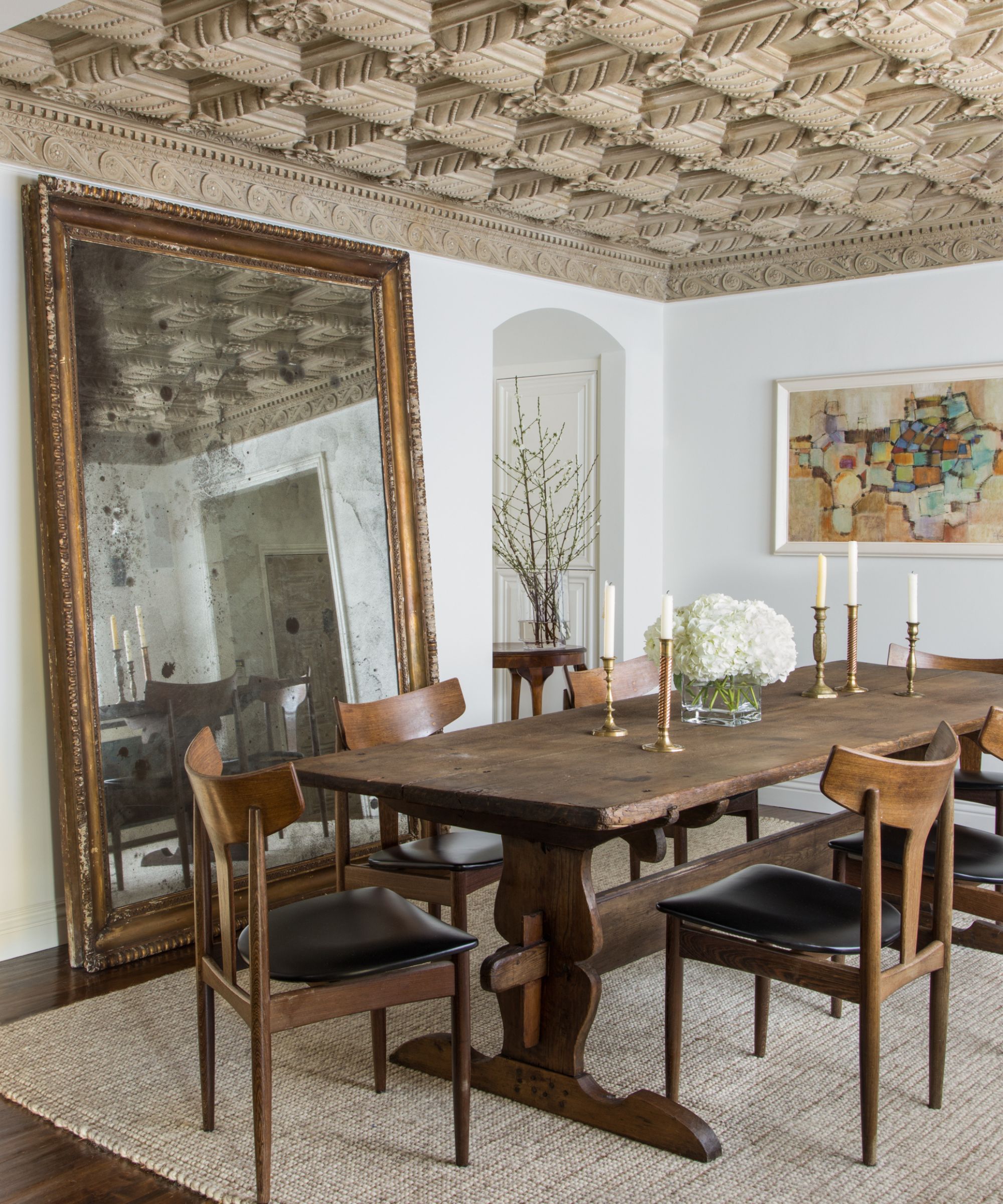
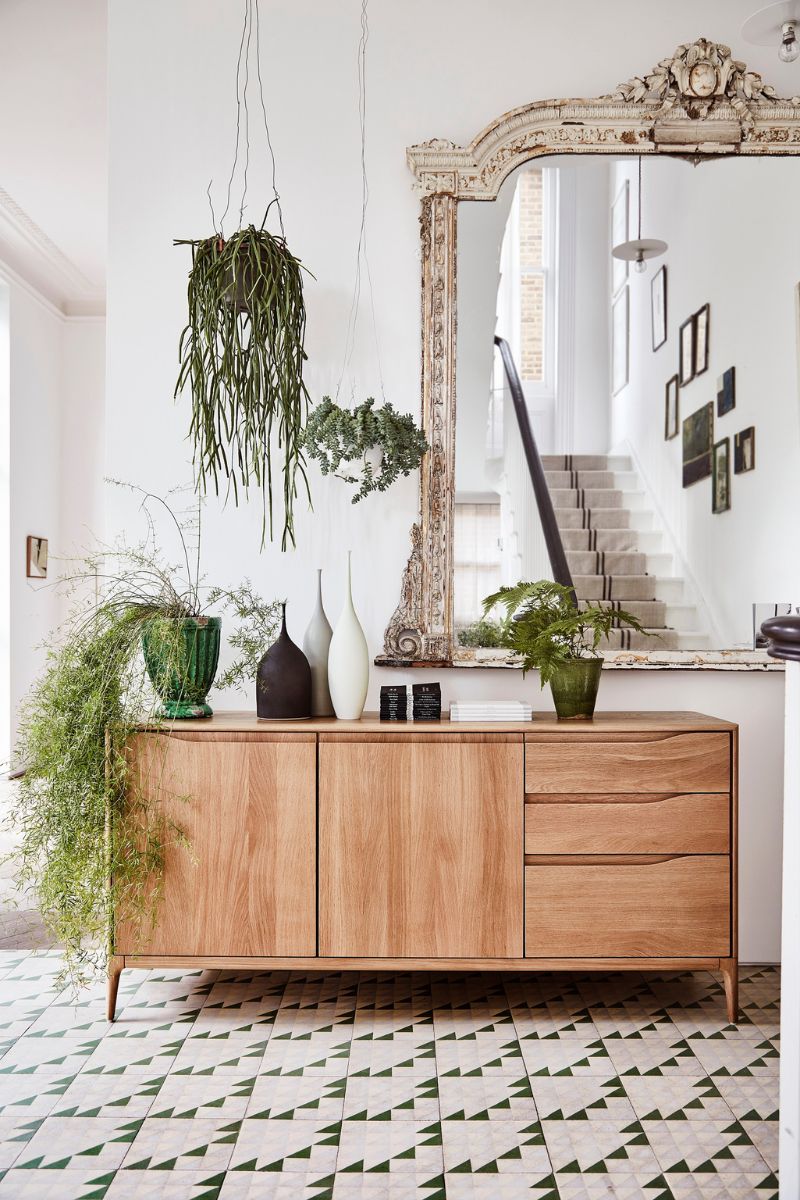
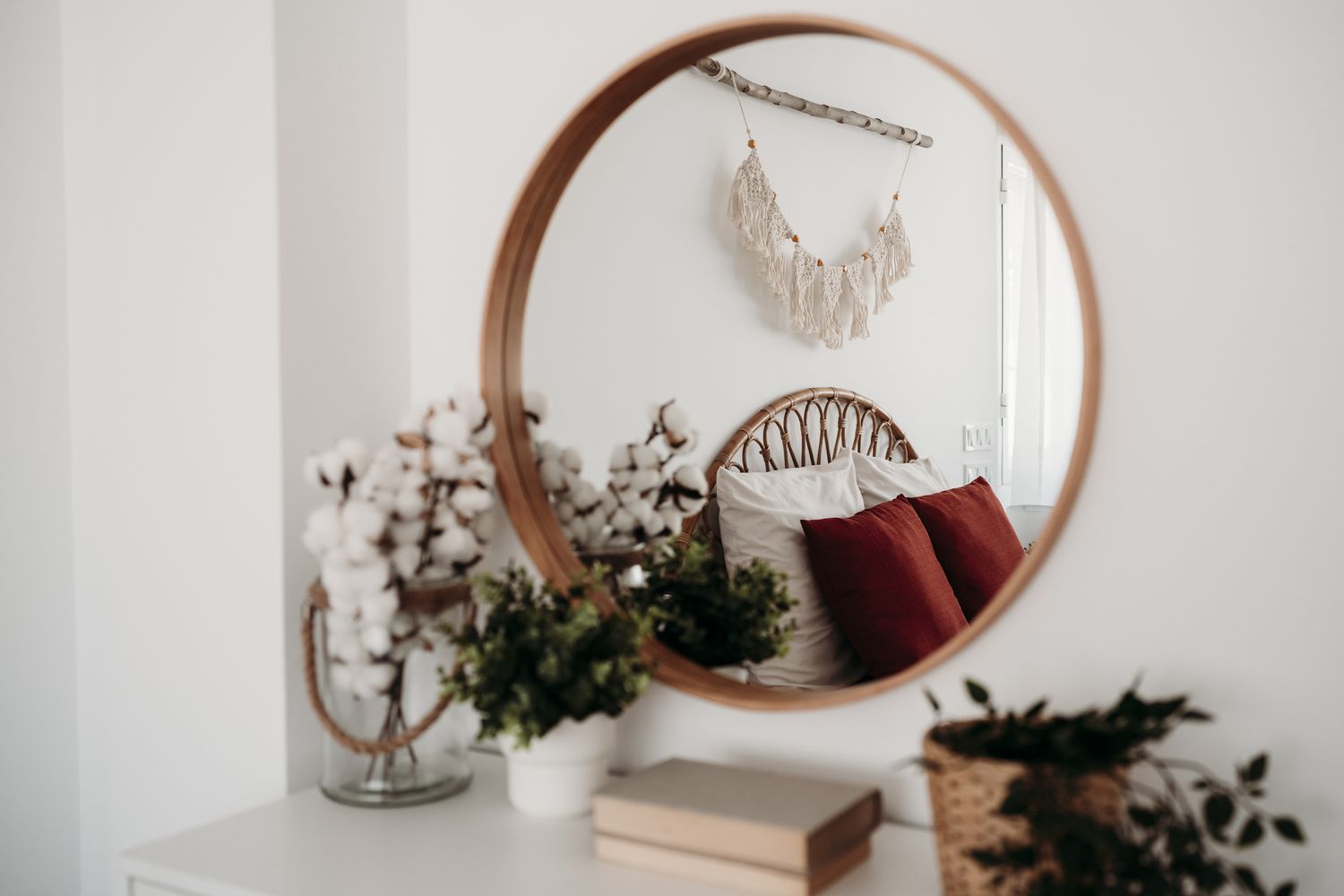
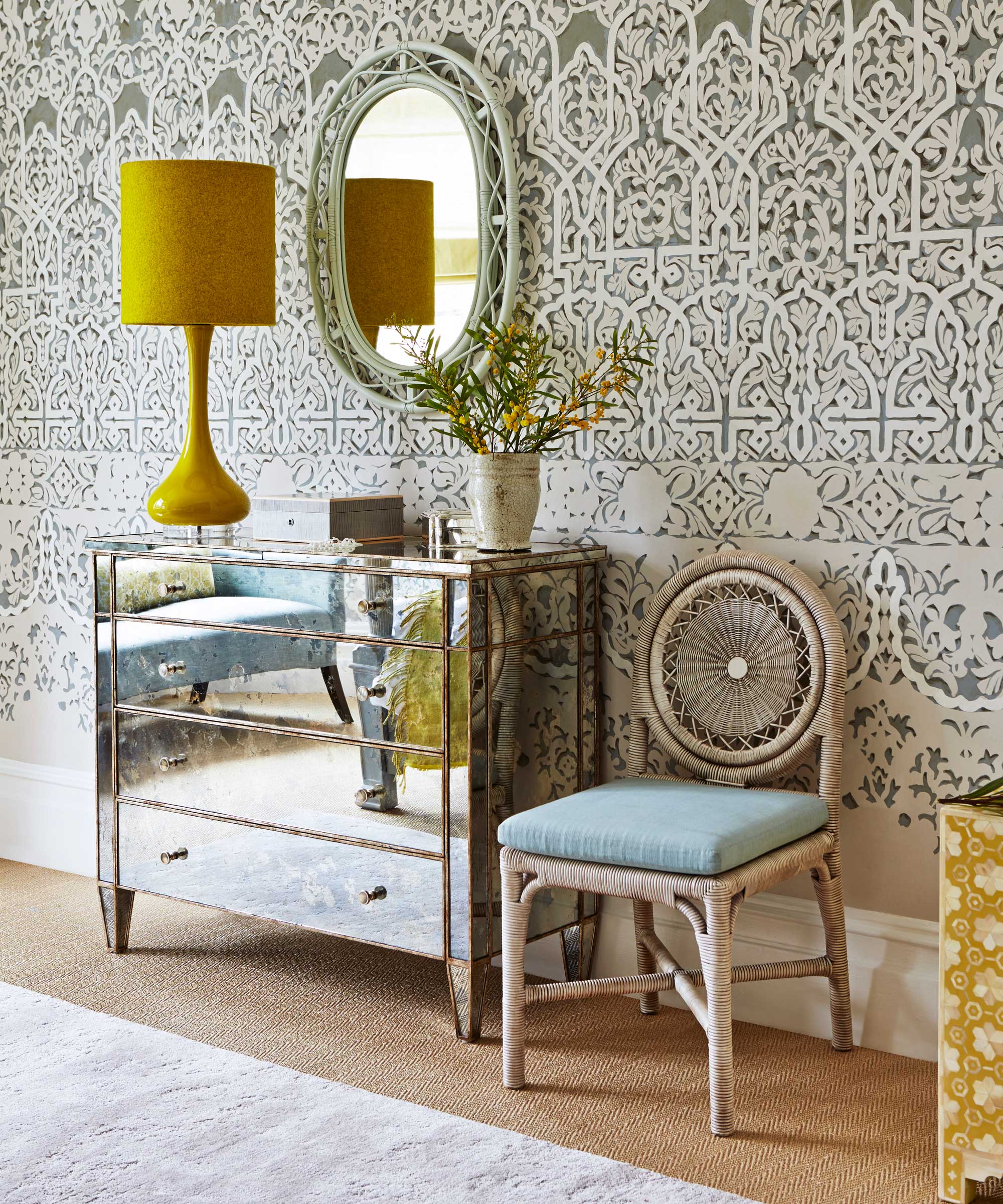
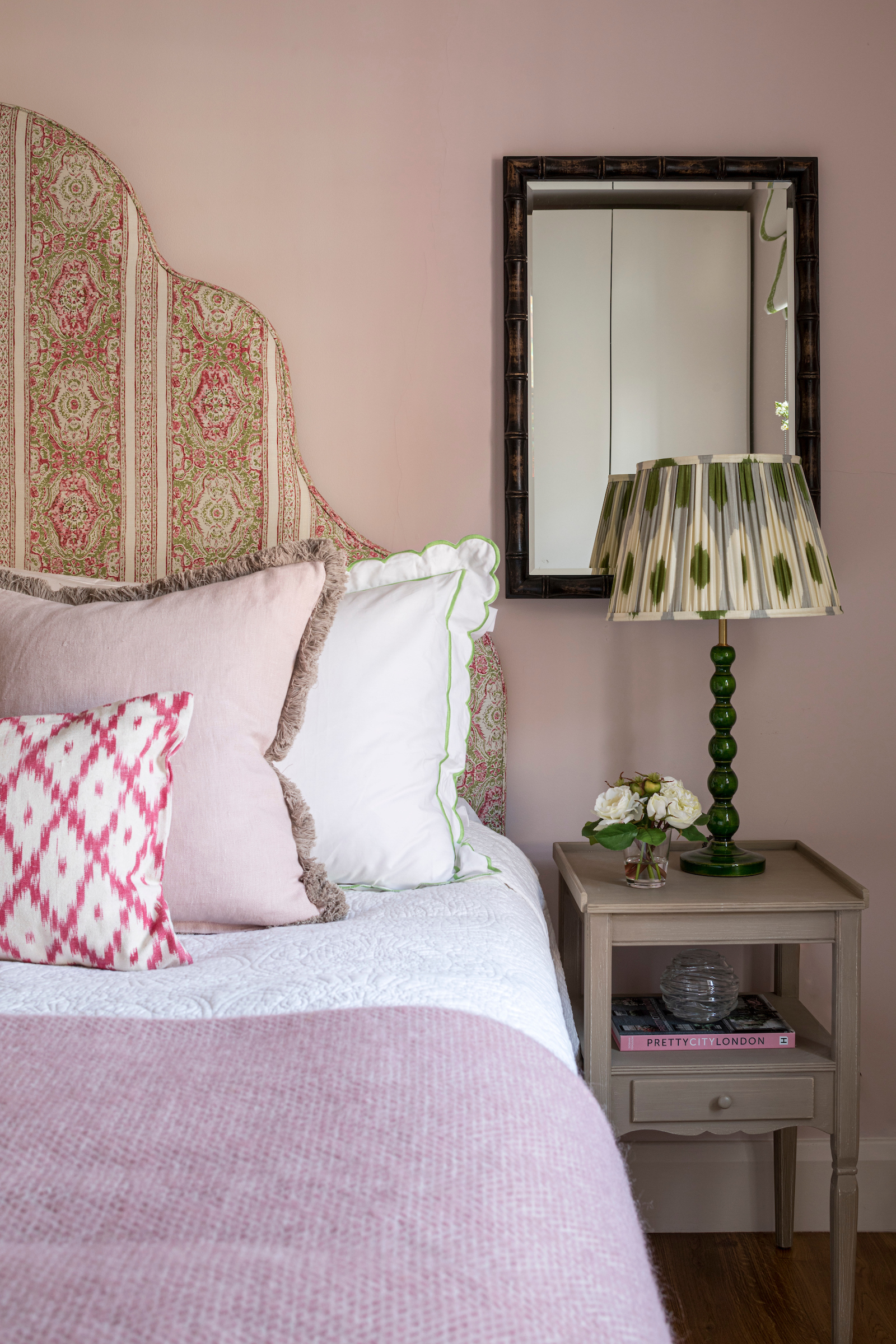
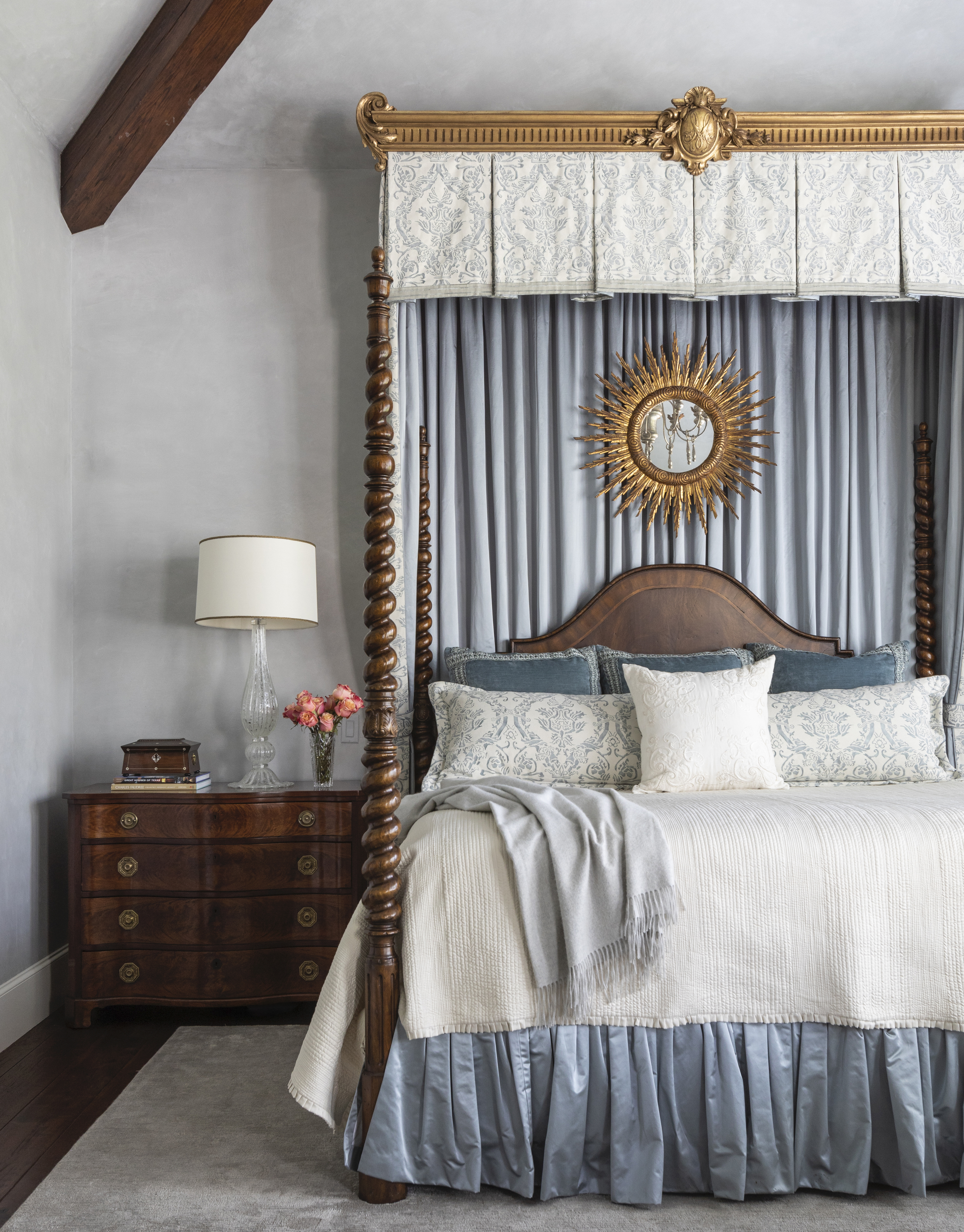
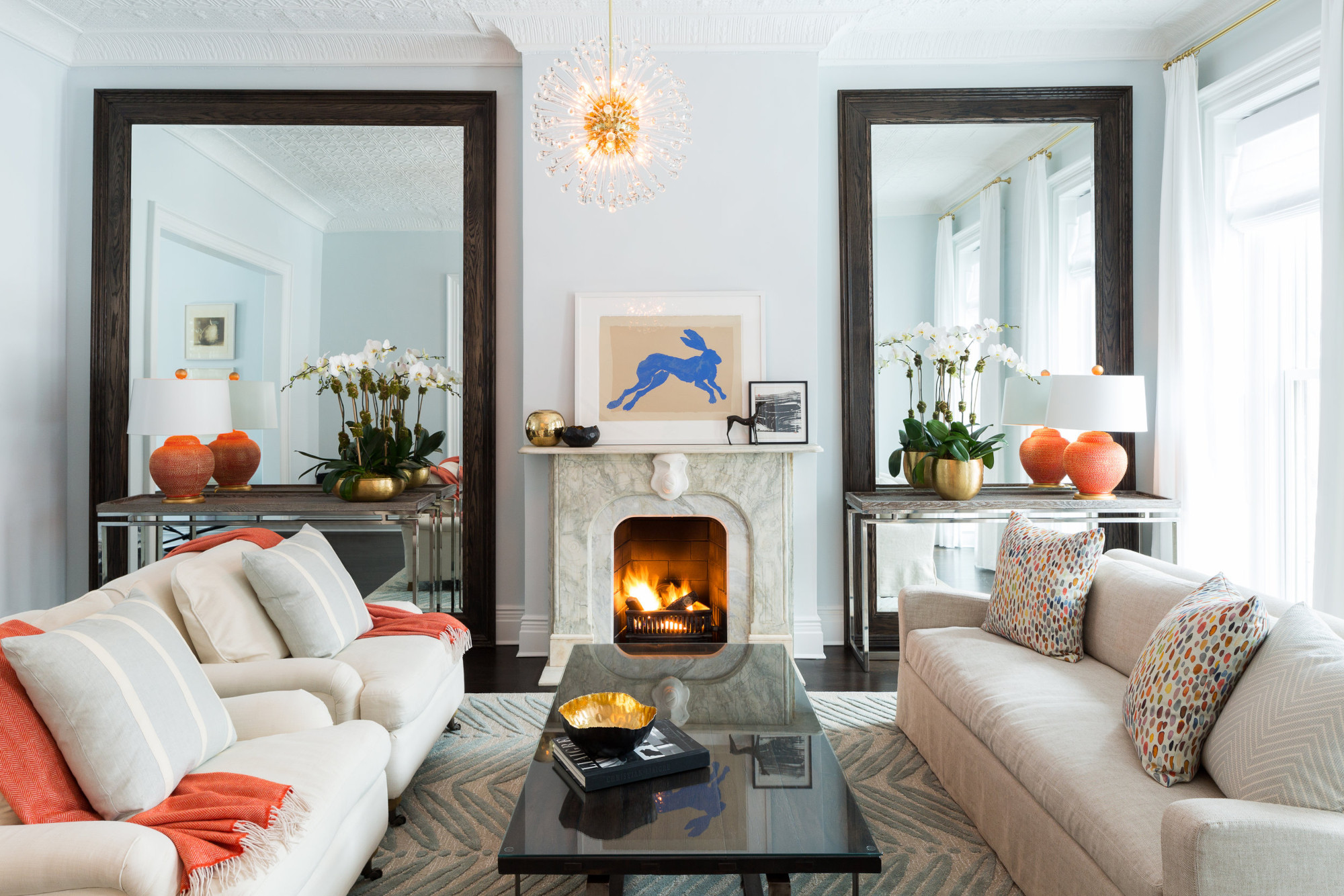
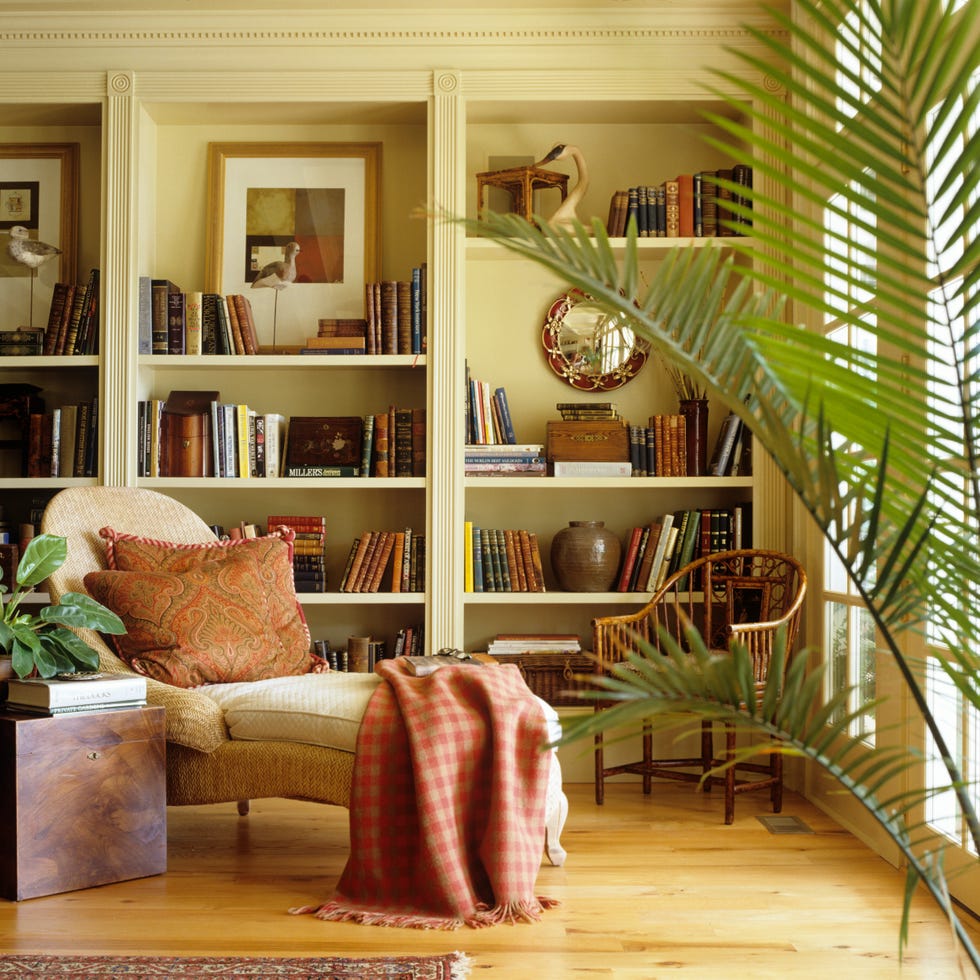
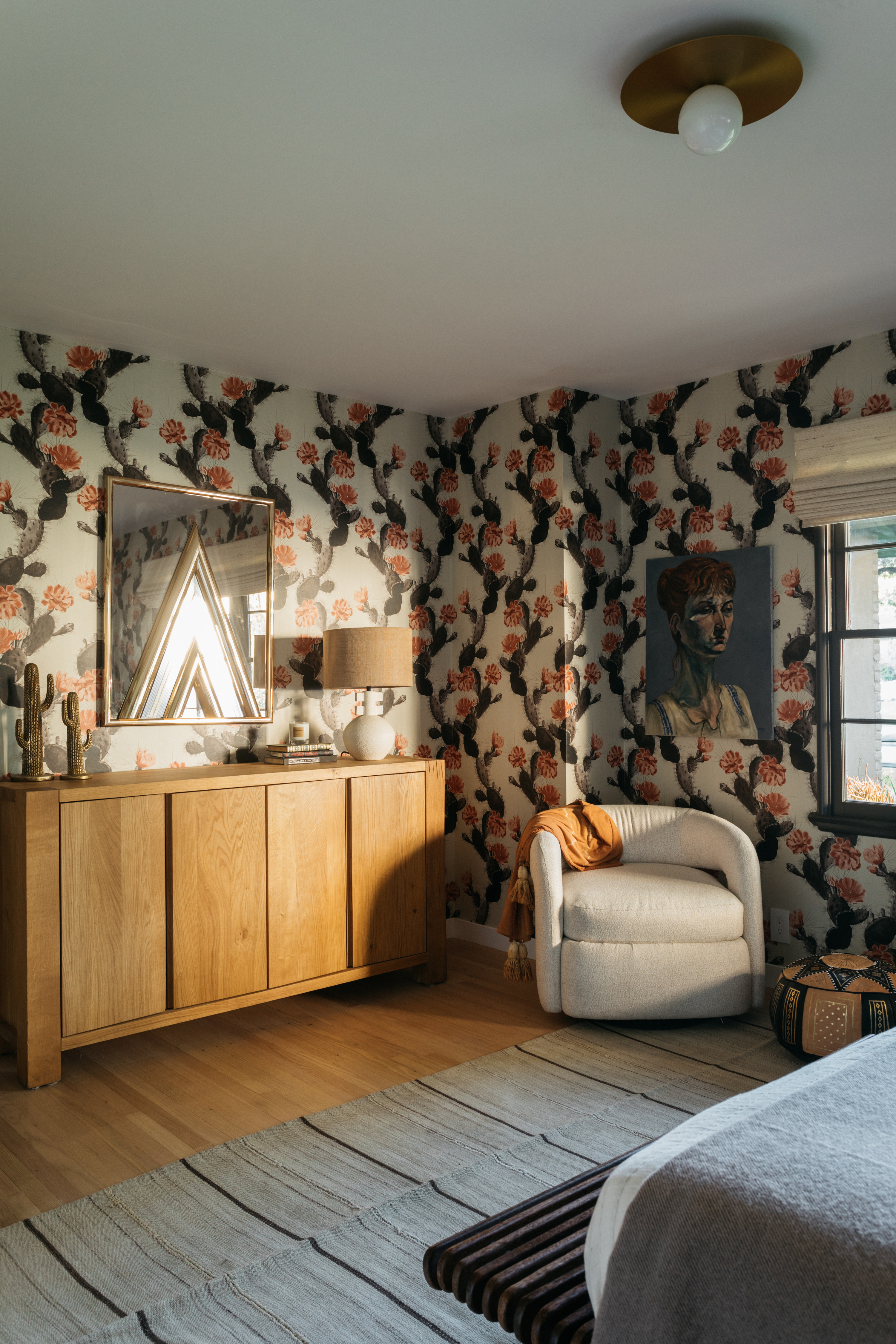
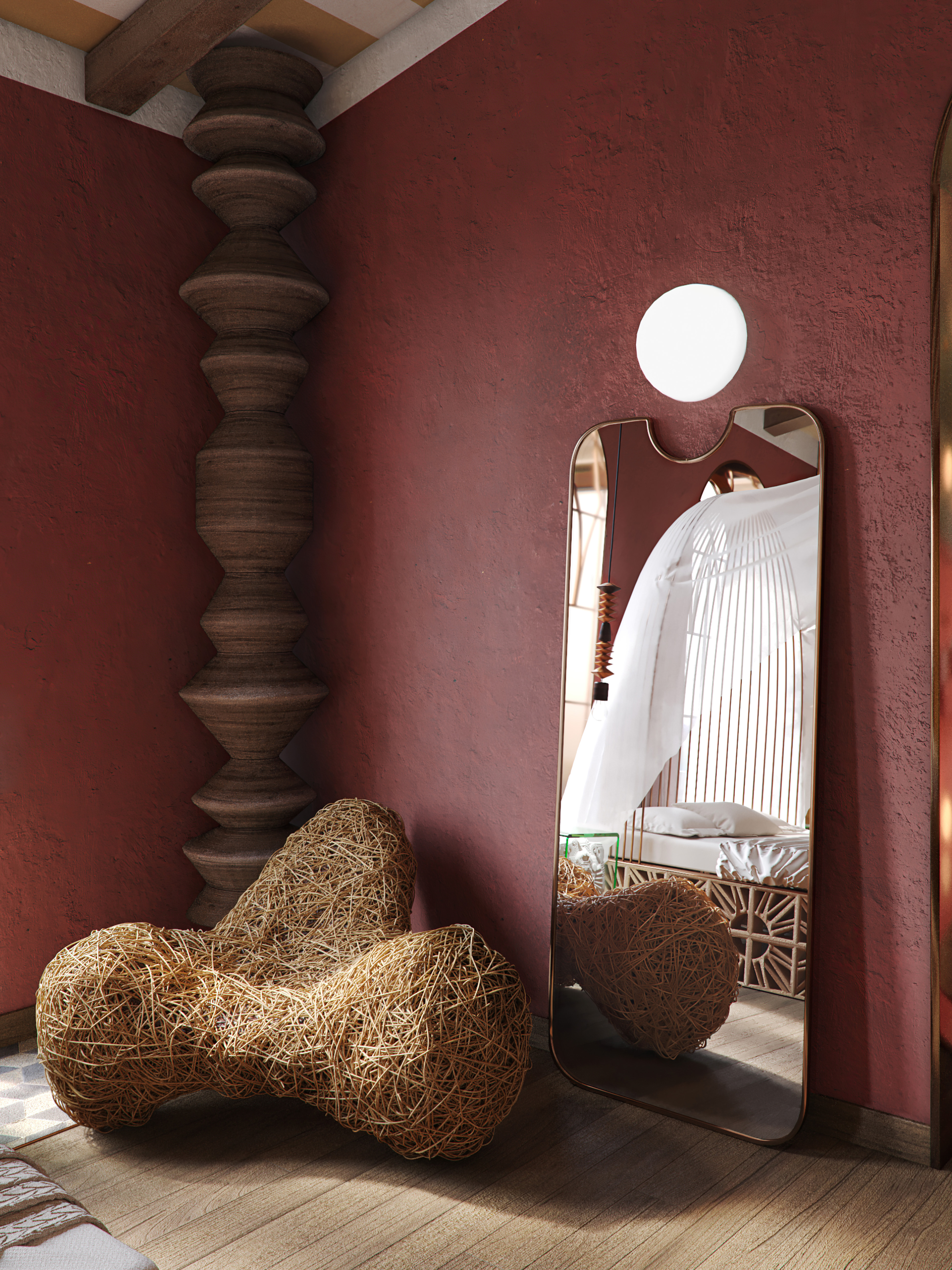
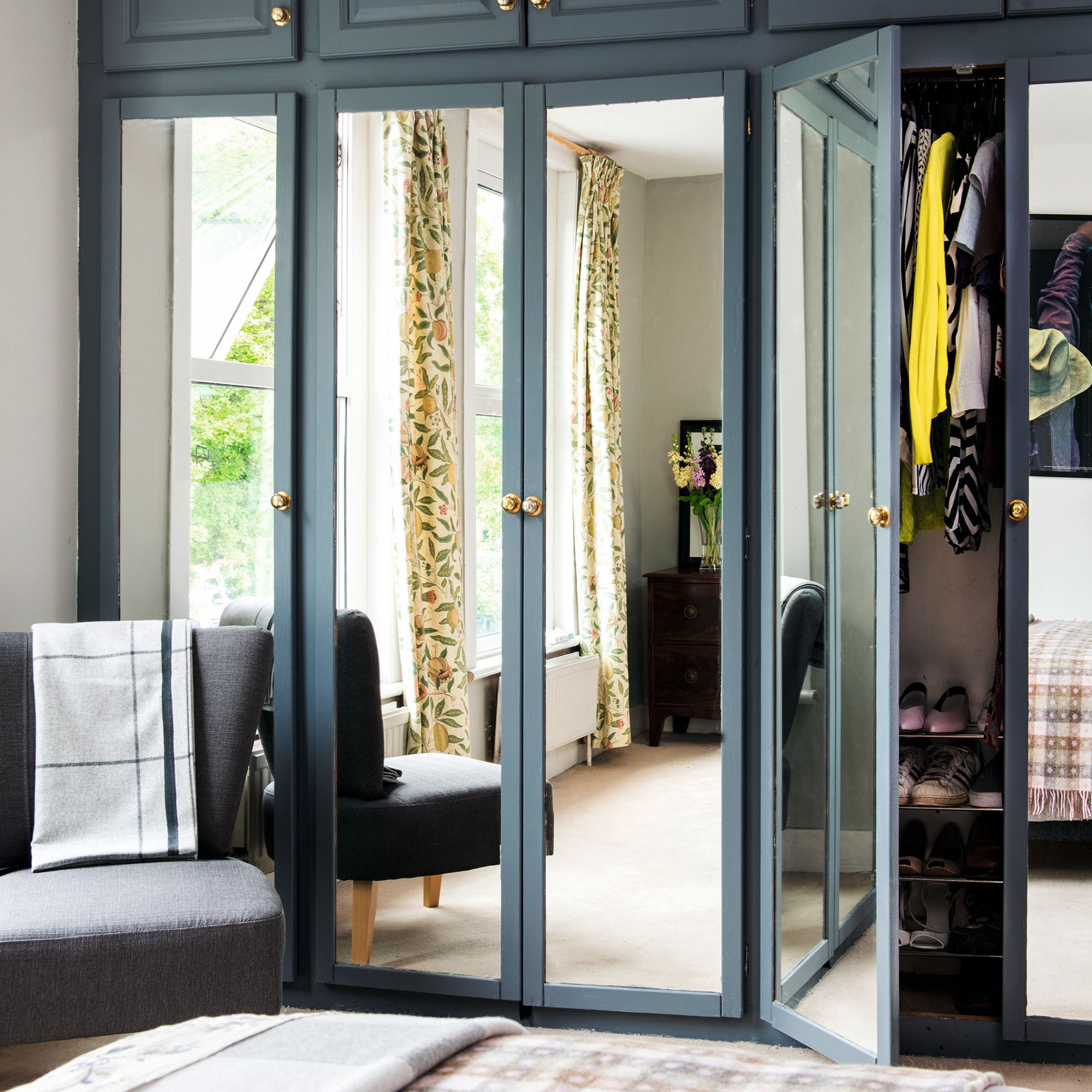
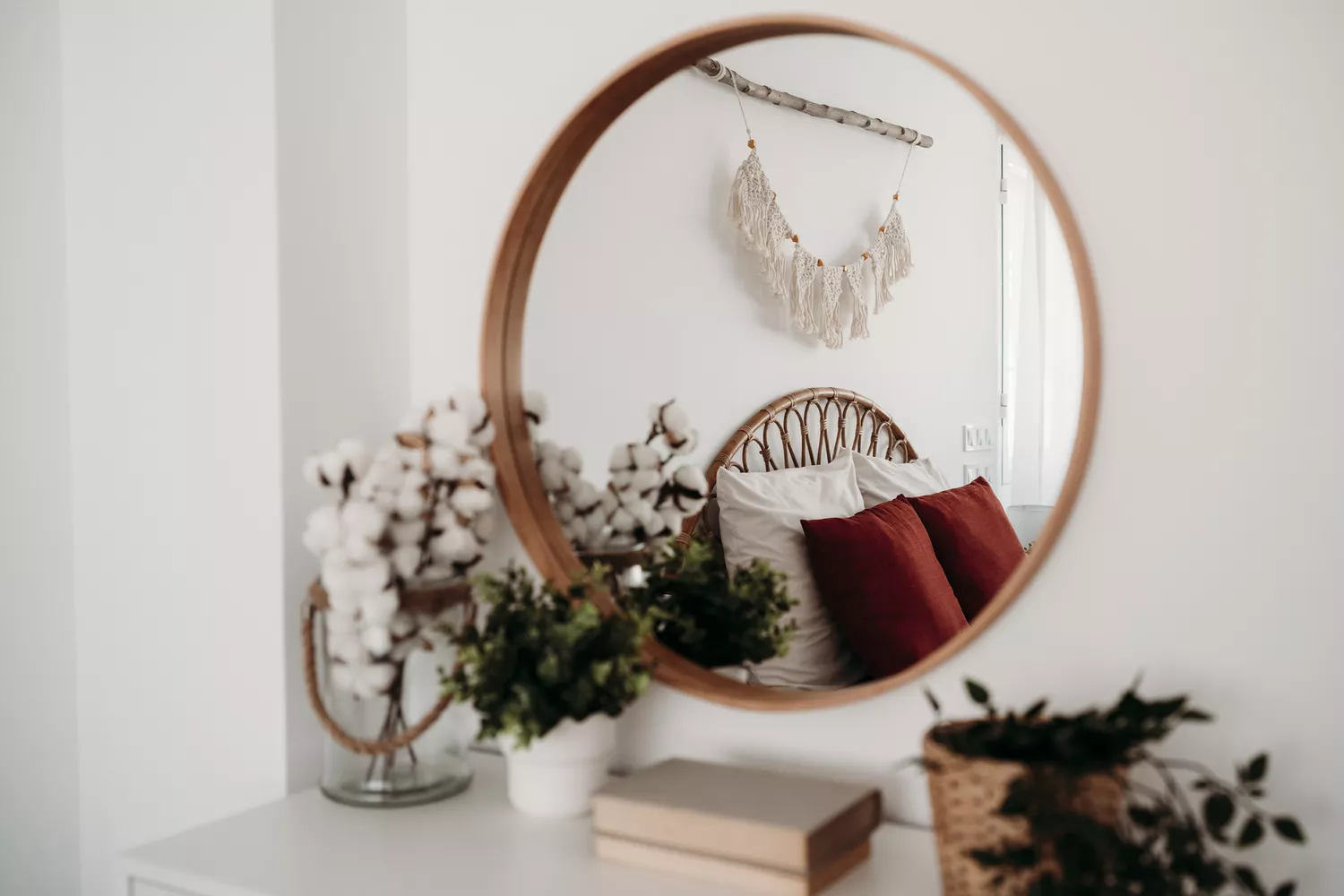
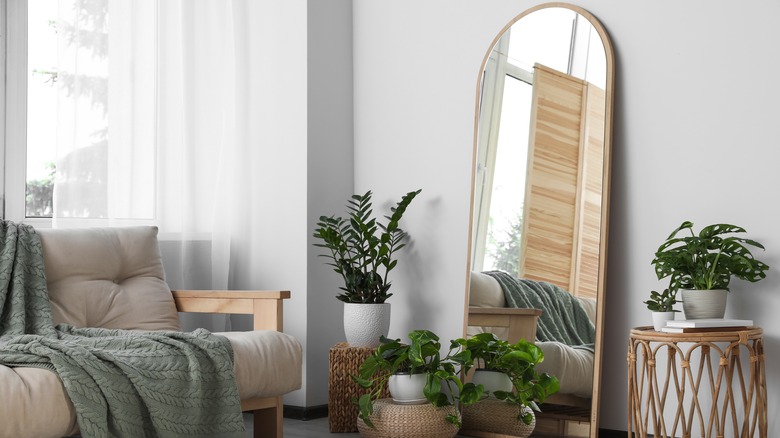
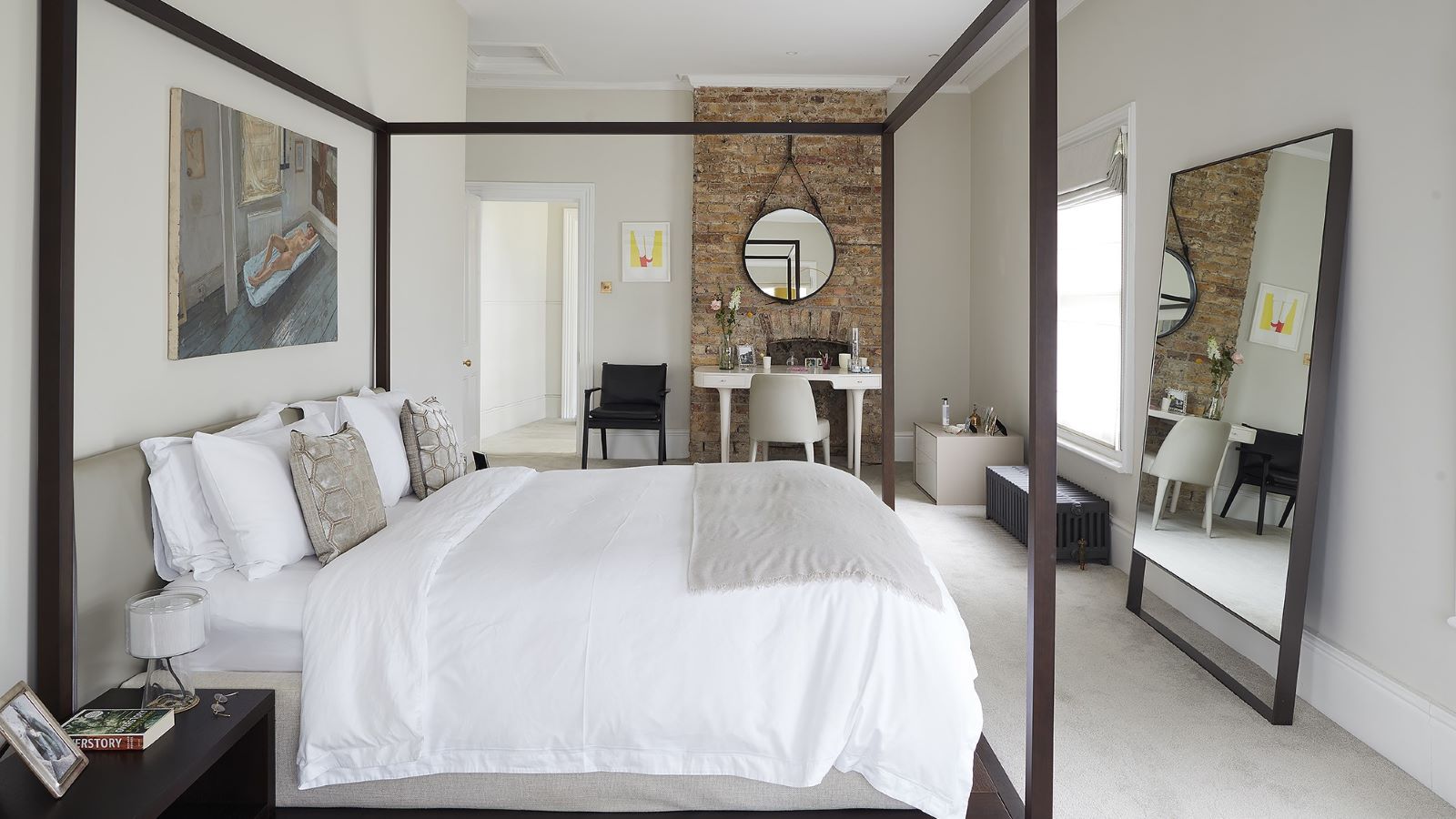
One significant mistake involves overlooking the reflection. A mirror acts similarly to a window, and the reflection it casts should be considered carefully. Placing a mirror to reflect an uninteresting view, such as a cluttered desk or an unsightly corner, diminishes its purpose and can even highlight undesirable areas. Ideally, mirrors should be positioned to reflect appealing elements like a beautiful outdoor scene, a striking piece of art, or a well-designed part of the room, thereby adding depth and visual interest. Consideration of colors and lighting in the reflected image is also important for achieving a harmonious look.
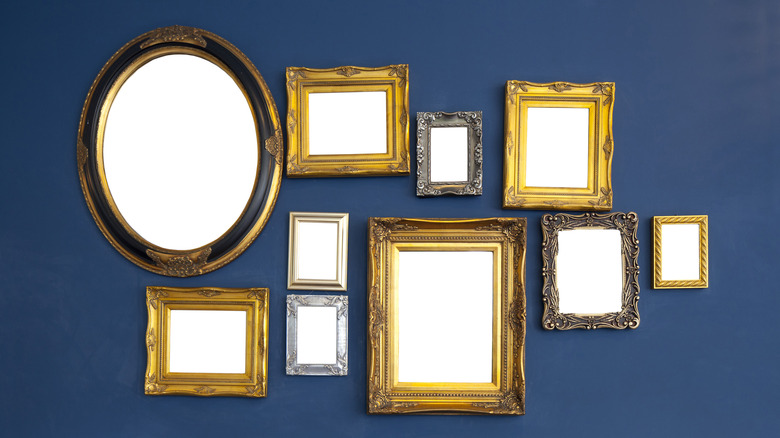
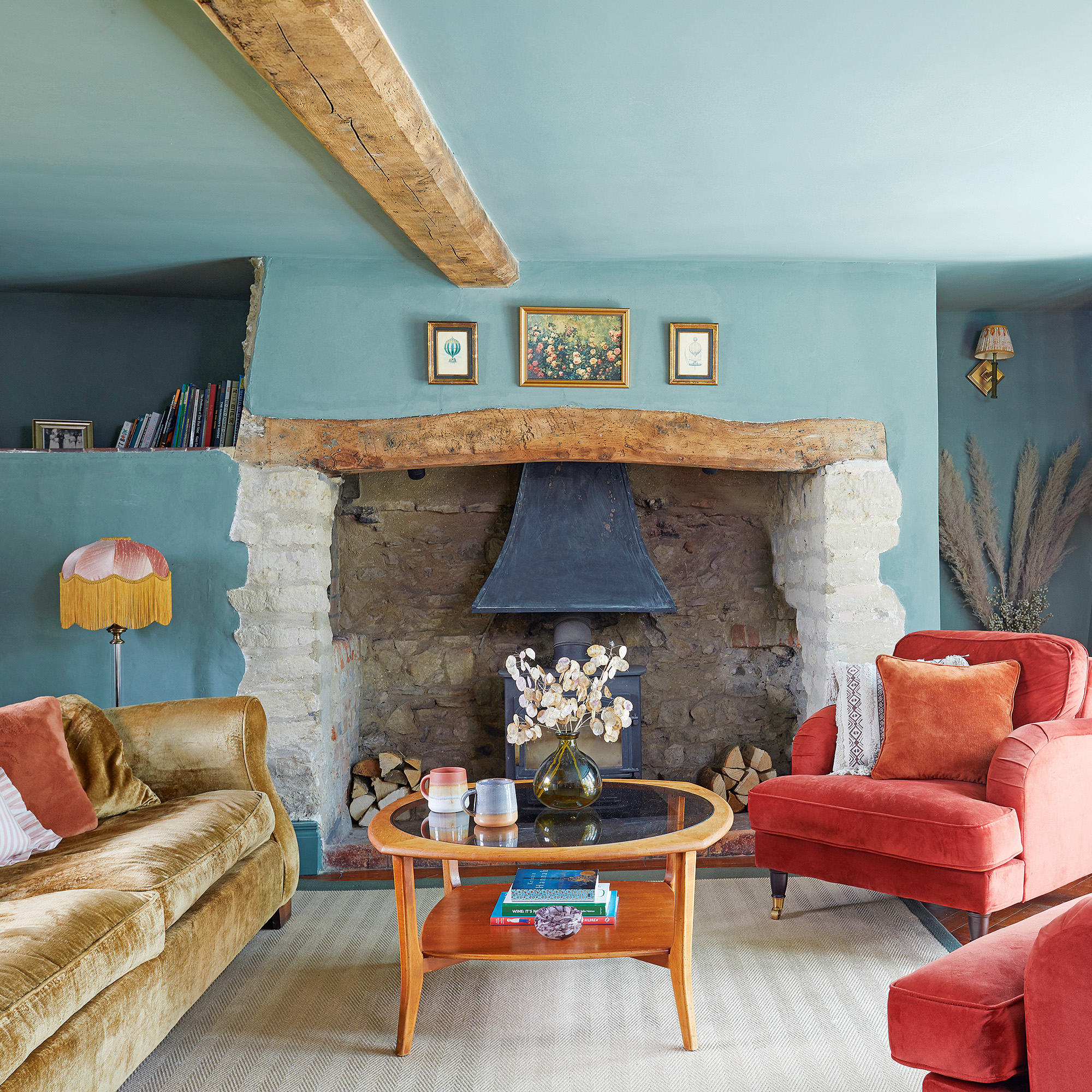

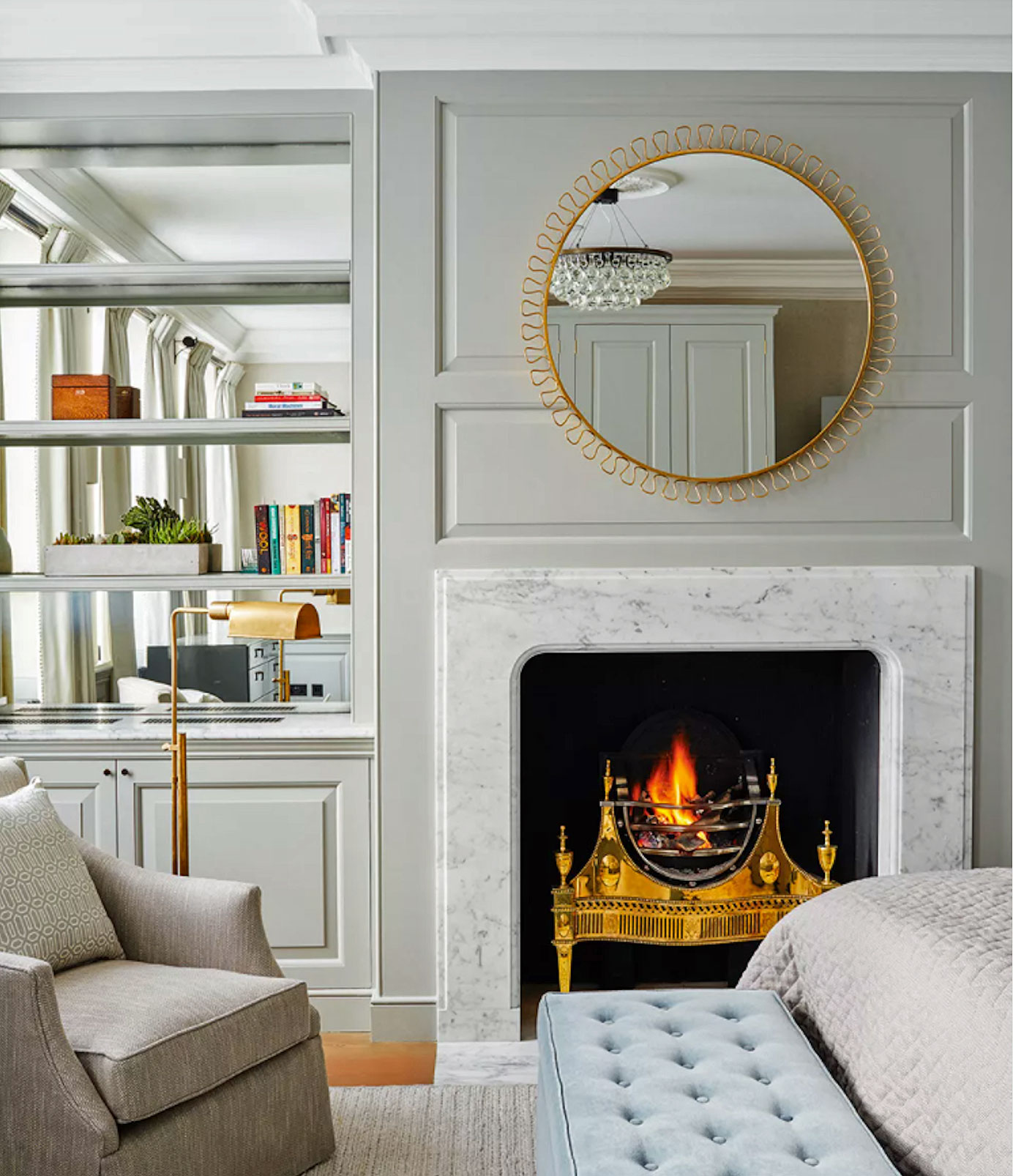
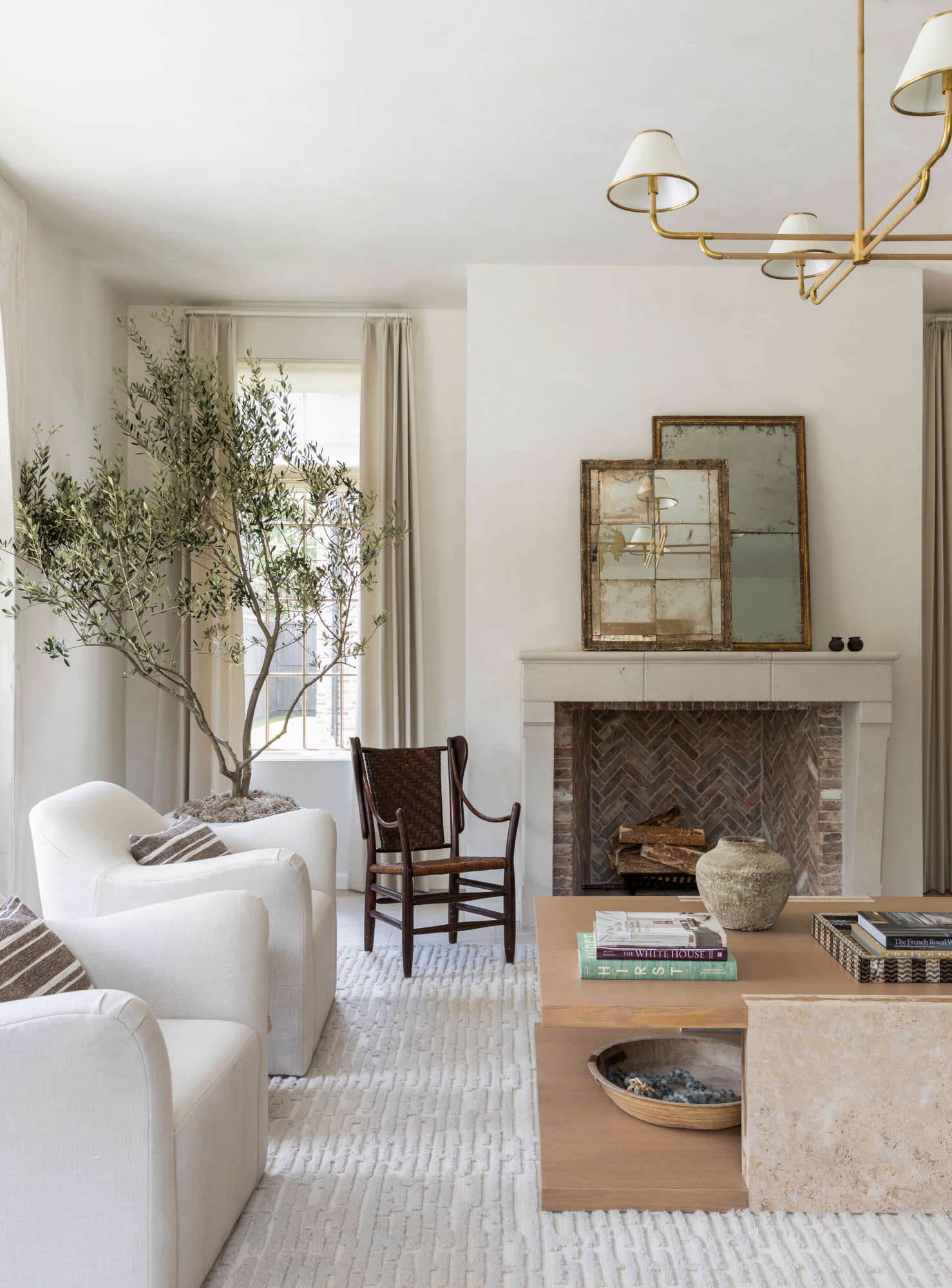
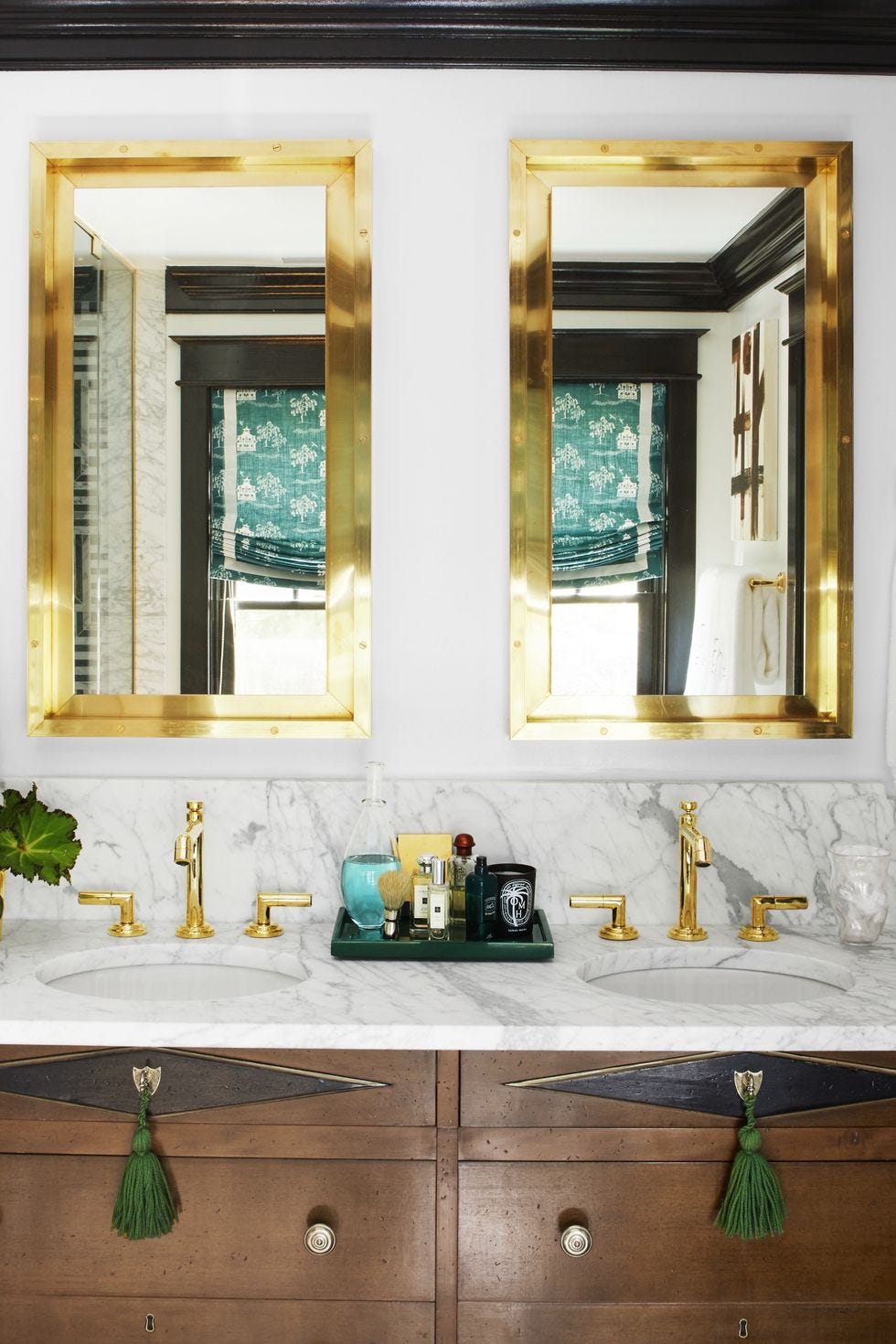
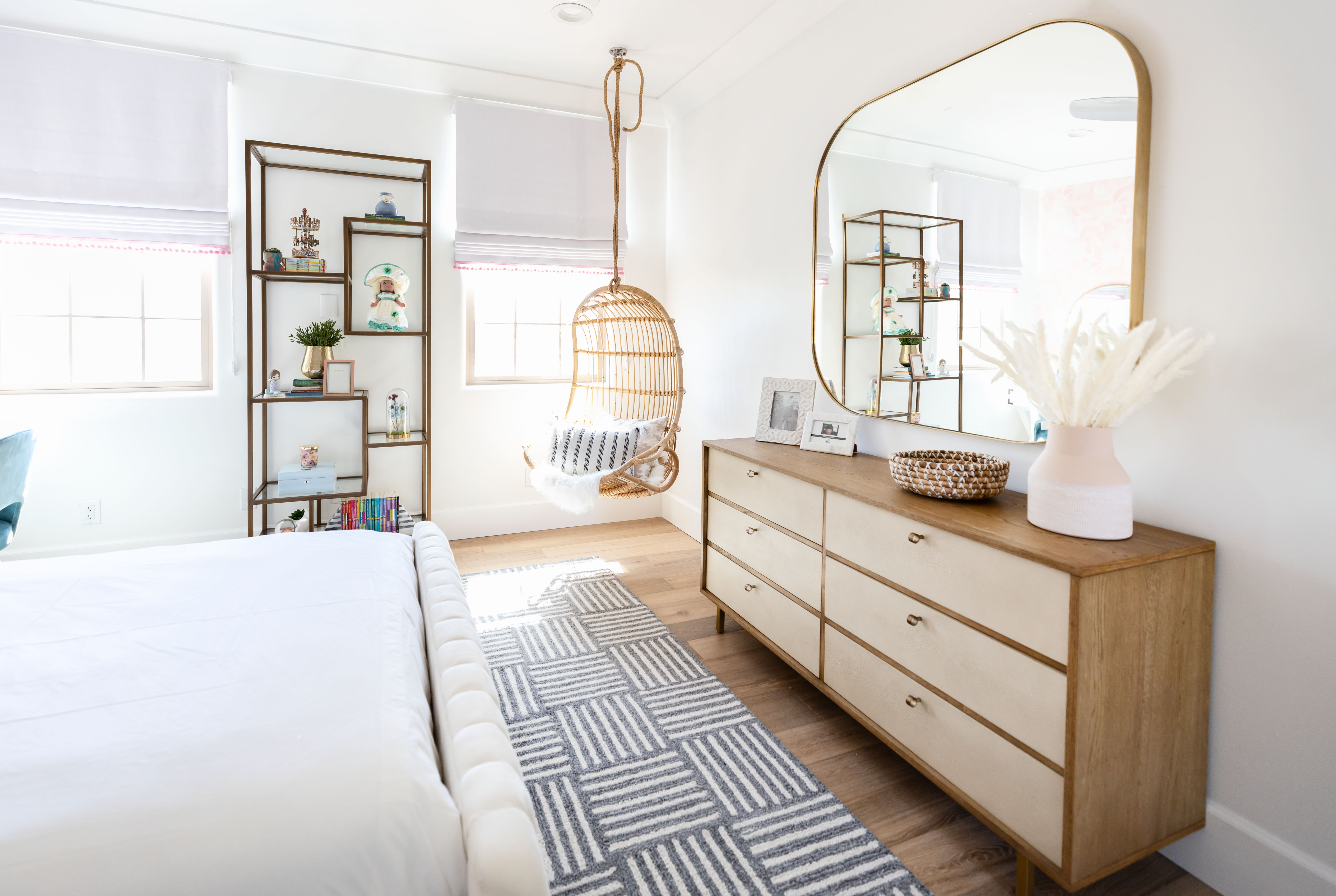
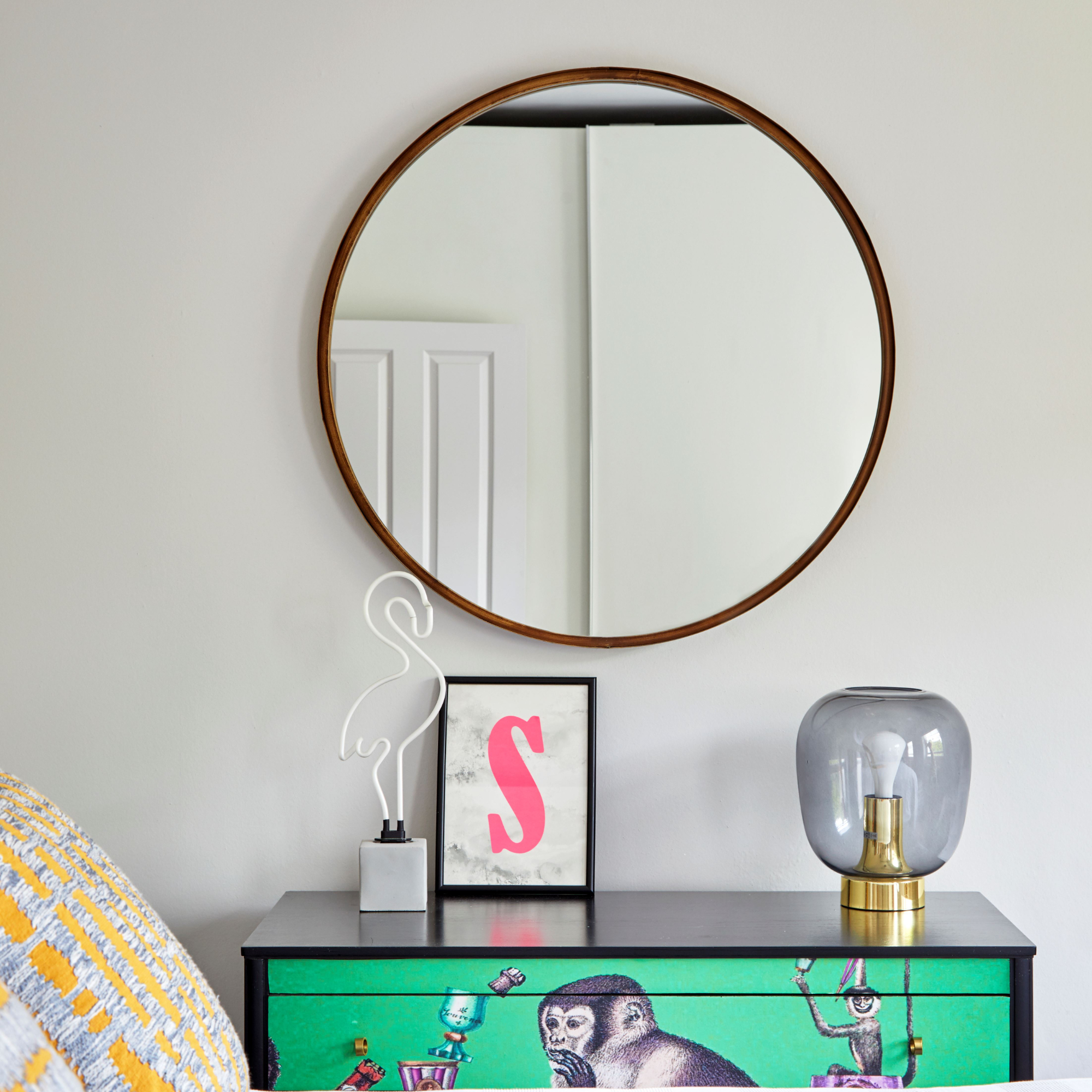
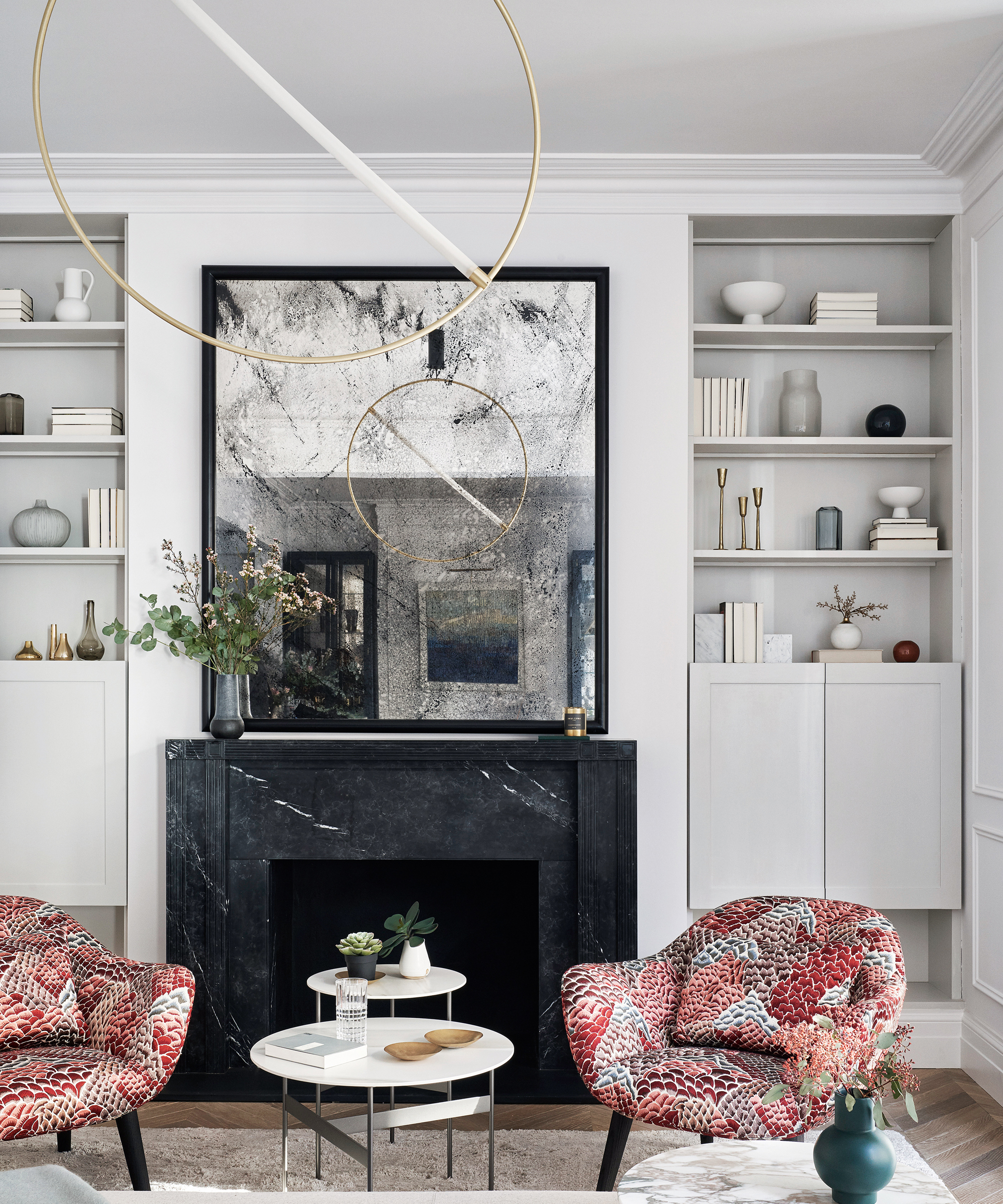
Another common error is excessive use of mirrors. While mirrors can make a room appear larger and brighter, overdoing it can disrupt the balance of the space. Designers recommend a thoughtful approach, balancing mirrors with other decorative items on walls to maximize their impact. The scale of the mirror in relation to its surroundings is also critical. For instance, placing an oversized mirror above a tall fireplace can visually overwhelm the fireplace, which is often a natural focal point, and throw off the room's balance. In such cases, a piece of art or a smaller mirror might be more appropriate to maintain harmony.
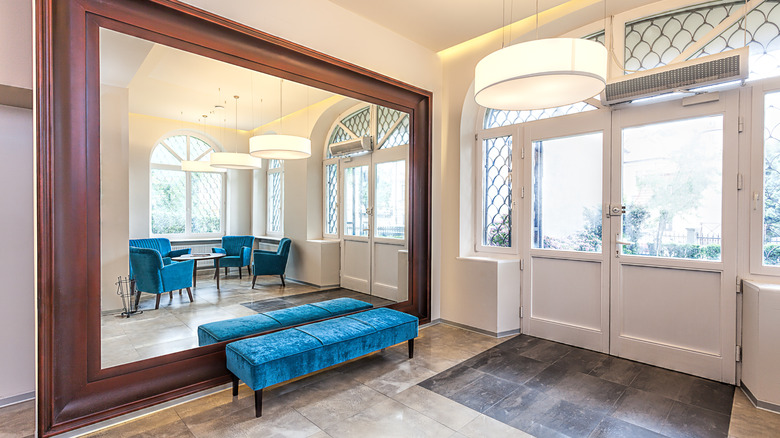
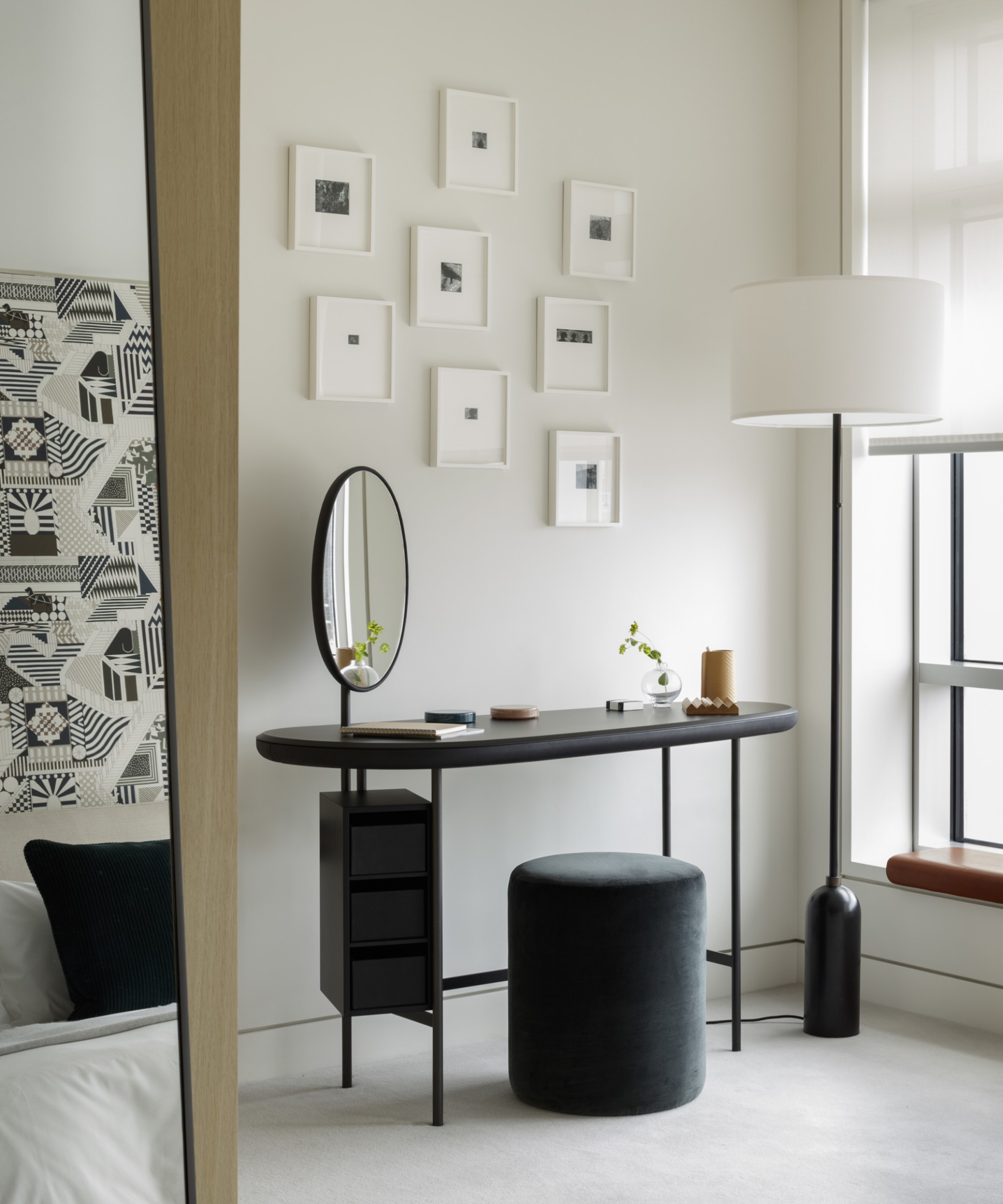
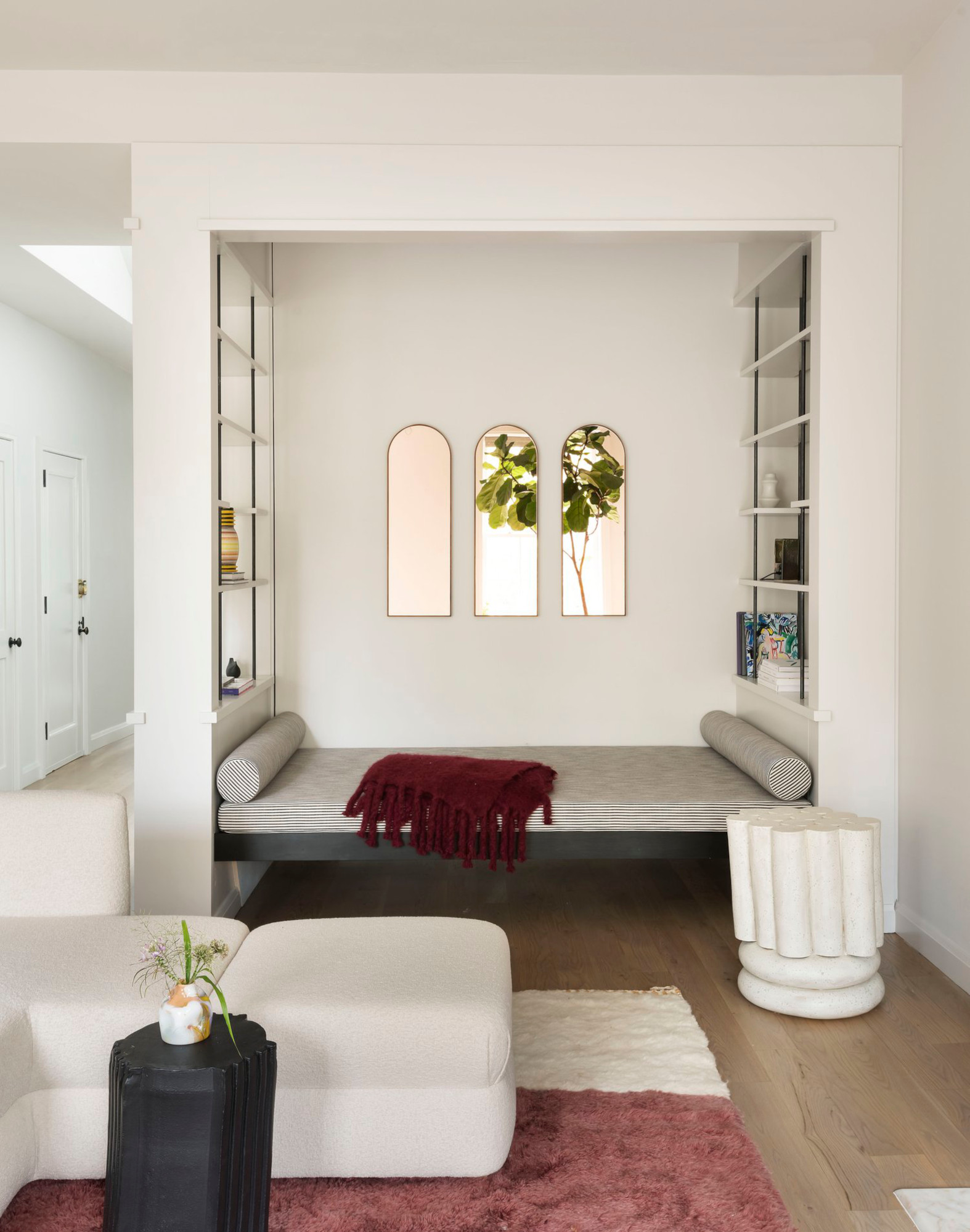
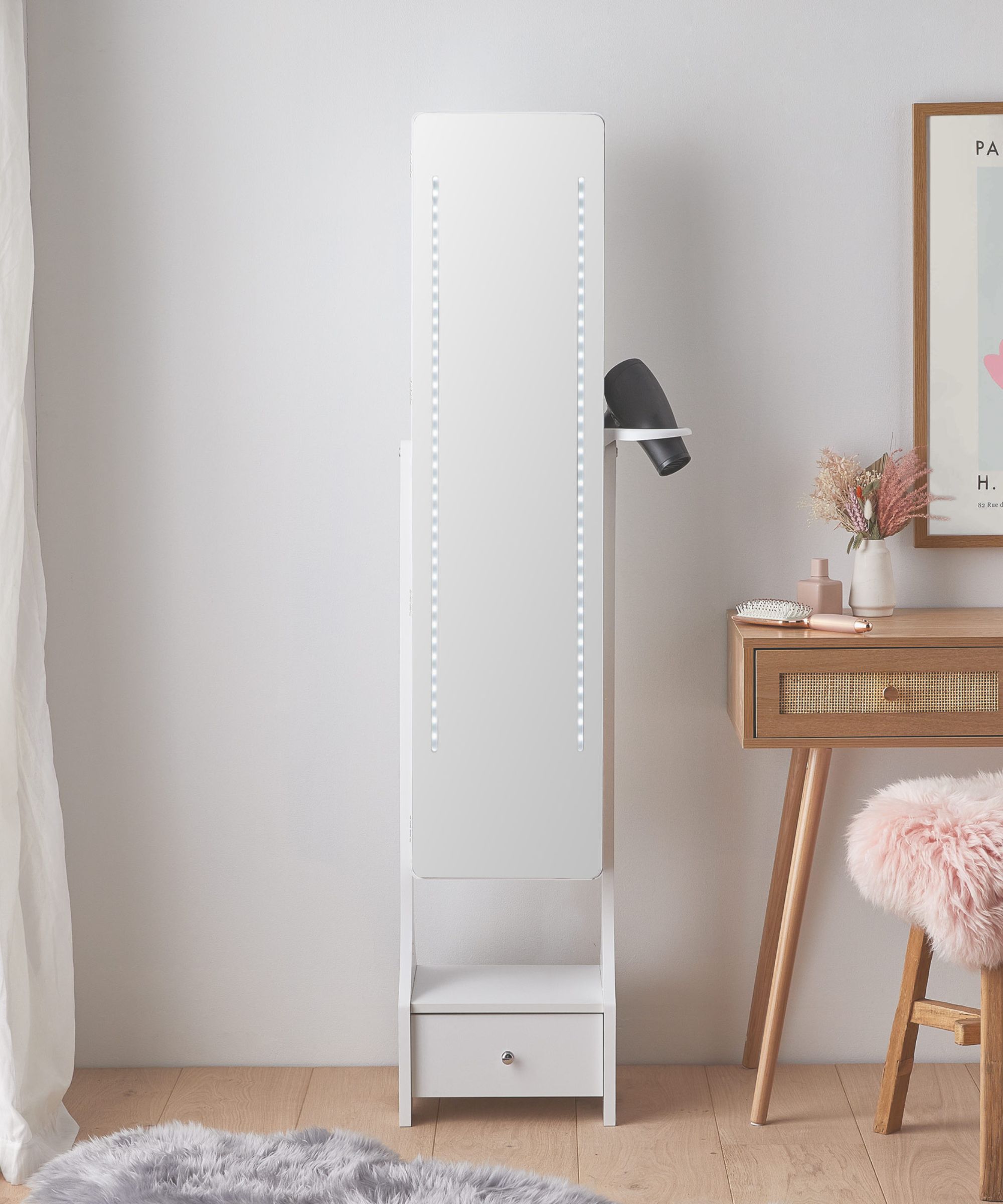
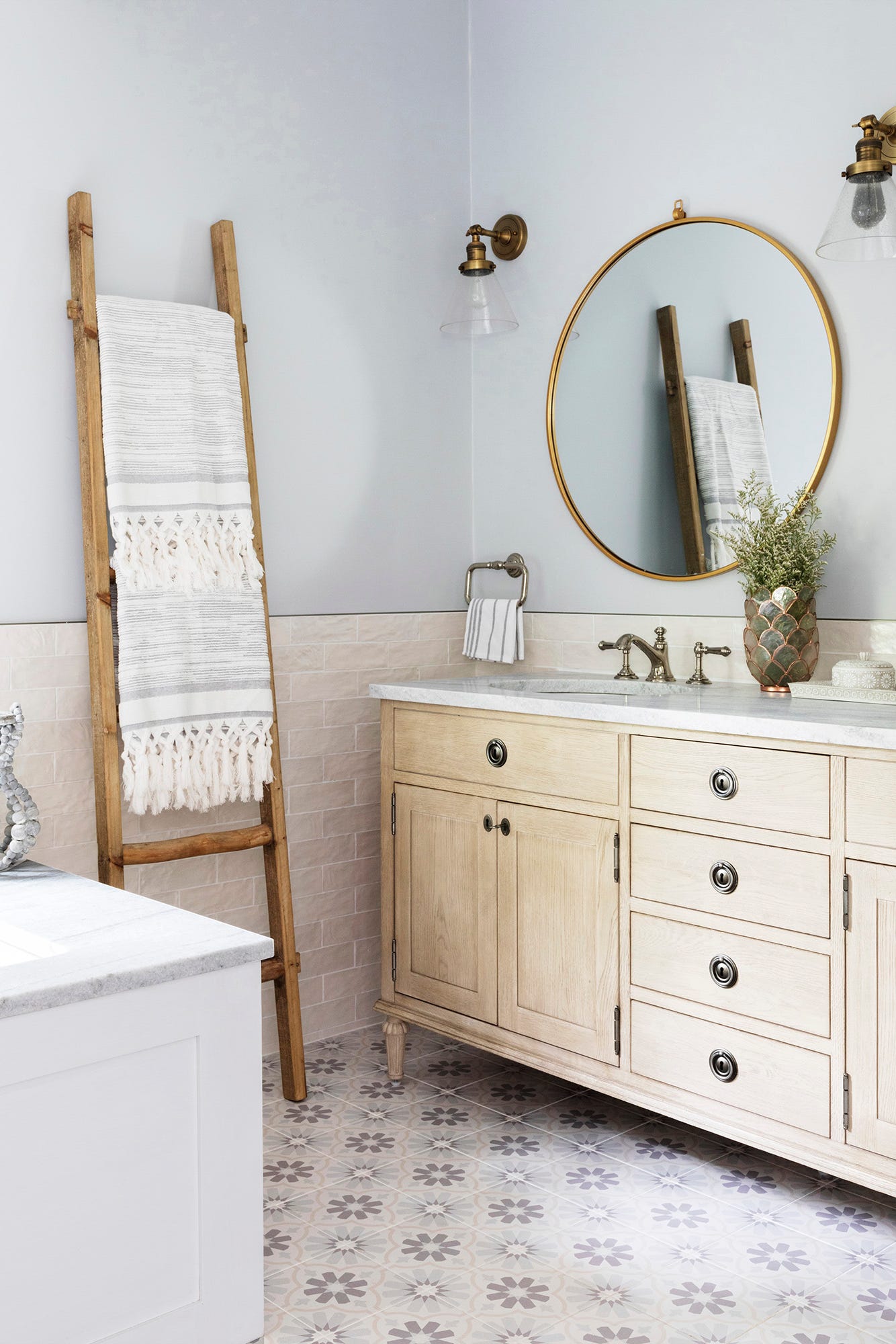
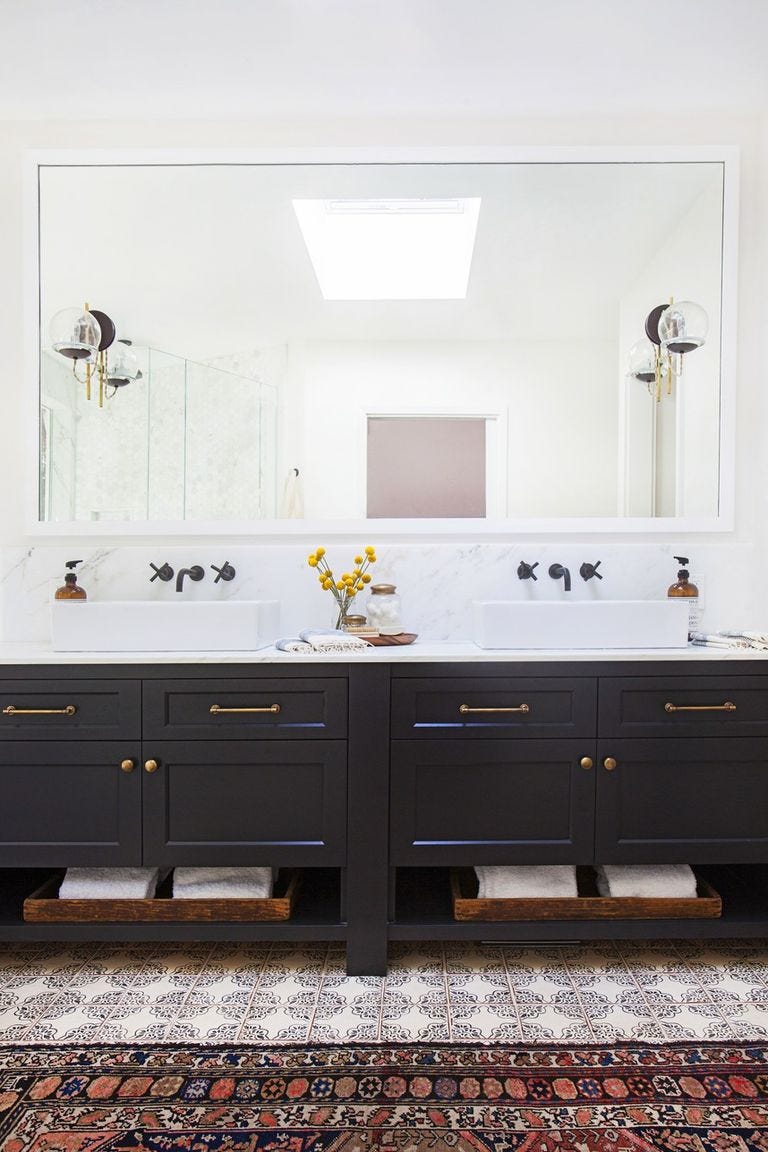
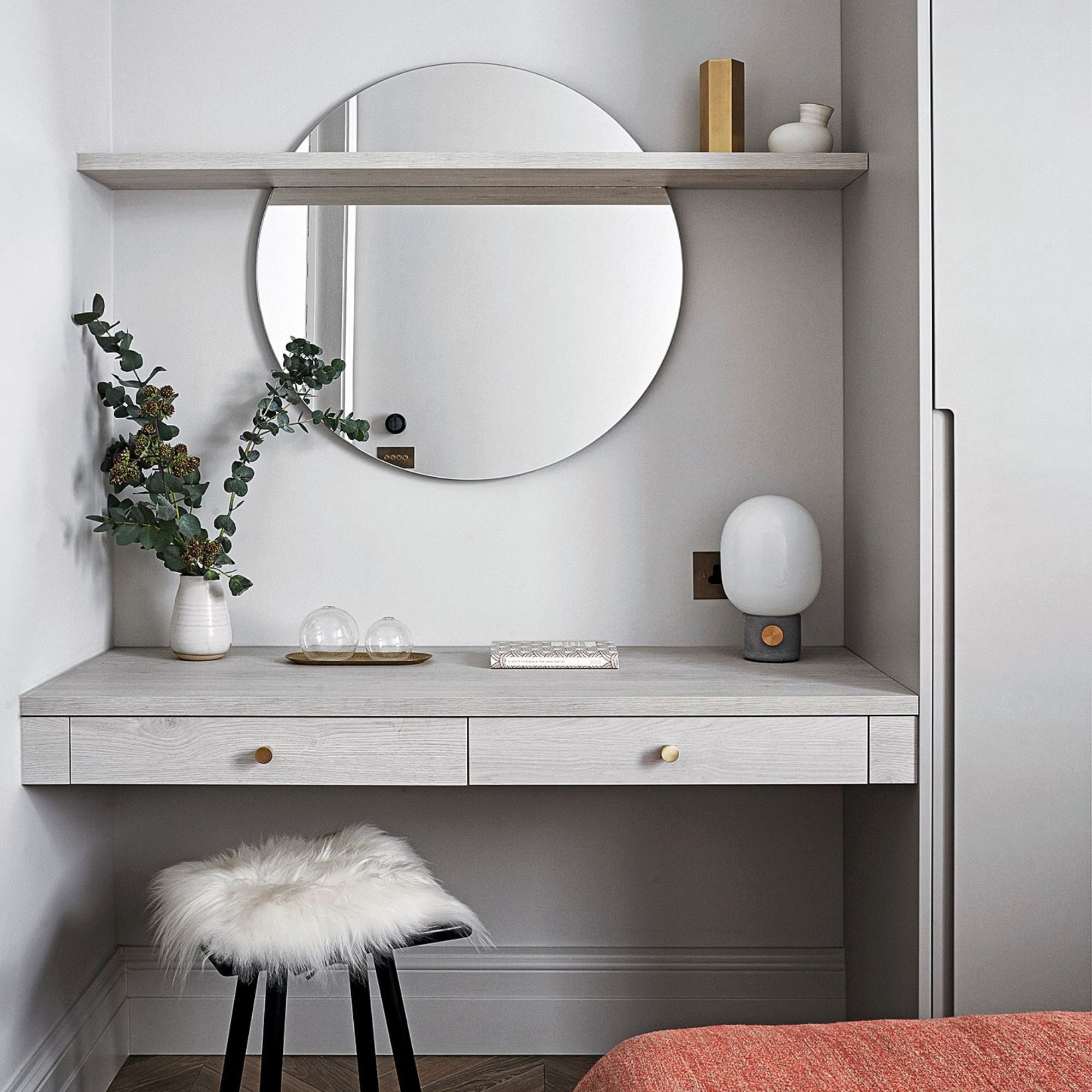
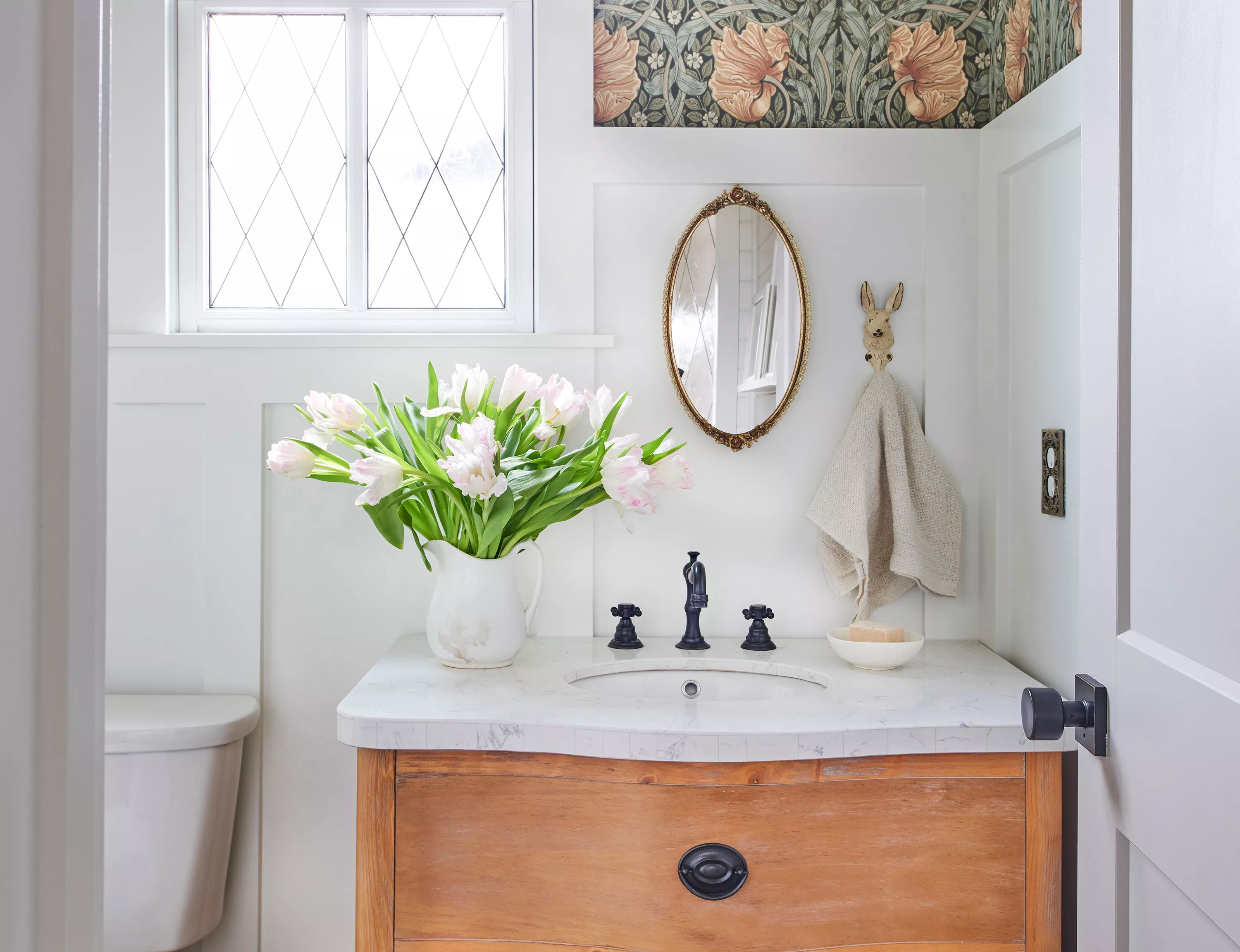
The opposite extreme, using a mirror that is too small for its intended space or surrounding furniture, is equally detrimental. This mistake is particularly evident in bathrooms, where a small mirror positioned too high above a vanity can be impractical for users and fails to exploit the mirror’s potential to expand the perception of space. In smaller rooms, especially powder rooms, opting for a larger mirror is advisable as it can create the illusion of a more expansive area and provide a more functional reflection. Proportion is key; a mirror should be appropriately sized for the wall it adorns and the furniture it complements.
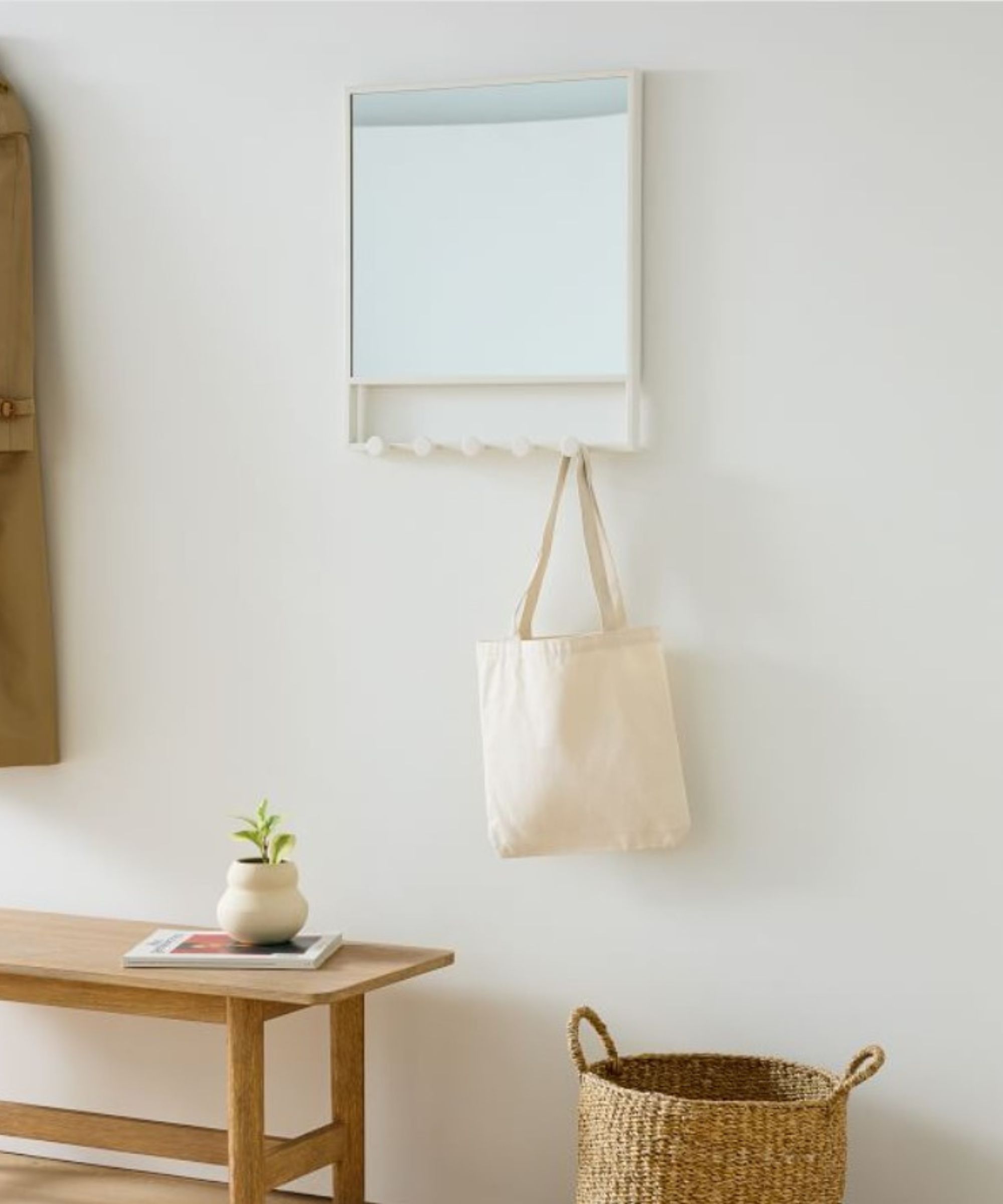
Finally, designers highlight the importance of mirror placement in relation to a room's energy and flow, drawing on principles such as feng shui, an ancient Chinese practice that aims to align individuals with their environment through energy forces. For example, placing a mirror directly facing the main entrance of a home is often considered poor feng shui, as it is believed to repel positive energy. Instead, a perpendicular or vertical placement is suggested, which can also offer practical benefits like catching a side glimpse of anyone entering, enhancing a sense of security. Ultimately, strategically placed mirrors can effectively enlarge a small space, amplify natural light, and enhance overall decor, but these benefits are contingent on avoiding these common pitfalls to create a stylish and well-balanced home environment.
#mirrorDecor #interiorDesignTips #homeDecorating #fengShui #roomBalance #lightingAmplification #spaceEnlargement #mirrorDecor #interiorDesignTips #homeDecorating #fengShui #roomBalance #lightingAmplification #spaceEnlargement
0 comment in total
 No comments yet
You may also like
5 simple ways designers use mirrors to make a room look bigger

Where to put a mirror in a small bedroom — space-enhancing, designer-approved tips even if options are slim

Designers Share 4 Common "Mistakes" You're Making in Your Living Room—and How to Correct Them

5 Mistakes That Are Making Your Bathroom Look Smaller, According to Designers

How To Use Mirrors To Make Your Small Space Look Bigger, According To An Expert
Where to put a mirror in a small bedroom, according to designers
5 Mistakes Designers Say Are Making Your Bathroom Look Smaller
4 places you shouldn't place a mirror in a bedroom, and the 1 place you should
5 mistakes making your hallway look smaller and how to fix them, according to designers

5 Mistakes You Might Be Making When Decorating With Mirrors, According To Designers
6 expert-approved small entryway mirror ideas
8 of the biggest small bedroom layout mistakes designers see time and time again
4 Common Mistakes You’re Making When Decorating With Mirrors, According to Designers

Small bedroom mirror ideas – 10 brightening, space-stretching solutions
20 Decorative Bathroom Mirror Ideas That'll Open Up Your Space, No Matter How Small

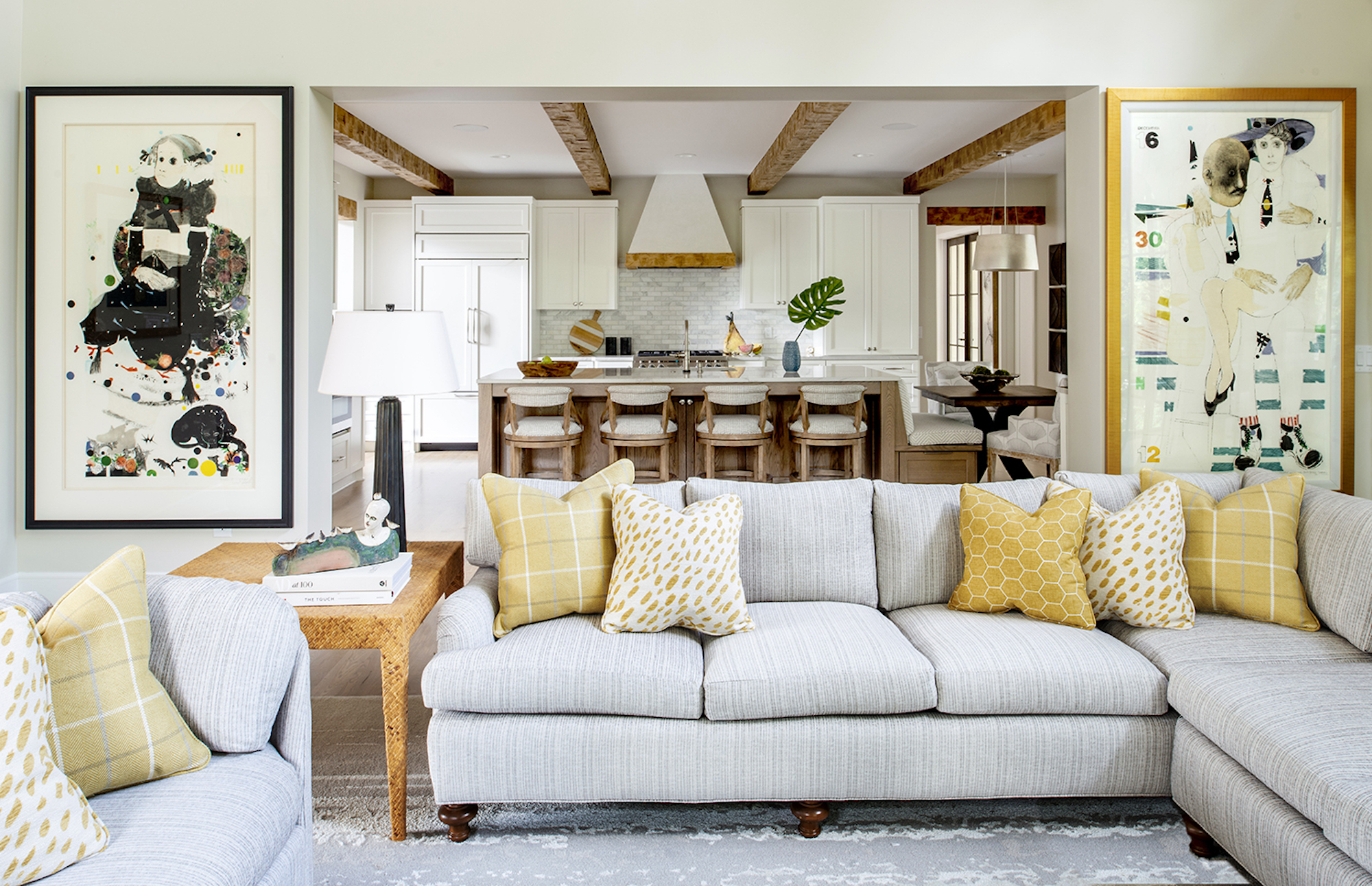
7 small living room layout mistakes design experts want you to avoid – and what to do instead
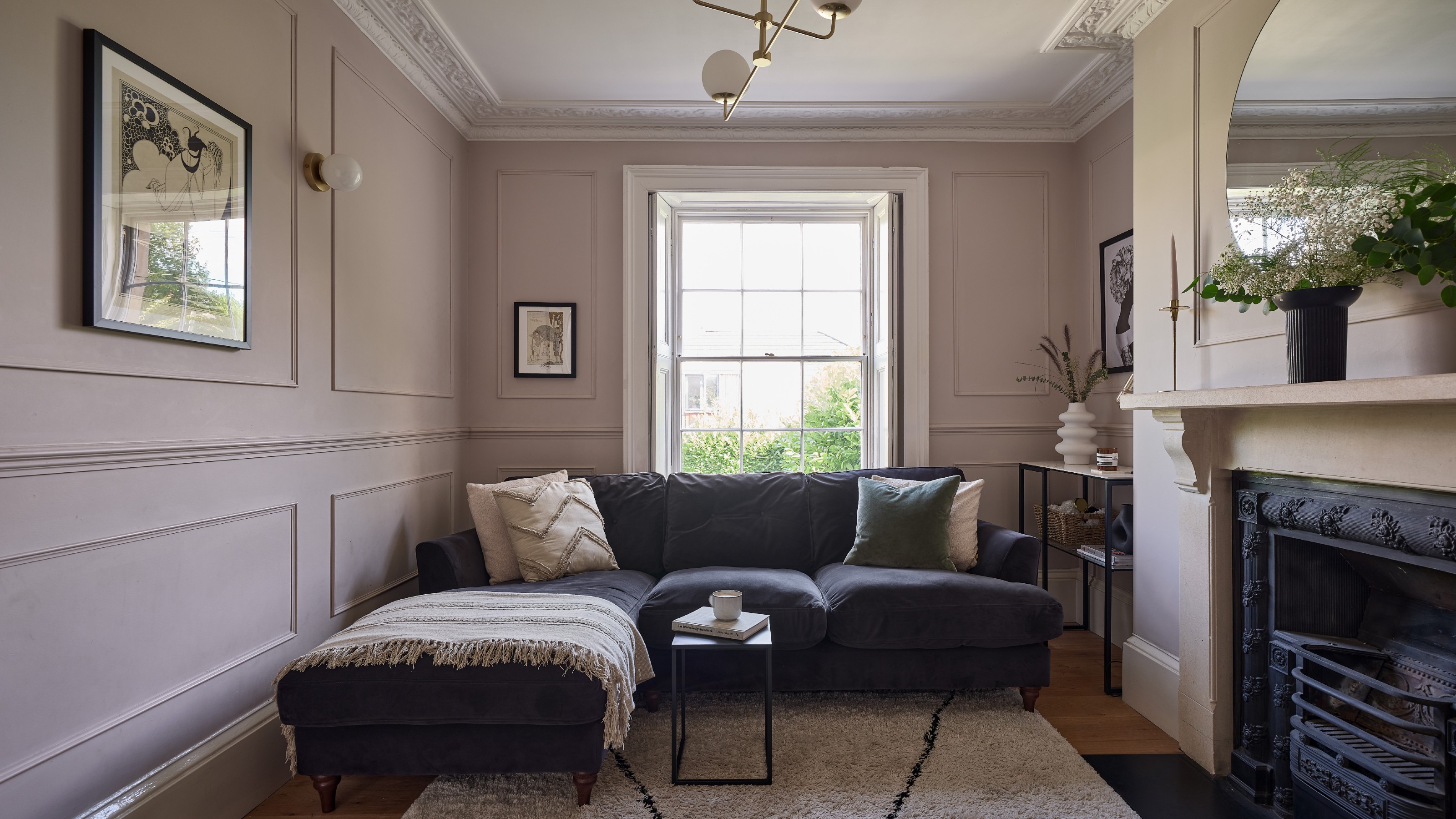
How to make a small living room look bigger with mirrors - clever design tips to open up your space
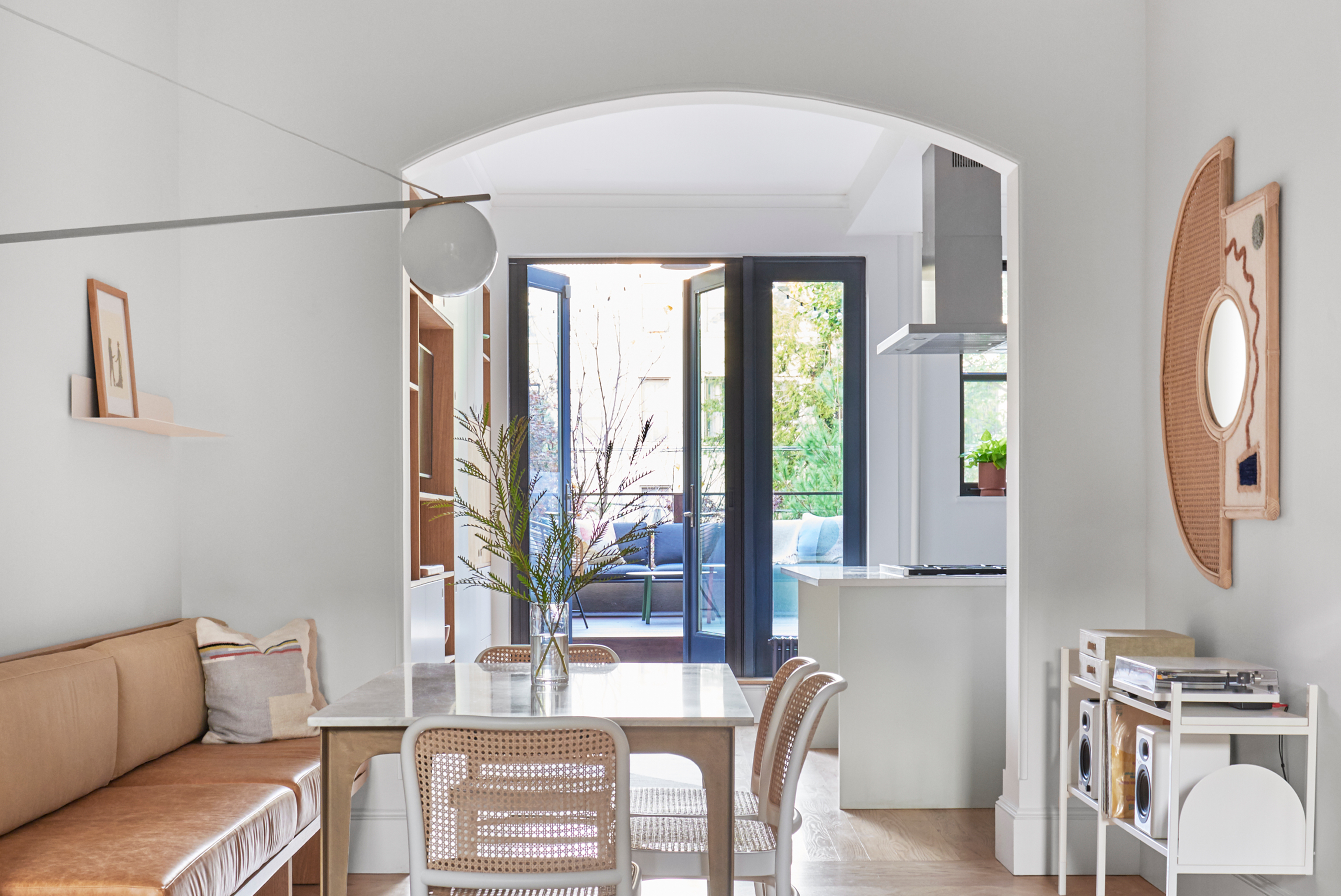
Is it okay to have more than one mirror in a room? This is the one instance designers say it's never okay

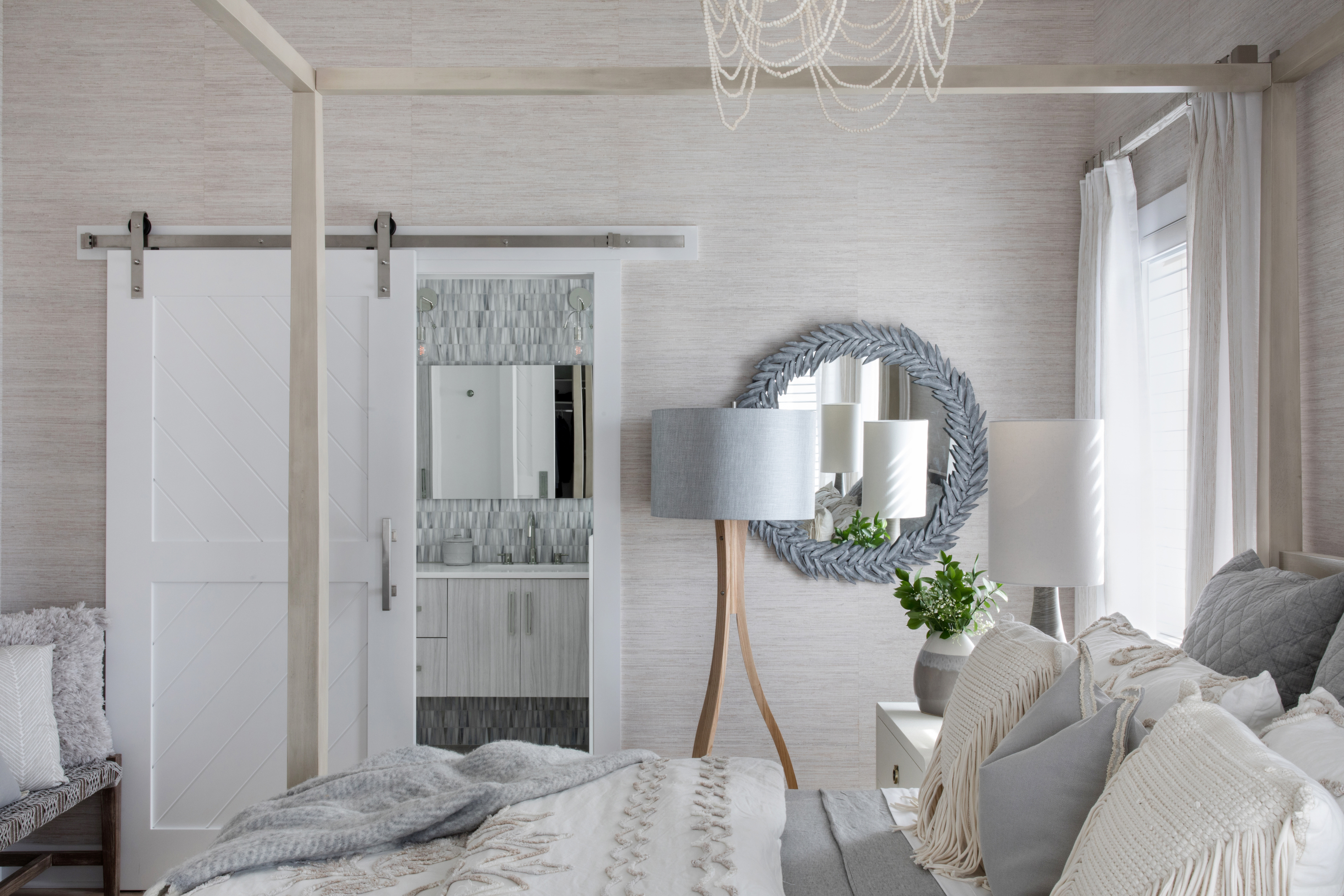
Bedroom mirror ideas – 12 ways to amplify light and space with this magic piece of decor
Mirrors Are the Secret to Making A Small Bedroom Feel Huge—15 Tips to Get the Look