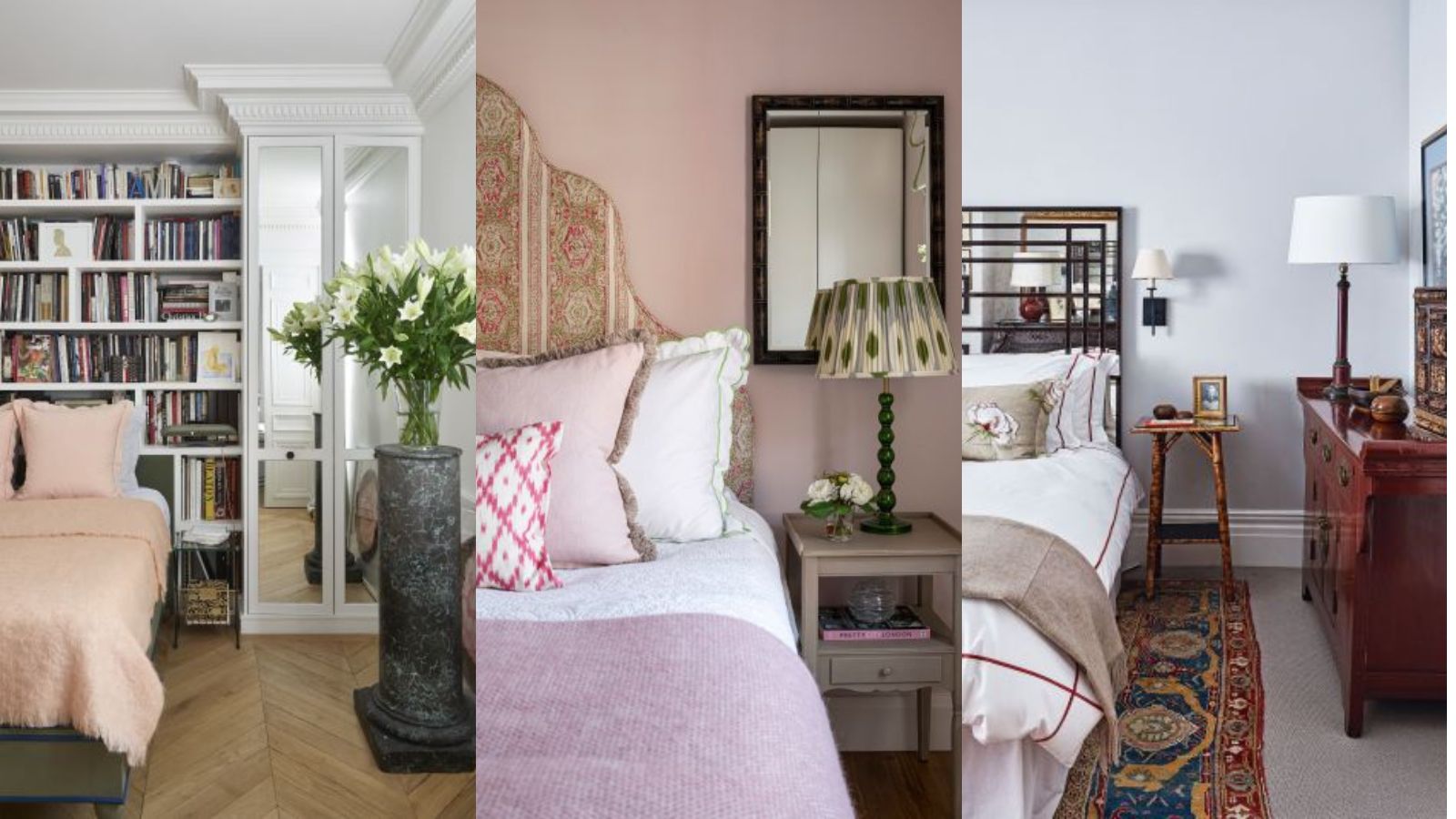
1/10
Small bedroom mirror ideas – 10 brightening, space-stretching solutions
Small bedrooms often present a challenge in making them feel more expansive, better lit, and functionally optimized. Mirrors, when strategically chosen and placed, can be transformative in achieving these goals. This article explores ten distinct approaches to integrating mirrors into small bedroom designs, drawing on expert insights to maximize their impact beyond mere reflection.
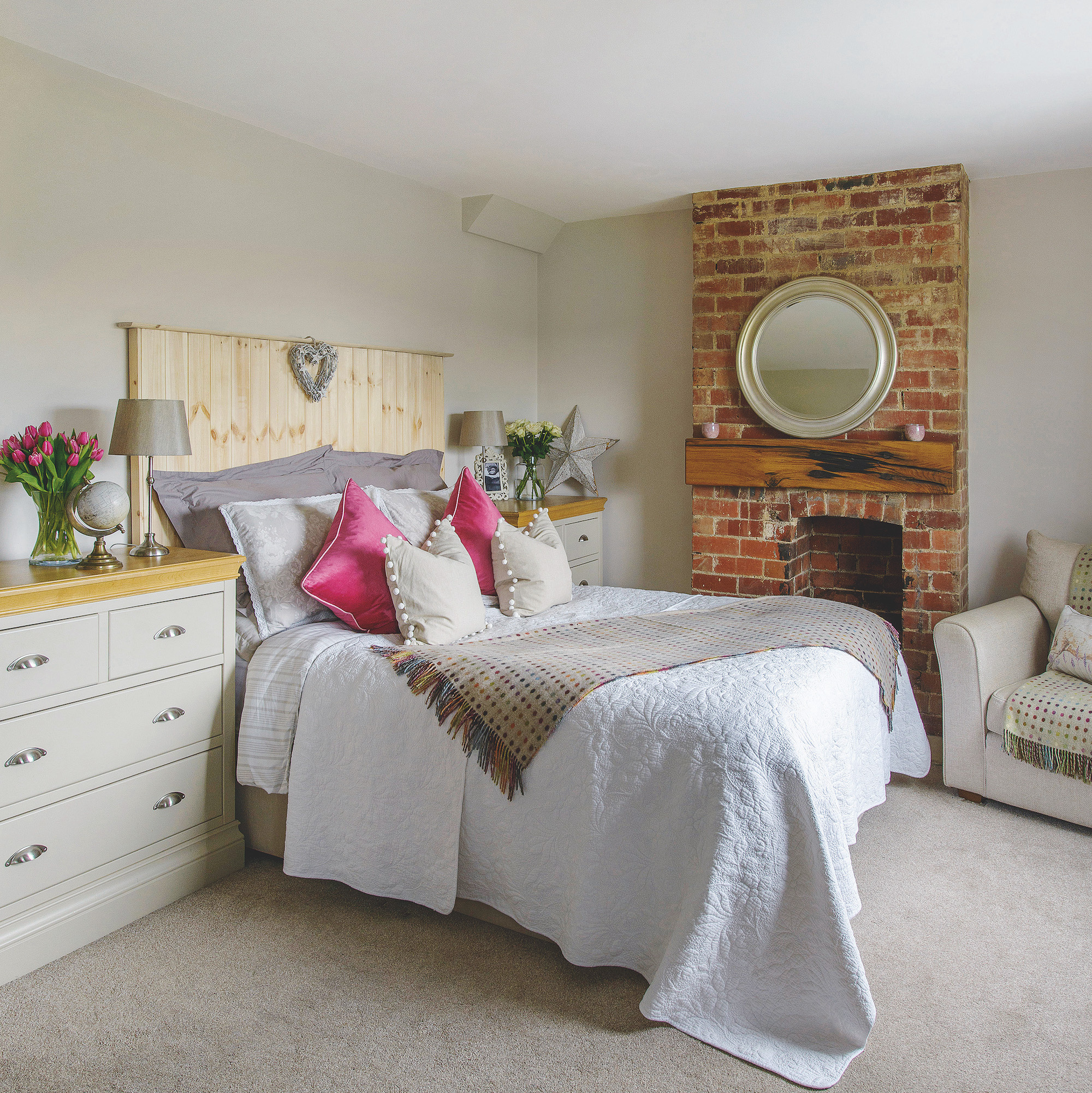

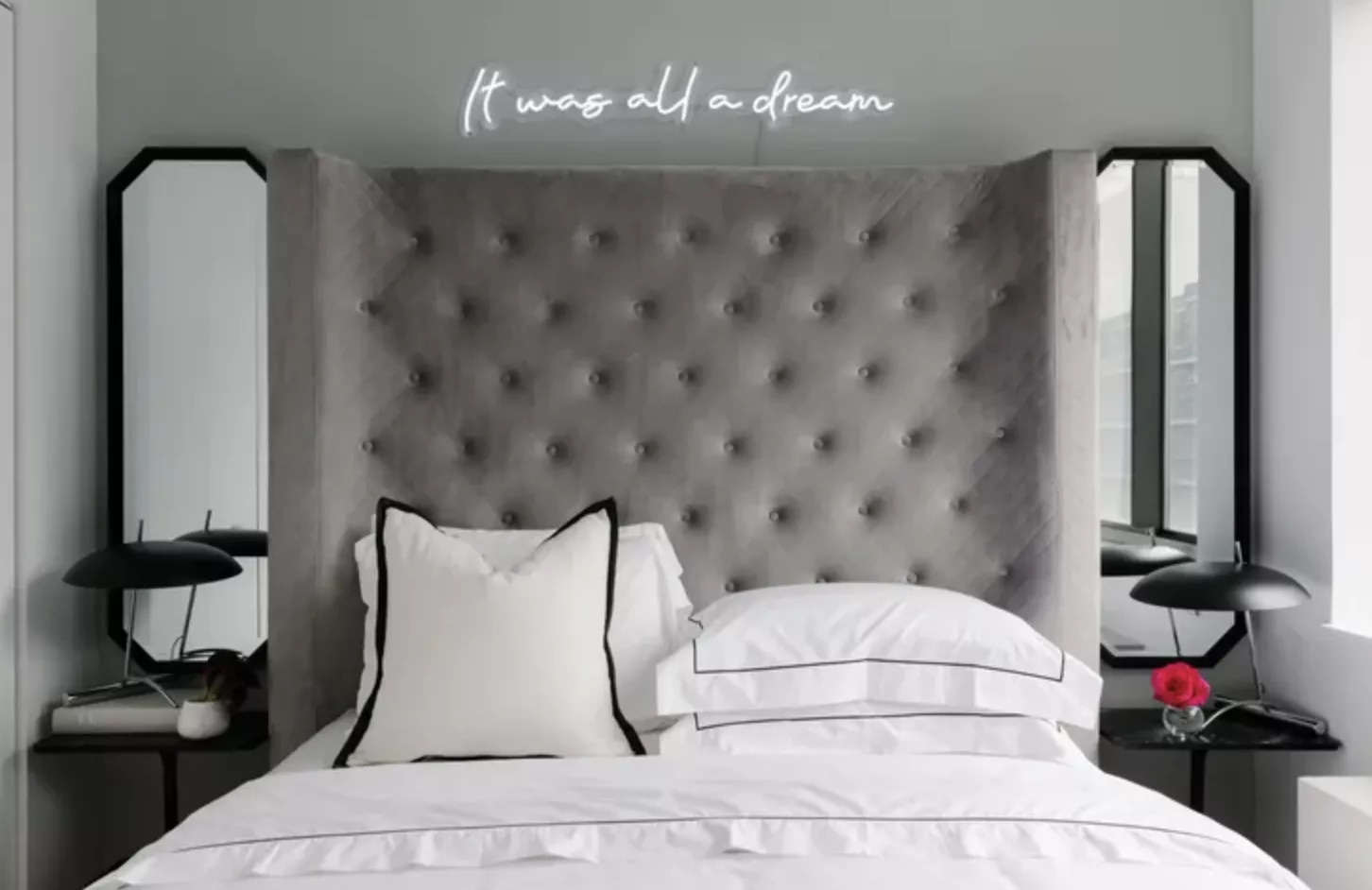
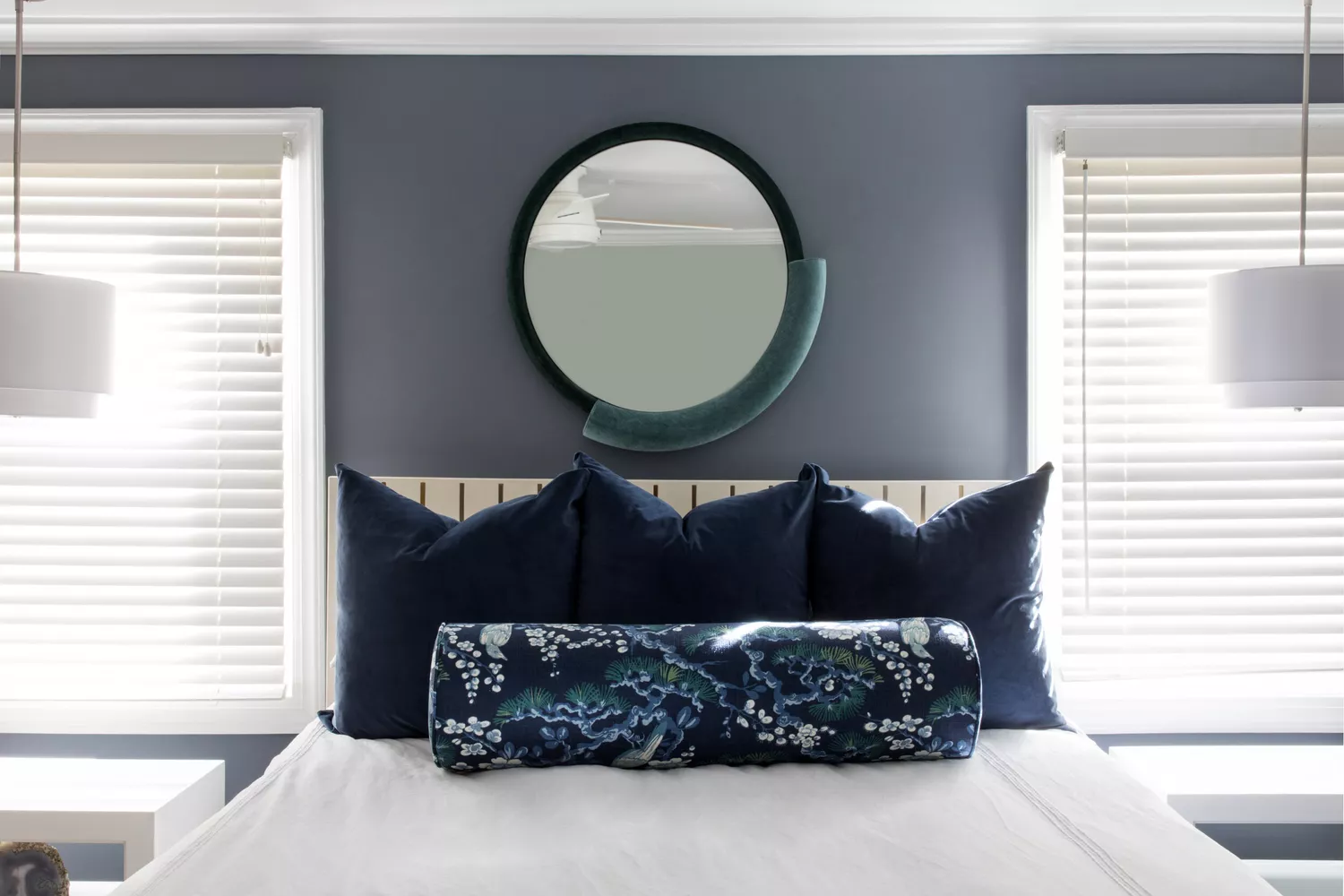
One effective technique involves enhancing a small bedroom mirror's power with thoughtful lighting. Due to limited space, conventional lighting solutions in small bedrooms might lack impact. However, pairing bedside lighting with mirrors can double the effectiveness of nighttime illumination and visually enlarge the room. Placing matching mirrors behind bedside lamps, for instance, not only amplifies light distribution but also creates an illusion of greater space, as suggested by Emma Deterding, founder of Kelling Designs. This combination also allows for personalized decor through lampshade choices.
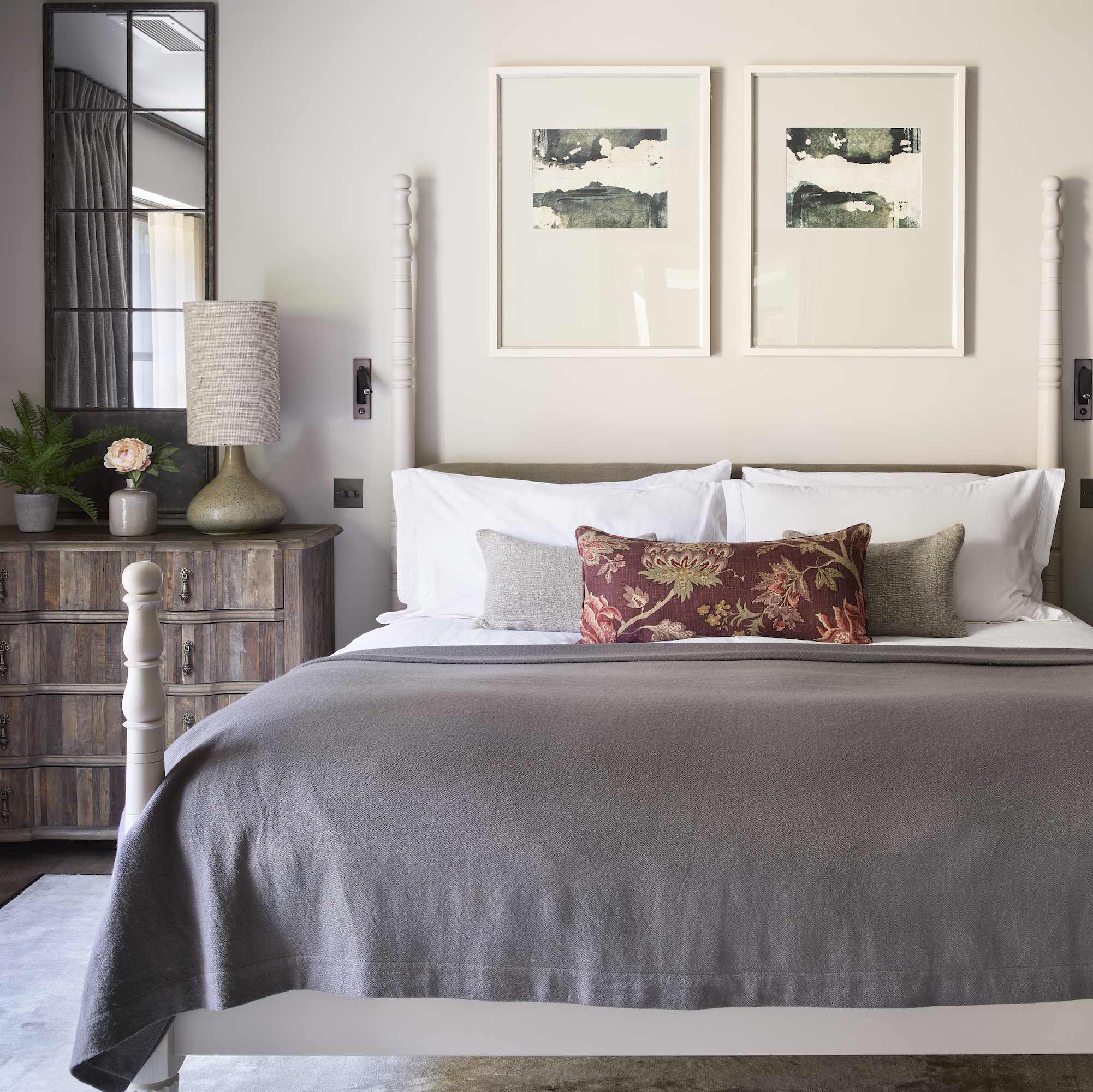
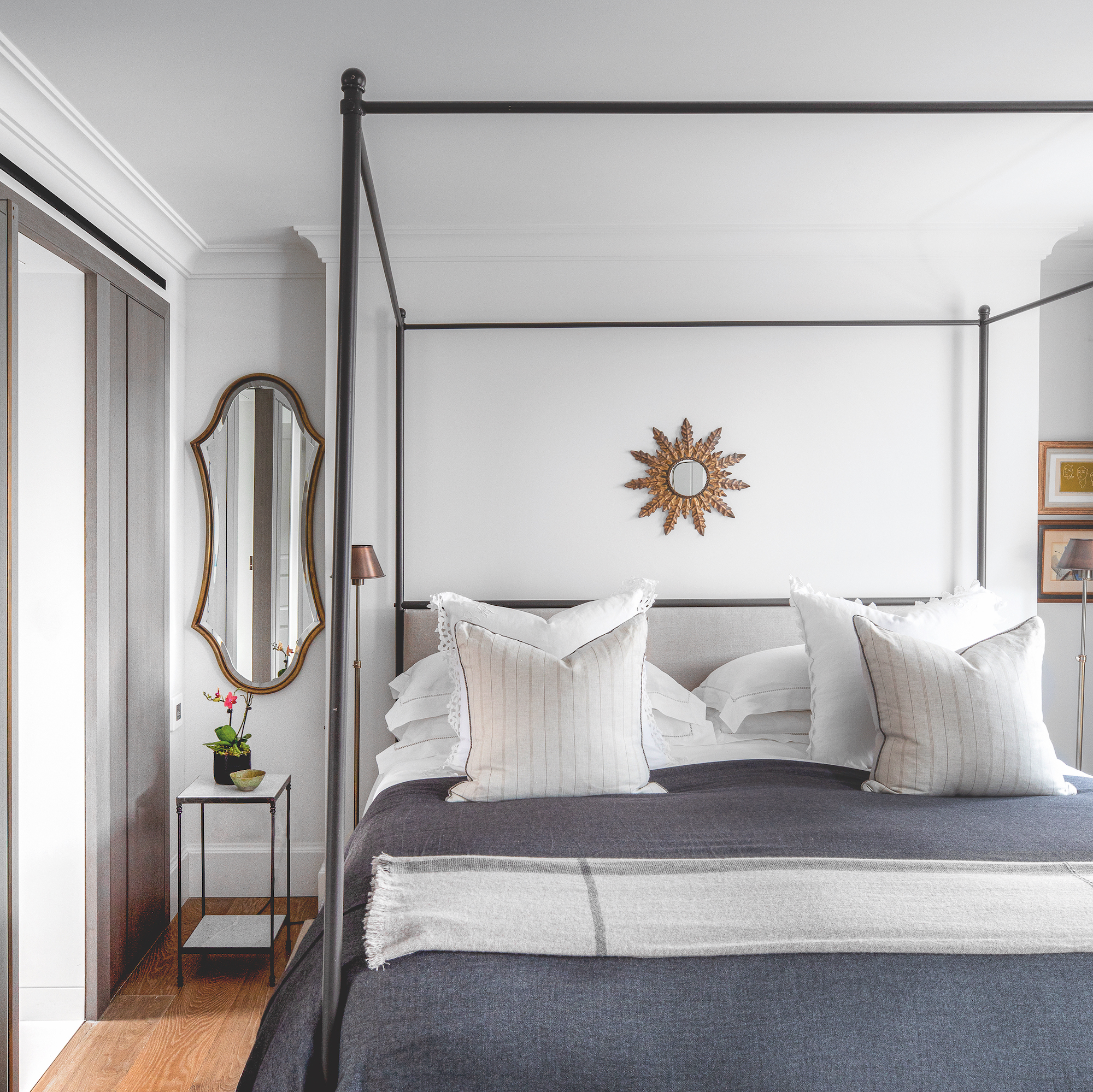
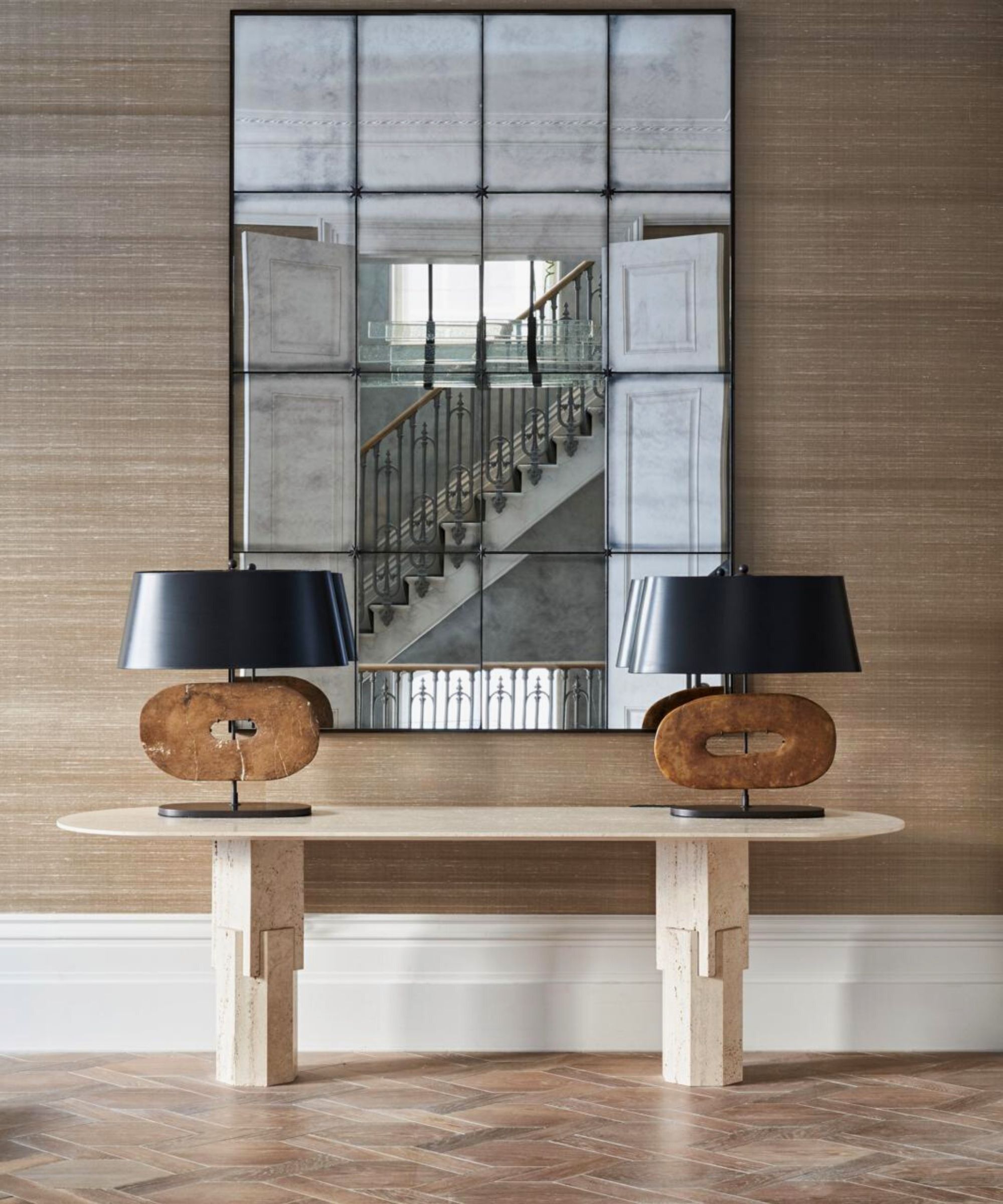
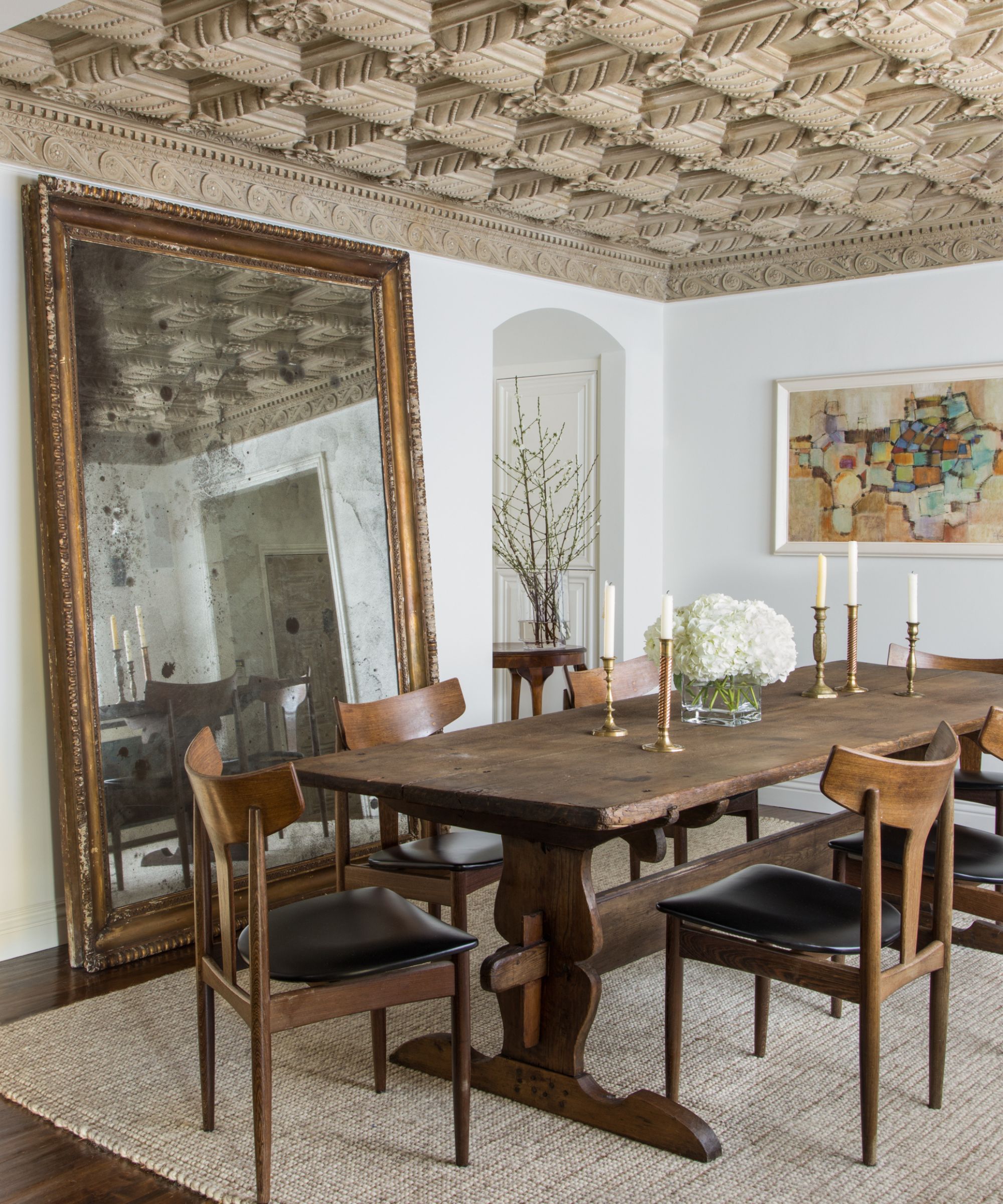
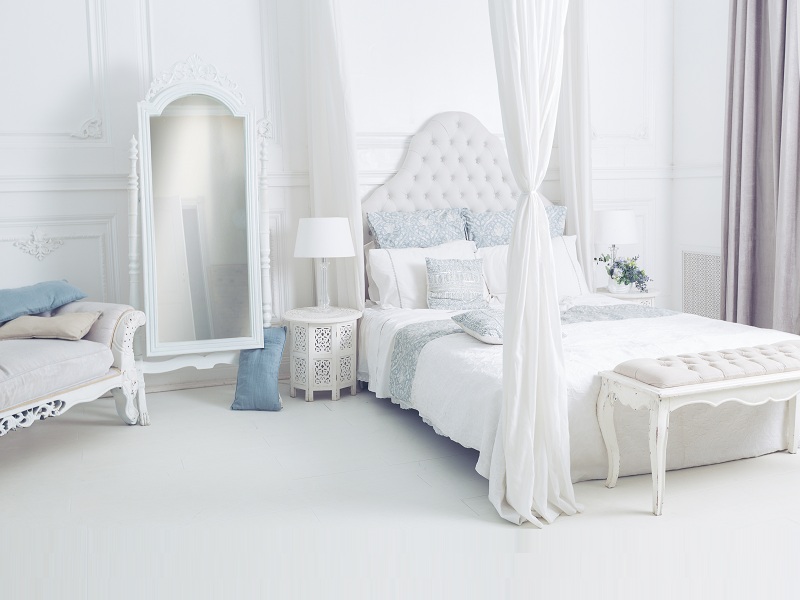
The aesthetic integration of mirrors with existing decor is crucial. In a bedroom featuring ornate elements like high ceilings, a canopy bed, and antique furniture, selecting a mirror that harmonizes with these features is important. A decorative mirror with a frame color that complements other design elements ensures cohesion, preventing visual clutter in a confined space. This also means that the mirror can draw attention to other purposeful focal points, such as a curtain behind the bed.
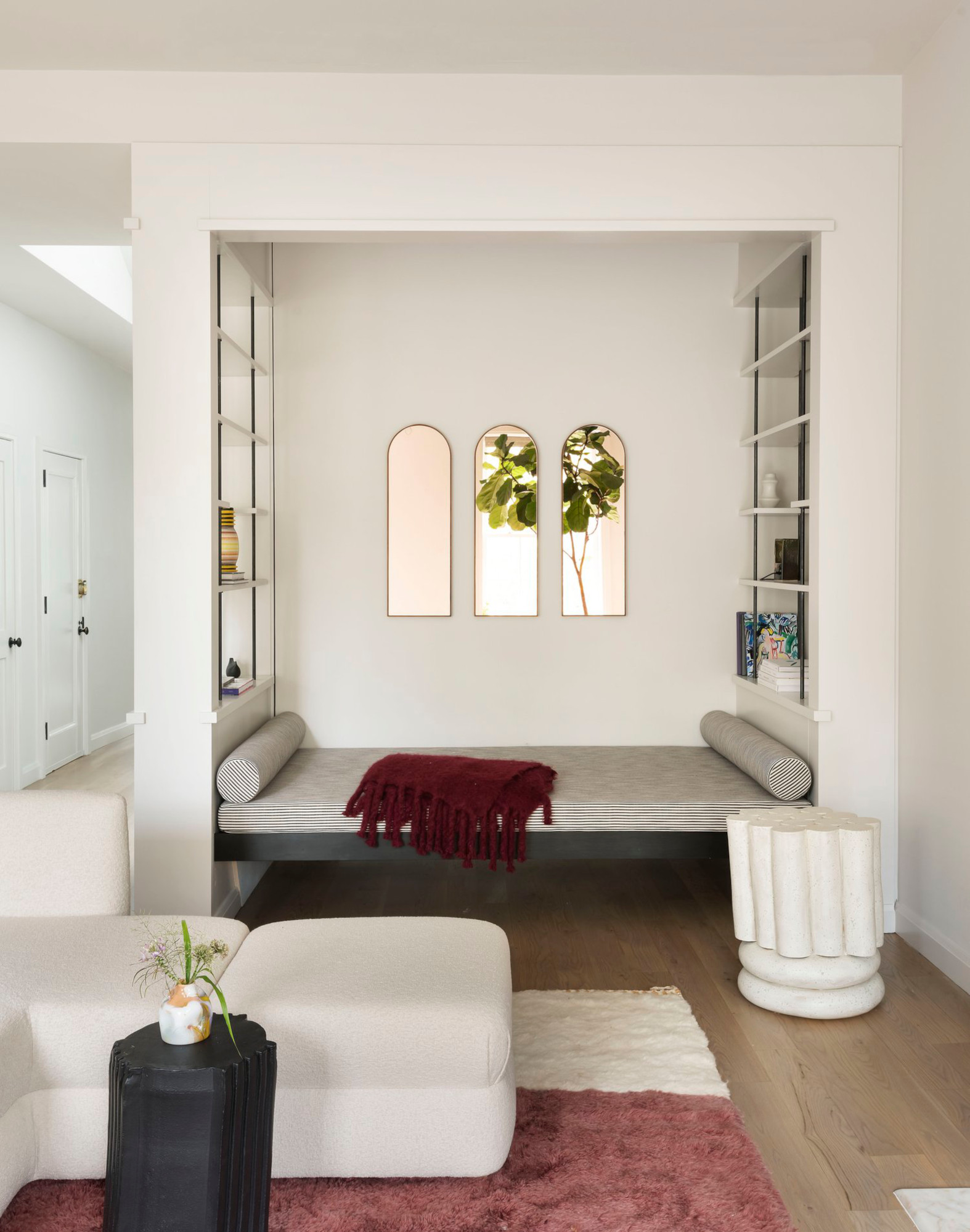
Mirrors can also be effectively utilized in alcoves, often overlooked for storage. While storage is paramount in small spaces, mirrors can be combined with shelves in alcoves to brighten these areas without occupying valuable floor space. Nicole Salvesen of Salvesen Graham advises against over-mirroring but advocates for grounding mirrors with a small shelf underneath if floor space is limited.
A mirrored headboard offers a dual benefit: it acts as an eye-catching focal point and visually expands the room. Instead of a plain mirror, a decorative framed mirror can be incorporated into headboard designs to maximize space in a small bedroom. This creative approach draws attention away from the room's actual size, contributing to a more spacious feel.
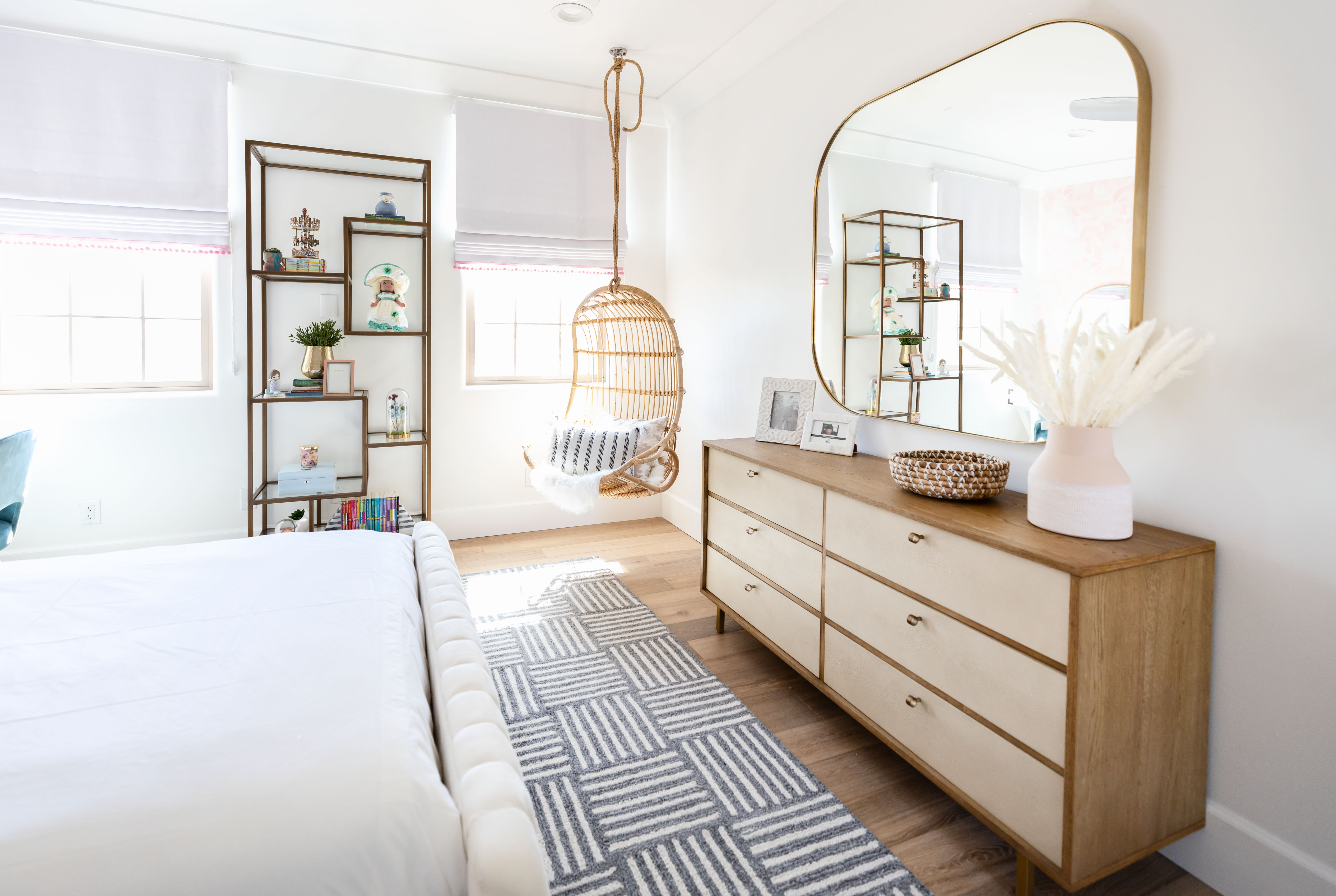
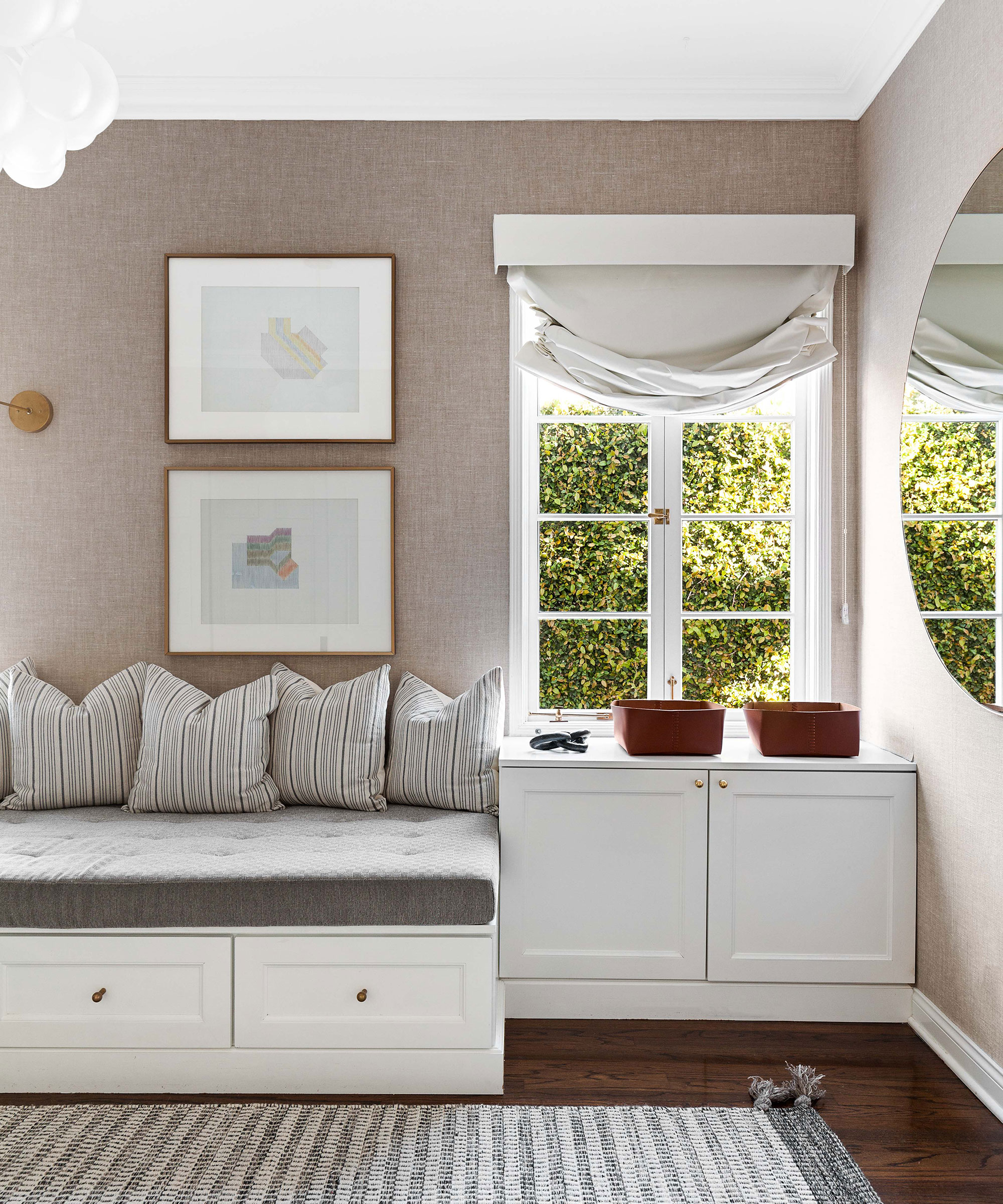
Strategic placement adjacent to windows is another key tip. When arranging a small bedroom, positioning mirrors next to windows rather than directly opposite them enhances natural light redistribution. This placement is also favored in feng shui principles. George Miller, a home designer at Neptune, emphasizes that such positioning allows for reflections of the natural world, further integrating the outdoors into the room's ambiance.
Installing mirrors on closet doors is a highly practical and space-saving solution. Mirrored closet doors serve as full-length looking glasses while simultaneously making the room appear significantly larger. This interior design trick is beneficial for drawing the eye upwards, visually doubling the room's size, and is effective across various small bedroom types, from master bedrooms to kids' rooms.
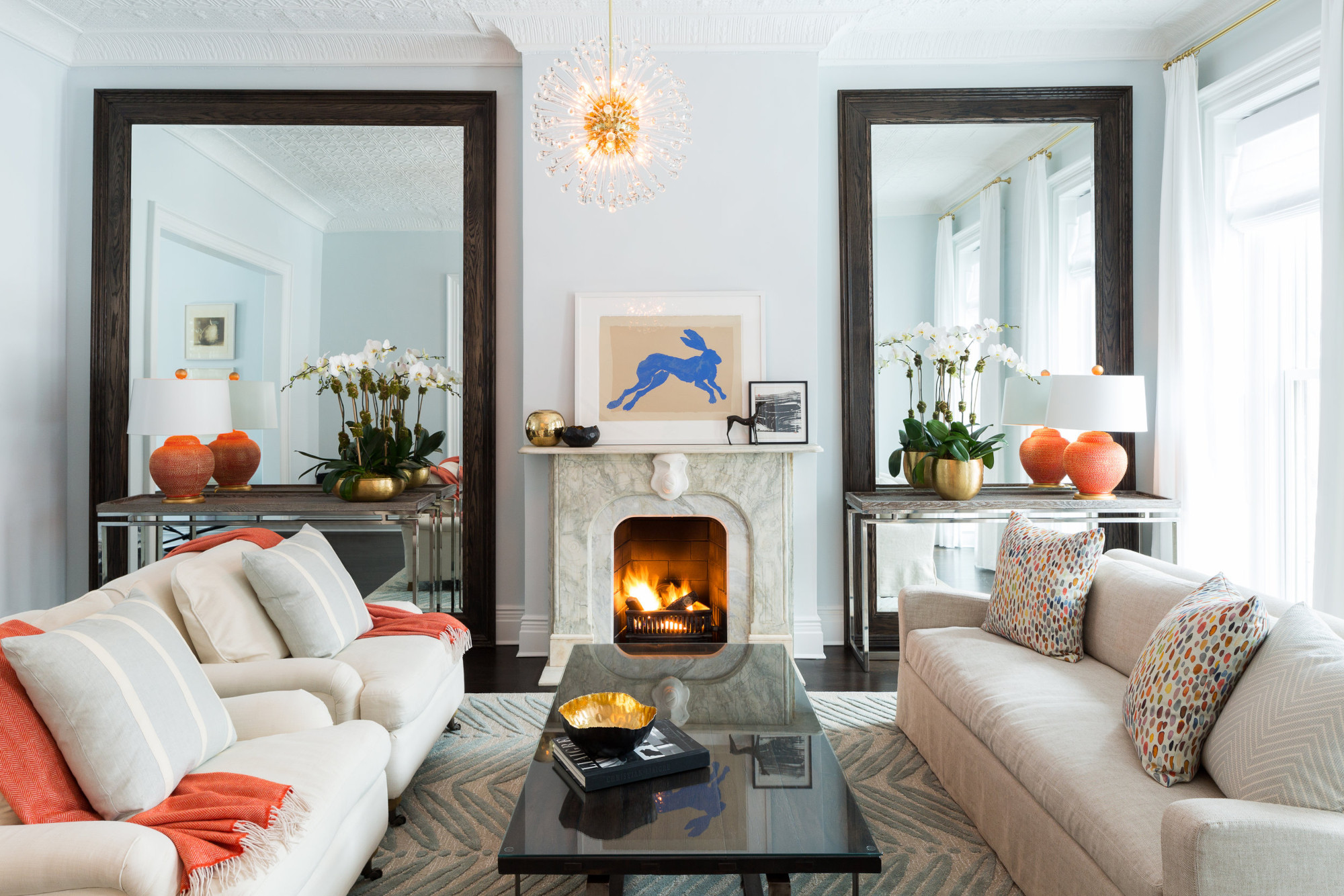
For a transformative effect, wall-to-wall mirrors can dramatically increase the perceived size and brightness of a small bedroom. Beyond creating spaciousness, this approach is particularly useful for small guest rooms or box rooms that serve multiple purposes, such as doubling as dressing areas, making mirrors an invaluable design feature.
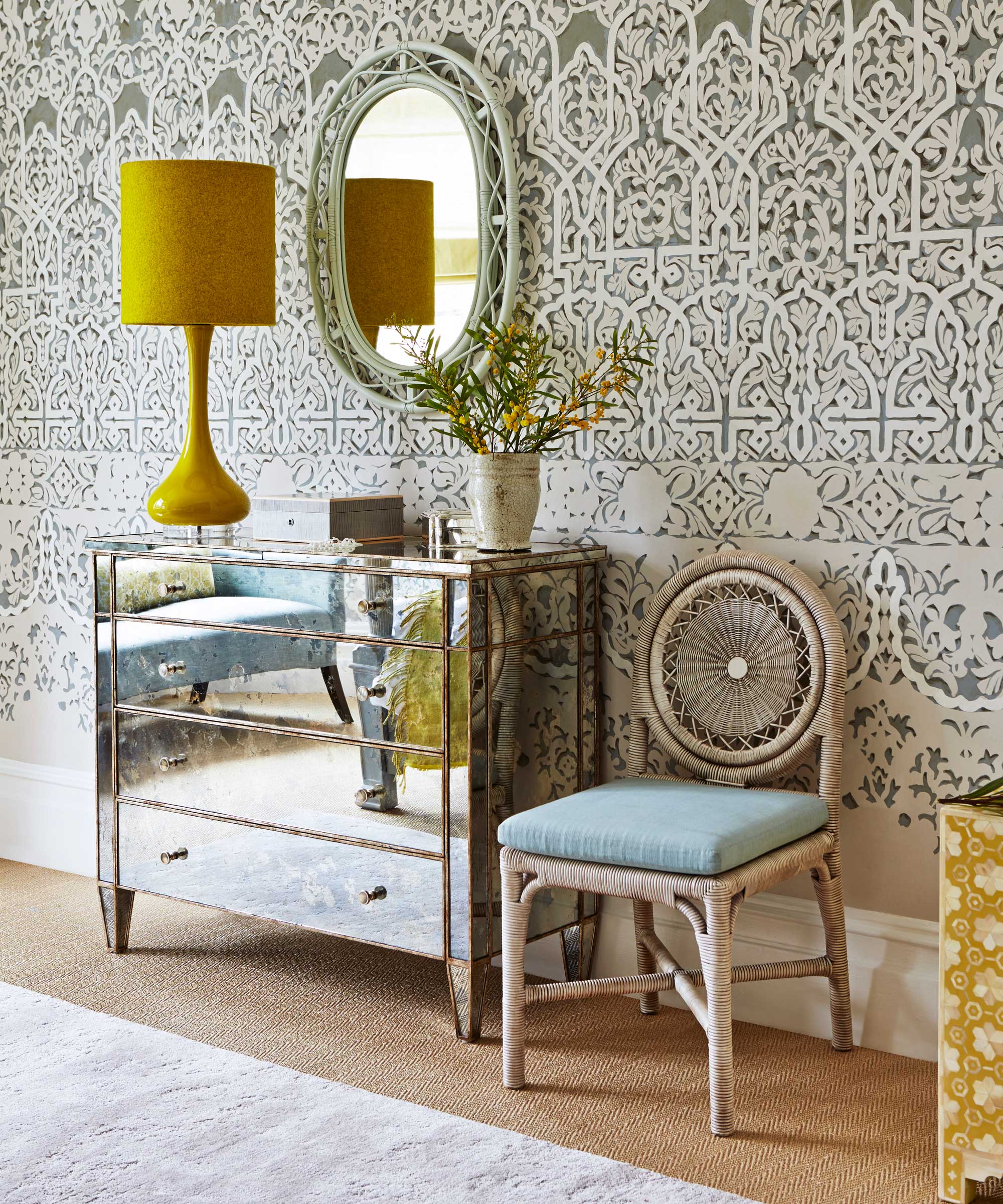
Incorporating mirrored furniture introduces a touch of glamour while mitigating the visual bulk of pieces in a small bedroom. Jennifer Ebert, digital editor for Homes & Gardens, notes that mirrored furniture makes a room seem larger due to its reflective quality. However, moderation is key; using only one or two mirrored elements, such as a bed frame or bedside tables, maintains elegance without veering into excess.
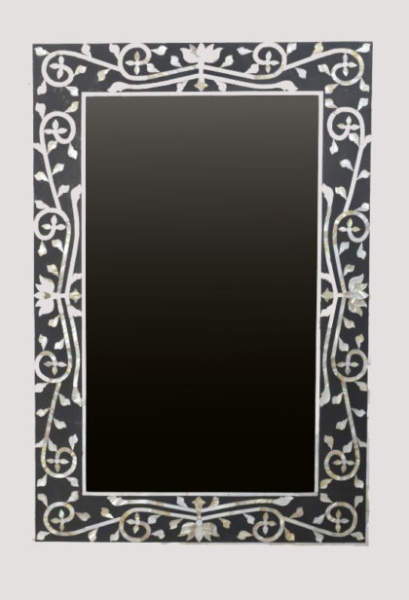
Rectangular mirrors can brighten dark nooks within a bedroom. Small bedrooms often have dark corners that visually shrink the space. Combining lighting with mirrors in these areas can illuminate and visually enlarge them. George Miller highlights the versatility of mirrors in various shapes and finishes for creating an impression of spaciousness in awkward nooks.
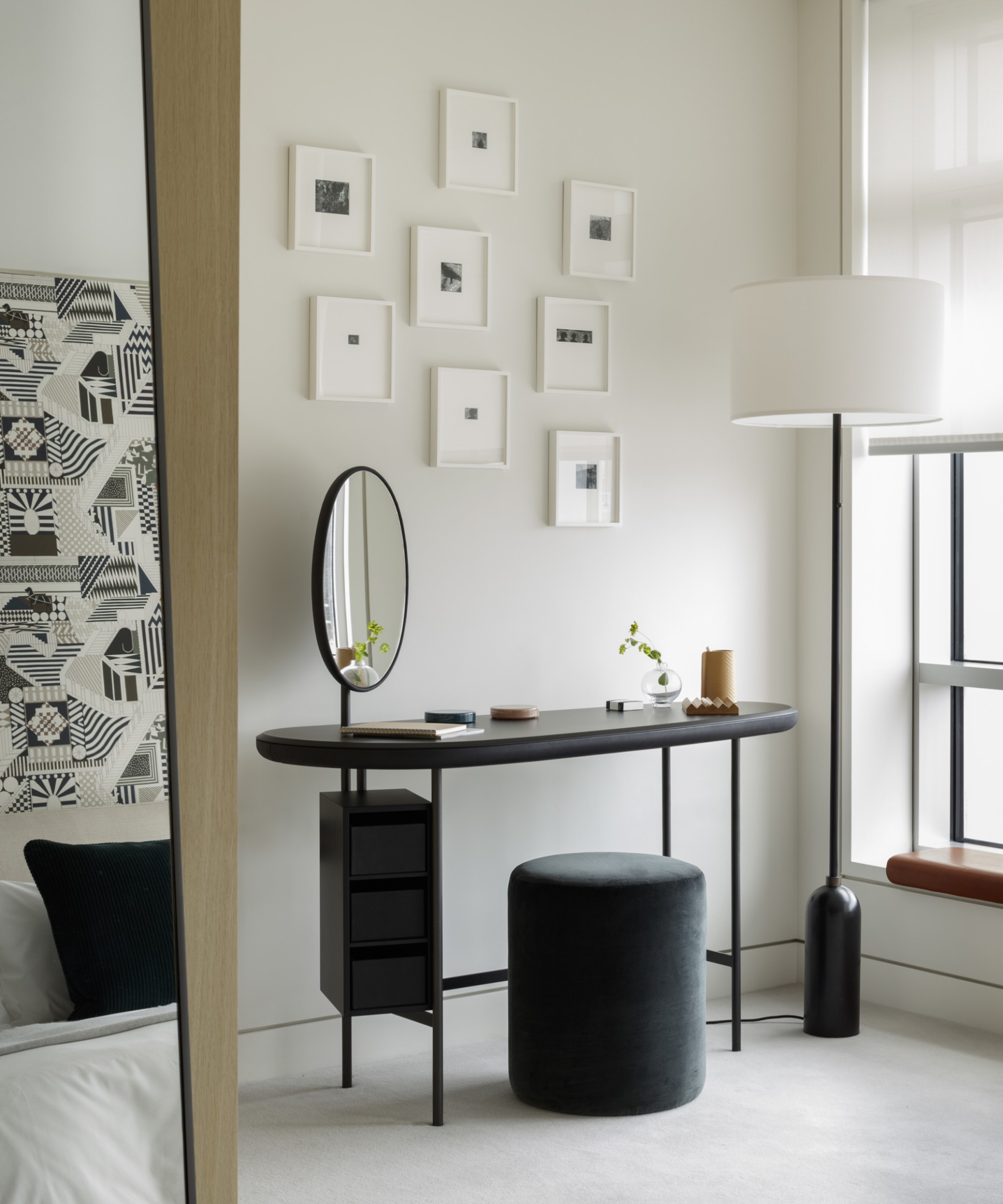
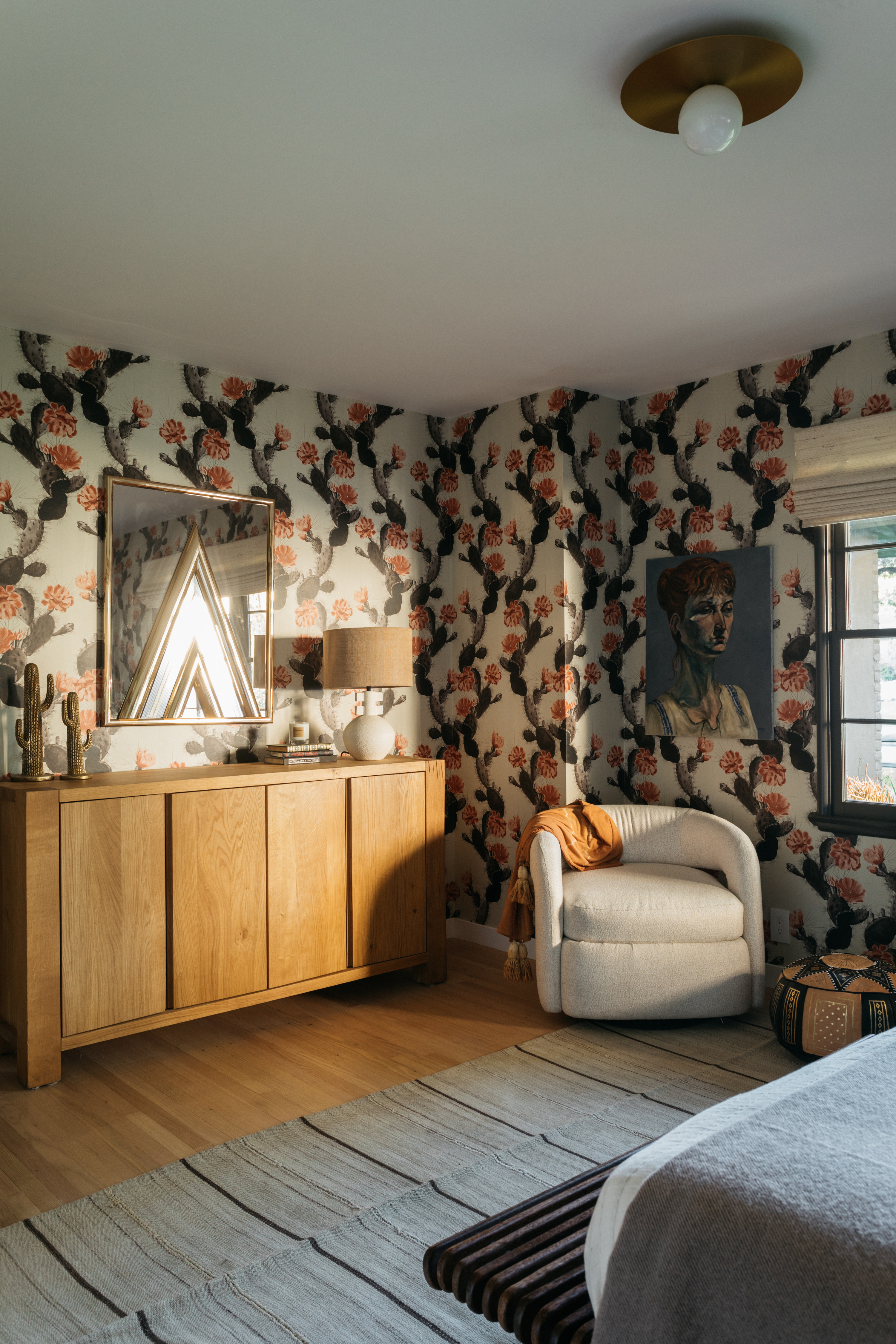
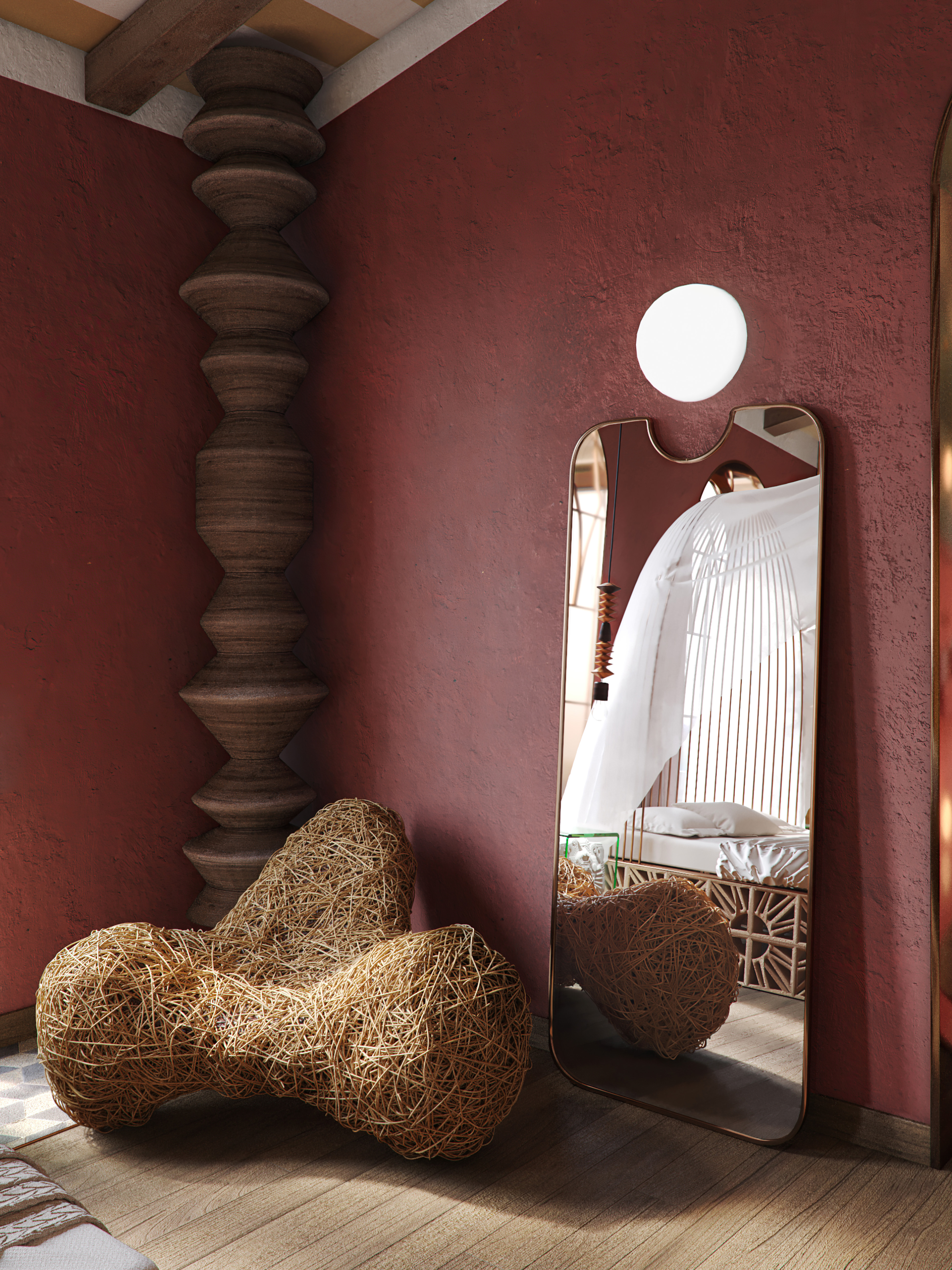
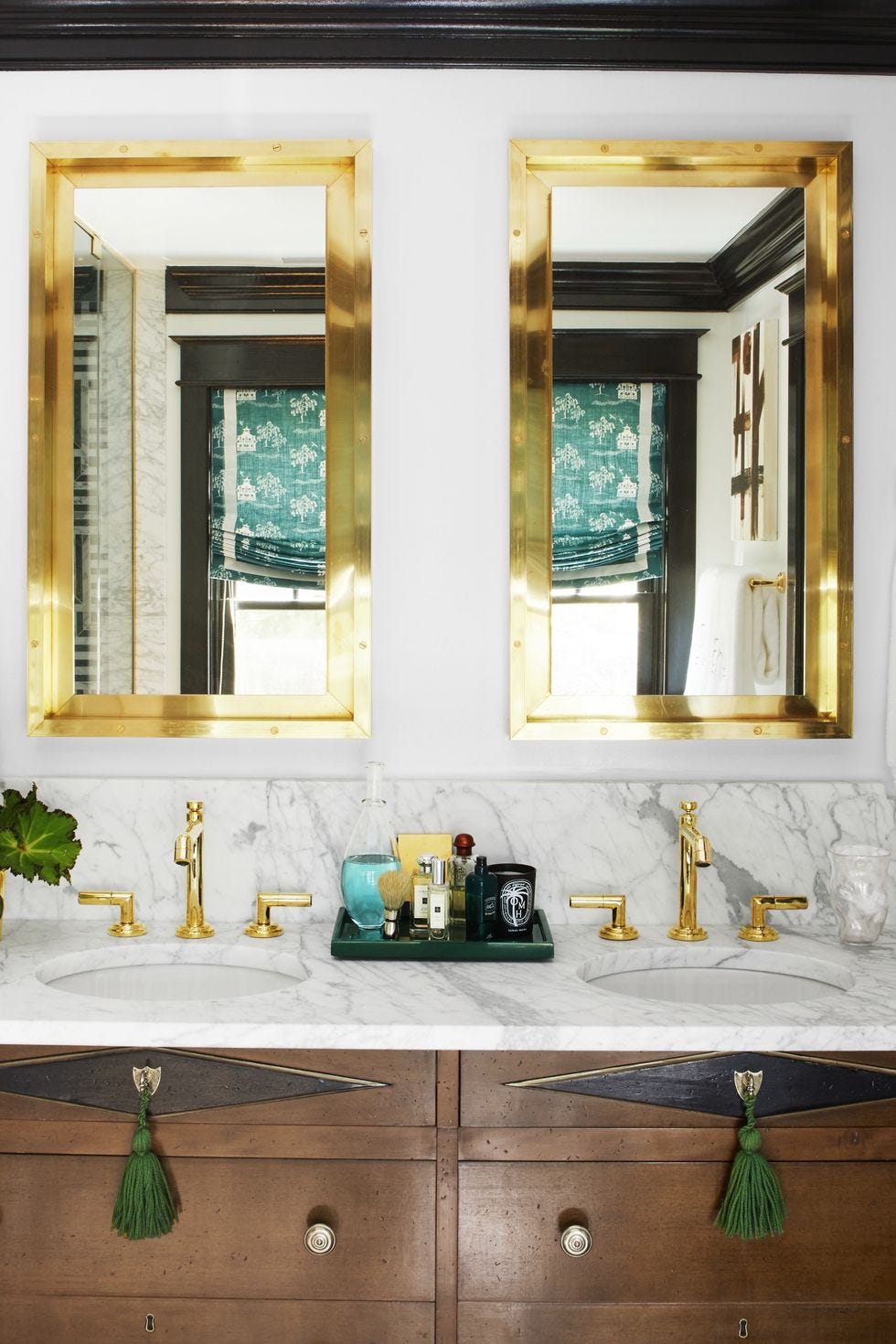
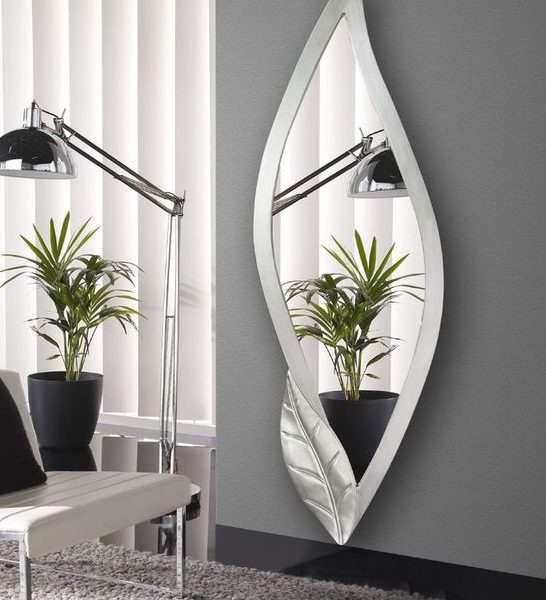
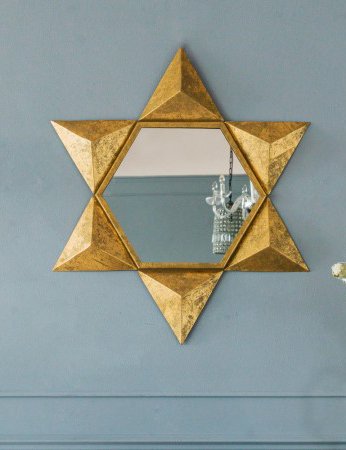
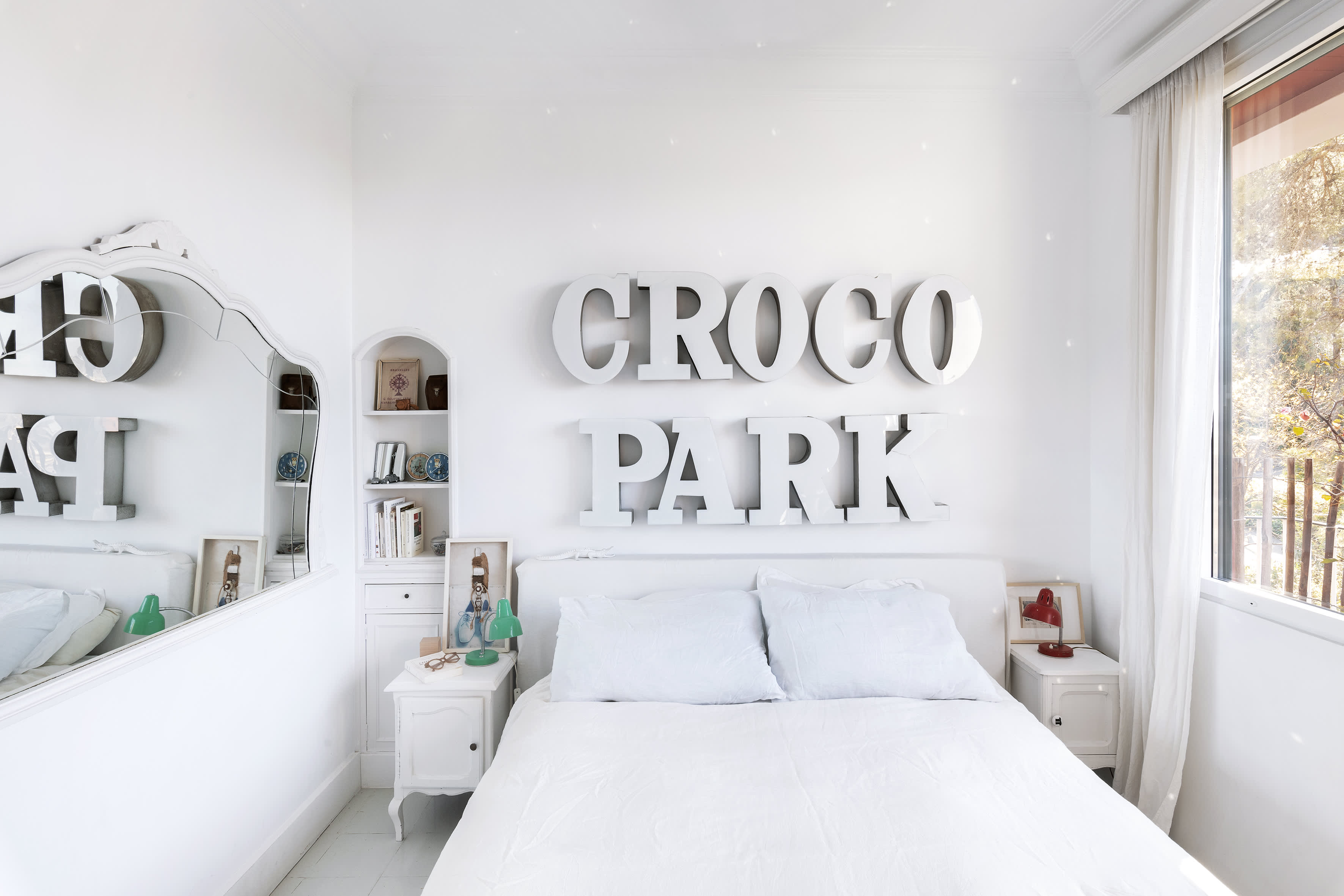
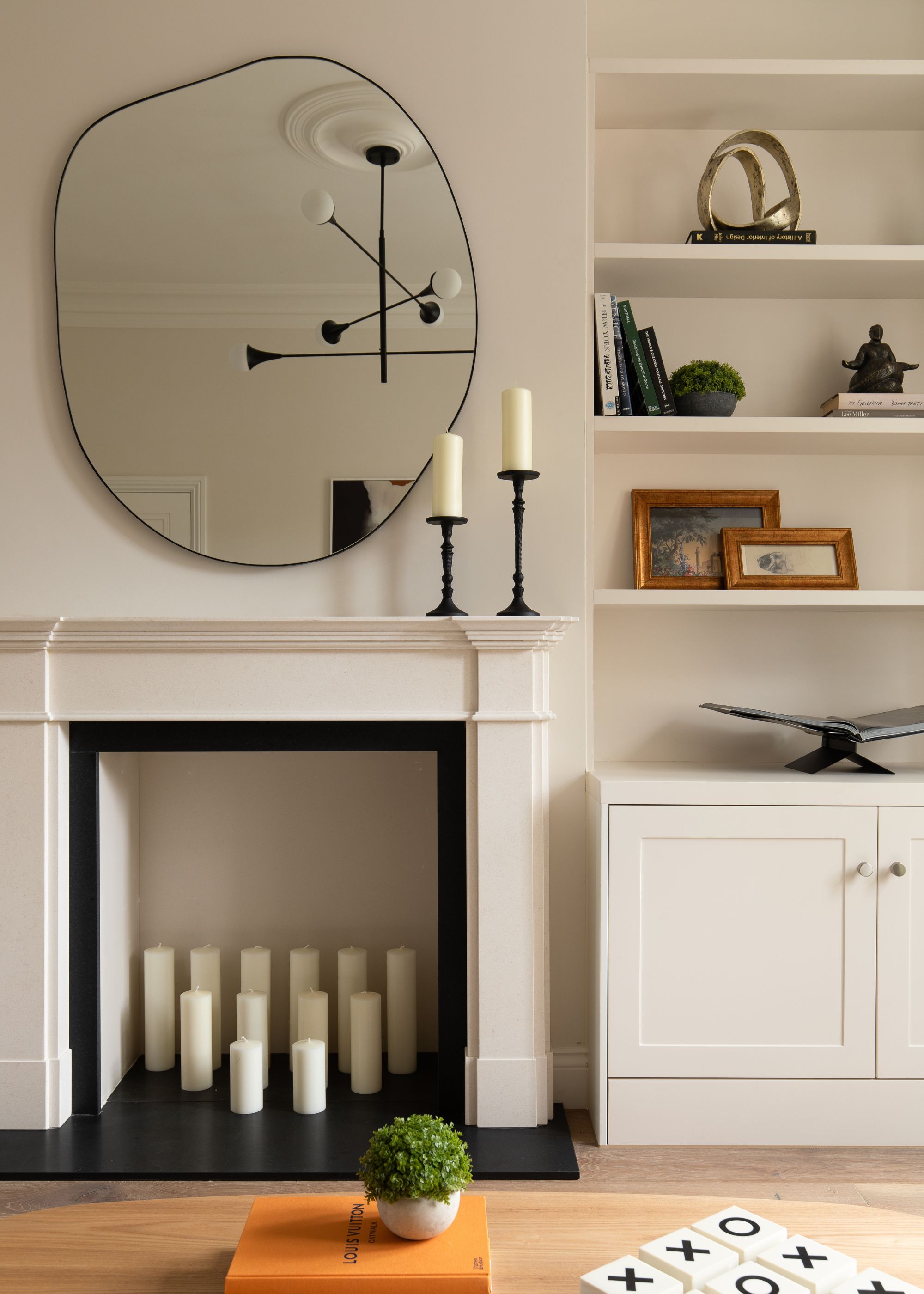
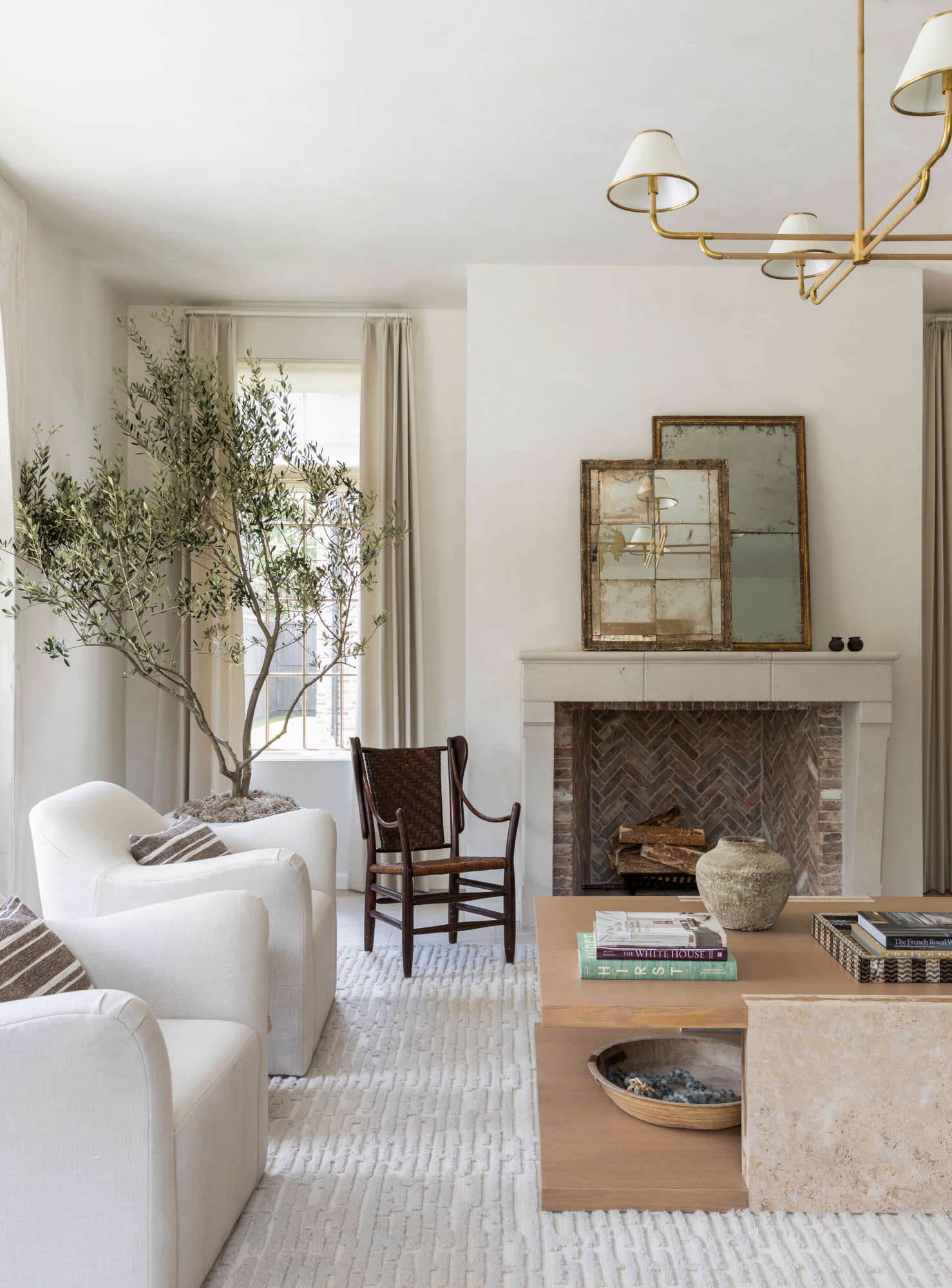
Finally, treating mirrors as decorative elements, akin to gallery wall ideas, can add character and visual interest beyond their light-reflecting properties. Hanging a trio of small mirrors, for example, can create a decorative effect. Katie Lion, senior interior designer at Kitesgrove, describes how small convex mirrors can create interesting depth and form, bouncing light around and complementing other design elements like wallpaper and headboards, thereby boosting the room's character. The ideal placement for a mirror in a small bedroom is on a wall adjacent to a window to maximize light reflection, ensuring it also captures aesthetically pleasing views rather than practical storage. For making a small bedroom appear larger, floor-to-ceiling mirrored closet doors are most effective, especially if visible from the room's entrance or bed, instantly enhancing the perception of space.
#SmallBedroomDesign #MirrorPlacement #InteriorDesignTips #SpaceSavingSolutions #BedroomLighting #MirroredFurniture #HomeDecor #FengShui #WallDecor #SmallBedroomDesign #MirrorPlacement #InteriorDesignTips #SpaceSavingSolutions #BedroomLighting #MirroredFurniture #HomeDecor #FengShui #WallDecor
0 comment in total
 No comments yet
You may also like
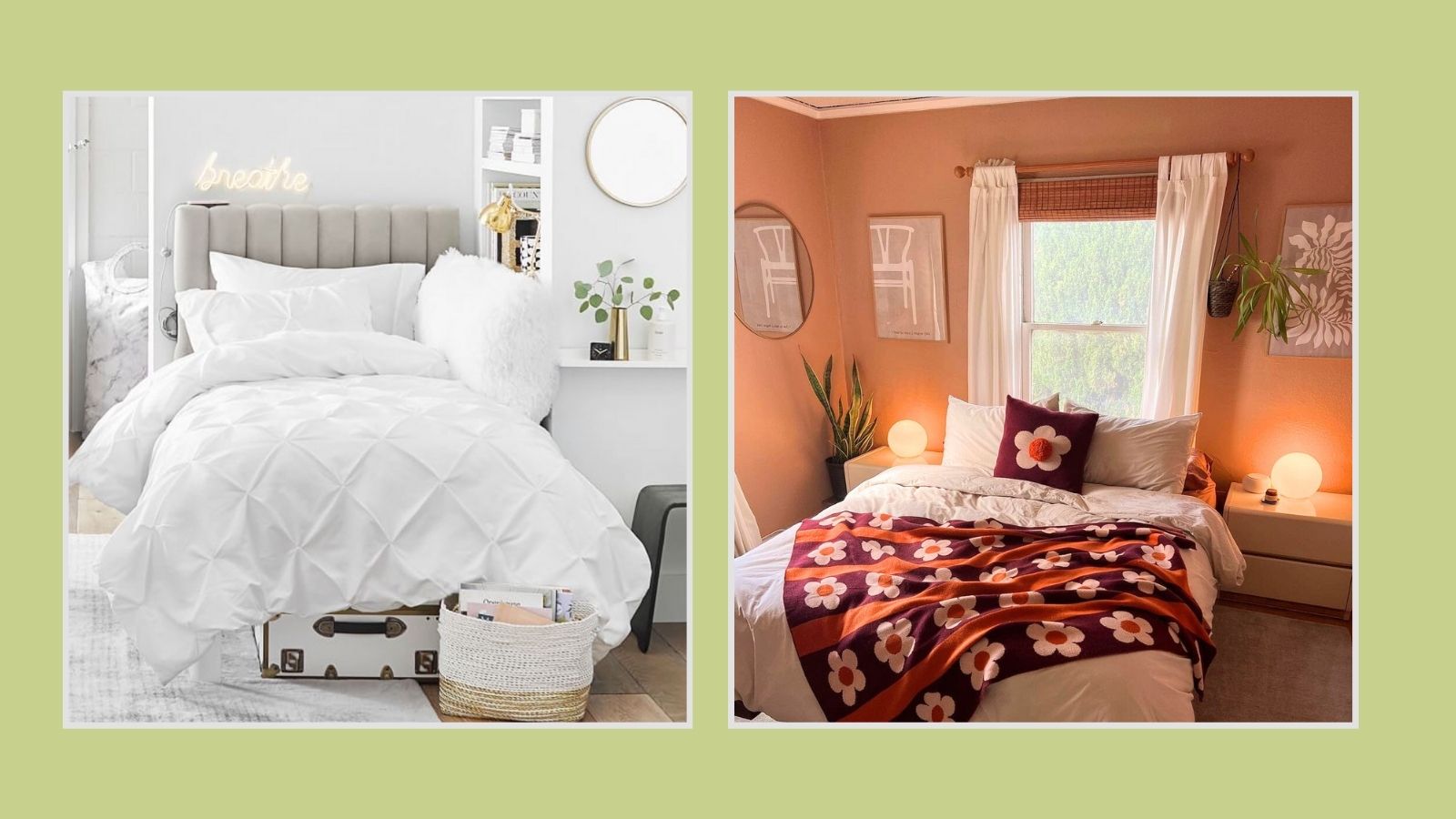
Where to put a mirror in a small bedroom — space-enhancing, designer-approved tips even if options are slim

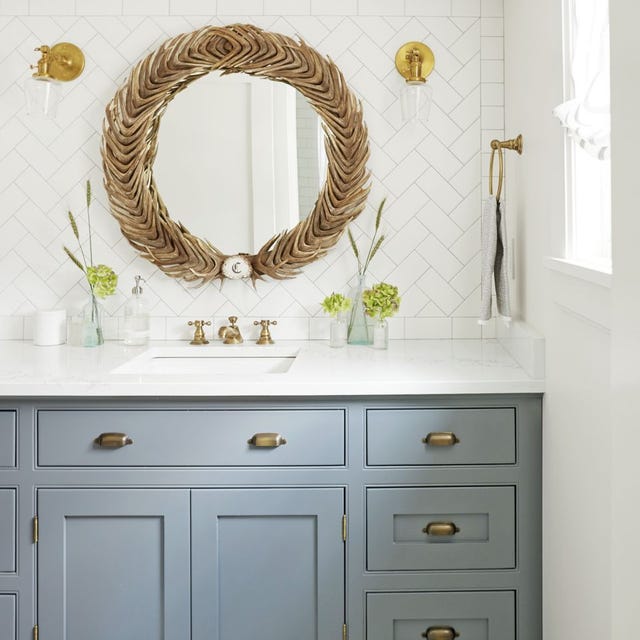
20 Decorative Bathroom Mirror Ideas That'll Open Up Your Space, No Matter How Small

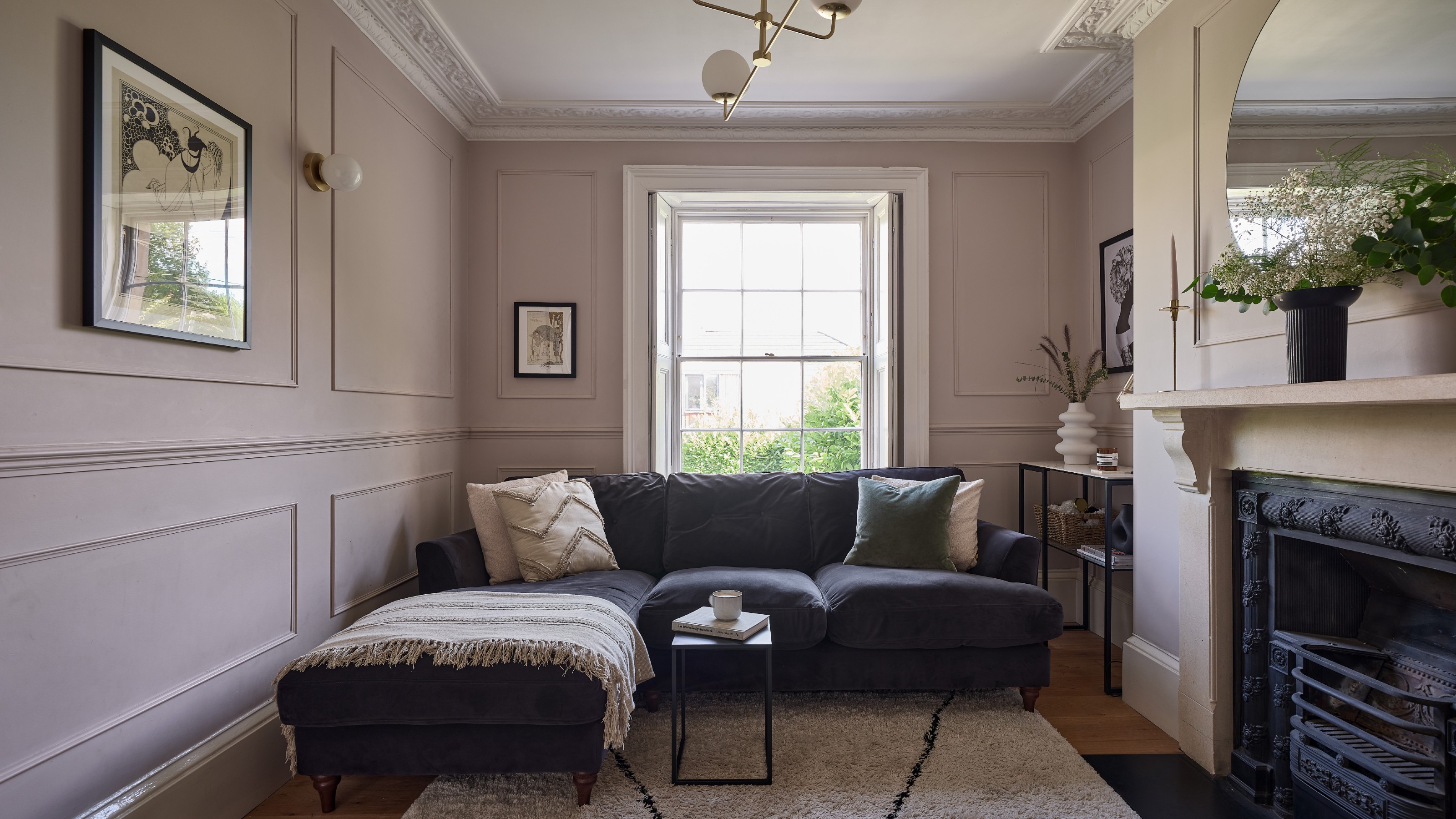
How to make a small living room look bigger with mirrors - clever design tips to open up your space
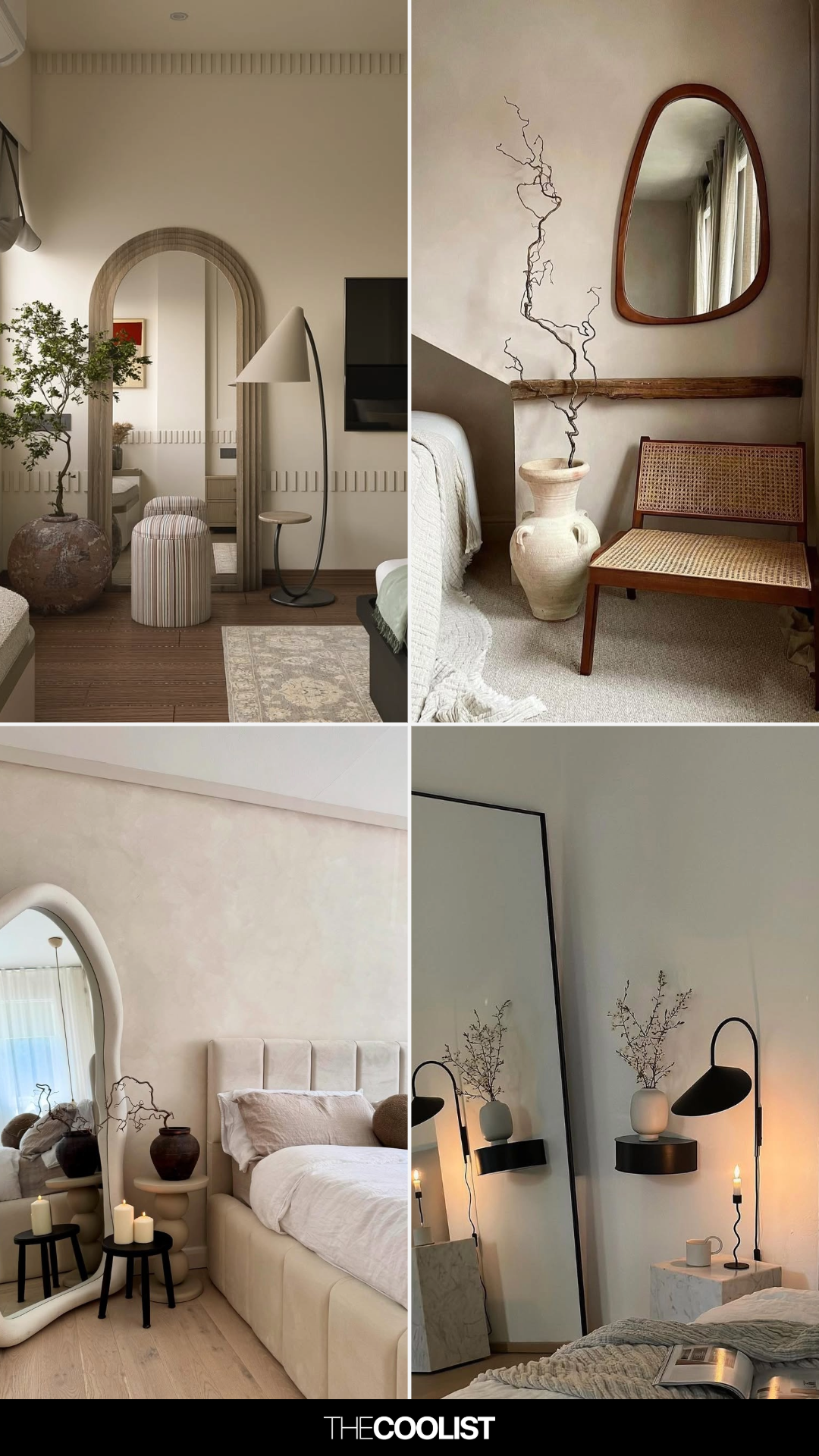
30 Bedroom Mirror Design Ideas That Make Your Bedroom Look Styled Even If Nothing Else Changes
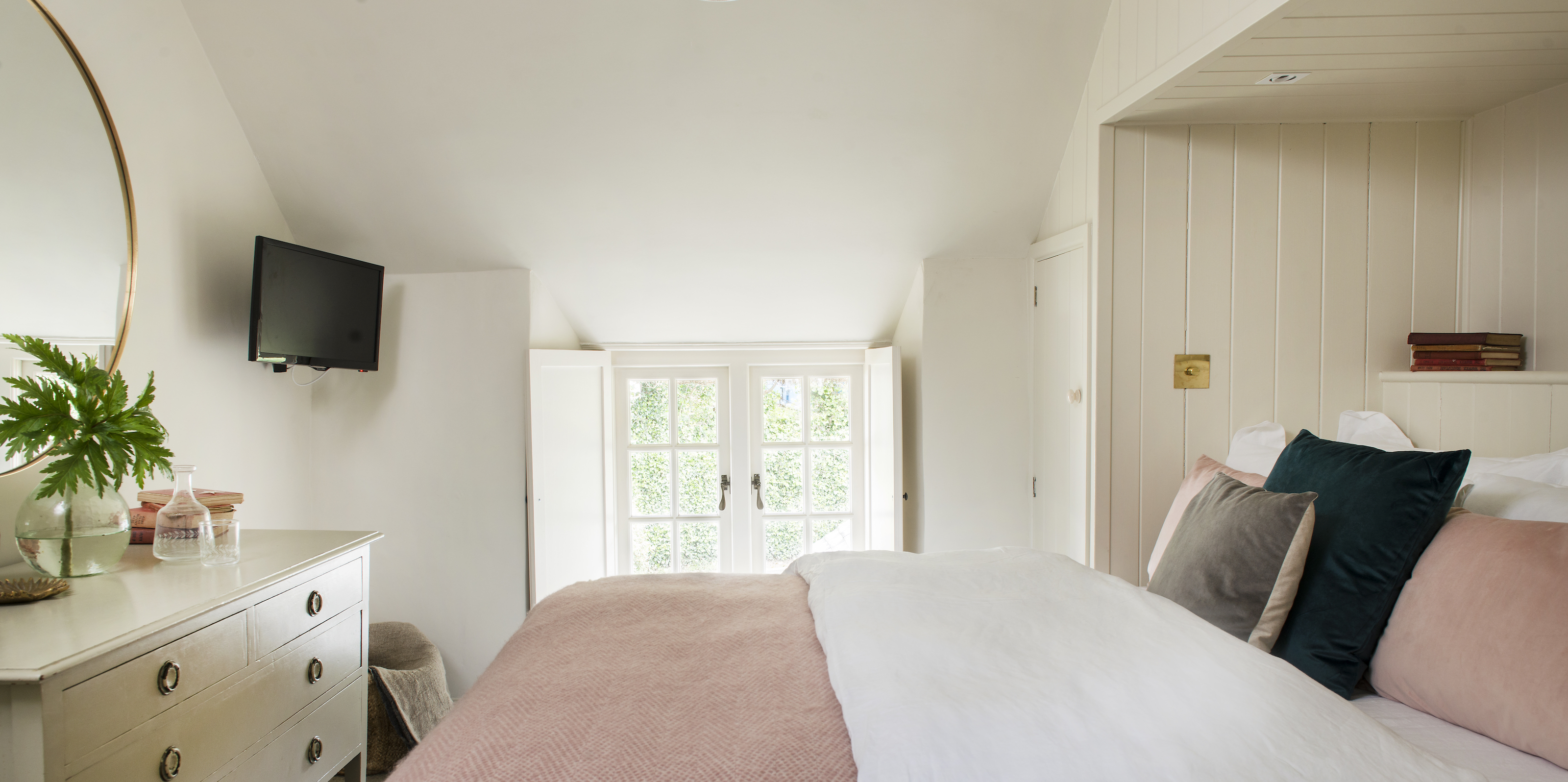
Bedroom mirror ideas - 10 fun and functional ways with mirrors
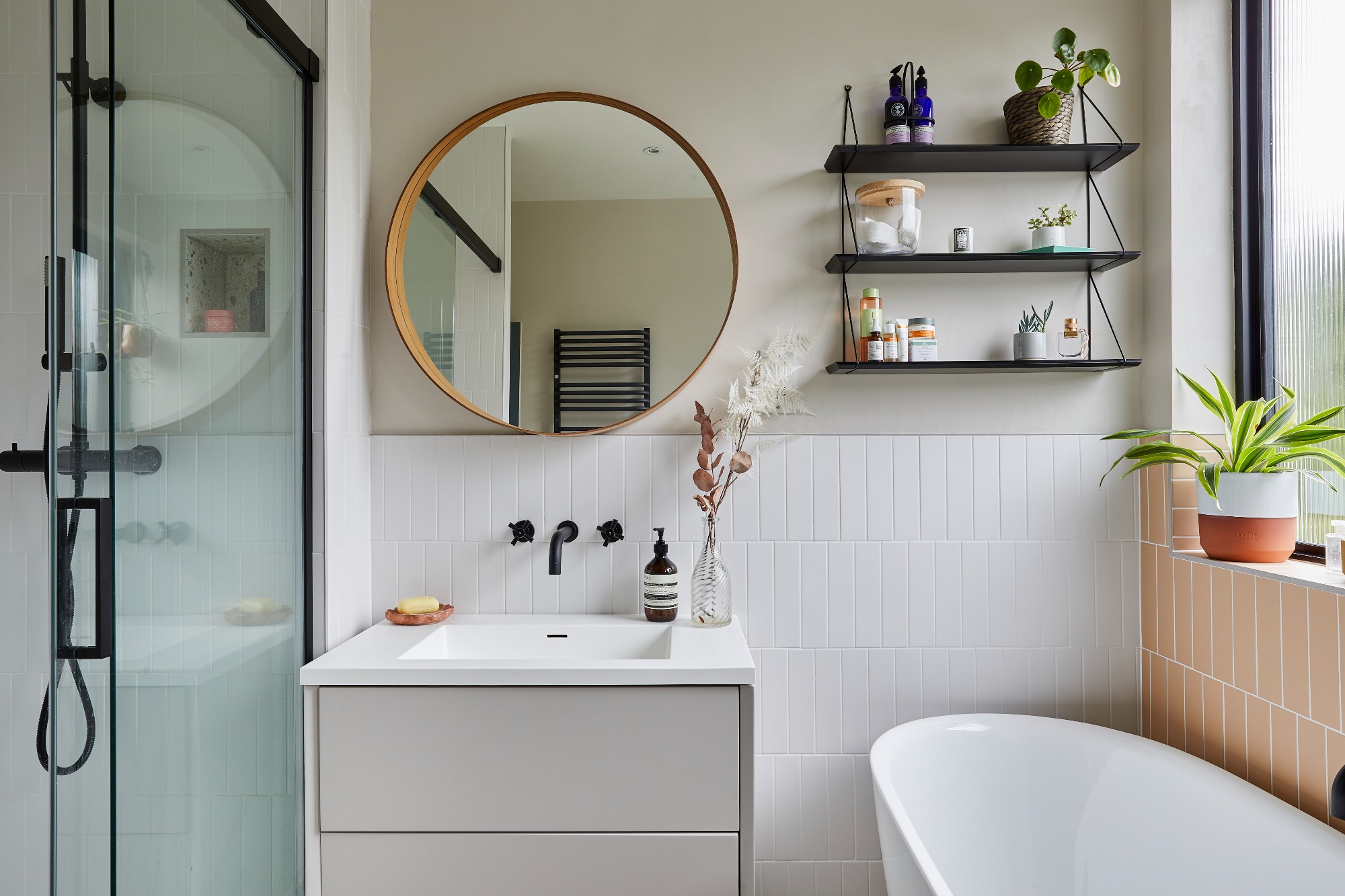
Small bathroom mirror ideas – 11 ways to enhance a small restroom

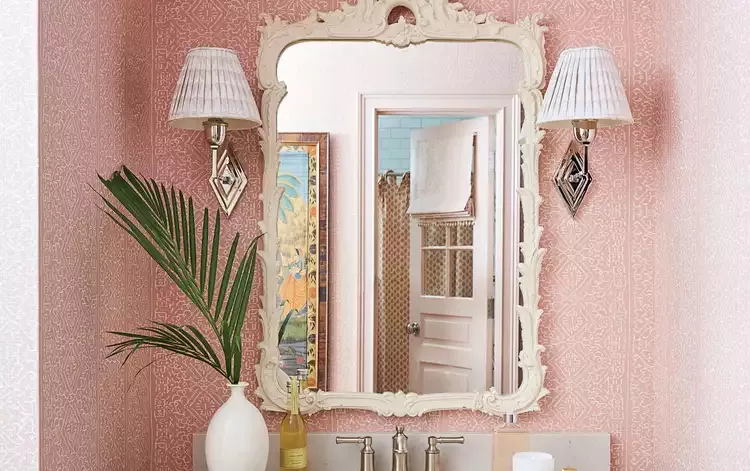
40 Bathroom Mirror Ideas To Enhance Your Space
12 Ways Decorating With Mirrors Can Take a Space From Static to Stylish, Shiny, and More Spacious

Where to put a mirror in a small bedroom, according to designers
Decorate with mirrors to bring in light or make your home feel bigger
14 living room mirror ideas to enhance light, expand spade and add style
14 clever ways to make small rooms look bigger

Mirrors Are the Secret to Making A Small Bedroom Feel Huge—15 Tips to Get the Look

10 Latest Mirror Designs For Bedroom With Pictures In 2023
6 Brilliant Ways to Make the Most of a Narrow Bedroom
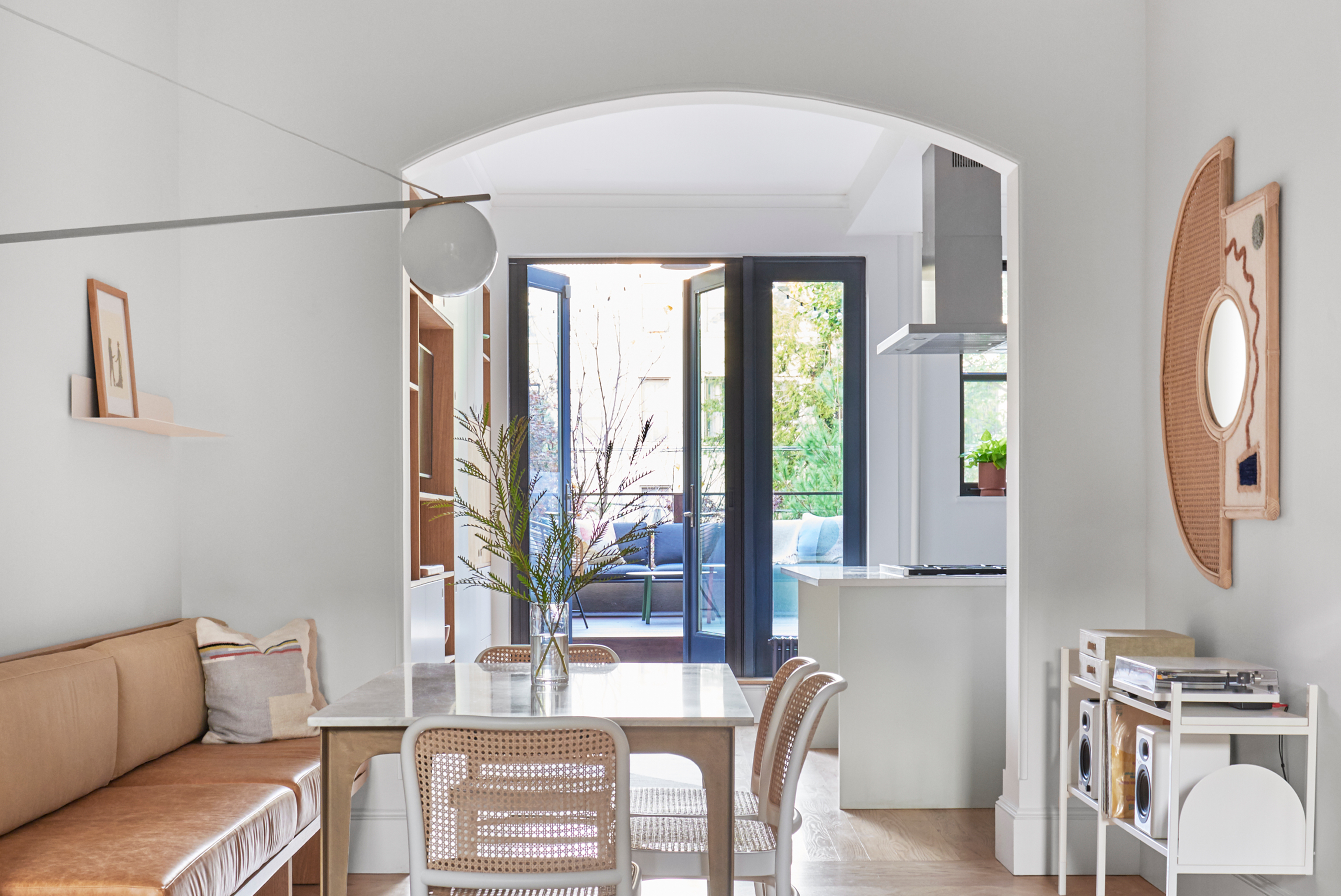
Is it okay to have more than one mirror in a room? This is the one instance designers say it's never okay
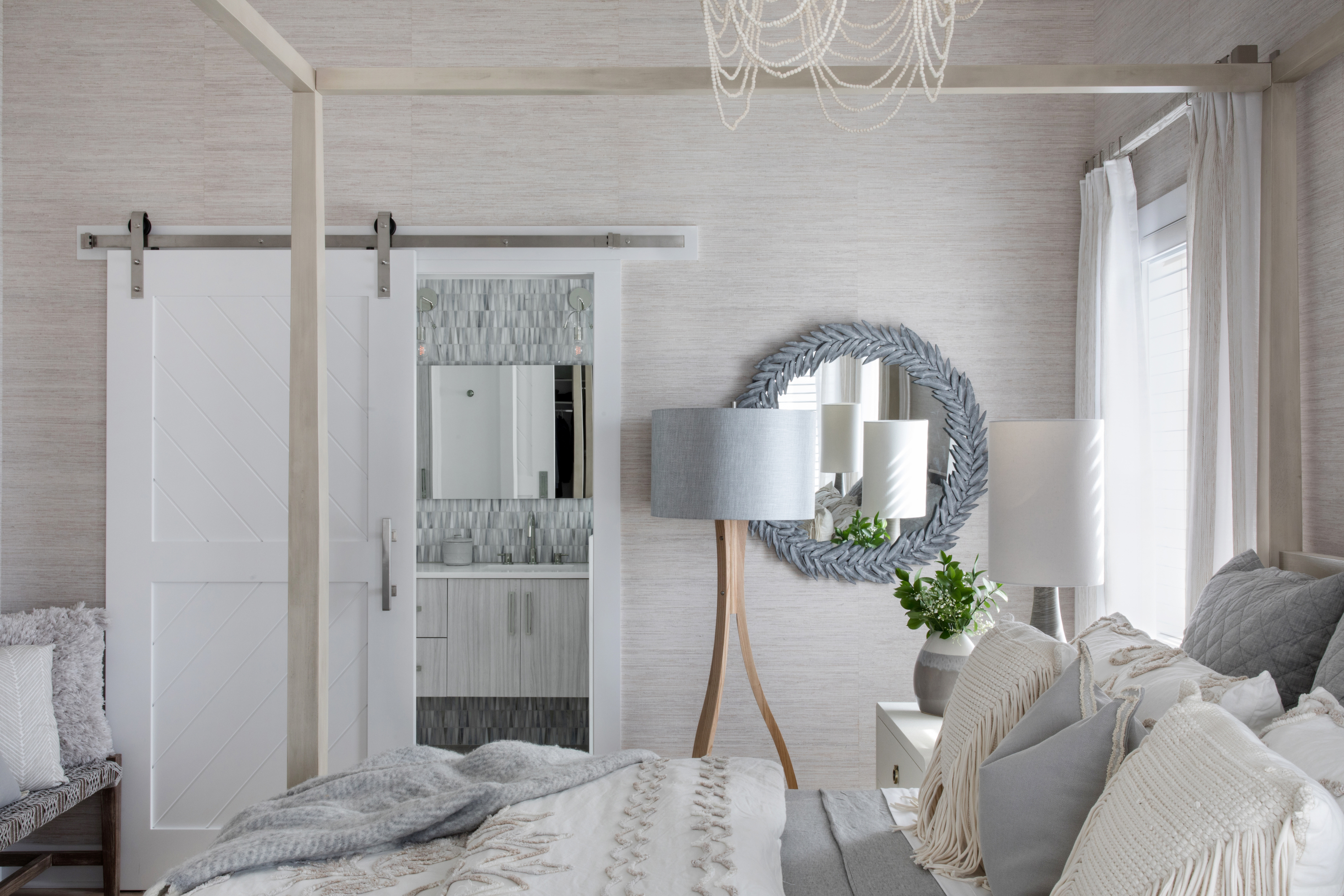
Bedroom mirror ideas – 12 ways to amplify light and space with this magic piece of decor
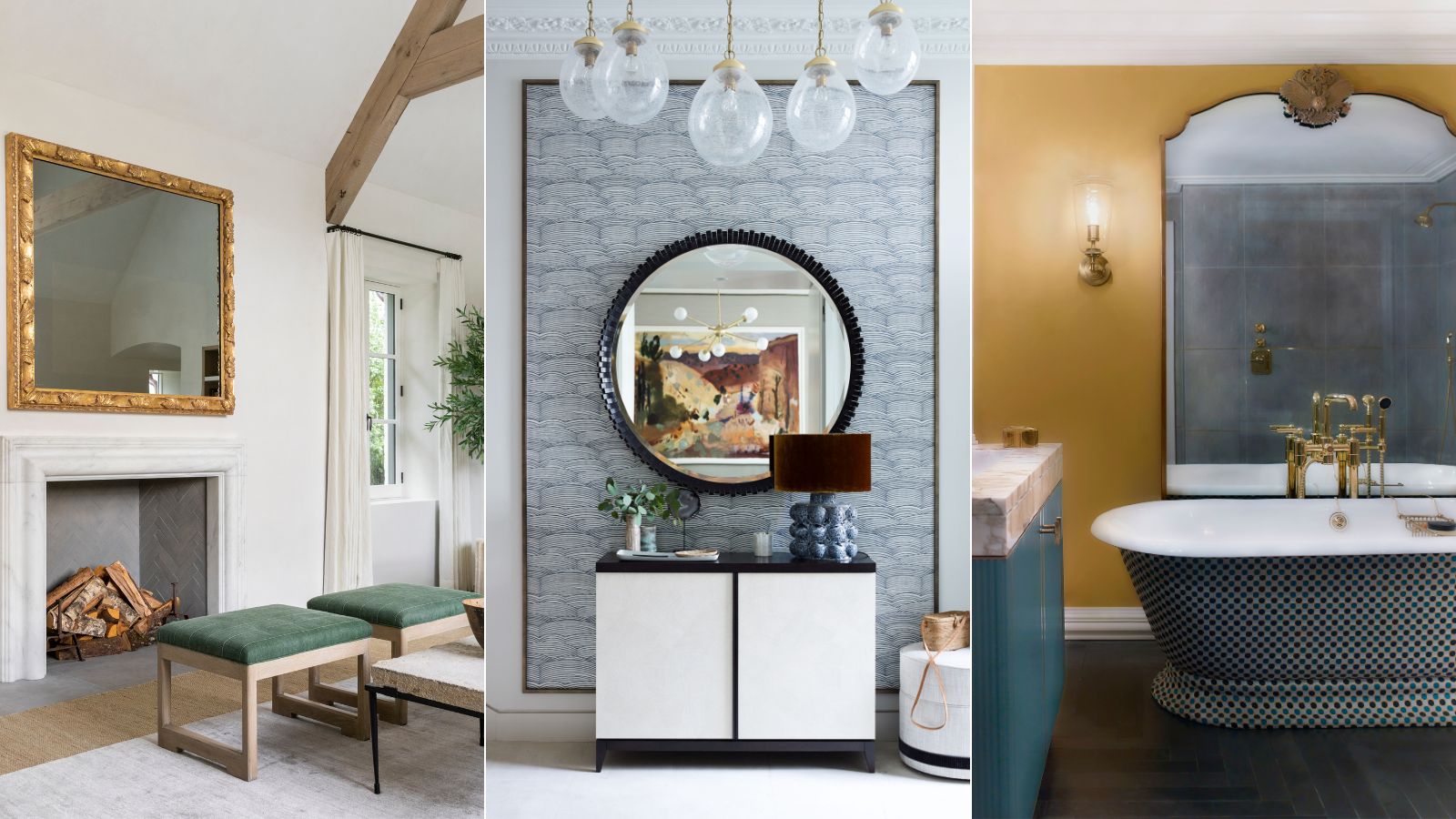
5 simple ways designers use mirrors to make a room look bigger
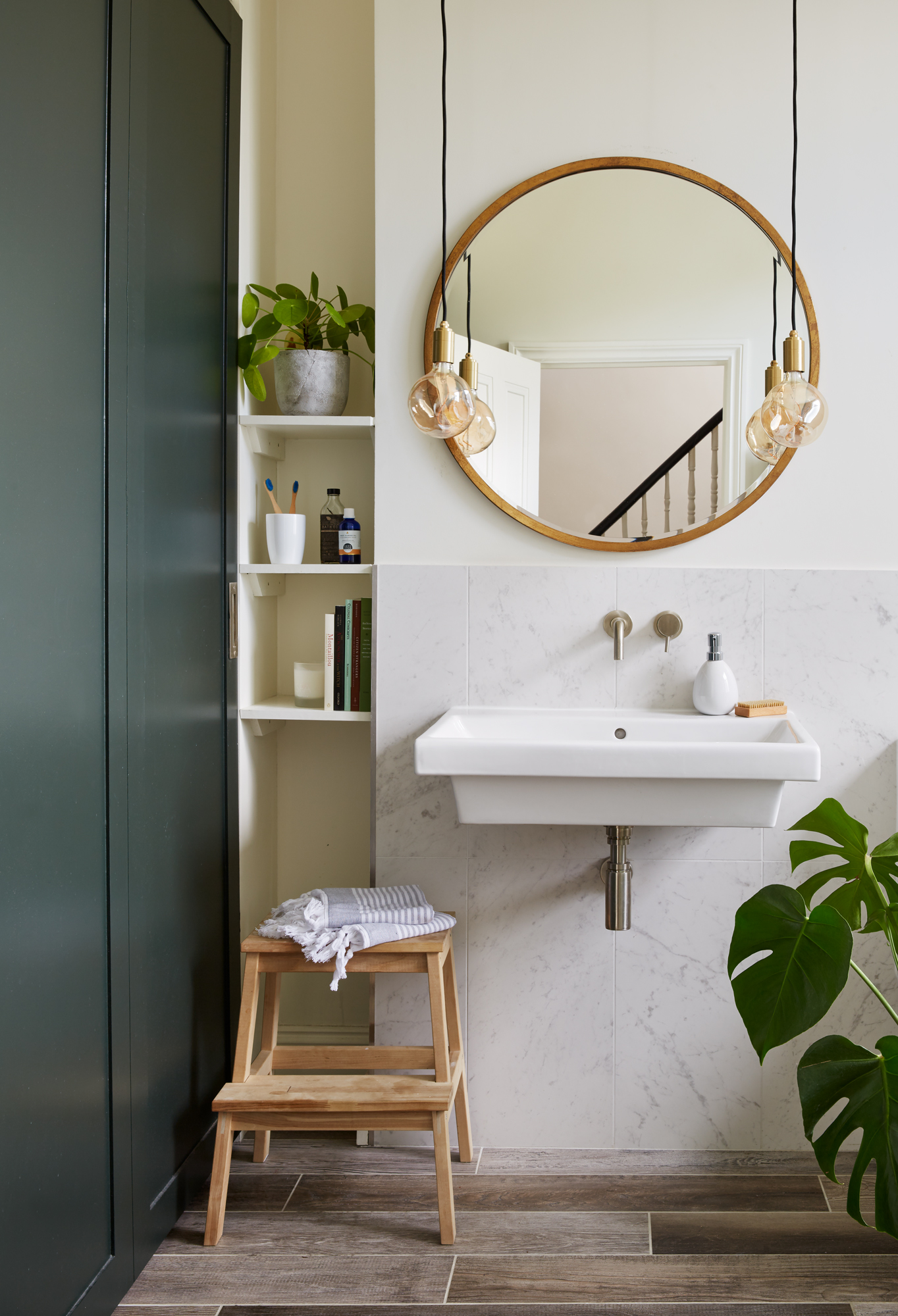
Best bathroom mirrors: 6 gorgeous picks to suit all styles
The Target Mirror That'll Make Any Room In Your Home Look Bigger