1/15
How to make your living room look bigger: 7 tips to fool the eye
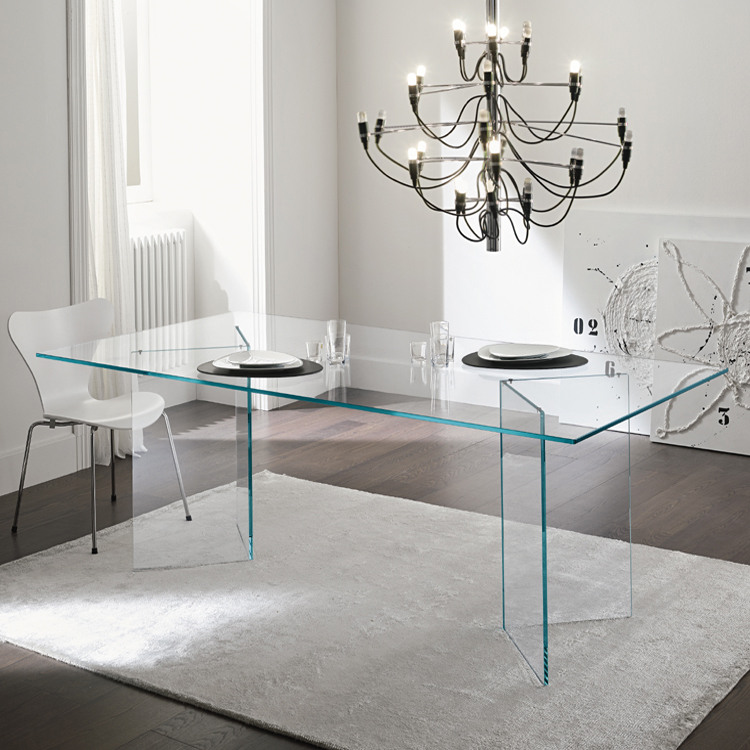
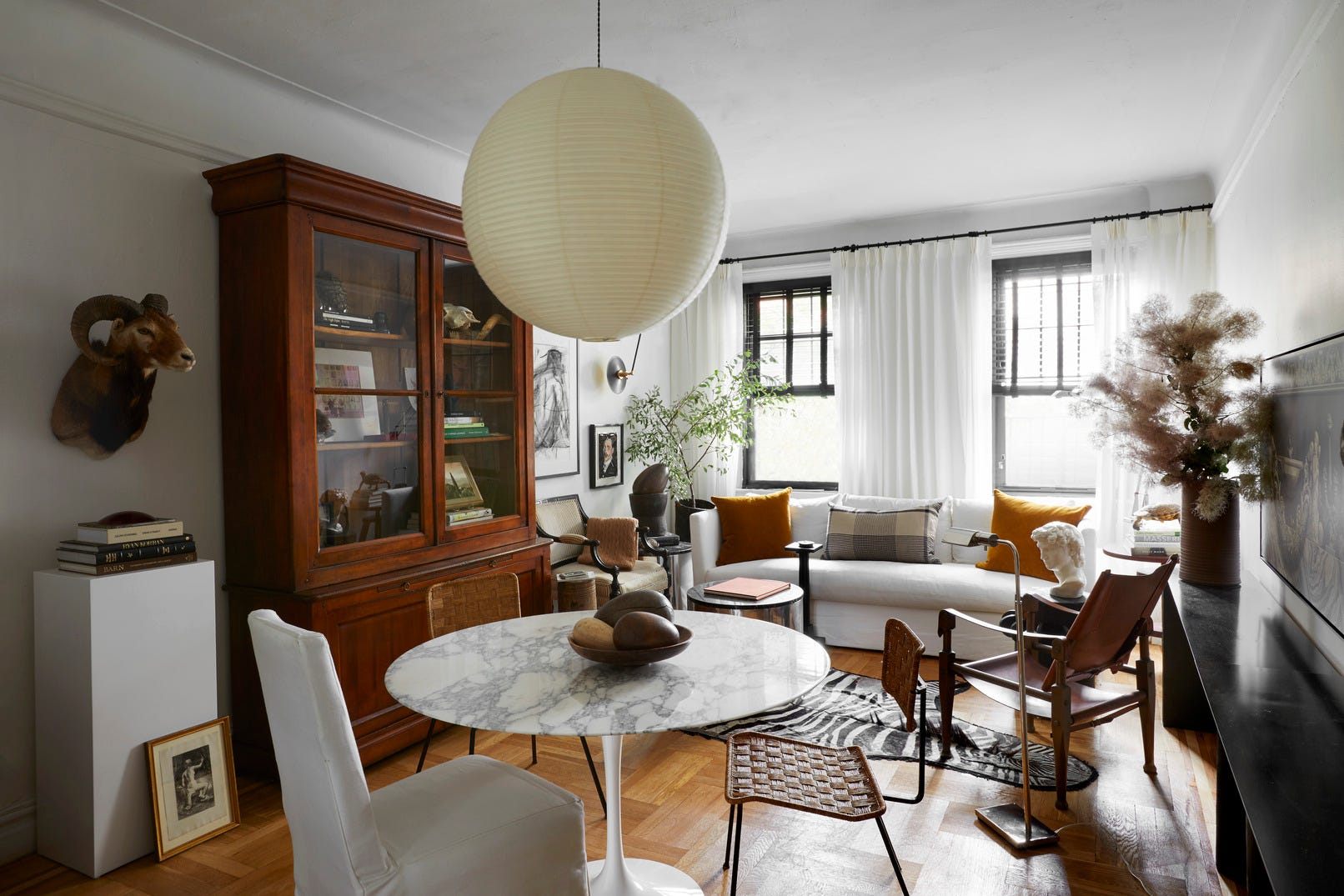
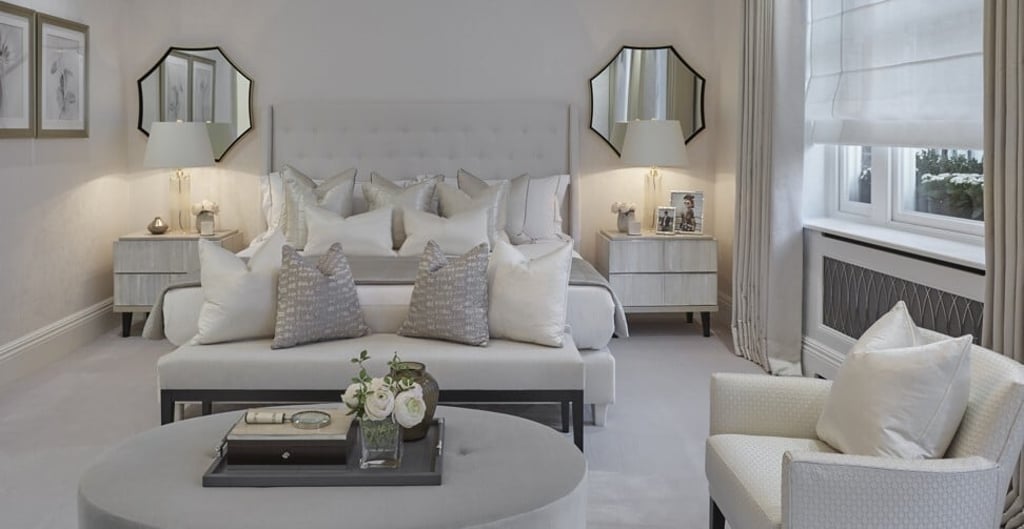
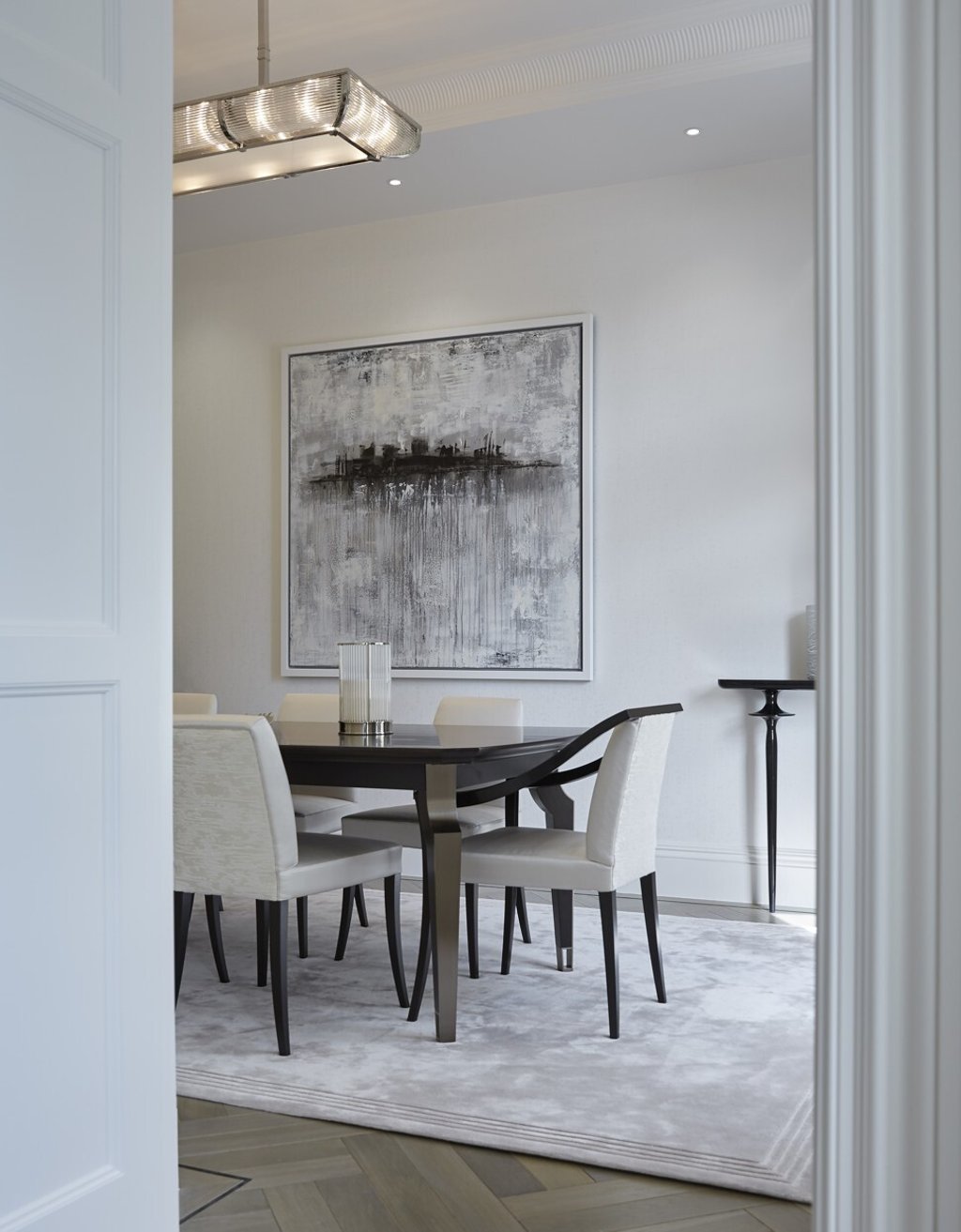
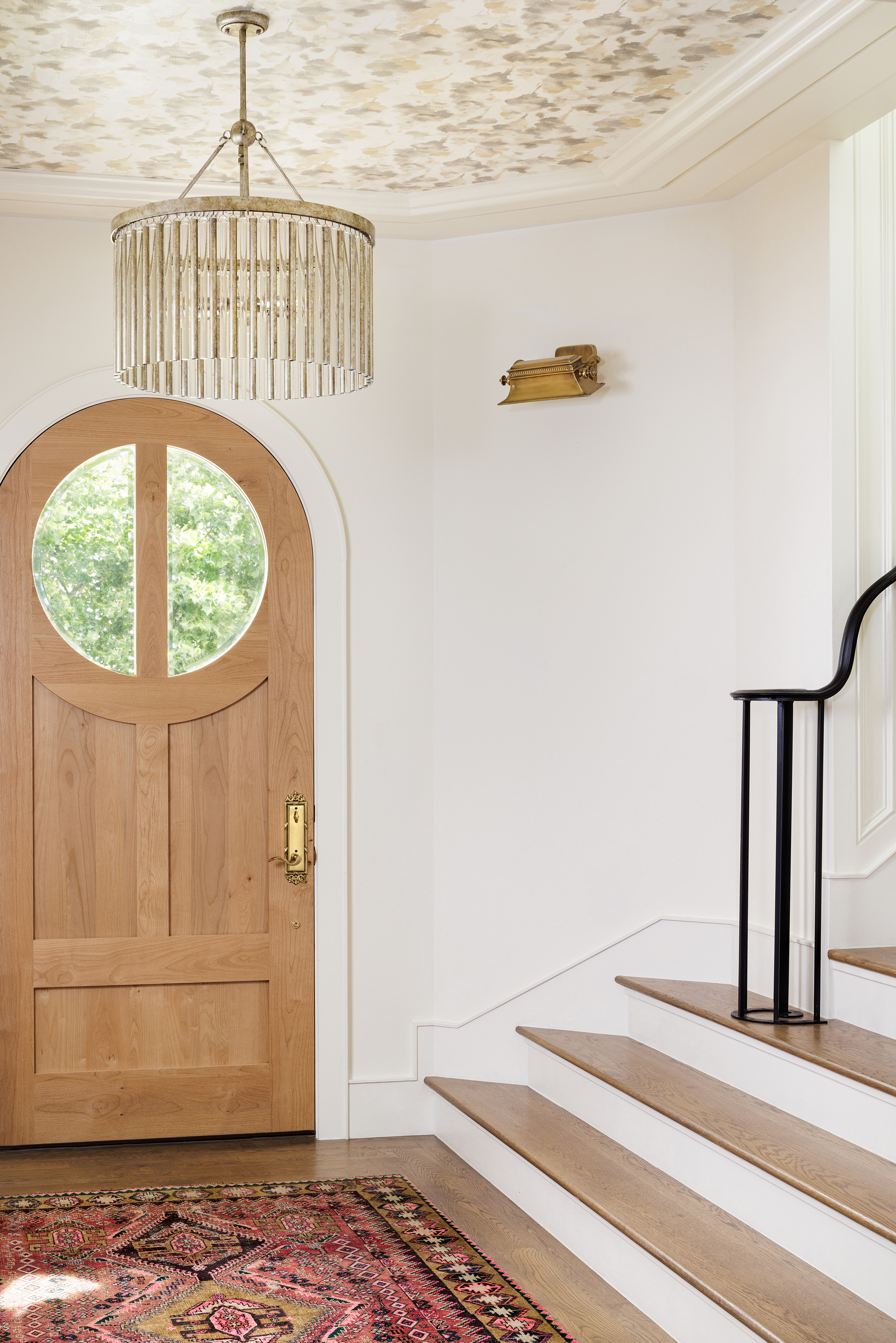
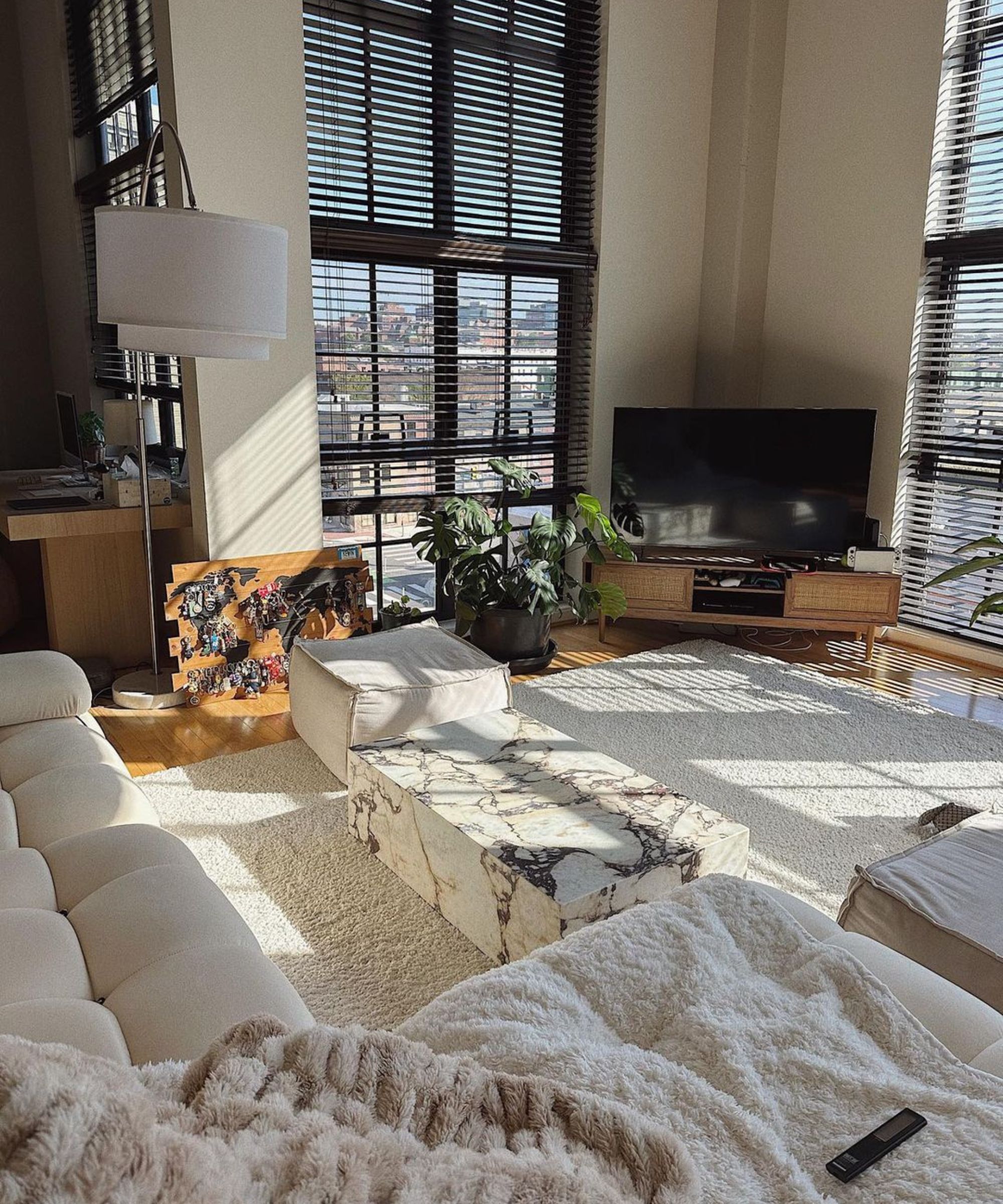
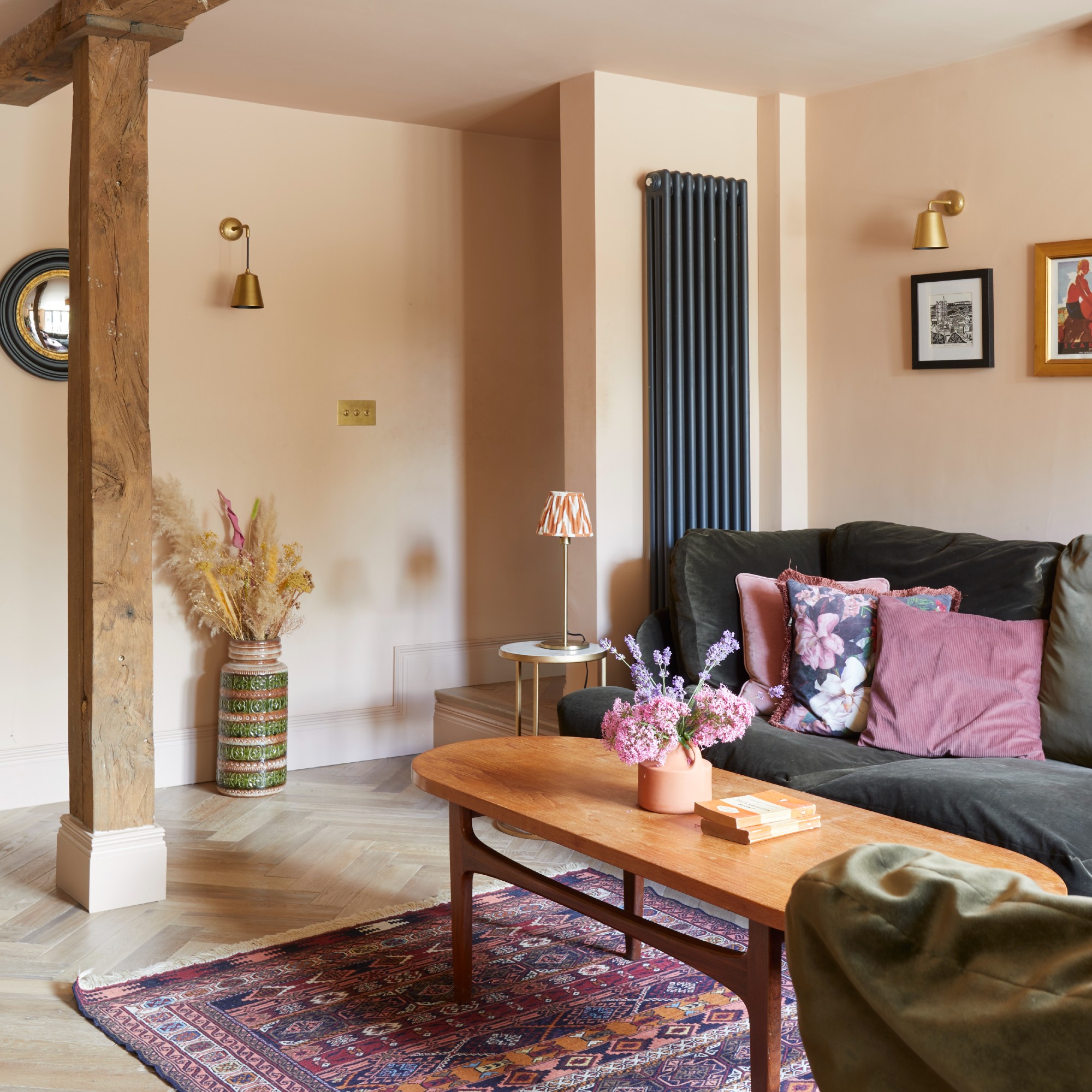
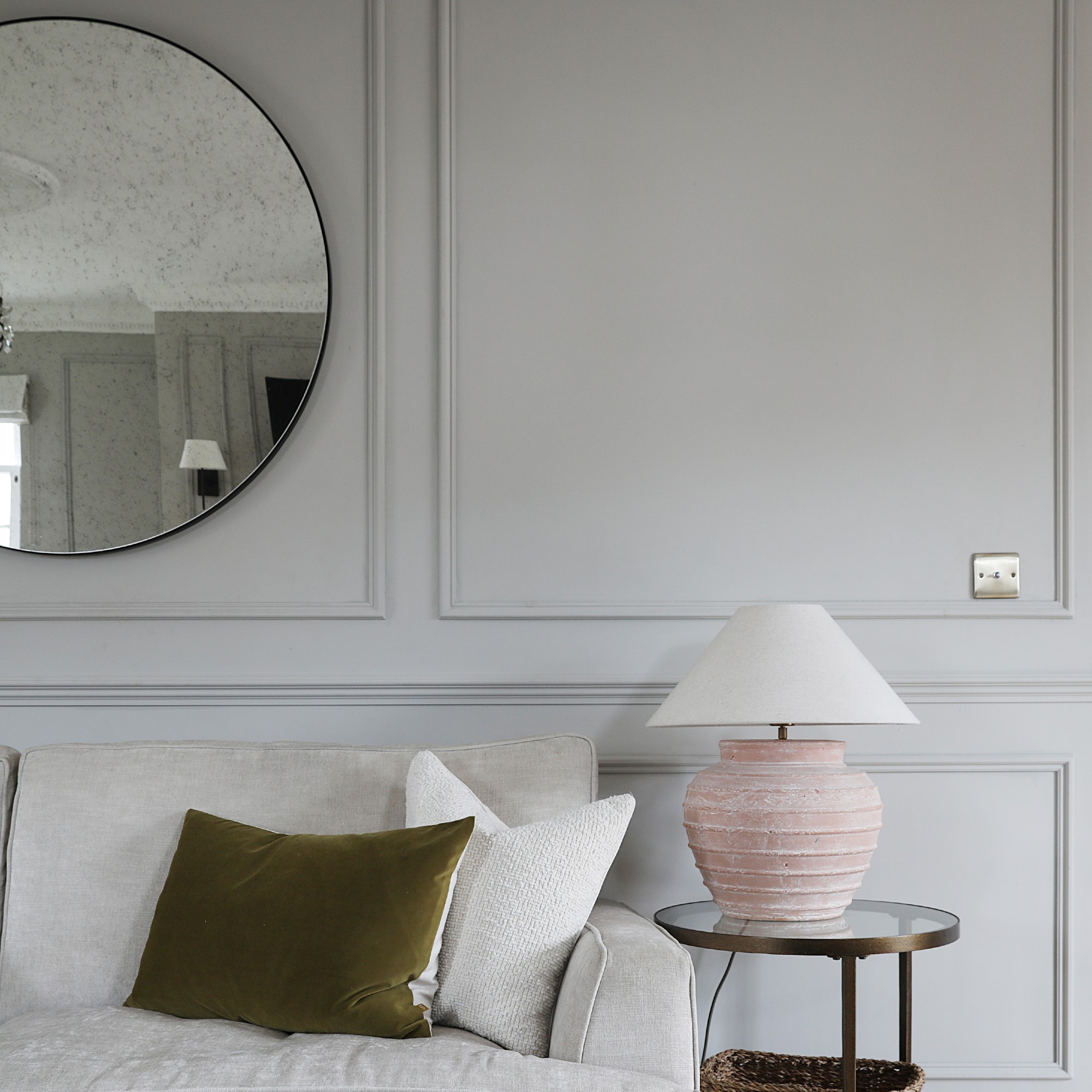
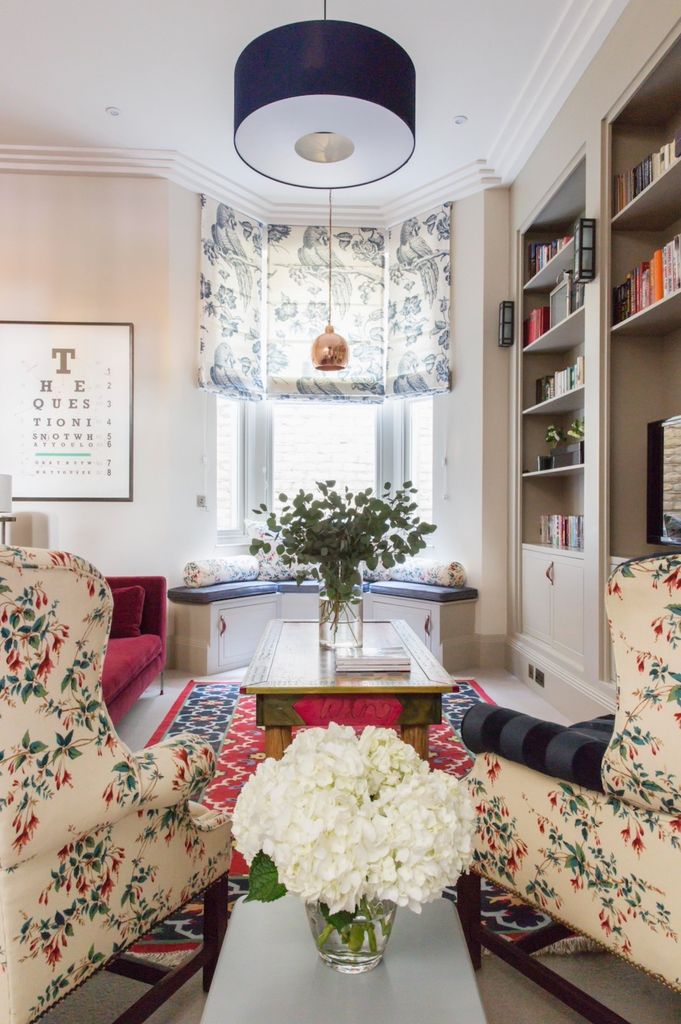
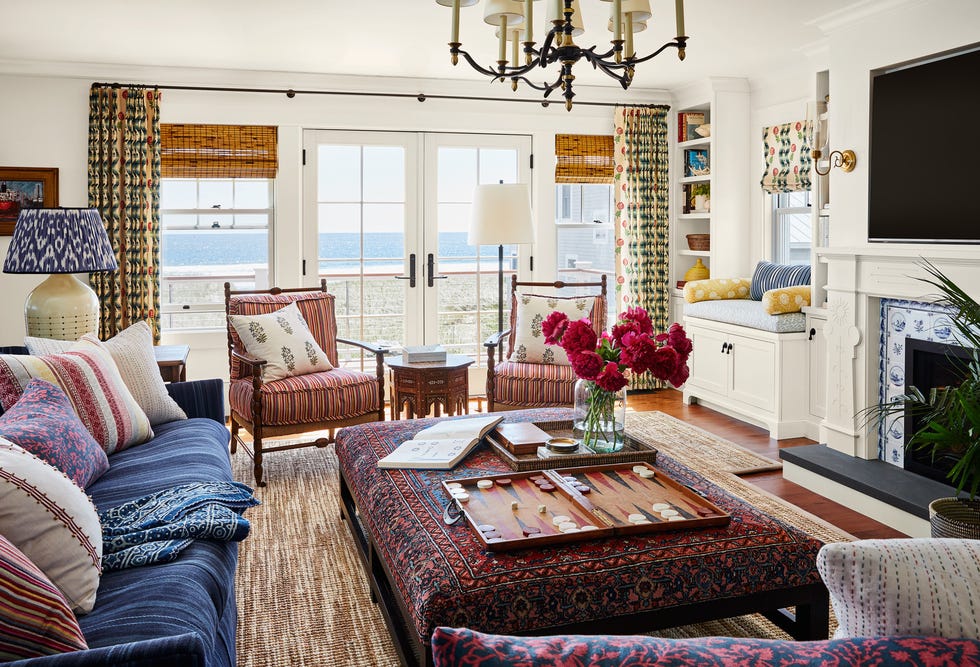
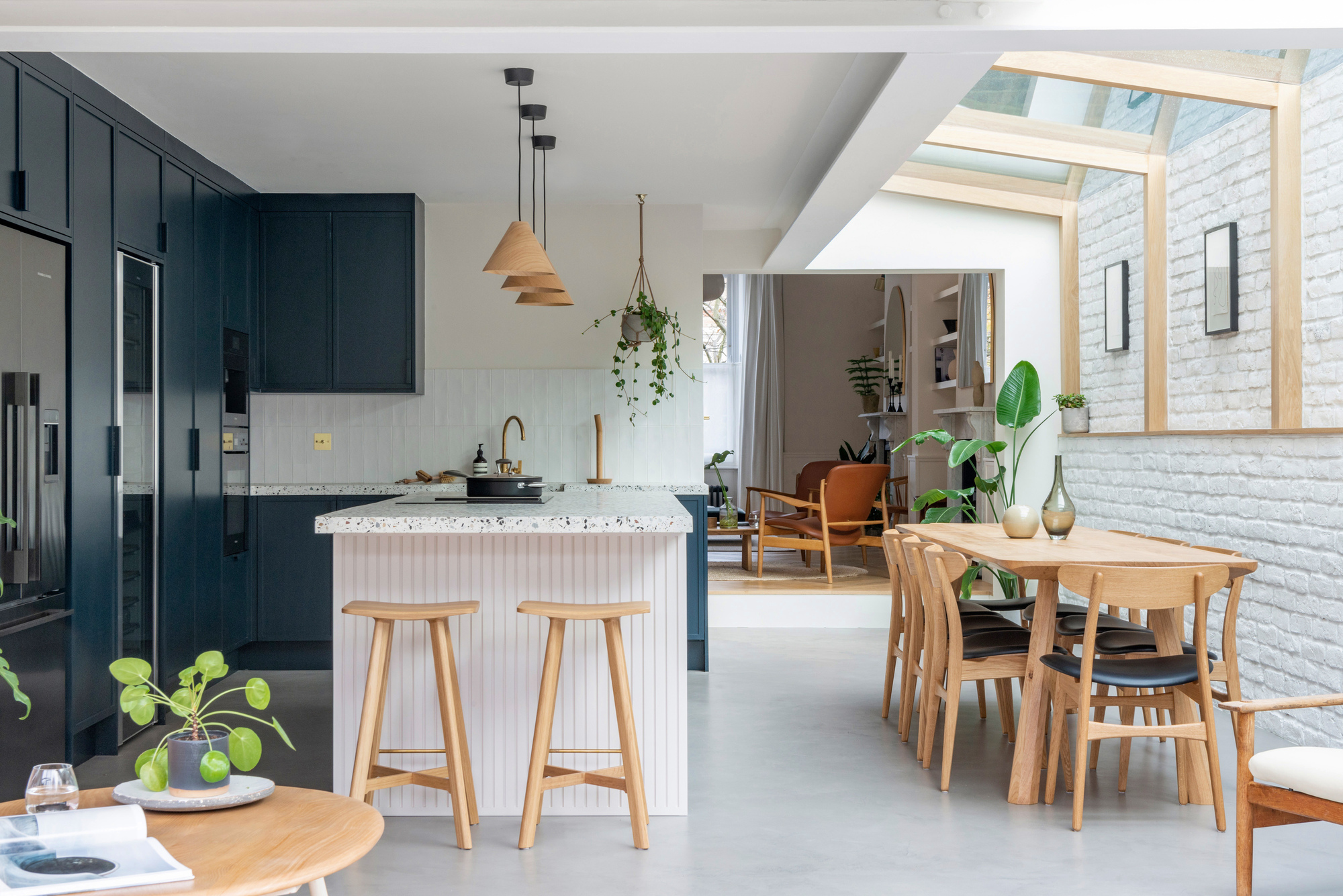
Making a living room appear more spacious can be achieved through various design techniques that focus on optimizing light, decluttering, strategic use of color, appropriate flooring, and smart furniture choices. One effective method is to utilize white paint, especially in small spaces, as it reflects natural light and creates an illusion of openness. Interior design expert Zara O'Hare from Land of Rugs suggests using crisp or brilliant white tones for a clean and calming ambiance. To prevent the room from appearing sterile, she recommends incorporating warm or bright colors through furnishings, accessories, or plants. The finish of the paint also plays a role, with eggshell or satin finishes reflecting light more effectively. Mirrors and other reflective surfaces further enhance brightness and the perception of space.
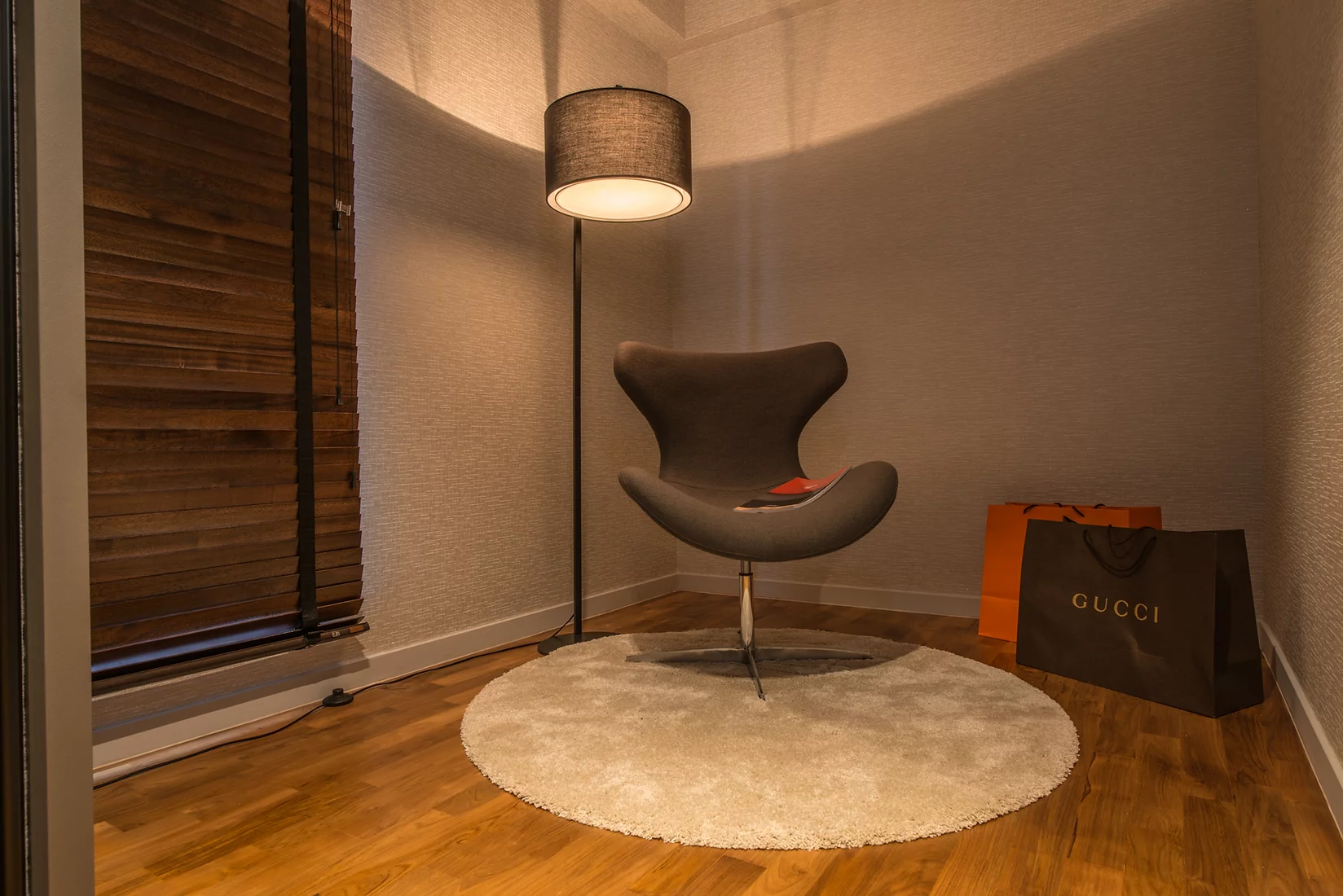
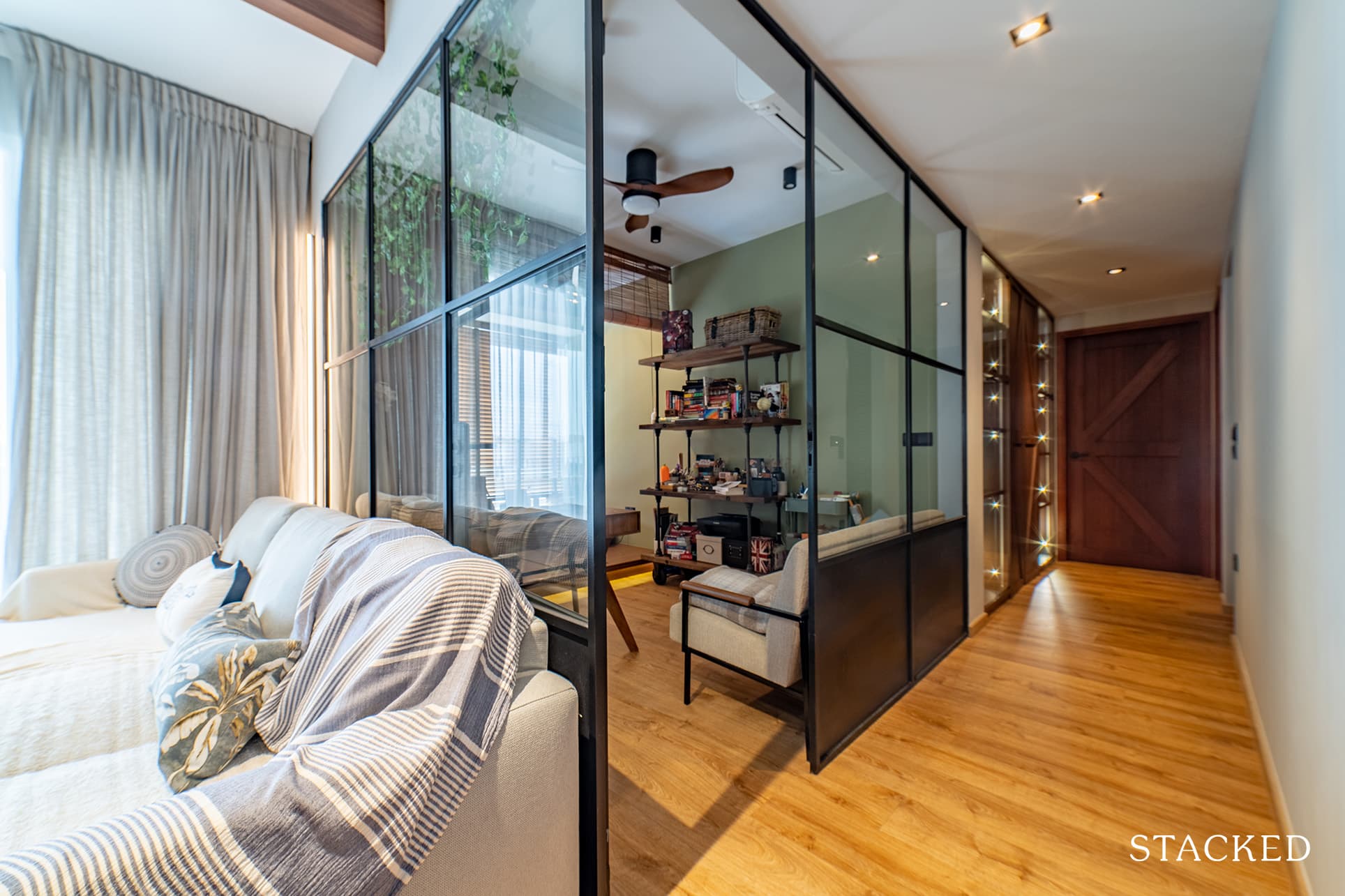
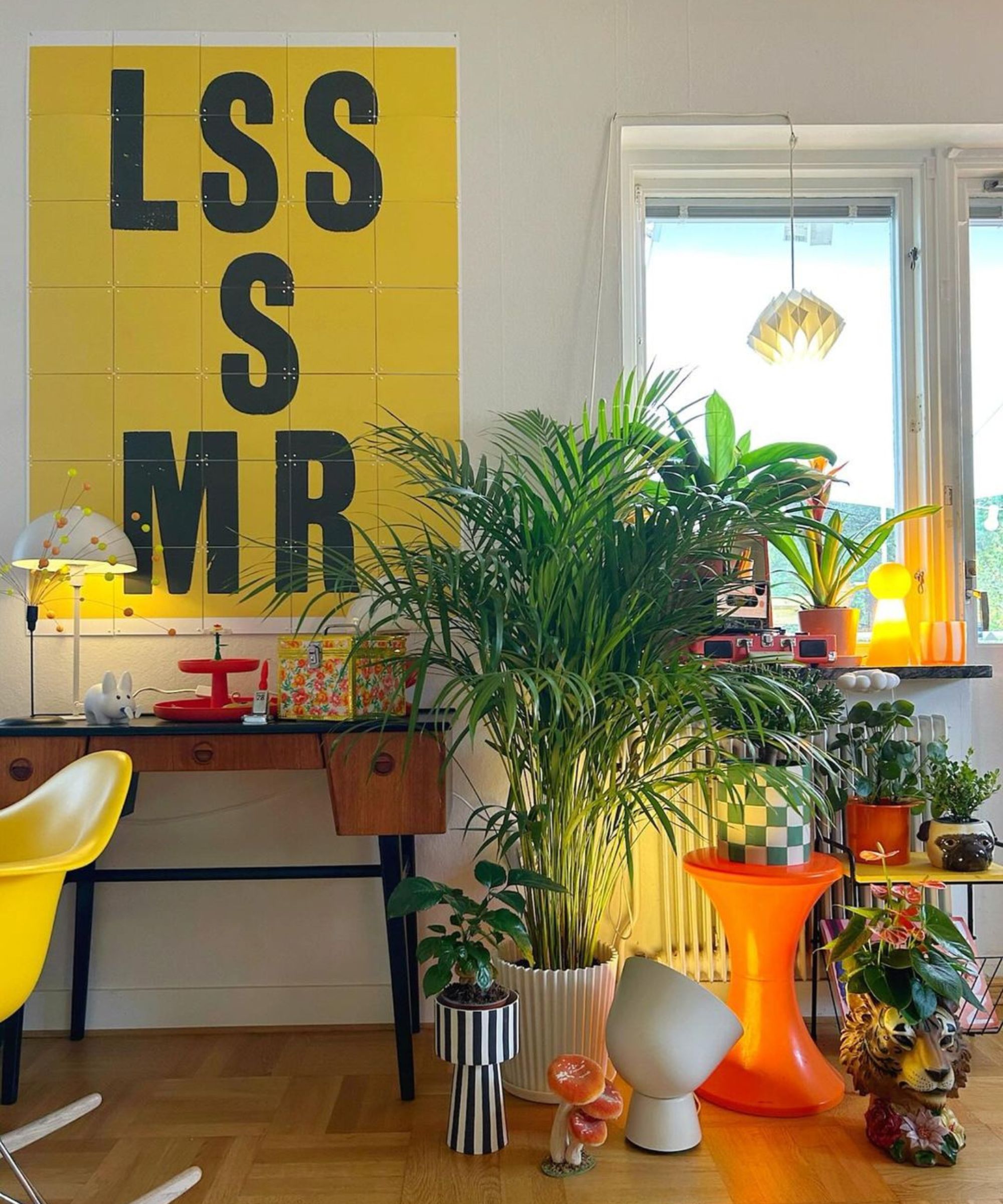
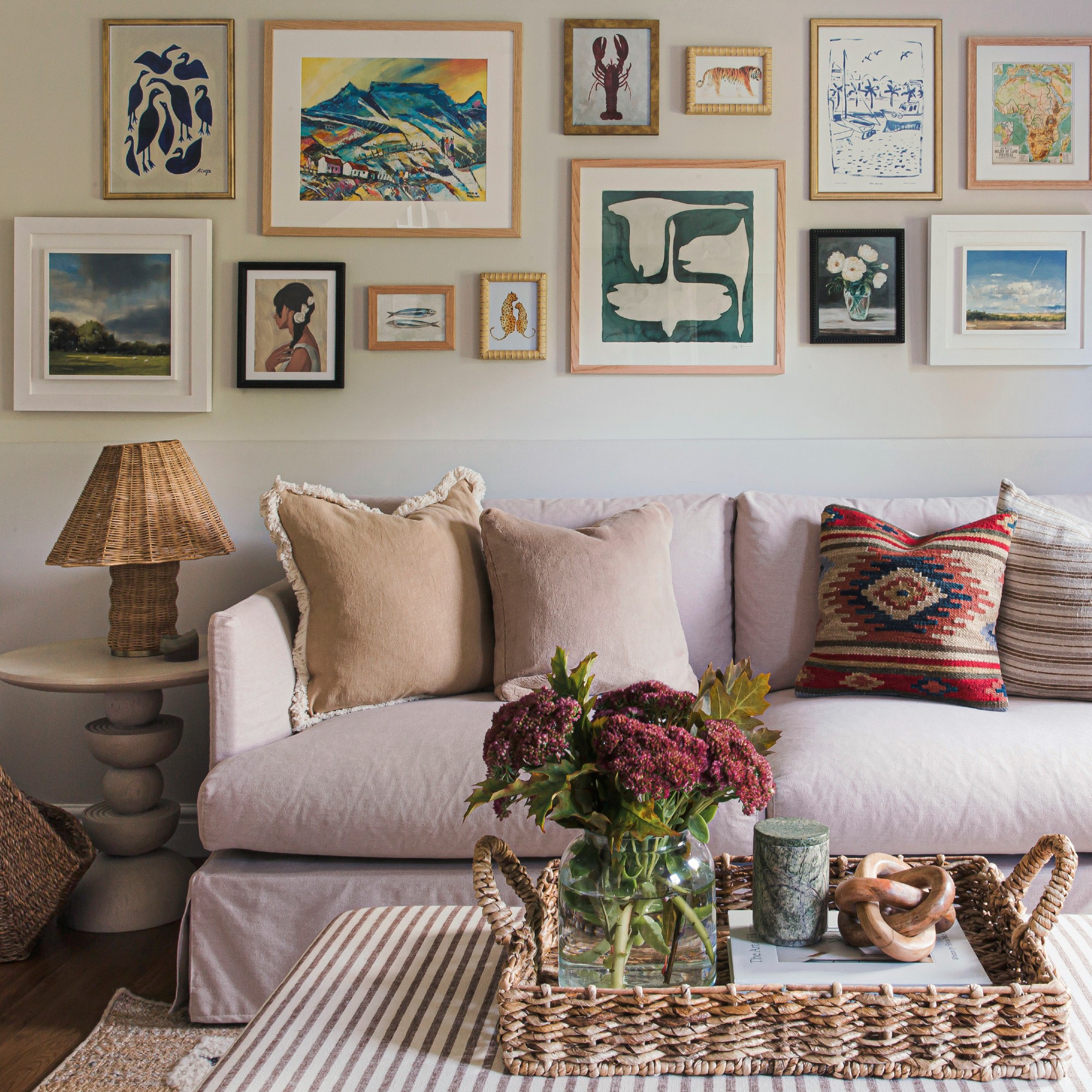
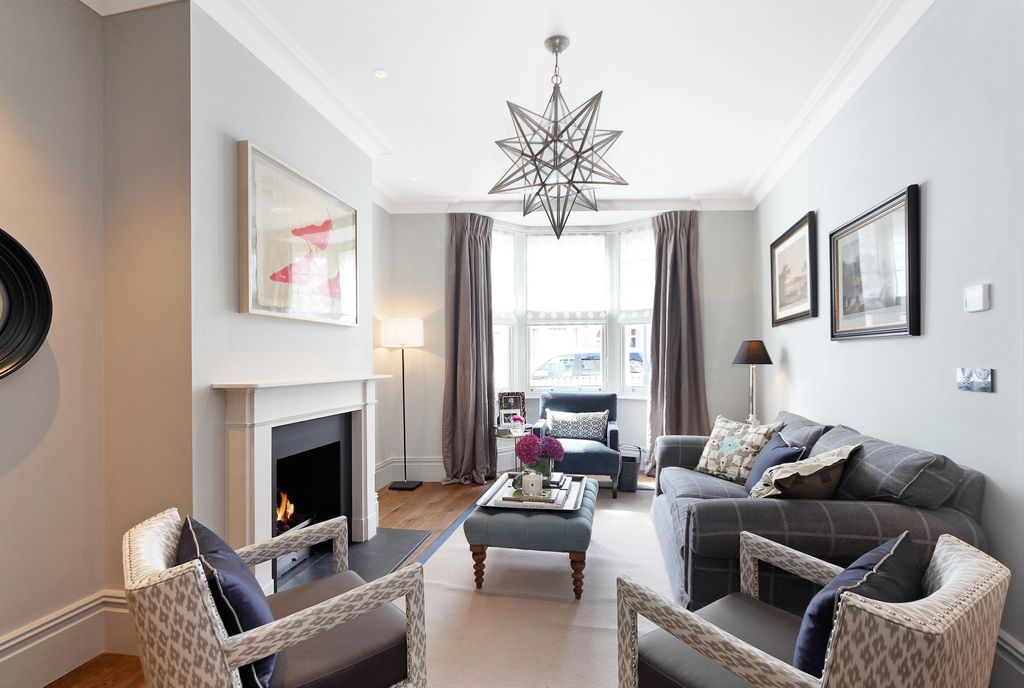
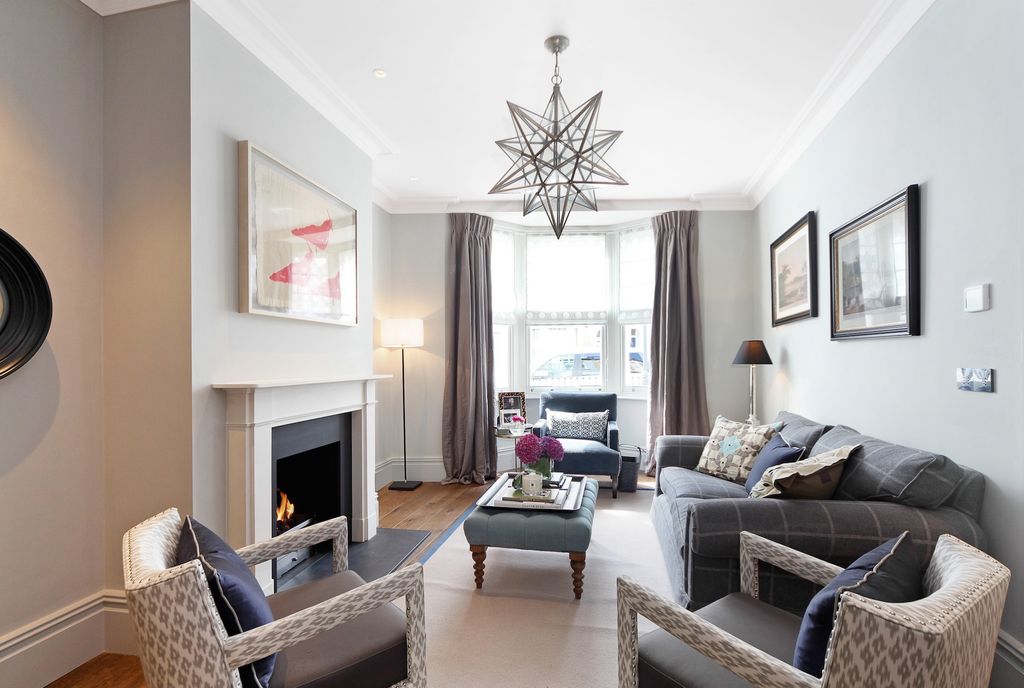
Ambient lighting is another crucial element in expanding a space visually. Relying on a single light source can create dark corners that make a room feel cramped and uninviting. Victoria Foster, an interior stylist at ScS, advises layering lighting with floor and table lamps to add dimension. Using warm-toned bulbs can also contribute to a cozier atmosphere. Addressing clutter is essential; a cluttered room creates 'visual noise' that makes it feel smaller. Adopting a 'less is more' philosophy involves keeping items that offer both aesthetic and functional value. Colette Toman, an interior stylist at Make My Blinds, highlights that decluttering reduces stress and fosters a peaceful environment. Investing in high-quality, timeless pieces instead of numerous trendy items also reduces visual clutter and promotes a refined space. Furniture with hidden storage, like ottoman benches and coffee tables with drawers, helps keep items out of sight.
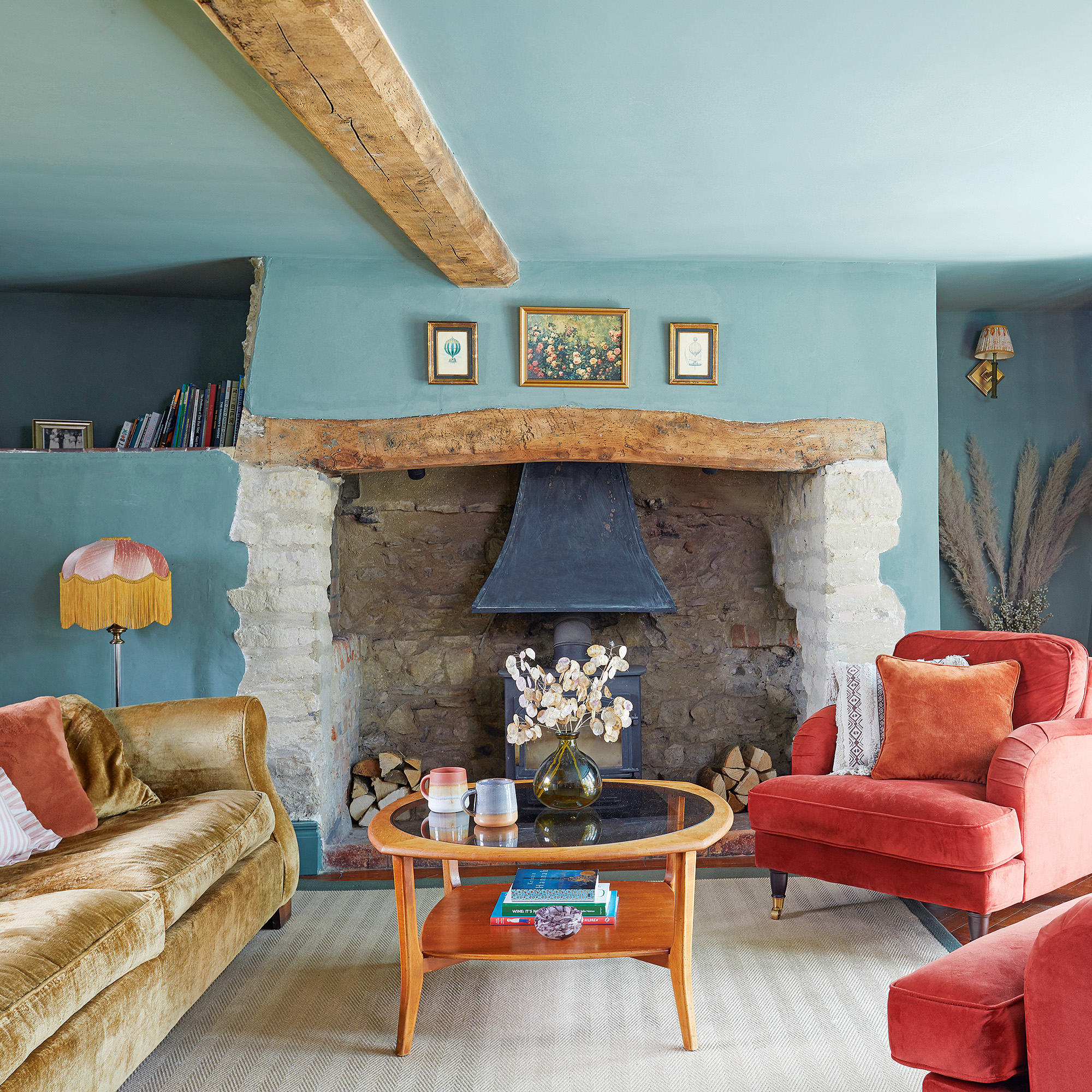
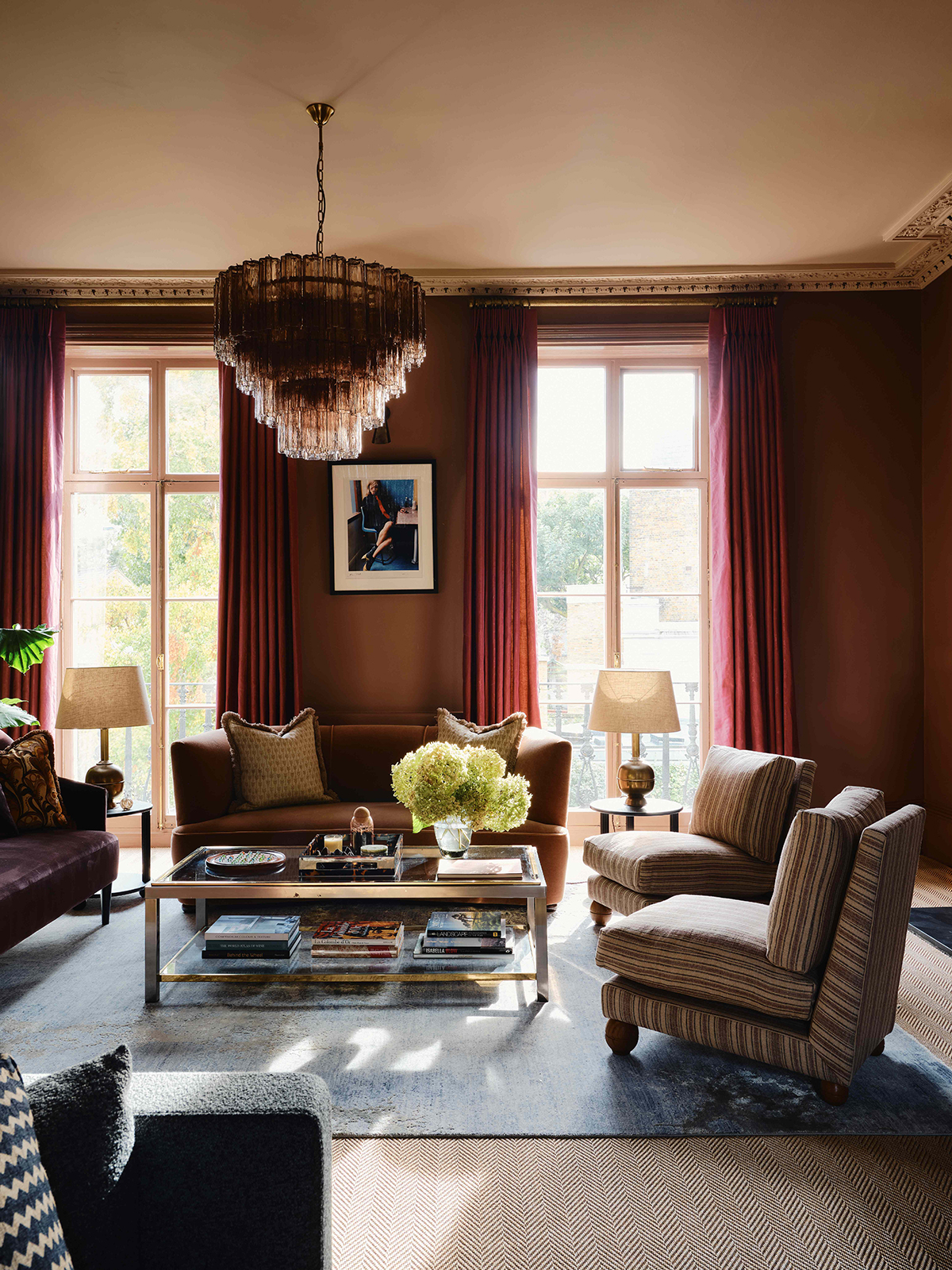
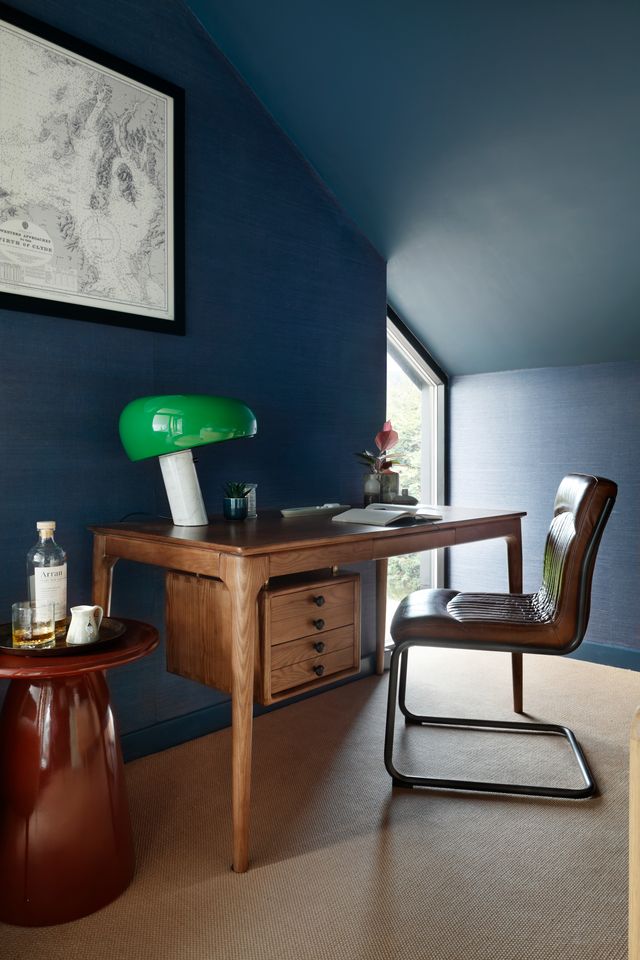
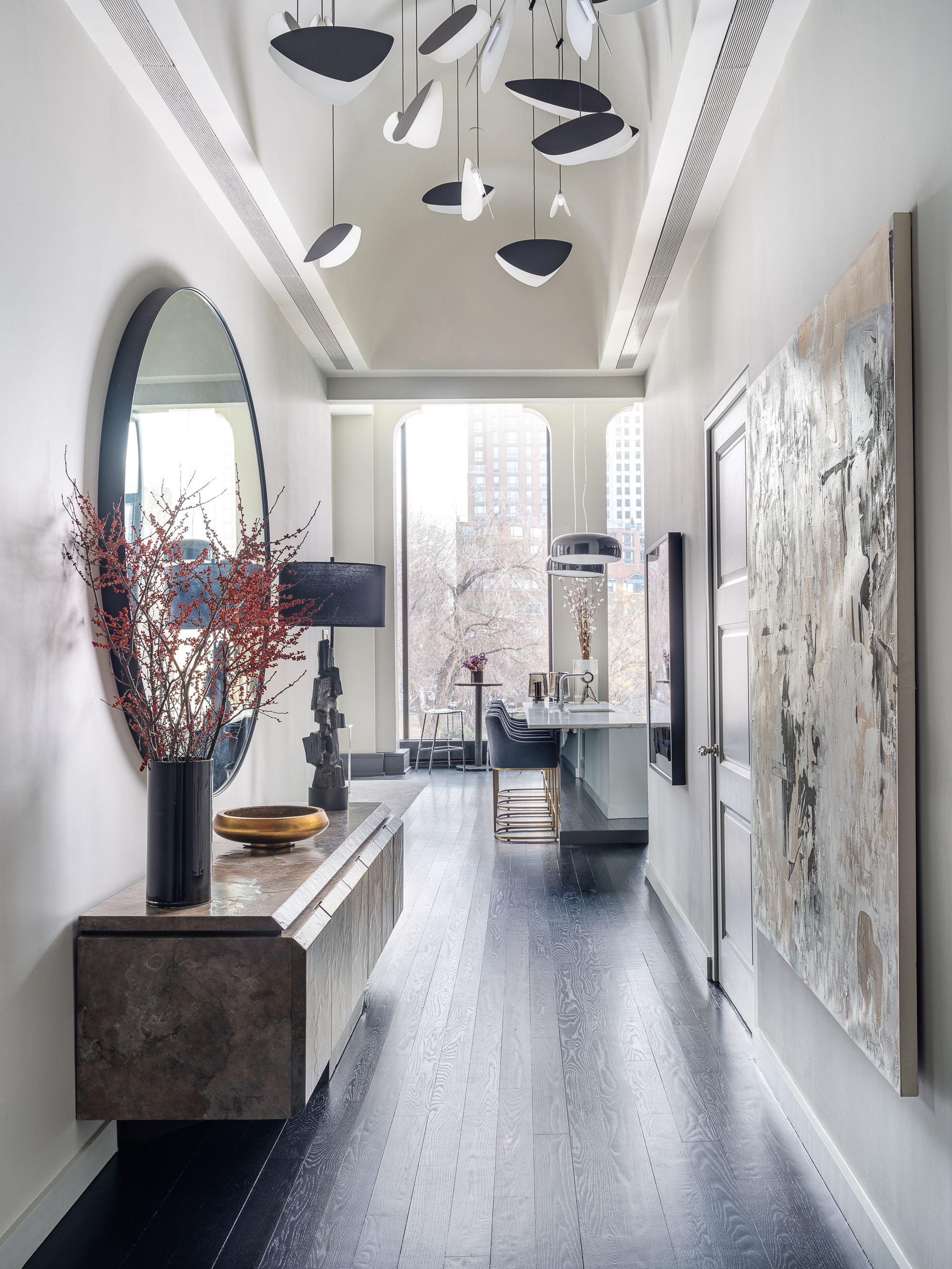
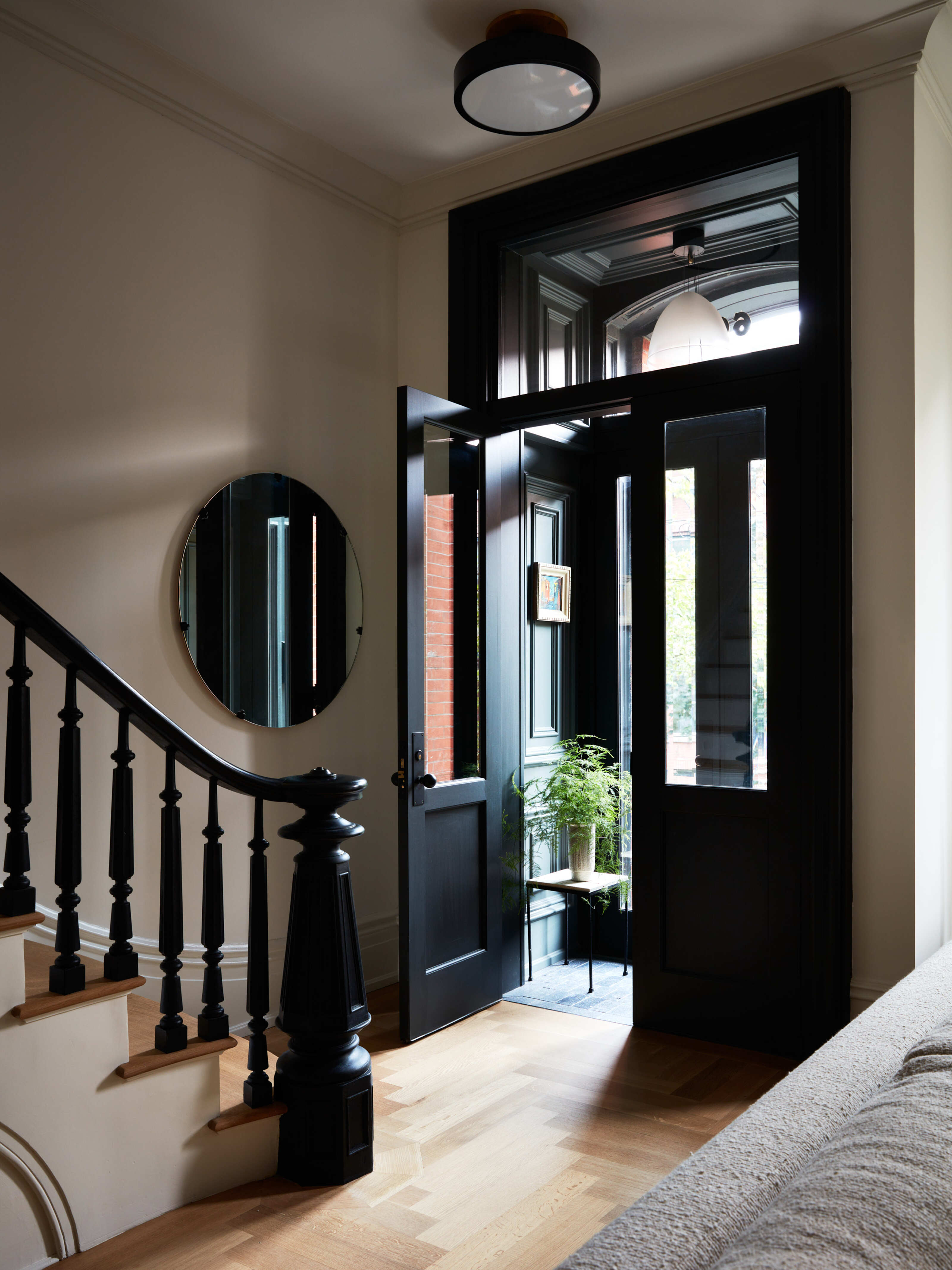
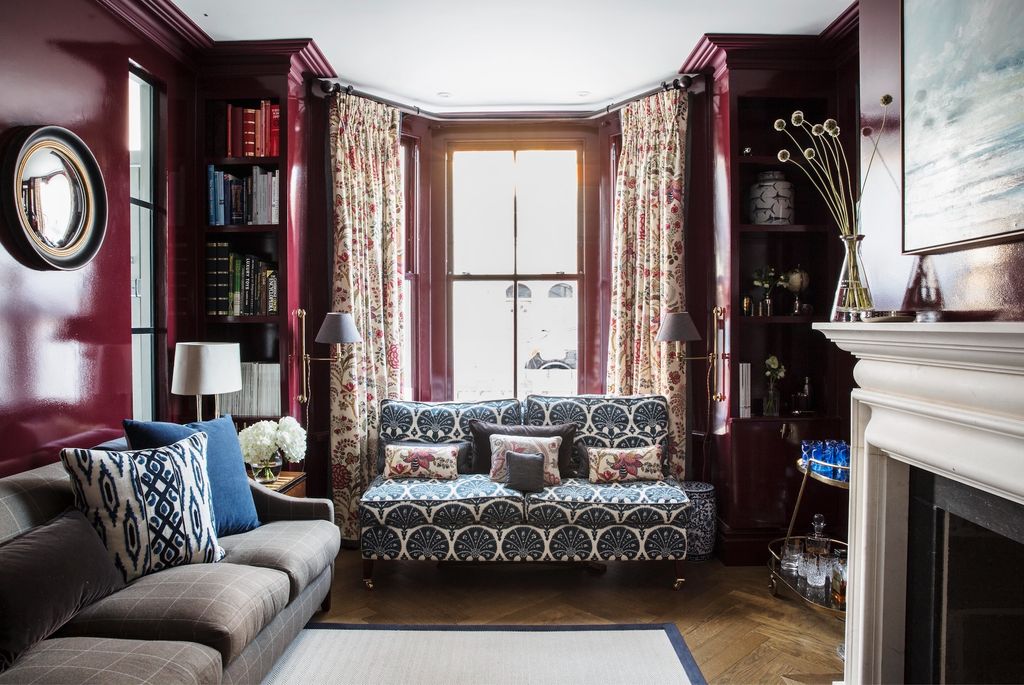
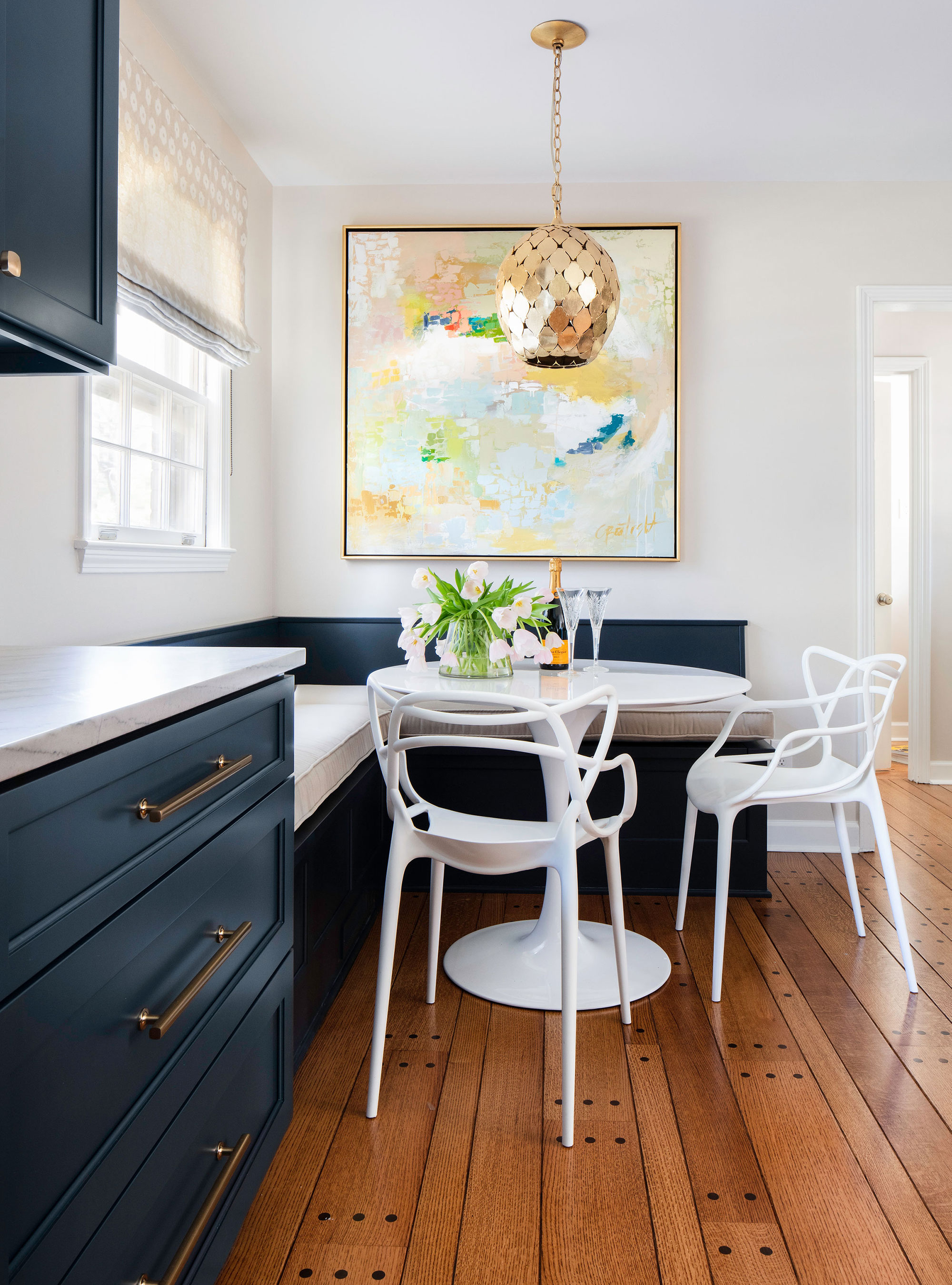
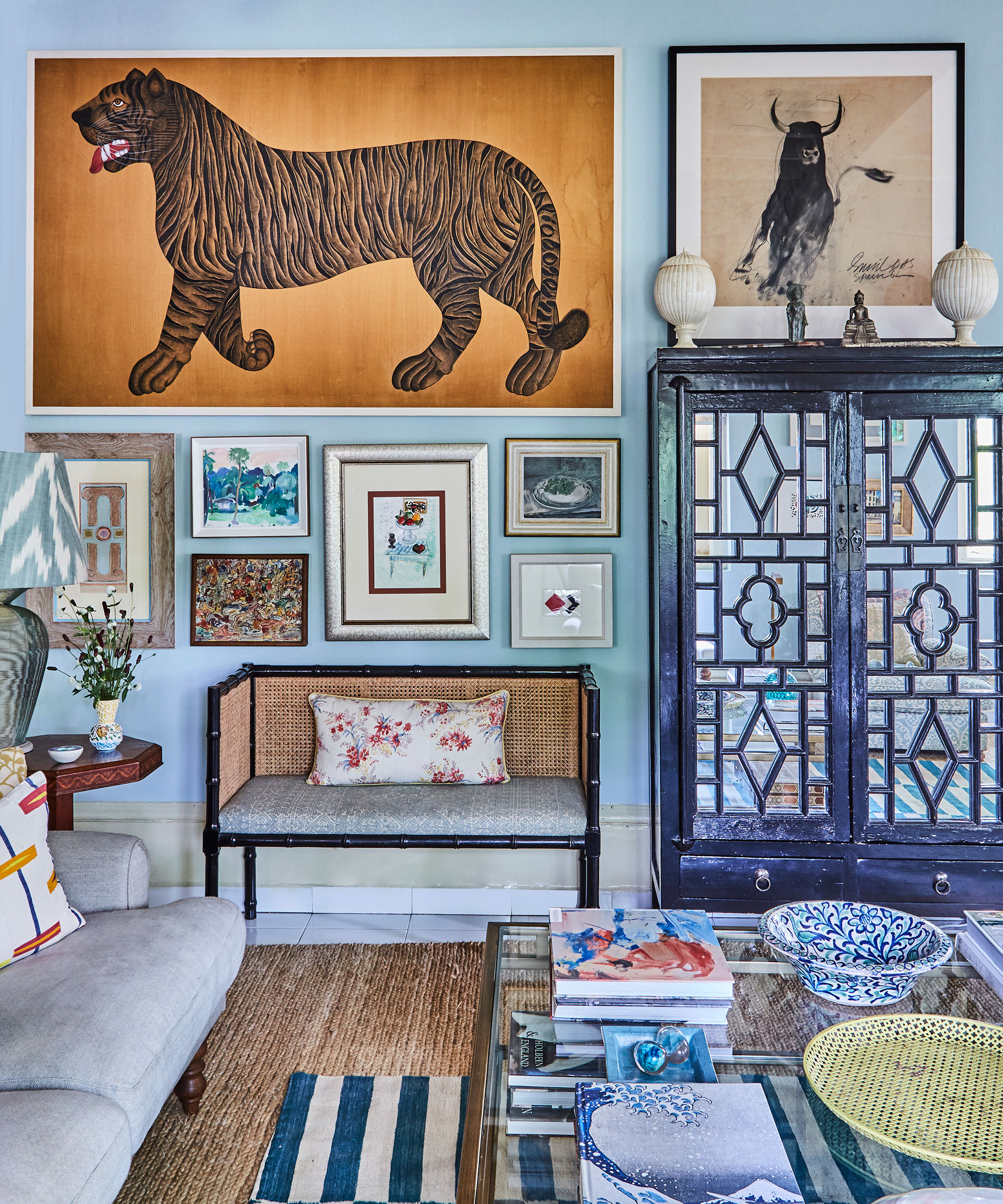
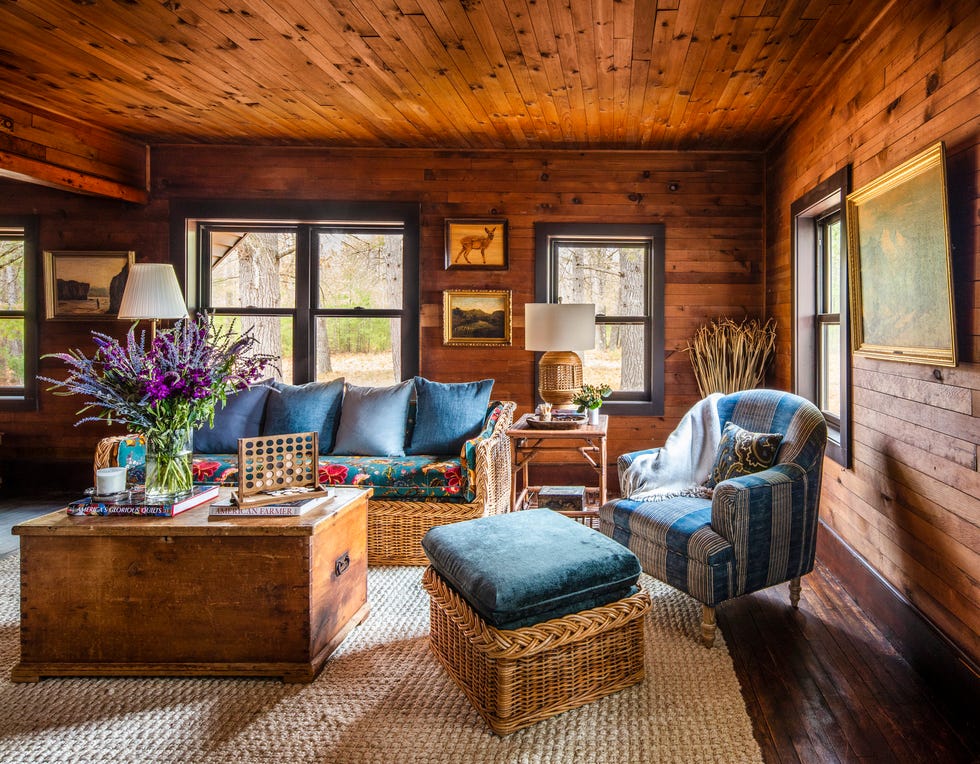
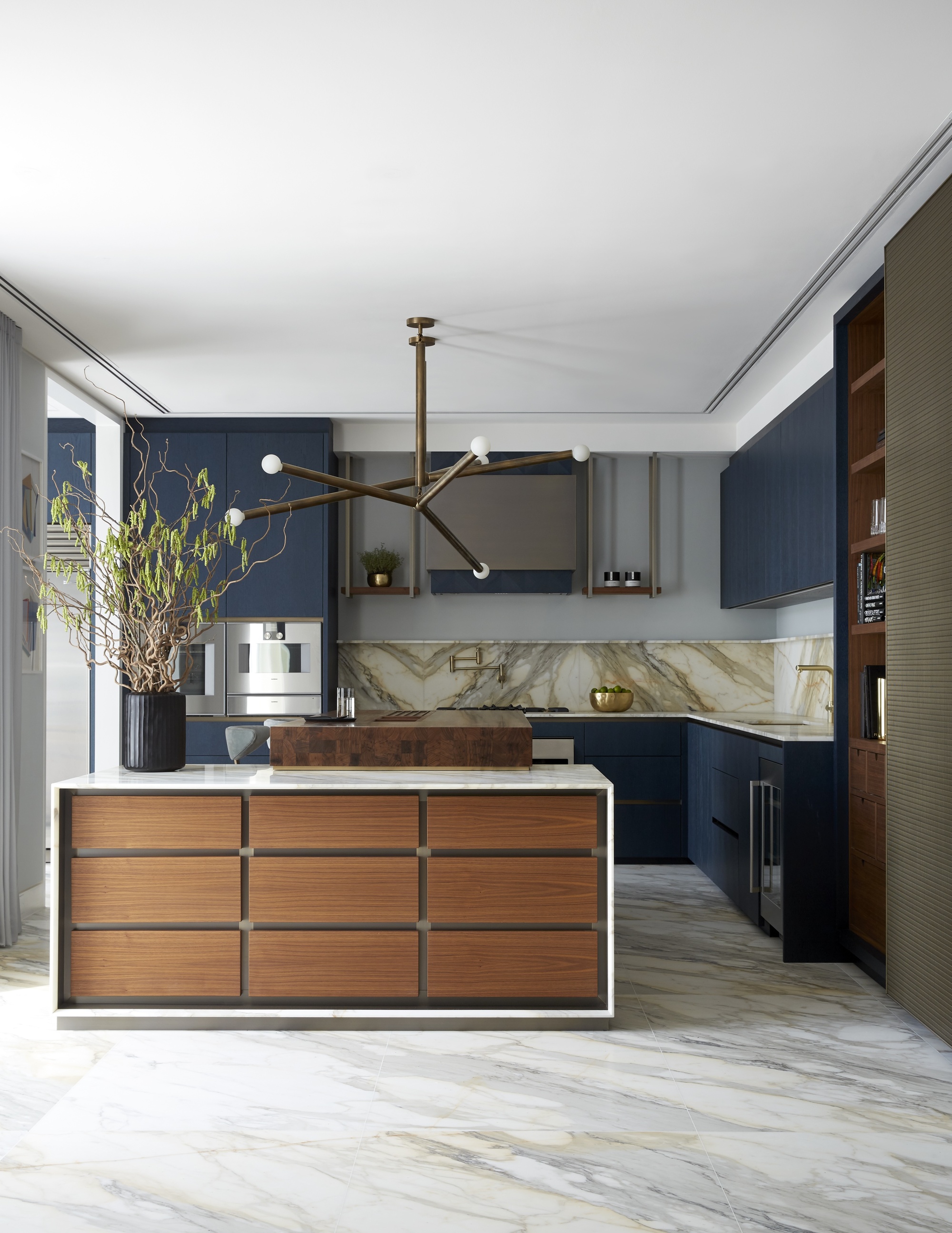
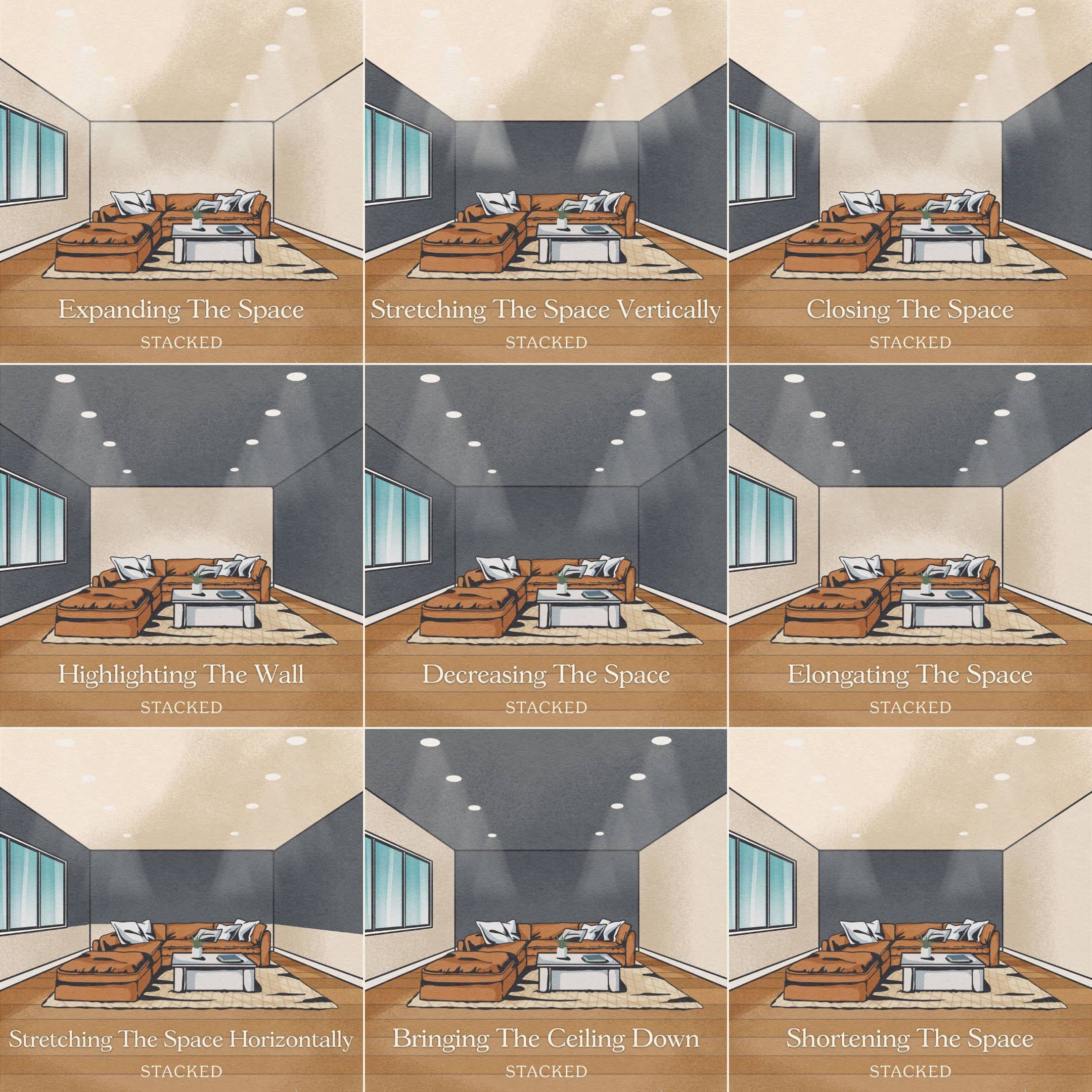
Counterintuitively, black can be used strategically to create depth in a living room. O'Hare notes that dark hues can make walls recede and ceilings appear higher. By applying dark colors to an accent wall, ceiling, or floor, and contrasting them with lighter wall colors, one can achieve a striking effect that expands the room visually. The choice of flooring significantly influences the perception of depth and size. Natalie Mudd, creative director at The Wood Flooring Co., explains that lighter-toned wooden floors give the impression of more floor space. The direction of the planks is also important; laying them parallel to the widest wall can create an elongated look, drawing attention to the room's longest dimension.
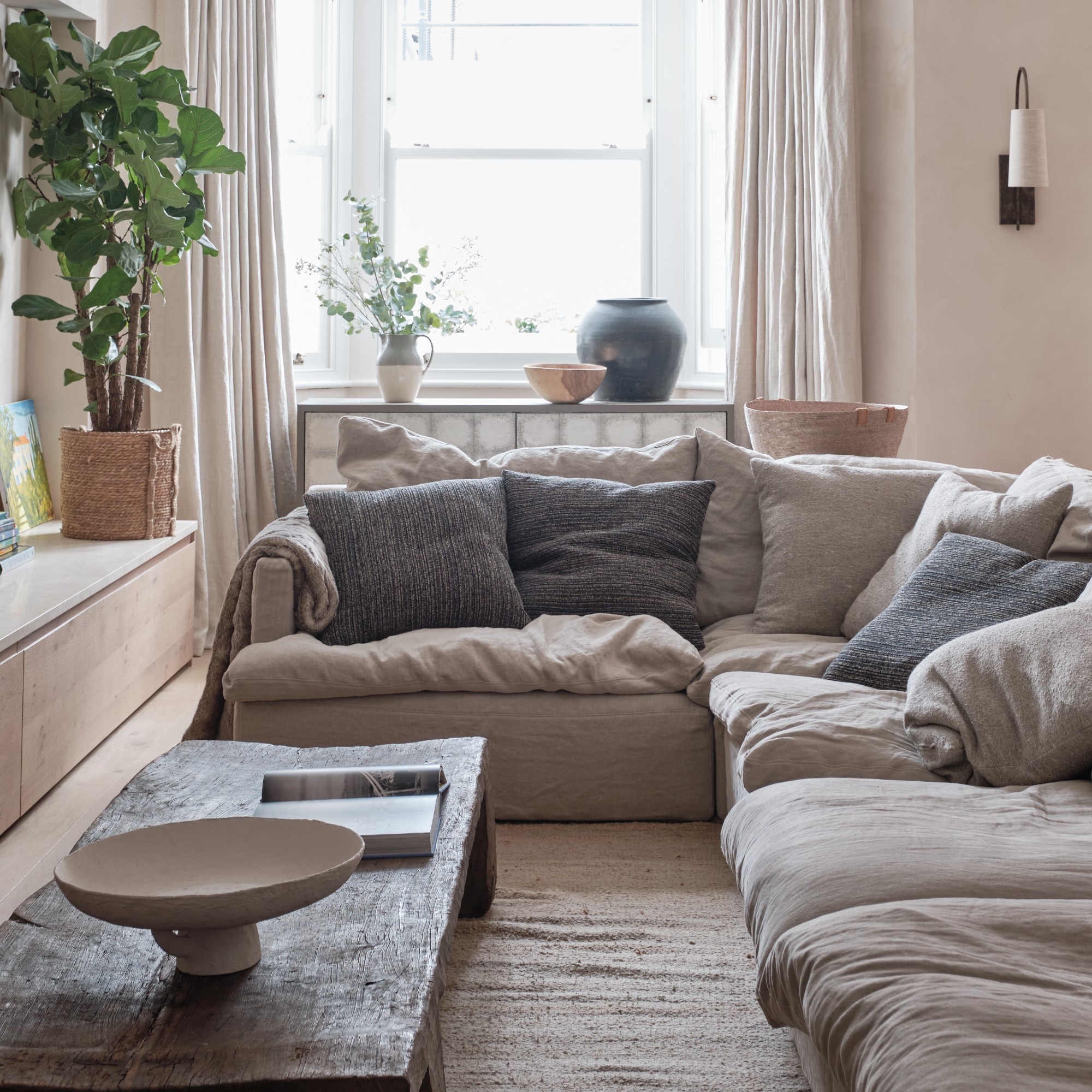
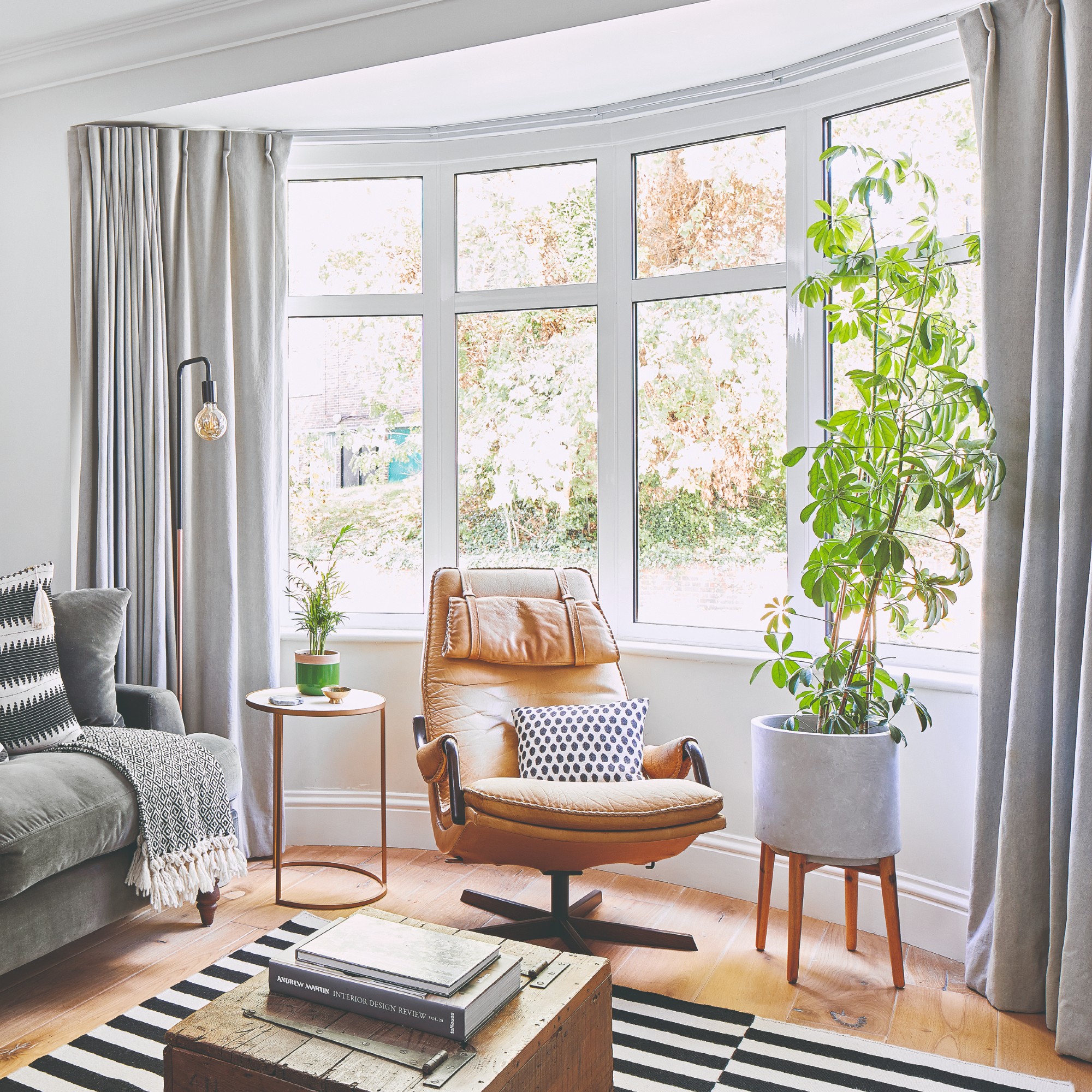
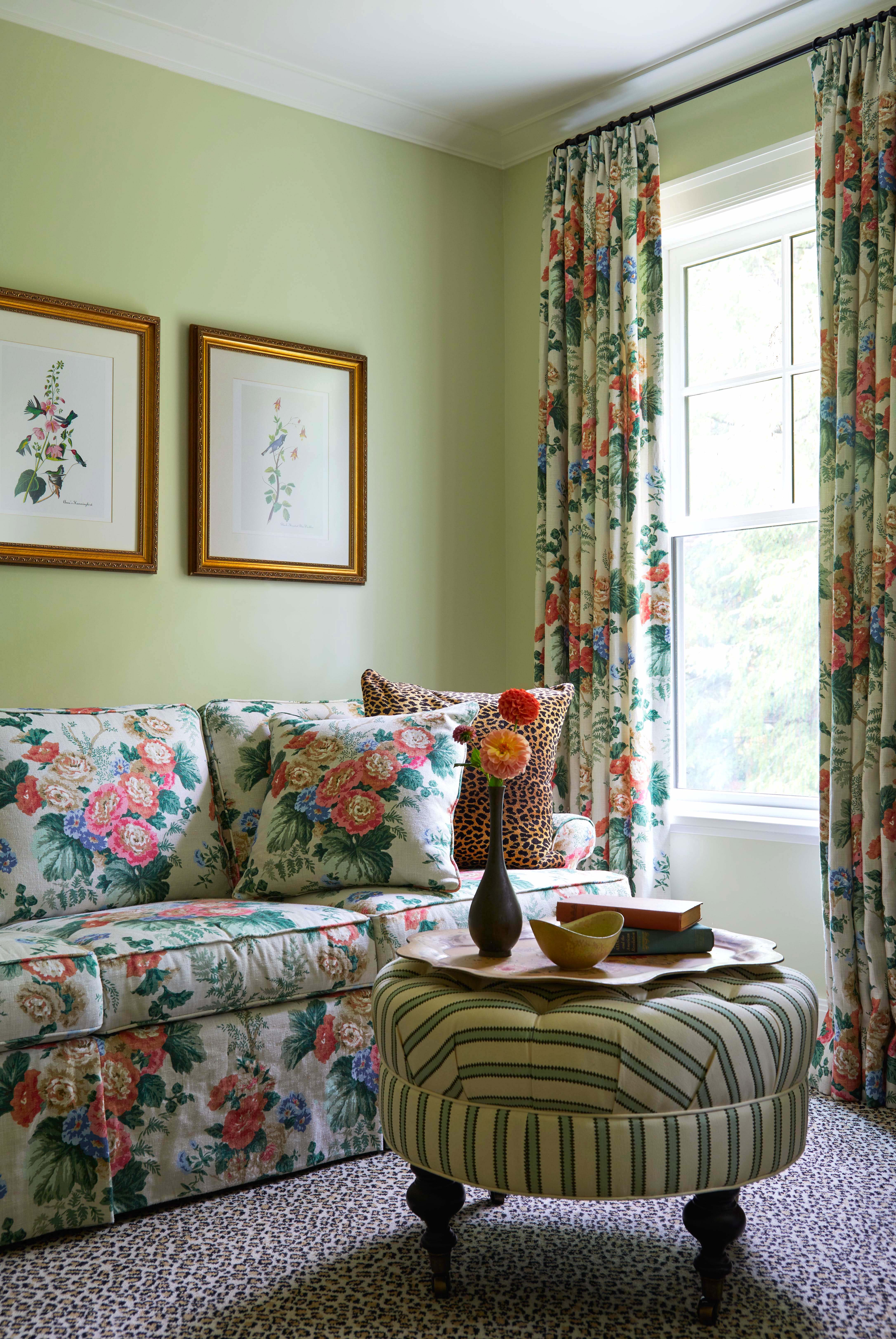
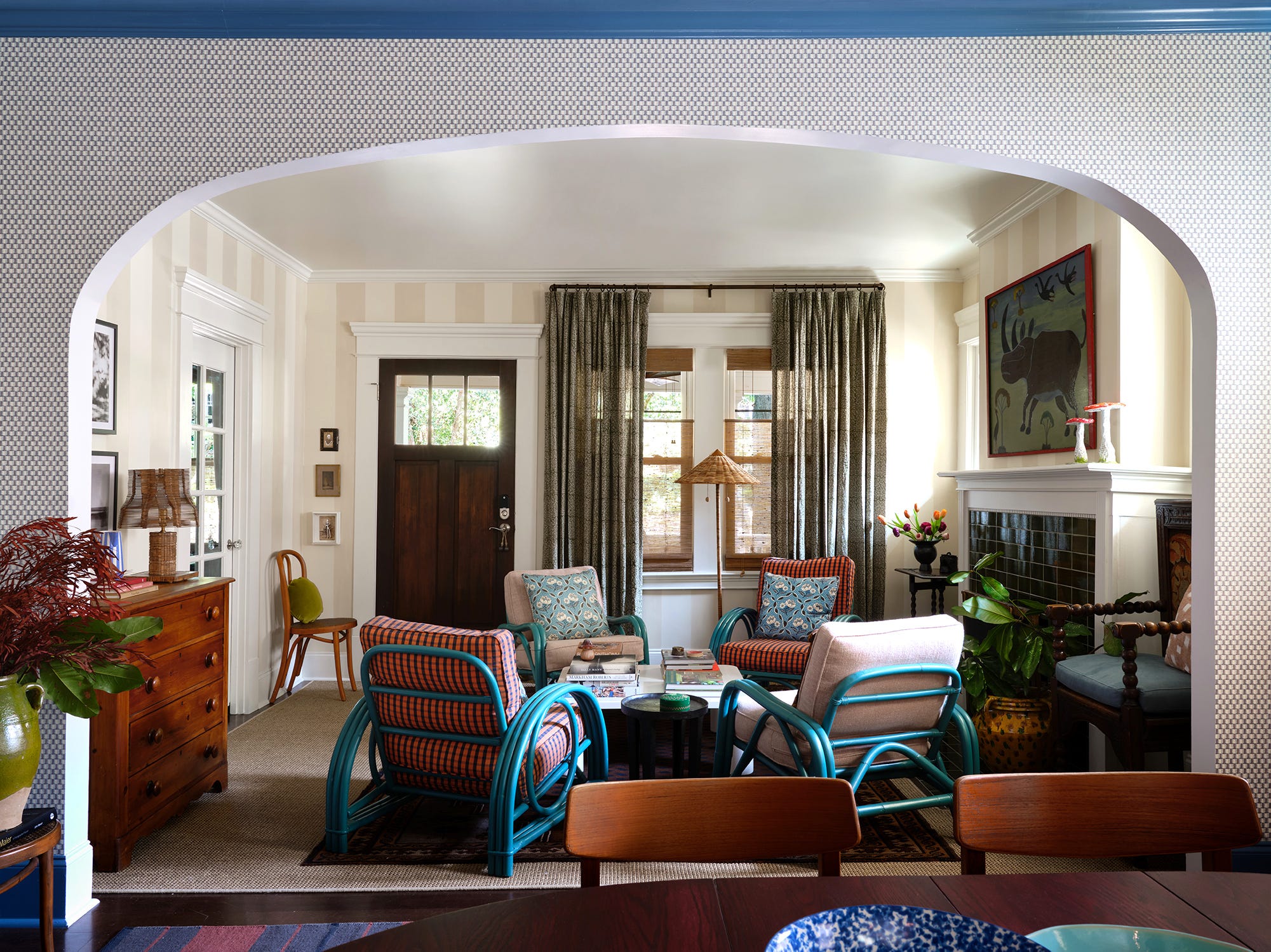
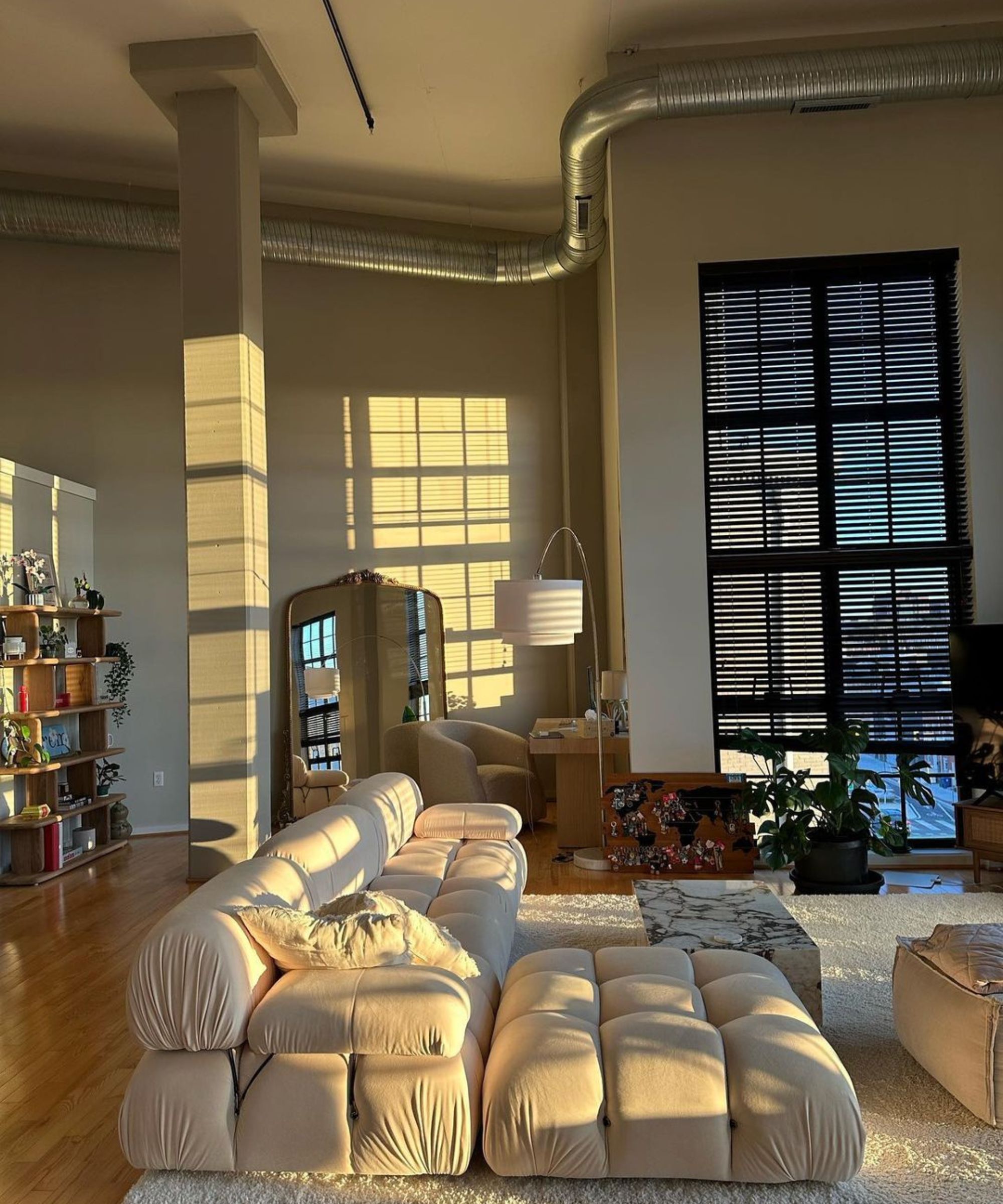
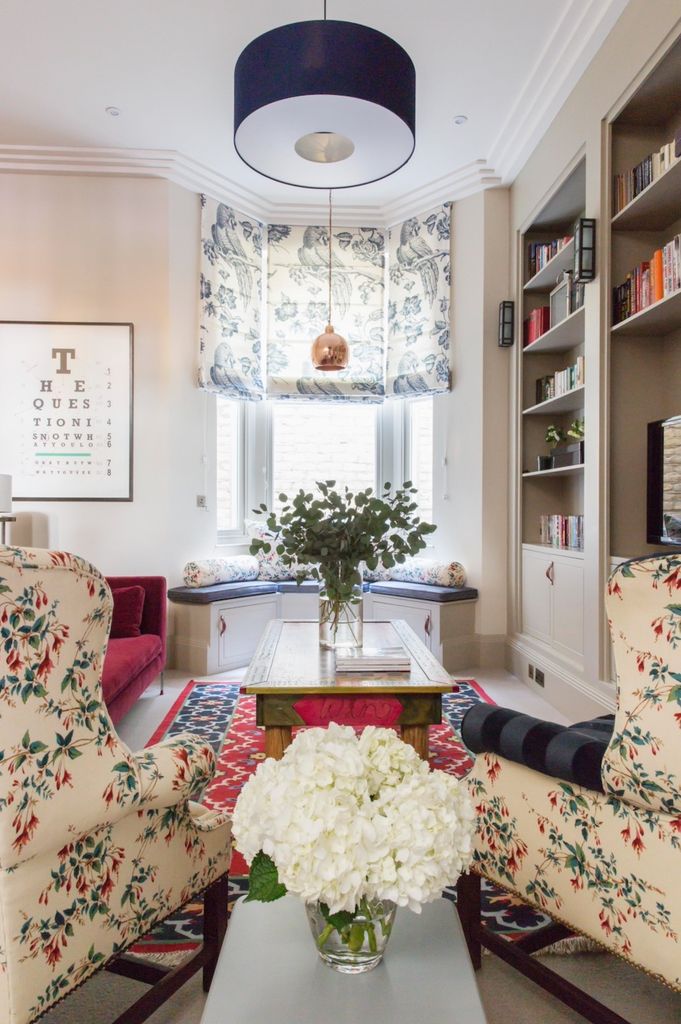
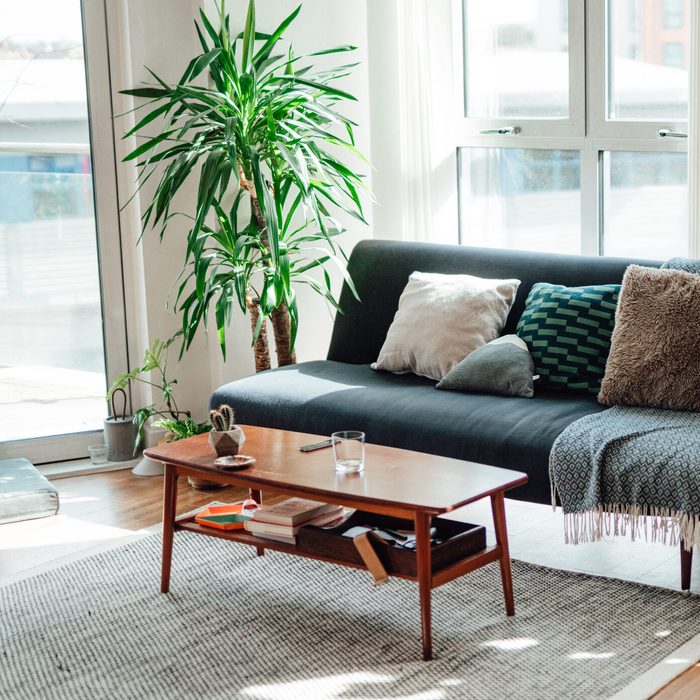
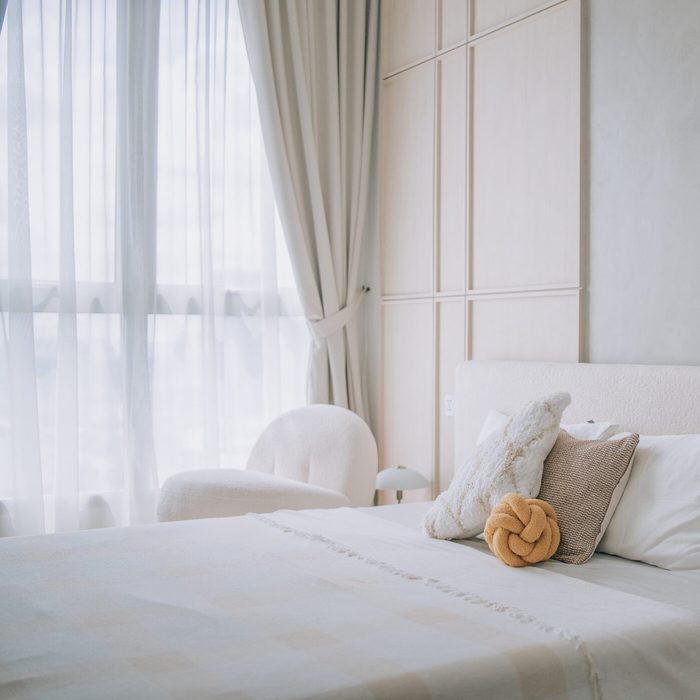
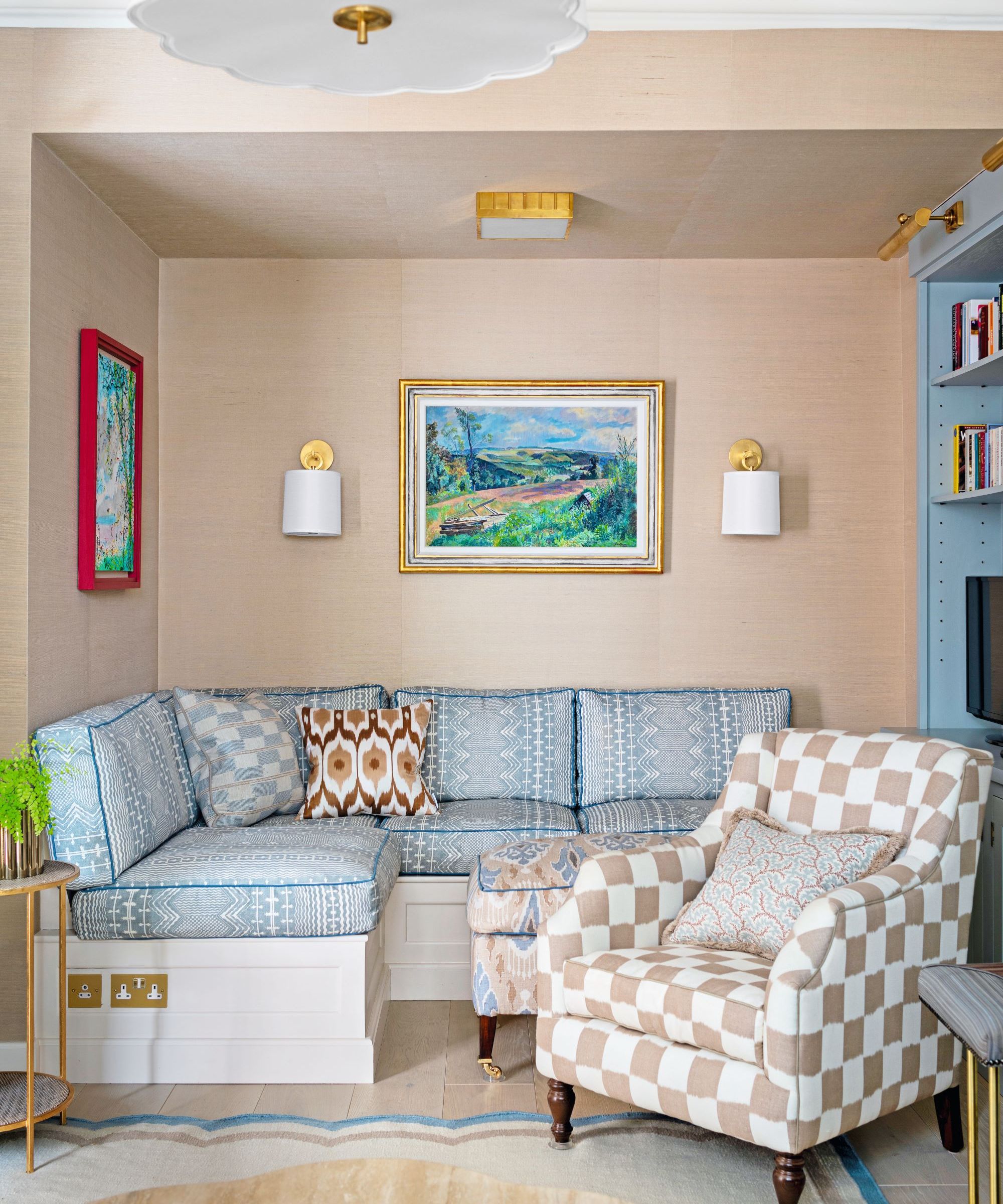
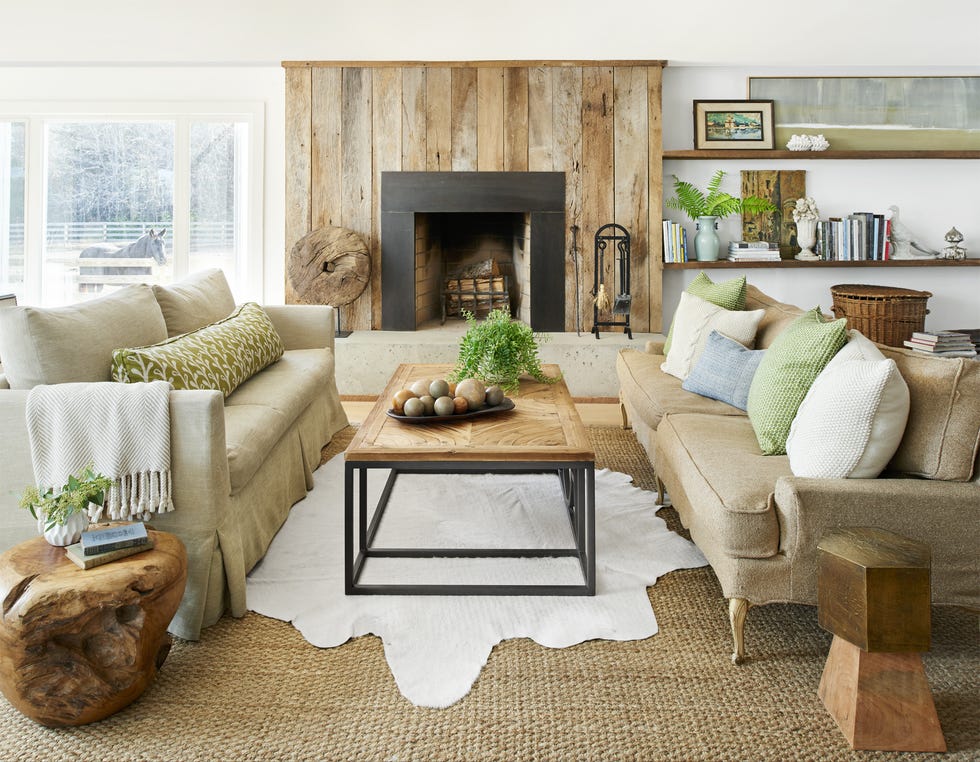
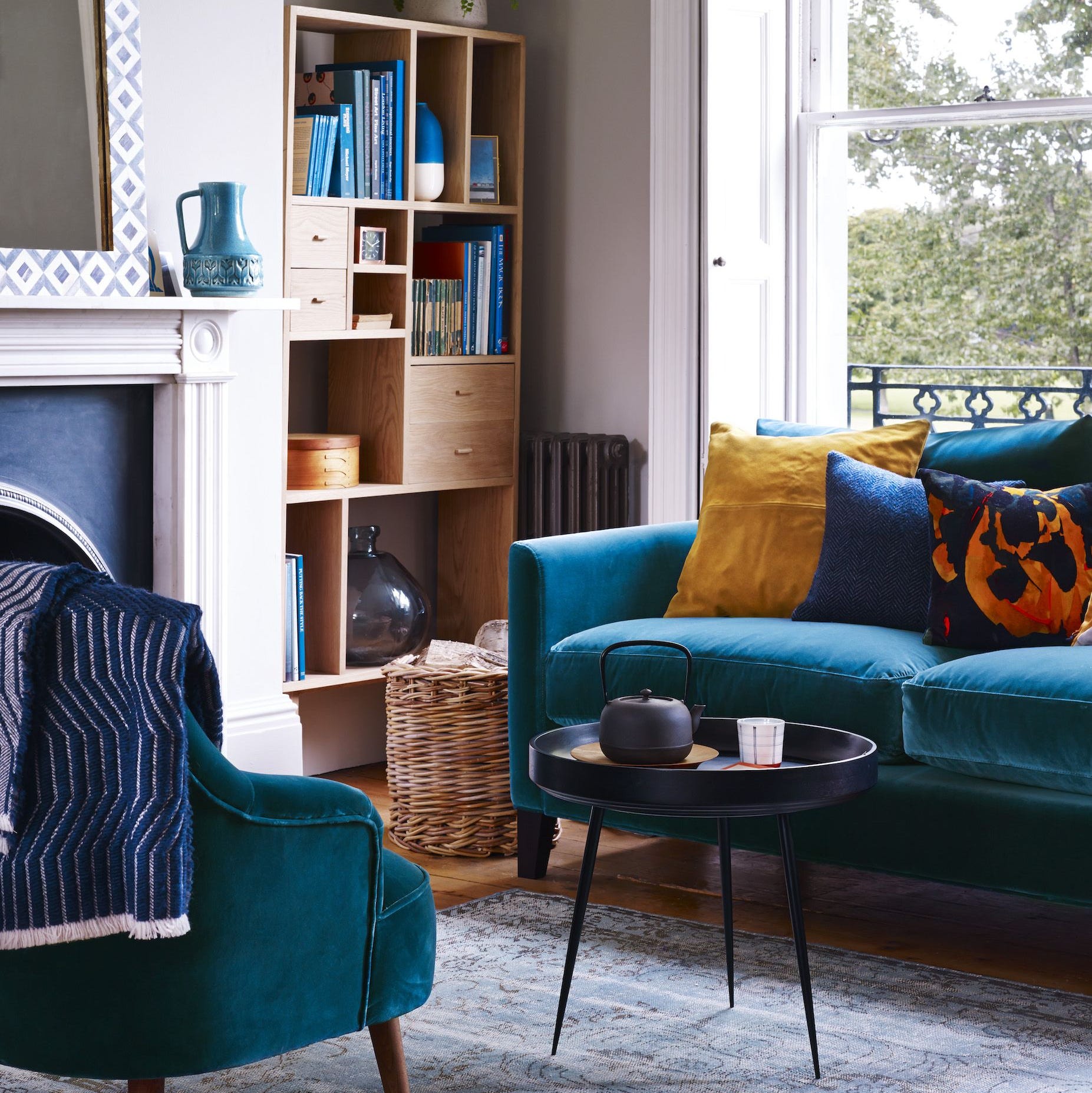
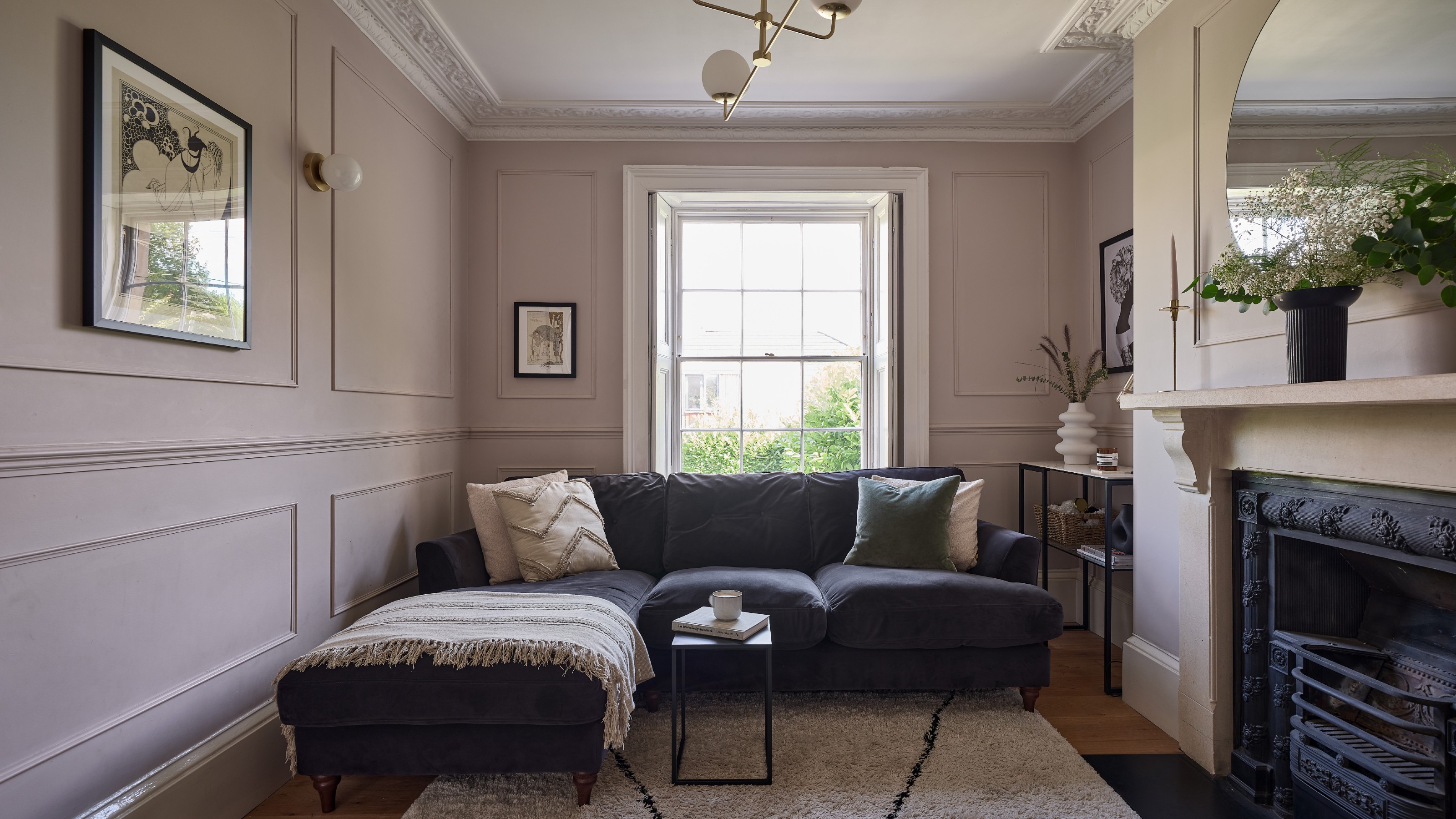
Furniture selection is paramount, particularly for a dominant piece like a sofa. It is important to choose furniture that fits comfortably and does not visually overwhelm the space. Sofas with exposed legs, allowing light to pass underneath, can make the room feel lighter and more open. Modular sofas offer flexibility, allowing customization to fit awkward layouts and small corners. Jemma Jaques, visual design lead at The Lounge Co., suggests that modular units can be rearranged to create bespoke seating arrangements. Chaise sofas are also an excellent alternative to traditional corner sofas, providing ample seating without occupying as much floor space. Finally, windows and curtains should not be overlooked. Long, floor-skimming curtains hung above the window frame draw the eye upwards, making the ceiling appear higher. Lighter shades and breezy materials like linen or cotton prevent the windows from feeling imposing. Using voile panels provides daytime privacy while allowing natural light, contributing to a calmer, airier feel in the living room.
#InteriorDesign #LivingRoomDecor #SmallSpaceSolutions #HomeDecorTips #LightingDesign #FurnitureSelection #Decluttering #FlooringChoices #WindowTreatments #InteriorDesign #LivingRoomDecor #SmallSpaceSolutions #HomeDecorTips #LightingDesign #FurnitureSelection #Decluttering #FlooringChoices #WindowTreatments
0 comment in total
 No comments yet
You may also like
9 Amazing Illusion Tricks To Make A Small Space Look Bigger
32 Styling Tricks That Will Make Your Small Living Room Feel Bigger and Better

6 expert tricks for decorating small living room walls that will make your tiny lounge appear bigger
‘Clever design tricks’ can create the illusion of space in homes - ‘feels much larger’
14 clever ways to make small rooms look bigger

Top design tips to make your home look bigger

5 Things That Make Your Living Room Look Small—and How to Fix Them
10 things designers do to make rooms look bigger – strategies for success from the experts

How to make a small living room look bigger with mirrors - clever design tips to open up your space
7 Paint Colors That Instantly Make Small Living Rooms Feel Bigger, Designers Say

9 simple tricks to elevate your small living room according to an interior designer

Designers Say This One Trick Will Make Your Living Room Look More Luxe
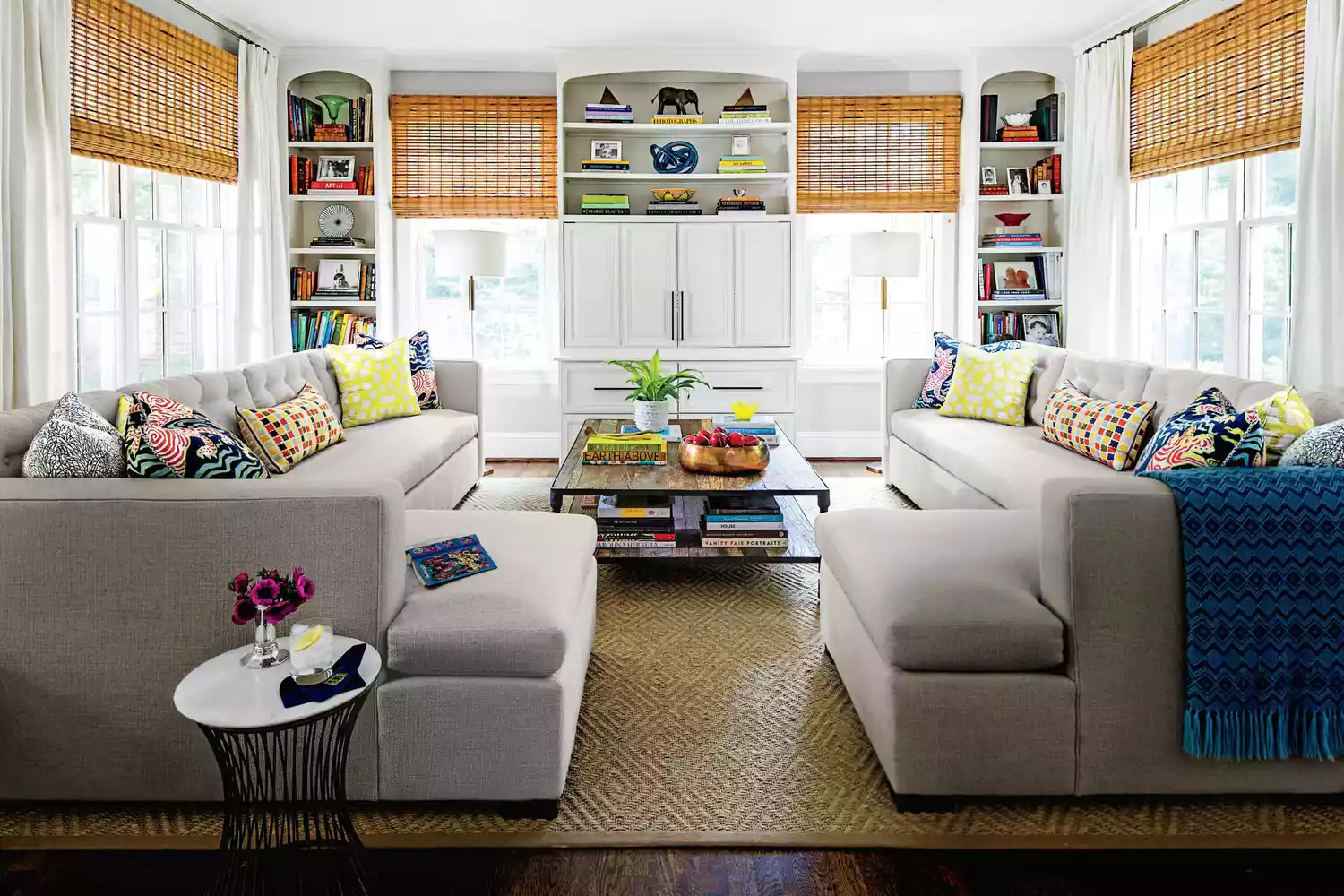
8 Ways To Make A Small Living Room Appear Larger
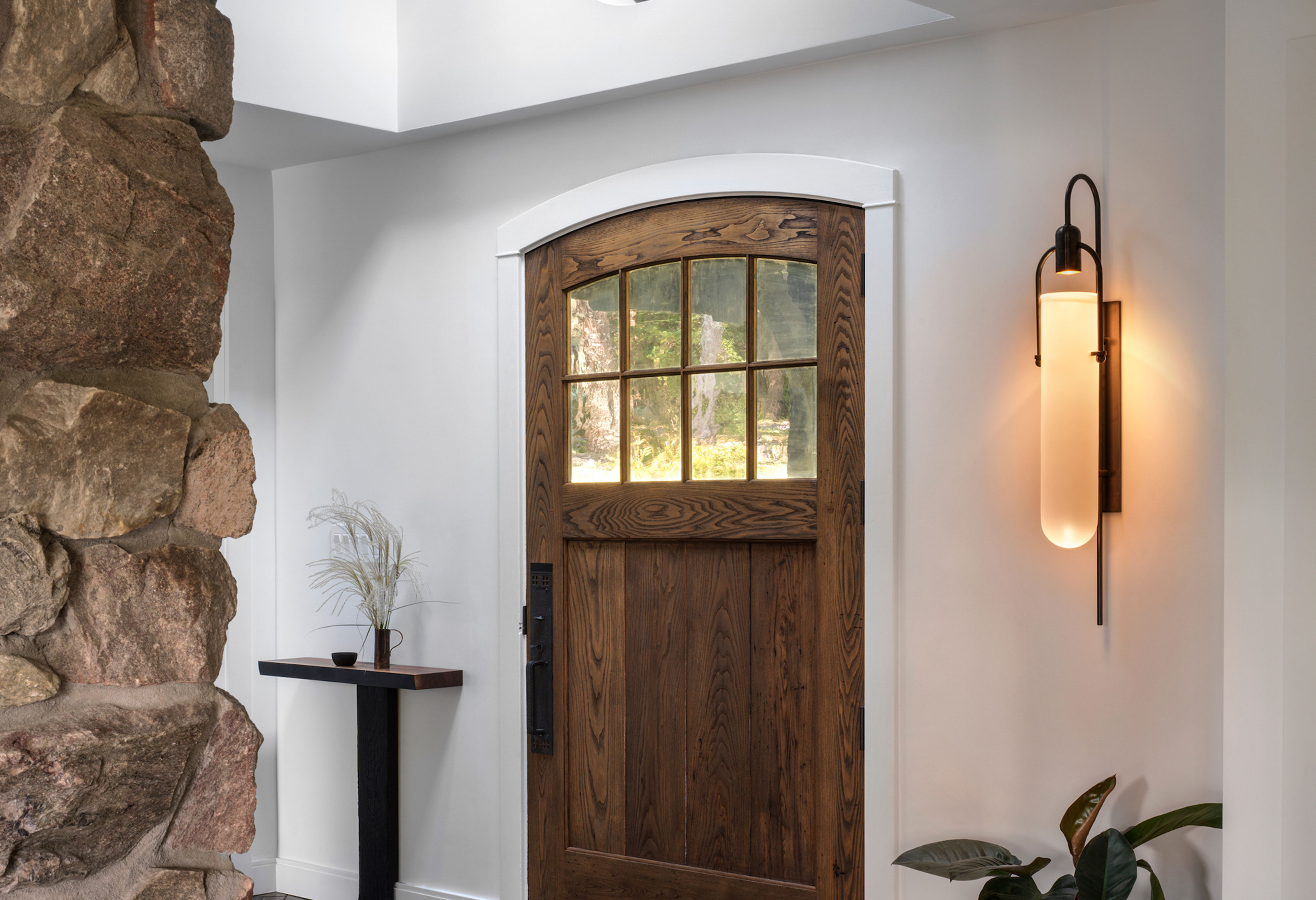
7 Lighting Tricks That Will Make a Small Entryway Look Much Bigger Than It Actually Is

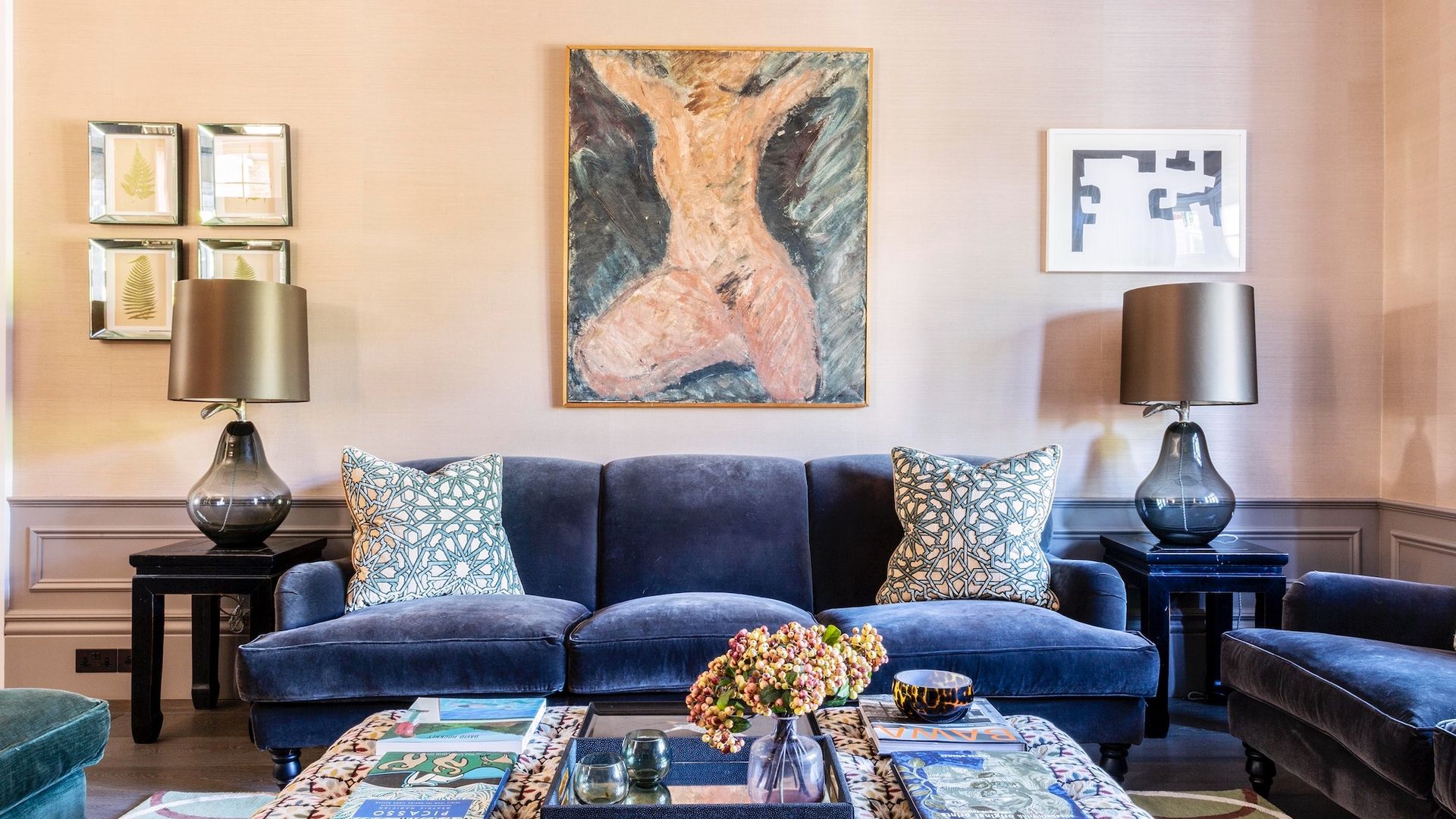
9 simple tricks to elevate your small living room according to an interior designer

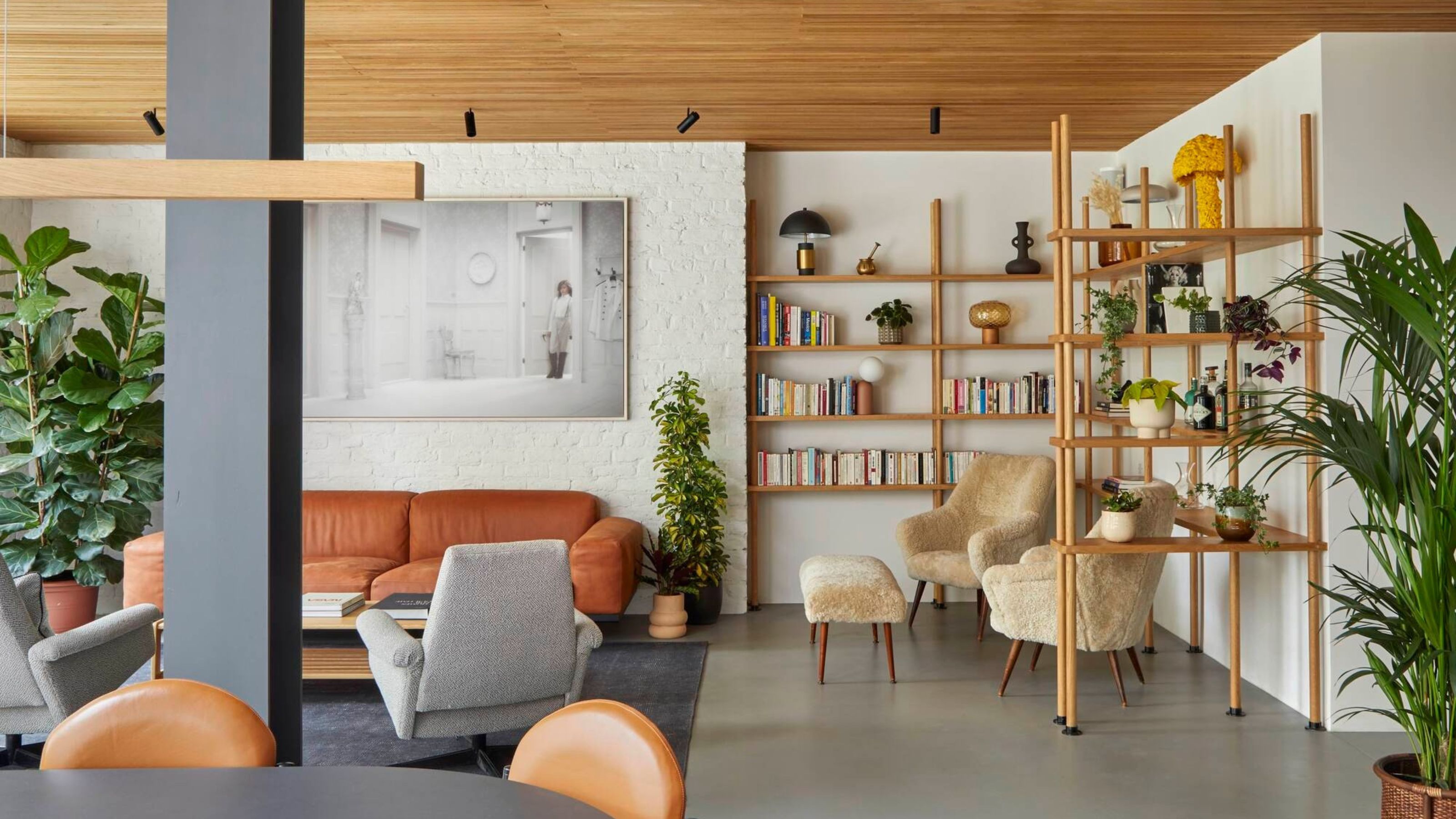
What Flooring Makes a Room Look Bigger?

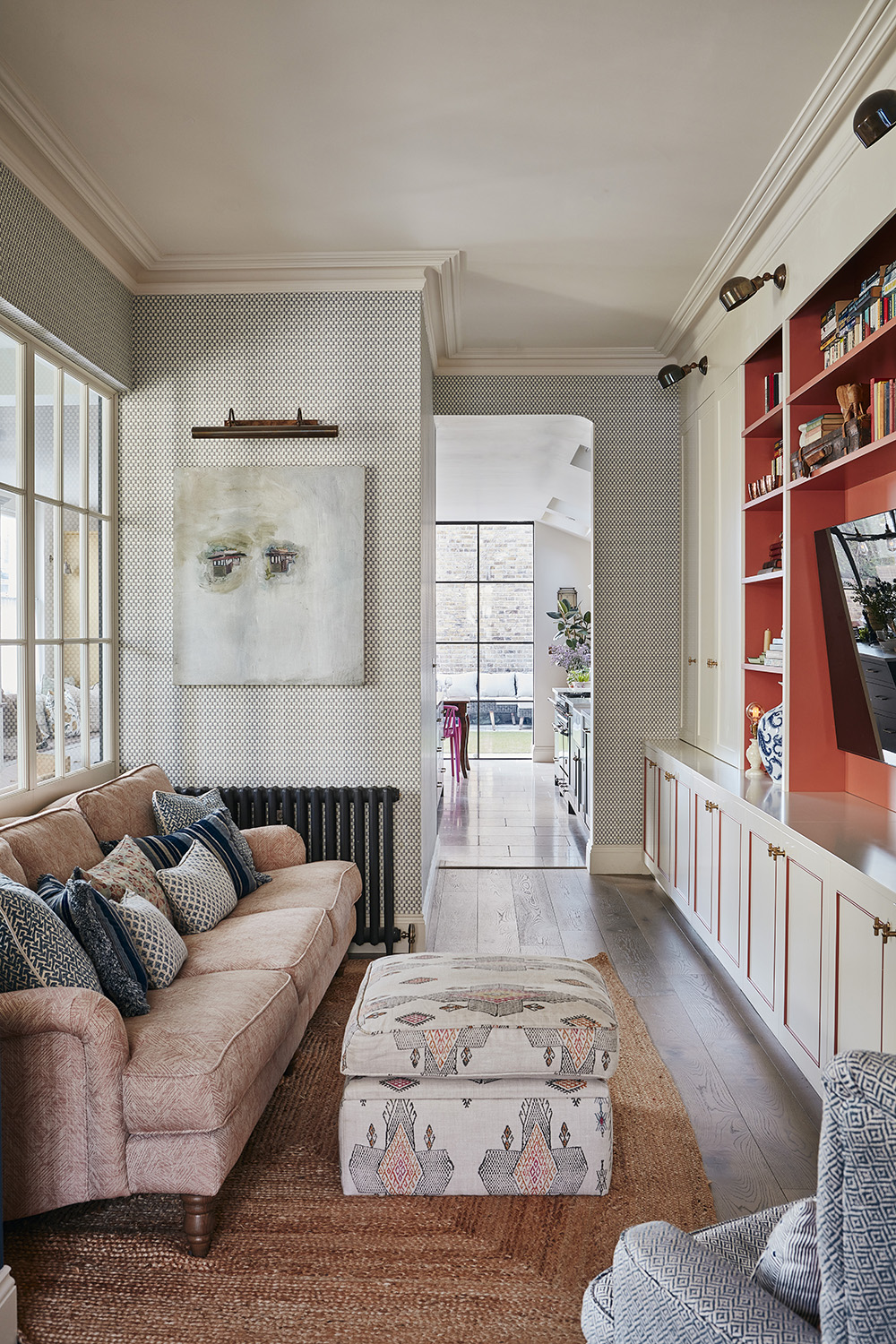
How to make small spaces look bigger
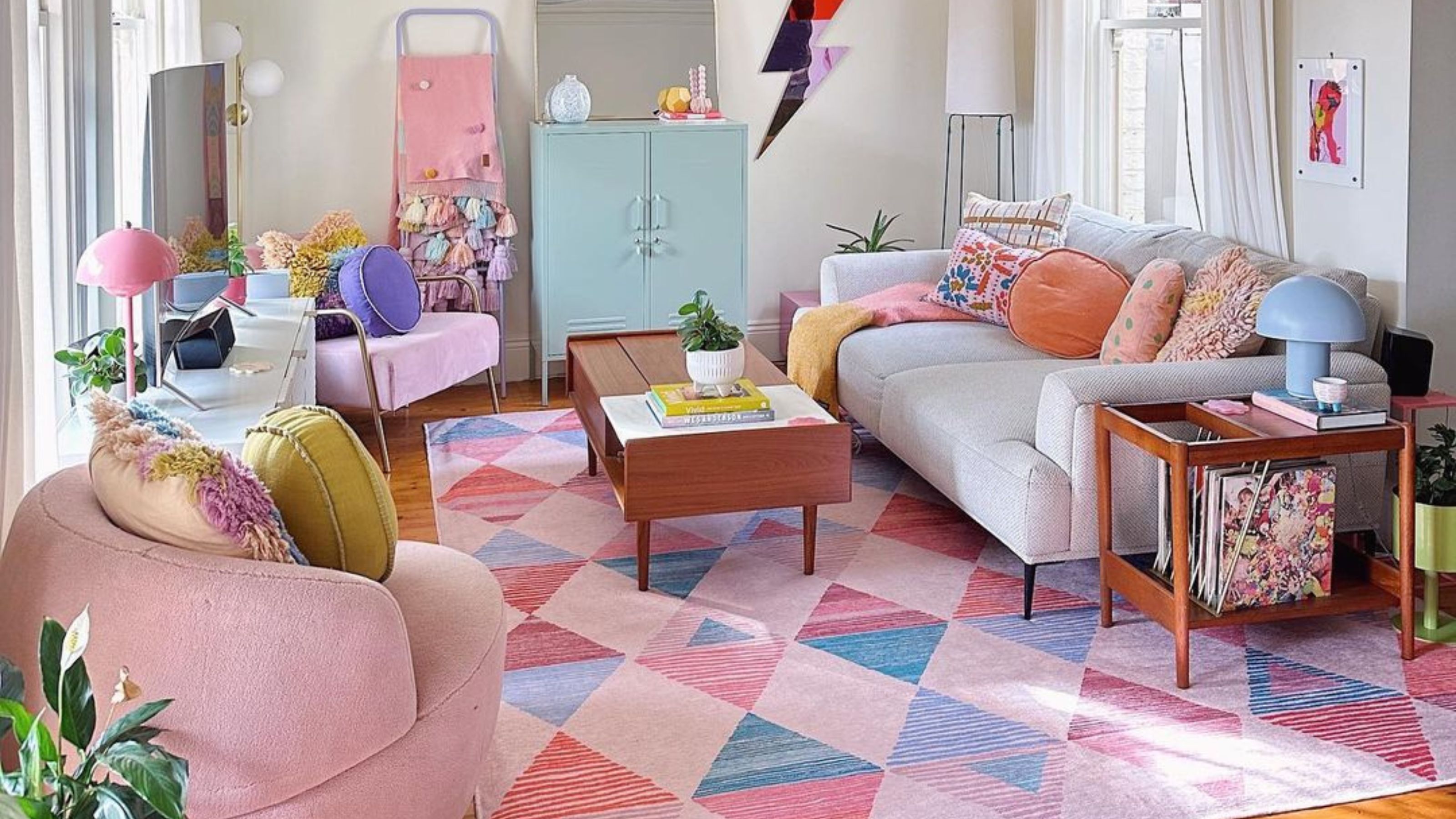
6 furniture items that will make a living room look bigger, according to design experts

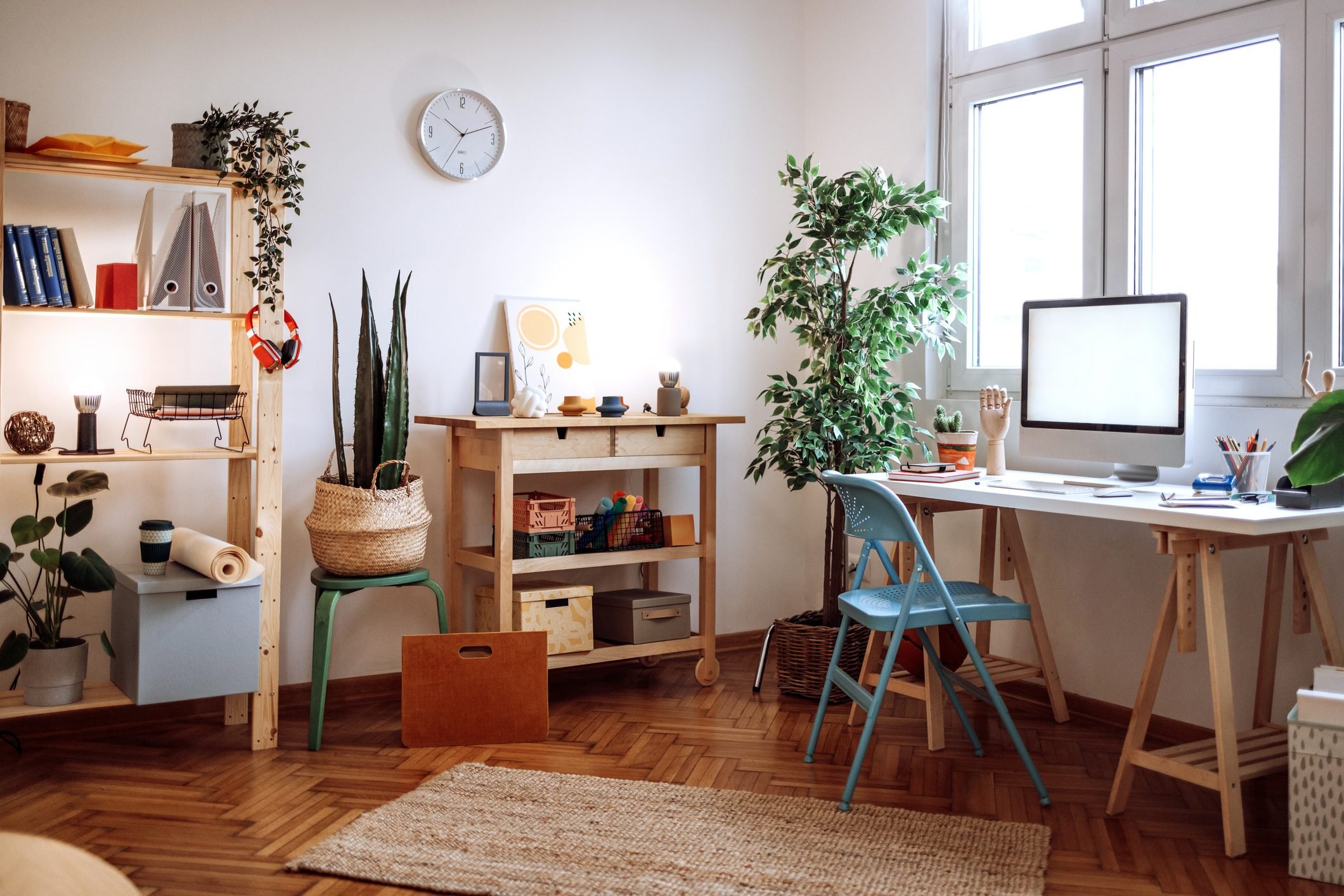
Maximize Your Space: 19 Tips to Make a Small Room Feel Bigger

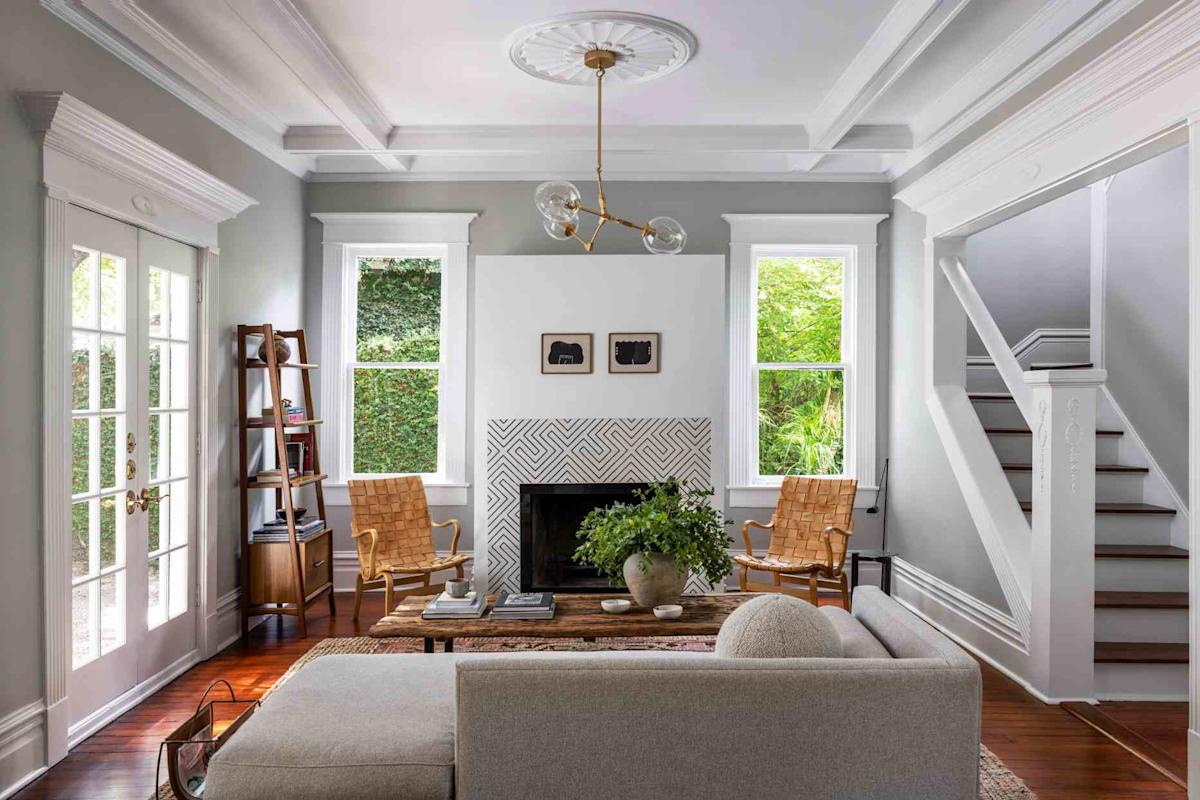
14 Genius Painting Tricks to Make a Room Look Bigger