1/11
7 Lighting Tricks That Will Make a Small Entryway Look Much Bigger Than It Actually Is
This article explores seven lighting strategies that interior design experts recommend for making small entryways appear larger and more sophisticated. The goal is to create an illusion of space without undergoing extensive renovations. These techniques encompass both artificial and natural lighting elements, along with complementary design choices.
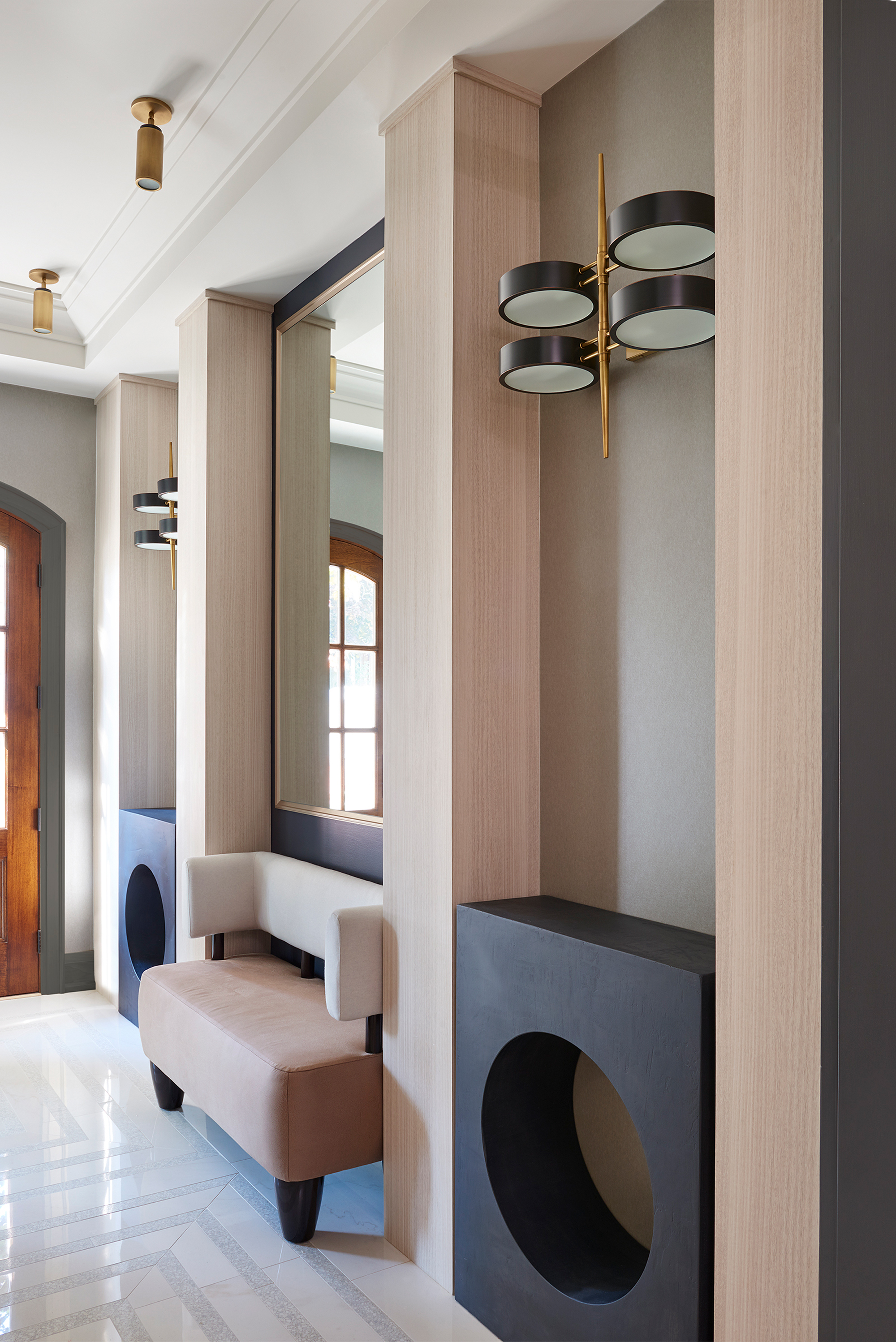
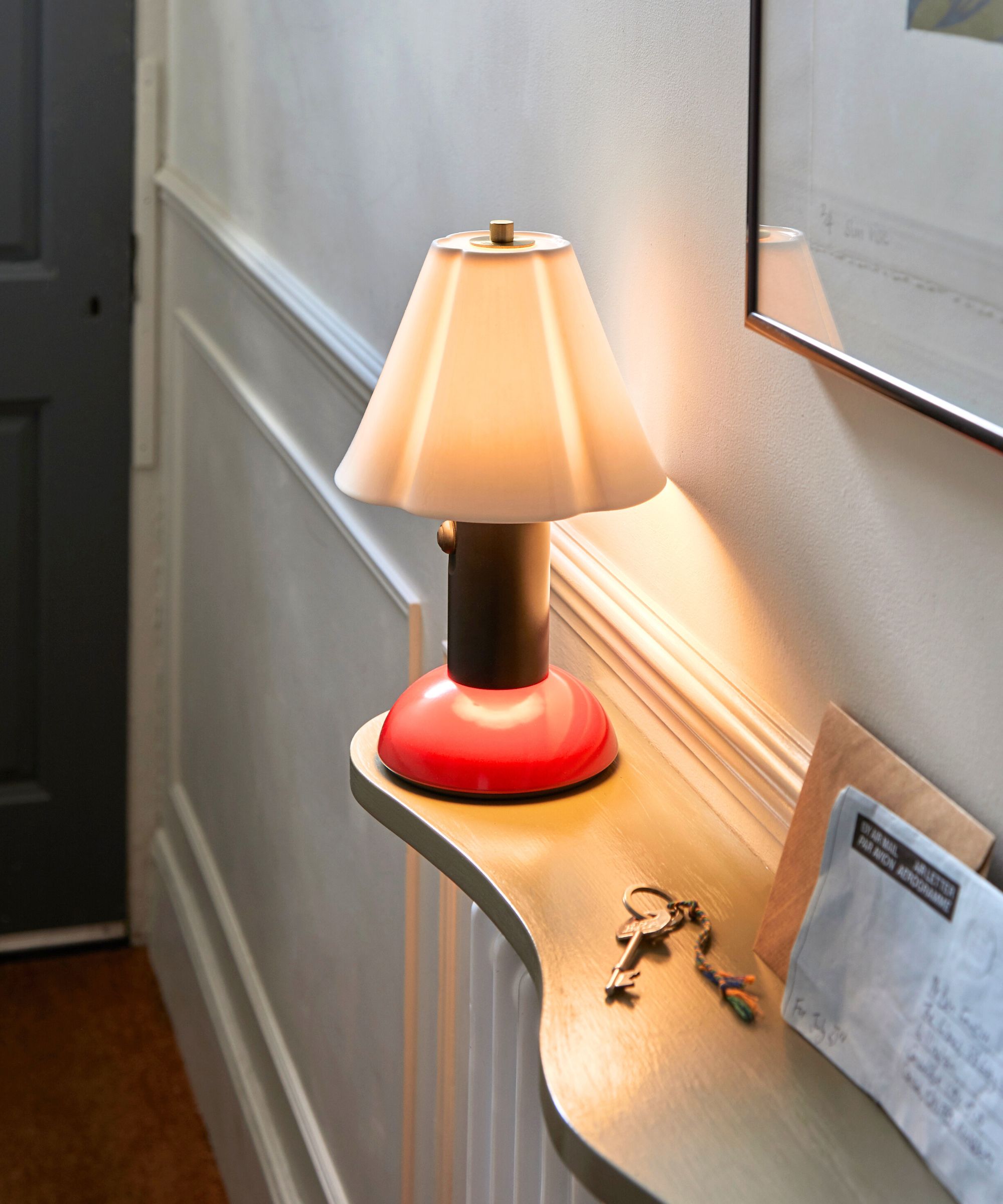
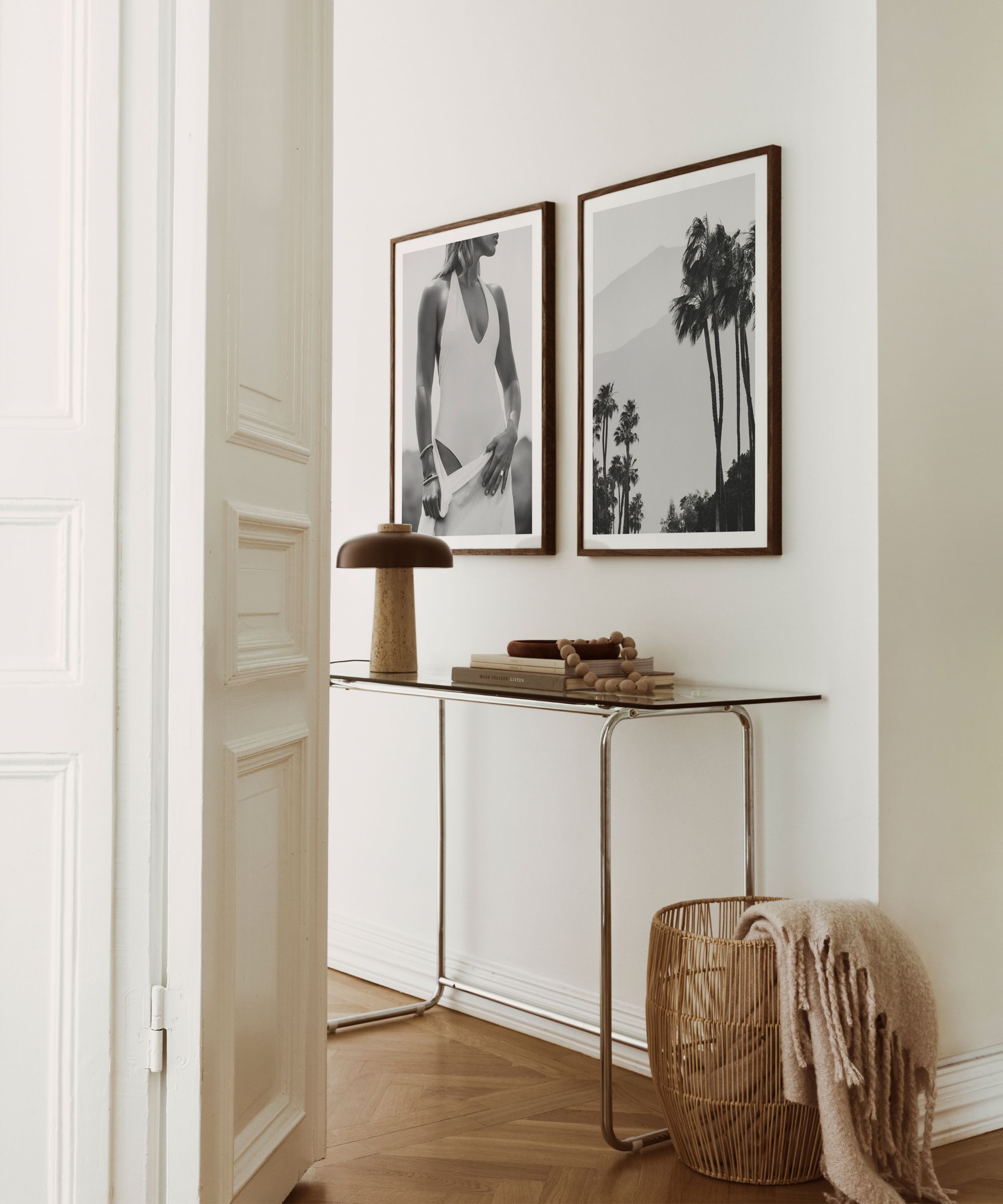
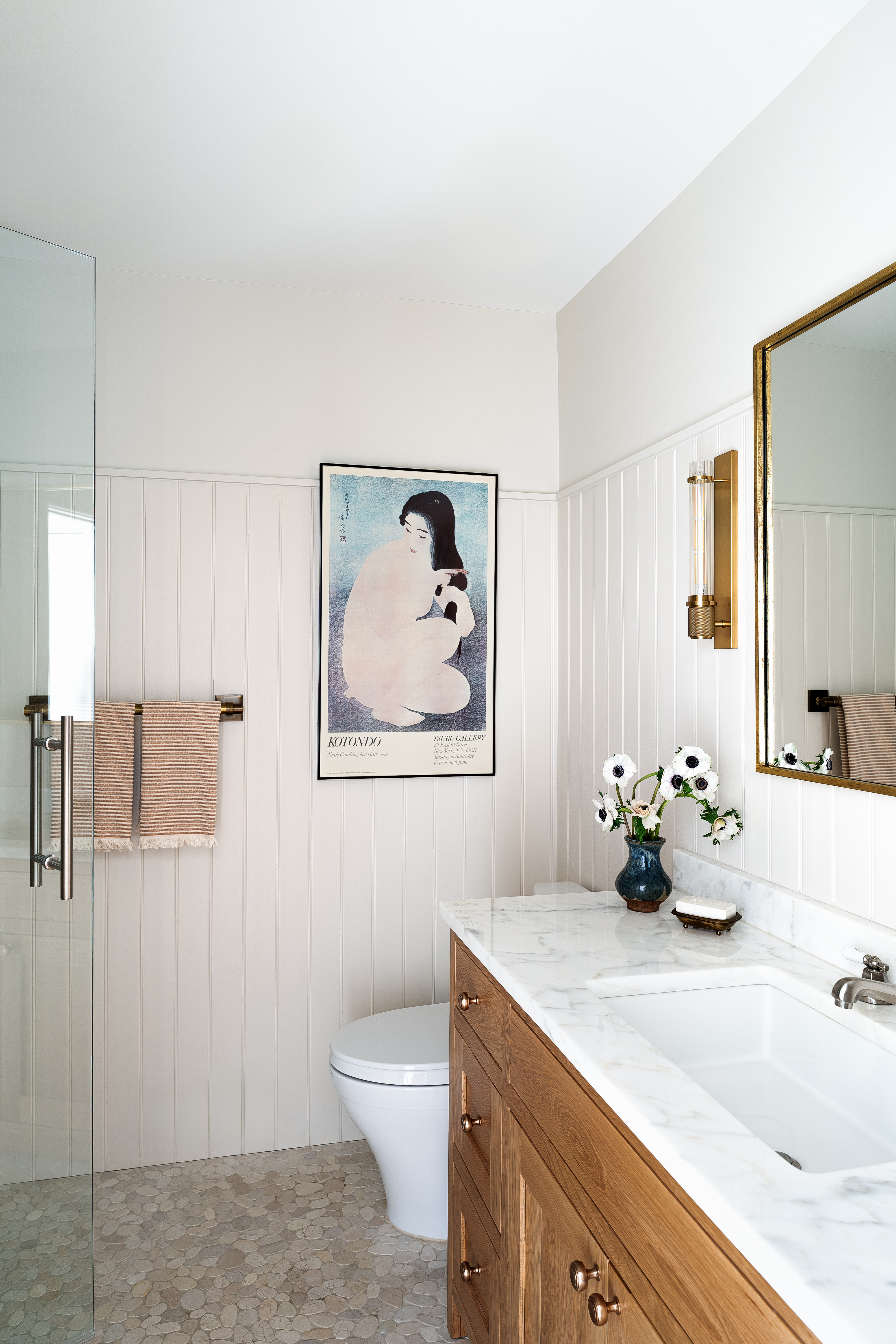
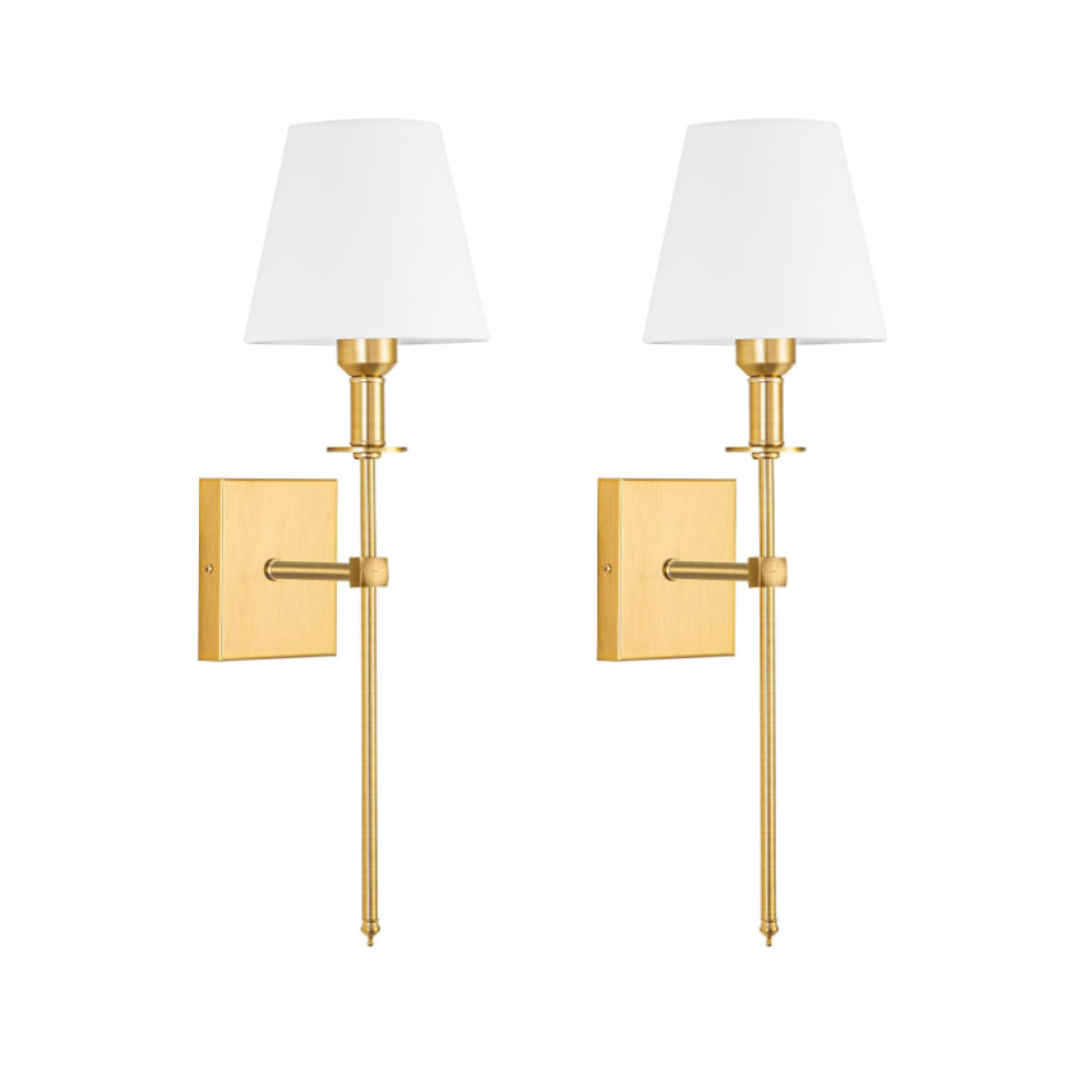
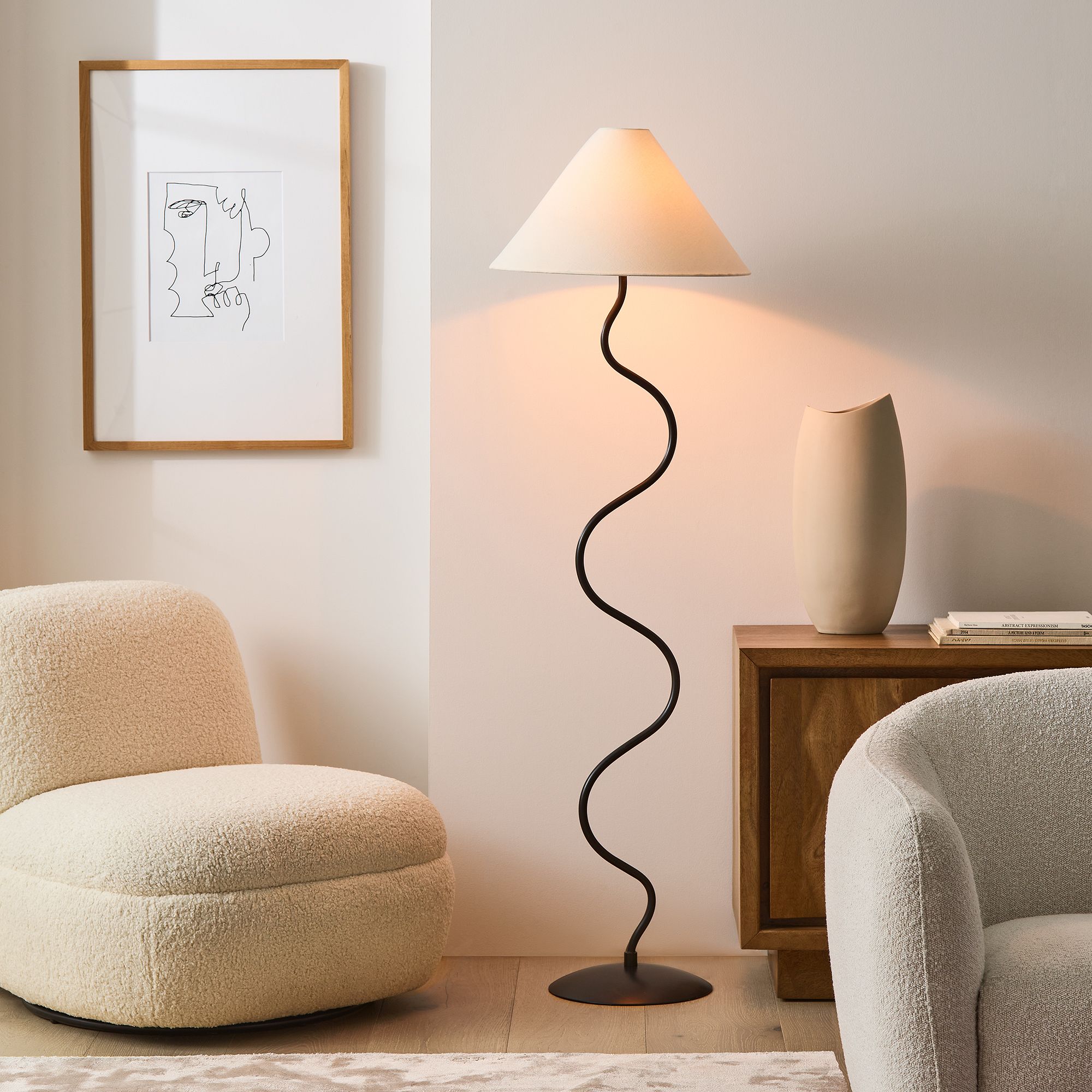
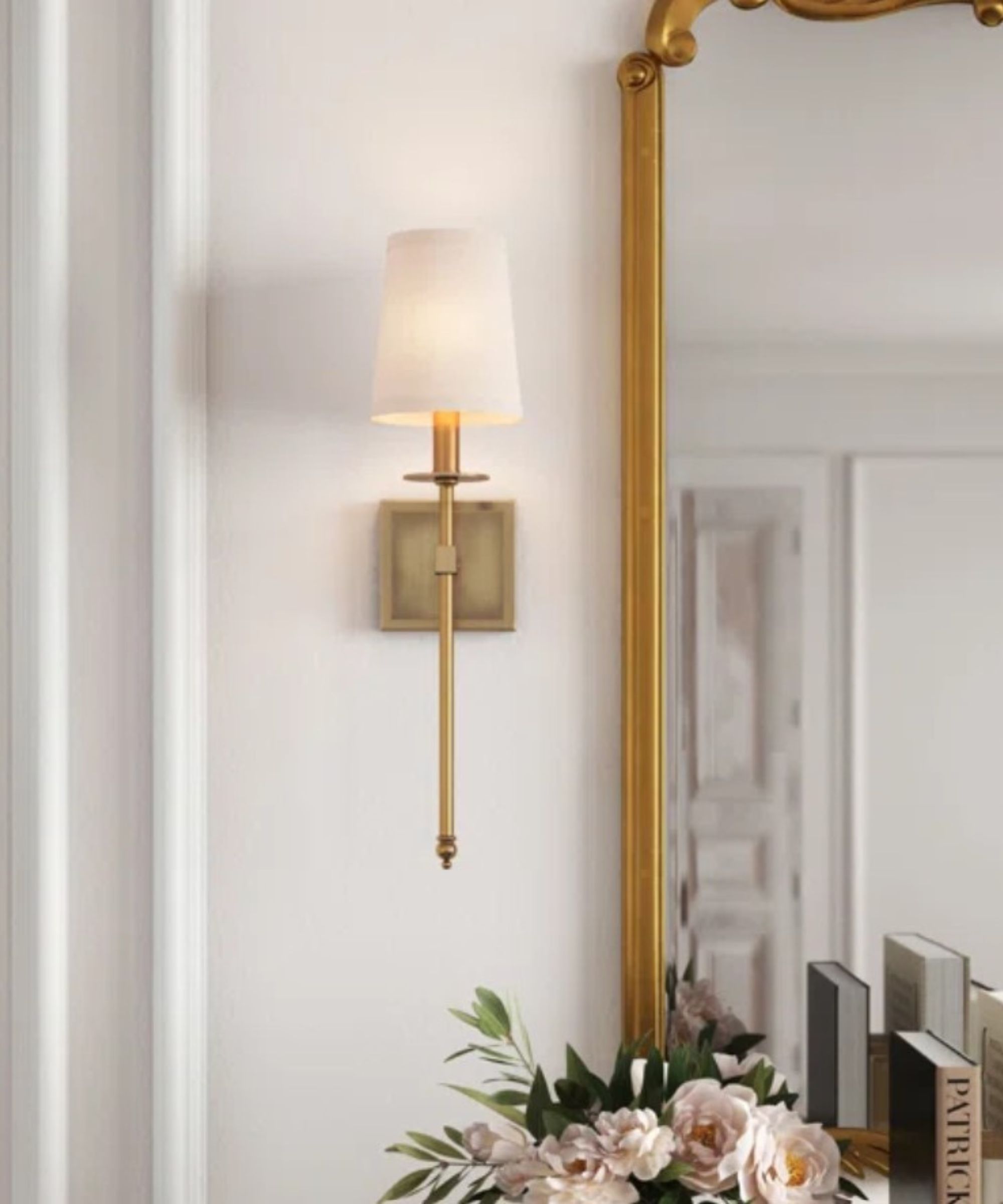
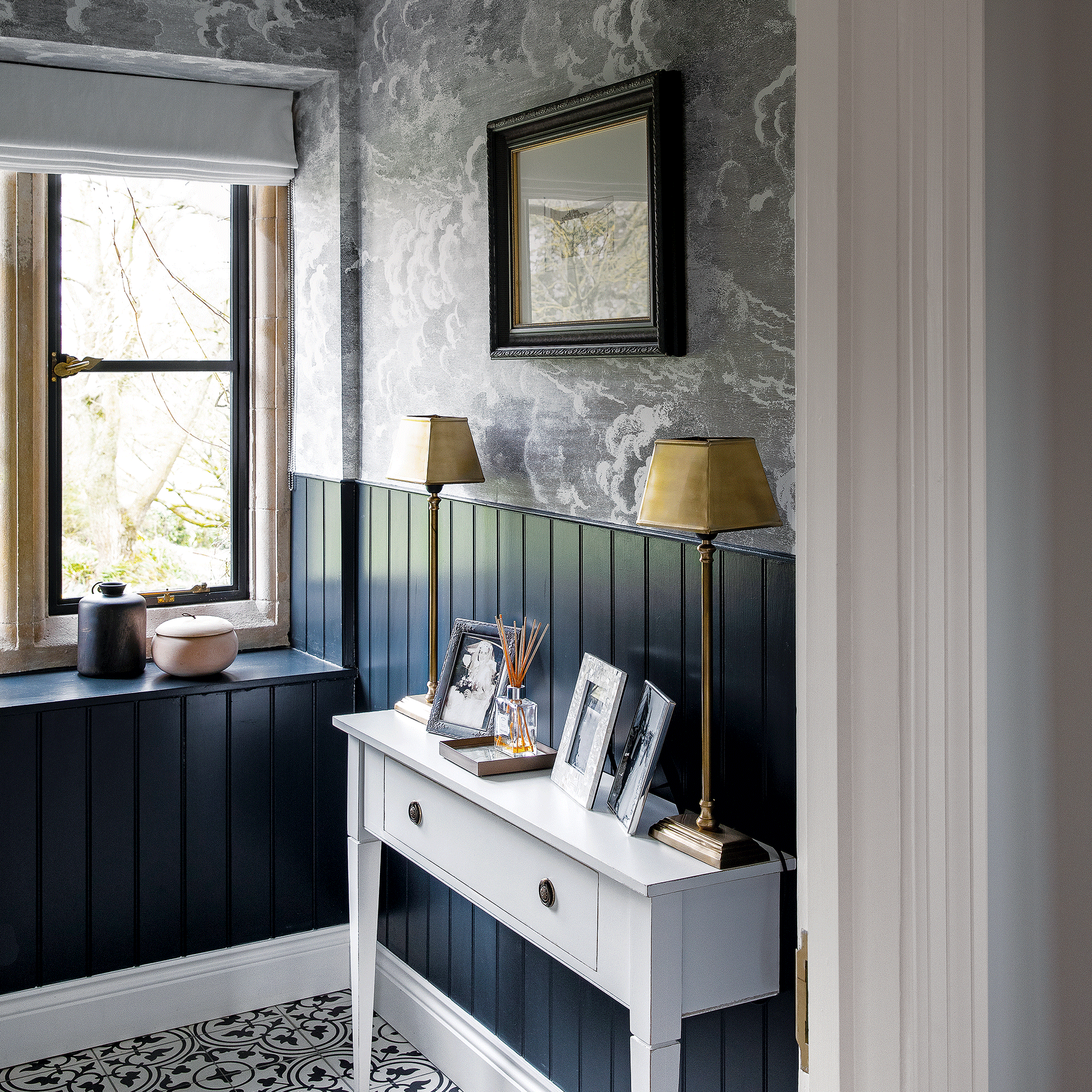
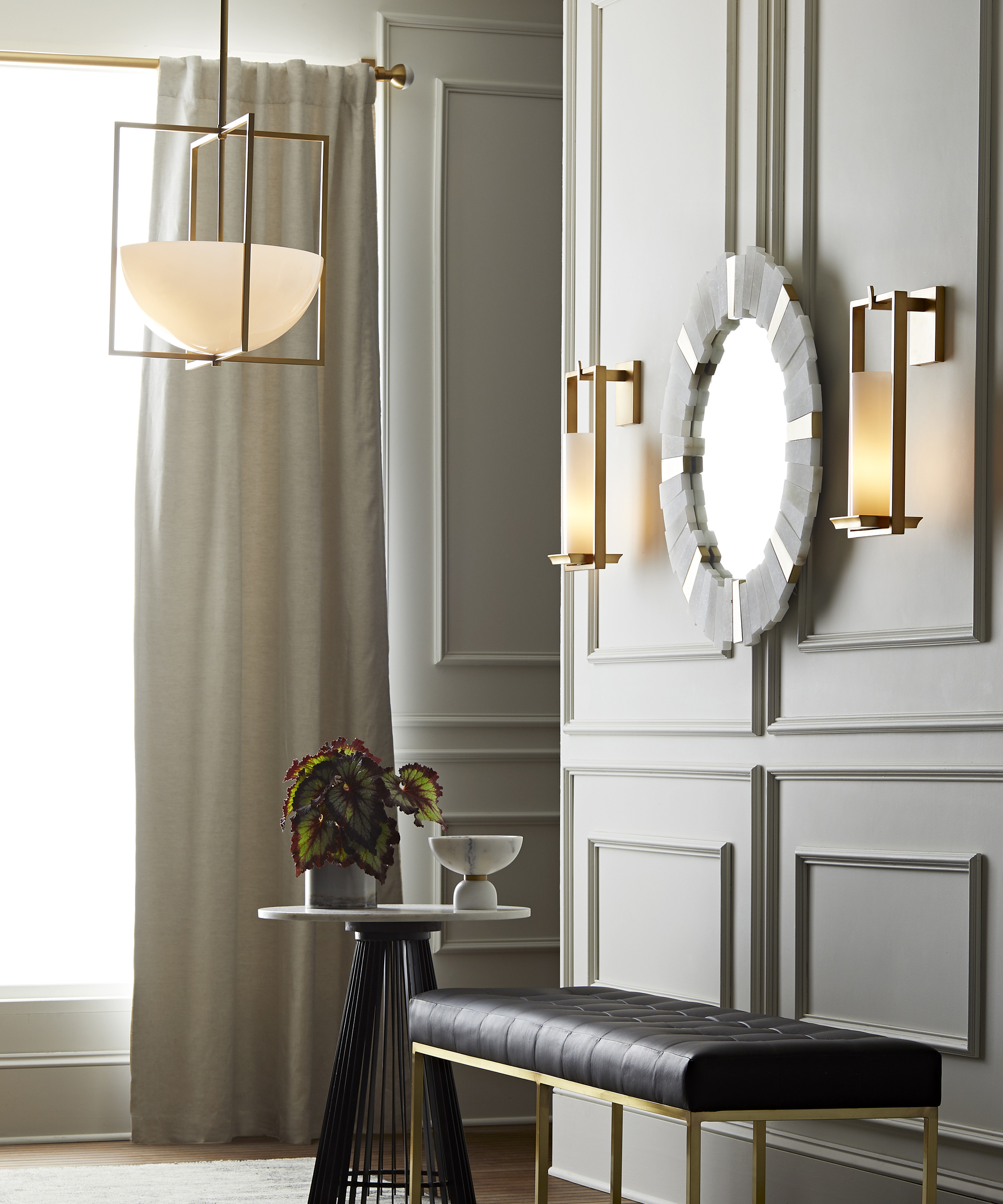
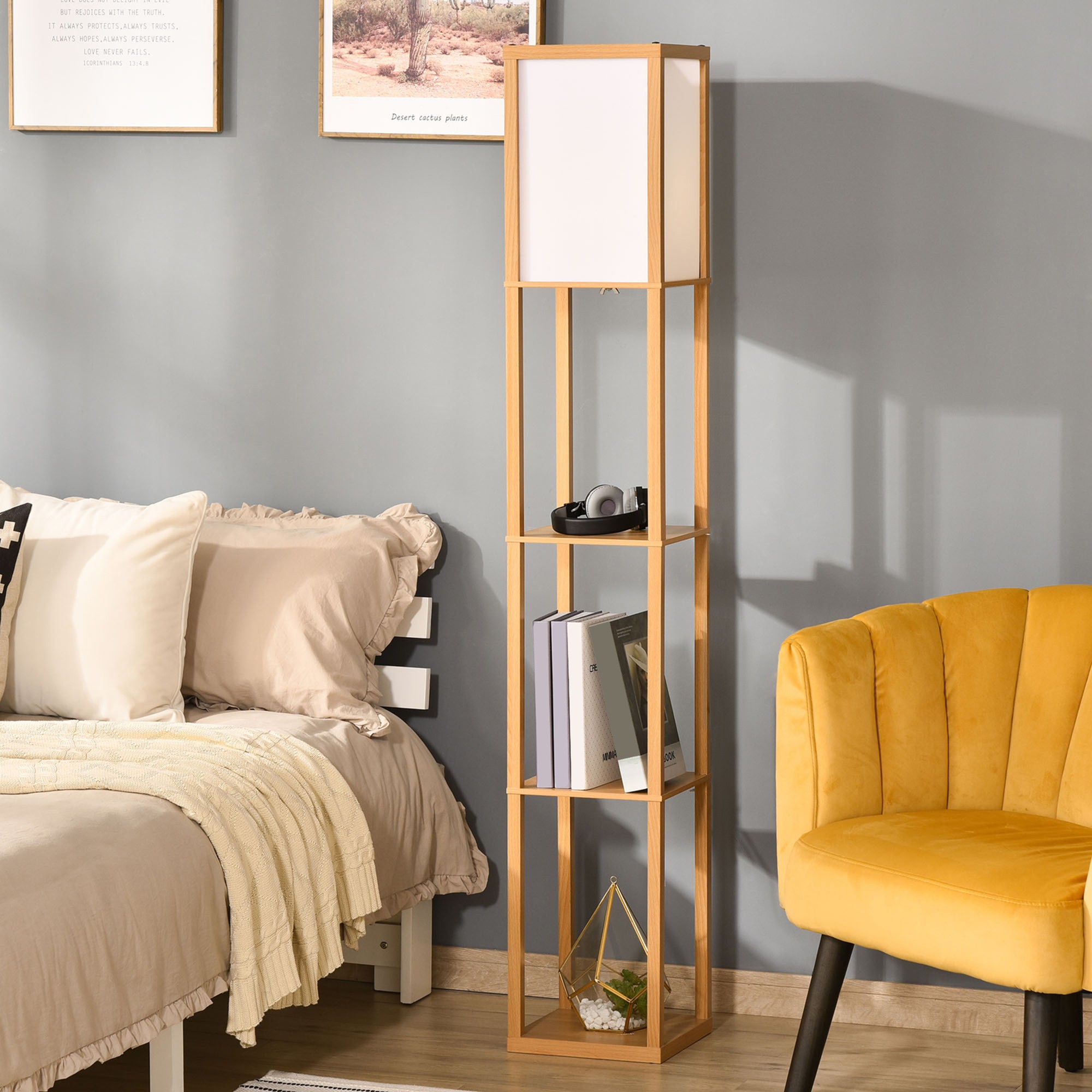
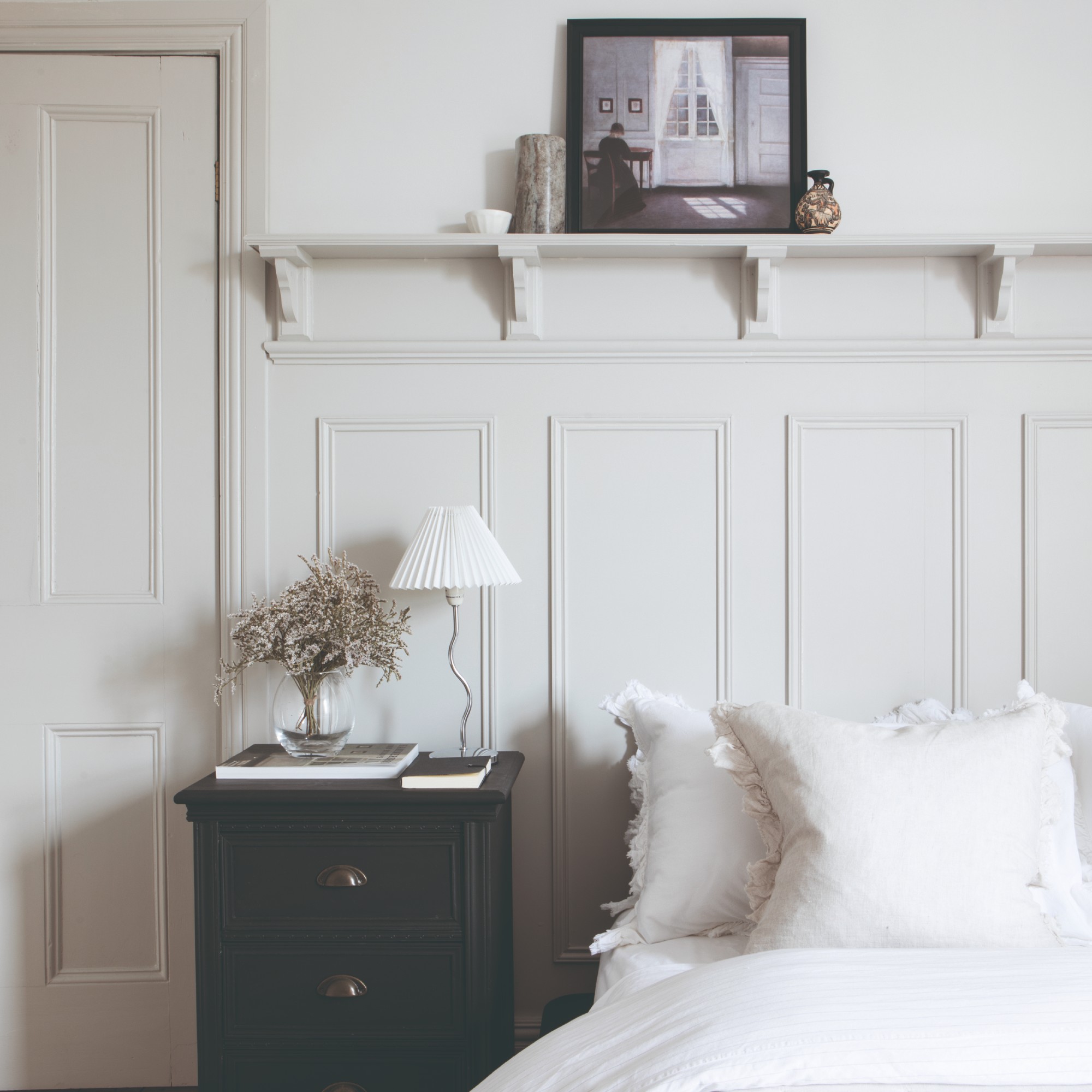
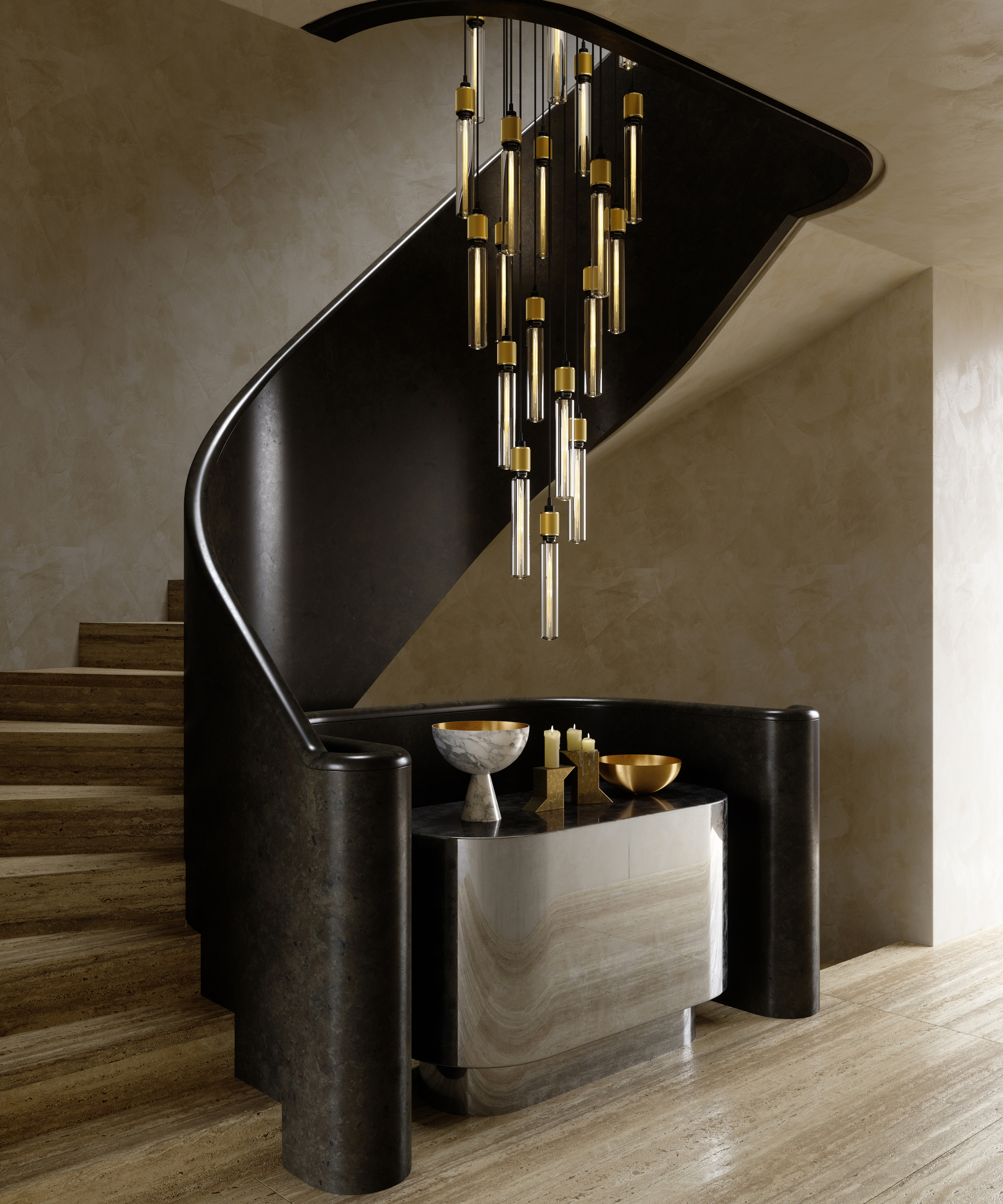
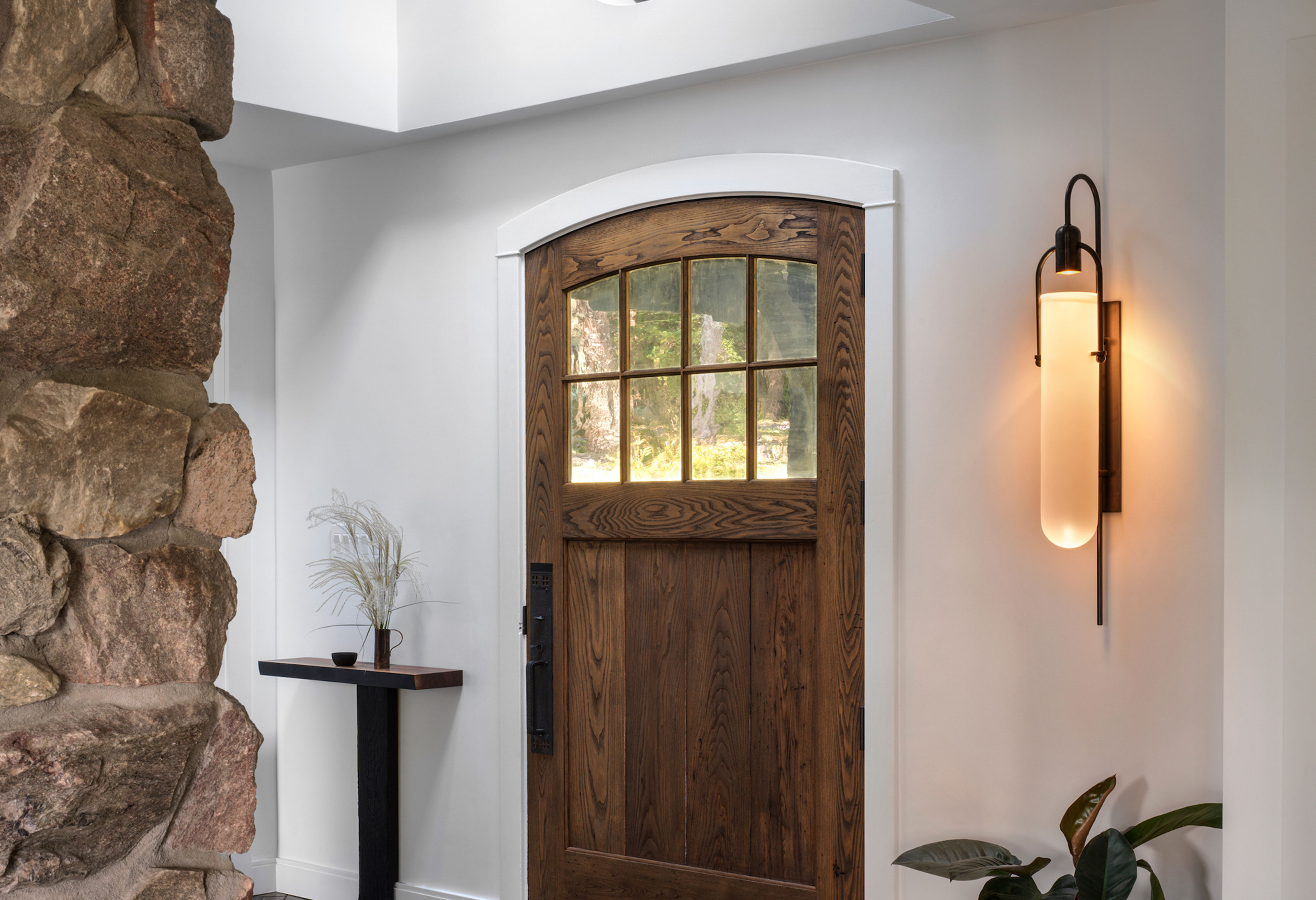
One crucial strategy is employing layered lighting. This involves combining different types of light sources such as recessed ceiling lights or wall sconces, and indirect lighting like LED strips or cove lighting. This layering creates a warm glow that is not harsh or overwhelming. Designers also advise incorporating light sources at eye level, such as table lamps and sconces. Placing sconces on either side of a mirror or artwork not only enhances the visual appeal but also draws the eye upward, contributing to the perception of a taller and more expansive space.
The temperature of light bulbs also plays a significant role. Experts suggest avoiding yellow-toned lights, which can make small spaces feel more confined. Instead, selecting bulbs with a color temperature between 3000K and 4000K, which mimics natural daylight, helps create a sense of openness. This neutral to cool light is effective even in very cramped areas.
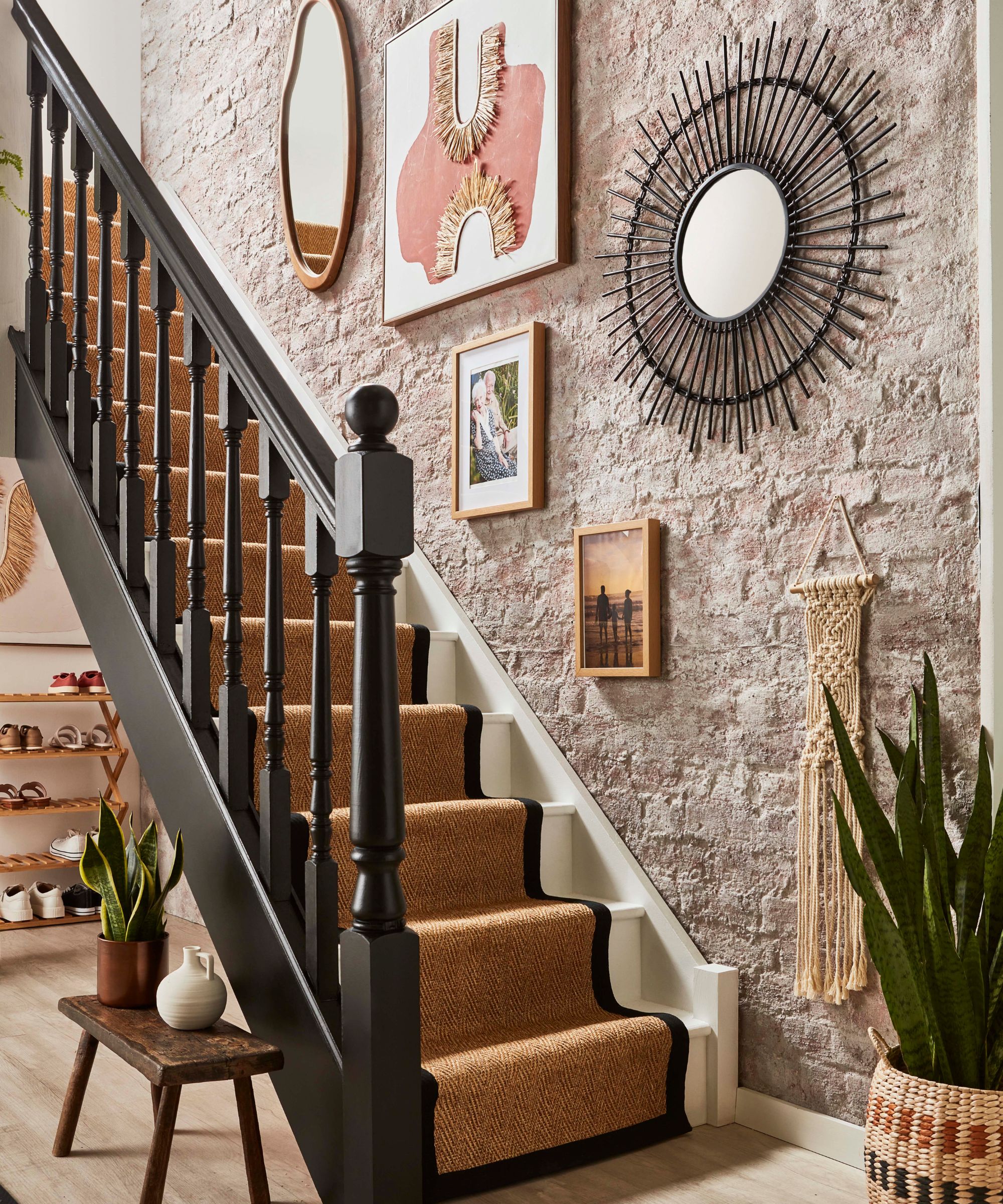
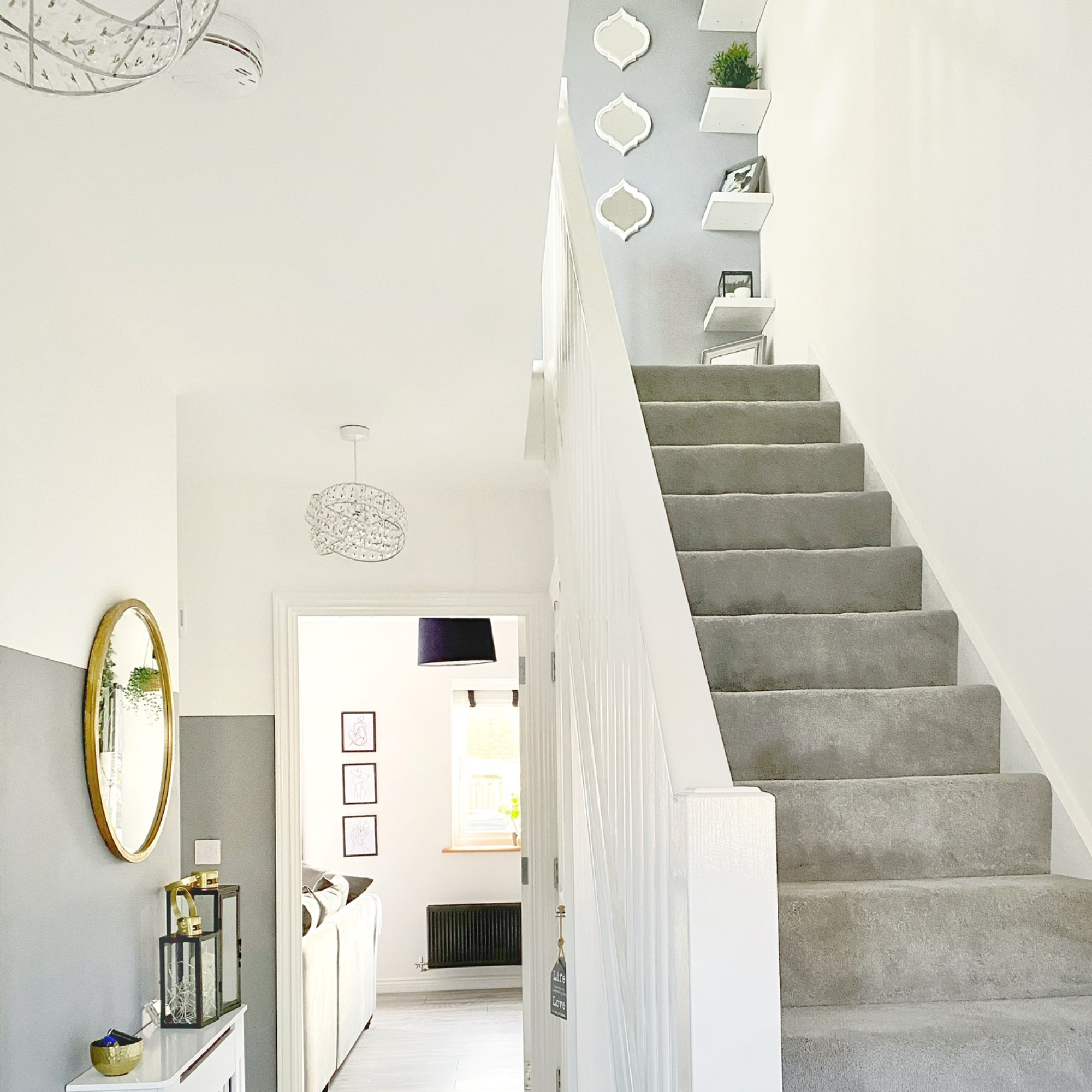
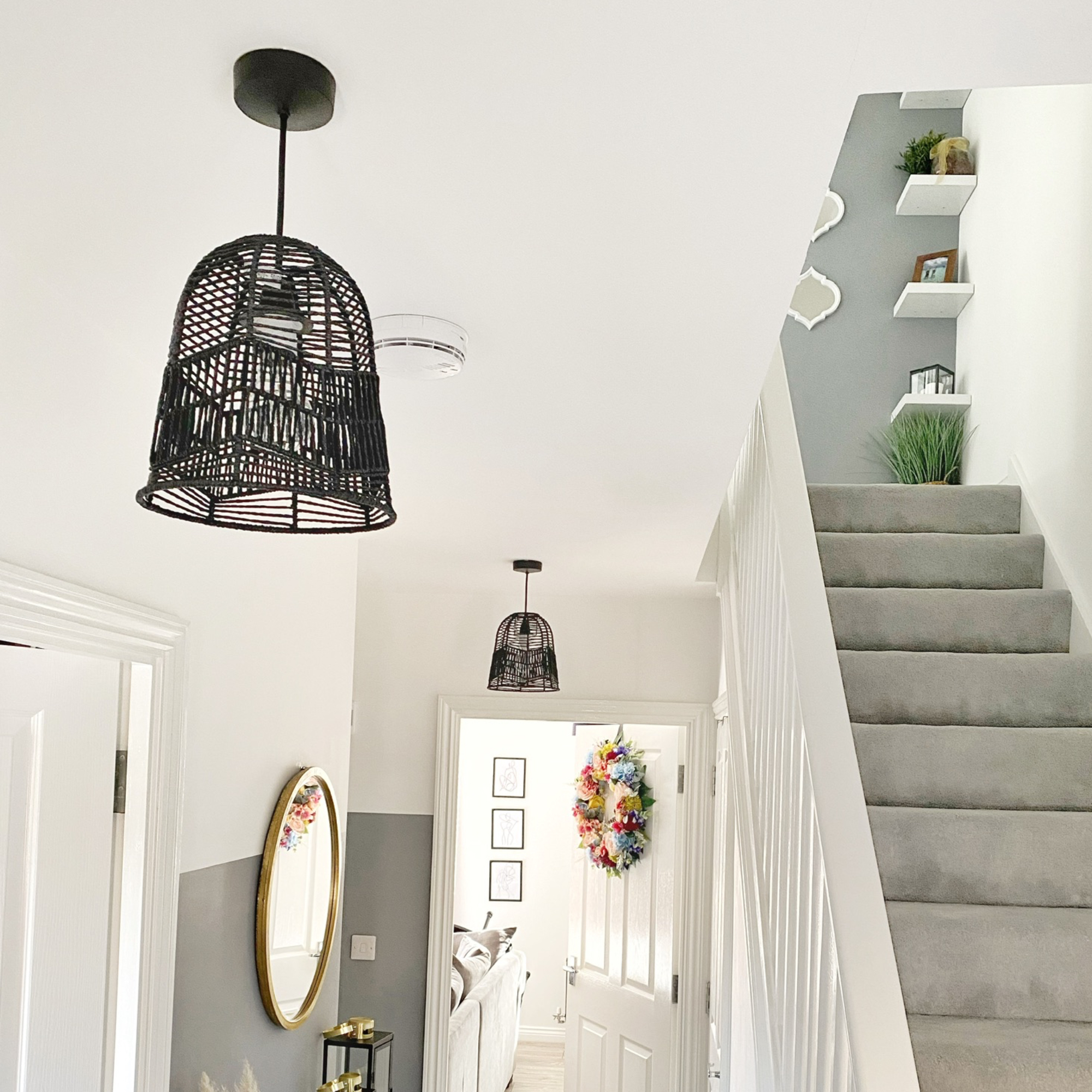
Strategic use of mirrors is another key trick. Beyond their practical function for last-minute checks, mirrors can significantly expand the visual perception of a small entryway. Positioning mirrors near natural or artificial light sources allows them to reflect light, amplifying brightness and making the space feel larger. The placement of mirrors is as important as their presence.
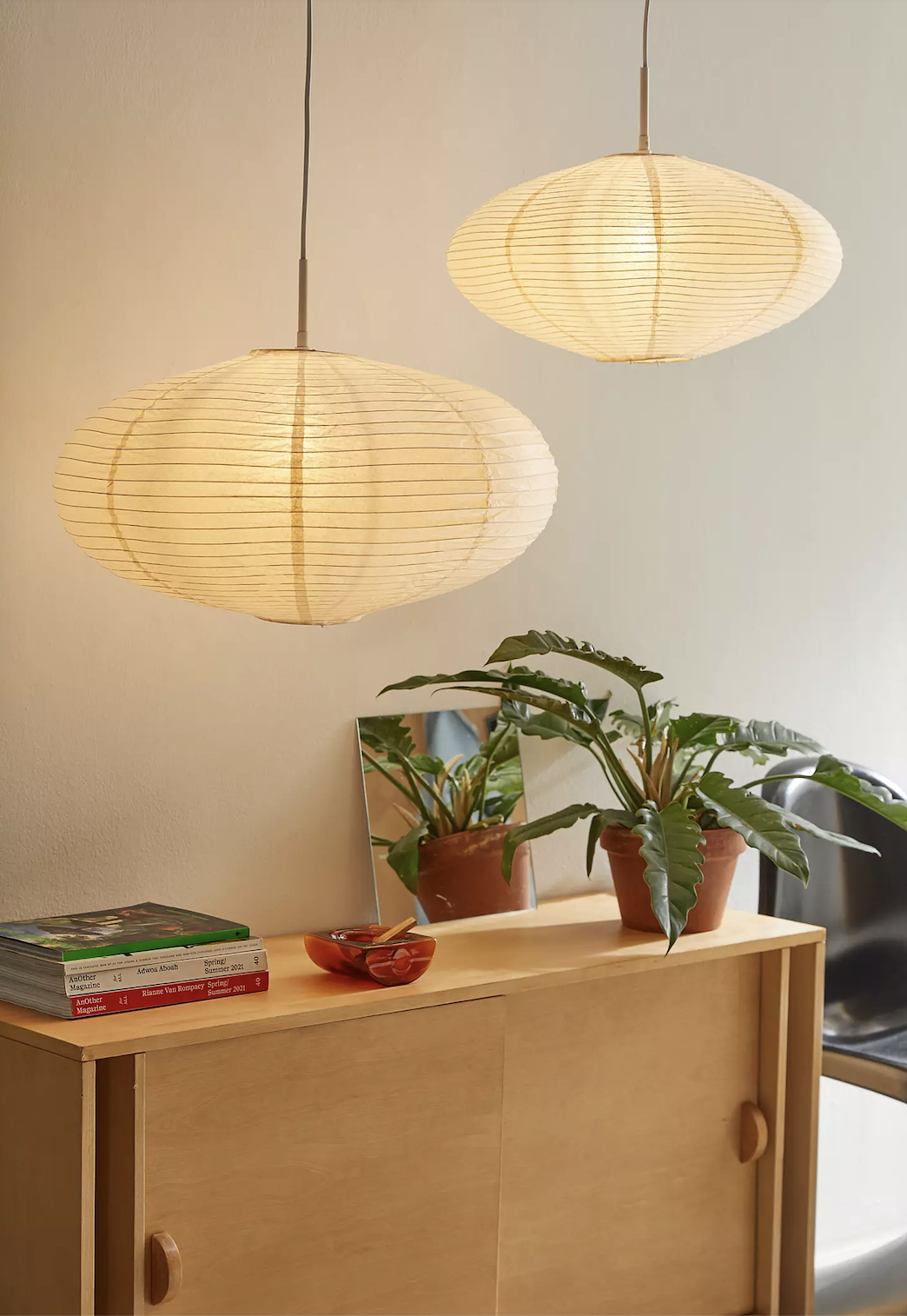
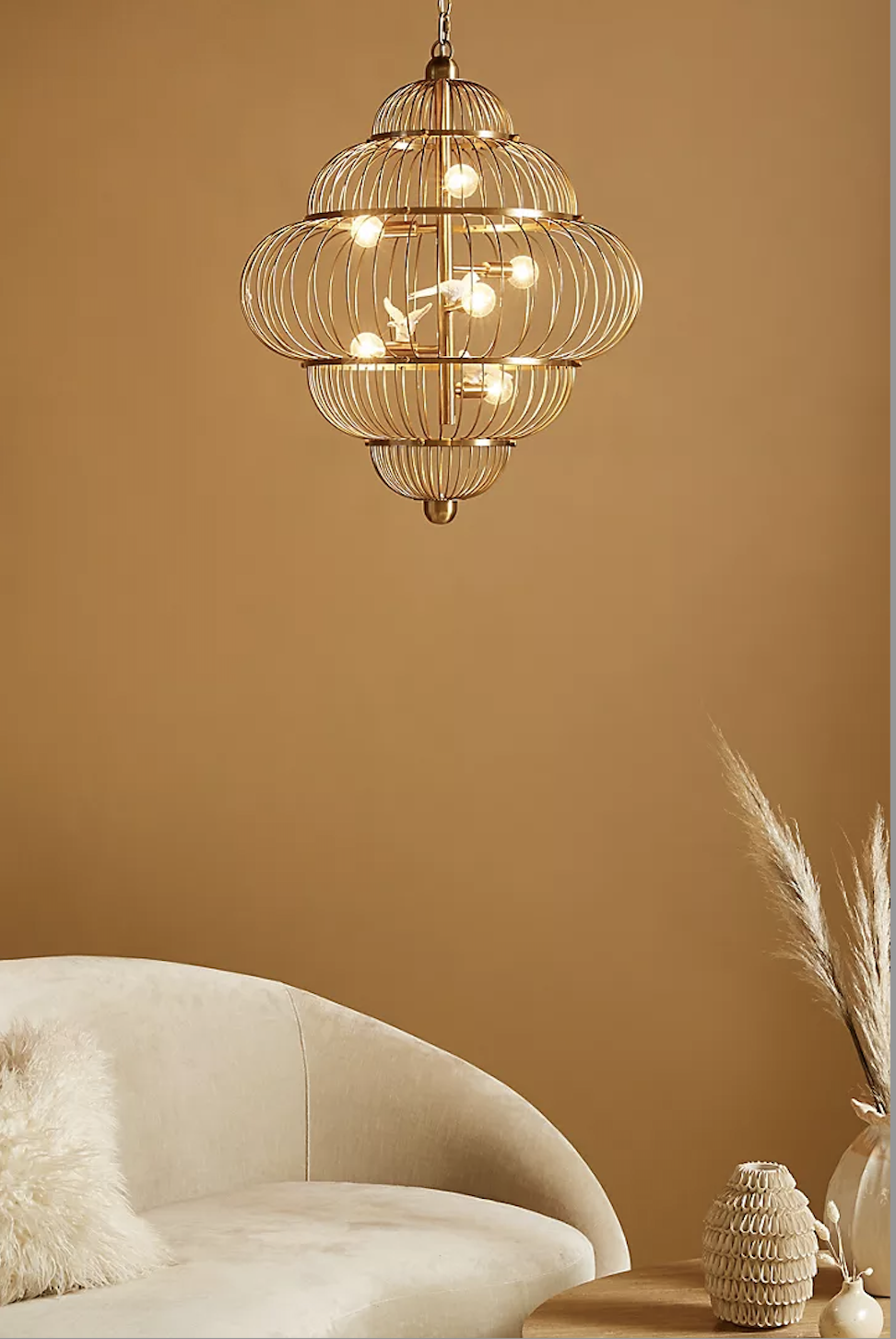
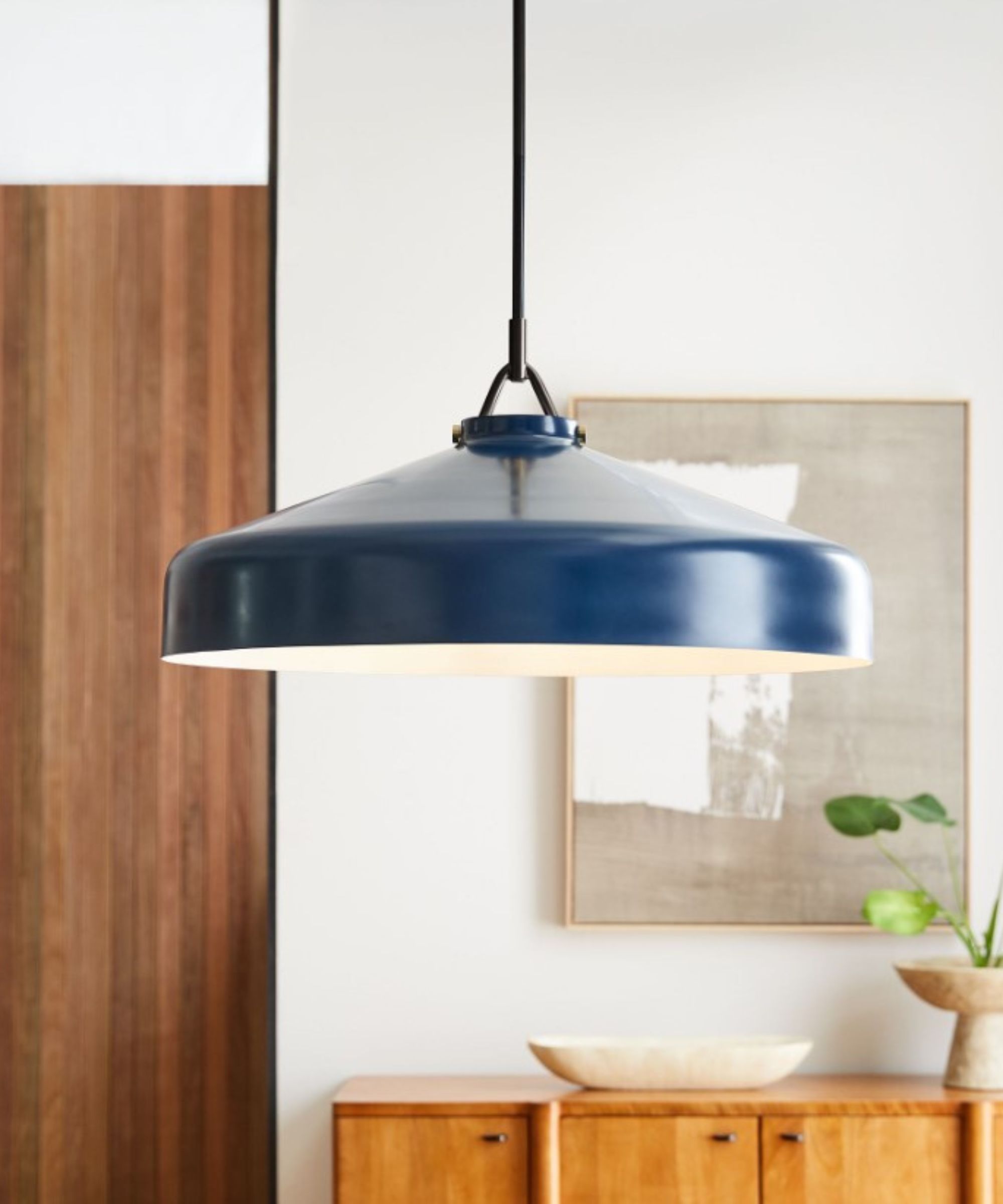
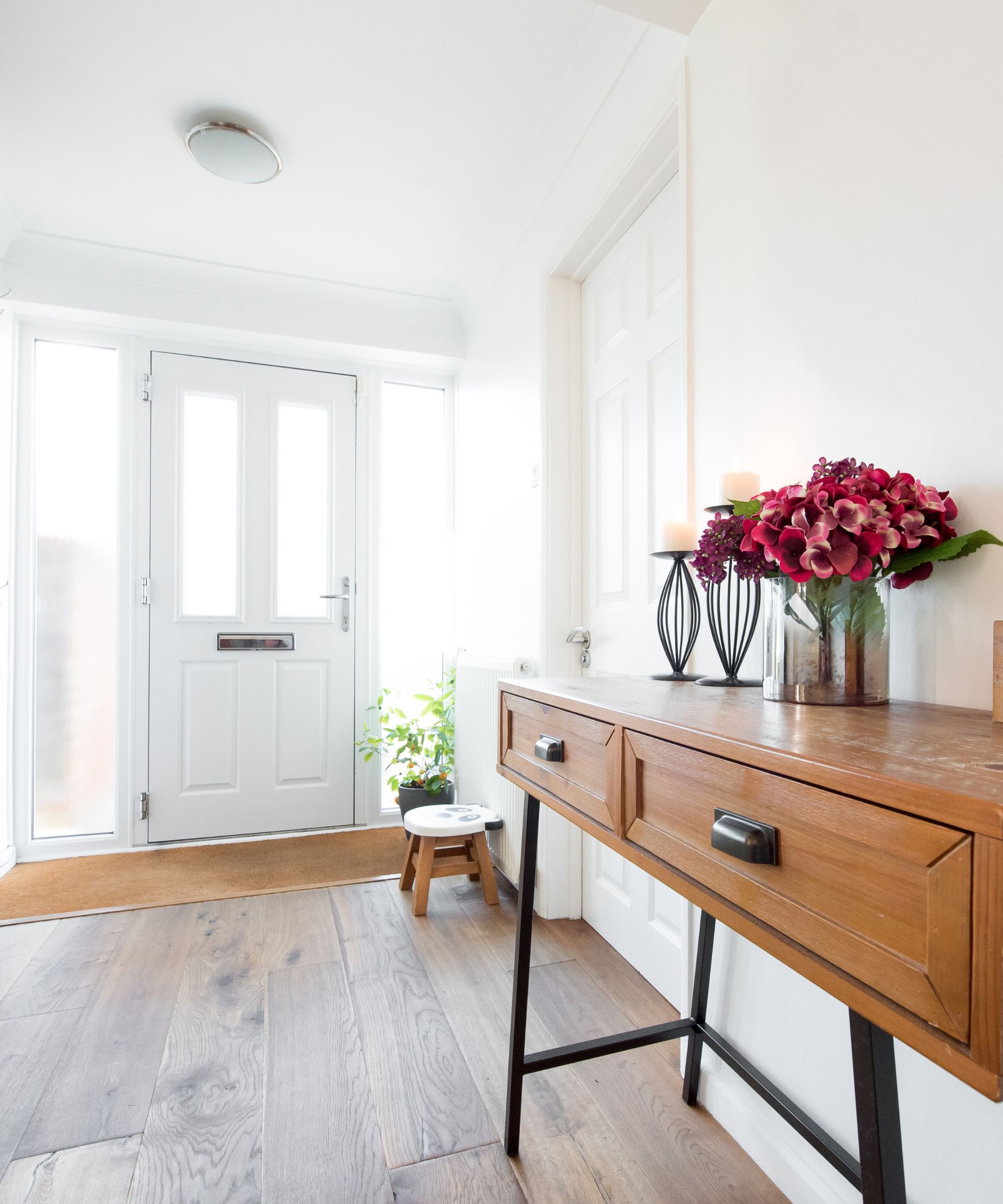
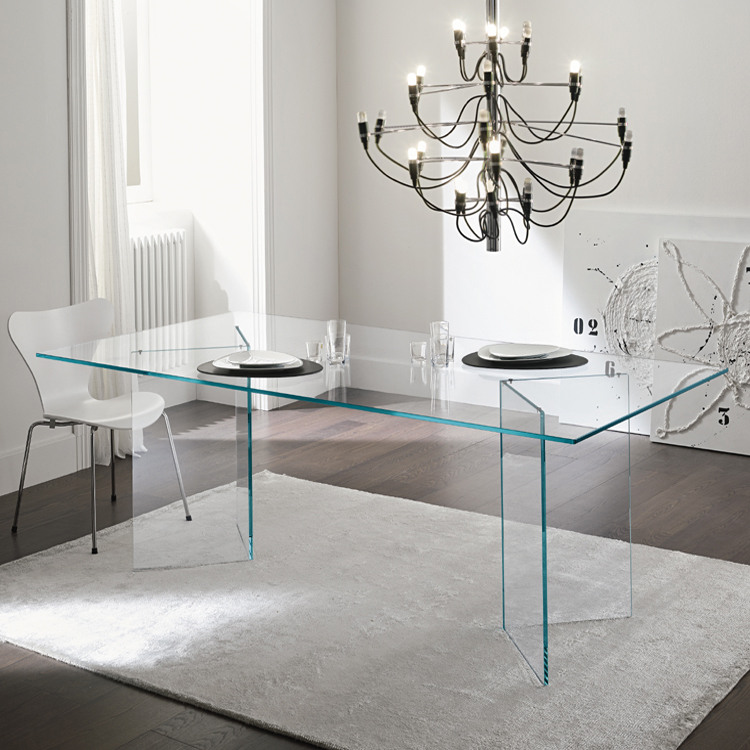
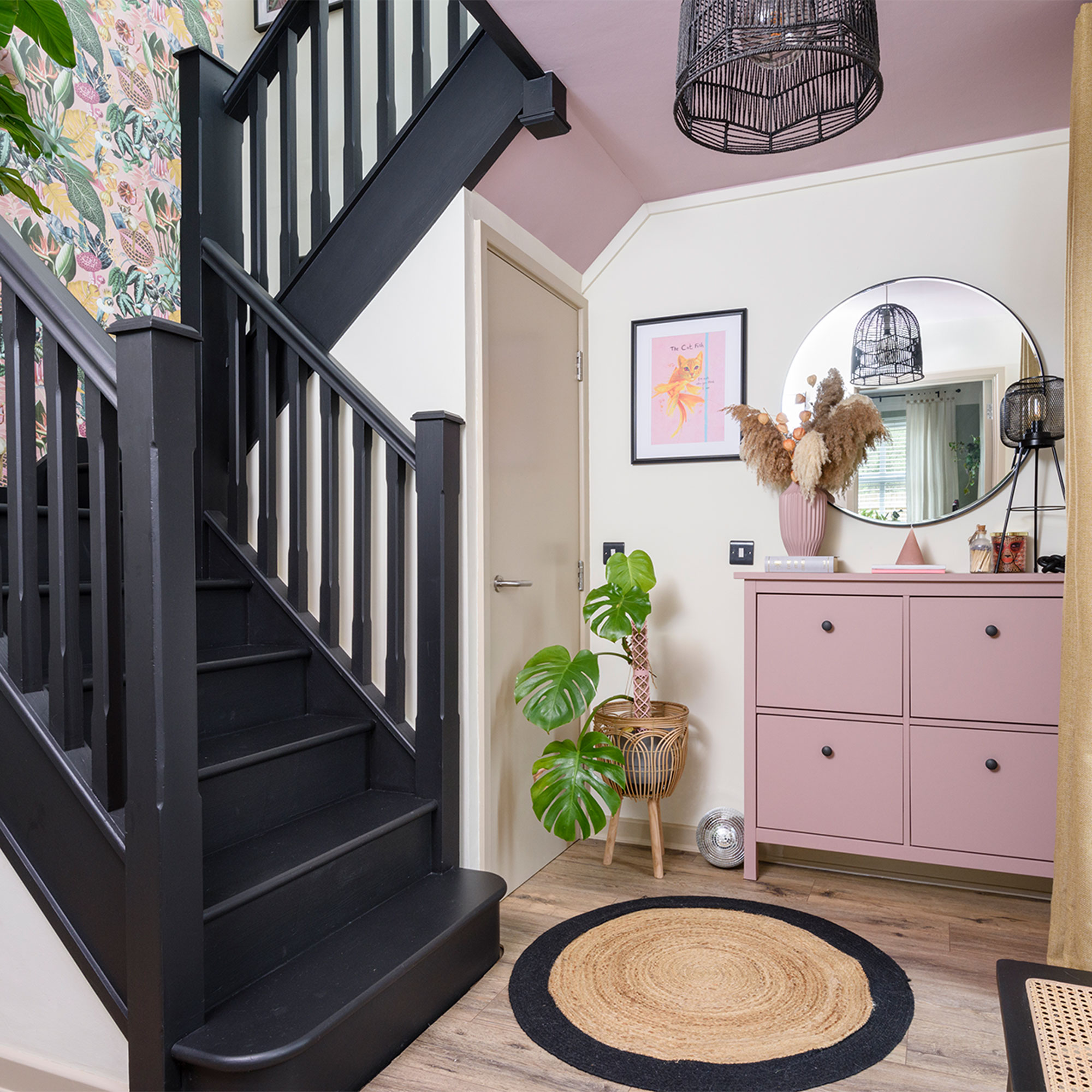
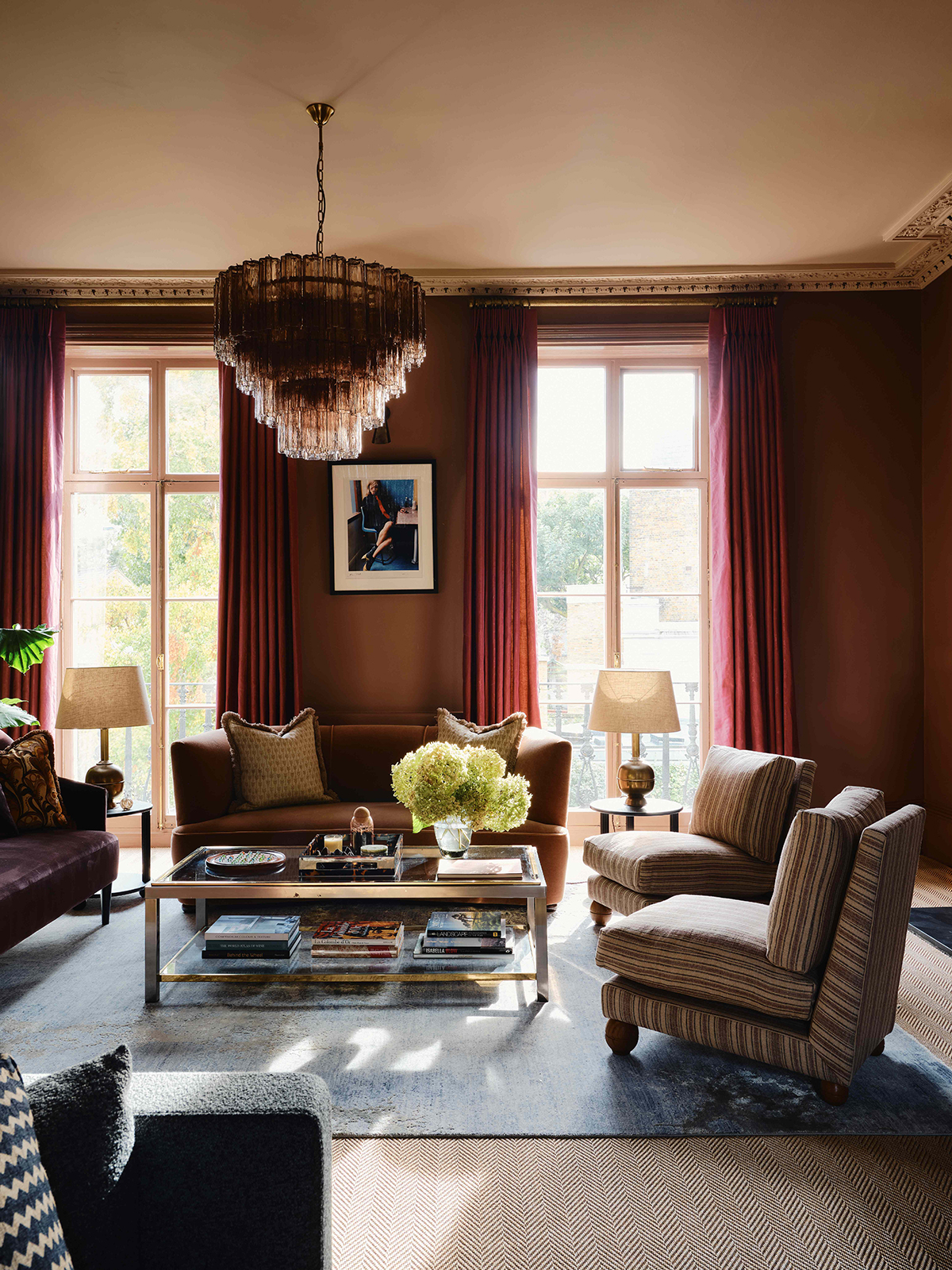
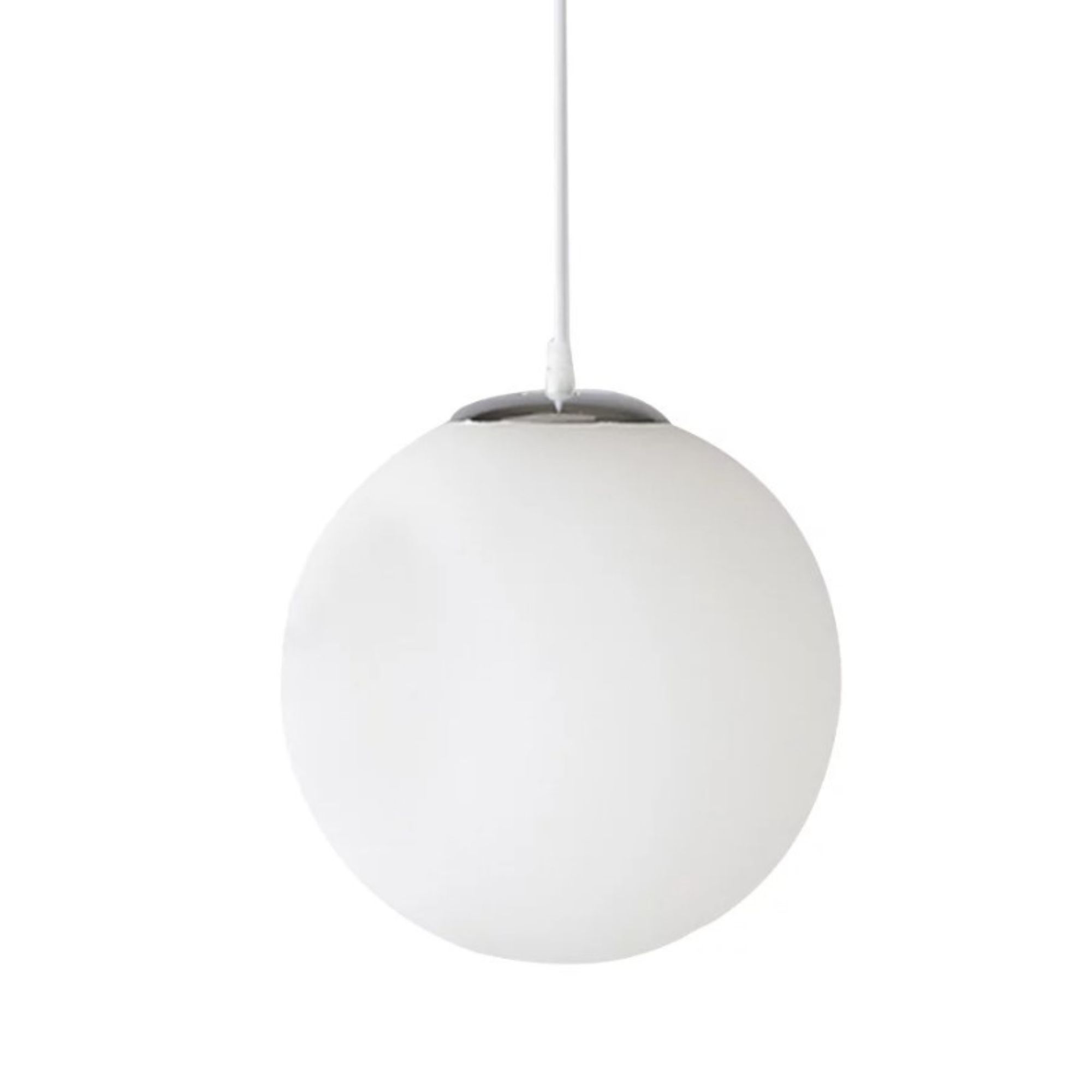
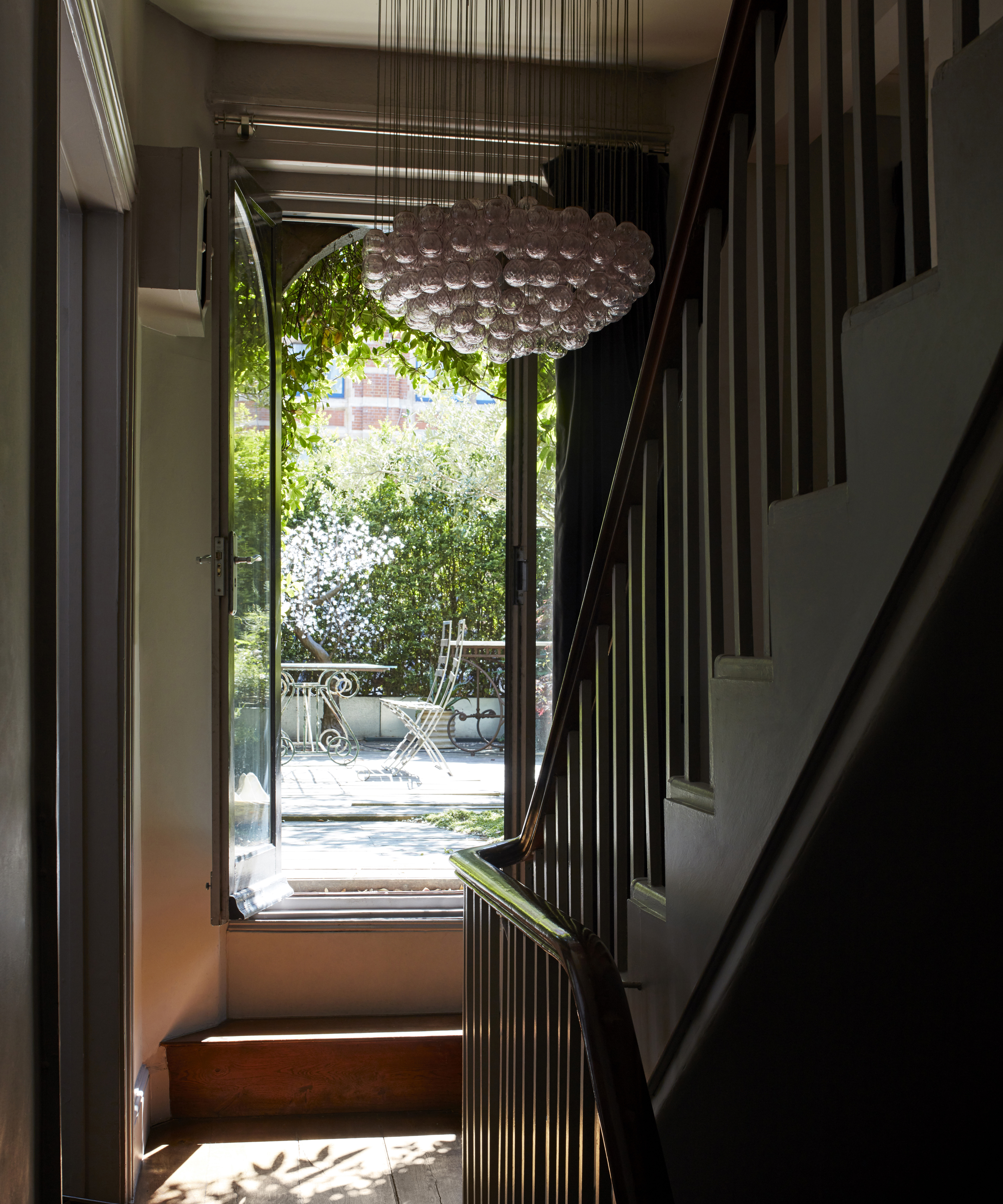
Choosing low-profile light fixtures is essential to avoid visual clutter in a small entryway. While fixtures should still make an impact, they should not be large or visually heavy. Styles with glass or reflective elements are particularly beneficial as they help bounce light around the room, further enhancing the sense of spaciousness. Examples include small-scale glass flush mounts, which offer aesthetic appeal without dominating the space.
For those willing to undertake more significant changes, introducing a skylight can dramatically open up an entryway. This allows natural light to flood the space from above, leveraging vertical volume to make the area feel much larger, even if the actual square footage remains modest. It's an effective method for brightening dark rooms and creating an airy atmosphere.
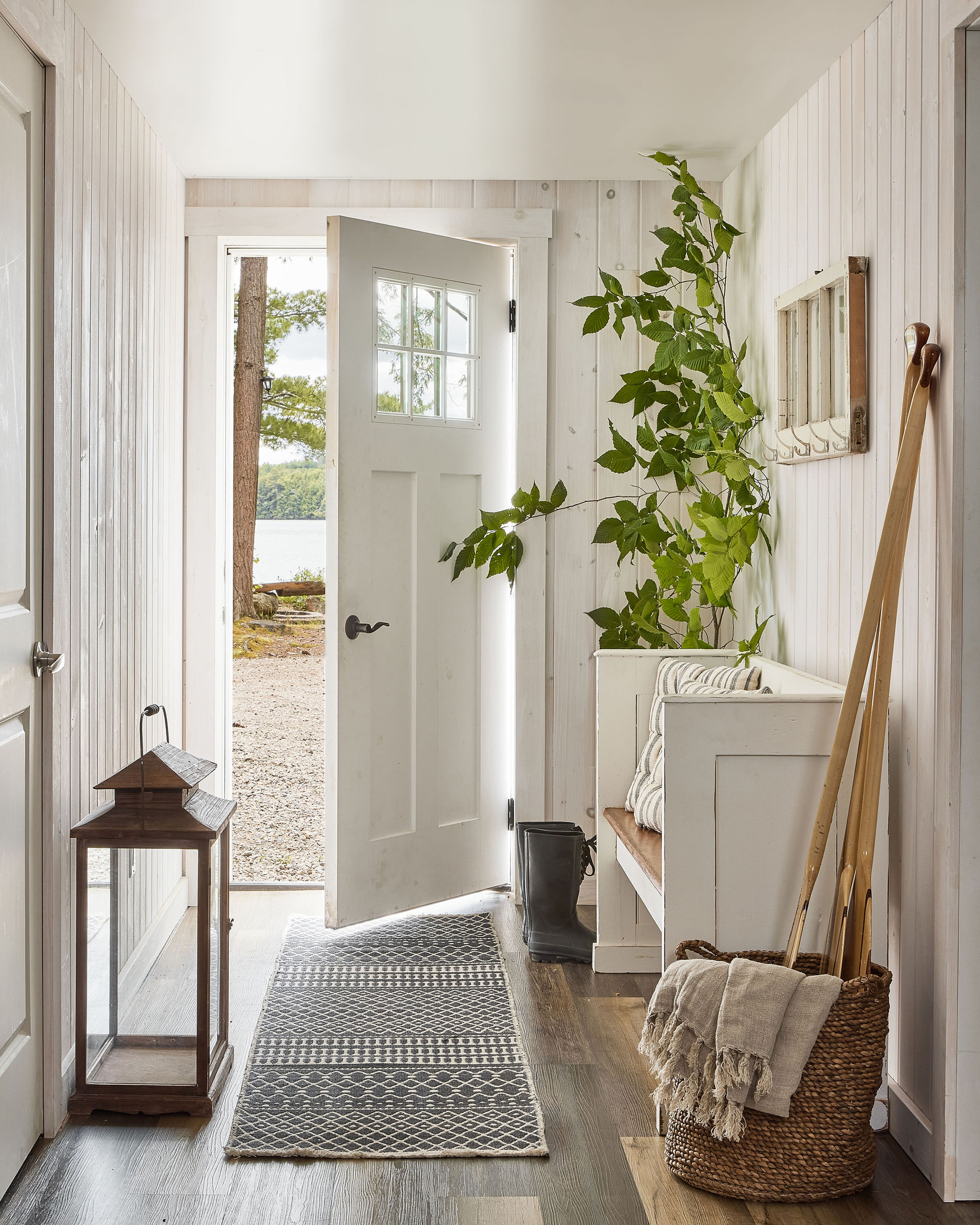
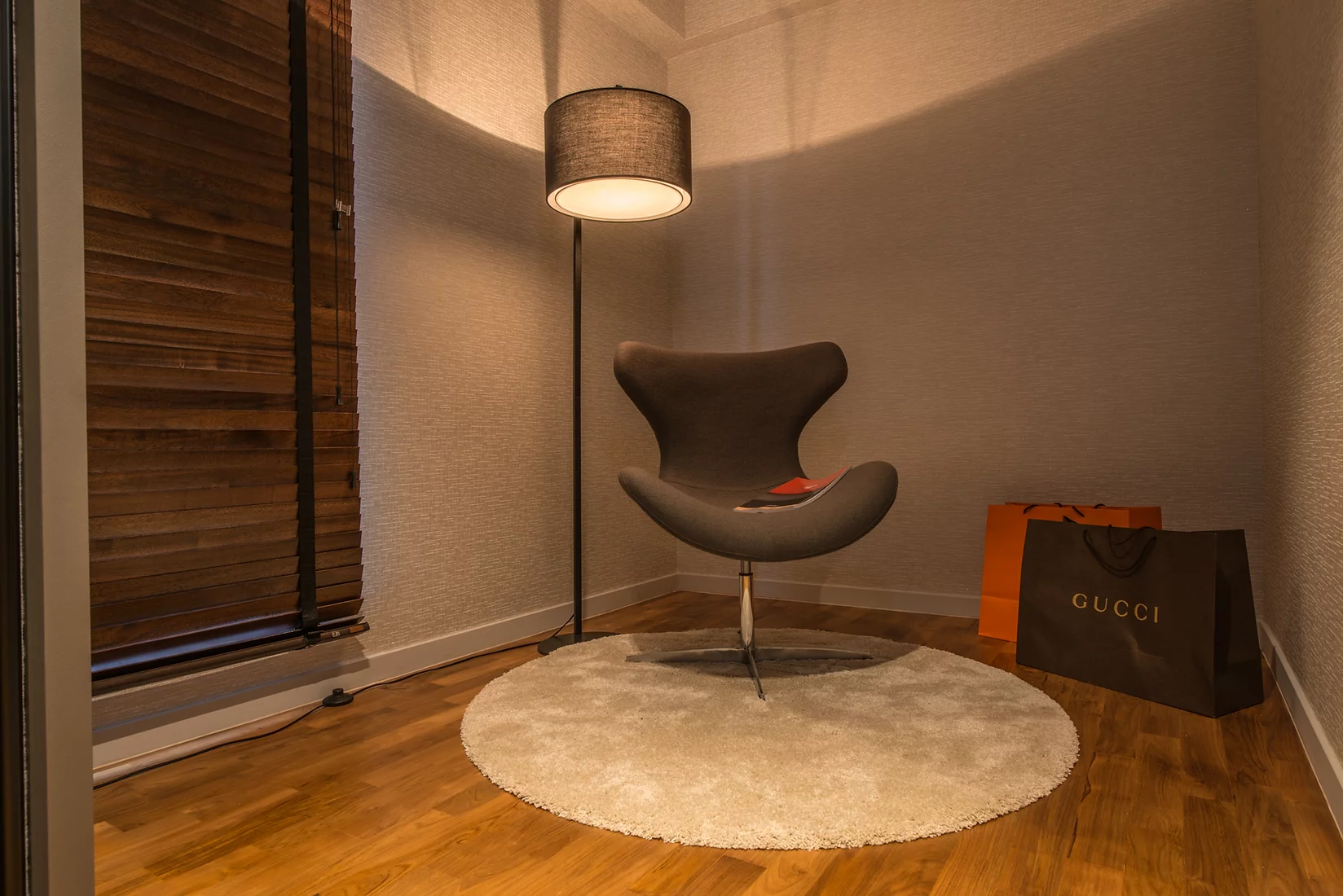
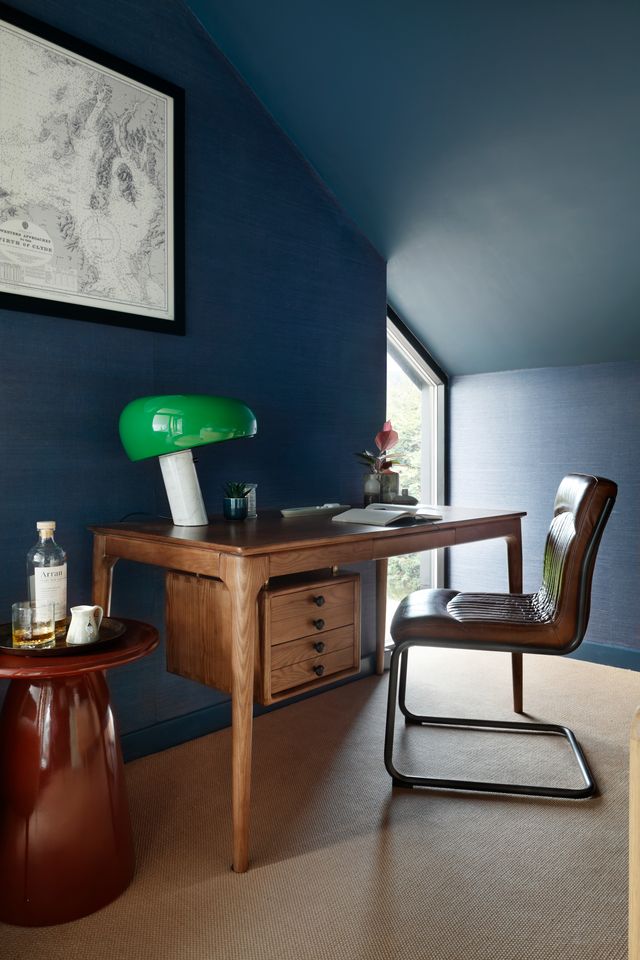
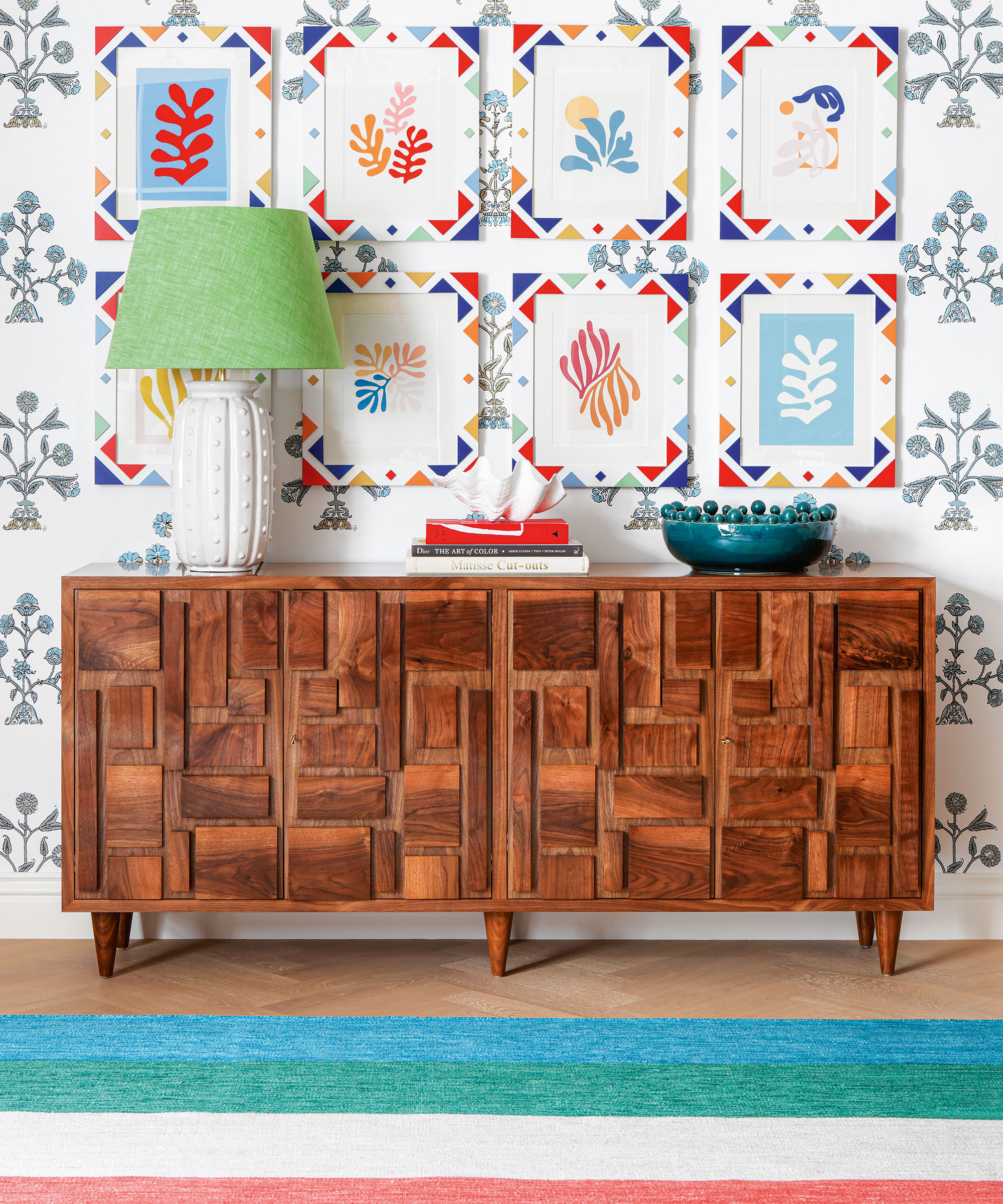
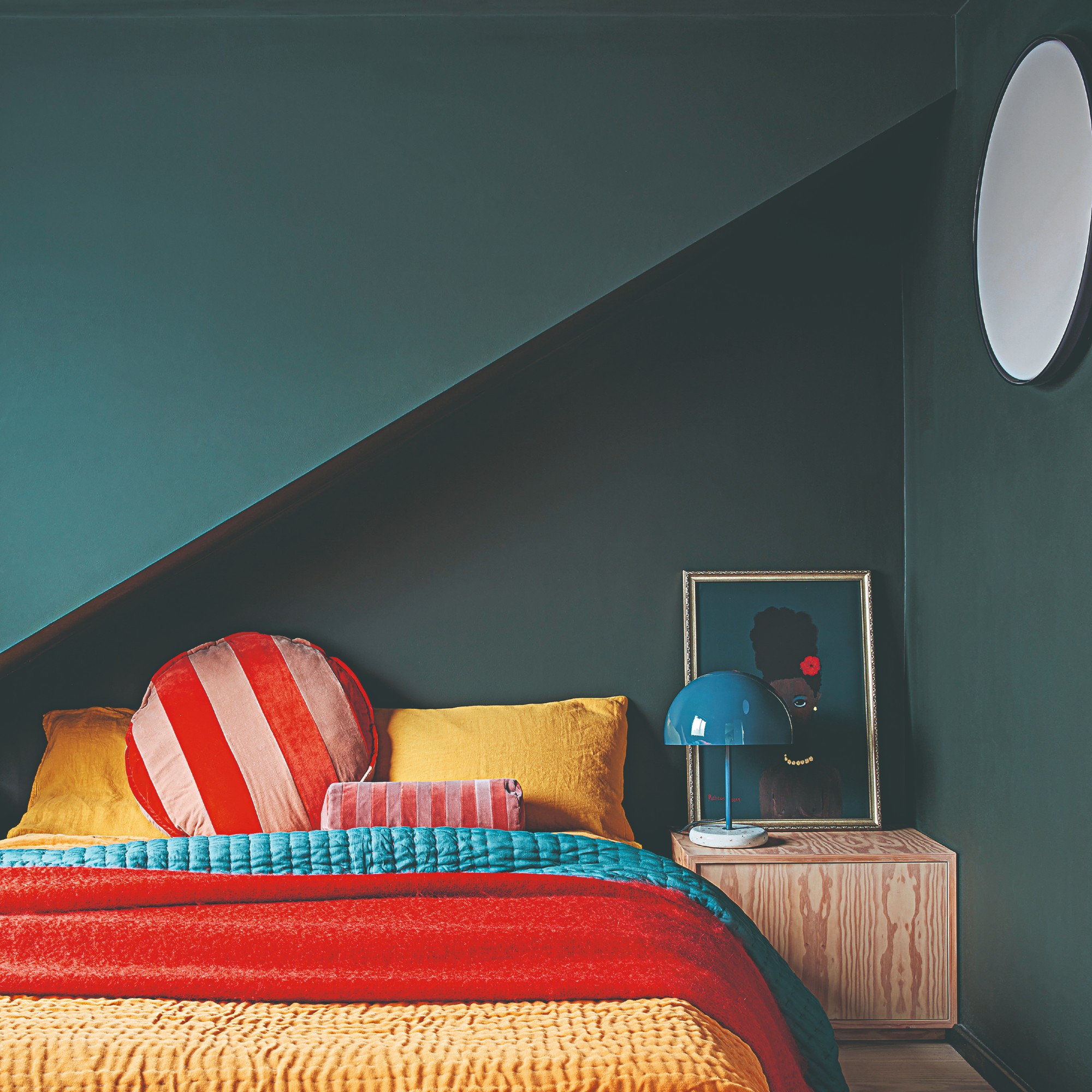
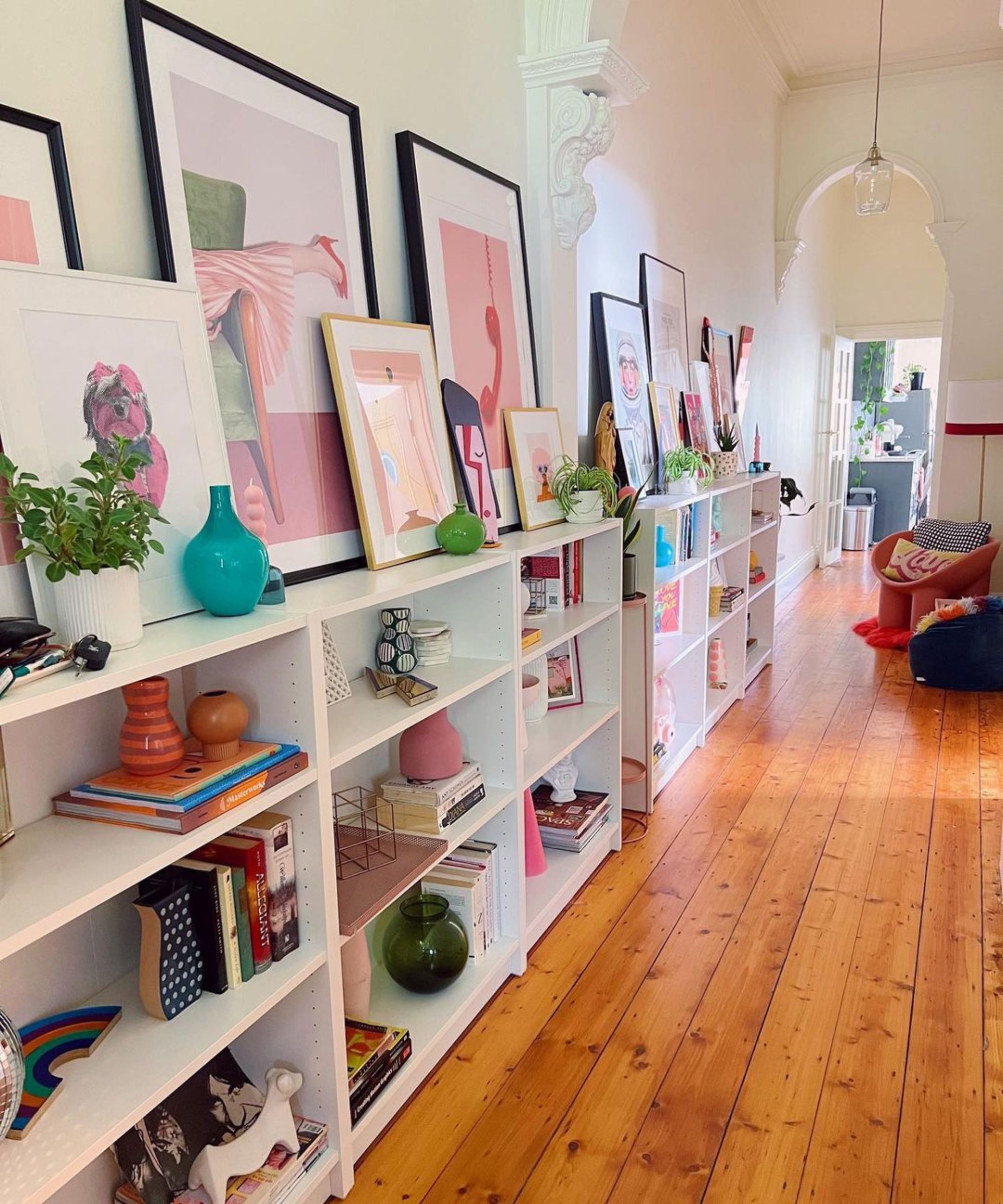
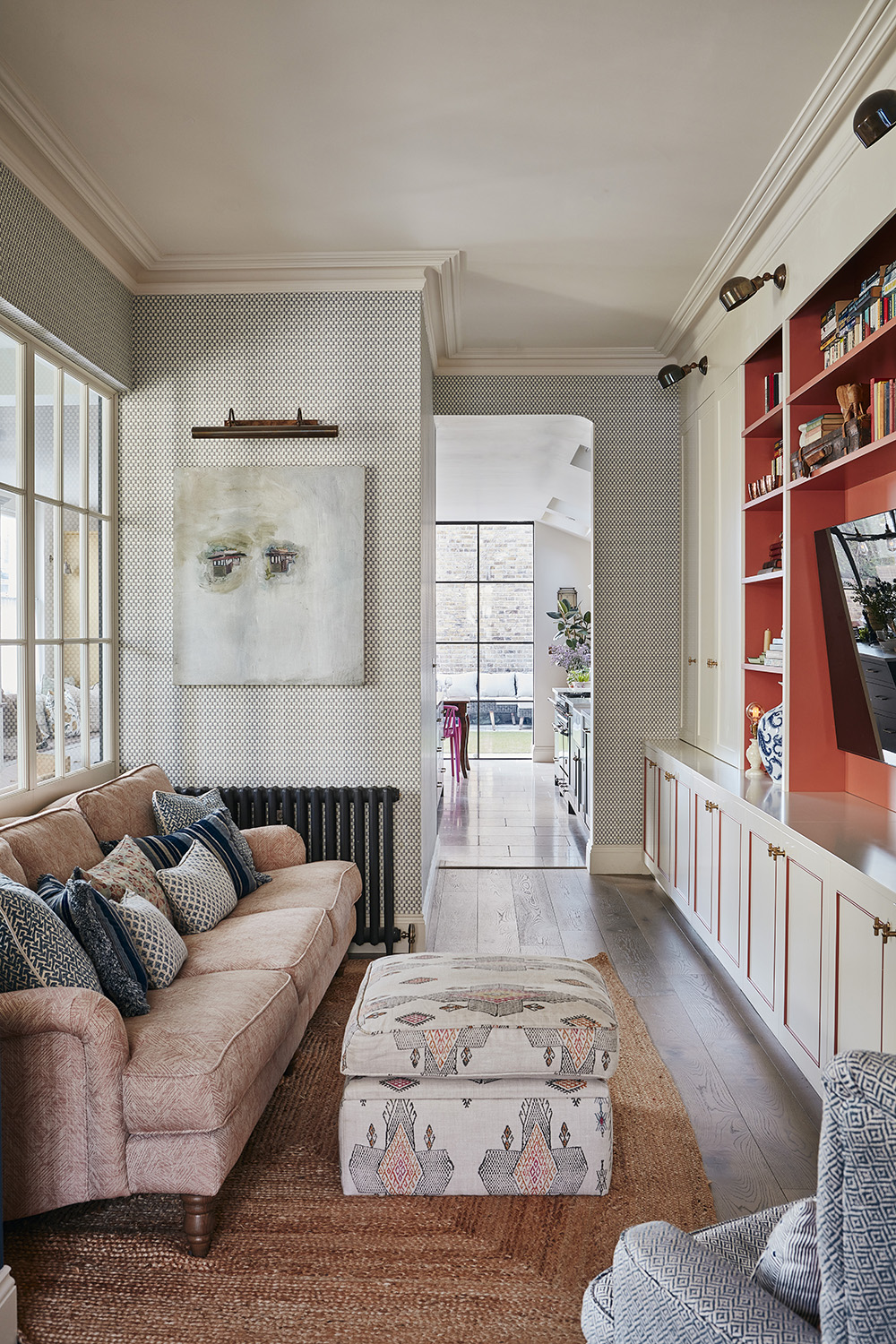
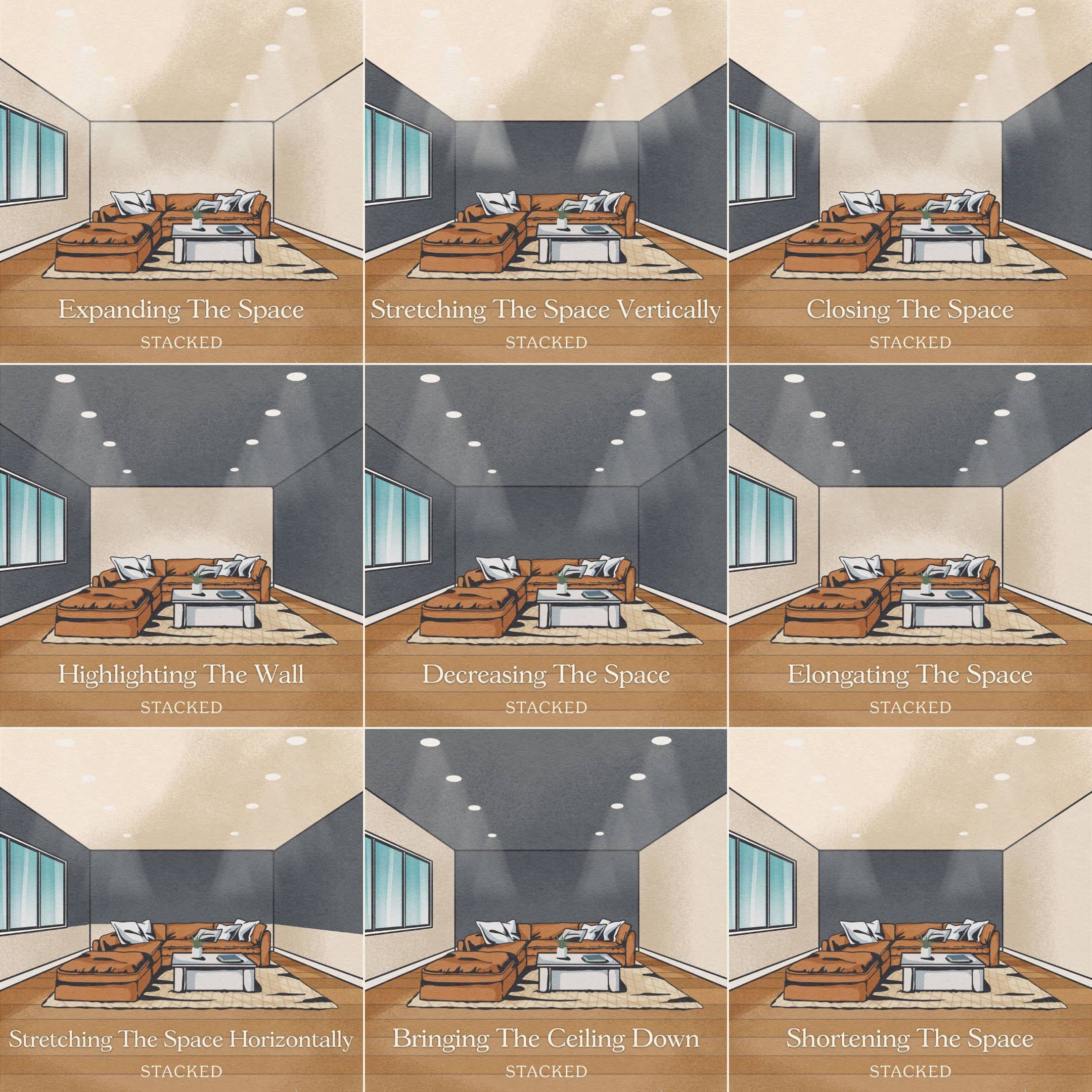
Lighter wall colors are also recommended to amplify light and enhance the feeling of space. Deep, moody hues can make an entryway feel smaller, whereas light paint colors or subtle wallpapers, such as grasscloth, reflect light more effectively. These choices add interest and texture without overpowering the space.
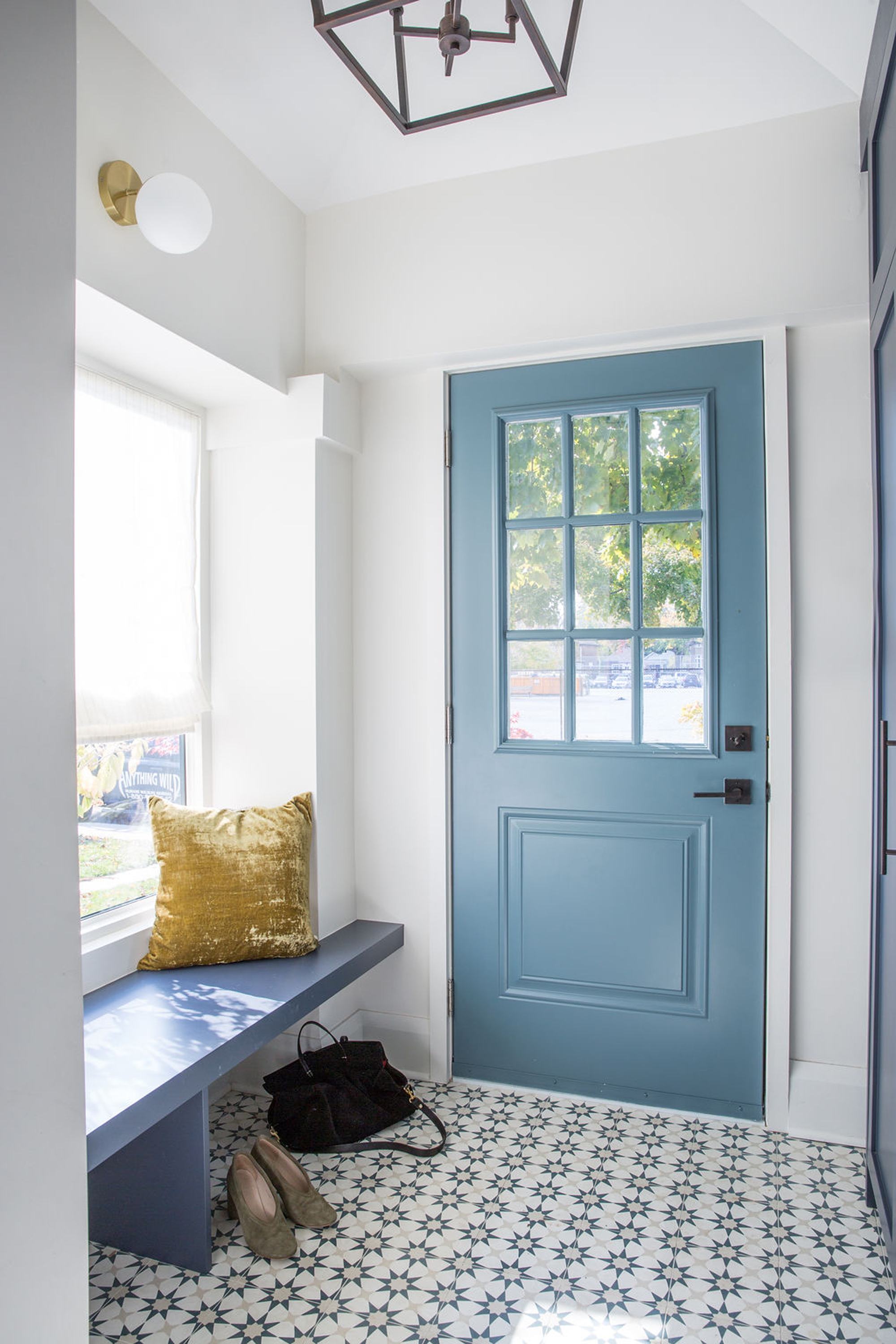
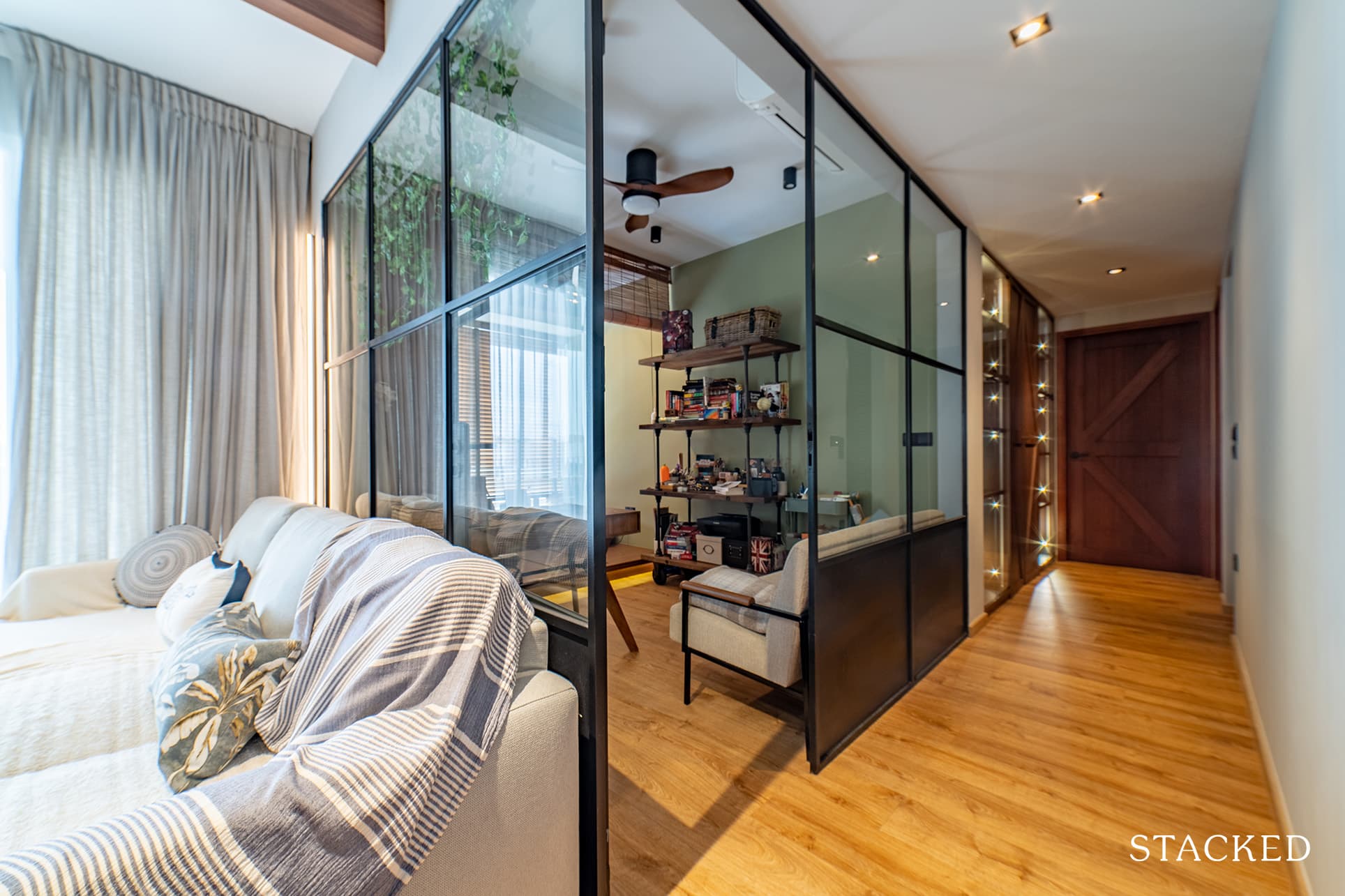
Finally, careful consideration of window coverings is important for entryways with windows. Heavy curtains should be avoided in favor of lighter, airier options. These allow maximum natural light penetration, instantly making the area feel more open and spacious. By implementing these seven lighting and design tricks, a small entryway can be transformed to feel considerably larger and more welcoming.
#EntrywayLighting #SmallSpaceDesign #InteriorDesignTips #LightingDesign #HomeDecor #MirrorsInDesign #ColorTemperature #SkylightInstallation #WallColors #EntrywayLighting #SmallSpaceDesign #InteriorDesignTips #LightingDesign #HomeDecor #MirrorsInDesign #ColorTemperature #SkylightInstallation #WallColors
0 comment in total
 No comments yet
You may also like
How do you make a small entryway look bigger? This is how designers tackle tiny, dark spaces
5 small entryway lighting mistakes — experts share what to avoid

How to make small spaces look bigger
Interior Designers Share Their Secrets for Upgrading Home Lighting—Without Breaking the Bank

How to make a small entryway look bigger, according to interior designers
9 Amazing Illusion Tricks To Make A Small Space Look Bigger
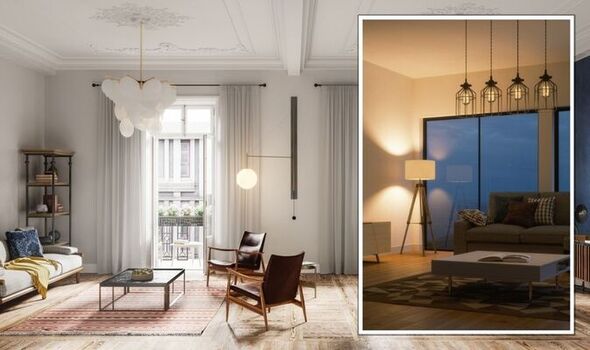
‘Clever design tricks’ can create the illusion of space in homes - ‘feels much larger’
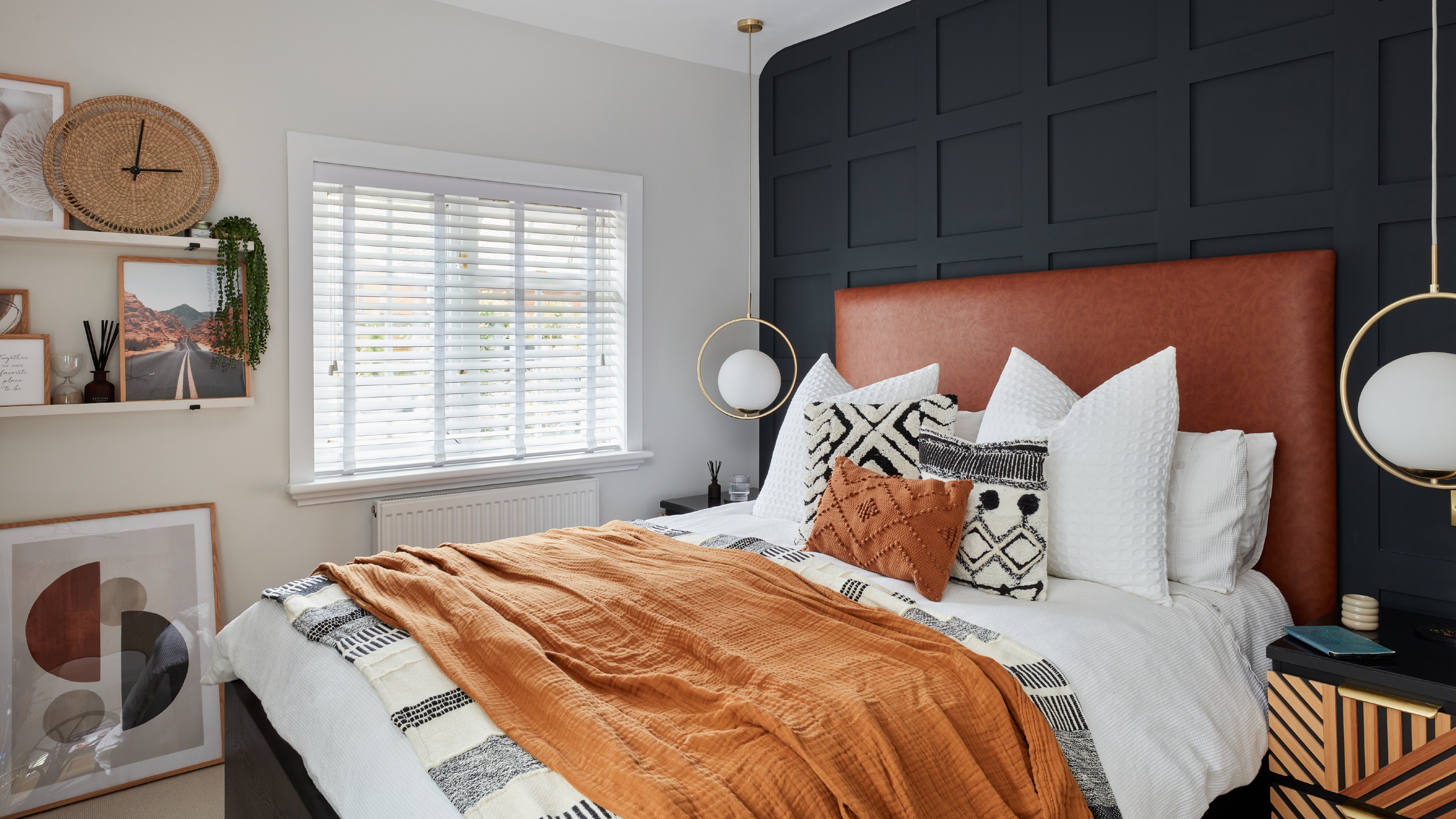
15 small bedroom lighting ideas to make your tiny space look bigger and brighter
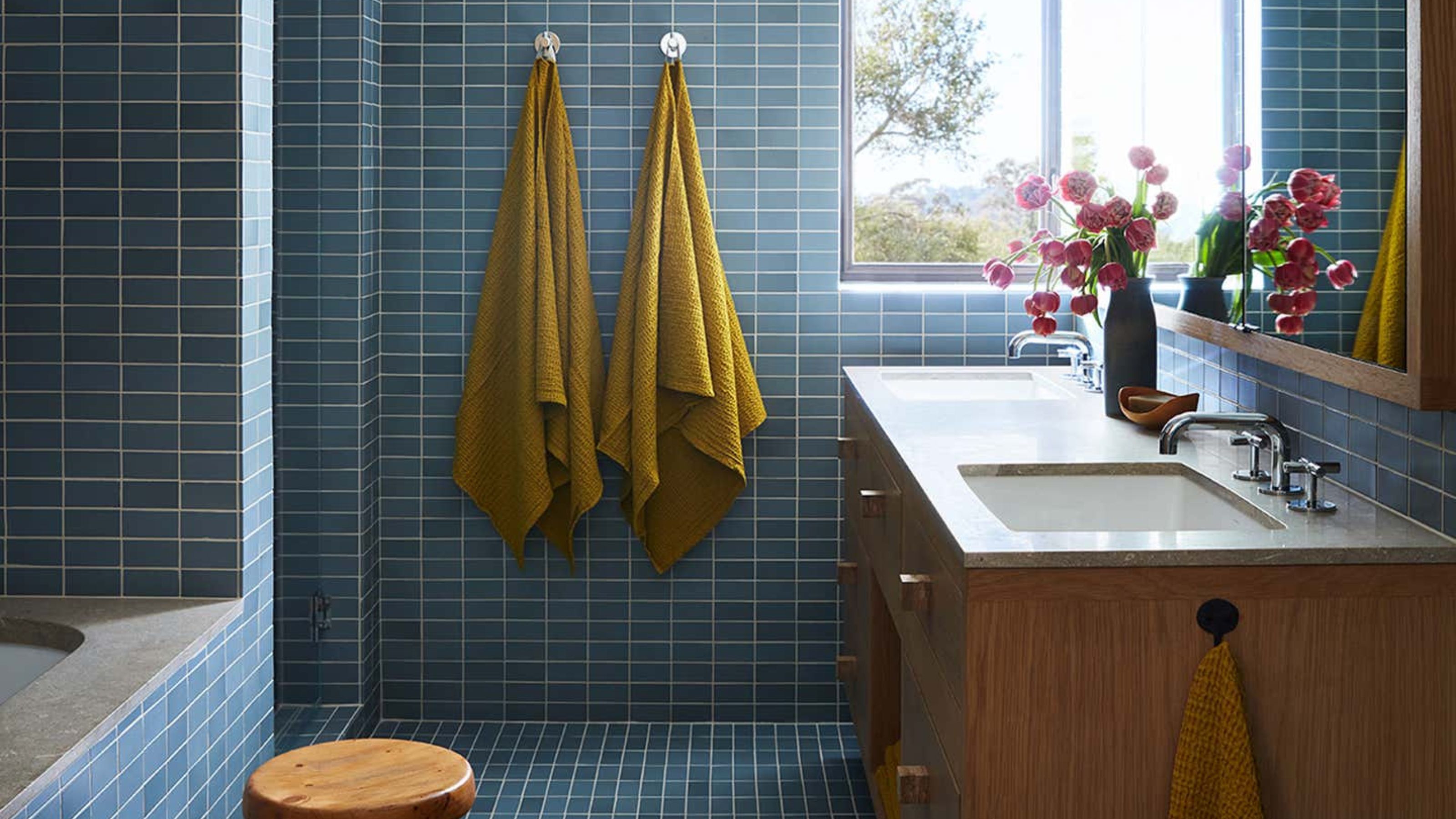
7 Lighting Tricks That Can Make Even a Small Bathroom Seem Bigger — Now Isn't That a Bright Idea
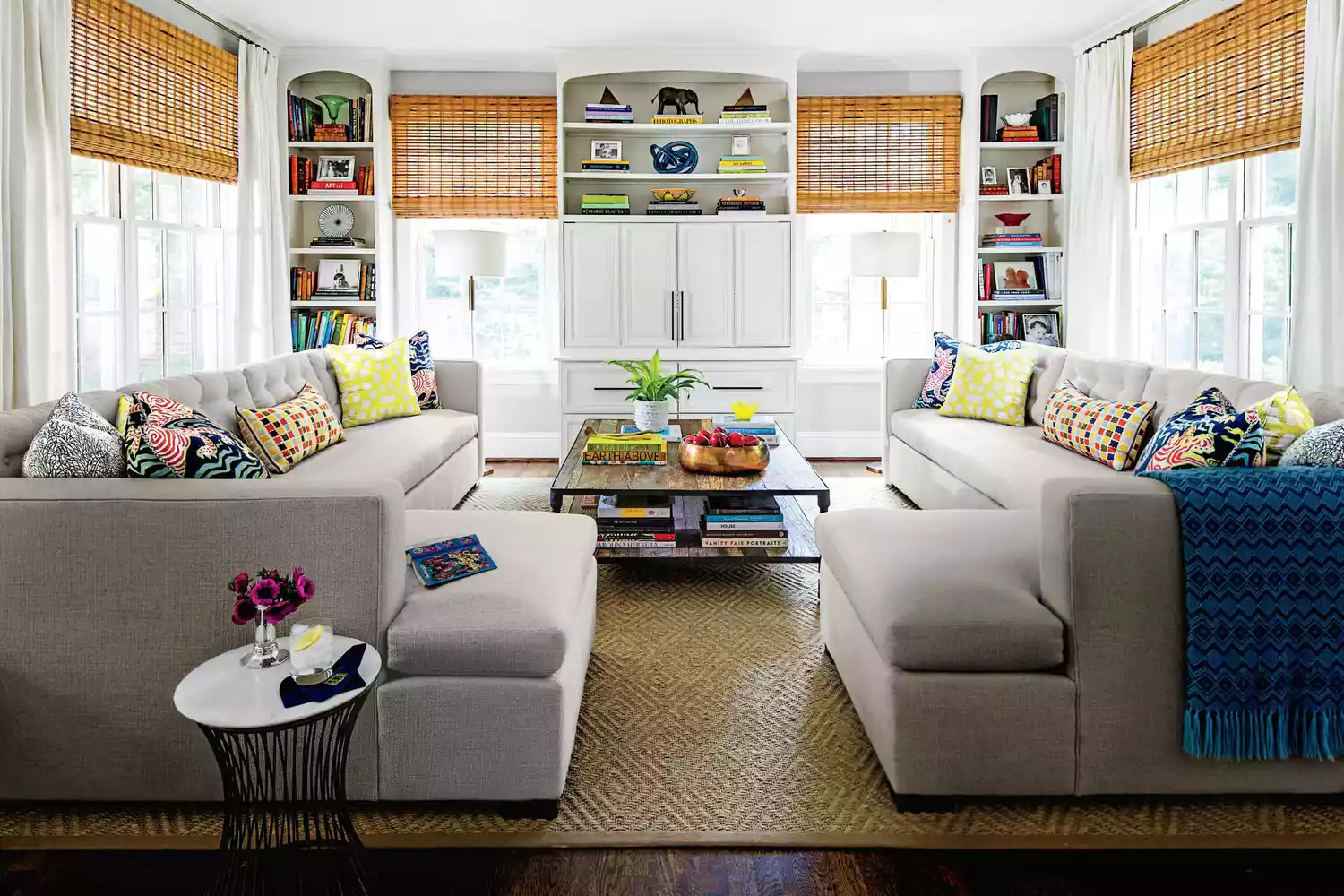
8 Ways To Make A Small Living Room Appear Larger
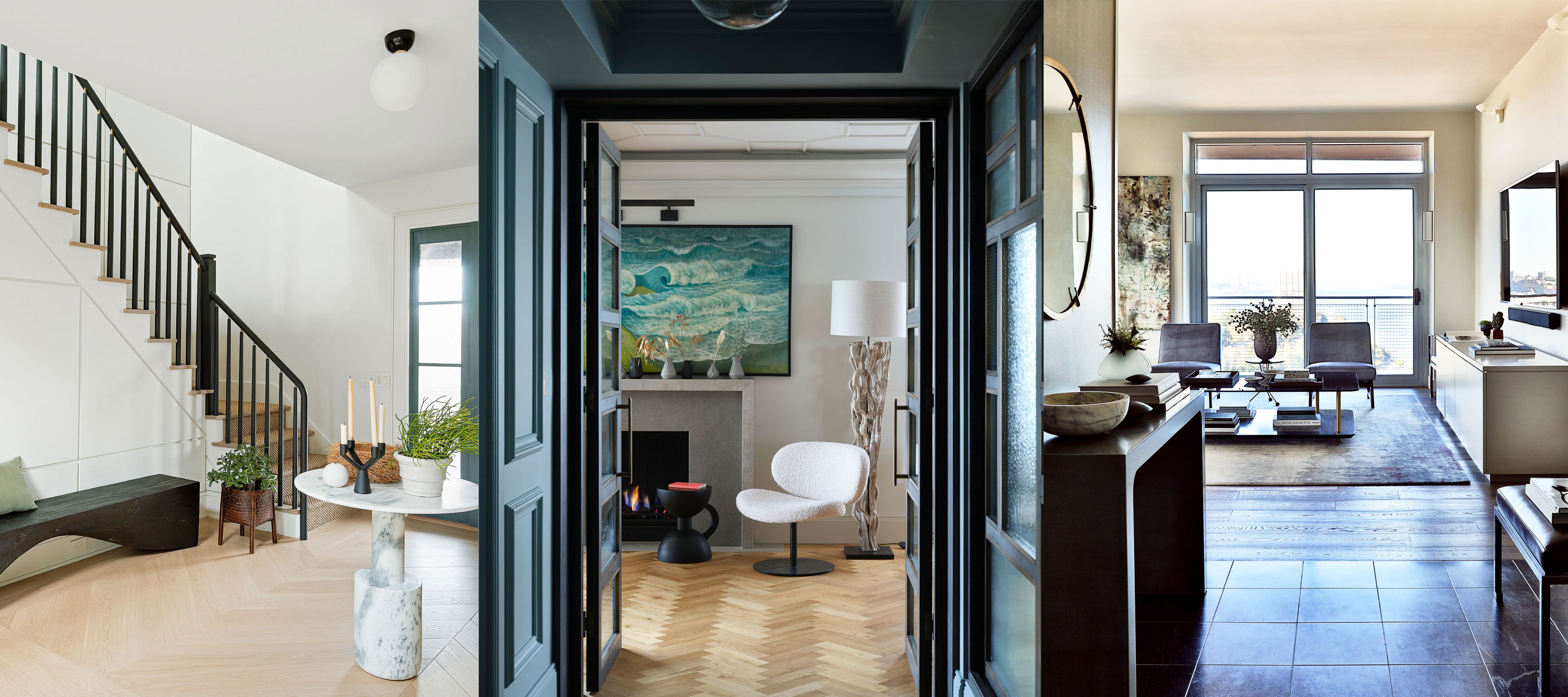
Narrow entryway ideas – 10 expert ways to make a long space seem wider

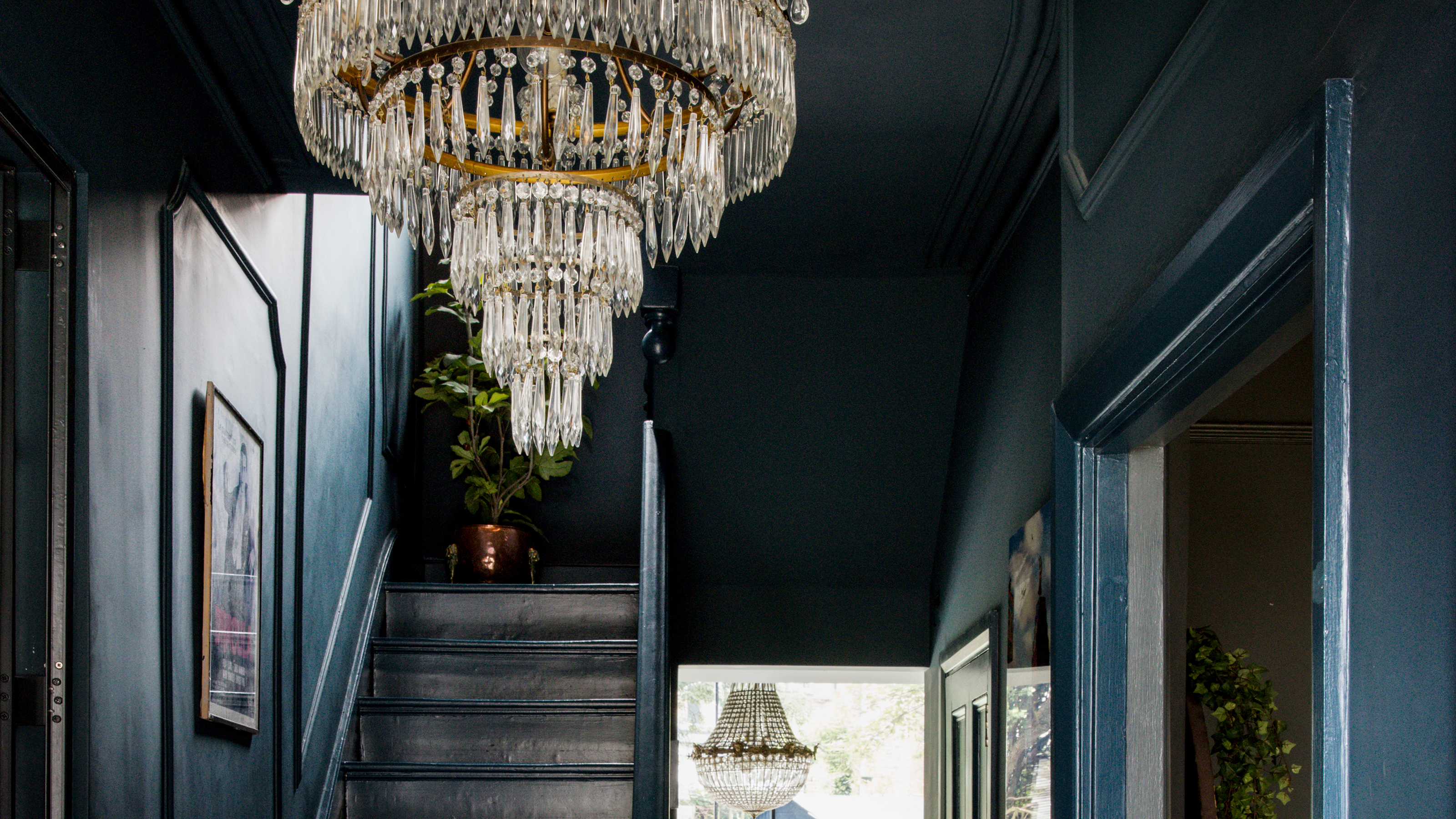
Experts reveal the one furnishing that will instantly make a small hallway feel bigger
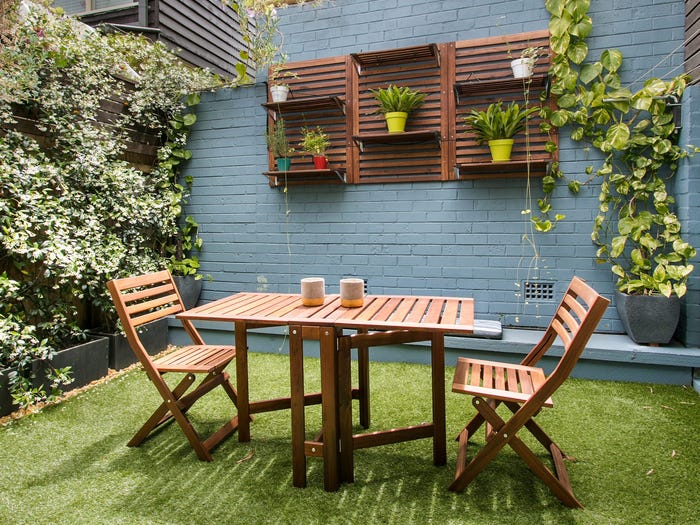
Interior designers share 11 low-cost ways to make a small outdoor space feel bigger
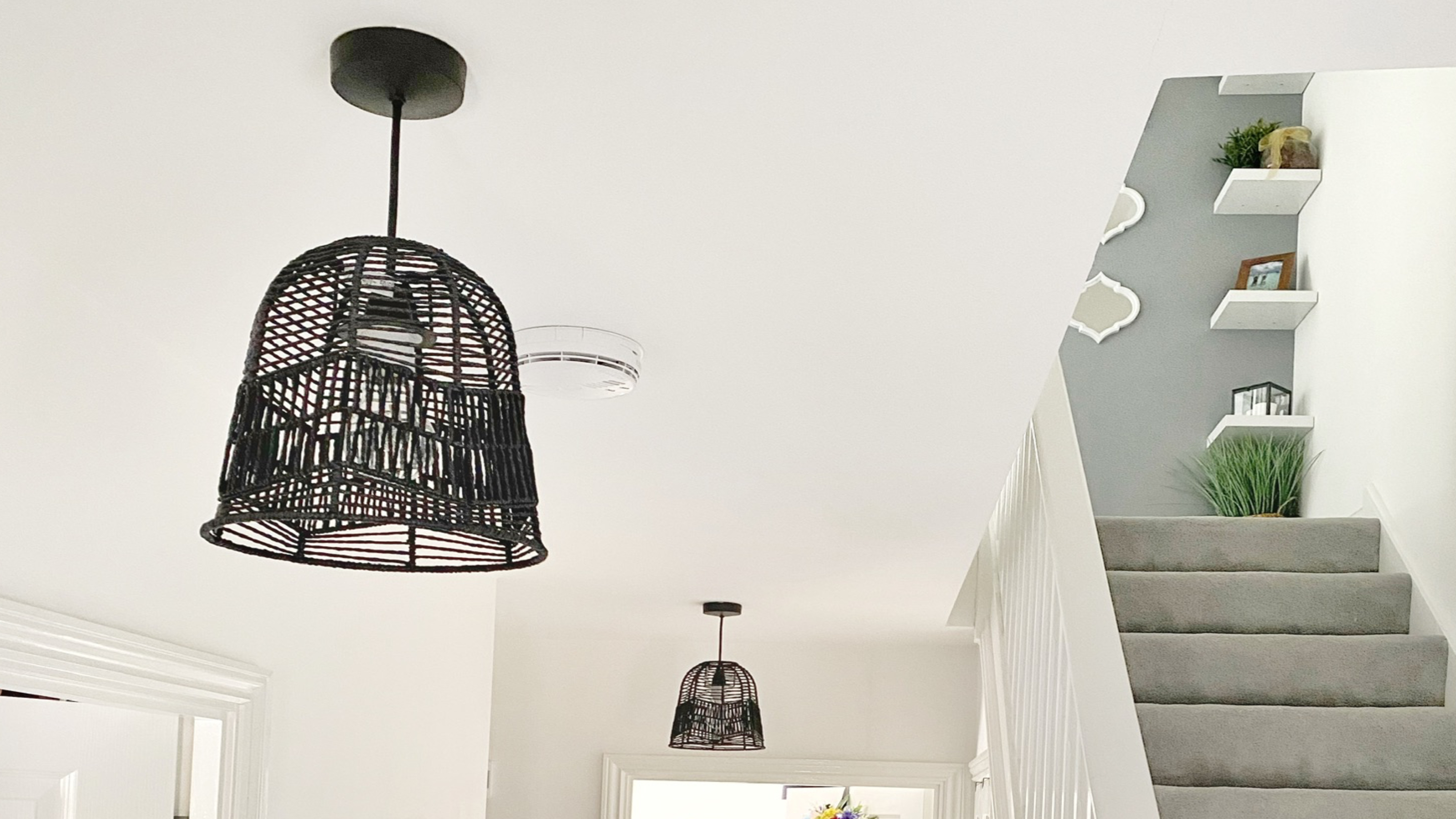
A simple DIY lighting hack made this hallway look so much more expensive
7 small living room lighting ideas — as glowy as they are beautiful

Don't make these 5 entryway decor mistakes
9 small entryway lighting ideas to brighten your home

Small hallway ideas – 38 ways to make your tiny entryway look both stylish and bigger than it really is
14 clever ways to make small rooms look bigger

These Simple Paint Tricks Can Make Even the Darkest Hallway Feel Bright