1/10
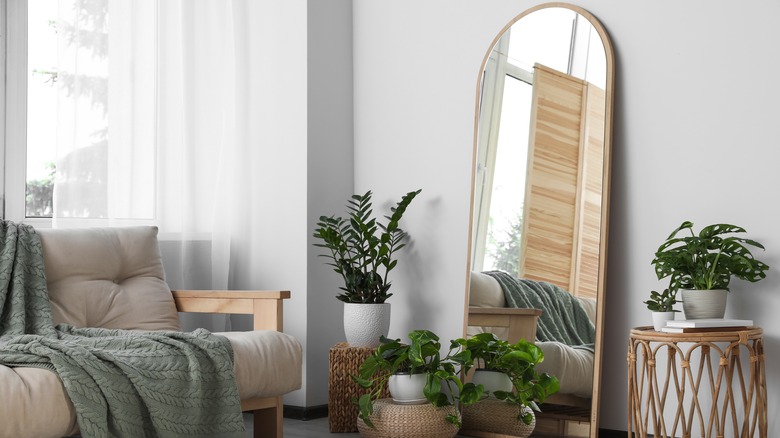
‘It will create a sense of balance and proportionality’ – if you’re buying a living room mirror, this is the sizing rule to follow
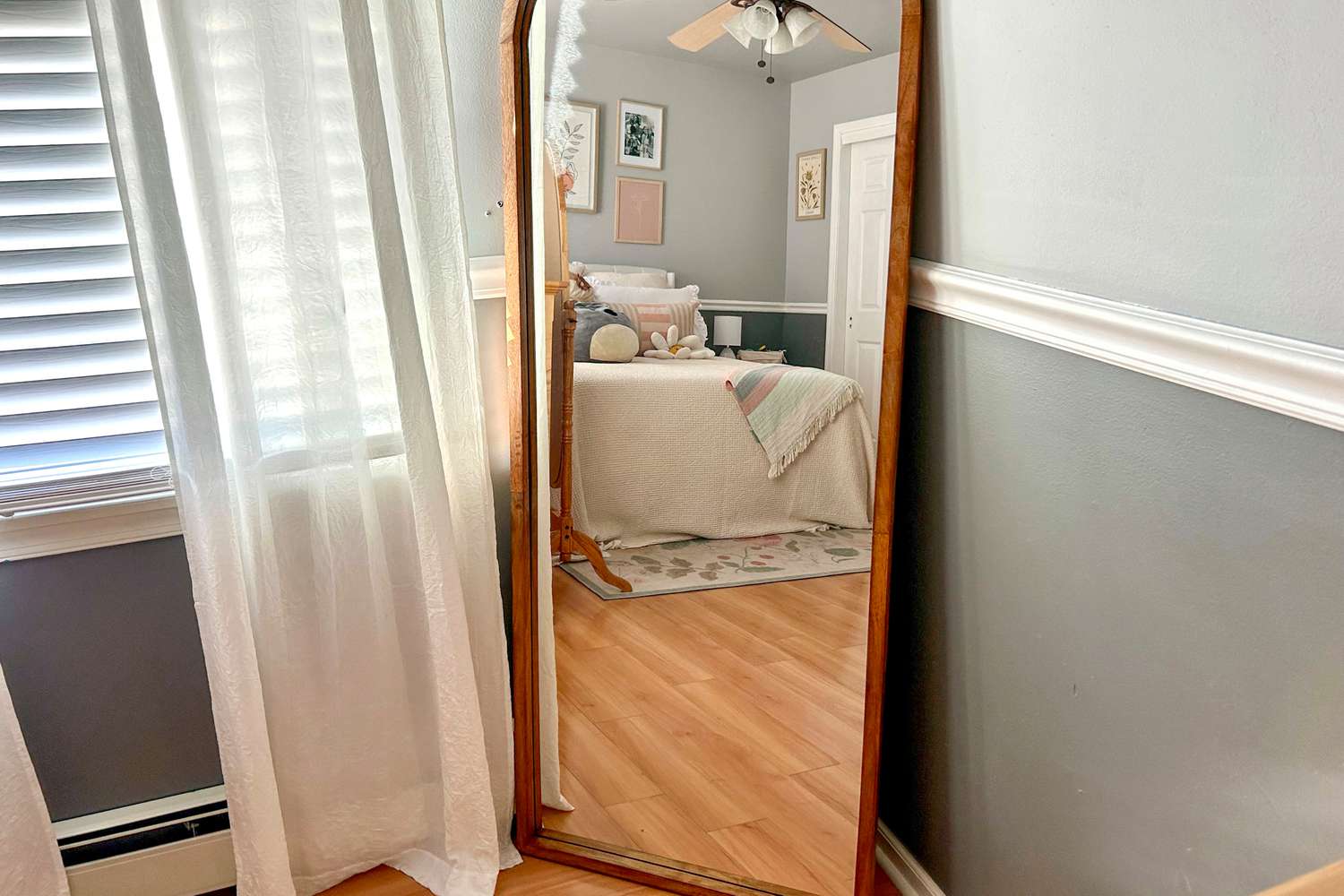
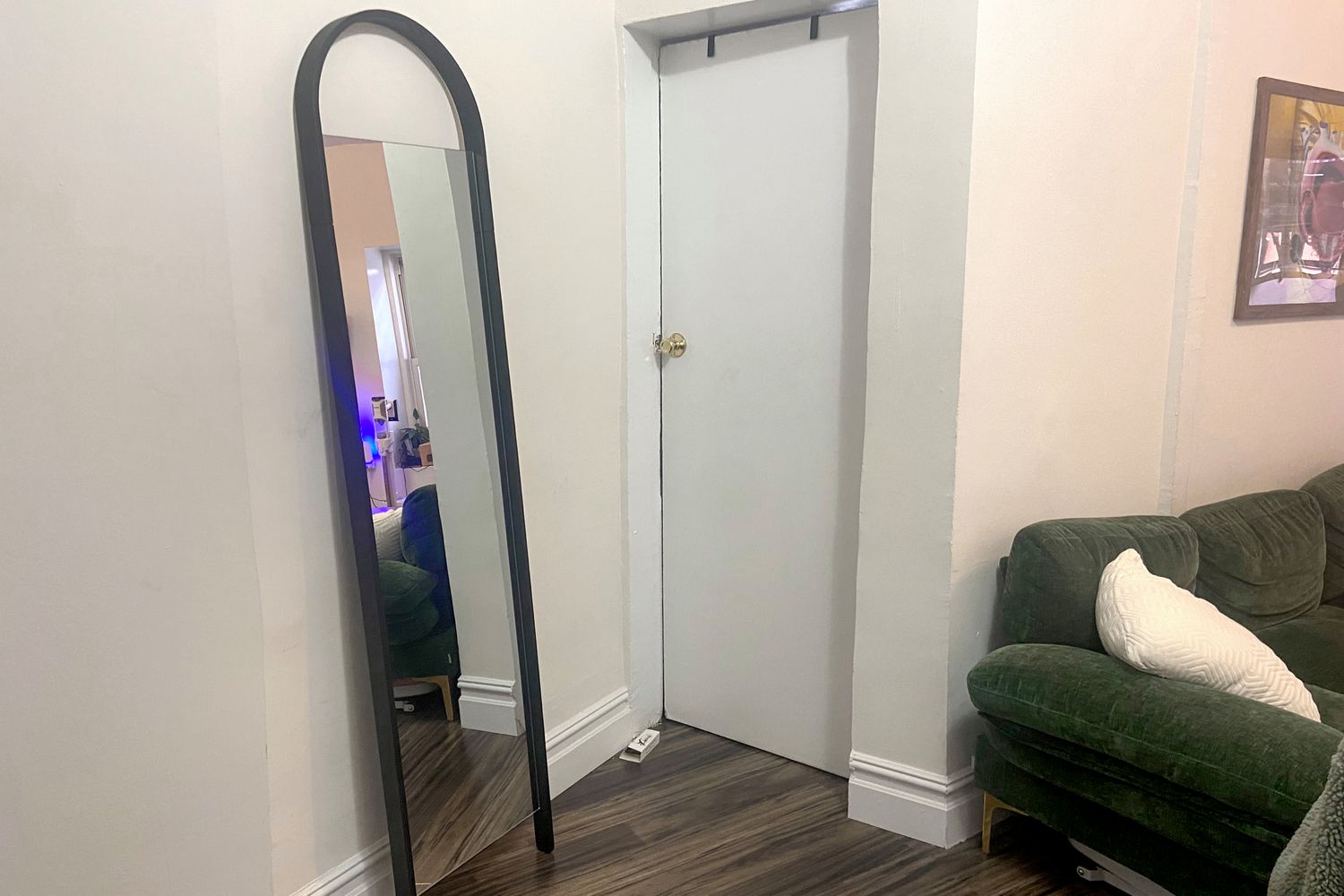
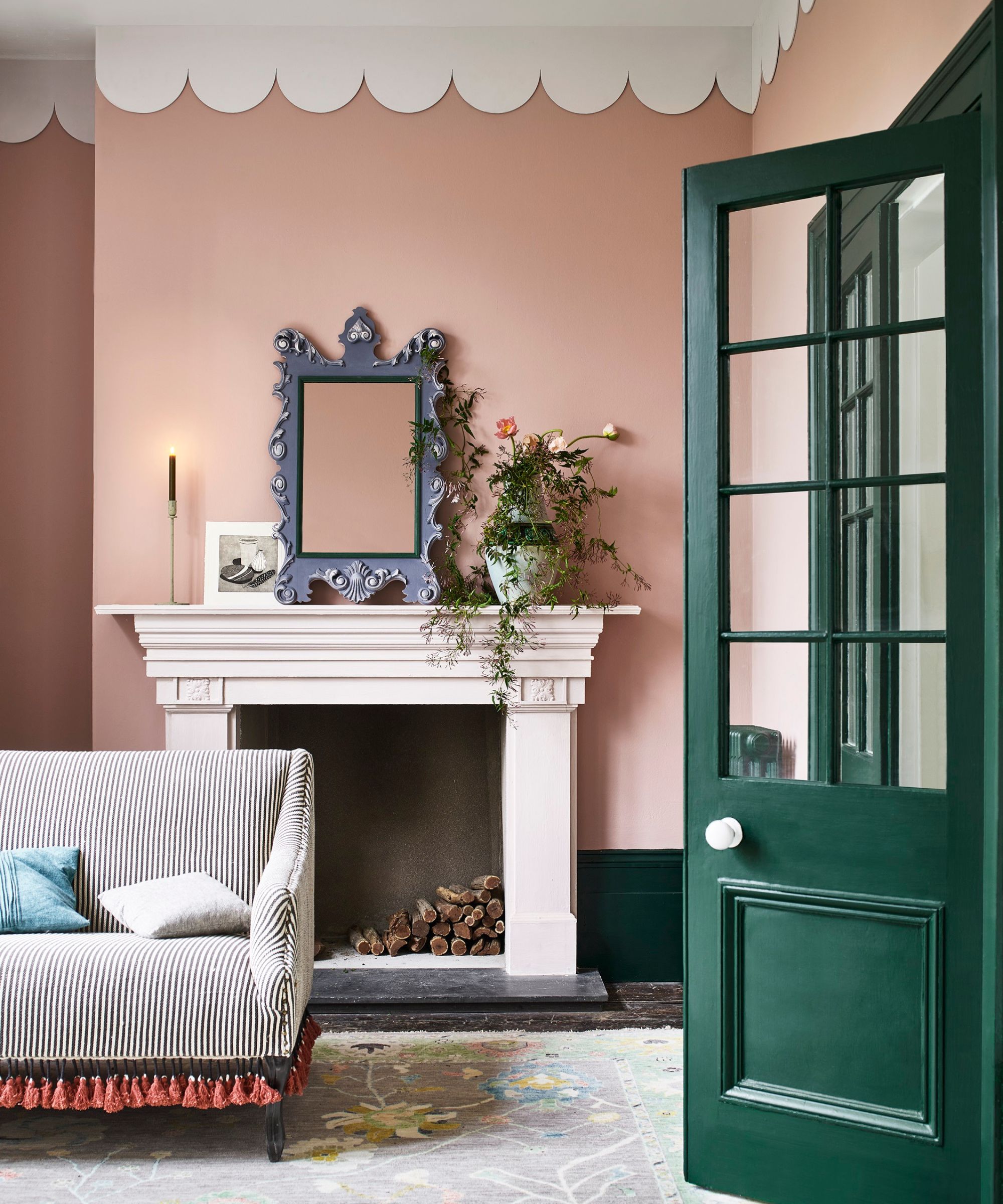
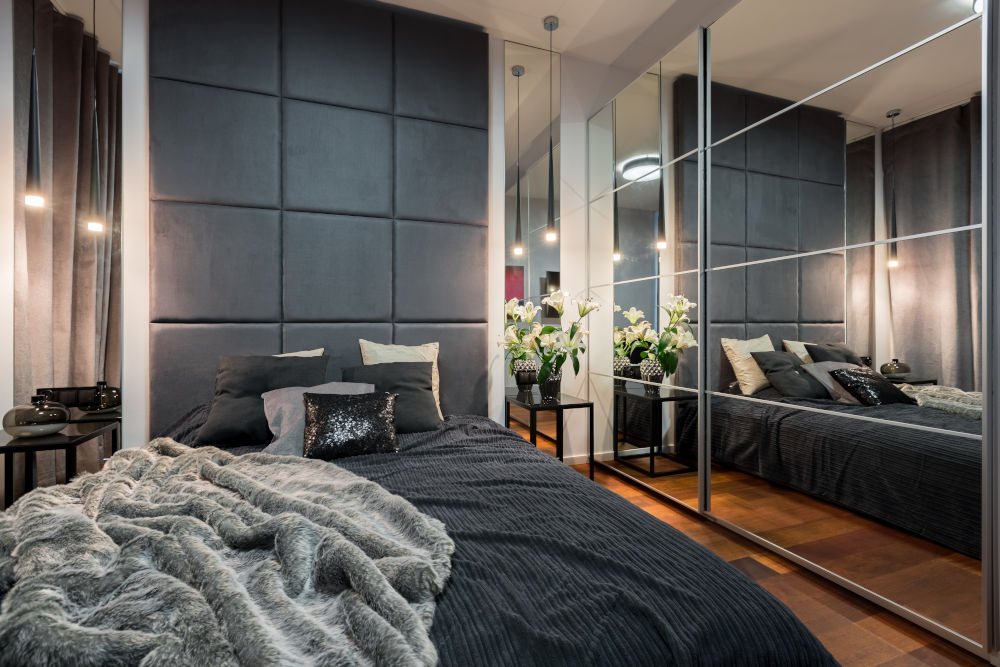
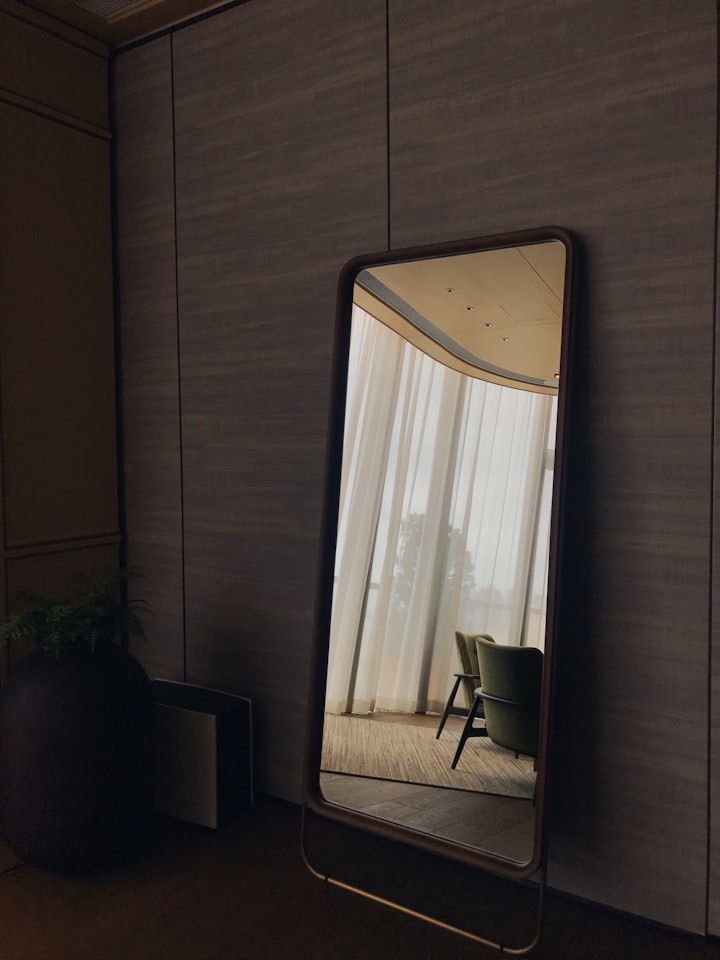
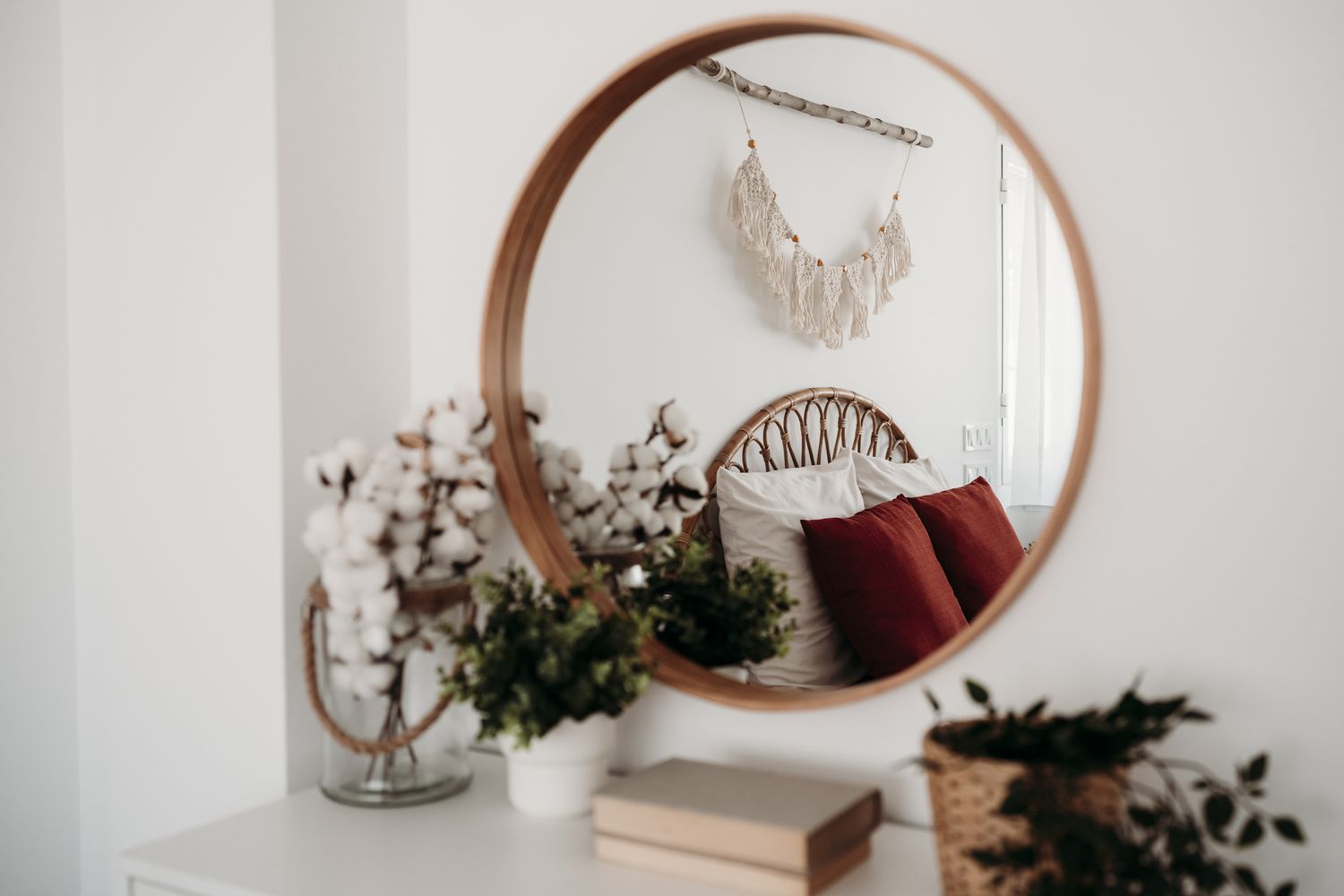
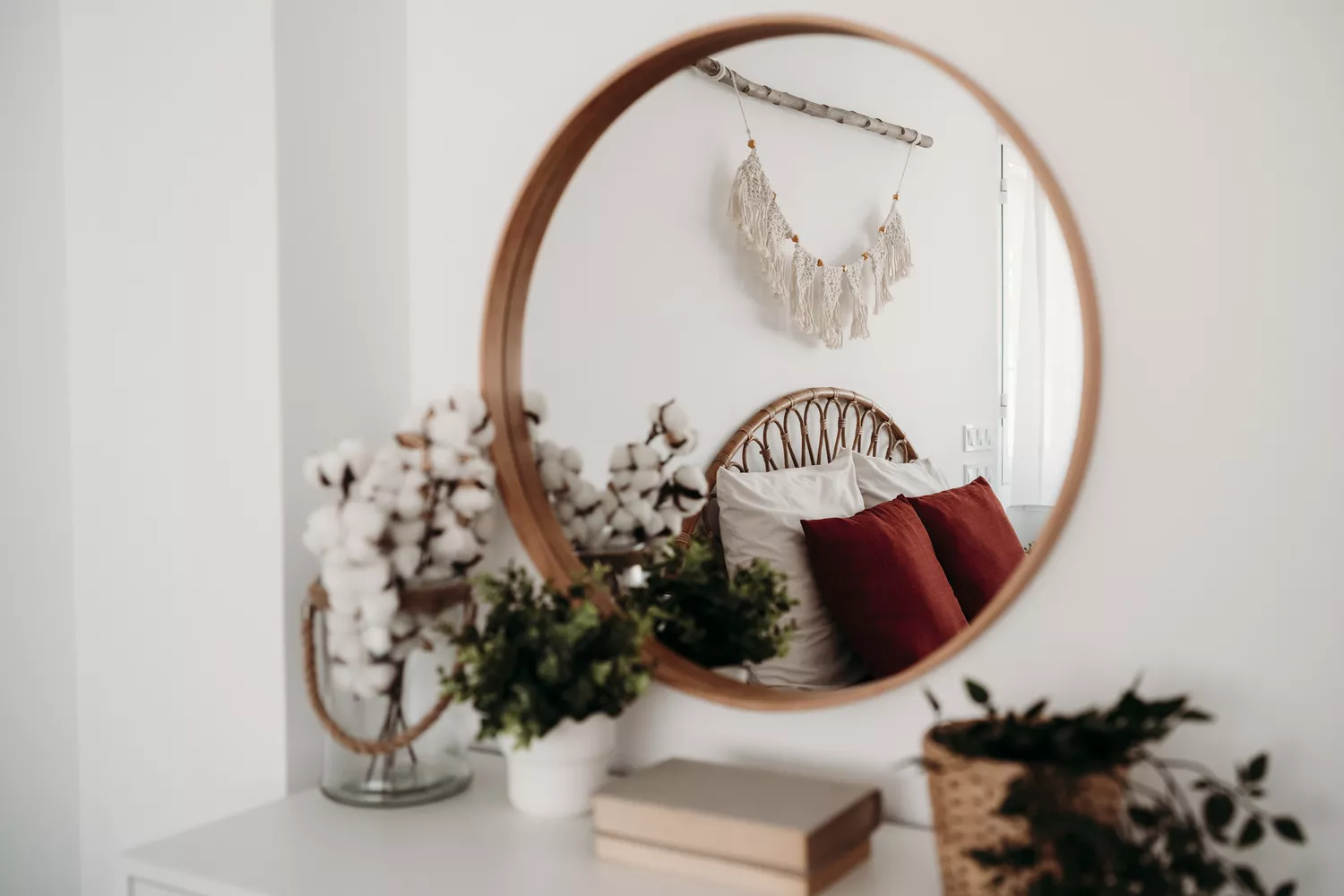
Living room mirrors are gaining significant popularity as a key element in home décor, with recent Google search trends indicating a growing interest in "decorative mirrors for living room" and "large wall mirror for living room." This surge in interest is attributed to the transformative power of mirrors in enhancing living spaces, making them appear brighter, larger, and more dynamic. Experts emphasize that mirrors serve both practical and aesthetic functions, reflecting light to create an open and inviting atmosphere, while also acting as focal points akin to artwork.
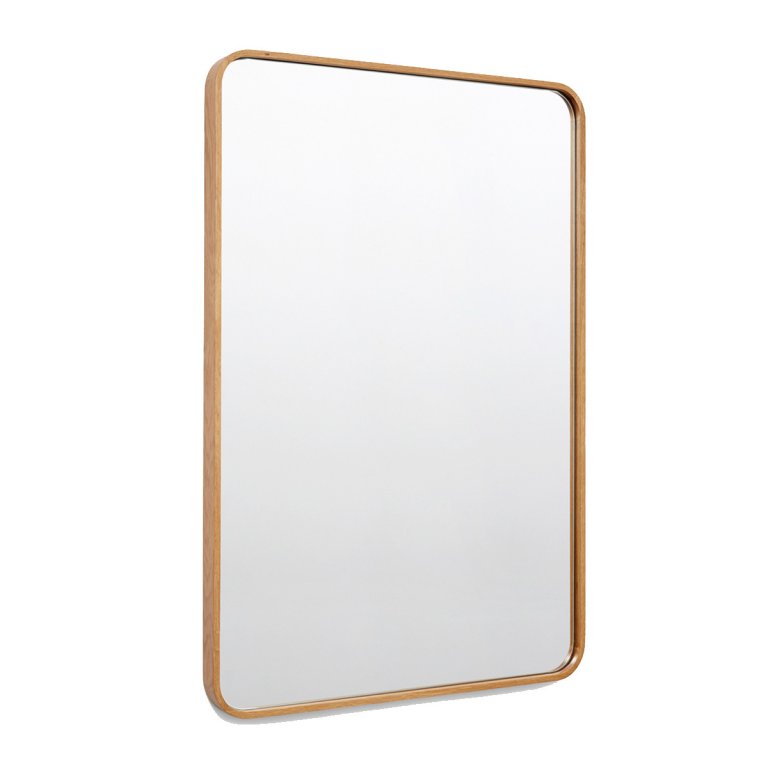
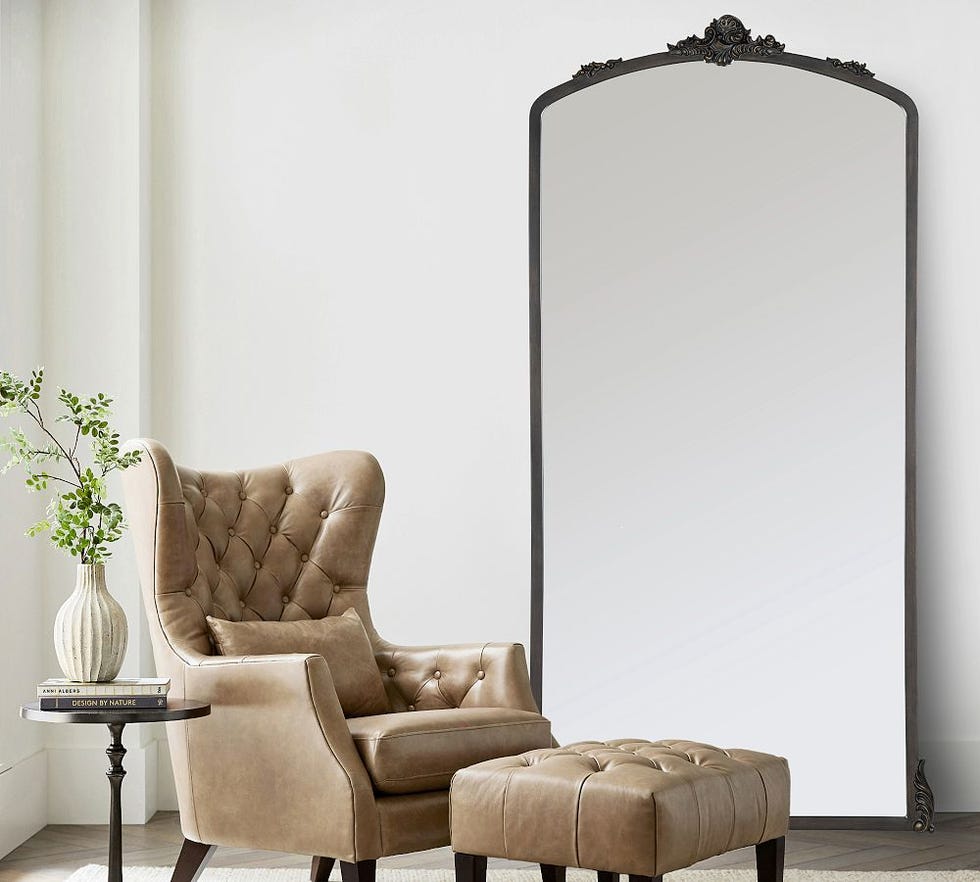
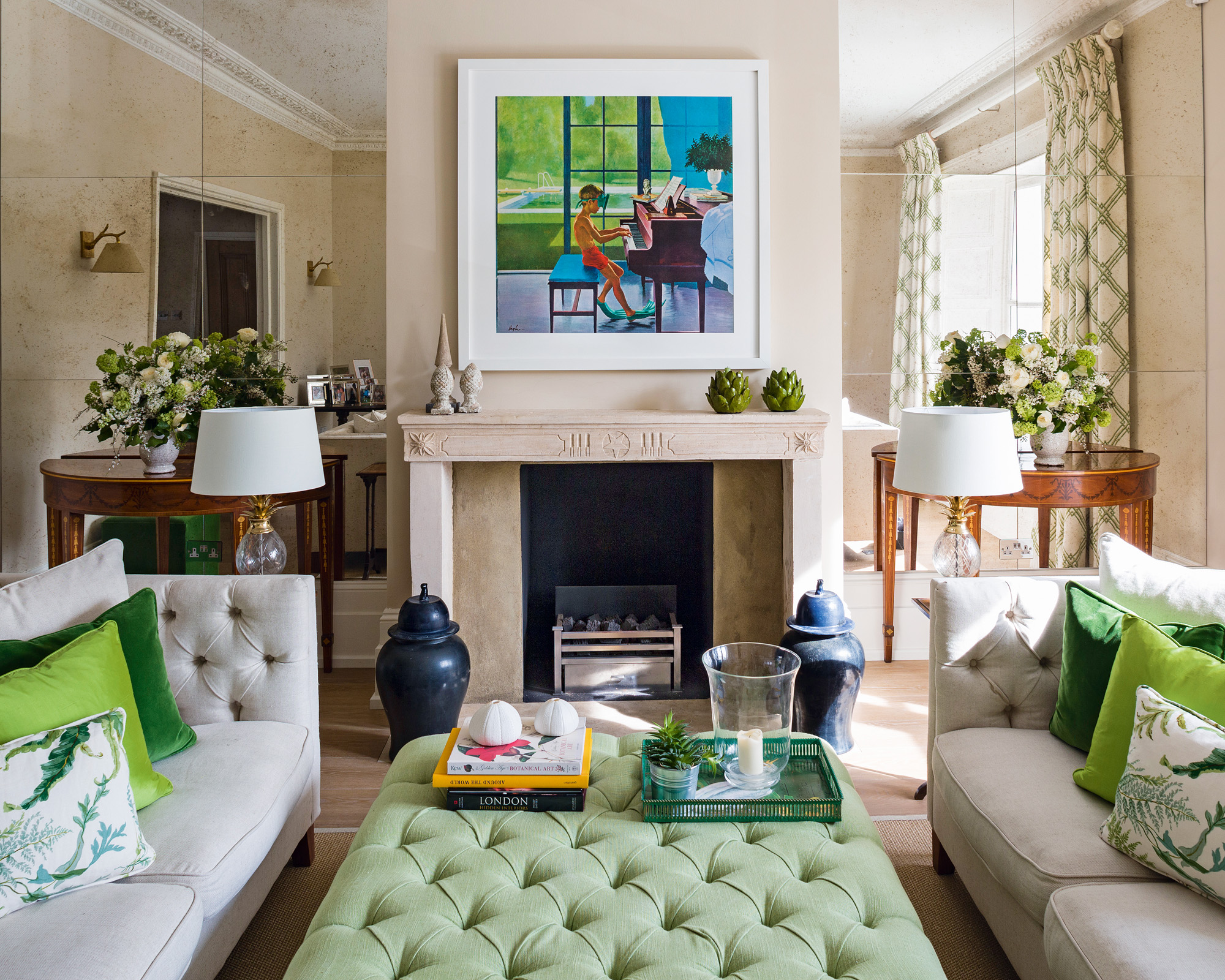
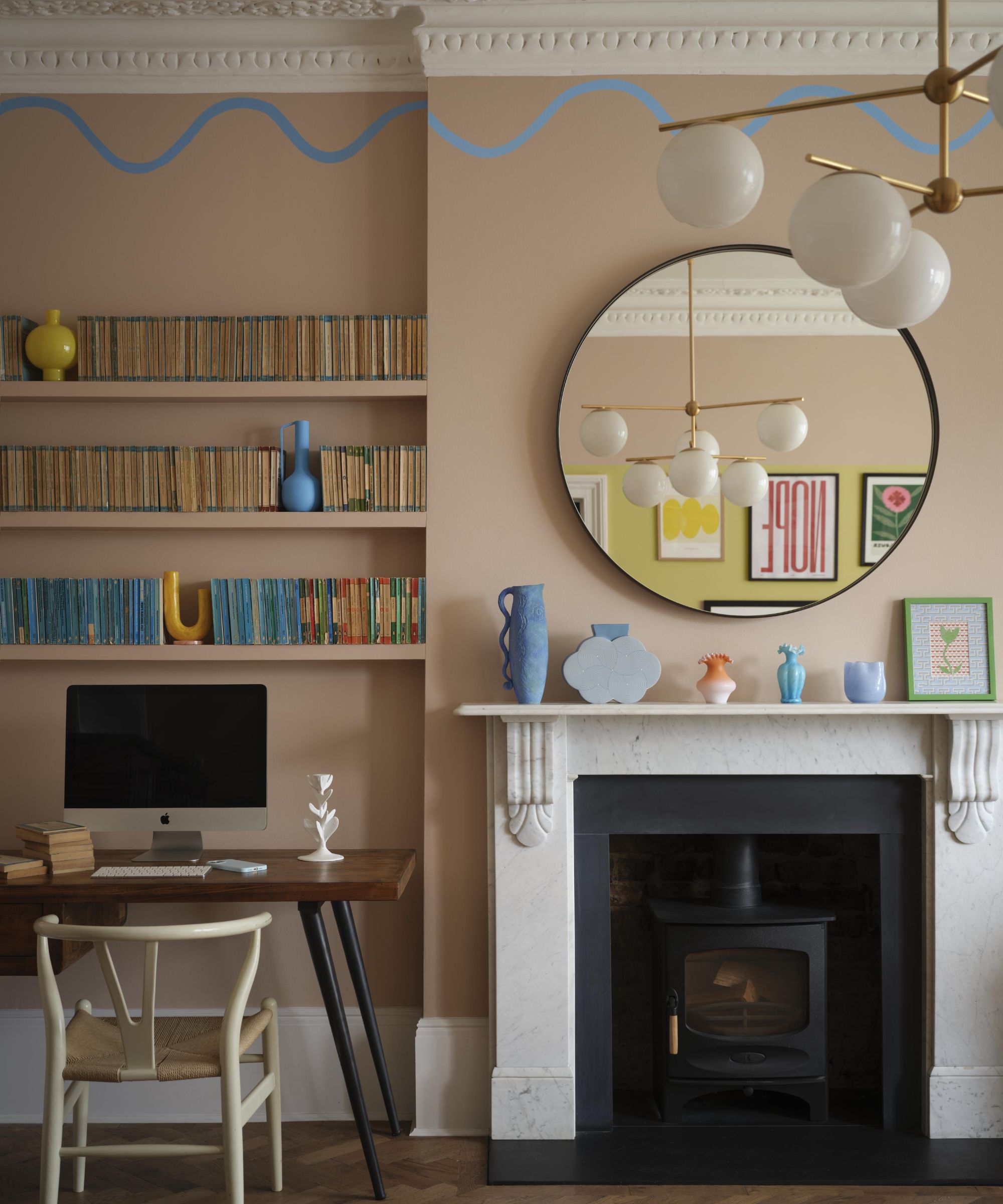
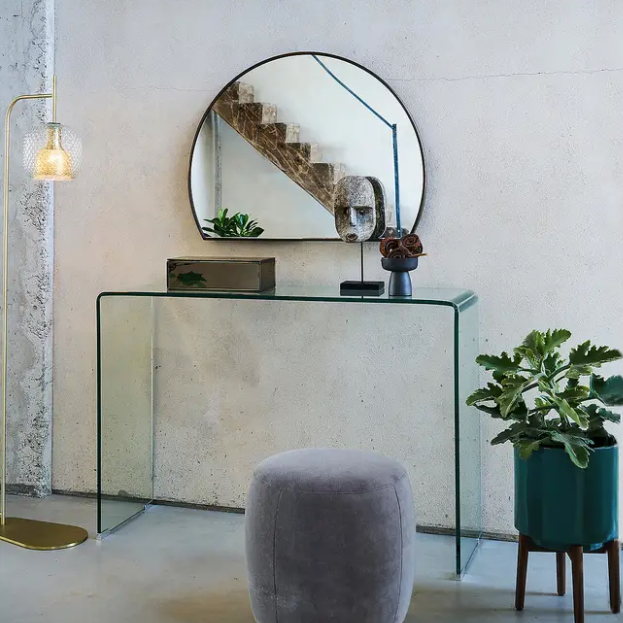
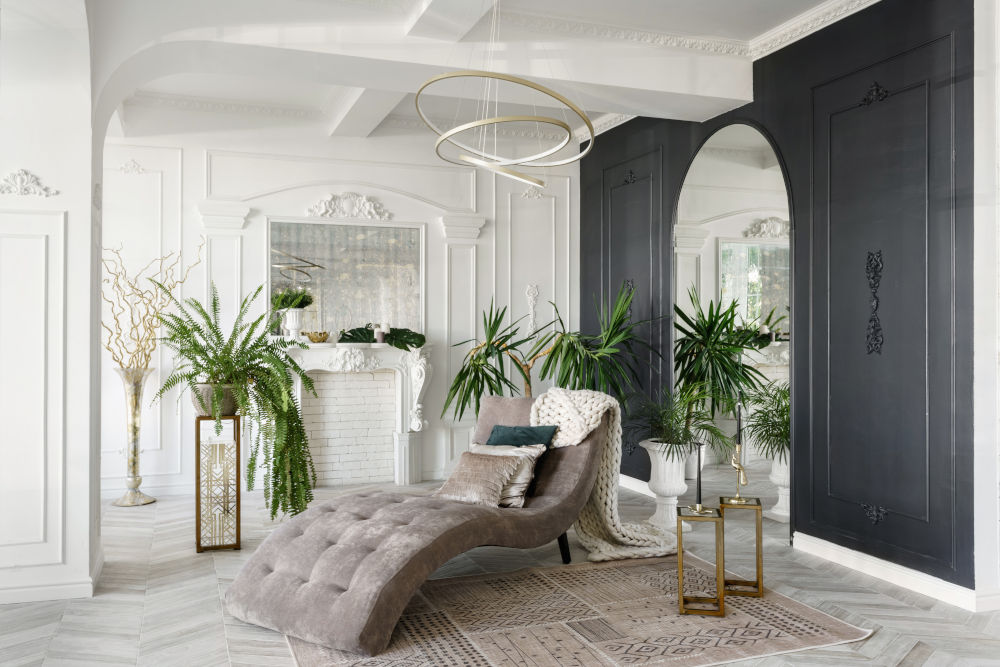
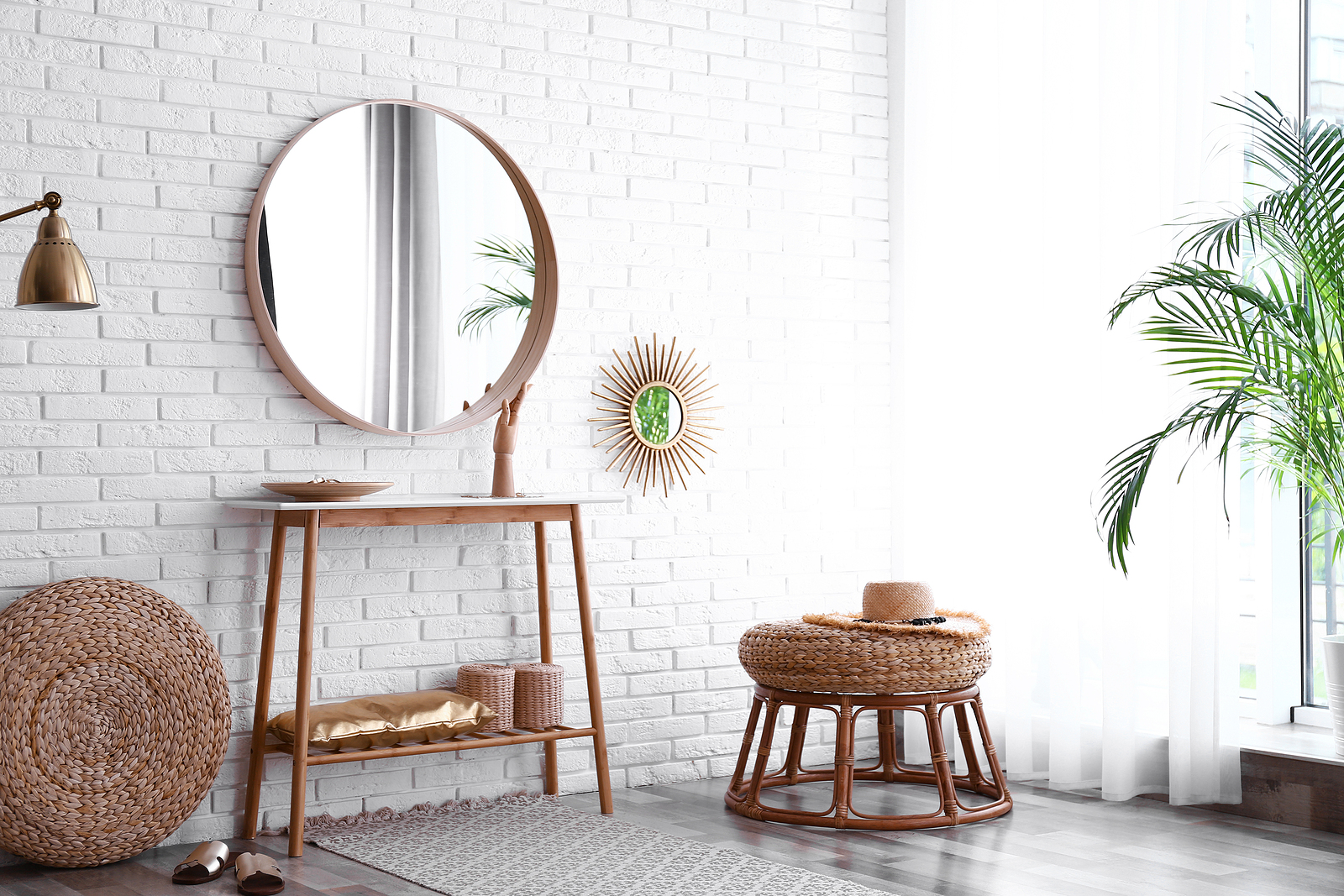
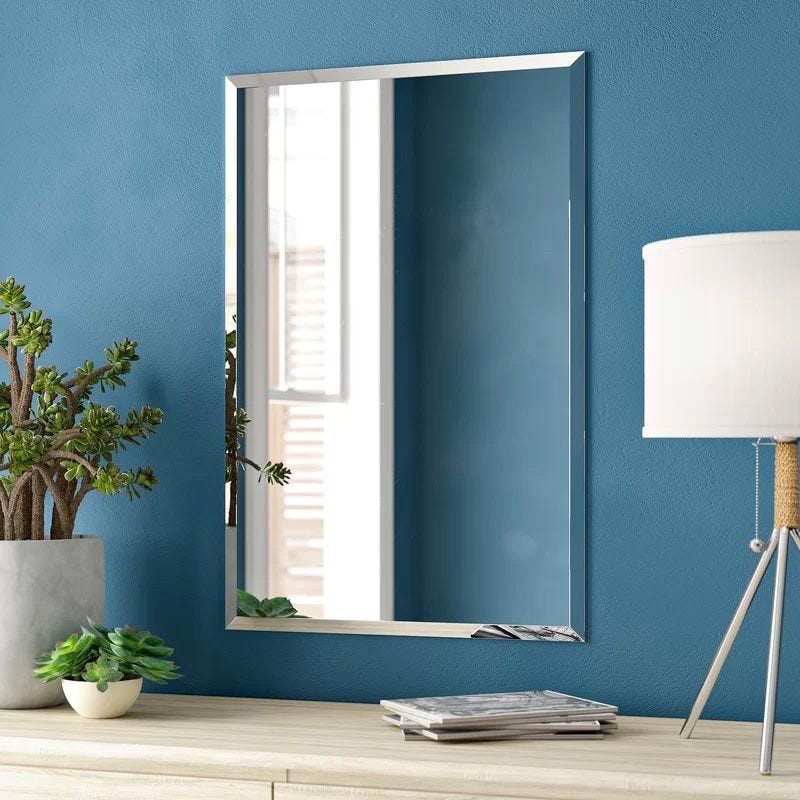
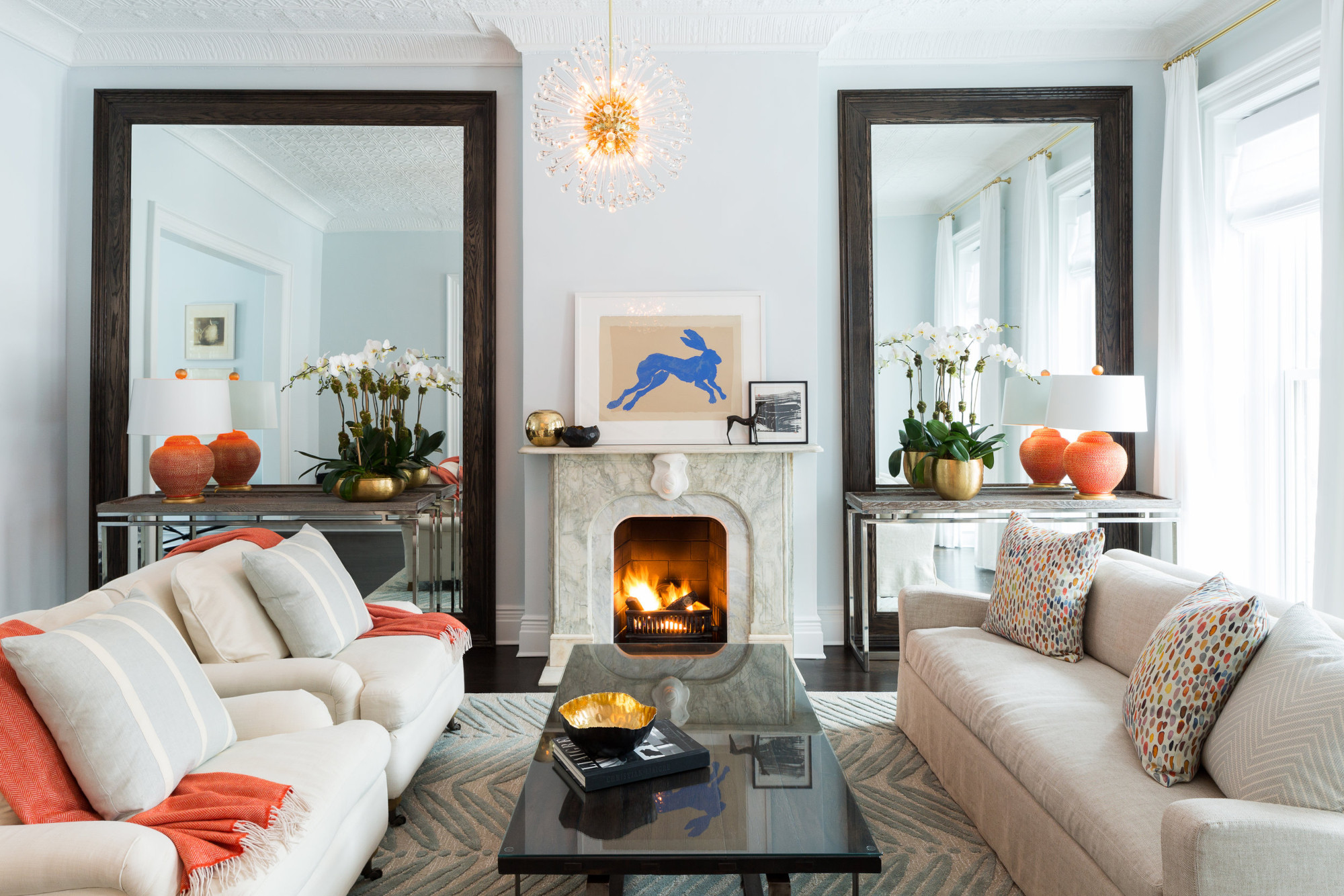
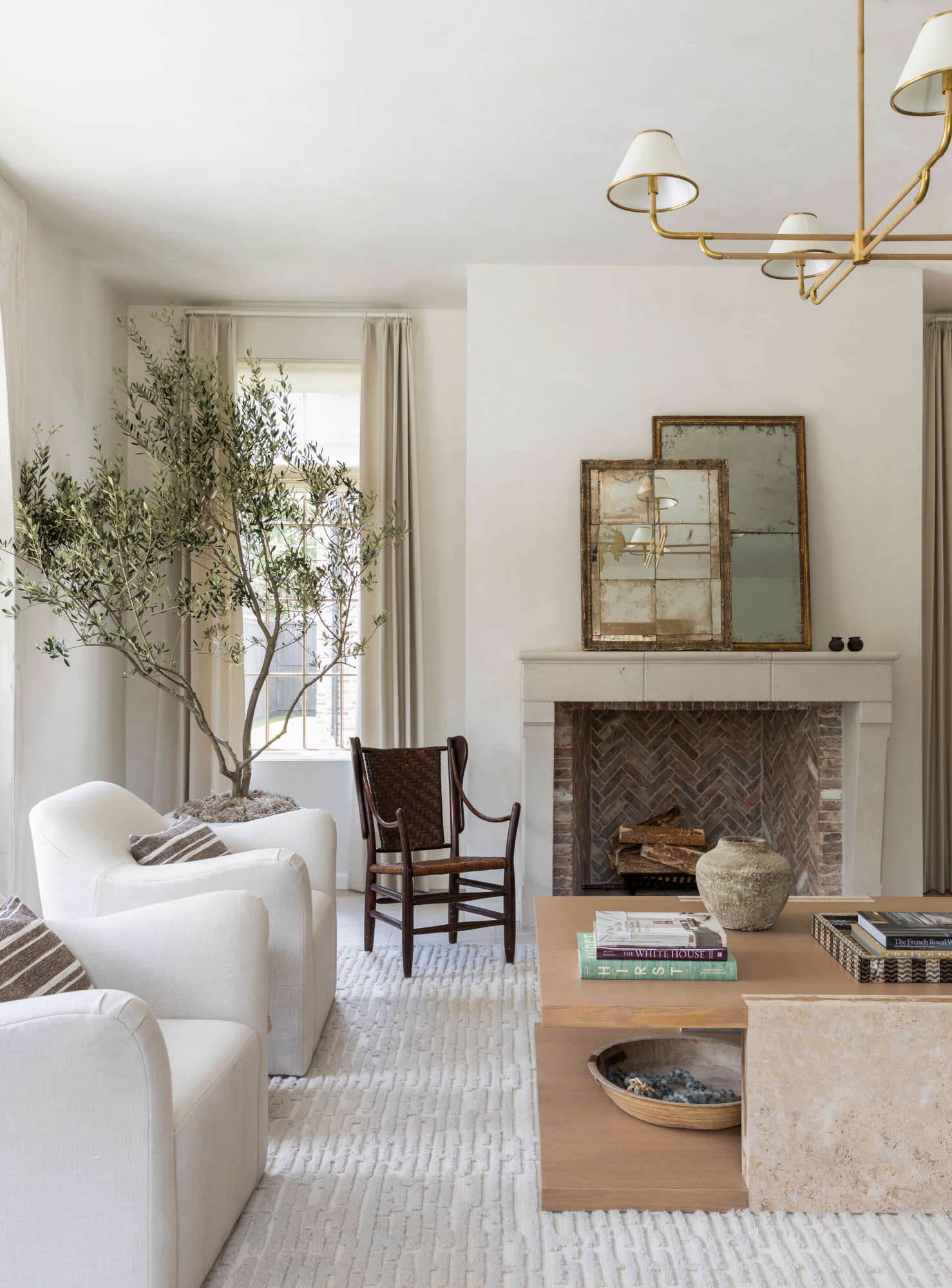
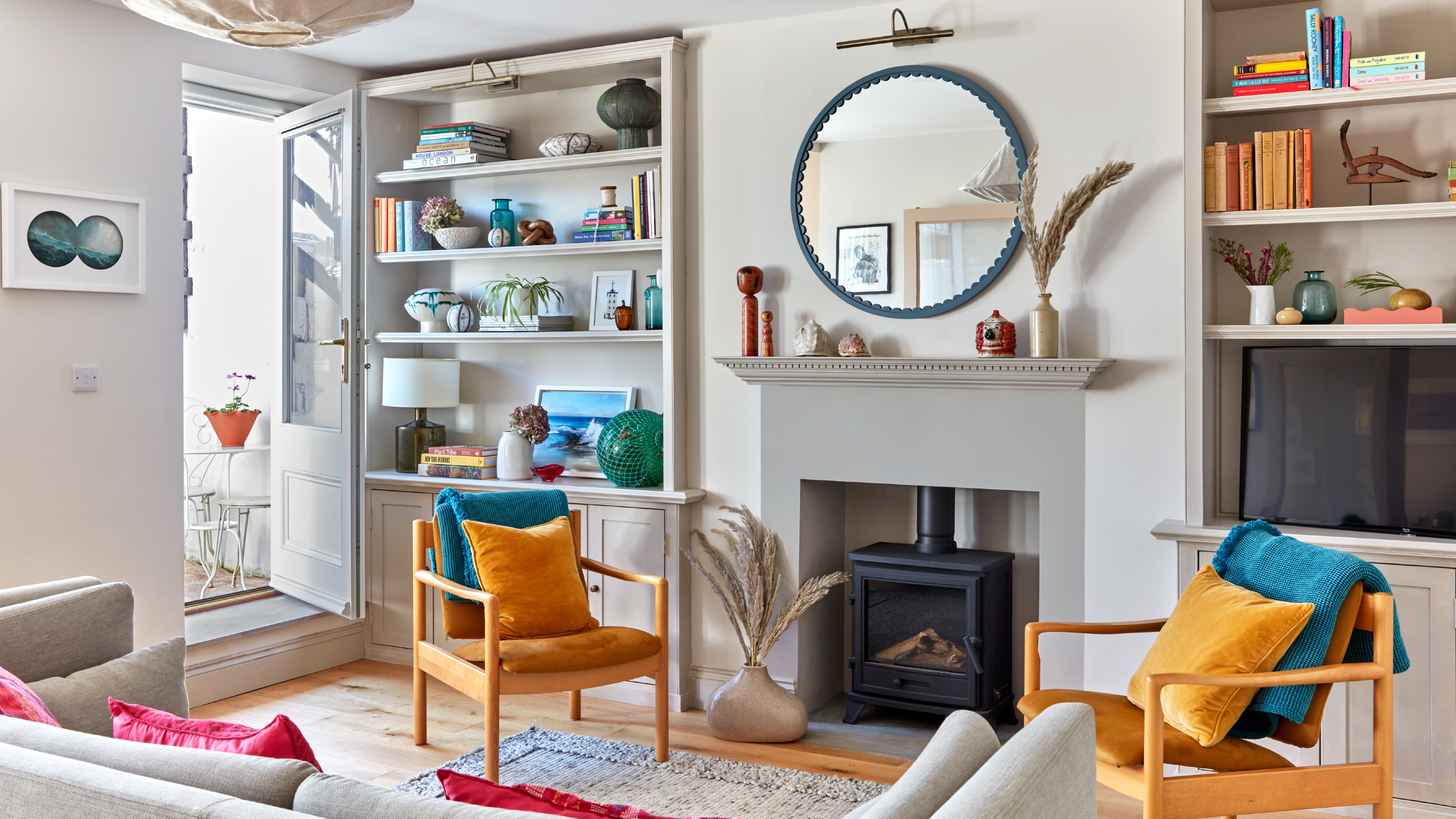
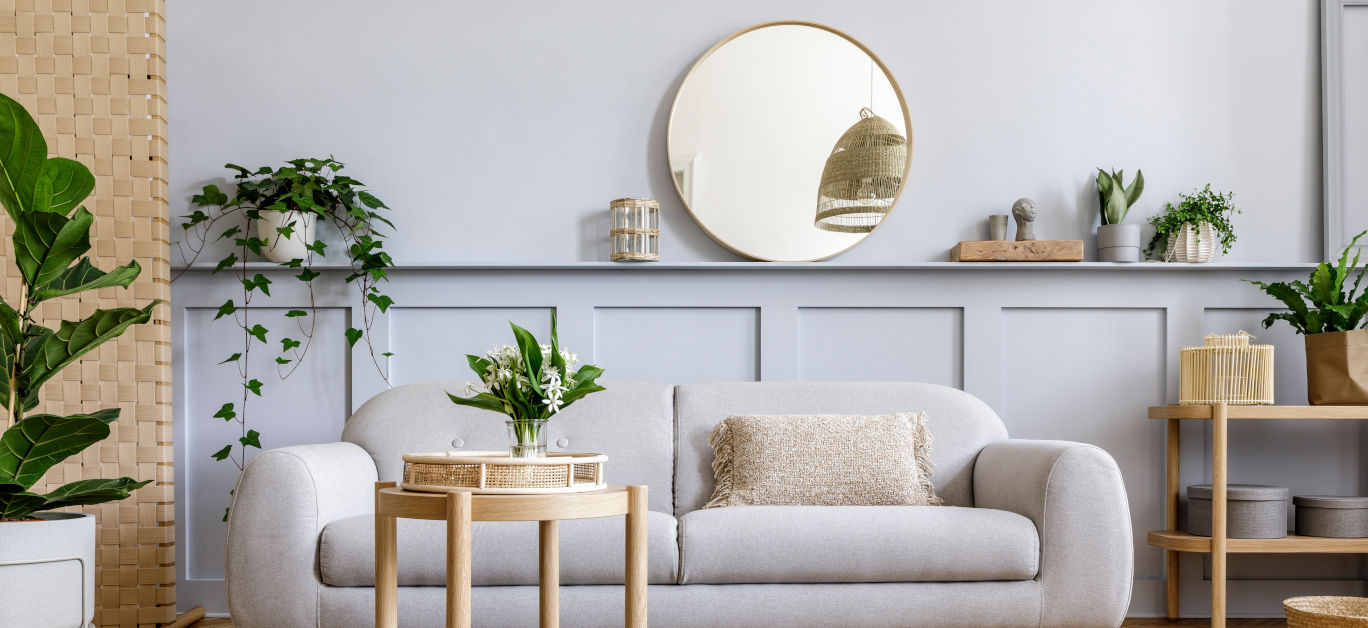
The critical aspect of leveraging a living room mirror's potential lies in selecting the correct size. Interior design experts advocate for a specific sizing rule: the mirror should be approximately two-thirds the width of the furniture it is placed above. This guideline applies to various pieces of furniture such as sofas, fireplaces, or console tables. Adhering to this two-thirds rule ensures a sense of balance and proportionality, contributing to a well-thought-out and harmonious interior design.
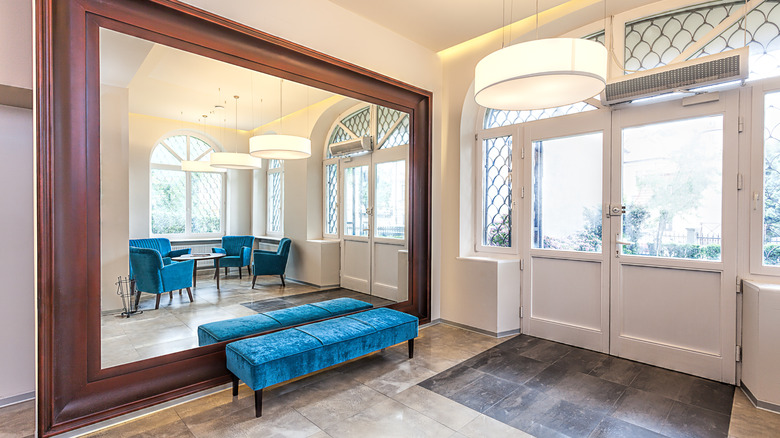
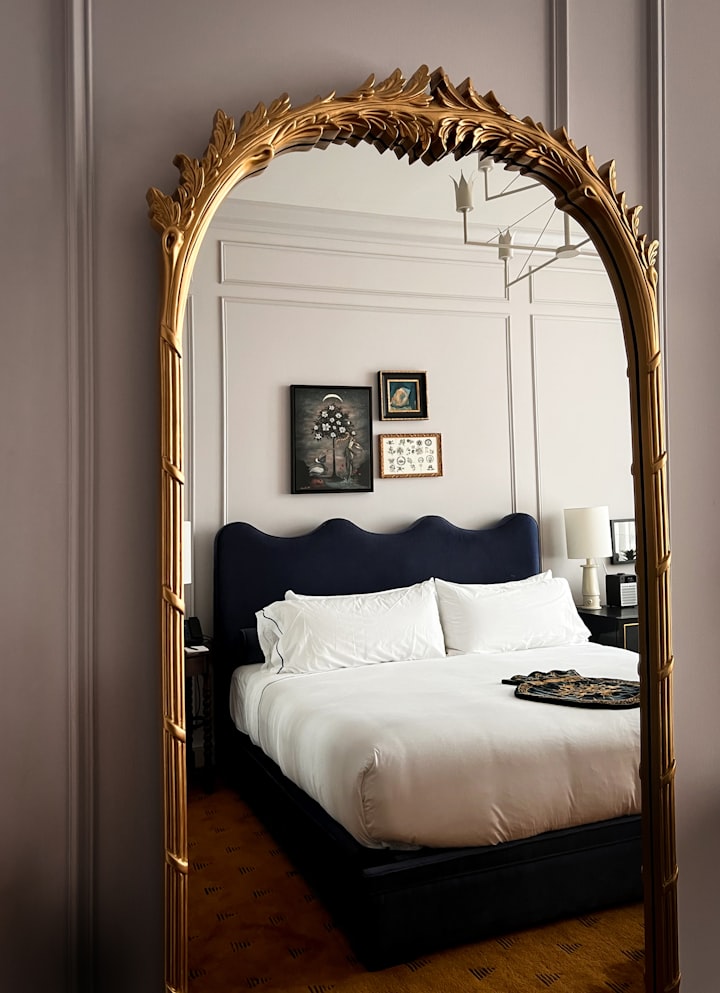
However, it is also noted that this sizing rule, like others in interior design (e.g., the 4-inch seating rule or the 18-inch rug rule), should be regarded as a guideline rather than a strict mandate. Designers suggest that any deviation from this rule should be intentional and purposeful, aimed at achieving a specific aesthetic effect rather than resulting in a haphazard arrangement. For instance, in larger rooms or on expansive, bare walls, oversized mirrors can be highly effective in adding drama, light, and a sense of grandeur, provided they remain in scale with the overall room and its furnishings.
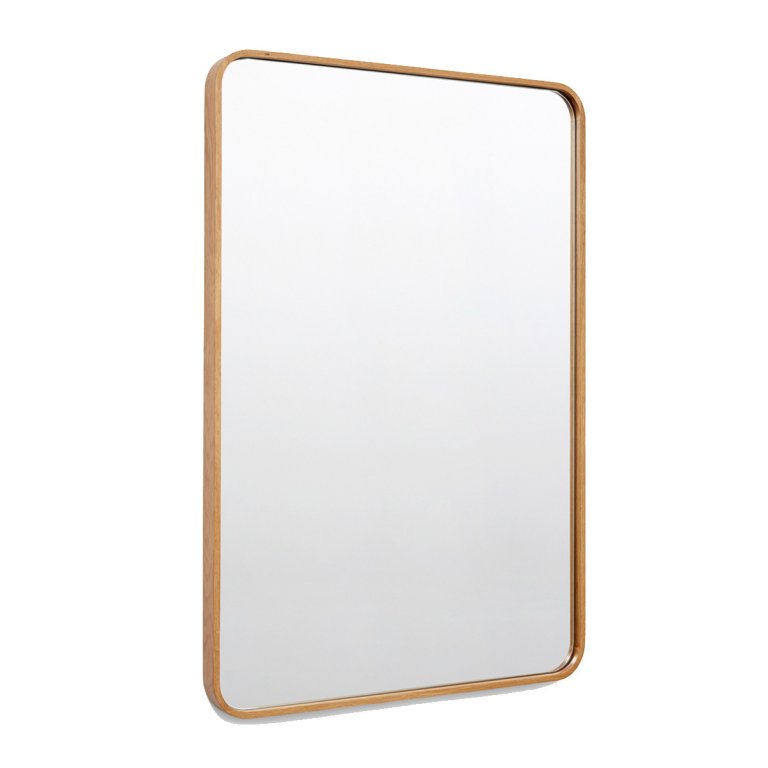
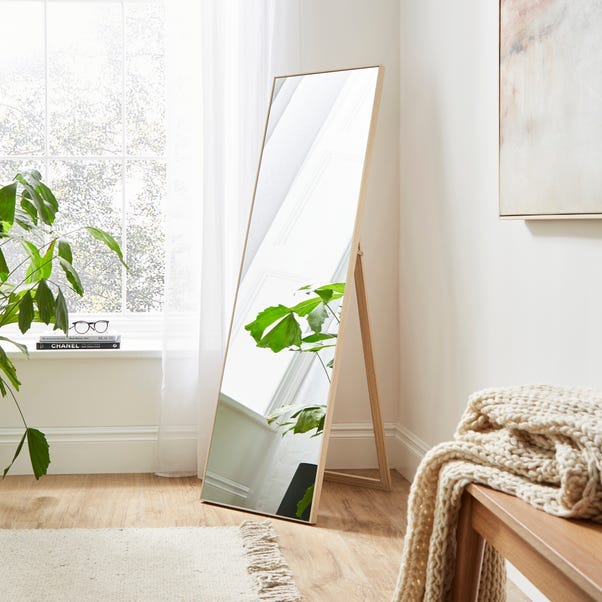
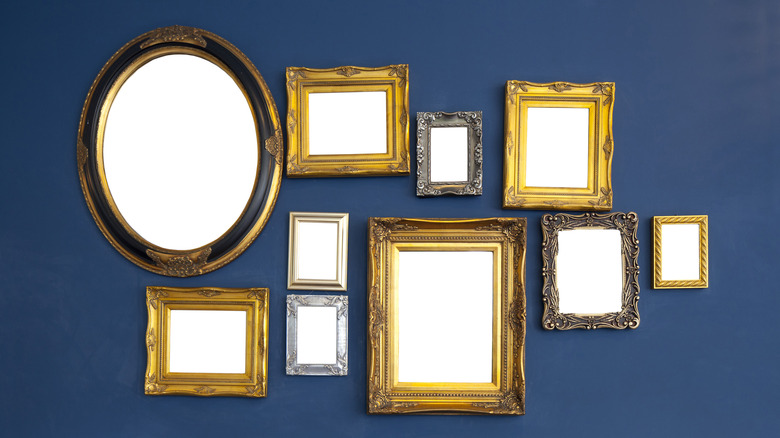
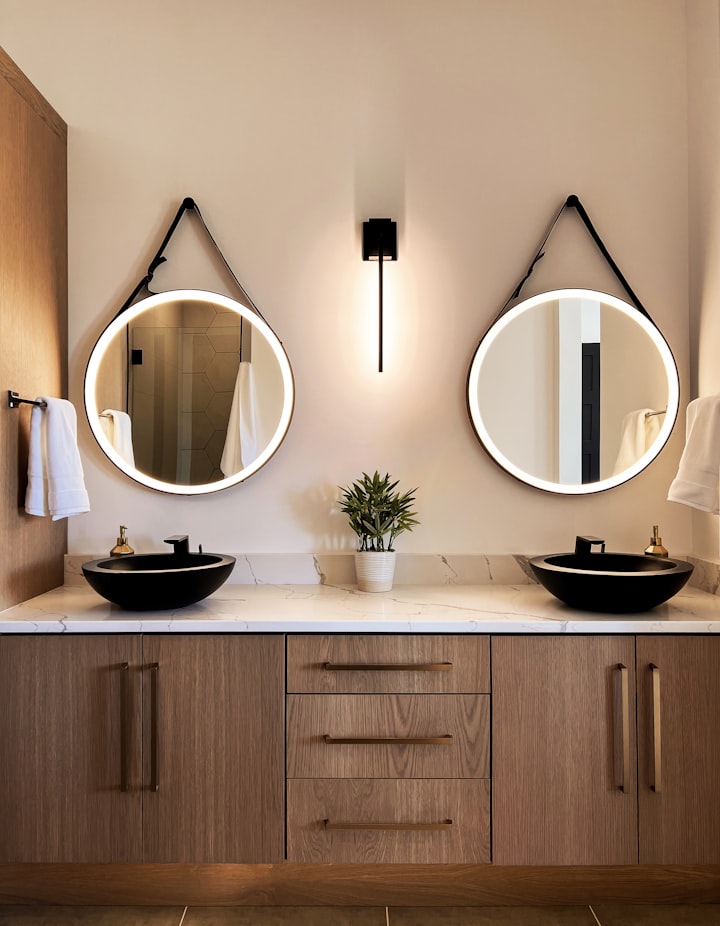
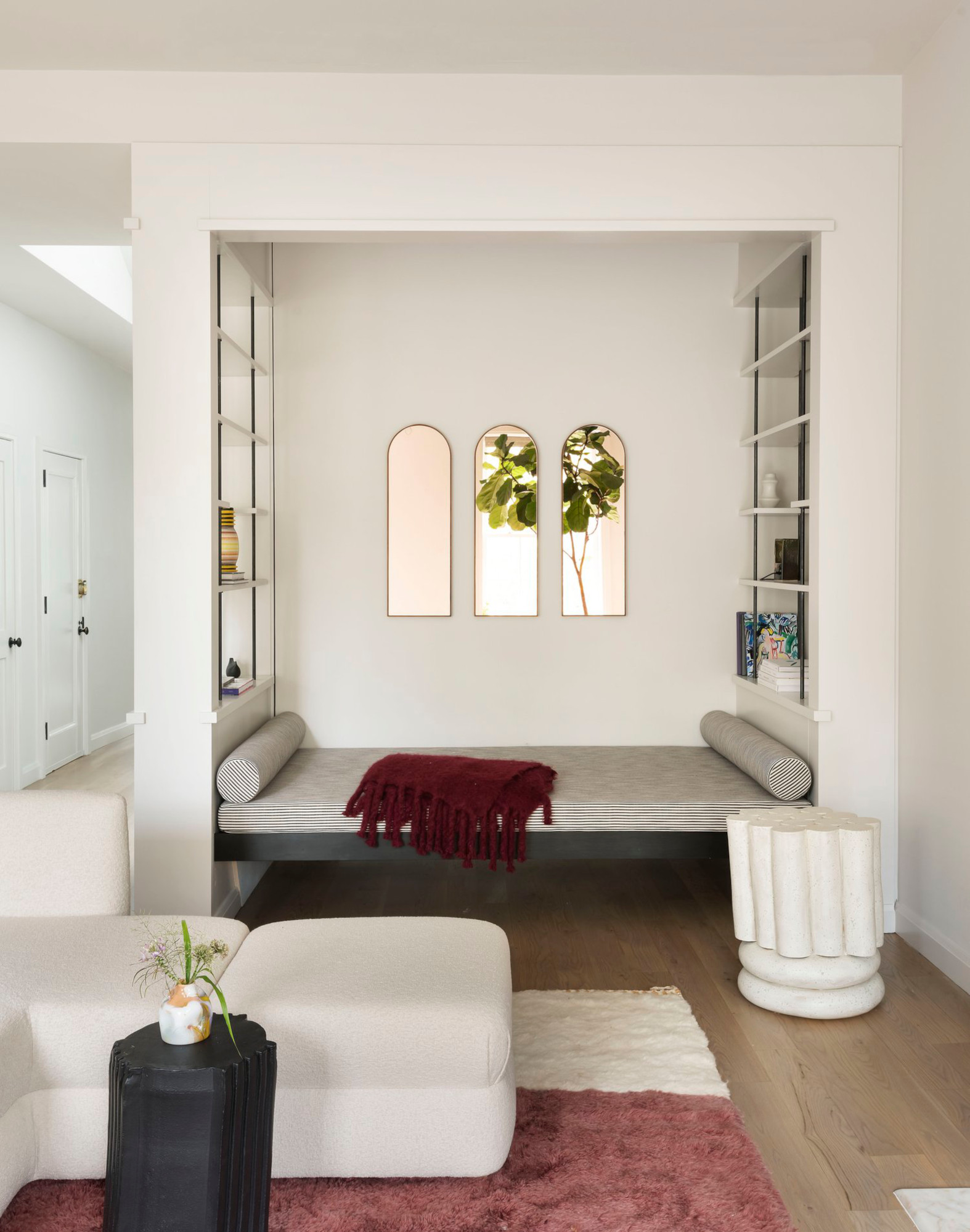
Conversely, in smaller spaces, a collection of smaller mirrors arranged thoughtfully can introduce visual interest without overwhelming the area. The general consensus among experts is to favor larger mirrors when in doubt, treating them as statement art pieces that anchor the room. However, a crucial caveat is to limit the "bigger, the better" approach to the mirror's reflective surface itself, rather than its frame. An overly chunky frame, particularly in a compact room, can easily dominate the space and disrupt the desired aesthetic balance.
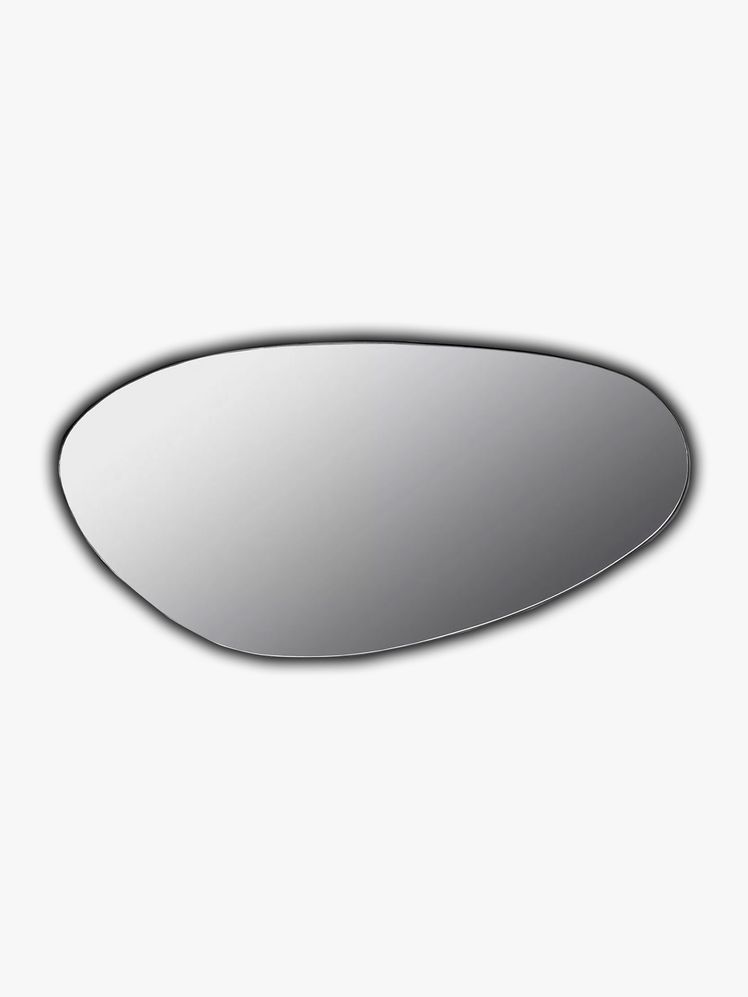
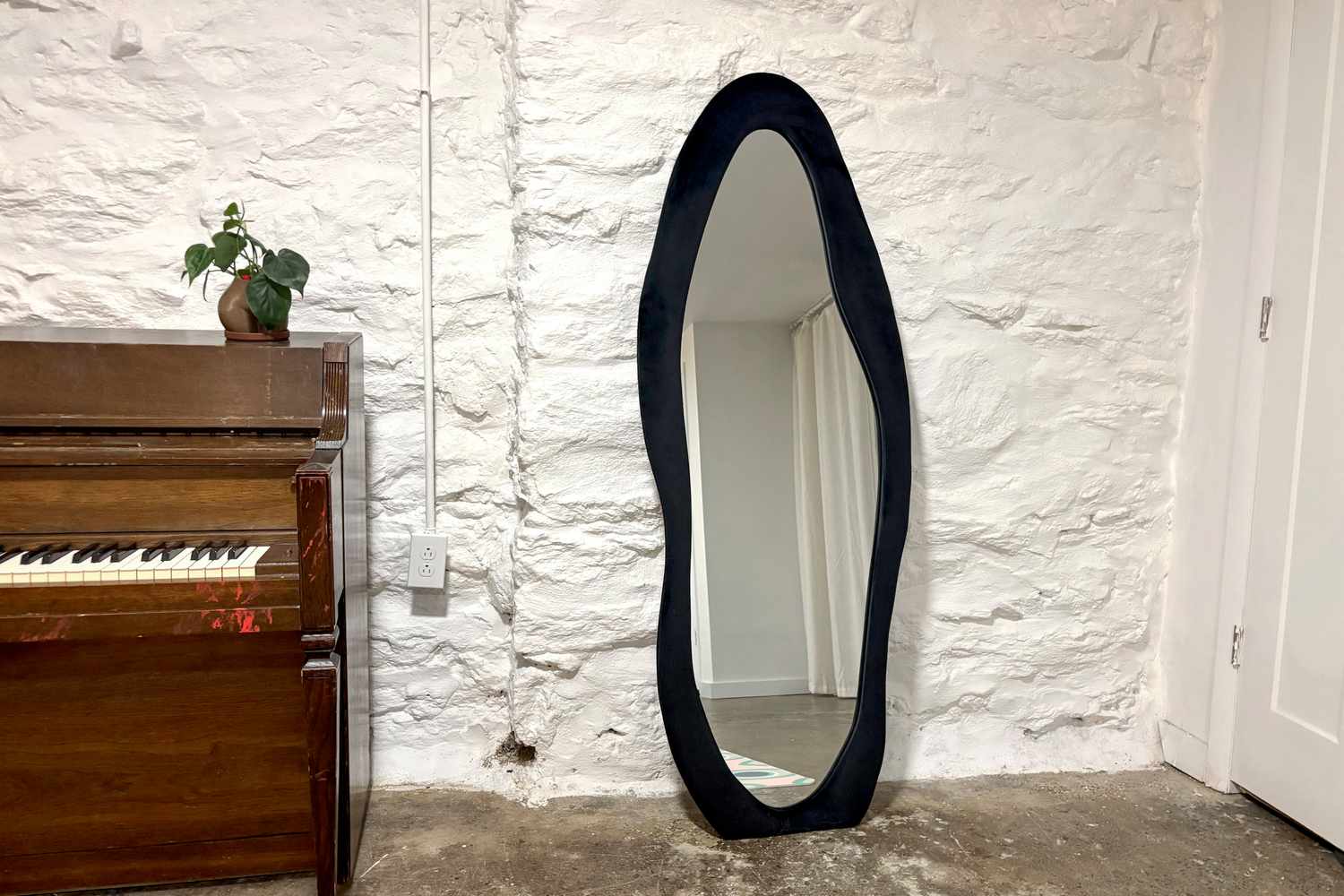
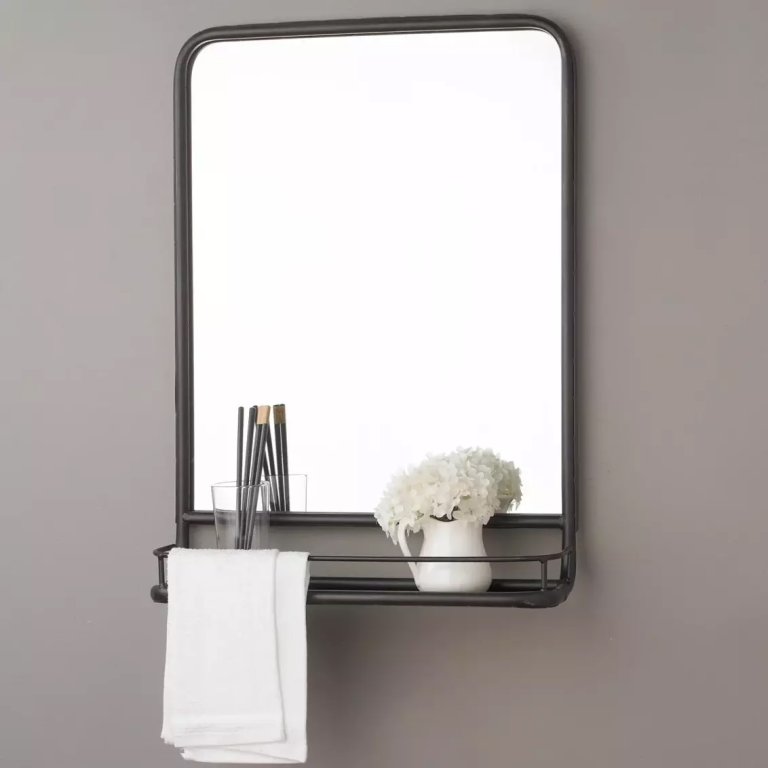
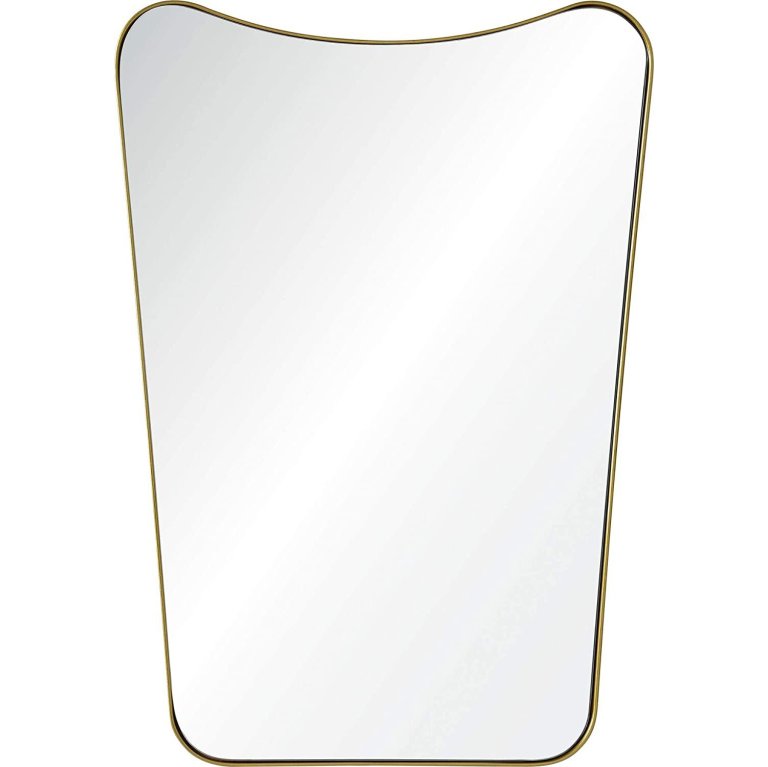
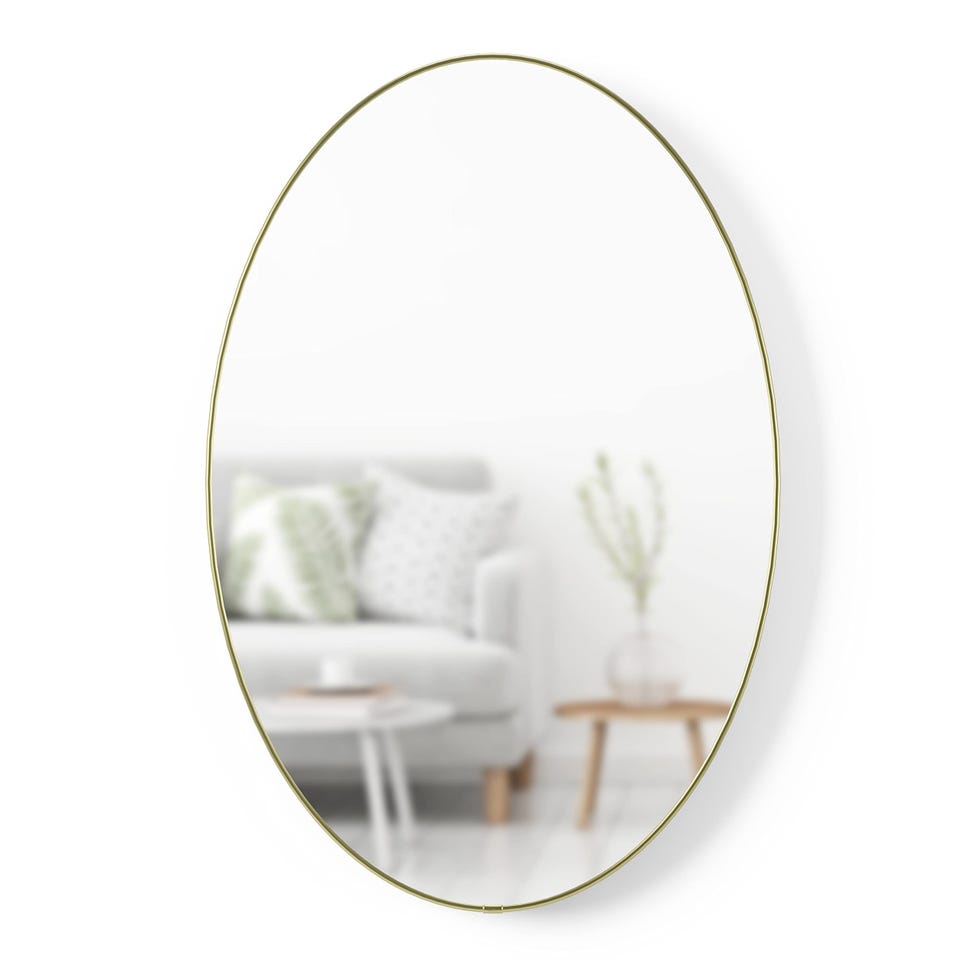
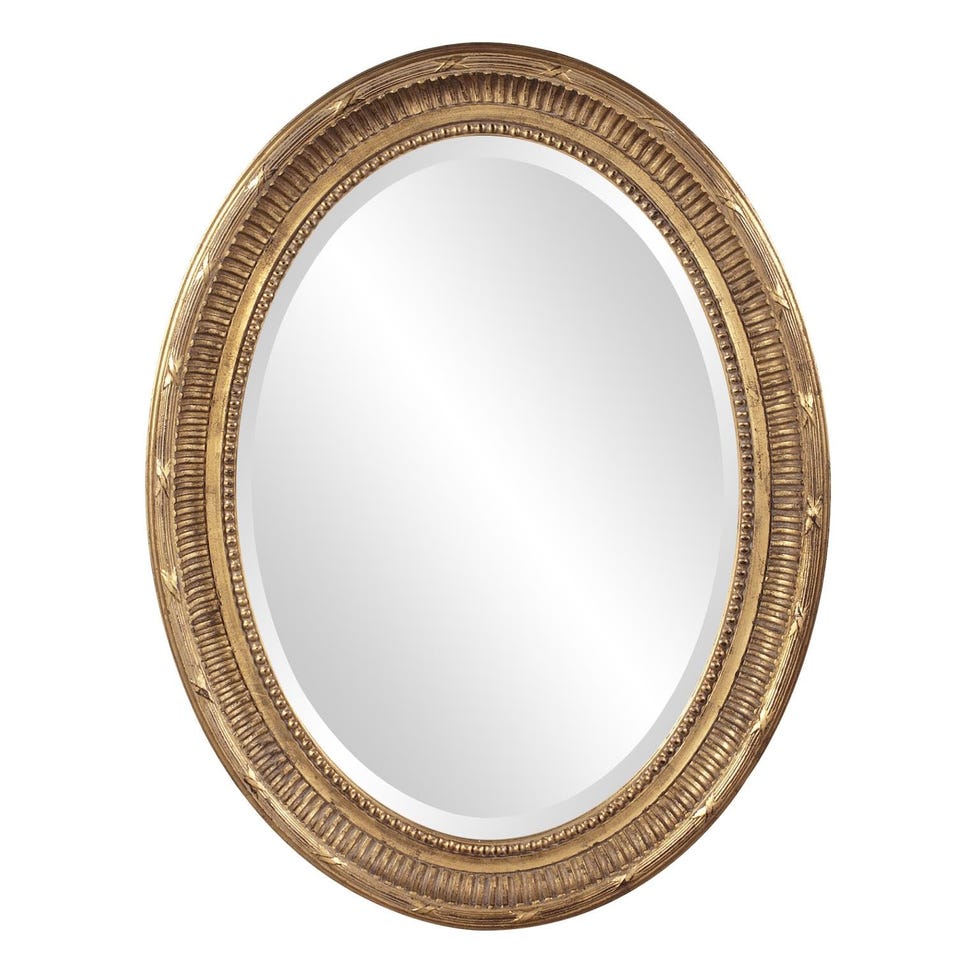
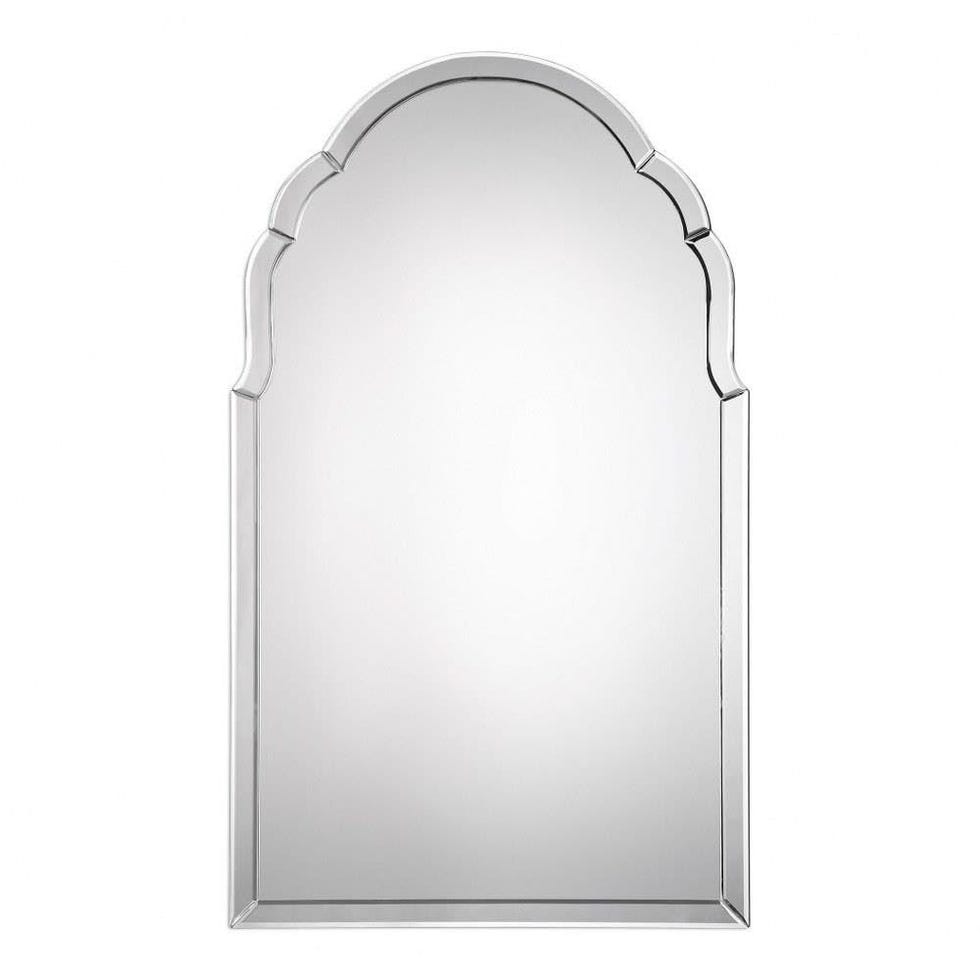
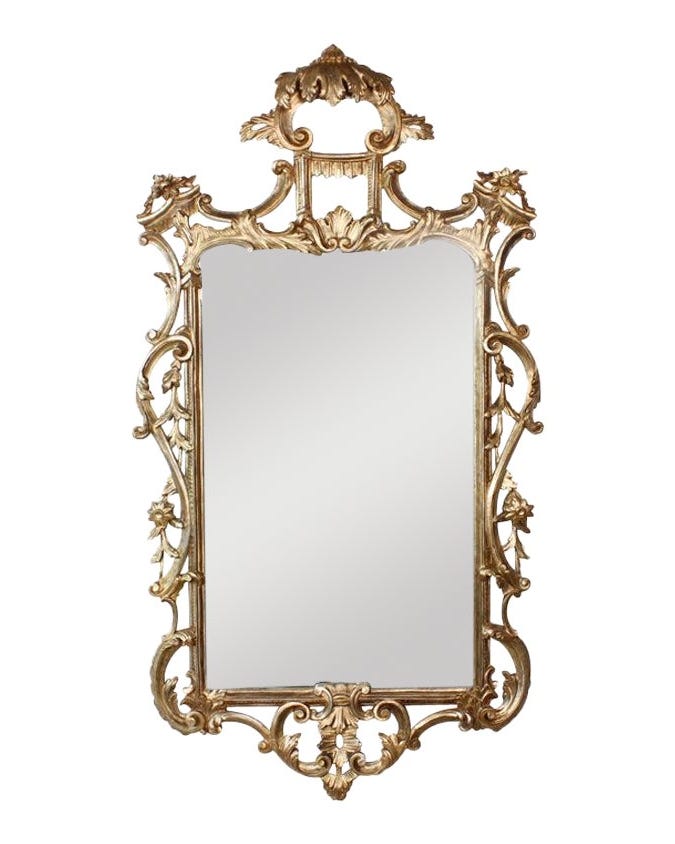
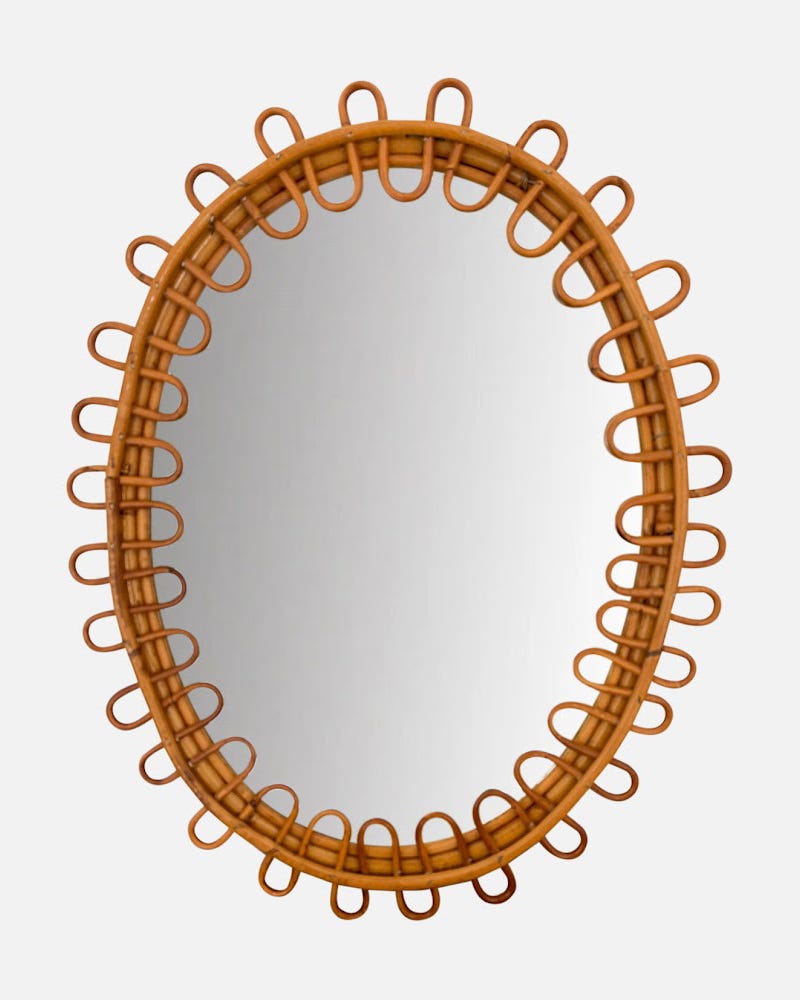
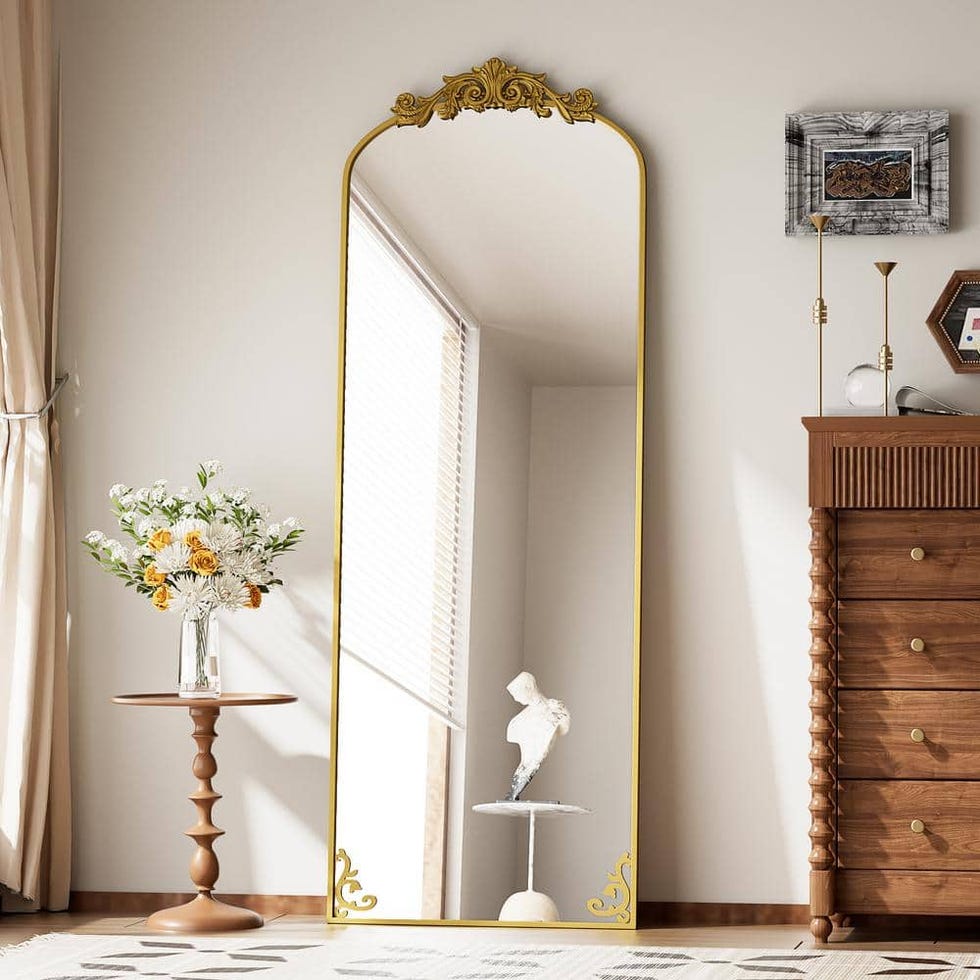
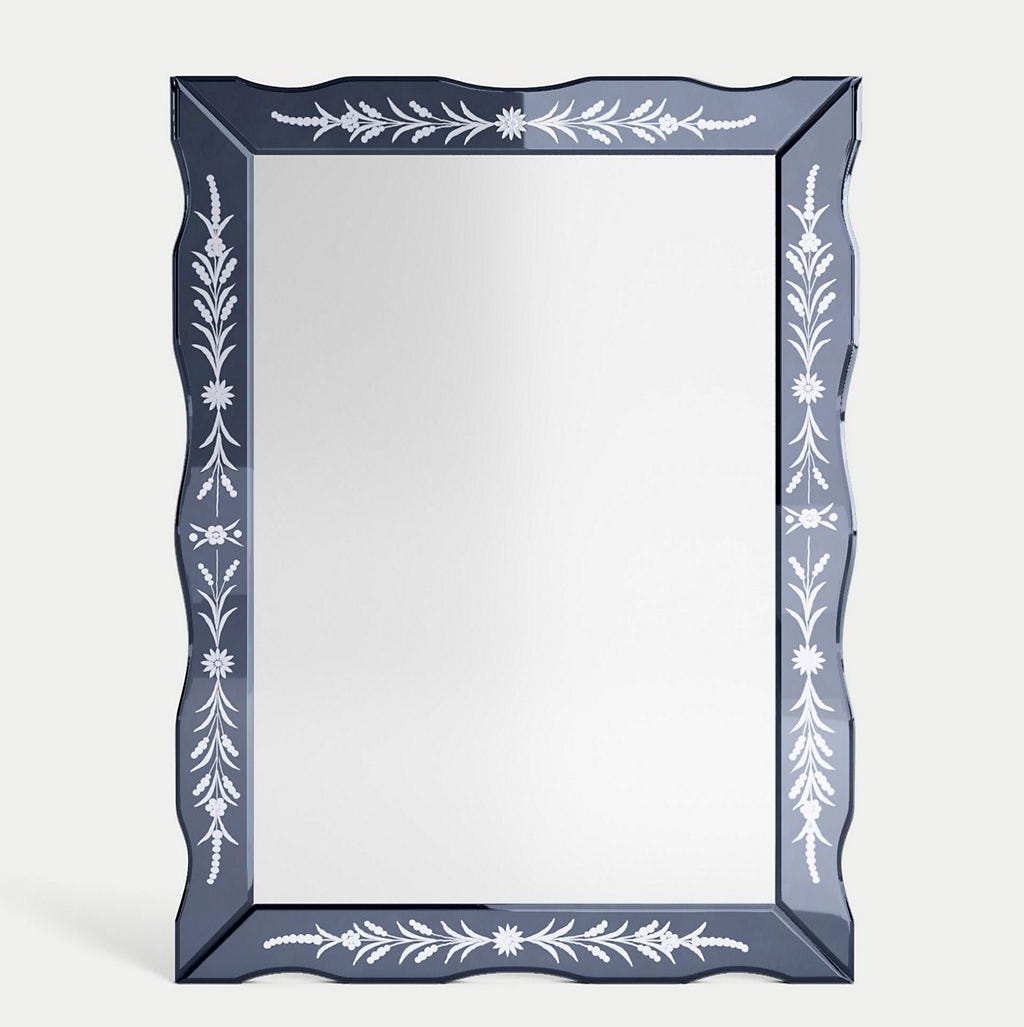
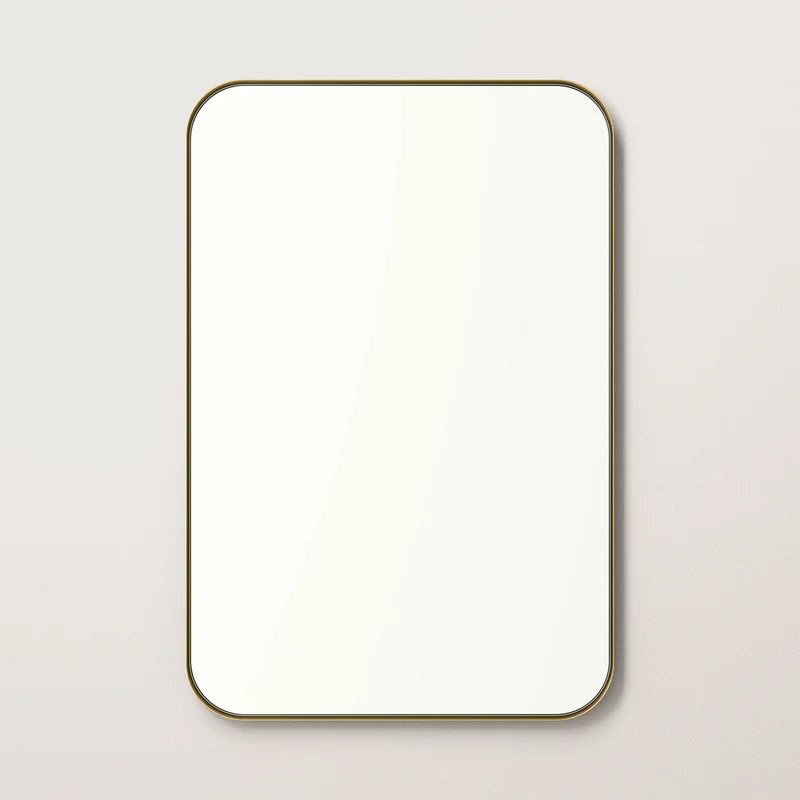
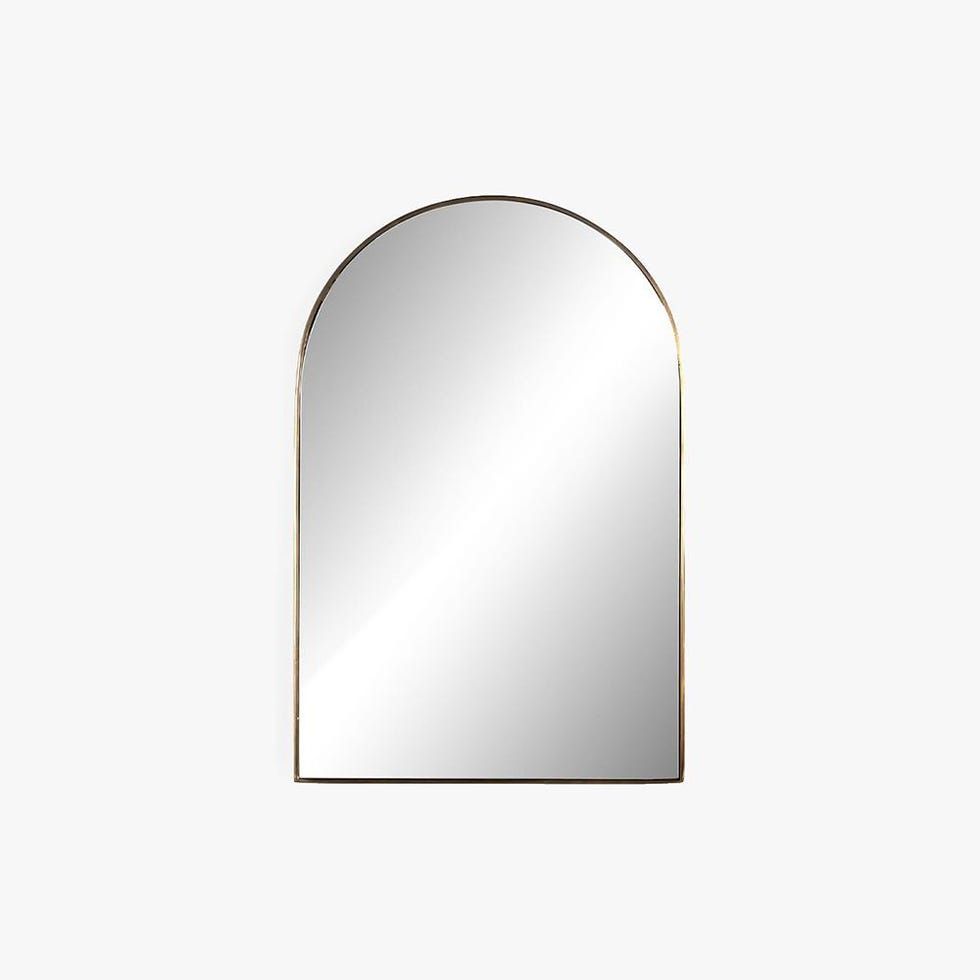
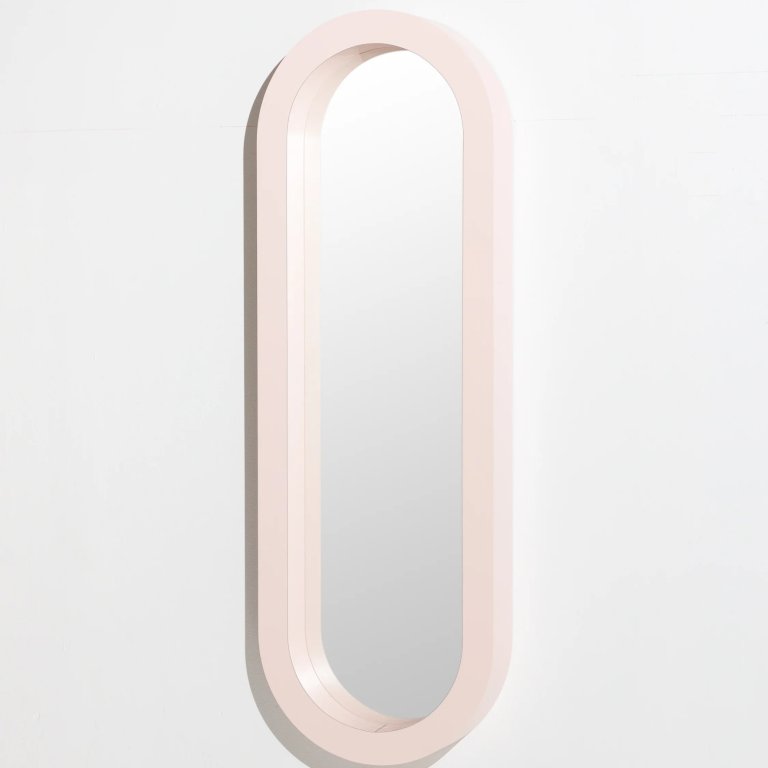
The article also highlights several popular mirror picks that align with current trends and expert advice, including curved mantel mirrors, bobbin round wall mirrors, wavy wall mirrors, sets of boucle mirrors, bamboo motif mirrors, and wide metal arch mirrors. These examples illustrate the variety of styles available and how they can be incorporated to elevate a living room's design. Ultimately, living room mirrors are presented as a valuable investment for enhancing the lounge, offering an accessible way to brighten and visually expand any space.
#LivingRoomDesign #HomeDecor #InteriorDesign #MirrorSizing #DesignTips #SpatialPerception #HomeFurnishings #LivingRoomDesign #HomeDecor #InteriorDesign #MirrorSizing #DesignTips #SpatialPerception #HomeFurnishings
0 comment in total
 No comments yet
You may also like

The best mirrors for a bright and roomy home
These 12 Stylish Amazon Mirrors Will Instantly Elevate Your Space, According to Designers

15 living room mirrors to transform your lounging space in an instant

4 Mirror Mistakes That Make Rooms Look Smaller (And How to Fix Them), According to Designers
The Best Bathroom Mirrors Have These 4 Qualities, Above All Else

19 Gorgeous Mirrors For Every Room of Your Home
INDUSTRY INSIGHT: Finding balance in bathroom mirror lighting


Top Mirror Trends of 2025: From Vanity to Full-Length Styles

These Full-Length Mirrors Will Elevate Your Selfie Photos

5 Mistakes You Might Be Making When Decorating With Mirrors, According To Designers
How To Use Mirrors To Make Your Small Space Look Bigger, According To An Expert
Is it okay to have more than one mirror in a room? This is the one instance designers say it's never okay


Where should you place a mirror in the house? Jai Madaan explains

The Chicest Full-Length Mirrors to Upgrade Any Room
7 easy ways to add luxury to your home with mirrors

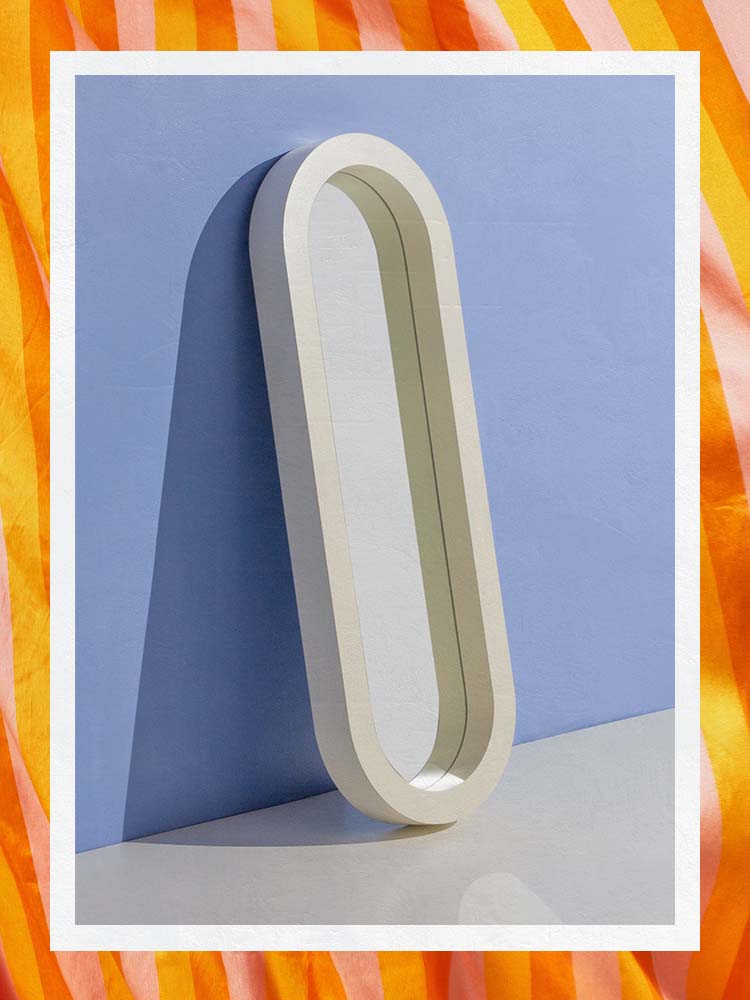
The Easiest Way to Make a Room Feel Twice as Big: Add One of the Best Full-Length Mirrors

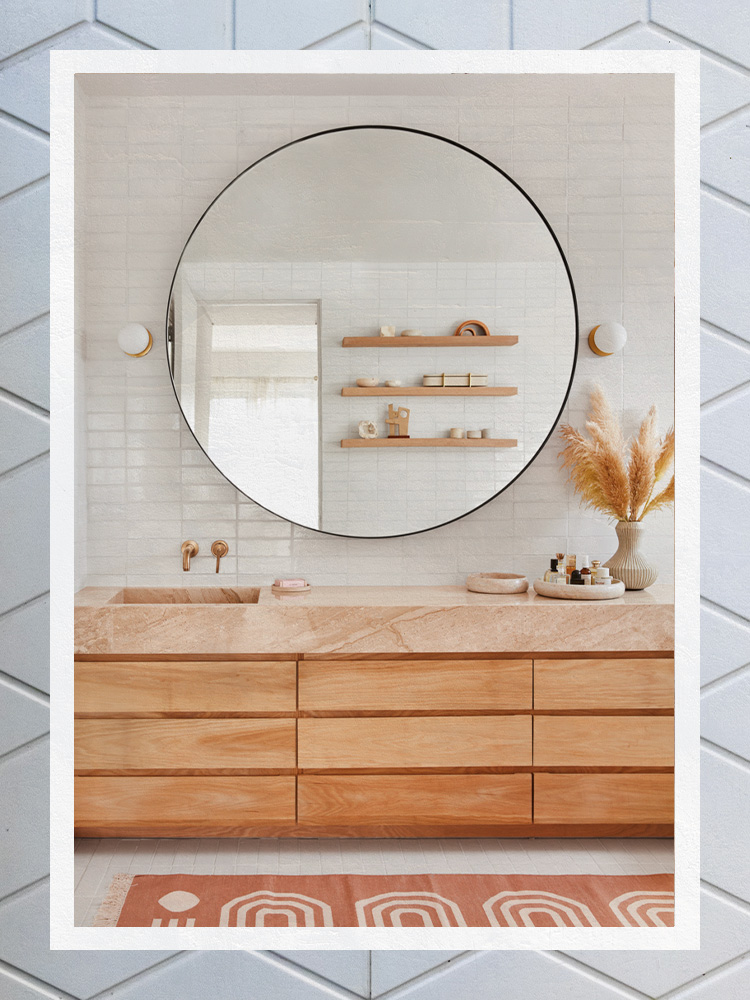
The Best Bathroom Mirrors Have These 4 Qualities, Above All Else
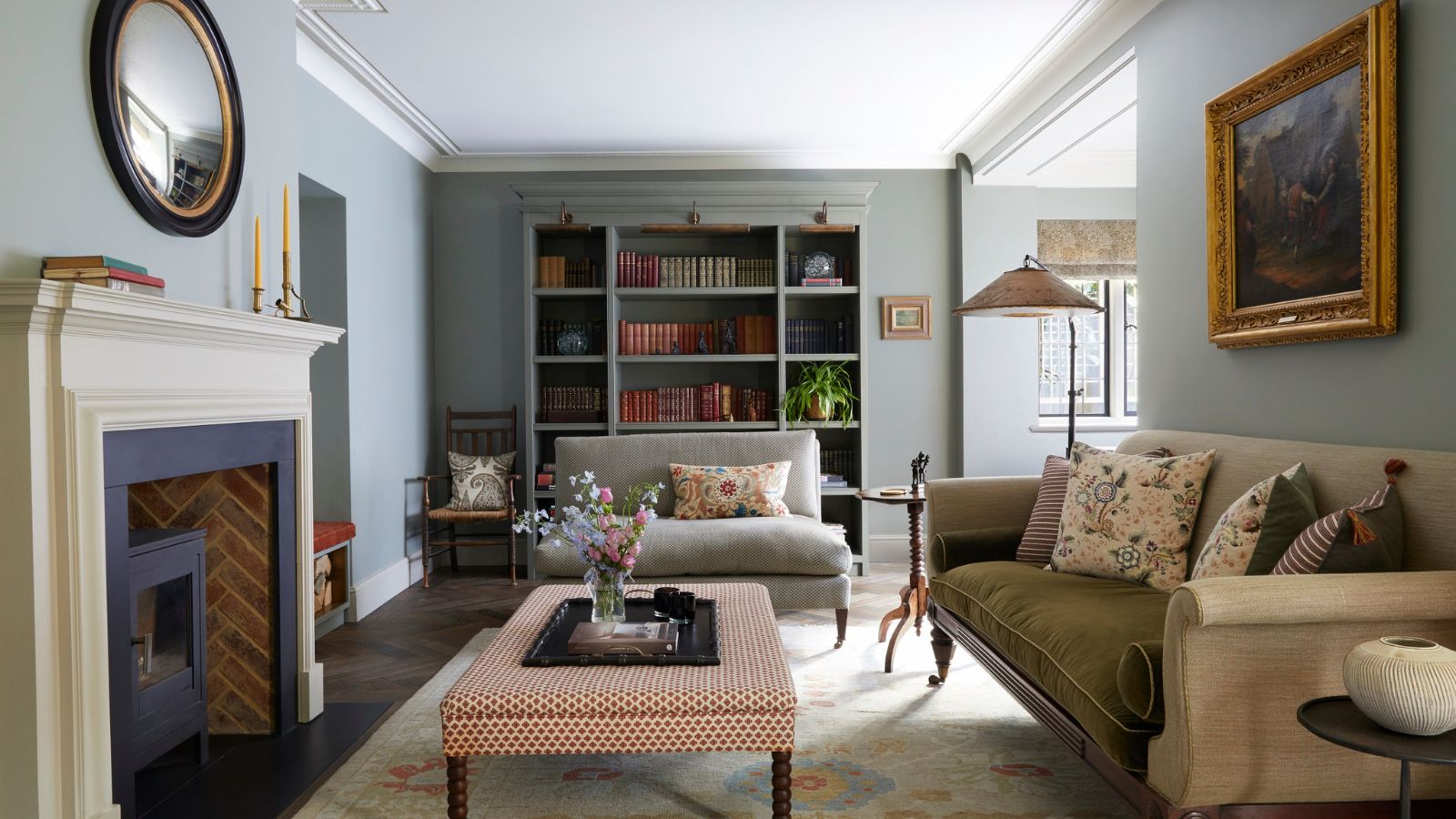
14 living room mirror ideas to enhance light, expand spade and add style
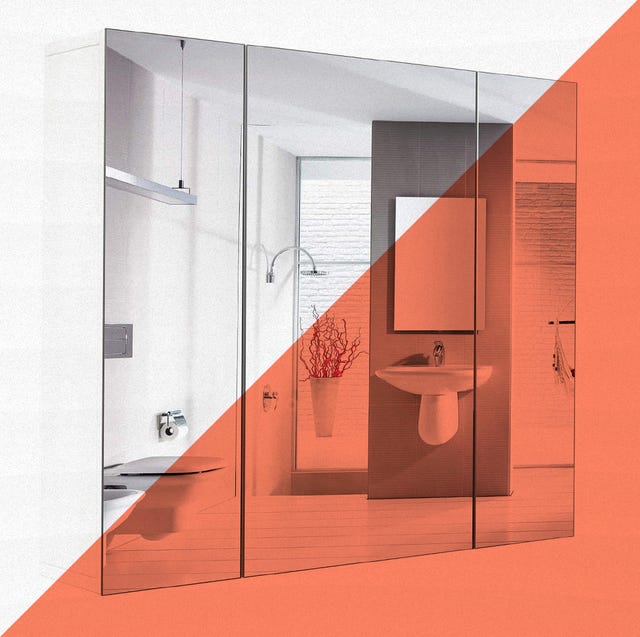
The 11 Best Bathroom Mirrors to Elevate Your Vanity
4 Common Mistakes You’re Making When Decorating With Mirrors, According to Designers