1/12
The Best Bathroom Mirrors Have These 4 Qualities, Above All Else
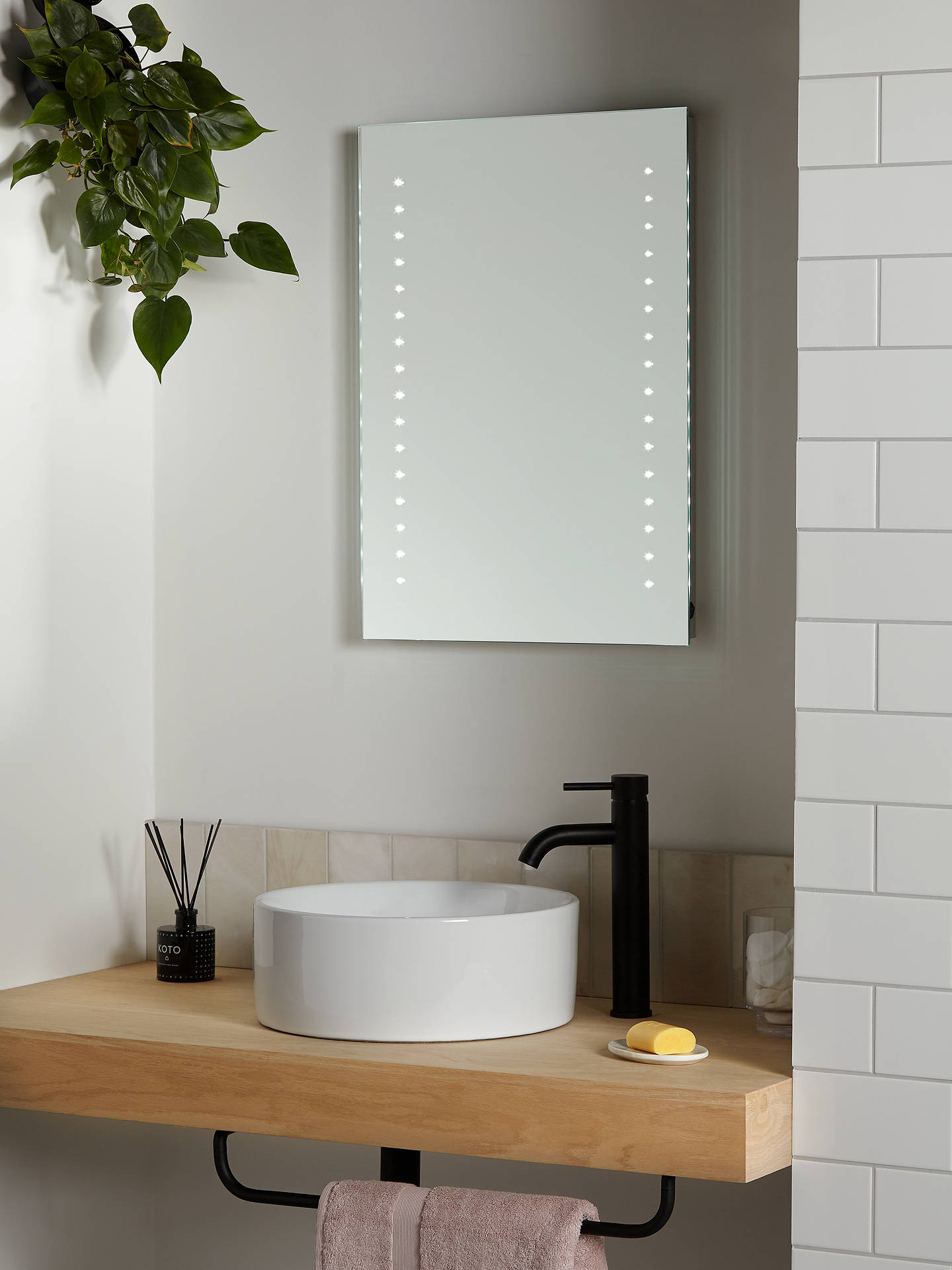
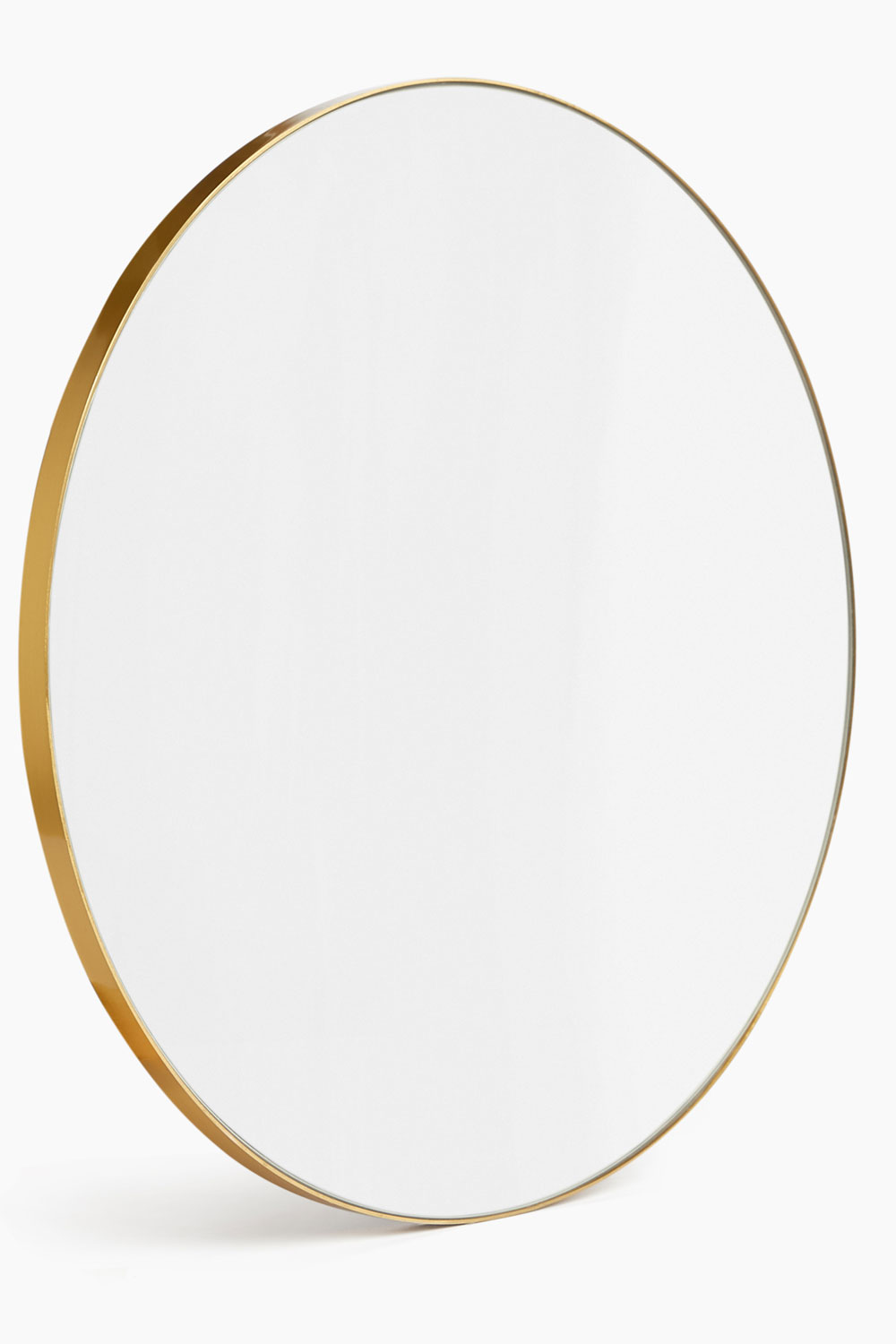
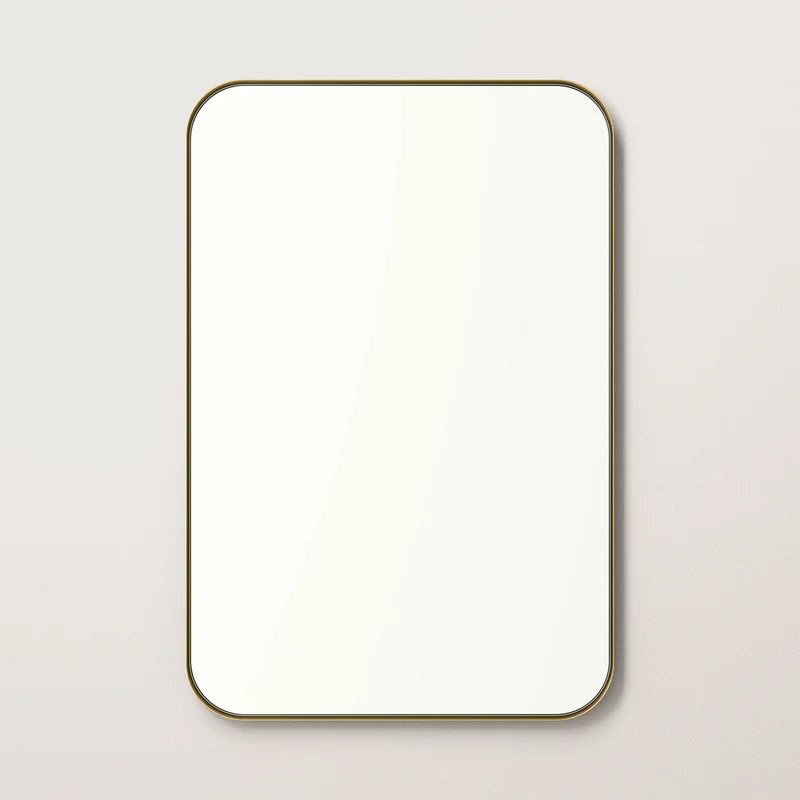
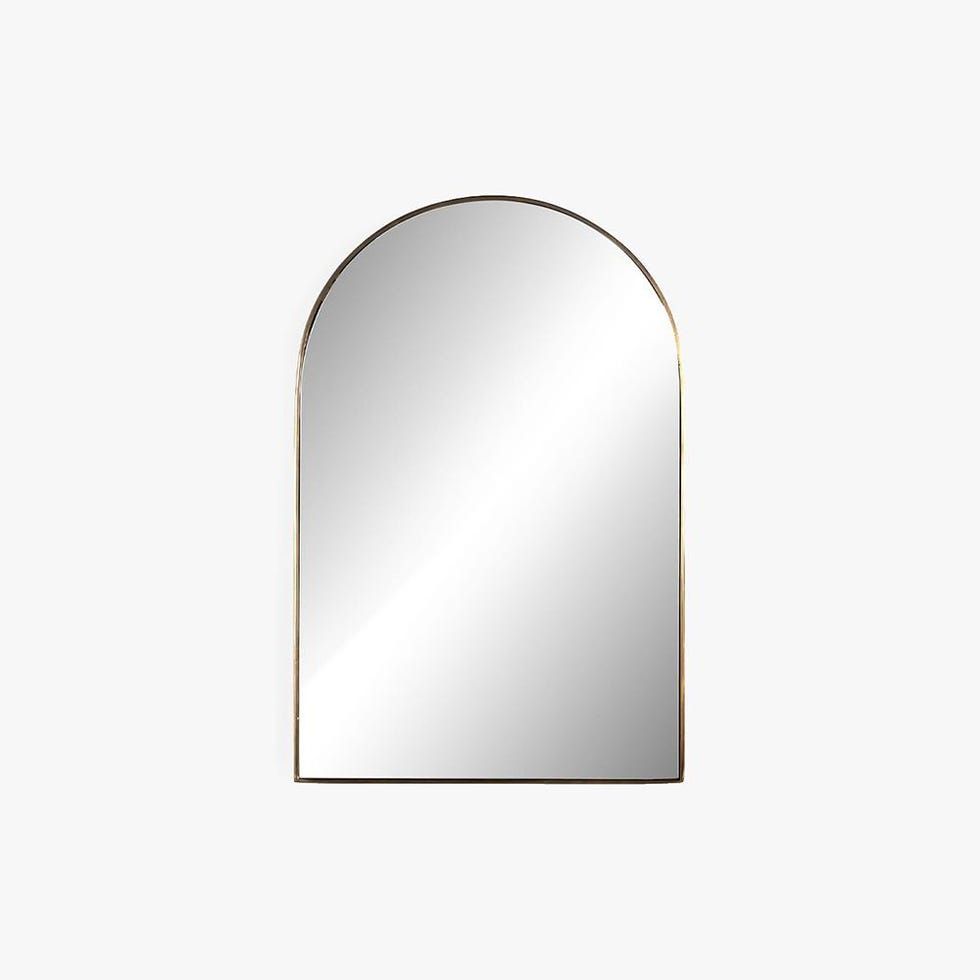
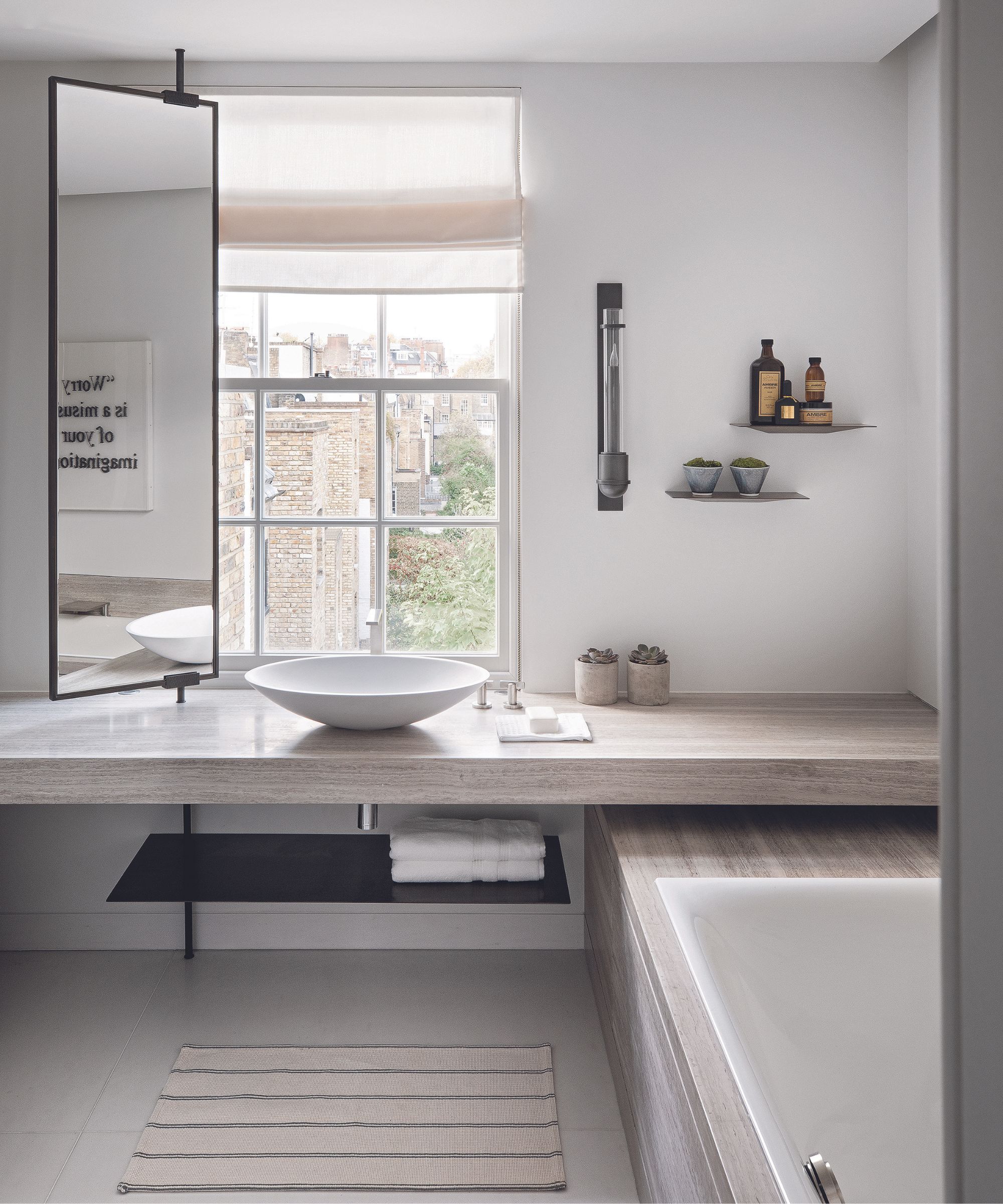
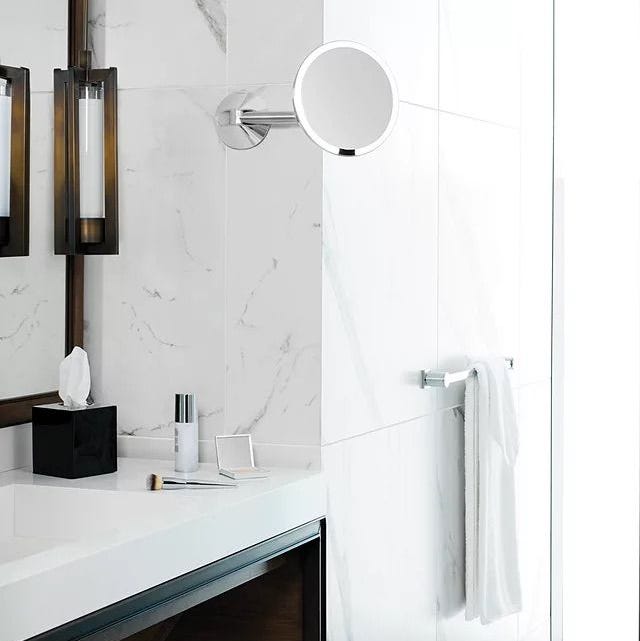
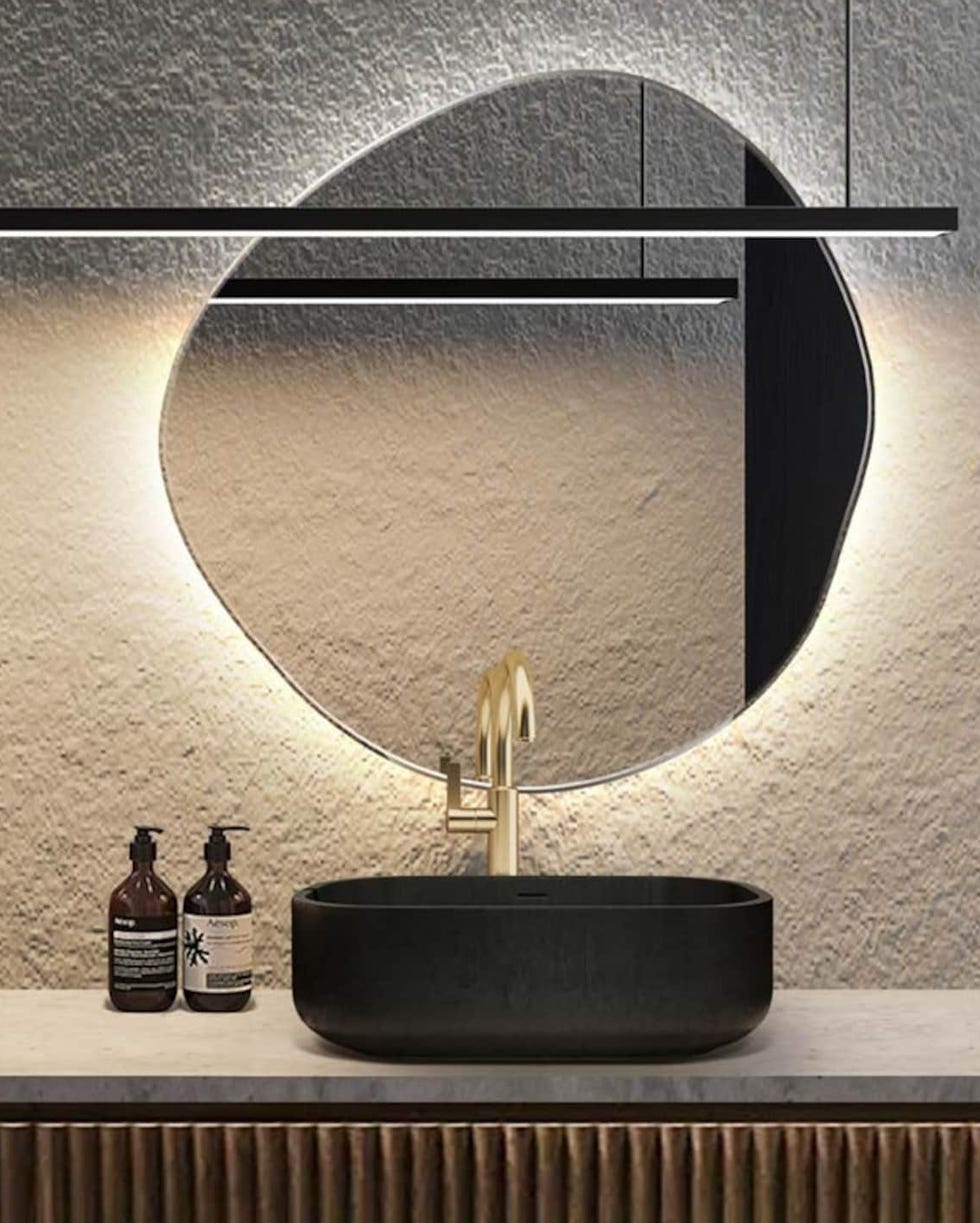
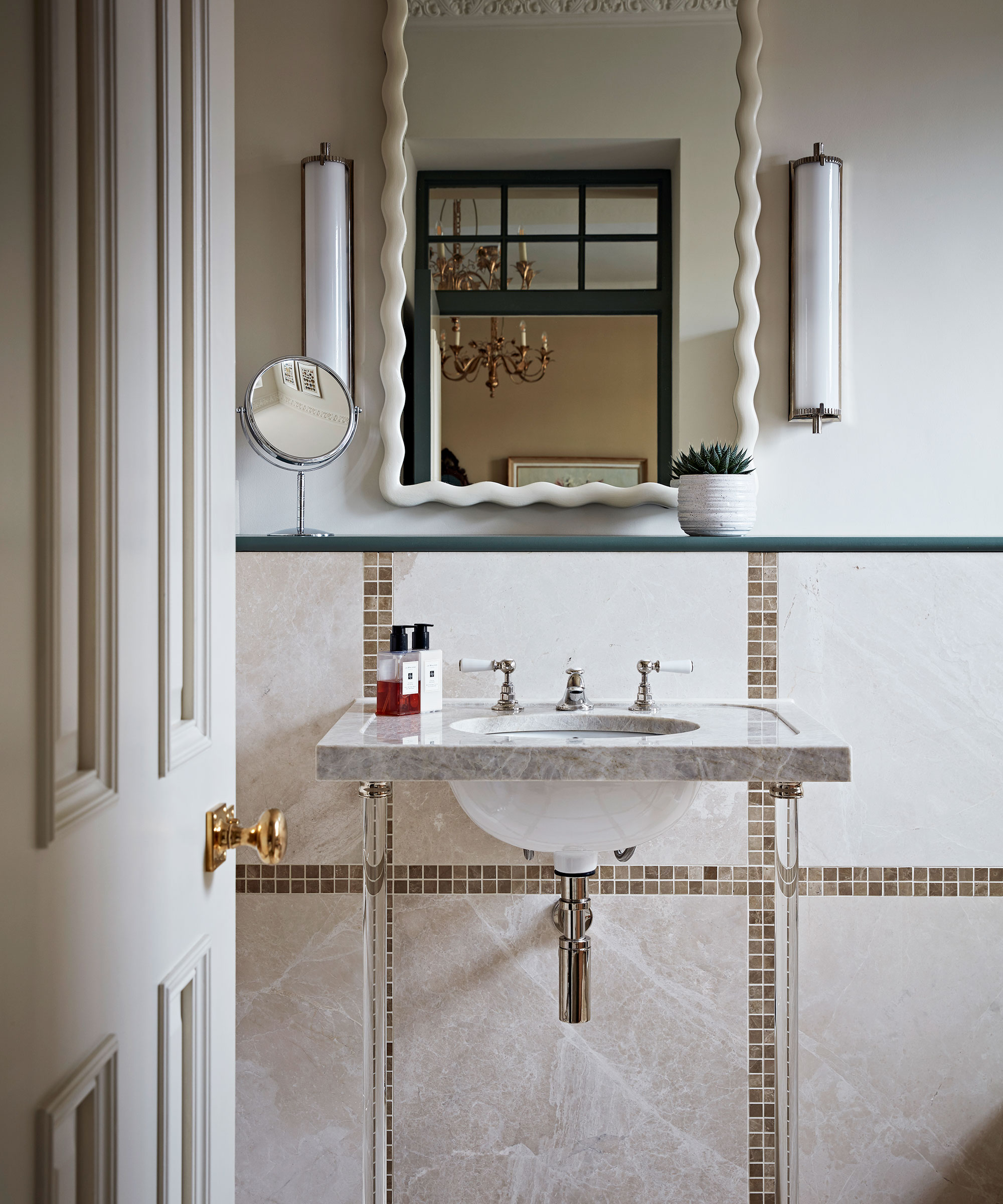
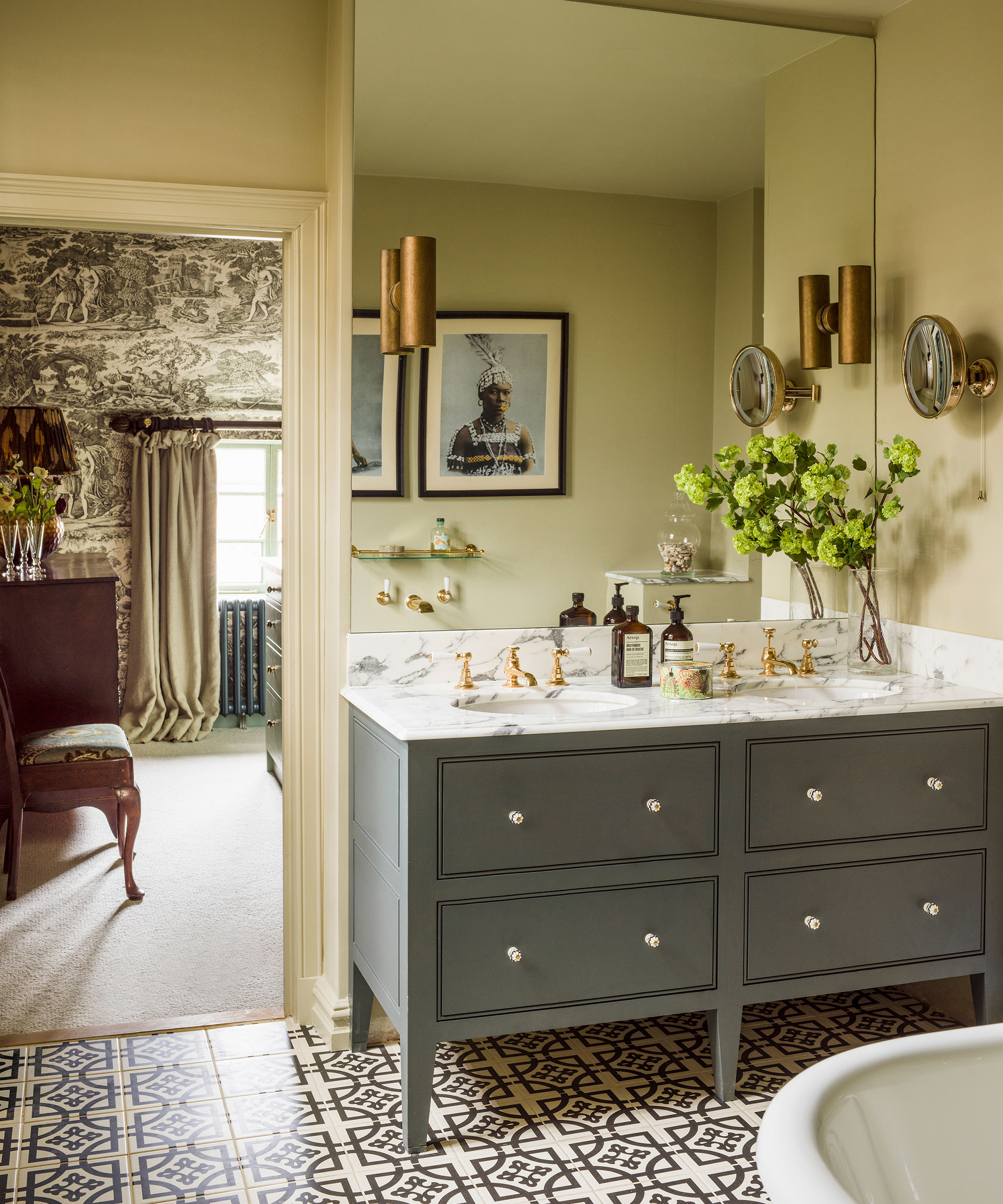
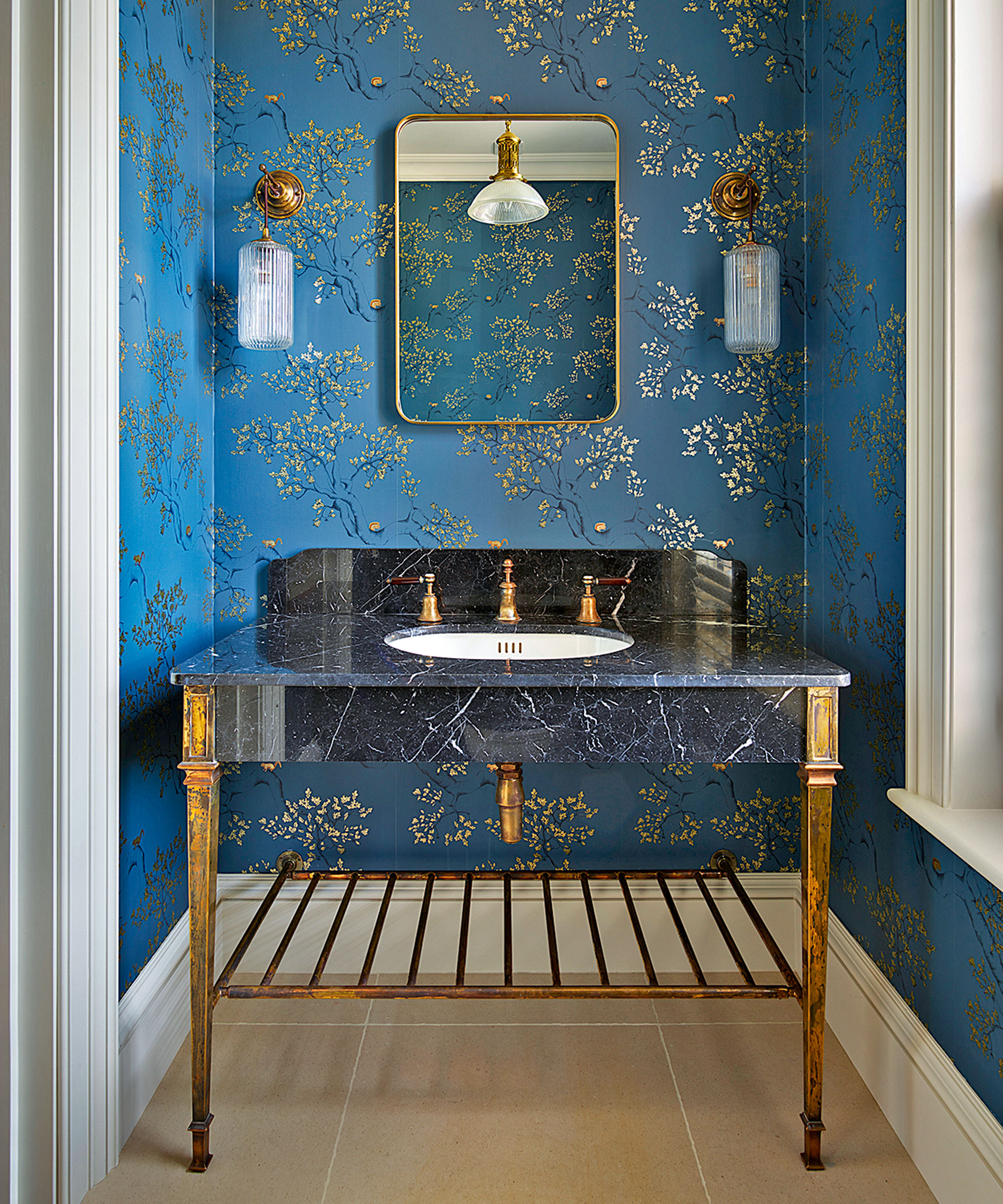
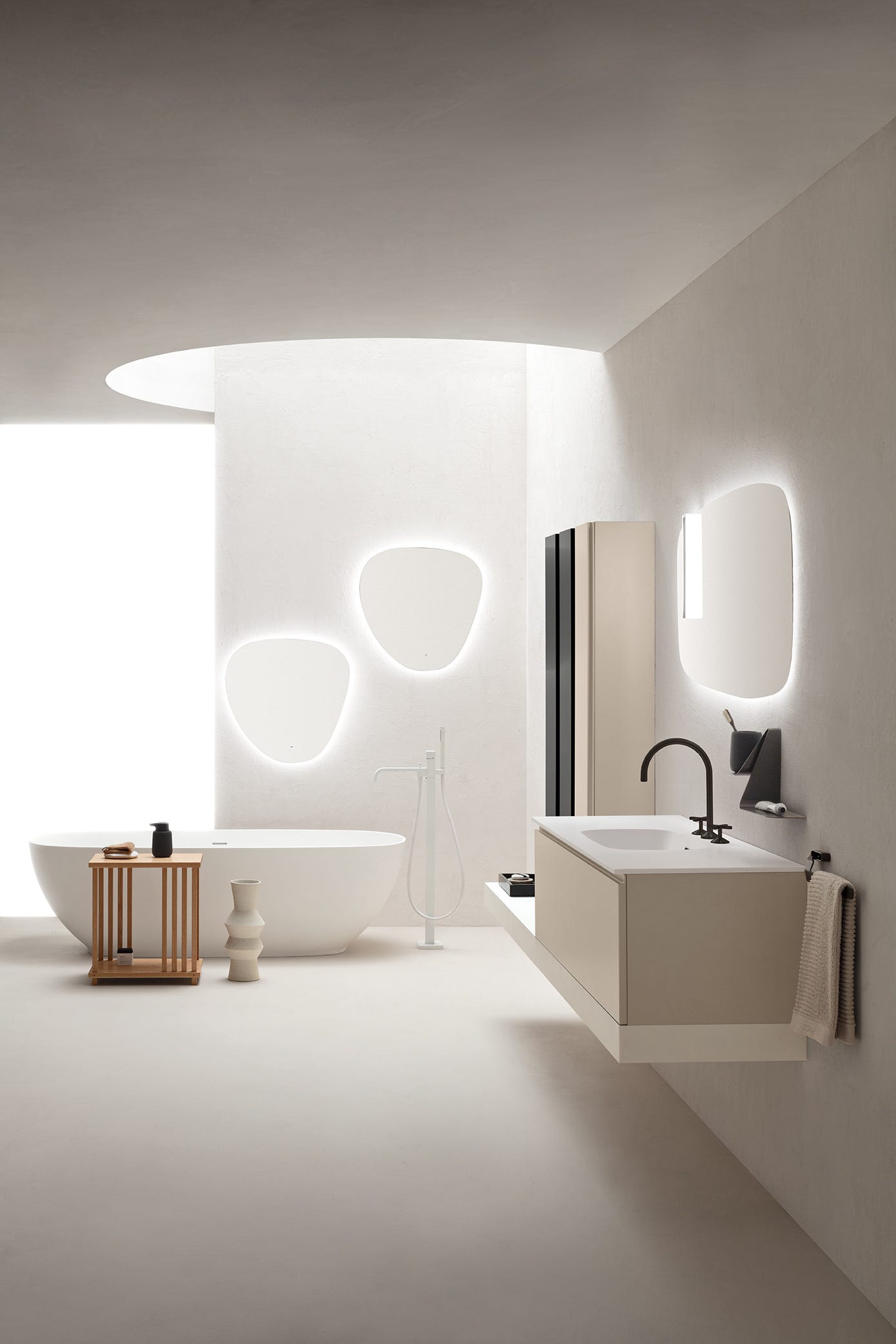
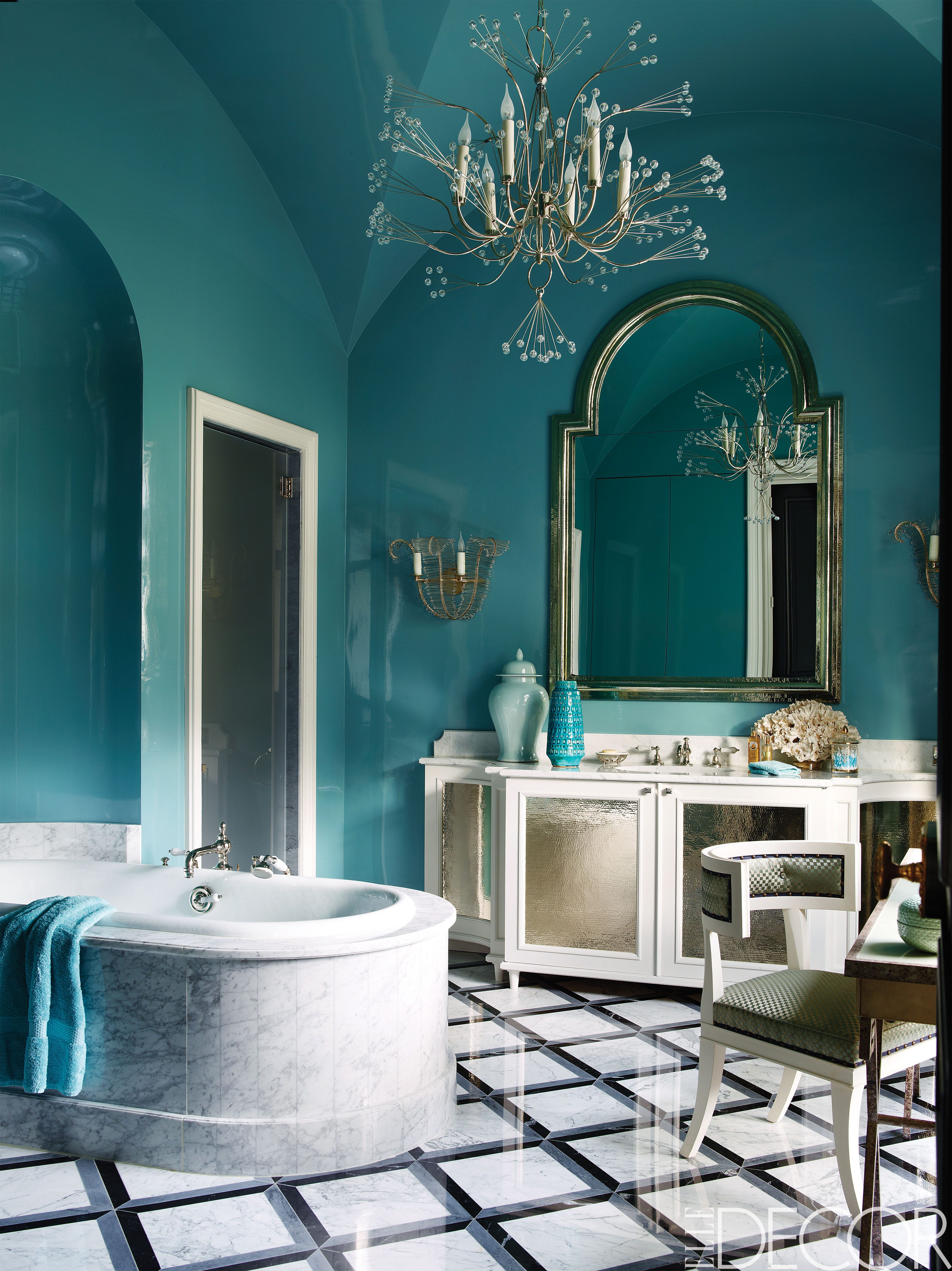
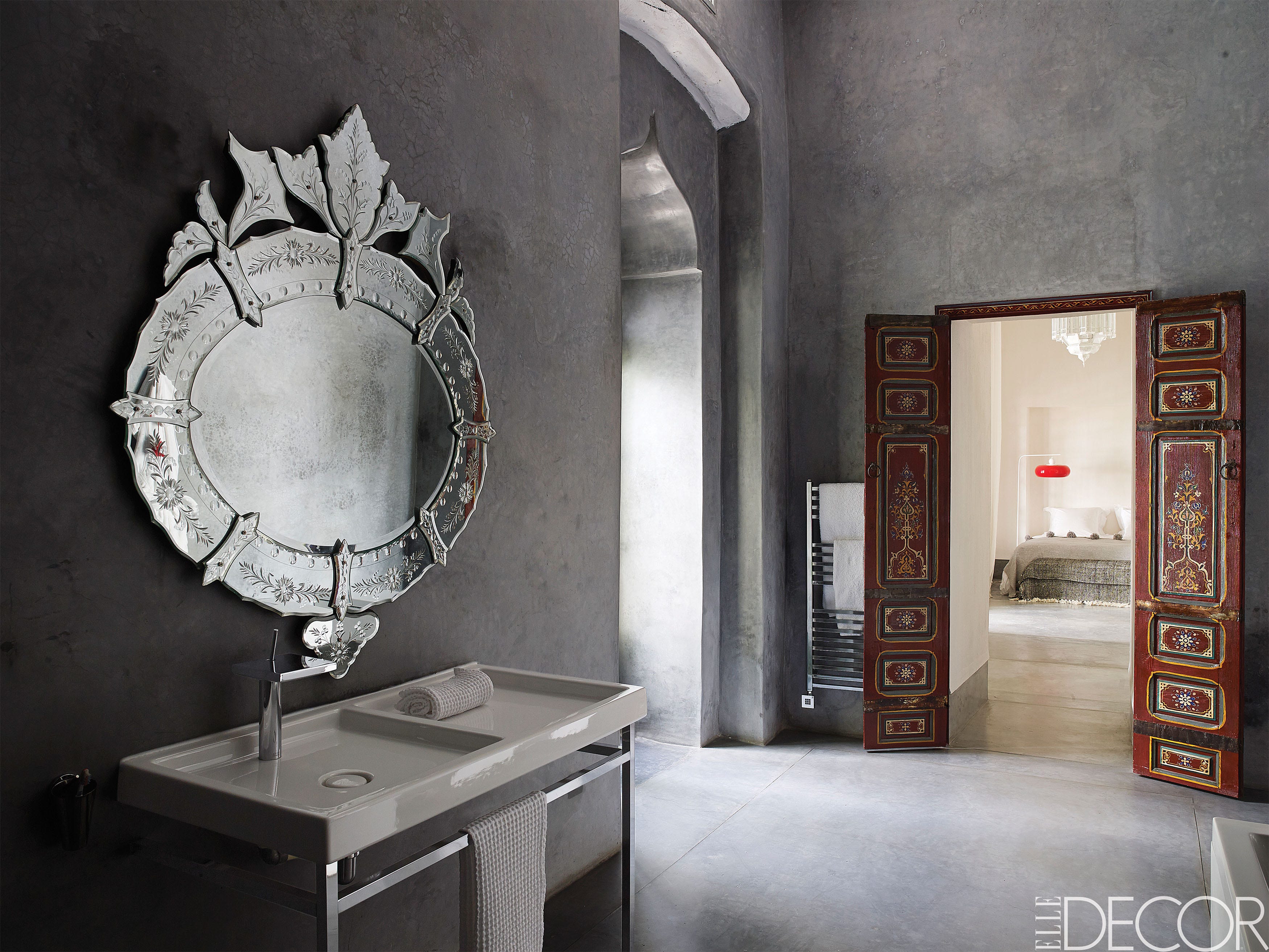
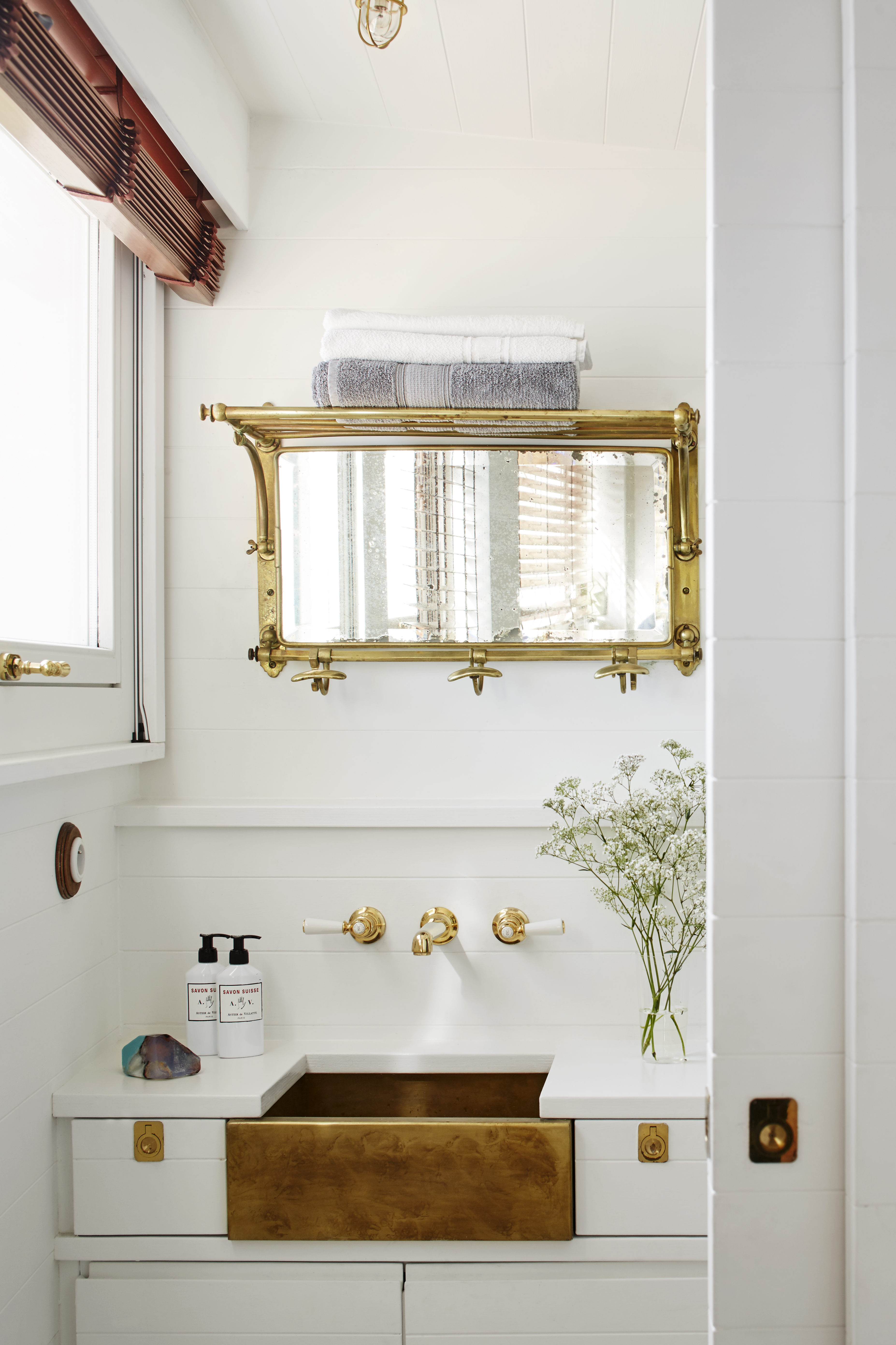
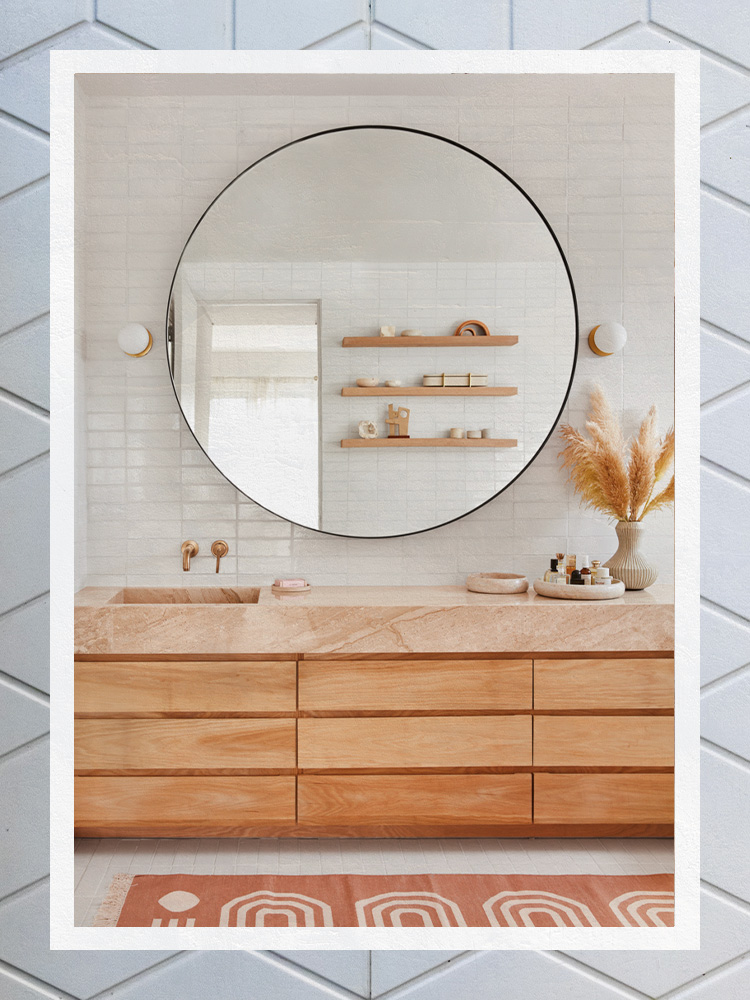
Bathroom mirrors are essential components of a bathroom, serving both functional and aesthetic purposes. Beyond reflecting an individual's morning routine, mirrors can act as a dramatic focal point in bathrooms, especially in smaller, windowless spaces, by introducing 'style pizzazz' through their shape and frame. They also enhance light reflection, contributing to the perception of a larger space. The scale of a mirror is crucial; it should be large enough to expand a small room without overwhelming it, and sufficiently sized to fill a larger area effectively.
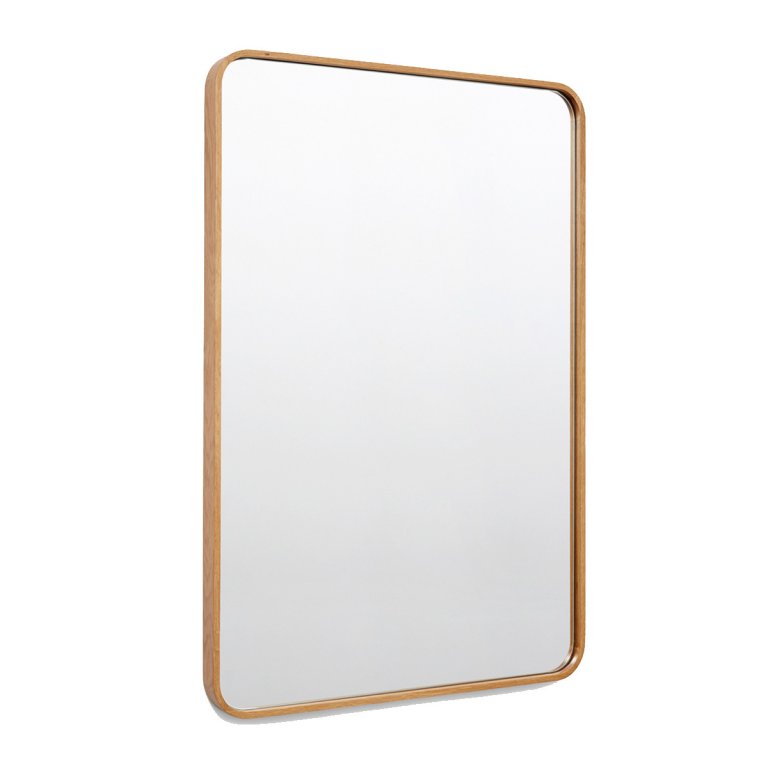
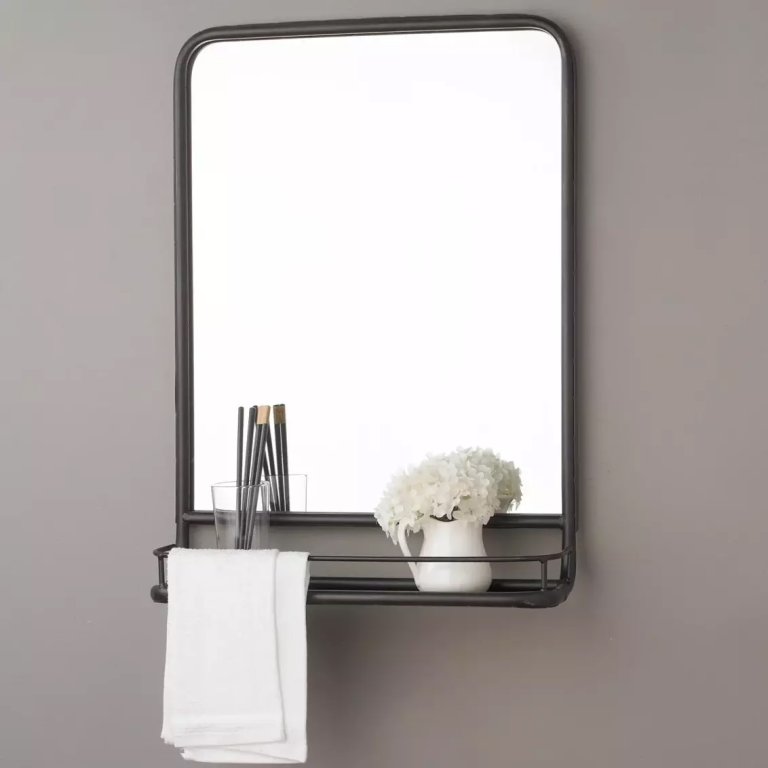
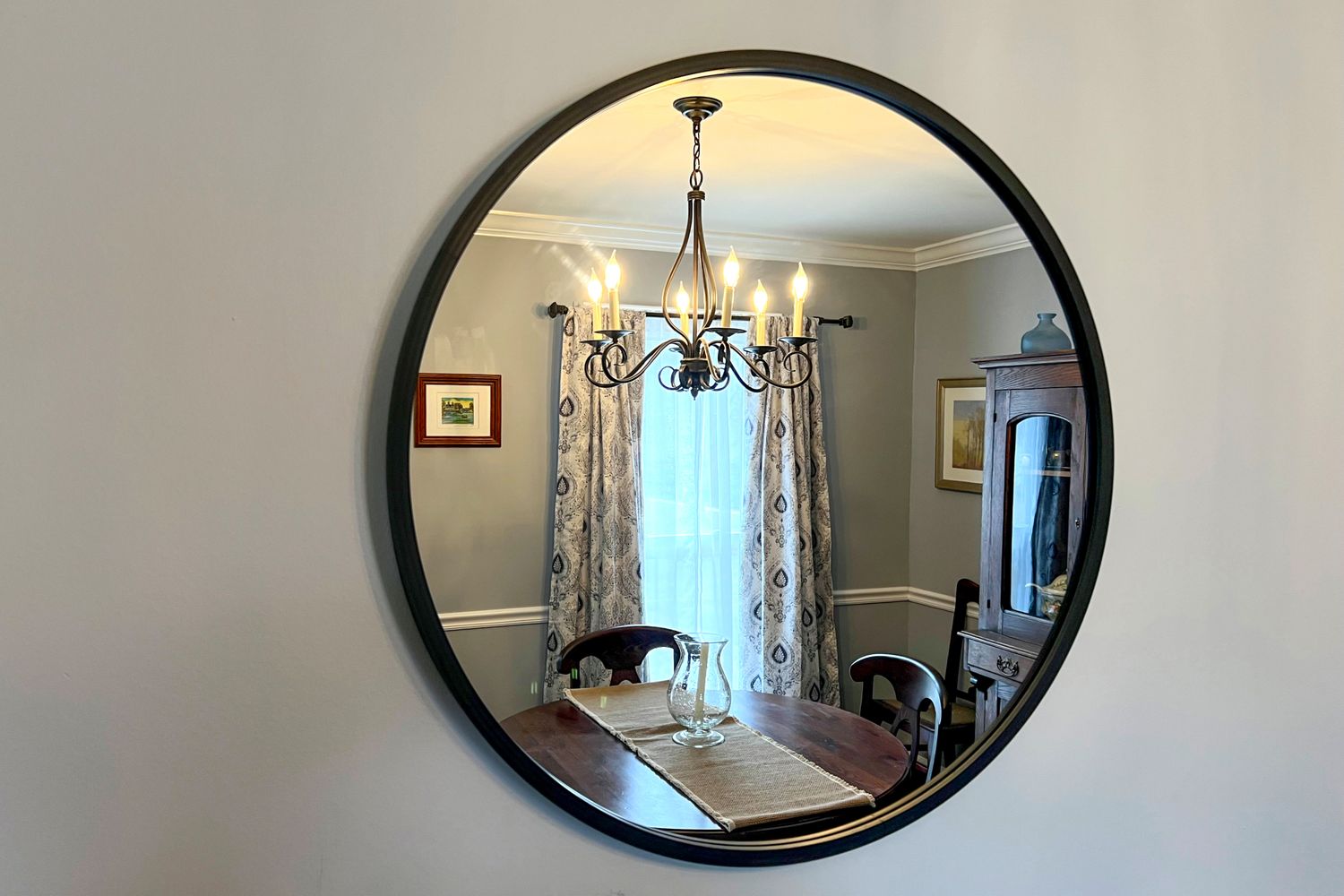
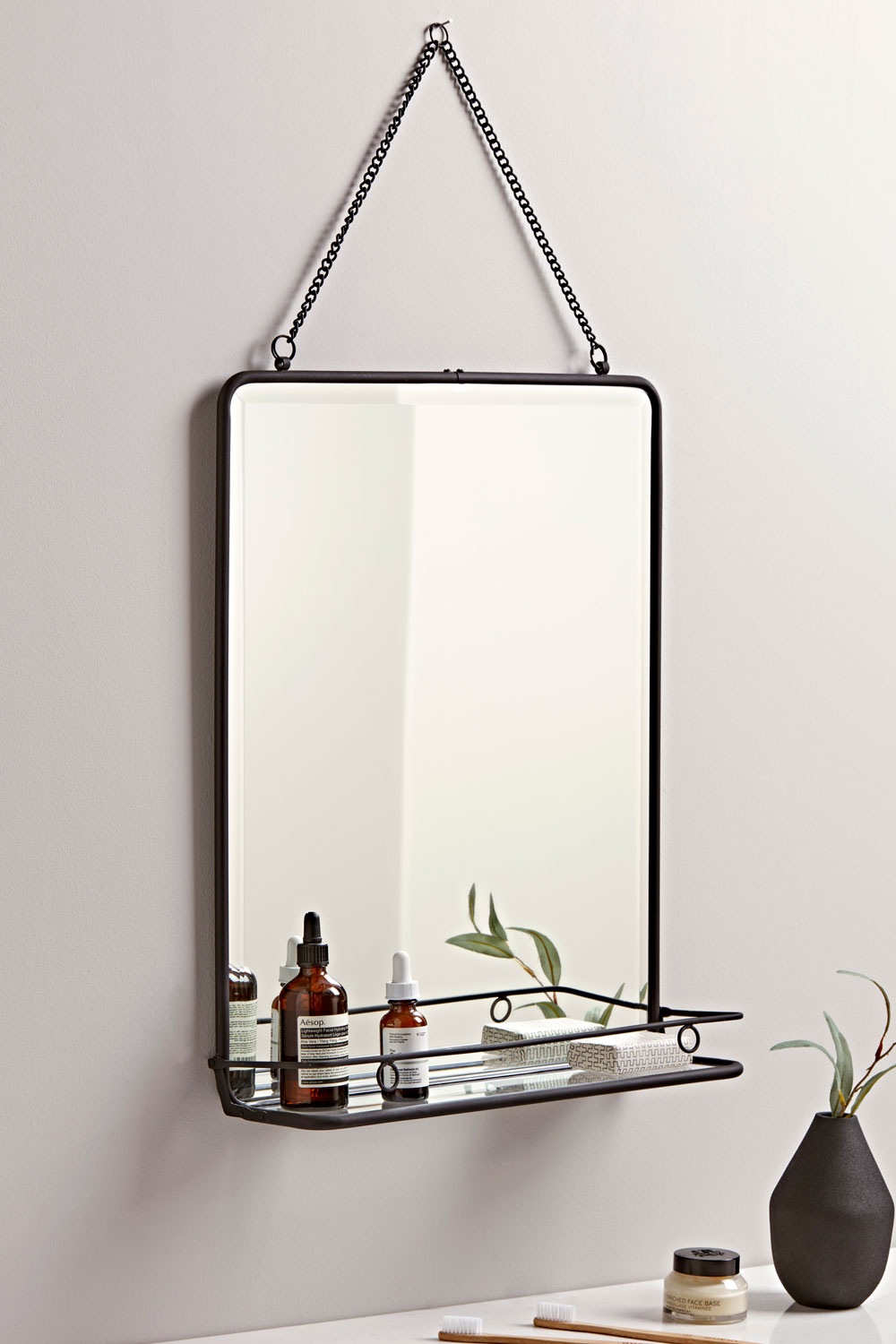
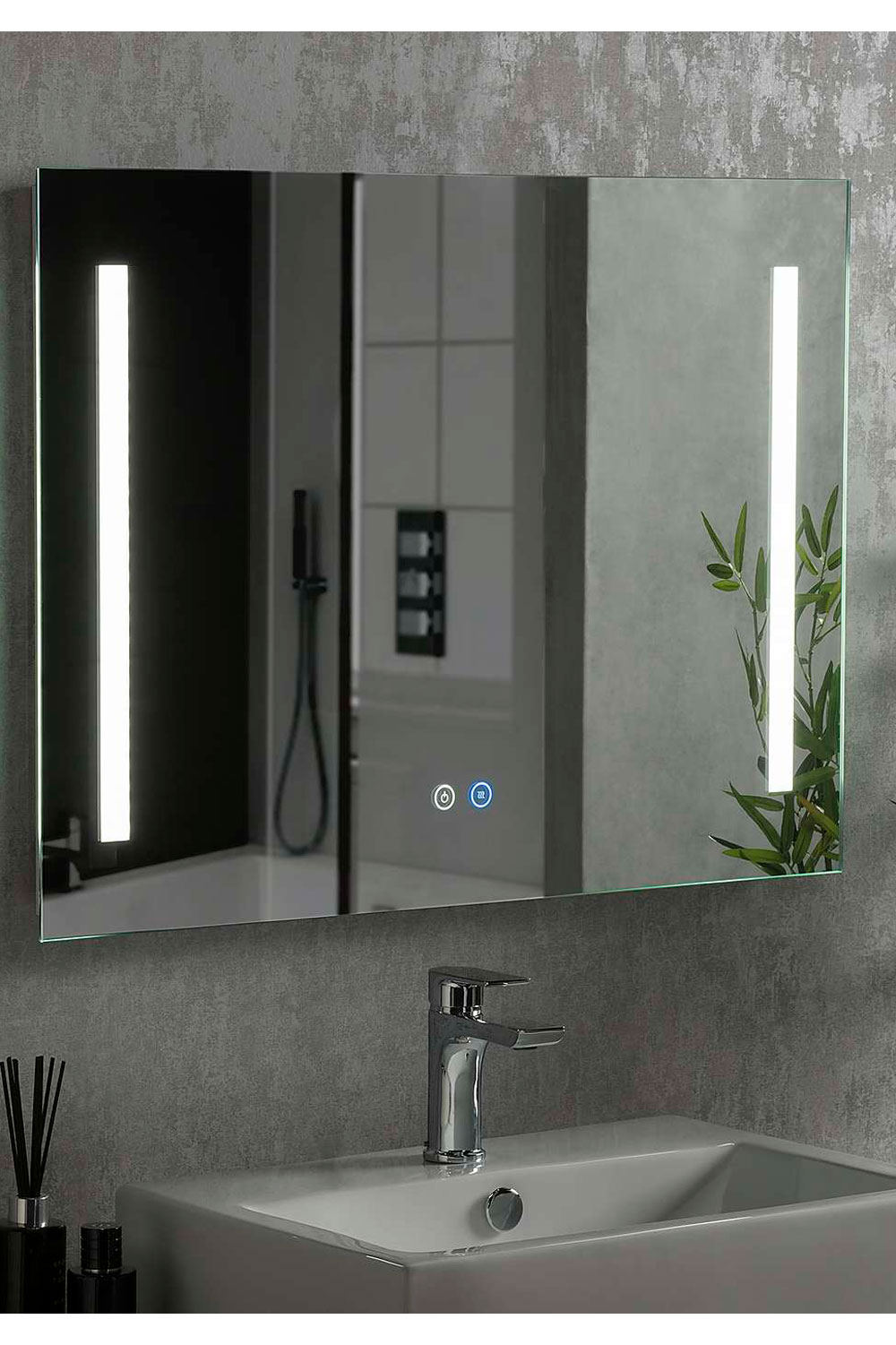
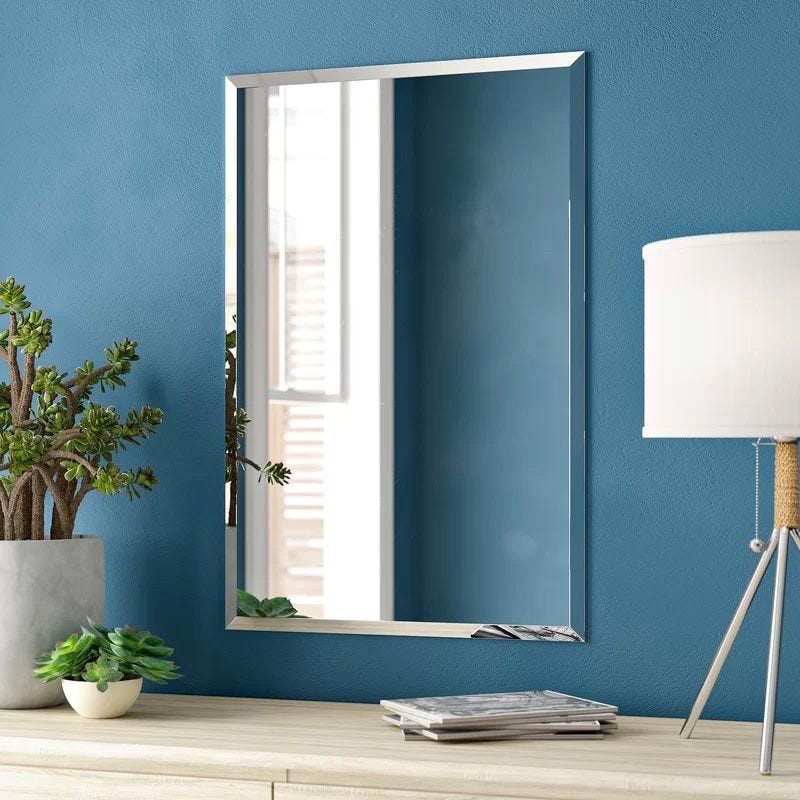
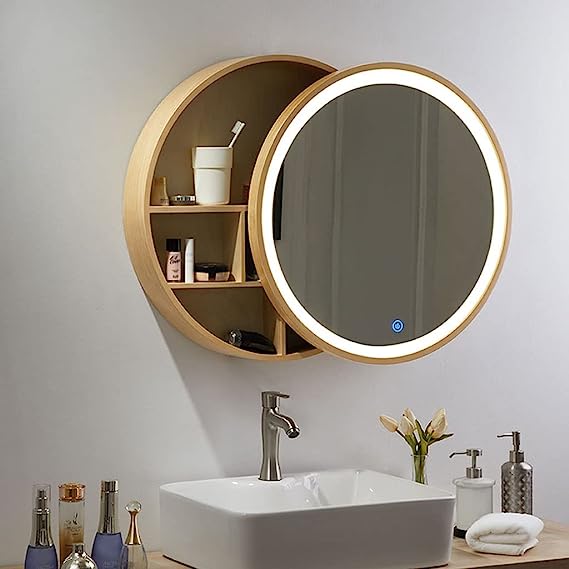
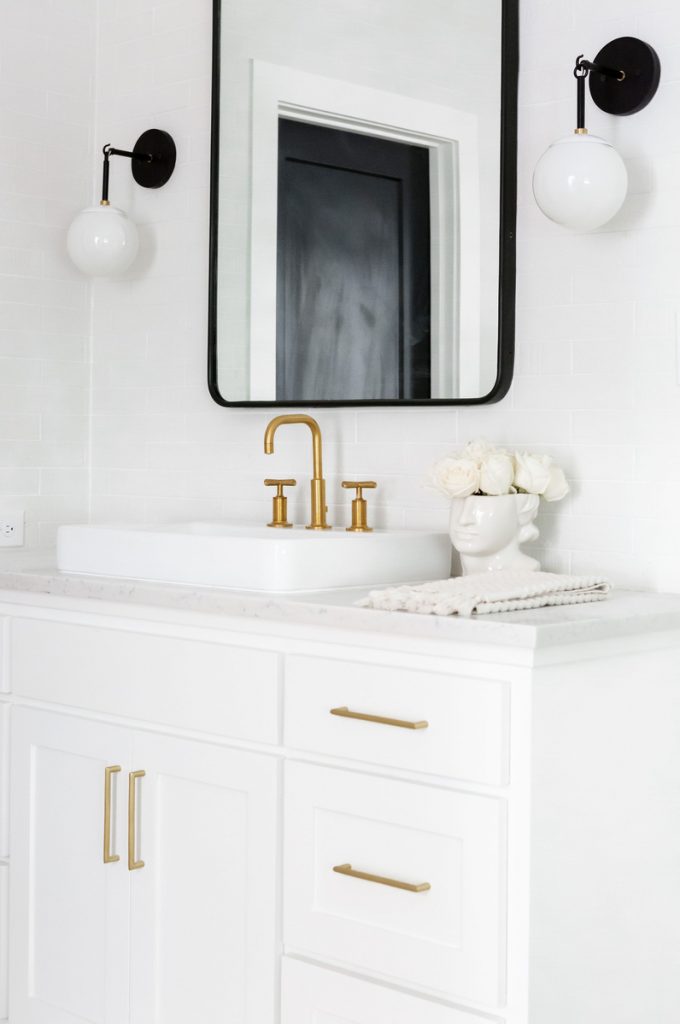
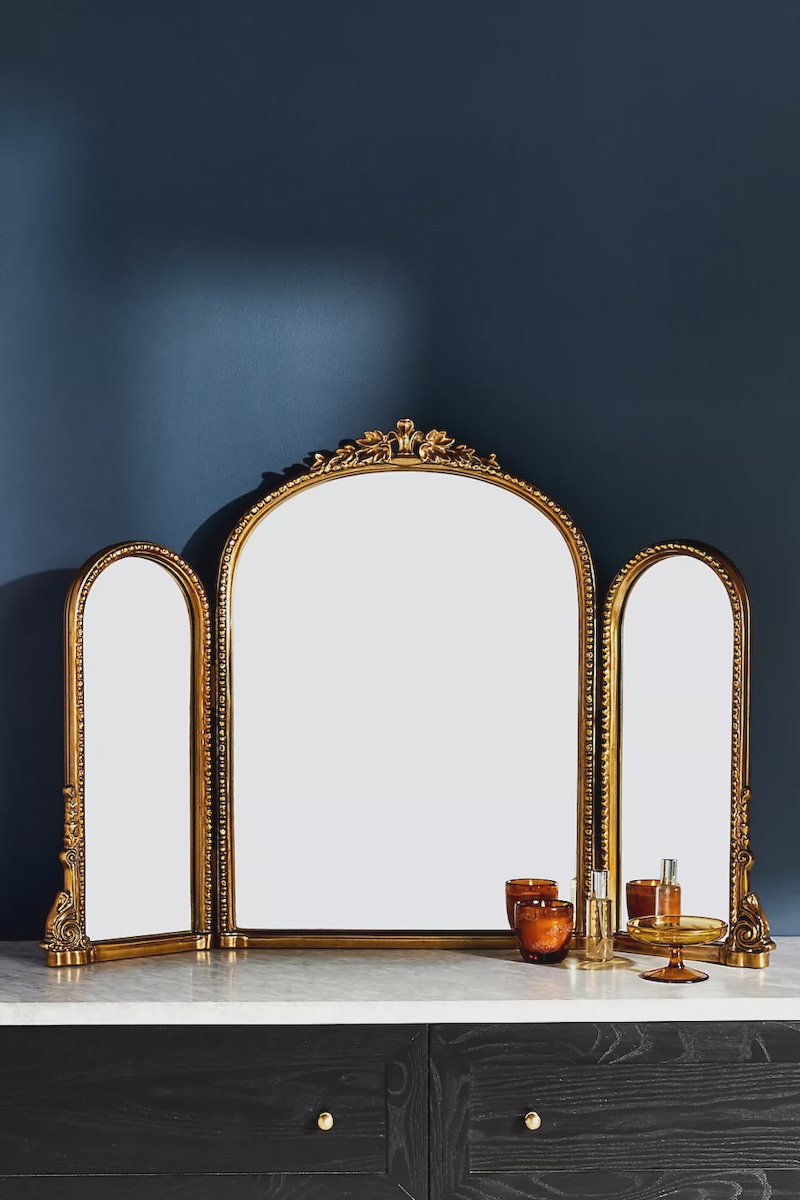
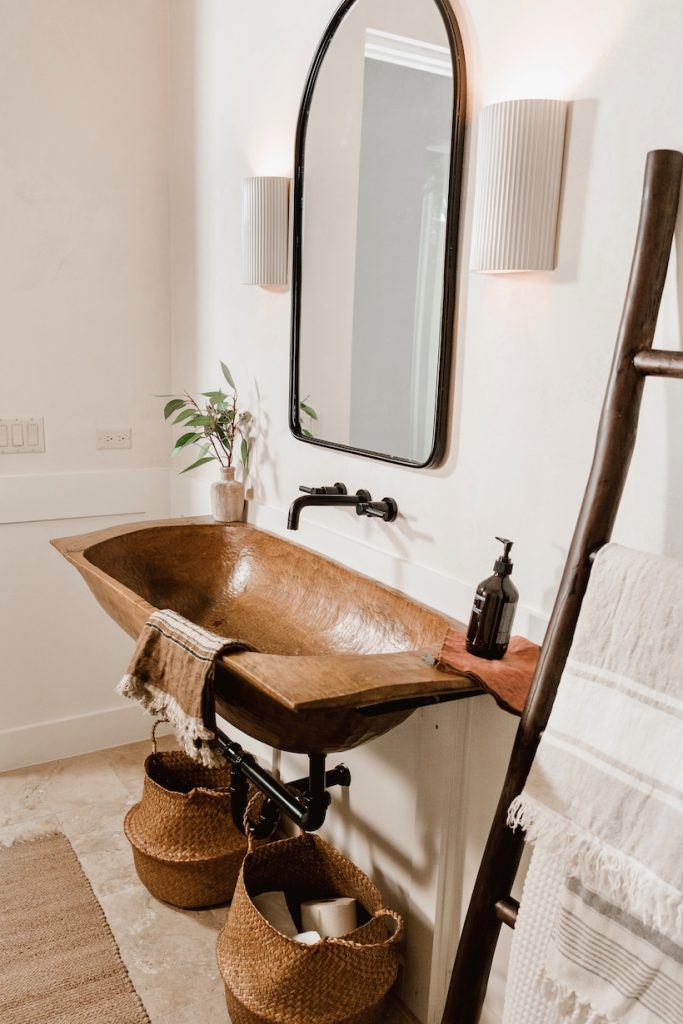
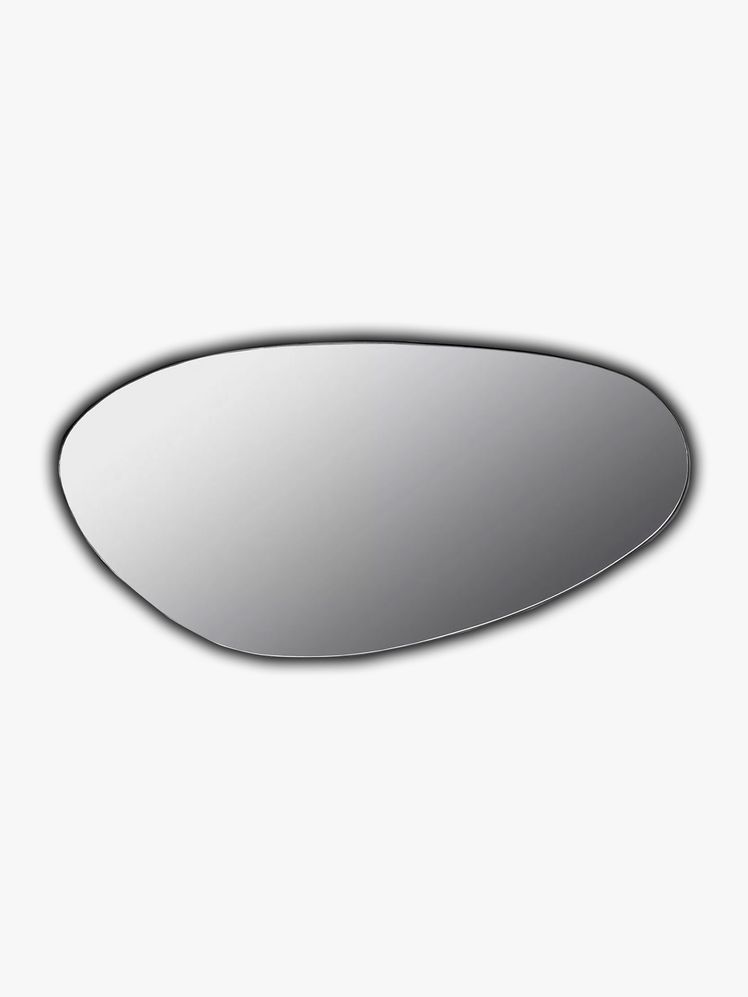
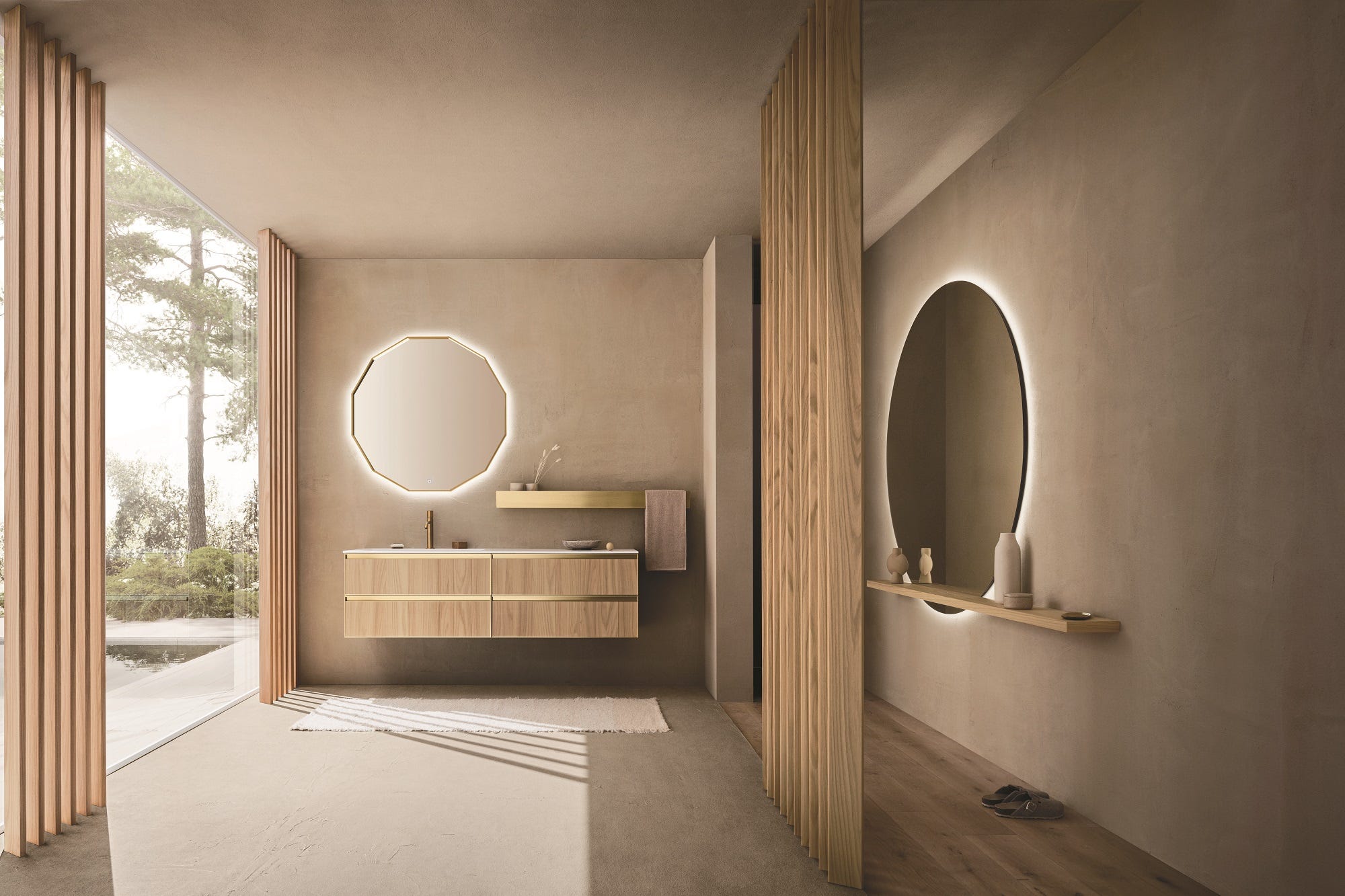
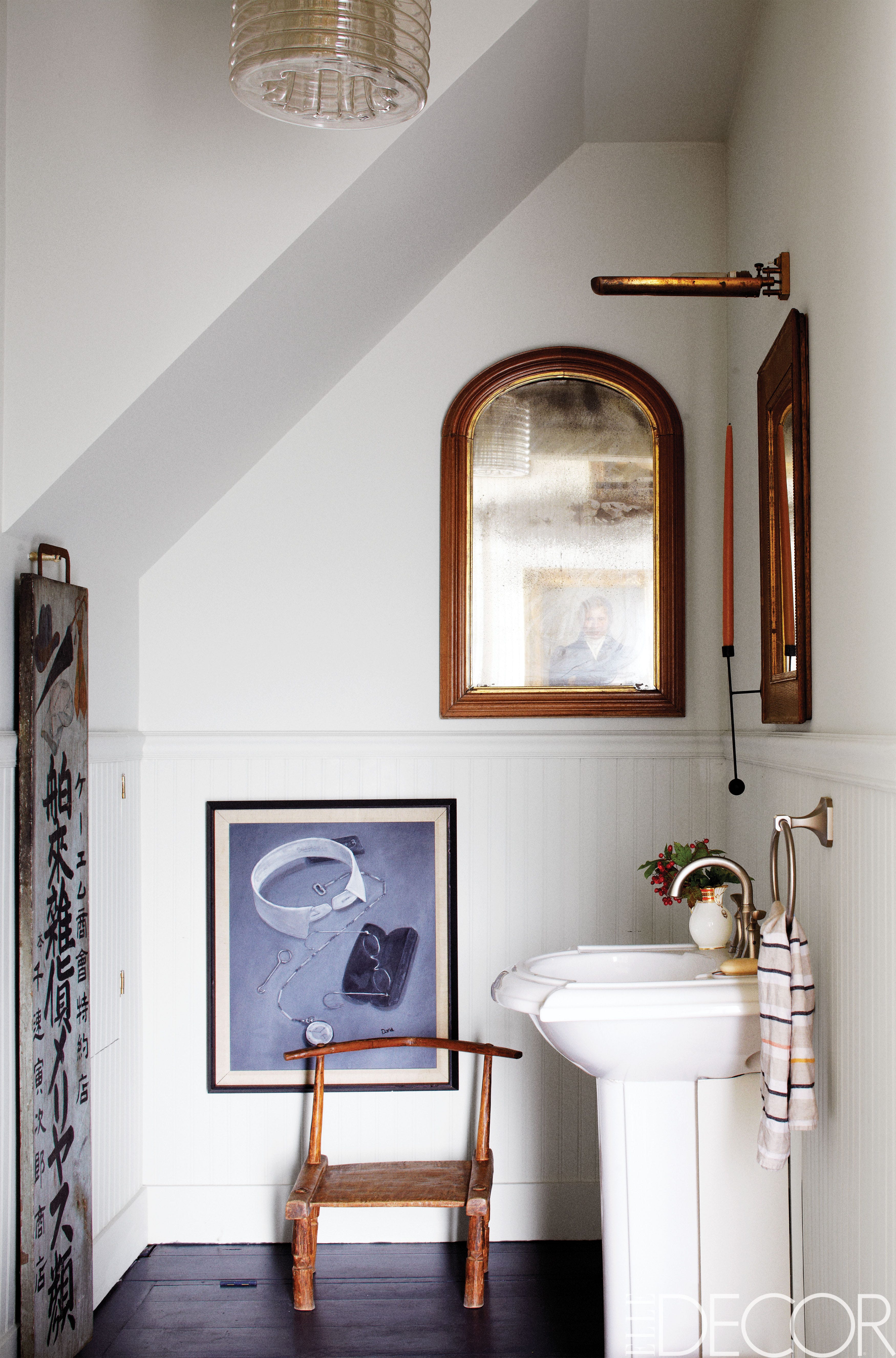
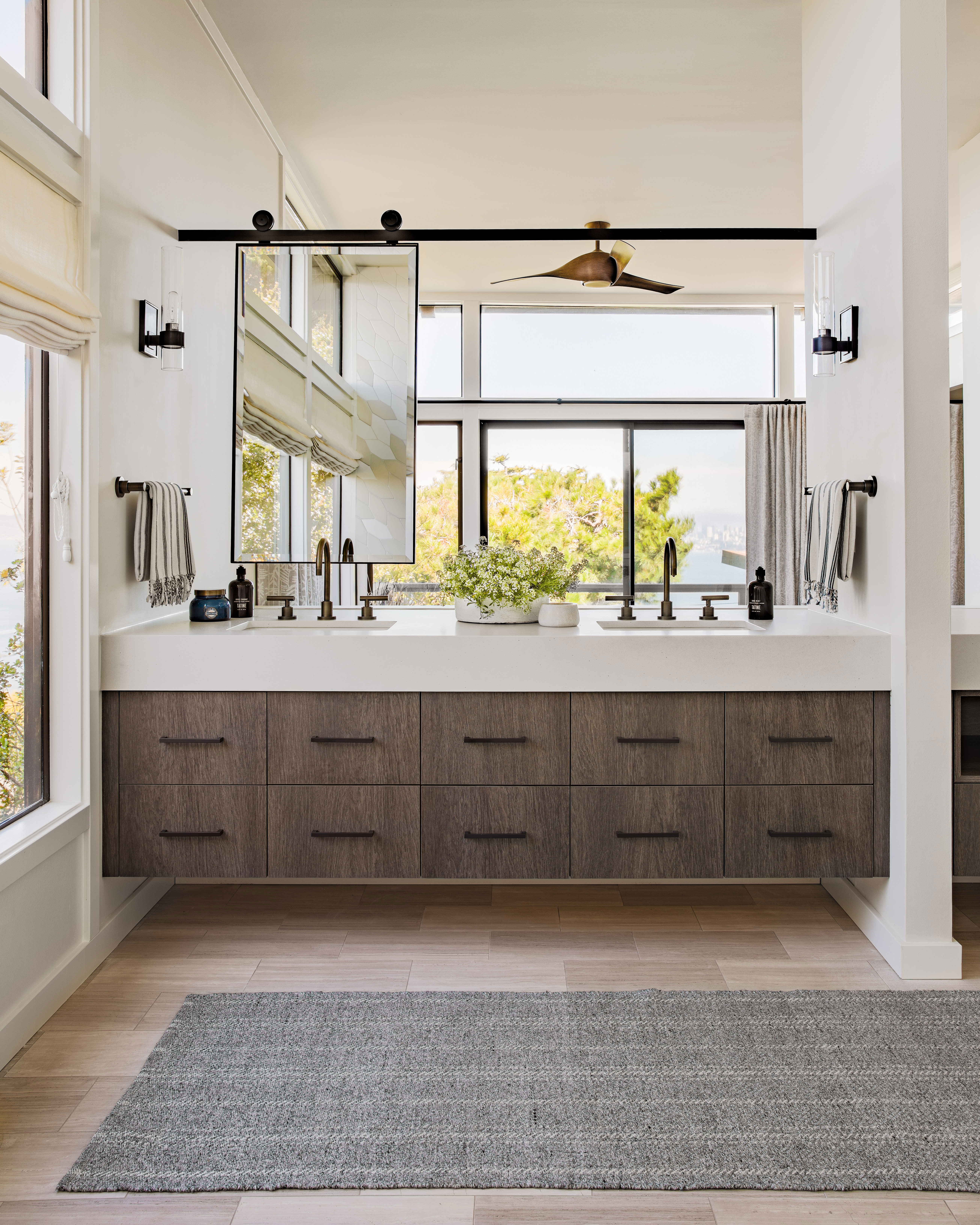
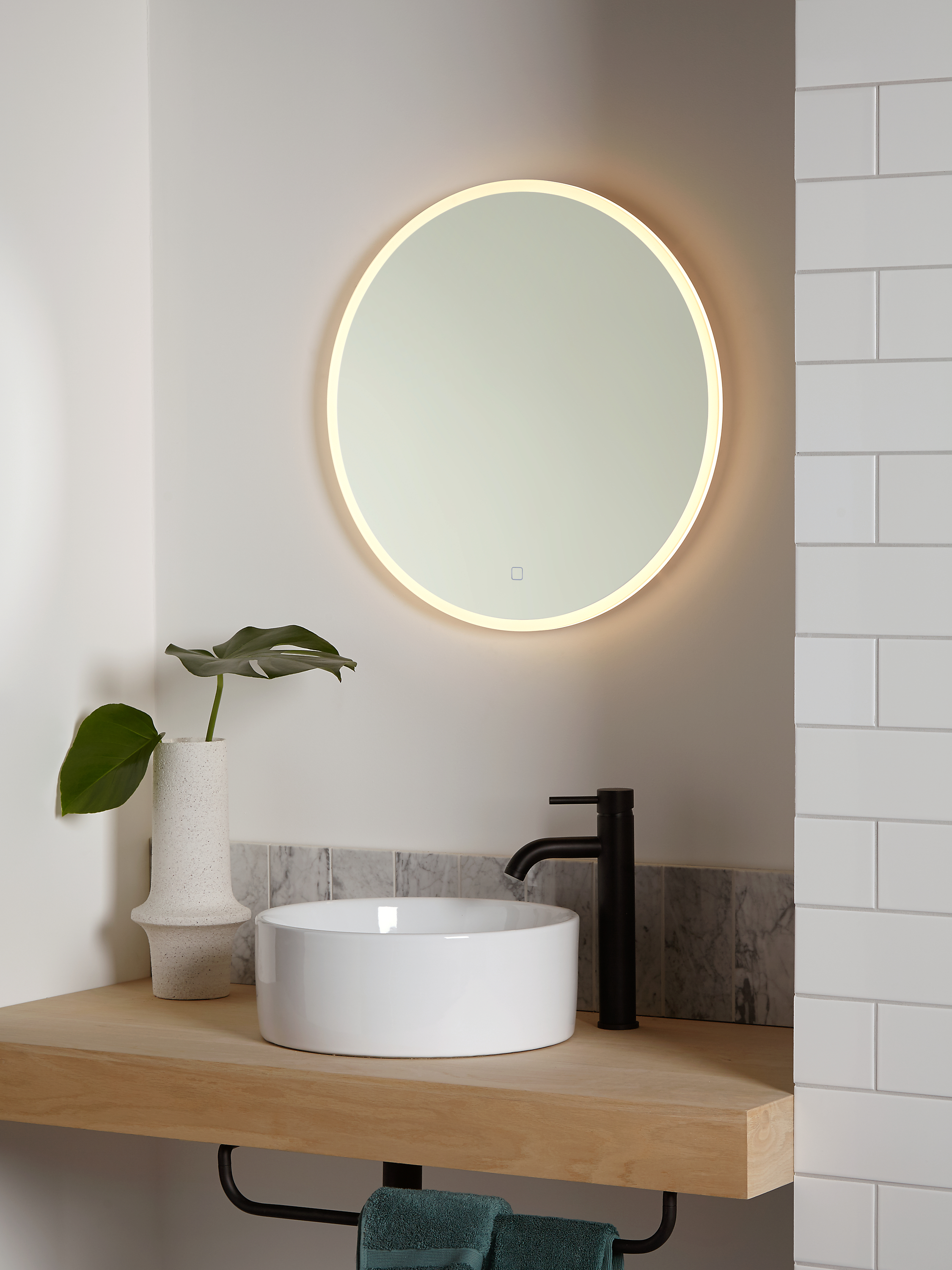
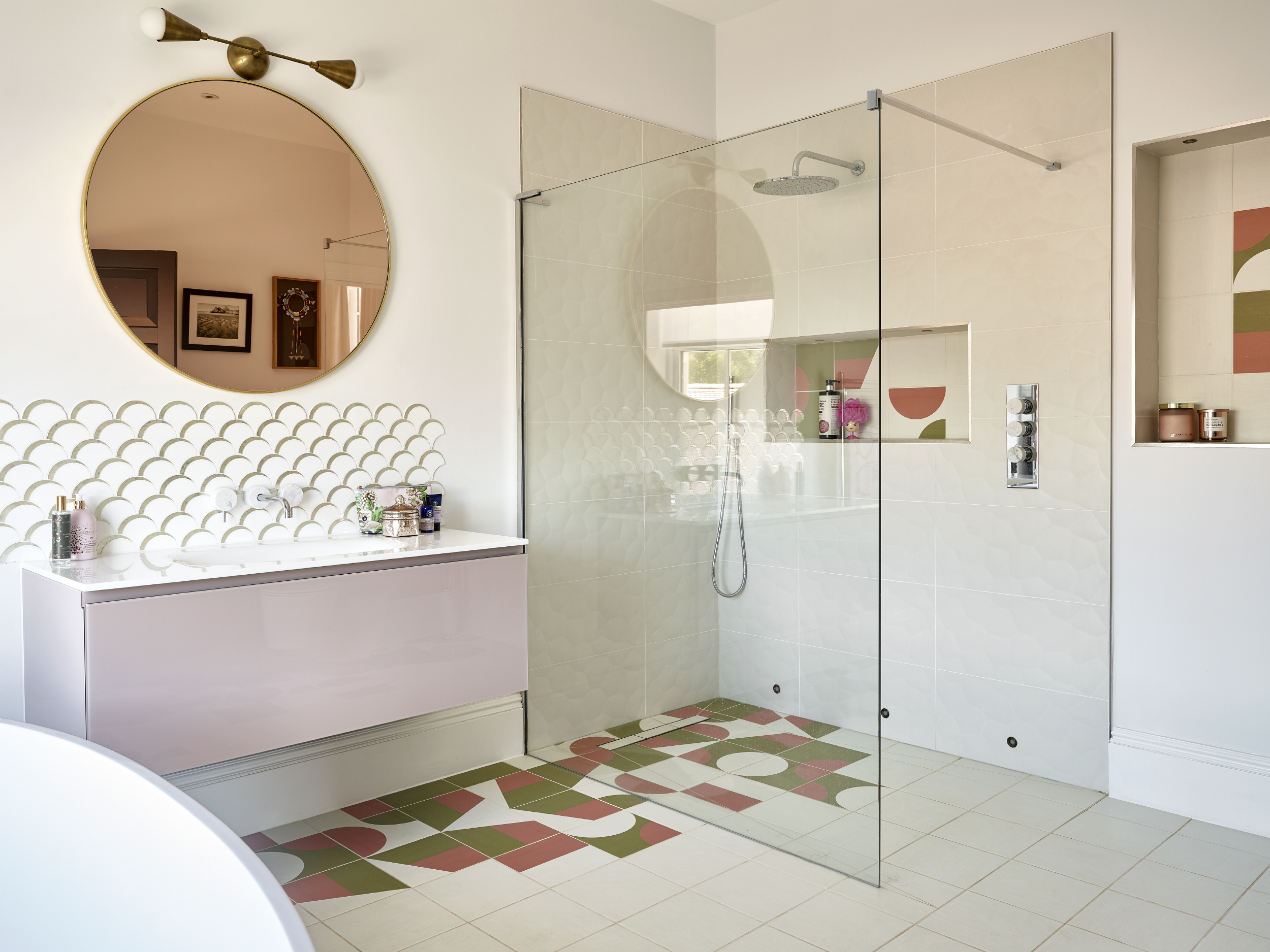
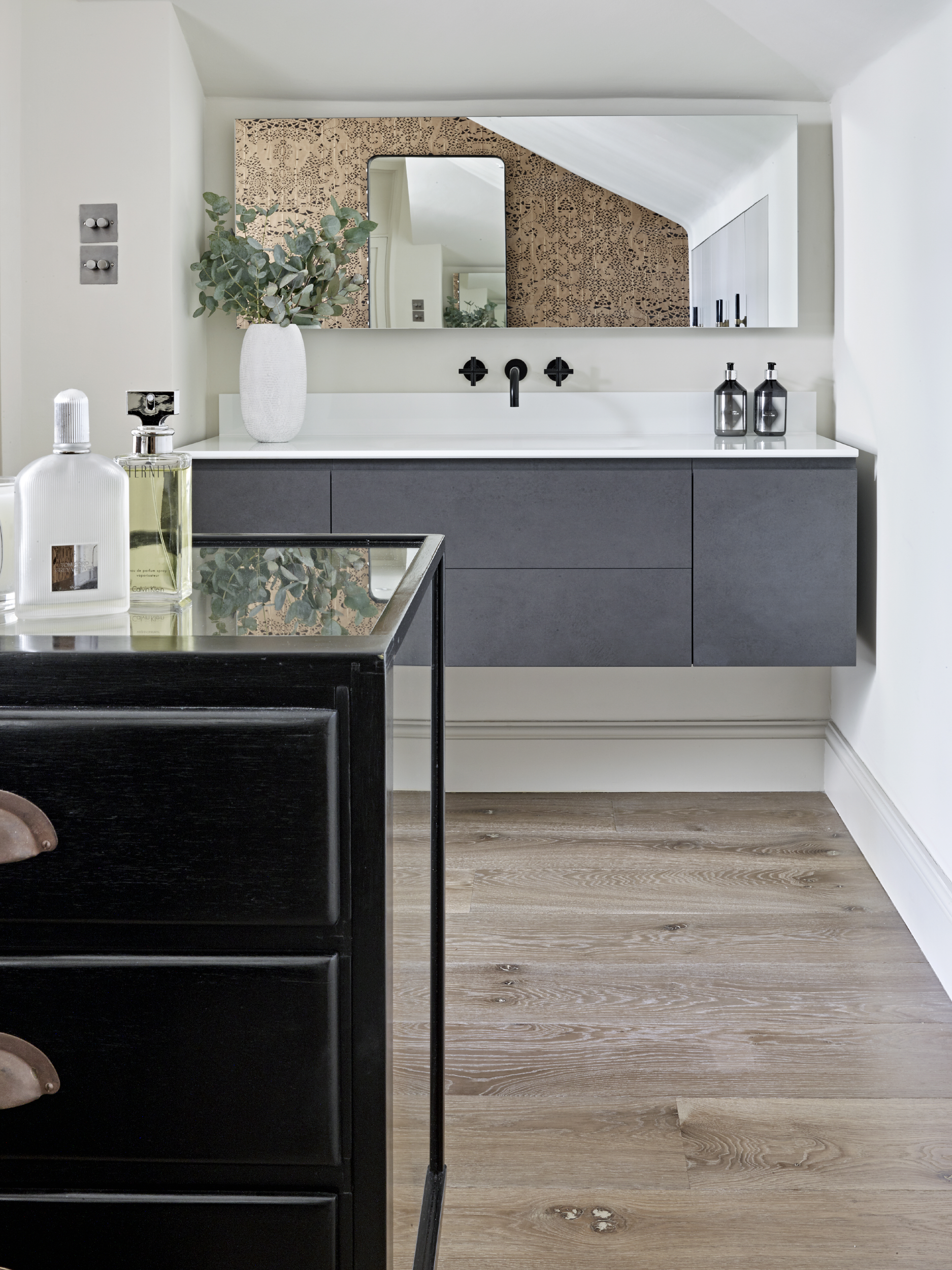
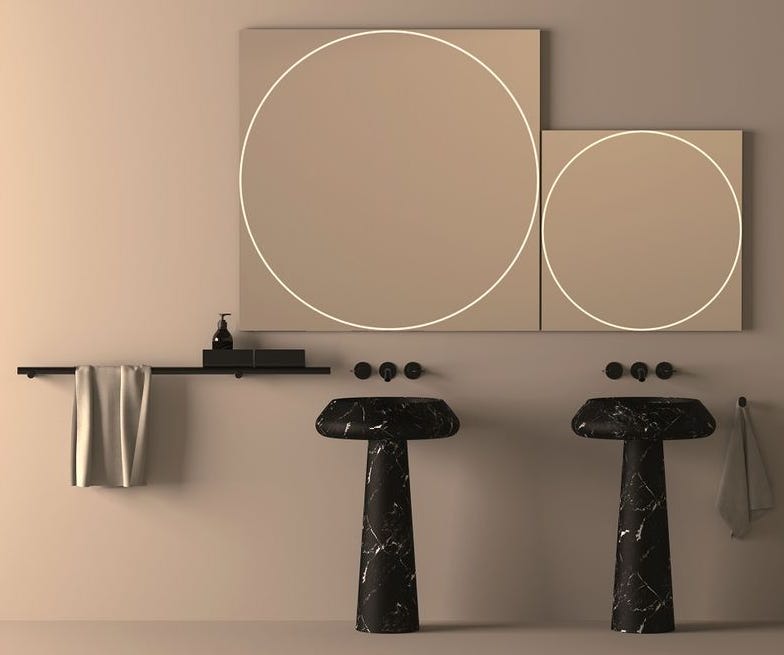
Selecting the ideal bathroom mirror involves considering various factors such as shape, frame material, and design. Expert advice suggests that round mirrors can soften contemporary aesthetics, while wood-framed rectangular mirrors suit classic styles. However, designers also encourage thinking outside traditional boundaries, such as using a long horizontal mirror that spans an entire wall in a powder room to create a distinctive visual impact. Mounting options are flexible, with many mirrors offering both horizontal and vertical hanging capabilities. Rectangular mirrors can elongate a space or provide extensive wall coverage in smaller bathrooms, ideally mounted 5 to 10 inches above the faucet. Full-length mirrors can be placed beside a sink, and frameless mirrors can either rest on a vanity or be affixed with adhesive or clips.
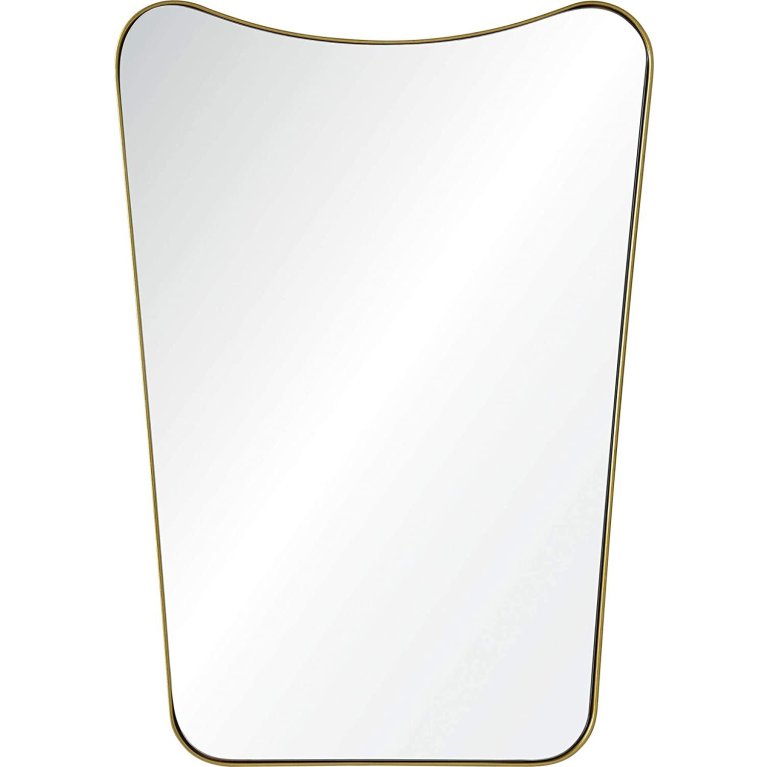
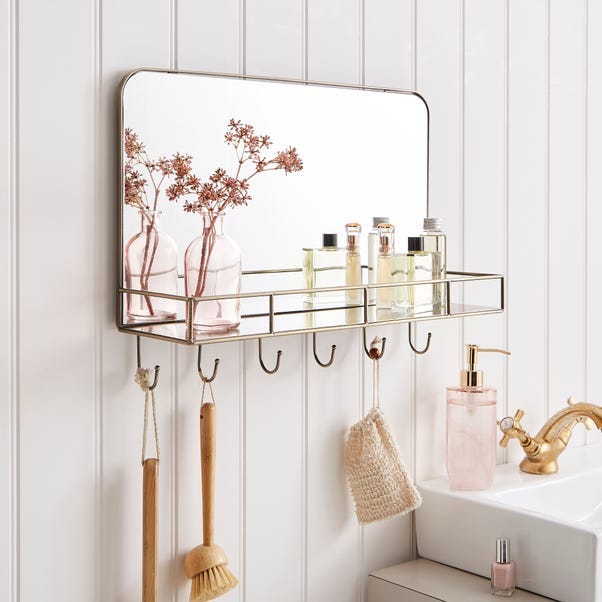
The durability and longevity of bathroom mirrors are significantly influenced by their materials, given the high humidity and fluctuating temperatures typical of bathrooms. Preferred materials include stainless steel, ceramic, cast glass, bronze, fired enamel, stone (both composite and natural), and plastic, all of which are either impervious to moisture or age gracefully in damp conditions. Natural lacquers, particularly Urushiol, are also suitable due to their waterproof properties, though they tend to be more expensive. Certain materials like unfinished brass, copper, and some resinous woods (e.g., cedar, redwood) can develop a desirable patina when exposed to bathroom environments, a characteristic to consider during selection.
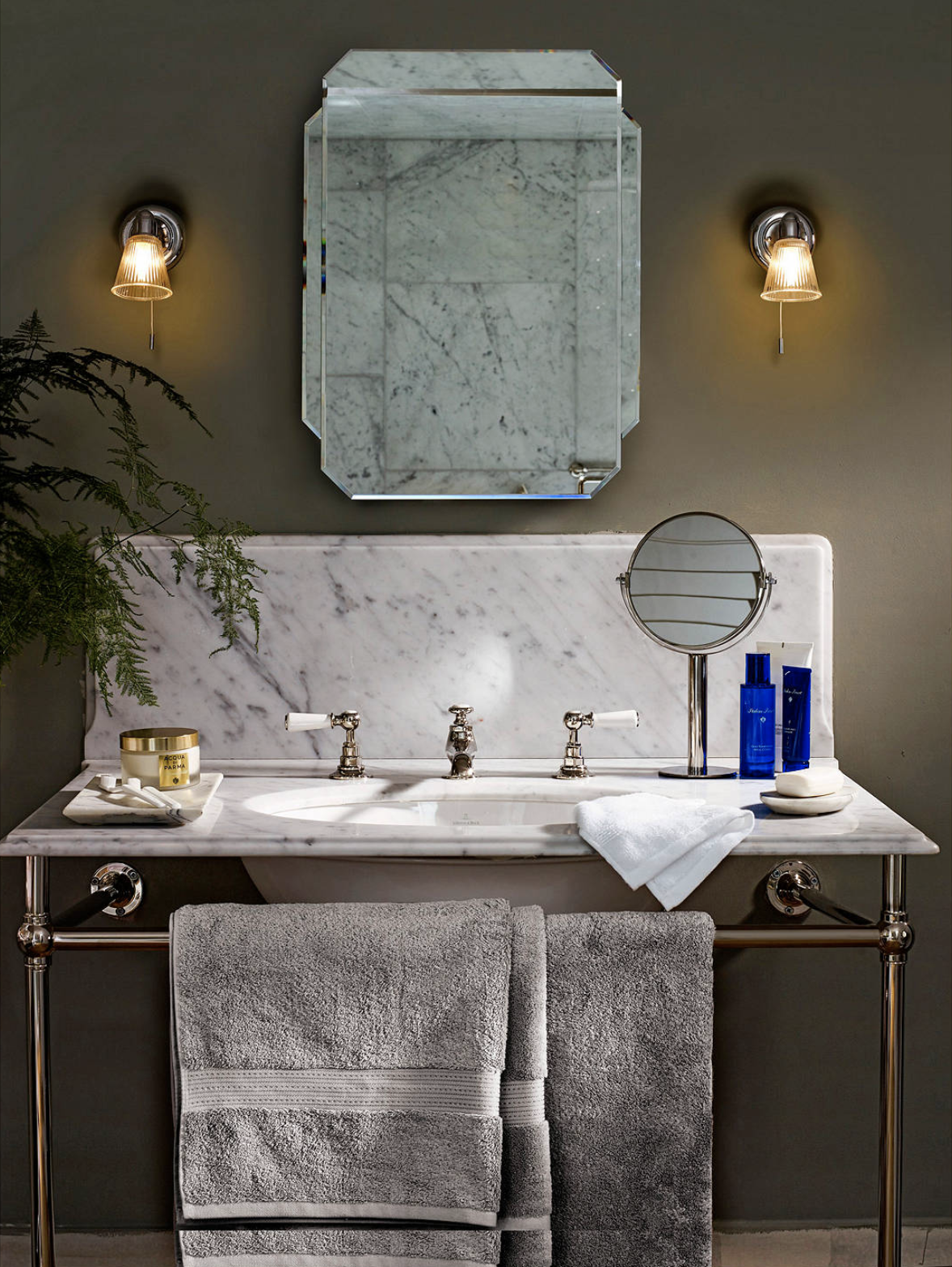
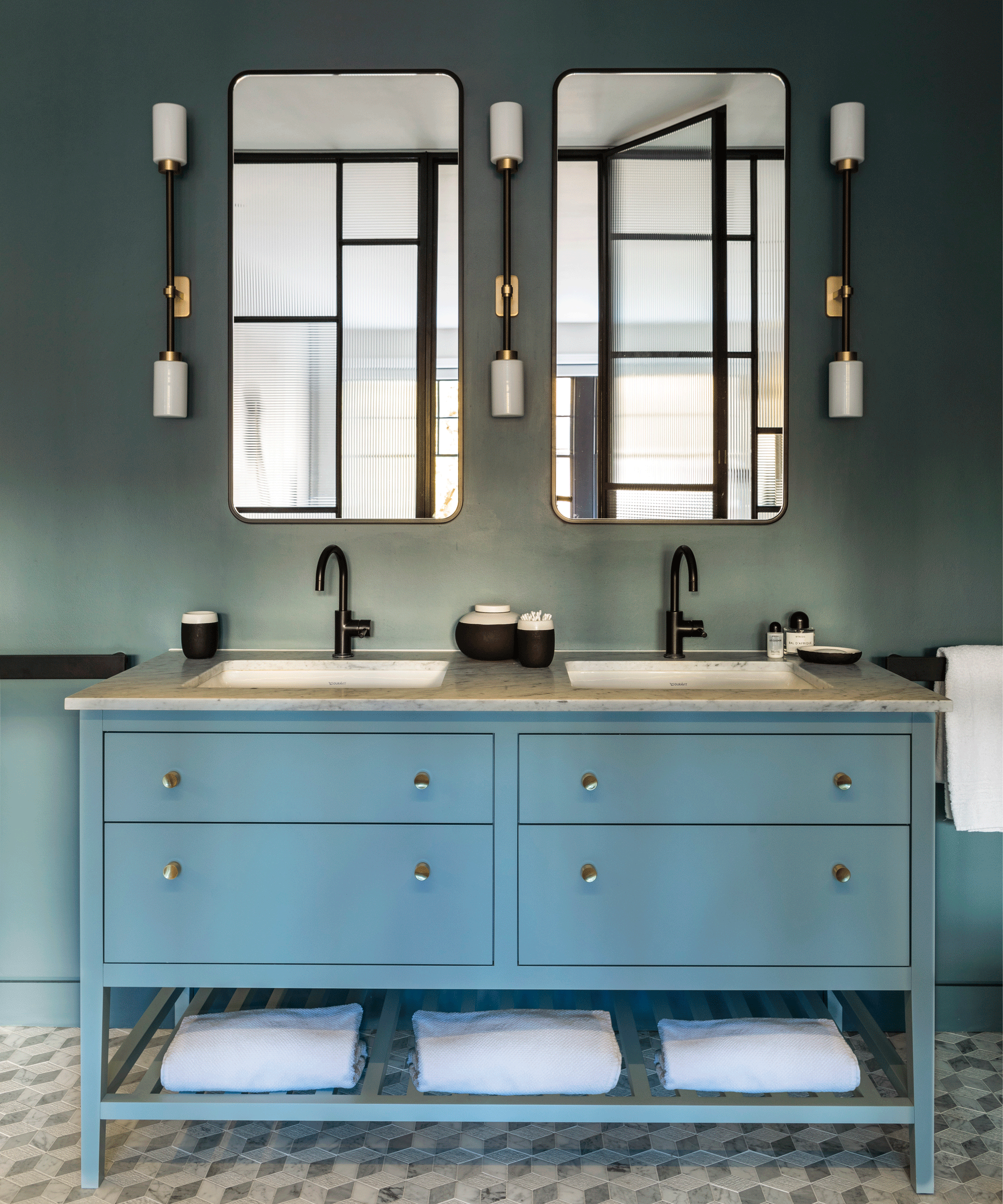
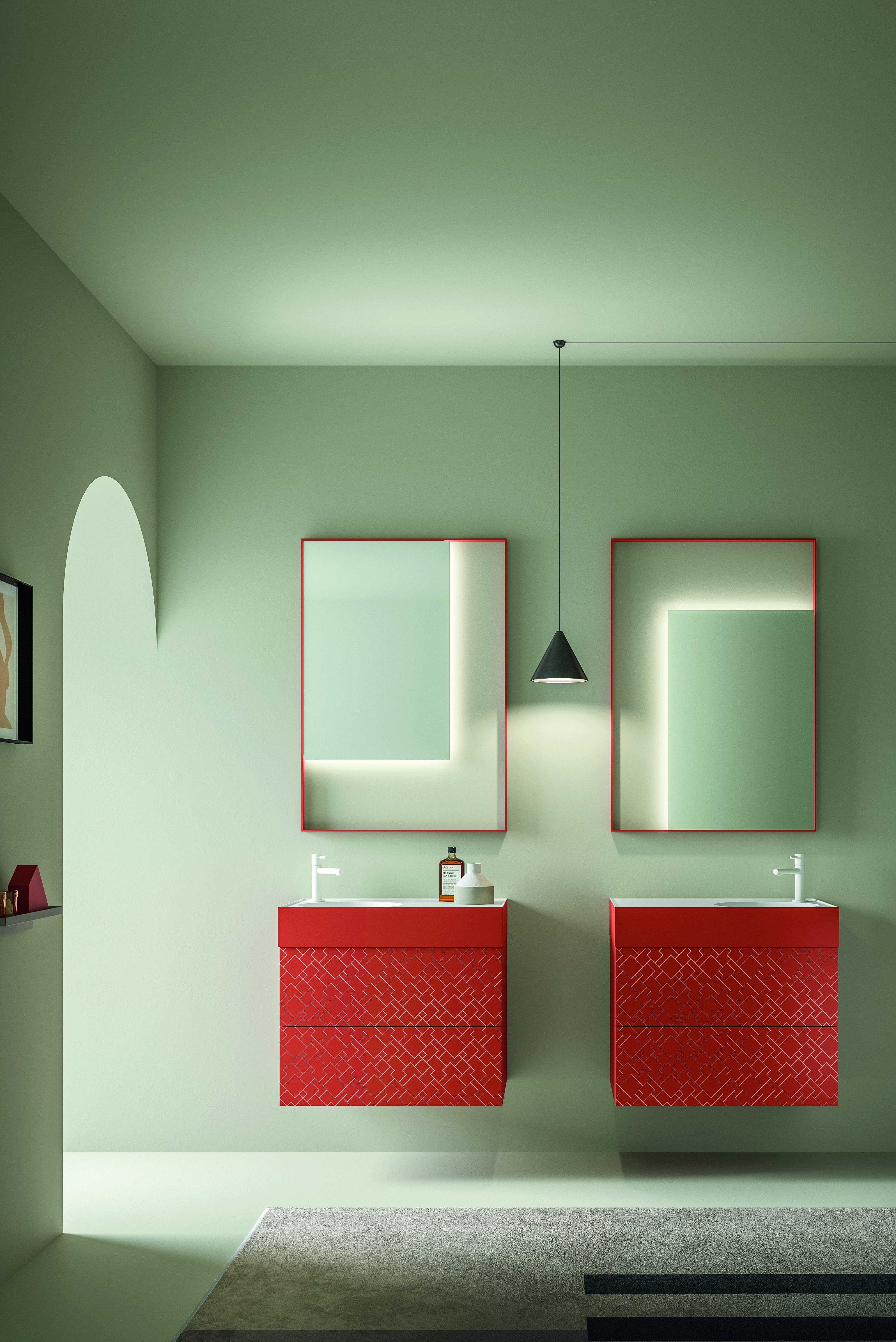
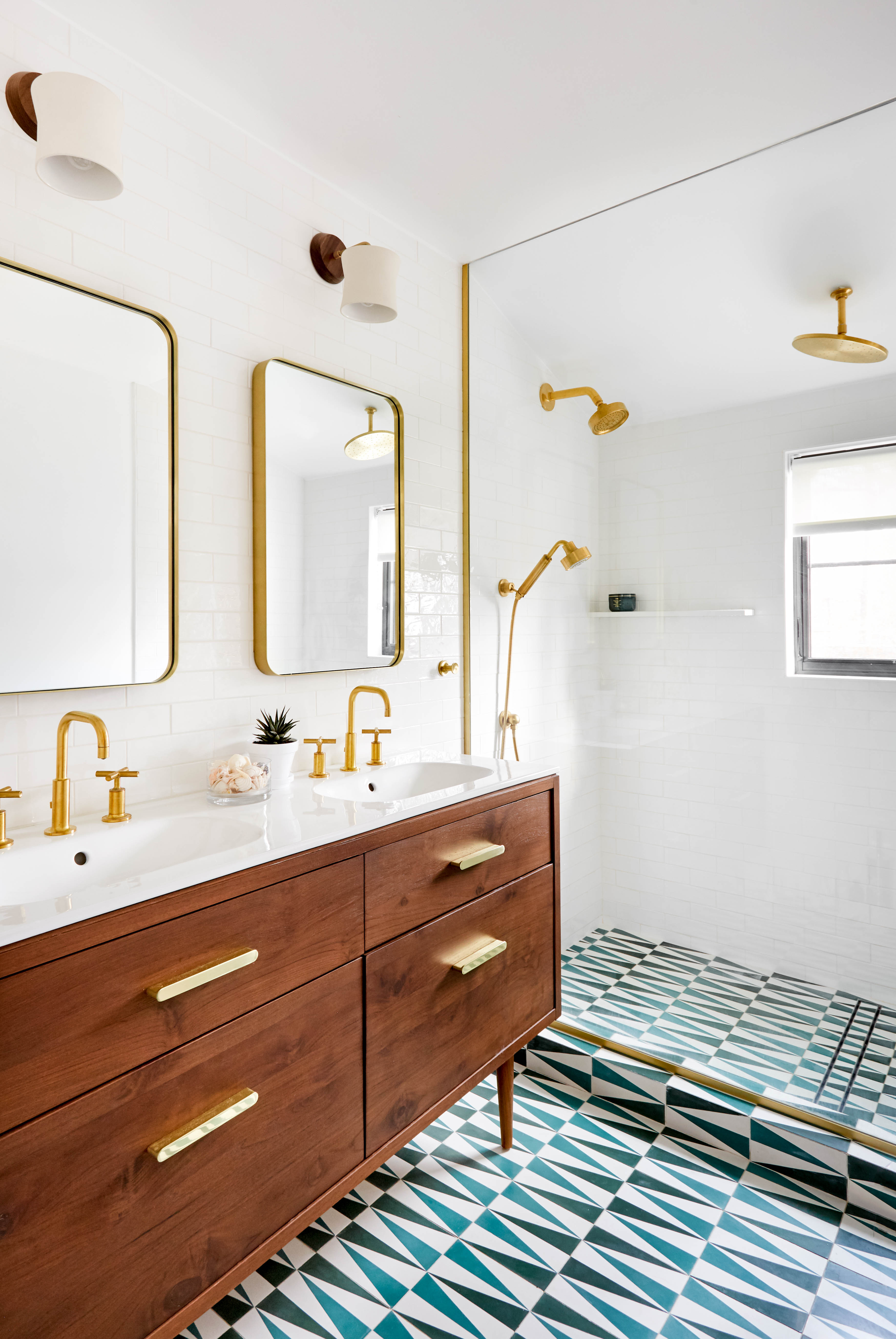
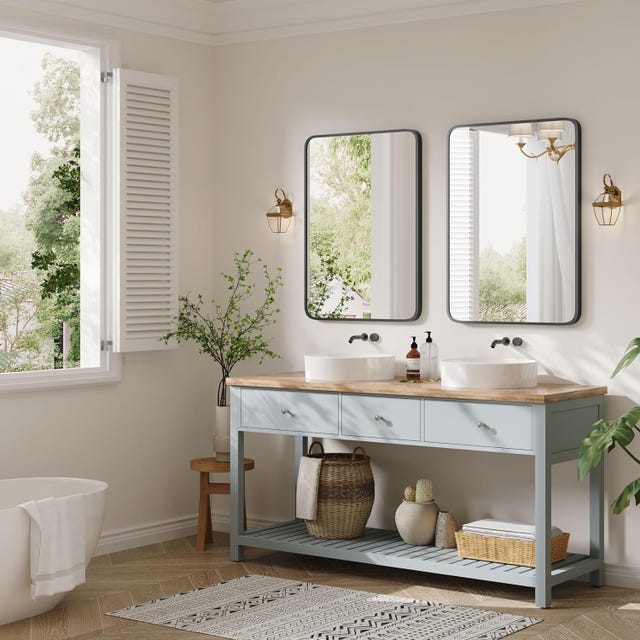
For small bathrooms, choosing the right mirror size and shape can significantly impact the perception of space. A mirror that matches the width of the vanity can create a sense of symmetry. Alternatively, a side-by-side arrangement of two or three smaller mirrors can work well for wider walls. Large mirrors are particularly effective in small spaces as they reflect more light, making the area feel brighter and more expansive. Ultimately, the selection should not be constrained by the room's size; instead, it presents an opportunity to experiment with scale and texture, allowing the mirror to be a bold design statement. A well-chosen mirror should enhance the space without dominating it, serve as an anchor for the overall design, and offer a captivating visual element that encourages a second glance.
#BathroomDesign #MirrorSelection #HomeDecor #InteriorDesign #SmallSpaceSolutions #DesignTips #MaterialGuide #StylishLiving #FunctionalDecor #BathroomDesign #MirrorSelection #HomeDecor #InteriorDesign #SmallSpaceSolutions #DesignTips #MaterialGuide #StylishLiving #FunctionalDecor
0 comment in total
 No comments yet
You may also like
The Best Bathroom Mirrors Have These 4 Qualities, Above All Else

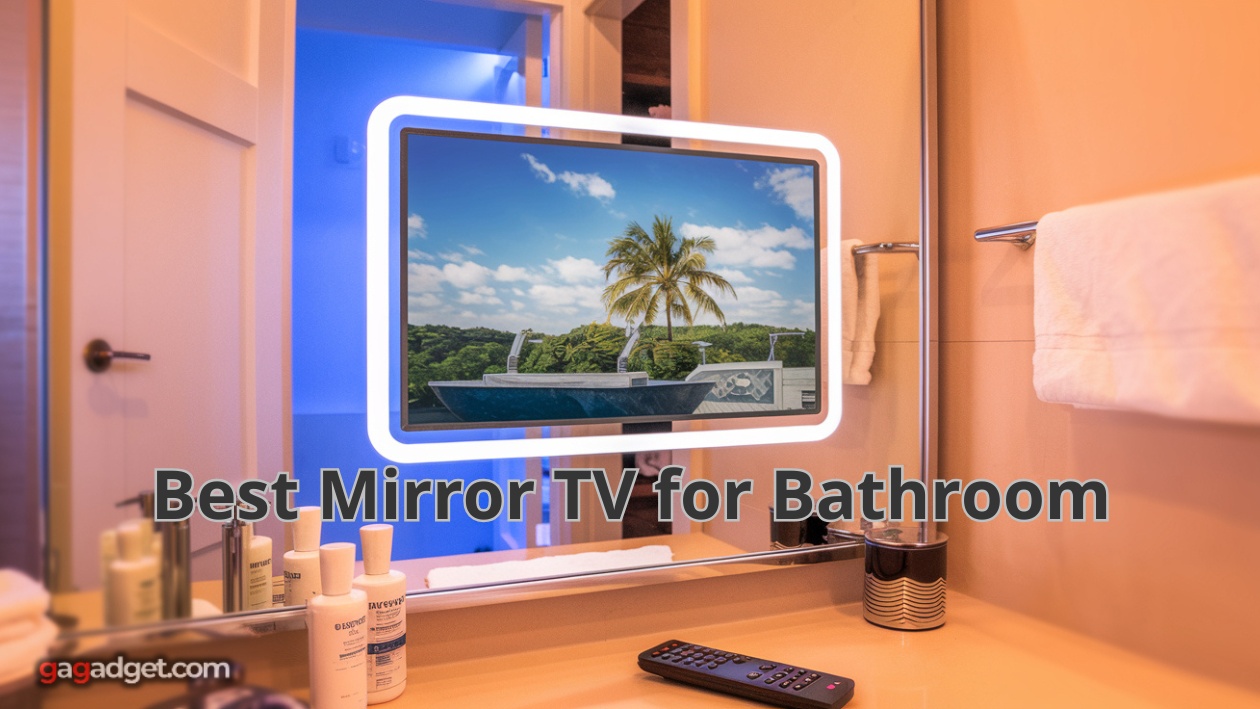
Best Mirror TV for Bathroom
20 Design-Forward Mirrors to Majorly Upgrade Your Bathroom
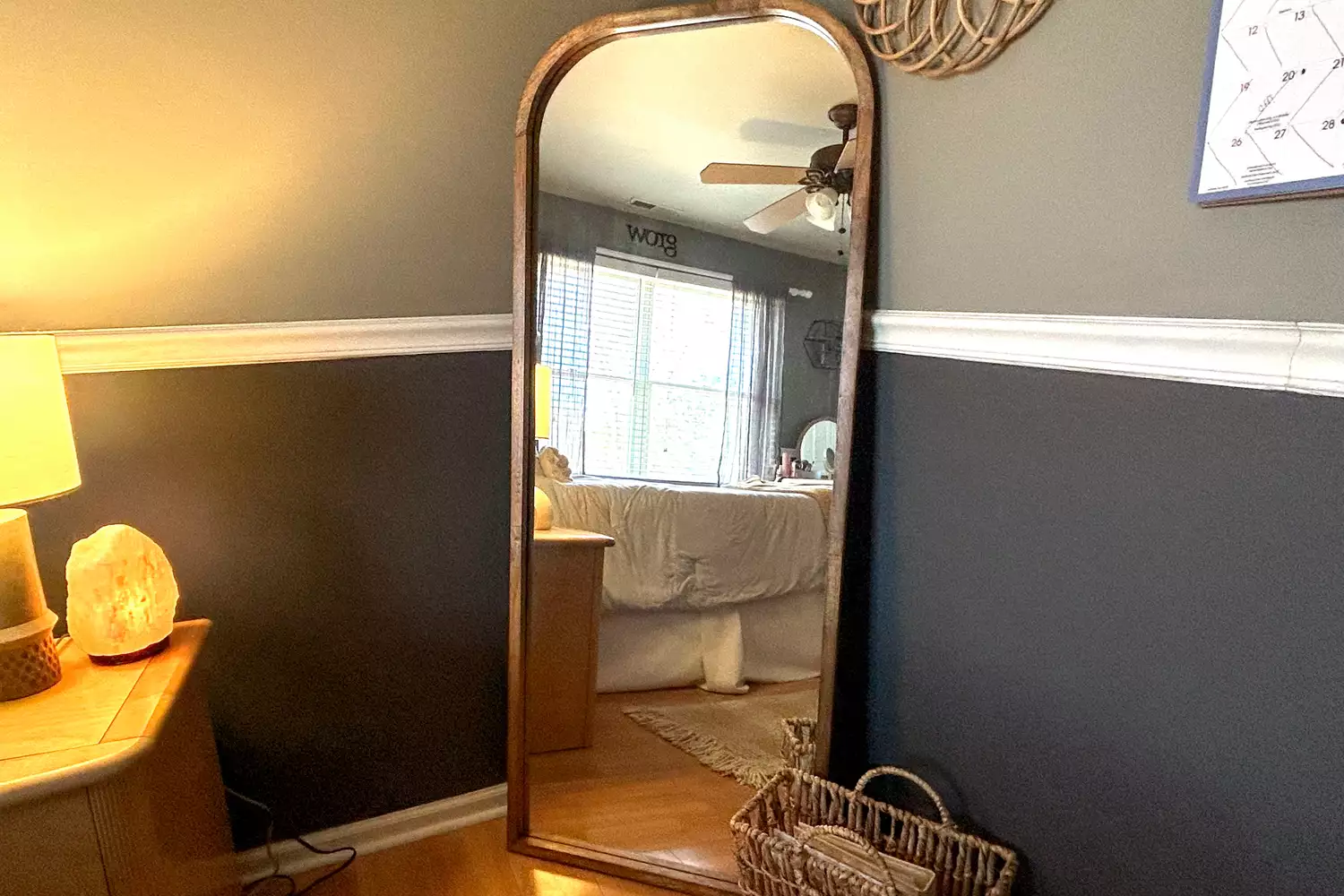
6 Full-Length Mirrors That Make Every Room (and Outfit Photo) Look Better

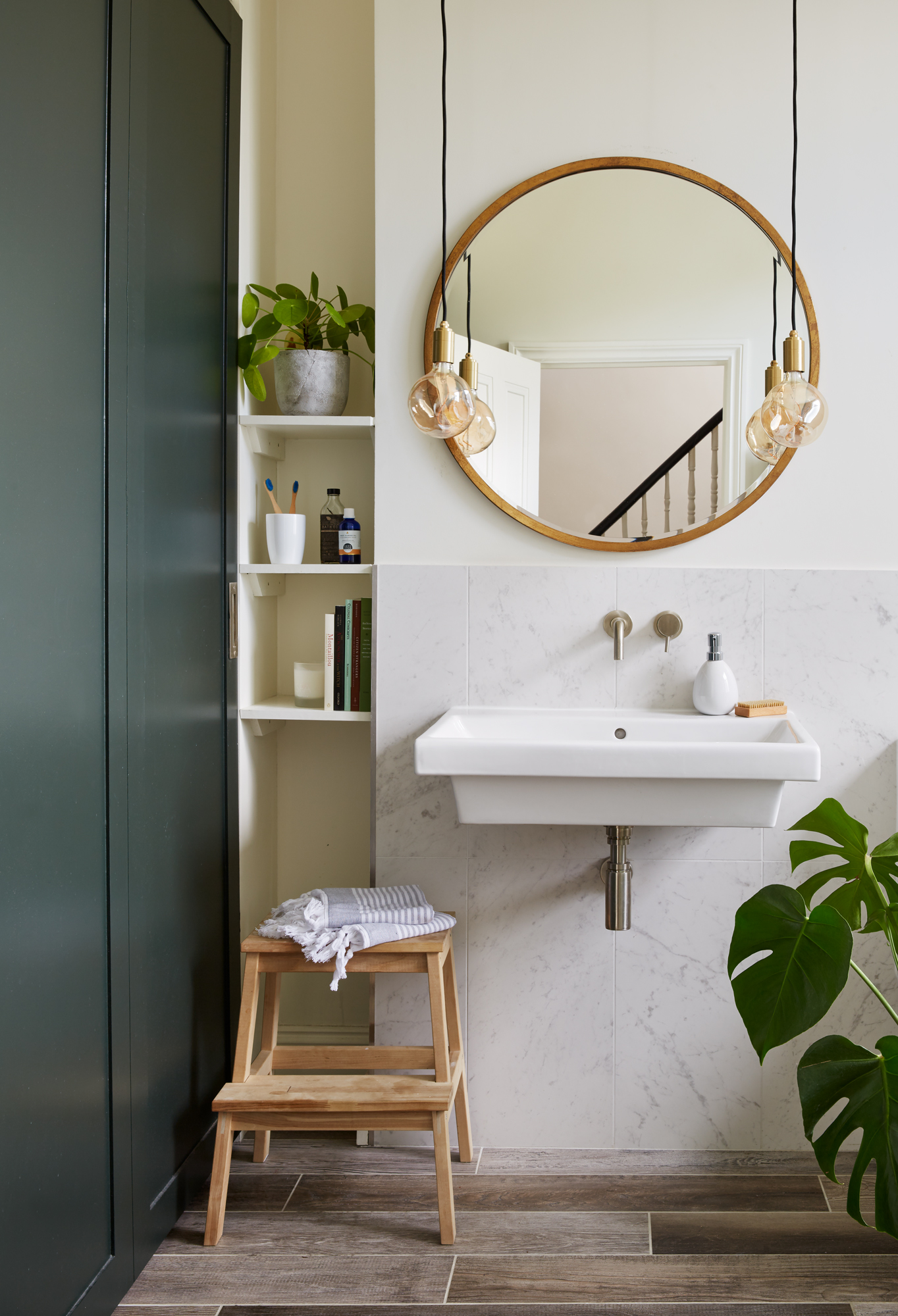
Best bathroom mirrors: 6 gorgeous picks to suit all styles

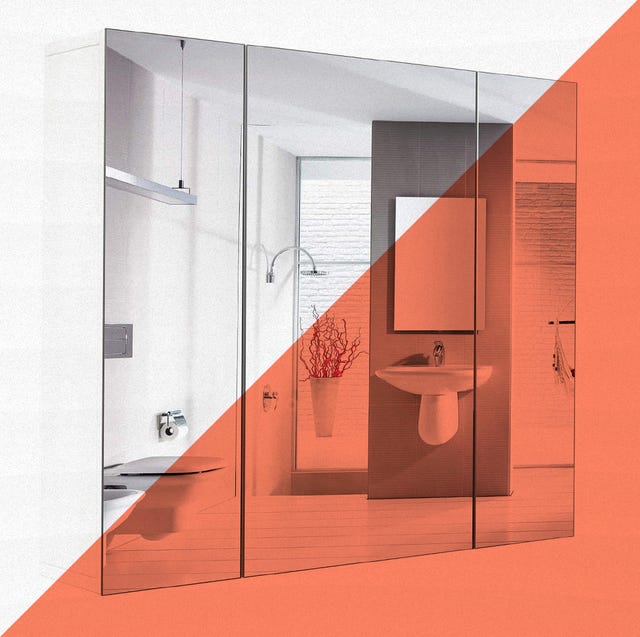
The 11 Best Bathroom Mirrors to Elevate Your Vanity
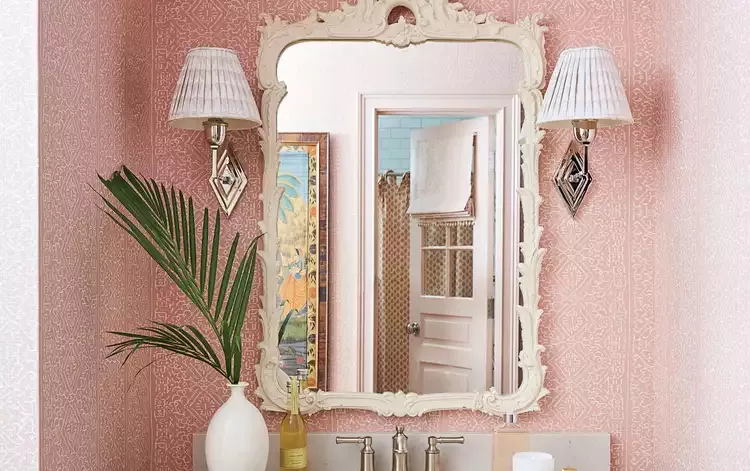
40 Bathroom Mirror Ideas To Enhance Your Space
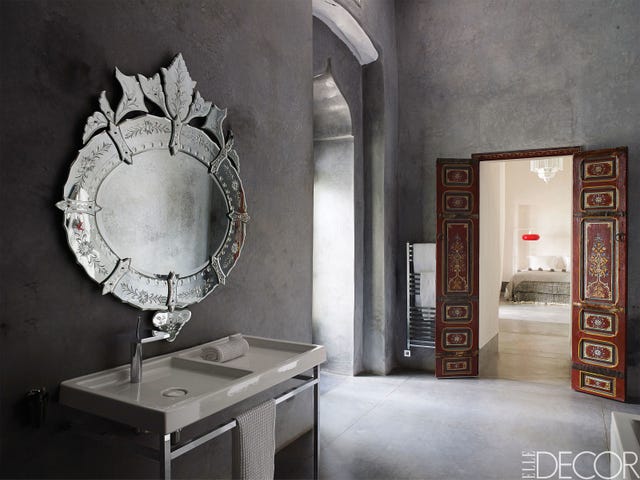
20 Bathroom Mirrors That Completely Steal The Show


4 Best Smart Mirrors and How They Can Improve Your Life
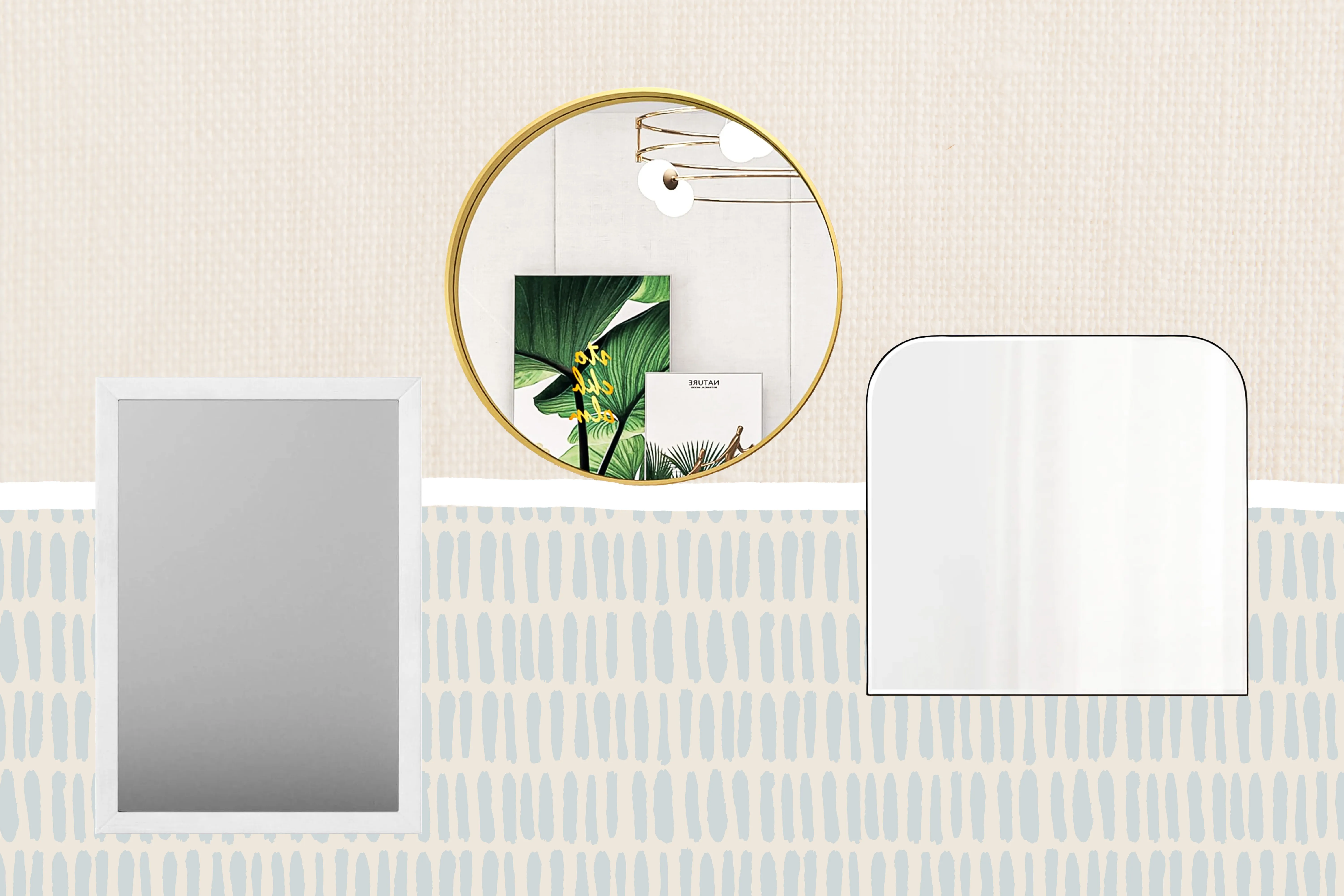
18 Editor-Loved Bathroom Mirrors That Will Instantly Upgrade Your Space

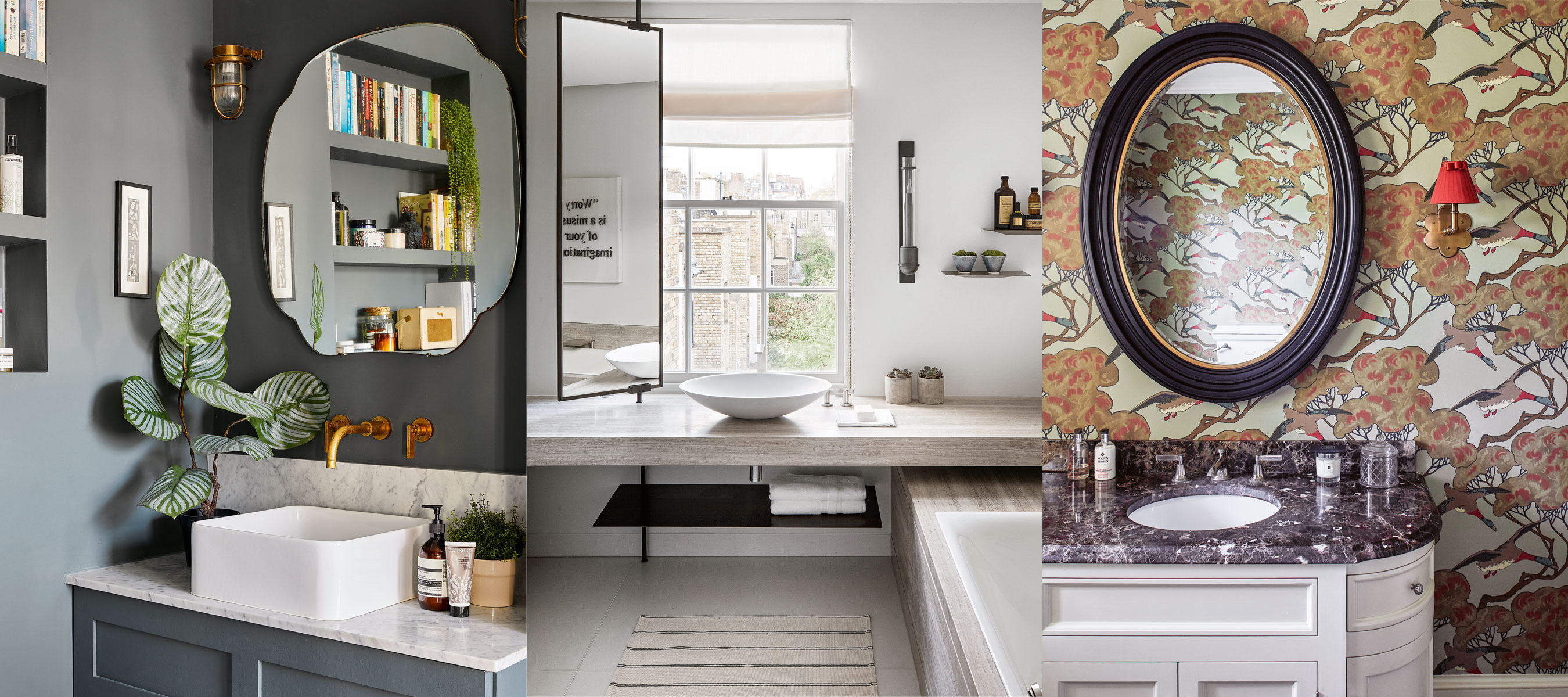
Bathroom mirror ideas – 10 beautiful designs to suit any bath, shower or powder room
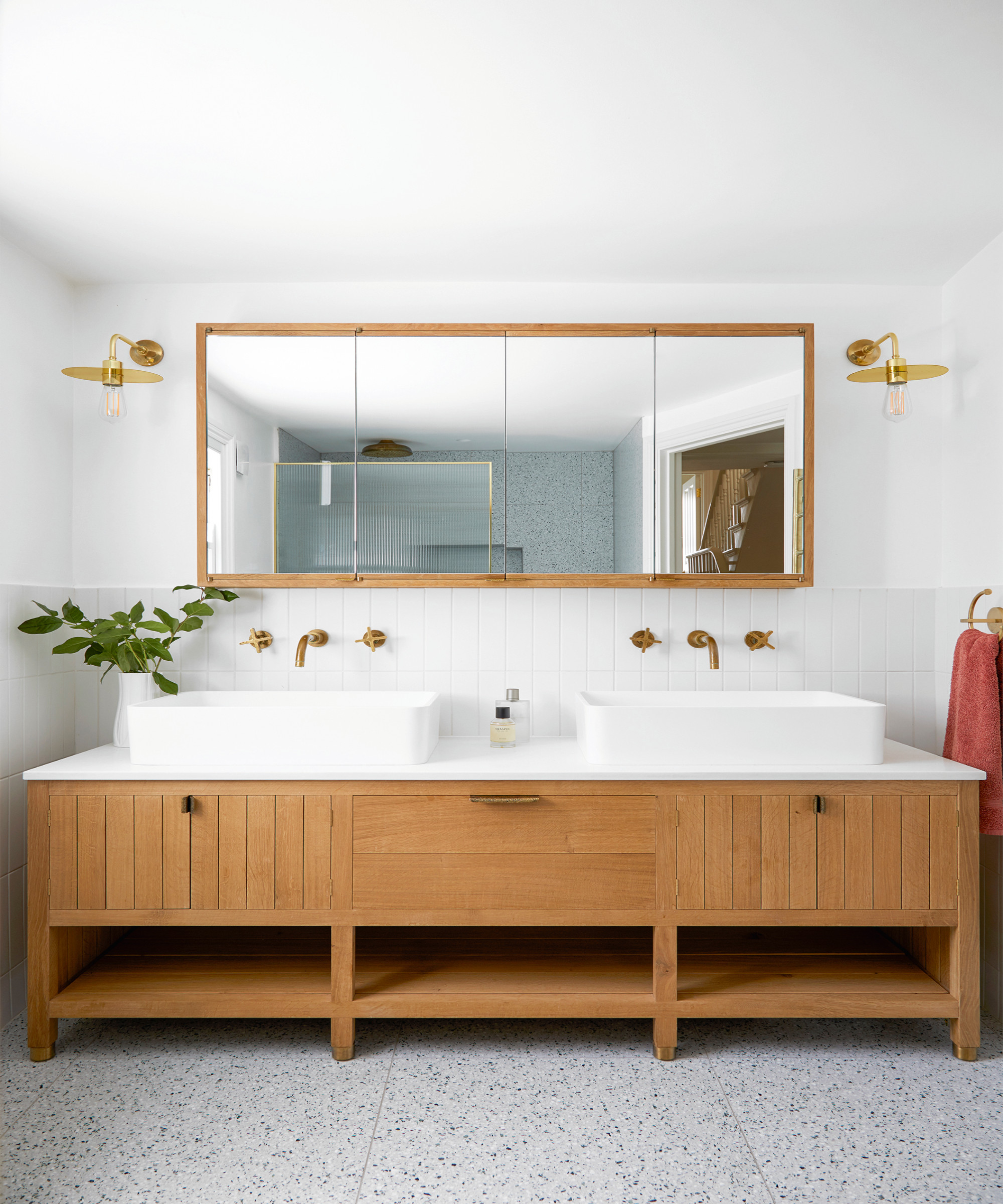
Bathroom mirror ideas – 10 elegant styles to suit any space |

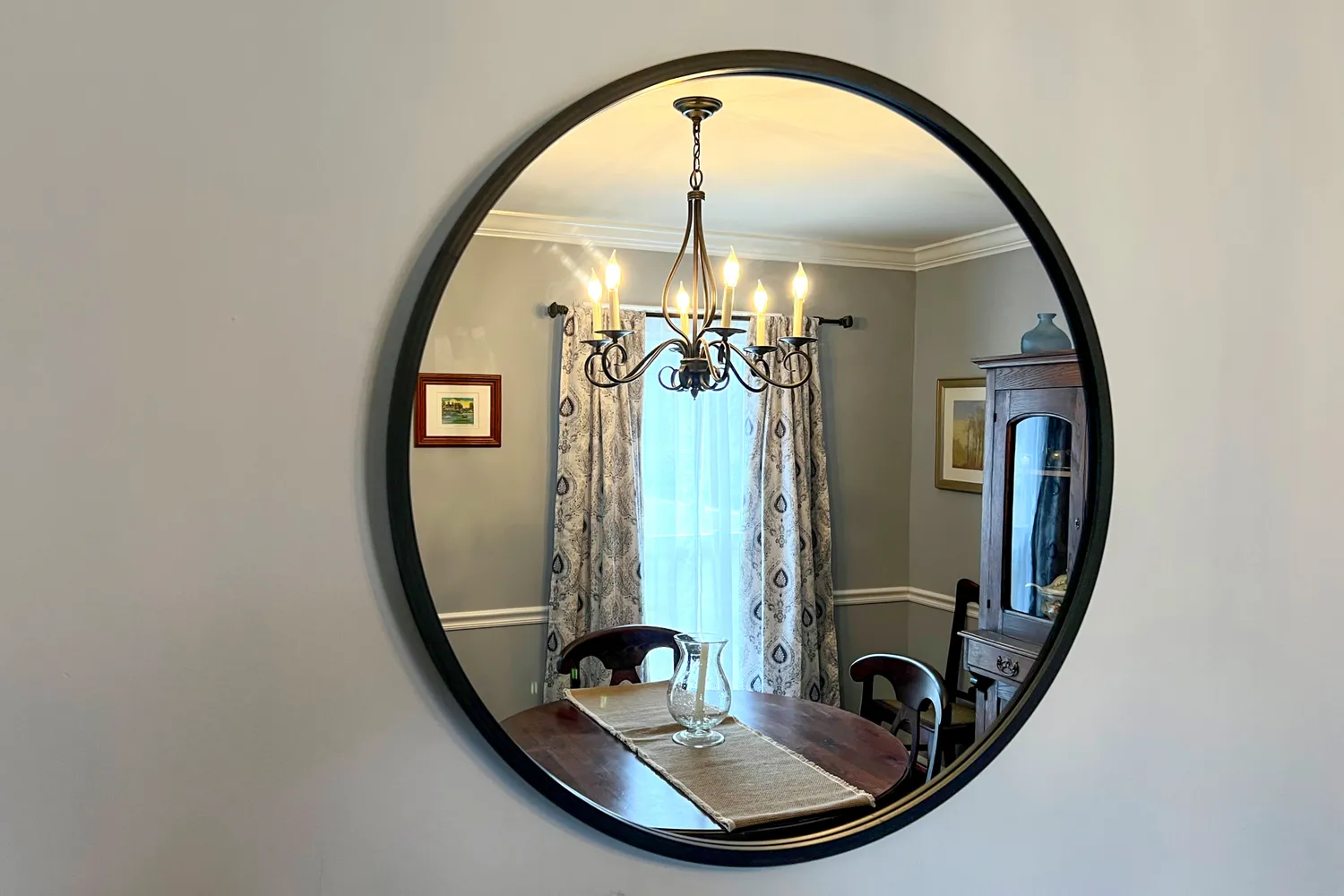
Good Lighting Starts With the Right Mirror—And These 6 Bathroom Mirrors Are the Best We Tested

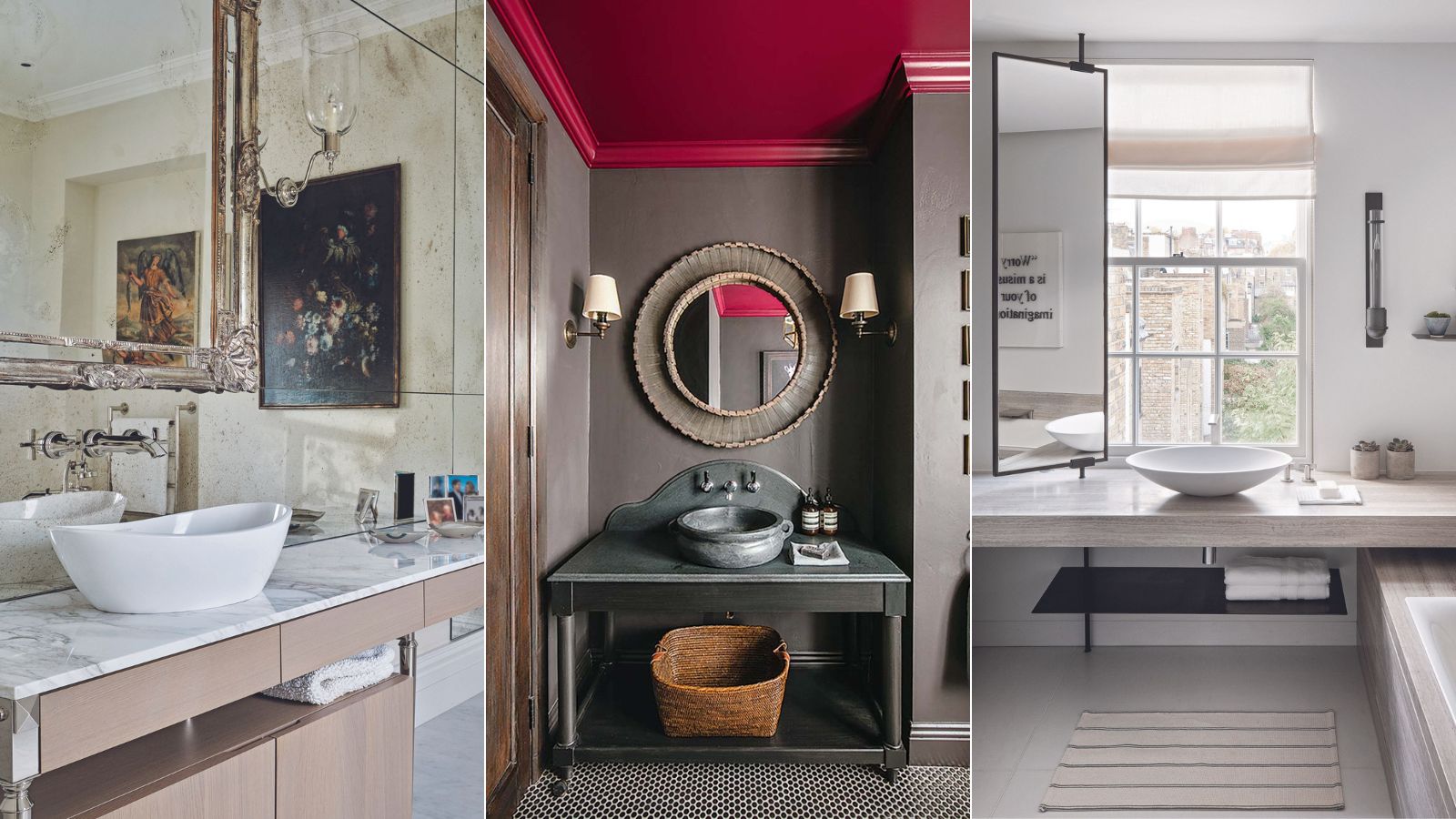
Bathroom vanity mirror ideas – 10 practically perfect looks

The best mirrors for a bright and roomy home
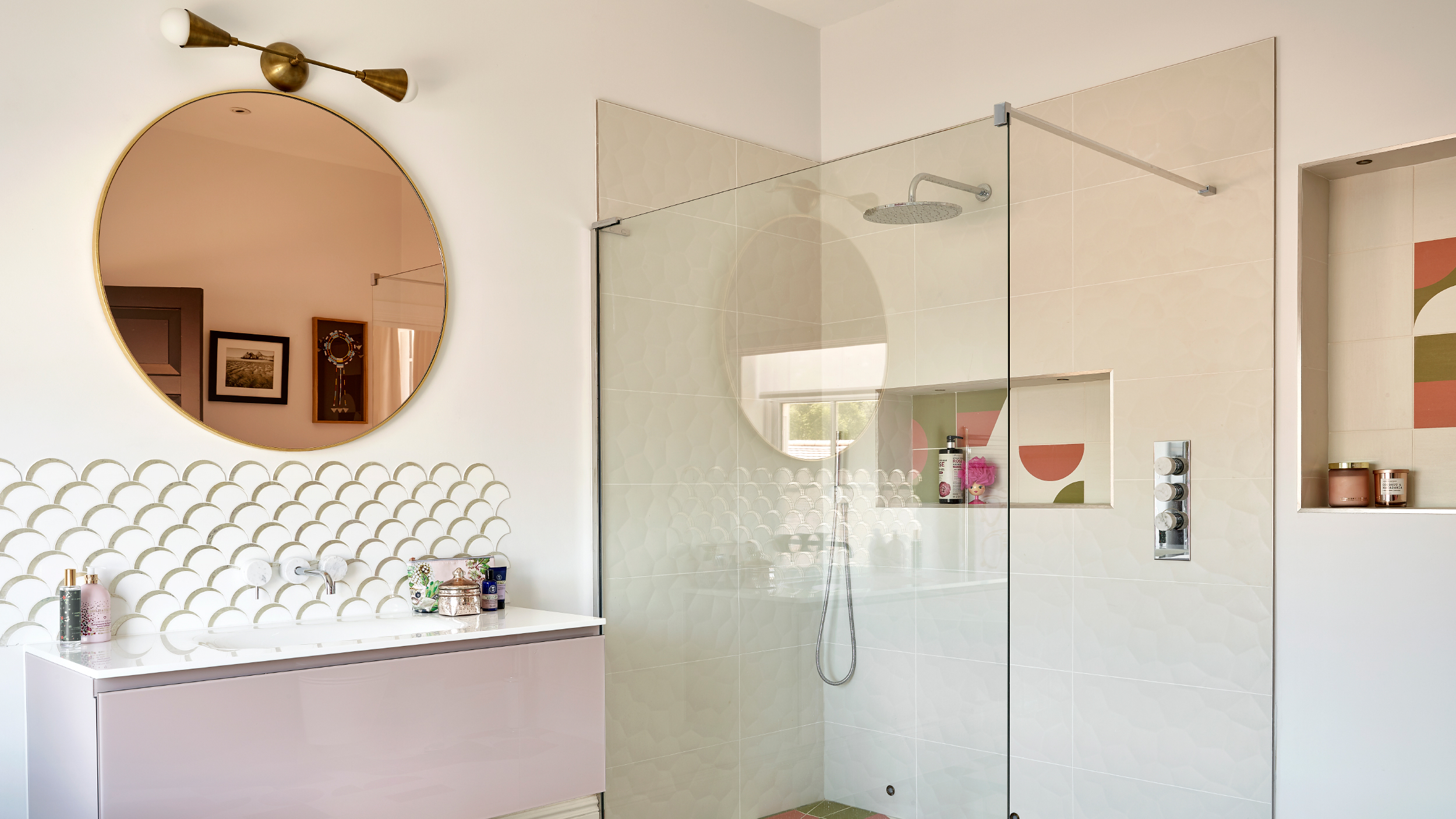
Bathroom mirror lighting ideas – how to pick the perfect flattering light for your space
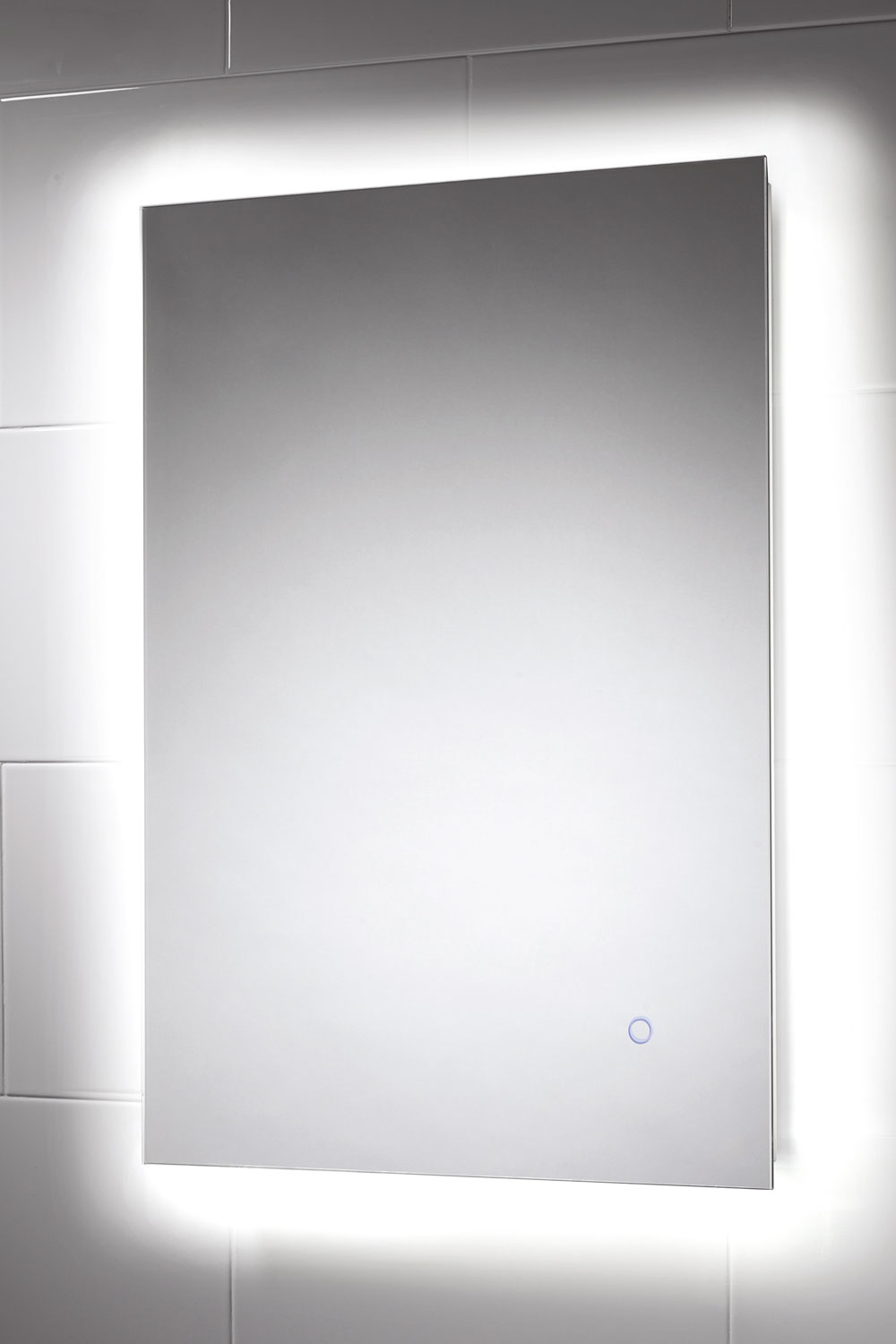
Shopping edit – best bathroom mirrors to enhance beauty, on every level

10 stylish bathroom mirrors to suit any home

Modern Bathroom Mirrors Reflect Hi-Tech Living
The Best Shaving Mirror You Can Buy