1/5
7 easy ways to add luxury to your home with mirrors
Mirrors, traditionally used for personal grooming, offer versatile design potential to enhance the luxury and spaciousness of a home. When strategically placed, they can significantly impact a room's aesthetic by adding depth, expanding perceived space, and maximizing natural light. This article outlines seven effective methods for incorporating mirrors into interior design to achieve an instant luxurious appeal.
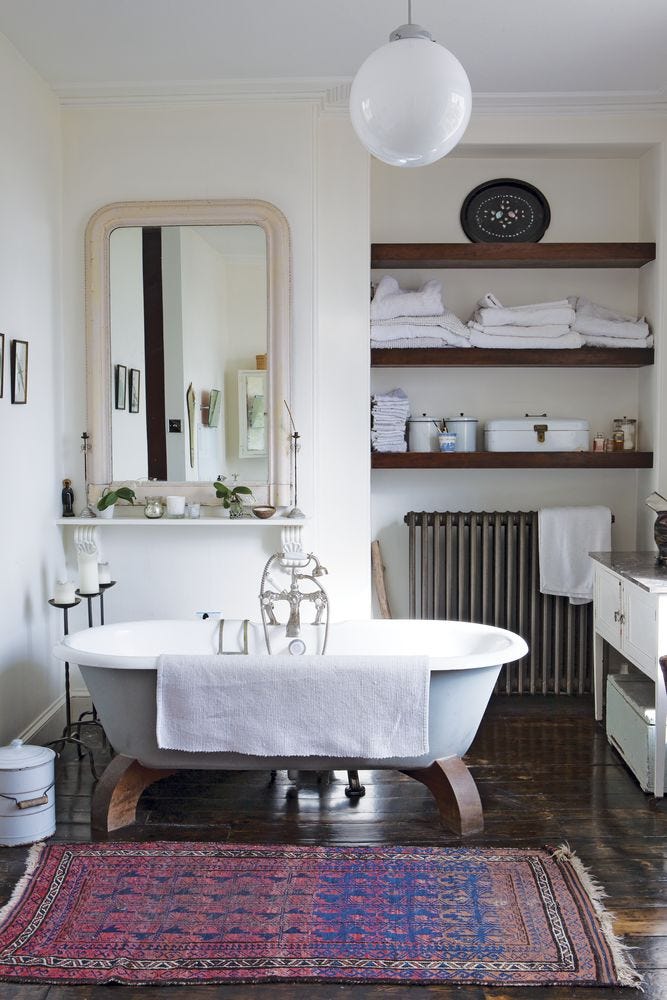
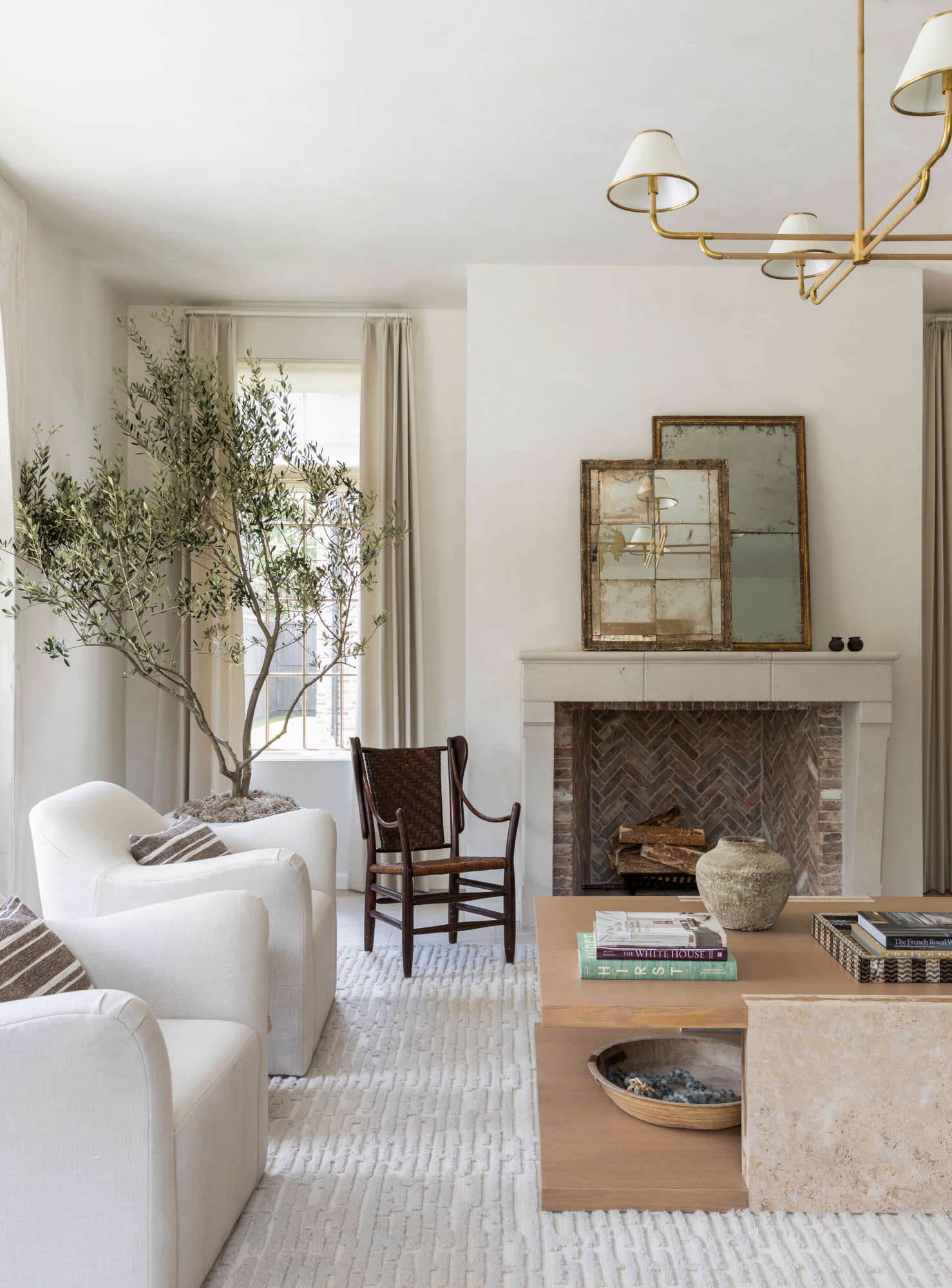
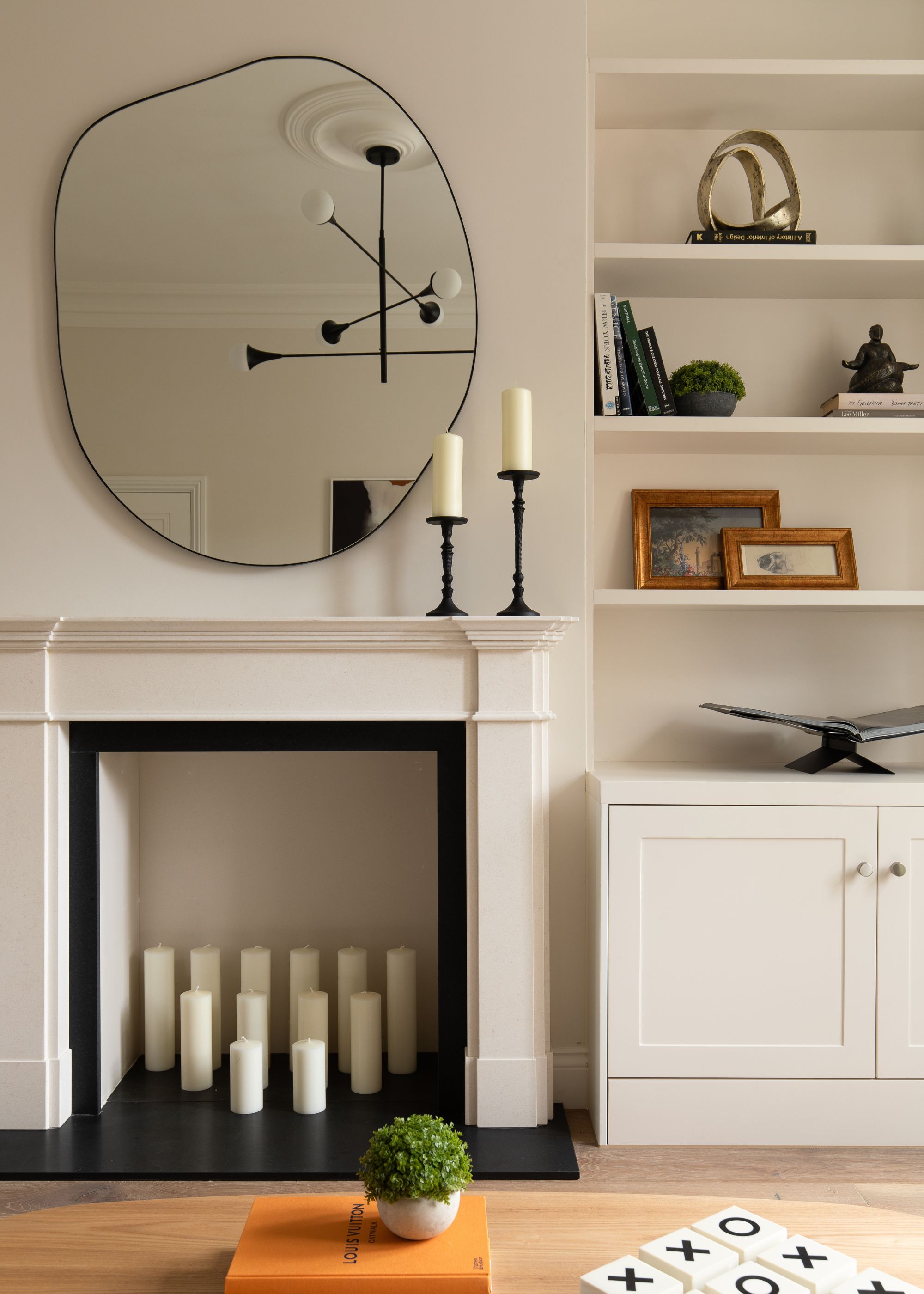
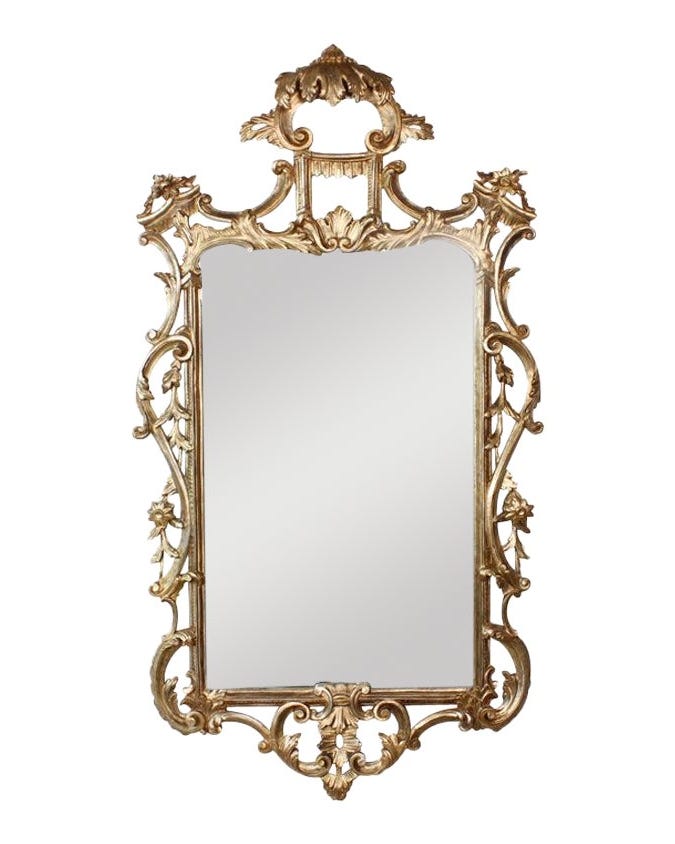
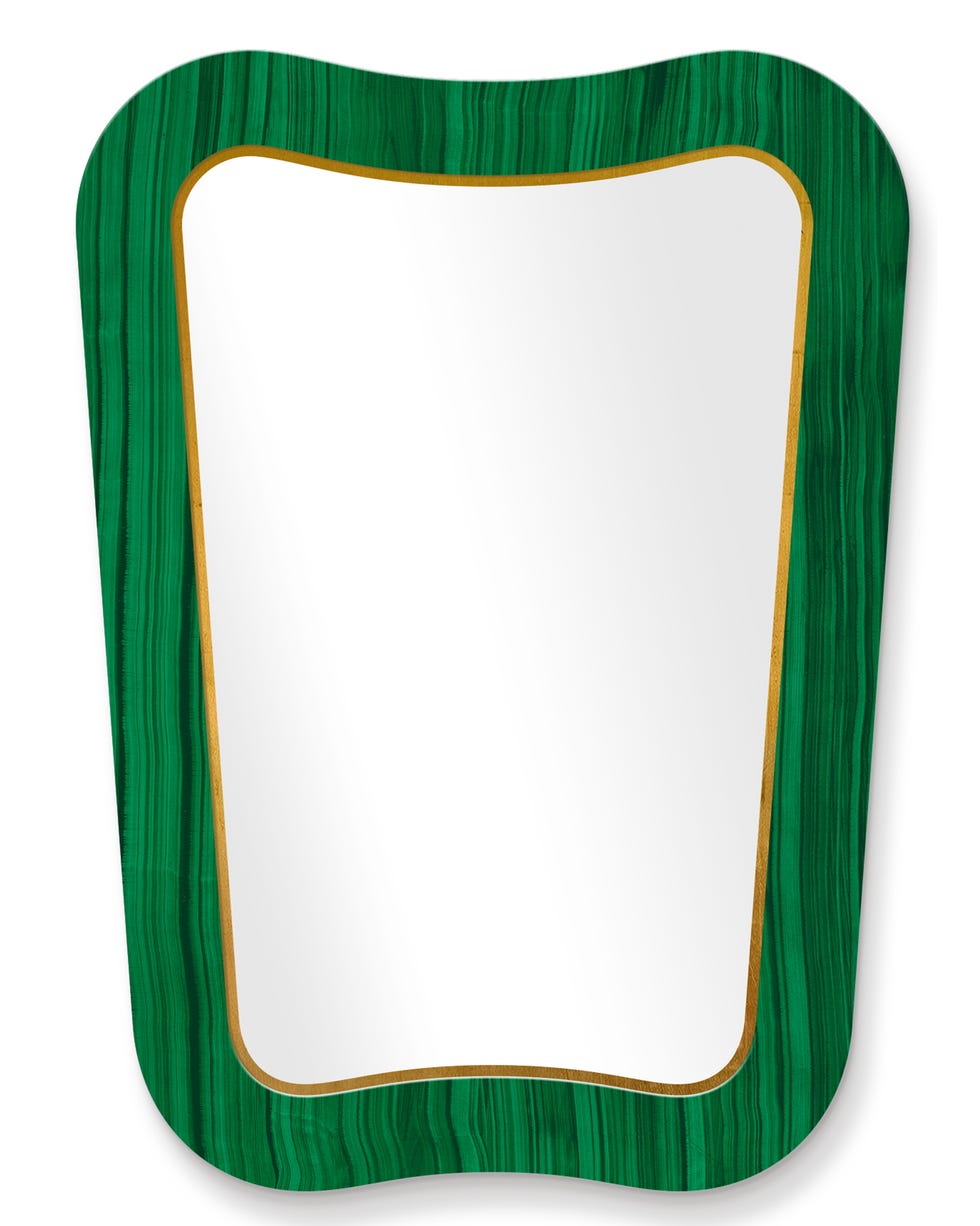
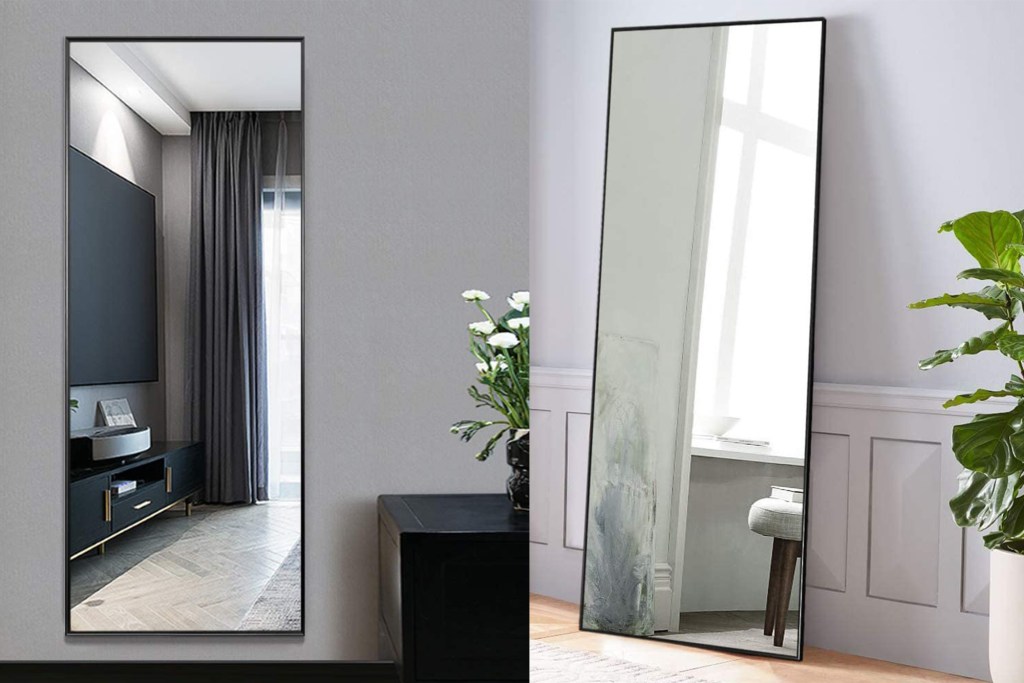
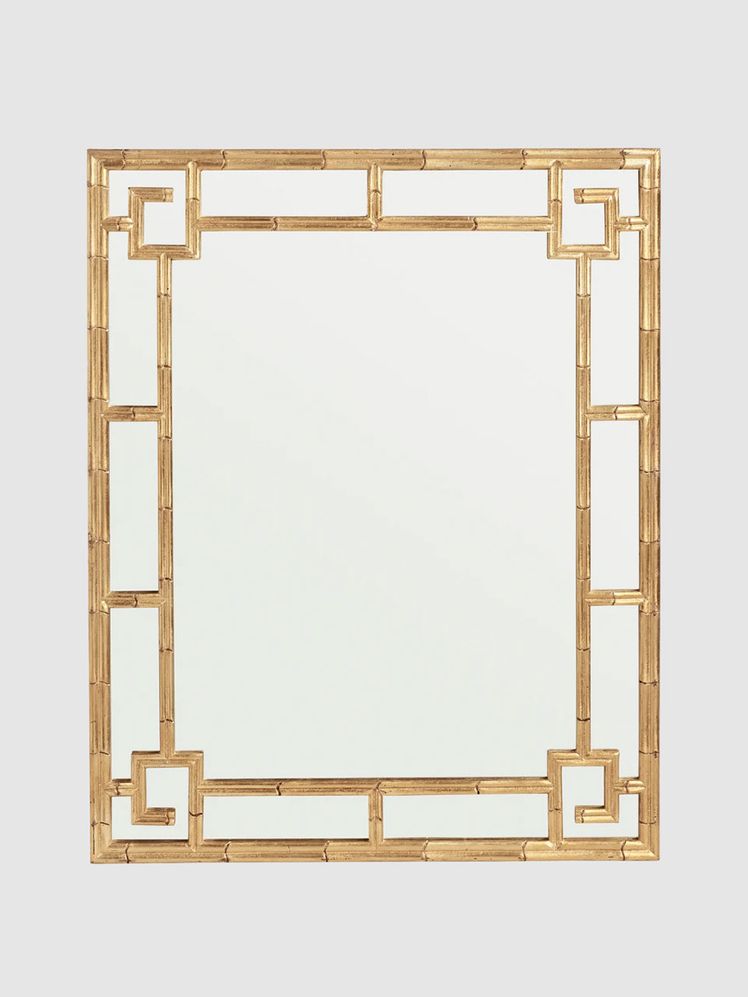
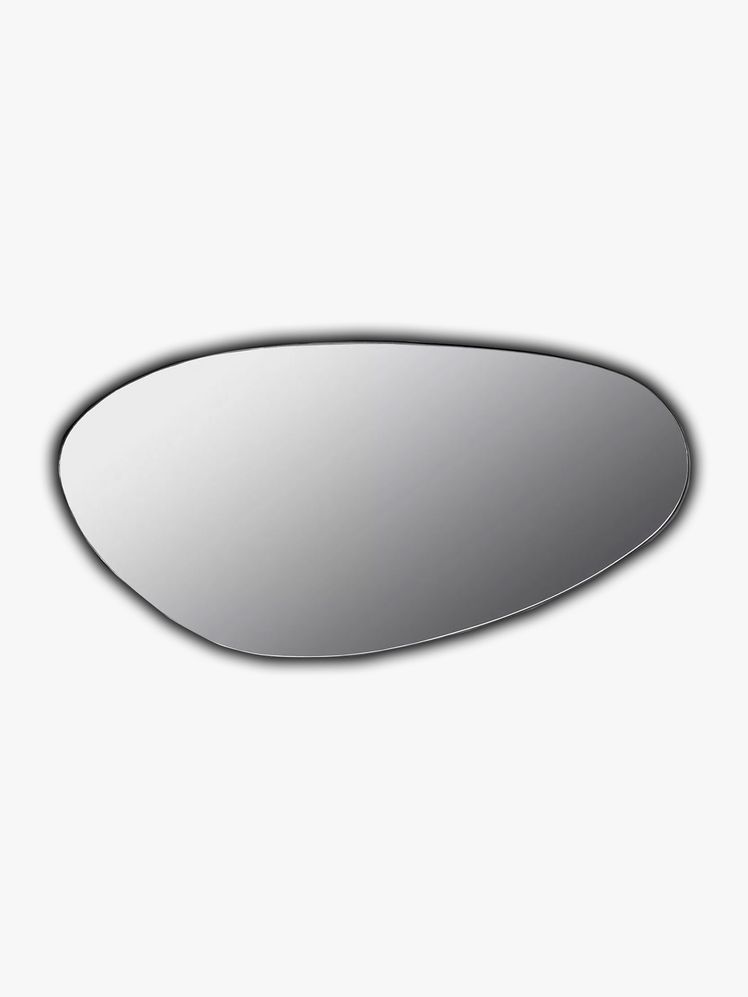
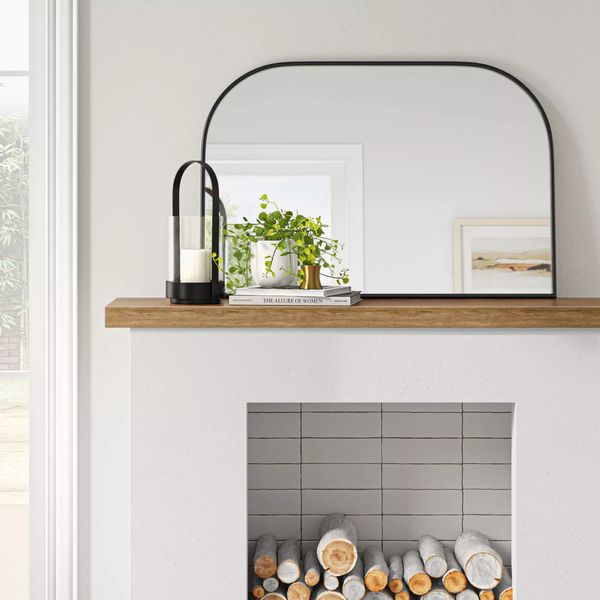
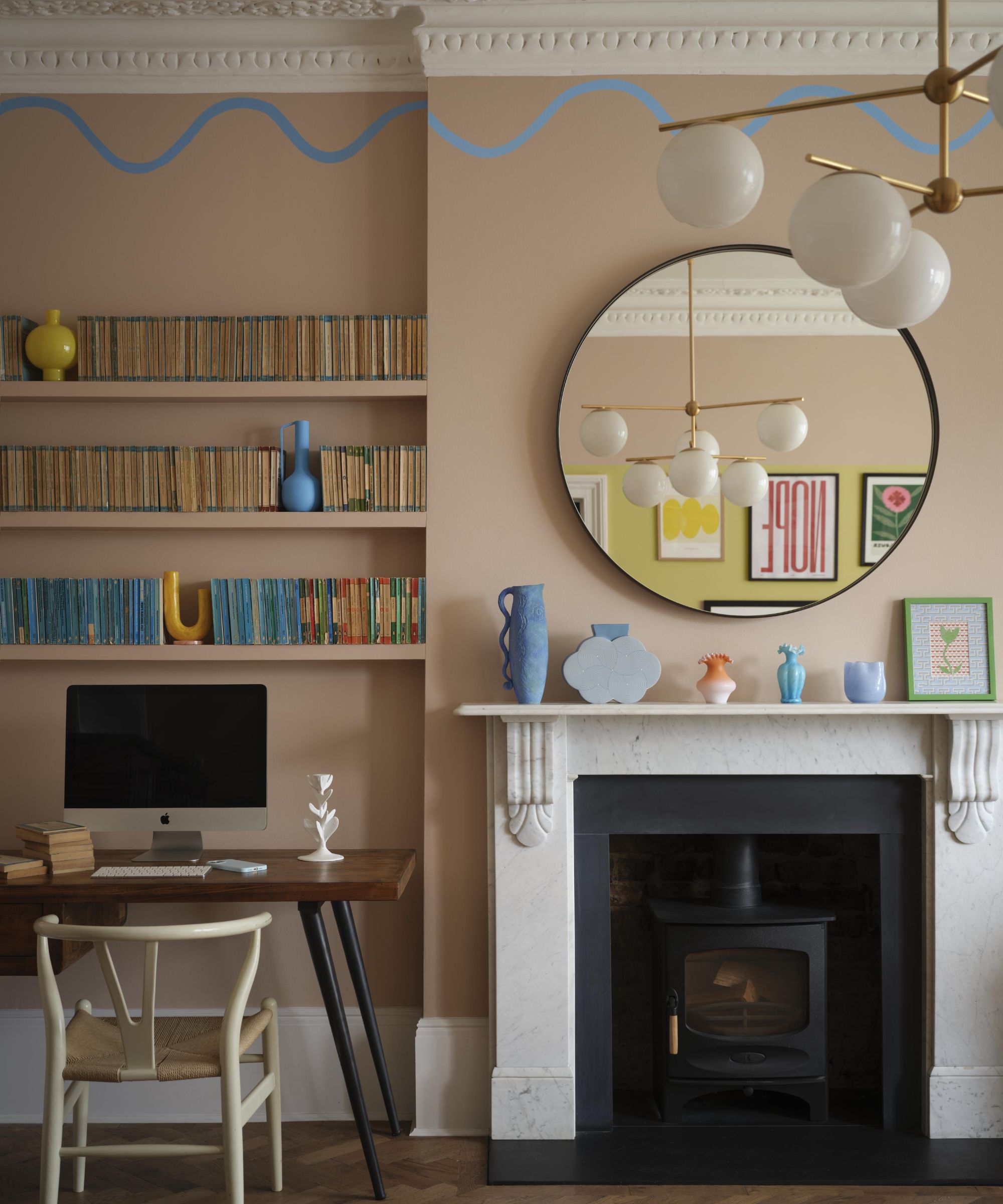
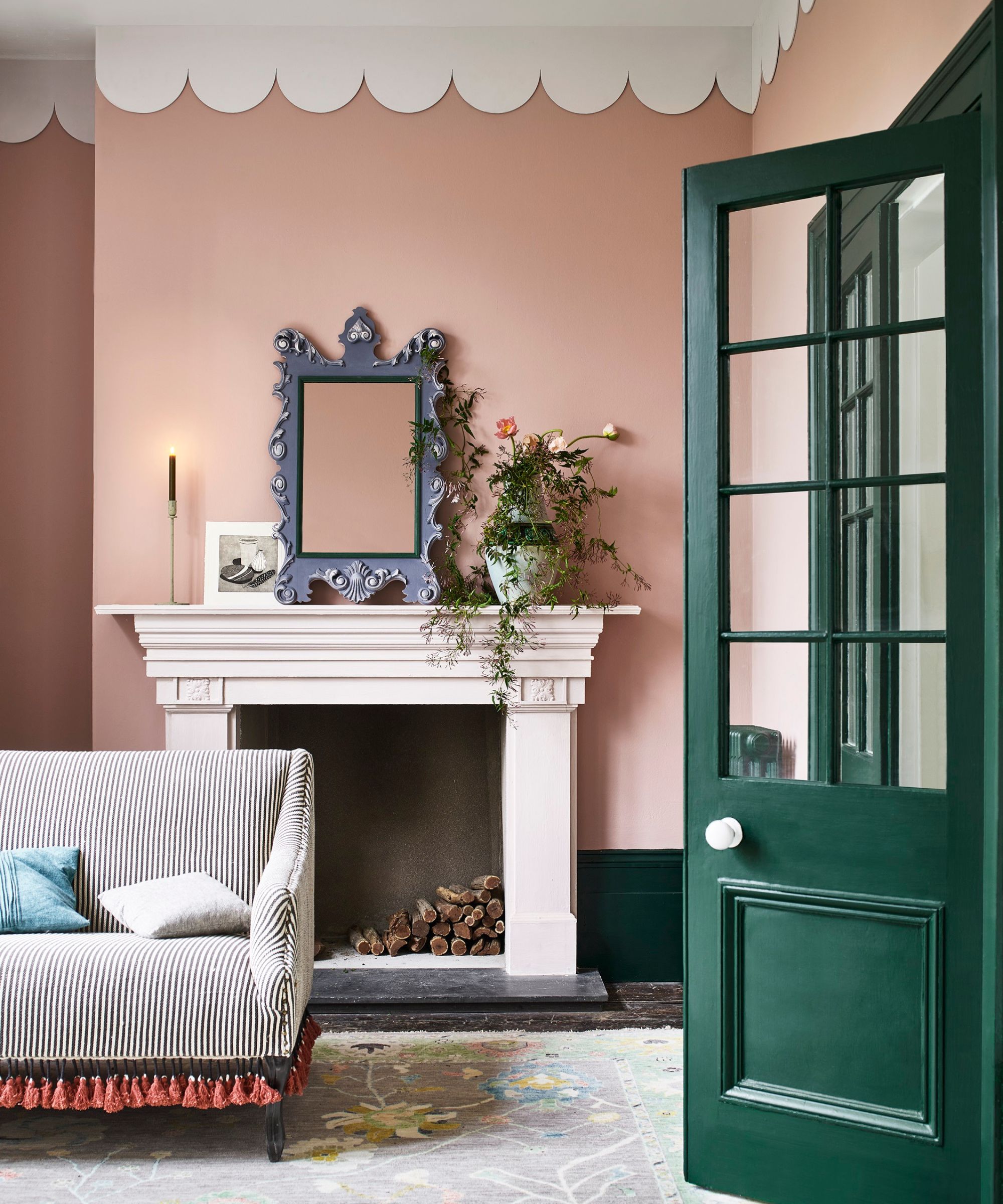
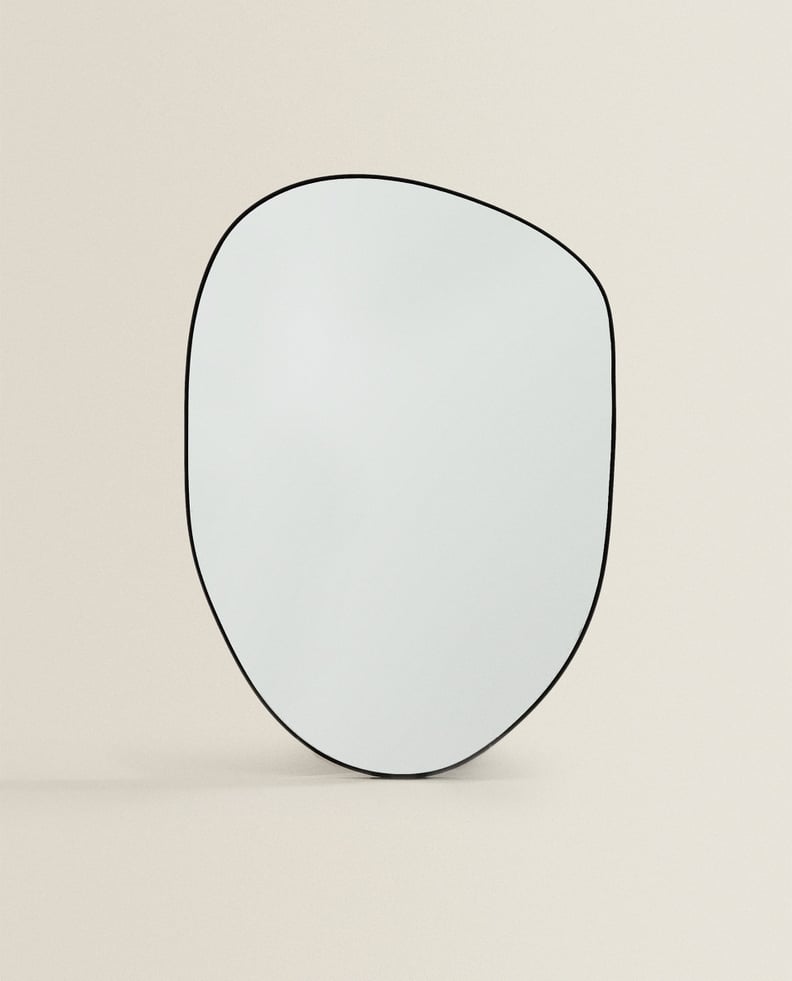
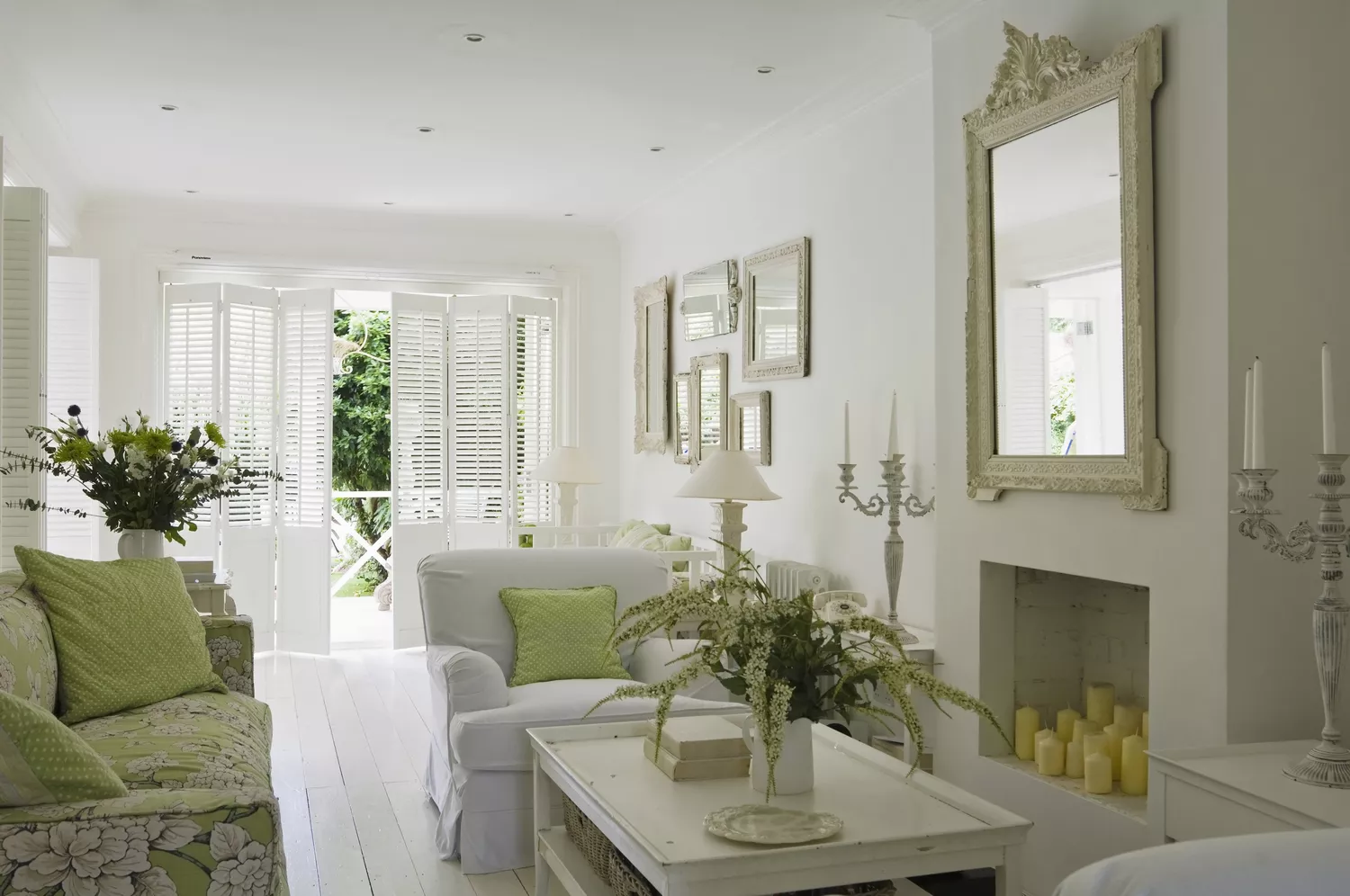
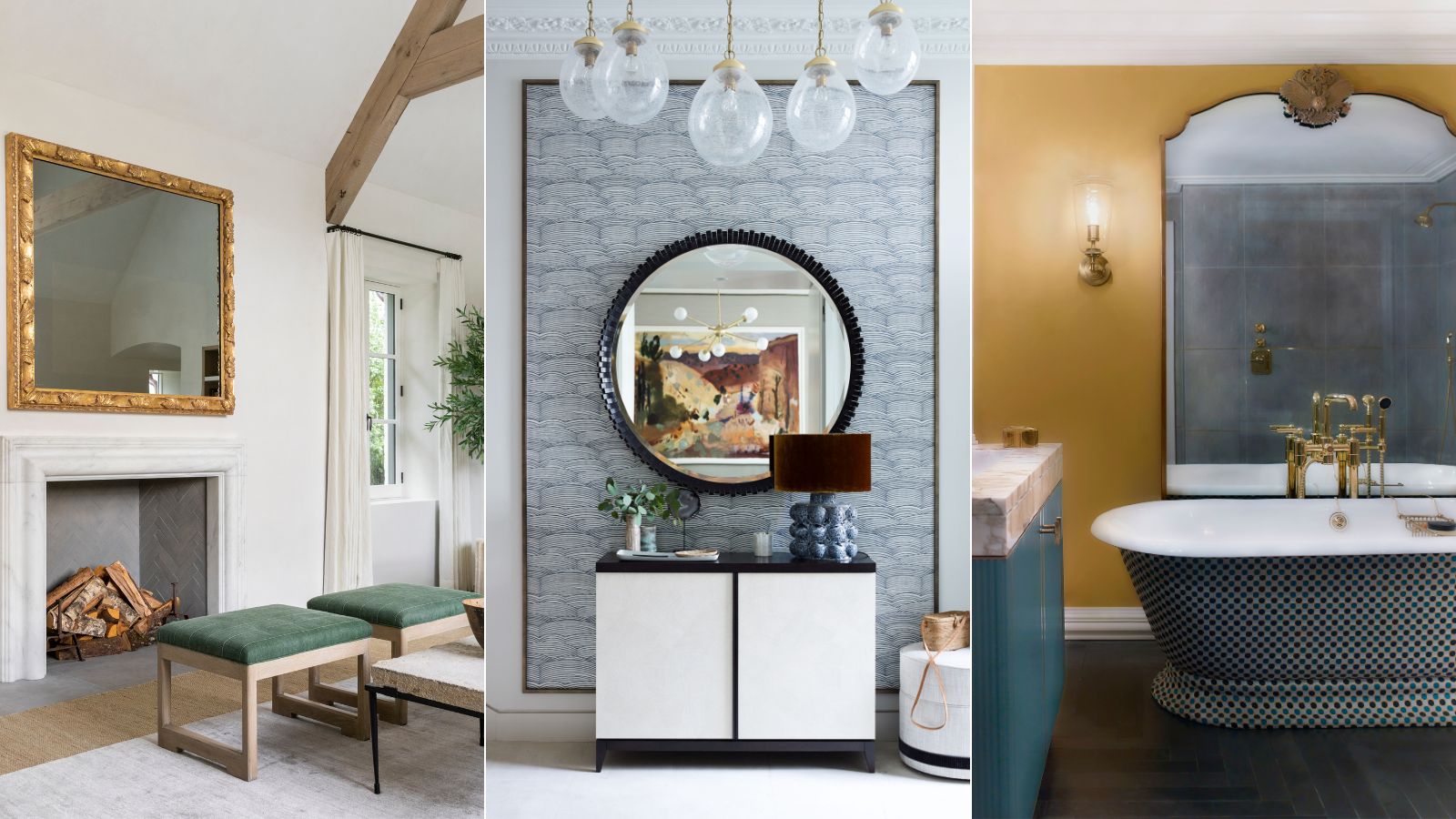
One popular application is positioning a large mirror horizontally above a mantelpiece or fireplace. The key to this placement is maintaining the correct height, typically 4 to 6 inches above the mantel, to reflect the room rather than just the ceiling or walls. Garret Harper, a designer at Bespoke Carpentry London, highlights that a well-chosen mirror in this location, especially between alcove cabinets, can dramatically improve the space's impact and create an illusion of greater room. Various styles, from traditional to modern geometric shapes, are available to complement any home decor.
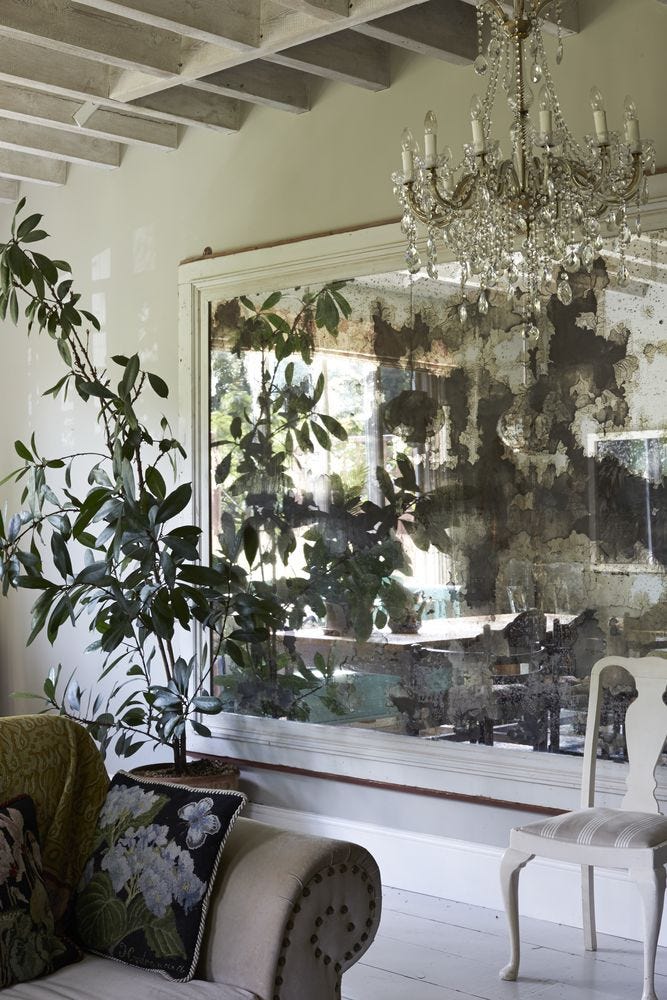
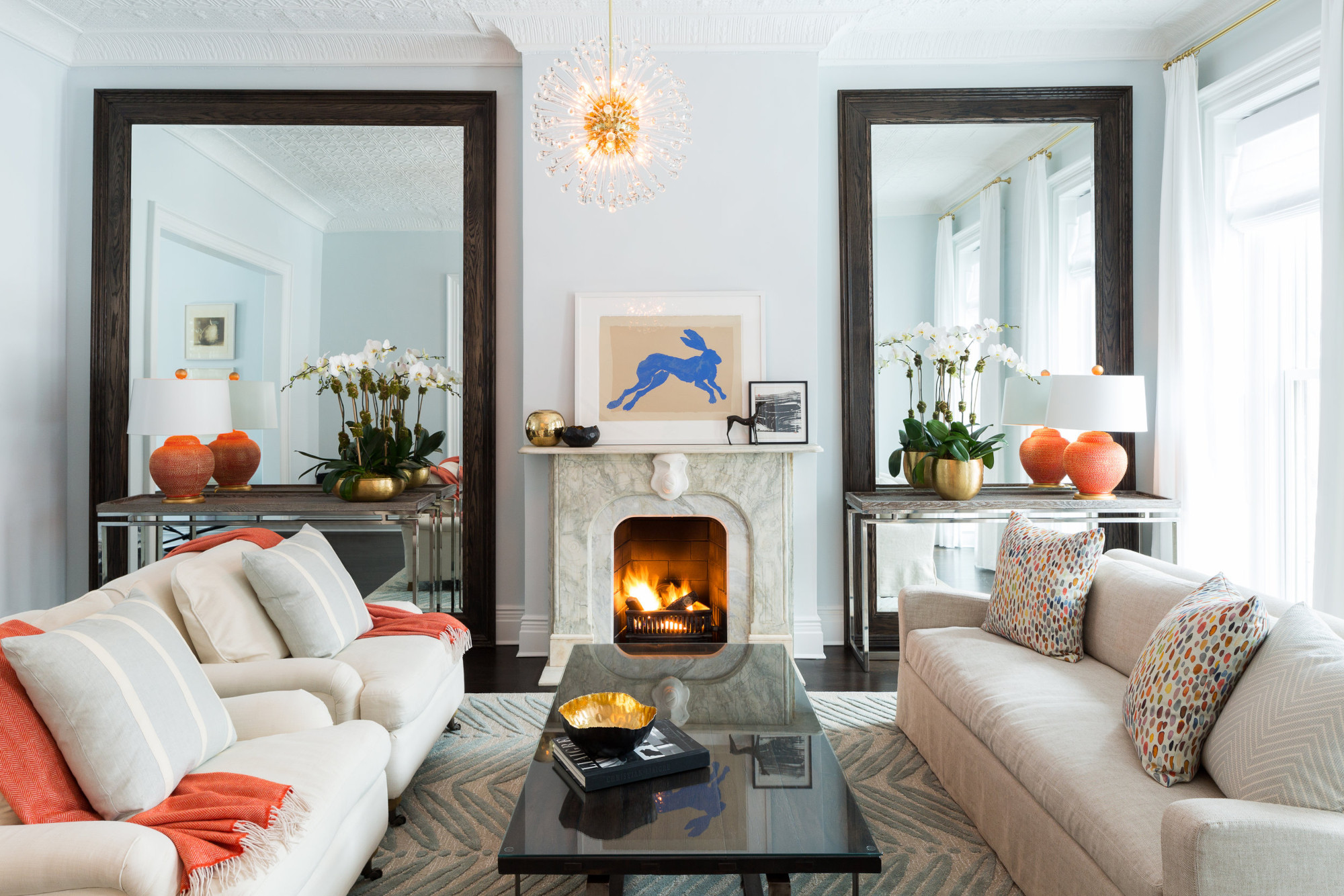
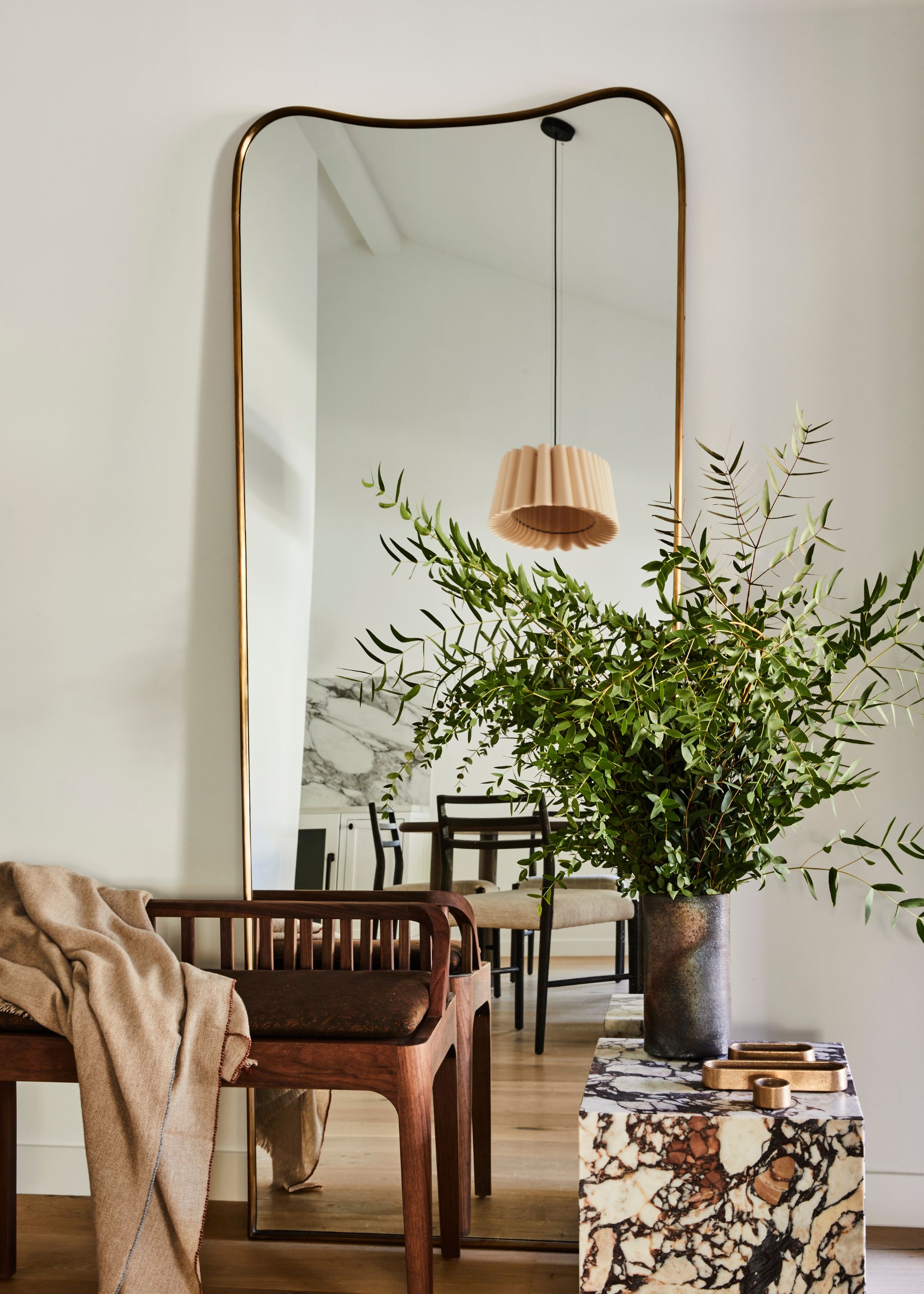
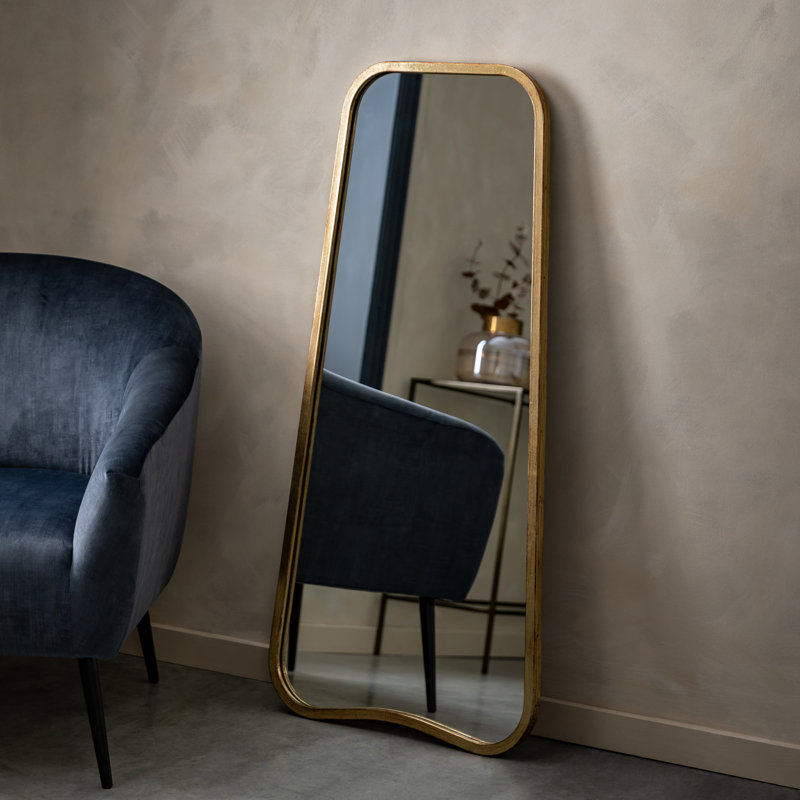
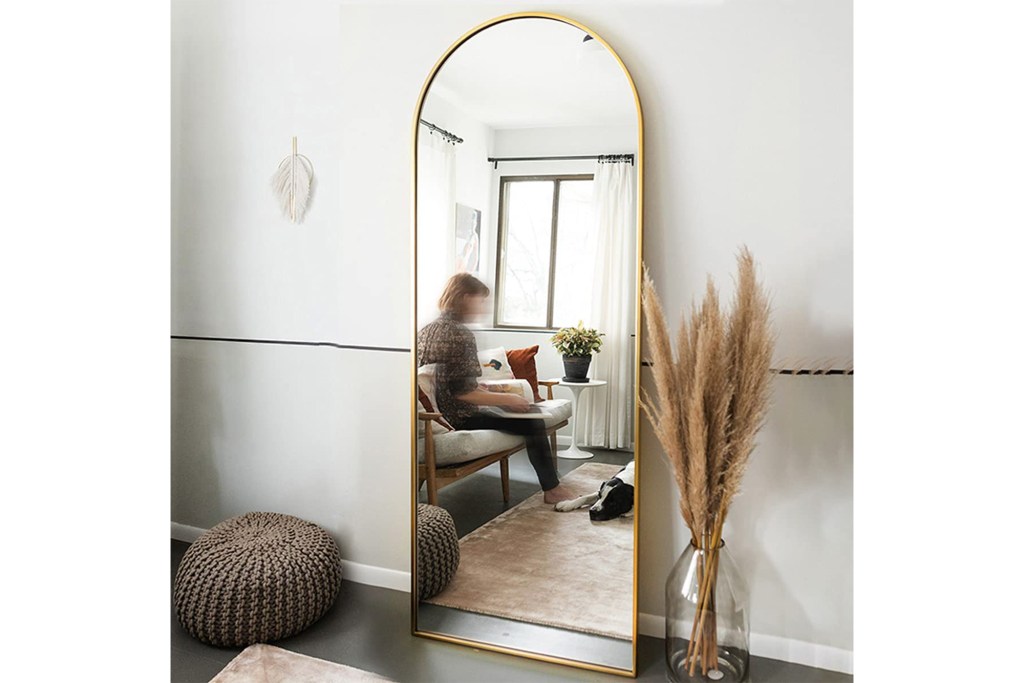
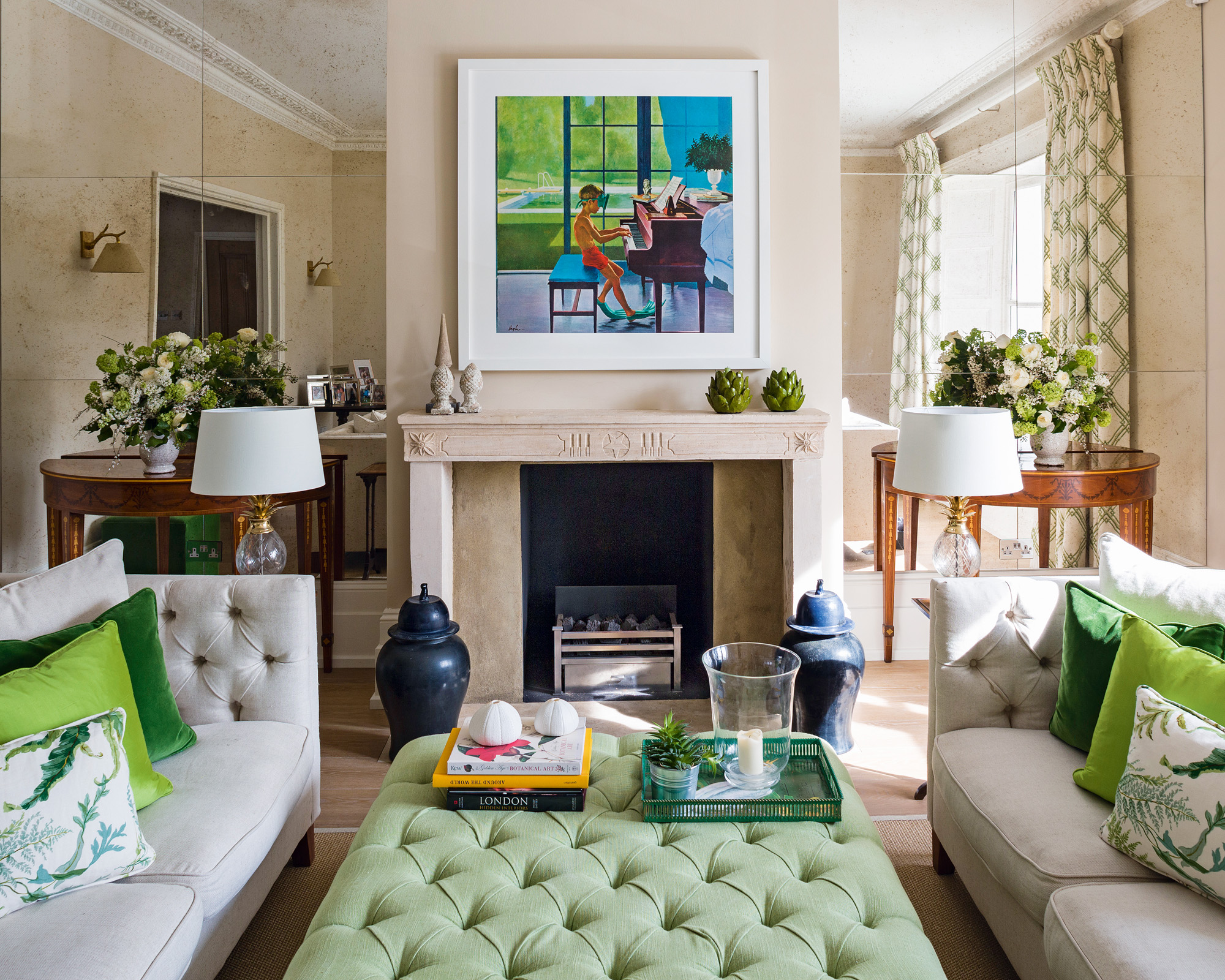
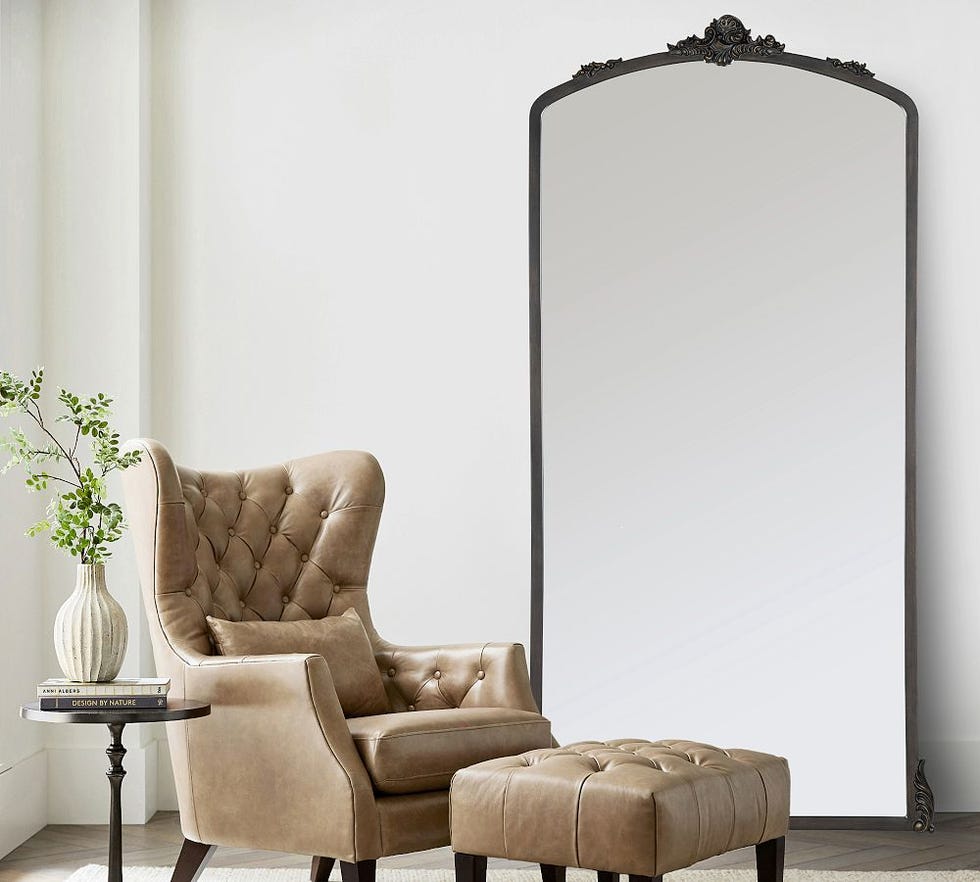
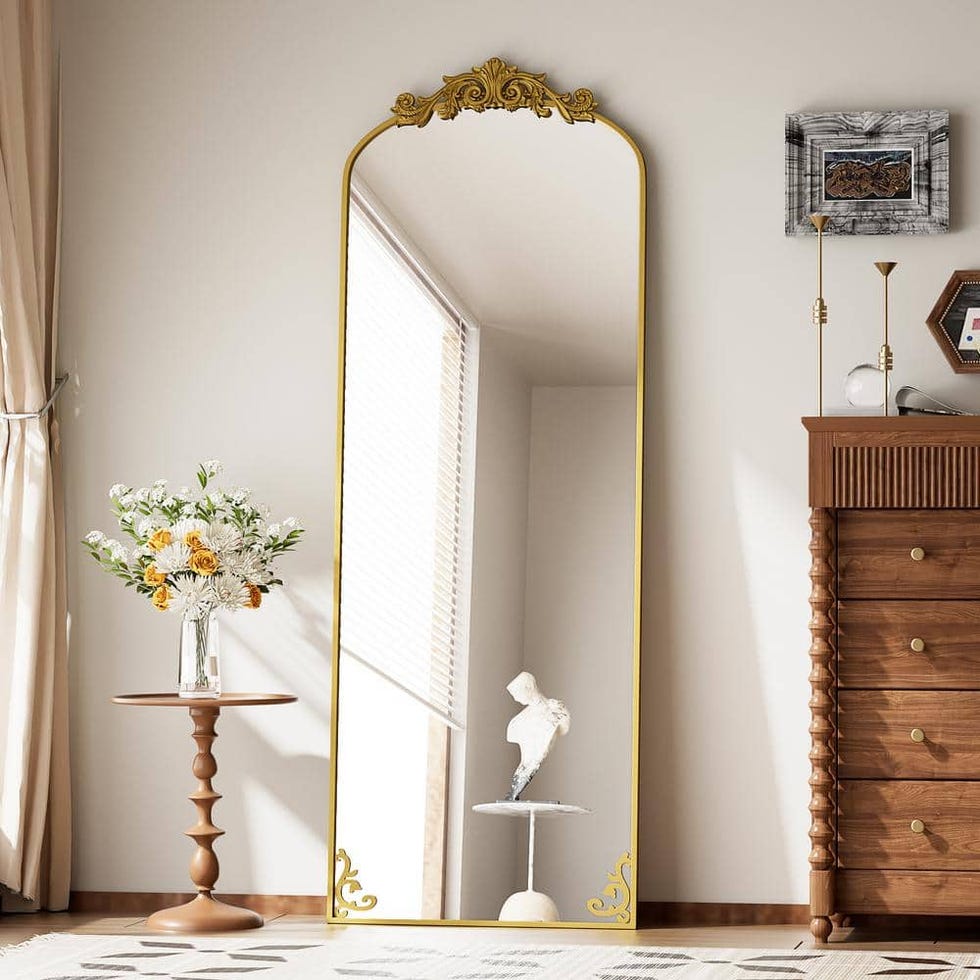
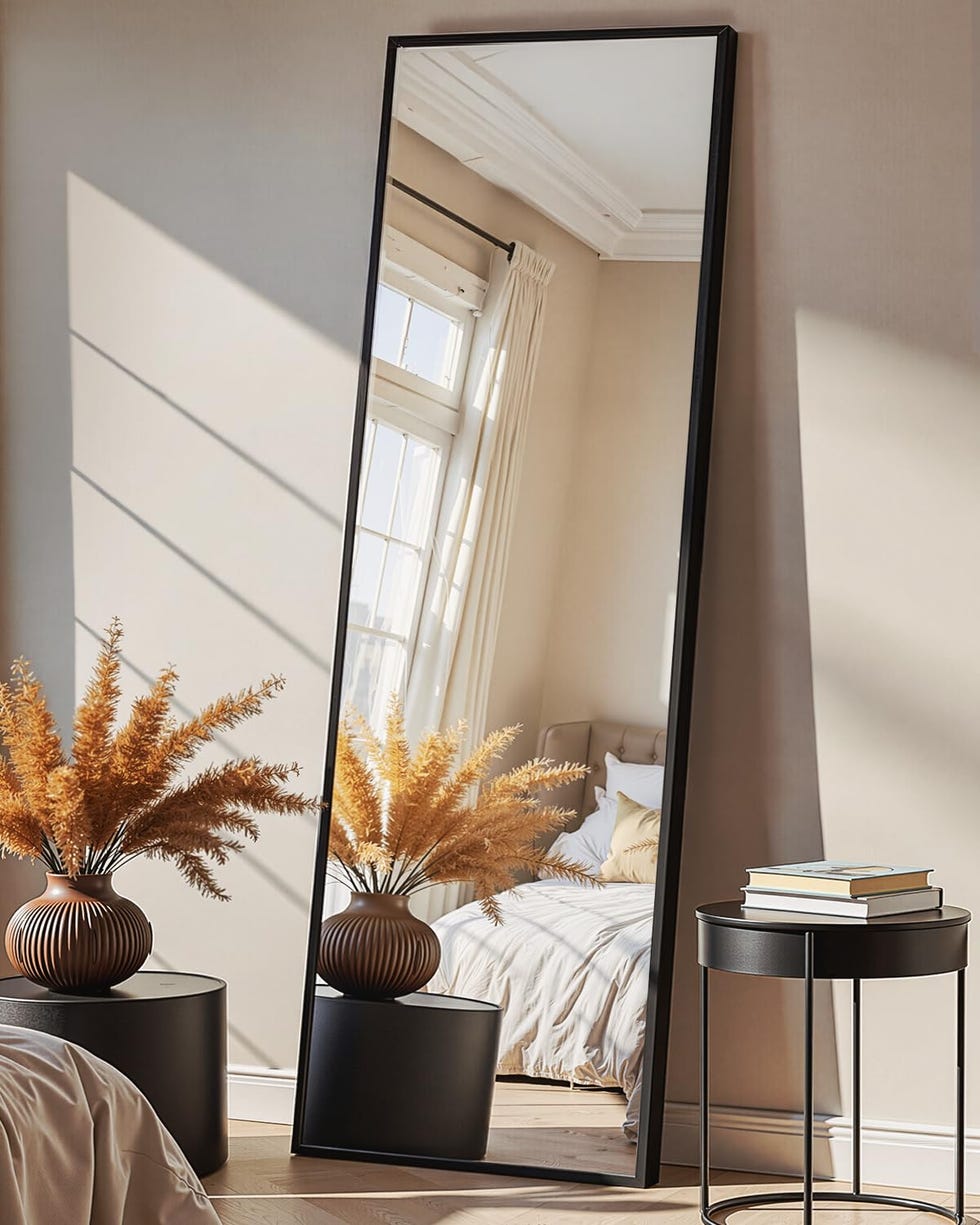
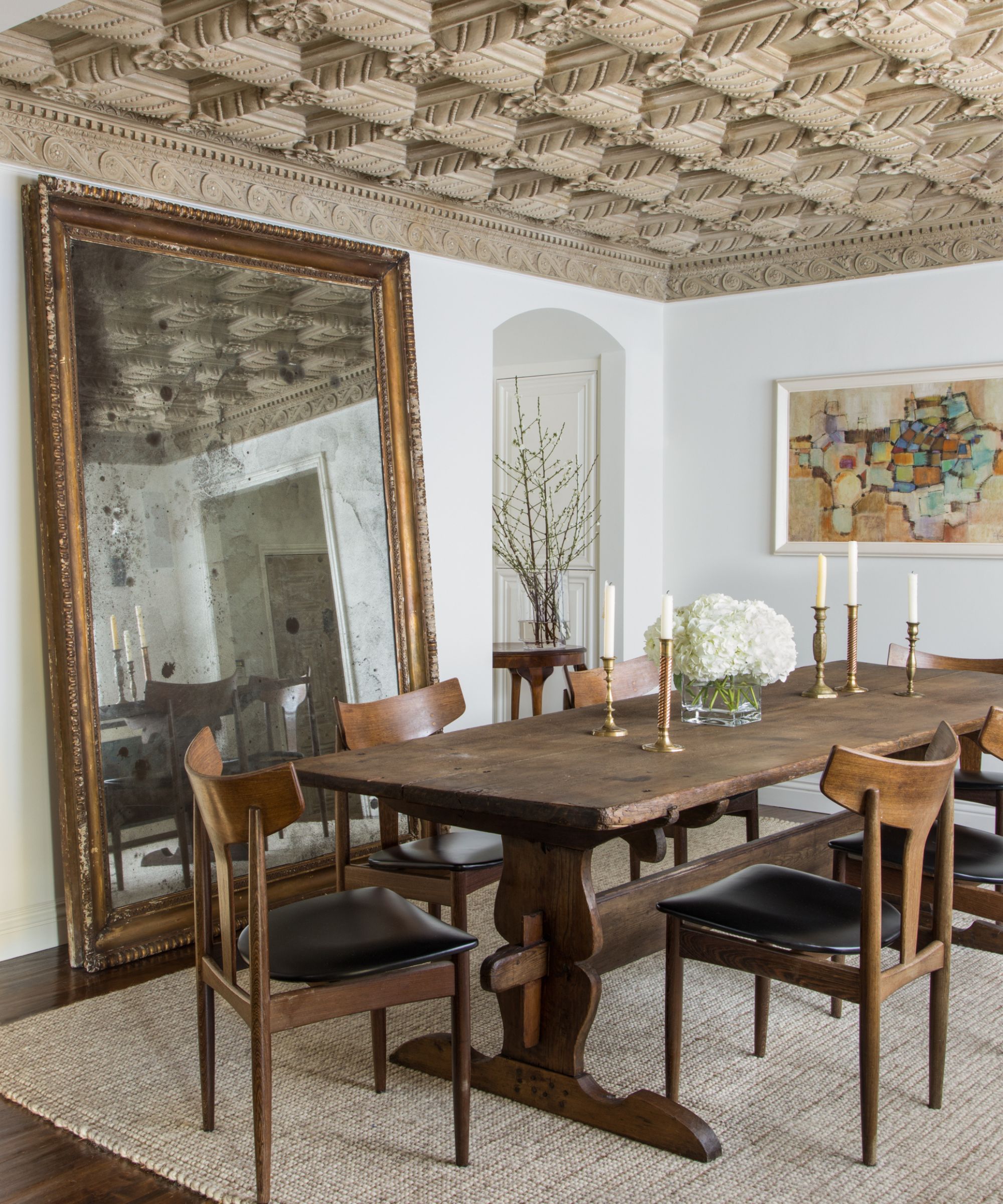
Oversized mirrors are a classic technique to make a small area appear larger and to brighten a dark room. By reflecting natural light, they create an illusion of depth and an airy atmosphere. Sam Greig, senior designer at Swoon, recommends placing large mirrors opposite windows to amplify natural light, making the space more inviting. If a window is unavailable, placing table or floor lamps near a mirror can achieve a similar brightening effect, with ambient or warm lighting preferred over cool white to avoid harsh glare. Other reflective surfaces like stainless steel, glass, and metallic accessories can also contribute to this effect.
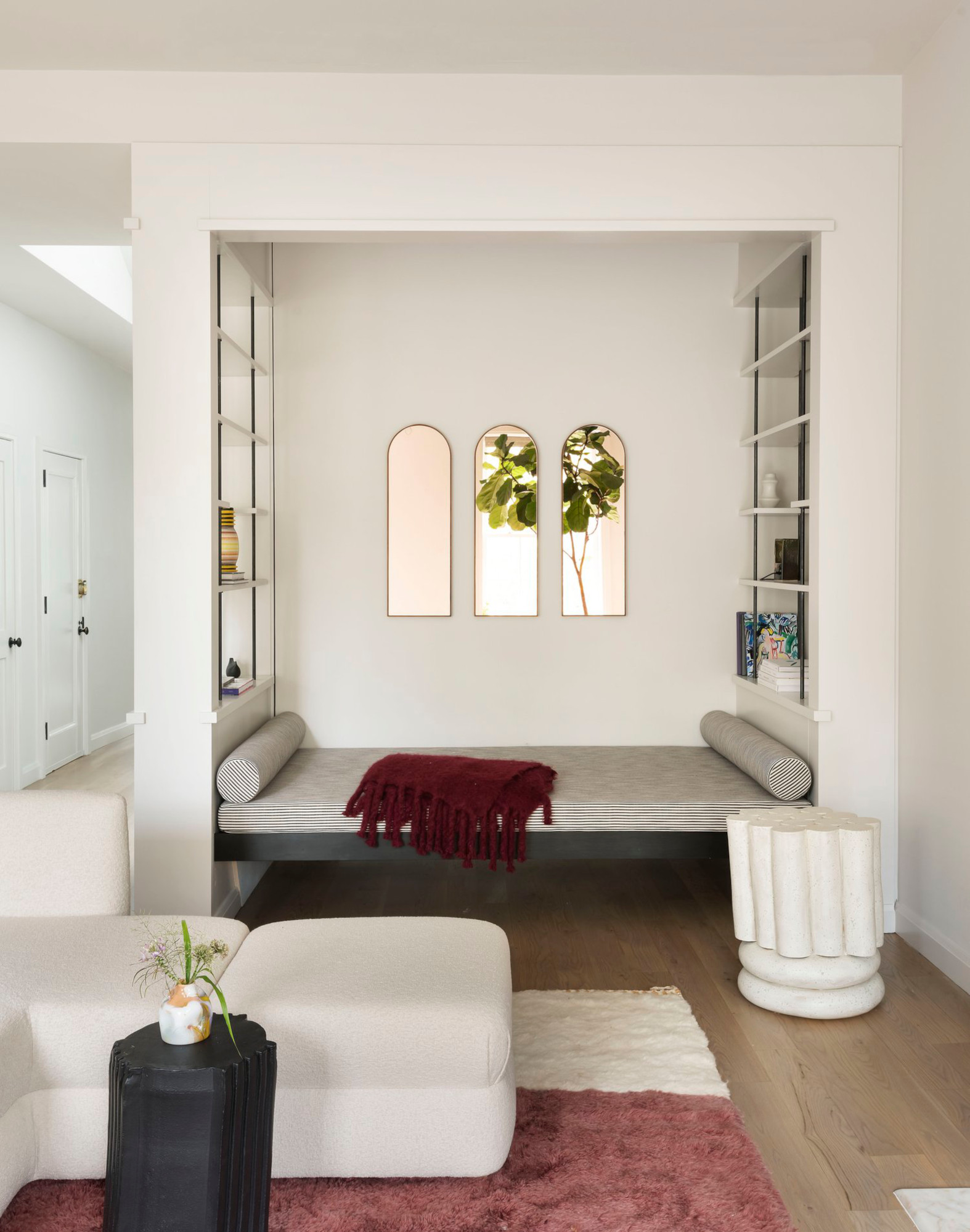
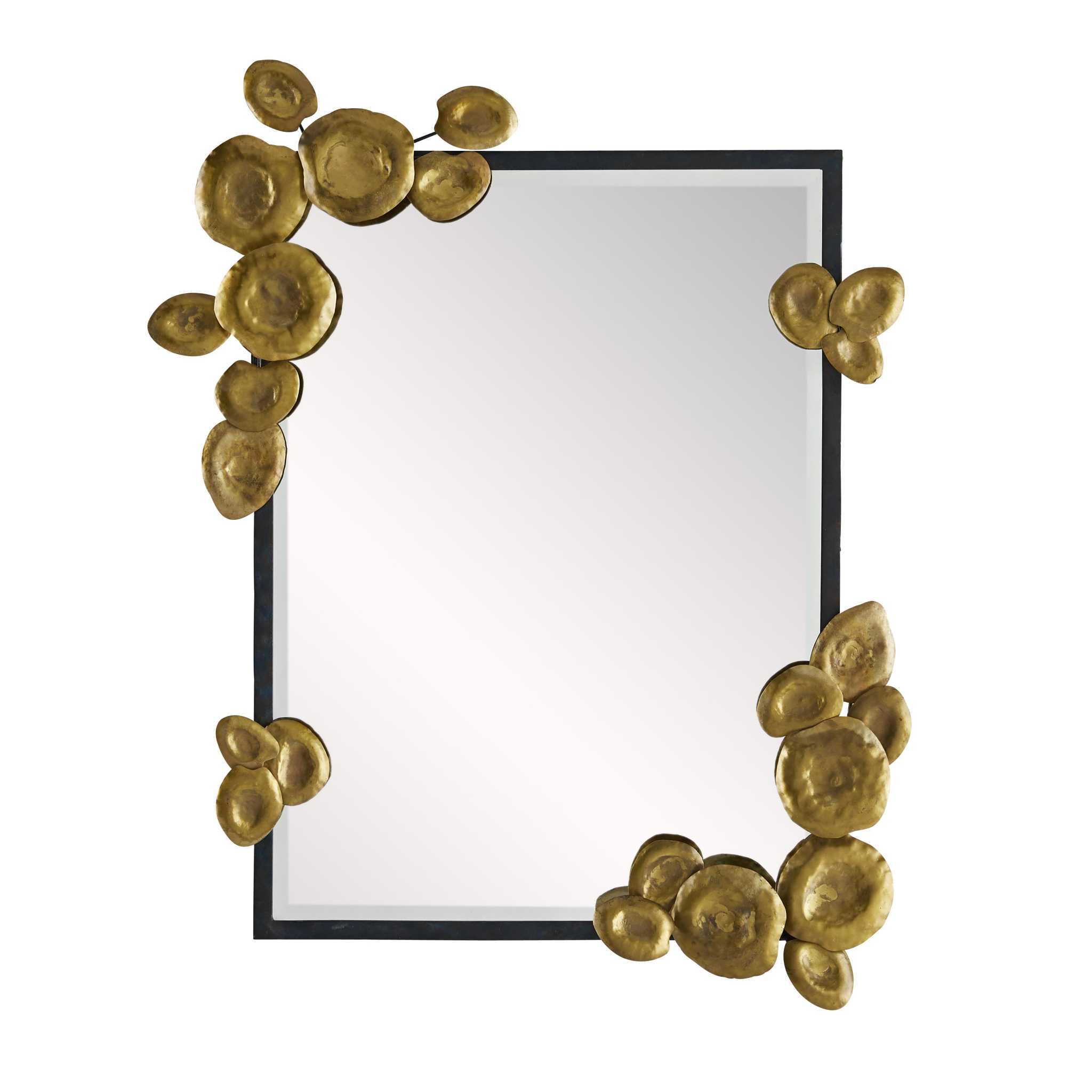
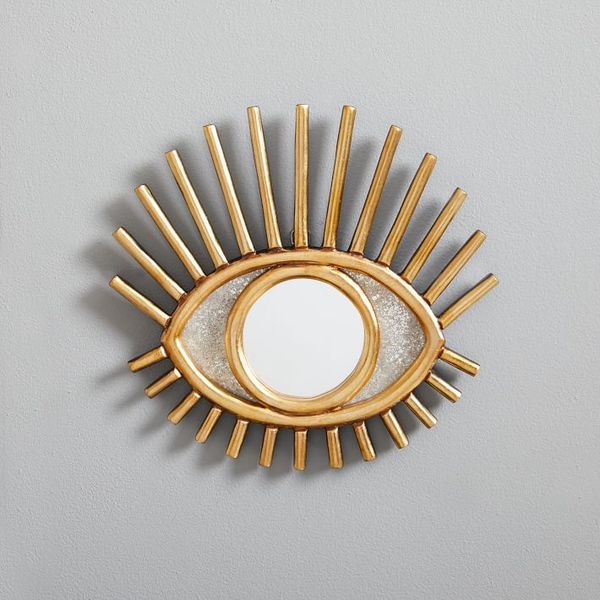
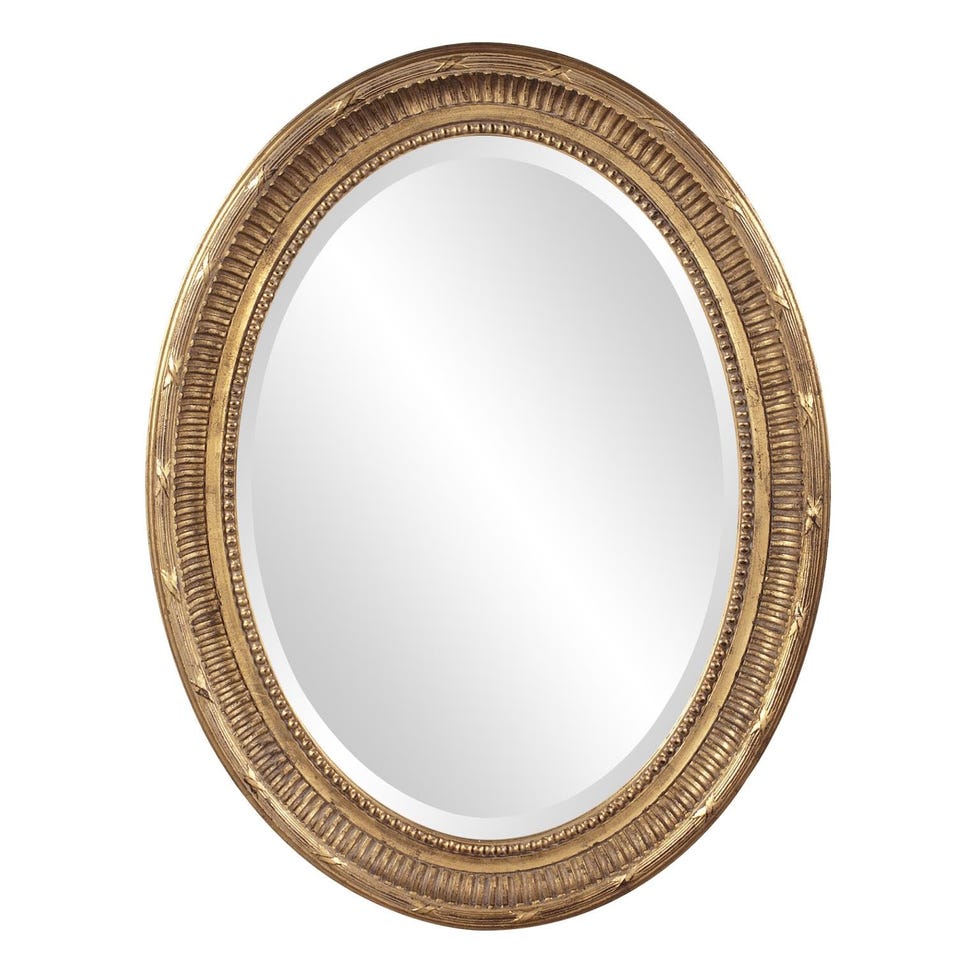
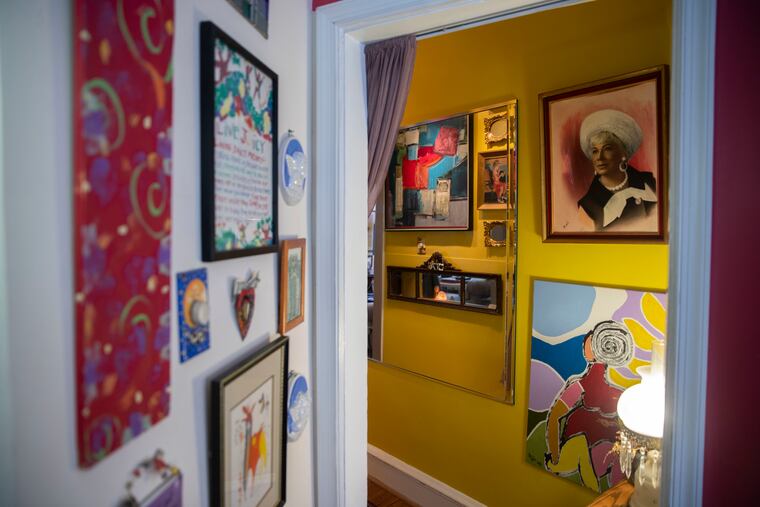
For a compelling focal point, a mirror gallery wall can be created using a curated collection of accent mirrors. Planning the layout on the floor before hanging ensures a cohesive arrangement. Danielle Le Vaillant, head of photography and film at Cox & Cox, notes that a gallery wall of mismatched smaller mirrors can produce a lively, sociable ambiance suitable for entertaining spaces like sitting or dining rooms. Themes can be varied, from coastal to jewel-toned, allowing for customization and a striking feature that transforms a blank wall.
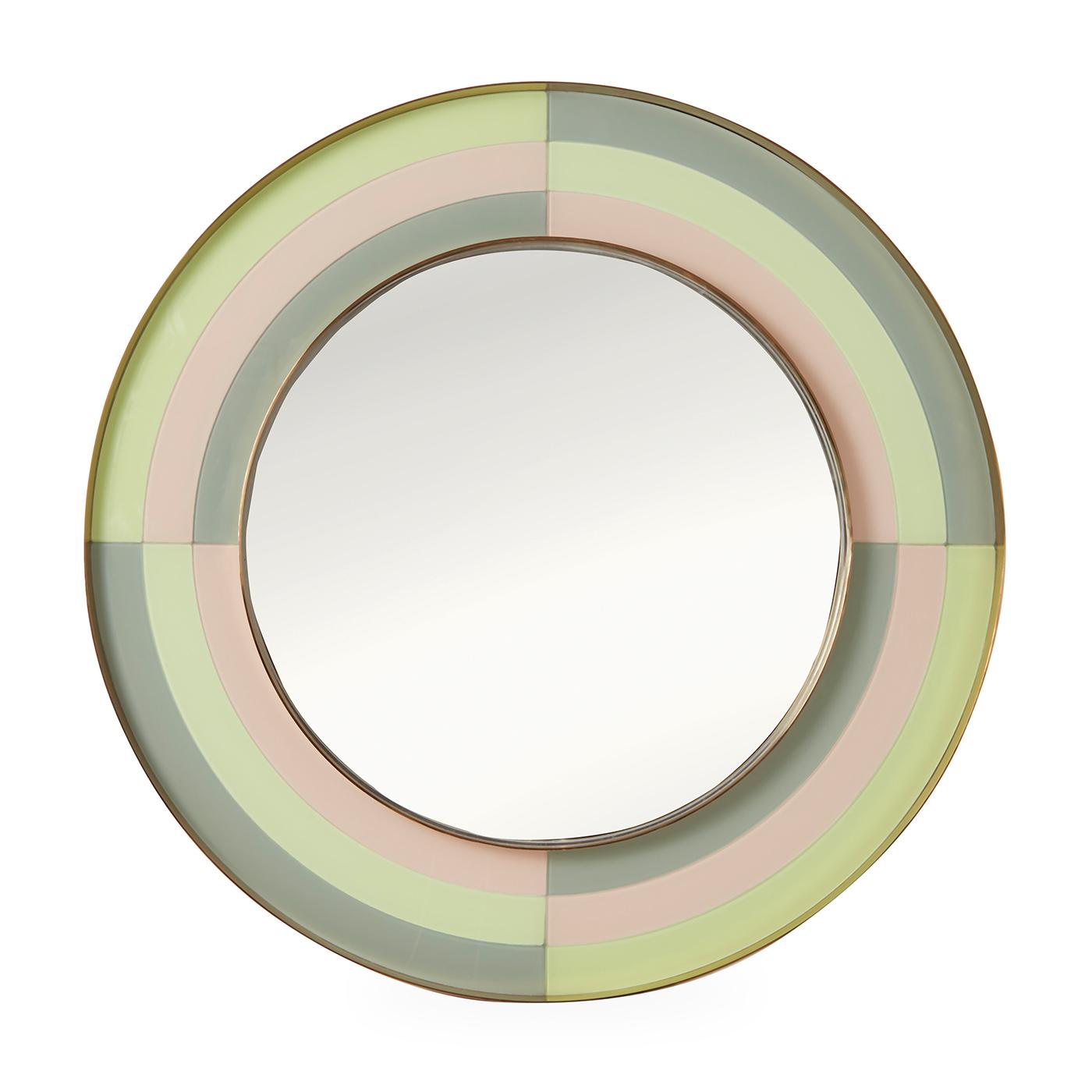
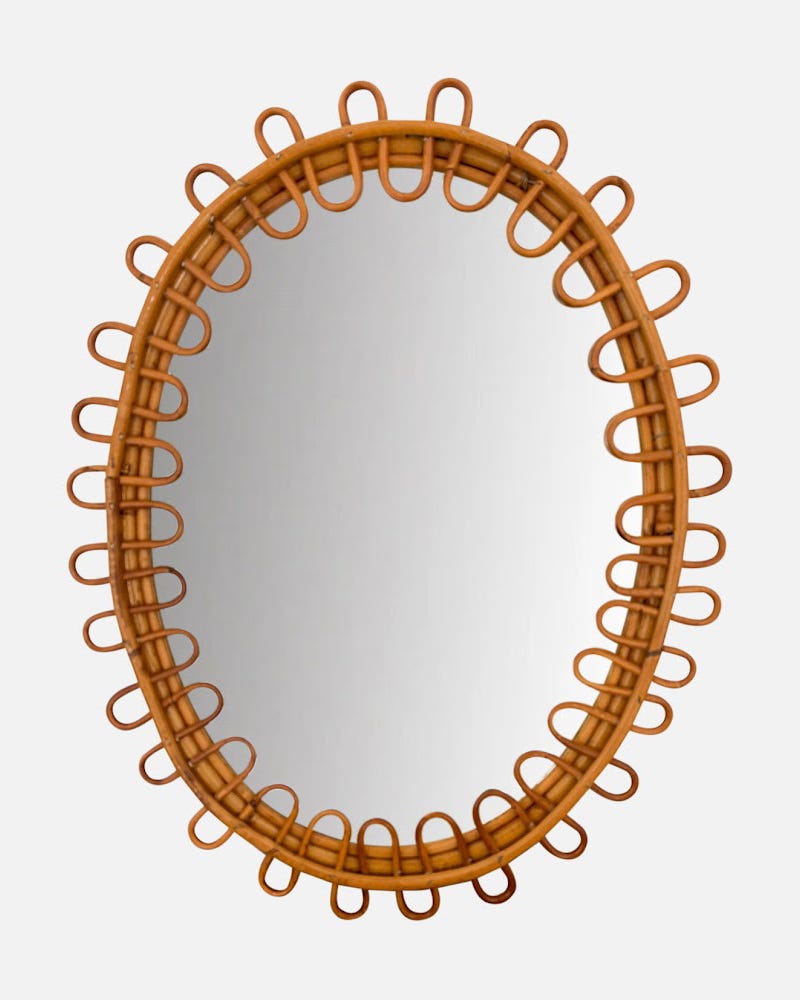
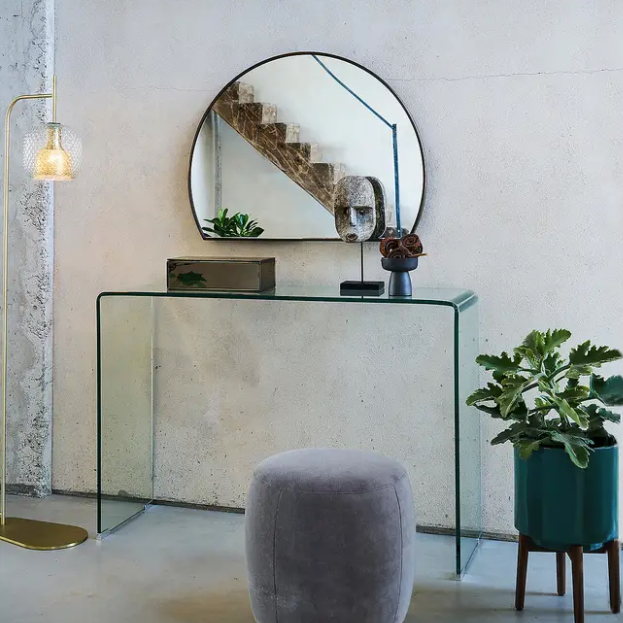
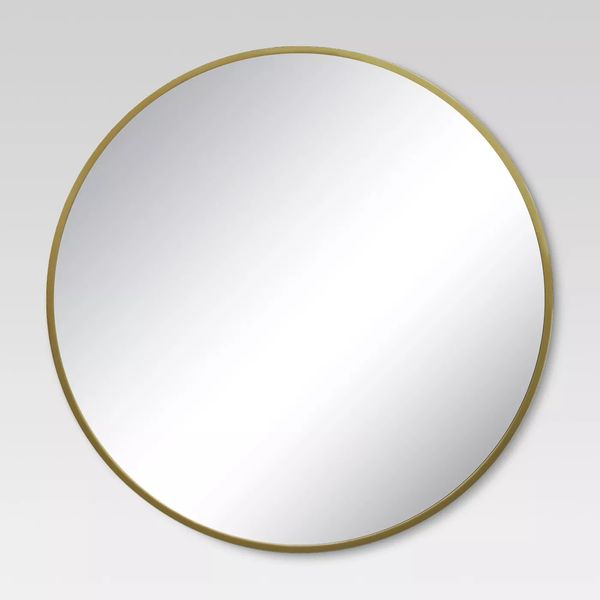
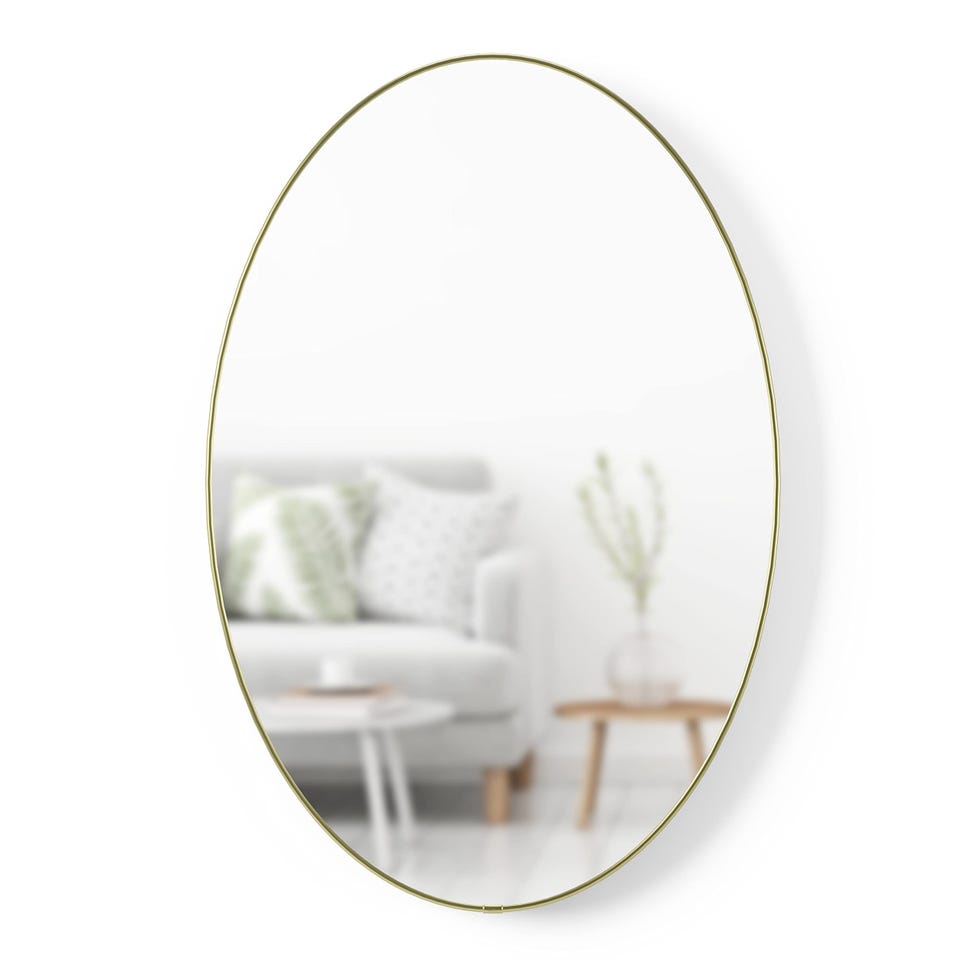
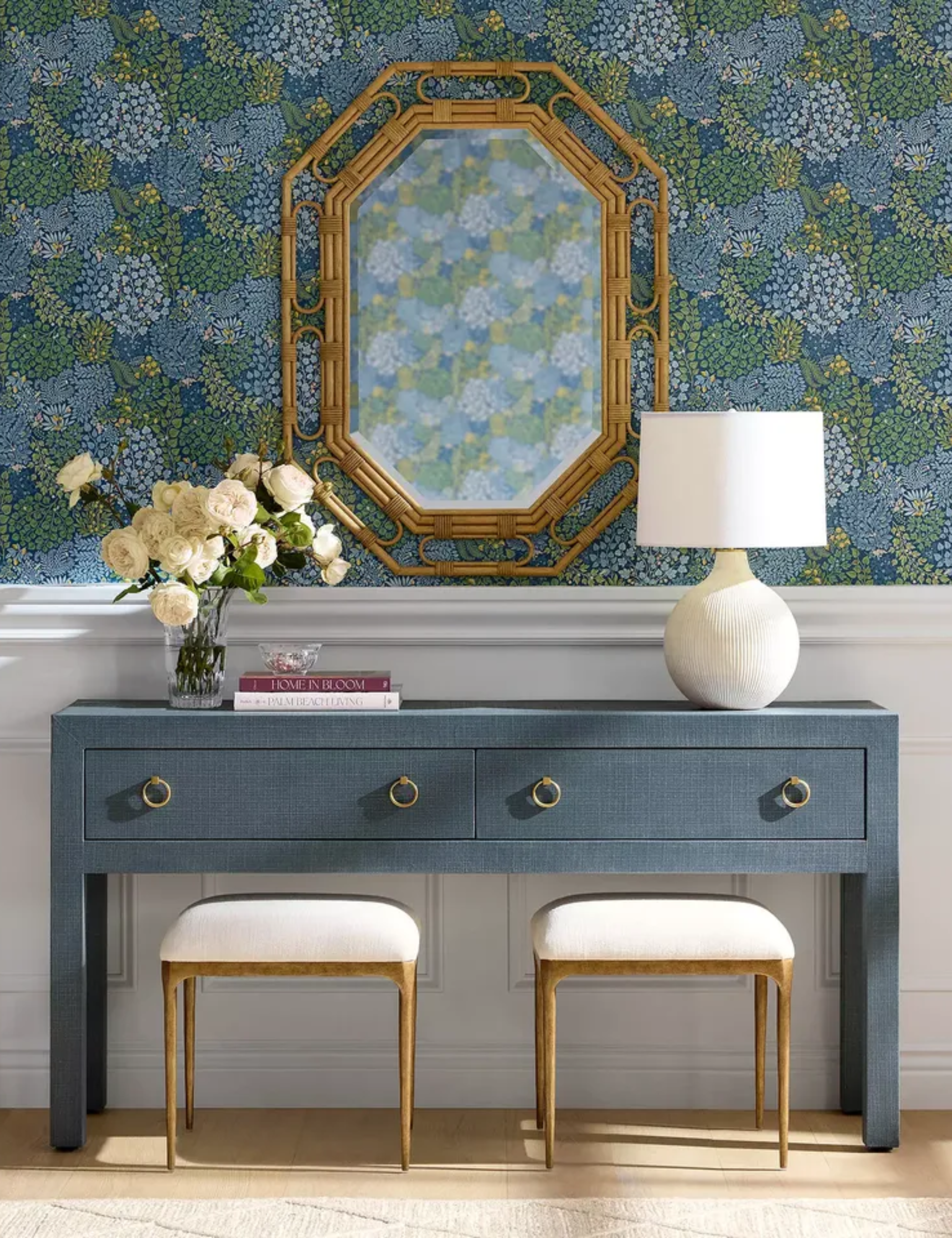
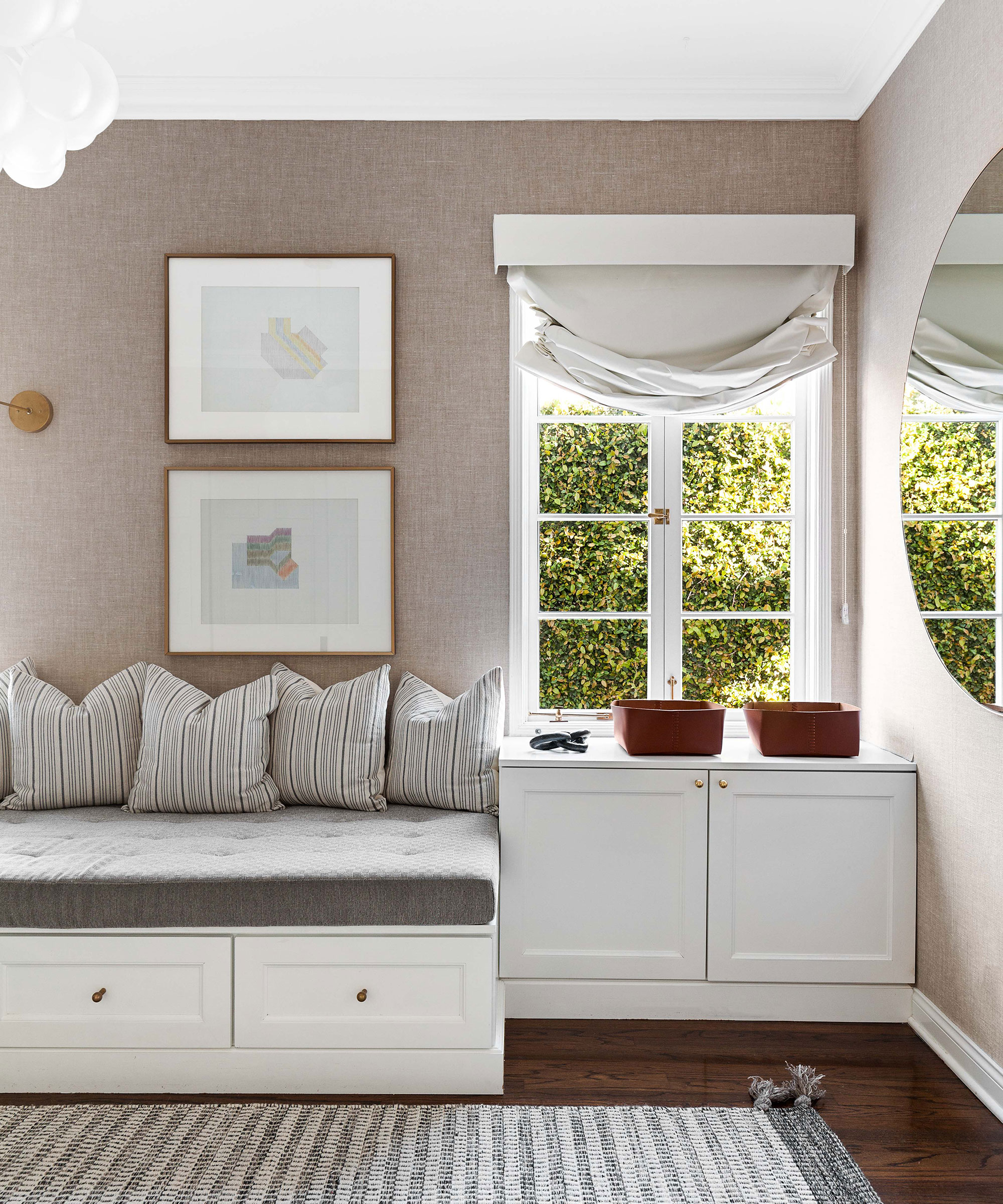
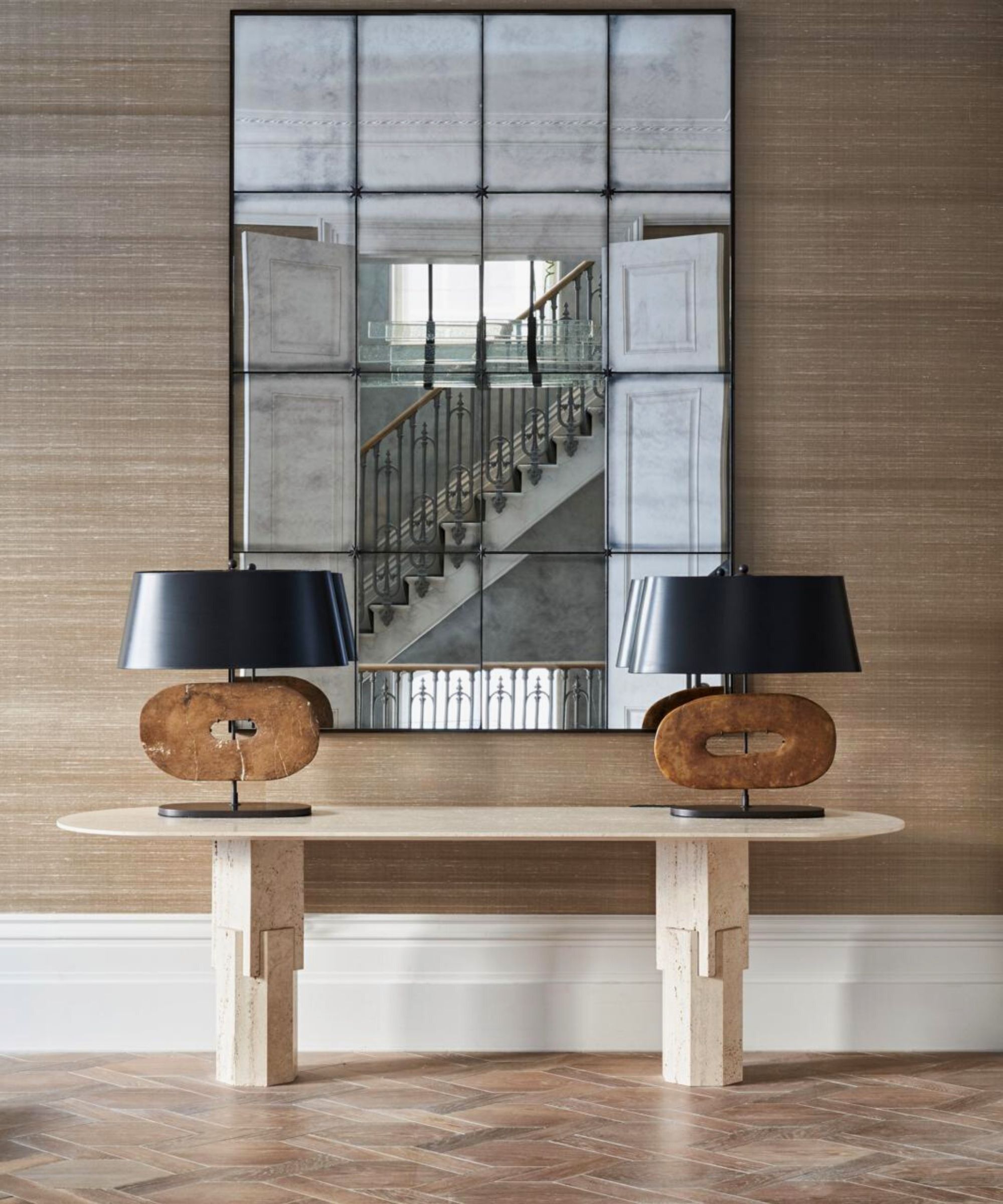
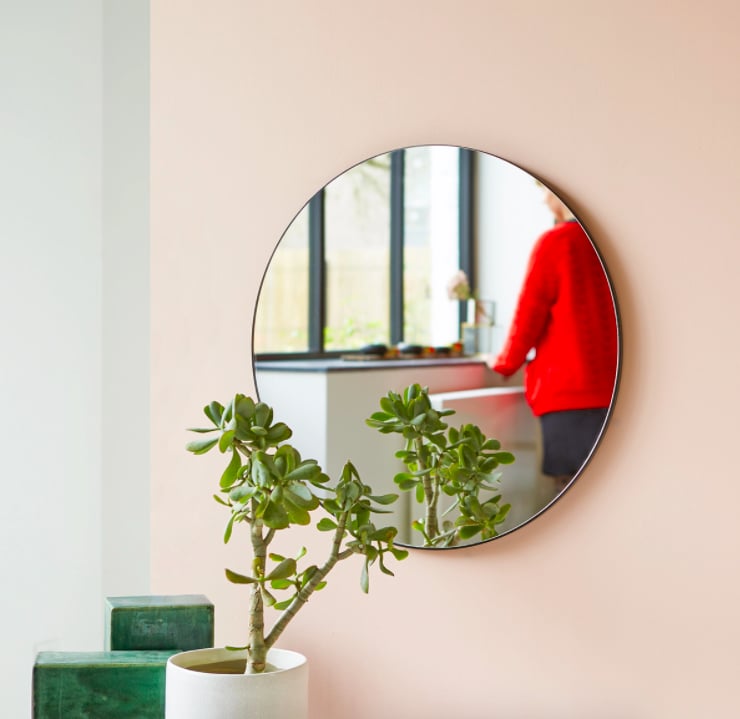
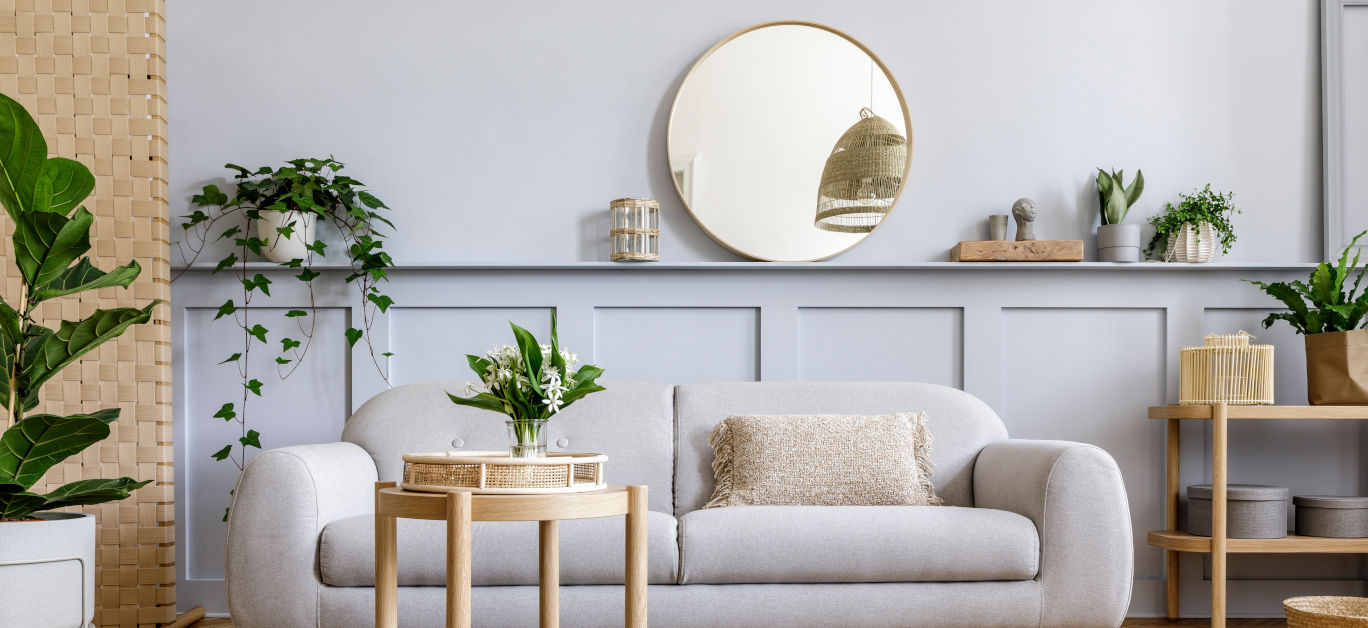
Similar to a feature wall, a single striking mirror can serve as a powerful focal point. Lisa Jones, editorial design manager at Dunelm, suggests placing a mirror above a sofa or large sideboard to add depth and make the room feel more expansive. She emphasizes selecting a mirror proportionate to the wall to avoid overwhelming the space, with round mirrors offering a softer touch suitable for both traditional and contemporary settings. Jane Rockett and Lucy St George of Rockett St George advise making a statement mirror the centerpiece of a 'style spot,' complementing curated ornaments and accessories.
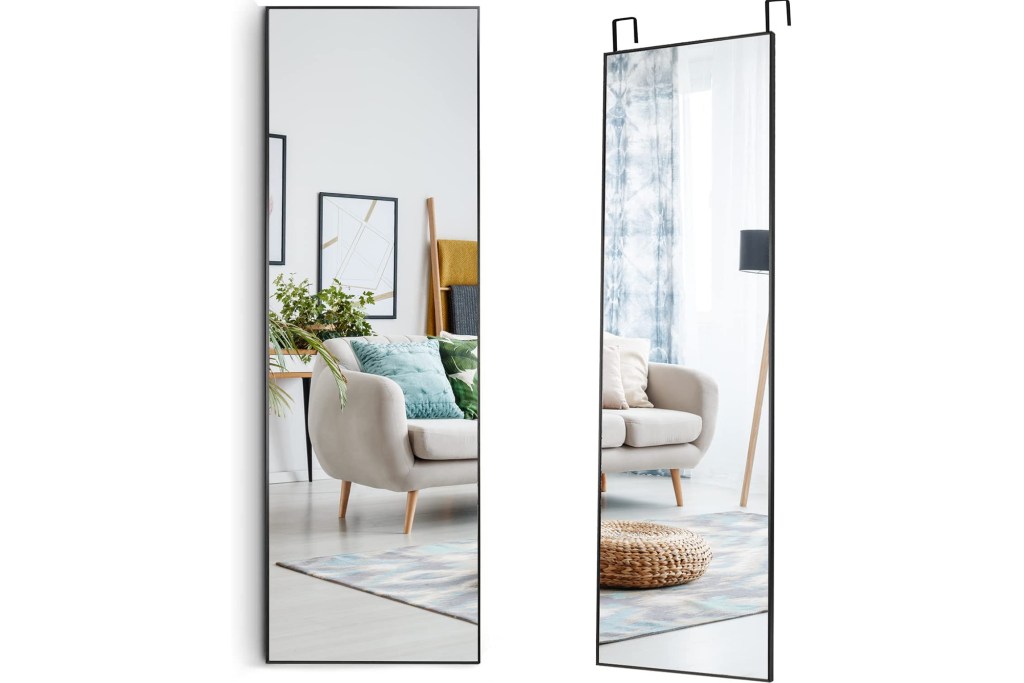
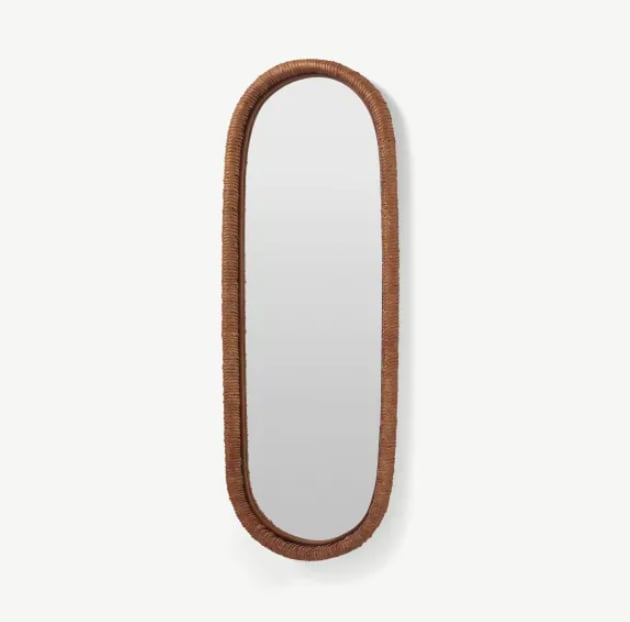
Mirrors can also enhance often-overlooked areas like staircases. In narrow or dark stairwells, mirrors can open up the space, introduce additional light, and add dimension. Greig explains that placing mirrors along the wall can make a narrow staircase appear wider and more elegant. A large or full-length mirror positioned opposite the foot of the stairs can reflect the upward trajectory, creating depth and reducing any claustrophobic feeling.
For a more dramatic transformation, creating a mirrored feature wall in a smaller room or on a blank wall can give the optical illusion of increased space and make low ceilings appear taller. This approach provides a sleek, contemporary update and maximizes light reflection. Mirrored walls are particularly effective in living areas, hallways, or compact bathrooms. Greig also suggests using mirrors as unconventional backsplashes in kitchens or bathrooms, which adds glamour and creates a lighter, more open feel, especially beneficial in smaller spaces.
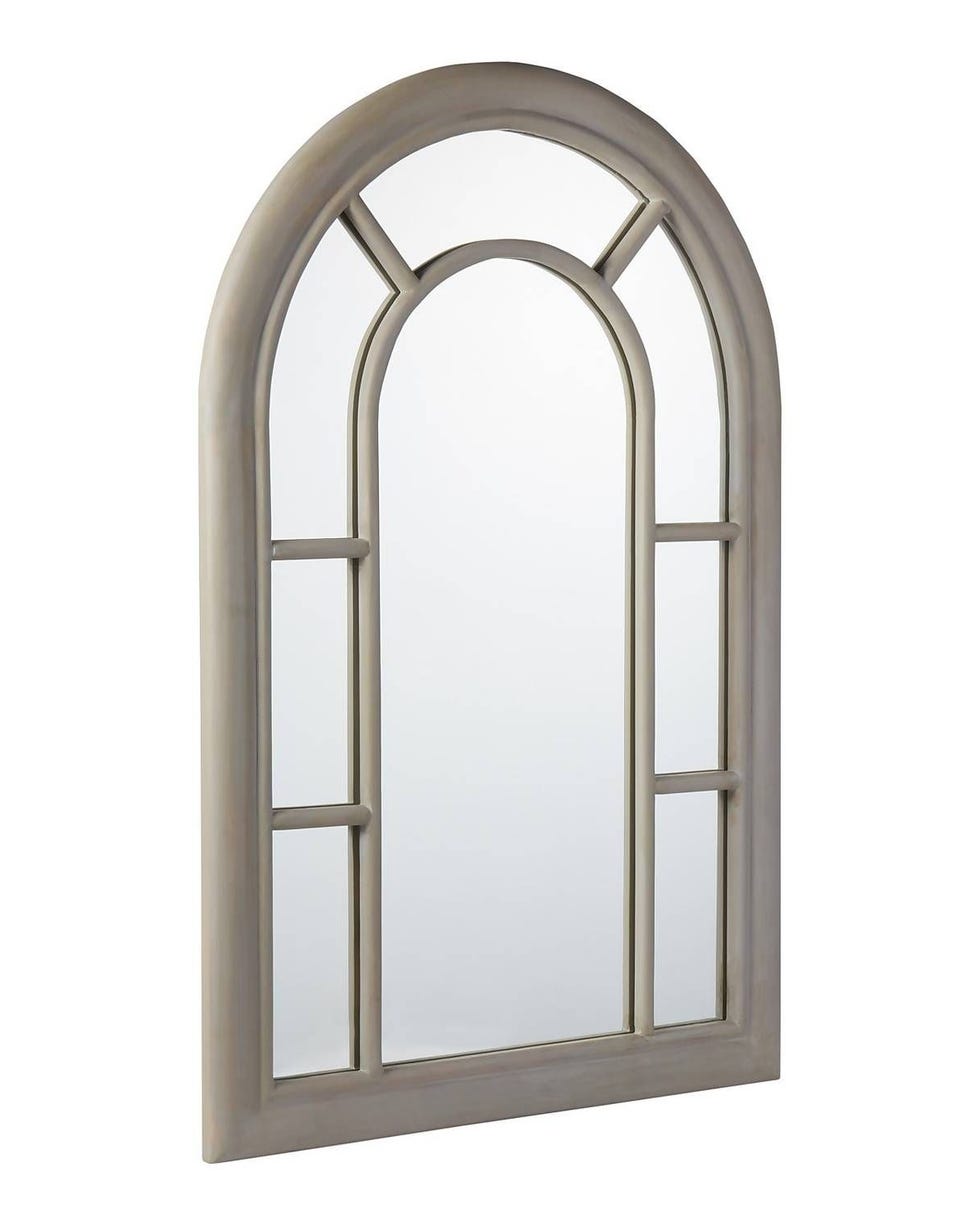
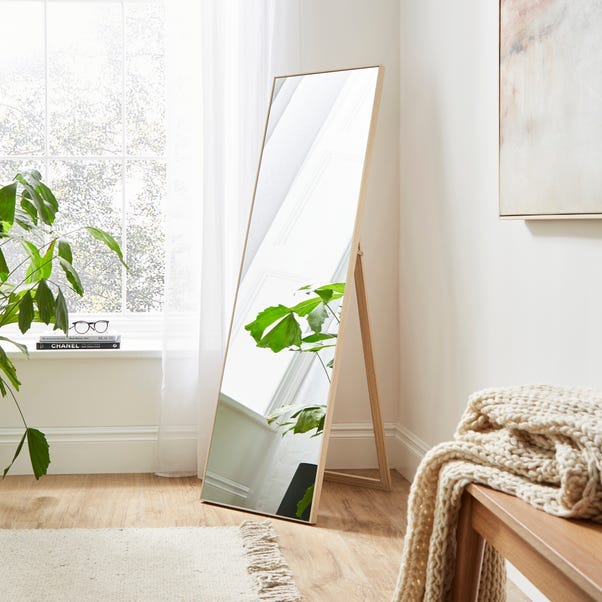
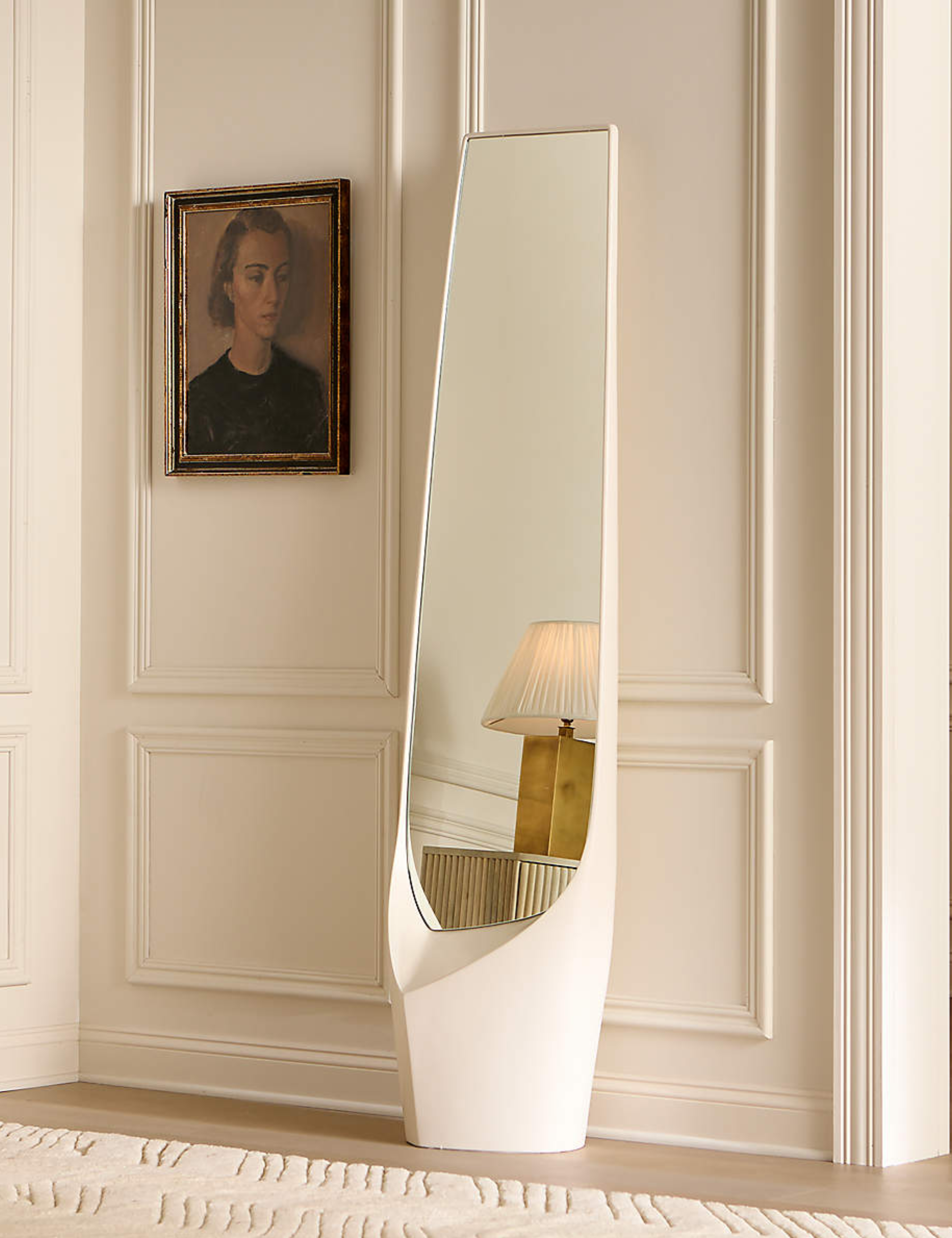
Finally, mirrors are not confined to indoor use; garden mirrors have gained popularity as outdoor features. They create an illusion of space and reflect the surrounding flora, adding to the garden's beauty. Rockett and St George highlight their utility in making small gardens appear larger or creating a conversation piece. Leaning a large freestanding mirror against a patio wall can reflect plant pots or outdoor furniture, while a Crittall-style mirror can provide a strong, graphic contrast in a natural setting. For outdoor installation, it is crucial to use mirrors specifically designed for external use and to take safety precautions against extreme weather.
#HomeDecor #InteriorDesign #MirrorPlacement #LuxuryLiving #SpaceMaximization #NaturalLight #HomeStyling #FeatureWall #GardenDecor #HomeDecor #InteriorDesign #MirrorPlacement #LuxuryLiving #SpaceMaximization #NaturalLight #HomeStyling #FeatureWall #GardenDecor
0 comment in total
 No comments yet
You may also like
6 clever ways to use mirrors to make your home feel bigger and brighter
19 Gorgeous Mirrors For Every Room of Your Home

The Best Decorative Mirrors, According to Interior Designers
19 Mirror Wall Decor Ideas That Add Light, Depth, and Style
Is it okay to have more than one mirror in a room? This is the one instance designers say it's never okay

21 best mirrors for your home, from full-length to decorative
5 Mistakes You Might Be Making When Decorating With Mirrors, According To Designers
The Chicest Full-Length Mirrors to Upgrade Any Room
A reflection of good taste: Mirrors to light up your space this holiday season

40 Bathroom Mirror Ideas To Enhance Your Space
These 12 Stylish Amazon Mirrors Will Instantly Elevate Your Space, According to Designers
5 simple ways designers use mirrors to make a room look bigger

Decorate with mirrors to bring in light or make your home feel bigger
The best mirrors for a bright and roomy home
Best places to buy mirrors in 2025, according to an Style Editor
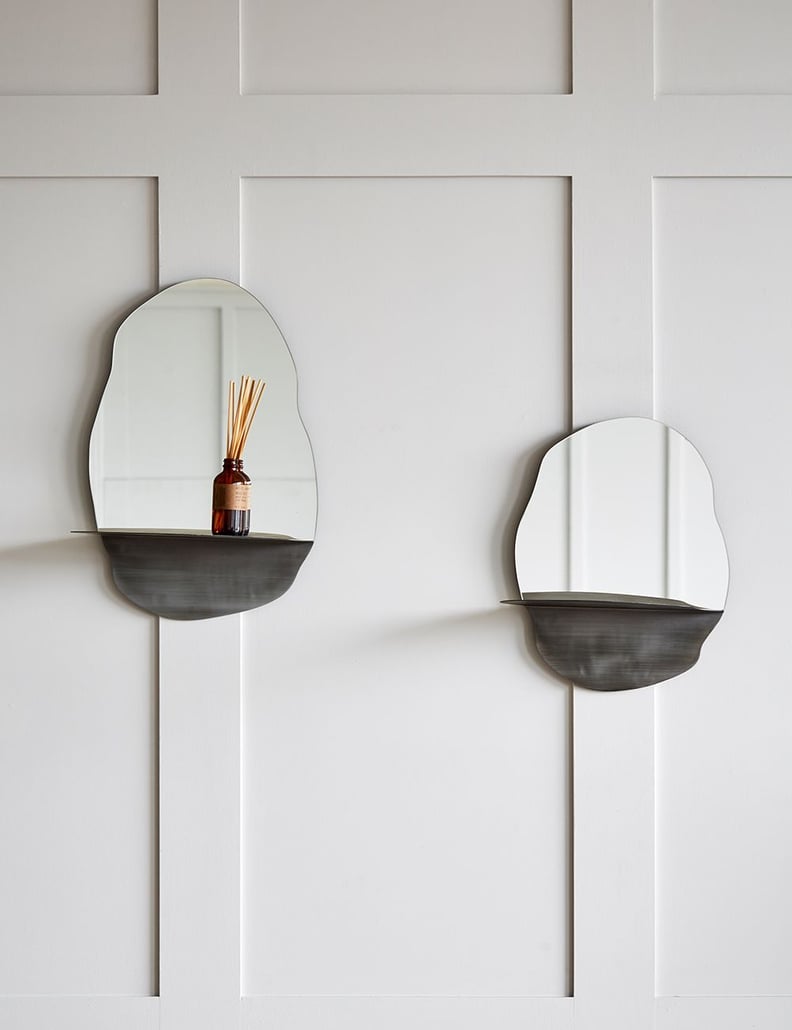
Looking For a New Mirror? Here Are 21 Chic Options That Won't Break the Bank
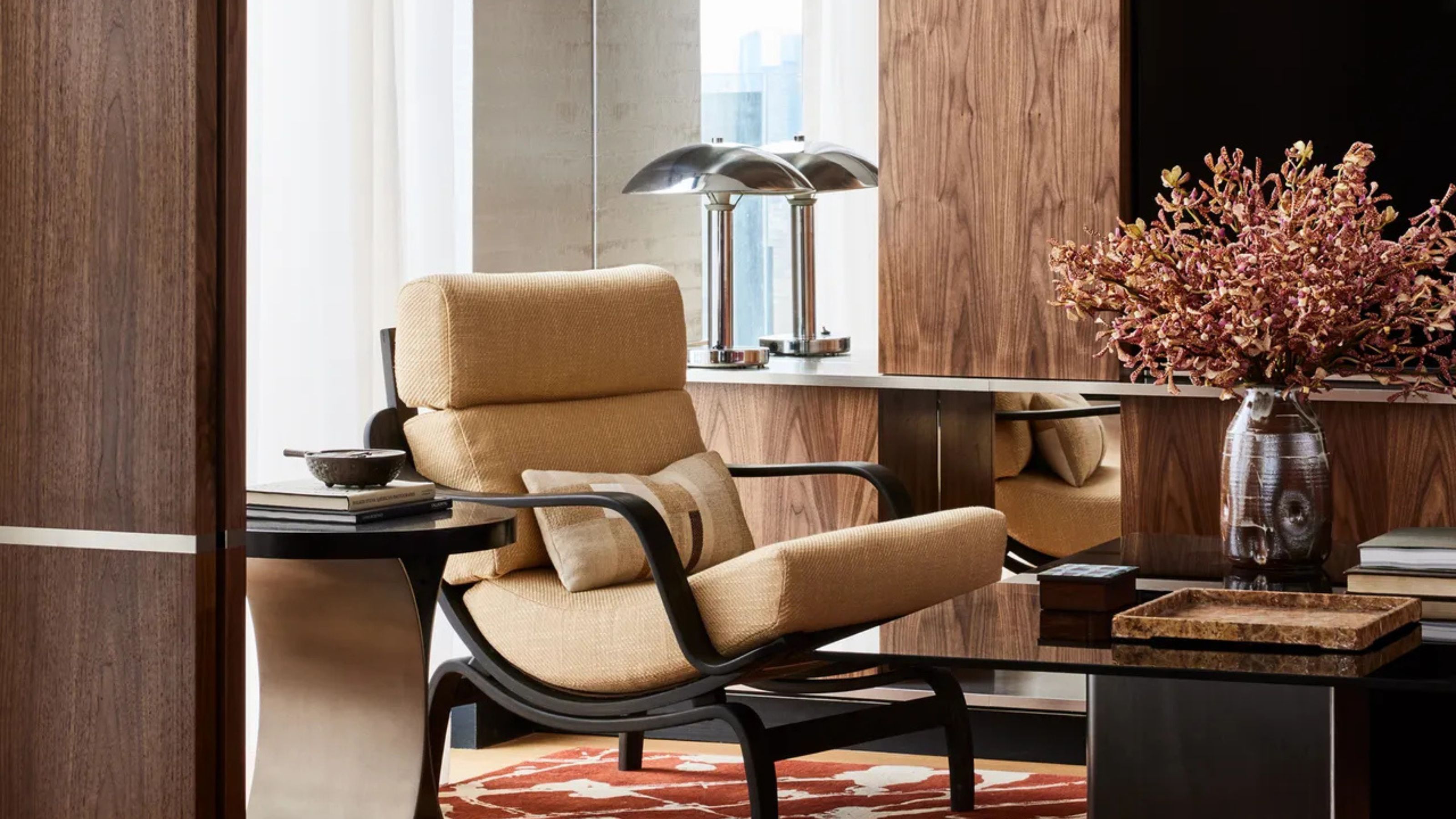
12 Ways Decorating With Mirrors Can Take a Space From Static to Stylish, Shiny, and More Spacious
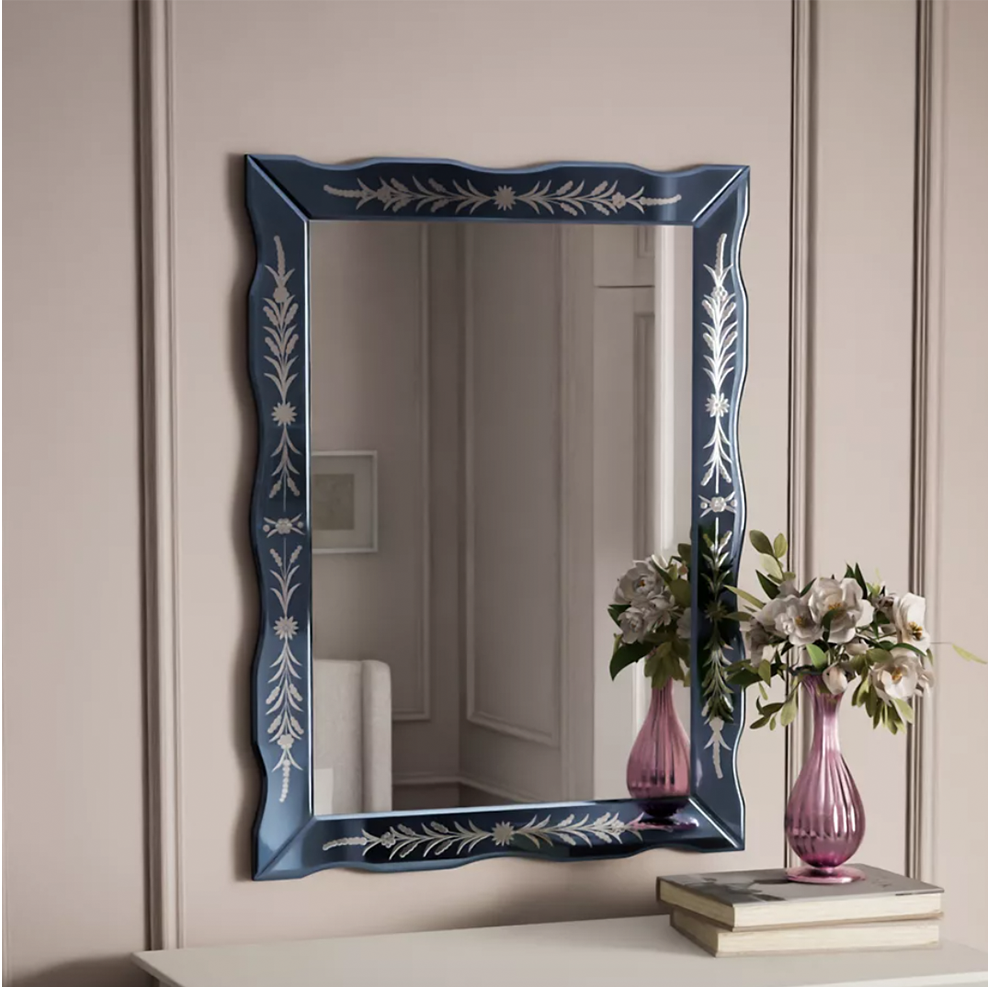
15 living room mirrors to transform your lounging space in an instant

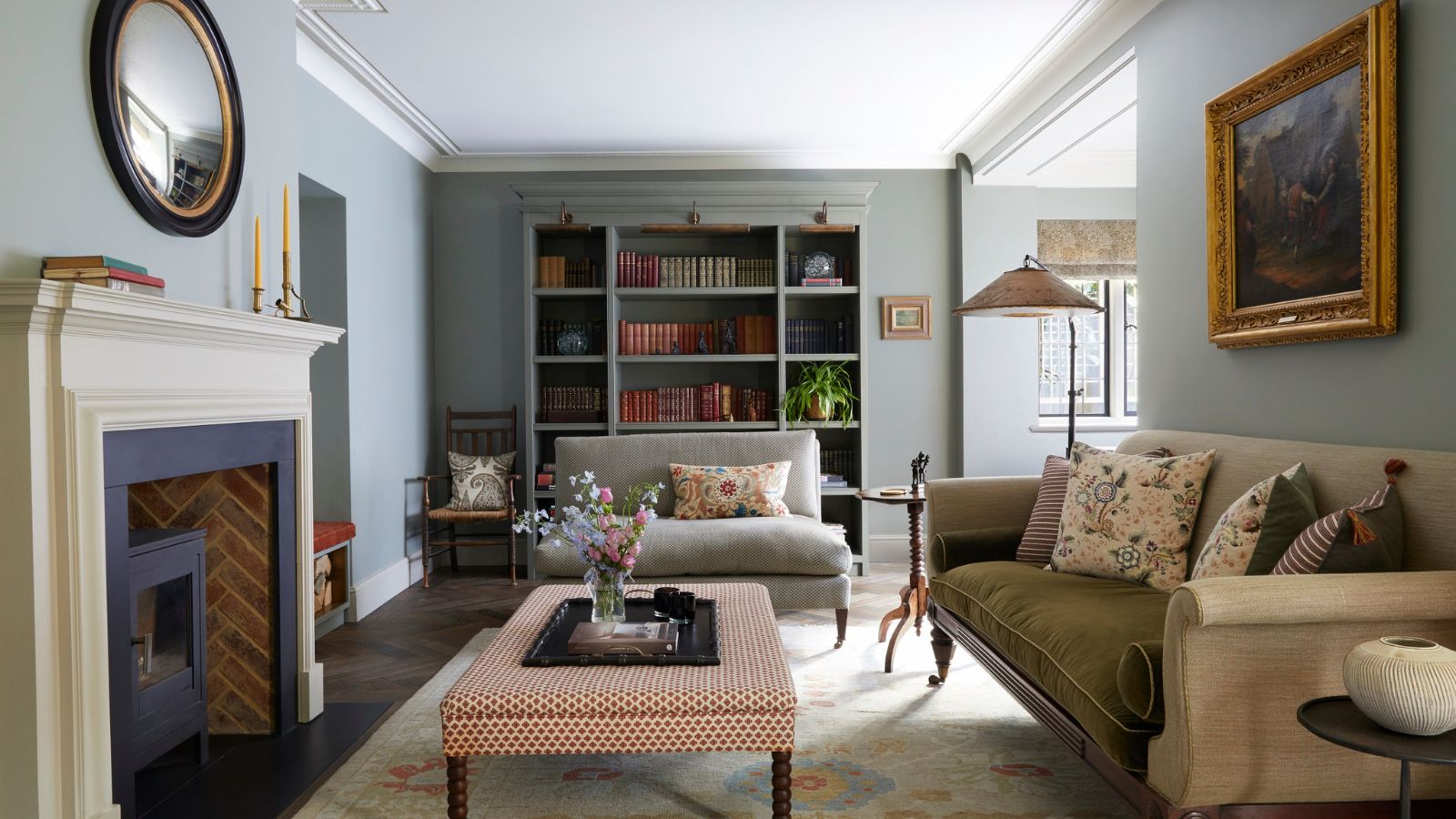
14 living room mirror ideas to enhance light, expand spade and add style
18 Editor-Loved Bathroom Mirrors That Will Instantly Upgrade Your Space