1/8
How to make a narrow room look wider with paint - expert tricks to make small spaces seem bigger
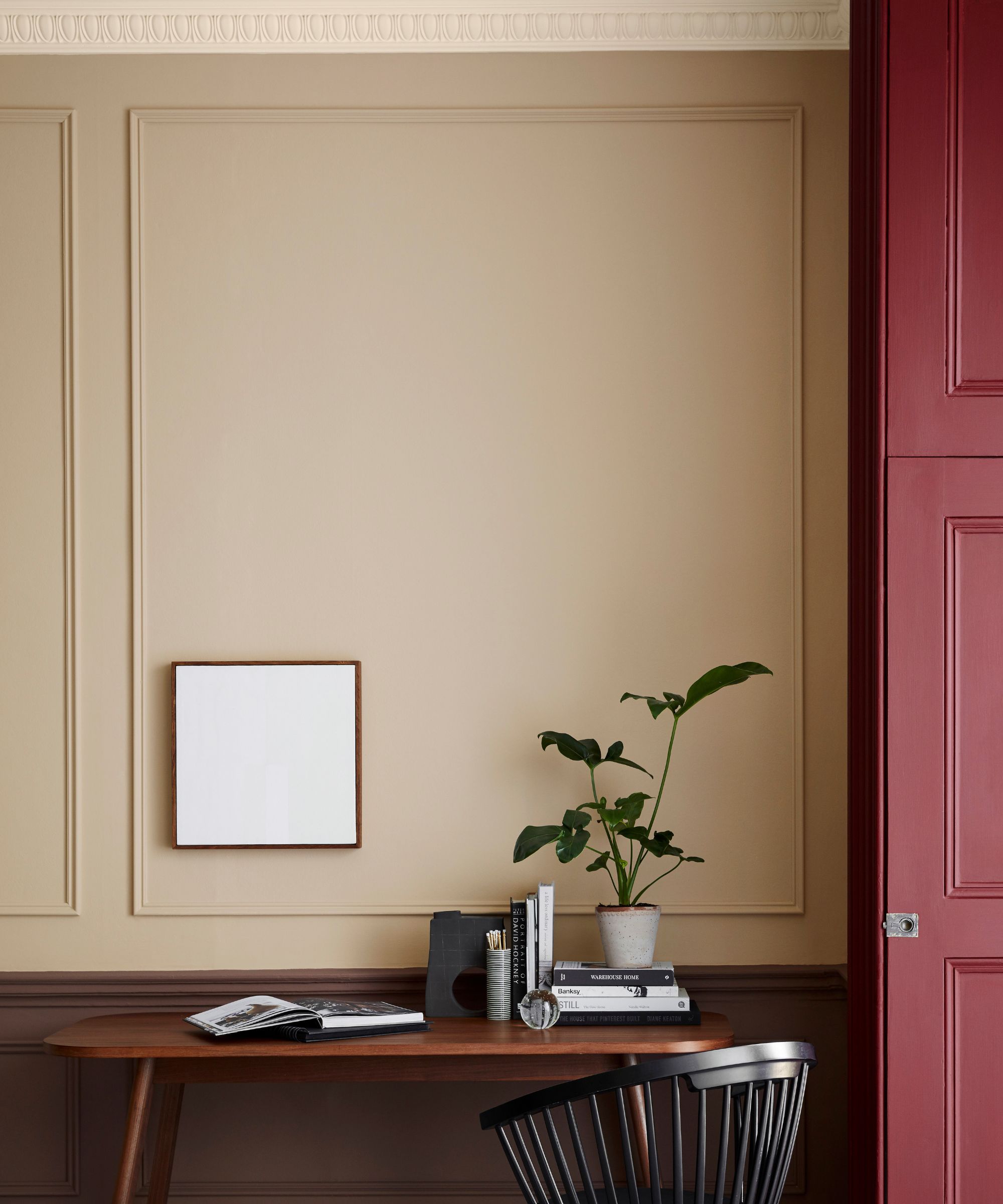
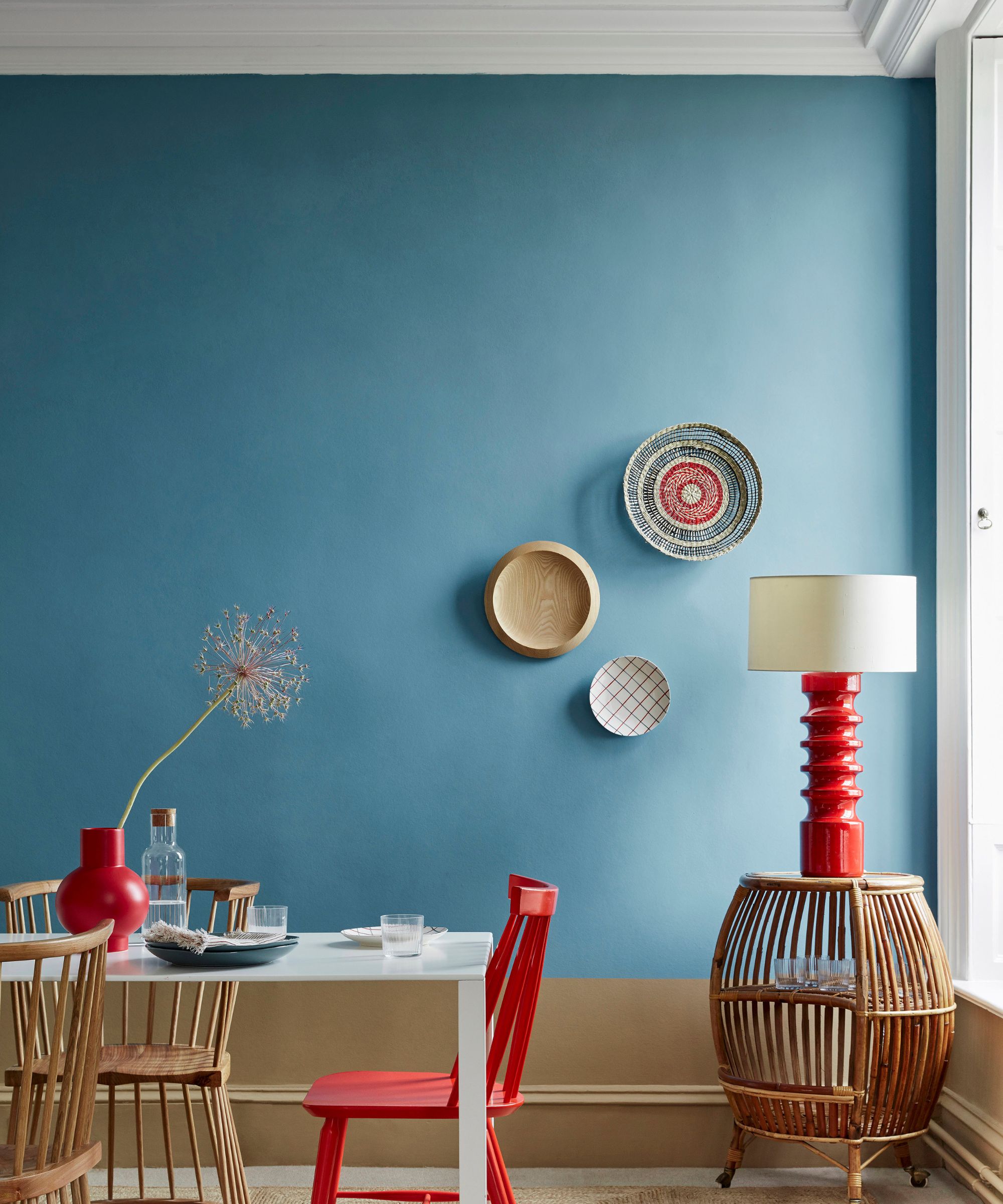
This article explores various paint techniques to create the illusion of a wider and larger space in narrow rooms. Paint is presented as a versatile tool for spatial illusion, with considerations ranging from color choices to application methods. The article delves into several expert-approved strategies, beginning with the use of horizontal stripes. Painting simple strips horizontally along a wall can draw the eye outwards, making walls appear further apart than they are. This technique is likened to a cake, where lighter colors invade the ceiling and run down the walls, followed by a darker edge that divides the top from the bottom, and finally a main color at the base to define the room's shape. Crown molding can serve as a guide for these divisions.
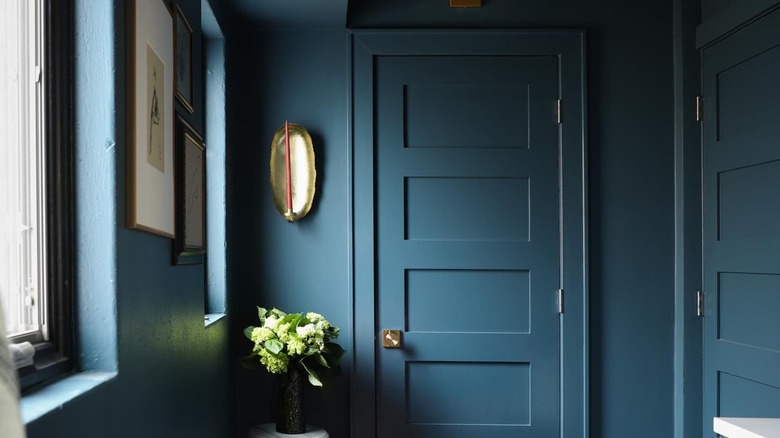
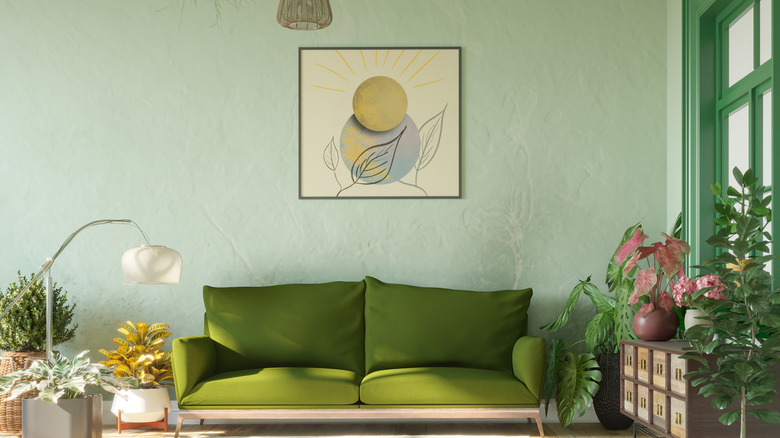
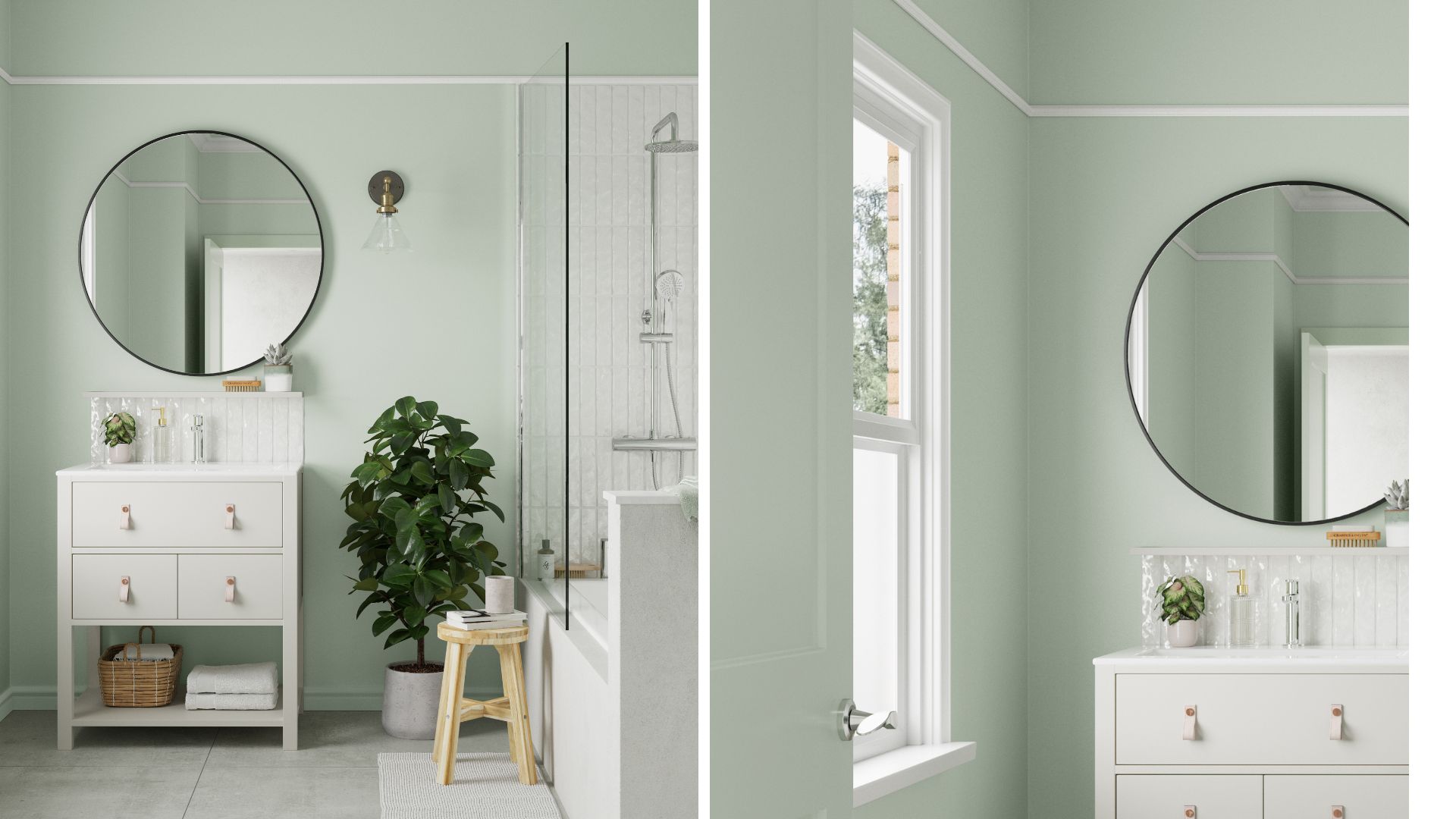
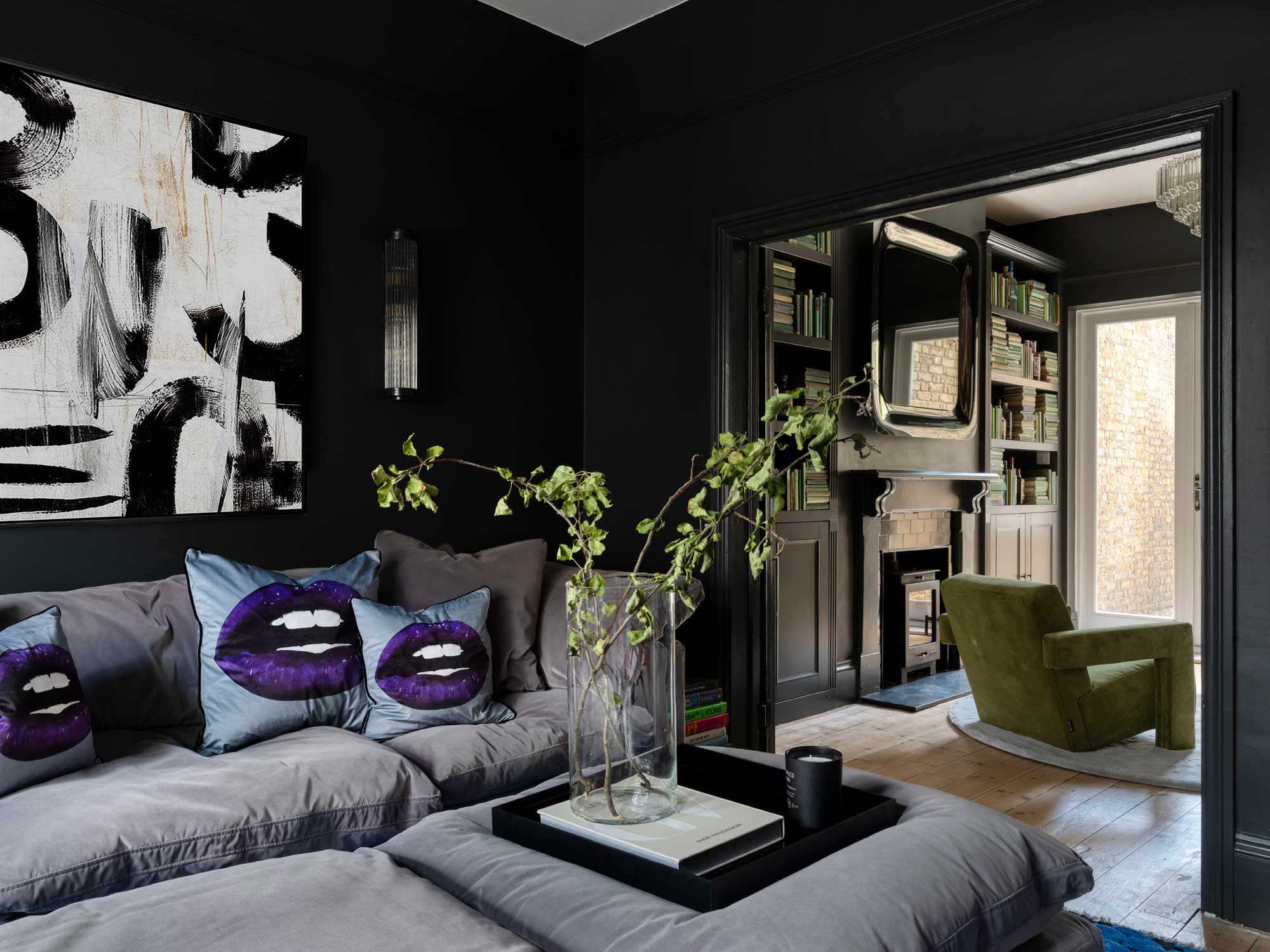
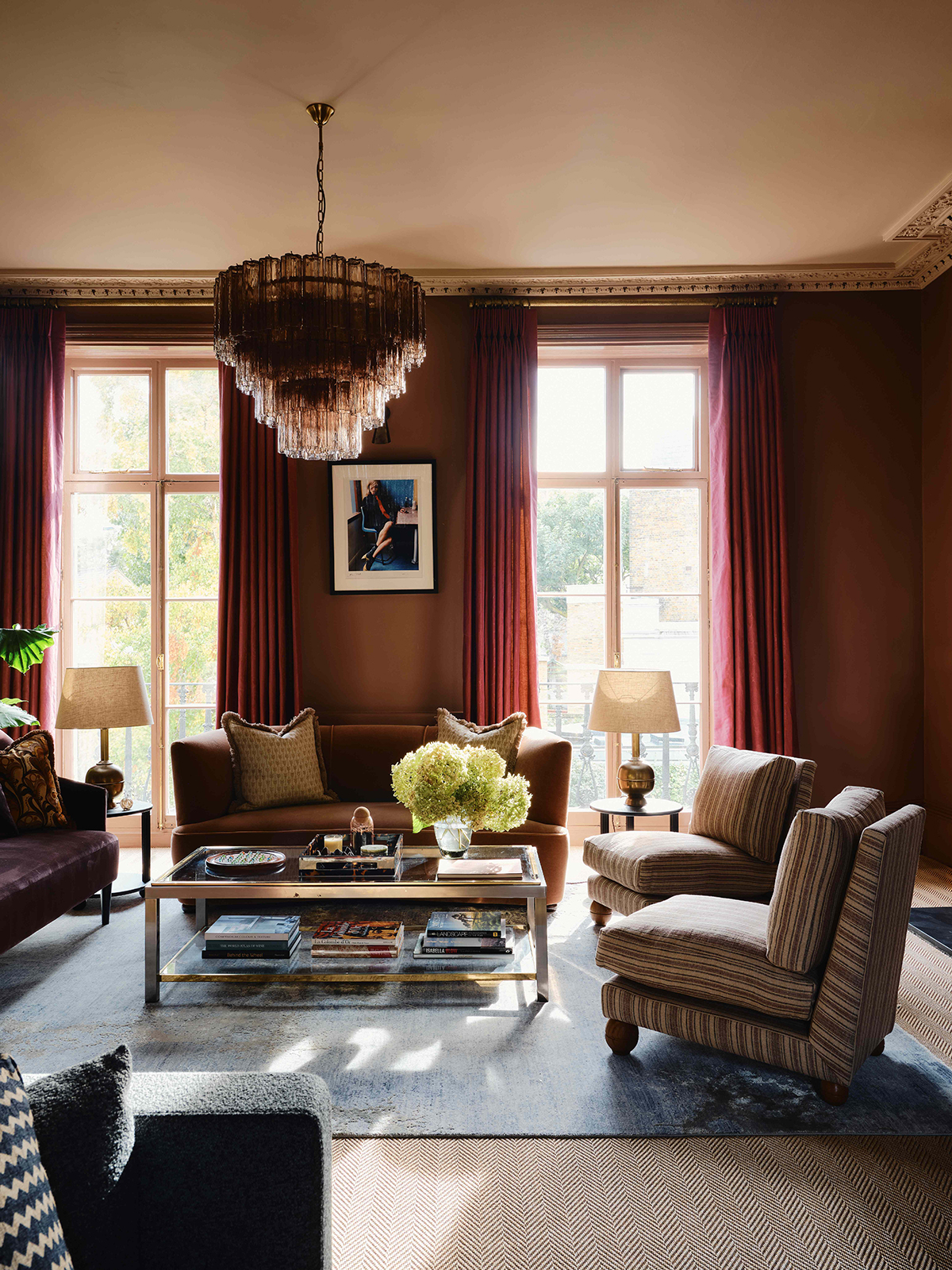
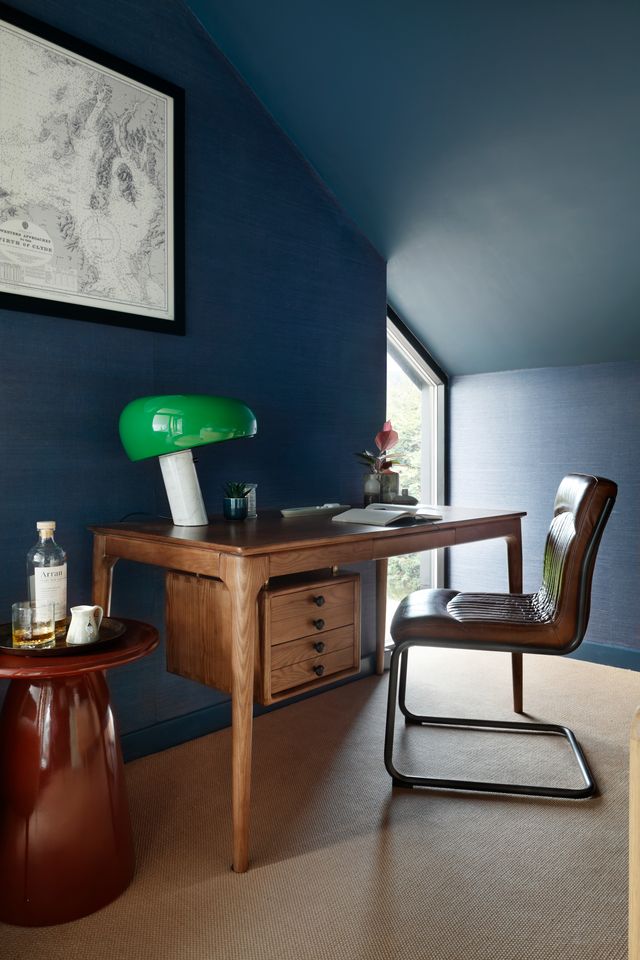
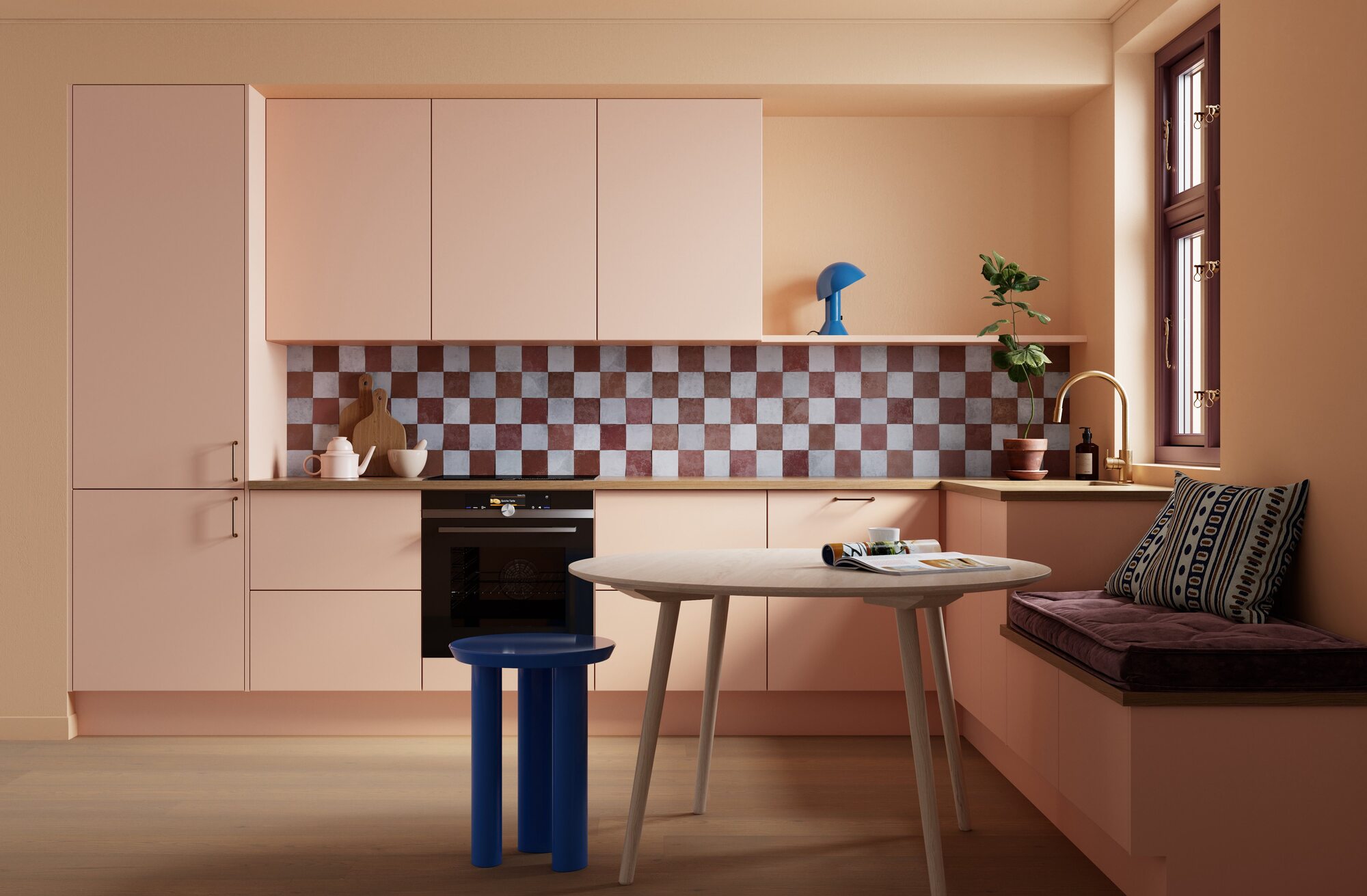
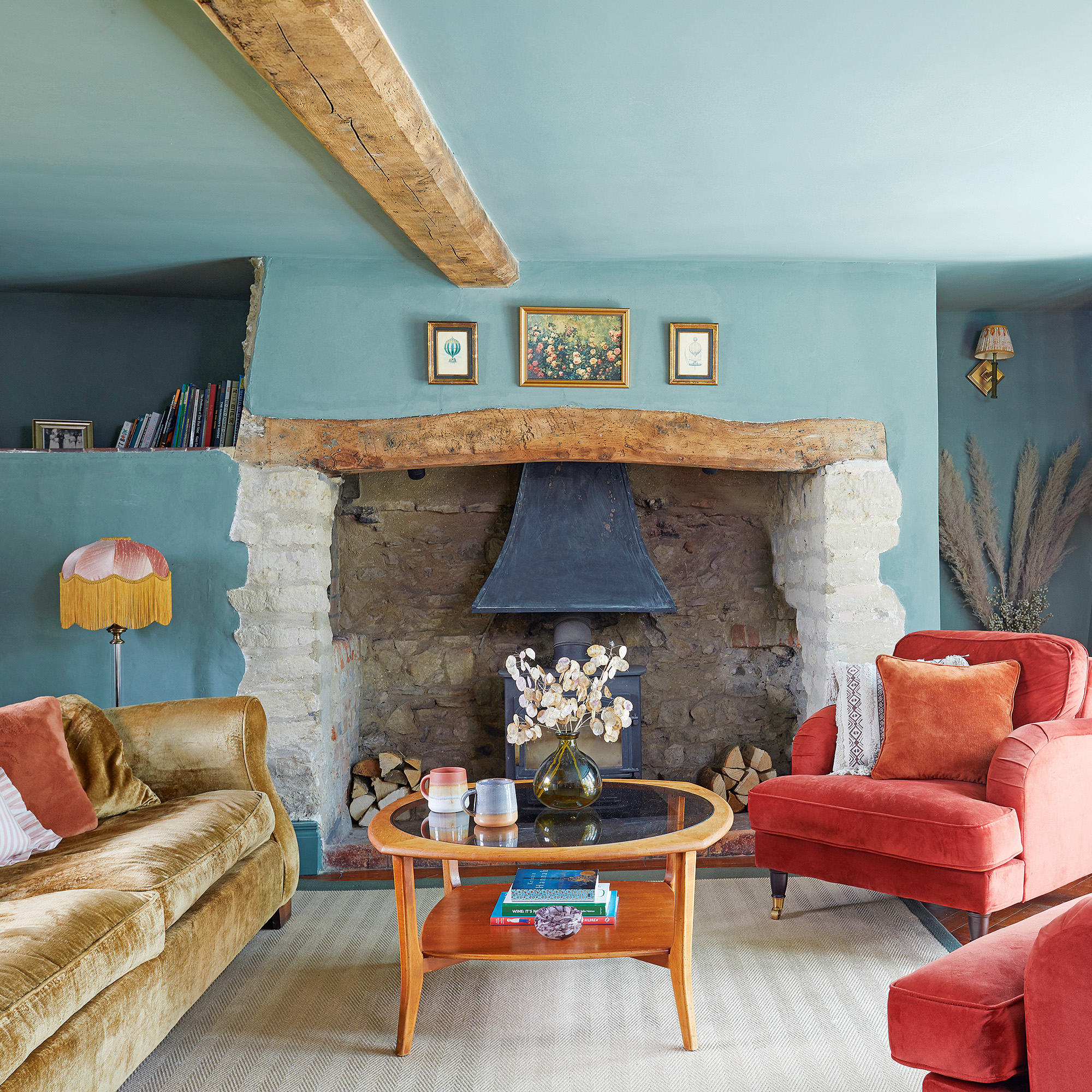
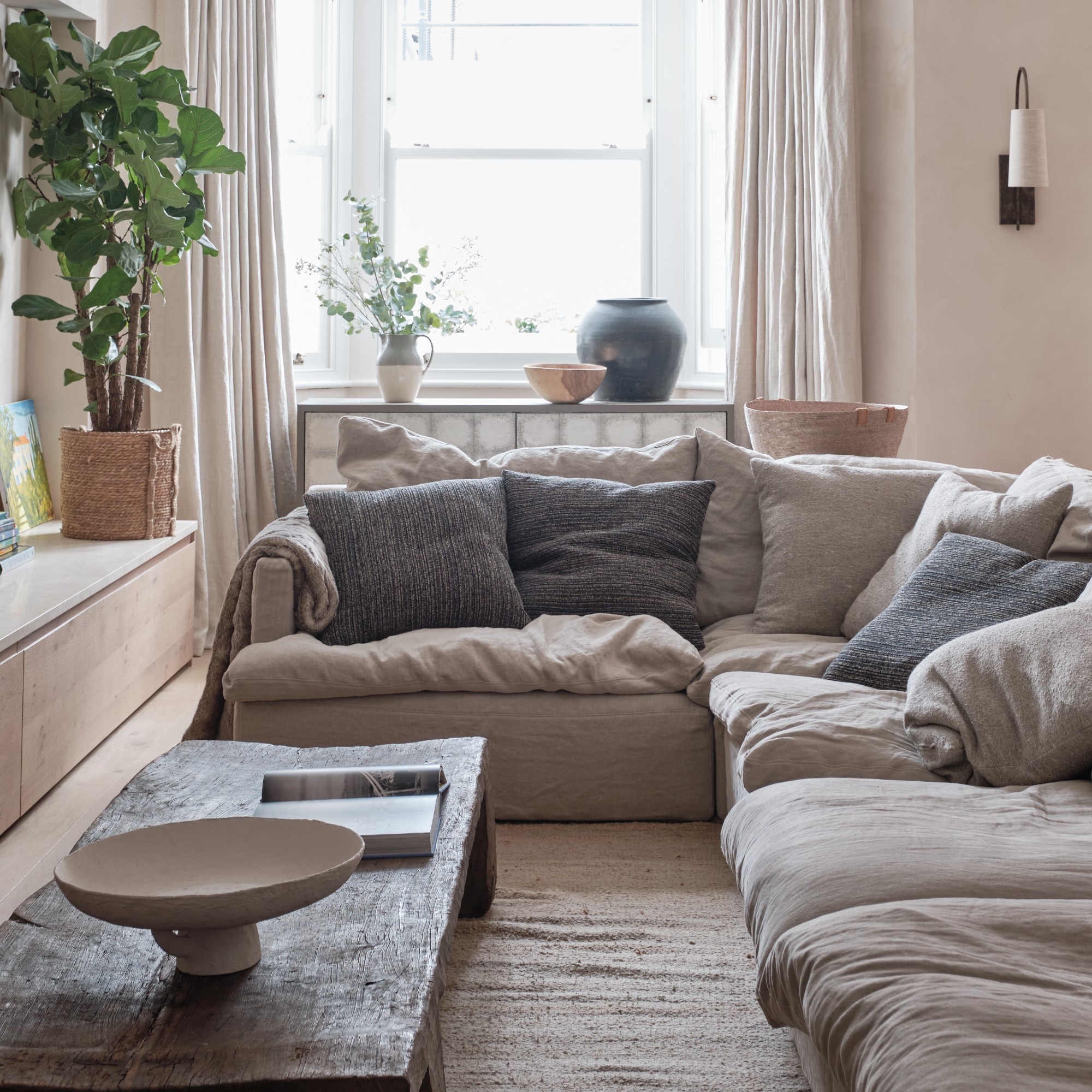
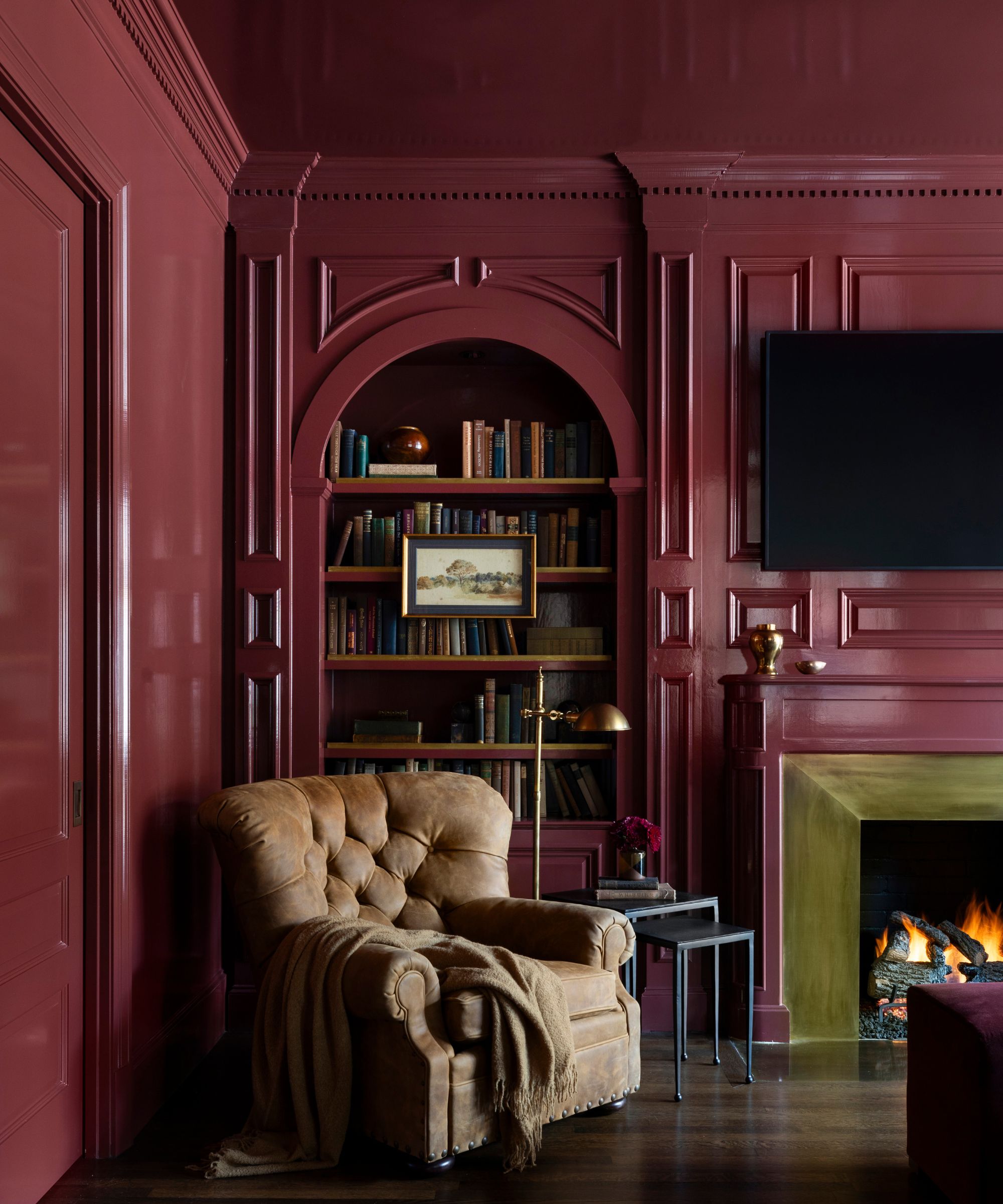
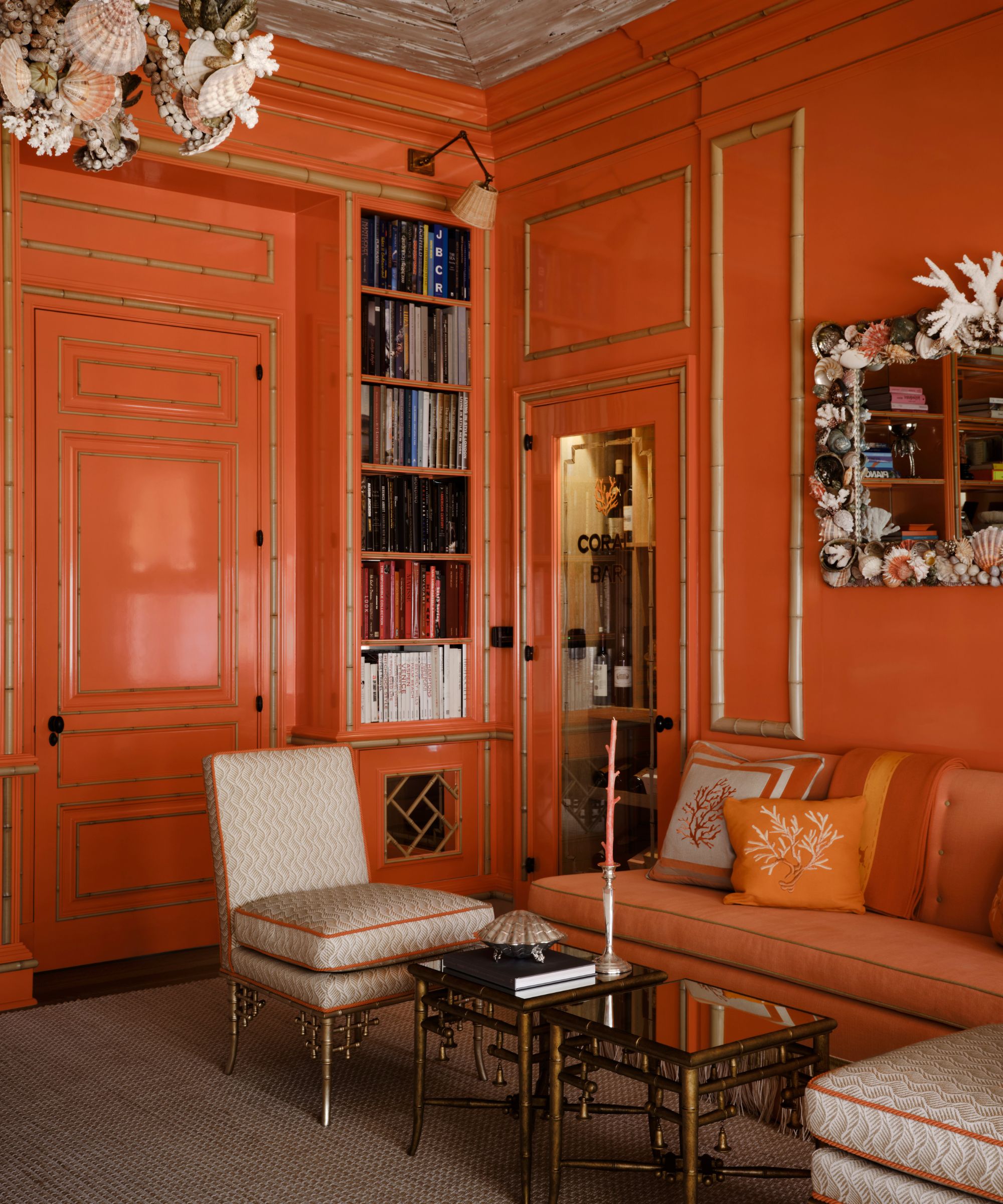
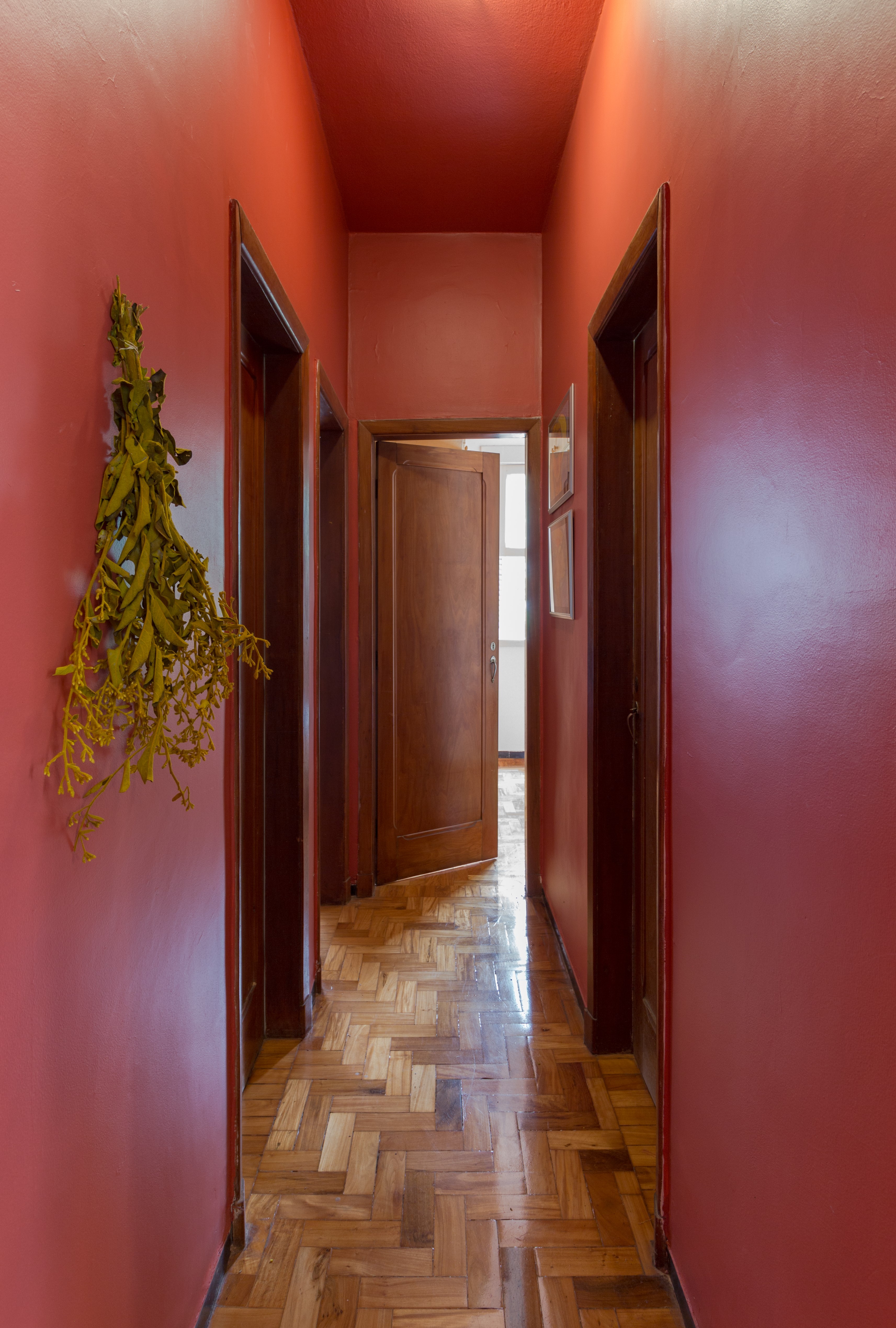
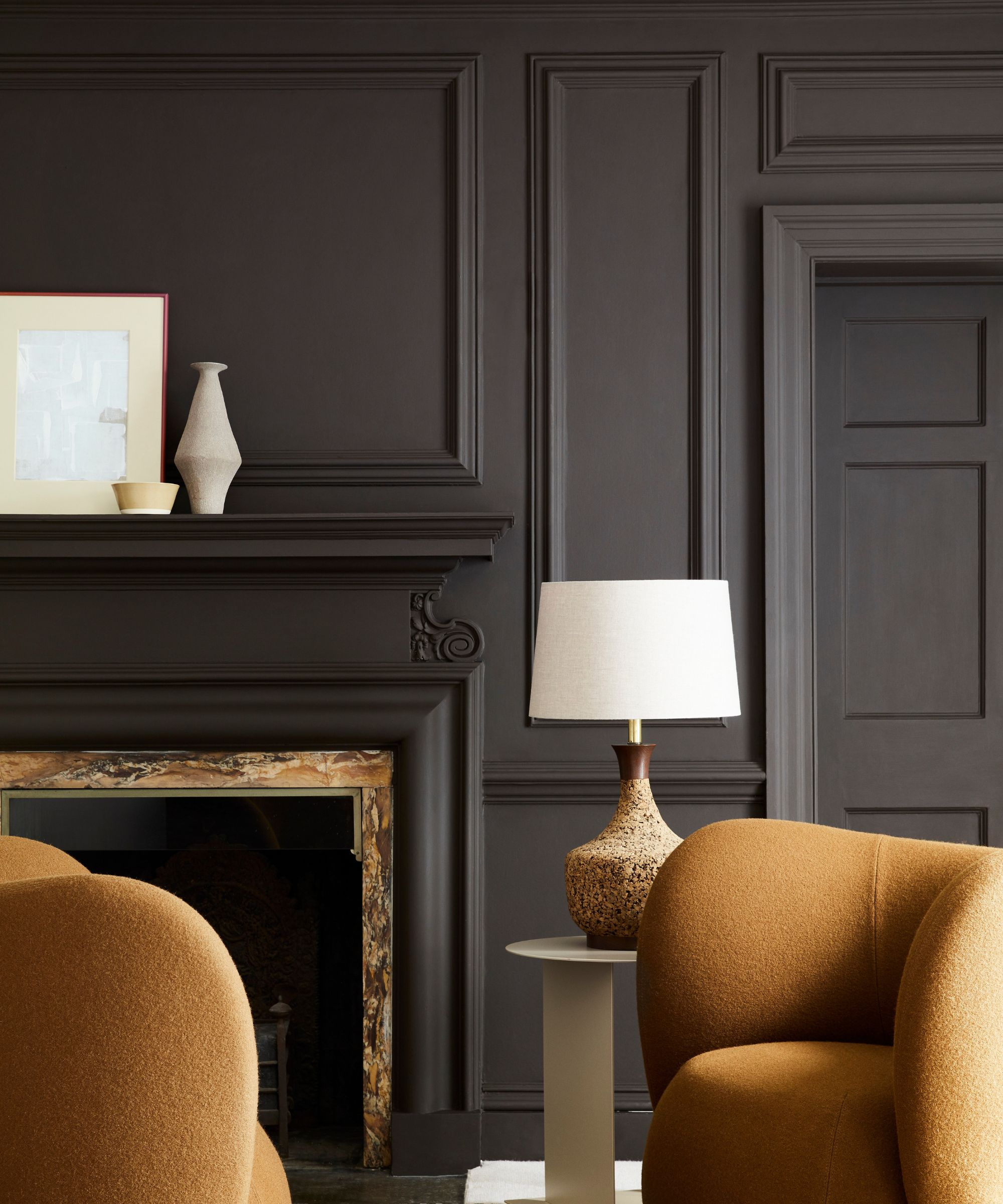
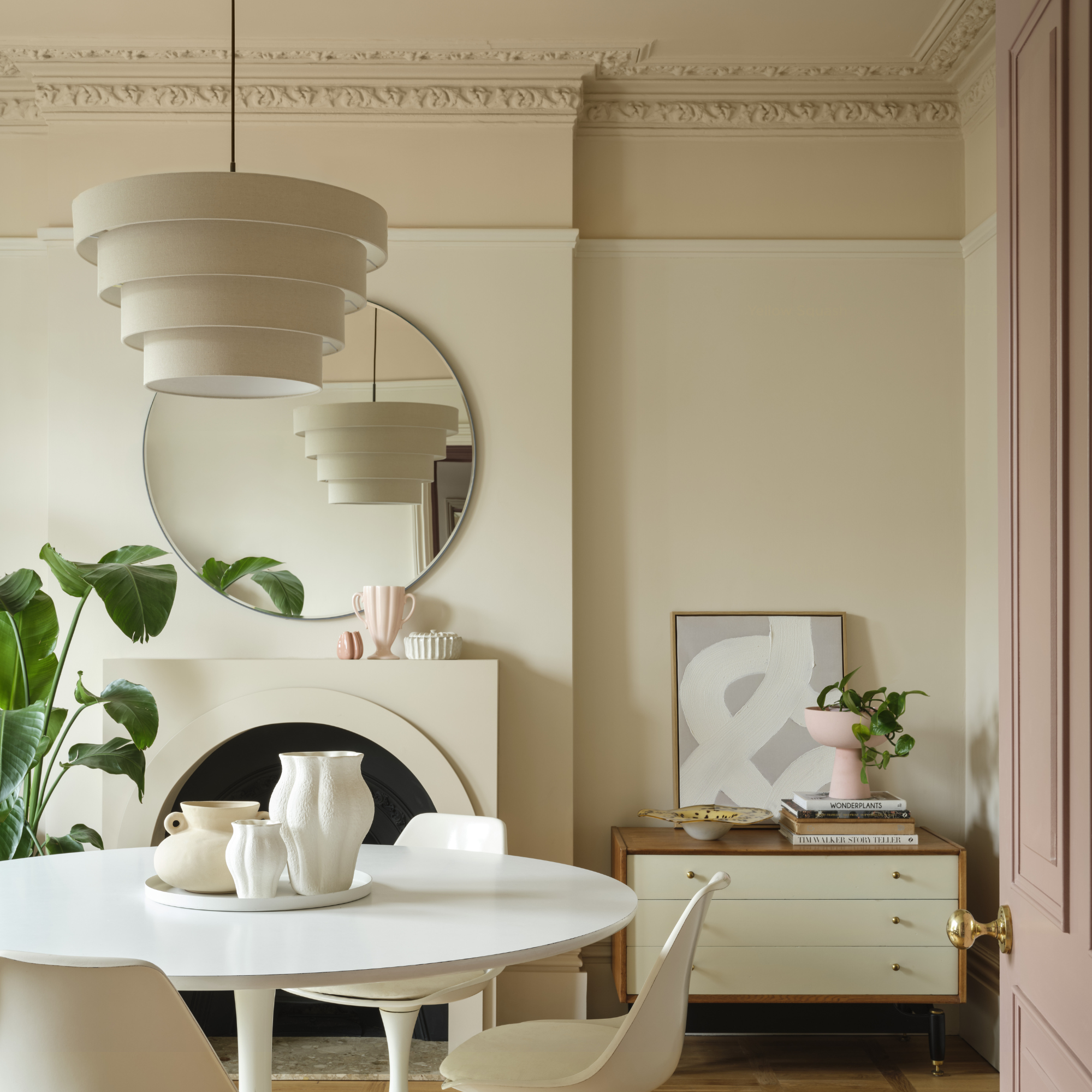
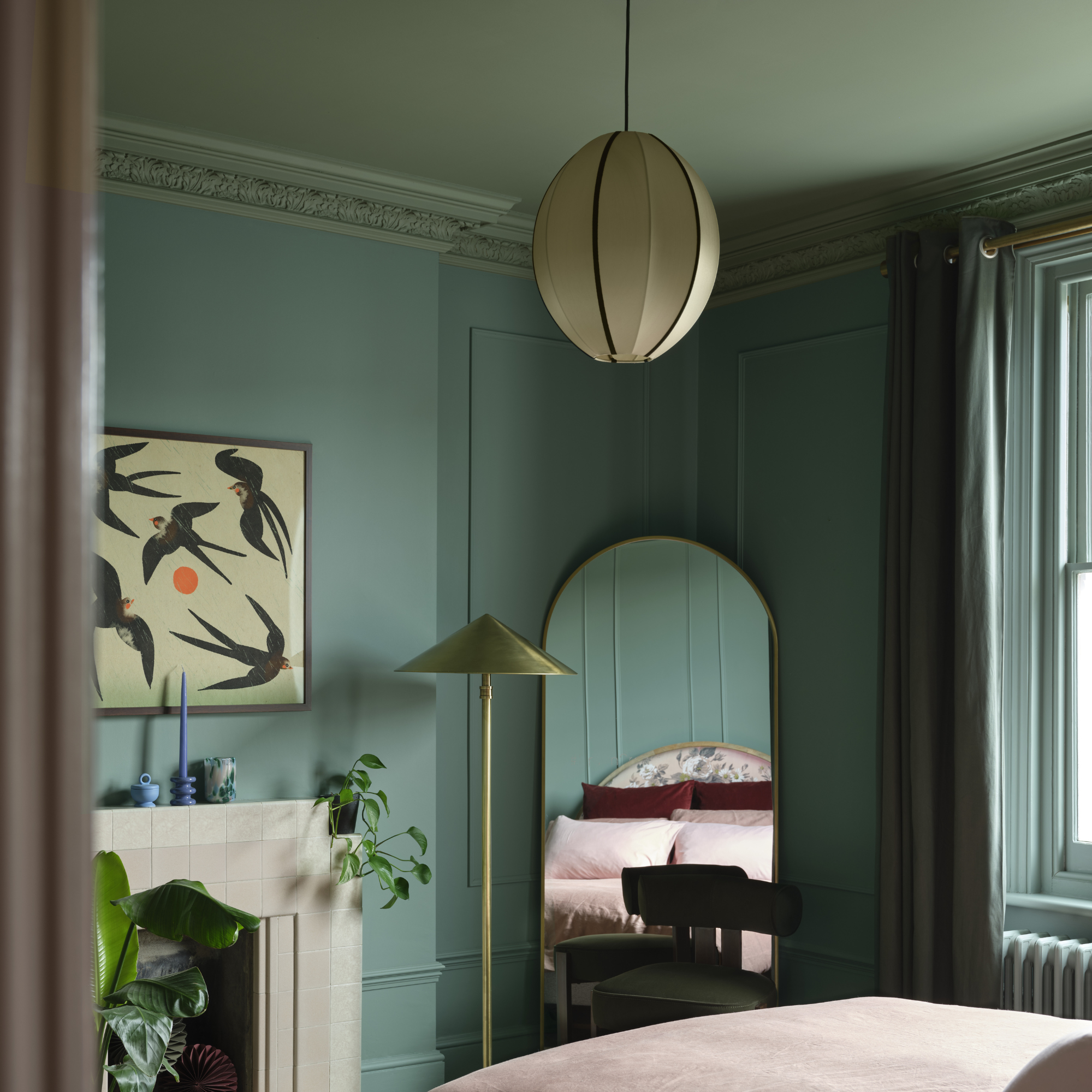
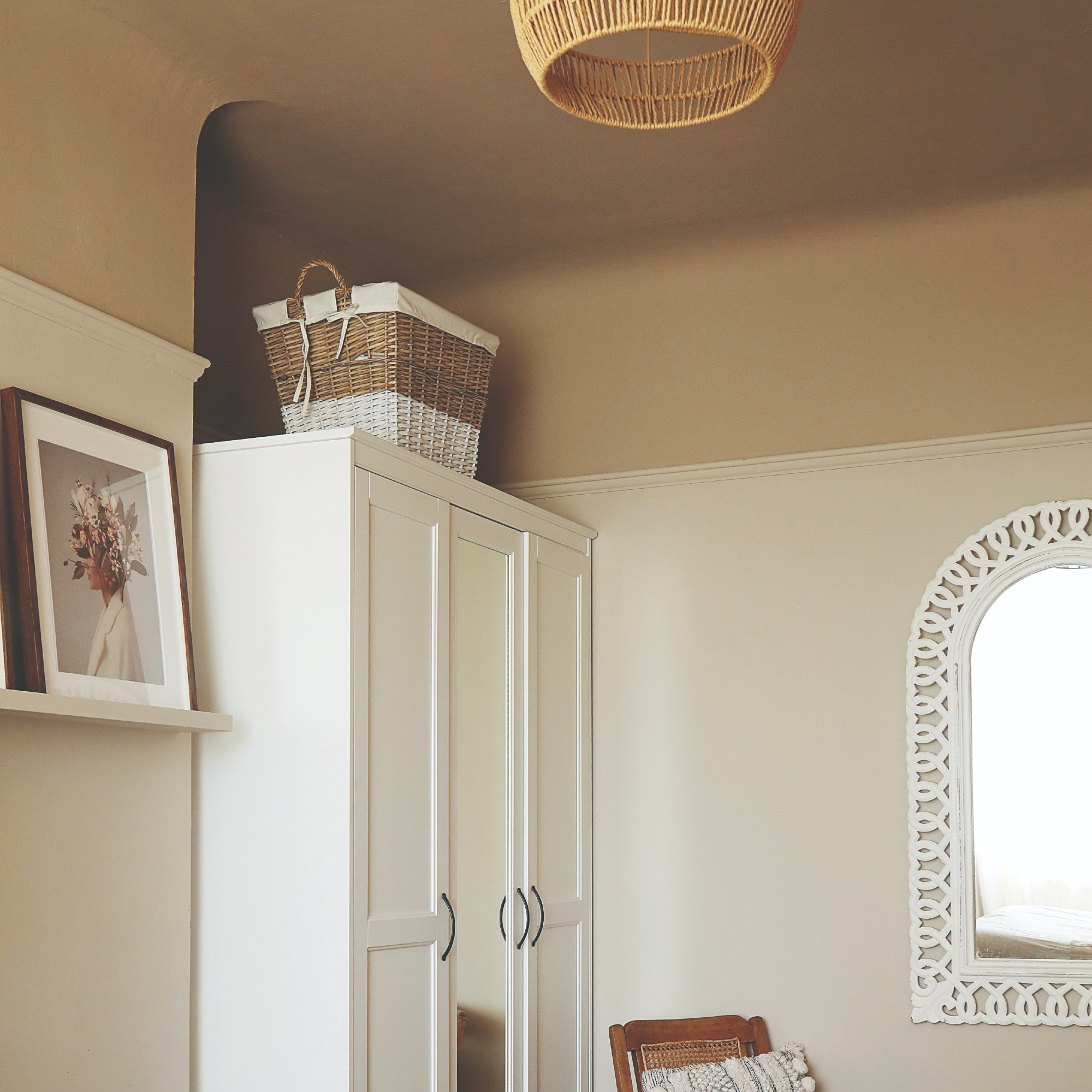
Another approach involves painting walls and ceilings the same color, a technique known as color drenching, which creates a continuous, seamless look that can make a room appear wider. Keeping the palette restrained minimizes visual distraction between different planes. Light and airy colors, such as pale blues or calming neutrals like plaster tones, are recommended for enhancing the illusion of space. The article also suggests extending paint from the wall onto the ceiling. While vertical lines are typically associated with height, this method can maximize existing space. When contrasting colors are used, it can visually divide the room into two, creating the impression of multiple spaces within one, a technique that can also delineate areas in open-plan layouts.
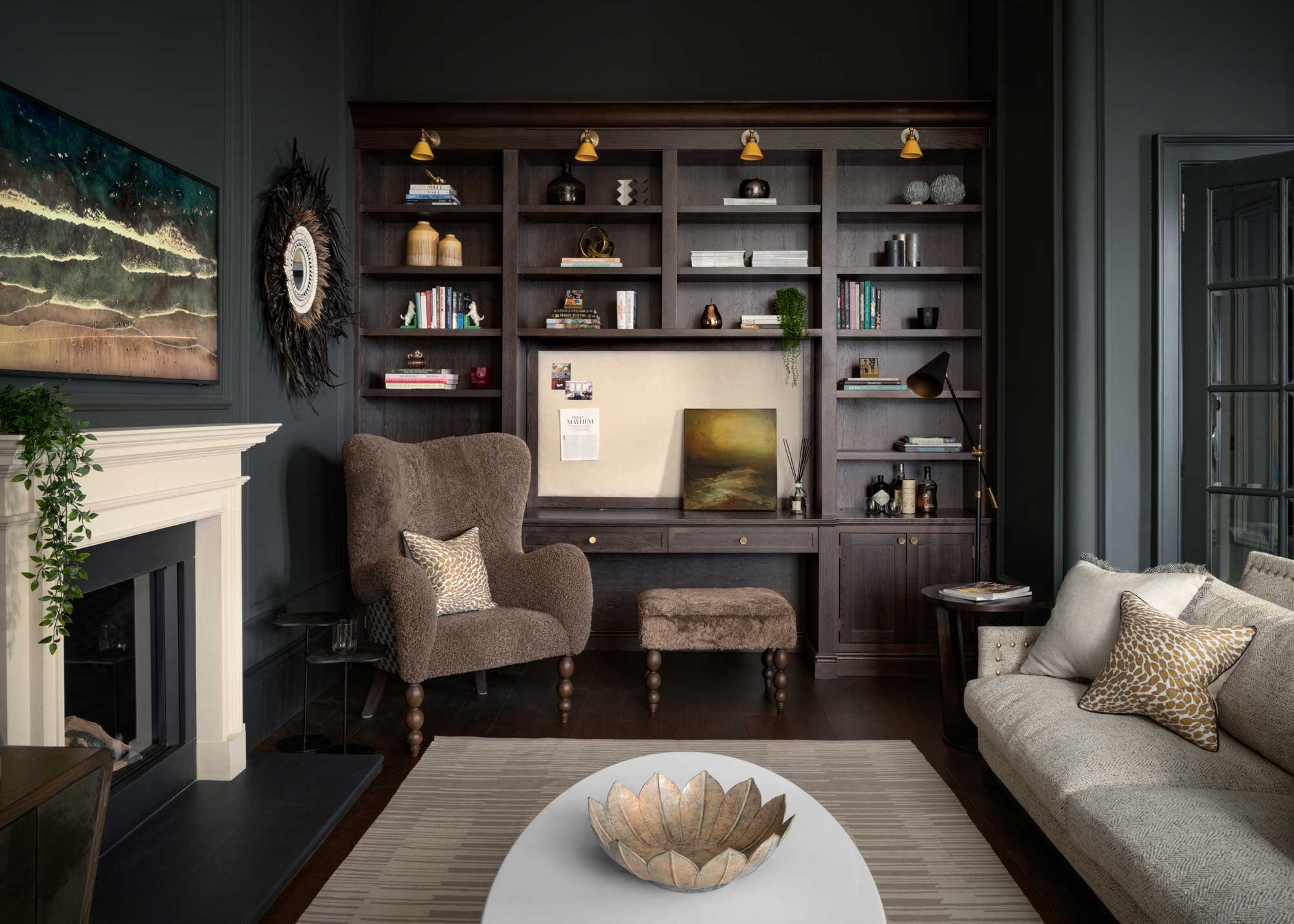
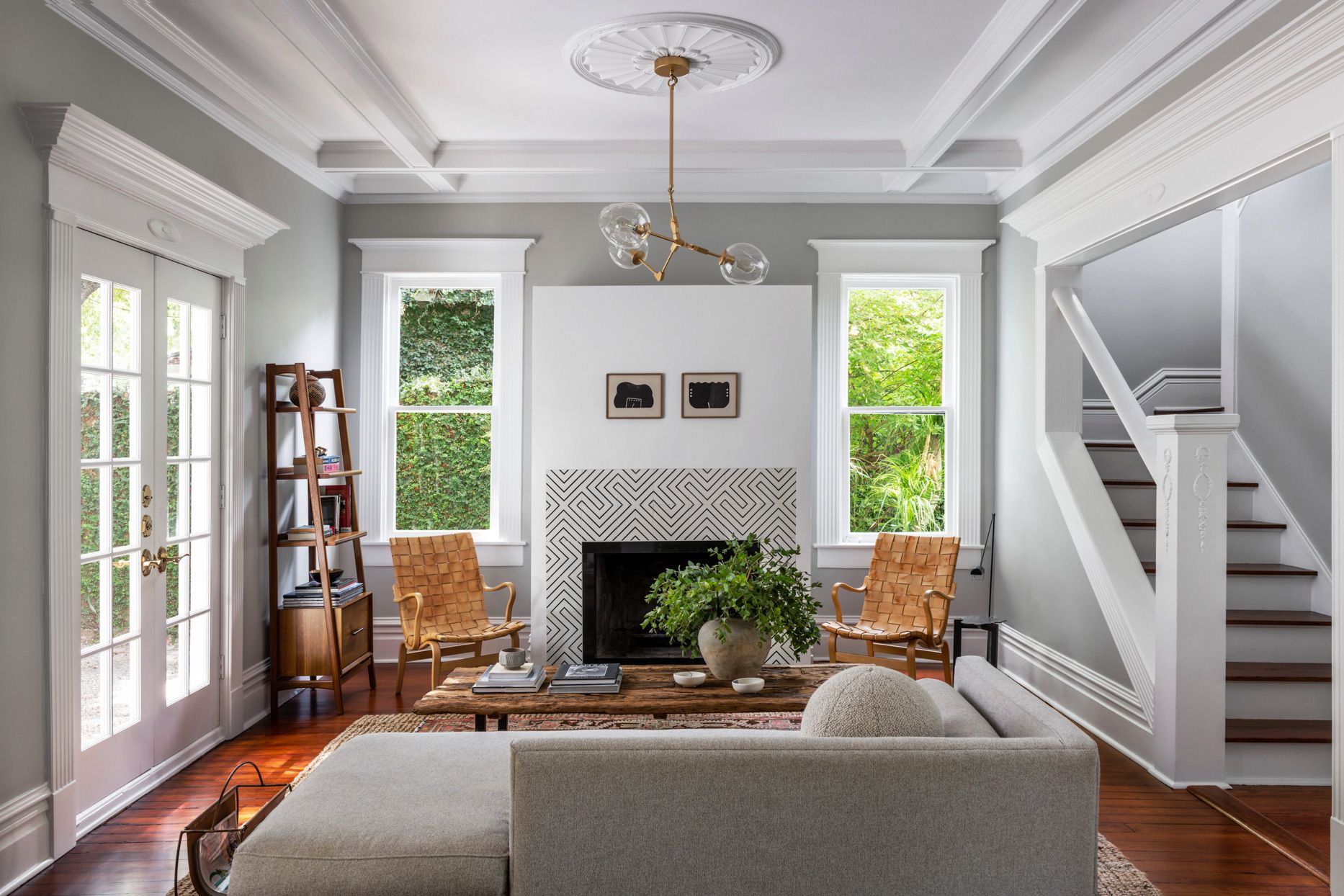
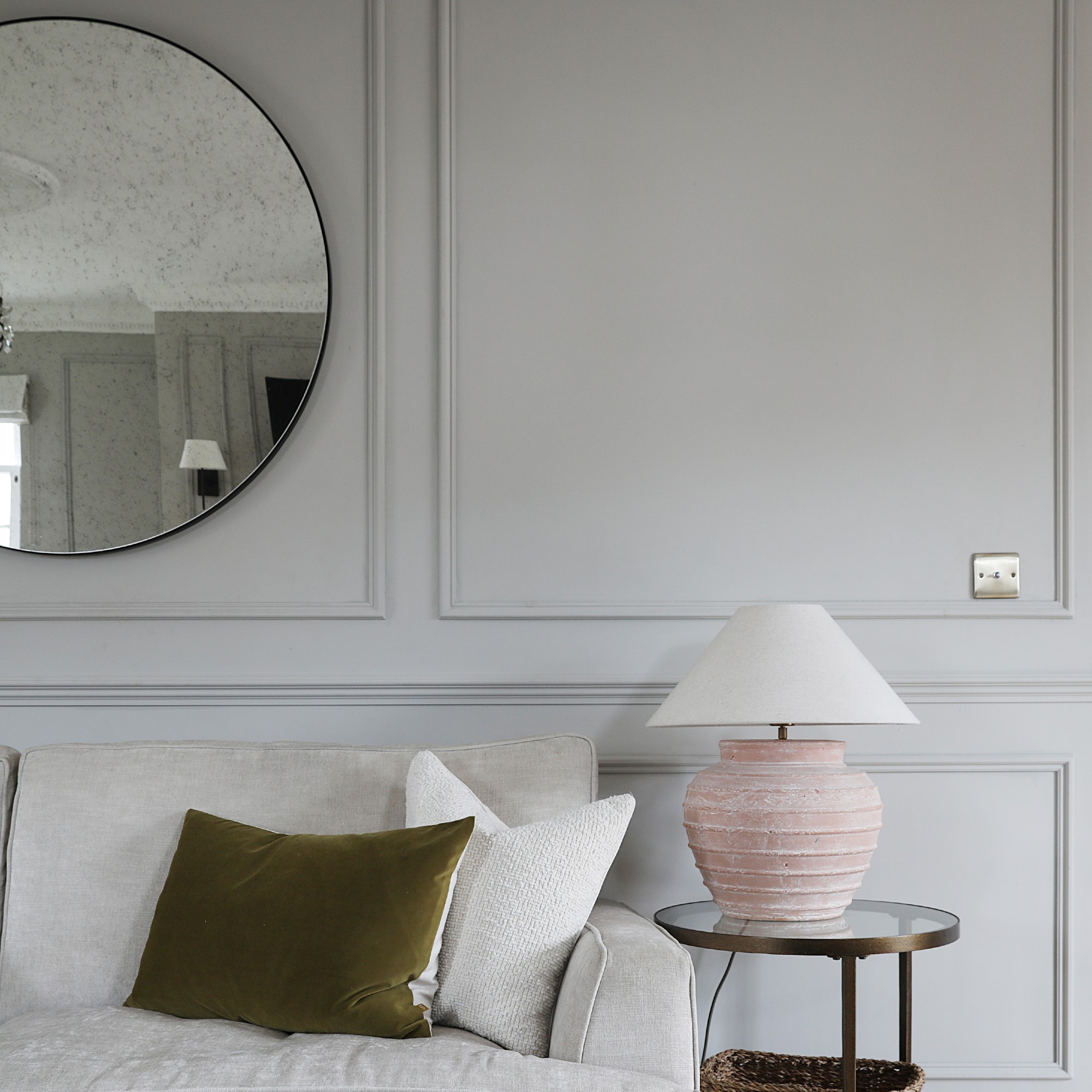
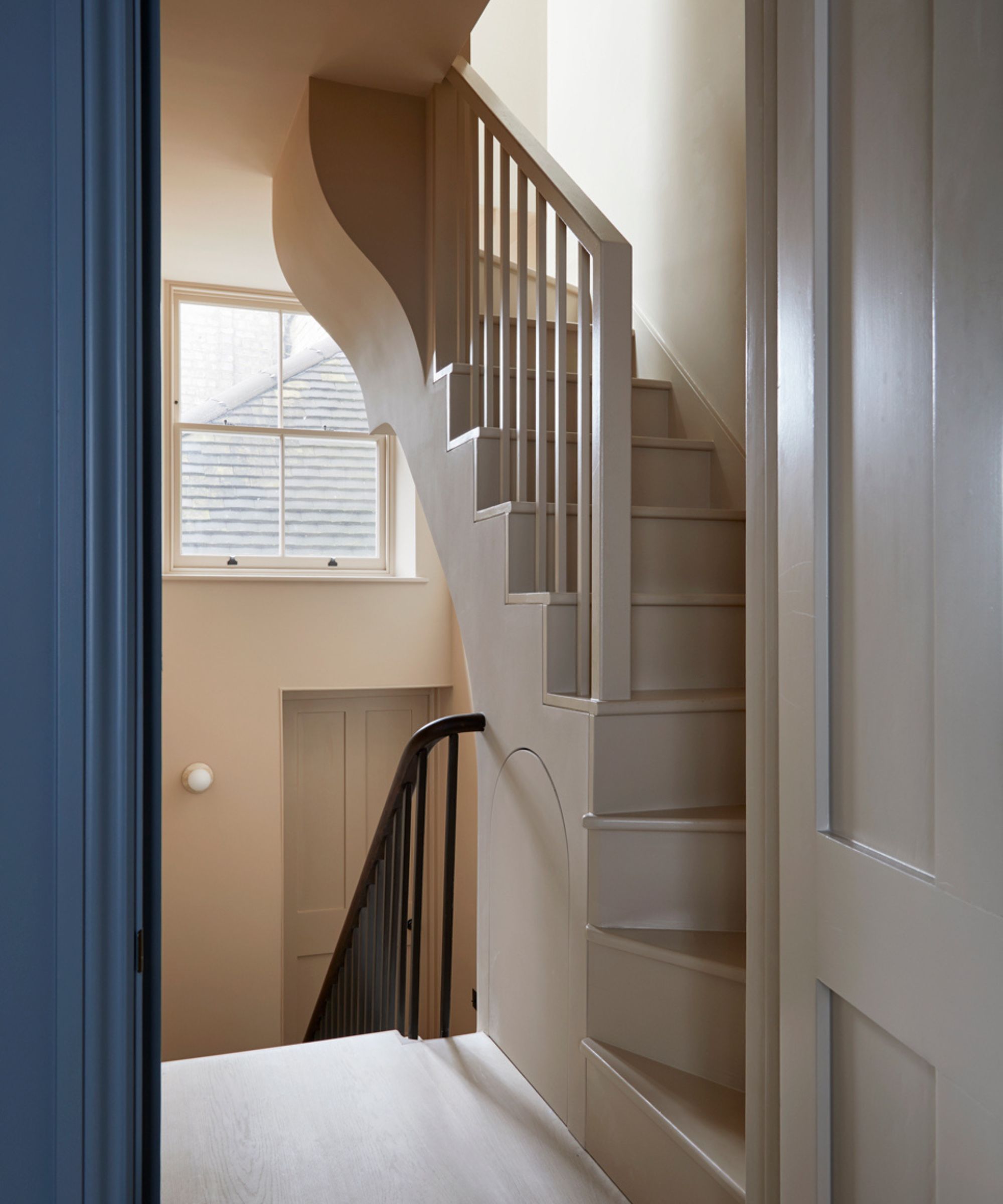
Furthermore, the article advises utilizing architectural features by painting trim in a contrasting tone to the walls. This draws the eye around the room, emphasizing its footprint. For instance, white walls with an olive green trim can effectively guide the viewer's gaze. Painting the far wall in a darker, contrasting color while keeping side walls lighter is another well-established trick, as darker colors tend to recede, thereby widening the perception of space. A black and white combination, with black on the far wall, can make a room feel bigger and remains a fashionable choice.
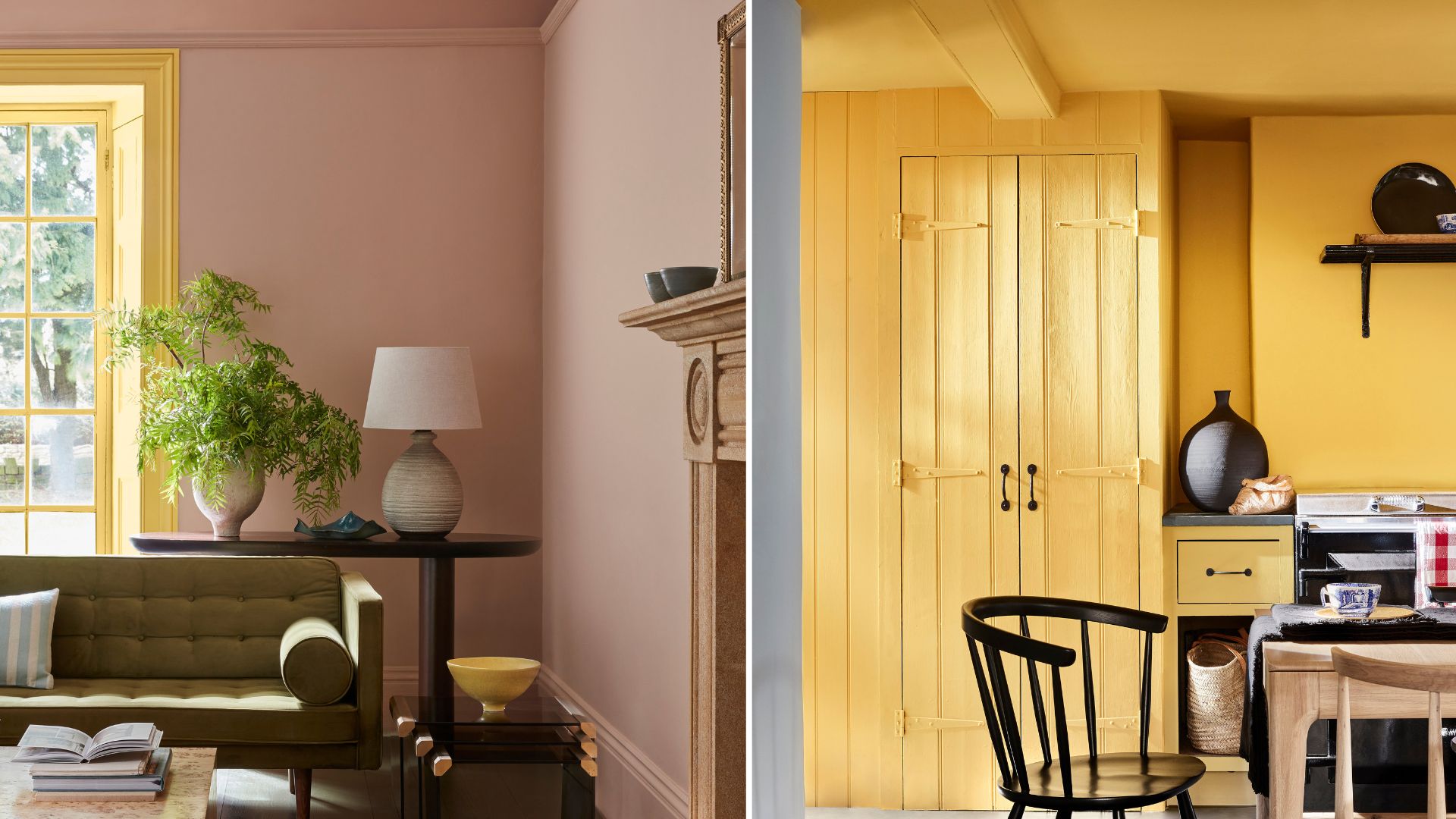
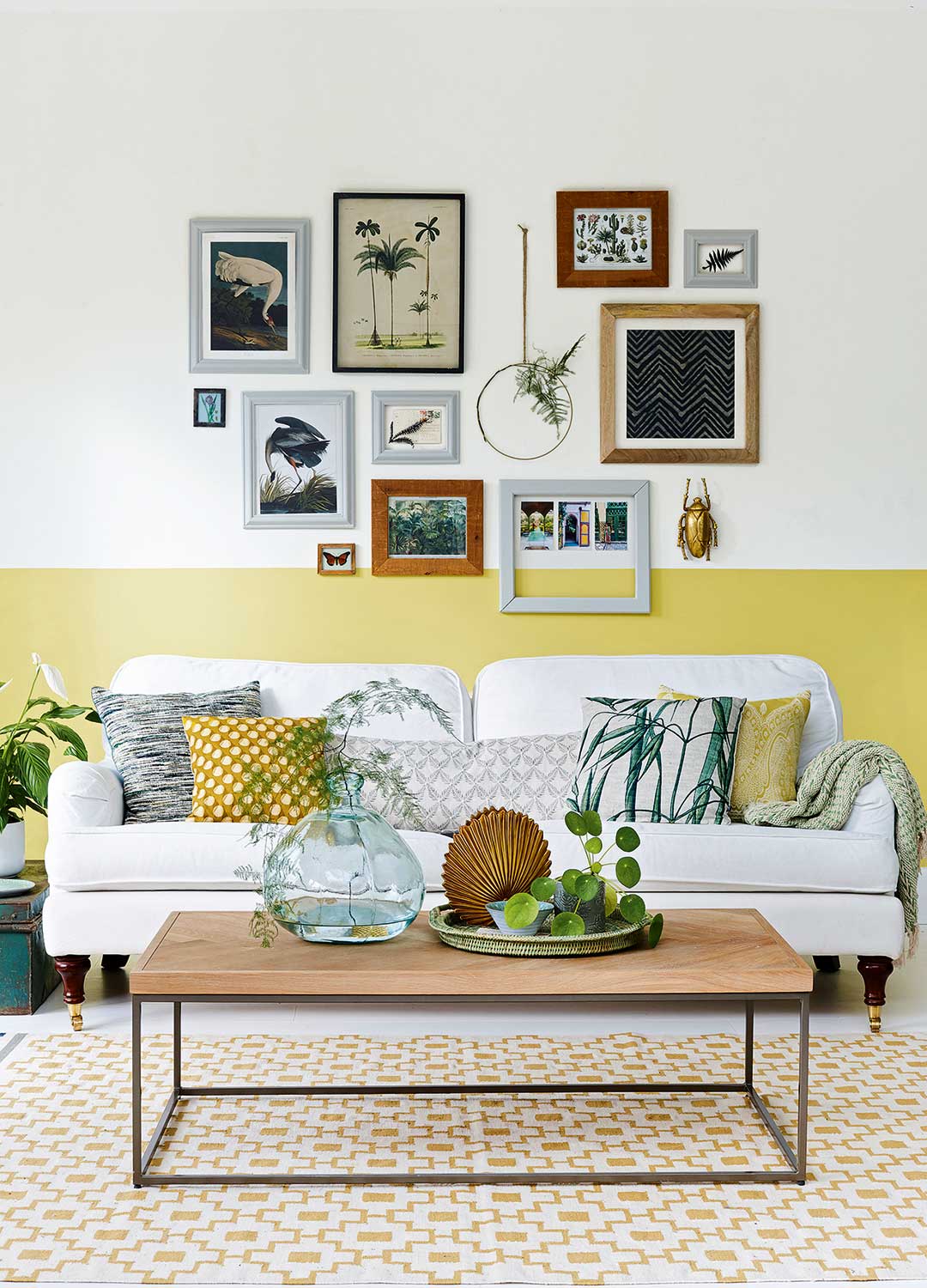
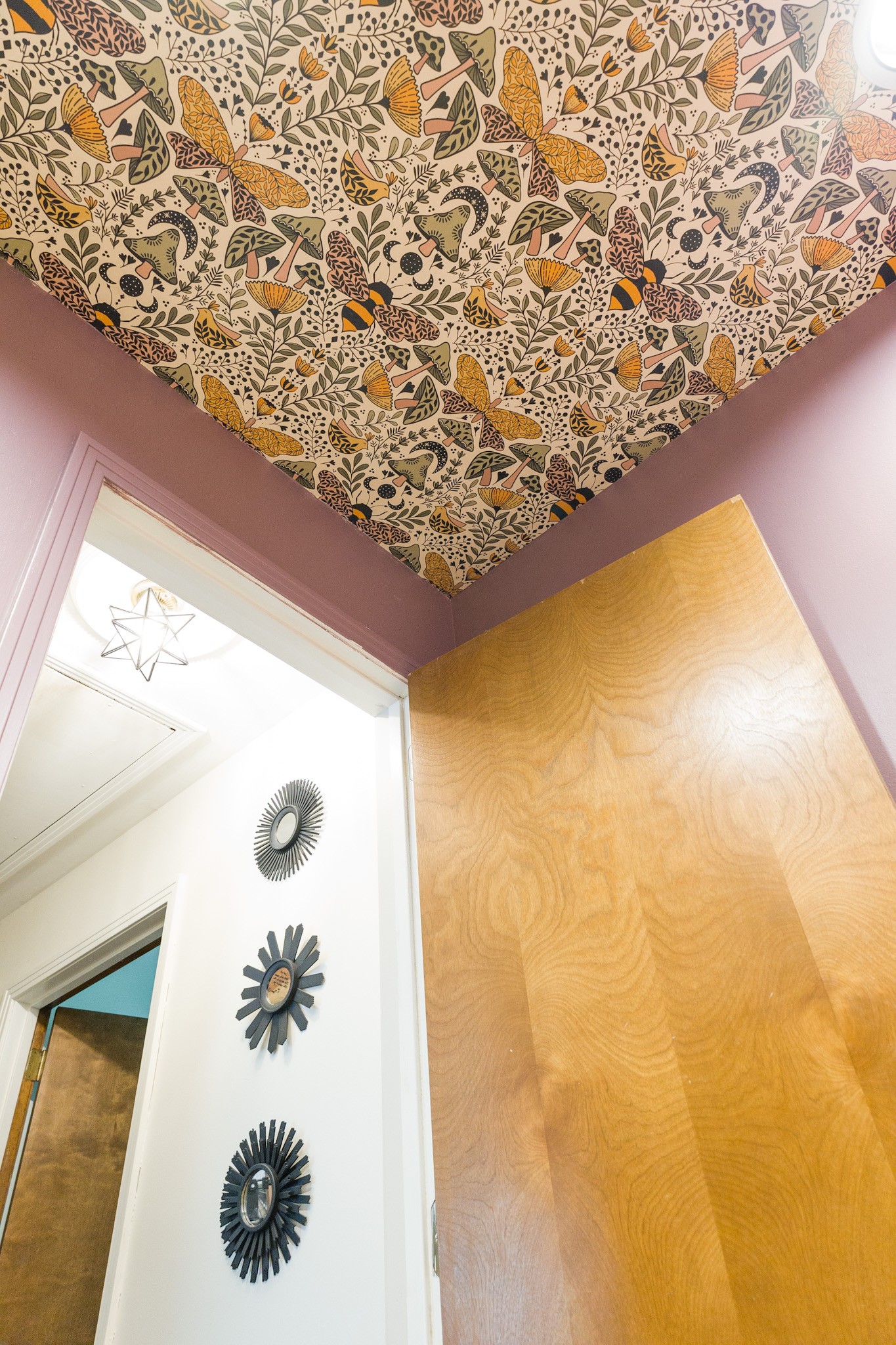
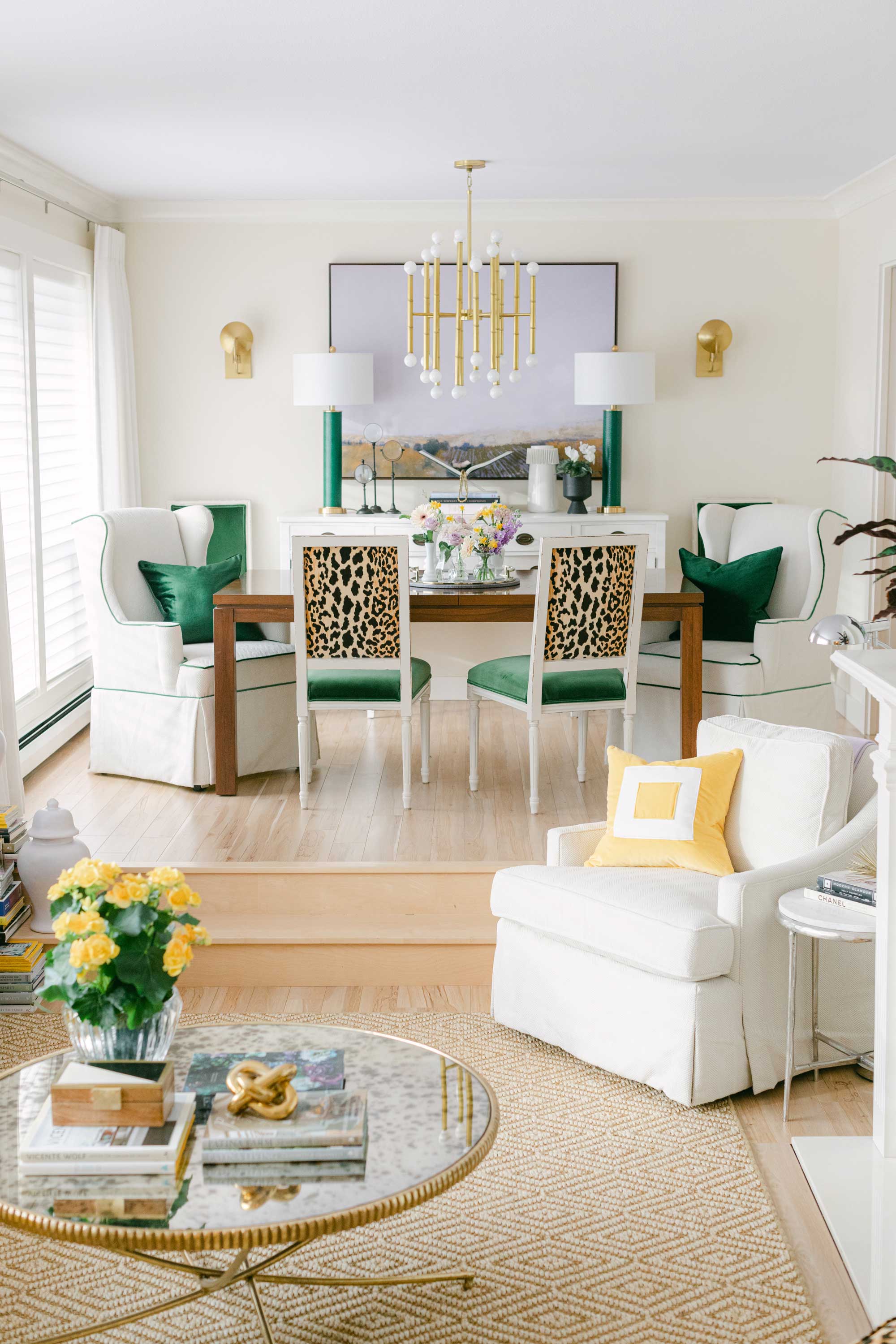
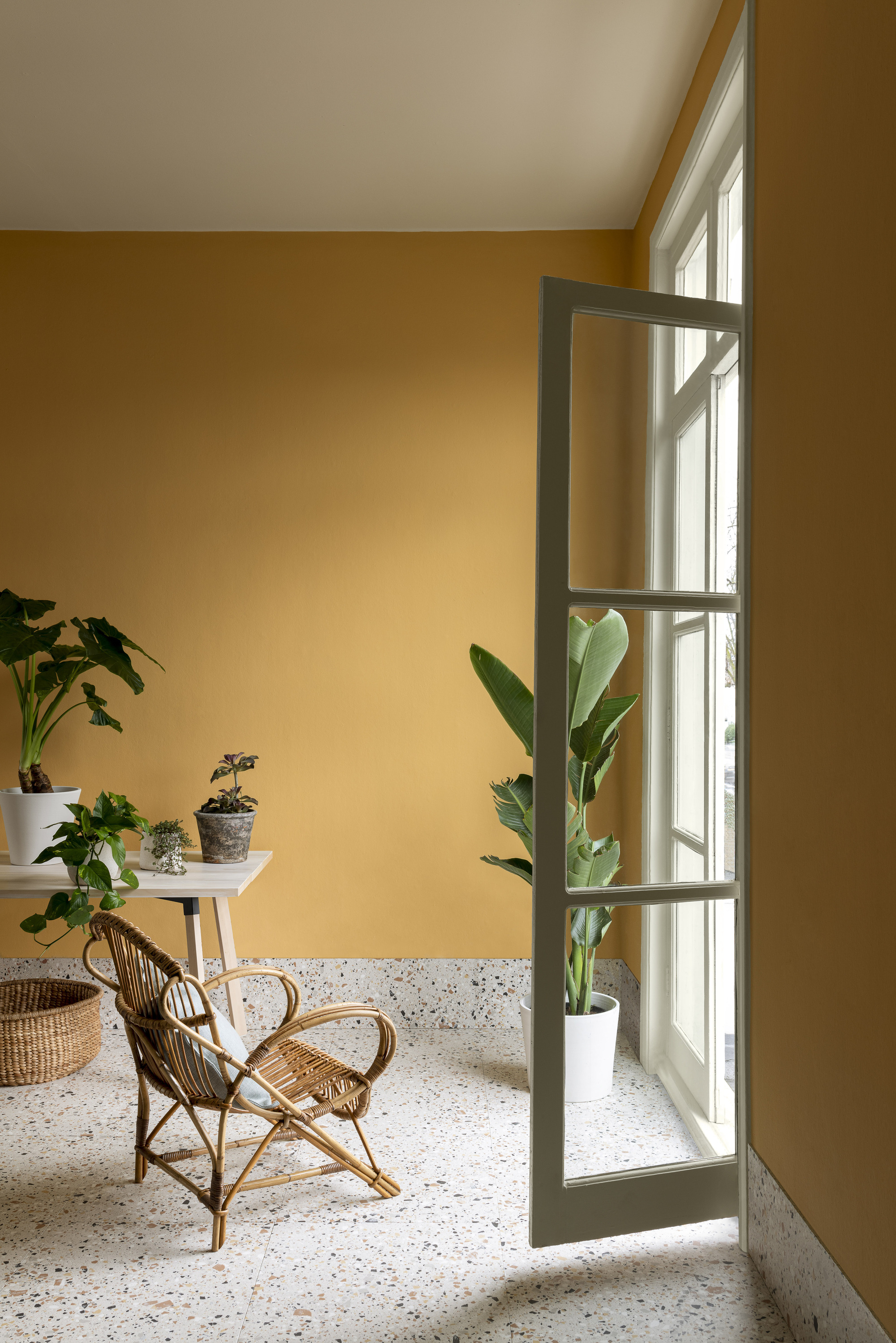
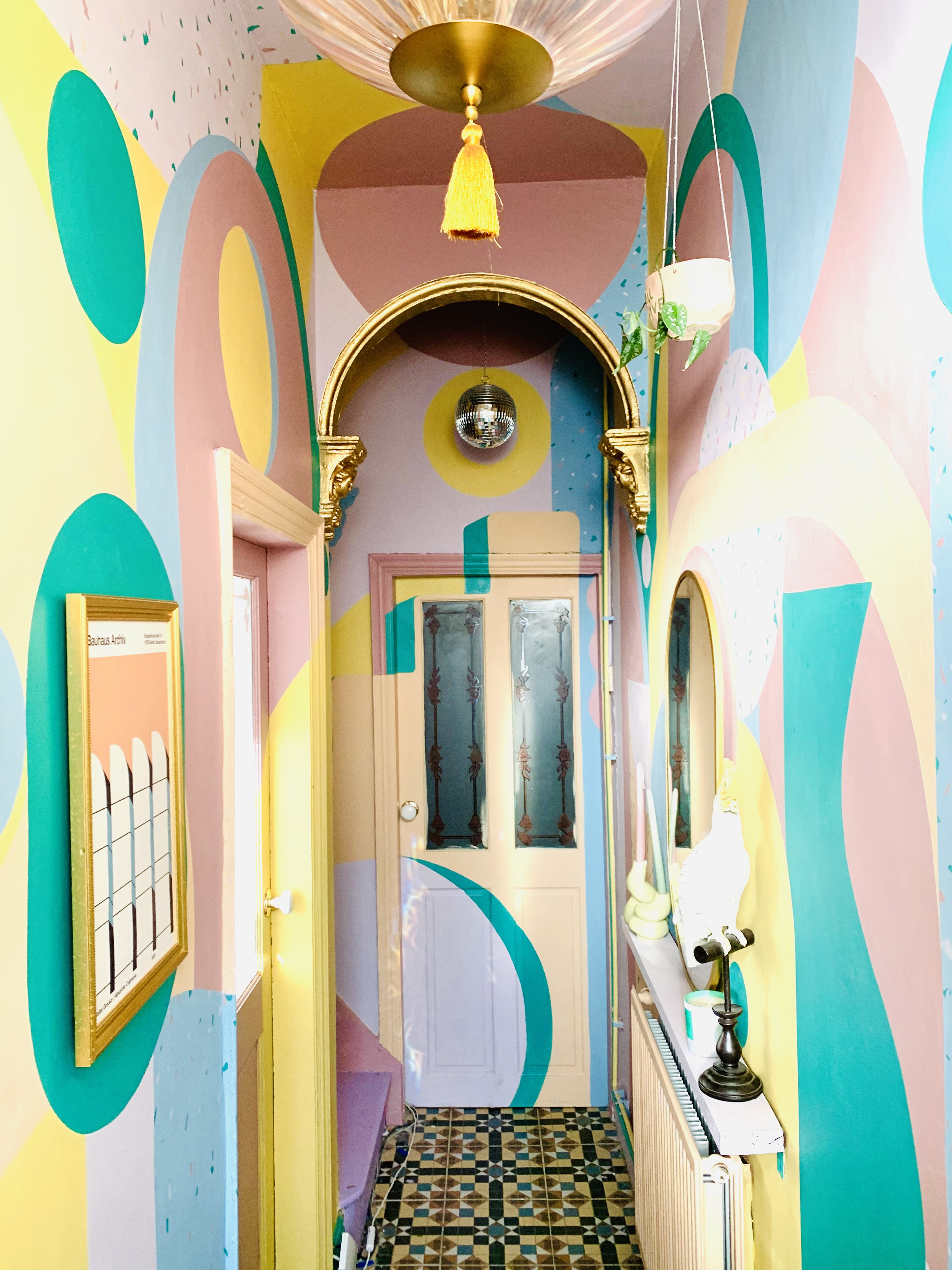
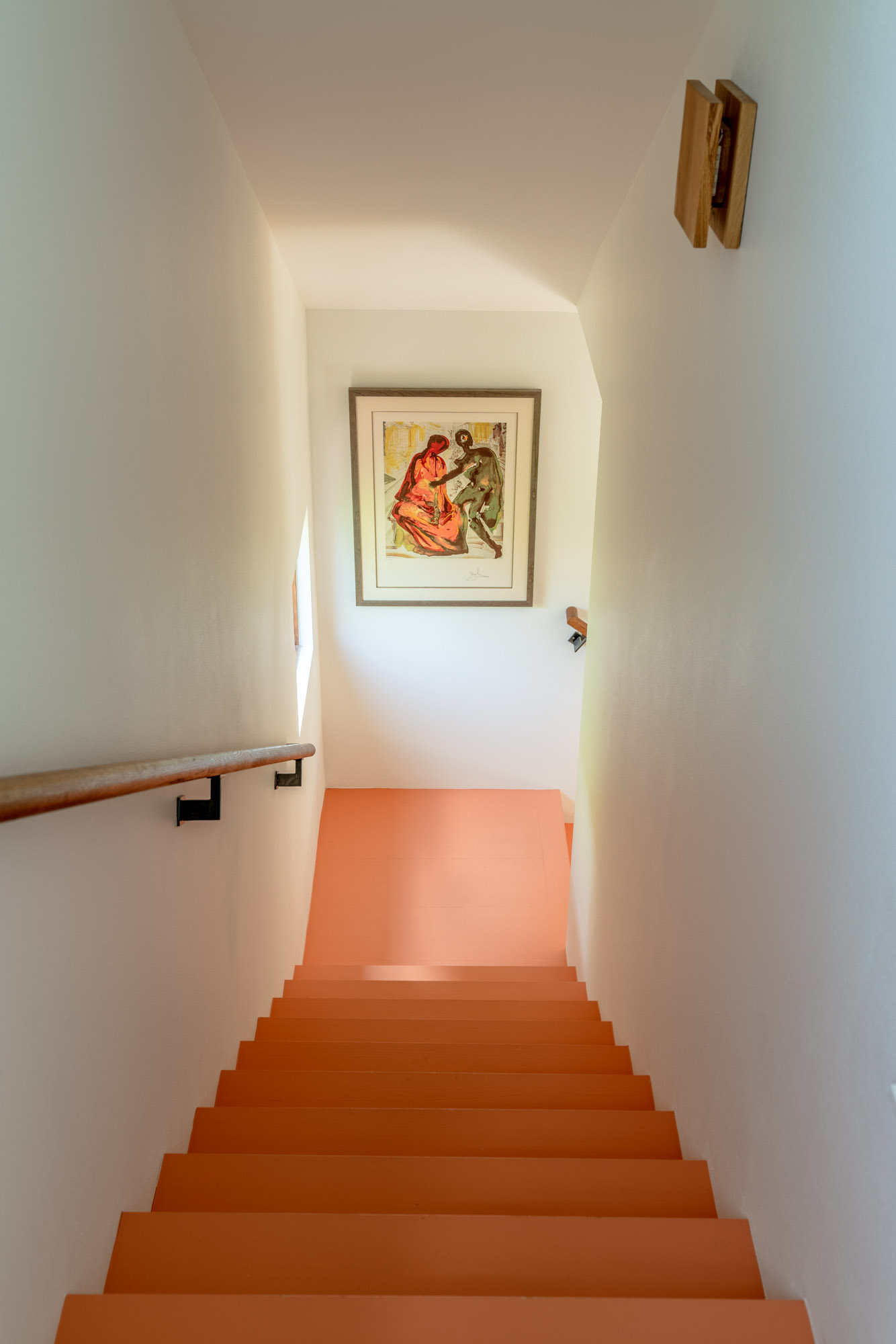
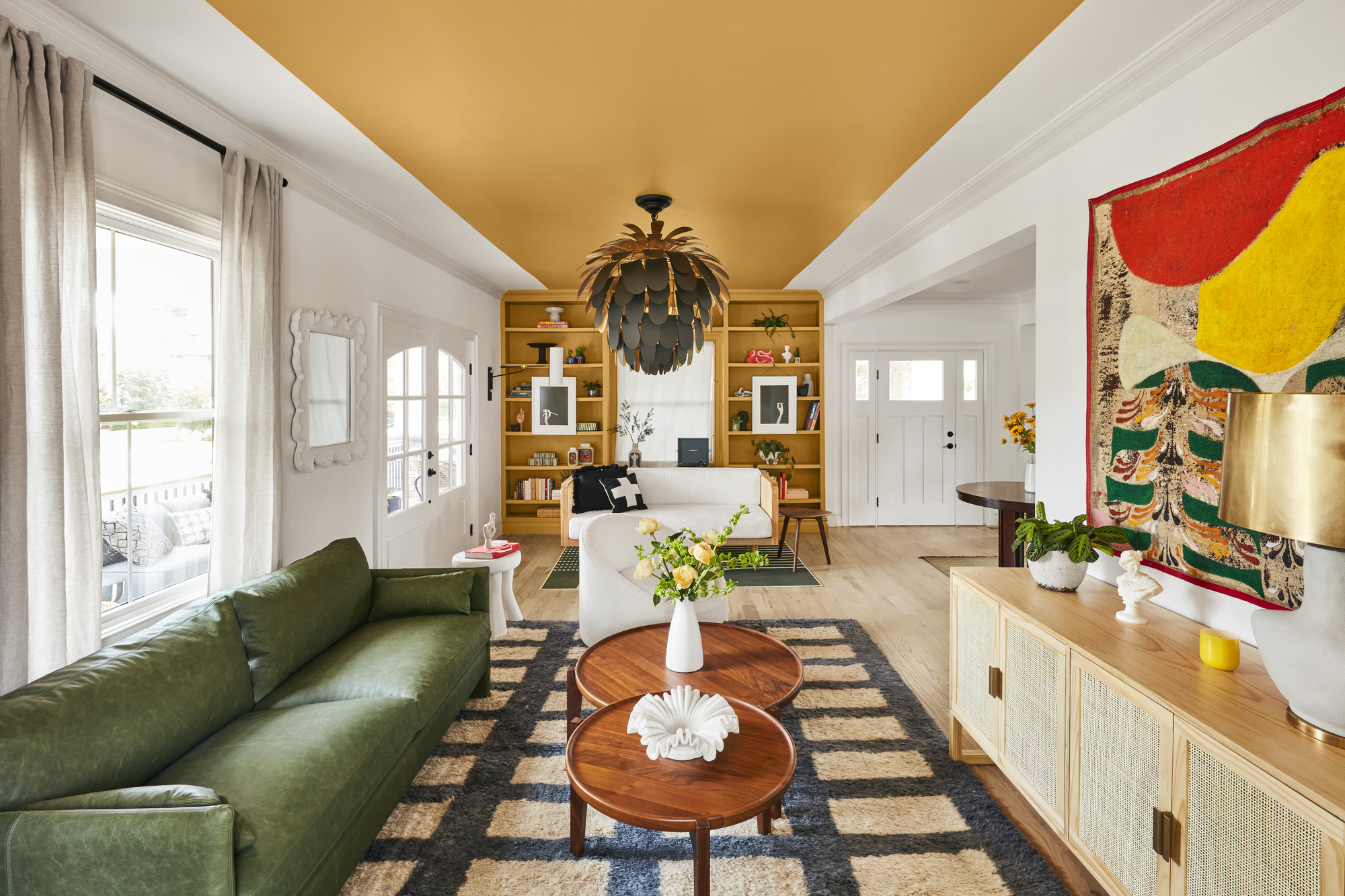
Color blocking is introduced as a method to distract from a room's narrowness by creating bold, contrasting shapes on the wall. Using color theory to select complementary shades and employing darker blocks against a light foundation wall can redirect focus to the shapes rather than the room's dimensions. Finally, the article highlights the impact of ceiling paint. Painting the ceiling, or even just a wide stripe on it, can visually break up the walls and direct attention to the back of the room, making it feel less confined. A wide stripe can offer an optical illusion of a wider room, adding a focal point and contrast. Examples include a bright orange ceiling or a warm yellow shade like Graham & Brown's Tuscan Sunshine, which can be used on a ceiling or as a feature wall to exude warmth and joy.
#NarrowRoomSolutions #PaintTechniques #InteriorDesign #SmallSpaceLiving #ColorDrenching #SpatialIllusion #HomeDecoration #WallPaint #CeilingPaint #NarrowRoomSolutions #PaintTechniques #InteriorDesign #SmallSpaceLiving #ColorDrenching #SpatialIllusion #HomeDecoration #WallPaint #CeilingPaint
0 comment in total
 No comments yet
You may also like
12 Tips For Making Small Rooms Appear Larger Using Paint

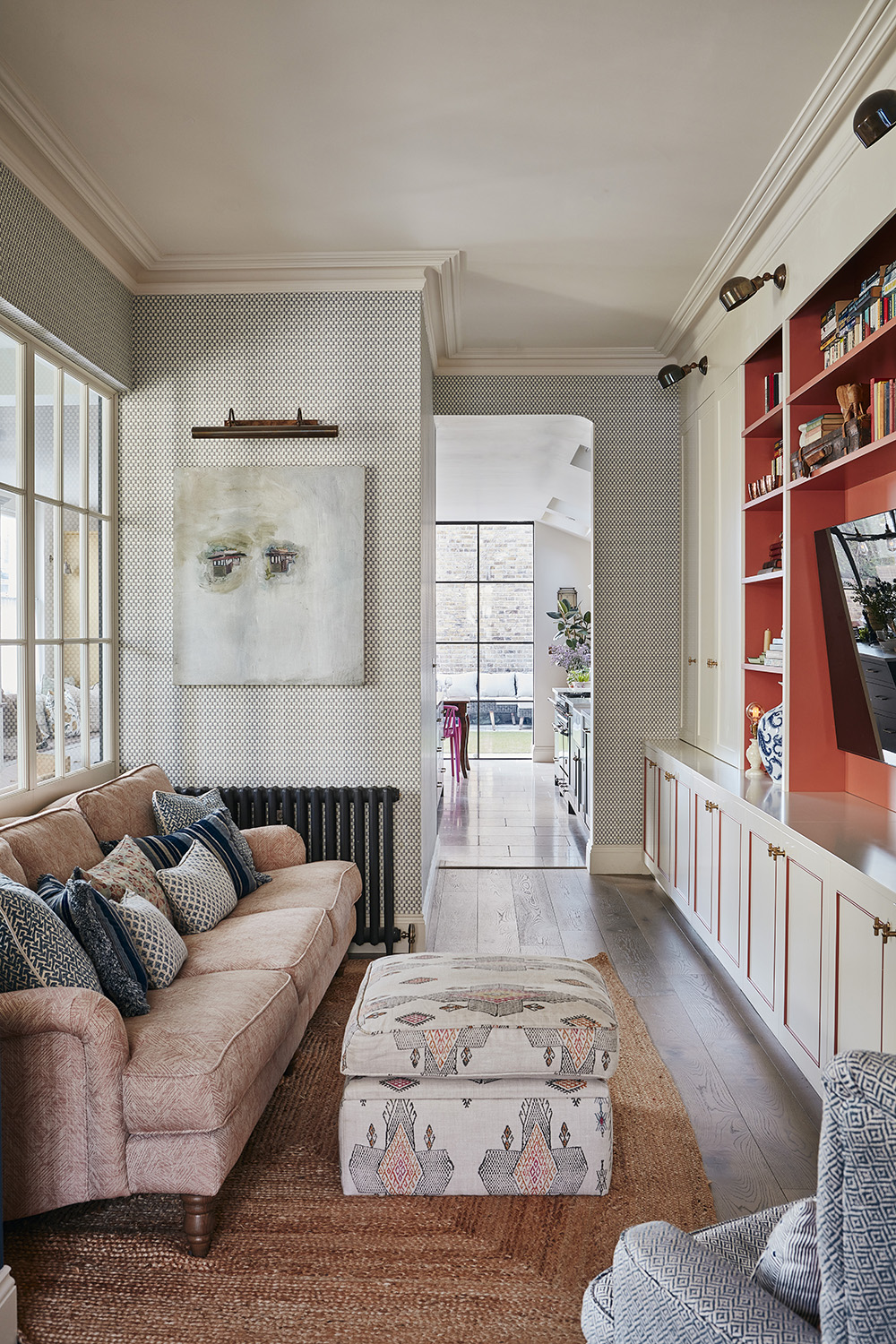
How to make small spaces look bigger
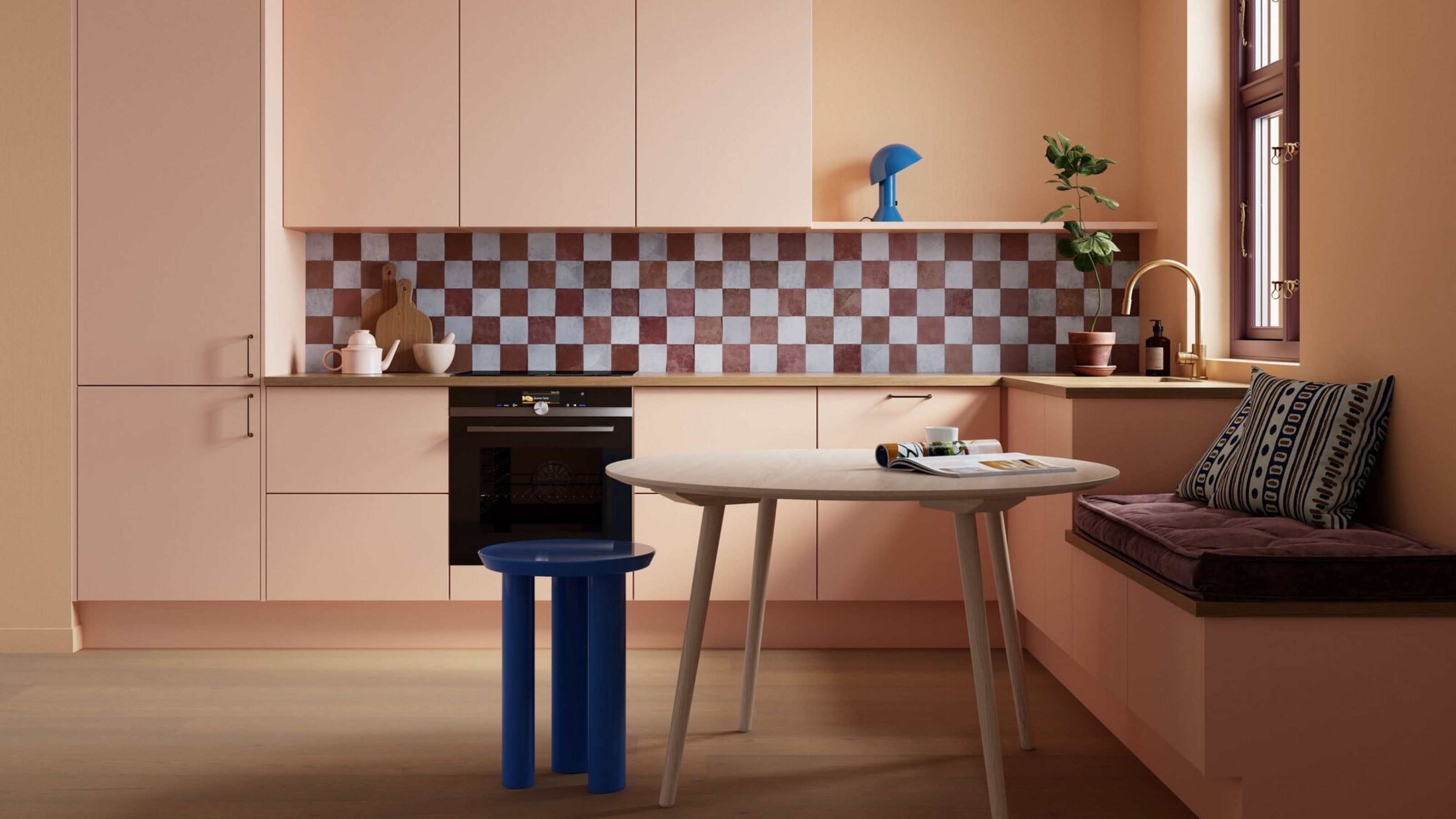
What Colors Make a Room Look Bigger? 5 That Designers Reach for to Make Walls 'Visually Expand'
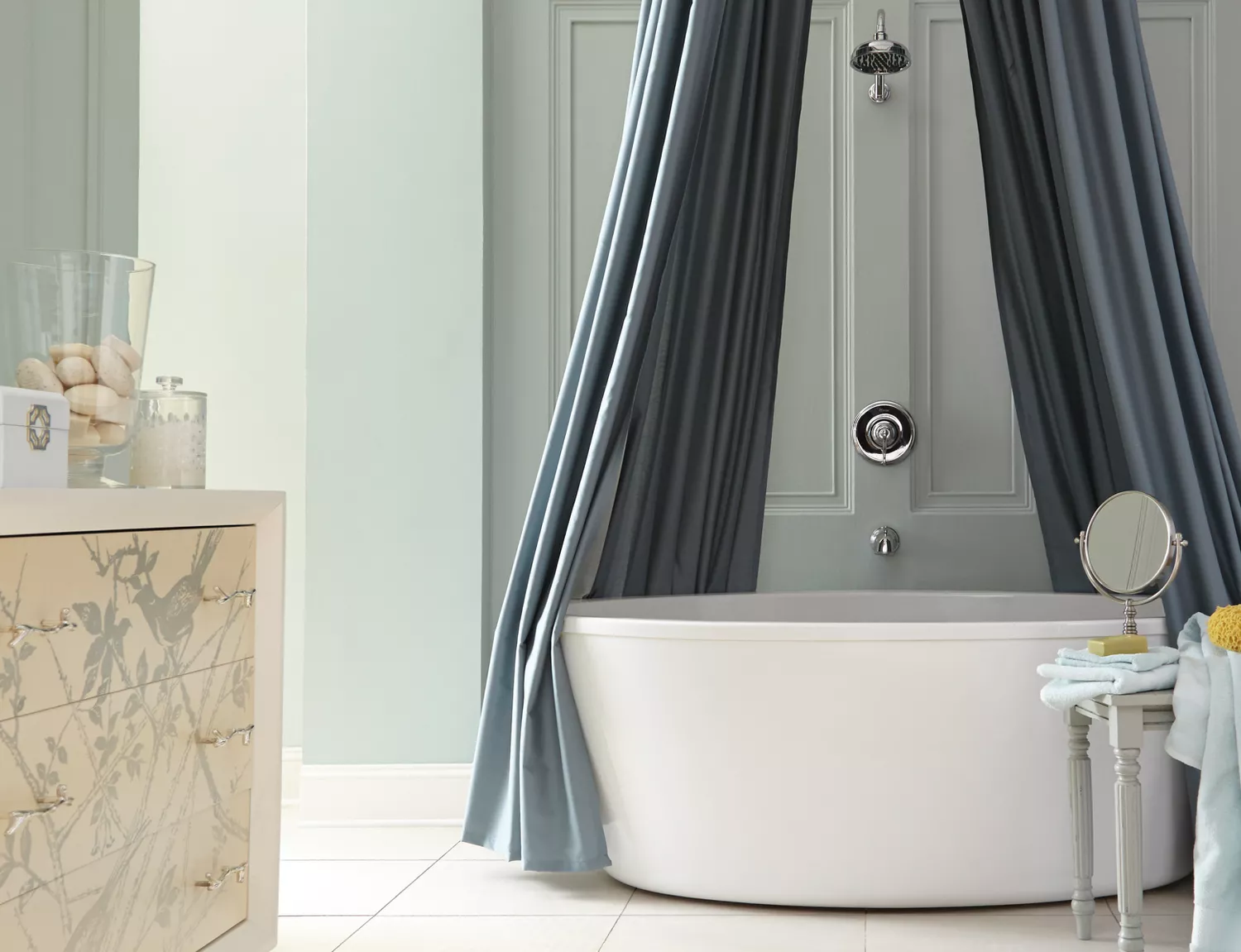
The Best Paint Colors to Make Small Rooms Feel Bigger (Some May Surprise You!)
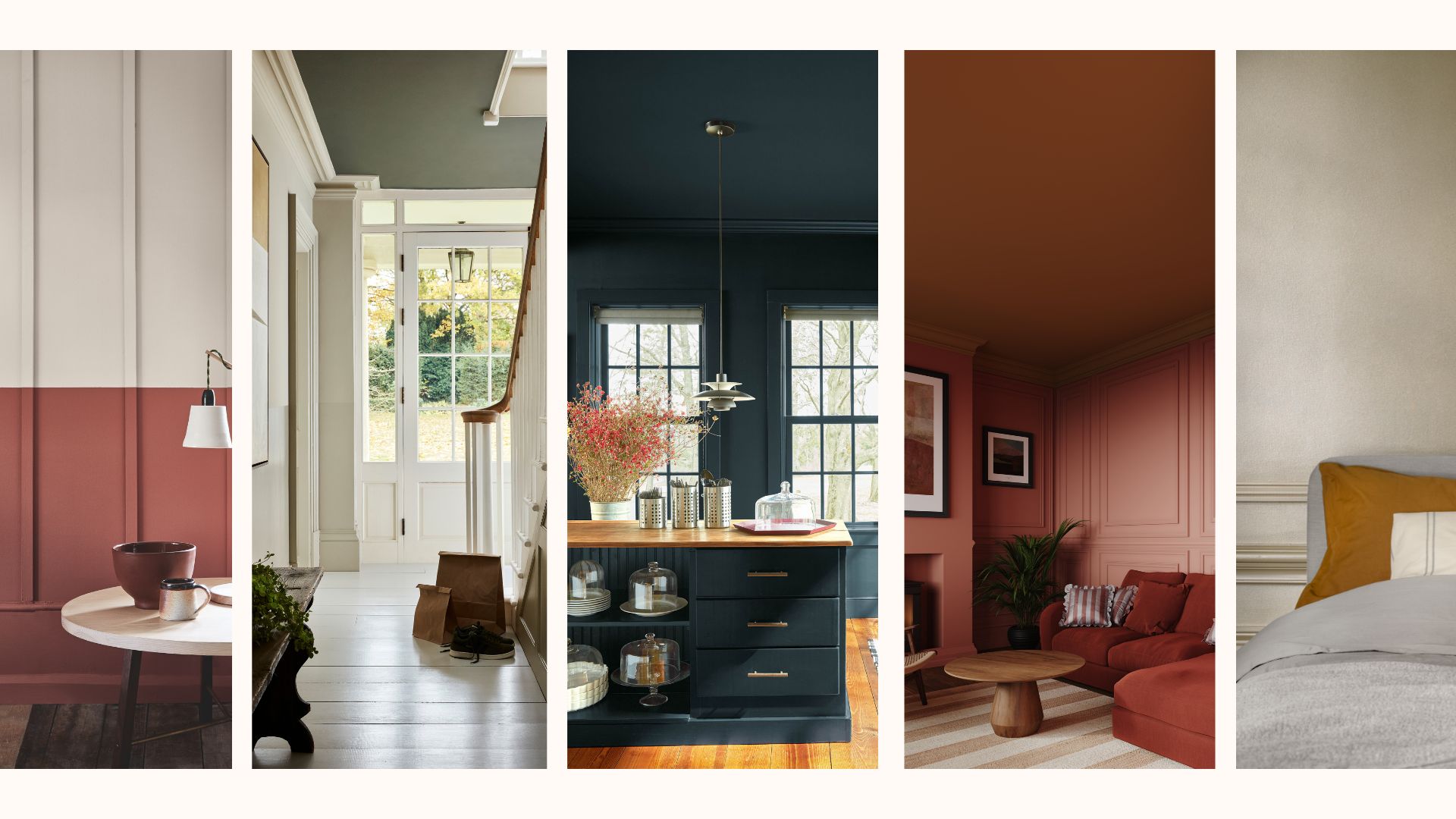
How to make a room look bigger with paint: 10 expert tips

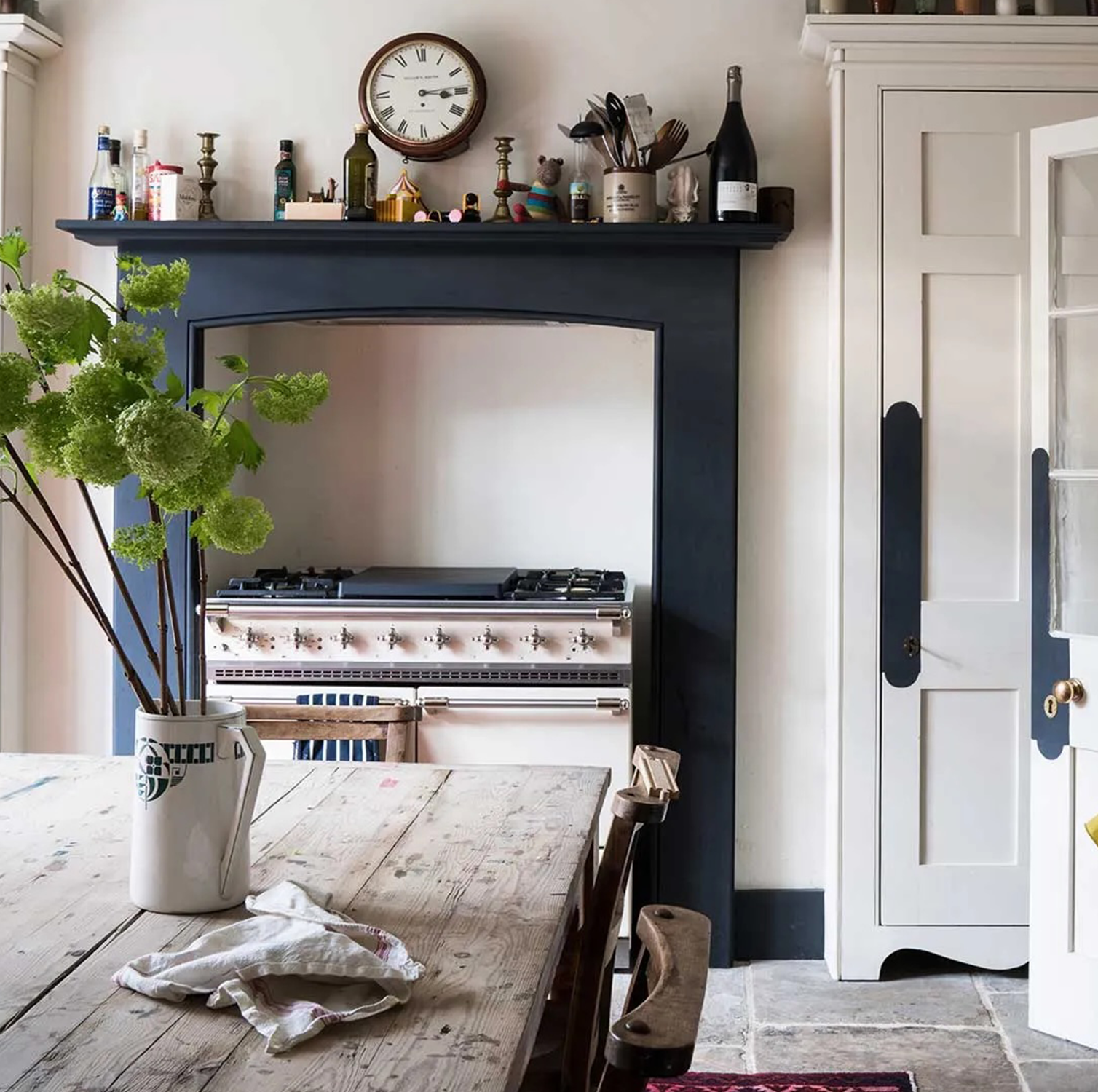
These 6 paint colours instantly make small rooms feel bigger
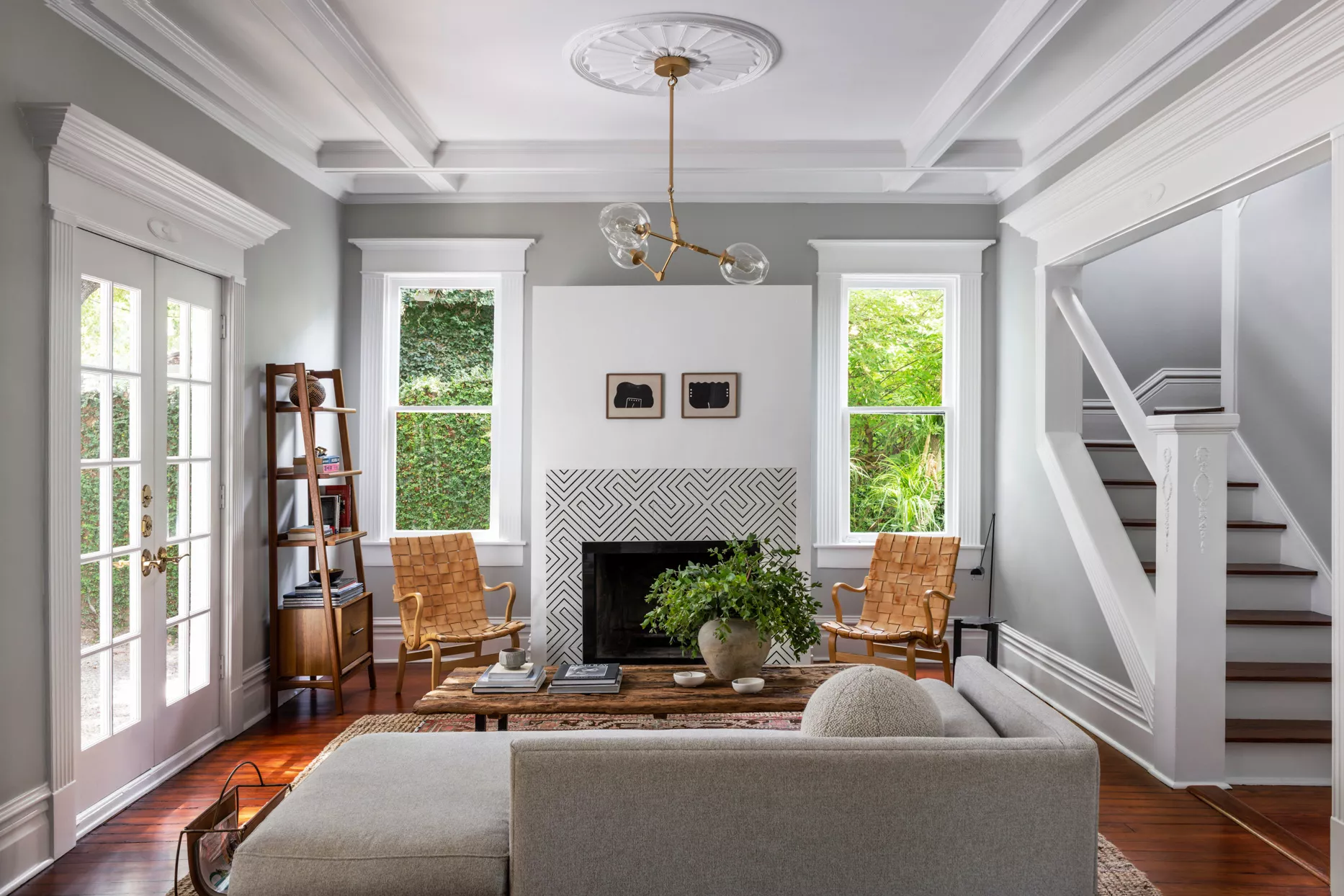
14 Genius Painting Tricks That Will Make a Room Look Bigger

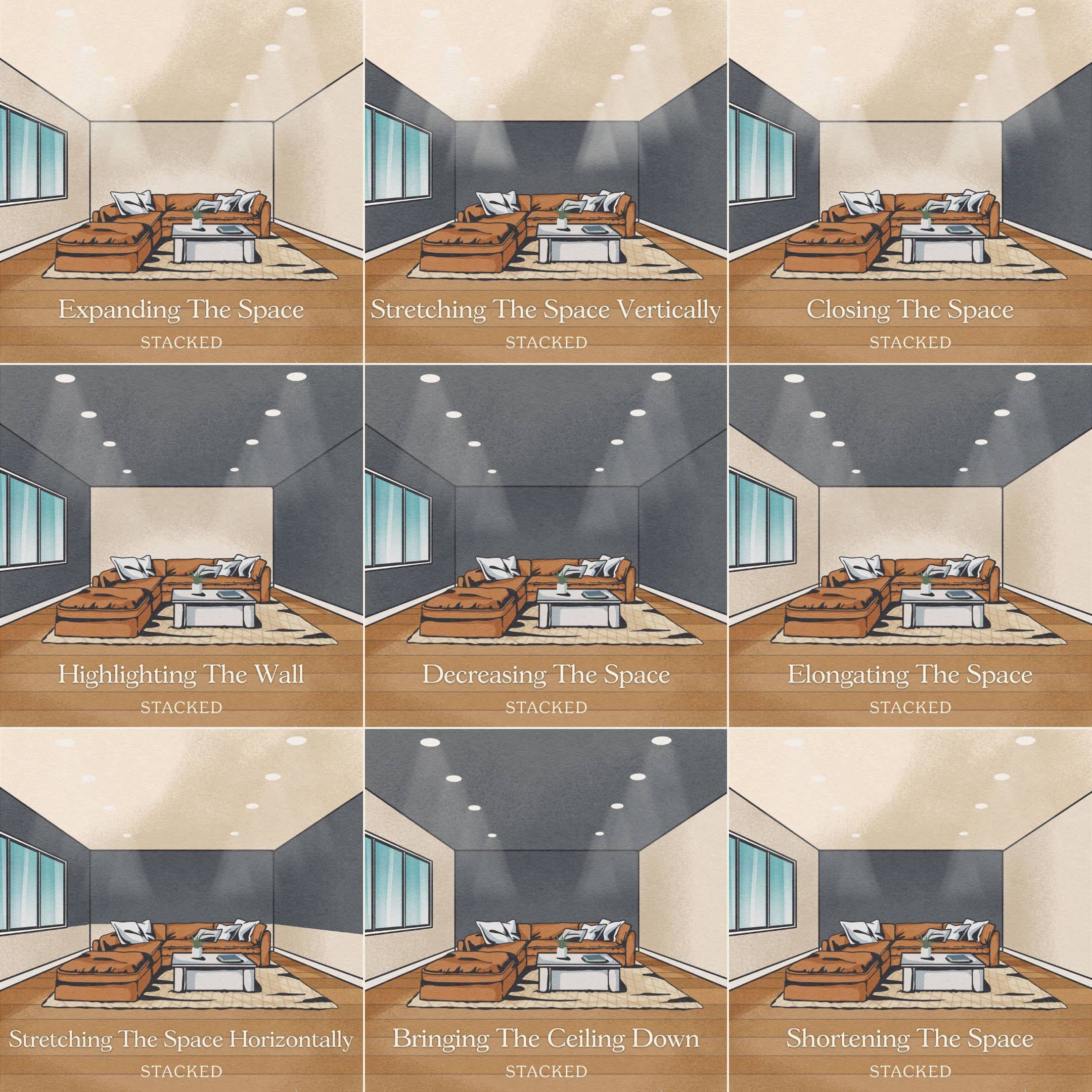
9 Amazing Illusion Tricks To Make A Small Space Look Bigger
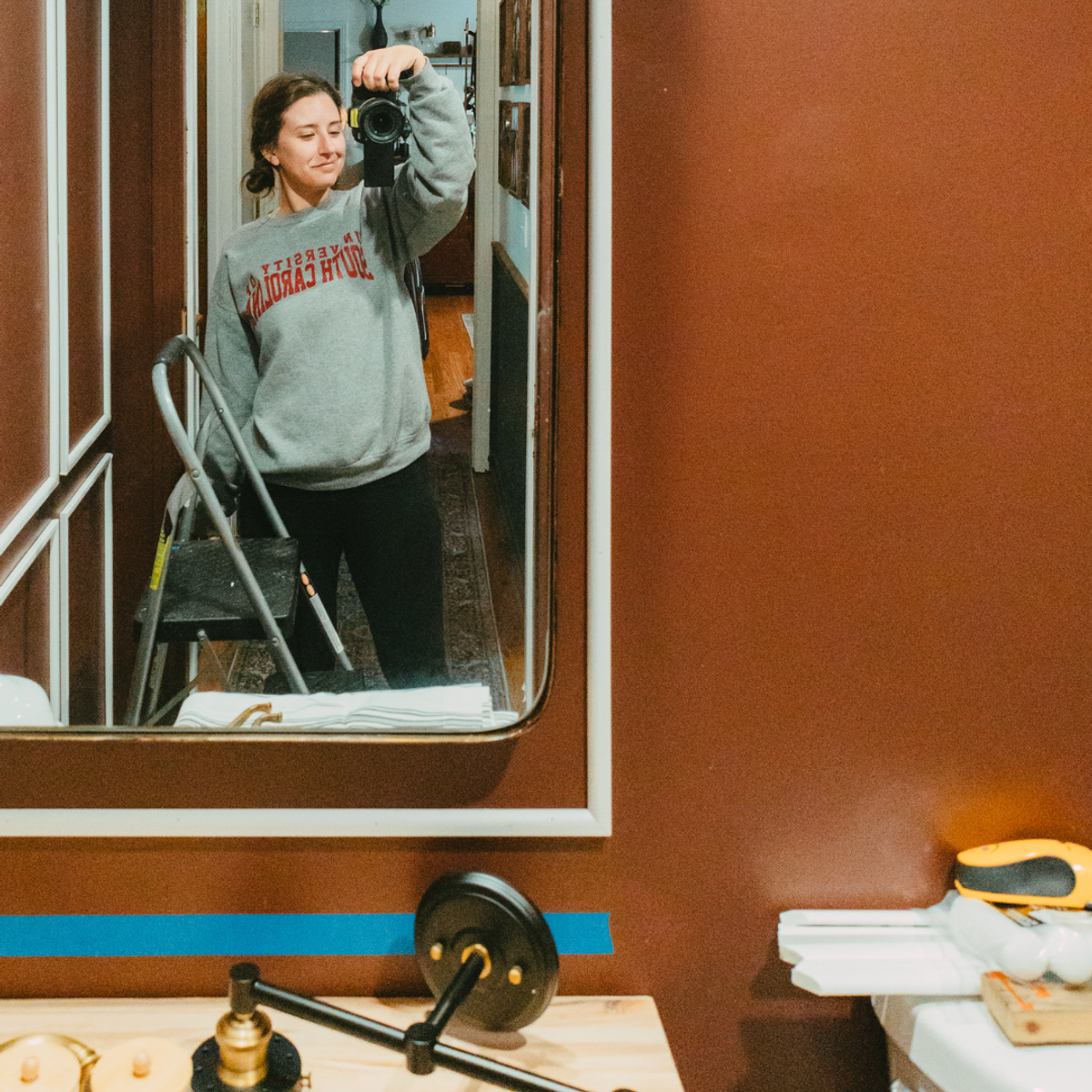
How To Successfully Paint Small Spaces Dark Colors & Actually Make Your Room Look BIGGER

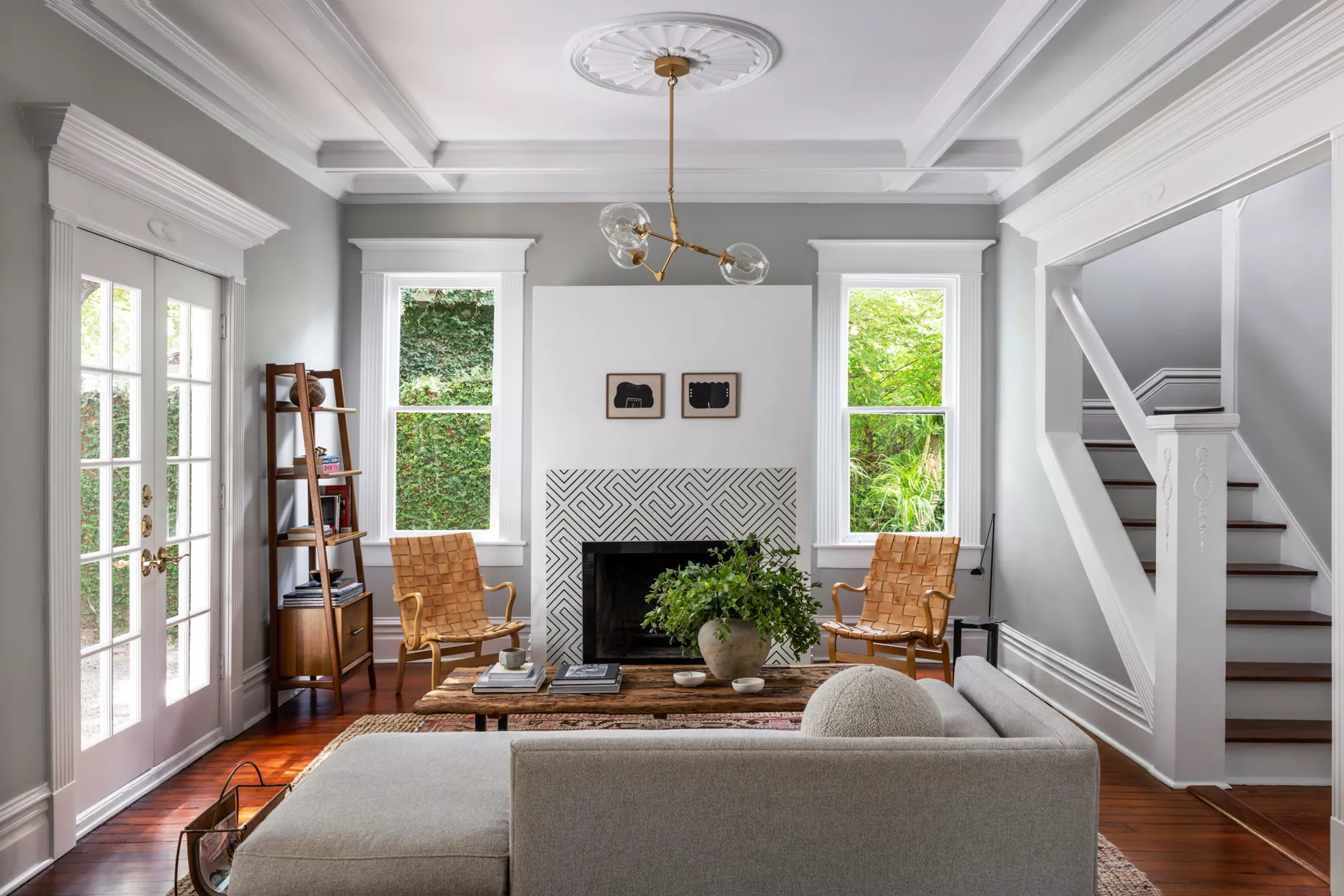
14 Genius Painting Tricks to Make a Room Look Bigger
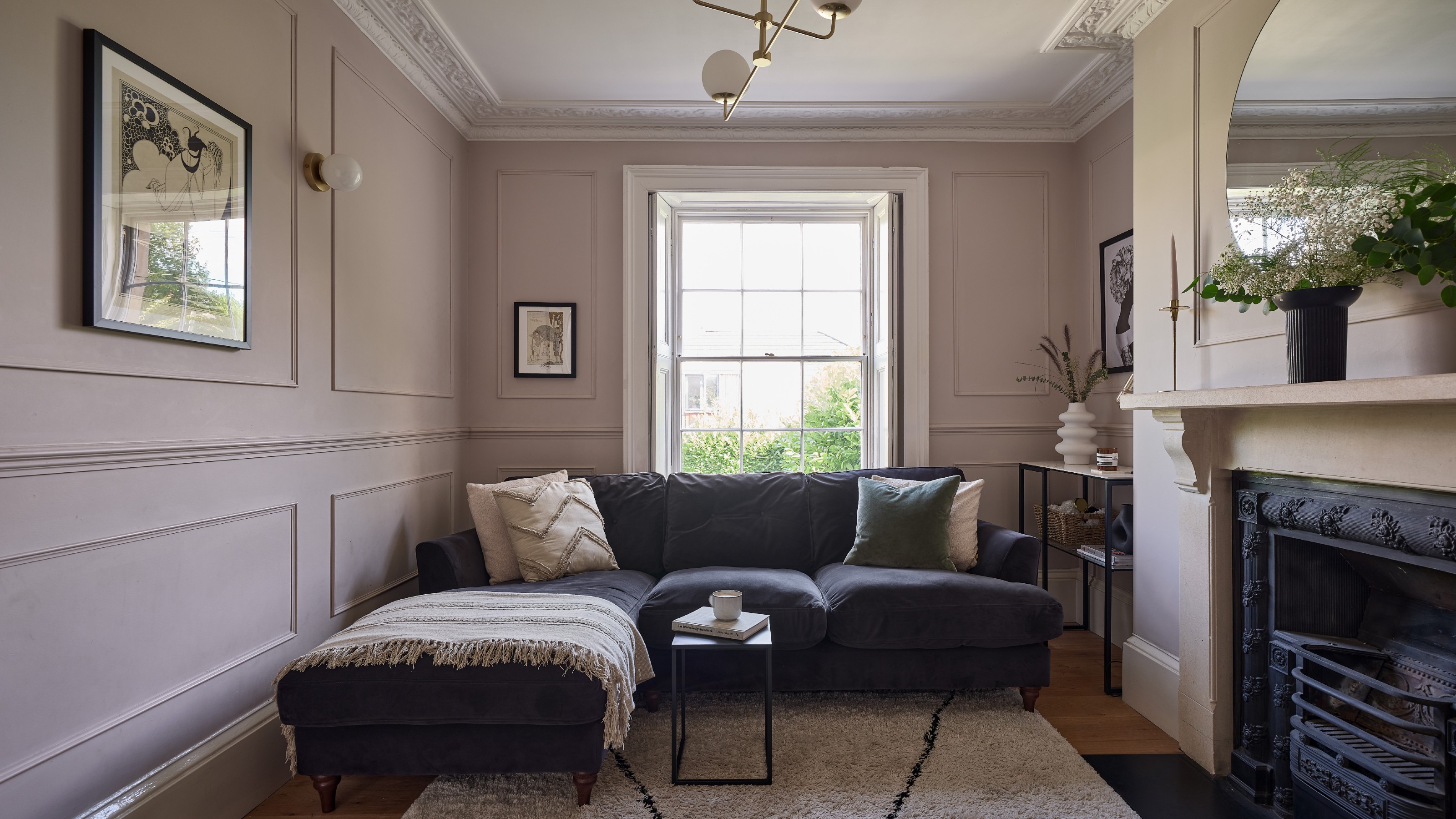
How to make a small living room look bigger with mirrors - clever design tips to open up your space
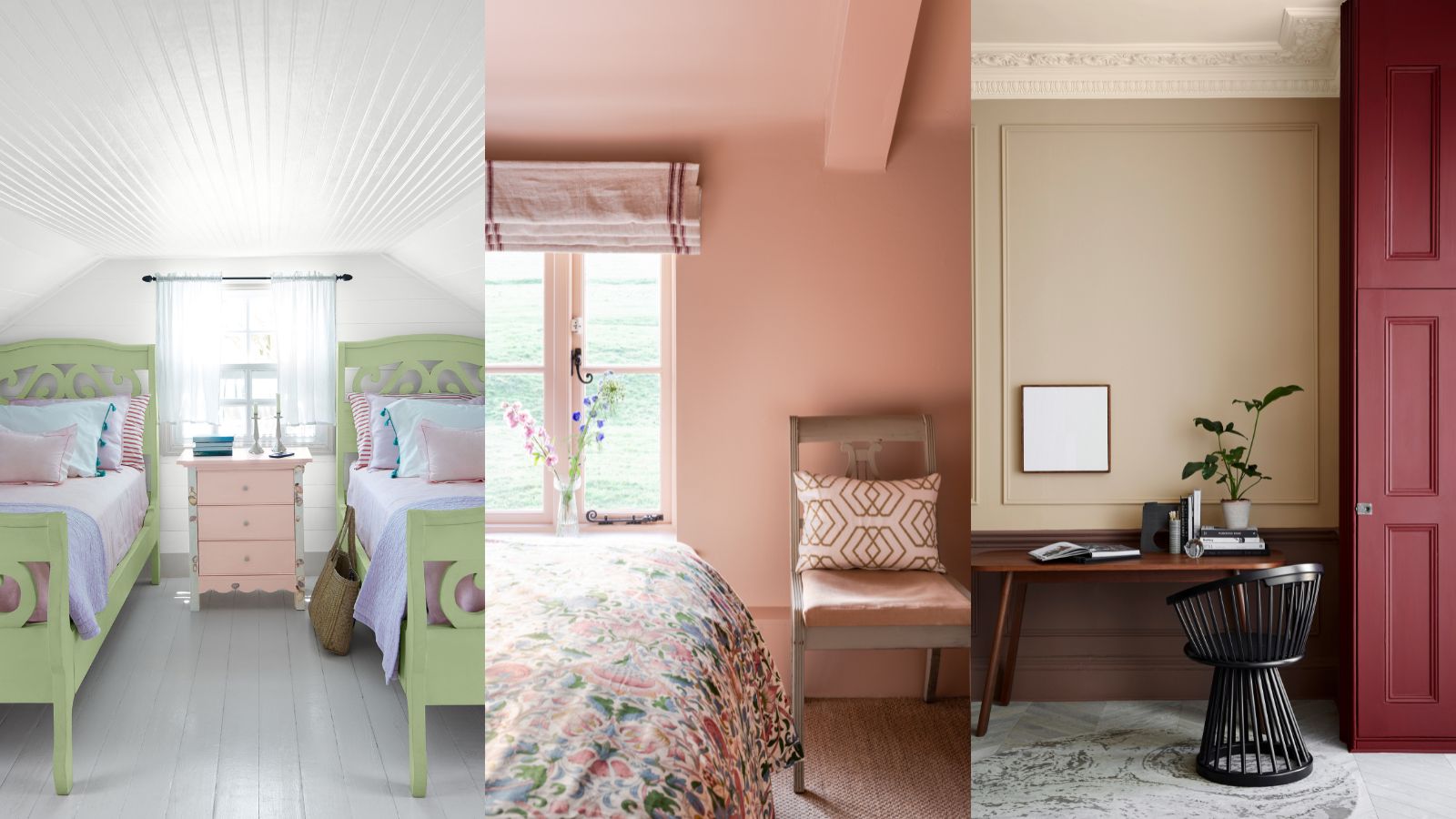
What colors make a small room look bigger? These space-stretching shades are what design experts use

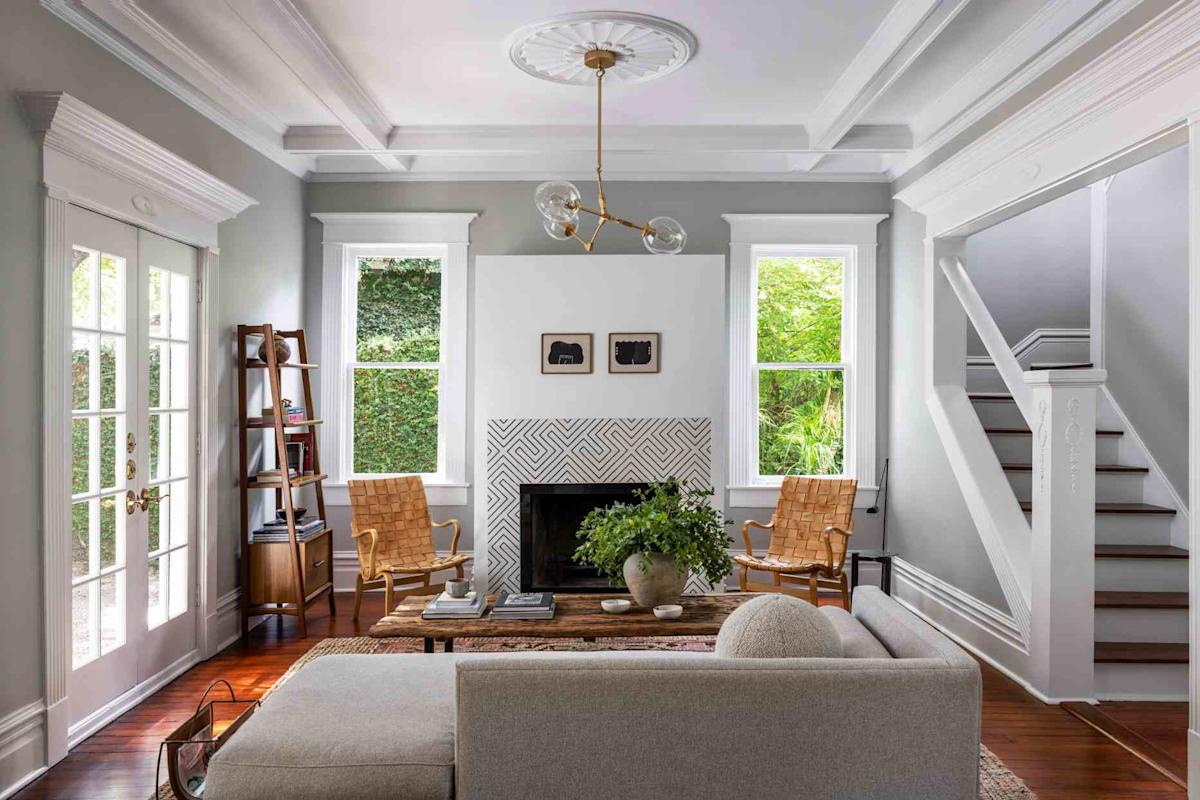
14 Genius Painting Tricks to Make a Room Look Bigger
6 expert tricks for decorating small living room walls that will make your tiny lounge appear bigger
9 rooms that prove color drenching makes small spaces look bigger
'Colour capping' is the new paint trick design experts are using to make a room feel bigger – how to make it work in your home
How to use paint to change the size and shape of your room
14 clever ways to make small rooms look bigger

Hallway paint ideas – 15 ways to give this narrow room big personality

6 room painting ideas that will trick your eye