1/4
I'm an interior designer – these are 5 mudroom design rules I swear by
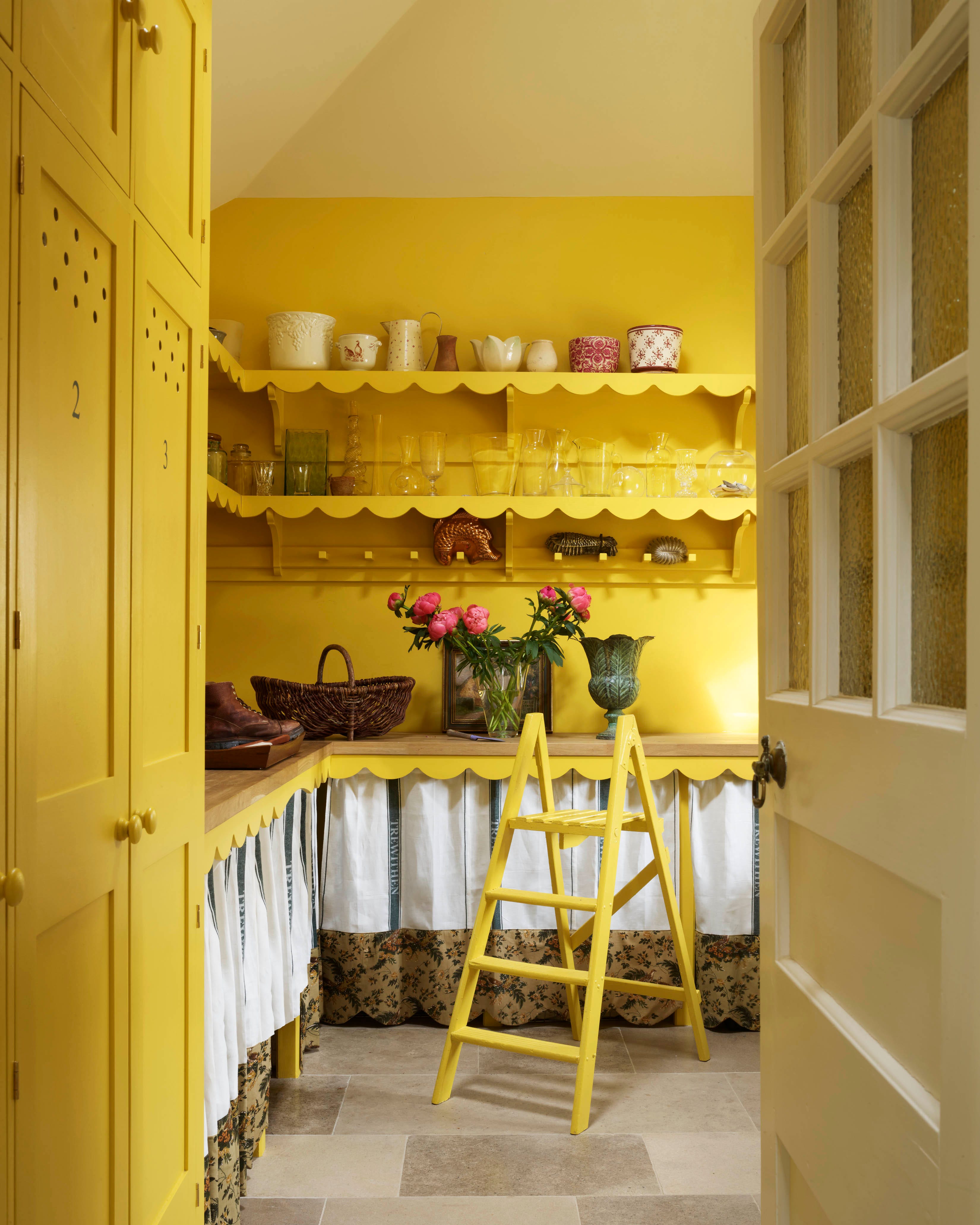
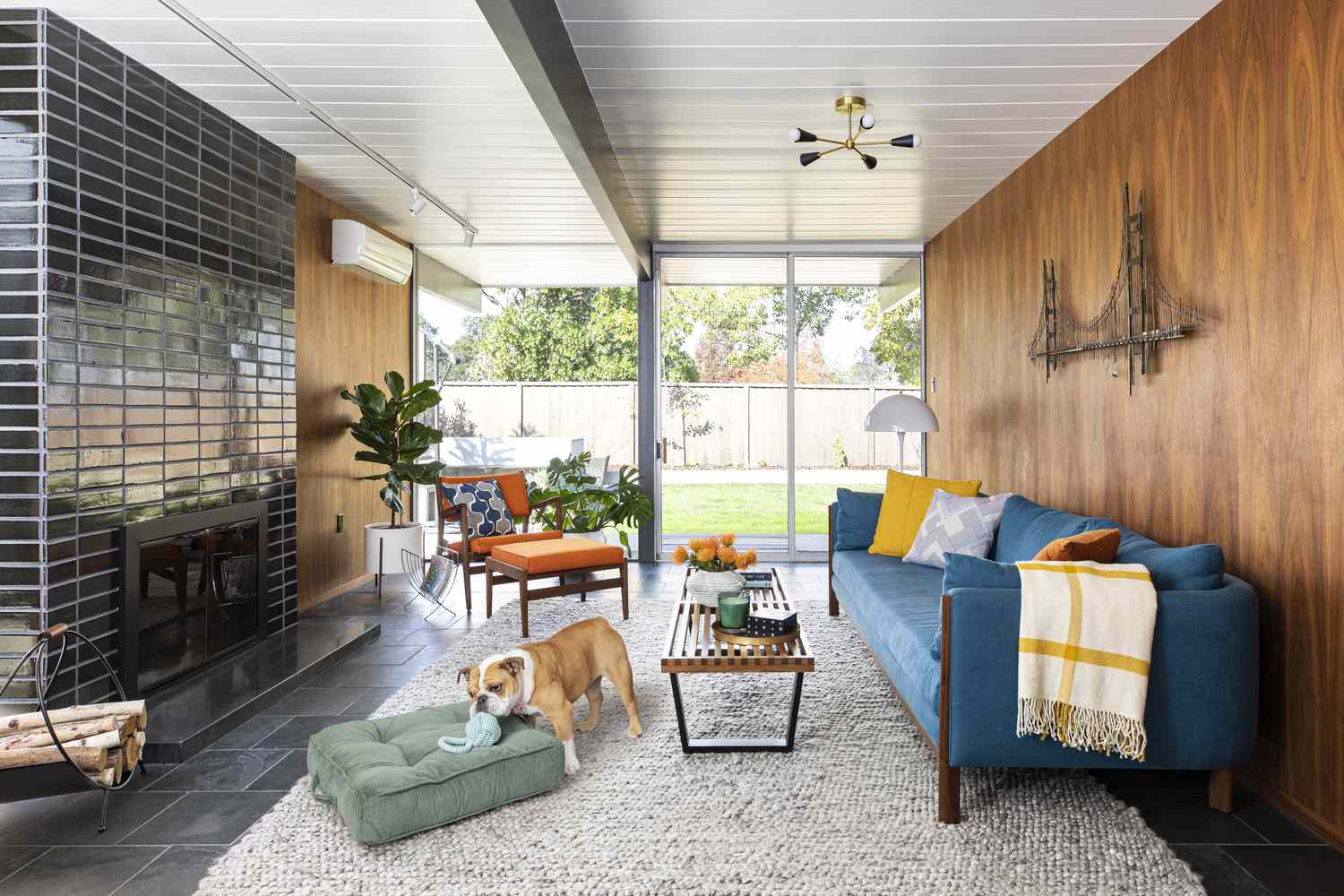
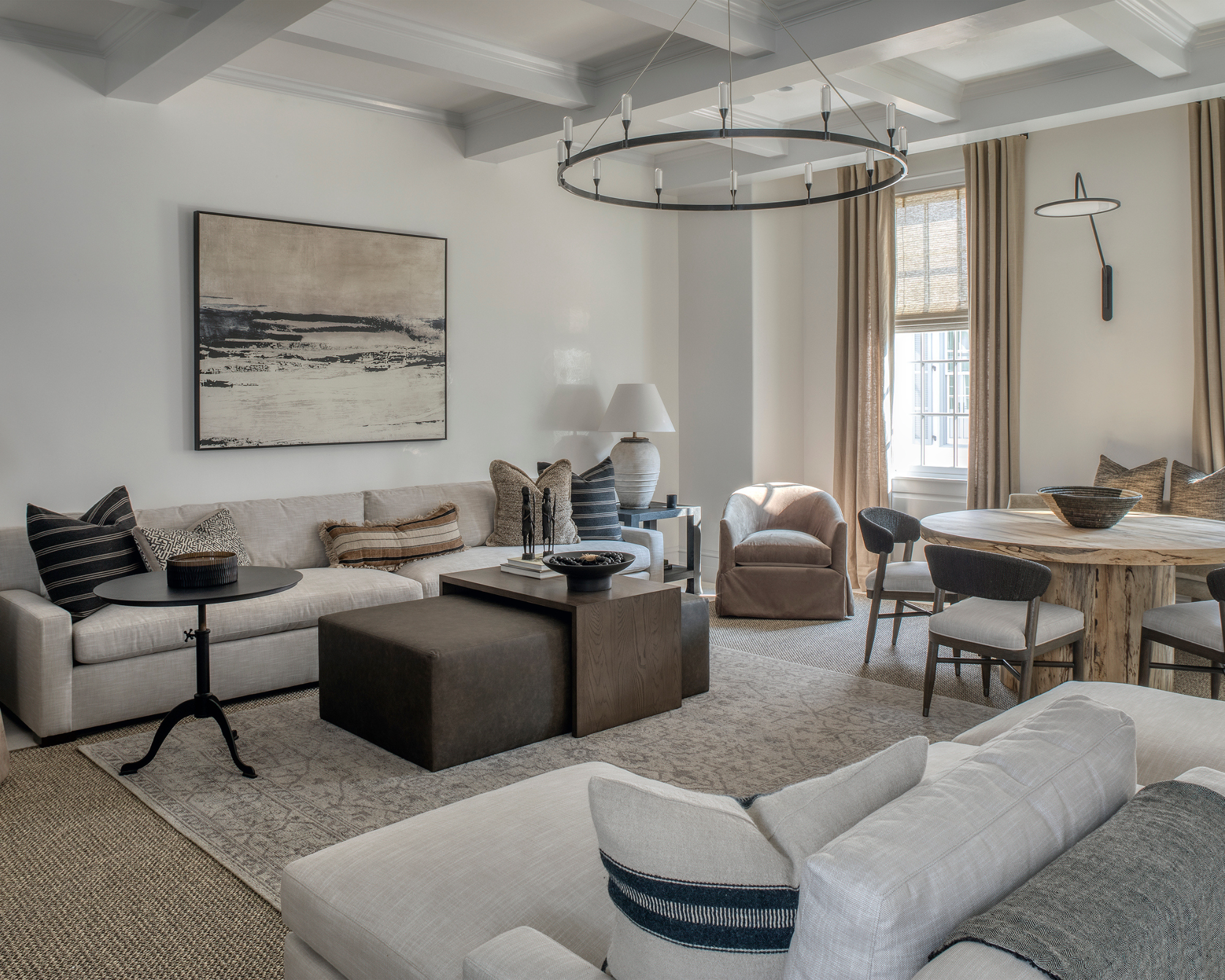
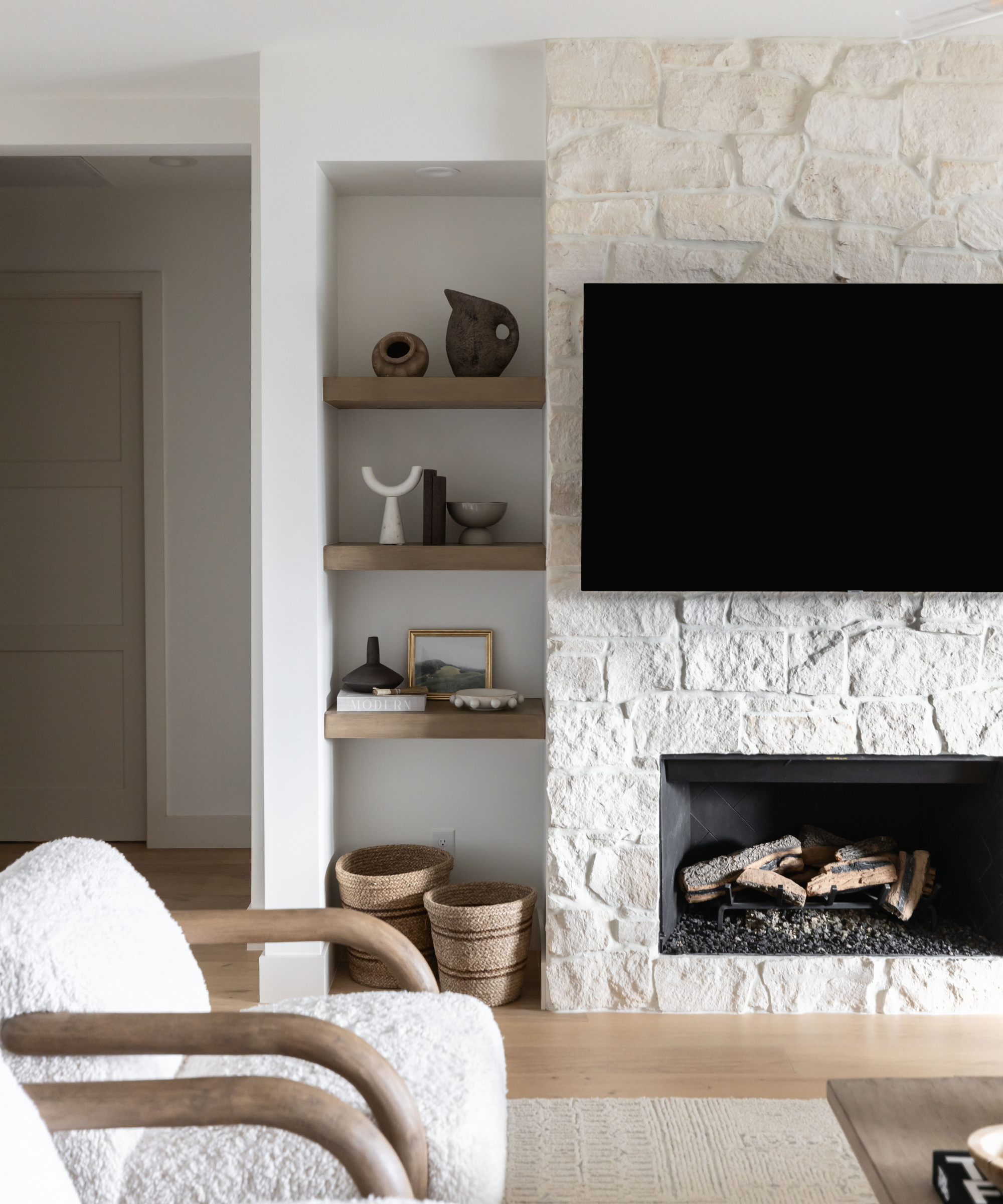
Mudrooms, once purely practical and hidden spaces, are increasingly becoming a focal point of home design, demanding both aesthetic appeal and high functionality. Interior designer Cortney Bishop provides five essential rules for creating a mudroom that effectively manages clutter, offers ample storage for various items, and seamlessly integrates with the overall home aesthetic. These rules aim to balance practicality with beauty, ensuring the mudroom is a well-utilized and visually pleasing area.
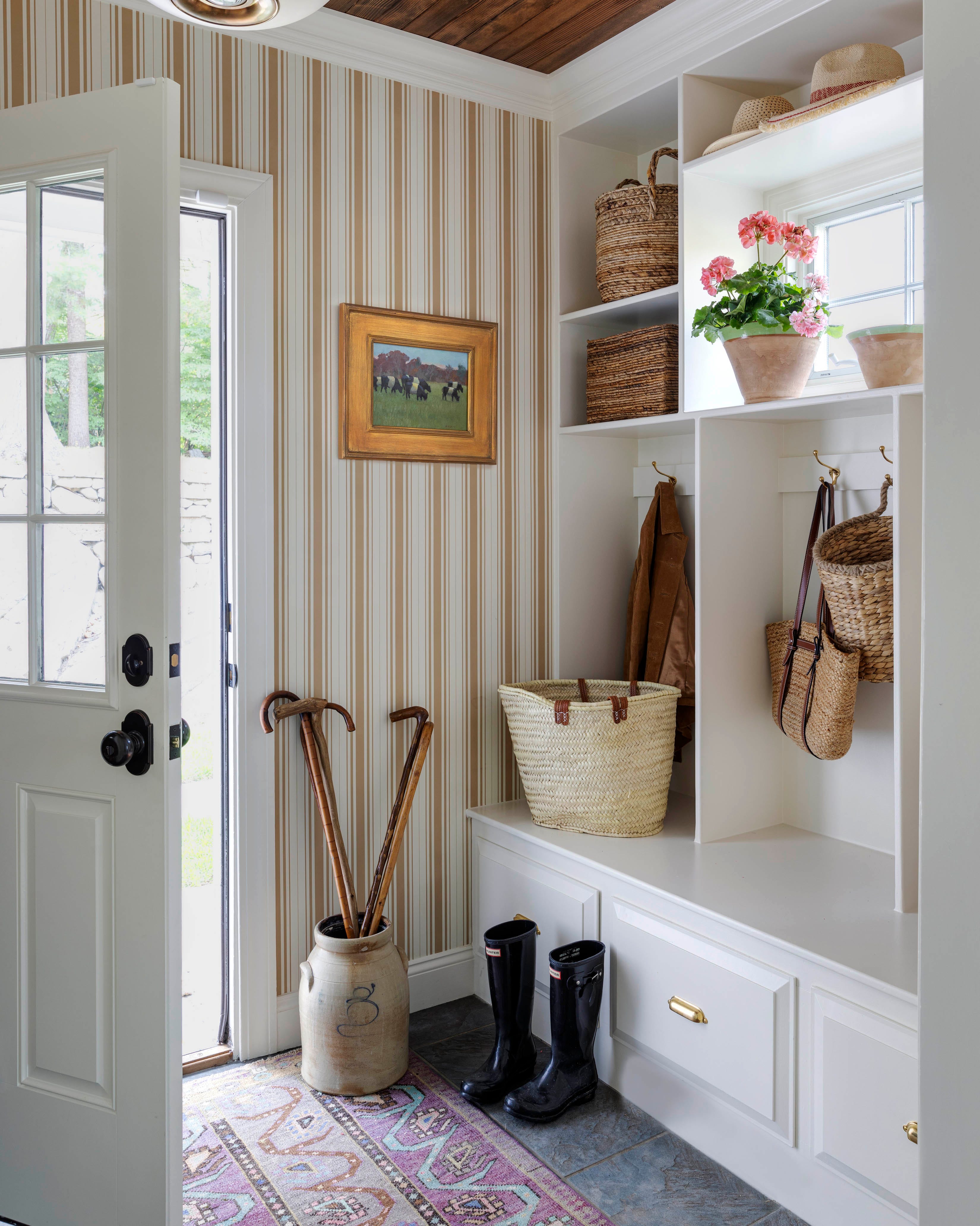
Bishop emphasizes the importance of beginning mudroom design with a clear understanding of family priorities. This involves identifying specific storage needs, such as space for coats, shoes, backpacks, and technology, which then serve as the foundation for planning the layout and features of the room. This intentional approach ensures that the design caters directly to the lifestyle and requirements of the occupants, making the space genuinely useful.
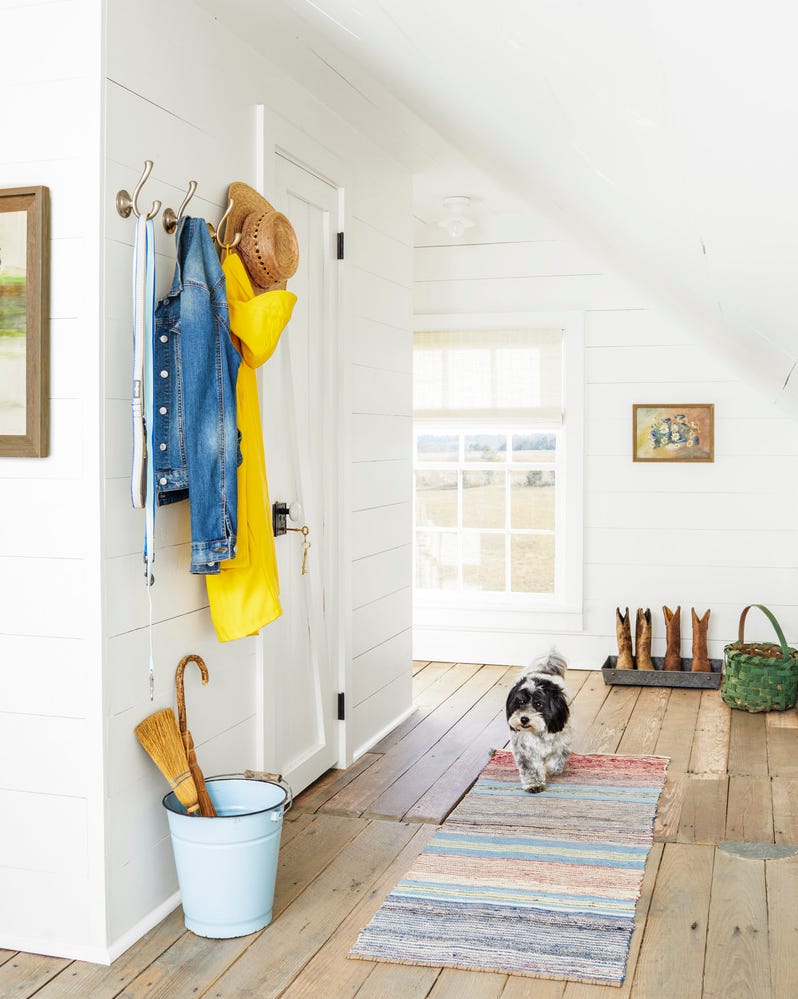
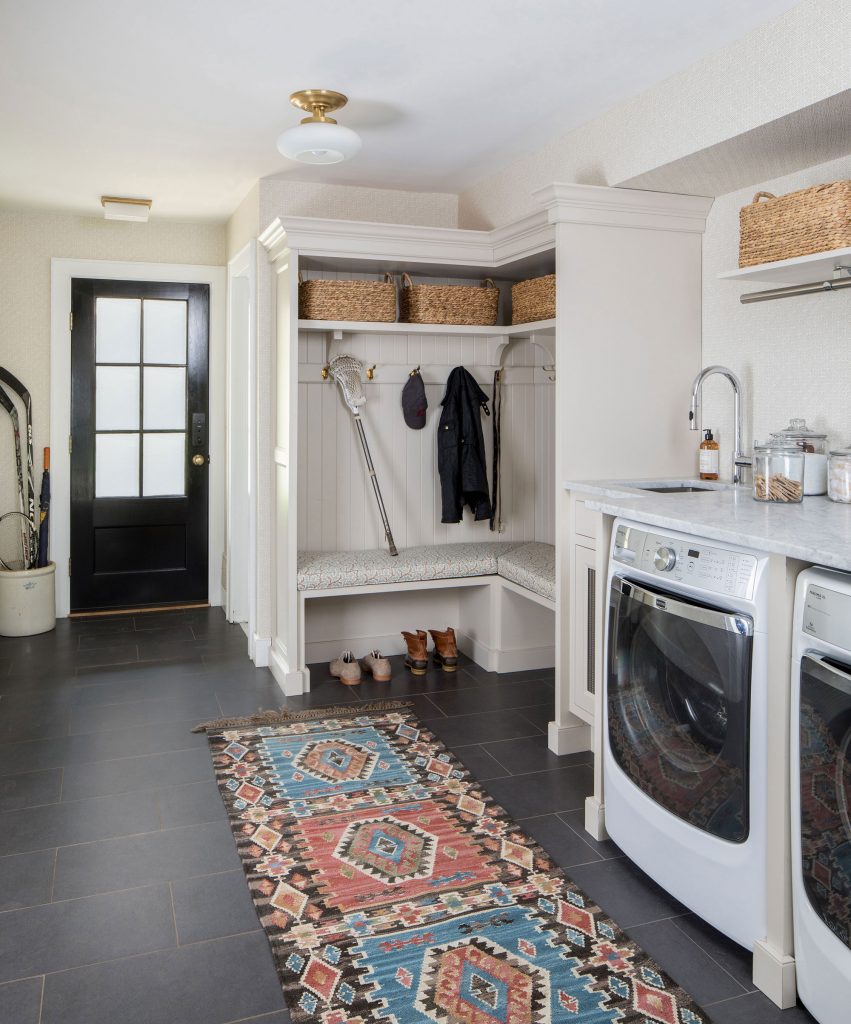
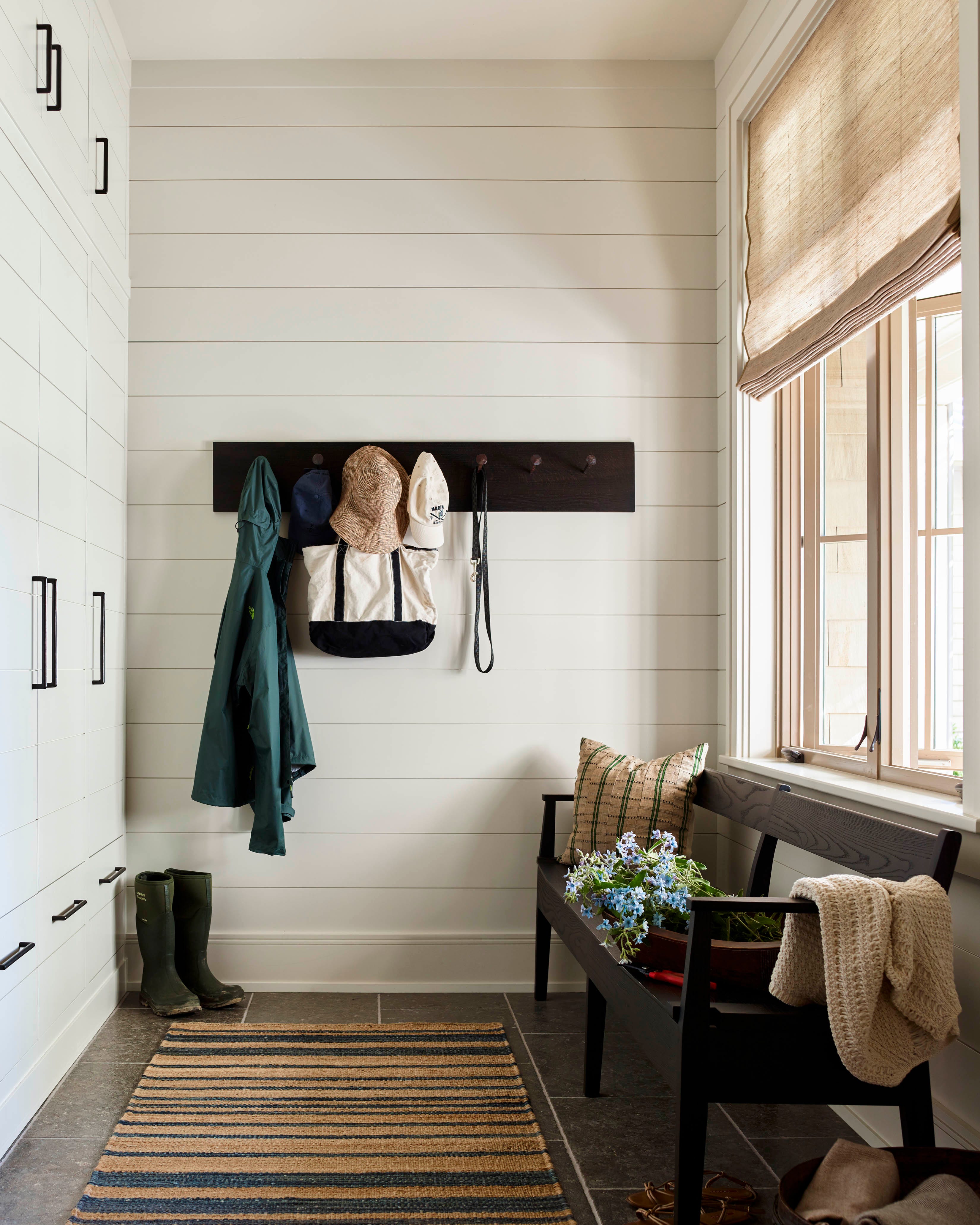
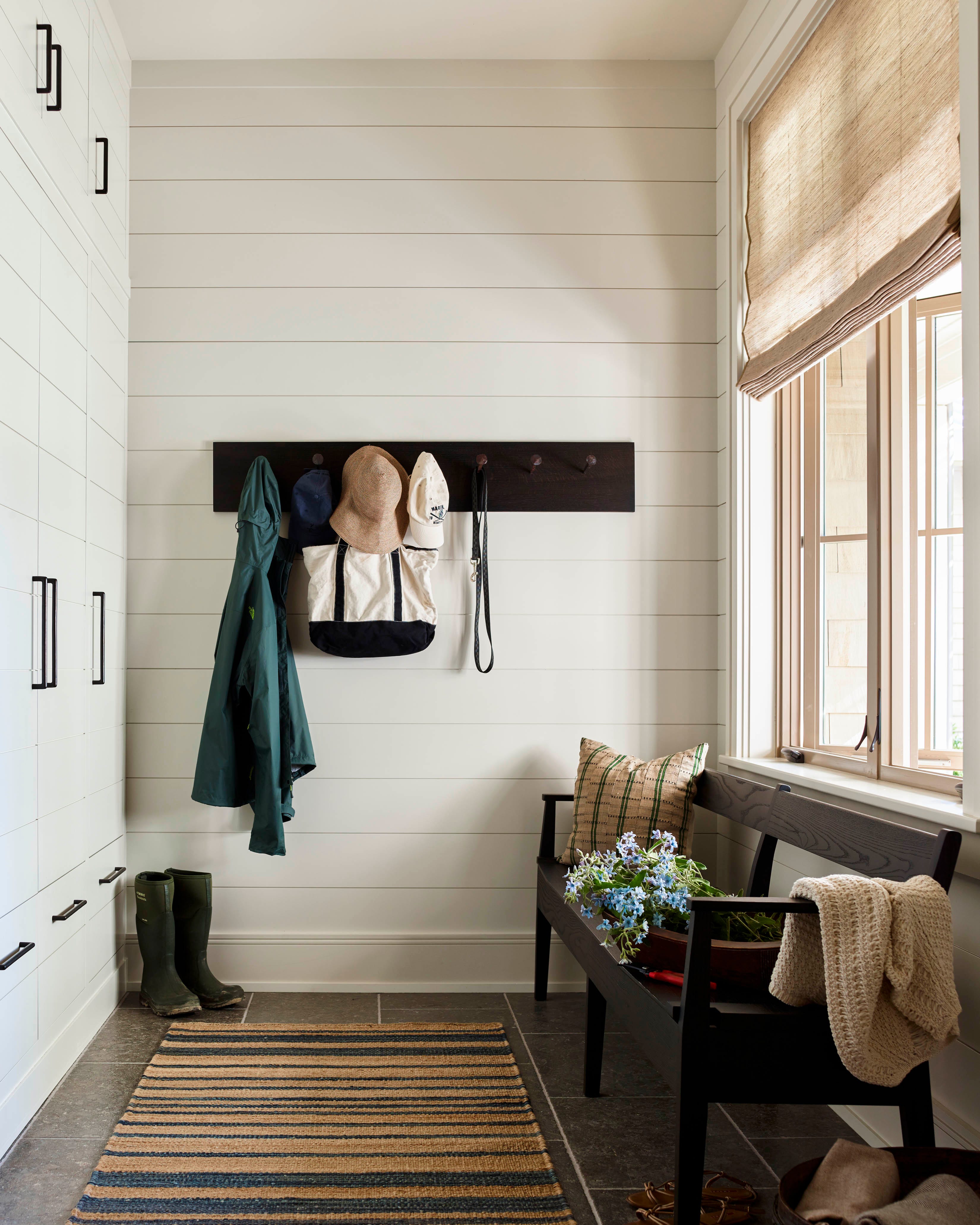
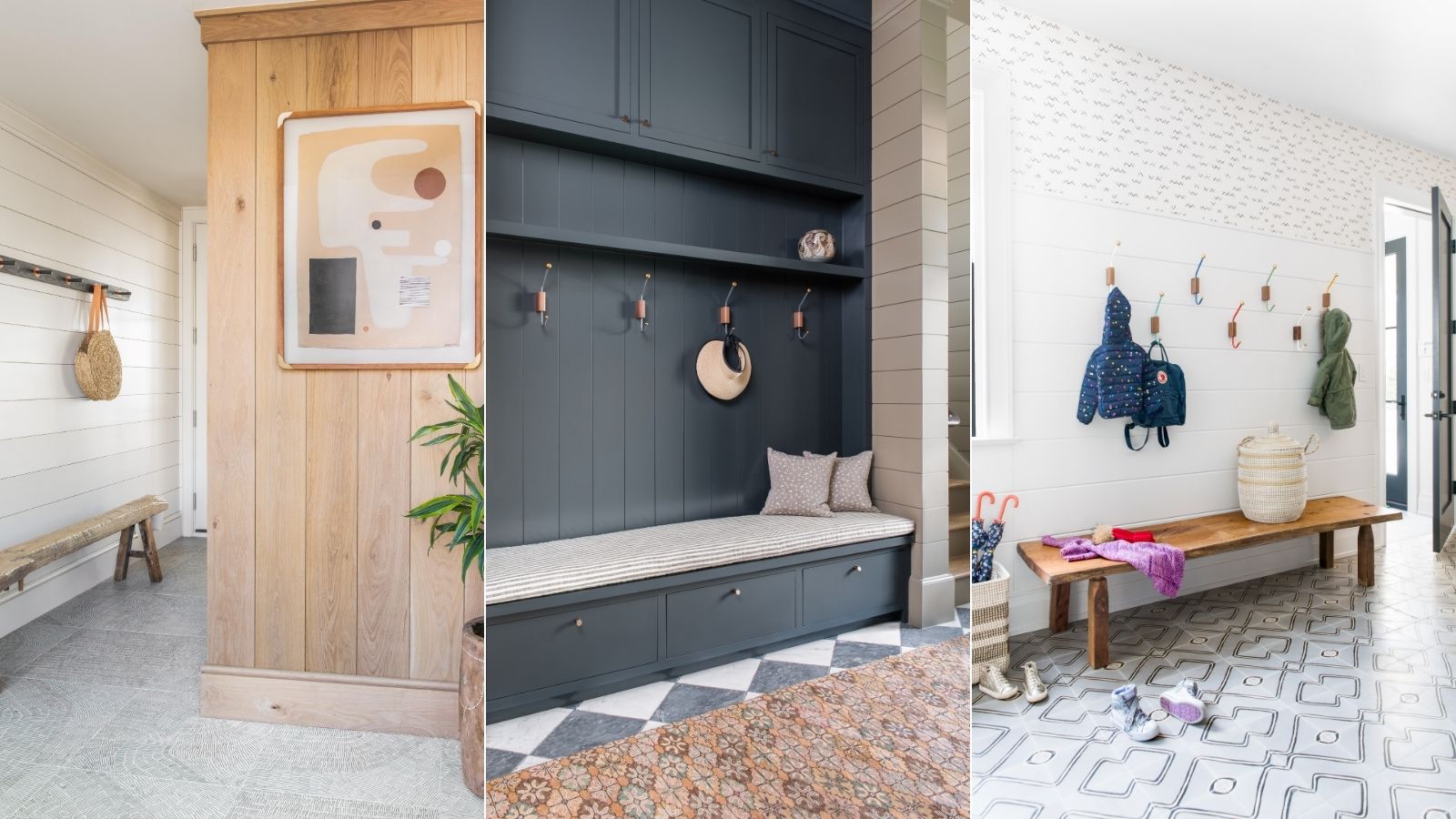
Next, the designer advises selecting materials that are both attractive and durable, capable of withstanding the demands of a wet and muddy environment. Practical options include stone flooring, which is resilient and easy to clean. For seating, performance fabrics are recommended due to their hardwearing properties. Shiplap is highlighted as an excellent choice for walls because of its durability and ease of maintenance, requiring only a simple wipe-down to keep it clean.
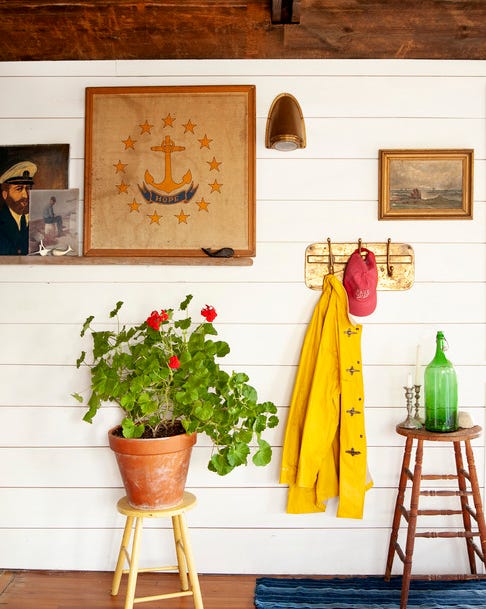
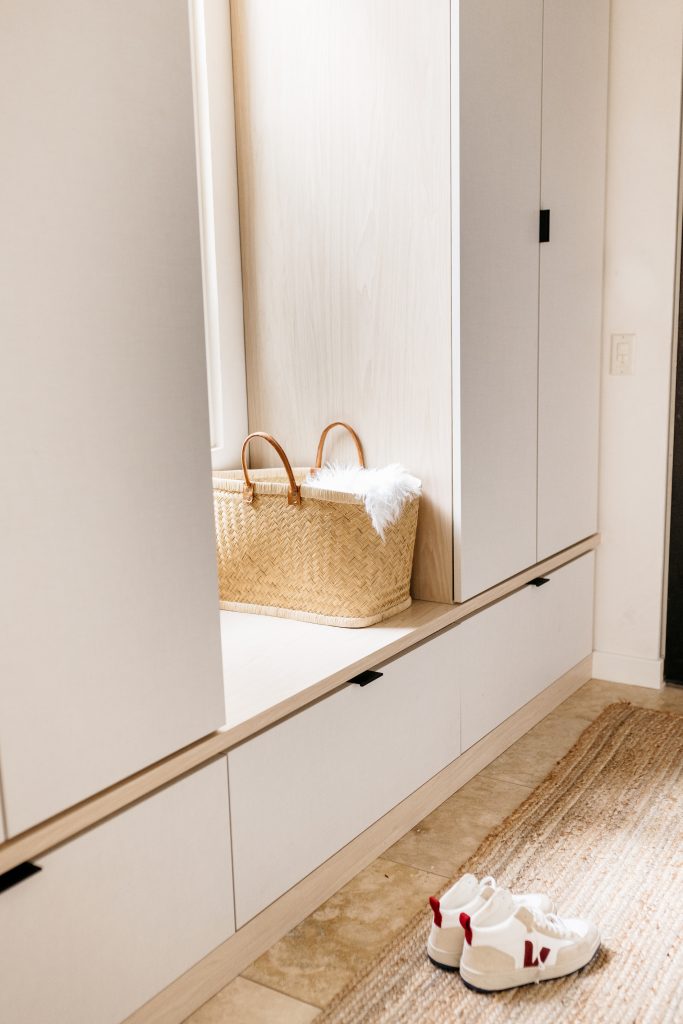
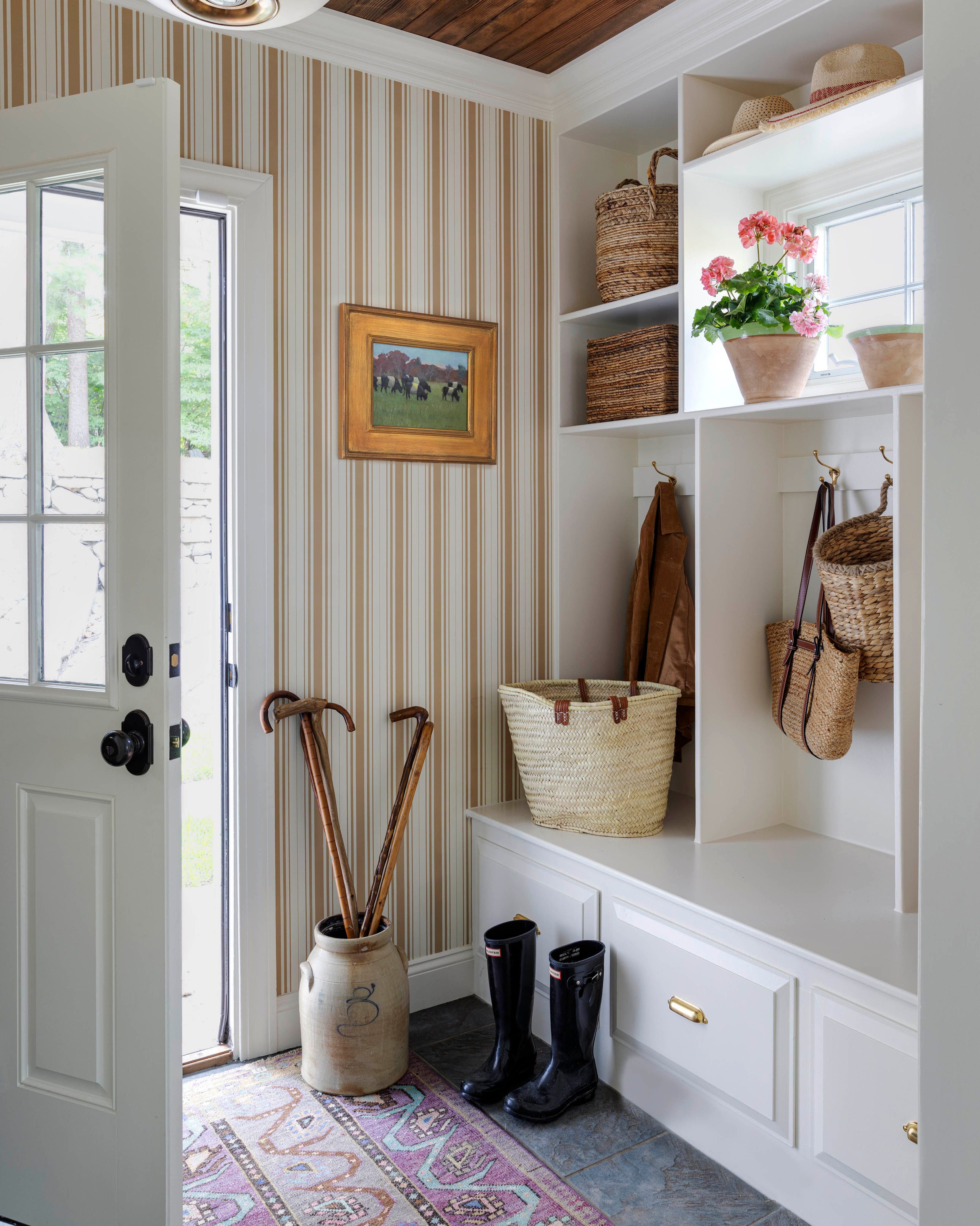
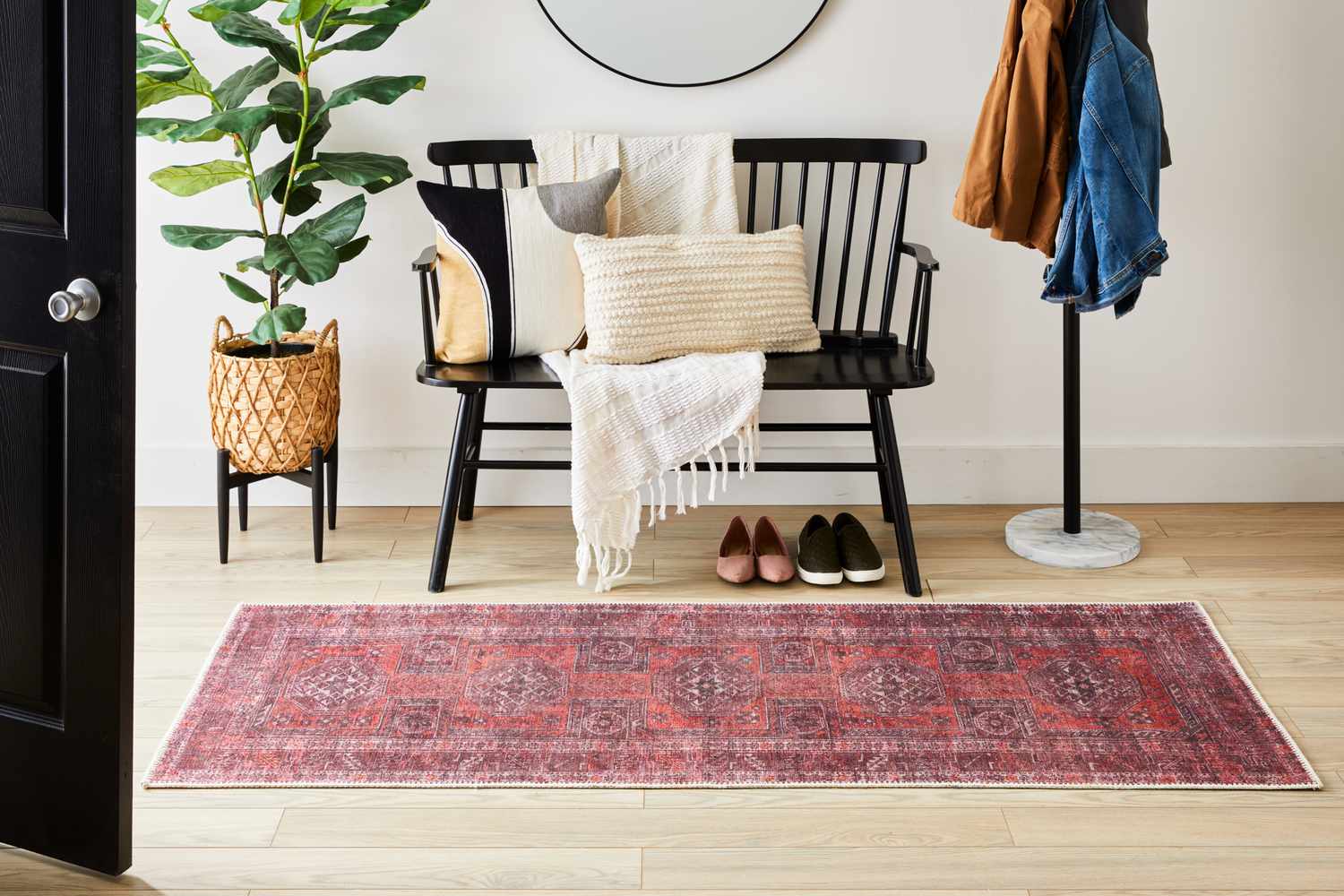
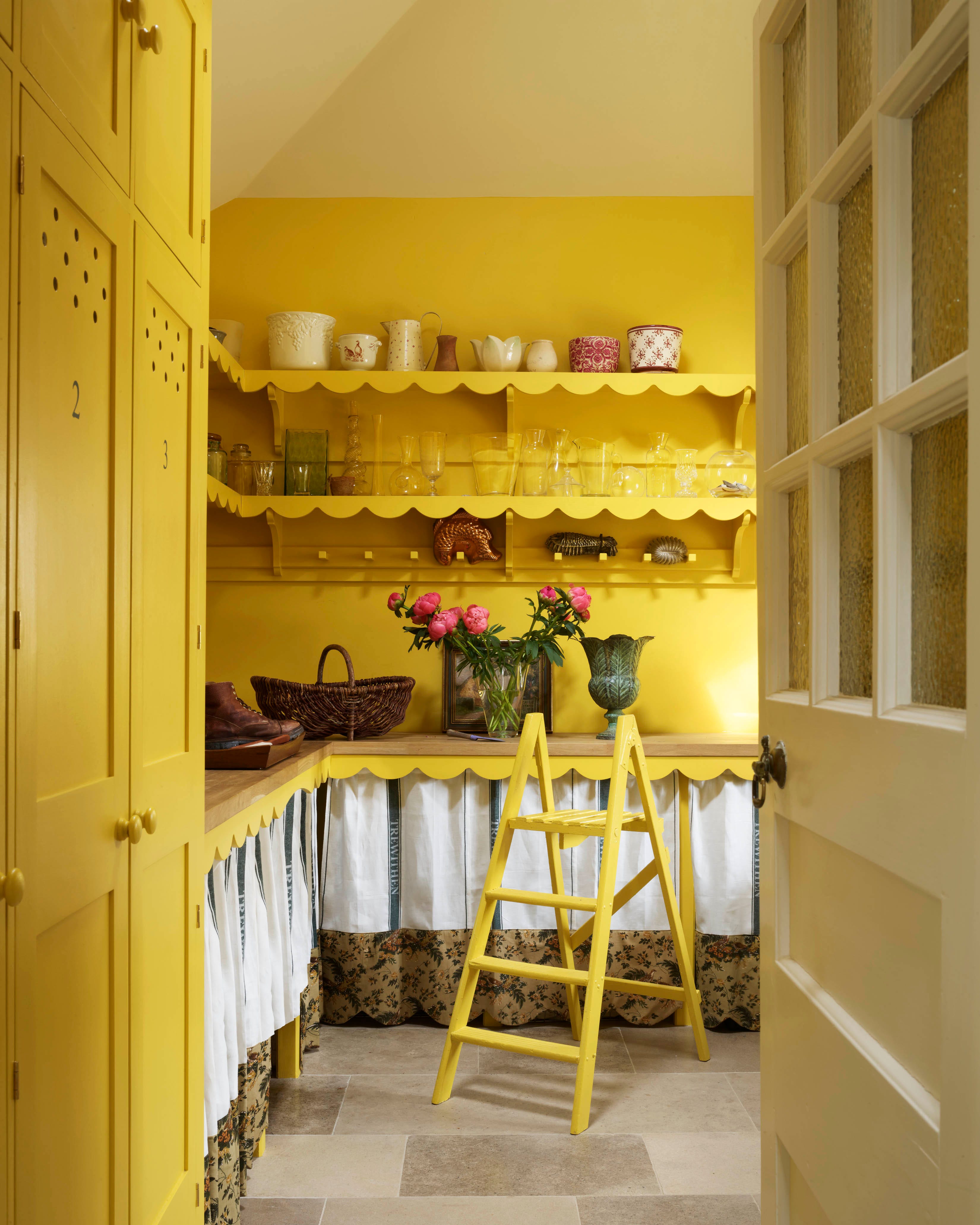
Effective mudroom design also necessitates a variety of storage solutions. Bishop suggests incorporating shelves, cubbies, hooks, and cabinets to maximize space and organization. Custom built-ins are particularly favored for their ability to optimize storage, and peg boards with adjustable shelving are recommended for added versatility. Benches with integrated storage are also valuable, providing a comfortable spot to sit while offering hidden compartments for essentials, thus promoting a tidy appearance.
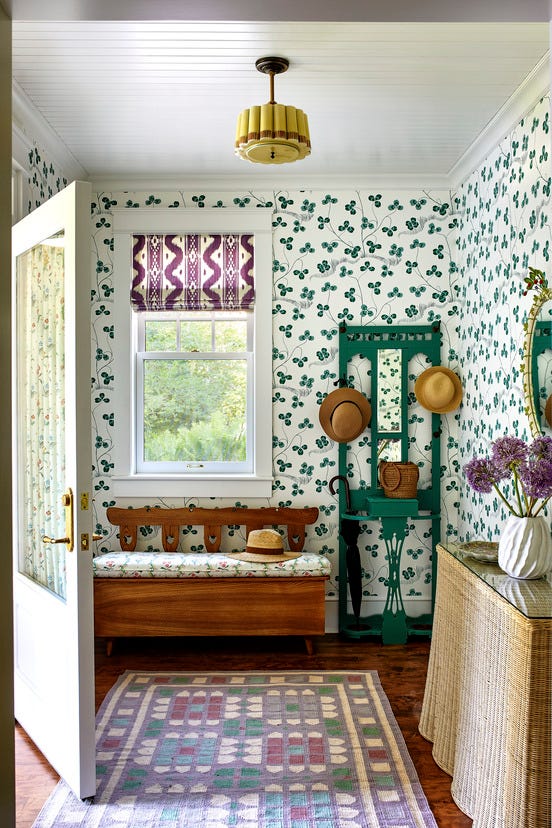
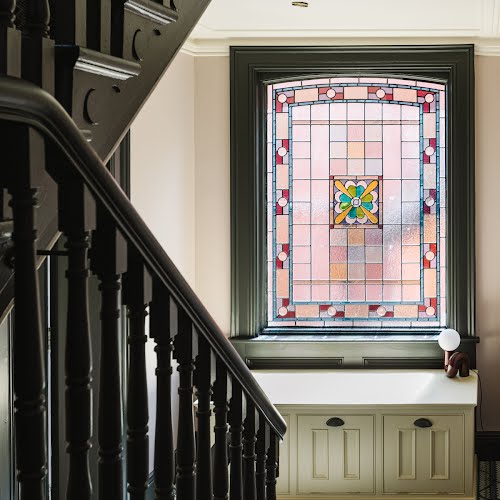
Integrating the mudroom's style with the rest of the home is crucial for achieving a cohesive look. The article stresses that the mudroom should reflect the homeowner's personality and design preferences, rather than being a purely utilitarian space. This can be achieved by extending existing design elements and materials into the mudroom, ensuring it blends harmoniously with adjacent living areas or kitchens. Personal touches such as art, unique mudroom tiles, and decorative elements are encouraged to infuse personality into the functional space. Custom bulletin boards, framed with unique fabrics or custom wood, can also be used to organize reminders and small items, adding both functionality and a personalized aesthetic. Such thoughtful design makes the mudroom feel like an integral and cherished part of the home.
Finally, Bishop highlights the mudroom's role as a buffer zone between the outdoors and indoors. Designing the space to facilitate this transition is essential for maintaining cleanliness and comfort within the home. This includes incorporating features like weather-resistant doors, storm doors, or even an airlock-style entry to prevent drafts and debris from entering the main living areas. This strategic design not only keeps the home cleaner but also contributes to energy efficiency by minimizing heat loss or gain. A well-designed mudroom, therefore, is not only beautiful and functional but also adds practical value to a home.
#MudroomDesign #InteriorDesign #HomeOrganization #StorageSolutions #DurableMaterials #SpacePlanning #HomeAesthetics #MudroomDesign #InteriorDesign #HomeOrganization #StorageSolutions #DurableMaterials #SpacePlanning #HomeAesthetics
0 comment in total
 No comments yet
You may also like
Designers’ Favorite Tips for a Stylish and Functional Mudroom
5 golden rules of home décor from an Irish interior designer

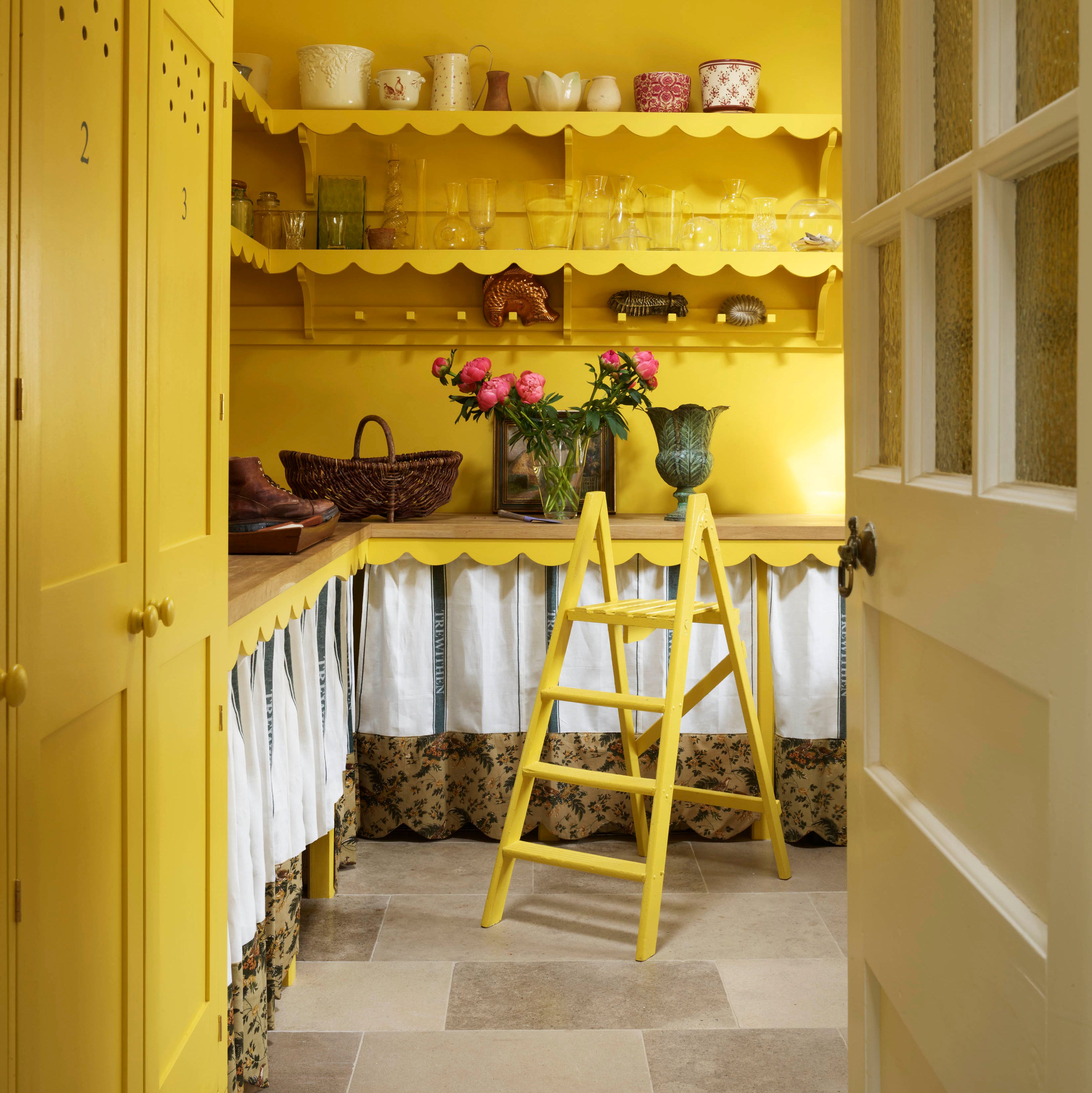
Why Are Gorgeous Mudrooms Suddenly Everywhere? Here Are 36 We Love
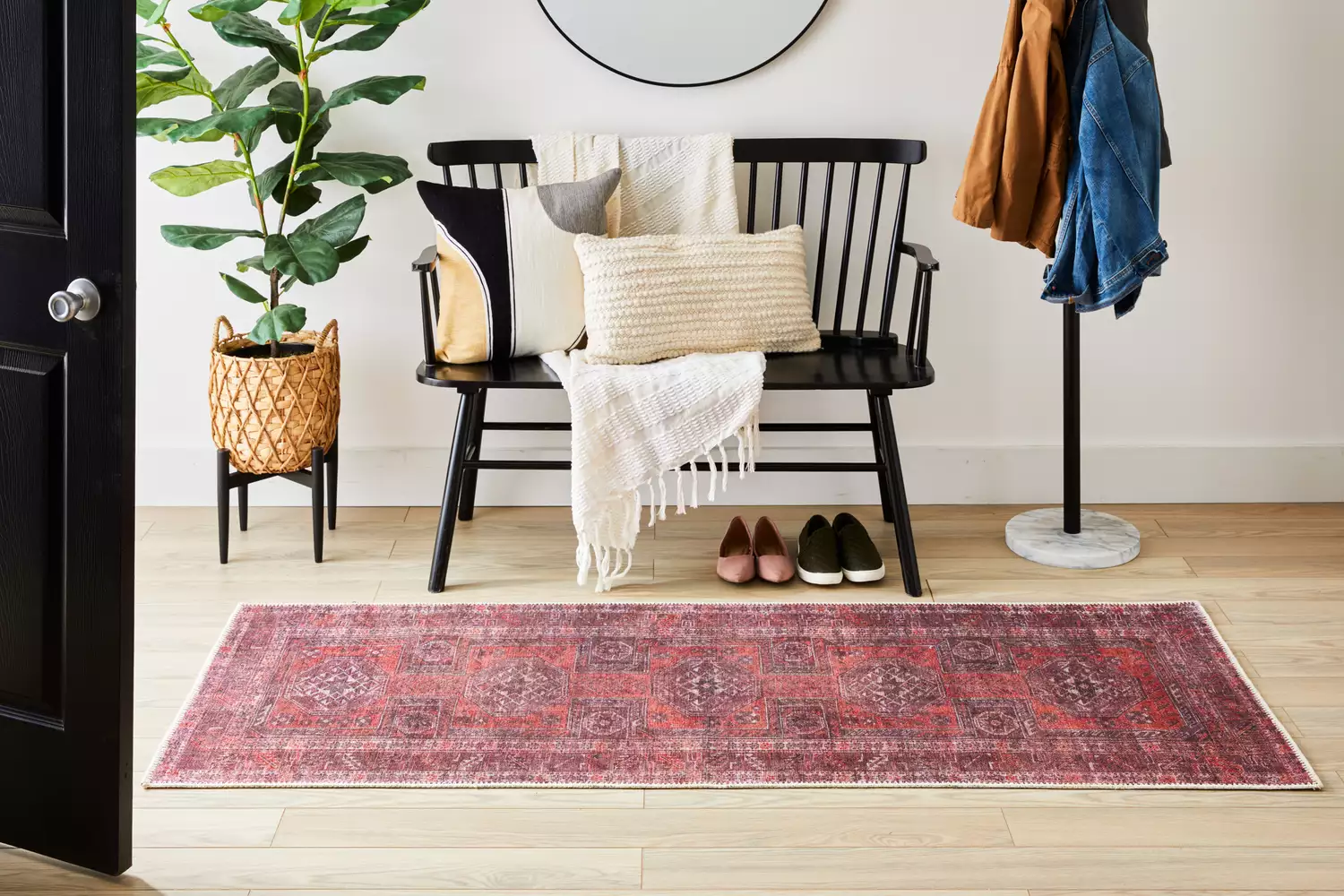
5 Entryway Decorating Tips Designers Always Follow for a Lasting First Impression

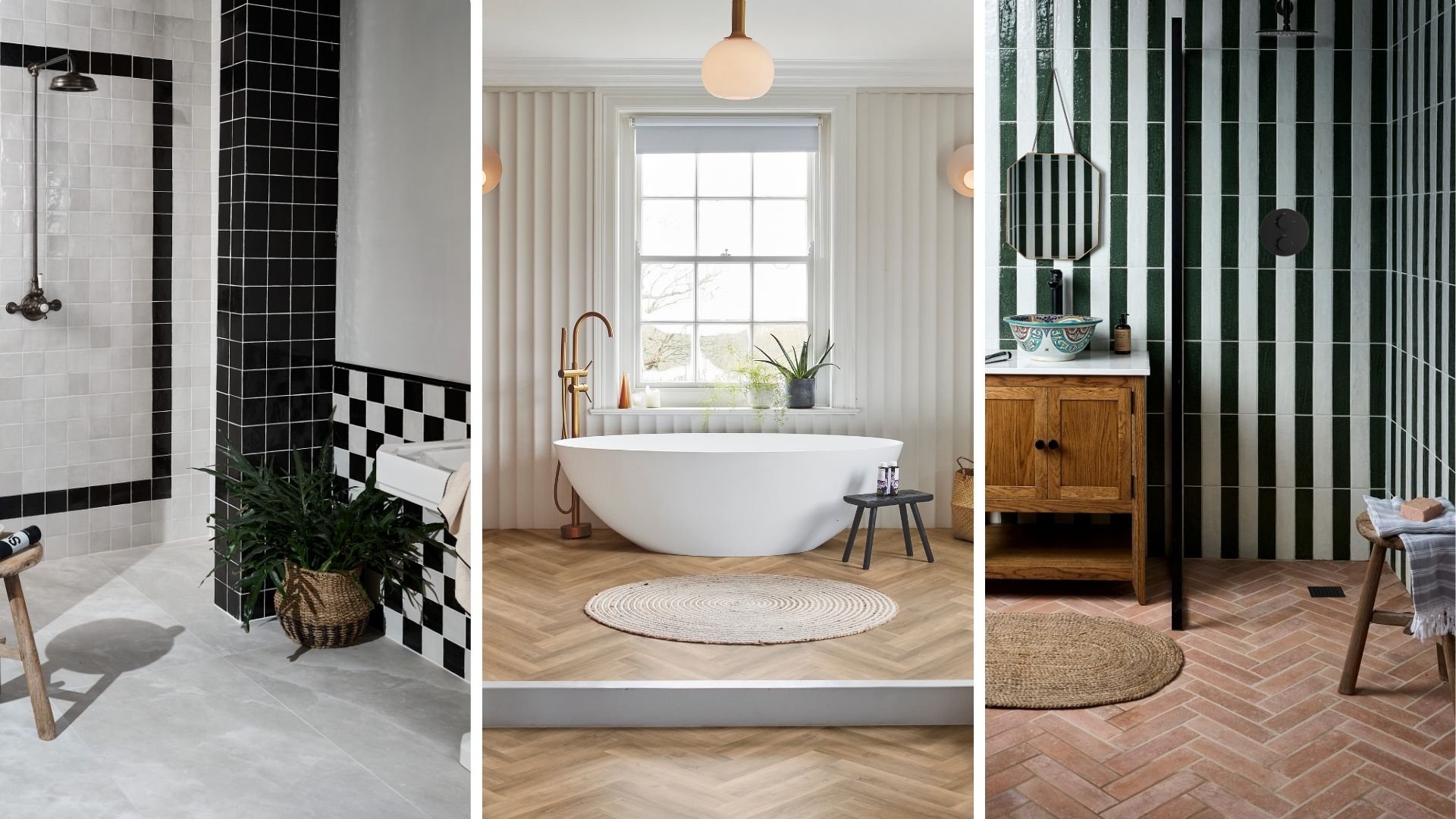
5 bathroom design rules I always follow, as an interior designer

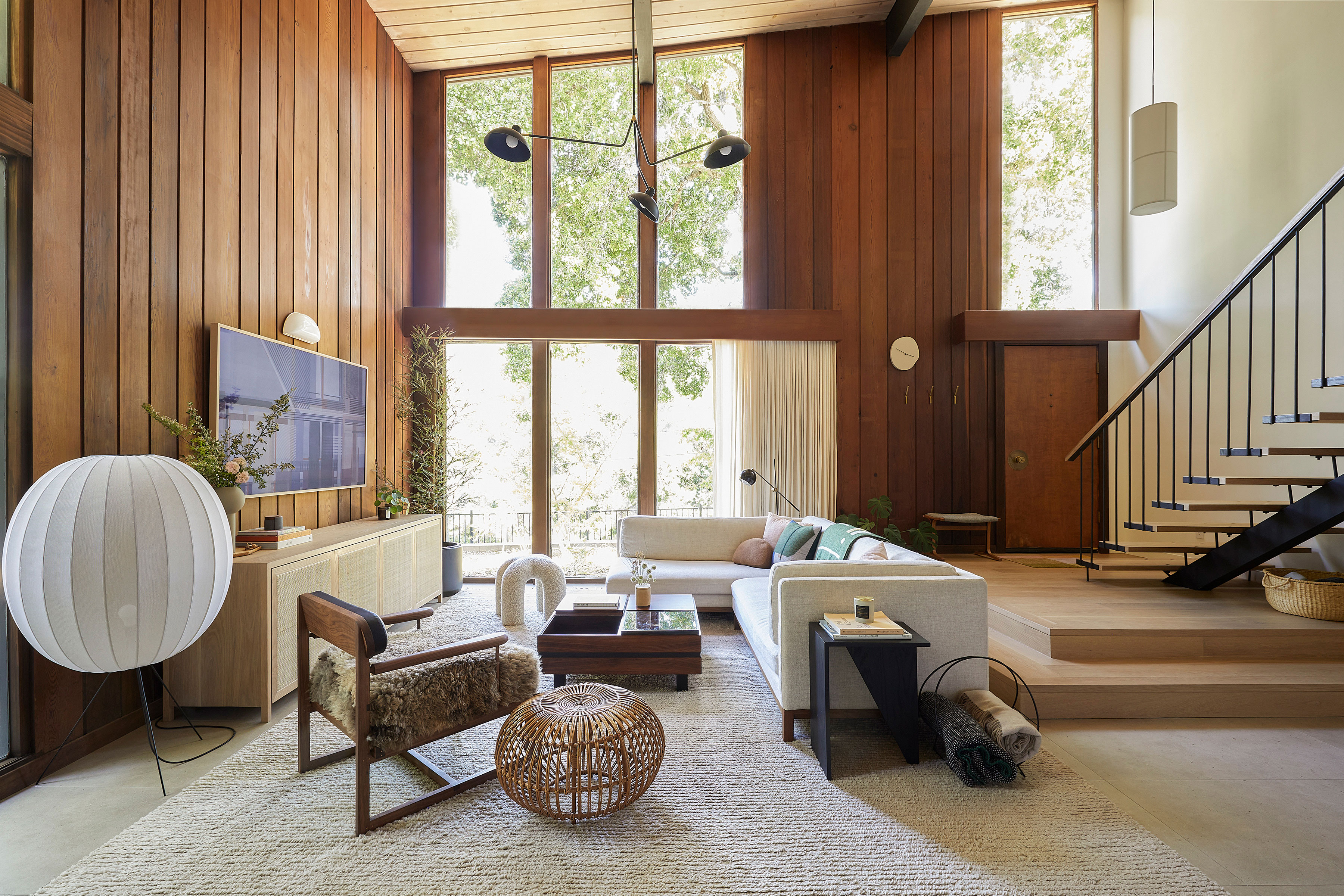
I'm an Interior Designer — These Are the 5 Lessons I Learned When Designing My Own Home

6 Genius Rules for Decorating Your Living Room That Designers Swear By
These designers have 5 rules for getting the curiosity cabinet trend right, including how not to over-style one
5 Things Interior Designers Wish You Would Do

5 Home Decorating Rules Interior Designers Think You Should Break
5 interior designers on the styles they will love forever
Why Are Gorgeous Mudrooms Suddenly Everywhere? Here Are 37 We Love
5 Rules You Should Always Follow When Decorating Your Bedroom, According to Designers
5 laundry room design rules – an expert-approved formula for the ideal space
19 Tips From A Top Interior Designer

4 rules interior designers always use to plan the perfect living room layout - these tried-and-tested tricks work every time
9 Ways to Make Your Mudroom Beautiful and Functional, From a Designer

5 things interior designers say are must-haves on your entryway walls – I've got 3, how many do you have?
The 5 Design Rules That Are Meant to Be Broken—and What to Do Instead
Designers Say You Should NEVER Do These 5 Things When Decorating a Guest Bedroom