1/6
5 laundry room design rules – an expert-approved formula for the ideal space
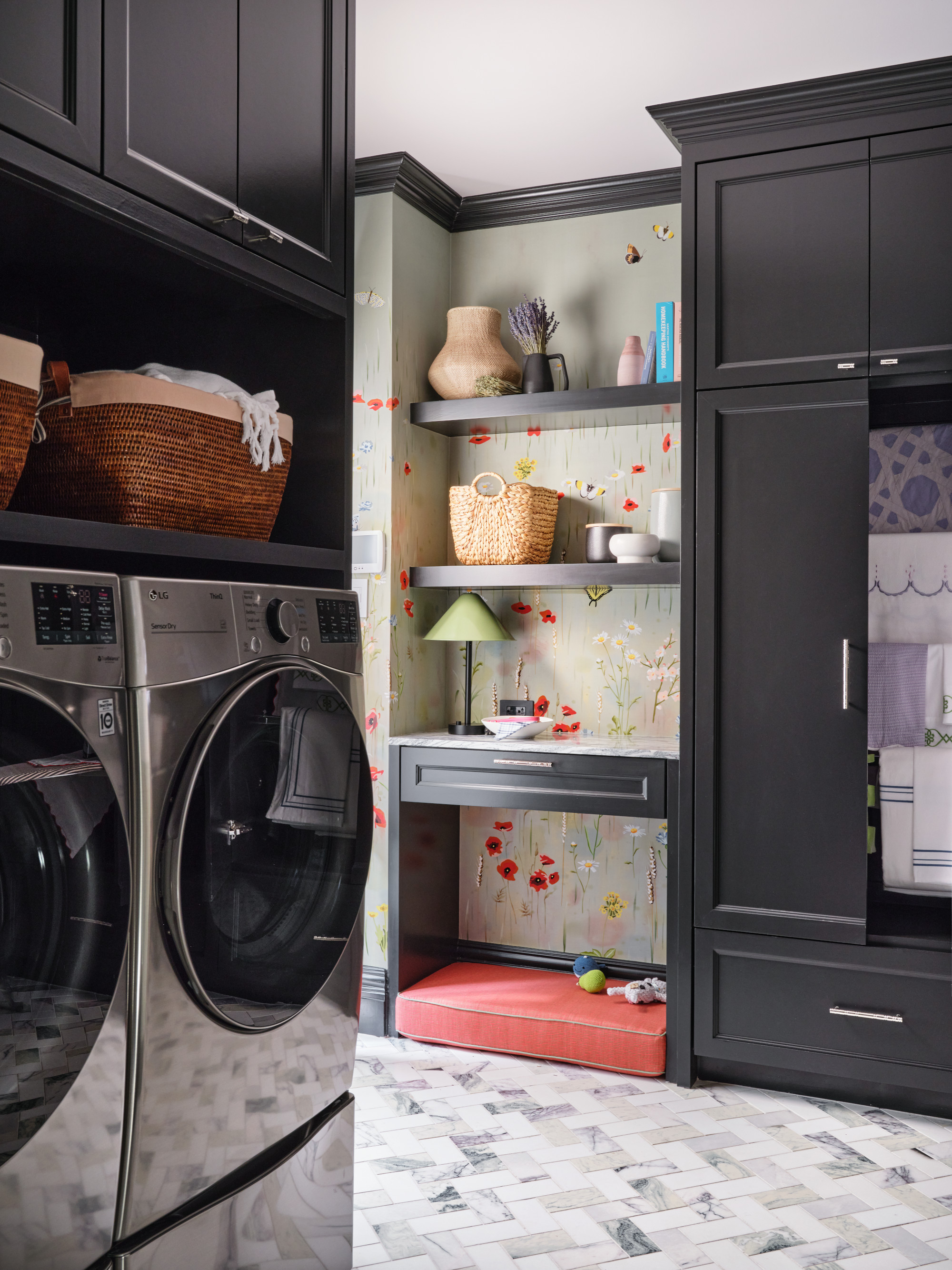
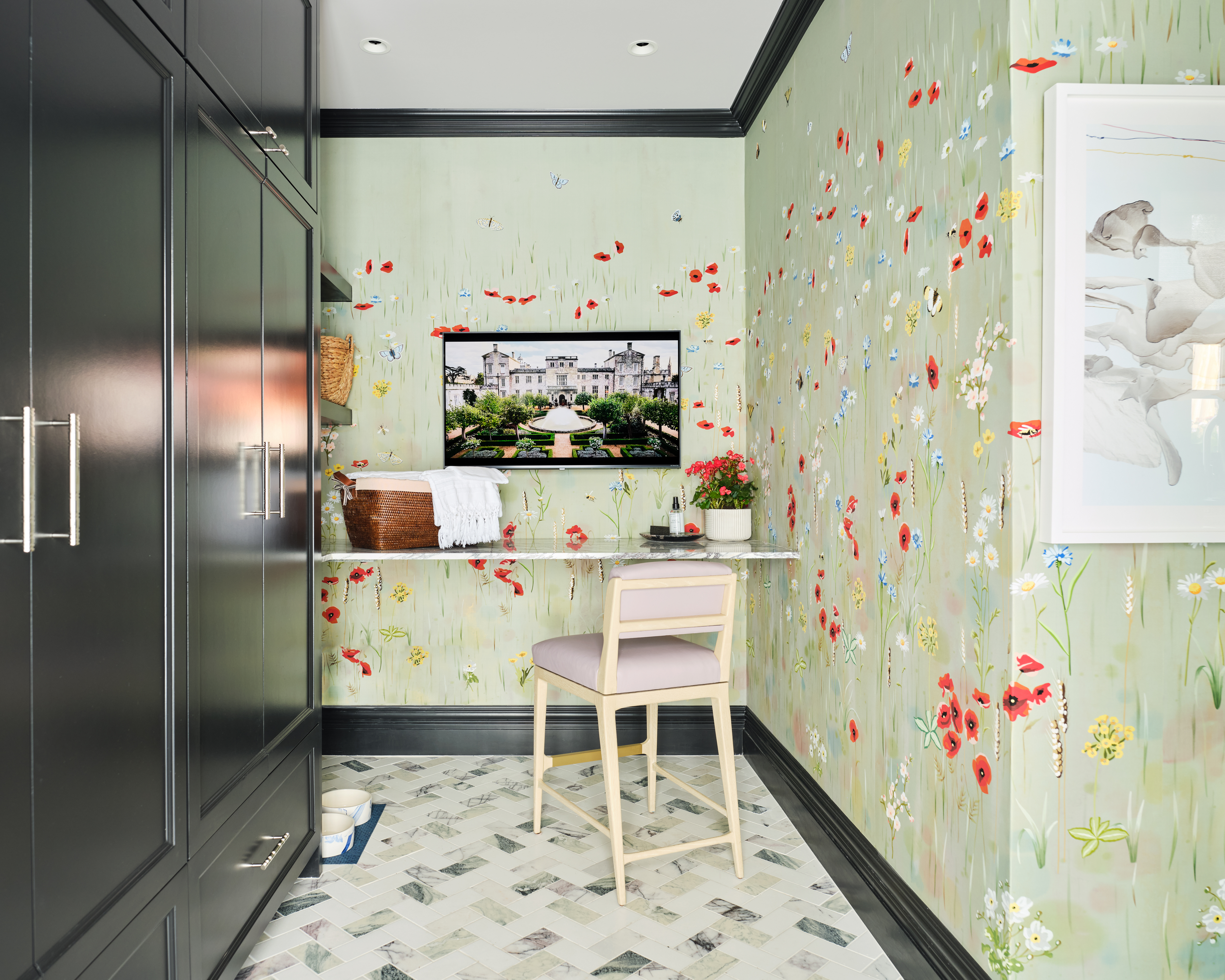
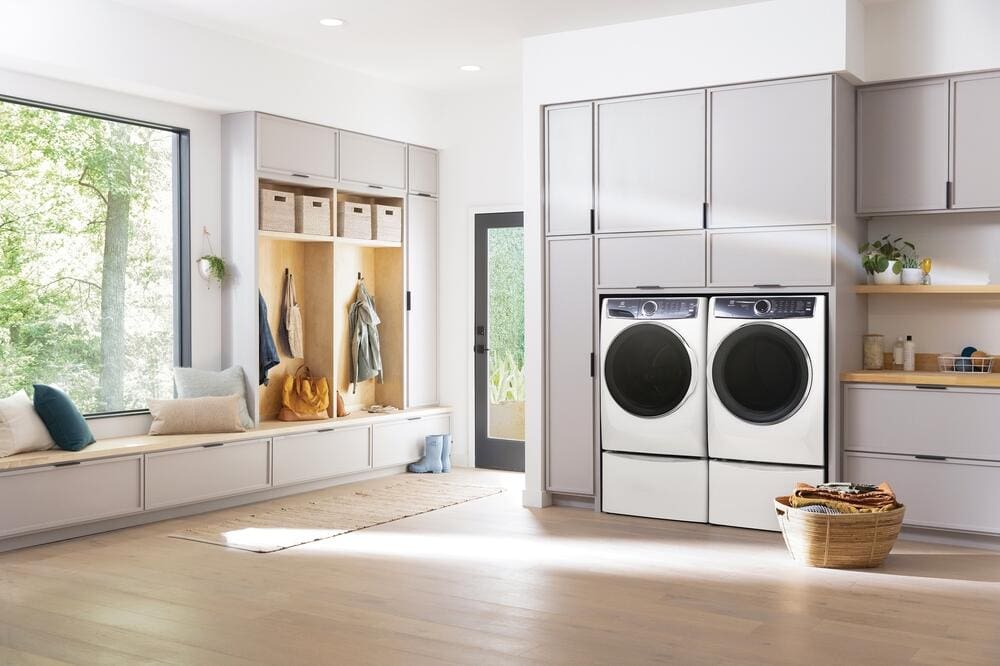
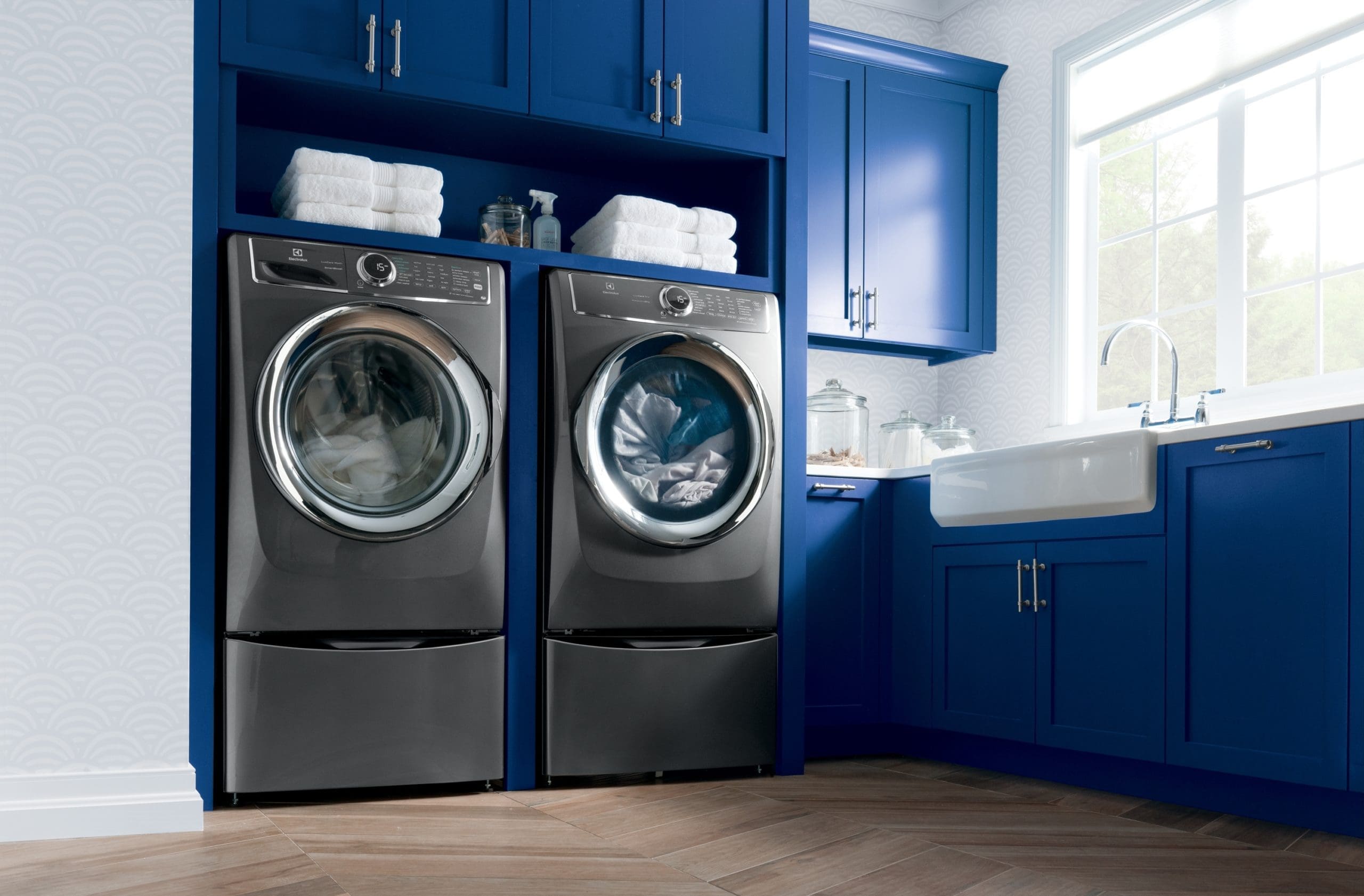
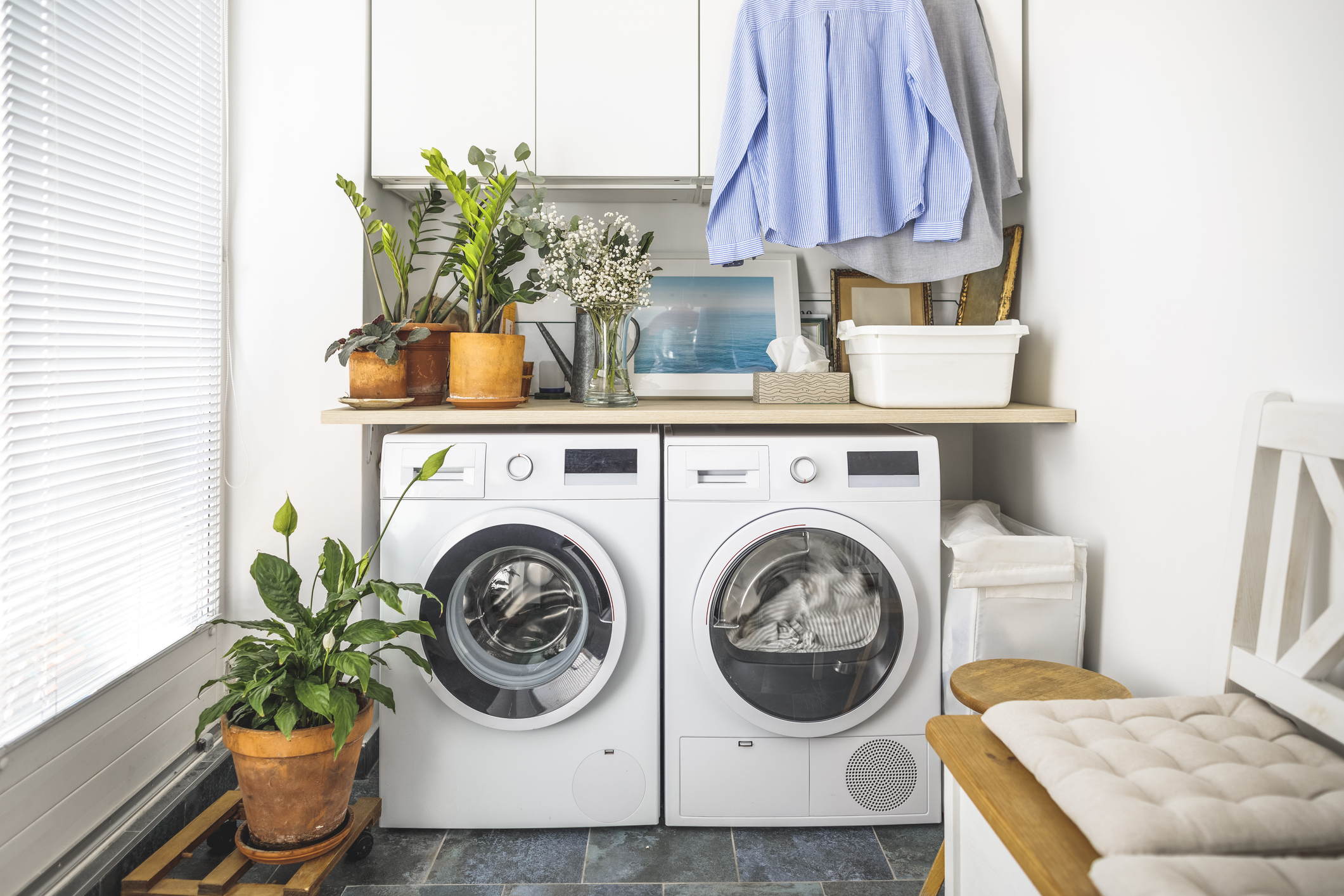
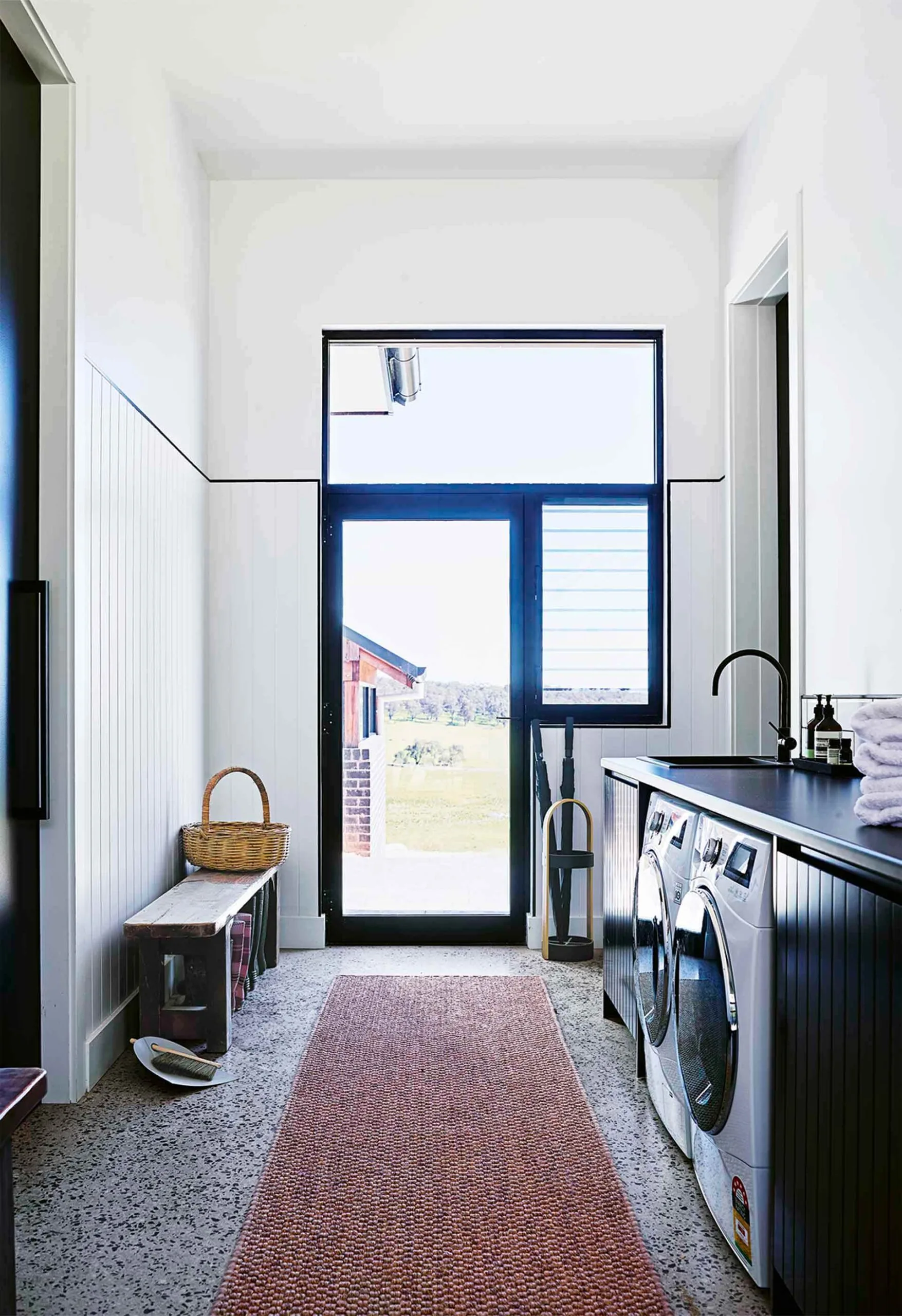
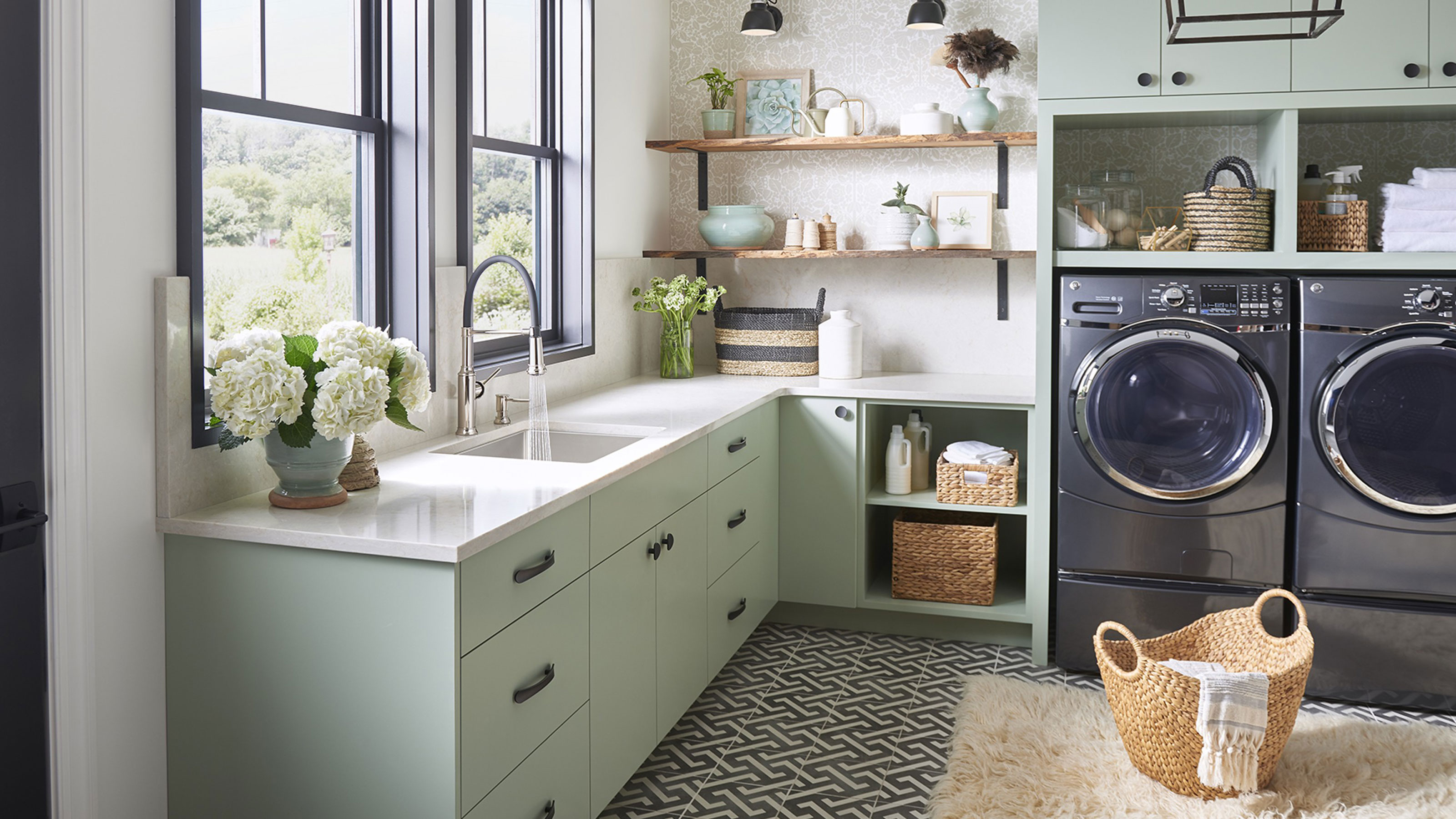
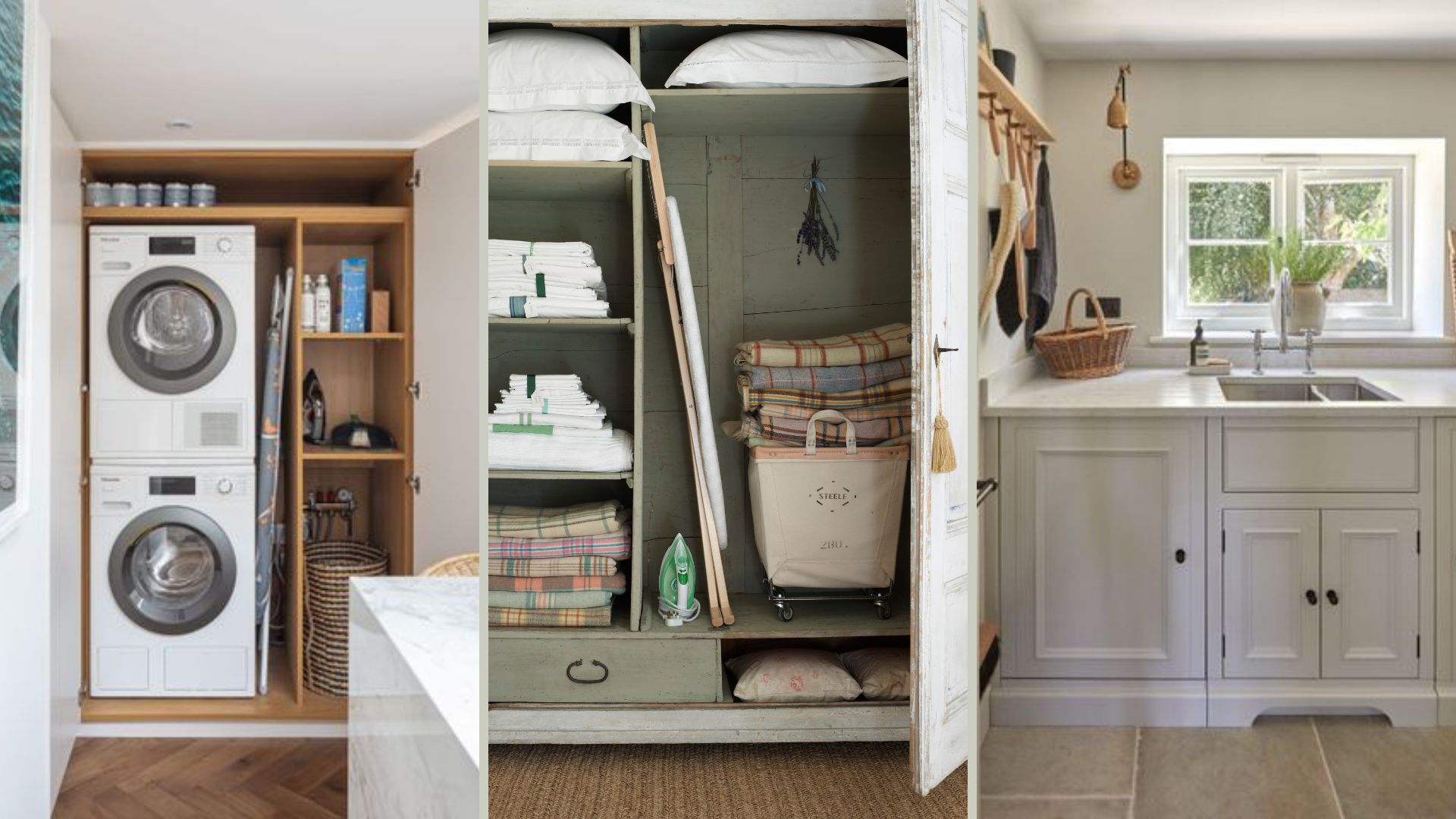
A well-designed and well-equipped laundry room significantly enhances household efficiency and organization. Richard Moore, Design Director of Martin Moore, emphasizes the rising popularity of laundry rooms as crucial 'spill over' areas that help manage clutter and maintain order in primary living spaces. These rooms are no longer just functional but can also be stylish extensions of a home's aesthetic, with thoughtful choices in cabinetry color and linen adding individuality.
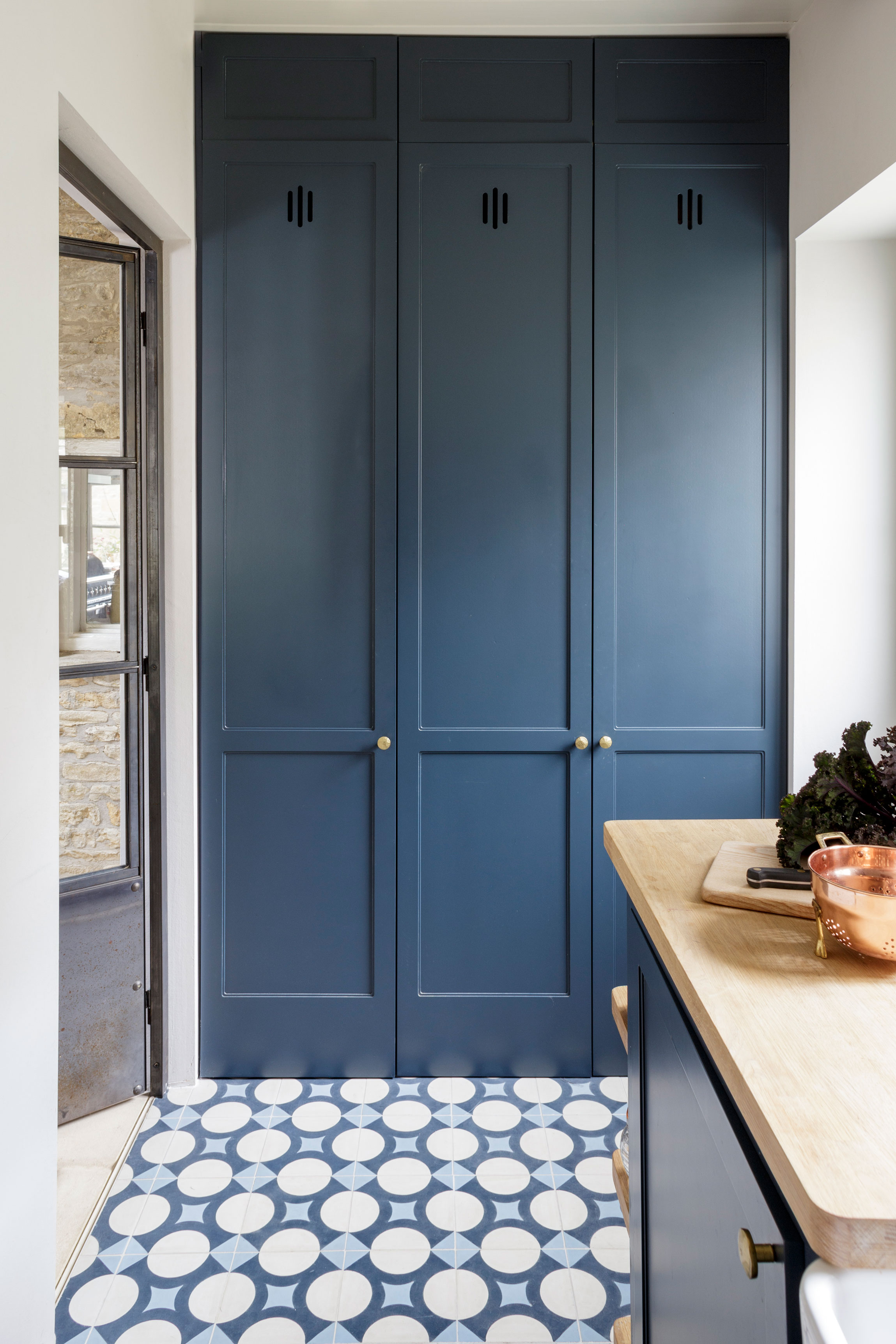
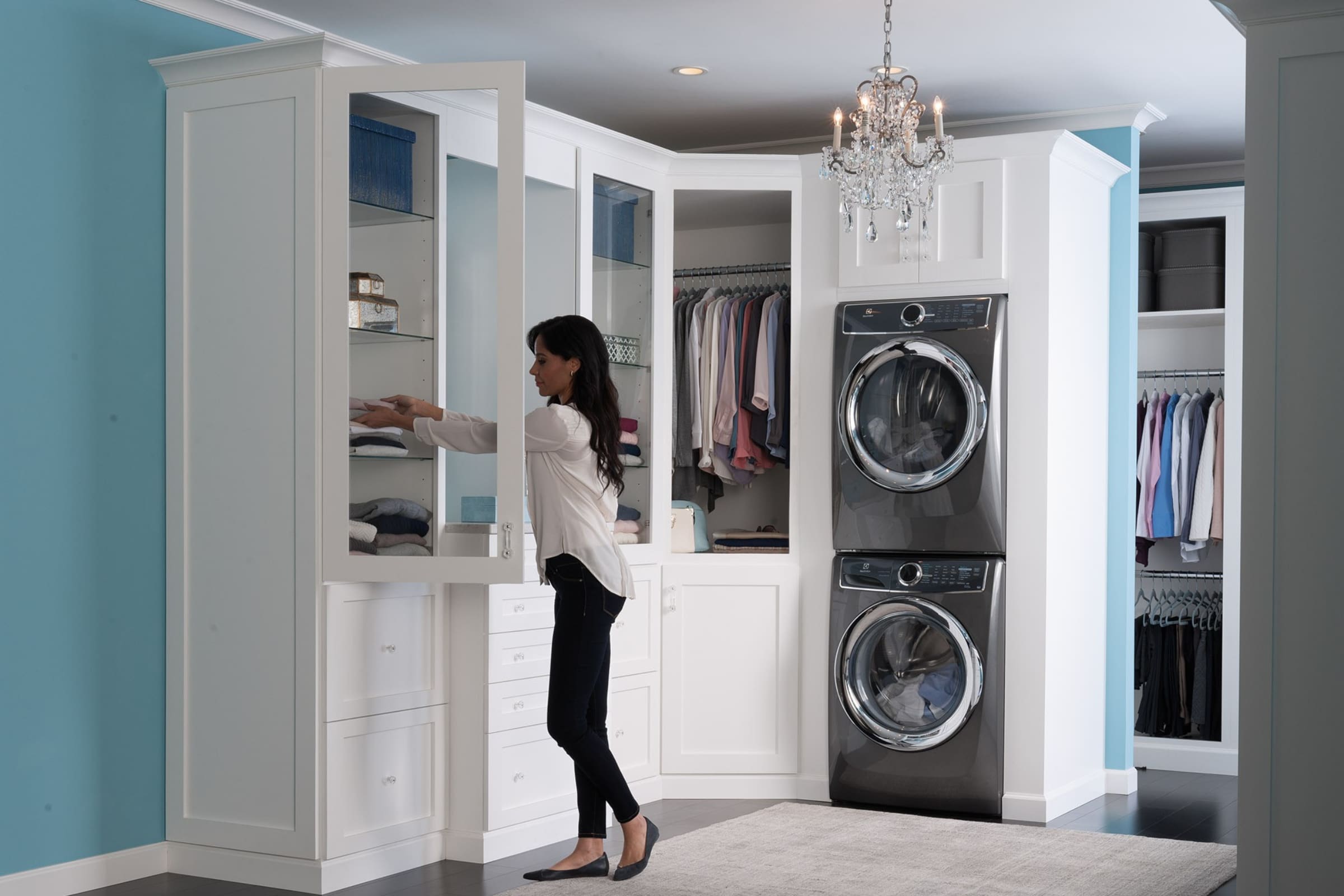
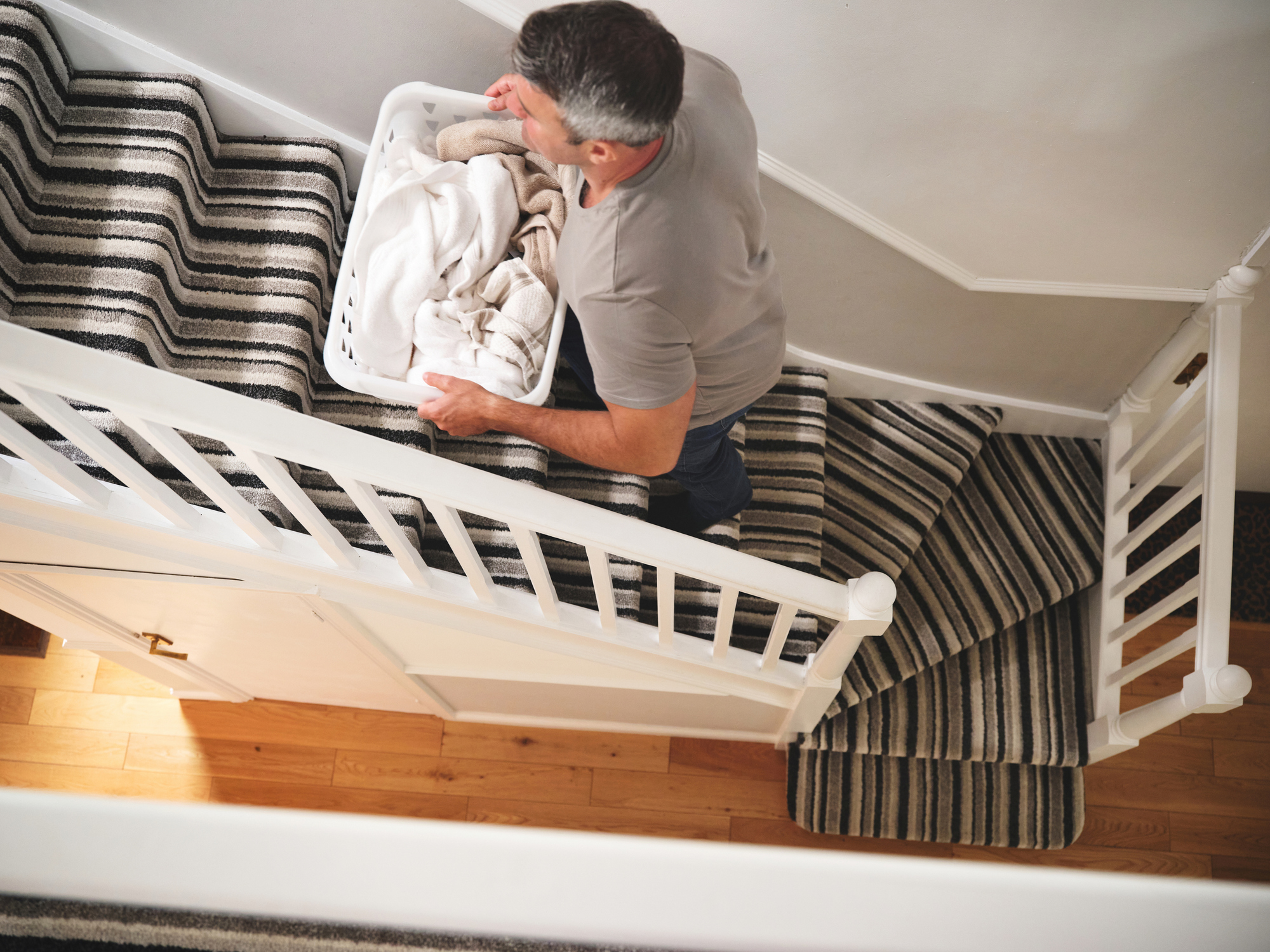
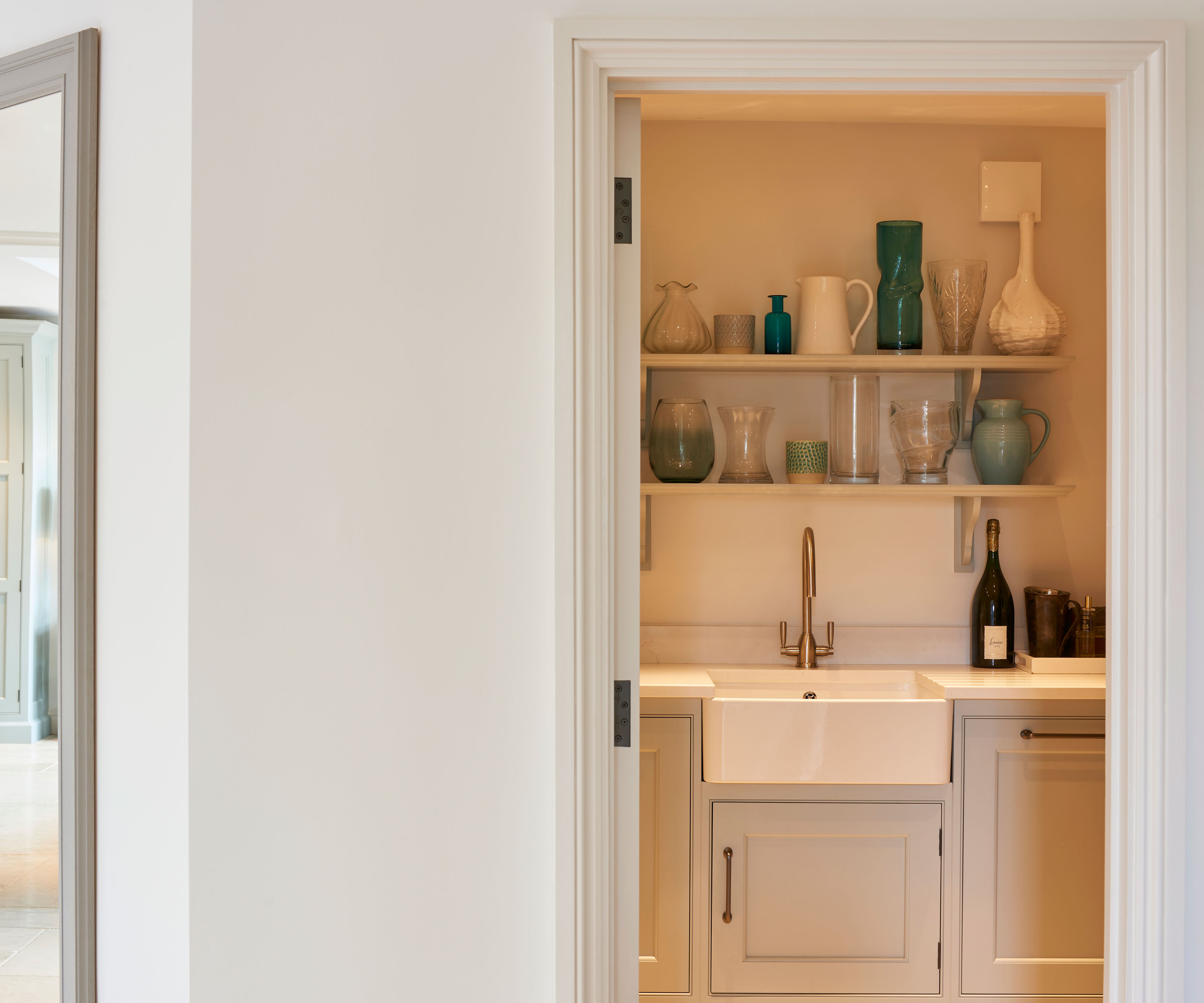
Designing an effective laundry room involves careful consideration of its location. While a spacious basement laundry room offers the advantage of being out of sight and earshot, even smaller spaces like sections of an apartment kitchen, utility room, or mudroom can be adapted. Locating the laundry room near bathrooms on an upper floor can significantly improve convenience by reducing the need to transport laundry up and down stairs. Designers like Camilla Pringle of Peden & Pringle suggest imaginative solutions, such as concealing laundry centers behind tall cabinet doors in otherwise unused areas. When situating a laundry room near living spaces, it's essential to choose appliances with low decibel ratings to minimize noise disruption.
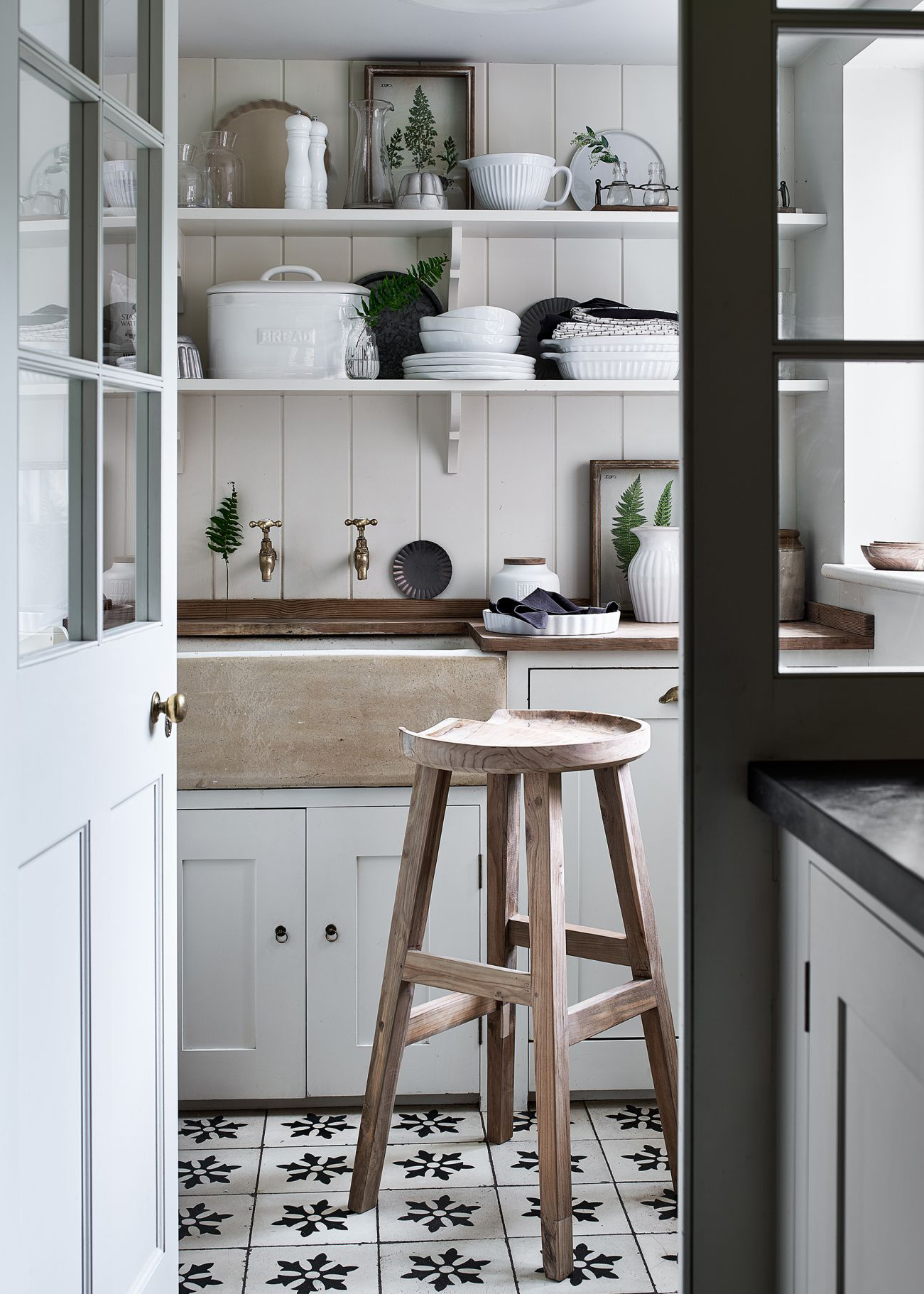
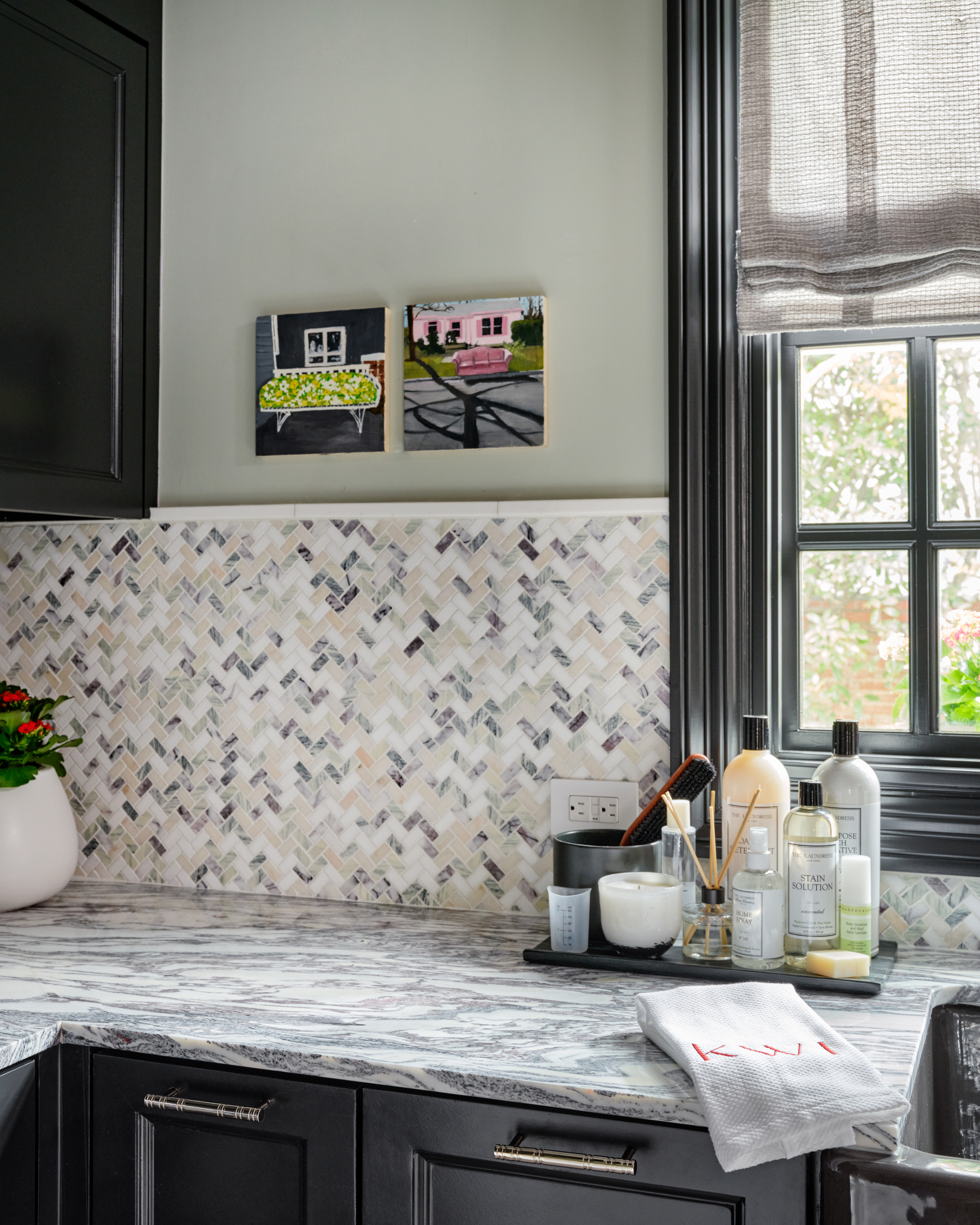
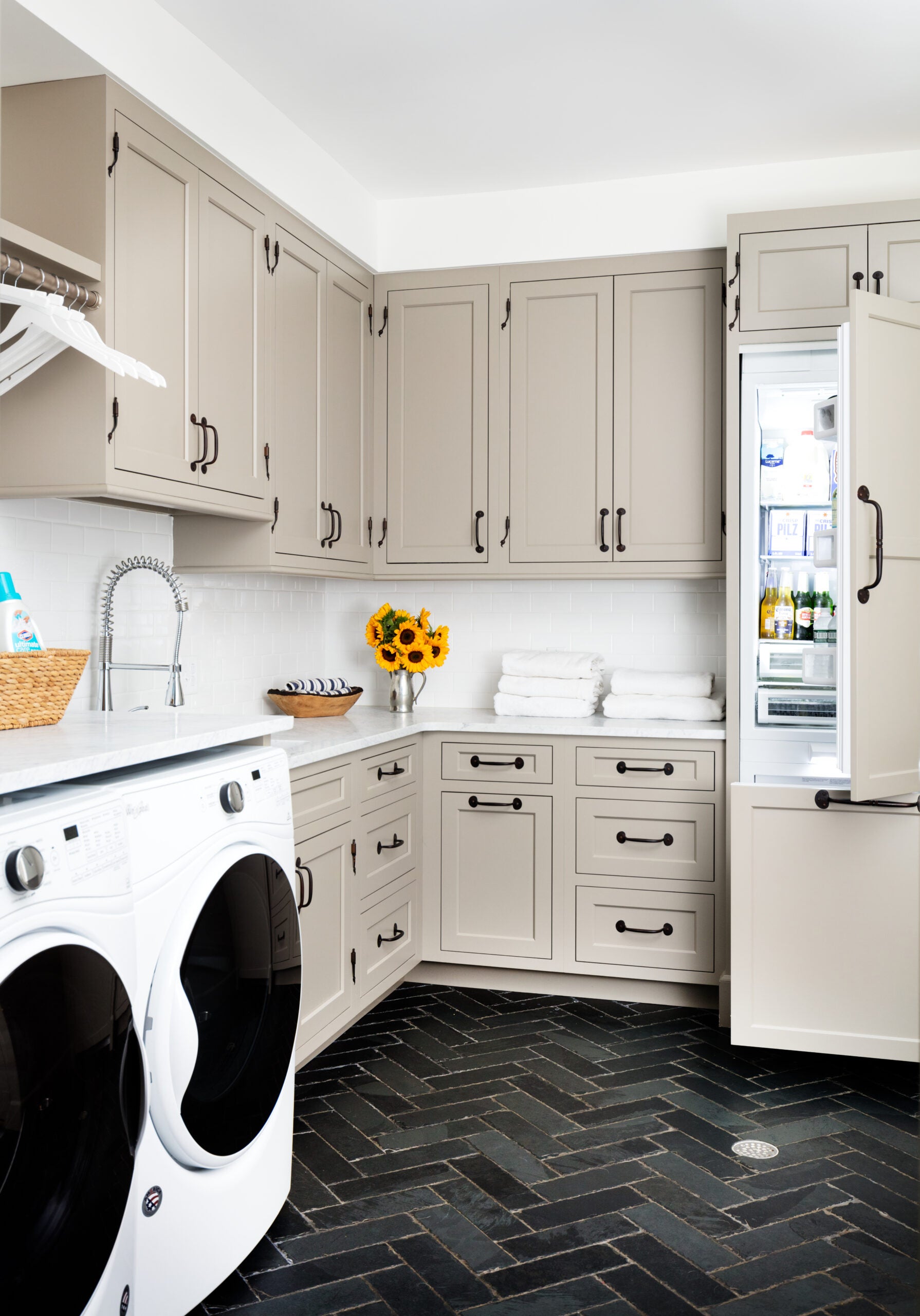
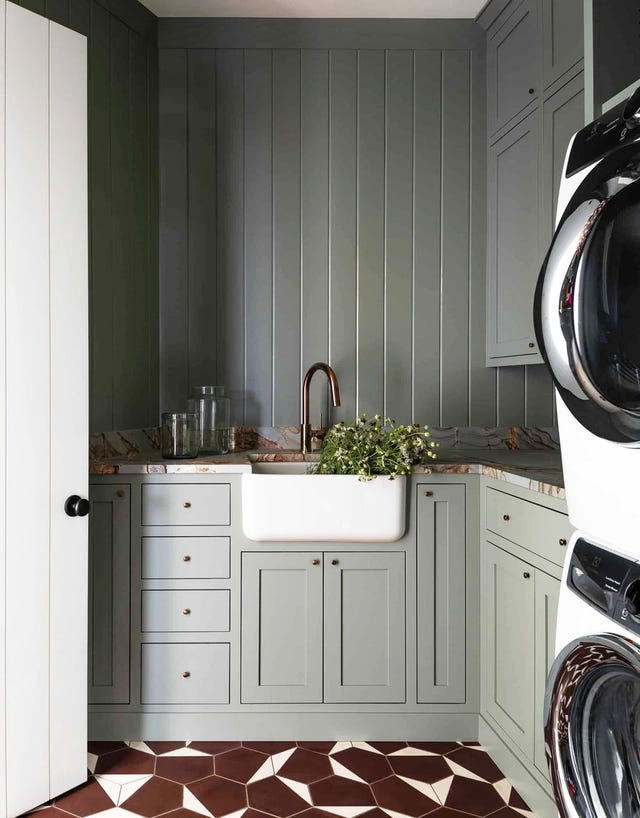
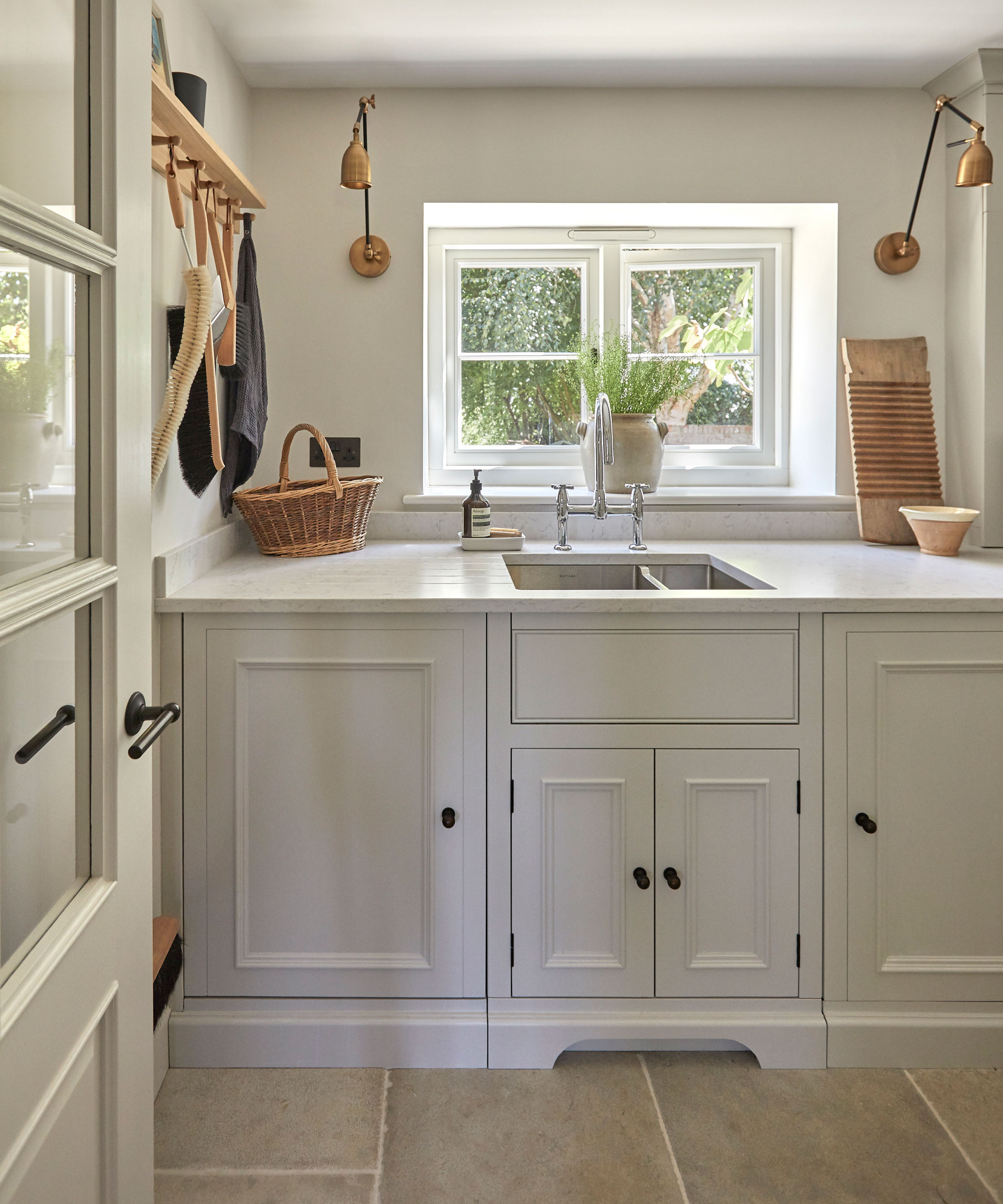
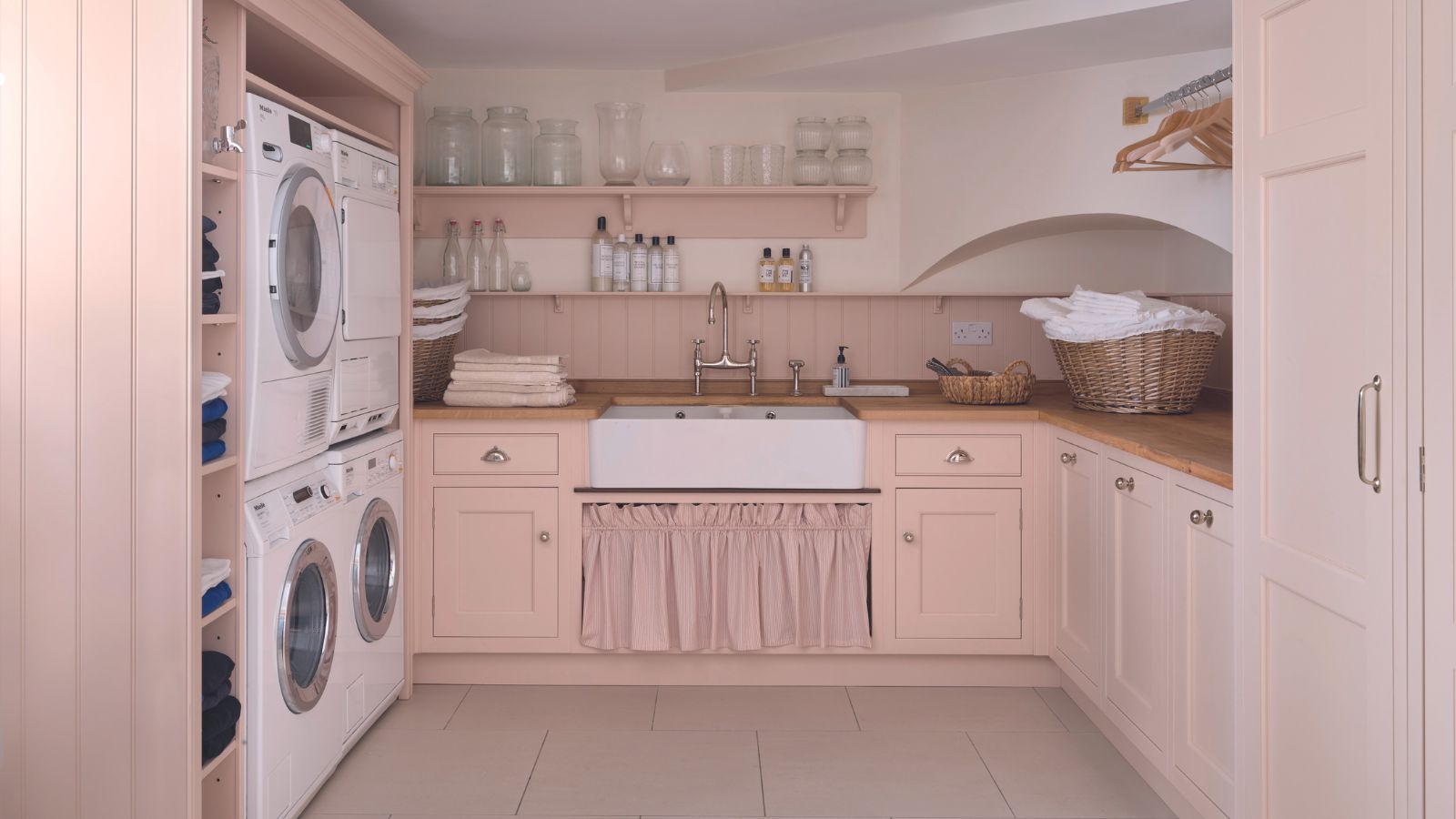
Integrating the laundry room's design with adjacent spaces or creating a distinct, fun aesthetic for a standalone room is vital. High-quality installation for fixtures and fittings is crucial, and materials for flooring and countertops should be impervious to water and cleaning chemicals to ensure durability and easy maintenance. The layout should be meticulously planned around key laundry tasks: sorting, washing, drying, folding, hanging, and ironing. Creating distinct wet and dry zones can optimize workflow and simplify plumbing requirements.
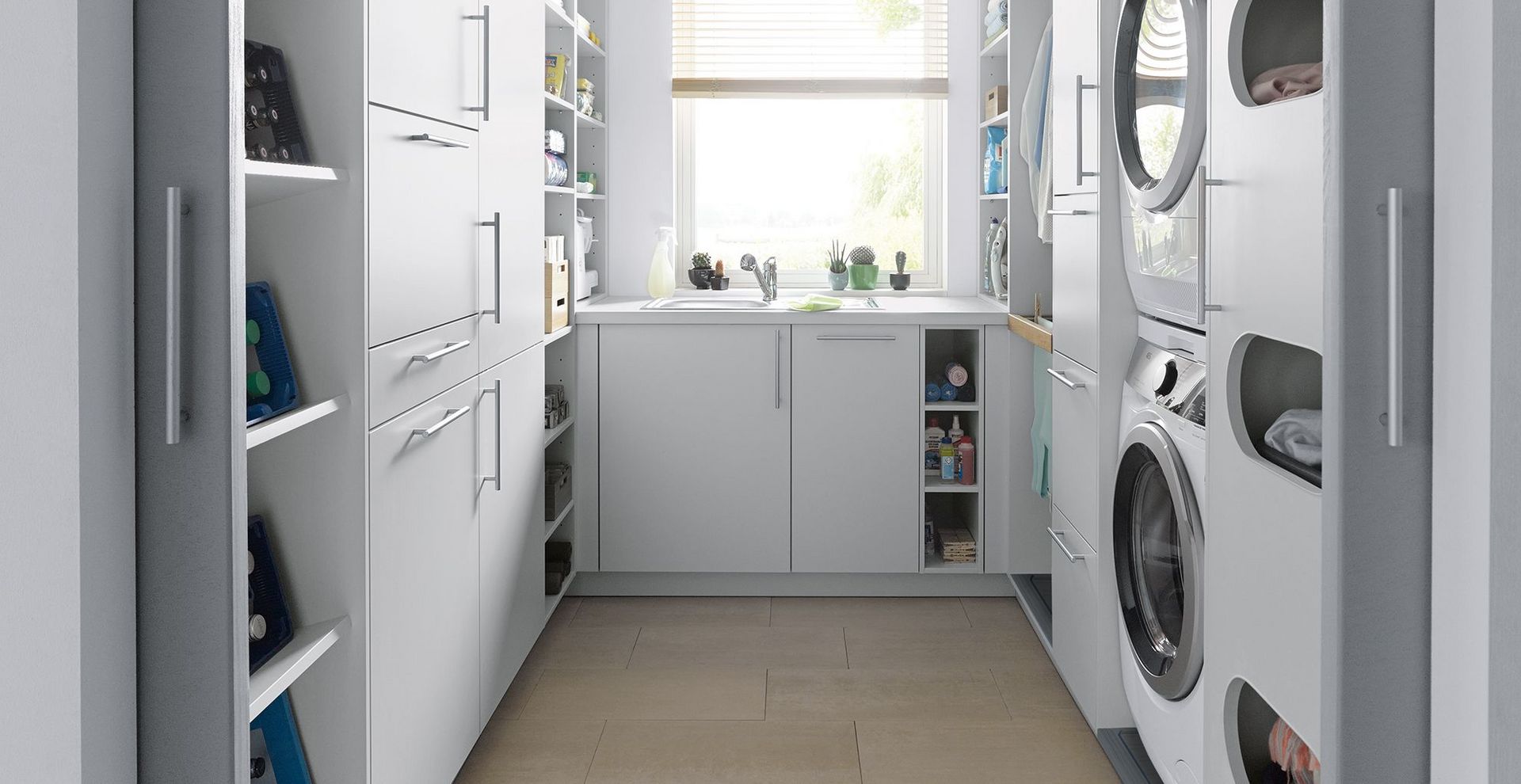
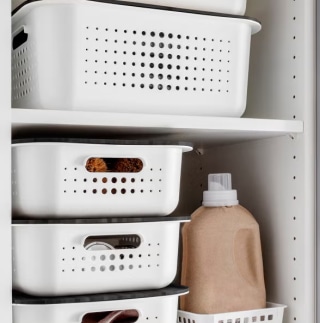
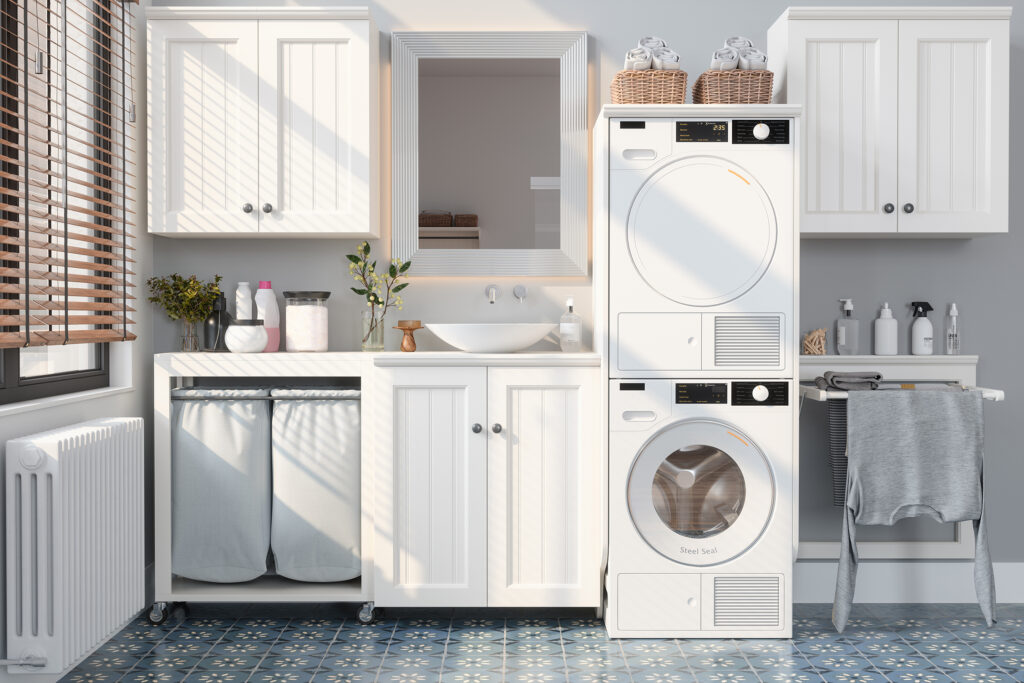
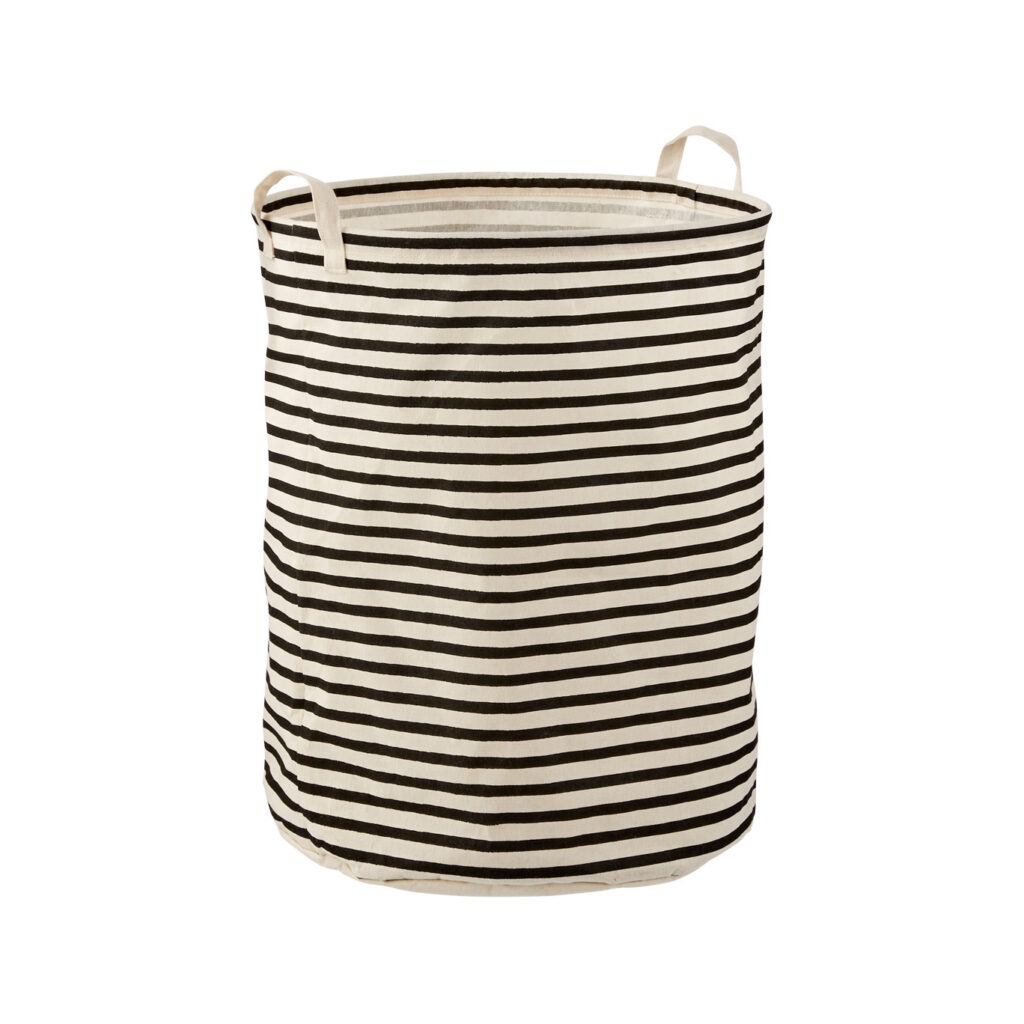
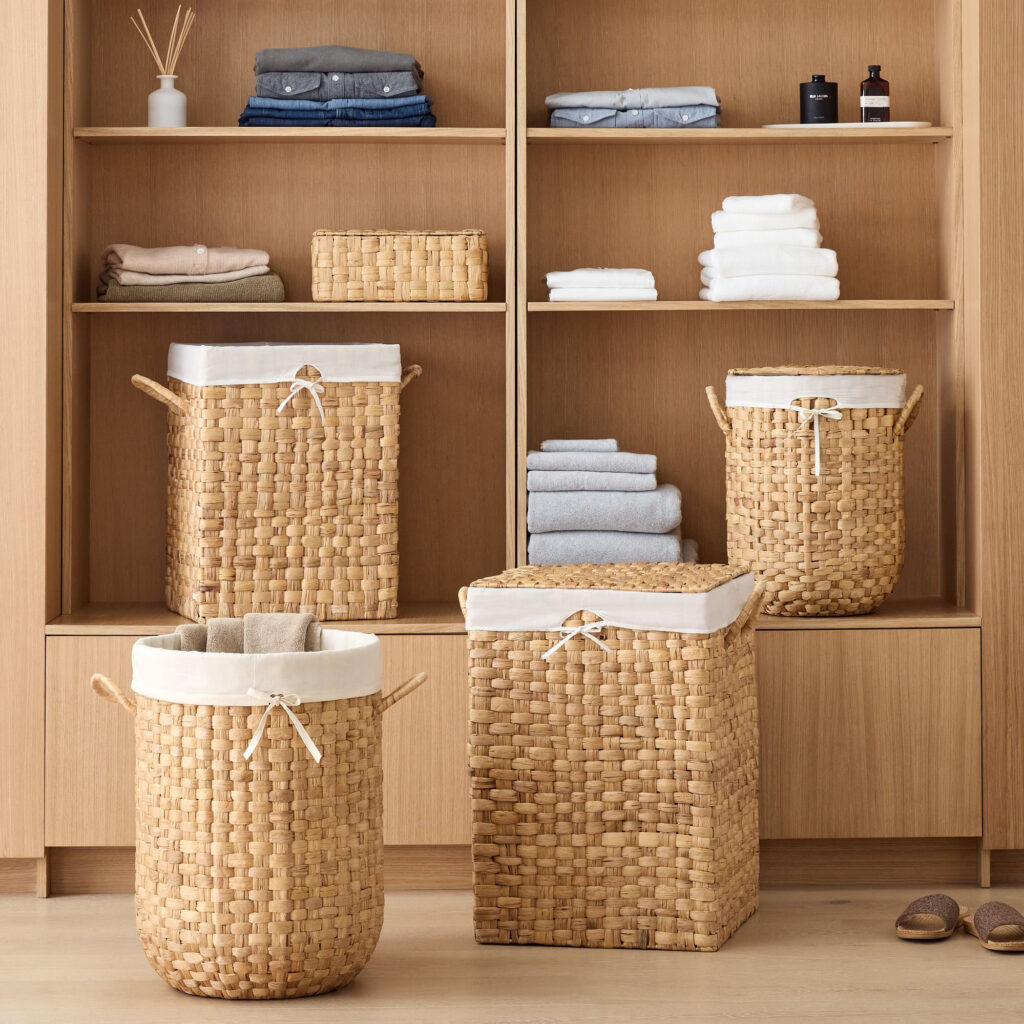
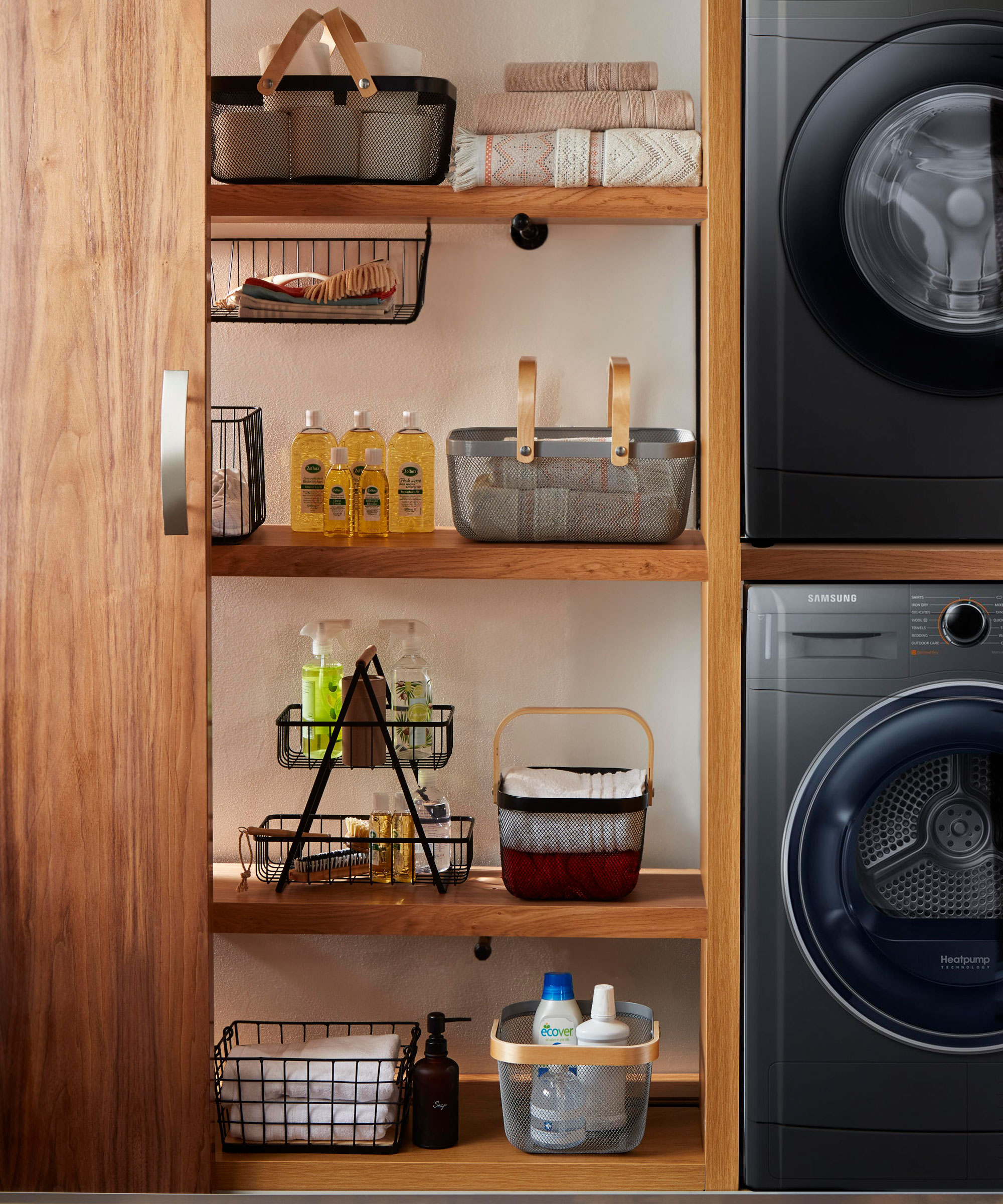
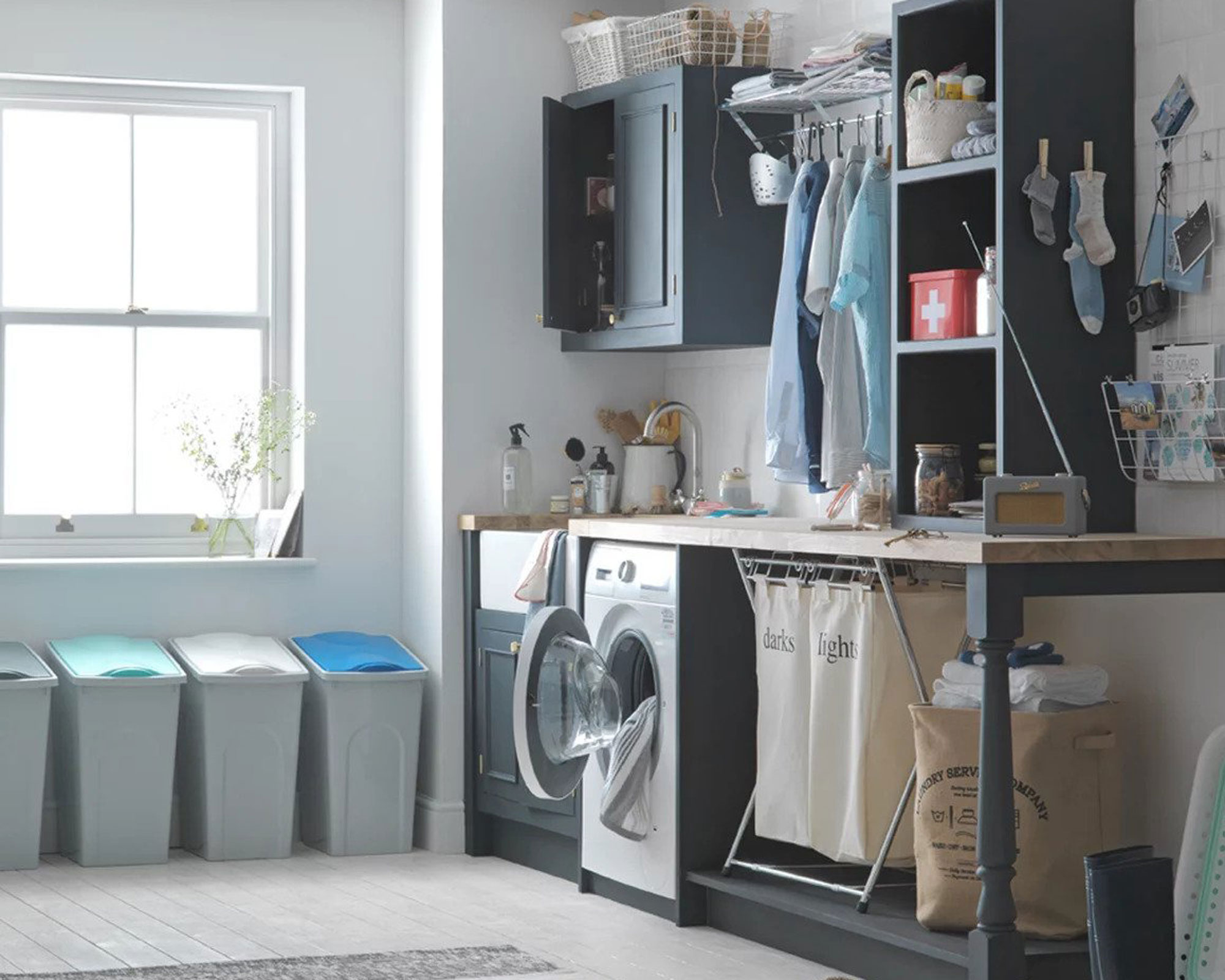
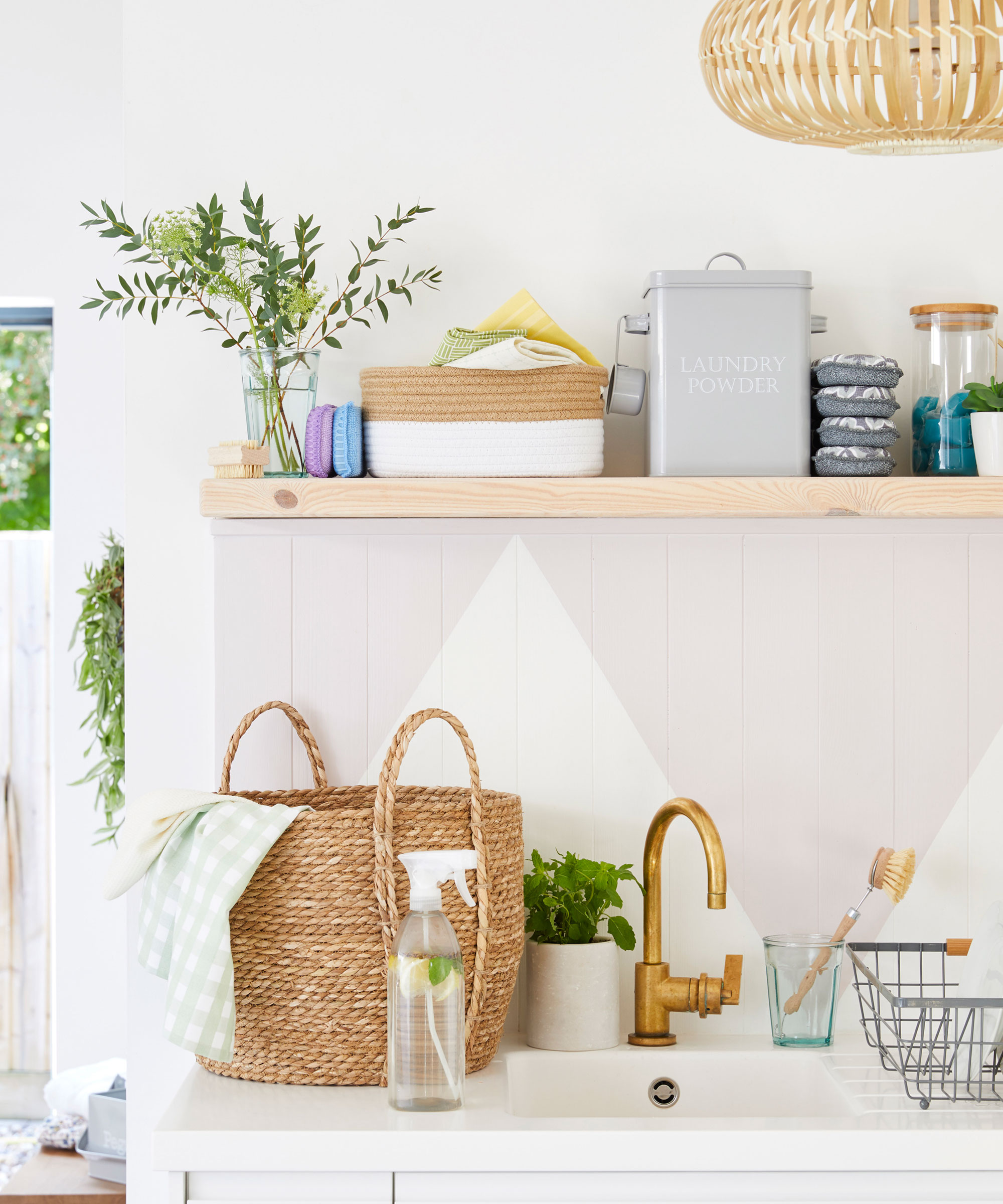
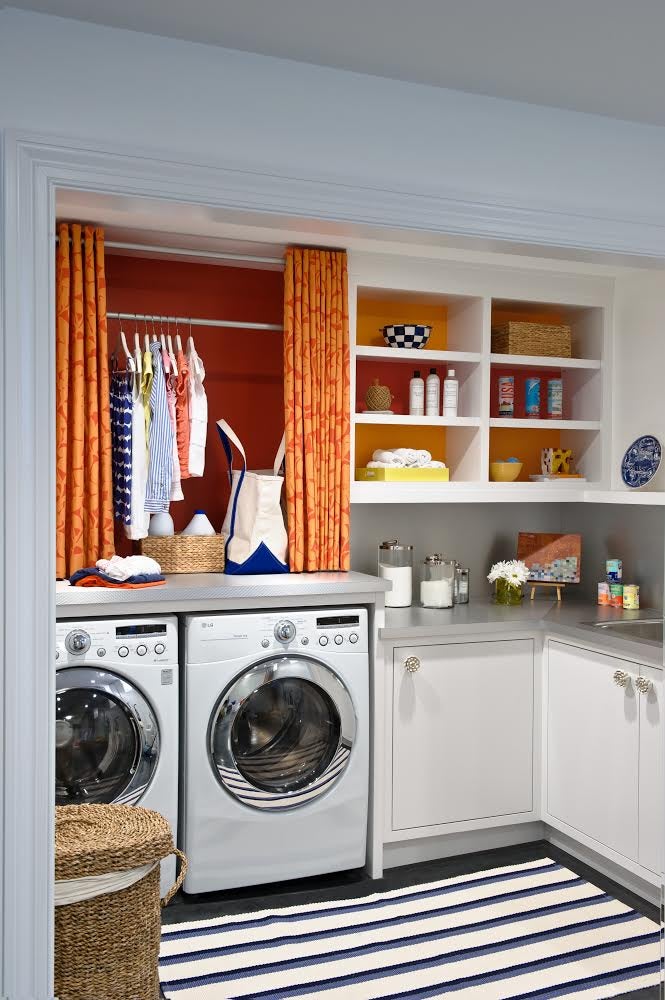
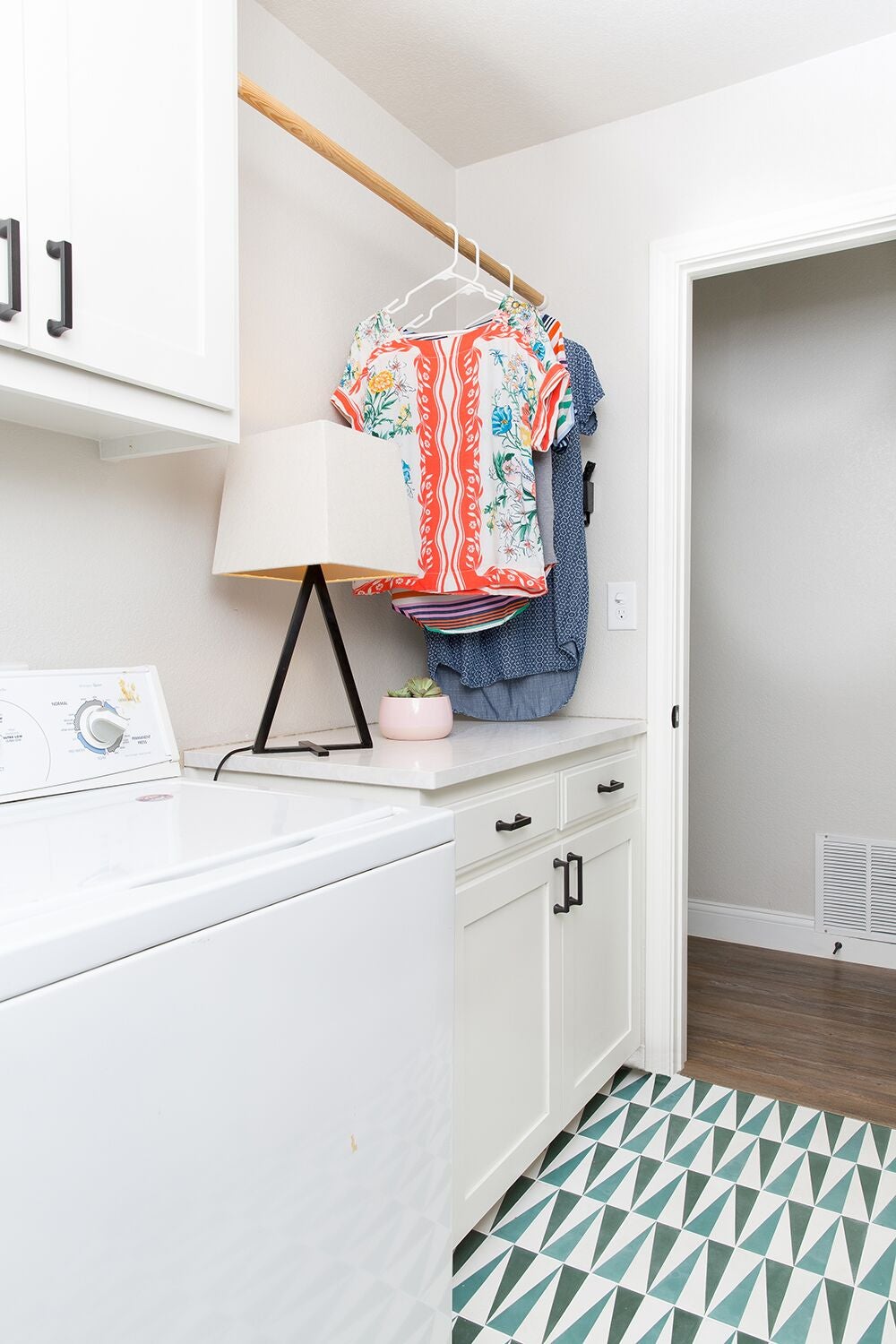
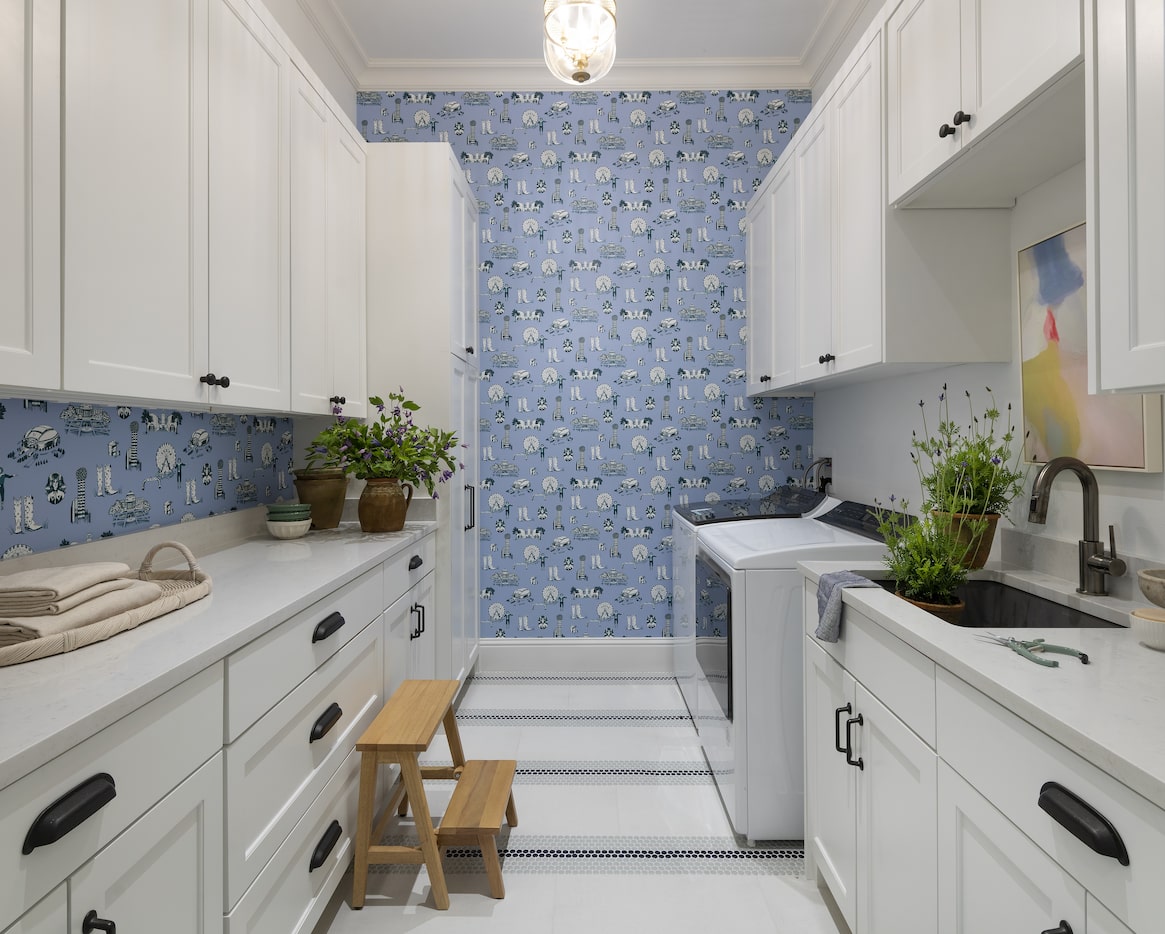
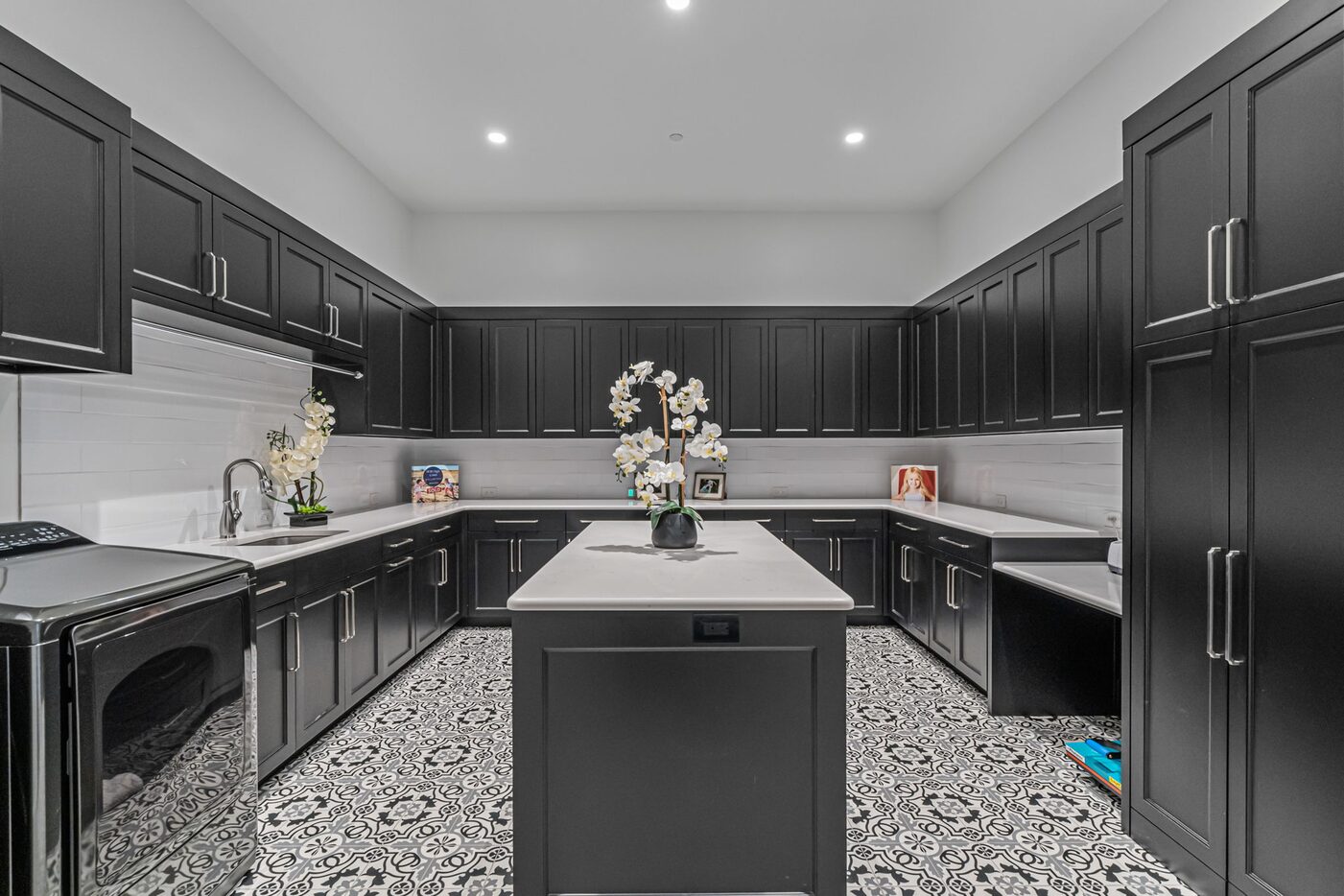
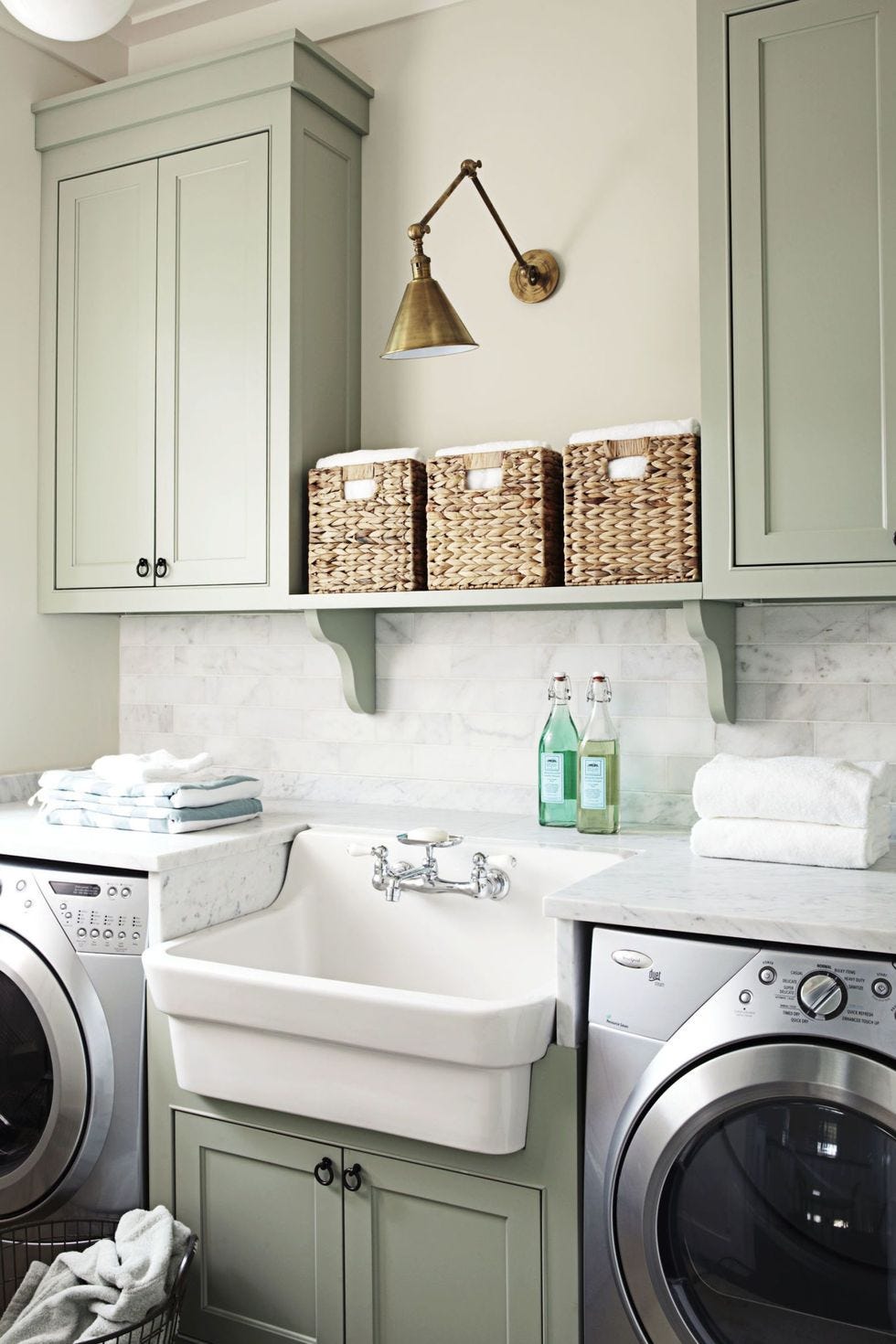
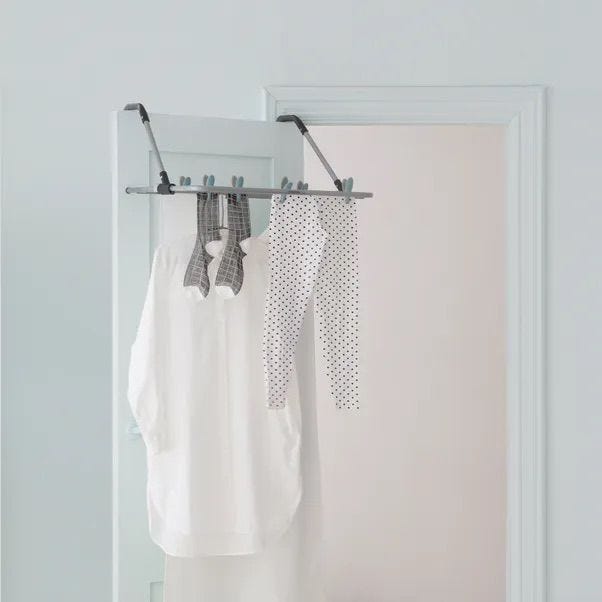
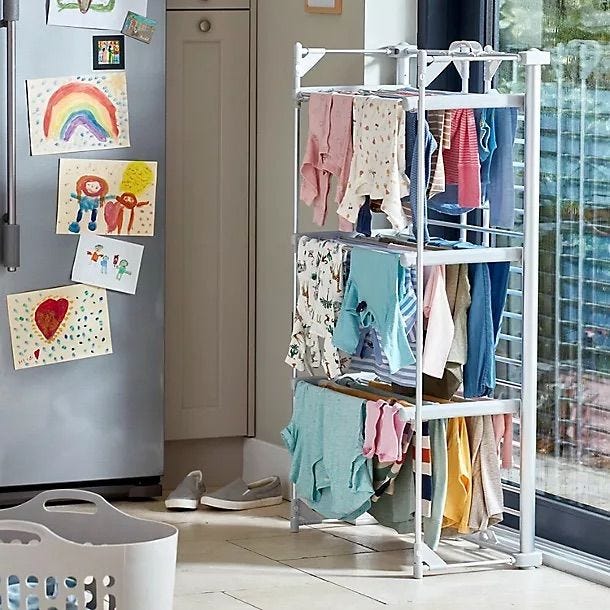
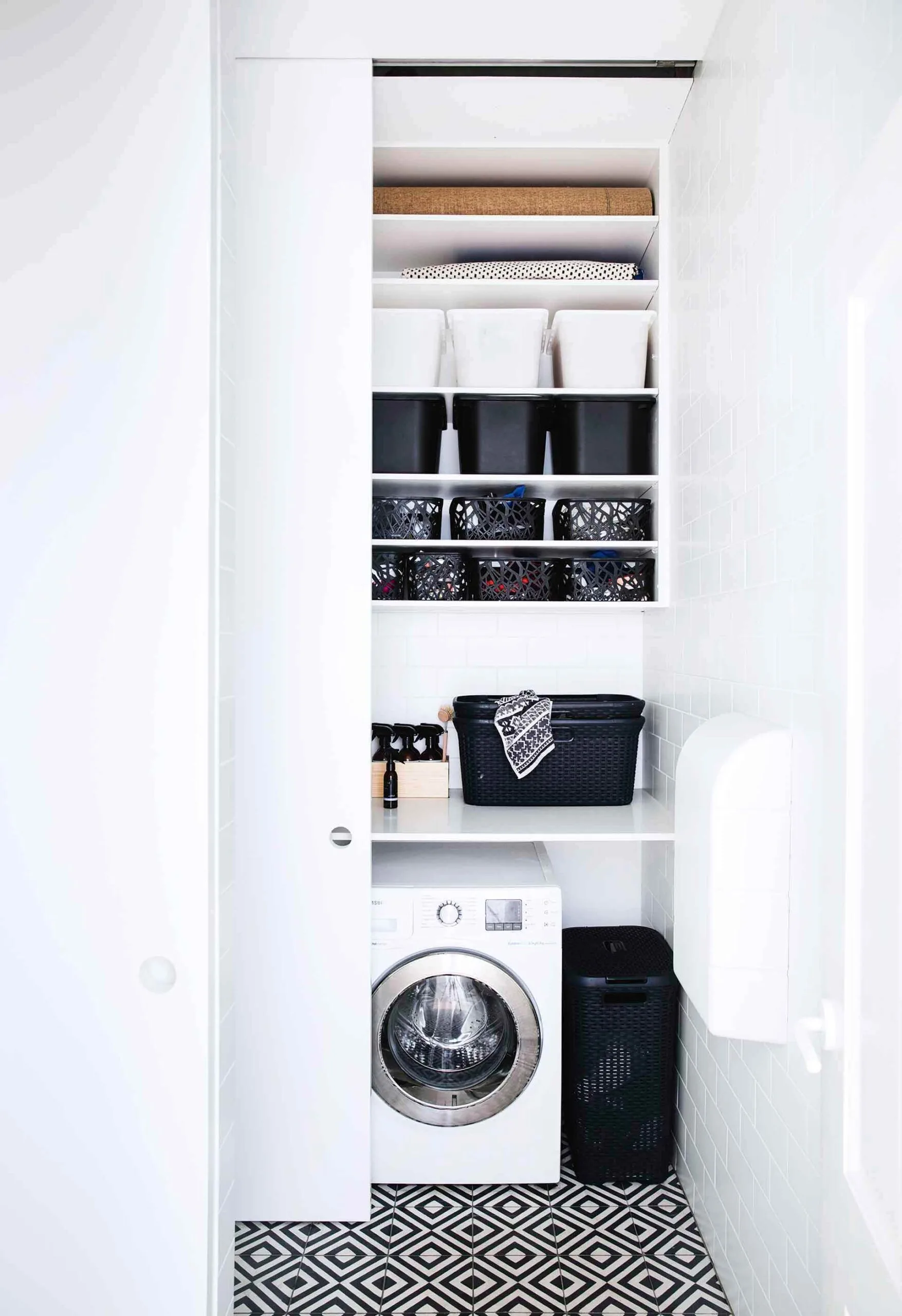
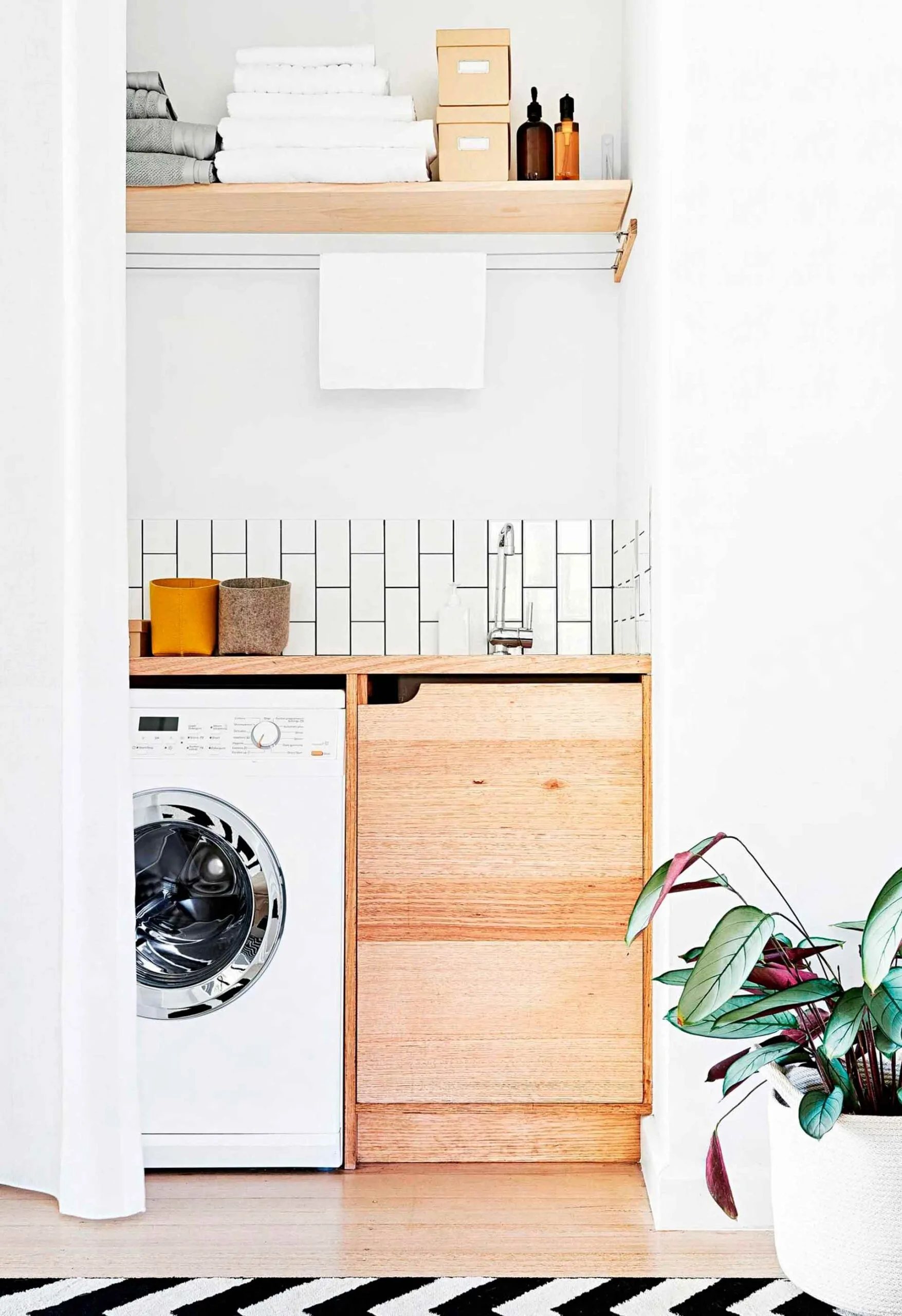
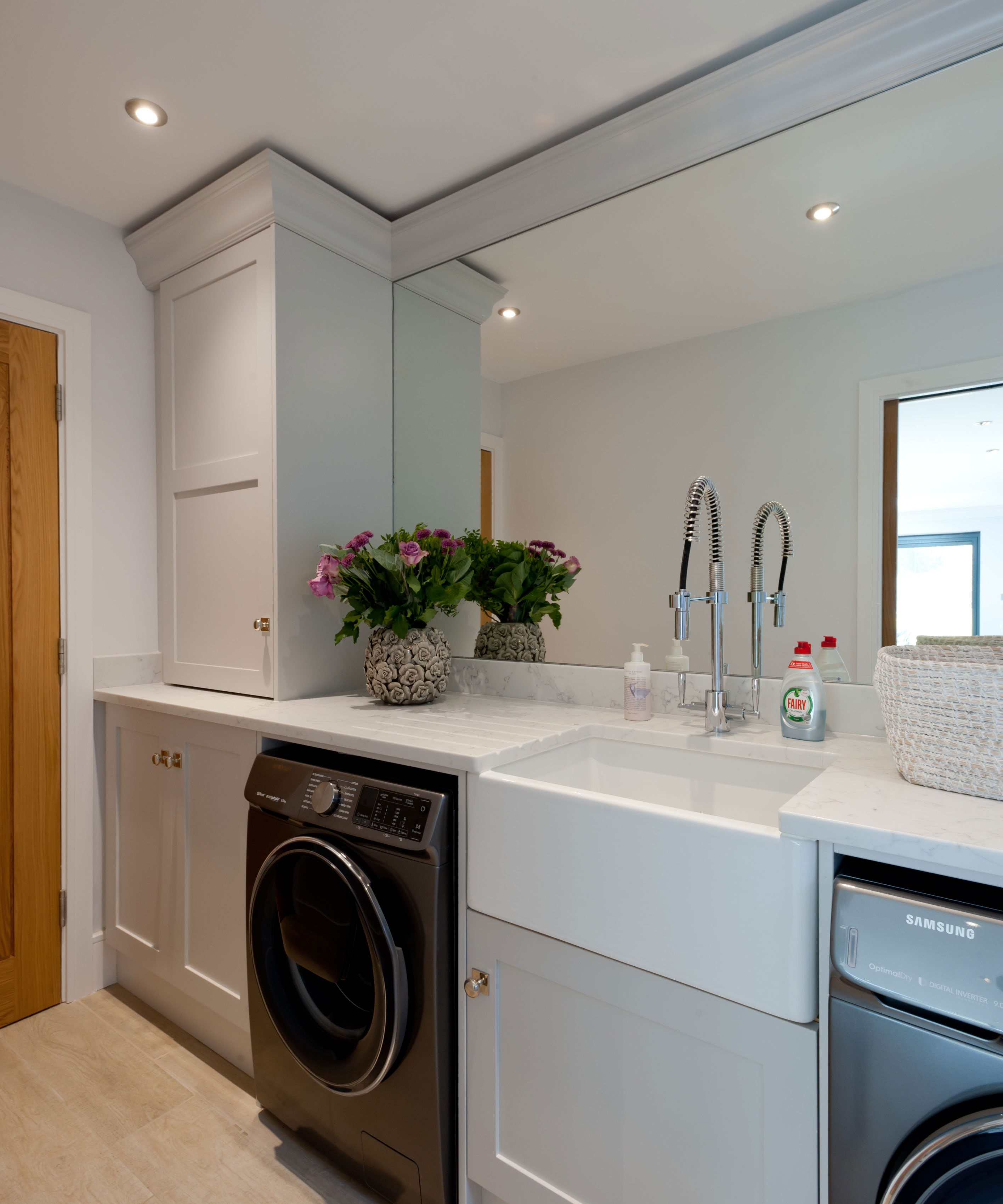
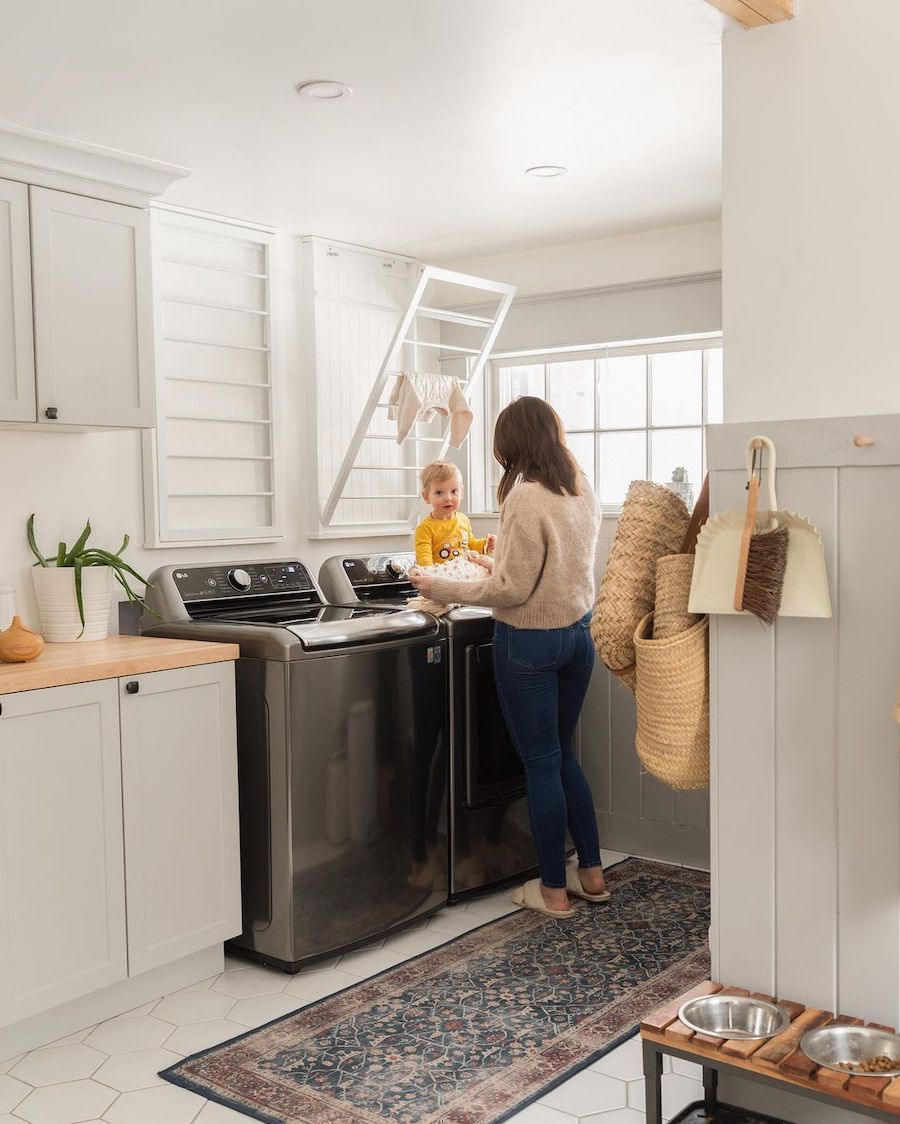
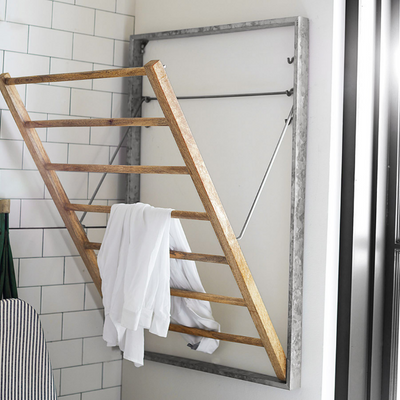
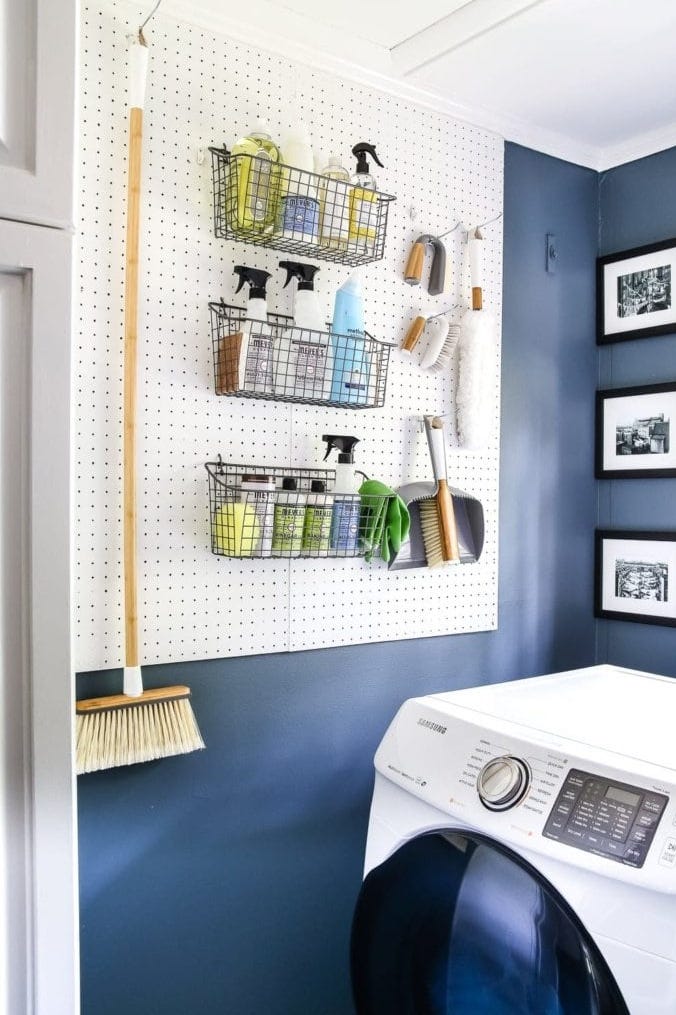
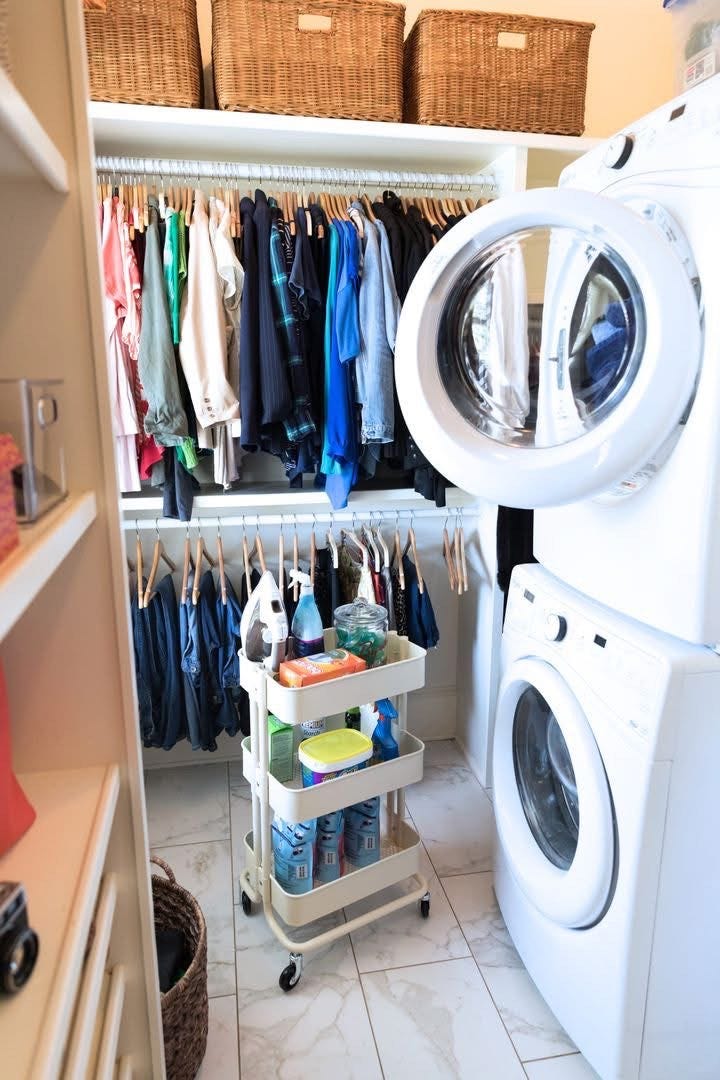
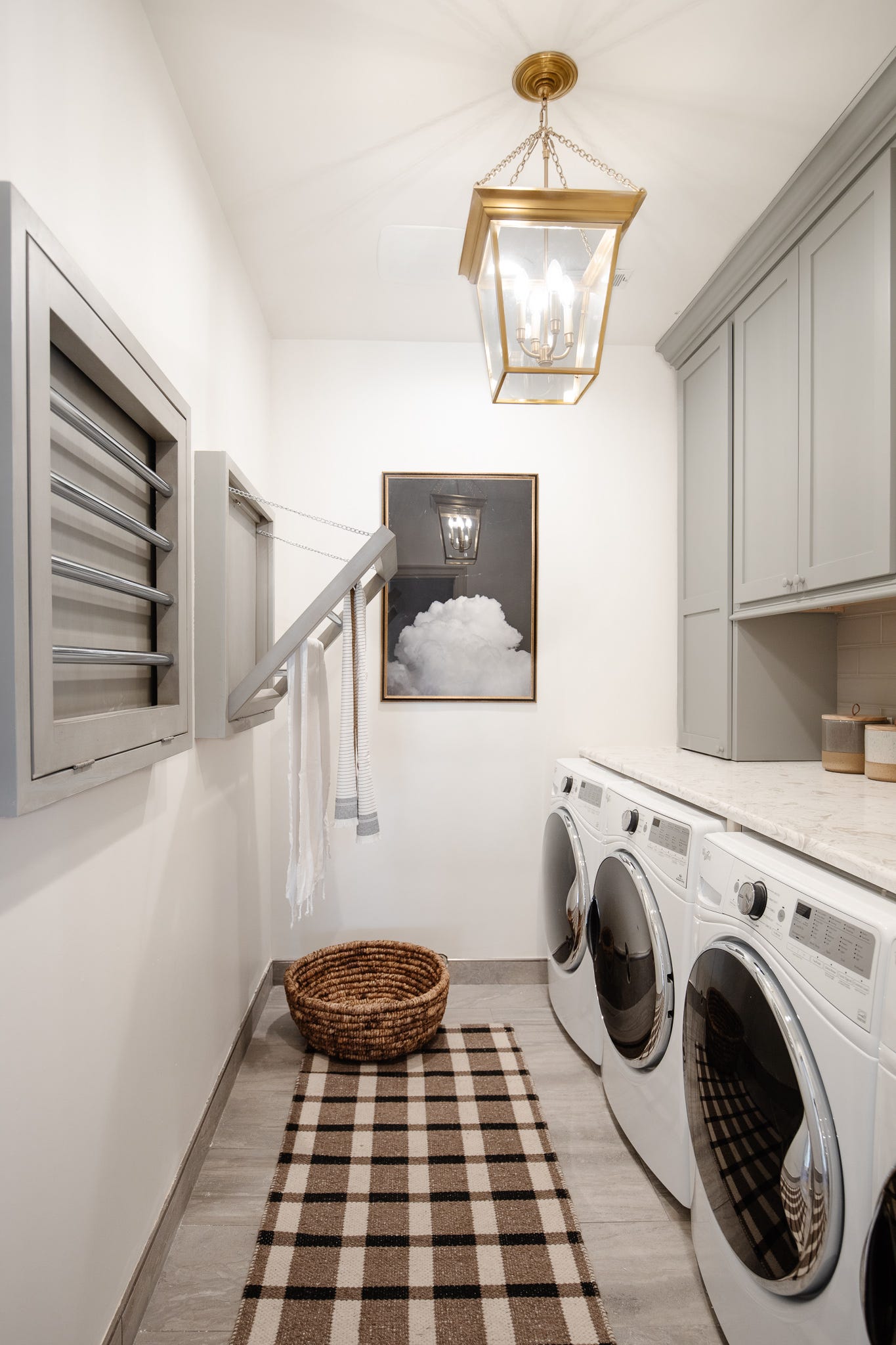
Essential elements of a functional laundry room include separate washer and dryer units (though combination units work for smaller spaces), tall cabinets for storing an ironing board, shelves for cleaning products, and a utility sink for soaking and handwashing. For larger homes, a laundry chute from upstairs bedrooms can be a practical addition. Drying racks or wall/ceiling-hung rails are ideal for delicate items that cannot be machine-dried, and ample countertop space for folding clothes is highly beneficial. Built-in slots for personalized laundry baskets can further enhance organization, while wall- or ceiling-mounted options save valuable floor space. Incorporating pull-out or wall-hung ironing boards and additional cabinets for seasonal clothing or cleaning supplies (especially if lockable for child safety) are also recommended. For larger rooms, a central island or folding table can provide extra storage and a comfortable work surface. If the laundry area is visible from other rooms, integrating the washer and dryer behind doors or within a clever layout helps maintain a cohesive look.
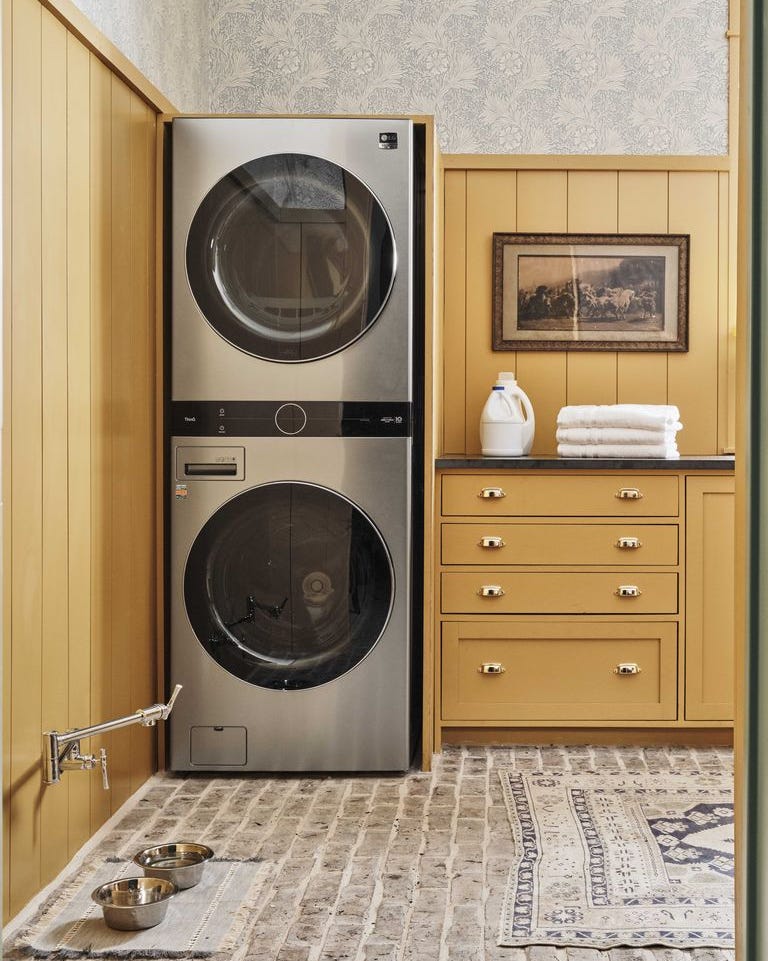
Appliance selection is critical. In compact spaces, a front-loading combined washer-dryer unit is often suitable, allowing for countertop space above. For larger households, separate, larger-capacity appliances are preferred. Stackable kits can save space, sometimes even including an integrated countertop for folding. Raising front-loading appliances can improve accessibility, and choosing appropriate drum sizes based on household needs (e.g., compact for two people, standard for larger families) is important. Energy efficiency is a key consideration; ENERGY STAR-certified washers consume less energy and water, leading to long-term savings. Features like load sensors and heat pump dryers further enhance efficiency. Precise measurements are necessary to ensure proper fit and adequate clearance for appliance doors.
Proper lighting and ventilation are paramount for a healthy and functional laundry room. Natural light and ventilation through windows or doors are ideal, but an extractor fan, dehumidifier, or heated drying rack may be necessary in cooler or humid climates. Task lighting should be bright and focused, especially since the room may be used during early mornings or late evenings. Ultimately, a successful laundry room is functional, practical, and equipped for its demands, including ample drying space, efficient appliances, and sufficient storage. Although a 10-foot square minimum is often suggested, even smaller, strategically designed spaces can be highly effective.
#LaundryRoom #HomeDesign #InteriorDesign #ApplianceSelection #SpaceOptimization #HomeOrganization #EnergyEfficiency #LaundryRoom #HomeDesign #InteriorDesign #ApplianceSelection #SpaceOptimization #HomeOrganization #EnergyEfficiency
0 comment in total
 No comments yet
You may also like
Interior designer Irene Gunter's 5 laundry room design tips will revolutionize this humble space – forever
Laundry room design mistakes and how to avoid them according to experts


The Most Convenient Location for a Laundry Room, According to Experts

Laundry Room Arranging Tips You’ll Love

The best ways to organize your laundry room, according to experts

Design tips for a functional and fun laundry room
Everything You Need to Know for a Functional Laundry Room

Small laundry room ideas: 15 expert ways to organise a limited space

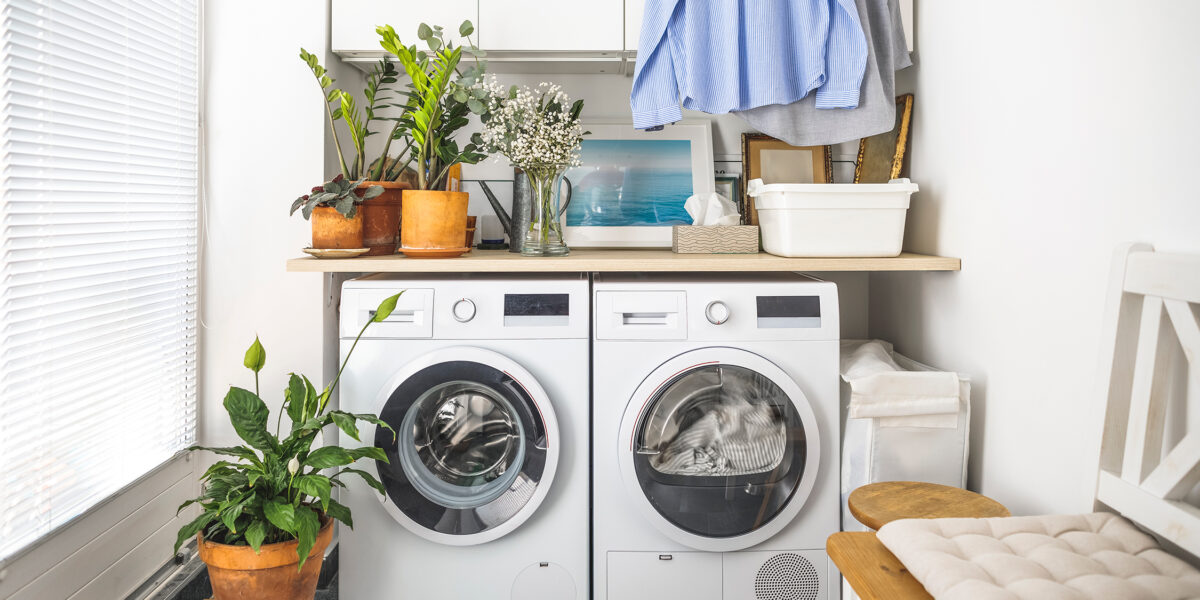
The 6 Must-Haves for a More Organized Laundry Room, According to an Expert

Avoid These 5 Laundry Room Design Mistakes, Pros Warn

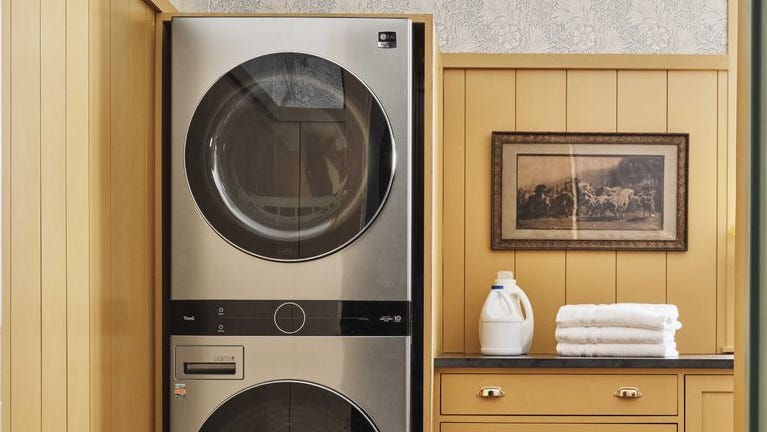
Designers Reveal the Key to Designing a Laundry Room That Motivates You
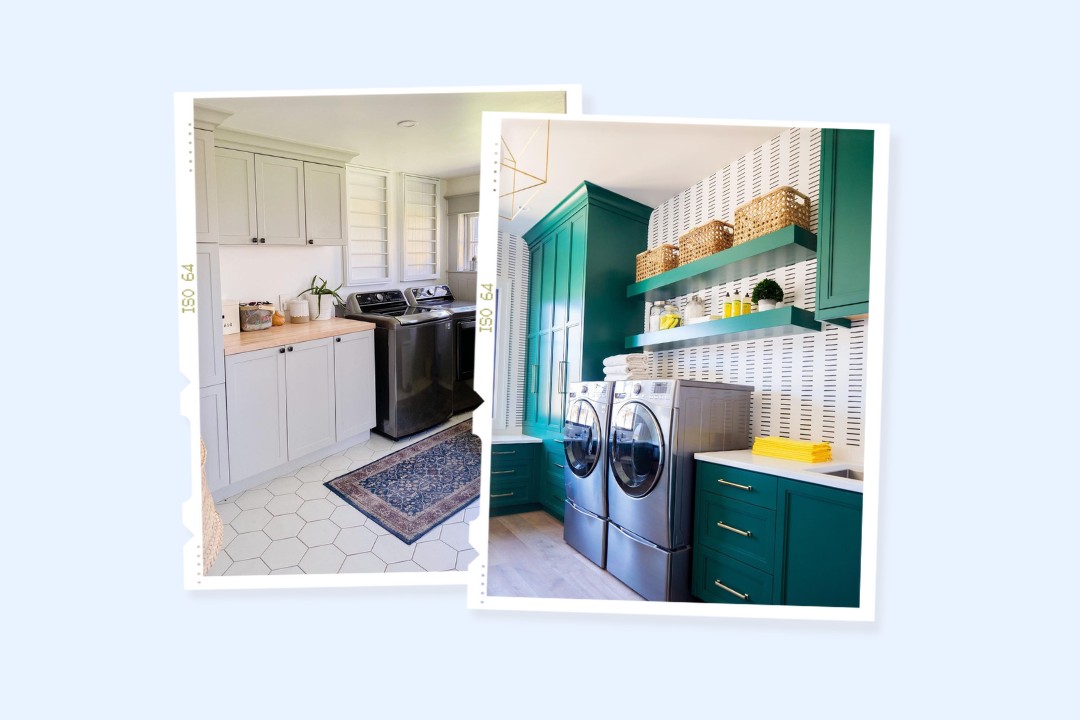
10 Pretty Laundry Room Designs That’ll Actually Make You Want to Do Chores
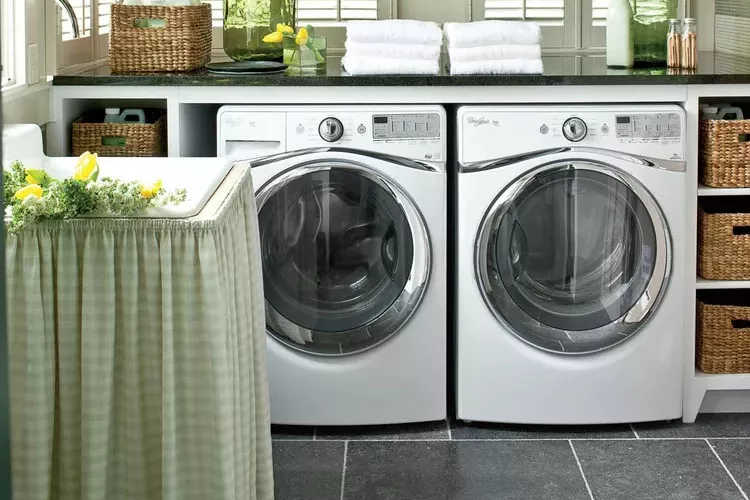
How To Organize A Laundry Room Like A Pro: 5 Steps
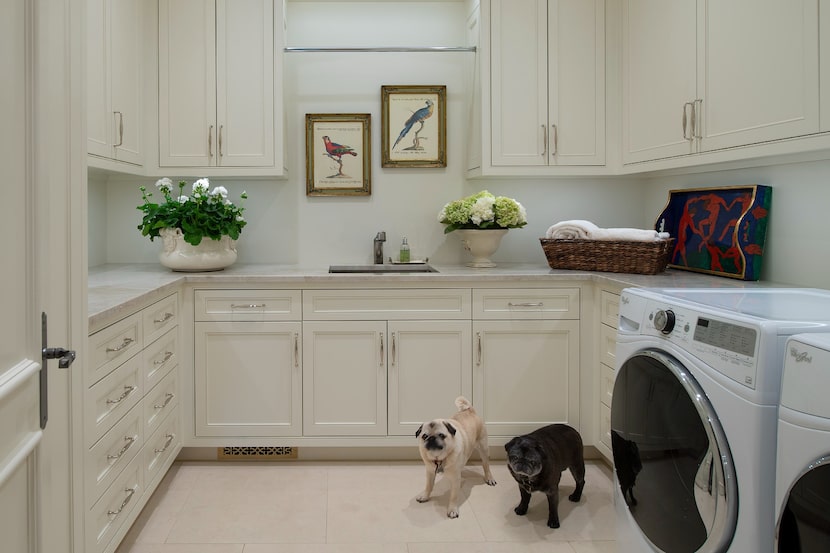
Laundry isn’t a chore when you have a pretty laundry room. Get inspired with these designs

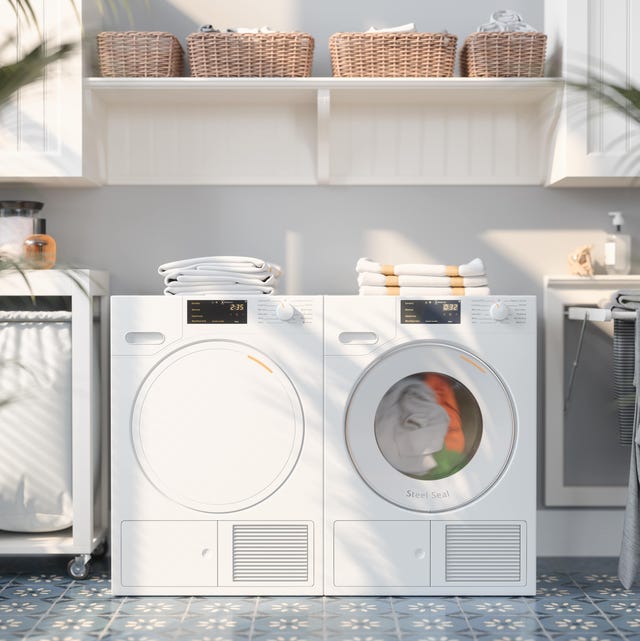
How to make the most of your laundry room, according to a professional organiser

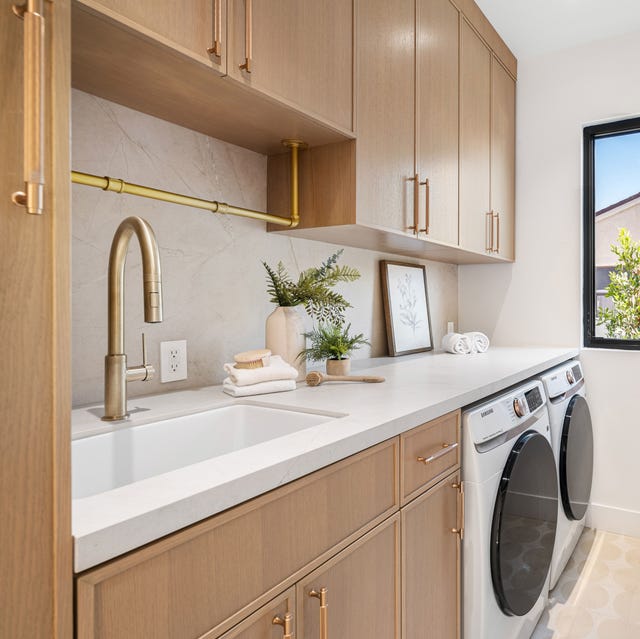
15 Brilliant Laundry Room Hacks Professional Organizers Swear By
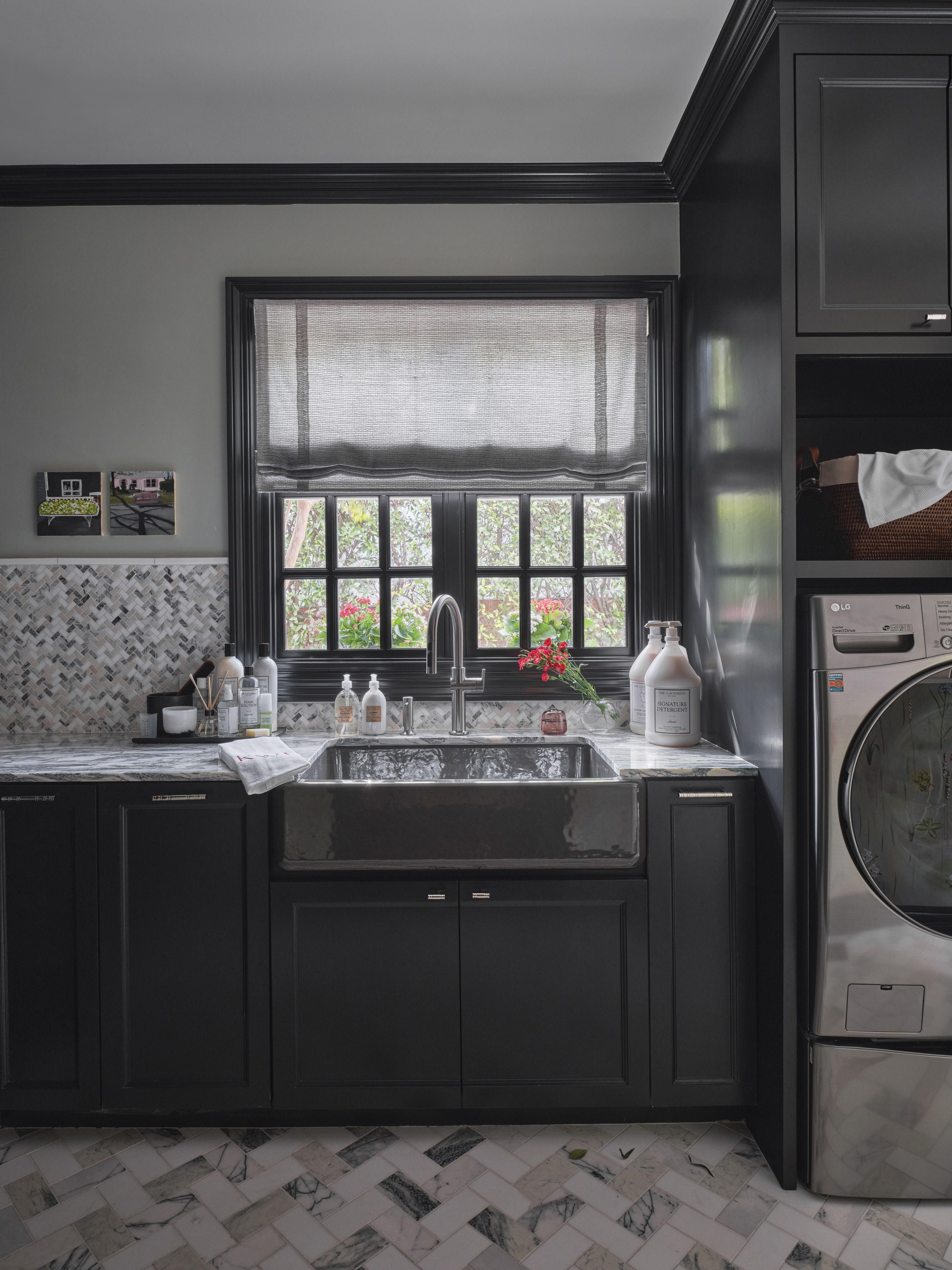
Interior designer Kathleen Walsh's top 5 tips on making your laundry room stand out from the crowd

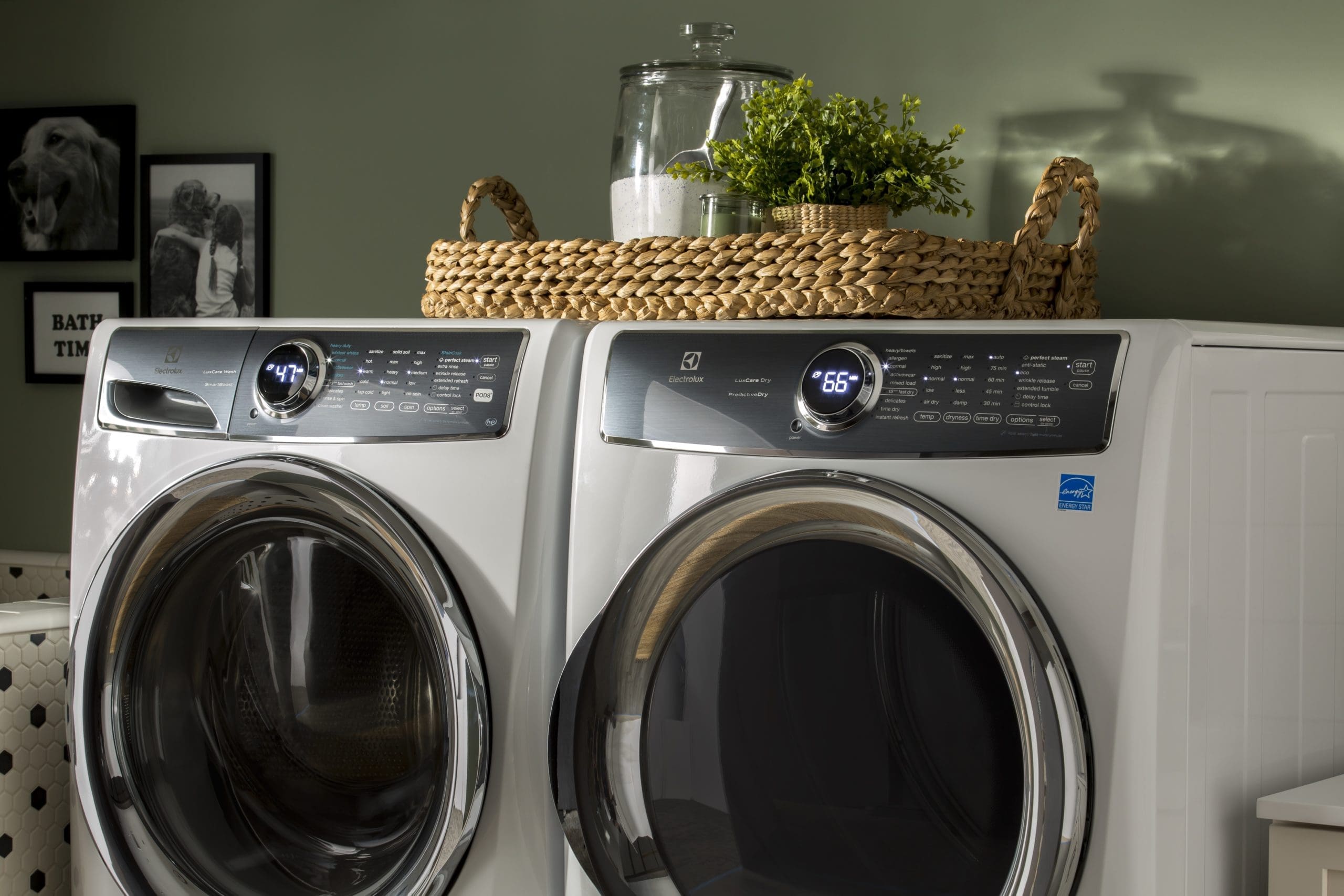
4 Top Trends to Optimize Your Laundry Room

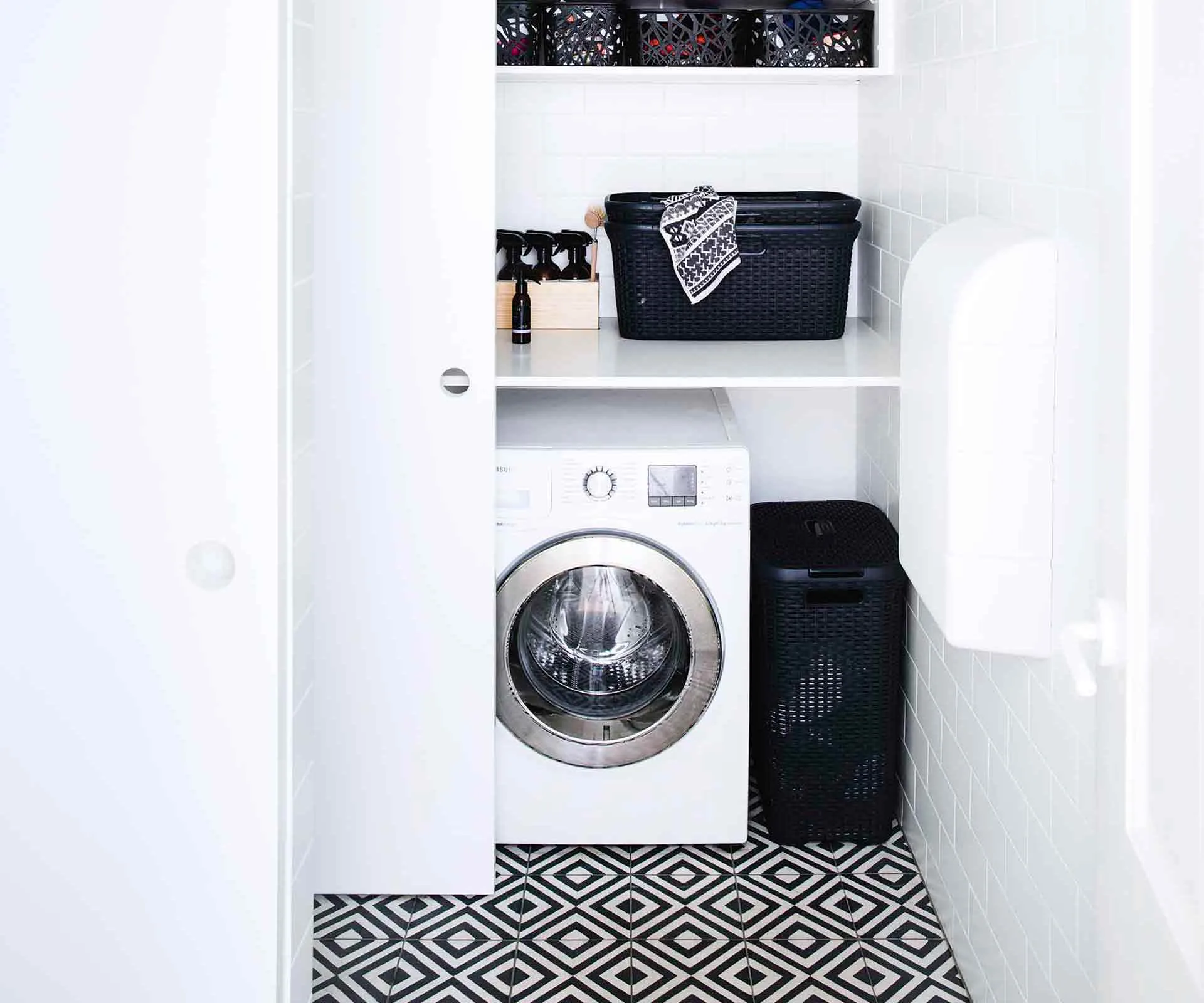
5 laundry room decor ideas to take it to the next level

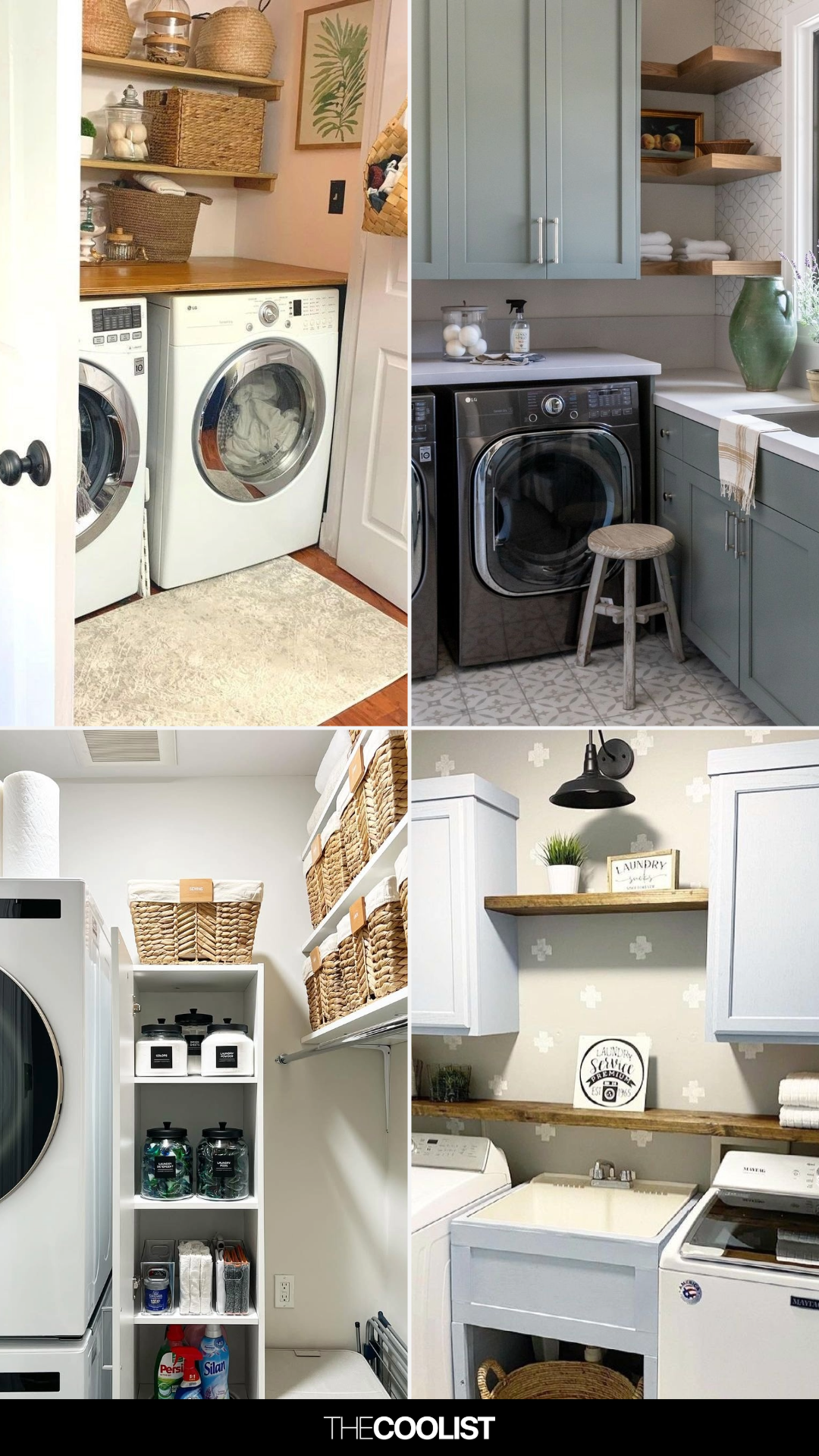
20 Laundry Room Organization Ideas That Maximize Space and Efficiency