How To Organize A Laundry Room Like A Pro: 5 Steps
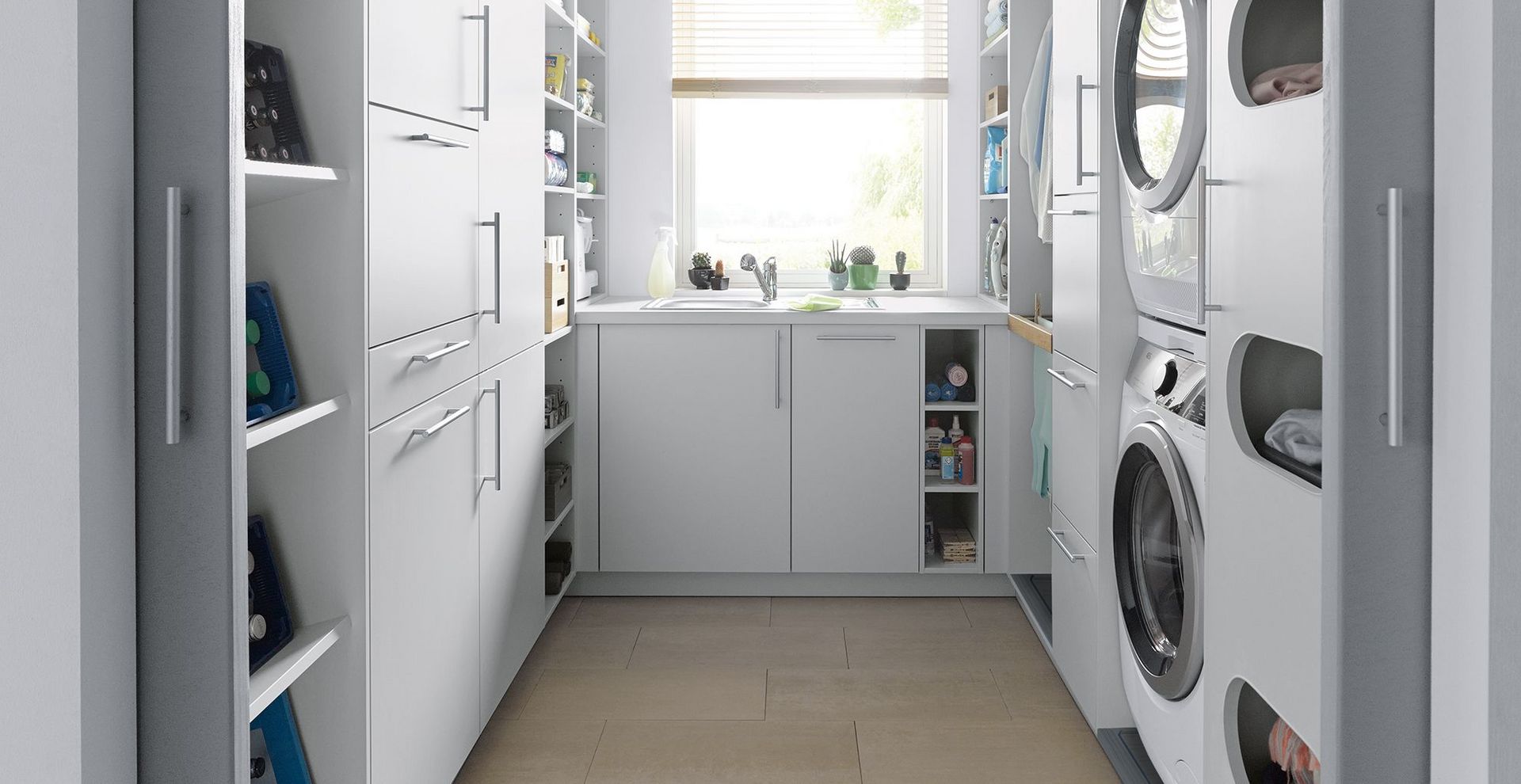
Maintaining an organized laundry space is crucial for efficiency and convenience, regardless of its size. Mary Davis, owner of In Good Order, emphasizes that a functional laundry area saves time and makes the chore less burdensome. She also notes that an aesthetically pleasing laundry room can make the task more enjoyable. Davis and Jess Reed, owner of Green Mountain Space, outline a five-step process to achieve a professionally organized laundry room.
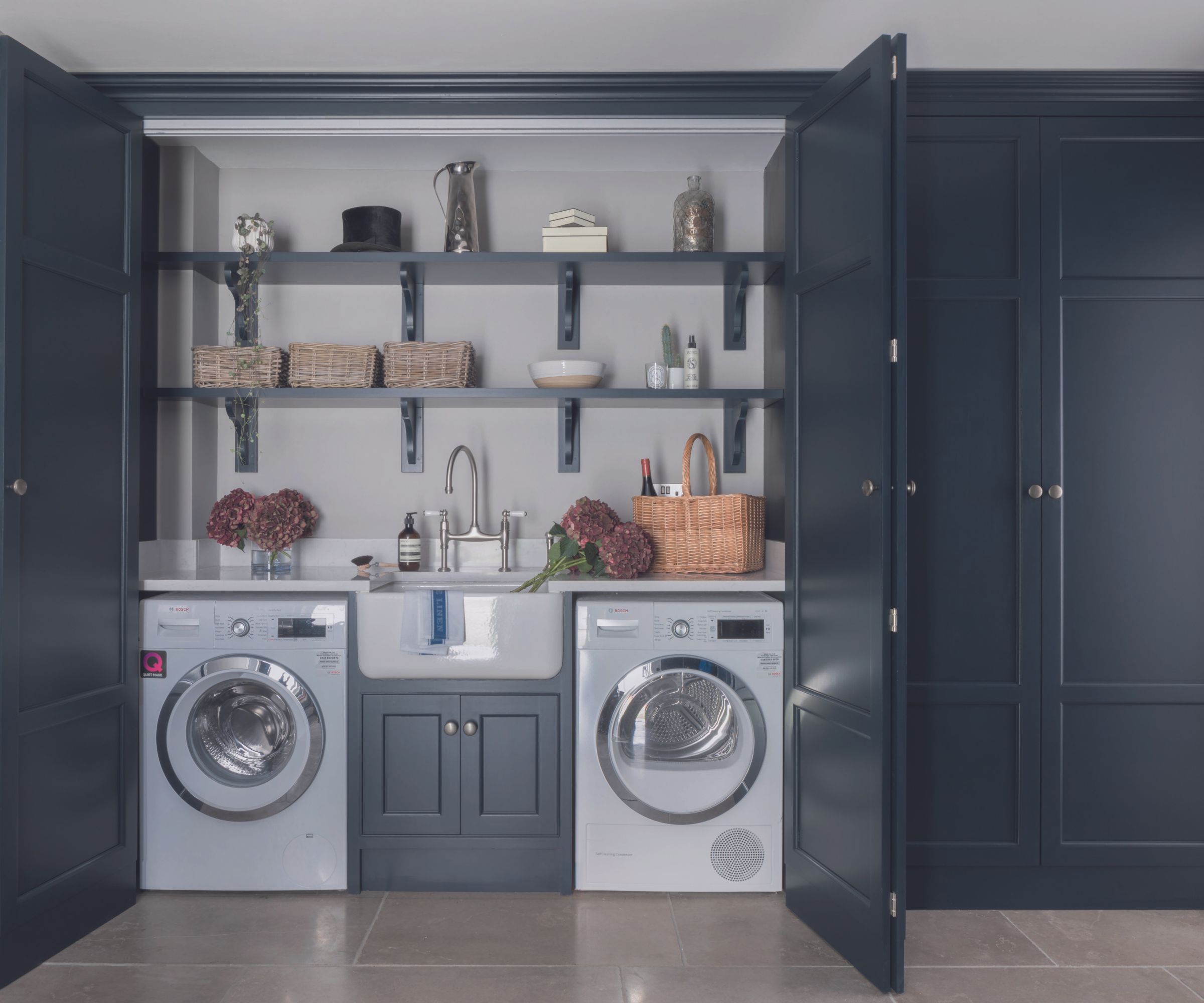
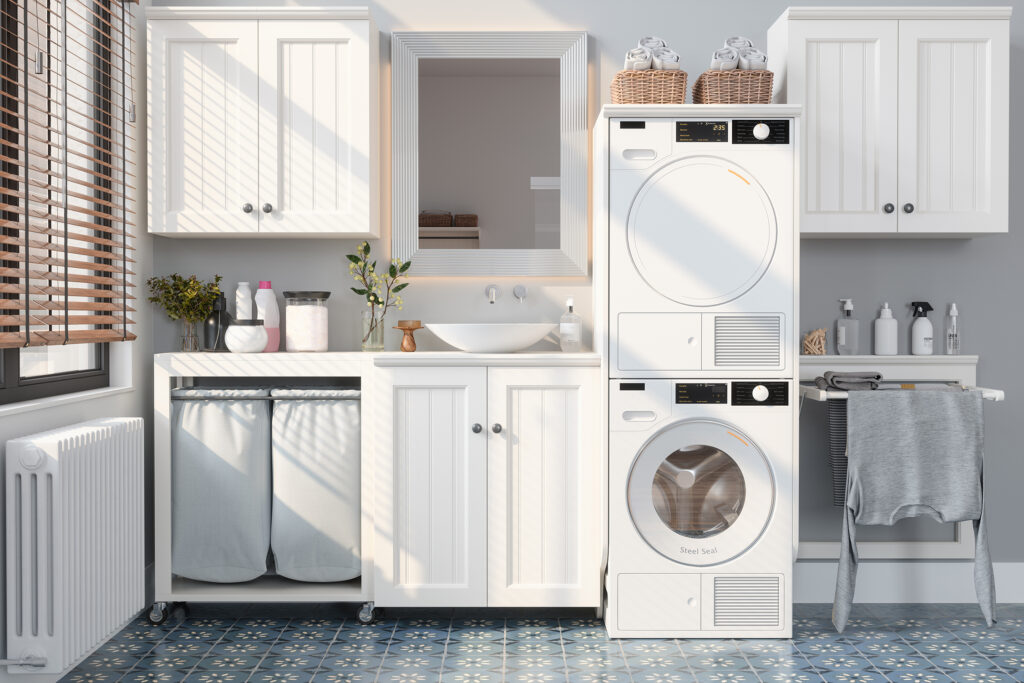
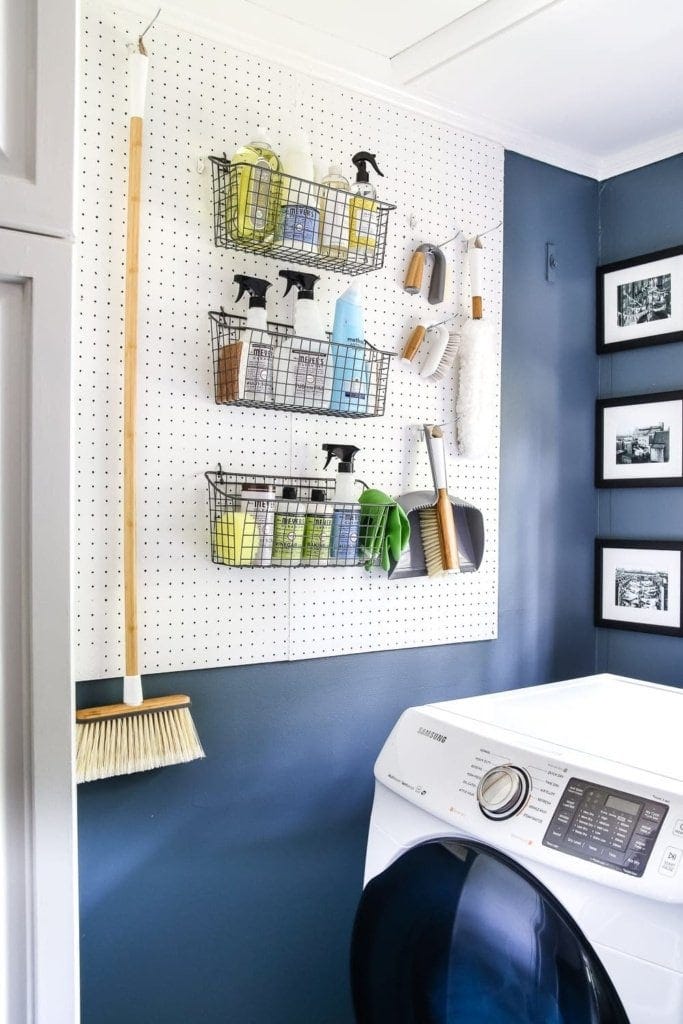
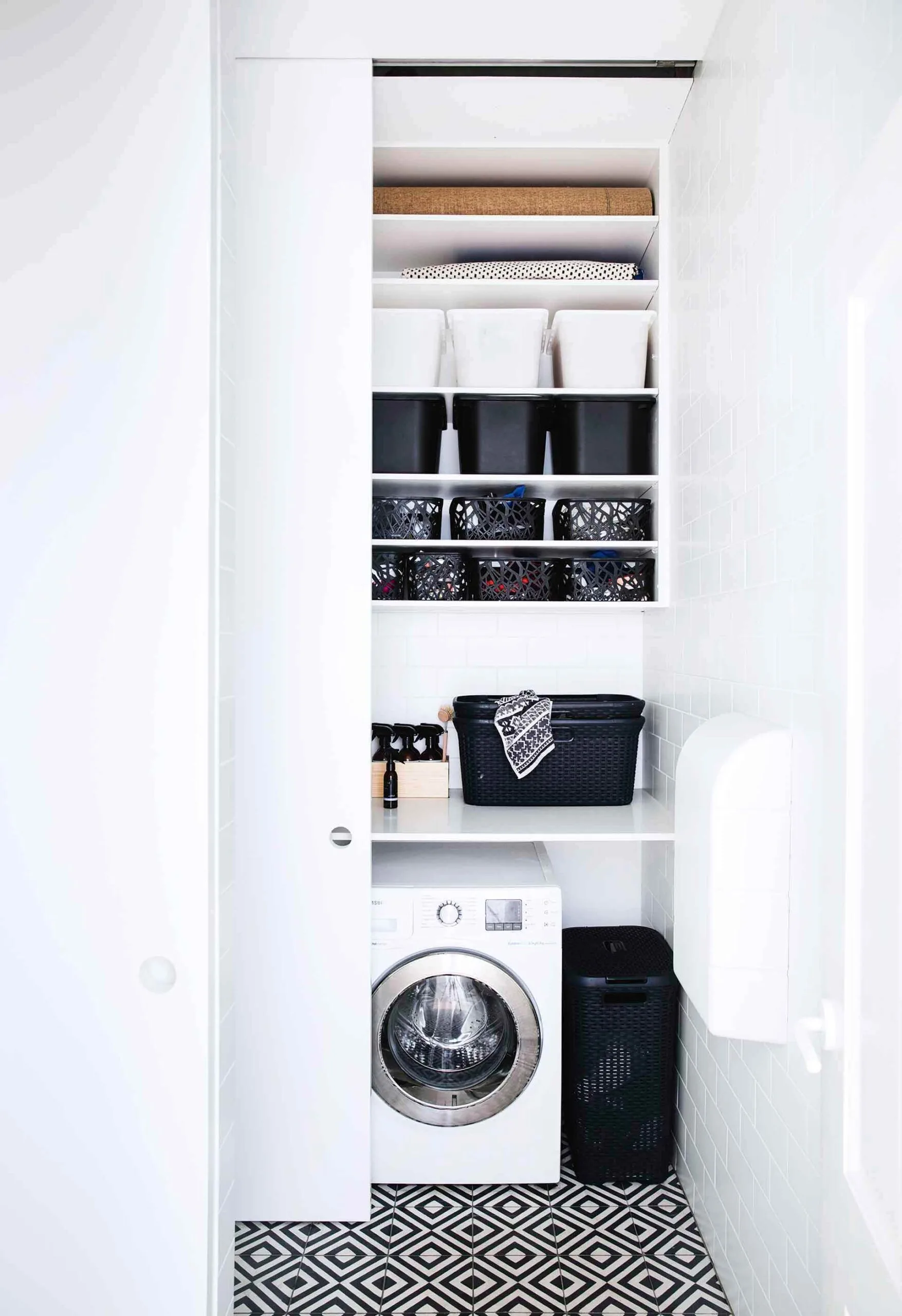
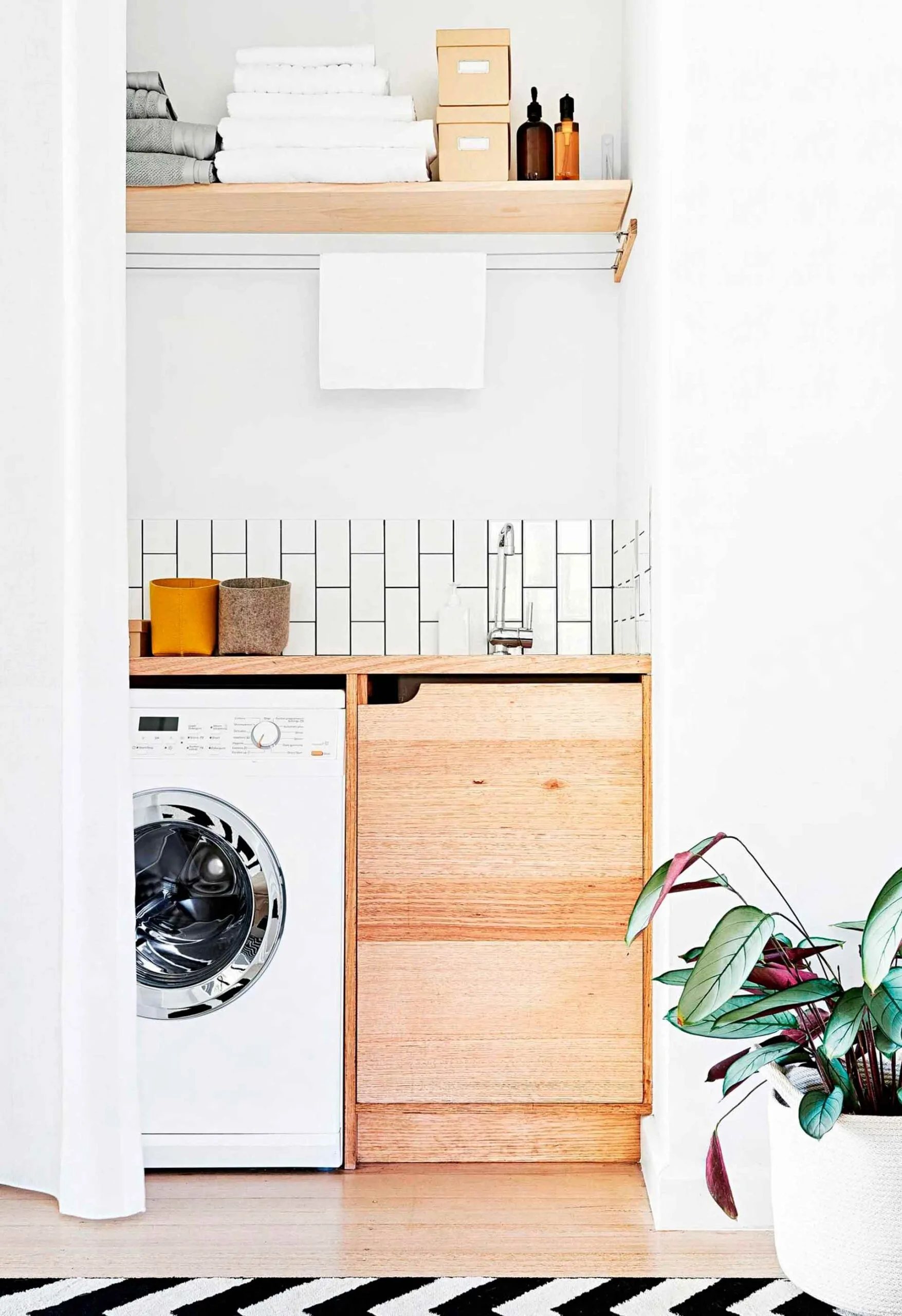
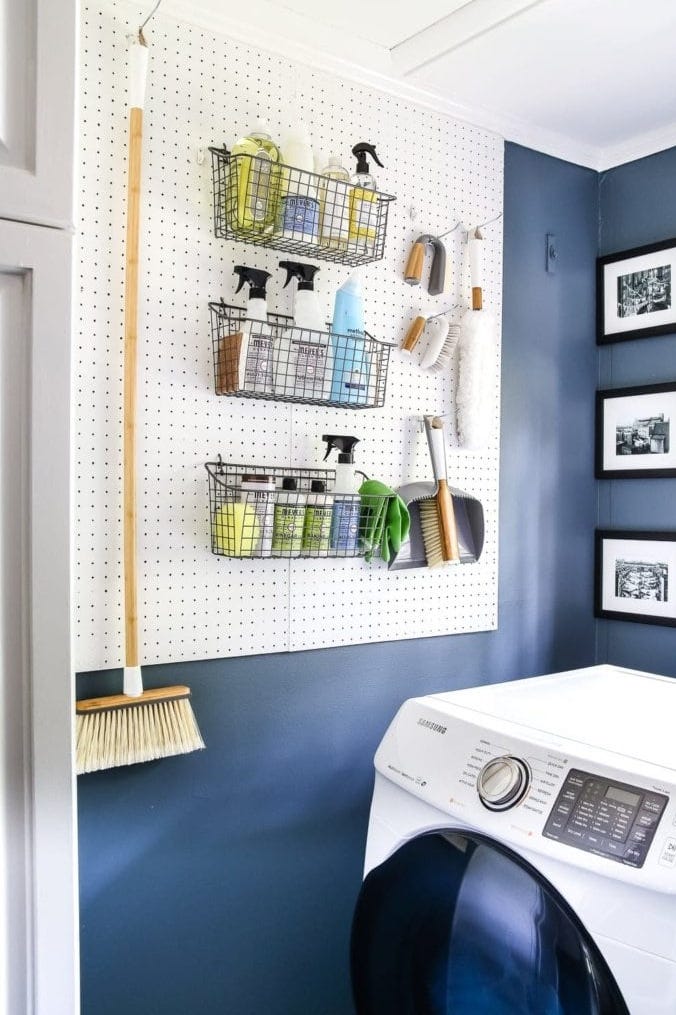
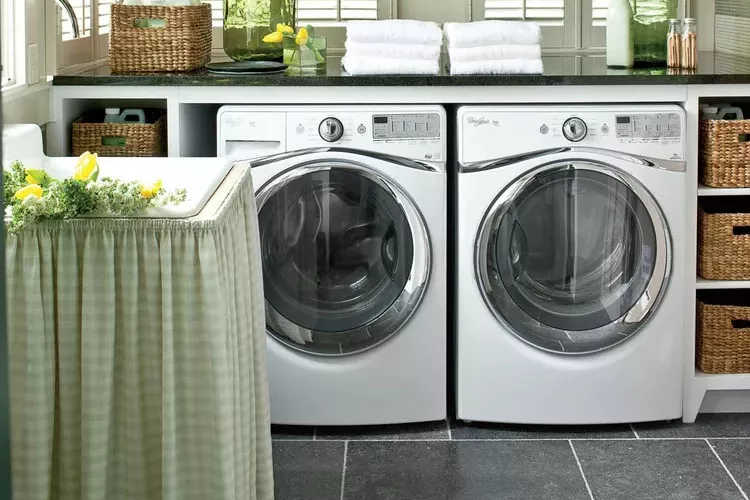
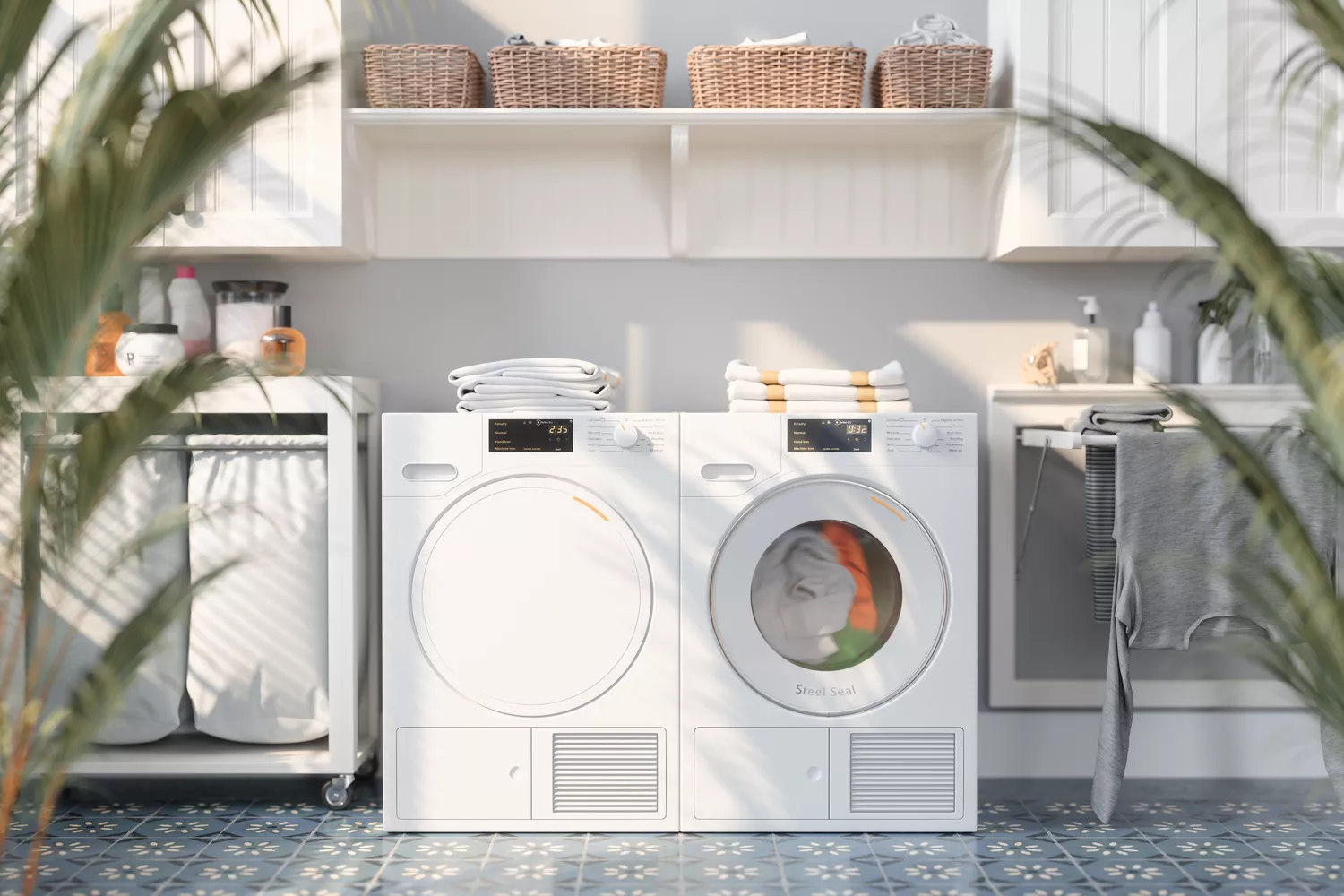
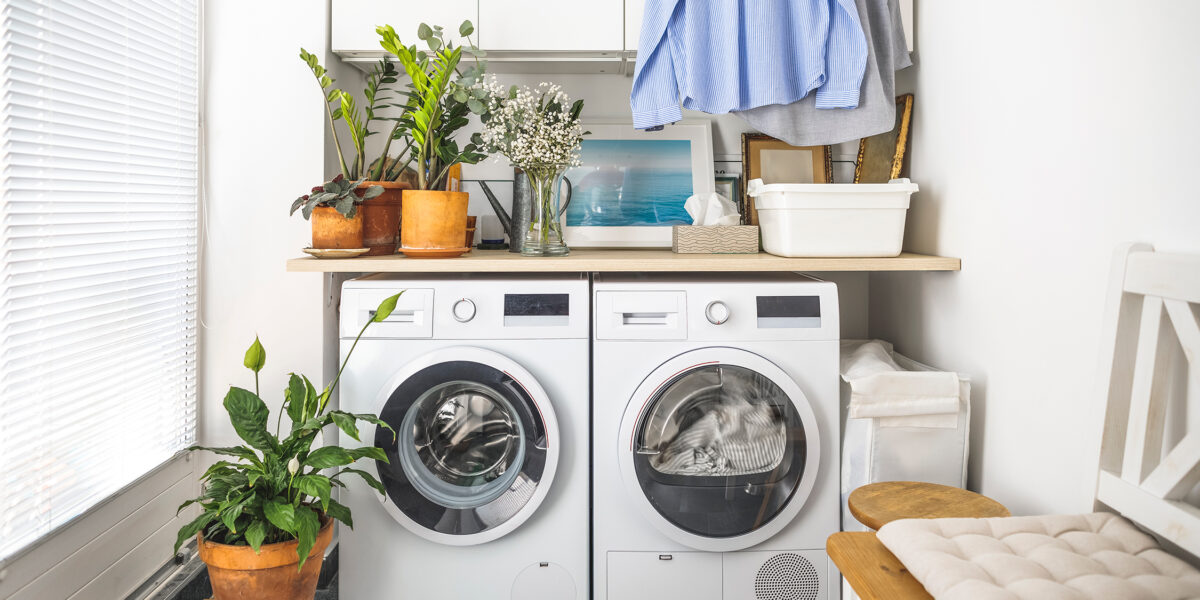
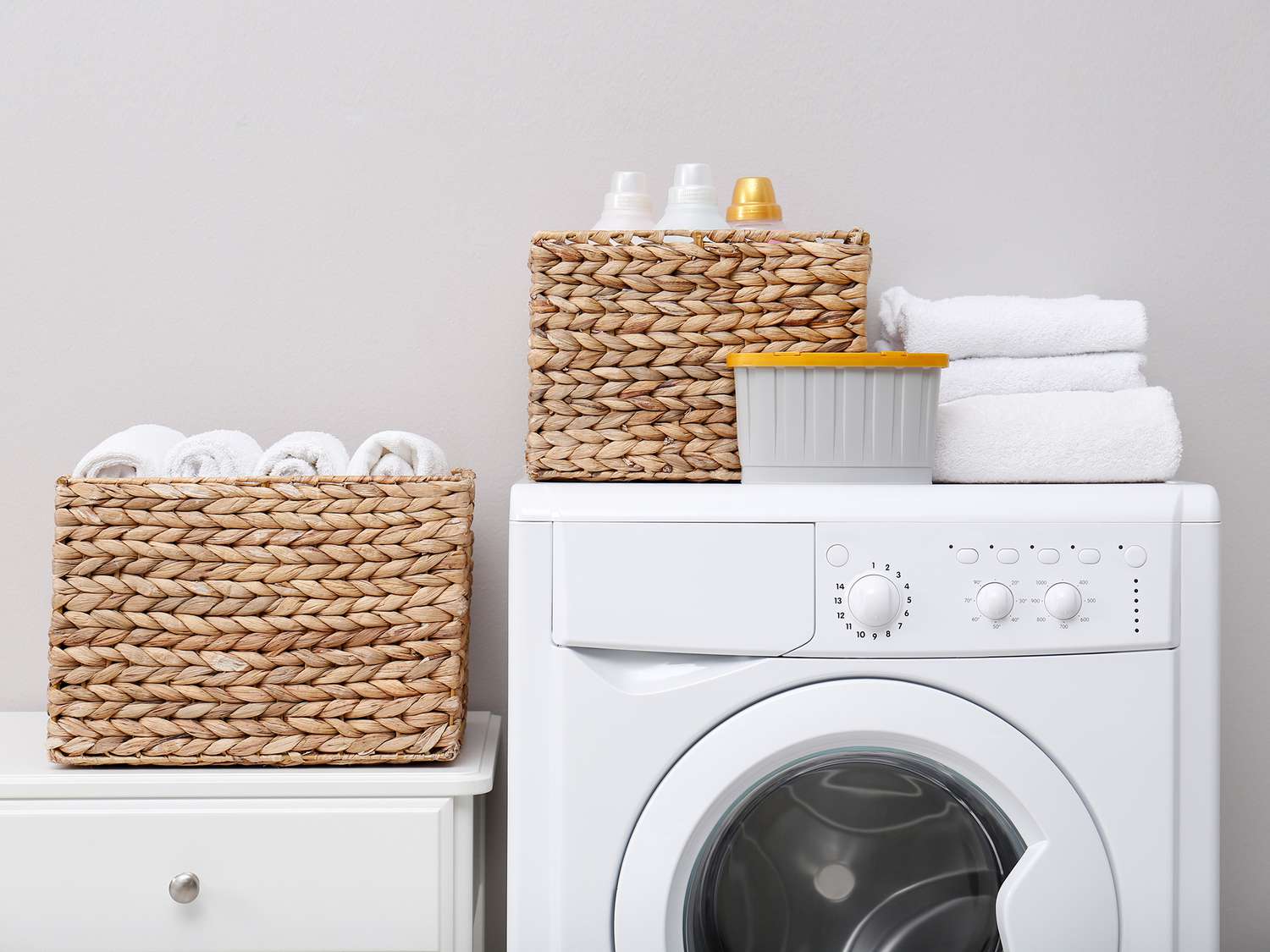
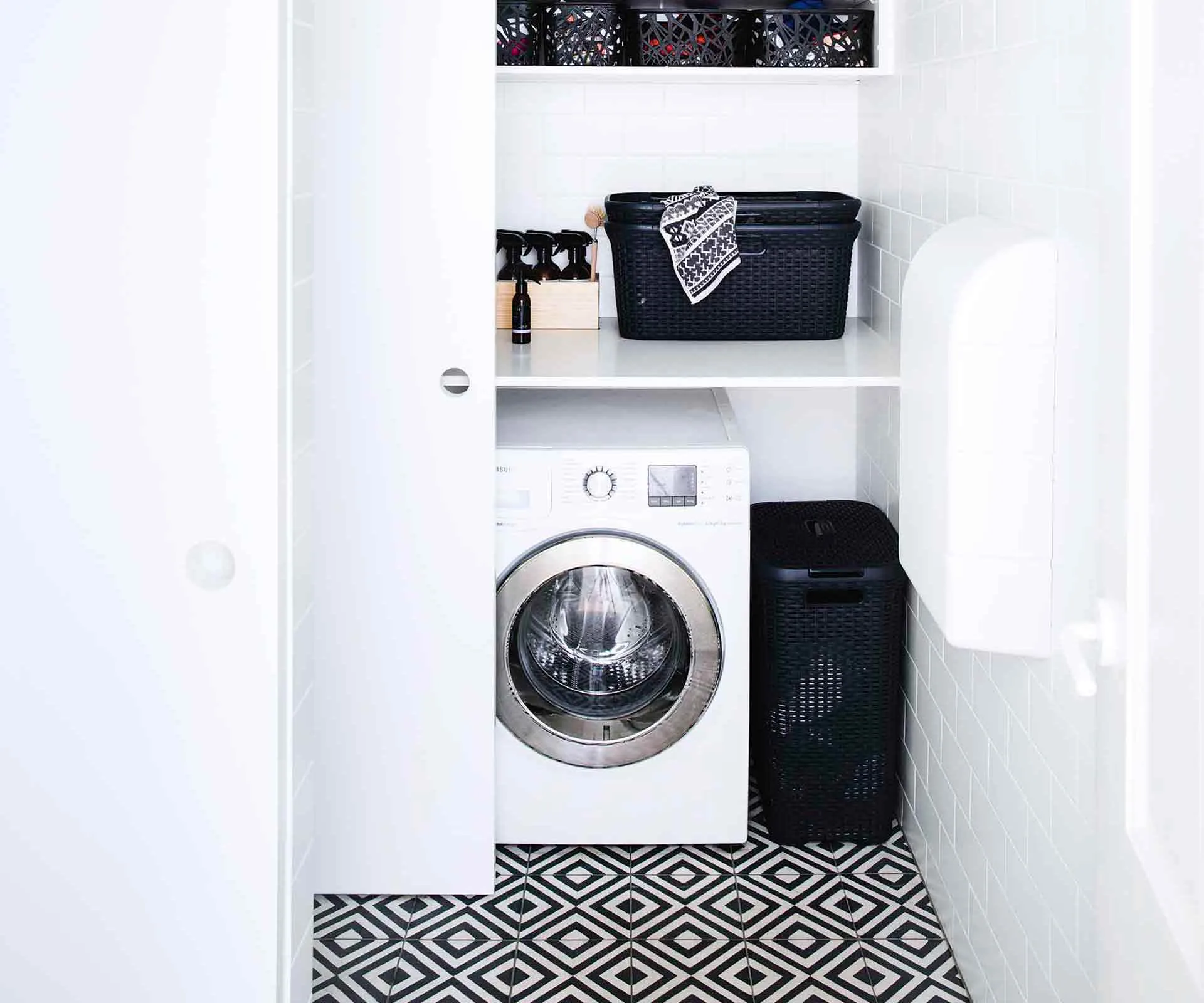
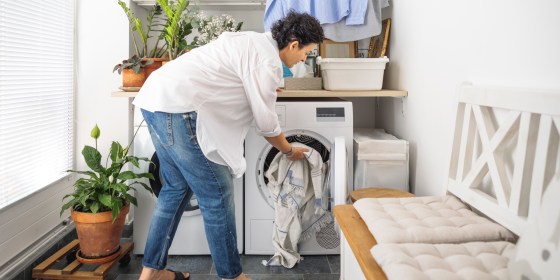
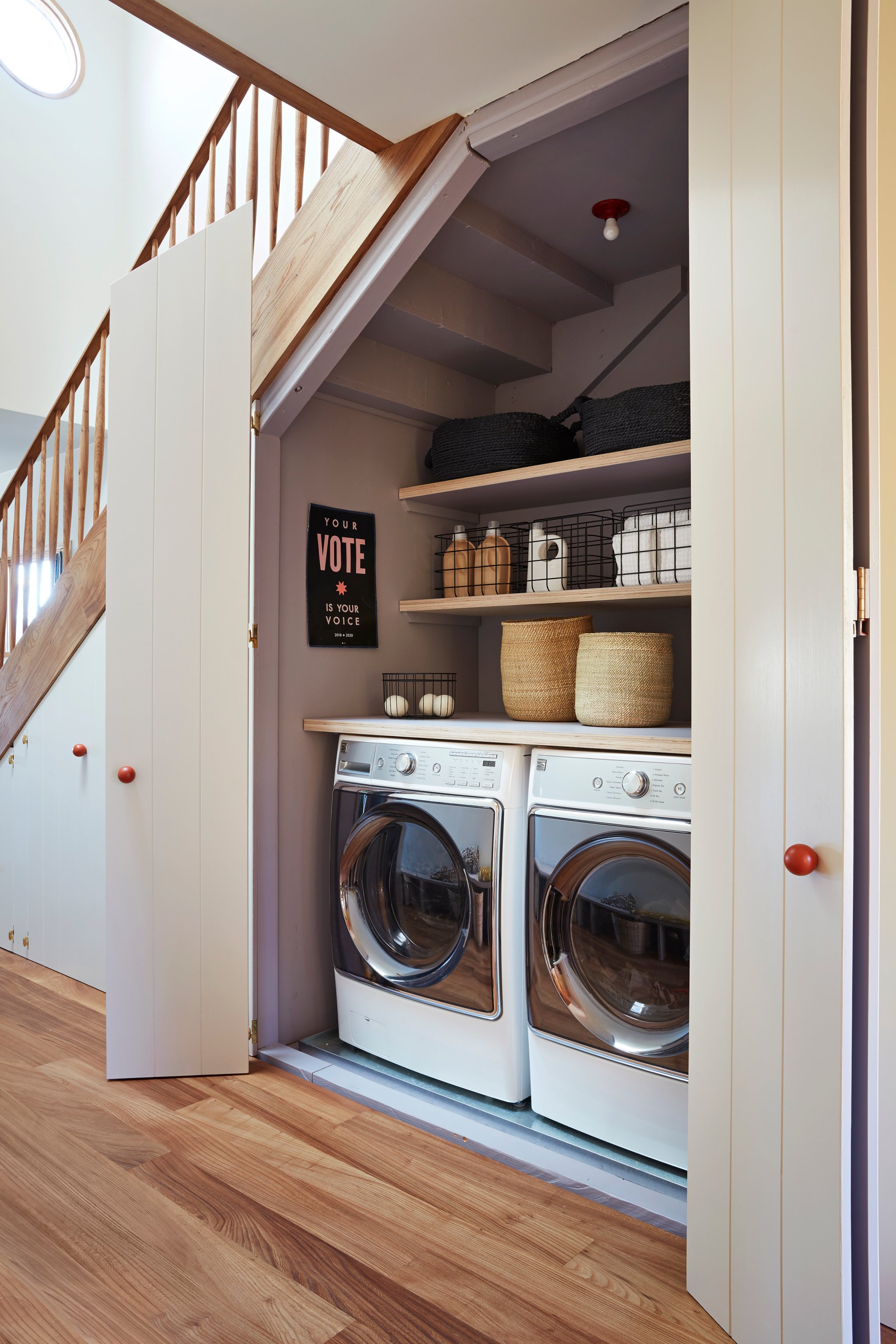
The first step involves keeping frequently used items within easy reach. Davis advises storing essentials like detergent, stain remover, and fabric softener directly above front-loaders or on top of the dryer. If counter space is limited, installing a floating shelf above the washer and dryer can provide the necessary storage without occupying valuable folding areas. This proximity minimizes extra steps, making each laundry cycle more streamlined.
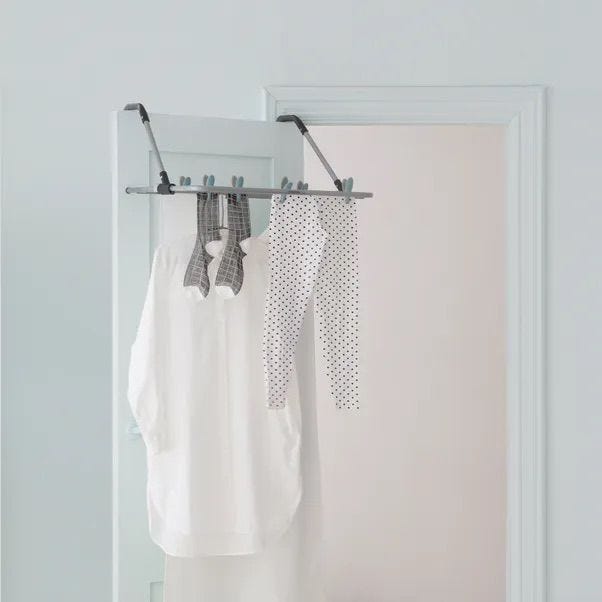
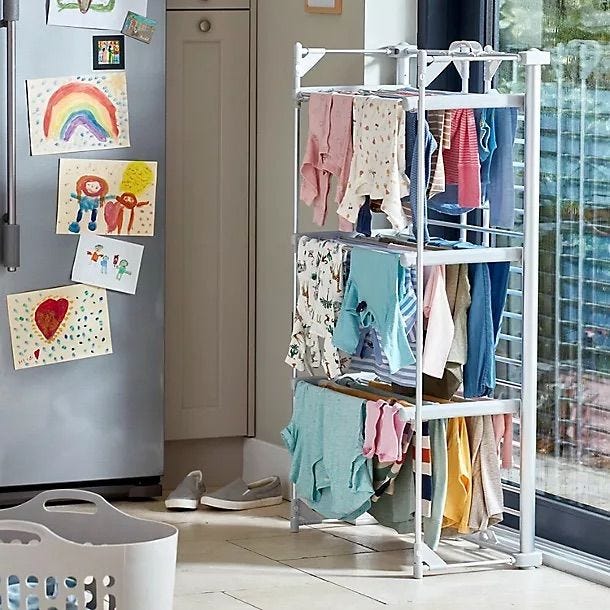
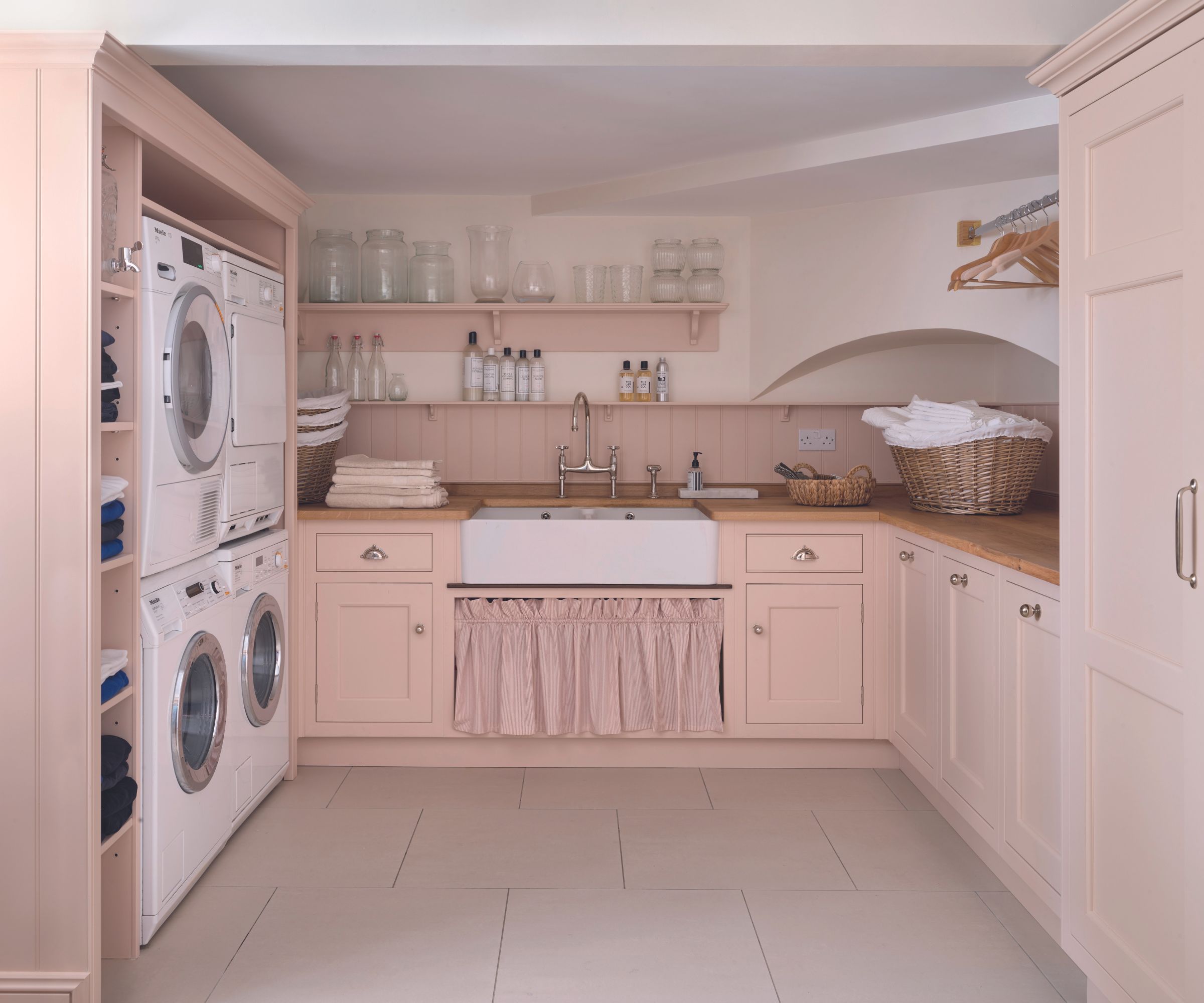
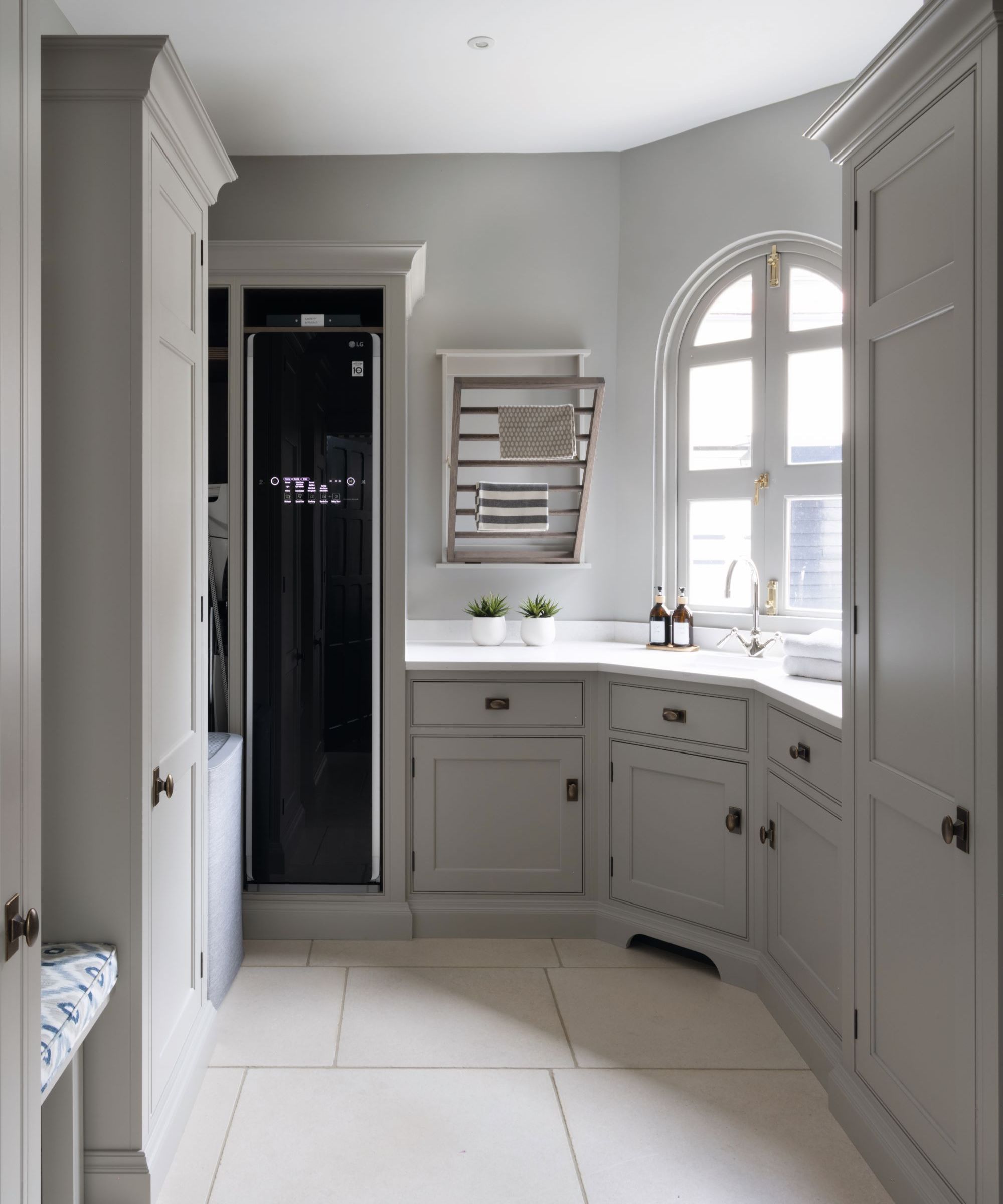
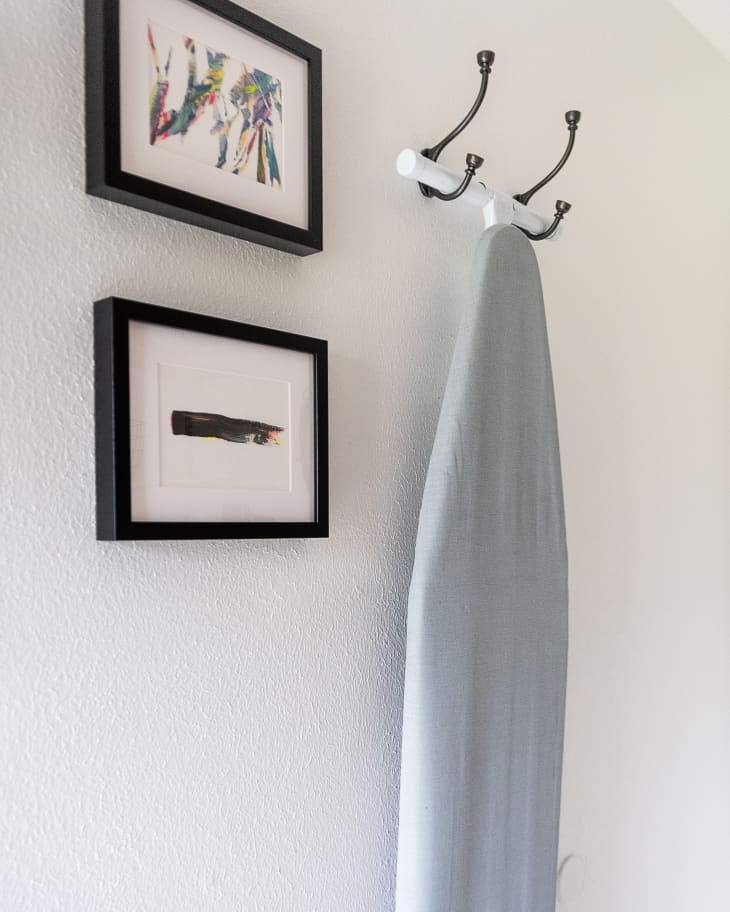
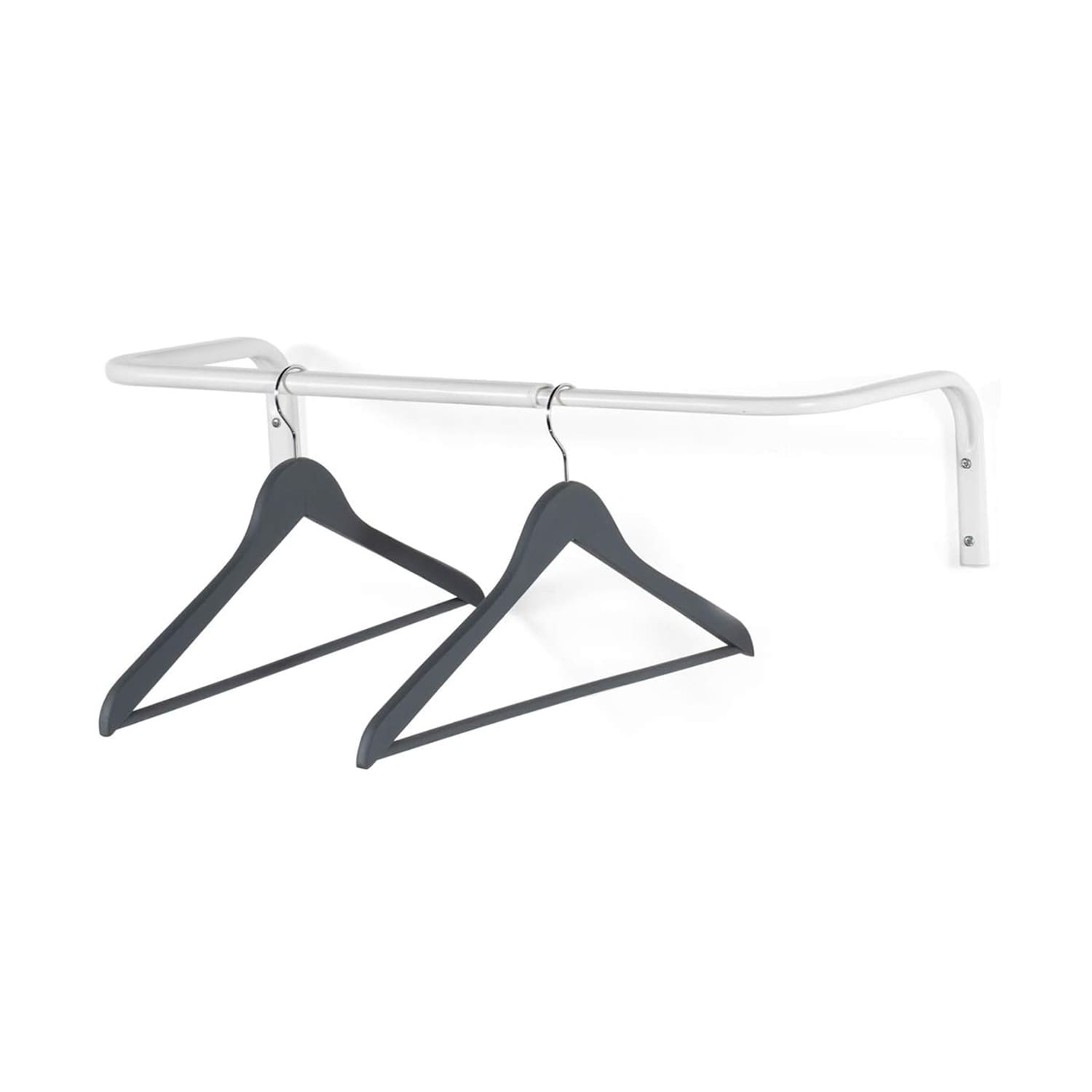
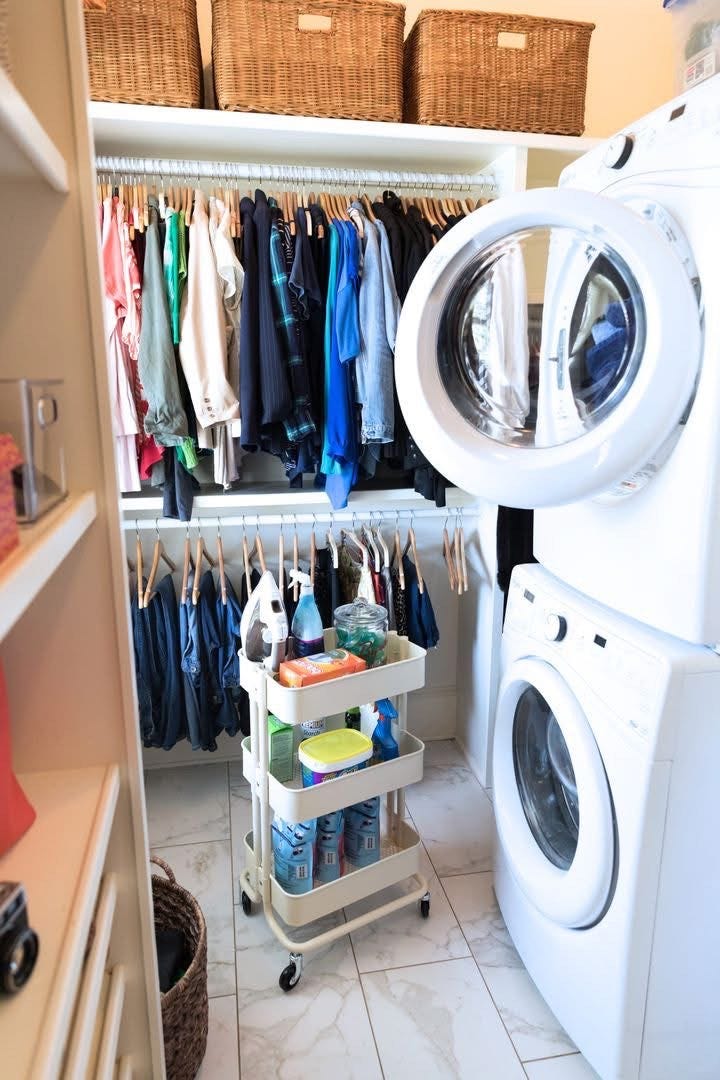
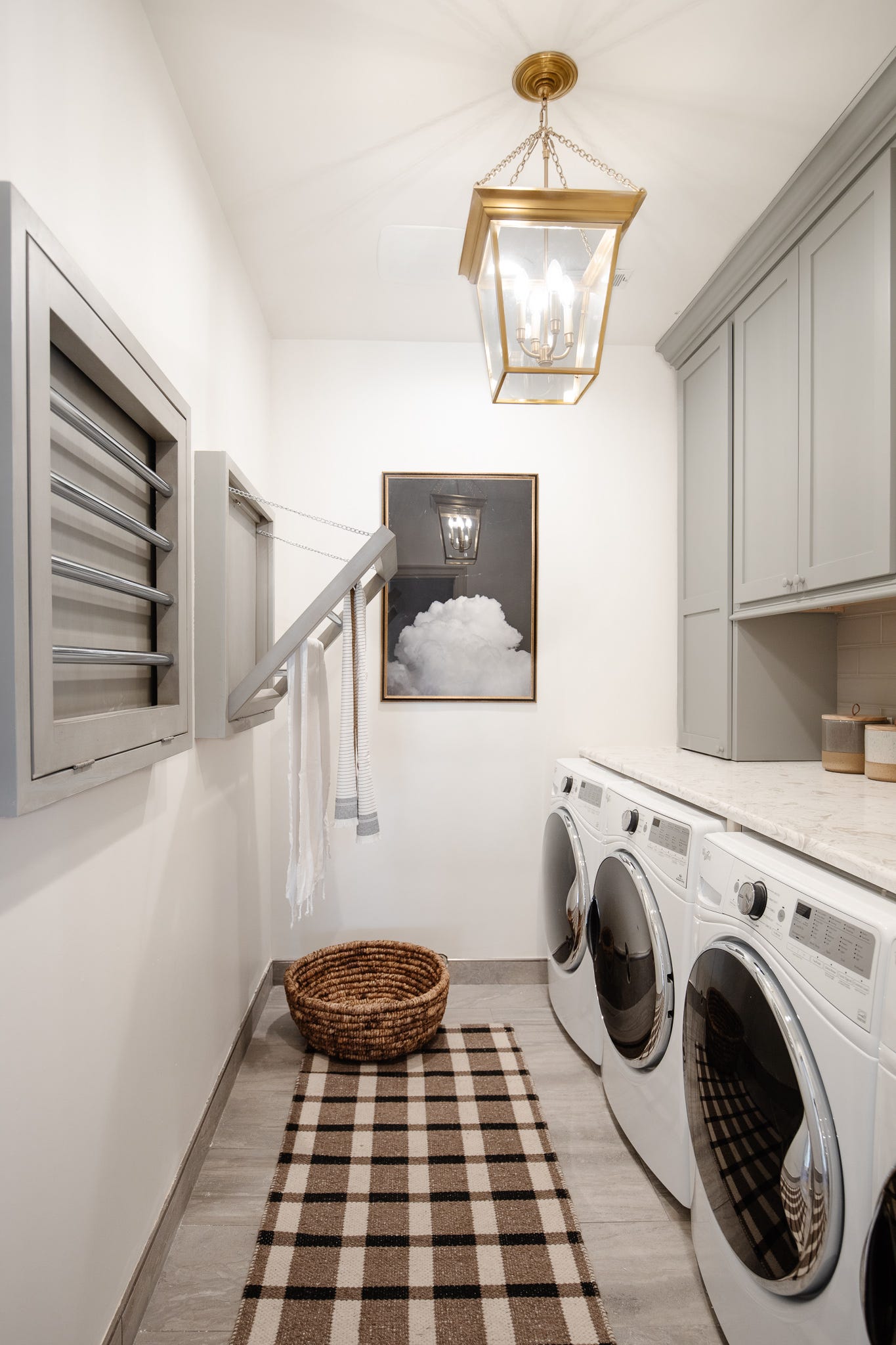
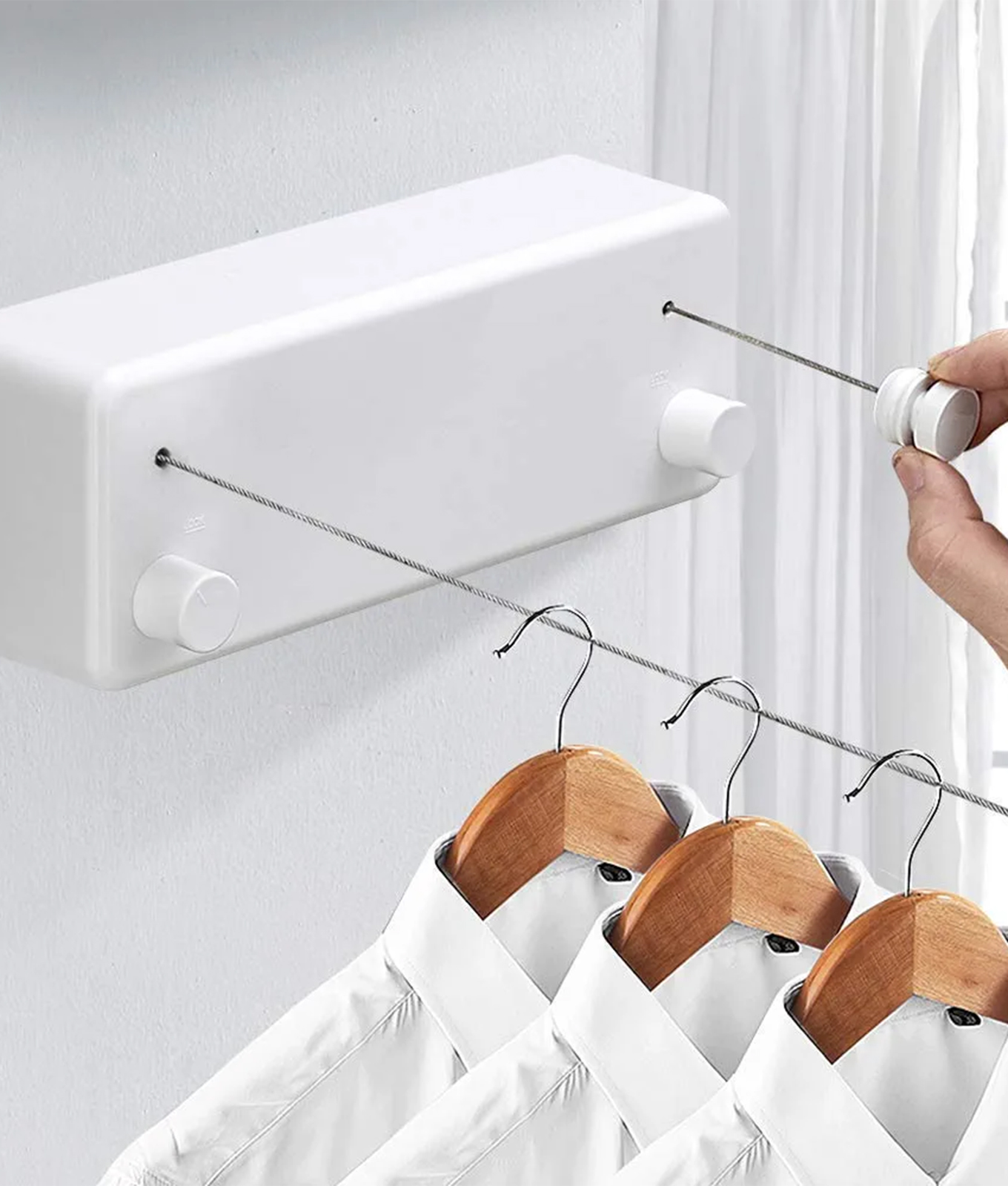
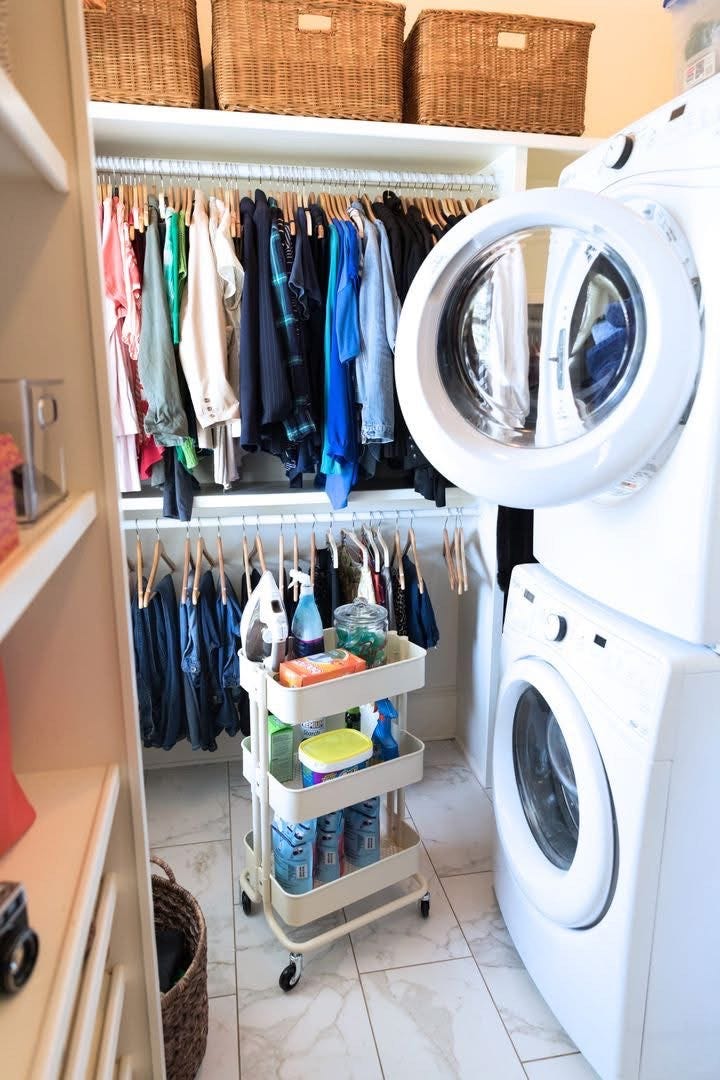
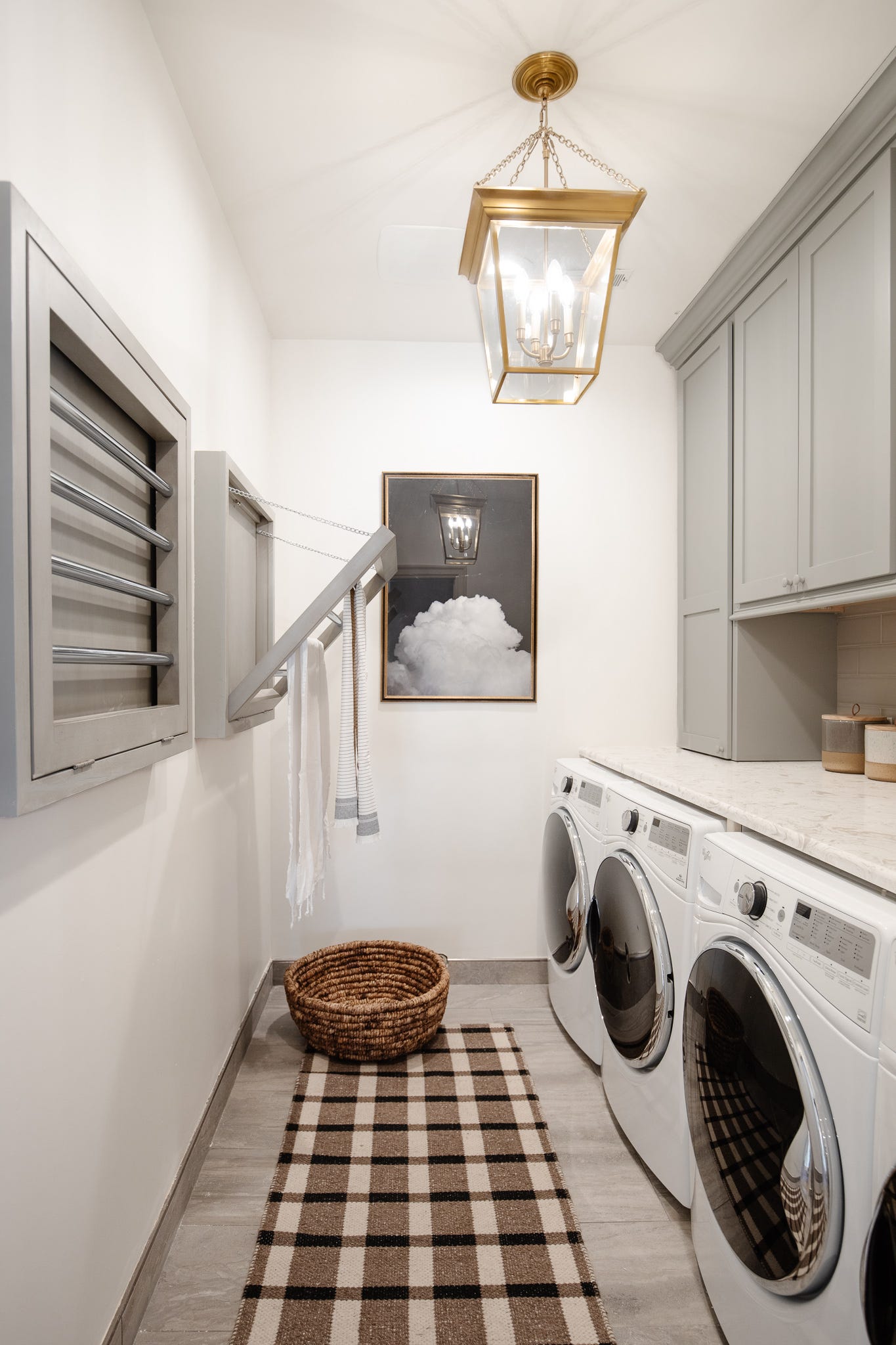
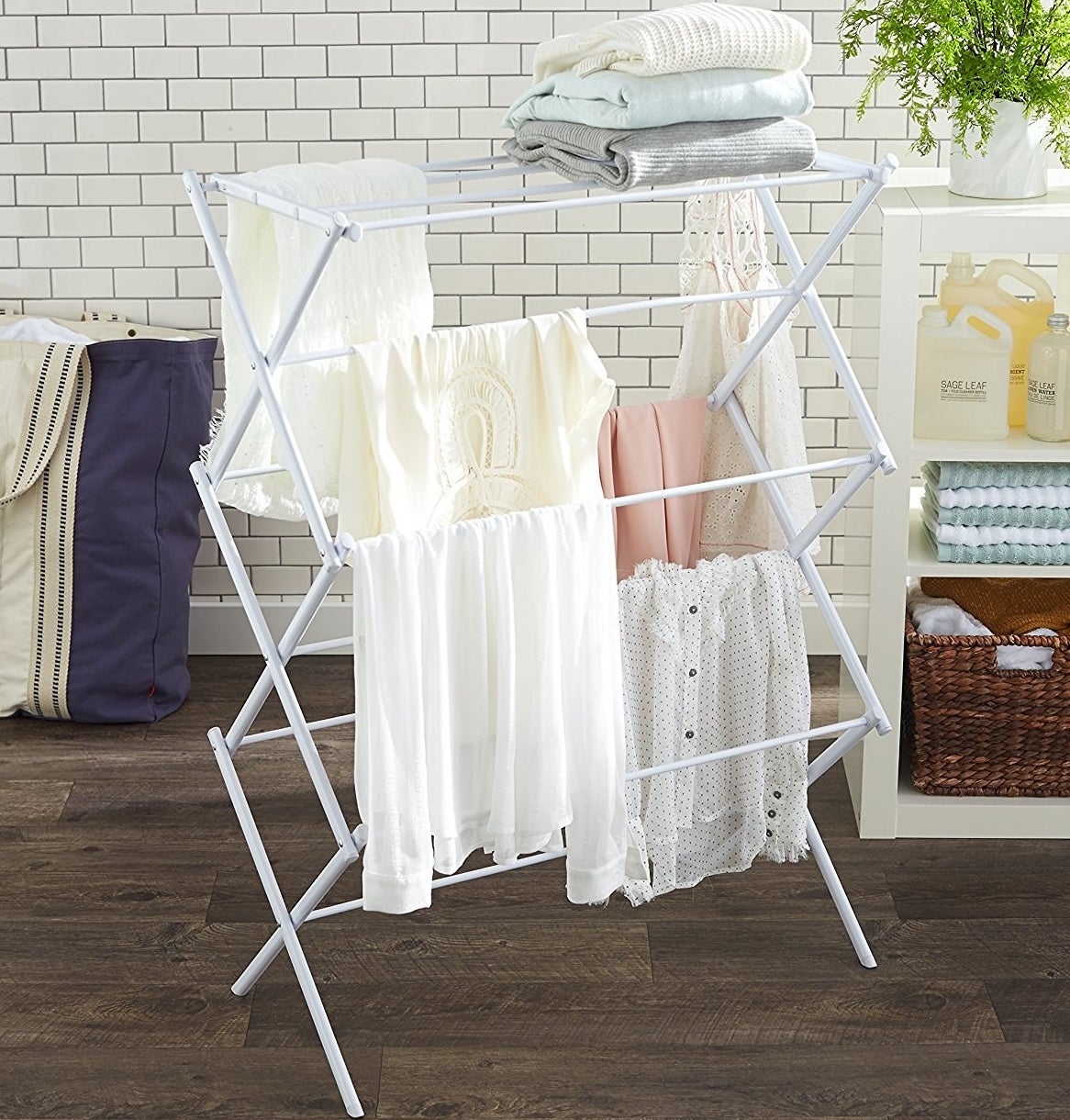
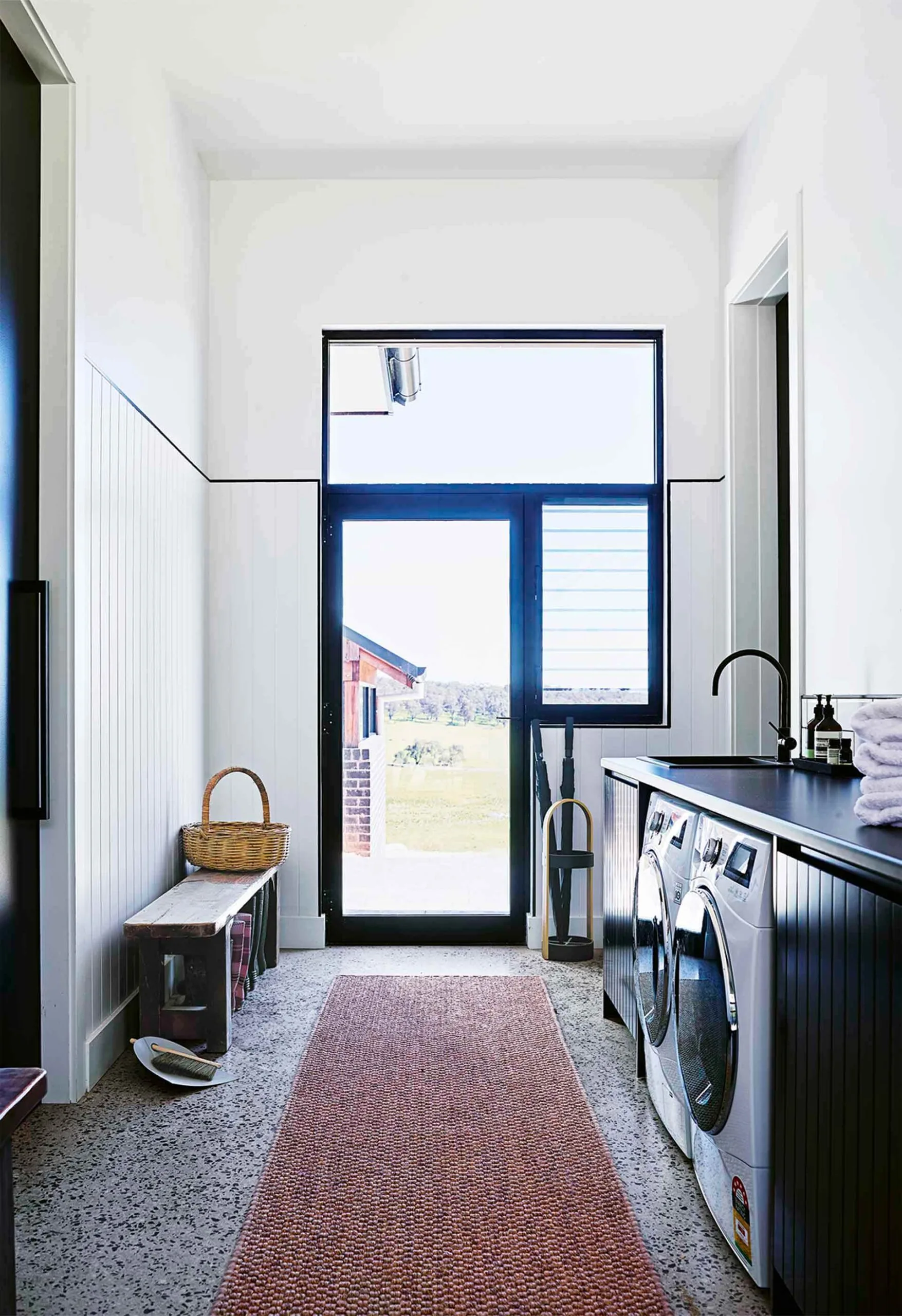
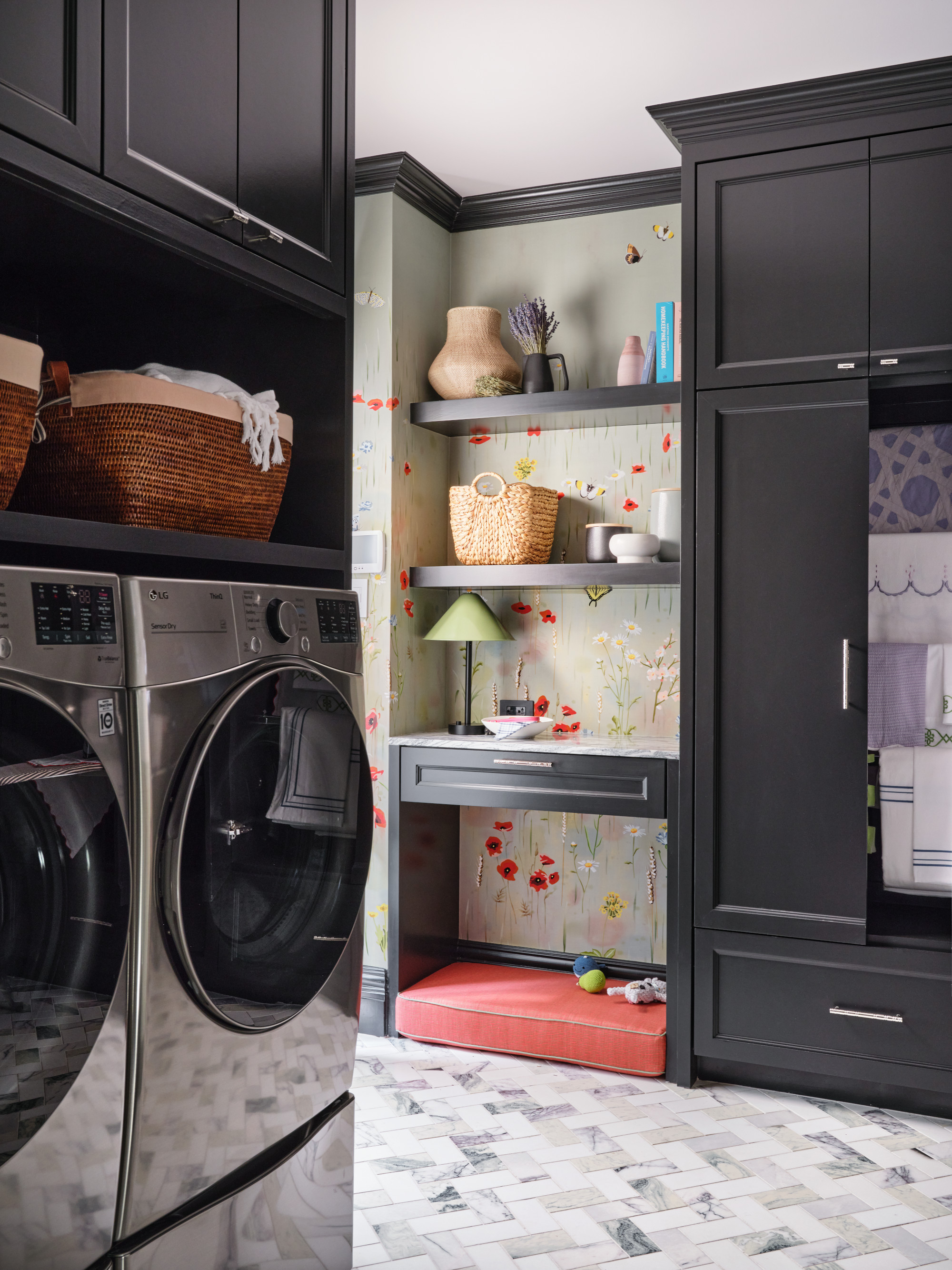
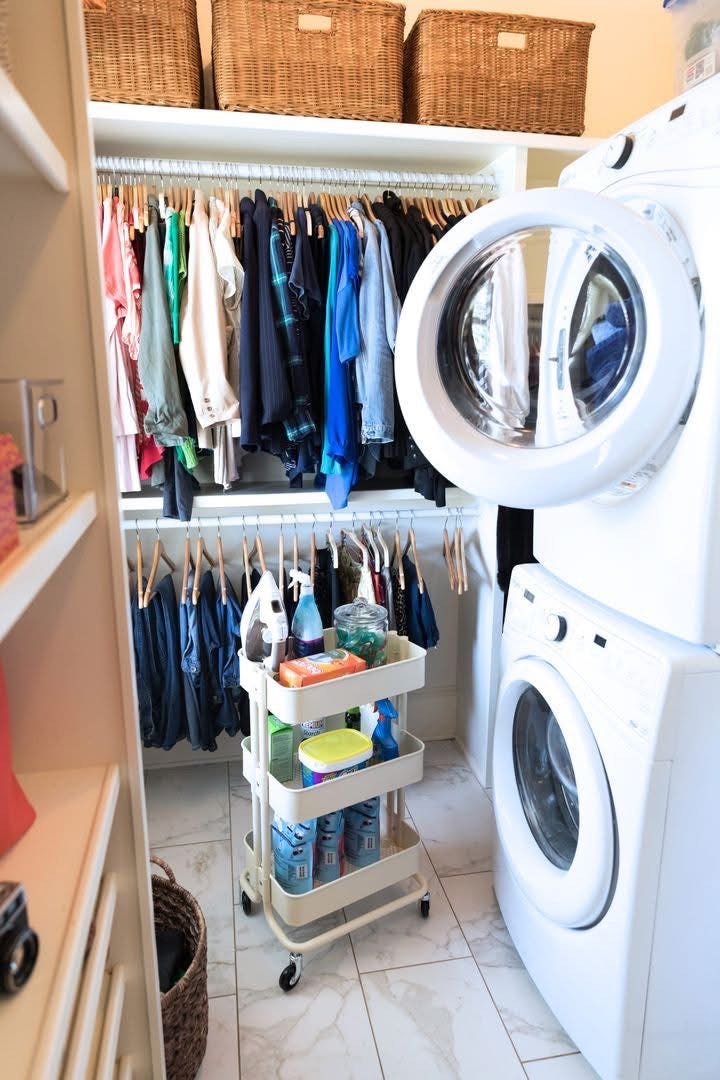
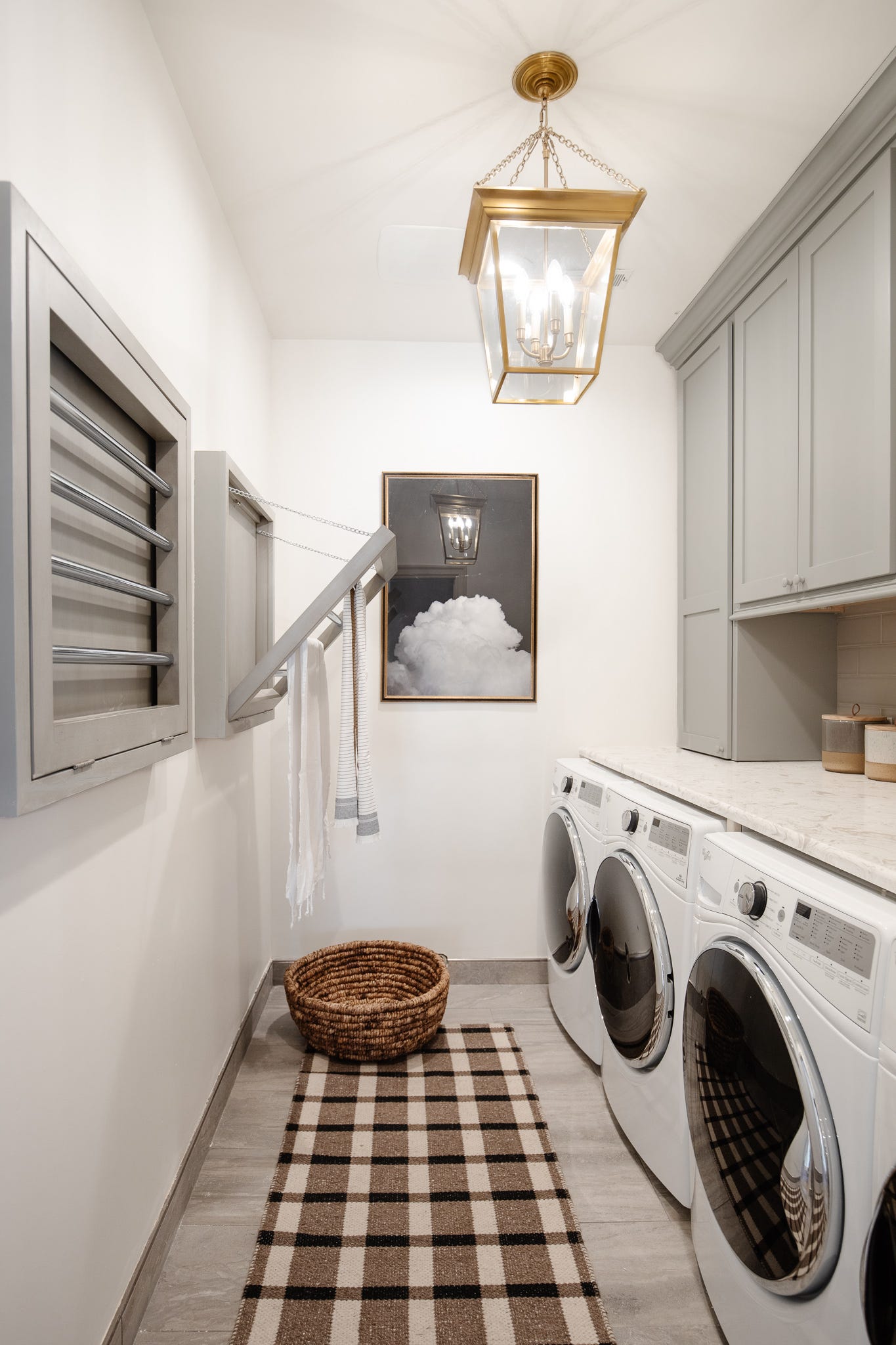
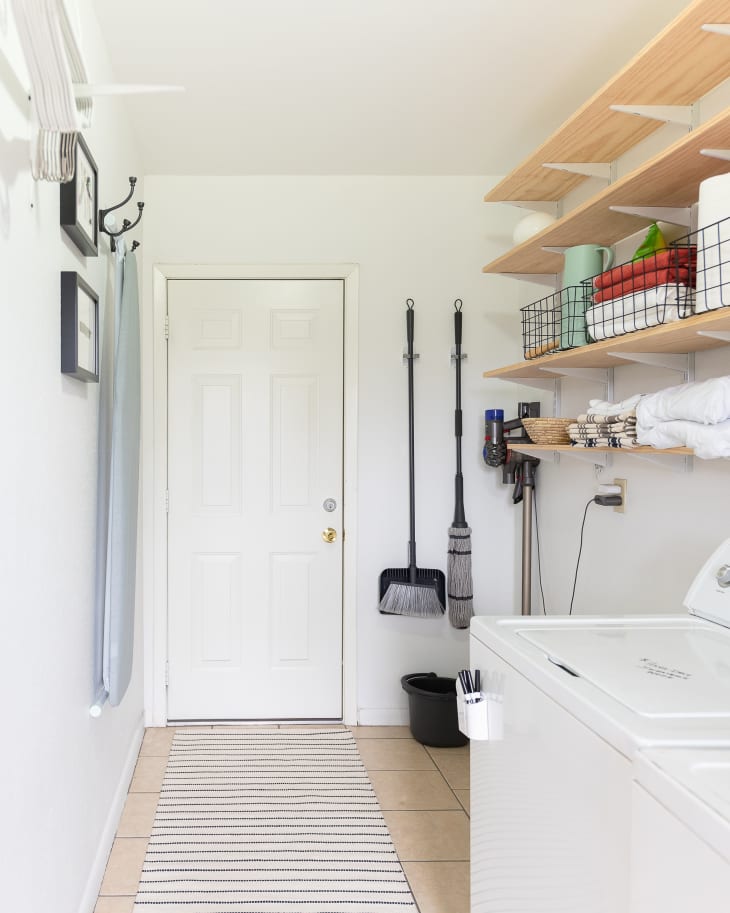
The second step focuses on creating distinct zones, especially if the laundry room serves multiple purposes, such as a mudroom, pet station, or general storage area. Davis suggests extending this zoning approach to the laundry process itself, considering activities performed after items exit the washer or dryer. This includes establishing a dedicated space for air drying, which can be achieved with a folding wall rack or a hanging rod above the appliances. Additionally, maintaining a designated spot for empty hangers allows for immediate hanging of garments after drying, thereby reducing the need for ironing.
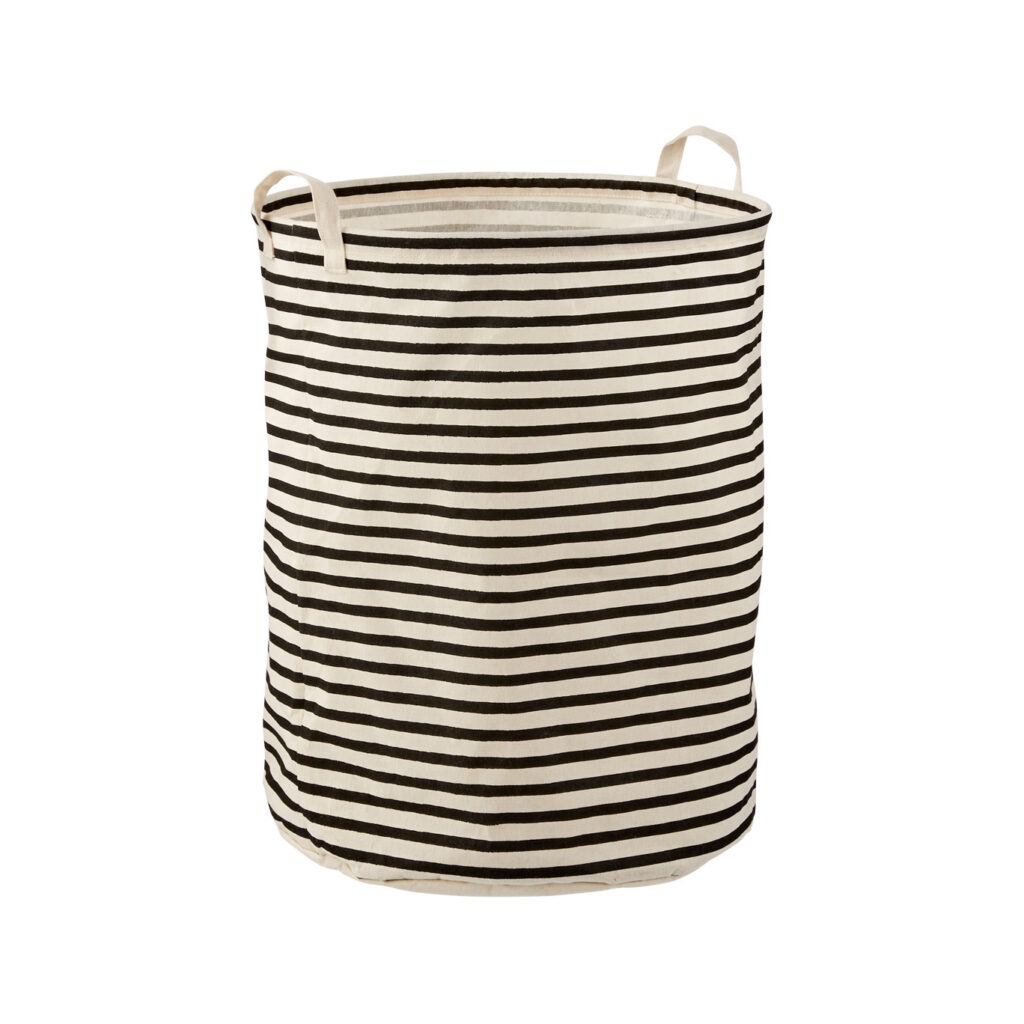
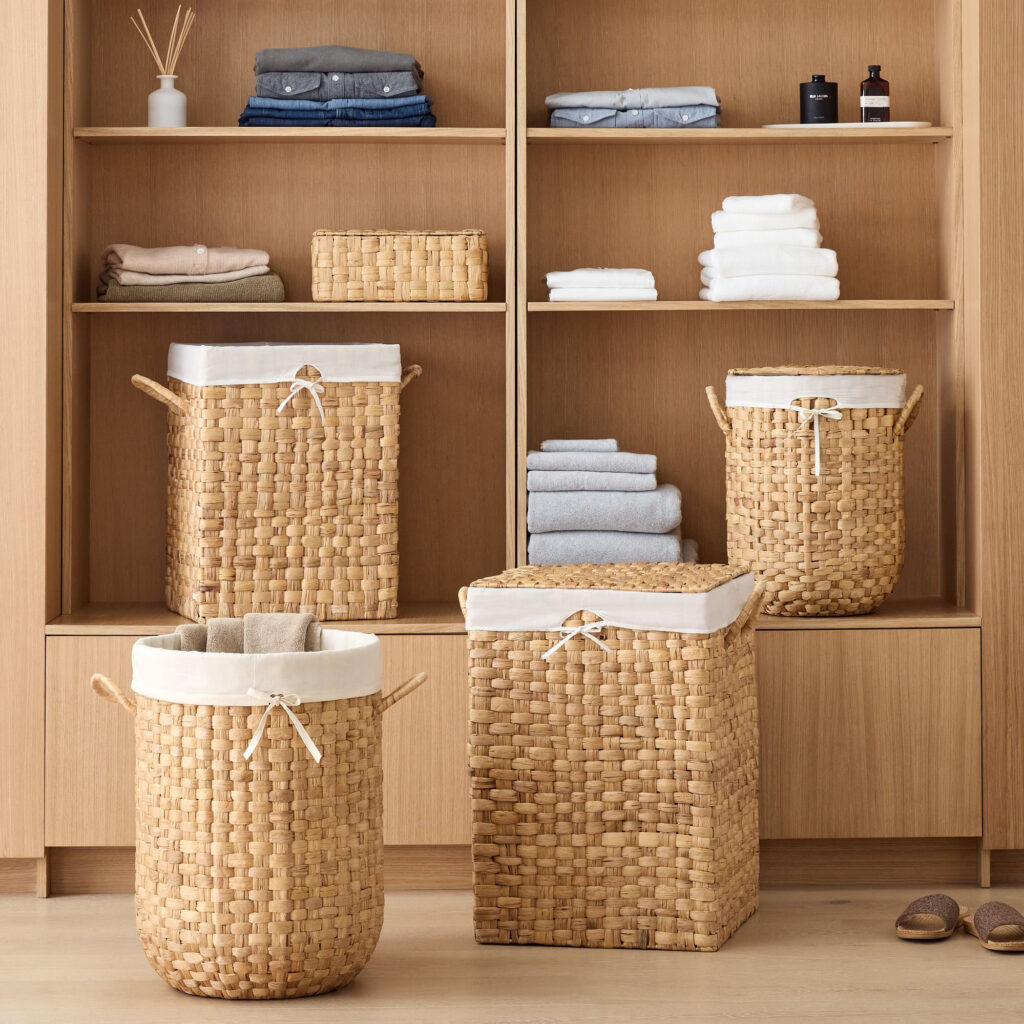
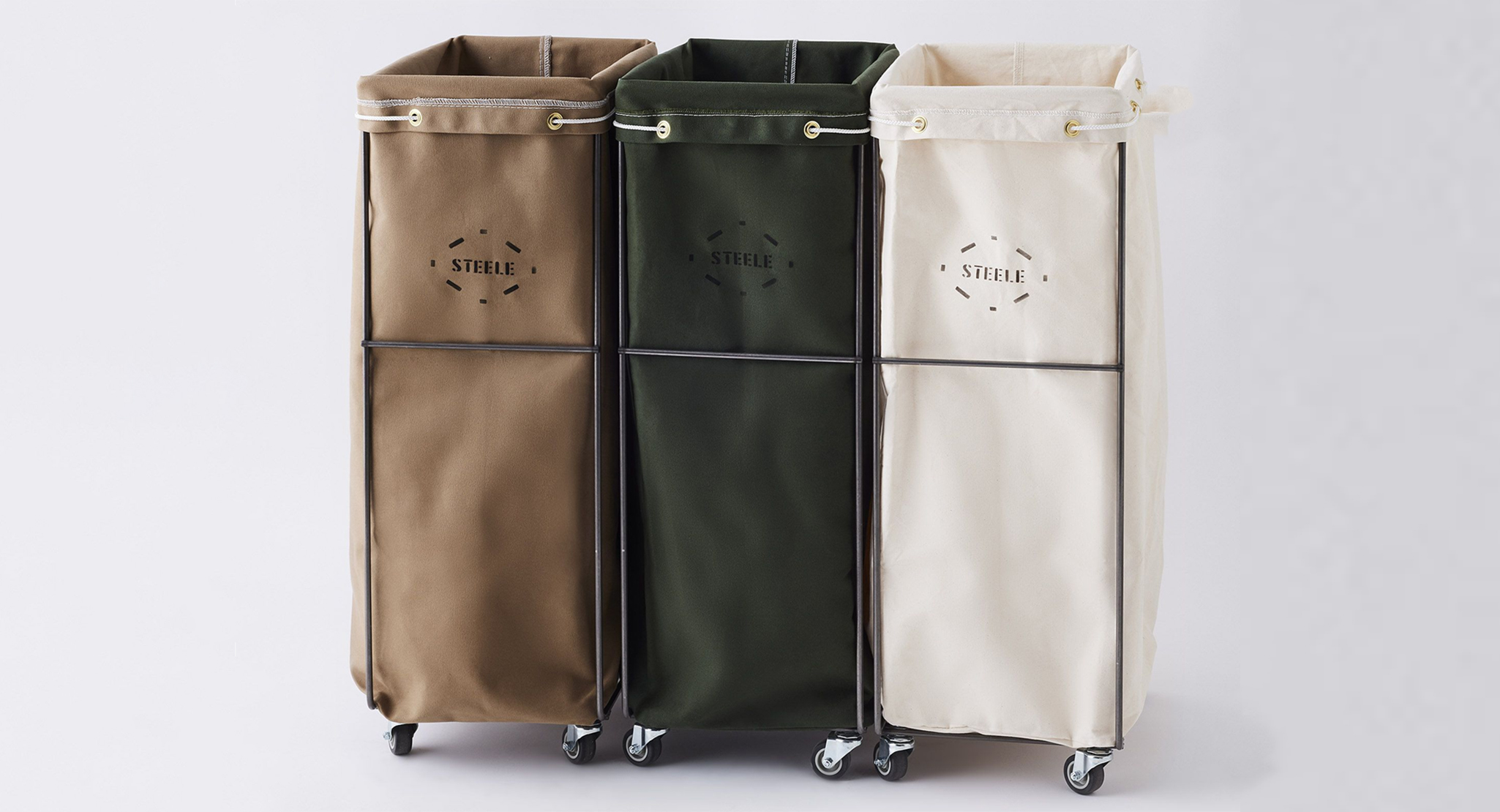
The third step is to implement a systematic approach, particularly by establishing incoming and outgoing stations. Reed highlights that these stations are vital for preventing clutter and chaos. An incoming station, such as a wheeled, sorted laundry bin, facilitates easy movement of dirty clothes throughout the home and allows for pre-sorting by person, color, or material. The outgoing station should include baskets for laundered items awaiting reintegration, as well as separate containers for lost socks, donations, items needing tailoring or mending, and dry cleaning. This systematic organization ensures that every item has a designated place before and after washing.
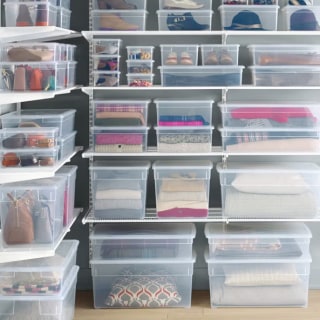
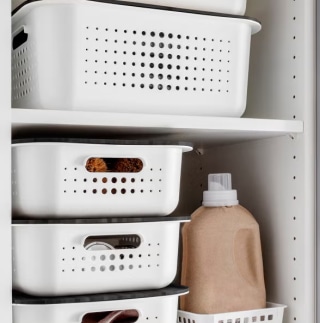
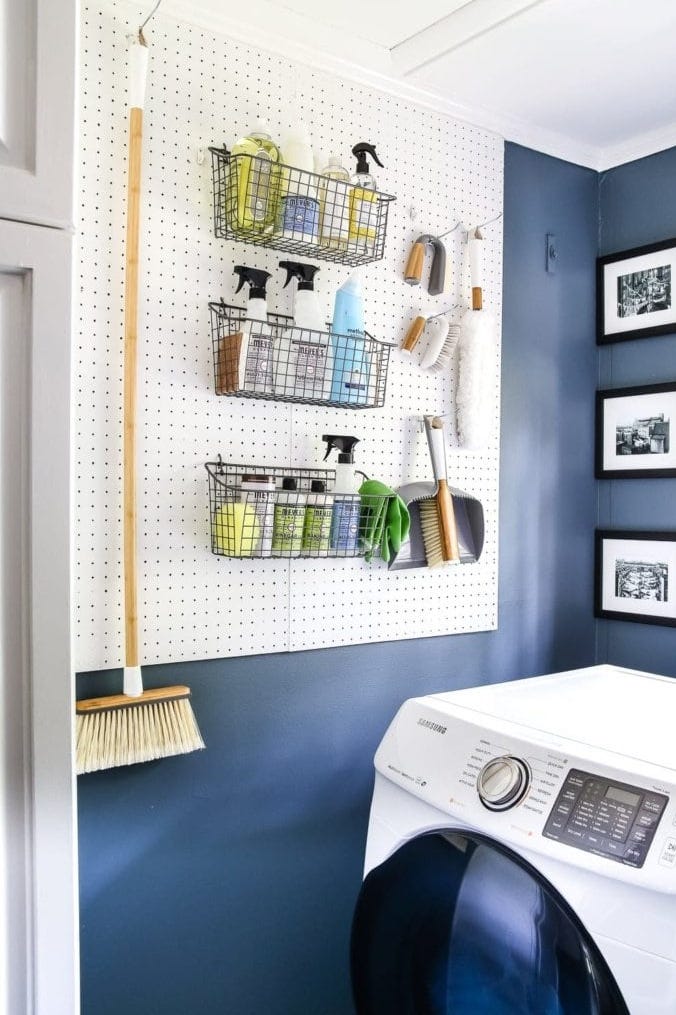
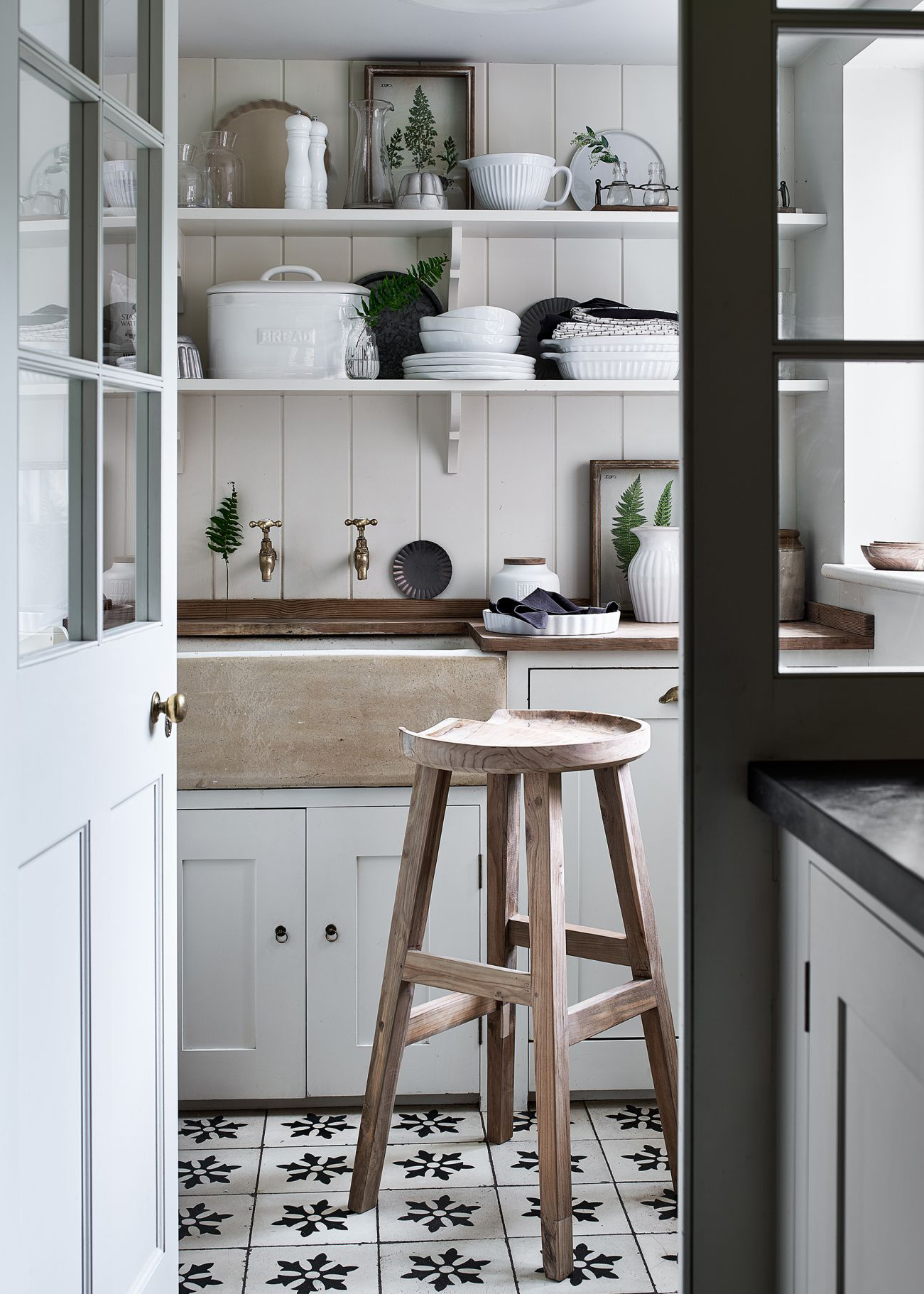
The fourth step recommends decanting and labeling all laundry products. Manufacturers' packaging is often unattractive and impractical, being opaque and prone to spills. Davis suggests transferring pods, liquids, and powders into airtight glass containers, arranging them on a tray for accessibility and a more organized appearance. A separate basket can hold dryer balls or sheets. For less frequently used items, labeled bins are recommended to ensure easy retrieval. Davis also points out that storage solutions like The Container Store’s Elfa wall and door racks can maximize space without encroaching on floor or cabinet areas.
Finally, the fifth step emphasizes the importance of weekly resets to maintain order. Reed advises dedicating one day each week to tidying the laundry room. This involves returning misplaced items to their proper locations, refilling canisters, and adding low-inventory items to shopping lists. The reset day is also an opportune time to drop off clothes for mending, tailoring, or dry cleaning, run the washer’s self-cleaning cycle, clean the dryer vent duct, discard unmatched socks, and perform a quick wipe-down of surfaces. Consistent adherence to these five steps can transform a laundry room into an efficiently organized and more pleasant space.
#LaundryRoomOrganization #HomeOrganization #LaundryTips #HomeCare #Decluttering #EfficientLiving #StorageSolutions #CleaningHacks #LaundryRoomOrganization #HomeOrganization #LaundryTips #HomeCare #Decluttering #EfficientLiving #StorageSolutions #CleaningHacks
0 comment in total
 No comments yet
You may also like
The best ways to organize your laundry room, according to experts

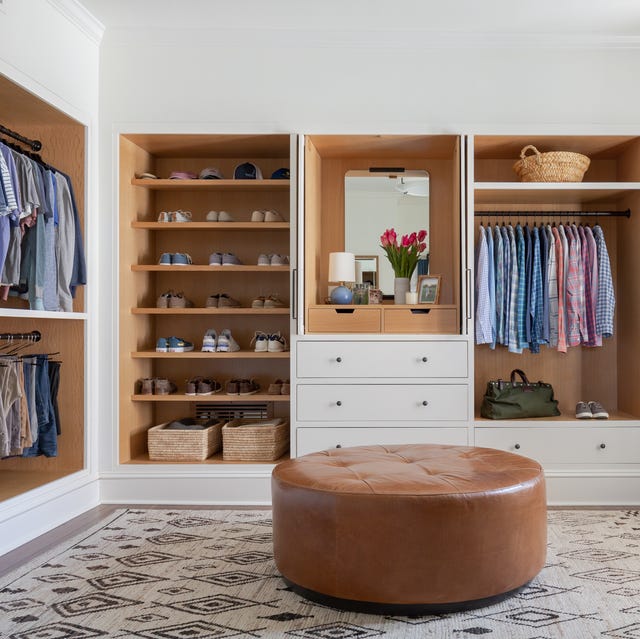
10 Clever Ways to Organize a Small Laundry Room

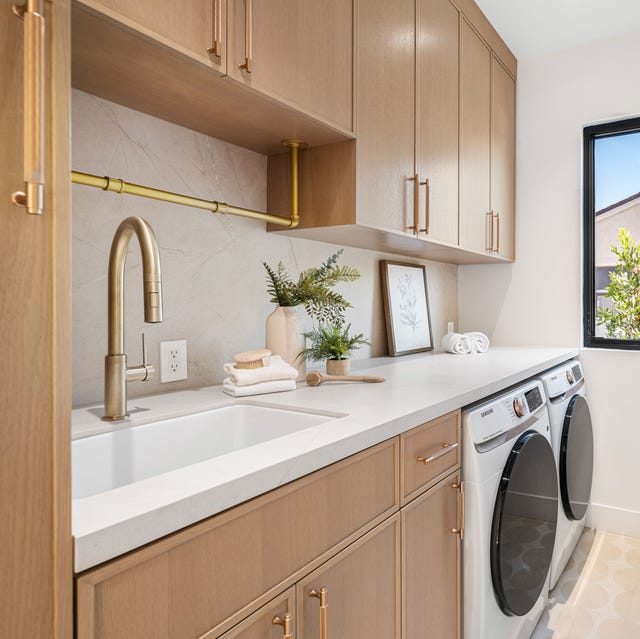
15 Clever Laundry Room Hacks Pro Organizers Swear By
17 Laundry Room Organizing Tips to Simplify Wash Day
How to make the most of your laundry room, according to a professional organiser
The 6 Must-Haves for a More Organized Laundry Room, According to an Expert
How to Organize a Chaotic Laundry Room, According to Home Experts

Interior designer Kathleen Walsh's top 5 tips on making your laundry room stand out from the crowd

5 laundry room design rules – an expert-approved formula for the ideal space
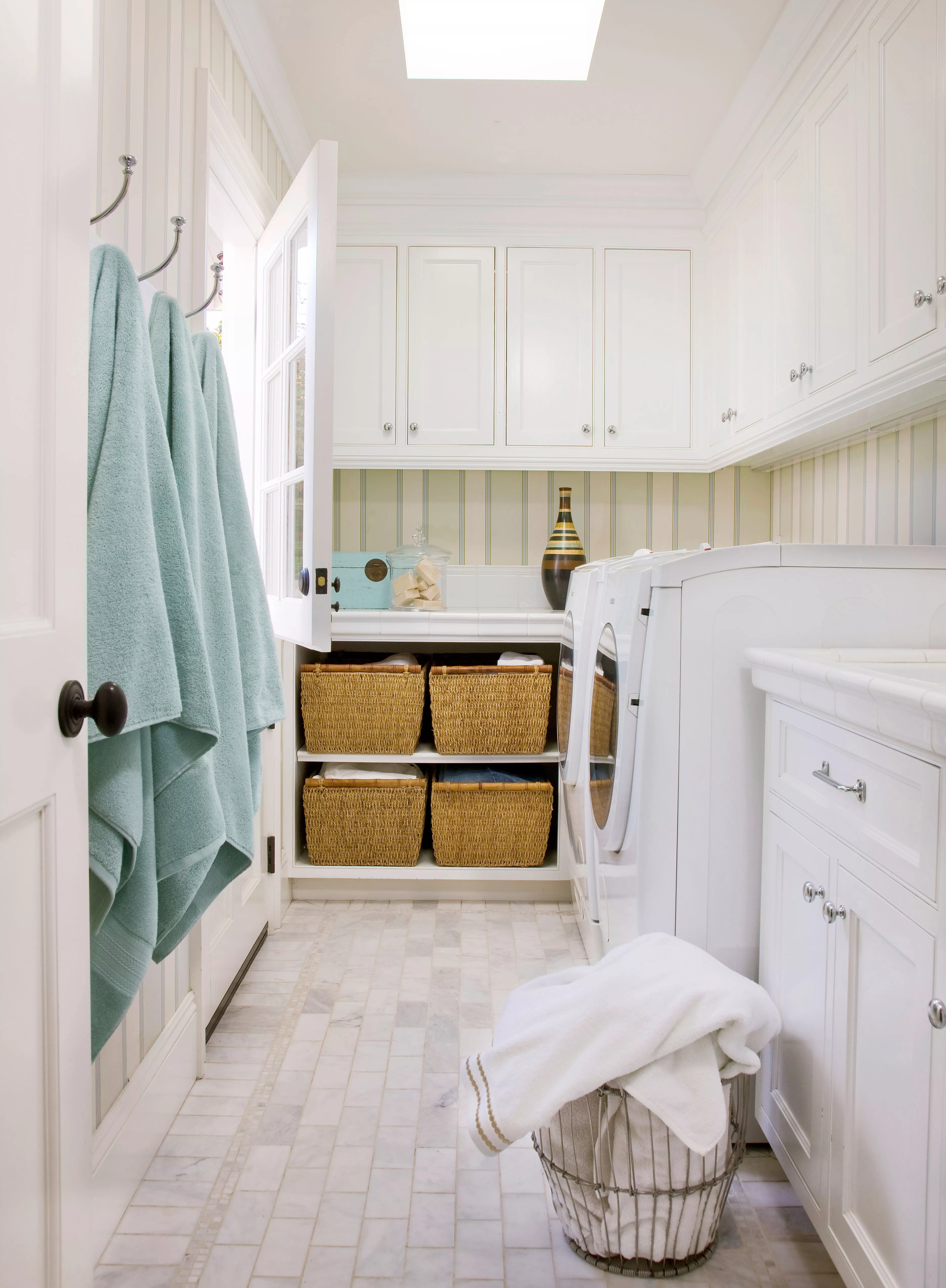
Everything You Need to Know for a Functional Laundry Room


23 Things That'll Help You Get The Laundry Room Of Your Dreams

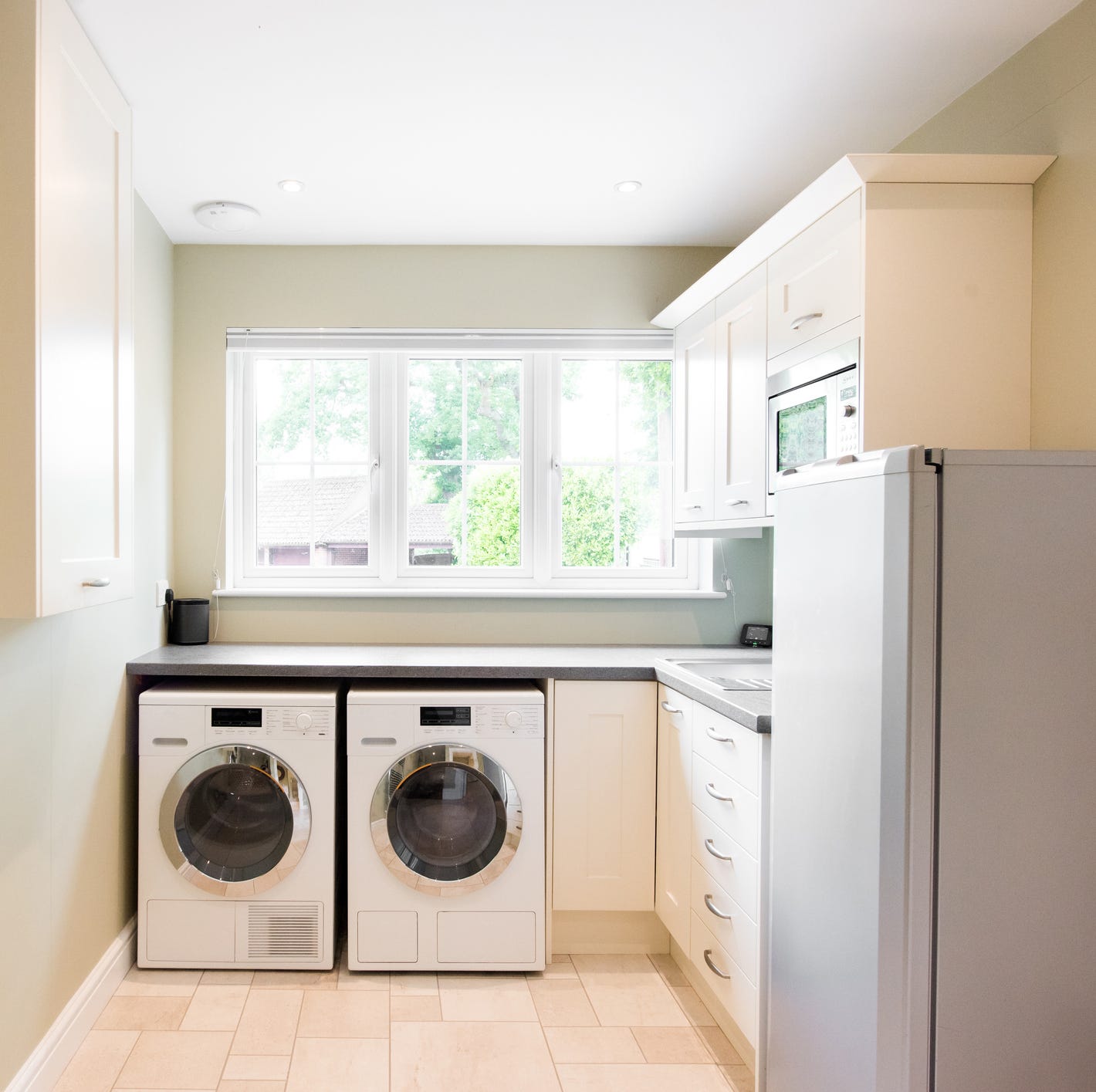
The Best Laundry Room Hacks

Laundry Room Arranging Tips You’ll Love
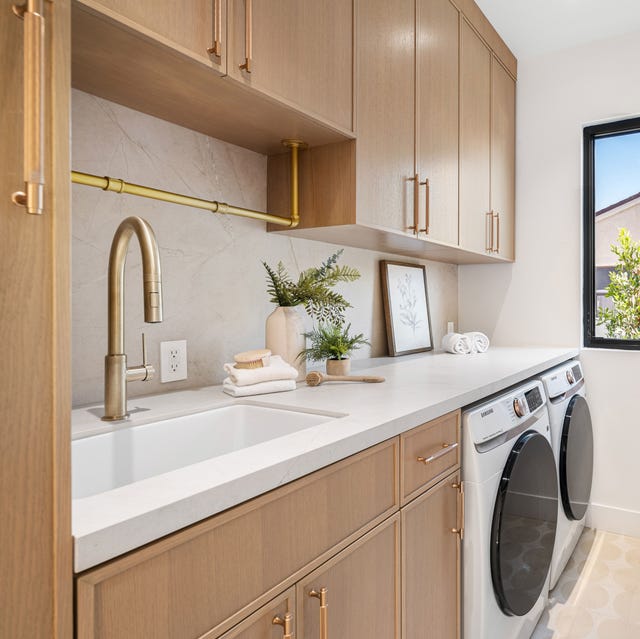
15 Brilliant Laundry Room Hacks Professional Organizers Swear By
5 laundry room decor ideas to take it to the next level

Interior designer Irene Gunter's 5 laundry room design tips will revolutionize this humble space – forever
22 Clever Hacks That Will Organize Your Laundry Room Instantly
10 Laundry Room Organization Ideas That’ll Make Folding Socks Your Favorite Part of the Day

13 laundry room organization ideas to try | Shop TODAY
These 6 Organizing Tips Make for Laundry Room Magic