1/6
Designers Reveal the Key to Designing a Laundry Room That Motivates You
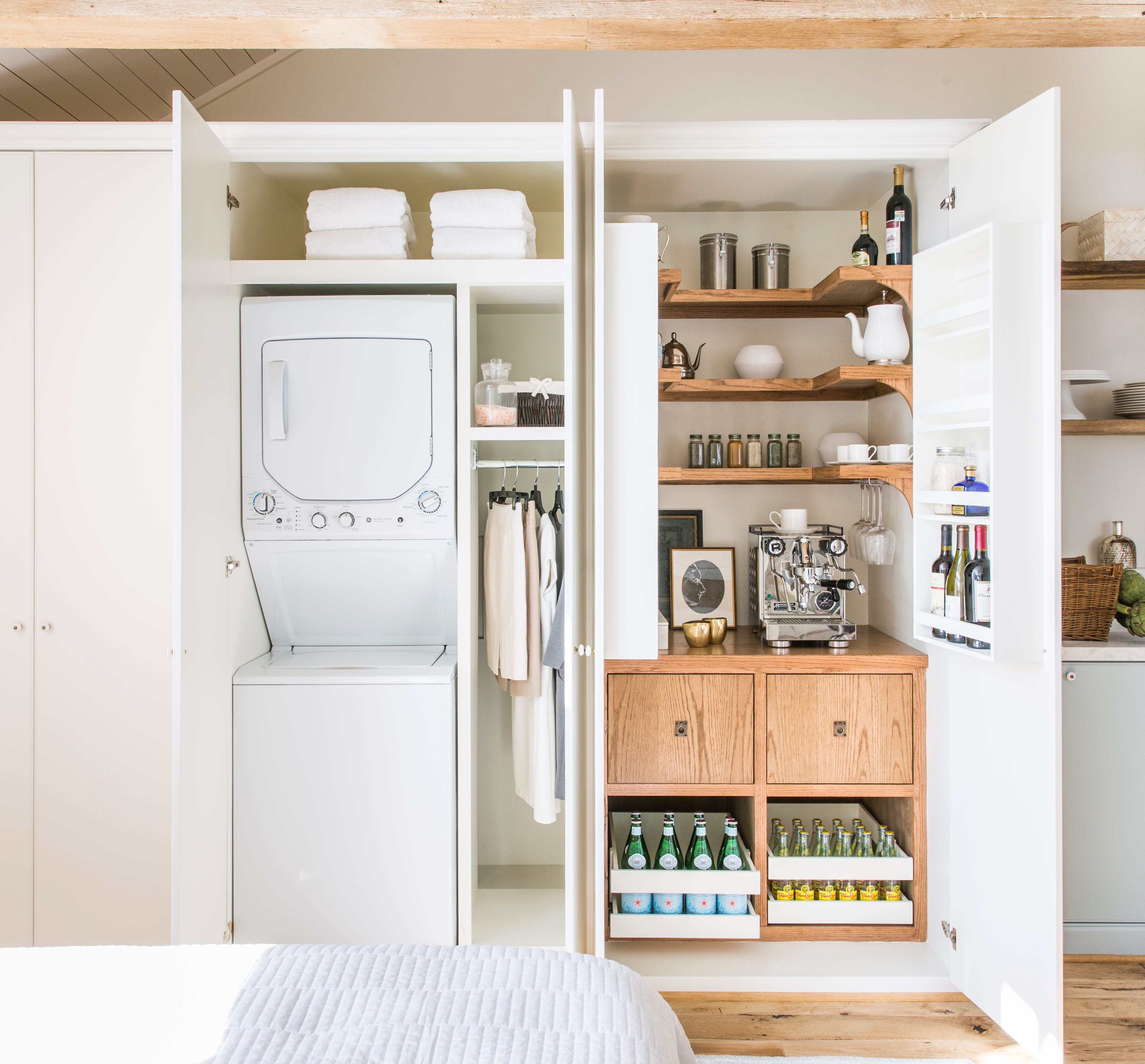
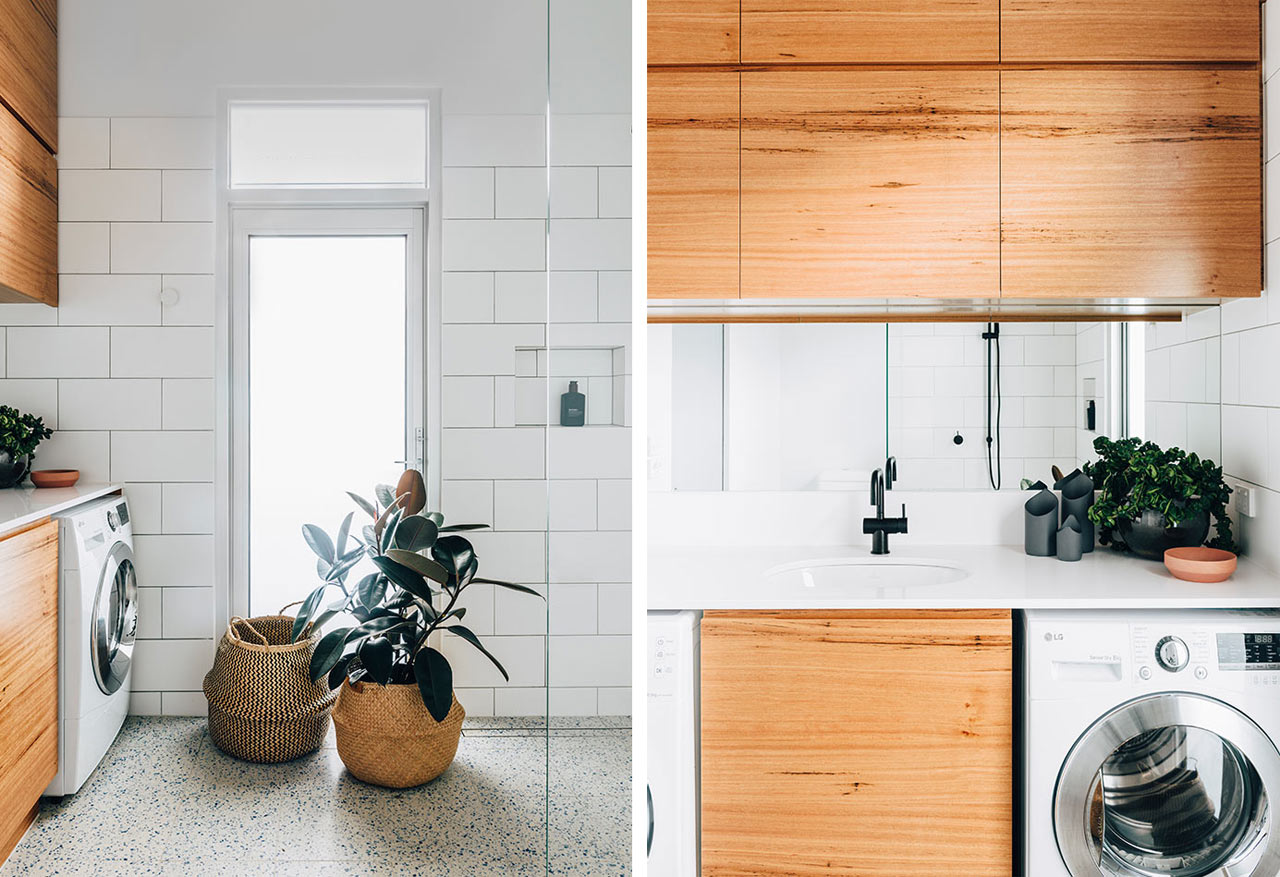
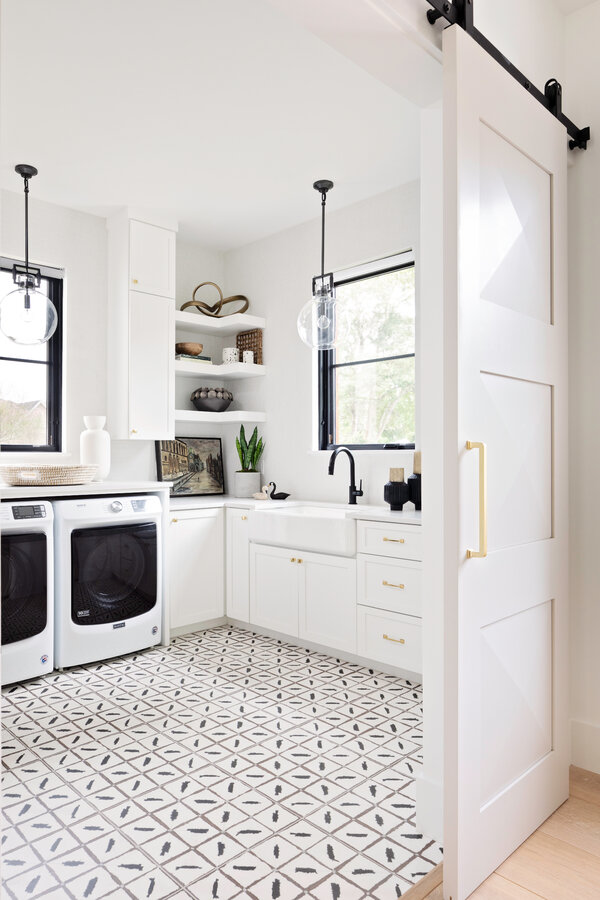
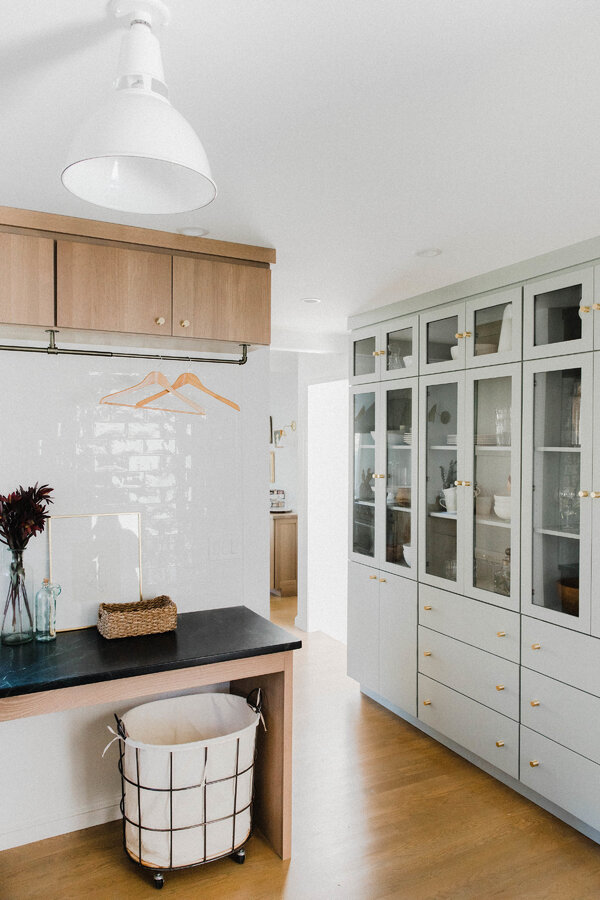
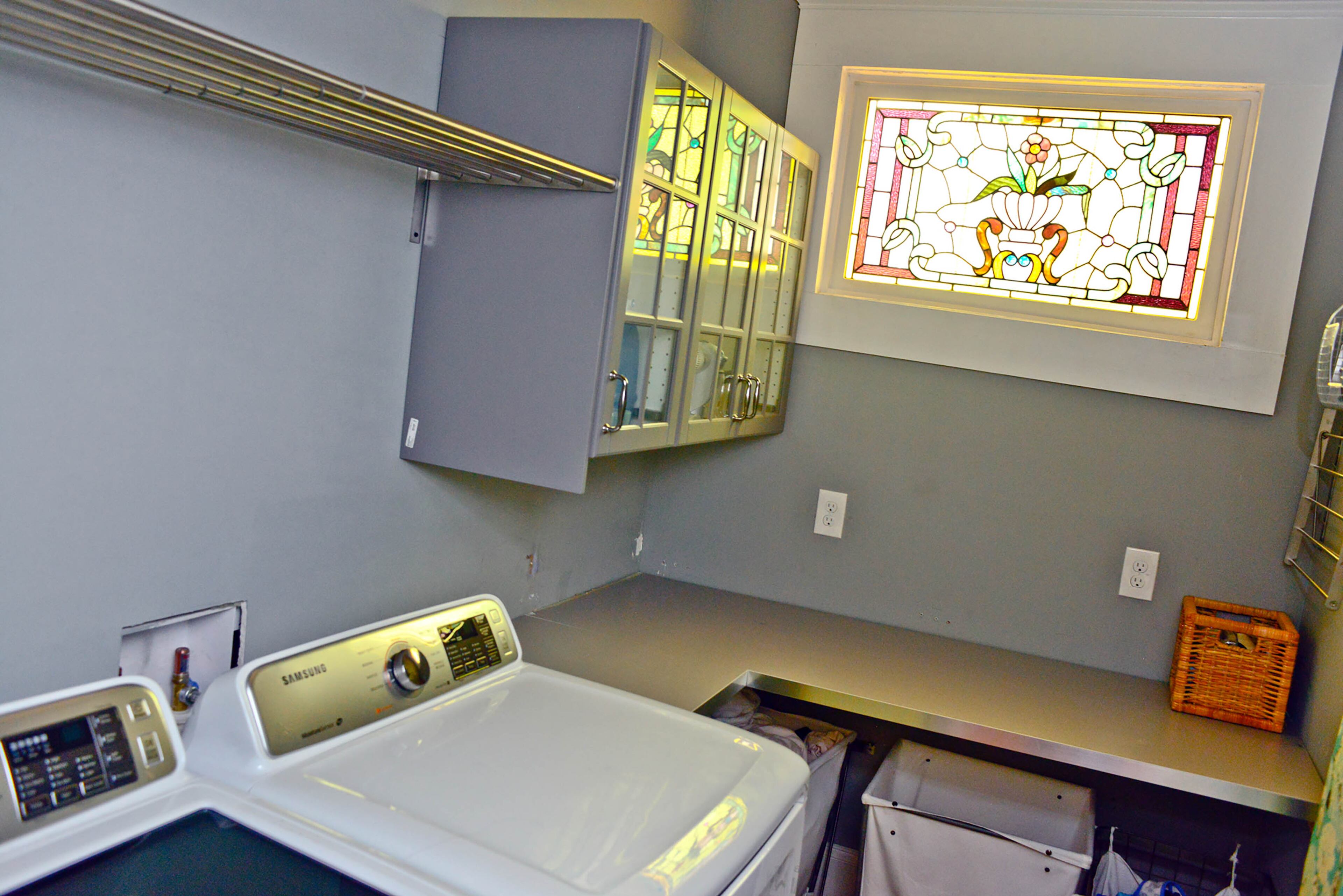
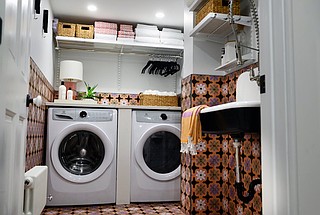
Designing a functional and stylish laundry room involves careful consideration of several key elements, from its location within the home to the choice of materials and appliances. Experts emphasize that the laundry room, similar to the kitchen, is a central hub in day-to-day family life, underscoring the importance of its accessibility and efficiency. Designers like Katherine Melvin and Katie Rosenfeld advocate for a central location, ideally near bedrooms or areas where clothes get dirty, to streamline the laundry process. Alternatively, if a dedicated space is not feasible, integrating laundry facilities into existing rooms like kitchens or bathrooms can be a cost-effective solution due to pre-existing plumbing. Creative concealment through cabinetry or built-ins can also make a laundry area blend seamlessly with home aesthetics.
Beyond location, a laundry room requires specific technical considerations. Access to water is fundamental, and positioning the laundry room near a bathroom or kitchen can significantly reduce plumbing costs. Electrical requirements are also crucial, with dedicated circuits needed for washers and dryers, especially for electric models which demand a 30-amp, 240-volt circuit. Proper ventilation is another non-negotiable aspect to prevent mold and mildew caused by humidity. This necessitates a dryer vent with outdoor access and possibly a window or exhaust fan to maintain air quality and prevent allergen buildup.
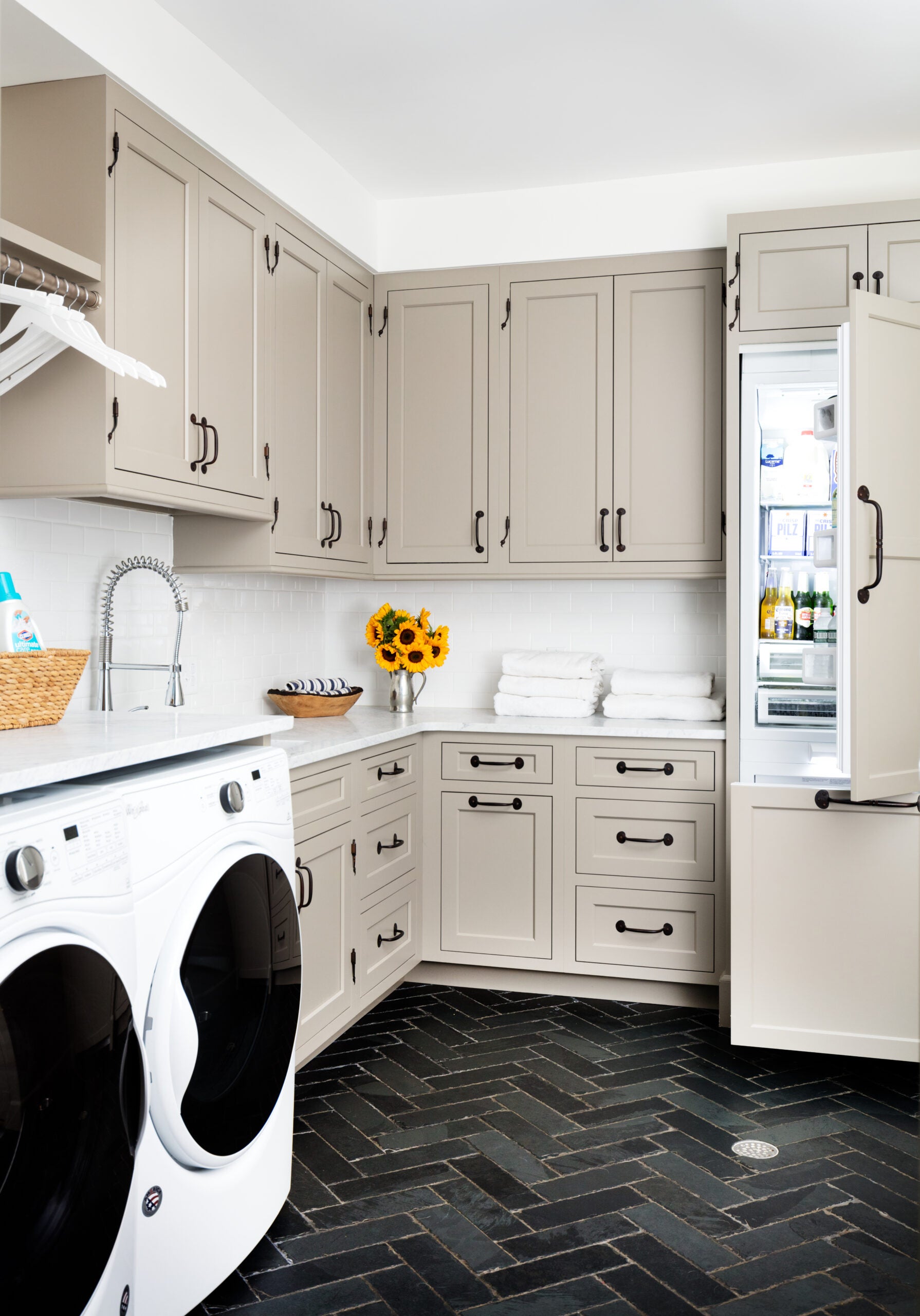
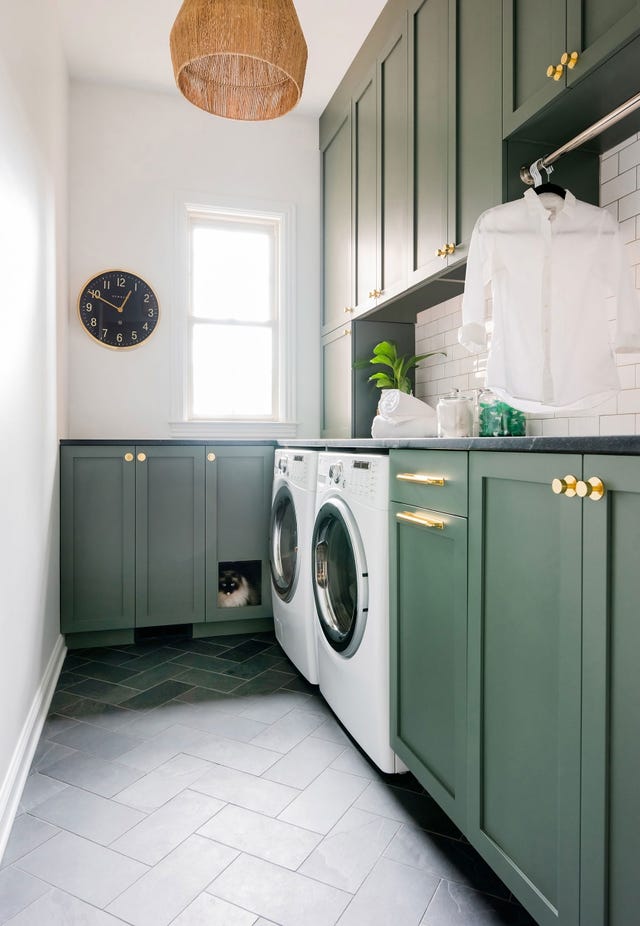
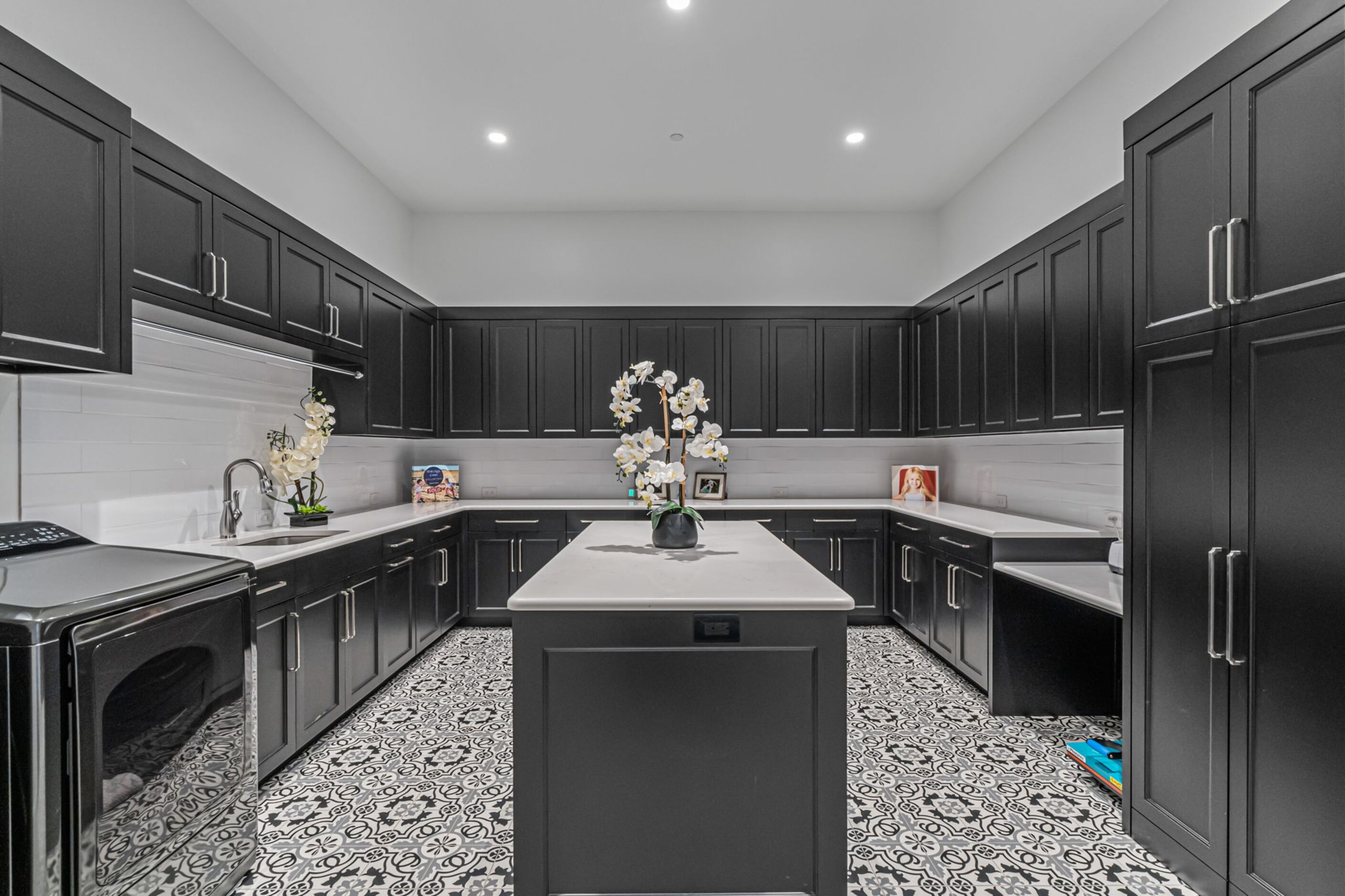
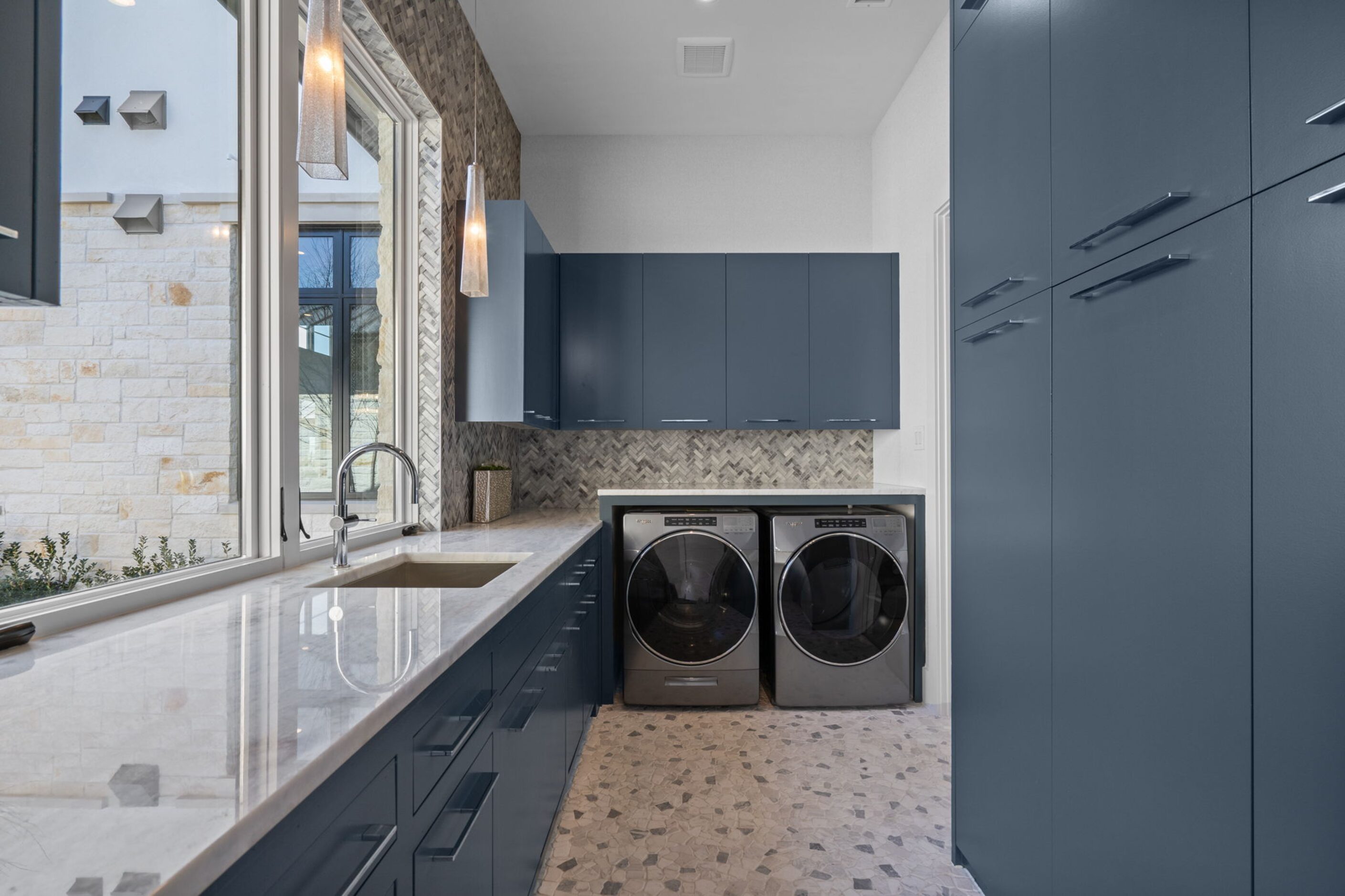
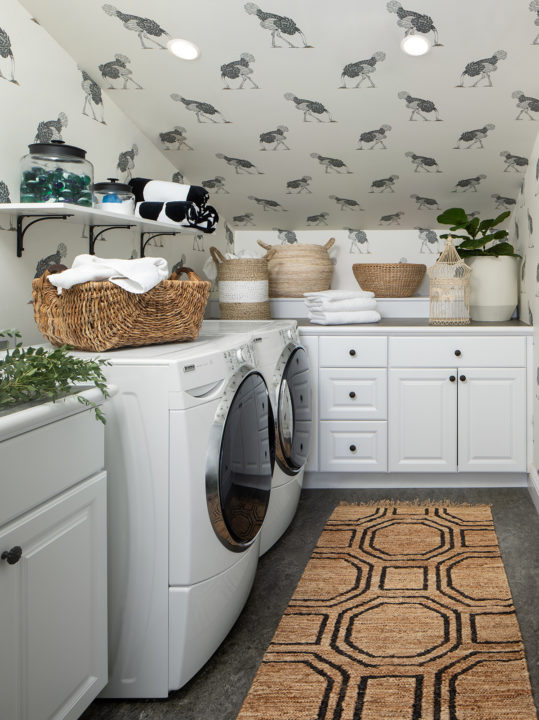
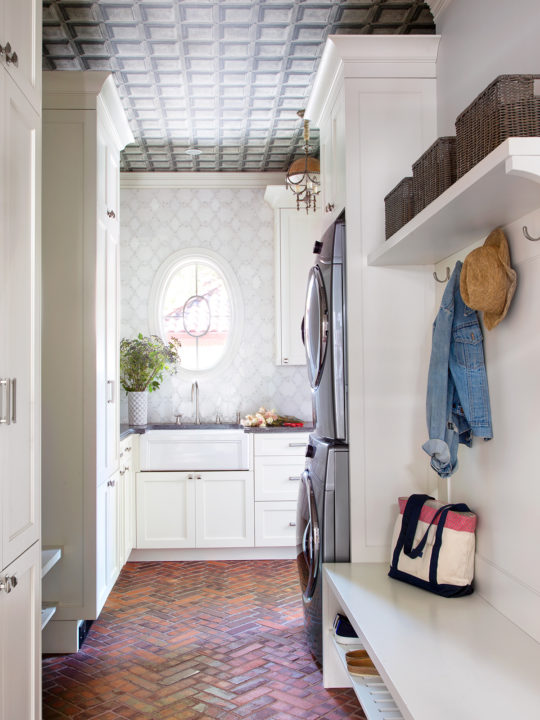
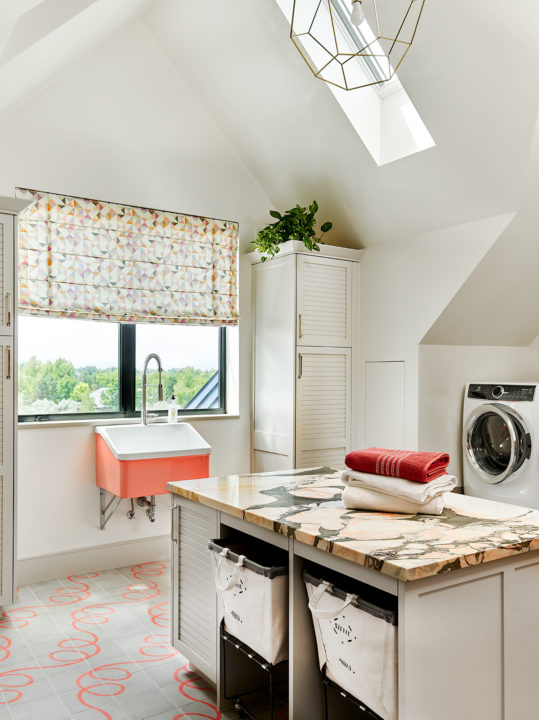
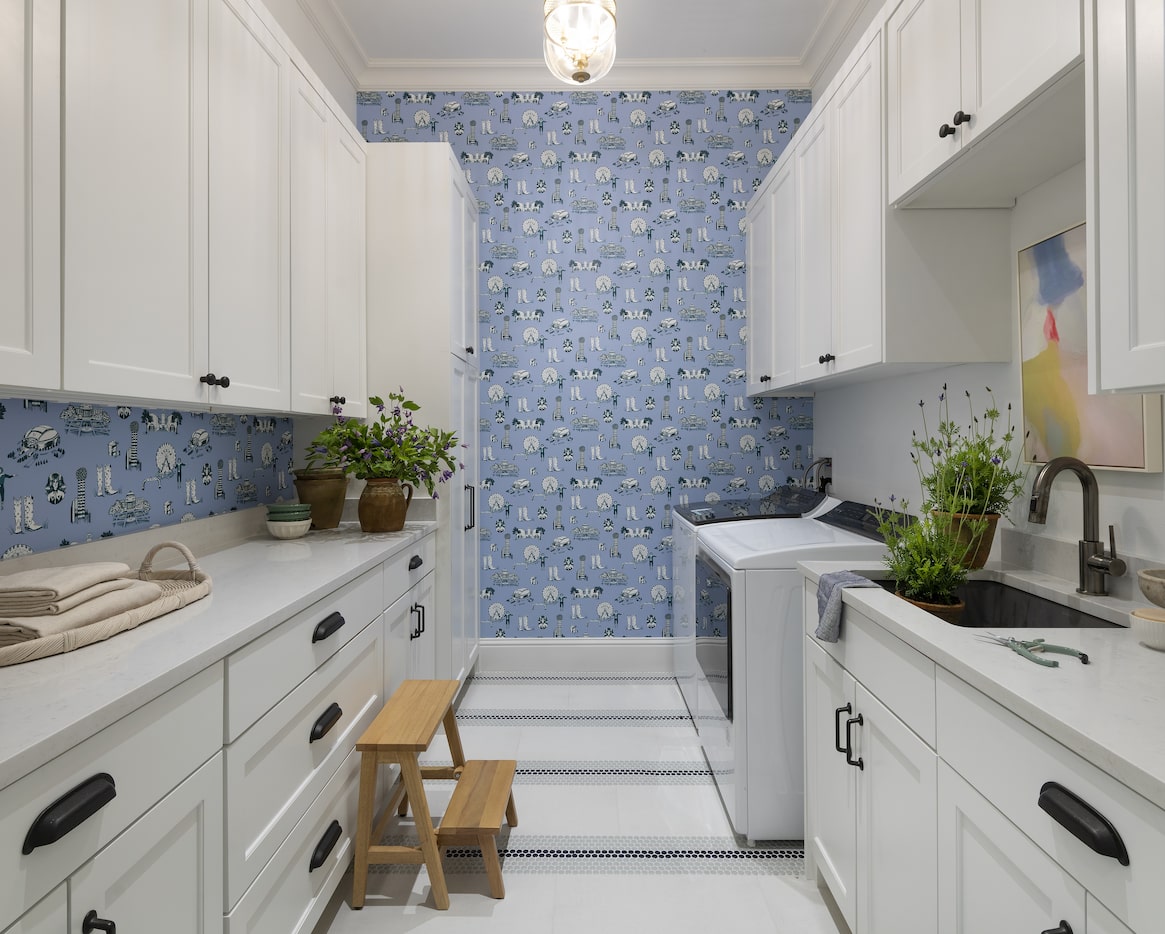
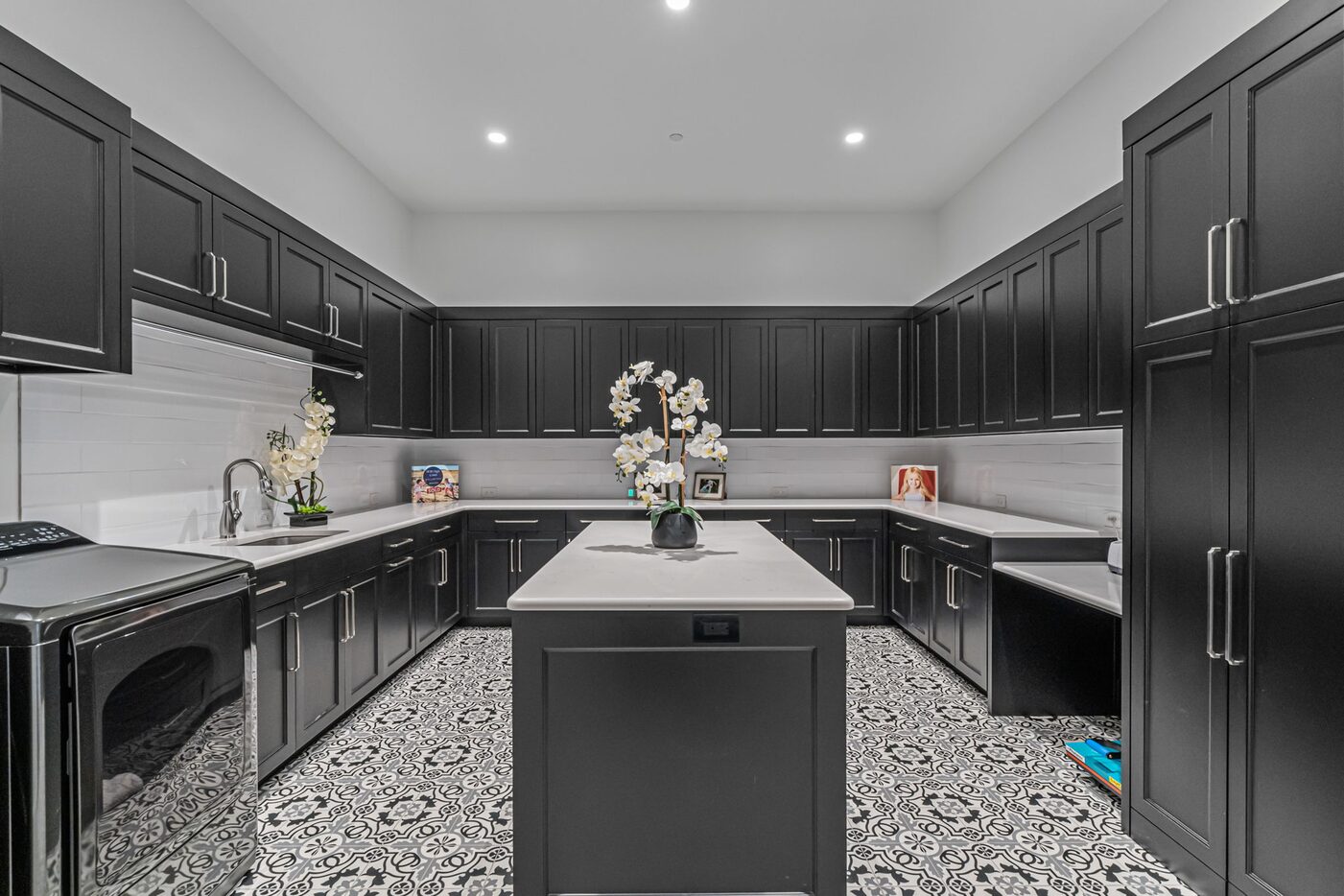
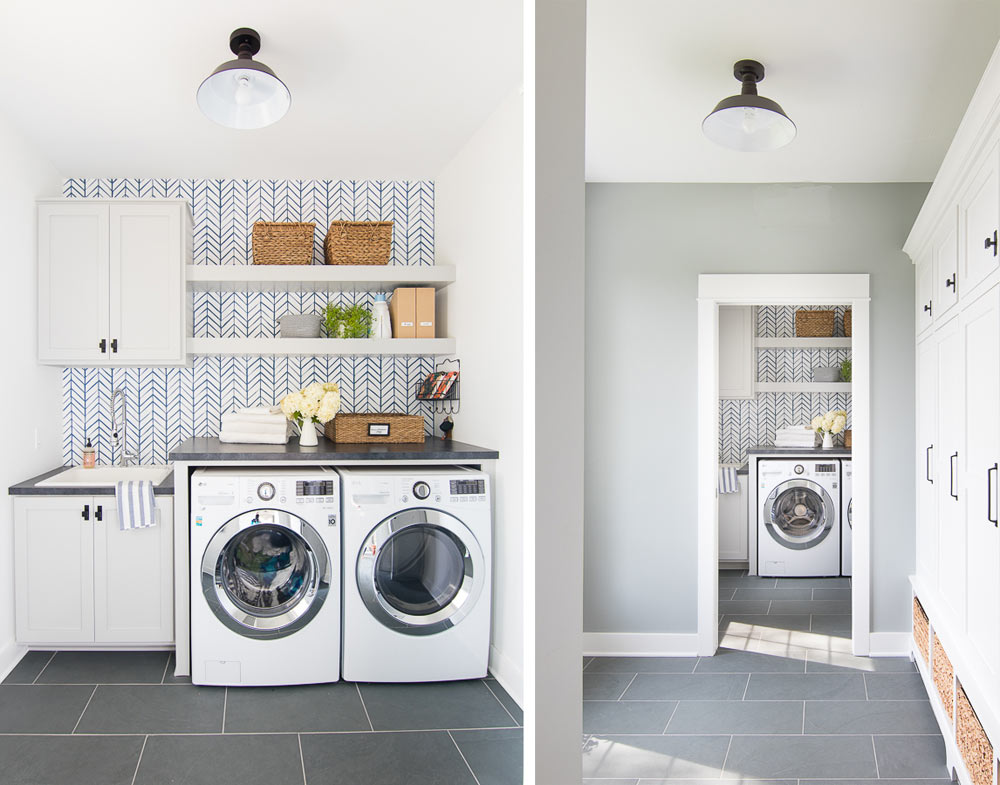
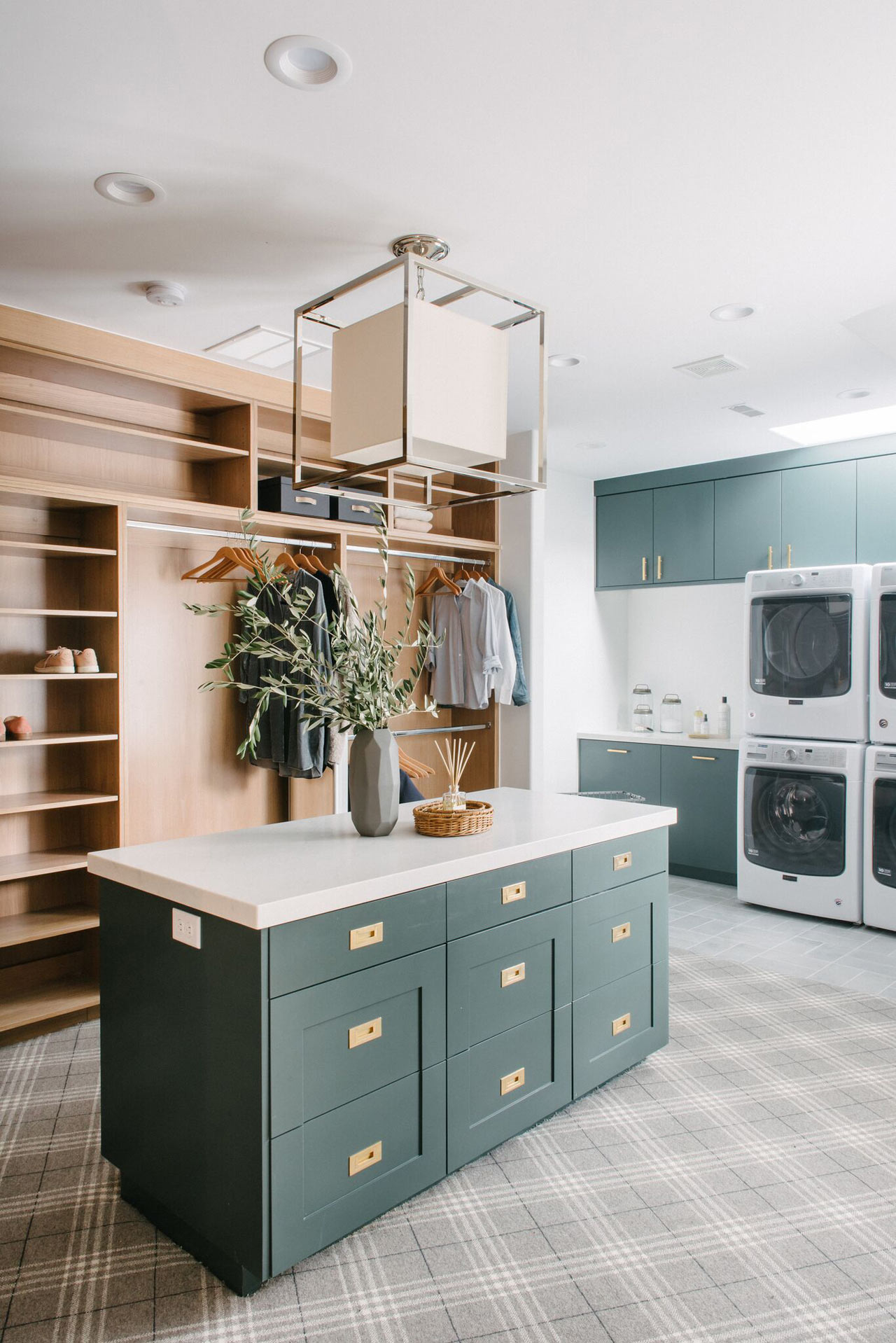
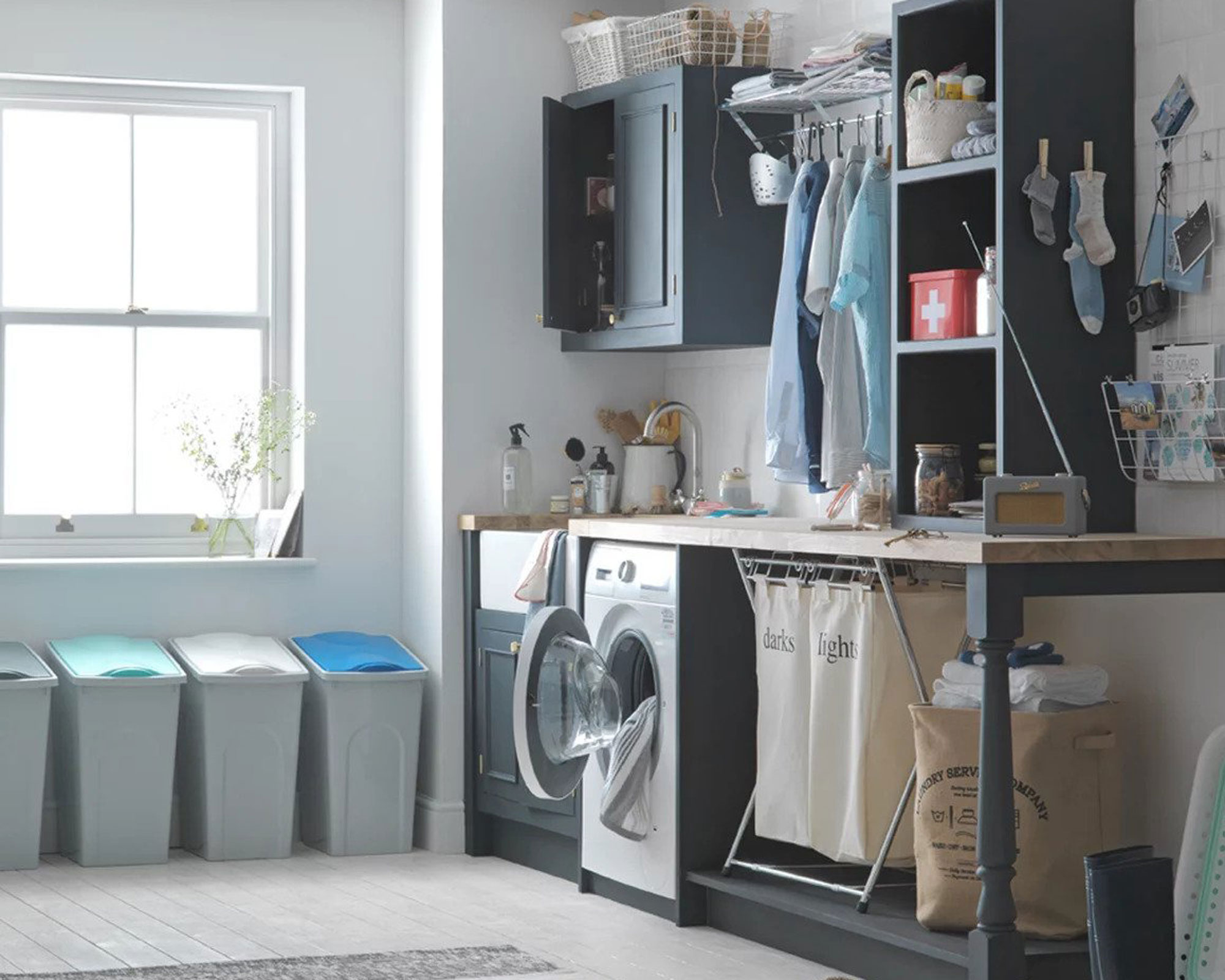
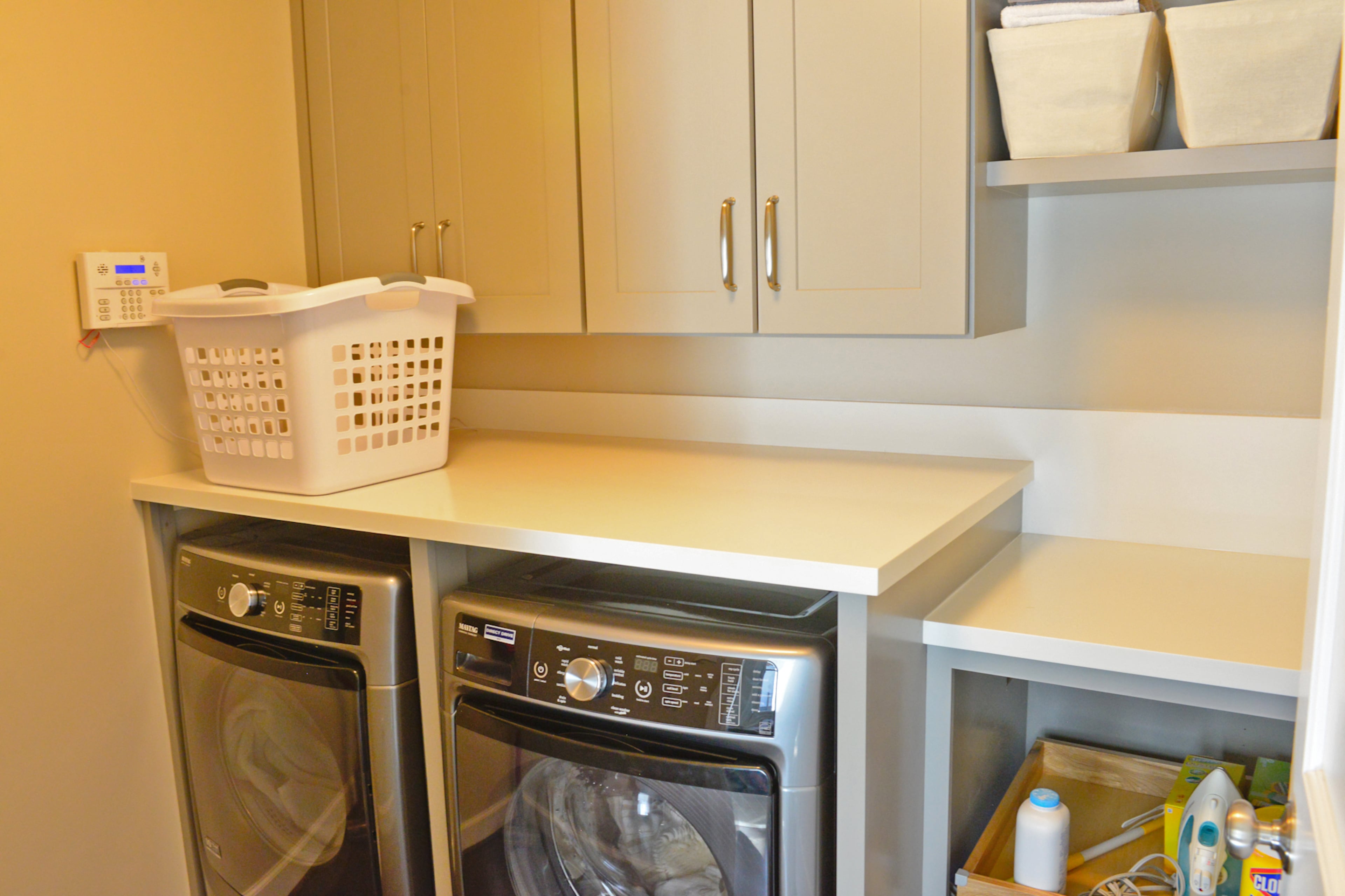
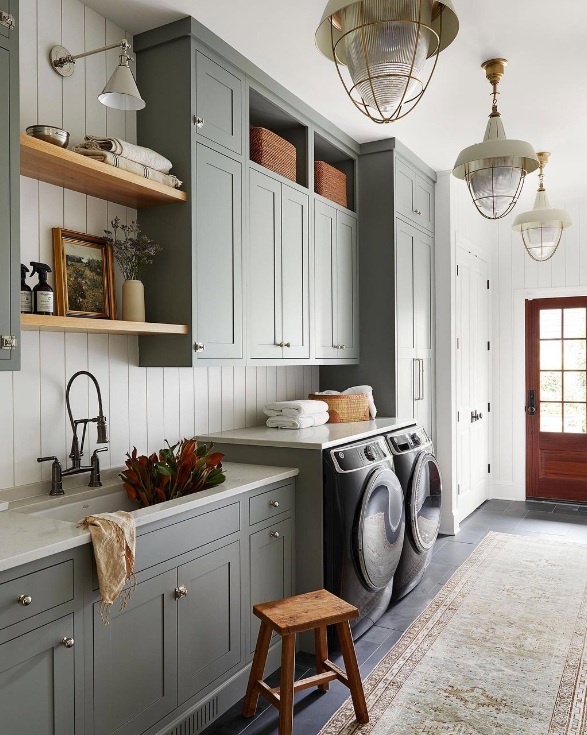
Layout plays a pivotal role in maximizing efficiency. Ideal dimensions for a dedicated laundry room are suggested as 8' x 14', though practical layouts must adapt to available space. Common configurations include L-shaped, U-shaped, and galley layouts, each suited to different room sizes and needs. An L-shaped layout works well in narrow spaces, a U-shaped design is ideal for larger rooms and can incorporate islands or washing stations, and a galley layout is perfect for tighter rooms, featuring appliances and countertops along one or two opposing walls. Lifestyle factors, such as the need for folding space or extensive storage, should guide layout decisions.
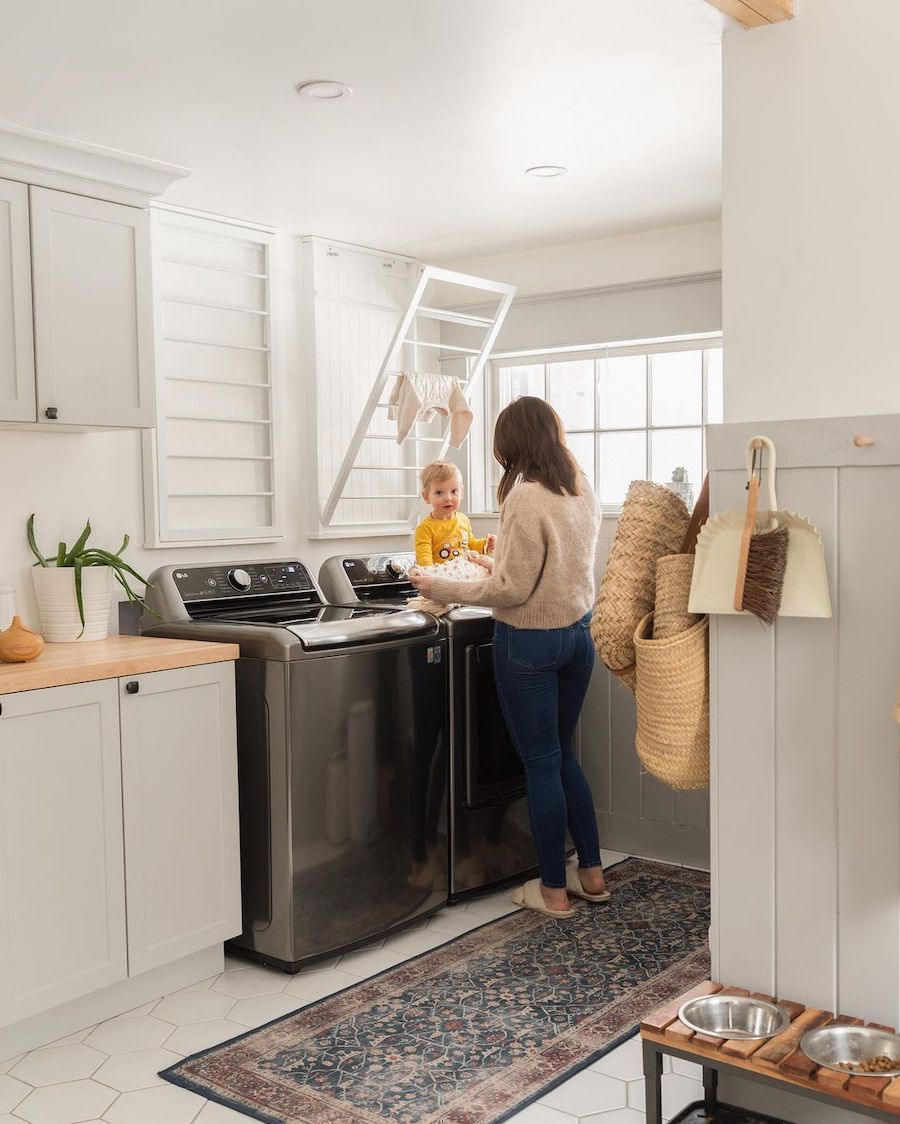
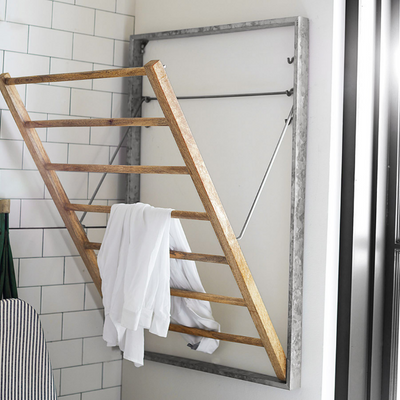
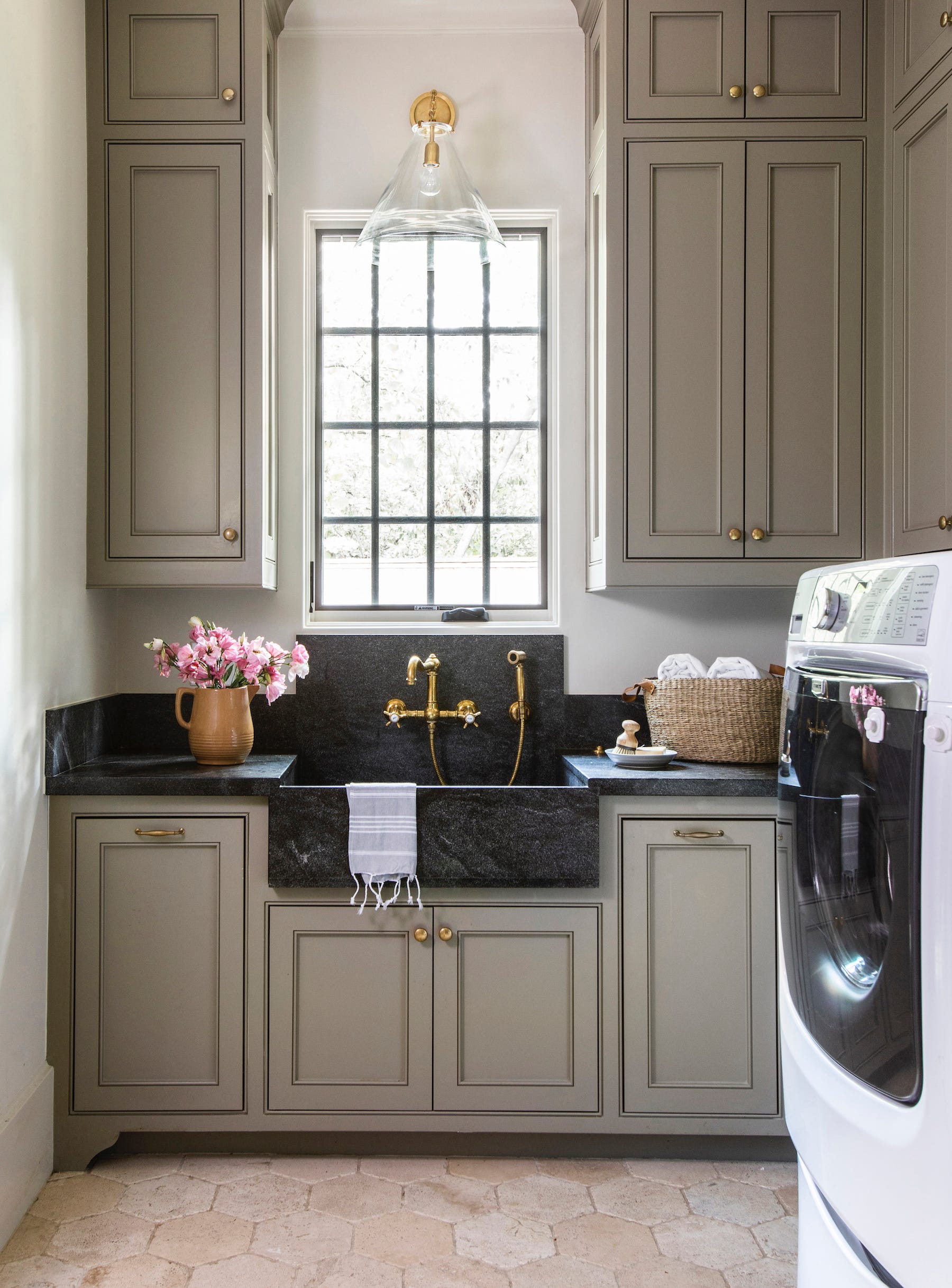
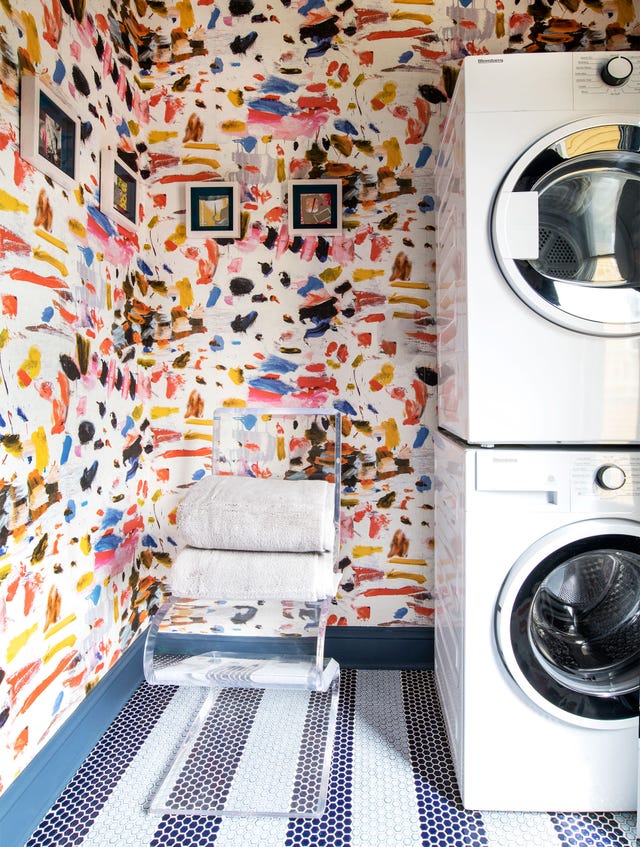
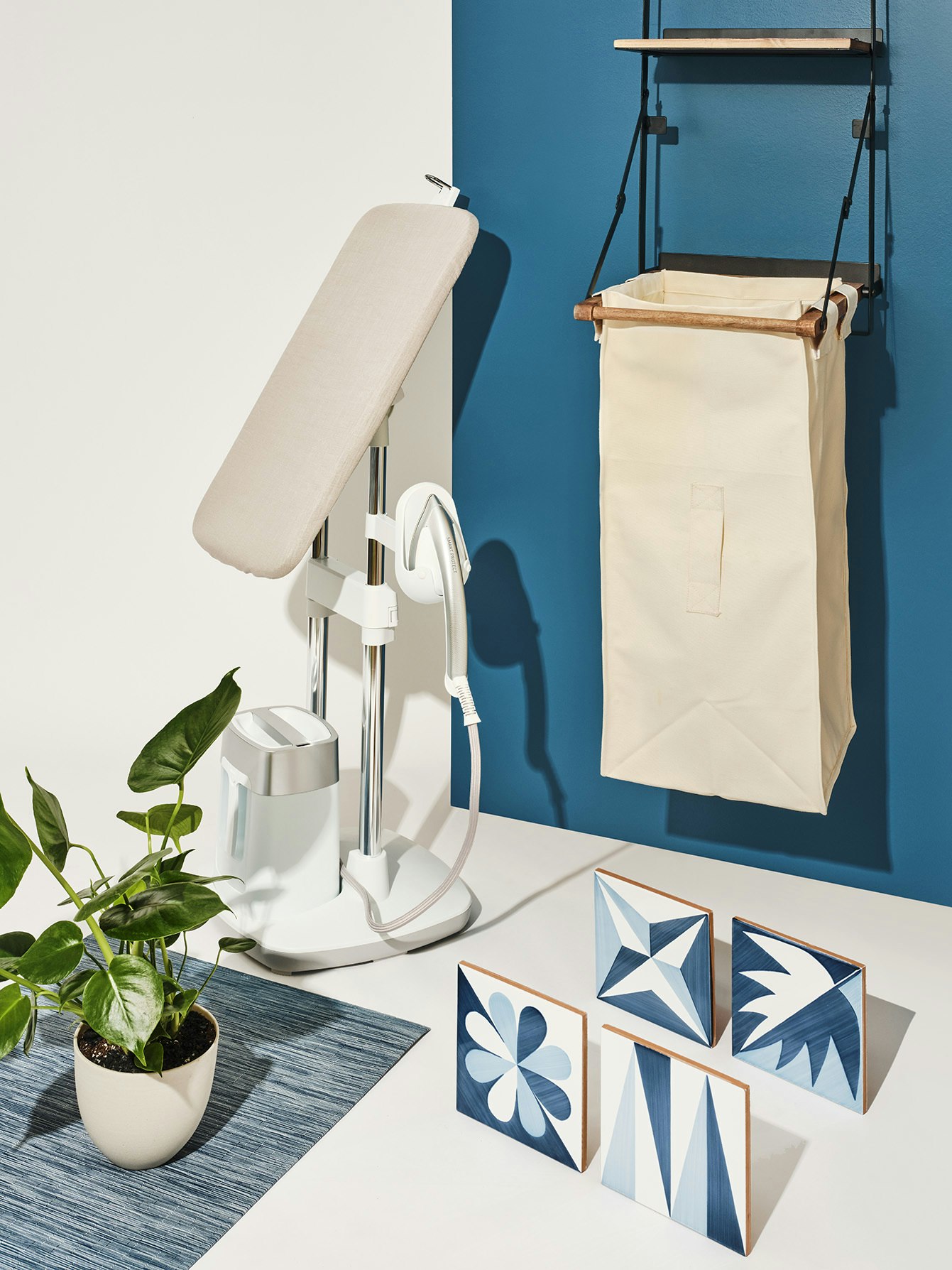
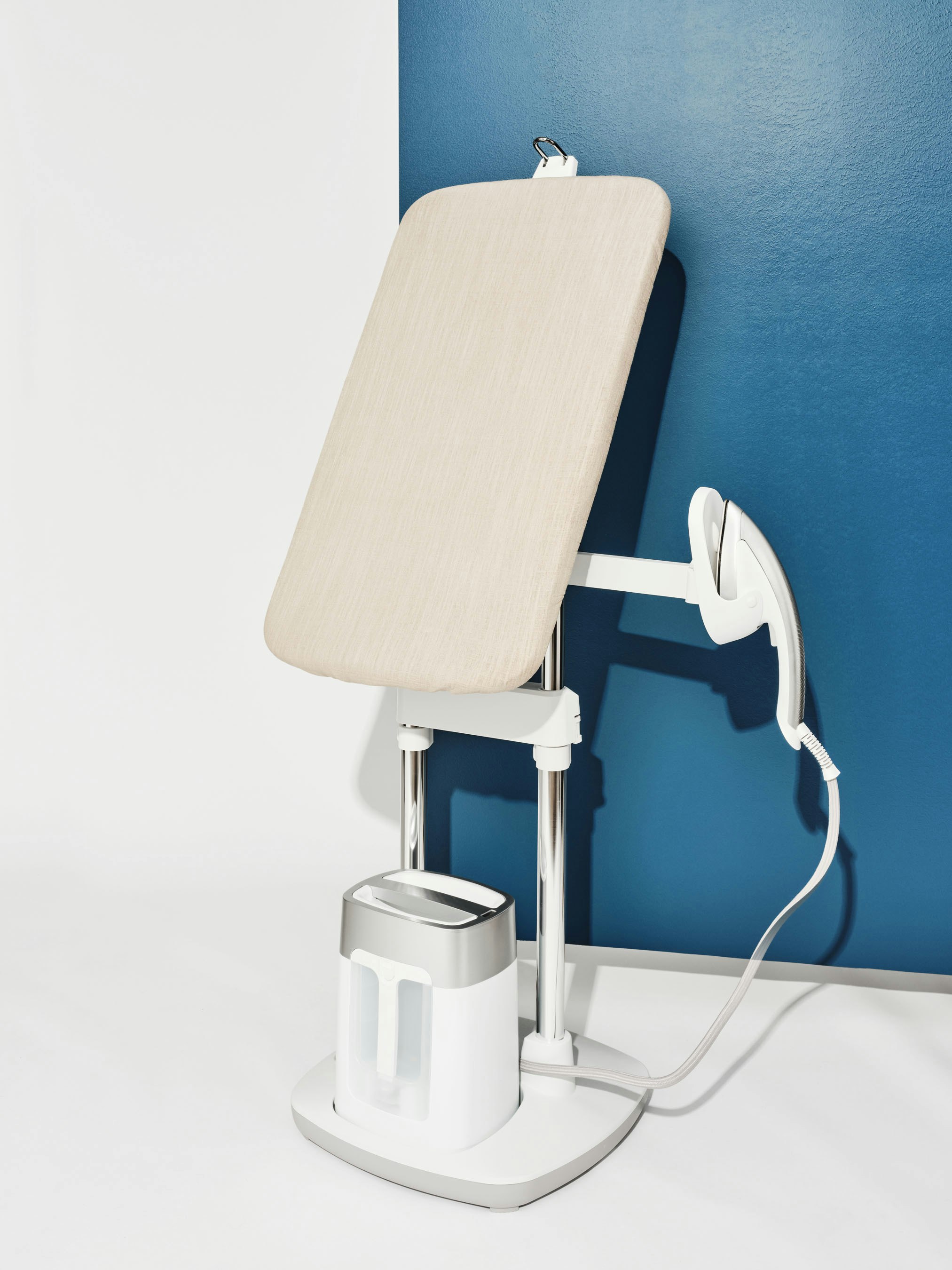
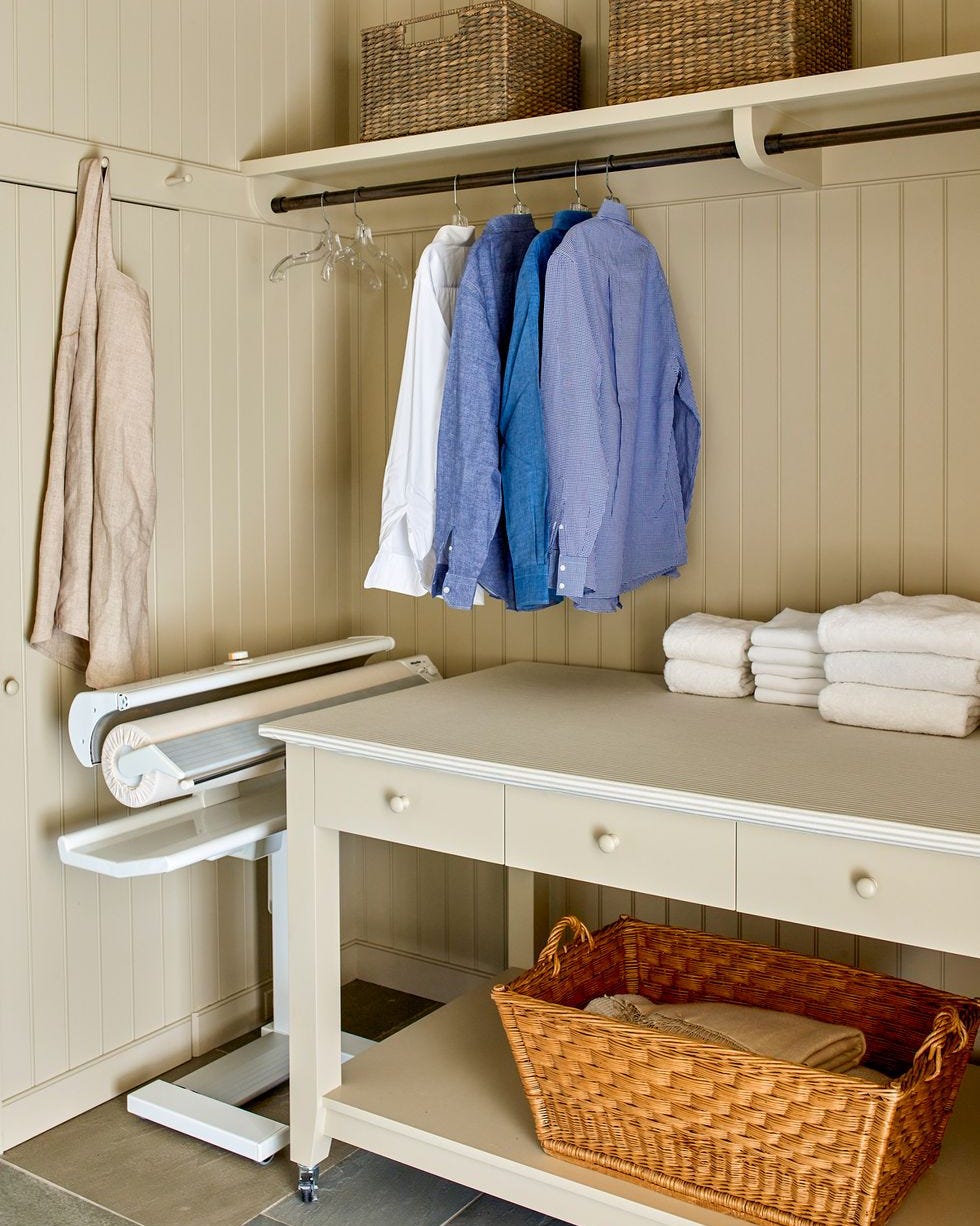
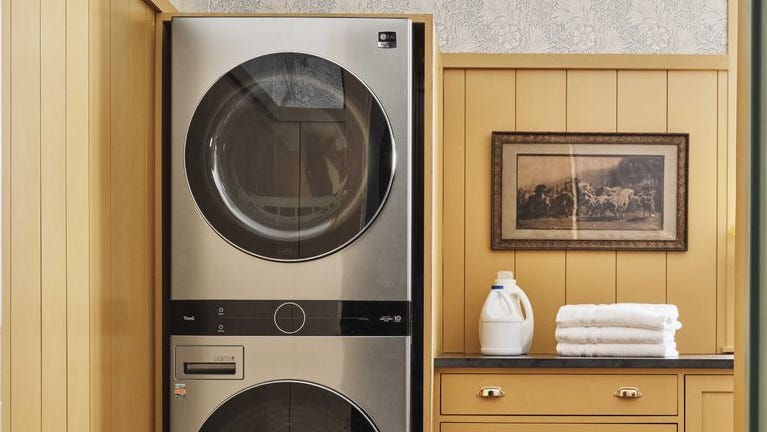
Selecting the right appliances is a significant investment. Prioritizing durability and energy efficiency, and checking customer reviews, are recommended. For homes with limited space, stacking units or compact washer-dryer combos like the LG WashTower can save horizontal space. However, if space permits, side-by-side units are generally preferred by designers. The choice between front-load and top-load washers depends on personal preference, accessibility needs (front-loaders require bending), and susceptibility to mildew (top-loaders tend to be less prone to it if doors are left closed). Beyond the primary washer and dryer, considering secondary appliances like hanging racks or steamers, and utility features such as a large basin sink for plants or pet washing, enhances functionality.
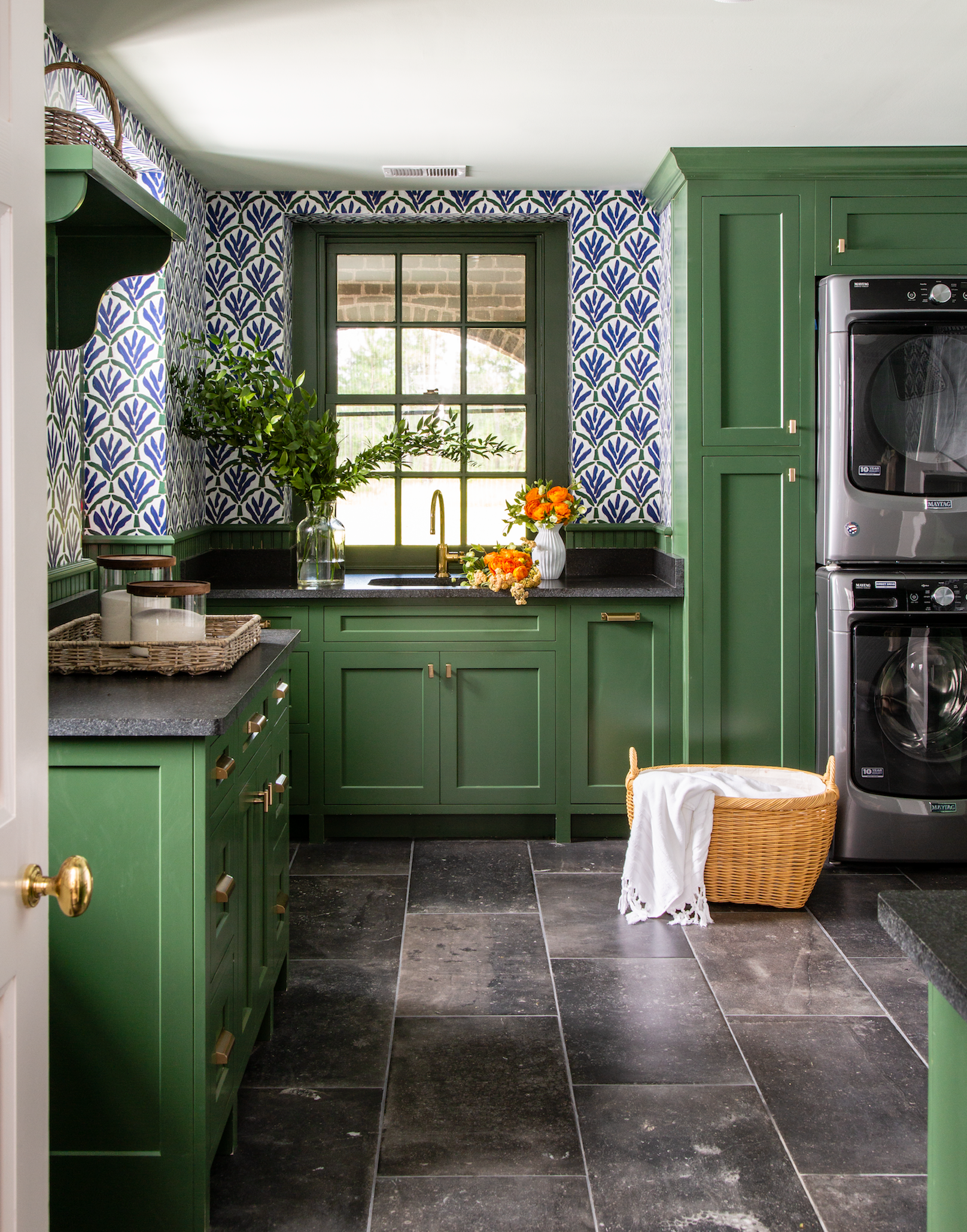
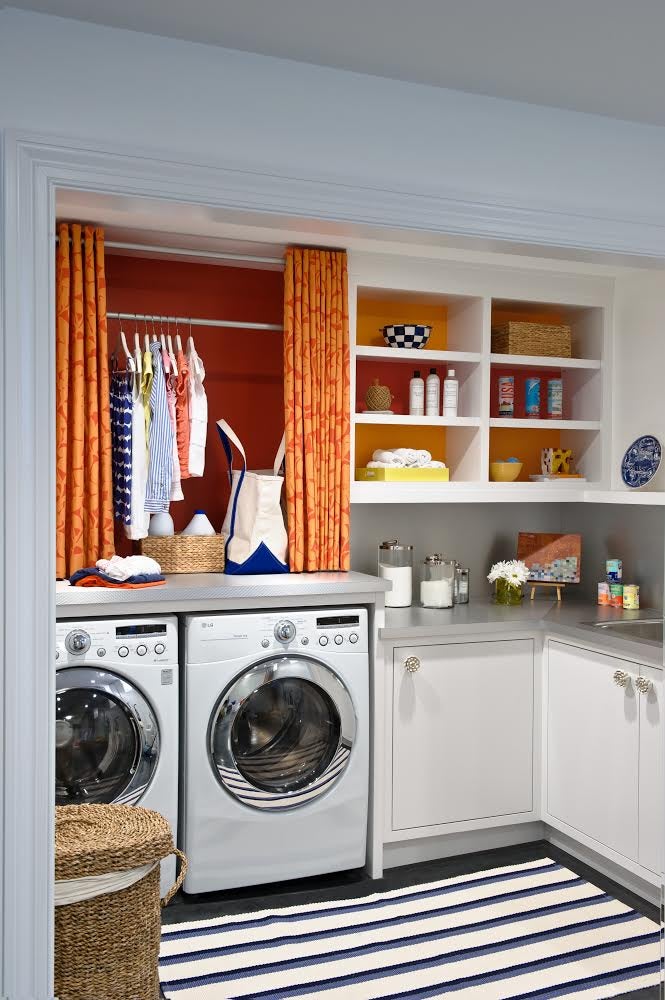
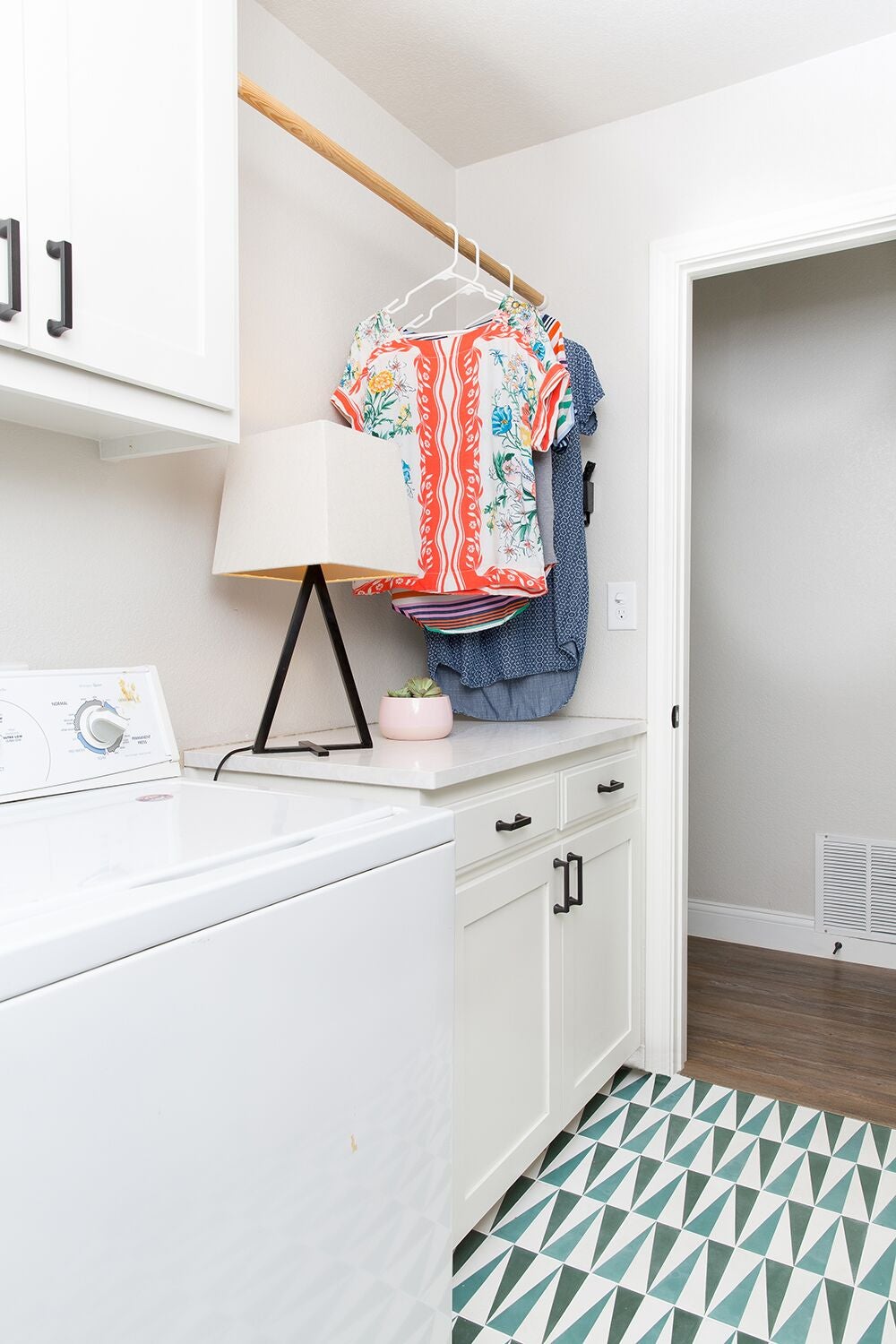
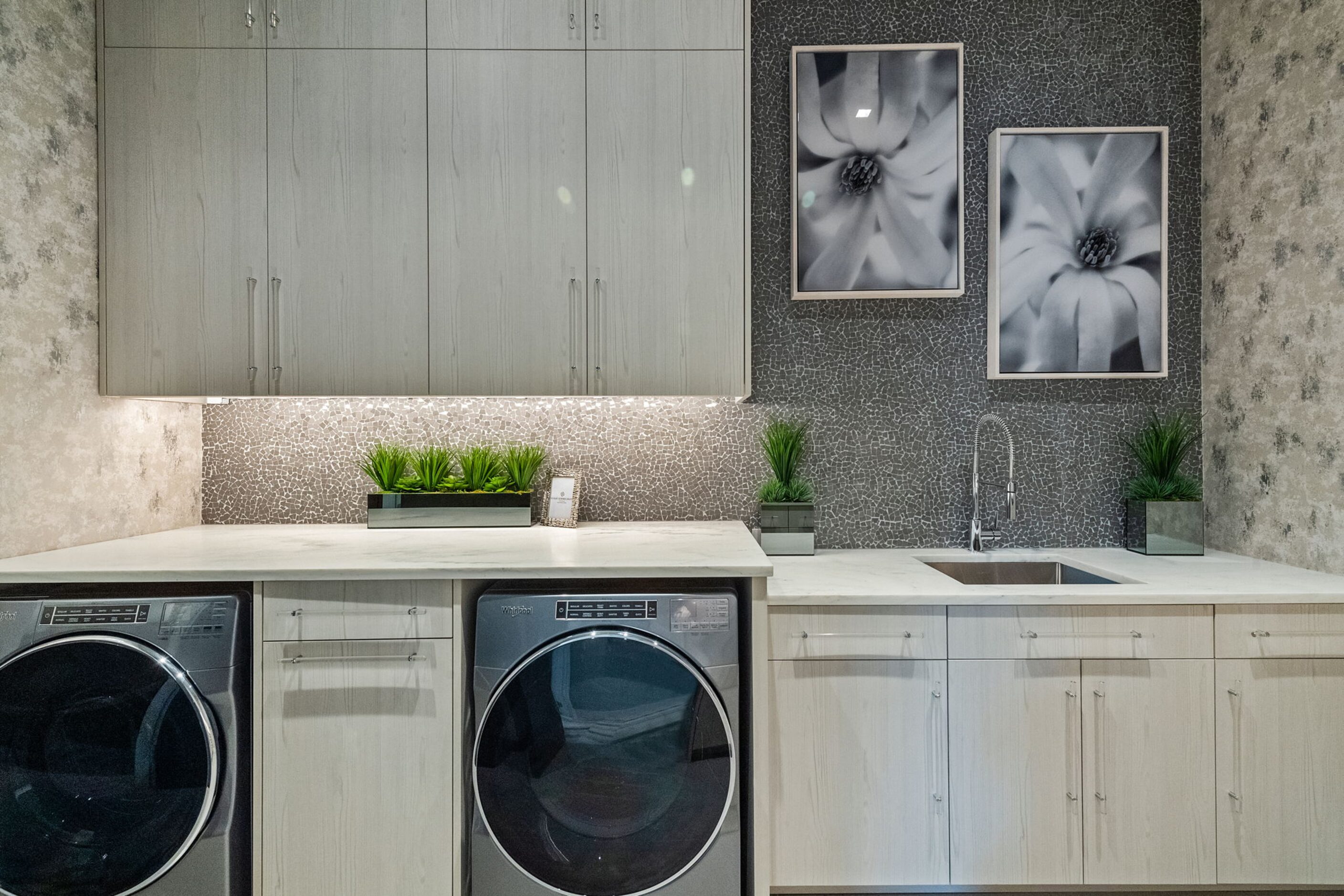
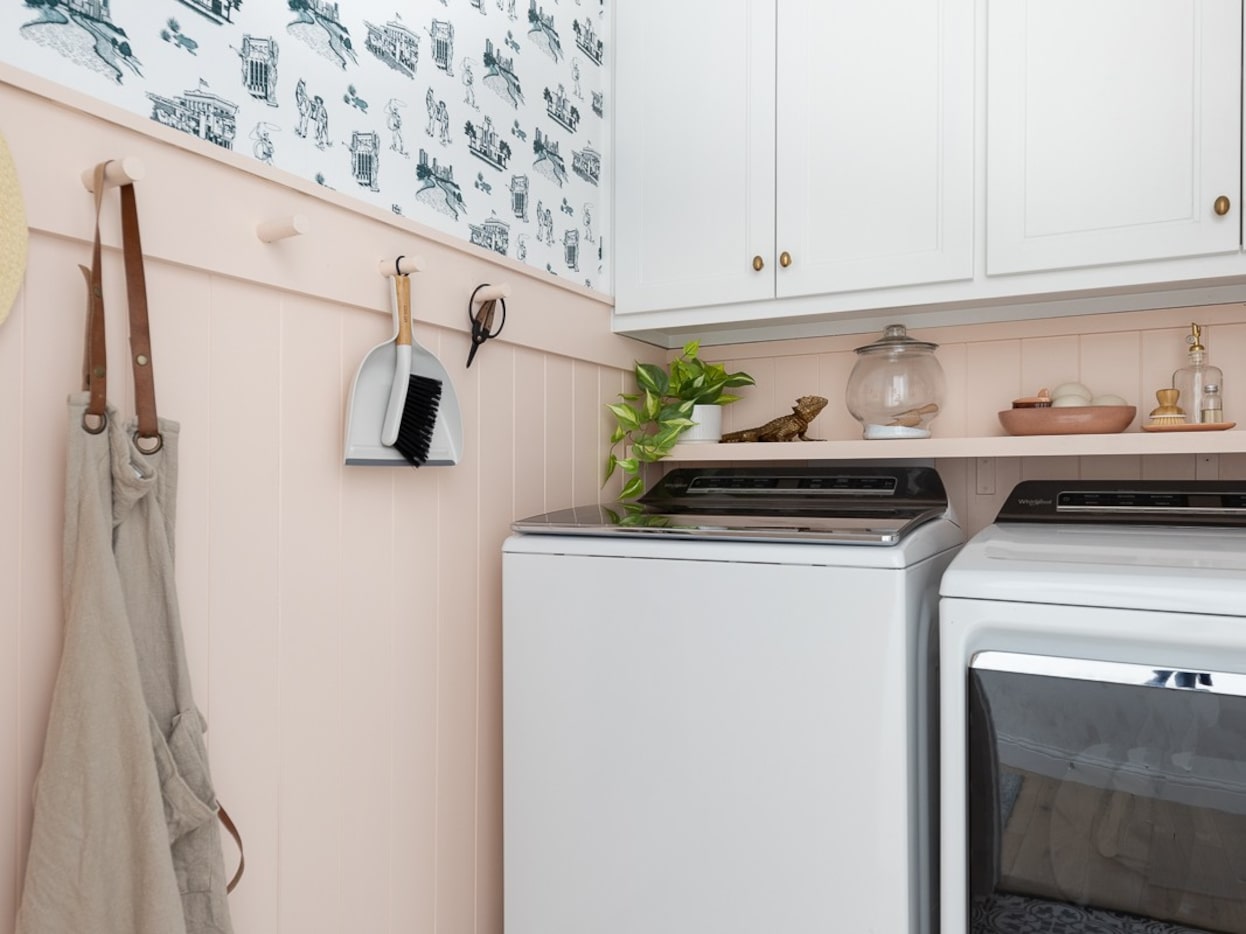
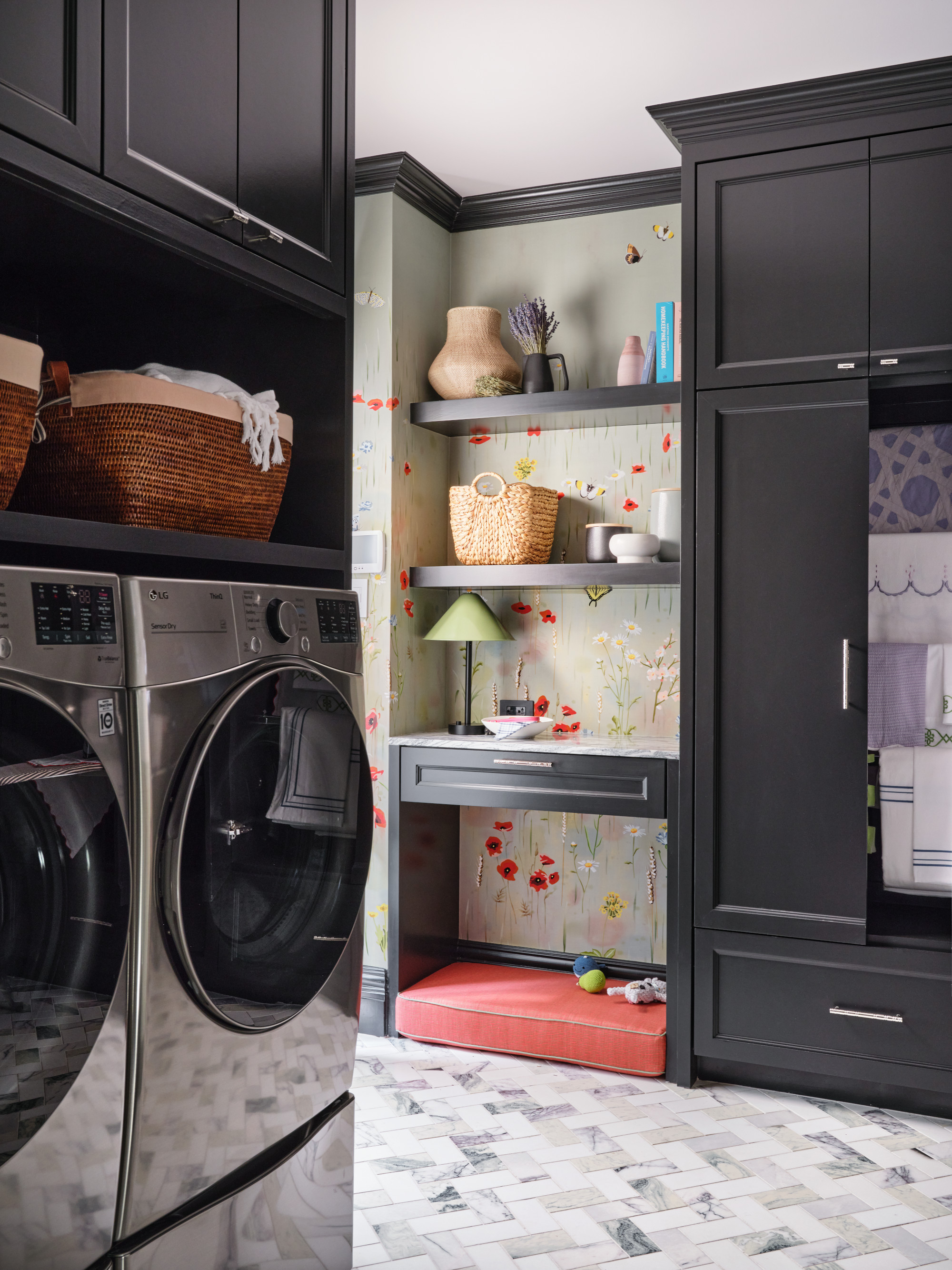
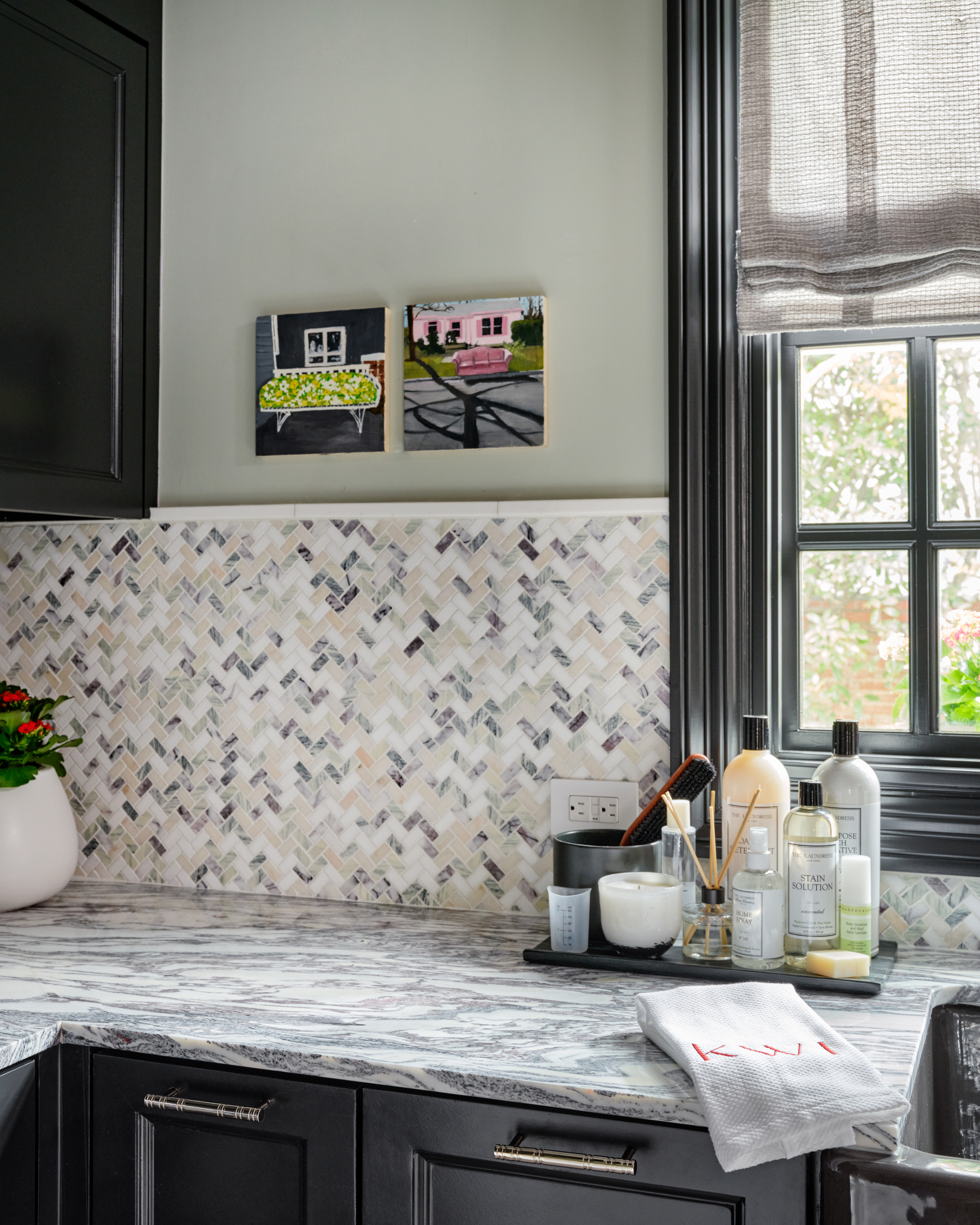
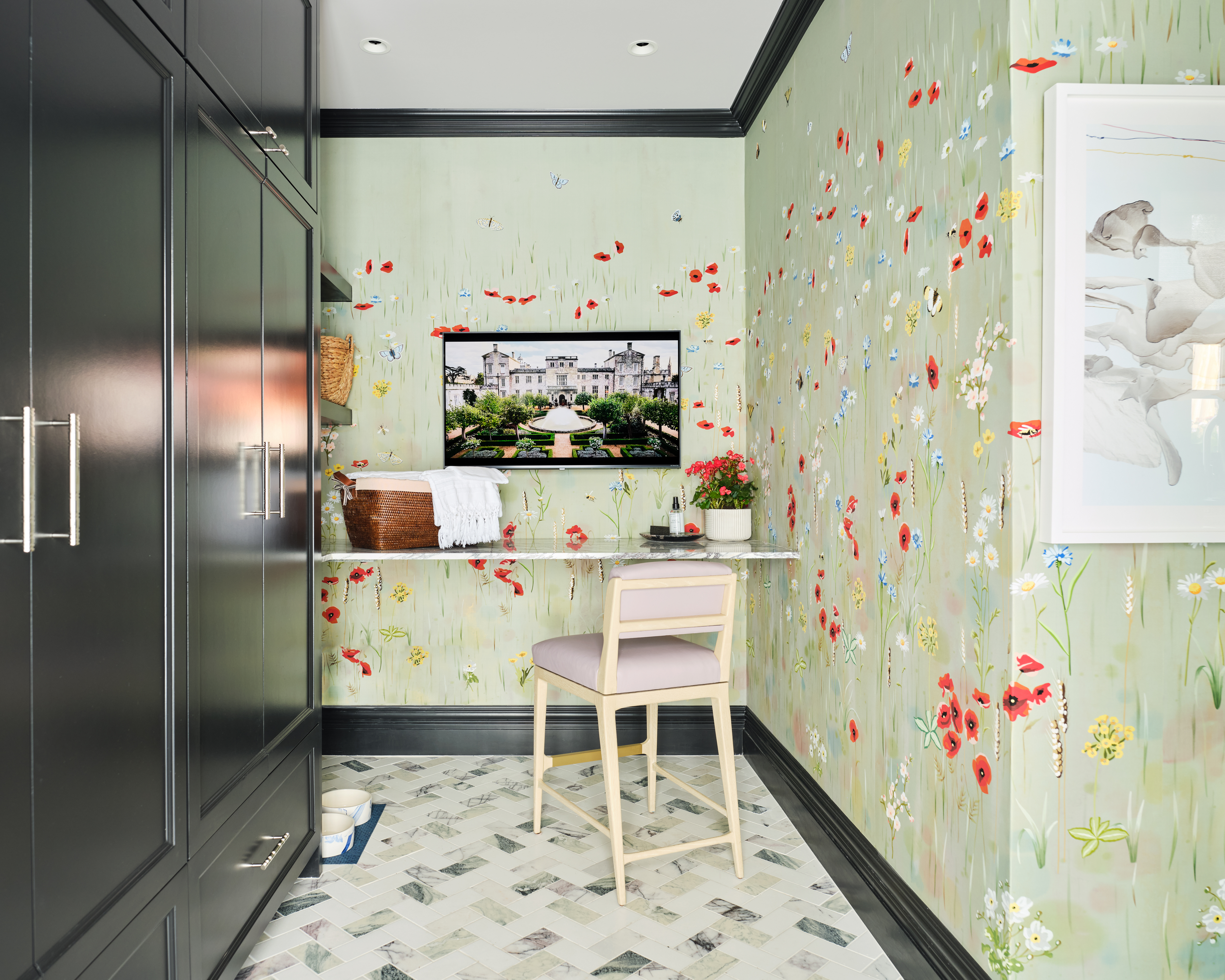
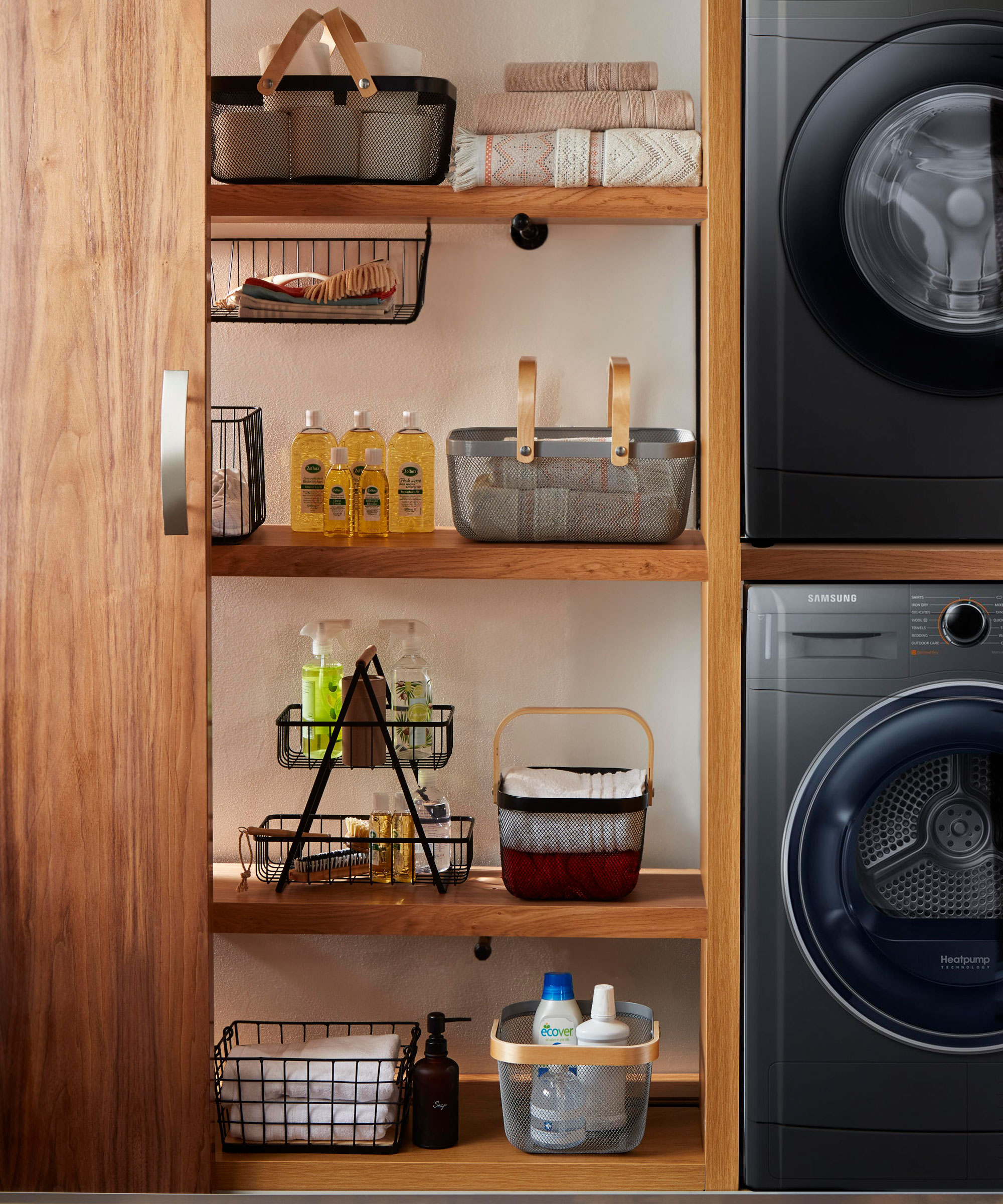
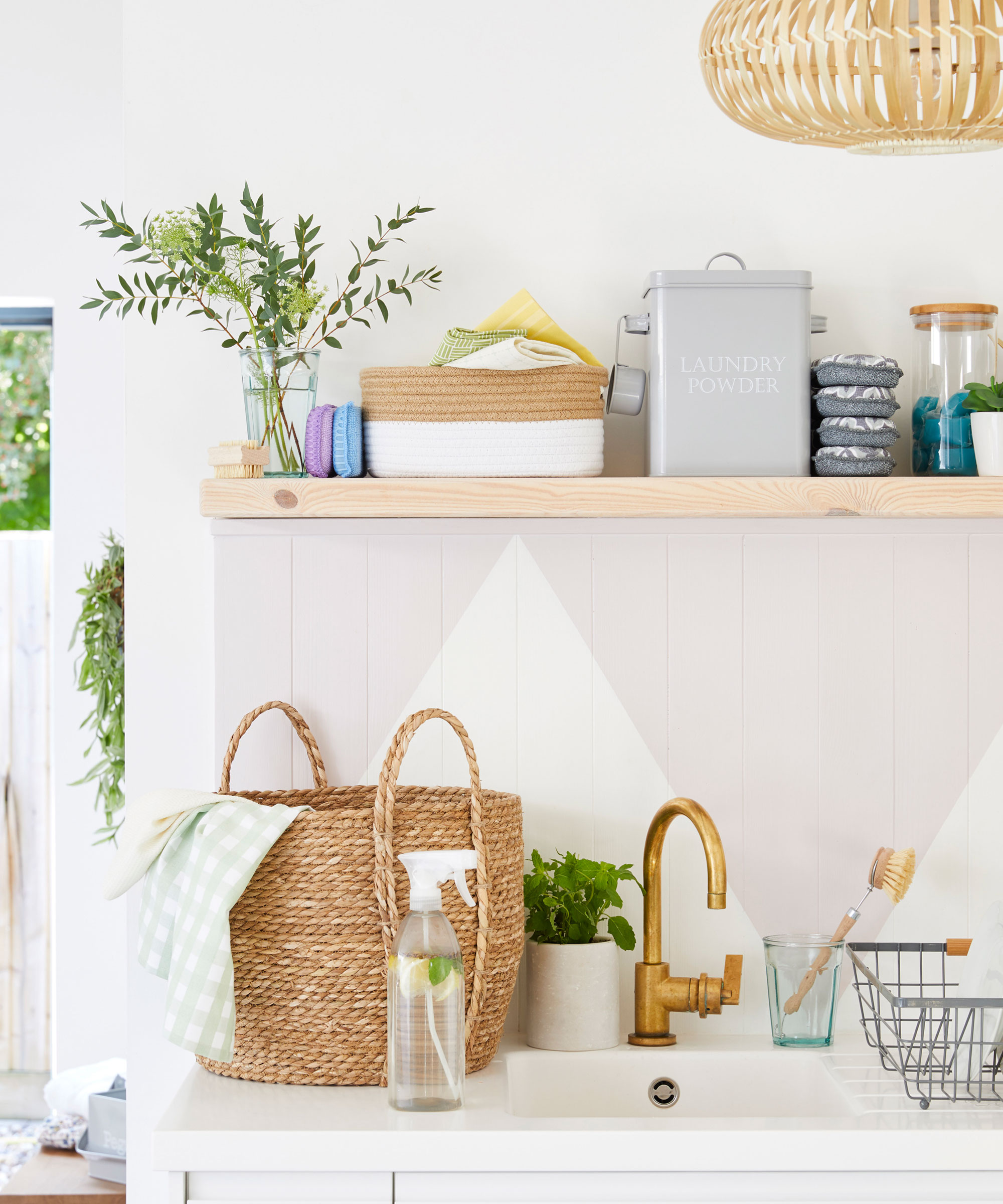
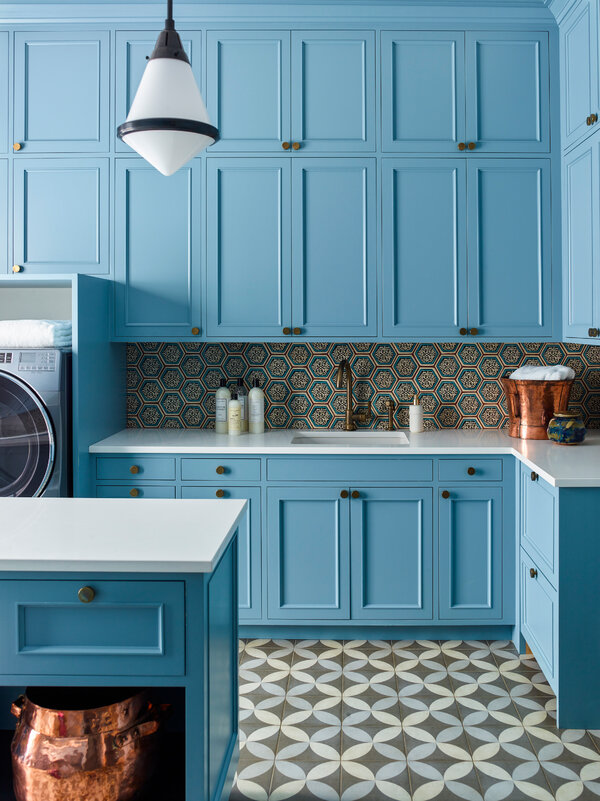
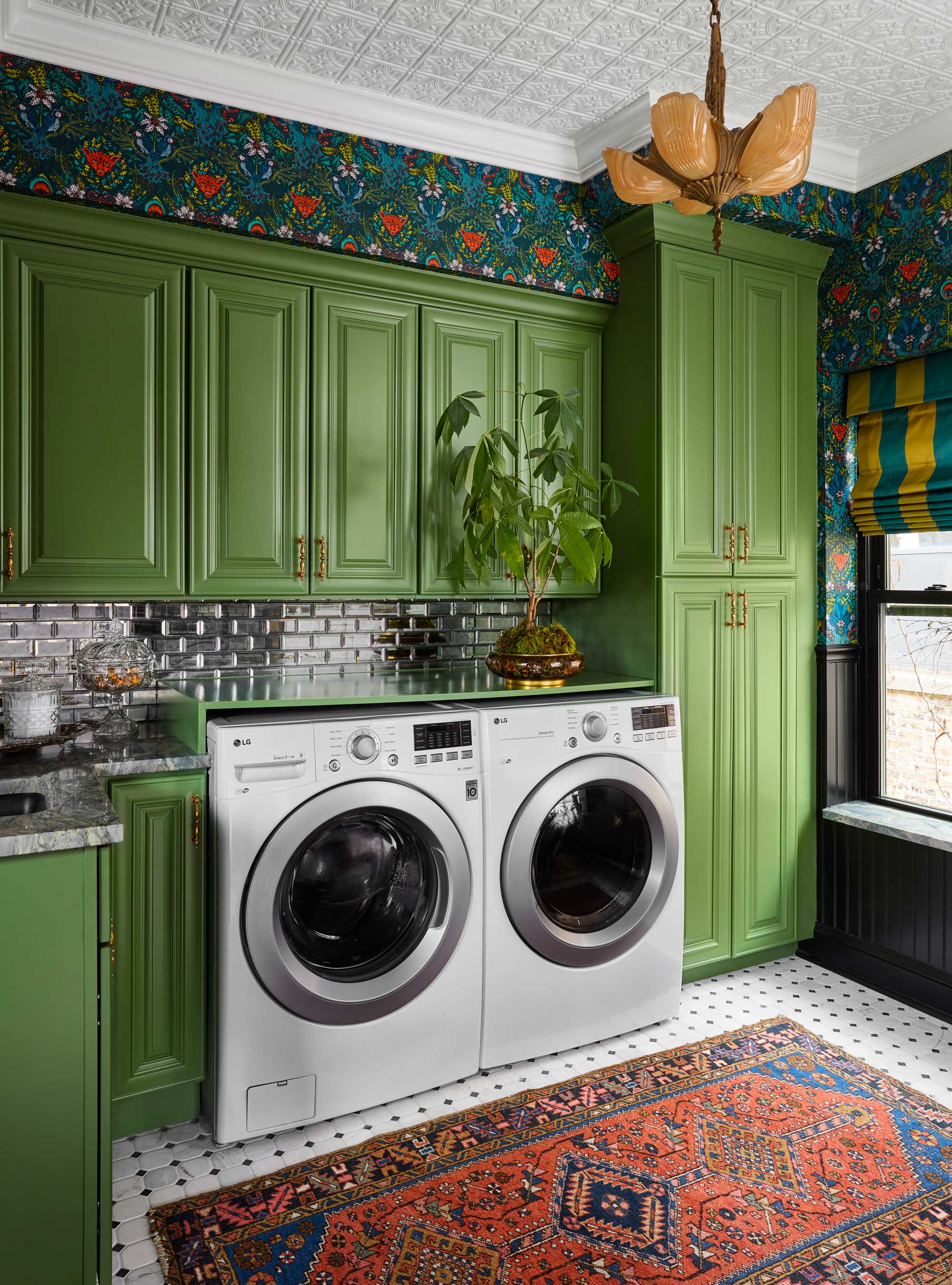
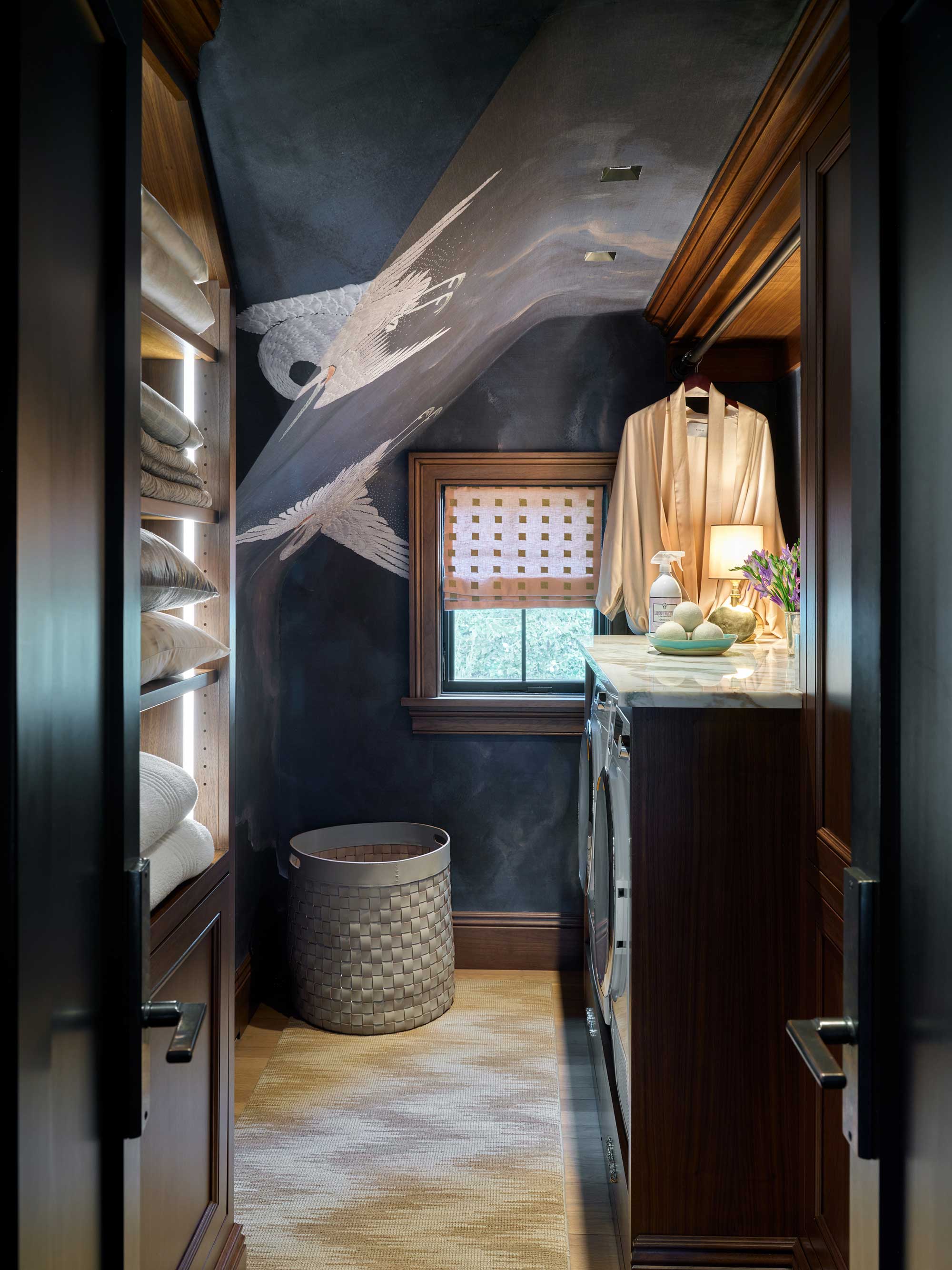
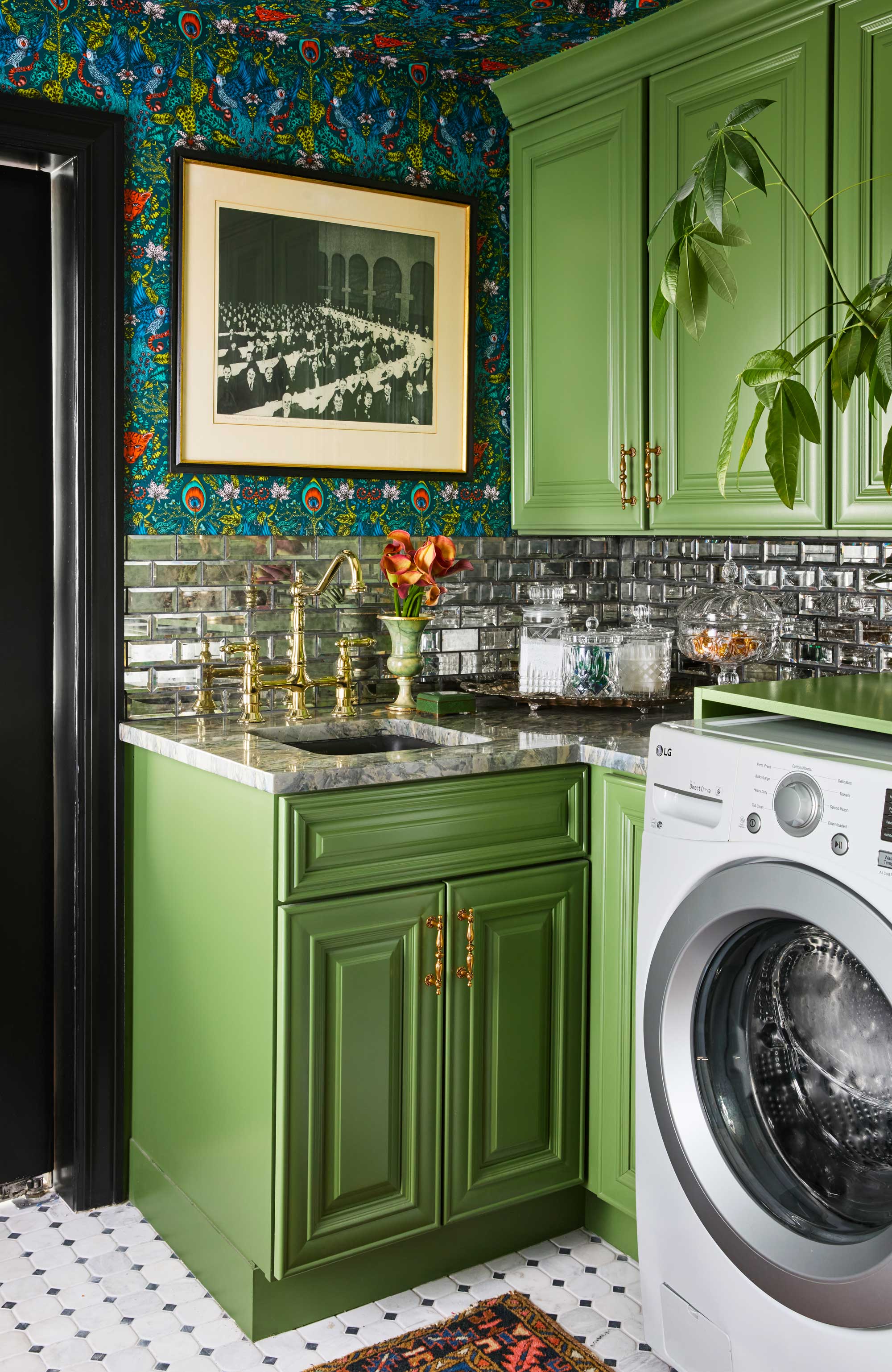
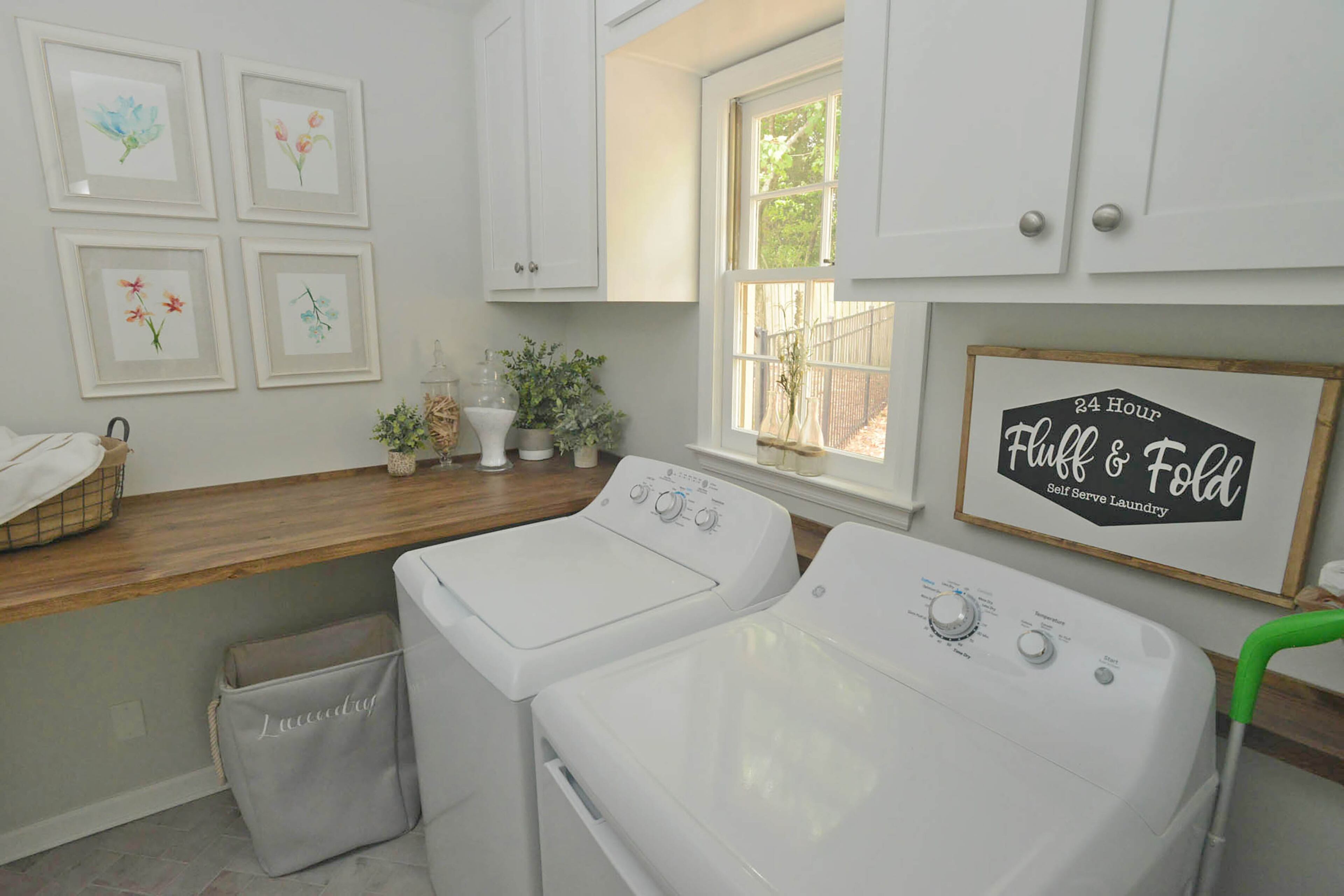
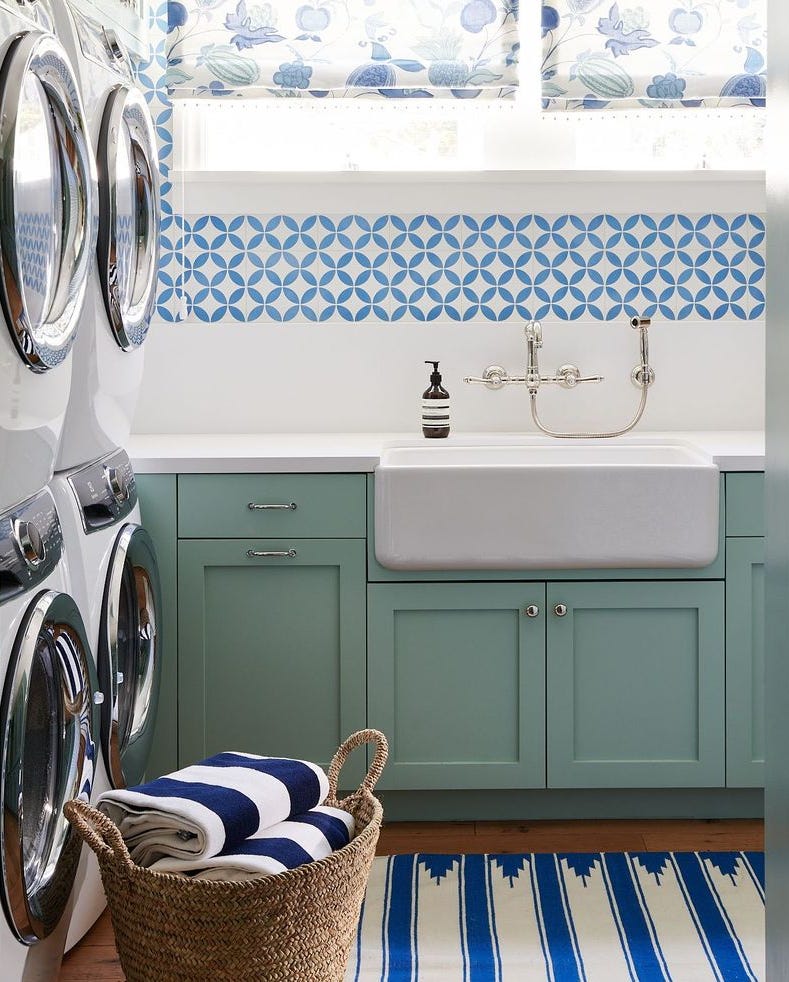
Finally, the aesthetic and organizational aspects transform a functional space into an enjoyable one. Durable materials are essential due to the presence of water and humidity. Porcelain or ceramic tile is favored for flooring, while quartz, natural stones, or butcher block are suitable for countertops. Walls can be enhanced with wallpaper or paint, though proper ventilation is key to prevent peeling, especially with wallpaper. Designers advocate for treating the laundry room with the same design attention as other living spaces, incorporating colors, lighting, and finishes that make it a pleasant environment. Effective organization, such as maximizing vertical space with shelving, hooks, and cabinets, and implementing systems for sorting and storing items, ensures the space remains tidy and efficient, making the chore of laundry less daunting and potentially more enjoyable.
#LaundryRoomDesign #HomeRenovation #FunctionalSpaces #InteriorDesign #ApplianceSelection #SpacePlanning #MaterialSelection #HomeOrganization #Ventilation #LaundryRoomDesign #HomeRenovation #FunctionalSpaces #InteriorDesign #ApplianceSelection #SpacePlanning #MaterialSelection #HomeOrganization #Ventilation
0 comment in total
 No comments yet
You may also like
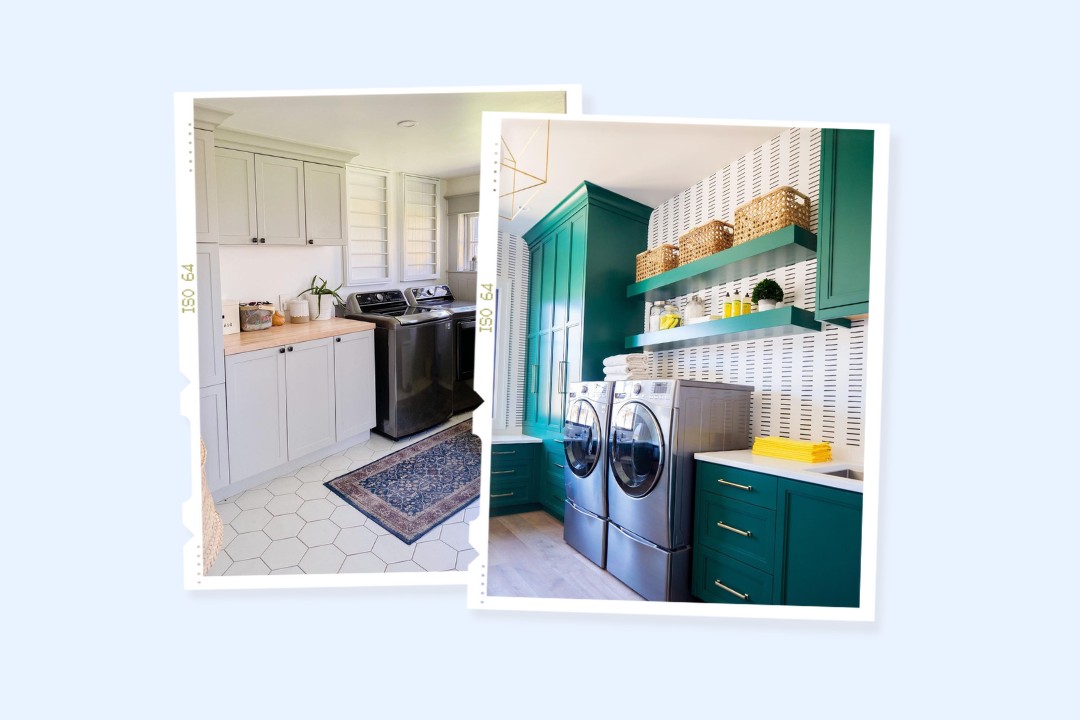
10 Pretty Laundry Room Designs That’ll Actually Make You Want to Do Chores
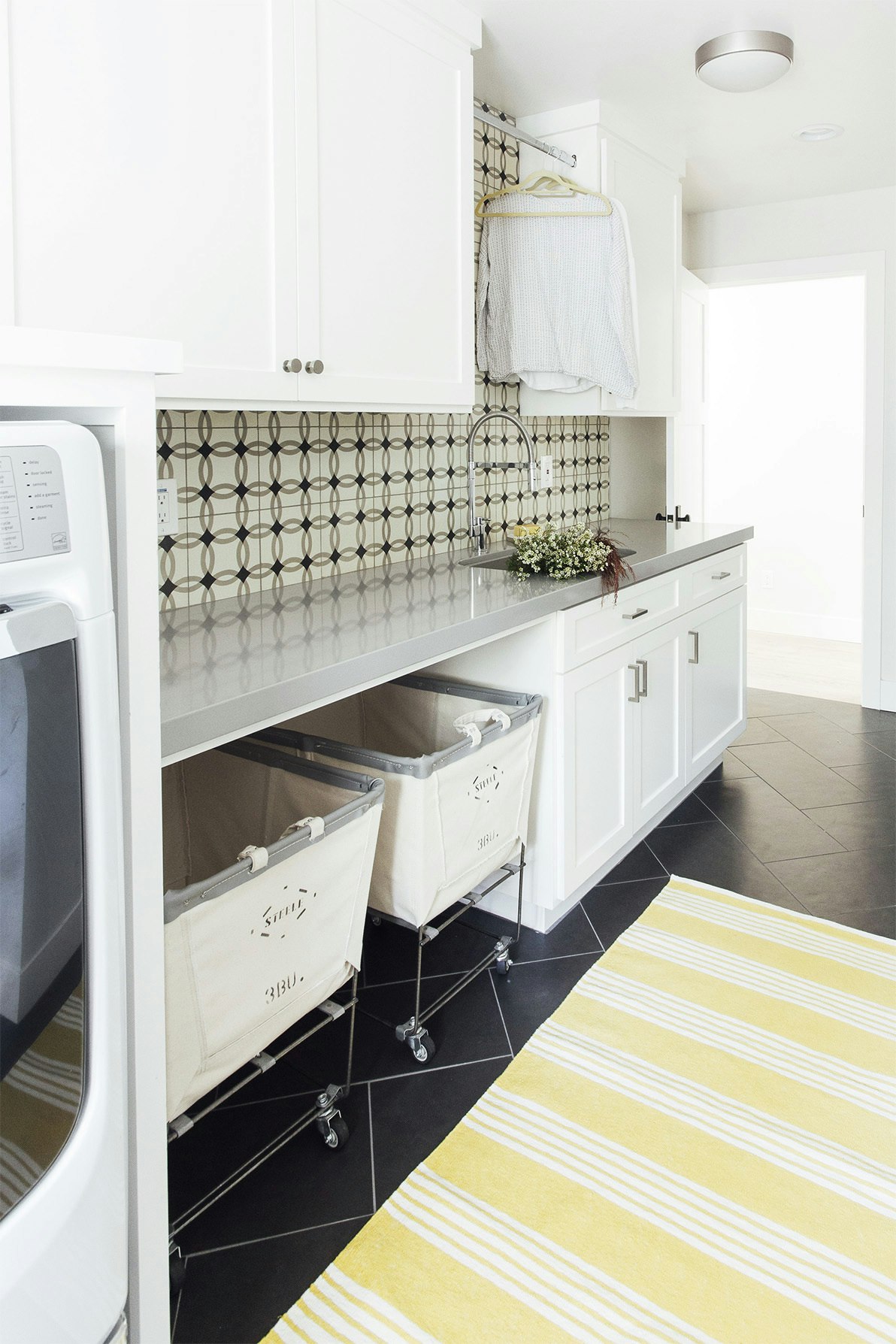
Interior Designer Michelle Lisac’s Advice on Making a Magical Laundry Room

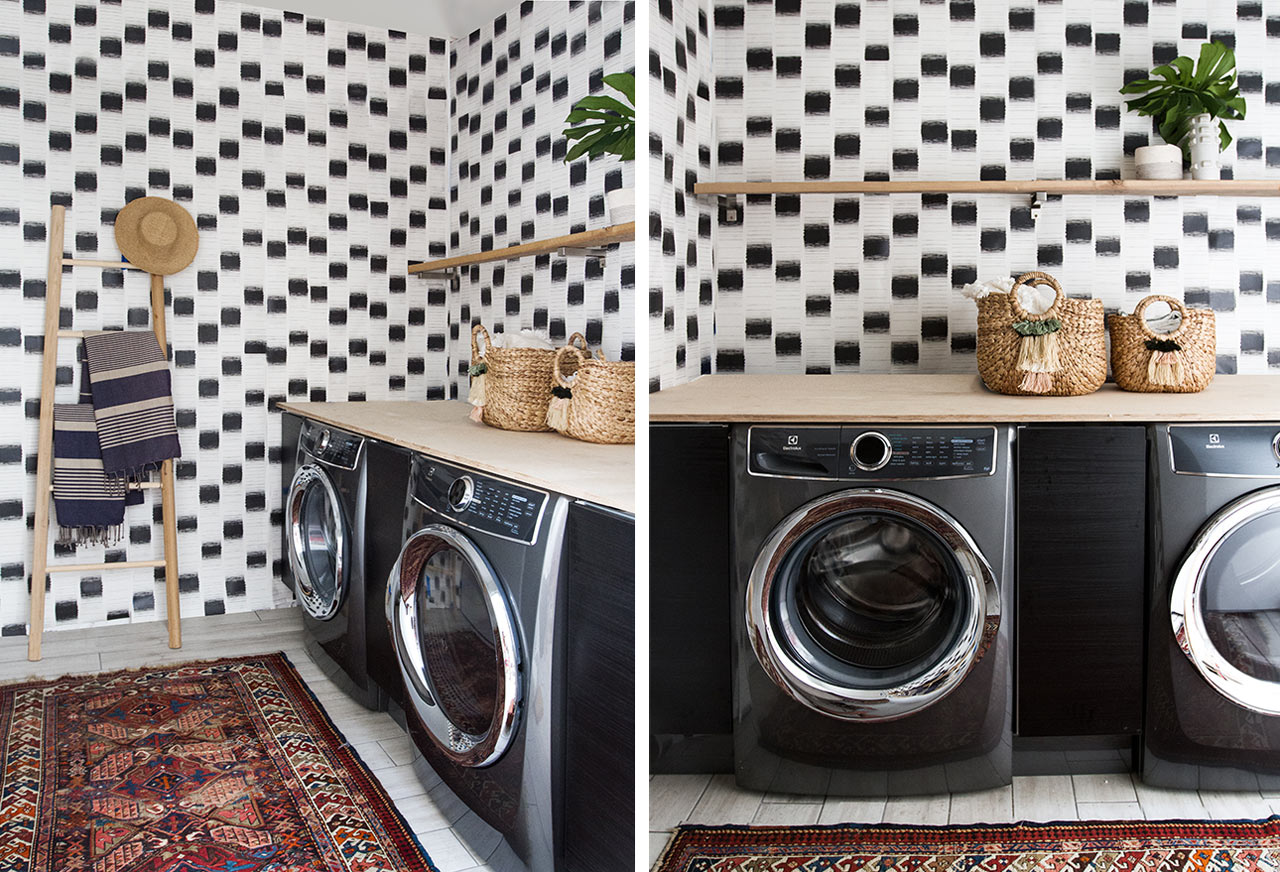
Modern Laundry Rooms That Will Make Laundry More Fun

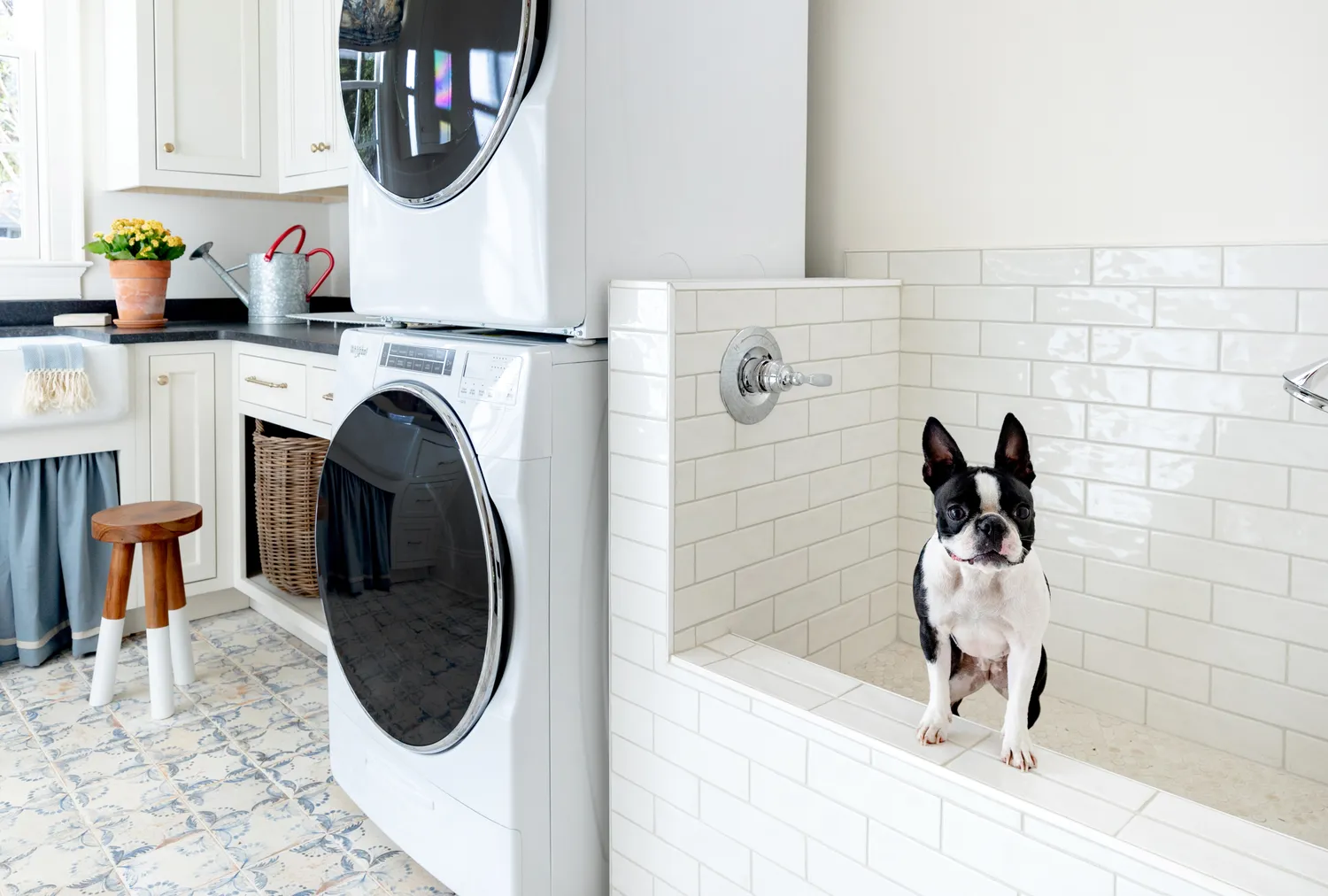
11 Laundry Room Remodel Ideas That Make a Big Impact

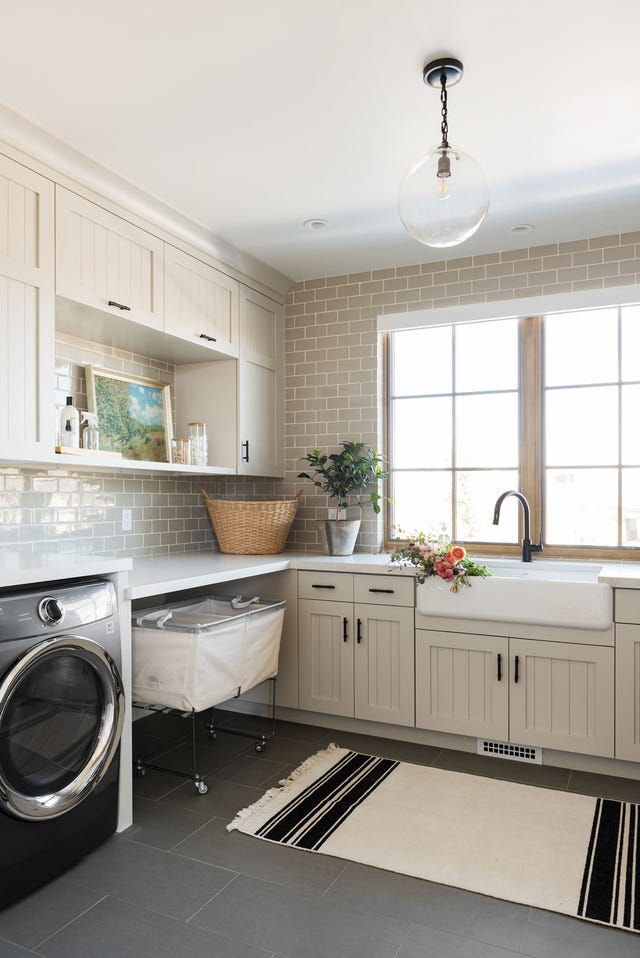
13 Inspiring Laundry Rooms That Will Help Make Yours a Favorite Place in the Home
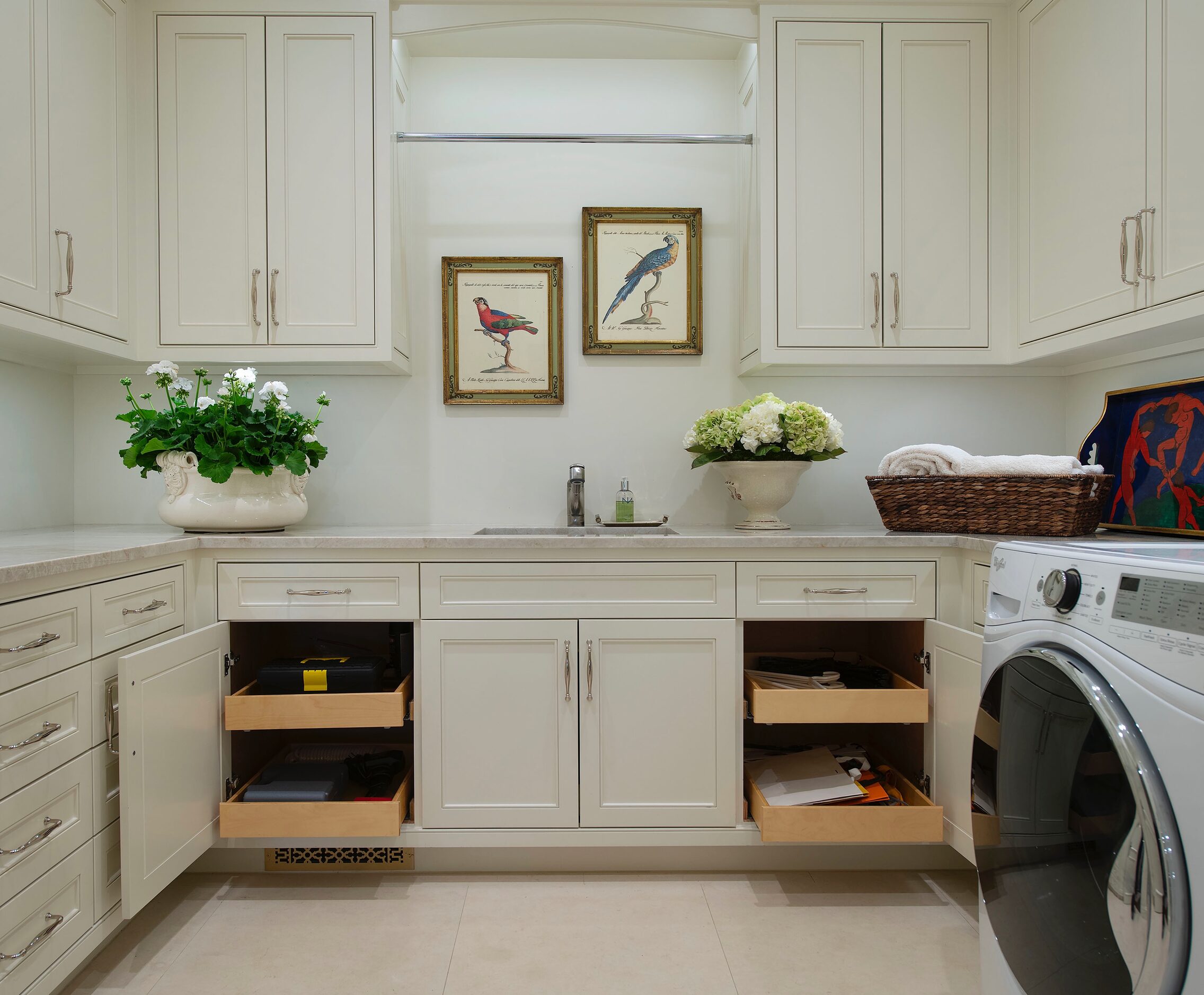
Find style ideas for big laundry rooms:

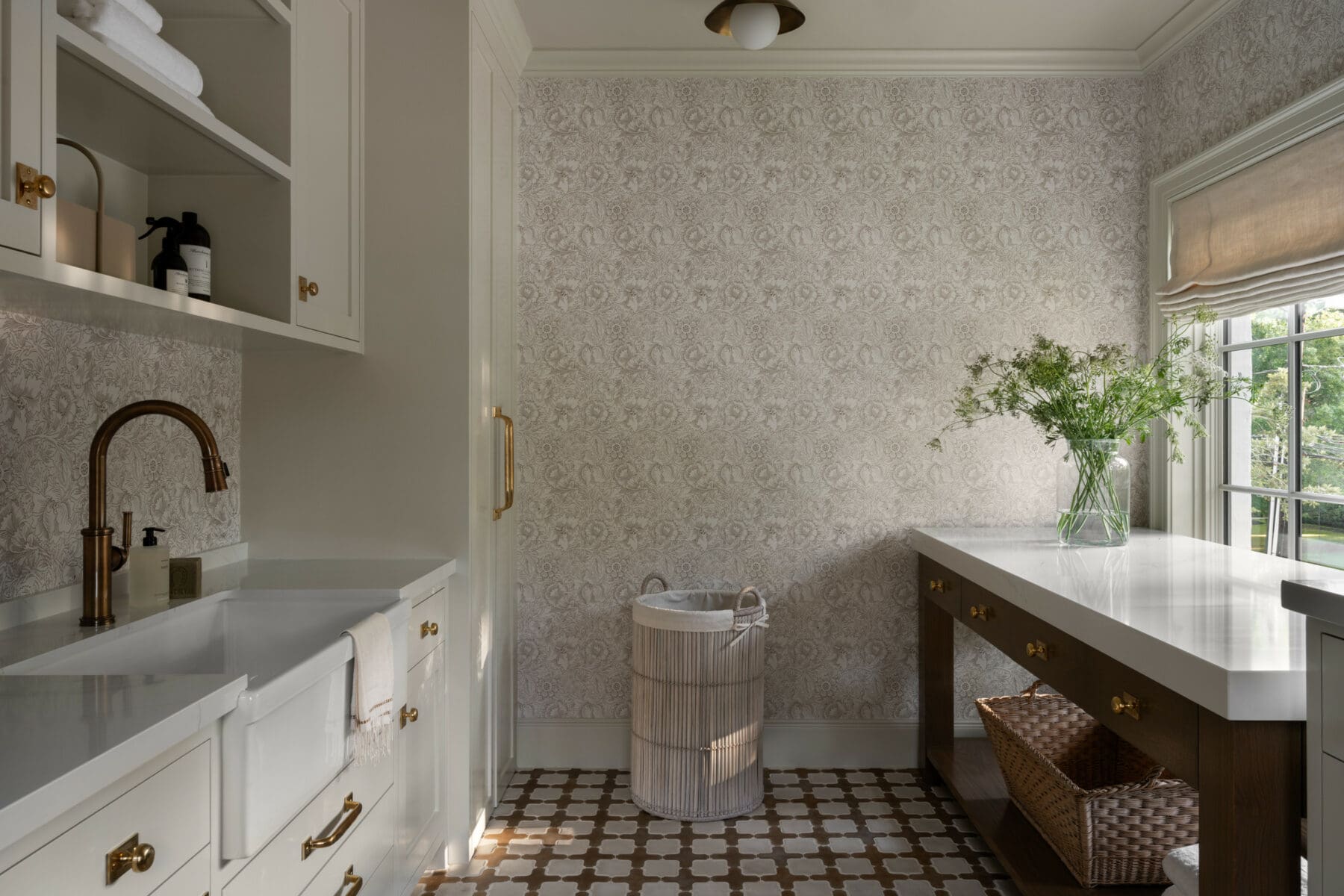
Laundry Rooms From The Studio McGee Archives

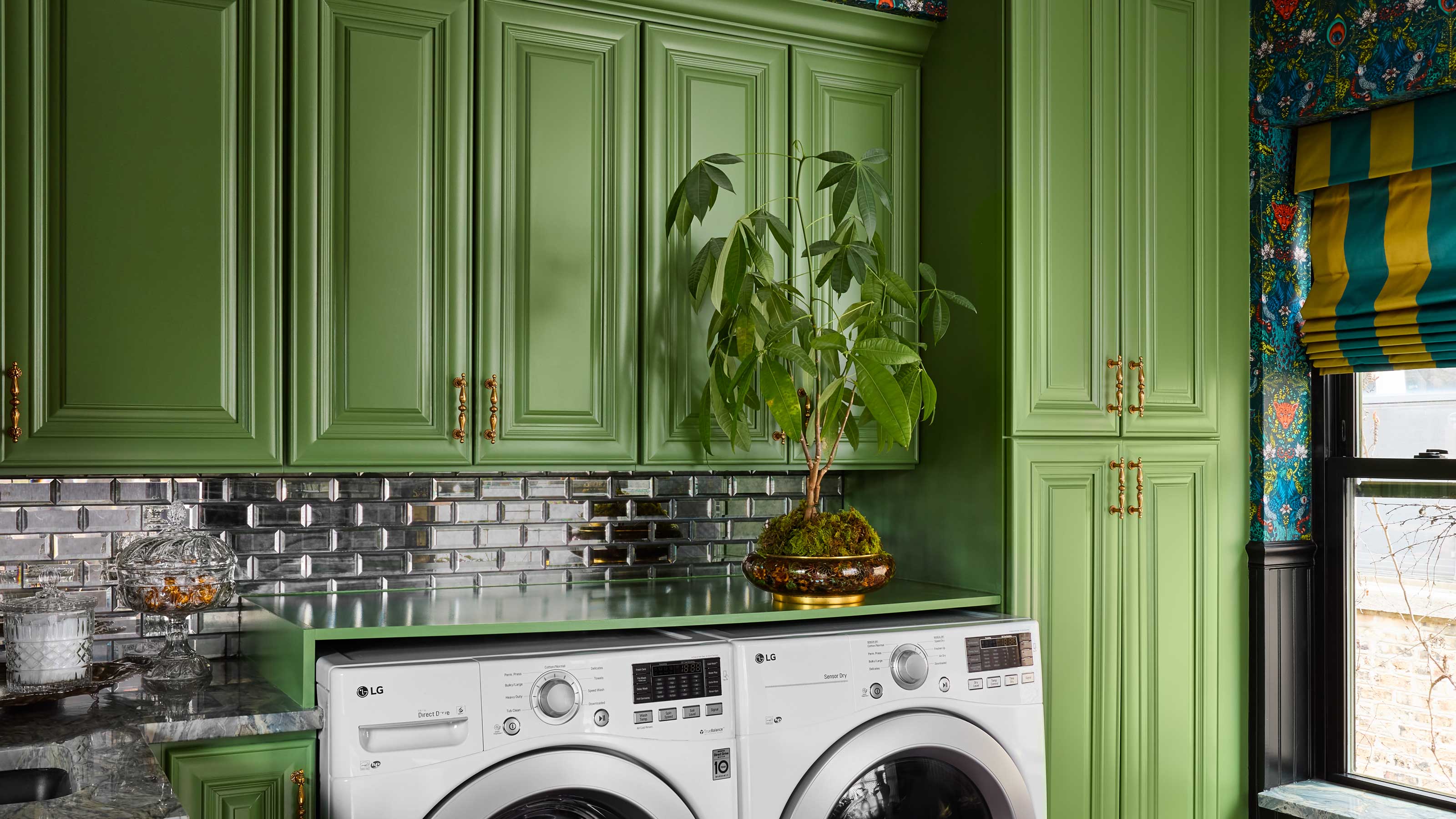
This often-overlooked room is having a design moment – I think it's the secret to making your home much more cheerful

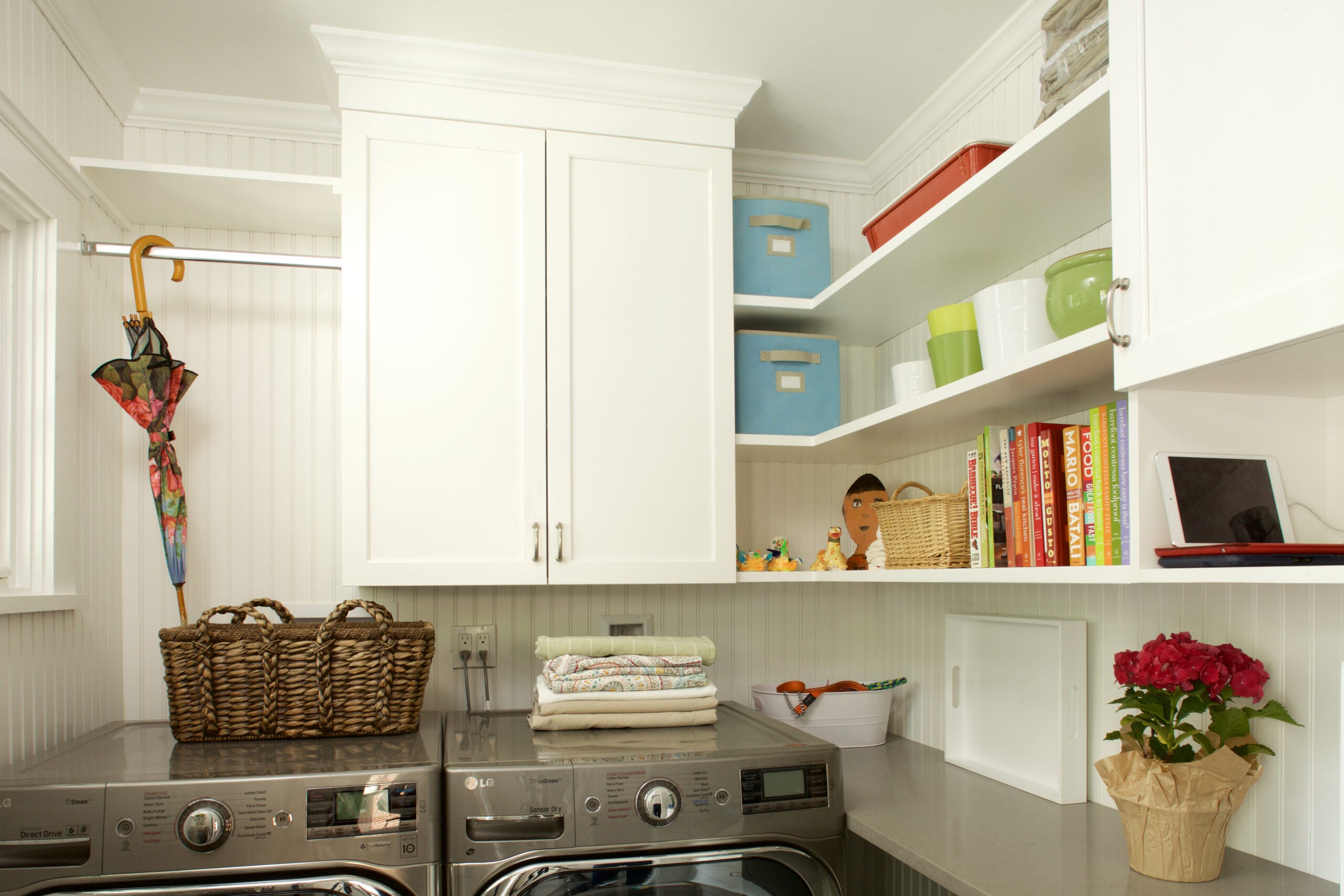
Design tips for a functional and fun laundry room
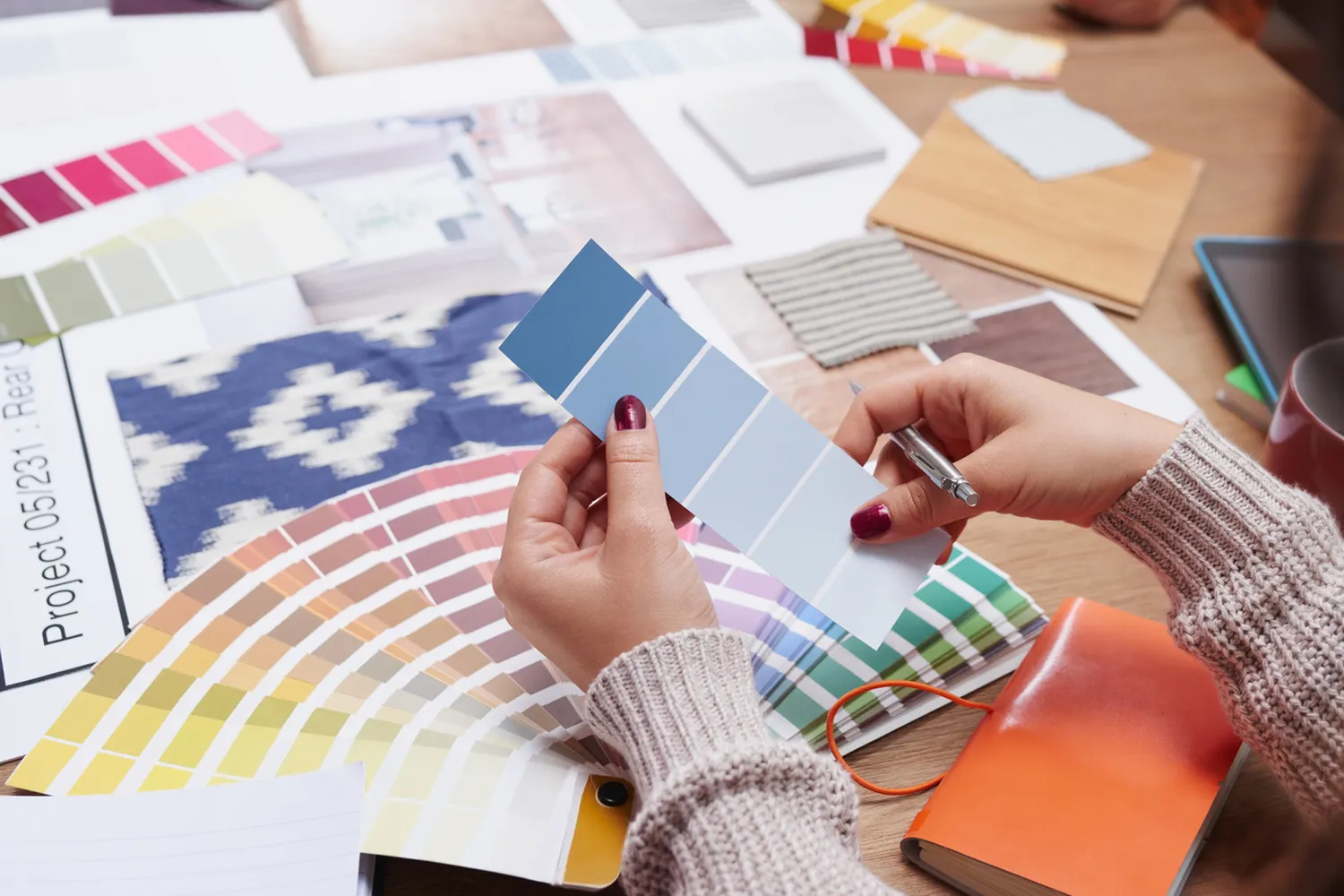
Designers Agree: This Is the Most Underrated Room That Everyone Should Decorate

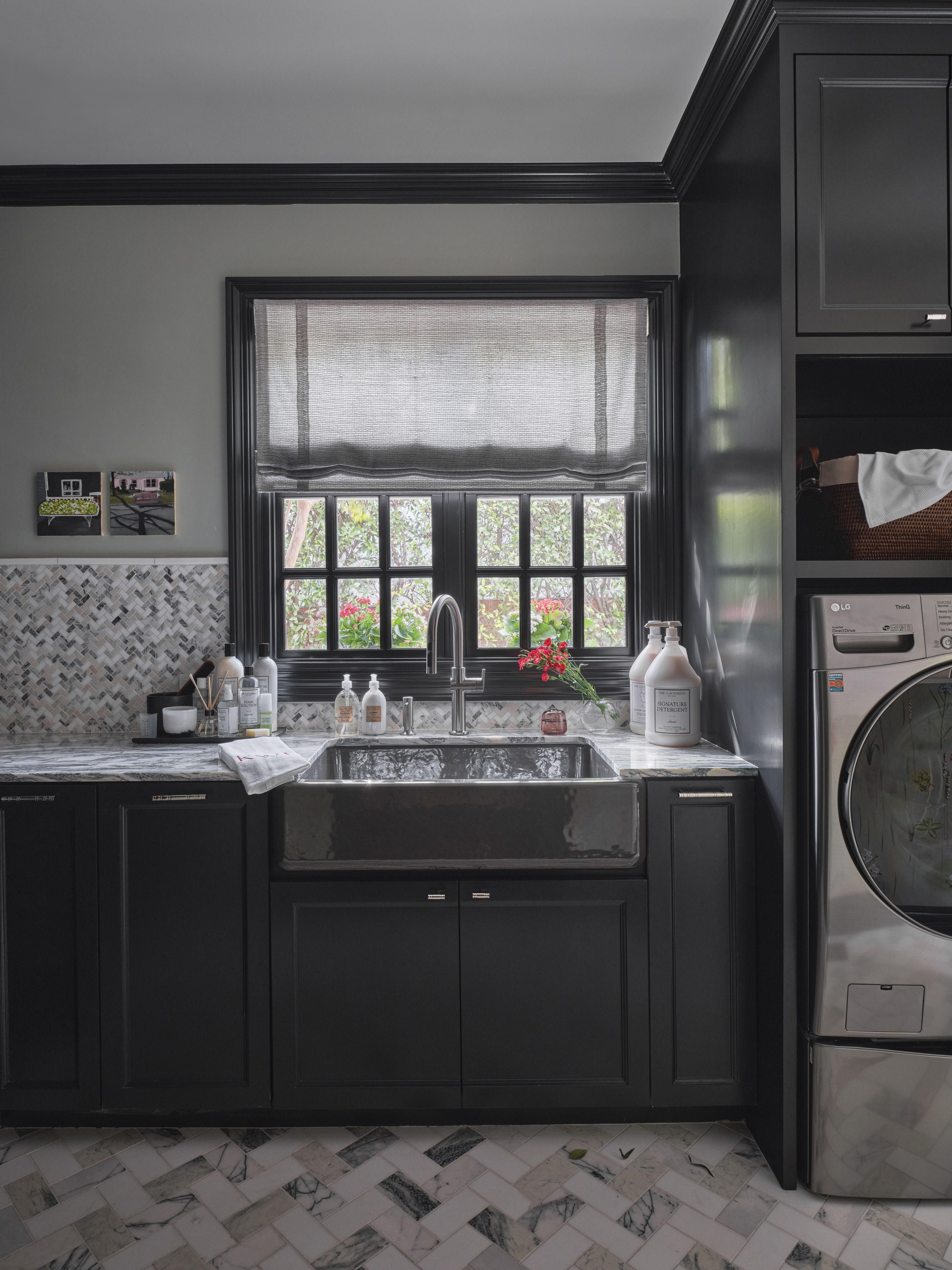
Interior designer Kathleen Walsh's top 5 tips on making your laundry room stand out from the crowd

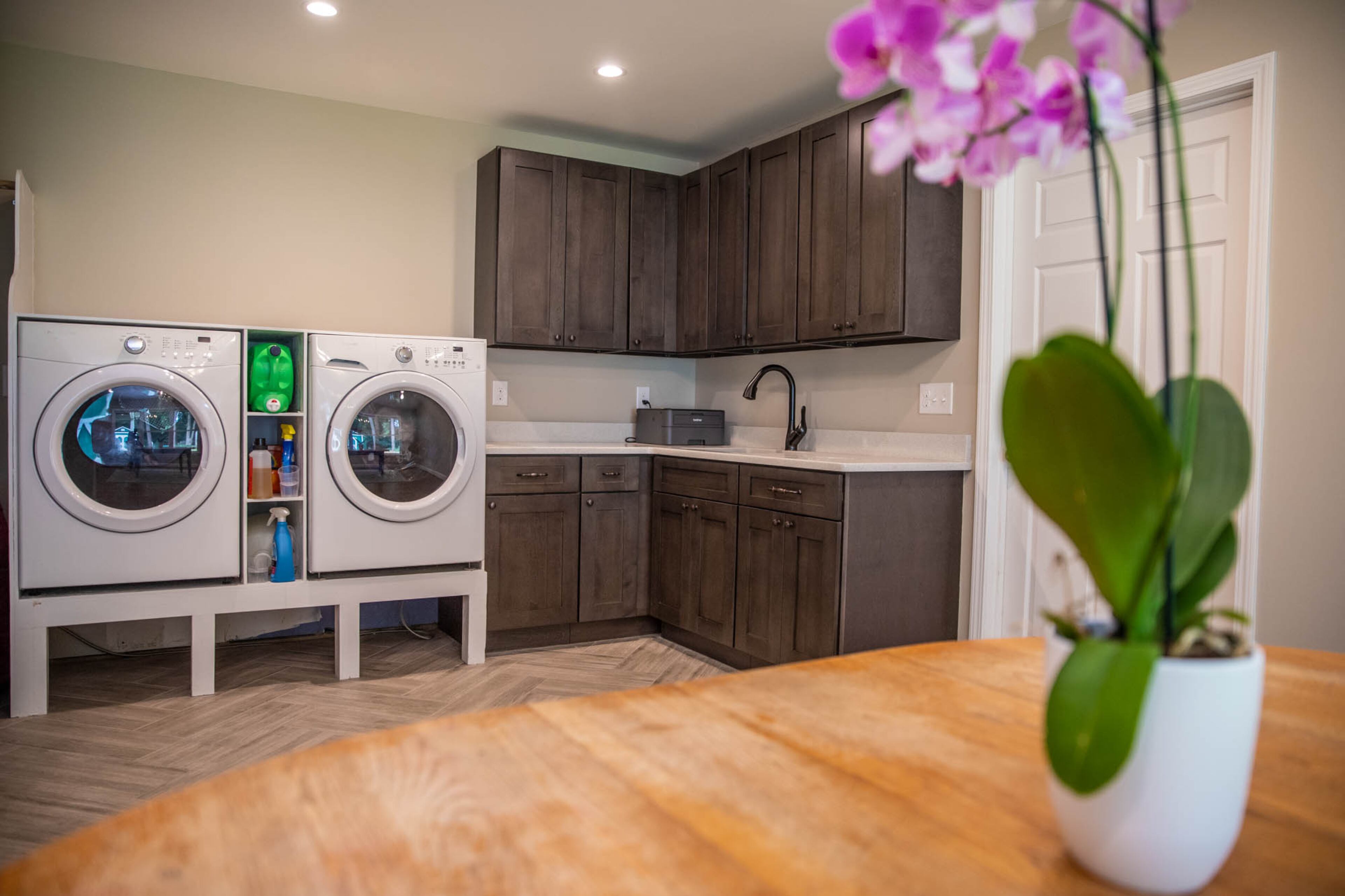
Make over your laundry room with these fresh and organizational designs
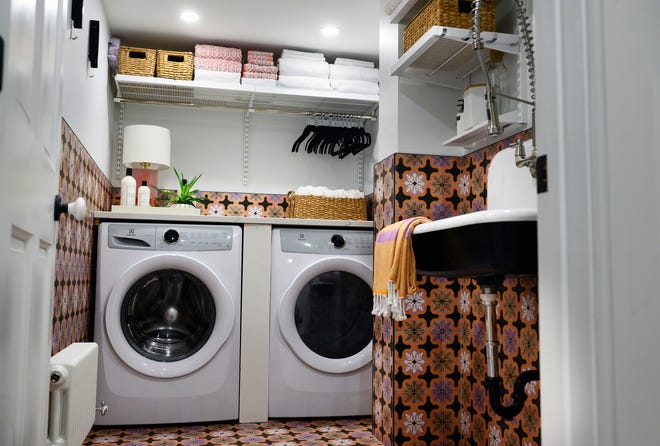
Make a laundry room a happy place
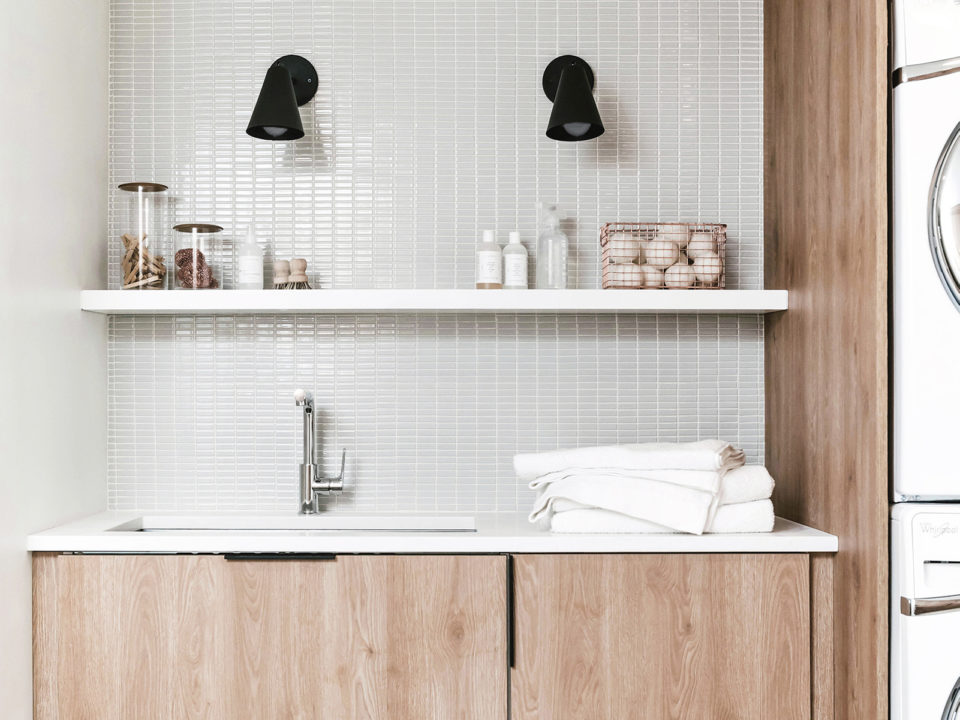
9 Laundry Rooms That Will Make You Want To Sort and Fold
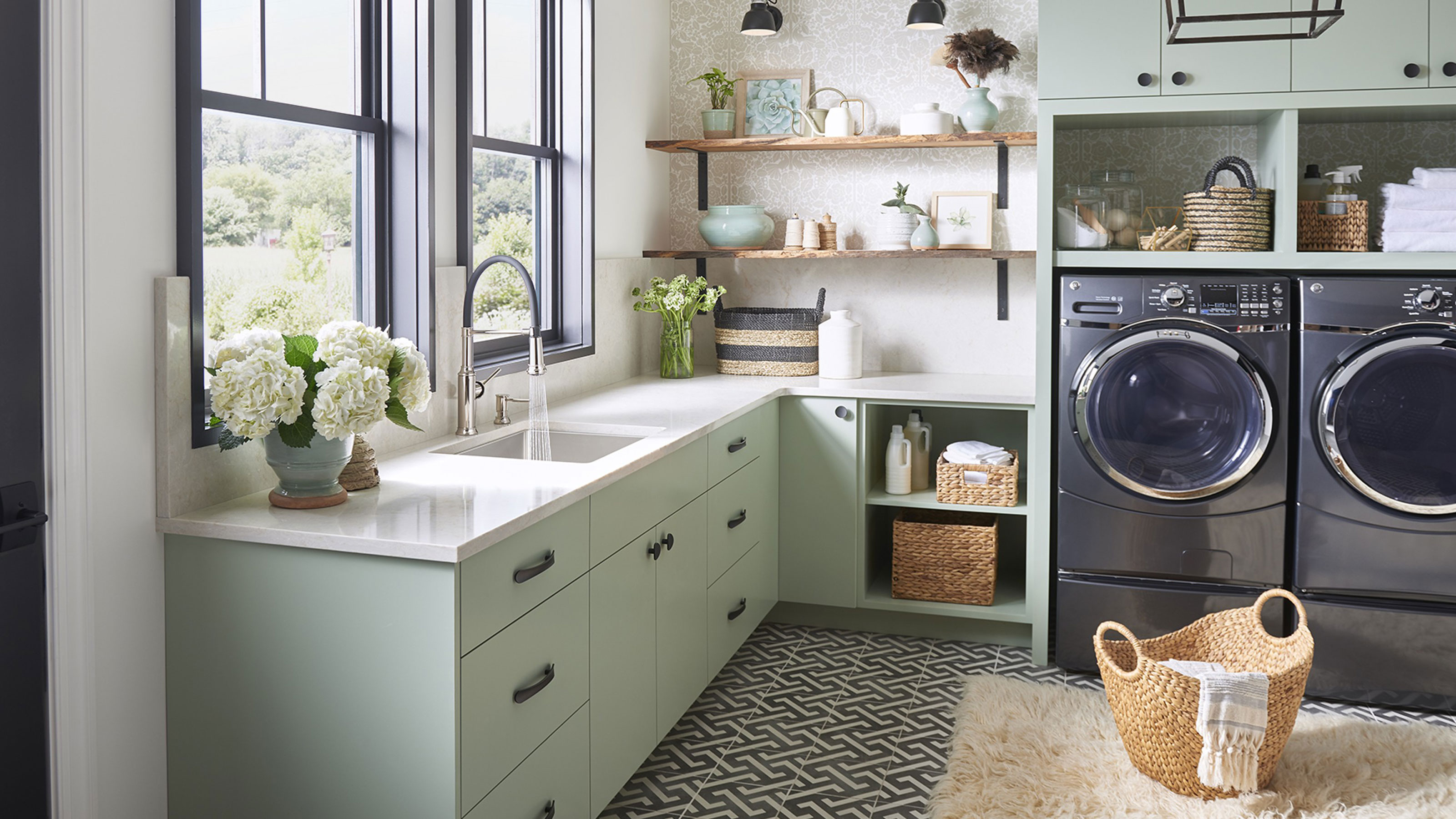
Laundry room design mistakes and how to avoid them according to experts

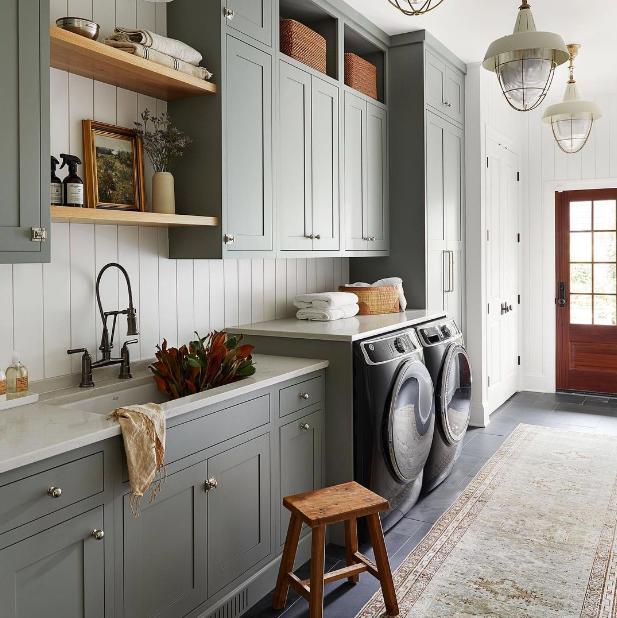
Your Laundry Room Needs An Island—And It's Shockingly Easy to Add One
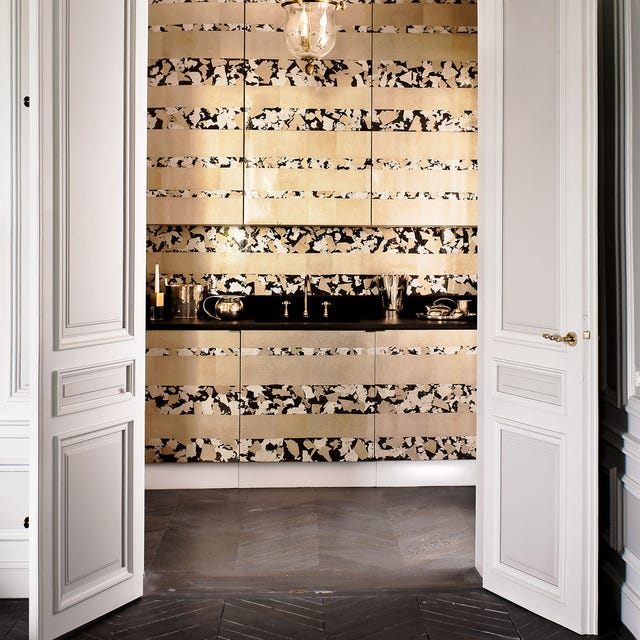
Yes, This Is a Laundry Room

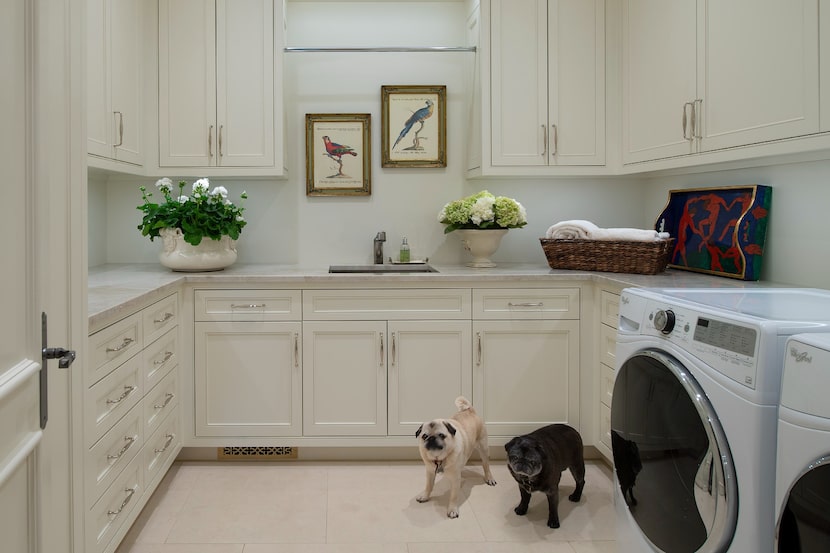
Laundry isn’t a chore when you have a pretty laundry room. Get inspired with these designs
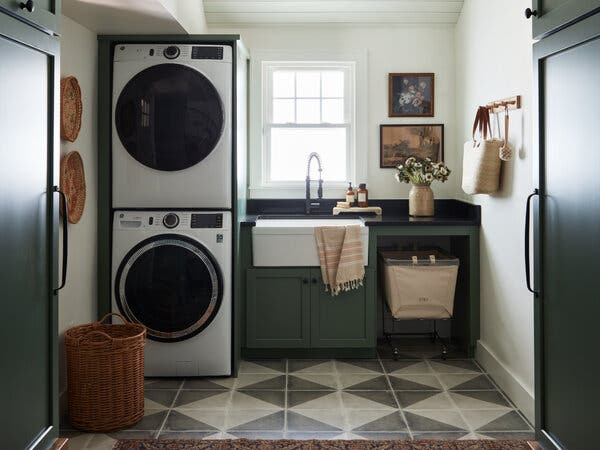
The Best Room in Your Home? It Could Be the Laundry Room. (Published 2022)
Six ways to spruce up your laundry room