6 Things You Can Find in Every Stylish Room, According to Interior Designers
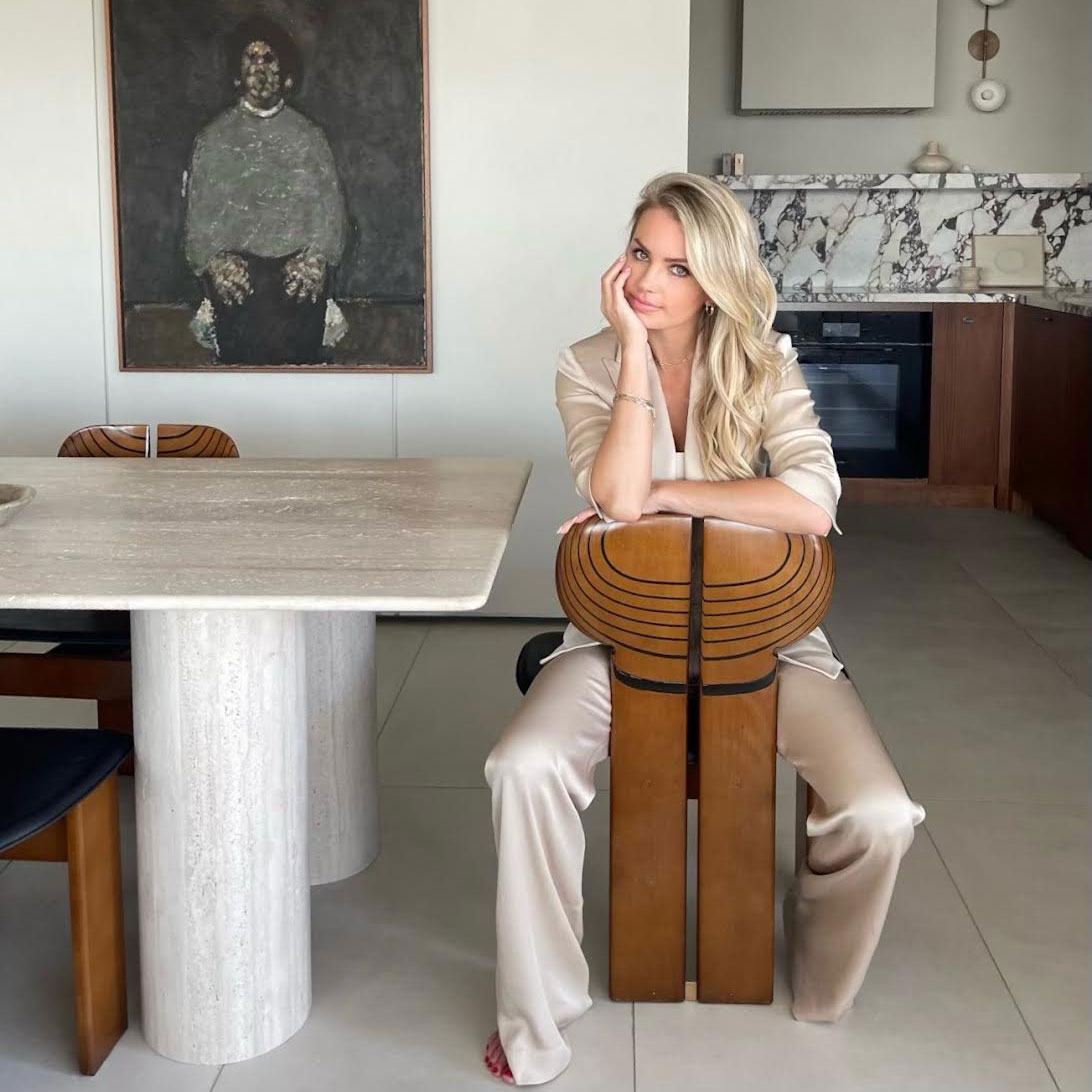
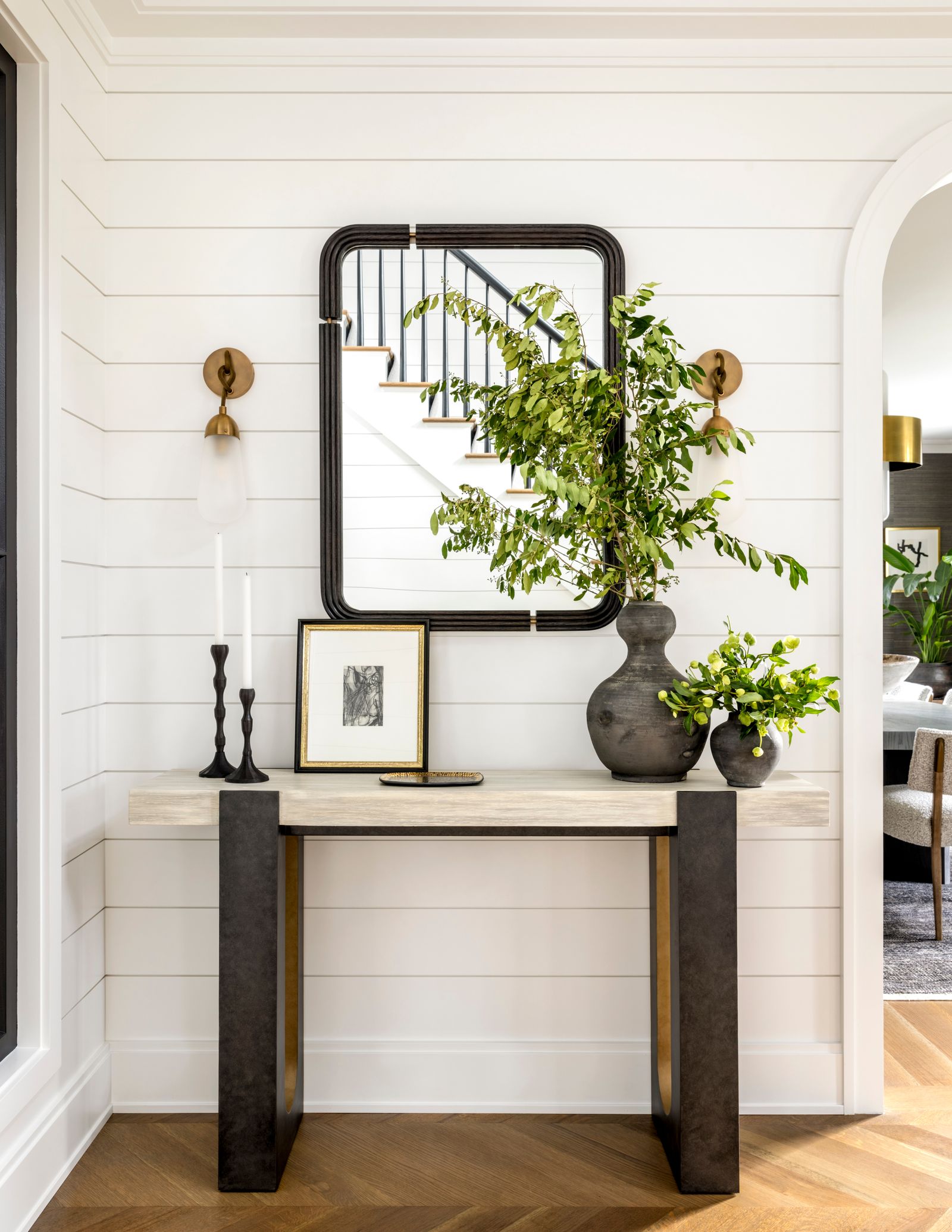
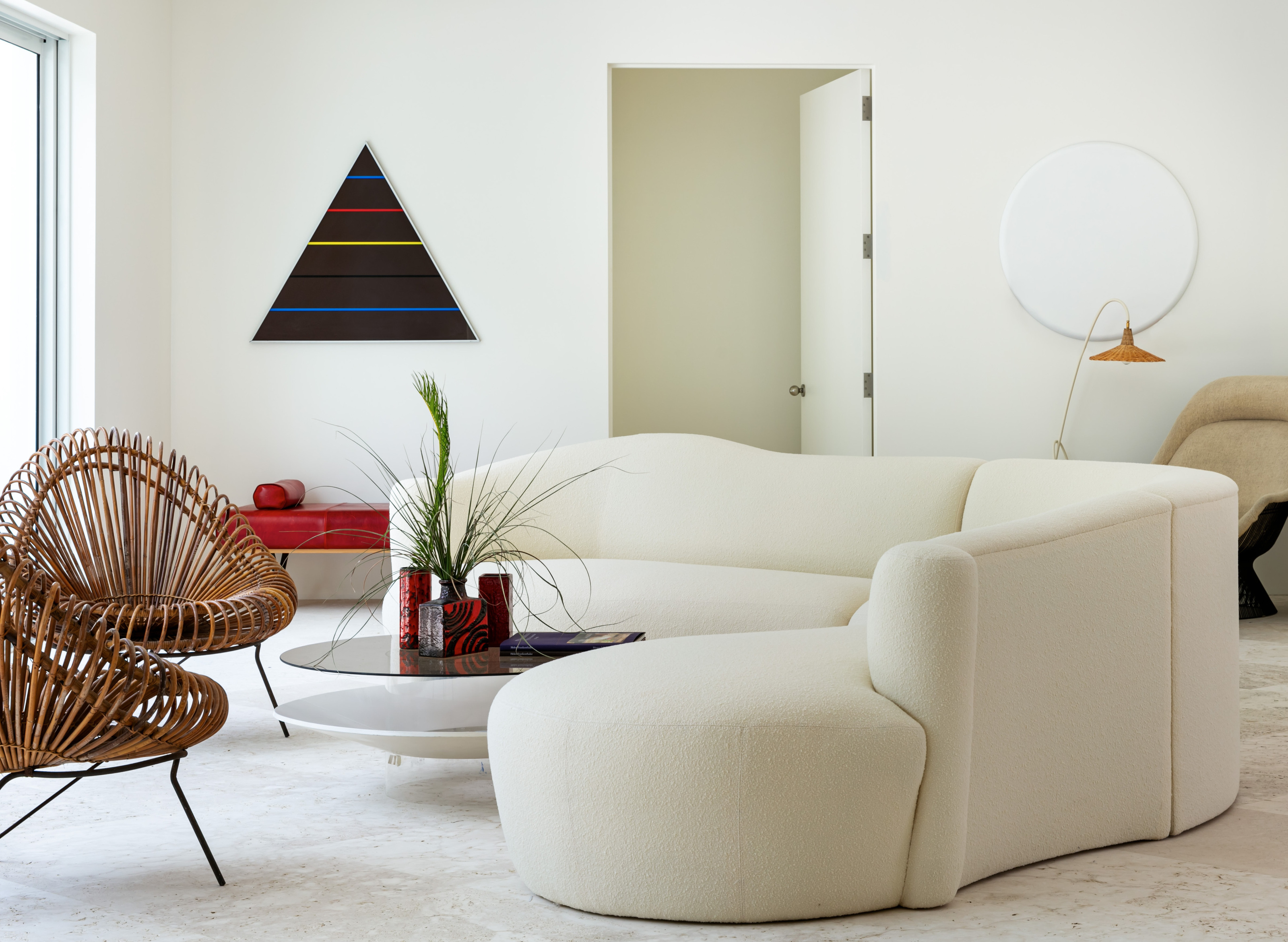
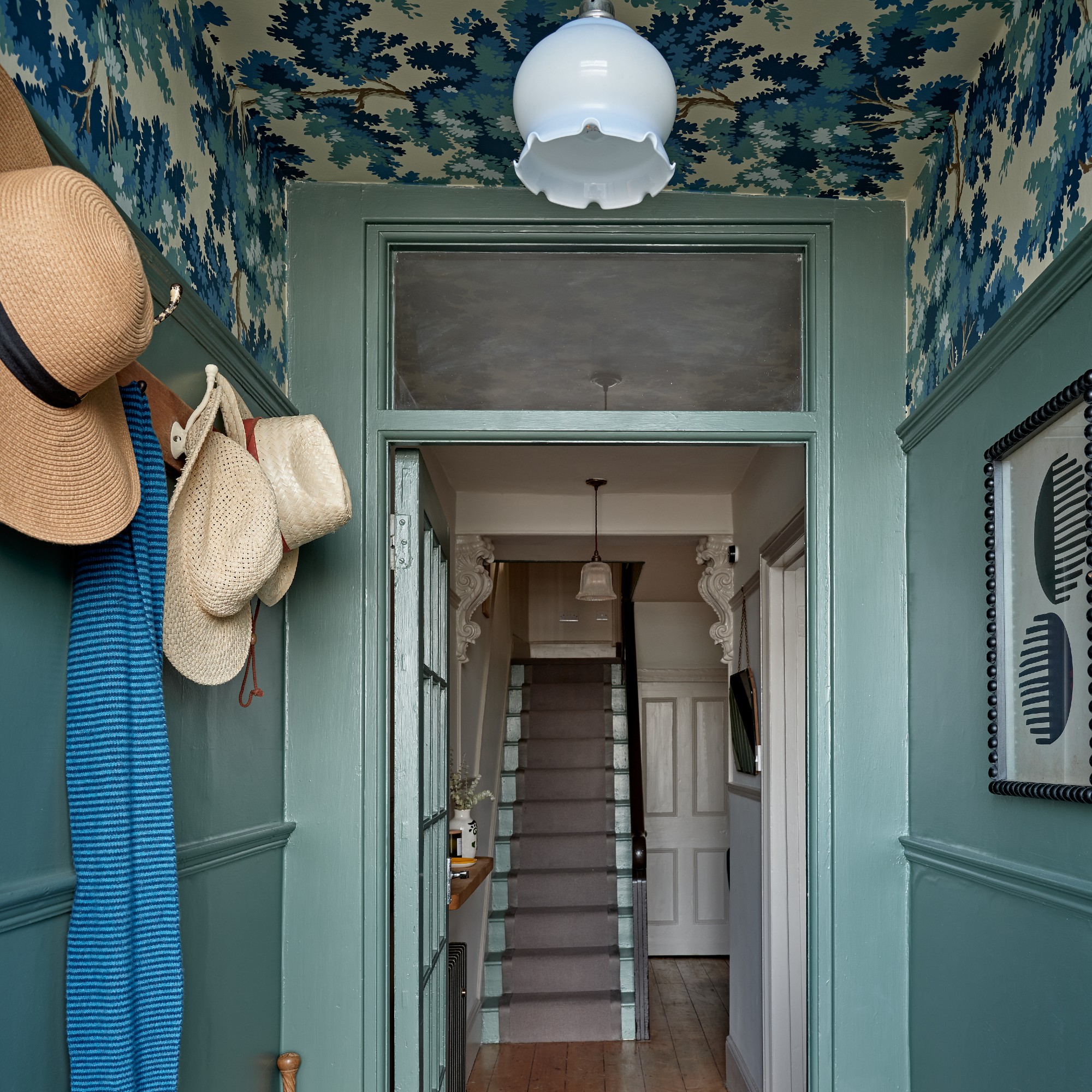
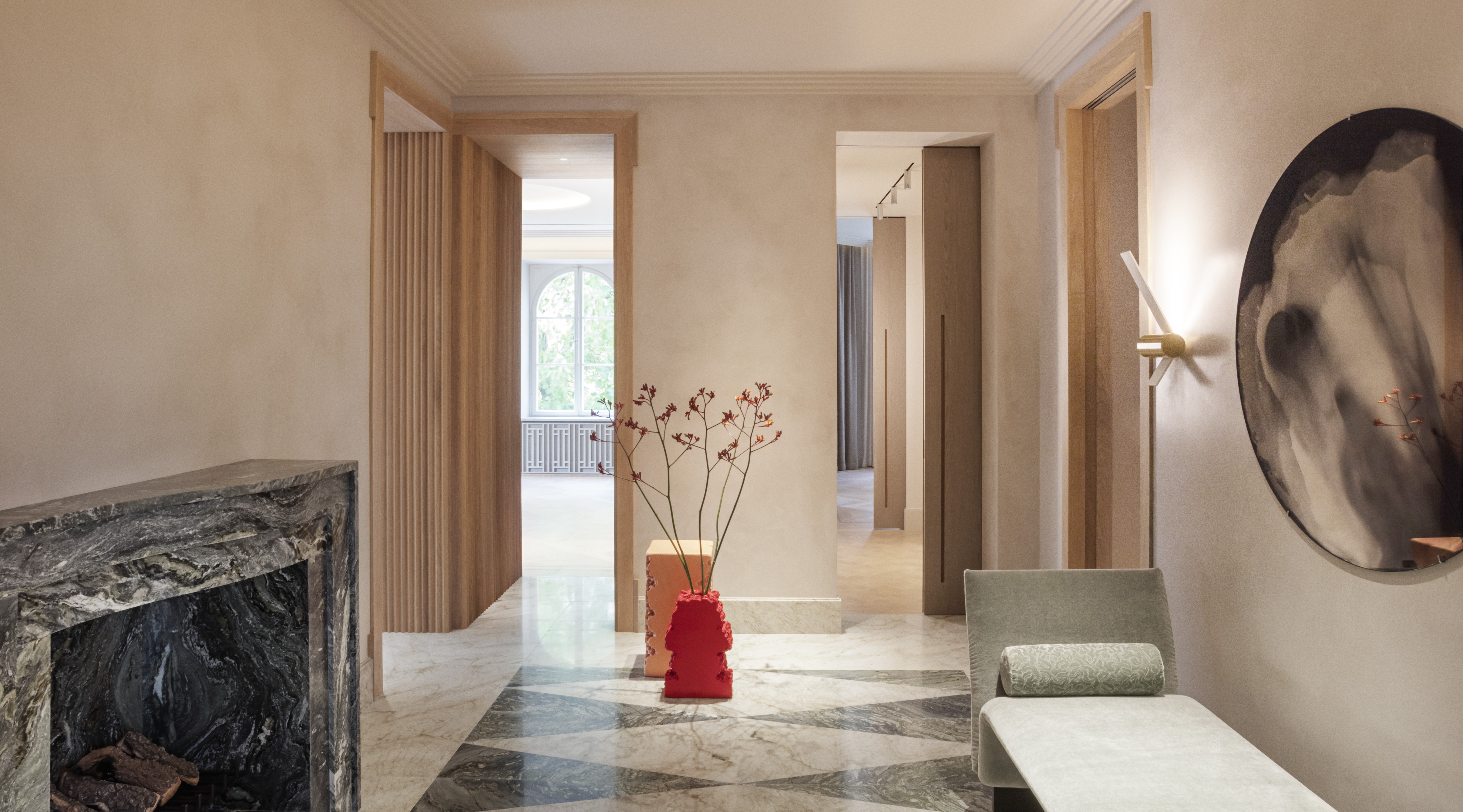
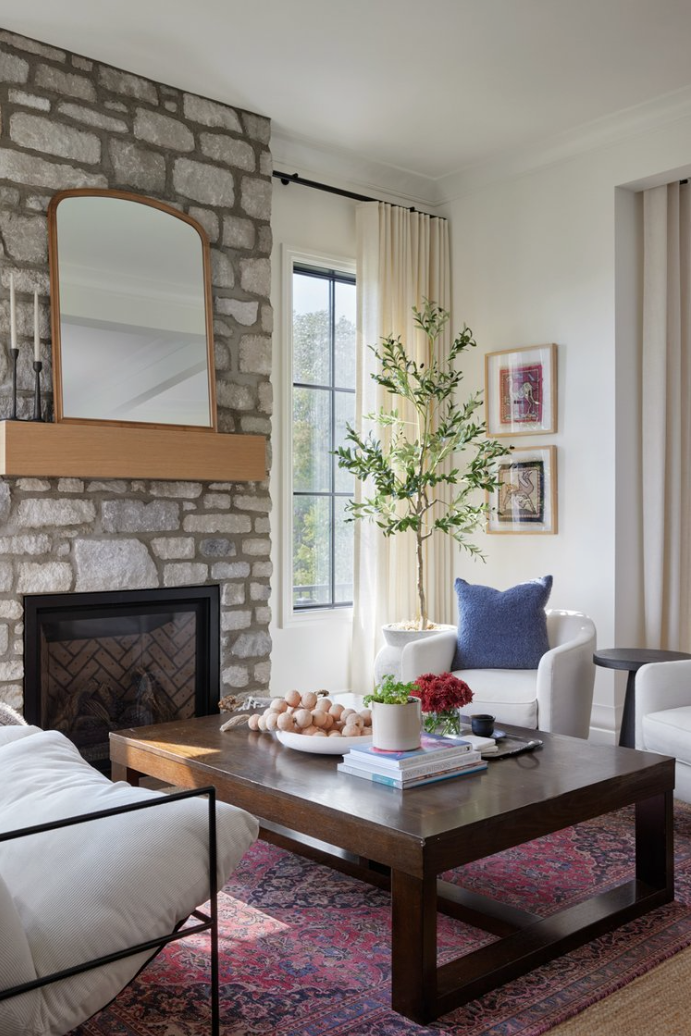
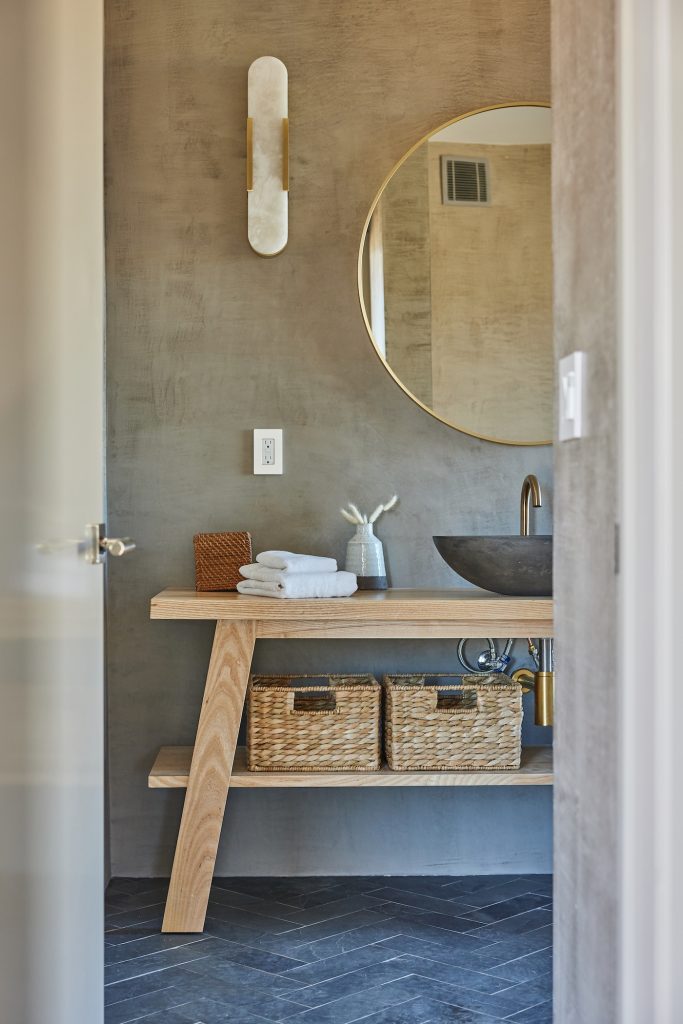
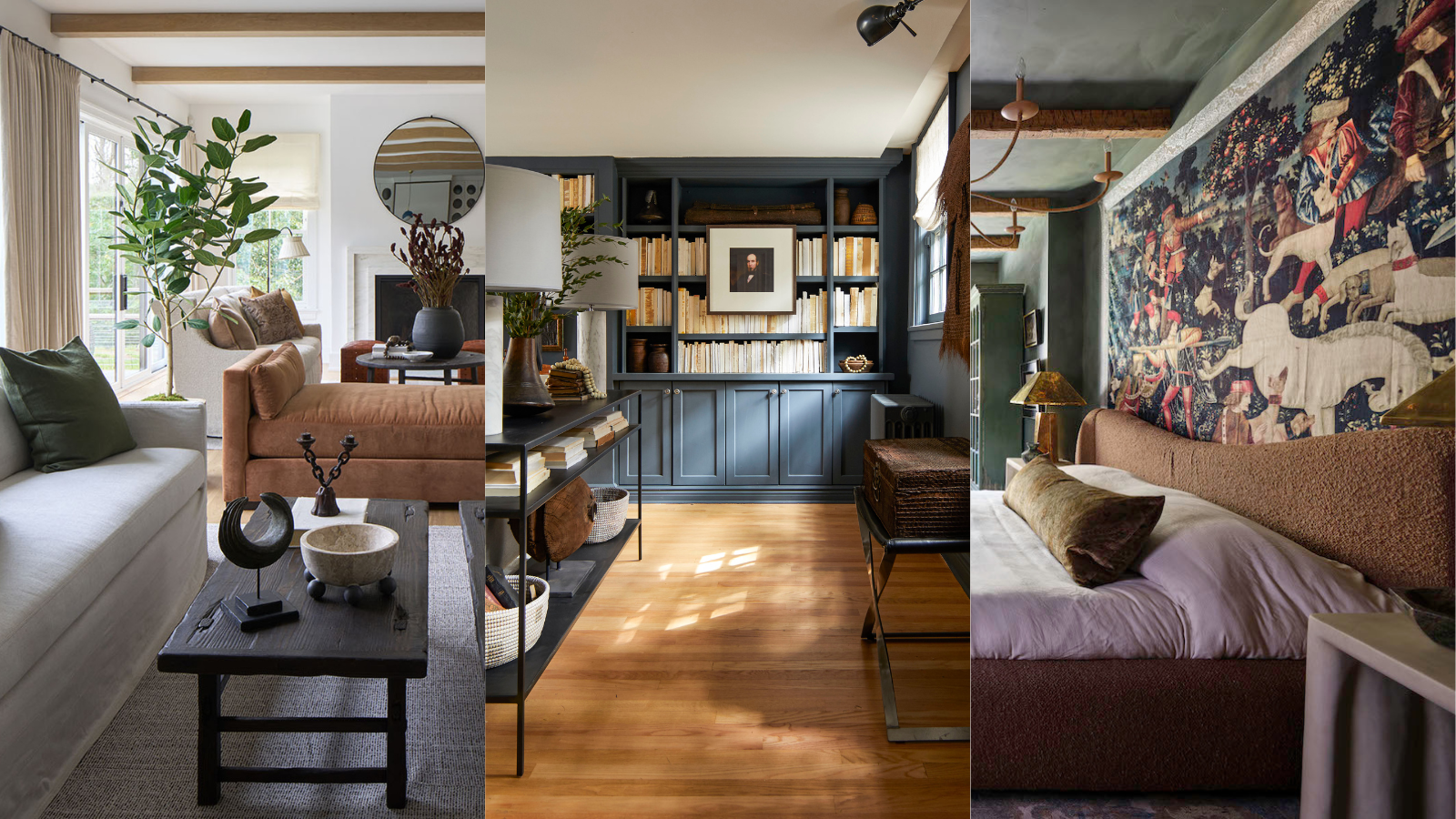
Interior designers identify six key elements that contribute to a stylish and well-designed room. These elements go beyond mere aesthetics, focusing on intentionality, personalization, and functionality. The first essential is a statement piece, which Amanda Sinistaj, founder of Ellwood Interiors, describes as something that commands attention without being flashy. This could be an oversized mirror, which also helps to expand a small space by reflecting light, or a unique area rug. A true statement piece, according to Sinistaj, should evoke curiosity and provide insight into the homeowner's personality, making the room memorable.
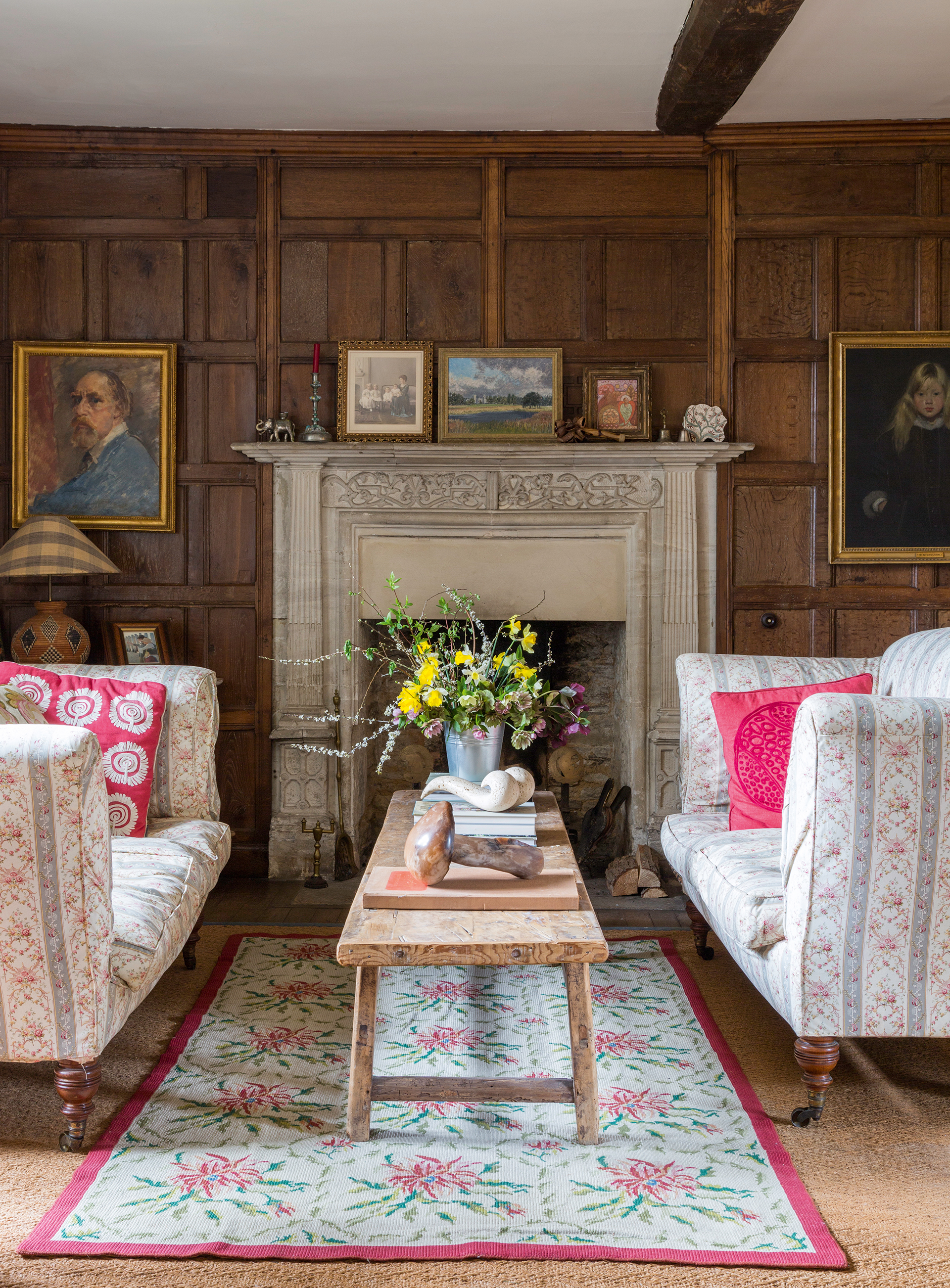
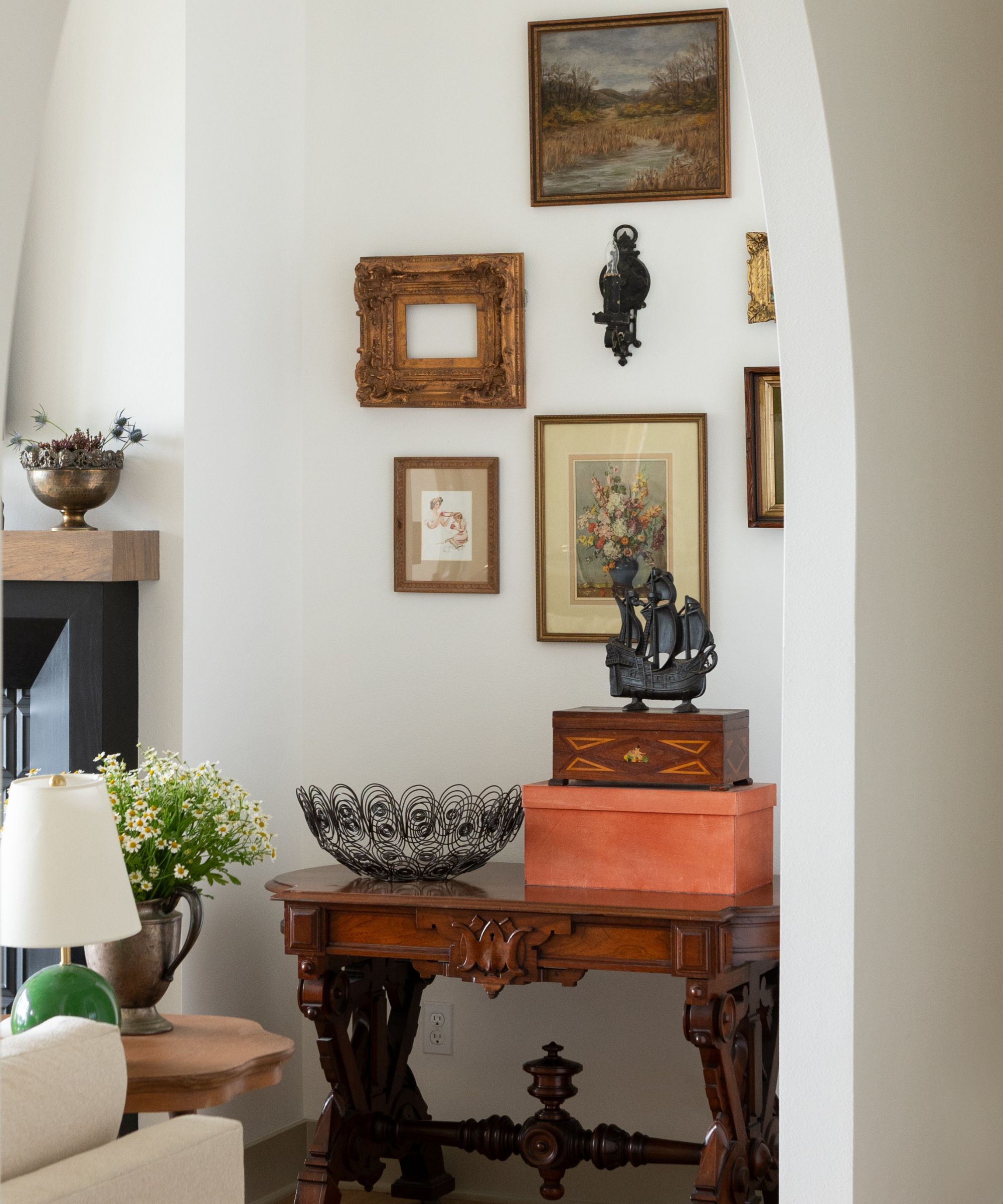
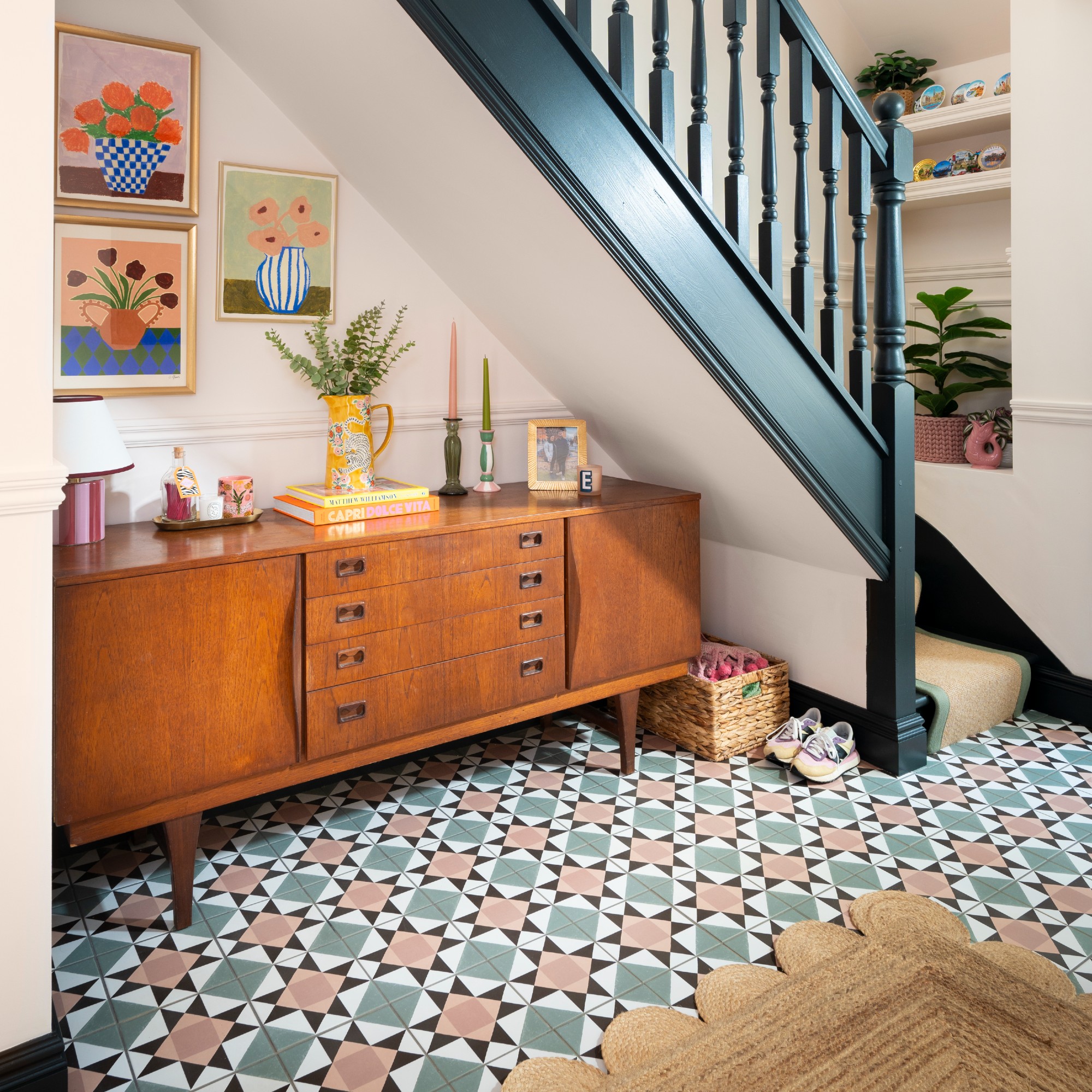
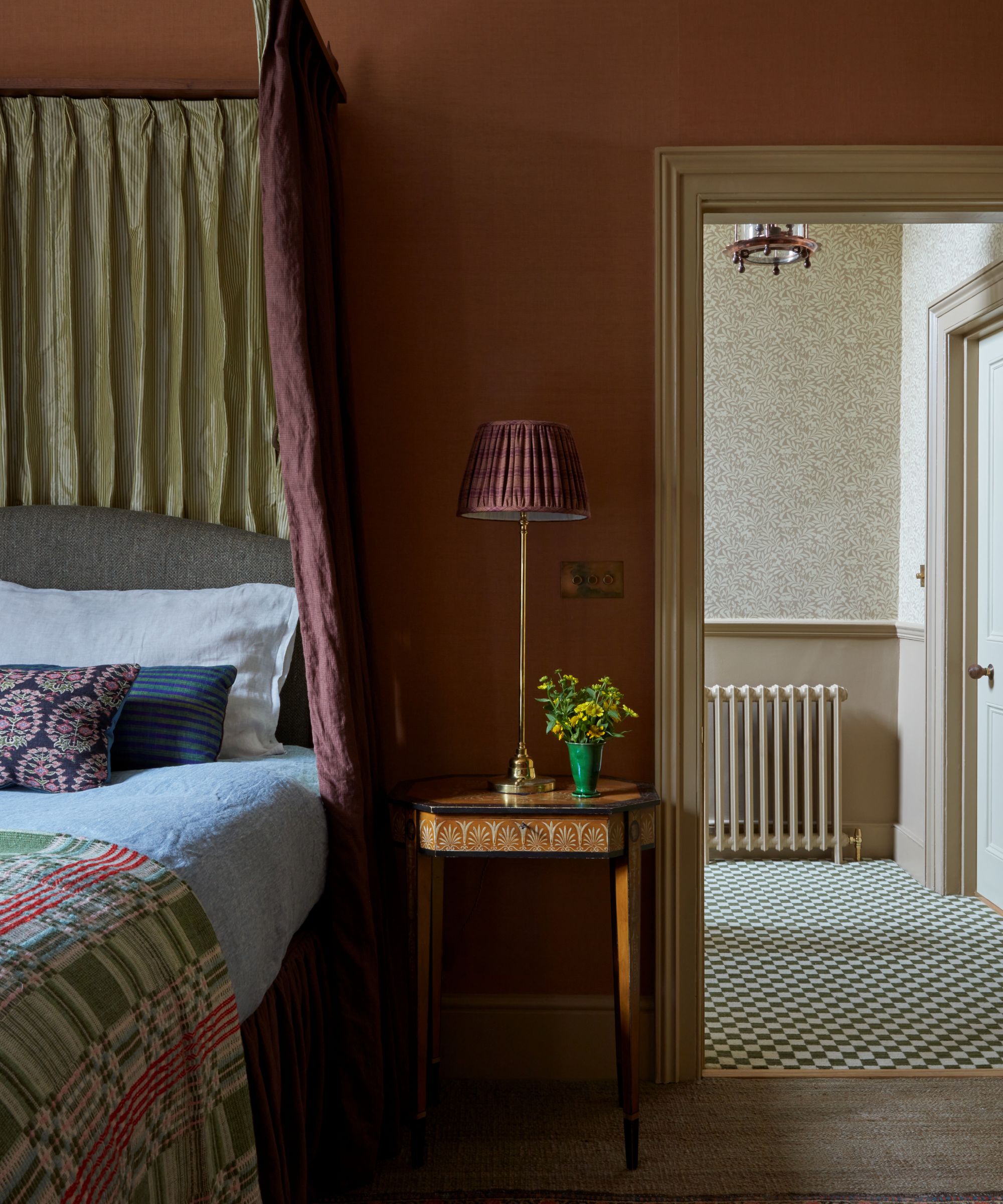
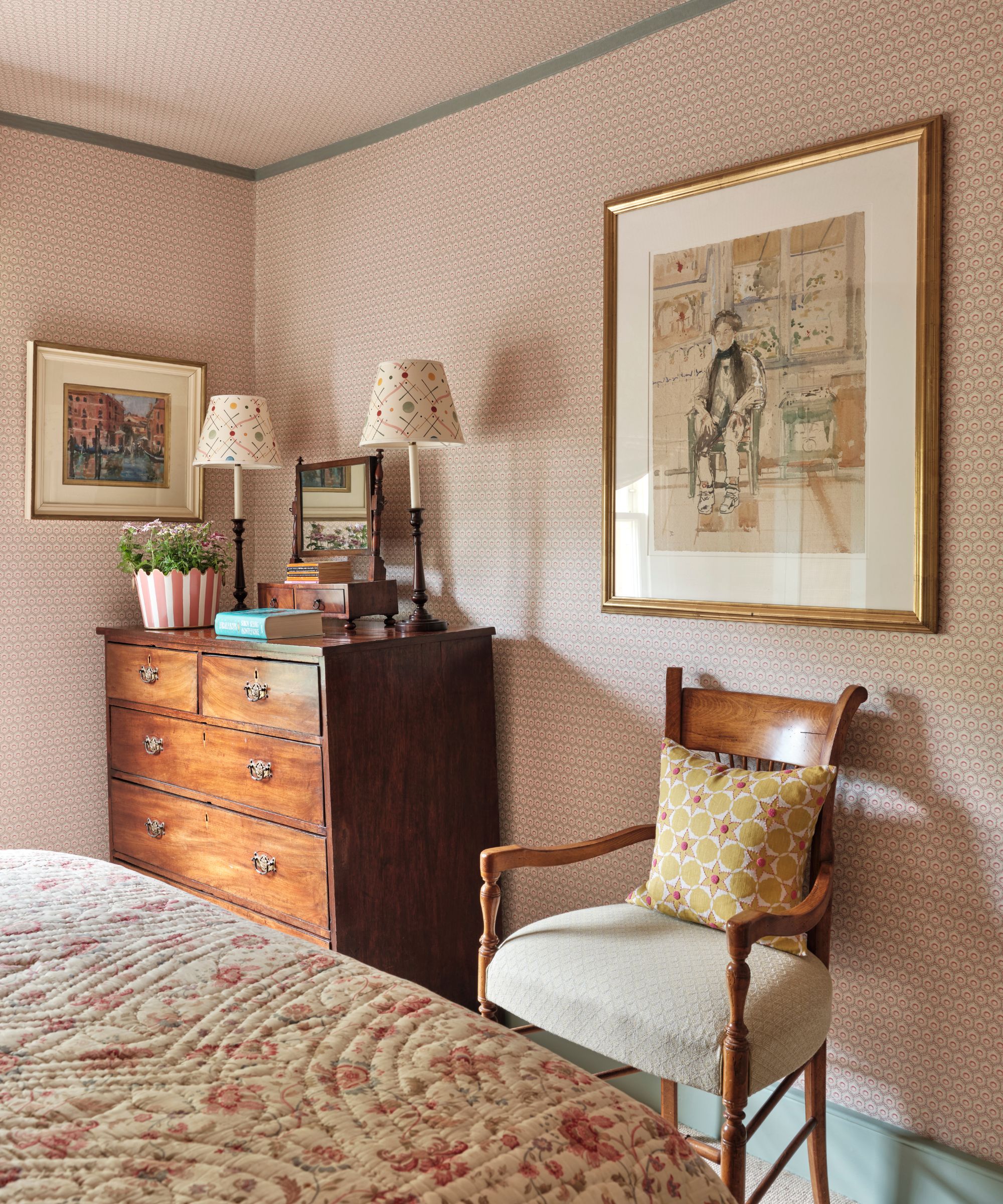
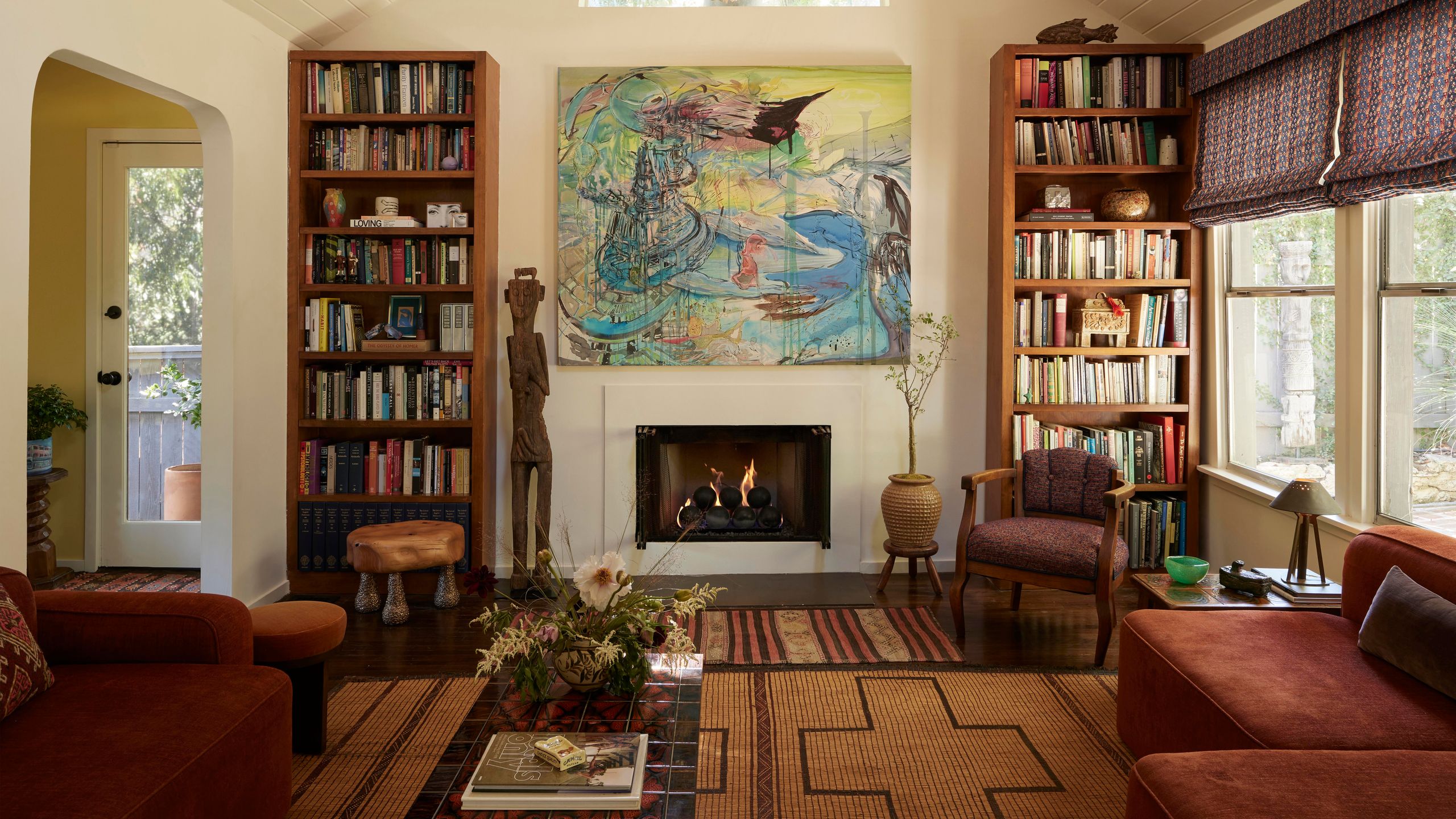
The second crucial component is something personal, as highlighted by Lauren Saab of Saab Studios. While contemporary decor items can introduce color and patterns, they often lack the emotional depth and narrative that personal objects bring. Saab suggests incorporating items with a rich history, such as heirloom pieces passed down through generations, or distinctive art and artifacts collected during travels. These personal touches foster an emotional connection and imbue the space with authenticity and meaning, thereby elevating the overall design.
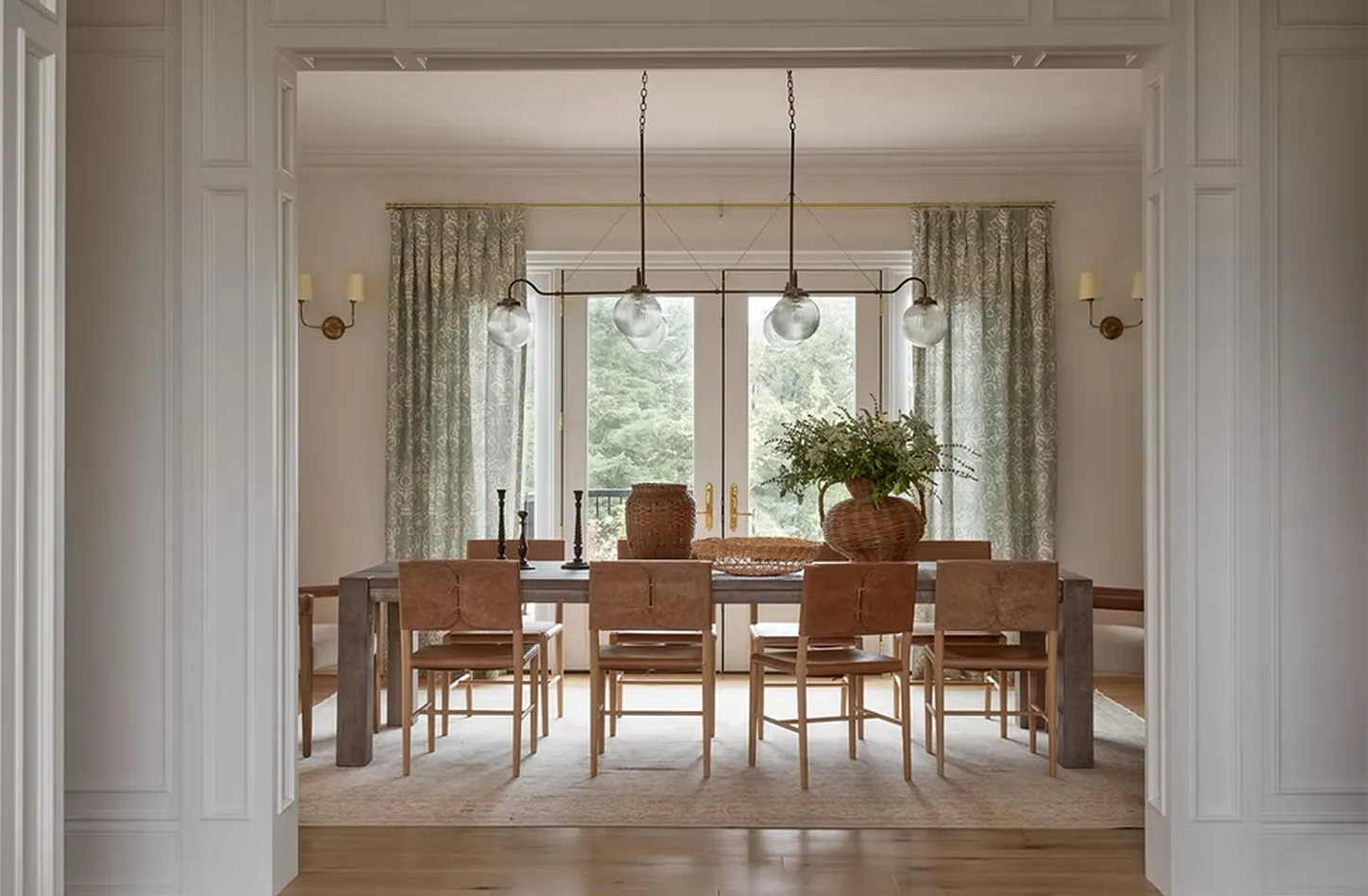
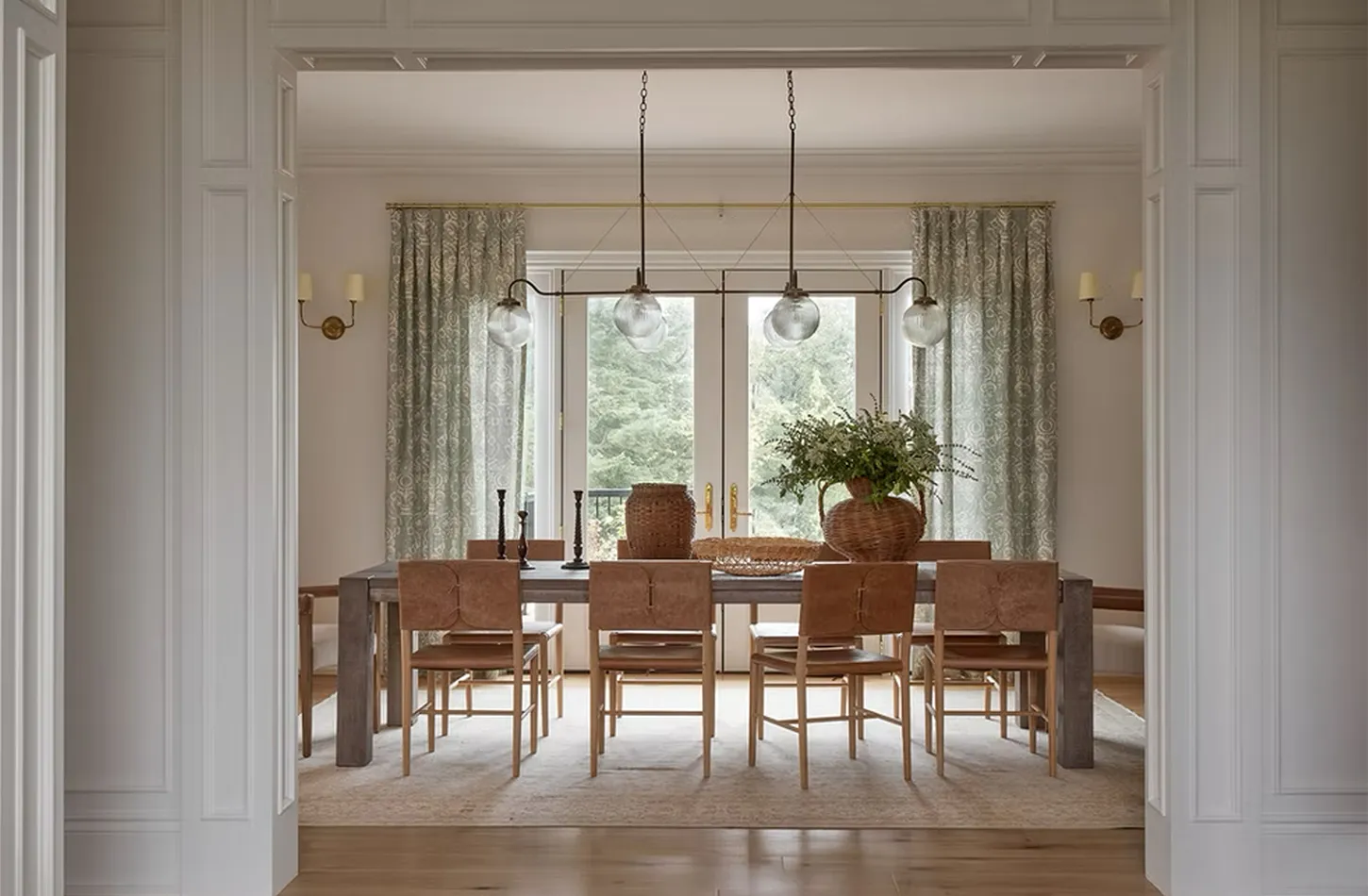
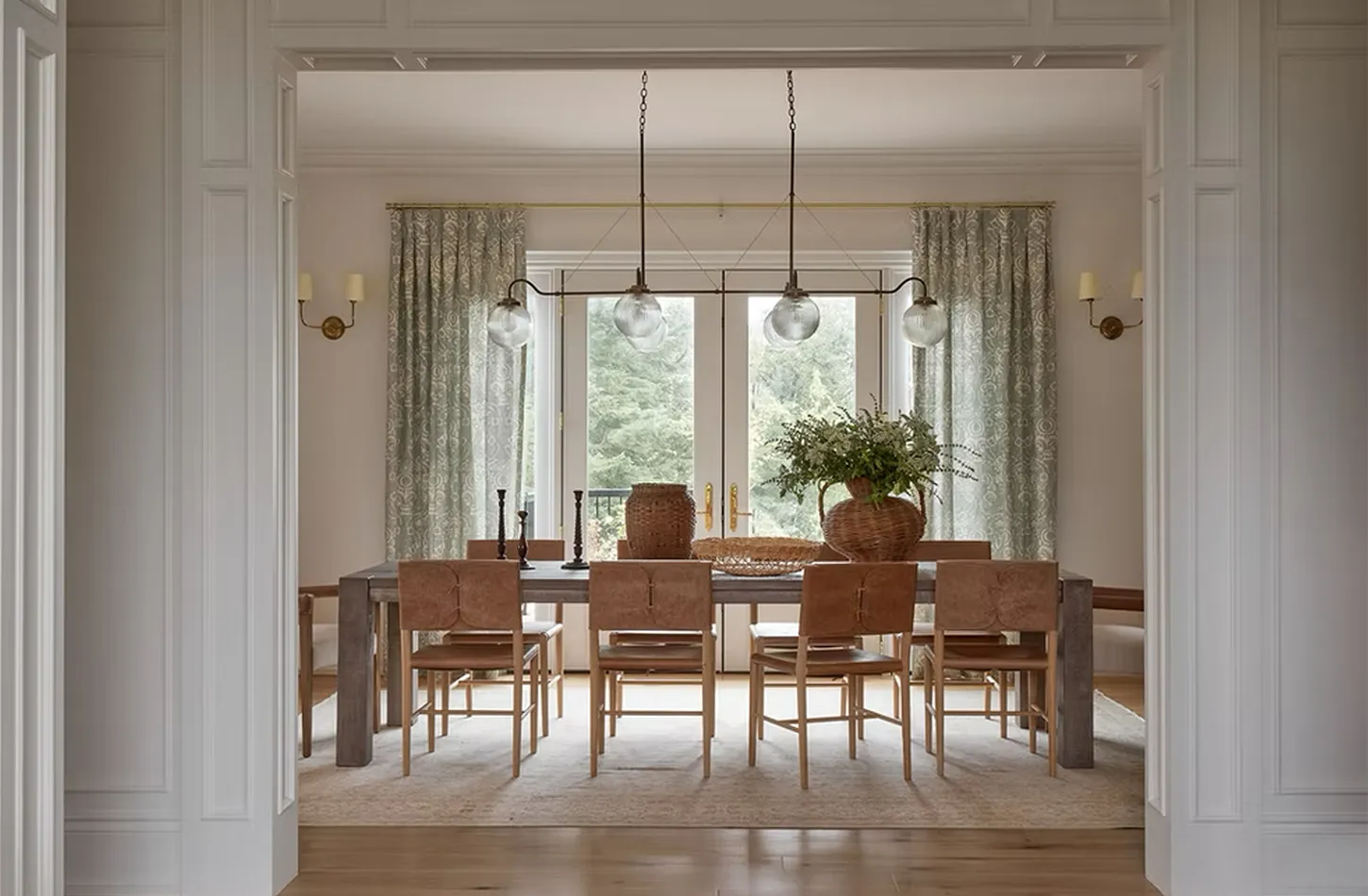
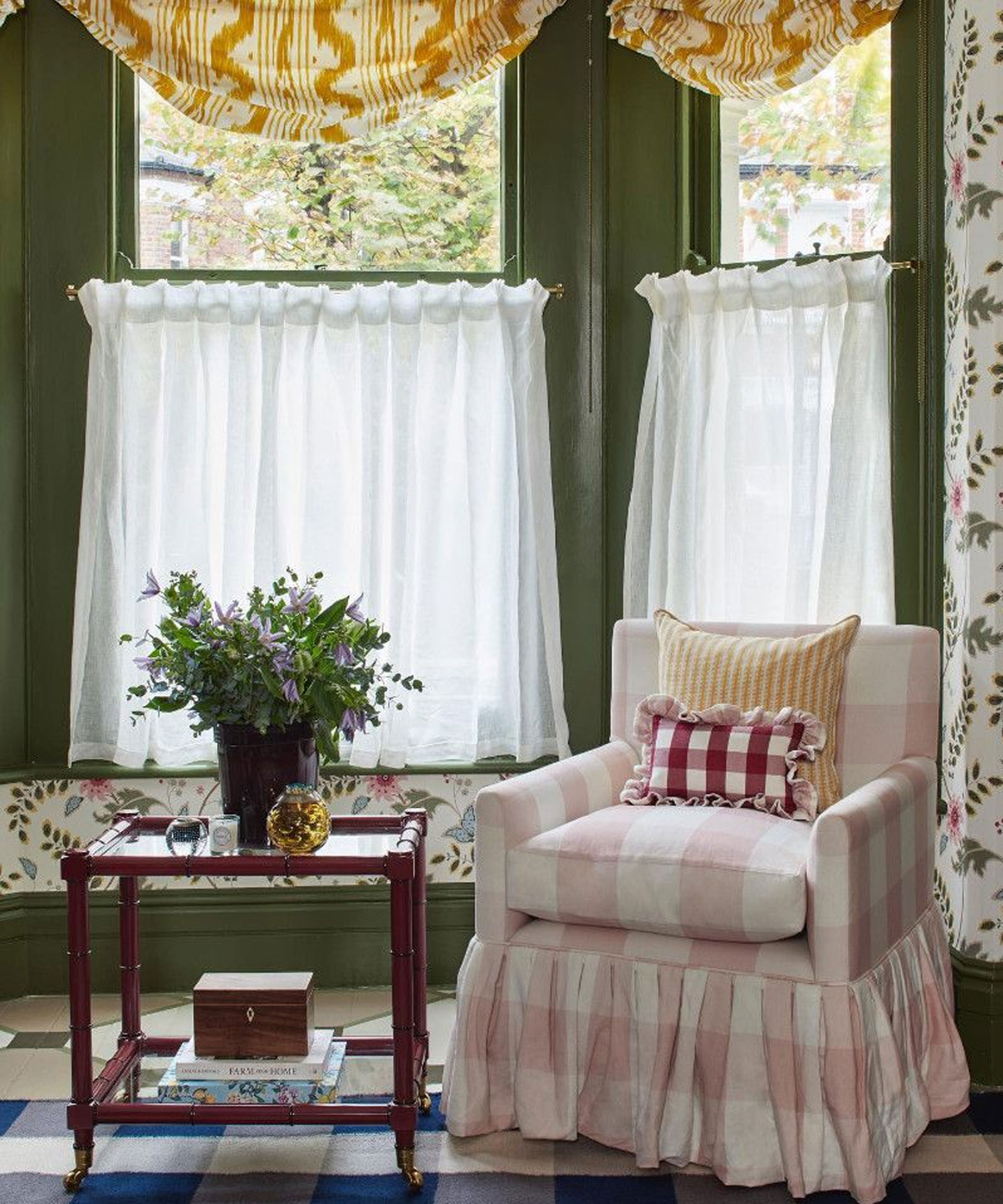
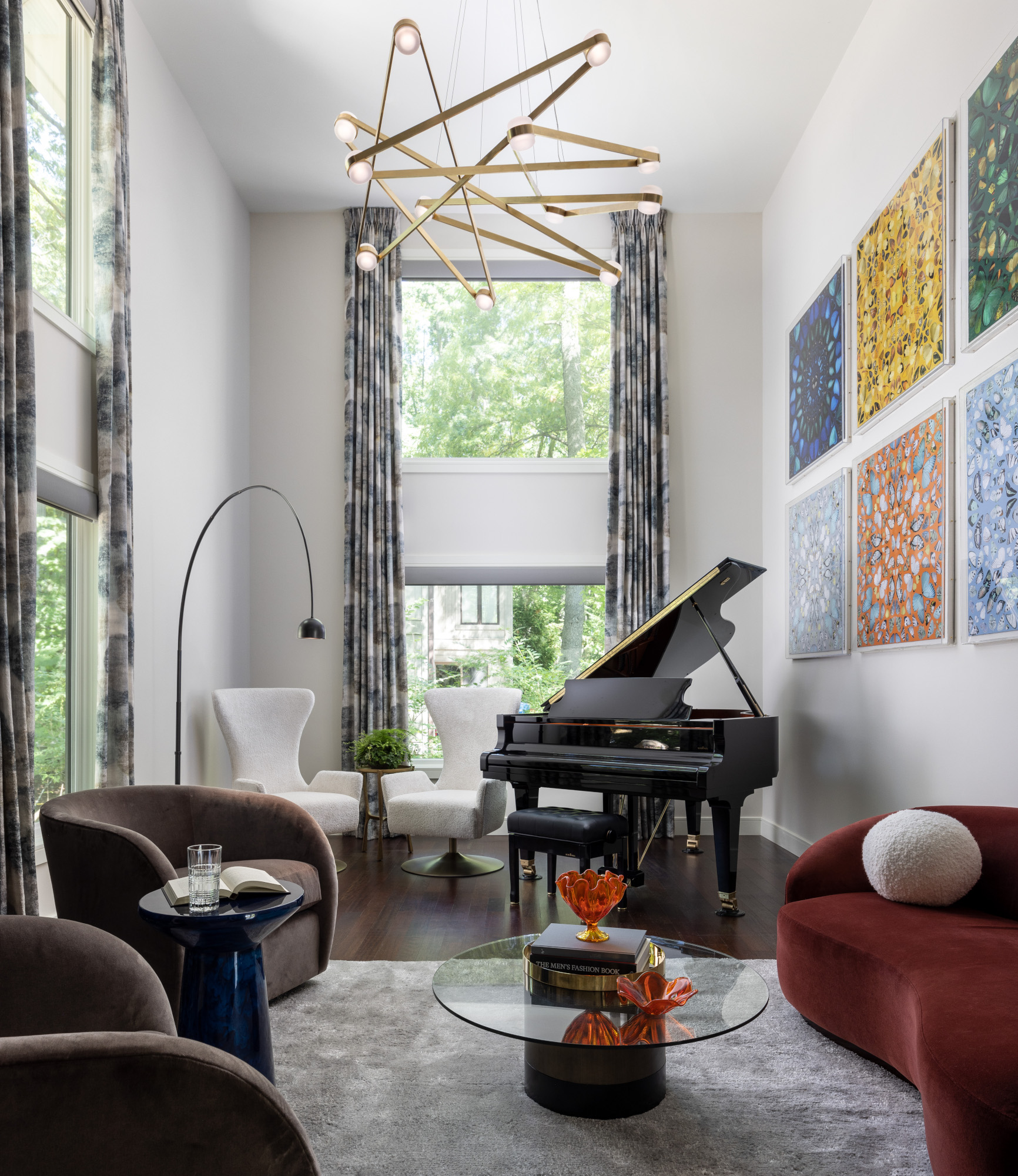
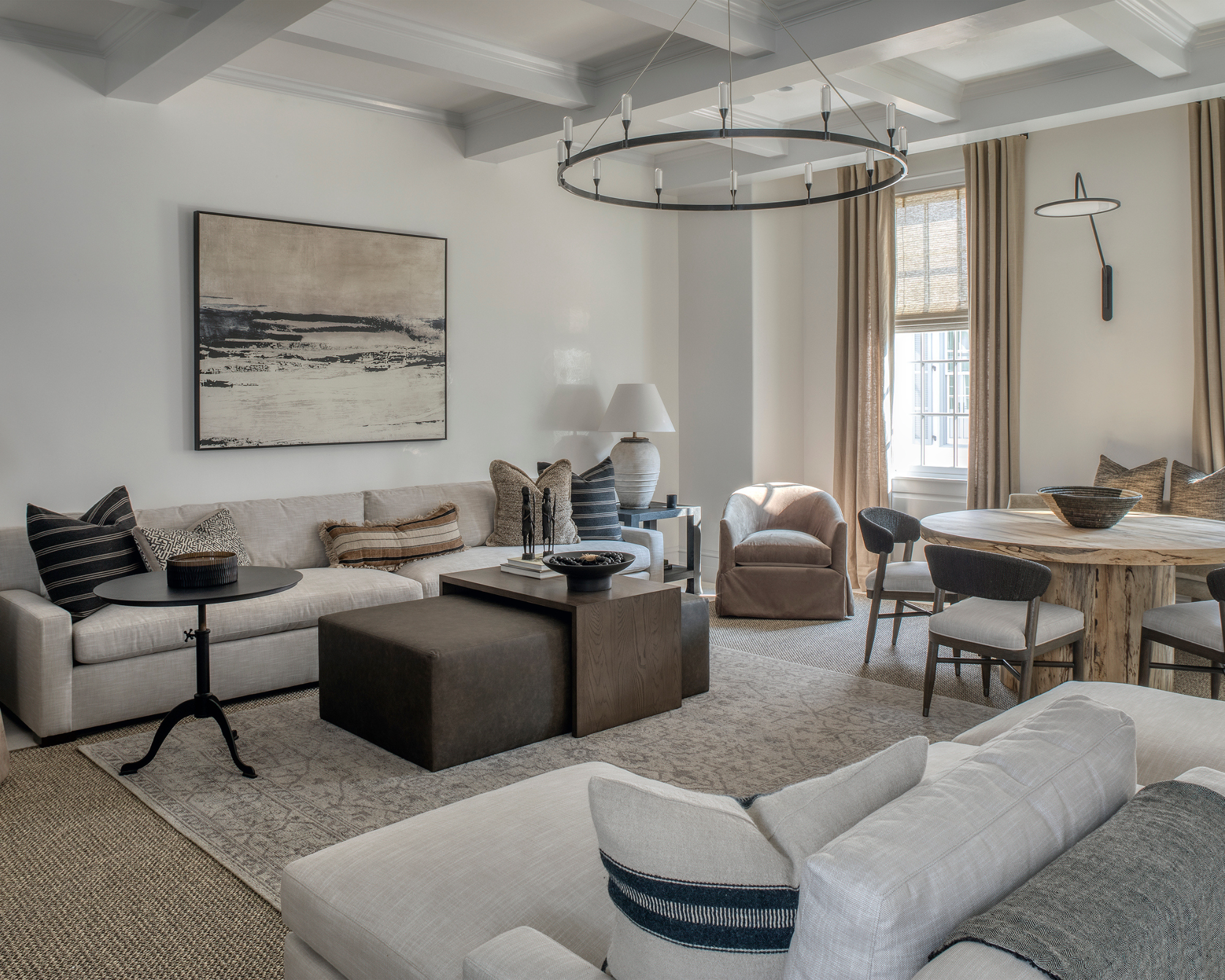
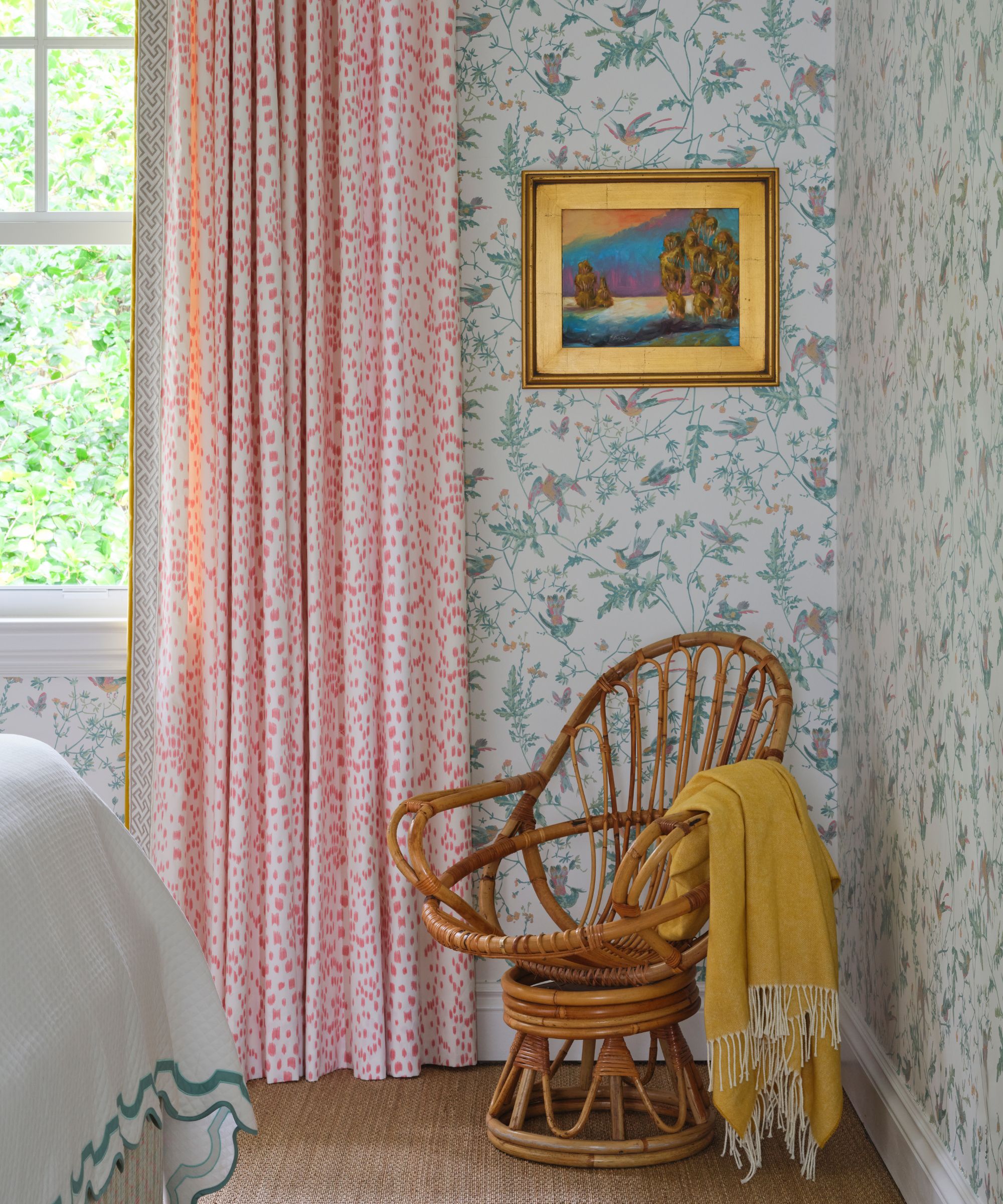
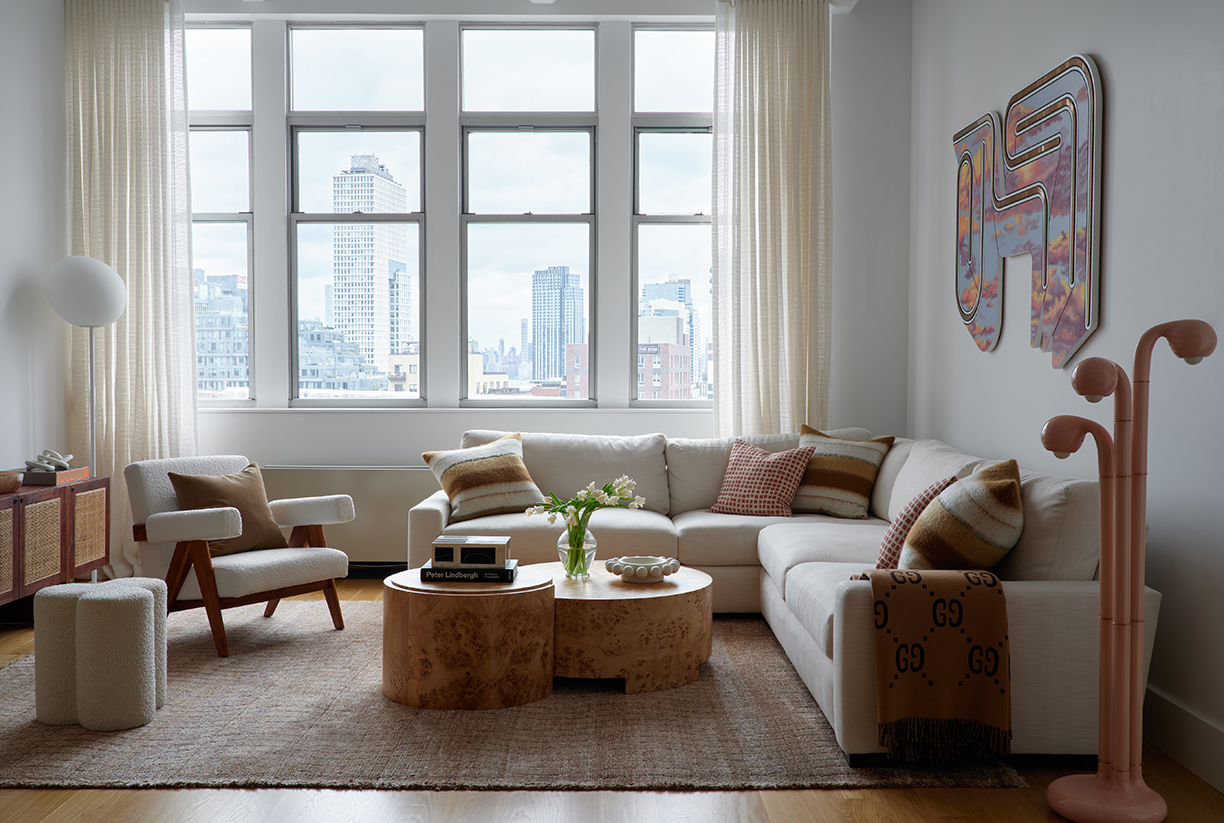
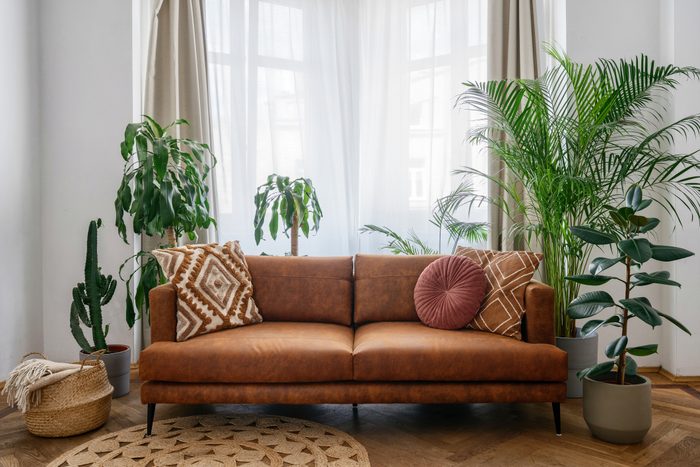
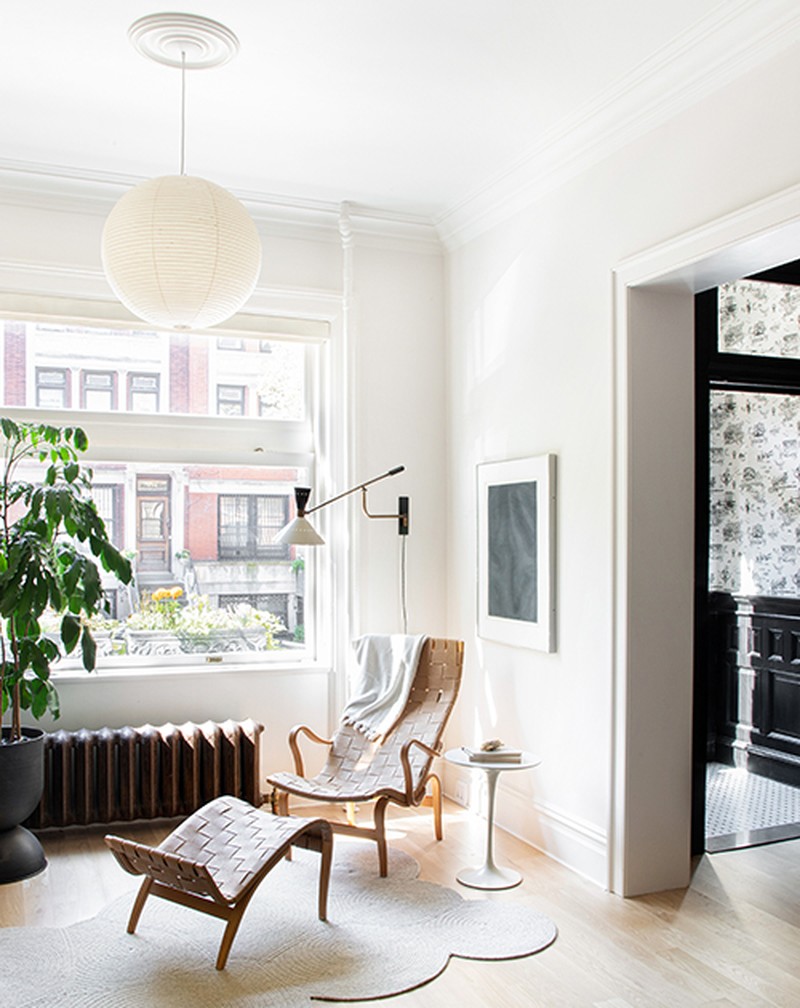
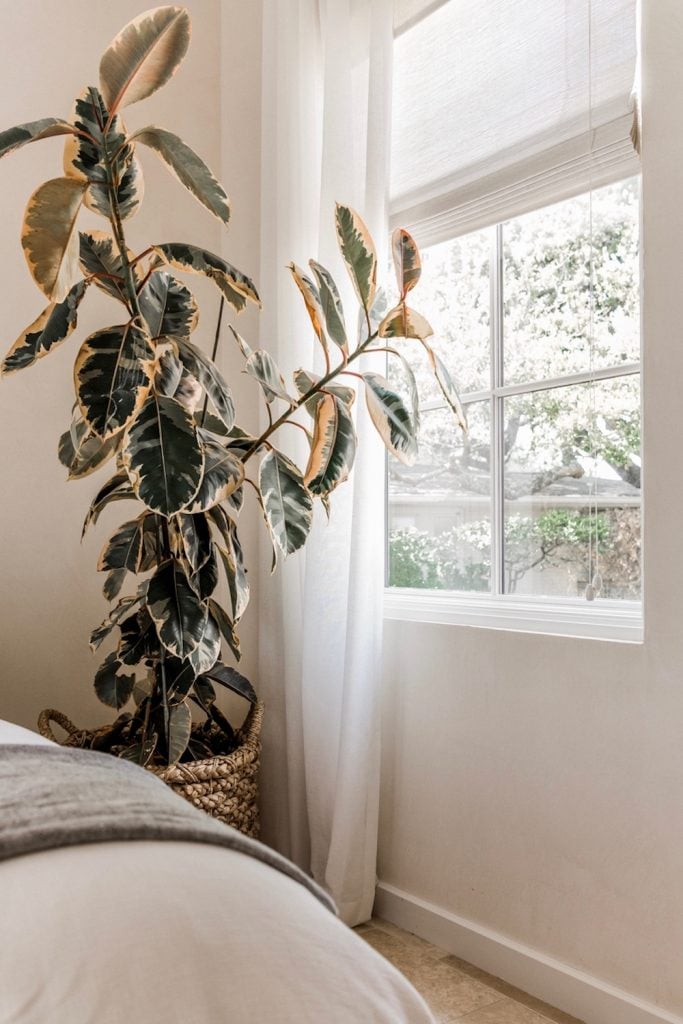
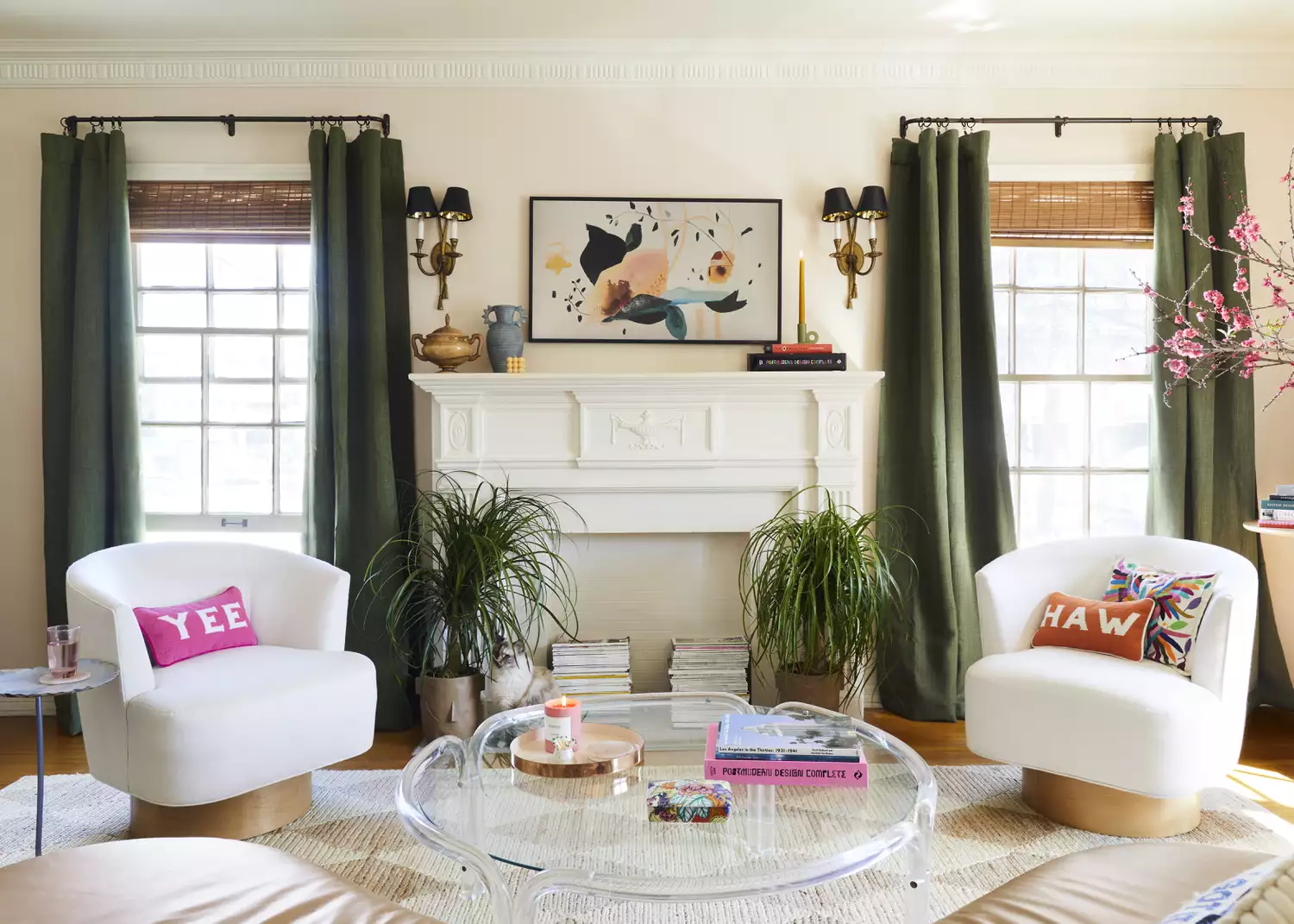
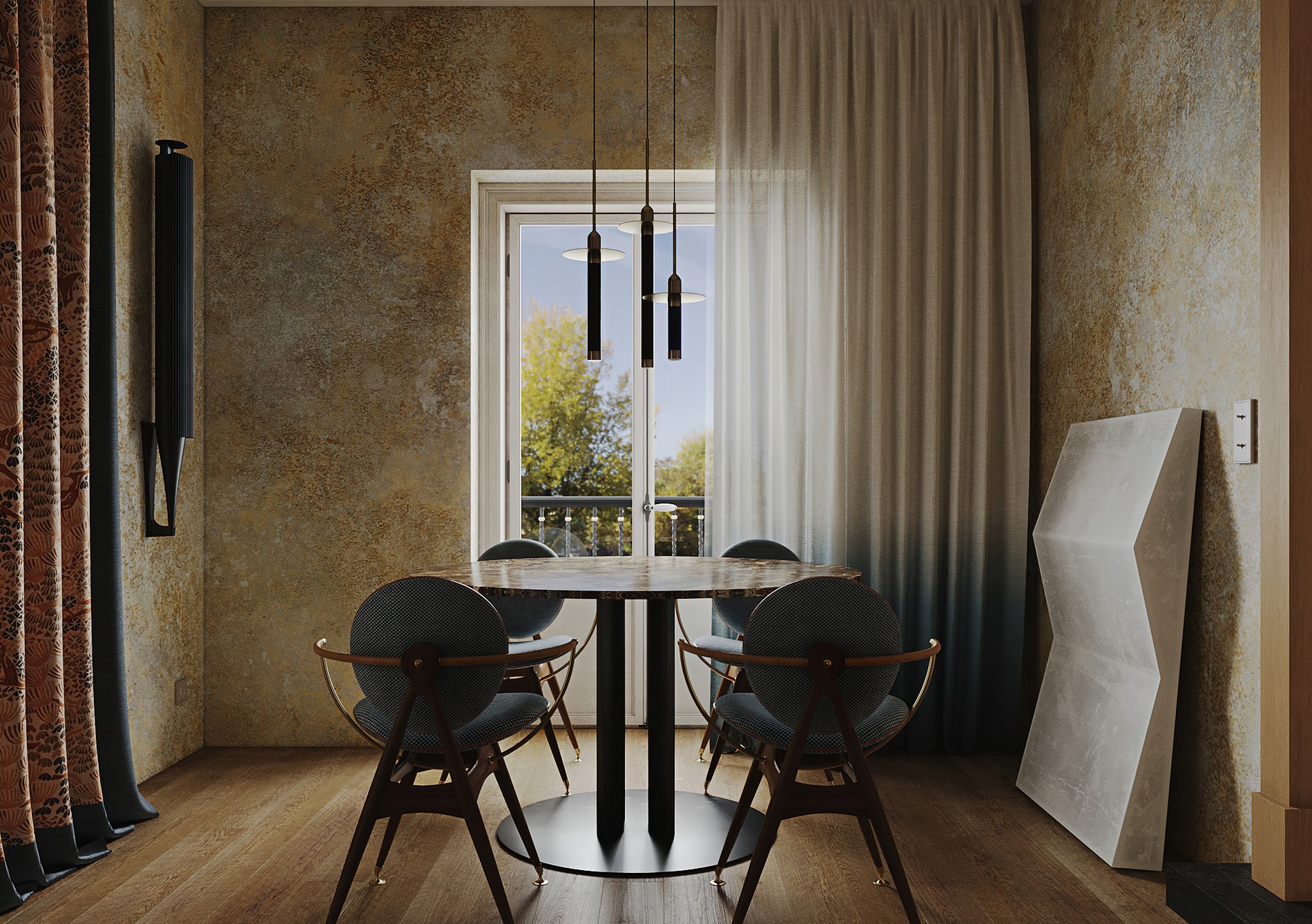
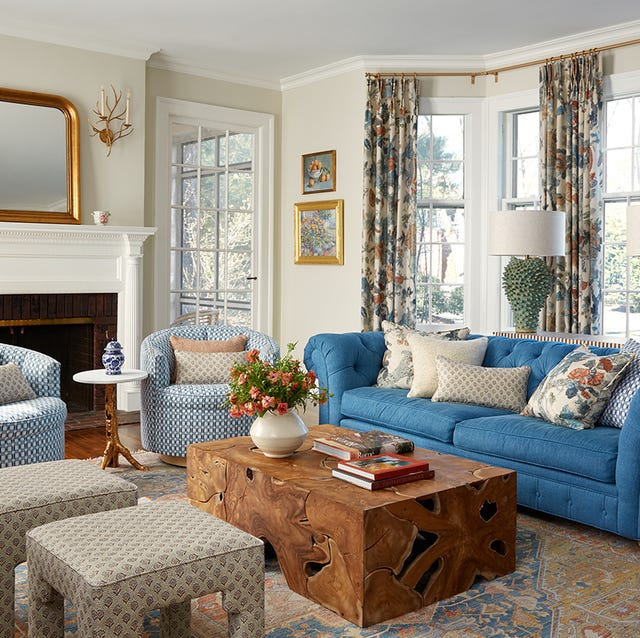
Third, elegant window treatments are vital for a polished look. Monique Holland, principal designer at Holland Custom Designs, likens draperies to "the jewelry of a room," emphasizing their role in adding softness, texture, and a sense of completeness. Floor-to-ceiling curtain panels are particularly effective as they can visually enhance ceiling height and introduce additional color. The choice of window treatment, whether tailored ripple fold sheers or sophisticated motorized fabric shades, should align with the room's overall style and functionality.
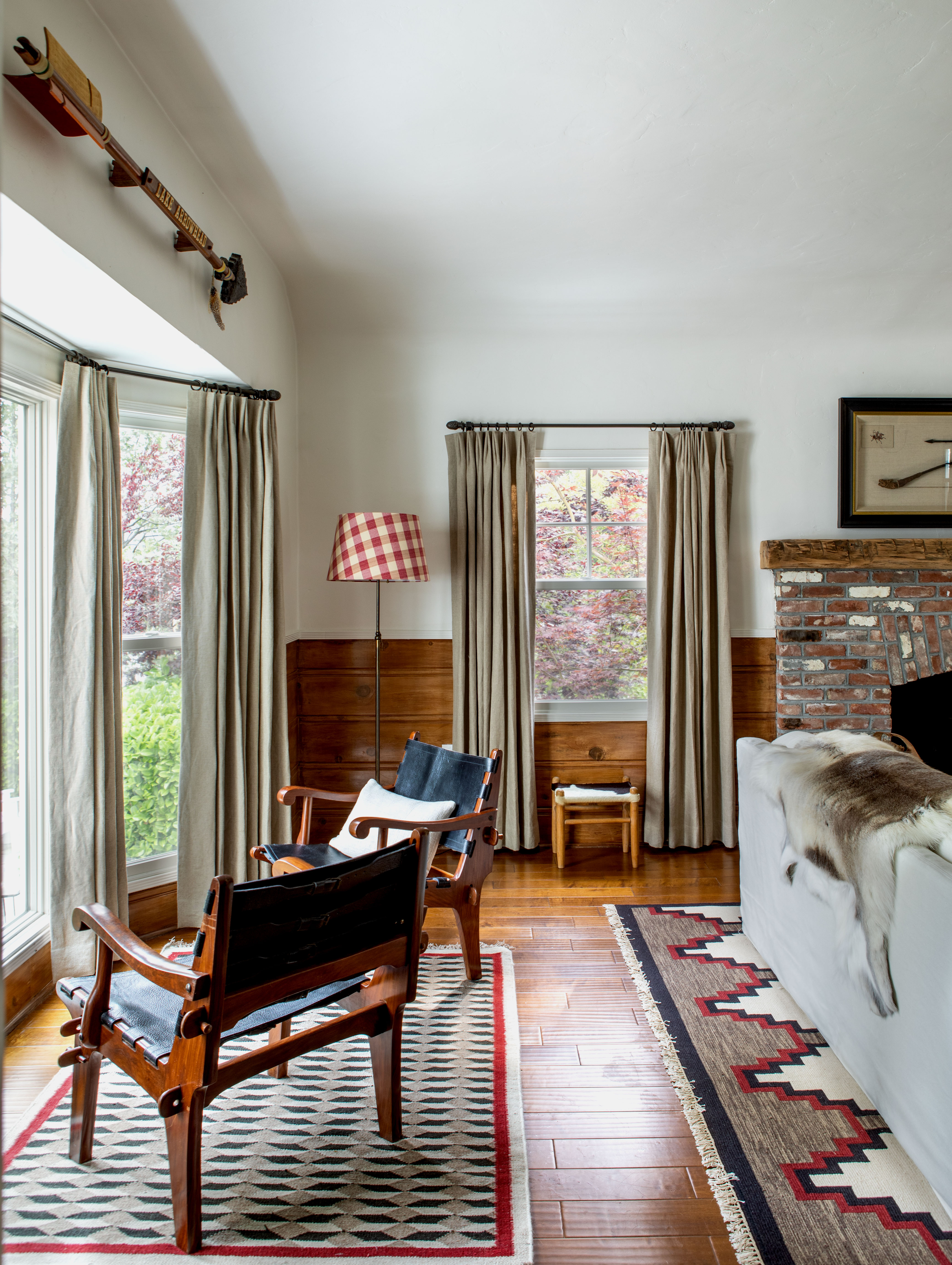
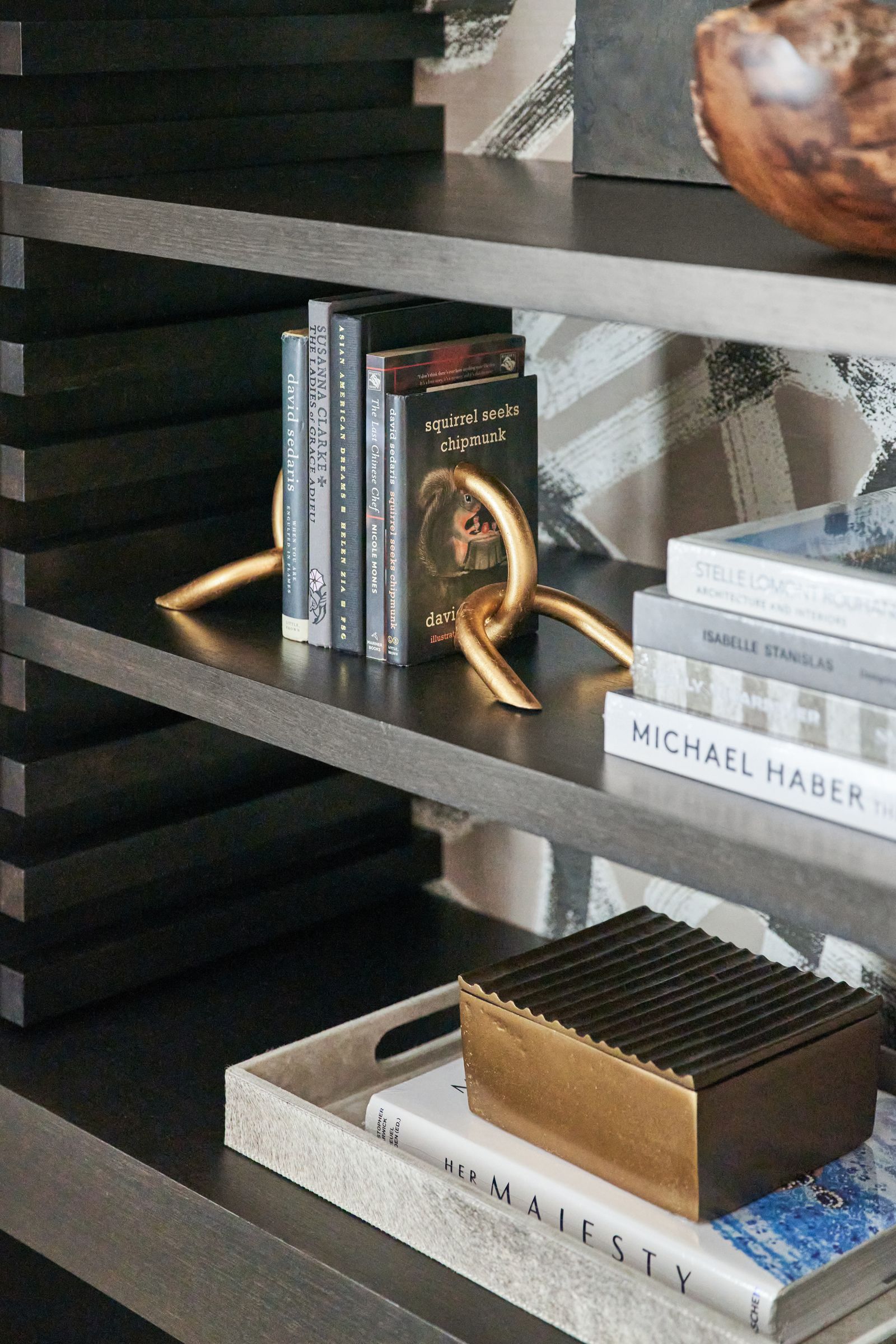
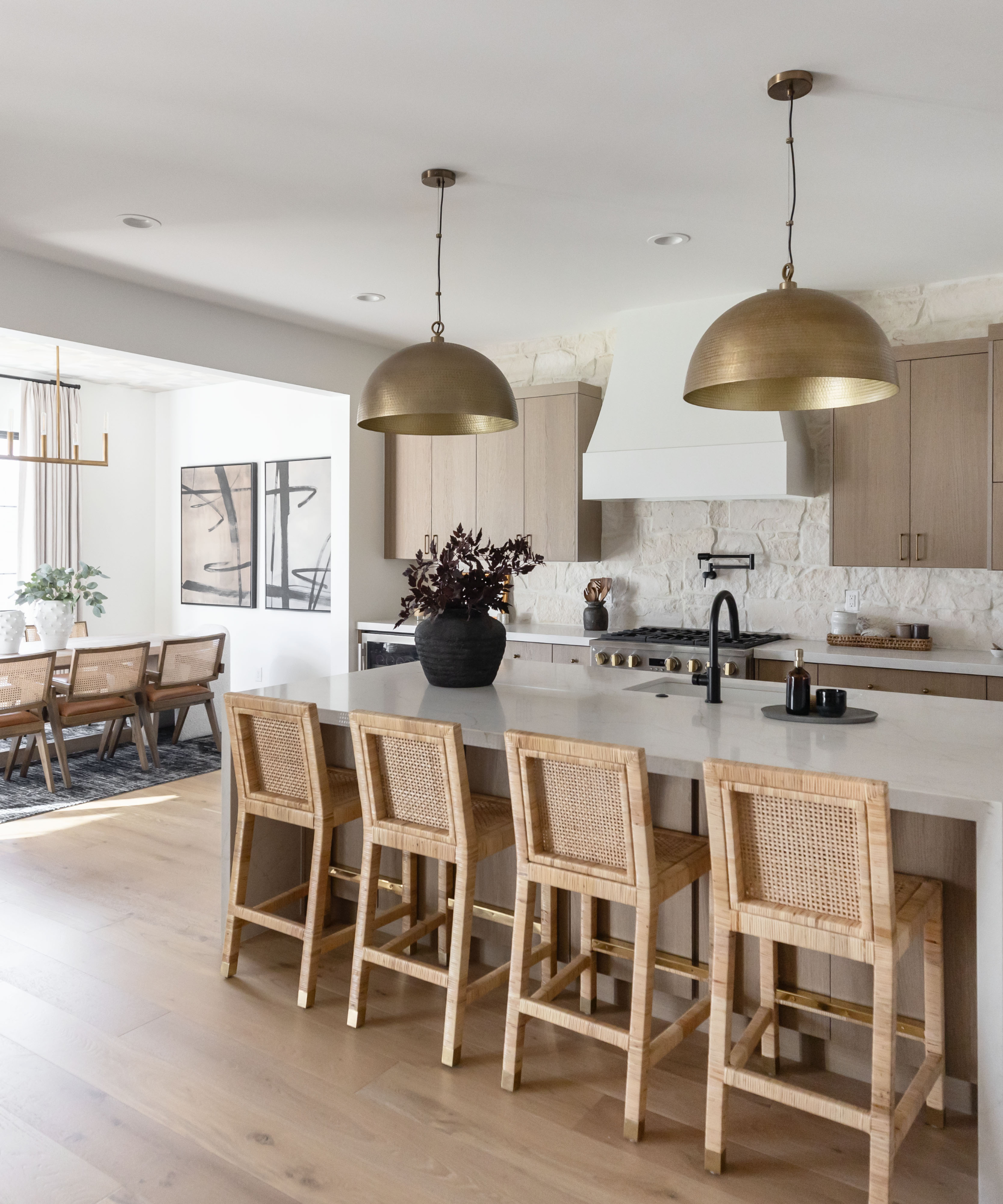
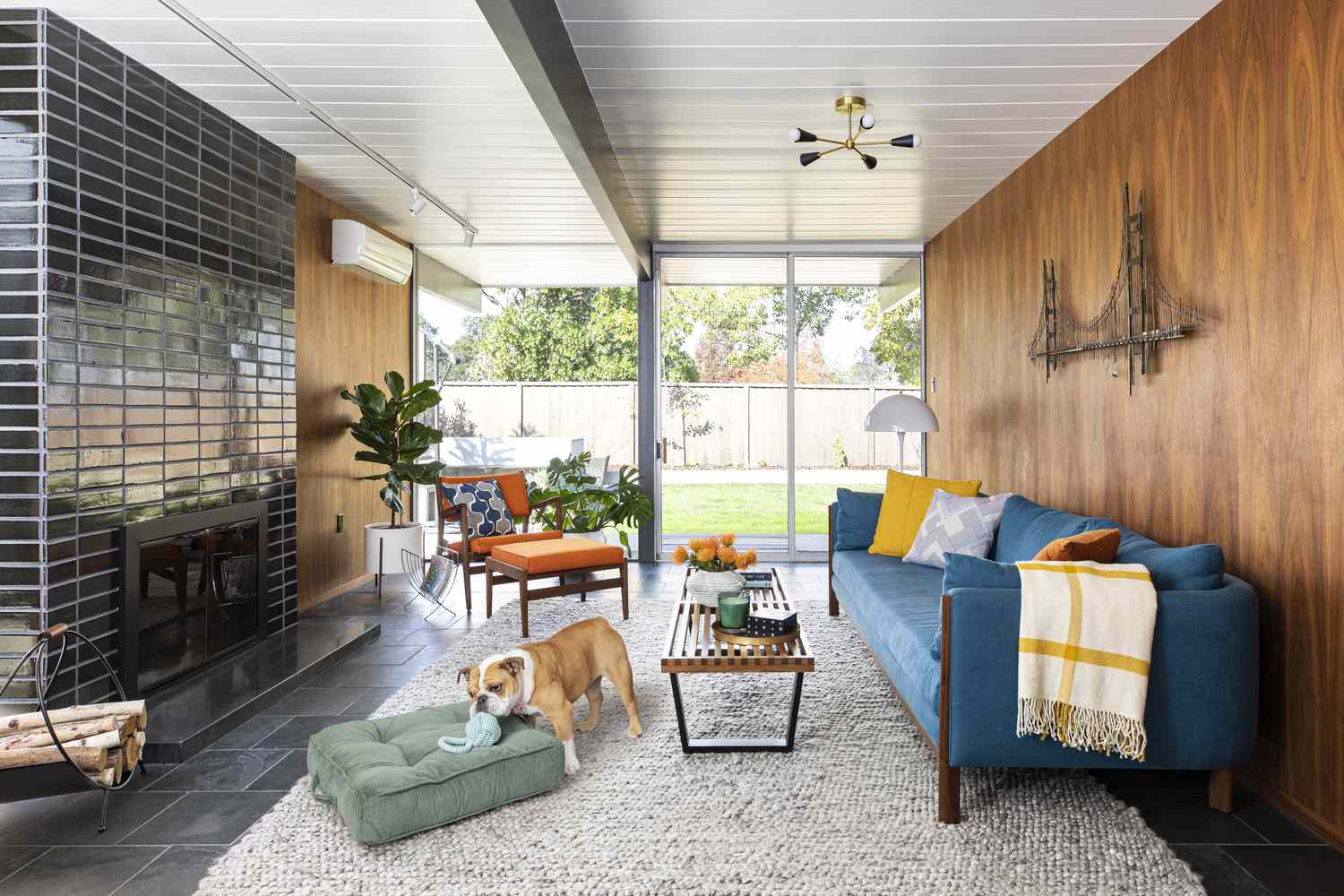
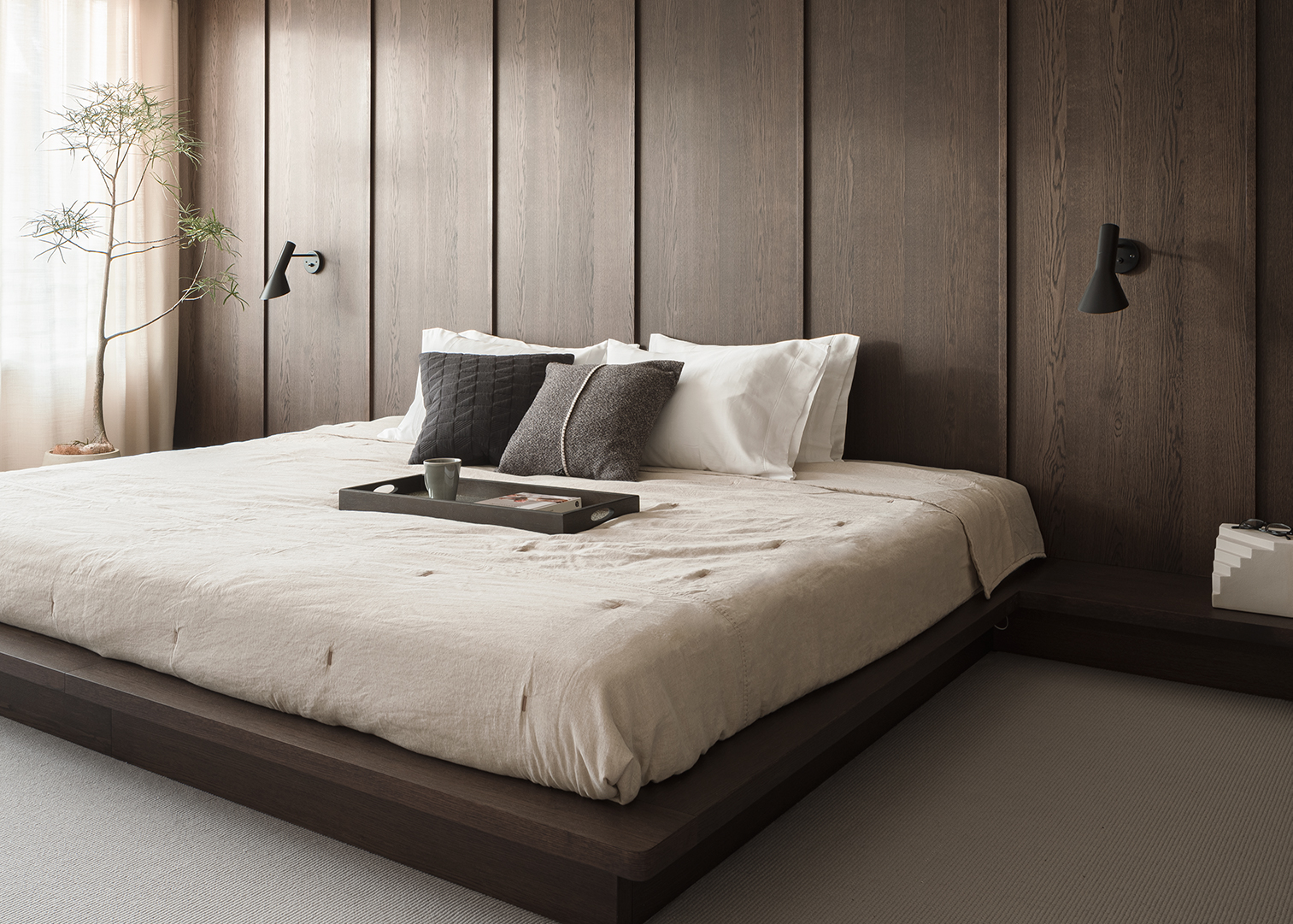
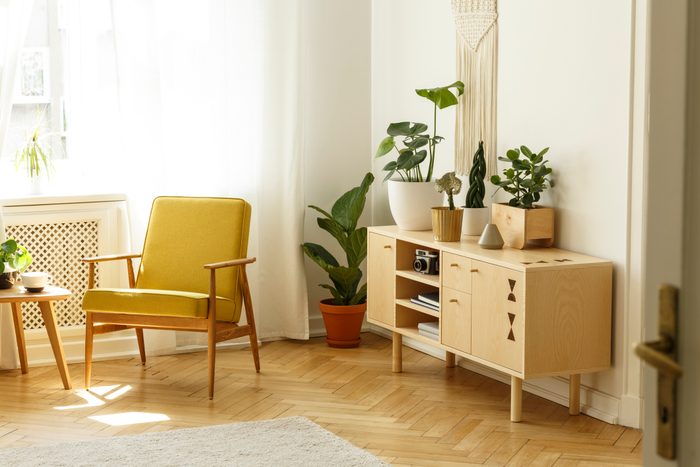
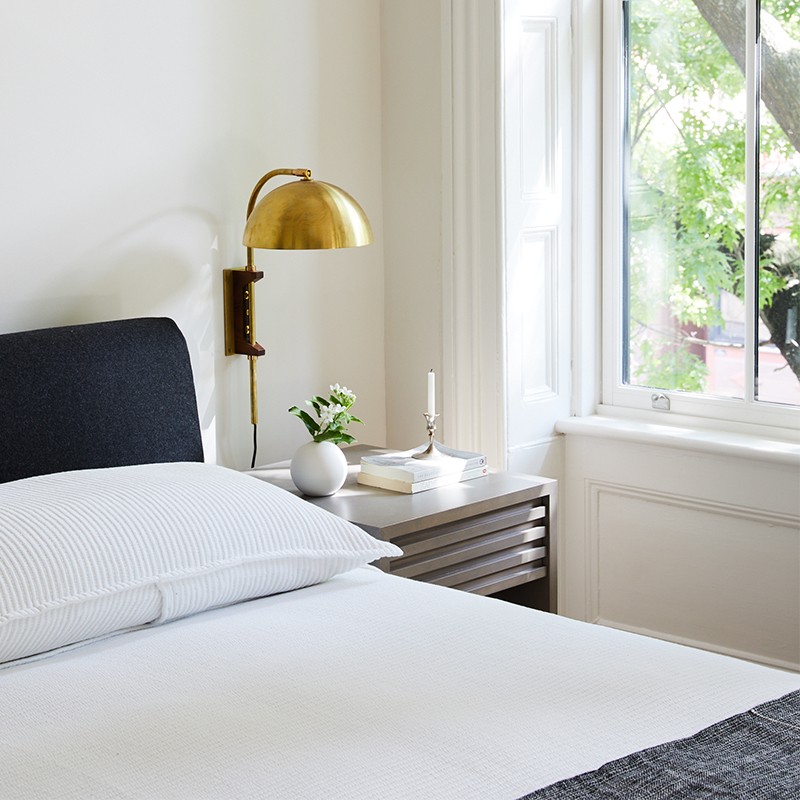
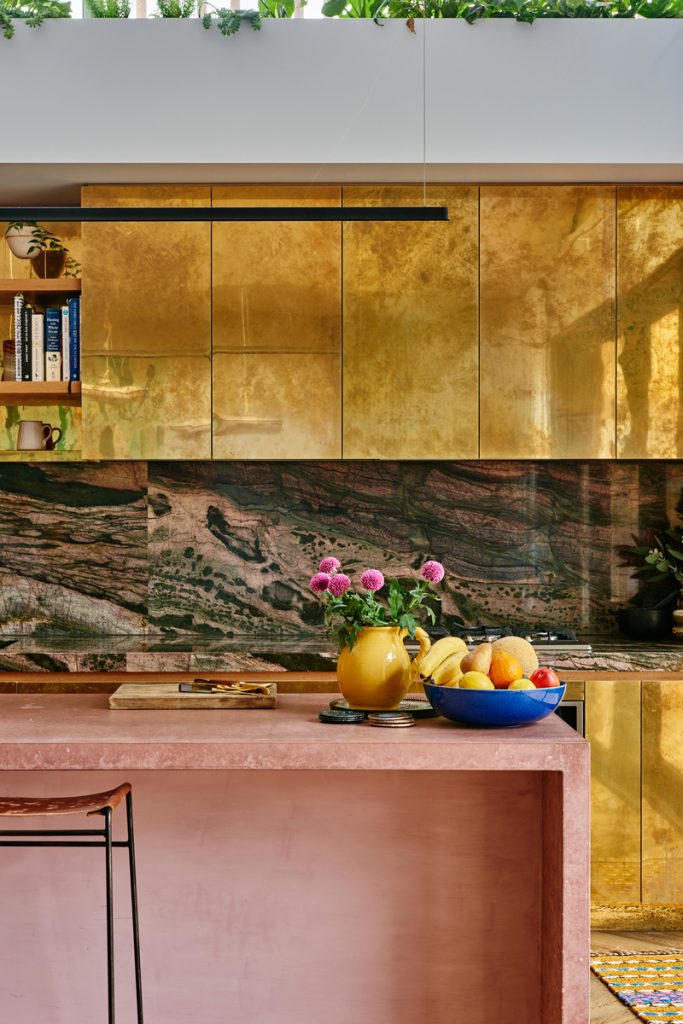
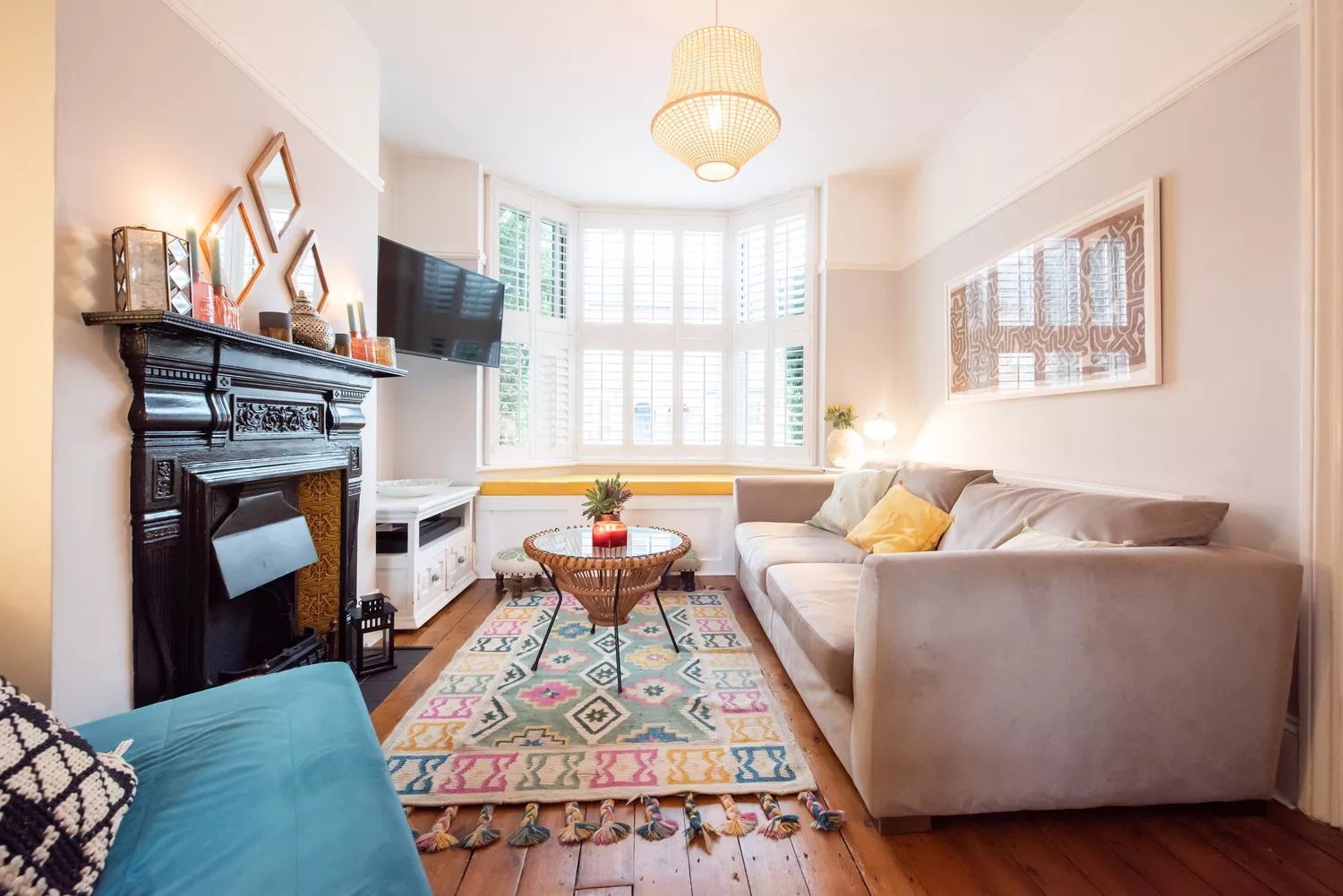
Fourth, incorporating a variety of textural elements is crucial for creating a room that is both stylish and comfortable. Designers advise layering different textures, such as combining soft area rugs with smooth linen throws, chunky knit blankets, and velvet throw pillows. Balancing natural wood finishes with cooler materials like marble or glass further contributes to a richer, more intentional design, fostering a cozy and inviting atmosphere.
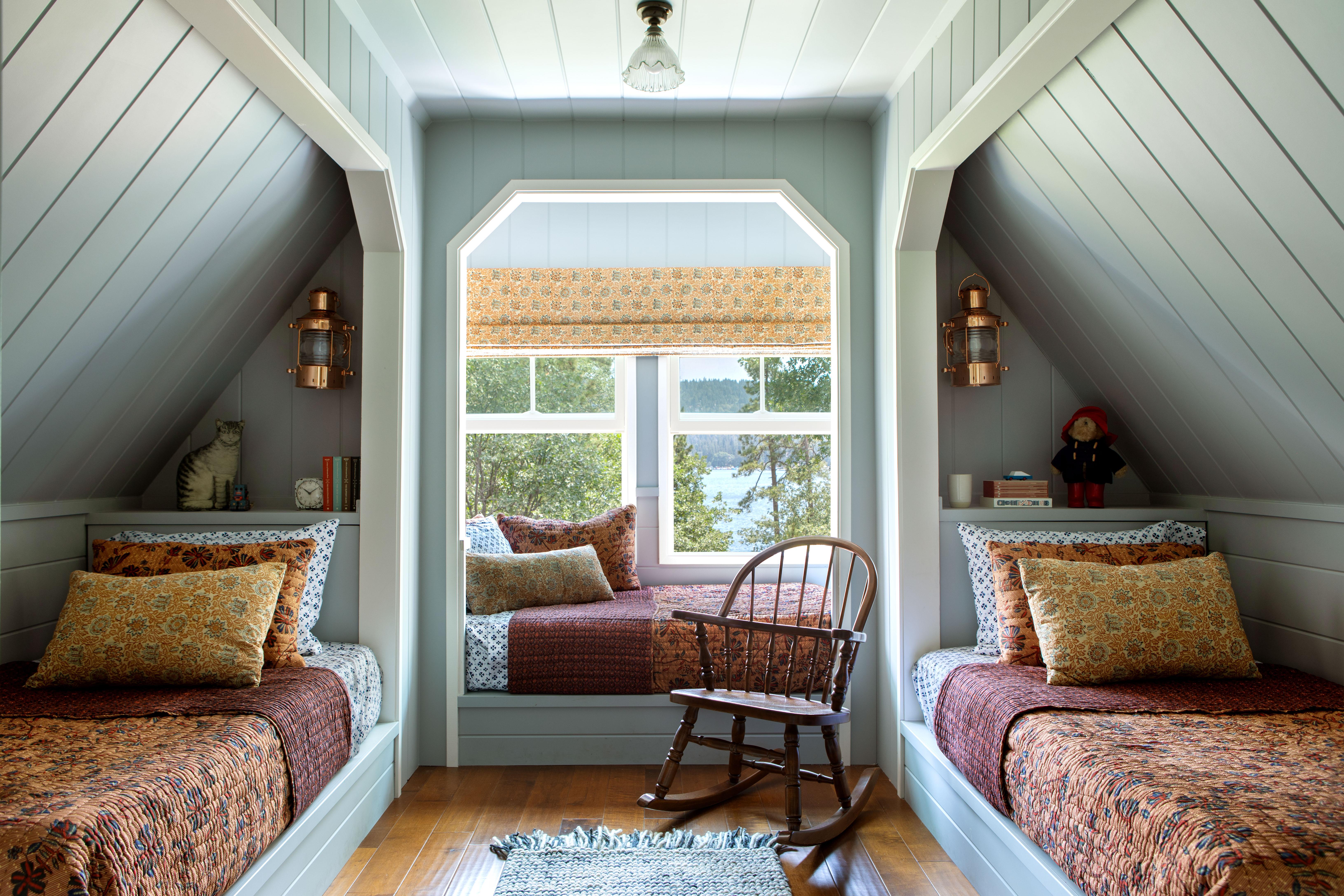
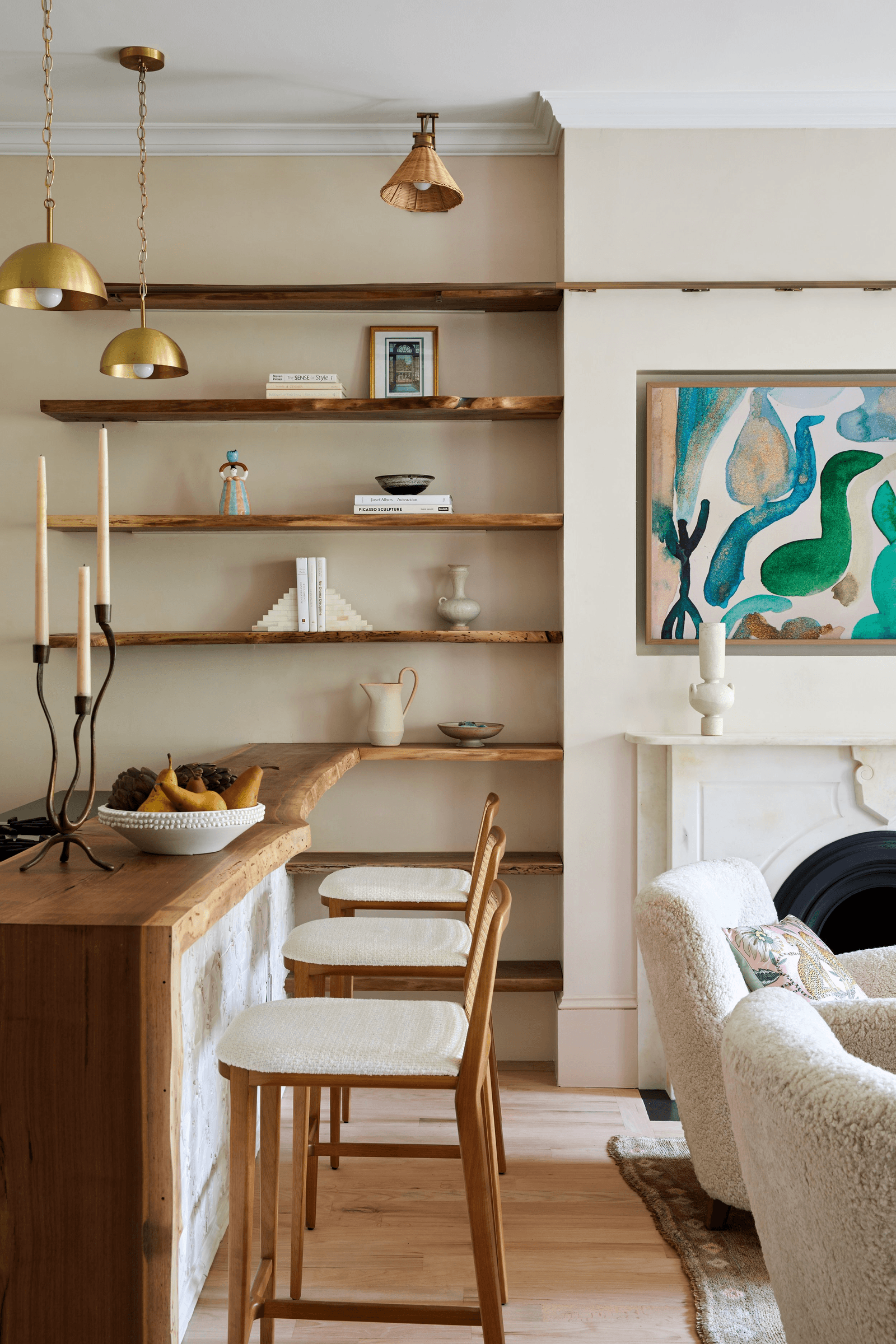
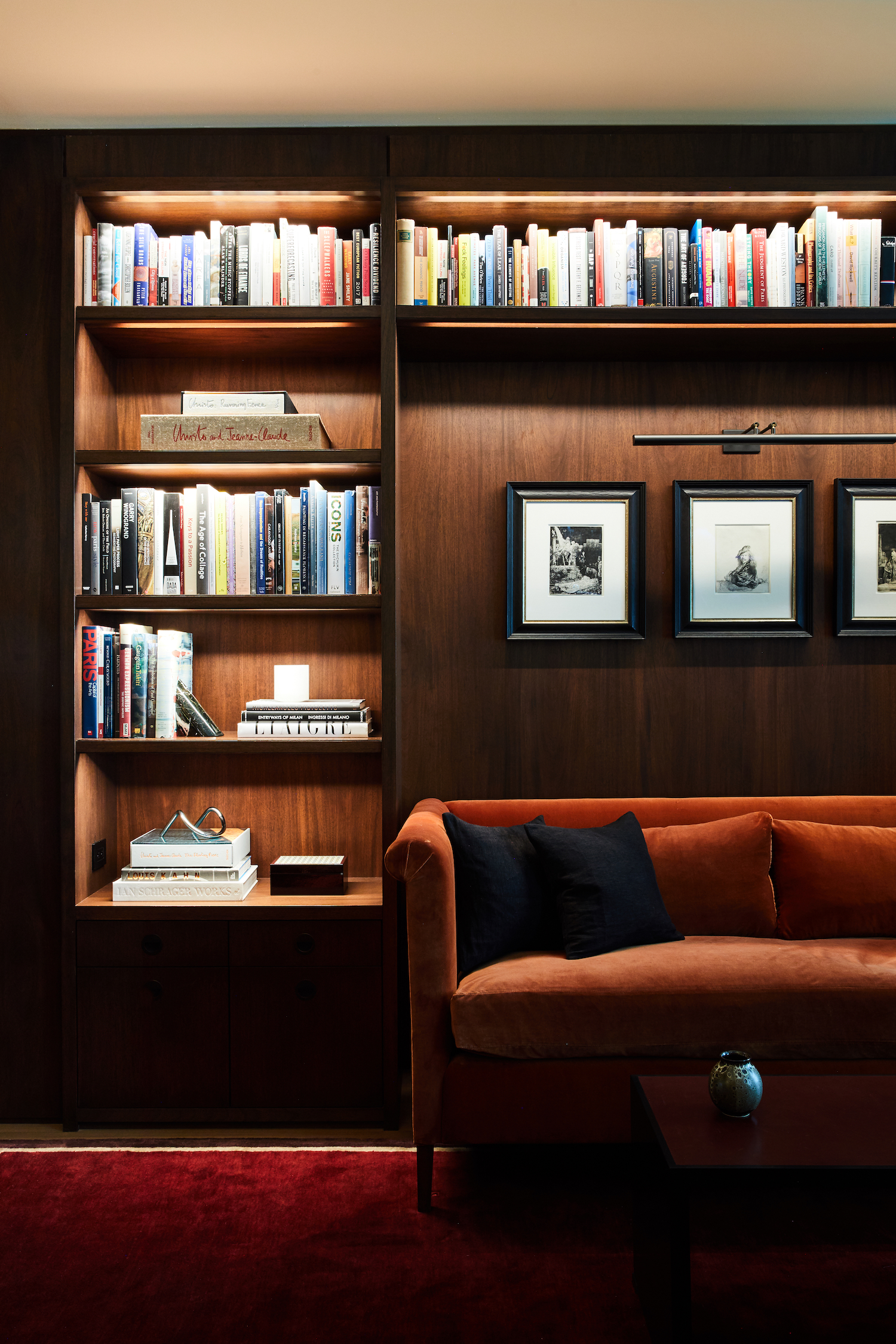
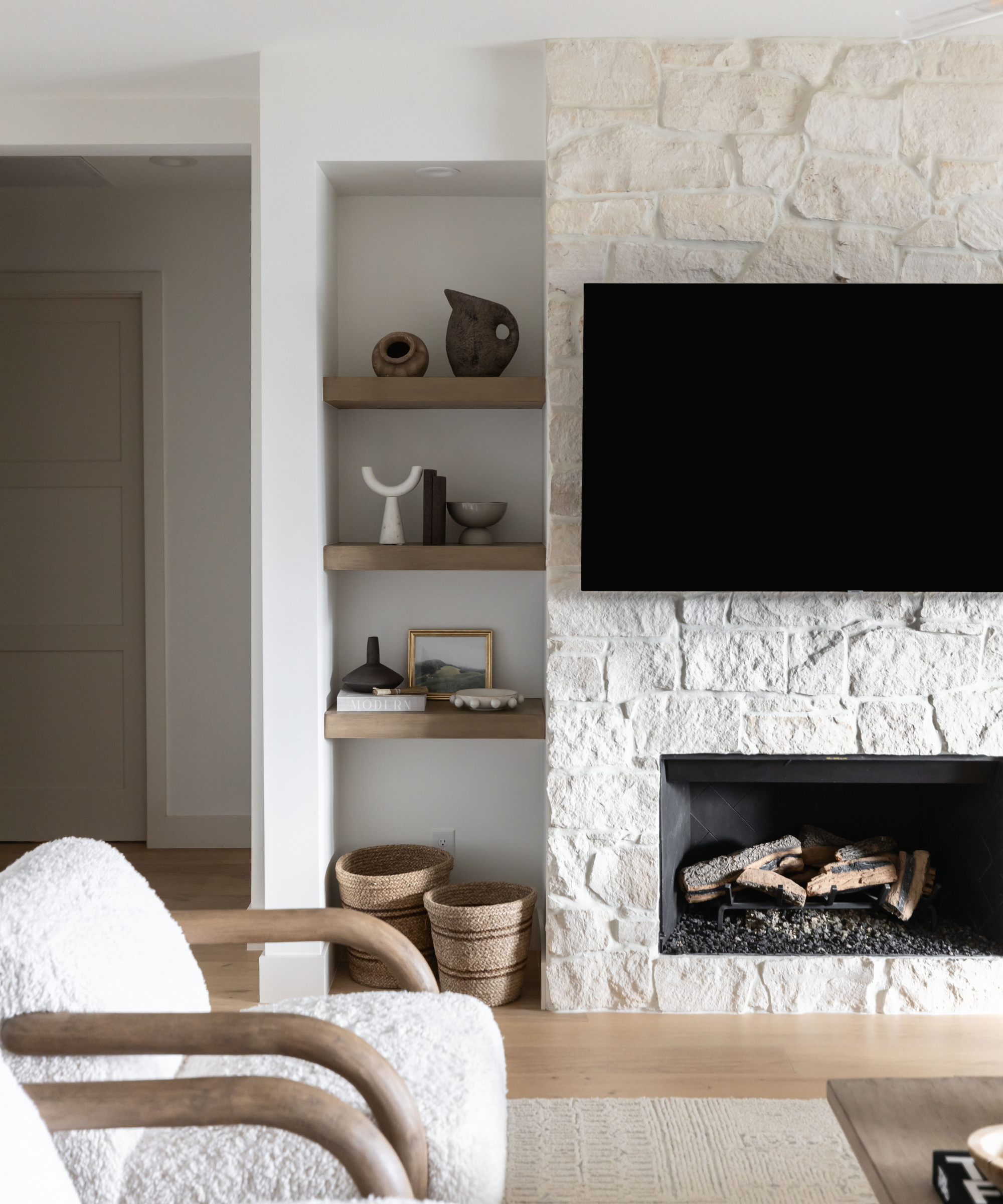
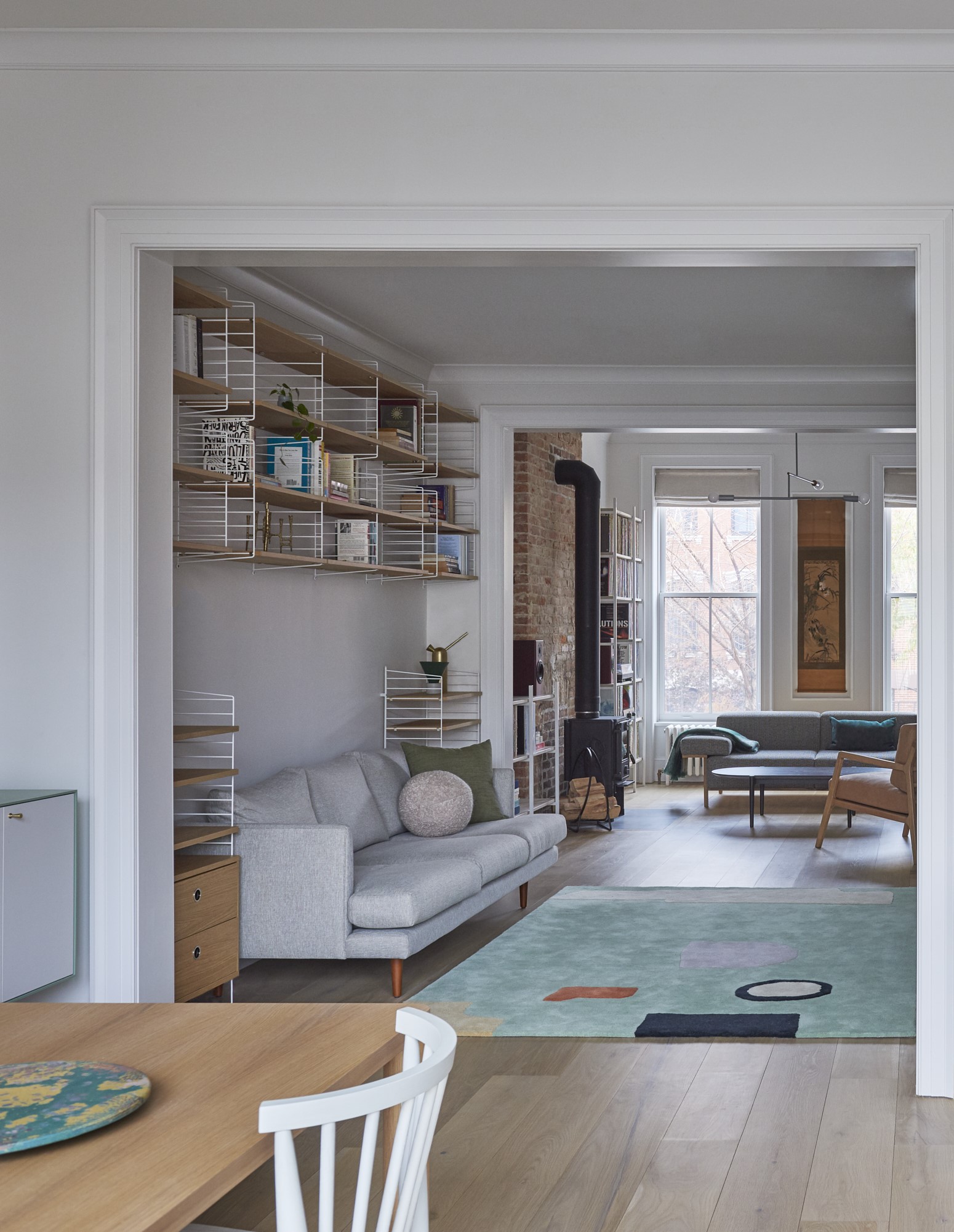
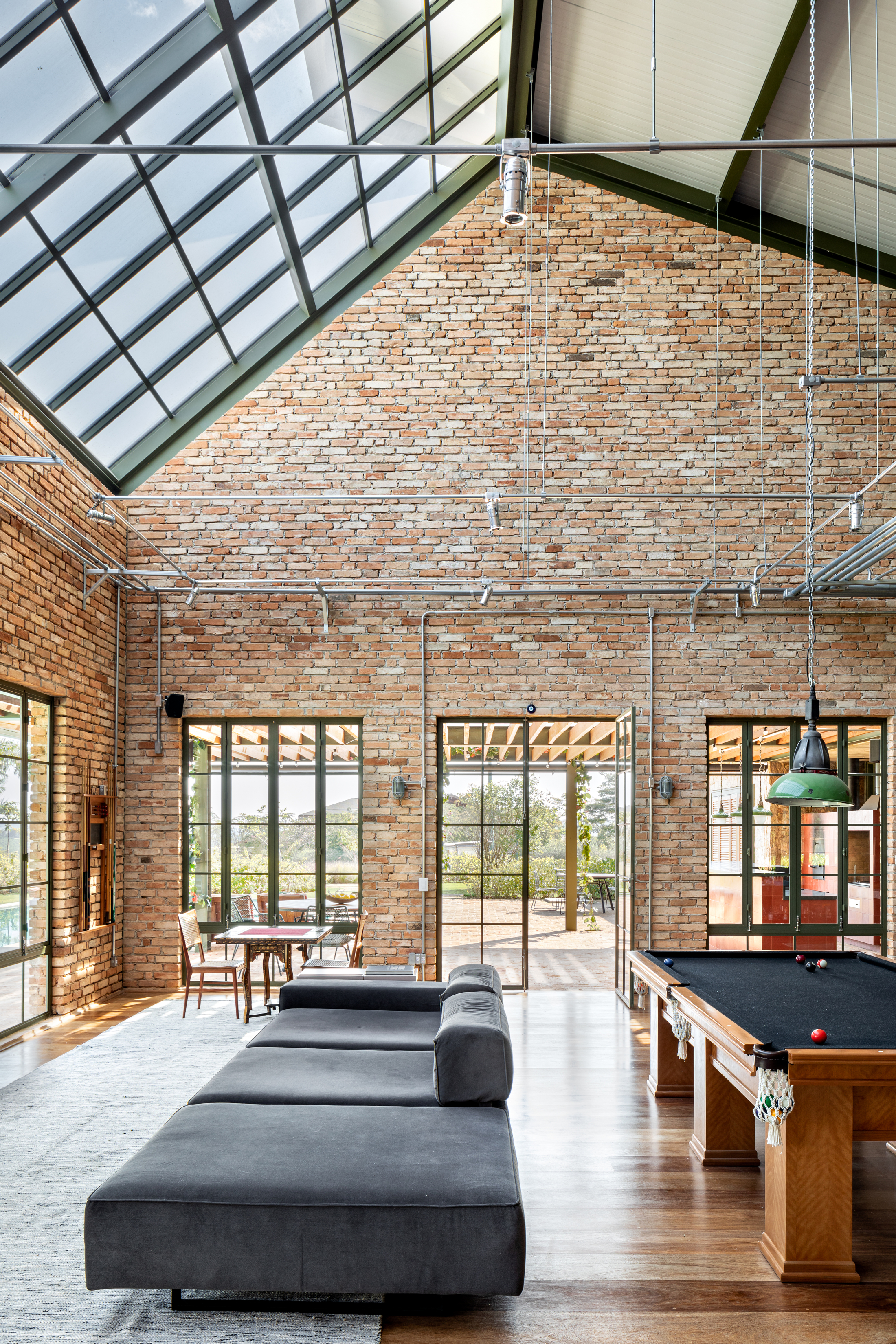
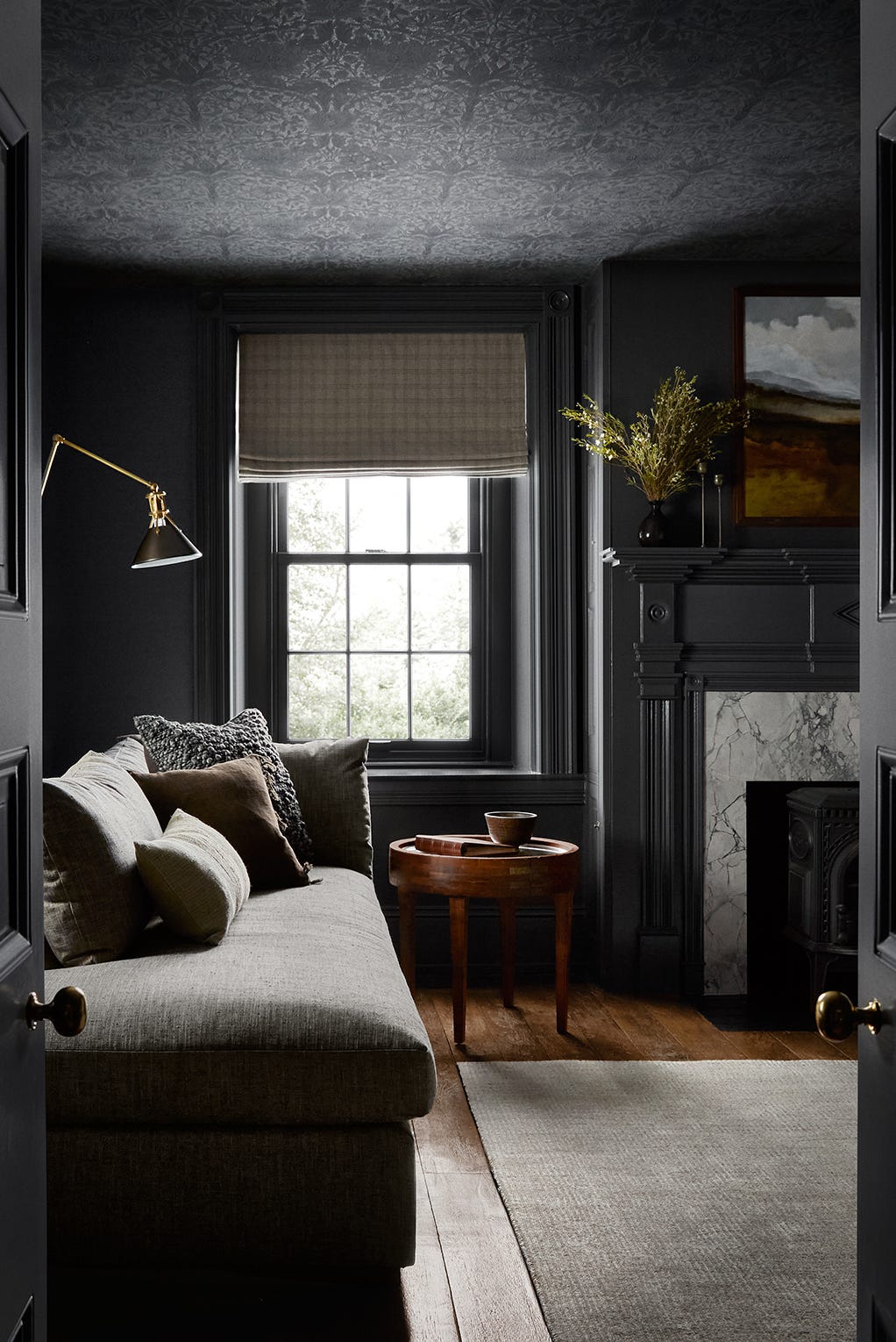
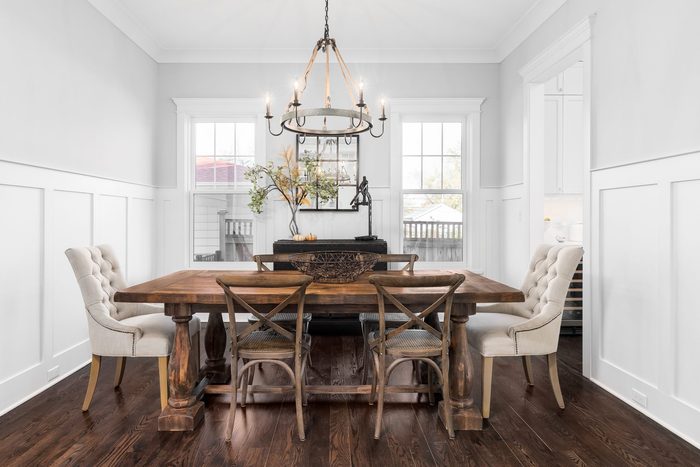
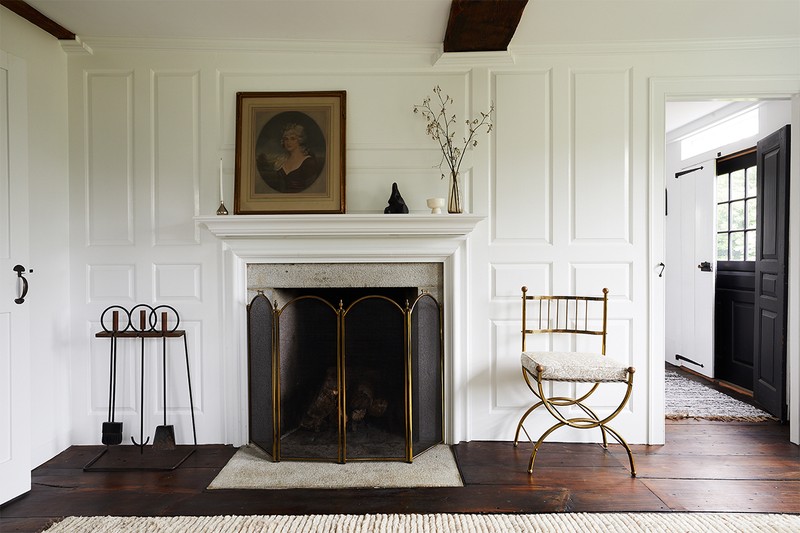
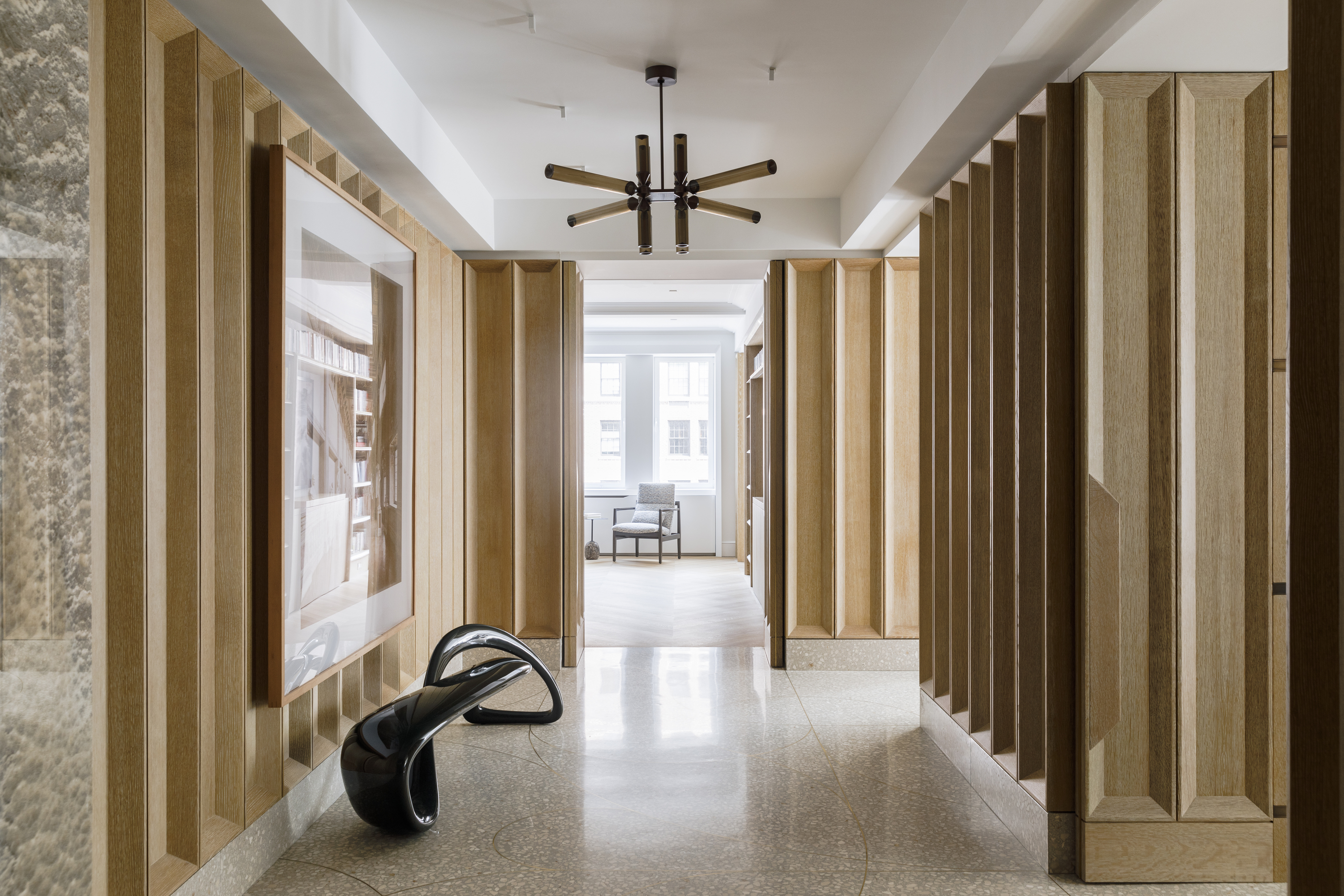
Fifth, architectural details significantly influence a room's tone and overall design. Amanda Sinistaj stresses the importance of not overlooking the room's inherent structure. Architectural features, from subtle plaster arches to prominent built-in shelving, provide context for the design and create a compelling contrast with furniture and finishes. These details add charm and functionality, making a space feel intentional, elevated, and complete, even if they are not the primary focus.
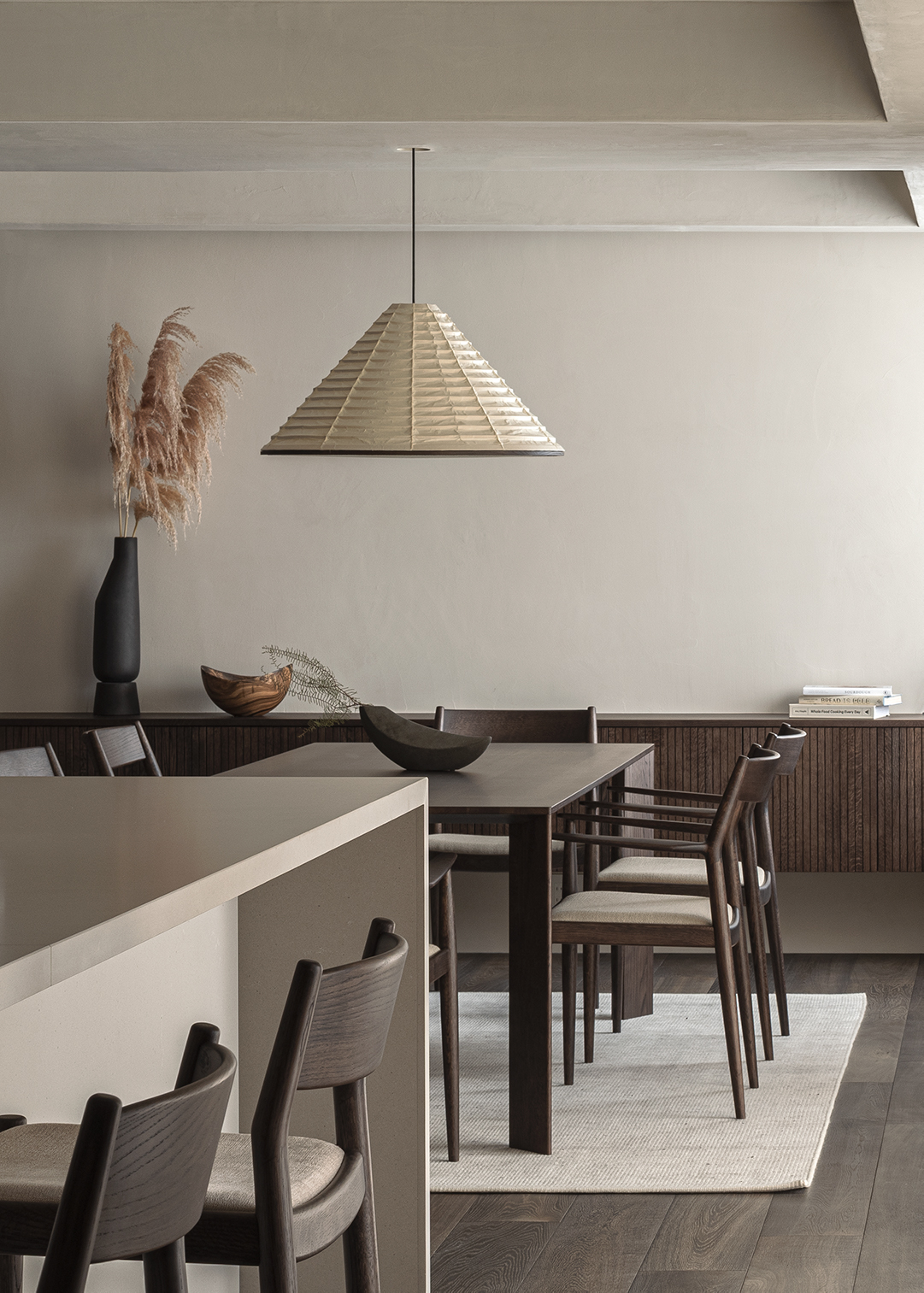
Finally, the sixth element is the integration of pieces that merge style with functionality. Lauren Saab emphasizes that good design prioritizes how a space is lived in and how it supports daily activities. True style, she asserts, emerges when beauty and utility are in harmony. An example provided is a custom bench that serves both as a visual anchor and offers concealed storage, demonstrating how effective design enhances usability and contributes to the overall aesthetic.
#InteriorDesign #HomeDecor #DesignTips #RoomStyling #HomeImprovement #ArchitecturalDetails #WindowTreatments #TexturalElements #PersonalizedDecor #InteriorDesign #HomeDecor #DesignTips #RoomStyling #HomeImprovement #ArchitecturalDetails #WindowTreatments #TexturalElements #PersonalizedDecor
0 comment in total
 No comments yet
You may also like
6 Underrated Designer Secrets That Instantly Make Any Room Look Better
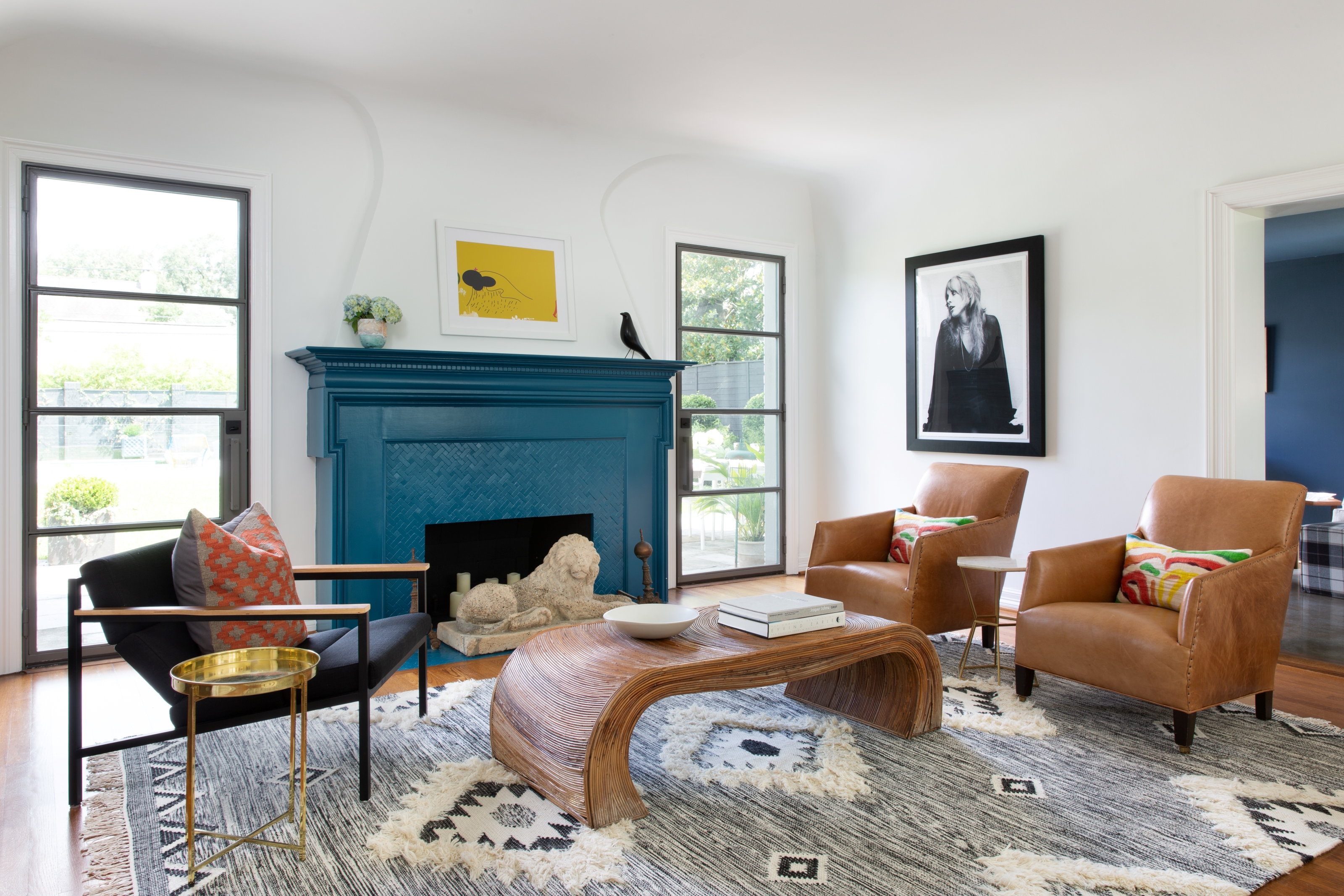
5 things interior designers say every living room should have in it – are you missing any?

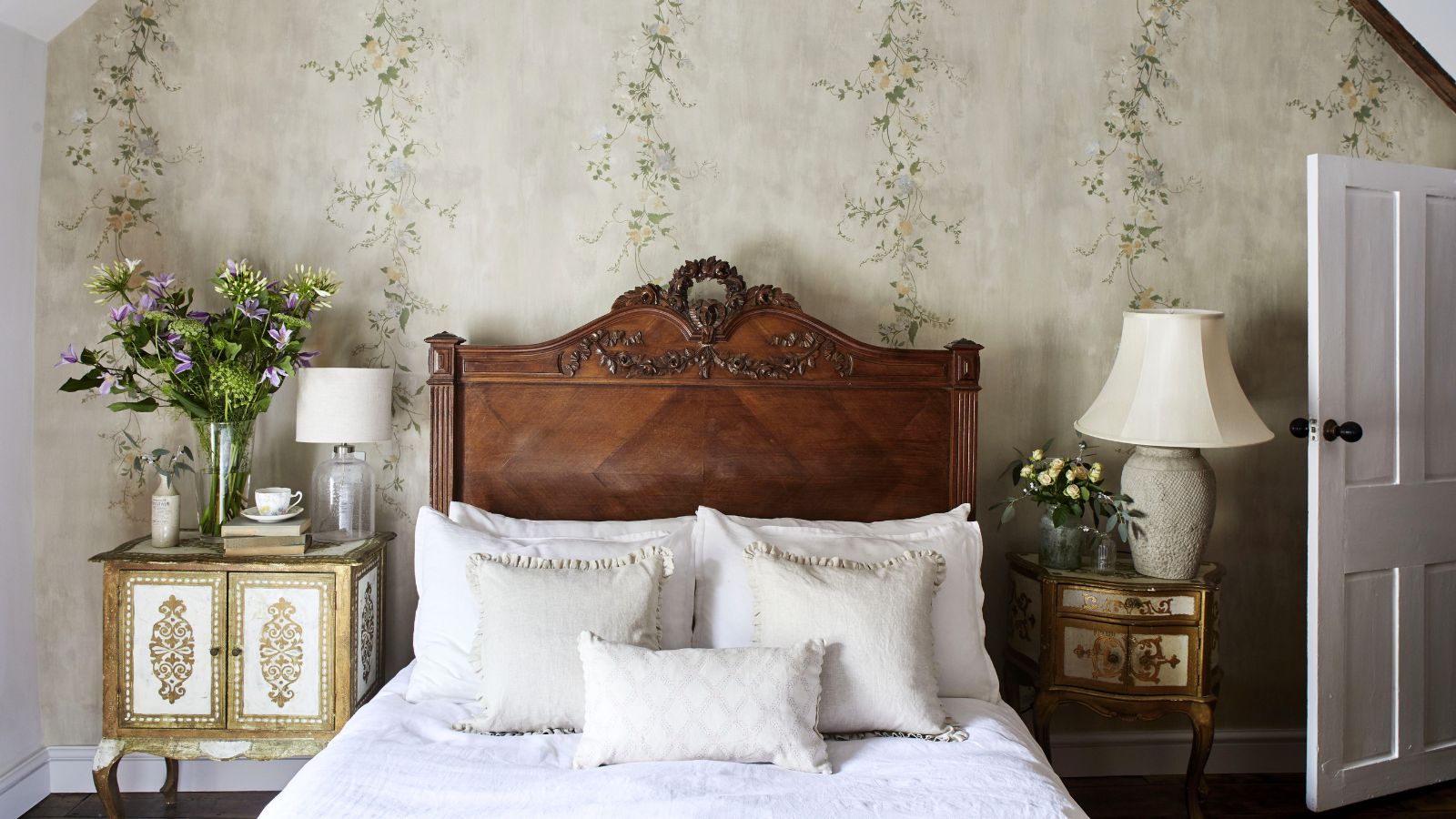
6 thrift store finds that designers say you need to add to your bedroom
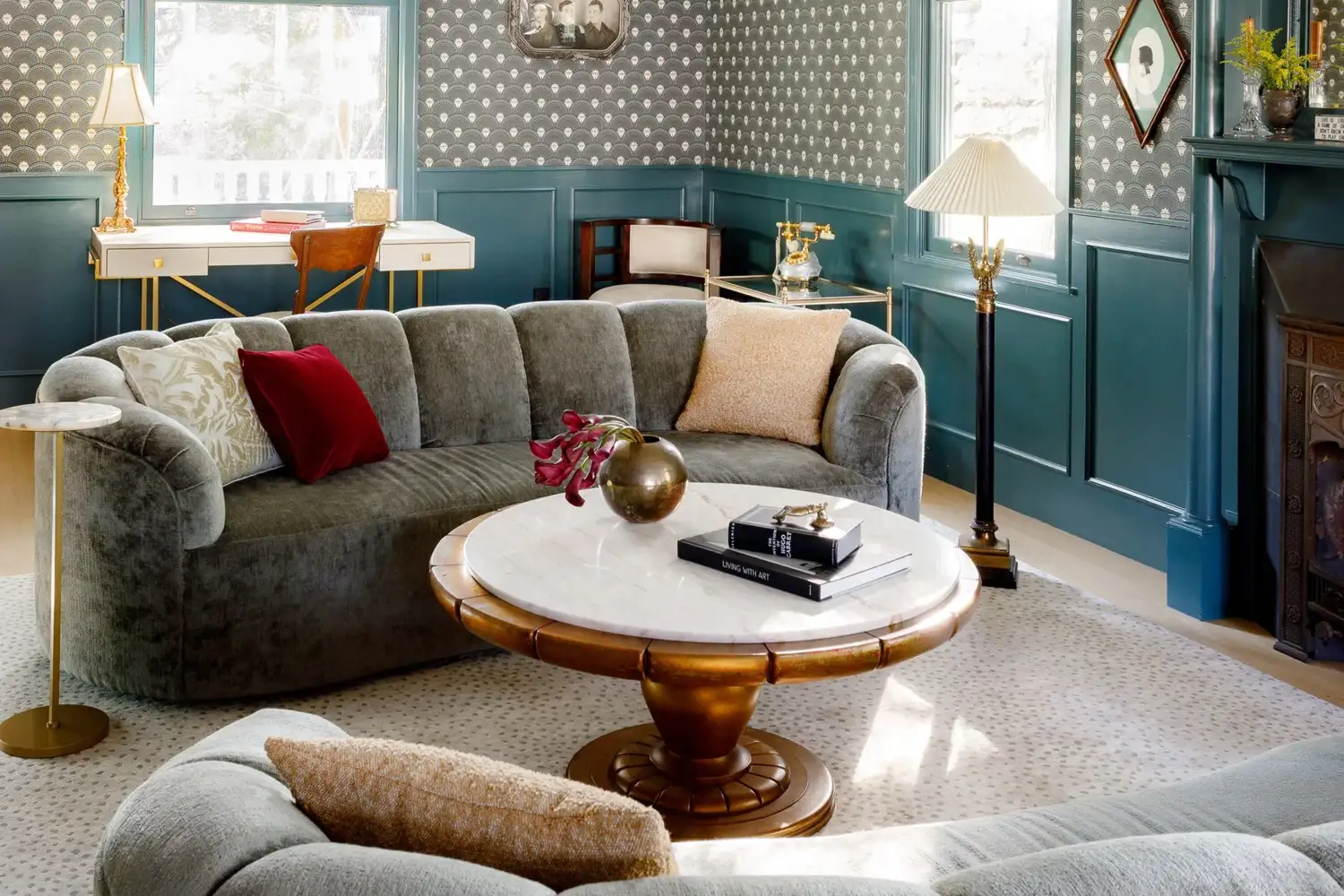
6 Styling Tricks Designers Always Use to Make Any Living Room Look Instantly Finished
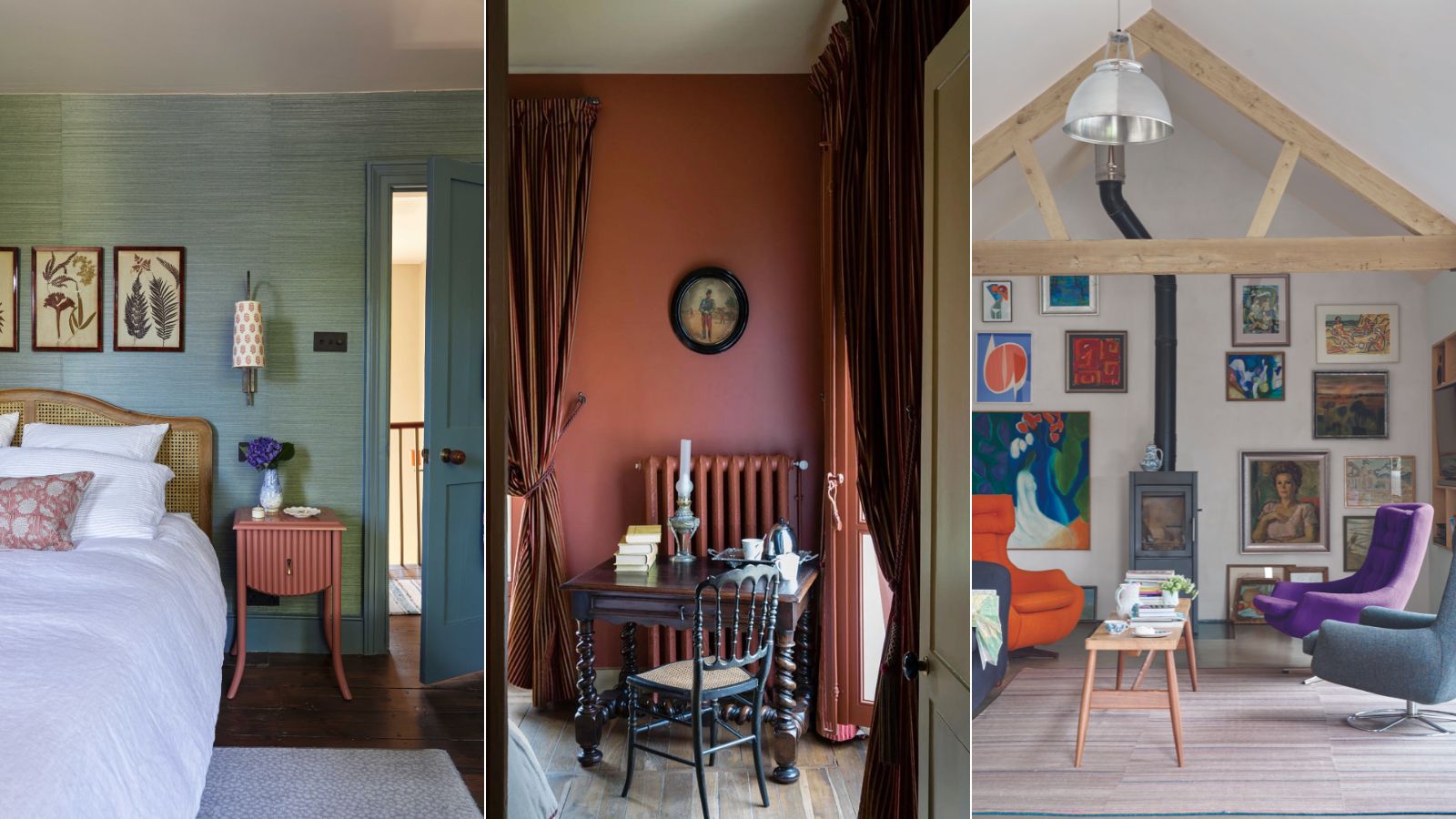
13 interior design styles that everyone needs to know about, according to designers

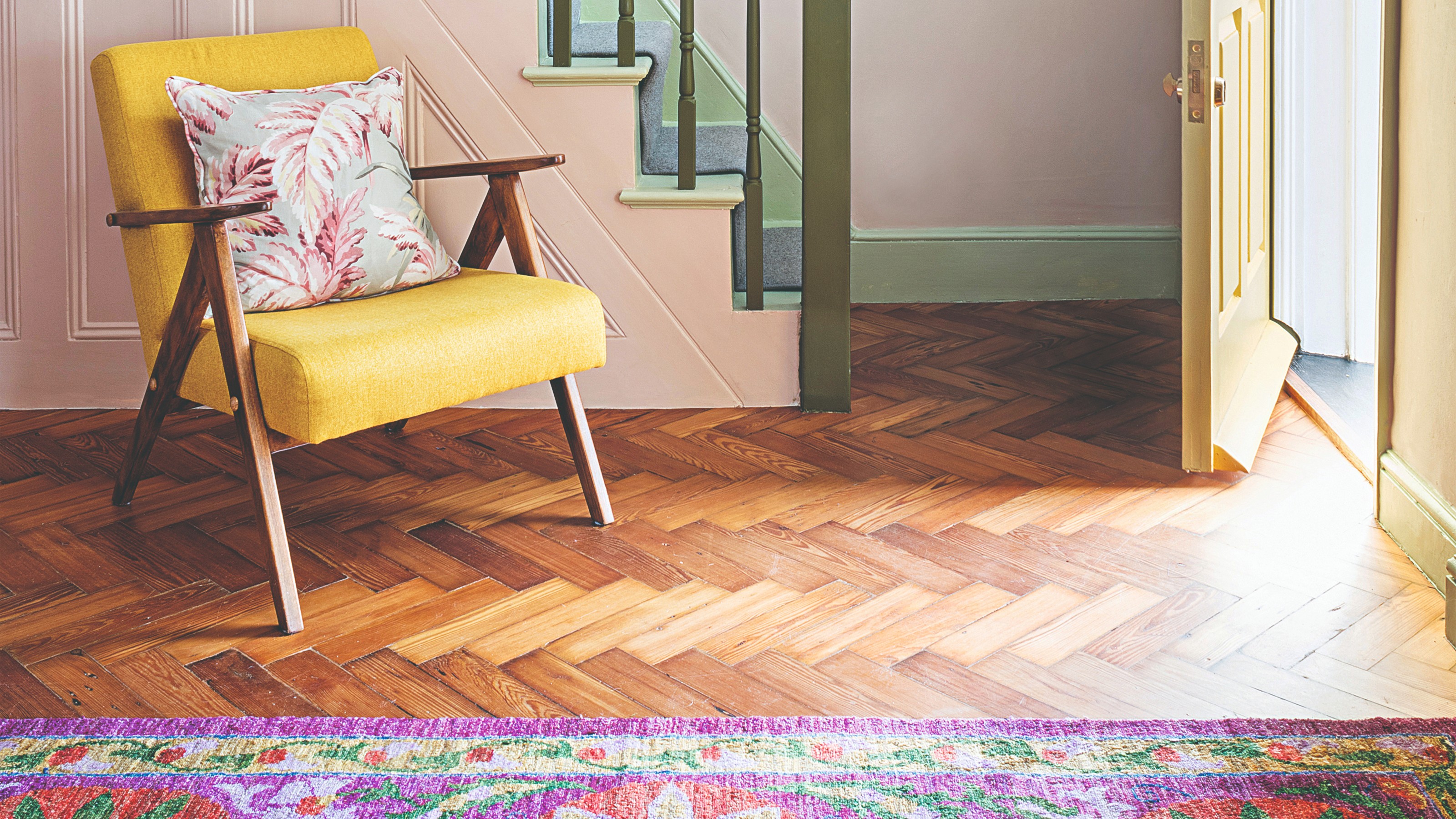
I asked 6 interior designers what every stylish hallway needs, and these 4 things kept coming up
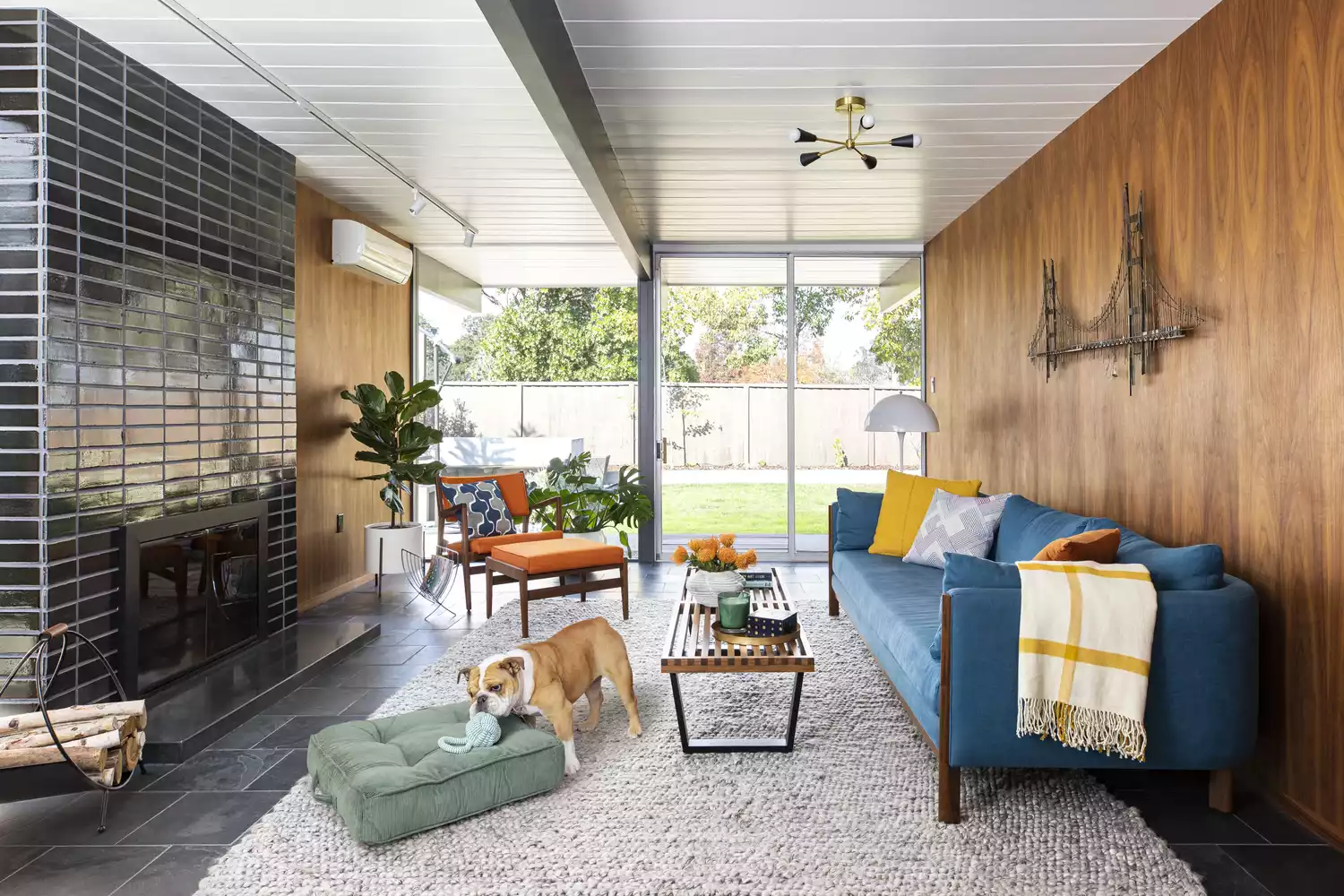
6 Genius Rules for Decorating Your Living Room That Designers Swear By
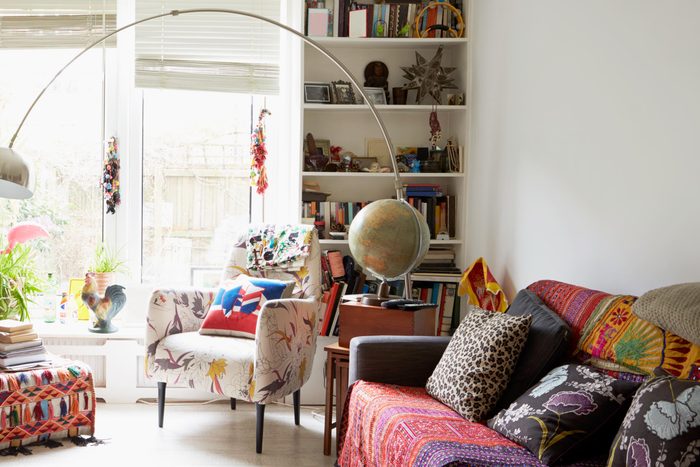
8 Most Popular Interior Design Styles You Should Know

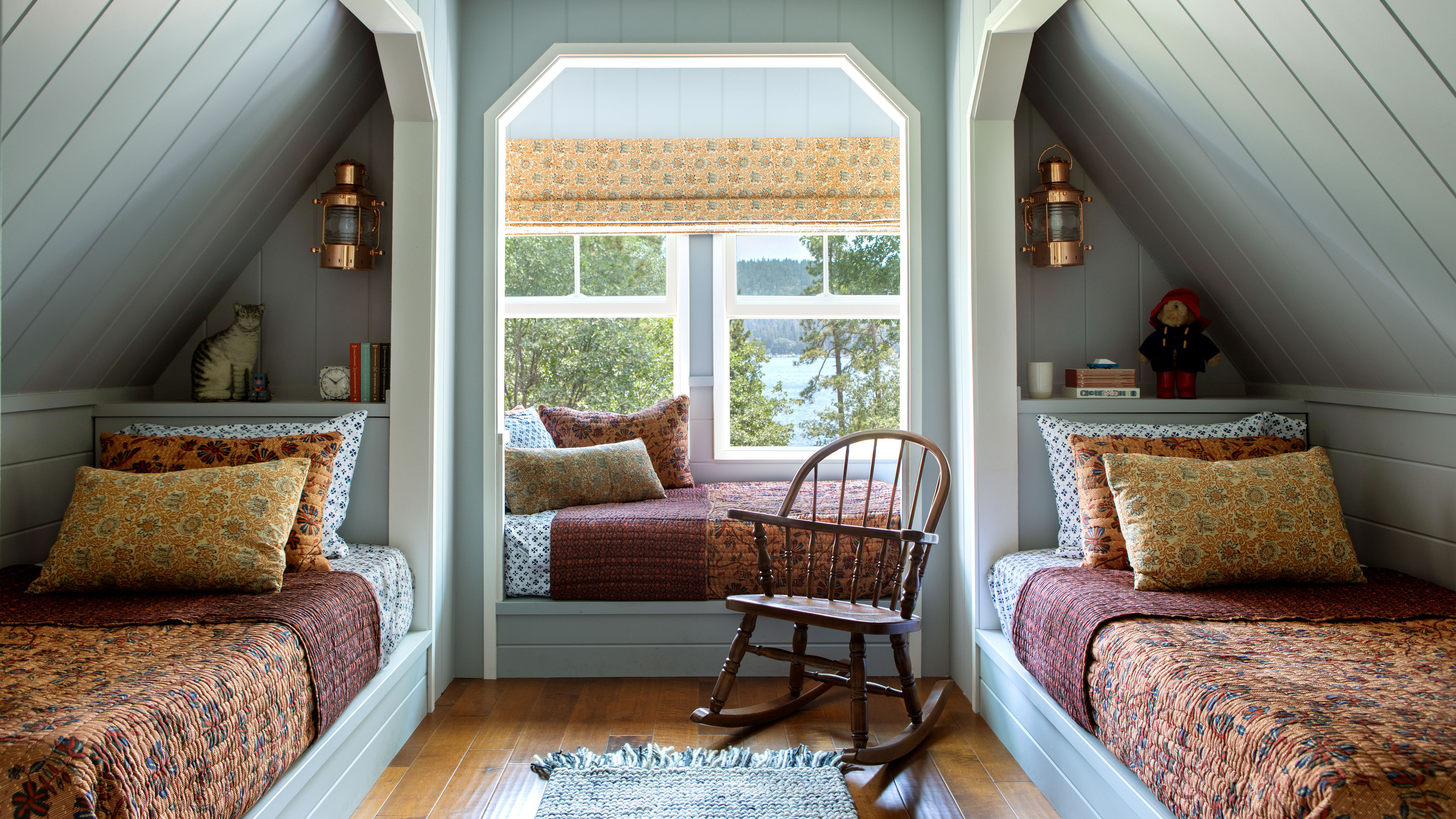
Is your room missing something? These are the 7 simple buys that designers always recommend to their clients to instantly pull a space together
6 Things in Your Living Room That Instantly Give Designers the Ick
Interior Design Styles — 9 Ways to Decorate Everyone Should Know About
19 Tips From A Top Interior Designer

These 6 Living Room Details Always Give Designers the Ick
5 interior designers on the styles they will love forever
Stunning Living Room Ideas Interior Designers Always Rely on

From the Wrong Rug Size to Too-Short Curtains, Interior Designers Share Their Biggest Pet Peeves

8 Expert Tips for Styling Surfaces in Every Room

How to elevate your 'pass-through room' - experts make more of that unloved space you're ignoring
The 5 Rules of Decorating a Living Room in 2025 (Don’t Worry—They’ll Still Hold Up in 2030)

6 Golden Rules of Living Room Design for Creating a Cozy Yet Stylish Space, According to Pros