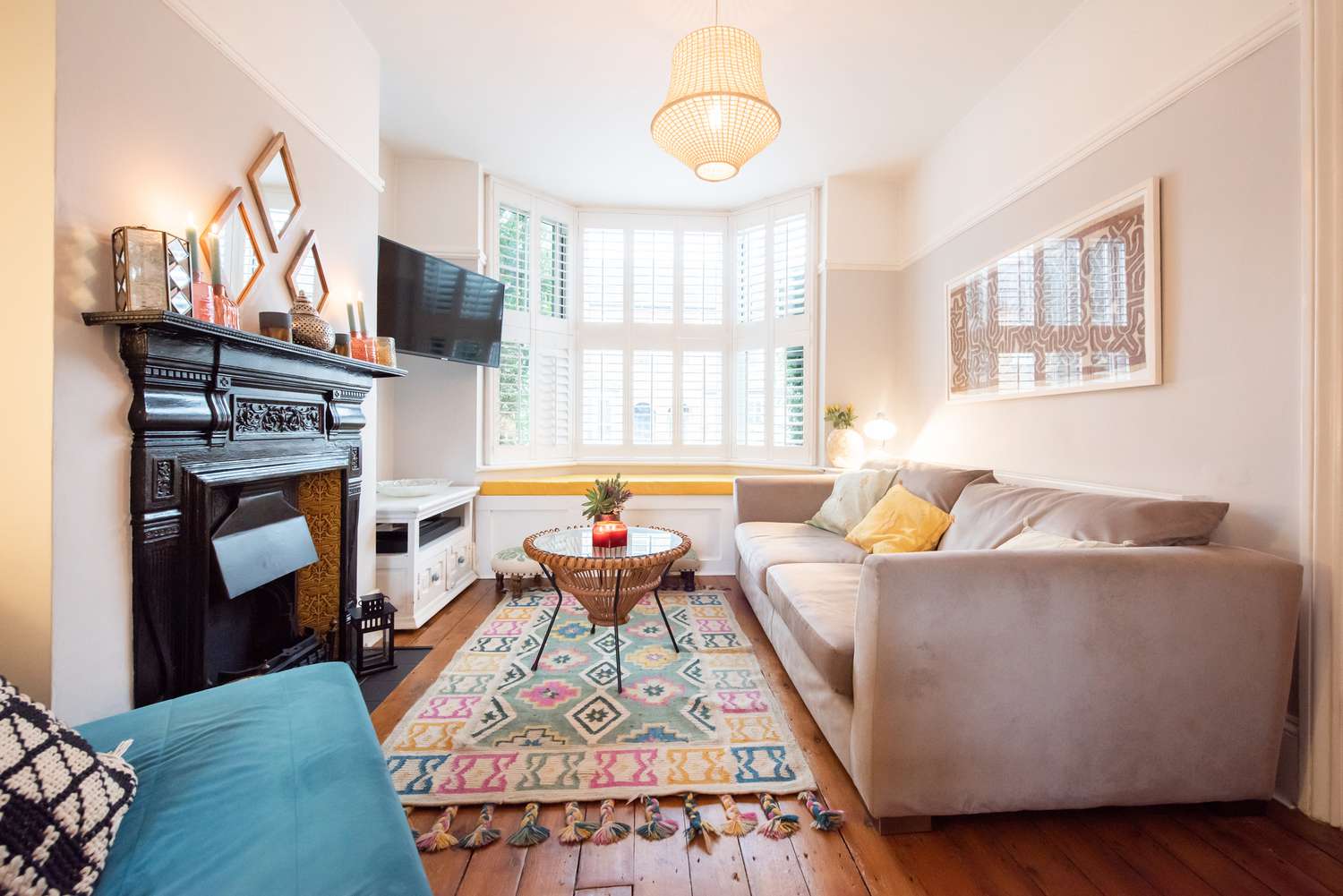
These 6 Living Room Details Always Give Designers the Ick
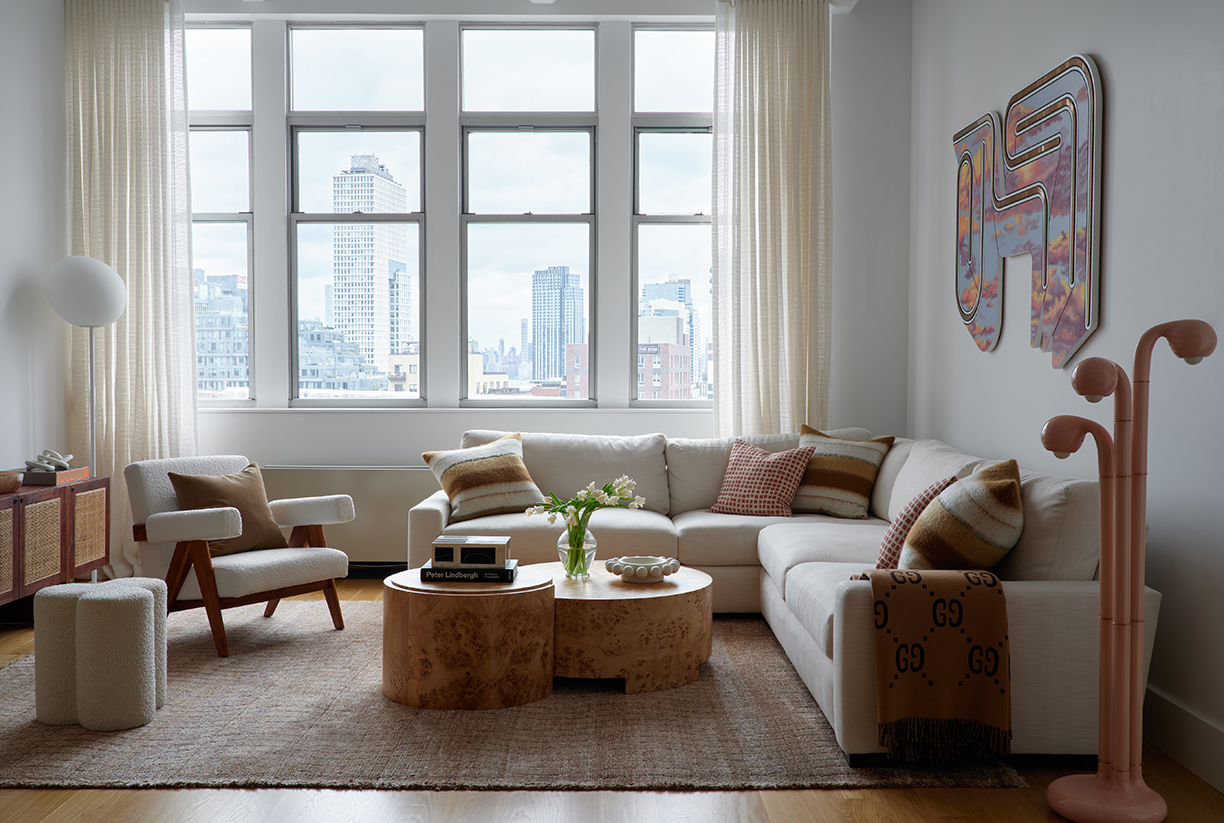
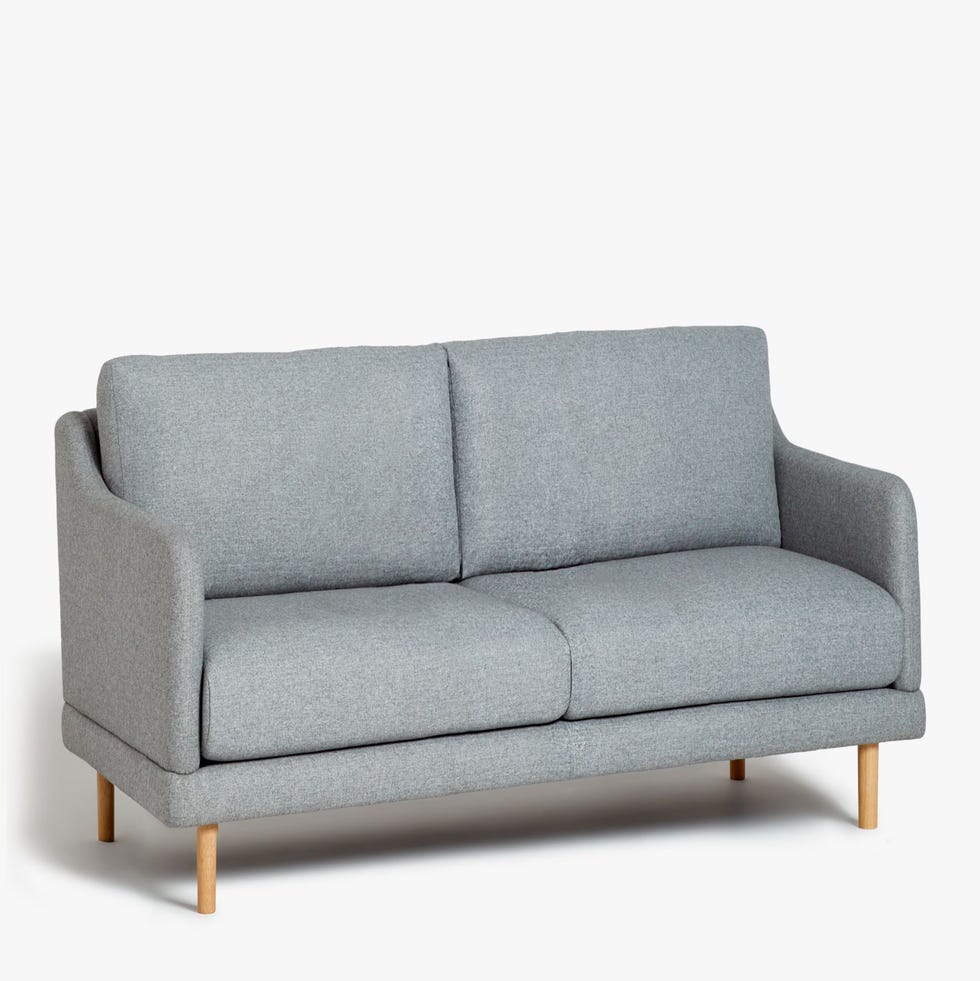
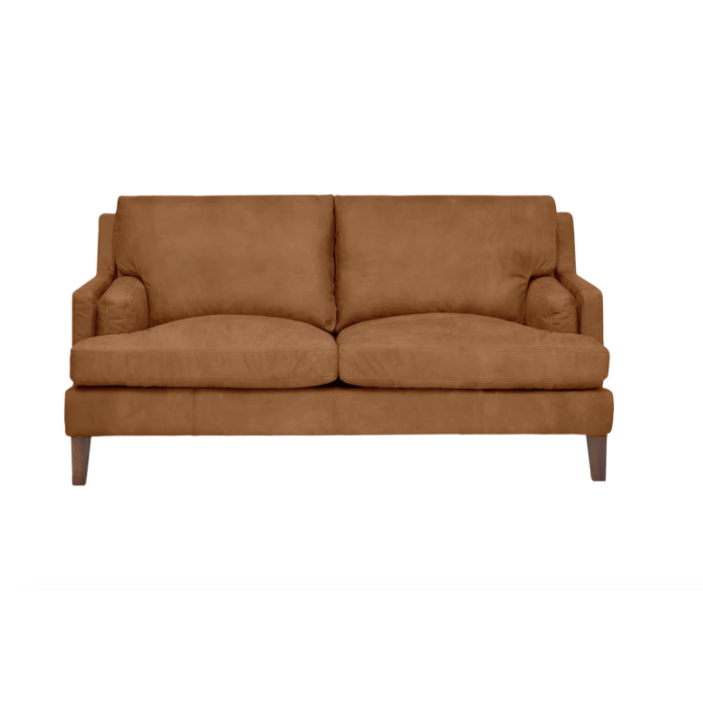
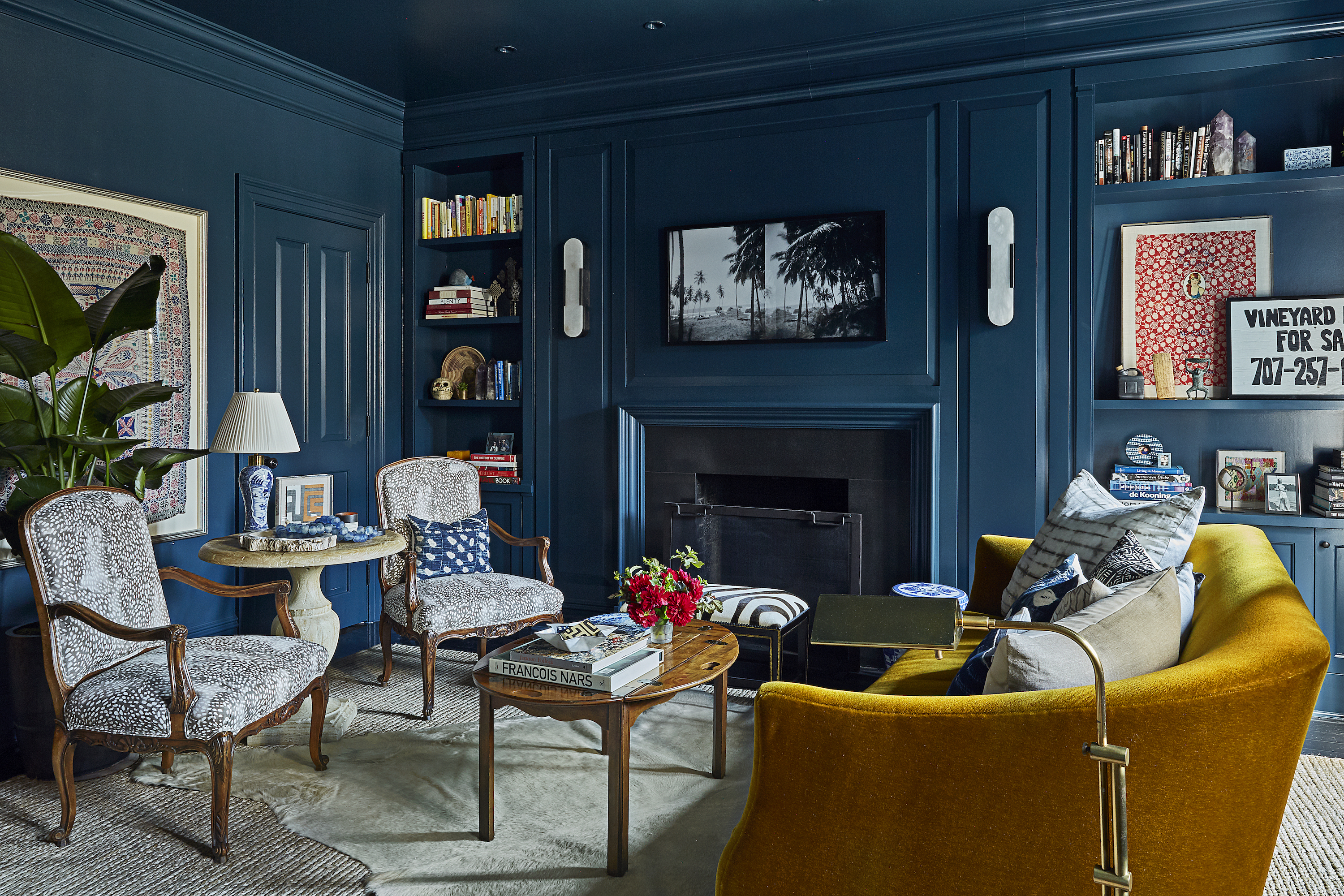
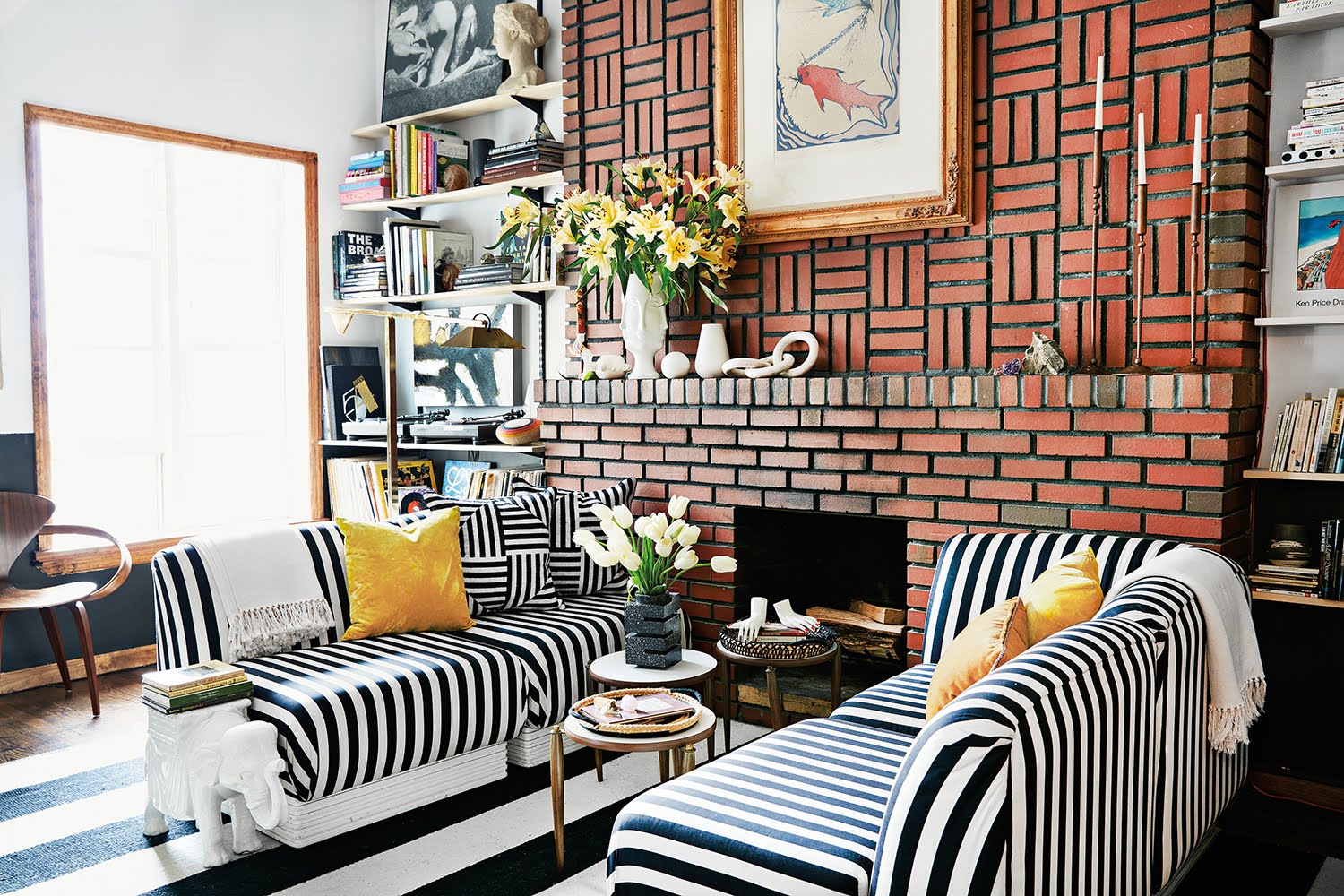
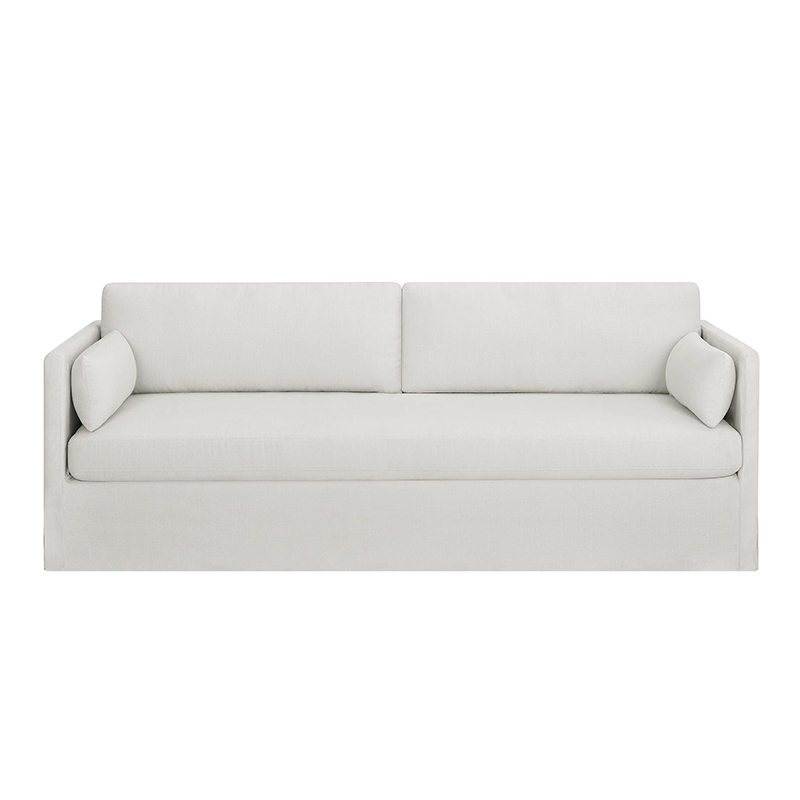
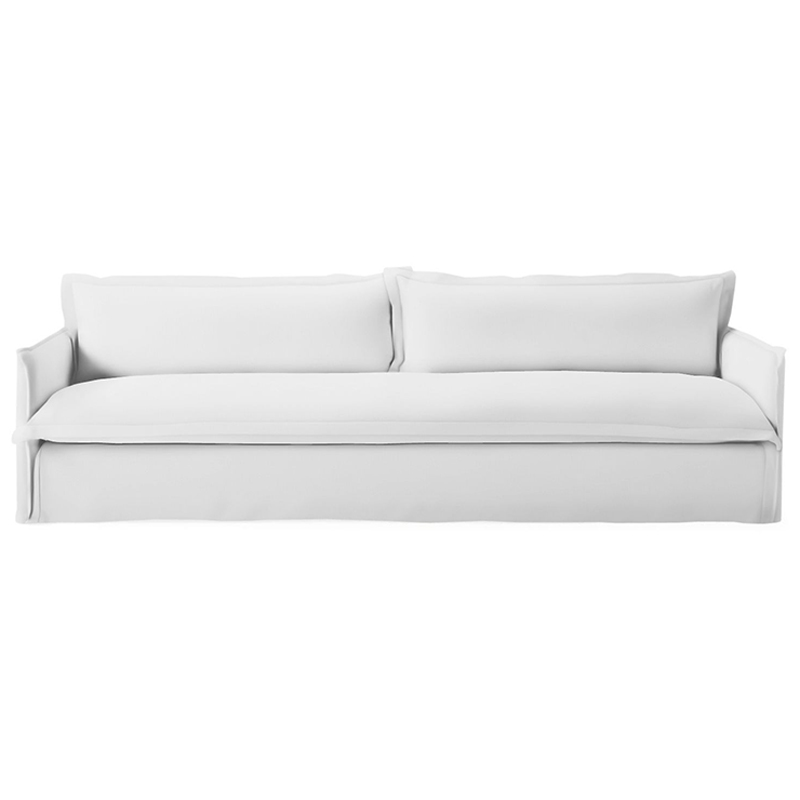
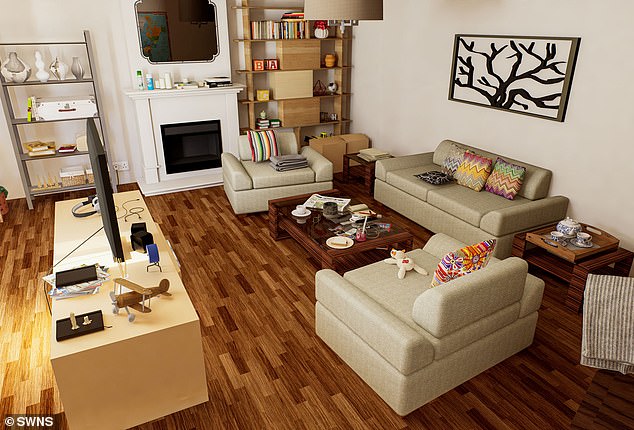
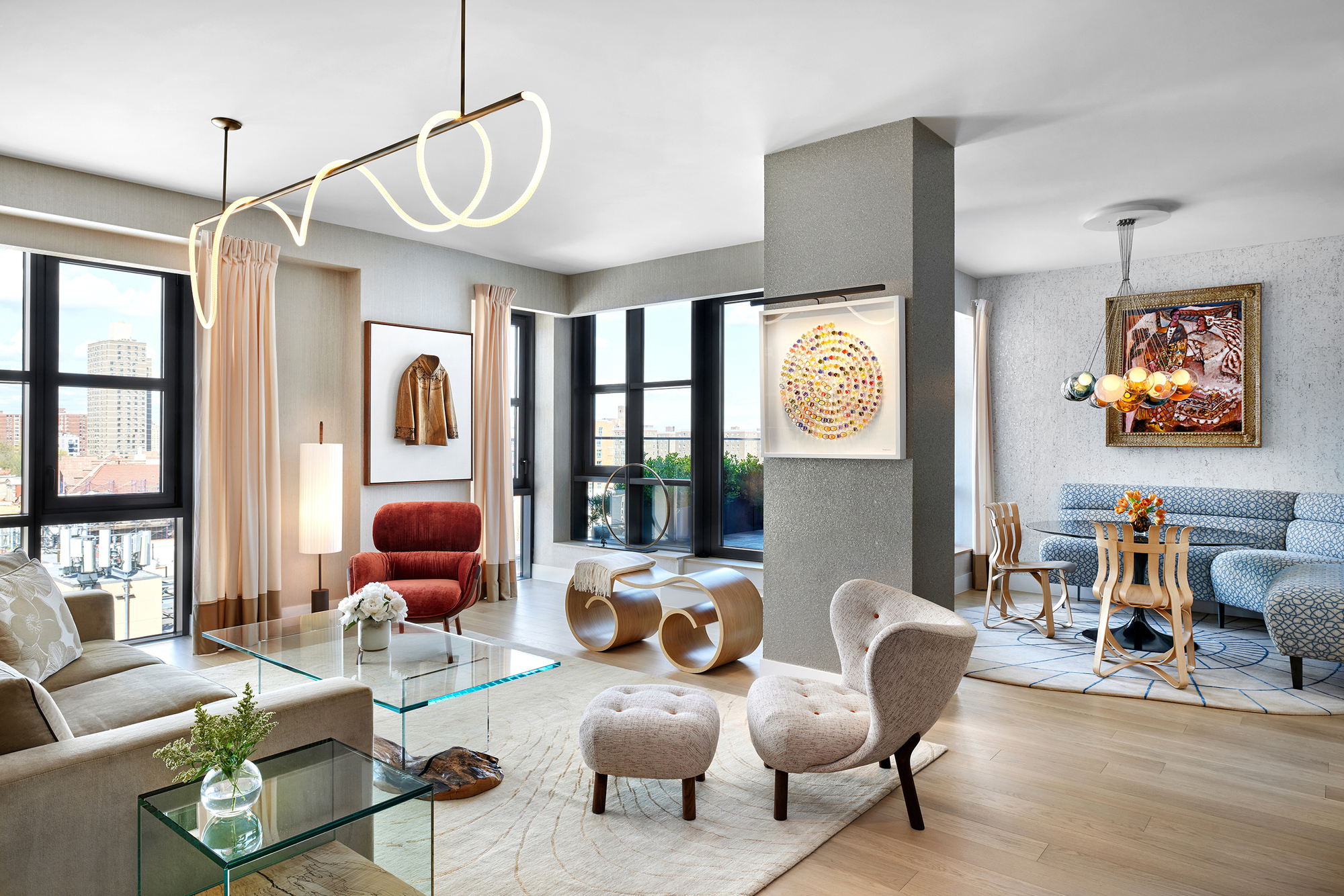
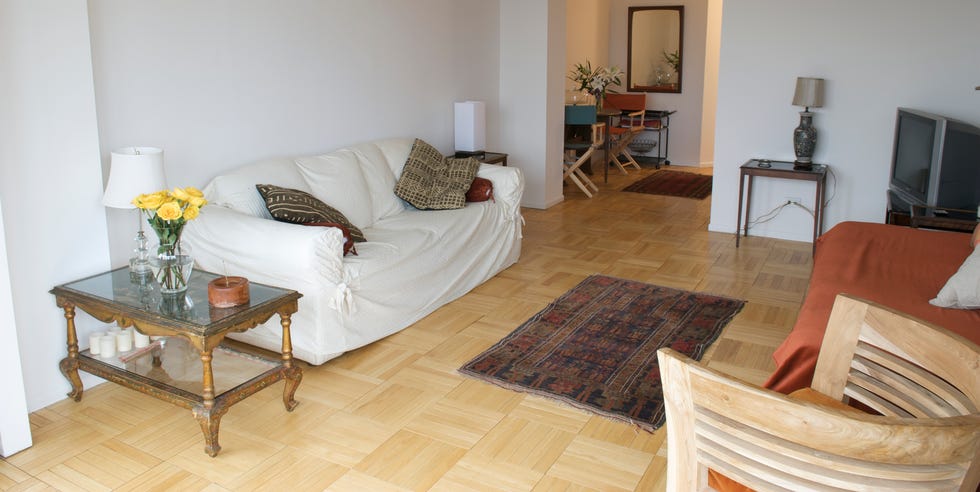
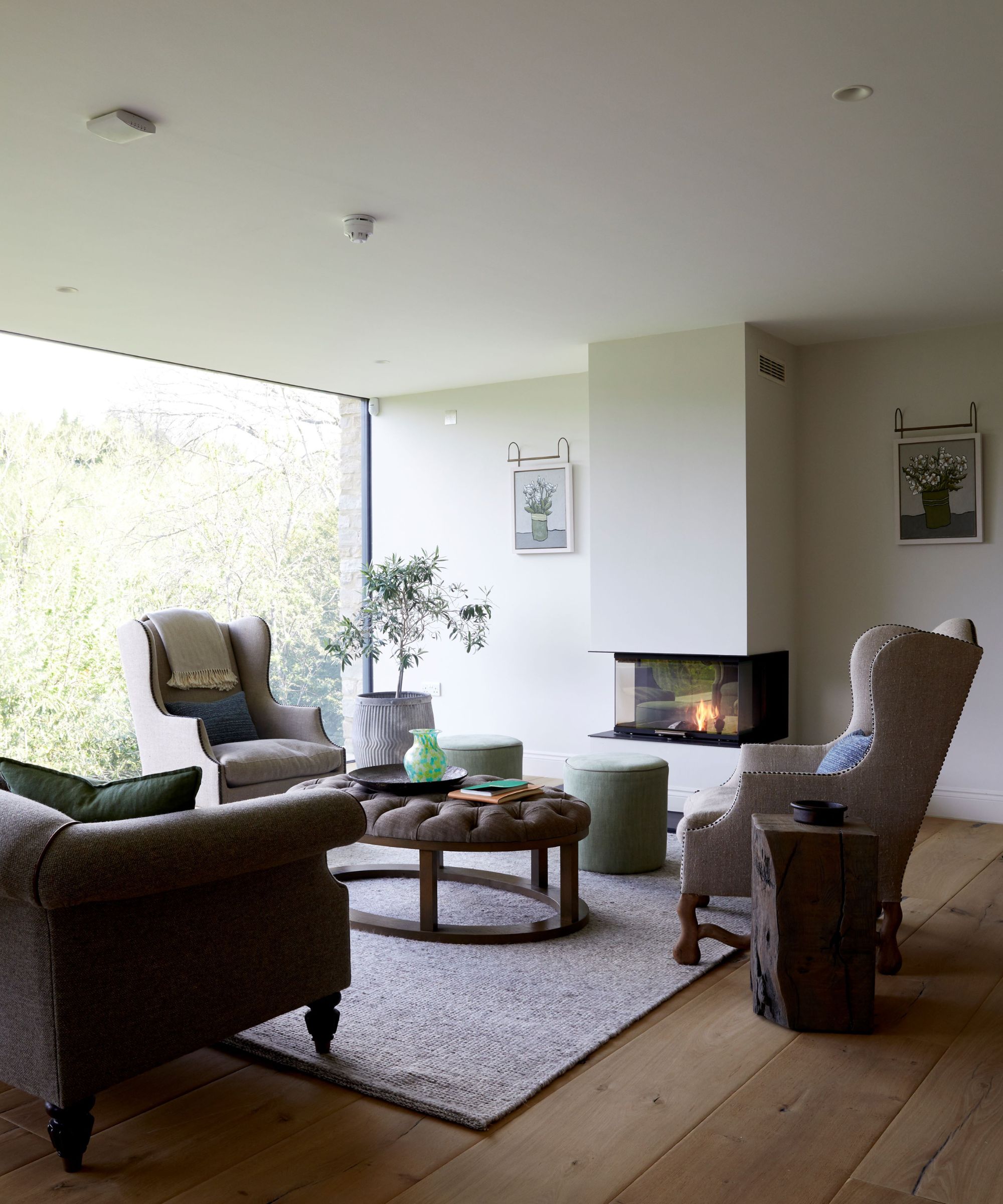
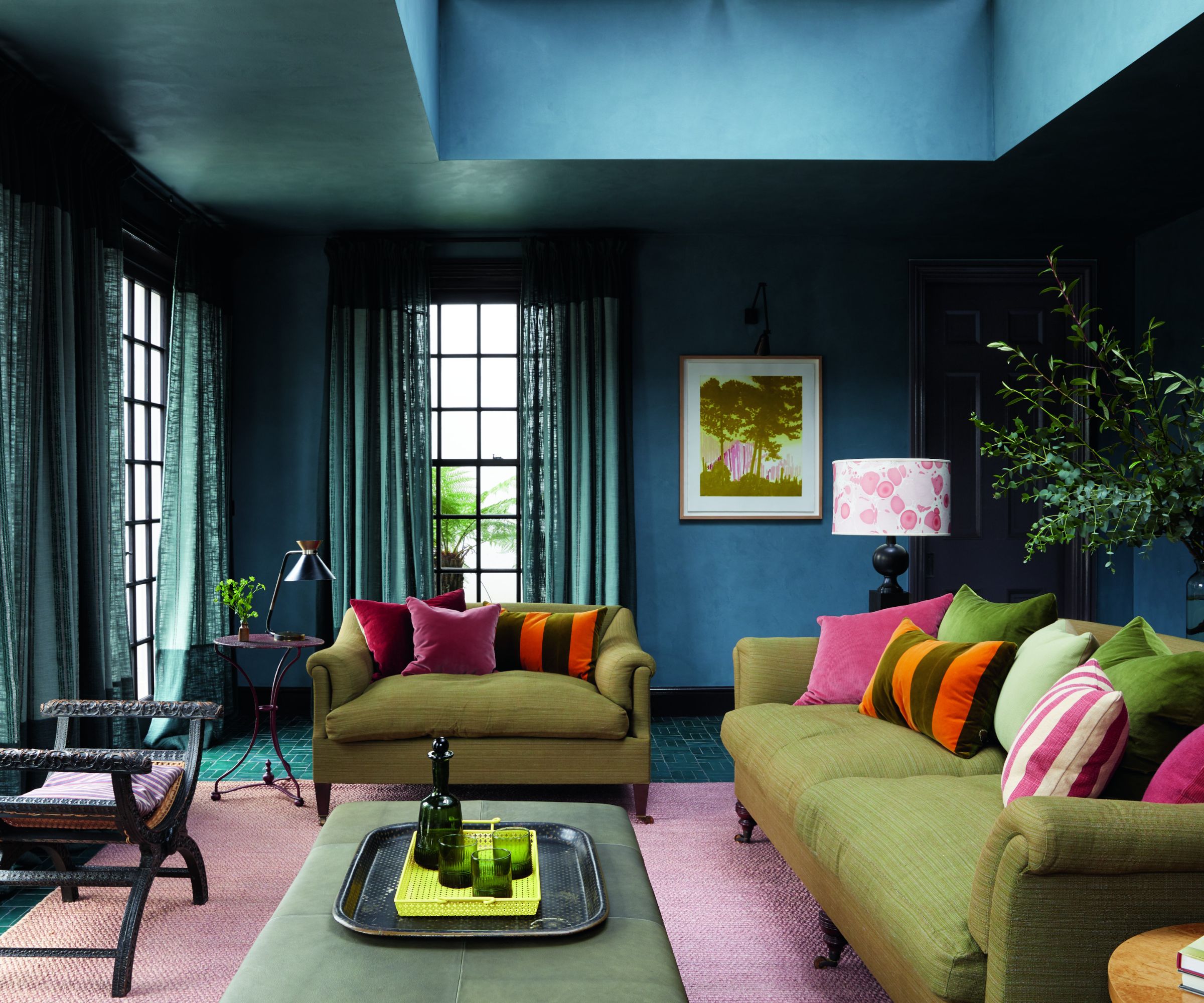
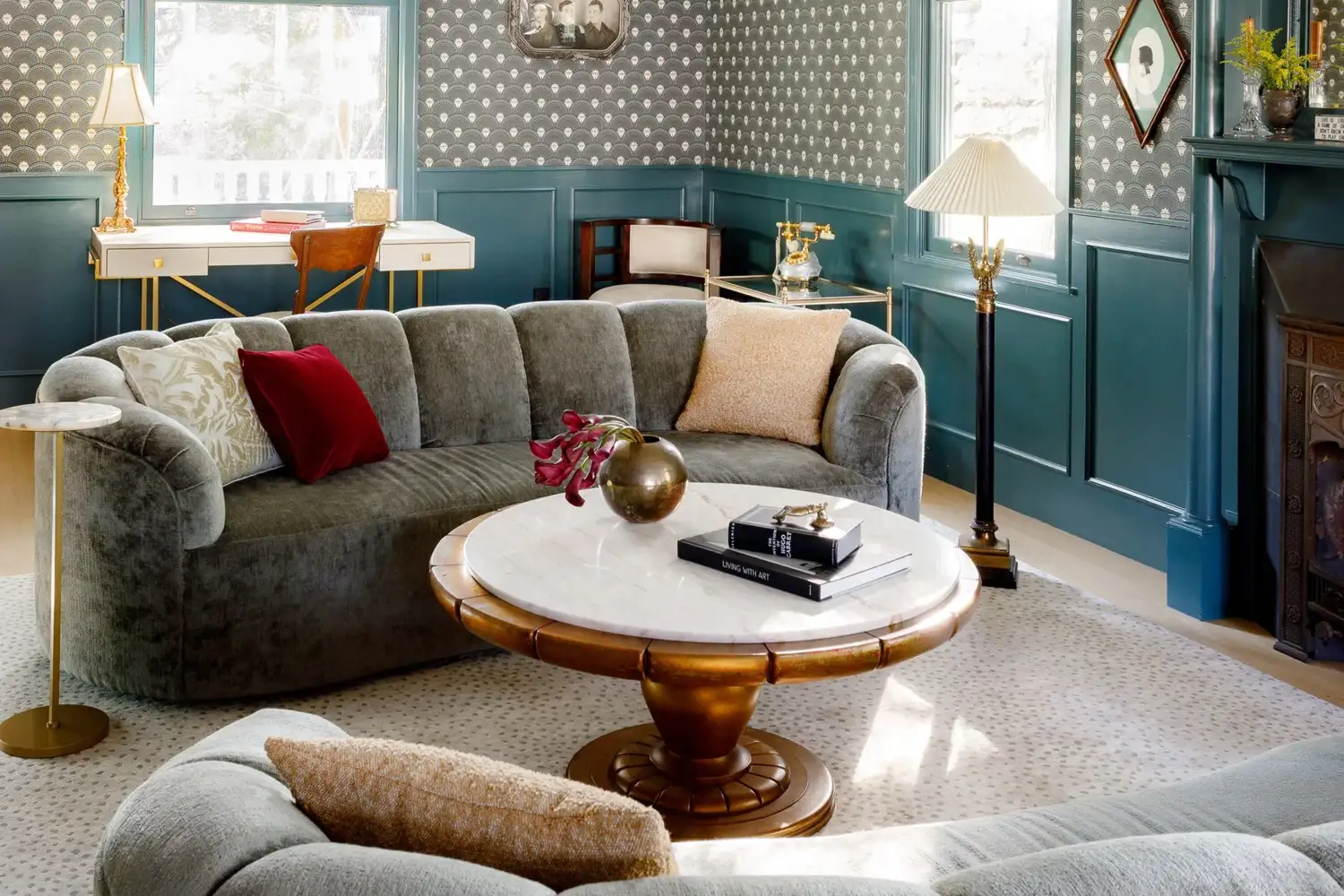
Achieving a stylish and inviting living room often involves avoiding certain design pitfalls that can detract from the overall aesthetic, as highlighted by interior design experts. One common mistake is relying on matching furniture sets, which designers advise against. Instead, cultivating a cohesive mix of individual pieces from various retailers is recommended to create a more authentic and curated look. This approach, while potentially more time-consuming, ultimately leads to a living space with greater character and personalization.
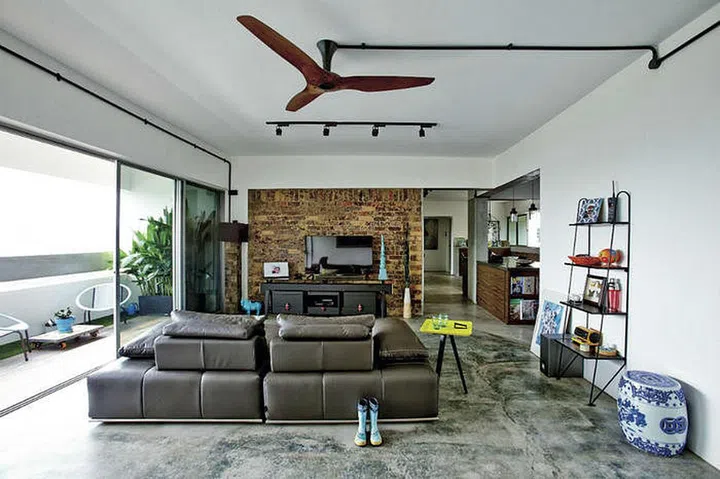
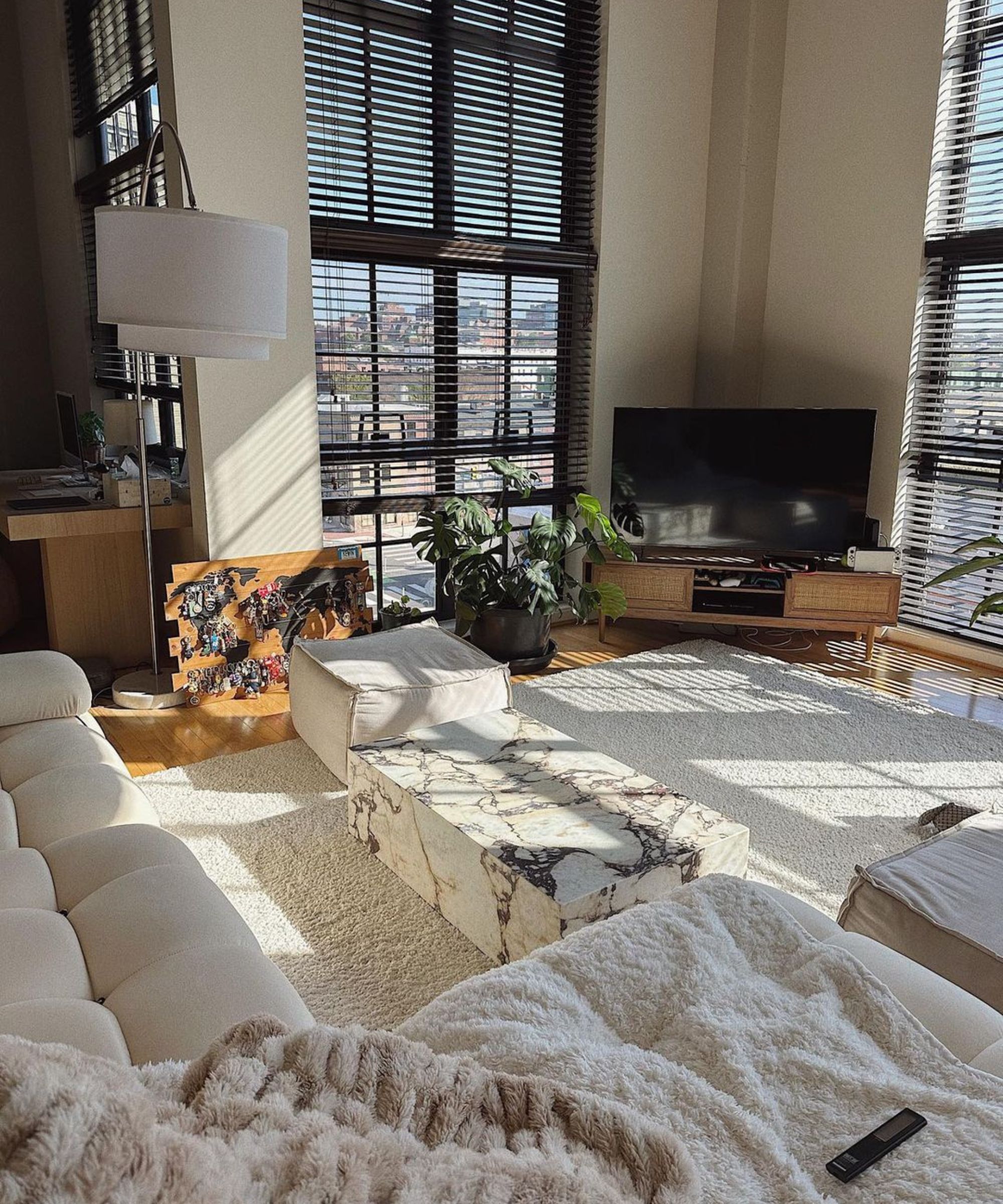
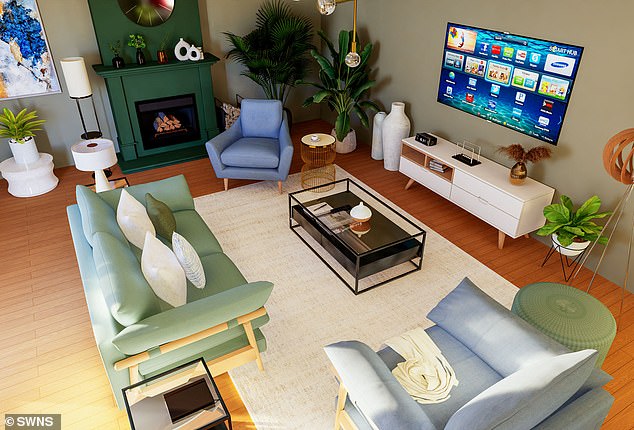
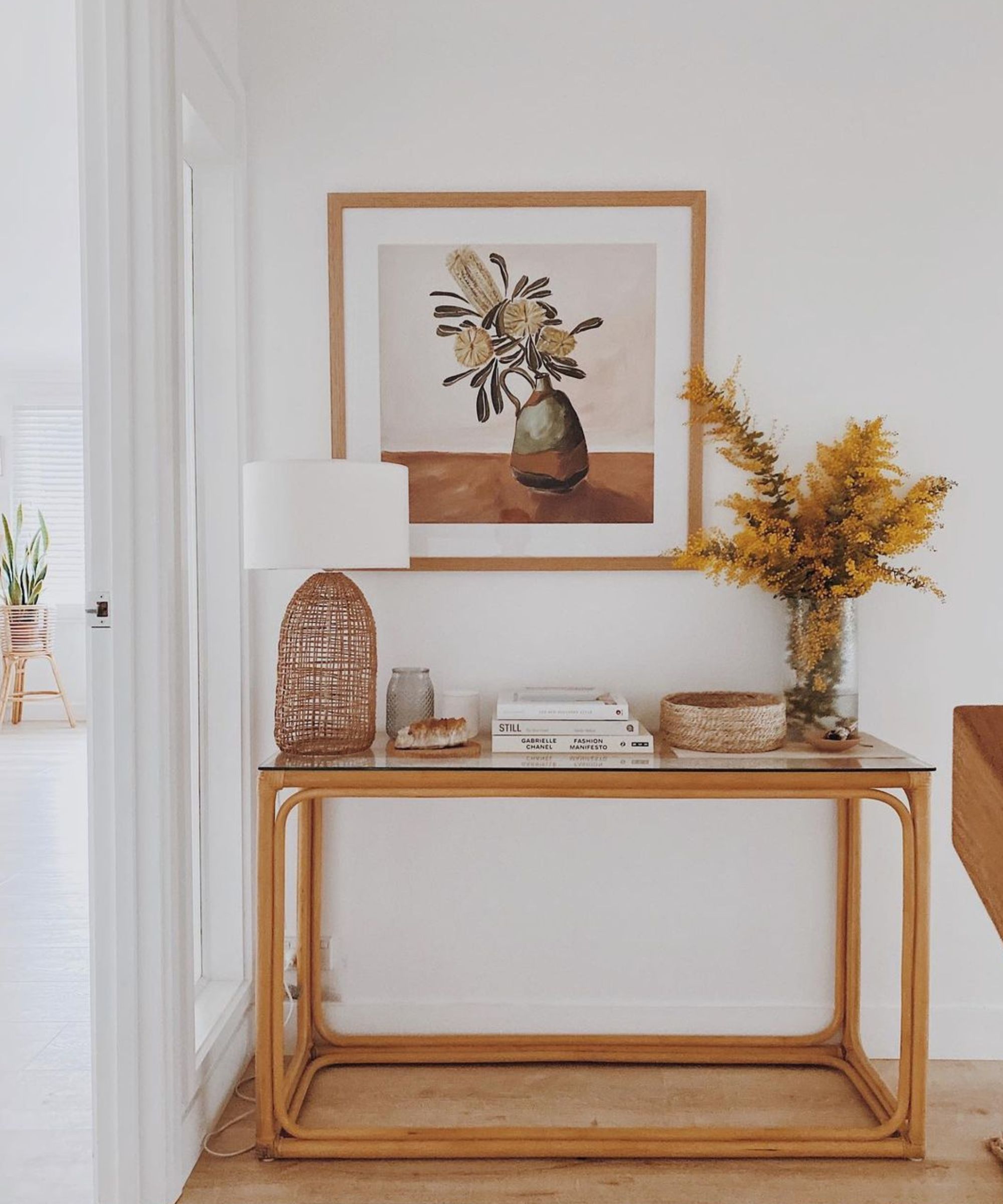
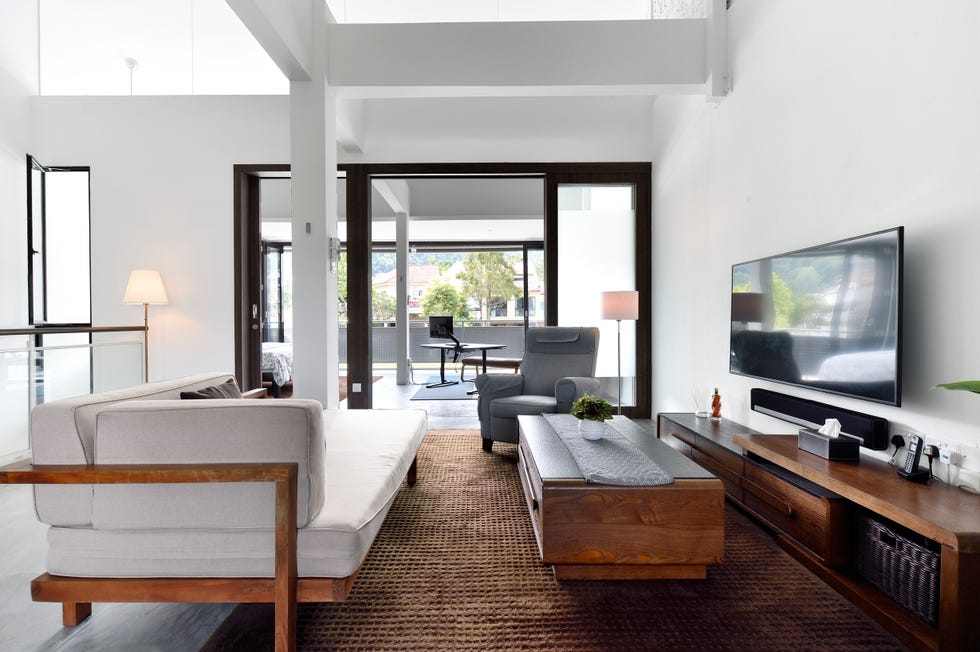
Another frequent design misstep concerns bulky entertainment centers. While televisions are a staple in most living rooms, the accompanying large units are considered outdated. A more contemporary approach involves mounting a sleek TV directly to the wall and placing a stylish console underneath. This console can then be adorned with decorative items like books or trinkets to add visual interest and integrate the television area seamlessly into the room's design.
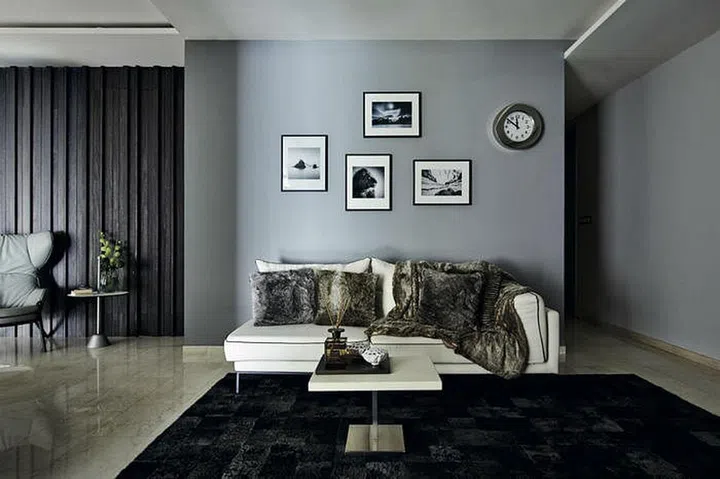
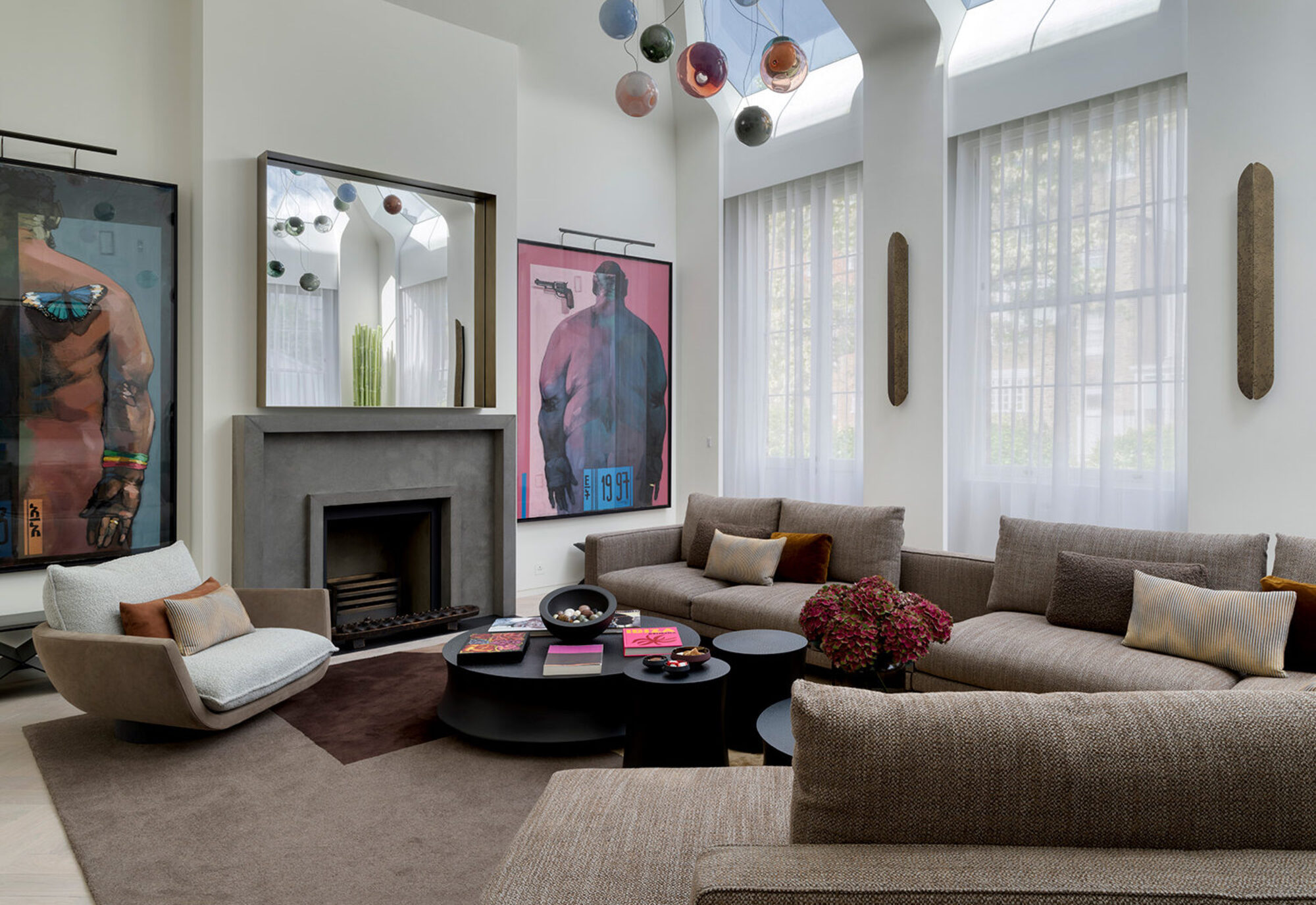
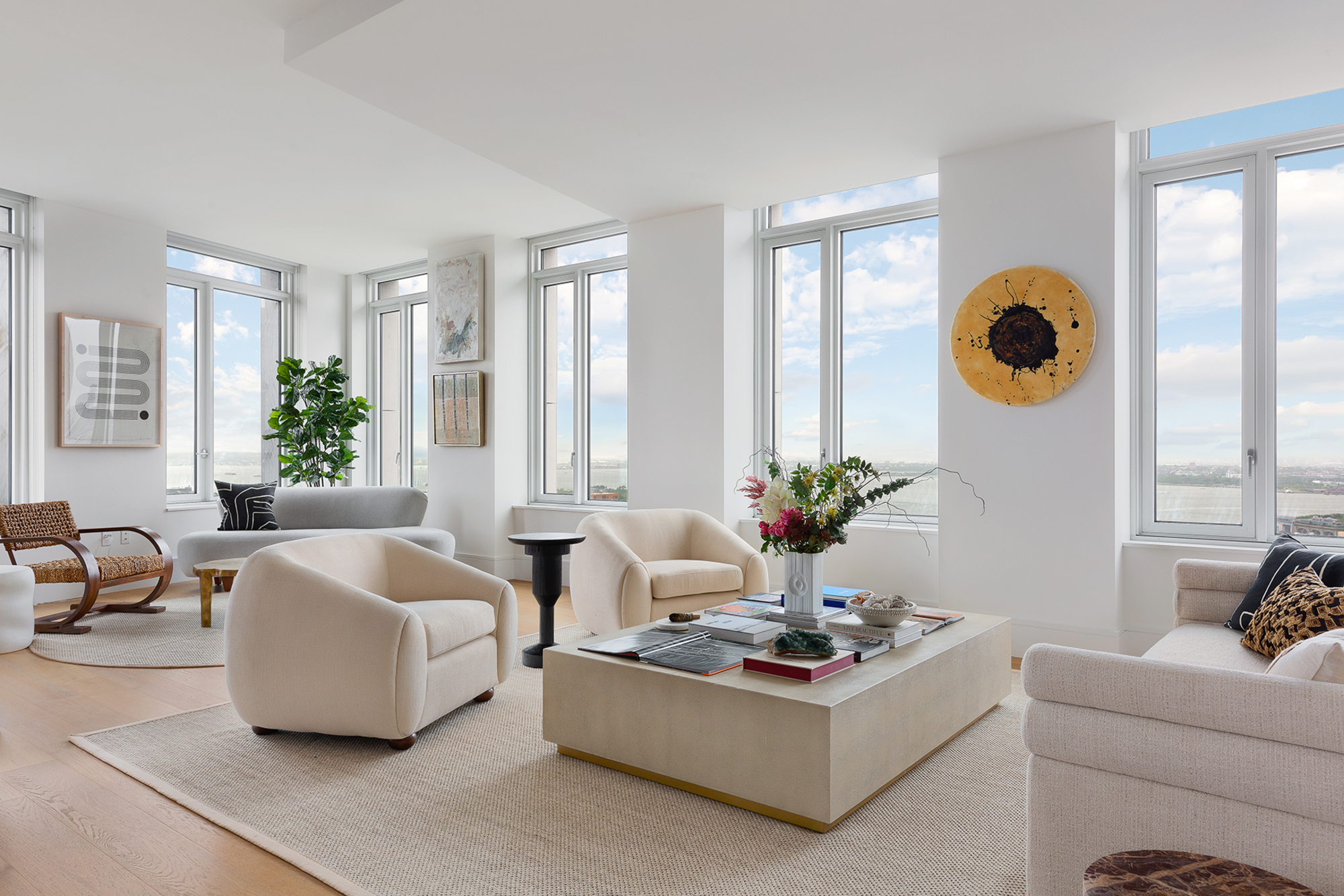
The scale of furniture is a critical factor that can significantly impact a living room's appearance. Furniture that is either too large or too small for the space can make a room feel unbalanced and uncomfortable. Too many small pieces can create a cluttered effect, while oversized items can overwhelm a room. The key lies in achieving balance by combining smaller, low-profile pieces with larger, more impactful ones, ensuring harmonious proportions between all elements. A specific example of scale mismanagement is using media consoles that are too small for the television; designers suggest a console that extends 10 to 12 inches beyond the TV on either side for a balanced look.
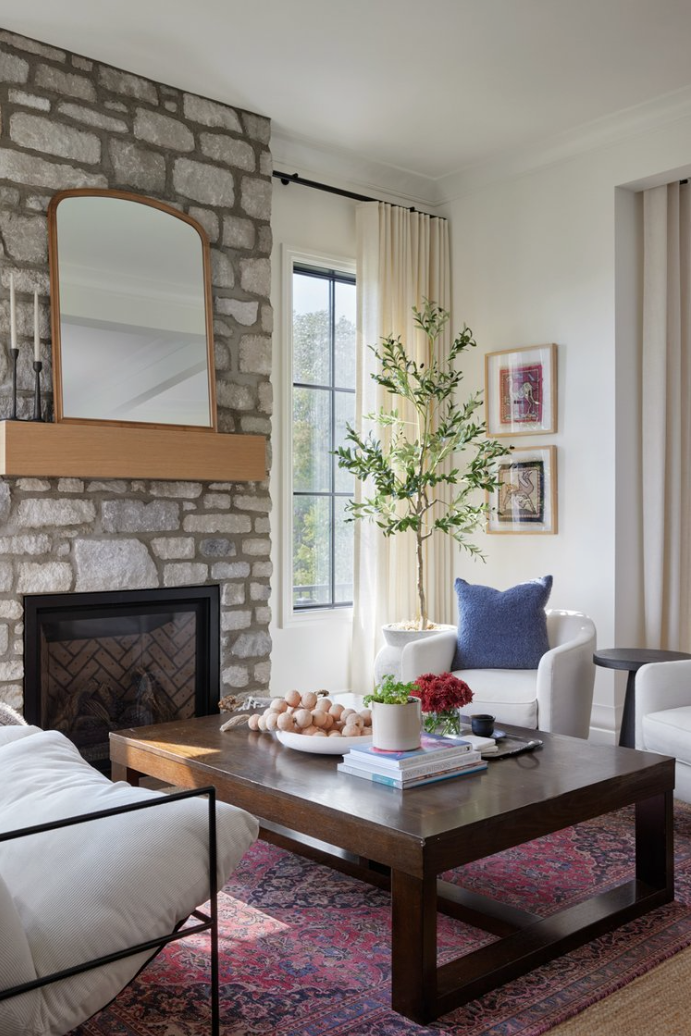
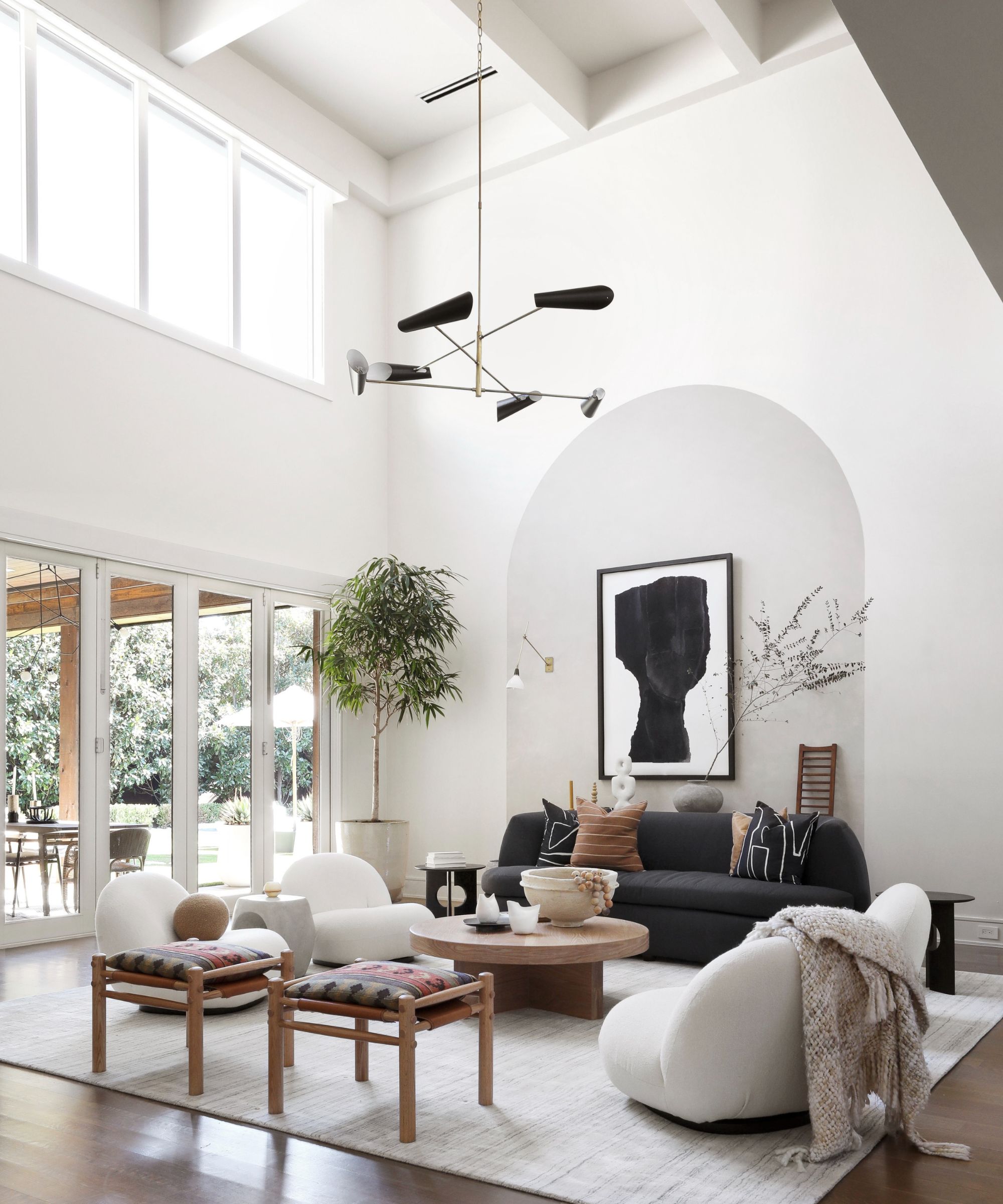
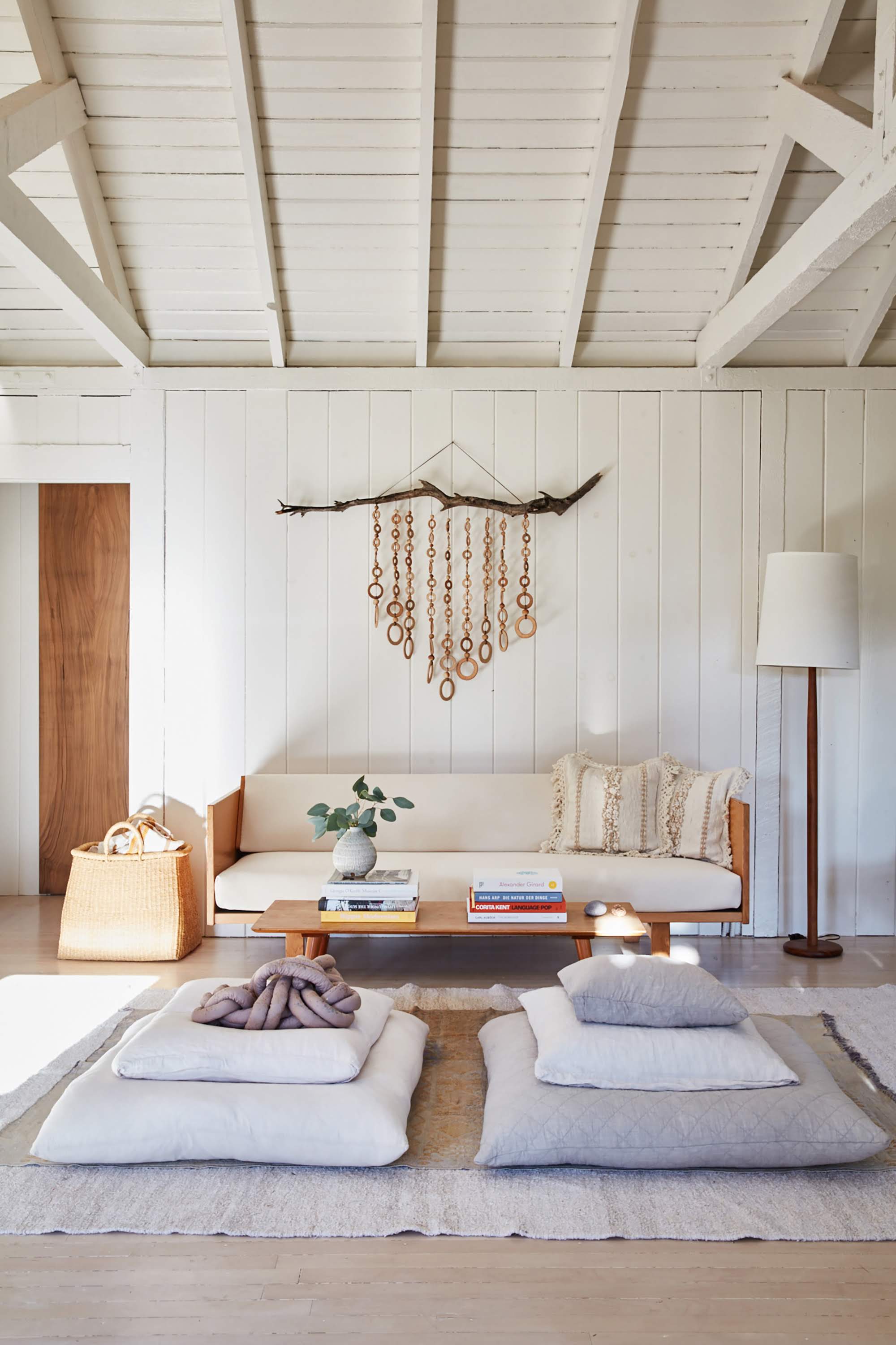
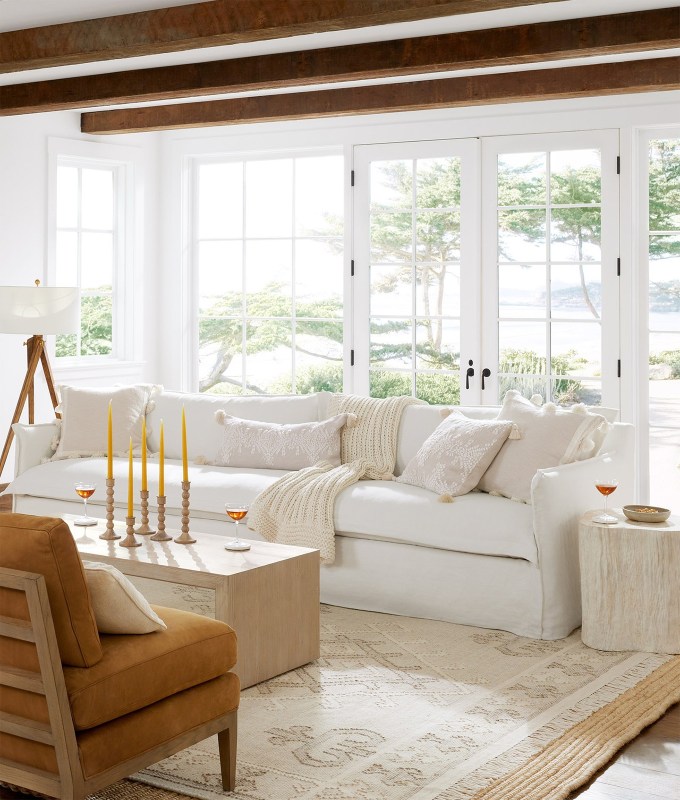
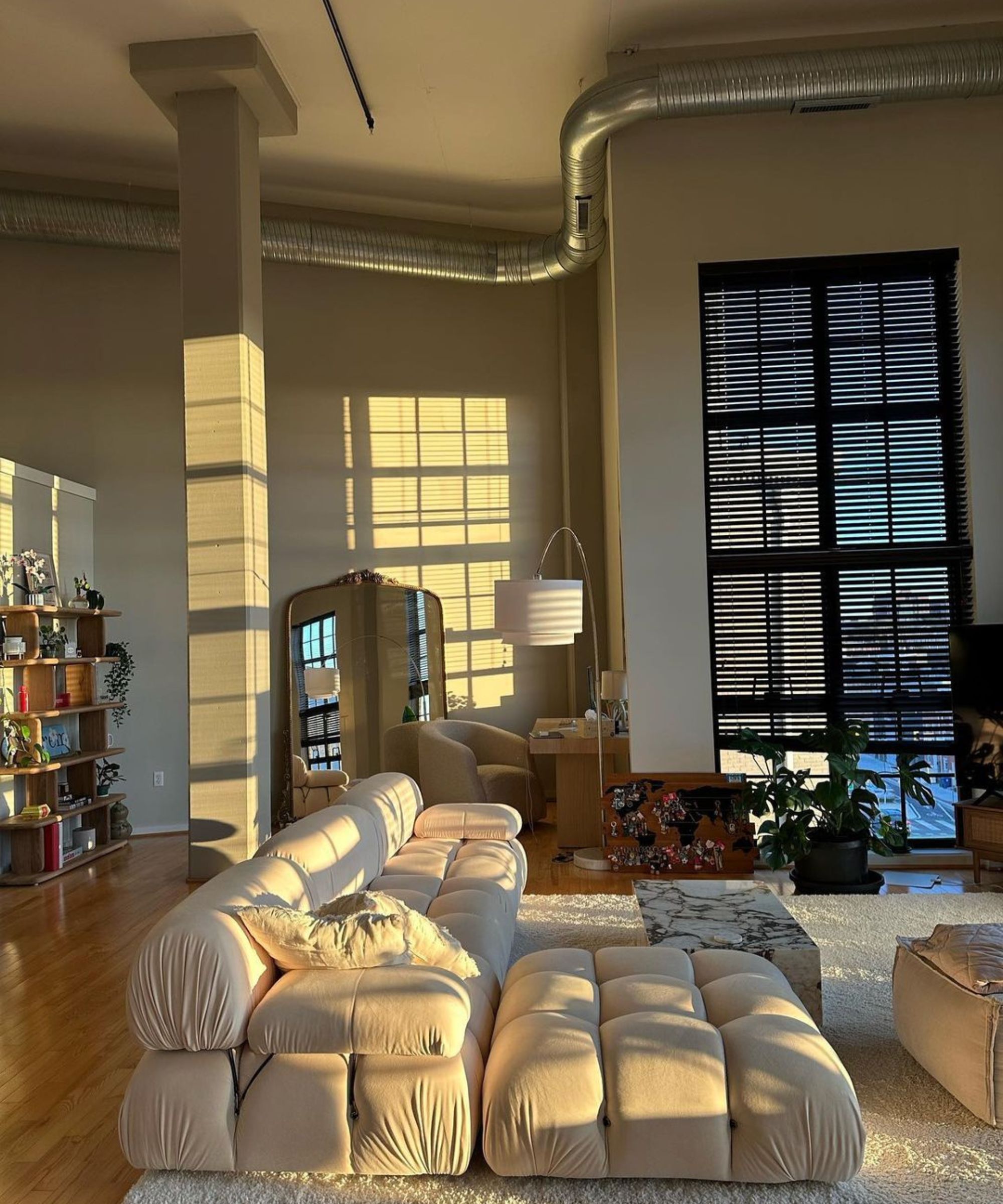
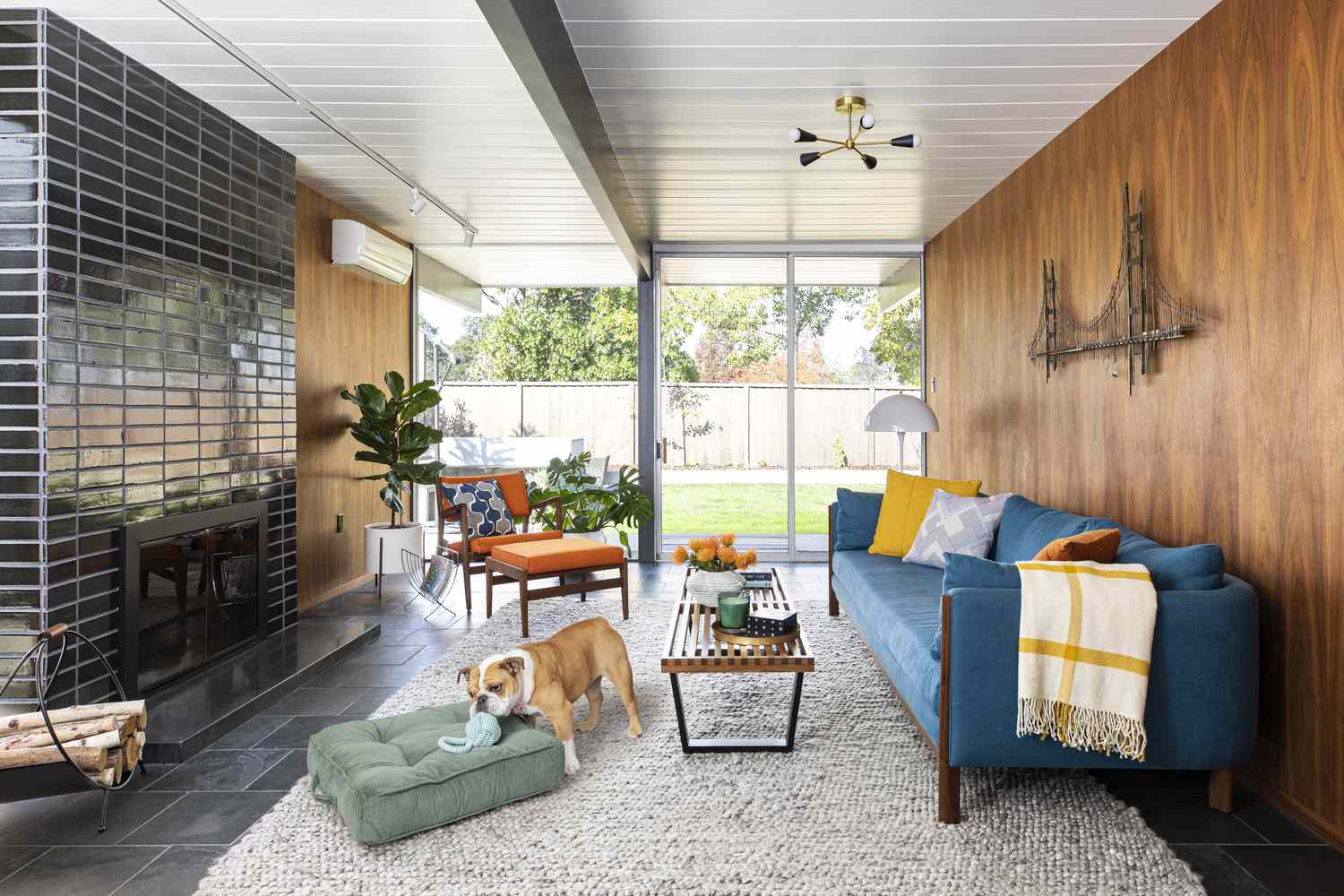
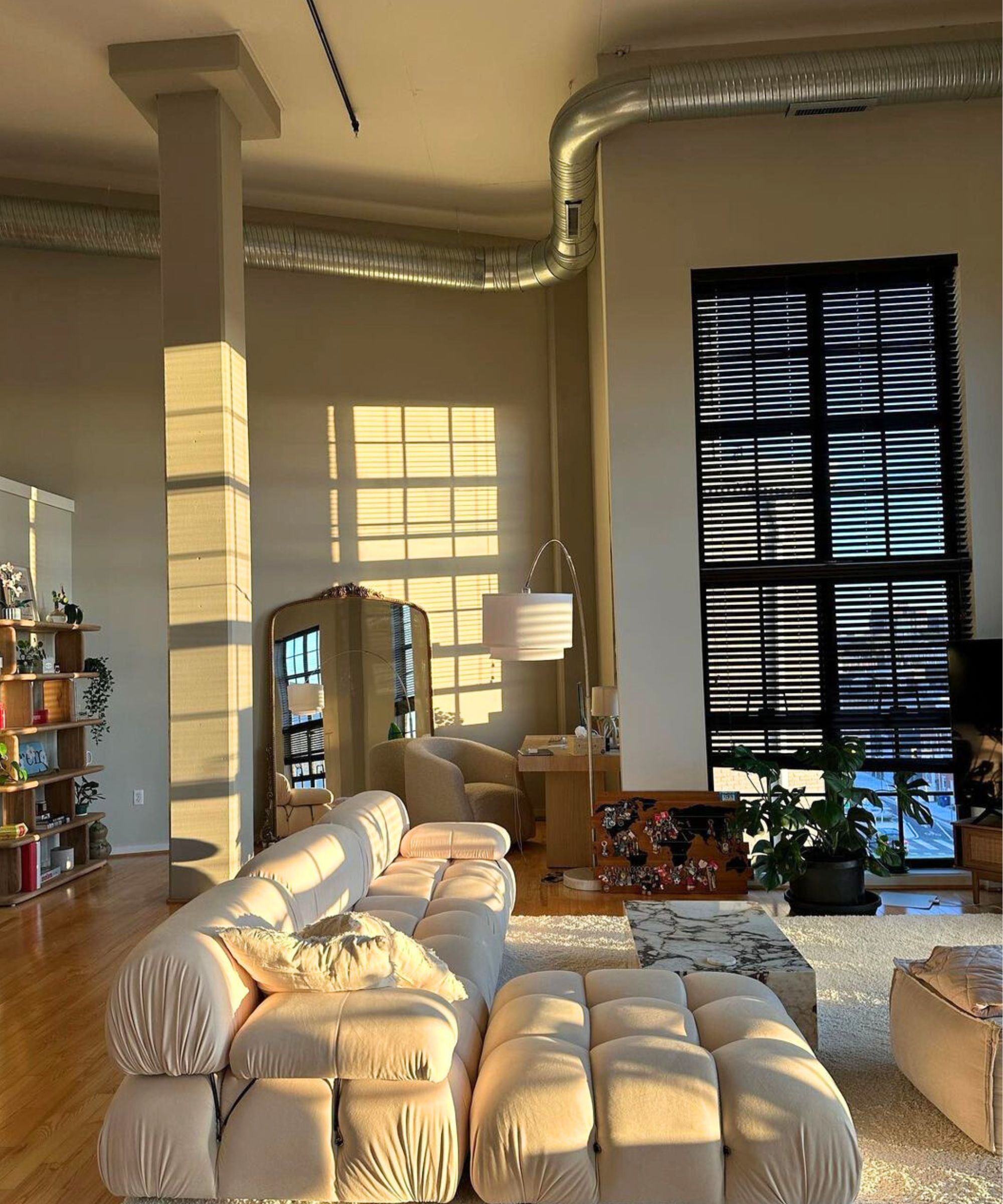
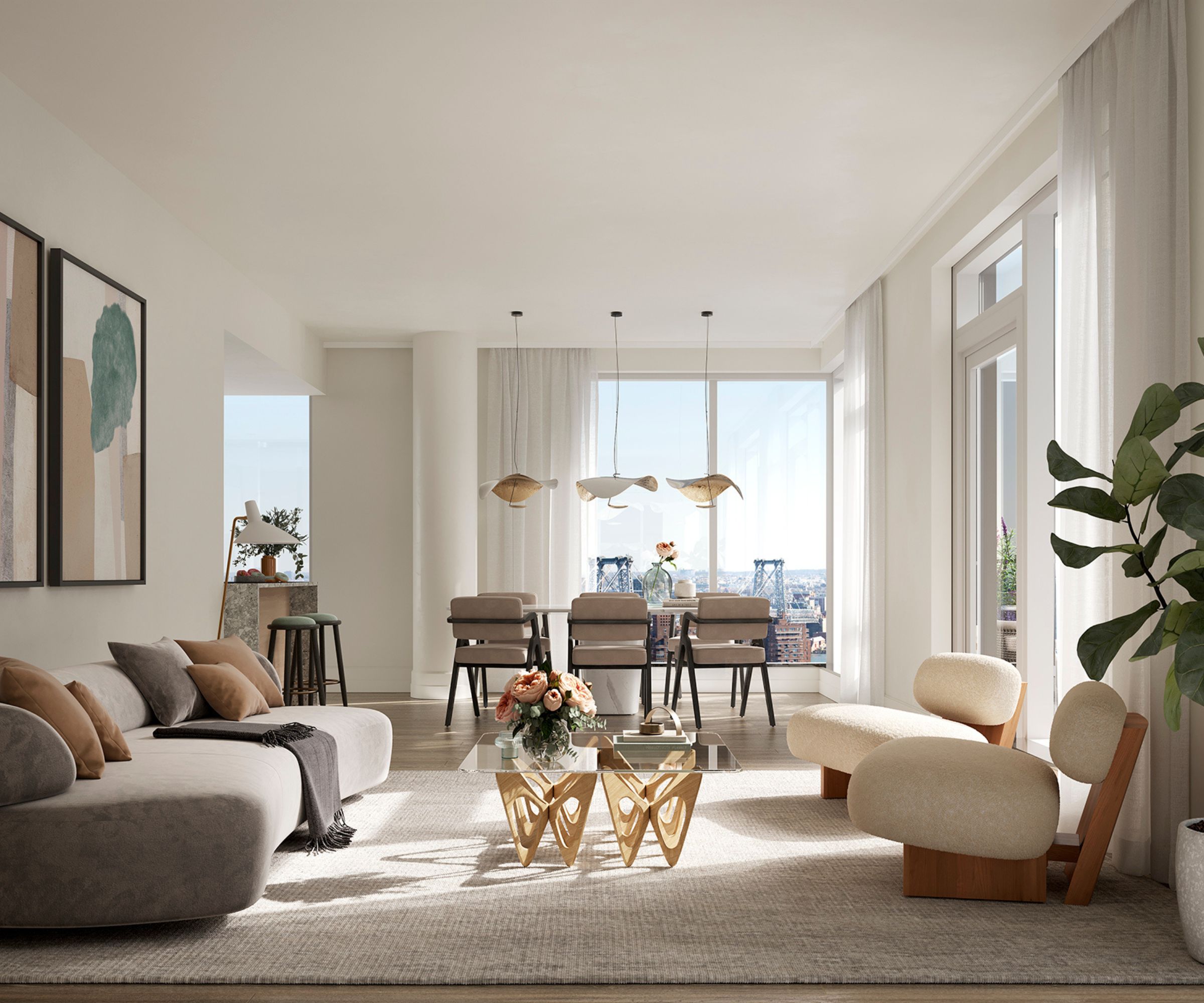
Rugs also frequently suffer from improper scaling. Designers often observe living room rugs that are too small for the space, failing to adequately anchor the furniture. For most living rooms, an 8 by 10-foot rug is recommended, while larger rooms or those with substantial sofas may require a 9 by 12-foot rug. The front legs of furniture should ideally rest on the rug to make the seating arrangement feel grounded, preventing the rug from appearing like an isolated island on the flooring.
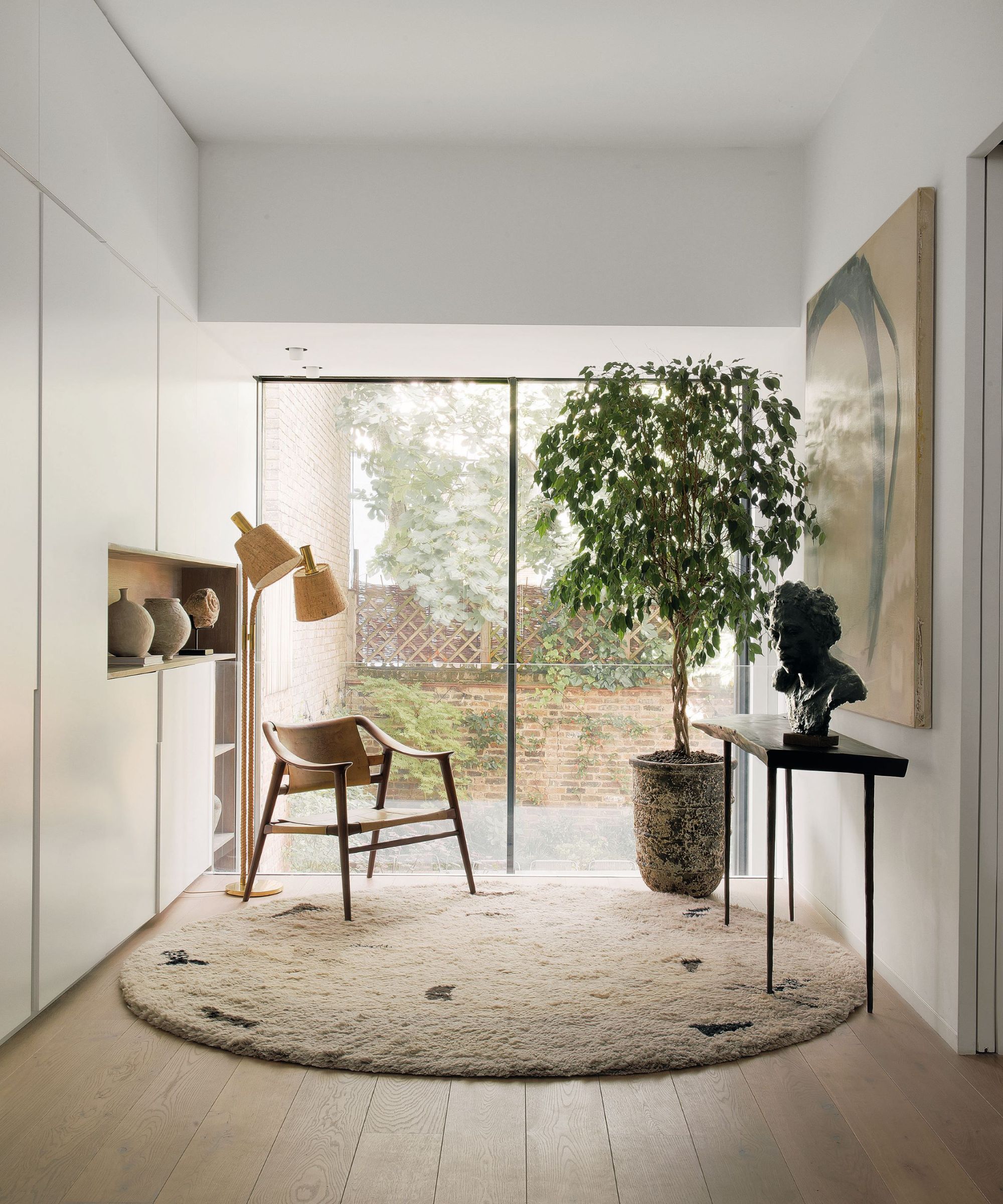
Beyond size, the type of rug chosen is also important. Indoor/outdoor rugs are generally discouraged for living rooms due to their tendency to look less luxurious and inviting, often resembling a "piece of paper." Instead, designers advocate for plush, welcoming rugs that contribute to a warm and cozy atmosphere, adding a desirable layer of comfort and texture to the space.
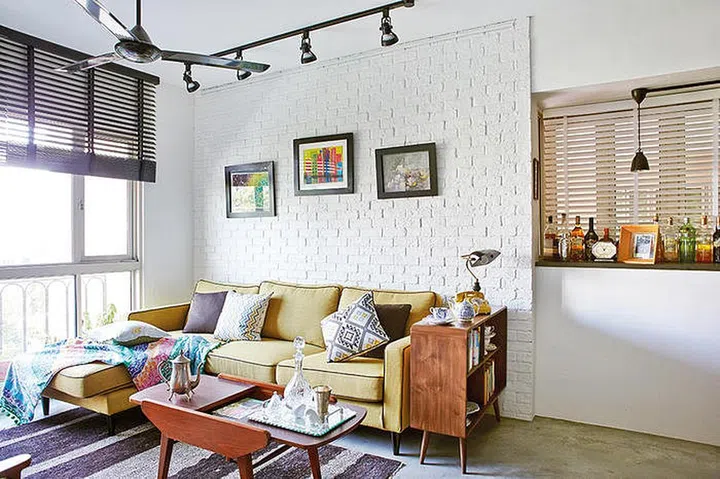
Finally, an outdated ceiling fan can significantly detract from a living room's updated aesthetic. While functional, an old-fashioned fan can age a room faster than even a dated light fixture, drawing unwanted attention. If a ceiling fan is necessary, selecting a contemporary style that complements the room's design is crucial. A white fan that blends seamlessly with a white painted ceiling is often suggested as a discreet and modern choice to avoid it becoming a visual focal point that undermines the room's overall style.
#InteriorDesign #LivingRoomDecor #HomeStyling #FurnitureArrangement #DesignTips #RugPlacement #ModernHome #DecoratingMistakes #ScaleAndProportion #InteriorDesign #LivingRoomDecor #HomeStyling #FurnitureArrangement #DesignTips #RugPlacement #ModernHome #DecoratingMistakes #ScaleAndProportion
0 comment in total
 No comments yet
You may also like
Stunning Living Room Ideas Interior Designers Always Rely on

Warning: These Living Room Ideas Will Make You Want to Redecorate
8 tiny design details you are definitely overlooking in your home that can completely elevate a space

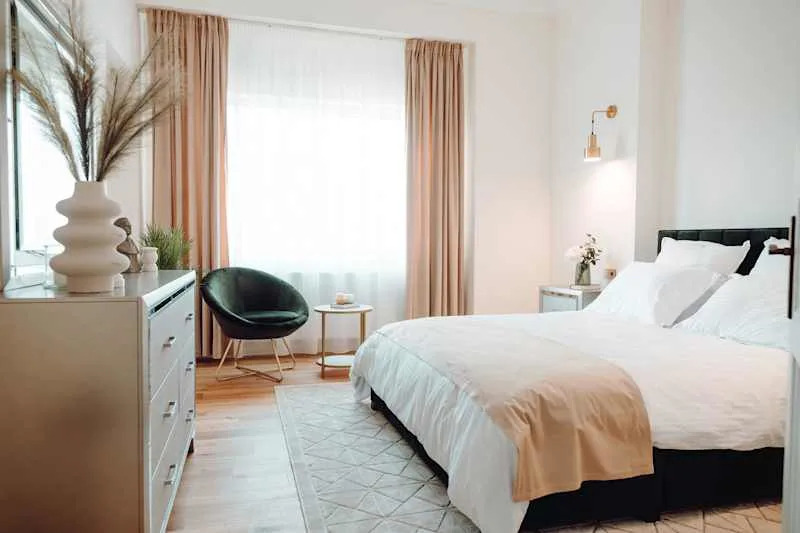
Designers Cringe When They See These 6 Things in a Bedroom
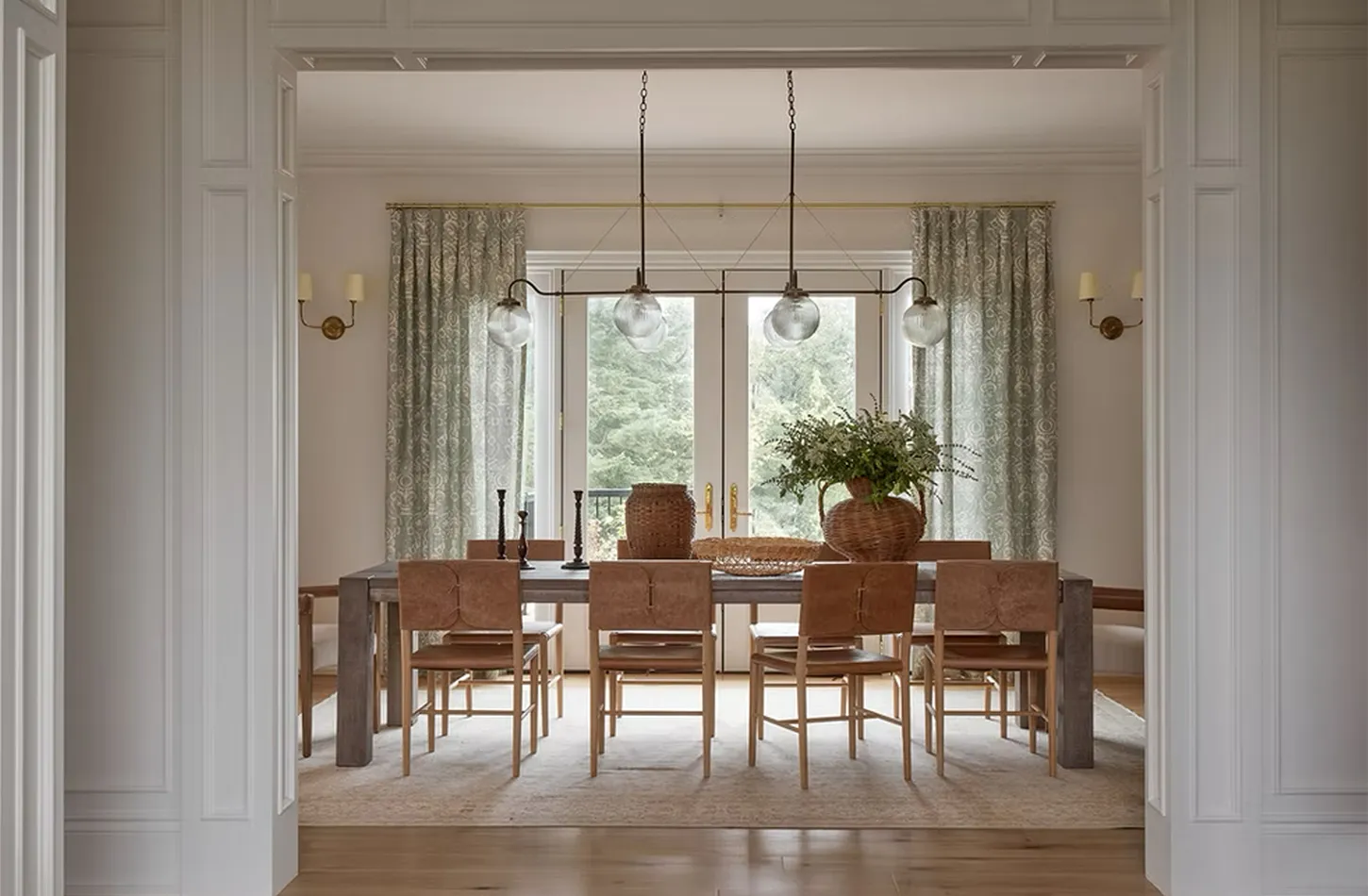
6 Underrated Designer Secrets That Instantly Make Any Room Look Better
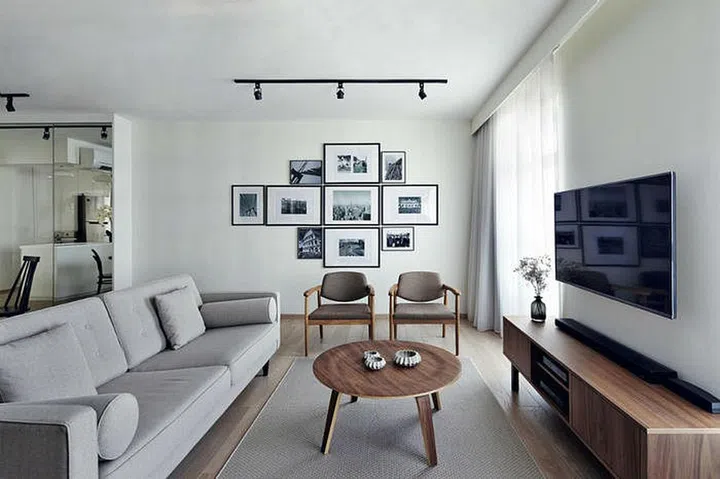
Living room design ideas: 11 ways to furnish and decorate your space
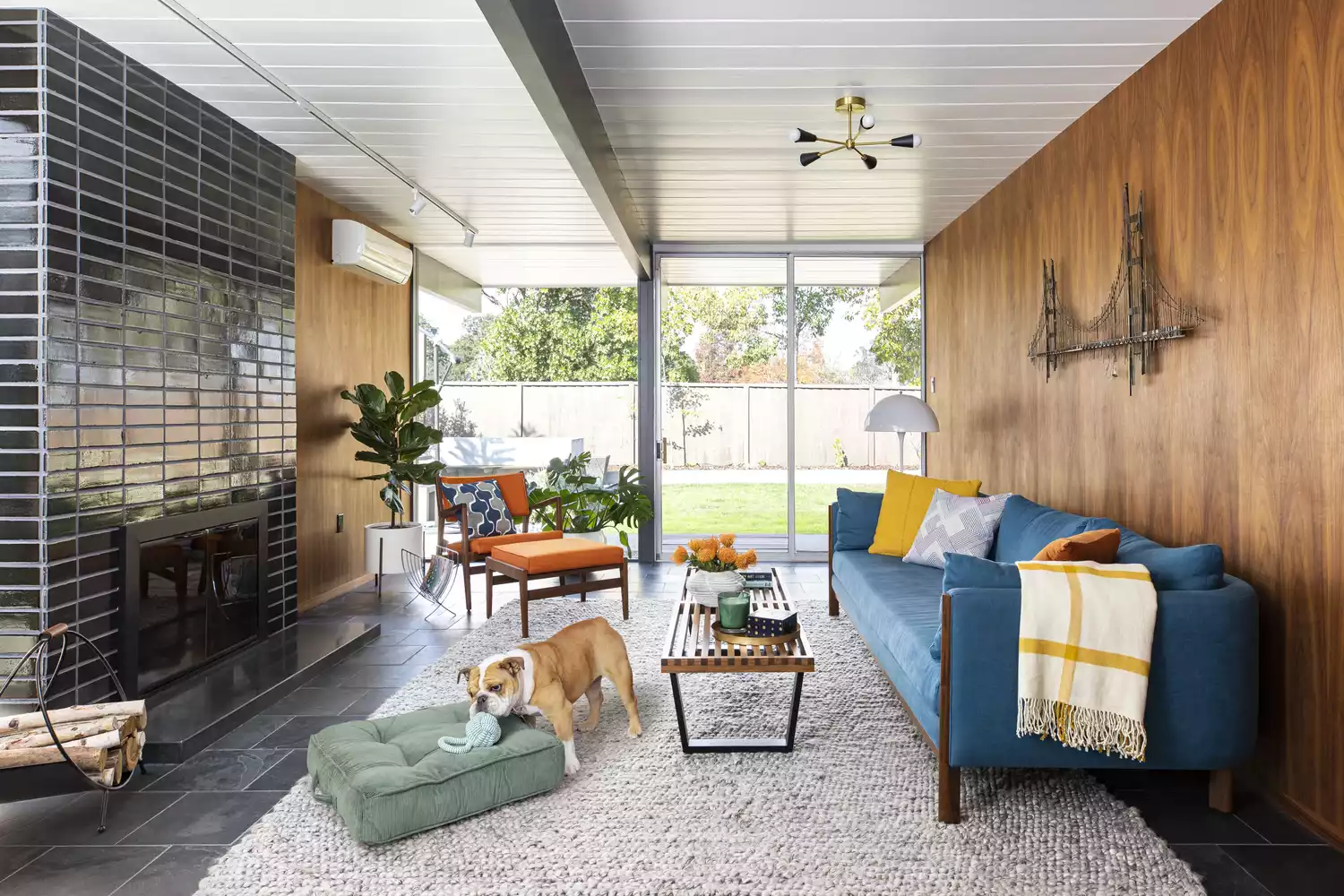
6 Genius Rules for Decorating Your Living Room That Designers Swear By

10 Mistakes Designers IMMEDIATELY Notice When They Walk Into Your Home

Design experts on their living room decor ideas
6 Things You Can Find in Every Stylish Room, According to Interior Designers
Are YOU guilty of these living room layout mistakes? Decor expert reveals the 8 sins people make
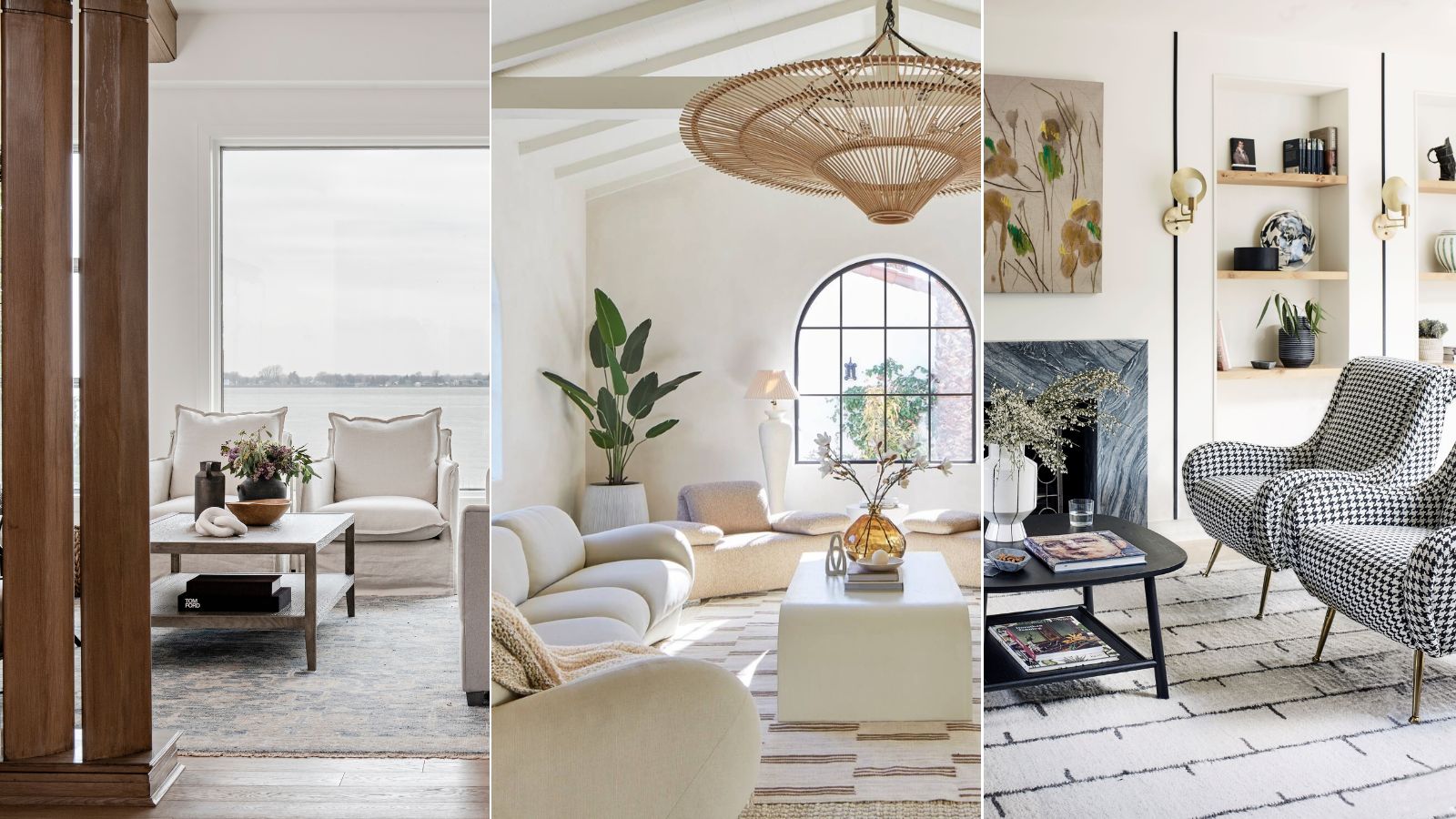
Designers swear these 8 living room layout hacks will instantly elevate your space, no matter what the size
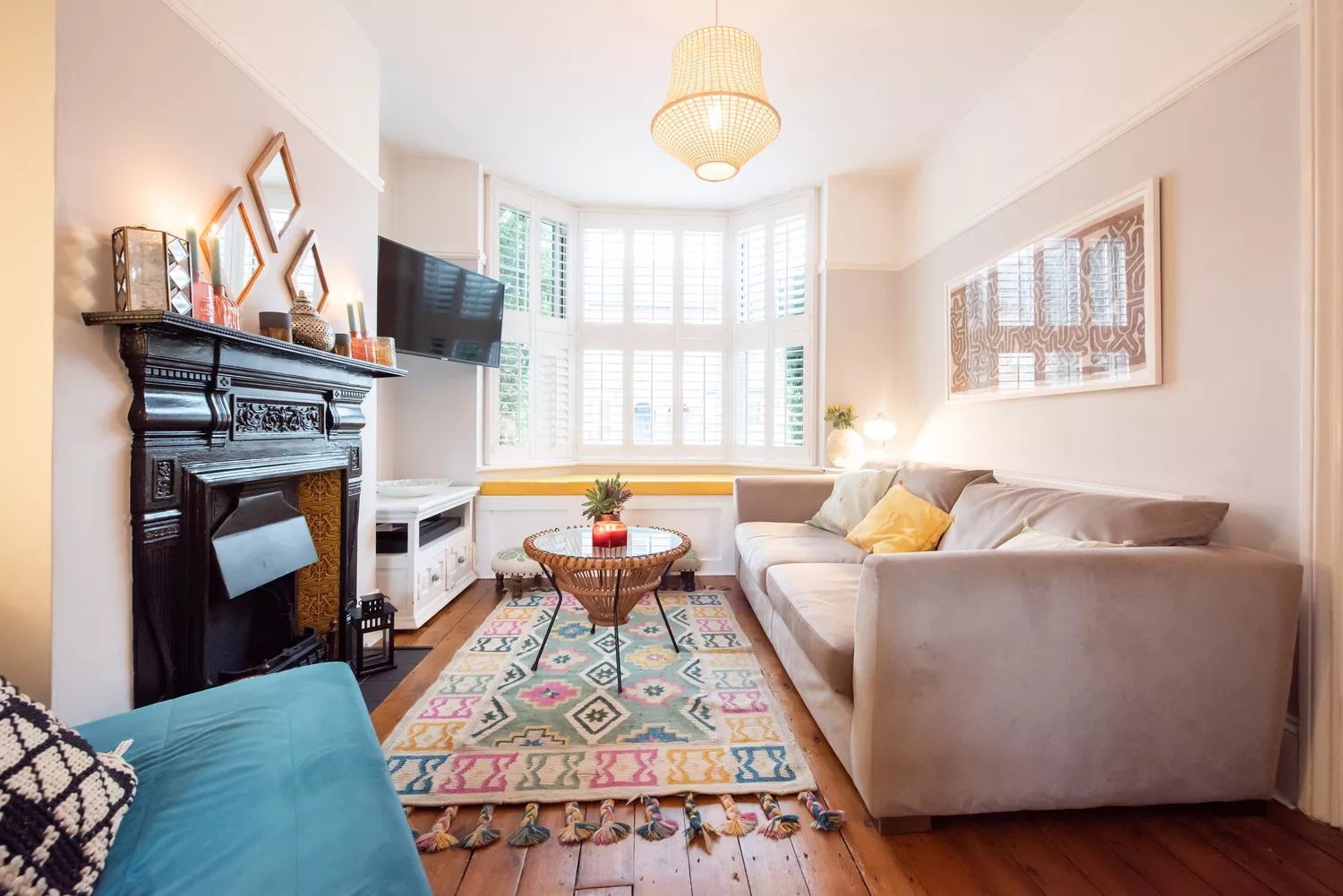
6 Things in Your Living Room That Instantly Give Designers the Ick
The 5 Rules of Decorating a Living Room in 2025 (Don’t Worry—They’ll Still Hold Up in 2030)

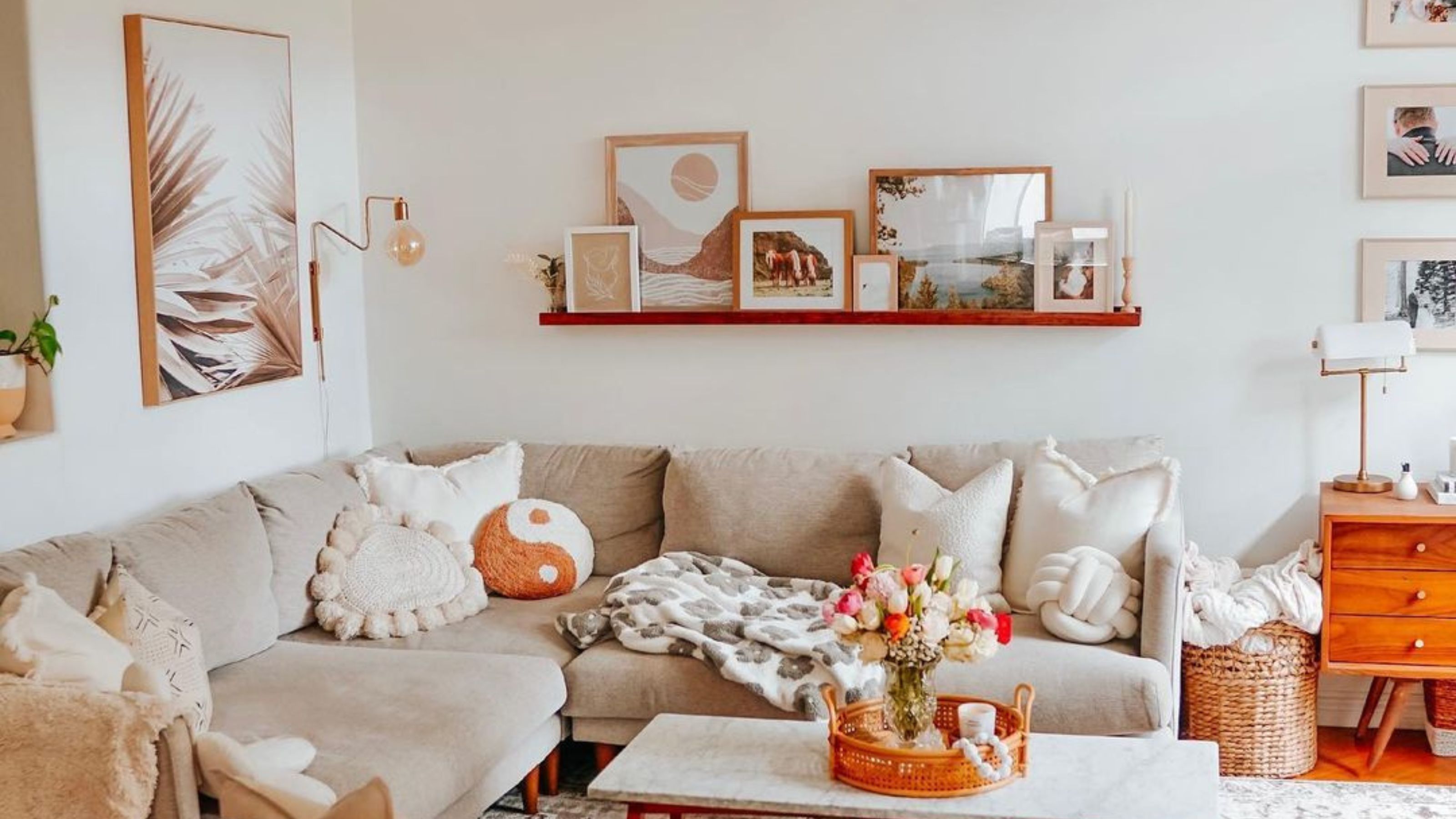
7 things interior designers never have in small living rooms

Dream living room upgrades homeowners always come to regret – according to the experts
6 failsafe formulas designers always follow when planning a living room
6 furniture items that will make a living room look bigger, according to design experts

9 Times Designers Made Awkward Living Rooms Work — And the Secrets Behind How They Did It

6 Styling Tricks Designers Always Use to Make Any Living Room Look Instantly Finished