1/9
The impact of machine learning on architectural design
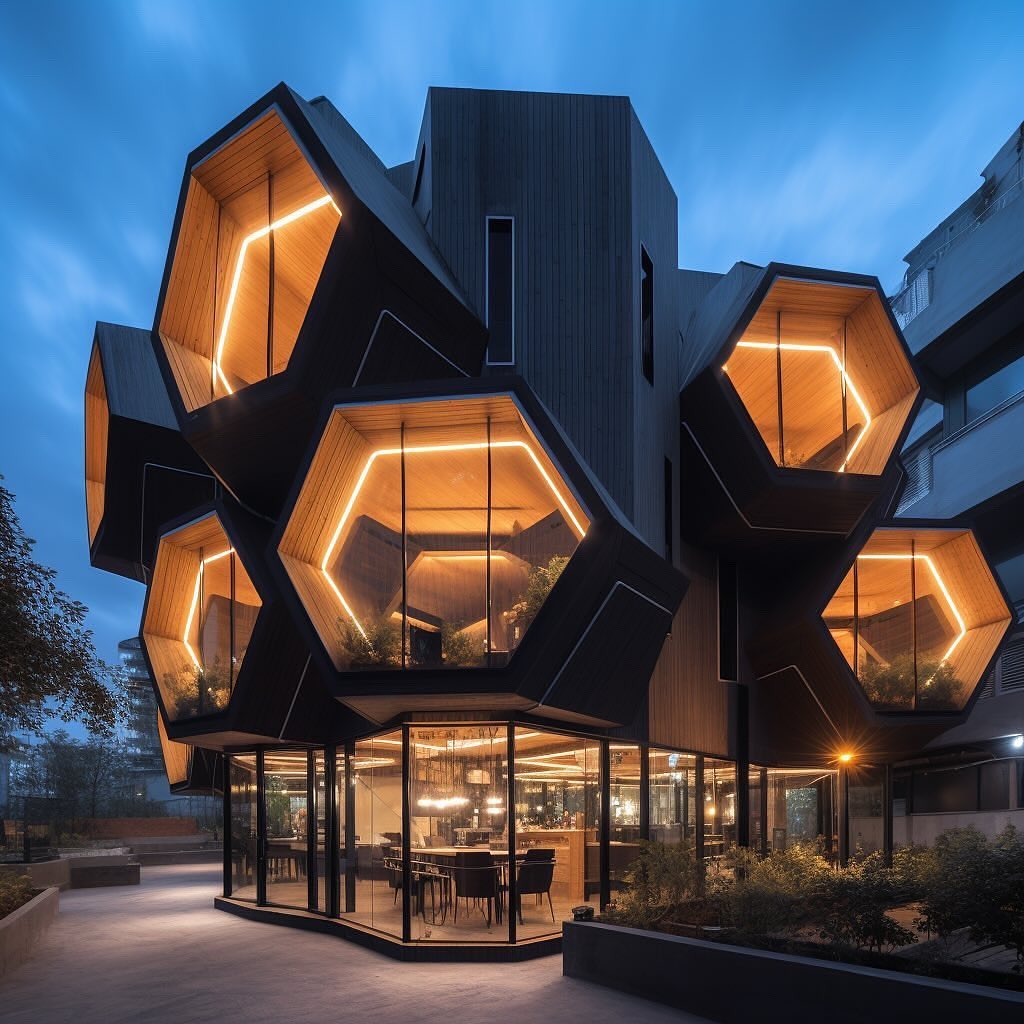
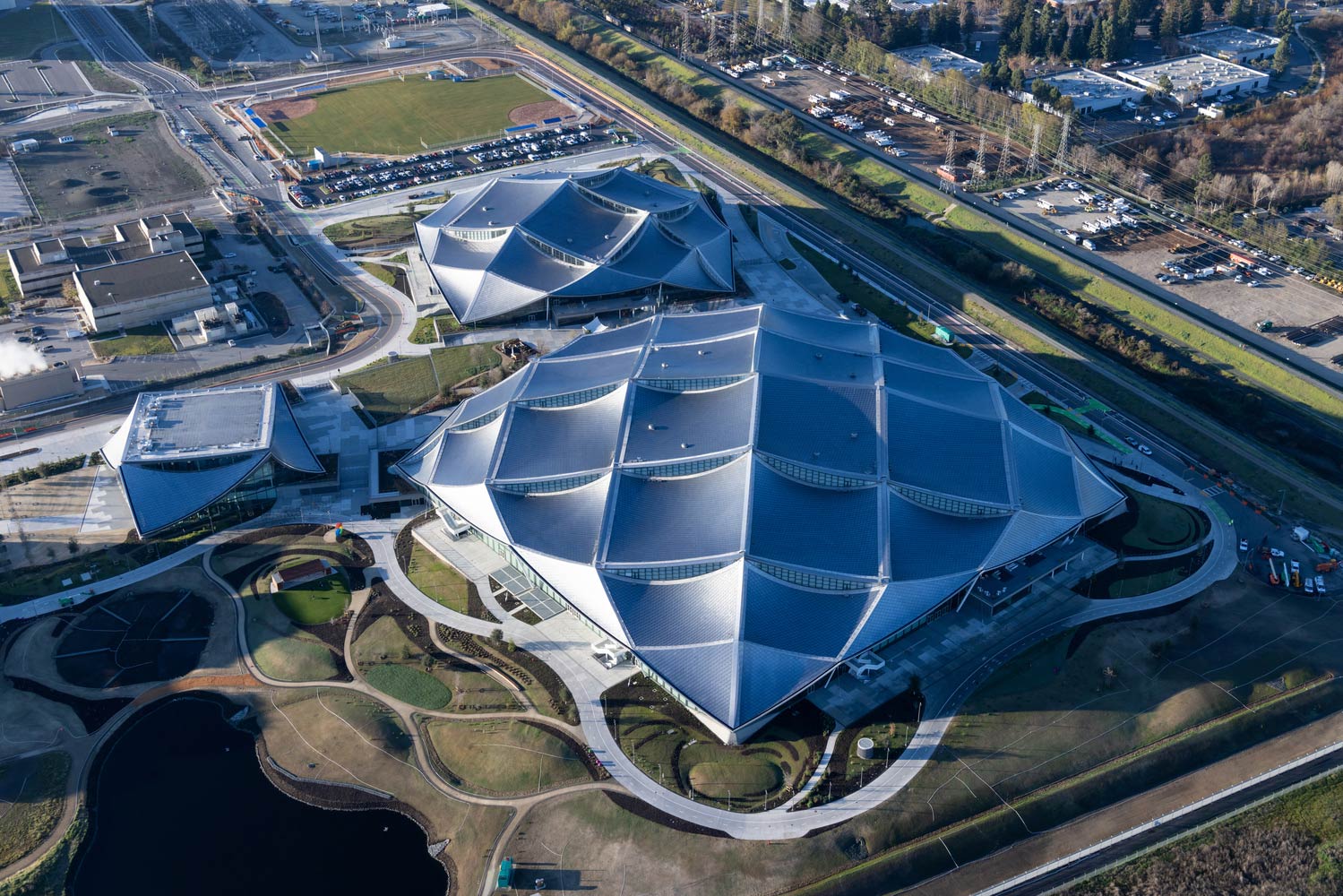
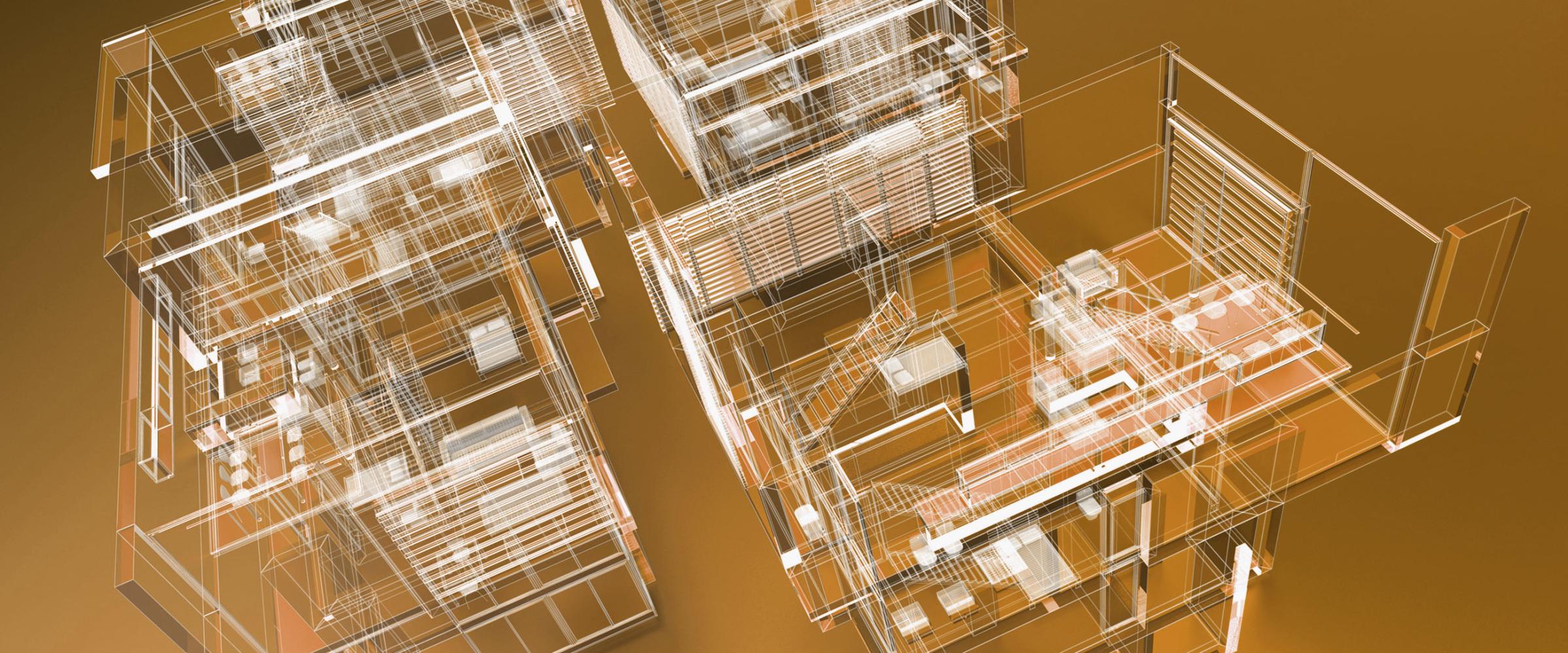
The integration of machine learning (ML) into architectural design marks a significant evolution in the field, transforming previously unimaginable concepts into practical applications. This advancement addresses initial concerns about artificial intelligence replacing human creativity by positioning ML as a collaborative tool that enhances and expands design capabilities. Before any physical construction, ML algorithms, when combined with Building Information Modeling (BIM), can predict a structure's environmental interactions, enabling architects to make more informed decisions.
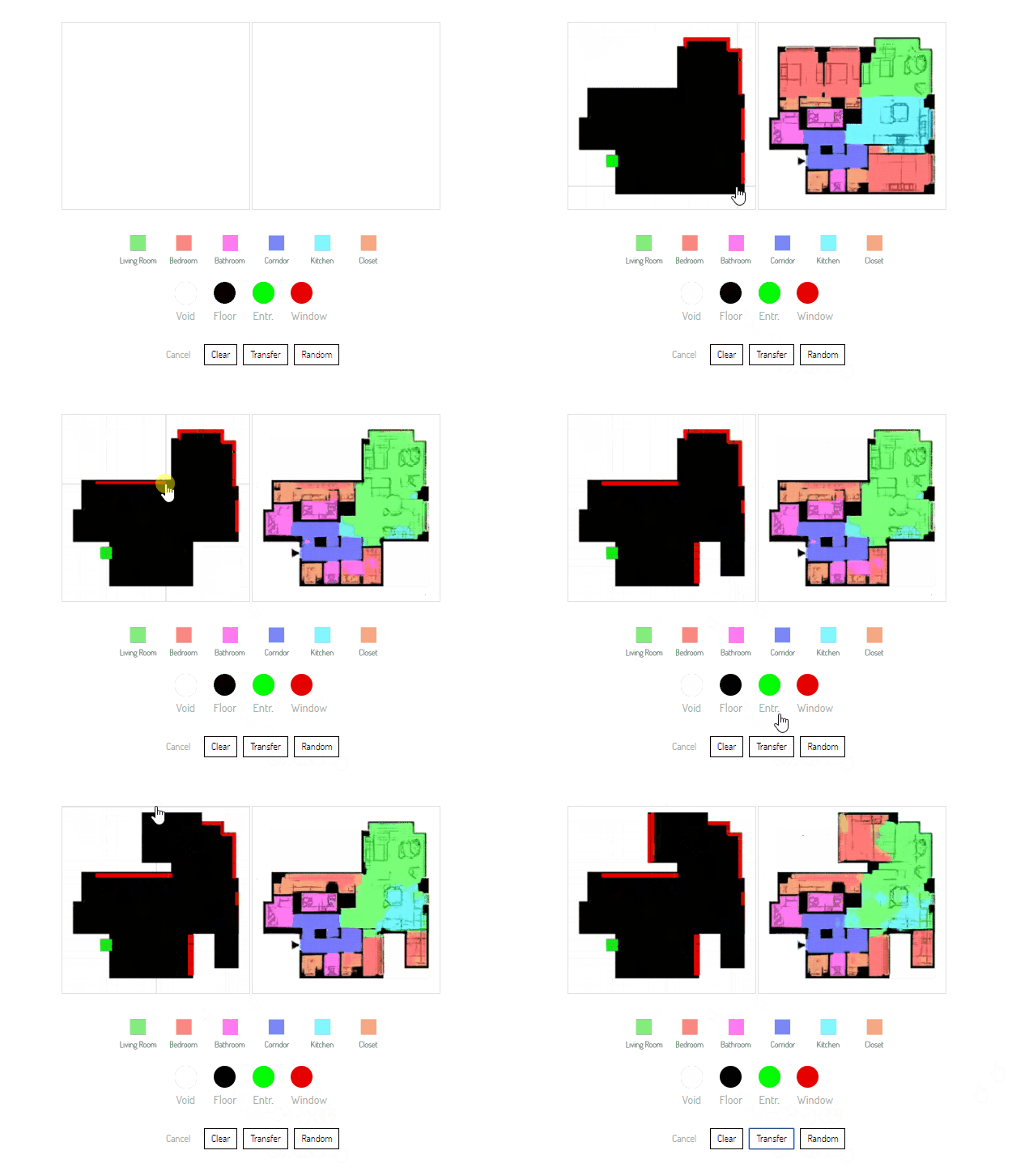
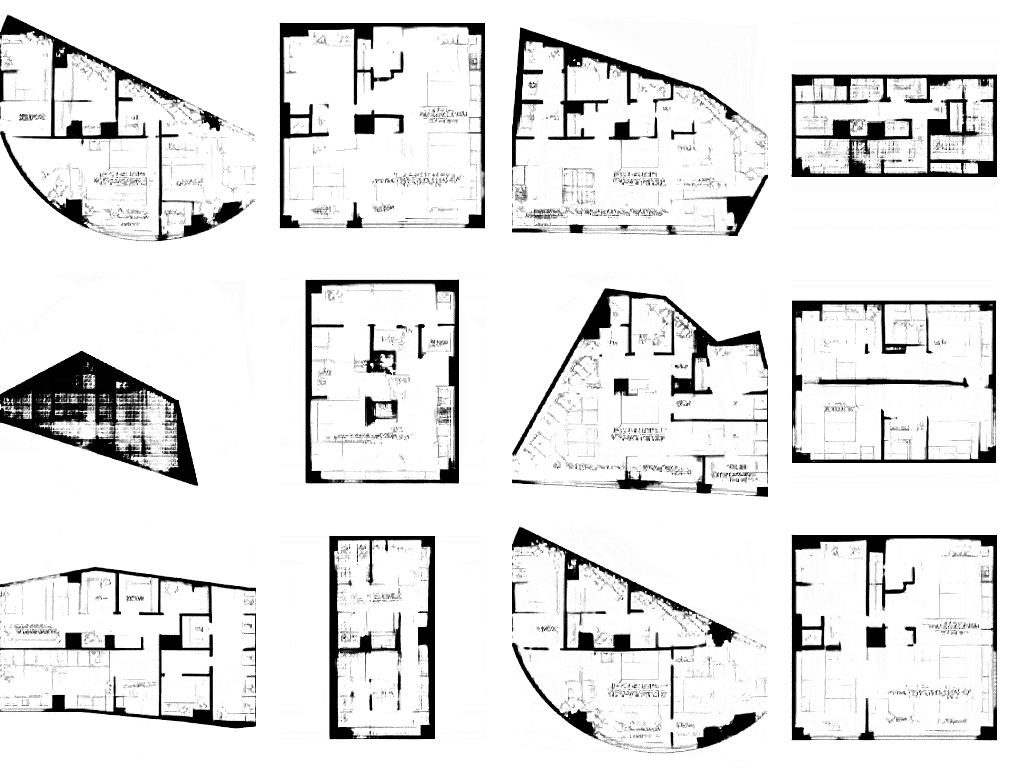
Machine learning operates under the broader umbrella of artificial intelligence, focusing on developing algorithms that learn from data and make autonomous decisions. A key component of ML is artificial neural networks (ANNs), which mimic the human brain's structure through interconnected nodes. These networks are capable of learning complex patterns, driving innovations in various sectors, including image recognition, language processing, predictive analytics, and importantly, architecture. For instance, ANNs can be trained to recognize specific design elements, optimize spatial layouts, and forecast a building's structural performance.
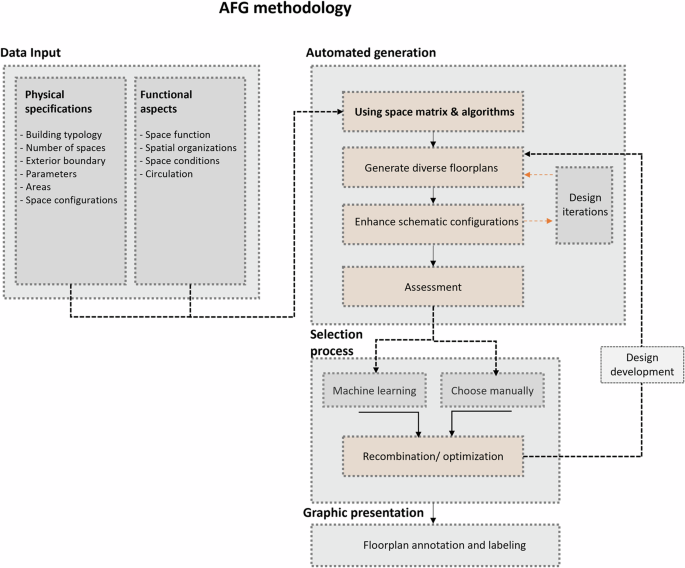
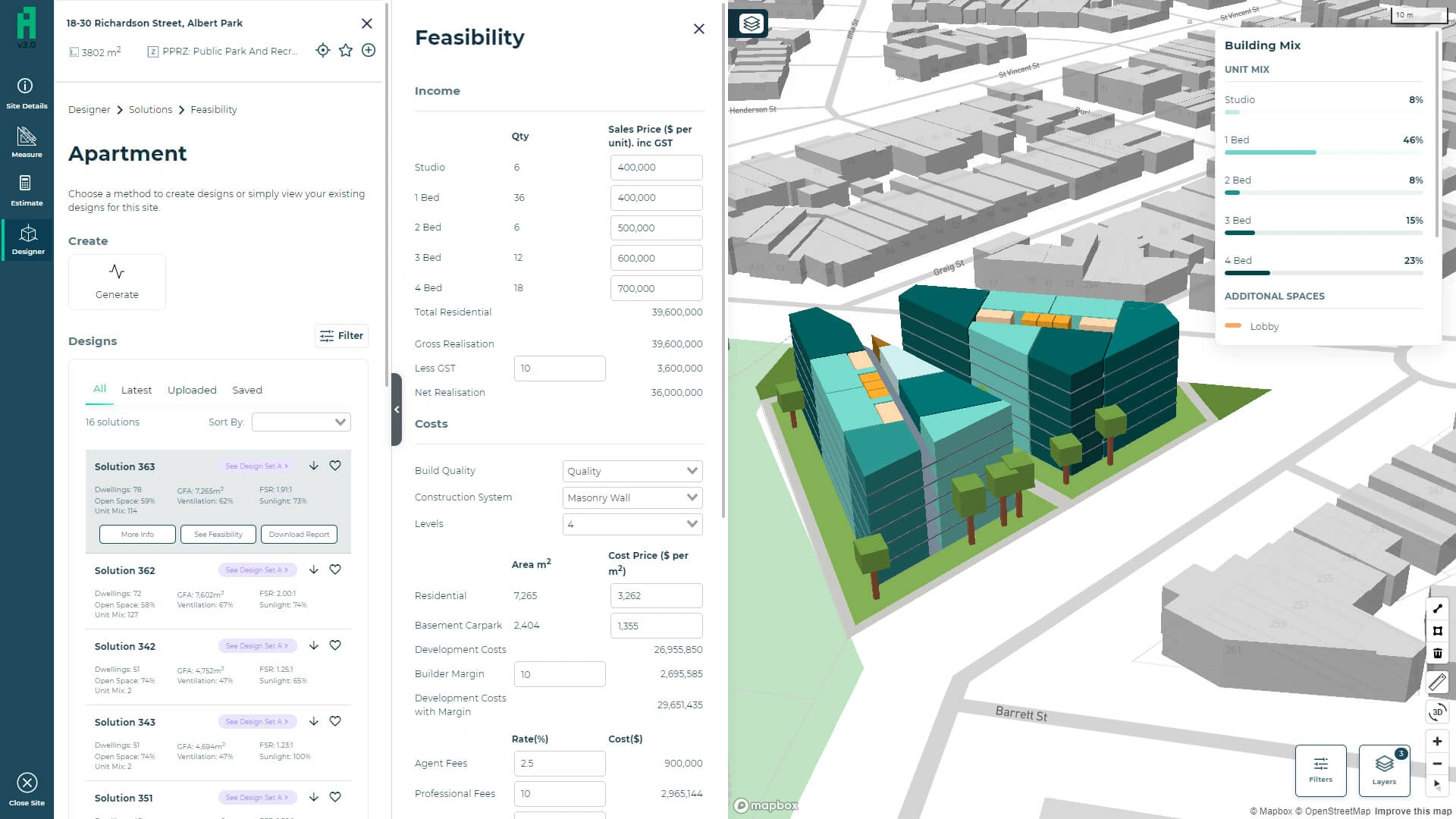
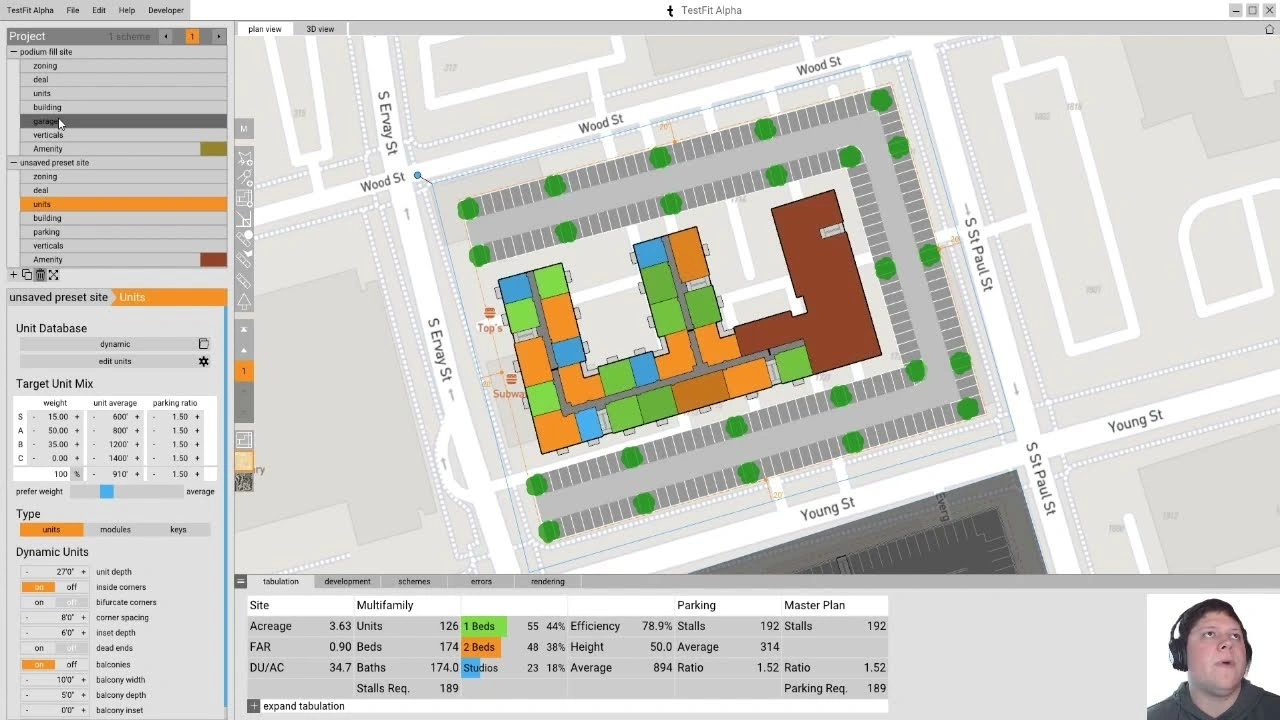
In architectural design, ML significantly enhances traditional processes. Architects can input parameters such as building codes, environmental factors, budget constraints, and spatial preferences, allowing ML systems to generate multiple design options rapidly. This not only accelerates the design phase but also fosters a dynamic collaboration between human creativity and algorithmic efficiency. Furthermore, ML improves decision-making by analyzing historical design data, climate conditions, past project outcomes, and user behavior to predict a building's future performance. This data-backed approach promotes the creation of more sustainable buildings, moving beyond reliance on intuition alone.
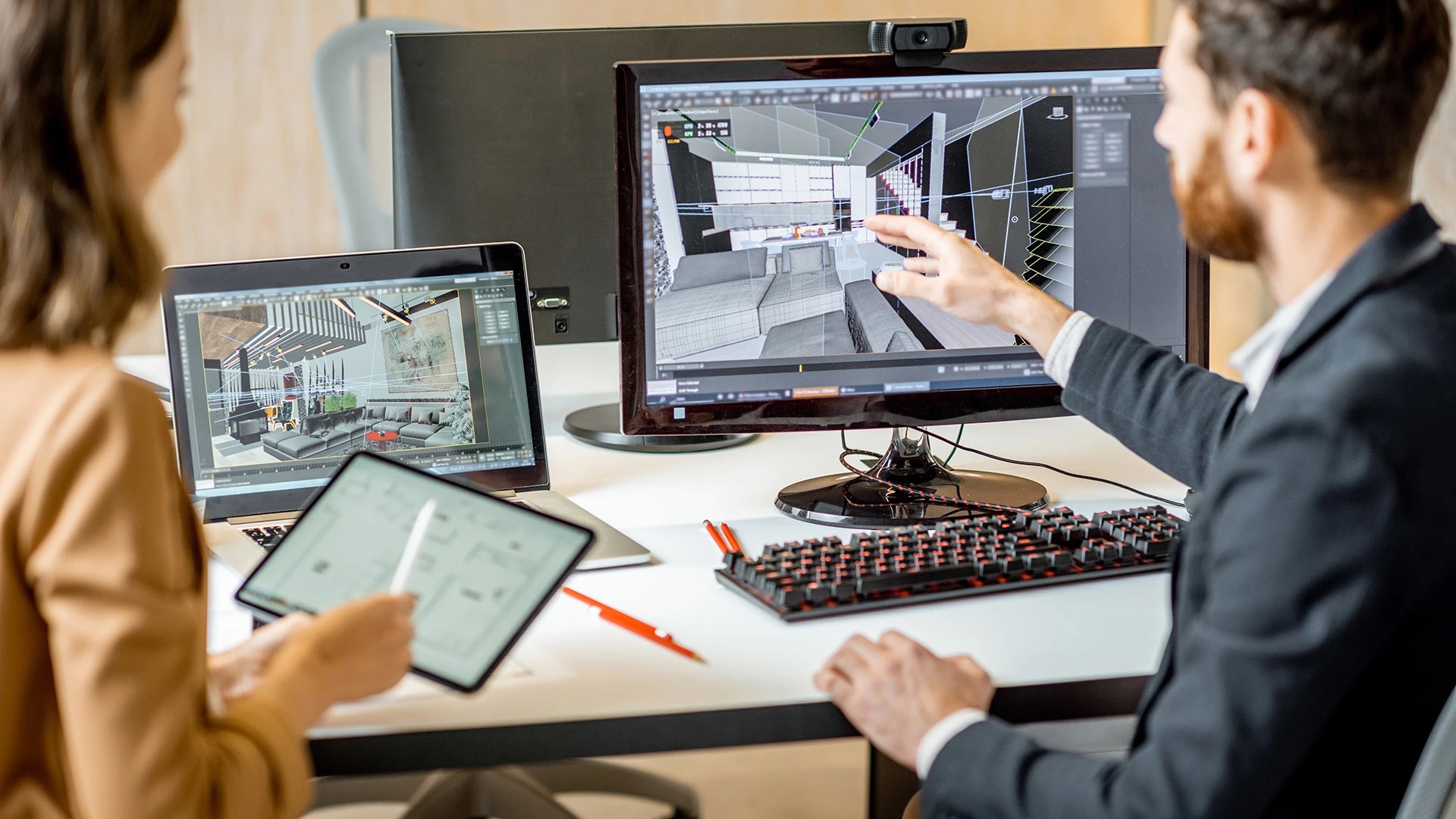
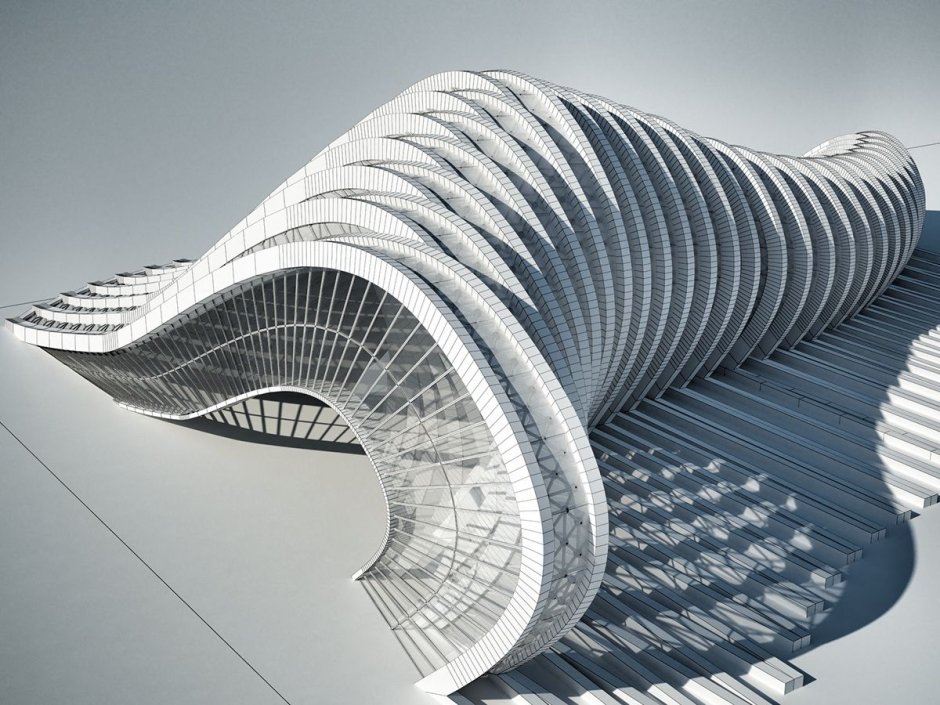
ML also automates routine and often laborious tasks in architecture, such as drafting, rendering, and structural analysis. By automating these processes based on predefined parameters, architects are freed to focus on the more creative and conceptual aspects of their work. This integration extends to emerging technologies like BIM and parametric design. For example, ML-integrated BIM software, such as Revit, enables architects to analyze the energy efficiency of materials, collaborate seamlessly with other specialists, and generate accurate schedules. Parametric design software, like Rhino, uses algorithmic rules to create precise and complex architectural forms.
Practical applications of ML in architecture are already visible in several projects. Zaha Hadid Architects (ZHA) utilized generative design software with ML for the Al Janoub Stadium in Qatar, optimizing its aerodynamic properties and material efficiency. Researchers at The Bartlett School of Architecture have developed deep learning models for structural analysis, predicting complex structural performance under various conditions and suggesting design modifications for improved integrity. Autodesk's Project Refinery uses ML algorithms to optimize building performance across multiple criteria, including energy efficiency and material costs. WeWork has applied ML to predict workspace utilization by analyzing sensor data from its global offices, tailoring new designs to enhance employee productivity and satisfaction.
#MachineLearning #ArchitecturalDesign #ArtificialIntelligence #BIM #ParametricDesign #GenerativeDesign #DeepLearning #SustainableArchitecture #DigitalArchitecture #MachineLearning #ArchitecturalDesign #ArtificialIntelligence #BIM #ParametricDesign #GenerativeDesign #DeepLearning #SustainableArchitecture #DigitalArchitecture
0 comment in total
 No comments yet
You may also like

The Influence of AI in the Interior Design Industry
10 AI tools to generate interior and architectural images

Will Artificial Intelligence Replace Designers?
AI Floor Plan Generators: Driving the Future of Smart Architecture and Layout Design

The Transformative Power of AI in Architecture Design
Exploring the Impact of AI on Sustainable Building Design and Construction

How to Be a Better Architect Than Me
How AI-Powered Rendering Crushes Bottlenecks in Architecture and Interior Design

A review of artificial intelligence methodologies in computational automated generation of high performance floorplans
Draw in Order to See: A Cognitive History of Architectural Design
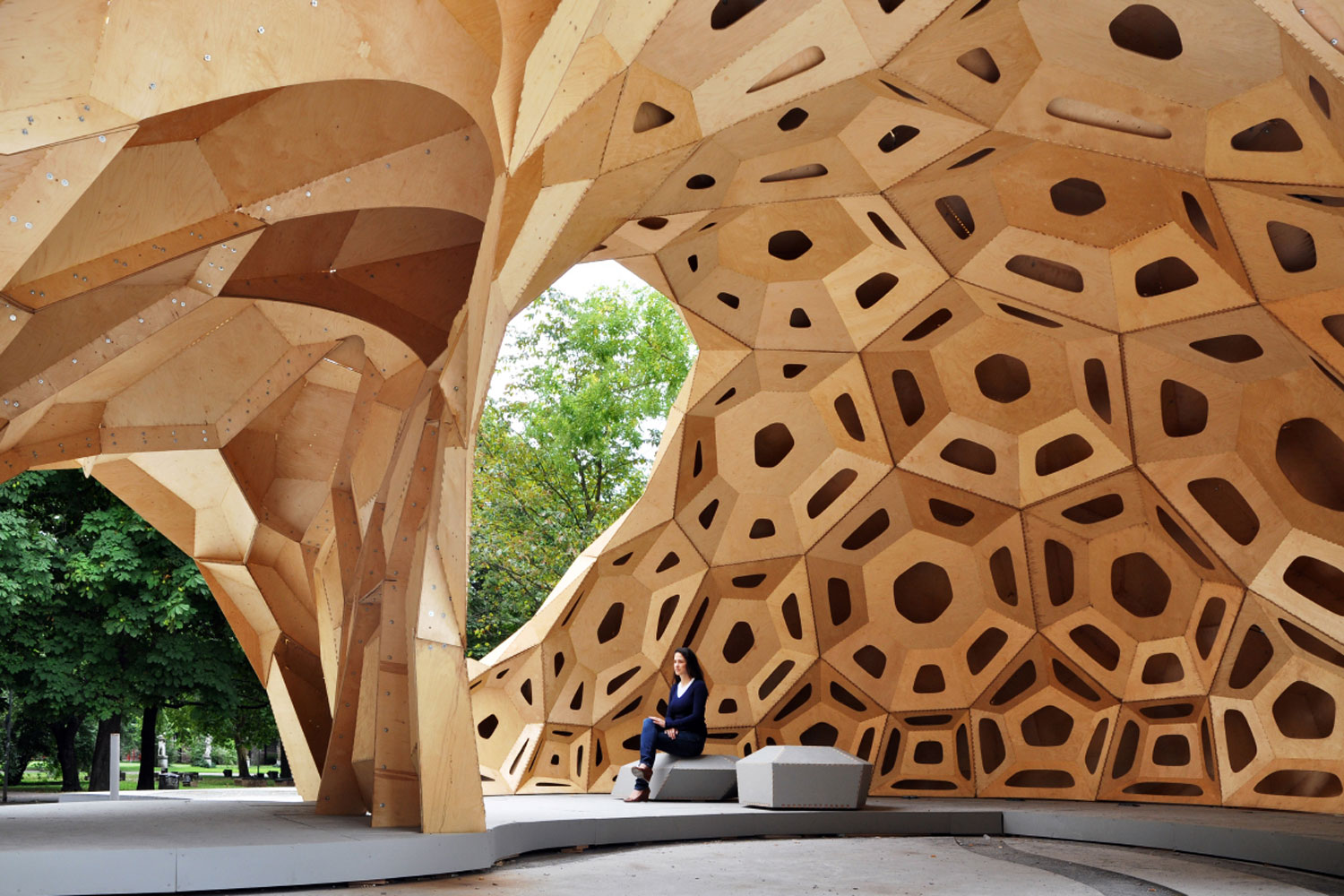
How generative design is shaping the future of architecture?
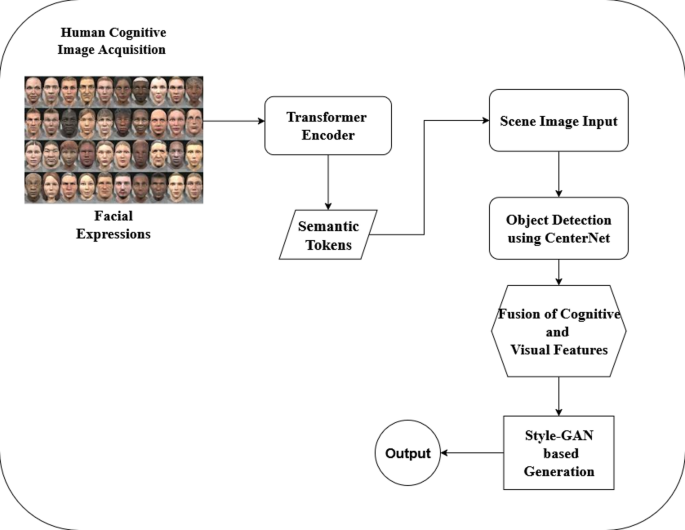
Enhancing interior design and space planning via human–machine intelligent interaction for artistic cognition

How Does Architectural Design Change When the City Becomes Equipped with the “Most Recent Advances in Artificial Intelligence”? / Alessandro Armando, Giovanni Durbiano for the Shenzhen Biennale (UABB) 2019
Generating Bias in Architectural Design with Stanislas Chaillou

How can AI and simulation tools transform sustainable building design?

Top 16 AI Tools for Interior Design
10 Revolutionary AI Tools Reshaping Architectural Design

The Plan and the Prompt: How AI Is Rewiring Design and Practice
Generative Space Design: Exploring 8 Transformative Tools in Architecture

The Soul in the New Machines (Published 2008)