1/9
Guide to Buying Older Homes by Decade
Homebuyers often consider older homes for their unique character, architectural styles, and potential for more living space at a lower price point, often situated in established neighborhoods with mature trees. While new constructions offer modern amenities, older houses provide a rich sense of history, albeit with potential quirks and maintenance considerations. This guide explores various popular architectural styles by decade, outlining the pros and cons associated with purchasing and maintaining these historic properties.
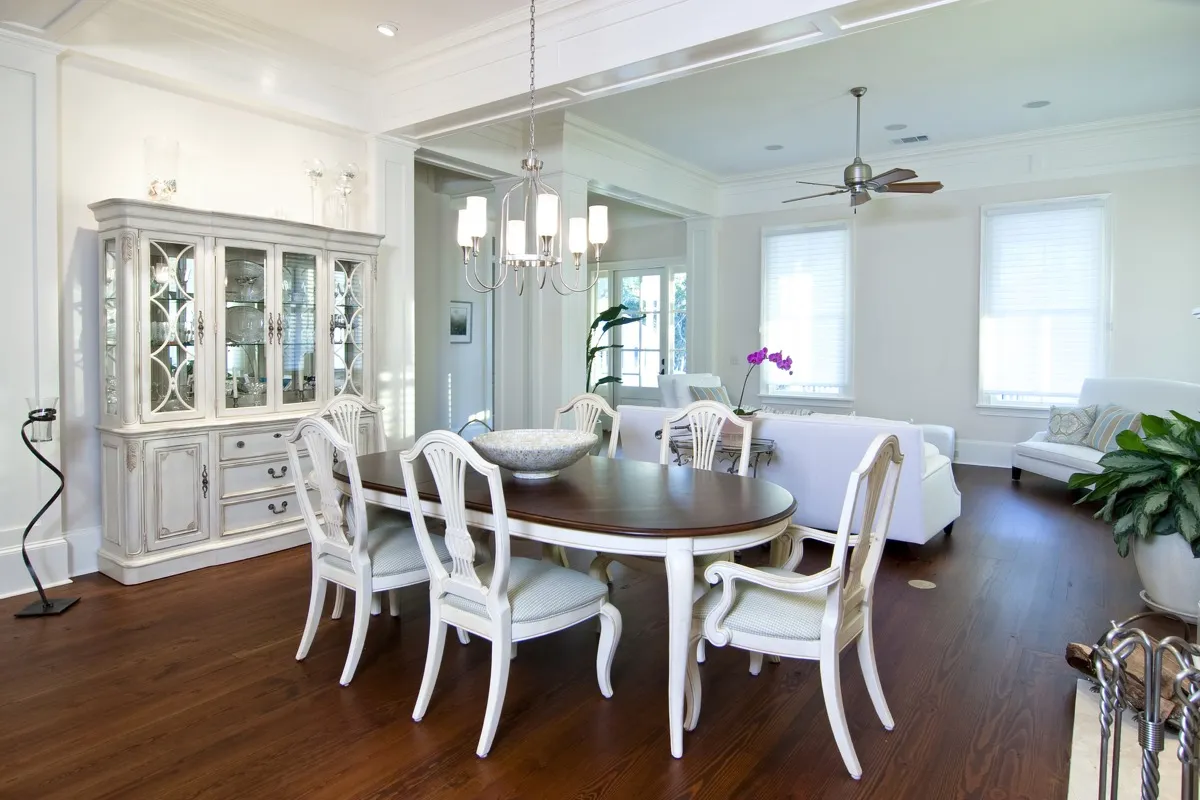
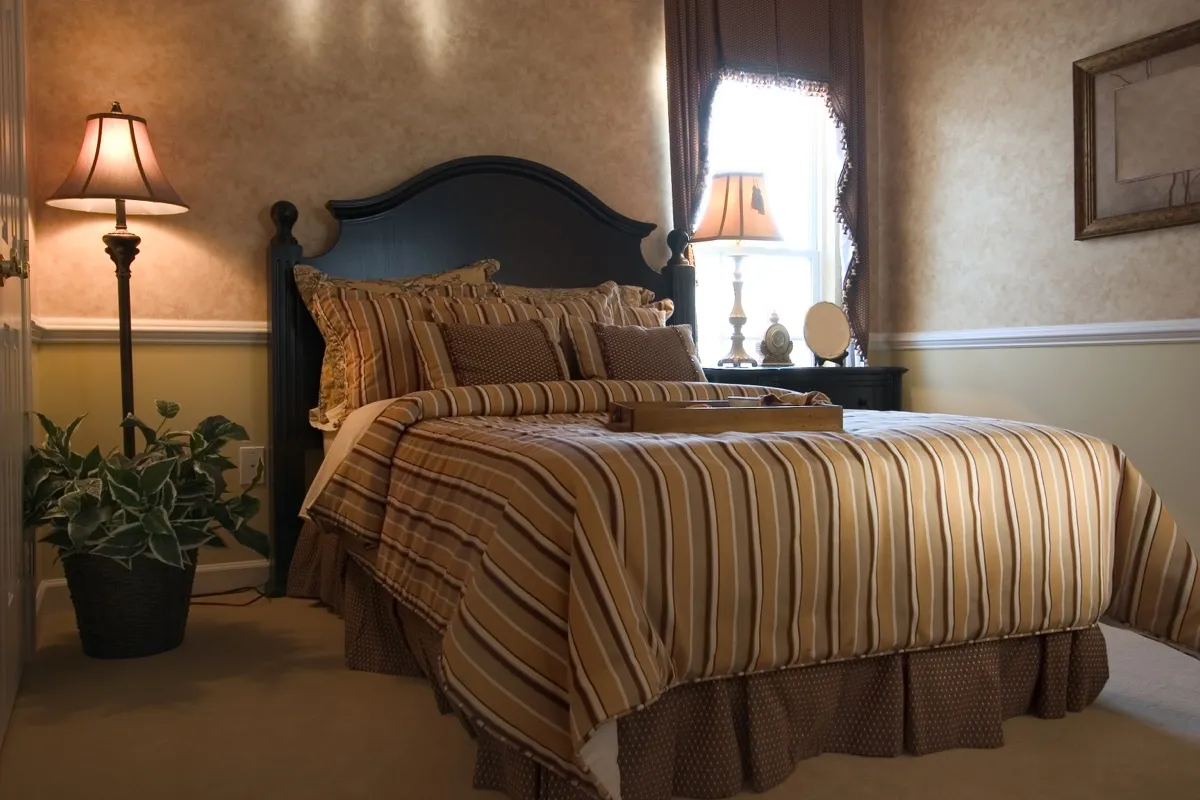
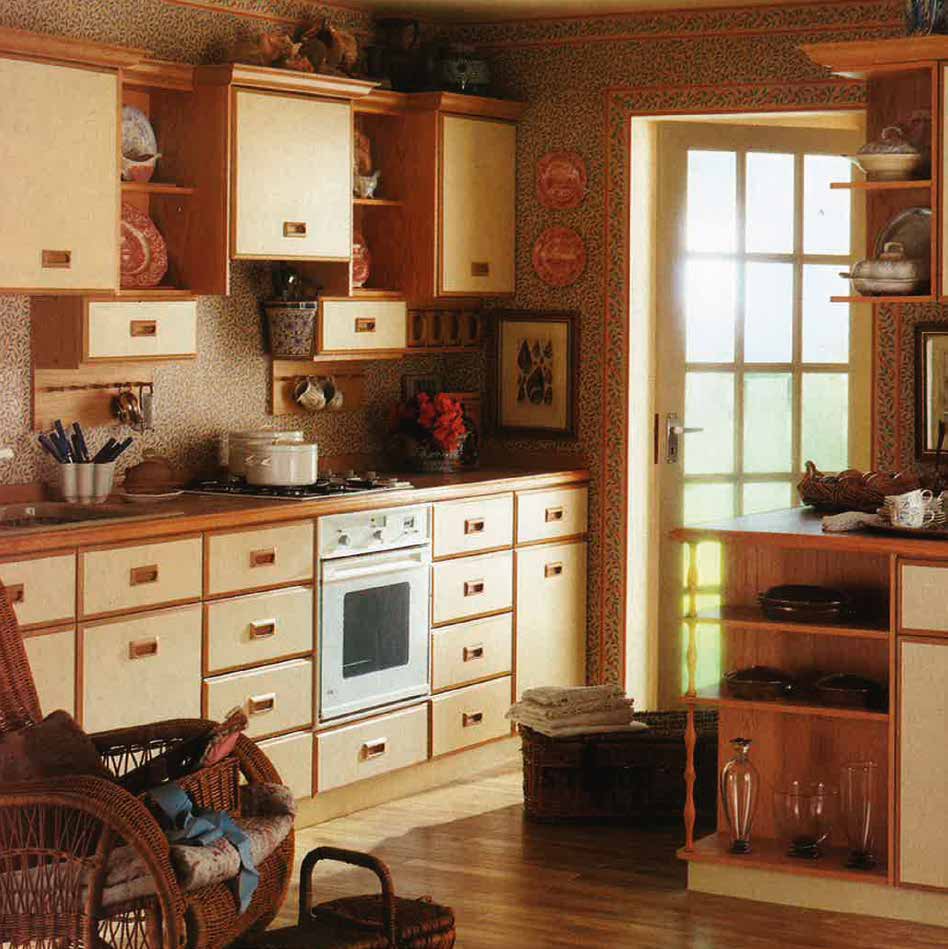
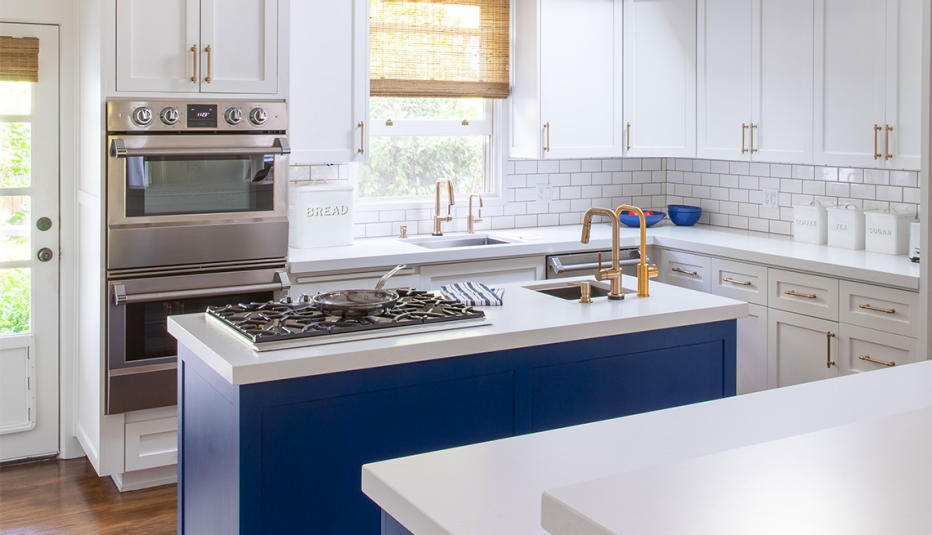
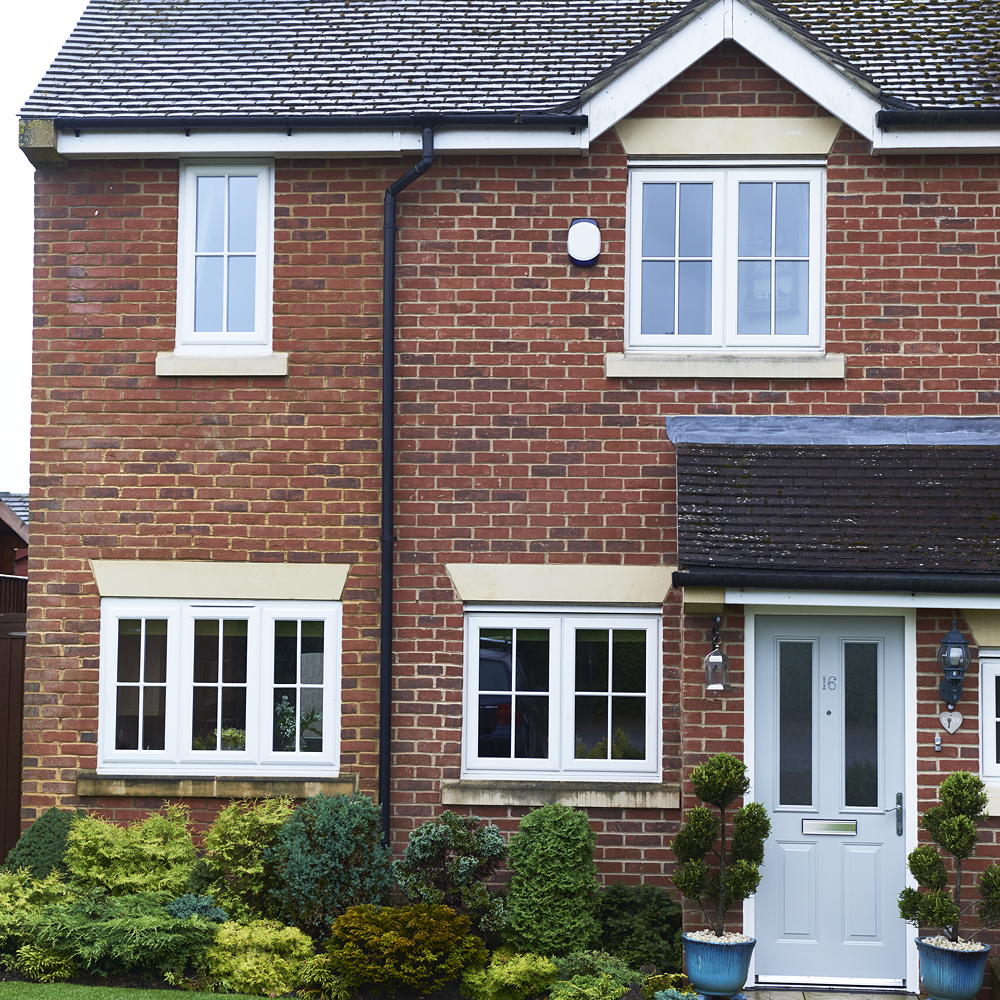
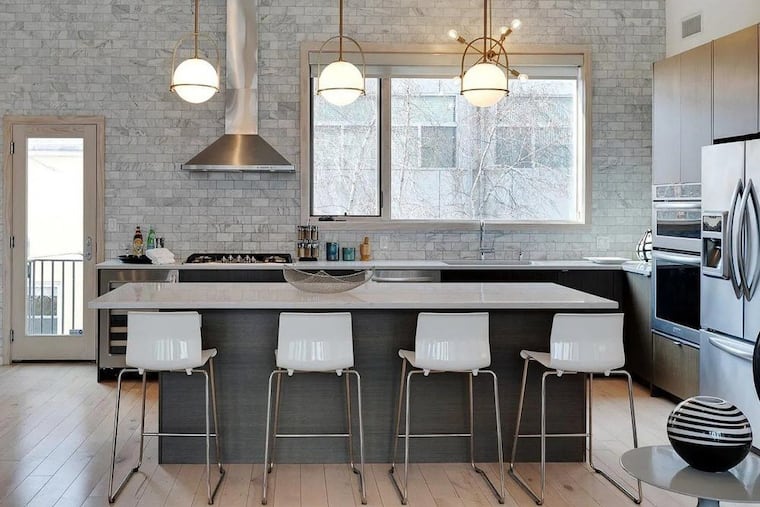
Homes from the 1990s and early 2000s, though not truly 'old,' generally comply with contemporary building codes, ensuring safe wiring and efficient insulation. However, systems like HVAC might be dated, requiring eventual replacement, and cosmetic updates could be desired. The 'McMansion' trend of this era offered expansive living spaces but came with high heating and cooling costs and variable construction quality due to rapid building. 'Façade-front' homes prioritized curb appeal with stone or brick fronts, often at the expense of cheaper materials on other sides, necessitating careful inspection for overall structural integrity. Condominiums from this period gained popularity for low exterior maintenance but involve strict HOA rules and fees that can limit remodeling and exterior alterations.
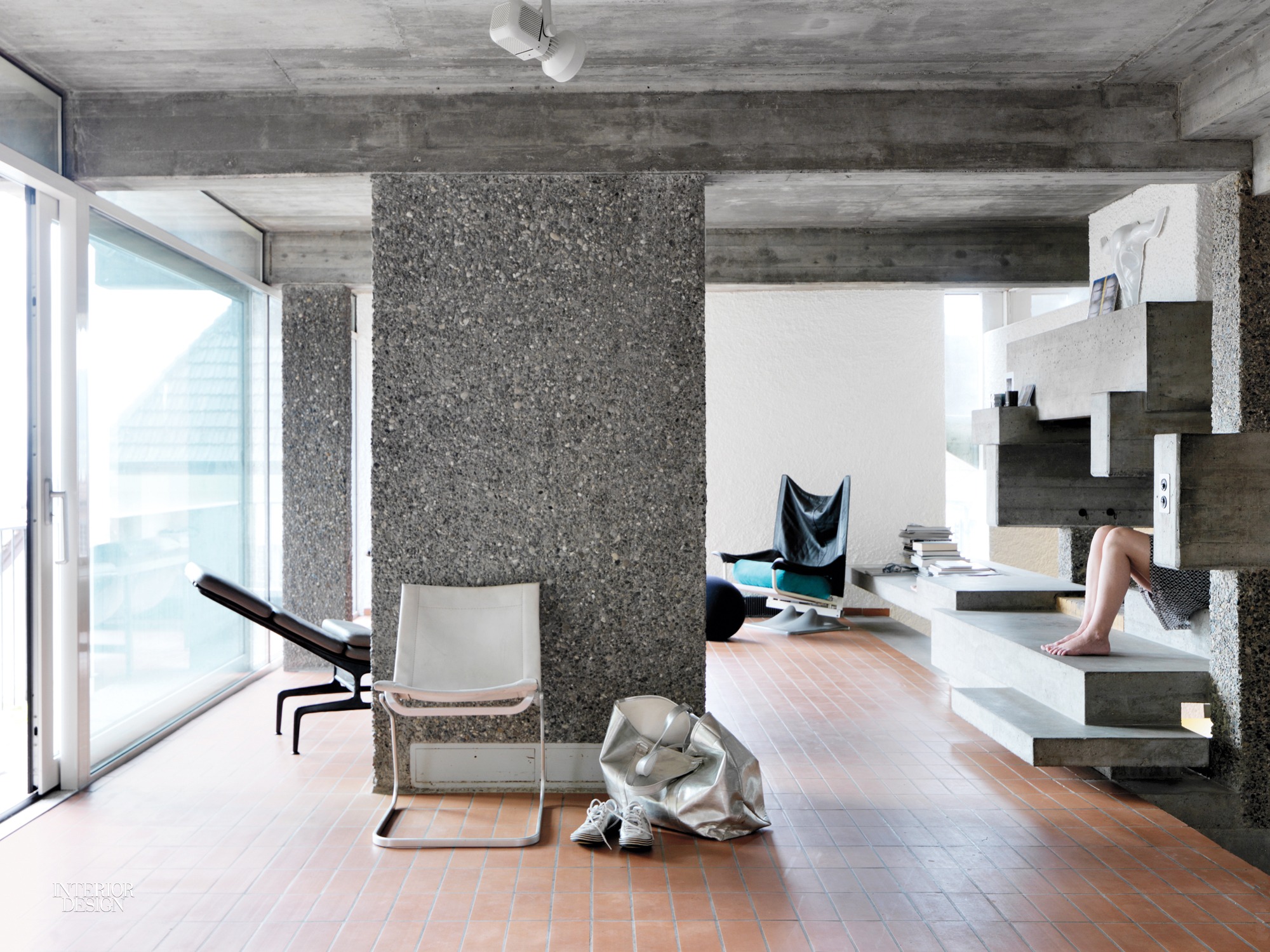
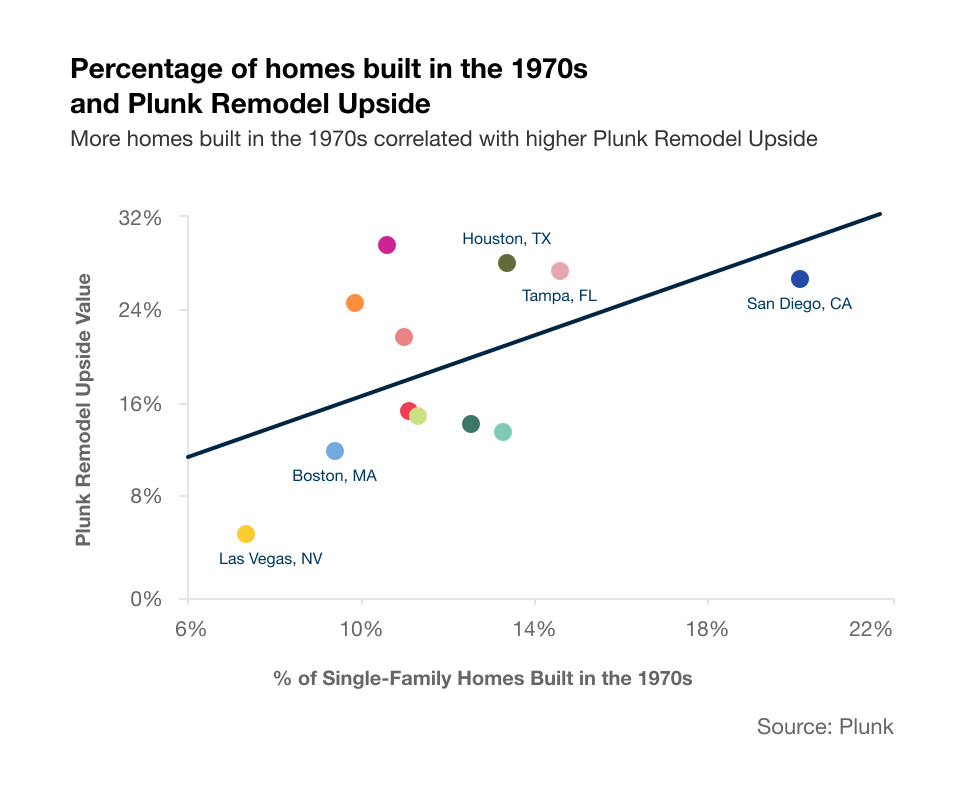
The 1970s and 1980s saw the rise of contemporary and split-level designs, influenced by architects like Frank Lloyd Wright, featuring open floor plans, large windows, and geometric lines. While contemporary homes are still sought after for their openness, large windows can lead to high energy costs if not updated. Split-level homes, popular in the '70s, offered unique multi-level living but often had challenging sloped yards and potential for auto fumes from integrated garages; however, their current lower demand makes them an affordable option. A-frame houses of the '80s were economical to build due to their roof-dominated exterior and large front windows but suffered from wasted interior space due to sloped walls, although they are energy-efficient and low-maintenance.
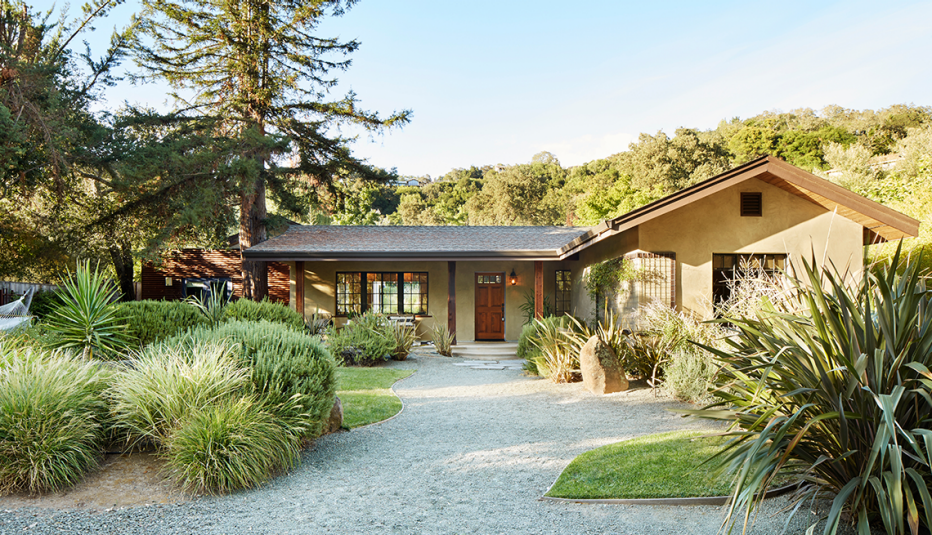
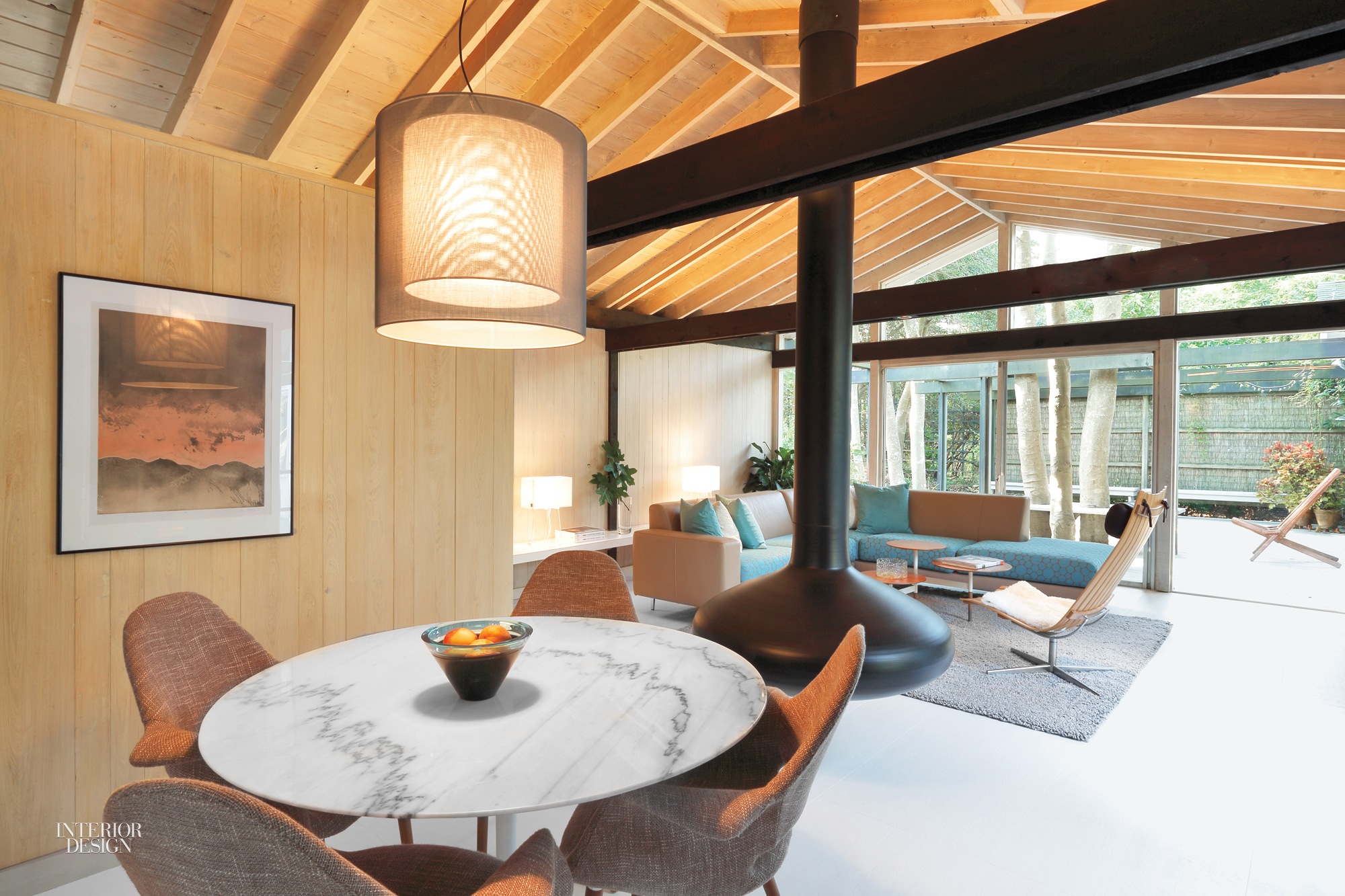
The post-WWII era of the 1950s and 1960s focused on affordable housing, leading to the proliferation of Midcentury Modern, Pueblo Revival, and Ranch styles. Midcentury Modern homes, often with three bedrooms and one bath, may require updates to wiring, insulation, and windows but are cost-effective to remodel due to their simple designs. Pueblo Revival homes, common in the Southwest, feature adobe and stucco construction, which can be expensive to remodel due to the difficulty of altering windows or doorways. Ranch homes, being single-story and easy to remodel, are popular among retirees but may need costly updates to plumbing and wiring.
Between the 1930s and 1940s, during and after the Great Depression, new housing styles emerged, including Cape Cod, Spanish Colonial, and Modern. Cape Cod houses, with their steep roofs, are stylish and compact but can be expensive to re-roof and remodel if not previously updated. Spanish Colonial homes, particularly in the Southwest, are large and beautiful but costly to maintain, heat, cool, and remodel due to their adobe and stucco construction. Modern homes of the 1940s offered slightly larger rooms and often an L-shaped layout, but older versions typically lack energy efficiency unless updated.
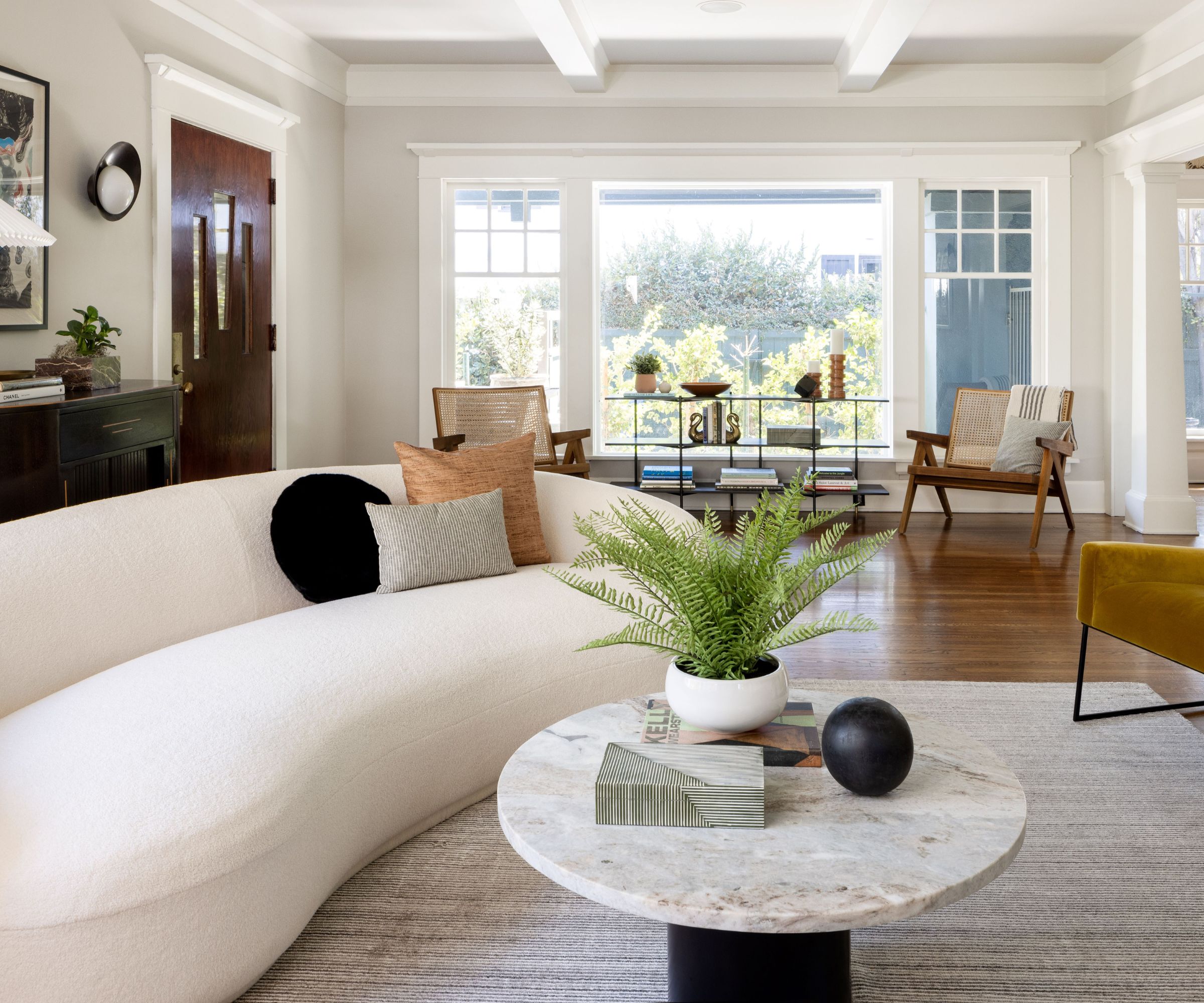
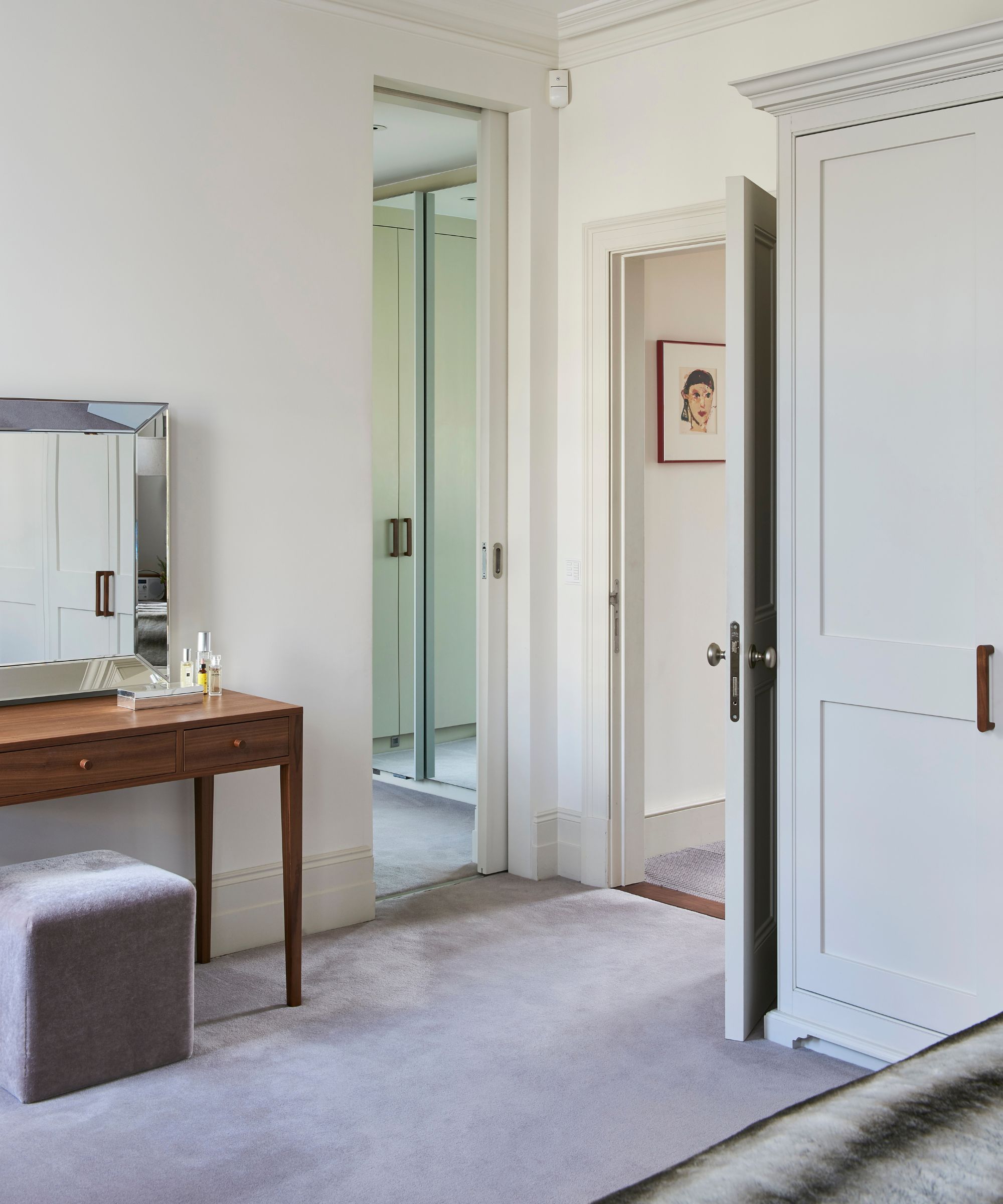
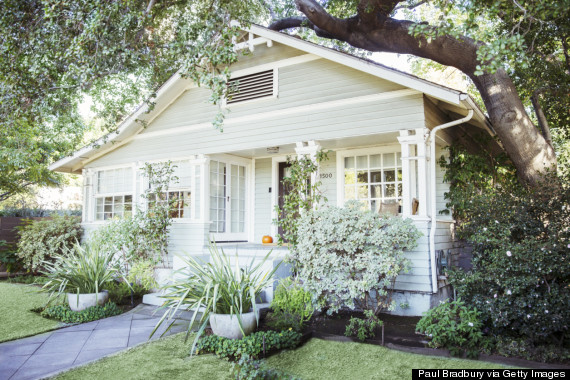
Houses from the 1910s and 1920s often feature indoor plumbing and a sense of charm. Bungalow and Craftsman styles, characterized by covered front porches and simple lines, are desirable but require significant investment for updating wiring, plumbing, and asbestos removal if in original condition. Art Deco homes, prevalent in some regions, showcase sleek lines and unique decorative elements that can be expensive to remodel while preserving historical integrity.
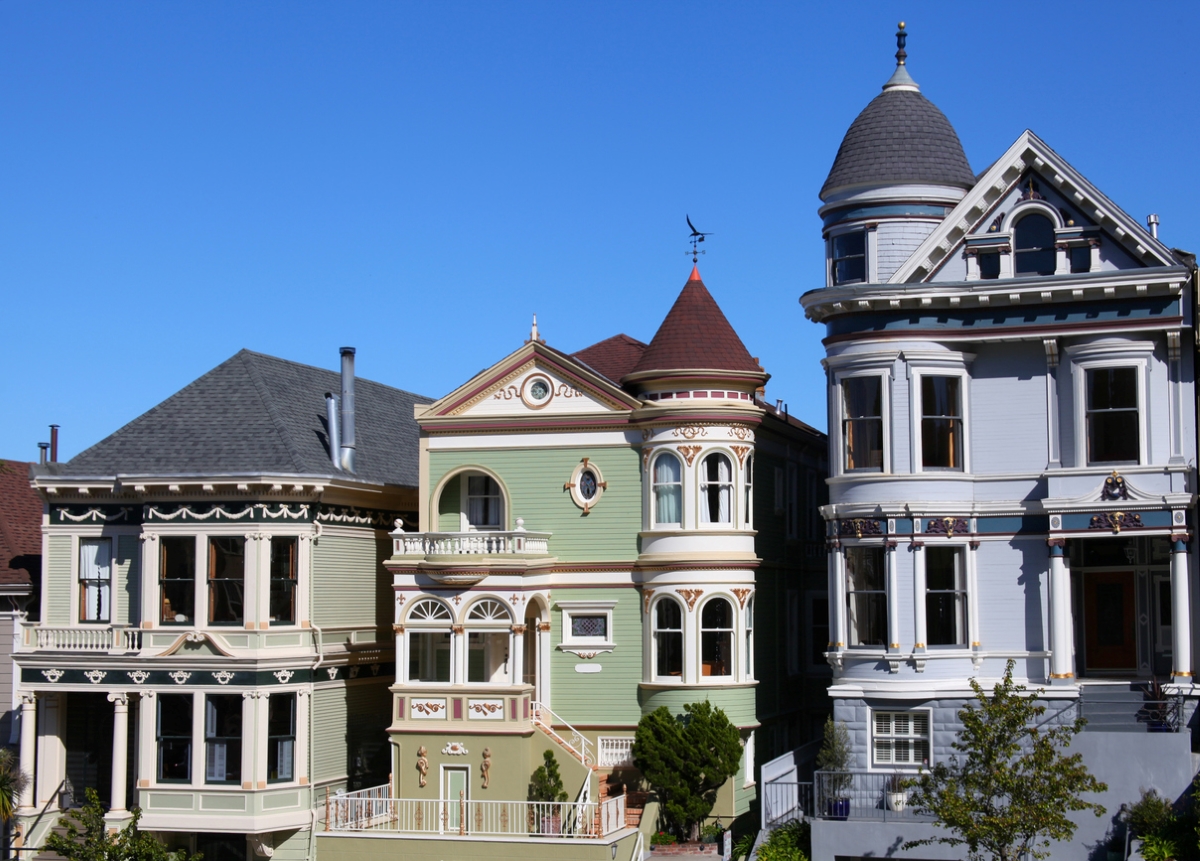
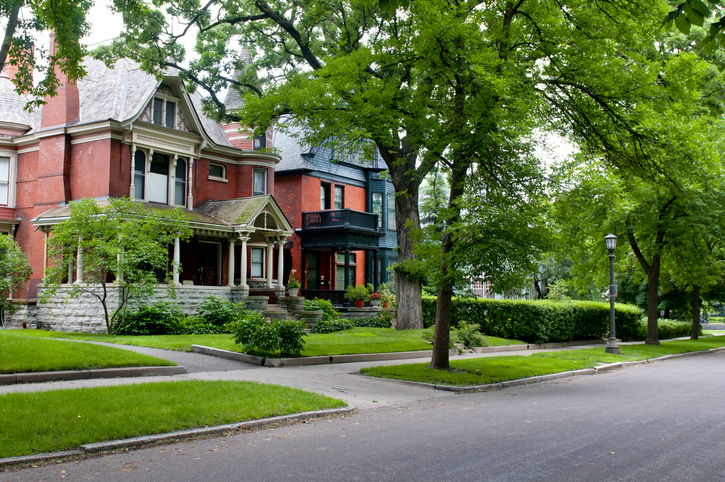
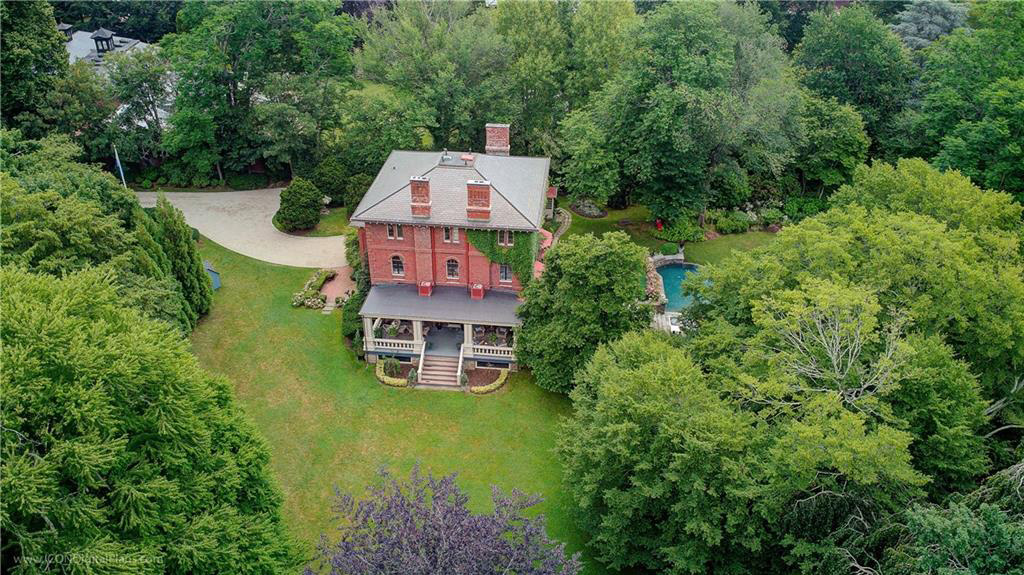
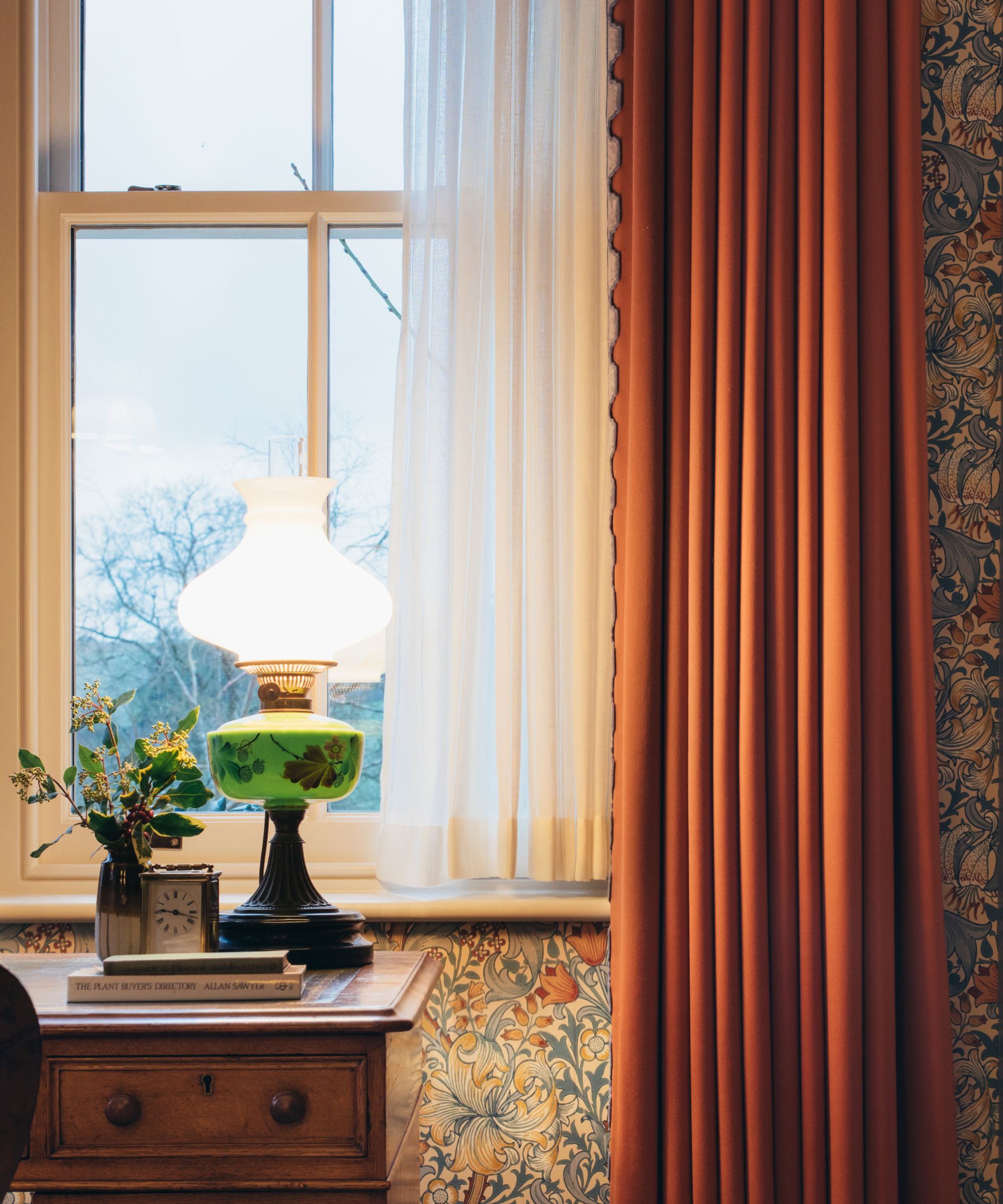
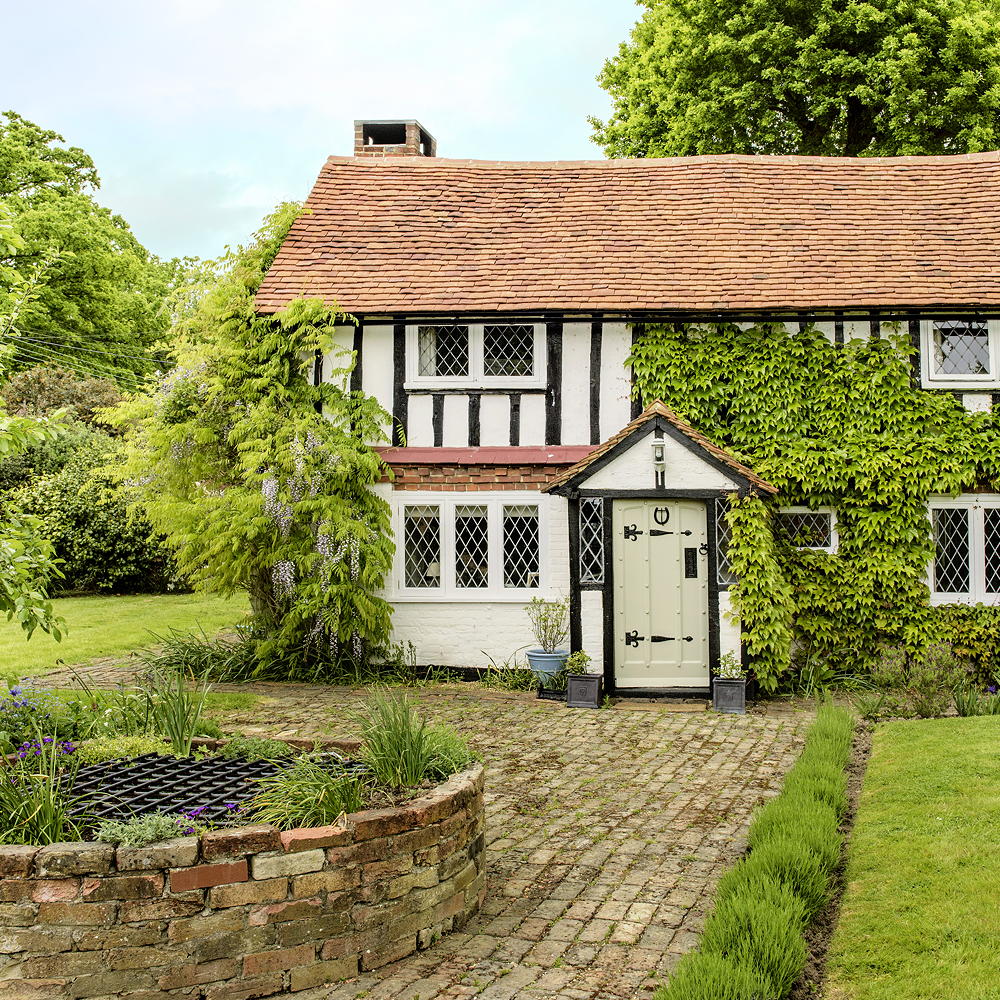
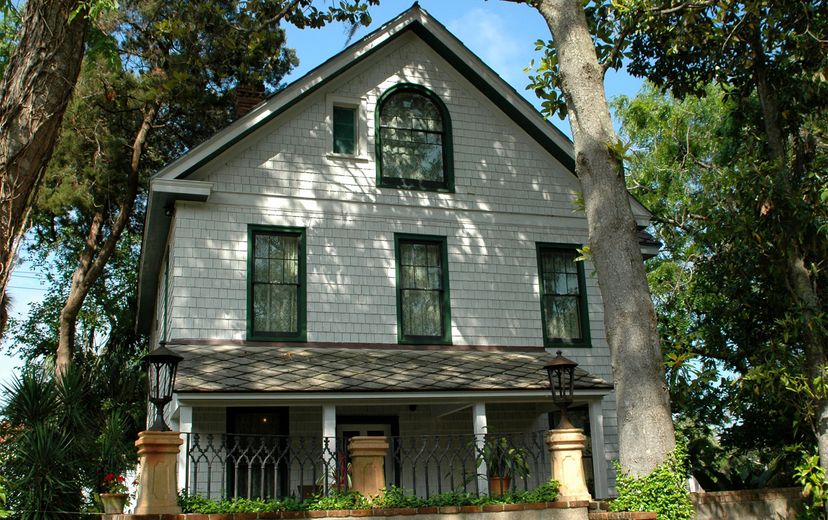
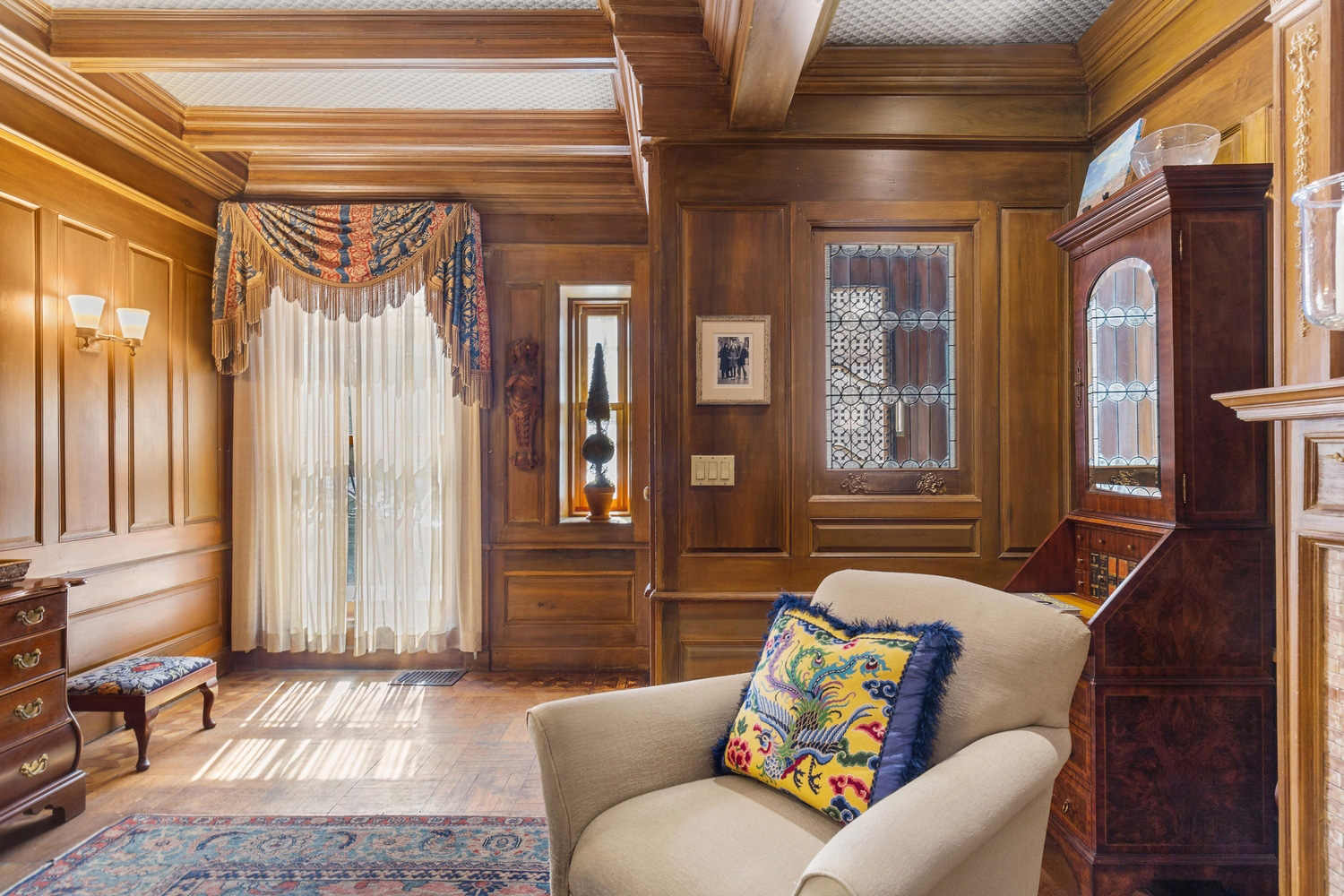
The late 19th century (1850s-1900s) introduced Italianate, Queen Anne, and Shotgun styles. Italianate and Queen Anne homes, often grand and ornate, are impressive but costly to maintain due to intricate details and lack of original insulation. Shotgun houses, long and narrow, were inexpensive to build and remodel, serving as good starter or retirement homes if updated. Even older homes from the 1800s-1850s, such as Farmhouses, Greek Revival, and Log Cabins, typically require extensive updates due to pre-electricity and plumbing construction. Farmhouses are structurally simple for additions but may have foundation issues. Greek Revival homes are massive and beautiful but come with high utility bills and maintenance costs. Log cabins, though historically significant, often require substantial work to be livable by modern standards. Homes from the 1700s and earlier, like Saltbox, Federal, and Tudor styles, are rare and often require meticulous preservation, with remodeling costs being high due to unique materials and historical restrictions. Each era presents distinct architectural beauty and challenges, offering a treasure hunt for discerning homebuyers looking for a piece of history.
#OldHomes #HistoricHomes #HomeBuying #ArchitecturalStyles #HomeRenovation #RealEstate #HouseStyles #HomeMaintenance #HomeRemodeling #OldHomes #HistoricHomes #HomeBuying #ArchitecturalStyles #HomeRenovation #RealEstate #HouseStyles #HomeMaintenance #HomeRemodeling
0 комментариев всего
 Комментариев пока нет
Вам также может понравиться
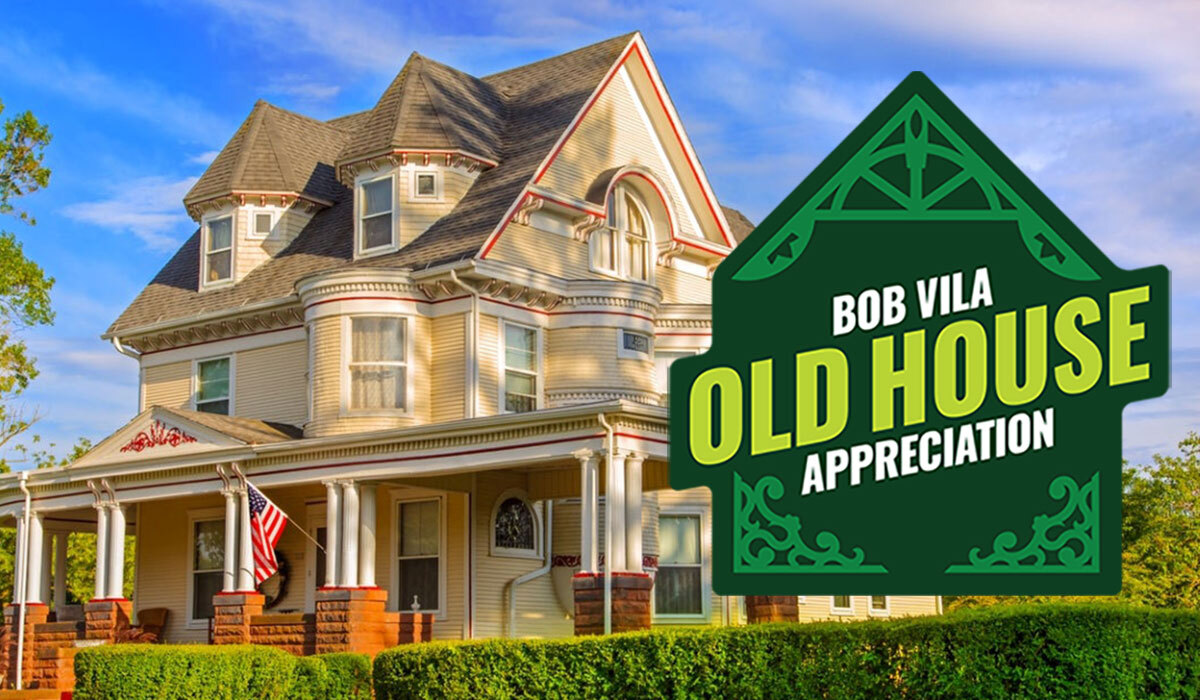
The Truths About Buying and Living in an Old House
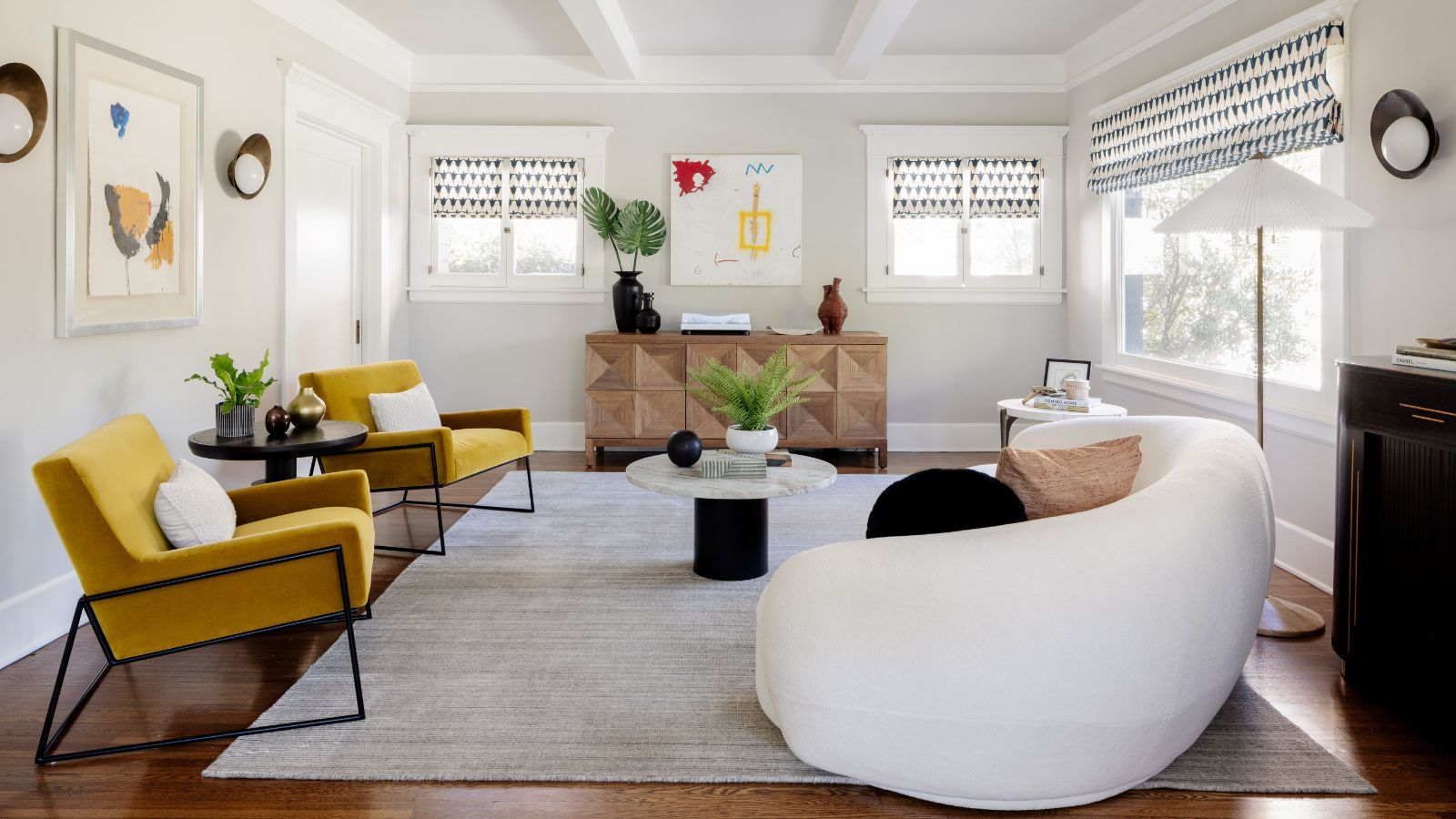
A 100-year-old home with modern interiors – here's how to get it right


That 70s house: determining the remodel upside in older homes

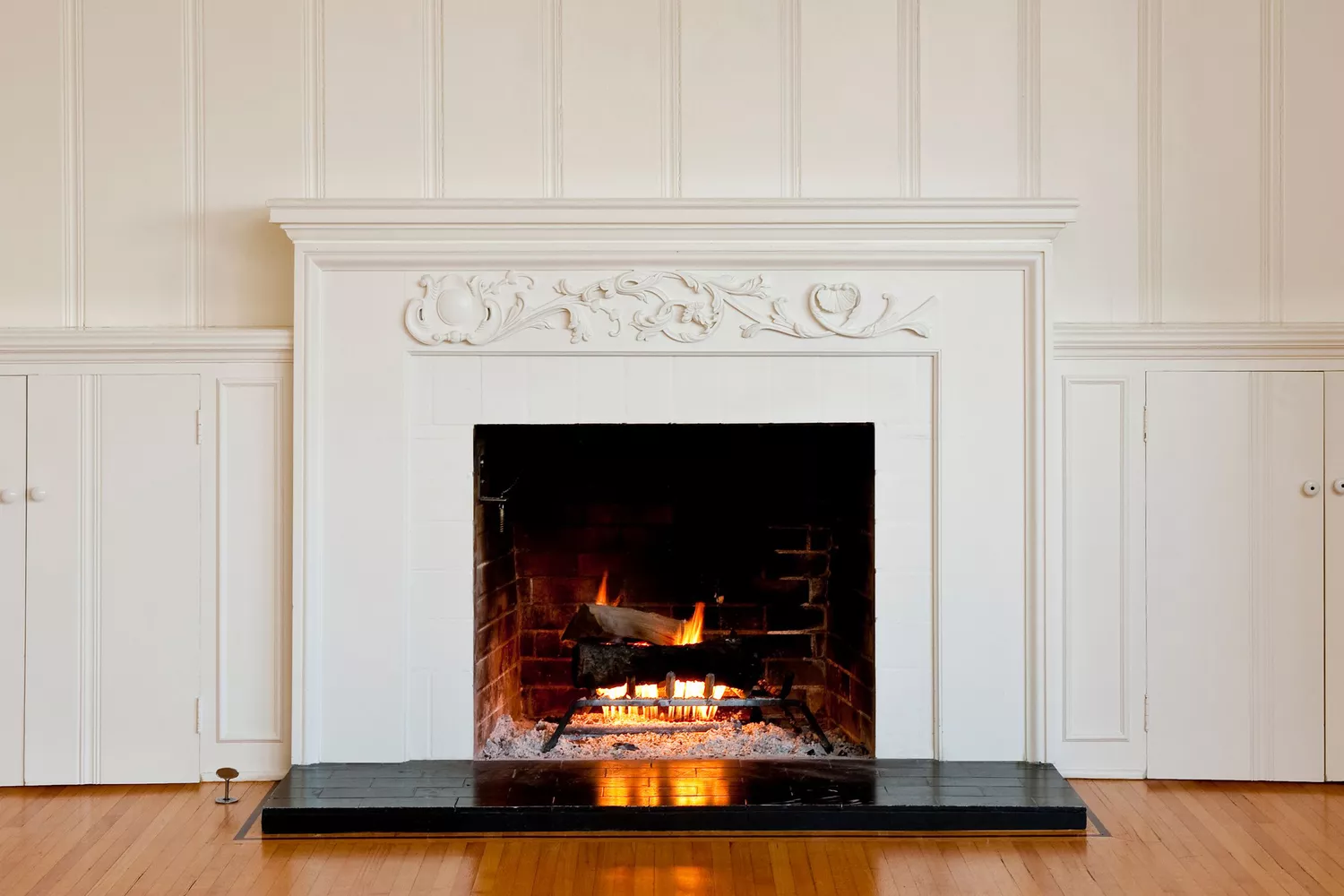
How to Update an Older Home While Honoring Its History

25 Home Splurges You Should've Bought Years Ago
5 Historic Houses With Enviable Vintage Style

Owning an Old House: Charming Love Affair or Expensive Money Pit?
Home staging tips from someone who’s been getting homes sold for two decades

9 Gilded Age homes for sale in the US right now
Houses Whose Ages Are Not Obvious
5 Truths Only Old House Lovers Understand

Renovate your home or buy a new one? Here's what experts suggest


Property Brothers’ Tips for Older Homeowners | Members Only

6 things you should look past when viewing a property, according to real estate experts and interior designers

Phil Spencer explains why an older home might not be the best choice for a first-time buyer

Top 7 home renovations that can increase your property's value — and quality of life as you age

20 Unfortunate Ways Your Home Looks Super Dated, According to Experts
Your Home Checklist for Aging in Place
The SECRET Risks of Investing in a Historic Home, According to Experts


12 Things You Should Never Buy at an Estate Sale, According to Experts