1/3
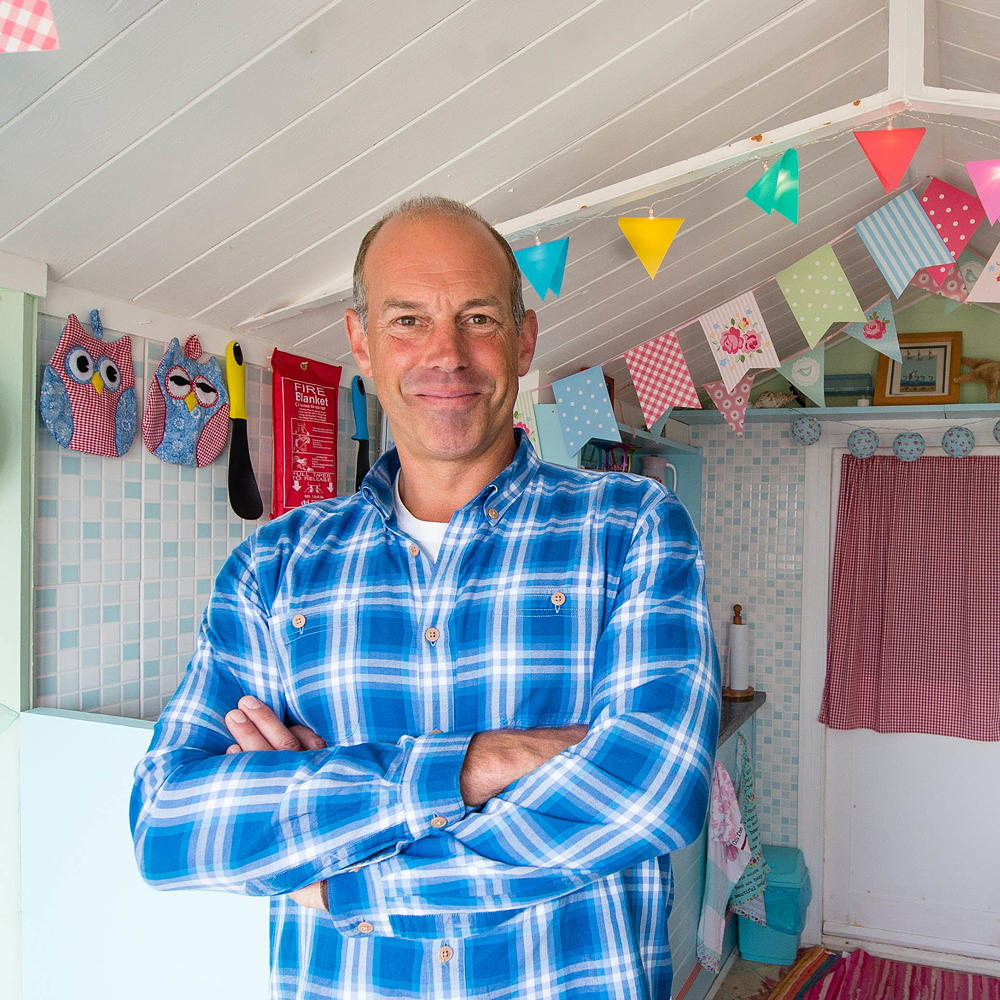
Phil Spencer explains why an older home might not be the best choice for a first-time buyer
When purchasing a first home, individuals face a decision between a new build or an older property, a choice that presents various advantages and disadvantages. Property expert Phil Spencer offers insights to help navigate this decision, particularly for first-time buyers. For those considering a new build, the appeal often lies in moving into a pristine, modern home with minimal immediate maintenance concerns. New builds are frequently located in developing areas, which might offer specific financial incentives from the government, such as Help to Buy or Starter Home schemes, designed to assist first-time buyers in entering the housing market. These properties are typically constructed with energy efficiency in mind, leading to lower running costs and reduced utility bills. Additionally, new builds come equipped with contemporary safety and security features, including alarms and advanced locking systems. A significant practical advantage of buying a new build is the simplified purchasing process; buyers are not reliant on a chain of other property sales, which can minimize delays, frustrations, and the risk of legal fees being wasted if a chain collapses.
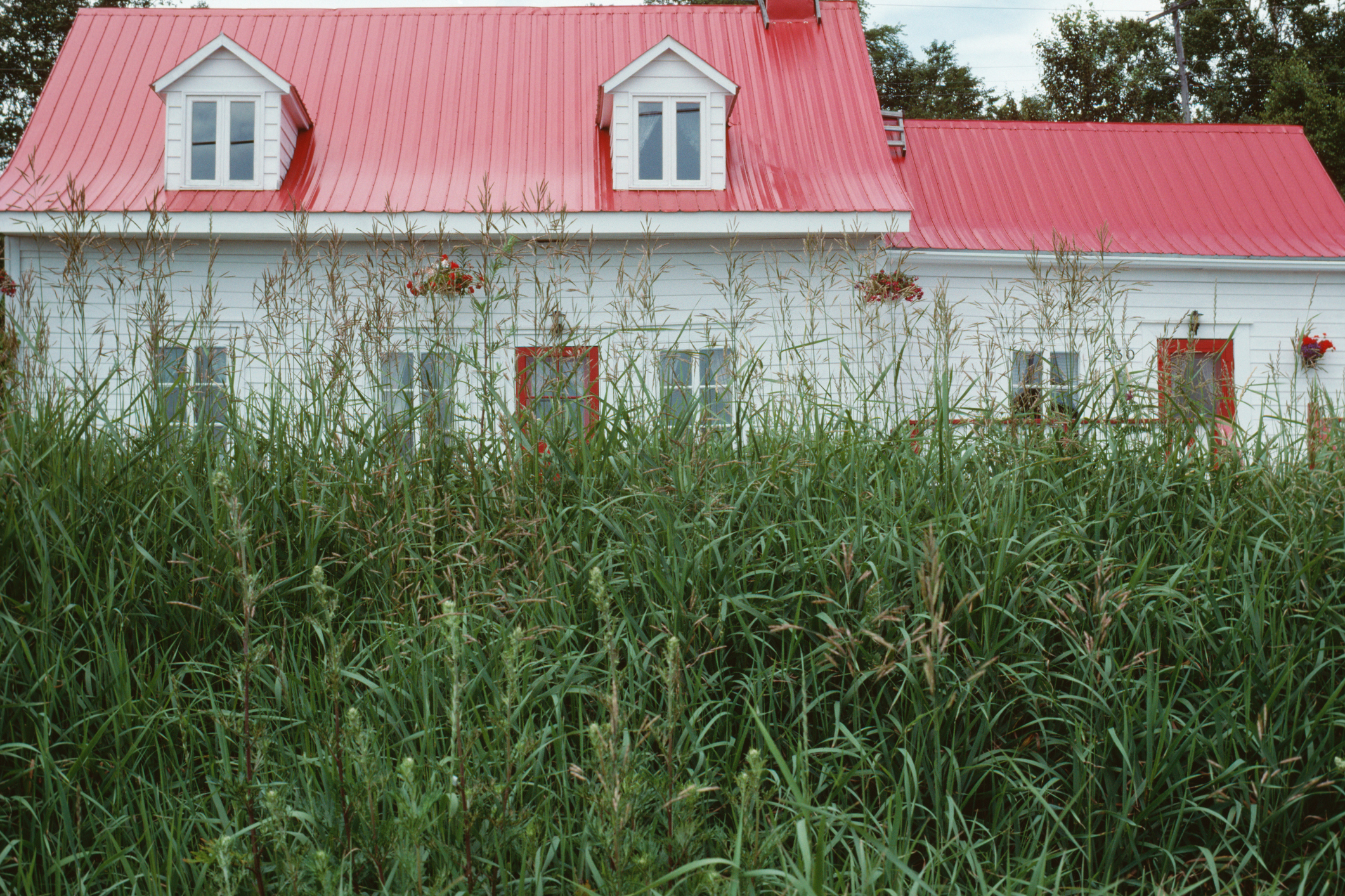
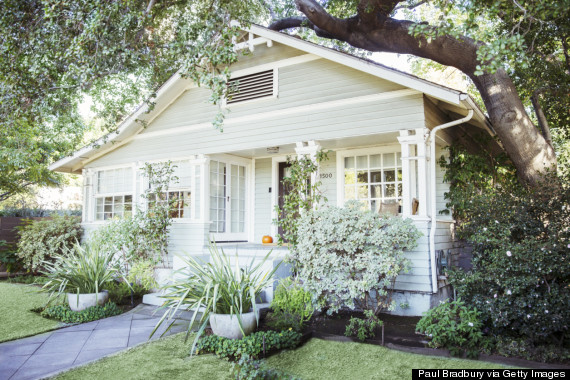
Conversely, older homes offer a distinct set of benefits, primarily their established character and location. These properties are often situated in mature neighborhoods with developed infrastructure, established communities, and a sense of permanence. This maturity can contribute to more stable property values compared to newer developments in unproven areas. Older homes frequently boast mature gardens, which can be a significant draw for those valuing outdoor space. While older properties may come with expected quirks and potential maintenance issues, these are often uncovered during pre-sale searches, allowing buyers to anticipate and plan for them. Spencer suggests that while discovering issues in a new build can be particularly disappointing, the known imperfections of an older home are often more manageable.
The decision between a new build and an old house ultimately hinges on individual priorities and preferences. If the priority is a hassle-free, energy-efficient home with financial support schemes and a smooth buying process, a new build might be the more suitable option. If, however, character, an established location, mature gardens, and a sense of history are more appealing, an older property could be the better fit, provided the buyer is prepared for potential maintenance. Both options present unique appeals and considerations for first-time homebuyers.
#FirstTimeBuyer #NewBuilds #OlderHomes #PropertyAdvice #PhilSpencer #HomeBuying #RealEstate #HousingMarket #EnergyEfficiency #FirstTimeBuyer #NewBuilds #OlderHomes #PropertyAdvice #PhilSpencer #HomeBuying #RealEstate #HousingMarket #EnergyEfficiency
0 comment in total
 No comments yet
You may also like
The Truths About Buying and Living in an Old House


20 Things Home Buyers Will Hate About Your House
The SECRET Risks of Investing in a Historic Home, According to Experts


12 Things You Should Never Buy at an Estate Sale, According to Experts

This SURPRISING Feature May Make Your Home Harder to Sell, According to Designers

6 things you should look past when viewing a property, according to real estate experts and interior designers


Property Brothers’ Tips for Older Homeowners | Members Only


Homeowners Are Revealing The Common Purchases They Either Totally Regret Or Completely Stand By
Guide to Buying Older Homes by Decade
"I Regretted It After Two Weeks": Homeowners Are Revealing The Popular Home Fads That Aren't Worth Trying Out
"It's Going To Look Really Dated": People Are Sharing The Terrible Home Design Trends That Are Found In Many Newer Homes

More Than a Decade Later, the Property Brothers Say This Home Trend Always Leads to “Regret”

Outdated Trends That HGTV's Property Brothers Swear Are Ruining Your Home's Vibe
5 Truths Only Old House Lovers Understand
'Potential buyers may see it as a DIY job gone wrong' – this popular interior trend may be devaluing your home

HGTV's Erin Napier Warns Against This Countertop Type In Old Homes

Flipped Homes Flop when Mortgage Rates Rise