12 Things You Should Never Buy at an Estate Sale, According to Experts
Estate sales offer the allure of discovering unique items and great deals, but experts advise caution as not every item is a worthwhile purchase. Many individuals get caught up in the excitement of low prices and the thrill of the hunt, often acquiring items they don't need or that require extensive, costly restoration. Kristyn McCray, co-founder of Lainey James Collective, a vintage and antique seller, emphasizes that a good price doesn't automatically mean a wise purchase, urging shoppers to enter estate sales with a clear plan and awareness of what to avoid.
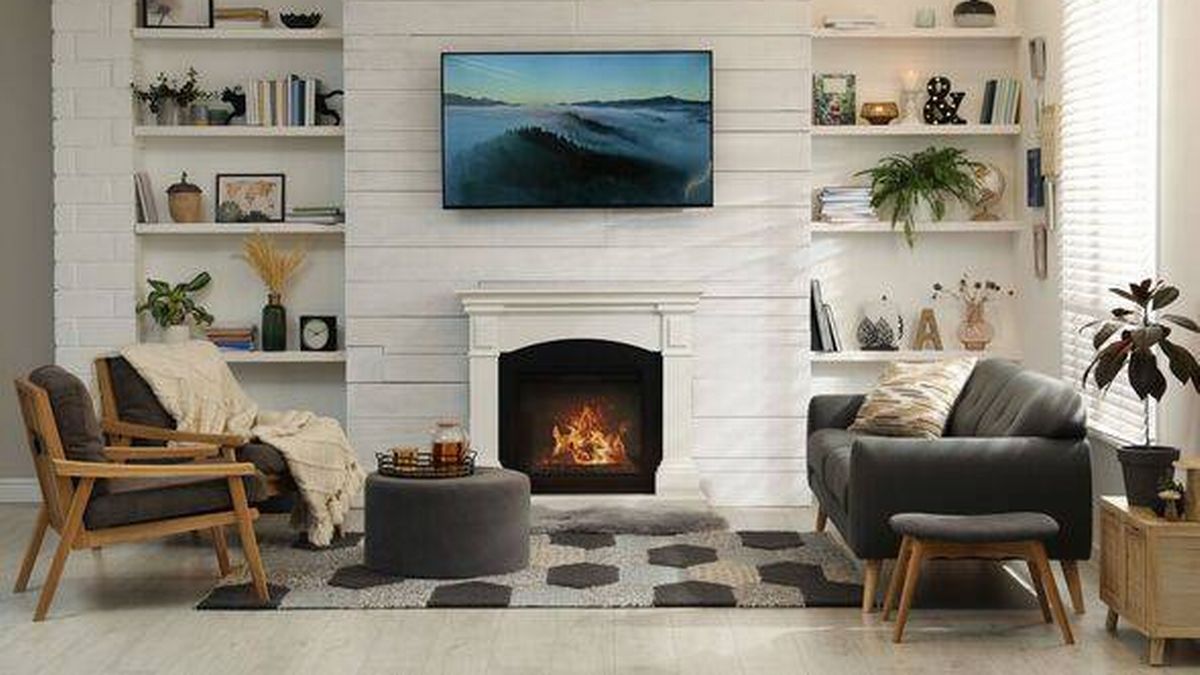
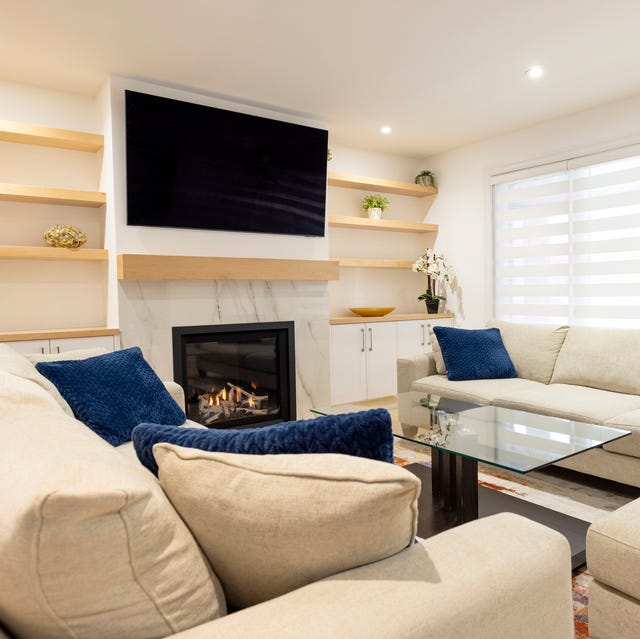
Several categories of items are consistently flagged as problematic. Upholstered furniture, for instance, is often recommended against by experts like Maggie Delahoyde, owner of Lowery's Dial. Such pieces frequently show significant wear and tear, including stains and damage that are difficult or impossible to remove. The potential for odors or even pests further diminishes their value, making them a poor investment unless the buyer plans immediate and extensive re-upholstery. Similarly, multi-piece items like puzzles and games are risky purchases because they frequently have missing components, a fact often undiscovered until after purchase due to lack of prior inspection.
Kitchen items, beyond china and glasses, are another area of concern. Cutting boards and utensils, having been used for years or even decades, are likely at the end of their functional life. Kitchen appliances, especially older handheld models, pose potential safety hazards such as faulty wiring or fire risks, making them dangerous buys regardless of the low price. It is crucial to prioritize safety over savings when considering such items. Furthermore, impulsive purchases of items without prior measurement are a common pitfall. Shoppers are advised to bring a tape measure and know the dimensions of their space, including door frames, to avoid buying items that won't fit or are impractical for their intended location.
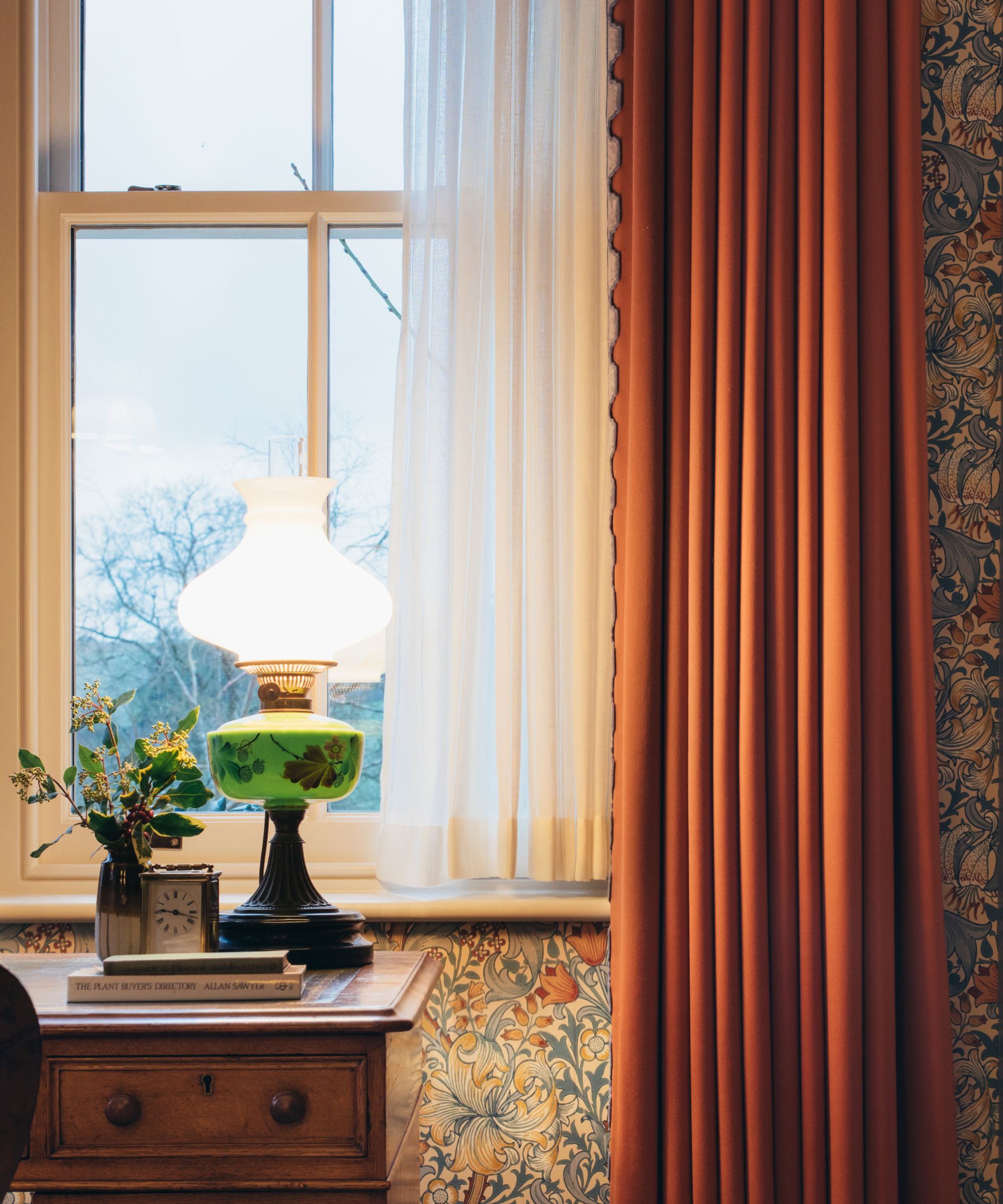
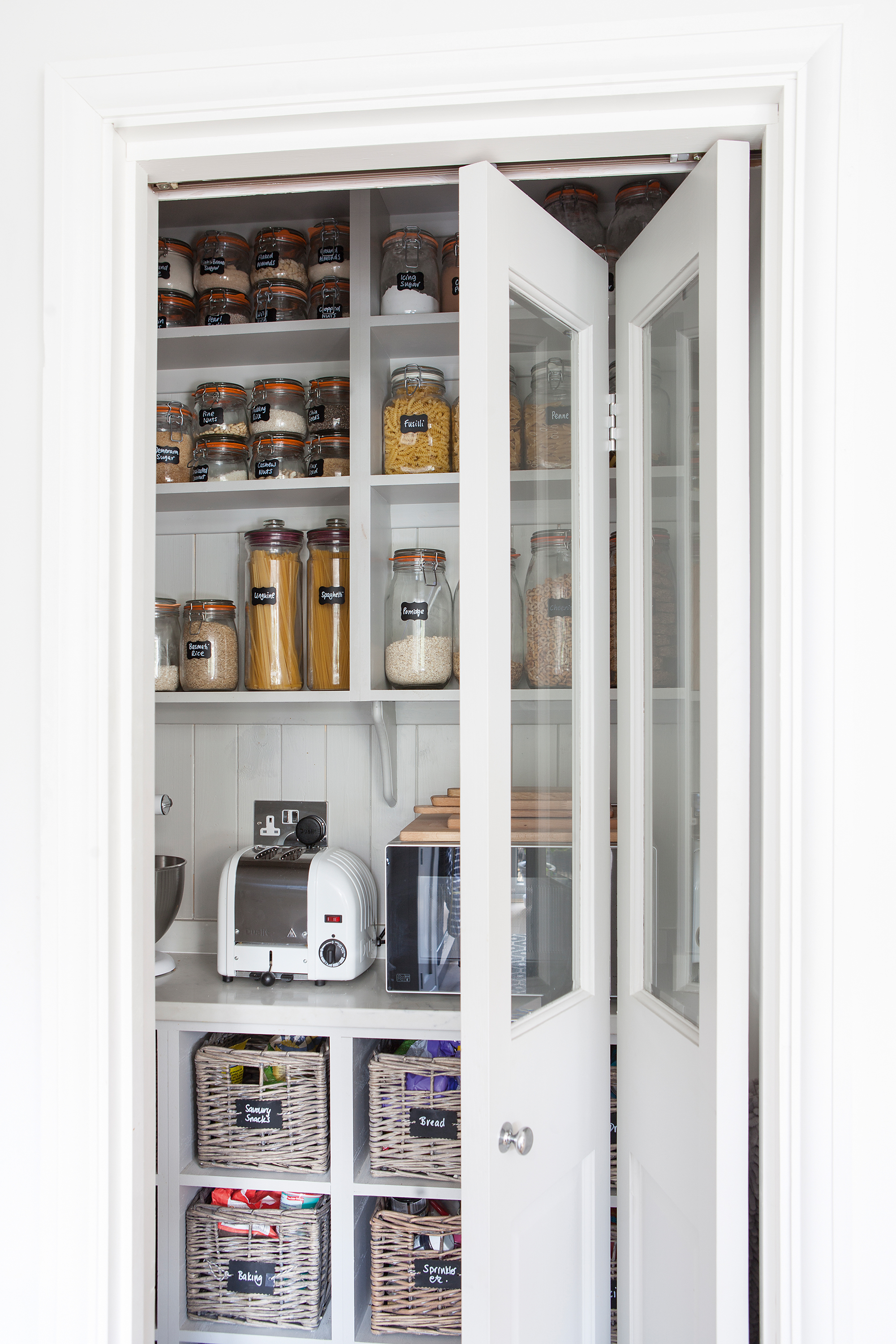
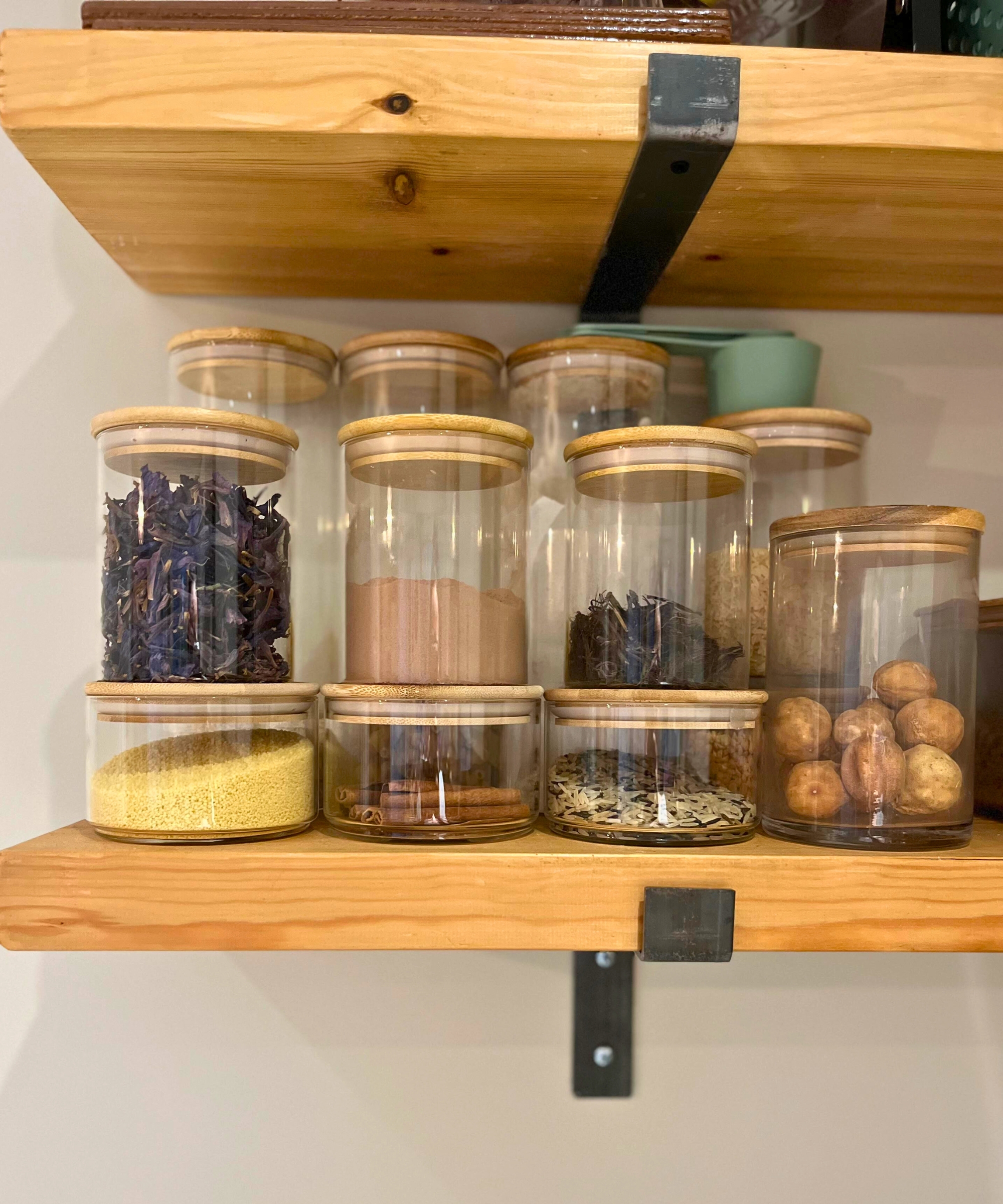
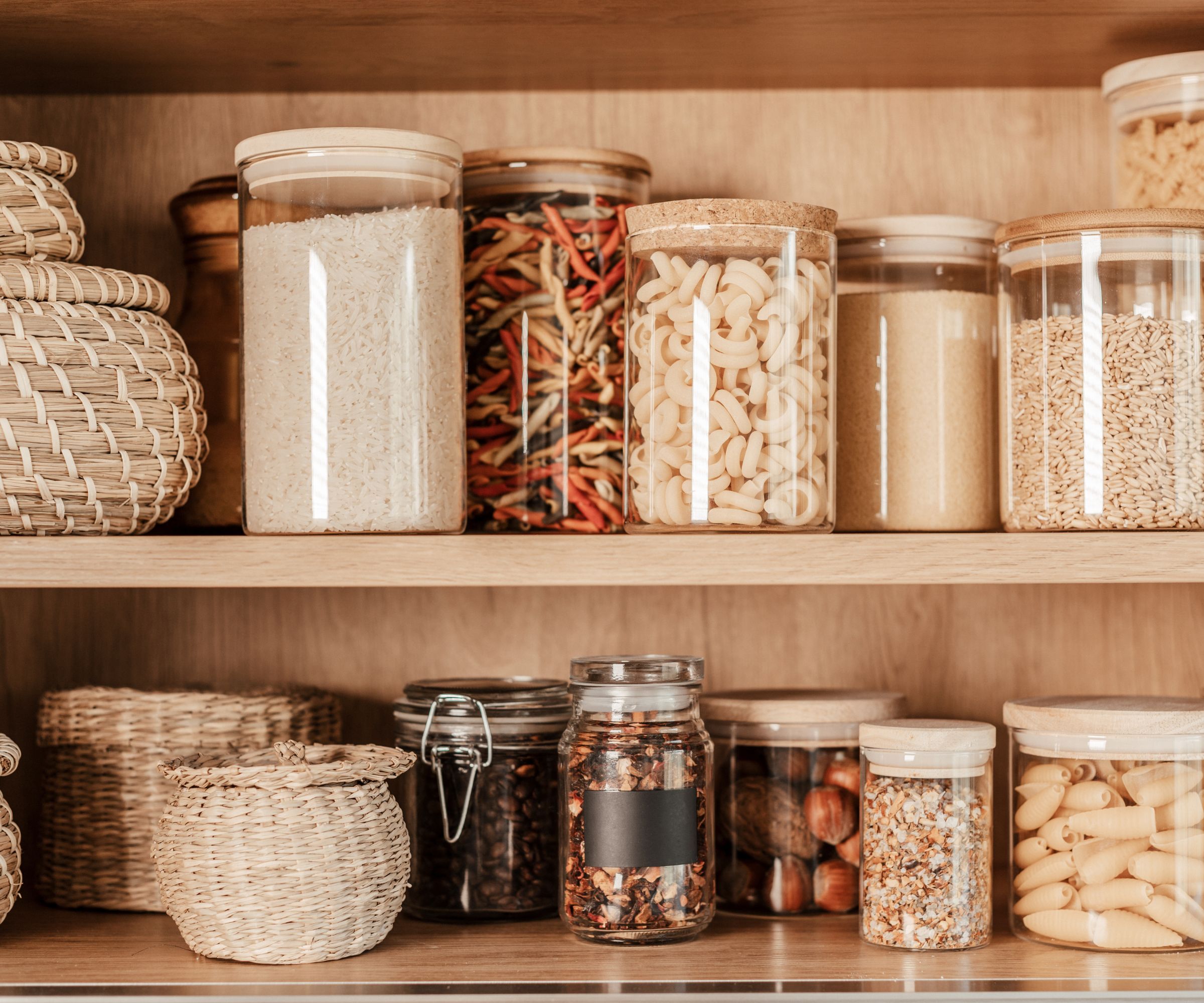
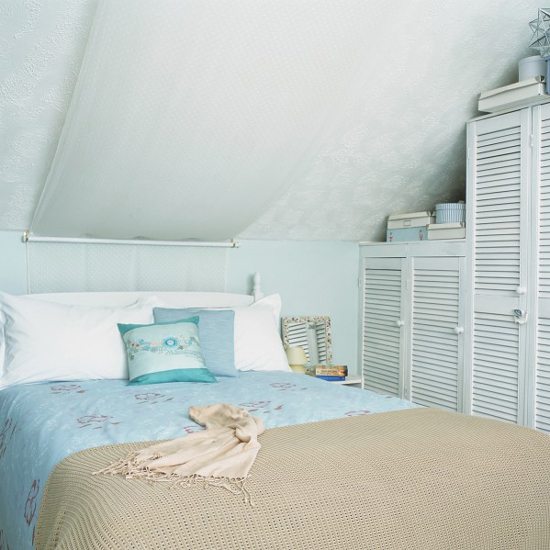
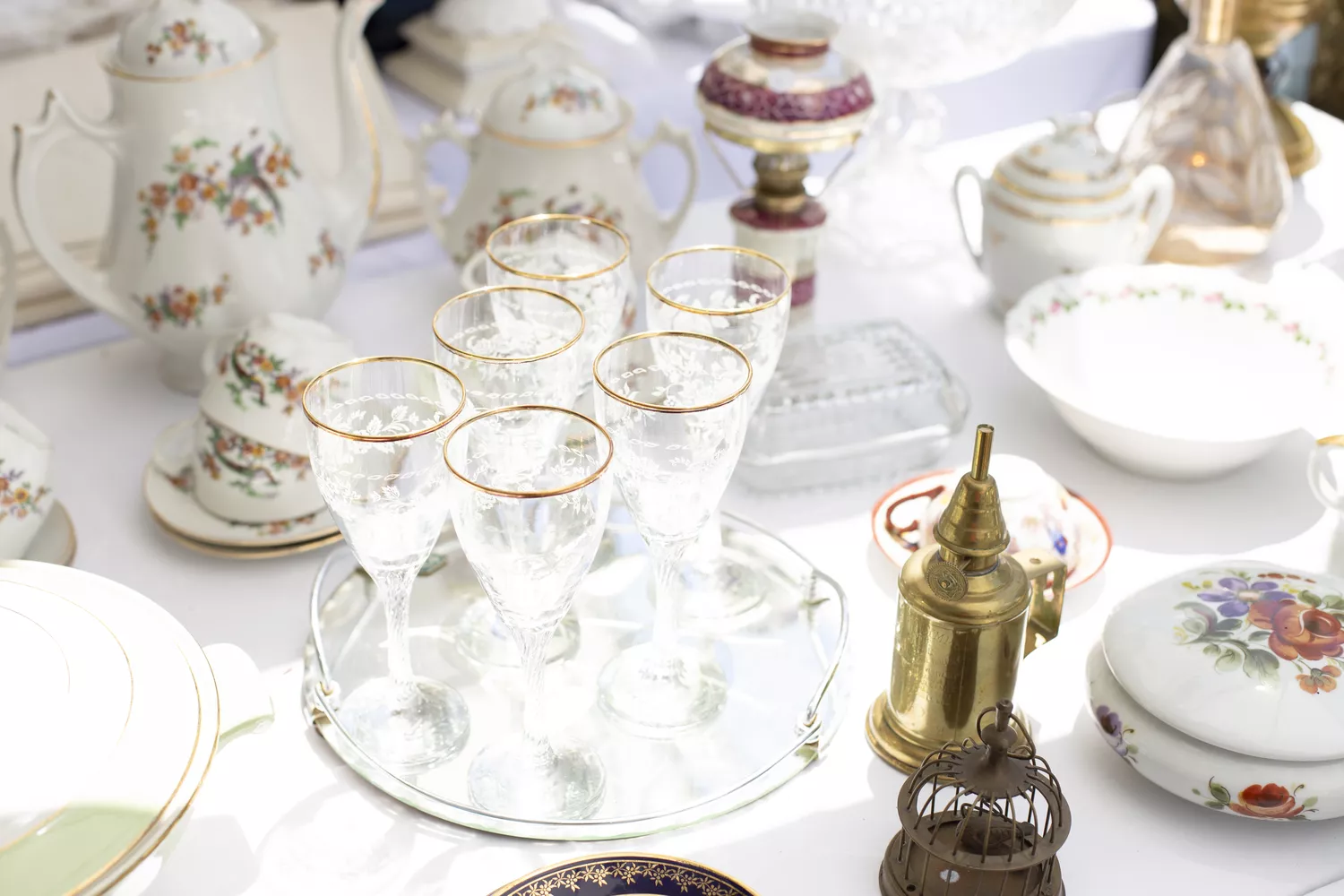
Condition is paramount for other items. Chipped glassware, though seemingly minor, can have 'flea bite chips' that are hard to spot but make the item unsafe or less appealing. A quick, light feel around the rim can reveal these imperfections. Linens, such as sheets and towels, are generally not recommended unless they are new or unused, as personal use items have a limited lifespan and often lose their value through daily wear. DIY projects require a realistic assessment of one's skills and commitment; what seems like a simple restoration can quickly become a time-consuming and expensive endeavor, often failing to meet initial expectations. Repainted or repaired items, particularly for collectors, can significantly diminish an item's collectibility and value, and the quality of such repairs can be subpar. Pantry items should be avoided due to unknown expiration dates and hygienic concerns. Finally, old light fixtures and custom window treatments come with hidden costs and potential issues. Antique lamps may have dangerous wiring that requires professional, costly rewiring, while custom drapes need exact measurements and can be expensive to clean, making them risky purchases without careful consideration.
#EstateSales #ShoppingTips #VintageFinds #HomeDecor #Thrifting #Furniture #Kitchenware #DIYProjects #Antiques #EstateSales #ShoppingTips #VintageFinds #HomeDecor #Thrifting #Furniture #Kitchenware #DIYProjects #Antiques
0 comment in total
 No comments yet
You may also like
9 things designers always look to buy at an estate sale

11 things you should never store in a pantry, according to experts

Backyard Design Choices That Are Making It Harder For You To Sell Your House

7 Home Decor Items You Should Never Buy Cheap

20 Things Home Buyers Will Hate About Your House
Pros warn never to keep these 8 things in your pantry

Homeowners Are Revealing The Common Purchases They Either Totally Regret Or Completely Stand By
From avocado bathrooms to woodchip wallpaper – discover the top 10 property turn-offs for buyers

6 things you should look past when viewing a property, according to real estate experts and interior designers
Colors to Avoid When Selling a Home
5 Things You Should NEVER Leave in Your Shed, According to an Expert

8 Things You Should Never Keep on Your Open Shelves, According to Designers

7 Things You Should NEVER Do if You’re Trying to Sell Your House, According to Home Stagers

6 Things to Never Pass Up at a Flea Market, According to a Pro Vintage Buyer

5 Kitchen Upgrades to SKIP if You're Trying to Sell Your Home, Warn Designers
5 Backyard Staples You Should Never Splurge on, According to Designers

Things You Should Never Buy At Lowe's, According To 10 Experts
9 Outdated Things People Over 40 Should NEVER Have in Their Homes

Three home trends to 'avoid' that won't add value and may 'put buyers off'

Interior designers reveal the 12 things in your home you should get rid of