
1/3
That 70s house: determining the remodel upside in older homes
Real estate investors, flippers, and DIY homeowners often seek properties with significant upside potential, aiming to identify "diamonds in the rough" that can gain substantial value through renovations. This pursuit involves systematically finding such properties, considering both location and specific house characteristics. Plunk, a real estate analytics company, has developed methods to simulate various remodel and renovation projects for individual properties. These simulations estimate the impact on value by explicitly considering existing attributes, neighborhood context, and hyper-local market dynamics. This allows for a more precise understanding of the potential value added by specific improvements.
The analysis focuses on twelve Metropolitan Statistical Areas (MSAs) that have experienced robust growth in both population and home values over the past five years. By processing data for over six million single-family homes, Plunk quantified the aggregate "Remodel Upside" (PRU) for each MSA, representing the predicted percentage increase in value for an average property after completing recommended projects. The findings reveal significant variation across markets, with PRU ranging from a low of 5.4% in Las Vegas to nearly 30% in Dallas-Fort Worth. This wide range prompts an investigation into the factors contributing to these differences.
One initial consideration for explaining this variation is the age of the housing stock. Las Vegas, for instance, has the newest single-family housing stock among the analyzed markets, with an average age of 26.1 years. While a newer housing stock might intuitively suggest less renovation potential, the relationship is not always straightforward. For example, Boston, with an average age of 67.9 years, surprisingly shows a lower upside value (12.3%) compared to some other older markets.
Further investigation into the relationship between property age and value suggests a U-shaped pattern in many markets, where the oldest and newest properties tend to be most valuable, with lower values often found in homes from the middle decades, particularly around the 1970s. This observation led to an examination of the proportion of housing stock built in the 1970s within each MSA. A clear relationship emerged: markets with a higher proportion of 1970s-built homes tend to have a higher average estimated upside potential.
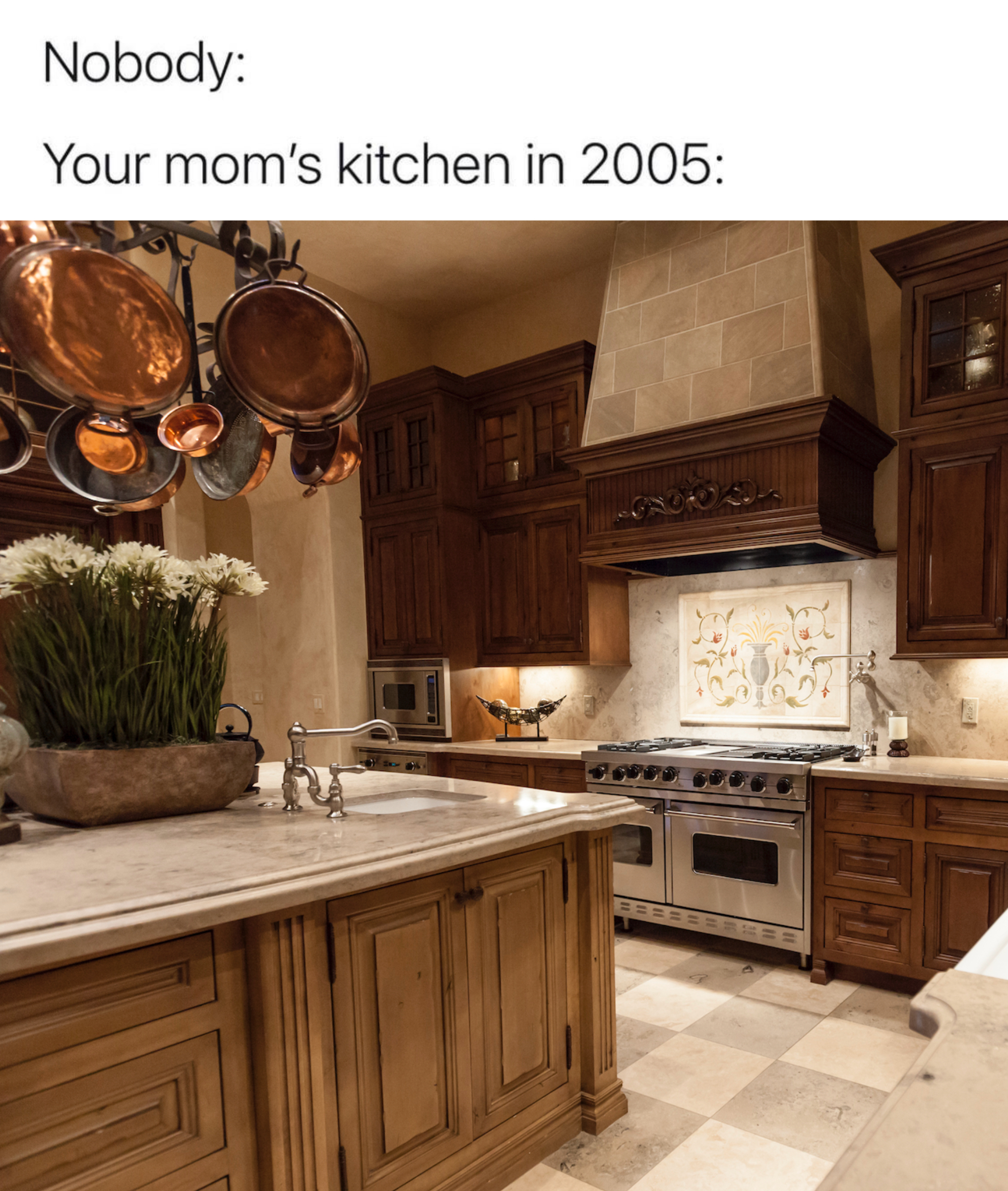
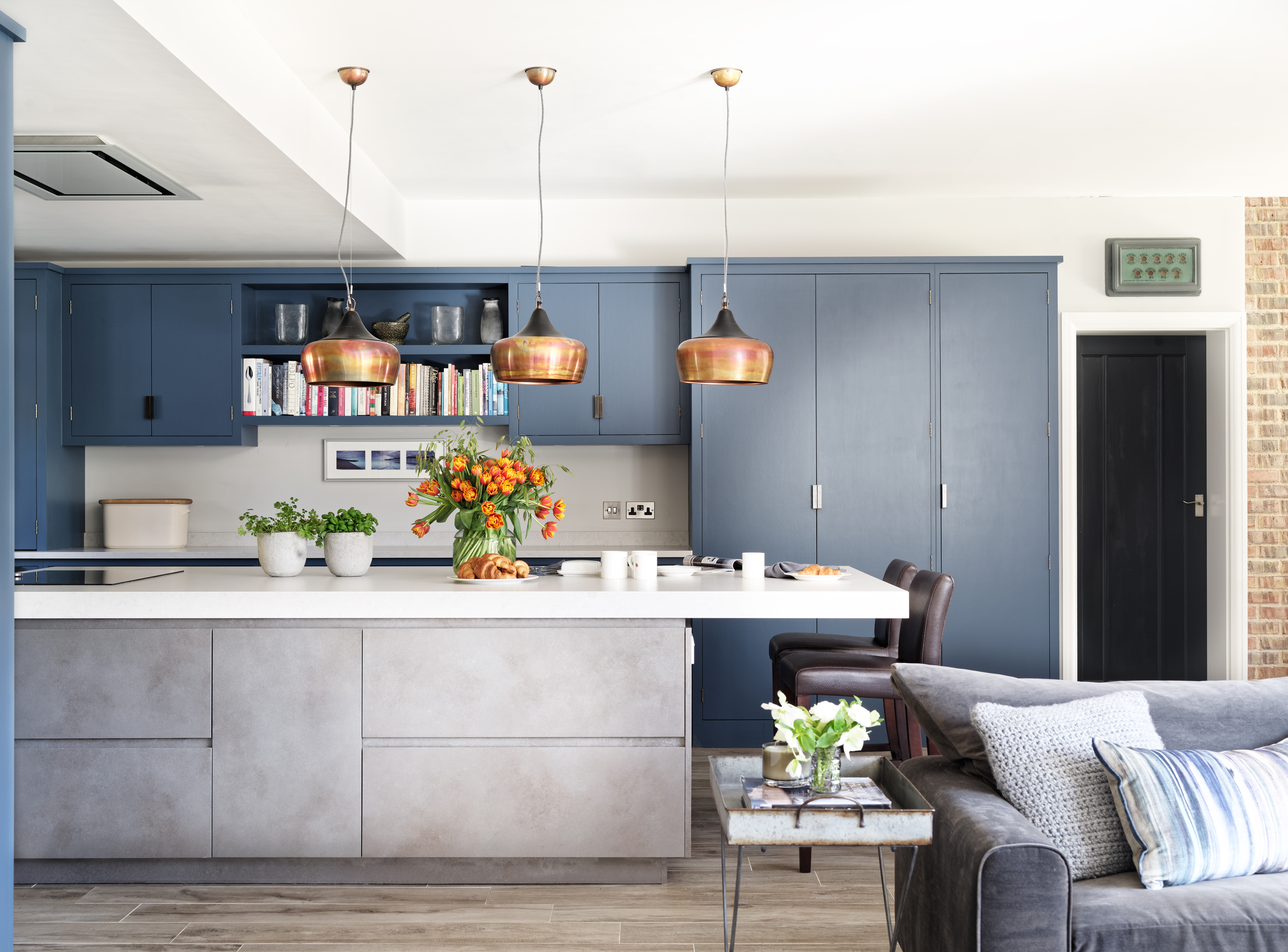
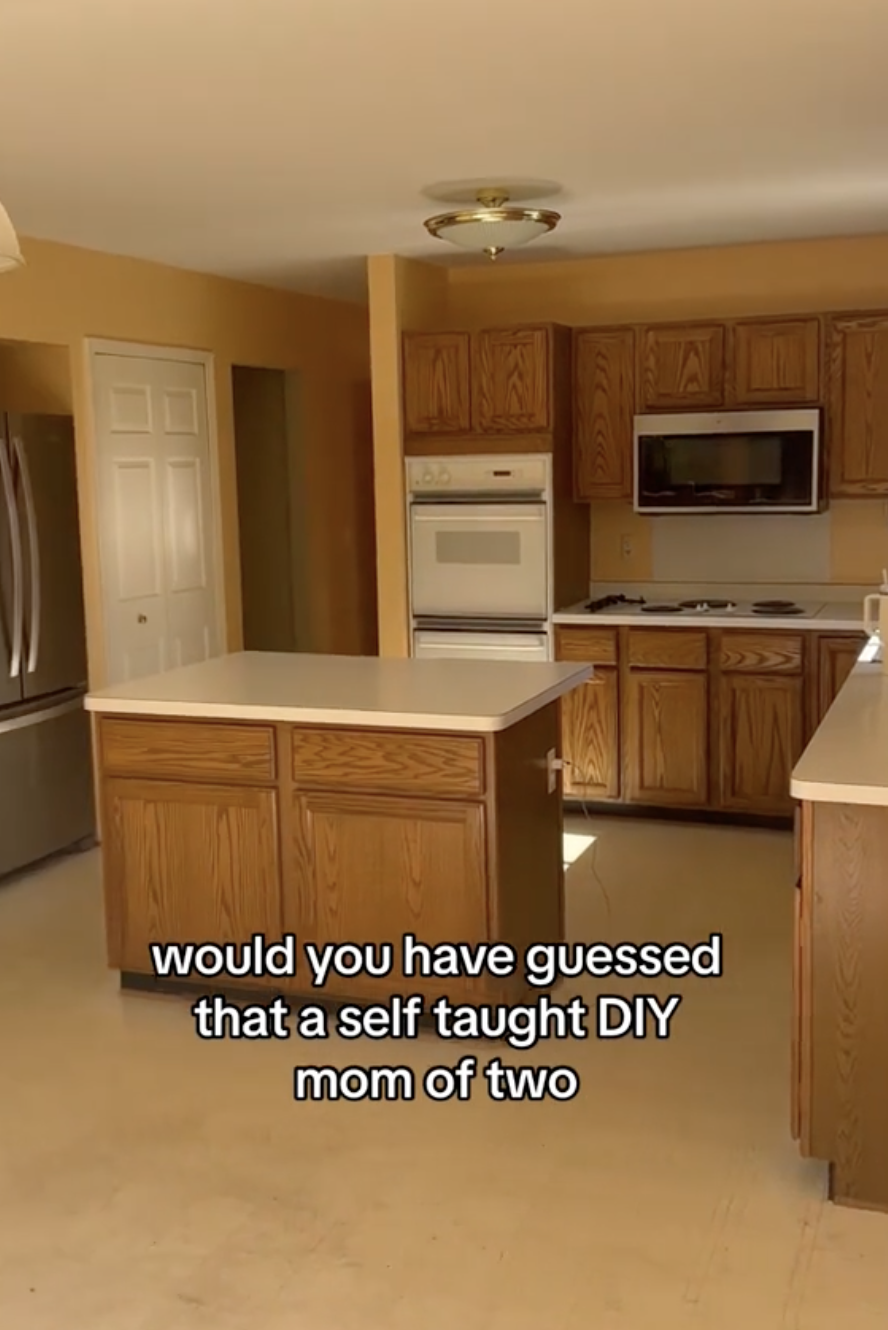
Las Vegas and Boston, which exhibit the lowest average PRU values, also have the lowest proportion of 1970s construction. Conversely, markets like Houston, Tampa, and San Diego, with average PRU values exceeding 26%, possess the highest proportion of houses built in the 1970s. While this relationship is not perfectly linear and other factors undoubtedly play a role, the pattern was distinct for this specific decade. The need for renovation in 1970s homes extends beyond mere cosmetic updates like removing popcorn ceilings. These properties are now entering their fifties, an age often associated with the need for significant renovation to extend their useful life. Essential systems such as plumbing, HVAC, electrical, windows, and insulation typically require attention if they are still original. Moreover, 1970s architectural styles often feature smaller, enclosed kitchens, which contrast with modern preferences for large, open-concept spaces. These homes were also generally smaller than what contemporary buyers seek, presenting opportunities for value enhancement through additions. This exploration highlights the significant potential for value appreciation through renovation in homes built during the 1970s, driven by both functional necessities and evolving stylistic preferences.
#RealEstateInvestment #HomeRenovation #PropertyUpside #MarketAnalysis #HousingStock #1970sHomes #RemodelingValue #RealEstateAnalytics #RealEstateInvestment #HomeRenovation #PropertyUpside #MarketAnalysis #HousingStock #1970sHomes #RemodelingValue #RealEstateAnalytics
0 comment in total
 No comments yet
You may also like

4 Things We Learned From Restoring Our Historic ’70s Home on Fire Island

Top tips for renovating old homes: Whether restoring or modernising, clever design is key
7 Things You Should Always Preserve or Try to Save in an Old Home, According to Designers


When Moving Isn't an Option, How to Turn Your Old Home Into Your Dream Home

15 Old House Features We Were Wrong to Abandon

5 Common Mistakes Homeowners Make When Restoring Old Houses
How to Update an Older Home While Honoring Its History

It took seven years to renovate this house


Guide to Buying Older Homes by Decade
How to Live With Stairs That Aren't Up to Code


10 retro design trends that could be devaluing your property by thousands

7 Essential Design Tips From Los Angeles’s Top House Flipper


Top 7 home renovations that can increase your property's value — and quality of life as you age

7 Vintage Home Details Experts Want to Bring Back
A thoughtful renovation brings a 100-year-old home into the 21st century


Home Remodeling Projects That Pay Back The Most In Happiness


The Truths About Buying and Living in an Old House

How to Keep Your Old Home From Becoming a Money Pit
12 Before-And-After Home Renovation Photos That Will Either Make You Angry Or Envious


Aging In Place Remodeling: A Checklist For Senior Homes