1/8
7 Essential Design Tips From Los Angeles’s Top House Flipper
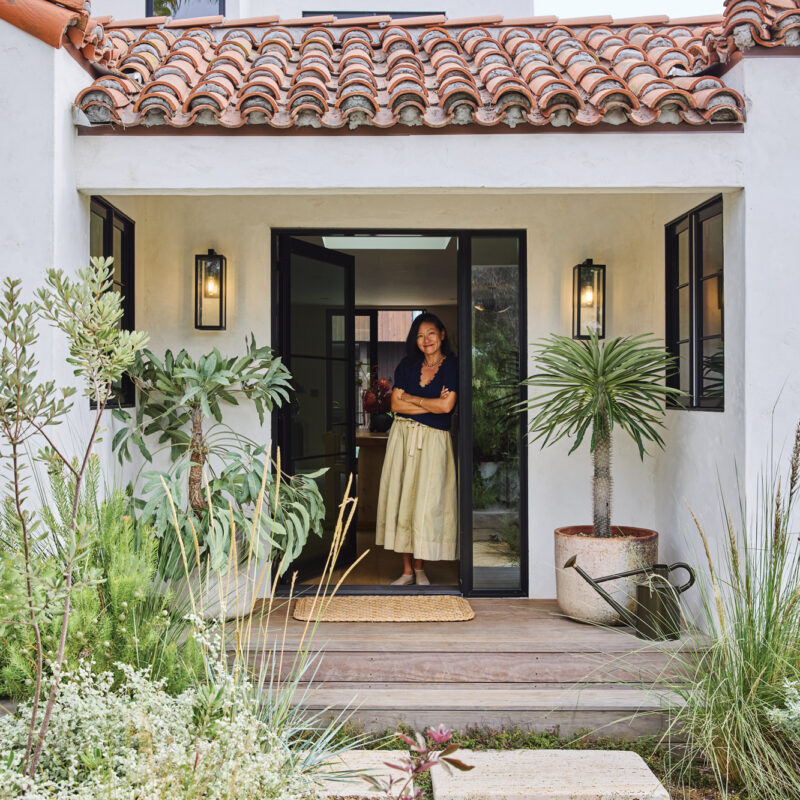
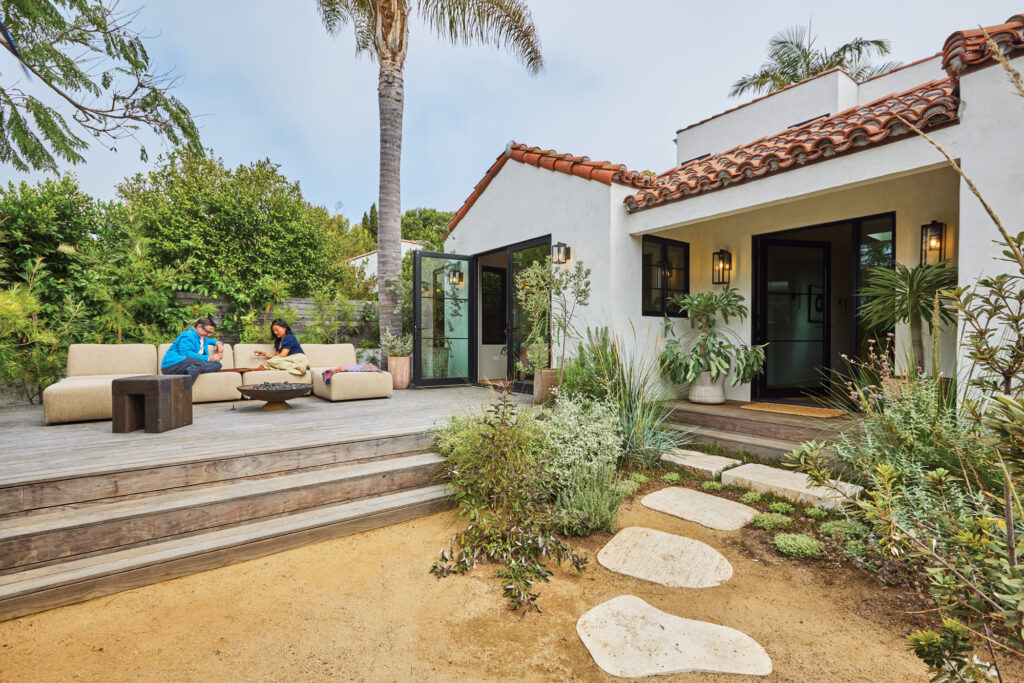
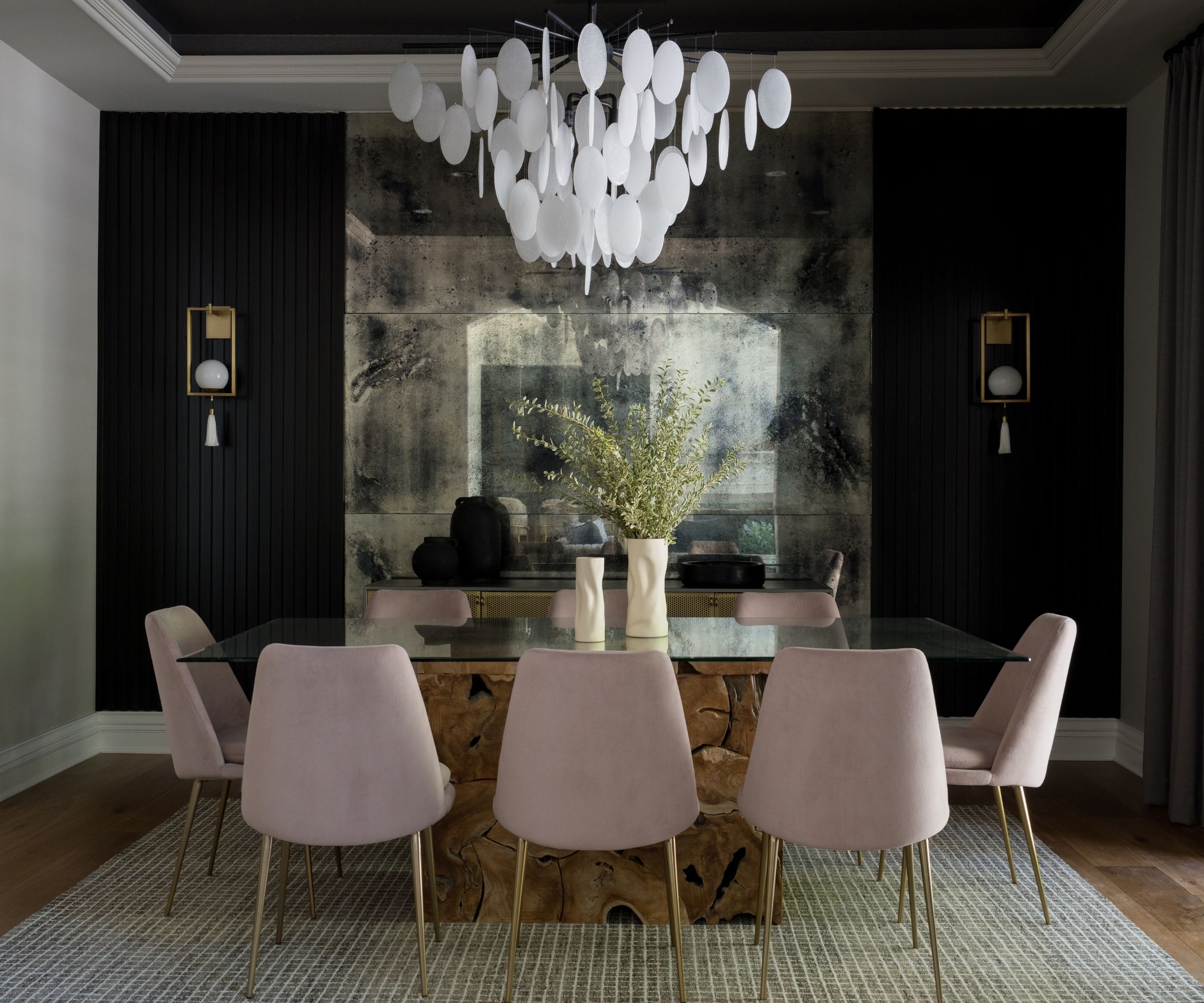
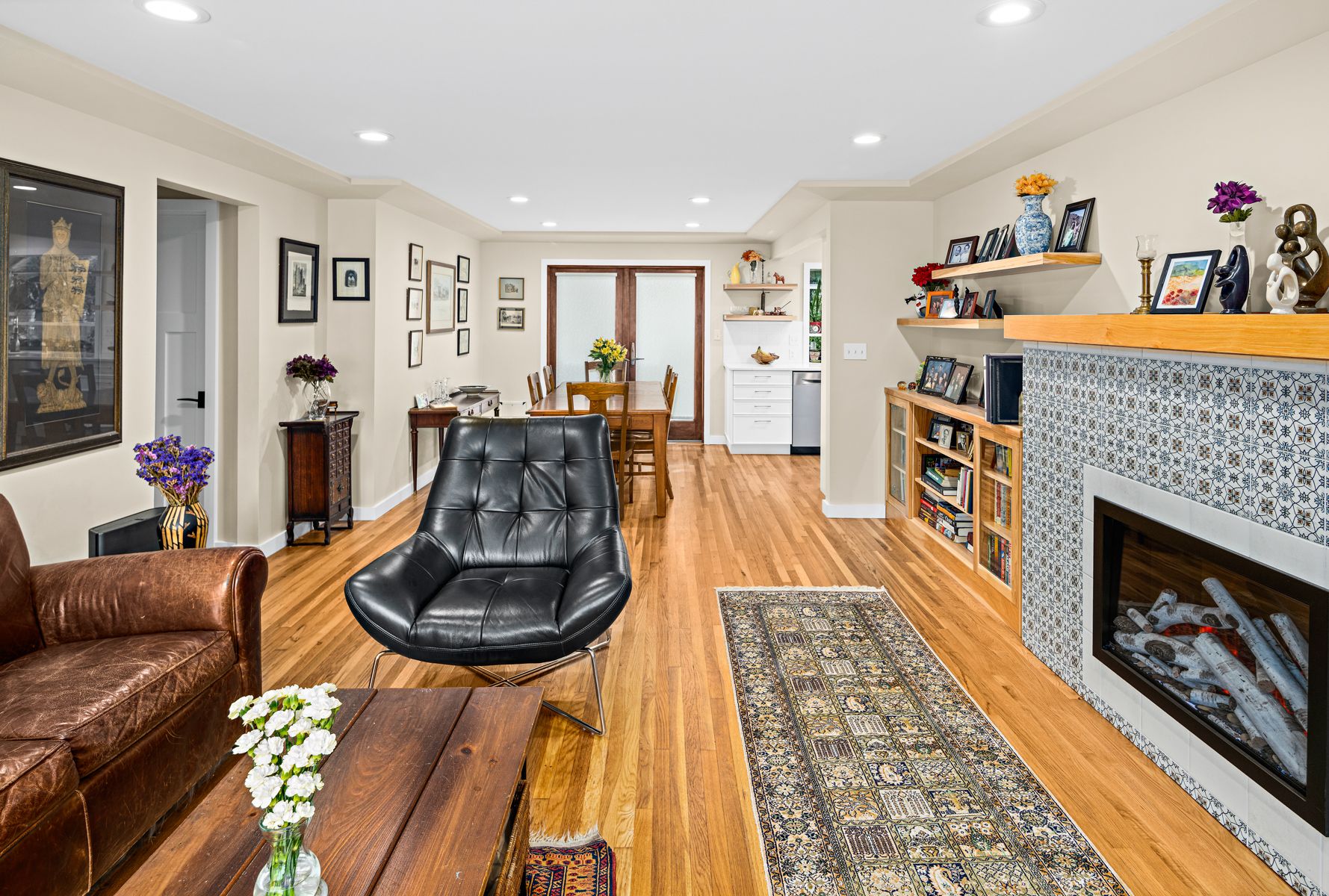
Developer Steve Jones of bettershelter has redefined the concept of house flipping in Los Angeles, introducing what he calls the 'slow flip' movement. This approach focuses on thoughtfully and lovingly redesigning neglected properties, often referred to as 'zombie houses,' to create unique homes that blend seamlessly with their historical neighborhoods. Unlike typical quick-flip projects that prioritize speed and cost-cutting, Jones's method involves higher budgets and a deep consideration for potential buyers, whether they are families, young couples, or single individuals. His goal is to create homes that feel gently cared for rather than overtly renovated, often leading people to believe original features are present when they are in fact new additions crafted with historical accuracy.
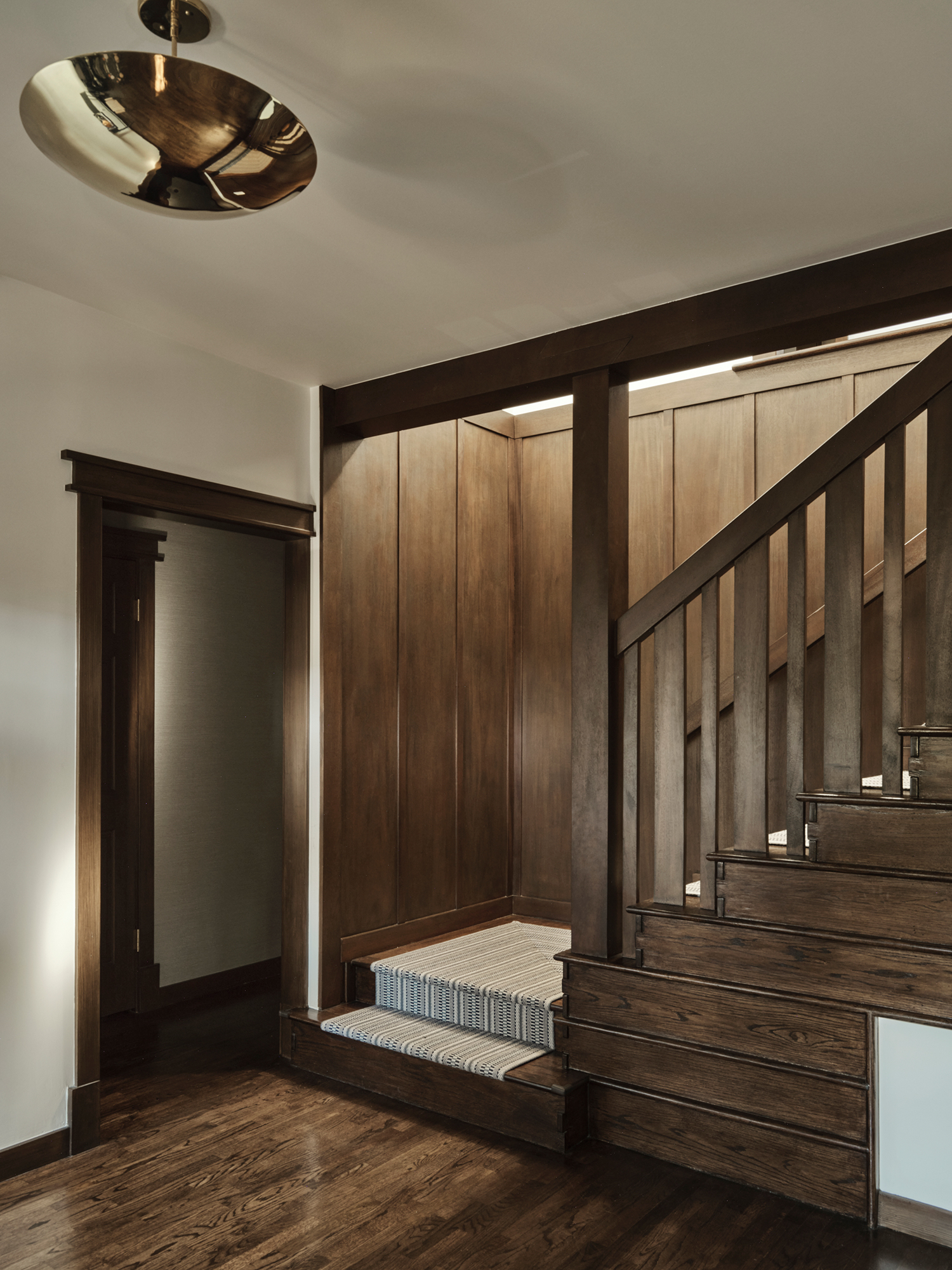
Jones's philosophy stems from the desire to avoid the common pitfalls of standard house flips, which often result in shoddy construction, leaky plumbing, and generic, 'cookie-cutter' designs lacking personality. He actively works against trends, quoting Karl Lagerfeld's adage that 'trendy is the last stage before tacky,' to ensure his designs possess timeless appeal and quality. The success of his approach is evident in how often people mistake new fixtures and flooring for originals, indicating that he has effectively created homes that honor their historical context while incorporating modern comforts and aesthetics.
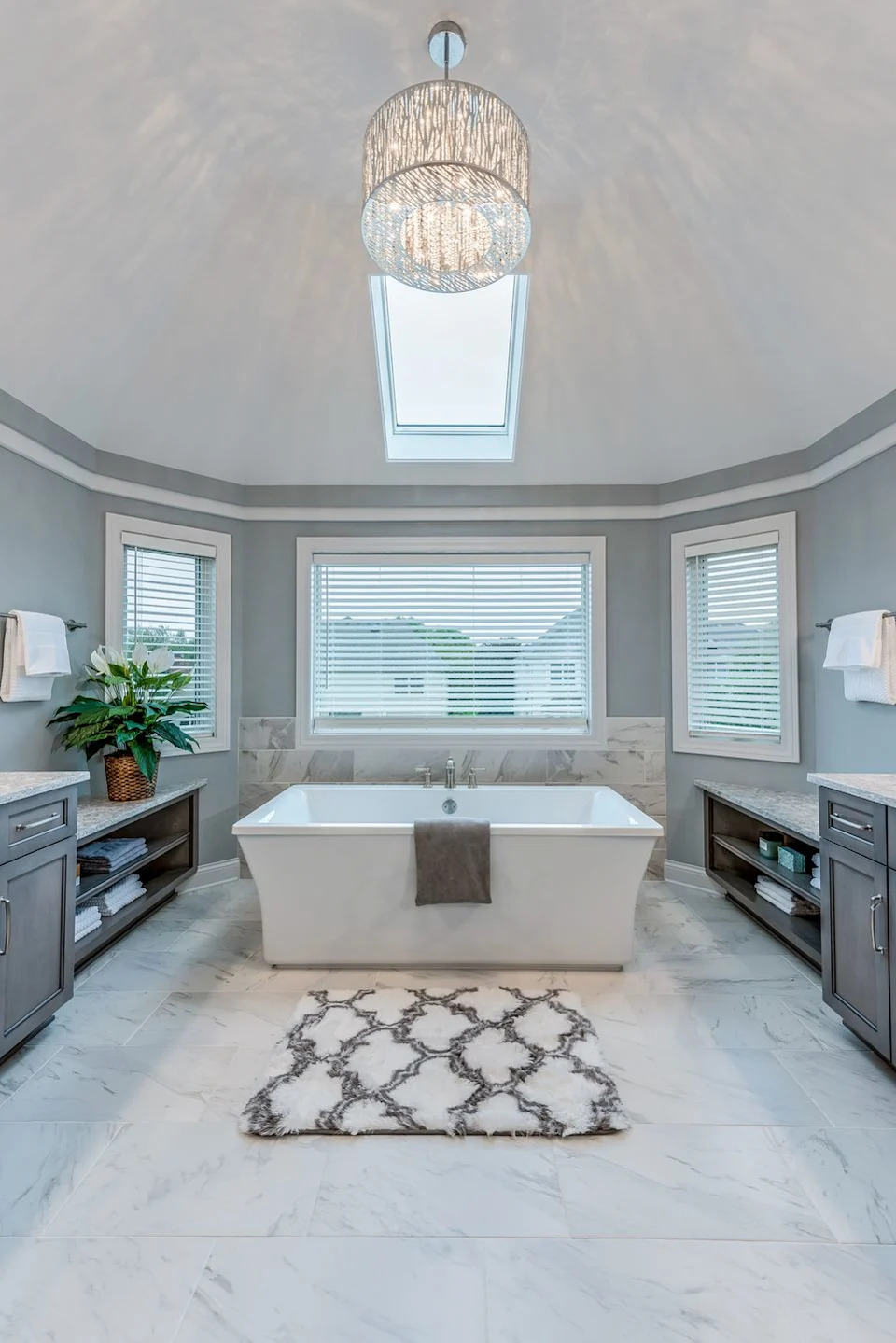
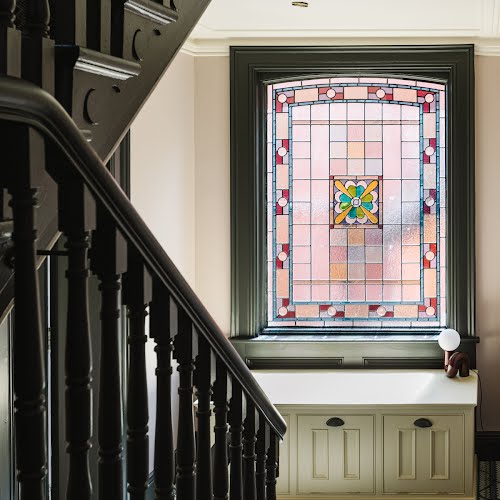
His strategies for achieving this 'slow flip' success include several key design principles. Firstly, he emphasizes using materials that evoke a historical feel, such as black and white tile in bathrooms, vintage pencil liner trim, and white subway tile, often complemented by vintage sconces. Secondly, Jones advocates for adding personality to homes through subtle details like brightly painted front doors, hand-painted address plaques, or distinctive fences, which help a house stand out without being ostentatious.
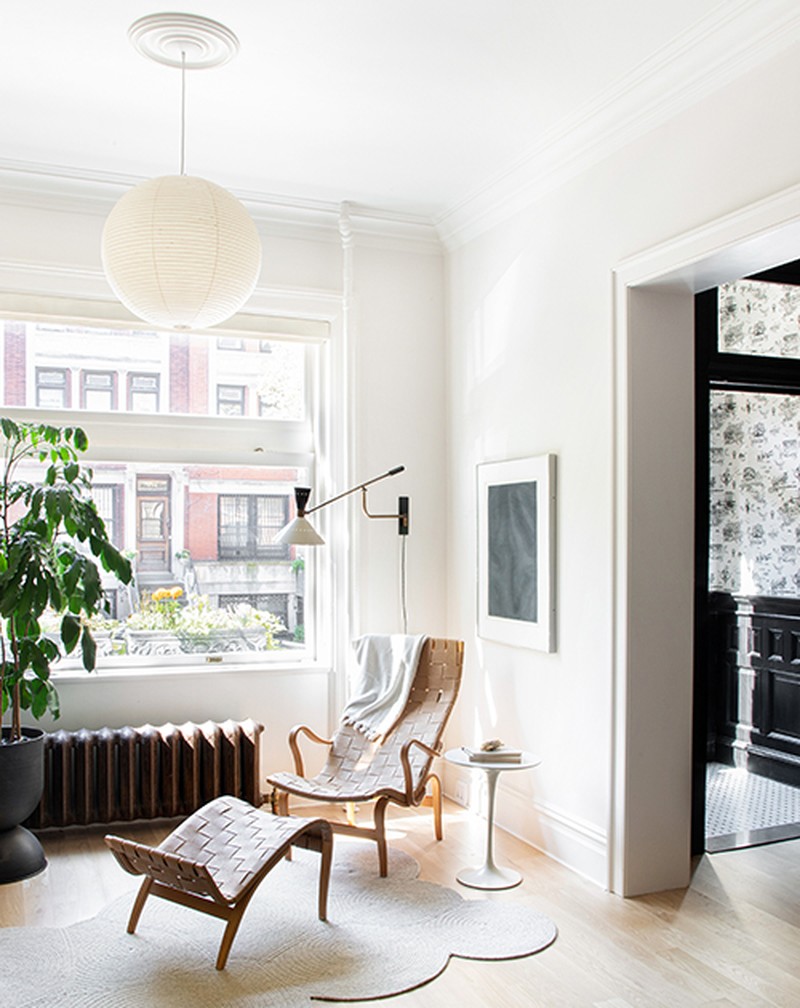
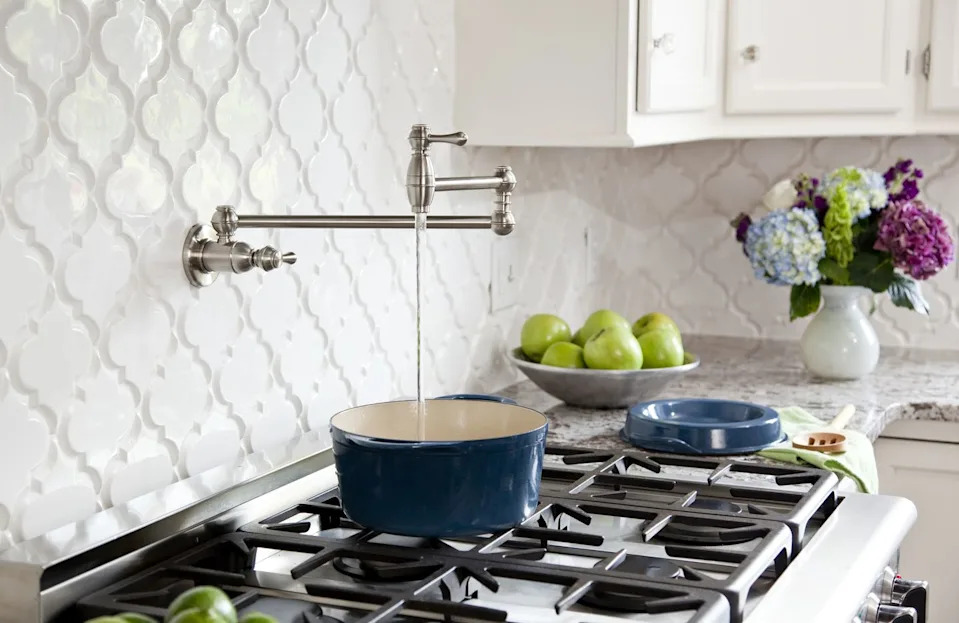
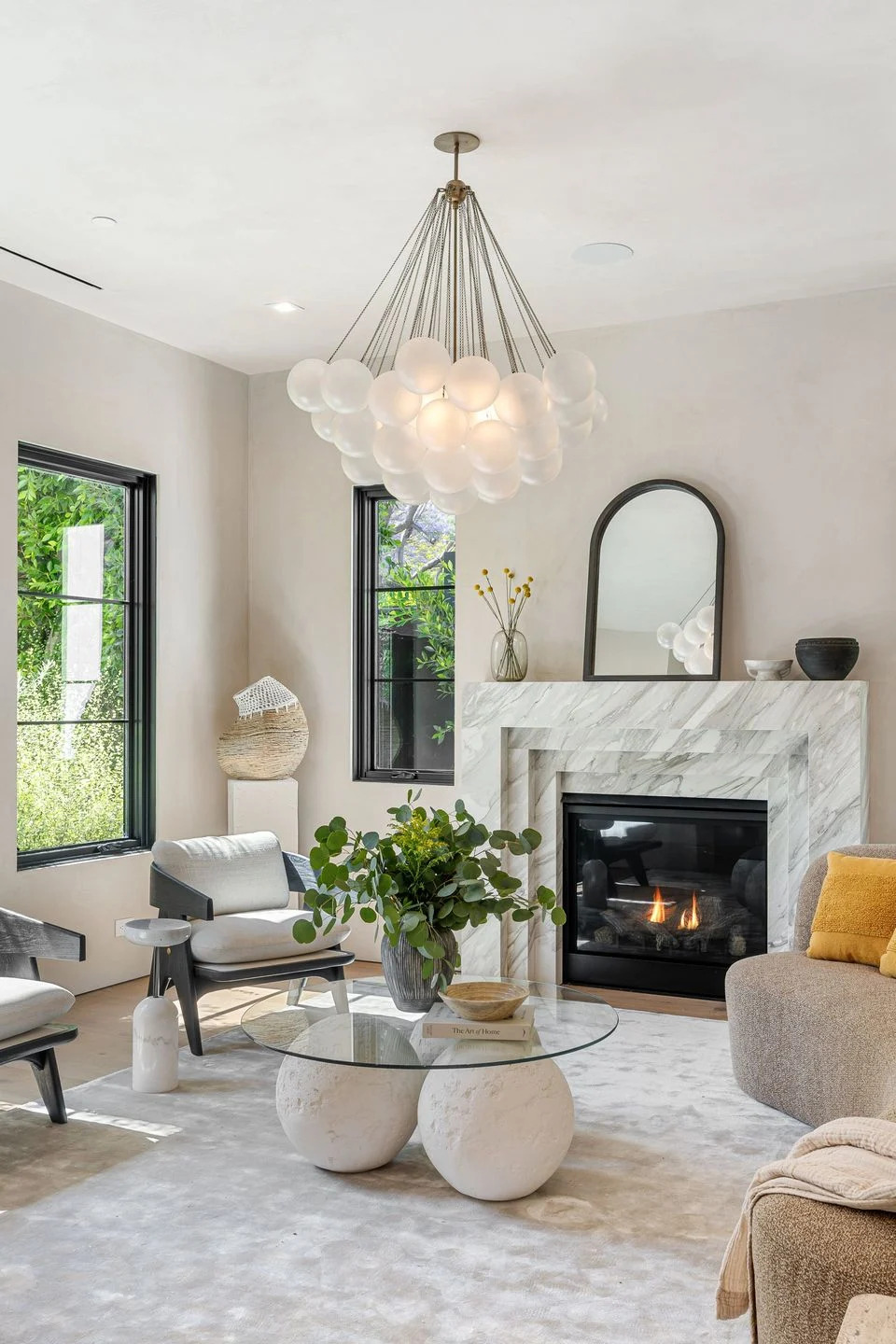
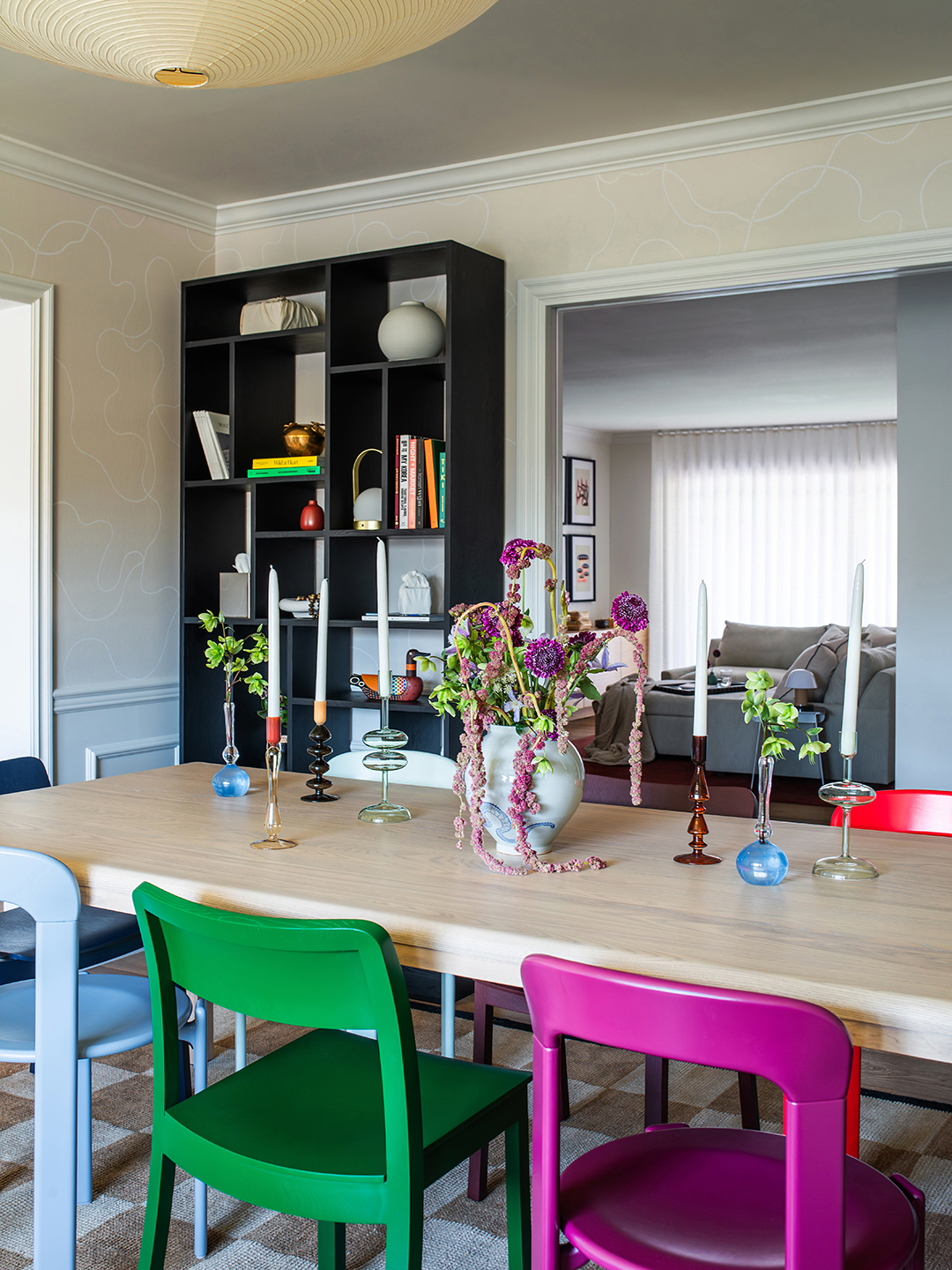
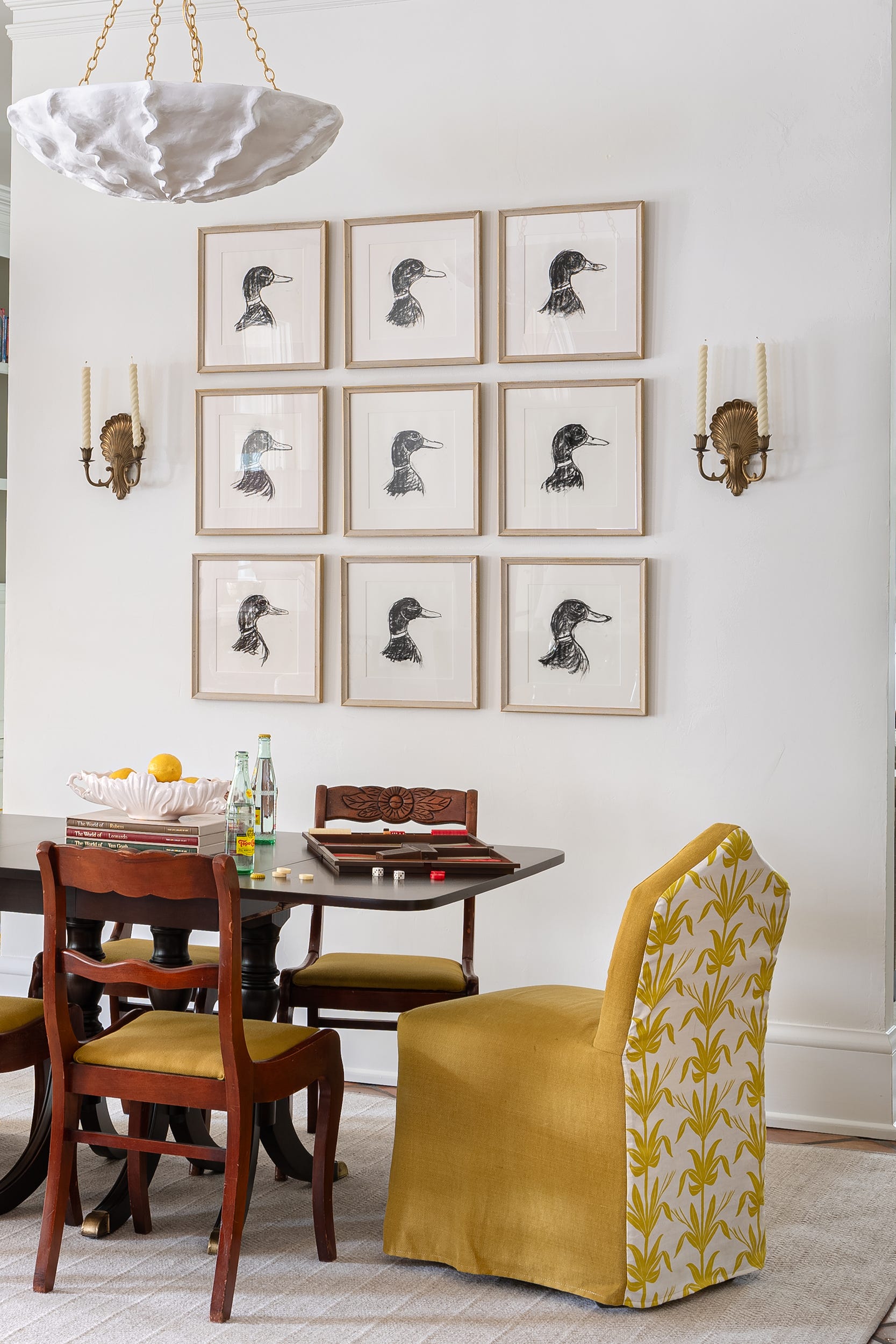
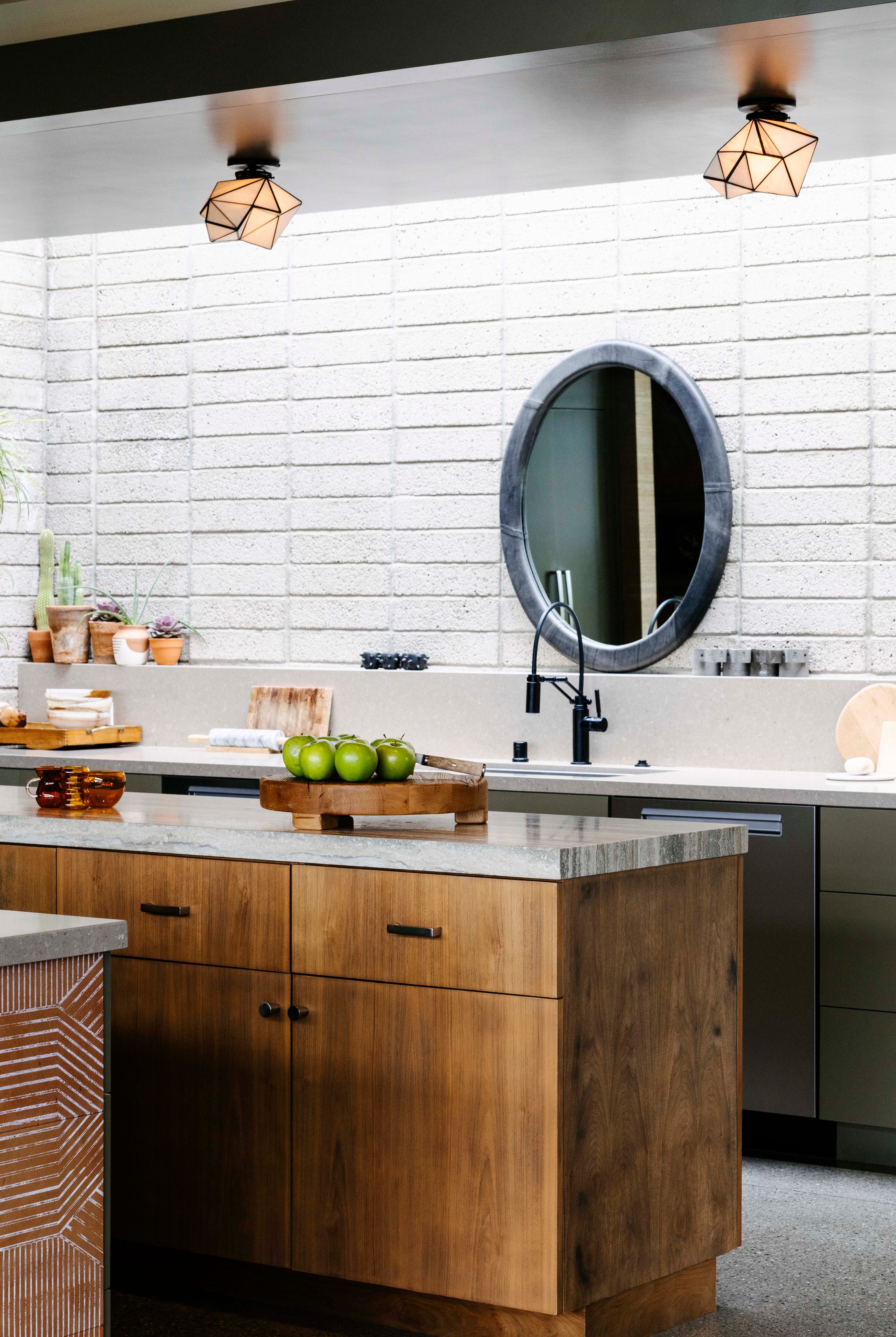
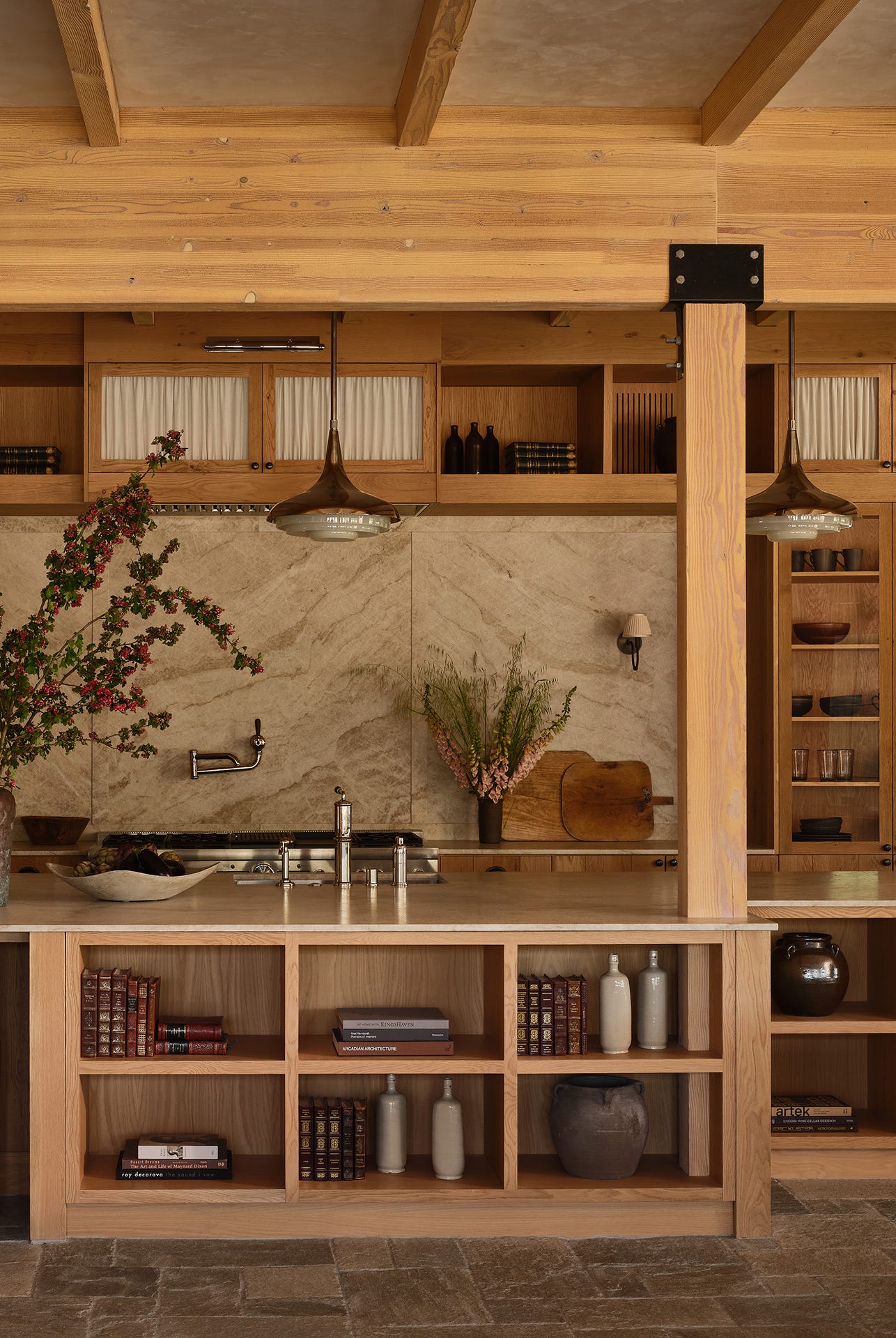
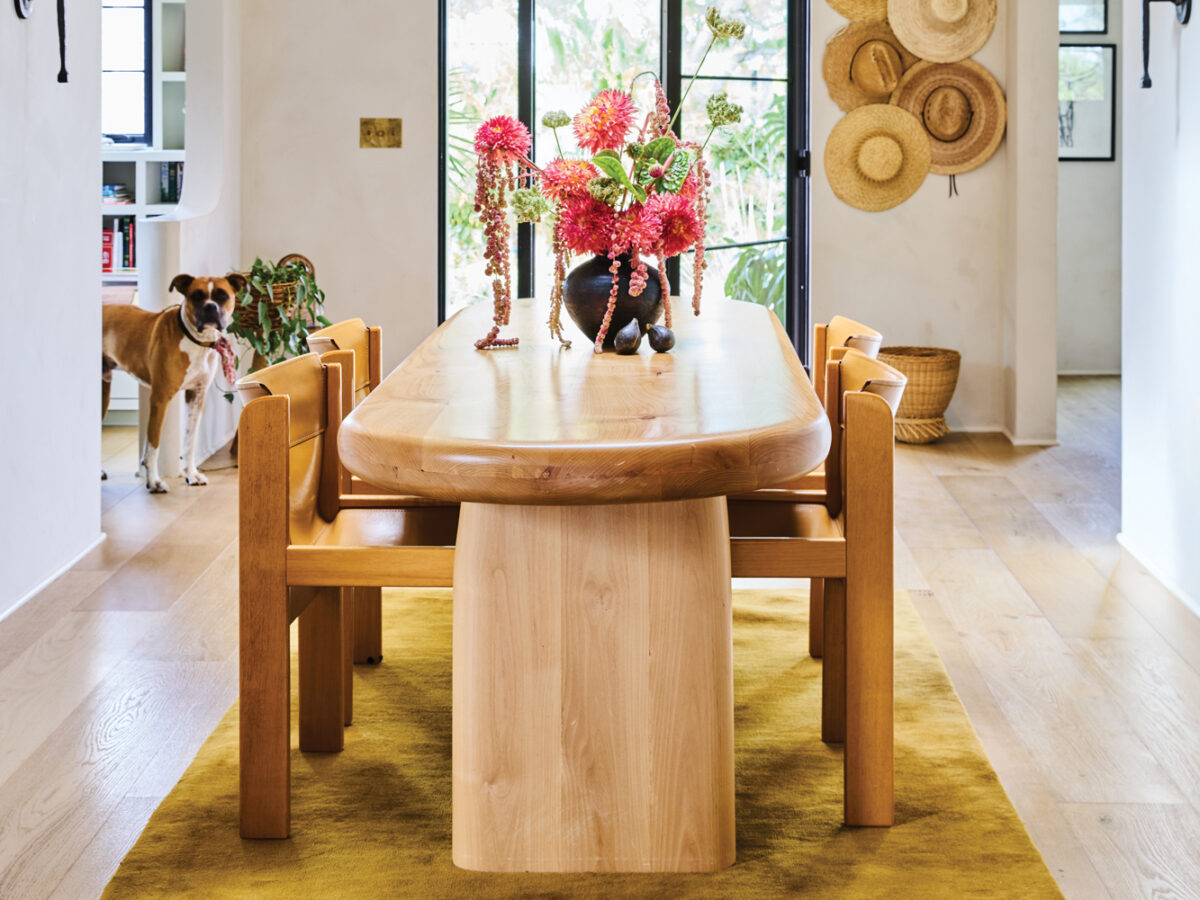
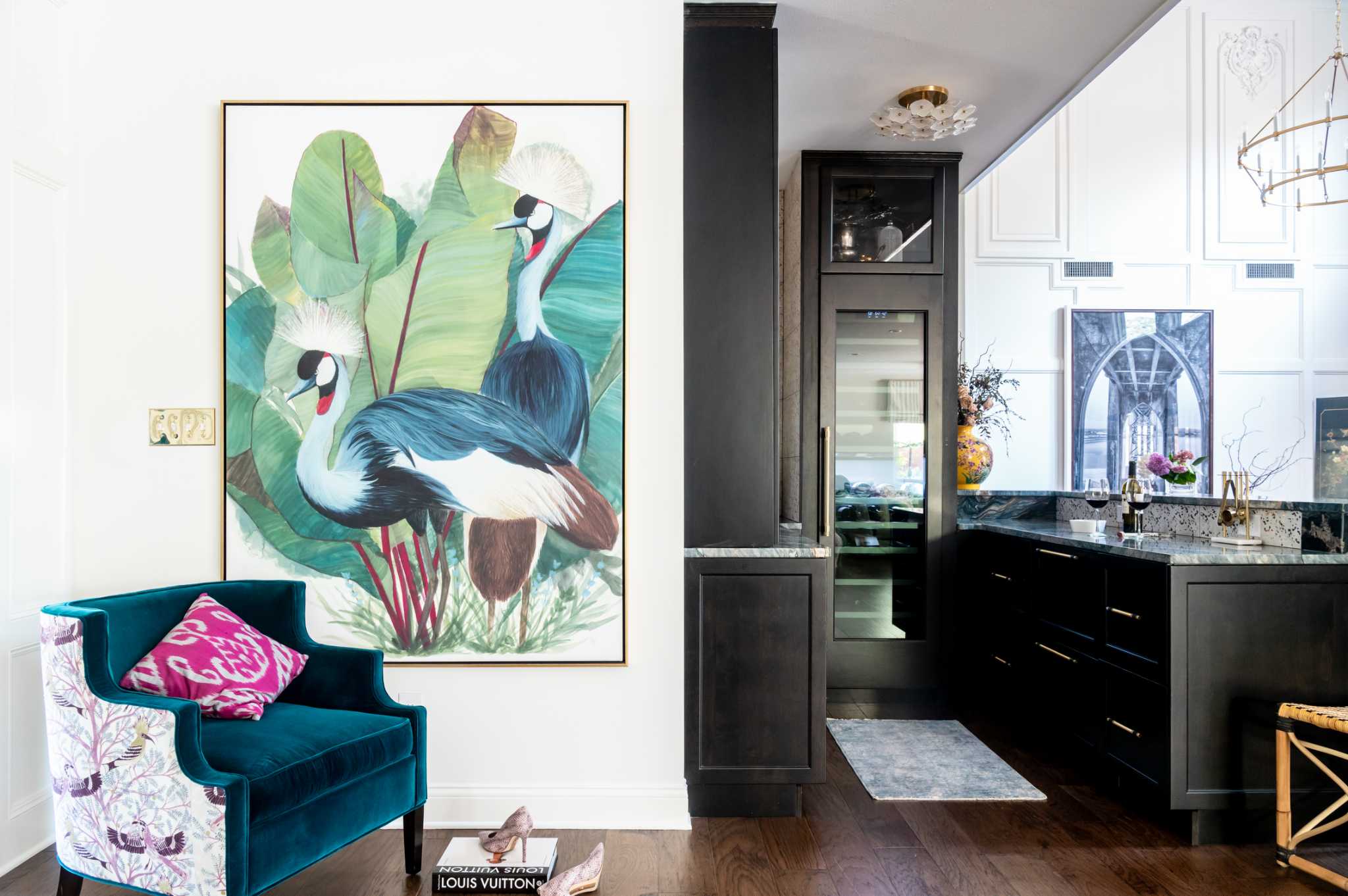
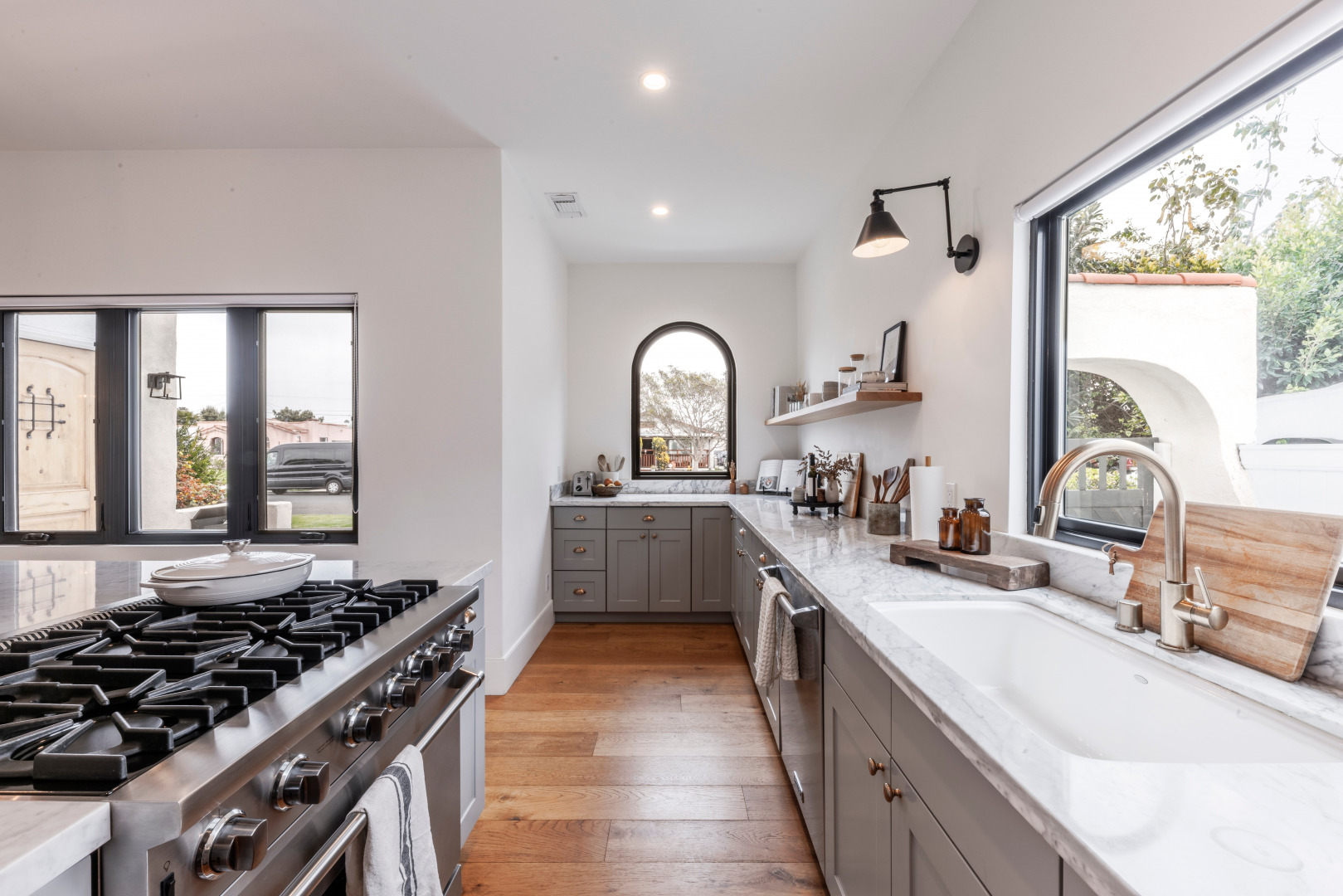
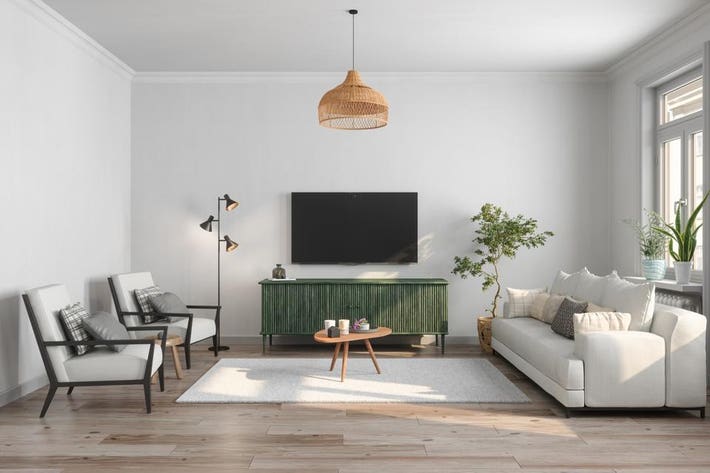
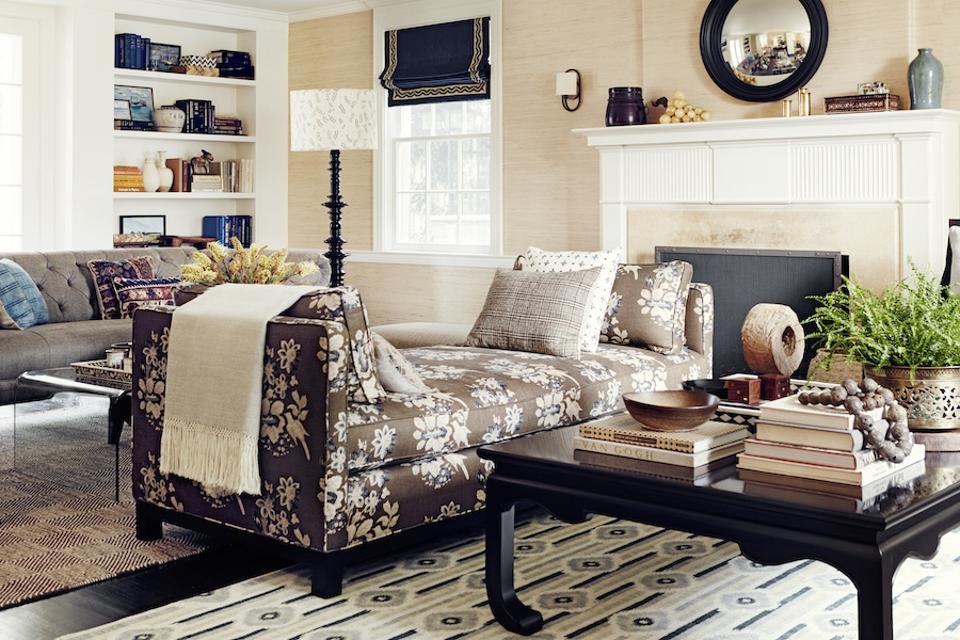
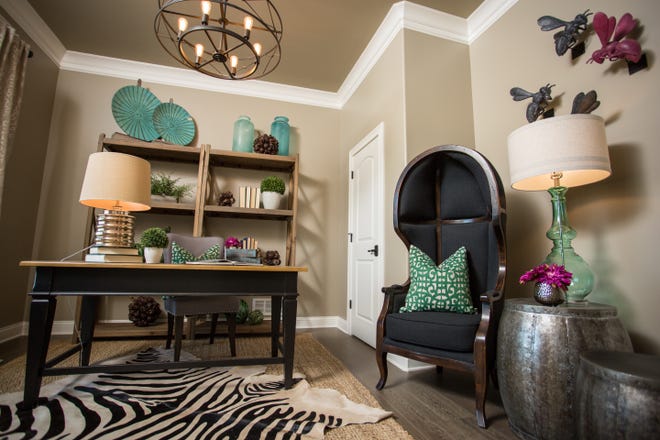
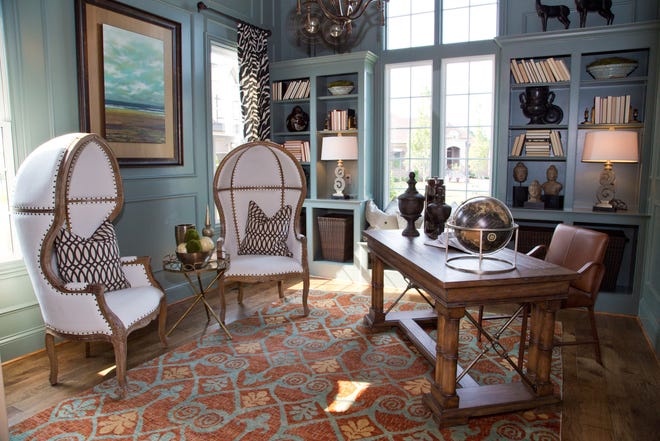
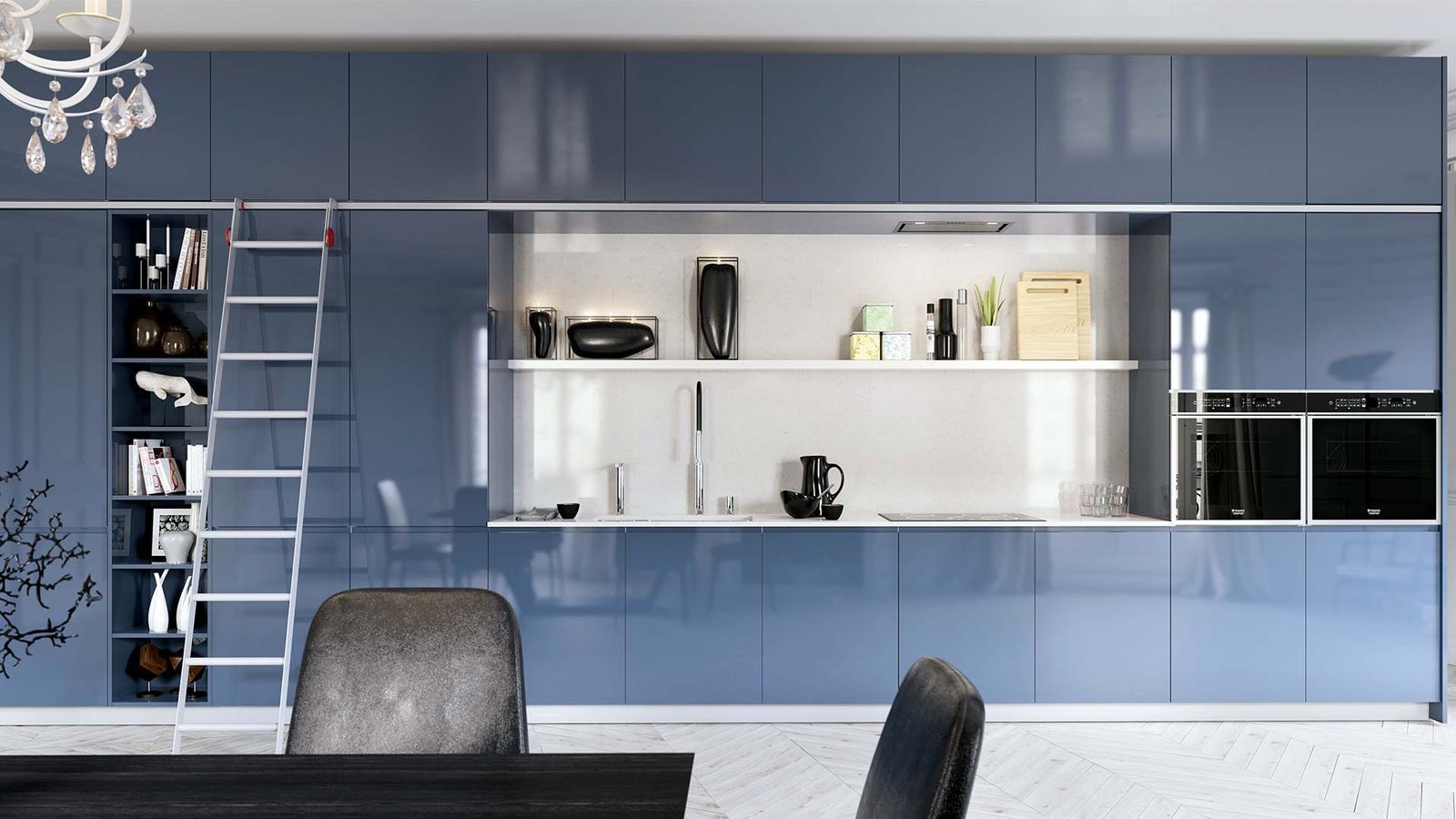
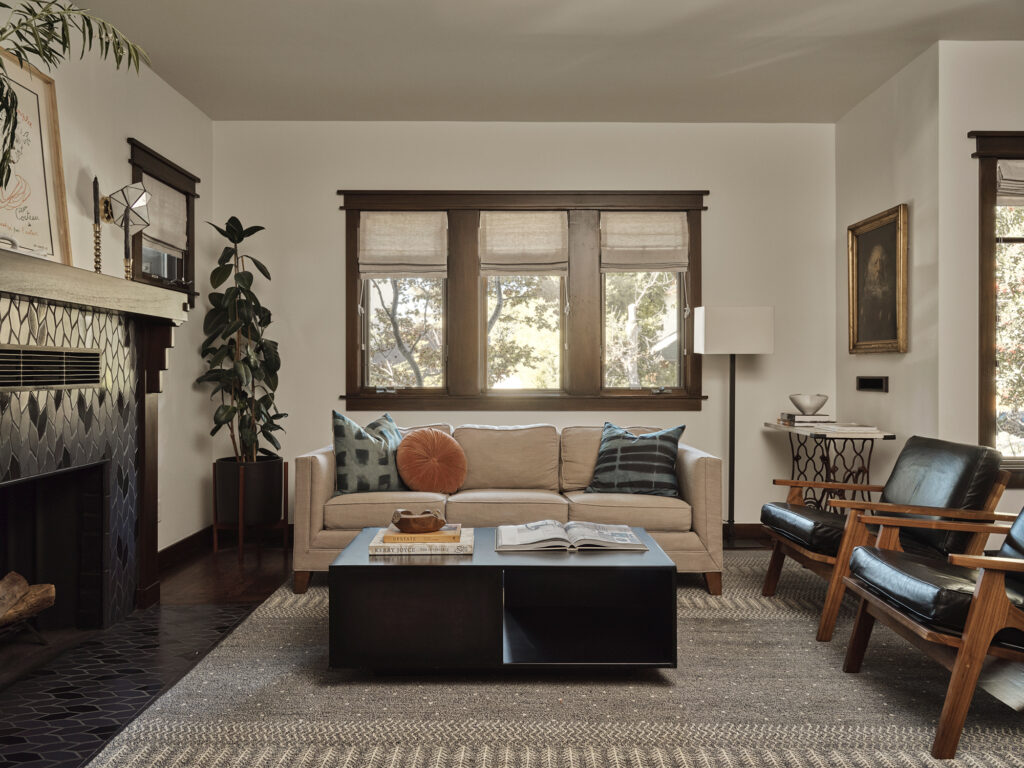
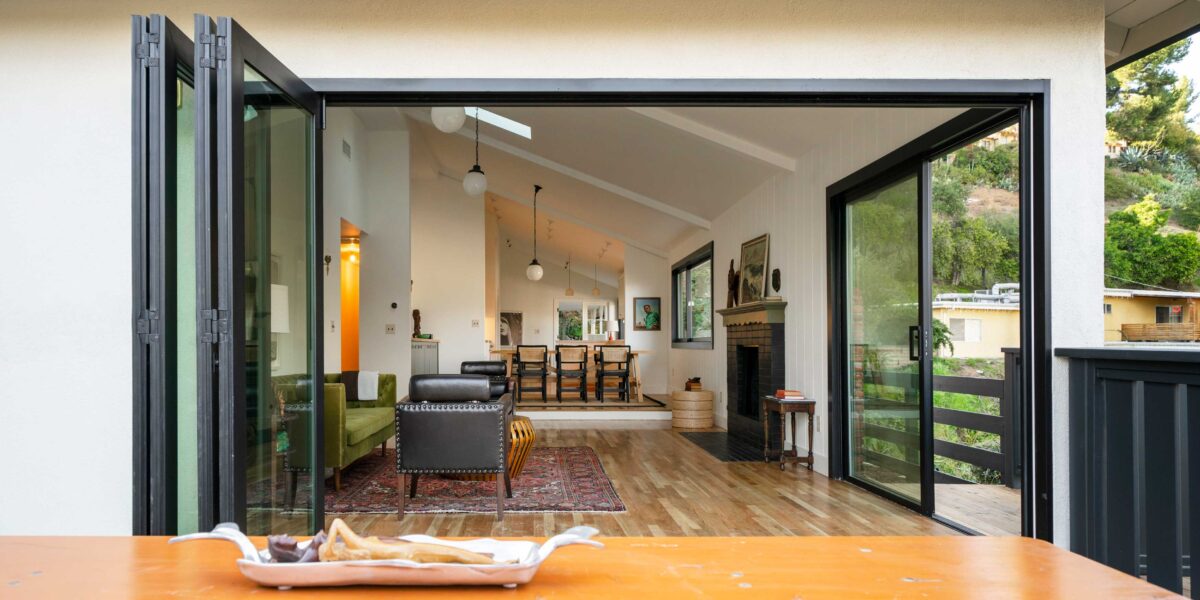
A third crucial tip addresses kitchen updates. Acknowledging that nobody desires a 1920s kitchen, he pays particular attention to kitchens and bathrooms, ensuring they are light, bright, and functional for contemporary living while still fitting the home's overall character. Fourthly, vintage furnishings play a significant role in his designs. Jones sources unique pieces from flea markets, swap meets, Etsy, and architectural salvage yards, creating an eclectic yet coordinated look where colors complement each other, as exemplified by pairing a vibrant green sofa with subdued vintage black leather chairs.
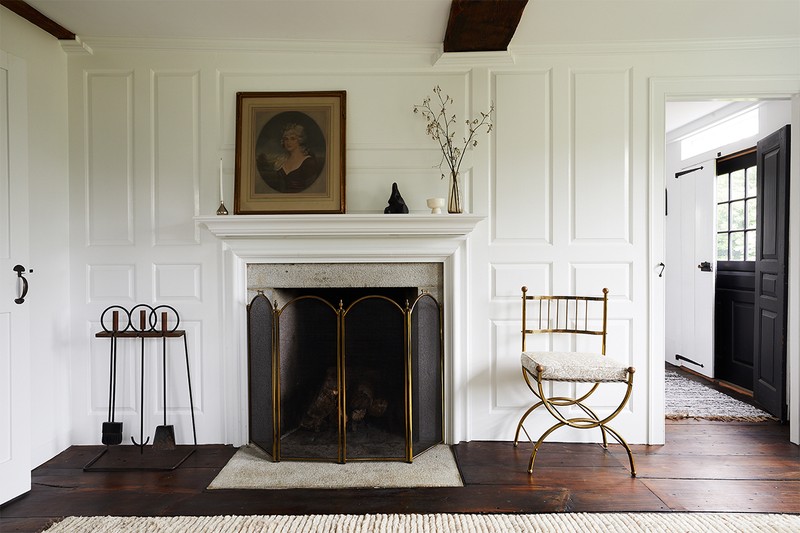
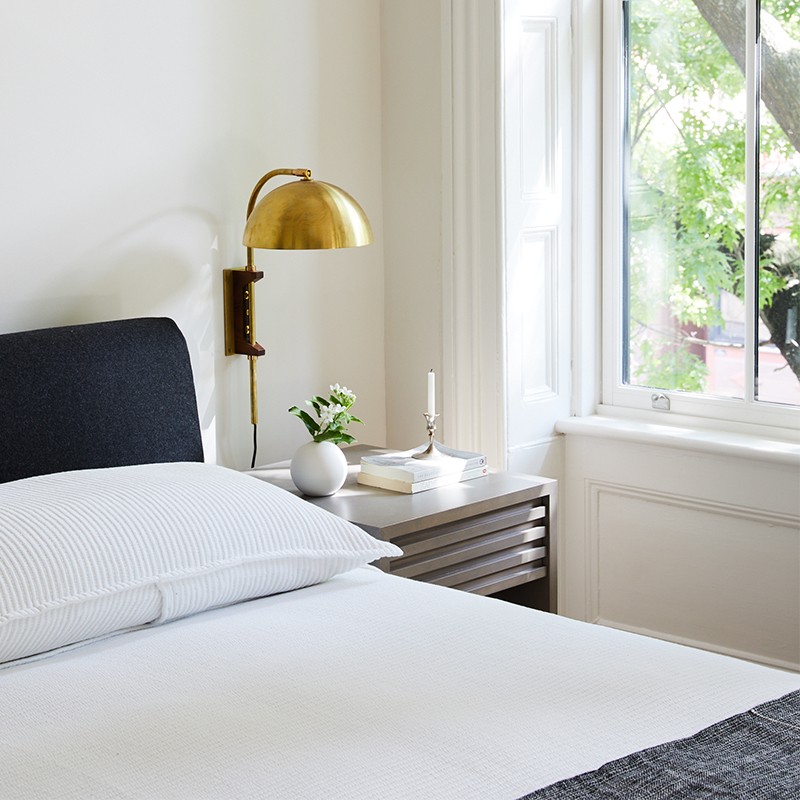
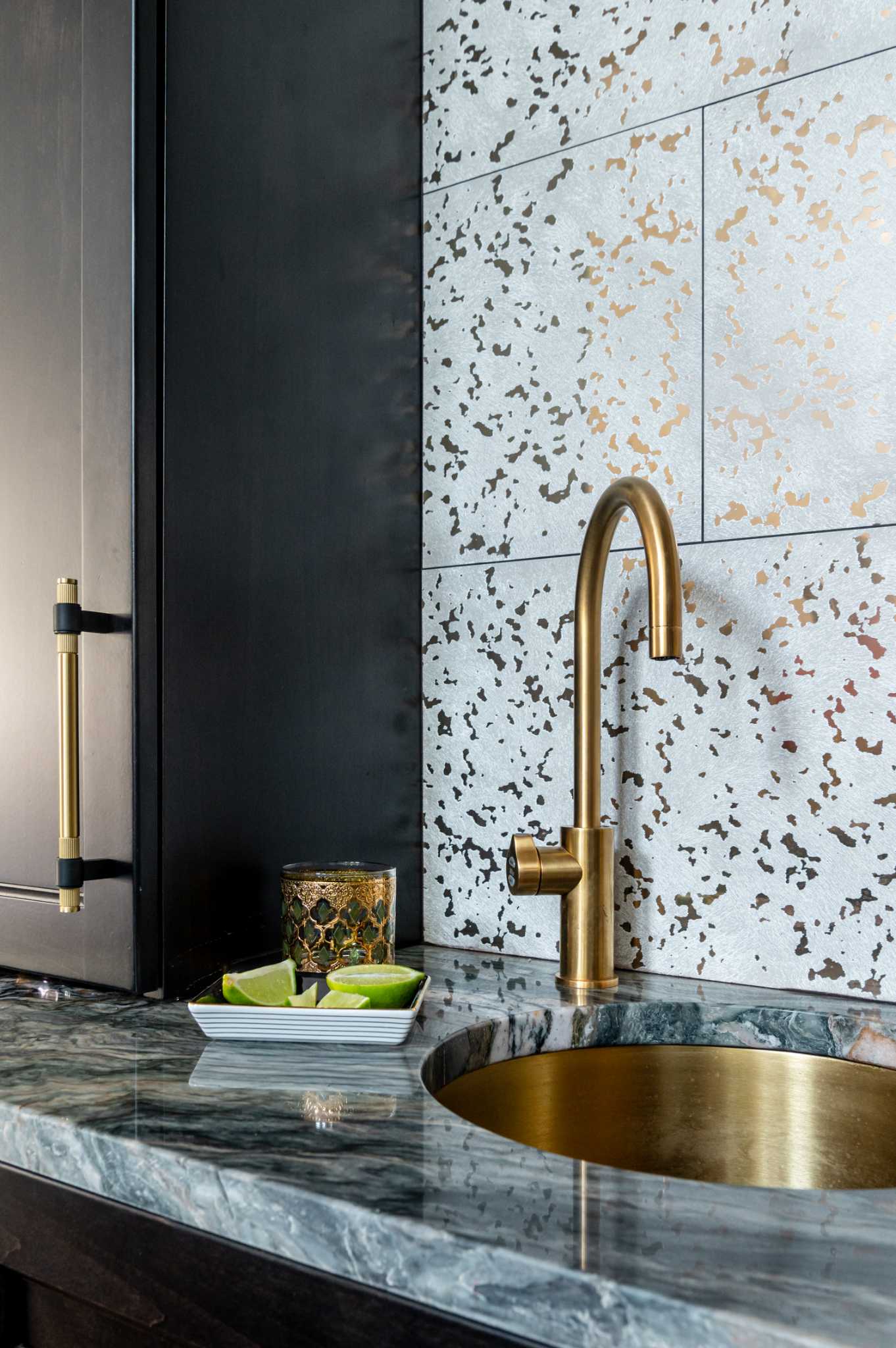
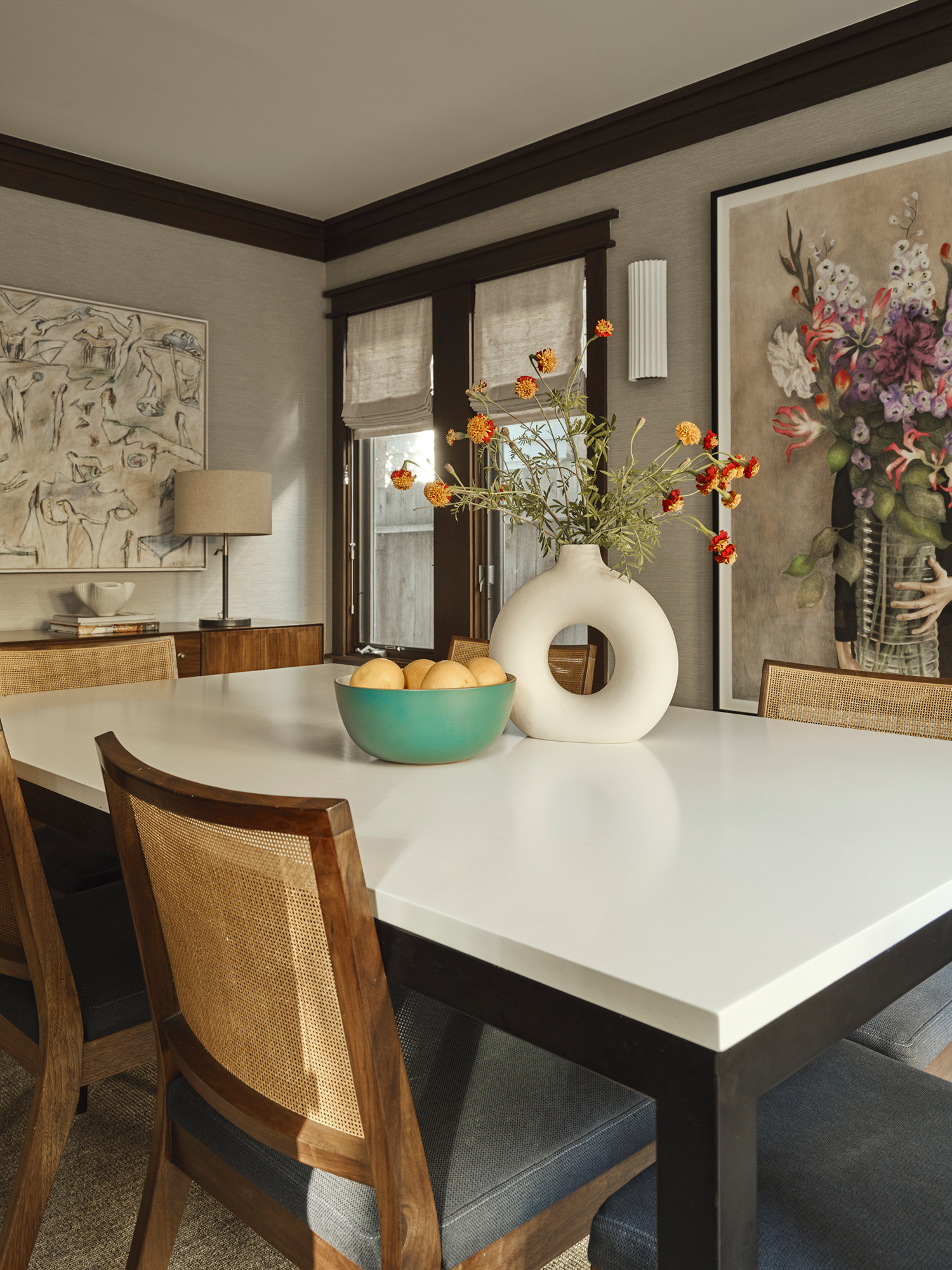
Fifth, decor and styling are paramount for adding visual interest and sophistication. Jones uses a variety of vintage items, including paintings and unusual three-dimensional objects, to create layered collages that elevate the home's aesthetic beyond flat artwork. Sixth, using fixtures that appear original, such as vintage sconces and light fixtures appropriate for the period of construction, helps maintain the illusion of a gently preserved home rather than a complete overhaul. Finally, Jones advises restraint in renovation decisions, urging renovators to consider what a 'home' truly means to them and to respect the property's inherent character. He believes that for many, the conception of 'home' is rooted in the past, and his designs aim to evoke that feeling of timeless care and preservation.
#HouseFlipping #HomeDesign #InteriorDesign #VintageDecor #RenovationTips #HistoricalHomes #RealEstateDevelopment #LosAngelesDesign #Bettershelter #HouseFlipping #HomeDesign #InteriorDesign #VintageDecor #RenovationTips #HistoricalHomes #RealEstateDevelopment #LosAngelesDesign #Bettershelter
0 comment in total
 No comments yet
You may also like
19 Tips From A Top Interior Designer

How a Hollywood Manager Turned a Spec Home to Special
10 Interior Design Mistakes Experts Avoid In Their Own Homes

The Best New Home Design Shops in Los Angeles

The Top Home Features Designers Always Skip
How a Former Fashion Editor-Turned-Interior Designer Creates Effortlessly Beautiful Spaces

A serial home flipper with over 25 years of experience shares 7 common renovation mistakes people make
5 golden rules of home décor from an Irish interior designer

A Designer Shares Her Shopping List for Solving a L.A. Home’s Layout Problems


Inside the Mind of Designer Jeff Lewis: Here’s Why He’s Always ‘Flipping Out’
Interior Designers Share Their Best Traditional Design Tips

9 inspiring ways this L.A. redesign adds character to a once-bland and boring home

Flipping Real Estate? Learn Interior Design and Home-Cleaning Techniques From the Experts.
Designer Jessica Duce offers 8 great home remodeling tips

Step up your home office game with these tips from an interior designer
This Los Angeles Craftsman Was Gutted. It's Now the Perfect Balance Between Traditional and Eclectic.
Design Insiders Reveal Their SECRETS to Decorating Your Home Like a Pro

Meet Zoie Aliado | Interior Designer
Celebrity designers reveal the kitchen design rules they live by

Make your home renovation shine with these builder tips