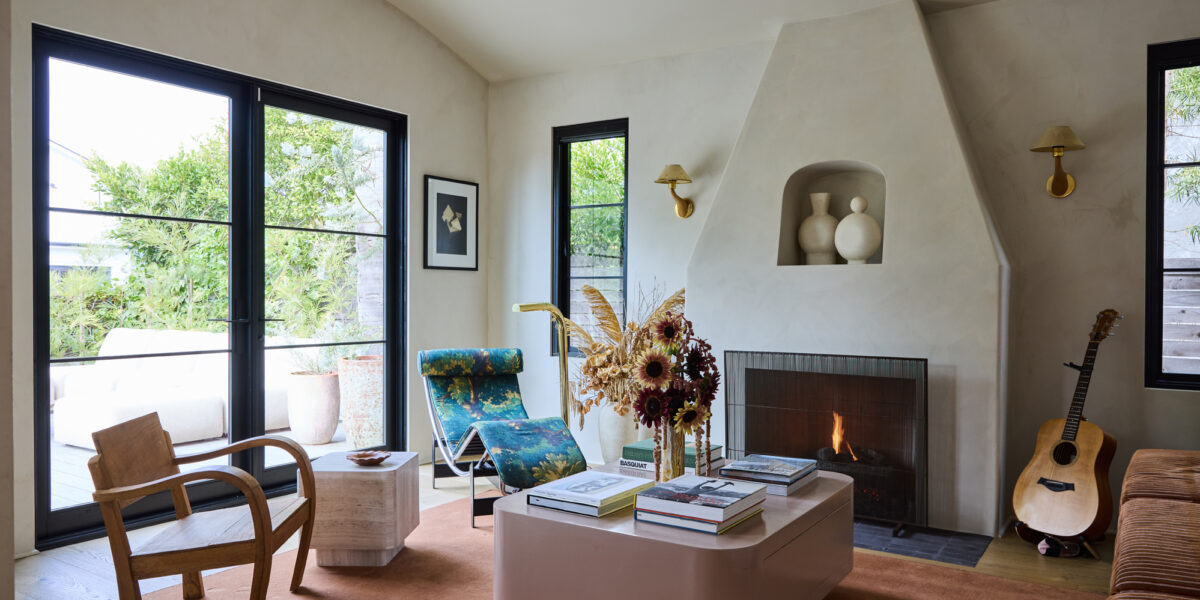
1/12
How a Former Fashion Editor-Turned-Interior Designer Creates Effortlessly Beautiful Spaces
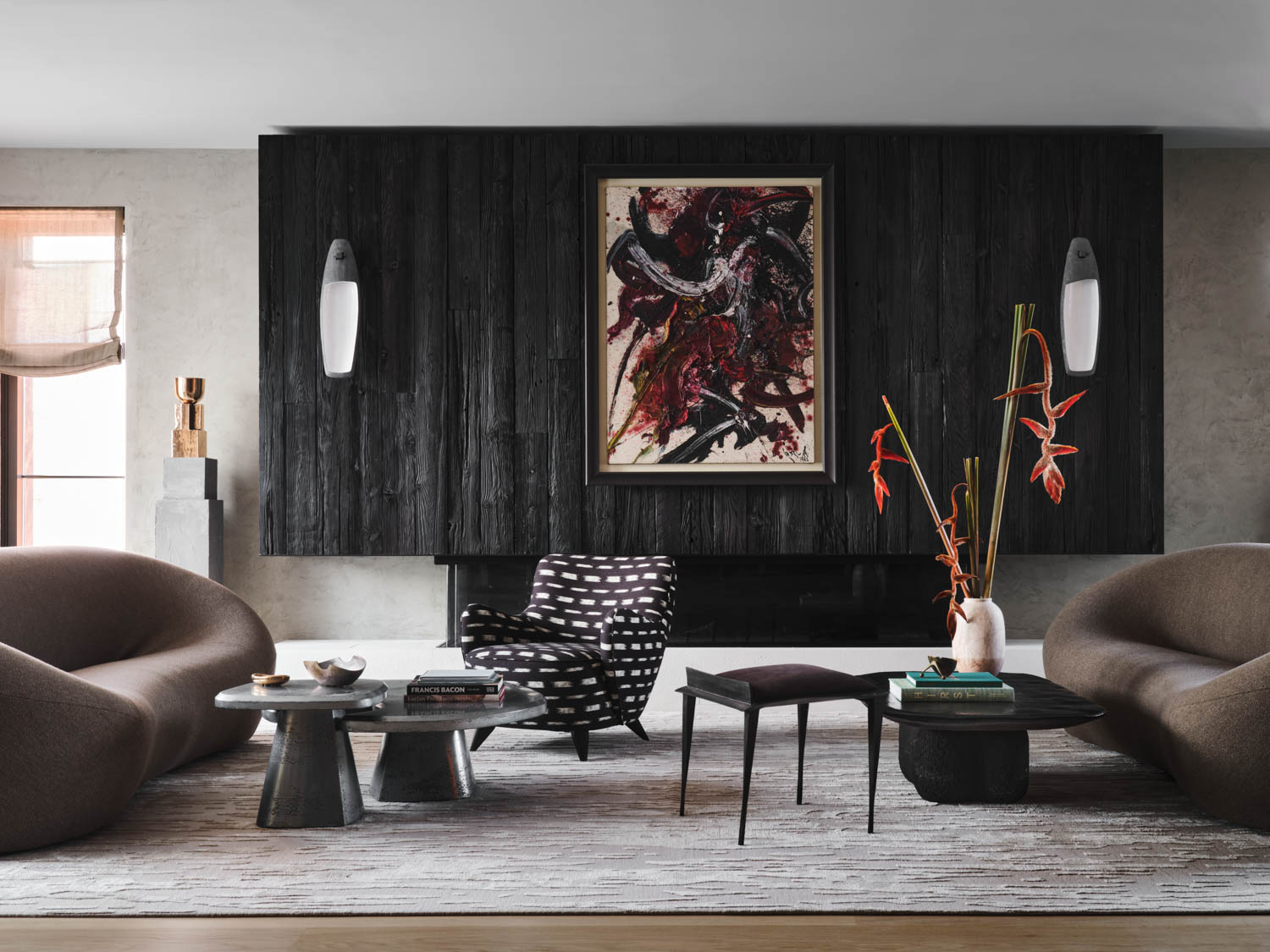
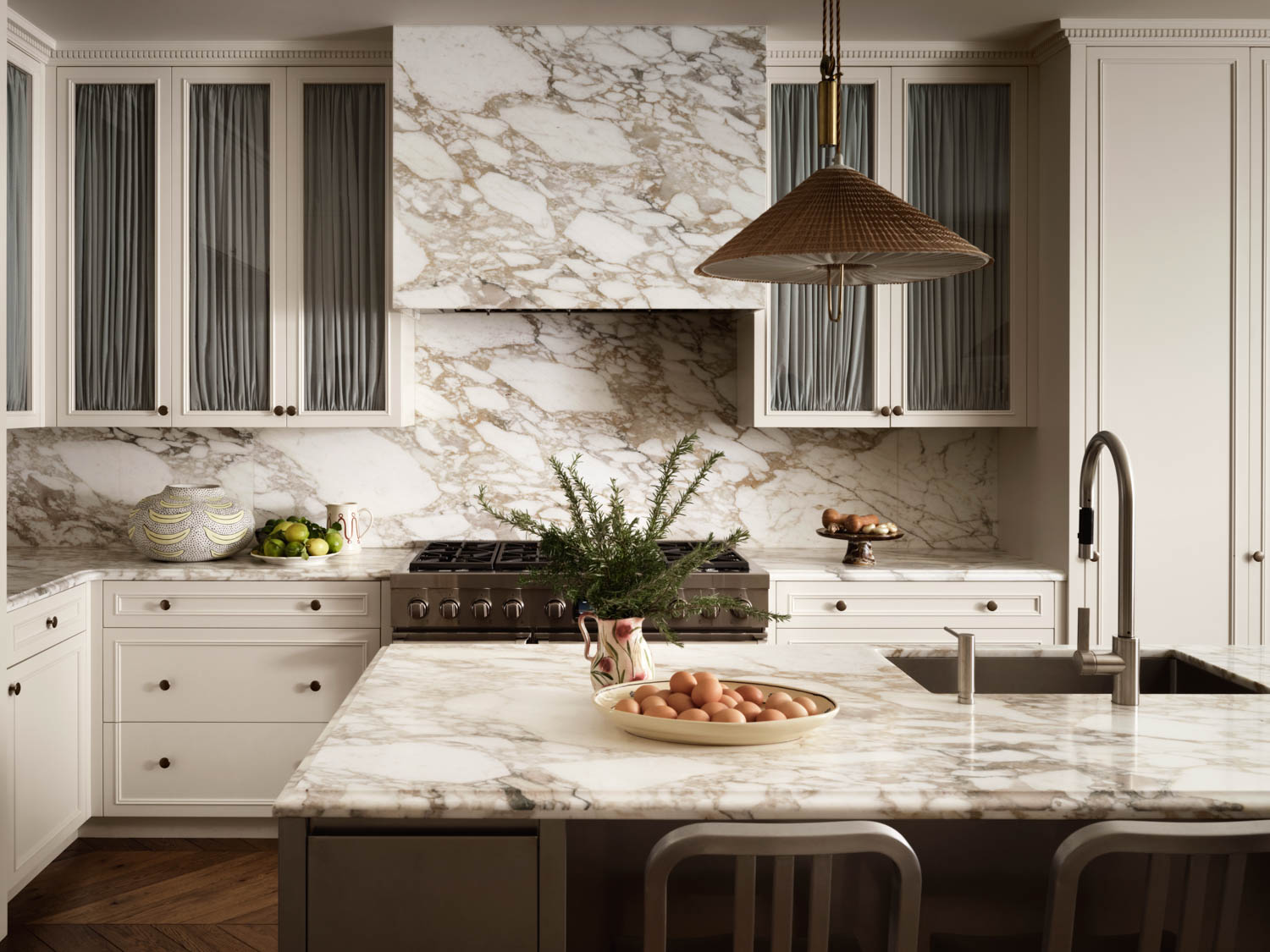
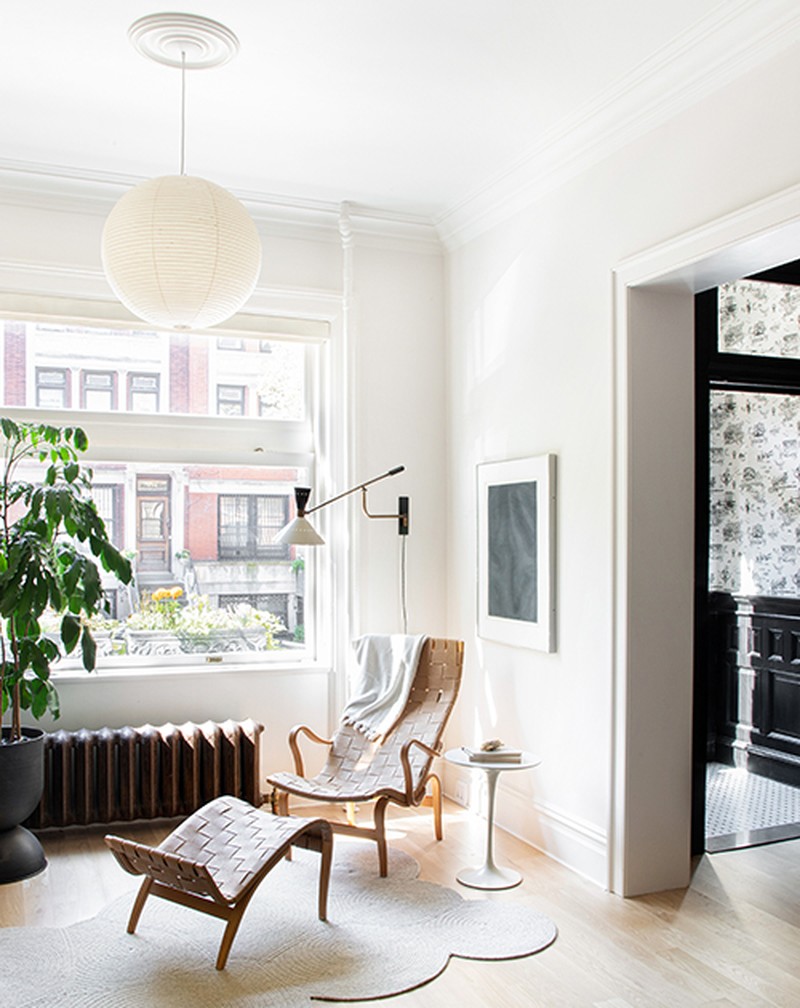
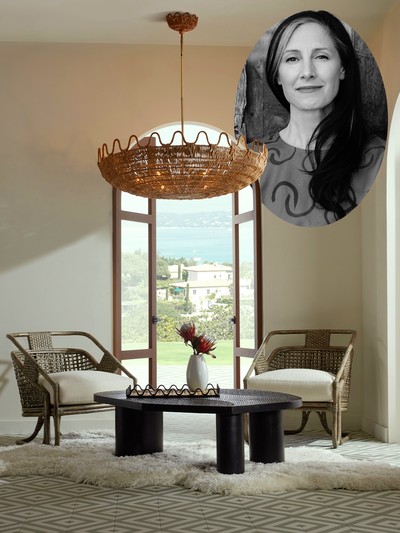
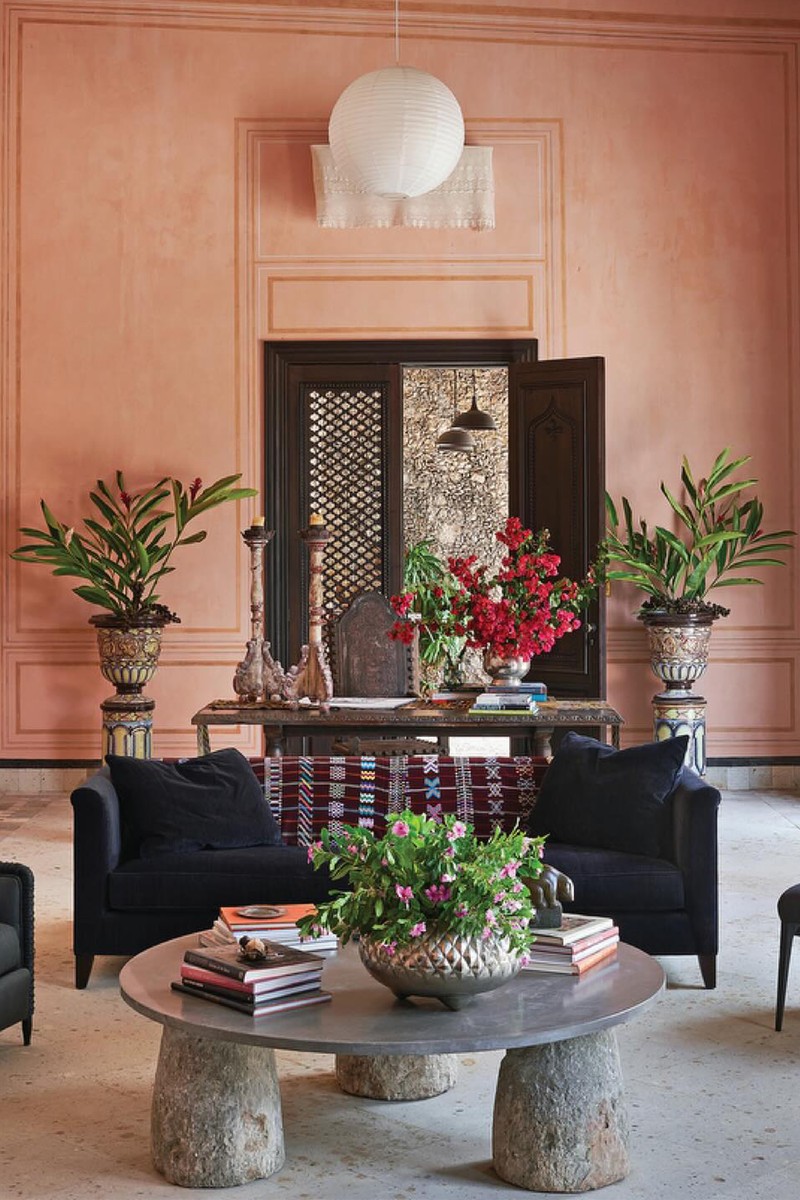
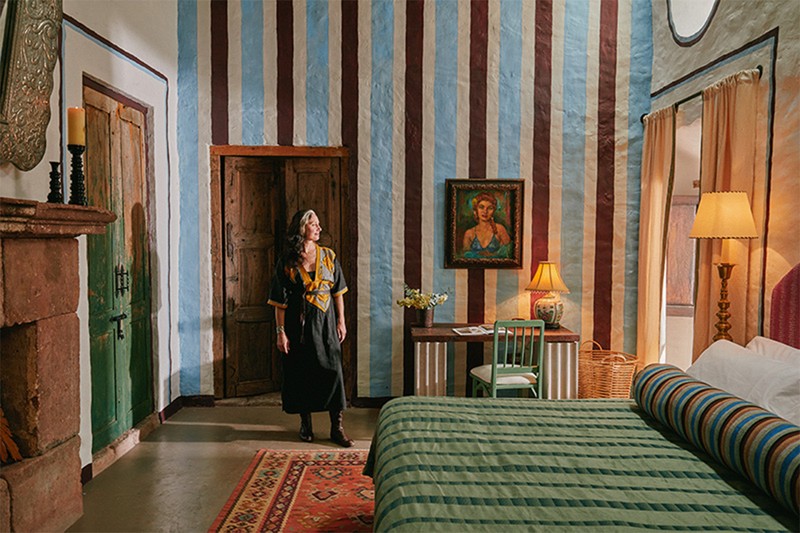
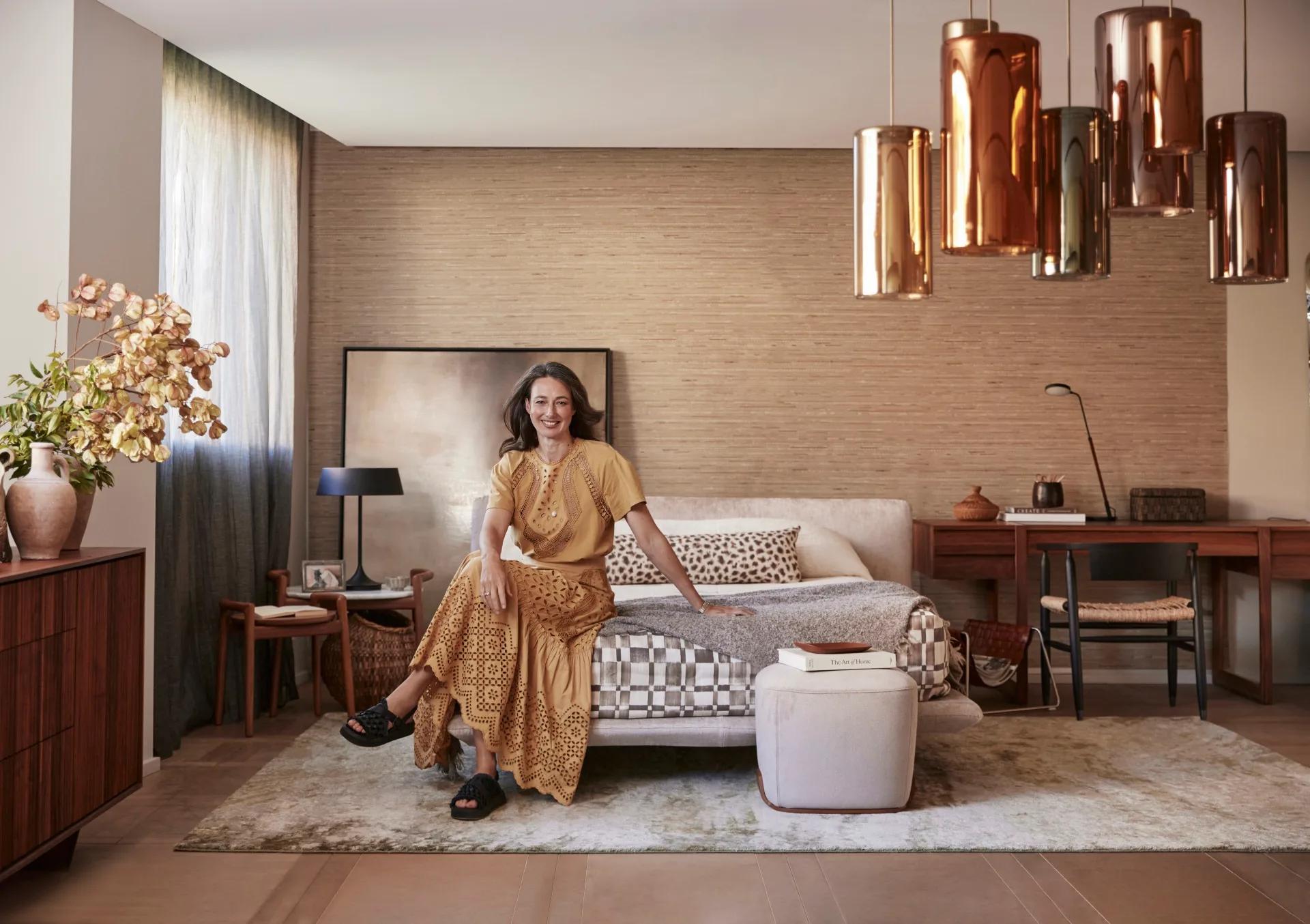
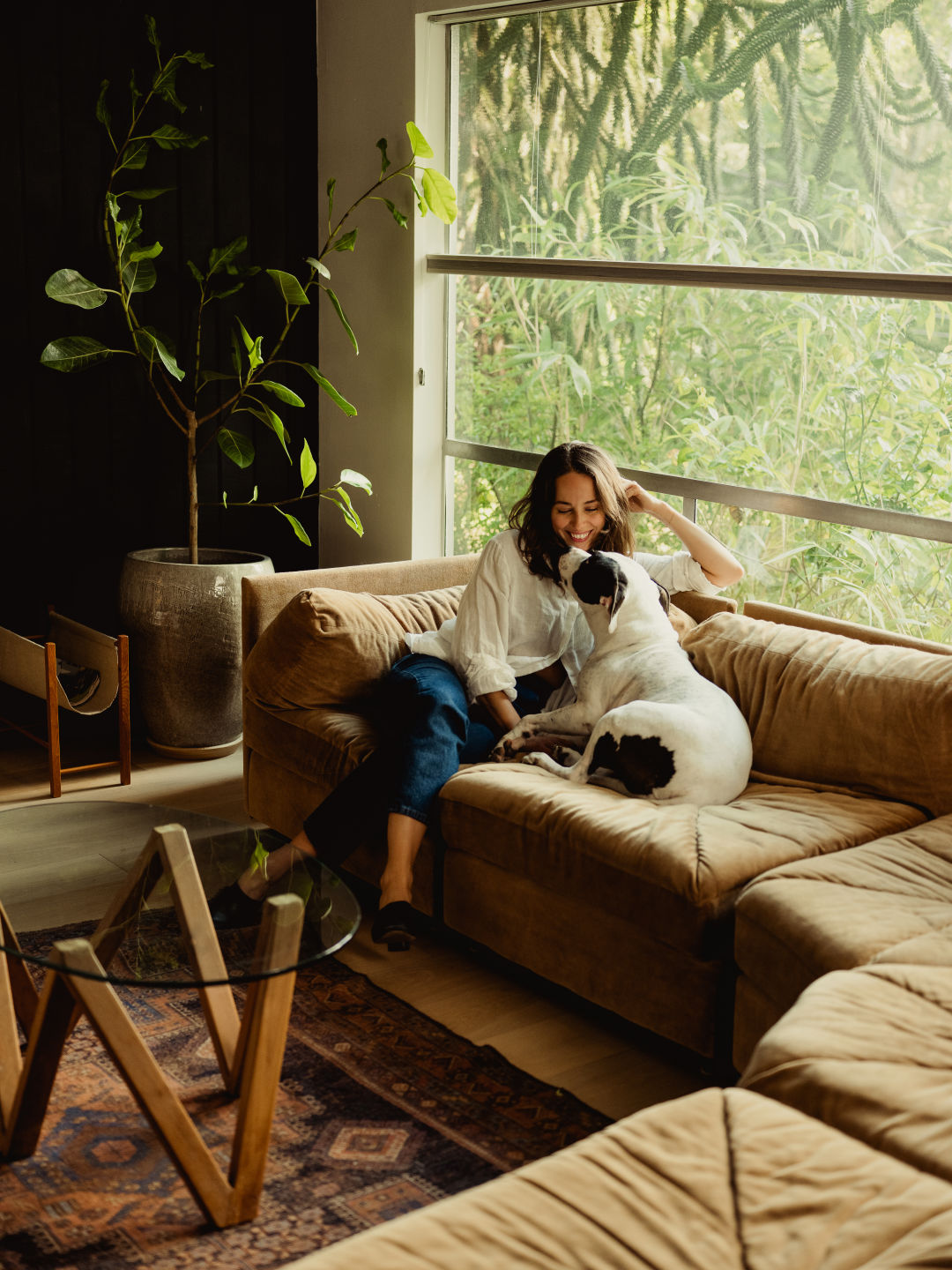
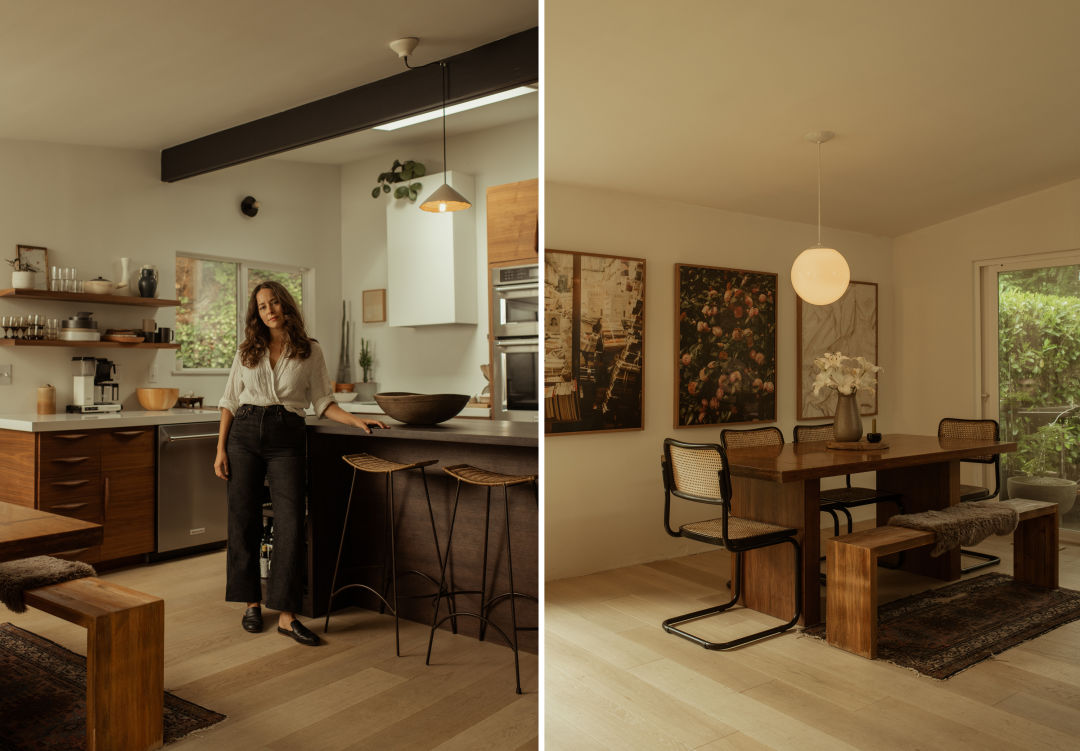
Mimi Shin, a UCLA-trained architect and interior designer, brings a unique perspective to her work, deeply influenced by her decade-long career as a fashion editor at prestigious magazines like Harper’s Bazaar and Vogue. Shin’s design philosophy emphasizes a foundational approach to space, prioritizing timeless, handcrafted materials, and graceful proportions, similar to how a fashion editor would focus on the silhouette of an outfit. She integrates carefully curated accessories to elevate the overall design, treating them as analogous to the finishing touches in fashion. This methodology is evident in her personal Venice bungalow remodel, which serves as a prime example of her ability to blend new construction with existing character.
Shin's journey into interior design was sparked by a realization that her passion lay in the broader aspects of design rather than solely clothing. After a transformative dream, she pursued architecture at UCLA, attracted by its innovative 3D modeling program. Her architectural education provided her with a comprehensive understanding of construction, zoning laws, building codes, and materials, which she considers crucial for establishing credibility in a male-dominated field. She notes the importance for women in the industry to be highly qualified and knowledgeable, enabling them to confidently engage with other architects.
In her professional practice, Shin has cultivated a loyal client base among Los Angeles's creative and executive communities, including Hollywood writers, producers, and Snapchat executives. Her clients value her design expertise and her distinctive fashion background. Her own home, a Spanish colonial beach shack in Venice, showcases her design principles. Facing the need for more space, Shin opted for a thoughtful expansion rather than a complete demolition, adding a second story to the main house and constructing a discrete two-story back house. This expansion respects the original character of the bungalow while addressing modern needs, including additional bathrooms and a media room.
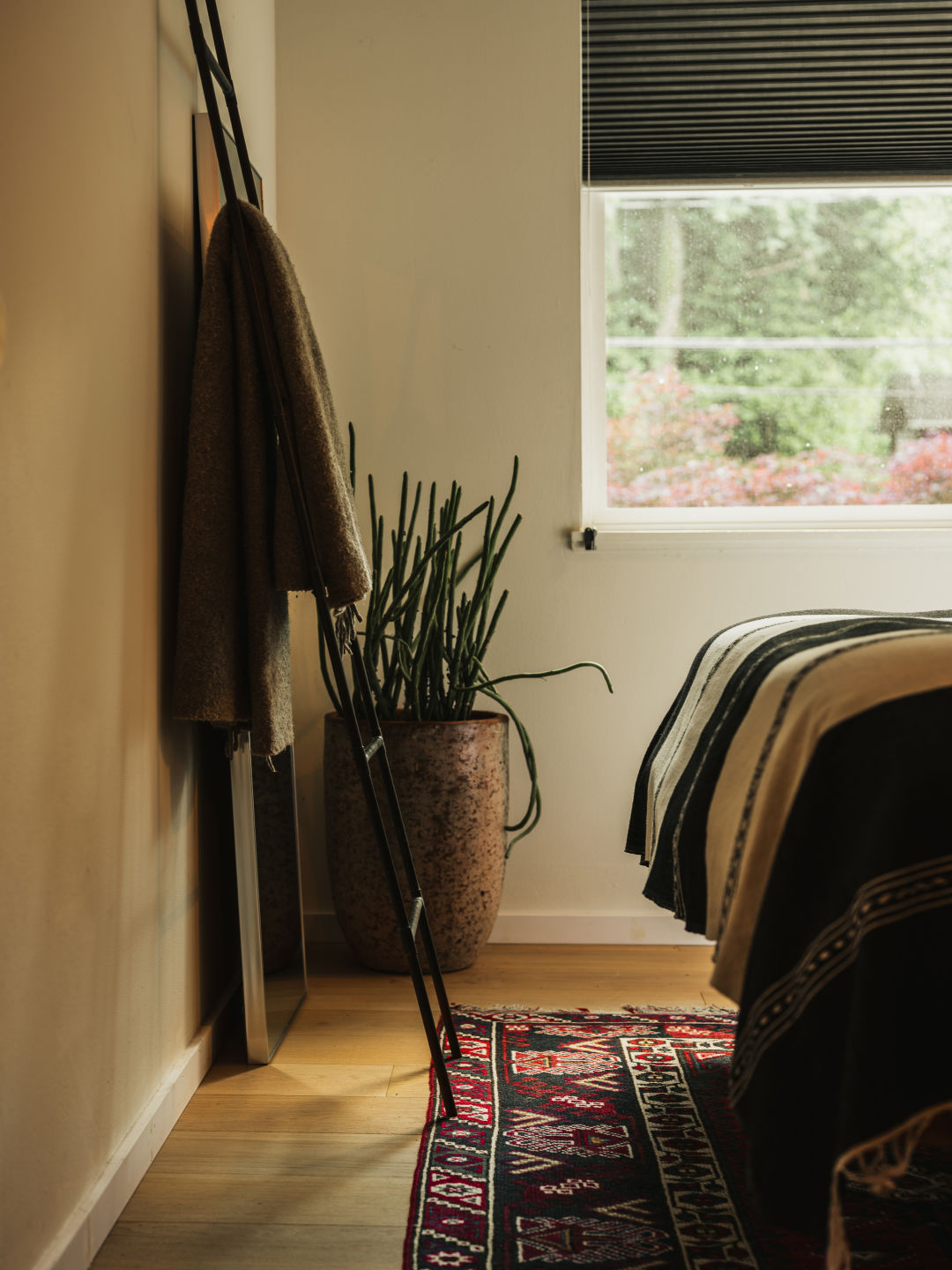
The outdoor space of her Venice home further exemplifies her innovative approach, featuring a rectangular pool, an outdoor dining area, and a wooden sauna nestled within an ORCA-designed urban garden. The design cleverly integrates these elements without making the lot feel crowded, maintaining a sense of openness and surprise for visitors. Shin consciously preserved the original footprint and scale of her bungalow, contrasting with the “raze and rebuild” philosophy sometimes taught in architecture school. She implemented design choices such as limewashed plaster walls to create a lived-in, authentic feel, preferring this over the sterile appearance of new drywall.
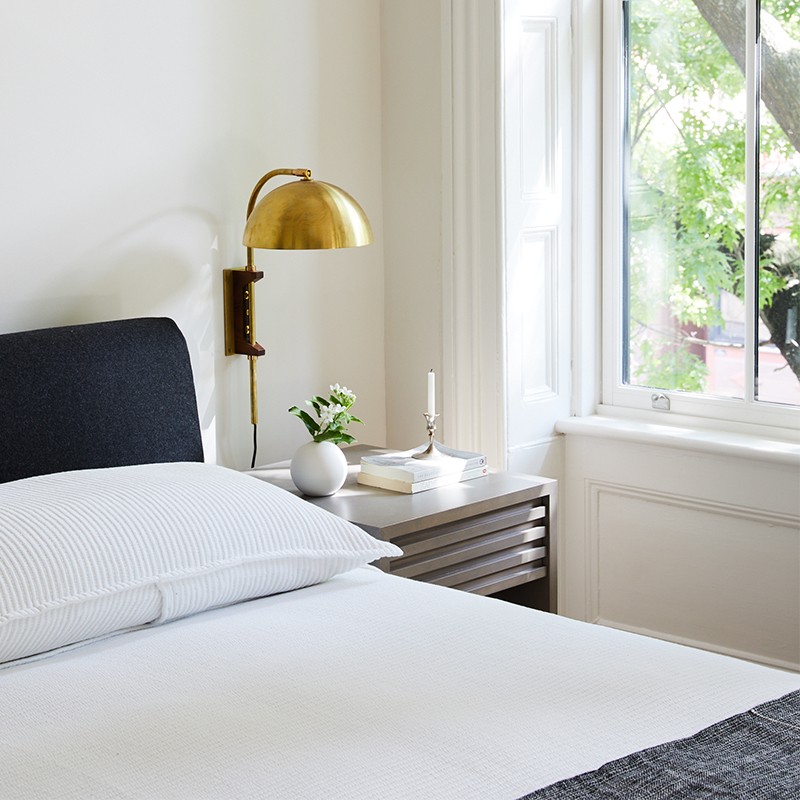
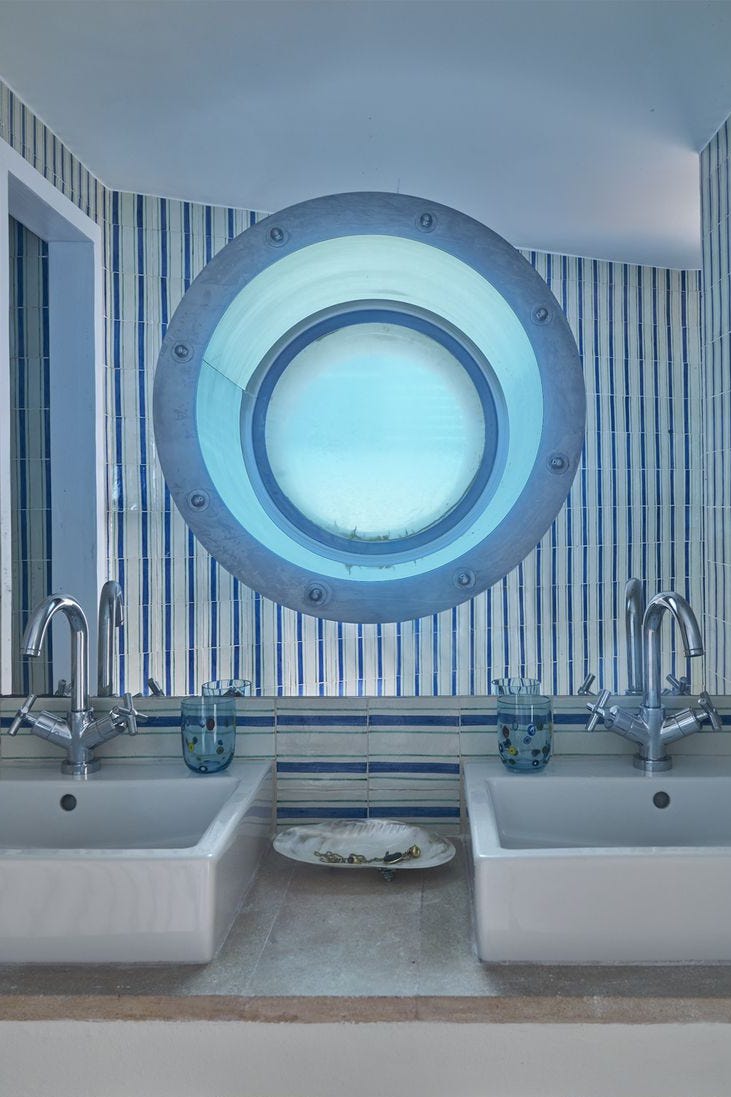
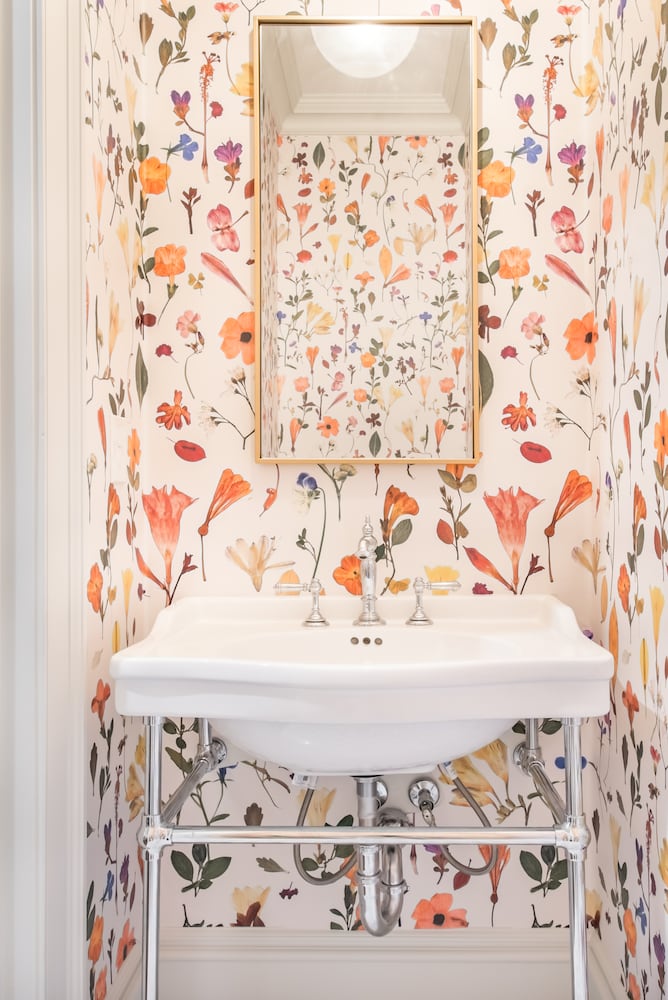
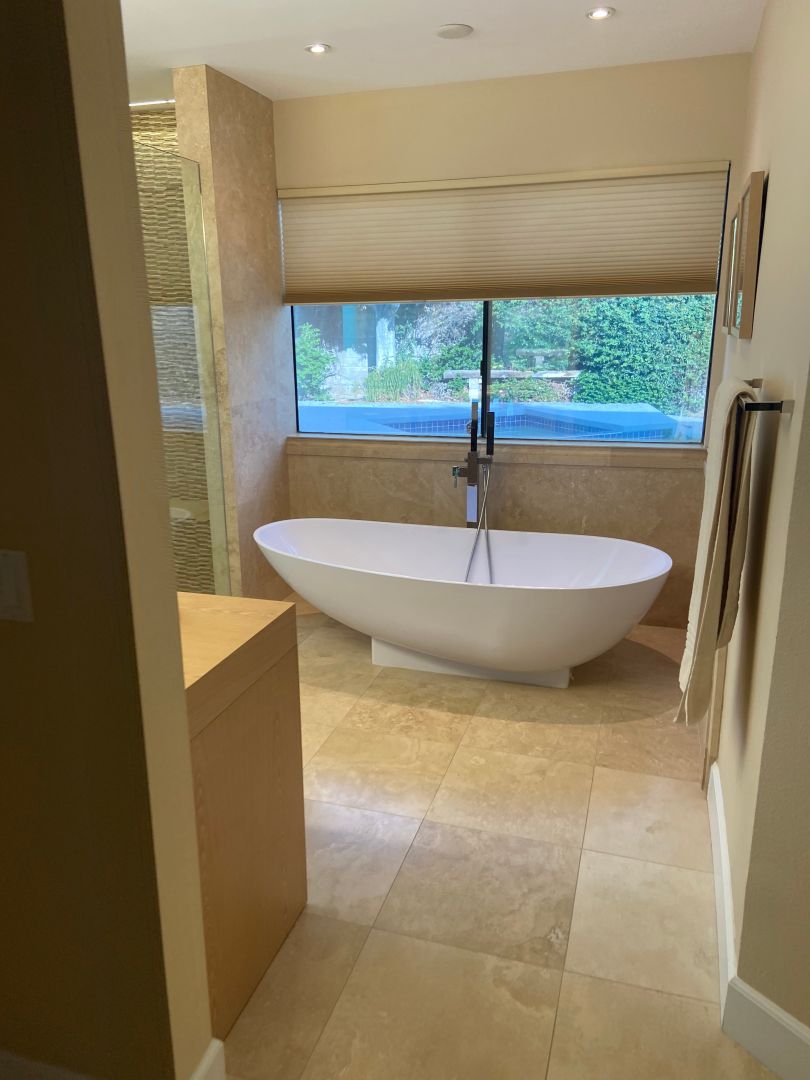
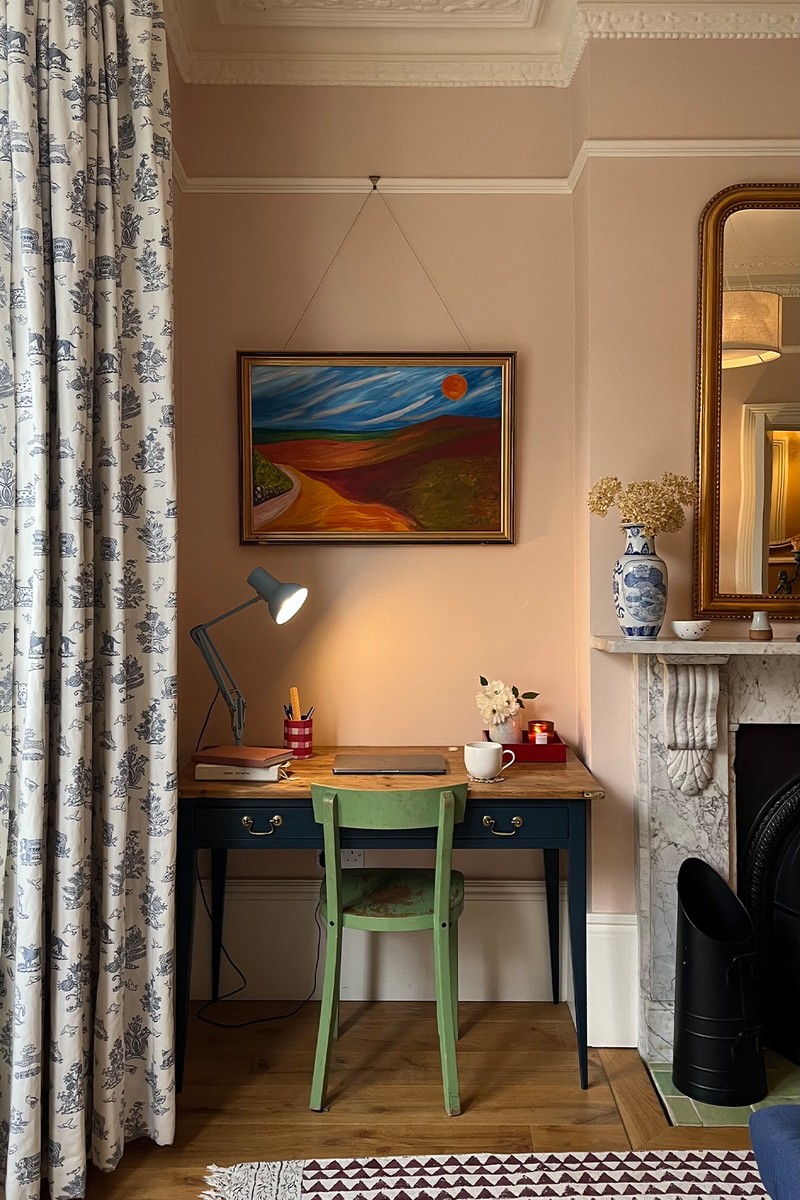
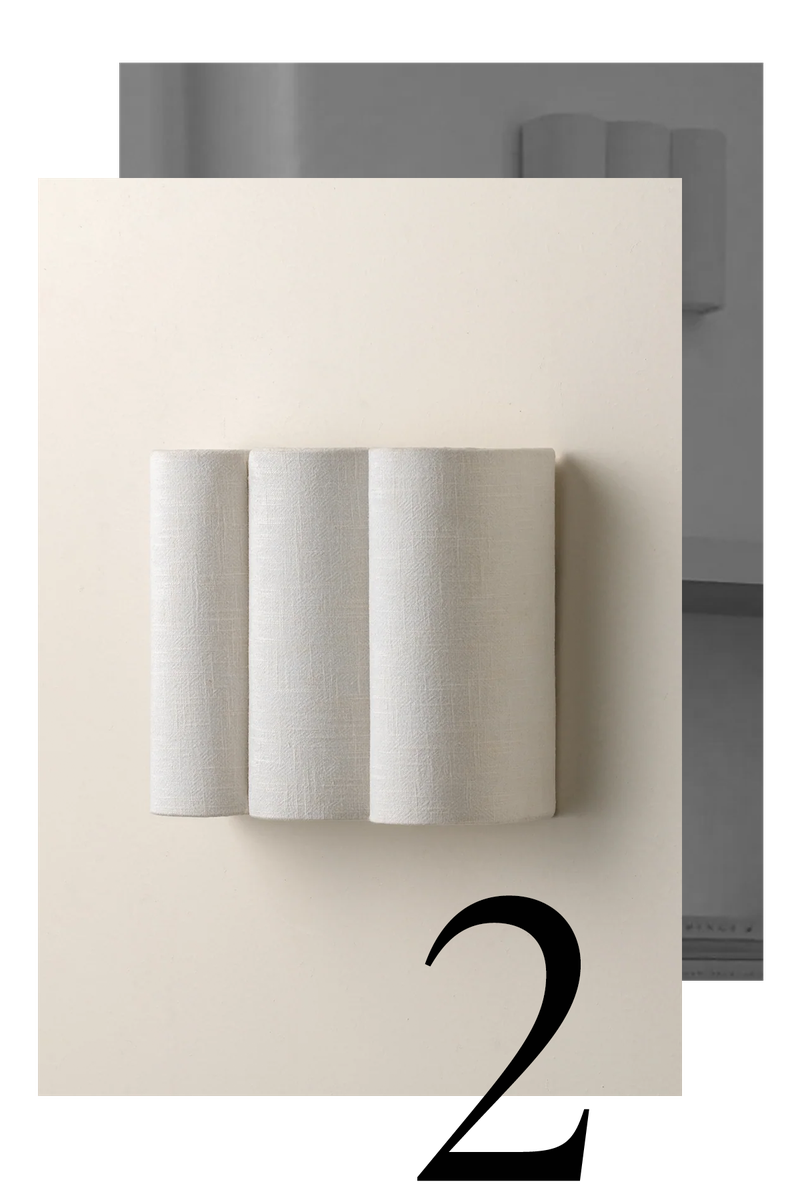
Shin's fashion background is particularly evident in her approach to accessories and finishes. She integrates vintage furniture pieces, like a Charlotte Perriand chaise lounge, which add character and a sense of history, much like a stylist would use a worn item to add authenticity to an outfit. Her bathrooms feature an artful mix of tiles by Nathalie du Pasquier for Mutina, custom stained-glass windows, and fixtures chosen for their aesthetic appeal, often resembling jewelry. She actively seeks wall sconces that evoke earrings, highlighting her continuous thought process regarding lighting as a form of adornment. Her work demonstrates a cohesive integration of fashion-forward detailing with solid architectural principles, resulting in effortlessly beautiful and deeply personalized spaces.
#MimiShin #InteriorDesign #FashionEditor #HomeTours #VeniceBungalow #ArchitecturalDesign #Remodeling #DesignPhilosophy #CreativeSpaces #MimiShin #InteriorDesign #FashionEditor #HomeTours #VeniceBungalow #ArchitecturalDesign #Remodeling #DesignPhilosophy #CreativeSpaces
0 comment in total
 No comments yet
You may also like
How This Designer Fashions Interiors To Stand The Test Of Time

Design Insiders Reveal Their SECRETS to Decorating Your Home Like a Pro


Interior Designer
An interior designer shares her thoughts on achieving the perfect bedroom

19 Tips From A Top Interior Designer

Window Coverings, Elevated: How One Decorah Designer is Transforming Homes with Style and Function

Inspired Interiors: Design star modernizes timeless look

Meet Krysti Lyn | Whole Home Designer
A Cool Interior Designer Talks Style, Inspiration & More

Yoselin Alonso Open Concept
Look Inside This Interior Designer’s Custom Home!

An Interior Designer Talks Style Inspiration, Wish List Items & Her Clever New Launch
The Differences Between an Interior Designer and an Interior Decorator

If You're Obsessed with Fashion, You Need to See How a Designer Transformed This Home

The 2020 A-List: 125 of the Best Interior Designers in the World
Cuniform Stylist Expands Into Vintage and Sustainable Interior Design

Meet the fashion designer with a minimalist but cosy home
A former set designer finishes a home makeover, launching an interiors business in the process

HGTV-featured Atlanta interior designer turns fashion model’s home into work of art
For This Interior Designer, Home is Where the Art Is