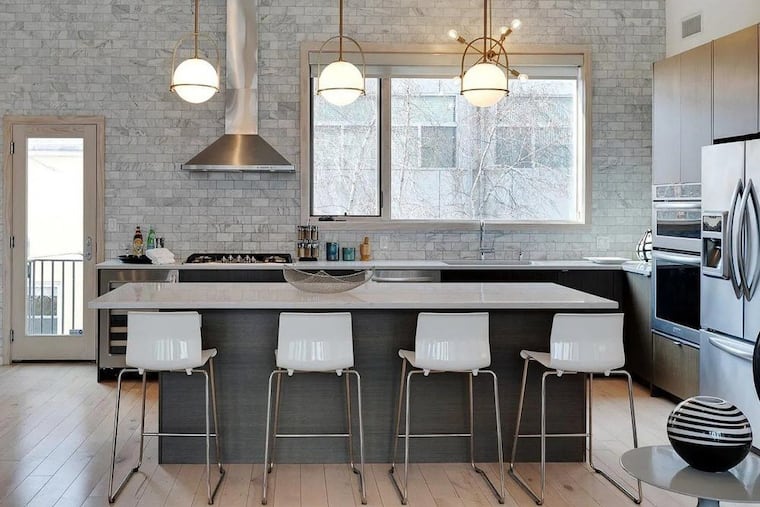
Home staging tips from someone who’s been getting homes sold for two decades
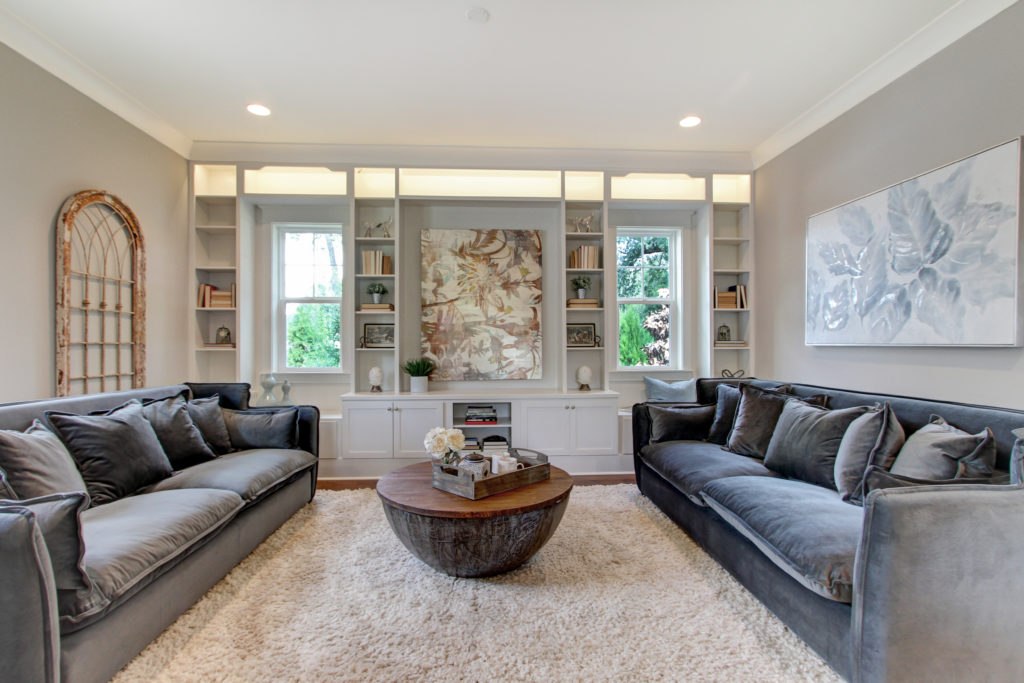
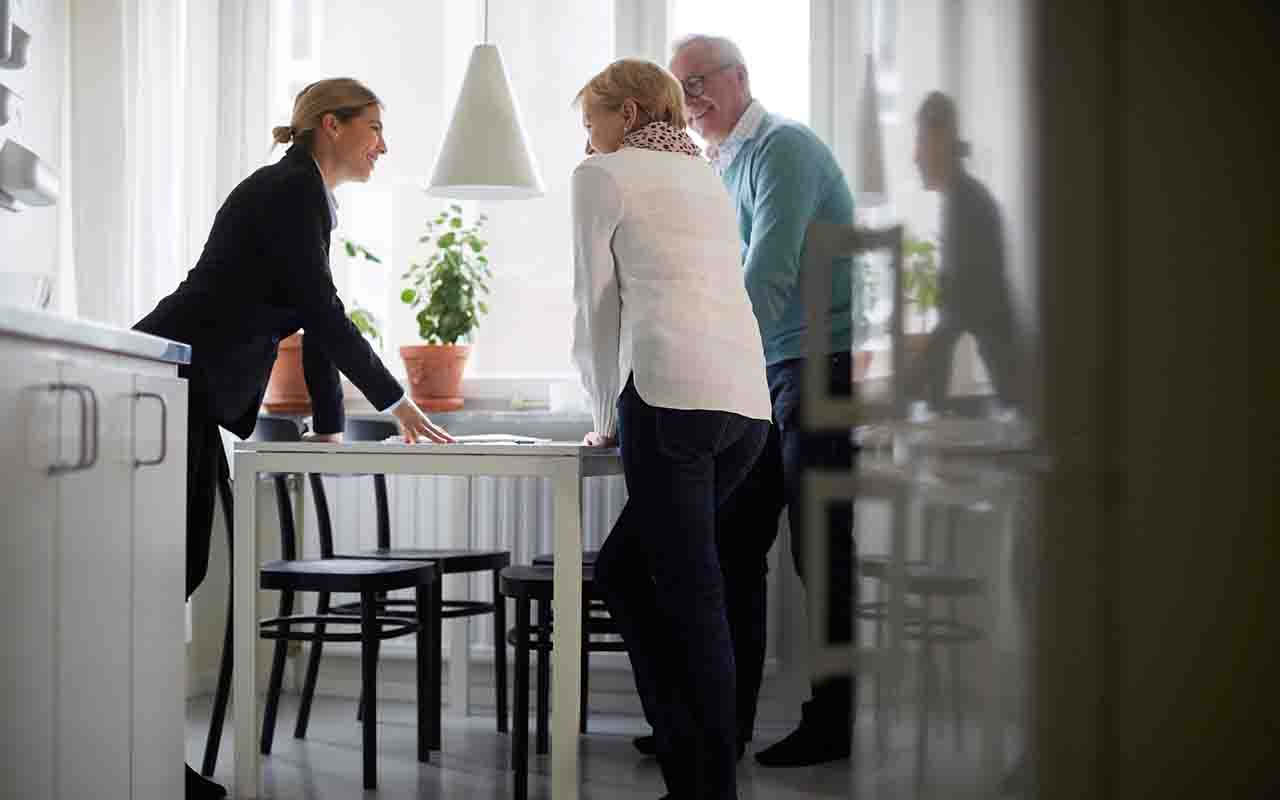
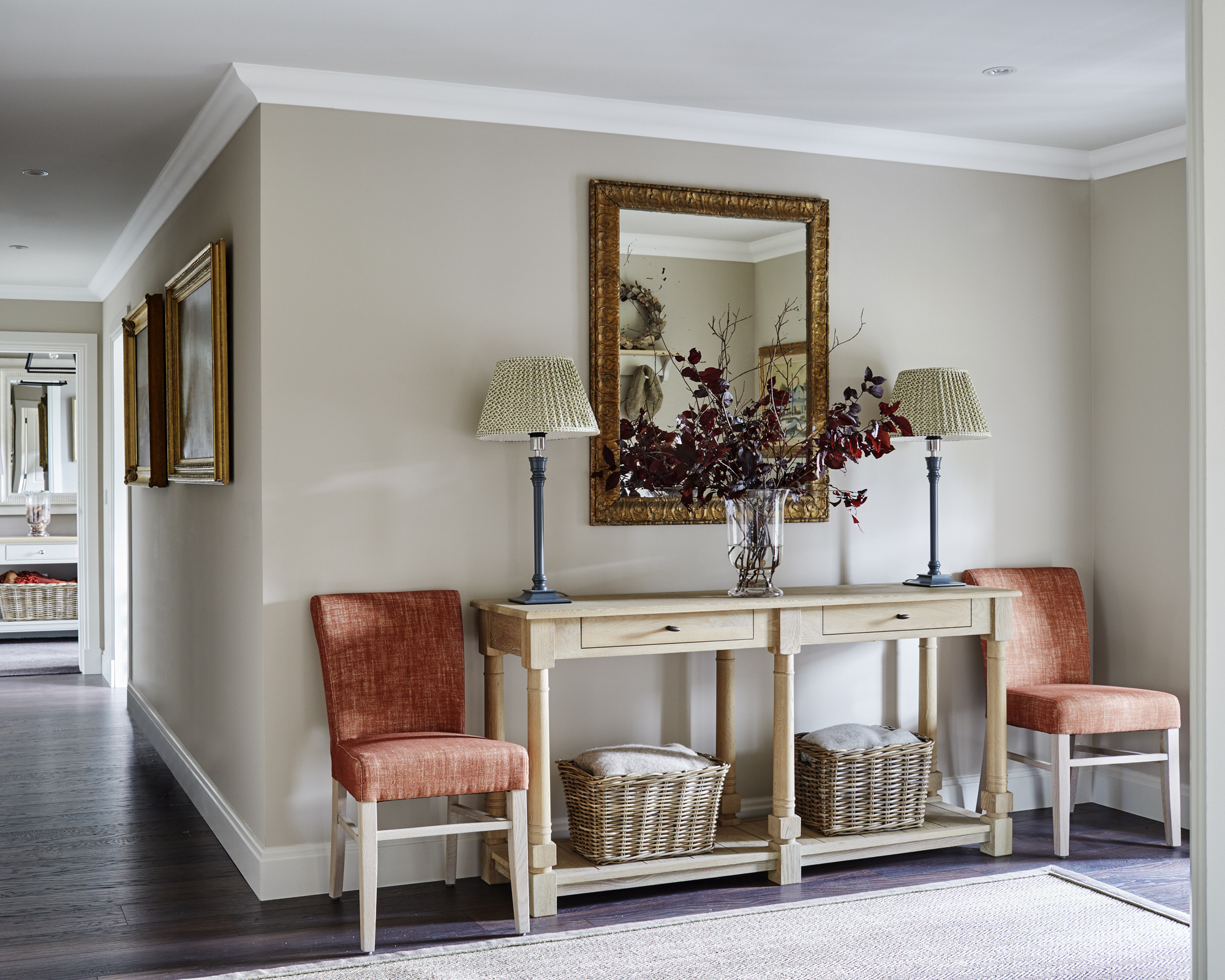
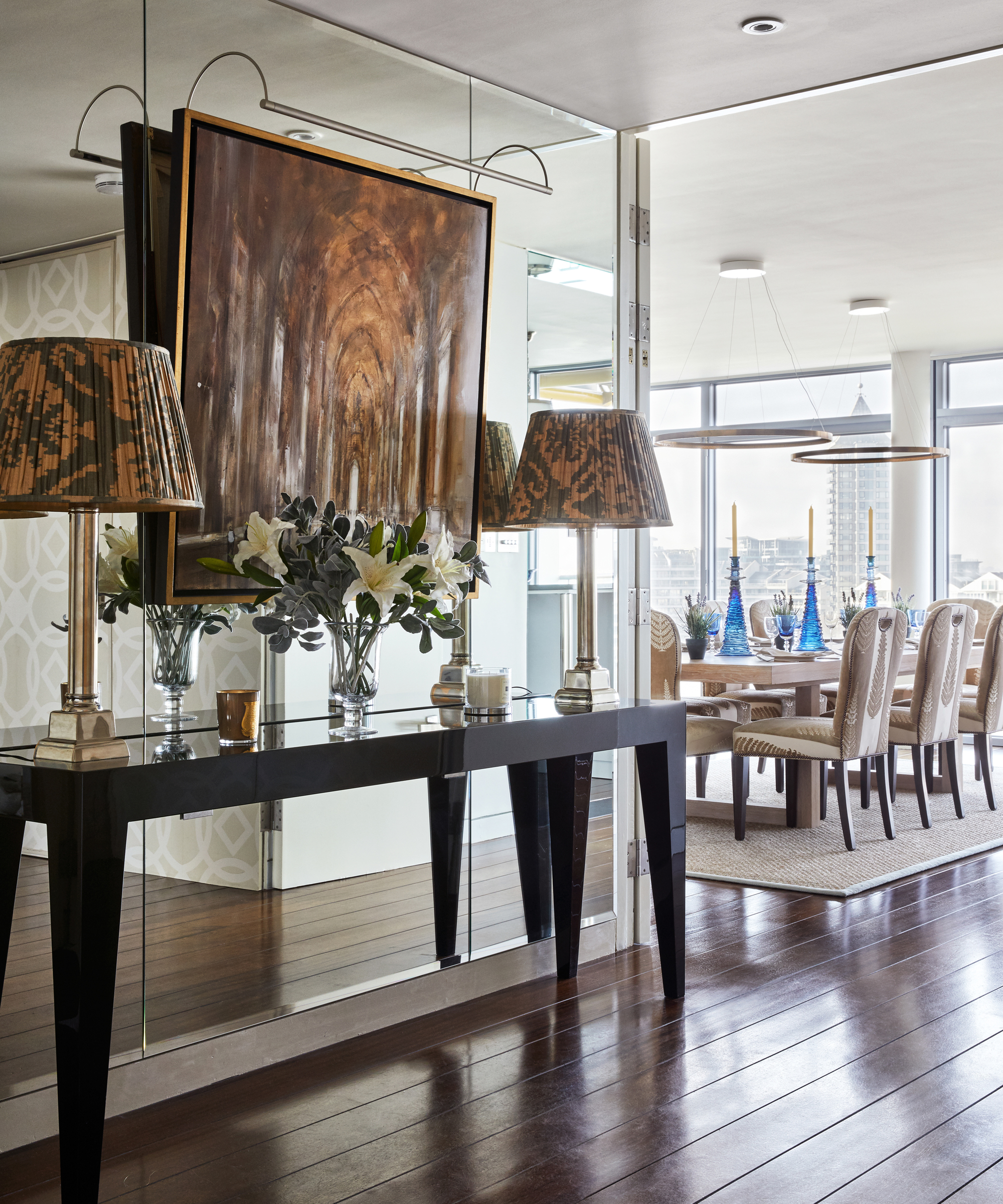
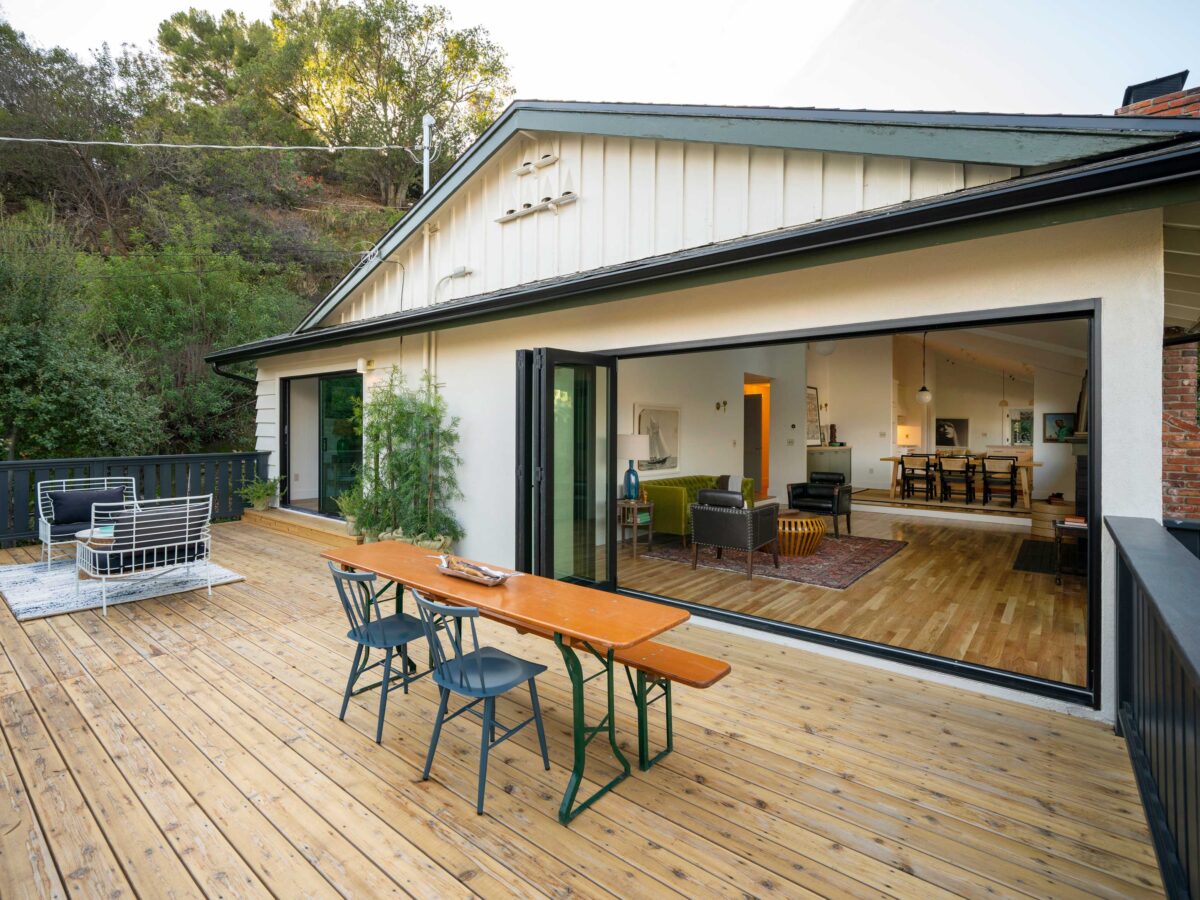
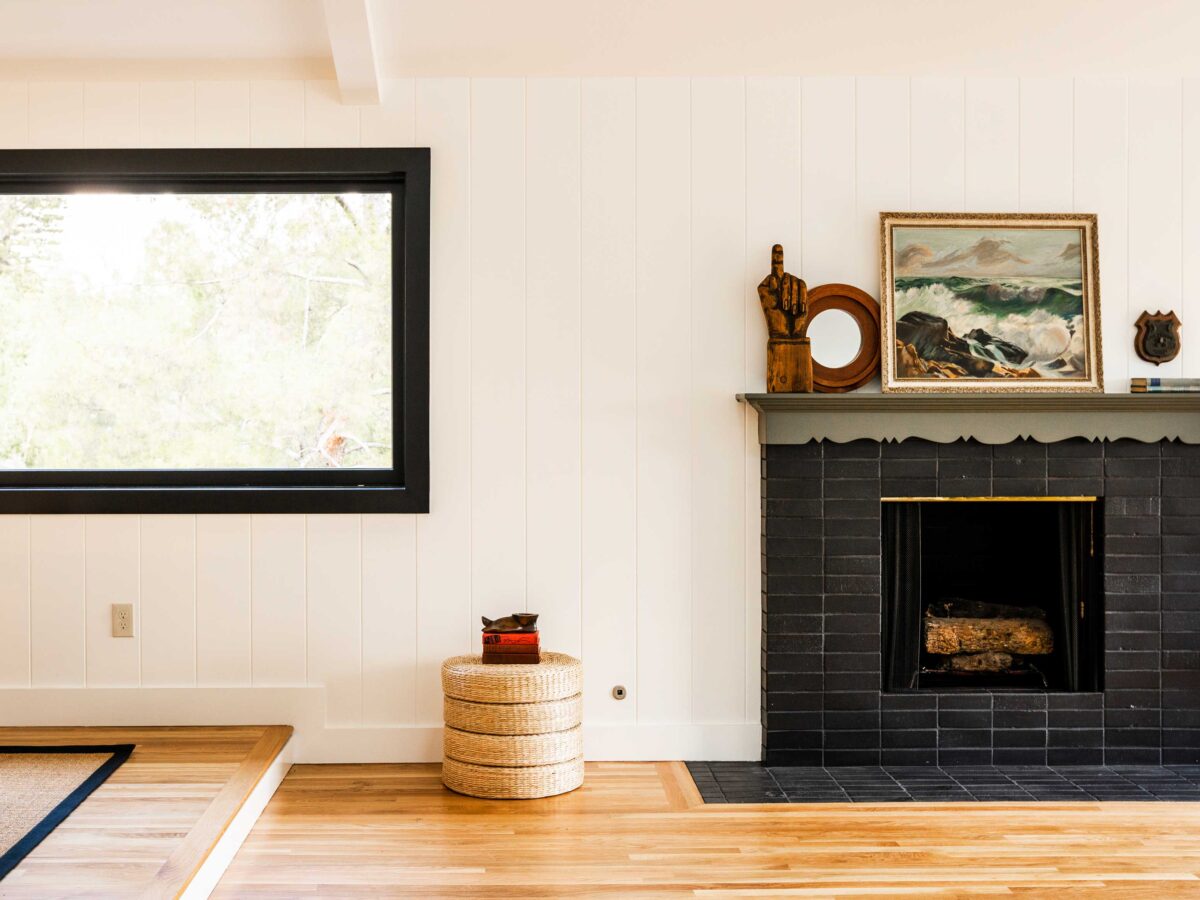
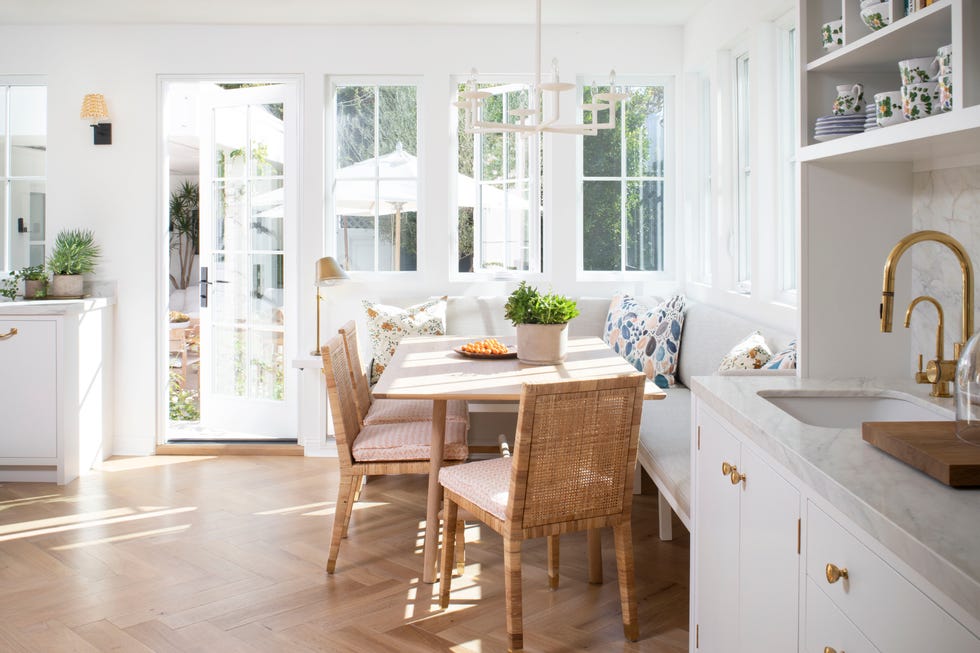
Home staging is a crucial element in selling a property, particularly as it helps prospective buyers envision themselves living in the space. Many individuals struggle to connect with a house if it’s either completely empty or overly personalized. Starr Osborne, founder of Tailored Transitions, a Philadelphia-based home staging company established in 2004, emphasizes that staging involves designing a home to appeal to the broadest possible target market, contrasting it with interior design, which caters to a single client’s taste. Osborne's company offers a range of services, from providing personalized recommendations for homeowners to self-stage their properties to supplying furniture, artwork, and other decor items from her warehouse to furnish rooms.
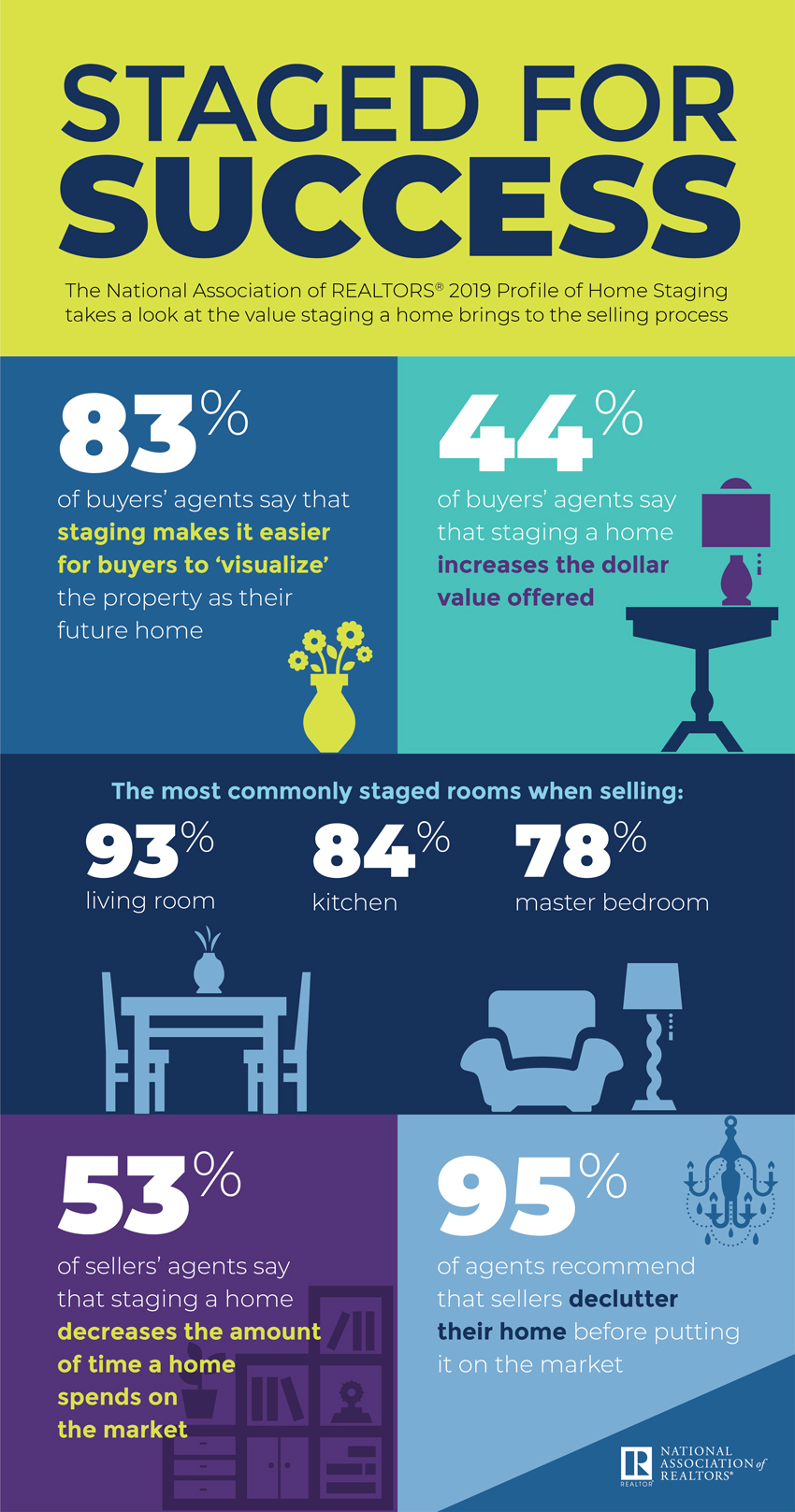
A report by the National Association of Realtors (NAR) highlights the significance of staging, revealing that homebuyers prioritize staged living rooms, primary bedrooms, and kitchens. The report, based on a survey of over 1,200 NAR members, indicates that roughly three out of ten agents reported a 1% to 10% increase in the sale price of staged homes. Additionally, approximately half of the agents noted that staging accelerated the sales process. The median cost for professional staging services was $1,500, while agents staging homes themselves incurred a median cost of $500.
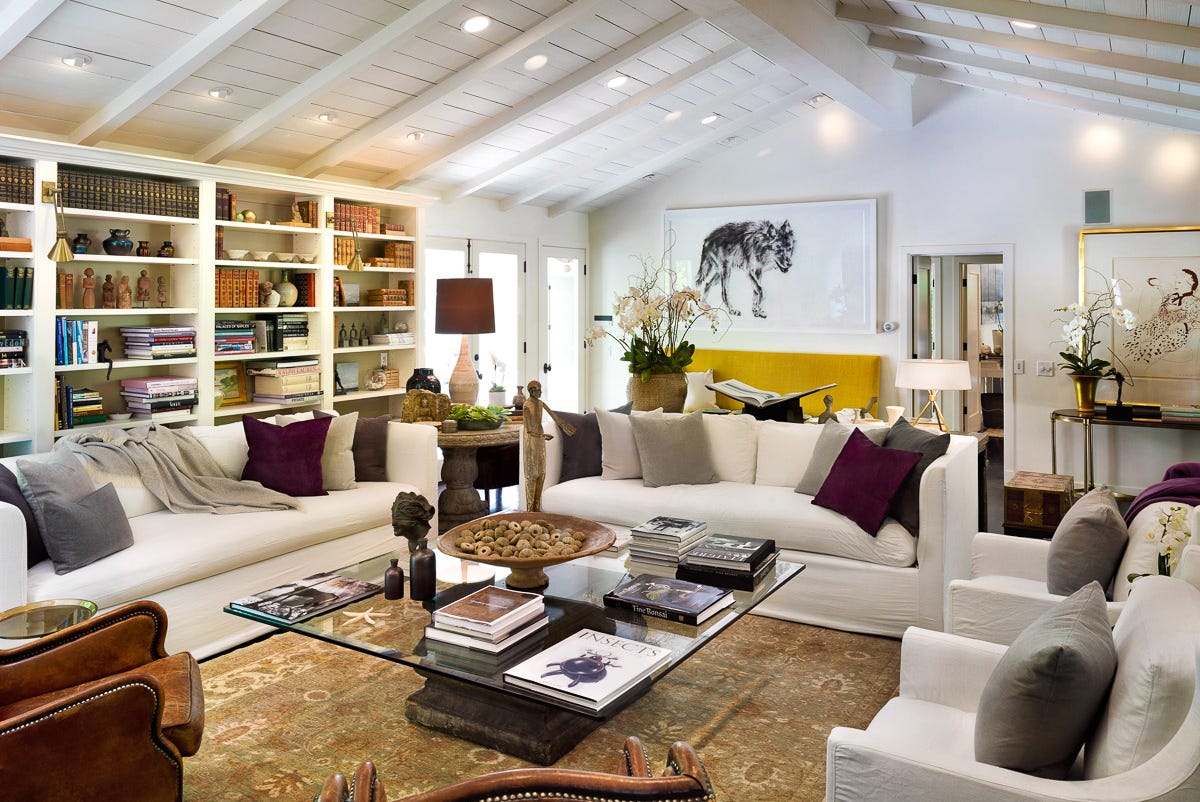
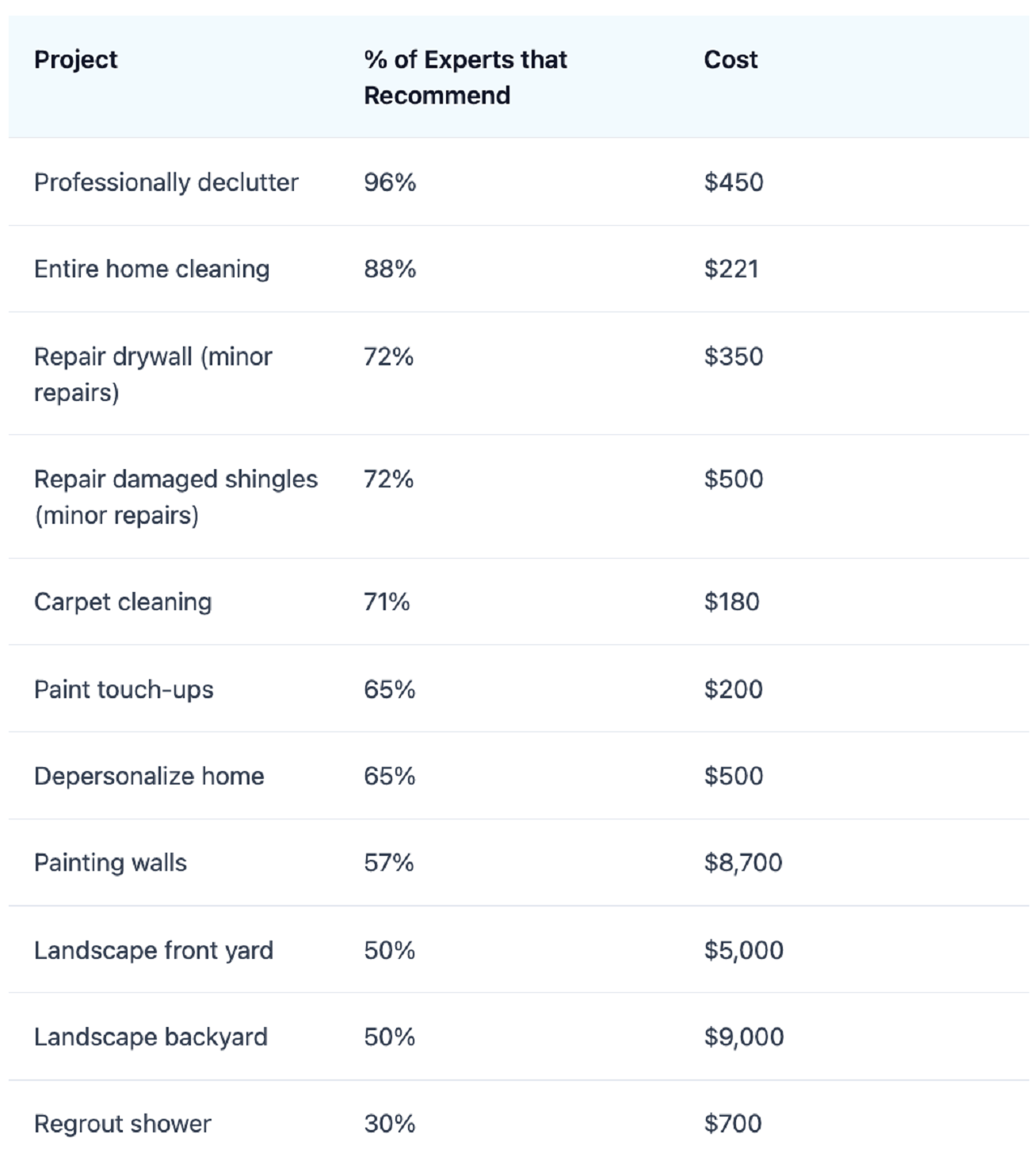
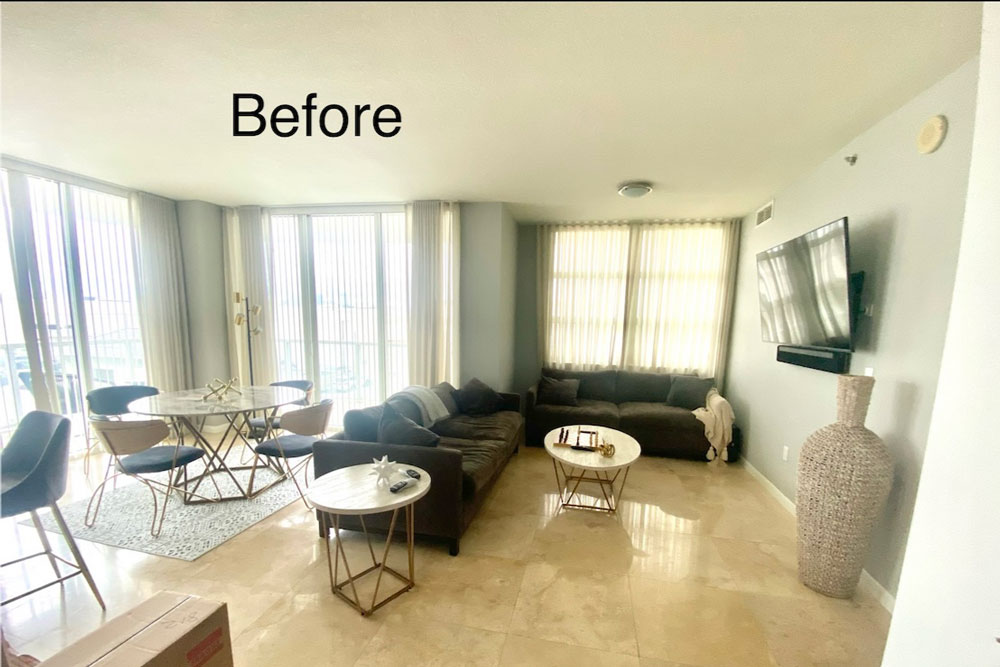
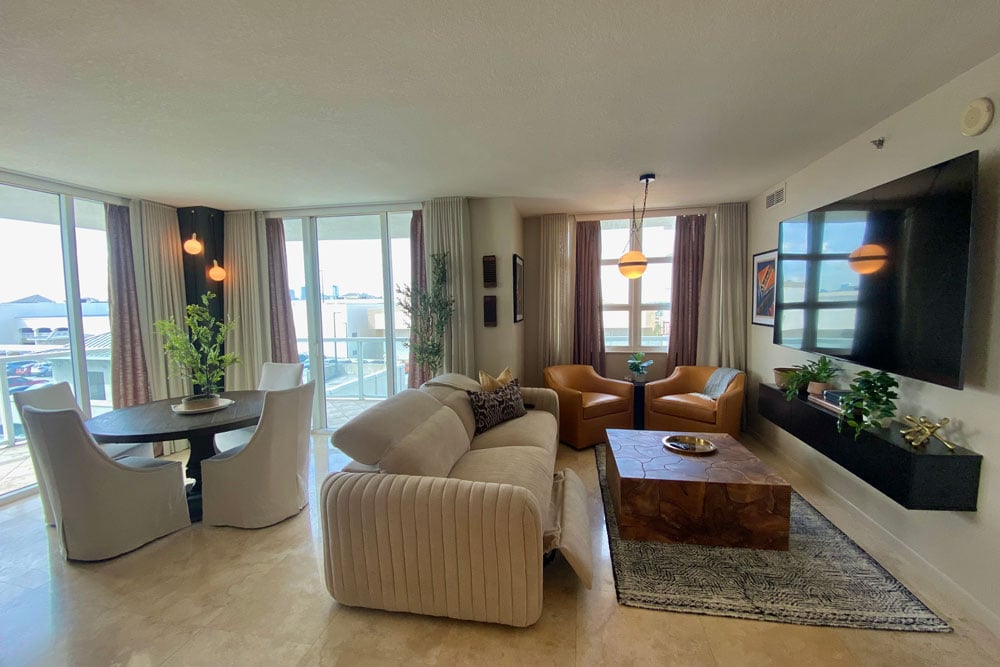
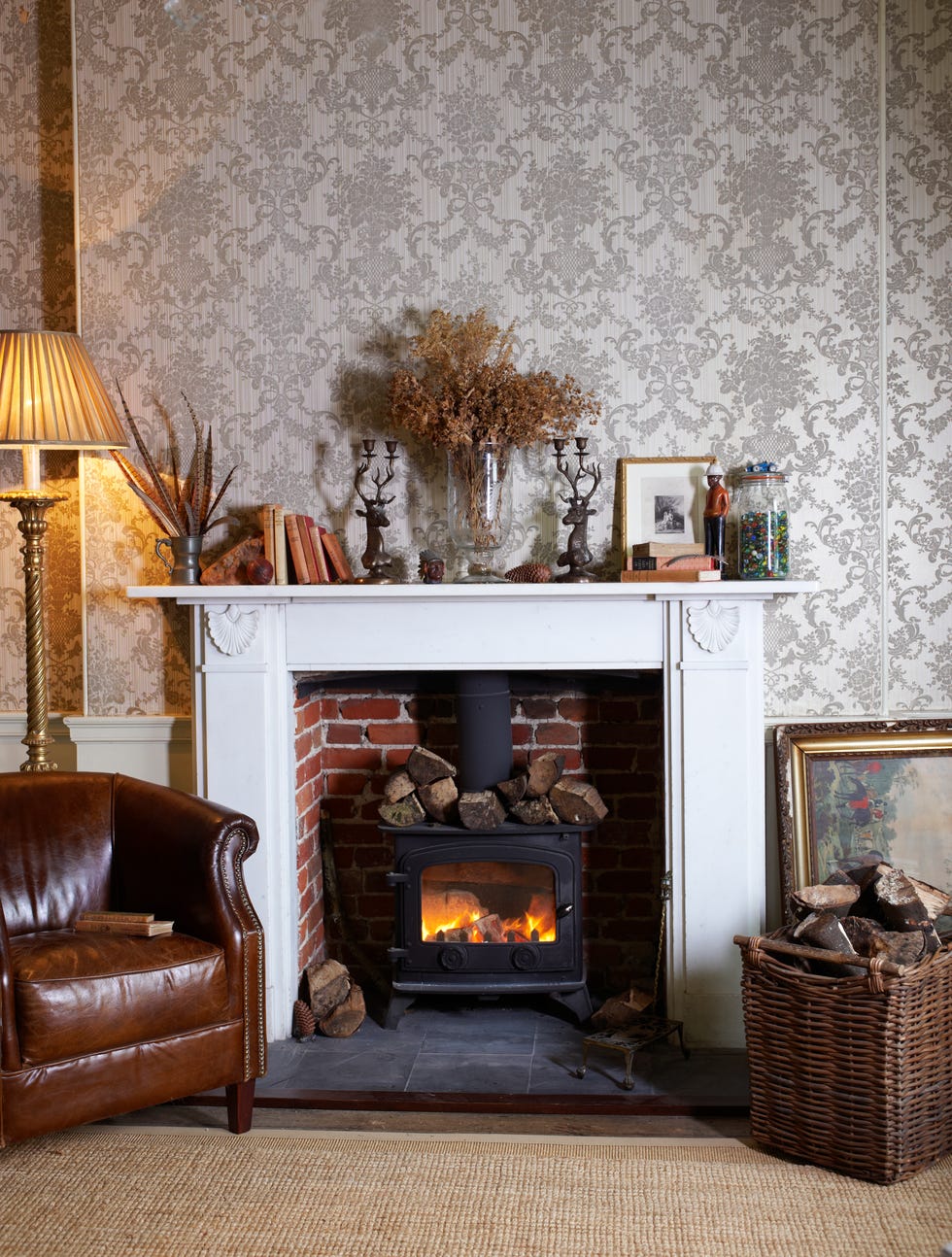
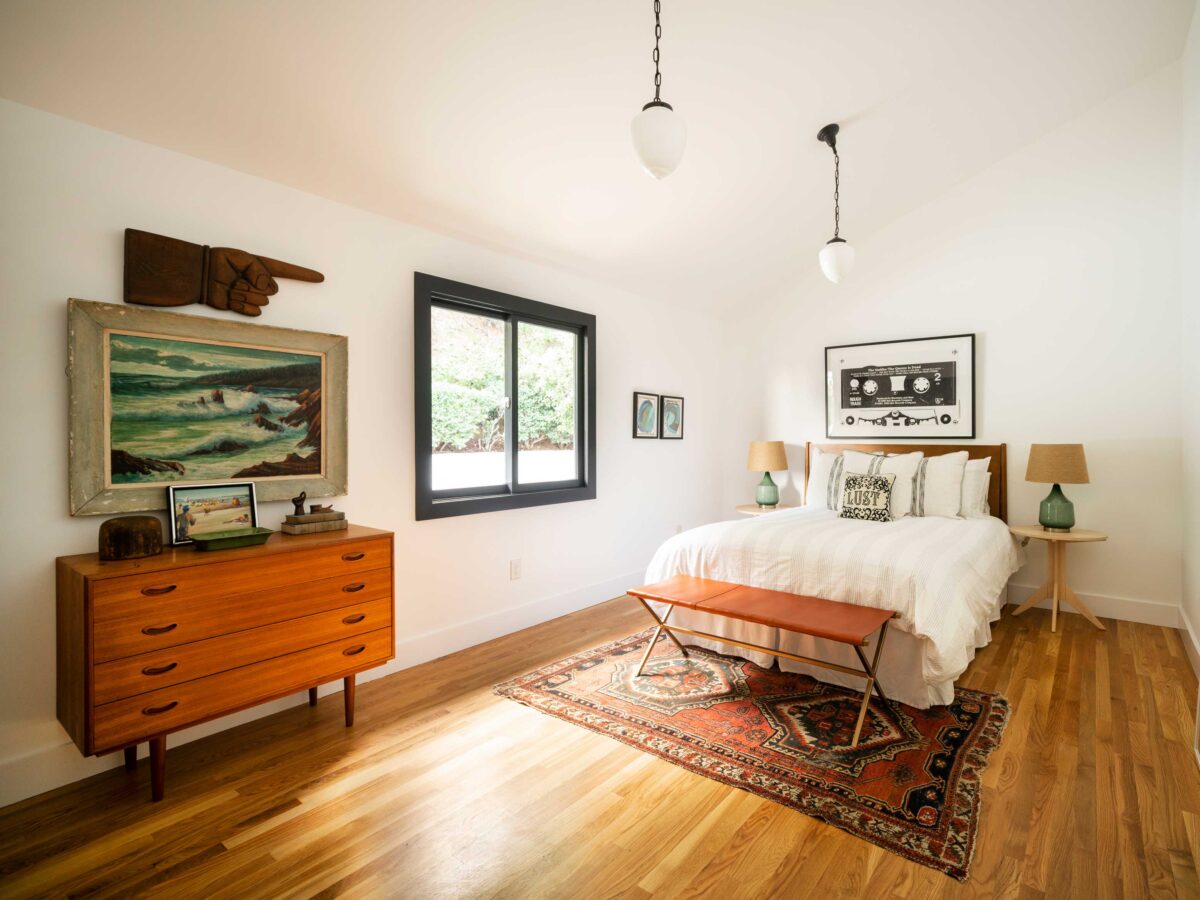
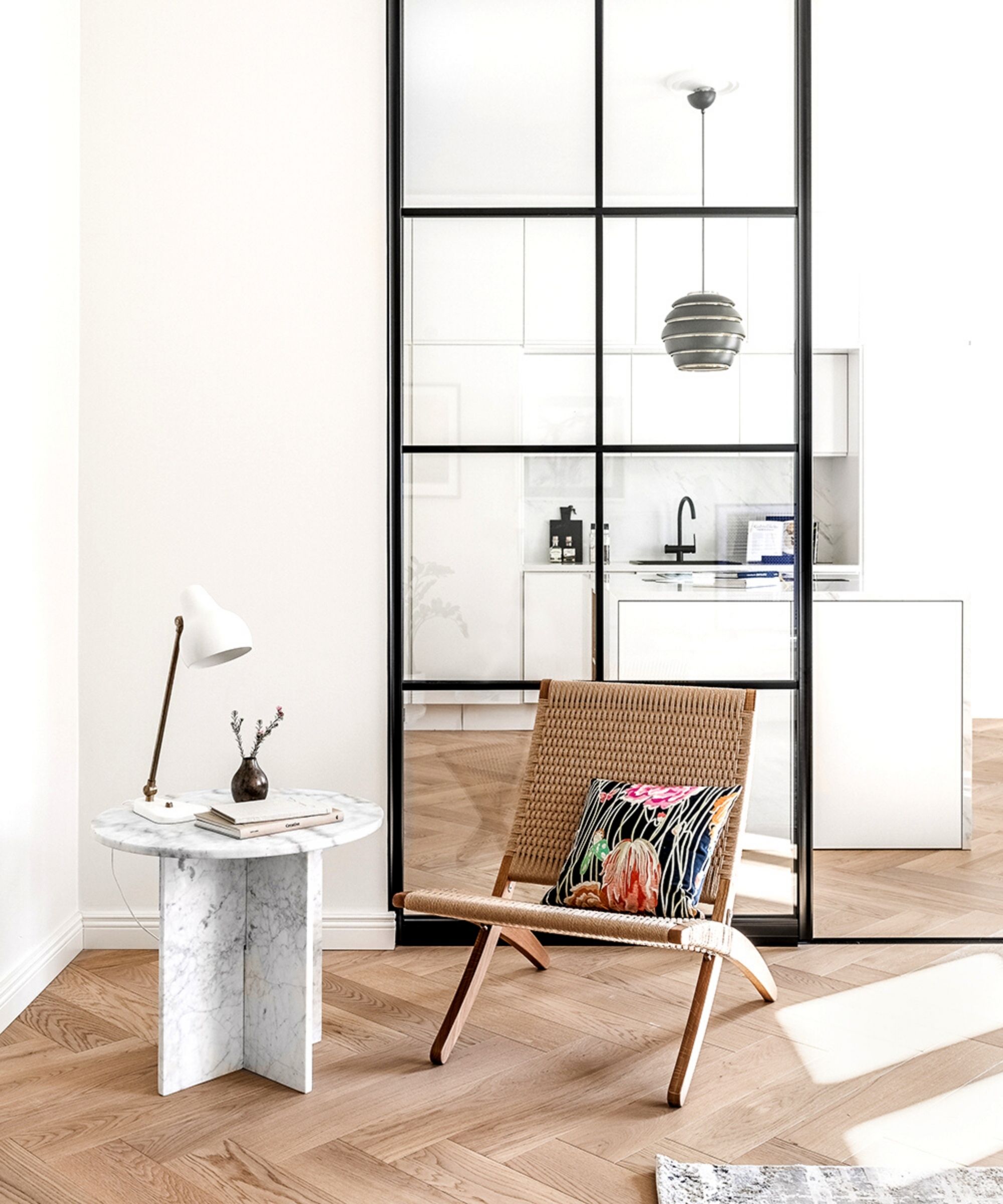
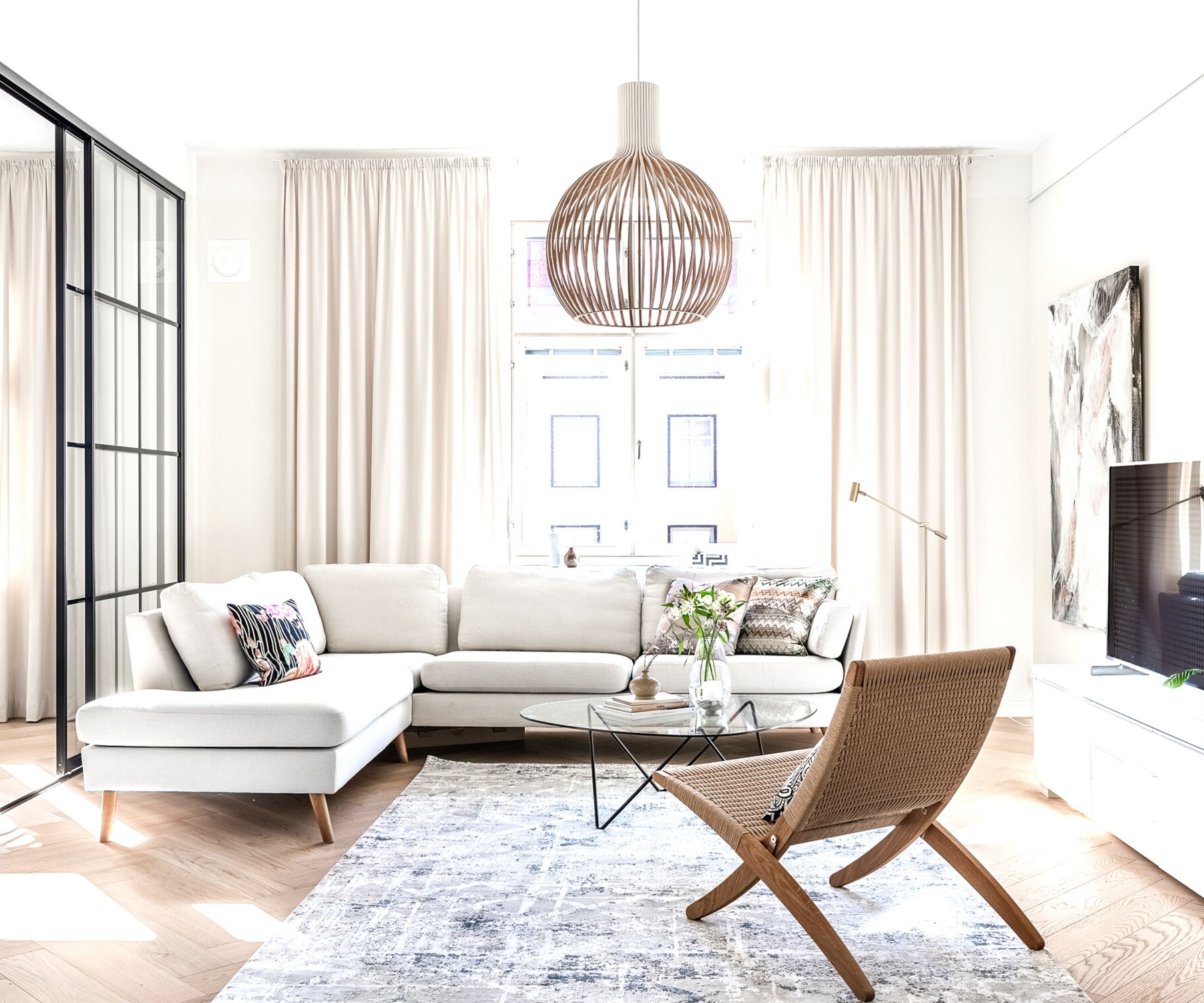
Osborne elaborates on her approach to staging, which begins with understanding the home's unique selling points. Basic staging remedies include cleaning, fresh paint, and gardening. Sometimes, staging involves removing items that might make a space appear too labor-intensive or cluttered, especially if the homeowner has lived there for a long time. For instance, removing old antiques and Oriental rugs and replacing them with light-colored, contemporary rugs can significantly transform a room. Staging can also involve creatively defining empty spaces; for example, adding a rug, yoga mat, and exercise ball to a basement can suggest its potential as a workout room, or setting up toys in a third-floor space can help a family envision it as a playroom.
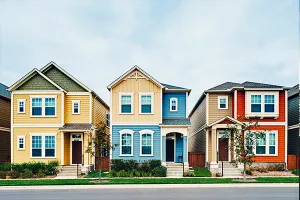
The staging approach is tailored to the specific type of home and its likely buyer demographic. For instance, a vertical rowhouse in Old City might be staged to appeal to a younger family, whereas a large stone house in Gladwyne would require a different strategy to attract its target market. Successful staging relies on depersonalizing the home to allow buyers to project their own lives onto the space, whether it’s imagining their children playing in the yard or themselves working in an office. Anything too personal or specific, such as a collection of WWII guns, can detract from this aspirational fantasy. Osborne likens the house to a frame where buyers should be able to paint a picture of their own lives, advocating for simplicity, a touch of energy, but not excess.
In an era where home renovation shows like those on HGTV set high expectations, well-presented and staged houses are increasingly the norm. Homes that fall short, with plaid couches or visible children's toys, are often met with less forgiveness from buyers, whose visual world is constantly massaged by media. While virtual staging can be useful, a disconnect between virtual and actual presentation can be jarring. Staging offers a crucial advantage by allowing a home to enter the market in a strong, offensive position. Delaying staging until a home fails to sell is counterproductive, as a poorly marketed initial presentation can undermine subsequent efforts. Osborne notes that staged homes by Tailored Transitions typically sell faster and for stronger prices, often under contract within 30 days, regardless of the market segment. A common misconception is that home staging primarily involves furnishing empty new builds. While her company does this, Osborne stresses that the more nuanced and challenging aspect is staging occupied homes, requiring a delicate approach to work with existing possessions and sensitive communication with owners to achieve the desired market appeal without critiquing their personal taste.
#HomeStaging #RealEstate #HomeSales #InteriorDesign #PropertyMarketing #TailoredTransitions #StarrOsborne #NARReport #HomeStaging #RealEstate #HomeSales #InteriorDesign #PropertyMarketing #TailoredTransitions #StarrOsborne #NARReport
0 comment in total
 No comments yet
You may also like
5 entryway staging tricks to sell your home fast – according to estate agents

Staging a hallway – top tips from real estate professionals
10 easy design tips that will make your house more attractive to buyers, according to a home stager

These Easy Home Updates Could Add $6,000+ to Your Selling Price

Everything You Need to Know About Staging Your Home on a Budget

7 Things You Should NEVER Do if You’re Trying to Sell Your House, According to Home Stagers


Tips for staging a house – 5 ways to sell your home before Christmas
9 Home Staging Tips You'll Want to Try (Even if You're Not Selling Anytime Soon)


First Impressions Matter: How Home Staging Sells Faster & Yields Higher Offers

7 Essential Design Tips From Los Angeles’s Top House Flipper

11 Design Features That Make a Home Sell for More, According to a Real Estate Expert

Real Estate Pros’ Staging Checklist for Sellers

20 Things Home Buyers Will Hate About Your House

6 things you should look past when viewing a property, according to real estate experts and interior designers
Minimalist home staging – 4 ways experts say paring back will sell your home fast
More Realtors Are Using Staging Than Ever Before, According to NAR

This SURPRISING Feature May Make Your Home Harder to Sell, According to Designers

5 Most Profitable Home Improvements to Make Before Selling Your Home


How home staging can help you sell your house faster & for more