1/4
Your Home Checklist for Aging in Place
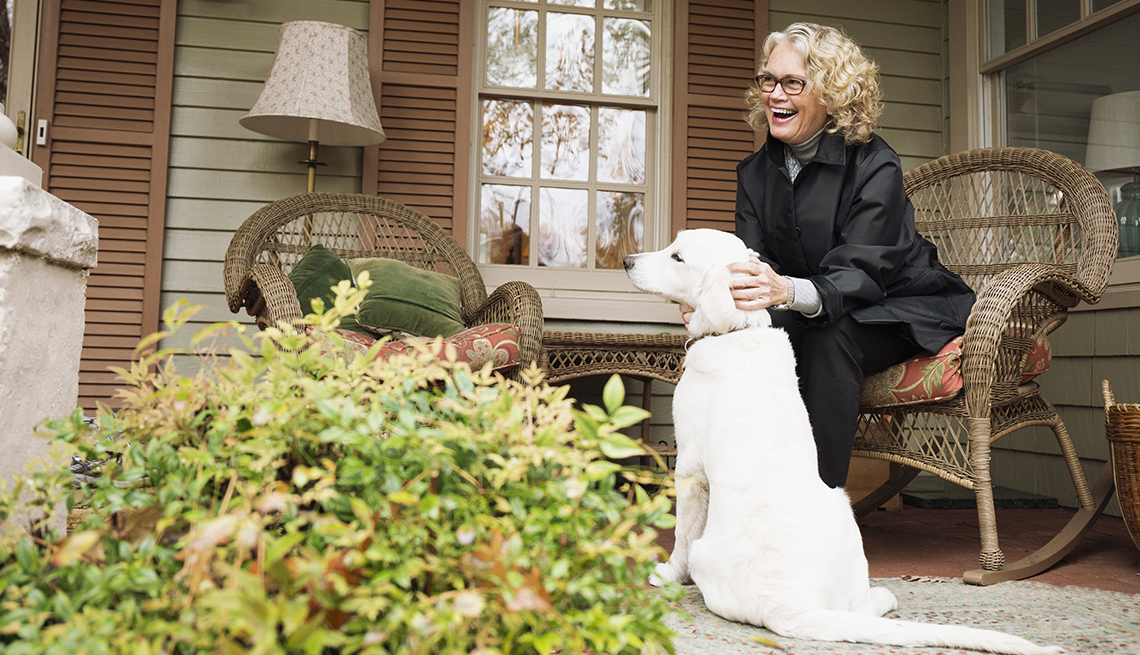
Aging in place allows individuals to remain in their homes comfortably and safely as they get older, avoiding the need to relocate to assisted living facilities. This decision can offer significant psychological benefits, including maintaining independence, familiarity with surroundings, and continued connection to community and cherished memories. While the idea of adapting a home for future needs might seem daunting, it can be approached through gradual, manageable steps. Starting with small projects and prioritizing areas of frequent use or current difficulty can make the process less overwhelming.
The initial assessment of a home's suitability for aging in place involves evaluating various aspects to identify potential barriers and opportunities for modification. For instance, considering the accessibility of bathrooms, such as the presence of walk-in showers or grab bars, and the width of doorways for potential wheelchair access, are crucial first steps. Jack Miller, a 58-year-old San Francisco resident, exemplifies this proactive approach by installing nonslip rugs, relocating his bedroom to the first floor, and widening halls and doorways, which provided him with peace of mind regarding future accommodation needs.
Experts suggest integrating home modifications into routine maintenance, such as dedicating a specific year's spring cleaning to making the house more age-friendly. This could involve focusing on improving lighting one year and installing grab bars in bathrooms the next. AARP's HomeFit guide serves as a valuable resource, offering practical suggestions for creating a comfortable, safe, and accessible living environment for people of all ages.
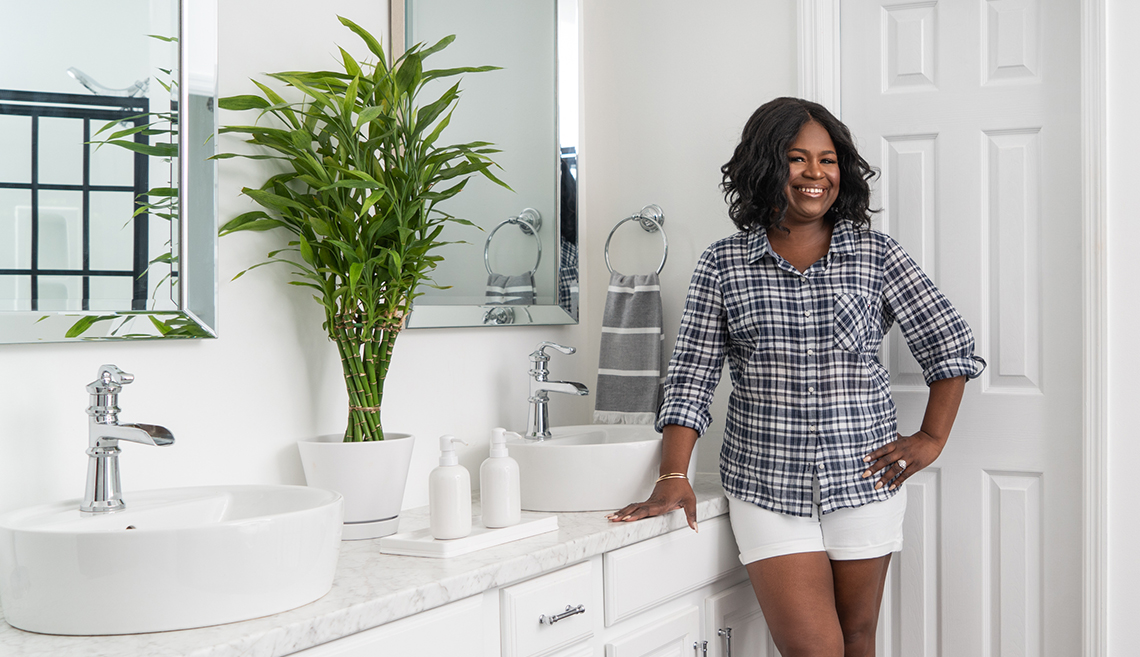
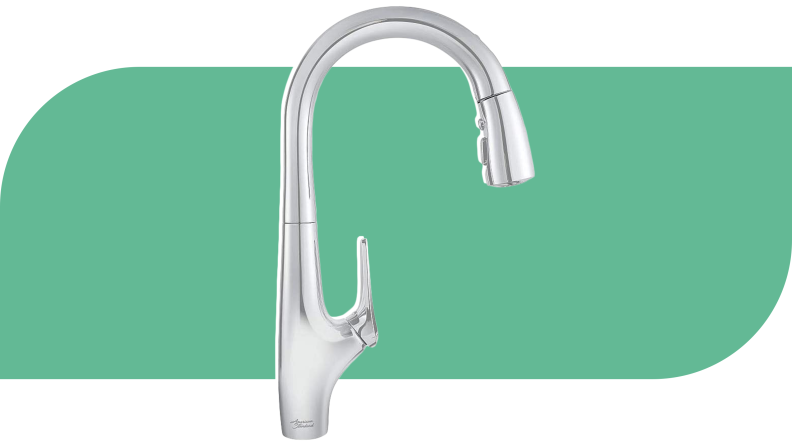
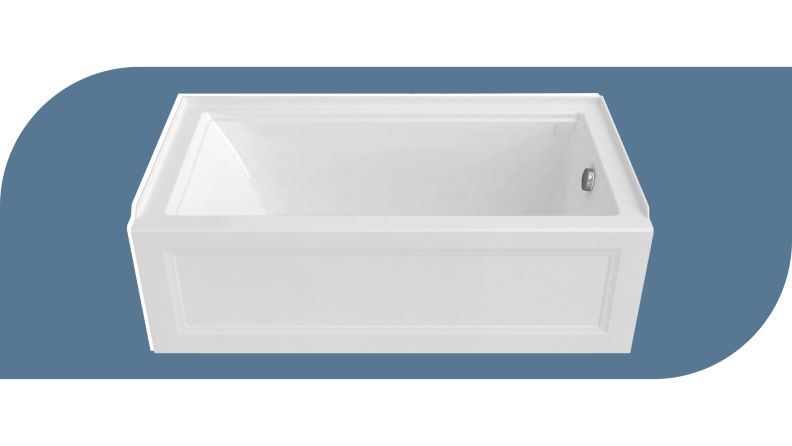
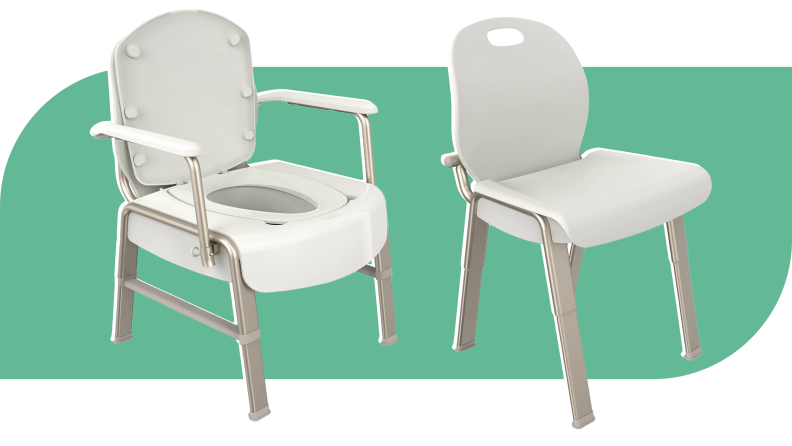
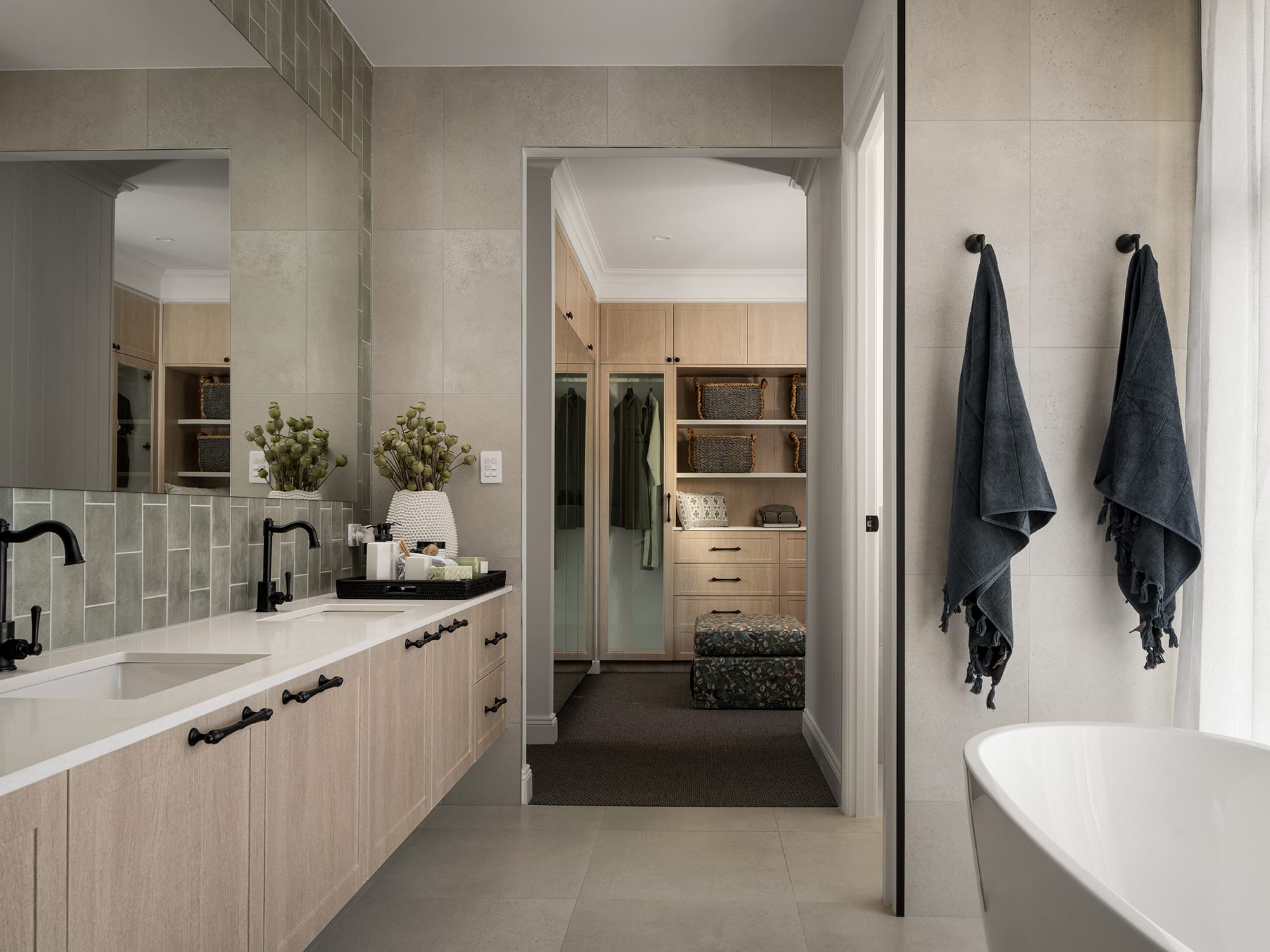
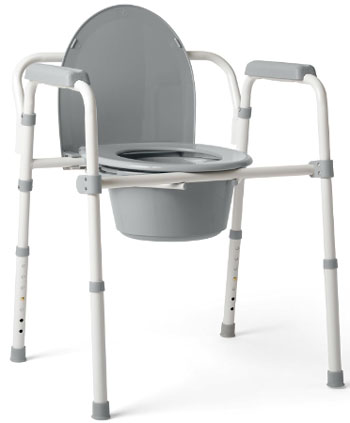
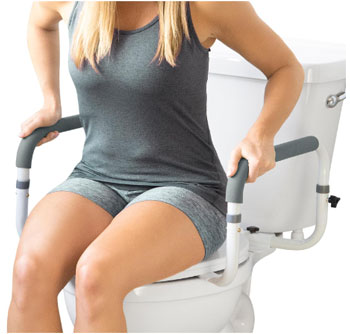
Key areas for modification include bathrooms, where installing walk-in showers, shower chairs, handheld nozzles, and grab bars can significantly enhance safety and ease of use. Replacing glass shower enclosures with non-shattering materials and applying slip-resistant strips to floors further mitigates fall risks. Opting for taller toilets or toilet risers and lever-style faucets can also accommodate individuals with arthritis or joint pain.
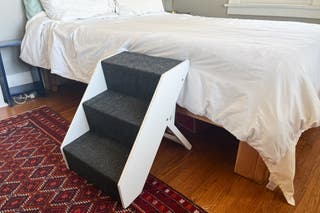
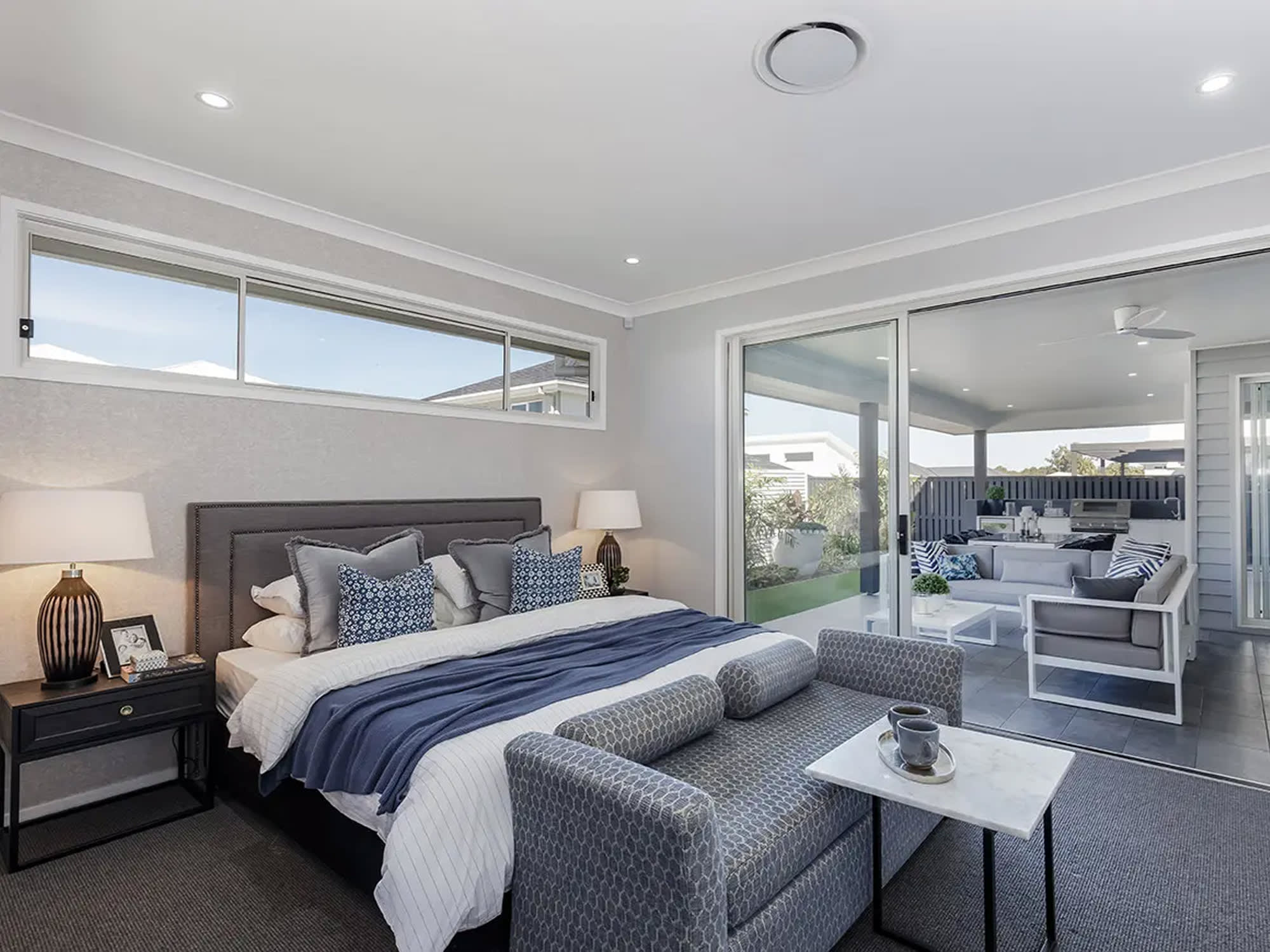
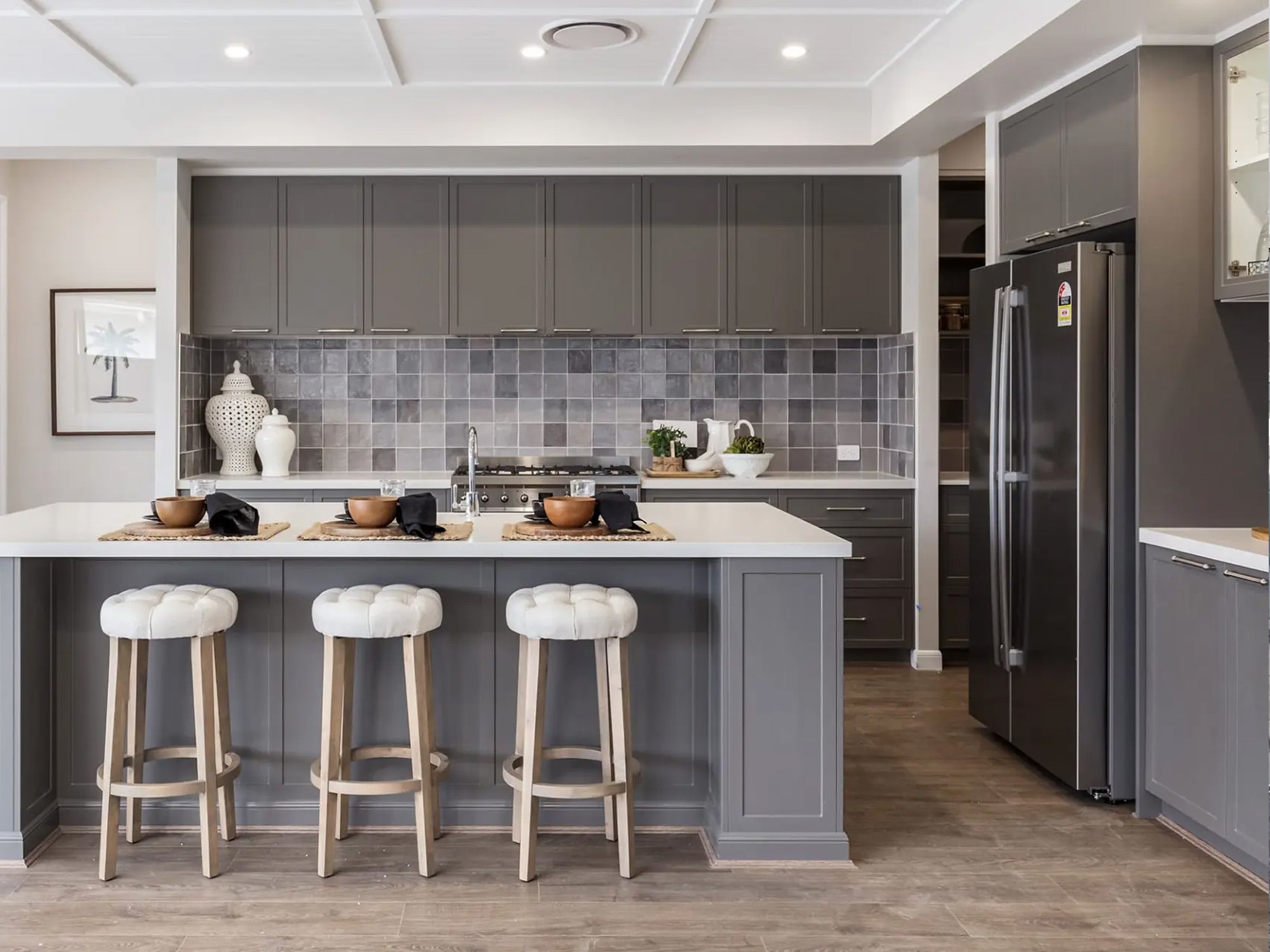
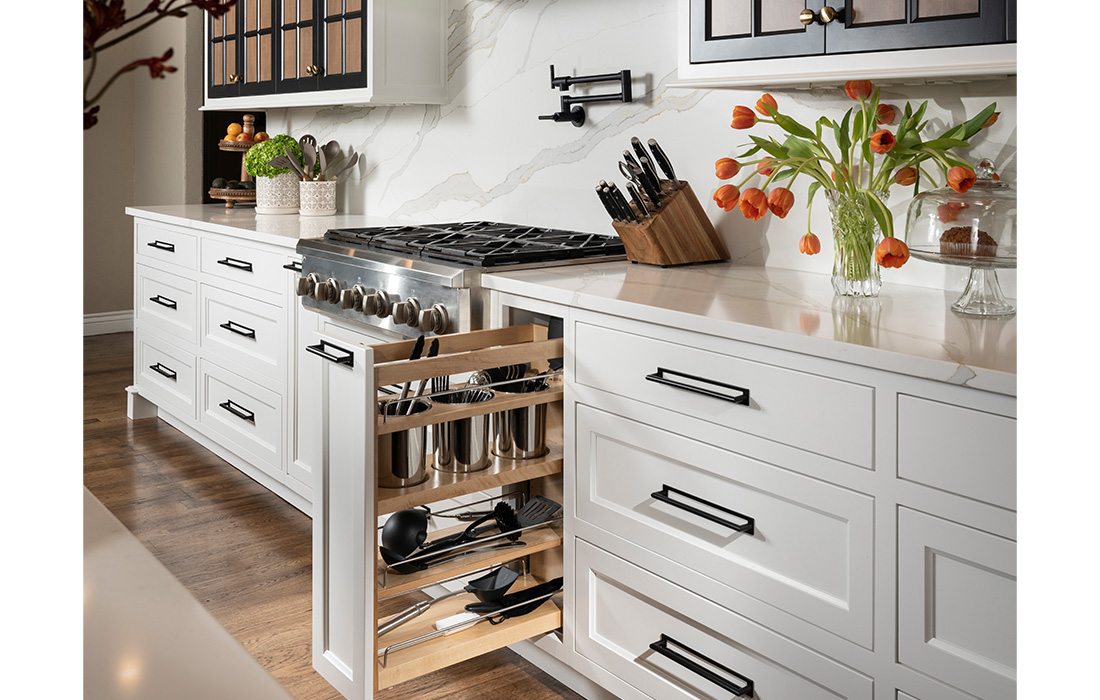
In the bedroom, considering the relocation of the main sleeping area to the first floor can eliminate the challenge of navigating stairs. Ensuring the bed is easy to enter and exit, potentially with bed risers or an adjustable bed, adds to comfort and independence. Kitchen modifications focus on safety and accessibility, such as stoves with safety features, easily reachable appliances, refrigerators with accessible handles, and slide-out cabinet drawers or trays.
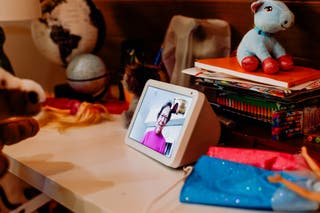
Furniture arrangement and selection play a vital role. Decluttering and removing excess furniture create clearer pathways, while chairs with armrests facilitate easier sitting and standing. Lift chairs offer an electronic solution for safe transitions. Managing electric cords by keeping them out of pathways, rather than under rugs, prevents tripping hazards. Adequate lighting, including easy-access switches, ample indoor and outdoor illumination, night-lights, and voice-activated smart lighting, is essential for safe navigation throughout the home, especially in areas like basements, attics, and closets.
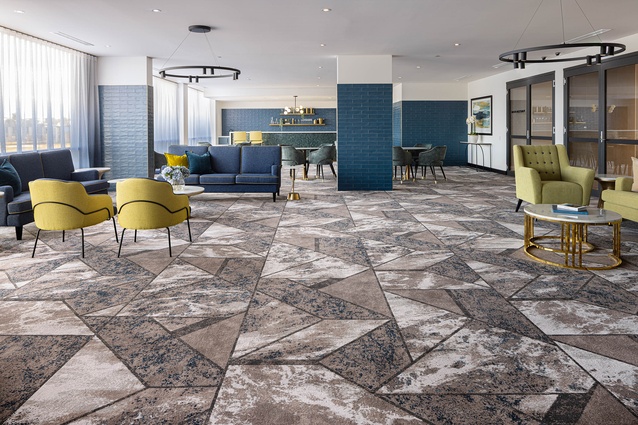
Flooring choices also impact safety. Non-shag carpeting over hard surfaces can reduce injury from falls, and carpet pile should be short enough for wheelchair or walker use. Eliminating scatter rugs, which pose a significant tripping hazard, and securing area rugs with double-faced tape or slip-resistant backing are important measures. Doors can be made more accessible by replacing doorknobs with lever handles and widening doorways to accommodate mobility aids, possibly by switching to swing-clear hinges.
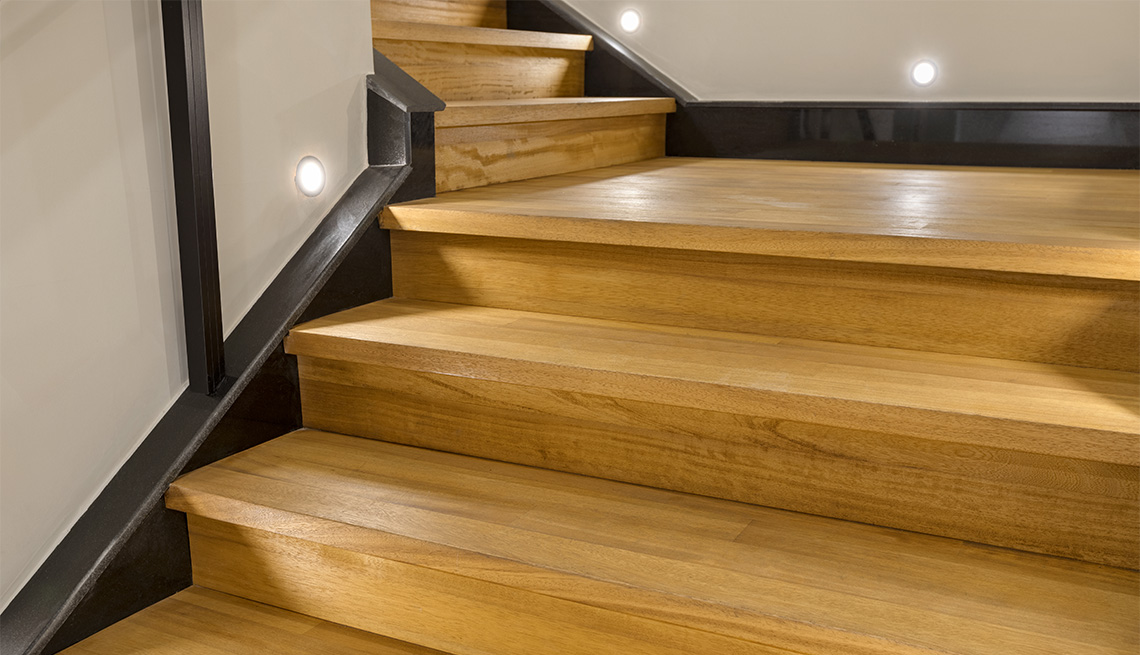
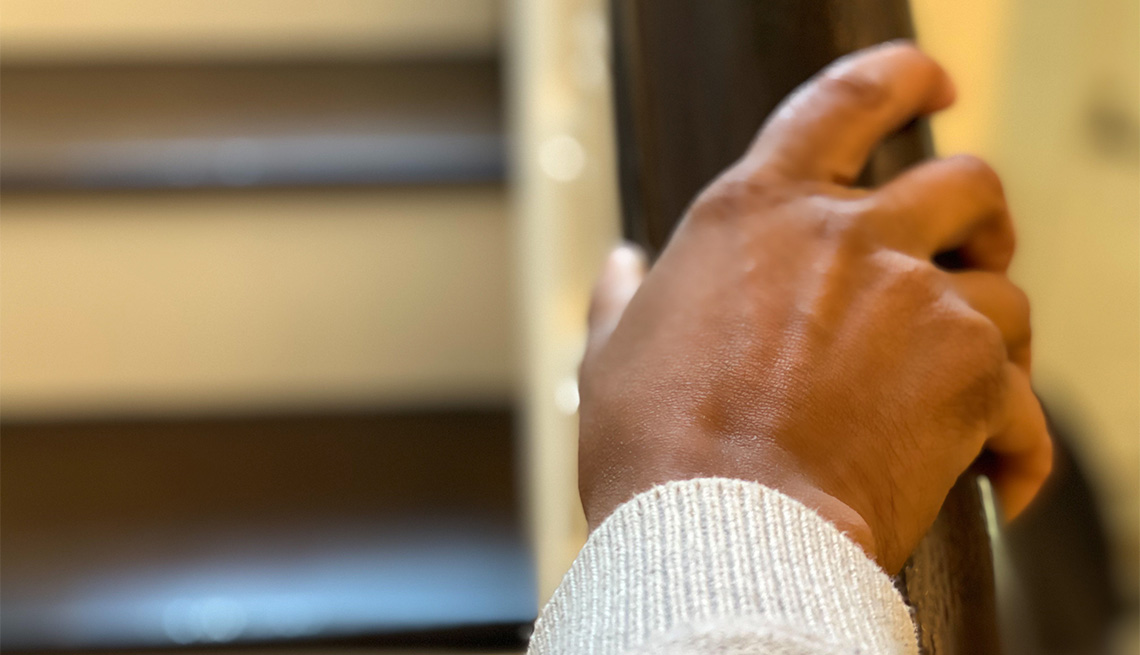
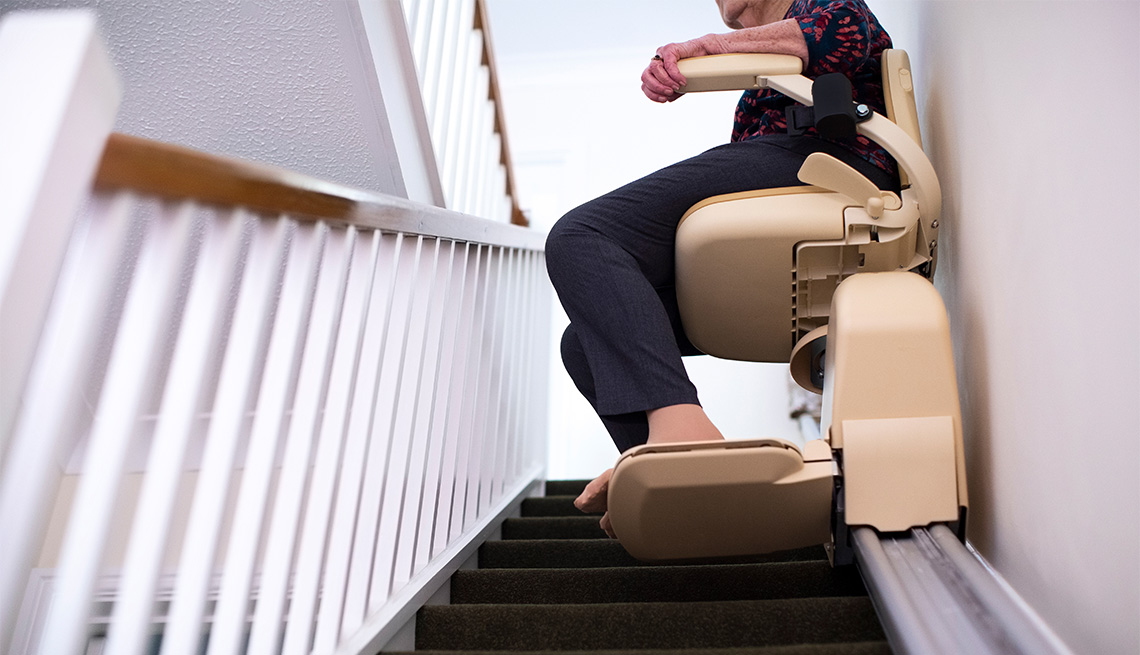
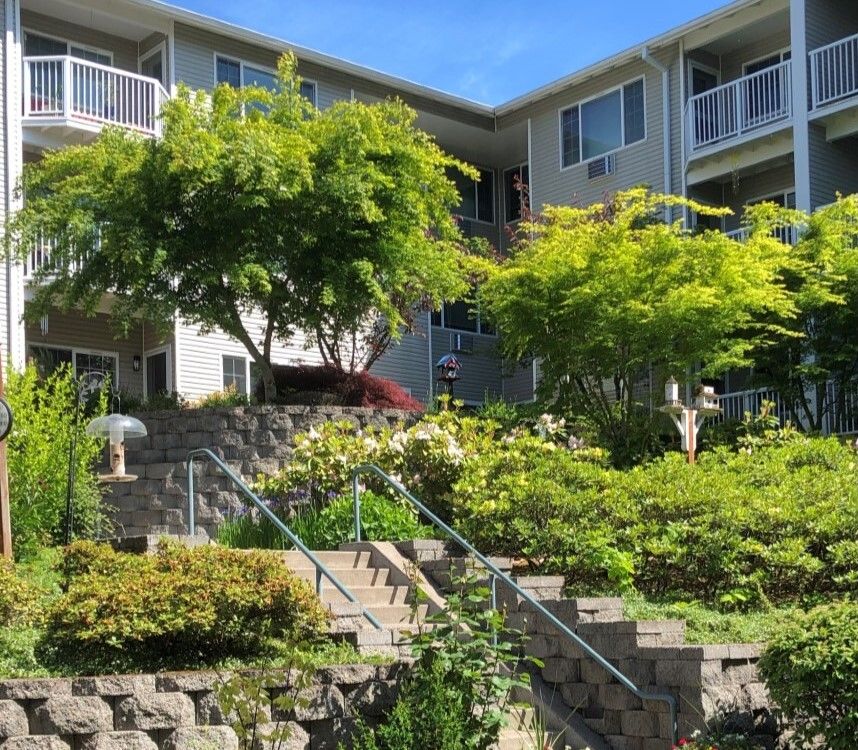
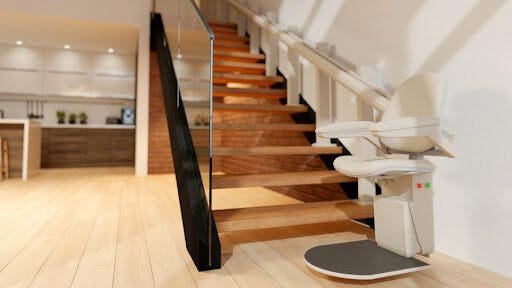
For stairs, installing sturdy railings, ensuring adequate lighting, and using colored tape to highlight steps enhance visibility and grip. In cases of significant mobility challenges, an electric stair lift can provide safe vertical access. Entryways should be designed for ease and safety, ideally with at least one no-step entry and a covered area for weather protection. Placing a bench in the foyer for shoe removal and keeping pathways clear of hazards are simple yet effective steps. Installing ramps if necessary and maintaining steps in good repair are also crucial. Lastly, outdoor spaces like the yard can be adapted with raised garden boxes to reduce bending and stable seating options. Automatically activated outdoor lights improve safety after dark.
#AgingInPlace #HomeModifications #Accessibility #SeniorLiving #HomeSafety #UniversalDesign #ElderlyCare #HomeAdaptations #AgingInPlace #HomeModifications #Accessibility #SeniorLiving #HomeSafety #UniversalDesign #ElderlyCare #HomeAdaptations
0 comment in total
 No comments yet
You may also like
The Best Smart Home Devices to Help Aging in Place

7 aging-in-place remodeling products with major style


10 Best-Selling Toilet Seats For Seniors In 2024: Comfort With Safety
Property Brothers’ Tips for Older Homeowners | Members Only

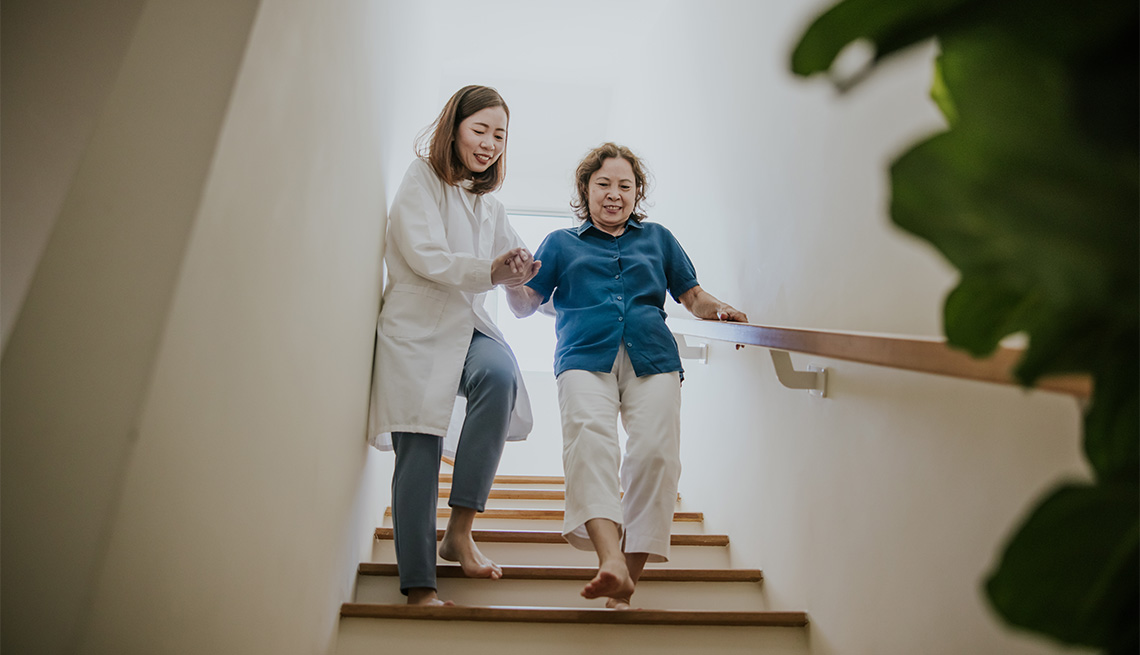
8 Ways to Make the Stairs Safer at Home

The Best Gear for Aging Pets | Reviews by Wirecutter

How is an aging baby boomer generation changing the design of homes?

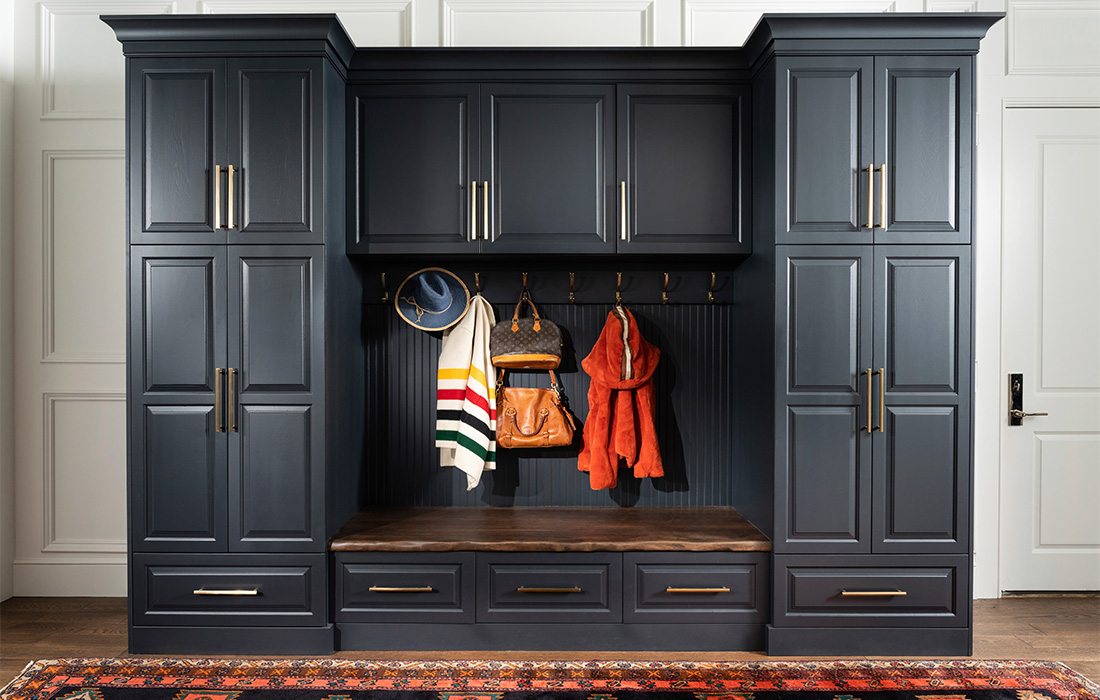
Freshen Up Your Home in 2025 with These Easy Organizational Tips
7 DIY Home Improvement Ideas for Your Forever House
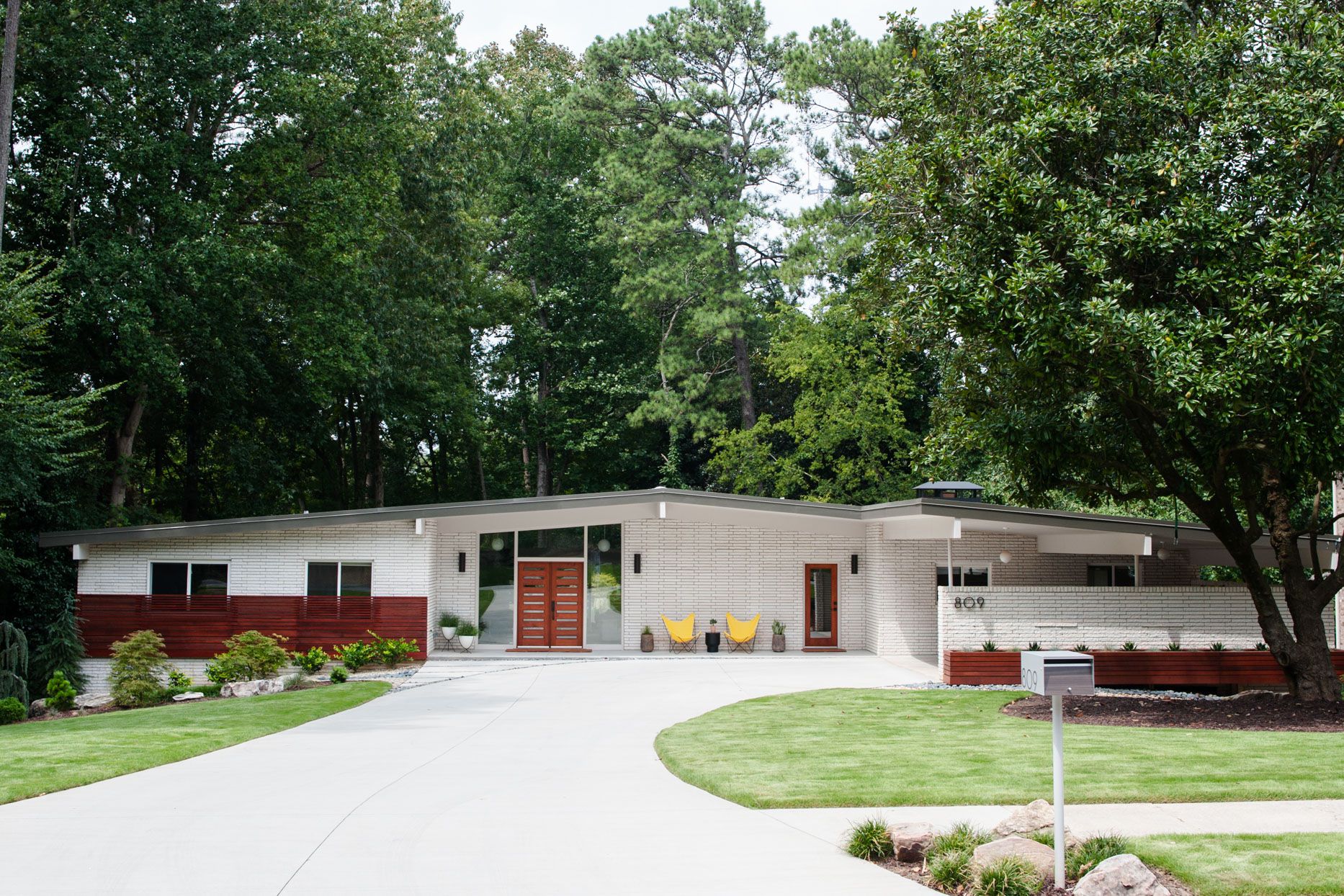
5 Essential Home Design Ideas to Make Aging in Place Easier


Flexible space: Design for aged care

Courtyard Village at Raleigh Hills Gives Retirees a Place to Call Home

Aging In Place Remodeling: A Checklist For Senior Homes

Better with age: Flooring trends in senior living
Courtyards, Gardens, and Terraces for Seniors: Residences that Integrate Community Life into the Natural Environment


Residence Halls Residence Life
Research on architectural space design based on an empirical investigation of the communication life of older adults: taking unit-type nursing home as examples

6 Tips For Creating The Perfect Home For Any Life Stage

Spring-Cleaning Checklist 2022 - TODAY


How to Create an Accessible, Organized Kitchen So You or a Loved One Can Age in Place