How to Create an Accessible, Organized Kitchen So You or a Loved One Can Age in Place
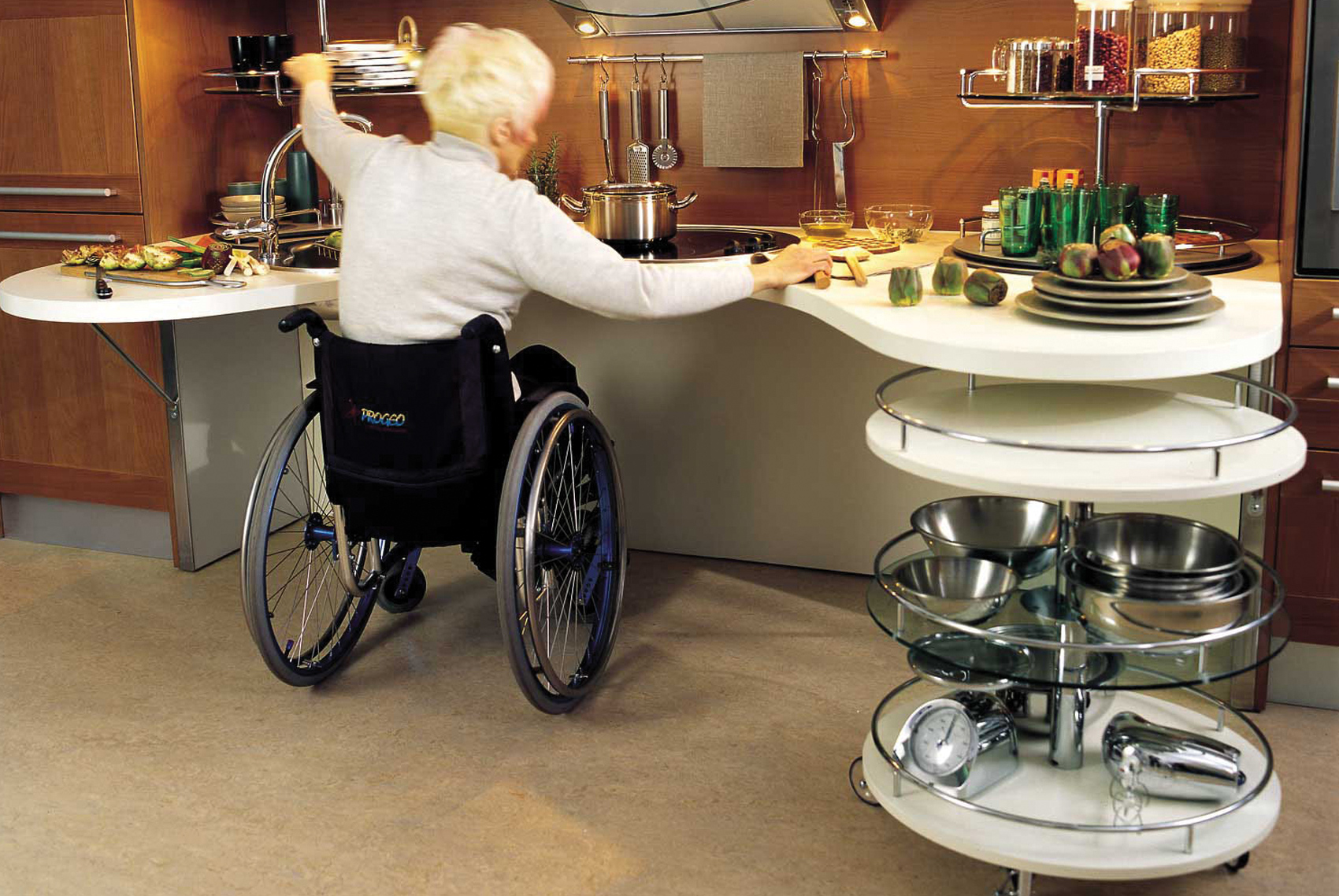
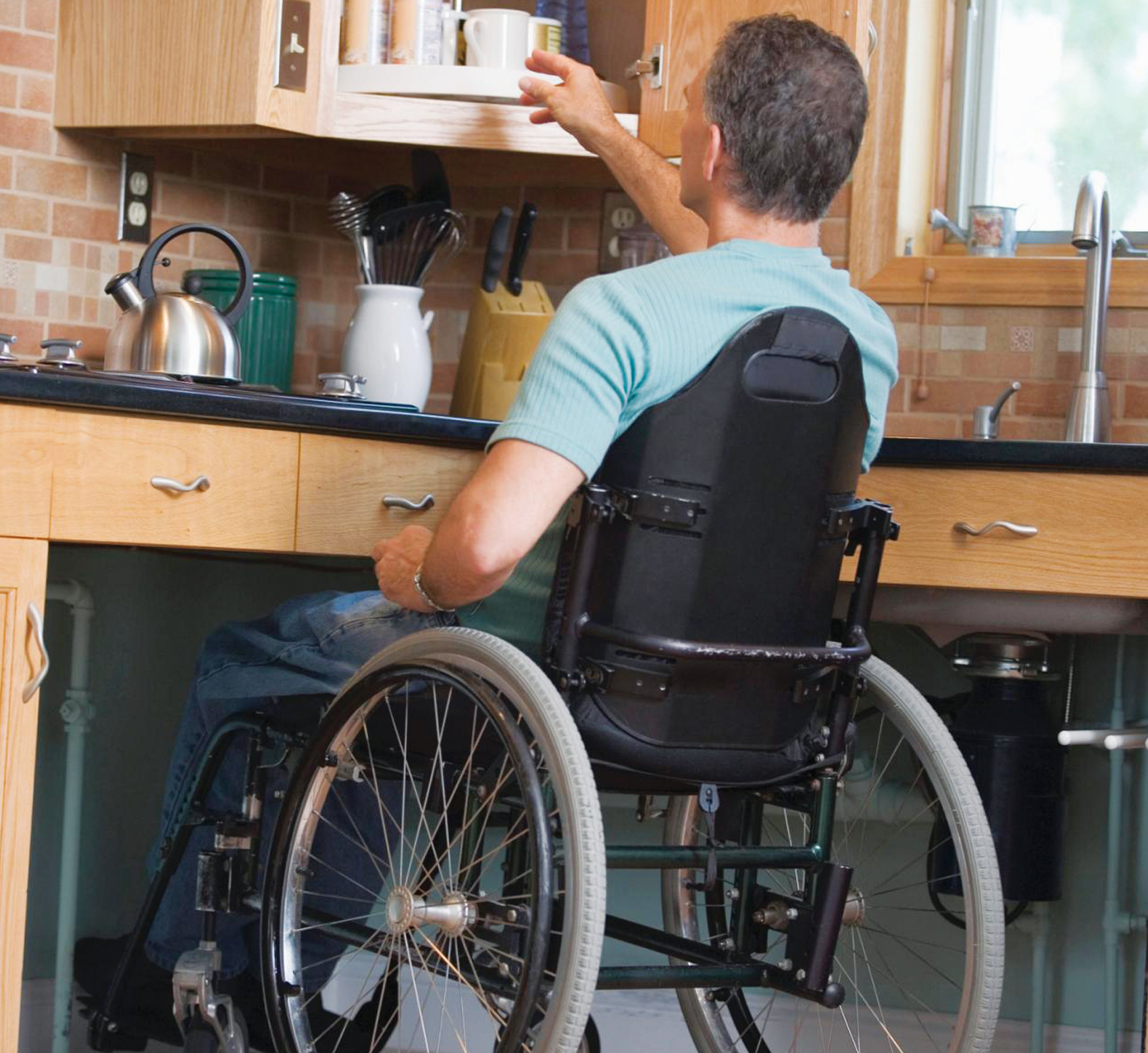
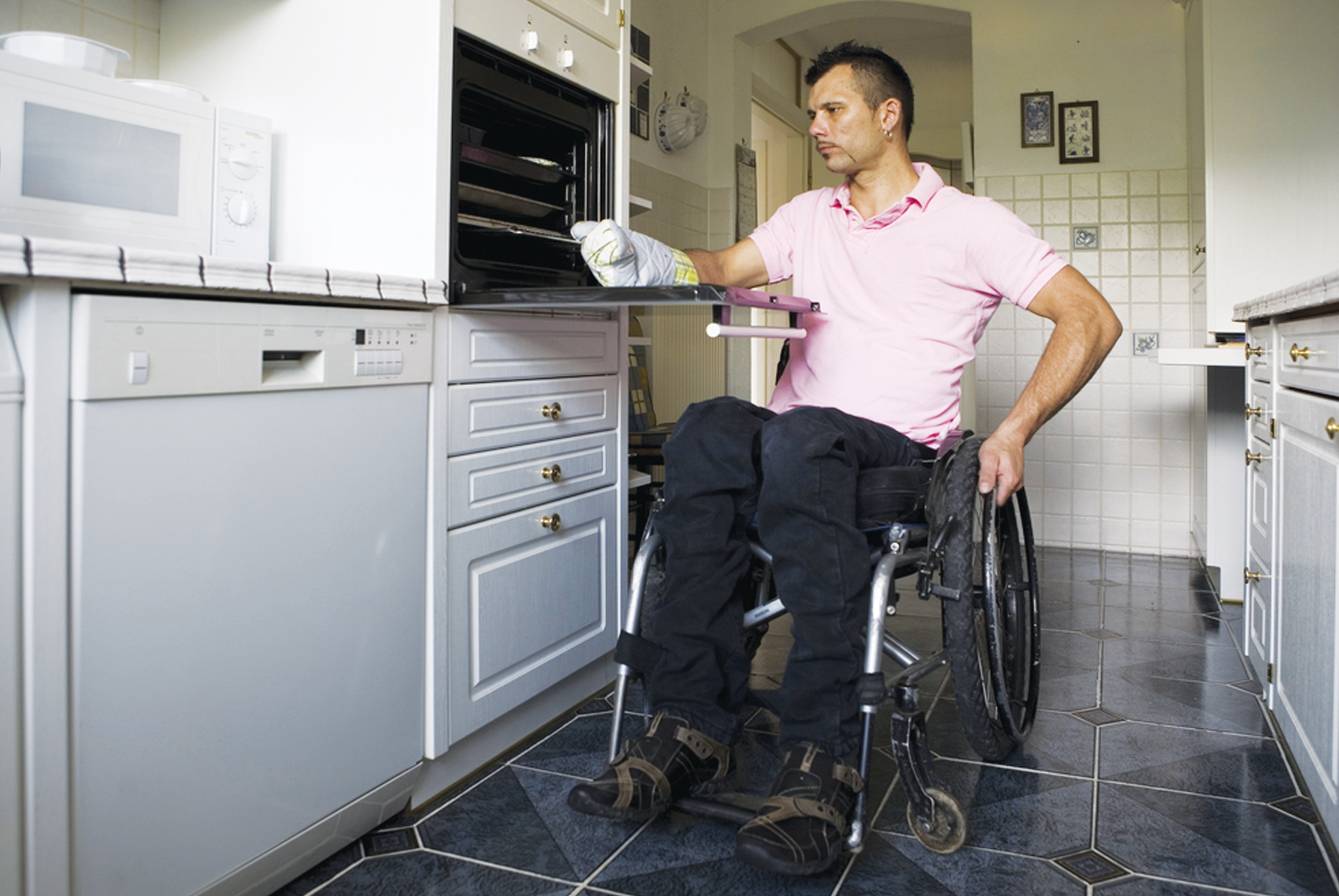
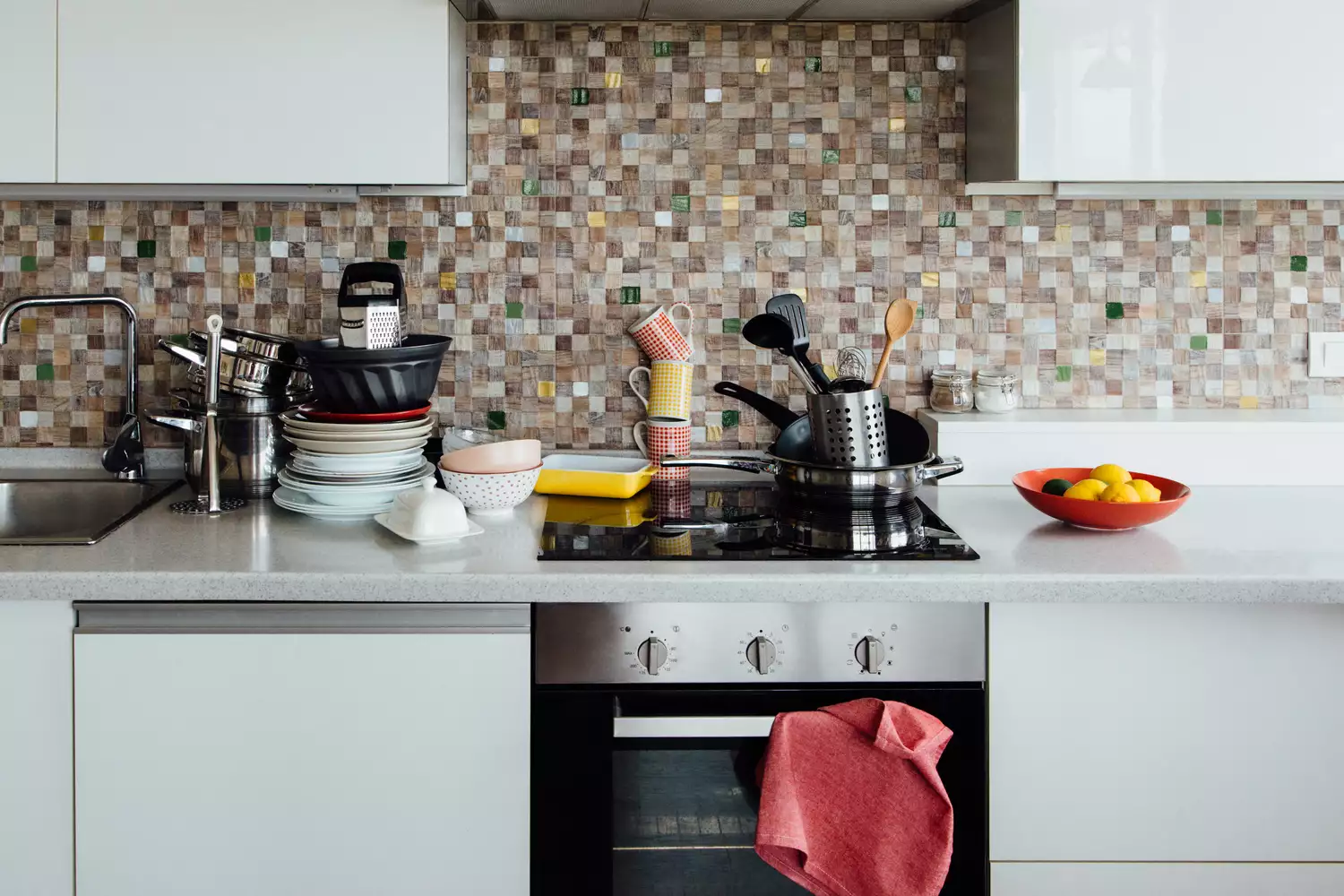
An accessible and organized kitchen is crucial for individuals experiencing conditions affecting mobility, vision, memory, or diet, allowing them to maintain independence and safety in their homes. The initial step toward achieving this accessibility involves decluttering the kitchen and pantry by donating or disposing of unused items and expired food. Jennifer Szakaly, a gerontologist, emphasizes that decluttering prevents injuries that can occur from reaching for items in cluttered spaces and encourages individuals to critically assess the necessity and frequency of use for each kitchen item. Donating seldom-used cookware, even sentimental pieces, can free up valuable cabinet space. Caregivers can engage those receiving care in the donation process, fostering a sense of connection.
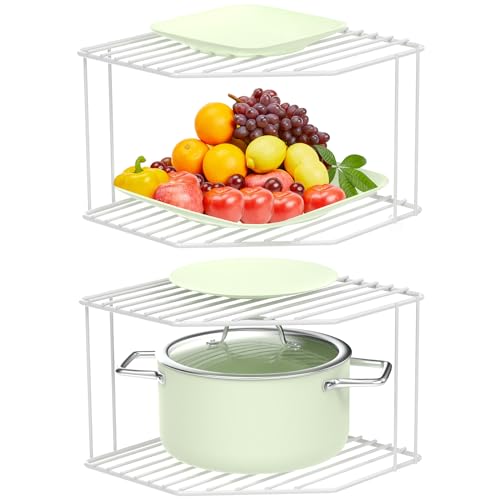
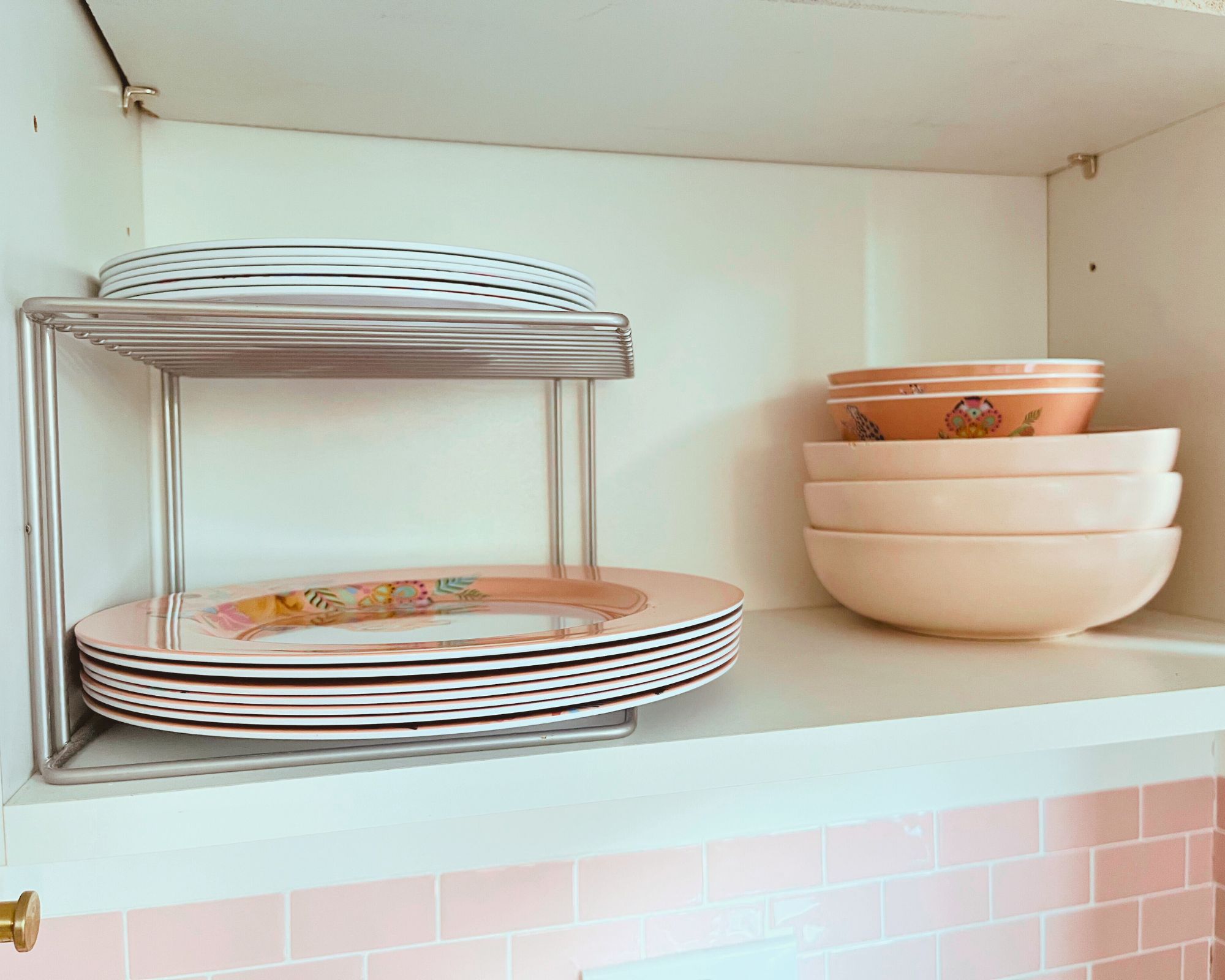
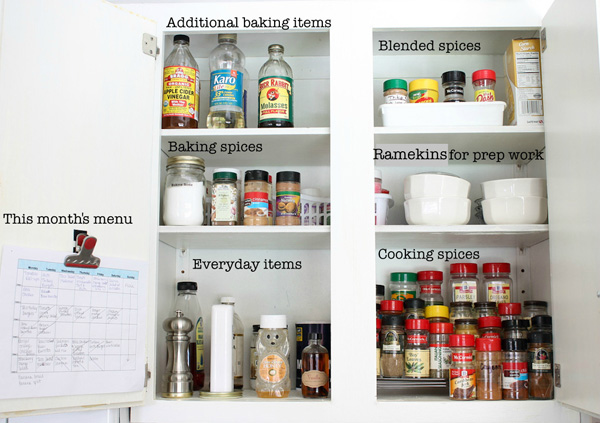
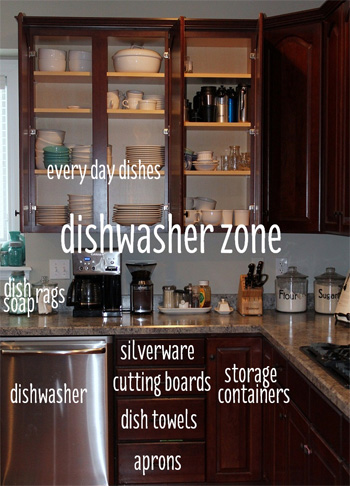
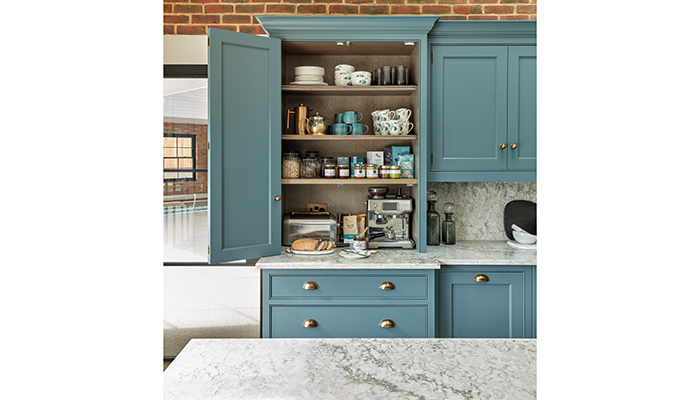
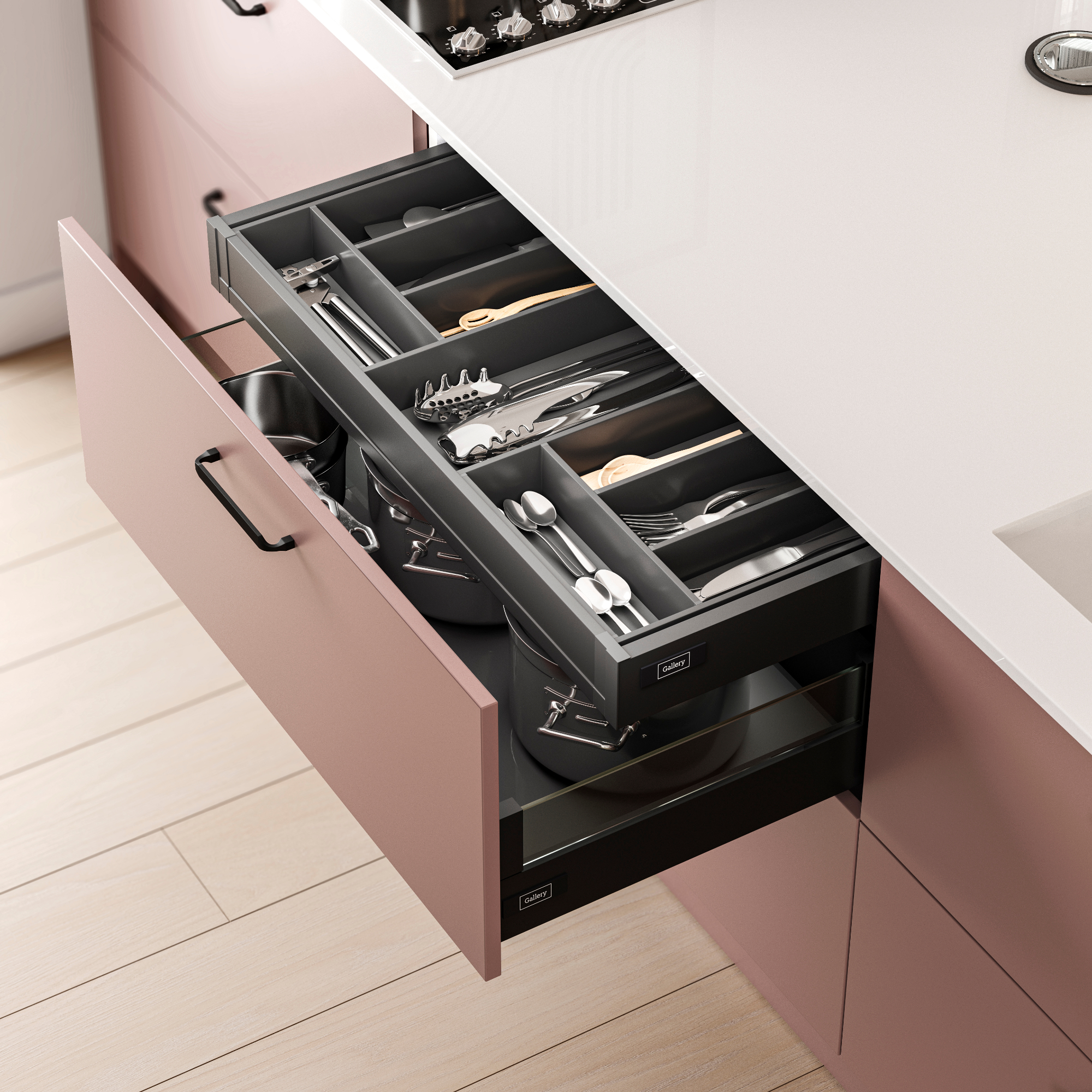
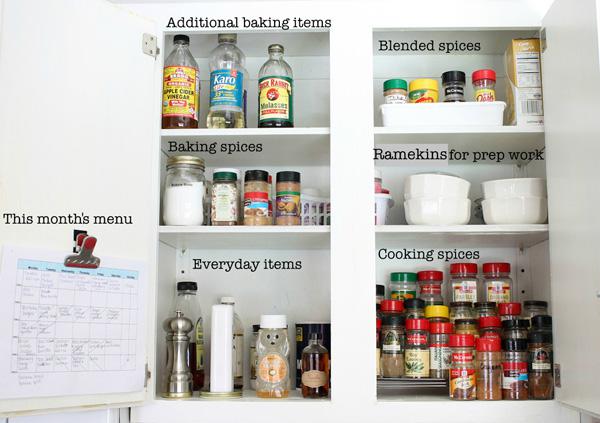
Following decluttering, the next phase focuses on optimizing storage by relocating frequently used food and utensils to easily accessible shelves, ideally at eye level, to minimize bending and reaching, addressing both safety and mobility concerns. Melanie Summers, a professional organizer, suggests storing only a few essential glasses and plates within easy reach, moving additional tableware for guests to other storage areas. Yuzu Byrne, another professional organizer, points out that households with fewer occupants may not need excessive dinnerware, and disposable products can be used if space is limited.
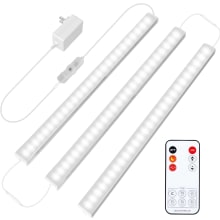
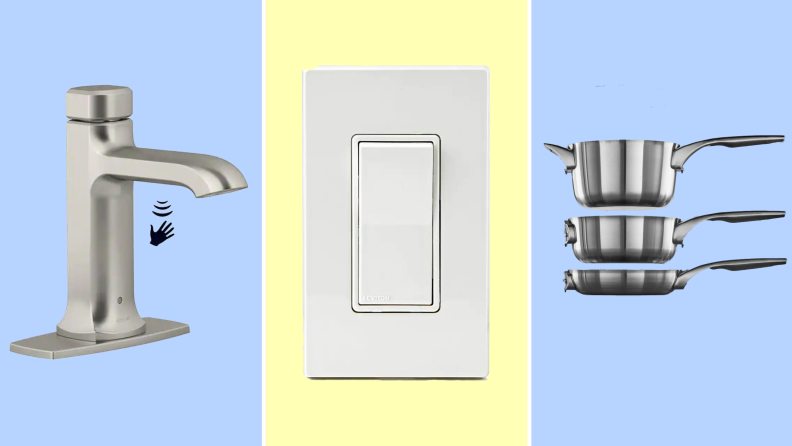
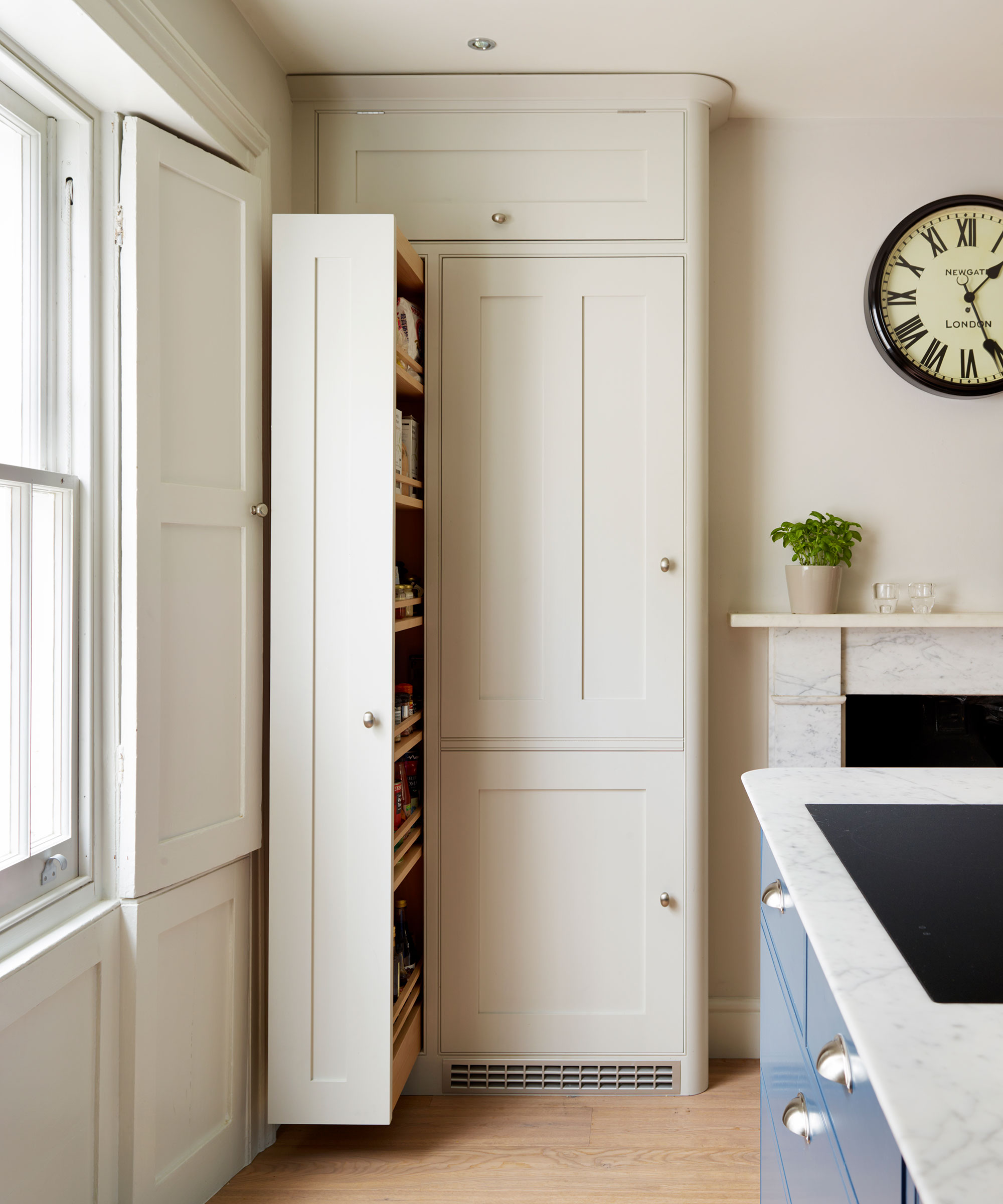
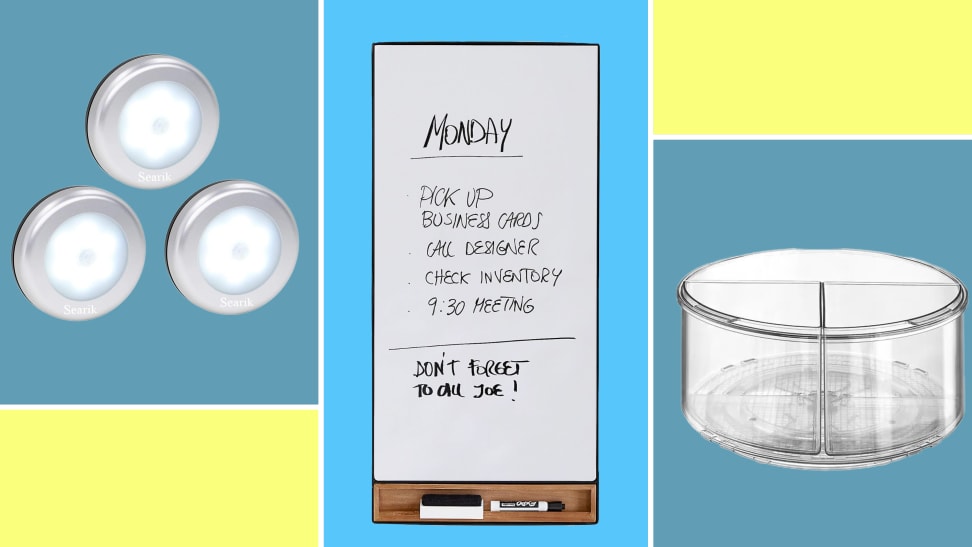
Enhancing visibility and ease of access through improved lighting and specialized storage solutions is another key aspect. Installing under-cabinet and pantry lights, especially motion-sensor or voice-activated smart lights, significantly improves safety and assists those with vision impairments. These smart lighting options also eliminate the need to reach for light switches, benefiting individuals in wheelchairs. Sliding pantry shelves are recommended for their ability to bring items into full view without requiring awkward movements. For those who cannot install sliding shelves, plastic bins with adhesive rollerballs offer a budget-friendly alternative. To help track food freshness, Byrne suggests labeling food packages and leftovers with purchase or expiration dates using a marker or sticky labels.
Adaptive tools and memory aids can further enhance kitchen accessibility. Reacher/grabber tools can assist in retrieving items from hard-to-reach places, with some models designed to handle heavier objects. For individuals struggling with memory, Summers recommends placing a whiteboard in a high-traffic area, such as a hallway, to write down kitchen tasks. This visual cue serves as a reminder, helping individuals recall their intentions upon entering or exiting the kitchen, providing real-time assistance and reducing confusion.
Finally, implementing color-coded storage systems can be beneficial for those on specialized diets or in multi-person households. Summers suggests using different colored bins in the refrigerator and pantry to separate and identify food items, ensuring that individuals can easily distinguish their specific dietary needs without confusion. This systematic approach contributes to a safer, more organized, and ultimately more autonomous kitchen environment for aging in place.
#AccessibleKitchen #AgingInPlace #HomeCare #KitchenOrganization #Decluttering #AdaptiveTools #Caregiving #VisionImpairment #MobilityIssues #AccessibleKitchen #AgingInPlace #HomeCare #KitchenOrganization #Decluttering #AdaptiveTools #Caregiving #VisionImpairment #MobilityIssues
0 comment in total
 No comments yet
You may also like
5 aging-in-place remodeling ideas for the kitchen

5 Things Cluttering Up Your Kitchen That You Definitely Don’t Need After 50
Know your way around the kitchen

New Survey Highlights Longevity As A Kitchen Design Trend

This $20 shelf riser fixed mess in my kitchen cabinet

Experts spill the beans on pantry organization for seniors
7 Common Kitchen Features That Actually Give Designers the "Ick"

8 appliance placement rules for harmony in the kitchen, according to experts
8 clever storage ideas for increased accessibility at home, as shared by designers
The Regs: How to make a kitchen accessible to all
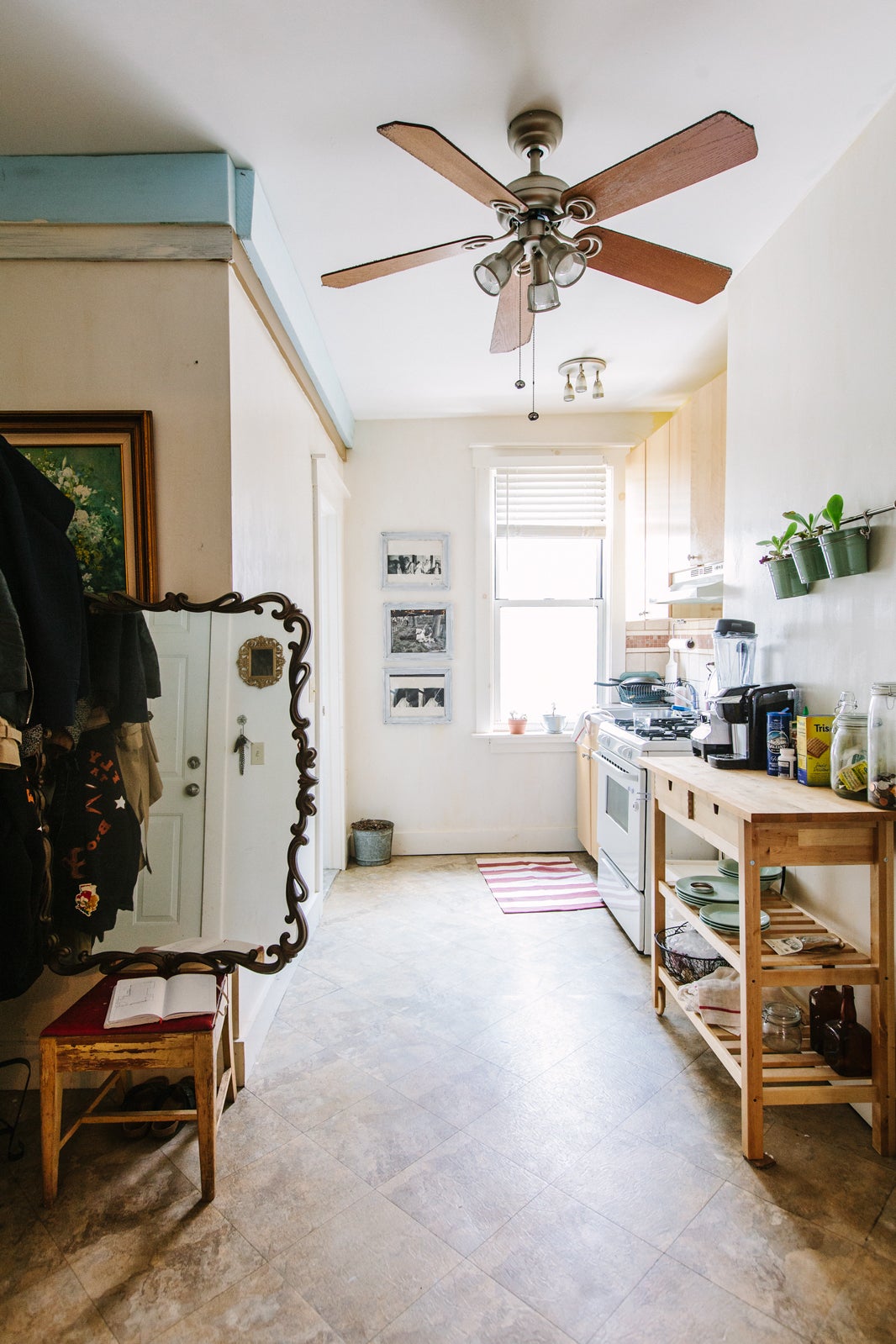
All The Secrets To Organize Your Kitchen

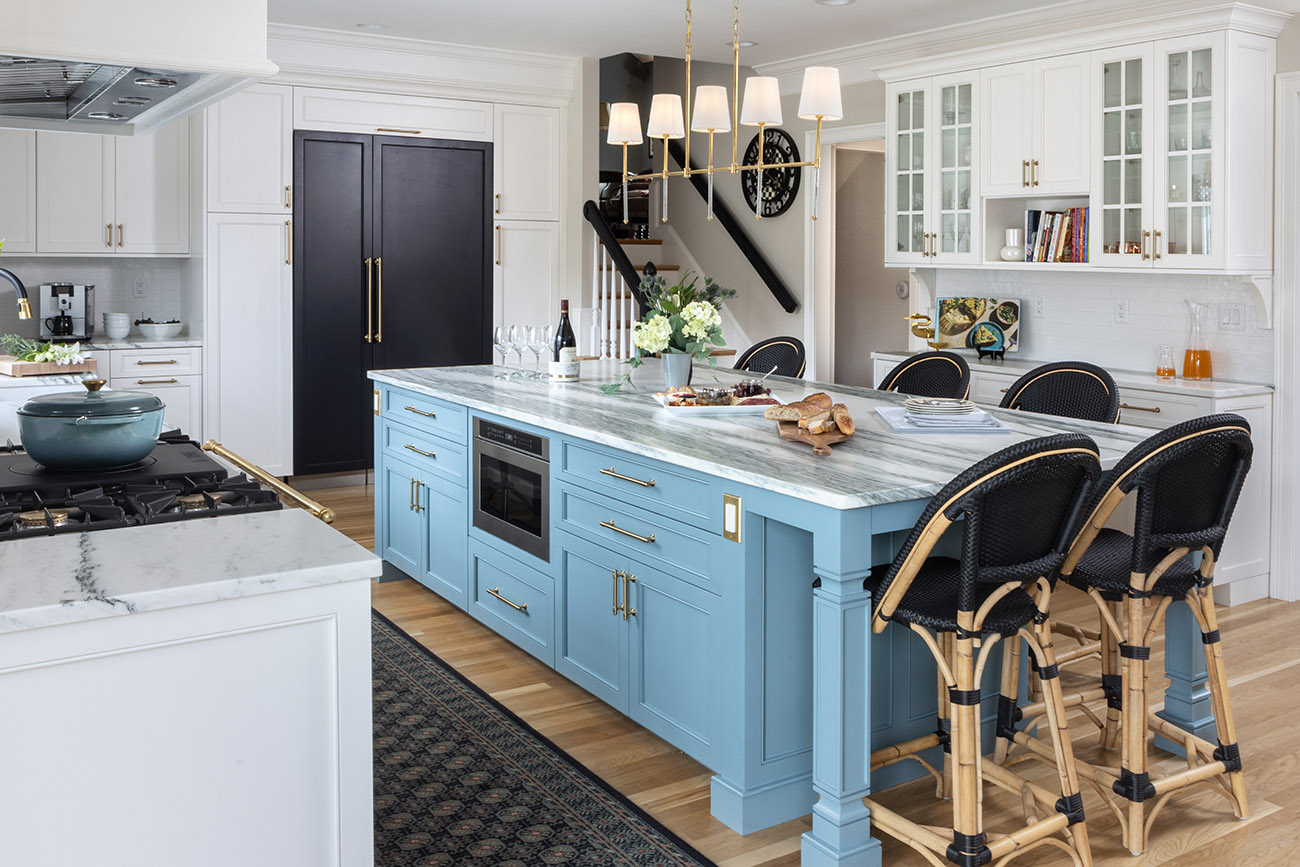
Must-Haves in Today’s Kitchen
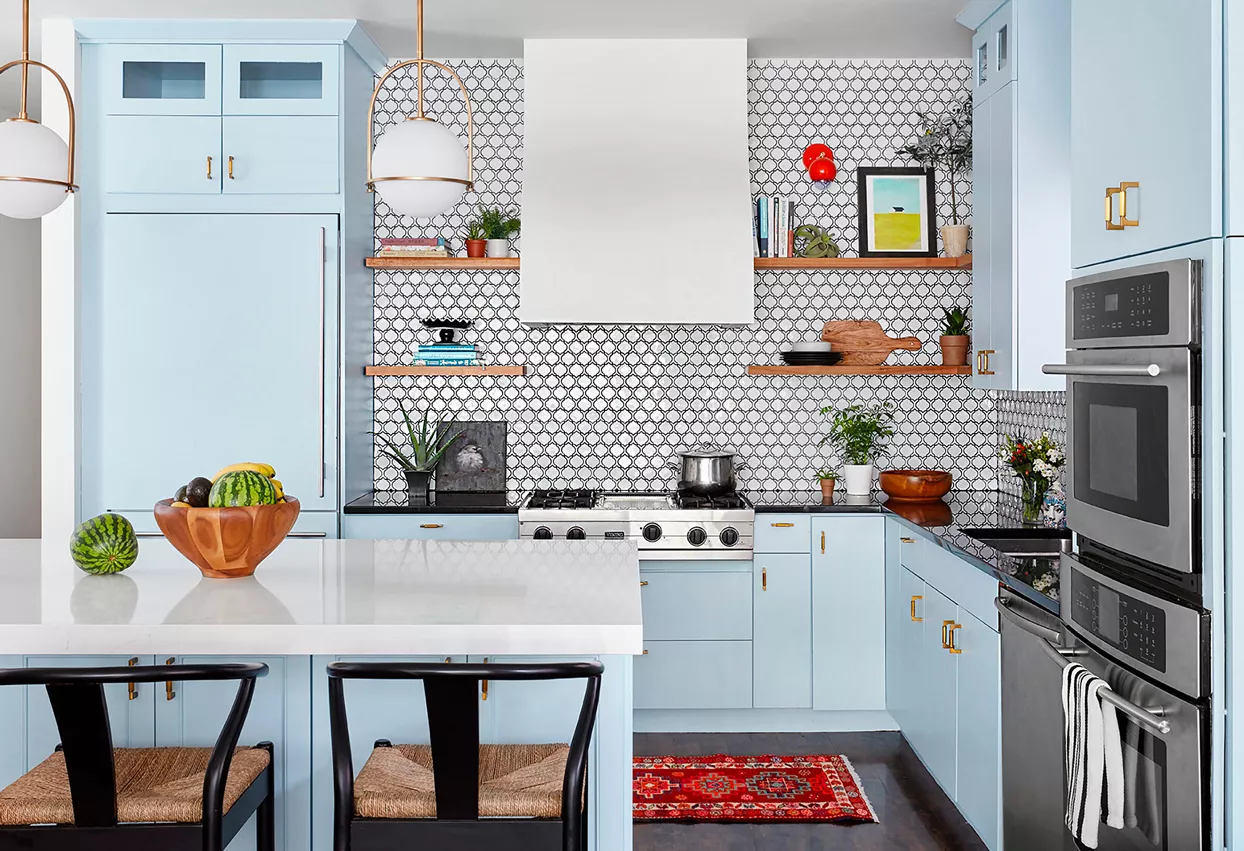
19 Universal Design Principles to Consider When Remodeling Your Kitchen

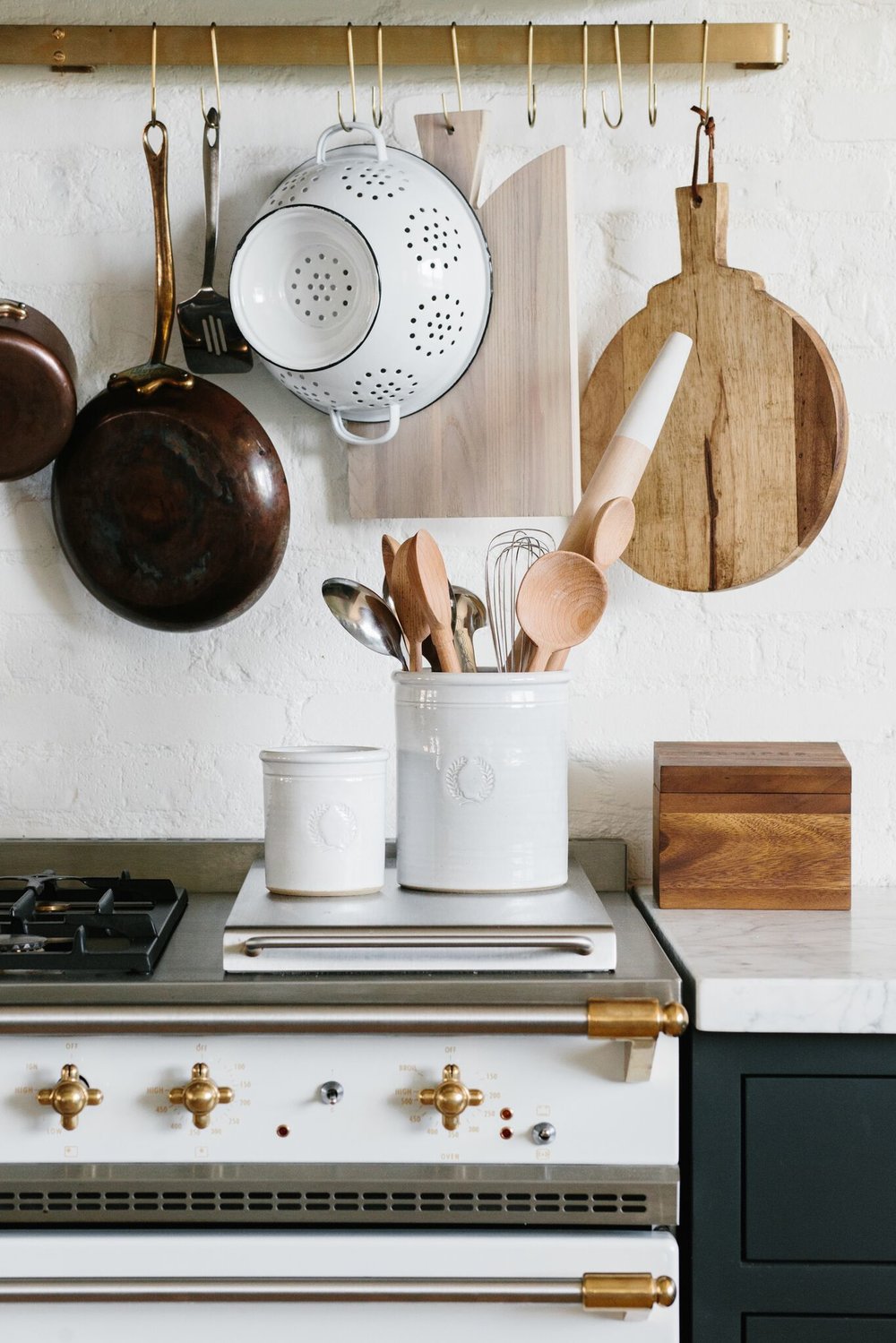
Kitchen Organization With The Home Edit
How wellbeing in kitchen design is now a priority for homeowners
How to organize a U-shaped kitchen – 6 steps to streamlined perfection

Chef’s corner

7 clever tricks designers use to conceal unsightly kitchen trash cans - 'they'll be an eyesore no more'

Kitchen drawers vs cabinets - which should you choose?
Sustainable Spaces: The Kitchen