1/9
8 clever storage ideas for increased accessibility at home, as shared by designers
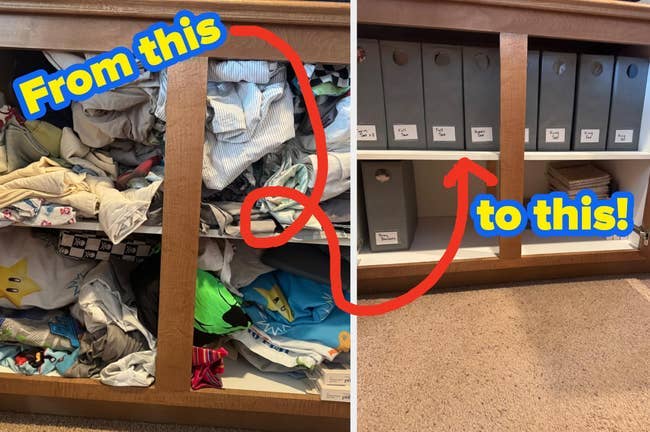
Improving accessibility in a home involves customizing storage solutions to meet individual needs and simplify daily routines, ultimately creating a more organized and convenient living space. The goal is to balance functionality, ease of use, and aesthetic appeal to suit the home's style. Incorporating accessible and user-friendly storage is essential for a home environment that caters to everyone's needs, whether it's streamlining item access or optimizing space for easier navigation.
One effective solution is the installation of pull-down shelves in kitchen and bathroom cabinets. These shelves make items stored in high places safely and easily reachable, often featuring a handle for varying height requirements. This mechanism significantly reduces strain and makes accessing heavier items at a lower height simpler.
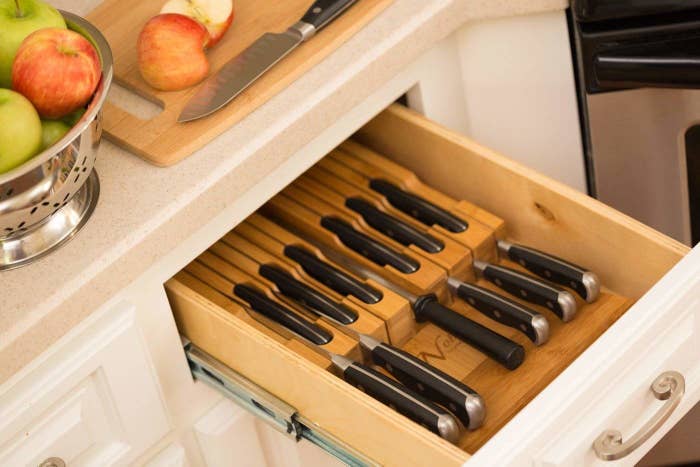
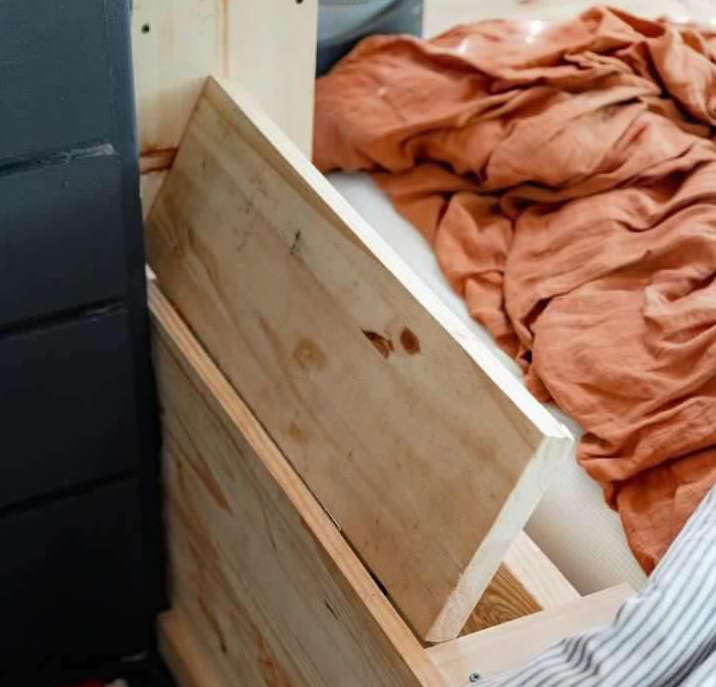
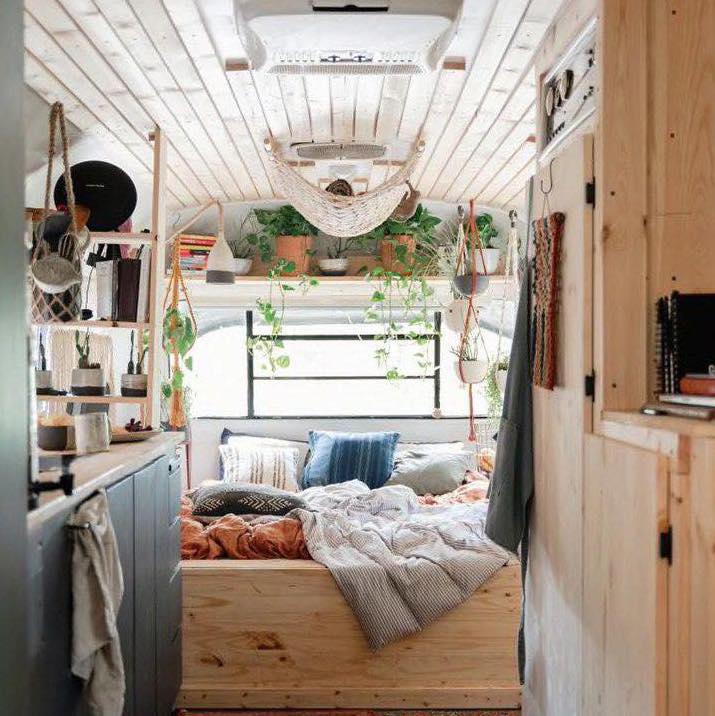
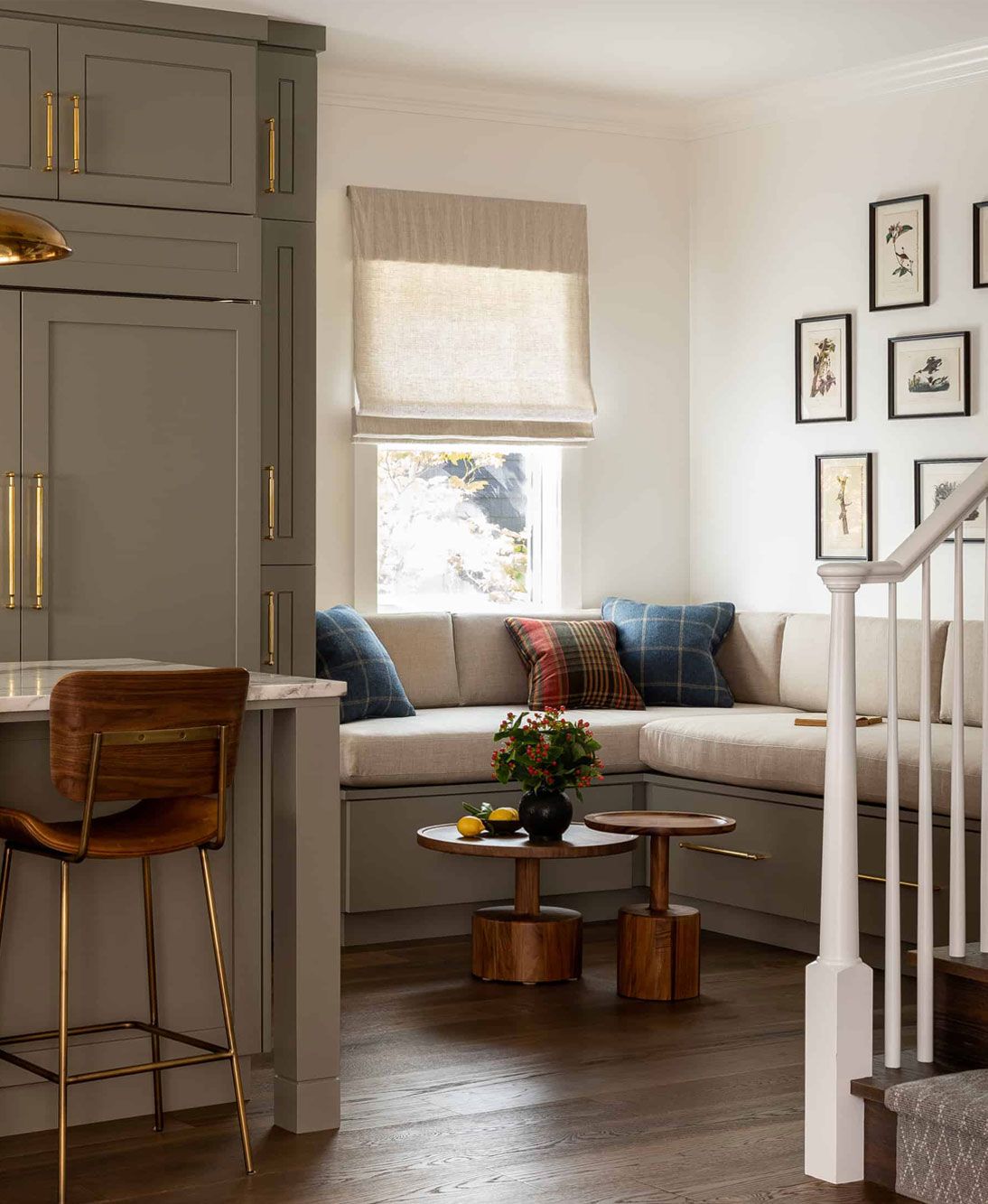
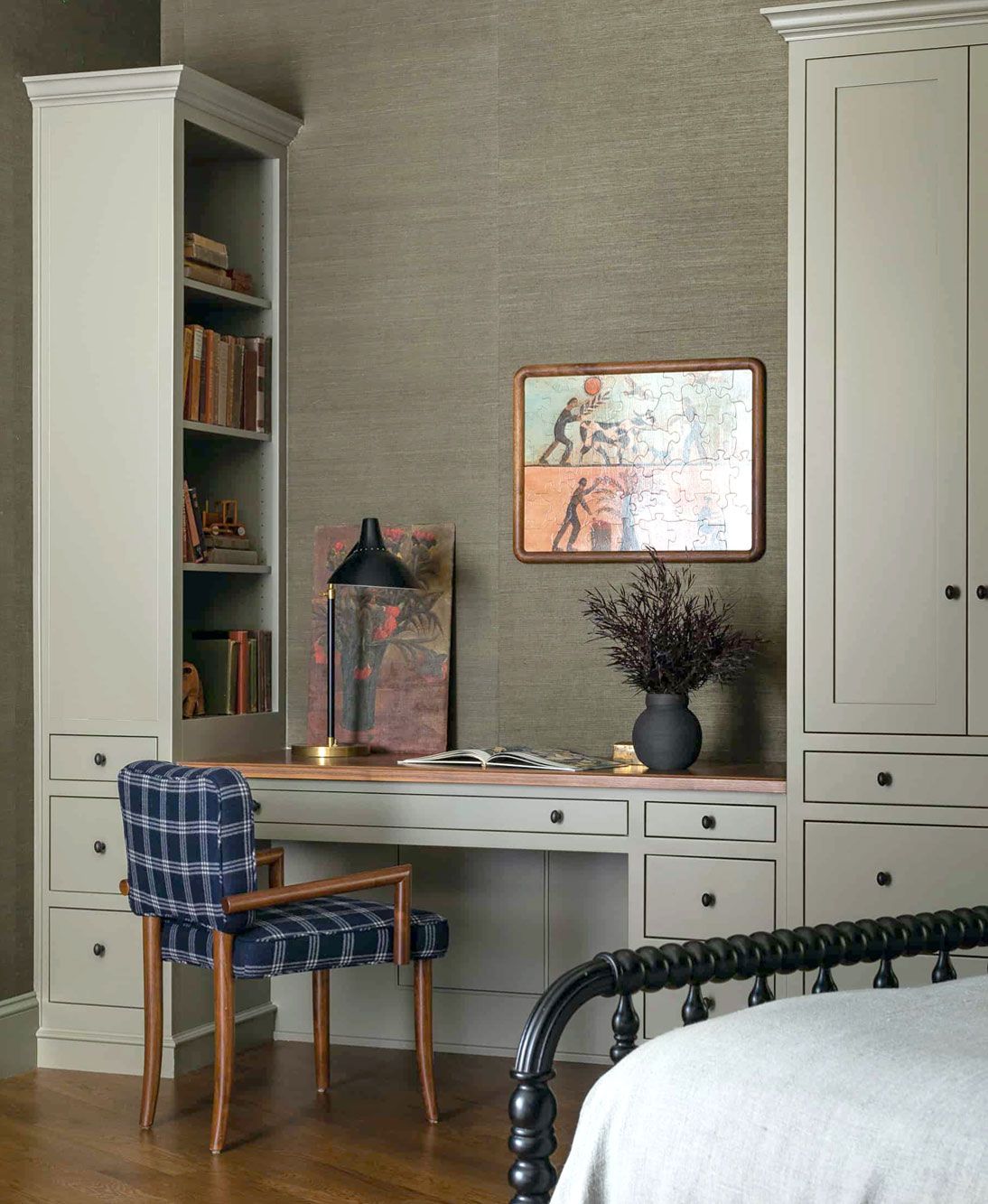
Another approach involves utilizing under-furniture storage. This strategy maximizes available space and keeps items readily at hand. Under-bed storage, for instance, provides easy access to clothing, shoes, or extra bedding, sometimes through built-in drawers or storage bins. Toe-kick drawers, situated beneath kitchen cabinets, repurpose often-overlooked space for flat items like baking sheets or cutting boards, integrating functionality without compromising style.
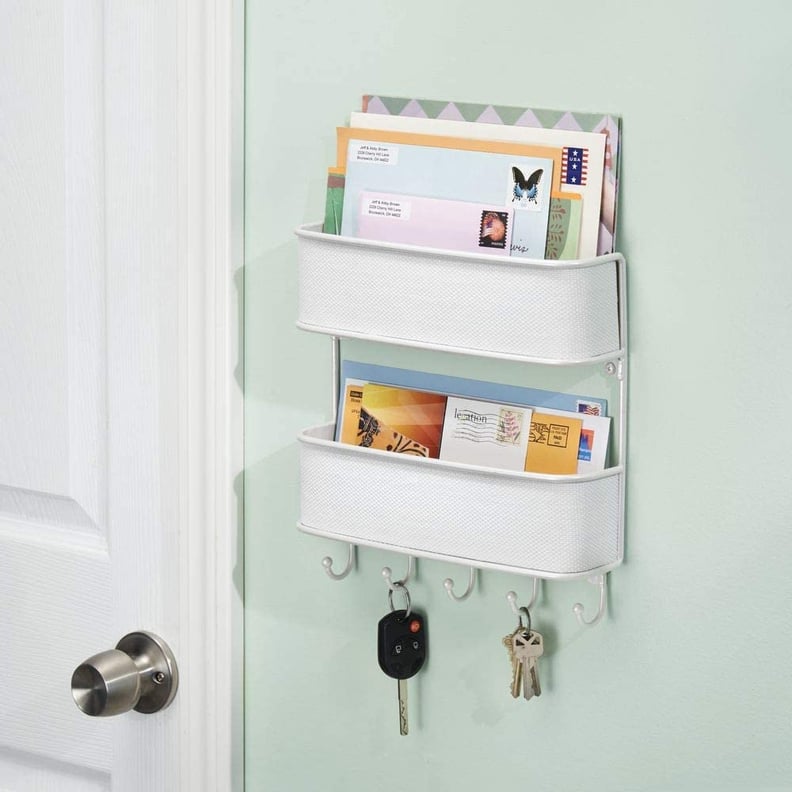
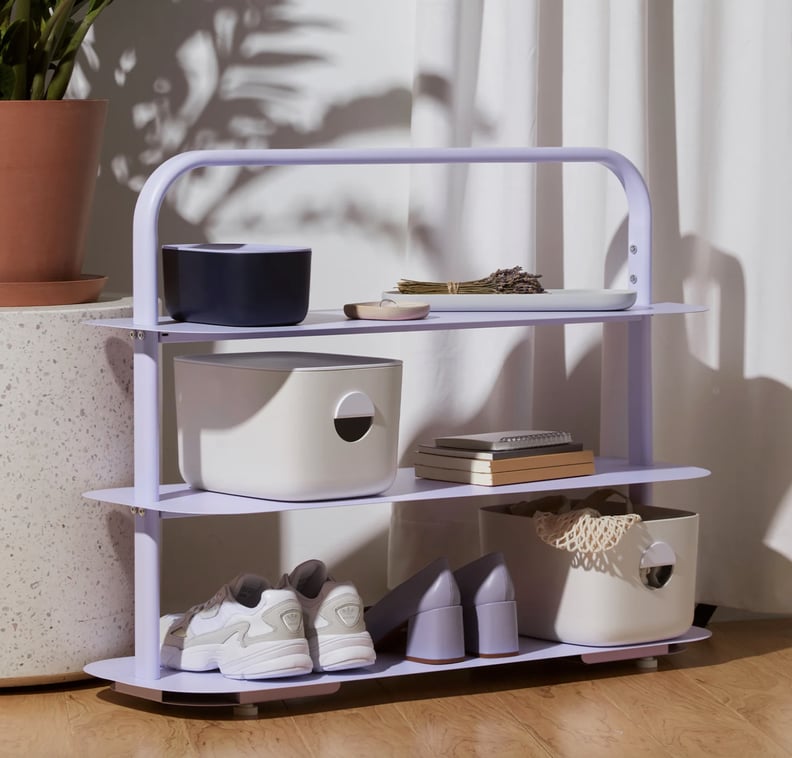
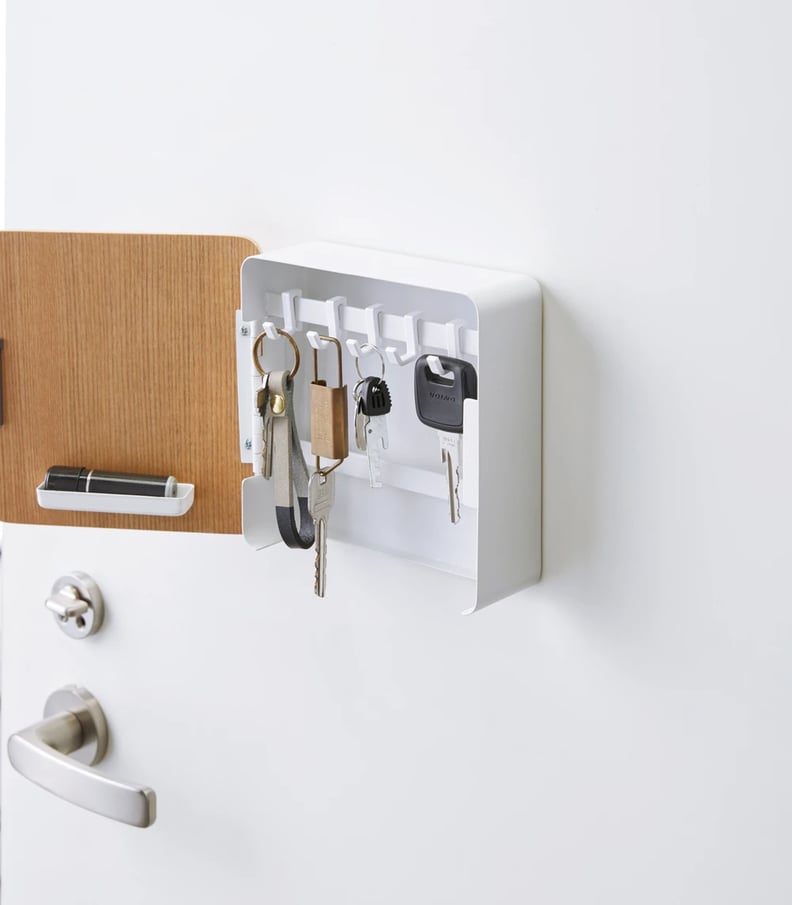
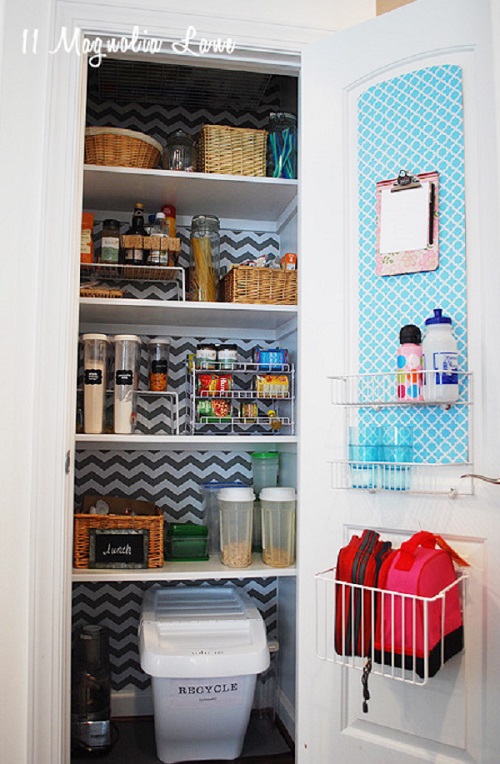
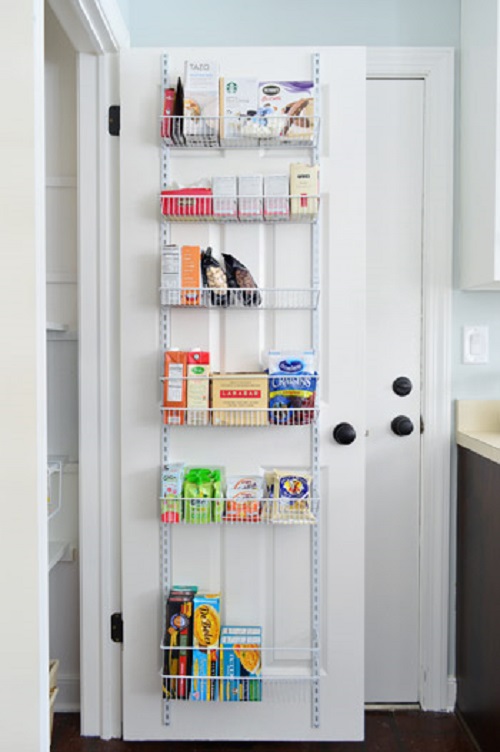
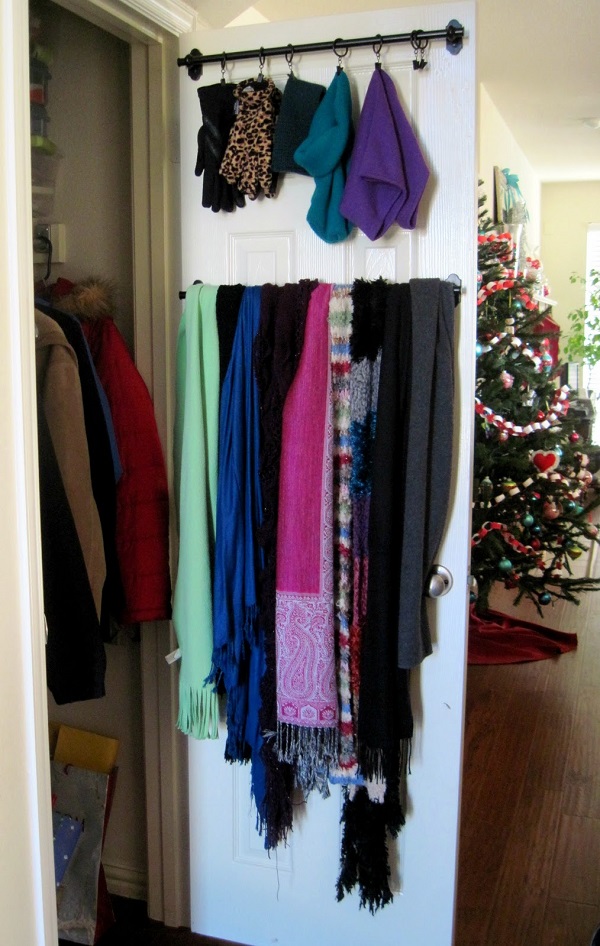
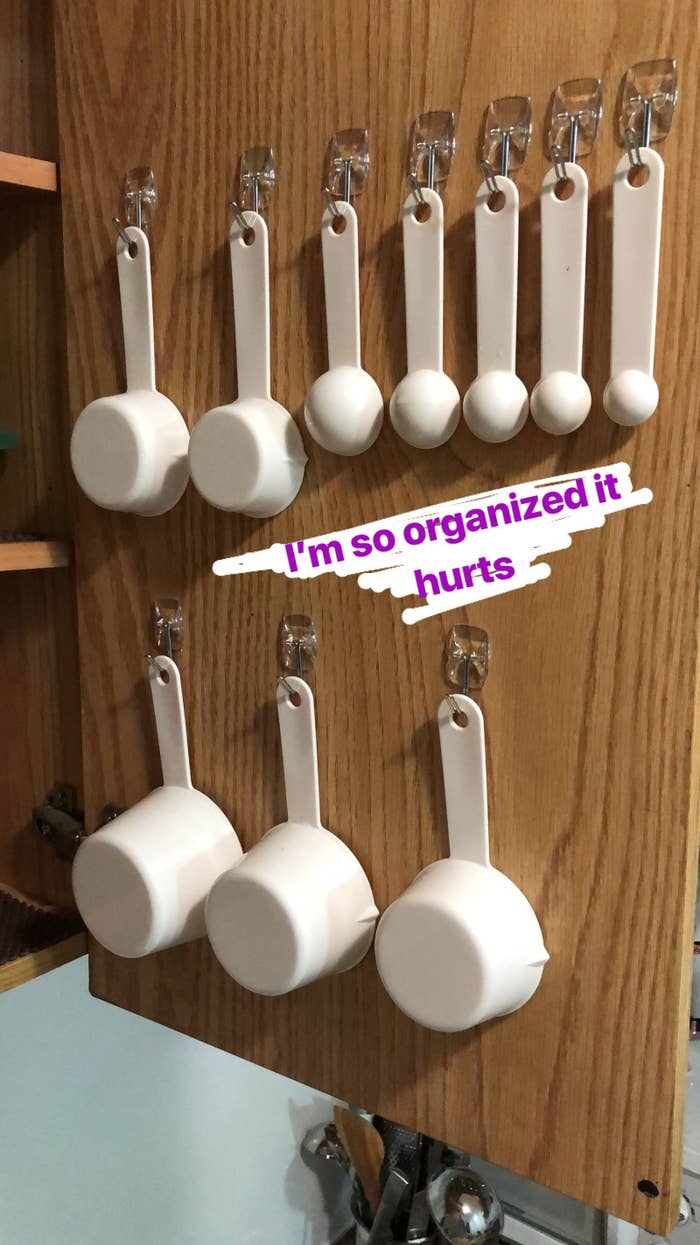
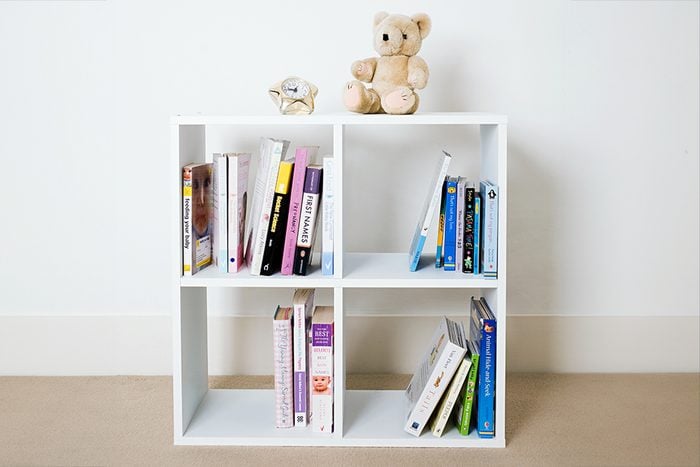
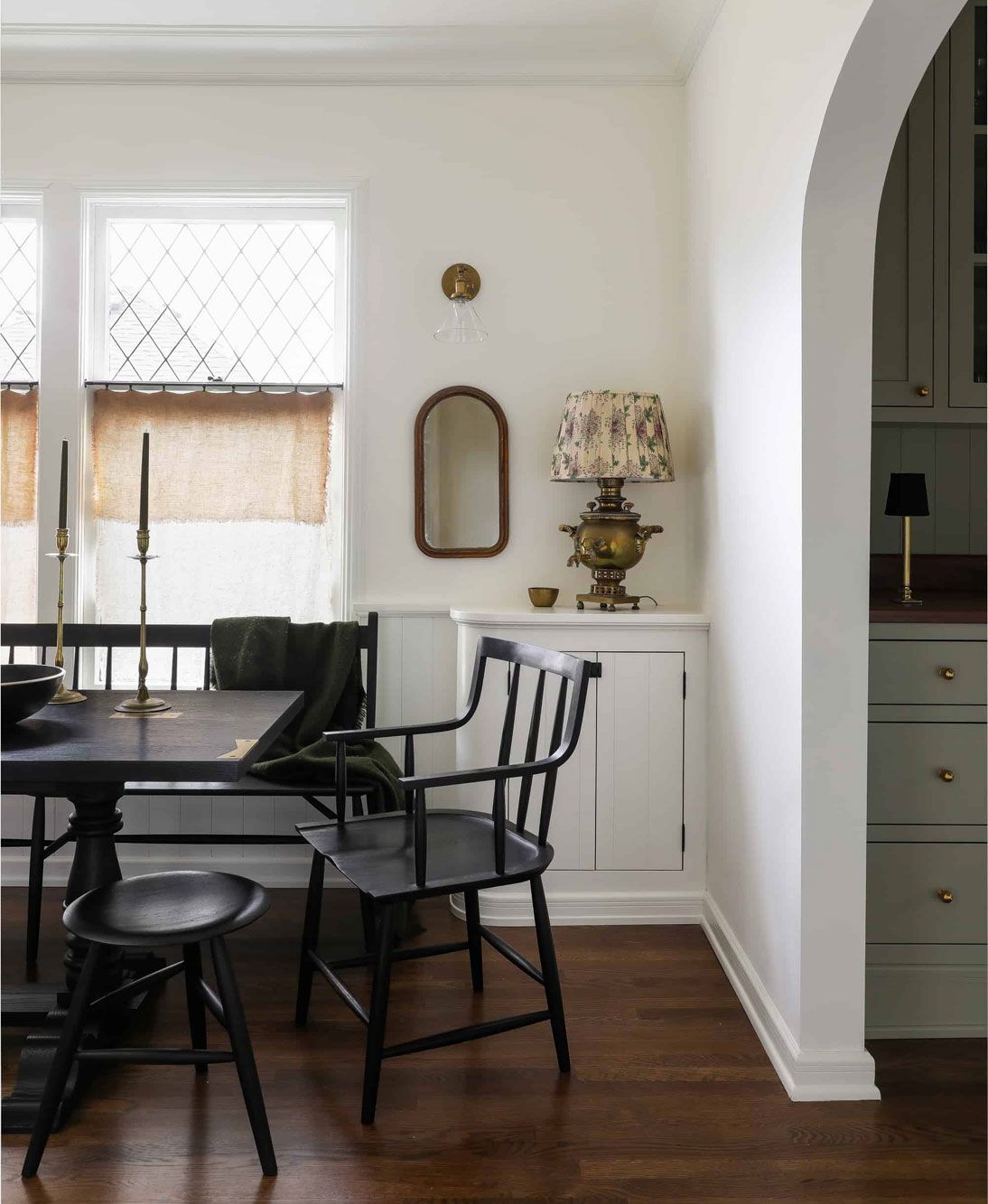
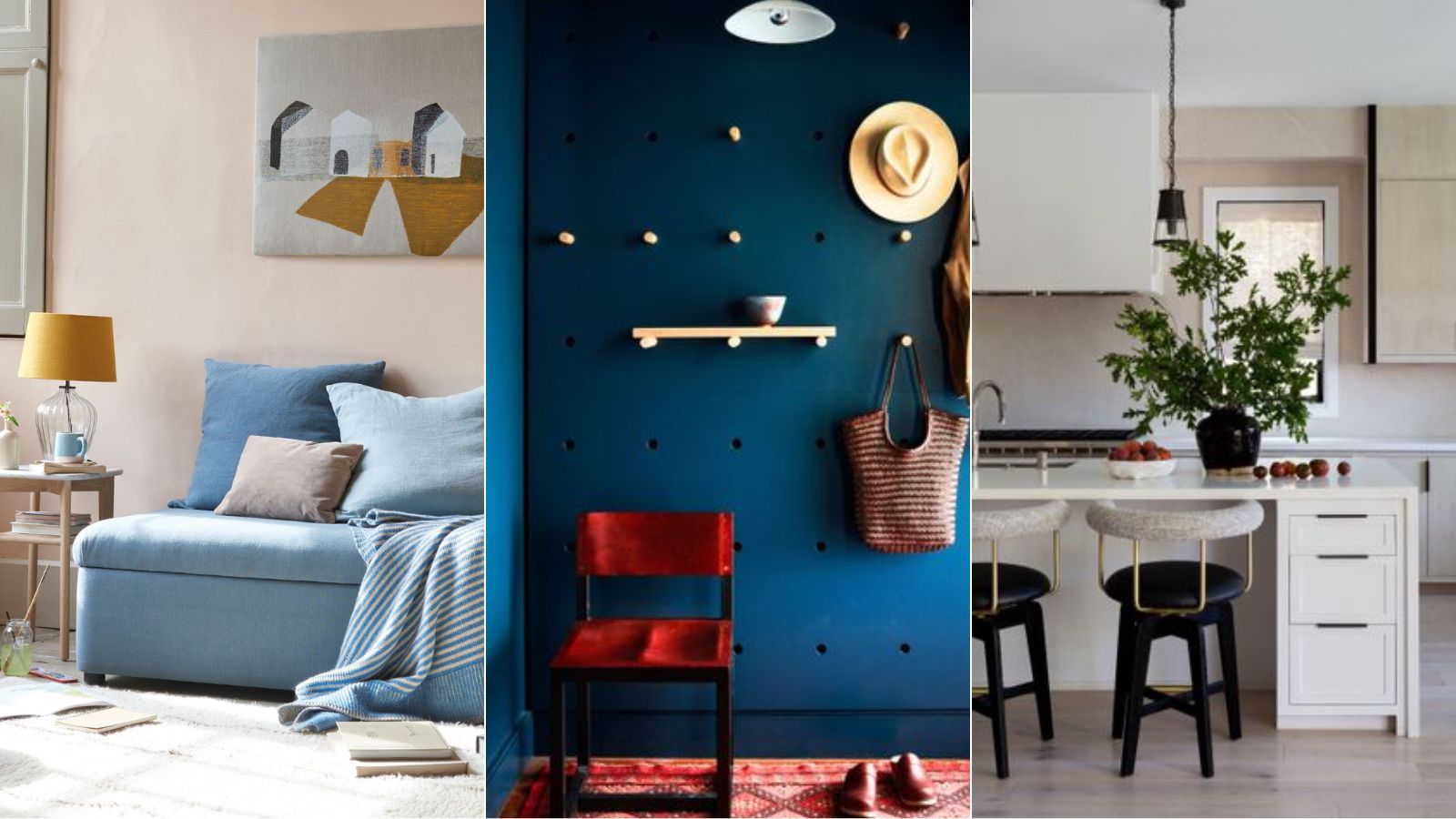
Open storage solutions effectively maximize wall space. Hooks, pegs, and wall-mounted shelves can hold essential items like coats, bags, and keys at convenient heights. For individuals who find opening and closing cabinet doors cumbersome, open shelves offer a practical alternative, allowing quick access to dishes, cups, or spices. Beyond functionality, open shelves also provide an opportunity to display decorative items. Pegboards, traditionally used in garages, can be adapted for kitchens or home offices to organize utensils, craft supplies, or tools, with customizable arrangements of hooks and shelves. Magnetic panels or strips on cabinet doors or walls are also useful for storing small metal items, keeping them visible and within reach.
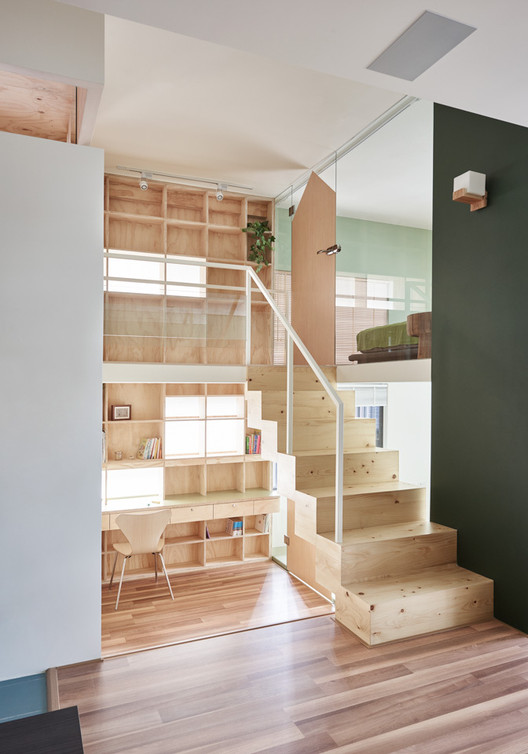
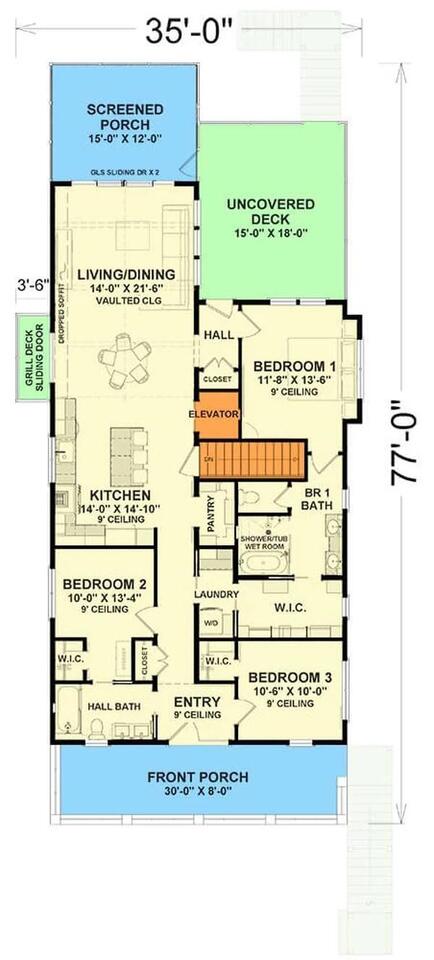
Staircase storage is another ingenious way to utilize often-wasted space. Built-in shelving cubbies or drawers under staircases can provide valuable storage, particularly for items needed when leaving the house. Transforming stair risers into pull-out drawers offers hidden storage for shoes, linens, or seasonal items, provided they are conveniently accessible, perhaps only on the bottom steps.
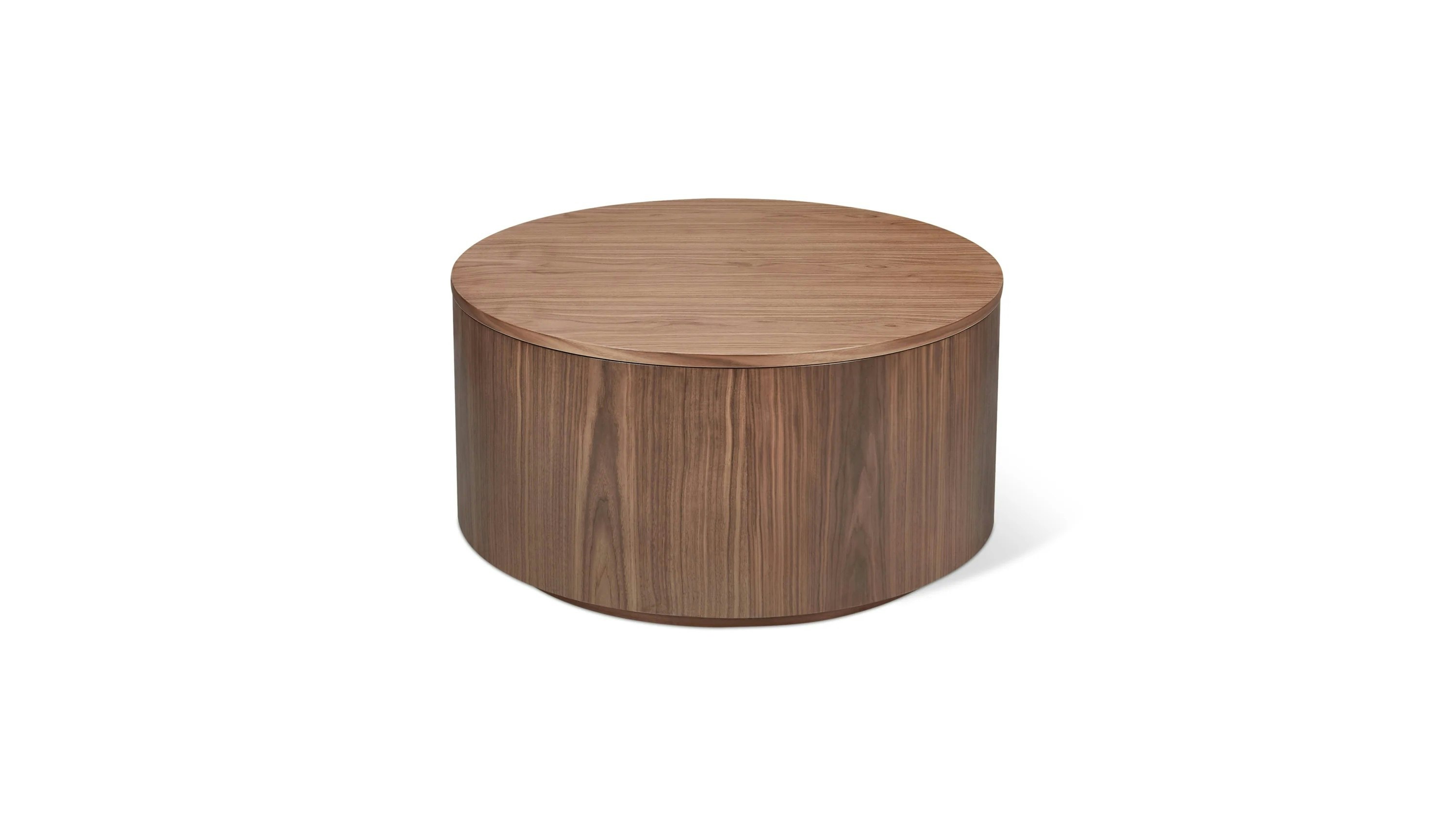
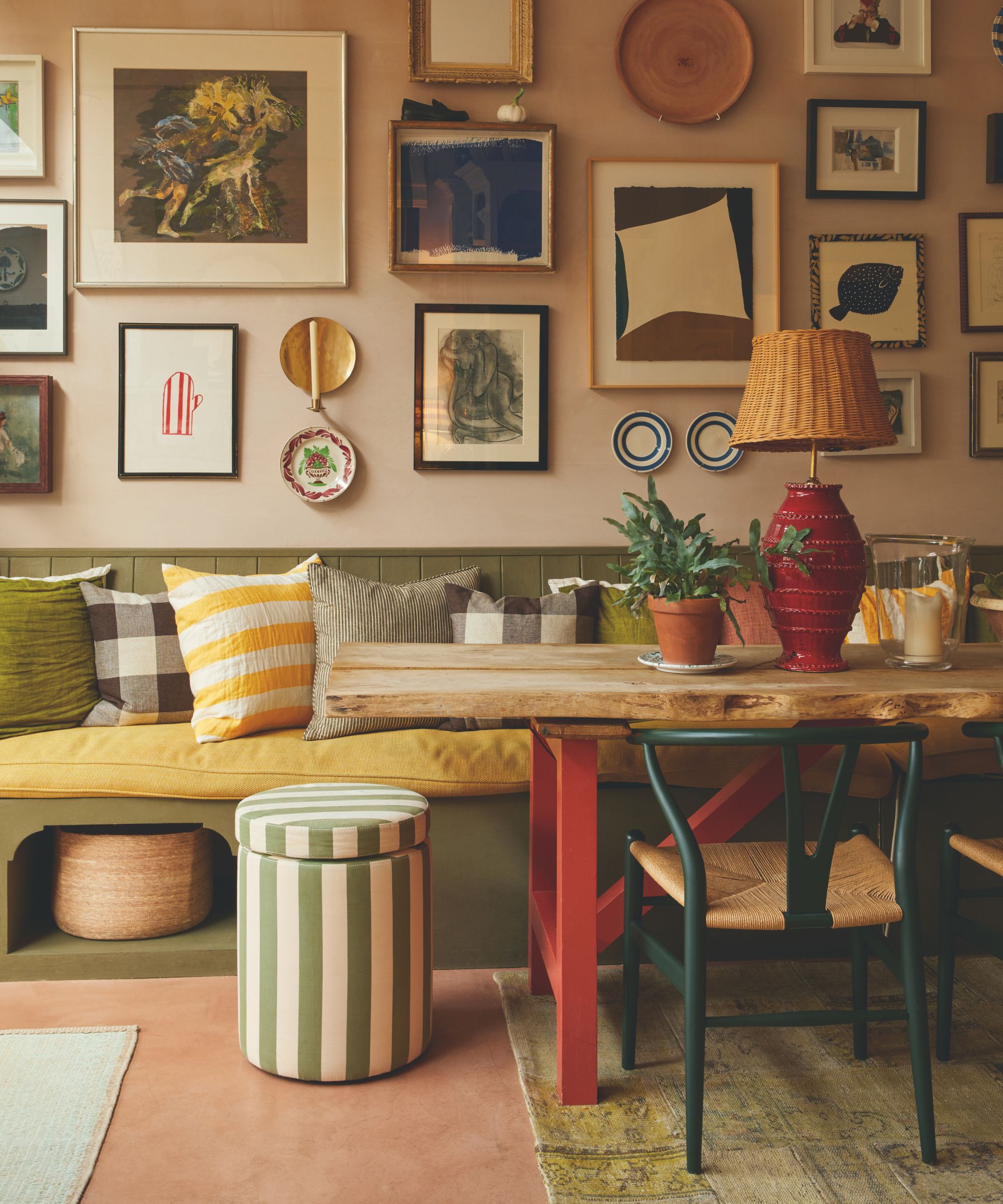
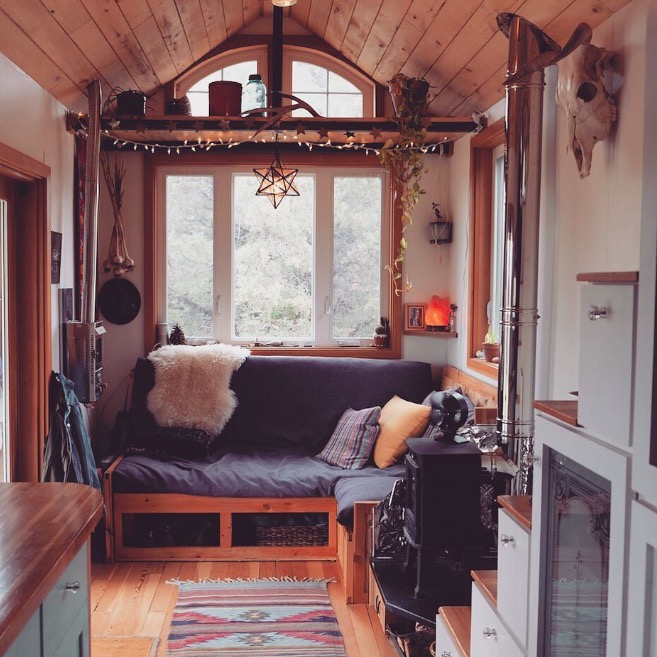
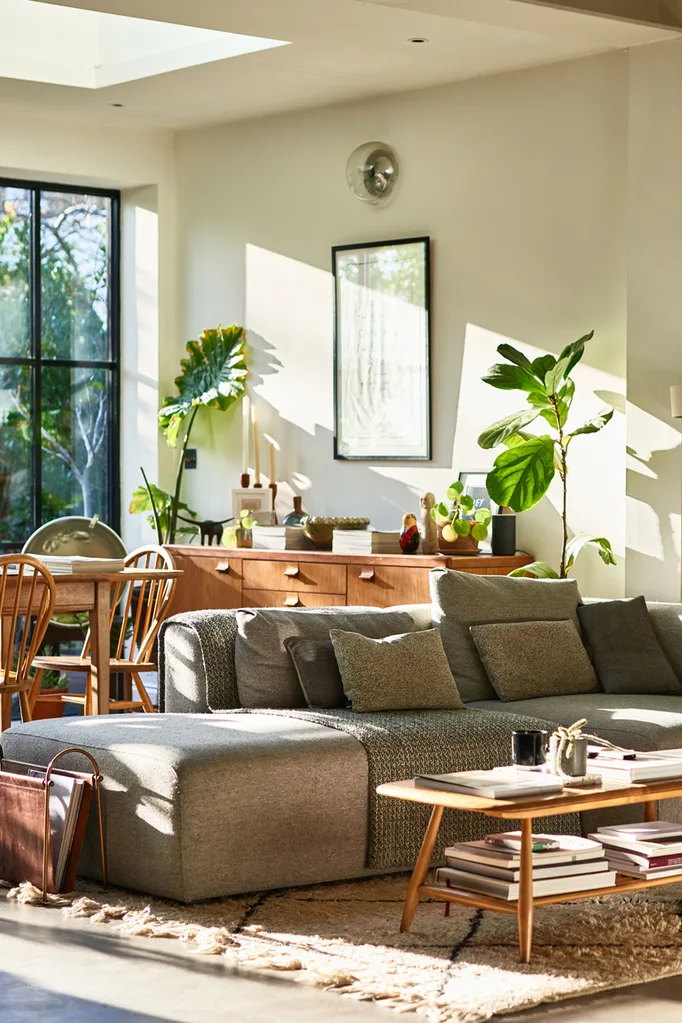
Furniture with hidden storage compartments helps maintain organization and reduce clutter, especially in smaller spaces. Ottomans, coffee tables, and bed frames with built-in storage can discreetly house various items. Integrated storage, like wooden bench seating with lift-up tops, can conceal toys or cookware while blending seamlessly with the home’s design. Entryway bench seats or footrests with hidden compartments can also help keep walkways clear and living areas tidy.
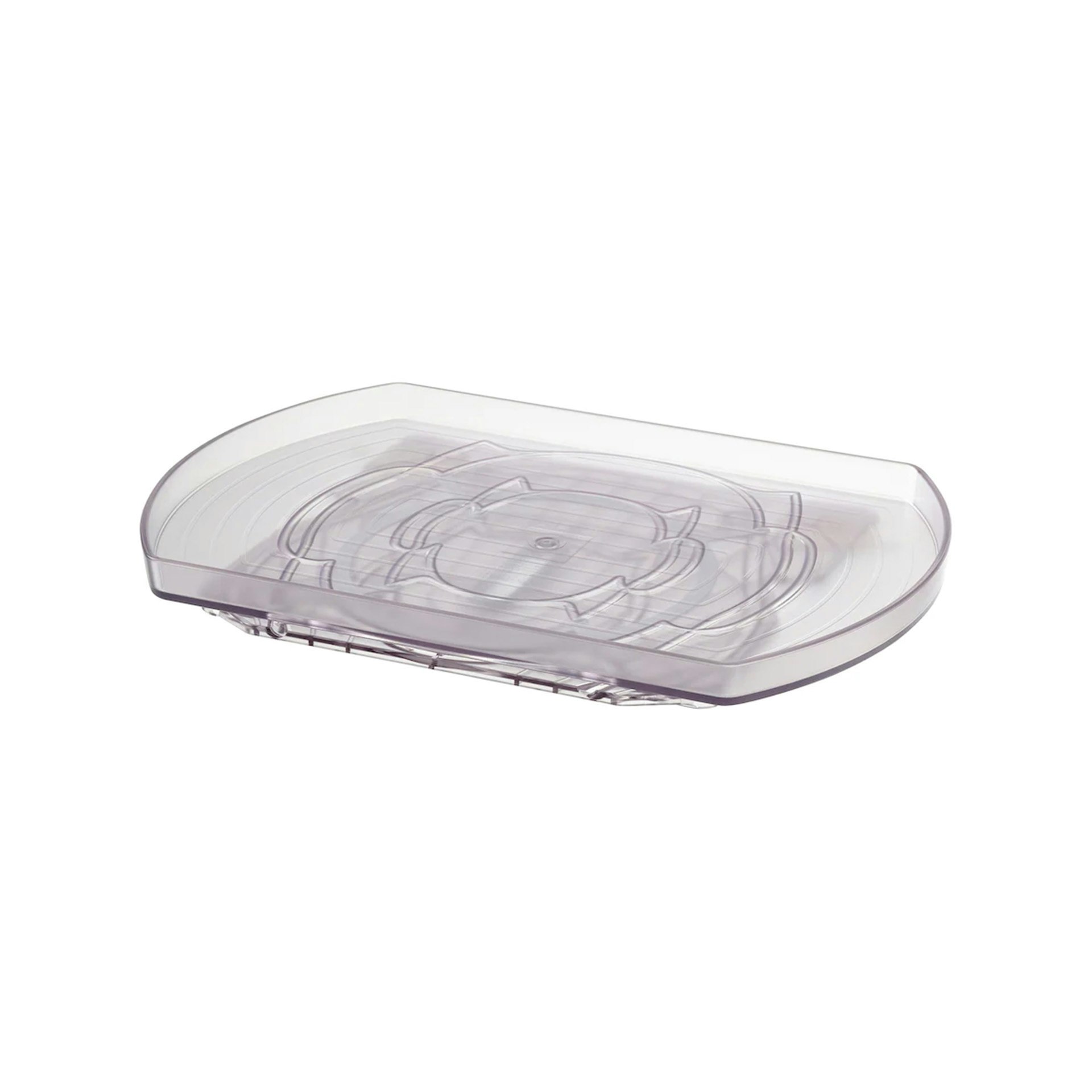
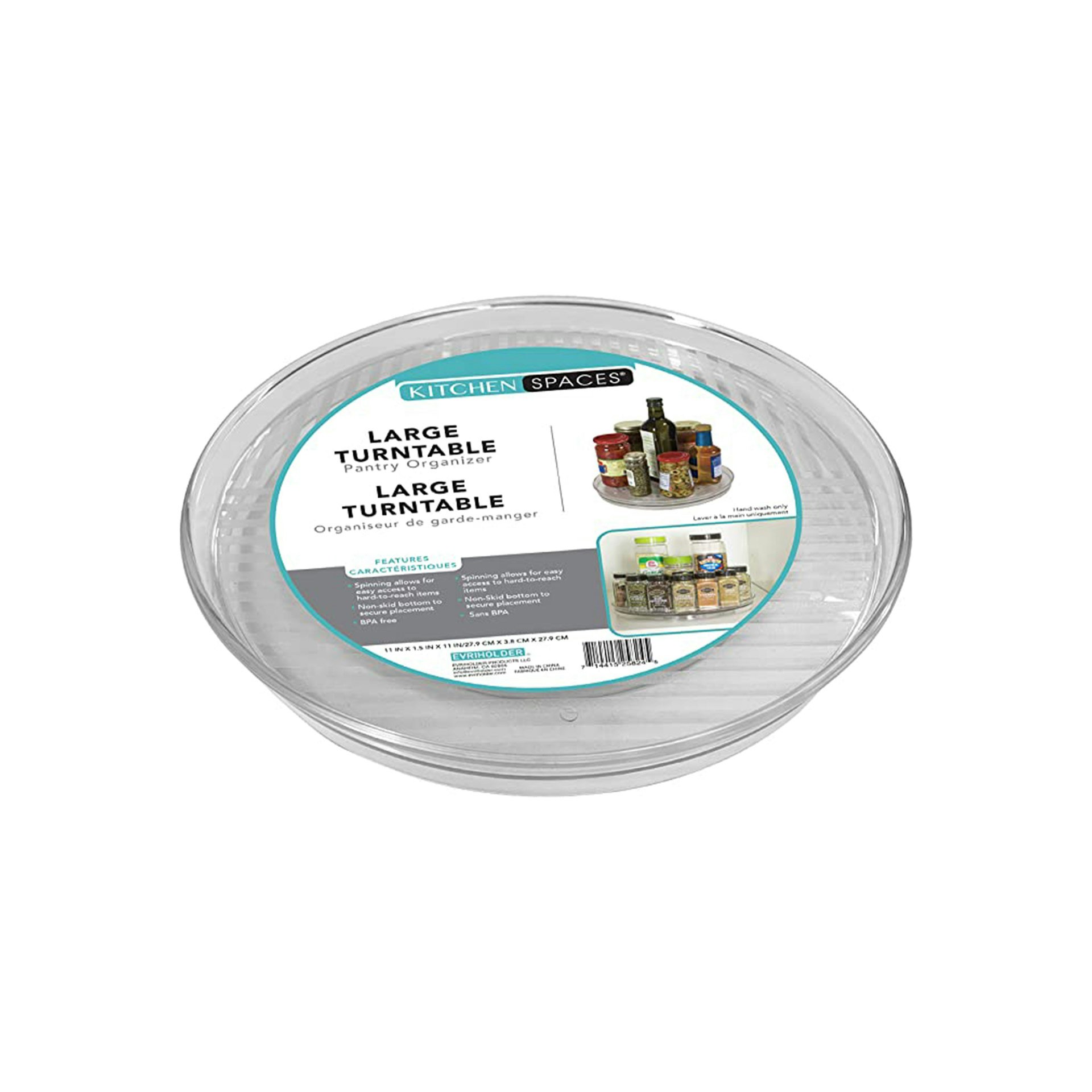
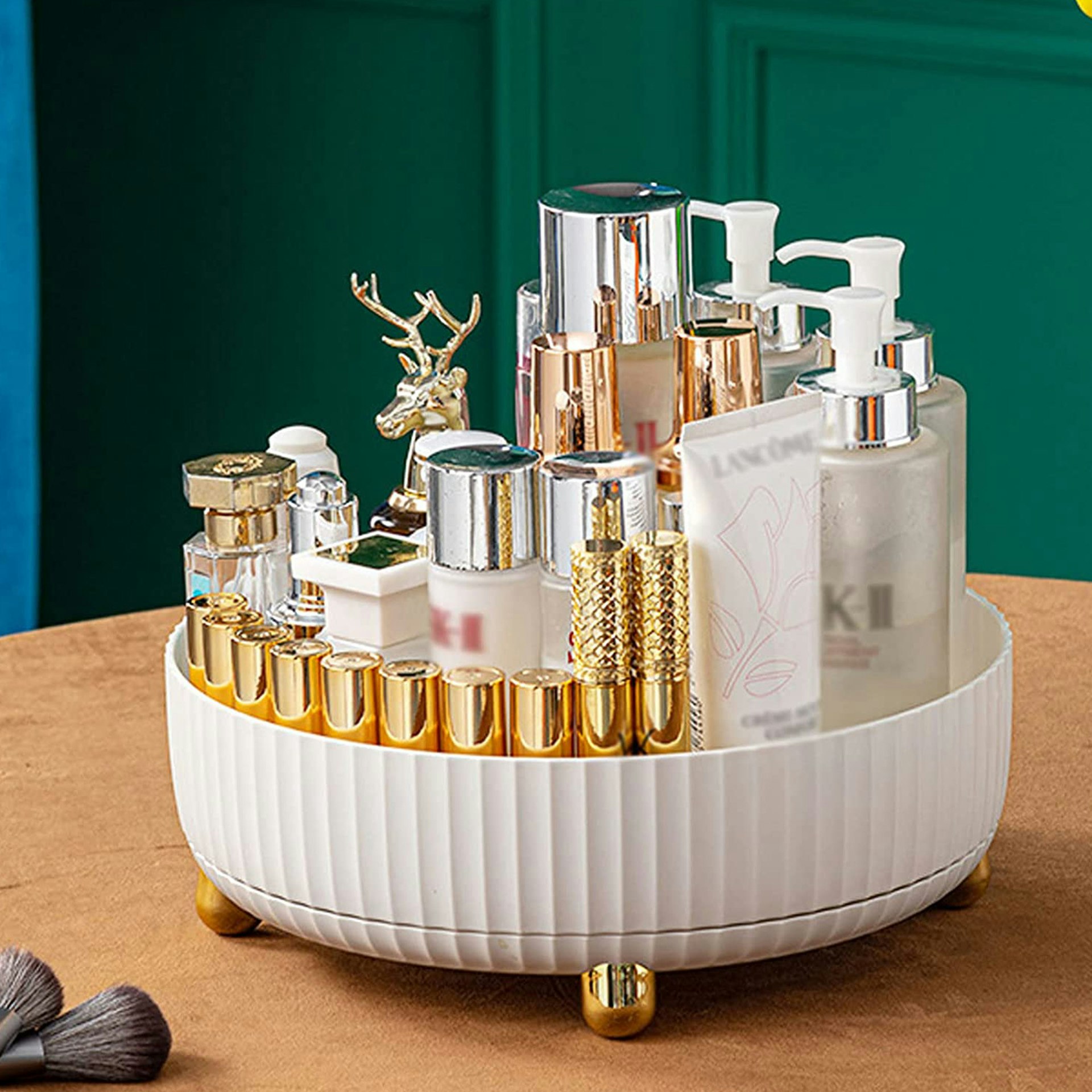
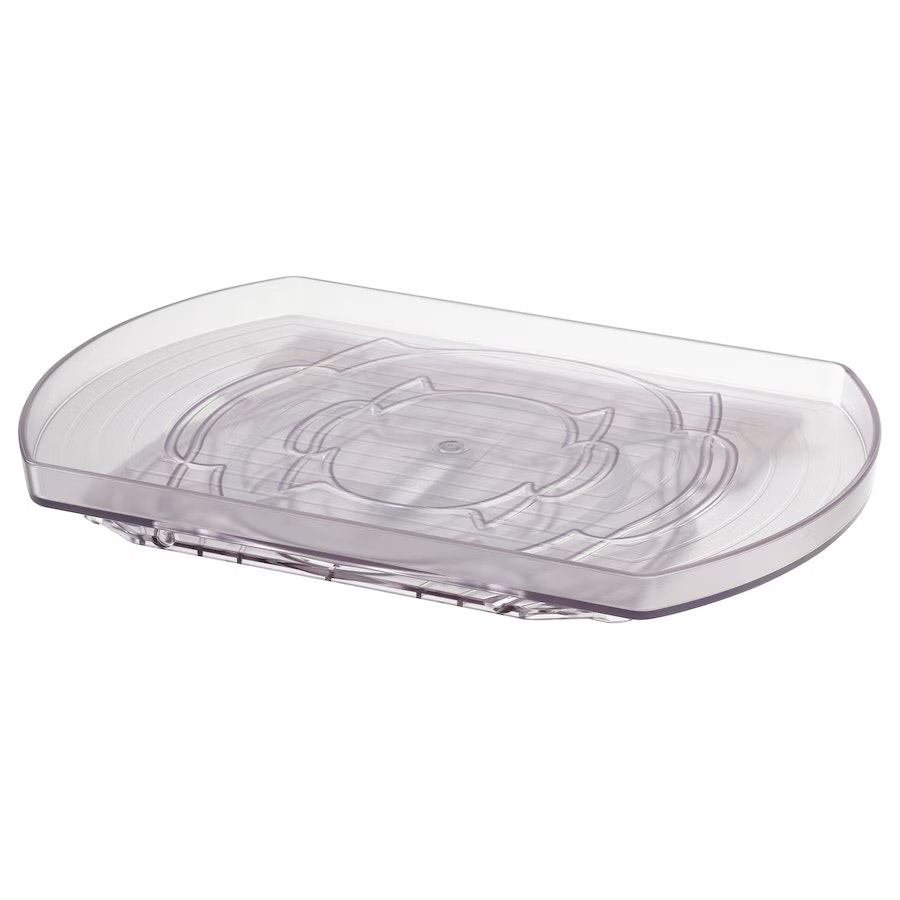
In kitchens, roll-out drawers and Lazy Susans significantly improve accessibility. Deep, sliding shelves allow for easy viewing and access to items at the back of cabinets without rummaging. Rotating Lazy Susans are ideal for corner cabinets, ensuring all contents are easily reachable. Innovative solutions like magic corner or blind corner pull-outs further maximize cabinet space by bringing tucked-away sections into the open.
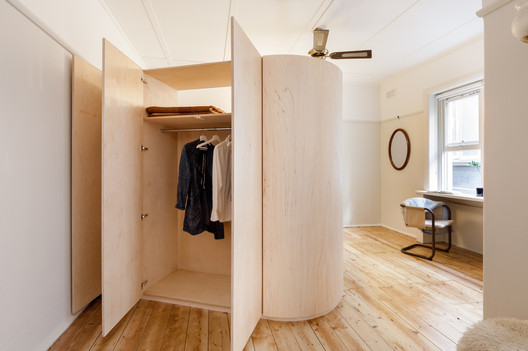
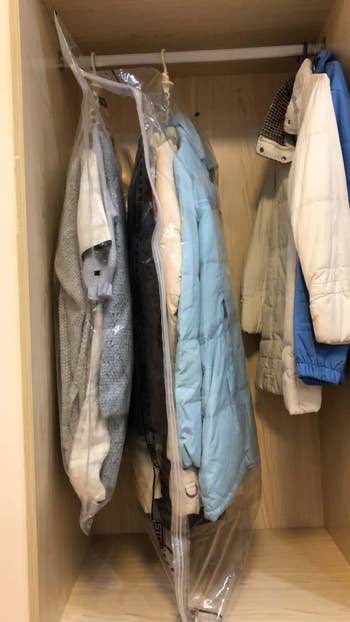
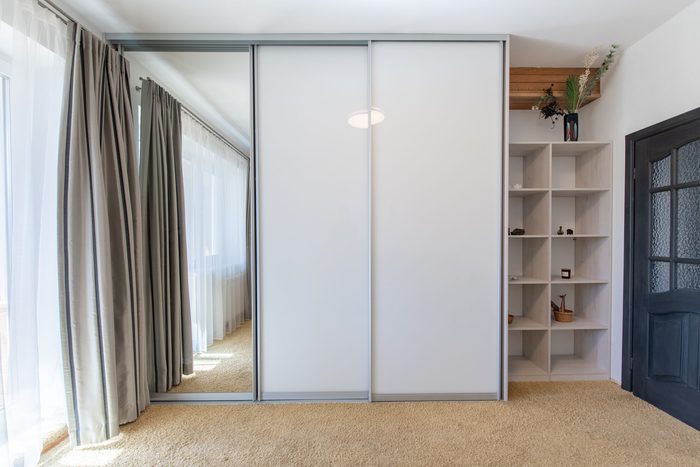
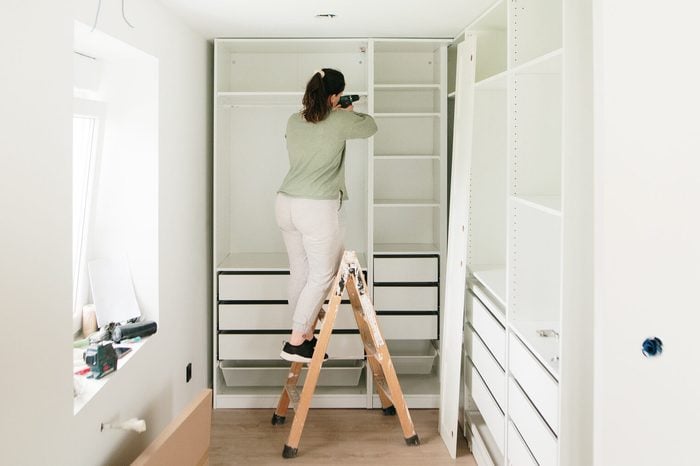
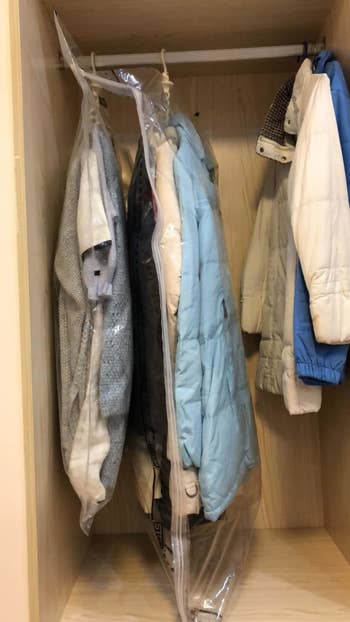
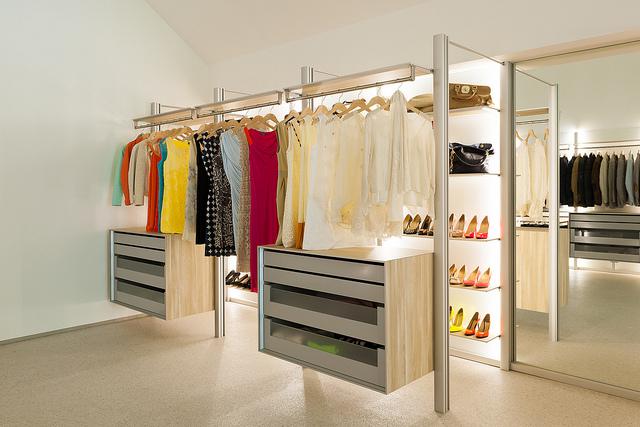
Adjustable closet storage enhances accessibility by addressing potential obstacles. Bi-folding or sliding doors prevent obstruction and facilitate easy maneuverability, especially for those using mobility aids. Adjustable shelving systems allow customization for individual needs, offering shallow shelves for easy access or deeper, slide-out options. Pull-down rods for clothing rails utilize vertical space efficiently, making garments easier to reach. Strategic placement of clothing rods at eye level and the use of easy-to-grip D-shaped door handles also contribute to a more accessible closet. Additionally, wireless lights under shelves can improve visibility, particularly during darker months.
For individuals using wheelchairs or mobility scooters, making sinks and countertops accessible involves ensuring sufficient depth, height, and width for comfortable use. This often requires incorporating wall-mounted countertops and sinks, allowing for custom dimensions to fit specific needs. By implementing these design features and modifications, homes can be transformed into safe, comfortable, and easily navigable spaces for everyone, regardless of mobility challenges.
#HomeAccessibility #StorageSolutions #InclusiveDesign #KitchenOrganization #BedroomStorage #SpaceSaving #HomeOrganization #AccessibleHome #InteriorDesign #HomeAccessibility #StorageSolutions #InclusiveDesign #KitchenOrganization #BedroomStorage #SpaceSaving #HomeOrganization #AccessibleHome #InteriorDesign
0 comment in total
 No comments yet
You may also like
Clever storage ideas to help organize every room in your home
11 Storage Solutions That Will Get Your Entryway in Order
If You Think You're Out Of Space In Your Home, It's Time To Check Out These 22 Storage Ideas
Hide your outdated home feature with this clever storage hack!

Some Actually Useful Home Storage Solutions for Small Spaces


Top 10 Modern House Plans Featuring Clever Storage Options

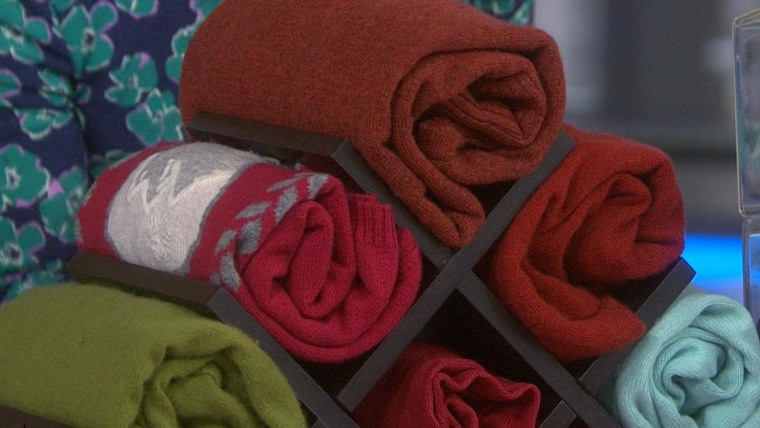
How to use a wine rack to store sweaters and T-shirts

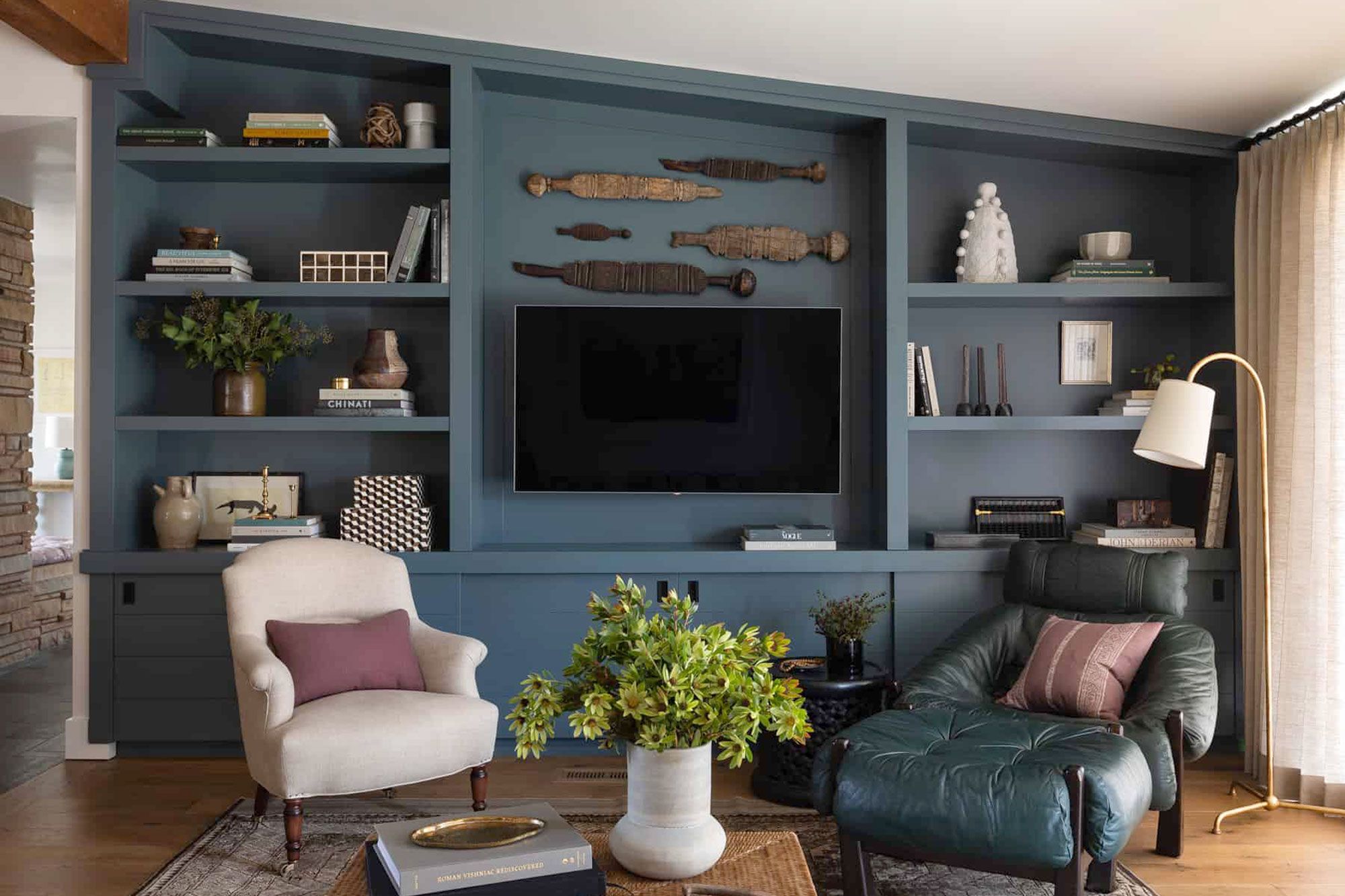
Custom storage: How to use built-ins to maximize small spaces

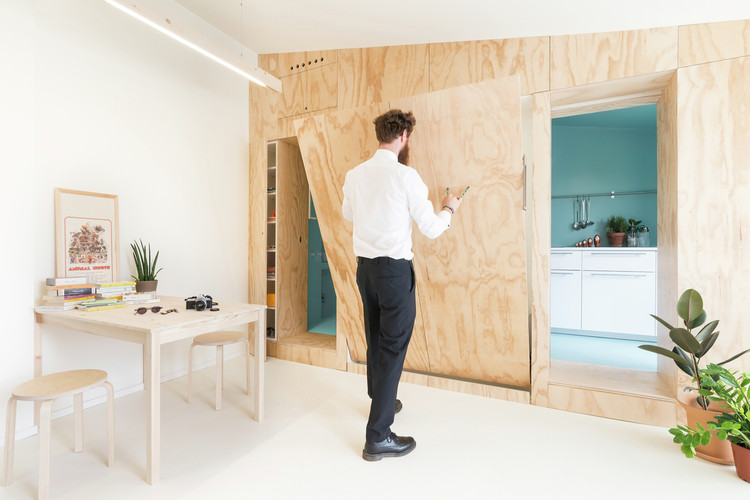
Space-Saving Solutions: 33 Creative Storage Ideas

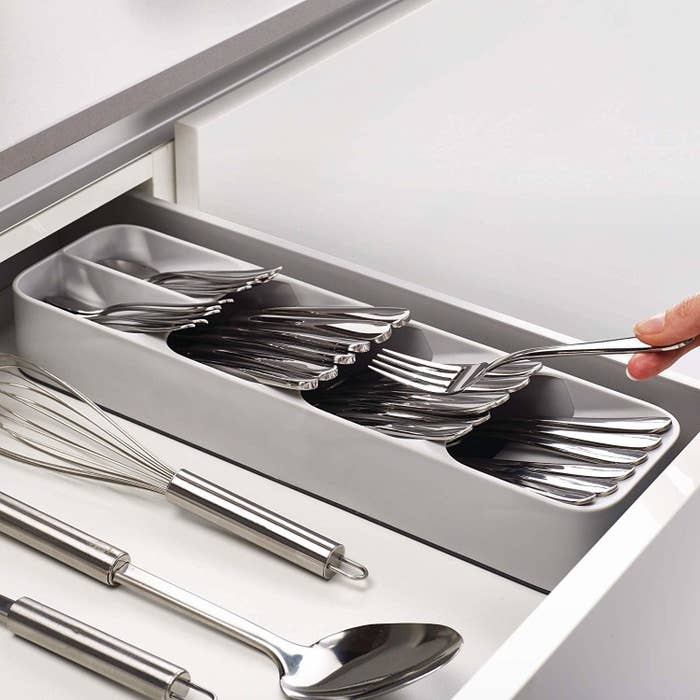
57 Incredibly Clever Storage Ideas For Your Whole Home
Storage Boxes - Our Pick of the Best
Professional organizers share 10 clever and stylish storage solutions for small spaces
Homestyle: Unique storage ideas
Doors make perfect spots for all sorts of storage hacks, here are our 14 faves

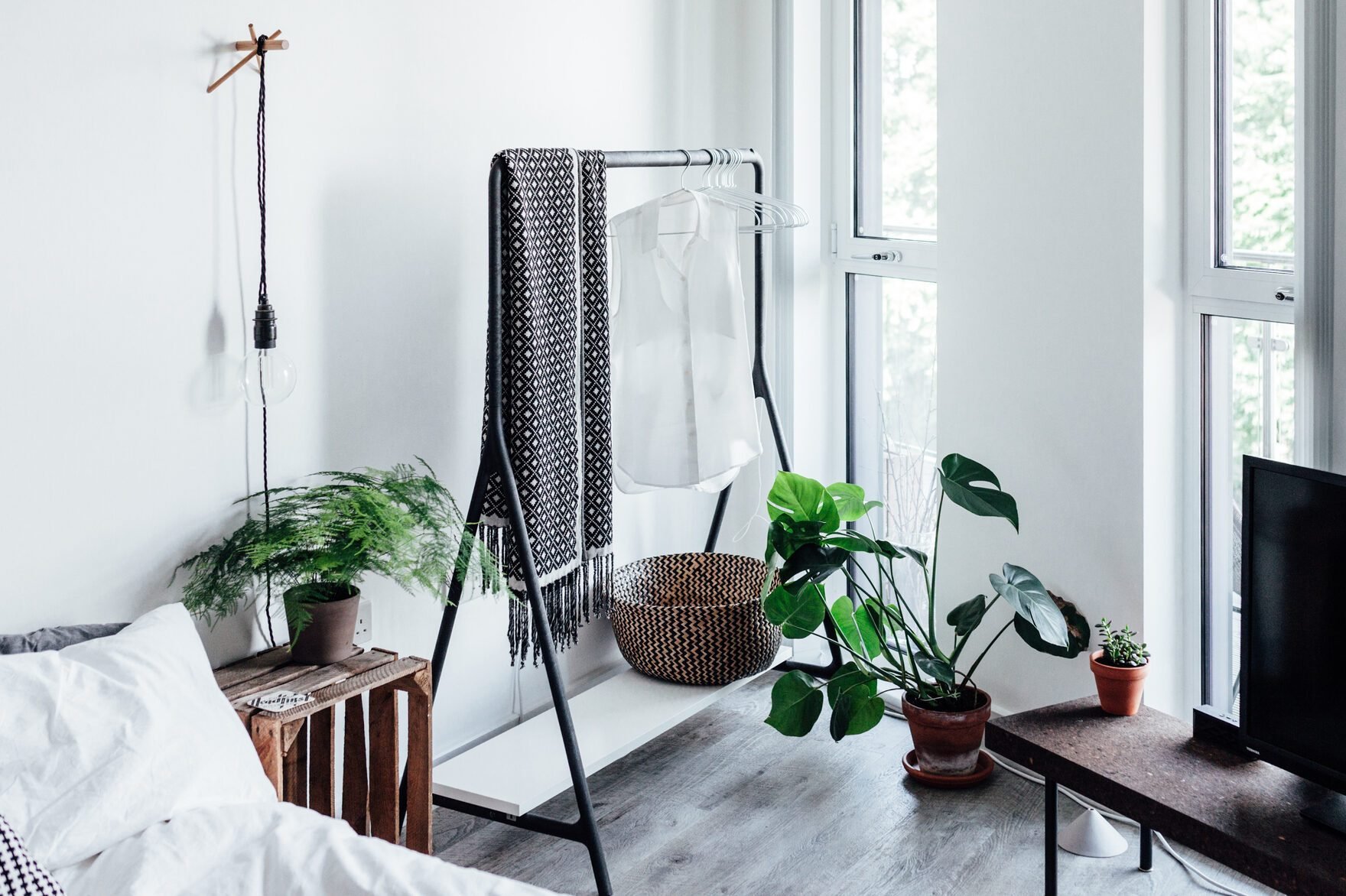
No Closets, No Problem: Storage Solutions for a Home With No Storage

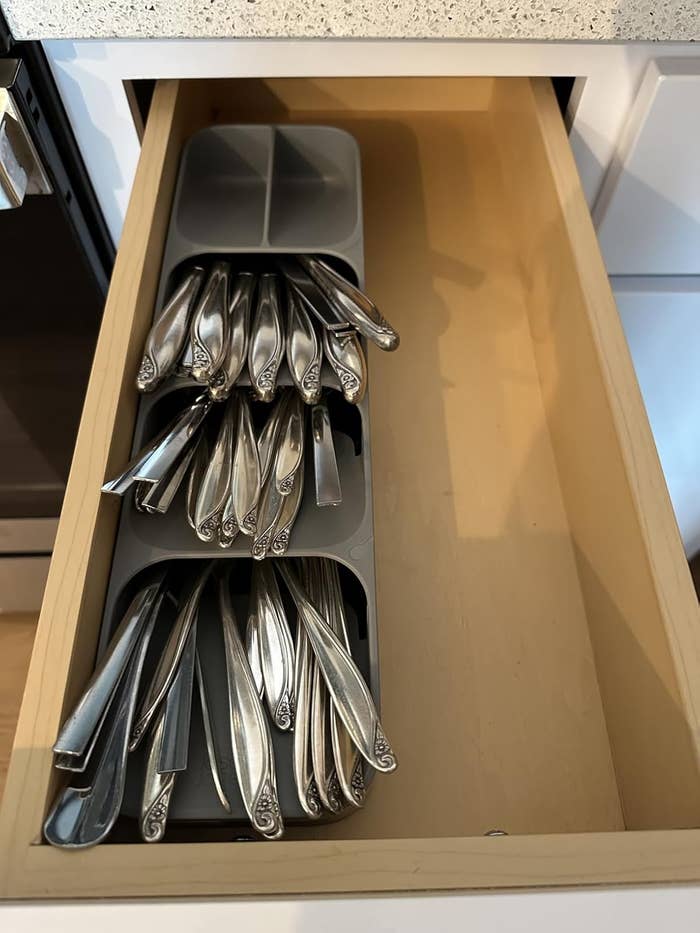
If You Think You're Out Of Space In Your Home, It's Time To Check Out These 25 Storage Ideas
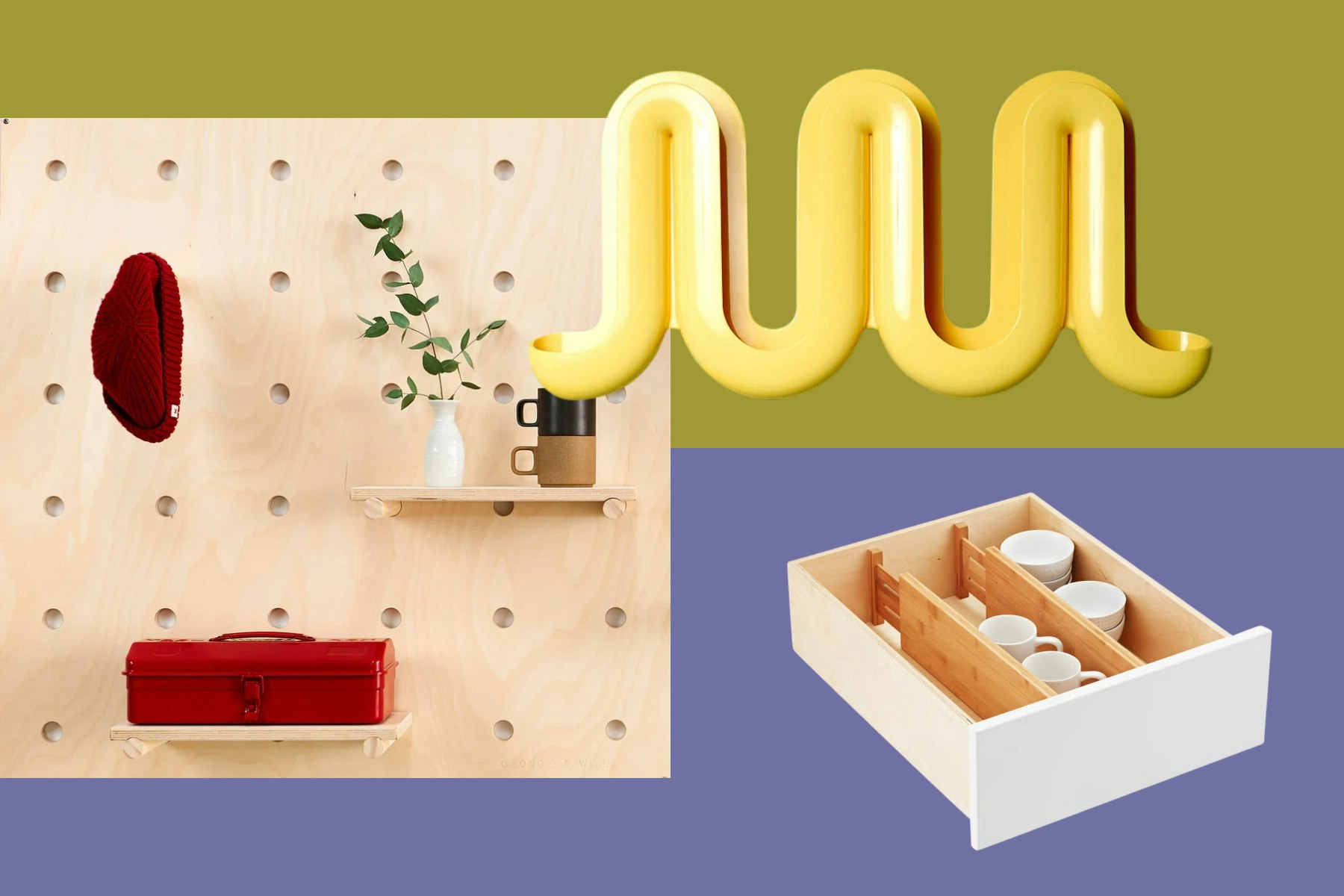
I Found Some Smart Storage Solutions for Those Allergic to Visual Clutter
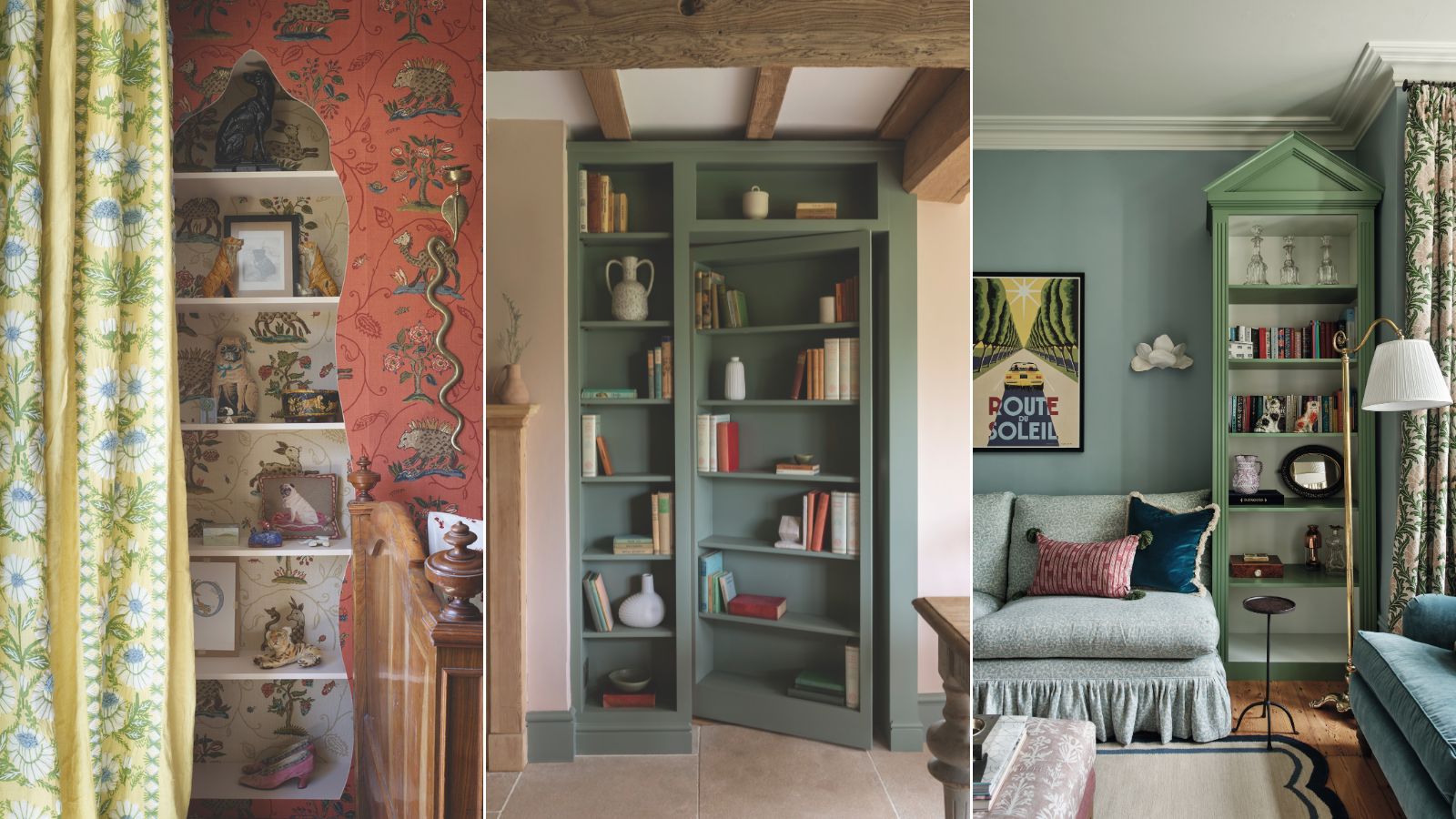
Storage doesn't get more chic than this – 9 designers on how they made storage a design statement
8 genius tiny house storage ideas to steal from tiny homes (and their owners)

9 Secret Storage Spaces in Your Home You're Probably Overlooking