1/13
The Best Gear for Aging Pets | Reviews by Wirecutter
This article provides a comprehensive guide to products and strategies designed to enhance the comfort and quality of life for aging pets, drawing on the author's personal experiences and expert advice from veterinarians and behaviorists. It emphasizes proactive care, recommending that pet owners begin monitoring their pets' health needs around age seven, regardless of species or breed, to establish baselines and address potential issues early. Regular veterinary check-ups, ideally twice a year for preventative care, are highlighted due to animals' tendency to hide pain and discomfort.
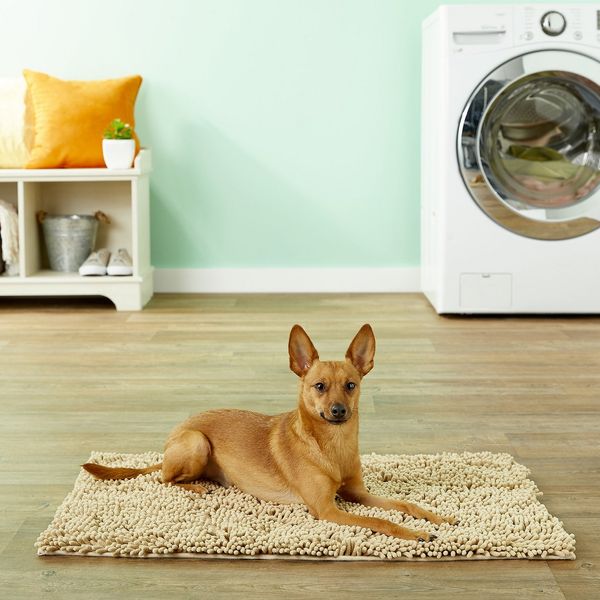
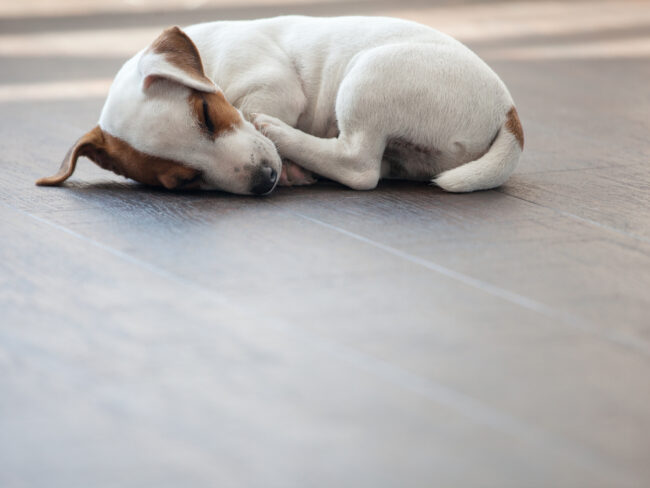
The guide is structured around various aspects of an aging pet's life, starting with mobility. It offers practical solutions for common age-related issues like joint stiffness and reduced agility. Recommendations include using rugs, carpets, or yoga mats to provide traction on slippery floors, thereby reducing the risk of falls and increasing pets' confidence in movement. Elevated food and water bowls are suggested to alleviate strain on necks and joints during eating. For pets struggling to access elevated surfaces like couches or beds, the article recommends pet stairs and ramps, emphasizing the importance of stability. For dogs with more significant mobility challenges, specialized lifting harnesses and slings are discussed, along with pet strollers and wagons for maintaining outdoor routines. The author notes that some items, like rugs, are already covered in other Wirecutter reviews.
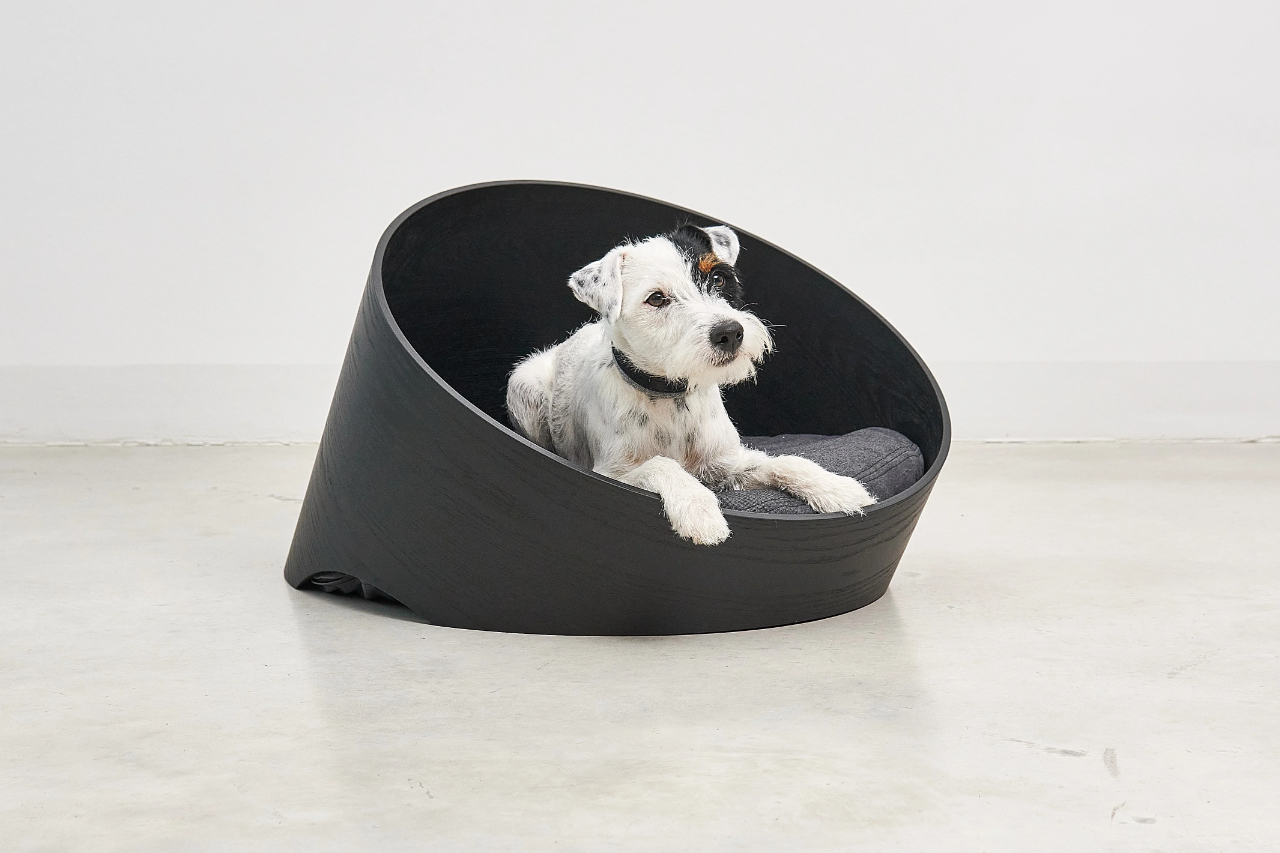
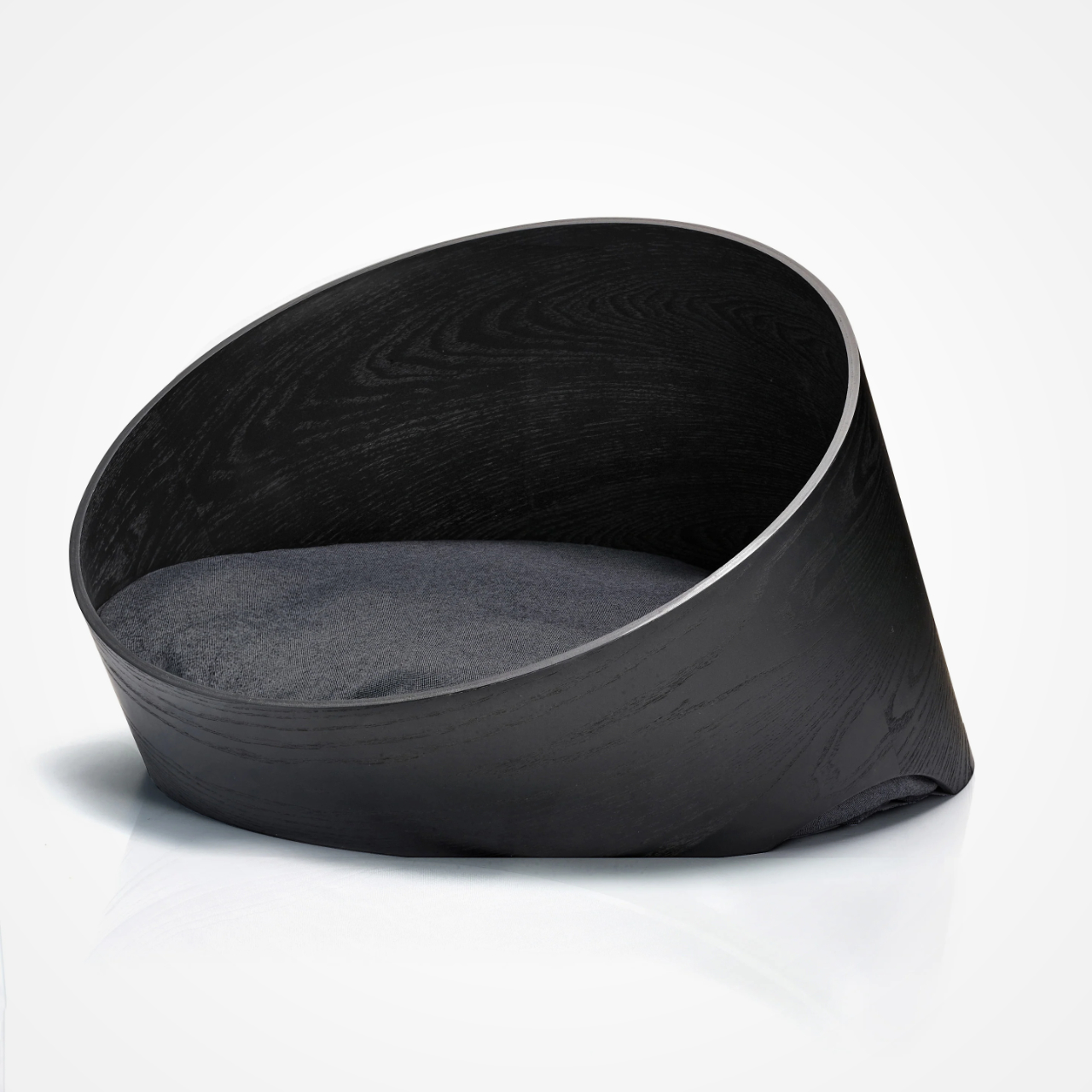
Next, the article addresses bedding and comfort, highlighting the benefits of heated beds for older animals, especially those with less body mass or arthritis. It discusses the K&H; Pet Products Thermo-Kitty Cat Bed and the K&H; Pet Bed Warmer, advising caution with regular heating pads due to potential thermal injury. Self-warming mats are presented as a safer, non-electric alternative. The guide also introduces pulsed electromagnetic field therapy (PEMF) beds as a potentially beneficial, though expensive, option for pain and inflammation management, backed by scientific evidence and sometimes available for rent from veterinary offices.
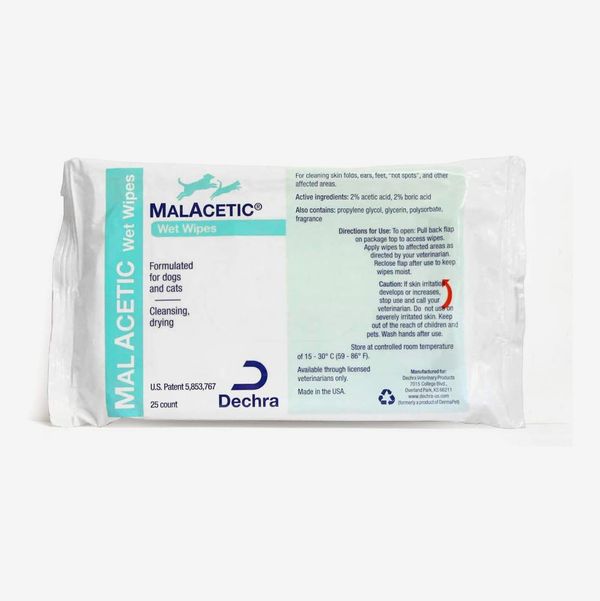
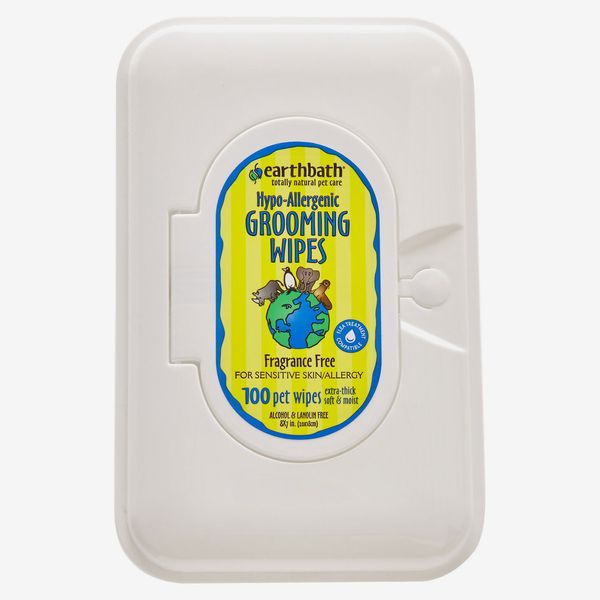
Grooming is another key area, with advice on regularly brushing older cats to prevent matting and maintaining trimmed nails for both dogs and cats to prevent ingrown issues. Product recommendations for grooming tools and no-rinse shampoos are provided. The article strongly advises against using scissors for tangles due to the risk of skin injury, suggesting professional grooming for complex tasks. It also covers play and enrichment, advocating for interactive games and puzzles to combat cognitive decline and suggesting modifications to traditional play to accommodate reduced mobility. Examples include snuffle mats for nose work and wand toys for cats.
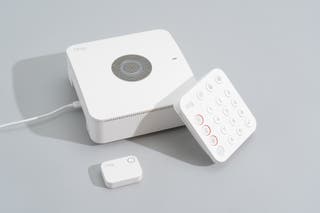
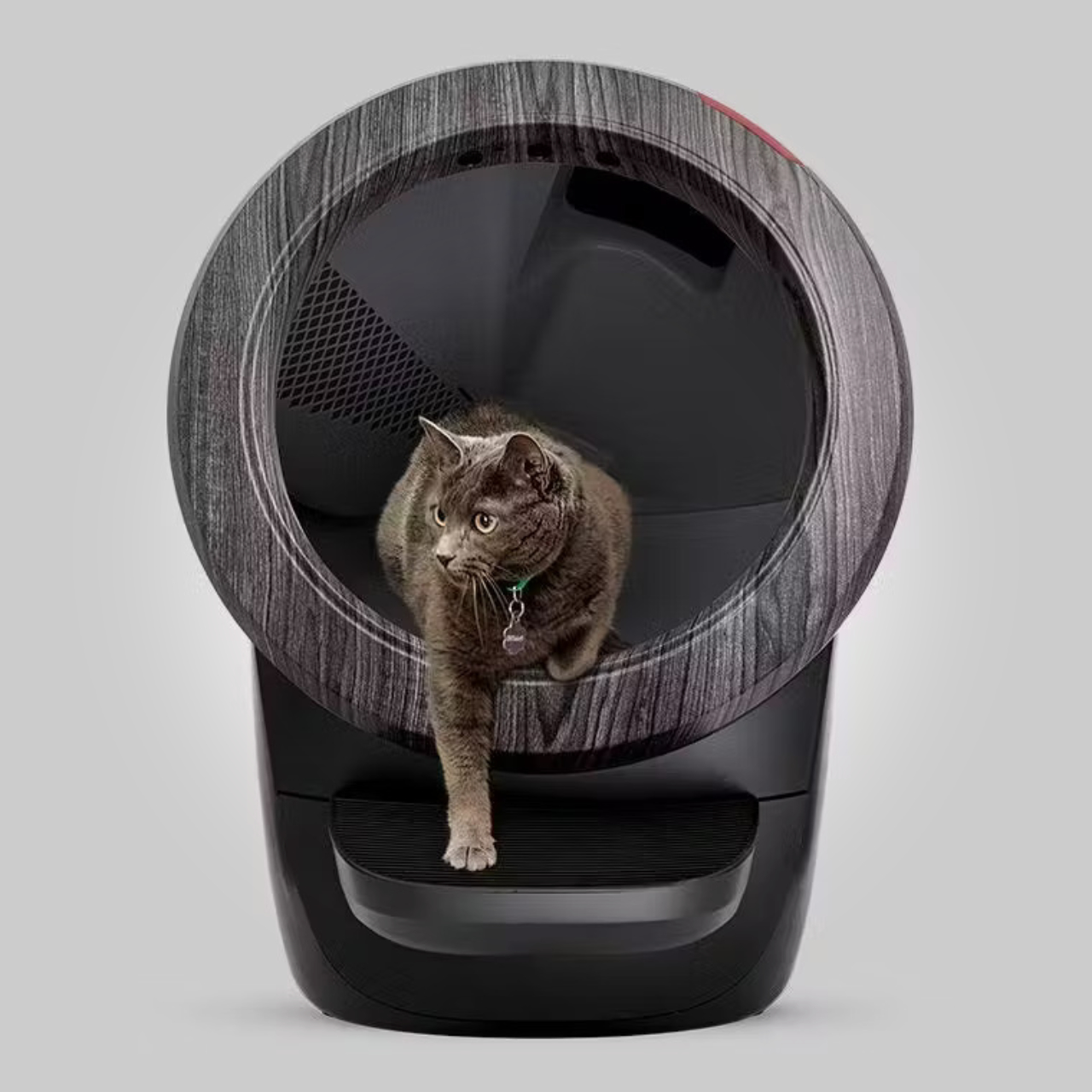
Bathrooming solutions are presented, such as washable pee pads for dogs prone to accidents and low-entry litter boxes or DIY options for cats with mobility issues. The guide concludes with monitoring techniques, including using indoor spy cameras to observe behavioral changes, track meal consumption, and identify potential health concerns. It also stresses the importance of regular weight monitoring, suggesting specific scales for small pets and advising vet visits for larger dogs. Overall, the article aims to equip pet owners with knowledge and product recommendations to provide the best possible care for their aging companions, stressing that veterinary consultation remains paramount for any health concerns.
#PetCare #AgingPets #PetMobility #PetComfort #PetGrooming #PetProducts #HomeAdaptations #VeterinaryAdvice #PetHealth #PetCare #AgingPets #PetMobility #PetComfort #PetGrooming #PetProducts #HomeAdaptations #VeterinaryAdvice #PetHealth
0 comment in total
 No comments yet
You may also like

The Best Smart Home Devices to Help Aging in Place

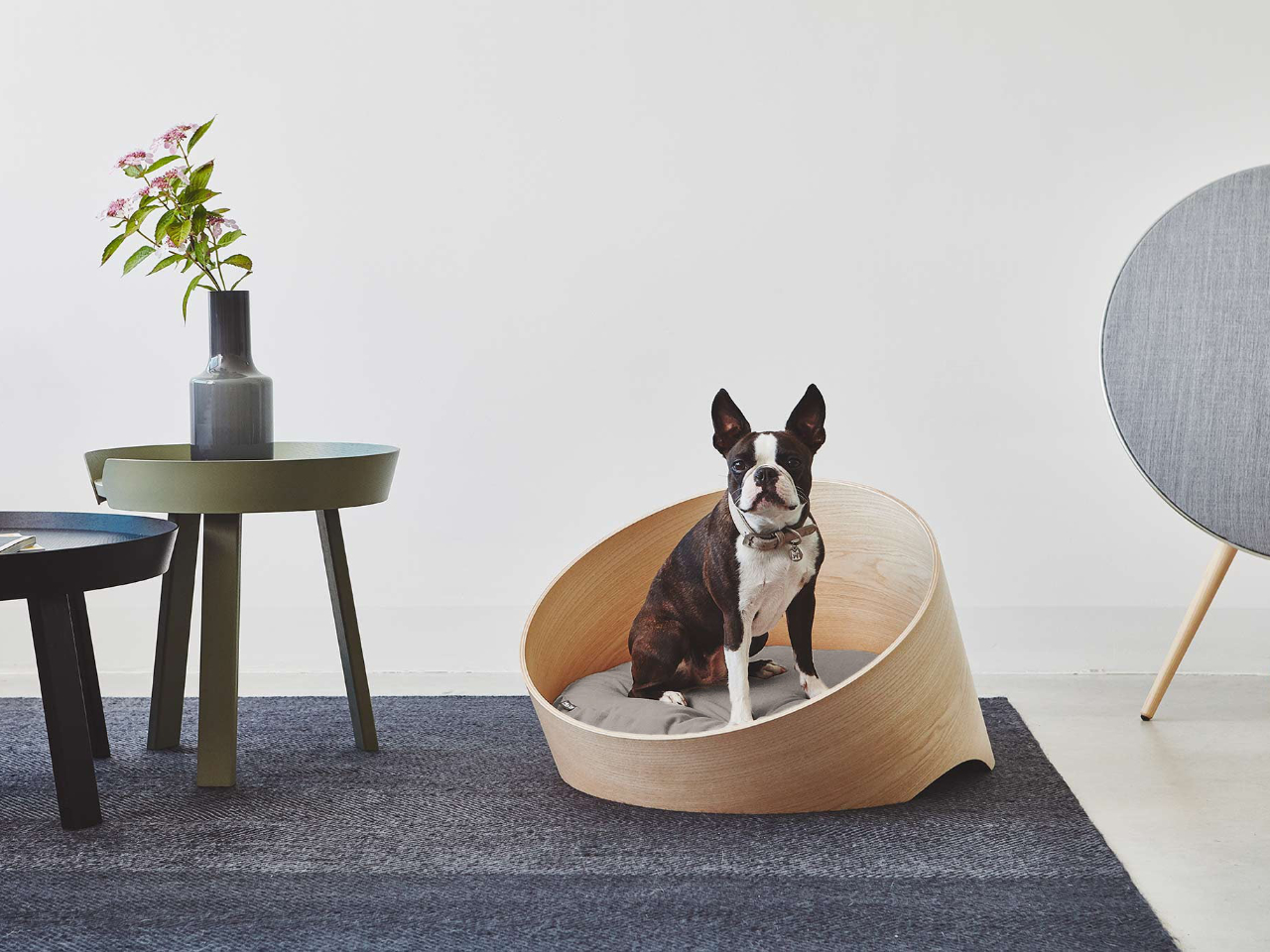
10 Modern Designer Pet Products That Elevate Your Home: Luxury Beds, Toys, and Accessories for Dogs & Cats

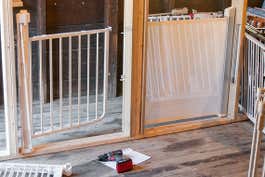
The Best Dog Gates | Reviews by Wirecutter
Home design is going to the dogs
What Pet Owners Need to Clean and Protect Their Furniture, According to Experts
The Best Flooring for Dogs That Will Hold Up Through the Years

5 Stair Safety Tips for Dogs

Pets play role in shaping luxury home design | Real Estate Millions | Homes

16 Stylish Pet Accessories You Won't Have to Hide When Guests Come Over

The best pet vacuums tackle hair, dust, and debris with finesse — our picks leave your home fur-free
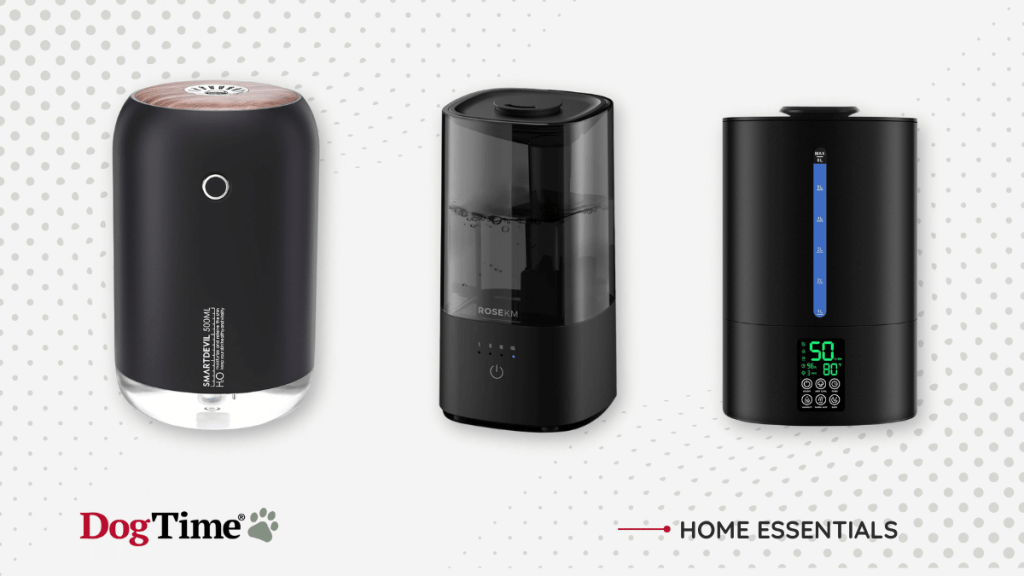
12 Best Humidifiers for Pet Parents in 2025

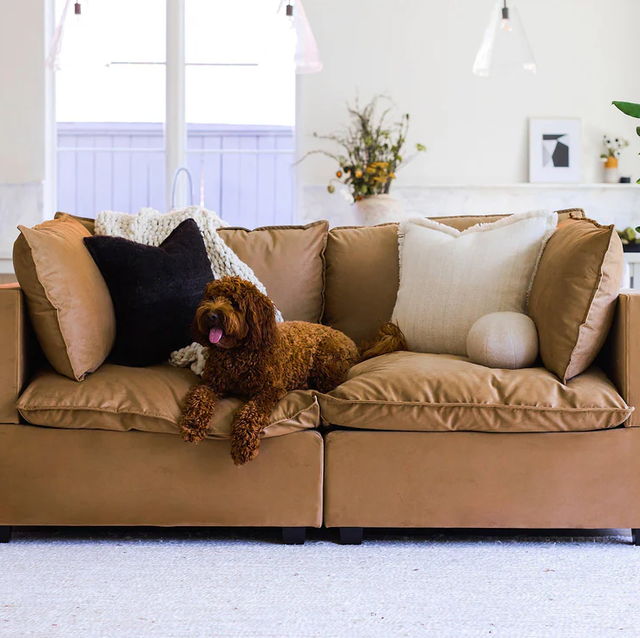
12 Best Pet-Friendly Couches to Cozy up With Your Furry Friends

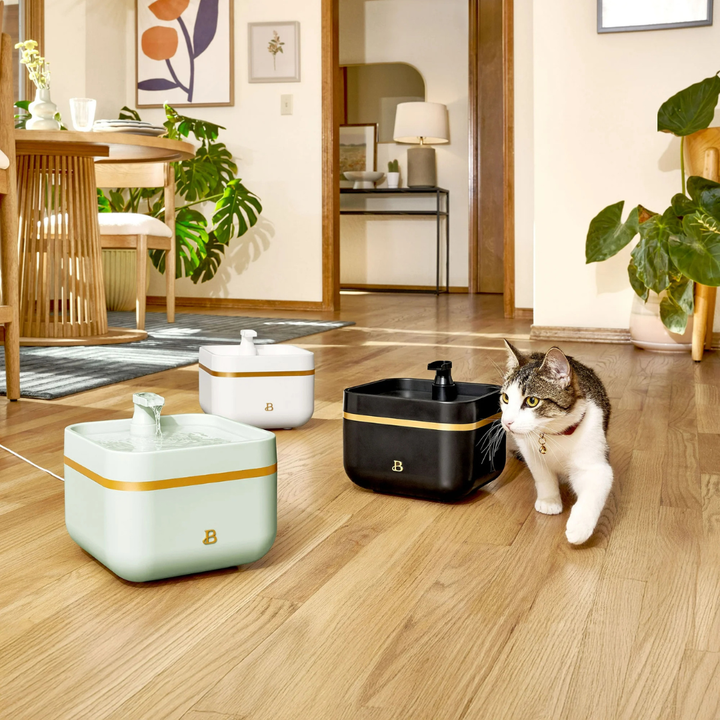
This Vet-Recommended Pet Accessory Doubles As Home Decor

The 9 Best Vacuums for Pet Hair, With Real-World Results on Fur After We Tested in a Cat and Dog Shelter


10 Low Maintenance Houseplants That Are Safe for Your Furry Friends


What’s the Best Vacuum for Pet Hair? | Reviews by Wirecutter

How to Prep Your Home for a New Pet, According to an Interior Designer


15 Dog Products That are Fun and Functional, Without Sacrificing Style

The Best Couch Material for Dogs — Experts Share the Fabrics That Can Handle Paws and Claws

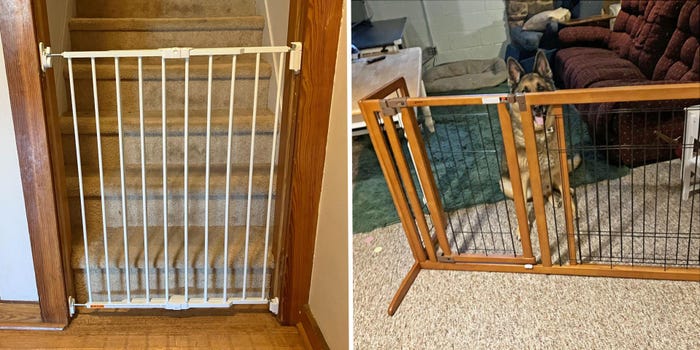
The right dog gate can keep pets and people safe — here are the best options for big dogs, stairs, and more